Tag: topic-link-auto

  • Will the Phillies spend to beef up the middle of the order? Here are some free-agent options.

    Will the Phillies spend to beef up the middle of the order? Here are some free-agent options.

    In identifying where the Phillies fell short in the lowest-scoring season of the Bryce Harper era, the team’s new hitting coach suggests looking at one metric.

    “At the team level,” Pete Fatse said, “you could make it as simple as OPS.”

    OK, let’s not overcomplicate it then. The Phillies ranked 22nd with a .707 on-base plus slugging percentage, their lowest mark since 2018. Dig deeper and find they were 26th in OPS from their outfielders (.686), 29th out of the cleanup spot (.645), and 30th from the right side of the plate (.658).

    Bad. Worse. Worst.

    Given the lack of an in-house solution, and based on his history with the Phillies, Dave Dombrowski might be expected to throw money at the problem. And amid a middling free-agent market that opened for business Tuesday, there happen to be two righty-swinging outfielders who profile as No. 4 hitters.

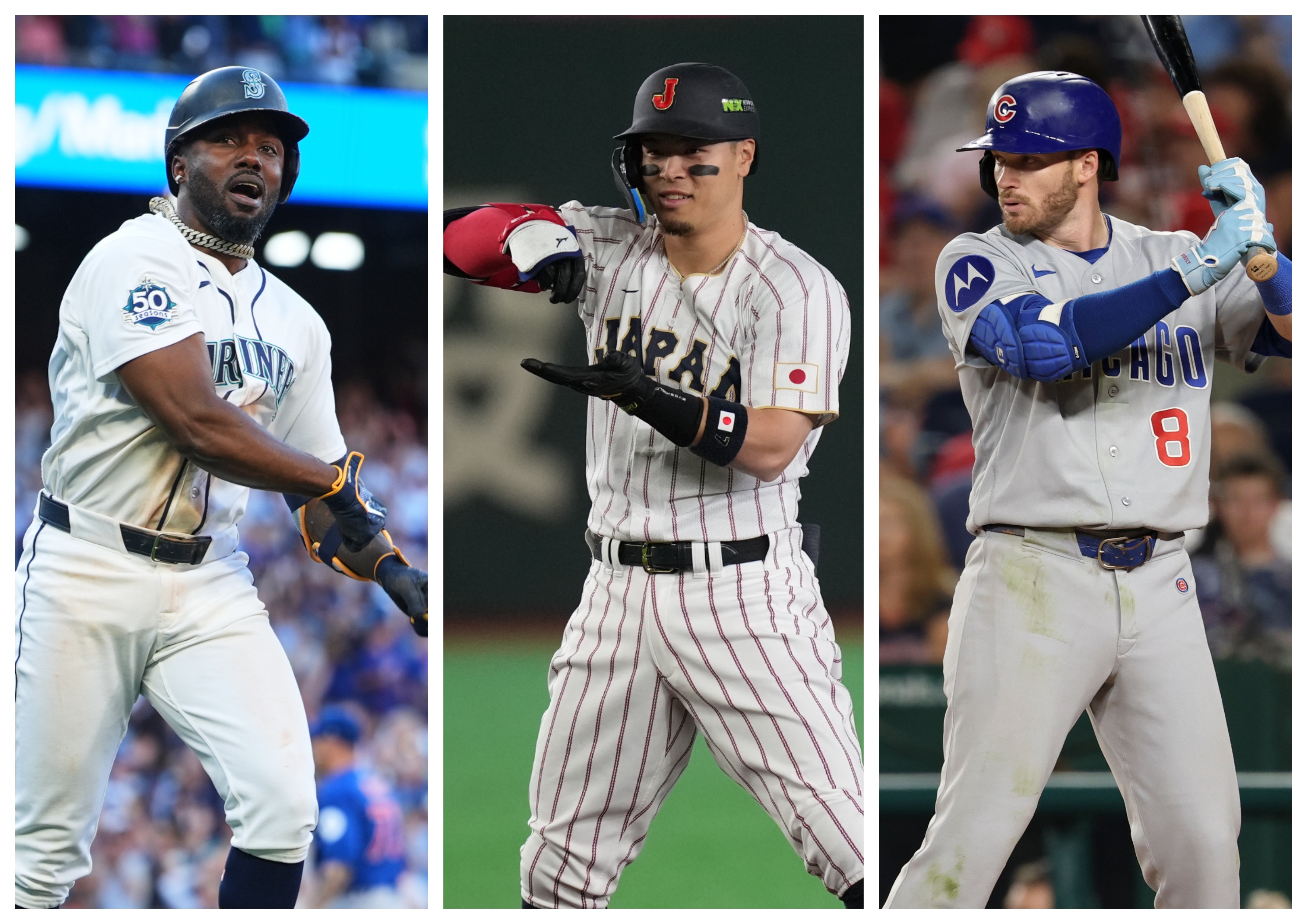
    Come on down, Randy Arozarena.

    Or Seiya Suzuki.

    In 2022, Dombrowski beefed up the offense by signing Nick Castellanos (five years, $100 million) and Kyle Schwarber (four years, $79 million). A year later, in need of a shortstop, he landed Trea Turner with an 11-year, $300 million contract. The year after that, he re-signed Aaron Nola to keep the top of the rotation intact and still pursued Japanese righty Yoshinobu Yamamoto.

    Arozarena and Suzuki received qualifying offers Monday, so signing either would cost draft-pick compensation. Under Dombrowski, that hasn’t stopped the Phillies.
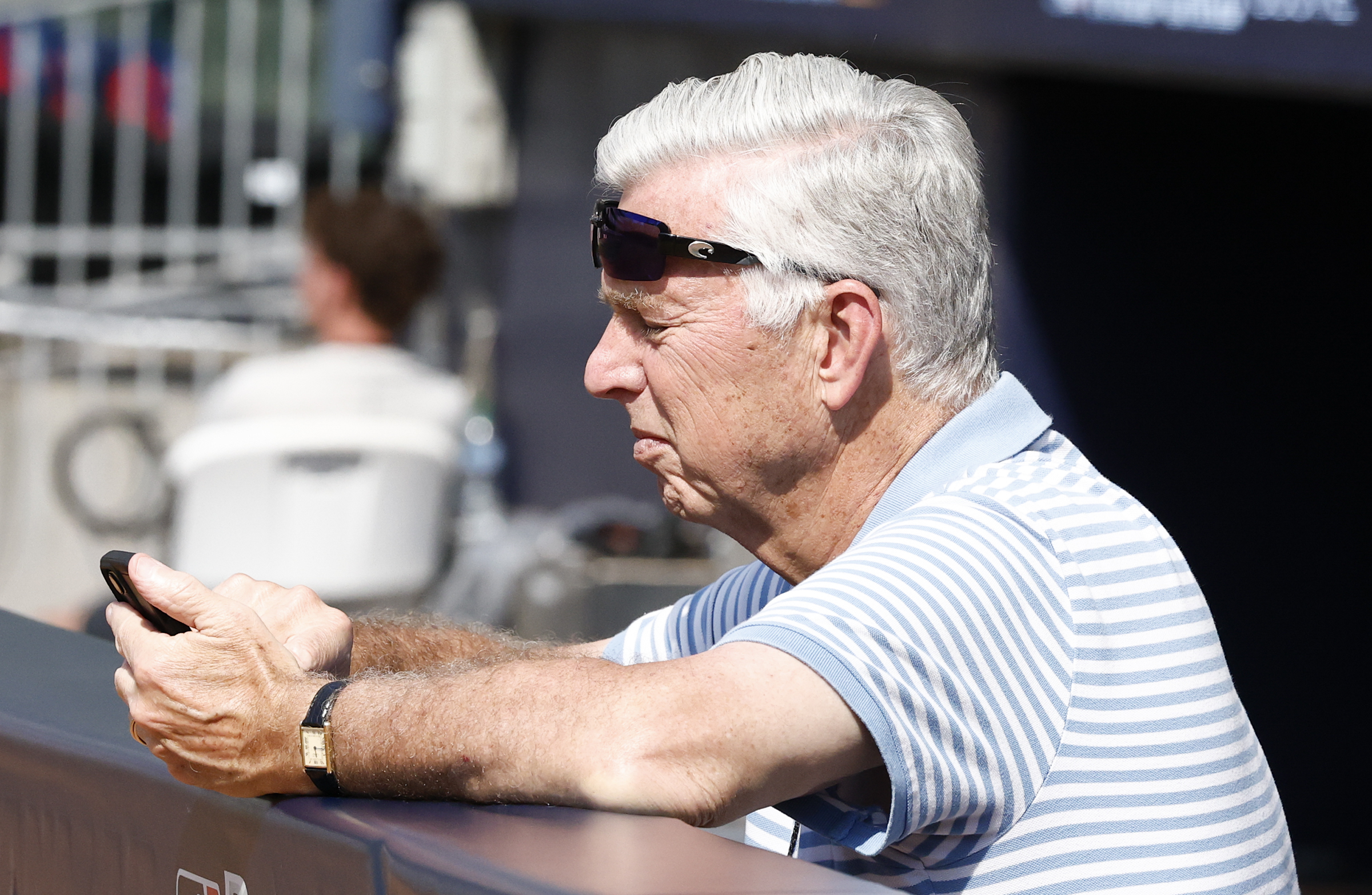
    Phillies president of baseball operations Dave Dombrowski has decisions to make before the owners are expected to lock out the players on Dec. 2.Yong Kim / Staff Photographer

    But before everyone assumes there’s a red-pinstriped jersey on a hanger in Citizens Bank Park waiting for Arozarena or Suzuki, remember this isn’t a typical offseason. Not with the owners poised to lock out the players on Dec. 2, setting the stage for the sides to go 12 rounds (and maybe more) over a salary cap.

    As Dombrowski put it recently: “I don’t know what the rules are.”

    Even if there isn’t a salary cap at the other end of this work stoppage, there almost certainly will be harsher penalties on the teams with the highest payrolls. And after carrying the sport’s fourth-highest payroll this year, the Phillies have approximately $239 million in luxury tax commitments for 2027 before they consider signing another $20 million-plus free agent.
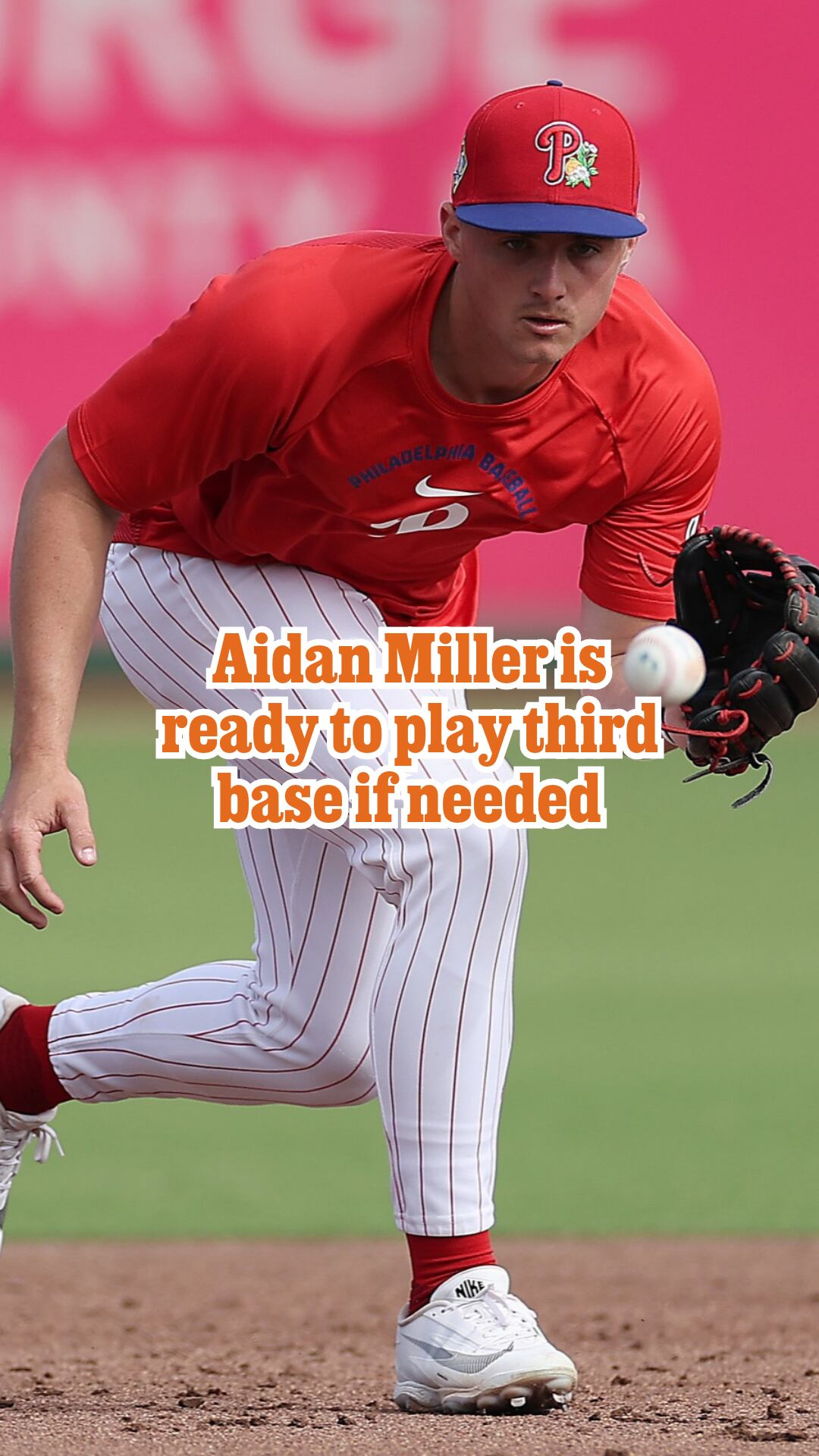
    Phillies Extra: Aidan Miller is ready to play third base if needed
    Video: Phillies Extra: Aidan Miller is ready to play third base if needed

    Top prospect Aidan Miller almost certainly will be a low-cost addition to the offense. After missing almost the entire season with a low back condition, the 22-year-old infielder was healthy and tearing up the Arizona Fall League (14-for-39, 1.154 OPS) through the weekend.

    Miller won’t be impacted by the lockout. If opening day is delayed, he could begin the season in triple A and be ready whenever MLB resumes play.

    The Phillies expect more from 23-year-old outfielder Justin Crawford in his second major league season. And they could attempt to fix the outfield by finding a solid defender and/or more productive righty-hitting platoon partner for Brandon Marsh.

    (Last winter, Dombrowski overrated Otto Kemp’s impact in that role. A year later, Tyrone Taylor is a free-agent option; the Astros designated Jake Meyers for assignment on Monday; the Guardians could trade or nontender Jo Adell later this month.)

    But none of that would mitigate the need for middle-of-the-order thump behind Schwarber and Harper. And the best way to find it, short of trading a prospect, might be to spend money in free agency, damn the consequences.

    Let’s take a quick spin around the free-agent options:
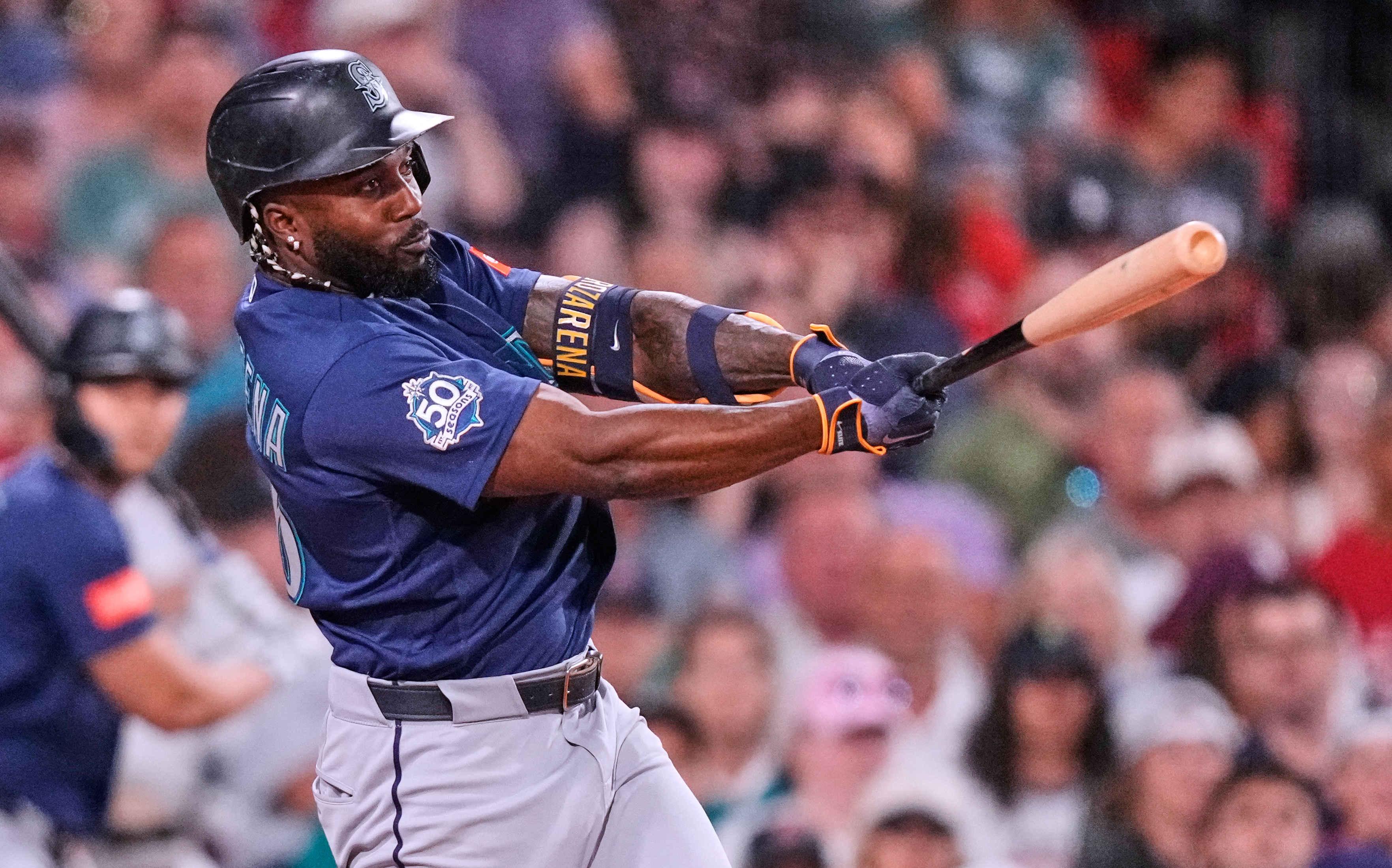
    Free-agent outfielder Randy Arozarena hit 26 homers last season for the Mariners.Charles Krupa

    Randy Arozarena

    Timing is everything, and he’s arriving on the market after the best year of his career: .281 average, 26 homers, 26 steals, and an .865 OPS with the Mariners.

    But if you believe in Arozarena entering his age-32 season, it’s because you think he can sustain this year’s 4.2% reduction in his strikeout rate over his previous career mark.

    Arozarena’s defense in left field has deteriorated. But he was a high performer in the postseason with the Rays. And he checks all the boxes for the Phillies as a righty-hitting outfielder who bats in the middle of the order.
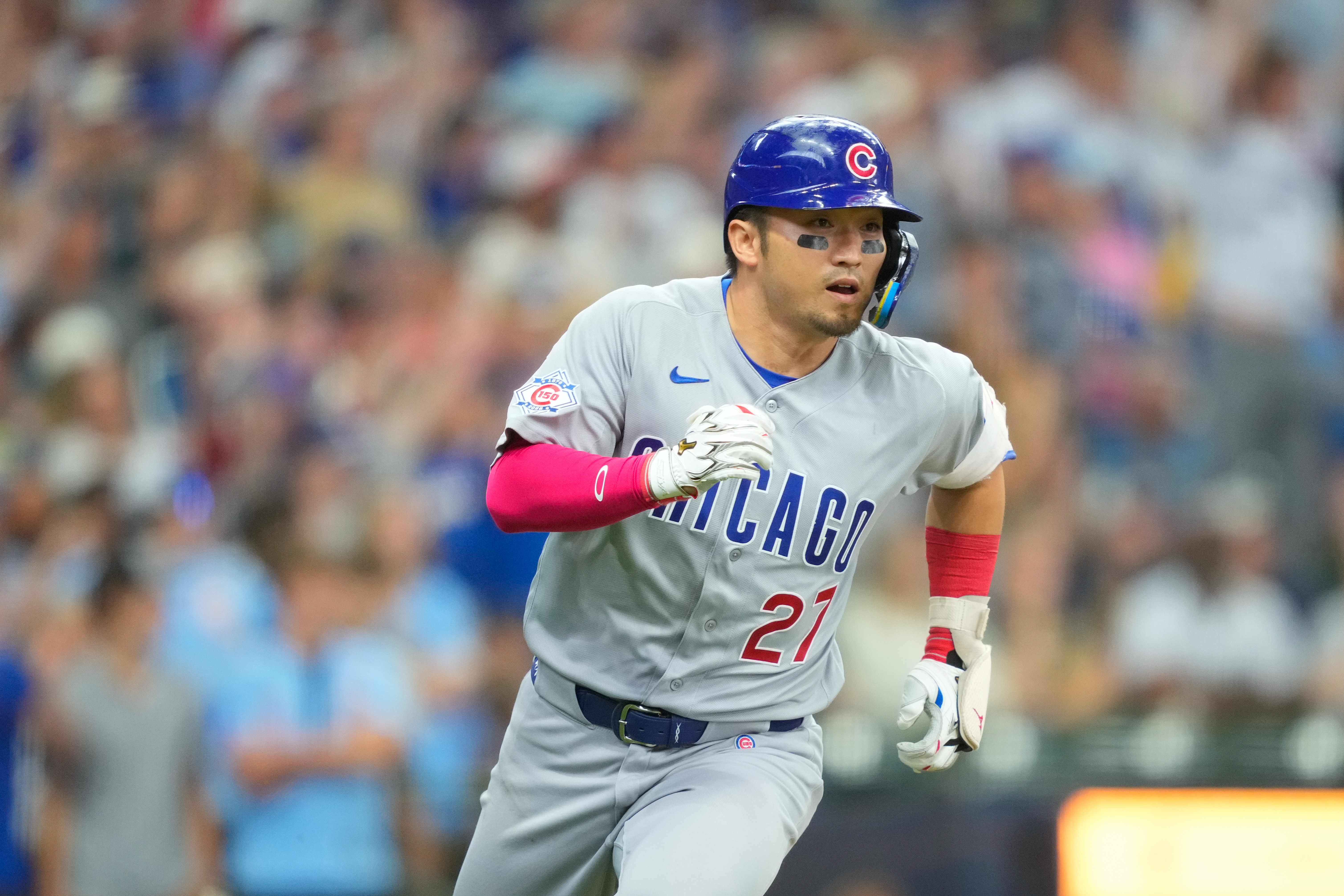
    Seiya Suzuki, a right-handed batter, has hit 58 home runs over the past two seasons.Kayla Wolf

    Seiya Suzuki

    Like Arozarena, he just had his best season: .270 average, 31 doubles, 26 homers, and an .841 OPS for the Cubs. He’s also 32 and bats right-handed. And he has been more consistent than Arozarena. Suzuki’s year-by-year OPS since coming to the majors in 2022: .770, .842, .848, .804, .841. His defensive metrics in right field were much better this season.

    Two potential concerns: a right knee issue that hampered him early in the season and a 38.9% hard-hit rate that was well off his 45.4% career mark.
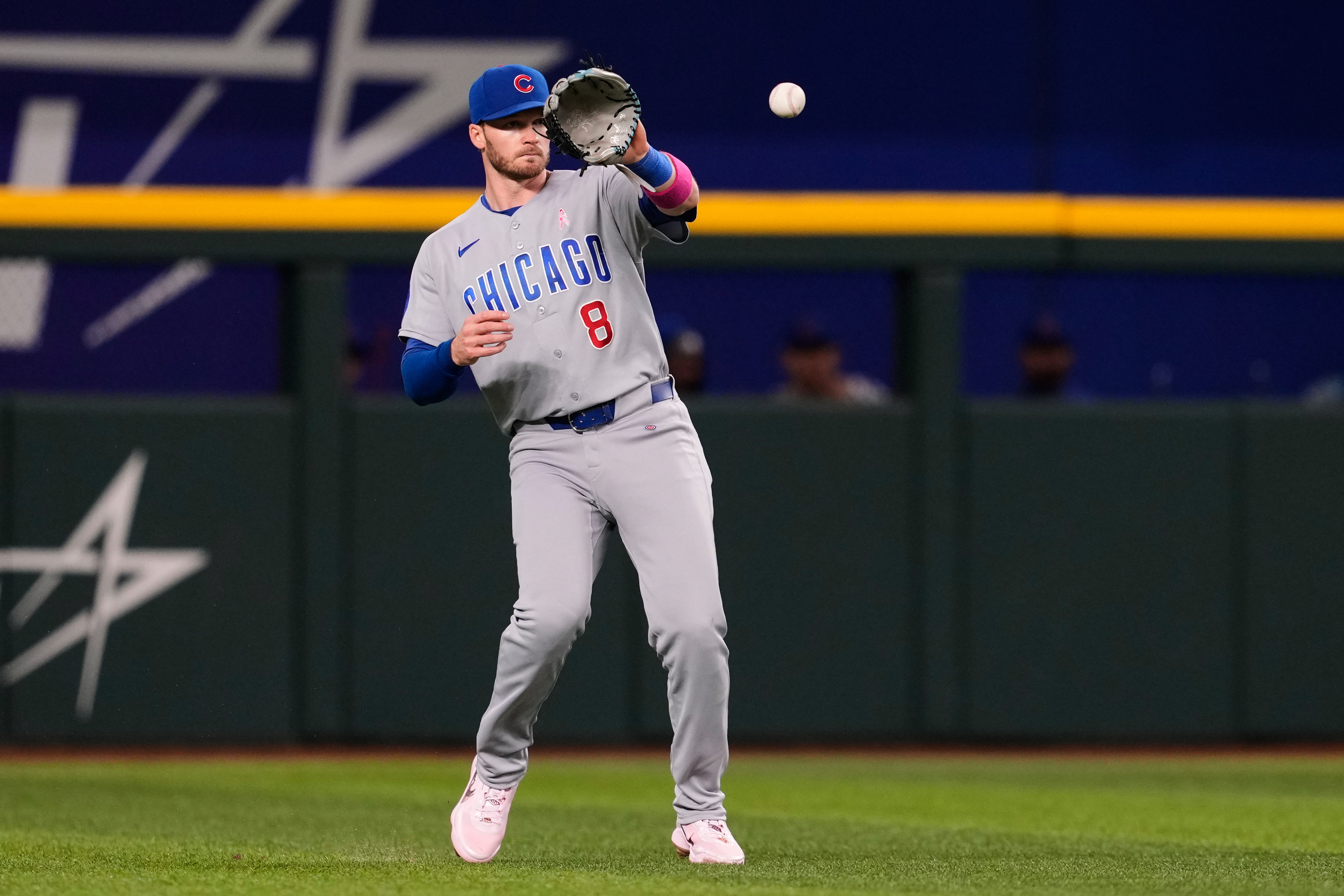
    Left fielder Ian Happ’s streak of four straight Gold Gloves ended this year.Tony Gutierrez

    Ian Happ

    The 32-year-old switch-hitter has always been more productive from the left side of the plate (.815 OPS) compared to the right side (.683), making him an imperfect fit. He’s also coming off a tough year at the plate: .218 average, 28 doubles, 24 homers, and .738 OPS for the Cubs.

    But he has topped 20 homers in five of the last six seasons, including four in a row, and is a solid defender in left field.
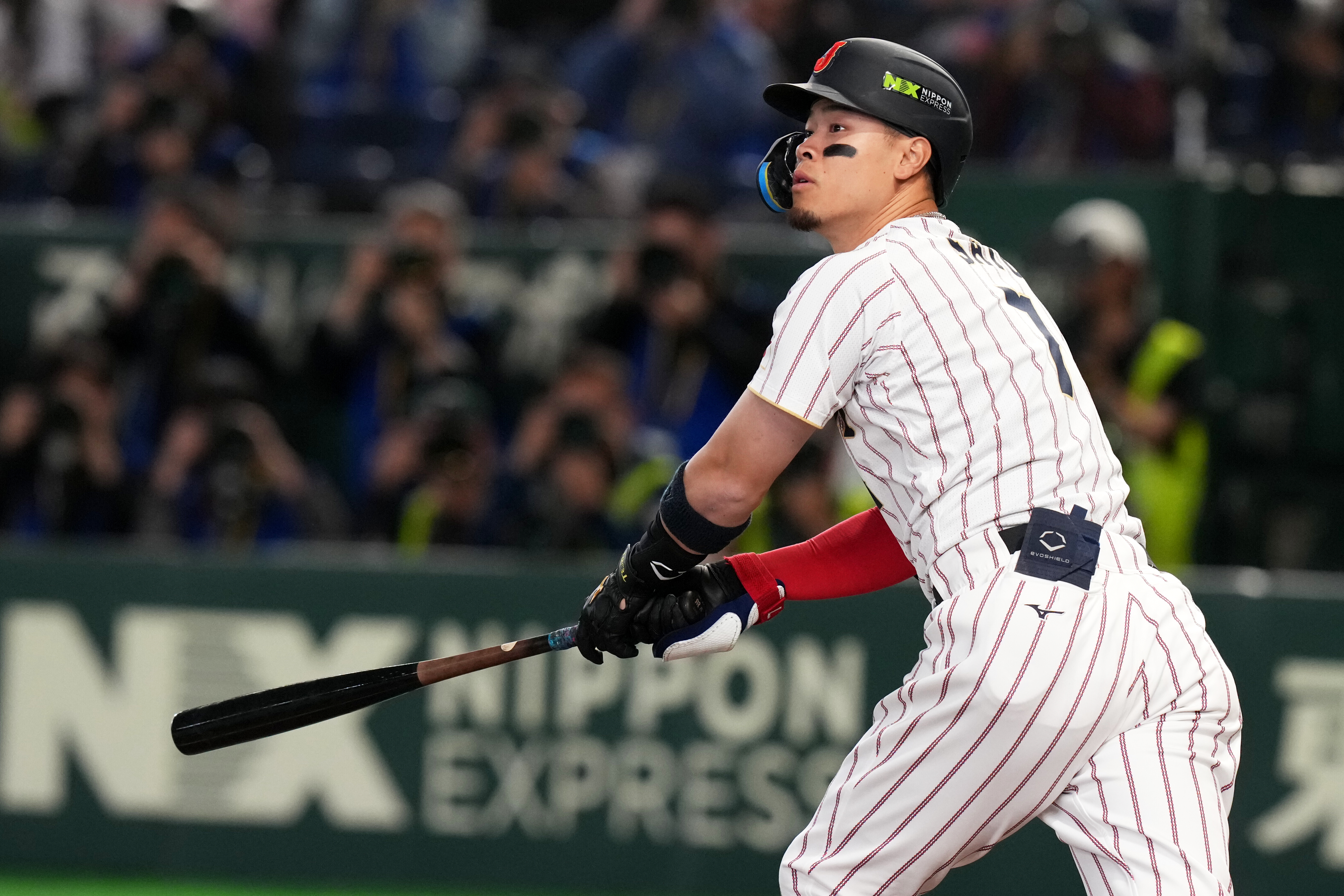
    Teruaki Sato won the triple crown in Nippon Professional Baseball this season.Eugene Hoshiko

    Teruaki Sato

    A reminder that the Phillies haven’t signed a player directly from Japan. But they are interested in Sato, whom they scouted extensively this season.

    Sato was a third baseman in Japan, where he won the triple crown in Nippon Professional Baseball, but some scouts project he will move to first base or a corner outfield spot in the majors. It’s unclear how the Phillies feel about his positional fit.

    He also bats left-handed, like Schwarber and Harper. His power — 39 homers, .609 slugging percentage this year; 40 homers, .579 slugging in 2025 — is reminiscent of Munetaka Murakami, who made a smashing major league debut this season with the White Sox.

    Sato is also entering only his age-28 season, which may make him a better upside play than the 32-year-old outfielders.
  • The Eagles could lead the NFL in dead salary cap money in 2027. Would a trade-deadline fire sale make things worse?

    The Eagles could lead the NFL in dead salary cap money in 2027. Would a trade-deadline fire sale make things worse?

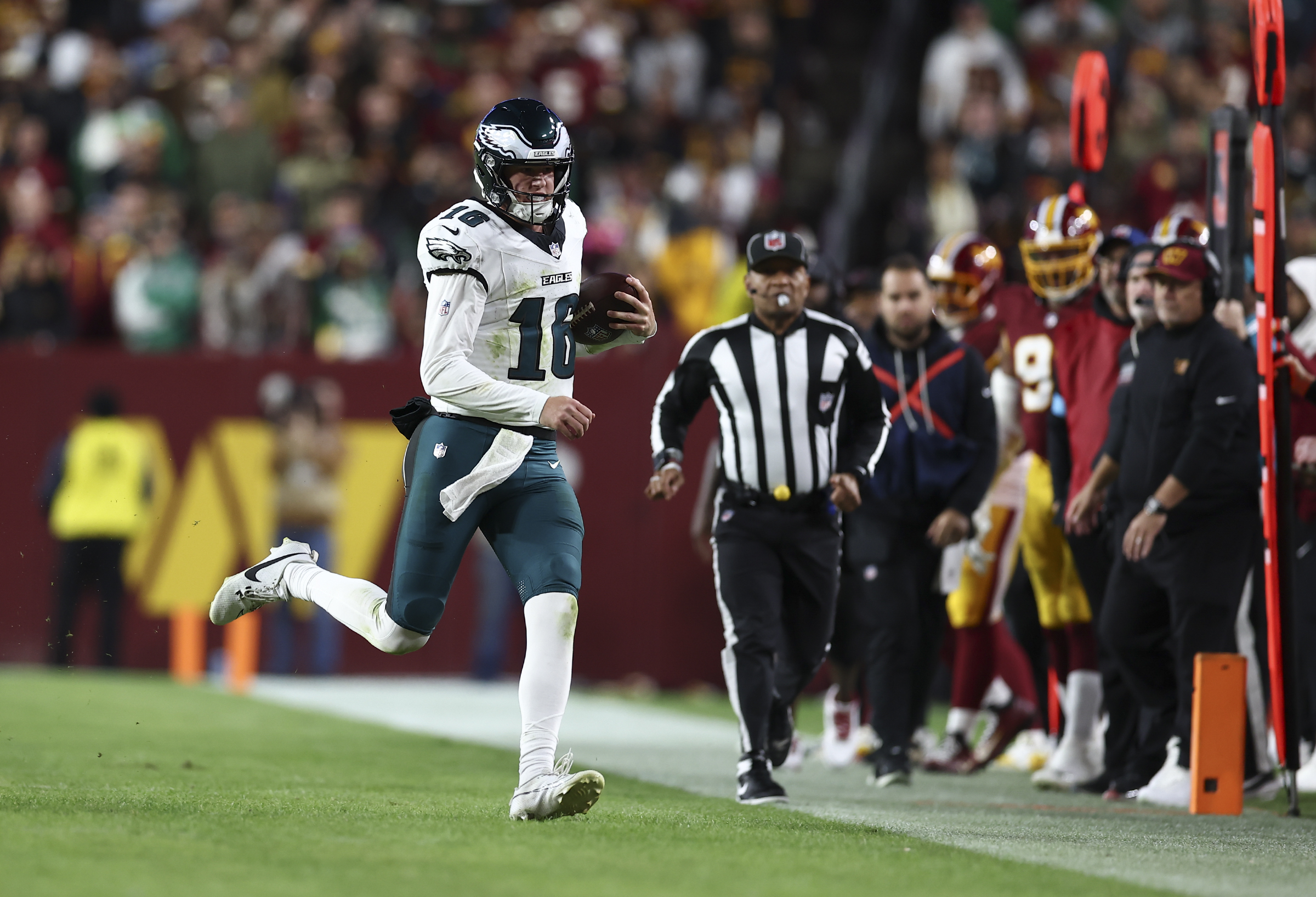
    After their 27-10 loss to the Washington Commanders on Sunday night, the Eagles (2-6) now sit in last place in the NFC East. Their playoff window is all but slammed shut.

    Does that mean a fire sale is looming ahead of the Nov. 10 trade deadline?

    Like anything, it isn’t that simple. A confluence of factors determine what makes a trade worth executing, including the return, the cost of replacing that player, and the potential salary cap implications.

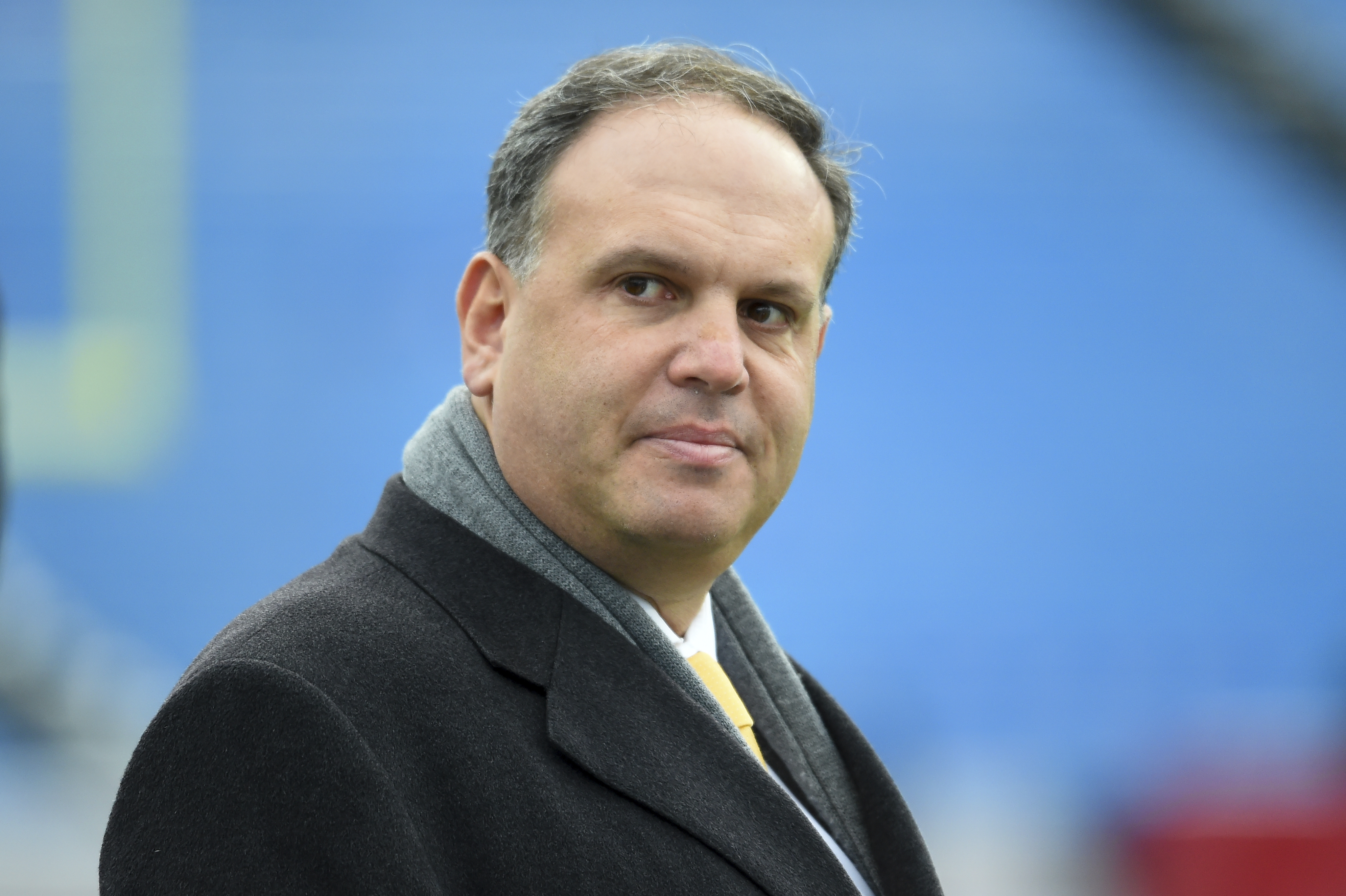
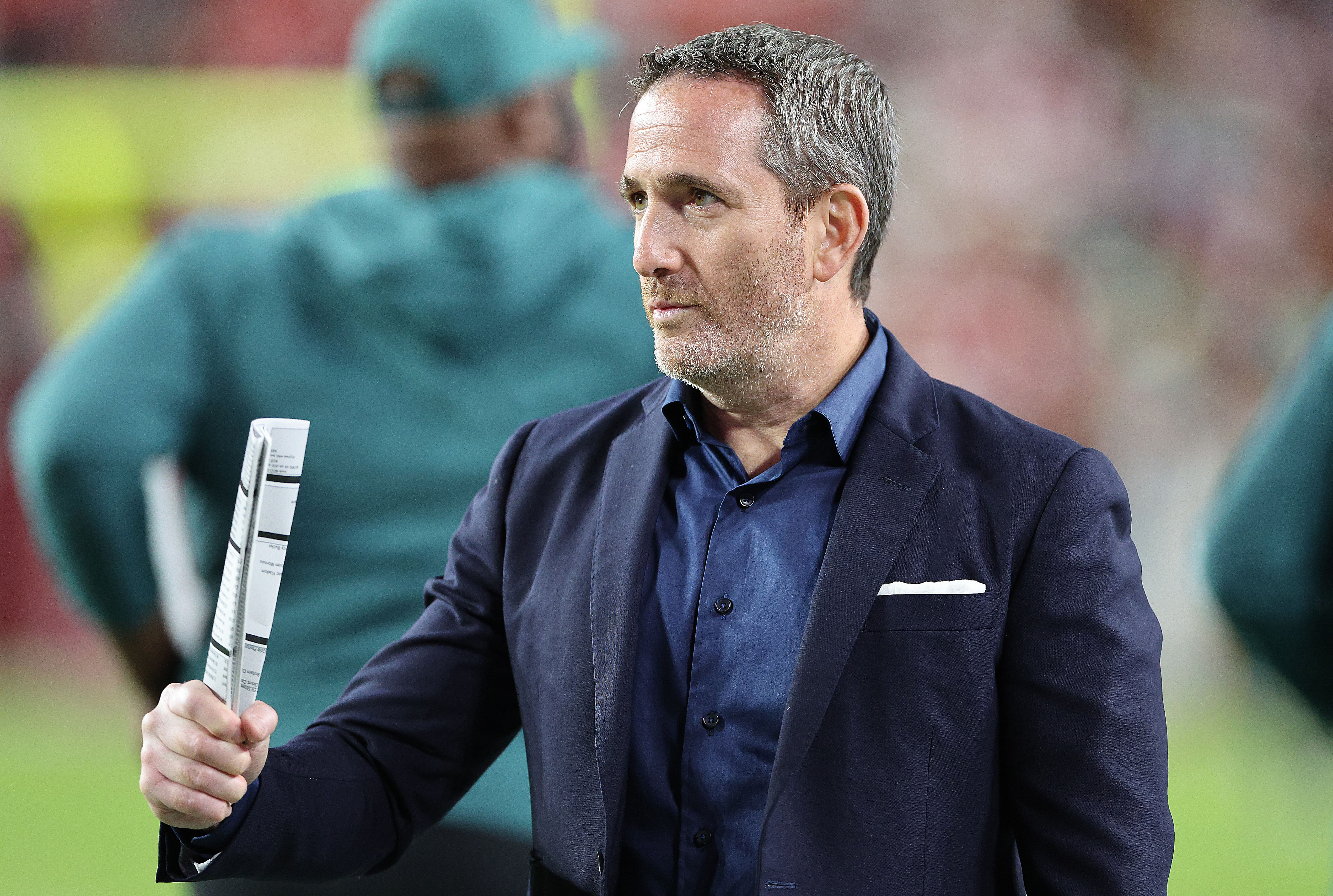
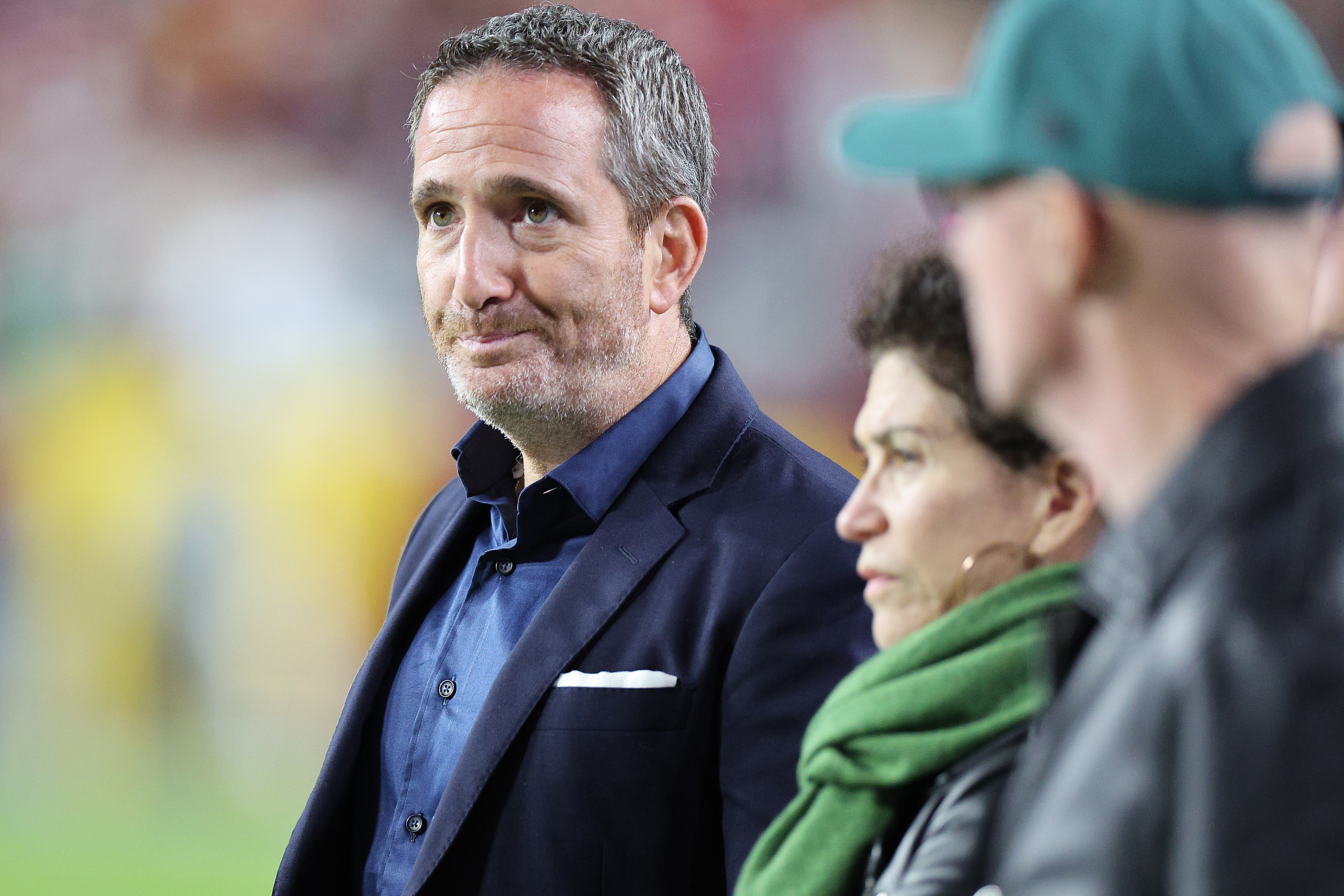
    Regardless of whether the Eagles opt to buy or sell at the trade deadline, general manager Howie Roseman will likely keep the same objective in mind — sustained success into the future, believes former New York Jets general manager and current ESPN analyst Mike Tannenbaum, who once faced similar questions in his own front office role.

    “I think any year, it’s a juxtaposition of what’s good for the organization, short-term and long-term, and obviously [the Eagles have] done a very good job of having sustained success,” Tannenbaum said. “So I think it’s just more of those continued evaluations of if and when there’s opportunities to either add a quality player for the long-term or get good return in the future. You always balance those competing thoughts.”

    A.J. Brown will cost the Eagles $27.1 million against the cap in 2027. Yong Kim / Staff Photographer

    Mounting dead cap an issue?

    “Out of sight, out of mind” isn’t necessarily an expression that applies to NFL players who are released or traded.

    That concept is especially relevant to Roseman and the Eagles as the trade deadline looms. When players on veteran contracts depart the team, they can still leave salary cap charges over the years that follow, in the form of dead money. Major forms of dead money typically come from prorated bonuses spread out over the duration of contracts.

    Those prorated bonuses are paid to players as lump sums up front, but instead of the full amount counting against the salary cap in a single year, teams can account for them over multiple years.

    This allows teams to spend cash over cap — a player may be paid more in cash than is actually charged to the salary cap in any given year. The Eagles take this strategy a step further, adding voidable years onto veteran contracts to push those prorated cap hits into the future, beyond the years those players are actually under contract with the team.

    The Eagles can do this because of owner Jeffrey Lurie’s willingness to spend, especially as it relates to rewarding homegrown stars with lucrative contracts. According to Over The Cap, the Eagles rank sixth in the league in total cash spending in 2026 at $364.2 million. Their cash-to-cap ratio is 1.63, the second-highest in the league this year.

    But when a player is cut or traded before June 1, any prorated bonuses pushed out to the future will hit the present salary cap as dead money. A player traded at the deadline is considered a post-June 1 transaction, meaning any proration in future years accelerates on to the salary cap as dead money in the next league year.

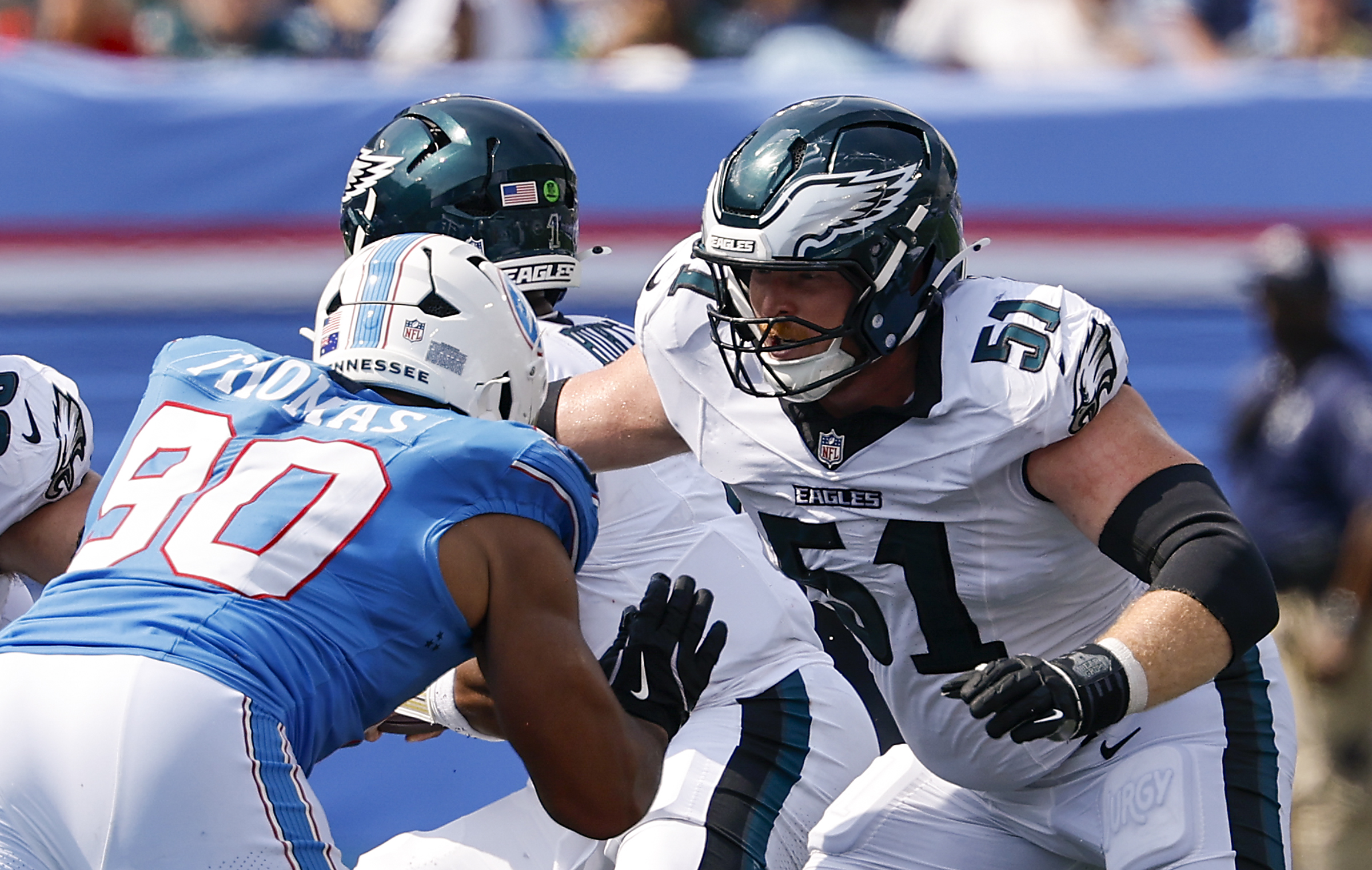
    For example, when the Eagles traded Cam Jurgens to the Baltimore Ravens on Oct. 7 in exchange for a 2028 second-round pick and a 2027 fifth-rounder, he remained on the books in 2027 in the form of a $14.9 million dead cap charge. A.J. Brown still counts against the cap, too, to the tune of $27.1 million. The Eagles waited to trade him to the New England Patriots until after June 1 earlier this year so they could split up his dead cap charge over two seasons, instead of taking it all on this year.

    Cam Jurgens (51) has a $14.9 million cap charge for the Eagles in 2027. Yong Kim / Staff Photographer

    The Eagles already rank third in the league in dead money for 2027 at $43.7 million, according to Over The Cap. That estimation is incomplete, though. When Lane Johnson’s retirement is processed after June 2, his dead cap charge will be spread out over the next two years, with $16.6 million coming in 2027 and $26.3 million in 2028, per Over The Cap. That would currently put the Eagles at $60.3 million of dead money in 2027, which would lead the league.

    That total for 2027 could grow even more in the coming days if Roseman decides to sell off certain veterans at the trade deadline.

    ESPN reported Sunday that the Eagles will not trade Saquon Barkley at the trade deadline. Beyond his contributions on and off the field, though, there would be salary cap implications next year if the Eagles traded him before the deadline. According to Over The Cap, Barkley would leave a dead cap hit of $26.5 million in 2027 if traded, which is roughly $13.4 million more than his current cap charge for 2027 if he remained on the team.

    Dallas Goedert would leave a $18.3 million dead cap charge in 2027 if traded, an $8.7 million increase over his currently scheduled cap hit. Zack Baun would have a $22.5 million dead cap hit next year if he’s moved, an increase of $10.6 million. Meanwhile, a trade of Landon Dickerson would leave a $12.1 million dead cap charge in 2027, resulting in a cap savings of $1.9 million.

    A fire sale at the deadline could compound those dead cap charges next year, depending on who is traded. Even so, their total dead money must be considered within the context of the rising salary cap in that year. Since the NFL introduced the salary cap in 1994, it has risen every year except for one — the 2021 COVID-19 year.

    The salary cap eclipsed $300 million for the first time in league history in 2026. Over The Cap projects a $327 million base salary cap in 2027, which would be an 8.6% increase over the 2026 cap of $301.2 million. The league typically sets the official base salary cap in late February ahead of the start of the new league year.

    When the cap goes up, a team’s dead money takes up a smaller percentage of it. This is why Tannenbaum said he doesn’t believe the acceleration of dead money would necessarily prohibit a team from dealing a veteran at the deadline.

    “If you trade a player unexpectedly and they have a larger acceleration than expected, it could impact the structure of another transaction,” Tannenbaum said. “But I just think the way the cap has grown, it’s just rare to hear or to put a scenario together where it’s going to prevent you from doing something fundamentally.”

    Mike Tannenbaum knows the range of factors that go into a GM’s calculus at the trade deadline. Rich Barnes

    Even those so-called unexpected trades don’t come out of left field. Tannenbaum explained that teams run through different scenarios of potential trades and how those prospective transactions would impact the structures of other player contracts.

    “If we trade player X and we have to accelerate a payment, where is that coming from?” Tannenbaum said. “If we [were] going to structure a different player on an extension, we always were looking at literally to the day of, like, OK, this scenario or that scenario.

    “I just think the way the system has evolved, you typically have enough levers — the cap’s upward of $300 million now — that you could figure out solutions to most cap questions you have.”

    Tannenbaum says he isn’t overly concerned about the Eagles’ annual dead money charges against their salary cap, so long as the leaguewide base salary cap continues to rise.

    “Every year, you’ve heard of other teams, these doomsday scenarios, and then the cap goes up another $20, $30 million, and now all of a sudden, those dead money charges are accounted for,” Tannenbaum said. “I don’t think there’s any reason to think that the cap won’t continue to go up, and I think that has to be a big factor when you look at that analysis.”

    Revisiting the Jurgens trade

    There are other considerations at play when deciding if a trade helps a general manager such as Roseman achieve his goal of fielding a competitive roster on a yearly basis. For example, Roseman remarked in the aftermath of the Jurgens trade that the Eagles were getting “four players for one” in the deal.

    The picks (including premium draft capital in a second-rounder) account for two of those players. Drew Kendall, who took over at center for Jurgens, accounts for another, a reflection of the importance Roseman places on having a viable replacement for the traded player (especially a replacement on a rookie contract).

    Howie Roseman has suggested that the Cam Jurgens deal offered the Eagles too much value to pass up. David Maialetti / Staff Photographer

    Roseman can reallocate the money that was set to be due to Jurgens to a fourth player, so to speak, especially as talented players on rookie contracts become eligible for extensions.

    “You have to look at, hey, if we move on from a player that maybe we can’t afford or can’t extend, and we can get a good premium pick, there’ll be a little short-term sacrifice, but long-term we’re going to feel really good about this decision,” Tannenbaum said.

    But these trades don’t exist in a vacuum. Even if a trade makes sense on paper, Tannenbaum stressed the importance of considering the impact a move could have on the culture of a team. General managers must lean on others within the organization to compensate for their blind spots as it relates to roster building.

    “I think it’s really important if you’re in the front office to sit there, talk to ownership, talk to your coaches, and say, ‘Hey, what am I missing here?’” Tannenbaum said. “Here’s great value to get multiple picks in the future, which is great for us. But what are we losing in the locker room? And if player A graduates, who’s replacing him, not only on the field, but from a leadership standpoint?”

  • Eagles’ odds to pick No. 1 overall in the NFL draft are stronger than you think. That makes QB the only question.

    Eagles’ odds to pick No. 1 overall in the NFL draft are stronger than you think. That makes QB the only question.

    The questions are more complicated than anyone seems to think.

    The head coach? The offensive coordinator? The trade deadline?

    They are secondary concerns.

    One answer matters.

    Are the Eagles committed to Jalen Hurts as their quarterback next season, and for the foreseeable future?

    They are a very strong bet to be drafting in the top five of the 2027 NFL draft.

    Their odds at No. 1 overall are better than you might think.

    The O-line? Tight end? The defensive scheme?

    All of it depends on who they think Hurts is, and what they think they could be with one of the options that are now within reach.

    I know some people will feel a certain way about raising such a question at the present moment. I sympathize with, even share, some of those feelings. That said, there are few greater luxuries than the freedom to defer to one’s feelings. It is a luxury limited to those without decision-making power. Howie Roseman and Jeffrey Lurie do not have that option.

    It’s perfectly, even necessarily, human to feel a little gross about questioning the future of a man whom we last saw leading an undermanned Eagles team to what should have been an upset shortly after spending the night in the hospital and shortly before spending the rest of the season on blood thinners for blood clots in his lungs. Roseman and Lurie will have plenty of feelings as they consider the question. Perhaps those feelings will factor into their answer. I can make a strong argument that those feelings should factor into their answer. I can make a stronger argument that, in this particular case, those feelings are in alignment with practicality. But Roseman and Lurie cannot simply avoid the question. To do so would be organizational malpractice.

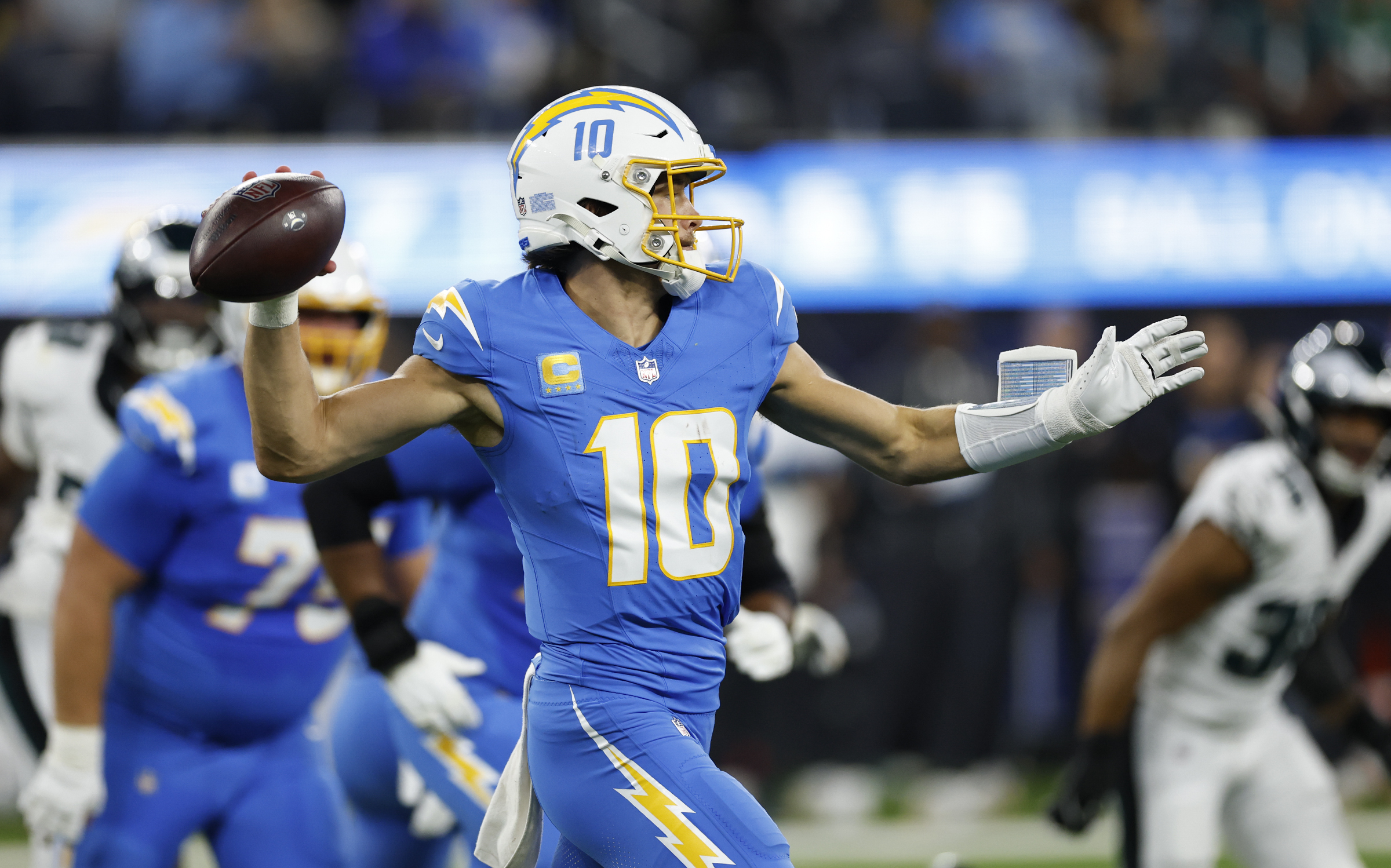
    The reality of the Eagles’ present moment is one that can define their next 5 to 10 years. After another listless performance in a 27-10 loss to the Commanders, the Eagles are almost surely going to end up with a draft pick in the realm where franchise quarterbacks are most often selected. They have a very real chance at landing the No. 1 overall pick. If they don’t earn it outright, they could have an opportunity to trade for it. If they don’t have an opportunity to trade for the pick itself, they could have an opportunity to trade for the incumbent quarterback of the team that does wind up with the pick. Right now, pole position belongs to the Chargers, who also happen to have a 28-year-old quarterback who has received MVP votes.

    Justin Herbert and the Chargers are currently 0-7.Yong Kim / Staff Photographer

    This is not an argument that Justin Herbert is a better quarterback than Hurts. It certainly isn’t an argument that his resumé is better. Likewise for Drew Mestemaker, or CJ Carr, or Arch Manning, or any of the other college quarterbacks whom mock drafts have targeted as potential first-round picks. The argument is that the Eagles must decide where they stand in each of these individual cases. It’s not even an argument. It’s just the way an organization must handle its business, same as every year. Except, this year, they are bad enough to be in a position where they must actually decide.

    There is no Andrew Luck this year. Not even a Trevor Lawrence, or Caleb Williams, or Joe Burrow, or even a Drake Maye. The question is whether there is a Patrick Mahomes or Josh Allen. There haven’t been many since the Chiefs and Bills took their guys in the back half of the top 10 in consecutive years. The Chiefs traded up to do it. The odds say there won’t be such a guy this year. They also say that, if there is, the Eagles won’t soon be within striking distance of another.

    As recently as last year, some might’ve put Herbert in that category. The rare thing about the Eagles’ current position is that the Chargers are also in it. Even if Los Angeles sticks with Herbert, it adds to the probability that No. 1 overall is in play.

    Both math and intuition suggest that neither the Chargers nor the Eagles will end up at No. 1. The Dolphins are 1-6 and built to lose with the NFL’s toughest remaining strength of schedule. If not the Dolphins, then the Titans, who are 1-7 with a tiebreaker loss to the Eagles.

    The simulations suggest the Eagles are most likely to remain where they are, which is among a gaggle of nine teams with two wins. A lot will depend on the outcome of late-season matchups against 3-5 Arizona and a 2-6 Colts team that is fully in the tank despite owing their first-round pick to the Jets.

    To get a sense of the Eagles’ likely draft position, I whipped up a rudimentary model based on the historical performances of teams from Week 9 on based on their average point differential and that of their opponents through seven games. The results are what the naked eye would suggest: the Cardinals, Titans, Eagles, Dolphins, Chargers, and Colts each project to win three more games.

    One thing the model can’t possibly weigh is the Eagles’ back-to-back games against the Cardinals and Colts in Weeks 13 and 14. We’ve seen before the way Roseman is wired, most notably in that 2020 season finale. It has served him and the Eagles well. Then again, the considerations have never had this many layers.

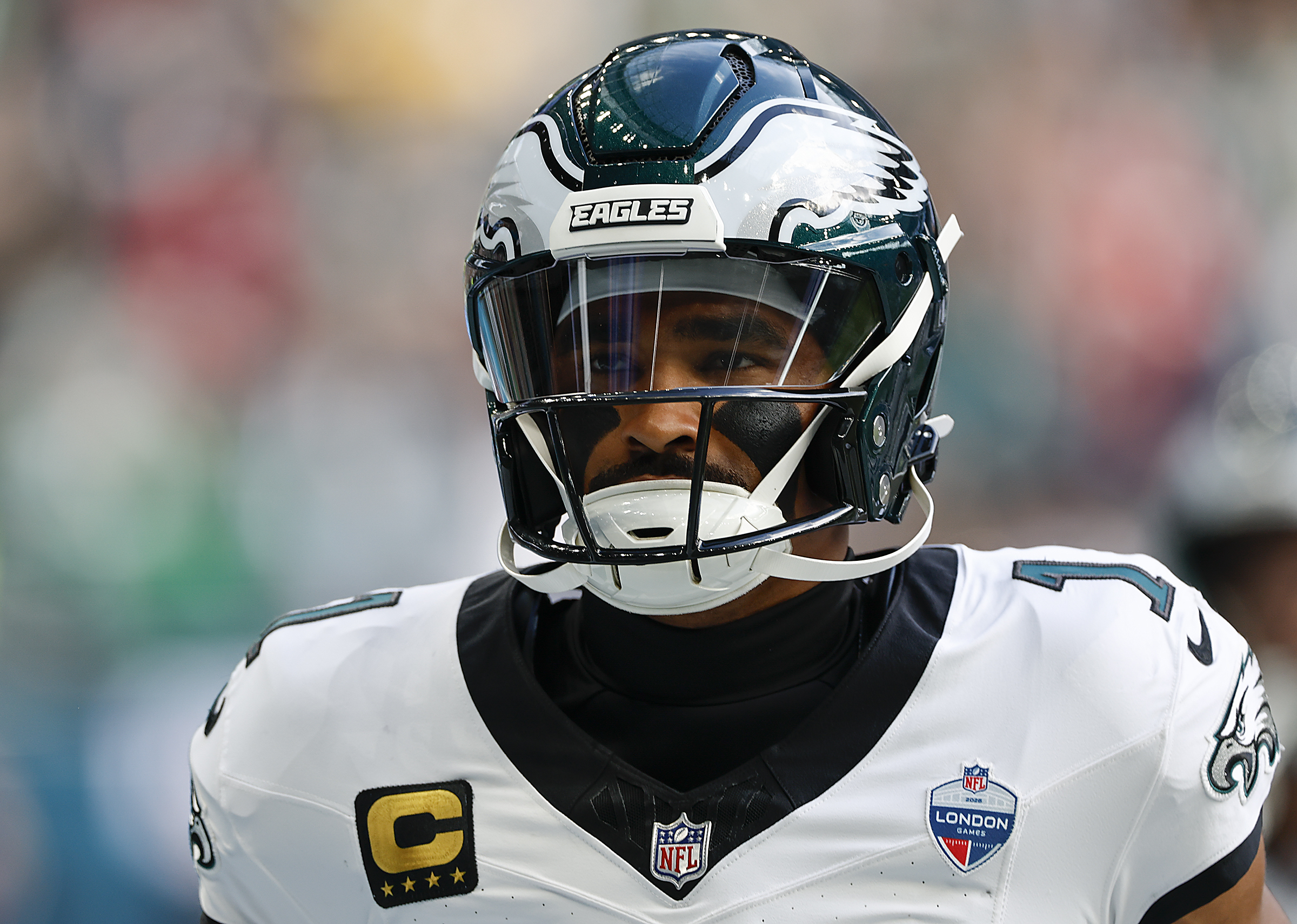
    Jalen Hurts nearly led to the Eagles to an upset win against the Jags in London on Oct. 11, likely his last game of the season after having blood clots discovered in his lungs.Yong Kim / Staff Photographer

    The first of them is what it always is. The quarterback. Who do the Eagles think they are with Hurts? Who do they think they would be in the short term without him? Who do they think they could be in the long term with someone else?

    The considerations are not limited to apple-for-apple. There are a lot of teams that would gladly trade to have Hurts as their quarterback. The Jets currently have three first-round picks projected in the top 10, none of them in the top three.

    The calculations could change in a counterintuitive direction. There is a scenario where the Eagles get the No. 1 overall pick and it makes Hurts a no-brainer. Trade down from No. 1 to the team at No. 2, then trade down again from No. 2 to a team who covets the draft’s second-best quarterback. Draft LSU tackle Jordan Seaton and Oregon tight end Jamari Johnson. Or, draft Seaton and Minnesota interior lineman Greg Johnson.

    It all starts with Hurts. He is the key variable. The more a team’s roster is in flux, the lesser its talent, the more the quarterback needs to make up the difference. You know the great ones because their teams are never rebuilding. The quarterback is the glue that holds the thing together as the organization retools around him.

    The Eagles aren’t at that point yet. But they could be there soon. They must prepare as if. The only question that matters is the uncomfortable one to ask.

  • 🏈 Sinking ship | Sports Daily Newsletter

    🏈 Sinking ship | Sports Daily Newsletter

    It’s not over yet, but Sunday’s loss suggested that the Eagles are heading in the direction of rock bottom.

    And it could become more clear next week ahead of the Nov. 10 trade deadline. Howie Roseman won’t deal away every candidate, but one or two significant moves will likely help the general manager in his quest to stockpile draft picks for the future.

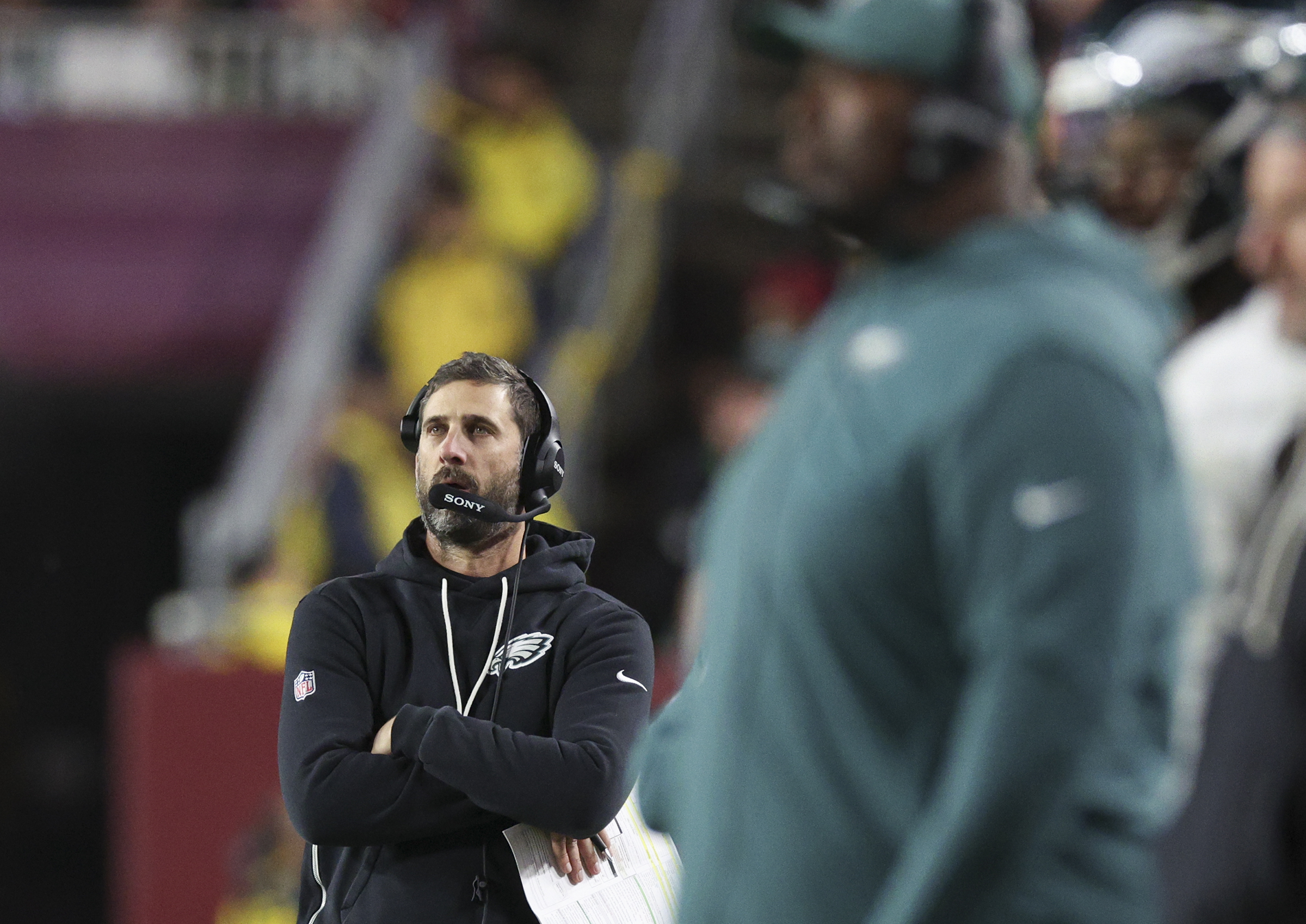
    But where does that leave Nick Sirianni? He’ll have nine games left to try to salvage this season, and is still sticking by Sean Mannion and his assistants.

    There’s a question on whether Jeffrey Lurie and Roseman even want Sirianni to sneak the 2-6 Eagles into the playoffs or reach some level of respectability.

    Soon enough the focus will be on how high the team may be selecting in the first round of the 2027 NFL draft, and let’s just say it’s shaping up to be a strong class for two of the Eagles’ biggest positional needs.

    — Isabella DiAmore, @phillysport, sports.daily@inquirer.com.

    If someone forwarded you this email, sign up for free here.

    ❓Should the Eagles part ways with Nick Sirianni after this season? Email us back for a chance to be featured in the newsletter.

    Lucky No. 7

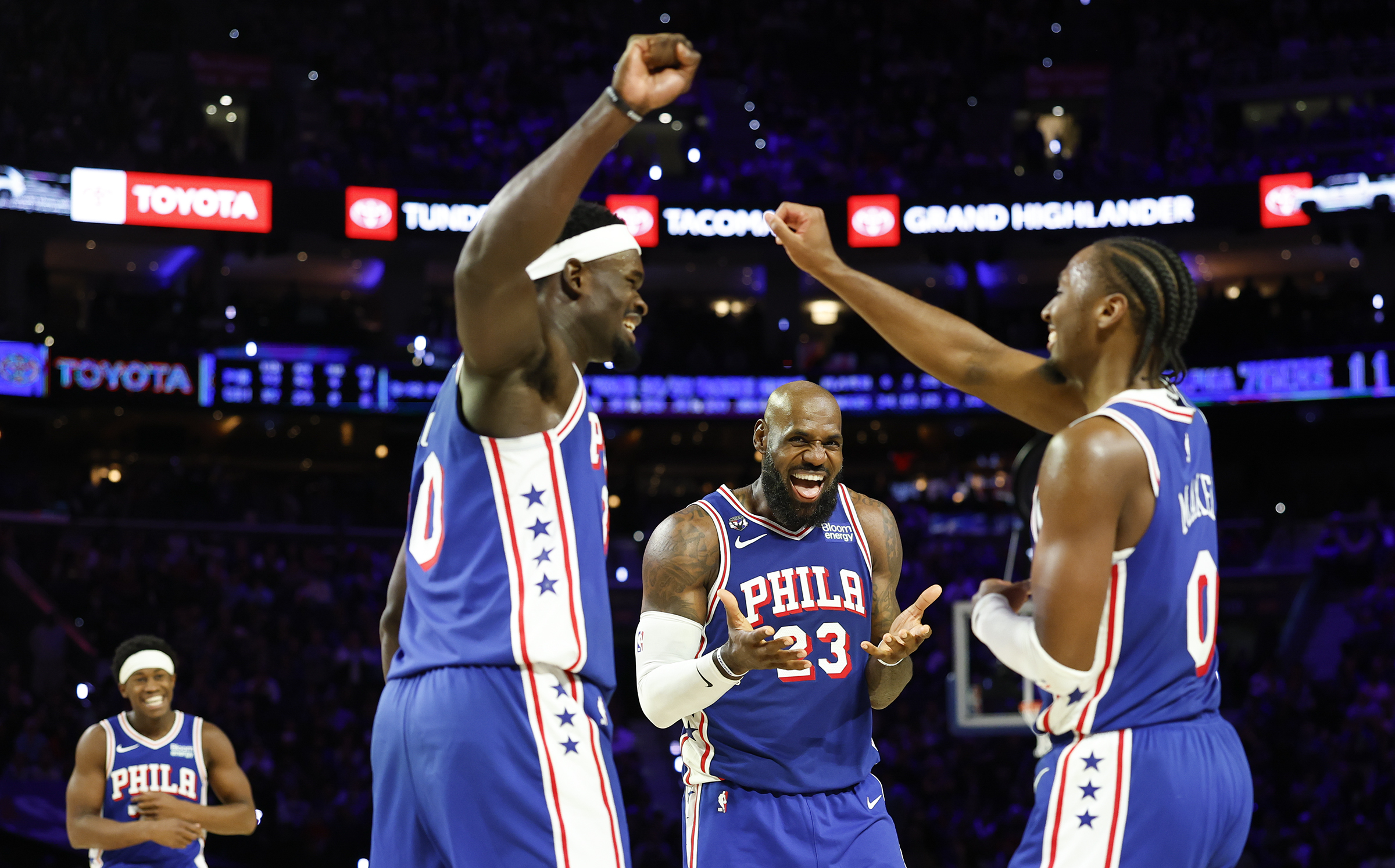
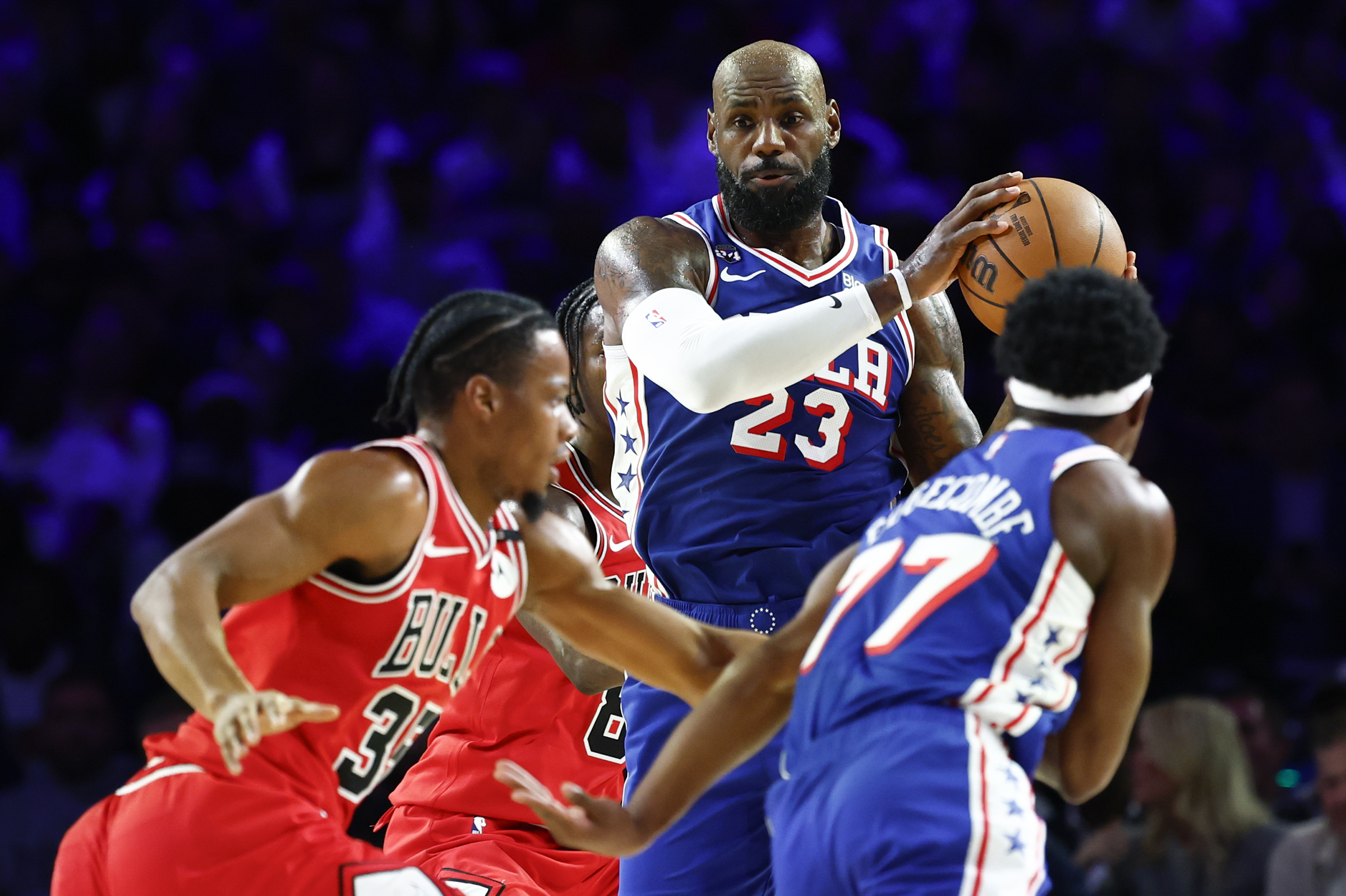
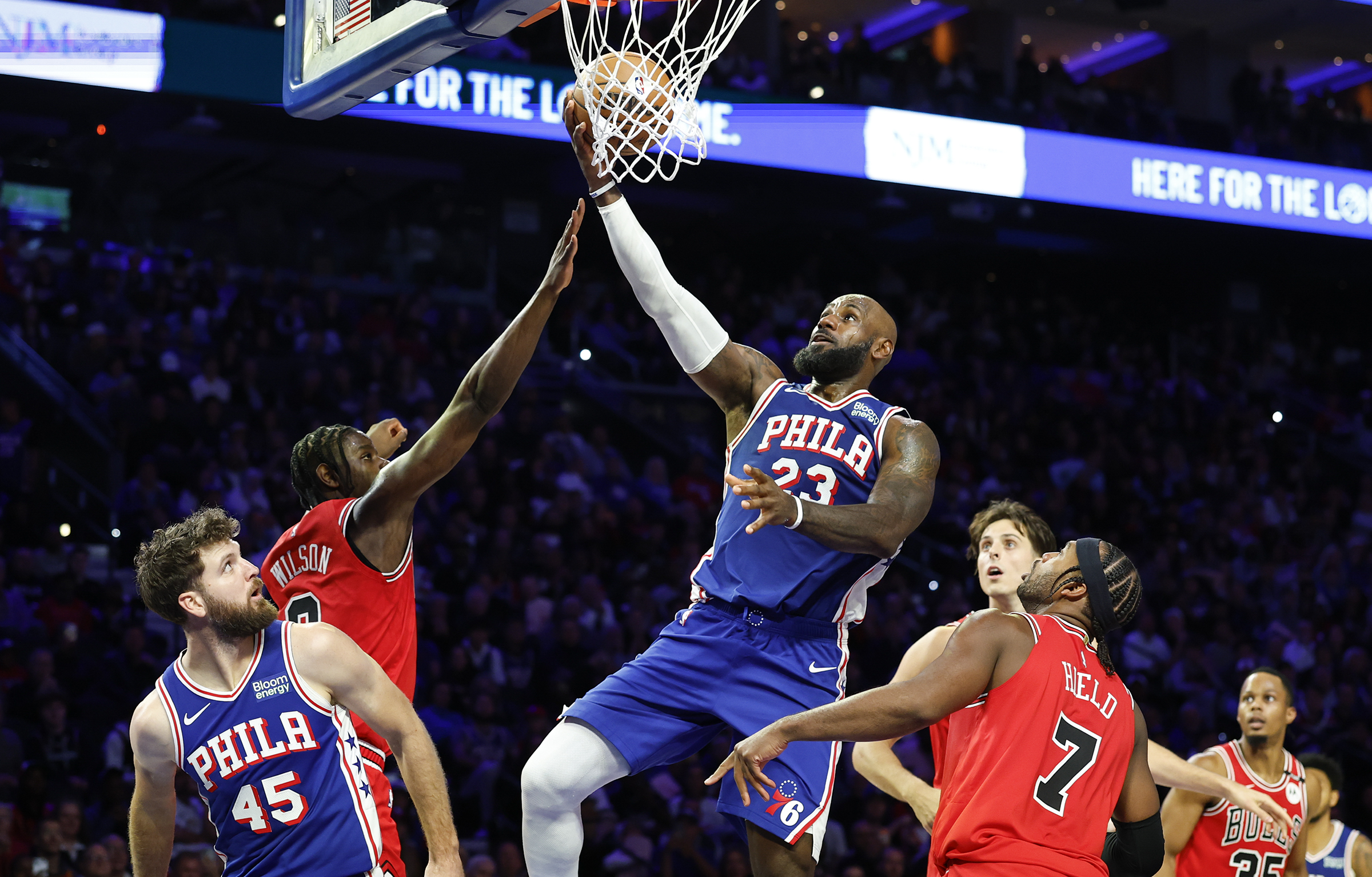
    Sixers forward LeBron James (center) watches teammates Tyrese Maxey (right) and Adem Bona celebrates during their win over the Chicago Bulls.Yong Kim / Staff Photographer

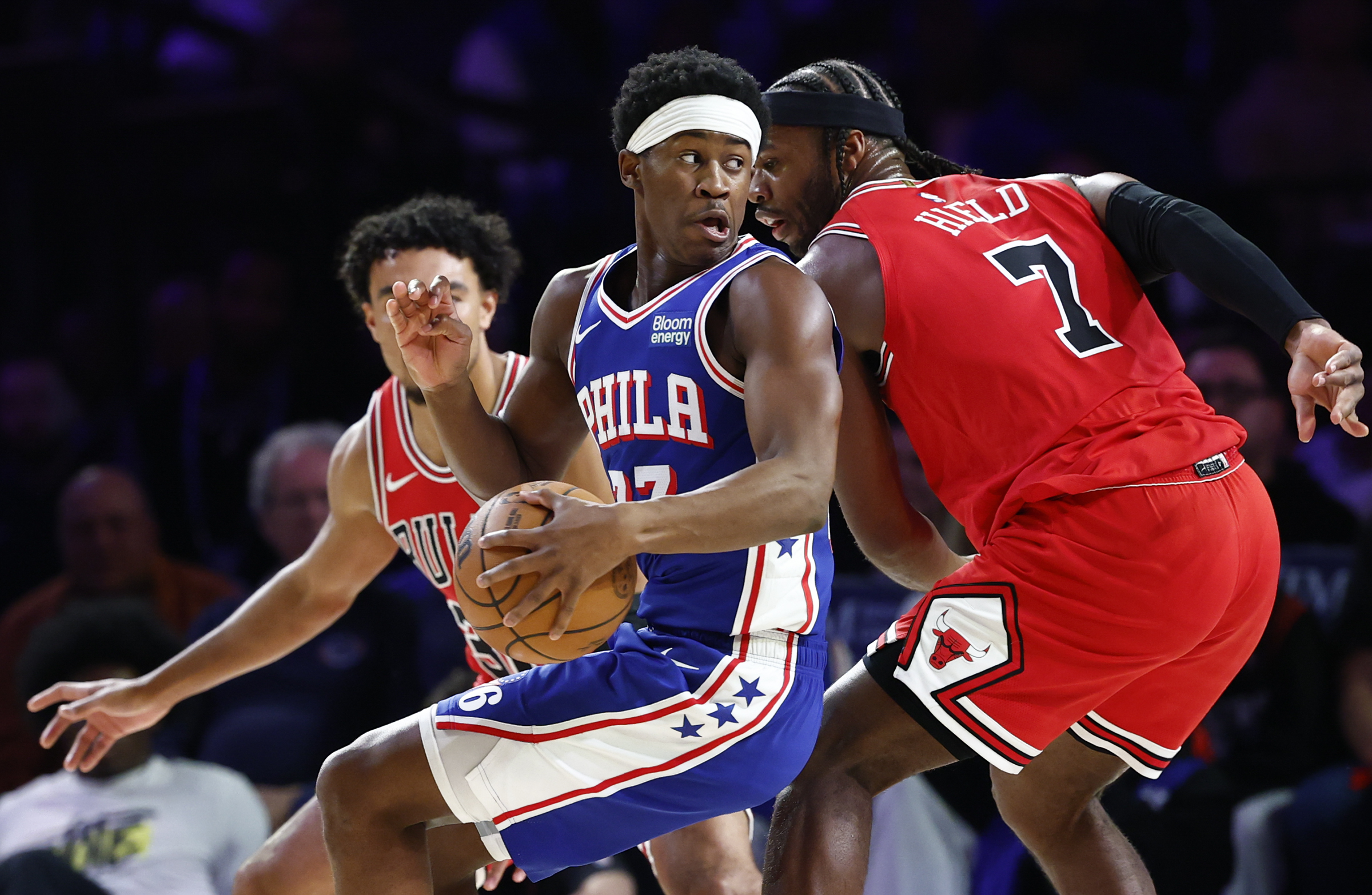
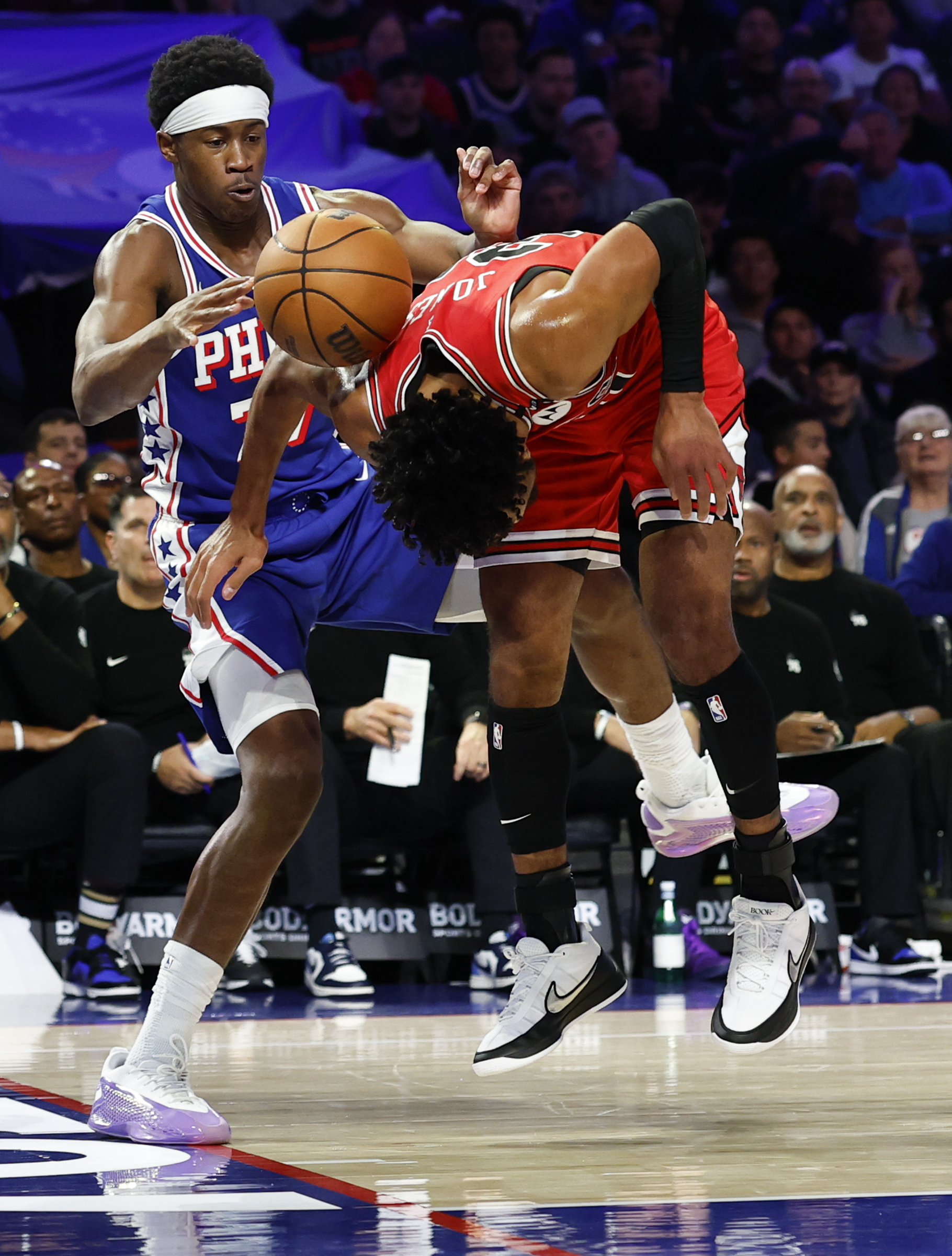
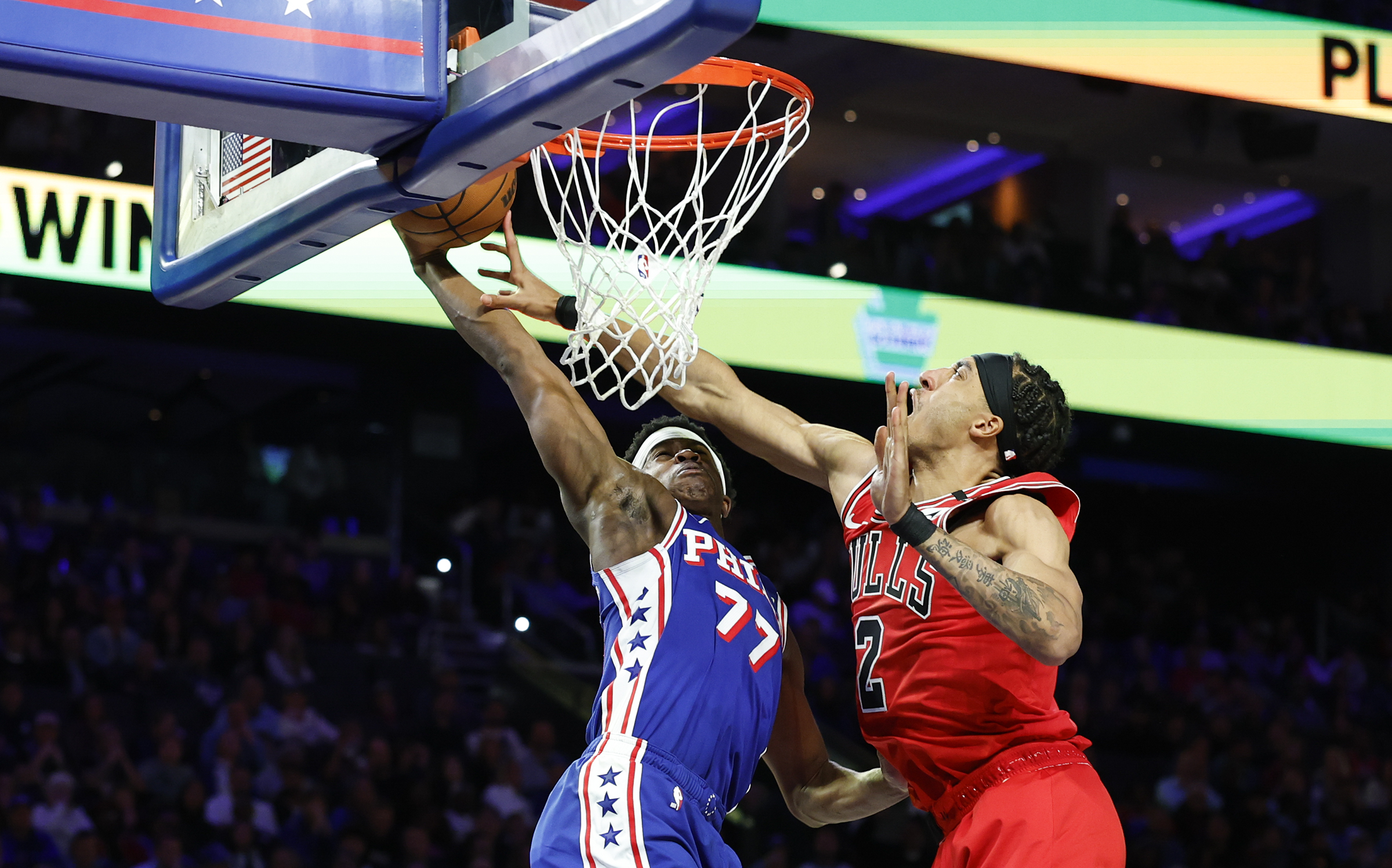
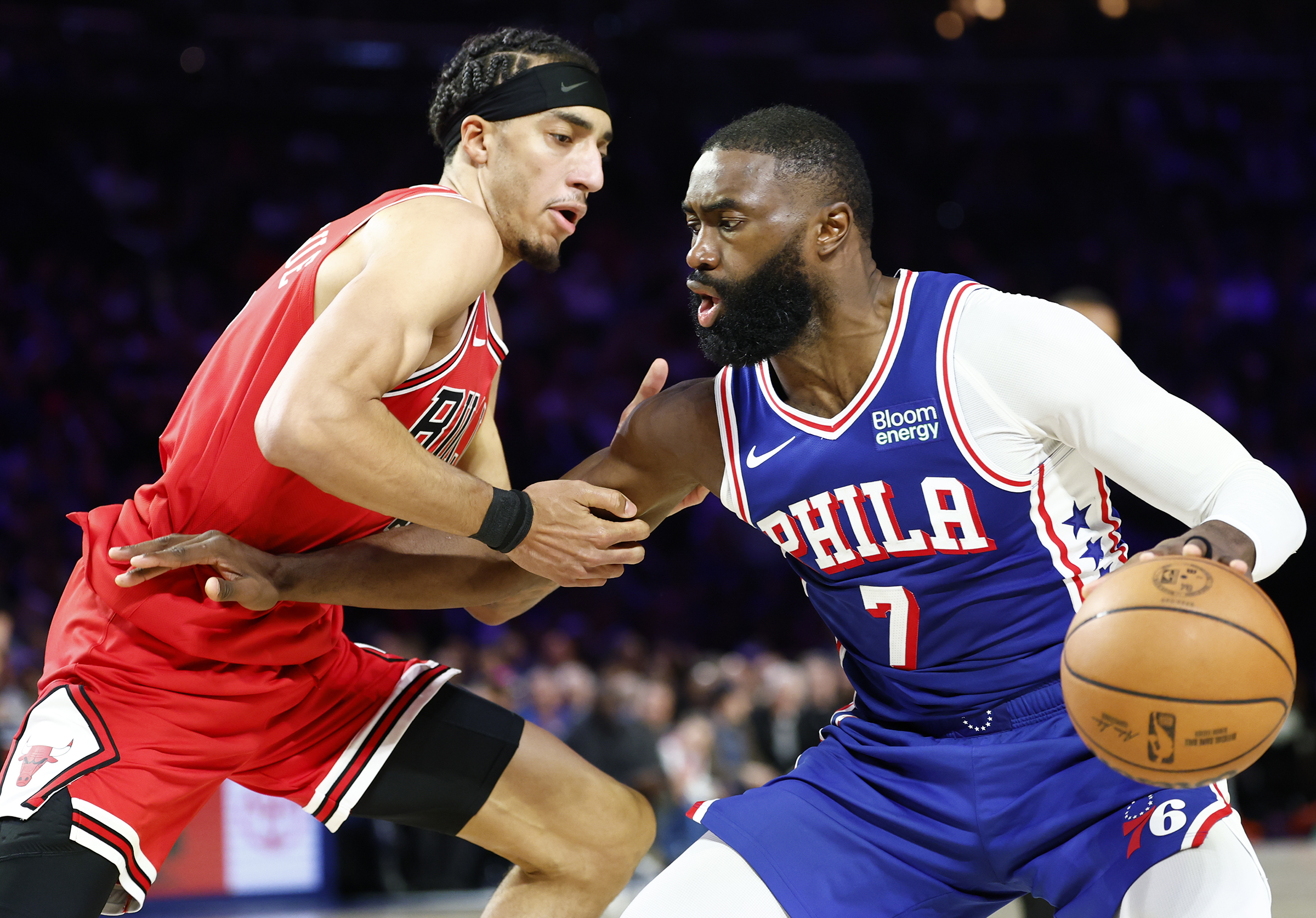
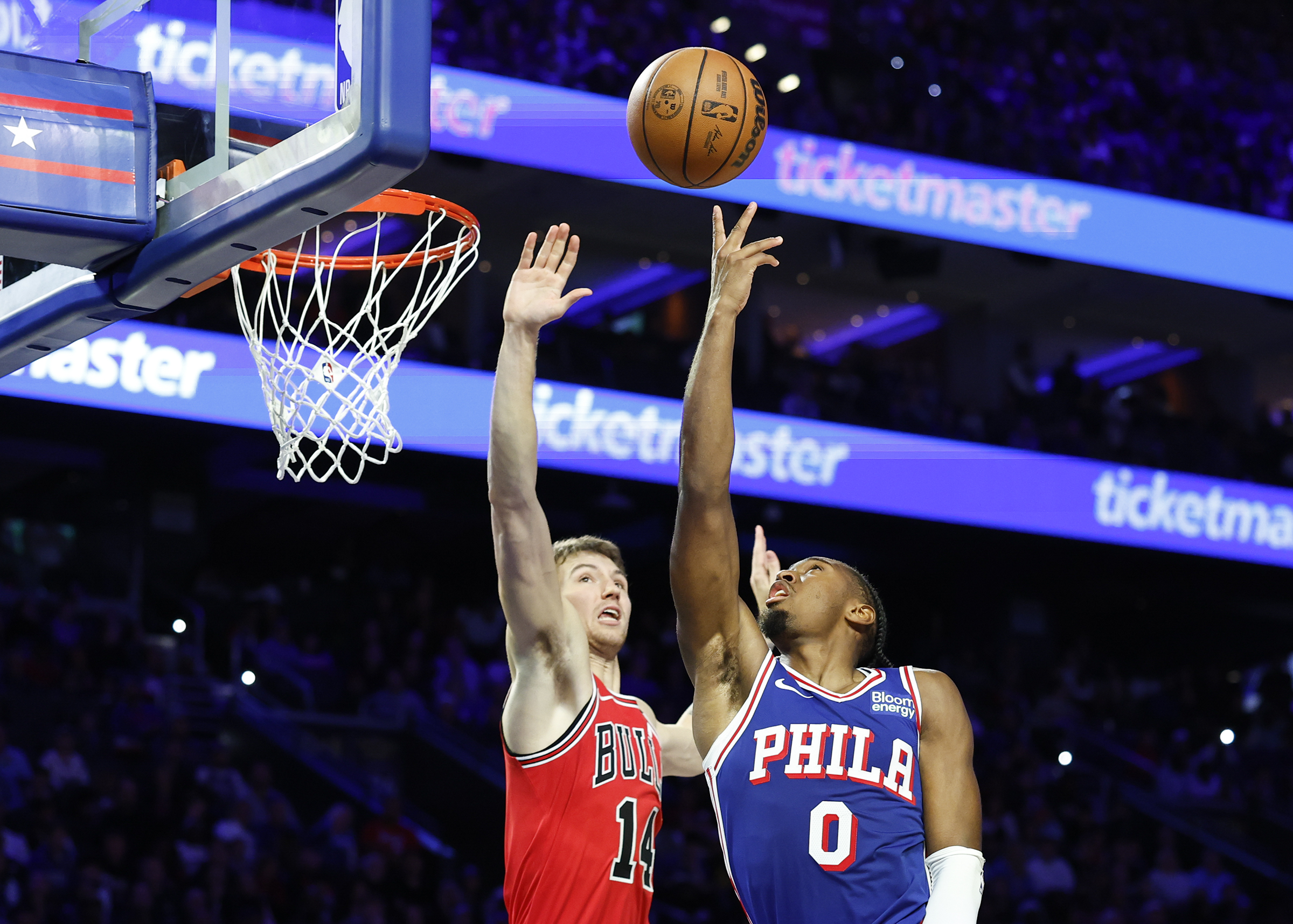
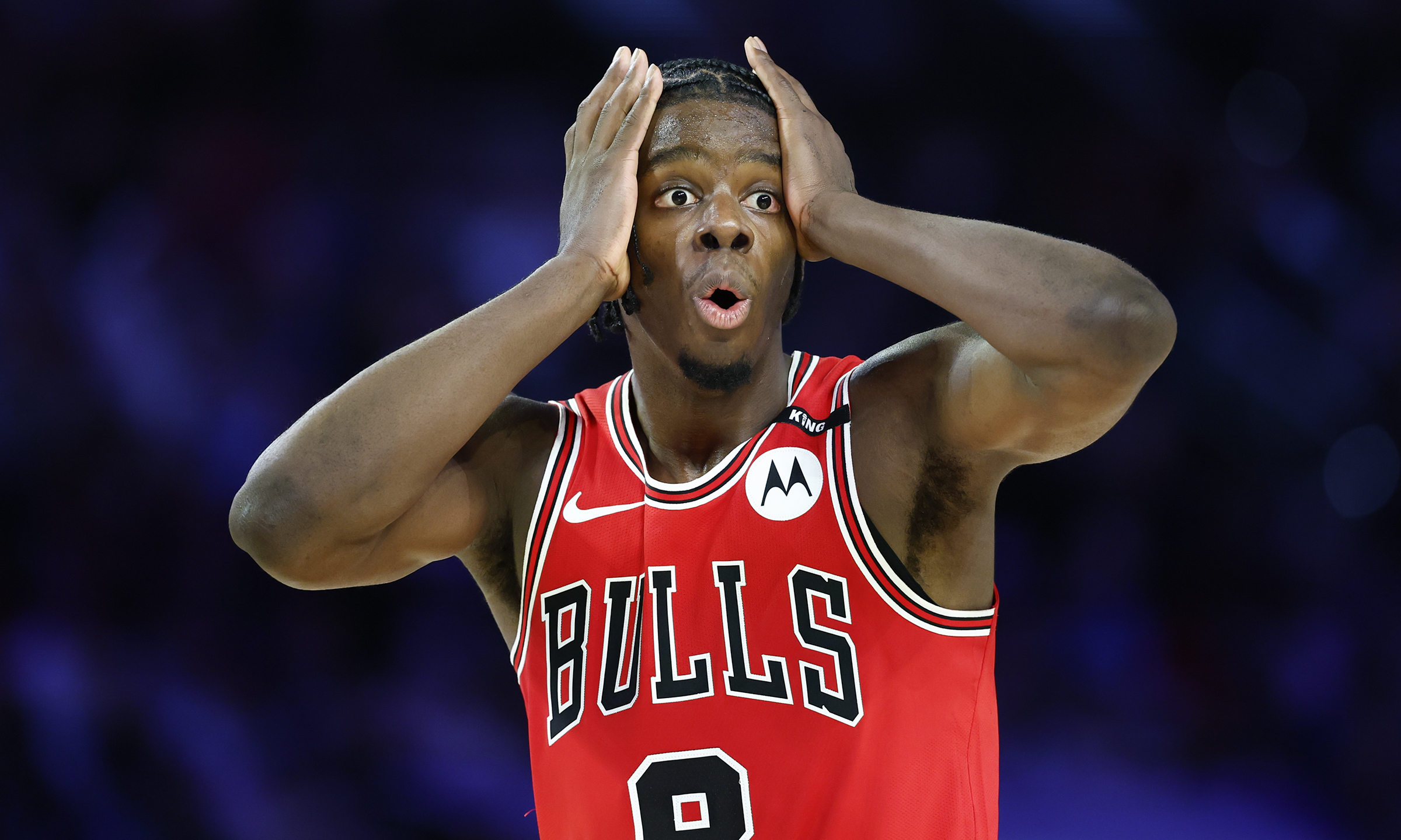
    The Sixers kept rolling on Monday night by shooting 53% from the floor in a 126-107 win against the Chicago Bulls to improve their record to 7-1. All five starters finished with at least 15 points, led by Tyrese Maxey’s 26 points to go along with 11 assists.

    What we’re …

    📖 Reading: Philly’s Shayla Smith is back home playing basketball at Temple after a difficult season with Penn State.

    💡 Learning: Happy Election Day! We explored what political candidates the Philly sports team owners are donating to.

    👕 Seeing: The Flyers unveiled Liberty Bell-themed ‘Independence Edition’ uniforms, which they’ll debut on Tuesday.

    👂 Hearing: Following the Eagles loss to Washington, most of the talk surrounds the Birds’ future and a possible rebuild.

    Offseason moves begin

    The Phillies will not get draft pick compensation if Alec Bohm signs with another team.Yong Kim / Staff Photographer

    Monday marked the first official deadline of the offseason with the World Series now in the rearview mirror. Ahead of the 5 p.m. cutoff to set their 40-man roster, the Phillies made several moves, which included Garrett Stubbs electing free agency and being removed from the roster.

    Monday also marked the deadline for teams to extend qualifying offers to eligible free agents, and the Phillies opted not to extend one to Alec Bohm.

    In other news, Cristopher Sánchez was named a National League Cy Young finalist and closer Jhoan Duran was named a finalist for NL Reliever of the Year Award. Plus, Don Mattingly was named a finalist for NL Manager of the Year.

    Having some spark

    Flyers winger Travis Konecny picked up a goal and an assist in his return after missing 10 games.Yong Kim / Staff Photographer

    Travis Konecny was happy to be back on Sunday. The winger missed 10 games with a lower-body injury and watched his teammates lose seven. In their greatest time of need, the Flyers got a huge lift from one of their emotional leaders. He was a sparkplug in a 6-3 win over the Mammoth.
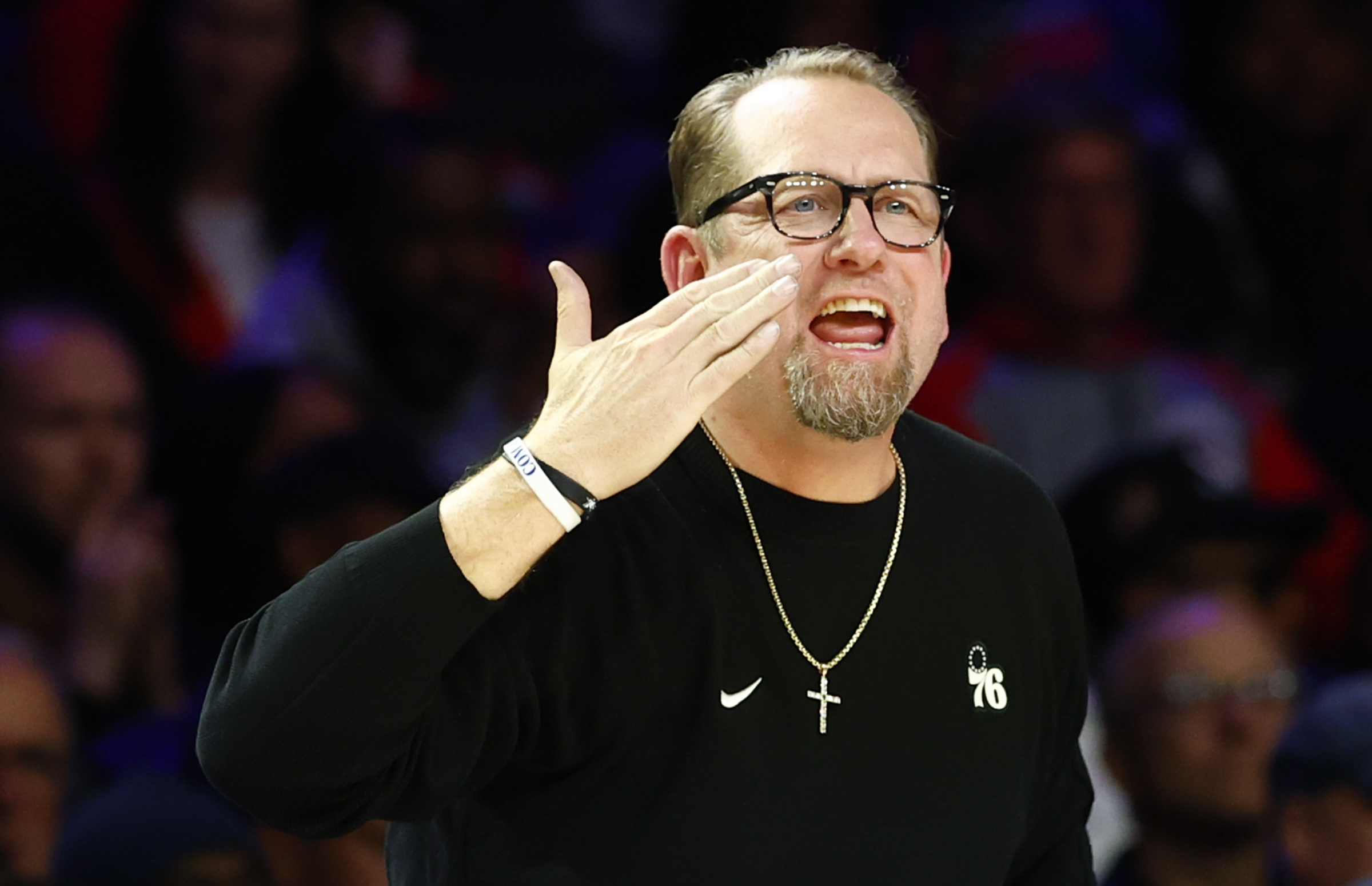
    And right now, the Flyers’ goaltending situation is a true rotation between Dan Vladař and Joseph Woll, who have played eight games apiece and have almost identical numbers. But could one guy separate himself and grab the No. 1 job?
    Saying goodbye

    Alejandro Bedoya’s 11th season with the Union will be the last of his 17 years as a player.Jose F. Moreno / Staff Photographer

    Alejandro Bedoya has decided it’s time to step away from the pitch after over a decade with the Union and 17 years in professional soccer.

    The 39-year-old announced Monday that he will retire from playing at the end of the season. The news didn’t come as a surprise as the captain has spoken about hanging up the cleats for a few years. But the time has arrived, and Bedoya got to do it on his terms.
    Marcus Hayes’ take

    Eagles running back Saquon Barkley said on Sunday, “I plan on being here” when asked about trade talk.David Maialetti / Staff Photographer

    The NFL trade deadline is Nov. 10. Why wait? Sell high. Sell healthy. Sell Saquon Barkley, Landon Dickerson, Zack Baun, Dallas Goedert, Jake Elliott, even Jalen Carter. The Eagles have lost six straight for the first time since Andy Reid’s 2012 Season From Hell. It’s time to cut losses and stockpile assets, writes columnist Marcus Hayes.
    What you’re saying about Tanner McKee

    We asked: Do you see Tanner McKee improving at all? Among your responses:

    No. He is not an NFL starting quarterback. — Richard V.

    Tanner is never going to be Joe Montana, but I think he will get better if the team gets better. There is no running game and the offensive line is hurting, his best receiver is out, and is Mannion calling the right plays for the situation? Unless Howie wants to give up something significant before the deadline for another team’s backup QB the Eagles will have to work harder to help McKee improve. It was very sad watching them go down 10-27 to a team that was 1-4-1. — Everett S.

    How bout no. Where is Gardner Minshew when the Eagles desperately need him?? — Bill M.

    Eagles quarterback Tanner McKee runs for a first down against the Washington Commanders on Sunday.Monica Herndon / Staff Photographer

    Yeah. With an offensive line like the Eagles last night, Joe Montana or Tom Brady would have looked “stiff.” Don’t blame McKee. The kid had more courage than Hurts who bails and runs to side lines to save his life. McKee stood in what was supposed to be a “pocket” it was nothing but a hell hole. The offensive line coach stinks; offensive coordinator clueless; special teams coach terrible; Fangio should have retired; defensive line coach a disaster; and Sirianni is ultimately responsible for all of this. Who hires a rookie OC with so much on the line? Watching Mailata’s postgame interview showed me the offensive line misses Stoutland. Mailata talked in code, but it was clear what he was saying. Lurie has to clean house. Hire an NFL coach with prior success who can bring in other coaches he was successful with. Anything less is wishful thinking and a waste of time. — Rich C.

    I don’t see McKee as the problem. Can he block for himself? He’s a pocket QB. He needs a pocket. He also needs a running game and receivers that can get open and catch – except Goedert. So much weakness. McKee’s not the problem. — Jim S.

    With Tanner, what you see is what you get. I’d give the kid we just got from Dallas an opportunity to show what he has. Maybe next year the new coach will have his players get involved in the preseason games. They are playing exactly the way the 2nd & 3rd stringers played the preseason games. Lost all 3 games. Interesting because a bunch of them are the starters now. Lost em’ all! — Ronald R.

    We compiled today’s newsletter using reporting from Jeff McLane, Jackie Spiegel, Marcus Hayes, Jonathan Tannenwald, Ariel Simpson, Ryan Novozinsky, Lochlahn March, Gina Mizell, Devin Jackson, Fallon Roth, Joe Yerardi, and Mike Livingston.

    By submitting your written, visual, and/or audio contributions, you agree to The Inquirer’s Terms of Use, including the grant of rights in Section 10.

    That’s it for me this week. As always, thanks for getting your morning started with me. Kerith will be in your inbox tomorrow. — Bella

  • The Eagles’ season is unraveling. Here are some early 2027 NFL draft story lines to keep an eye on.

    The Eagles’ season is unraveling. Here are some early 2027 NFL draft story lines to keep an eye on.

    A promising season for the Eagles has quickly headed south after they lost their sixth straight game on Sunday night to the Washington Commanders.

    Without starting quarterback Jalen Hurts and several key starters, the Eagles’ season appears on the brink of unraveling with a playoff push increasingly unlikely. As the losses continue to pile up, a point of focus will be how high the team may be selecting in the first round of the 2027 NFL draft and which players may be available when that pick is made.

    With that in mind, here are some early NFL draft story lines to watch:

    Talented edge rusher class

    The Eagles have not generated nearly enough pressure on the quarterback this season, despite trading for Jonathan Greenard on Day 2 of the 2026 draft. Jalyx Hunt hasn’t taken the leap to being a dominant edge rusher yet (while also dealing with injuries) and Nolan Smith Jr. has shown flashes as a disruptor, but has yet to sustain it over an entire season.

    If the Eagles want to upgrade their edge rusher room, this is the draft class to do so.

    Entering the season, South Carolina’s Dylan Stewart and Texas’ Colin Simmons were each considered potential top 10 picks. It’s been an uneven season for Stewart, who was suspended for one game following multiple incidents in a loss to Alabama before returning on Oct. 10. Meanwhile, Simmons suffered a high ankle sprain that has sidelined him for the last two games.

    Both are extremely talented and will likely benefit from the lack of blue-chip talent at other positions in this draft class. Stewart, who has played at a high level recently, has an explosive first step that allows him to breeze past offensive tackles, and Simmons has an unrelenting motor and similarly explosive initial step.

    There are other notable edge rushers to watch, including Alabama’s tandem of Devan Thompkins and Yhonzae Pierre. Thompkins, who is listed at 6-foot-5, 300 pounds, is a powerful pocket pusher, while Pierre creates havoc on twists and stunts with his play motor and length.

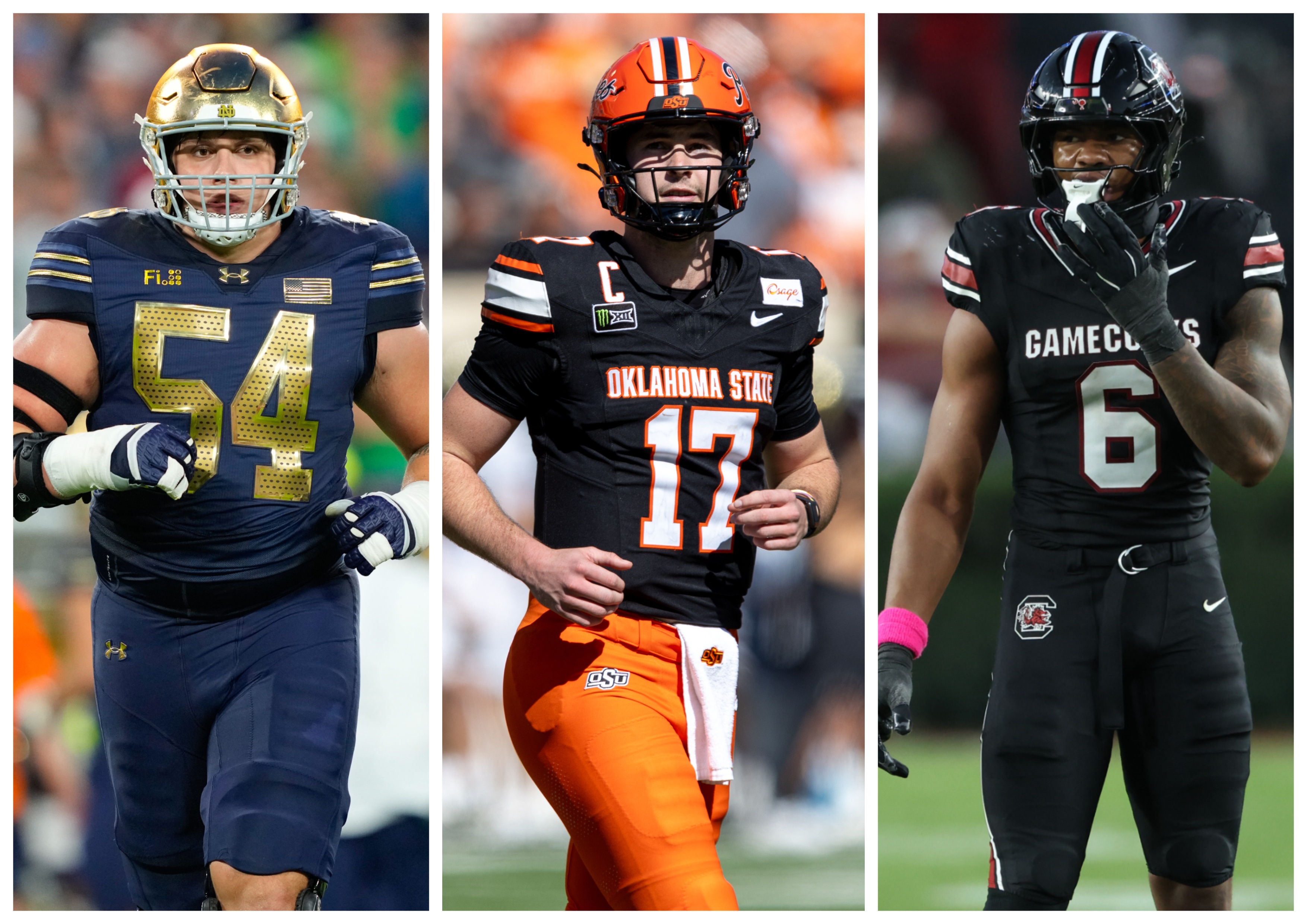
    Notre Dame’s Boubacar Traore and Clemson’s Will Heldt are also potential early-round picks to keep an eye on, with the latter having an even better showing than he did last year. Heldt has seven sacks through eight games; he had 7½ all of last season.

    Traore has excellent length and twitch that he combines with power to beat offensive linemen in pass-rush situations. The Notre Dame edge rusher has 3½ sacks and two forced fumbles this season.

    Strong interior O-line class

    The Eagles’ offensive line quickly went from strength to a glaring weakness in a matter of weeks. Lane Johnson’s sudden retirement, Cam Jurgens being traded to the Baltimore Ravens, and injuries have decimated a group that has been at the core of the team’s recent Super Bowl window.

    Now, the Eagles are going to need to reload the group with even more talent, especially on the the interior. Oft-injured Landon Dickerson’s future with the team is uncertain, while Tyler Steen is set to be a free agent next summer. While Drew Kendall has performed admirably, there’s no guarantee he is the long-term starter at center.

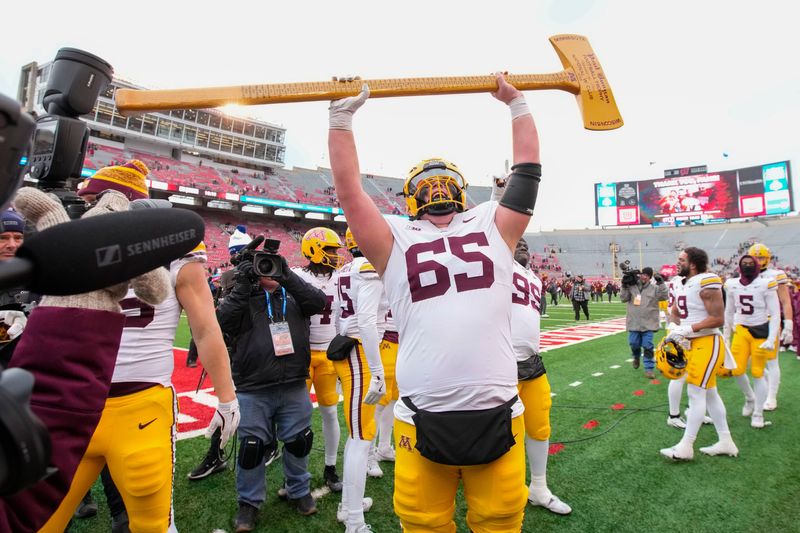
    Minnesota’s Greg Johnson is likely the top interior offensive lineman prospect in the 2027 draft class.Jeff Hanisch, Jeff Hanisch-Imagn

    Those needs align with the strength of the offensive line class. Minnesota’s Greg Johnson, the likely top interior lineman prospect in the class, is a physical run blocker who has the athleticism to recover in pass protection. He has also played both guard and center in college, giving him positional versatility.

    Notre Dame’s Anthonie Knapp kicked inside to left guard this season after playing offensive tackle his first two seasons with the Irish, and the position switch has suited him well. He’s a skilled pass protector with a nasty run-game demeanor to finish defensive linemen and linebackers through the ground.

    Iowa’s Kade Pieper is a lighter interior player (6-3, 298) but moves well in space as a run blocker and is stout in pass protection. He practiced in the spring as a center for Iowa, though he has exclusively played right guard the last two seasons.

    There are also offensive tackle prospects who may be viewed as interior linemen by the NFL. Indiana’s Carter Smith, a stalwart at left tackle, Missouri’s Cayden Green, and Iowa’s Trevor Lauck all fit that description and are potential top 50 picks in this class.

    Monitoring the QB class

    A disclaimer here: The Eagles should not be looking to immediately replace Hurts if he is on track to return next season after having blood clots discovered in his lungs. He is under contract through the 2028 season and there are several other glaring roster holes.

    But if there is doubt about him returning to play, then this quarterback class should be much higher on the Eagles’ radar. By now, you may have heard that Peyton and Eli Manning’s nephew, Arch, is at Texas and among the top quarterback draft prospects for 2027. He hasn’t played to the level of a potential No. 1 overall pick, though he has flashed high-level play in spurts this season.

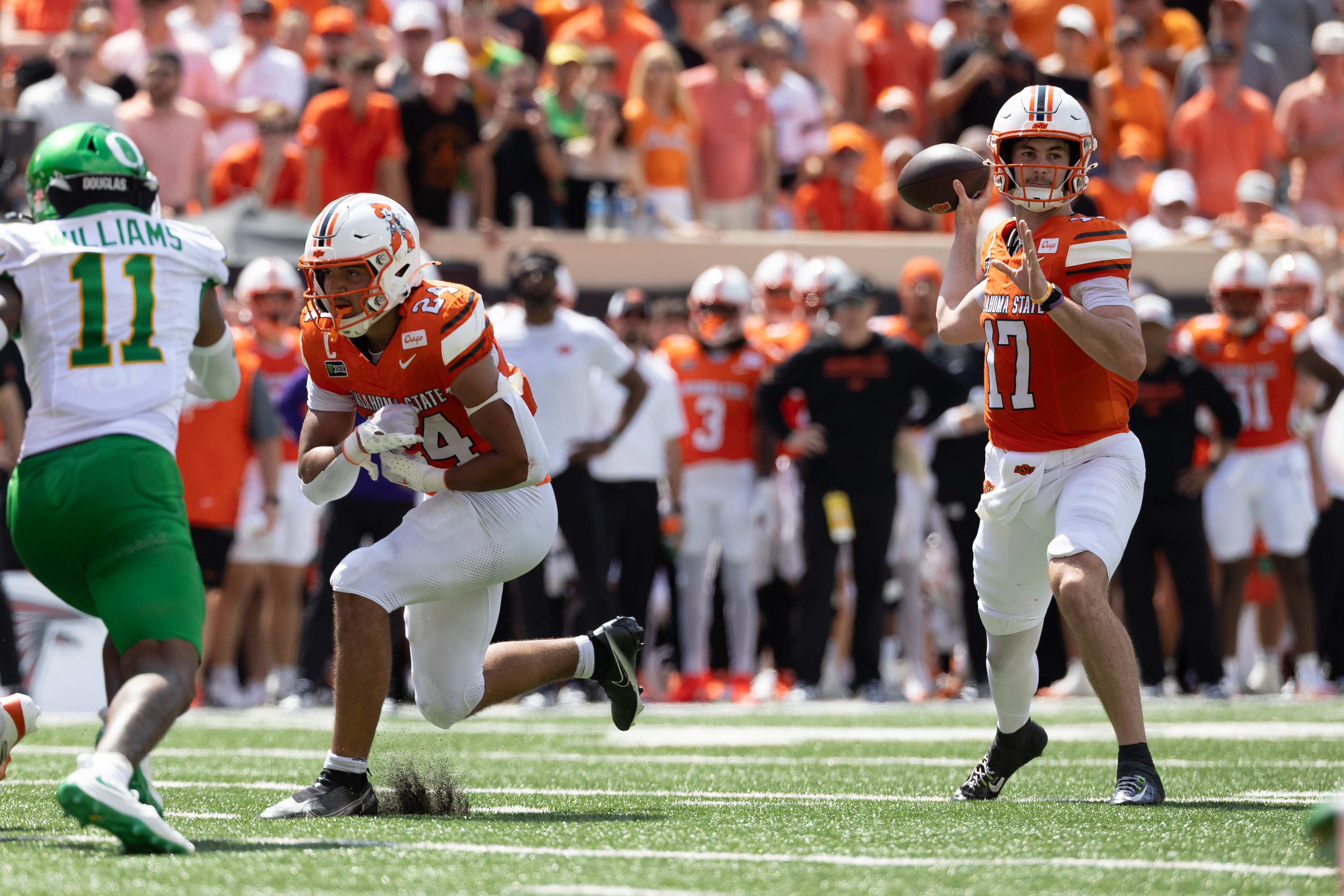
    Quarterback Drew Mestemaker is averaging 331 yards passing to go with 25 touchdown passes in his first season at Oklahoma State.Mitch Alcala

    In fact, none of the top quarterbacks entering this season have lived up to that billing. Oklahoma State transfer quarterback Drew Mestemaker, a former walk-on at North Texas before getting his opportunity to start last season, has been the most consistent of a group that features Manning, Oregon’s Dante Moore, Ole Miss’ Trinidad Chambliss, Miami’s Darian Mensah, and Notre Dame’s CJ Carr. Mestemaker, though, has started just 23 games in his career, six of which have come against Power Four opponents.

    Manning, Moore, Mestemaker, and Carr could opt to return to school next season. Moore is not expected to return this season due to the effects of a concussion sustained against USC in September.

    One player who has surprised this season is Missouri’s Austin Simmons, though he also could decide to return to school. The left-hander, who transferred from Ole Miss after Chambliss emerged there last season, can generate a lot of velocity while throwing with anticipation and is a willing passer over the middle of the field.

    Another player to watch is South Carolina’s LaNorris Sellers, who has endless and effortless talent as a dual-threat quarterback and is still developing his dropback passing game. Most highlights are of him making plays outside the pocket, and his decision-making still needs work. But if the Eagles want to stick with a dual-threat blueprint under center, Sellers checks a lot of those boxes.

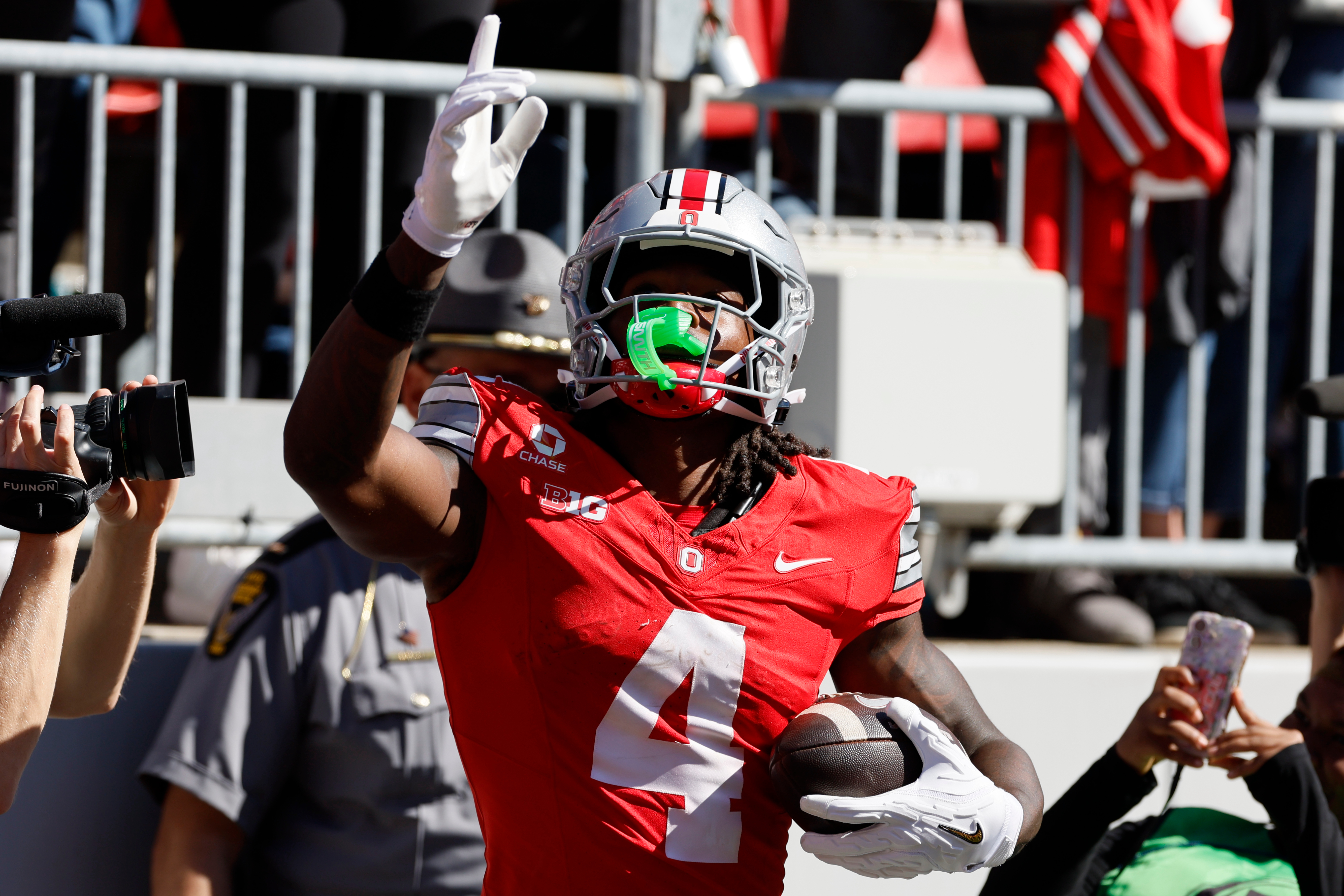
    Ohio State wide receiver Jeremiah Smith could end up going No. 1 overall in the 2027 NFL draft.Jay LaPrete

    Quick hits

    • Ohio State wide receiver Jeremiah Smith is the dream pick for any team with a high first-round selection this spring. He’s one of the best wide receivers and overall prospects in quite some time … but if he were to land on the Eagles, it would likely be because the Birds are picking inside the top three.
    • The tight end class is much weaker in top-end talent than last season. Oregon’s Jamari Johnson is likely the only potential first-round pick at the position as it stands in November. LSU’s Trey’Dez Green and Virginia Tech’s Luke Reynolds appear to be rock-solid Day 2 prospects to round out the group.
    • The offensive tackle class is talented, but primarily left tackle heavy. LSU’s Jordan Seaton, Texas’ Trevor Goosby, Utah’s Zereoue Williams, and Kentucky’s Lance Heard are all in the mix to be first-round picks. Seaton is the most special athletically of the bunch.
  • Broad Street’s pricey new median planters take the Avenue of the Arts in the wrong direction

    Broad Street’s pricey new median planters take the Avenue of the Arts in the wrong direction

    Philadelphia claims it has the most walkable downtown of any big city in America — and that’s largely true.

    Center City has some of the best small streets around, from the commercial stretches of Walnut and Chestnut to tree-lined residential blocks and storybook lanes of carriage houses.

    It’s the neighborhood’s two monumental boulevards — Broad and Market — that Philadelphia can’t seem to get right.

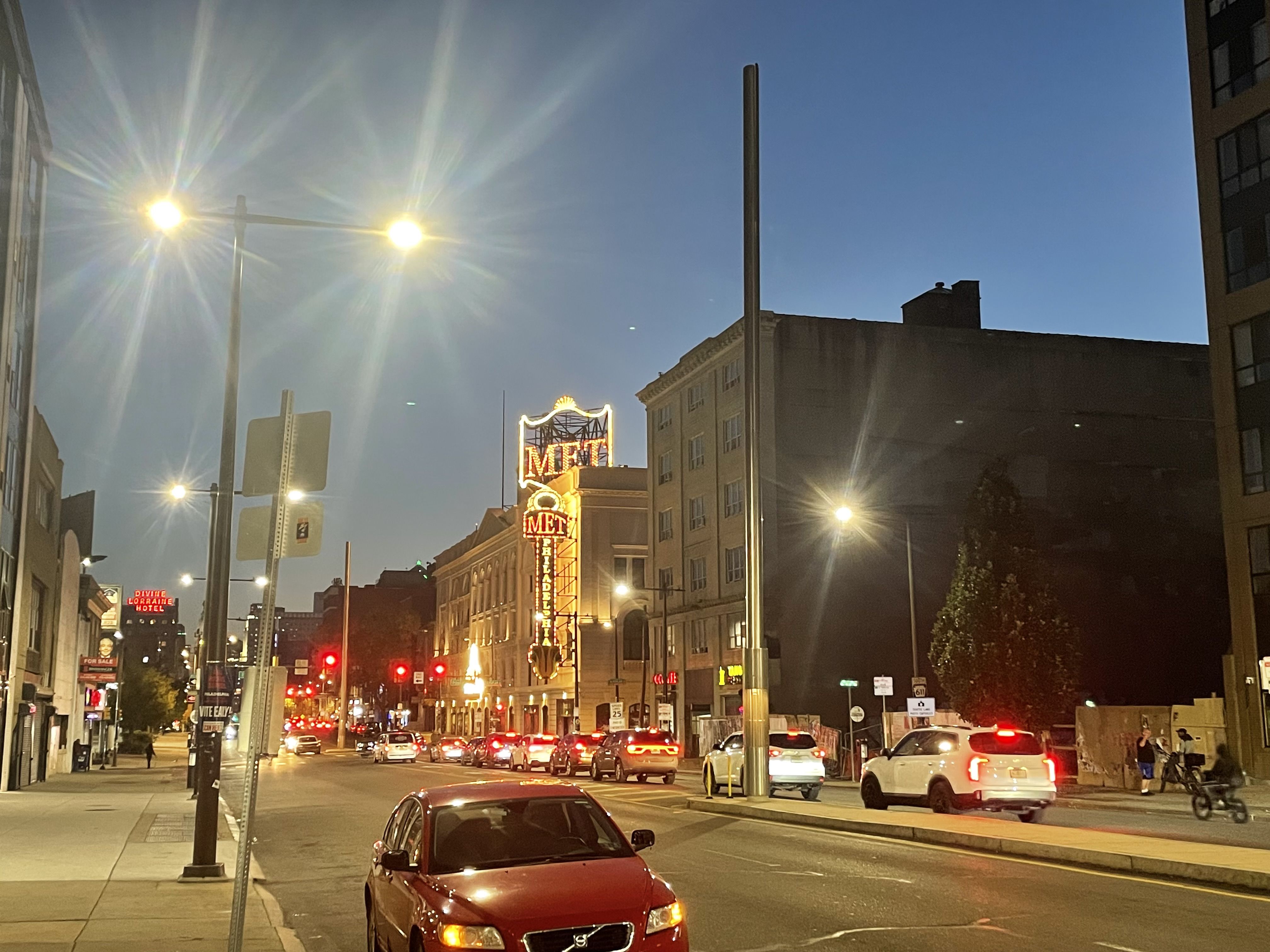
    For decades, the city has subjected those wide corridors to regular makeovers in the hope of attracting more pedestrians. We installed lush sidewalk planters and elaborate paving stones, then promptly neglected them. Large digital screens on Market East’s buildings were supposed to be Philadelphia’s answer to Times Square. Then, in 2015, we spent $14 million to line North Broad Street with what were supposed to be sculptural, stainless steel light masts. Today, most of those fixtures are broken.

    Those past efforts are worth recalling now because attention — and money — is being focused on the same pair of chronically underperforming corridors.

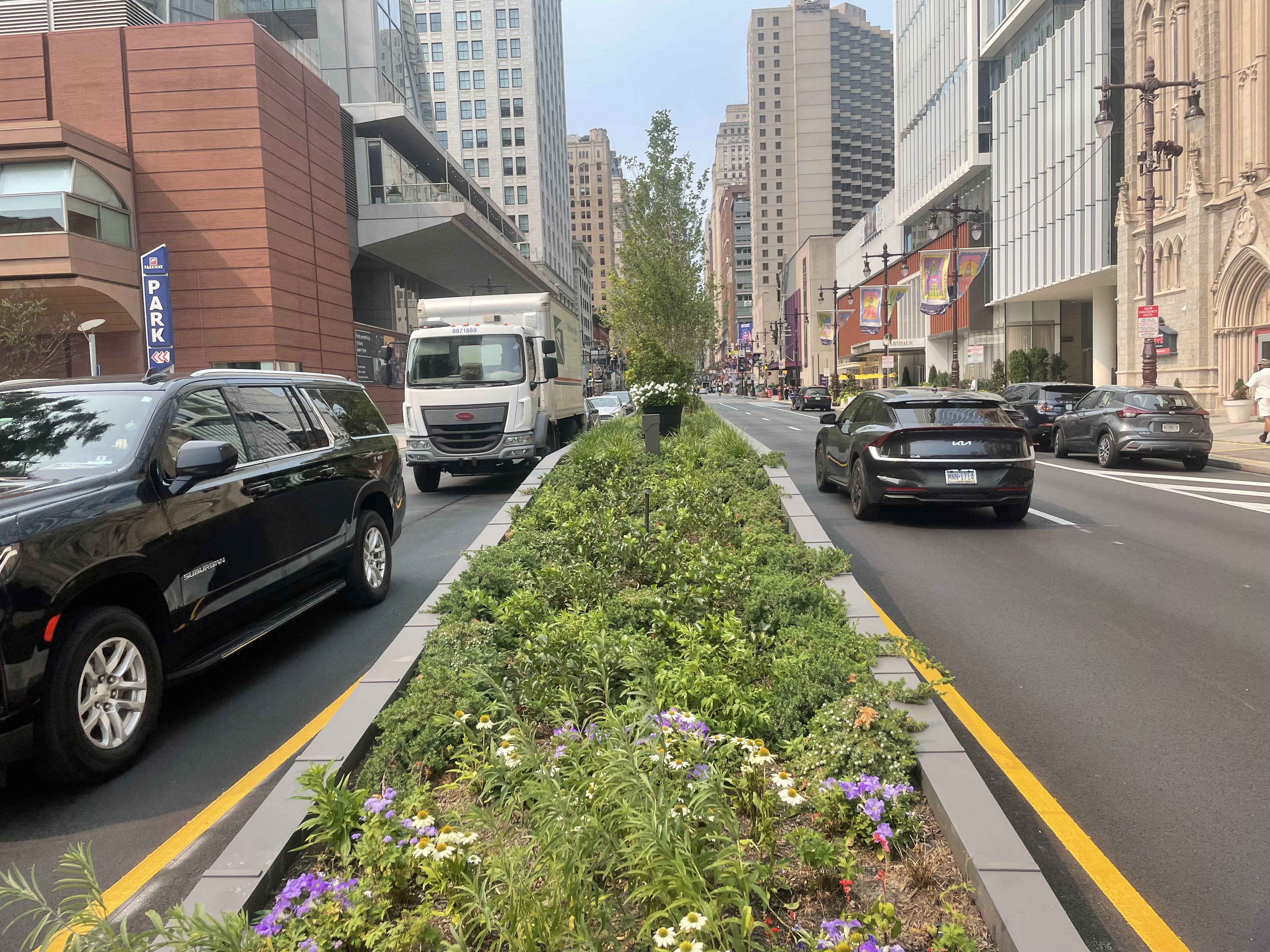
    Mayor Cherelle L. Parker’s Market East Advisory Group, convened in the aftermath of the Sixers arena debacle, is expected to issue its recommendations in the next few weeks. Meanwhile, the nonprofit Avenue of the Arts has installed a 230-foot-long planter in the center median between Spruce and Pine, the block that is home to the Kimmel Center and developer Carl Dranoff’s Arthaus tower.

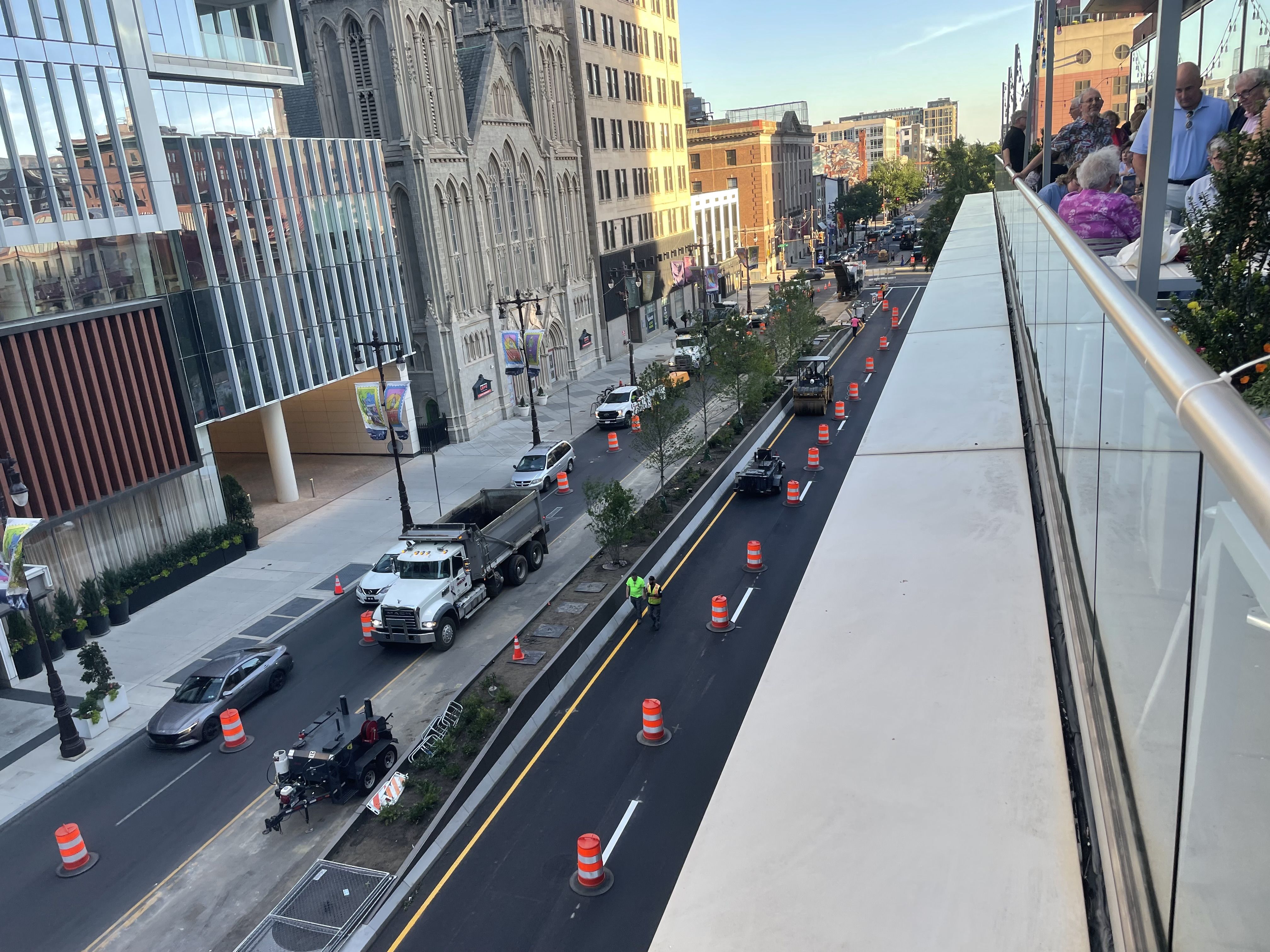
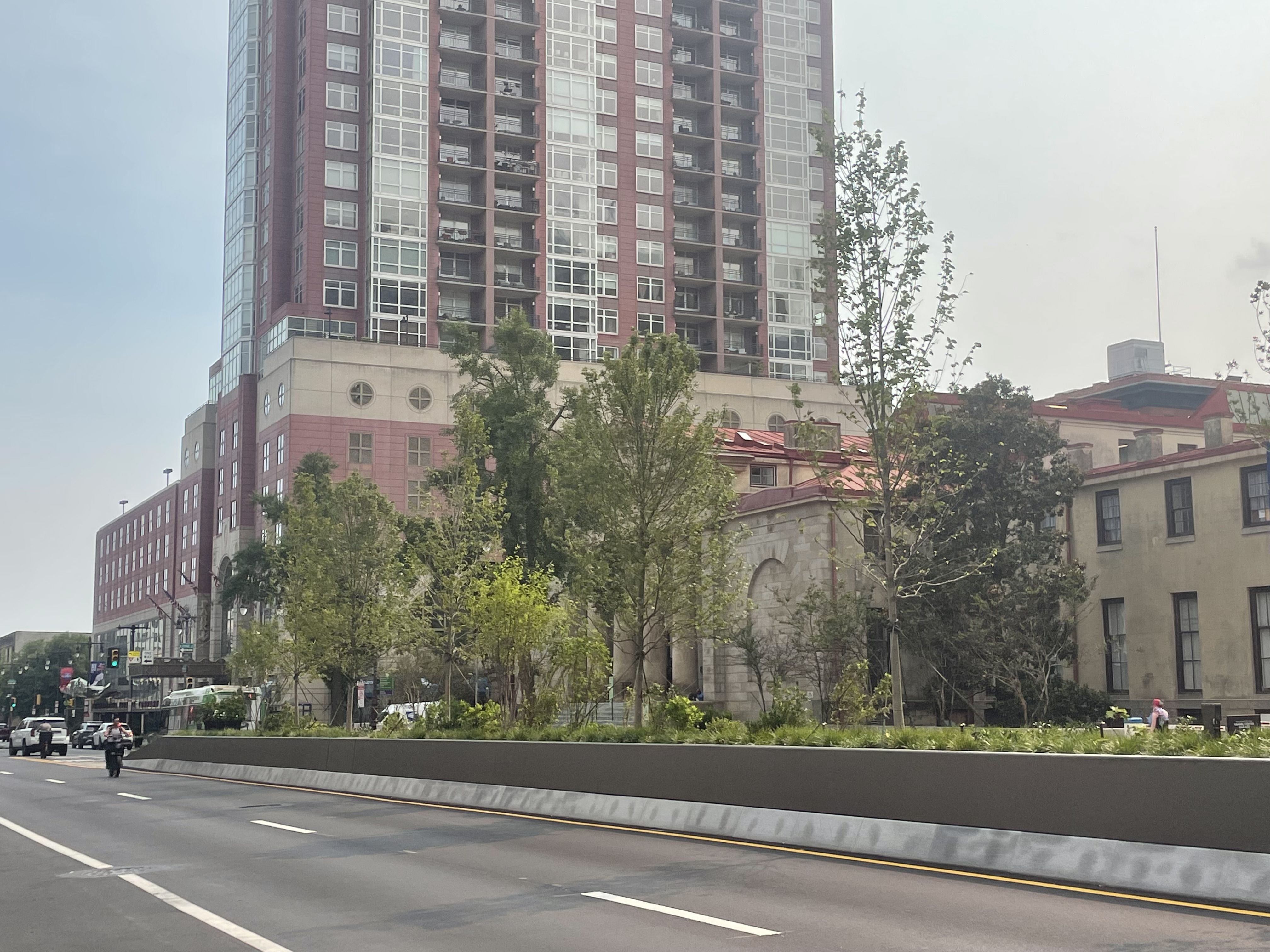
    The four-foot-high structure, which resembles a deluxe Jersey barrier with trees sprouting from the top, is supposed to be the first step — a so-called beta block — in a $150 million, multiyear project to green South Broad Street from City Hall to Washington Avenue.

    Please let it be the last.

    After the spectacular failure of the North Broad light masts, you might think Philadelphia would have learned that prettying up the median on a wide avenue does nothing to encourage pedestrian activity. Despite spending a whopping $5 million on South Broad’s new linear planter — including $4 million from government sources — the only things shaded by those trees are the passing cars.

    In 2015, Philadelphia spent $14 million to line North Broad Street with sculptural stainless steel light mast. The vast majority, like this pair in front of the Met theater, are broken and dark today.Inga Saffron / Staff

    What the Avenue of the Arts really needs

    Avenue of the Arts’ 10-year plan calls for more green features, but the emphasis on beautifying South Broad’s median strip suggests that the organization has misdiagnosed what’s wrong with the corridor.

    The problem isn’t the lack of pretty plants; it’s the lack of daytime foot traffic.

    Even if Avenue of the Arts somehow succeeded in installing the curbside planters shown in the plan’s renderings, that greenery alone will never be enough to tempt anyone to walk down Broad Street, especially when they can join the hordes of diners and shoppers one block away on 13th Street.

    Because South Broad between City Hall and Spruce once served as Philadelphia’s Wall Street, it is not an easy street to fix. The stately limestone buildings occupied by the city’s financial powerhouses are magnificent works of architecture, but they have few ground-floor spaces that can be retrofitted for public uses.

    The new median planter on South Broad is roughly four feet high and resembles a Jersey barrier. It holds eight trees, but they only offer shade to the passing cars.Inga Saffron / Staff

    South Broad has nevertheless made a lot of progress in recent years by building new theaters and turning old ones into apartments.

    What the corridor desperately needs now are more daytime attractions. The transformation of several former University of the Arts properties — by Temple University, Lindsey Scannapieco’s company Scout, and Dwight City Group — will do far more to advance that goal than any overdesigned planter can.

    Several Philadelphia urban planners, including the Design Advocacy Group, former Deputy Mayor Alan Greenberger, and urban design specialist Harris M. Steinberg, have criticized the median’s design. I would go further and say the basic concept demonstrates a fundamental misunderstanding of the role South Broad plays in Philadelphia’s civic life.

    Avenue of the Arts has often cited New York’s Park Avenue, which is known for its planted median, as a model for Broad Street. But Park Avenue is a street that drifts off into the horizon, while South Broad terminates in the iconic view of City Hall tower.

    Broad Street also serves as the urban room where energized sports fans converge to celebrate big wins and the Mummers perform their annual rituals. While the four-foot-high median may not completely compromise those Philadelphia traditions, it will certainly get in the way.

    Several urban planners in Philadelphia have expressed concern that the new median planter on South Broad Street will block the iconic view of City Hall tower.Inga Saffron / Staff

    The push for greenery

    The nonprofit’s thinking was strongly influenced by Dranoff, who serves as its CEO, and has argued for years that Broad Street needs more greenery to succeed as a residential street.

    Widely regarded as Broad Street’s biggest booster, Dranoff has built several large apartment buildings on the avenue. His Arthaus condos, by New York’s KPF, are easily Philadelphia’s best high-rise residential design in years, yet sales got off to a slow start.

    In 2022, just as Philadelphia was emerging from the pandemic, Avenue of the Arts convened a group of Broad Street stakeholders to solicit ideas for improving the corridor. The top recommendation? More greenery, Dranoff told me.

    The only question was what form the new landscaping should take. Since the subway and concourse run below Broad Street, the sidewalks can’t accommodate the large openings that urban trees require. Market East struggles with the same conditions.

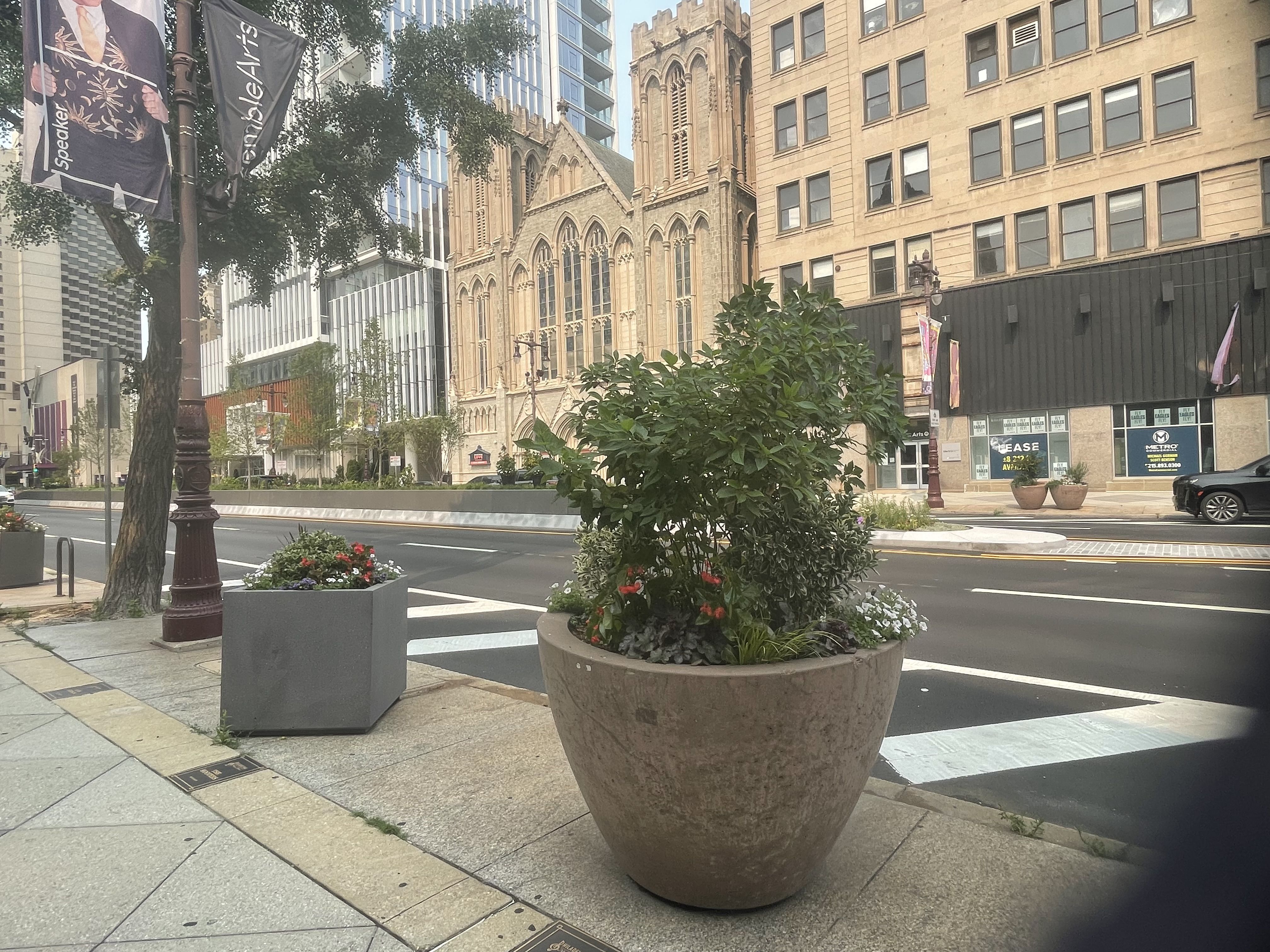
    To get around the problem, both corridors have relied on large sidewalk planters, which can hold shrubs, flowers, and even small trees. You can still see a few surviving examples that the Avenue of the Arts nonprofit installed in the early 2000s, after South Broad began to evolve into Philadelphia’s theater district. Planters are a cheap and easy way to soften an urban street, and Broad Street’s 20-foot-wide sidewalks can easily accommodate them.

    Many of the original planter pots installed by the Avenue of the Arts in the early 2000s are now in poor condition.Inga Saffron

    But rather than simply replace them with fresh pots and plantings, the Avenue’s consultants — Gensler’s Oliver Schaper and the OJB landscape studio — came up with a proposal to transform the corridor. Not only does the plan call for planted medians on every block, it recommends filling in the existing shoulder lanes with low box planters capable of supporting trees.

    This Gensler master plan for the Avenue of the Arts proposes to put low planters in the shoulder lane, now used for parking and drop-offs.OJB

    How ironic that the city and the Pennsylvania Department of Transportation have agreed to these shoulder plantings.

    For years, Philadelphians have been told that they can’t have desperately needed bike lanes on Broad Street because those shoulders were needed for drop-offs and parking. That design, the Bicycle Coalition’s John Boyle told me, is a “missed opportunity to make Broad Street safe for bicyclists and pedestrians.”

    Not all the ideas in the plan are bad. The traffic-calming proposals, including sidewalk bump-outs at the corners, would make it easier for pedestrians to cross. Unfortunately, the designers didn’t know where to stop. Even if money was no object for Philadelphia, South Broad just doesn’t need all this stuff.

    Several South Broad property owners told me that Avenue of the Arts can barely care for the existing sidewalk planters now, so how will it maintain these enormous additions?

    An ambitious project for a small organization

    Avenue of the Arts is a small organization with a modest budget. Unlike the Center City District, it can’t collect a levy from property owners for its activities, which means it relies on government support and private fundraising. As recently as 2024, it was running a deficit, although it has since returned to the black.

    Even its former director, Laura Burkhardt, questions whether the group has the capacity to undertake such an ambitious project.

    “Who starts a $150 million plan like that with just one staff person?” she said. “The organization itself doesn’t have the ability to execute a master plan.”

    Indeed, after interviewing Dranoff and the design team, I left with the suspicion that this initiative may never produce anything more than the existing planted median in front of Arthaus.

    While the Avenue of the Arts estimates that it will cost $10 million to construct the curbside plants on this one “beta block,” the nonprofit has raised just $1.5 million so far, according to Dranoff. Those planters “will probably take two more years to complete,” he told me, optimistically.

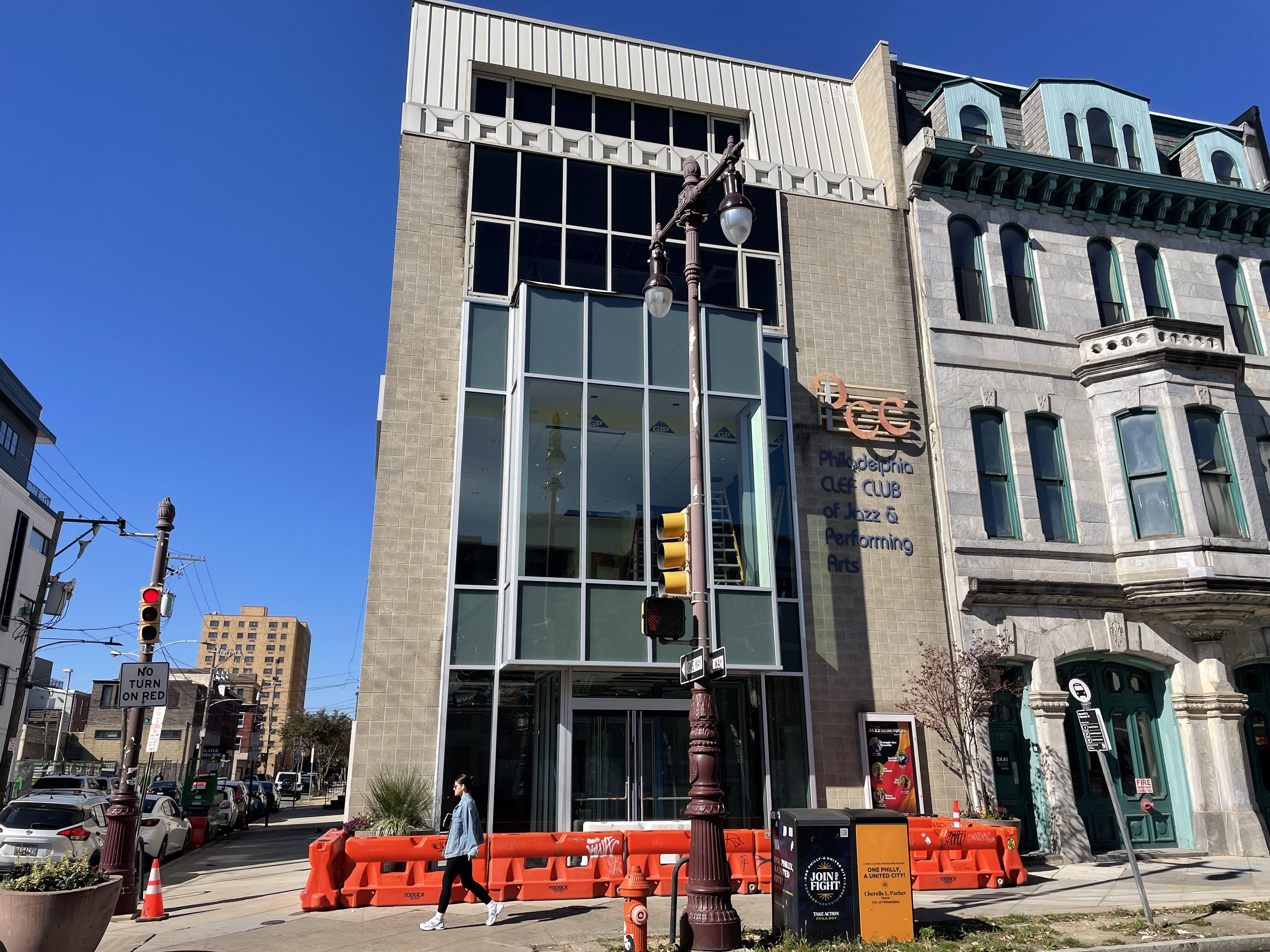
    The Clef Club is the latest venue on the Avenue of the Arts to open up its ground floor to make it more inviting to pedestrians.Inga Saffron / Staff

    If the Avenue of the Arts is serious about increasing foot traffic on South Broad, it should scrap its gold-plated streetscape fantasy and take a page from the city’s other struggling corridor, Market East. Last summer’s Meantime retail pop-up was both the cheapest and most effective strategy in the city’s long history of revitalization efforts.

    Several existing Broad Street venues are already working to attract more casual foot traffic. Both the Kimmel and the Wilma Theater have installed ground-floor cafes. Now the Clef Club, at Fitzwater Street, is opening up its facade with large windows. Stoop Pigeon, a women’s sports cafe that will open soon at the corner of Pine Street, promises to be a big draw.

    These are all strategies that have been proven effective. The Avenue of the Arts should just refresh its old sidewalk planters. Water the plants regularly, replace the dead flowers — then call it a day.

  • Sixers’ Joel Embiid is on a minutes restriction while playing through a ‘painful’ foot condition

    Sixers’ Joel Embiid is on a minutes restriction while playing through a ‘painful’ foot condition

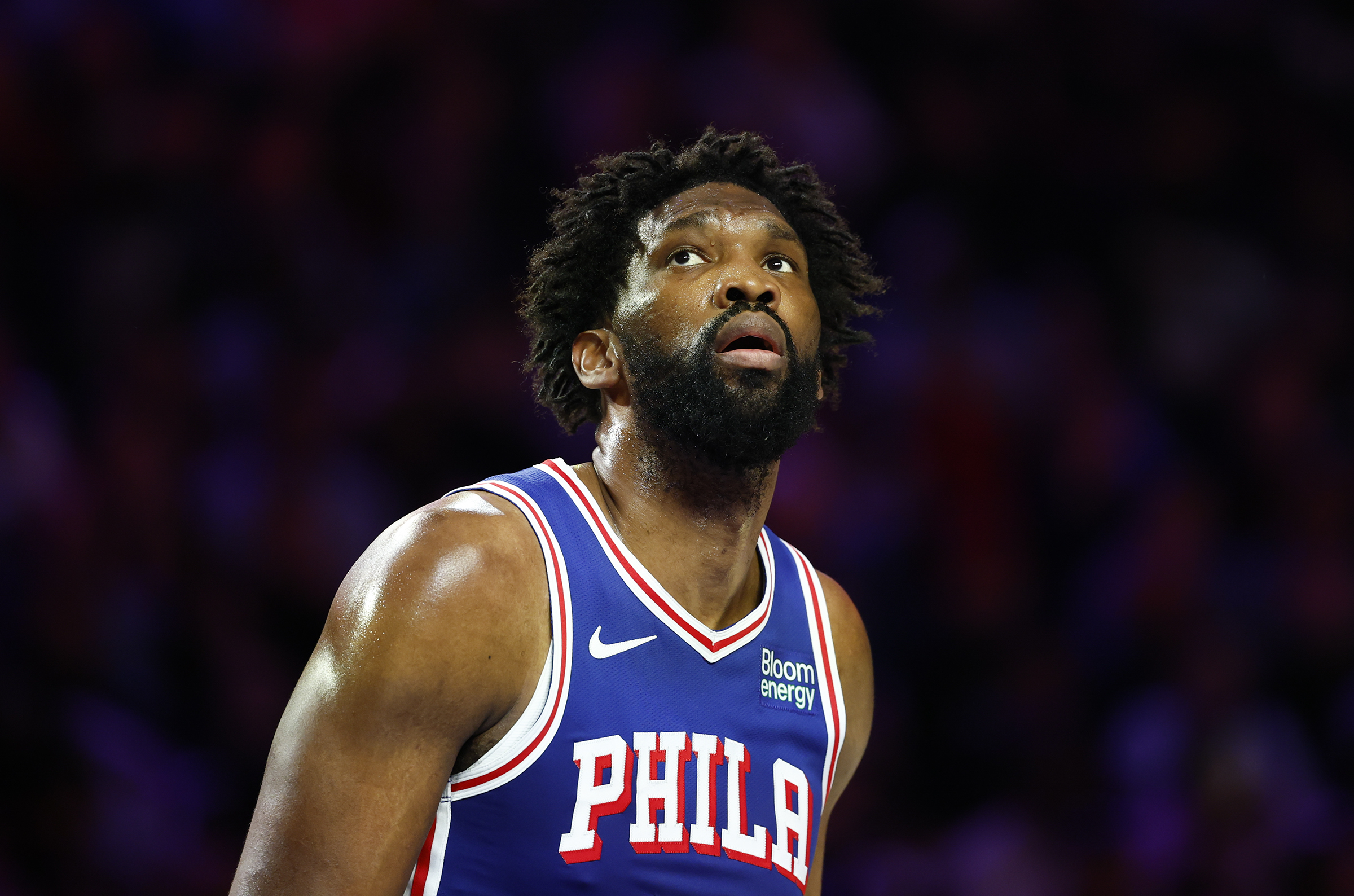
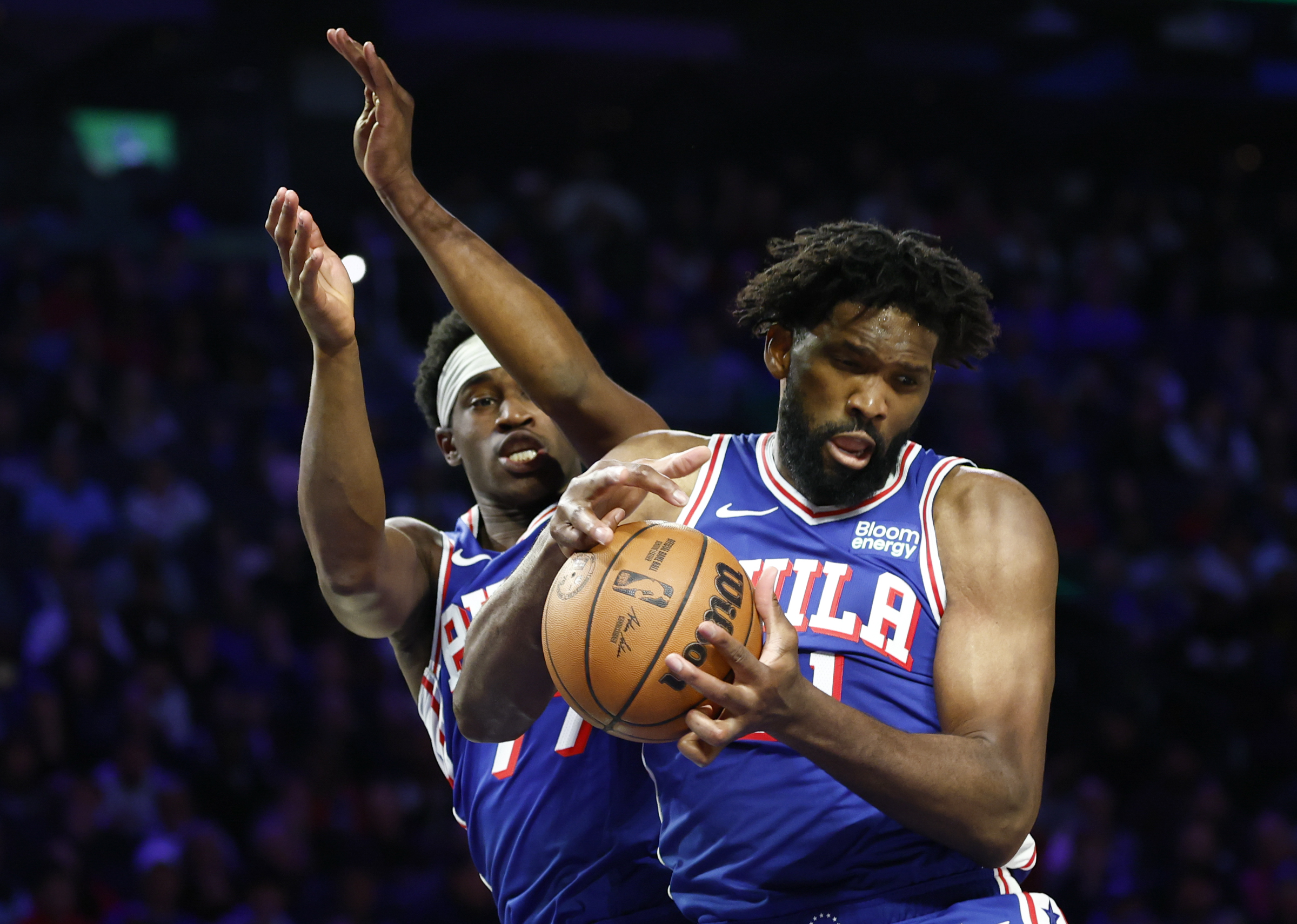
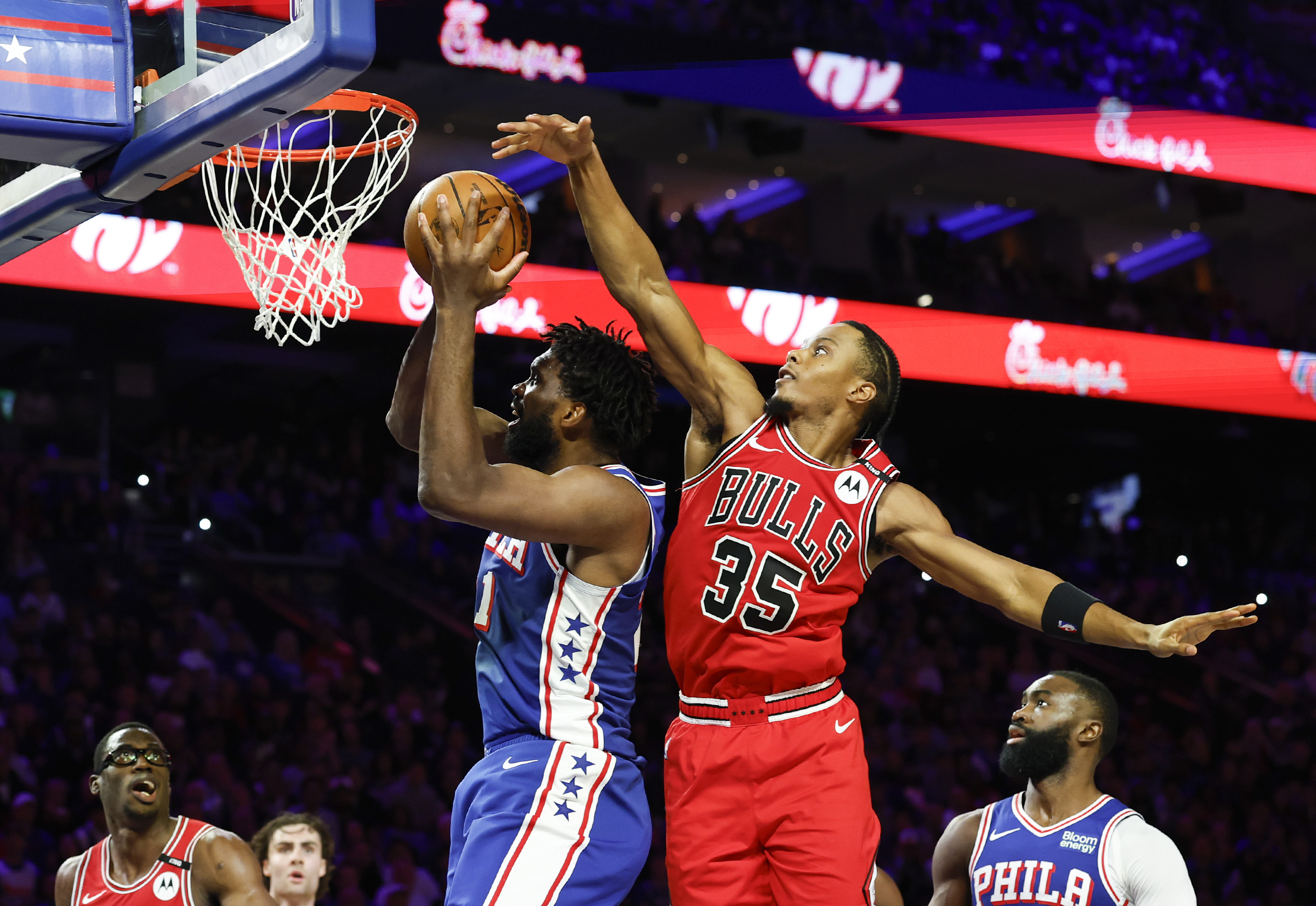
    As the Sixers coasted through the fourth quarter of their 126-107 victory over the Bulls, Joel Embiid didn’t play. He sat on the floor near the bench as his teammates closed out the win.

    A game after he sat the back end of a back-to-back Saturday against the Hornets (standard protocol for Embiid), he was listed as questionable entering Monday’s game because of right foot plantar fasciitis management.

    The often-injured center played, but he was on a 25-minute restriction that ended after three quarters. To hear Embiid talk about the condition, it was more than just a nominal designation.

    “It’s been going on like that for the last few,” Embiid said. “So yeah, it’s painful. Just got to manage it and when it flares up pretty bad, got to take a step back. But yeah, we’ve been able to manage it, but it has its ups and downs.”

    Plantar fasciitis can linger, and coach Nick Nurse said that the team will be “managing that and trying to be smart with it.”

    Added Embiid: “You feel it on the court, so it certainly doesn’t help.”

    Embiid finished with 15 points, eight rebounds and three assists, and it didn’t look much like the condition was affecting him from how he began the season. At one point, Embiid sprung off his feet to dive for a loose ball on the floor.

    For the foreseeable future, Embiid will be adjusting to life while playing through the pain. He also is still adjusting to his role on this particular team, which he explained is different from years past. One of the challenges, he said, is not having the ball in his hands on most possessions.

    “I’m such a rhythm guy,” Embiid said. “And over the years, obviously, I’ve had a lot of opportunities to just touch the ball almost every other possession. And sometimes you can just go four or five possessions in a row where you don’t touch the ball. So that’s where it’s like an adjustment where I’m not used to catch-and-shoot as much. I’m used to more creating for myself, so I’m working on that.”

    In five games, Embiid is averaging 19.2 points, 9.4 rebounds and 5.2 assists. He said his focus in this offense is on making the right plays and “being a hub” for the offense when they need him to be. The Sixers have done a good job of getting out in transition, especially on Monday, when they had 31 fastbreak points. They rank 10th overall with 16.8 fastbreak points per game. Those are possessions where the Sixers might not be involving Embiid as they sprint down the floor; hence the gaps in Embiid’s usage.

    “How can I get back to that level of dominance, but without having as much touches as I’m used to?” Embiid said. “That’s a work in progress. And that’s where really the struggle has been because, like I said, I’m a rhythm guy. Like, I need to feel the ball. I need to touch the ball and when you don’t, it’s a little different.”

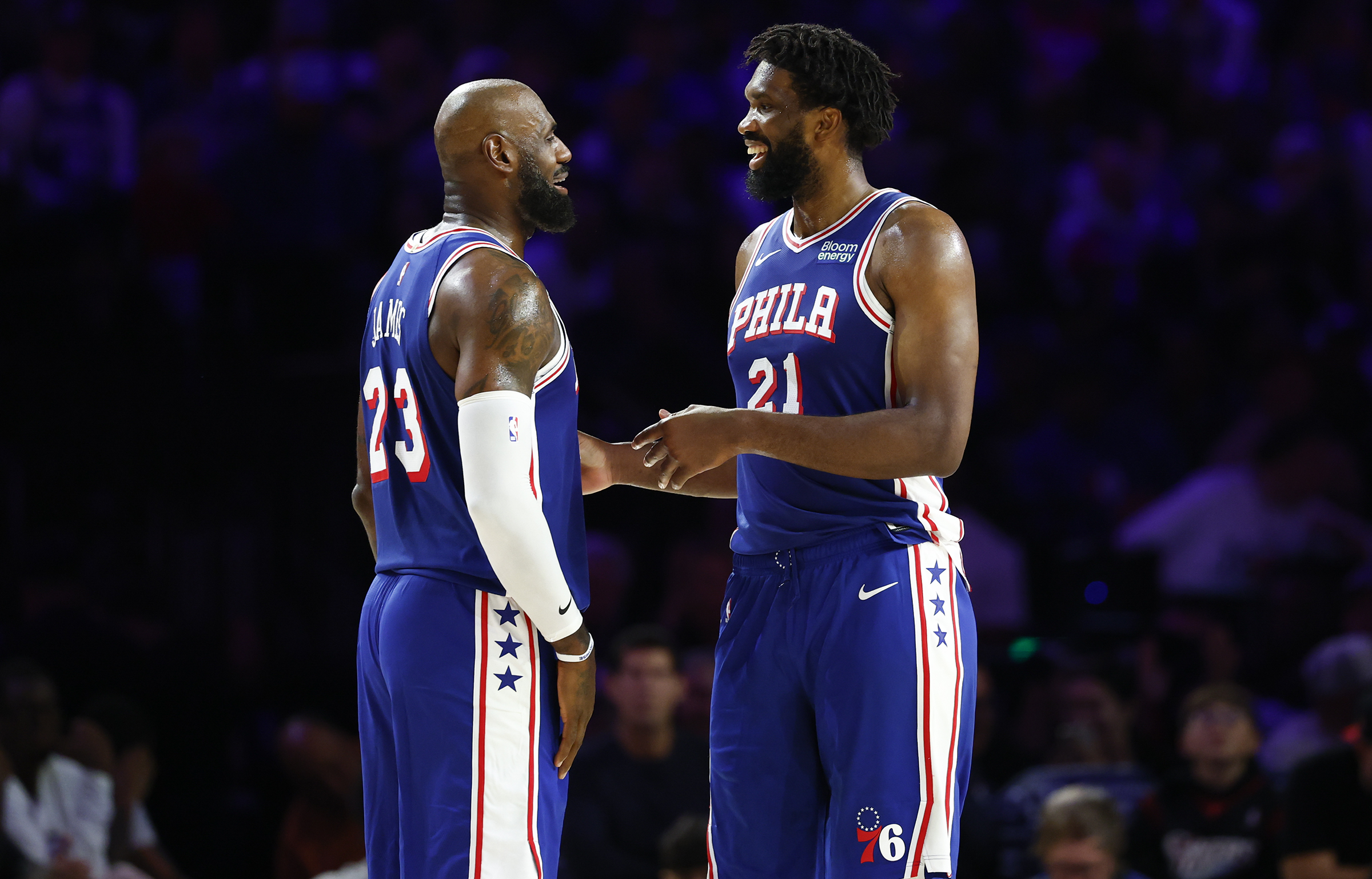
    Joel Embiid (right) is adjusting to life with less touches because of the additions of LeBron James (left) and Jaylen Brown.Yong Kim / Staff Photographer

    Before the season, Embiid said his take on what the word “sacrifice” meant for the Sixers was that nobody should sacrifice what they do best on the floor. He also said that even though there may not be as much usage for players on given nights, the amount of talent on the roster should help everyone be more efficient, himself included. Once he figures out this puzzle on his fit in the offense, he said, the team could really take off.

    “It’s a fun process and I’m enjoying it,” Embiid said. “Trying to find ways to get over the hump. And then when I feel like once I do and I figure it out and I can really be dominant. The sky’s the limit for us.”

  • Letters to the Editor | Nov. 3, 2026

    Letters to the Editor | Nov. 3, 2026

    Legal tender

    What’s the adage, “It’s the straw that broke the camel’s back”? Compared with what is going on in the world today, it’s a small thing, but when I read that Main Line Health stopped taking payments by cash and checks, I was appalled. I graduated from Lankenau School of Nursing and worked there for a few years after graduating. You know, when dinosaurs roamed the earth and the world seemed like a kinder, gentler place — or perhaps my memory deludes me.

    Because of its location at the corner of Lancaster and City Line Avenues, Lankenau’s patients came from the wealthy Main Line and the poorer neighborhoods of West Philadelphia. The article even states that “Lankenau Medical Center in Wynnewood still had a significant number of people paying cash.” This “seamless” transition profits this healthcare system and eliminates employing cashiers, but what about the inconvenience it may cause some folks? If I’m visiting a very ill family member, I can’t pay cash for a pack of gum at the gift shop? If I recall correctly, a few years ago the city of Philadelphia told businesses they could not go cashless. It’s a form of discrimination, and cash is still legal tender. Shame on Johanna Weller and Main Line Health.

    Bonnie Brigham Packer, Wenonah

    Farming futures

    The recent article on extreme weather and independent farmers is typical of reporting that projects modern-day anxieties onto food growing. Farming is never in a steady state. Change prompted by outside forces like markets and weather has always been the nature of the business. The portrait of farmers as beleaguered victims belies their ingenuity, creativity, and adaptability. When the weather is more extreme, their abilities become more heightened, too. The story itself offers proof — farmers who are commercializing new crops that perform better in current climate conditions. Many have already been experimenting with heirlooms and other unfamiliar crops, so it isn’t much of a leap. Sometimes it just means growing a different variety of bean, green, pepper, potato, or squash. The shift to a more global product mix has been underway among larger food stores and distributors for quite a while. This new opportunity is now being taken up by local farmers who are identifying what they can grow in changing times. Eaters are in for a real treat!

    Perhaps journalists can consider reframing farming stories from problem creation to problem solving. We all may be facing a world of trouble. But as long as farmers are in it, food won’t be one of them.

    Roxanne Christensen, Philadelphia

  • Horoscopes: Tuesday, Nov. 3, 2026

    Horoscopes: Tuesday, Nov. 3, 2026

    ARIES (March 21-April 19). The entertainment isn’t on a streaming service; it’s right there in your own social circle. People say revealing things, and your lack of reaction keeps them talking. File it all away. When they go way off script, that’s when it gets good.

    TAURUS (April 20-May 20). Nature isn’t just wilderness or national parks. You’re nature, too. Your own behavior may baffle you until you recognize the natural impulse underneath. You’re a very clever animal seeking food, comfort, territory, play or a mate.

    GEMINI (May 21-June 21). People say the darndest things and you privately think, “What planet are you on?” A little more information supplies the coordinates. Once you understand how they got there, the conversation gets much more interesting.

    CANCER (June 22-July 22). The options were many, and today you’ll have fewer, which is a welcome change. This makes it easier to choose. And if there’s no clear answer, let the universe help. Wait until there’s one obvious place to put your attention.

    LEO (July 23-Aug. 22). You’ll want company for part of the day and solitude for another part, and you’ll get both. You’ll have a great time with people today, right up until your social battery abruptly hits zero, then you’ll have an easy exit.

    VIRGO (Aug. 23-Sept. 22). Relieving someone’s suffering or annoyance, making things work better — it’s what you’re all about today. You’ll under-promise and over-deliver. Though you don’t expect your generosity to be repaid, it will be.

    LIBRA (Sept. 23-Oct. 23). Progress seldom happens in a straight line. It would be normal to improve, slip a little, then make a leap that puts the whole process in perspective. Stay in the game through the ups and downs and anything is possible.

    SCORPIO (Oct. 24-Nov. 21). Because you’re so mysterious, you recognize this quality when you see it. You don’t pry; you don’t chase; you don’t ask direct questions. The indirect ones are effective, though. Soon you’ll get the entire hidden history.

    SAGITTARIUS (Nov. 22-Dec. 21). You’re still deciding what to make of a recent development. Give it another day before assigning it a meaning. New information is coming, and what looks inconvenient from here may make considerably more sense from there.

    CAPRICORN (Dec. 22-Jan. 19). You’re still in the early stages of a transformation. Today, the gravitational pull of your old habits will be real, but not irresistible. One decisive move will put useful distance between you and what you’re leaving behind.

    AQUARIUS (Jan. 20-Feb. 18). It doesn’t take a big, deep conversation to grow closer to another person. You’ll laugh in the car, split something good to eat or just knock around together for a while. By the end of the day, you’ll feel more like a team.

    PISCES (Feb. 19-March 20). Document the ordinary. The more ordinary, the better. A picture with no one in it will interest you later. It’s the atmosphere you’re capturing — a vibe. Today will someday be a charming yesterday.

    TODAY’S BIRTHDAY (Nov. 3). In your Year of Exhilarating Motion, after a long period of preparation, one sweet development will start a thrilling chain reaction. How exciting to watch plans advance with speed. You’re doing what you love, and yes, the money will follow. More highlights: An adventure built around a place you’ve read about, mastering a piece of technology and meeting someone whose stories you could hear all night. Virgo and Taurus adore you. Your lucky numbers are: 18, 35, 26, 1 and 10.

  • Dear Abby | Holidays bring up issues of gratitude

    Dear Abby | Holidays bring up issues of gratitude

    DEAR ABBY: My sister-in-law lives across the country. For years, we shipped each other’s children Christmas gifts. A few years ago, she went through a difficult divorce and has since stopped sending gifts. While we didn’t discuss it, I figured it was a financial strain, which is understandable.

    My issue is that we continued to send her children gifts but have never received a thank-you or even an acknowledgment. I feel it’s rude, but my husband doesn’t think it’s a big deal. Am I wrong in feeling this way? —–— LOVES CHRISTMAS IN CHICAGO

    DEAR LOVES CHRISTMAS: You are not wrong; your husband is. Those children should have been taught from an early age that it is important to acknowledge gifts they receive with a thank-you note or, at the very least, a phone call, text or email. Not to do that is, indeed, rude, but don’t blame the kids.

    The blame falls on the parents who failed to teach them basic good manners. Speaking of the parents, ask your sister-in-law if she is still comfortable with the gifts you send to her children. Her family’s failure to show gratitude may be a hint that they feel guilty about being unable to reciprocate.

    ** ** **

    DEAR ABBY: I’ve been a divorced woman for the past 10 years and am at retirement age. In the divorce, I received my house, which is almost paid for. My family, including my daughter (40), her husband (42), my son (36), my nephew (42) and my granddaughter (12), all live in that house. I moved out and into a place with a friend whose house is paid for. The adults are all employed full time. The plan was for them to pay me rent until my granddaughter graduates from high school (six more years).

    Unfortunately, the only ones paying rent regularly are my son (who pays all the utilities) and my nephew, who was just diagnosed with end-stage renal disease and is going on dialysis. I have already sat down with the others and had the talk that the rent is due on the first of the month; after that, it is late. I even send them text reminders a week before it’s due. What other options do I have to get my daughter and son-in-law to pay their share of the rent? This money is supposed to be going into my retirement fund so I can retire when I’m 70 or 72. The house is in a top school district, so I don’t want to evict them and jeopardize my granddaughter’s education.

    — GRANDMA LANDLADY

    DEAR LANDLADY: Would it be possible to enlist your son and nephew to apply some social pressure on the deadbeat couple? It would have been better if you’d had more than a verbal agreement from the start, but it’s not too late. Draft a formal lease contract, including penalties for late payment, and insist that everyone sign it. If possible, have them set up a direct monthly transfer of funds from their bank accounts to yours. Always be firm and professional, and consult a lawyer if you need ideas other than eviction to encourage prompt payment.