Tag: Temple University

  • Neysa Adams, pioneering civic and community leader, scientist, and teacher, has died at 104

    Neysa Adams, pioneering civic and community leader, scientist, and teacher, has died at 104

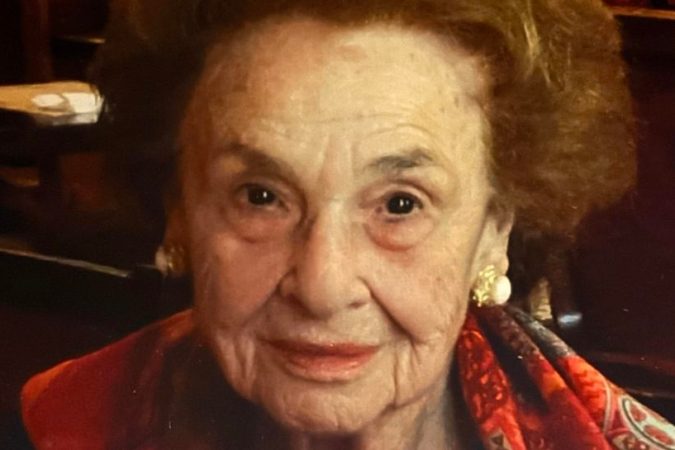
    Neysa Adams, 104, of Philadelphia, 1971 chair of the local United Fund women’s committee, former president of the Rebecca Gratz Club, onetime vice president of the women’s council for the Federation of Jewish Agencies, former associate trustee at the University of Pennsylvania, scientist, high school teacher, investment adviser, and philanthropist, died Friday, June 26, of heart disease at the Hearth at Drexel.

    Born and reared in Philadelphia, Mrs. Adams graduated from Olney High School and lived over the years in East Oak Lane, Germantown, and Elkins Park. She earned a degree in biochemistry with honors at Penn, did scientific research for a time, and taught English and history for two years at Philadelphia High School for Girls.

    Smart, friendly, and energetic, she joined the Philadelphia United Fund volunteer speakers bureau in 1963, became active with the fund’s public relations committee, schools committee, and women’s committee, and organized many community fundraising campaigns. In 1971, she told The Inquirer she had a “deep feeling for community work.”

    Mrs. Adams also served on the board at what is now Penn’s School of Social Policy and Practice and was active with the Emergency Aid of Pennsylvania Foundation, the National Conference on Social Welfare, and state and federal women’s advisory commissions. In 2003, then-Gov. Ed Rendell recognized her as a Distinguished Daughter of Pennsylvania for her “outstanding service and contributions to the Commonwealth of Pennsylvania.”

    As a philanthropist, Mrs. Adams and her husband, Arlin, were cochairs of Penn’s Harrison Society for fundraising recognition, and they established, among other endowments, the Arlin and Neysa Adams Lectureship and the Neysa and Arlin Adams Prize for excellence in prelaw studies at Temple University. Her husband died in 2015, and she donated his papers to the archives at Penn Carey Law School in 2017 and later funded its Arlin M. Adams Lecture in Law, Religion, and the First Amendment.

    “Everything good in my life came from him,” Mrs. Adams said in a 2024 online profile by the Hearth at Drexel.

    She also established Neysa Adams’ Library Fund at Reform Congregation Keneseth Israel in Elkins Park. Friends called Mrs. Adams “wonderful,” “outstanding,” and “one of life’s brightest lights” in tributes.

    One friend said: “Neysa was one of the kind.”
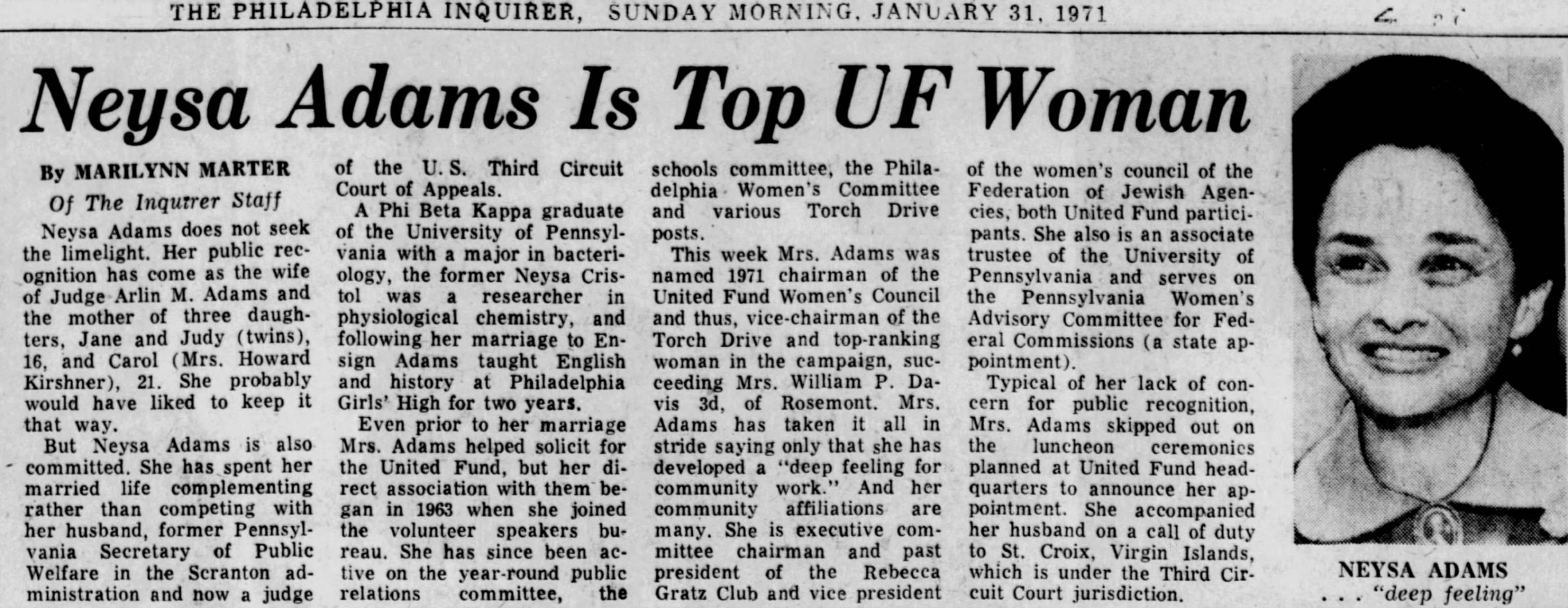
    This story about Mrs. Adams appeared in The Inquirer in 1971.Newspapers.com

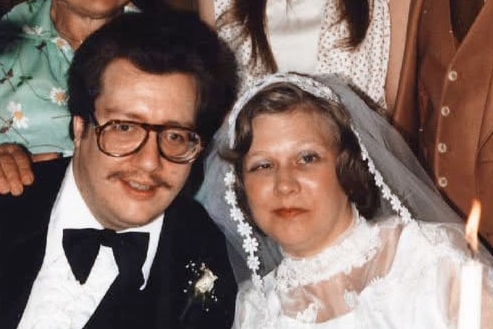
    Neysa Norma Cristol was born Aug. 7, 1921. She met Arlin Adams in high school, and they married in 1942 while he was on leave from the Navy. They had daughters Carol, Judy, and Jane. Her daughter Jane died in 2017.

    Mrs. Adams and her husband, a state secretary of public welfare and longtime federal judge, traveled the world, mostly through his work, and she met a queen, a pope, several U.S. presidents, and other international notables. “Her resilience, intellectual curiosity, and dedication to serving others stand as a testament to a life well lived,” friends at the Hearth at Drexel said in 2024.

    She was active at Keneseth Israel, enjoyed cooking, and was an avid reader. She also worked as an investment adviser.

    She was featured on 6abc TV last August on her 104th birthday and said: “Get those things that make you happy. Enjoy them while you can.”
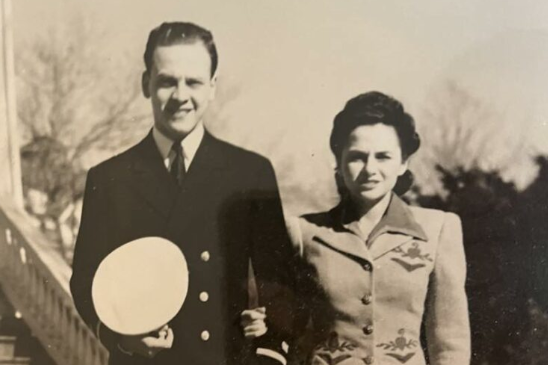
    Mrs.Adams and husband, Arlin, married in 1942 while he was on leave from the Navy.Courtesy of the family

    Her daughter Carol said: “She was outgoing and had lots of friends. It seemed like she knew everyone in Philadelphia.”

    In addition to her daughters, Mrs. Adams is survived by four grandchildren, one great-grandson, and other relatives. A sister and a brother died earlier.

    A celebration of her life is to be at 11 a.m. Friday, Aug. 7, at Reform Congregation Keneseth Israel, 8339 Old York Rd., Elkins Park, Pa. 19027.

    Donations in her name may be made to the University of Pennsylvania, Box 71332, Philadelphia, Pa. 19176; and Susquehanna University, 514 University Ave., Selinsgrove, Pa. 17870.
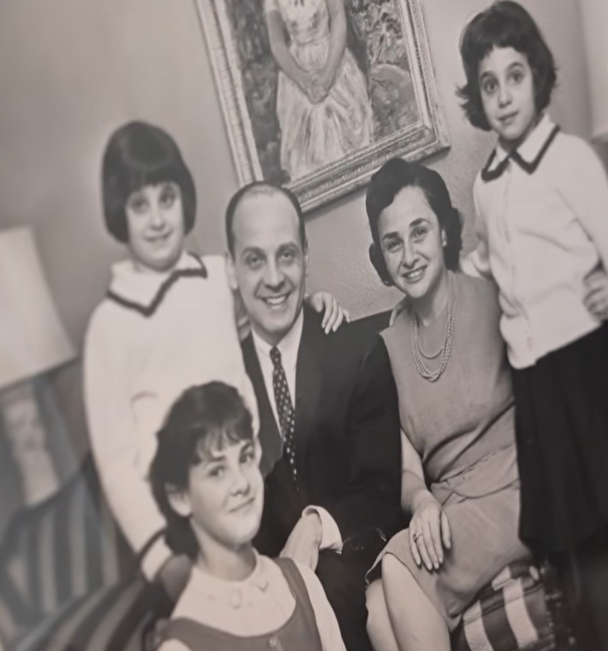
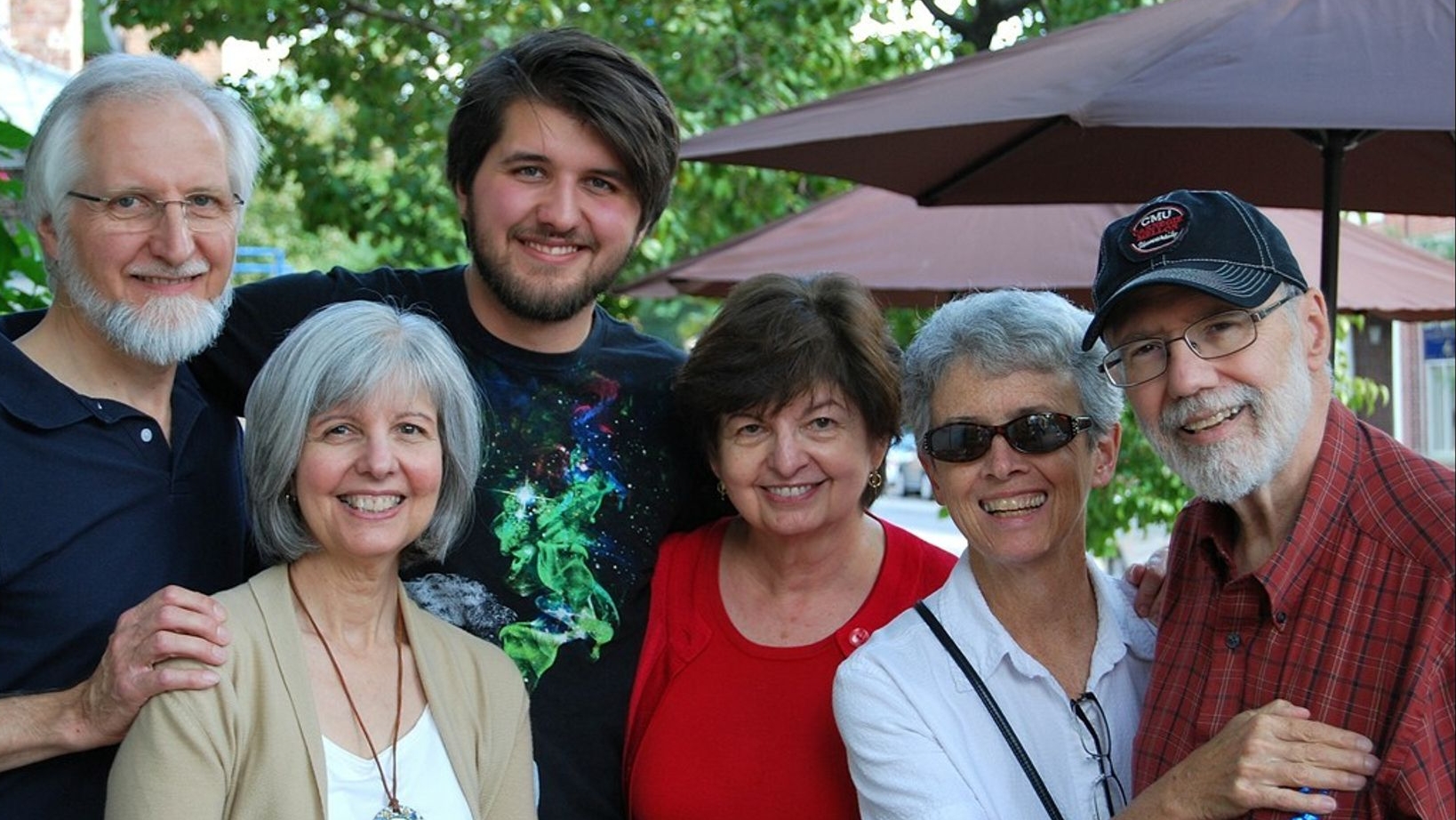
    Mrs. Adams (second from right) doted on her husband and three daughters. Courtesy of the family
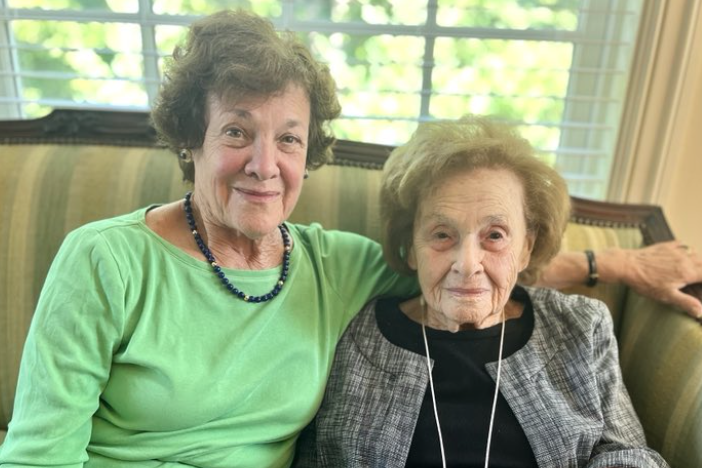
    “It seemed like she knew everyone in Philadelphia,” said Mrs. Adams’ daughter Carol (left). Courtesy of the family
  • Keith A. Morrison, celebrated artist and former Temple dean, has died at 84

    Keith A. Morrison, celebrated artist and former Temple dean, has died at 84

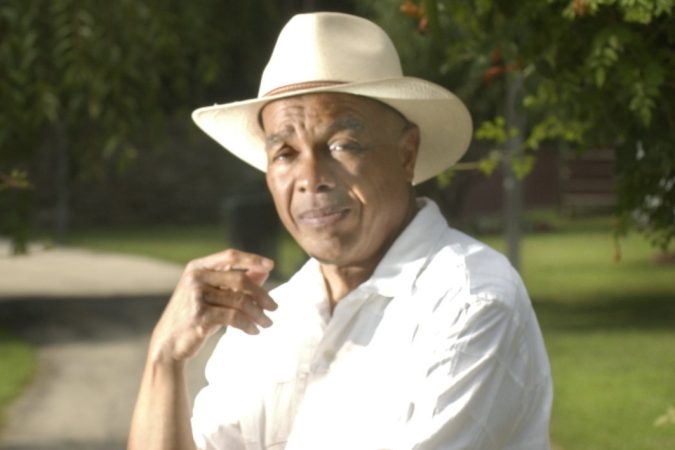
    Keith A. Morrison, 84, of Meadowbrook, Montgomery County, celebrated artist, professor of painting emeritus and former dean at Temple University’s Tyler School of Art and Architecture, curator, critic, consultant, writer, and lecturer, died Monday, June 1, of cancer at Fox Chase Cancer Center.

    Born in Jamaica, Dean Morrison left the Caribbean island for the School of the Art Institute of Chicago when he was 17 and earned bachelor’s and master’s degrees in fine arts and art education. He went on to teach college art classes in Nashville, Chicago, and College Park, Md., and, in addition to Temple, serve as dean at San Francisco State University, the University of Maryland, and the old San Francisco Art Institute.

    He was the first Black academic dean of art in a predominantly white American school in 1993 at the San Francisco Art Institute and joined Temple as dean of its art school in 2005. He became a professor of painting at Temple in 2008 and retired in 2018 as professor emeritus.

    As head of the Temple art school for three years, Dean Morrison hired staff, expanded degree programs, and coordinated popular activities with the school’s affiliated art programs in Europe and Japan. In an online tribute, former colleagues at Temple called him a “dedicated advocate for artists and arts organizations.”

    Earlier, he was associate dean of architecture and art at the University of Illinois, art department chair at DePaul University in Chicago, and associate professor of art at Fisk University in Nashville. He lectured around the world and was a visiting scholar at Sichuan Fine Arts Institute in China and the University of Michigan.

    “He was very serious, very thinking,” said his wife, Susan C. Alunan. “People said he was present and insightful, even life-changing.”

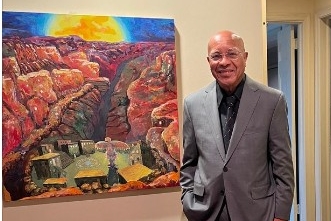
    As an artist, Dean Morrison was inspired by his Afro-Caribbean heritage, his childhood memories of lush Jamaican landscapes, and his multicultural experiences in Europe, Cuba, Mexico, and elsewhere. He worked in watercolors, oils, acrylic, and prints, and created memorable abstract, figurative, and surreal images.

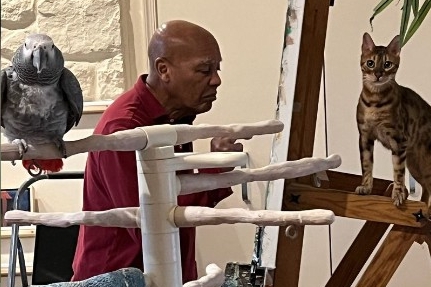
    Many of his paintings feature landscapes, people, plants, and animals, often including Scout, his African gray parrot. His images, he told colleagues, were “more intuitive than intellectualized.”

    Dean Morrison worked most often at his home studio in Meadowbrook. His parrot, Scout (left), sometimes appeared in his work. Susan C. Alunan

    Friends and colleagues called his paintings “unique and moving” and “magical in content and accessible by all who encounter them.” Allan Edmunds, founder of Brandywine Workshop and Archives, said on Facebook: “His art connects and shares hidden stories and myths that helped shape his creative vision of multiculturalism as a global reality.”

    Dean Morrison’s work appears on the covers of books and magazines, and in hundreds of solo and group shows around the world. It resides in collections at the Philadelphia Museum of Art, the Pennsylvania Academy of the Fine Arts, the National Gallery of Art and the Smithsonian American Art Museum in Washington, and other galleries.

    Colleagues at the David C. Driskell Center at the University of Maryland said in a tribute: “Morrison’s vivid, imaginative paintings — filled with brilliant color, history, mythology, and fantasy — speak to African diasporic experience as well as Morrison’s unique sense of humor and narrative composition.”

    As a writer, he pioneered Pan-African art criticism and was, in his own words, a Black critic “interested in art from a Black person’s perspective.” He was a visiting editor at the New Art Examiner in Chicago, and his reviews, interviews, and general observations appeared in the Washington Post, museum catalogs, and other publications.

    His book Art in Washington and Its Afro-American Presence: 1940-1970 was published in 1985 and serves as a text at art schools. In 2004, Renée Ater wrote a 128-page monograph called Keith Morrison.

    As a curator, Dean Morrison supervised exhibitions in the United States, Jamaica, and Cuba. He represented the United States and Jamaica at international art exhibitions, and was active with Brandywine Workshop and the Washington Project for the Arts.

    He earned lifetime achievement awards from Howard University and Brandywine Workshop, and was named a Jamaican Commander in the Order of Distinction in 2017 for “outstanding and important services to Jamaica.”

    “My mood is always happy,” Dean Morrison said in a 2008 interview with the University of Delaware’s UDaily. “You can paint anything you want. It does not have to be because you yourself feel that way.”

    This is Dean Morrison’s “In the Rivers of Babylon.”Keith A. Morrison
    This is Dean Morrison’s “Scenes From Childhood.”Keith A. Morrison

    Keith Anthony Morrison was born May 20, 1942, in Linstead, Jamaica. He ran track in high school and took drawing classes at the Jamaica School of Arts and Crafts.

    He learned about the School of the Art Institute of Chicago after high school and worked as a disc jockey and sound effects man for a Jamaican radio station to earn money to travel to the United States. He earned his bachelor’s degree at the University of Chicago in 1963 and his master’s degree at the Art Institute of Chicago in 1965.

    He had a son, Ron, a daughter, Melinda, and, after a divorce, married Alunan in 2003 and welcomed her children into his family. His daughter and former wife died earlier.

    Dean Morrison studied Aristotle and earned a Fulbright Senior Scholar grant. He enjoyed classical music and jazz, and he and his wife traveled the world together.

    Dean Morrison “had a great imagination and sense of humor,” his wife said.Susan C. Alunan

    He played tennis and ran, and lived in Chicago, Washington, and San Francisco before settling in Meadowbrook. “He had a great imagination and sense of humor,” his wife said. “He was a fun guy.”

    In addition to his wife and son, Dean Morrison is survived by a brother and other relatives.

    A celebration of his life is to be held later. Brandywine Workshop and Archives has scheduled a showing of his work from 6 to 8 p.m. on Thursday, Aug. 6.

  • Tower Health is laying off 160 workers at Pottstown Hospital while expanding emergency department, behavioral health

    Tower Health is laying off 160 workers at Pottstown Hospital while expanding emergency department, behavioral health

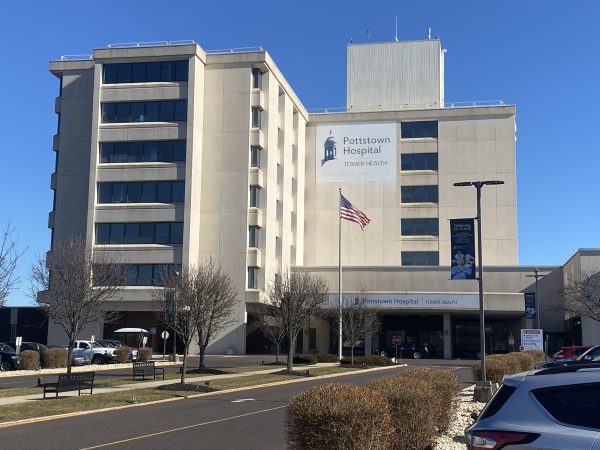
    Tower Health is eliminating 160 jobs at Pottstown Hospital as part of an effort to bring staffing at the Montgomery County facility in line with lower patient volumes, the Berks County nonprofit announced Tuesday. The cuts amount to 22% of the workforce at Pottstown.

    In addition to the job reductions — which are more than the 131 positions cut last year at Pottstown — Tower also plans “a multimillion-dollar investment” to expand the emergency department, enhance inpatient and outpatient behavioral health services, and update portions of the hospital, Tower said.

    “These changes are designed to strengthen the hospital’s ability to serve local residents for generations to come by preserving access to the services patients need most, investing in the areas of greatest community need, and ensuring Pottstown Hospital remains a strong, sustainable community hospital for the future,” Tower said in a statement.

    To expand behavioral health, Tower will convert some underused general-purpose hospital beds to inpatient behavioral health beds. The behavioral health total will rise to 52 from 28, an 86% increase. Pottstown has 213 licensed beds.

    Tower did not provide a timeline for the changes but said it plans to hire 38 people to staff the expanded emergency department and behavioral health unit, which will have a separate entrance for the sake of patients’ privacy when they seek mental health services.

    Another change at Pottstown involves the lease of an unspecified amount of space to Community Health & Dental Care, a federal health clinic that was formed in 2008 with funding from Pottstown Area Health and Wellness Foundation.

    Unlike the restructuring Tower announced last fall at Pottstown, which included the closures of the combined intensive care/critical care unit, the Pottstown location of the McGlinn Cancer Institute, and the hospital’s endoscopy center, this round is not eliminating any services, Tower said.

    In the nine months that ended March 31, Pottstown has 5,104 inpatients, down 9.7% from the same period the year before. Most of that decline came in the first three months of this year, after Tower’s service cuts, according to data shared with bondholders.

    After last year’s layoffs, which included about 60 registered nurses represented by Pennsylvania Association of Staff Nurses & Allied Professionals, Pottstown employed about 700 people. Overall, Tower employs more than 10,000.

    The union said it still has 200 Pottstown nurses in its ranks. “We have been in touch with hospital management to better understand the context for and impact of the proposed layoffs and to push hard for solutions that protect both patient care and the dedicated nurses who serve the Pottstown community,” a union spokesperson said.

    Tower’s anchor is Reading Hospital in West Reading, Pa. In additional to Pottstown, it owns Phoenixville Hospital, plus St. Christopher’s Hospital for Children in North Philadelphia in a 50-50 joint venture with Drexel University. Tower previously owned Brandywine, Jennersville, and Chestnut Hill Hospitals.

    It closed Brandywine and Jennersville and sold Chestnut Hill to a group led by Temple University Health System.

    Tower recently announced that Jefferson Health, Nemours Children’s Health, and Temple University Health System are working on forming an alliance to support St. Chris clinically. Last week, Tower said that it had formed a clinical affiliation to expand advanced care in its markets.

  • Saif Manna’s dorm-room cookie company rises into a bakery-cafe in Kensington

    Saif Manna’s dorm-room cookie company rises into a bakery-cafe in Kensington

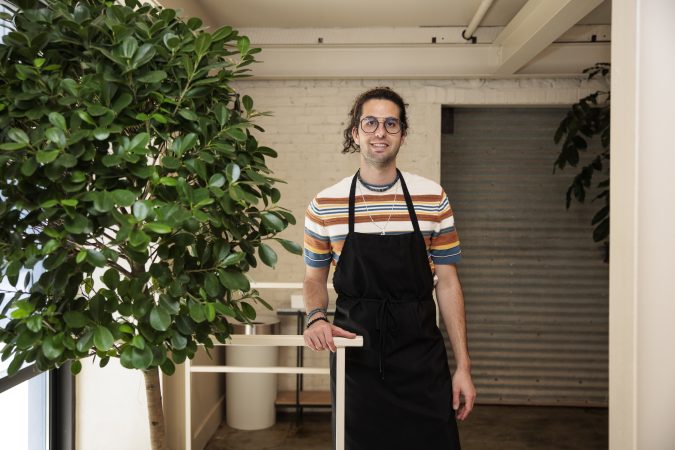
    Before it became one of Philadelphia’s busiest bakery pop-ups, Manna Bakery operated out of a Temple University dorm room.

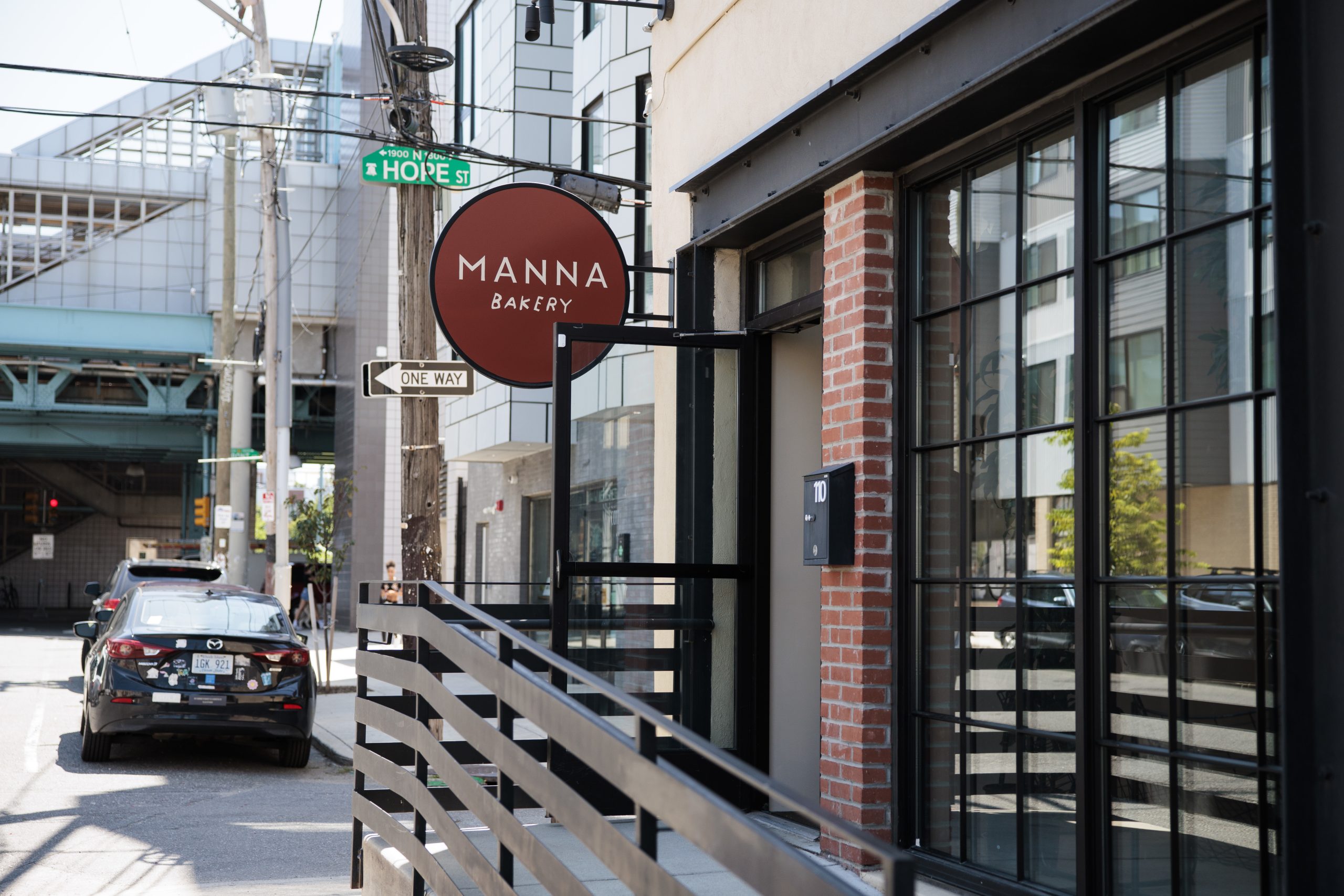
    Now, after five years of overnight baking sessions, sold-out farmers markets, and long lines for Levantine and Palestinian pastries, chef-owner Saif Manna is opening his first brick-and-mortar bakery in Kensington — a mile and a half from campus.

    Manna Bakery opens Thursday at 110 W. Berks St., the former Essen Bakery. This caps a whirlwind year for Manna, 27, who married his college girlfriend, Stefaniya Surikova, earlier this year. They’re expecting their first child.

    Manna’s rise has the familiar outline of a pandemic success story, although the traditions reach back generations. He said his grandfather’s family lived in Yafa (also known as Jaffa) but left in 1948 after their house was bombed during the Nakba, the mass displacement of Palestinians in the Arab-Israeli war, when hundreds of thousands fled or were expelled from areas that became part of Israel.

    His grandfather headed first to Cyprus and then to Lebanon, studied medicine in England, and made his way to Kuwait to practice.

    Manna was born in California and raised in Dubai before moving to the United States to attend Texas A&M University on a Division I tennis scholarship. After transferring to Temple, he began baking cookies during the pandemic while living in a dorm. Encouraged by Surikova — also on Temple’s tennis team — in 2021, he started selling them online before expanding into pop-ups and the Rittenhouse, Headhouse and Clark Park farmers markets.

    As demand grew, Manna baked overnight at nearby Char Pizza before outgrowing the space.

    Since Manna never lived in the Levant, he describes his business as a third-culture bakery. He said his shop’s logo, a dandelion flower, is a nod to a belief popular in China that equates Palestinians with dandelion seeds that can thrive anywhere they land.

    Manna has followed a path blazed by the recent crop of independent bakeries such as Kouklet, Second Daughter, Machine Shop, Copihue, and Majdal, growing from home kitchens, pop-ups, and farmers markets into storefronts. Manna said he would keep his farmers market stops.

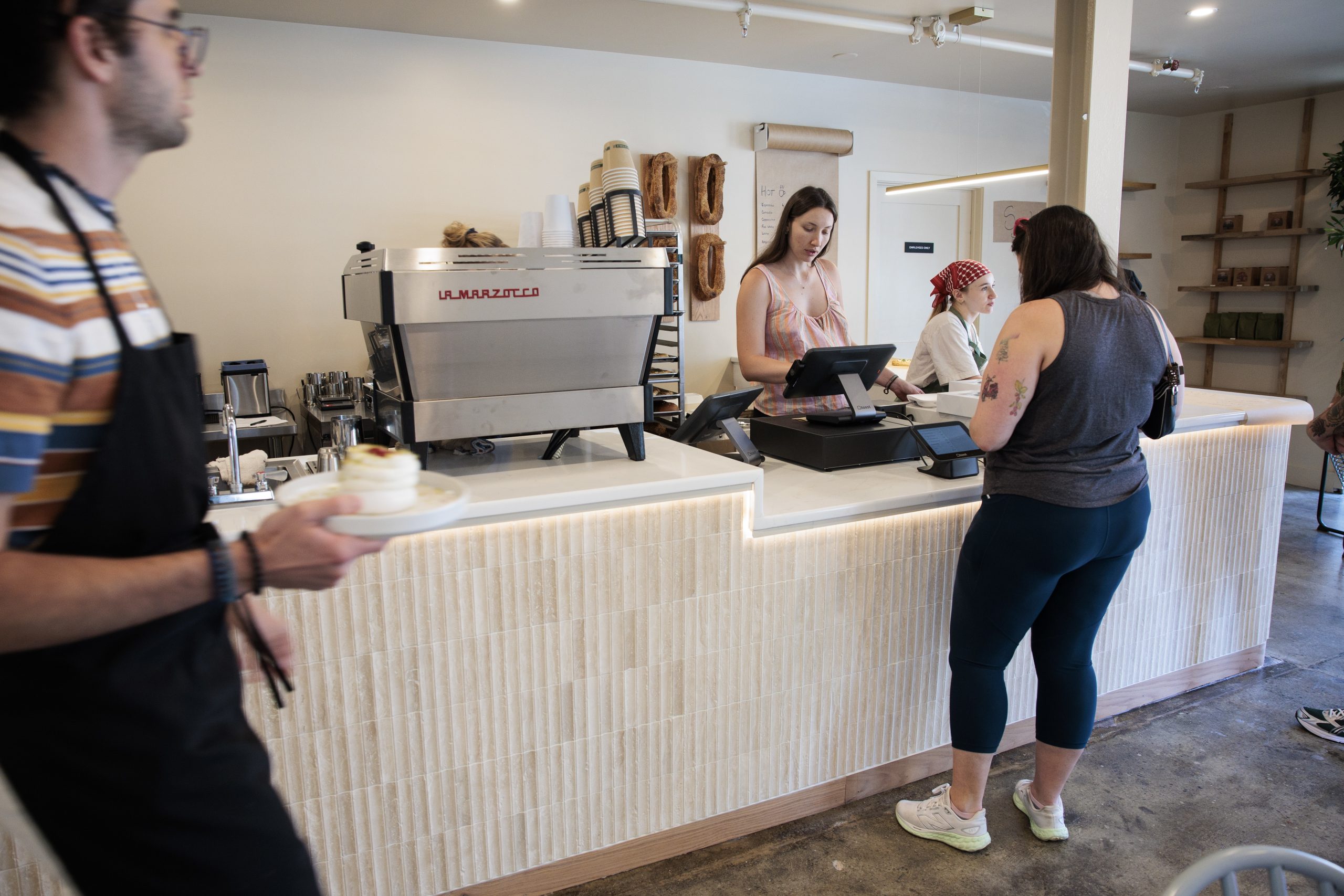
    Stefaniya Surikova serves customers at Manna Bakery.Monica Herndon / Staff Photographer

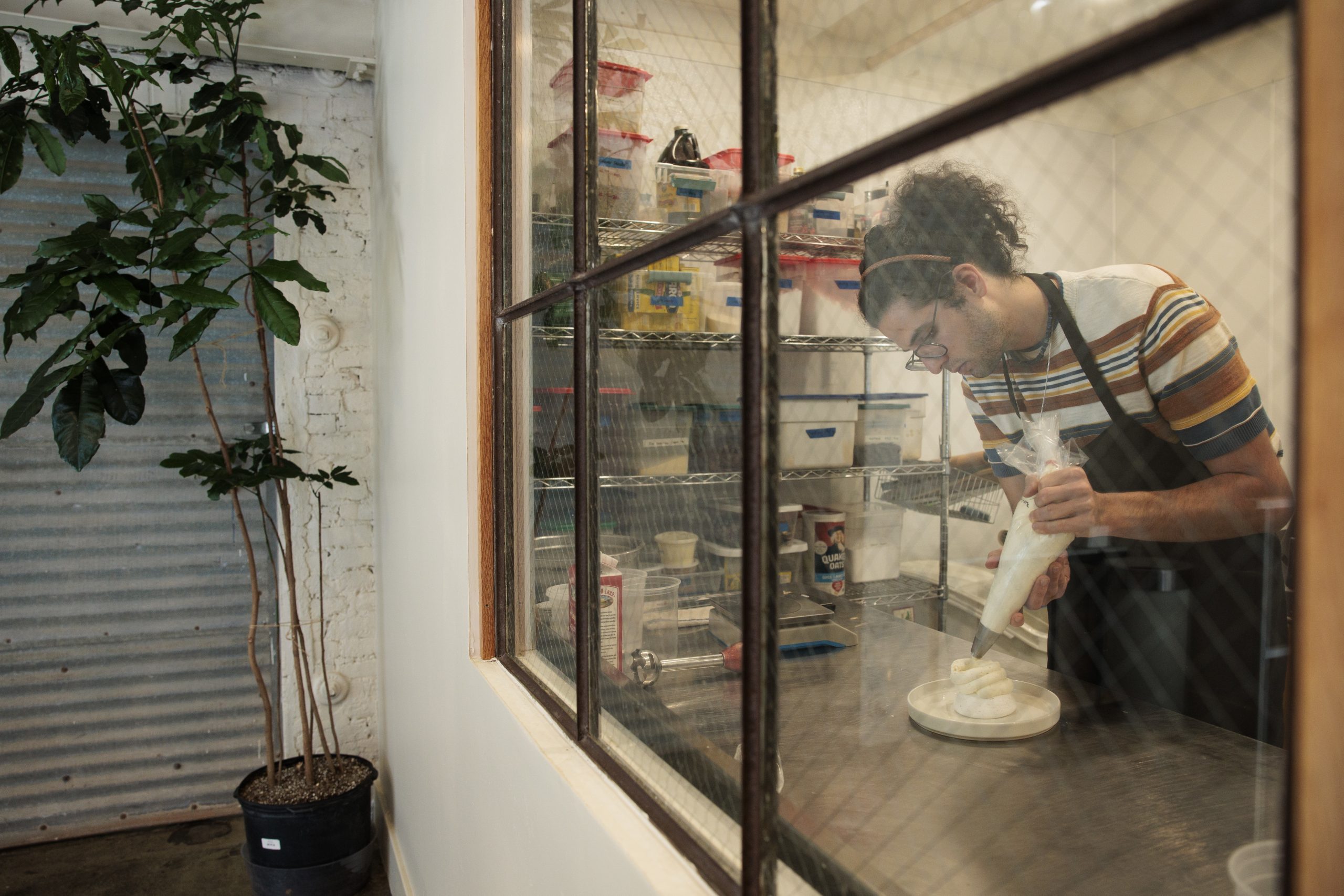
    His new bakery’s roomy kitchen includes a window where customers can watch the bakers. Manna is still awaiting his chairs and tables for the 60-seat cafe.

    Weekday fare will feature many of Manna’s signatures, including manakeesh, chicken sumac buns, fatayer, cardamom buns, Basque cheesecake, seasonal cakes, and his pistachio chocolate chunk and extra-brown butter chocolate chunk cookies. Weekends will bring an even broader selection.

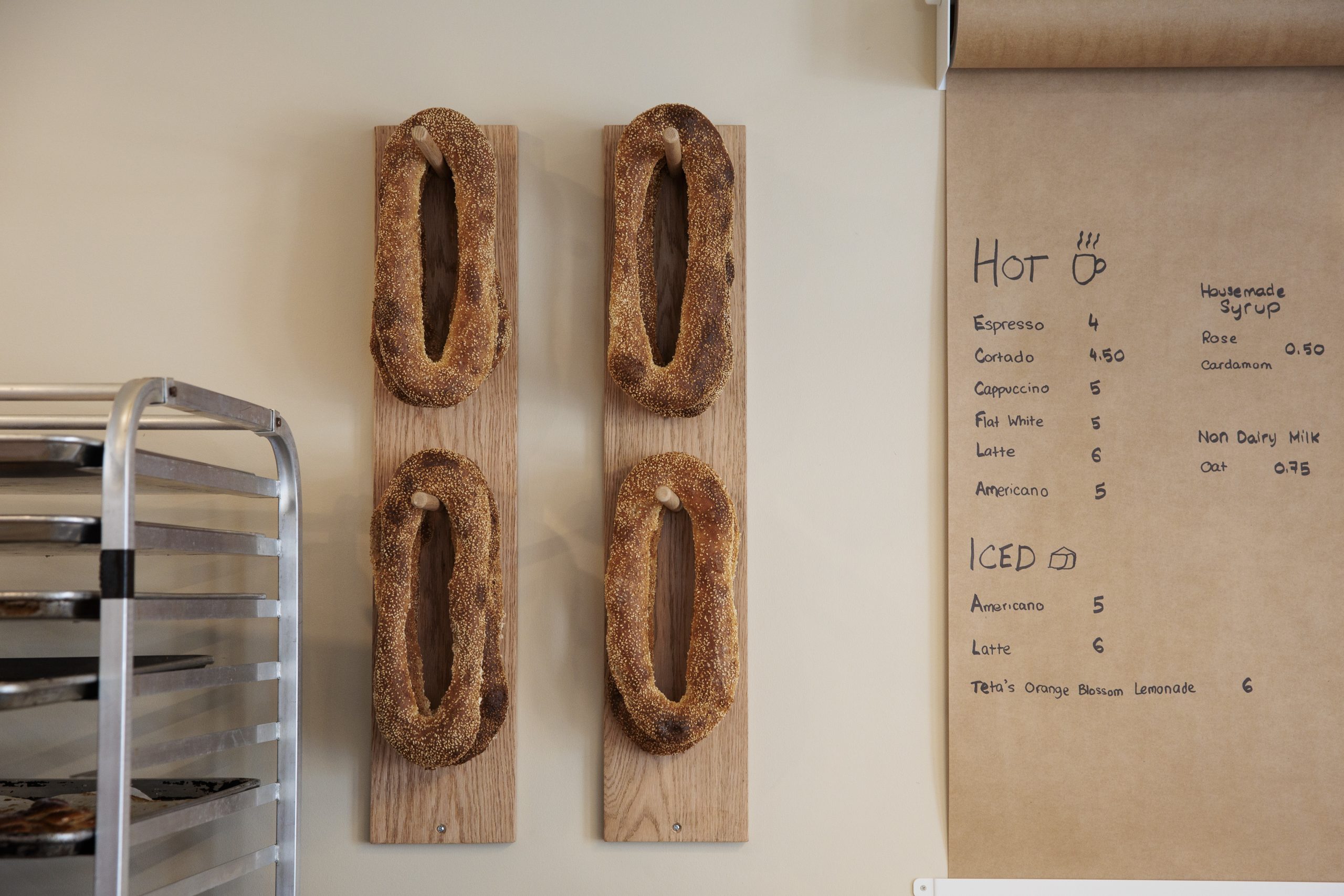
    The coffee program, featuring beans from Seekers Coffee in Princeton, includes drinks flavored with rose, cardamom, tahini, dates and saffron, along with Manna’s grandmother’s orange blossom lemonade.

    Jerusalem bagels (ka’ak al-quds) hang on hooks behind the counter at Manna Bakery.Monica Herndon / Staff Photographer

    The shop has been redesigned with warm stone finishes, a small souk stocked with Levantine spices and pantry goods, and a rear room intended for future baking workshops, classes and private events.

    For a soft opening last week, Manna and Surikova recreated their farmers market display, laying pastries across sheets of craft paper.

    Among them were savory offerings such as the open-faced herby cheese fatayer and the banadoura manakish — a tomato-topped Levantine flatbread. Ka’ak al-Quds, the oblong, sesame-seeded Jerusalem bagels, hung from hooks behind the counter.

    A smaller version of those bagels will eventually become Manna’s egg, cheese and za’atar breakfast sandwich. “That’s something I grew up eating,” Manna said. “My mom used to make me that before school.”

    Dillon Assfalg, a line cook at Char who watched Manna’s overnight baking sessions firsthand, said the quality of his pastries stood out from the beginning. He describes himself as a cheesecake fan and ranks Manna’s lemon-and-orange-blossom Basque cheesecake among his favorites.

    Saif Manna working on a pavlova for a customer at Manna Bakery.Monica Herndon / Staff Photographer

    “Whenever he’d leave fillings at Char after his middle-of-the-night baking sessions, I’d eat them all the time,” Assfalg said. “They were always super good.”

    Manna isn’t rushing to turn it into a full-service café. He hopes to add options such as slow-roasted lamb sandwiches for brunch, followed by baking workshops, cooking classes and supper clubs before introducing several nights of dinner featuring the Palestinian dishes he grew up with. But those plans can wait until the bakery is firmly established.

    “Long term, I definitely have aspirations. I love cooking as much as baking, so I think people will see more of that from me,” Manna said. “Would I like to have a restaurant one day? Absolutely. But right now my focus is making this bakery the best it can be and continuing to deliver the quality people expect. We’ll go from there.”

    Manna Bakery, 110 W. Berks St. Hours: 7 a.m. to 3 p.m. Thursday to Sunday.

    Manna Bakery is about a half-block from the Berks Station of the Market-Frankford Line.Monica Herndon / Staff Photographer

    Manna’s tip for home bread bakers

    Saif Manna shared one of his favorite tips for home bread bakers: use an autolyse. The technique calls for mixing only the flour and water for about a minute, then letting the shaggy dough rest for an hour or two before adding the remaining ingredients.

    “When you come back, it’ll almost look like someone kneaded it for you,” he said. “It’s like magic. During that rest, the flour hydrates and the gluten begins to develop naturally.”

    Only then does he add the salt, yeast, sugar and, if needed, oil before kneading. “You’ll end up with a much smoother, more beautiful dough, and you’ll never want to skip that step again,” he said.

    The method also reduces mixing time. “People ask, ‘Why do you do it if you have these beautiful mixers?’” Manna said. “If you mix dough too long in a machine, you can overwork it. Bakers sometimes call it ‘bleaching’ the dough. We let it rest through the autolyse, then add the rest of the ingredients and finish the mixing in the machine. Because the gluten has already started developing, we can reduce the machine mixing time and preserve more of the flavor.”

  • Al Campbell, retired longtime Inquirer copy editor, has died at 74

    Al Campbell, retired longtime Inquirer copy editor, has died at 74

    Al Campbell, 74, of Philadelphia, retired longtime copy editor at The Inquirer, former copy boy, clerk, and library assistant at the Bulletin, mentor to many, and steady pitcher for the old Horsham Neighbors softball team, died Tuesday, June 9, of heart and kidney failure at the home of his brother Bob in the Northeast.

    Born in Philadelphia and a 1969 graduate of Northeast High School, Mr. Campbell spent nearly three years as a copy boy and editorial assistant in the old Bulletin newsroom before joining The Inquirer as a copy editor in 1970. That move to 400 N. Broad St. kicked off a colorful 46-year career at The Inquirer that included stints on the suburban news copy desk and the night sports copy desk, and a self-assigned 24-7 job as a friend and mentor to dozens of reporters, columnists, editors, and photographers.
    “Al was so kind and funny,” a former Inquirer colleague said on Facebook. “He made The Inquirer a better place.” Other former colleagues called him “a sage and an icon” and “a real pro and fun to be around.”

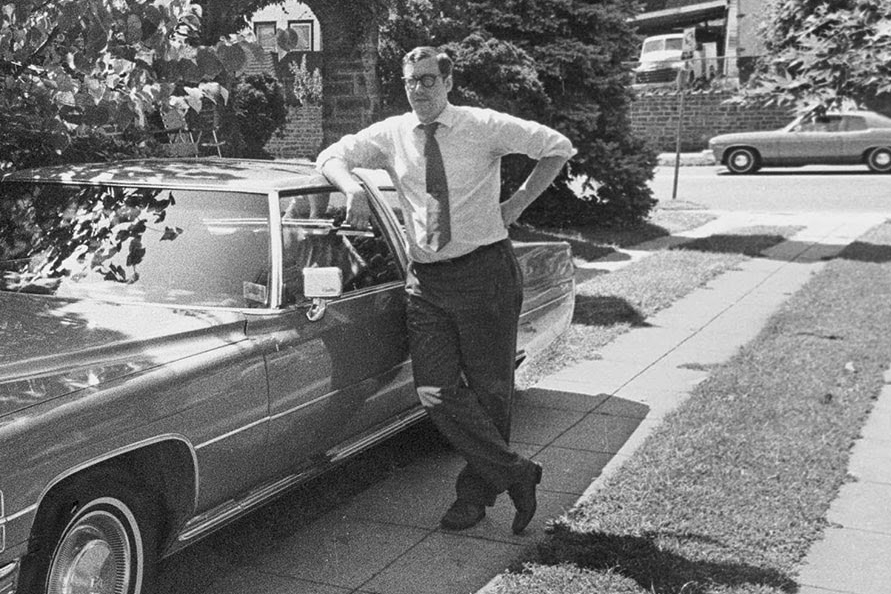
    Big and often boisterous — everybody called him Moose — Mr. Campbell was the son of a newspaper reporter, and he was adept at polishing prose, detecting mistakes, and working with reporters and photographers, usually over the phone. “Moosey looked out for us,” a former colleague said on Facebook.

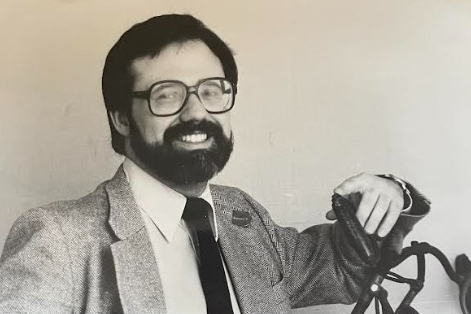
    Mr. Campbell (center) “was a stickler for details,” his brother Bob said. Courtesy of the family

    He came up with witty headlines and captions, had years of practical and institutional knowledge of Philadelphia politics, culture, and sports, and worked nimbly on deadline, making him a favorite of other editors and page designers. He also served as a newsroom union steward.

    “He was a stickler for details,” his brother Bob said. “People said his favorite saying was: ‘I got you covered.’”

    A photographer said on Facebook: “He saved my neck many times with caption corrections.” Longtime Inquirer colleague Don McKee said: “He was diligent and took the job seriously. He actually cared about what we wrote and what went in the paper.”

    Away from the newsroom, Mr. Campbell organized softball games between Inquirer staffers and hosted memorable late-into-the-night parties at his home in the Northeast. He was quick with a joke and “put a smile on everyone’s face,” a longtime friend said.

    Mr. Campbell and his wife, Jean, married in 1980.Courtesy of the family

    Other former colleagues called him “unique,” “a real character,” “a larger-than-life personality,” and “the great wit of our team.” His brother said: “He was honest and loyal, an old-fashioned man of his word.”

    Alan Douglas Campbell was born Oct. 10, 1951. He was on track and basketball teams in high school, joined the Boy Scouts and Army Reserve Officers’ Training Corps, and studied at Temple University briefly before going into newspapers full-time.

    He met Jean Hunsberger in school. They reconnected at their 10-year high school reunion in 1979, married in 1980, and lived in a cozy house he called Moose Manor. His wife died in 2022.

    Mr. Campbell was fascinated by trains and public transportation, and he rode his bicycle as a boy to nearby train stations to watch the locomotives roar by. Later, he rode the trains to the suburbs and Washington, and assembled an extensive collection of model trains that he displayed at his home.

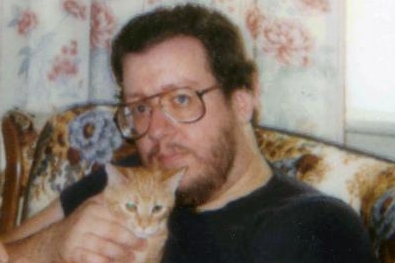
    Mr. Campbell was a cat lover. Courtesy of the family

    He loved cats, old movies, and comedy shows. He celebrated his Scottish heritage and became licensed as a massage therapist.

    “Moose was one of a kind,” a former colleague said. His brother Bob said: “He was the most gentle soul on the planet.”

    In addition to his brother, Mr. Campbell is survived by a brother, Tom, and other relatives.

    A celebration of his life is to be held later.

    Donations in his name may be made to the Pennsylvania SPCA, 350 E. Erie Ave., Philadelphia, Pa. 19134.

    Mr. Campbell started his 46-year career at The Inquirer in 1970.Courtesy of the family
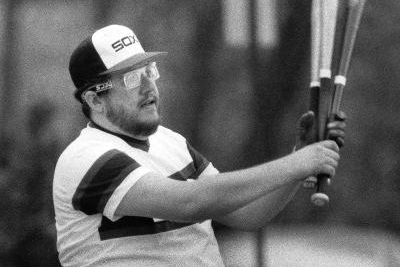
    Mr. Campbell was a playing manager for the Horsham Neighbors softball team in the 1980s.Courtesy of the family
  • John Alviti, retired senior curator at the Franklin Institute and former executive director at the Atwater Kent Museum, has died at 76

    John Alviti, retired senior curator at the Franklin Institute and former executive director at the Atwater Kent Museum, has died at 76

    John Alviti, 76, of Flourtown, Montgomery County, retired innovative senior curator at the Franklin Institute, former executive director at the Atwater Kent Museum, adjunct professor of urban studies, and “Mr. Philadelphia History” to family and friends, died Saturday, June 20, of complications from heart and kidney disease at Jefferson Abington Hospital.

    Born in Chicago and devoted to history and his South Side White Sox baseball team, Mr. Alviti came to Philadelphia in the 1970s to pursue a doctorate in history and urban studies at Temple University. He never got that doctorate.

    But he fell in love with Philadelphia’s history and architecture, got married, settled down in Flourtown, and, for 34 years, was one of the region’s most influential museum curators and historians. Affable, creative, and energetic, by all accounts, Mr. Alviti became a groundbreaking executive director at the now-closed Atwater Kent Museum in 1982 and celebrated curator at the Franklin Institute in 1994.

    Even after he retired in 2018, he was known around town as “Mr. Philadelphia History.”

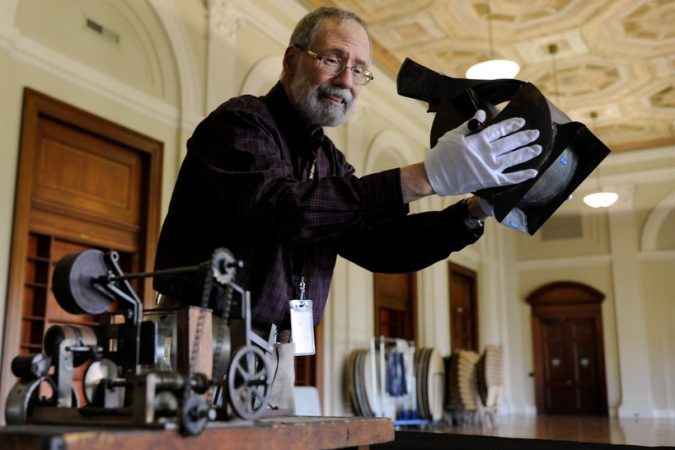
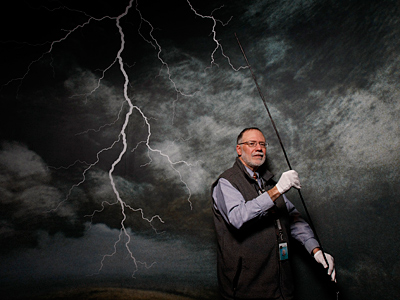
    Mr. Alviti displayed this 5-foot-long fragment of a lightning rod designed by Benjamin Franklin at the Franklin Institute in 2010. Michael S. Wirtz / Staff Photographer
    At the Atwater Kent, Mr. Alviti updated exhibits on William Penn, the history of Philadelphia, the old Enchanted Colonial Village display, and local cemeteries. He added maritime and archaeology galleries.

    At a gala to celebrate the museum in 1984, A. Atwater Kent Jr., son of the museum founder, said Mr. Alviti “has done a great job of creating interesting exhibits and improving the museum.”

    At the Franklin Institute, he reorganized its huge inventory, redecorated the galleries, digitalized many artifacts, and created popular exhibits regarding the Wright Brothers, Benjamin Franklin, antique machines, X-rays, and dozens of other scientific subjects.

    “He loved objects,” said his wife, Maryellen. “He loved the history of objects and telling their story.”

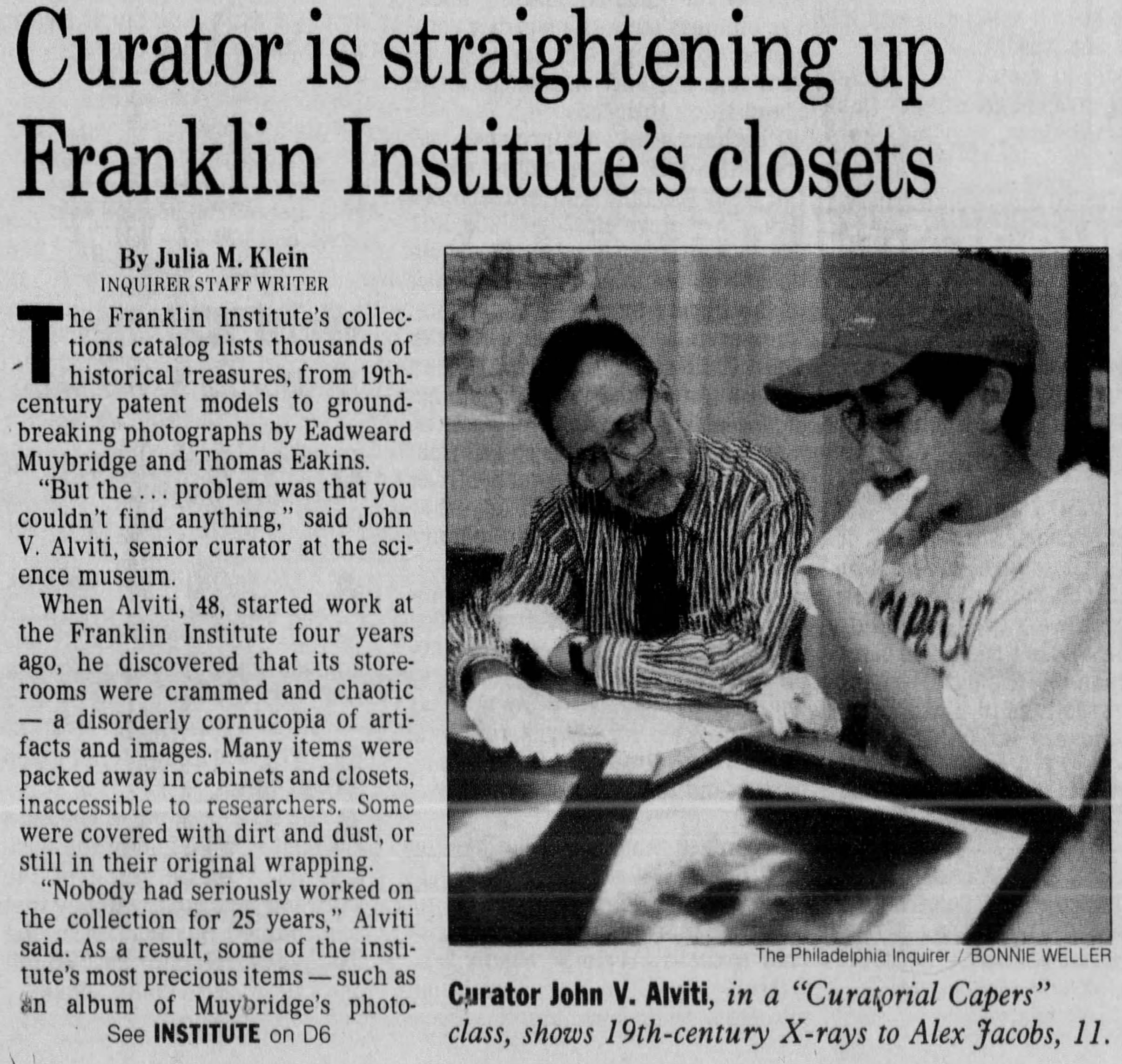
    This story and photo of Mr. Alviti (left) was published in The Inquirer in 1998.Newspapers.com

    In 1998, Mr. Alviti told The Inquirer: “Besides the curator of stuff, I’m also the curator of institutional memory. And institutional memory is more than just simply the facts about what happened in the past. It’s about the legacy of an institution … and how it informs our thinking and decision-making.”

    He was also adept at merging his collections with educational programs, and he helped organize the city’s National History Day competition for students, the Phil-A-Kid hands-on history workshop for fourth and fifth graders, the Peopling of Philadelphia research project, and the Curatorial Capers summer day camp program. Often, in a nod to the ever-present protective gloves he wore to handle the artifacts, he introduced himself as “Johnny Whitegloves.”

    “There are some curators who think I’m crazy,” he told The Inquirer. But a public presentation, he said, “really demonstrates the power of an object.”

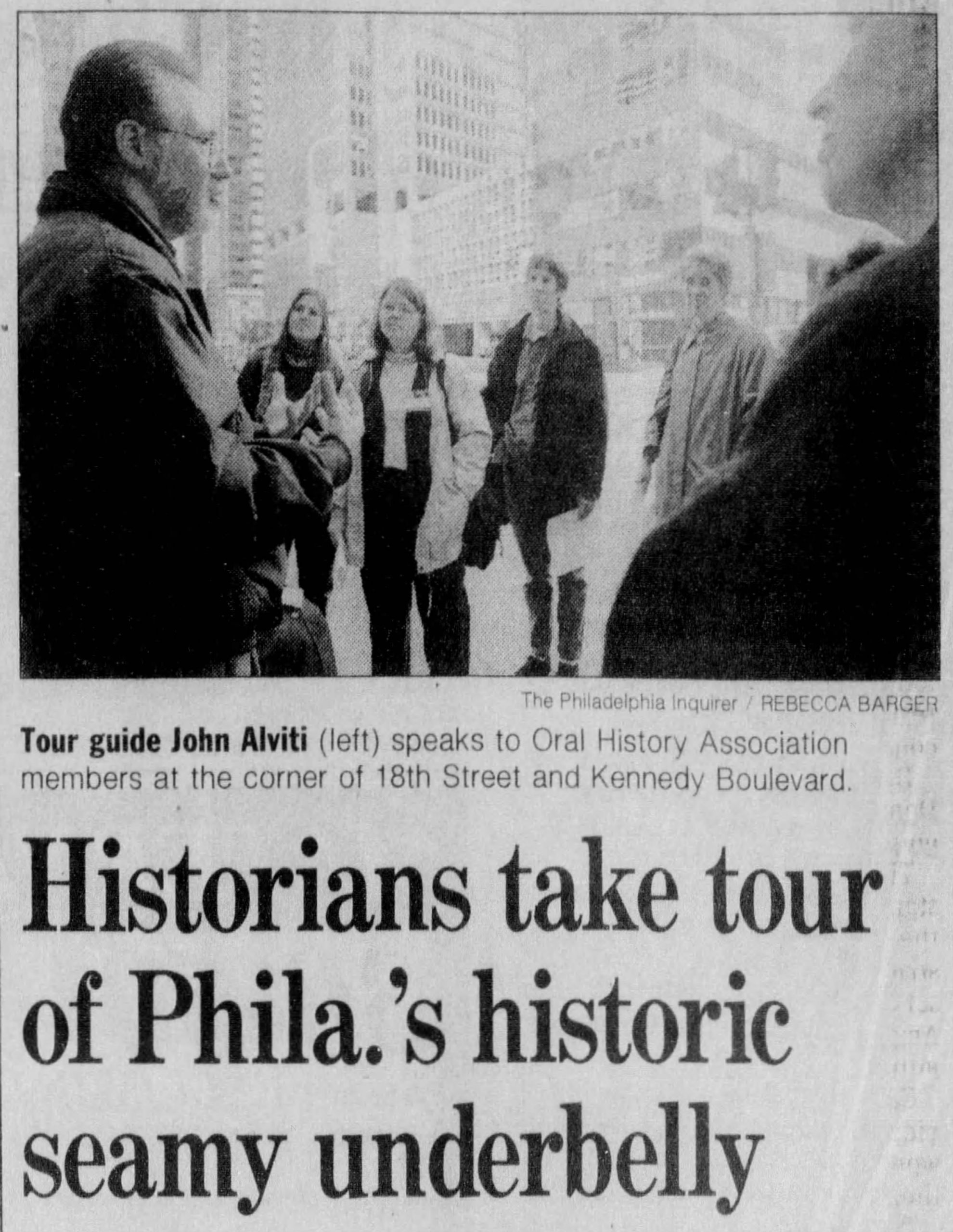
    Mr. Alviti also led walking tours of the city for visiting colleagues from the Oral History Association, the Organization of American Historians, and other groups. He admired and worked closely with amateur historians, and led the successful effort in 1981 to save the historic Lit Bros. building complex on Market Street from demolition.

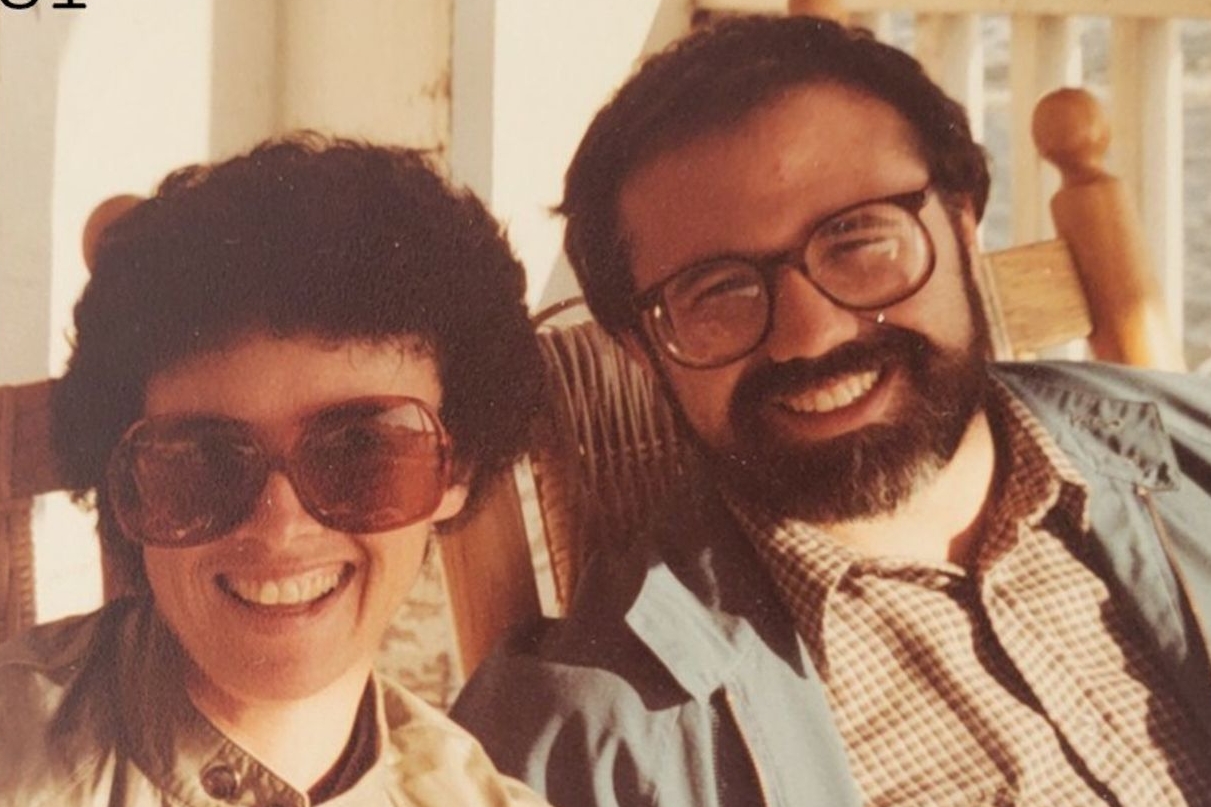
    Mr. Alviti and his wife, Maryellen, married in 1983.Courtesy of the family

    Between the Atwater Kent and the Franklin Institute, Mr. Alviti spent two years as director of the Historical Society of Washington, D.C. He was an expert on public transportation and taught urban studies, American history, and museum training at Temple and Stockton Universities, Rutgers University-Camden, and elsewhere.

    He was onetime curator of historic Fort Mifflin and president of what is now the Museum Council of Greater Philadelphia. He was on the advisory board of the old Philadelphia Alliance for Teaching Humanities in the Schools and active with the American Association of Museums and other groups.

    “He had a gift for making friends for life,” longtime friend Margaret Marsh said, “and he had a legendary generosity of spirit.” Longtime friend Howard Gillette said: “He never met a stranger.”

    John Vincent Alviti was born Sept. 22, 1949. A lifelong avid reader, he earned a bachelor’s degree in urban studies and history at Lewis University in Illinois in 1971 and a master’s degree in history at the University of Wisconsin-Milwaukee in 1975.

    The photo and a story about Mr. Alviti and his city walking tours appeared in The Inquirer in 1996.Newspapers.com

    He played piano and clarinet, and sang in choirs in high school and college. “He left Chicago when he was 25 or 26,” said his younger sister, Rosemarie Alviti Babic, “but never stopped loving the city.”

    He met Maryellen Coonahan when she took an urban studies class he was teaching at Temple, and they married in 1983 and lived in Philadelphia, Washington, and Flourtown. Together, they traveled the world and visited museums in London, Rome, Athens, Madrid, and elsewhere.

    Mr. Alviti enjoyed puzzles, games, and conversation. He lived with a heart condition for most of his life and was the lovable “Uncle Johnny” to his nieces and nephews. “He is missed beyond words,” said his niece Lindsay Hogan.

    He was fascinated by urban architecture and city life around the world, and he routinely bought food and drink for people without homes, picked up litter, and offered correct directions to those who looked lost.

    Mr. Alviti (right) enjoyed time with family and friends.Courtesy of the family

    “He was a curious fellow,” his wife said, “who loved to help people.”

    In addition to his wife, sister, and niece, Mr. Alviti is survived by a sister, Rita Jo Alviti Coyne, a brother, James, and other relatives.

    A celebration of his life was held earlier.

    Donations in his name may be made to Face to Face, 123 E. Price St., Philadelphia, Pa. 19144.

    His wife called Mr. Alviti “a curious fellow who loved to help people.”Courtesy of the family
  • He thought buying a house meant leaving Philly. He was proven wrong in East Falls. | How I Bought This House

    He thought buying a house meant leaving Philly. He was proven wrong in East Falls. | How I Bought This House

    The buyers: Eric Murchison, 35, vice president and commercial loan officer

    The house: A 2,617-square-foot townhouse in East Falls with 4 bedrooms and 3 baths built in 2025.

    The price: Listed for $525,000; purchased for $490,000.

    The agent: Marvin Capps, Marvin Capps Realty, Inc.

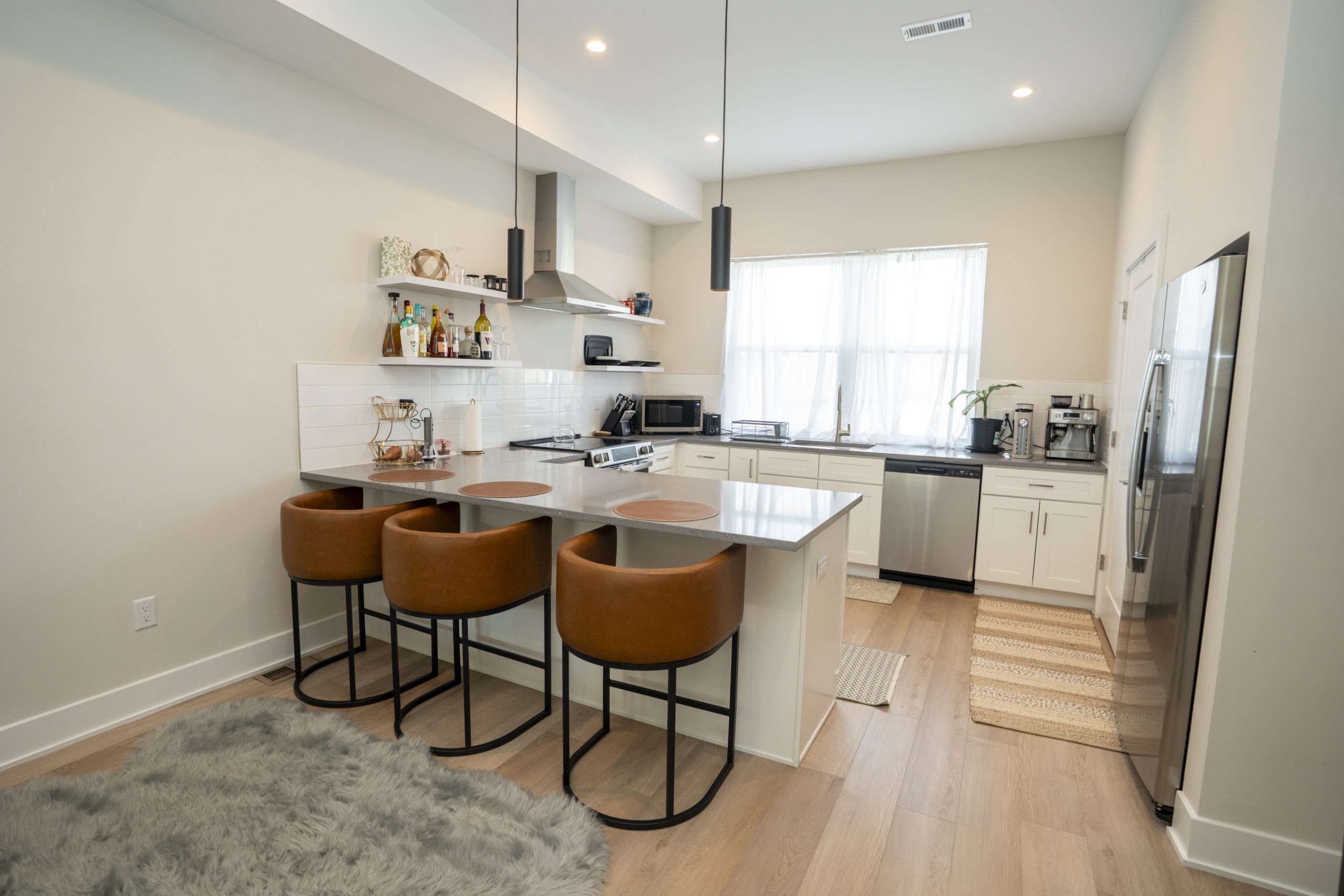
    The kitchen of Murchison’s new East Falls townhouse.Jessica Kourkounis / For The Inquirer

    The ask: The idea of buying in Philly had begun to feel impossible to Eric Murchison.

    Born and raised in North Philly, he’d watched prices in the city skyrocket for years, convincing him that in order to own a nice home, he’d need to move somewhere like Texas. He’d already begun telling friends that he’d be gone within two or three years.

    But when a work client urged him to think about buying in his home city — Why would you leave your hometown? Why not own a piece of it? — he began to think seriously about the possibility.

    “I kind of couldn’t sleep at night after he said that to me,” Murchison said.

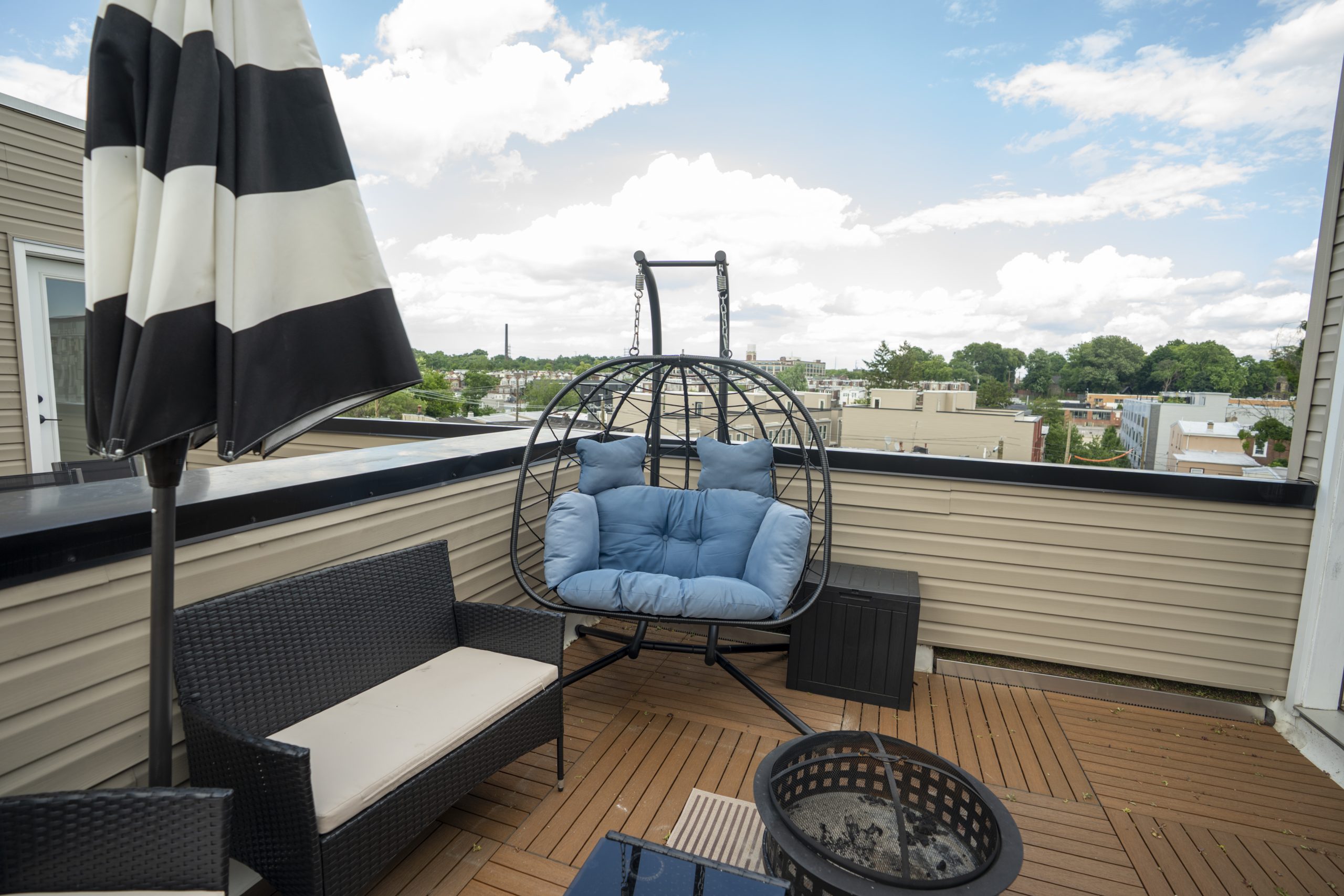
    What he was looking for wasn’t extravagant. He wanted a garage and a rooftop space, along with a separate bathroom for his 16-year-old daughter — which he didn’t have in his rental in Bala Cynwyd. And to be “in an area where you could visually see that developers are in this space.”

    He hoped to find all that under $500,000, even as his real estate agent tried to temper expectations.

    “When I said ‘under a half-million,’” Murchison recalled, “he said, ‘Eric, are you kidding me? That’s [probably] not going to happen.’”

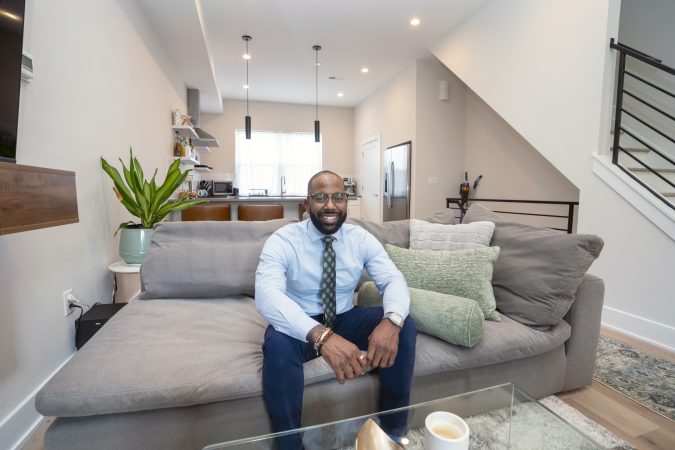
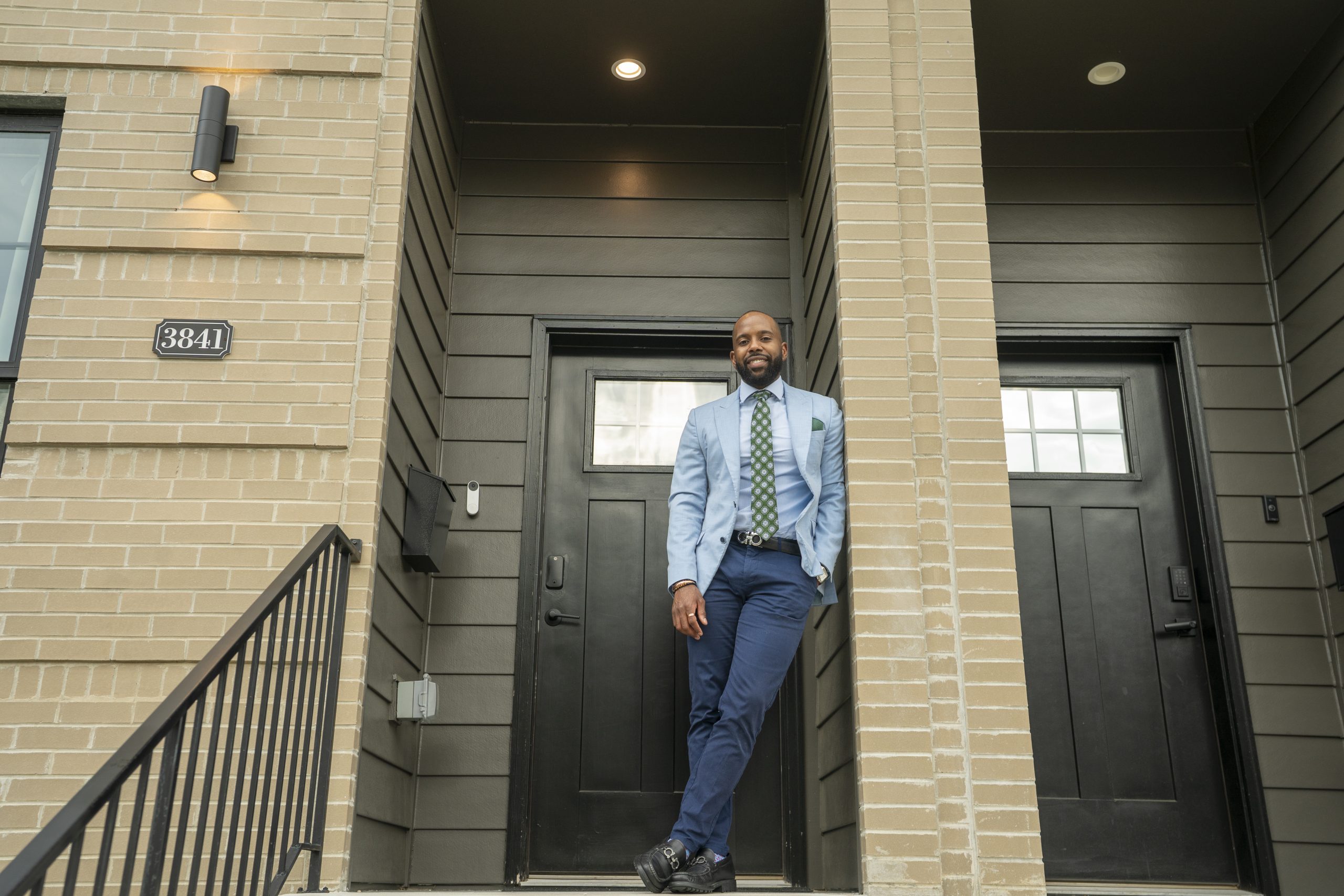
    Eric Murchison, 35, on the front steps of his new East Falls townhouse.Jessica Kourkounis / For The Inquirer

    The search: By his own admission, Murchison’s search was “very spontaneous and random.” He’d see a potential home while searching online during his lunch break and decide to go check it out.

    One — a duplex near Temple University — was well over his budget, at $750,000. (He’d liked the idea of buying a duplex and renting out one of the units while living in the other.)

    Another home he liked in South Philly was priced around $550,000, with no wiggle room. “The guy just was not budging on the price,” Murchison said.

    Discouraged, he let his property manager know that he was renewing his lease for the following year.

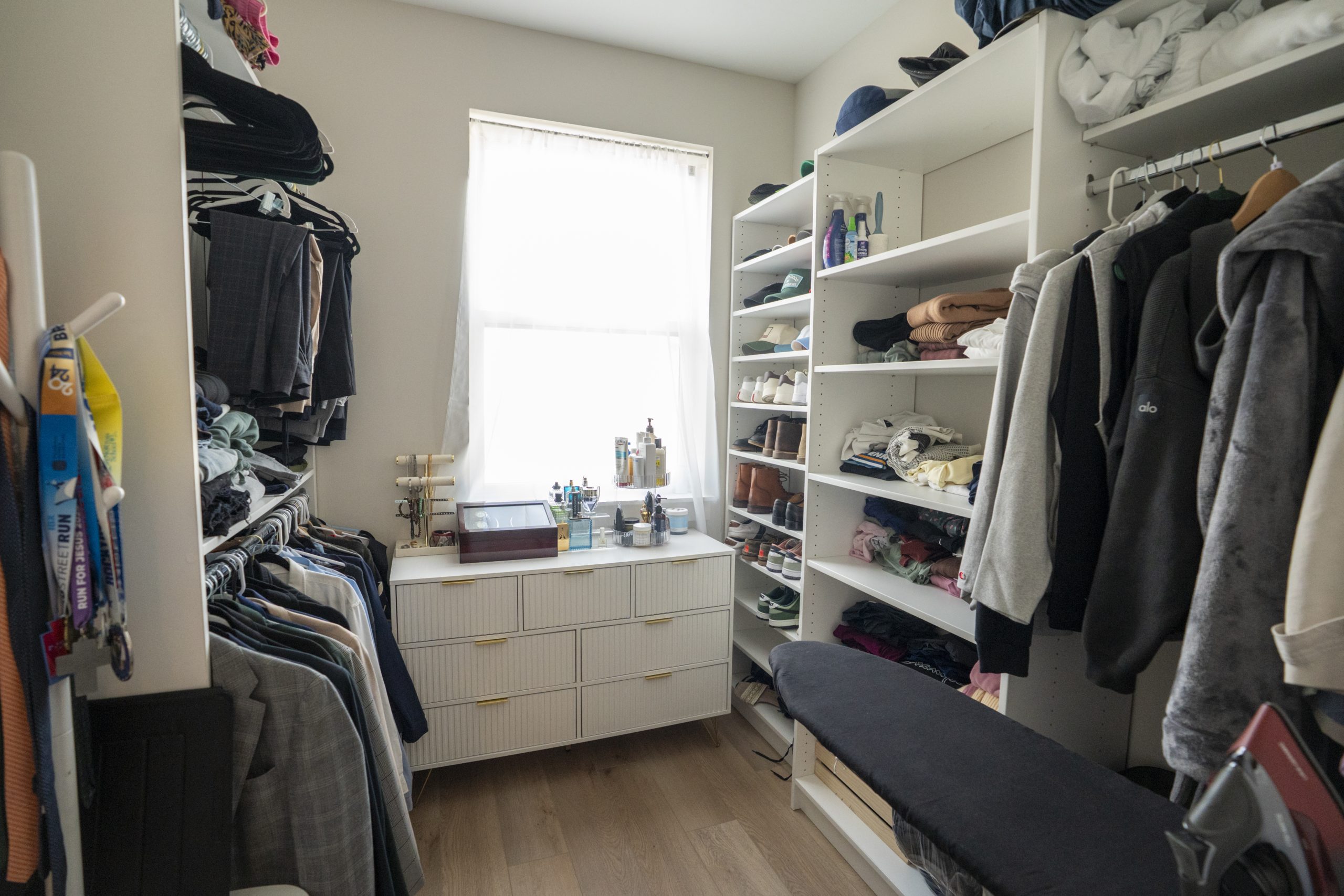
    The primary suite includes a walk-in closet.Jessica Kourkounis / For The Inquirer

    The appeal: The first time he came across his future home was on Zillow. It was also on his drive to work, so he’d passed it on his commute, admiring the newly constructed townhouses.

    But when he randomly met the developers through work, he said, it felt like kismet.

    The development was across from a cemetery and a bit over budget at $525,000. But it was just a 10-minute drive to Center City and a half-mile walk to Kelly Drive, where Murchison liked to go running. He liked the neighborhood, too, which he felt was poised for a boom.

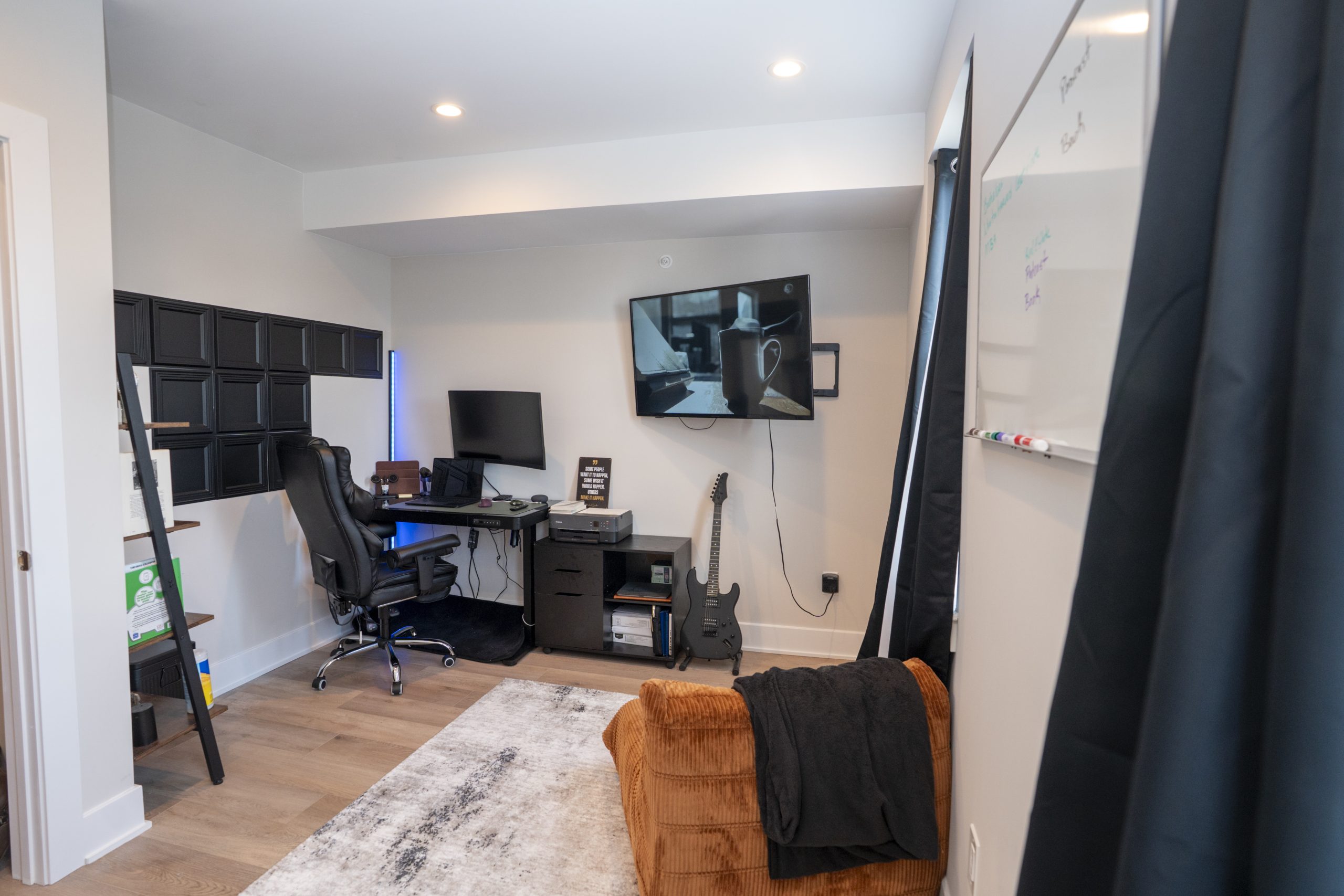
    Murchison turned one of the home’s four bedrooms into an office and meditation space.Jessica Kourkounis / For The Inquirer

    Because it was a newly constructed home, it was part of a city program that provides a 10-year tax abatement to buyers who bought into certain new construction projects in the city.

    “But what ultimately made me move on it was that feeling like, ‘This feels like it could be home,’” he said. “I remember having that feeling, and seeing my daughter, envisioning us like having popcorn and watching TV, and I kind of had in mind where I could put the furniture.”

    By the time he toured a second time, he was sold.

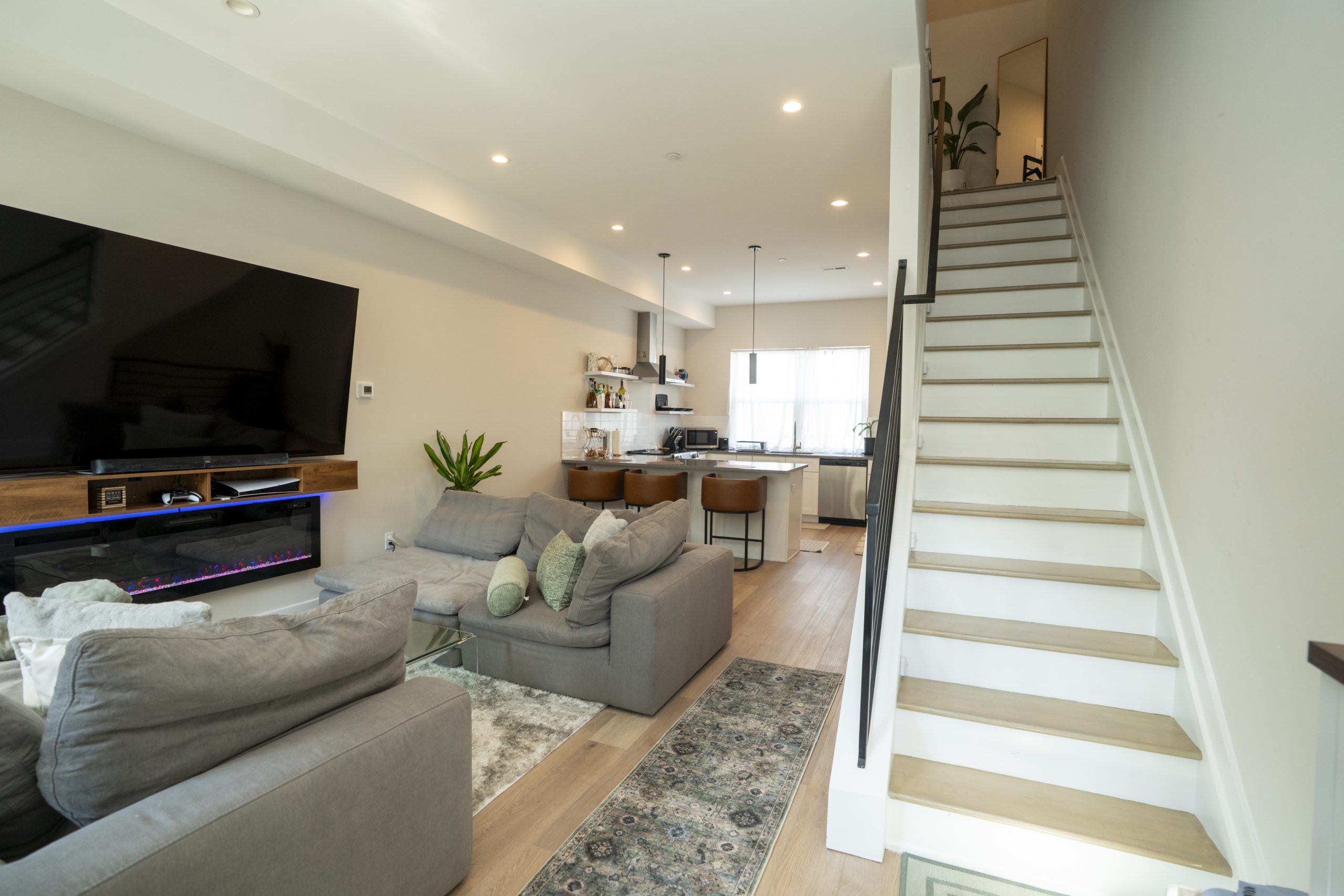
    The first floor of Murchison’s new townhouse. At 2,617 square feet, it’s more than twice the size of his previous rental. Jessica Kourkounis / For The Inquirer

    The deal: Listed at $525,000, Murchison initially offered $480,000 before settling on $490,000, with a 6% seller’s assist.

    Though it was a new home, an inspection turned up some minor issues — a loose faucet and a noisy kitchen range fan — that the developer agreed to fix.

    The money: Murchison was prepared to put 3% down on the new home. But when he inquired with another lender, he said, he was able to get a more attractive deal, in which a down payment wasn’t required.

    “I actually got a refund at settlement because I had the 6% seller’s assist,” he said. “So the only down payment was like transfer tax, closing cost, all those things.”

    Today, his mortgage is $3,400 — $400 more than his previous rent — and because of the tax abatement, he pays just $68 a month in taxes, he said, instead of the roughly $500 he’d otherwise owe.

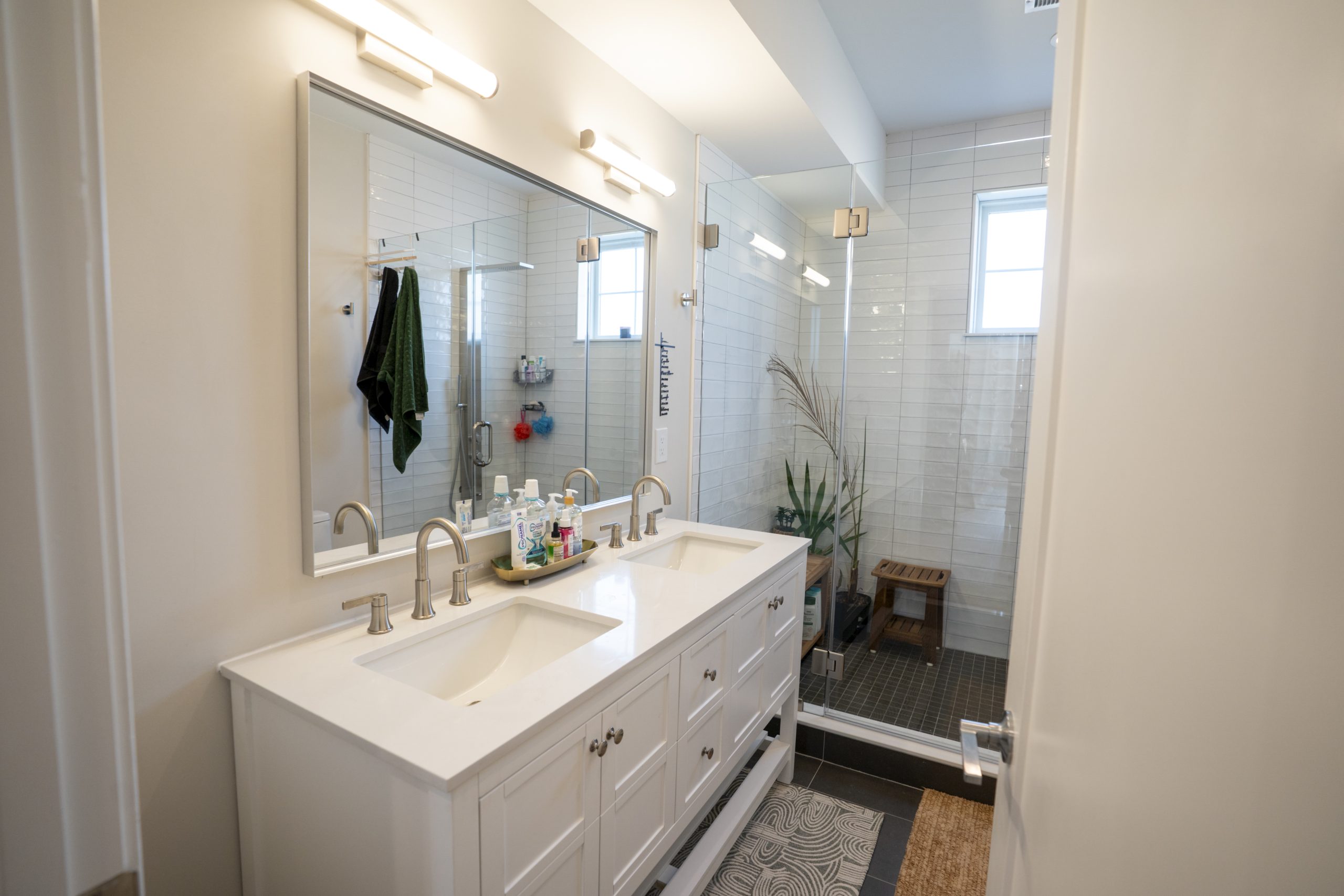
    The primary bathroom in Murchison’s new townhouse.Jessica Kourkounis / For The Inquirer

    The move: With the money he was able to save by not putting down the 3% down payment, he was able to pay for movers, plus a nice dinner for his first night in his new home.

    He moved in the same day he closed on the home. “I closed Feb. 6, I think at like 10 a.m., [and] the movers were done by 1 p.m.,” he said.

    Life after close: At more than 2,500-square-feet, the new home dwarfs Murchison’s previous rental, which was about 1,000 square feet.

    In addition to bedrooms for both him and his daughter, he also has a meditation/prayer room.

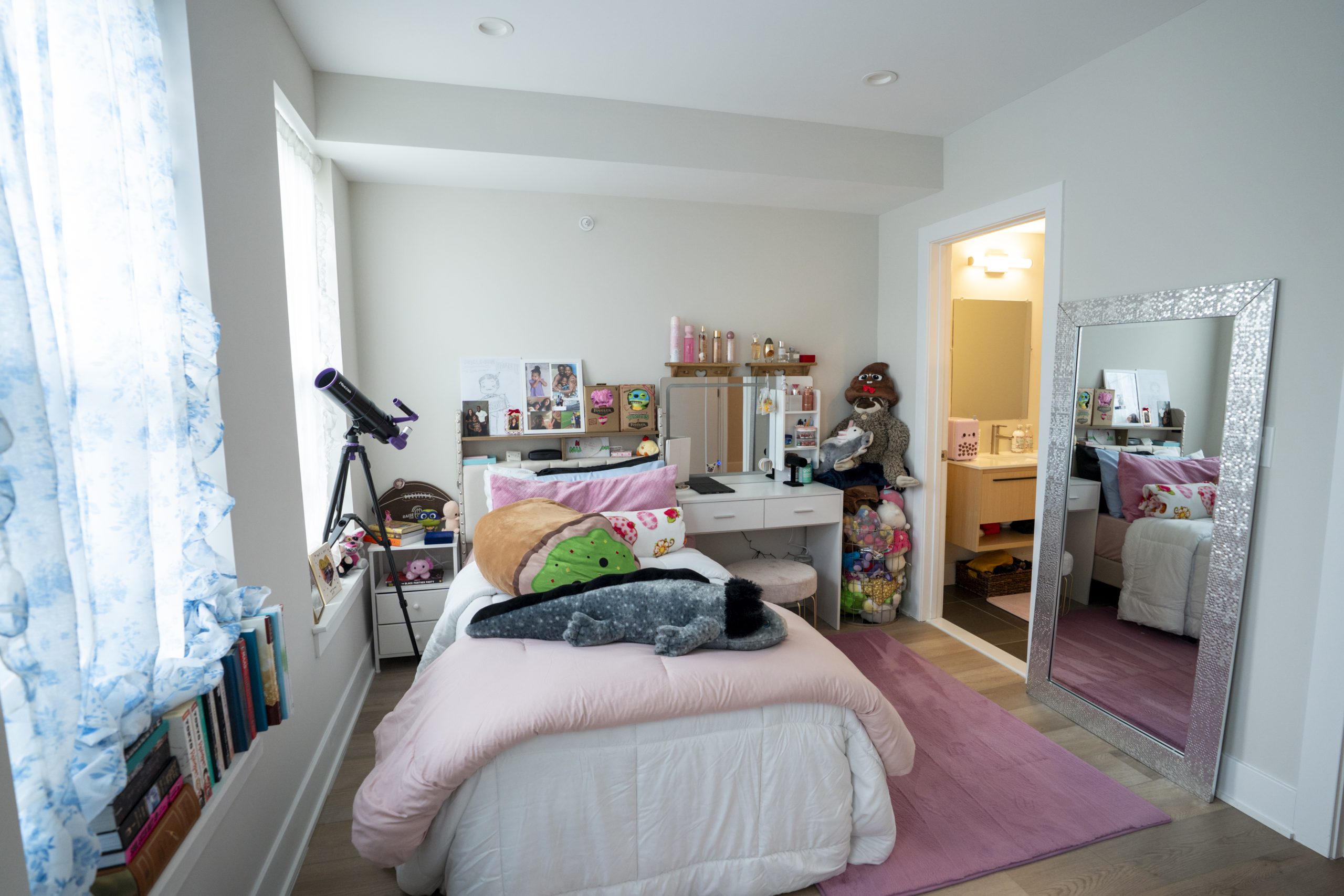
    Eric Murchison’s daughter’s bedroom in his new East Falls townhouse.Jessica Kourkounis / For The Inquirer

    So far, he’s had one small renovation project done — removing some shelving in a hallway between his bedroom and bathroom — with plans to make two more improvements in the not-too-distant future: adding a sauna, as well as some shade to the rooftop.

    He considers himself “very happy” with his new home, and hopes his story inspires other Philadelphians that homeownership in the city remains possible.

    “People need to know — especially Philadelphia natives who think they have to leave — like, hey, if you have a good real estate agent and you have creative financing, you might as well buy.”

    A rooftop deck is one of amenities Murchison was seeking in his new home. He got it.Jessica Kourkounis / For The Inquirer

    Did you recently buy a home in the Philadelphia area or South Jersey? Share the story of how you did it. Email Inquirer real estate reporters at properties@inquirer.com.

  • Penn State board committee votes to raise tuition, room and board 2.5% for in-state University Park students in 2027-28

    Penn State board committee votes to raise tuition, room and board 2.5% for in-state University Park students in 2027-28

    A Pennsylvania State University board of trustees committee on Thursday voted to recommend a 2.5% tuition and room and board increase for undergraduates on the University Park campus in 2027-28.

    That’s a larger increase than the 2% tuition hike already approved for 2026-27. Penn State sets its costs a year ahead of time; rates for 2026-27 were set last year.

    Meanwhile, in-state undergraduates at the Commonwealth campuses would see no tuition increase for the fifth consecutive year and smaller increases for room and board than those at University Park.

    The full board will vote on the proposed rates on Friday.

    Under the plan, undergraduate freshmen and sophomores at University Park would pay $21,400 in annual tuition for 2027-28, up $522 over last year.

    For those out-of-state, the annual tuition rate would rise 4% to $46,356, up $1,782.

    Room and board for both would rise 2.5% to $15,896 annually, which the university said was its lowest increase in the last nine years.

    The proposed tuition increases will raise $59 million in additional revenue, said Sara Thorndike, senior vice president for finance and business.

    While the proposal was passed unanimously by the committee, several board members raised questions.

    “I’m going to reluctantly support the tuition increase,” said board member Brandon Short. “We’re dealing with an existential crisis, and it’s not unique to Penn State that the cost of education is increasing at a … faster rate than what people think the value of a college diploma is … We all hold our noses and vote for the increase, but at some point, it’s not an easy answer, but we’ve got to come together and figure it out.”

    The university needs to make tough decisions and engage in “outside-the-box” thinking, he said.

    “Doing the same thing over and over again and expecting different results is the definition of insanity,” he said.

    Thorndike said the university has been cutting costs and continues to look for more efficiencies as it maintains a balanced budget.

    “We’re doing individual unit budget cuts,” she said. “We’re doing budget cuts associated with inflation, finding new revenues, and then asking for a modest tuition increase, so it’s a combination of all of those things to get to this point.”

    New board member Joseph S. DeRenzo questioned if in-state tuition increases could be kept lower at the expense of larger hikes for out-of-state students, or if larger increases could be charged for high-demand degrees in business and engineering.

    “Our out-of-state rates are actually very similar or high compared to our peers, and we’re already seeing an impact again on how much they’re discounting compared to what we’re discounting and how that’s affecting enrollments,” Thorndike said. “If we start to see a decline in out-of-state enrollments, that will not help us be able to keep our in-state rates low. It will actually have the opposite effect.”

    Thorndike also said that tuition revenue is projected to be $37 million under budget this year because of lower enrollment at the Commonwealth campuses, as well as international and graduate enrollments.

    Other local colleges also are raising tuition. The Pennsylvania State System of Higher Education, which oversees 10 universities including West Chester and Cheyney, last week raised tuition 4.3% — the largest percentage increase in a decade. Also last week, Rutgers University increased tuition 3% for in-state and out-of-state students, which the school touted as its lowest increase in four years. Meals and housing on average were increased 4%.

    And Temple University voted to raise tuition an average 3.4% for both in-state and out-of-state students.

    Earlier this year, the University of Pennsylvania increased its total costs by 3.8% for 2026-27.

    The 2027-28 budget includes a 3% pool for merit-based salary increases for employees and 4% for graduate assistant stipends, the university said.

    Undergraduate tuition for students from out of state would increase by 4% at University Park and 1% at the Commonwealth campuses.

    As for graduate students, those in-state at Commonwealth campuses would pay a 1% increase in tuition and 2% for those out of state. At University Park, in-state students will see a 2% hike and out-of-state students 4%.

  • Suffocating dome of smoke descends over Philly region

    Suffocating dome of smoke descends over Philly region

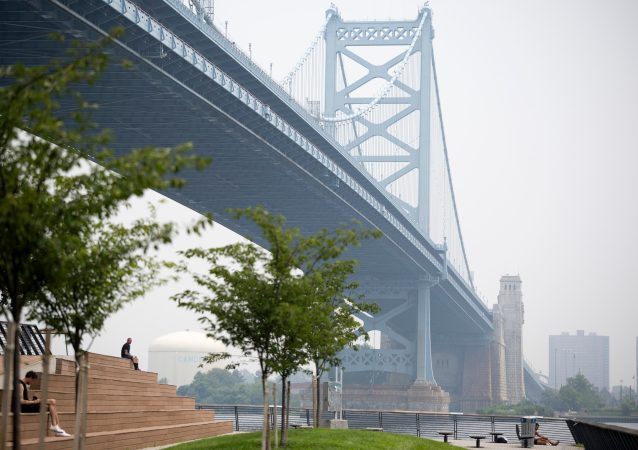
    Philadelphia’s jinxed July, which had already featured a record-setting dome of heat and microburst storms that razed hundred of trees, now includes a smothering, suffocating smoke.

    The polluted campfire-like vapor from Canadian wildfires plummeted air quality Thursday, lowered visibility enough that flights were delayed at Philadelphia International Airport, and prompted cancellation of a concert at Cooper River Park in Camden County. The Phillies moved Thursday night’s game up one hour due to air quality concerns.

    The smoke, which was expected to blanket the region at least through Friday, originated from fires burning in Western Ontario, said Sarah Johnson, a meteorologist at the National Weather Service’s Mount Holly office.

    It was swept in by winds that mixed to keep it closer to the ground.

    “It’s just a factor of the winds at all levels kind of working together,” Johnson explained.

    It is difficult to pinpoint when the air quality might return to normal, she said. Those forecasts come from state environmental protection departments and are usually no more than 48 hours out.

    The Pennsylvania Department of Environmental Protection has declared a Code Purple Air Quality Alert for Friday. Code purple signifies very unhealthy air, meaning people should avoid long or intense outdoor activities, and sensitive groups should avoid all outdoor activities. The department suggested not using gas-powered lawn and garden equipment, and avoiding the burning of leaves or trash.

    Rain forecast for Saturday could help suppress the smoke, Johnson said, but on Thursday afternoon it was too early to be sure.

    Poor air quality caused by the fires remained the biggest issue as they burned through forests and buildings before their smoke swept south, collecting ambient pollution from Boston, New York, and other areas before reaching Philadelphia.

    Philadelphia issued a Code Red Air Quality Caution Day on Thursday, meaning some people were at risk of experiencing health effects, including elevated risks for people with heart or lung disease, asthma, older adults, children, pregnant people, immunocompromised people, people experiencing homelessness, people who use drugs, people without access to air filtration, and outdoor workers.

    The city advised people to limit their time outdoors and consider rescheduling activities.

    “Today is not the day to start your marathon training plan,” Palak Raval-Nelson, commissioner of the Philadelphia Department of Public Health, said in a statement.

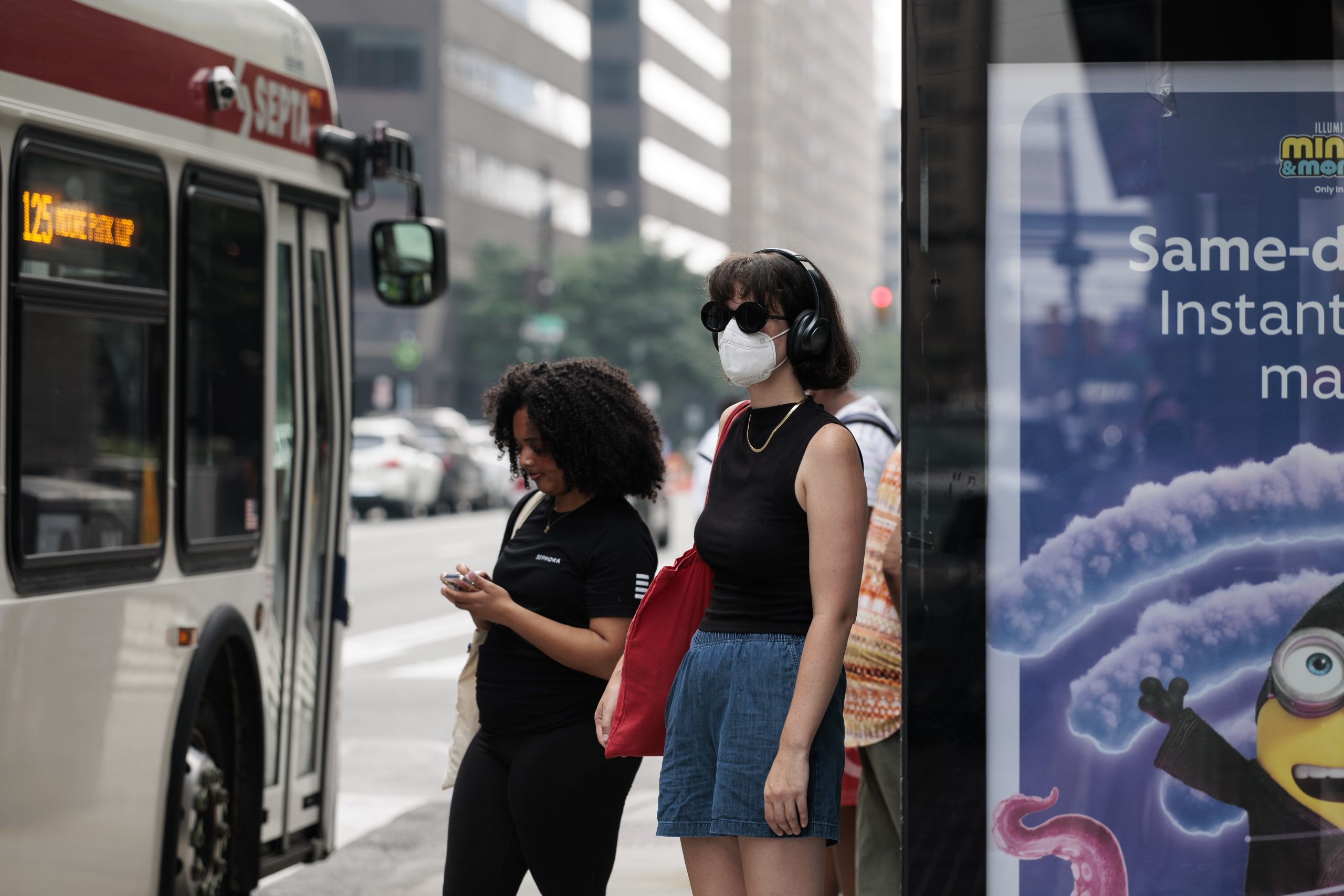
    Penn State graduate student Ray Boone waits for the bus with a face mask on because of the air quality, on Thursday, July 16, 2026 at 17th Street and JFK Boulevard in Philadelphia. The Pennsylvania Department of Environmental Protection has declared a statewide Code Red air quality day due to Canadian wildfire smoke blowing into the Philadelphia region.Monica Herndon / Staff Photographer

    High temps increase risks

    The smoke affected thousands of square miles in the region, from the Poconos to the Shore through Delaware.

    The Air Quality Index, or AQI, by the U.S. Environmental Protection Agency was in the unhealthy range for all of the region as of 4 p.m. Thursday. The index ranges from 0 to 500. Unhealthy is from 151 to 200.

    Censors in Centre County, Pa., recorded a hazardous AQI of 345 by Thursday afternoon, the highest and most dangerous level. Other sensors in Lycoming and Bradford Counties recorded AQIs above 200, or very unhealthy.

    Center City had an index of 192, which is considered unhealthy. Northeast Philadelphia, Chester, Norristown, and Camden all were similarly in the unhealthy range.

    Not helping: Temperatures in the 90s with humidity so high that it made it feel in excess of 100 degrees.

    Julie and Bill Guise, 66 and 72, respectively, basked in the somewhat cool breeze billowing from a giant fan inside the President’s House complex at Independence National Historical Park, hoping to get relief from the oppressive air. The Flagstaff, Ariz., residents, however, were unaware of what exactly was causing it.

    “We couldn’t figure out what it was,” Bill Guise said of the haze in the atmosphere.

    But it did not change their plans. The couple are used to wildfires.

    “It’s much worse out West,” Julie Guise added, likening the western smoke, when it’s extra bad, to sitting next to a campfire.

    Eric Balaban, a pulmonary and critical care fellow at Temple University, was hesitant but still went running Thursday morning.

    “If I didn’t have an addiction to running, I would not have gone. And I would recommend other people not to run. Do as I say, not as I do,” he said with a laugh.

    But exposure to the smoke is a serious matter, Balaban said. He noted that the smoke that travels “carries a uniquely toxic profile that poses severe health risks to both healthy individuals and vulnerable populations.”

    Ruth McDermott-Levy, a professor at Villanova University’s school of nursing, said that air quality had become a risk not only for those already suffering from health issues, but for everyone.

    “All of us are at risk,” McDermott-Levy said. “Certainly there are groups of people at greater risk, from pregnant women, children, older people, and those with cardiac and respiratory illnesses. But we’re at an unhealthy level for everyone.”

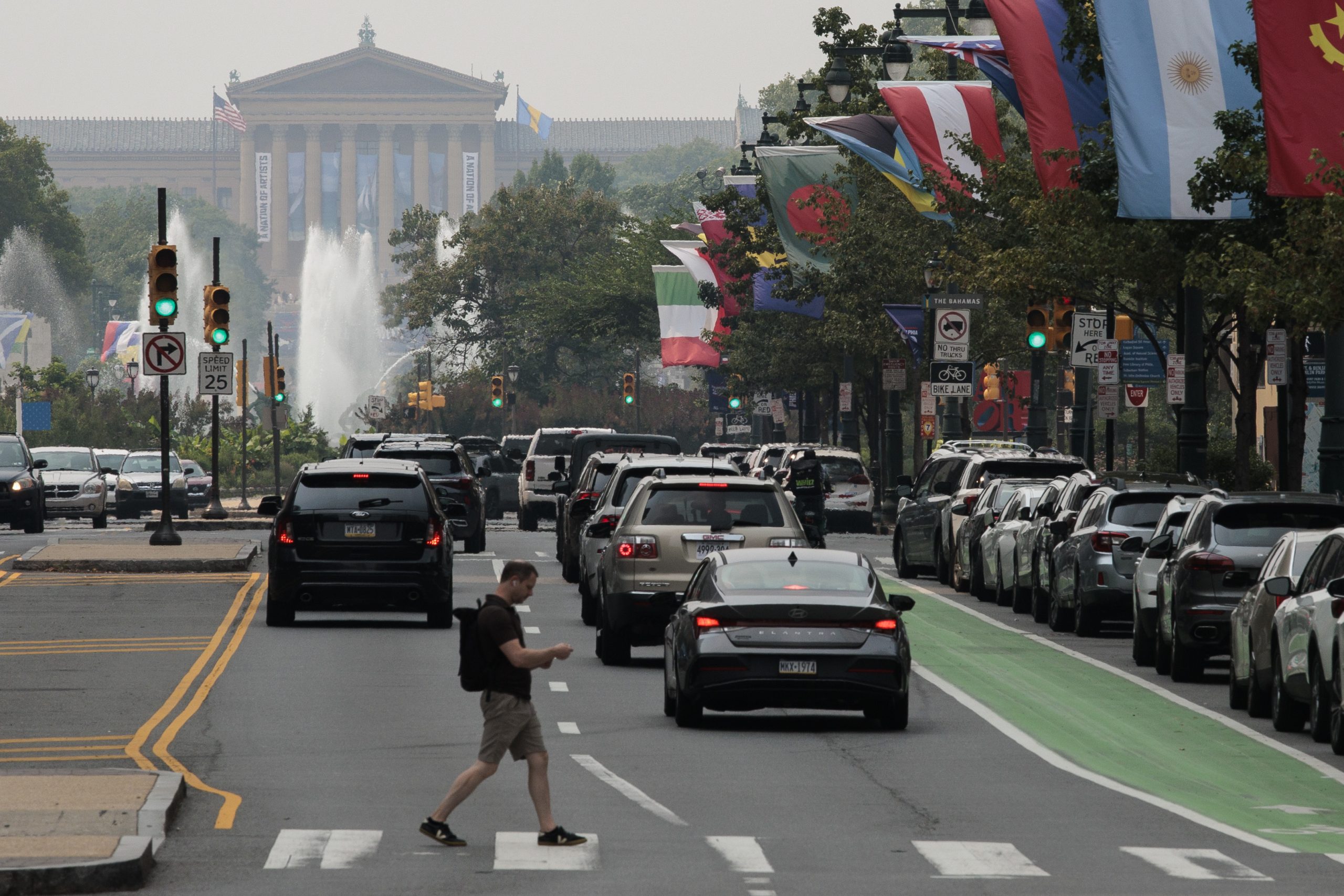
    The Philadelphia Museum of Art behind a smokey haze on Thursday, July 16, 2026 in Philadelphia. The Pennsylvania Department of Environmental Protection has declared a statewide Code Red air quality day due to Canadian wildfire smoke blowing into the Philadelphia region.Monica Herndon / Staff Photographer

    What’s in the air?

    The two major pollutants of concern are ground-level ozone and fine particulate matter known as PM2.5.

    Ground-level ozone is a pollutant that forms when nitrogen oxides and volatile organics emitted by vehicles, power plants, and industry react in sunlight, especially during hot days. It can cause airways to constrict, leading to shortness of breath. It can especially affect those with asthma, emphysema, and chronic bronchitis.

    Fine particulate matter is so small that it can cross from the lungs directly into the bloodstream, bringing a body-wide exposure that can increase the risk of heart attacks and strokes, in addition to causing acute chest tightness, shortness of breath, and dizziness in otherwise healthy people.

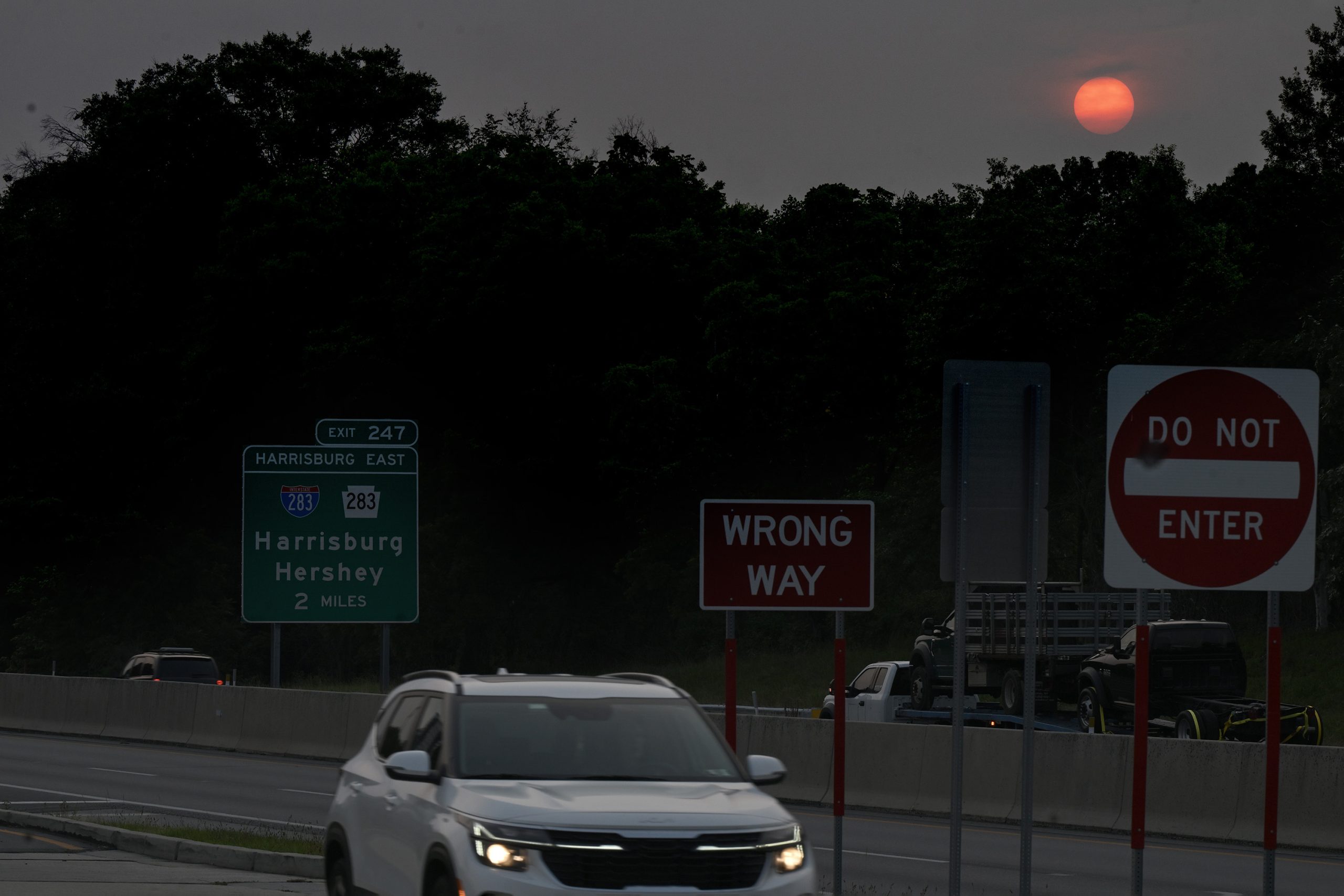
    The sun sets in a hazy sky over the Pennsylvania Turnpike Wednesday, July 15, 2026 as the Canadian and Great Lakes wildfire smoke moves into the region’ This at the Highspire Service Plaza], eastbound near Middletown.Tom Gralish / Staff Photographer

    Staff writer Nate File contributed to this article.

  • Jefferson, Nemours, Temple, and St. Chris are exploring alliance to support the North Philadelphia children’s hospital

    Jefferson, Nemours, Temple, and St. Chris are exploring alliance to support the North Philadelphia children’s hospital

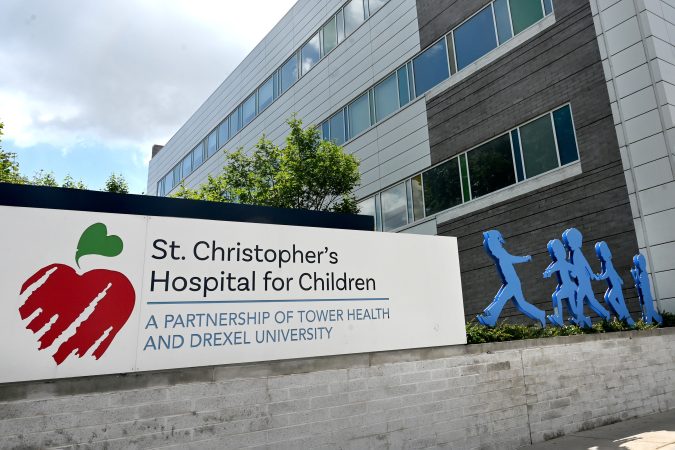
    Three major Philadelphia-area health systems are exploring an alliance to support financially struggling St. Christopher’s Hospital for Children in North Philadelphia, its leaders announced Wednesday.

    The proposed alliance would involve Nemours Children’s Health, Jefferson Health, and Temple Health, a St. Chris statement said.

    St. Chris’ ownership would not change from the current 50-50 partnership between Drexel University and Tower Health.

    Under the alliance, Wilmington-based Nemours would provide highly advanced, or tertiary, care. Nemours is Jefferson’s primary pediatric partner in the Philadelphia area.

    The preliminary agreement announcement provided no timeline to form the alliance. It also did not mention specific financial support for the North Philadelphia institution, which has received millions from local health players following a 2019 bankruptcy and steep losses during the pandemic.

    St. Chris’ board chair, P. Sue Perrotty, said the 150-year-old hospital will remain a “gateway” to care for families.

    “Our goal is to preserve what makes St. Christopher’s so special while strengthening our operations, so our community-focused mission will endure,” she said.

    “Whether care is delivered at St. Christopher’s or through our partners when clinically appropriate, our team will continue to coordinate every step of a patient’s journey, providing families with a seamless experience and a trusted guide throughout their child’s care.”

    Beyond the critical health services St. Chris provides, the institution also plays a vital part in medical education for area medical schools, including those at Drexel, Thomas Jefferson University, Philadelphia College of Osteopathic Medicine, and Temple University.

    It serves as a safety net for healthcare in some of Philadelphia’s lowest-income communities. About 85% of its patients in recent years have been insured by Medicaid, the highest percentage of any children’s hospital in the nation, according to St. Chris.

    Twice in the past four years, a coalition of Philadelphia nonprofits provided financial lifelines for St. Chris.

    Children’s Hospital of Philadelphia, Jefferson, Temple, Philadelphia College of Osteopathic Medicine, Independence Health Group, and private donors provided $50 million over two years starting in 2022. Two years later, the same group, minus Independence, contributed another $30 million.

    Jefferson and Temple were also part of a consortium that considered bidding for St. Chris in 2019 during its parent company’s bankruptcy. They backed out before the auction, which Drexel and Tower won with a $50 million bid.

    Nemours spokesperson Shelley Meadowcroft said there was no financial support included in the agreement.

    Nemours in recent years has lost affiliations with Main Line Health and ChristianaCare to CHOP. The alliance will strengthen “access to high-quality pediatric care in our region,” she wrote in an email.

    “This collaboration also strengthens Delaware’s role in pediatric care by positioning Nemours Children’s Delaware-based clinical operations as a central hub for advanced specialty care, education, and innovation,” she added, “while supporting the long-term strength and mission of St. Christopher’s Children’s Hospital and the communities it serves.

    In a statement, Temple University officials characterized the agreement as “non-binding letter of intent” to form an alliance “in support of St. Chris and its future.”

    “The proposed alliance reflects a shared commitment to securing a future for St. Christopher’s while preserving the mission, clinical excellence and community role that have made the hospital a resource for children and families in Philadelphia and across the region,” officials said.