Tag: Temple University

  • Philly DA Larry Krasner faces legal and political uncertainty after a judge said he may have committed crimes

    Philly DA Larry Krasner faces legal and political uncertainty after a judge said he may have committed crimes

    A federal judge’s statement this week that Philadelphia District Attorney Larry Krasner may have committed crimes while running his office came as part of a lengthy battle in a complex post-conviction case.

    But the fallout is likely just beginning.

    The stunning remarks by U.S. District Judge Paul S. Diamond — that Krasner may be guilty of conspiracy or obstruction of justice, and that federal prosecutors should investigate — triggered uncertainty over the future of one of the city’s top elected officials, who is a nationally recognized leader of the progressive prosecutor movement.

    It amounts to the latest unprecedented episode of Krasner’s tumultuous tenure as the city’s district attorney — a stretch in which he has also been impeached by the state House, excoriated by the Pennsylvania Supreme Court, and seen two of his highest-ranking deputies face disbarment and suspension in federal court.

    Legal experts said Diamond’s decision to refer actions by Krasner and one of his supervisors to the U.S. Attorney’s Office would almost certainly lead to an inquiry of some kind. But the fate of any possible probe into Krasner not only was difficult to predict, they said, but could take months or longer to determine.

    Political repercussions could arise as well.

    While Krasner’s Republican enemies reiterated their long-held disdain for the reform-oriented prosecutor, no elected Democrats immediately came to his defense. And some Democrats in the city have quietly begun discussing potential contingency plans if Krasner is forced from office before the end of his third term in 2030.

    Krasner, for his part, has denied wrongdoing, and said in a statement that he planned to appeal Diamond’s ruling, in which the judge also disqualified Krasner and a lawyer in his office, Matthew Stiegler, from participating in the underlying case — a matter in which a man is seeking to have his murder conviction overturned.

    Here is a recap of what led to Diamond’s scathing filing, and what might be next for Krasner.

    What happened in the underlying case?

    The case at issue began in 2015, when Dennis Johnson — found guilty in 2009 of second-degree murder — filed a petition in federal court seeking to have his conviction overturned.

    For years, the district attorney’s office opposed Johnson’s bid for relief. But in 2022, then-Assistant District Attorney Jaclyn Mason filed a brief reversing course and agreeing that his trial counsel had been ineffective.

    This spring, while preparing for a hearing before Diamond about the case, Mason said, she reached out to new supervisors in the law division: Katherine Ernst, Steven Wildberger, David Napiorski, and Peter Andrews. And Ernst said when she reviewed Mason’s brief, she discovered it contained “significant errors,” and the supervisors decided they needed to try to withdraw it.

    Mason thought they were setting her up to take the blame, so she quit. And in her resignation letter, she said that Stiegler — her onetime boss — had forced her to file a faulty brief and that she would not lie or mislead the court to protect him.

    After that, the supervisors testified, Stiegler proposed an unusual path forward, effectively suggesting they find a way to cast Mason as a “rogue” prosecutor prone to making mistakes.

    Stiegler also shared his proposal with Krasner, the supervisors said, and the district attorney told them he thought it was a “really good idea.”

    But the supervisors rejected it, they said. Wildberger told Diamond he found the notion “tremendously inappropriate.”

    From internal disagreements to potential crimes

    Krasner ultimately did agree to let the supervisors try to withdraw Mason’s brief. But he and the supervisors then got into heated arguments about whether to refer the case to state prosecutors — something the supervisors thought was appropriate because of the internal drama consuming their office.

    As the referral debate raged on, the supervisors said, Krasner told them the case needed to stay in-house so someone could “protect the office” and “control the proceedings.” He also threatened “consequences” if any of them told Diamond about their discussions — which they took to mean being fired.

    Diamond, in his memorandum, said threatening people’s jobs when they are trying to tell the truth to a judge could amount to obstruction of justice, as could attempting to conceal the truth about Stiegler’s role in the drafting of Mason’s brief.

    He also said Krasner’s attempts to work with Stiegler to create a false narrative about Mason could amount to conspiracy.

    And while the judge said he found the supervisors and Mason to have testified credibly, he said Stiegler may have committed perjury, calling his testimony “often contradictory, evasive, or outright dishonest.”

    Will Krasner actually face charges?

    For those reasons, Diamond said, he sent the case to the U.S. Attorney’s Office to investigate if Krasner or Stiegler should be charged.

    Diamond, as a judge, does not have the power to prosecute the case himself. And how or if prosecutors decide to proceed remains an open question — and one that might remain unclear for some time.

    Legal experts said it is rare, though not unprecedented, for judges to refer potential wrongdoing to prosecutors. And any time that happens, they said, prosecutors take it seriously — reviewing any materials the judge disclosed, deliberating paths forward, and potentially empaneling a grand jury to begin calling witnesses.

    Still, full criminal investigations often take months or years to conduct. And such probes — conducted in secret — can go in unexpected directions. Sometimes that might mean a broader discovery of wrongdoing than was initially expected. Other times, investigations can close without charges.

    Also unclear is whether the local U.S. Attorney’s Office would oversee any potential investigation into Krasner — or if staffers from elsewhere in the Justice Department might be called on to handle it, since Philadelphia-based federal prosecutors often work on cases with lawyers in Krasner’s office.

    A spokesperson for the U.S. Attorney’s Office declined to comment on Diamond’s memorandum.

    Krasner has made no secret of his antipathy for President Donald Trump, and Trump, in his second term, has been unabashed about asking the Justice Department to prosecute political foes. It was not clear how or if that might influence prosecutors’ course of action in this case.

    Whatever might happen, experts said, one thing was generally clear: A referral from a federal judge targeting an elected district attorney was practically unheard of.

    “I really cannot think of an equivalent situation,” said Lauren Ouziel, a Temple University Beasley Law School professor and former federal prosecutor.

    Michael Levy, who worked as a federal prosecutor in Philadelphia for nearly 40 years before retiring in 2019, said: “For a judge to do this, it’s really unusual.”

    Could Krasner face other consequences?

    Even if Krasner and Stiegler are not criminally charged, they could still face additional consequences.

    If the case is referred to the federal court’s disciplinary committee, for example, a panel of judges could seek to determine whether any of the prosecutors involved behaved in a way that would warrant a suspension or disbarment from practicing in federal court.

    That would likely be detrimental to Stiegler, who has spent much of his career working on federal cases. But it would be even more problematic for Krasner — and could raise questions about whether he could continue to serve as the city’s district attorney.

    Still, similar to any criminal investigation, the disciplinary process — which is largely confidential — would also likely be lengthy. When some of Krasner’s deputies were disbarred or suspended in federal court in 2025, those outcomes came about three years after a federal judge said he was sending the case out for a disciplinary review.

    Diamond did not specify if he was referring the matter to the region’s chief federal judge, the first step in a potential disciplinary inquiry. Legal experts said prosecutors — if they investigate — would likely prefer to have their probe take precedent over any potential disciplinary proceeding.

    Will there be political fallout?

    Outside of the legal realm, Krasner, a Democrat, has faced political attempts to oust him before.

    In 2022, the Republican-led Pennsylvania House voted to impeach Krasner, saying he had not adequately enforced state laws and, by extension, had contributed to the city’s gun violence crisis.

    Krasner denied the allegations, and appellate courts — including the Pennsylvania Supreme Court — later agreed with various arguments he made describing the process as improper.

    State Rep. Martina White, a Republican from Northeast Philadelphia who led the impeachment drive against Krasner, on Wednesday called for him to resign, saying in a statement that “Philadelphia needs a reliable DA, not a defendant-in-waiting.”

    Few top Democrats defended Krasner.

    Mayor Cherelle L. Parker declined to comment this week, as did City Council President Kenyatta Johnson, who supported Krasner’s bid for reelection last year.

    Some activists on the progressive left said they still support Krasner and see Diamond’s referral as politically motivated. Diamond was appointed by former President George W. Bush, a Republican, in 2004.

    “This is unfortunately a continuation of the right’s assault on DA Krasner and the policies that he’s implemented,” said Robert Saleem Holbrook, executive director of the progressive political group Straight Ahead. “This is a judge using an internal conflict in the office to further the objective of removing Krasner from office.”

    Krasner has proved politically resilient over the years, winning three terms despite the impeachment drive and opposition from elected officials in his own party, said Sergio Cea, political director of the progressive group Reclaim Philadelphia.

    Krasner, he said, is “like Teflon.”

    “He is somebody that has consistently, without the Democratic establishment support, won primary after primary,” he said. “And that is because he is wildly popular with Philly voters who are tired of status quo district attorneys who are more focused on filling jails than achieving justice.”

    A ‘devastating’ environment

    Krasner, meanwhile, is not in the office this week, according to people familiar with his whereabouts. First he was on a recruiting trip in Washington, they said, then he was headed on a pre-planned personal trip to Ireland.

    Inside the office Wednesday, staffers said they were sharing feelings of dismay and fatigue from years of upheaval and political headlines under Krasner’s leadership. Several prosecutors, who spoke on the condition of anonymity to speak candidly about a sensitive matter, said they have endured the impeachment saga, mass firings, and the departure of veteran staffers.

    And although some said Diamond’s ruling was not entirely surprising — the judge had signaled at a previous hearing that he might refer the matter to federal prosecutors — they also anticipated that any investigation could stretch on for months or even years.

    One longtime prosecutor called the allegations “devastating” and said the reputation of the office “has been reduced to rubble.”


  • Two teens were injured in a possible drive-by shooting in North Philly

    Two teens were injured in a possible drive-by shooting in North Philly

    Two teenagers were wounded Tuesday night in North Philadelphia in what may have been a drive-by shooting, police said.

    The 18-year-old and 17-year-old, both male, were found on the 1800 block of North Woodstock Street about 10:30 p.m., when police responded to a report of a shooting in the area.

    Chief Inspector Scott Small told reporters one of the victims told officers he believed the incident was a drive-by shooting. Police recovered at least 17 spent shell casings.

    The 18-year-old suffered a gunshot wound to the right side of his abdomen, and the 17-year-old was grazed above his right hip. Both were transported by police to Temple University Hospital and were placed in stable condition.

    Police said they did not have a motive for the shooting or a description of any suspects, and detectives are requesting anyone with information to call the department’s anonymous tip line at 215-686-TIPS (8477).

    Earlier this year, according to Philadelphia City Controller’s Office data, another nonfatal shooting occurred on the 1800 block of North Woodstock Street involving an 18-year-old male.

    There have been 124 homicides in Philadelphia this year, a 20% decrease from 2025 for the year to date.

    While Philadelphians navigated one of the city’s deadliest years just three years ago, the homicide rate has dropped to a level not experienced since the 1960s.

  • Rachel Blau DuPlessis, experimental poet, literary scholar, and Temple professor emerita, has died at 84

    Rachel Blau DuPlessis, experimental poet, literary scholar, and Temple professor emerita, has died at 84

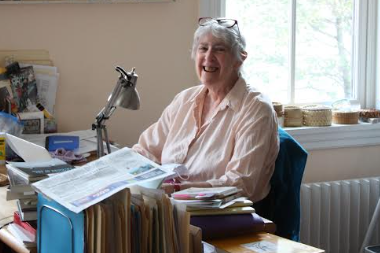
    Rachel Blau DuPlessis, 84, of Philadelphia, experimental poet and essayist, literary scholar and critic, Temple University professor of English and creative writing emerita, mentor, artist, and world traveler, died Wednesday, Sept. 2, of respiratory failure at Penn Presbyterian Medical Center.

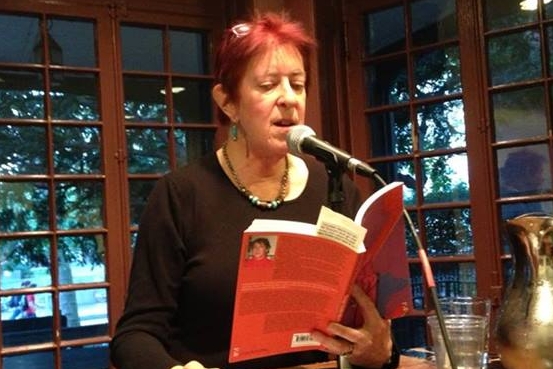
    Professor DuPlessis was an eclectic experimental poet who grew up in New York, lived in Swarthmore and Philadelphia for more than 50 years, and taught a variety of writing and women’s studies classes at Temple from 1974 to her retirement in 2011. She wrote hundreds of poems — she called many of them “drafts” — about feminism, modernism, connectivity, imagery, and consciousness.

    She was an expert on cultural poetics and told The Inquirer in 2002 that her poems generally reflect her “awe at the universe, grief at the barbarity of modernism, and sense of how it was to be in the world.” She enjoyed poetic wordplay, reviewers said, and tinkered freely with conventional syntax, sound, tone, and form.

    “Reading her is an adventure,” reviewer Robert Long said in The Inquirer in 1997, “and poets this adventurous must be cherished.”

    Her poems were published in more than 30 books and in several languages, and also appeared in The Inquirer, other newspapers, magazines, journals, and anthologies. In tributes, fellow poets praised her “unique combination of erudition and exuberance” and her “generosity, brilliance, expansive thinking, and attention to so many possibilities of writing and art.”

    “From what I can tell, DuPlessis doesn’t write poems so much as build them,” reviewer Andrew Ervin said in The Inquirer in 2005. “The manner in which she does that is what makes the Temple professor one of the most exciting and inventive writers of our time.”

    She told the Oxonian Review in 2015 that “being a poet is not only writing poems. It is an address to the whole apparatus of and the traditions of poetic practice.”

    A book publisher said: “She brought such intelligence, generosity, and curiosity to everything she did.” Penn professor Al Filreis told Professor DuPlessis’ husband, Robert: “It’s hard to imagine the Philly poetry world without Rachel in it.”

    Professor DuPlessis read her poems to people around the world. Courtesy of the family

    At Temple, Professor DuPlessis helped establish women’s studies classes and the school’s graduate program in creative writing. She mentored students and other professors, and the English department’s DuPlessis Lecture in Poetry and Poetics is named in her honor.

    “She loved being a mentor to people, to encourage them,” her husband said. “She loved being a poet and an academic. She prepared incredibly for her classes and was connected and attentive to her students.”

    Earlier, she taught briefly at what is now the College of New Jersey and Rutgers and Columbia Universities. She spent several of her research and study leaves from Temple working with students and colleagues at universities in the Netherlands, France, Belgium, and elsewhere.

    She was named a resident poet and distinguished visitor in Italy and New Zealand. She and her husband, a professor emeritus at Swarthmore College, visited every continent except Antarctica, and she spoke French and Italian as well as English.

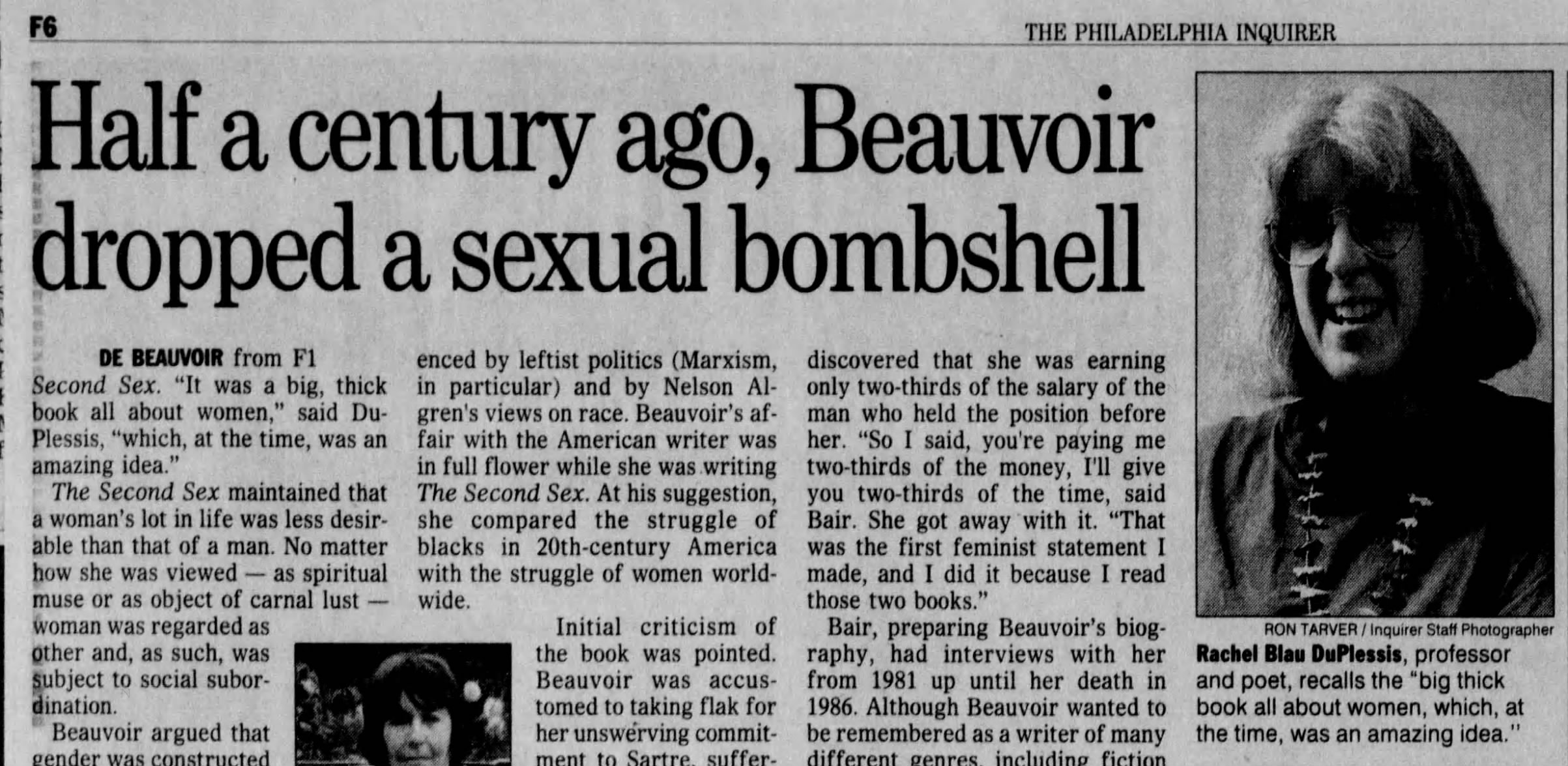
    This article featured Professor DuPlessis and appeared in The Inquirer in 1999.Newspapers.com

    She earned fellowships from the Pew Center, the Pennsylvania Council on the Arts, the National Humanities Center in North Carolina, and other groups. “She was constantly creating things,” her husband said. “She never stopped.”

    Professor DuPlessis also wrote and edited books and articles about writing and poetry, and she reviewed books for The Inquirer and other publications. She read her poems in public, was interviewed often, and earned achievement awards from Temple, the University of California in San Diego, the old Fund for Poetry, and other admirers.

    She created a comprehensive website, rachelblauduplessis.com, and made collage art that she augmented with poems. Thomas Devaney, a Philadelphia writer, called her “an important figure of American experimental poetry.”

    She told the Oxonian Review: “Poetry is an ethical practice as well as an aesthetic one. Just even thinking about what this means and how it is instantiated is a useful task.”

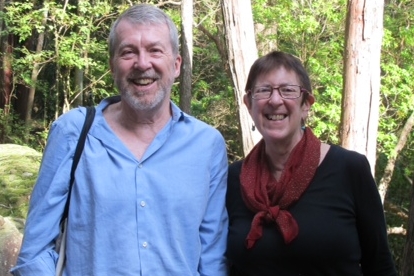
    Professor DuPlessis enjoyed time with her husband, Robert, and daughter, Kore.Courtesy of the family

    Rachel Maia Blau was born Dec. 14, 1941, in Brooklyn. She grew up in Queens and the Bronx, and earned a bachelor’s degree in English at Barnard College in New York in 1963 and a master’s degree and doctorate in English and comparative literature at Columbia in 1970.

    Her father was a professor, her mother a librarian. She met fellow Fulbright scholar Robert DuPlessis on a boat to France in 1966, and they married in 1968 and had a daughter, Kore.

    Professor DuPlessis enjoyed yoga, museums, art history, and long walks with her husband. They went to see and hear the orchestra, the opera, the ballet, and the theater.

    She doted on her daughter and grandchildren. “She always read me stories and sang me songs at night before bed,” her daughter said. “I would hold on to her leg because I didn’t want her to leave.”

    Professor DuPlessis started writing poems when she was 12, she said in an interview. “She was determined, hardworking, witty, and a lot of fun,” her husband said. “She was definitely intense.”

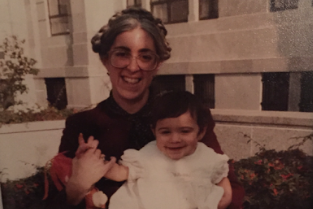
    Professor DuPlessis said she started writing poems when she was 12.Courtesy of the family

    In addition to her husband and daughter, Professor DuPlessis is survived by two grandchildren and other relatives. A sister died earlier.

    A memorial service is to be held from 1:30 to 3:30 p.m. Saturday, Oct. 17, at Temple University’s Charles Library, 1900 N. 13th St., First Floor, Philadelphia, Pa. 19122.

    Donations in her name may be made to Planned Parenthood, Online Services, Box 96771, Washington, D.C. 20090; Philabundance, 3616 S. Galloway St., Philadelphia, Pa. 19148; and the American Civil Liberties Union, 125 Broad St., 18th Floor, New York, N.Y. 10004.

  • Assailants attack, steal handgun from off-duty Philadelphia police officer, authorities say

    Assailants attack, steal handgun from off-duty Philadelphia police officer, authorities say

    An off-duty Philadelphia police officer was beaten by multiple people and robbed of his gun late Thursday, police said.

    The gun — the officer’s service weapon — had not been recovered as of Friday, they said.

    The officer, whose name was not released by police, was taken to Temple University Hospital with cuts to his head and scrapes on his legs and feet. Police did not disclose his condition, but said the officer was stable Friday afternoon.

    Officer Tanya Little, a police spokesperson, said police were called to help the officer at about 11:45 p.m. Thursday on the 700 block of North 10th Street, between Brown Street and Fairmont Avenue in the West Poplar section of North Philadelphia, after the officer said he had been attacked by three people who stole his firearm.

    Little said that investigators took two people into custody for questioning, but charging information was not available.

    The investigation is ongoing, police said.

  • It’s been a decade since Temple and Penn State met. Their lopsided rivalry has had its moments.

    It’s been a decade since Temple and Penn State met. Their lopsided rivalry has had its moments.

    When Temple and Penn State kick off at Lincoln Financial Field on Saturday, the programs will renew a 95-year-old rivalry for the first time in a decade.

    Penn State holds a 40-4-1 all-time record and has won 32 of the last 33 meetings. However, the history of this series extends beyond wins and losses.

    Before the Nittany Lions return to Philadelphia for the first time since 2015, here are some of the top moments from their rivalry.

    Temple strikes first

    Temple and Penn State matched up for the first time on Oct. 10, 1931, when the Owls shut out the Nittany Lions, 12-0, in front of a capacity crowd of 20,000 at Temple Stadium.

    Head coach Heine Miller led Temple an 8-1-1 season, which stood as a program record for 42 years until Wayne Hardin’s 1973 team eclipsed it with nine.

    The Owls went on to claim three of the first four matchups in the all-time series.

    The victory that lasted 74 years

    Temple’s third win in four meetings with Penn State, on Oct. 18, 1941,became a frequently cited date.

    On a wet, muddy, and slippery day, Temple claimed what would be its final victory against the Nittany Lions for the next 74 years in a 14-0 win at Temple Stadium.

    Temple picked off star Penn State quarterback Johnny “Pepper” Petrella four times. Also, four players, two from each team, were taken off the field on stretchers in a game former Inquirer reporter Stan Baumgartner characterized as “bruising and bitterly contested” and both teams “appeared to have their boxing and wrestling squads competing.”

    It took another 39 games for the Owls to beat the Nittany Lions.

    Within inches

    Following Temple’s 1941 victory, an era of struggle ensued.

    In 1950 at New Beaver Field, Temple came close to beating Penn State when the two teams tied 7 apiece. Fun fact: Temple running back Gene Caterina scored the Owls’ first touchdown in University Park.

    The series entered a 22-year hiatus after 1952, and it wasn’t until 1975 when Temple made things interesting again. In front of a crowd of 57,112 at Franklin Field, Penn State snuck past the Owls, 26-25.

    Just a year later, in 1976, it was an even more painful finish, this time at Veterans Stadium. Temple trailed by two touchdowns before mounting a late comeback. The Owls drove downfield during the final two minutes but appeared in danger of running out of time near Penn State’s goal line.

    Then an unusual interruption occurred: a spectator ran onto the field and officials stopped the clock. Temple scored a touchdown on the next play, making it 31-30. The NCAA did not introduce overtime until 1996, so Hardin faced a straightforward decision: Kick the extra point and accept a tie or attempt a two-point conversion to win. Hardin went for two. The pass went just beyond the intended receiver, preserving Penn State’s one-point victory.

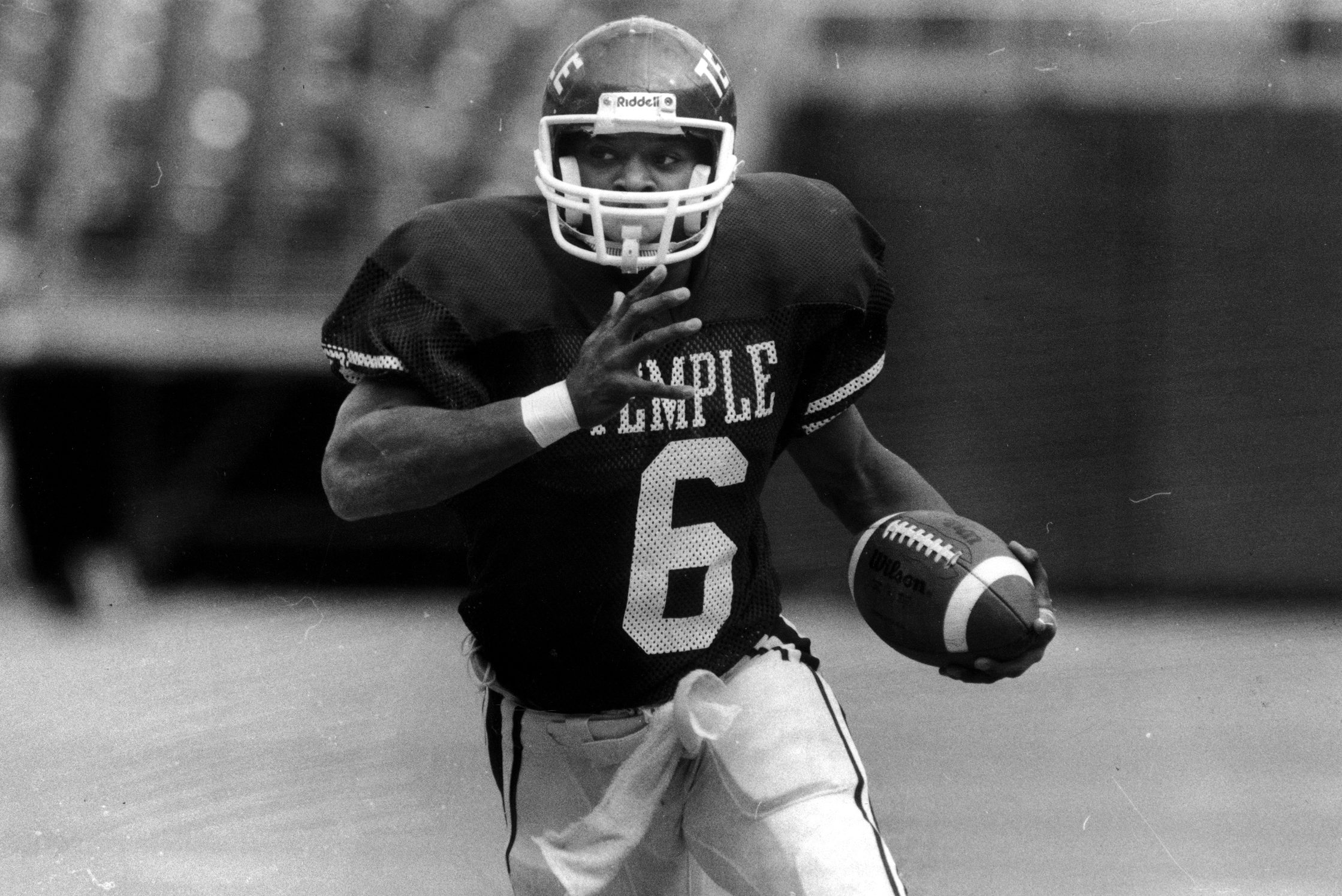
    Other notable games were in 1978 when No. 3-ranked Penn State survived Temple on a last-second Matt Bahr field goal to claim a 10-7 win. Then in 1985, a 206-yard, two-touchdown day from Temple running back Paul Palmer wasn’t enough in a 27-25 loss. Palmer was inducted into the College Football Hall of Fame in 2018.

    Paul Palmer finished with 206 yards and two touchdowns against Penn State in 1985.Inquirer Archives

    Penn State’s 31-game winning streak

    Between 1952 to 2014, the Nittany Lions won 31 consecutive matchups against the Owls, with former Penn State coach Joe Paterno leading them to 28 of those wins between 1975 to 2011.

    During that time, Penn State outscored Temple 1,068-331 and held an average game score of 34.5-10.7, a 23.8-point average margin.

    The Nittany Lions shut out the Owls four times. The most lopsided matchup came in 1995 in Penn State’s 66-14 victory. Its streak survived nine Temple head coaches, and was played at five different venues.

    From Penn State to Temple

    Despite the quarrels between the programs, two Penn State products became the most important figures in the revival and progression of Temple football.

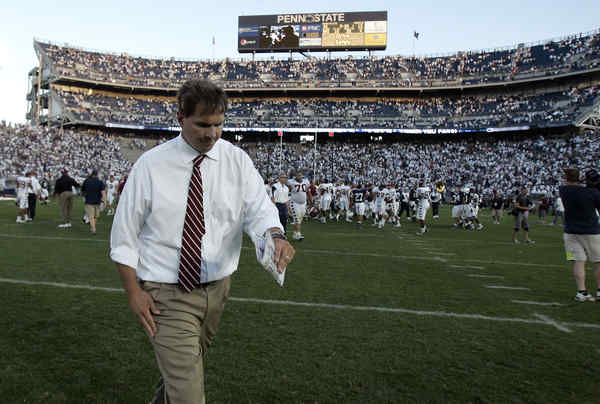
    Former Temple head coach Al Golden lettered with the Nittany Lions from 1989-1991 and started at tight end for two seasons. He guided Temple to a 20-12 conference record between 2006 and 2010, a tenure that started a golden era of Owls football.

    Before becoming Temple’s head coach, Al Golden started at tight end for two seasons at Penn State.DAVID SWANSON / Staff Photographer

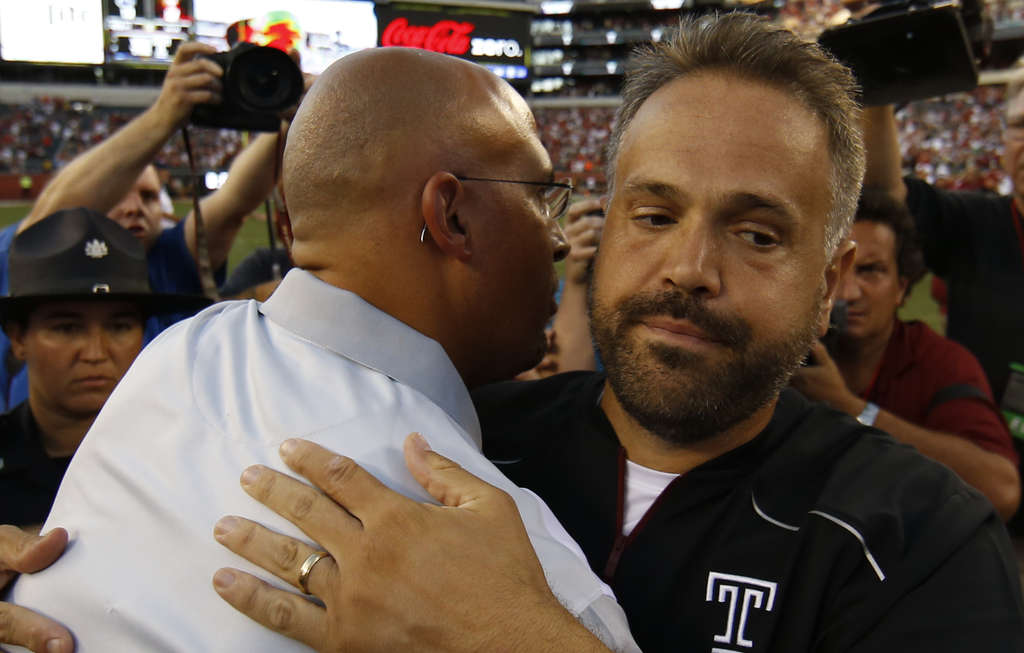
    Matt Rhule was also a walk-on linebacker at Penn State from 1994-1997 and got his start as a graduate assistant under Paterno. He eventually found his way onto Golden’s staff at Temple and was named defensive line coach in 2006, before moving to offensive coordinator.

    Rhule remained at Temple following Golden’s departure and worked under Steve Addazio before being hired as head coach in 2012. Rhule coached the Owls for four years, taking them to two consecutive bowl games and an American Conference championship in 2016.

    The Owls broke through

    In 2015, Temple took down Penn State, 27-10, in its season opener at Lincoln Financial Field in front of a then record-breaking crowd of 69,176.

    Coming off a 6-6 season under Rhule, Temple entered as a seven-point underdog.

    Penn State jumped out to a 10-0 lead before a 12-play, 93-yard drive ended with a Temple touchdown. The Owls tied the game with a 40-yard field goal before PJ Walker ran in a touchdown to give the Owls a 17-10.

    They added another score, but the real exclamation came from Temple’s defense, which sacked Penn State quarterback Christian Hackenberg 10 times, three coming from All-American linebacker Tyler Matakevich.

    In 2016, Temple visited Beaver Stadium and suffered a 34-27 loss. It was the last matchup between these two programs.

  • Penn Medicine gets $50 million gift from Stanley C. Middleman to support early-stage research

    Penn Medicine gets $50 million gift from Stanley C. Middleman to support early-stage research

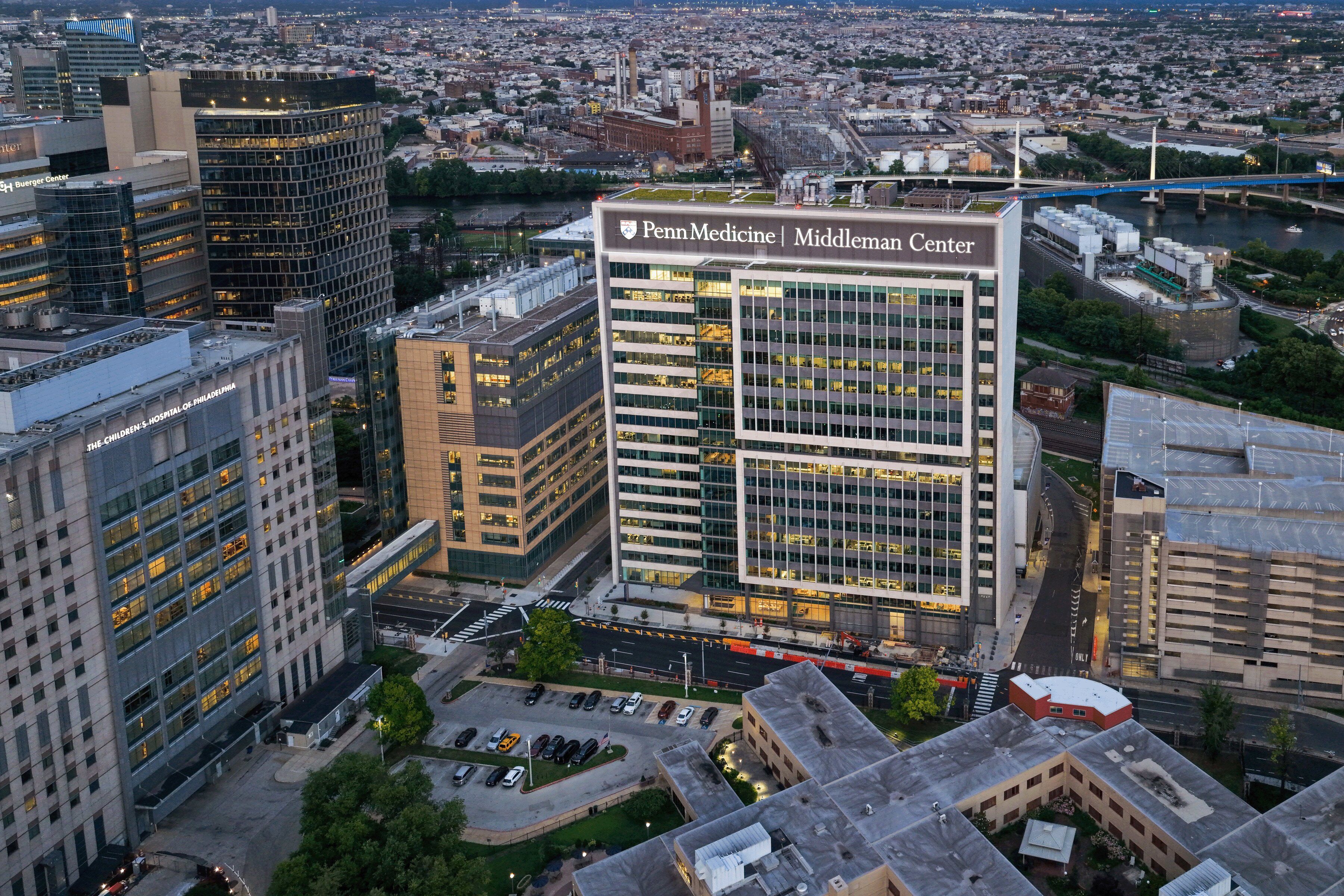
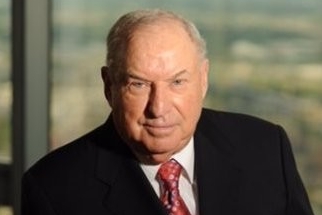
    Penn Medicine announced a $50 million gift from Stanley C. Middleman on Thursday to support early-stage research and will name a recently expanded building at 3600 Civic Center Blvd. in the businessman’s honor.

    Income from the fund will be used to accelerate work on therapies for cancer, autoimmune diseases, infectious diseases, and other serious conditions, with a goal of shortening the path from the laboratory to the market, Penn said.

    “I was born and raised in Philadelphia, and I’m proud to support Penn Medicine and the extraordinary work being done there to advance medicine and improve people’s lives,” Middleman said in a news release provided to The Inquirer in advance.

    The Middleman Center “will bring together the people and ideas” to support new approaches to treatment and scientific discovery, he added.

    The $50 million gift marks his first to Penn. He previously donated undisclosed amounts to his alma mater, Temple University, and to Children’s Hospital of Philadelphia, which named the main patient tower at its King of Prussia hospital for Middleman’s family.

    Middleman founded privately owned Freedom Mortgage Corp. in South Jersey in 1990 and grew it into one of the nation’s largest lenders before moving the company’s headquarters to Florida in the early 2020s.

    Middleman is among the owners of the Philadelphia Phillies.

    Boost for research at Penn

    The building being renamed for Middleman underwent a $376 million, 217,000-square-foot expansion that opened last year. It added seven floors, including as many as 37 labs. Penn originally opened the building in 2018 with eight floors and 250,000 square feet of office space, which has also been renovated.

    The new floors house the Colton Center for Autoimmunity at Penn and the High-Throughput Institute for Discovery, a specialized lab testing patient samples to help make diagnoses and guide treatments. The Middleman Center also includes a Biosafety Level 3 lab, which is specially equipped to handle infectious disease specimens.

    “Anchoring the western edge of Penn Medicine’s campus, the Middleman Center is uniquely positioned to bring together biomedical researchers, physicians, medical students, patients, and experts from engineering, business, and other areas of the University of Pennsylvania,” said university president J. Larry Jameson in the news release.

    “This creates an extraordinary environment for discovery — not just sparking ideas but seeing them all the way through to the moments where lives change for the better, as a result of discovery,” he said.

  • Police say man shot wife and then himself in North Philly

    Police say man shot wife and then himself in North Philly

    A man allegedly shot his wife and then himself in what authorities said was a domestic dispute that unfolded Wednesday afternoon inside a car on Broad Street in North Philadelphia.

    In a separate shooting about 40 minutes later, a man was fatally wounded on the 4900 block of Old York Road in the city’s Logan section, police said.

    Just before 2:50 p.m., police responded to the 2900 block of North Broad Street near West Glenwood Avenue for a shooting and found a 36-year-old woman who had been shot twice, including in her face.

    Police took her to Temple University Hospital, where she was listed in critical condition.

    The gunman, 41, was taken by SEPTA Transit Police to Temple, where he also was listed in critical condition with a self-inflicted gunshot wound to his head, police said.

    Police said the man shot his wife inside a Volvo on Broad Street. A gun was recovered from the scene.

    No other details were immediately available.

    In the shooting on Old York Road, the man who was shot was taken by private vehicle to nearby Jefferson Einstein Philadelphia Hospital, where he was pronounced dead at 3:37 p.m.

    The man was not identified.

  • Stanley M. Schwarz, community-minded trial lawyer and former assistant district attorney, has died at 95

    Stanley M. Schwarz, community-minded trial lawyer and former assistant district attorney, has died at 95

    Stanley M. Schwarz, 95, of Philadelphia, community-minded trial lawyer and founder of what is now the Schwarz & Schwarz law firm, former Philadelphia assistant district attorney, Army veteran, mentor, and golfer, died Friday, July 17, of heart failure at his home in Society Hill.

    Public-spirited throughout his life and adept at litigation regarding workplace accidents, medical negligence, reckless driving, careless manufacturers, and other personal injury issues, Mr. Schwarz founded what is now Schwarz & Schwarz PC in 1967. He represented all kinds of clients in all kinds of cases and appeared before the Pennsylvania Supreme, Superior, and Commonwealth Courts more than 20 times.

    He was featured in the Daily News in 1968 when, at no charge to his client, he won $150 from the city for a Philadelphia hairdresser whose car was mistakenly towed. “I was disturbed by her experience” with city officials, he told the Daily News.

    “To many,” his family said in a tribute, “he was more than an attorney. He was a source of guidance and hope.”

    Mr. Schwarz doted on his children.Courtesy of the family

    Mr. Schwarz lived for decades in Society Hill Towers at Second and Locust Streets near the Delaware River and represented its owners association in 1997 as it contested high-rise development along the nearby waterfront. “They’re trying to take away this little Garden of Eden,” he told the Daily News.

    He joined the district attorney’s office in 1960, worked as an assistant district attorney in the major trials unit, and handled hundreds of cases involving murder, assault, robbery, burglary, arson, and other crimes. In one notable case in 1966, he noticed that the photo of a man in the Daily News looked like the at-large suspect in a recent robbery. Detectives tracked the man down and made an arrest.

    He also served as a temporary judge and arbitrator for local, state, and federal courts. He belonged to several legal associations, won awards for his legal and community service, and was an honorary member of the Knights of Columbus.

    He joined the Army after high school, rose to first lieutenant, and served as an intelligence cryptographer during the Korean War. He was admitted to the Temple University School of Law after just a year in college, became editor-in-chief of its law review, and graduated in 1958.

    Mr. Schwarz and his wife, Kathy, married in 1991.Courtesy of the family

    He served two years as a law clerk in the Philadelphia Court of Common Pleas and then as assistant to three district attorneys over six years. “He mentored generations of young lawyers and quietly helped countless people through difficult times,” his family said.

    Born in Philadelphia during the Great Depression, Mr. Schwarz and his family moved often when he was a boy. He lived in New York when he was young and worked part-time as a stock boy and janitor when he was 10 to help pay the bills.

    He attended two dozen schools before moving to Philadelphia in middle school and graduated from Germantown High School in 1948. His family praised “the work ethic and compassion that guided him throughout his life.”

    They said: “Stan’s life was shaped by perseverance, resilience, and a deep commitment to helping others.”

    Mr. Schwarz graduated from Germantown High School in 1948.Courtesy of the family

    Stanley Morris Schwarz was born Jan. 22, 1931. He worked as a mail clerk and accountant after high school and joined the Army when he was 20.

    He married Lee Rosen in 1955, and they had a son, Daniel, and a daughter, Stacy. After a divorce, he married Kathy Campbell in 1991, and they danced and traveled the world together for years. He was especially good at the jitterbug.

    Mr. Schwarz played golf and socialized for more than 50 years at the Bensalem Township Country Club. He was a longtime member of the Society Hill Club. He took his family to boat shows and on memorable vacations to Ocean City, Puerto Rico, the Pocono Mountains, Disney World, and elsewhere.

    He self-published a breezy memoir called The Roller Coaster Life of Flappy in 2022 when he was 91, and said: “As a father, it gave me the greatest pleasure in playing with the kids, whether in our backyard, in the community pool, or in the nearby parks.”

    Mr. Schwarz enjoyed time with his family.Courtesy of the family

    Mr. Schwarz was fun and funny, his daughter said. He taught himself to play piano and saxophone, and they performed duets.

    He was an engaging storyteller. He made personal scrapbooks for his children. Friends called him “amazing” and “incredible” on Instagram.

    His family said: “He made people feel valued and left them better than he found them.” His daughter said: “He was down to earth and playful. He was great with kids. He loved everybody’s children, and the children loved him.”

    In addition to his wife and children, Mr. Schwarz is survived by four grandchildren, a sister, and other relatives. A sister and a brother died earlier.

    Services were held earlier.

    Donations in his name may be made to Congregation Beth El, 8000 Main St., Voorhees, N.J. 08043.

    Mr. Schwarz was close with his daughter, Stacy, above, and his son, Daniel, below. Courtesy of the family
  • Temple terminates $55 million gift from school’s largest donor amid federal investigation into his company

    Temple terminates $55 million gift from school’s largest donor amid federal investigation into his company

    Temple University will terminate a $55 million gift — the largest donation in the school’s history — from alumnus Christopher M. Barnett, whose company is under federal criminal investigation over allegations of money laundering, wire fraud, and other crimes.

    Barnett, a behavioral healthcare business leader whose company, ABA Centers of America, provides services to children with autism, has resigned from Temple’s board of trustees, Temple president John Fry said Tuesday.

    The gift, largely intended for Temple’s College of Public Health, was announced with much fanfare last October, but none of the payments had yet been made to Temple under the gift agreement schedule, Fry said.

    The decision to terminate the gift was mutual, Fry said, and came as Barnett is “recovering from a life-threatening medical event.” Particularly difficult was that the federal allegations concern healthcare fraud and the gift was intended for the public health college, the president said.

    “We have to think about our values,” Fry said in an interview Tuesday. “We have to think about our reputation. Given the nature of the allegations, we felt that the best thing to do was to separate ourselves from this … as painful as that is.”

    Fry said that he became aware of the allegations Thursday from recently unsealed court documents in the case and that Temple reached out to Barnett, who resigned from the board Saturday. Temple decided to announce its intention to terminate the gift after the board of trustees got a briefing on Monday, Fry said.

    The College of Public Health will no longer bear Barnett’s name, nor will the dean’s title in the College of Liberal Arts or an “essential needs hub” that Temple recently opened on campus to help improve student success, Fry said.

    Barnett has not been charged. He “strenuously denies” the allegations and intends to “vigorously defend” against them, Fry and Mitchell L. Morgan, chair of the board of trustees, said in a message to the campus community, but the university “believes the actions outlined here are necessary.”

    “After careful deliberation we believe that moving forward with the gift would not be in the best interest of Temple,” Fry and Morgan said.

    Barnett’s company did not immediately respond to a request for comment Tuesday.

    What federal investigators are looking at

    Federal investigators in December obtained a search warrant for Barnett’s Microsoft accounts, as well as those of other company executives, court records show. The warrant application, unsealed in July in federal court in New Hampshire, says evidence suggests ABA Centers of America billed insurance companies for unnecessary treatments and falsified records to justify the higher reimbursement.

    The federal investigation and documents were reported last week by Behavioral Health Business, an industry publication.

    The warrant was the second a federal judge in New Hampshire approved last year as part of the investigation by the Department of Health and Human Services’ Office of Inspector General.

    Investigators allege that Barnett executed the scheme through a web of interlinked companies he founded, including ABA Centers of America, ICBD Holdings, and Exact Billing Solutions. His archived biography on ICBD Holdings’ website, which was removed in recent days, said Barnett is “actively involved” in the companies and served as the chairman of ABA Centers of America.

    The company misrepresented the location in which services took place to get the higher reimbursement costs, investigators said, and “billed for services that did not qualify as legitimate medical treatment, such as when a client is napping or watching television,” according to the affidavit accompanying the warrant request.

    ABA Centers of America was a “giant billing mill,” one former employee told federal investigators, according to court records. ABA has affiliated companies providing services in Pennsylvania, including in the Philadelphia area, and New Jersey.

    Barnett, who has no medical training, personally set minimum hours of treatment for patients and gave bonuses to employees who billed according to those goals, emails obtained by investigators show.

    The fraudulently obtained payments funded Barnett’s “lavish lifestyle,” which included a fleet of rare cars, a lease for a $20 million waterfront home in Fort Lauderdale, Fla., and a $9.95 million private jet decked out with Hermès goods, according to court records.

    A brochure for the private jet Christopher Barnett purchased using funds ABA Centers of America fraudulently obtained, according to federal investigators.Court records

    The autism-services provider also faces multiple civil lawsuits, including a suit over allegations of inflated billing practices in Florida. A federal judge overseeing that case said last month that if evidence produced in the litigation corroborates the allegations, “ABA Centers have engaged in criminal conduct.”

    Historic contribution and its impact on Temple

    Barnett’s historic contribution to Temple was announced last October, less than a year after Fry became president of the university. Barnett met with Fry before Fry took the helm at Temple in November 2024, the president said, and Barnett joined the Temple board in May 2025.

    About $20 million of Barnett’s gift was targeted for an autism center at the public health college. Fry said Tuesday that initiative now would have to be “rethought.” The essential needs hub will continue, and Fry said he will seek another donor to support it.

    Barnett had made other, smaller gifts previously, Fry said, and Temple will be reviewing those. He did not elaborate.

    When announcing the gift, Barnett told The Inquirer how he initially had been rejected by Temple but bought a plane ticket and showed up unannounced at the office of the director of transfer admissions, waiting hours until she finally agreed to see him.

    “I said I need you to take a chance on me, and if you do that, I promise you I will graduate with a 4.0 and I’ll be a prominent alum and I’ll give back to the university,” Barnett said in an interview last October.

    Barnett’s gift surpassed the $27.5 million given by philanthropists Sidney and Caroline Kimmel earlier that year. That gift now stands again as Temple’s official record.

    “I believe in Temple University,” Barnett, who has homes in Fort Lauderdale and Philadelphia, said in October. “Temple took a chance on me when the odds were uncertain. And it helped shape who I am and what I’ve been able to do for my communities.”

    Temple officials on Tuesday indicated Barnett was continuing to think about Temple.

    “Mr. Barnett has expressed a desire to avoid any negative impact on Temple and, in keeping with such desire, has cooperated with the university through this difficult process,” Fry and Morgan said.

    Fry acknowledged the loss of the gift would be disappointing to students, faculty, staff, and alumni at the public health college. And it is a gut punch to the university at a time when the school has been making cuts to close a budget deficit and dealing with enrollment declines.

    “This is clearly a setback,” Fry said.

    But he noted that even without Barnett’s gift, the university experienced the biggest fundraising year in its history in fiscal 2026, taking in $159 million.

    “This action does not diminish the philanthropic momentum and strength of Temple,” Fry and Morgan wrote in the campus message.

    The university will look at its practices for accepting gifts, Fry said.

    “We will go back and we’ll scrutinize ourselves over this, and, if there are practices we need to tighten up, we’ll tighten up those practices,” he said.

  • A stray bullet paralyzed a Philly woman from the waist down. Now she surfs, teaches, and advocates for accessibility.

    A stray bullet paralyzed a Philly woman from the waist down. Now she surfs, teaches, and advocates for accessibility.

    Amanda Parezo, a self-professed “beach bum,” can no longer get onto the sand or lay out a beach blanket on her own.

    The loose grains are “just impossible to navigate through” in a wheelchair, she said.

    Still, she seizes every opportunity to return to the Shore — an activity that has brought her healing since her childhood in New Jersey.

    Parezo loved spending time at the beach while growing up in New Jersey.Courtesy of Amanda Parezo

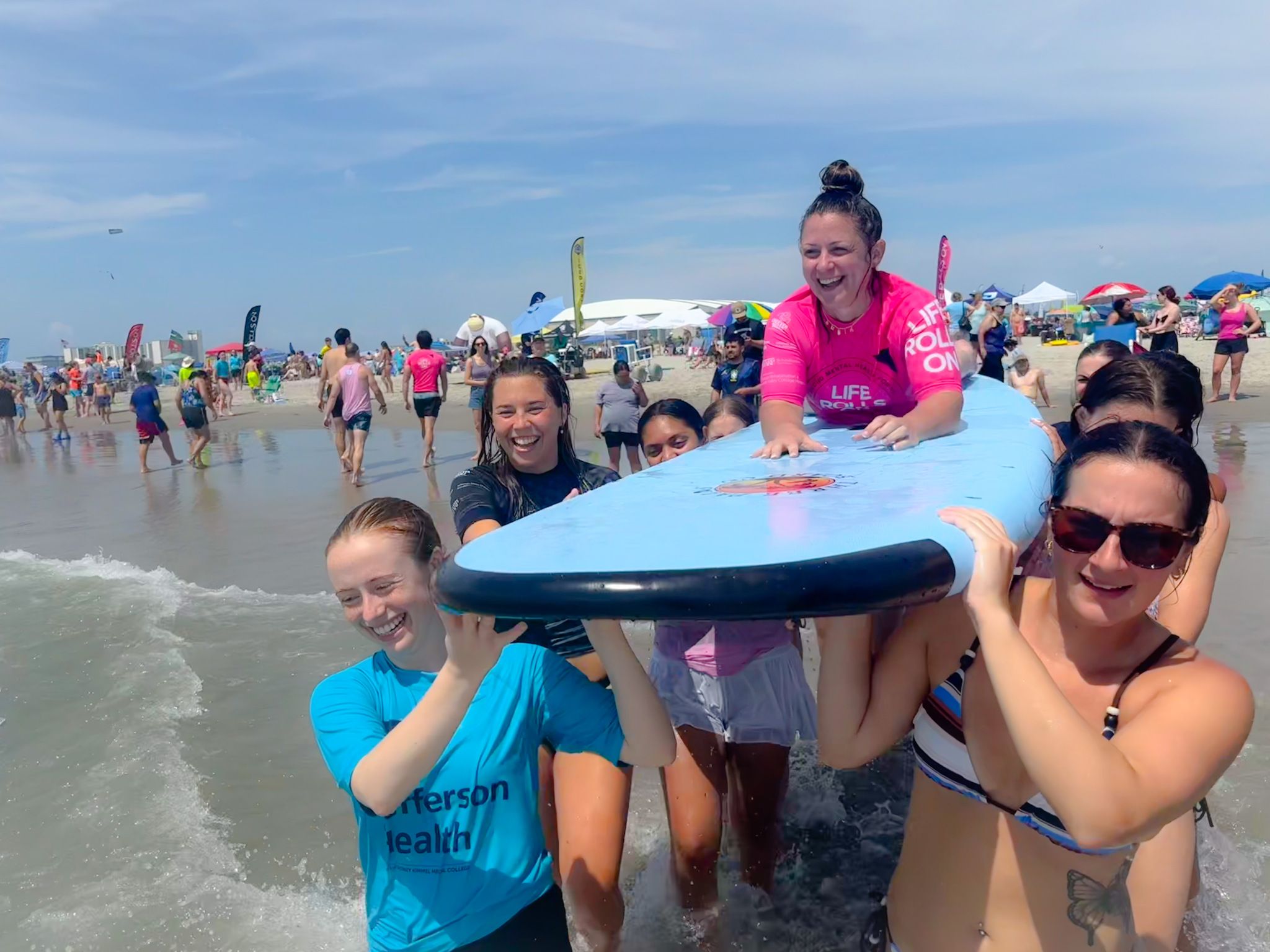
    Five years after a random shooting in Olde Kensington left her paralyzed from the waist down, she participated in “They Will Surf Again,” an adaptive surfing event in August in Wildwood, N.J. Designed for people with physical disabilities, the event was hosted by California-based nonprofit Life Rolls On and sponsored by Jefferson Health.

    Volunteers and friends helped her onto an adaptive surfboard that was wider and thicker for greater stability.

    The first time she participated in 2022, she was afraid of how her legs might shift while riding. But whenever she fell off the board, volunteers scooped her back up immediately.

    Parezo loved the feeling and energy of going fast in the wave. That sensory experience brought her relief as someone living with constant nerve pain.

    “You can’t even describe it. It just felt so good,” she said of the summer surf event.

    In the years since her life-altering injury, Parezo has had to take similar leaps of faith as she’s worked to rebuild her life.

    She now had to worry about how she would shower, use the bathroom, drive, and simply enter public spaces while in a wheelchair. An assistant professor of occupational therapy at Jefferson, Parezo was used to helping patients, not being one herself.

    “It was a lot of just mourning who I was before,” she said.

    In the process, she has become an accessibility advocate, competed in a pageant for women who use wheelchairs, and taken on adaptive sports from surfing to chair yoga.

    She says her former patients are her biggest motivators.

    “I think about them every day,” said Parezo, now 40. “I haven’t forgotten a single one of them that I’ve treated in outpatient.”

    Amanda Parezo was paralyzed after a stray bullet hit her spine. She is now in a wheelchair.Alejandro A. Alvarez / Staff Photographer

    The injury

    On the evening of the shooting in 2021, Parezo, then 36, had just finished playing a game of kickball at Hancock Playground in Olde Kensington with her friends. They were sitting near the benches, chatting and packing up, when gunshots from a nearby shooting suddenly rang out.

    As her teammates ducked for cover, she felt a stinging sensation enter the right side of her body, just below her ribs. Parezo immediately fell backward as a wave of numbness swept from her hips down into her toes.

    In that split second, a series of images flashed through her mind.

    She saw patients she had treated as an occupational therapist. She saw herself sitting in a classroom, studying a PowerPoint slide about spinal cord injuries. And she imagined herself in a wheelchair.

    “There was no doubt in my mind that I had a spinal cord injury, and I knew it was bad,” she said.

    She screamed in pain as everything the stray bullet touched started to dysfunction. Authorities have not identified the shooter.

    At Temple University Hospital, she would be diagnosed with a complete spinal cord injury, leaving her paralyzed from the waist down.

    “You don’t think you’re going to have to spend the rest of your life in a wheelchair the next day,” Parezo said.

    Although she knew a yoga studio near her Old City home offered chair yoga, she was intimidated by the idea of going. She worried she would feel upset seeing women whose bodies looked like hers before her injury, wearing the outfits she once wore and attending 6 a.m. yoga classes, as she once had.

    Then she attended an open house for the studio.

    “They were just phenomenal women,” she said.

    Now, she goes every Monday and is good friends with the instructor.

    Parezo said she is grateful for the people in her life who encouraged her to get out of bed and do things.

    She thought about a patient who had been shot in the head but continued coming to her clinic every other day for occupational therapy. If the patient could remain motivated after such a traumatic experience, Parezo thought, she needed to be motivated, too.

    “I am just so grateful for my background, and just the irony of being on the other side of things,” Parezo said.

    Advocating for accessibility

    Parezo frequently encounters accessibility challenges in her daily life.

    But she has turned those stressful moments into opportunities for advocacy, through posting to social media and reporting issues around the city to 311, the non-emergency contact center.

    When Parezo arrived at a SEPTA subway station in 2024, she discovered the elevator down to the street level was broken.

    The station had three flights of stairs, but no signage indicating that the elevator was out of service. SEPTA’s app also hadn’t marked the elevator as inoperable.

    She posted a video to Instagram of her stuck in the station, in tears, frustrated by the lack of accessibility. That post went semi-viral on Instagram and caught the attention of SEPTA, who reached out for a conversation about her concerns.

    “As we continue work to improve accessibility across the system, SEPTA is committed to working closely with riders to help them navigate outages and other challenges,” a spokesperson said in a Friday statement.

    SEPTA recently began its latest accessibility improvement project at 11th Street Station on the L, and will invest more than $700 million to make Metro and Regional Rail stations accessible.

    Her friend Katie Adams recalls seeing Parezo bump off curbs and nearly fall into traffic because of obstacles on the sidewalk.

    “Never in my wildest dreams [did I think] anyone in this situation would turn this around and make this not a life-defining moment, but a lifelong work and advocacy,” Adams said about Parezo.

    In July, Parezo represented the state of Pennsylvania in the Ms. Wheelchair USA pageant.

    In July, Parezo represented the state of Pennsylvania in the Ms. Wheelchair USA pageant.Courtesy of Amanda Parezo

    She was named first runner-up and received awards for education and inspiration. She also serves on the Pennsylvania Governor’s Advisory Commission for Women and draws on her experience as a wheelchair user to teach her occupational therapy students at Jefferson.

    “Having to live the life of a patient that they might treat [gives] me a perspective I can share with my students that a lot of people probably couldn’t,” Parezo said.

    Amanda Parezo serves on the Pennsylvania Governor’s Advisory Commission for Women.Courtesy of Katie Adams

    Finding relief in surfing

    Life Rolls On founder Jesse Billauer started the “They Will Surf Again” event 25 years ago after a surfing injury left him quadriplegic.

    The first time his friends took him surfing after the accident, he experienced “that freedom, that independence, and just joy being on the water.”

    The event became his way of sharing that sense of freedom with other people with spinal cord injuries and physical disabilities.

    “It just gets people out of their wheelchair, doing things that they never thought was possible,” he said.

    Amanda Parezo participated in the They Will Surf Again event in Wildwood in August.Courtesy of Jefferson Health

    A little boy born with a spinal cord injury was among the 150 participants at this year’s event in Wildwood.

    Parezo, who knows the boy’s mother, hopes seeing older participants with disabilities surfing will inspire him as he grows up.

    “There are no limits to what we’re able to do,” she said.