Tag: South Philadelphia

  • Exonerated, then charged, Part I: How a South Philadelphia man was convicted of murder

    Exonerated, then charged, Part I: How a South Philadelphia man was convicted of murder

    This is Part I of “Exonerated, then charged: Inside a murder case that tests Larry Krasner’s reform agenda,” a look at a prosecution at the center of the debate over how the district attorney handles wrongful convictions. Part II will publish Sunday, Nov. 29.

    In 2021, District Attorney Larry Krasner announced his office was dropping murder charges against Jahmir Harris, a suspected drug dealer who had been convicted of gunning down a South Philadelphia man in a hail of 17 bullets while his 5-year-old son watched.

    Harris had served eight years in prison when he was released after prosecutors in Krasner’s office determined evidence pointing to another possible suspect — evidence that might have led to a not-guilty verdict at trial — was withheld from his defense attorneys.

    In announcing Harris’ release, Krasner trumpeted the work of his Conviction Integrity Unit, which he created shortly after taking office four years earlier as part of a campaign pledge to review old cases and ferret out any miscarriages of justice.

    Krasner called his CIU a national model. At the time, Harris was the 19th person released from prison after the district attorney offered what is known as a concession, whereby prosecutors agree with the defense that new evidence shows a conviction was unconstitutional and move to vacate the sentence.

    The number of concessions during Krasner’s tenure has grown to 75, according to the National Registry of Exonerations.

    Many of the men who have been released have sued the city for the time spent in prison. So far, Philadelphia has paid out nearly $144 million to 46 men who received settlements ranging from $200,000 to nearly $13 million, according to data the law department gave me.

    In August 2021, five months after his release, Harris filed a suit of his own, alleging malicious prosecution against five police officers who took part in the investigation that led to his arrest.

    Fourteen months later, Harris found himself in court — not for the hearing on his lawsuit, but because he had been charged for his role in a new murder. He is currently in federal prison awaiting trial on that charge.

    Jahmir Harris gets a kiss from his mother Tammy Harris after he was released from Curran-Fromhold Correctional Facility in the Holmesburg section of Philadelphia in March 2021. He was exonerated after eight years in prison.YONG KIM / Staff Photographer

    In recent months, as the effort by the district attorney’s office to concede cases has come under fire, Krasner’s critics point to the Harris episode as emblematic of what they say is the office’s rushed, careless, and slipshod approach to pursuing the reversals of wrongful convictions. State and federal judges have found that prosecutors have repeatedly lied and cut corners in several cases.

    A federal judge disbarred one assistant district attorney in Krasner’s office, and a panel of federal judges suspended the law license of another for three years for their roles in misleading a judge while seeking to overturn the death sentence of a man convicted of killing a couple in the 1980s.

    The state Supreme Court found “numerous instances of untrustworthy concessions, lack of candor, misrepresentations of fact, lack of adequate investigation, and avoidance of hearings,” and granted the state attorney general the right to intervene in any future concessions by Krasner’s office.

    Another federal judge referred Krasner and a supervisor to the U.S. Attorney’s Office in Philadelphia after testimony at an evidentiary hearing this summer raised the specter of obstruction, conspiracy, and perjury.

    The fallout from that case prompted three assistant district attorneys in Krasner’s office to resign. Meanwhile, federal prosecutors reportedly have launched an inquiry and sent subpoenas to the district attorney’s office.

    Krasner maintains he has done nothing wrong and the pushback is politically motivated. “There is not a jury in the world that is going to find me guilty of anything,” he said.

    But amid all the legal maneuvering is the main question: Has Krasner’s stated quest to end mass incarceration helped to balance the scales of justice or resulted in the release of actual killers?

    Harris’ case has not been part of the recent legal scrutiny into Krasner’s exoneration efforts. But given the deadly consequences following his release, I decided to take a closer look at what happened. While each exoneration is different, the Harris case provides a window into how Krasner’s office has gone about reversing jury convictions.

    For his part, Krasner remains unapologetic about how his office has handled the matter. “Harris is likely innocent of the first murder and more than likely guilty of the second, in my view,” he wrote in response to questions I emailed to him.

    Krasner added that both the police investigation and the prosecution — which he made clear occurred before he became DA — were “deeply flawed.”

    But a review of the record and interviews indicates that Krasner’s office may well have let a man convicted of one murder go free, only to see him get charged with another murder.

    Philadelphia District Attorney Larry Krasner defends his handling of Jahmir Harris’ exoneration.Bastiaan Slabbers / For The Inquirer

    The case against Harris

    Harris’ legal trouble began two days before Christmas 2012 when Louis Porter, 45, drove to Walgreens on Oregon Avenue near 23rd Street to buy diapers for his granddaughter, while his 5-year-old son sat in the backseat.

    As Porter exited his vehicle around 8:15 p.m., a second car pulled into the parking lot. The driver climbed out and fired 17 shots. Porter was struck in his left arm, hand, and head, and died several days later after being on life support.

    A security guard heard Porter’s son scream: “My dad! My dad!”

    Michele Markey, then 22, stopped at Walgreens to pick up photos and was getting out of her car as the gunshots were fired. She gave police a statement that night in which she described the shooter and the passenger in his car. At one point, she said the man doing the shooting told her to get back into her car “and don’t call!”

    But Markey called 911. After police learned about an earlier beef between Porter and Harris over a drug deal, Markey met with the detectives the day after Christmas and identified Harris from an eight-person photo array. In June 2013, she picked Harris from a live lineup.

    Security video captured the incident, but the shooter’s face was not clearly visible. Based on Markey’s identification and other information police gathered, Harris was charged with Porter’s murder.

    Harris was represented by Brian McMonagle, a top defense attorney in Philadelphia who did not respond to a request to discuss the case.

    The transcript from Harris’ six-day trial was sealed after he was exonerated under Pennsylvania’s Clean Slate Law, but a source provided me access to the more than 700 pages of testimony, as well as several filings from his post-conviction appeals.

    Reviewing the transcript highlighted the messiness that often surrounds murder cases. But it was also maddening. On the one hand, police failed to pursue the second suspect before charging Harris.

    But Krasner’s office also never questioned the other man before moving to undo Harris’ conviction. While Krasner’s office used the evidence that linked another suspect to the crime to bolster its decision to release Harris, the evidence against him remained strong.

    If anything, some of the details gathered by investigators — but not presented to the jury — made the case against Harris overwhelming. Namely, in the middle of the trial, Harris agreed to take a lie-detector test, which was conducted at the DA’s office.

    Harris failed the test.

    “The defendant failed that test and it was determined he was deceptive about his claim of innocence in this case,” former Assistant District Attorney Erin Boyle, who handled the prosecution, informed the judge.

    During the opening argument, McMonagle’s main defense was that the case against Harris involved a “horrible mistaken identity.” He seized on a detail in which Markey told police that “two Black males were shooting at a parked car.” But the video only showed one shooter.

    “I have no axe to grind against Miss Markey,” McMonagle said in his opening statement. “I can only tell you she ain’t right.”

    Meanwhile, Boyle connected Harris to the victim and provided a motive. She told the jurors Harris and Porter knew each other from growing up in the same South Philadelphia neighborhood. Their families were friends. Harris sold Porter fake pain pills for $3,900. Porter, who worked at a barbershop, resold them and was apparently dealing with unhappy buyers.

    The case largely rested on the credibility of Markey, who had several years of experience working in security at a university, as the main eyewitness. In her statement to police, she referenced two Black males and said “they” were shooting and “they” got back in the car.

    But when Markey testified, she clarified that there was only one shooter. She said her use of “they” stemmed from the fact that a second man was a passenger in the car. That man was never identified or questioned.

    But other details supported what Markey witnessed. In her 911 call that was played in court, Markey told the dispatcher there was one shooter. She also gave a description of the car and a partial license plate number.

    Markey told police she was about 10 feet away from the shooter and that the shots were so close she could feel them. Markey described the shooter as “dark-skinned, really big, he was very tall and had a very large build; not fat” and the passenger as “medium complexion” and “smaller than the driver.”

    A second witness, who did not testify at the trial, told police the shooter was “a heavy-set Black male” between 5-foot-9 and 5-foot-10. But that witness was unable to make an identification from the photo array presented by Philadelphia police detectives.

    For his part, Harris told police he is 6-foot-3 and weighed 350 pounds. (The other potential suspect Krasner’s office later pointed to is 5-foot-8 and 285 pounds.)

    When Boyle asked Markey if the shooter was in the courtroom, she said yes and pointed to Harris.

    Boyle called Harris’ mother, Tammy, then 45, who detailed her family’s ties to Porter. She told jurors she and the victim grew up together in South Philadelphia and were friends. She added she was also lifelong friends with Porter’s sister, Yvonne.

    Tammy Harris explained that Porter had been trying to contact her, so she went to see him at his barbershop. He explained that her son had sold him fake pain pills, which he resold. Porter told Tammy he needed $3,900 to repay the buyer because his “life was threatened.”

    Harris’ mom offered to try to get the money. But that night Porter was shot.
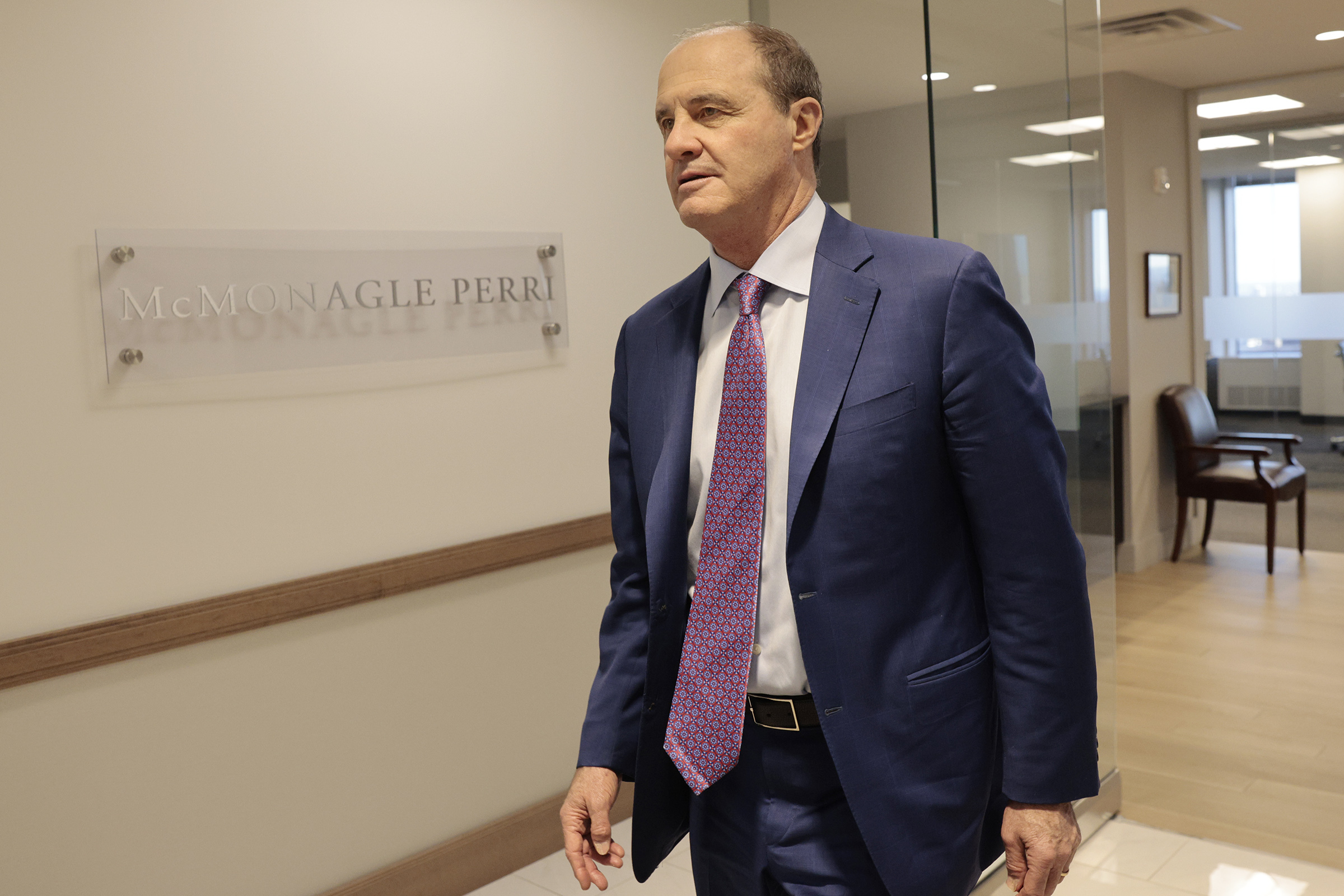
    Defense lawyer Brian McMonagle represented Jahmir Harris when he faced trial in a 2012 killing.ELIZABETH ROBERTSON / Staff Photographer

    Porter’s sister, Yvonne, called Tammy and said her brother had been shot and she was on her way to the hospital. Harris’ mom gave confusing and conflicting testimony in court and to police regarding the conversations with her son.

    Tammy testified she spoke with her son before the shooting, and he told her he didn’t owe Porter any money. After learning about the shooting from Yvonne, she said, she tried to call her son, but he didn’t answer.

    Boyle asked Tammy why her first call upon learning about the shooting was to her son.

    “I’m calling to see what was going on with him to confirm,” she said.

    “To confirm what?” Boyle asked.

    “To confirm what [Porter’s sister] said, he got shot, whatever was going on,” Tammy Harris said.

    Boyle asked if she called her son to ask if he shot Porter.

    Harris’ mom said, “No.”

    Tammy Harris testified that she didn’t see her son until a few days after Christmas. She said he told her he didn’t owe Porter any money and didn’t know anything about the shooting. But in an earlier statement to police, she said that, when she asked her son about the events, he was “real vague.”

    During cross-examination, McMonagle showed cell phone records that indicated two cell phones used by Harris were not at the crime scene at the time of the shooting. McMonagle used the records to argue that Harris’ mom was on a call with her son when the shooting took place at 8:16 p.m.

    McMonagle: “You were on the phone with your son for about 10 minutes on the night of the incident on December the 23rd between 8:09:18 until 8:20:31, weren’t you?”

    “Yes,” Tammy Harris said.

    That would appear to offer Harris a strong alibi. But when Boyle pressed his mom on this point, it became less convincing.

    “Miss Harris, did you ever tell police [or] the DA’s office that you were on the phone with your son at the time of the murder that he is being charged with committing?”

    “No,” Harris’ mom answered.

    In fact, in her statement to police, Tammy Harris said that, after learning Porter was shot, she tried to call her son, but he did not answer.

    A police detective who specializes in cell phone technology was called to state the obvious: The records did not show who was in possession of the phones when the calls were made.

    Harris’ mom also told McMonagle her son was left-handed, but the video of the incident showed the shooter fired the gun with his right hand.

    Porter’s sister, Yvonne, then 41, told jurors she called Tammy Harris immediately after learning her brother had been shot. She also testified that after watching a video of the shooting — which was shown on the local news and was posted on YouTube — she called Harris’ mom again.

    But the judge did not allow jurors to hear what they discussed. I contacted Yvonne Porter, who has since moved out of the state, and she told me about her call to Harris’ mom, who was her friend.

    “I told her, ‘I know and you know that’s your son on the video,’” she told me.

    The judge also did not allow jurors to hear what Yvonne had told police about Jahmir Harris, whose nickname is Mirzy. “On [Dec. 24, 2012], I watched the shooting of my brother on YouTube,” she told police. “I immediately believed it to be Mirzy shooting at my brother.”

    When I spoke to Yvonne, she was emphatic about what she told police.

    “I said, ‘That’s Mirzy, that’s Mirzy,’” Yvonne said. “When I seen him on that video, I knew exactly who it was. I’ve known him since he was a baby. I could tell by the way he walks because he has a bum leg from getting shot.”

    Yvonne said she believed Harris was the shooter because the person in the video matched his build and had a distinctive walk from the prior shooting incident.

    Jurors also didn’t hear two other compelling pieces of evidence.

    In January 2013, roughly one month after the shooting, the Philadelphia Police Department tip line received a call from a man who provided his name and phone number. The caller identified Harris as the shooter and gave a description of his height and weight.

    On March 15, 2013, detectives interviewed a man who knew Porter and Harris. He said Harris told him he had sold fake pills to Porter, but denied having anything to do with the shooting. When detectives showed the man the video from the shooting, he said: “The person shooting the gun looks like Mirzy. I can’t really see his face, but he’s the same size and walks like him.”

    The next day, police charged Harris with the murder.

    During closing arguments, McMonagle reemphasized the prosecutors had the wrong guy. He said the phone records indicated Harris was not at the crime scene — but added a big if.

    “If the defendant had either one of his phones … he wasn’t at the crime scene at the time of the shooting,” McMonagle said.

    He also wondered why investigators didn’t look for the person Porter owed money to.

    “You get the pills. You move the pills. Who did [Porter] owe for those pills?” McMonagle asked the jury. “We will never know because there wasn’t one single piece of investigation done into this crime whatsoever.”

    During her closing, Boyle played the video for the jurors again and walked them through what Markey saw. She reminded the jurors that Markey identified Harris through the photo array, the live lineup, at the preliminary hearing and at the trial.

    Boyle also addressed the issue of whether Markey said there were one or two shooters. “She explained from the beginning and says, ‘Look, I am talking about the car. I am talking about them as they … They are the shooters, one actual shooter but I see them together as one, as a joint enterprise.’”

    Boyle added that Markey told the 911 operator there was one shooter. Boyle told the jurors that despite any confusion, common sense indicates Markey got it right.

    “If she made a mistake and this is not the right person, well, you know, the person that she picked out probably would have been somebody who was not from South Philadelphia, and didn’t grow up in that neighborhood, and didn’t know the victim, and didn’t have a beef with the victim … but that is not the case here.”

    Boyle then used the testimony from Harris’ mom to bolster the case. Boyle pointed out that when Porter said her son “burnt” him on the pill transaction and owed him money, Harris’ mom did not push back.

    “Does she say, ‘No, not my son’?” Boyle asked the jurors.

    Boyle also raised doubt regarding Harris’ alibi that he was on the phone with his mom at the time of the killing — a detail that first emerged at the trial.

    “Yesterday was the first day that she has ever told anybody that she was on the phone with her son,” Boyle said. “Look if they are talking, he knows it and she knows it. He was arrested [two years ago]. All this time no one has been like, hey, we were on the phone together.”

    Boyle added that many details pointed to Harris: “Out of the billions and billions of people that could have been identified as being the shooter … the person that Miss Markey picked out is [Harris]. And he just so happens to live a few blocks from the shooting. He just so happens to live a block away from the victim. He just so happens to match exactly the person’s build that we see … on this video. It just so happens that he is in the middle of a beef over money with the victim. It just so happens that he disappears for a few days right around the holidays and misses Christmas with his family and completely disconnects from his mother for about five days. It just so happens that when he suddenly turns up and he is asked by his mother whether or not he killed somebody, he gives a vague answer.”

    The jury deliberated for a day and a half. On Monday, Jan. 12, 2015, the jury found Harris, then 25, guilty of first-degree murder as well as conspiracy and other gun charges.

    That same day, Common Pleas Judge Rose Marie DeFino-Nastasi sentenced Harris to life without parole. In her written opinion upholding the verdict, the judge found the “evidence of guilt was overwhelming.”
  • Tony & Nick’s Steaks, formerly Tony Luke’s, shutters after decades in business

    Tony & Nick’s Steaks, formerly Tony Luke’s, shutters after decades in business

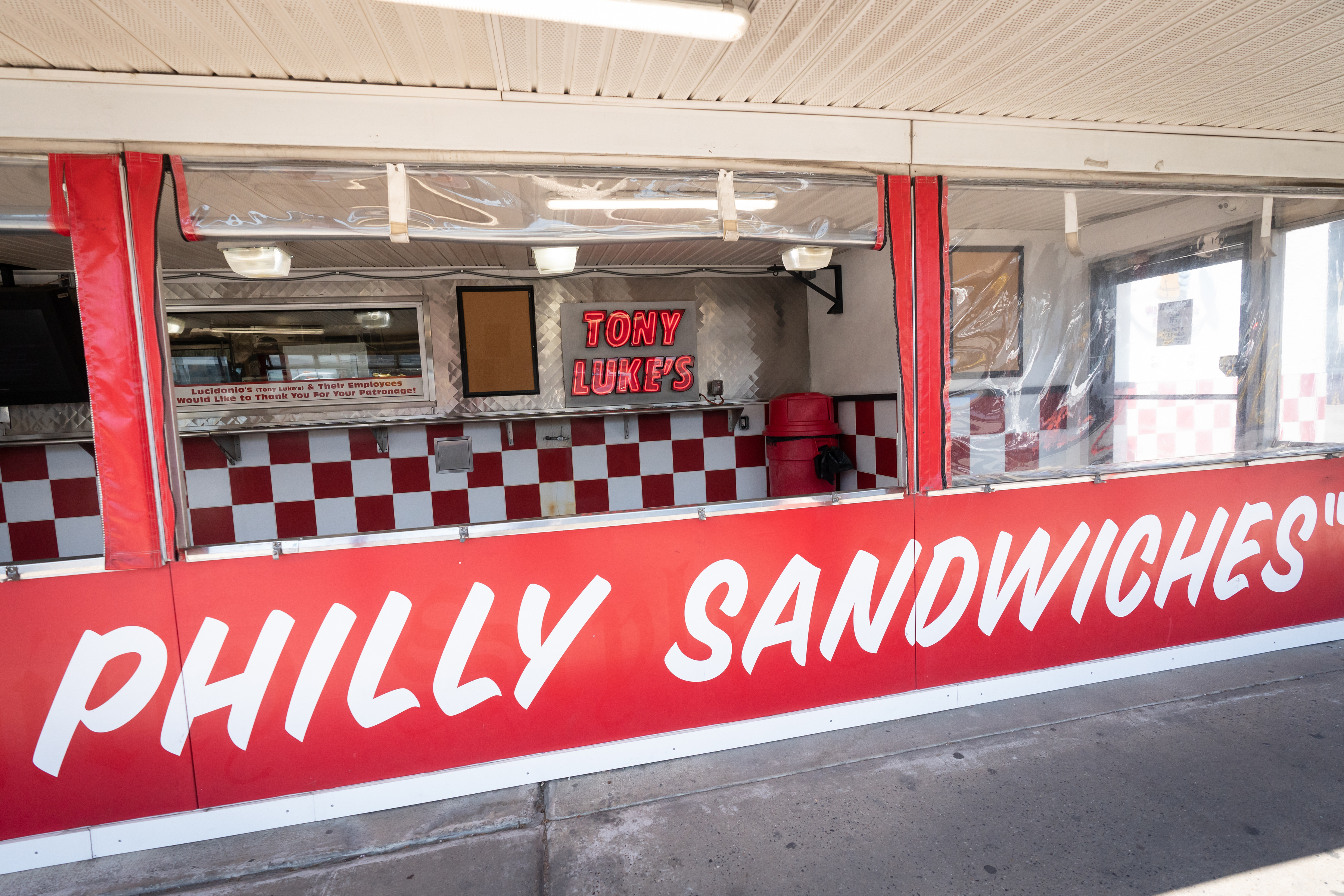
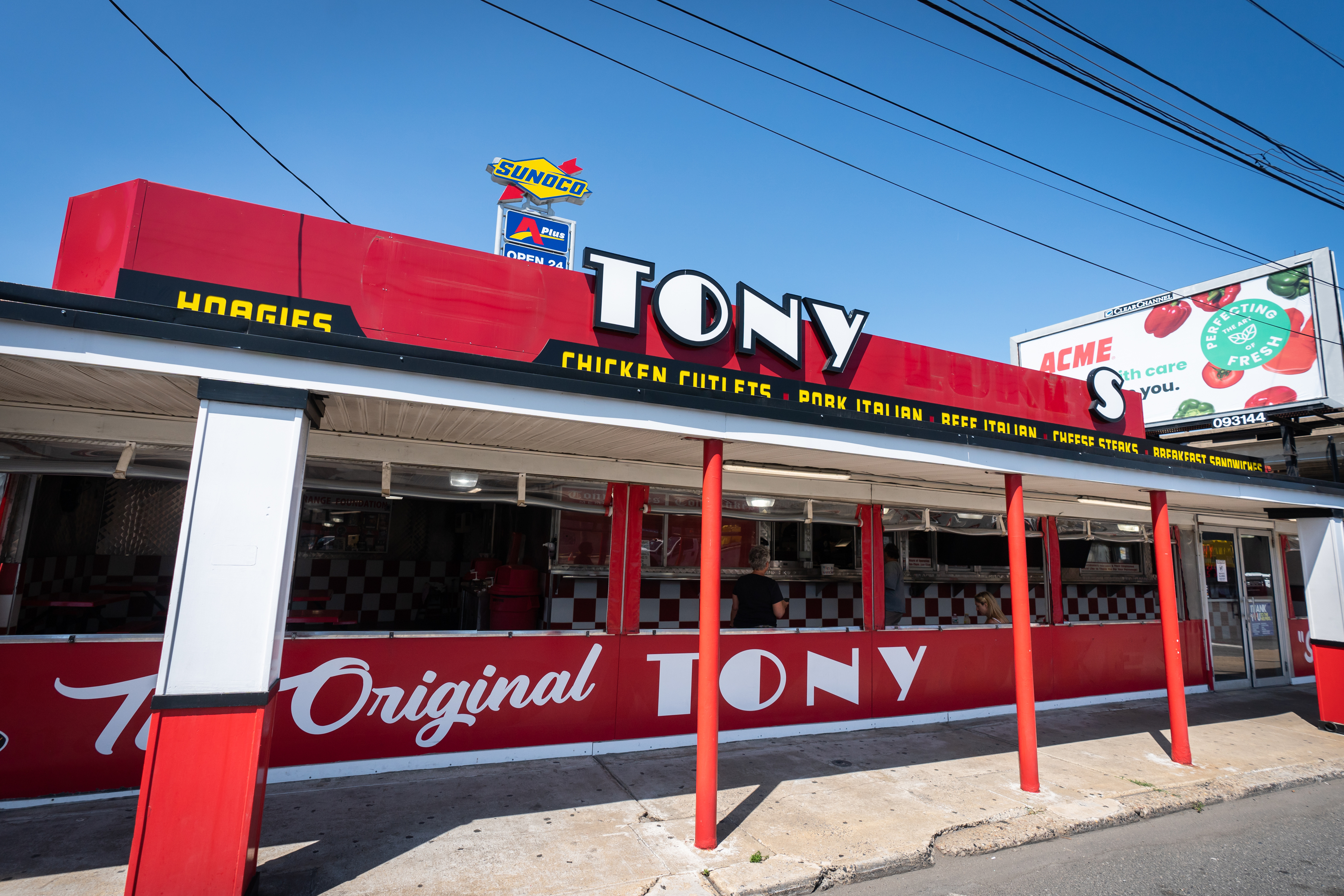
    Oregon Avenue institution Tony & Nick’s Steaks closed Friday after its owners said financial difficulties and tax problems had “brought us to a point where we can no longer keep our doors open.”

    The steak stand had been named Tony Luke’s for 30 years, until a 2022 settlement led to the renaming and left the separately operated Tony Luke’s 11-location franchise chain and mail-order business with the original name.

    The catering business operated alongside the steak shop, Tony & Nick’s Catering, will continue, according to its owners.

    In a message addressed to “employees, loyal customers, family, and friends,” the shop’s owners said they were devastated.

    “This place has always been more than a business to us. It has been our life, our family’s work, and a place where so many customers became friends,” the message said.

    The owners said the effect on the workers and their families “weighs heavily on our hearts.”

    Co-owner Nicky Lucidonio could not immediately be reached for comment.

    Tony Luke’s was opened in 1992 by Tony Lucidonio Sr. His sons Nicky Lucidonio and Tony Lucidonio Jr. became involved in the business, but a family feud became public after Tony Lucidonio Jr. was fired in 2015.

    The business was the subject of an IRS tax fraud case that led to jail time for Tony Lucidonio Sr. and Nicky Lucidonio. They admitted that they had evaded taxes over a decade by keeping two sets of books to hide cash and had paid employees partly in cash to evade taxes.

    In January 2024, both were sentenced to 20 months in federal prison. President Donald Trump visited the shop when he was campaigning later that year.

    The Lucidonios changed the business name after a cease-and-desist letter from the attorneys for Tony Lucidonio Jr. and his business partner, Ray Rastelli, who own the Tony Luke’s franchise business.

    The exterior of the restaurant is seen at 39 E. Oregon Ave., in Philadelphia, Monday, July 11, 2022. It was undergoing a name change at the time. JESSICA GRIFFIN / Staff Photographer
  • Want pizzas and chicken parm from South Philly’s newest shop? It had better be a Friday.

    Want pizzas and chicken parm from South Philly’s newest shop? It had better be a Friday.

    Anthony Borda never stopped making pizza, even after the second-generation restaurateur gave up his South Philadelphia pizza shop to become a buyer for a meat company.

    Borda continued tinkering with dough at home, where he has a tabletop spiral mixer. Neighbors kept asking when he was coming back.

    Early this month, they got an answer, as Borda revived his tiny takeout operation on the Tasker Street side of High Note Caffe, the Italian restaurant-turned-supper club owned by his father, Franco Borda, at 13th and Tasker Streets. It’s only open Friday nights and the occasional Saturday.

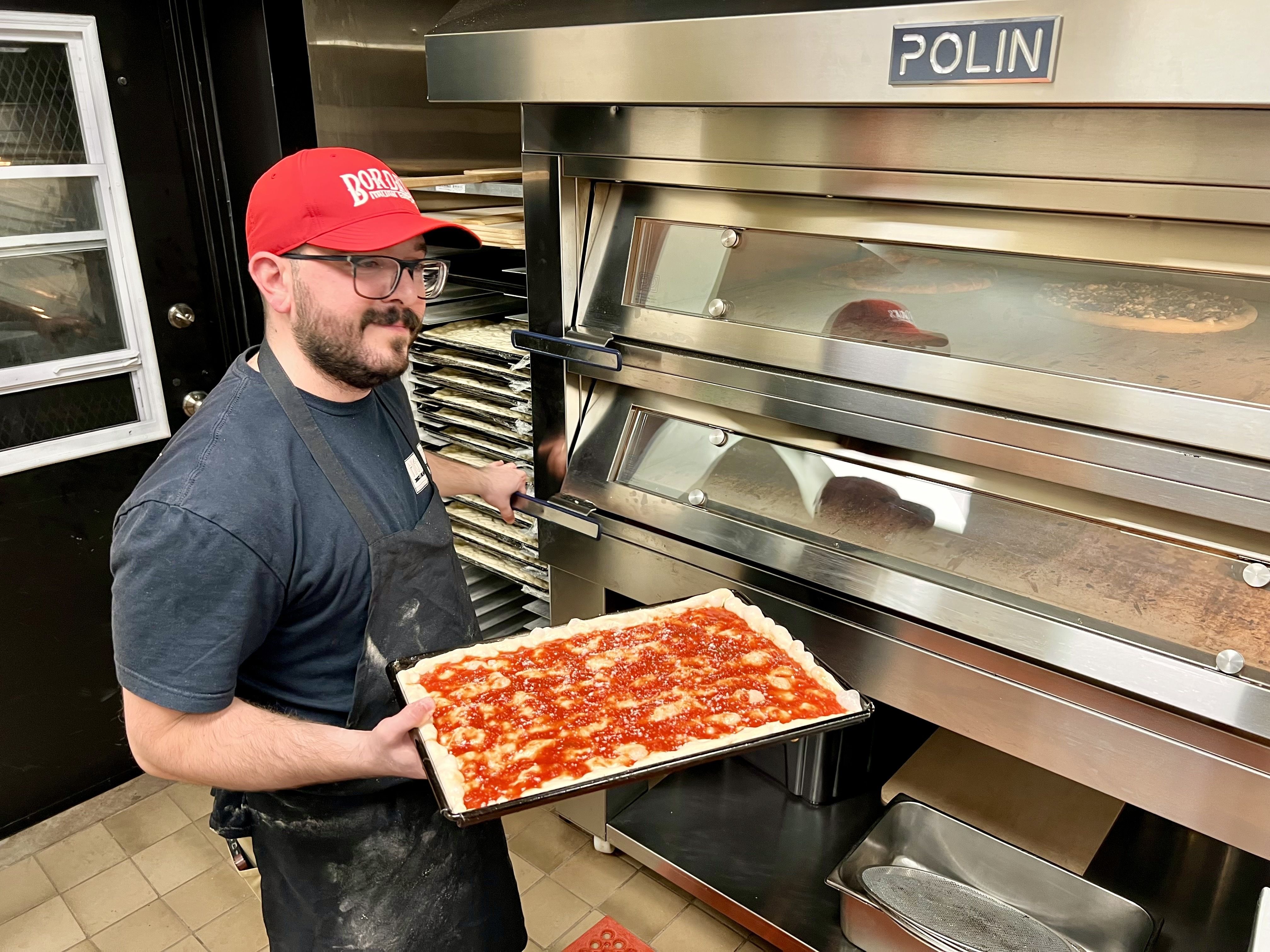
    Anthony Borda prepares to load a pizza into the oven at High Note Caffe.Michael Klein / Staff

    “I missed it,” said Borda, 32, who was in kindergarten when he started making pizzas alongside his father. “I always wanted to keep making pizza, and I always have, even at home.”

    In 2022, while the pandemic-idled High Note was undergoing renovations, Anthony opened Borda’s Italian Eats, specializing in pizza, stromboli, and sandwiches. He ran it for a couple of years before entering the corporate world.

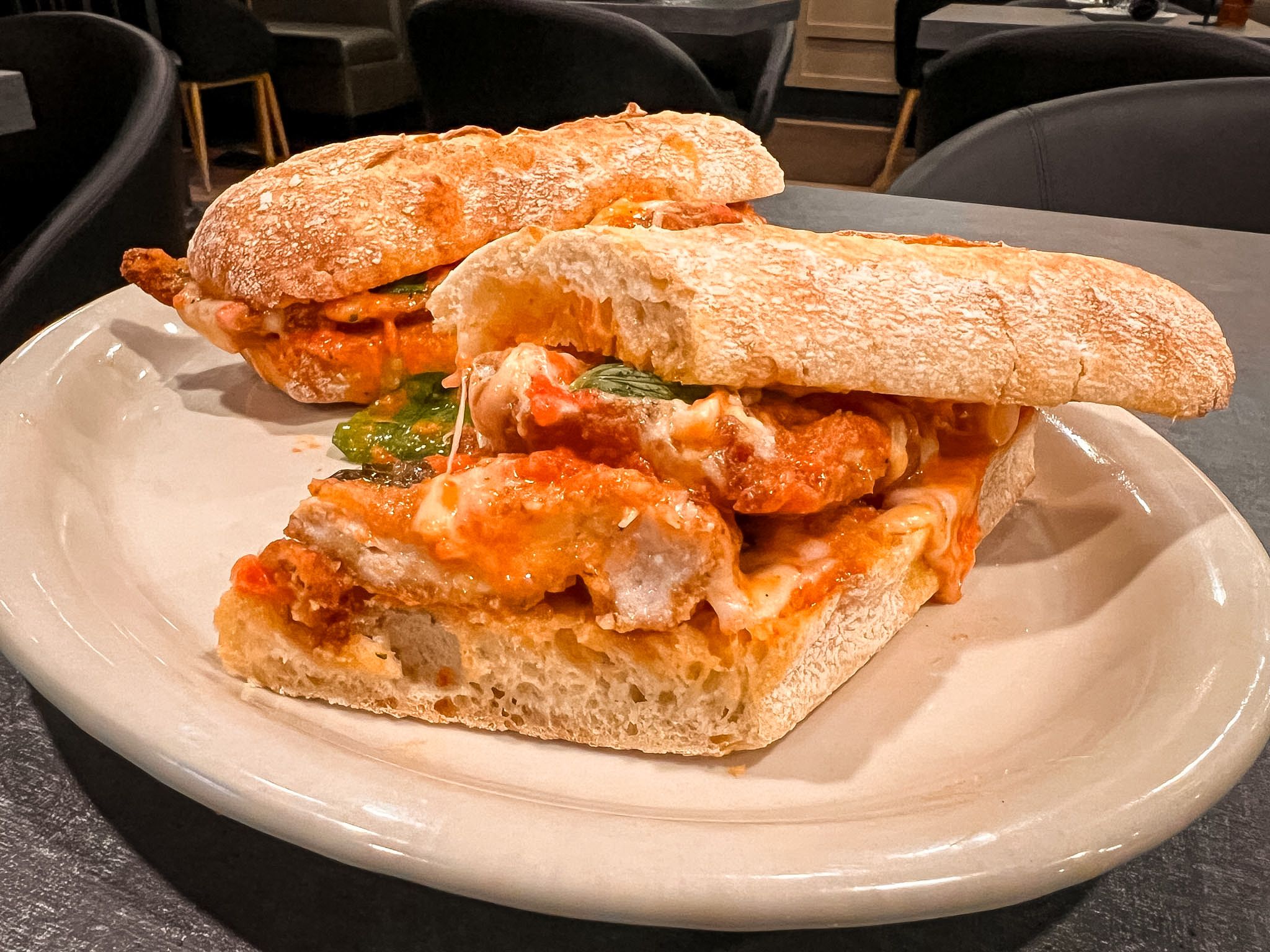
    Chicken parm sandwich on ciabatta at High Note Caffe.Michael Klein / Staff

    This time, it’s a passion project. His high-hydration dough yields light, airy pizzas in 16-inch rounds and 12-by-18-inch half-sheet squares. He also offers cheesesteaks, meatballs, chicken parm sandwiches on ciabatta, fried cheese ravioli, and Italian dinners to go, including gnocchi in blush sauce and shrimp fra diavolo over spaghetti.

    The shop itself, down a half-level from the main restaurant and just off the kitchen, is just a small counter with a case displaying pizzas.

    Pizza making is a long tradition in the Borda family. Franco opened his first shop in 1982 at age 20, later teaming up with Louis Gentile at 13th and Tasker. Their first names gave rise to Francoluigi’s.

    In 1995, the partners expanded into an adjoining building, adding a dining room where Franco, an accomplished opera singer, would occasionally step away from the stove to belt out an aria.

    The cheese pizza at High Note Caffe.Michael Klein / Staff

    Last year, Franco completed High Note’s transformation into an intimate, old-fashioned supper club, hosting jazz musicians and other performers for ticketed shows.

    Like his son, he’s found a schedule that suits him: High Note typically books performers for just one or two Saturday nights per month.

    “We’ve been selling out left and right,” Franco Borda said. “It’s just better for me and everybody. It’s more private and you get to enjoy a whole night out for 25 bucks.”

    High Note Caffe, 1243 Tasker St. Takeout hours: 3:30-9:30 p.m. Friday and select Saturdays. Check hours on Instagram (instagram.com/high_note_caffe_pizza).

  • A veteran Philly chef plans to open his first restaurant in Kensington

    A veteran Philly chef plans to open his first restaurant in Kensington

    Chef Eric Leveillee’s first kitchen job was motivated more by romance than a desire to cook.

    In 2010, Leveillee was grabbing a bite at El Camino Real in Northern Liberties when he noticed a server named Deva. He wanted to meet her, so he applied for a job in the kitchen.

    “I had no intention of cooking, really,” he said.

    Sixteen years later, the two are married, Leveillee has built a career in fine dining, and he is preparing to open his first restaurant of his own, just a few blocks from where it all began.

    Restaurant Campion, a 55-seater at 1701 N. Second St., on the ground floor of the Rally apartments in Kensington, is targeting a summer 2027 opening.

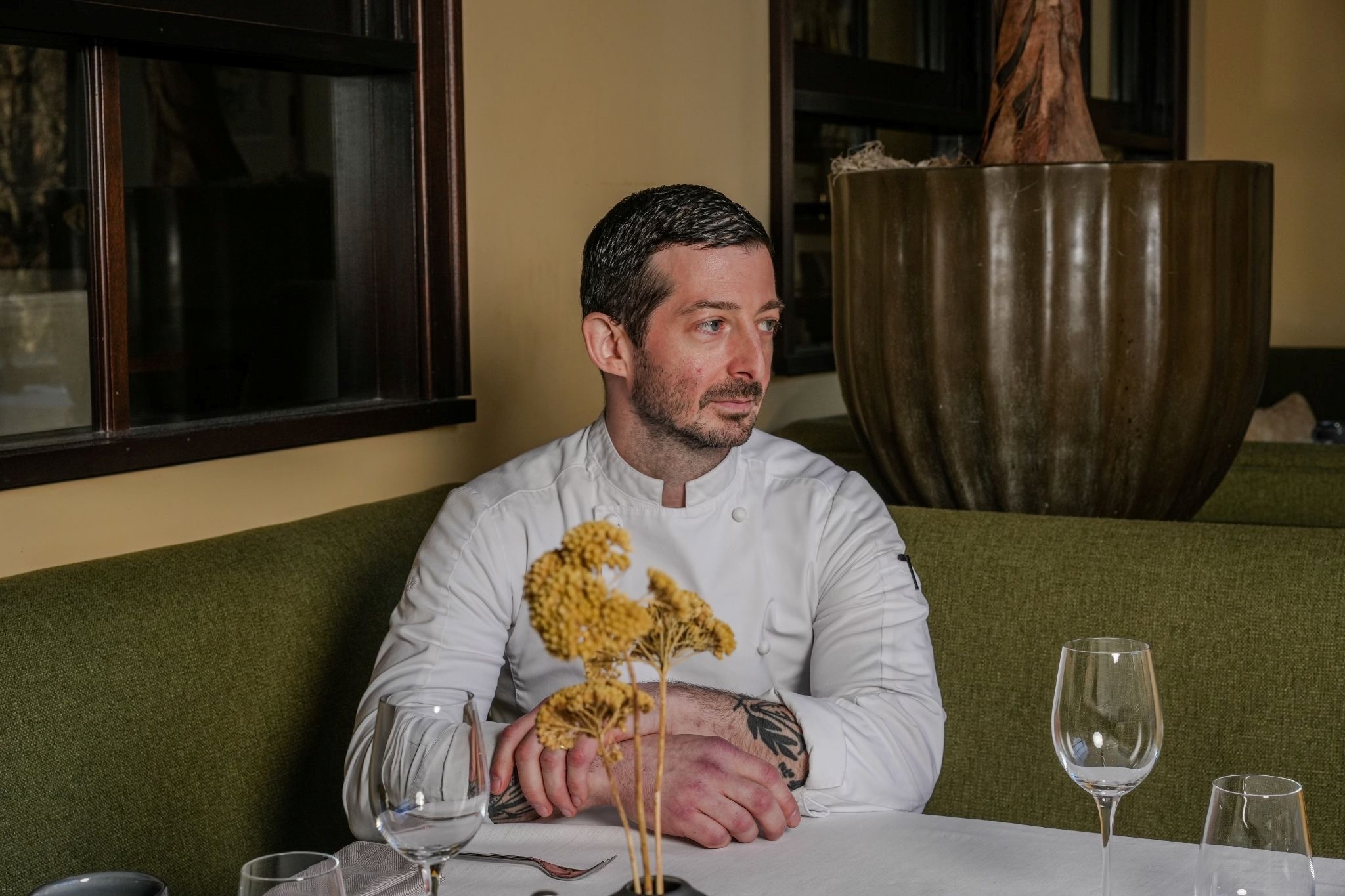
    Leveillee, 40, plans a menu that applies fine dining technique but is looser and more energetic.

    Leveillee plans two dining options: a tasting menu of seven to 10 courses, priced in the low $100s, and a smaller, frequently changing à la carte menu offering both small and larger plates. He hopes to keep the tasting experience to 90 minutes to two hours.

    The beverage program will emphasize natural wines and smaller producers, along with traditional, low-alcohol, and nonalcoholic cocktails.

    “The biggest thing I want to portray is that, yes, the food is going to be ambitious, but the environment will be very lively and exciting,” he said.

    Campion has been in development for nearly 2½ years, though Leveillee said he has wanted his own restaurant for more than a decade.

    “This restaurant is really mine,” he said. “It’s the first restaurant I’ve ever owned. It will probably be the first time I’m truly showing my food to Philadelphia.”

    He wants Campion to appeal beyond the special-occasion crowd, with prices and an atmosphere that encourage repeat visits.

    The design, by Ian Chapin of EDSEL and Scott Burroughs of This Land Studio, will be minimalist, providing warmth through texture and materials rather than elaborate furnishings.

    The centerpiece will be an open kitchen surrounded on three sides by a 20-seat U-shaped chef’s counter. The restaurant also will have a nine-seat bar and a separate 12-seat listening room, where guests can bring their own vinyl records or choose from the restaurant’s collection. Leveillee envisions using the room for private dinners.

    Leveillee grew up in Rhode Island and moved to Philadelphia at 17 to attend Temple University, where he studied economics. After El Camino, his restaurant career included Vernick Food & Drink, Whetstone Tavern, Marigold Kitchen, and Lacroix at the Rittenhouse Hotel.

    He remains culinary director of The DeBruce, a Catskills hotel and restaurant that was a 2024 James Beard Award semifinalist for outstanding restaurant. He also has been consulting at Waltz, the Italian restaurant in South Philadelphia’s Whitman neighborhood.

    He said Campion’s cooking will most closely resemble his work at The DeBruce, drawing on American ingredients and incorporating techniques and influences from various cuisines.

    For Leveillee, the neighborhood is part of the attraction. He said both good and difficult experiences in his life have occurred nearby, and opening Campion represents an opportunity to establish deeper roots in Philadelphia.

    After finishing up work at Waltz, he sometimes stops by the unfinished restaurant at night, standing alone in the space and considering what it will become.

    “It’s been a long road, and it’s a little surreal,” he said. “It’s something I always wanted to do, but I never imagined that I would actually get there.”

  • Another Delaware River townhouse neighborhood could be coming near Pennsport

    Another Delaware River townhouse neighborhood could be coming near Pennsport

    A large townhouse development is being considered for 1401 S. Columbus Blvd., tucked between the Delaware River and South Philadelphia’s easternmost Pennsport neighborhood.

    The property has seen multiple failed attempts at redevelopment over the last 20 years. This time 195 new townhouses, with twice as many parking spaces, are planned.

    The proposal is designed by Philadelphia-based Interface Studio Architects, which has worked with the Concordia Group and D3 Real Estate Development on similar townhouse projects to the north on the Delaware riverfront.

    Near Fishtown, Concordia and D3 built a 475-unit townhouse development at 2001 Beach St., known as North Bank, which is fully sold.

    Earlier this year they scrapped an apartment proposal nearby and decided to build 219 more single-family townhouses at 2001 Richmond St., between the Battery and Graffiti Pier. ISA designed those developments as well.

    Concordia, D3, and their zoning attorney declined to comment on the 1401 S. Columbus Blvd proposal, although Concordia presented to the Pennsport Civic Association in a public meeting, according to attendees.

    The ownership status of the land is complicated. The property’s previous owner was National Realty Investment Advisors (NRIA), a development company that filed for bankruptcy in 2023 amid accusations that it was a Ponzi scheme.

    The property is owned by AIRN Liquidation Trust, which was created in 2023 to manage and sell the assets of NRIA to remunerate its creditors.

    Concordia and D3 have been in discussions with AIRN Liquidation Trust about the property since the spring, according to sources familiar with negotiations who spoke on the condition of anonymity because they do not have permission to speak to the media. But terms are not finalized.

    Townhouses, not apartments

    If Concordia and D3 do move forward with the South Philadelphia project, there will be some key differences from its northern neighbor. 1401 S. Columbus Blvd has a retail complex with a Giant supermarket and a large parking lot to its immediate west.

    “This project has a lot more existing context, it is adjacent to a range of everyday commercial buildings and shopping centers, and also has a more walkable connection to an existing neighborhood,” said Alexandra Gauzza, with ISA.

    “The North Bank project is almost like the creation of a neighborhood in and of itself,” she said.

    To maintain access to the riverfront, and the Delaware River bicycle and pedestrian path, the developers would extend Dickinson Street — which currently dead ends at the Giant parking lot — through the center of the development.

    “The concept of the site is to organize the plan around Dickinson Street,” said Gauzza. “The idea being that that’s already a public right of way, and we will make that the main entrance into the community, and the main point of public access down to the water.”

    The 195 homes include 22 duplex buildings at the north and south edges of the site. All of the units have either three or four bedrooms.

    Neighborhood wants access to the river

    The Pennsport Civic Association does not yet have an official stance on the development, although they met with the developers — who identified themselves to the association as being with Concordia, according to attendees — on Nov. 11.

    The project does not need any breaks from the Zoning Board of Adjustment, so the community group’s only input regards the Dec. 1 meeting of the advisory-only Civic Design Review board.

    The community group’s main concern is that new development should not feel gated off from the neighborhood, that permanent access to the Delaware River Trail should be preserved, and that the Dickinson extension can never be cut off.

    “One of our concerns is going to be: Is this road eventually going to be privatized? Can we ensure access to the waterfront?” said Patrick Fitzmaurice, president of the Pennsport Civic Association.

    An overhead view of the layout of the new complex.ISA Architects

    For Fitzmaurice, the townhouses are a better fit for Pennsport than the large apartment buildings of the past would have been, partly because there is another towering 620-unit multifamily project proposed at the neighboring 1341 S. Columbus Blvd.

    “I’m not that concerned about it being houses versus apartments, but I think the houses are a better fit when you consider what’s going to go next door,” said Fitzmaurice. “How many apartments could you build before it saturates the waterfront?”

    Previous visions for the site

    The Pennsport Civic Association has had a long time to contemplate what kind of development they might like to see at 1401 S. Columbus Blvd.

    The property was owned by Bart Blatstein, who sold it to the group that tried to place the Foxwoods Casino there. When that failed, Blatstein bought it back before selling it to the New Jersey developer National Realty Investment Advisors, which proposed 169 townhouses at the site.

    National Realty Investment Advisors made two more proposals for the area, the last a 448-unit housing complex just before the COVID-19 pandemic struck. A few years later, the company collapsed into bankruptcy.

    But multiple failed proposals at the site over the last two decades don’t have a bearing on the current effort.

    The proposal being reviewed at the Civic Design Review committee in December is all single-family homes, with no apartments. Similarly, Concordia and D3 abandoned multifamily plans at their site farther north.

    At the Nov. 11 meeting of the Pennsport Civic Association, Fitzmaurice said, representatives from the development team told the neighborhood group that they are nearly ready to start building.

  • How bluefin got back on the menu, in Philly and beyond

    How bluefin got back on the menu, in Philly and beyond

    It takes four people to carry a whole bluefin tuna into Da-Wa in Fishtown. It happens in summer and fall, when chef-owner Joseph Kim orders the fish directly from Spain. In winter, Kim sources smaller Hokkaido bluefin straight from Japan. Kim breaks them down solo, into pieces suitable for service. The whole process takes him hours, and on tuna delivery days, he doesn’t make it home until 3 a.m. or later if he’s working on a 300-pound fish.

    Kim’s palate is so attuned to the nuances between bluefin that he can taste them blind and tell you their provenance. Spanish bluefin is particularly soft and fatty. Hokkaido bluefin is less fatty and much smaller, at around 150 pounds vs. the 300 pounds that Spanish tunas average. Compared to more common, smaller varieties of tuna, like skipjack or albacore, bluefins are exceptionally buttery. In terms of fattiness and richness, Kim compared bluefin to wagyu.

    No other varietal of the tuna passes through the door. But for Kim, the effort is worth it. “Bluefin has richness throughout the entire fish.” said Kim. “It is the heart of the sushi restaurant.”

    It’s not just Da-Wa. Bluefin, once a controversial menu addition, is back in a big way. And the surge isn’t just restricted to high-end omakases, even though bluefin is some of the most expensive fish available. Bluefin is now at many of Philly’s newer midrange sushi restaurants like Palm Vintage, Javelin, and Oroshi, as well as restaurants that straddle the line between fine dining and neighborhood-driven, like Little Water and Alice. Bluefin is everywhere.

    Bluefin tuna was, for years, an illicit luxury, though it never fully left menus. A decade ago, conservation groups were staging boycotts against consuming the fish, chefs were swearing off serving it, and demand for the increasingly rare fish was so high, it was fetching eye-watering prices. But now the coveted ultrasoft and fatty fish is back on the menu all over Philadelphia and far beyond.

    The Palm V. Mini Omakase bento box at Palm Vintage.Tyger Williams / Staff Photographer

    Off the menu

    The return of bluefin tuna to restaurant menus was a long process. In the 1980s, sushi started trending stateside and eating tuna surged in popularity, which led to severe overfishing. In 2006, the International Commission for the Conservation of Atlantic Tunas (ICCAT) implemented a 15-year recovery plan to prevent the tuna population from collapse. This plan limited fishing seasons and raised the minimum allowable size of tuna for fishing.

    Those measures worked, and the population bounced back. In 2021, the International Union for Conservation of Nature (IUCN) moved Atlantic bluefin tuna from the list of endangered species to those of least concern.

    But it hasn’t just been Atlantic tuna returning in droves. Pacific bluefin, once restricted from fishing for environmental reasons, is now fair game again. To the delight of chefs in San Diego and Baja California, fishermen are catching bluefin tunas of record weight — nearly 500 pounds — in their waters. Giant bluefins have also returned to British waters (and even in the Baltic Sea), which have been mostly absent of the species since the 1960s.

    Raw bluefin tuna at Little Water.Tyger Williams / Staff Photographer
    Bluefin tartare at Ogyu.Tyger Williams / Staff Photographer

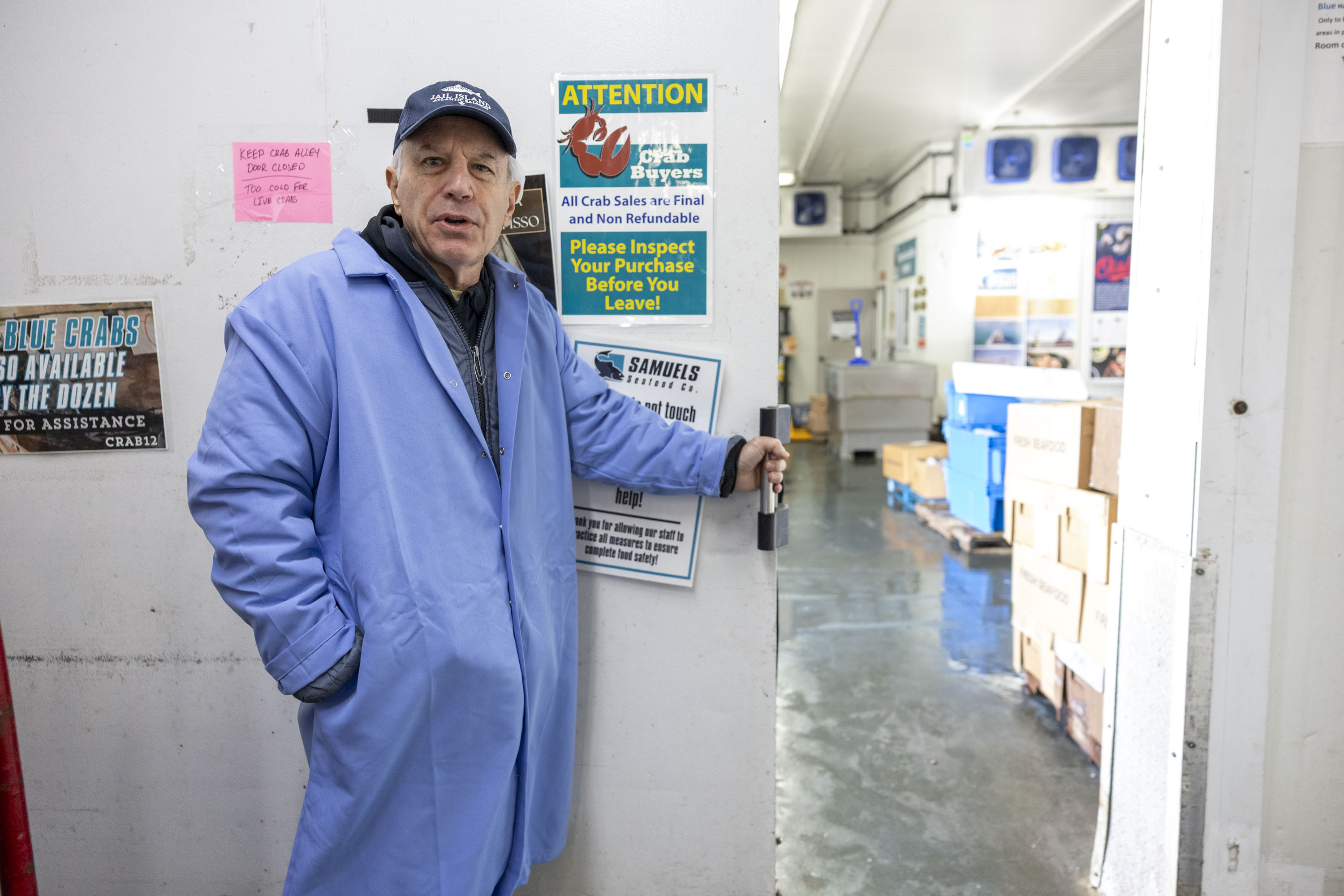
    At South Philadelphia-based seafood distributor Samuels Seafood Co., the tunas come in from all over the world — in the summer months from along the East Coast and currently, from the Mediterranean, though also from the Carolinas and some from South Africa. They’re sold to customers along the East Coast, as far down as South Florida, and in some parts of the Midwest and Las Vegas.

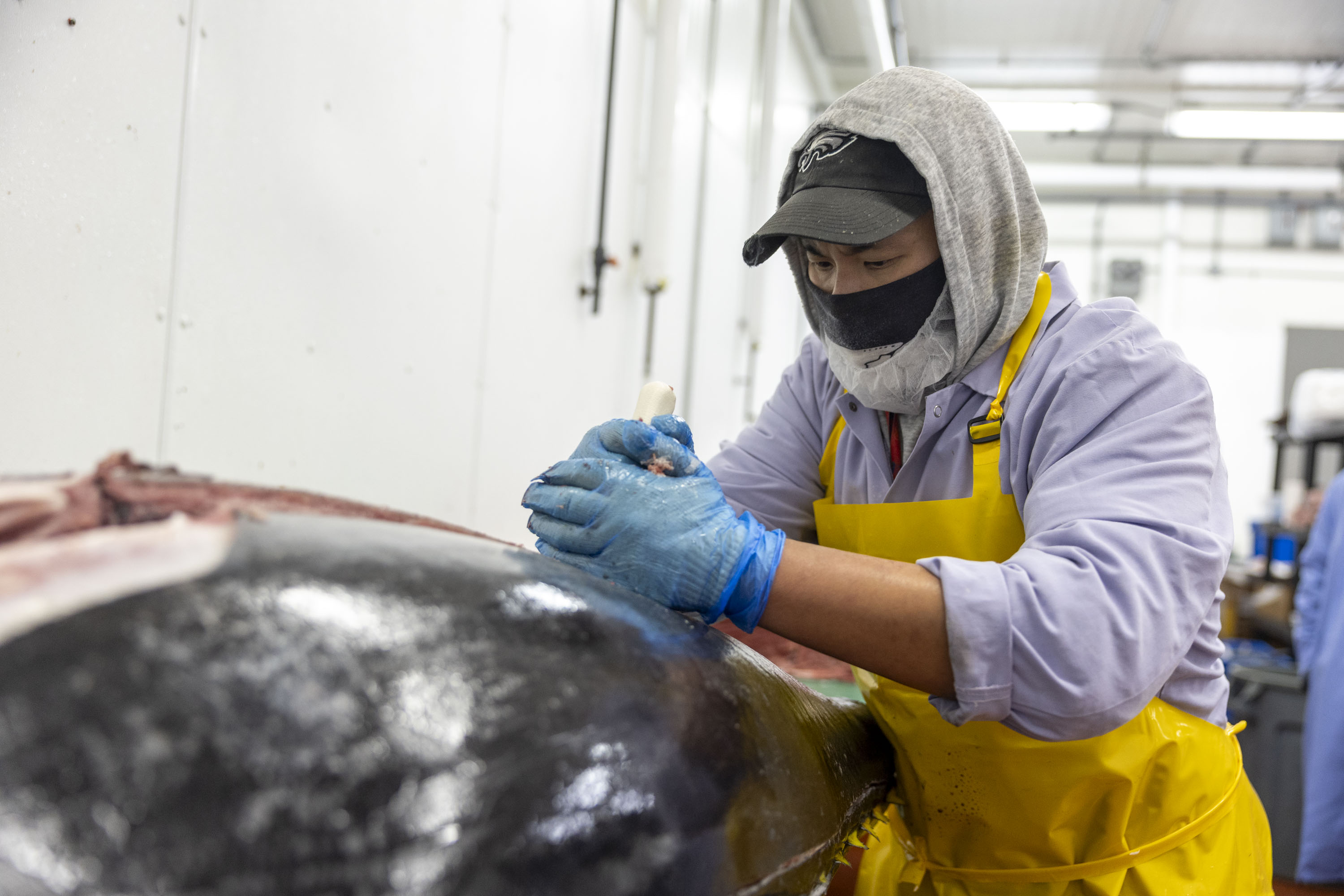
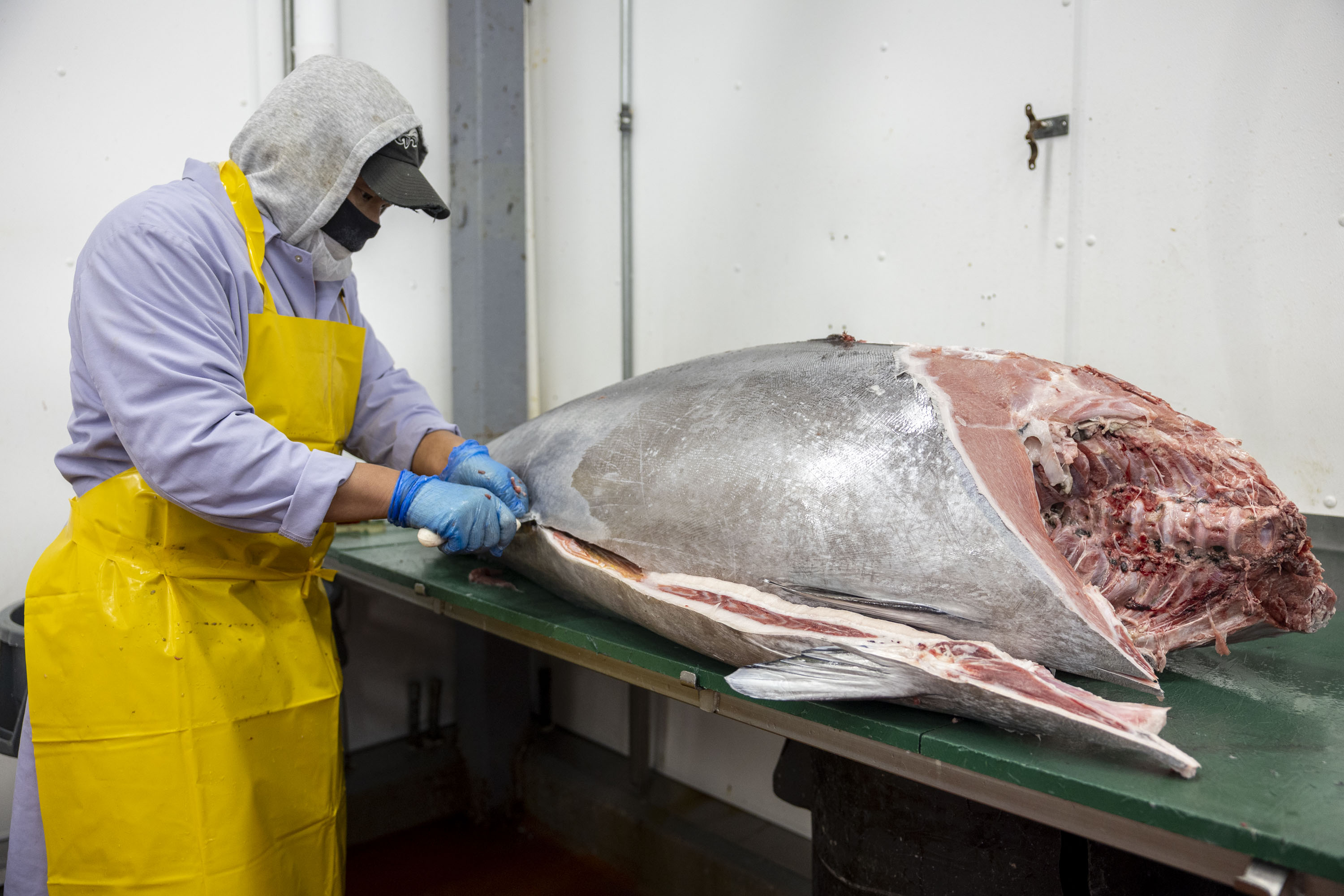
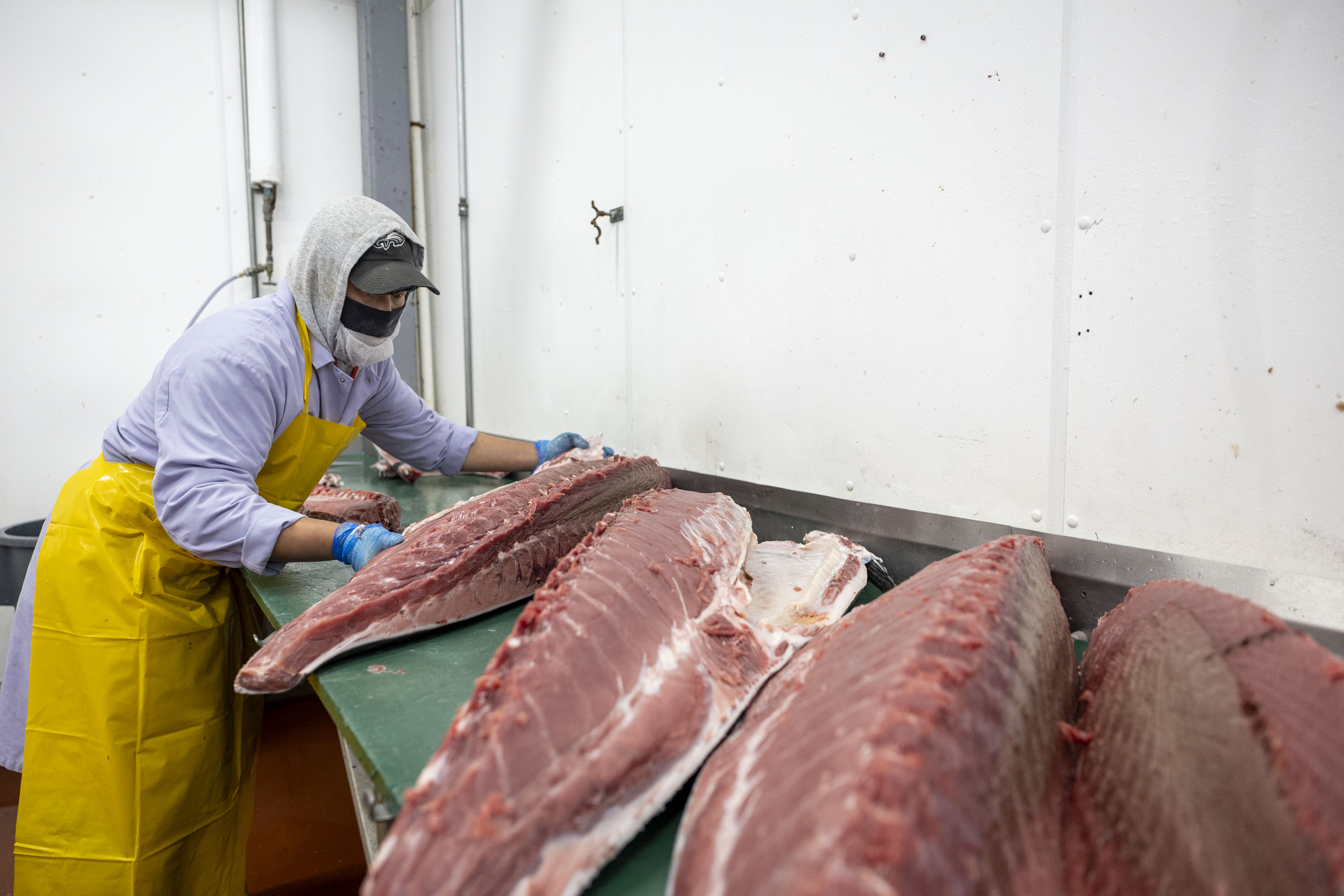
    Joe Lasprogata, the company’s senior vice president of product development (who also trained as a marine biologist), oversees tuna shipments and their breakdown into loins for customers. At Samuels, it takes tuna cutter David Lam about 15 minutes to cut a whole 350-pound bluefin into loins and collars, to be further broken down by chefs and at sushi restaurants. The record weight for a bluefin brought into Samuels is 820 pounds.

    Joe Lasprogata, vice president of product development at Samuels Seafood, gives a tour.Tyger Williams / Staff Photographer

    The bluefins — or as Lasprogata calls them, “apex predators of the ocean” — that Samuels brings in twice a week are both wild and ranch-raised.

    David Lam breaks down a bluefin tuna at Samuels Seafood.Tyger Williams / Staff Photographer
    David Lam shows different cuts of a bluefin tuna at Samuels Seafood.Tyger Williams / Staff Photographer

    “People are all excited about [bluefins coming back] but I think it’s a little premature,” said Lasprogata. “It’s great that the bluefin are coming back, but we’re also seeing other stocks lessening. So there’s still something out of balance.”

    “Everything is cyclical,” he said.

    Size does matter

    Chefs like Kim of Da-Wa in Fishtown and seafood purveyors like Lasprogata of Samuels Seafood will tell you that bluefin has a sweet spot in terms of weight for prime deliciousness, and that’s around 300 pounds.

    And they can get far larger, which means they have incredibly long lifespans and long gestation periods, according to Jackie Marks, the senior PR manager of the Marine Stewardship Council (MSC), which certifies marine fisheries, as opposed to the Aquaculture Stewardship Council (ASC), which sets responsible practices for farmed fish. “And that means they reach sexual maturity later in their lives and when you think about how that affects fishing, which often targets younger fish — they’re not able to reproduce yet,” said Marks. From her perspective — a biological one — the larger the tuna, the better.

    If we overconsume bluefin, we’ll know by their size. “If the tuna that are being brought in are smaller and smaller, then we have a reason to be concerned [again],” said Marks. And keeping watch will take a coordinated effort among countries and governing councils.

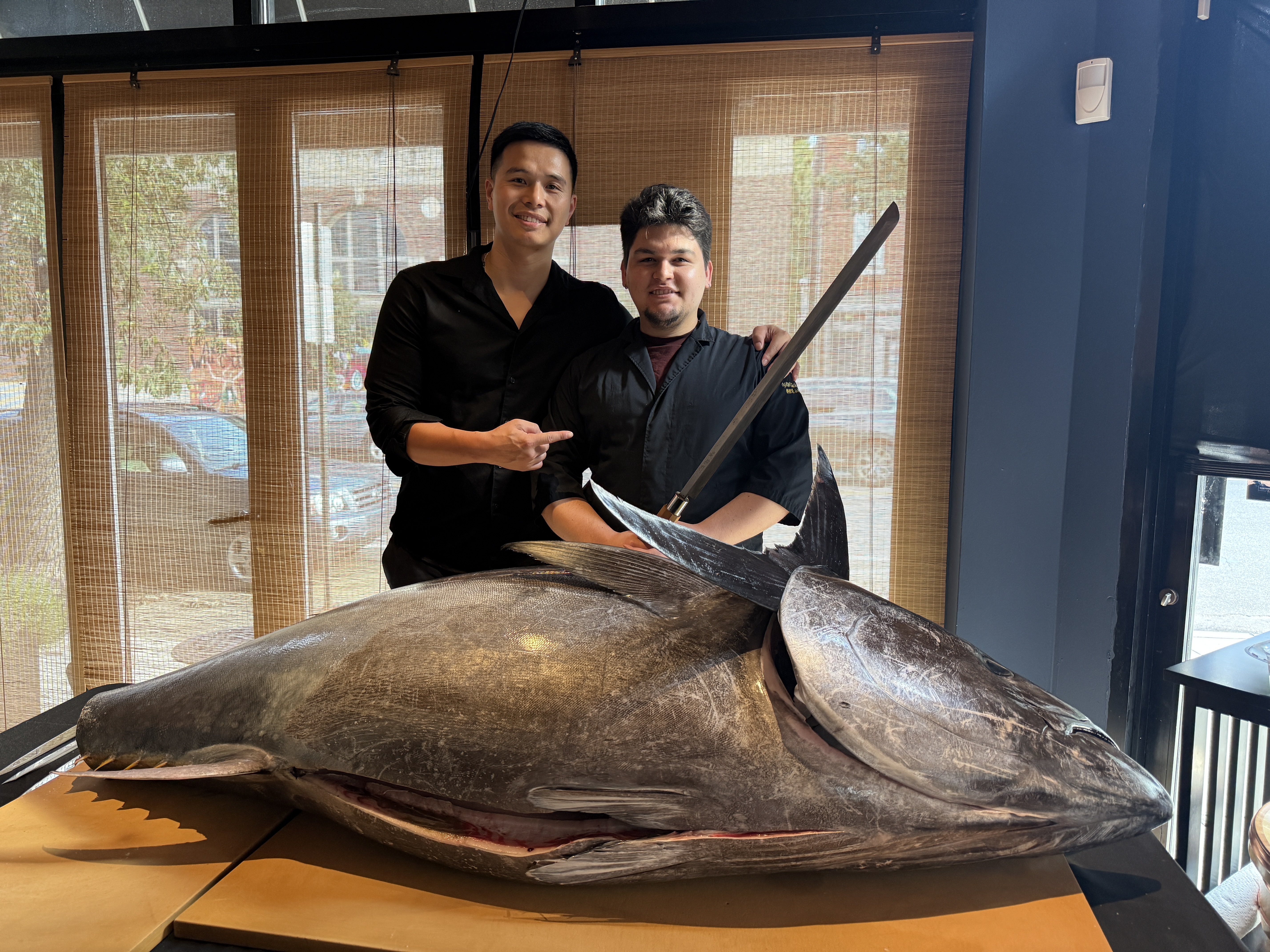
    Sushi chefs Albert Zheng and Carlos Wills in front of a 281-pound Spanish bluefin tuna at Javelin in Fairmount.Kiki Aranita / Staff /

    Wild caught, if possible

    Not just any bluefin is migrating back to Philadelphia sushi restaurants. Much of it, like the 300-pound bluefins regularly broken down at Samuels, is ranch-raised. This is a controversial practice that sits in between aquaculture (or seafood farming) and wild fishing, due to high FIFO or fish-in-fish-out ratios. The average ratio is 15:1, meaning that for every ton of ranch-raised tuna, 15 tons of feed is required. As a point of comparison, the FIFO ratio of farmed salmon is 0.82:1.

    “It’s like Hansel and Gretel-ish,” explained Lasprogata. “You put them in a pen, feed them, fatten them up, and then harvest them.”

    The benefit, he says, is that they can be harvested larger and more mature, after they’ve had the opportunity to procreate. The fish, so long as they’re dispatched properly, are also extremely high quality, with rich and oily, well-marbled flesh. Tuna ranches also operate year-round.

    But chefs who are fanatical about bluefin tend to seek out wild bluefin, which can only be caught seasonally (and given that they’re a migratory species, the seasons change around the world), which is why Kim has to store his fish after breaking it down in three super freezers, set to between -64 and -110 degrees Celsius, which cost him $100,000. They keep his costly tuna fresh as he uses it over the course of three months.

    “I don’t make money on tuna, but I am a chef, not a businessperson,” said Kim.

    At Little Water and River Twice, Randy Rucker gets his tuna from the East Coast. “Wild bluefin tuna has a depth of flavor that is hard to compare to,” said Rucker, who works with his sous chef, Jeff McConnell, to use every part of the fish, incorporating the bloodline in their house-made XO sauce and meat scraped from bones in their seafood charcuterie program.

    “We choose wild-caught bluefin tuna because of its incredible flavor, texture, and richness. But not all bluefin is the same. We pay close attention to the fat, color, texture, and how the fish is handled,” said Carlos Wills, the executive chef at Ogawa in Old City, which uses bluefin tuna on its omakase menu. Wills has also performed annual bluefin tuna breakdowns at Ogawa and Javelin in Fairmount, sourcing the massive fish from Spain, just as Kim from Da-Wa does.

    And of all the fish in the sea, “There’s nothing else — no texture like bluefin. It’s so fatty and marbled, but also it can be intense and irony,” said Kim. With a close eye on bluefin stocks worldwide, right now, we can indulge in this wagyu of the sea.

  • Inis Nua, People’s Light, and Wilma Theater win big at the 2026 Barrymore Awards

    Inis Nua, People’s Light, and Wilma Theater win big at the 2026 Barrymore Awards

    It was a festive night full of laughs, songs, cheers, happy tears, and tequila shots at the Suzanne Roberts Theatre as Theatre Philadelphia hosted its 2026 Barrymore Awards ceremony on Monday.

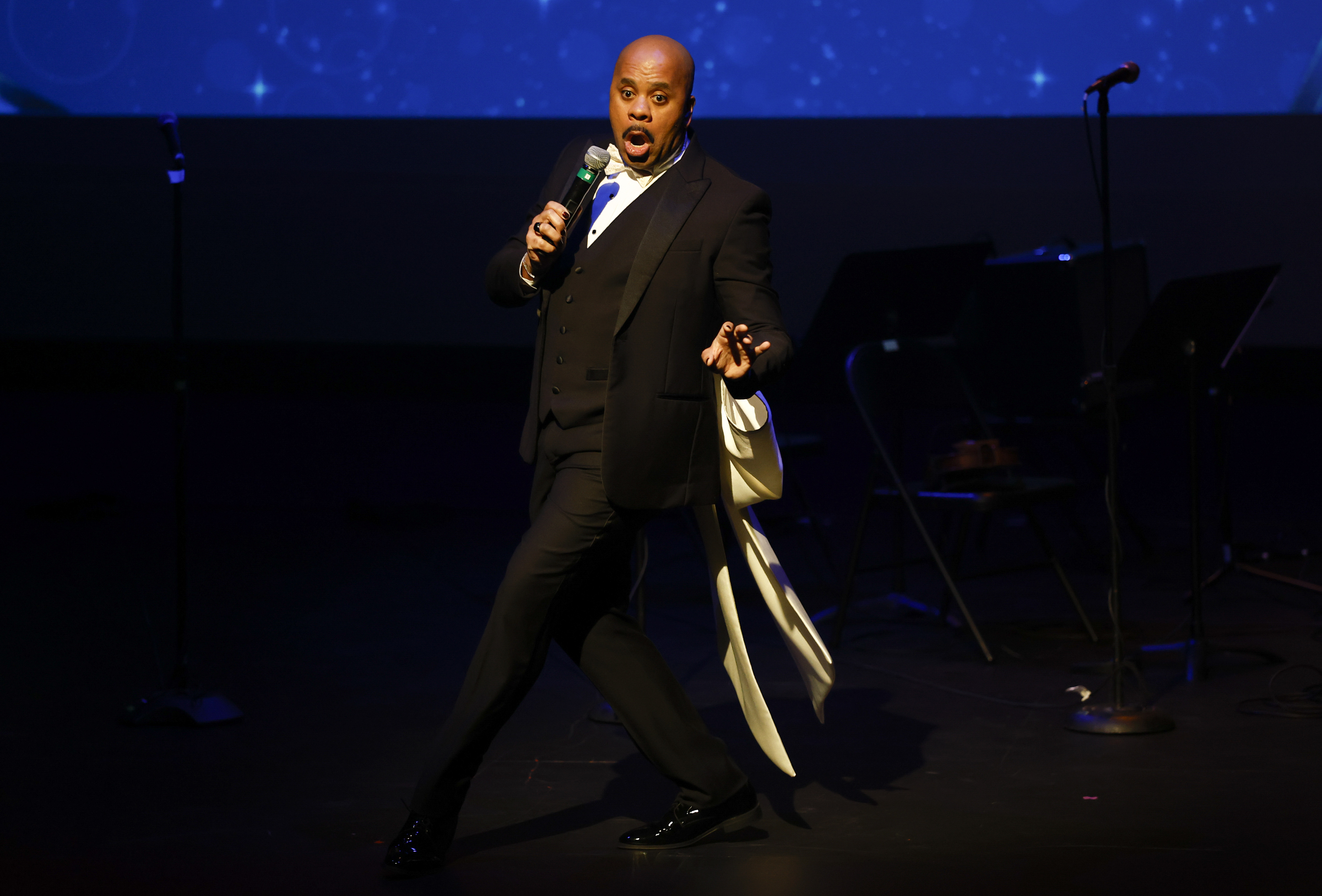
    The celebratory crowd packed the house as the host, playwright and actor R. Eric Thomas, kept the jokes coming — opening the show with a cheeky original song “No Funny Business” and tossing props from nominated shows into the audience, like a soccer ball, leis, and packs of cigarettes (“Who wants to smoke cigarettes with Martin Luther King?” he asked, referencing The Mountaintop.)

    “Tonight is the night for recognizing ourselves, celebrating ourselves and each other,” said Thomas. “It is not about creating a hierarchy. It is about saying that we are a community. So I want you to turn to your neighbor and say, ‘You did that s—.’”

    Host R. Eric Thomas opens the 2026 Barrymore Awards ceremony at the Suzanne Roberts Theatre on Monday, Nov. 16, 2026.Yong Kim / Staff Photographer

    Over the course of the evening, Theatre Philadelphia highlighted dozens of productions staged by 18 regional theater companies, from Center City’s Inis Nua Theatre Company to Malvern’s People’s Light Theatre Company to Delaware Shakespeare in Wilmington.

    Award presenters included Philadelphia notables City Councilmember Rue Landau, PHL17’s Positively Philly hosts Abby Urban and Rachel Malak, and Pulitzer Prize-winning playwright James Ijames.

    Philadelphia City Councilmember Rue Landau (right) and performer Amina Robinson on stage before presenting 2026 Barrymore Awards, at the Suzanne Roberts Theatre on Monday, Nov. 16, 2026.Yong Kim / Staff Photographer

    People’s Light’s production of Little Shop of Horrors, which was nominated for 11 Barrymores, took home awards for outstanding overall production of a musical. The production also won the inaugural Barrymore for outstanding props or puppetry design — recognizing scenic and puppet designer Anton Volovsek and costume and puppet designer Camilla Dely — and outstanding leading performance in a musical for Anna Faye Lieberma, who played the kind and clumsy shop assistant Seymour.

    Nikki Delhomme holds the 2026 Barrymore Award for outstanding costume design for the “Most Spectacularly Lamentable Trial of Miz Martha Washington,” at the Suzanne Roberts Theatre on Monday, Nov. 16, 2026.Yong Kim / Staff Photographer

    Outstanding overall production of a play went to the Wilma Theater’s staging of The Most Spectacularly Lamentable Trial of Miz Martha Washington, a 2014 historical comedy from erstwhile South Philadelphian playwright Ijames (a former coartistic director at the Wilma). Ijames himself announced the award and longtime Wilma stage manager Patreshettarlini Adams accepted. Nikki Delhomme also won the Barrymore for outstanding costume design.

    From left: Nancy Boykin, Ciera Gardner, Jayson Brown, Jada Mayo, Anthony Martinez-Briggs, and Steven Anthony Wright in ‘The Most Spectacularly Lamentable Trial of Miz Martha Washington,’ running at the Wilma Theater through April 5.Johanna Austin

    The hilariously subversive play, which imagines the first lady on her deathbed hallucinating that the enslaved people around her are plotting her murder, arrived in Philadelphia amid the Trump administration’s efforts to whitewash the history of George and Martha Washington’s participation in slavery at the President’s House on Independence Mall earlier this year.

    Two theater companies went home with the highest number of wins, both receiving five Barrymore Awards each: Inis Nua, which stages works from the U.K. and Ireland at the Drake, and Arden Theatre Company, based in Old City.

    Inis Nua won for its productions Same Team, Can’t Forget About You, and The Greatest Play in the History of the World (a coproduction with Tiny Dynamite). A heartwarming story about a ragtag women’s soccer team in Scotland, Same Team won outstanding ensemble in a play and actor Page Whitman won the Barrymore for outstanding leading performance in a play.

    K. O’Rourke reacts after winning the 2026 Barrymore Award for outstanding movement/choreography in a play for “Can’t Forget About You,” at the Suzanne Roberts Theatre on Monday, Nov. 16, 2026.Yong Kim / Staff Photographer

    The Irish rom-com Can’t Forget About You picked up two awards, including outstanding direction of a play for Kathryn MacMillan and outstanding choreography/movement in a play for K. O’Rourke. Lighting designer Shannon Zura won the Barrymore for her work on The Greatest Play in the History of the World; she had also been nominated for Good Bones.

    Arden’s actors received several awards across three productions. Both awards for outstanding supporting performance in a musical went to Falsettos actors Katherine Fried and Will Stephan Connell. They played Trina and Whizzer, respectively, in the complicated family story set during the AIDS epidemic. Behind the curtain, Gina Giachero won for outstanding music direction of a musical.

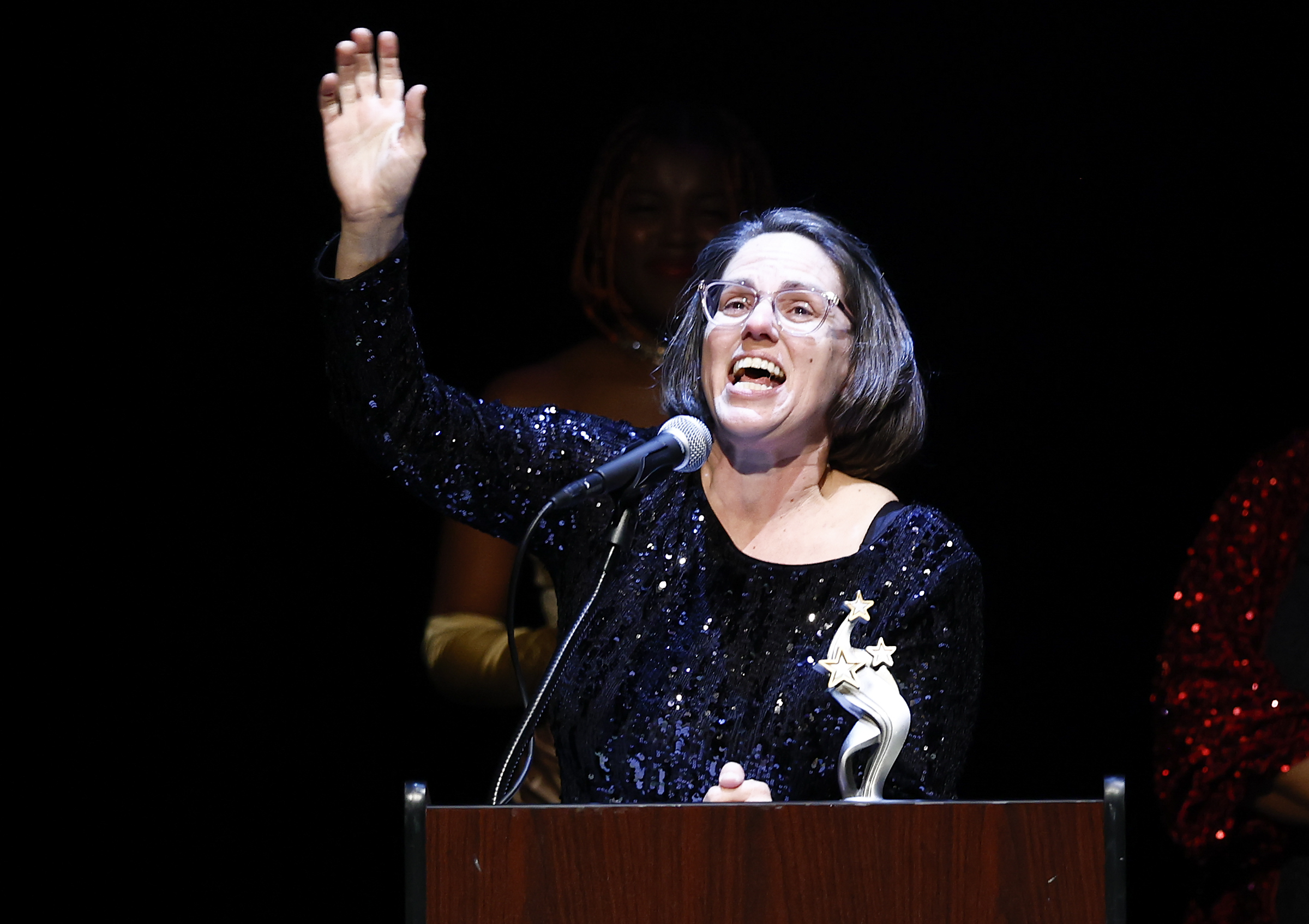
    Gina Giachero waves to her family after winning the 2026 Barrymore Award for outstanding music direction for “Falsettos,” at the Suzanne Roberts Theatre on Monday, Nov. 16, 2026.Yong Kim / Staff Photographer

    For the Arden’s production of James Ijames’ gentrification play Good Bones, South Philly-raised actor Walter DeShields won an award for outstanding supporting performance in a play, recognizing his compelling role as Earl, a contractor who’s passionate about his changing neighborhood and doesn’t want to see it demolished for the sake of a new sports stadium.

    In addition to Good Bones and Falsettos, the Arden’s production of Katori Hall’s The Mountaintop — which follows Martin Luther King on the night before his assassination in 1968 — also landed in the spotlight. Actor Kishia Nixon won outstanding leading performance in a play for her role as Camae, a fictional maid who mysteriously appears in his motel room with an important message.

    The other major acting awards went to Felicity Mundy, who won outstanding leading performance in a musical for playing Wendla Bergmann in the newly founded Relic Theatre Company’s inaugural production Spring Awakening, and David Ingram, who received the award for outstanding supporting performance in a play for tackling several roles in Philadelphia Theatre Company’s staging of Primary Trust. (Spring Awakening also won for outstanding ensemble for a musical.)

    Curio Theatre Company’s world premiere of Sacco & Vanzetti: A Tragedia dell’Arte received the Philadelphia Award for Social Insight, which spotlights a production that examined the complexity of our society and “shed light on customs, cultures, histories, and traditions that are too frequently overlooked.” The award comes with a cash prize of $25,000 for the West Philly-based theater. From Philadelphia actor/director John Bellomo, Sacco & Vanzetti was based on the true story of two Italian immigrants wrongfully convicted of murder in Massachusetts in 1921 and eventually executed — an injustice fueled by anti-immigrant bias.

    Semaja Murphy and Rayne in “The Great Privation (How to Flip Ten Cents Into a Dollar).”Paola Nogueras

    Three finalists for the Social Insight Award each received a cash prize of $2,500: New Light Theatre’s The White Chip, Azuka Theatre and Simpatico Theatre’s 1 Pound 4 Ounces, and Theatre Exile’s The Great Privation.

    See the full list of winners (in bold) and nominees here:

    Outstanding overall production of a play

    1. The Most Spectacularly Lamentable Trial of Miz Martha Washington — The Wilma Theater, stage managed by Patreshettarlini Adams
    2. Same Team — Inis Nua Theatre Company, staged managed by Celia HuttonJohns
    3. La Otra — 1812 Productions, stage managed by Alexis Wells
    4. Walden — InterAct Theatre Company, stage managed by Abby Sturgis
    5. The Garbologists — Montgomery Theatre, stage managed by Brian Goldblatt
    6. Primary Trust — Philadelphia Theatre Company, stage managed by Jamel Baker
    7. The Mountaintop — Arden Theatre Company, stage managed by Matthew Ryan Melchior
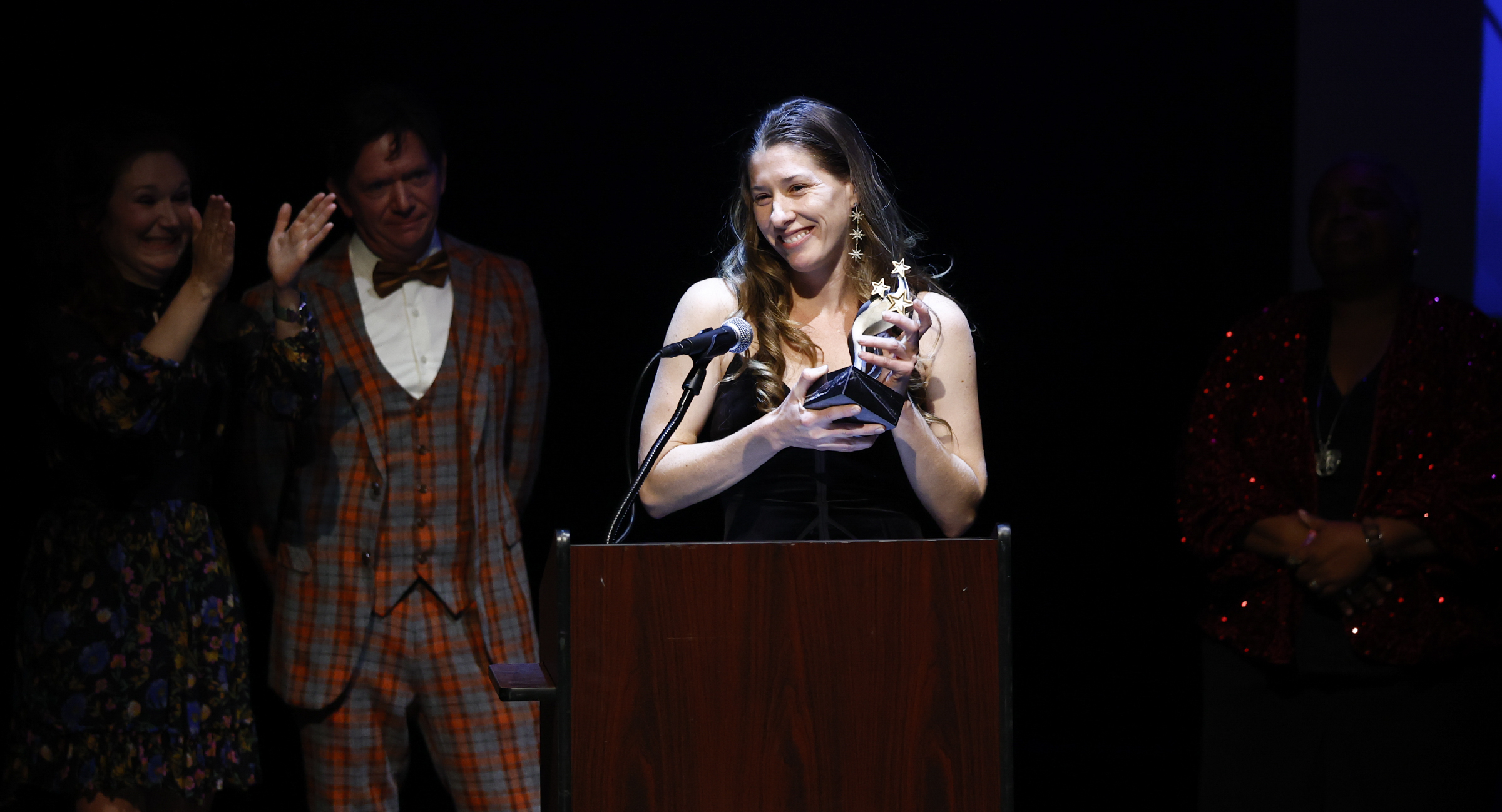
    Amanda Morton (right) claps as Josh Totora speaks after they won the outstanding original music Barrymore Award for “Wishing to Grow Up Brightly” during the 2026 Barrymore Awards at the Suzanne Roberts Theatre on Monday, Nov. 16, 2026.Yong Kim / Staff Photographer

    Outstanding overall production of a musical

    1. Little Shop of Horrors — People’s Light, stage managed by Jess McPhillips
    2. GIRL DOLLS: The American Musical — Bearded Ladies Cabaret, stage managed by CD Kincade
    3. Wishing To Grow Up Brightly — Theatre Horizon, stage managed by Alec E. Ferrell
    4. Spring Awakening — Relic Theatre Company, stage managed by Asher Vaglica
    5. Falsettos — Arden Theatre Company, stage managed by Tom Shotkin

    Outstanding direction of a play

    1. Kittson O’Neill — Same Team, Inis Nua Theatre Company
    2. Kimille Howard — Plantation Black, InterAct Theatre Company
    3. Brett Ashley Robinson — The Most Spectacularly Lamentable Trial of Miz Martha Washington, The Wilma Theater
    4. Tanaquil Márquez — La Otra, 1812 Productions
    5. Amina Robinson — Primary Trust, Philadelphia Theatre Company
    6. Rebecca Wright — Class C, Azuka Theatre and Simpatico Theatre
    7. Kathryn MacMillan — Can’t Forget About You, Inis Nua Theatre Company

    Outstanding ensemble in a play

    1. The Most Spectacularly Lamentable Trial of Miz Martha Washington — The Wilma Theater
    2. FIRE!! — Quintessence Theatre
    3. Plantation Black — InterAct Theatre Company
    4. Little Women — Hedgerow Theatre Company
    5. Same Team — Inis Nua Theatre Company
    6. La Otra — 1812 Productions
    7. The Woman Question — People’s Light

    Outstanding leading performance in a play

    1. Ebony Pullum — Blues for an Alabama Sky, Lantern Theater Company
    2. Adam Howard — Why I Stuck a Flare Up My Arse for England, Inis Nua Theatre Company
    3. Noelle Diane Johnson — The Garbologists, Montgomery Theater
    4. David Pica — Class C, Azuka Theatre and Simpatico Theatre
    5. Leo Mock — Little Women, Hedgerow Theatre Company
    6. Travoye Joyner — Romeo and Juliet, Arden Theatre Company
    7. Kishia Nixon —The Mountaintop, Arden Theatre Company
    8. Newton Buchanan — Primary Trust, Philadelphia Theatre Company
    9. V. Sterling — Same Team, Inis Nua Theatre Company
    10. Phillip Brown — Dutchman and the Slave, Passage Theatre Company
    11. Page Whitman — Same Team, Inis Nua Theatre Company
    12. Brett Ashley Robinson — The Greatest Play in the History of the World, Inis Nua Theatre Company and Tiny Dynamite
    13. Matthew Pfeiffer — The Garbologists, Montgomery Theater
    14. Olive Gallagher — Little Women, Hedgerow Theatre Company
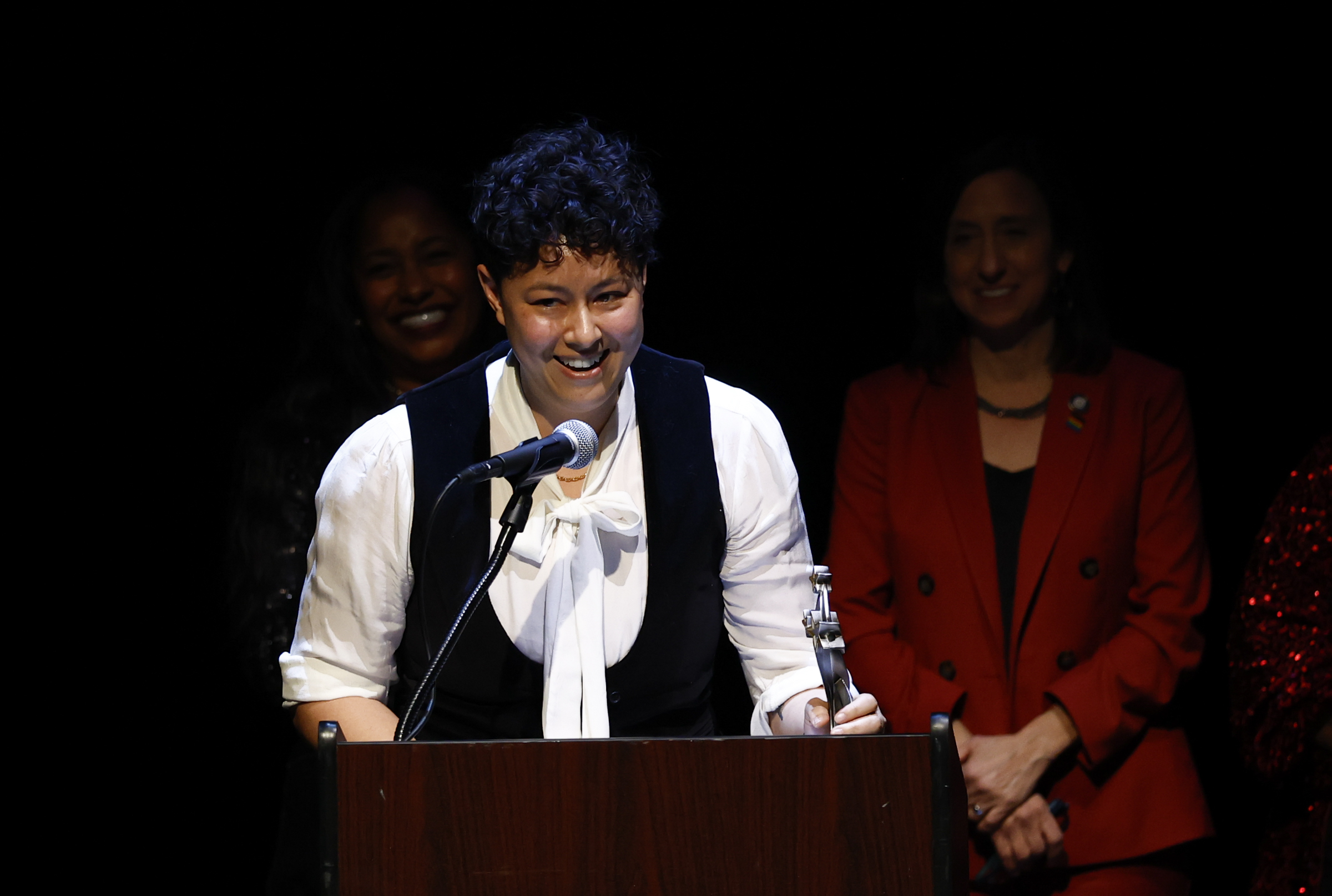
    Chaz T. Martin speaks after winning the 2026 Barrymore Award for outstanding original production for the play “Class C” at the Suzanne Roberts Theatre on Monday, Nov. 16, 2026.Yong Kim / Staff Photographer

    Outstanding supporting performance in a play

    1. Megan Bellwoar — Can’t Forget About You, Inis Nua Theatre Company
    2. Jared Delaney — Romeo and Juliet, Arden Theatre Company
    3. Minou Pourshariati — Little Women, Hedgerow Theatre Company
    4. David Ingram — Primary Trust, Philadelphia Theatre Company
    5. Taylor J. Mitchell — Blues for an Alabama Sky, Lantern Theater Company
    6. Jered McLenigan — The Hypochondriac, Quintessence Theatre
    7. Unissa Cruse — Muleheaded, or Zora and Langston Write a Play, Passage Theatre Company
    8. Frank Jimenez — Romeo and Juliet, Arden Theatre Company
    9. David M. Raine — La Otra, 1812 Productions
    10. Daniel Burgess — A Wrinkle in Time, Arden Theatre Company
    11. Walter DeShields — Good Bones, Arden Theatre Company
    12. Dave Johnson — Spinner, Delaware Theatre Company
    13. Brandon J. Pierce — The America Play, The Wilma Theater

    Outstanding choreography/movement in a play

    1. Kittson O’Neill and Lane LaVonne — Same Team, Inis Nua Theatre Company
    2. Polanco Jones Jr., Quinton J. Alexander, and Bess Rowen — FIRE!!, Quintessence Theatre
    3. K. O’Rourke — Can’t Forget About You, Inis Nua Theatre Company
    4. Dominic Moore-Dunson — The Most Spectacularly Lamentable Trial of Miz Martha Washington, The Wilma Theater
    5. Fatima Sowe — The Woman Question, People’s Light
    6. MK Tuomanen — The Presented, Chris Davis
    7. Ryk Lewis — Coloring Book, Fusion Performing Arts Center

    Outstanding lighting design

    1. Shannon Zura — The Greatest Play in the History of the World, Inis Nua Theatre Company and Tiny Dynamite
    2. Lindsay Stevens — Walden, InterAct Theatre Company
    3. Shannon Zura — Good Bones, Arden Theatre Company
    4. Maria Shaplin — The Most Spectacularly Lamentable Trial of Miz Martha Washington, The Wilma Theater
    5. Christopher Ash — Caesar, Philadelphia Theatre Company
    6. Lily Fossner — The Garbologists, Montgomery Theater
    7. Cat Tate Starmer — The Unexpected 3rd: A Radical, Rollicking Rumination on the Optimism of Staying Alive, People’s Light

    Outstanding scenic design

    1. Chris Haig — Walden, InterAct Theatre Company
    2. Colin McIlvane — The Most Spectacularly Lamentable Trial of Miz Martha Washington, The Wilma Theater
    3. Meghan Jones — The Garbologists, Montgomery Theater
    4. Reiko Huffman —The Mountaintop, Arden Theatre Company
    5. Nick Embree — Can’t Forget About You, Inis Nua Theatre Company
    6. Nina Ball — The Unexpected 3rd: A Radical, Rollicking Rumination on the Optimism of Staying Alive, People’s Light
    7. Andrew Robinson — Gemini, EgoPo Classic Theater

    Outstanding costume design

    1. Nikki Delhomme — The Most Spectacularly Lamentable Trial of Miz Martha Washington, The Wilma Theater
    2. Rebecca Kanach — Twelfth Night, People’s Light
    3. Tiffany Bacon — Muleheaded, or Zora and Langston Write a Play, Passage Theatre Company
    4. Ivania Stack and Bailey Hammett-Colwell — The Snow Queen, The Wilma Theater
    5. Camilla Dely — Little Shop of Horrors, People’s Light
    6. Nikki Delhomme — A Wrinkle in Time, Arden Theatre Company
    7. Tracy Christensen — Steel Magnolias, People’s Light

    Outstanding sound design

    1. Larry Fowler — The America Play, The Wilma Theater
    2. Jordan McCree — The Most Spectacularly Lamentable Trial of Miz Martha Washington, The Wilma Theater
    3. Natali Merrill — Walden, InterAct Theatre Company
    4. Carsen Joenk — Steel Magnolias, People’s Light
    5. Andrew Nelson — JOB, Theatre Exile
    6. Jordan McCree — Caesar, Philadelphia Theatre Company
    7. Mel Hsu — A Wrinkle in Time, Arden Theatre Company

    Outstanding media design

    1. Jorge Cousineau —The Mountaintop, Arden Theatre Company
    2. Taj Rauch — Wilderness Generation, Philadelphia Theatre Company
    3. Taj Rauch and Nia Benjamin — Girl Dolls: The American Musical, Bearded Ladies Cabaret
    4. Michael Long — La Otra, 1812 Productions
    5. Christopher Ash — Caesar, Philadelphia Theatre Company

    Outstanding original music

    1. Jackie Soro and Pax Ressler — Girl Dolls: The American Musical, Bearded Ladies Cabaret
    2. Amanda Morton and Josh Totora — Wishing to Grow Up Brightly, Theatre Horizon
    3. Jordan McCree — The Most Spectacularly Lamentable Trial of Miz Martha Washington, The Wilma Theater
    4. Liz Filios — Twelfth Night, People’s Light
    5. Selena Seballo and Jack Denman — The Chequerboard Watch: A New Musical, Delaware Theatre Company
    6. Adam Faulk — FIRE!!, Quintessence Theatre

    Outstanding props or puppetry design

    1. Anton Volovsek and Camilla Dely — Little Shop of Horrors, People’s Light
    2. Paul Kuhn and Ren Bailey — Sacco & Vanzetti: A Tragedia dell’Arte, Curio Theatre Company
    3. Clare Wislar — Marsha Blovotnick and the Marvelous Magical Chicken Soup, Theatre Ariel
    4. Kelly McLaughlan — The Stinky Cheese Man and Other Fairly Stupid Tales, Arden Theatre Company
    5. Jen Burkhart — Wishing to Grow Up Brightly, Theatre Horizon
    6. Ryan Canney — The Garbologists, Montgomery Theatre
    7. Colleen Murray — Lions, Lightning Rod Special

    Outstanding direction of a musical

    1. Robi Hager — Spring Awakening, Relic Theatre Company
    2. MK Tuomanen — Girl Dolls: The American Musical, Bearded Ladies Cabaret
    3. Amina Robinson — Ain’t Misbehavin’, Theatre Horizon
    4. Molly Rosa Hulahan — Little Shop of Horrors, People’s Light

    Outstanding ensemble in a musical

    1. Falsettos — Arden Theatre Company
    2. Little Shop of Horrors — People’s Light
    3. Spring Awakening — Relic Theatre Company
    4. Jelly’s Last Jam — Bristol Riverside Theatre
    5. Ain’t Misbehavin’ — Theatre Horizon

    Outstanding leading performance in a musical

    1. Anna Faye Lieberman — Little Shop of Horrors, People’s Light
    2. Jessica Money — Little Shop of Horrors, People’s Light
    3. Felicity Mundy — Spring Awakening, Relic Theatre Company
    4. Evan Kaushesh — Dear Evan Hansen, Arden Theatre Company
    5. Steve Pacek — Falsettos, Arden Theatre Company
    6. Stanley Martin — Jelly’s Last Jam, Bristol Riverside Theatre
    7. Francesca Marchese — Fun Home, Media Theatre
    8. Sami Ma — Wishing to Grow Up Brightly, Theatre Horizon

    Outstanding supporting performance in a musical

    1. Alison Ansorg — Fun Home, Media Theatre
    2. Katie Boren — Wishing to Grow Up Brightly, Theatre Horizon
    3. Katherine Fried — Falsettos, Arden Theatre Company
    4. Will Stephan Connell — Falsettos, Arden Theatre Company
    5. Mary Elizabeth Scallen — Little Shop of Horrors, People’s Light
    6. Andrew Kane — Little Shop of Horrors, People’s Light
    7. Dana Orange — Jelly’s Last Jam, Bristol Riverside Theatre
    8. Charlie Barney — Annie, Media Theatre

    Outstanding choreography/movement in a musical

    1. Julianna Babb, Noelle Diane Johnson, and J. Oliver Donahue — Spring Awakening, Relic Theatre Company
    2. Melanie Cotton and Eli Lynn — Little Shop of Horrors, People’s Light
    3. yaTande Whitney V. Hunter and DeWitt Fleming Jr. — Jelly’s Last Jam, Bristol Riverside Theatre
    4. Eliana Pinckney — Ain’t Misbehavin’, Theatre Horizon

    Outstanding music direction of a musical

    1. Pax Ressler — Girl Dolls, Bearded Ladies Cabaret
    2. Brigitte Rottman — Little Shop of Horrors, People’s Light
    3. Brigitte Rottman — Wishing to Grow Up Brightly, Theatre Horizon
    4. Gina Giachero — Falsettos, Arden Theatre Company

    Outstanding outdoor production

    1. A Bottom’s Dream — Shakespeare in Clark Park
    2. Twelfth Night, O Lo Que Quieras — Delaware Shakespeare
    3. Fraternity — Theatre in the X

    Outstanding original production

    1. Jackie Soro and Pax Ressler — Girl Dolls: The American Musical, Bearded Ladies
    2. Chaz T. Martin — Class C, Azuka Theatre and Simpatico Theatre
    3. Alice Yorke and Scott R. Sheppard — Lions, Lightning Rod Special
    4. John Bellomo — Sacco & Vanzetti: A Tragedia dell’Arte, Curio Theatre Company
    5. Chris Davis — The Presented, Chris Davis
    6. Dan Kitrosser — Marsha Blovotnik and the Magical Chicken Soup, Theatre Ariel
    7. Saymoukda Duangphouxay Vongsay — Seng’s Hair Salon, InterAct Theatre Company

    The Philadelphia Award for Social Insight

    1. Inheritors — Philadelphia Artists’ Collective
    2. Draw the Circle — Hedgerow Theatre Company
    3. Good Bones — Arden Theatre Company
    4. The White Chip — New Light Theatre
    5. Sacco & Vanzetti: A Tragedia dell’Arte — Curio Theatre Company
    6. Ain’t Misbehavin’ — Theatre Horizon
    7. The Woman Question — People’s Light
    8. The America Play — Wilma Theater
    9. Franklinland — Lantern Theater Company
    10. Same Team — Inis Nua Theatre Company
    11. The Great Privation — Theatre Exile
    12. 1 Pound 4 Ounces — Azuka Theatre and Simpatico Theatre
  • Shapiro, Fetterman, and McCormick are pitching Pa. to house the first-ever U.S. Space Academy ordered by Trump

    Shapiro, Fetterman, and McCormick are pitching Pa. to house the first-ever U.S. Space Academy ordered by Trump

    Gov. Josh Shapiro and Pennsylvania’s two U.S. senators are united in a bipartisan effort to make the state the home to a new U.S. Space Academy ordered by President Donald Trump.

    Pennsylvania State University as well as other regional partners will also be involved in the effort to bring the academy to the Pittsburgh area, according to news releases from Shapiro and Republican Sen. Dave McCormick.

    “Pennsylvania is now uniquely positioned to welcome the United States Space Academy — building off our robust space industry and world-class research universities — to launch the next generation of America’s scientists, engineers, astronauts, and service members and ensure America remains the global leader in space,” Shapiro said in a statement.

    “Pennsylvania’s application provides the federal government with an opportunity to strengthen and diversify America’s space industry. My administration is all in,” he said.

    The planned academy will provide training for NASA and the U.S. Space Force, the armed services branch that Trump established during his first term.

    As part of its application, the Shapiro administration outlined a commitment of up to around $85 million toward construction of the academy, including $30 million for site preparation, $11 million for water infrastructure upgrades, and $45 million for regional transportation improvements.

    In addition, the state’s proposal also includes what’s being described as “an independently governed private endowment” — with a $200 million initial target — to strengthen the education provided at the academy and fund scholarships and fellowships, endowed faculty chairs, mission studios, and laboratories.

    If Pennsylvania’s application is selected over other states, the academy would break ground in 2027 on a campus on 300 acres of publicly owned land that sits beside the Pittsburgh International Airport, according to the state’s proposal.

    While the Pittsburgh site and the Allegheny County area are the focus of the proposal, Shapiro’s statement included a brief mention of the Bellwether District in Philadelphia as an alternative site for the academy, without detail. The Bellwether District is a massive 1,300-acre campus in South Philadelphia transforming the site of the former Philadelphia Energy Solutions oil refinery into a hub for logistics, life sciences, and manufacturing.

    The statements from Shapiro and McCormick said state leaders are responding to Trump’s August 2026 executive order, as well as a request for information from NASA, to establish an American space academy.

    The school would train the “next generation of astronauts, scientists, engineers, operators, entrepreneurs, civil servants, and warfighters,” according to the order.

    “Pennsylvania has the talent, technology, and industrial strength to help America win the race for space dominance,” McCormick said in a statement. “Bringing the U.S. Space Academy to Pittsburgh would build on those strengths, create new opportunities for Pennsylvanians, and train the next generation of leaders who will ensure America remains the world’s leader in space.”

    The commonwealth already has a robust connection to the so-called “space economy,” according to Shapiro’s statement.

    The Pittsburgh region alone is home to 126 of these businesses, spanning engineering, research and testing, software and computing, advanced machinery and equipment manufacturing, academia, spacecraft, power systems, and propulsion, the statement added.

    All told, the state’s space economy has generated $8.6 billion in economic impact over the last four fiscal years and supports 556 businesses across the space supply chain, Shapiro’s statement said.

    In his own statement, Democratic Sen. John Fetterman said as a member of the Senate Commerce Committee, he’s “deeply committed to investing in NASA and its workforce, our national security, and making sure Pennsylvania is part of those important conversations.”

    Under the proposal, Penn State University and six other Pennsylvania research universities would help develop the academy’s curriculum.

    If selected, Pennsylvania would become home to the nation’s first new federal service academy since 1955.

  • This Trump policy has Asian ships hauling U.S. cargoes for Philly refineries despite a century-old ban

    This Trump policy has Asian ships hauling U.S. cargoes for Philly refineries despite a century-old ban

    Except in wars or great storms, the federal Jones Act of 1920 requires that U.S. cargoes shipped between U.S. ports on the Delaware River and other waterways must travel in U.S.-built ships worked by U.S. crews.

    But since March, amid the war with Iran that stalled Middle East energy shipments, the U.S. has been in one of those exception periods, with President Donald Trump authorizing waivers allowing ships built in Korea, China, and other shipbuilding nations to haul cargoes between American ports.

    Trump on Friday extended the waivers, which had been due to expire Sunday, for another 90 days, the longest exception since the law was passed, Reuters first reported.

    The waivers have been cheered by energy lobbies representing refineries such as Delta Air Lines’ Monroe Energy in Trainer, Delaware County, and PBF Energy’s in Paulsboro, Gloucester County, and Delaware City, Del. And they’ve been lamented by reps for U.S. shipbuilders such as Hanwha Philly Shipyard in Philadelphia and American tugboat and barge owners, merchant marine officers, and the Seafarers union.

    Energy companies say waiving Jones Act restrictions is “giving shippers access to additional vessels and potentially lower transportation costs,” said Michael F. Merlie, business and maritime lawyer at Gawthrop Greenwood in West Chester.

    By contrast, Jones Act supporters warn the waivers risk shifting cargoes to foreign carriers and eroding support for U.S. flag vessels, American mariners, and domestic shipbuilding, as well as the Jones Act goal of preserving a U.S. shipping fleet, Merlie said.

    Most cargo and energy ships are now made in China, Korea, or Japan, where costs are a fraction of those in U.S. yards, thanks in part to mass production.

    An Inquirer review of federal cargo reports and other records showed more than 30 tanker loads of U.S. crude oil and locally refined fuels worth over $1 billion have traveled between Delaware River ports and other U.S. ports on waivers since March, in ships built mostly in Korea, China, and Japan.

    That level of trade “suggests the waivers have been commercially meaningful in this market,” Merlie said.

    Delta Air Lines’ Monroe Energy refinery in Trainer, Delaware County, is among the U.S. energy facilities that have been able to collect crude oil and ship out finished fuel on foreign ships in 2026 thanks to President Donald Trump’s Jones Act waivers.Joseph N. DiStefano

    Around 25 tankers visit ports on the river each month, according to data posted by the Maritime Exchange for the Delaware River and Bay, an industry group.

    The rush of foreign ships to carry U.S. cargoes between U.S. ports has changed trading patterns.

    Crude oil from the Bakken fields in North Dakota and Eagle Ford fields in Texas, moved by pipeline to Gulf Coast ports, have been shipped north to the Philadelphia area in European-owned, Asian-built tankers. It’s used to make jet fuel at Delta’s Delco refinery and gasoline at PBF.

    The waivers make it easier to ship crude between U.S. ports instead of exporting it and leaving U.S. refineries to use imported crude.

    Propane from Energy Transfer’s Marcus Hook Industrial Complex, collected from the Marcellus and Utica gas fields in western Pennsylvania, has similarly traveled on foreign tankers to Puerto Rico. The island relied more on gas from West Africa and Latin America before the waivers.

    A smaller stream of oil products from area refineries has been sent on foreign ships to specialized chemical facilities in Louisiana and Mississippi. A shipload of asphalt made in Paulsboro was carried by a Chinese government-affiliated tanker to Baltimore in July.

    The foreign ships are “displacing imports, not U.S. ships,” because there aren’t enough U.S.-built ships to meet demand, said Colin Grabow, a trade scholar at the pro-free trade Cato Institute in Washington. That means more U.S. demand for energy produced in Pennsylvania, Texas, and other gas and oil states, and less pressure to export it, he said. That should lead to cheaper energy.

    But the increased use of foreign ships “is counterproductive to the [Trump] administration’s own goal of revitalizing American shipbuilding,” said Jennifer Carpenter, president of the American Maritime Partnership of U.S. shipbuilders and workers, and American Waterways Operators, which represents tugboat and barge firms.

    Without Jones Act protections, investors won’t buy and update U.S. commercial ships, leaving America farther behind China, the world’s leading shipbuilder, she said.

    “Without the Jones Act, there is no U.S. maritime industry” or future jobs for U.S. seafarers, ship officers, and shipbuilders, Rear Adm. Michael Fossum, superintendent of Texas A&M University Merchant Marine Academy, told a crowd of senior U.S. officials in July, who gathered at the christening of the Philadelphia-built TS Lone Star State.

    Plus, Jones Act advocate Carpenter noted, fuel prices haven’t been dropping, as waiver advocates hoped.

    Despite improved domestic oil sourcing and fuel delivery under the waivers, last month jet fuel prices reached a record high of nearly $5 a gallon, boosting revenues for Delta, thanks to its Delaware County refinery.

    Much of the cost of more expensive jet fuel has been passed along to consumers, with U.S. airfares up 25% over last year.

    Ship brokers on the Delaware River and in other East Coast ports say there has lately been little cost difference between shipping on U.S. and foreign ships with the ships now available, but also noted prices are volatile.

    Rear Adm. Michael Fossum (center) with David Kim (left), head of Hanwha Philly Shipyard, and Jeff Dixon (right) CEO of TOTE Services, construction manager overseeing TS Lone Star State, at its christening, in July. Joseph N. DiStefano

    Permanent waive?

    The South Philadelphia shipyard, now operated by Hanwha Defense USA, built a majority of the “Jones Act ships” to carry cargoes between U.S. ports that have been constructed since 2000.

    But U.S. ships now comprise less than 1% of the world fleet and new ship production. That shows the Jones Act has been ineffective for shipbuilders while boosting costs for U.S. manufacturers, refiners, and other shippers, Grabow said.

    Hanwha Philly Shipyard is building three Jones Act ships for Matson, the dominant West Coast operator of U.S. cargo ships. Each is to cost over $300 million, compared with under $100 million for similar-sized ships from Chinese yards.

    Last month, with the Jones Act waivers still in force, Hanwha said its civilian shipbuilding arm was transferring control of the Philly yard to Hanwha Defense USA, which builds warships. Hanwha also named a new president to head the Philly yard, Hyuk Kim, a veteran naval and commercial shipbuilder from the company’s much-larger Korean shipyards, succeeding David Kim.

    The two contracts Hanwha announced this year are for U.S. government missile-tracking and Navy landing craft, The company is seeking other Navy contracts.

    “We are continuing to pursue commercial work,” said Hanwha spokesperson James Hewitt.

    Editor’s note: This story has been updated to make clear that 25 tanker ships carrying crude oil and refined petroleum products call on Delaware River ports each month.

  • SEAMAAC works to steady immigrant communities facing new concerns on top of old challenges | Philly Gives

    SEAMAAC works to steady immigrant communities facing new concerns on top of old challenges | Philly Gives

    Supermarket owner Joyce Lin jab-scrolled through her phone’s call history — five hours on hold, again and again, week after week. So frustrating, so aggravating, so upsetting.

    If Lin wants to keep the doors open at her No. 1 Supermarket, pay the mortgage, pay the taxes, pay the electric bill that powers her refrigerator and freezer cases plus walk-ins down in the basement, she’s got to get her merchants’ electronic benefits transfer (EBT) license back.

    Dominic Brennan, SEAMAAC’s community building coordinator, looked on as Lin showed him the calls she made in vain to the government agency in charge. “I can help you with that,” he offered.

    She needs his help.

    After all, 75% of her sales come from customers using their EBT (food stamp) cards to buy groceries at her store on South Seventh Street, the heart of South Philadelphia’s Asian business district. She didn’t know the license had expired and that she would have to renew it.

    Maybe Brennan can find the time to deal with a balky bureaucracy and wait on hold so Lin can run her business, a business that’s now barely hanging on.

    SEAMAAC has gathered grants to pay for planters on the corridor, for motion-sensor lights to illuminate block corners at night, for bulbs strung across the street to add cheer and happiness. Brennan wrangled a forgivable merchants’ loan for Lin so she could buy several freezer cases and some shelving to hold produce.

    The grants SEAMAAC (Southeast Asian Mutual Assistance Associations Coalition) manages to corral help to improve the neighborhood and give a hand to merchants like Lin. But they don’t pay for Brennan to help save Lin’s business — or her home, for that matter. She, her husband, and their three children live upstairs.

    Administrative support is critical, but it’s that kind of support that many grants don’t often fully cover. Donations need to make up the difference.

    Including Brennan, the majority of people who work for SEAMAAC are immigrants in an organization that began in 1984 by serving people from countries like Vietnam and Cambodia, and now assists all low-income and marginalized people, including immigrants from Asia, Africa, Europe, and South and Central America.

    SEAMAAC serves its community in 55 languages with a wide array of programs. It partners with Jefferson Health to provide healthcare to the neighborhood. A lawyer from Community Legal Services can help people gain benefits. Many refugees come to Philadelphia from places where they experienced trauma, and there are culturally sensitive art groups to help them and victims of domestic violence. In its space in the former Bok High School, SEAMAAC offers English-language classes and social gatherings to combat isolation among the elderly. A new headquarters will open in January.

    Brennan and his colleague, Sabia Afroz, community development program manager, work in SEAMAAC’s community development wing.

    Together, they and partners raised funds for a wonderful new playground at Mifflin Square Park. Refurbished basketball courts are coming next.

    To improve the cleanliness of the neighborhood, they partnered with an outside contractor to increase trash pickup. They added trash cans and mounted an educational campaign for merchants.

    “They don’t understand the rules about the days, or the designated places because they can’t read the warning signs,” Afroz said. She’s proud that the campaign has paid off. The corridor, once one of Philly’s most trash-filled, has improved.

    At the City Angkor Market, Sivteang Lor shows her rare produce. According to Sabia Afroz, they are: “The circular plant with the magenta/light purple flower is a water lily, and its stem is edible. The yellow flower is from a vining plant called bagbagkong, an edible wild vine flower. It is also known by regional names such as sabidukong, dukep, pusapusa, and kapas-kapas.”I. George Bilyk

    “Grants cover the costs of planters and supplies, but not what it takes to build trust and relationships,” Brennan said. That takes time and shoe leather — many, many walks along the corridor — learning the different business challenges involved in running a fish market vs. a deli vs. a grocery, hair salon, or bike store.

    “Many people have experienced systemic violence, and there’s a hesitancy and reluctance to trust, born of good reason,” he said.

    Lin’s business, like others along the corridor, has been hit hard. Some immigrants, who used to shop, aren’t coming anymore, afraid of being targeted by U.S. Immigration and Customs Enforcement (ICE). Tariffs have raised the prices of some imports — which are valued by immigrant customers who come to Lin’s No. 1 Supermarket for food from home.

    Lin now pays the person who delivers her milk a $4 gas fee, plus the wholesale cost of milk has increased.

    She’s worried about a change in Philadelphia’s city business taxes. She used to be exempt from paying the city Business Income and Receipts Tax (BIRT) on the store’s first $100,000 in revenue. Now, though, she’ll owe taxes on all her revenue, hiking her tax bill even as her revenues decline.

    She has had to lay off two employees, and knows that other merchants are doing the same. Where will those families get the money to patronize local businesses? It’s a downward cycle. Now it’s just her and her husband, working seven days a week and many more hours a day. “My children complain,” she said.

    And then there are other complications. On-and-off border tensions between Cambodia and Thailand, half a world away, mean many Cambodians won’t buy Thai products. And so, packages of giant gourami fish from Thailand sit in the freezer.

    Which is why, when Brennan offers his very practical help, it matters. “When I call him, he comes,” she said.

    Walking the Seventh Street corridor from Porter to McKean Streets with Brennan and Afroz turns into a hugs-and-appliances tour — new refrigerators, new shelving, and new stoves — all acquired with help from SEAMAAC.

    On the corridor, SEAMAAC’s help is friendly, but also practical and businesslike. The fees merchants pay for credit card transactions are expensive. So SEAMAAC helped business owners acquire ATMs so customers can pay in cash.

    Sabia Afroz (left) helps Ha take mint leaves off stems at Phinga Trinh’s Vietnamese restaurant, Cafe Vinh Long. Ha did not want her last name used.I. George Bilyk

    SEAMAAC works with 78 businesses along the corridor, helping merchants who speak 16 languages. At Cafe Vinh Long, Afroz sits across the table from an employee, helping her to separate mint leaves from their stalks. The leaves will build a soup. The help builds trust.

    Hor Chou, a citizen and leader among the Philadelphia Tse Chow group of Cambodian-Chinese, came to the United States many years ago via a refugee camp on the Cambodian-Thai border. He remembers seeing so many people massacred along the Mekong River that the waterway was clogged with bodies floating on top. Thirty people in his family were killed.

    Chou, owner of New Happy Garden Chinese restaurant, now serves as an ambassador in his community, helping SEAMAAC organize events like community-wide Lunar New Year celebrations. His daughters have graduated from college. And thanks to SEAMAAC’s work, he points out a gleaming new three-wok stainless steel stove in the restaurant’s kitchen.

    “It’s about build community — spend time together, learn together, and living in this community,” he said.

    Community is also cultivated in SEAMAAC-organized gardens, aptly named “Growing Home Gardens.” On side streets, area residents apply for plots to grow food for their own use in what amounts to a United Nations of very specific produce.

    The new playground equipment at Mifflin Square Park in South Philadelphia. SEAMAAC and other organizations helped to renovate the park.I. George Bilyk

    For example, the Karen people from southern Myanmar plant lemon tulsi, while the Nepali and Bhutanese folks harvest Krishna tulsi, another variety. In the evening, the Nepalis use the Krishna tulsi in a prayer ritual to protect their homes from overnight evil.

    At SEAMAAC, all the tulsis and their gardeners are welcome.

    Afroz, a gardener herself, said that no matter where gardeners come from, they bond with each other, watering each other’s plots, examining each other’s plants, and sharing what they grow with friends old and new.

    “They can grow something that is not available in any other place, or if it is, it’s very expensive,” she said. “In a city like Philadelphia, it gives them an opportunity to stay connected with their roots, with their culture, and with their cuisine.”

    In October, SEAMAAC hosts a harvest at the community garden on Emily Street. “They share their food,” she said. “They share their recipes. They share their culture. They share their views. It brings them together.”

    About SEAMAAC Inc., Philadelphia

    Mission: To support and serve immigrants and refugees and other politically, socially, and economically vulnerable communities as they seek to advance the condition of their lives in the United States.

    People served: 15,000 families

    Annual spend: $3,793,384 in FY2025

    Point of pride: SEAMAAC provides direct services to approximately 15,000 families annually through a variety of services and programs, supporting them through ESL classes, job readiness, domestic violence support, services for low-income elders, food security, public benefits, health and nutrition education, business development, and more. SEAMAAC plans to increase its impact to serve even more Philadelphians at its newly constructed main office and community center, located at 626 Snyder Ave., Philadelphia, PA 19148, which is scheduled to open in January.

    You can help: Volunteer to beautify and improve Philadelphia’s neighborhoods through SEAMAAC’s urban gardening, neighborhood and public park cleanings, school and places of worship beautification, and tree-planting events.

    How your donations support the communities we serve:

    • $50 provides toys for two children at SEAMAAC’s annual toy distribution.
    • $100 covers maintenance for an entire growing season and the annual registration fee for one gardener’s plot at SEAMAAC’s community garden.
    • $150 covers the full cost of supplies for one youth in SEAMAAC’s summer programs.
    • $200 covers four hours of ESL instruction.
    • $250 provides a family with emergency food, hygiene items, diapers, and social service support for one month.
    • $500 supports a domestic violence survivor’s move into safe housing by covering the cost of utility hookups and household supplies.
    • $1,000 covers the full cost for one high school student to participate in SEAMAAC’s eight-week summer career exploration program.