Tag: Northeast Philadelphia

  • Some of Philly’s oldest restaurants are closing or changing hands. What’s going on?

    Some of Philly’s oldest restaurants are closing or changing hands. What’s going on?

    An unusually visible collection of Philadelphia-area restaurant institutions is reaching a turning point at the same time — with some closing for good and others seeking buyers as a generation of longtime owners reaches retirement age.

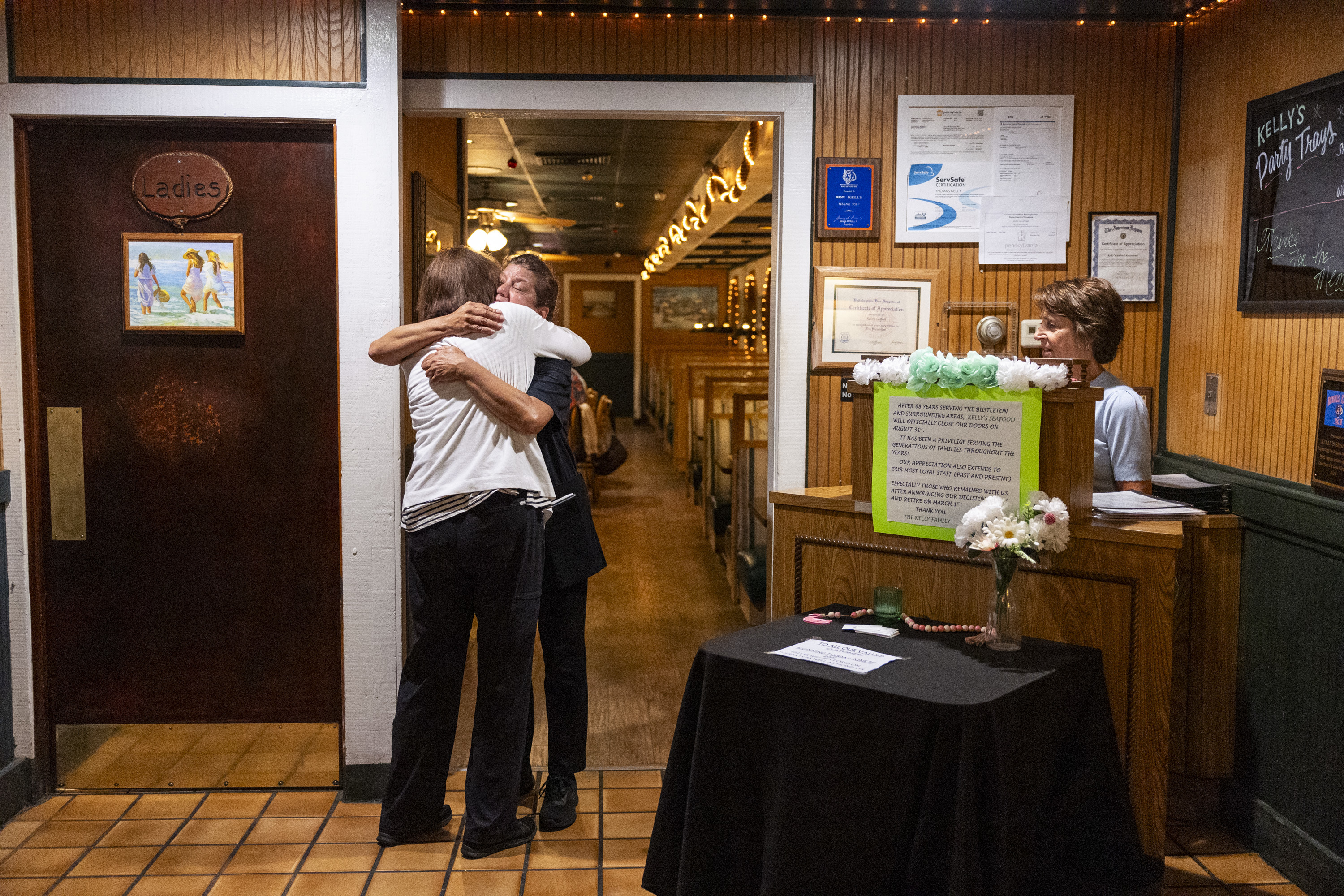
    At Kelly’s Seafood, the end is definite. The Northeast Philadelphia restaurant will close this month as its owners retire, ending a run spanning three generations of the Kelly family. So will Steve Stein’s Famous Deli, whose history in the Northeast also reaches back nearly 70 years.

    Elsewhere, the outcomes are less certain.
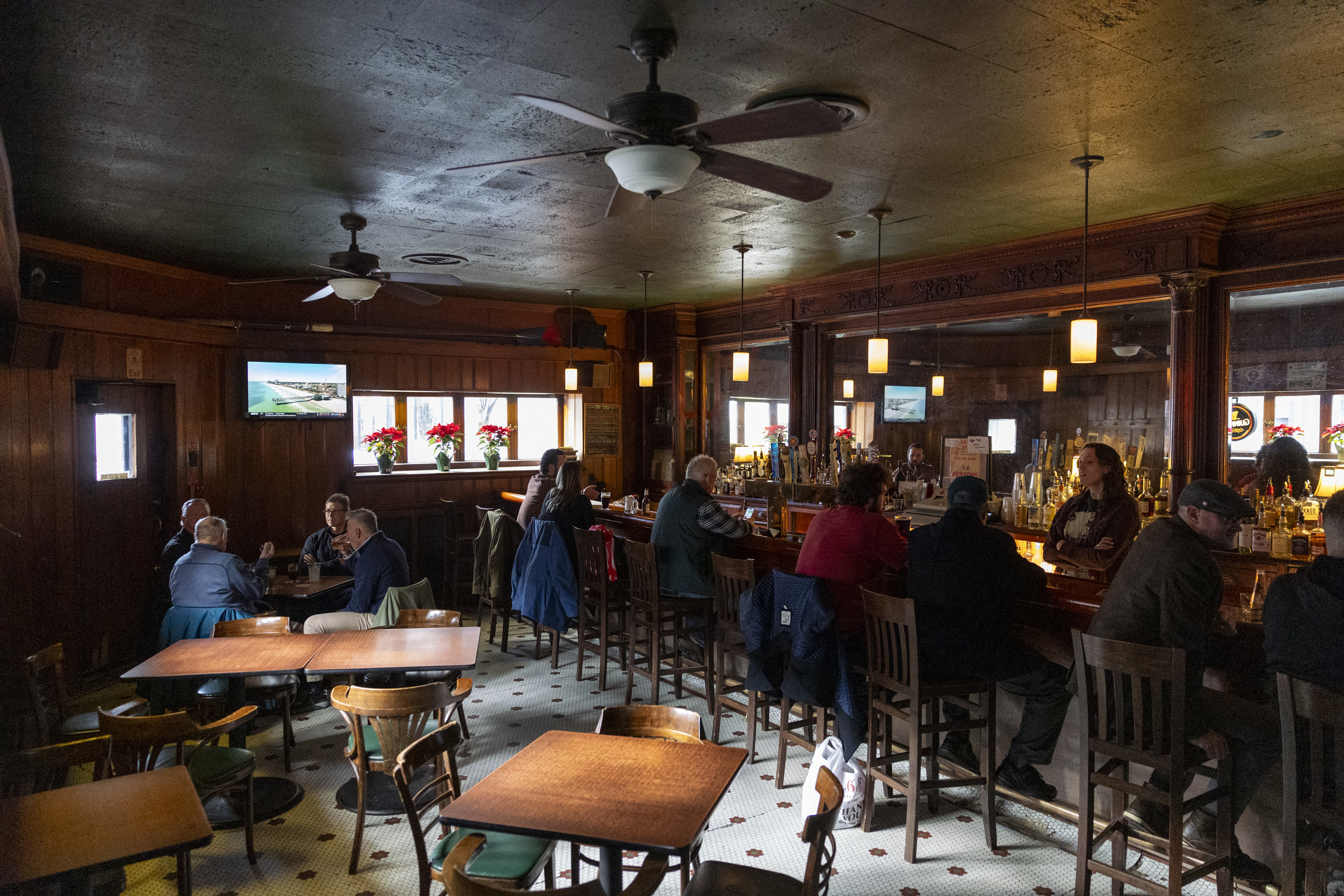
    Cherry Street Tavern has been around for a century at 22nd and Arch Streets.Tyger Williams / Staff Photographer

    The Pub, the sprawling Pennsauken steakhouse known for its open hearth, medieval decor, and thousand-plus seats, is on the market. The restaurant, which dates to 1951, is not closing: It is on its customary summer break and is scheduled to reopen Sept. 18.

    The owners of Cherry Street Tavern, the Logan Square bar that has operated for more than a century, are looking for a buyer after 50 years of stewardship by the Loughery family. The buildings that housed Mamma Maria’s, the East Passyunk Italian restaurant that opened in 1992, went up for sale this month. Aldar Bistro in Bala Cynwyd has been sold after 34 years and will give way to an Italian restaurant called Bruzi.

    McGlinchey’s, the Center City dive that closed last year after nearly 90 years, is back on the market after a prospective buyer walked away from a deal for the building.
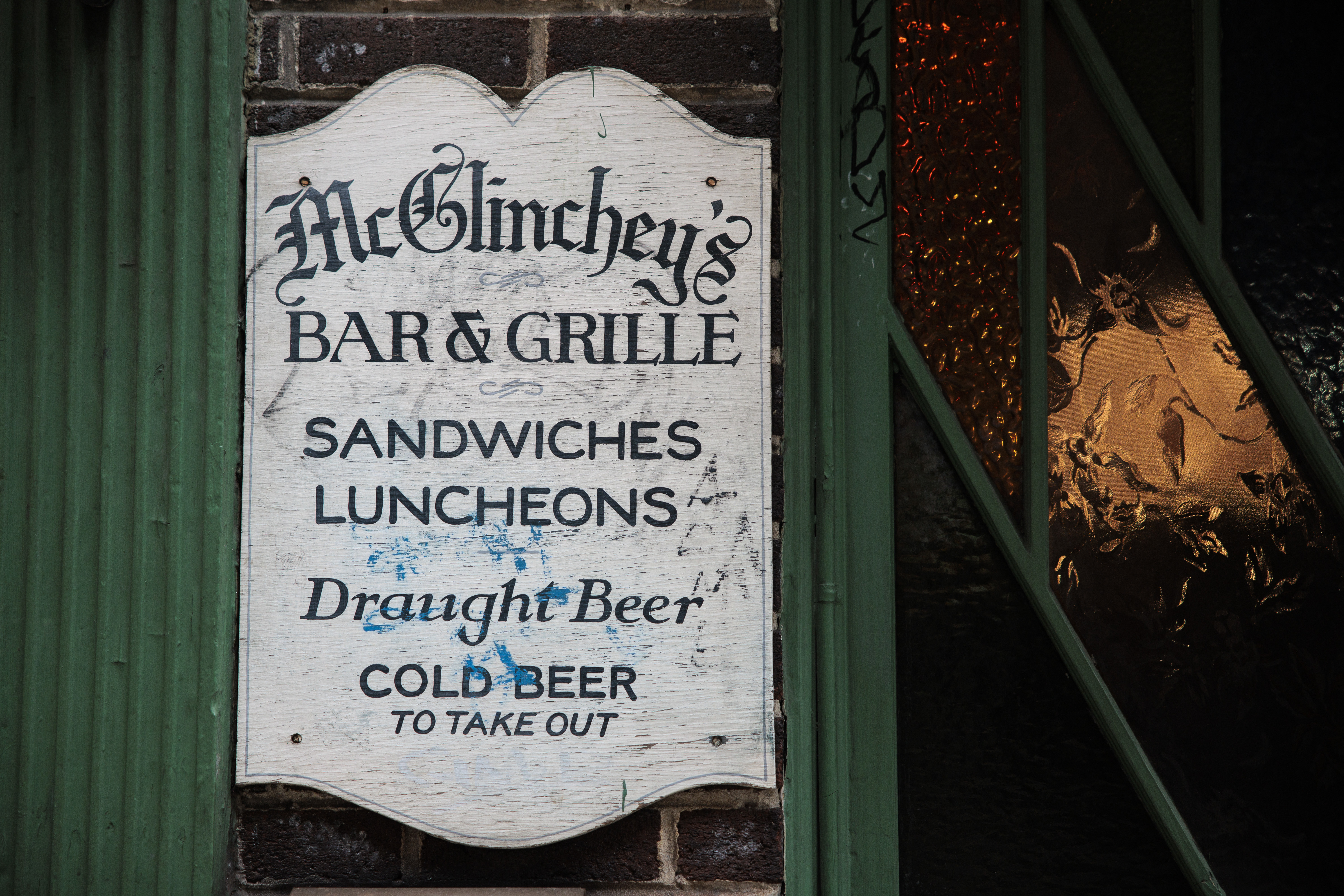
    McGlinchey’s, at 259 S. 15th St., after its closing in August 2025.Monica Herndon / Staff Photographer

    And the nearly 40-year-old Jake’s & Cooper’s Wine Bar in Manayunk is being marketed for sale as owner Bruce Cooper looks toward retirement.

    Restaurants have always turned over, and the recent activity does not appear to reflect a restaurant market in retreat. The Inquirer counted 86 Philadelphia-area restaurant closings in 2025, while more than 100 new restaurants and bars were on the drawing board for 2026. What distinguishes many of the businesses now closing or being sold is their longevity: They survived for decades, weathering the pandemic and recent increases in food and labor costs, before their owners reached retirement.

    ‘The gray wave’

    People in the restaurant, liquor, and real estate businesses say the turnover is part of a broader generational transition among small businesses as longtime owners reach retirement without children interested in taking over.

    Jim Creed, handling Jake’s listing, calls it the “gray wave.”

    “You’ve got operators who have been in business 40 or 50 years, and they don’t have heirs who want to take over the business,” said Creed, a senior vice president with CBRE.

    His father, also Jim Creed, knows the issue from the other side. He opened Creed’s Seafood & Steaks in King of Prussia in 1982 and, at 78, has no immediate plans to sell. “I go to the restaurant every night,” he said. “It’s actually fun.” But when he does decide to close, he said, his children don’t want to take over.

    For the counterexample, consider McGillin’s Olde Ale House in Center City. Open since 1860, it has survived through generations of owners; the Spaniak family has run it since 1958, with Chris Mullins Jr. now the third generation involved. There are no plans to sell. “It’s part of my DNA, part of our customers’ DNA, part of our staff’s DNA,” Mullins told The Inquirer this year.
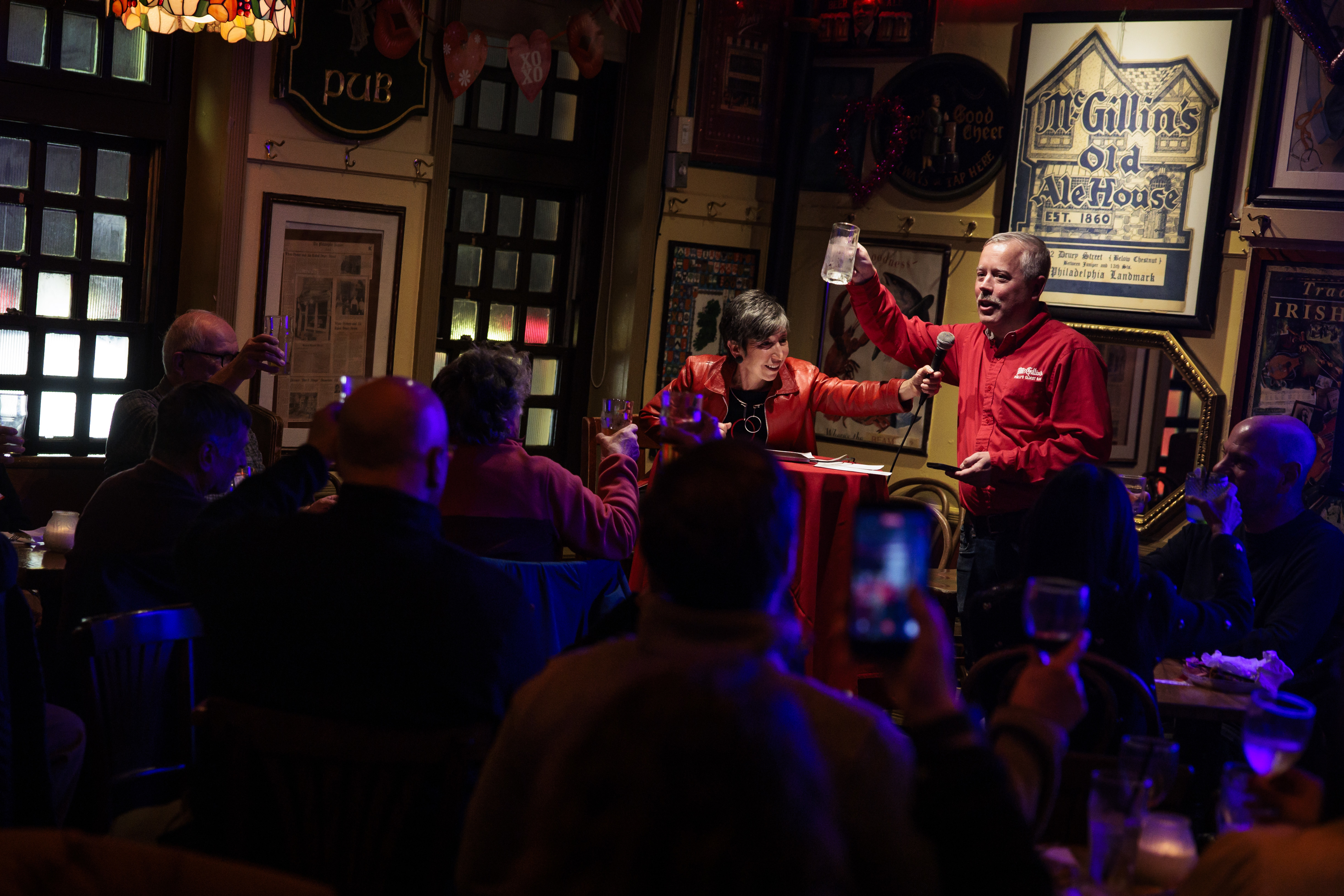
    Irene Levy Baker and Chris Mullins Jr. lead a toast at McGillin’s on Tuesday, Feb. 3, 2026 in Philadelphia. Attendees gathered for a book talk on “Cheers to McGillin’s: Philly’s Oldest Tavern” on Tuesday.Monica Herndon / Staff Photographer

    Ed Taraskus has watched generations of restaurant and bar owners come and go over 50 years of practicing liquor licensing law. He could not say whether the current number of sales and closings constitutes a statistical trend, but said the succession problem is familiar.

    “The parents retire and the children don’t want to get into the business — because it’s a hard business,” he said.

    Taraskus said the hours can be punishing for small family operators. His clients also complain about finding employees willing to work nights and weekends. Drinking habits have changed, he said, and some businesses are still feeling the effects of the pandemic.

    Taraskus knows the succession question personally. His South Philadelphia family owned a small restaurant and tavern, but his father discouraged him from entering the business. When his parents retired in the 1960s, they sold.

    Real estate on the line

    Retirement can present a second question for operators who own their buildings: What, exactly, are they selling?

    A restaurant may have value as a going business, but decades of appreciation can make the underlying real estate a substantial part of an owner’s nest egg. Sometimes the economics favor a different restaurant — or an entirely different use.

    Douglas Green, a principal at commercial real estate brokerage MSC, said the value of restaurant real estate is closely tied to the sales a location can support and, consequently, the rent an operator can afford.

    “The more volume they do, the more rent they can pay,” Green said.

    That means a location can be worth more to another restaurateur if the existing operator is underperforming. And in some cases, Green said, a restaurant may no longer be the property’s most valuable use at all.

    “At some point, perhaps the building becomes obsolete,” Green said. “Perhaps the highest and best use of the real estate is no longer a restaurant.”

    Those possibilities are playing out among the region’s longtime establishments.
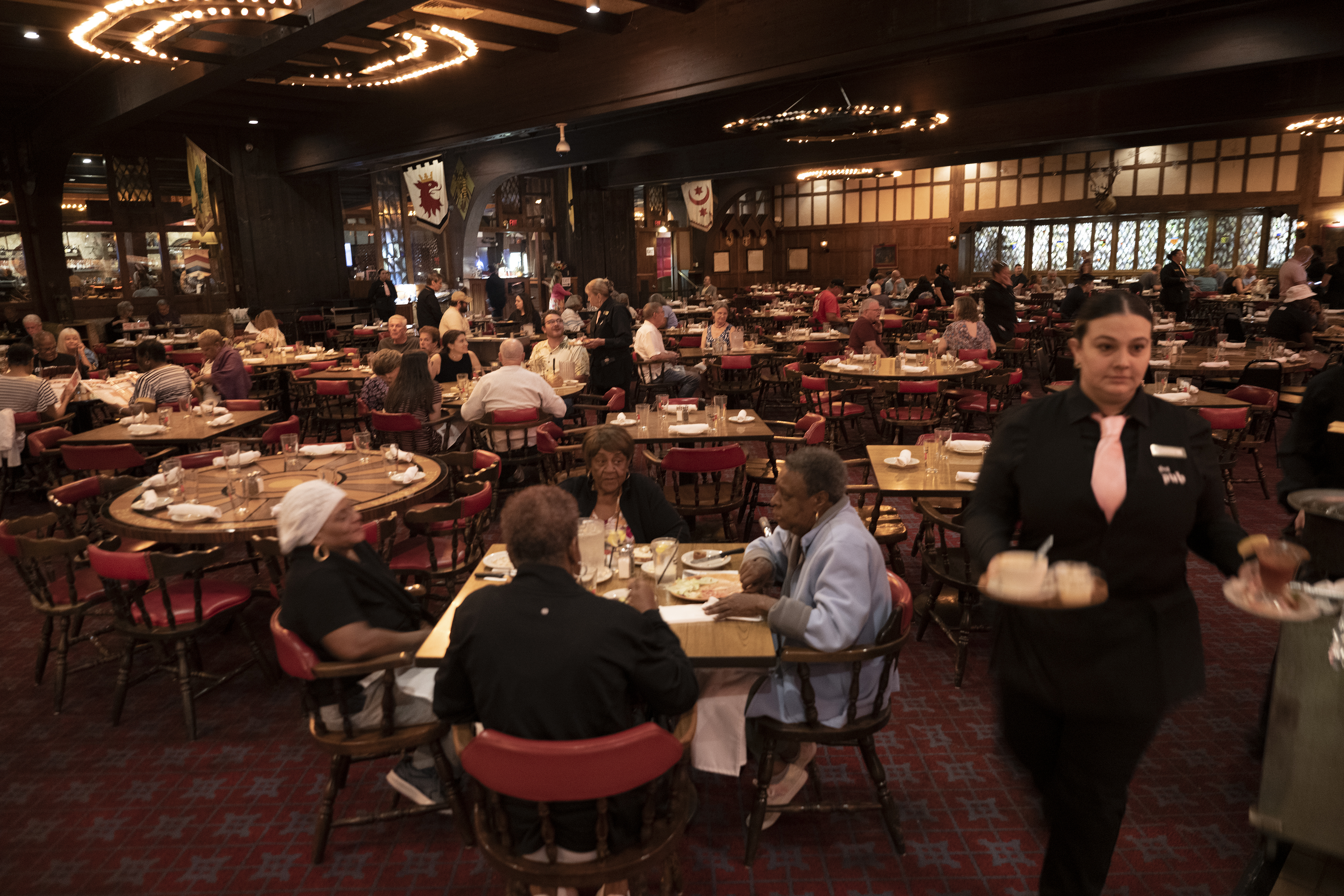
    The Pub restaurant near the former Airport Circle in Pennsauken in 2024.Jose F. Moreno / Staff Photographer

    At the Pub, the Gelman family is seeking a buyer for the restaurant and its roughly 6.3 acres on Kaighns Avenue near the former Airport Circle. The family has operated it since Marc Gelman bought it in 2000.

    “I don’t think there’s one thing in general why we’re selling, but it’s time for a new steward — if you will — of the business, or the property,” Marc’s son David Gelman said.

    At Cherry Street Tavern, at 22nd and Arch Streets, the Loughery family hopes to find a buyer who understands what generations of regulars value about the place.

    McGlinchey’s illustrates the other possibility. Its nearly 5,000-square-foot property at 259 S. 15th St. is listed for $2.45 million, including the liquor license, bars, and McGlinchey’s name, as either a turnkey bar and restaurant or a redevelopment opportunity.

    Decisions for buyers

    Creed said longevity itself can tell a prospective buyer something about a restaurant property.

    “Anytime you have operating longevity, that speaks to the real estate,” he said. “When you have a concept that has been in operation for 40 years, clearly the real estate has something to do with that, too.”

    The retirement of one operator does not necessarily mean the end of restaurant use.
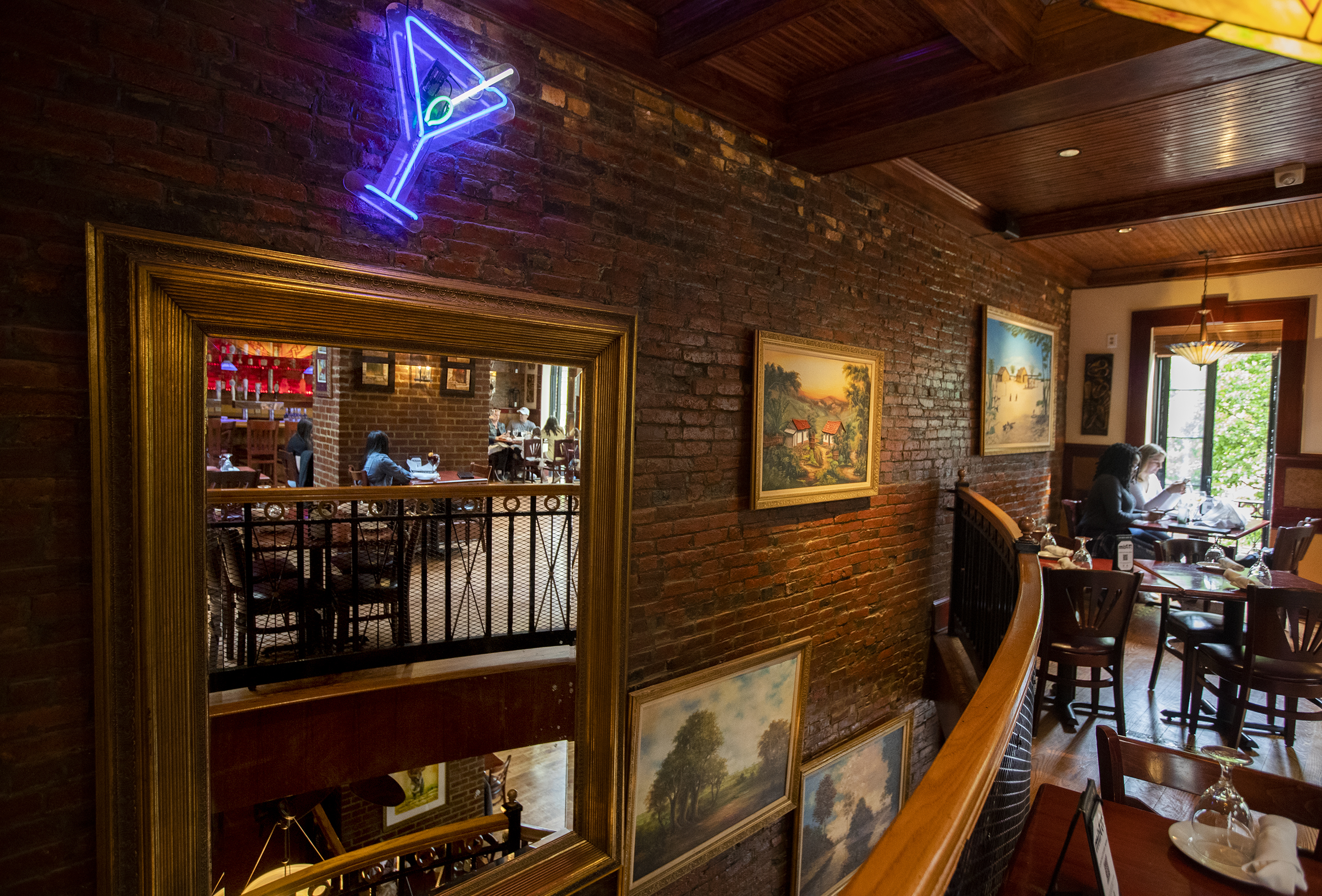
    The former Mixto space is set to become the revival of South Philadelphia bar Toll Man Joe’s.Charles Fox / Staff Photographer

    Mixto closed July 12 after nearly 24 years at 1141 Pine St. Within weeks, restaurateur Lori Penrose bought the property and announced plans to revive her former South Philadelphia sports bar, Toll Man Joe’s, there.

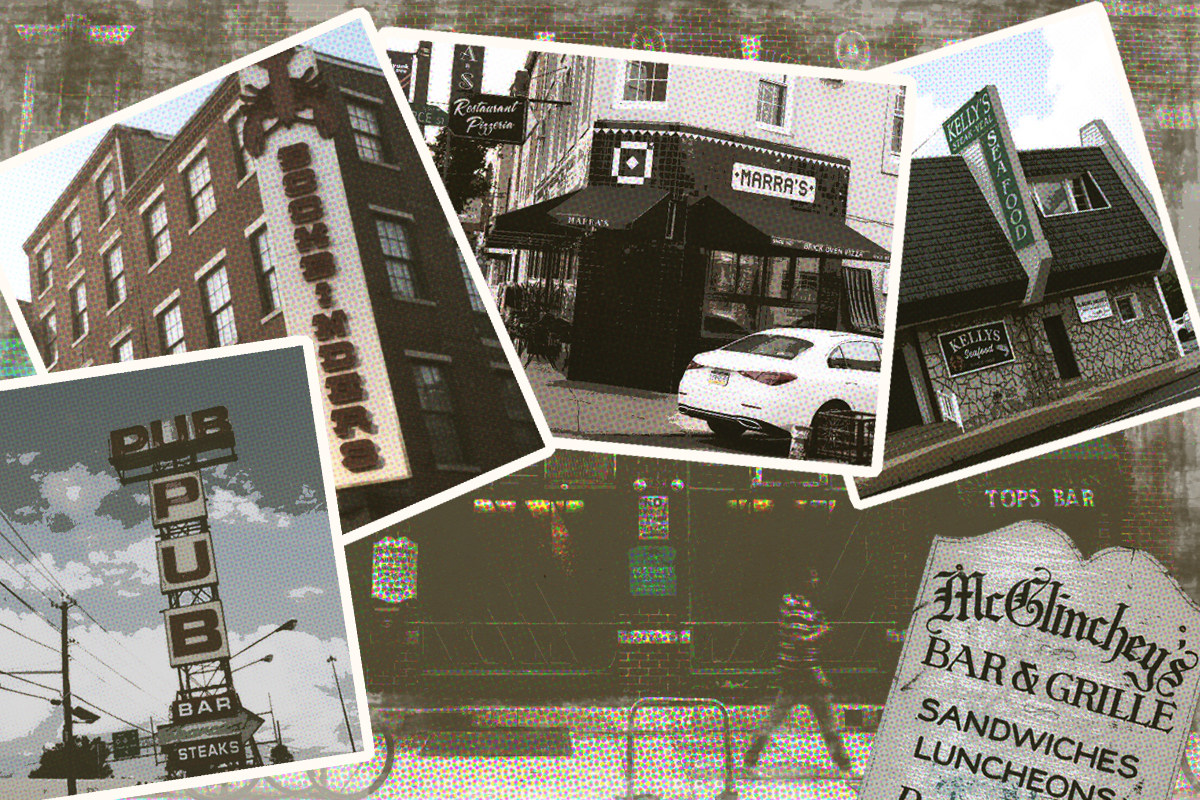
    Emei owner Dan Tsao has pursued that strategy on a larger scale. Over roughly a year, he acquired or leased four landmark restaurant properties: the former John Henry’s Pub in Ardmore, Marra’s on East Passyunk Avenue, the former Irish Pub in Rittenhouse, and the Old Original Bookbinder’s/Olde Bar property in Old City. All four are intended to remain in hospitality use.
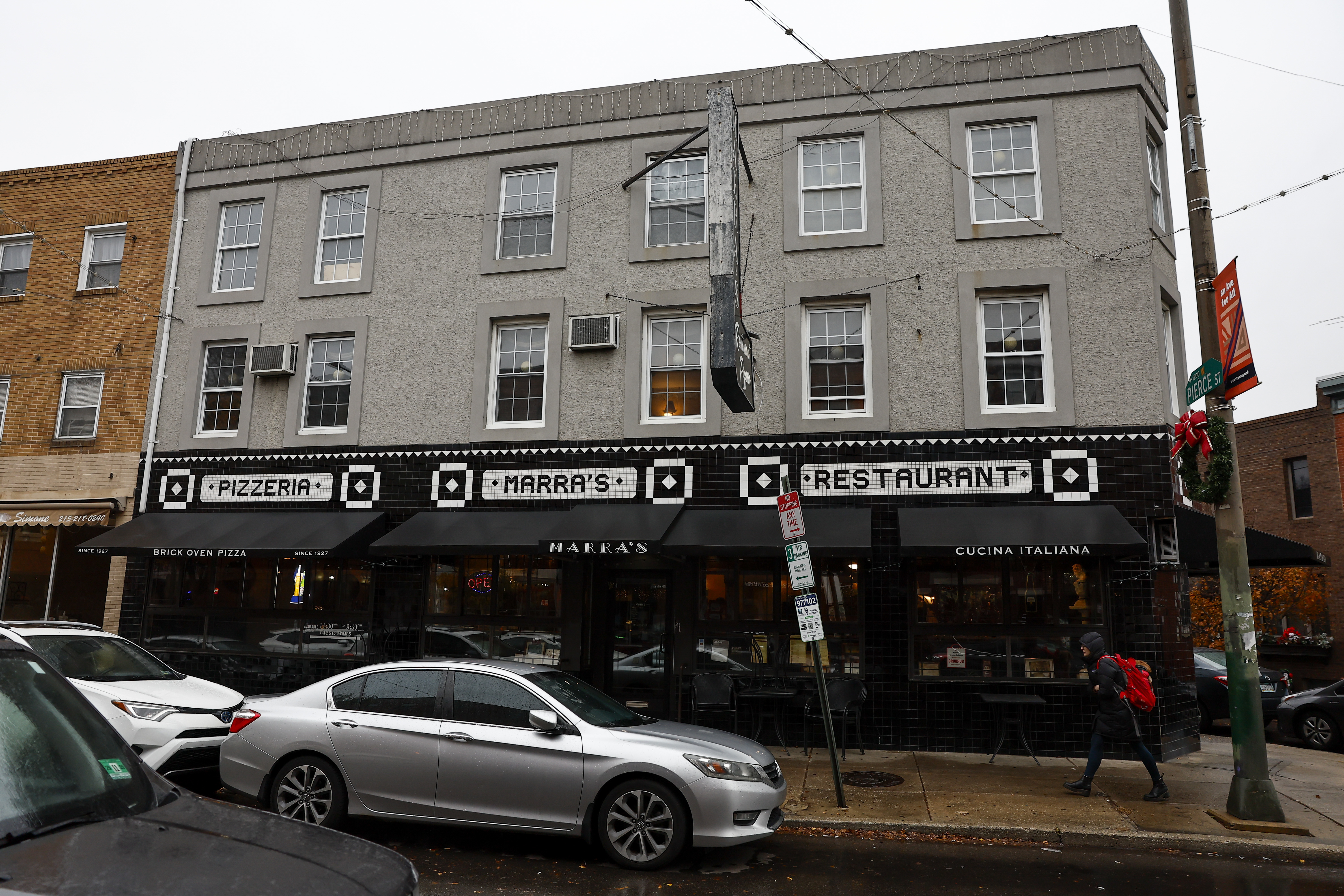
    The exterior of Marra’s Restaurant on East Passyunk Avenue is due to become a branch of Dan Tsao’s burgeoning restaurant group. Monica Herndon / Staff Photographer

    “There are pros and cons to both,” Tsao said of taking over an existing restaurant rather than starting with a new space. “But with an existing restaurant space, especially a legacy restaurant, it already has a place in the neighborhood, and a place in the memories and hearts of generations of customers.”

    Such properties may also have much of the expensive infrastructure required to operate a restaurant.

    But for Tsao, the attraction isn’t purely economic.

    “I also like the idea of preserving some of that history,” he said, “while giving the space a new chapter.”
  • Northeast Philadelphia is losing its last traditional Jewish deli

    Northeast Philadelphia is losing its last traditional Jewish deli

    Northeast Philadelphia’s last traditional Jewish delicatessen will close this weekend, ending a chapter in a food culture that for decades seemed inseparable from the area itself.

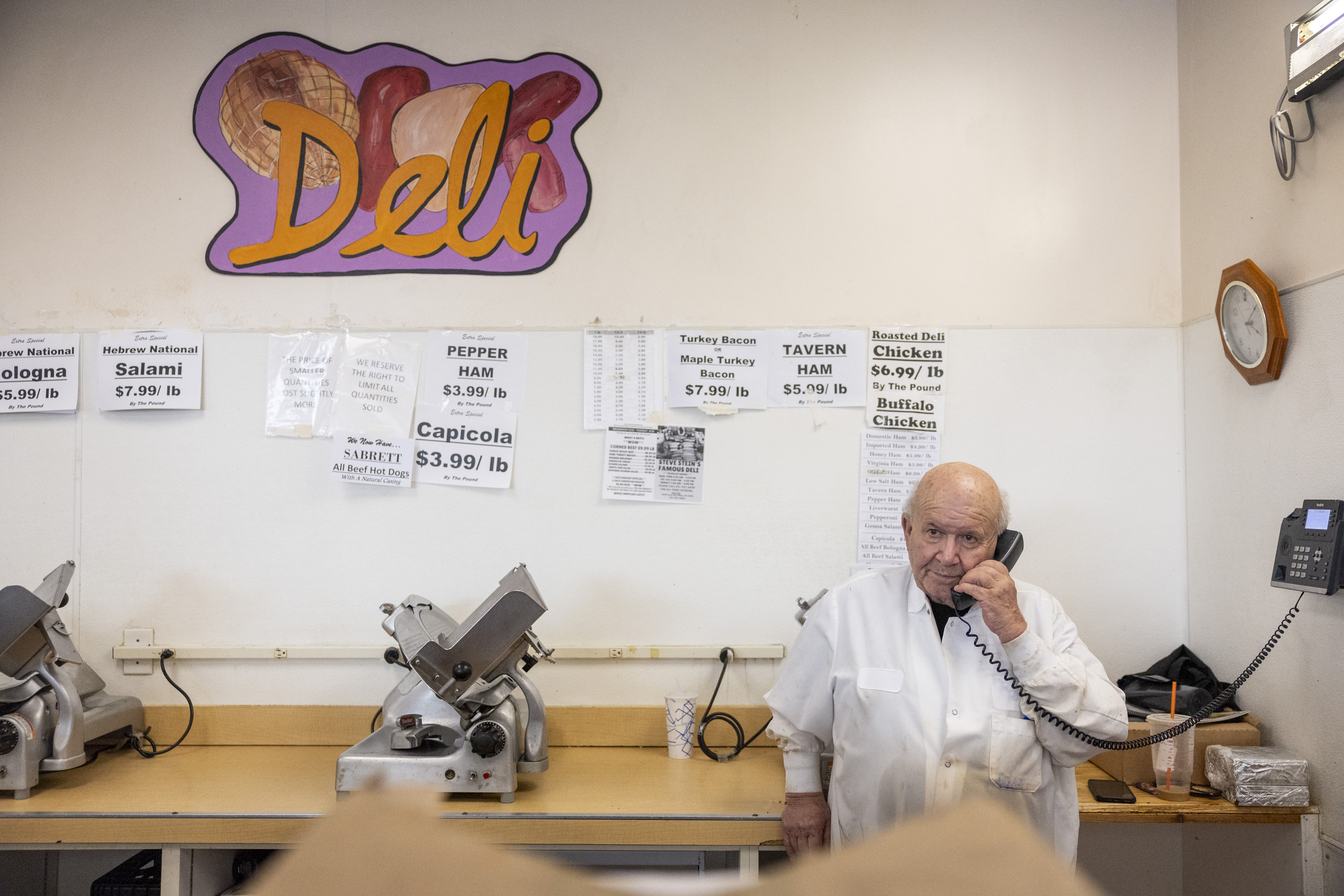
    Steve Stein’s Famous Deli, in Bustleton’s Grant Plaza, outlasted a food landscape once crowded with Jewish delis, bakeries, butchers, and other specialty shops. Its closing Sunday comes more than nine years after the finale of Jack’s Deli in Bell’s Corner, the Northeast’s penultimate deli. Like Stein’s, Jack’s combined a retail counter with a restaurant.

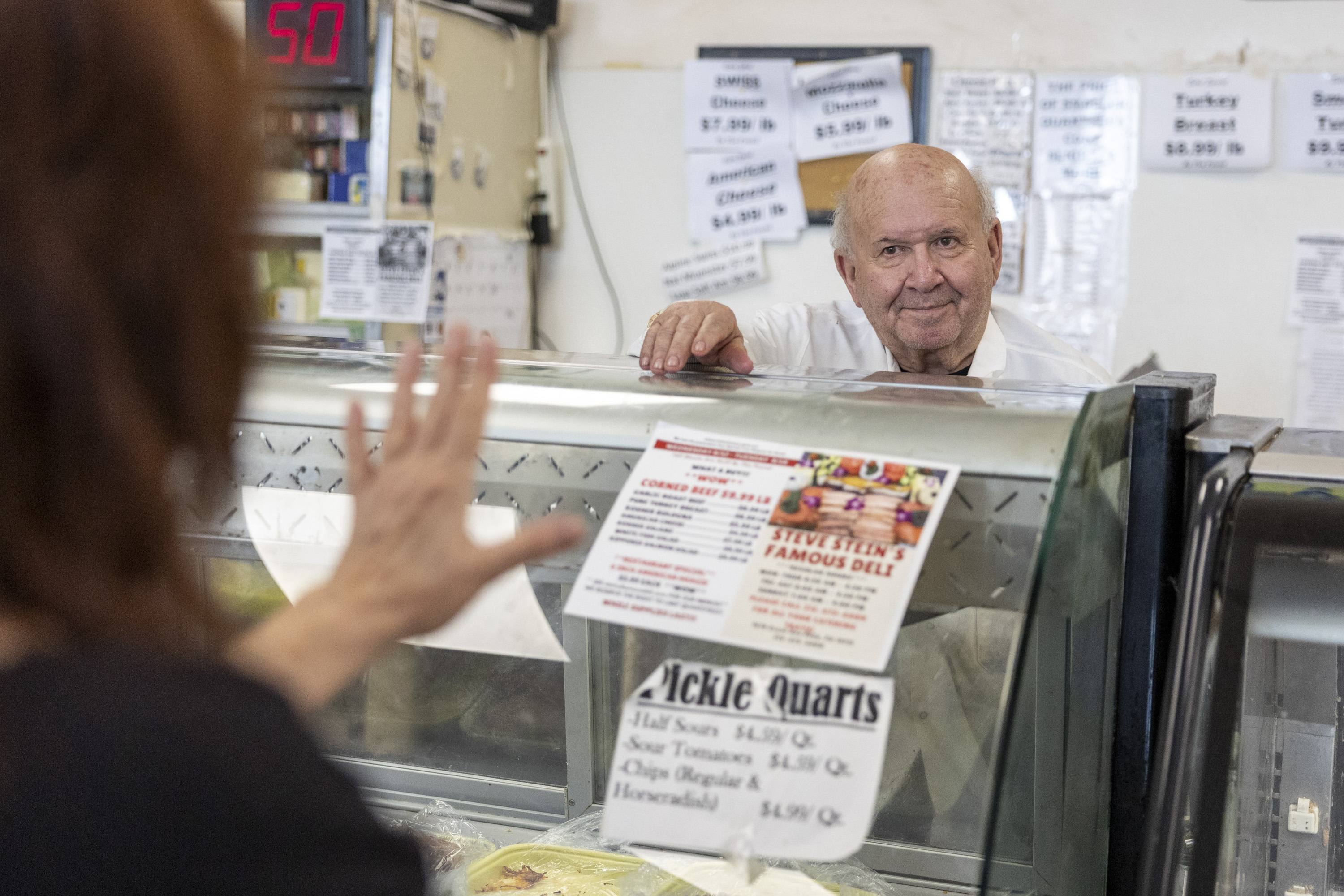
    The deli counter at Steve Stein’s Famous Deli on Aug. 14, 2026.Tyger Williams / Staff Photographer

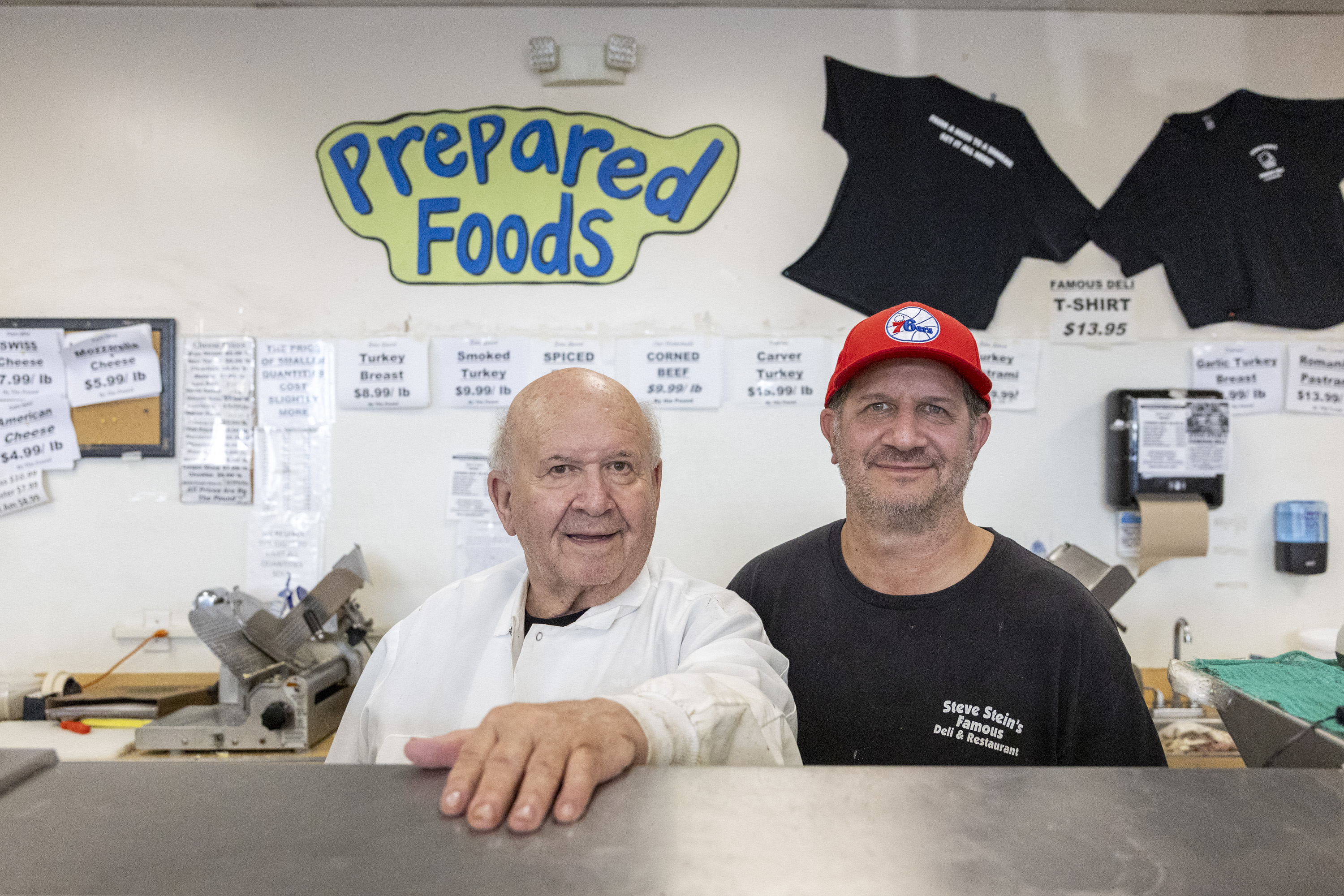
    For Steve Stein, 83, the closing will end a family business whose roots stretch back to the late 1950s, when his family became involved with the Famous Deli location at 6826 Bustleton Ave. in Castor Gardens.

    Famous was part of an older Philadelphia deli dynasty. Beginning in the 1920s, the Auspitz brothers launched a string of delis around the city, including the flagship at Fourth and Bainbridge Streets in Queen Village, now owned by Al Gamble.

    Around 1960, Stein said, the Auspitzes sold the Bustleton Avenue Famous to Stein’s father, Mike, his brother Arnold, and his cousin Jack. The boys had run the produce concession there. Steve and Arnie, who died in 2010, later ran it side by side. Steve now runs the place with his son, Lee, now 57.

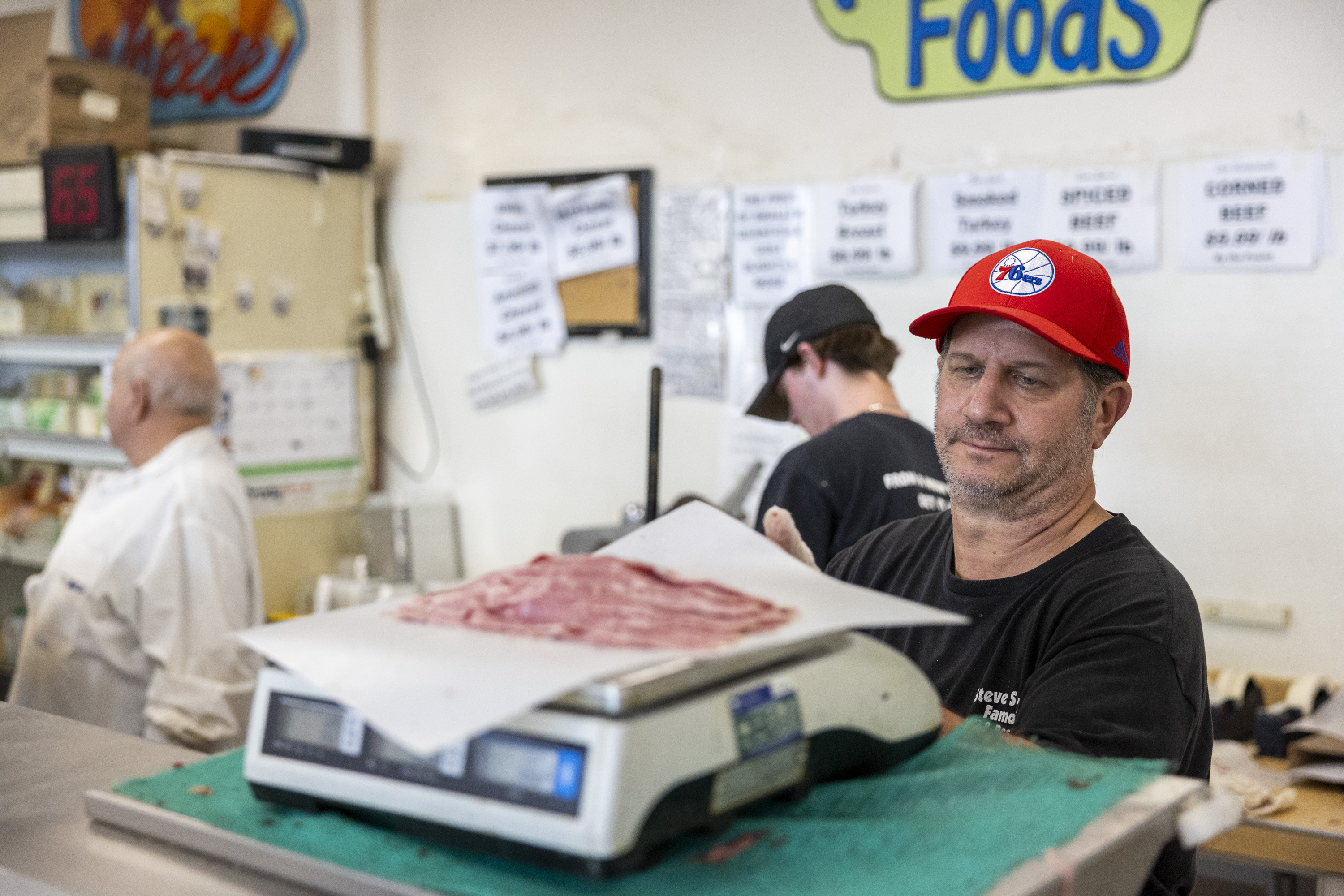
    Lee Stein weighs corned beef at his father’s deli on Aug. 14, 2026.Tyger Williams / Staff Photographer

    Since Stein announced the closing, customers have been stocking up on corned beef, smoked fish, rye bread, and other foods they fear they will not easily replace. Stein has cut prices as he tries to move inventory.

    “Nobody’s charging $9.99 a pound for house-cured corned beef,” Lee Stein said.

    On Friday, Tracey Lynn of Fox Chase ordered two pounds of corned beef while plucking garlic-perfumed sour tomatoes from a barrel, telling Stein that she planned to freeze some of the meat.

    Lynn said she and her husband have been customers since 1993. She is not sure where she will shop next. “I don’t want whitefish salad from BJ’s or from Costco,” she said.

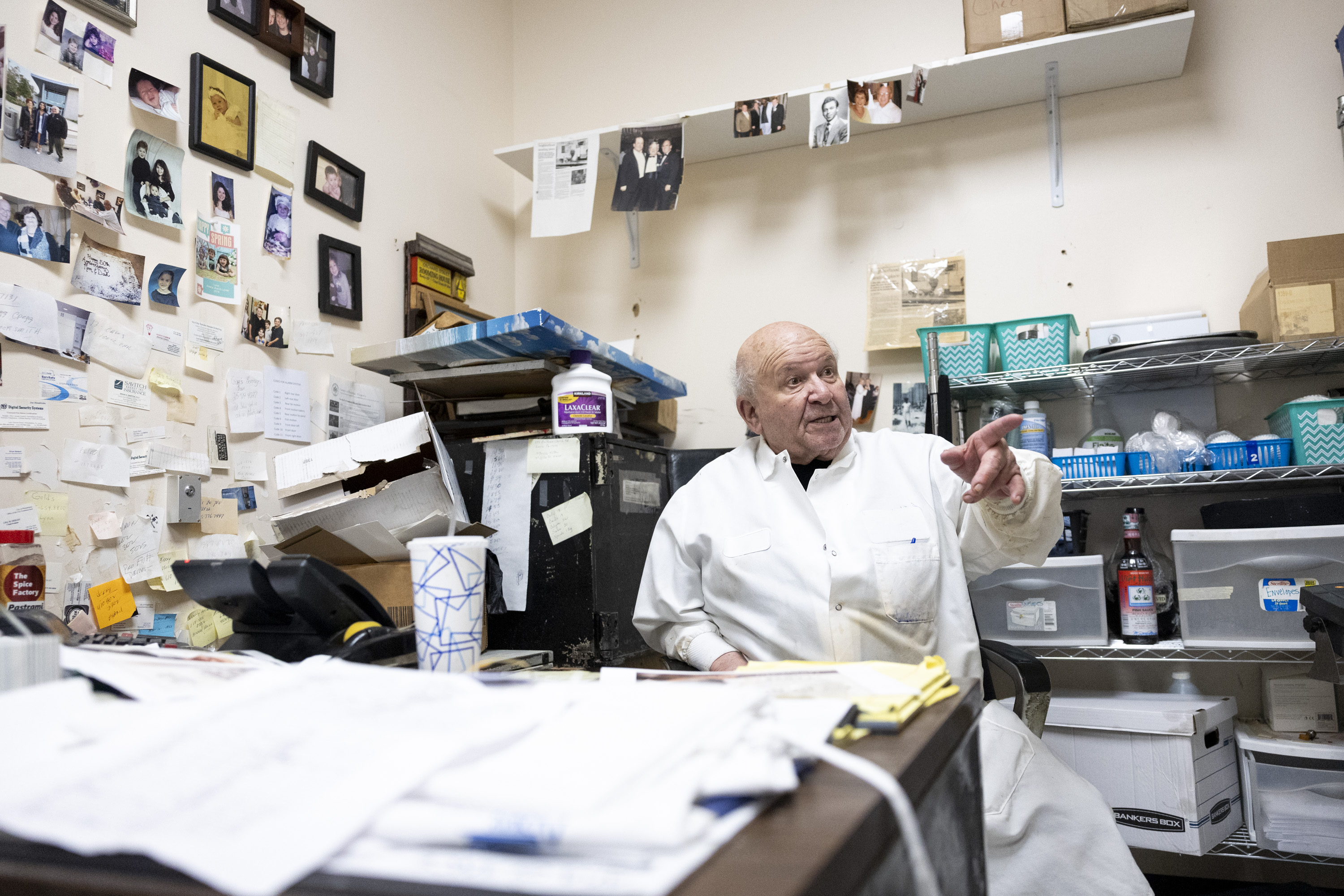
    The closing is partly a retirement story. Stein said problems with his legs have made it increasingly difficult to work.

    But it is also about labor costs, food prices, succession, and a neighborhood whose demographics have changed dramatically over the life of the business.

    As Jewish families moved farther into the Northeast, Famous followed: first, in the mid-1970s, to Krewstown Road (where it had two locations) and, 14 years ago, to Grant Avenue. Stein, who later also had a short-lived store in Holland, Bucks County, sold the Bustleton Avenue store in the mid-1970s.

    In that sense, the history of Famous tracks the movement of Jewish Philadelphia itself.

    Steve Stein, owner of Steve Stein’s Famous Deli, takes a break in his office.Tyger Williams / Staff Photographer

    A suburban diaspora

    After World War II, thousands of Jewish families left older Philadelphia neighborhoods such as Strawberry Mansion, Queen Village, and Wynnefield for Oxford Circle, Castor Gardens, Rhawnhurst, and Bustleton in the rapidly developing Northeast. Others moved to Lower Merion and Cherry Hill, which developed large Jewish communities and deli cultures of their own that remain.

    By 1970, demographer Ira Rosenwaike estimated, using Census data on Yiddish as a mother tongue, that more than 68,000 Jewish adults 25 and older lived in the Near and Far Northeast.

    That population supported an extraordinary density of Jewish food businesses: Abe’s Appetizers, Castor Deli, R&W, Stern’s, Paul’s, Four Lads, Dave’s, Casino, the Nasherei, four Barson-Overbrook locations.

    Steve Stein (left), owner of Steve Stein’s Famous Deli, behind the counter with his son, Lee.Tyger Williams / Staff Photographer

    To Hasia Diner, a historian and New York University professor who specializes in American Jewish history, the significance of delis was precisely their ordinariness. They were not institutions created to preserve Jewish culture. They were where neighborhood life happened.

    “On the one hand, [delis] seem so everyday,” Diner said in an interview. “They’re not great synagogues where religion was expounded, or places where great ideas were pronounced. But they were places where life was lived.”

    Some were kosher and others were not. What mattered, Diner said, was that the deli offered a secular Jewish space, rooted as much in neighborhood and food as in religious observance.

    By the 1980s, however, those neighborhoods were changing. In a 1987 Inquirer article, Bruce Isakoff of Paul’s Deli, on Castor Avenue near Brighton Street, said his business was doing more lunchtime trade as Jews left the neighborhood and it became a more generic deli. By then, Four Lads, on Castor Avenue at Creston Street in Oxford Circle, had stopped carrying smoked fish and pastrami. Both are long gone.

    A ‘kind of shrine’

    Many Jewish households moved farther north and into Bucks and Montgomery Counties. A 1996-97 Jewish Federation study found that Philadelphia accounted for 41% of the region’s population living in Jewish households, down from 54% in 1984, while Bucks County’s share had nearly doubled.

    The studies used different definitions and geographic boundaries, but the direction was unmistakable: The dense Jewish population that once sustained neighborhood delis had dispersed.

    Steve Stein, owner of Steve Stein’s Famous Deli, taking a deli order on Aug. 14, 2026.Tyger Williams / Staff Photographer

    The movement itself was nothing new, Diner said. American Jewish communities repeatedly established themselves in neighborhoods and moved elsewhere. What changed was the role of the old neighborhood — and of the deli within it.

    “The deli was often the kind of shrine to which they went back,” she said.

    The old delis offered something beyond nostalgia. In their heyday, Diner said, they were overwhelmingly Jewish spaces where customers did not have to explain themselves or worry about how they appeared to outsiders.

    “These places were so rich with a kind of embeddedness, of comfort and security and, again, letting your hair down,” she said.

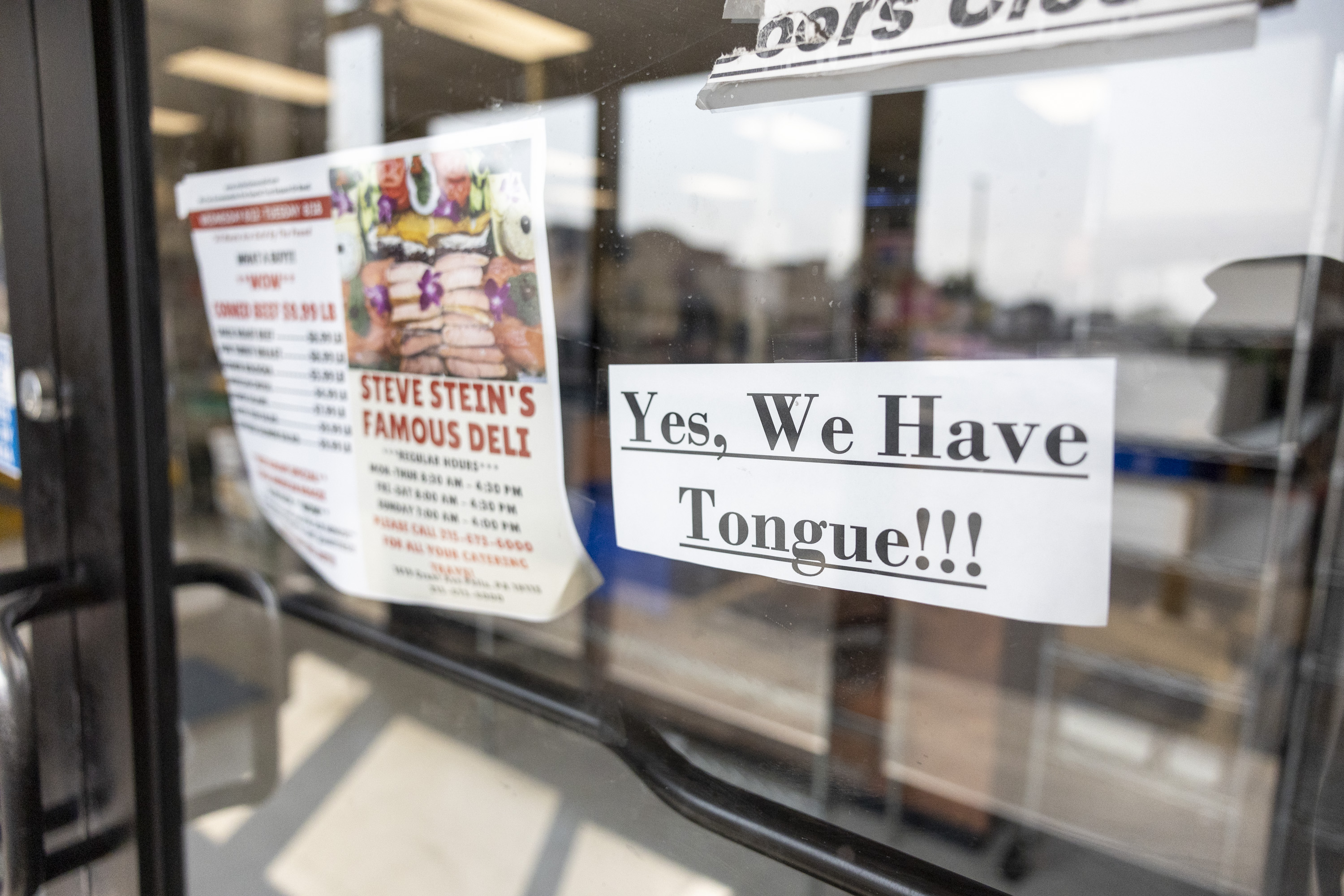
    A sign proclaiming, “Yes, We Have Tongue!!!” at the entrance at Steve Stein’s Famous Deli.Tyger Williams / Staff Photographer

    Population was only part of the story. Supermarkets increasingly stock foods that once sent customers to specialty counters: corned beef, pastrami, smoked fish, whitefish salad, herring, rye bread, bagels, pickles, and knishes. But not everything. Signs at Famous proclaim, “Yes, We Have Tongue!!!” Not many others do.

    More important, Diner said, is what cannot be sold at a supermarket: the deli as a secular gathering place, where being Jewish required neither religious observance nor agreement about politics. “A pastrami sandwich is a pastrami sandwich,” she said.

    Costly ingredients

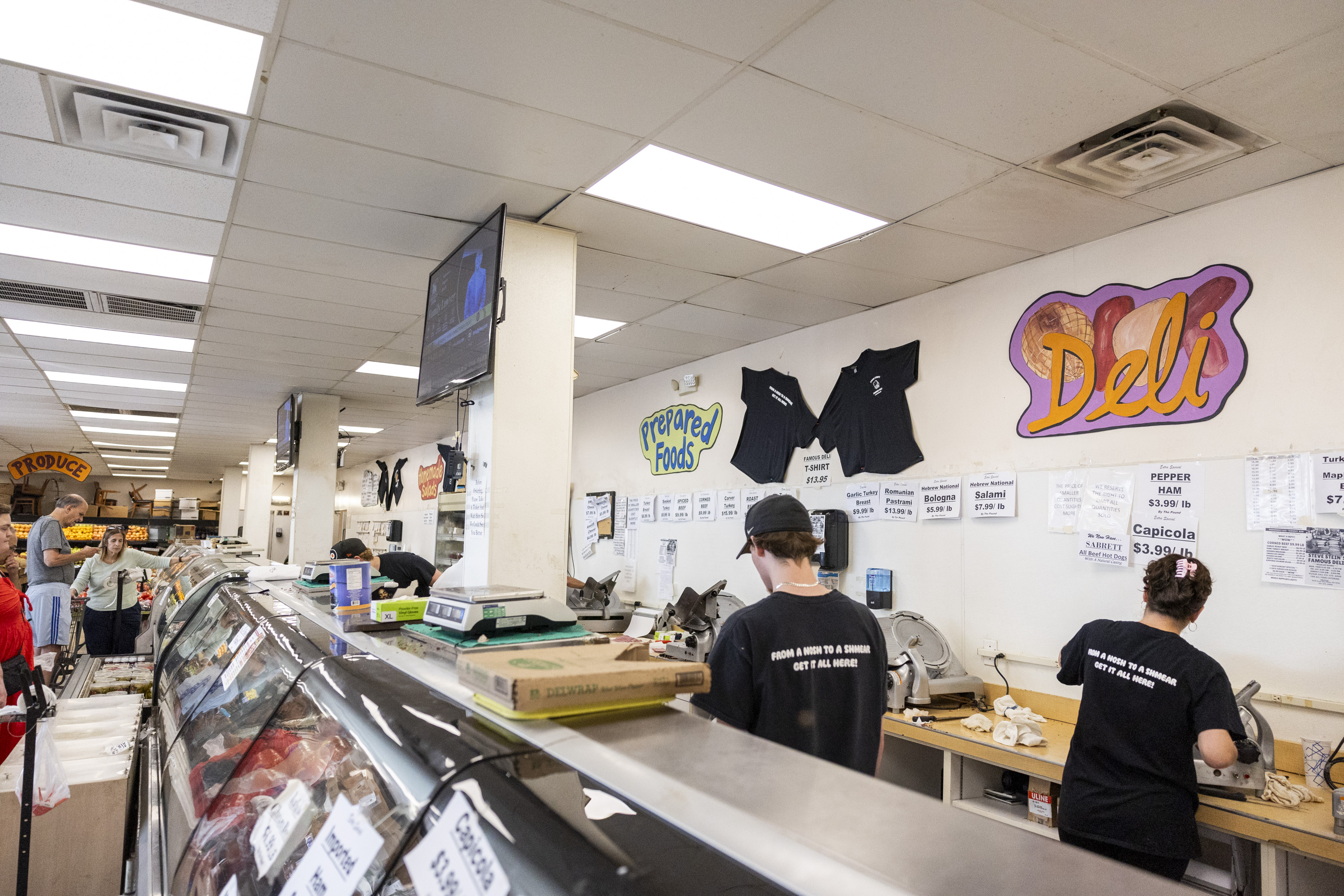
    The traditional deli model itself is expensive and labor-intensive, built around extensive preparation and a sprawling inventory. Famous still cures its corned beef and makes its own turkey, pastrami, whitefish salad, and spice beef.

    Steve Stein’s Famous Deli is equal parts market, deli counter, and restaurant.Tyger Williams / Staff Photographer

    Steve Stein said finding employees has become increasingly difficult. Lee Stein said prospective workers have easier options, such as driving for Uber or making deliveries for Grubhub.

    The deli has about 35 employees, many part-time. Some are placed through SPIN, the Philadelphia nonprofit that supports people with intellectual, developmental, and autism spectrum disabilities.

    Survival has also required adapting to the customer base, increasingly non-Jewish. Lee said he remembers when Famous carried a single canned ham, hidden behind the counter. Though few Jewish delis are kosher, pork traditionally has been another matter.

    “Nobody was allowed to say the word ham,” he said.

    Today, their case holds about a dozen varieties.

    Rob Woloshin, 40, owner of Manny’s Deli Stop in Willow Grove, grew up going to Stein’s Famous with his father. His deli represents a leaner version of the old model: counter service, a few tables, online ordering, and delivery, with traditional deli sandwiches alongside chicken cutlets, wraps, and other contemporary offerings.

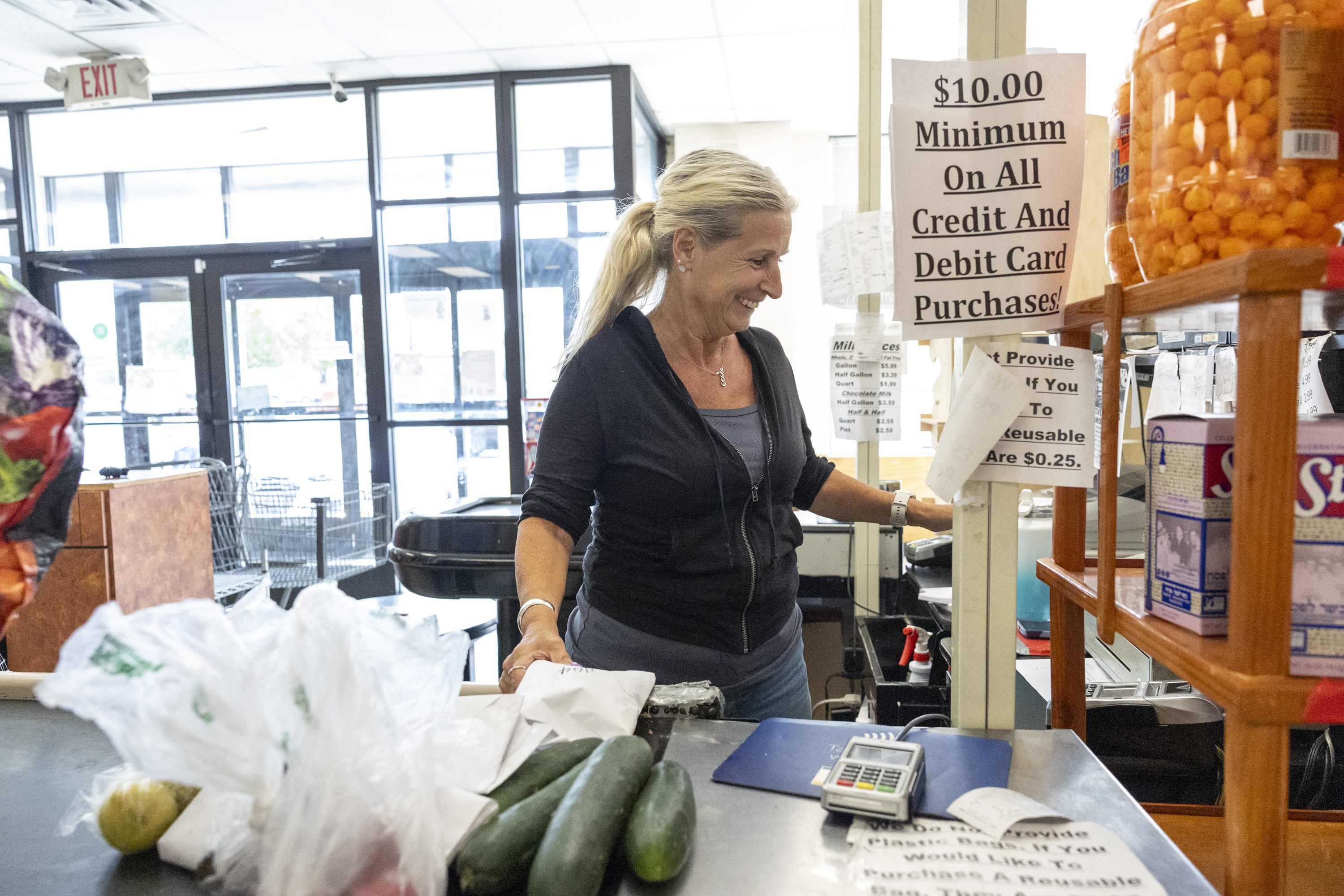
    Cashier Linda DiNenno, who has worked at Steve Stein’s Famous for about 13 years, checks out a customer.Tyger Williams / Staff Photographer

    “We’ve kind of modernized, I guess, as much as the Jewish deli can be modernized,” Woloshin said.

    Famous may yet have an afterlife. Lee Stein said he is talking with the landlord about a deal that could keep him in the space, under another name, in time for the Jewish High Holy Days, which begin Sept. 11. If not, he might offer catering from a synagogue kitchen.

    For longtime cashier Linda DiNenno, the closing is less about corned beef than the people around the counter. She said she will miss the family atmosphere among employees and customers who have been calling to say goodbye.

    “I’ve got customers calling on the phone, like, ‘Oh my God, I’m gonna miss you, Linda,’” she said.

  • What you need to know about SEPTA’s bus route changes

    What you need to know about SEPTA’s bus route changes

    The first phase of SEPTA’s bus network overhaul begins Aug. 23, and Brandon Miller is mobilizing hundreds of employees for a final push to meet face-to-face with riders in the days leading up to the changes and during the first week after they take effect.

    “It’s a blitz,” said Miller, manager of planning programs at SEPTA, describing discussions at “pop-ups” as an effective way to help people navigate the new network.

    “This is the evolution of the ‘Bus Revolution,’” Miller said.

    Unlike some transit agencies, SEPTA has not done a comprehensive redesign of its bus network in its 58-year history. The agency has publicly pushed to do so since 2021, but change was delayed by opposition, political wrangling, and, later, a two-year fiscal crisis.

    Originally the “Bus Revolution” was supposed to happen all at once, but SEPTA ultimately decided to phase in changes to routes.

    The process has been quieter this time around.

    Dan Nemiroff, SEPTA’s director of city service planning, , said people are more open to the need for changes, especially after SEPTA had to shut down bus routes last year because of a budget deficit. A court ordered those cuts reversed, and the agency later received an infusion of cash from PennDot.

    “I think there’s more willingness to accept the fact that … we need to make the bus network a little bit more efficient,” Nemiroff said. “We need to make the system more attractive for people.”

    In the first wave, 30 routes will be affected in some way.

    Some routes with low ridership or that duplicate nearby service will be eliminated. Others will be extended or run more frequently, and two new routes will be added.

    What routes will change?

    New and expanded routes: Route 72, a new crosstown bus running along Cheltenham Avenue, and the new Route 76 bus from Columbus Commons to Rising Sun and Olney. Route 45 will be extended to provide service to the Navy Yard, and Route 79 will be extended from South Philadelphia into University City.

    Eliminated routes: 35, 47M, 62, 78, 80, 89, and 106.

    I have specific questions. How can I ask SEPTA?

    There will be a Zoom session on Aug. 19 from 6 p.m. to 7 p.m. Register here to attend.

    Miller said the talk is informally called “back-to-school,” with more discussion of the changes’ effects on students than in previous meetings.

    SEPTA has a webpage dedicated to Phase One changes, as well as an overview of the New Bus Network.

    Riders can call SEPTA customer service at 215-580-7800 or email specific questions to planning@septa.org.

    I want to talk to someone in person.

    Beginning Monday, street teams will conduct “pop-up” visits at key transit hubs at various times between 6 a.m. and 8 p.m.

    Next week, visits will include South Broad Street and Snyder Avenue, Cedarbrook Plaza, Hunting Park Station for changes to Route 53, Spring Garden Station, and Willow Grove Mall.

    Staff are also attending community events.

    When will changes happen?

    The majority of changes will take effect Sunday, Aug. 23, followed by the Route 105 extension and elimination of Route 106 on Monday, Aug. 24.

    What areas are most impacted?

    How can I find alternative routes?

    SEPTA’s website provides alternative routes. Look up your route here.

    What other changes are planned?

    Phase 2 changes are planned to begin in February.

    Phase 3 changes are planned to begin in June 2027.

    Phase 4 changes are planned to begin in Fall 2027. Many details are still being worked out.

    Why redesign the bus network?

    SEPTA launched its bus redesign efforts in earnest after ridership declined 13% from 2013 to 2019, a drop attributed to slow speeds, reliability problems, and competition from ridesharing companies. And that was before the COVID-19 pandemic.

    Bus ridership rebounded faster than it did on other transit services, but SEPTA’s thinking is that simplifying the network will make it easier to use, with more frequent service on fewer or shorter routes.

    Will bus stops be changed?

    Stops will disappear during the first phase on routes that are eliminated, but there will be no wholesale changes yet.

    Philadelphia had the shortest median distance between bus stops of any large U.S. city as of 2021, at 564 feet. Pittsburgh’s median distance was 623 feet, while Chicago’s was 673 feet.

    Having more stops per mile provides access to more people, but closely spaced stops can also slow buses and make them less reliable.

    Early plans for Philadelphia’s bus network redesign aimed to “rebalance” stops by spacing them farther apart to improve speed. But the idea has been unpopular.

    SEPTA may revisit the issue later.

    More questions about the New Bus Network?

    Email transportation reporter Thomas Fitzgerald at tfitzgerald@inquirer.com.

  • Kensington High School students will be relocated after asbestos ‘concern’ during HVAC project

    Kensington High School students will be relocated after asbestos ‘concern’ during HVAC project

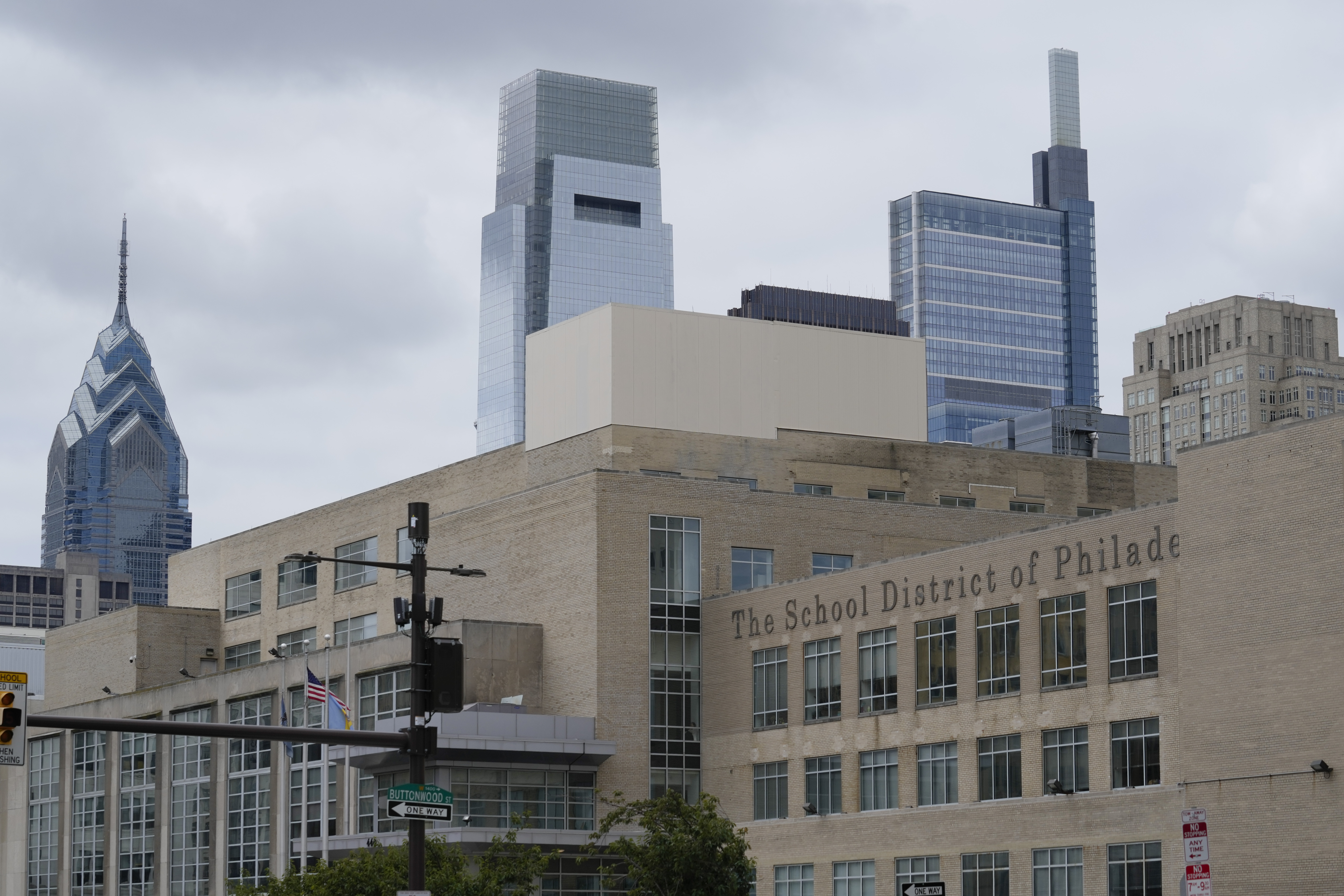
    Kensington High School students and staff are being relocated to the vacant Austin Meehan school building through the end of the calendar year, after an asbestos “concern” arose during an HVAC project, Philadelphia school district officials said.

    While workers were installing a new heating and cooling system, “an asbestos inspector identified a concern about the demolition of the old system,” Oz Hill, the district’s deputy superintendent of operations, said in a letter to the high school community Thursday — a little more than a week before the new school year begins Aug. 24.

    Hill said the district “immediately stopped the project and has been working cooperatively with the city’s Air Management Services and the Philadelphia Federation of Teachers while the building is thoroughly cleaned and air quality tests are conducted to show the space meets standards to be reopened.”

    Arthur Steinberg, president of the PFT, said he was told that “a contractor broke into some space … disturbed some asbestos, and tracked it all over the building.”

    “That essentially contaminated the entire building, by them moving around after the asbestos material was disturbed,” Steinberg said in an interview Friday.

    Steinberg said the relocation to Austin Meehan, a vacant middle school in Northeast Philadelphia, would mean “turmoil.”

    Austin Meehan, which closed in 2022, is more than seven miles away from Kensington High School.

    In the message, Hill said the district had considered closer options, but they “did not meet the space or accessibility needs for Kensington’s more than 400 students and 90 staff.” He said “details about the schedule, transportation, and all logistics will be forthcoming.”

    A district spokesperson did not immediately respond to a request for comment Friday.

    Steinberg said the relocation “creates logistical nightmares for everybody,” with new commutes for staff and families.

    “But it’s better than trying to make them occupy a building that’s contaminated with damaged asbestos,” Steinberg said. He said the PFT will be on site as Kensington staff report to Austin Meehan Monday to hear and address concerns.

    The PFT also has an occupational hygienist at Kensington High School supervising the district’s work, to ensure the asbestos is properly cleaned up and tested, Steinberg said.

    The union “will ensure that building is suitable for occupancy, or our members will not go back in,” he said.

    Asbestos has been a recurring issue in the Philadelphia School District’s aging buildings. In recent years, some schools have temporarily closed after the discovery of damaged asbestos.

    Hill said the district “will also work to address other Kensington building needs, including maintenance repairs and the continued proactive removal of asbestos materials where we can minimize future risk of damage.”

    “When Kensington students and staff return to the building in January, they will be welcomed back to a healthy, more comfortable space for learning,” Hill said.

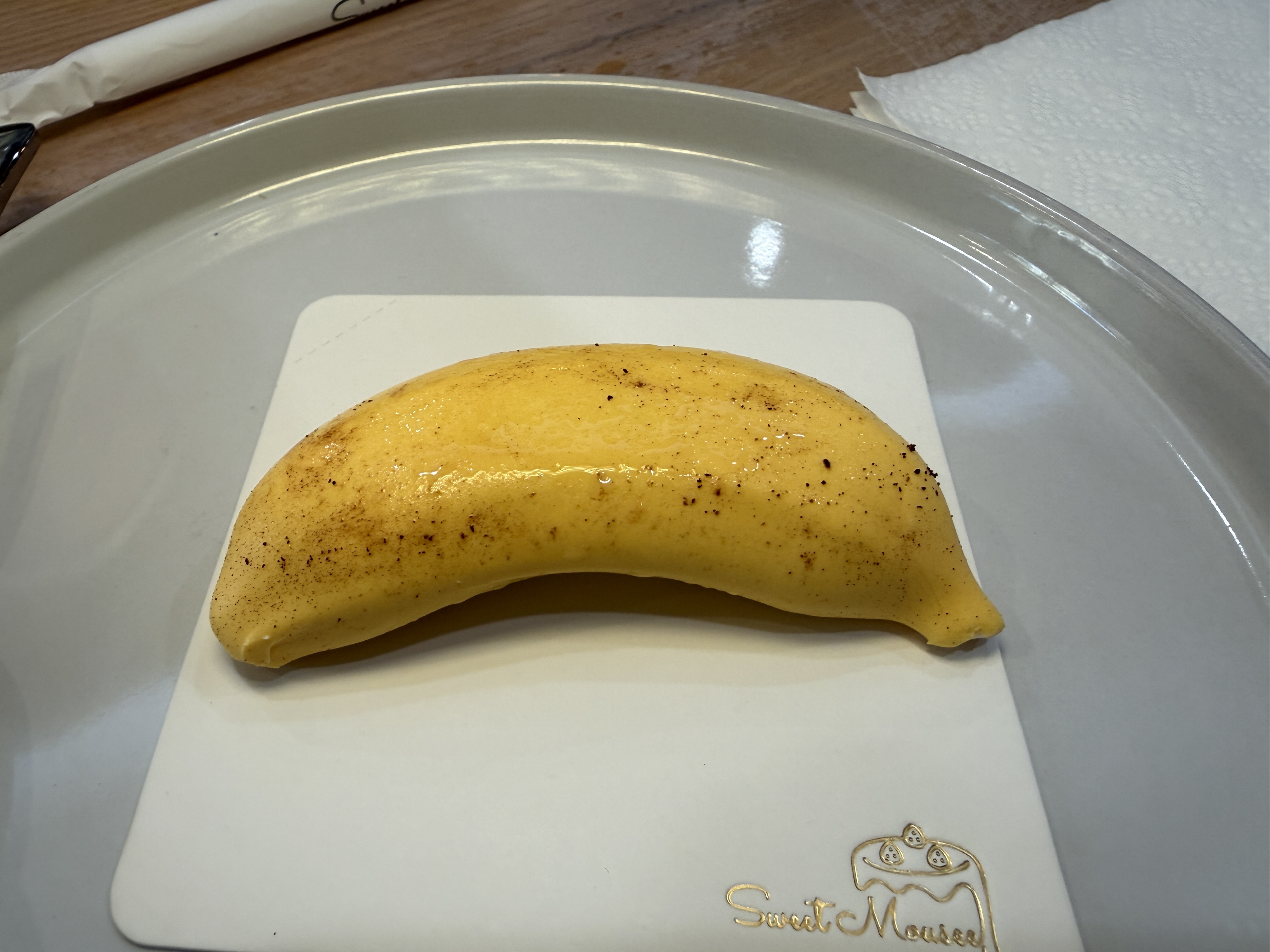
  • We’re going bananas | Let’s Eat

    We’re going bananas | Let’s Eat

    Pumpkin spice is passé. Read on to see why banana is the flavor we now savor.

    Also in this edition:

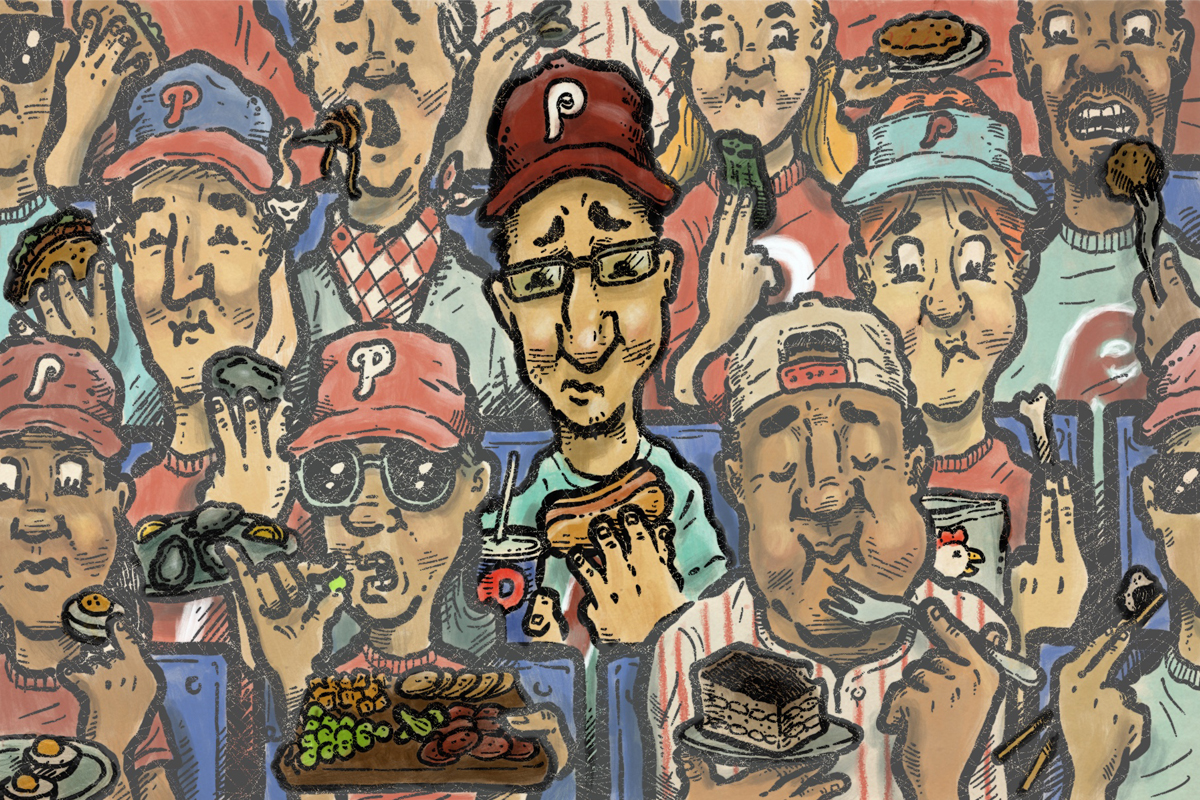
    • Fare ball: You would not believe what foods Phillies fans are taking to games.
    • End of the line: A Northeast Philadelphia seafood landmark prepares to close.
    • News: Read on for word of a new Vietnamese bar-restaurant, news about this year’s Michelin Awards, and a sale offering for the Pub.

    — Mike Klein

    If someone forwarded you this email, sign up for free here.

    Why bananas are appealing in Philly

    Bananas are trending everywhere, but especially at cocktail bars and cafes, which use fresh bananas, banana liqueur, banana extract, and even banana peel. Kiki Aranita isn’t alone in suggesting it might be “the next pumpkin spice.”

    Phillies fans have cracked the food game

    Phillies fans are bringing way more than hoagies and cheesesteaks into Citizens Bank Park. Beatrice Forman winds up and delivers a fun read about the BYO eats you’ll find in the stands. Curried tuna salad, anyone?

    Last call for Kelly’s Seafood

    Kelly’s Seafood has been a Northeast Philly fixture, serving generations of families — and plenty of snapper soup. Now, as the family prepares to close, longtime customers are returning for one last meal, stocking their freezers, and saying goodbye.

    A bakery cafe with comfy seating — and a drive-through

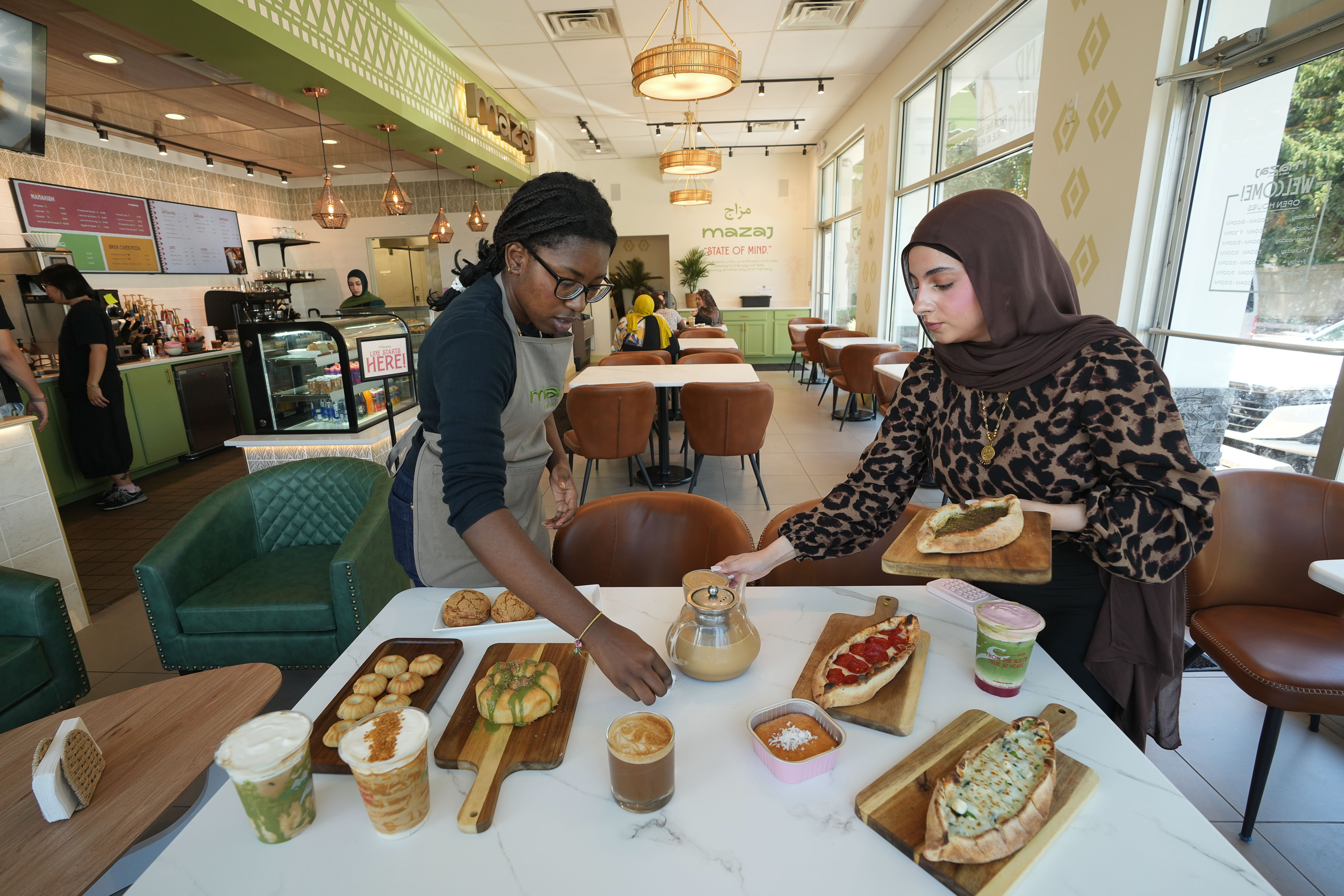
    Mazaj, an offshoot of the twin Malooga restaurants, has landed in Willow Grove with Yemeni coffee, Middle Eastern pastries, a drive-through, and a plan to expand.

    Eat, pray, sail: ‘Odyssey’ makes us hungry

    The Odyssey by Christopher Nolan has plenty of monsters, mayhem, and spectacle — but where’s the feast? Kiki Aranita, a classics scholar in her past life, explains what Homer’s heroes would have eaten, and where to embark on your own culinary odyssey around Philly.

    A pizzeria celebrating Black culture

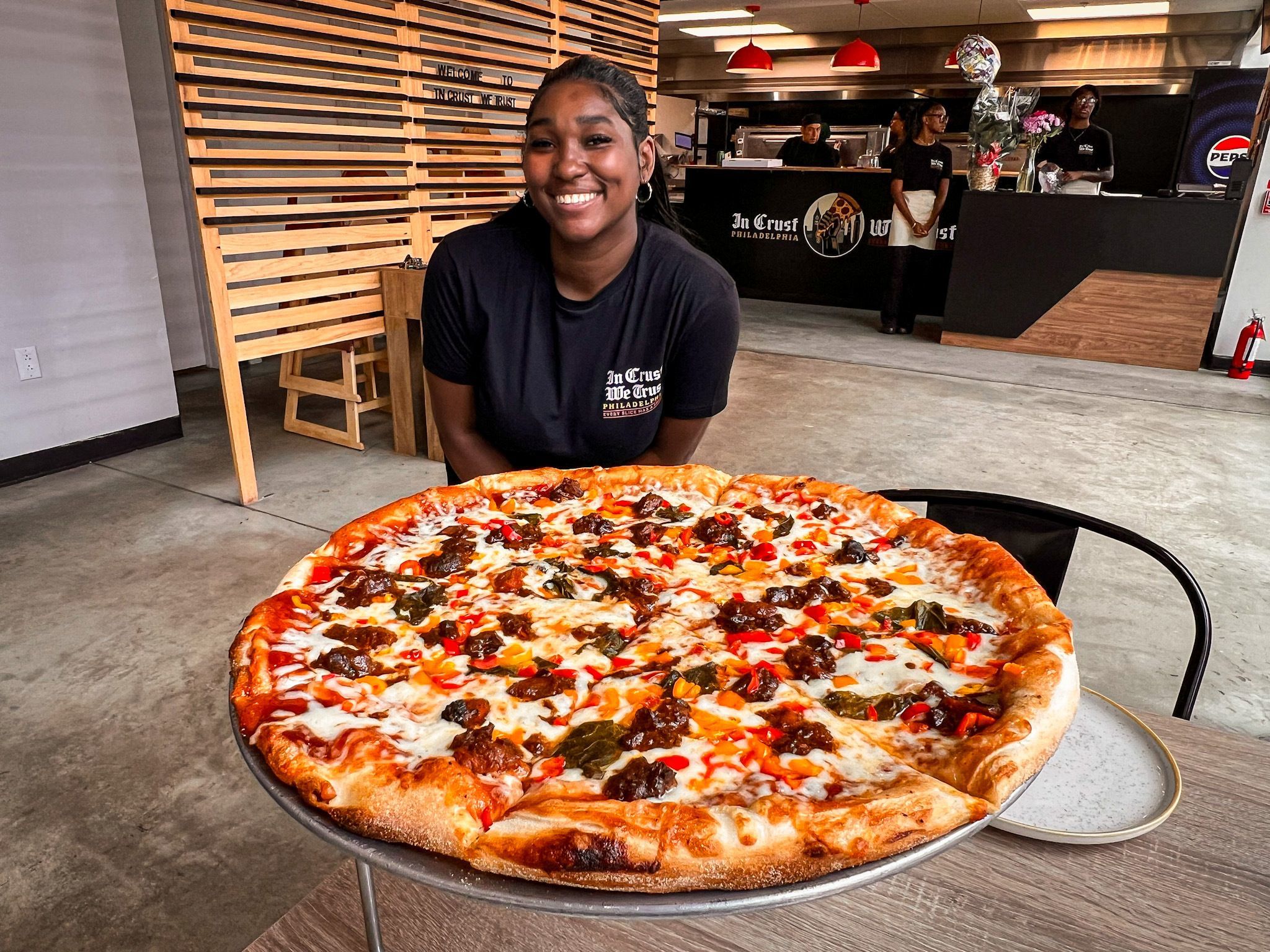
    In Crust We Trust has joined the pizza boom now underway in Fishtown. Anyae Wilson-Worley’s pizzeria is offering something none of the others are: a taste of Philly-style Black culture.

    In other pizza news: Dave Portnoy, the Barstool Sports founder, visited the Philadelphia area last week to shoot a handful of “One Bite Pizza Reviews,” whose scores in previous years have transformed the fortunes of a neighborhood pizzeria.

    The best thing Hira Qureshi ate last week

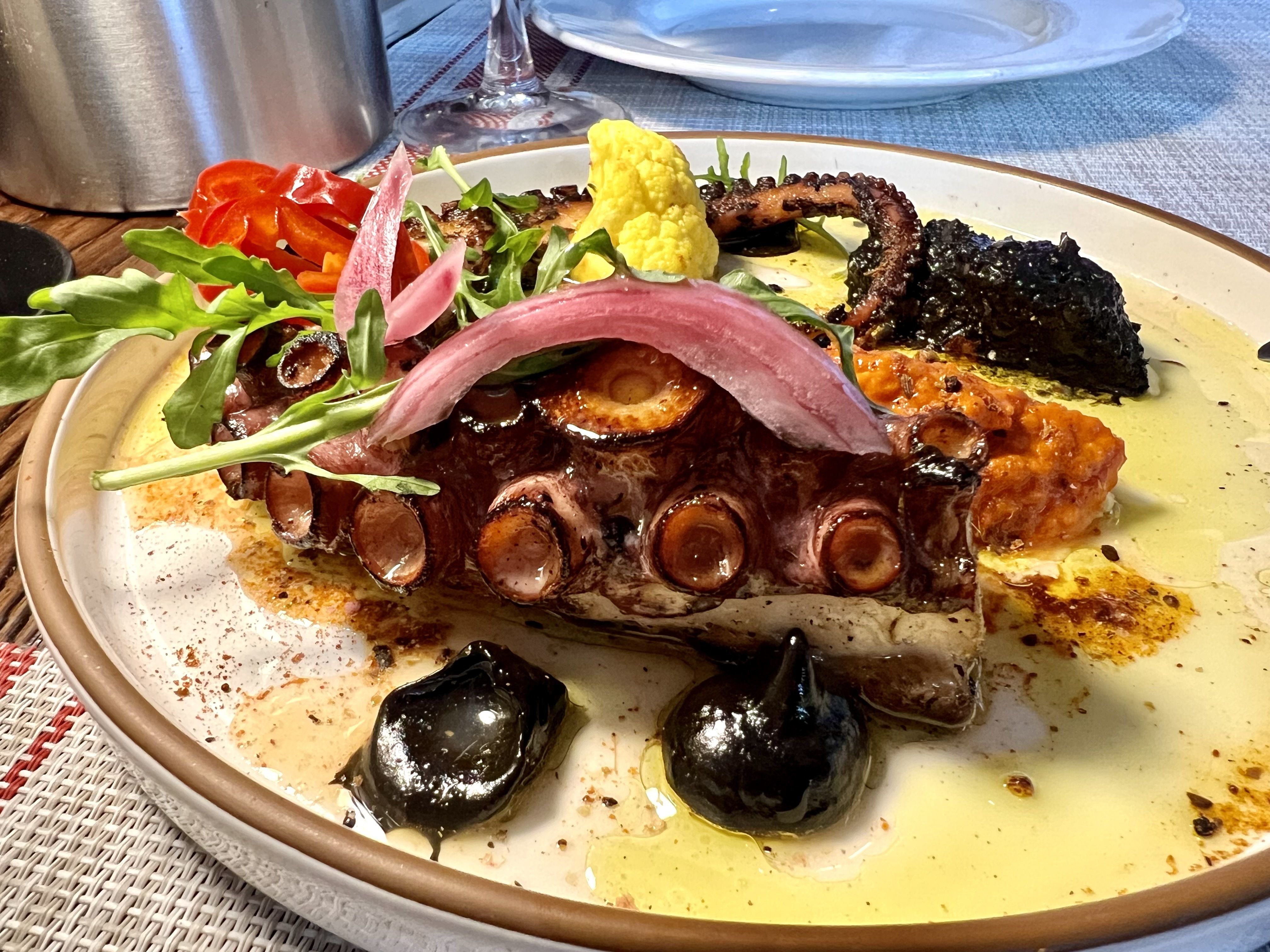
    What a joy: Dunking chunks of octopus into the almond romesco and black garlic purée at Stina in West Passyunk. For another treat, writes Hira Qureshi, don’t miss the spanakopita.

    Scoop

    The Pub in Pennsauken, which sits on 6 acres, is being offered for sale for the first time in 26 years. The steakhouse institution is closed now for summer break, but the owner insists that it will reopen next month — unless a deal is magically struck.

    Restaurant report

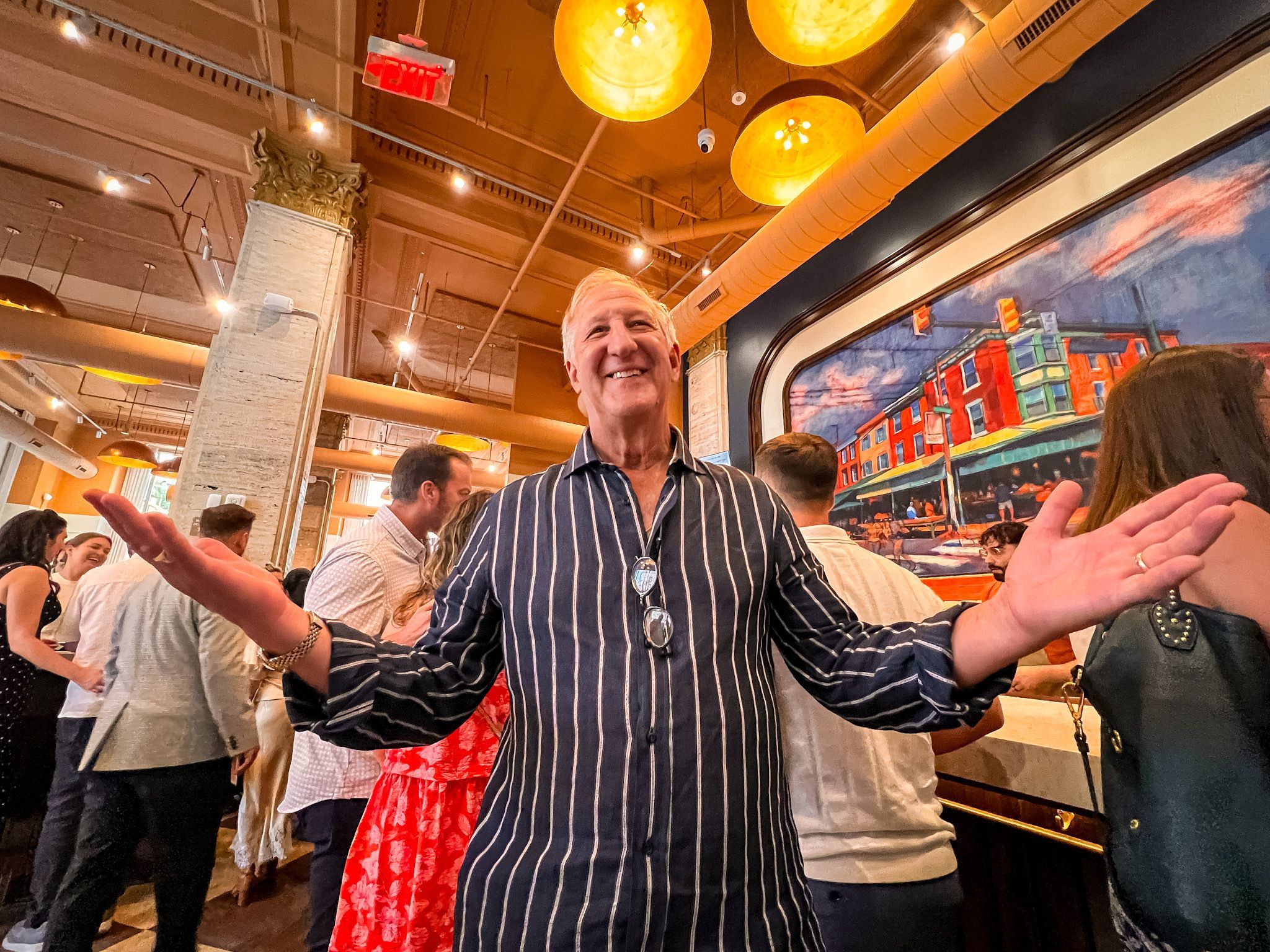
    Recipe Philly, whose menu is built around recipes submitted by local home cooks, opens Monday at 1401 Arch St., a splashy, 175-seat redo of the long-ago McDonald’s at Broad and Arch. Funded by retired business executive Ed Baumstein (above), the restaurant will serve lunch and dinner, featuring dishes from 31 cooks who also will appear in a reality TV series now being shopped around.

    Among them:

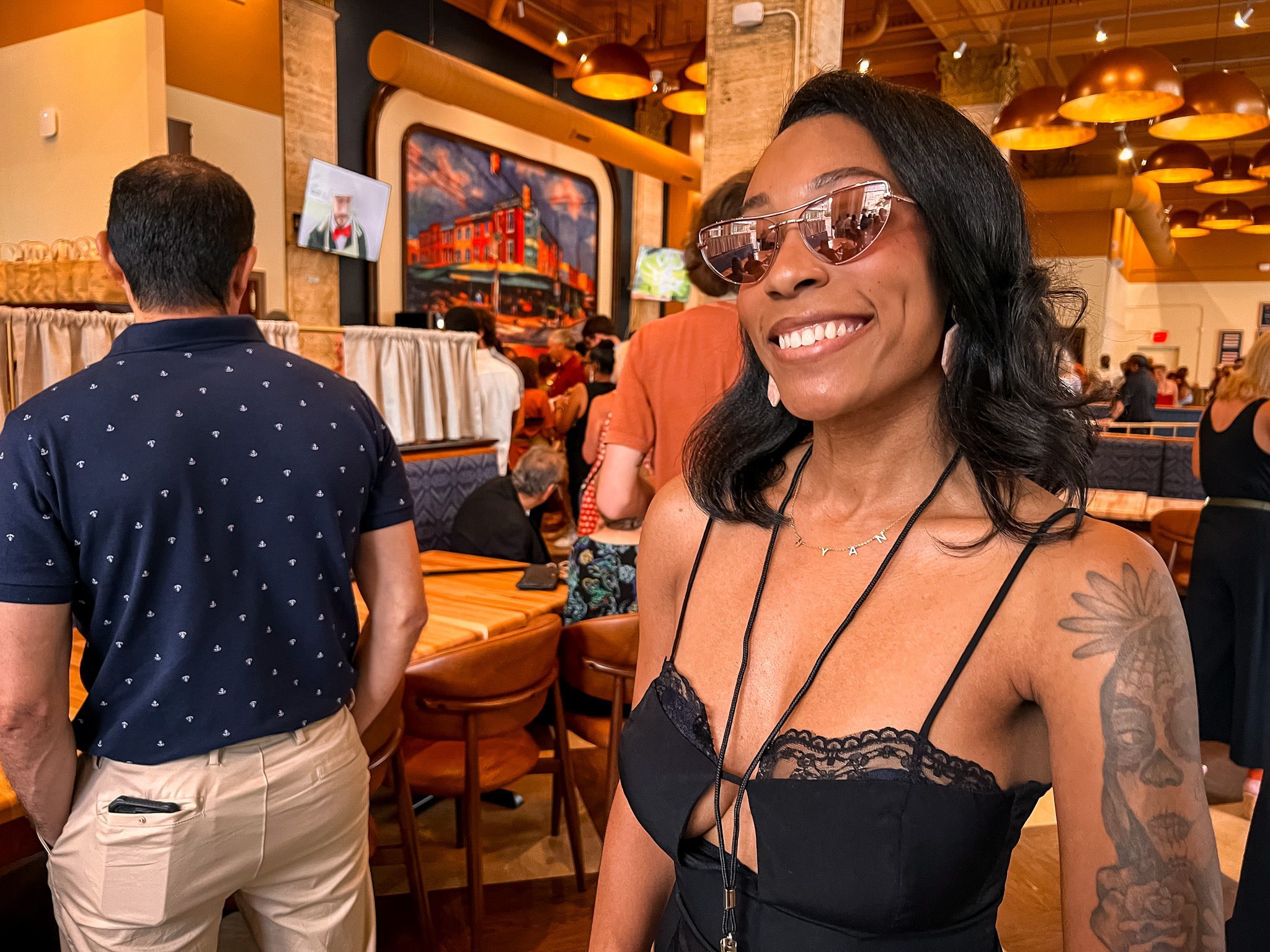
    Germantown data analyst Chyan Adams Bentley (above), 30, drew inspiration for her honey-chipotle shrimp tostadas from a rooftop cooking class she took in Guatemala.

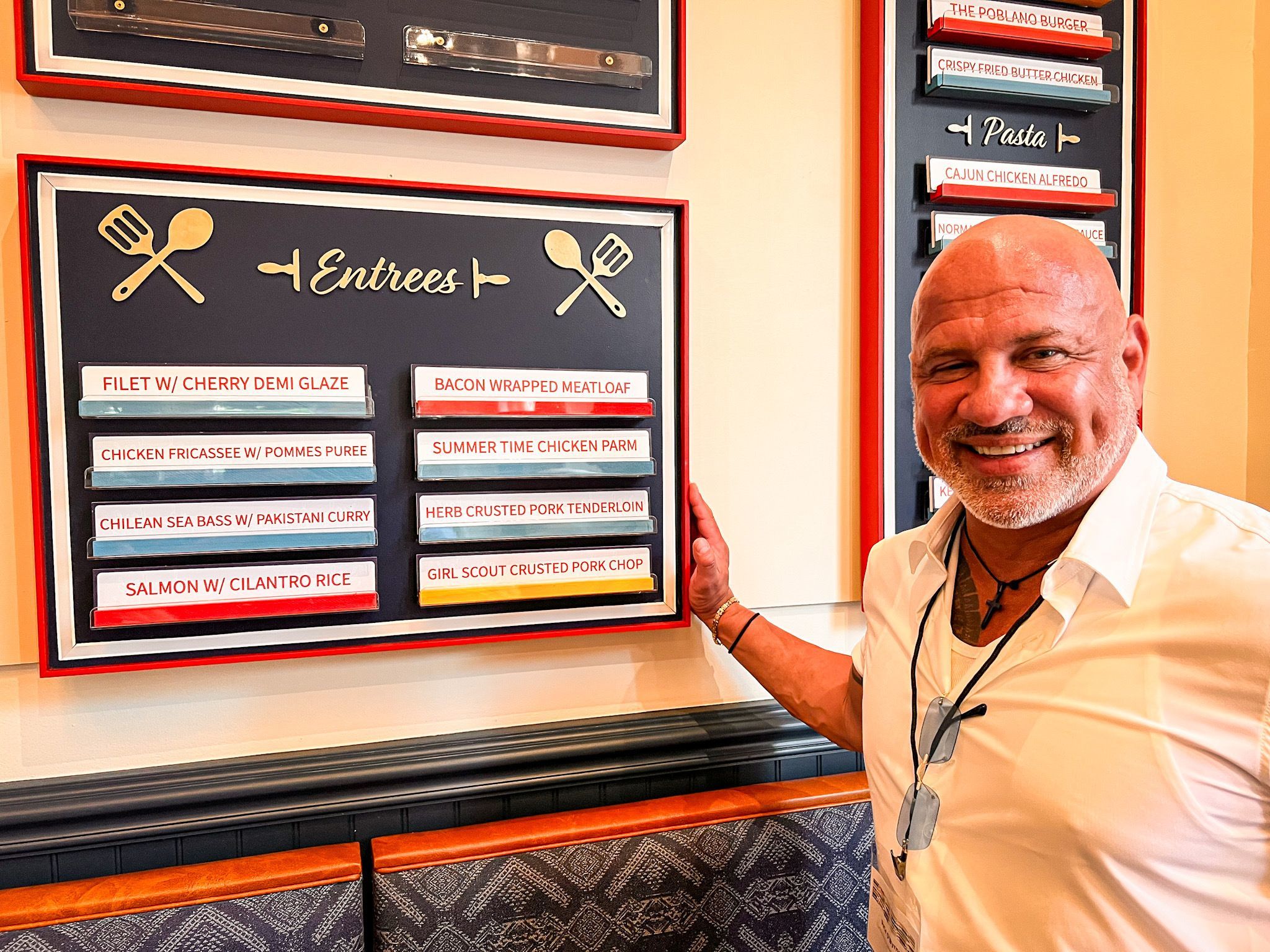
    Pete O’Byrne (above), 60, of Jeffersonville, contributed a pork chop crusted with Pecorino Romano, panko, and shortbread Girl Scout cookies. “The Girl Scouts are one of my customers,” said O’Byrne, who sells production printers and software. “I know when the truck comes in.”

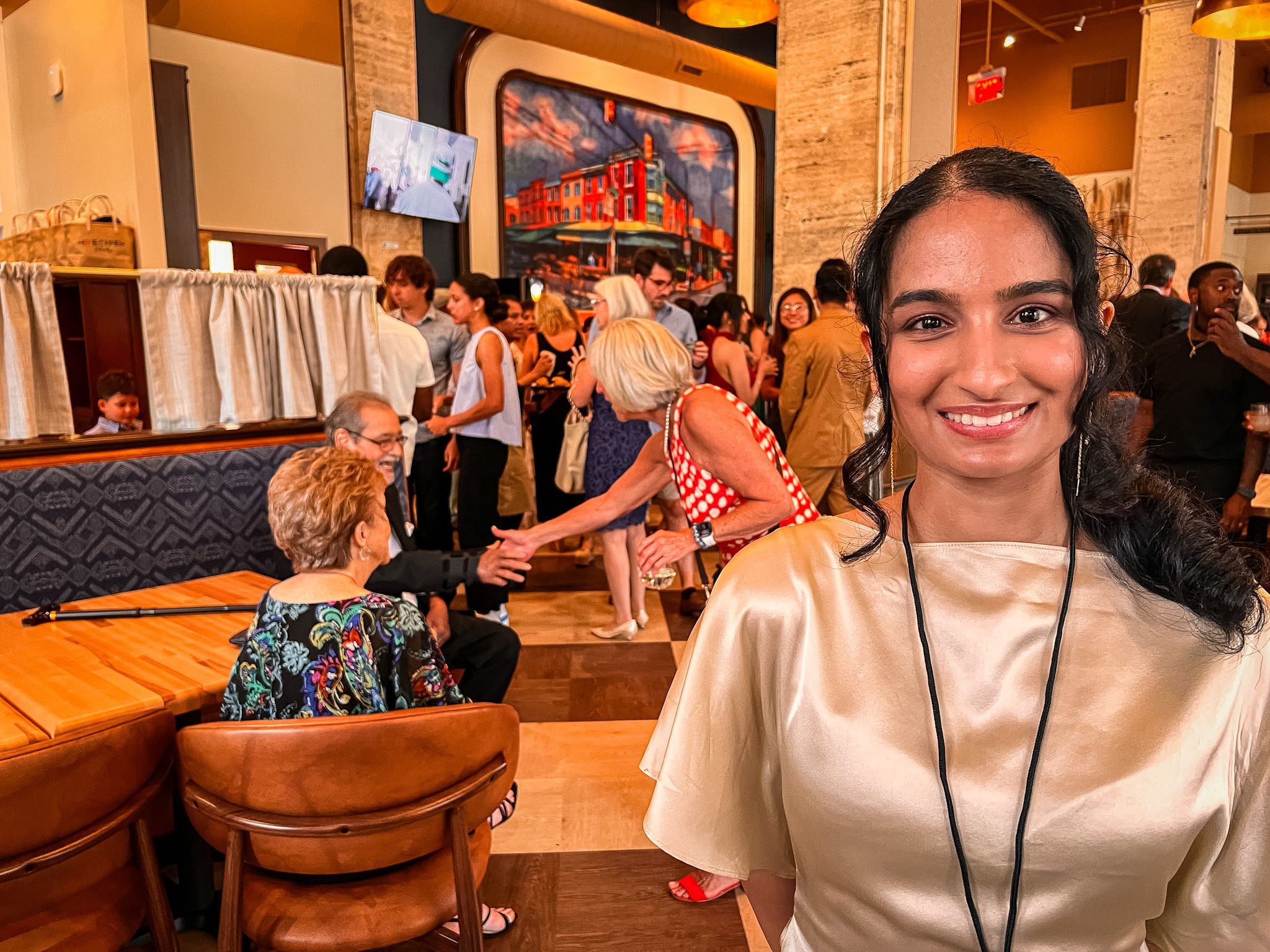
    Nayha Hussain (above), 24, a Spring Garden software engineer who has cooked since age 12, elevated a home-style Pakistani coconut curry with Chilean sea bass. Since Recipe is a 15-minute walk from her place, “it’s my local neighborhood restaurant that has my dish on it,” she said.

    Read up on Recipe Philly here and here.


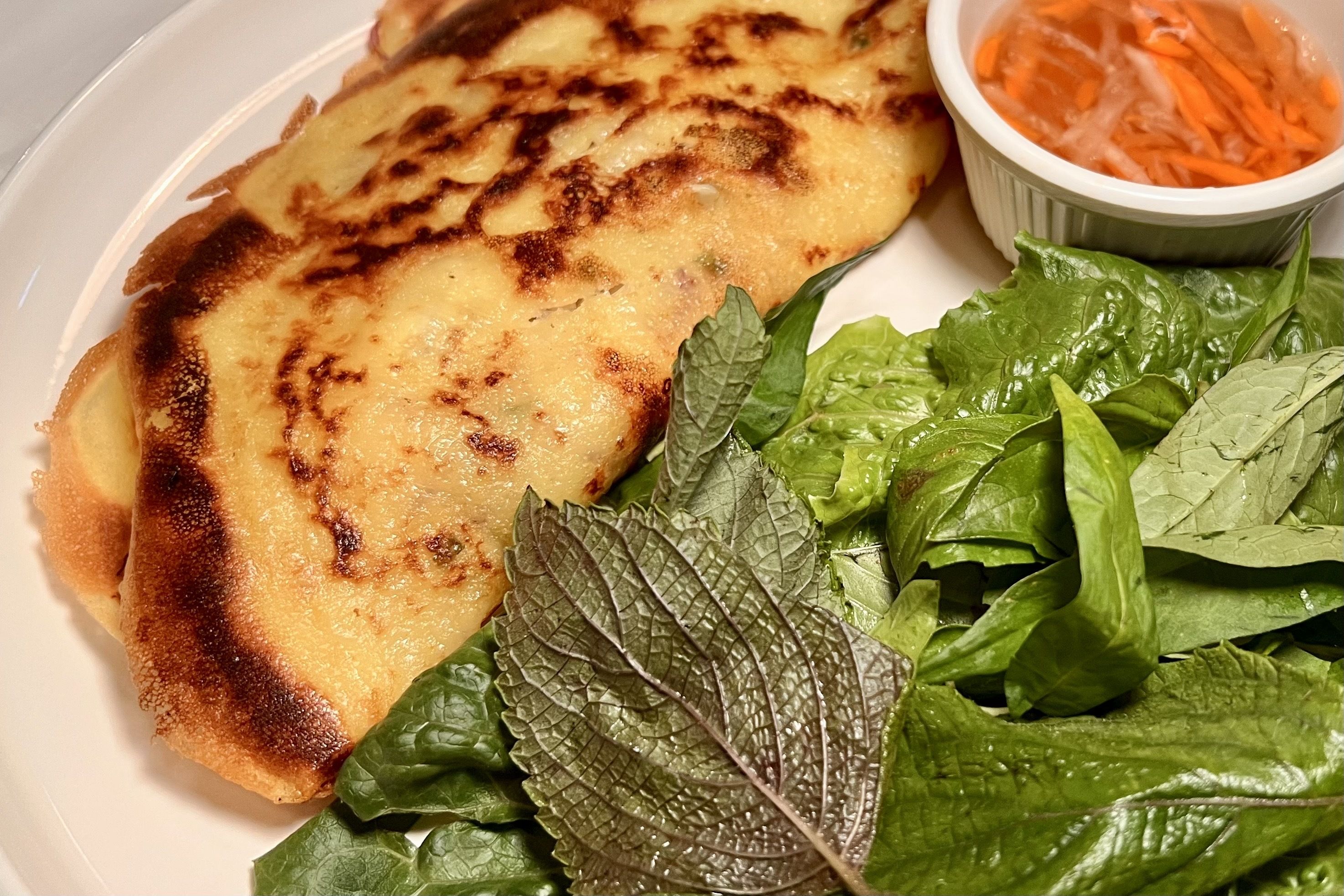
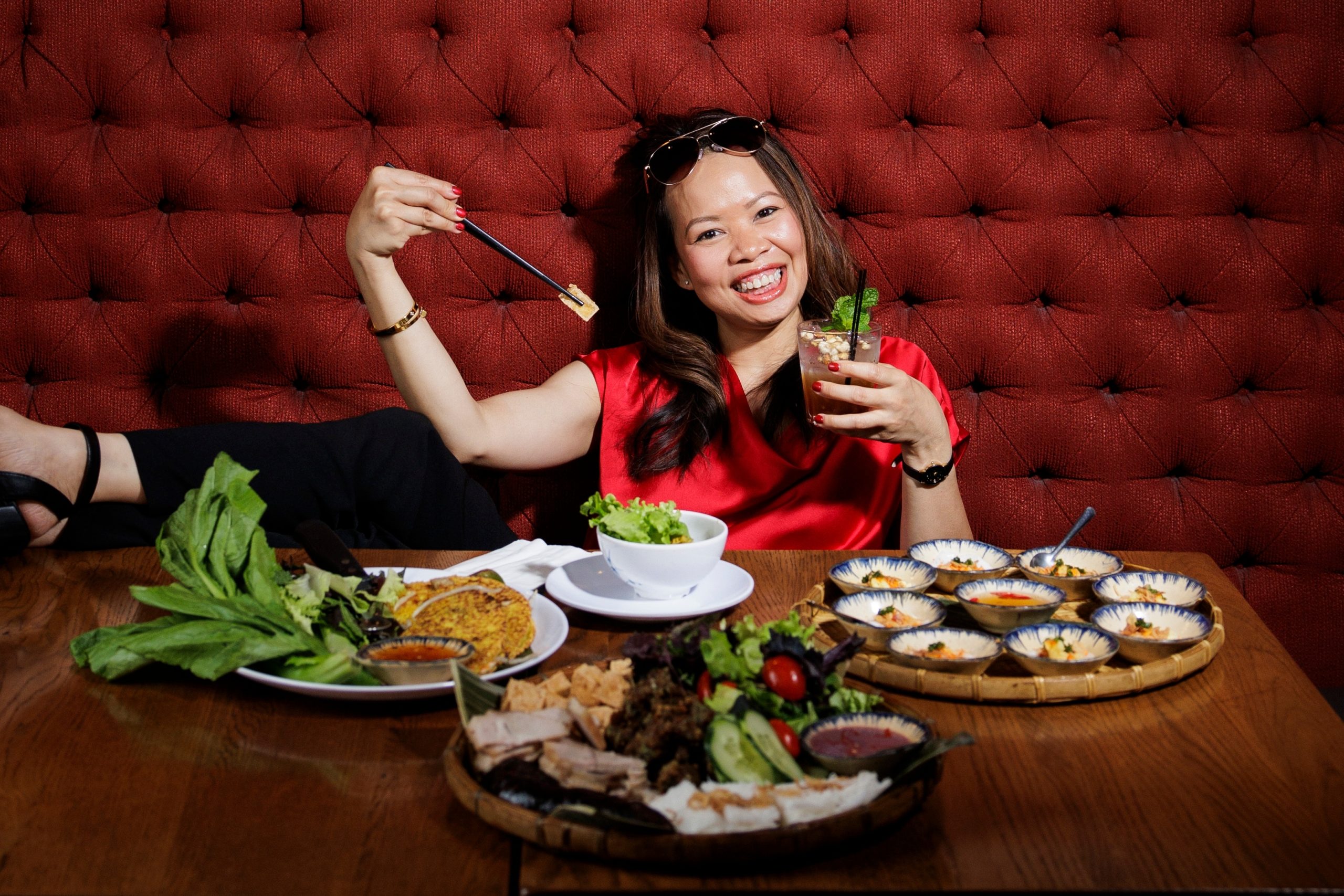
    You’ll be hearing a lot about Anh Em, which soft-opened last weekend at 21st and Titan Streets in Point Breeze. Anna Huynh and husband Victor Nguyen are behind the 50-or-so-seater specializing in Vietnamese comfort food, mixing classics with home-style dishes (like crispy bánh xèo, above, and the beef carpaccio dish known as bò tái chanh), inspired by what the couple grew up eating. Chef is Nguyen, who managed Tango and once co-owned a Chinatown bubble-tea shop; he oversees a 20-seat bar pouring local beers from 24 taps, plus cocktails. The couple retained the former Madeira Indian Grill’s exposed brick while adding burgundy booths, light-blue accents, lanterns, and shelving built by Nguyen and their son. Here’s the soft-opening menu.

    Anh Em, 1252 S. 21st St. Hours: 4 p.m.-2 a.m. Wednesday-Monday. Closed Tuesday.

    Briefly noted

    The 2026 Michelin Awards will return to New York City for its ceremony. Reminder that its inspectors are scouring Philadelphia in advance of the December announcements.

    Heytea, the expanding Chinese tea shop, enters the Philadelphia market Friday at 1001 Arch St. in Chinatown. Drinks will be buy-one/get-one from Friday-Sunday.

    With Ember & Ash still closed after a June 24 fire, chef Scott Calhoun will cook at Cartesian Brewing (1326 E. Passyunk Ave.) from 4-8 p.m. Saturday. Using yakitori grills in the courtyard, Calhoun will serve dishes including octopus “dogs,” a Filet-O-Fish-inspired skate sandwich, ’nduja-stuffed piquillo peppers, and sourdough with romesco, along with Cartesian’s beverages.

    Javelin (1811 Fairmount Ave.) will host chef Carlos Wills of Ogawa Sushi & Kappo for a maguro kaitai, or tuna-cutting ceremony, Aug. 18. Starting at 5 p.m., Wills will break down a 250- to 300-pound bluefin tuna for a multicourse tasting ($170 plus tax/tip) including sashimi, nigiri, hand rolls, and tuna marrow with uni and caviar. Richie Tray will serve Cambodian-inspired appetizers and cocktails. Reserve via Toast.

    Libertee Grounds (1600 W. Girard Ave.) will host a Cooper DeJean look-alike contest on Aug. 27. Doors/registration at 5 p.m., contest at 6:30 p.m. Signup via Instagram.

    ❓Pop quiz

    Why can red Côtes-du-Rhône wines such as Ogier Artésis remain relatively affordable?

    A) Rhône producers are prohibited from aging their wines in pricey oak barrels.

    B) Grenache can produce large crops of flavorful grapes even in dry conditions.

    C) French law limits the markup on Côtes-du-Rhône wines.

    D) The wines are made primarily from surplus Syrah grapes, and this is the source of the expression “Qué Syrah Syrah.”

    Find out if you know the answer.

    Ask Mike anything

    What do you know about the sale of Ardana in Bucks County? — Cindy S.

    The Cristou family announced last week that they’ve sold their Ardana Food & Drink location in Newtown, Bucks County, to Rob LaScala after 3½ years. LaScala tells me that the Ardana name and Cypriot-inspired menu will remain for about two months before he transitions to LaScala’s Fire, his semicasual Italian concept. LaScala, who also owns Chicken or the Egg in Marlton and Beach Haven, is on fire with Fire, as there are nearly a dozen locations now, plus New Jersey expansion plans for Freehold, Bridgewater, and Cherry Hill. The Cristous still retain their Ardana and KC Prime Steakhouse, both in Warrington.

    📮 Have a question about food in Philly? Email your questions to me at mklein@inquirer.com for a chance to be featured in my newsletter.

    By submitting your written, visual, and/or audio contributions, you agree to The Inquirer’s Terms of Use, including the grant of rights in Section 10.

  • National hunger fighter visits Northeast Philly to criticize ‘a dangerous double whammy’ of SNAP cuts and rising prices

    National hunger fighter visits Northeast Philly to criticize ‘a dangerous double whammy’ of SNAP cuts and rising prices

    People throughout the Philadelphia region, hampered by cuts to federal food aid and soaring prices, are “facing a dangerous double whammy causing a skyrocketing hunger crisis,” said Joel Berg, a national hunger fighter, speaking in Northeast Philadelphia on Tuesday.

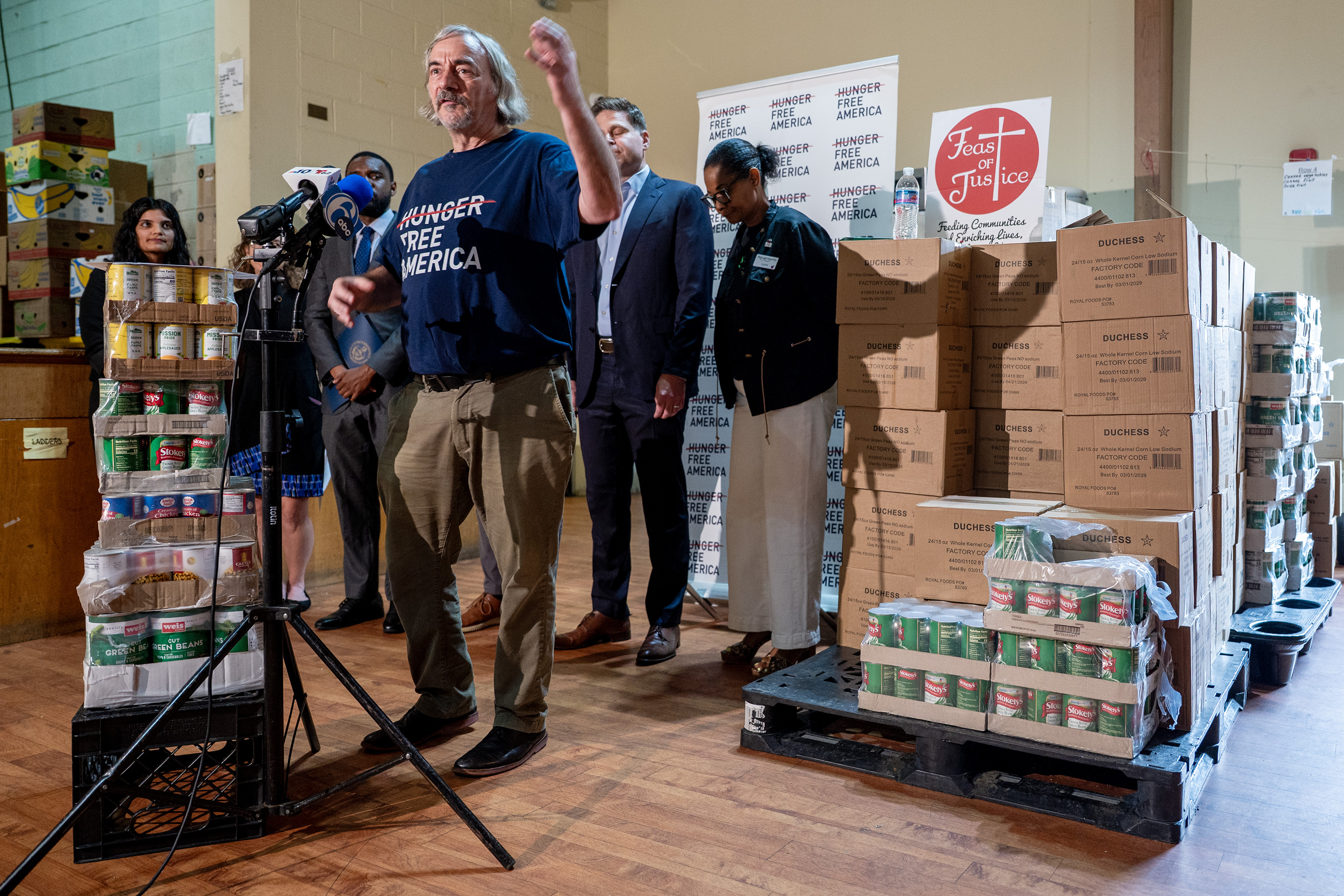
    Berg, CEO of the New York-based nonprofit Hunger Free America, was visiting Feast of Justice, one of the largest food pantries in the city with “probably the most diverse food pantry clientele in the nation,” he said. That is proof, according to Berg, that food insecurity can affect anyone, from any background.

    Feast of Justice, he added, “is the food affordability issue in the flesh.”

    Especially critical of the One Big Beautiful Bill Act, signed into law by President Donald Trump on July 4, 2025, Berg noted that it included more than $1.1 trillion in cuts to Medicaid and the Supplemental Nutrition Assistance Program (SNAP).

    Roughly 4 million Americans are expected to lose SNAP benefits in 2026 under the law. Many of them do not meet work or age requirements newly added to the anti-hunger program. The reductions in SNAP and Medicaid benefits helped pay for tax cuts ordered by Trump.

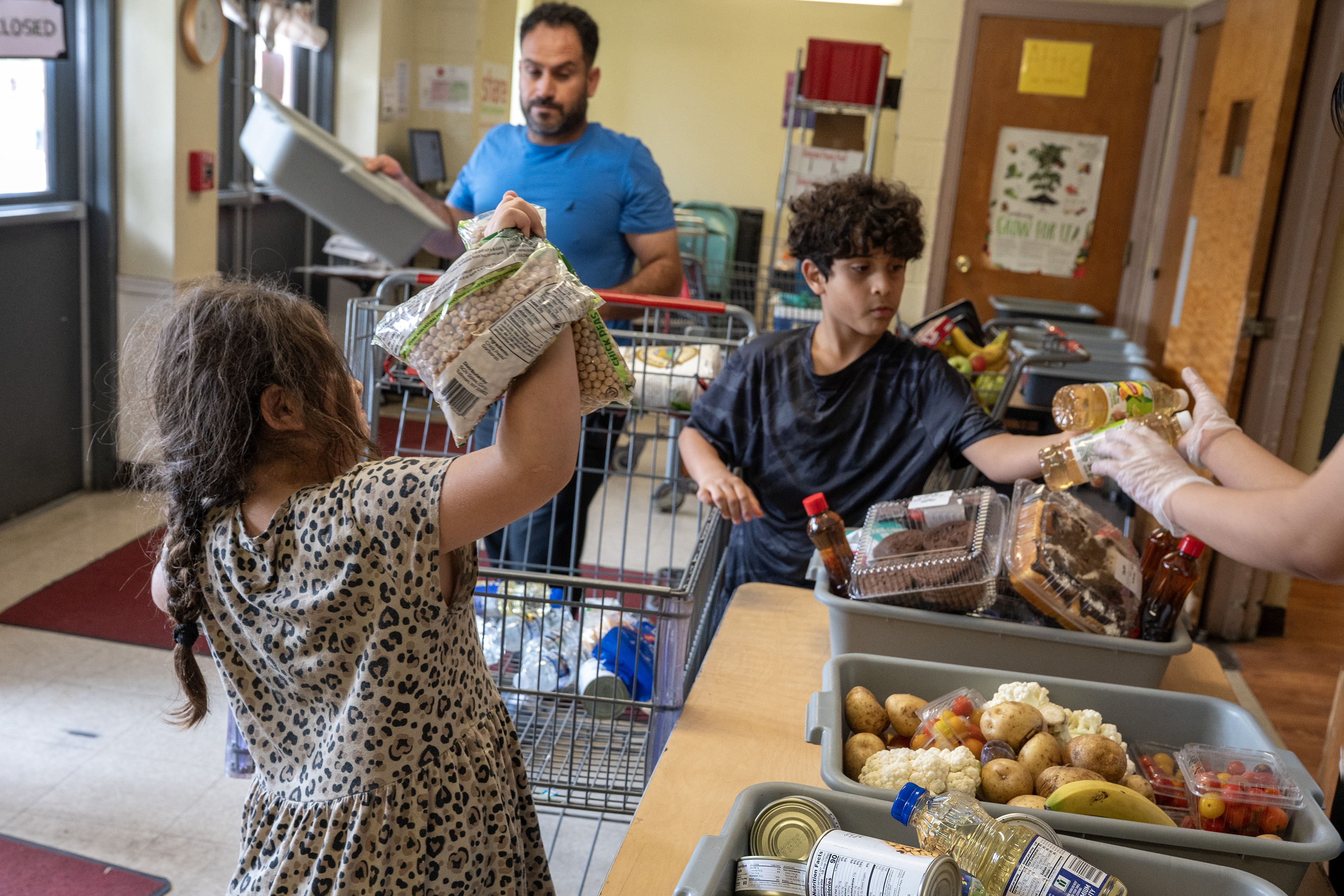
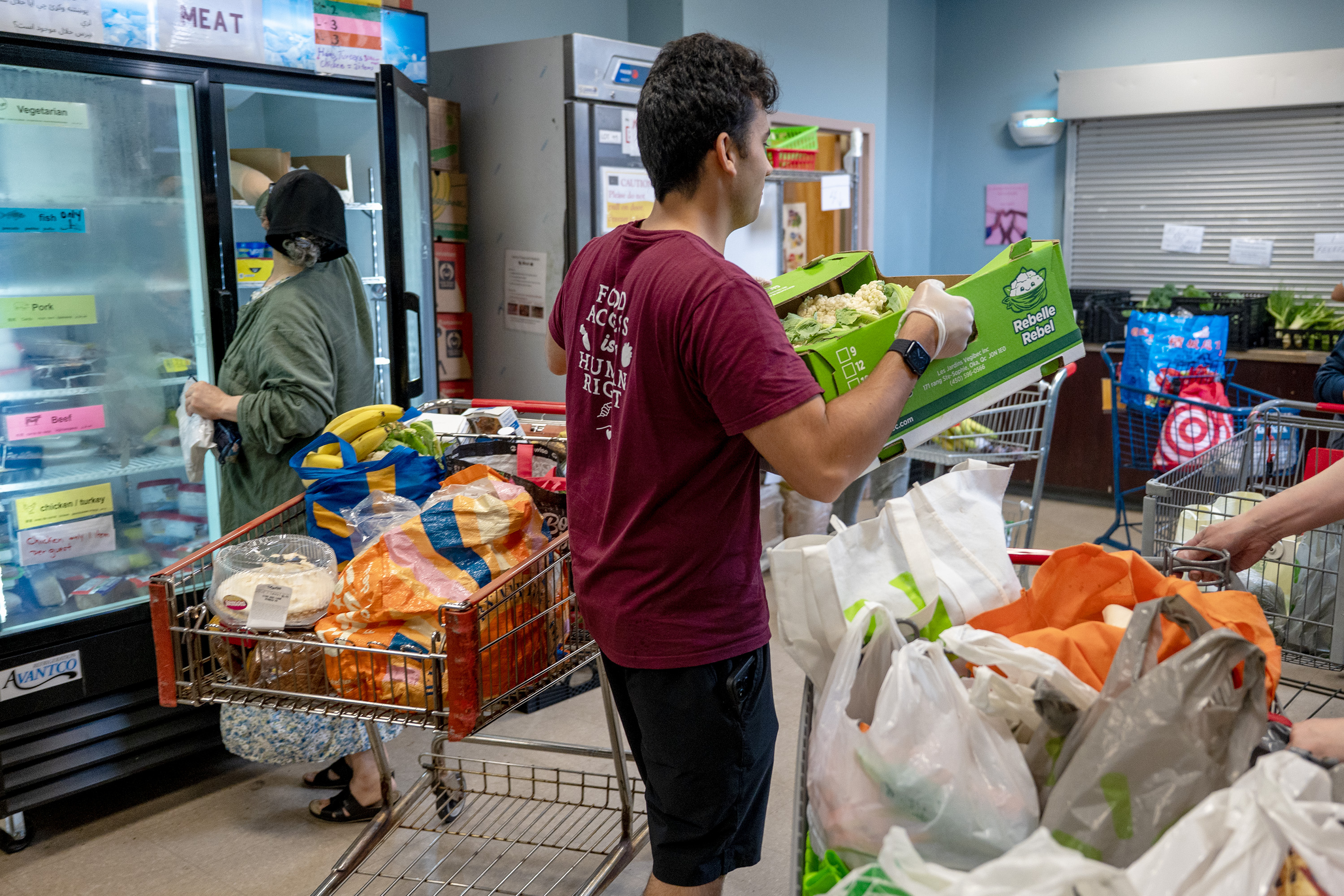
    Alahallak Abdelmenim and his children Asil (left), 6, and Hasan (right), 8, load groceries into their shopping cart at the Feast of Justice Food Pantry Tuesday, Aug. 11, 2026.Tom Gralish / Staff Photographer

    In Pennsylvania, around 144,000 SNAP recipients could see benefits cut this year — an estimated 45,000 in Philadelphia and 12,000 in its collar counties, according to Pennsylvania Department of Human Services estimates. In New Jersey, around 50,000 individuals could lose SNAP benefits, New Jersey Department of Human Services figures show.

    It’s not “rocket science,” said Berg, who used a pallet of canned beans and apple sauce as a lectern as he addressed a small crowd at the pantry. “When there’s a drought and you take away water, the drought’s going to get worse. When there’s a hunger crisis, and you take away food, the hunger crisis is going to get worse, especially after you throw in inflation,” he added.

    In response, Trump spokesperson Anna Kelly said Tuesday that Trump is “strengthening” SNAP to sustain it into the future. Changes to SNAP “crack down on waste, fraud, and abuse,” she said. Kelly added that Trump is “uplifting every American’s financial situation by passing the largest tax cut in history — which every congressional Democrat opposed — and bringing historic numbers of jobs and investments into our country.”

    Pastor Tricia Neale, executive director of Feast of Justice, said Tuesday that since the enactment of the One Big Beautiful Bill Act, an additional 1,850 families in Northeast Philadelphia have turned to the pantry for help. Overall within the last five years, she said, the number of households the pantry supports has grown from 2,750 to 6,425, a more than 200% increase.

    “And,” Neale added, “the crisis is accelerating.”

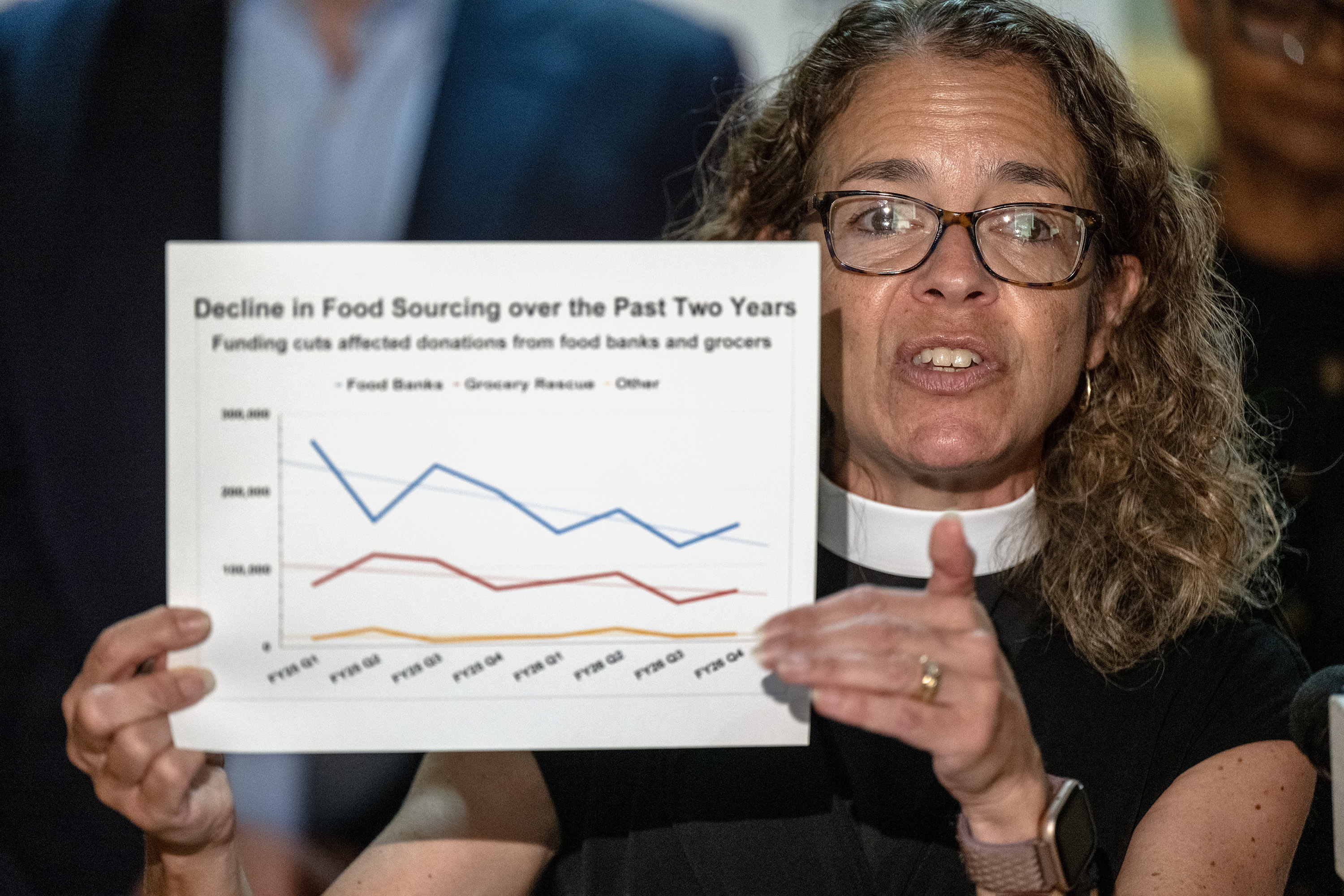
    Pastor Tricia Neale, executive director at Feast of Justice, displays a chart showing the decline in food sourcing as she speaks at a press conference at the food pantry Tuesday, Aug. 11, 2026. Tom Gralish / Staff Photographer

    The pantry has been forced to absorb a 35% decline in donated food it receives, in part because of cuts to federal and state food programs that have been so vital, she added.

    Even with diminished supplies, Feast of Justice is an essential institution, according to Angie Bryant, 55, of Tacony, a client. Formerly a phlebotomist who can no longer work, Bryant said she recently lost her SNAP benefits because new age restrictions exclude her participation.

    “In the body, hunger is hurtful,” she said. “Without this place, I don’t know how I could make it.”

    Food banks such as Philabundance and Share Food Program do their best to provide Feast of Justice whatever food they can, Neale emphasized.

    Volunteer Daniel Khan (center) restocks the shelves as clients load groceries into their shopping carts at the Feast of Justice Food Pantry Tuesday, Aug. 11, 2026. Tom Gralish / Staff Photographer

    If SNAP is the safety net, “we’re the safety net of the safety net,” said Loree Jones Brown, CEO of Philabundance, who joined Berg and Neale at Feast of Justice on Tuesday. “But we can’t make up for the cuts.”

    She added that “this is a crucial time for food banks, legislators, and community organizations to stand together for our neighbors and against hunger.”

    That Feast of Justice does its best to beat back hunger is widely appreciated in the community, said client Anthony Morales, 27, of Mayfair. Laid off from a warehouse job, he said he is responsible for feeding his 7-year-old daughter and his partner, and he needs the pantry’s support.

    “When you fall,” he said, “this place lifts you up. You have a lot of fear and anxiety without enough food. It can give you hope and confidence that tomorrow could be better.”
  • A 68-year-old Northeast Philly restaurant staple is closing. Customers are stocking up on snapper soup.

    A 68-year-old Northeast Philly restaurant staple is closing. Customers are stocking up on snapper soup.

    Since it’s noontime on the first Thursday of the month, eight residents of Wesley Enhanced Living at Pennypack Park are chatting at the long table in the middle of the main dining room at Kelly’s Seafood in Northeast Philadelphia.

    Back in the kitchen, twin brothers Brian and Brett Kelly and Brian’s son Tommy are knocking out the lunch orders. Crab cakes sizzle in sauté pans. Snapper soup bubbles in the kettles.

    For the Wesley residents, this is the end of a longtime ritual.

    Kelly’s Seafood, whose history stretches back 68 years, will close Aug. 31.

    “When they leave today, we’ll all be crying,” said server Chris Brown, who has worked at Kelly’s since 1988. The Kelly brothers’ sister, Denise Barreras, nodded.

    A few minutes later, their checks paid, the residents rose from the table.

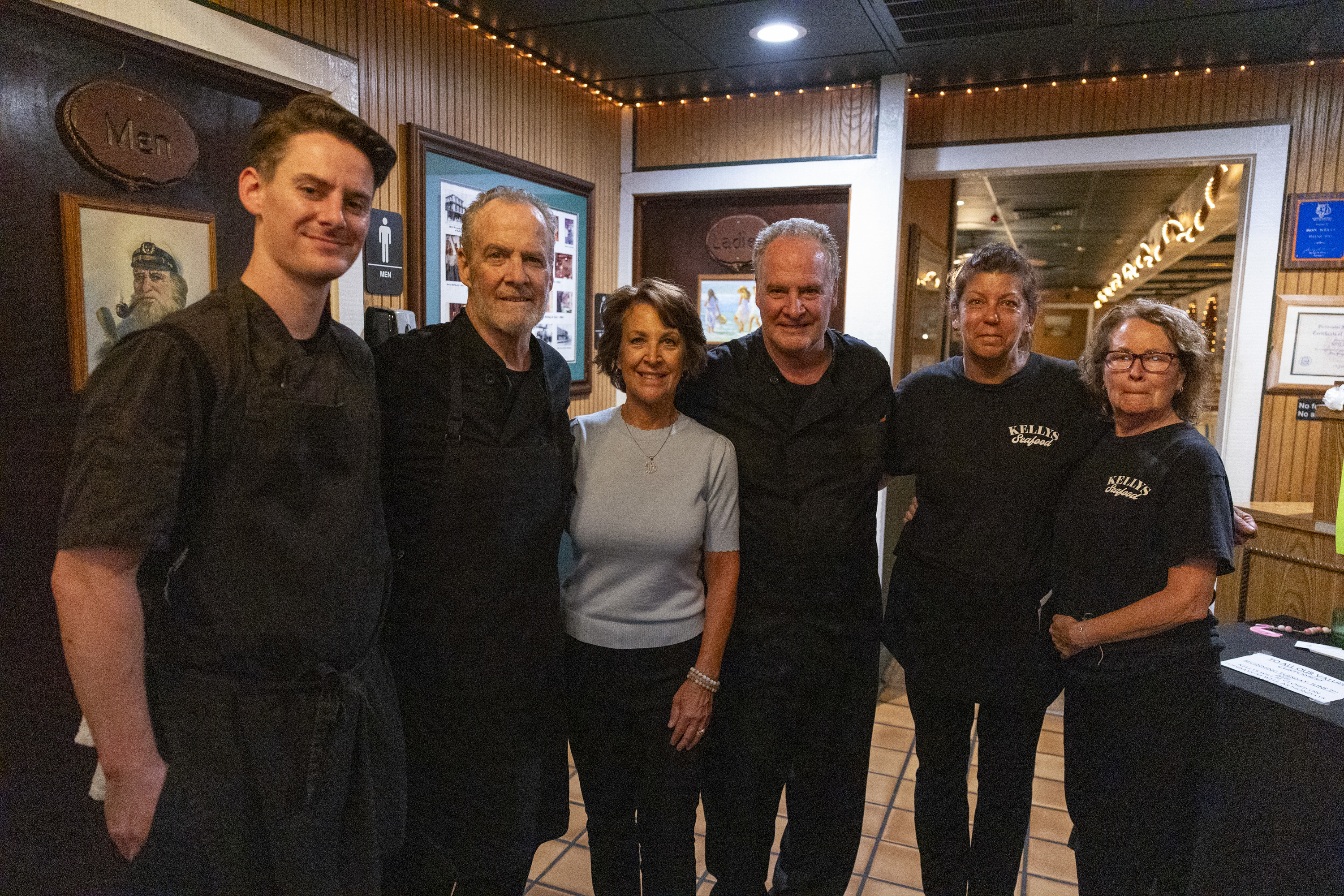
    The crew at Kelly’s (from left) Tom Kelly, siblings Brian Kelly, Denise Barreras, and Brett Kelly, server Chris Brown, and bartender Cathy Sims.Tyger Williams / Staff Photographer

    And just as Brown had called it: tears and hugs.

    Where will September’s first-Thursday lunch be? They’re not sure.

    Kelly’s, one of the last of the Northeast fish houses, has been the setting for countless rituals like theirs, a place where people who came as children later brought their own children.

    “People my age are saying they’ve been coming here since they were 10 years old,” said Brian Kelly, 62, who has been reading customers’ recollections since the closing was announced. “They’re talking about christenings, baptisms, graduations. It really makes you realize how many people have come through these doors over the years.”
    The Kellys had hoped to make it to 70 years. Instead, the family has reached the point where keeping the restaurant going would require more than they are willing — or able — to give it.

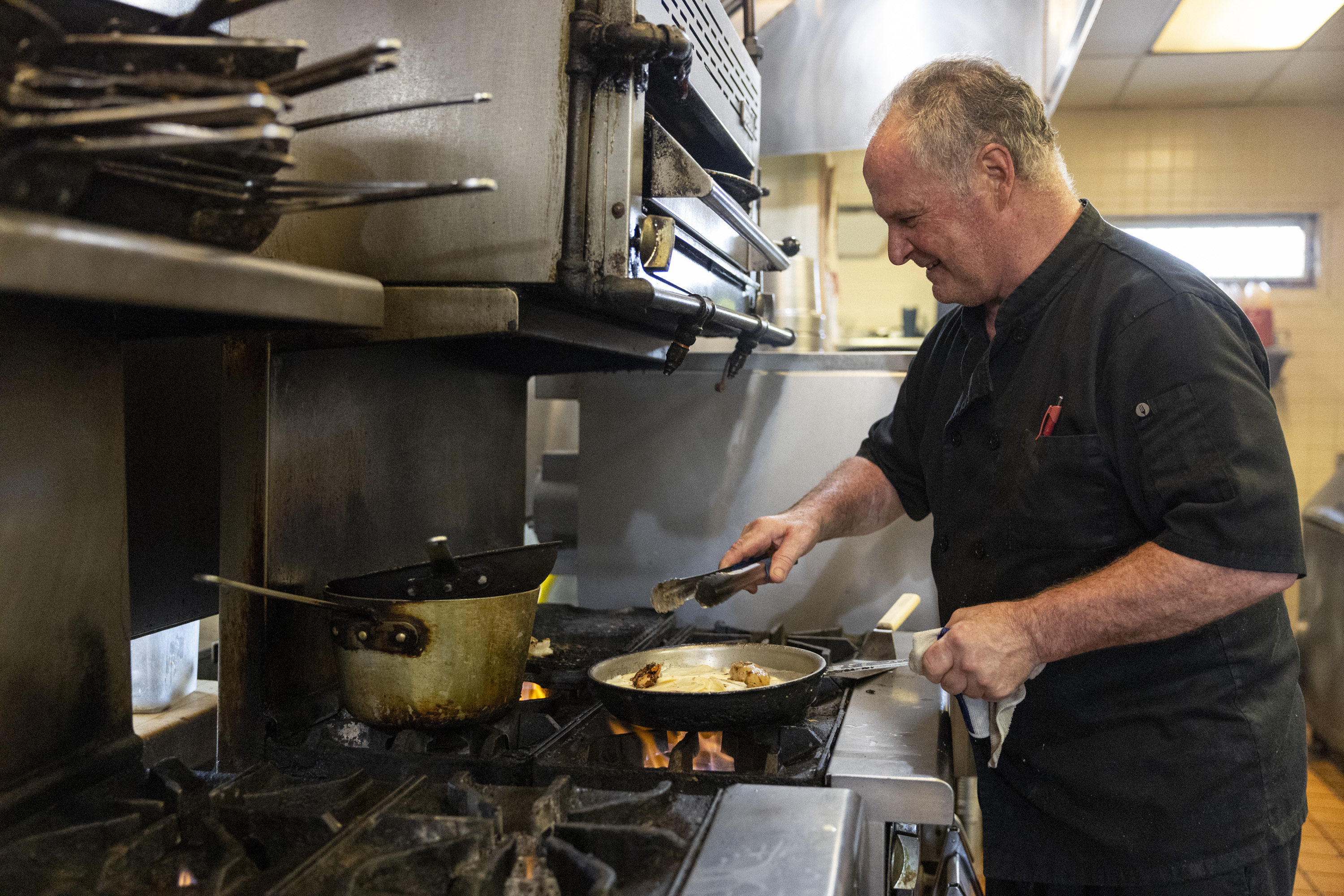
    Brett Kelly working the stove at Kelly’s.Tyger Williams / Staff Photographer

    Brian and Brett’s father, Ron, died in July 2023 at age 87. Of his nine grandchildren, only Brian’s son Tommy now works at the restaurant. An illness has sharply limited how much Brian can work, leaving Brett to pull double shifts since October.

    The family announced on March 1 that Kelly’s was on the market, hoping to give employees and customers plenty of warning. In late July, with the restaurant still unsold, they decided that they needed to set an end date.

    Kelly’s Seafood history

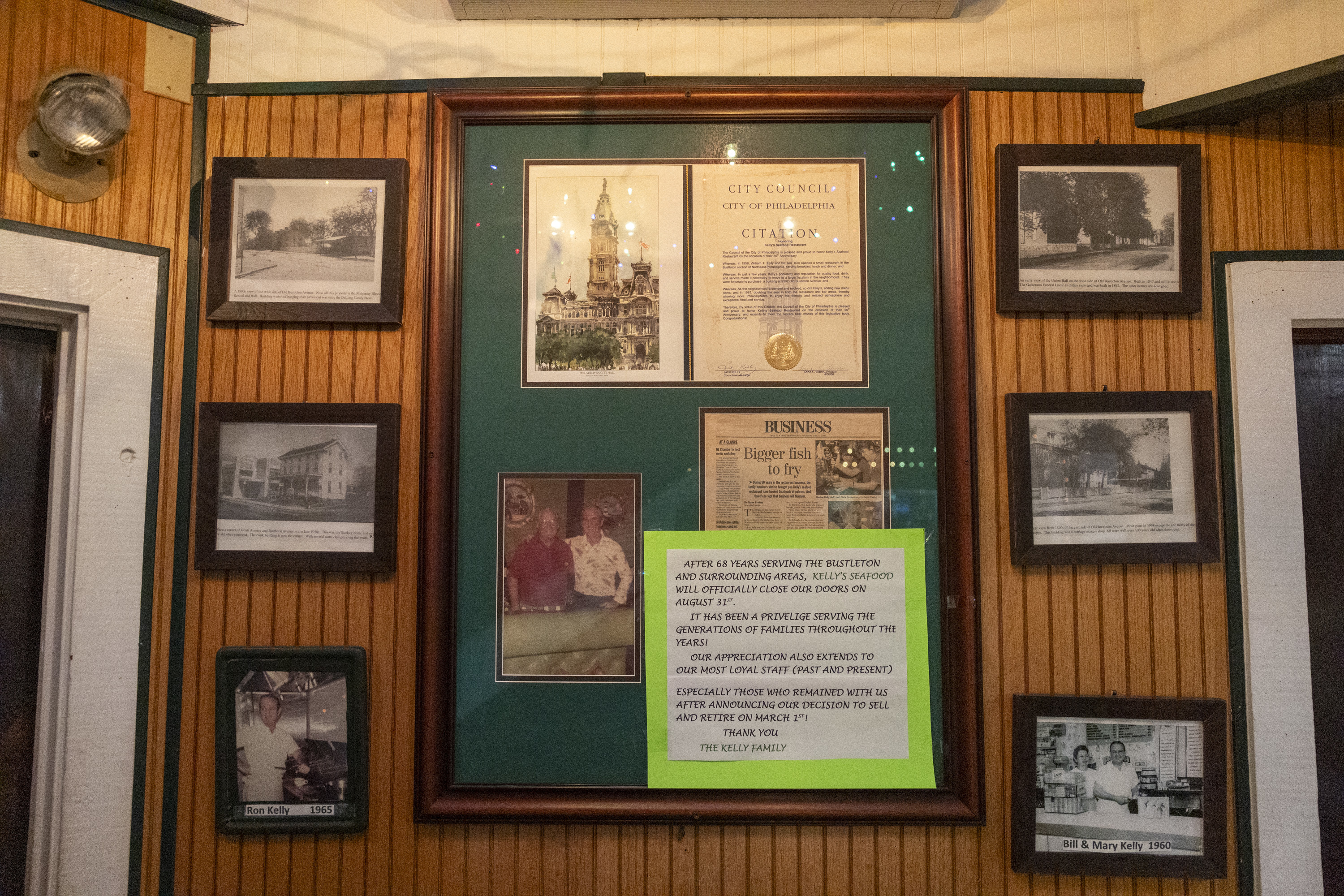
    The story began in 1958, when Ron Kelly and his father, William T. Kelly, opened Kelly’s Grille, a luncheonette in a shopping center a few blocks from the current restaurant.

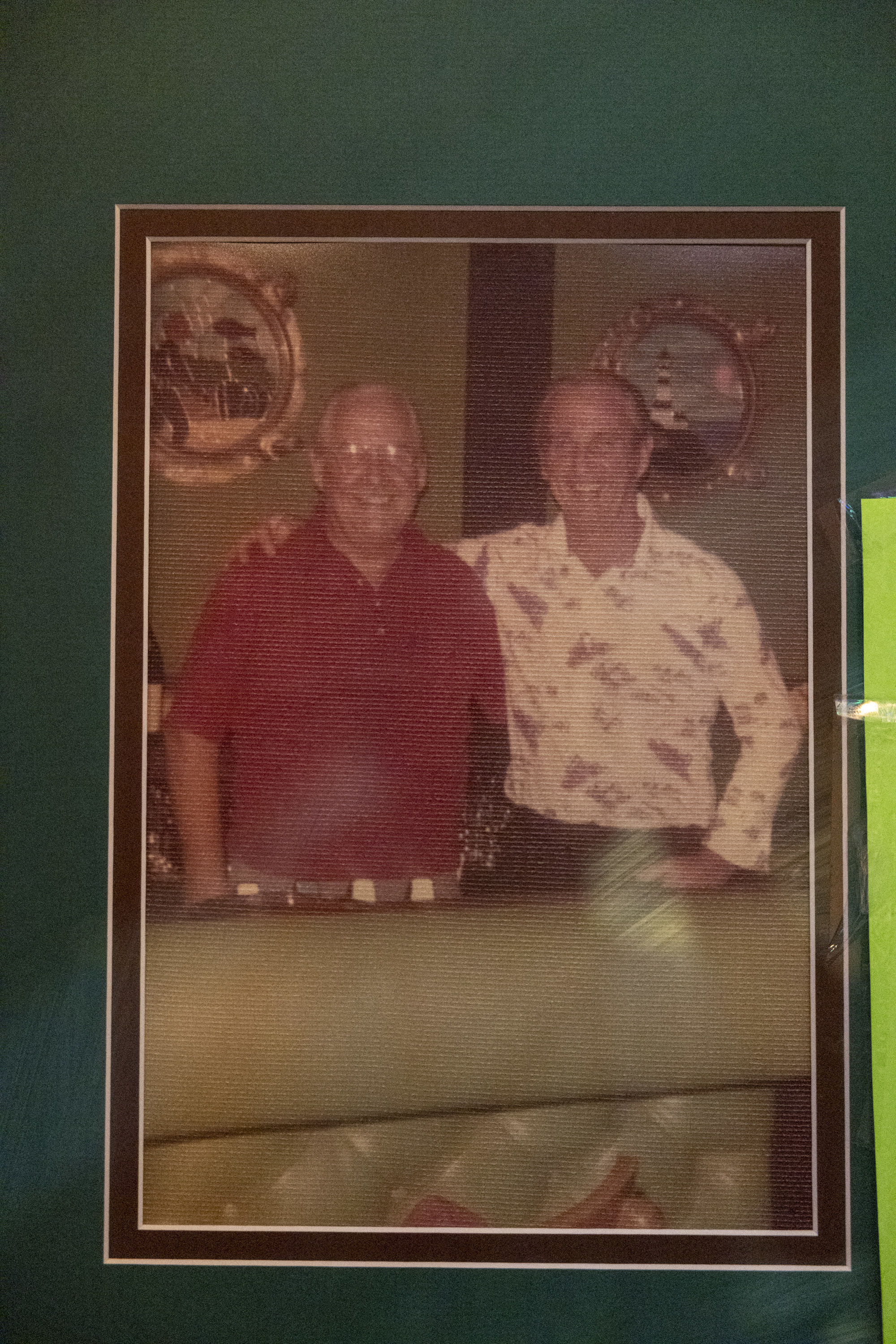
    Founders William (left) and Ron Kelly, in a photo hanging at Kelly’s Seafood.Tyger Williams / Staff Photographer

    William had worked on a milk wagon. Ron, newly out of military service, wanted to get into the restaurant business, and his father went along with him.

    In 1964, they moved Kelly’s to 9362 Old Bustleton Ave., just off Bustleton Avenue and Welsh Road, and Kelly’s Seafood took shape. (It is unrelated to the long-ago Kelly’s on Mole Street in Center City.)

    The family and restaurant became difficult to separate.

    William lived in the apartment above Kelly’s and cleaned the bathrooms every morning. Ron and Jean Kelly’s four children — Denise, Tim, Brian, and Brett — all grew up working there.

    Kelly’s Seafood lines its walls with memorabilia.Tyger Williams / Staff Photographer

    Brian and Brett walked over after school and spent Wednesdays and Thursdays in the basement, which they called “the dungeon,” breading shrimp and other seafood.
    “We were about 12 years old,” Brian said. “Today they’d probably shut us down for child labor. Back then it was just part of growing up in the family business.”

    Their brother Tim, now 63 and living in Florida, also started young, walking over after school to help. Eventually, all nine of Ron and Jean’s grandchildren worked at Kelly’s in some capacity.

    The restaurant itself looks as if it has been accruing memories for nearly seven decades.

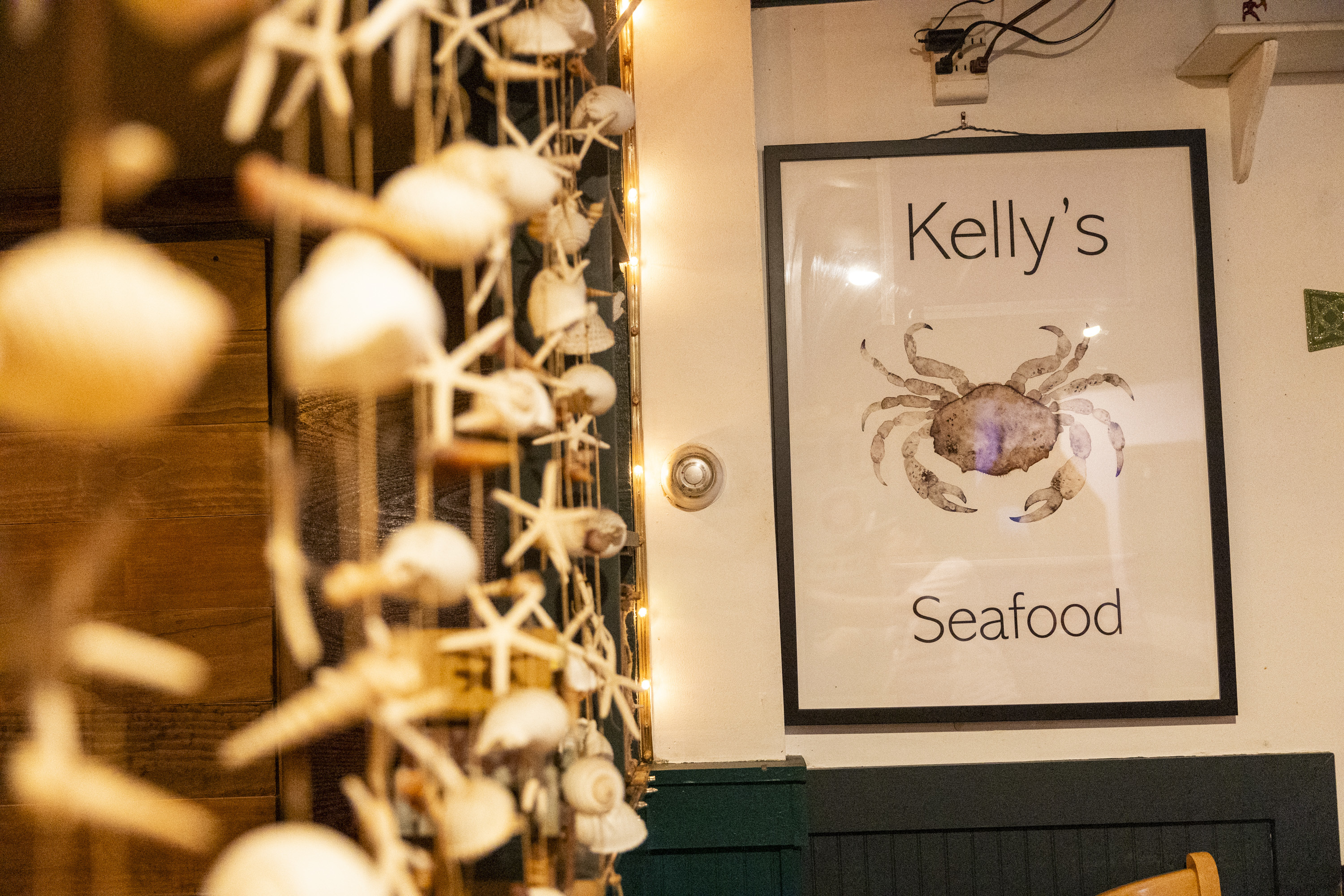
    Seashells hang from netting at Kelly’s.Tyger Williams / Staff Photographer

    The decorating scheme includes a decades-long accumulation of Shore-life artifacts — wood paneling, striped booths, fish prints, shells, ship models, string lights, and enough nautical memorabilia to outfit a small maritime museum.

    The accumulation includes people.

    Bartender Cathy Sims first came to Kelly’s as a customer, bringing her daughters here after their ring Mass at St. Hubert’s High. After she graduated from bartending school, Barreras hired her in 1997.

    She never left.

    “I love them,” Sims said. “They’re my best friends. And then I’ve got all my people who have been coming in for 20 years.”

    Brown started waiting tables in June 1988 after a former Dunkin’ Donuts coworker told her that Kelly’s was hiring. “I came over, and the rest is history,” she said.

    When the Kellys gathered the 25 employees in March to say the restaurant was for sale, they told them they would understand if anyone wanted to find another job.

    Nobody left.

    “They all said they’d stay through the end,” Brian said.

    Preparing for the finale

    The family wanted customers to have the same notice.

    “A lot of restaurants close and all of a sudden there’s a note on the door, and sometimes even the staff doesn’t know about it,” Brett said.

    The Kellys also wanted customers to have time to use their gift certificates. Brian said they have honored certificates dating to the mid-1990s and will reimburse anyone left with one after the closing.

    But the March announcement caused confusion. Some customers thought Kelly’s had already closed.

    Once the family set Aug. 31 as the final day, business surged again. One recent Wednesday was the busiest Wednesday Kelly’s had seen in three months.

    “A lot of people are saying, ‘We’ve got to get the family out there one last time,’” Brett said.

    And some are stocking up, especially on snapper soup.

    Customers have been calling Brett to ask whether they can buy it by the quart and freeze it. He tried freezing a bucket during the pandemic and found that, aside from some crystallization, it held up well enough.

    Now he is dispensing freezer advice along with soup.

    One day last week, he thought he had made enough to get through the following day. That night, customers bought 10 quarts and nine pints. The Wesley group took six quarts. “They were lucky because I just made it,” he said.

    Moving on

    What Kelly’s cannot stockpile is another generation willing to take over the way the previous ones did.

    Brett’s children worked here as teenagers, bussing tables, washing dishes, and doing whatever else was needed, but neither wanted the restaurant business.

    “All the nieces and nephews worked here one way or another,” Brett said. “They all did their part here. But nobody wants to basically do what Brian and I did — be hands-on with it. So we knew it would probably end with us.”

    Tommy works in the kitchen with his father and uncle, but he can’t run it alone. “Managing the business is a different world,” Brett said. “And we don’t have enough family coming in behind him to back him up.”

    Brett has watched what the restaurant demanded of his own generation. “I think the best move for him is to go try something else and maybe enjoy life more than we did,” he said. “Now we’re going to enjoy life more.”

    Brian’s illness hastened the decision. “I’m used to working all those hours, and I just can’t anymore,” Brian said. “I come in and help my brother when I can, but it’s not the same.”

    The restaurant, meanwhile, keeps demanding attention, even now.

    A month ago, an oven the Kellys had used for about 30 years died. It was too old to repair.

    “I’m thinking, ‘Geez, I’ve got to get a new oven for, like, three months?’” Brett said.

    They bought the oven.

    The approximately 7,300-square-foot building — including its liquor license, equipment, furnishings, and attached apartment — is listed for $2 million. The Kellys say there are prospective buyers, though no deal has been completed, and they don’t know whether the next owner will operate it as a restaurant.

    Nor do Brian and Brett know exactly what they will do after taking a well-earned break. They have kicked around the idea of someday opening something much smaller, perhaps selling Kelly’s staples such as snapper soup and crab cakes, or even operating a food truck.

    Brown expects to find another job eventually. First, she plans to take some time off.

    “I need to wrap my head around it,” she said.

    After 38 years, she isn’t angry with the Kellys for their decision.

    “I’m glad for them,” Brown said. “They deserve it. They deserve it.”

  • A Mayfair man faces an additional civil rights charge for trying to burn down a Northeast Philly mosque, feds say

    A Mayfair man faces an additional civil rights charge for trying to burn down a Northeast Philly mosque, feds say

    A Mayfair man accused of trying to set fire to a Northeast Philadelphia mosque is now also facing a federal civil rights charge, according to the U.S. Attorney’s Office.

    Vincent Lang was arrested last month and charged with a federal arson-related offense for allegedly throwing an incendiary device into the Northeast Philadelphia Islamic Center on July 5.

    On Thursday, prosecutors announced that they’d also moved to indict Lang on a count of damaging religious property, something U.S. Attorney David Metcalf said “demonstrates our resolve to protect our core constitutional liberty of religion.”

    Lang, 60, has been in federal custody since he was arrested for the arson offense, which carries a five-year mandatory minimum prison sentence if he’s convicted.

    The new charge means Lang faces a maximum possible prison sentence of 40 years, prosecutors said.

    His federal defender declined to comment Friday.

    Image from security video of fire started by an incendiary device on July 5 at the Northeast Philadelphia Islamic Center.U.S. Attorney's Office

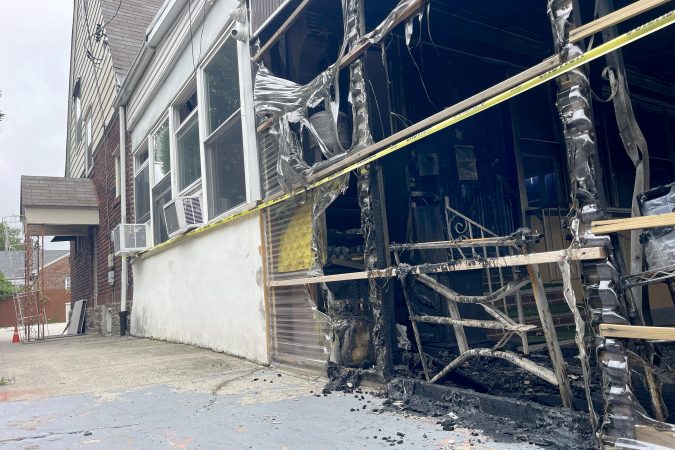
    Lang is accused of attacking the mosque, on the 1400 block of Tyson Avenue, on July 5 around 2 a.m. The building was unoccupied at the time and no injuries were reported, but its front porch sustained significant damage.

    Two days after the attack, authorities received a tip that Lang was involved. Investigators who surveilled his house found his black SUV with handwritten messages and stickers saying things like “White Pride” “F- Islam,” and “Federal Terrorist Hunting License,” prosecutors said.

    On social media, investigators also found what they believed to be accounts linked to Lang that had expressed anti-Islamic views as well as comments on the arson investigation, prosecutors said. One of the posts about the investigation said: “How can it be a hate crime they might have done it out of love,” prosecutors said.

    The local chapter of the Council on American-Islamic Relations, or CAIR, applauded what it called a thorough and meaningful investigation into the attack.

    “This indictment sends an important message that attacks targeting houses of worship because of their faith are not ordinary crimes, they are assaults on the fundamental civil rights and religious freedom of entire communities,” said Dr. Ahmet Tekelioglu, executive director of CAIR-Philadelphia.

  • Your first look at Ellen Yin’s Italian hangout | Let’s Eat

    Your first look at Ellen Yin’s Italian hangout | Let’s Eat

    Ellen Yin is about to open a chichi all-day bar in Rittenhouse, and we take you inside.

    Also in this edition:

    — Mike Klein

    If someone forwarded you this email, sign up for free here.

    Your first look at Ellen Yin’s Italian hangout

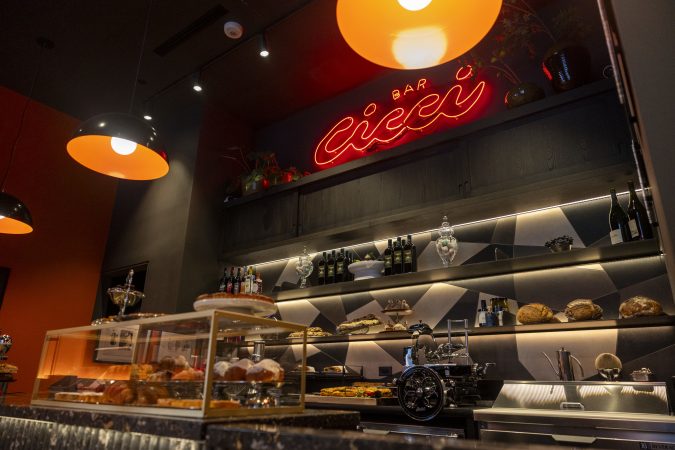
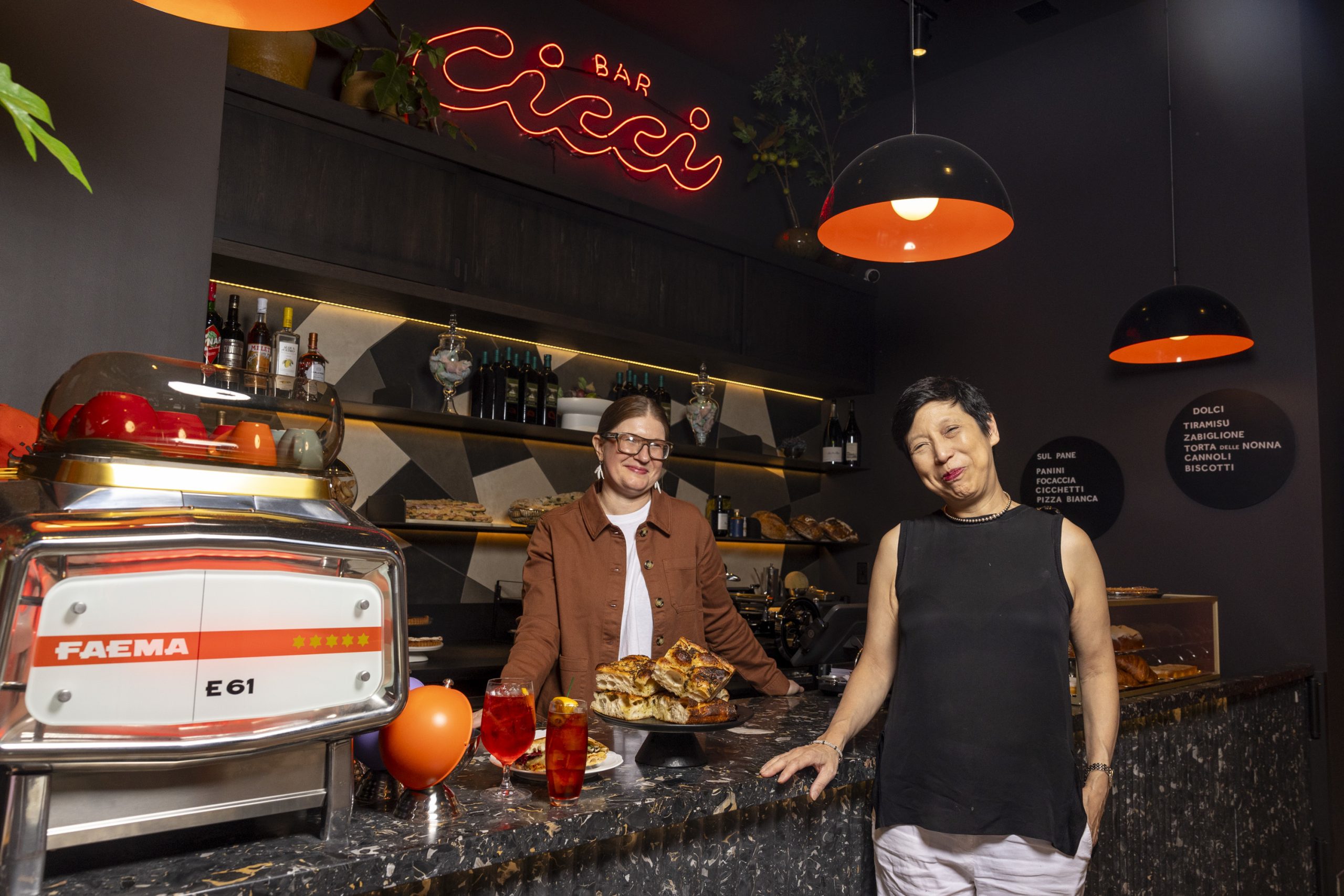
    High Street Hospitality founder and James Beard Award winner Ellen Yin is just about ready to hit Rittenhouse with Bar Cicci, an all-day drop-in for espresso and pastries by morning, sandwiches by day, and spritzes, cicchetti, and small plates by night. Join Beatrice Forman on Sansom Street for your first look.

    The crop of Shore farmers markets

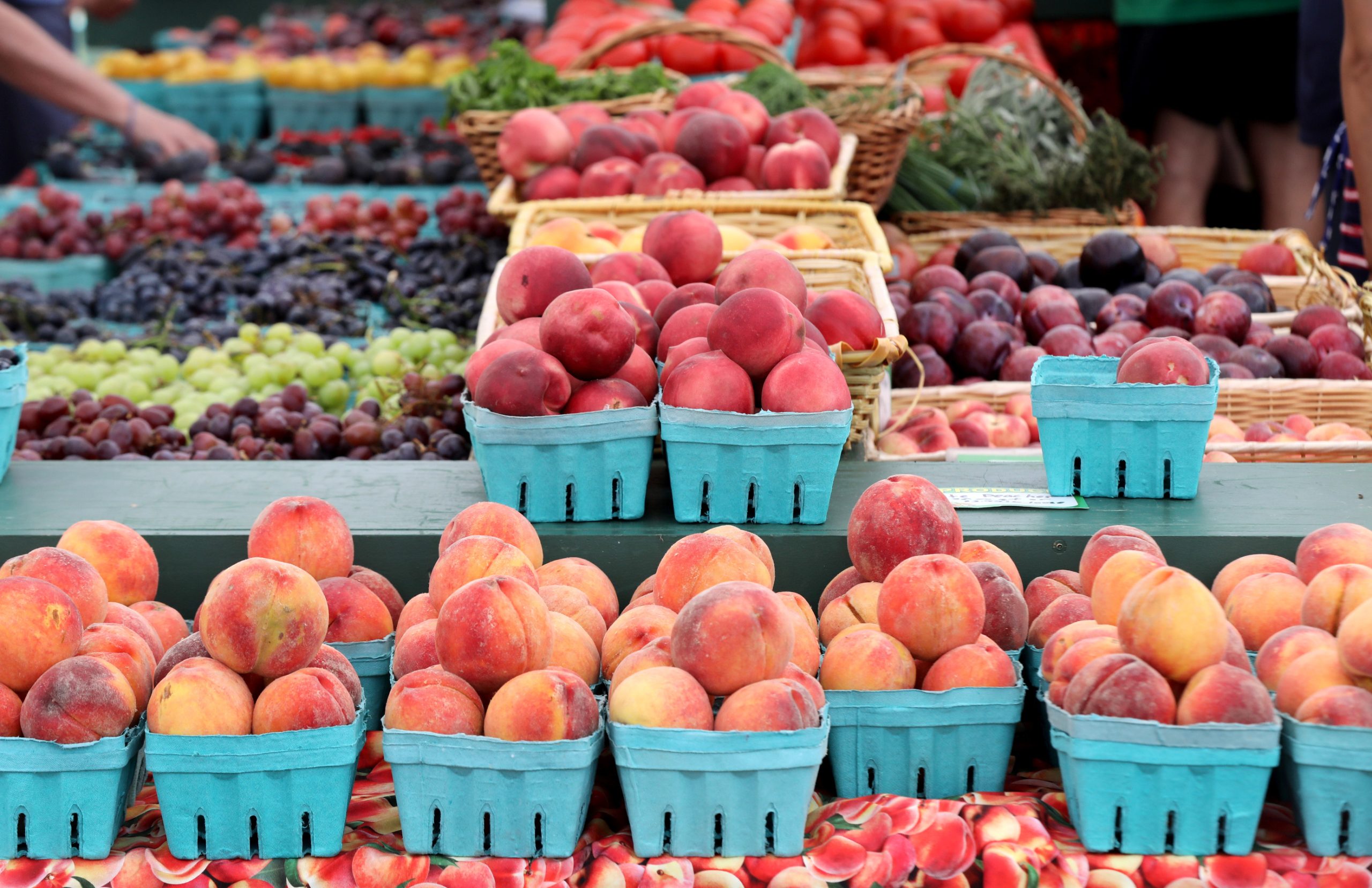
    Shore season isn’t done yet, and neither are farmers markets, which have seen an uptick in business locally in the midst of a cyclospora outbreak. Hira Qureshi maps out where you can buy local produce, baked goods, and more at markets down the Shore.

    New restaurants for August

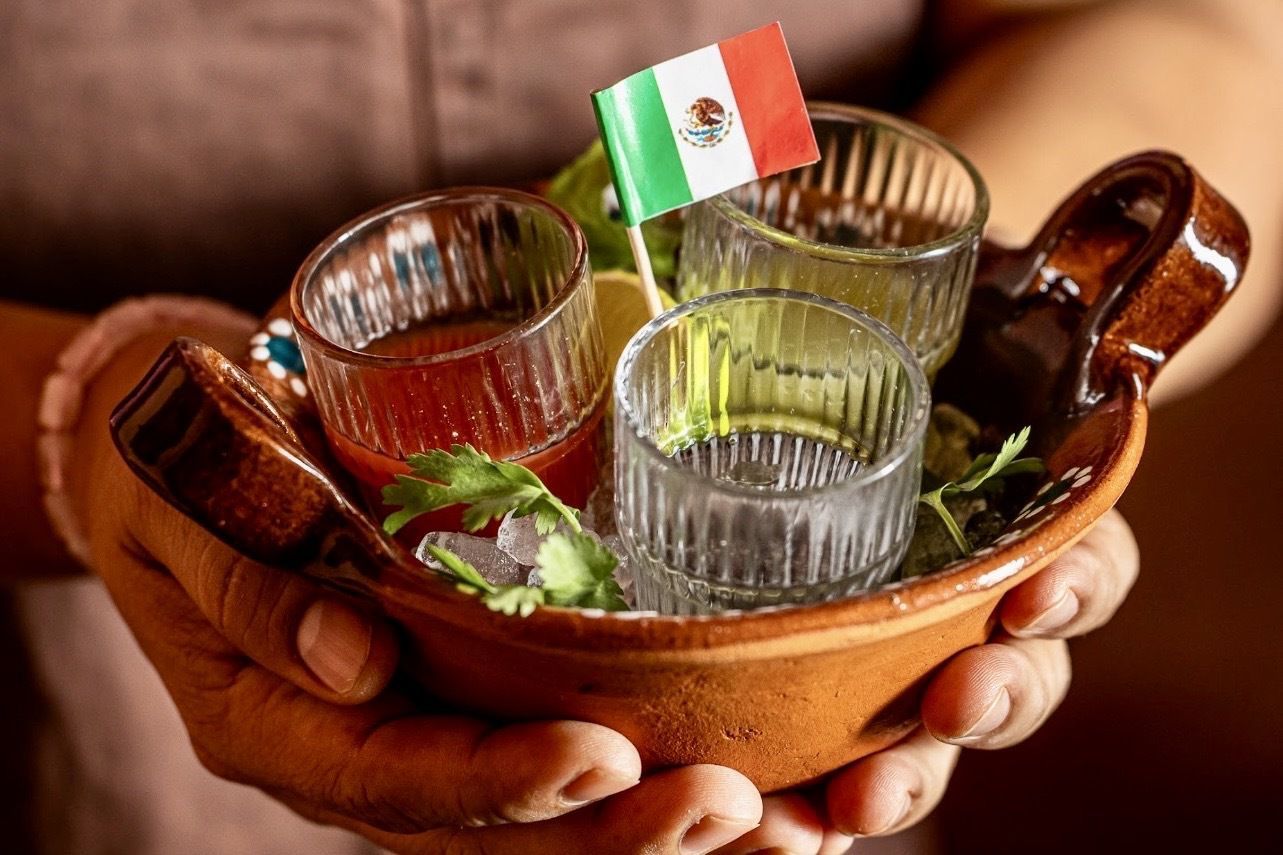
    Besides Bar Cicci, a half-dozen new restaurants are on tap this month, including Recipe Philly in Center City, Cecilia in Bridgeport, and Mixteca in East Kensington, where the red, white, and green of la bandera figures into the signature cocktail.

    One town has cornered the market on ‘little treats’

    Lancaster Avenue in Ardmore, one of the Main Line’s busiest commercial strips, is now home to two new dessert shops. Denali Sagner explains that one specializes in tea, cakes, and buns, while the other celebrates the mango.

    A teeny-tiny bar is coming to Fishtown

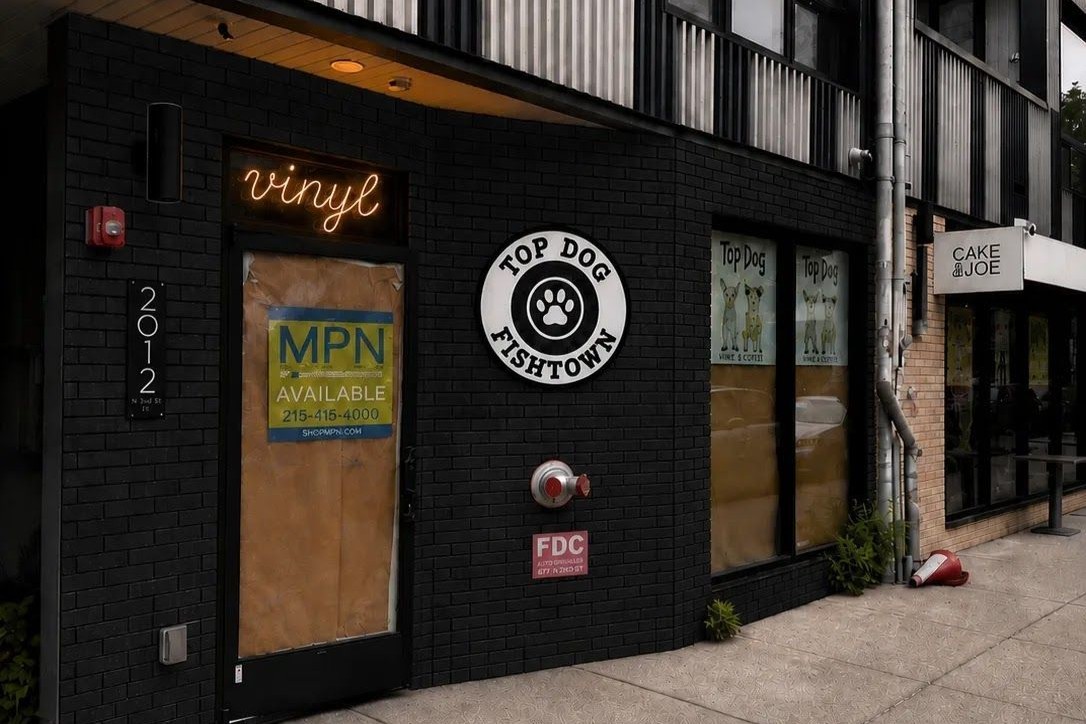
    Canned-cocktail brand Top Dog is setting up listening rooms in Kennett Square and Fishtown, embracing the Japanese jazz kissa model — a music cafe or bar that’s focused on listening to vinyl records. Brooke Schultz chatted up Top Dog’s Ken Smukler, who aims to deliver an “analog feel in a digital world.” The Fishtown location is tiny. It used to be an ATM.

    The best thing Kiki Aranita ate last week

    The handmade tarts from Market Day Canelé layer summer tomatoes over a corn custard with cremini and button mushrooms, herb-roasted cotto ham, eggs, and Gruyère in a flaky crust. Kiki Aranita says you have to act fast to snap one up.

    Scoops

    Two chefs have made big professional strides from their roots in Roxborough, and now they’re coming home to Manayunk to take over the Winnie’s space with a “punk French” eatery.

    Aldar Bistro in Bala Cynwyd is giving way after 34 years to a white-tablecloth Southern Italian restaurant called Bruzi.

    Does a spate of restaurant-closing announcements — such as Hiroki, Federal Donuts & Chicken, and the Lodge by Two Robbers — portend industry doom? No, and I’ll explain why not.

    Restaurant report

    Gabriella’s Vietnam in South Philadelphia is counting down to closing in mid-December as the new owner of her building is planning a restaurant of their own. Chef-owner Thanh Nguyen told Kiki Aranita that she is looking for a new spot.

    Side Eye, the Queen Village bistro, gets a bit of side eye from critic Craig LaBan, who likes the vibe and pricing but thinks the execution could be sharper.

    New drive-thru coffee option: The syndicated 7 Brew has opened at 4000 Woodhaven Rd. in Northeast Philadelphia’s Knights Road Shopping Center.

    More bagels are coming round: Central Florida-based Jeff’s Bagel Run — schmeared with private-equity investment — has cinched a franchisee for 10 stores from the Harrisburg area east through Reading and the Lehigh Valley to suburban Philadelphia. No leases have been signed, the company announced in a press release.

    Briefly noted

    Cantina la Martina’s fourth annual Cemita Festival returns from 11 a.m.-4 p.m. Sunday at the Garden Center across from Mural City Cellars (1825 Frankford Ave). Six restaurants will each serve interpretations of Puebla’s iconic cemita sandwich for $16: Cantina la Martina, Gilda, Bolo, Vientiane Bistro, Cinteotl Tamalli, and Los Cuatro Soles Restaurant. Also: beverages from Mural City Cellars, DJ Cali Rumba, dance performances by Danza Tonantzin Cultura, face painting, and artisan vendors. It’s pay-as-you-go. Some cemita vendors are cash only.

    Post Haste in East Kensington will become Philadelphia’s only participant in the inaugural Global Pay What You Can Day on Aug. 26, joining restaurants from Mexico City to Mumbai in a one-day effort to make dining more accessible. Guests can order whatever they’d like and pay what they can (excluding alcohol), building on chef Ari Miller’s weekly pay-what-you-can program launched earlier this year. (Miller is married to Inquirer staff writer Kiki Aranita.)

    The Fishtown Pickle Project is taking its annual pickle-themed dinner outside of Fishtown for the first time. The Aug. 27 edition will have founders Niki Toscani and Mike Sicinski in Rittenhouse to collaborate with Uchi on a nine-course, pickle-centric tasting menu (e.g. oysters with giardiniera, yellowtail with pickled peach, salmon with pickled enoki, and a dessert featuring pickle jam). Seatings: 6 and 8:30 p.m. Tickets: $125 per person, plus tax and gratuity.

    Chef Chaz Brown, in partnership with Forman Arts Initiative, will present the third annual Oxtail Collective from 1-5 p.m. Aug. 30 at the Substation in Kensington. Titled “The Hercules Posey Celebration” — after George Washington’s enslaved chef — the event will bring together Black chefs, historians, artists, and entrepreneurs to explore the intersections of food, culture, business, and history while serving as an early public introduction to Forman’s future 100,000-square-foot arts campus. Participating chefs include Chad Williams of Friday Saturday Sunday, Omar Tate and Cybille St. Aude-Tate of Honeysuckle, and Shola Olunloyo of Studiokitchen. PBS NewsHour’s Geoff Bennett will moderate panels, and the program also includes tastings from 15 chefs, cooking demos, and a marketplace featuring Black-owned businesses. Tickets ($92.55, including fees) are on sale.

    Delicious City Philly Podcast’s second annual Hoagie Throwdown has a date: Sept. 27, from noon-4 p.m., at Other Half Brewing in Fishtown, drawing 20 chefs, restaurants, delis, and sandwich makers to compete. There will be unlimited hoagie samples, beer/soft drinks, and pro wrestlers grappling. (Last year’s outing was a scene: The Inquirer’s Craig LaBan, in a Zorro mask and big hat, went through hoagie-making boot camp.) The podcast has made 500 tickets available and early pricing starts at $55.

    ❓Pop quiz

    Which Pennsylvania farm crop is in the crosshairs of the U.S. Department of Commerce?

    A) mushrooms

    B) hay/alfalfa

    C) corn

    D) apples

    Find out if you know the answer.

    Ask Mike anything

    What is going on at 117 Chestnut St.? The restaurant 117 is closed already and it just opened. — Chris D.

    Old City restaurant 117, which opened only last November, posted a note on Instragram last week that it had closed “due to circumstances beyond our control.” According to Philadelphia court records, the restaurant was evicted over back rent.

    The space’s previous occupant, the Avery, also had a very short run last year. Previous occupants had better luck: 2nd Story Brewing Co. closed in 2024 after a decade and was the last to use the brewing equipment installed by Triumph Brewing Co. for its own run from 2007 to 2014.

    Adding intrigue now is the liquor license application that was filed at 117 Chestnut St. last week in the name “Finish Your Champagne LLC.” Finish Your Champagne is the name of the long-in-the-works Columbus Boulevard cocktail bar project from Kevin Dolce, owner of Center City’s Taste Cheesesteak Bar and Savù. Dolce declined comment.

    📮 Have a question about food in Philly? Email your questions to me at mklein@inquirer.com for a chance to be featured in my newsletter.

    By submitting your written, visual, and/or audio contributions, you agree to The Inquirer’s Terms of Use, including the grant of rights in Section 10.

  • Philly residents traumatized by the Northeast plane crash are suing the Mexican jet operator

    Philly residents traumatized by the Northeast plane crash are suing the Mexican jet operator

    Khlood Hammad was at the drive-thru lane of a Northeast Philadelphia Dunkin’ on the evening of Jan. 31, 2025, when a private medical transportation jet nose-dived into the ground a block away.

    The sheer force of the blast and the gruesome scene still haunts Hammad, she said in a lawsuit filed this month against the jet’s operator.

    Hammad suffers from dizziness and imbalance because of injuries to her head and ears, the suit says, and she developed post-traumatic stress disorder that has been impacting her ability to work.

    “It’s just miraculous that anyone that close survived,” said Joseph Russomanno, Hammad’s attorney.

    The lawsuit is the latest against Med Jets, the Mexican air carrier that operates specialized airplanes for medical transport, and the second this month by a witness of the crash that killed eight people, injured dozens, and impacted hundreds of homes.

    The new suits, filed in the Philadelphia Court of Common Pleas, expand the circle of crash victims pursuing claims against Med Jets, vying for a chunk of the company’s $10 million insurance policy.

    Med Jets — which operates under the name Jet Rescue Air Ambulance — is already facing two wrongful death lawsuits brought by families of Mexican nationals who were killed and a lawsuit brought by a man who was severely burned near the crash site.

    And more than 100 claims have been submitted to the federal judge overseeing the distribution of Med Jets’ insurance funds. These include the families of the eight people killed in the crash; neighborhood residents and businesses; insurers; and Philadelphia, which estimated the cost of the crash to taxpayers at $2.5 million.

    “There’s a lot of people in line for the $10 million,” said attorney Michael Hanamirian, who represents another witness who is suing the company. “It sounds like a lot of money, but in this case it’s not a lot of money.”

    Hanamirian sued Med Jets this month on behalf of Yunelly Cervera, who saw the crash from her home and had plane debris land on her property.

    Cervera has been experiencing troubling dreams and panic attacks, among other symptoms of post traumatic stress, the suit said.

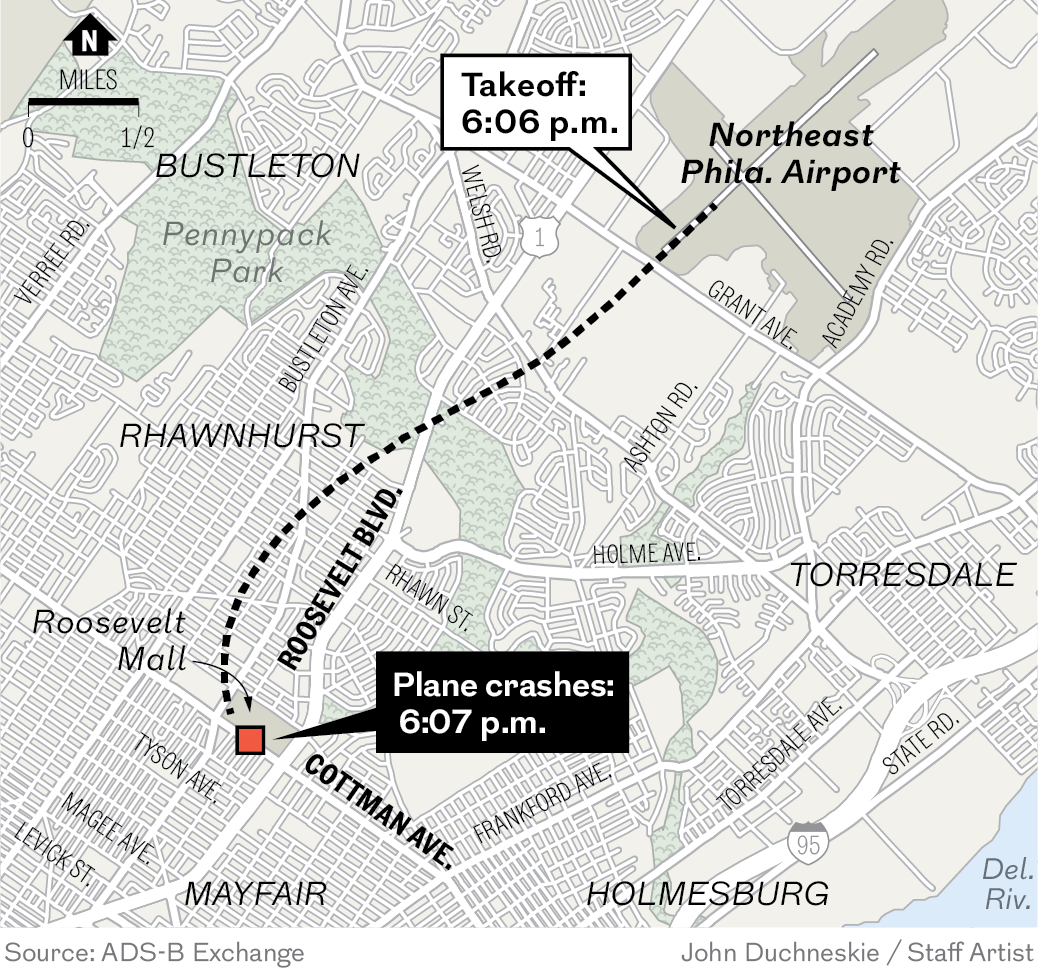
    The crash took place shortly after 6 p.m. on a Friday. The Med Jets-owned Learjet 55 plummeted 1,650 feet at more than 235 miles per hour within a minute of taking off from Northeast Philadelphia Airport.

    All six people aboard the jet died, including 11-year-old Valentina Guzman Murillo, who was heading home after having spent four months undergoing treatment for a spinal condition at Shriners Children’s Philadelphia.

    Map of where a small jet crashed near Roosevelt Boulevard and Cottman Avenue in Northeast Philadelphia on Jan. 31.John Duchneskie

    The crash also killed Dominique Goods Burke and Steven Dreuitt, a couple who was enjoying a family outing in the Roosevelt Mall.

    And at least 20 more were seriously injured.

    Med Jets did not respond to a request for comment.

    The company’s insurance provider, El Águila Compania de Seguros, filed a lawsuit in Philadelphia’s federal court last summer saying claims would far exceed the remaining liability limits” the company’s $10 million insurance policy.

    It is unknown how many more people have viable claims similar to Cervera and Hammad, attorneys said.

    Once the insurance funds are exhausted, those who weren’t compensated — at all or sufficiently — could attempt to obtain a judgment directly against the company, Hanamirian said.

    But the value of Med Jets’ assets remains an open question, the attorney said, and enforcing any award issued in a U.S. court on a company across the border can be tricky.

    “The judgment has to be significant enough to enforce because of all the time and steps involved,” Hanamirian said.