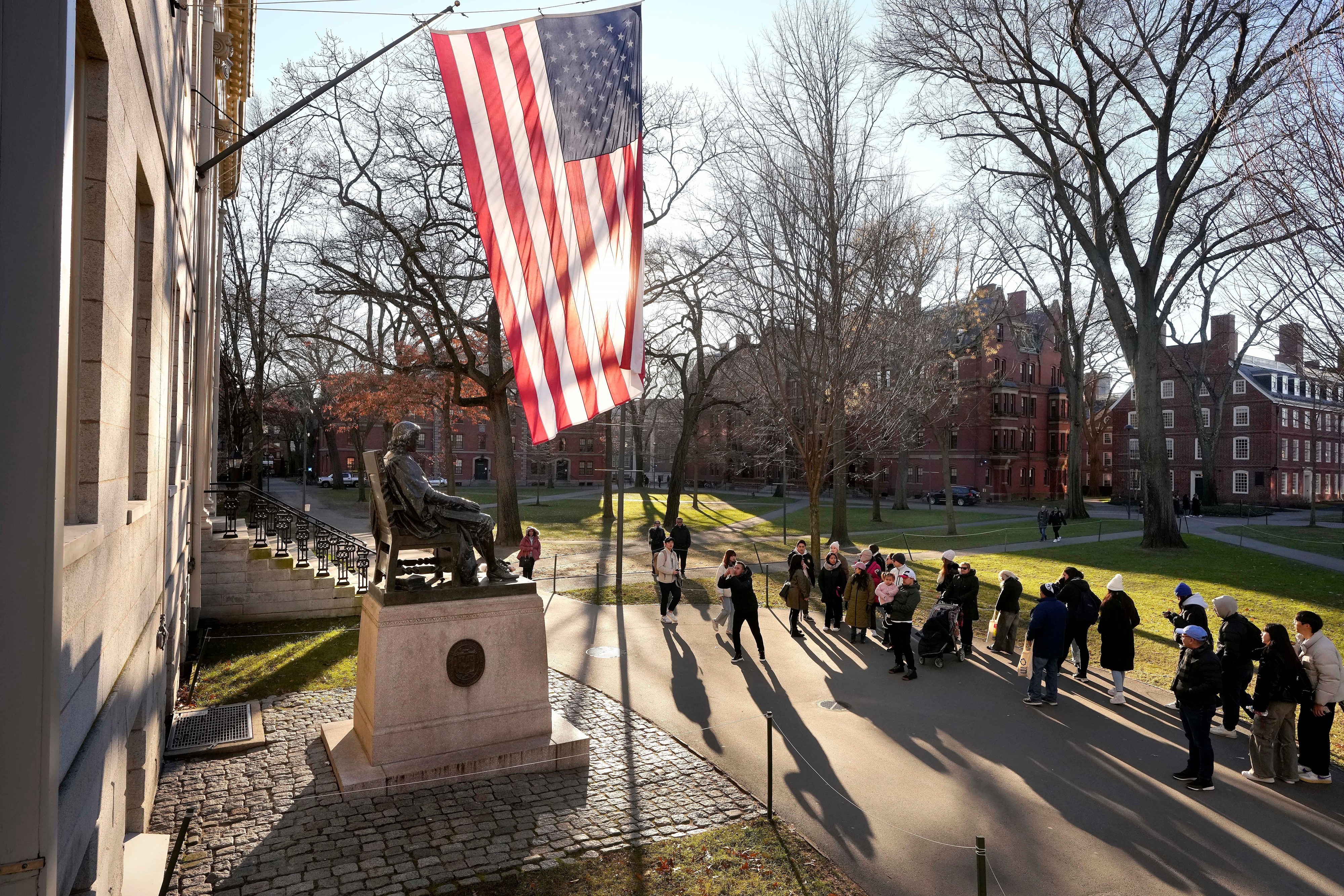
BILLINGS, Mont. — The U.S. Forest Service is closing 23 research and development stations in more than a dozen states as part of an organizational overhaul under President Donald Trump that is intended to trim costs and concentrate the agency’s resources in Western states, officials said Thursday.
The work being done at the research stations will continue at other sites, Forest Service Associate Chief Chris French said in an interview. An additional 41 research facilities that faced possible closure will remain open after local officials and members of Congress raised concerns about the reorganization, which was announced in March.
“Our primary goal was to get our facilities costs under control,” French told The Associated Press. “We’re not closing any ongoing science activities. We’re not closing any of the experimental forests that are important to our researchers.”
Research by forest service employees ranges from studies on invasive species and protecting water resources to how wildfires are changing as climate change dries out and heats up forests.
Bill Avey of the National Associated of Forest Service Retirees, an advocacy group, said the forest service has long struggled to pay for all its facilities and some opportunities for consolidation exist. But Avey, who worked at the service for four decades, said its current leaders including Chief Tom Schultz need to defend the importance of forest research more vocally.
“He should be doing a much better job of pushing back and justifying and explaining some of the research work,” Avey said. He added that the 41 facilities being retained likely would have closed as well if not for pushback from his group and others.
The 95 employees at the research stations slated for closure will be shifted to other sites within their commuting areas, Forest Service Communications Director Chad Douglas said. The closures — along with previously announced plans to shut regional offices in Atlanta, Milwaukee, and Portland — will save about $16 million, officials said.
The reorganization also includes moving the agency’s headquarters from Washington to Salt Lake City. Agriculture Secretary Brooke Rollins has said the move, expected to be completed by next summer, will bring leaders closer to the landscapes they manage and the people who depend on them.
Conservation groups have criticized the changes, warning that they could reduce access to forests and threaten wildlife habitat and clean air and water.
Federal data shows that the Forest Service has lost about 6,000 employees, or about 15% of its workforce, during Trump’s second term as part of the Republican administration’s sweeping cuts to agencies that oversee the nation’s natural resources.
WASHINGTON — Federal prosecutors have charged a U.S. Immigration and Customs Enforcement officer with lying to investigators about the events leading up to the shooting of a Venezuelan man during the Minneapolis immigration crackdown earlier this year, a person familiar with the matter told The Associated Press.
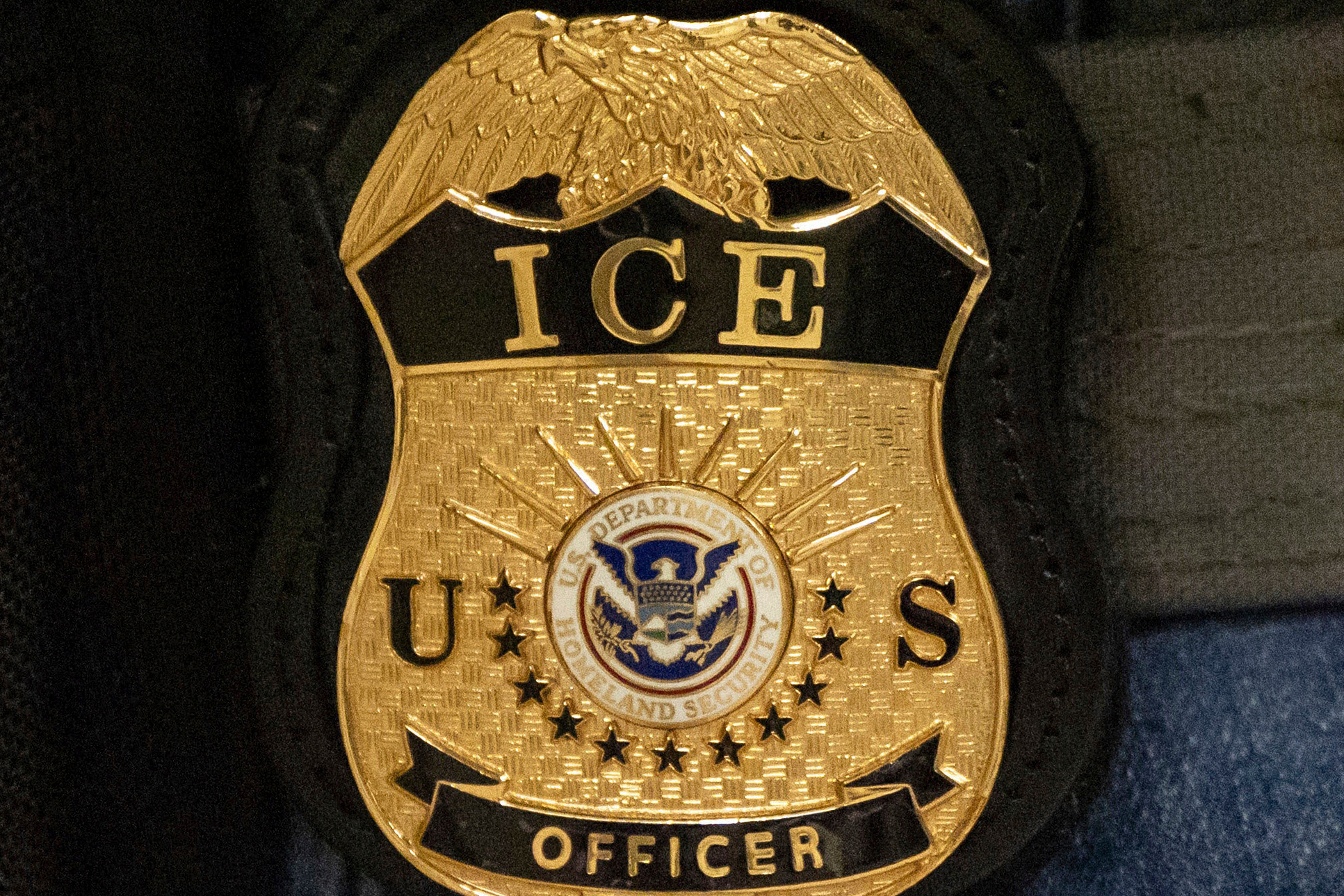
Christian Castro, the officer who authorities say shot Julio Cesar Sosa-Celis in the leg in January, has been charged with making false statements to federal investigators, according to the person, who was not authorized to publicly discuss the investigation and spoke on condition of anonymity.
The federal charges, which remain under seal, follow Castro’s release from jail last week after Texas’ governor refused to immediately sign an extradition warrant to hand him over to Minnesota authorities, who have charged him separately with assault and false reporting of a crime related to the same shooting.
Federal authorities had initially accused Sosa-Celis and another man of beating an officer with a broom handle and a snow shovel during the confrontation. But federal prosecutors dropped charges against the men after video evidence showed the officers may have lied about the encounter, and officials opened an investigation.
Charges stem from nonfatal shooting during Operation Metro Surge
Castro is the first federal immigration officer to be prosecuted by the Trump administration related to actions taken during the massive Operation Metro Surge in the Twin Cities that began in January 2026. No attorney is listed for Castro in the case brought by Minnesota, and it was not immediately clear if he had a lawyer to speak on his behalf.
Thousands of officers were sent to the Minneapolis and St. Paul area by the Department of Homeland Security in what was its largest immigration enforcement operation ever. The shooting deaths of U.S. citizens Renee Good and Alex Pretti by federal officers drew condemnation and raised questions over officers’ conduct, prompting changes to the operation.
Earlier this week, a federal prosecutor working on the case told lawyers for Sosa-Celis and other victims that Justice Department officials blocked the prosecutor’s push to bring a more serious civil rights charge against the officer for the shooting, ProPublica reported on Wednesday.
But the person familiar with the investigation disputed the prosecutor’s characterization, saying the civil rights probe is continuing and there has been no final decision on whether to bring additional charges. The prosecutor, Matthew Evans, has been fired and is under investigation for alleged obstruction of a grand jury probe, the person said.
An automatic email response from Evans’ Justice Department account said he was on leave. Other attempts to reach him were not immediately successful.
An attorney for Sosa-Celis said the Justice Department has “grossly undercharged this case,” adding that Castro’s statements were made to “cover up the fact that he shot my client through the door of an occupied house without a self-defense justification.”
“Mr. Sosa Celis wants Mr. Castro to be held fully accountable for his crimes,” said the attorney, Robin Wolpert. The American Liberties Union of Minnesota said Thursday that Sosa-Celis also plans to seek damages from the federal government.
Castro is also facing charges from Minnesota authorities
Castro was initially arrested in May in the Minnesota case, and he was held in custody in Brownsville, Texas, a city bordering Mexico, while Minnesota officials sought his extradition. But Texas Gov. Greg Abbott refused to immediately sign off, citing continuing investigations of fraud in government social service programs in Minnesota, which Trump used to justify his immigration crackdown there.
Minnesota officials had sought to stop the sheriff in Cameron County, Texas, from releasing Castro, out of fear that he would flee to Mexico. According to a lawsuit filed by Minnesota, Castro had a conversation with a woman, while he was incarcerated, where he spoke about marrying her and buying a house in Mexico after his release.
But Castro was released a week ago after a federal judge refused to order Texas to extradite him.
The Department of Homeland Security previously called Minnesota’s prosecution of Castro “unlawful and nothing more than a political stunt,” saying only federal authorities have jurisdiction in the case.
Castro was placed on leave during the federal probe
Castro was suspended from ICE without pay in February while federal authorities conducted the investigation.
“The men and women of ICE are entrusted with upholding the rule of law and are held to the highest standards of professionalism, integrity, and ethical conduct,” ICE’s acting director at the time, Todd Lyons, said then. “Violations of this sacred sworn oath will not be tolerated. ICE remains fully committed to transparency, accountability, and the fair enforcement of our nation’s immigration laws.”
Minnesota officials alleged that Castro, 52, fired through the front door of a home and shot Sosa-Celis in the thigh.
Castro and another officer had chased a different man, Alfredo Alejandro Aljorna, to the Minneapolis apartment duplex where he and Sosa-Celis lived. Minnesota prosecutors said the officer then falsely accused Sosa-Celis and another man of attacking an ICE officer with a broom handle and a snow shovel.
Attorneys for Sosa-Celis and Aljorna didn’t immediately respond to emails Thursday from the AP.
A man convicted over a “Texas Killing Fields” death was sentenced to 20 years in prison Thursday in a rare trial related to the bodies of dozens of women found near Houston beginning in the 1970s.
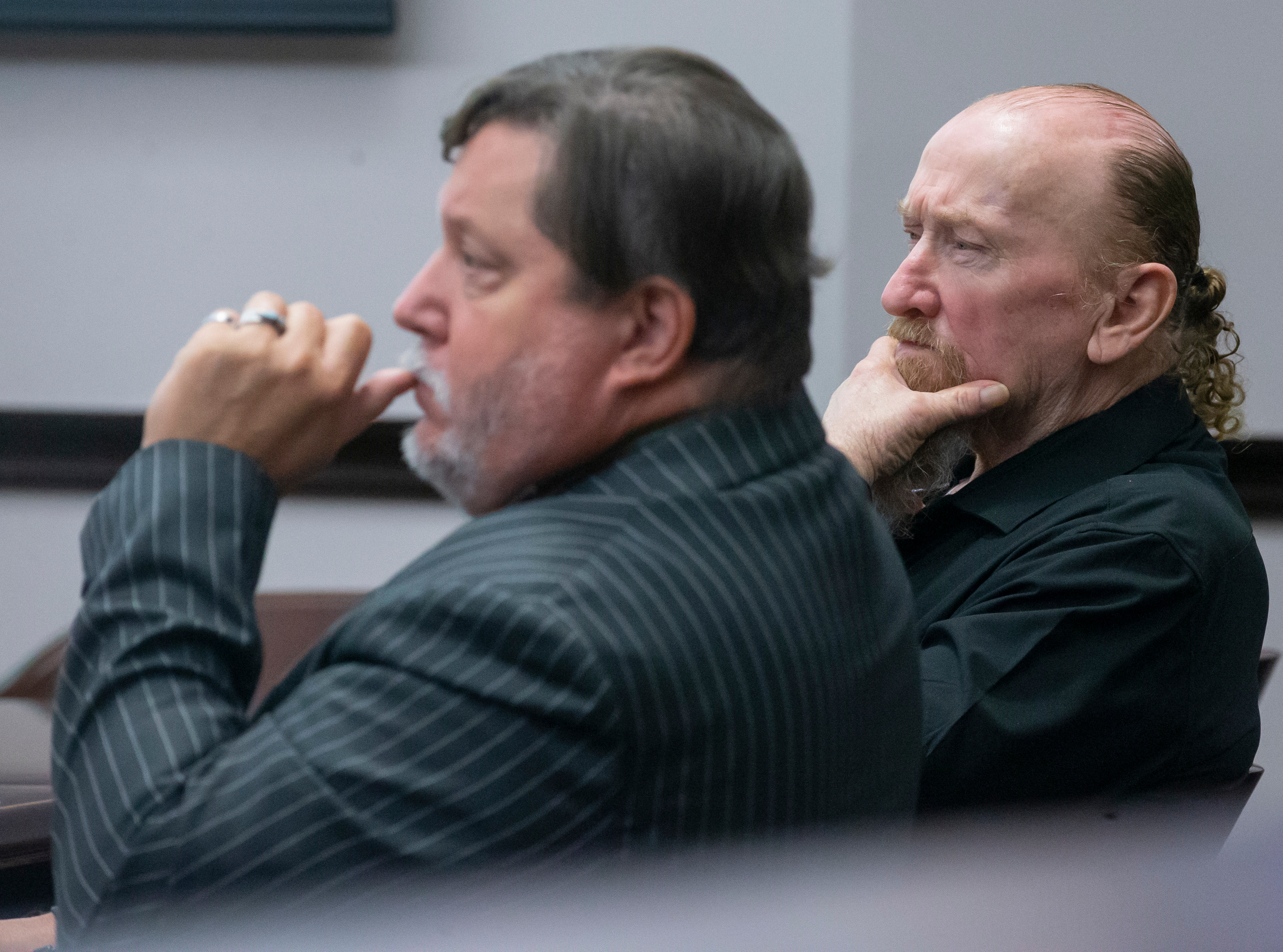
James Dolphs Elmore Jr. was given the maximum sentence by a jury in Galveston County a day after they found him guilty of manslaughter in the death of 16-year-old Laura Miller. Elmore, 61, was arrested earlier this year and accused of preparing the dose of cocaine that killed Miller. Her body was found in the infamous area in 1986.
Investigators believe multiple people may be responsible for the deaths of more than 30 girls and young women, whose bodies were found in a stretch of land along Interstate 45 southeast of Houston. The “Texas Killing Fields” have inspired books, movies and a Netflix documentary.
Miller was one of four young women whose bodies were found between 1984 and 1991 in a rural field off a desolate dirt road in League City, located about 28 miles southeast of Houston.
Elmore was accused in an indictment of preparing a vial of cocaine that was administered to Miller by Clyde Hedrick, who authorities have alleged was the person responsible for the deaths of the four women and had been Elmore’s longtime friend. The district attorney’s office said in March that they had decided to seek grand jury indictments against Hedrick in the deaths, but the 72-year-old Hedrick died by suicide before the grand jury presentation.
Hedrick was convicted of manslaughter in 2014 in the death of Ellen Beason, a young woman whose body was found in 1985 after going missing the previous years. He was released in 2022 and was still on parole at the time of his death, according to the Texas Department of Criminal Justice.
After Laura Miller’s death, her father, Tim Miller, founded Texas EquuSearch, a nonprofit that helps look for missing people.
Most of the deaths associated with the “Texas Killing Fields” remain unsolved.
In 2022, William Reece, an Oklahoma death row inmate, pleaded guilty to three murders in Texas, including those of 12-year-old Laura Smither and 17-year-old Jessica Cain in Galveston County, and 20-year-old Kelli Cox, who was from Denton in North Texas but whose body was found hundreds of miles away in Brazoria County, located next to Galveston County. He received life sentences for all three murders.
WASHINGTON — Billionaire investor Leon Black refused to appear for a sworn deposition before Congress on Thursday and instead sued the House Oversight Committee, asking a federal court to block subpoenas issued as part of its investigation into disgraced financier Jeffrey Epstein.
The House Oversight Committee served Black with two subpoenas during a closed-door voluntary interview in June after lawmakers said he refused to answer questions about nondisclosure agreements. One subpoena demanded Black produce nondisclosure agreements and other documents, while the other compelled him to return for a deposition before the committee.
Black’s lawsuit argues the subpoenas exceed the committee’s authority by seeking private information unrelated to Epstein or any legitimate legislative purpose. It asks a federal judge to declare the subpoenas invalid and prevent the committee from enforcing them.
“The Committee is on a fishing expedition that oversteps its authority and completely ignores its responsibility,” Black’s attorney, Susan Estrich, said in a statement. “This is no longer about finding the truth about Epstein. It is about trying to destroy Mr. Black.”
Top Oversight lawmakers threaten to hold Black in contempt
The top Republican and Democratic lawmakers on the committee both criticized Black’s lawsuit and said they planned to discuss later Thursday whether they would hold him in contempt of Congress.
“This is unacceptable. We’re very disappointed,” said House Oversight Chair James Comer. “Of all the powerful billionaires and political people we’ve brought in for interview and depositions, this is the first time anyone’s filed suit.”
Rep. Robert Garcia, the top Democrat on the committee, called the lawsuit “laughable” and that Black is “trying to slow the process down of getting us the information.”
“Today, the process of contempt has to begin,” Garcia said.
Being held in contempt opens up a witness to criminal prosecution. If the House approves a contempt resolution against Black, it would fall to the Justice Department to decide whether to bring charges against him.
Black paid Epstein over $150 million during their yearslong relationship
Black is the co-founder and former chief executive of the private equity firm Apollo Global Management. He stepped down in 2021 during the fallout over his ties to Epstein.
Lawmakers have alleged that Black paid Epstein $180 million during their yearslong relationship.
A 2021 review commissioned by Apollo found that Black paid Epstein $158 million from 2012 to 2017, after Epstein pleaded guilty in 2008 to soliciting prostitution from a minor. The review said the payments were for “bona fide tax, estate planning, and other related services.”
Black is among a number of influential figures to appear in the investigation into Epstein and the web of wealth and influence around him. Other figures to have appeared for the investigation include former Democratic President Bill Clinton, Commerce Secretary Howard Lutnick, and Microsoft co-founder Bill Gates.
Black is mentioned repeatedly in files that the Justice Department has released related to the Epstein investigation. He also appears in a collection of birthday messages sent to Epstein that were released by the House committee last year, including a poem attributed to Black that refers to “Blond, Red or Brunette, spread out geographically.”
Before the June 26 appearance before the committee, Black maintained that he was not aware of Epstein’s “nefarious activity” until 2019 and that he paid Epstein for legitimate purposes, in part due to his “unrivaled network of relationships” with influential figures.
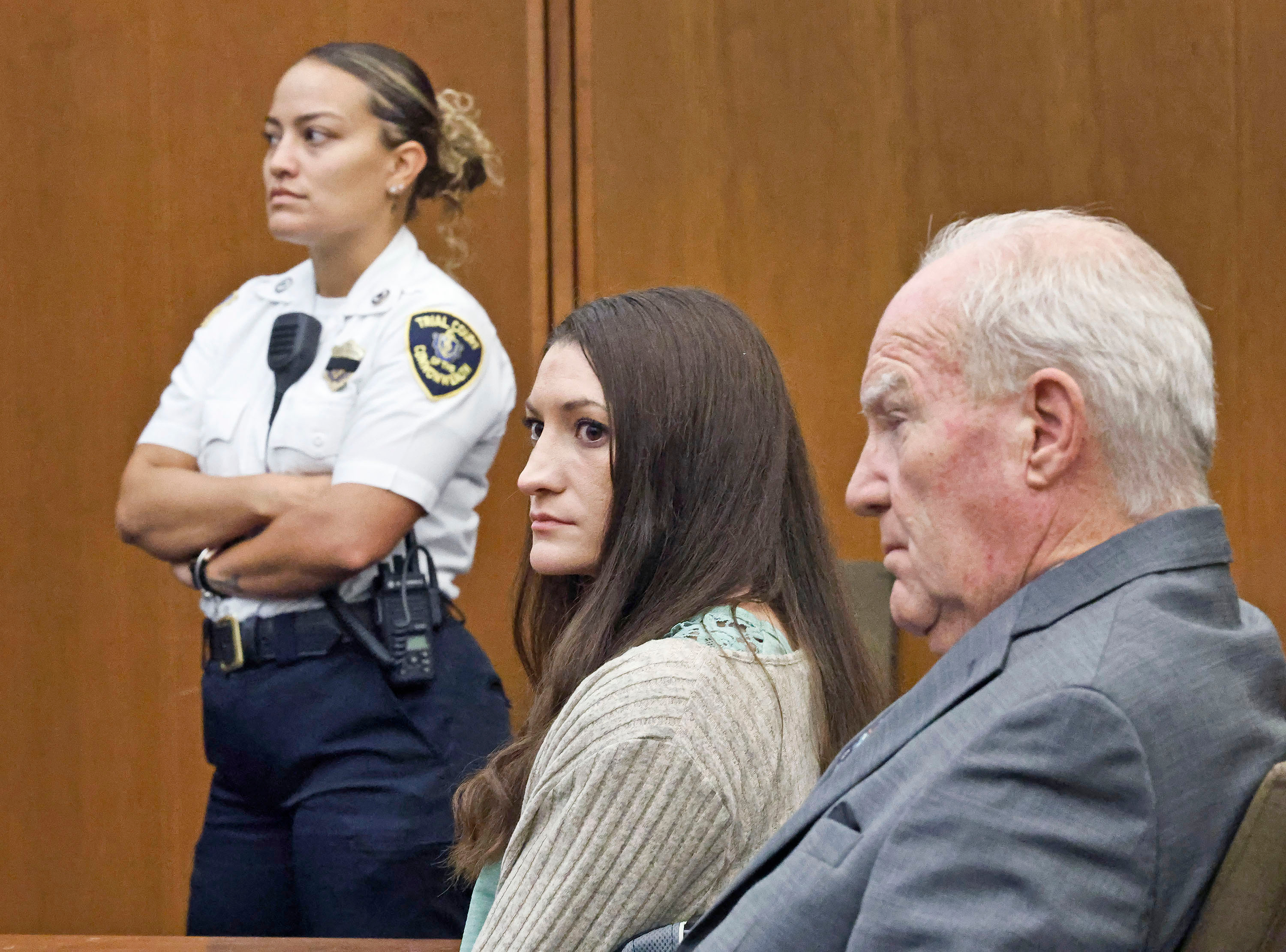
PLYMOUTH, Mass. — The deadlocked jury in the Lindsay Clancy trial went home without a verdict Thursday in a dramatic sixth day of deliberations. Her defense lawyer told the judge that the panel’s foreperson said in a note that a single juror won’t follow the court’s instructions about reasonable doubt and was holding up a verdict.
The jury will return Friday to see if they can reach a decision on whether the Massachusetts mother is criminally responsible for killing her three children.
Before sending the jury home on Thursday, the judge refused the defense’s request to remove one of the jurors following heated discussions among the parties.
Clancy, a 36-year-old former labor and delivery nurse, doesn’t deny strangling her children in the basement of their home in 2023 before trying to take her own life. Her attorney argues that postpartum psychosis led to her actions, while prosecutors say she knew what she was doing when she killed Cora, Dawson, and Callan Clancy, ages 5, 3, and 8 months.
Clancy’s livestreamed trial has generated intense interest, with reporters and spectators packing the courtroom. The case has also sparked deep public divisions over her culpability and the issues around maternal mental health after childbirth.
Lindsay Clancy trial takes a dramatic turn
Judge William Sullivan, after receiving the jury’s note, brought in each juror individually and questioned them in private. The judge then reread his instructions on reasonable doubt before sending them back to continue deliberating on a verdict.
That prompted an angry objection from Clancy’s lawyer, Kevin Reddington, who demanded that one juror be removed. Sullivan declined. This was the first time the jury indicated possible tension or acrimony in the deliberation room.
Throughout the trial, Clancy has received letters of support “from all over the world,” defense attorney Kevin Reddington said Thursday. “It’s just amazing. She reads them all.”
Lindsay Clancy’s jury twice said they were at an impasse
Sullivan explained to the courtroom on Wednesday that jurors were again at an impasse — a sign there’s a growing chance of a hung jury and the trial ending without a resolution.
Sullivan told the jurors not to abandon their own convictions just to reach a verdict, but urged them to seriously consider opposing views and reassess their positions if appropriate.
No one knows, he said, that another jury would be “more intelligent, more impartial or more competent to decide it than you are.”
Lindsay Clancy could go on trial again
If the jury ultimately can’t agree on a verdict, the judge could declare a mistrial. Prosecutors would then have to decide whether to put Clancy on trial again, drop the charges, or try to negotiate a plea deal with her lawyer.
If the jury decides Clancy was criminally responsible for her actions, it could convict her of either murder or manslaughter. If she is acquitted, a judge could still order her confined to a mental health facility if an evaluation determines that she poses a danger to the public.
The evidence against Lindsay Clancy
Jurors have heard testimony from relatives and doctors about how Clancy’s mental health declined in the months before the killings and how her treatment included several medications and a short stay in a psychiatric hospital.
Medical experts hired by the prosecution and the defense reached sharply different conclusions about her psychiatric state when she killed the children.
Patrick Clancy has said in interviews that he forgives his now ex-wife, whom he views as ill rather than evil.
Clancy strangled the children with exercise bands in their home’s basement, then jumped from a second-floor window. She remains paralyzed from the waist down. Her lawyers say she heard a voice telling her to kill the children so she could end her own life.
The prosecution argues she deliberately sent her then-husband on errands to get him out of the house, and prosecutors have questioned the seriousness of her suicide attempt.
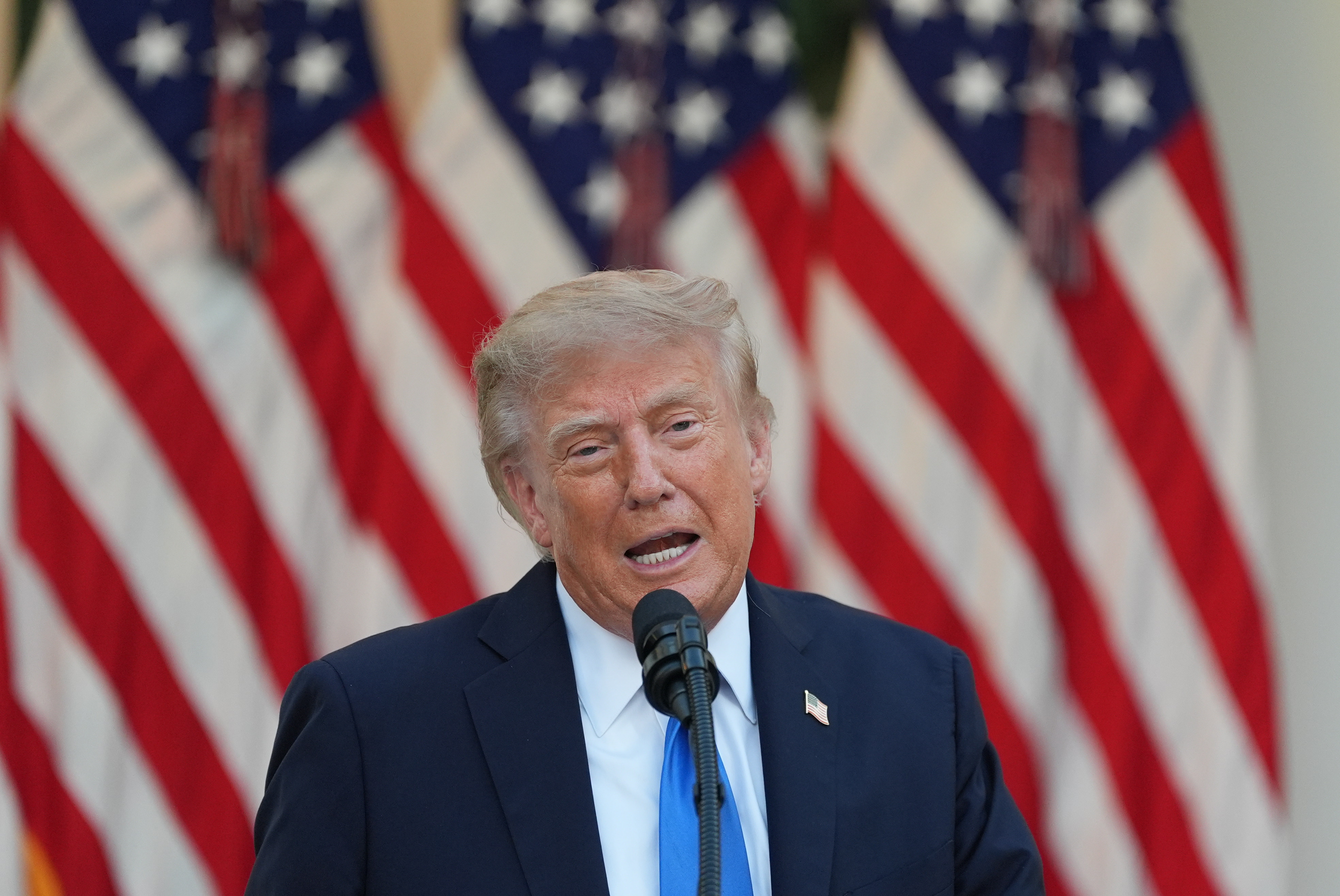
With early voting about to begin in competitive midterm races, President Donald Trump has kept most of his super PAC money on the sidelines, causing Republican leaders to conclude that it’s too late to fully deploy the cash in the midterms and that he intends to hold on to much of it for his own purposes.
Trump’s political advisers have been assuring anxious allies that MAGA Inc., the president’s super PAC that had more than $400 million on hand as of July 31, will come to the rescue during the peak campaign season after Labor Day. But Republicans are increasingly skeptical and suspicious that Trump — who must personally approve the spending — has other ideas.
The president has not revealed his plans, and his political advisers consistently say they will not share them with reporters. Some people around Trump have concluded that he has little interest in spending the bulk of his super PAC funds on this year’s midterm races, according to a person with knowledge of internal conversations.
Theories about what Trump wants to do with the money cover a broad range of possibilities, including protecting his political influence in the next presidential race by passing on the money to his chosen successor, and saving up for legal fees, postpresidential travel, events, and pet projects, such as his library. Trump’s Miami library is projected to cost at least $1 billion, the most expensive presidential library construction to date.
The person with knowledge of internal discussions, who spoke on the condition of anonymity to talk about those conversations, said Trump and his team believe their ability to rake in massive donations will take a hit after the midterm elections, giving the president an incentive to keep hold of the money he has raised so far.
Fundraising accounts associated with the president — such as his super PAC and funds for his inauguration, White House ballroom and Freedom 250 events — have been inundated with donations from companies looking to get in Trump’s good graces, a dynamic that is likely to change as he becomes a lame duck.
Some donors have started holding back on giving more money to the super PAC while it sits on earlier contributions, according to people familiar with the matter who, like others interviewed for this article, spoke on the condition of anonymity because they were not authorized to speak to reporters.
Trump’s reticence surrounding how he will use MAGA Inc. money has caused particular worry for Republicans in this fall’s elections.
GOP candidates and officials still avoid criticizing the president on the record. Privately, however, some operatives have complained that MAGA Inc. has already missed valuable opportunities to lock in airtime at lower advance rates and define candidates before attitudes harden.
Allies have also criticized Trump’s preference for promoting his own record, arguing that super PACs are most effective at attacking opponents, as MAGA Inc. did in 2022.
The nonprofit arm of Trump’s political operation, Securing American Greatness, premiered its first midterm ads on Wednesday, spending just under $1 million, according to the tracking firm AdImpact. The ads, set to air nationwide, feature video clips of Trump talking about tax breaks in his domestic spending legislation and lower prices for eggs and prescription drugs. One spot uses Trump’s friend Dana White, the chief executive of the Ultimate Fighting Championship.
“Like, they think he’s popular or something,” a Republican ad maker scoffed when shown the videos. “He’s not.”
Multiple public and private polls show Trump’s approval rating mired in the mid-30s, at or near historic lows for a president facing a midterm election.
The ads adhere to Trump’s instruction to advisers to promote his record, and the super PAC could take a different approach with future ad buys, people familiar with the discussions said.
A large lead in available cash has been one of the few bright spots for Republicans in this election cycle, because many of the swing constituencies that helped Trump win back the White House have drifted away amid disappointment with persistent inflation and the Iran war. Leaving a large portion of MAGA Inc.’s money on the sidelines threatens to neutralize that advantage, as individual Democratic campaigns outraise their GOP counterparts.
“I worry about that, for sure,” Senate Majority Leader John Thune (R, S.D.) told his home state’s CBS affiliate about the possibility of losing the Republican majority in the upper chamber. “I’m a realist, and I just think you — I don’t ever try and sugarcoat things. I think it’s a competitive environment right now.”
While some Republicans have given up on waiting for the MAGA Inc. cavalry, Democrats continue to warn that they expect Trump’s super PAC and Elon Musk’s political outfit to outgun them.
“All of that takes the advantage that Democrats have in terms of individual small-dollar donors, and it really will just swamp it,” said Rep. Chris Pappas (D, N.H.), who is running for an open Senate seat in a tight race against Republican former senator John E. Sununu.
“We are going to get outspent in this race,” he said.
Musk’s super PAC, which spent more than $260 million to back Trump and other Republicans in 2024, just reported $800,000 in midterm spending on GOP candidates, federal campaign filings show. The PAC also started advertising online in the battleground Senate races in Texas, Michigan, New Hampshire, and Maine, according to Meta’s disclosures of political ads on Facebook and Instagram. A spokesman declined to comment.
With the availability of broadcast airtime dwindling, MAGA Inc. may spend more heavily on ads placed on digital streaming services, according to three people familiar with the plans. Those people said streaming services can be more cost-effective for targeting younger and less-frequent voters, like those who helped Trump in 2024, a constituency that Republicans will need to mobilize again this fall.
The PAC is also likely to pay for events and get-out-the-vote operations, one of the people said.
Skeptics of MAGA Inc.’s promises point to Trump’s history of viewing money that he raised as his own and resisting using it to help others. So far this year, the super PAC has spent less than $900,000 supporting Sen. Darline Graham (R, S.C.) in her primary and less than $20,000 sending text messages for Rep. Clay Fuller (R, Ga.), according to federal campaign finance disclosures.
“I’m not affected by the election,” Trump told reporters in the Oval Office on Wednesday while discussing the Iran war. “I’m not running. But my party is running, and I’m going to help my party.”
At an event in the Rose Garden with congressional Republicans, Trump on Wednesday night previewed what he described as nonstop travel in the last 30 days before the elections, including a trip to Alaska to stump for Sen. Dan Sullivan (R), but he made no mention of super PAC spending.
“We’re going to be helping you, and I’ll be going around and doing a lot of speeches,” he said. “We’re going to take that little, that final 30 days. You don’t want to go too much before then because people forget.”
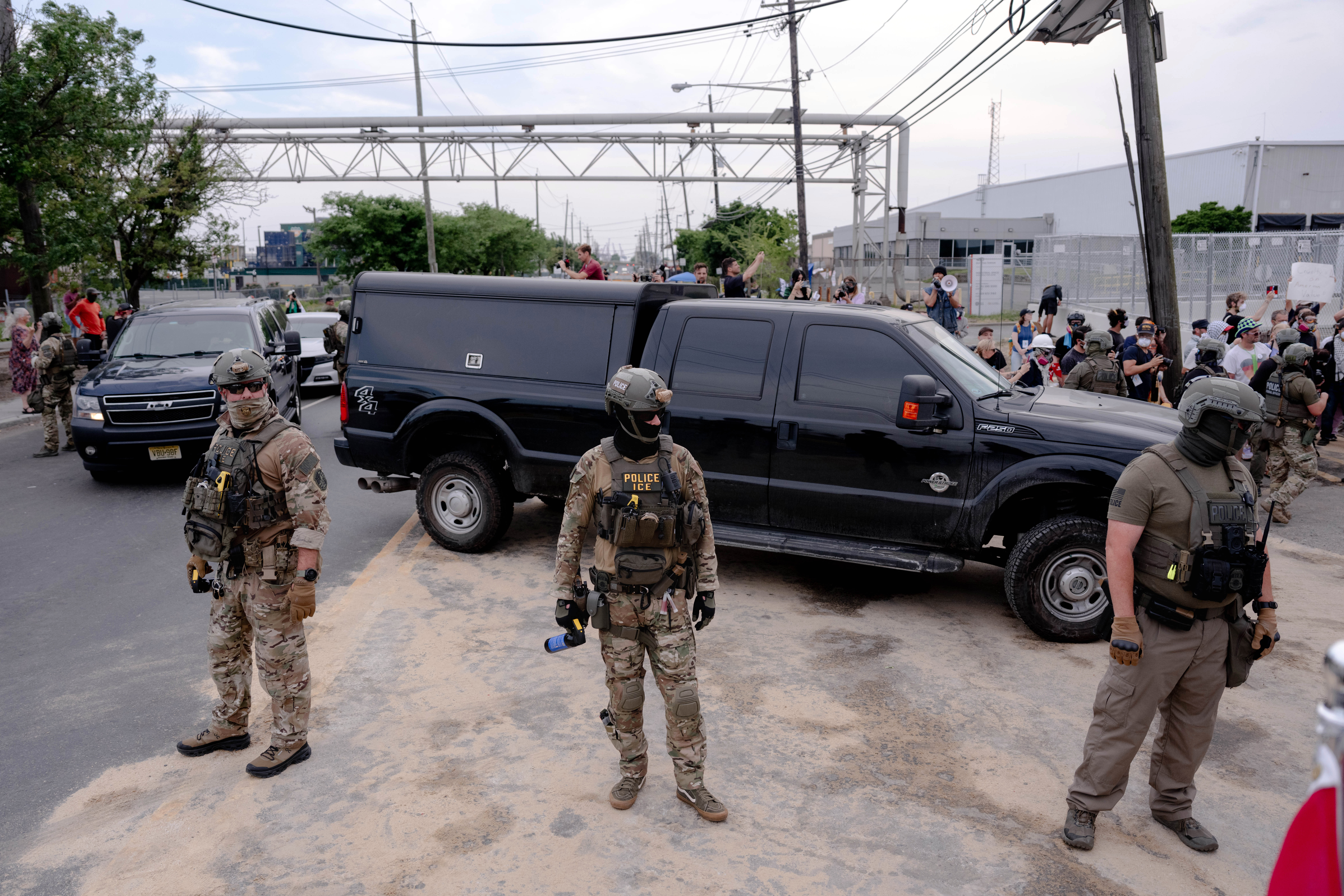
In the wake of a hiring surge last summer, an official in charge of evaluating new recruits to U.S. Immigration and Customs Enforcement issued a dire warning.
The Trump administration, he wrote in a memo, was cutting corners, violating the law, and fast-tracking unqualified, “improperly vetted” candidates into ICE’s ranks, part of a dangerous move that exposed the agency — and its law enforcement operations — to “grave national security risks.”
Citing an “unprecedented lowering of standards,” the career ICE official said that “systemic breakdowns” had allowed applicants to receive job offers before they had passed basic fingerprint, identity, or credit checks in a preliminary vetting process. Political appointees had unjustly skirted background investigations and received national security eligibility.
The official, a unit chief who directly oversaw more than 100 employees who evaluated thousands of ICE applicants, was so troubled by what he saw that he outlined these concerns not to his superiors, but in a formal whistleblower complaint to the Office of Inspector General in the Department of Homeland Security.
In the complaint, he asked for an independent, outside investigation into the matter. He was later interviewed twice by officials with the inspector general’s office and his concerns have become part of an ongoing audit into vetting practices.
The complaint, which has not been previously reported, underscores the rising worries about the suitability — as well as the tactics — of scores of agents who have been rapidly deployed across the country within the past year. It also outlines the extent to which ICE weakened its standards, and points to dissension among the upper reaches of the agency as it was pressed last year to carry out President Donald Trump’s immigration crackdown.
The whistleblower, a 17-year ICE veteran who spoke to The New York Times on the condition of anonymity because of the sensitive nature of his claims, said the agency had cut corners in its rush to fill the ranks.
“We chose as an agency to be more convenient rather than thorough,” he said, describing the agency’s decision to reduce scrutiny of recruits in order to expedite hires. “By doing so, there was a potential to put lives at risk and to jeopardize national security.”
The whistleblower complaint was obtained via a public records request. The concerns within it broadly mirror those made by other current and former ICE employees who said that the agency had abandoned best practices as it rapidly scaled up. An ICE lawyer who worked at the agency’s training center resigned earlier this year and went public as a whistleblower, citing concerns about a “deficient, defective, and broken” training program.
In response to questions, an ICE spokesperson said in a statement that the agency “diligently applies the proper personnel vetting regulations, including guidelines for national security, and evaluates all available information for every applicant based on these factors.”
The agency declined to comment about the whistleblower, who retired from the agency in July, or his complaint.
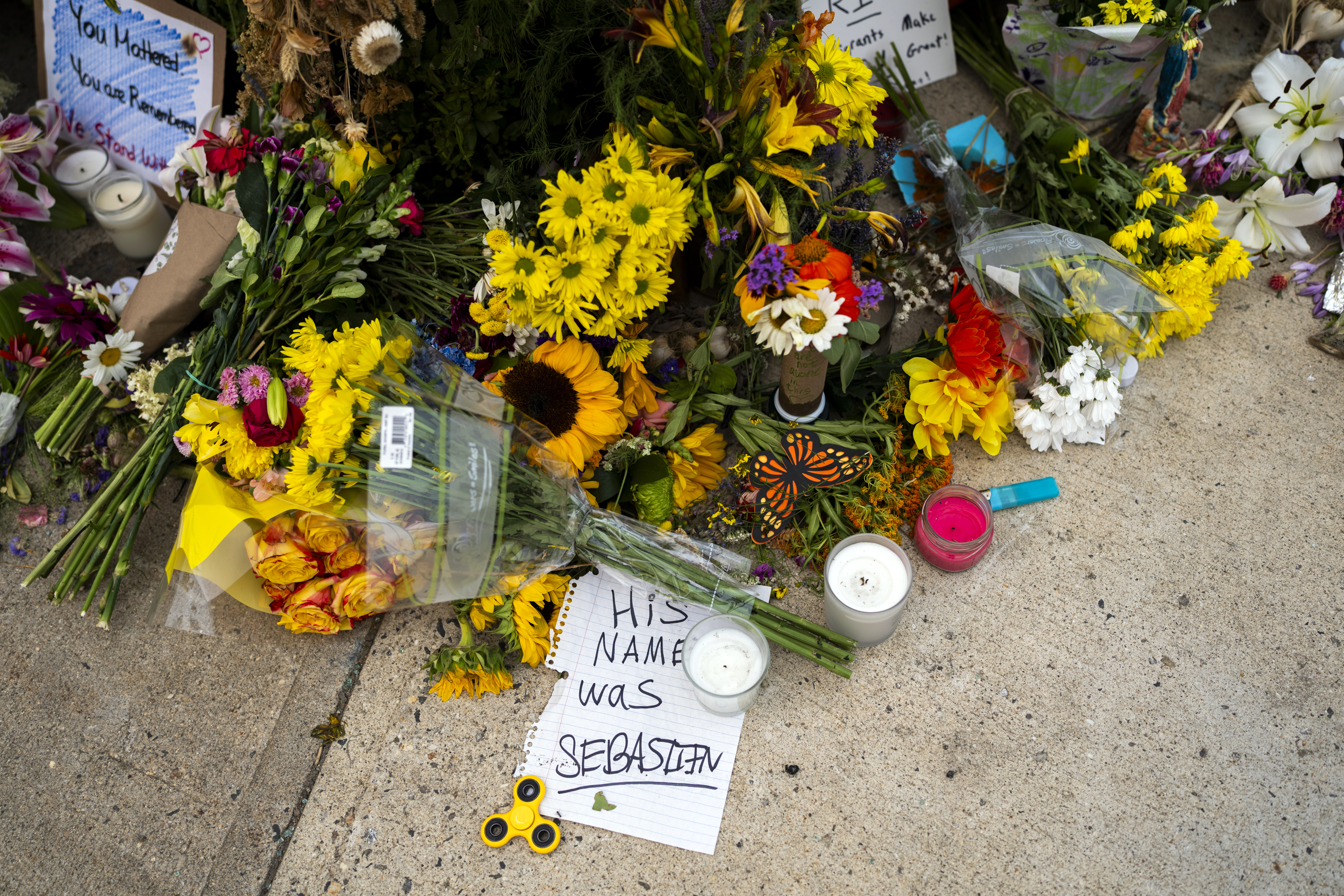
The scrutiny of ICE’s hiring practices has intensified in recent weeks, spurred in part by the fatal shooting of Johan Sebastián Durán Guerrero, a Colombian immigrant, in Biddeford, Maine, on July 13.
The two ex-wives of ICE agent David Brouillette, one of whom identified him as the person who fired the fatal shots, have accused him in interviews and court records of being abusive. In a filing for a protection order in December 2019, one ex-wife wrote that he had broken her door down, destroyed her belongings, and dumped her clothes over a bridge.
The women also have said Brouillette, a former military serviceman and Veterans Affairs police officer who was hired amid the recruiting surge last year, had post-traumatic stress disorder related to his deployment in Afghanistan. A local official in Maine told The Portland Press Herald that Brouillette sought jobs with the Hallowell Police Department in 2024 but was denied because there were “too many red flags.” Brouillette could not be reached for comment.
After the shooting, Tom Homan, the White House border czar, said the DHS investigation into the episode will include whether the agent was properly vetted before being hired.
A White House spokesperson referred questions to DHS.
A rush to recruit
The concerns in the August 2025 whistleblower complaint exposed shortcuts in the agency’s preliminary vetting process. No credit checks. Fingerprints unconfirmed. Final job offers absent preliminary vetting.
Before the surge, a recruitment team made documents available to a unit within ICE’s Office of Professional Responsibility for each new hire, including fingerprints and a security form with extensive questions. The vetting team would then initiate a preliminary check, running each applicant’s name through law enforcement databases and searching for criminal violations or other major red flags. Some recruits would be sent for a polygraph test if concerns arose.
These recruits then underwent a full background check, conducted by outside contractors, to determine whether the candidate was trustworthy enough to have access to sensitive computer systems, federal facilities, and classified information. It wasn’t unusual for this to occur while recruits were in training.
The preliminary vetting process, which took seven to 10 days, was upended last summer. The vetters were told to make determinations on recruits without having the full security form, fingerprints or any polygraph testing, according to the former unit chief and a former federal official familiar with the process who was granted anonymity to speak freely about it.
That meant new hires were heading to training without having their identities, criminal histories, and other basic information checked and verified, the unit chief said.
The agency also sped up its training program, cutting it from roughly 10 weeks to six. This resulted in agents reporting to their full-time positions while their full background checks were pending.
Meanwhile, recruits with prior law enforcement experience were able to take online courses rather than complete on-site training. They faced even less scrutiny in their background checks.
In July, the agency said, it increased the length of its training program for academy classes, and it instructed past graduates to attend additional training.
Ryan Schwank, the former ICE lawyer who worked at the agency’s training center, testified before Congress this year that new recruits appeared unfit for service.
“We were concerned about ICE recruiting a loose cannon or somebody who was just mentally unfit for the role,” Schwank said in a recent interview. “We knew that kind of person would get through. But the thing that I think kept some of the other instructors up at night was the possibility of organized crime getting access to the agency or penetrating the agency.”
Schwank, who taught recruits during the surge, said that’s exactly what happened. Last fall, several students were removed from the academy in Georgia in the middle of training because officials determined that they were all linked to a criminal gang. Schwank began work at the training academy last September and left the agency in February.
In a statement, an ICE spokesperson said, “ICE has received NO credible evidence that any of its trainees were linked to a common criminal gang.”
In the interview, Schwank said it was rare for students to fail out of the academy before the surge, but that about half of his students flunked out after the hiring push. This was after the academy made its tests open book and no longer failed students who made fatal errors during enforcement simulations.
By this spring, hundreds of new recruits hired amid the surge had already been removed from the force, according to the former federal official who was granted anonymity.
The hiring surge was set in motion in part by the passage of Trump’s domestic policy bill last summer. Congress allocated $30 billion in new money for ICE to hire 10,000 new ICE agents, more than doubling the number of deportation officers.
Concerns about political appointees
The unit chief who filed the whistleblower complaint said he chose to alert the DHS Office of Inspector General because ICE leadership had created these issues and he thought an outside, independent investigation was necessary.
In addition to the vetting concerns, he also mentioned in the complaint that Trump administration political allies had received favorable treatment and obtained security clearances even though troubling information about them had surfaced in background checks. He cited Corey Lewandowski, a former top adviser to DHS.
The concerns about Lewandowski had been outlined in a memo written last year by the DHS head of security and was viewed by the whistleblower, who told the Times that a higher-up had asked him to vet Lewandowski for an ICE credential. The red flags in the memo included allegations that Lewandowski had been paid years earlier for work by a Chinese government agency, according to the whistleblower and a report last year in the Daily Mail. That allegation has not been substantiated outside of that memo.
In a statement, Lewandowski denied he was ever vetted by ICE. He said he had “never worked for the Chinese Communist Party – Full Stop.”
In a follow-up statement, a spokesperson for Lewandowski said any suggestion that he “received favorable treatment in connection with his security clearance is categorically false.”
Ten days after the unit chief filed his whistleblower complaint — and a few days after the Daily Mail article published — a lawyer from the department’s Office of General Counsel reached out to him. This lawyer, who was not from the inspector general’s office, asked to meet the whistleblower at an agency field office in Texas, separate from where he typically worked.
The whistleblower believed he was being interviewed about his security worries, but a different focus of the inquiry became apparent: Had the unit chief talked to the news media about his concerns?
The lawyer grilled him over four hours and seized his laptop, according to the former unit chief and his lawyer. The full contents of the meeting, they said, are protected under a nondisclosure agreement, a common practice for internal investigations.
“My client was of the belief this investigation by the agency’s attorneys was in good faith to vet his disclosure,” said Kevin Owen, a lawyer for the whistleblower. “Instead they threatened him and put him on leave.”
It remains unclear how DHS officials came to target the unit chief.
The agency said it couldn’t comment on personnel matters with people no longer there.
The former unit chief said the inspector general’s office first reached out to interview him in February, about six months after the complaint was filed. Investigators interviewed him again in April for an audit into vetting, he said.
In a statement, the office said it had to delay some of its work due to government furloughs. The office in April opened an audit into the process for giving out security clearances to political appointees.
The inspector general’s office said it couldn’t comment on its investigations, but the agency noted that it did not reveal the name of the whistleblower to anyone outside of its office.
Meanwhile, the whistleblower remained on leave for 10 months for what DHS said were “allegations of serious misconduct,” the unit chief and Owen said.
The alleged misconduct went unspecified, they said, and he was eventually reinstated with no punishment or finding of wrongdoing. He retired immediately after, in July.
He said DHS officials had never told him specifics for why he was on leave for such a long time.
In an effort to learn more, he submitted a records request to ICE for documents related to his case.
The former unit chief said the stress of the investigation weighed heavily on his mental health. He checked himself into a treatment program that lasted several months.
The man, a longtime Republican who voted for Trump in 2020 and 2024, said he grew disillusioned with the agency as it acted in haste to fulfill the president’s immigration enforcement mandate. He said he has always supported ICE’s mission, but was troubled by the way the agency was taking shortcuts in vetting recruits.
“It’s a betrayal of the public trust and everybody’s trust,” he said.
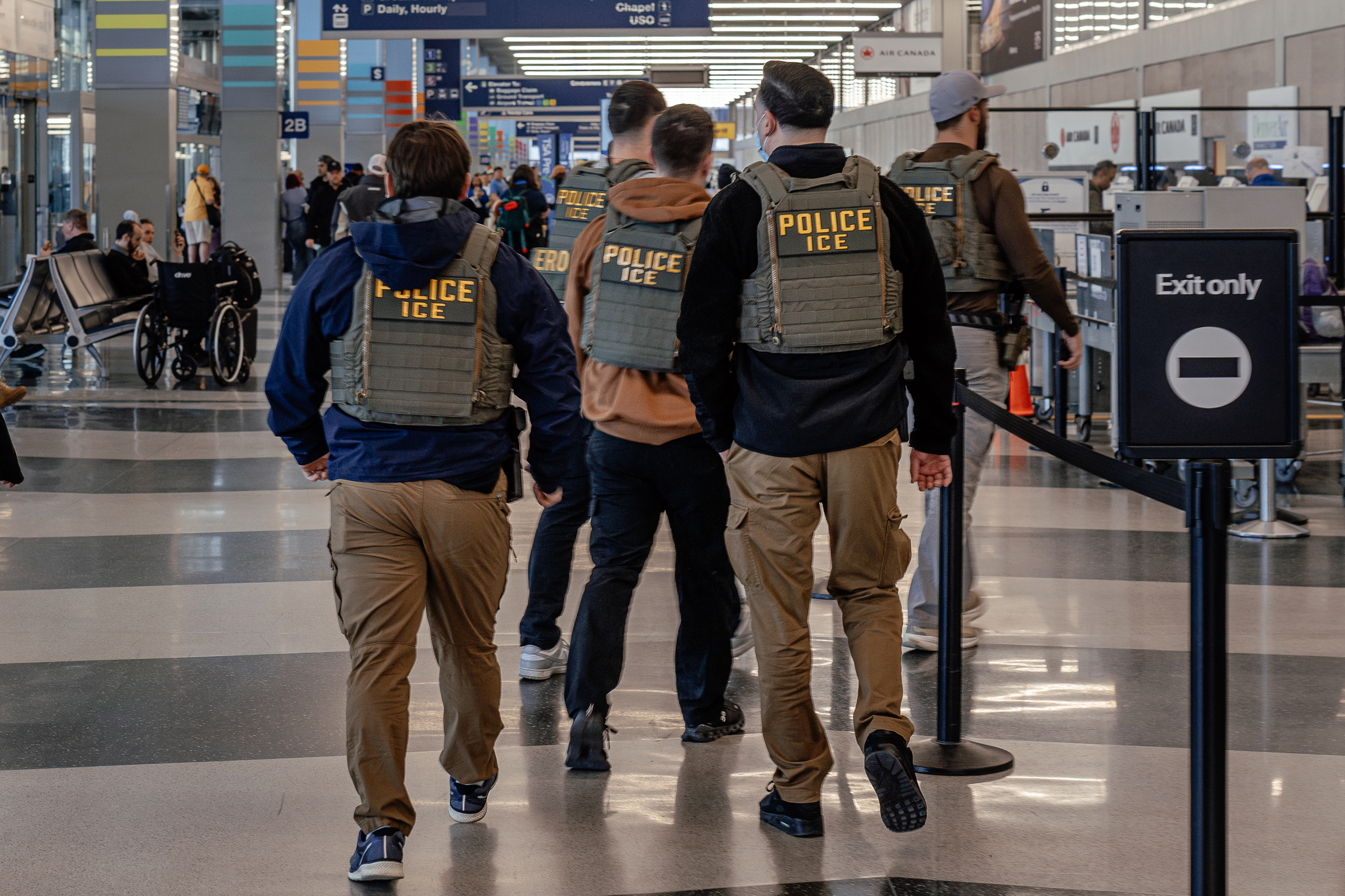
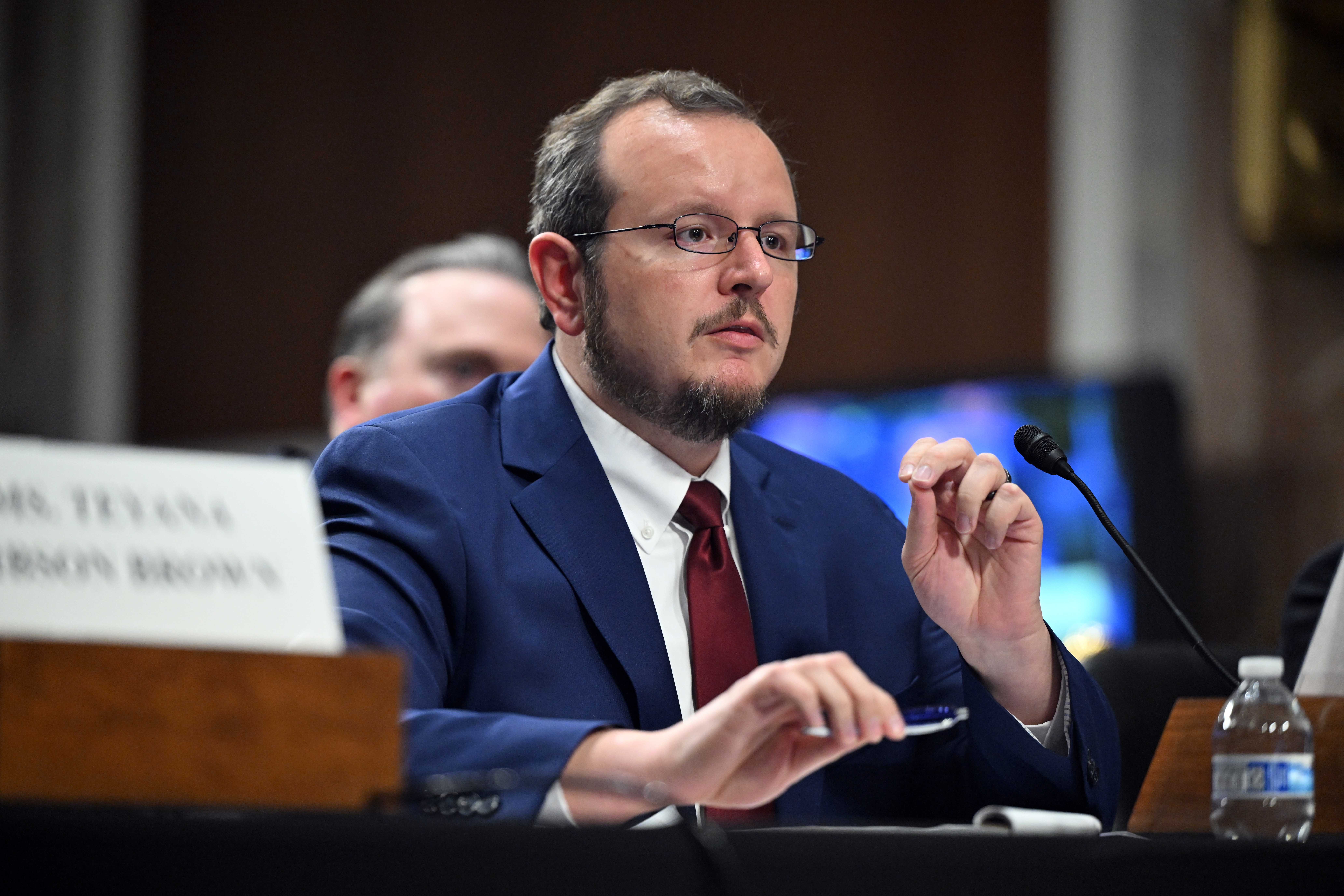
FILE — Immigration and Customs Enforcement agents on patrol at O’Hare International Airport in Chicago on March 23, 2026. Amid pressure to hire people quickly, ICE leaders sped up the process, eliminating some of the more thorough checks in place. (Jamie Kelter Davis/The New York Times)JAMIE KELTER DAVISFILE — Ryan Schwank, a former ICE lawyer who worked at the agency’s training center, in Washington on Feb. 23, 2026. In an interview, Schwank said about half of his students flunked out of the academy after the ICE hiring surge. (Kenny Holston/The New York Times)KENNY HOLSTONFILE — An impromptu memorial to Johan Sebastián Durán Guerrero, who was fatally shot by a federal immigration agent, in Biddeford, Maine, on July 14, 2026. The scrutiny of ICE’s hiring practices has intensified in recent weeks, spurred in part by the fatal shooting of Durán Guerrero. (Christopher Capozziello/The New York Times)CHRISTOPHER CAPOZZIELLO
BOSTON — The Trump administration on Thursday asked the Supreme Court to reject an order by a federal judge that halts it from implementing a new rule regulating mail ballots, hours after being unable to tell that judge whether the computer system that would govern the entire project was operational yet.
The administration filed its appeal the afternoon before mail ballots were scheduled to be sent out by North Carolina, which on Friday kicks off a wave of states shipping ballots out for the rapidly approaching midterm election. Its appeal was part of a flurry of last-minute litigation as the federal government struggles to implement President Donald Trump’s restrictions on mail ballots before the midterm elections in November, and came even as legal wrangling over President Donald Trump’s executive order continued in lower courts.
Under Trump’s executive order, the U.S. Postal Service could refuse to deliver ballots from states that do not follow a uniform envelope style and submit lists of eligible voters to an online portal that was apparently still inactive Thursday.
During a hearing in Boston, U.S. District Court Judge Indira Talwani repeatedly questioned Department of Justice attorney Michael Velchik about whether the Postal Service could actually implement Trump’s plan from an executive order he issued last spring. The key piece is the online portal, which would track tens of millions of mail ballots. States would be required to upload their list of mail voters to the portal to have ballots delivered, and if the data there didn’t match what was on the envelopes, the ballots would not be sent.
Unclear if key system has been set up
“I don’t even have a declaration from the Postal Service: ‘This is how it will work.’ I don’t have it. I have nothing,” Talwani said, adding later that it felt like the government was running an “experiment” to see if the system would work in the upcoming election.
“As you sit here today, you can’t tell me the government has a program ready to go?” Talwani asked.
Velchik repeated that the Postal Service would “fully implement the rule” that it published last month, triggering the latest round of litigation. He argued the main issue is whether Talwani has the legal power to stop it.
“The $64,000 question is, is this authorized by the statute?” Velchik said.
Talwani is considering whether to extend her temporary order barring the Postal Service from requiring use of the system through Sept. 10. The first state to send out all its mail ballots, North Carolina, is scheduled to begin shipping them out Friday, with other states quickly following.
Talwani has been here before. In June, she prohibited the administration from implementing Trump’s executive order for the November election, ruling the changes came too close to voting for the federal government to embark on such a project.
But the Supreme Court late last month ruled that Talwani’s order was premature because the Postal Service had not yet published regulations governing how it would apply Trump’s order. The agency did so just before the high court ruling came down, prompting Democrats and voting rights groups to swiftly re-file their lawsuits.
They counter that the president has no authority to set election rules, which is a power designated by the Constitution to the states and, in some cases, to Congress.
Tangled legal fight goes up to election deadlines
They won an initial victory with Talwani’s 14-day restraining order. In a sign of the pressures on the administration, its lawyers already appealed that order to the 1st Circuit Court of Appeals in Boston, but they added the Supreme Court appeal Thursday and urged the top justices to act quickly.
Election officials say there’s simply no way they can comply with the Postal Service directives, which could require a complete overhaul of their operations. Before it delivers mail ballots for any state, the Postal Service would have to approve the design of the envelopes that contain them and have the state upload a list of voters receiving them to an online portal.
Some ballots have already gone out. A few municipalities in Wisconsin opted to send mail ballots to voters earlier this week, but Friday marks the full kickoff of voting as North Carolina starts shipping its mail ballots to all voters who requested them.
The administration has contended the changes are relatively minor and legal.
“While the States have primary authority to regulate the manner of elections, they cannot choose to use the federal mails to carry out their elections but then insist that their election-related mail is somehow exempt from the Postal Service’s rulemaking authority, conferred by Congress, to regulate envelope design and addressee information,” Trump’s solicitor general, John Sauer, wrote in the appeal.
No red states have said they’ll use system
Still, the hearing before Talwani focused more on practicalities — especially that the portal was still not active, while most election offices have already printed their envelopes and ballots.
Velchik told the judge that the federal government is offering states the choice to opt into the system, but the Postal Service has yet to identify a single state that has done so. None of the 12 states that intervened in the lawsuit to argue the Trump administration has the right to require the program have announced that they have voluntarily opted into it.
Talwani scolded Missouri Solicitor General Lou Capozzi for arguing on behalf of the project.
“You want the voters in your states to be disenfranchised,” Talwani said. “I don’t understand the interest.”
Capozzi said that was misinformation: “There is no risk that people would be disenfranchised.”
A whistleblower report made public this week warns that the postal system’s requirements could lead to millions of mail ballots never being sent. The new rule requires all ballots to be physically brought to post offices before being mailed to voters. But if a single one’s bar code registers an error, the whole batch gets thrown out, even if it contains tens of thousands of legitimate ballots.
WASHINGTON — The Trump administration is proposing a new rule that would strip private schools and colleges of their tax-exempt status if they provide targeted help to students based on their race, a significant escalation in the White House’s campaign to eradicate diversity programs directed at Black, Hispanic and other minority students.
The Treasury Department proposed the change Thursday in a new regulation that, if made final, would kick in after May 2027. The rule is broadly aimed at ending any policies or programs that help students because of their race, and it specifically says such benefits in admissions, scholarships, and facilities “would be incompatible” with the rule.
It’s the latest attempt by the Trump administration to pressure schools and colleges to weed out diversity, equity, and inclusion policies that had become common before President Donald Trump returned to the White House with a promise to end them. Trump officials have used Civil Rights-era laws to unwind the policies, saying they discriminate against white and Asian American students.
Higher education leaders criticized the proposal.
“The administration’s latest rules changes are its most blatant attack to keep working class Americans and people of color from accessing higher education and a better life,” Mike Gavin, Alliance for Higher Education president and CEO, said in a statement. “By claiming that efforts to increase fair opportunity for all students are discriminatory, the administration is trying to gaslight the American people into believing that up is down and black is white.”
Thousands of colleges could be affected
Scores of universities have shut down or rebranded their DEI offices and ended scholarships and clubs designed for minority students under pressure from the White House. In a statement announcing the proposal, Treasury Secretary Scott Bessent suggested that even policies that are no longer under the banner of DEI could be targeted.
“Schools rebranding race-based preferences as equitable, inclusive, or diversity-enhancing does not change their discriminatory nature,” Bessent said.
The Treasury Department and IRS estimate that up to 18,000 private schools, colleges, and other education institutions could be affected by the proposal.
America’s private universities have been exempt from many taxes for more than a century because they provide a public good. The benefit saves many universities millions of dollars every year.
Trump has seen the tax-exempt status as a lever to pull in his pressure campaign against colleges that he describes as hotbeds of “wokeness.” He threatened to cut the benefit for Harvard University last year during his battle with the nation’s oldest college. In a response, Harvard officials said there was no legal basis for doing so and argued it would force cuts to financial aid and crucial medical research.
In the 1970s, a college lost tax-exempt status over a ban on interracial dating
It’s incredibly rare for the federal government to go after a college’s tax-exempt status, but there’s one notable precedent. Bob Jones University, a small Christian school in South Carolina, lost the benefit in the 1970s over a ban on interracial dating and marriage on campus. The Supreme Court upheld the IRS’s decision to deny the school its exemption. The school has since ended the ban and regained tax-exempt status in 2017.
Laws forbid the IRS from targeting individuals and organizations for ideological reasons, and federal officials are not allowed to direct IRS investigations.
To maintain nonprofit status, which allows donations to be tax-deductible, organizations must follow IRS rules on lobbying, political campaign activity, and annual reporting requirements, as well as other obligations.
The Trump administration describes the new proposal as a move toward restoring merit in the nation’s education systems.
Marjorie Hass, president of the Council of Independent Colleges, said the change would most likely impact donations, which are often earmarked for scholarships.
The uncertainty around the proposal also will create challenges for schools, said Tim Powers, a vice president of the National Association of Independent Colleges and Universities.
“Our institutions are committed to complying with applicable civil rights laws and maintaining safe and supportive campuses free from discrimination,” Powers said. “However, the proposed rule may create new compliance burdens and legal uncertainties for institutions of higher education that are already operating in line with existing nondiscrimination rules.”
The Justice Department has separately opened investigations into several medical schools that it accuses of favoring Black and Hispanic students in admissions. Trump officials say any such favoritism violates Title IV of the Civil Rights Act of 1964, a federal law that forbids discrimination in education and was created to fight segregation and its impact.
A statement from IRS Chief Executive Officer Frank J. Bisignano said private schools that promote discriminatory practices will no longer be exempt from taxes.
“Today’s proposed regulations put institutions on notice and schools that continue to engage in racial discrimination should expect to lose that status,” he said.
An internal investigation by The Athletic found that the relationship between Dianna Russini, its former senior NFL reporter, and Mike Vrabel, the coach of the New England Patriots, was a “clear violation” of the company’s standards.
In a report released Thursday detailing findings of its monthslong investigation, The Athletic said that it was unable to determine the “nature of their full relationship” but that it gave the appearance of a conflict of interest.
“Regardless of whether the relationship was romantic,” The Athletic said in the report, “it was a breach and should have been disclosed.” The Athletic is owned by The New York Times Co.
The Times Co. and The Athletic declined to comment beyond what is in its investigation. A Patriots spokesperson did not immediately respond to a request for a comment from the team or Vrabel. Russini did not immediately respond to a request for comment.
Revelations about Russini’s relationship with Vrabel emerged nearly five months ago and ricocheted around the sports and media worlds, raising questions about the journalistic ethics of a prominent NFL reporter. The controversy also highlighted Russini’s role as an NFL insider, a type of reporter hyperfocused on getting scoops about players and coaches.
The investigation was prompted by photographs published in the New York Post on April 7 showing Russini and Vrabel together at an exclusive resort in Sedona, Ariz.
Russini, according to the report, told her editors at The Athletic that the relationship was “close” but “strictly professional.”
New England Patriots coach Mike Vrabel before a joint practice with the Eagles last month at Gillette Stadium.Yong Kim / Staff Photographer
Initially, The Athletic publicly defended Russini. But days after the photographs were published, the company began an investigation into her work. On April 14, Russini resigned from The Athletic, saying in a letter to the company, “I have built a body of work I am proud of.”
In its report, The Athletic said it had not “reached any conclusion about the nature of the full relationship between Vrabel and Russini, but the totality of the public photographs are enough to conclude a violation of company policy.”
Specifically, The Athletic said Russini had failed to comply with its policy that requires its journalists to “reveal those sources or affiliations that may put into question our ability to be credible.”
The report also noted, without elaborating, that Russini had shared with them “a story to explain the photos that did not align with facts, raising issues of trust.”
After she resigned, more photos of Russini and Vrabel emerged, including images of the pair at a New York bar in March 2020.
After she stepped down, The Athletic stopped its look into her personal conduct, the report said, “but continued its investigation into her journalism.”
Mike Semel, The Athletic’s editorial director for standards and editorial quality, conducted the company’s review of Russini’s work.
As part of the process, the report said, Semel looked into 903 articles, 77 videos, 204 episodes of the podcast she hosted, and about two dozen appearances she made on other platforms. He also interviewed Athletic employees who worked with her.
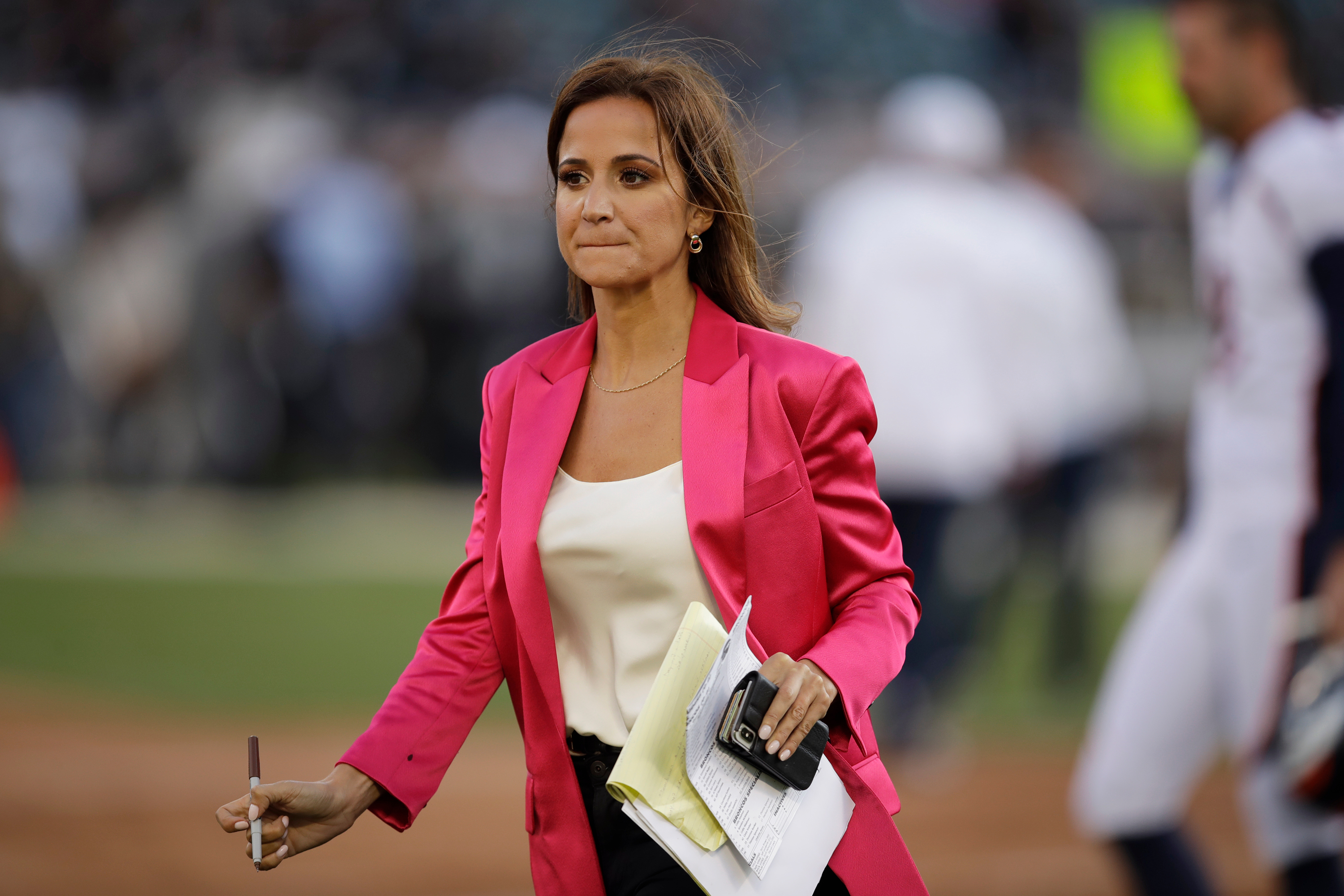
Russini, seen here interviewing Mark Ingram before the 2020 Pro Bowl, worked at ESPN before The Athletic.Gregory Payan / AP
The review found that 5% of her work product included mention of Vrabel or his teams — and that none carried inaccuracies. It also said her professional relationships were numerous: “It was clear Russini was sourced up around the NFL, not just with Vrabel or the Patriots.”
Semel recommended that The Athletic include an editors’ note on one of her columns and three of her videos. In one of the videos, Russini described how Vrabel intervened in a fight between players on the Patriots and the Washington Commanders. “He comes out as somewhat heroic,” the report said of Vrabel.
The report also described the tone of some of her work about the Patriots coach as “gushing” and “effusive” and provided examples of Russini “writing glowingly of Vrabel that in hindsight are awkward or even uncomfortable.”
The report does not mention a widely publicized incident in which Russini used her position as an Athletic reporter to avoid a speeding ticket and then bragged about it on a podcast, saying she had a video call with the police officer’s favorite head coach in her successful attempt to win the officer over. Body camera footage later revealed she never called the coach. This spring, a Times spokesperson called her behavior “unacceptable conduct.”
In its report, The Athletic recommended a series of steps the publication should take to “safeguard the confidence of our audience,” including requiring that all new newsroom employees meet with the standards editor.
The report also recommended that “editors should stay vigilant about their reporters’ sourcing.”
“Recurring use of the same sources should spark additional conversation between reporter and editor about the nature of the source relationship,” the report said.