Tag: Drexel University

  • Peter D. Yeomans, innovative clinical psychologist at the VA Medical Center and backcountry adventurer, has died at 58

    Peter D. Yeomans, innovative clinical psychologist at the VA Medical Center and backcountry adventurer, has died at 58

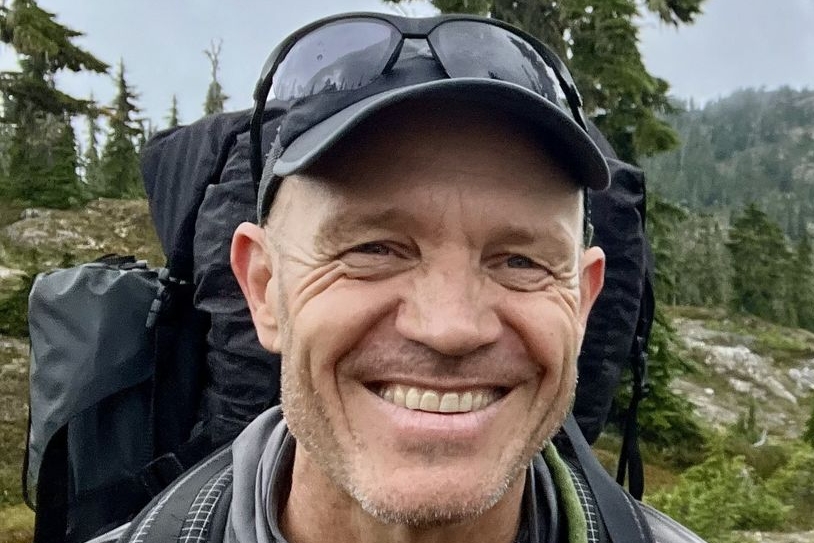
    Peter D. Yeomans, 58, of Philadelphia, innovative clinical psychologist at the Corporal Michael J. Crescenz Department of Veterans Affairs Medical Center, founder of Cold Mountain Counseling LLC, worldwide mountaineer and backcountry adventurer, teacher, author, mentor, Quaker, and volunteer, died Friday, Aug. 28, of cardiac arrhythmia at the VA Medical Center in University City.

    Dr. Yeomans was an expert in trauma, substance use disorder, moral injury, and spiritually integrated healthcare. He joined the Philadelphia VA Medical Center as a staff psychologist in 2009 and became director of its innovative PTSD outpatient team program in 2019.

    He opened his own psychology practice, Cold Mountain Counseling, in 2021 and advised thousands of veterans, fellow backcountry adventurers, and other clients in need across the country. “He was instrumental in the healing process for so many veterans that it is hard to fathom the reach of his influence,” a VA colleague said in a tribute.

    R. Tyson Smith, a friend and colleague, said several veterans told him: “Peter Yeomans saved my life.”

    At the VA center, in addition to physical and mental ailments, Dr. Yeomans and others innovated a treatment for what are called “moral injuries” from military service. They connected therapists with VA chaplains to link emotional healing with faith rituals, and veterans in the program spoke appreciatively about shifting the guilt and shame of moral failures during war from soldiers in general to society at large.

    “These are stories to hear and also for the public to wrestle with,” Dr. Yeomans told The Inquirer in 2019. His wife, Kate O’Shea, said: “He was the most responsible person you could imagine, and he felt he had a responsibility to humanity.”

    Outside the medical center, Dr. Yeomans spent weeks at a time hiking, backpacking, packrafting, skiing, rock climbing, and mountain biking around the world. He reached summits in Alaska and Argentina, had to be rescued from a deep crevasse, and worked as a program supervisor and senior field instructor in the 1990s for the National Outdoor Leadership School in Alaska, Wyoming, Arizona, and Utah.

    Later, he cofounded the local Wilderness Outdoor Leadership Force for teens in Kensington. Talia Young, a longtime WOLF member, called him “genuine and earnest … and joyful with kids.”

    Dr. Yeomans was an avid cyclist.Bicycle Coalition of Greater Philadelphia

    Longtime colleague Rob Riman said he was a “consummate adventure partner and wildly inspired guide.” On his website, coldmountaincounseling.com, Dr. Yeomans said: “Many of the fondest memories of my life are from adventures in the mountains.”

    He earned a bachelor’s degree in psychology from Harvard University in 1991 and came to Philadelphia from Wyoming in 1997 to be with O’Shea. He earned a master’s degree in psychology from Lesley University in Massachusetts in 2001 and a doctorate in clinical psychology from Drexel University in 2008.

    Dr. Yeomans traveled to New Zealand, Rwanda, Burundi, and elsewhere to train other counselors. He worked in state correctional institutions in Philadelphia and Chester, and earlier for the American Red Cross in Germany.

    He wrote papers and articles about his research, and his book, Reclaiming Integrity After Moral Injury From War, is to be published in 2027. He organized workshops and panels, and was active with the Nationalities Services Center, the Association for Behavioral and Cognitive Therapies, and other groups.
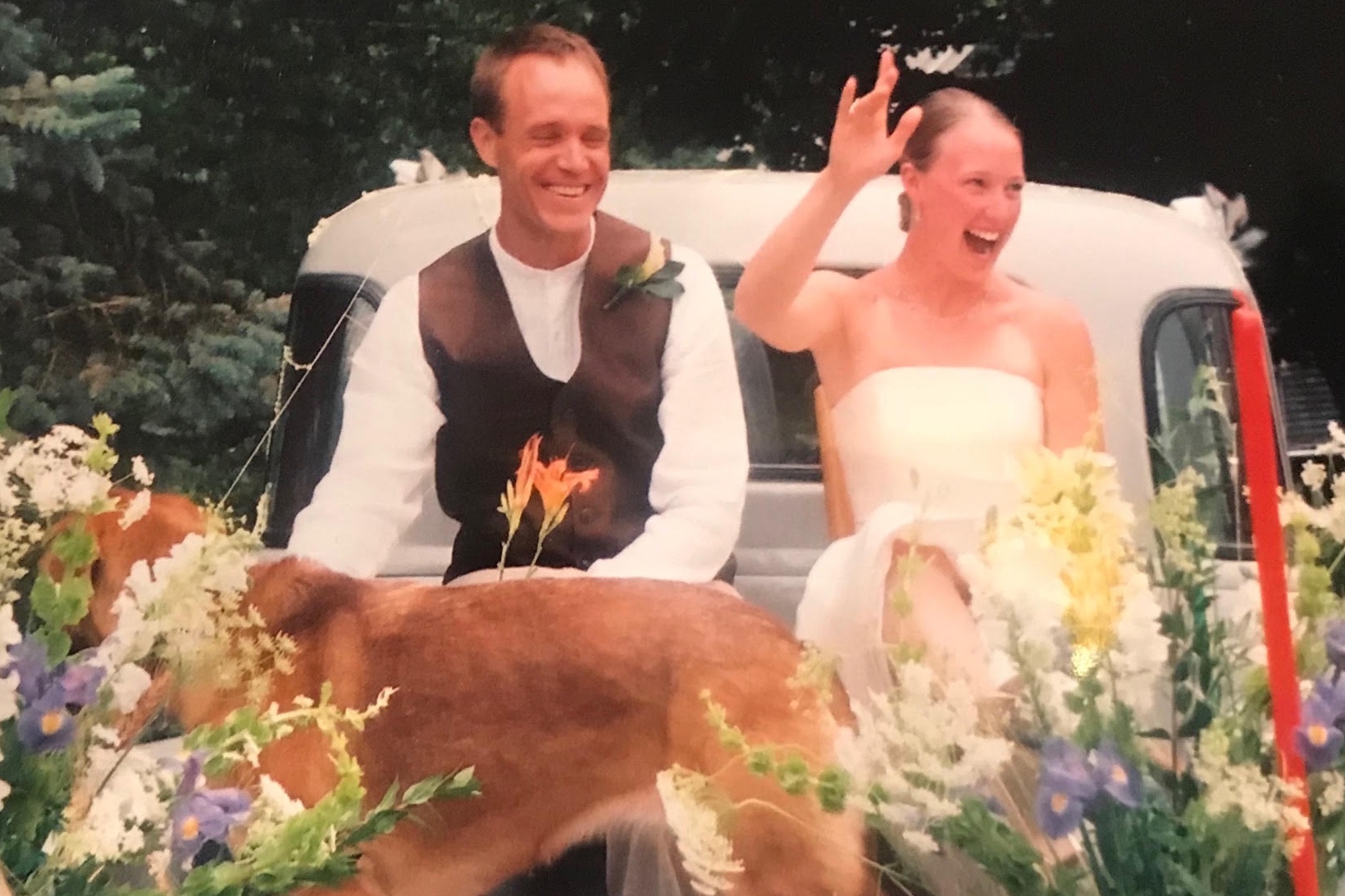
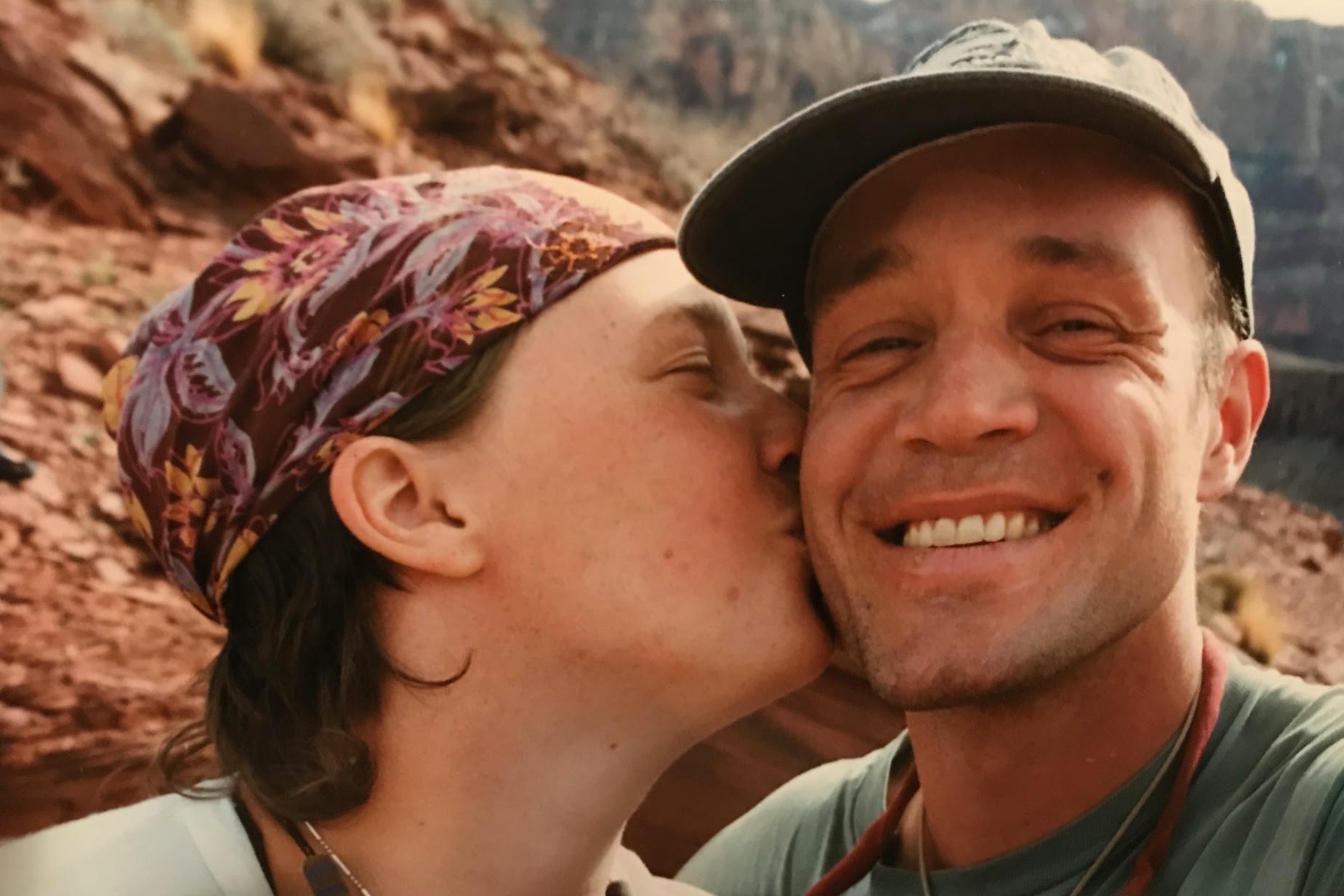
    Dr. Yeomans and his wife, Kate, married in 2002 and had many adventures together. Courtesy of the family

    He taught classes on moral injuries at Germantown Friends School, the University of Pennsylvania, and elsewhere. Longtime friend William Anninger said: “He was particularly good at creating emotional sharing among men.”

    Friend Lila Berman said: “He exuded warmth and care for the people around him, and for the natural environment.”

    Peter Douglass Yeomans was born Aug. 27, 1968, in Berkeley, Calif. The family moved to Massachusetts when he started high school, and he graduated from Concord Academy in 1986.

    He met Kate O’Shea at an environmental ethics course in Utah in 1996, and they married in 2002 and lived in Germantown. He made her tea in the mornings and left love notes behind when he left the house first. They reared a daughter, Ada, and sons Josiah and Levi, and they all went on memorable adventures in Wissahickon Valley Park, across the country, and around the world.
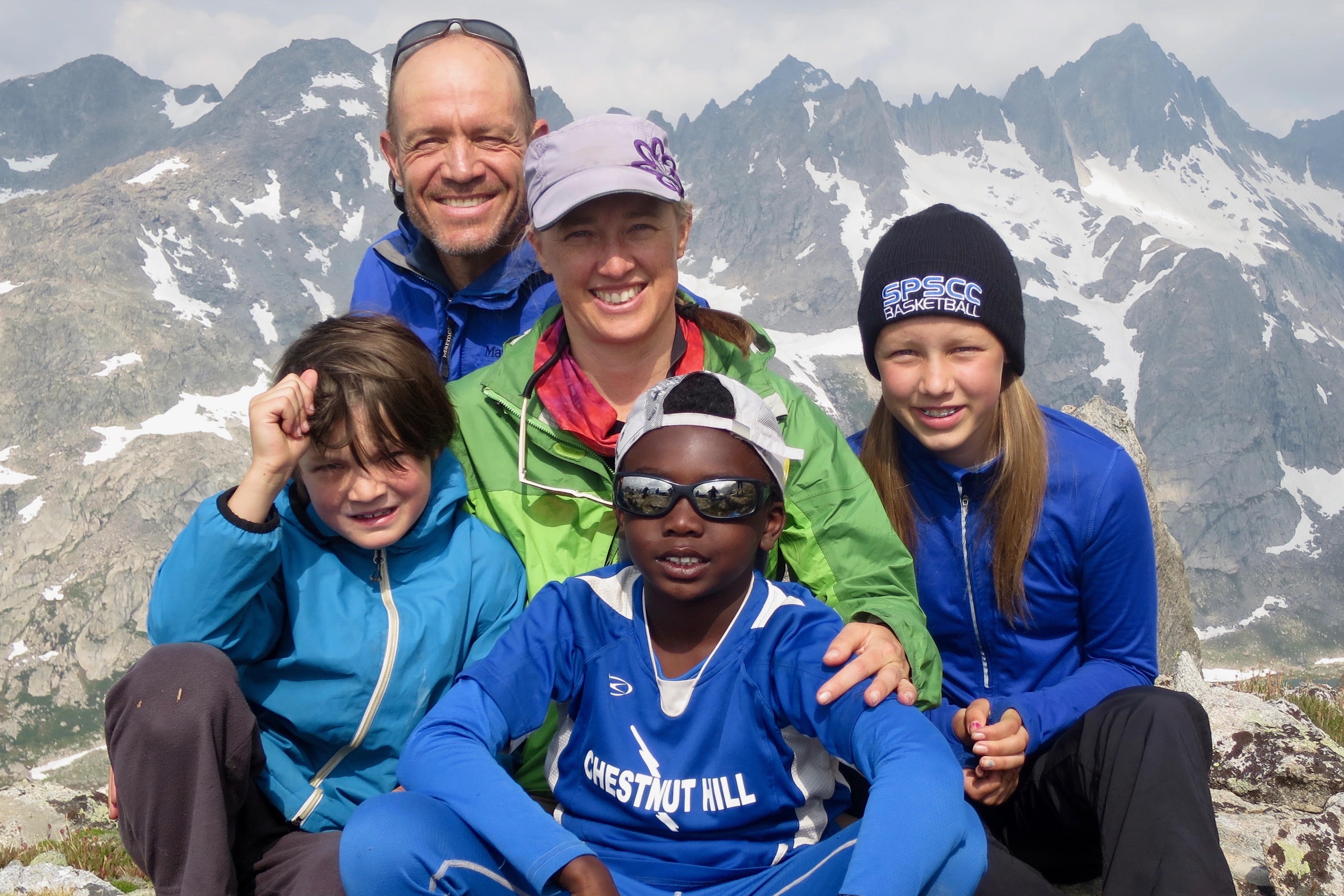
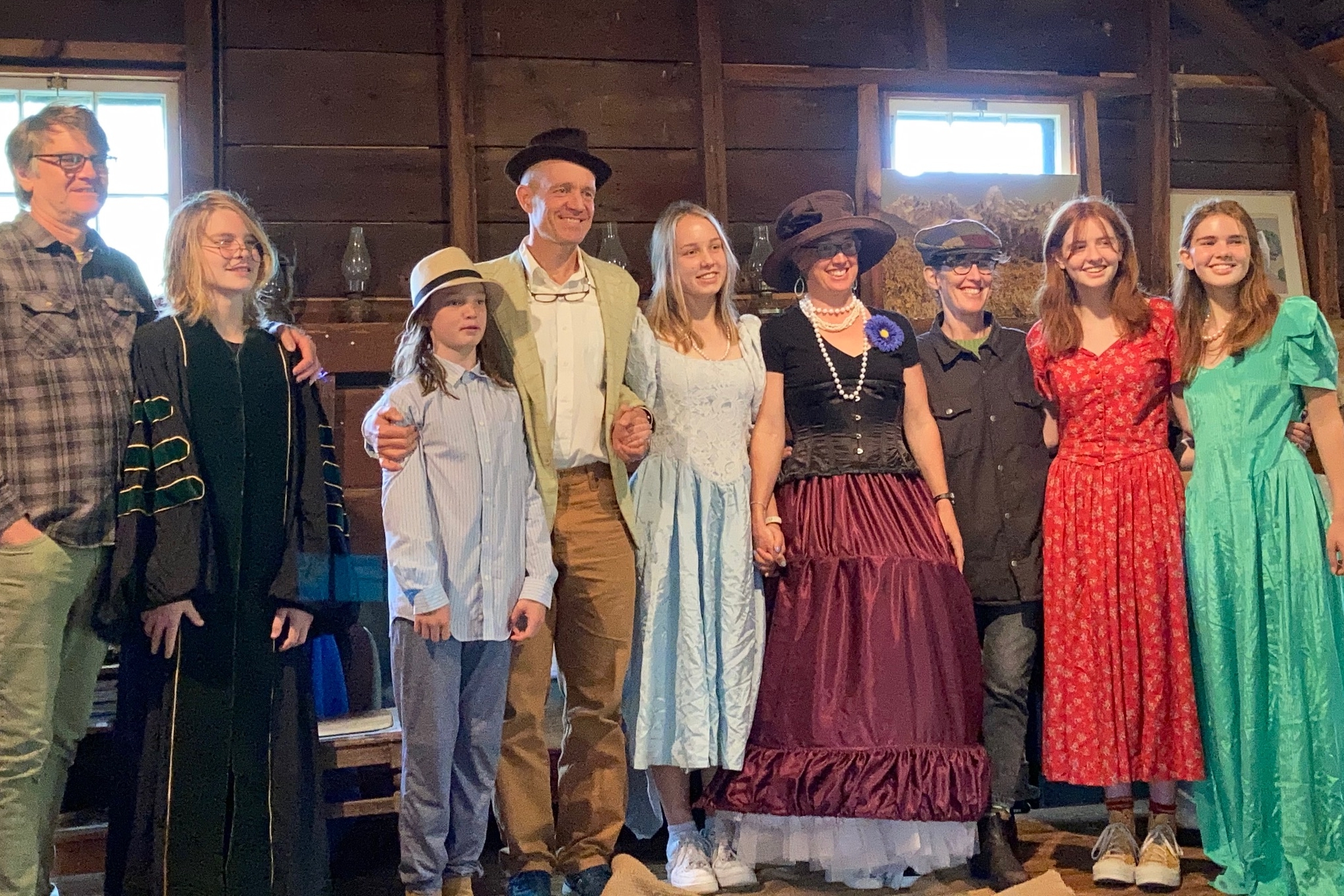
    Dr. Yeomans, rear left on top and fourth from the left on bottom, enjoyed time with his family in the mountains and on stage. Courtesy of the family

    “They complemented each other perfectly,” their daughter said. “He taught us how to read a map, find a campsite, and most importantly bake cinnamon rolls in the backcountry.”

    Dr. Yeomans was a member of the Bicycle Coalition of Greater Philadelphia, and he rode his bike often from home in Germantown to work in University City. He went to Germantown Friends Meeting, played guitar, sang, and acted in theatrical shows in high school and later with community groups and his family.

    He was inclusive and encouraging, his brother, Ben, said, “drawing out capacities in me I wasn’t yet trusting.” His parents, Anne and Tom, said: “It has been a great privilege to have been Peter’s parents.”

    His mother-in-law, Margaret O’Shea, praised his “compassion, selflessness, nobility, and grace,” and his father-in-law, Dan O’Shea, said: “When our daughter met Peter she described him as ‘Mr. Perfect.’ Little did we know how perfect.”
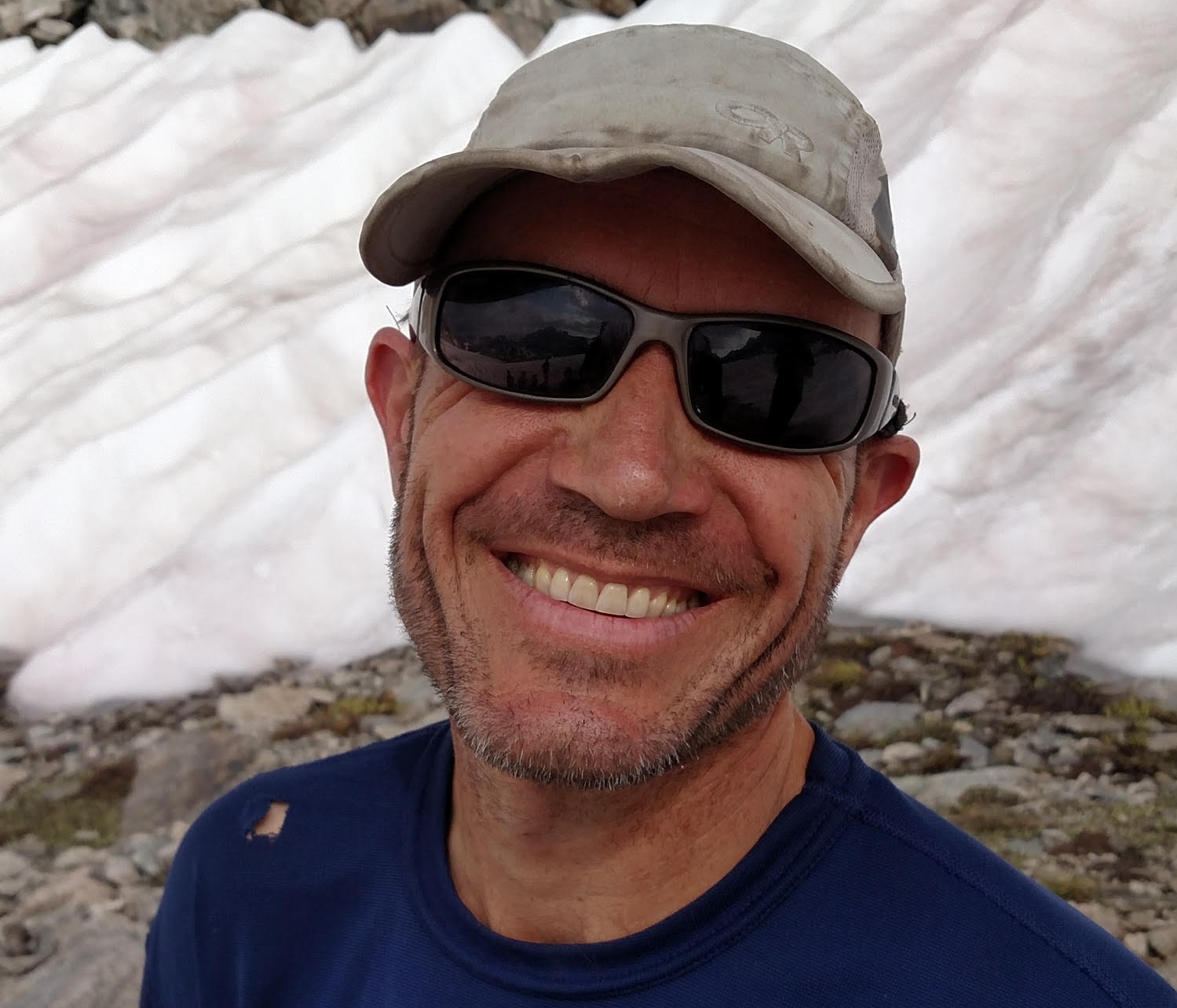
    “It has been a great privilege to have been Peter’s parents,” his parents said.Courtesy of the family

    Kate O’Shea said: “Because of Peter, our world is a kinder, more generous, and more loving place.”

    In addition to his wife, children, parents, brother, and in-laws, Dr. Yeomans is survived by other relatives.

    A memorial service is to be held at 2 p.m. Saturday, Oct. 3, at Germantown Friends Meeting, 47 W. Coulter St., Philadelphia, Pa. 19144.

    Donations in his name may be made to Western Resource Advocates, c/o Elizabeth O’Connell, 1401 Walnut St., Suite 200, Boulder, Colo. 80302; Friends of the Wissahickon, 40 W. Evergreen Ave., No. 108, Philadelphia, Pa. 19118; and veterans programs at the Philadelphia Outward Bound School, 3401 Reservoir Dr., Philadelphia Pa. 19121.
  • ‘It’s such a special place’: Visitors crowd the Academy of Natural Sciences ahead of impending closure

    ‘It’s such a special place’: Visitors crowd the Academy of Natural Sciences ahead of impending closure

    The line at the 19th Street entrance of the Academy of Natural Sciences of Drexel University zigzagged outside of the institution’s sliding doors on Friday morning.

    Dozens of parents pushing two-seat strollers cleared paths along the sidewalk in front of the museum at 19th and Benjamin Franklin Parkway. They were all looking for a spot in the line that stretched to the corner of Cherry Street.

    Small children climbed onto the building’s brick-covered grooves for a peek inside the museum as they inched closer to the museum’s doors, which opened at 10 a.m.

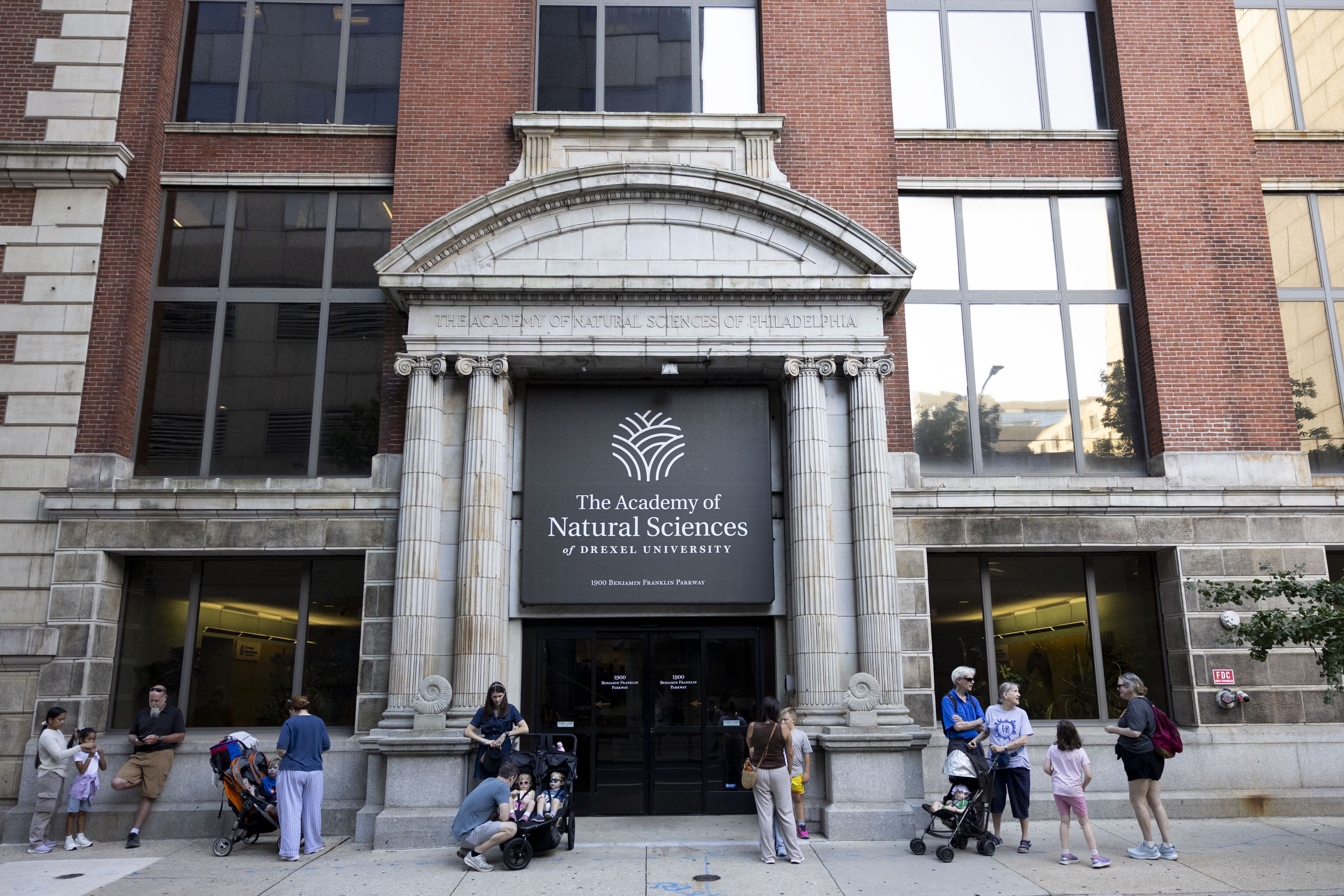
    People waiting at the side entrance at the Academy of Naturals Sciences of Drexel University on Friday, Sept. 4, 2026, in Philadelphia, Pa.Tyger Williams / Staff Photographer

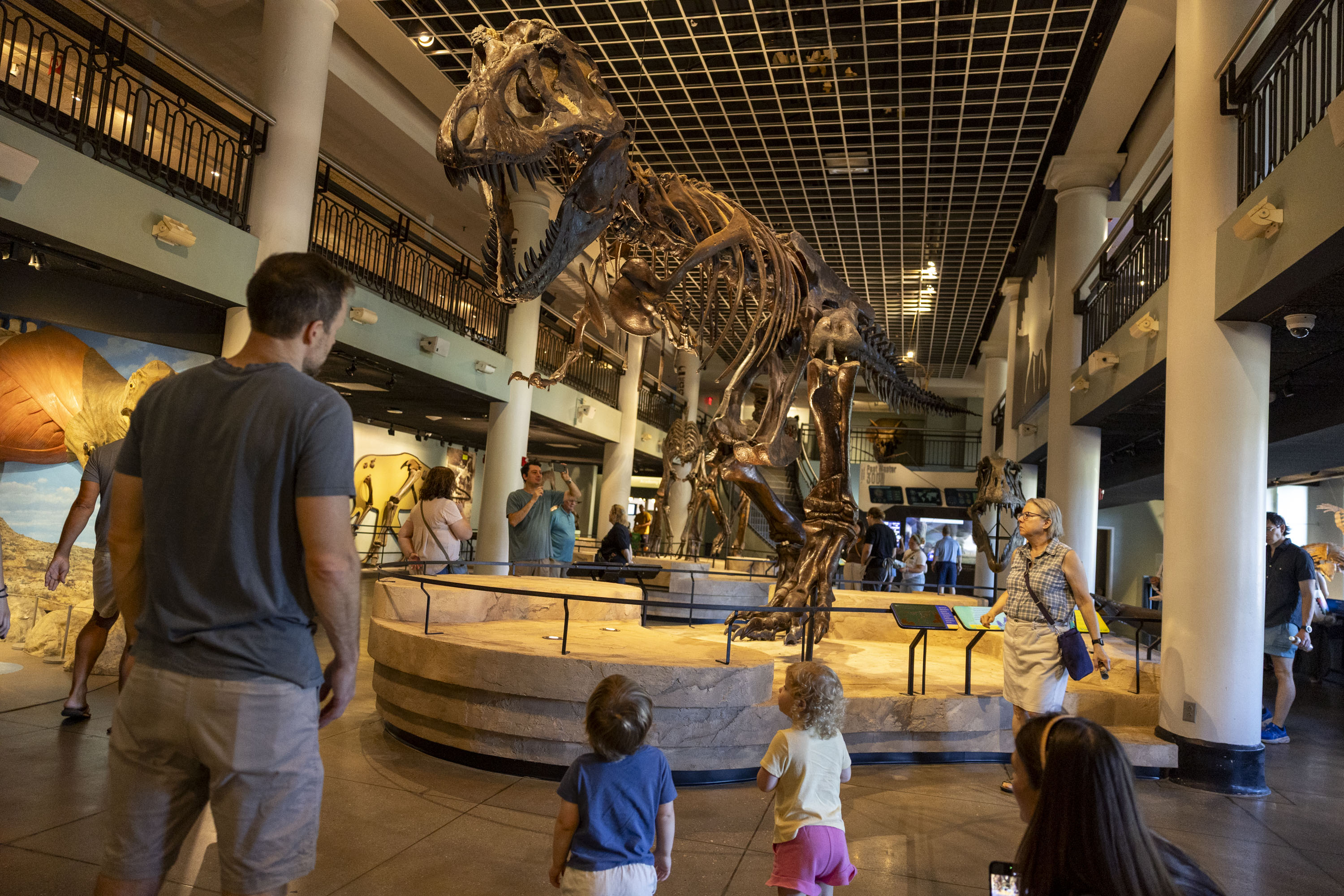
    Inside, the museum was filled with visitors snapping selfies and taking family photos in front of full-scale dinosaur displays. Children sprinted across the mezzanine floor and rolled up their sleeves for the “big-dig” fossil exhibit. Others stopped by for close encounters with turtles and other live animals, while some frolicked alongside prehistoric creatures using virtual reality.

    Staff members eagerly welcomed the growing crowd, with one commenting that the attendance reminded her of pre-pandemic times.

    That post-pandemic drop in visitors, along with added financial pressures linked to Drexel’s budget deficit, are the reason the museum — which opened to the public in 1828 — plans to cease operations at the end of the business day Sept. 30.

    Bella Vista resident Reiss Clauson-Wolf said he brought along his 2-year-old son to experience the same “wonder” he encountered as a 4-year-old visiting the museum.

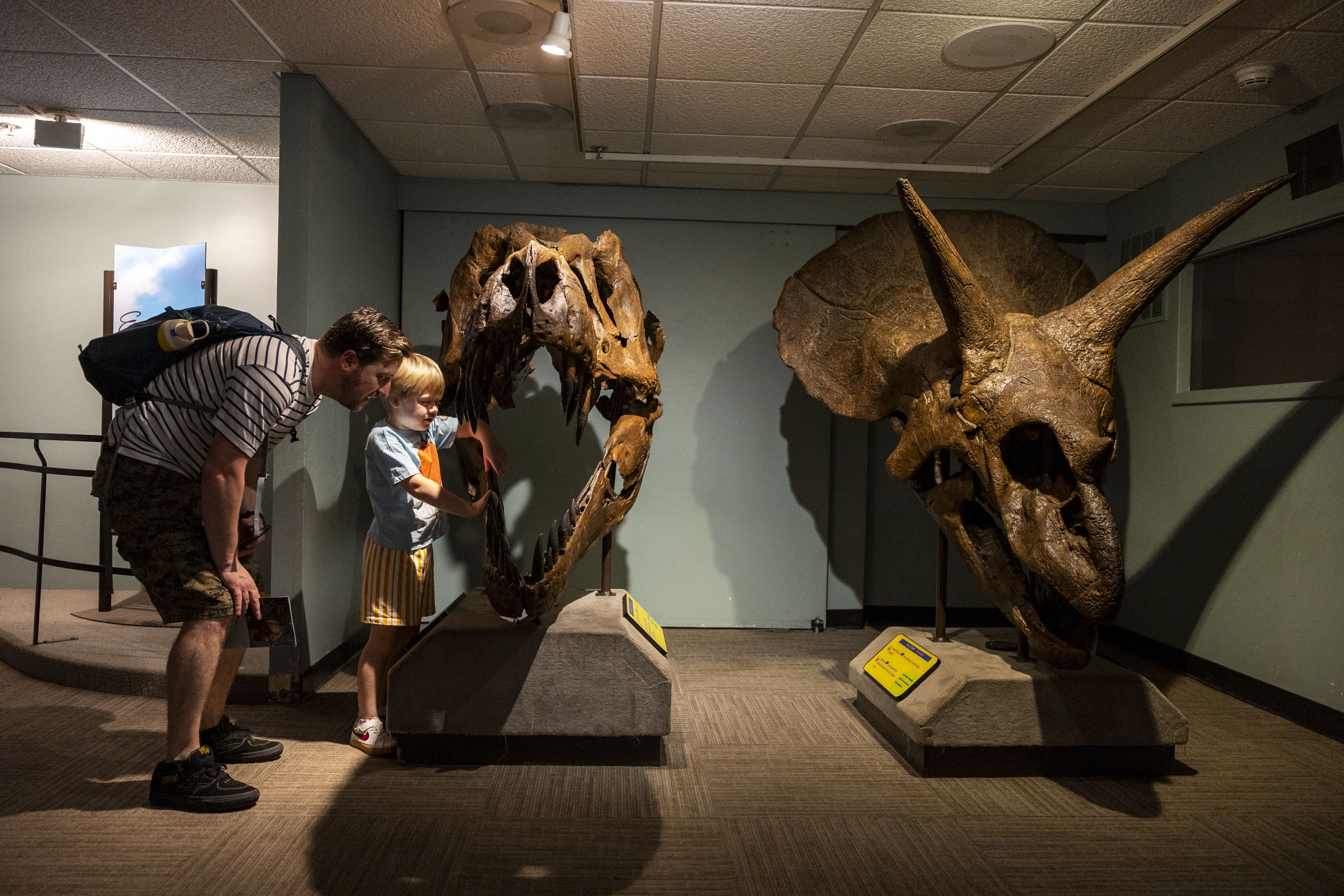
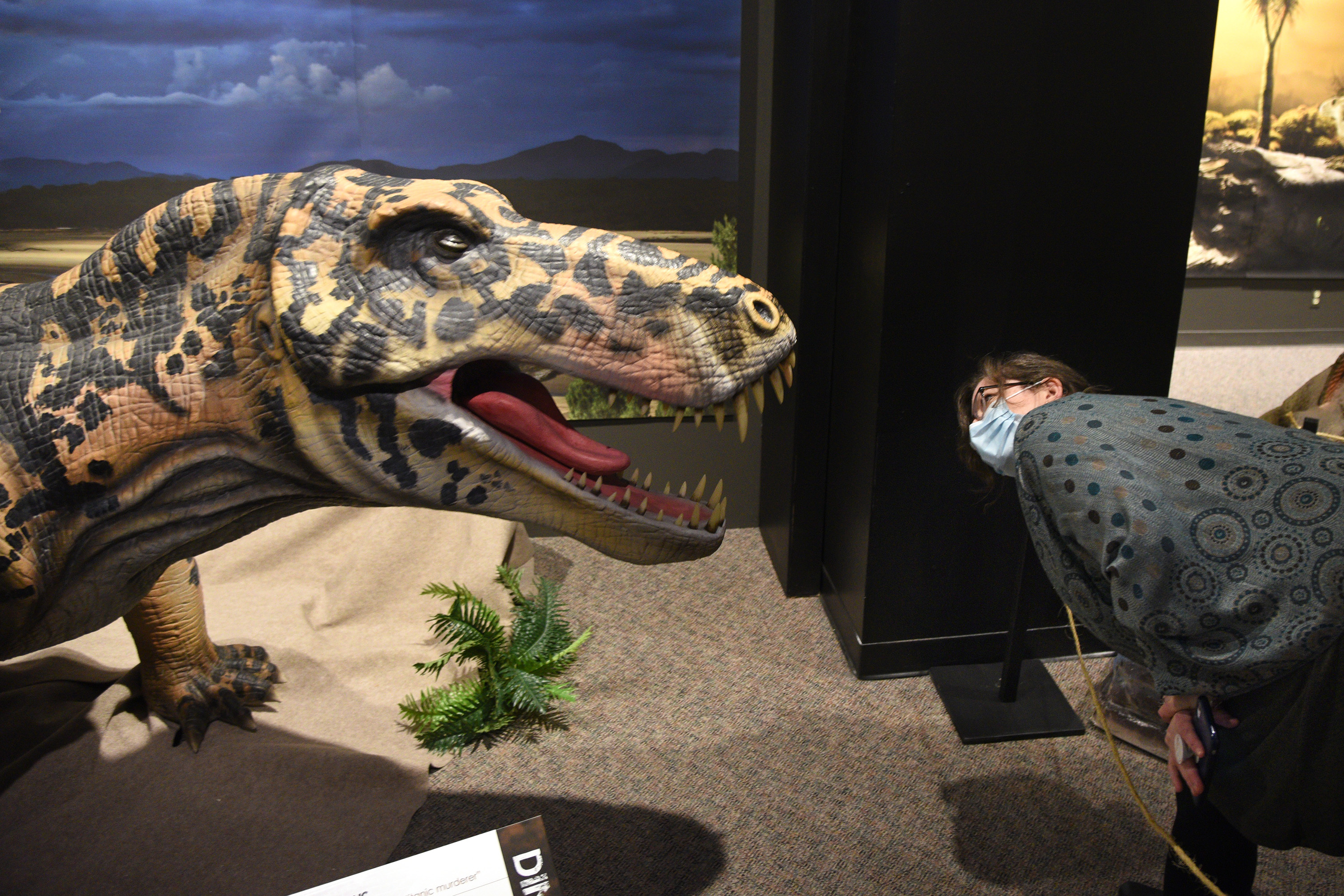
    Michael Ashleigh, of Phoenixville, Pa., is with his son Otto, 5, looking at the Tyrannosaurus Rex Skull in the Dinosaur Hall at the Academy of Natural Sciences of Drexel University on Friday, Sept. 4, 2026, in Philadelphia, Pa. Michael wanted to give his son the experience he had 20 years ago when he first visited the Academy of Natural Sciences.Tyger Williams / Staff Photographer

    The Dinosaur Hall and old-school dioramas of bison, bears, and tigers are core memories of his childhood, and he’s sad knowing his son and others won’t be able to experience it much longer.

    “It’s such a joy. It’s really sad when an institution like this closes,” Clauson-Wolf said.

    The museum’s last day with regular hours for the public will be Sept. 27.

    Chris Bodenhamer, 39, said he didn’t know about the impending closure until he came into the museum on Friday morning. He had traveled from Miami to visit friends in the city and stopped by the museum to check out the new exhibit, “Botany of Nations,” which features historical items linked to Native American nations and explorers Lewis and Clark.

    But upon hearing the news, Bodenhamer, who often visited the museum on his frequent trips to Philly, said he was devastated.

    “It’s such a special place. You don’t get all of this stuff in one area. What can you do that’s better than this to replace it?” he said.

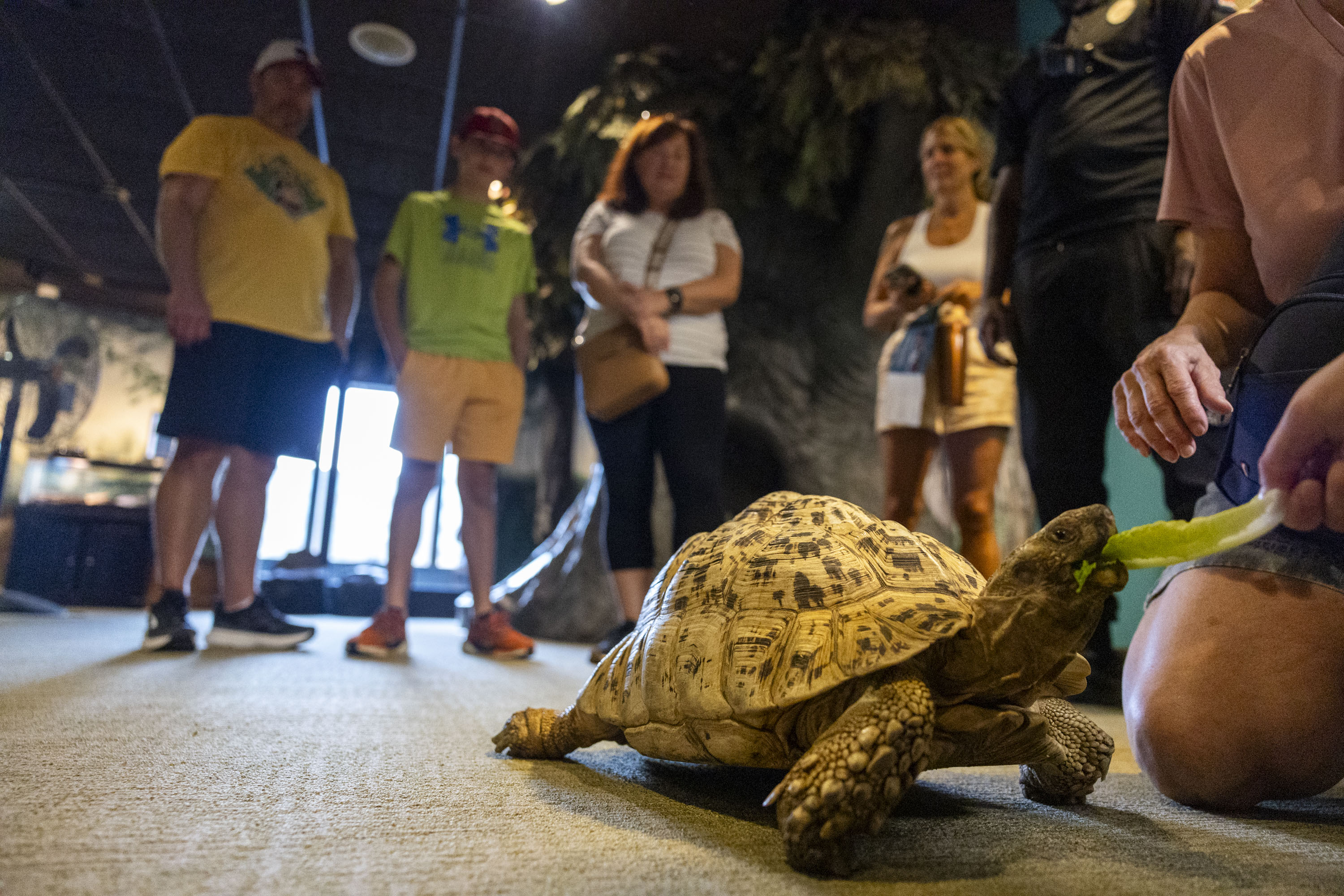
    Ollie, the Leopard Tortoise around the age of 60, is being fed by Lead Animal Keeper Rachel Brown, at the Academy of Natural Sciences of Drexel University on Friday, Sept. 4, 2026, in Philadelphia, Pa.Tyger Williams / Staff Photographer

    After hearing the news, Lancaster resident Dana Krooeck was determined to bring her two nephews to the museum before it closed. She enjoyed watching them walk the halls and engage with the exhibitions.

    “They’re very hands-on, and they’re learning different stuff you don’t get a chance to learn about anywhere else,” Krooeck said.

    Like Krooeck, her nephews Ethan Miegel, 10, and Benjamin Elmer, 8, said their favorite part was roaming through Dinosaur Hall.

    “Everything here is awesome,” Elmer said.

    “It’s an awesome museum. Why would they close it? I’m going to miss it,” said Miegel.

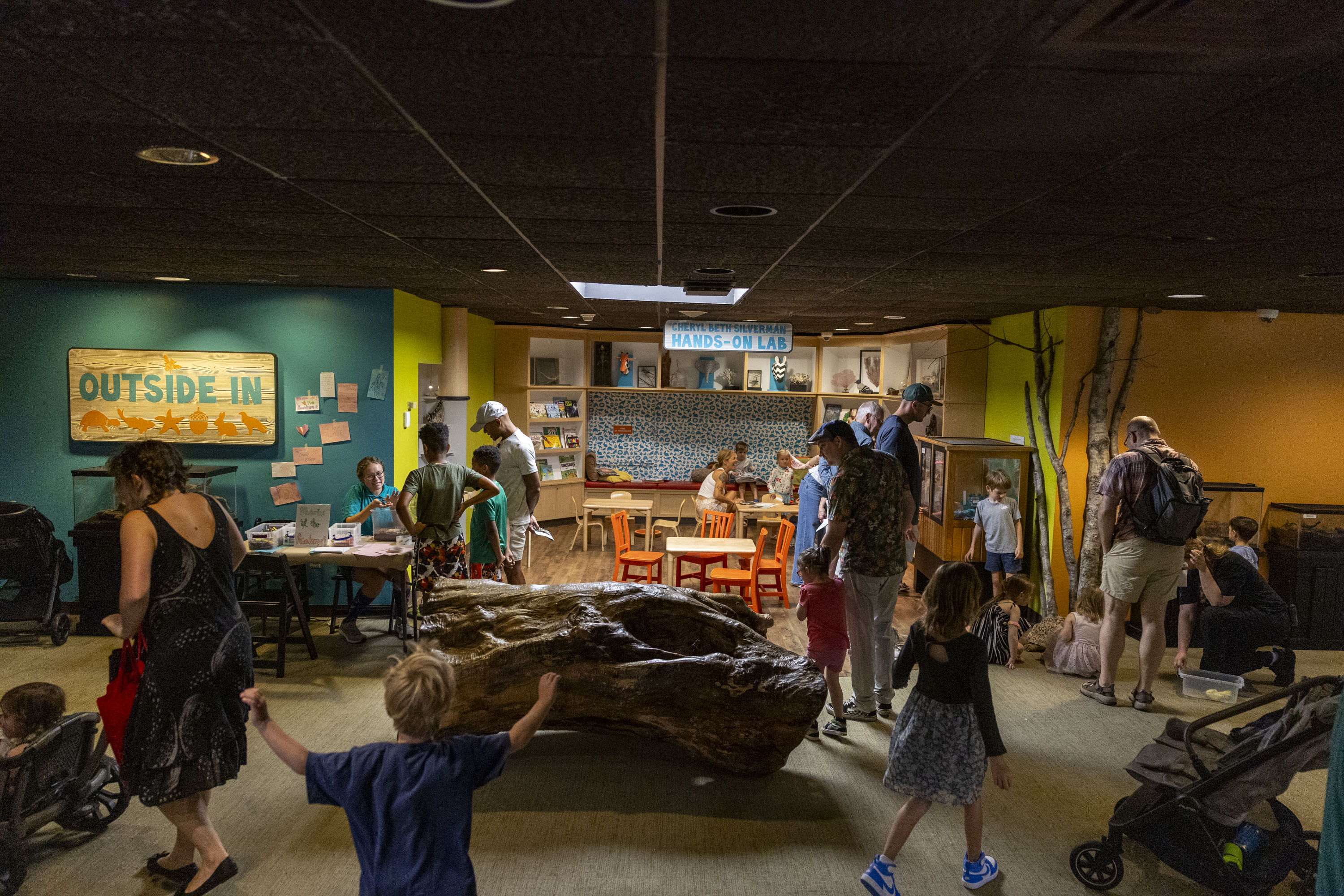
    Families and their kids in the Outside In area where guests can pet live animals and other creatures during their visit at the Academy of Natural Sciences of Drexel University on Friday, Sept. 4, 2026, in Philadelphia, Pa.Tyger Williams / Staff Photographer

    A rally aimed at saving the museum is planned for Tuesday at 10 a.m. in front of the Academy building at 1900 Benjamin Franklin Parkway. It is being organized by Skype A Scientist founder Sarah McAnulty, a squid biologist whose nonprofit focuses on science education, as well as Philly Science Action and Green Philly.

    “We have the responsibility to make sure Drexel and other decision-makers know that this isn’t something we are going to take lying down,” said McAnulty.

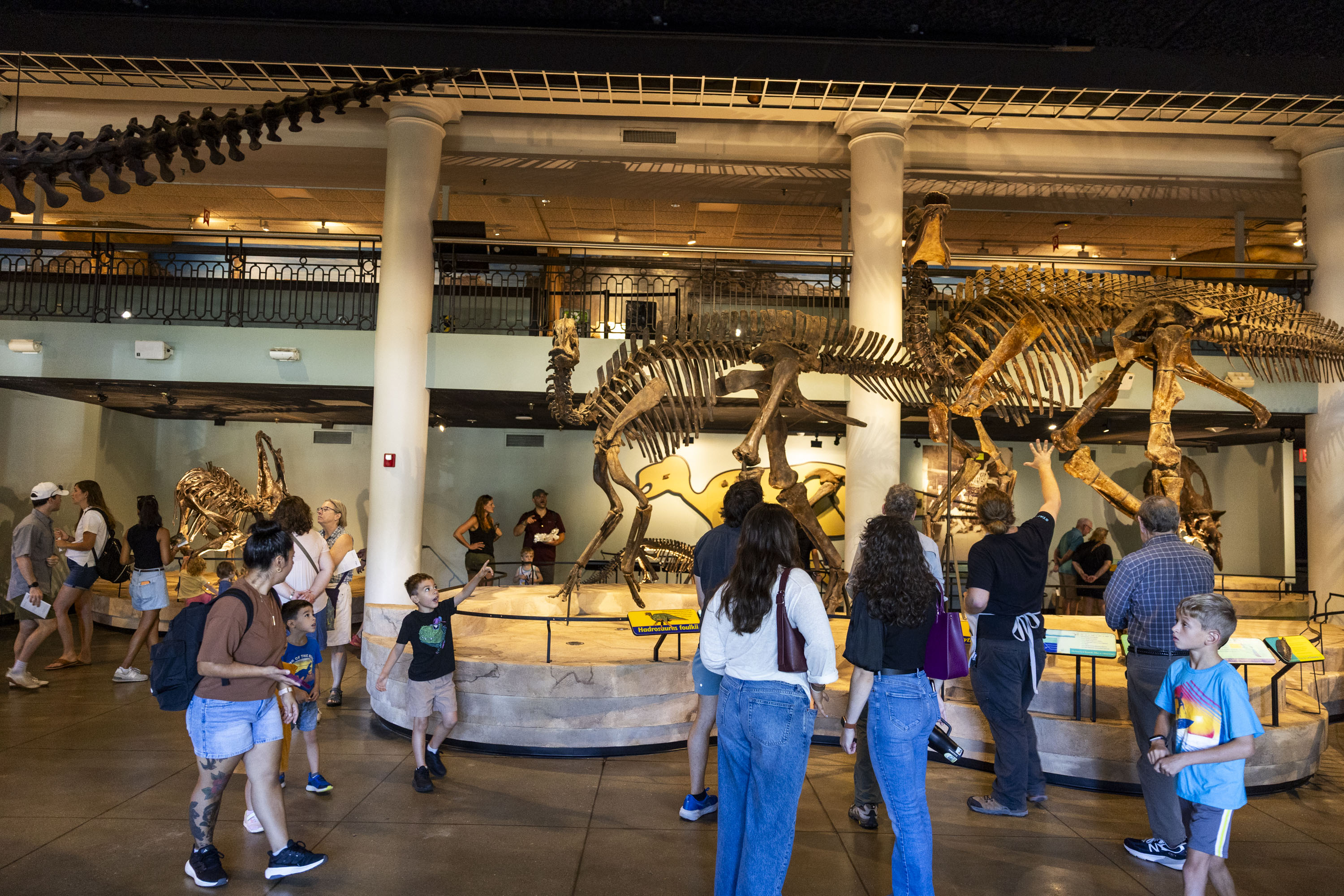
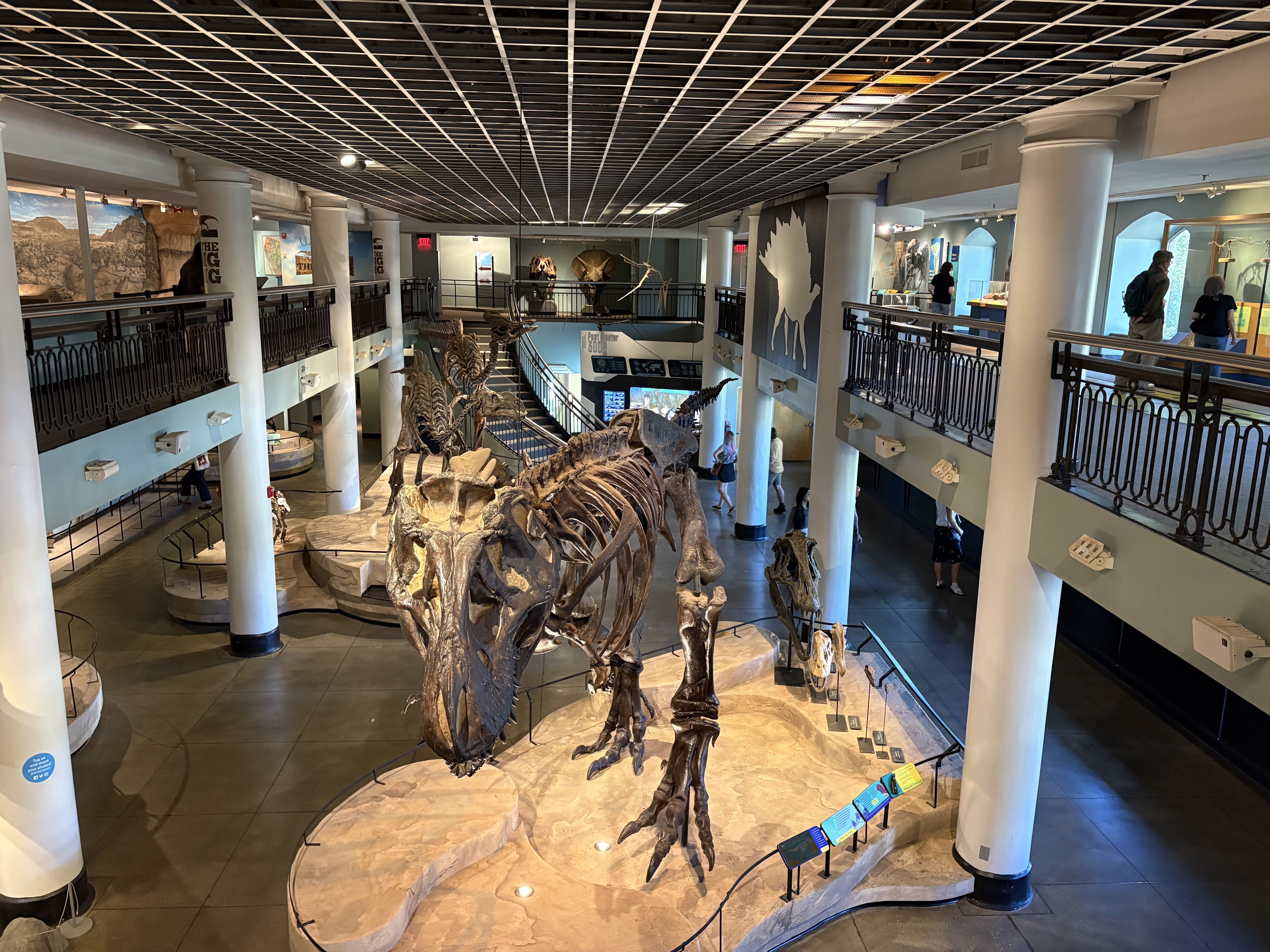
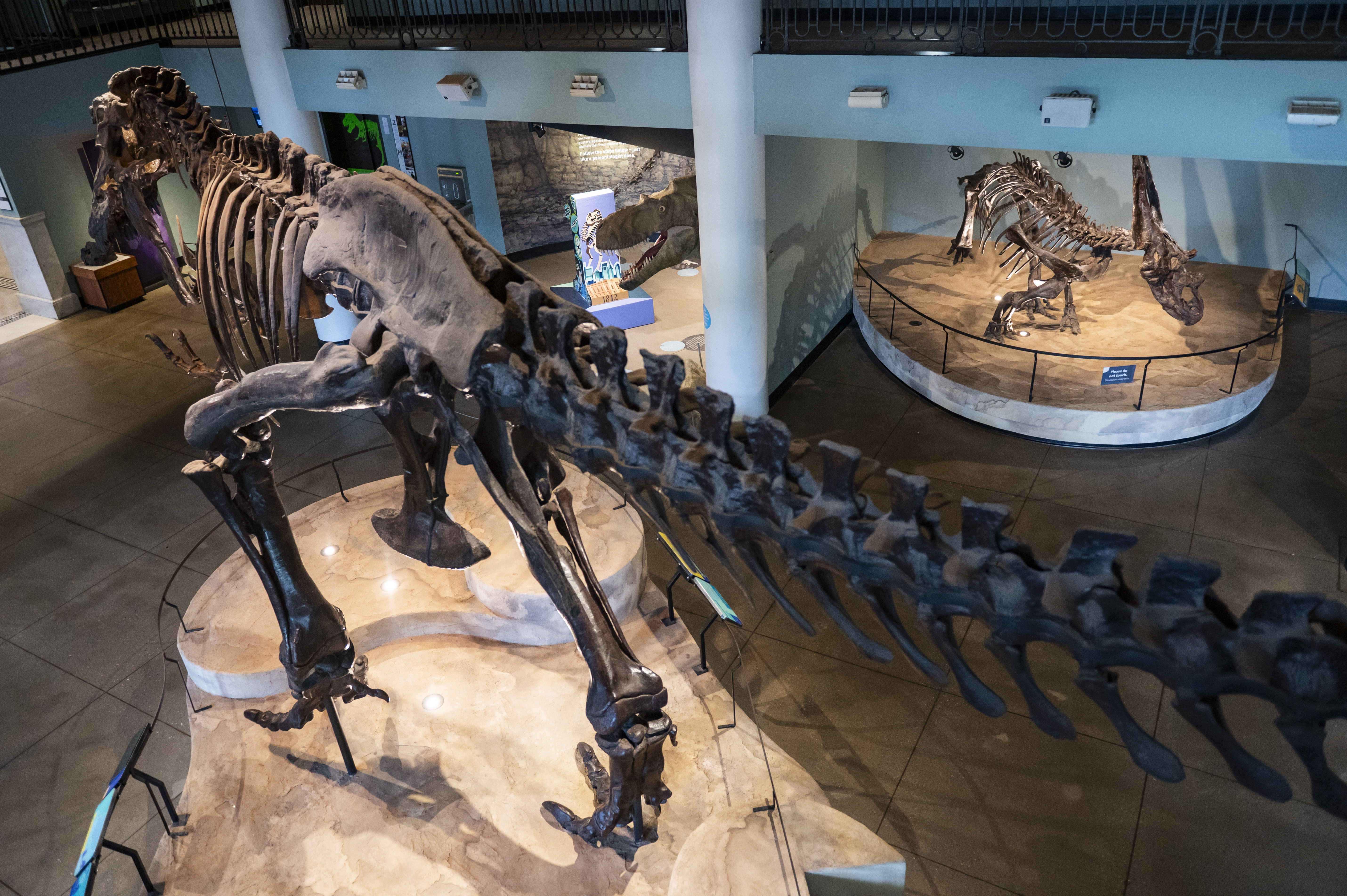
    People walking in to see the Dinosaur Hall with various Skeletons and displays at the Academy of Natural Sciences of Drexel University on Friday, Sept. 4, 2026, in Philadelphia, Pa.Tyger Williams / Staff Photographer

    McAnulty said she grew up in the Philadelphia area and went to the Academy frequently. It’s important not just to the city but the entire country, she said, noting its fame as the first natural history museum in the United States.

    “It’s unconscionable to close the museum down to the public,” she said. “It’s the responsibility of the stewards of that museum, the Academy board, and Drexel to do whatever it takes to preserve both the collections and the public-facing museum.”

    In a social media post announcing the rally, organizers called on Drexel to find a way to keep the museum open.

    “At a time when climate change and science continue to be under attack, Philadelphia cannot afford to lose another institution that connects people to the natural world,” the post said. ​“This is an institution Philadelphia can’t afford to lose.”

    “We recognize that this is an emotional time for many who care about the academy,” Drexel said in a statement in response to the announcement of the rally.

    Mackenzie Guiloaune, 19, of Mount Laurel, N.J., is drawing the Kodiak Brown Bear in the display for Giants of the Alaskan Coast at the Academy of Natural Sciences of Drexel University on Friday, Sept. 4, 2026, in Philadelphia, Pa. Mackenzie often comes to the Academy to draw the various displays to help with her artist block.Tyger Williams / Staff Photographer

    The decision to close the museum, the school said, was “not made lightly” and will “protect the collections and scientific mission at the heart of the Academy and represents an important step toward addressing the Academy’s financial challenges.”

    “The Academy’s Board and Drexel leadership are committed to developing a sustainable long-term model that preserves the Academy’s scientific research enterprise and creates new, meaningful opportunities for continued public engagement and display of these natural history collections and the scientific discoveries they make possible,” the statement said.

    Back at the museum, Mackenzie Guillaume, 19, said the museum’s closing is also a loss for artists, who like her, visit the museum to clear “artist’s block.”

    “This is one of my favorite places to come, draw stuff, and show people,” she said.

    The second-year student at Moore College of Art & Design said the full-scale replicas of animals inspire her art. The sketches she has done at the museum incorporate the details of the animals and the small “stories” embedded inside the museum’s encasings.

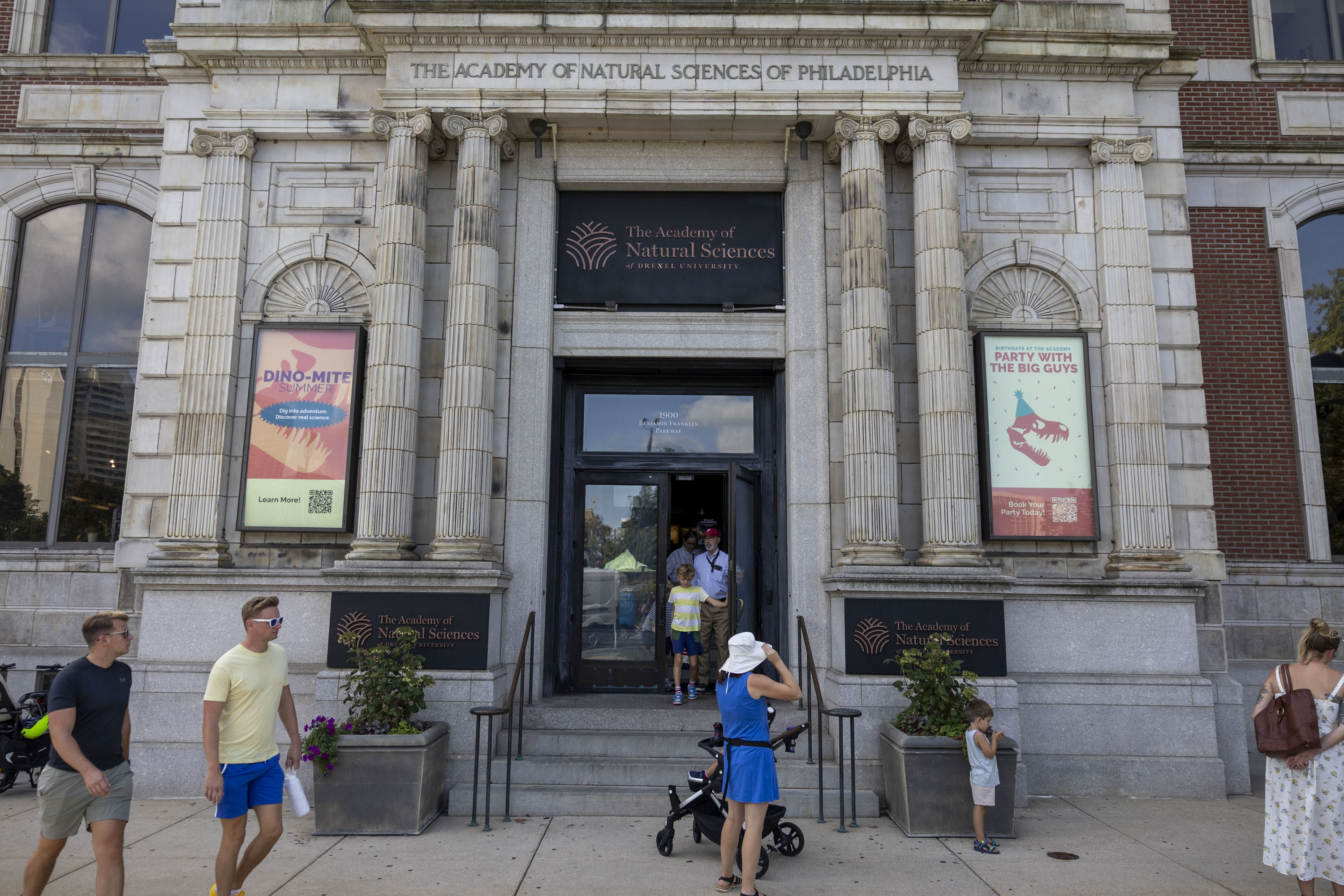
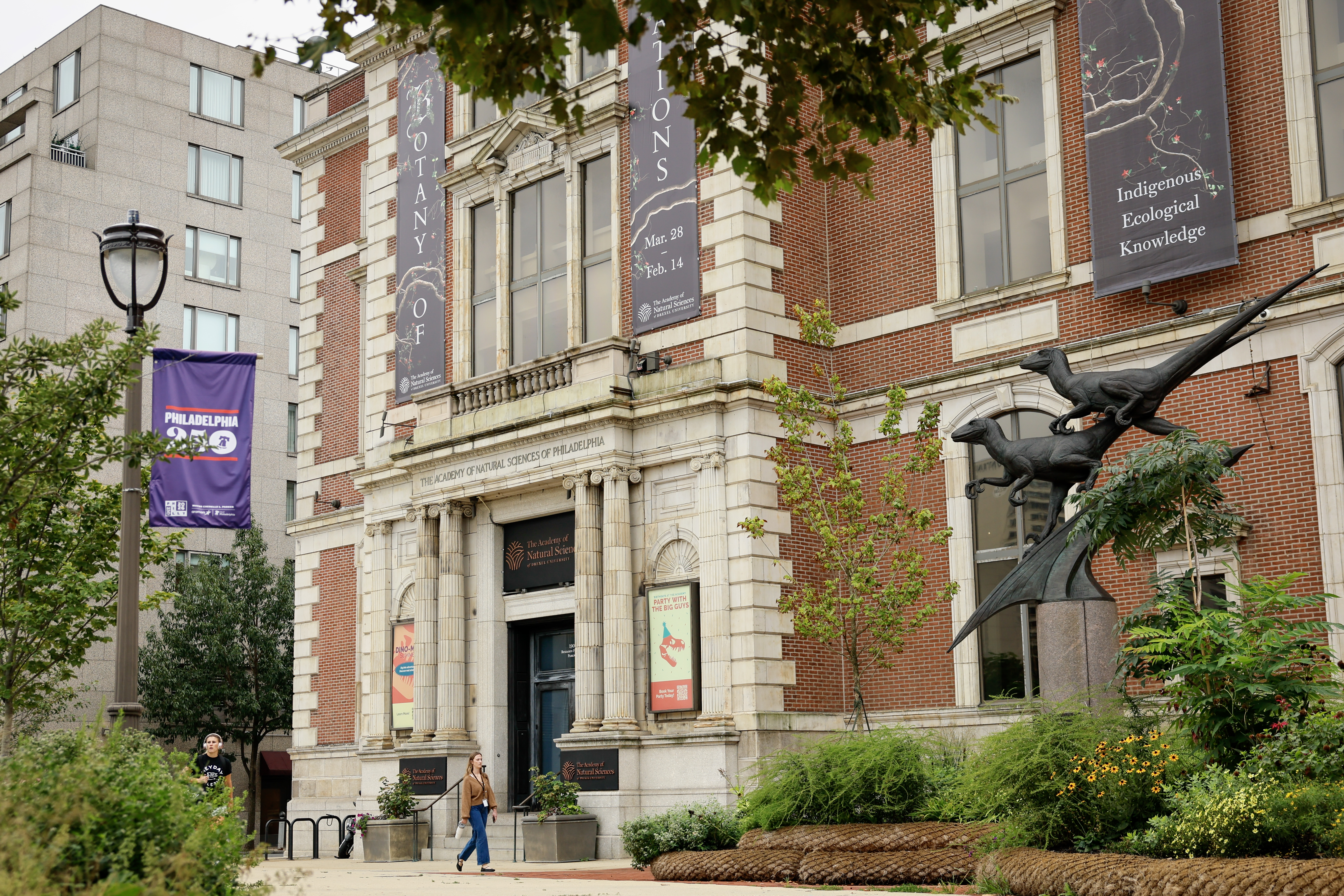
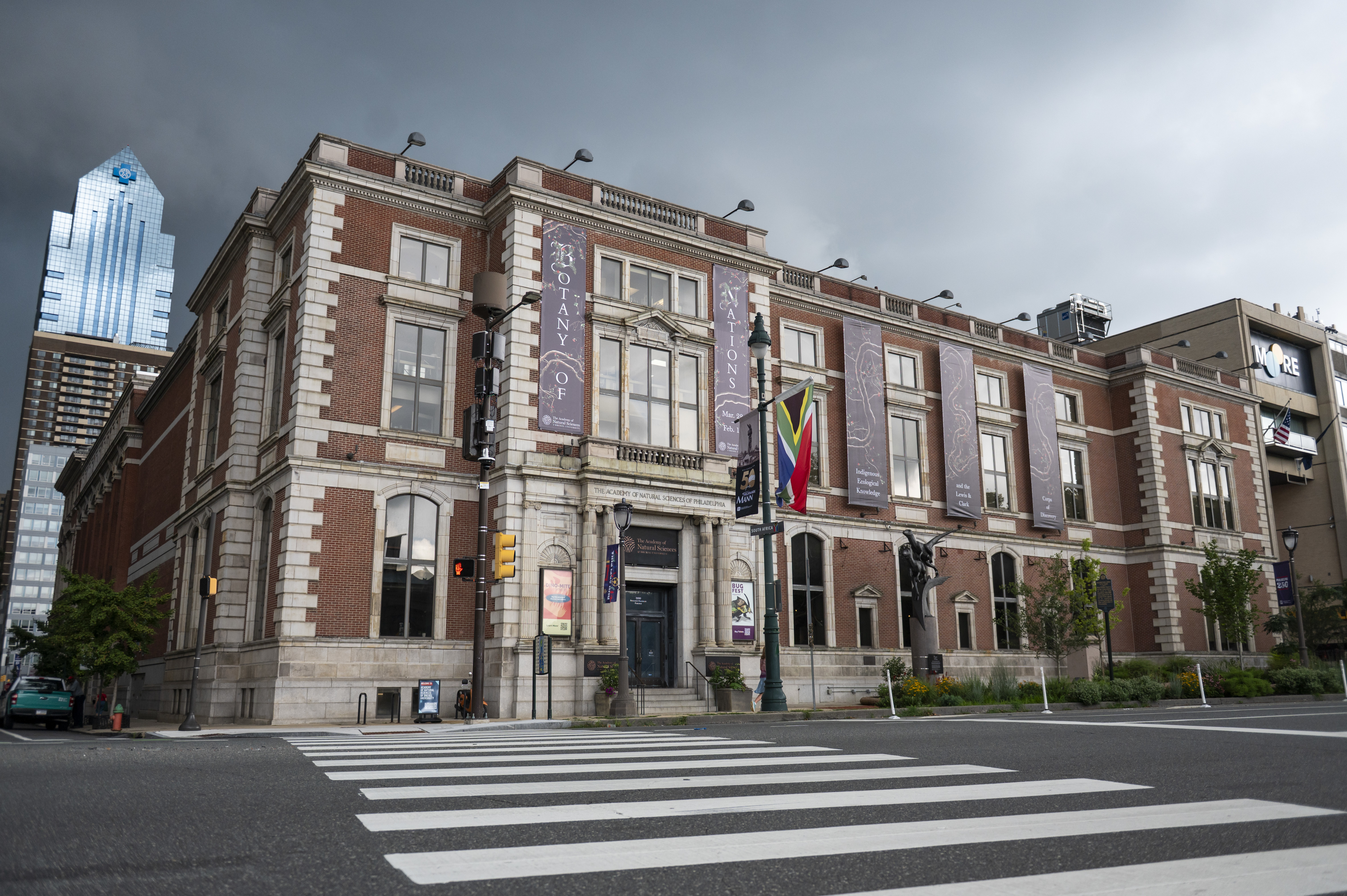
    The outside entrance to the Academy of Natural Sciences of Drexel University on Friday, Sept. 4, 2026, in Philadelphia, Pa.Tyger Williams / Staff Photographer

    Guillaume said the closure felt like part of a broader trend. “I feel like I’m watching everything get stripped away. From UArts to [defaced] murals and now this,” she said.

    The closure of the museum doesn’t affect the rest of the Academy, which builds and maintains the collections and conducts research, all housed inside the Parkway structure. Though not part of the new terms of the deal between Drexel and the Academy, officials said, the goal is to relocate the museum’s collections and sell the 1876 building, owned by the Academy.

    Mitchell Hirsch, a Spring House resident and retired scientist, brought his son and two grandchildren into the city to visit the museum.

    “This is the only dinosaur museum in all of Philadelphia, and I think its loss will be a serious one,” he said.

    Speaking over the din of the noisy museum, filled with children shouting with excitement, he said that the increased attendance was evidence of the institution’s impact, and hopes it signals a brighter future for the Academy museum.

    “These institutions enrich all of our lives,” he said.

  • Closing a 200-year-old institution will wound both the city and science

    Closing a 200-year-old institution will wound both the city and science

    When I committed to attending Drexel University at 17, I was excited for many reasons.

    Drexel is a fantastic school for science and engineering. It’s in a vibrant and central part of the city. It was near enough to my parents that I could take SEPTA to visit them on the weekends. And at that time, in 2014, it had recently become affiliated with the Academy of Natural Sciences.

    That meant, as a Drexel student, I could flash my blue-and-yellow ID and be granted instant free access to the Academy museum, one of the coolest places I’d ever been.

    As a kid, I dug around in the mock archeology site where replica bones were buried under sediment; I learned to gingerly dust them off to avoid damaging fossils. I marveled at the Tyrannosaurus rex at the entrance with bones bigger than my whole body. I felt the humidity rush over my skin as I walked into the butterfly exhibit, where I learned how caterpillars build cocoons, how they must struggle to emerge unaided from their chrysalises so they properly develop their wings, and how wonderful it feels to see a butterfly with wings the size of soft pretzels land right at your feet or — if you were lucky — on your raised arm, goosebumps and all.

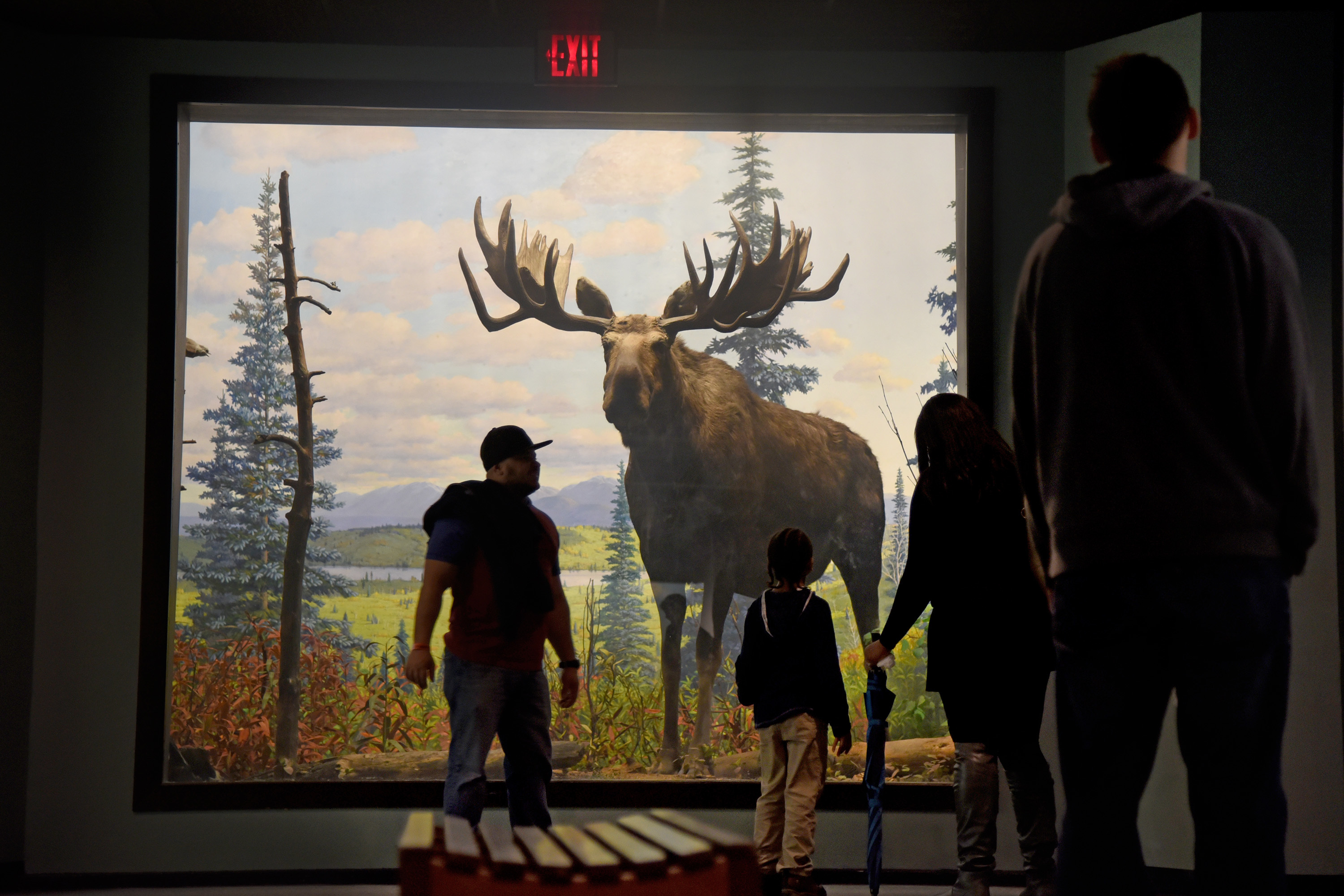
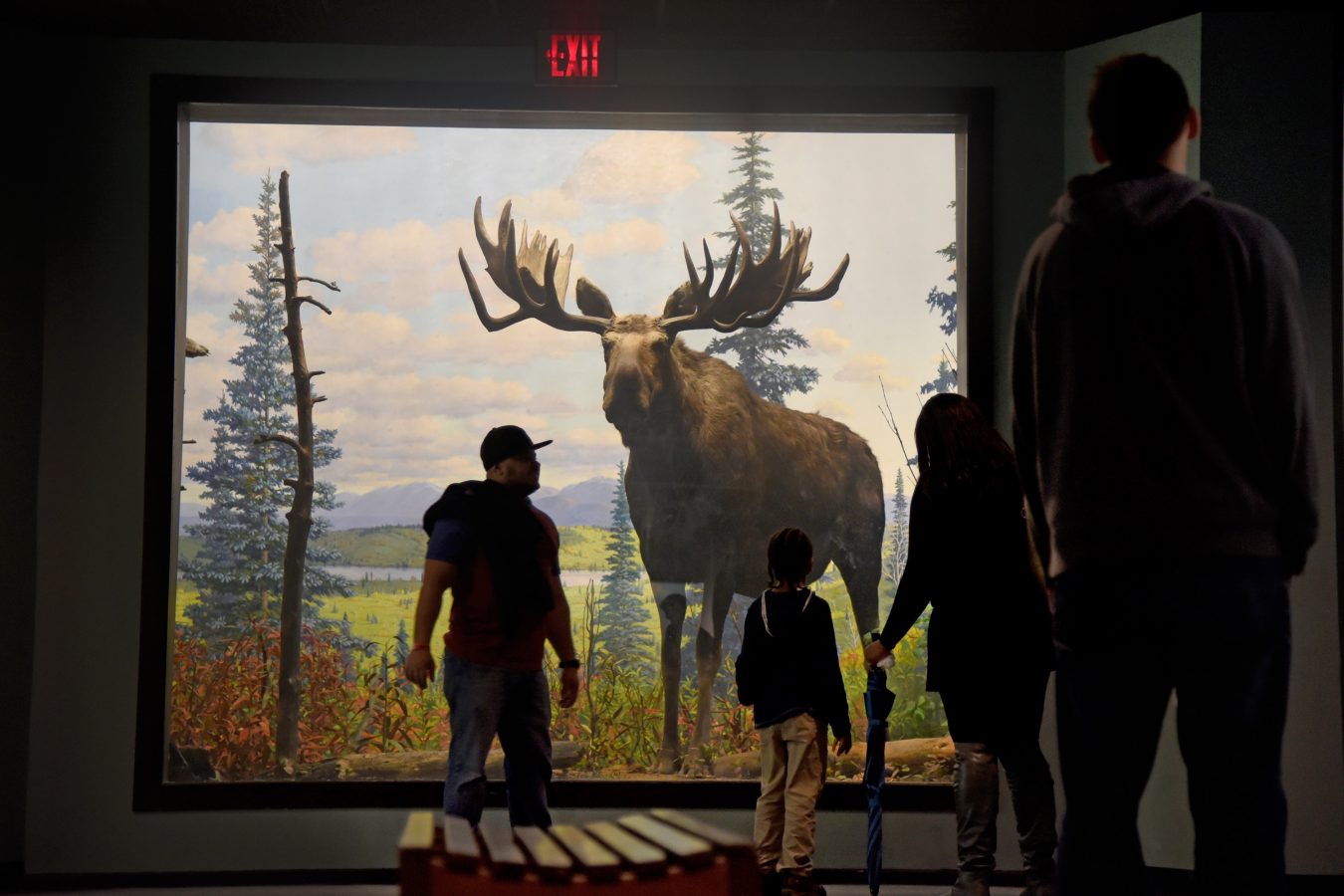
    Visitors look over the moose diorama at the Academy of Natural Sciences in 2018. Drexel University has announced that the museum will close at the end of the month because of high costs and dwindling attendance.Tom Gralish / Staff Photographer

    When you expose a child to science, you open a door to a new universe. In almost 200 years in the city, the Academy museum achieved something extraordinary and rare: It got kids (and adults of all ages) excited about dinosaurs and insects and animals from faraway places. It taught thousands of visitors about their connection to the natural world. It inspired generations of science-curious people to don lab coats and hiking boots and advance our understanding of what surrounds us.

    I’m no exception. My work now as a science journalist consists, in large part, of helping other people understand the wonders of science. I credit the Academy with helping me understand those wonders first — back when I was just a kid with a magnifying glass, an insatiable curiosity, and a terrific natural history museum accessible to my family by the regional train.

    The Academy of Natural Sciences is scheduled to close at the end of the month unless Drexel University finds a way to save it, writes Gina Vitale.Elizabeth Robertson / Staff Photographer

    Like many others, I felt my stomach sink to see the news that the museum would close at the end of this month.

    If we lose the Academy museum, we don’t just lose the fossil-digging pit and the grand hall of dinosaurs. We lose one more way to introduce Philadelphia’s kids to science. We lose future ecologists and conservationists and people working to save a warming world. We shut one more door to that magnificent universe.

    I’m thankful Drexel is committed to the stewardship of the Academy’s collections, even if the museum closes. Recent reporting indicates that Drexel may have a chance to help preserve or reestablish the museum in some way.

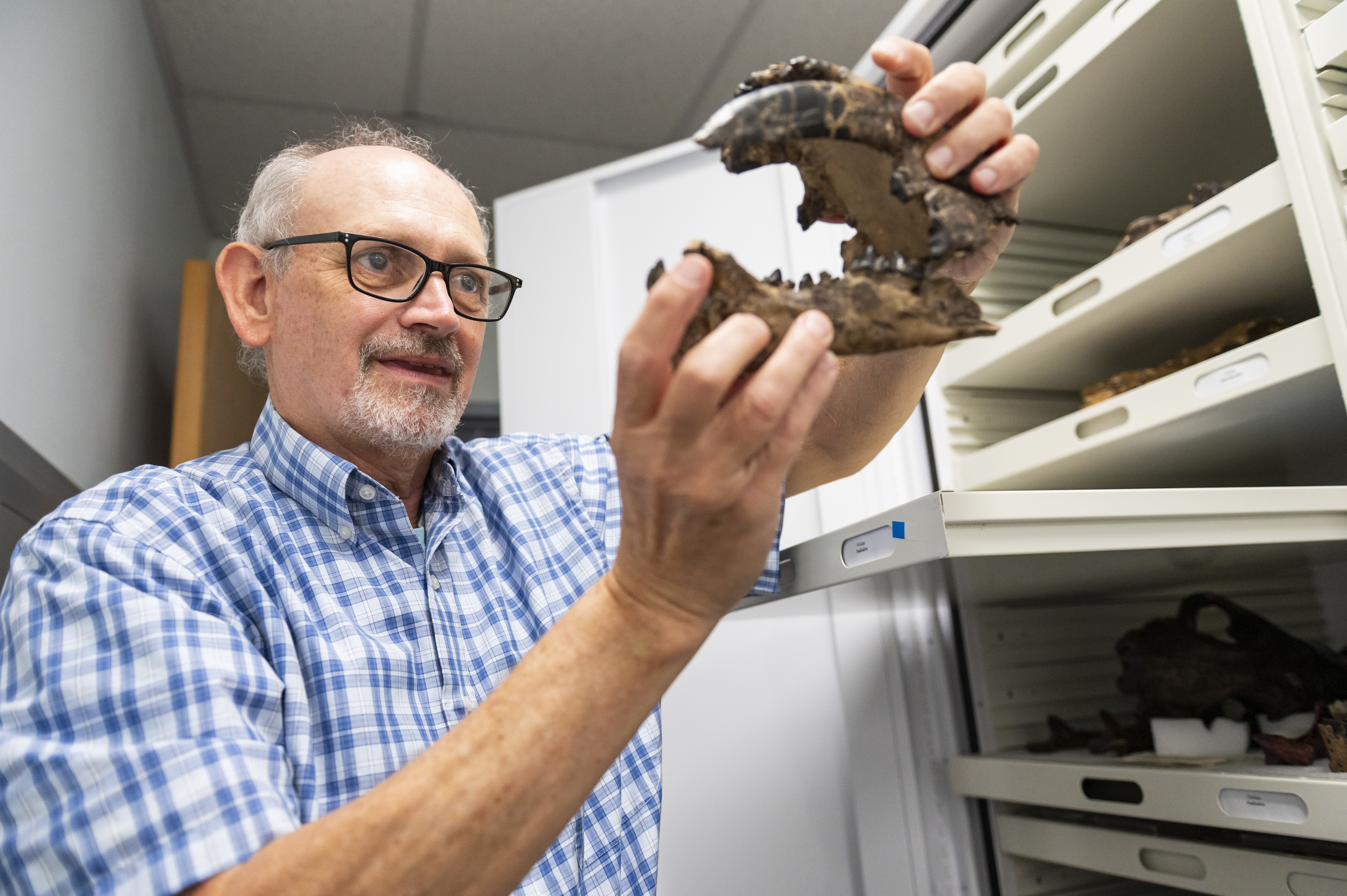
    Ned Gilmore, the collection manager for vertebrate paleontology, holds up the mouth of a Smilodon gracilis, a type of saber-toothed tiger, at the Academy of Natural Sciences last month.Allie Ippolito / For The Inquirer

    When I was a student, I loved that my university supported an institution like the Academy — the oldest natural history museum in the United States. I can think of no better thing to do for the city and for future Drexel students than for the university to help find a way to preserve this incredibly special museum in Philadelphia.

    If they do that, they won’t just have my gratitude. They’ll have the thanks of current and future science enthusiasts throughout the city, and along the tracks of the regional trains.

    Gina Vitale is a journalist and writer who grew up in Greater Philadelphia.

  • Academy of Natural Sciences and Drexel University reach tentative terms on the Academy’s future

    Academy of Natural Sciences and Drexel University reach tentative terms on the Academy’s future

    After the threat of a possible split, the Academy of Natural Sciences and Drexel University reached a tentative agreement that will continue their affiliation and maintain Drexel’s financial support of the Academy, multiple sources confirmed Wednesday. It will also give the university control over its major decision-making.

    Also on Wednesday, Drexel and the Academy appointed Patricia “Trish” Wellenbach to temporarily lead the Academy, serving as its senior adviser. She is deputy mayor to Philadelphia Mayor Cherelle L. Parker’s administration and previously president and CEO of the Please Touch Museum. Wellenbach is on loan from the city and will not receive any compensation from Drexel or the Academy for her new role.

    Drexel holds the reins

    The announcement comes one day after Drexel and the Academy said they would close the Academy’s museum effective Sept. 30 and that Academy CEO Scott Cooper would be stepping down immediately. Sept. 27 will be the last day the museum will be open to the public.

    Though not part of the new terms, the goal now is to relocate the Academy’s collections and sell its 1876 building at 19th and the Benjamin Franklin Parkway, which has numerous deferred maintenance needs, said a source close to the talks between Drexel and the Academy who asked not to be identified.

    The new “nonbinding” terms of the letter of intent maintain Drexel’s financial support of the Academy, modify the governance structure, and preserve the right of the Academy board to de-affiliate from Drexel and find a new partner or partners for its collections should it wish to do so.

    The terms cover issues such as selection of an interim leader and a permanent leader of the Academy and budgeting, according to a source close to the talks. While Drexel and the Academy will engage in a collaborative process to find a new leader, the final decision will rest with Drexel, the source said.

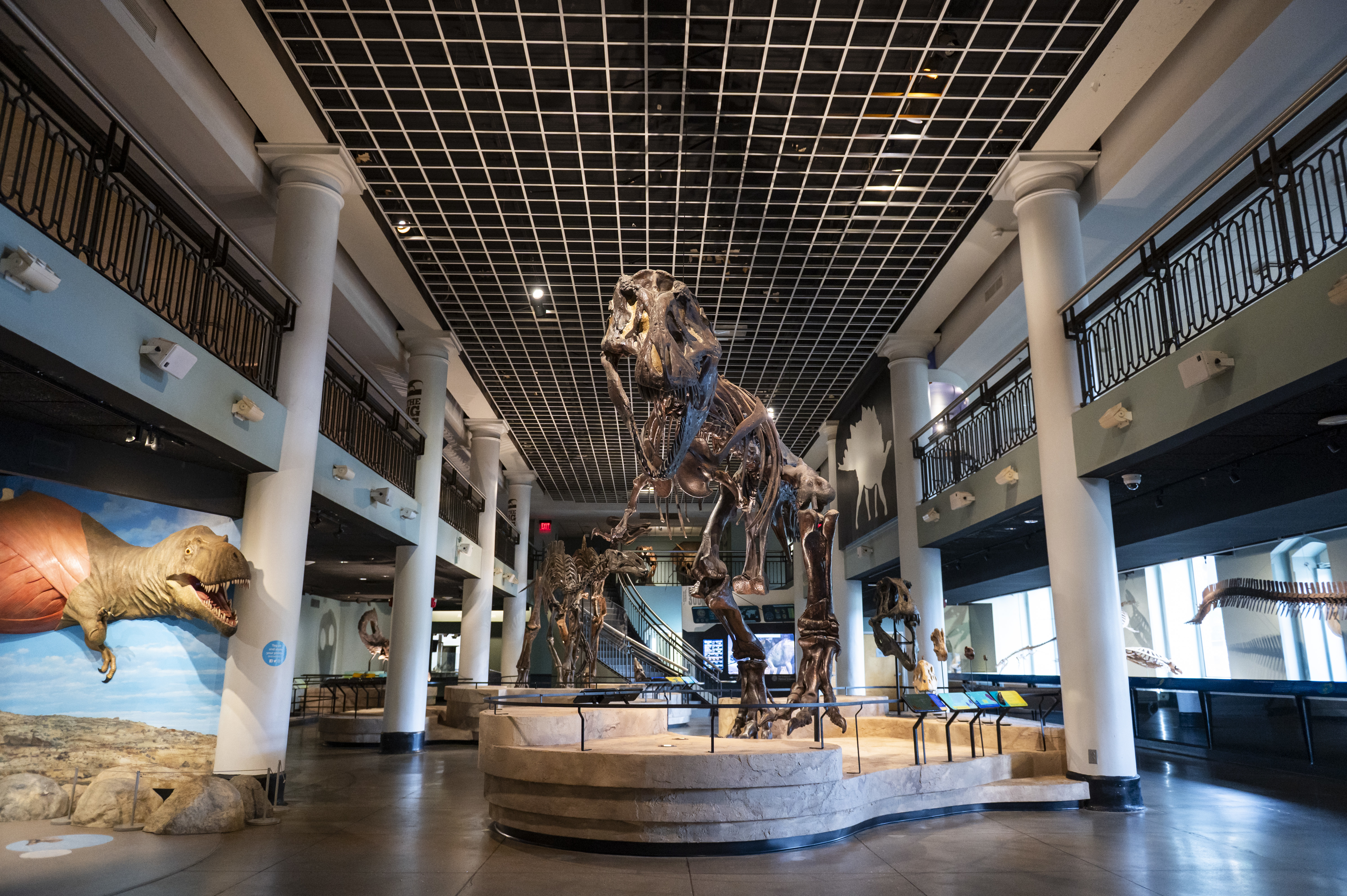
    Dinosaur Hall at the Academy of Natural Sciences on Wednesday, Aug. 5, 2026.Allie Ippolito / For The Inquirer

    “It’s fair to say all decisions of importance have to be approved by Drexel,” the source said, including the budget, which is about $25 million annually.

    Under the affiliation agreement in 2011, Drexel provided substantial financial support to the Academy and covered its deficits. That will continue, and Drexel also will cover the costs of relocation of the collection and other transition expenses, the source said.

    Academy board chair Suzanne Biemiller did not respond to messages seeking comment.

    A ‘solid’ but nonbinding resolution

    Of the new terms, another Academy board member said:

    “I’m hopeful that something positive will come of it. The goal is to find a way to keep the Academy in existence and achieve its mission, so I think it’s a solid resolution,” said the board member, who asked that their name not be used.

    Like most letters of intent, the agreement is nonbinding until the two sides come to a complete binding agreement, the source said.

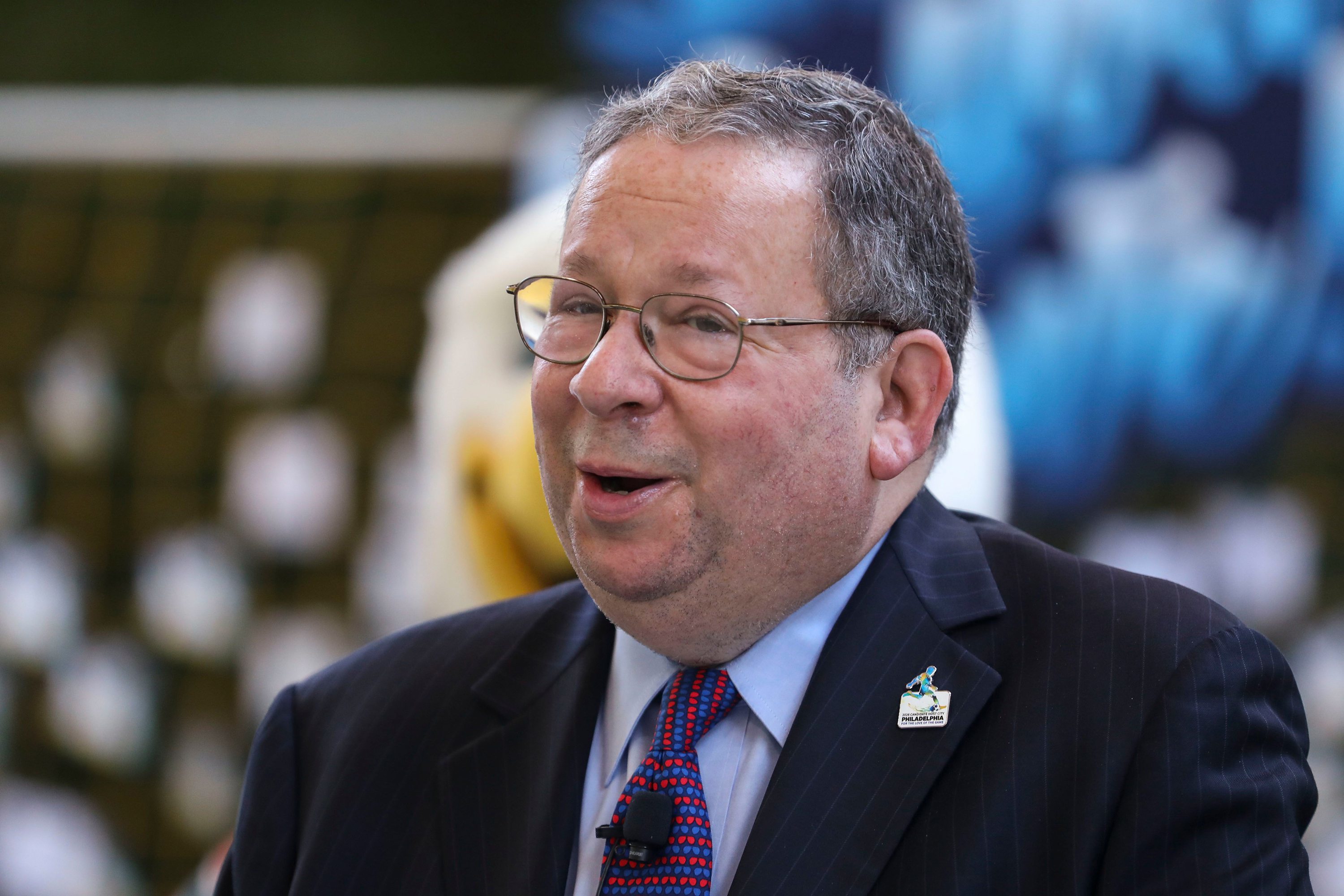
    The Inquirer reported in April that Drexel was seeking to totally take over the Academy or end the partnership. The terms signed Tuesday were brokered by former Comcast executive and U.S. Ambassador to Canada David L. Cohen at the behest of Gov. Josh Shapiro.

    Sept. 27 is the last day the Academy of Natural Sciences of Drexel University will be open to the public.Elizabeth Robertson / Staff Photographer

    The leaders of Drexel and the Academy signed the terms sheet on Tuesday, Cohen said. But there are significant ongoing issues for the Academy and Drexel to work through, he added.

    “They include the responsible move of the collections, and a variety of other transition activities,” he said. “The Academy needs a senior representative, a senior voice in these ongoing discussions both to communicate internally at the Academy and with other stakeholders including Drexel.”

    That will be Wellenbach’s role, he said.

    She will have a voice in discussions on finding another location to display some of the collections, now that the museum will be closed, Cohen said.

    Patricia Wellenbach, former president and CEO of the Please Touch Museum.Heather Khalifa / Staff Photographer

    A temporary leader

    Wellenbach will be based at the Academy part of the week while also continuing in her city role. She will lead temporarily while Drexel and the Academy search for an interim leader.

    “Ms. Wellenbach has had a distinguished career spanning nonprofit leadership, healthcare, governance and public service,” said the announcement from Drexel president Antonio Merlo and Biemiller.

    Mayor Parker in a statement called the Academy “a critical, longstanding part of Philadelphia’s cultural and educational landscape” and said she was pleased to loan Wellenbach to the effort.

    “We are working collaboratively with Gov. Shapiro, Ambassador Cohen, the Academy and toward the outcome we all seek for the City of Philadelphia,” Parker said.

    The Academy museum is ending operations after nearly two centuries because of declining visitorship and rising expenses, according to the Academy and Drexel.

    “Over time, it became clear that these were not temporary pressures, but fundamental changes in the economics of the Academy’s operational model, costs that have imperiled the Academy’s ability to discharge its overall mission and preserve its legacy,” the two institutions said in a joint statement Tuesday.

    Biemiller and others have pledged to not abandon the Academy’s role in educating the broader public about the natural world.

    While it was “incumbent upon us to find places and ways” for the museum to continue, she said earlier this week, the exact form it would take has not been determined.

    While Drexel has the major decision-making power, the Academy board will continue to be the fiduciary board and decision-maker for the Academy’s endowment, though management of it has been delegated to Drexel’s investment office, according to the source close to talks.

  • ‘Our city is losing a big part of its heart’: Philadelphians mourn the closure of the Academy of Natural Sciences’ museum

    ‘Our city is losing a big part of its heart’: Philadelphians mourn the closure of the Academy of Natural Sciences’ museum

    Within hours of the announcement of that the Academy of Natural Sciences of Drexel University would close its museum, Philadelphians across generations found themselves reeling and reminiscing about staring wide-eyed at taxidermied bison and petrified bugs.

    The museum opened in 1828, and moved to its current location on the Benjamin Franklin Parkway in 1876. Its last day with regular hours for the public will be Sunday, Sept. 27.

    For some, the greatest loss was the sense of wonder children get when they peruse the museum, see bugs squirm, explore enormous nest displays and dioramas and, of course, lay eyes on the gigantic dinosaur skeleton.

    “I’ll always remember the first time I went to the museum and I saw the dinosaur bones,” said Sakura Okuri, a 53-year-old retired FBI special agent who grew up in Germantown. “I’m just sorry that young kids aren’t going to be able to have that memory.”

    Okuri, who now lives outside Pittsburgh, took comfort in knowing that if he missed something in one of the rich, expansive exhibits he’d have another chance because “it would always be there for me,” he said. “Apparently that’s not the case.”

    The exterior of the Academy of Natural Sciences on Aug. 5.Allie Ippolito / For The Inquirer

    The news landed hard for 9-year-old Mira Thompson, who was leaving the Free Library of Philadelphia’s Parkway Central branch with her dad Tuesday afternoon when she got word. She’d gone to the Academy museum on multiple school field trips recently and was looking forward to more visits.

    “That’s where I learned about pH testing last year,” Thompson said. “I didn’t know how to do that before going. I’m going to miss just being there.”

    For many, it was a site of family bonding. Temple University senior Sean McClendon recalled fond memories there with his Opa, his grandfather, who worked at the museum taking care of owls and birds. Michael Ginsberg, a 60-year-old Northeast Philly native, remembers zealously volunteering to hold a hissing cockroach during a presentation at the museum to “get a rise out of my daughter.”

    “My wife was not a fan of that,” he recalled. “‘Go wash your hands,’” she instructed.

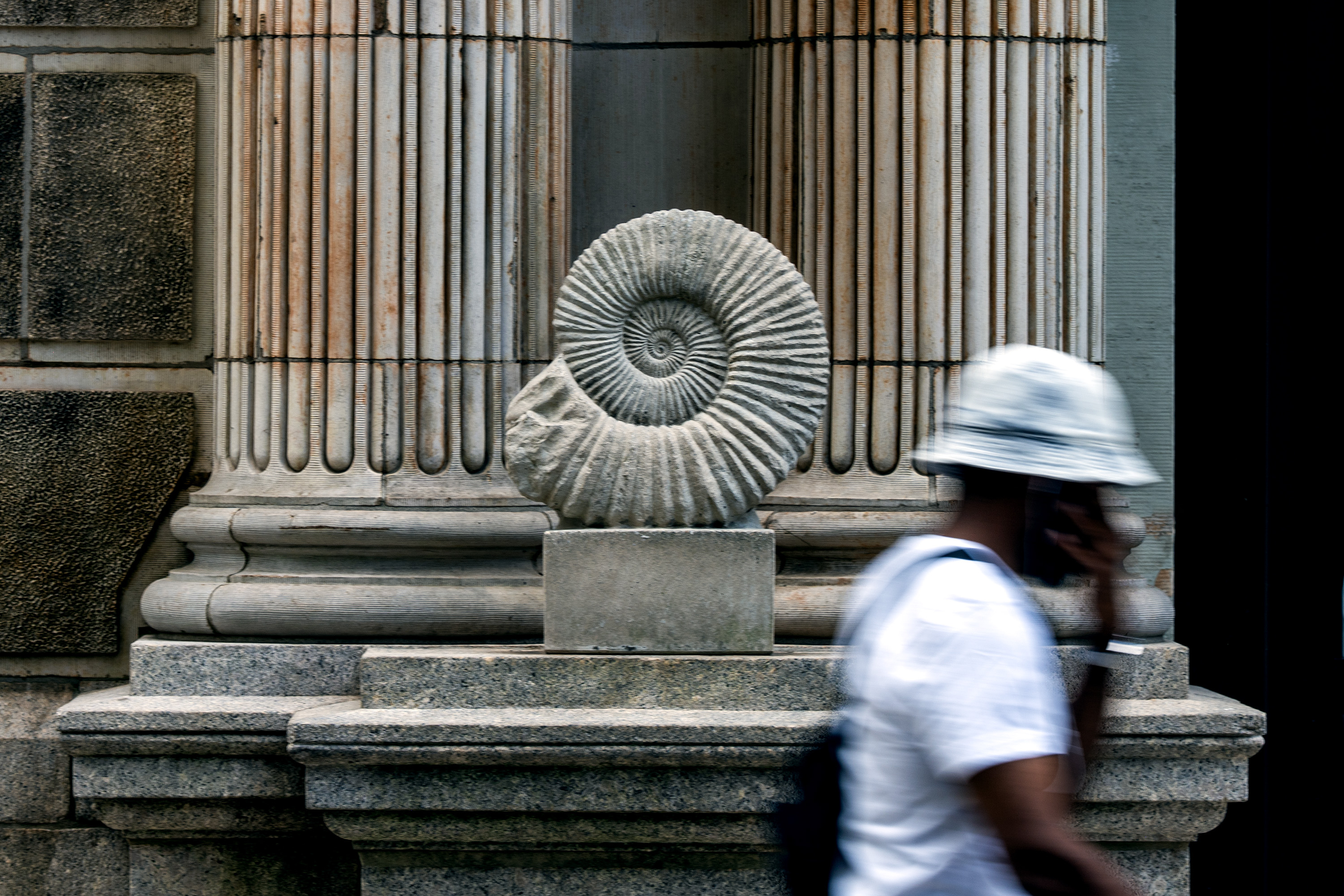
    One of two shell sculptures placed on either side of the entrance on the 19th Street entrance to the Academy of Natural Sciences of Drexel University.Tom Gralish / Staff Photographer

    Ginsberg’s dad took him there when he was in first grade. Seeing the dinosaur bones in real life was a thrill after only knowing them on the pages of library books. He was shocked to see they were brown and not white like in renderings.

    When he became a dad, himself, he started bringing his daughter.

    “Dad, why are all the animals dead?” he remembered his then-toddler asking.

    “They’re stuffed, hon,” he explained to her. “It’s a really cool art. It’s a way to get you closer. Just trust me, this is really cool stuff.”

    The aim , ultimately, is to relocate the Academy’s collections and sell the building, which has a lot of deferred maintenance needs, said a source close to the talks between Drexel and the Academy, who asked not to be identified.

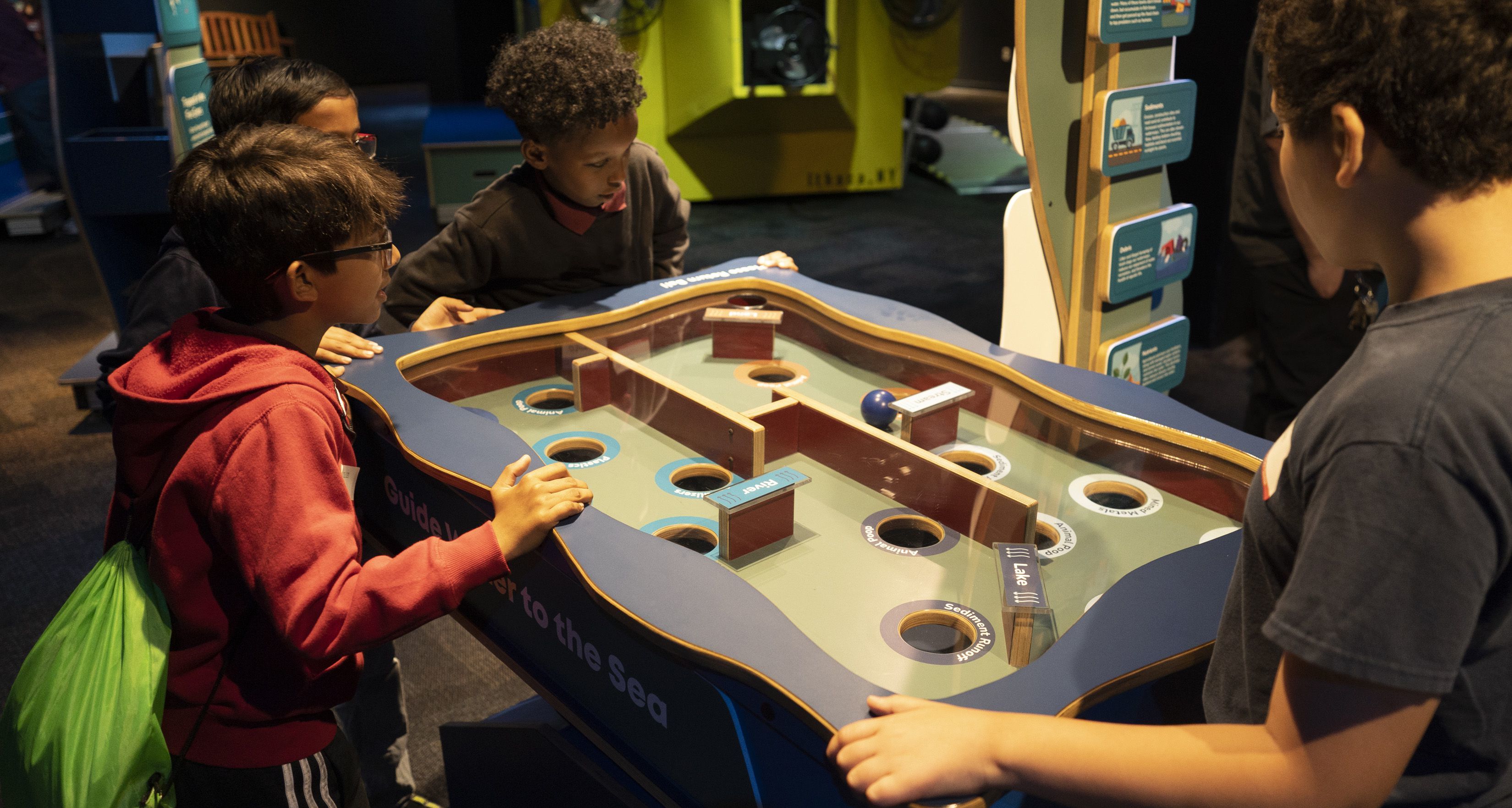
    The interactive “Ocean Bound” exhibit at Academy of Natural Sciences in 2023.Courtesy of the Academy of Natural Sciences of Drexel University

    Online, tributes poured in. Some said the museum inspired them to study museum education, others brought their kids there when they learned to walk, they said, or when the air-conditioning in their homes broke in the summer. Some parents considered it a seminal part of parenthood in Philadelphia; others relayed fond memories of bringing their kids with disabilities to the sensory friendly hour.

    Kim Lynne, from Drexel Hill, often brought her 18-year-old son, Ethan, who is on the autism spectrum, to the museum starting around age 3. He appreciated the dinosaurs and bugs; she appreciated the discount Ethan’s medical needs access card granted them on the admission fee.

    “He loved the third floor where they had the children’s area, the insects,” Lynne said. “He was into it early on.”

    Colleen Hall, 45, often marveled at the museum when she passed by it during her years at Community College of Philadelphia. She then ventured in for social events and was wowed by the dinosaurs, butterflies, and polar bears. She enrolled at St. Joseph’s Museum and Cultural Heritage education graduate program in hopes of working there one day.

    It’s hard to wrap her mind around the notion that the museum is really closing.

    “My brain just isn’t going there yet,” she said when asked how she felt about the closure.

    “It’s not the 11th hour yet,” she added.

    For longtime Philadelphians, the loss of the museum marks another step in the city losing its character as shiny new facades slowly replace the old and storied institutions closing their doors.

    “We are losing some of the things that make us a historic city,” said McClendon, the Temple senior. “I think that’s really something that’s part of Philly’s brand or image, not just cheesesteaks, and I think people might forget how much history there is because it’s so modernized.”

    To those who’ve gone with parents and kids like Ginsberg, the facility is a generational treasure and one of the few places that Philadelphians of all ages, races, and socio-economic classes can enjoy.

    “Our city is losing a big part of its heart,” he said.

  • The Academy of Natural Sciences museum is closing. What happens to memberships and planned events?

    The Academy of Natural Sciences museum is closing. What happens to memberships and planned events?

    Drexel University and the Academy of Natural Sciences announced Tuesday that the museum would close for good on Sept. 30. Its last day open to the public with regular hours will be Sunday, Sept. 27.

    While the Academy’s research and collections will be unaffected by this closure, here’s how things will change for the museum’s members and its events.

    Will museum members get refunds?

    Most recently, memberships for the Academy museum cost $65 for individuals. $135 for families.

    “Members will receive direct communication in the coming days with information about their memberships, including benefits, expiration dates, and transition options,” Drexel said in a statement.

    The Franklin Institute, the university said, will honor Scademy memberships through their expiration dates, so members can visit the institute situated only about a block away from the Academy.

    Members could also “adjust the tax-deductible portion of their membership or request a prorated refund for the remaining membership period,” the university said.

    The university said it will provide information to members and also post it on the Academy’s website when it becomes available.

    What will happen to events scheduled at the museum?

    “All programs and events scheduled to take place before the closure will continue as planned,” the university said. The university did not respond to what will happen to events that are rescheduled after Sept. 30 or if there are any.

    What happens to the interns and students currently working in co-ops at the museum?

    “Five Drexel students are currently working at the Academy in co-op positions. Their roles support the Academy’s research and collections’ activities and are not affected by the closure of the museum,” the university statement said.

    Will hours be expanded if the closure announcement drives a high turnout?

    The university said visitors should come to the museum through Sept. 27 “and participate in programs and events offering opportunities to experience and celebrate the museum during its final weeks.”

    The Academy of Natural Sciences of Drexel University, 1900 Benjamin Franklin Parkway, is open Friday to Sunday 10 a.m. to 5 p.m. ansp.org

  • Drexel and the Academy of Natural Sciences are close on deal to continue the Academy’s operations and keep it in Philadelphia, Pa. leader says

    Drexel and the Academy of Natural Sciences are close on deal to continue the Academy’s operations and keep it in Philadelphia, Pa. leader says

    David L. Cohen, the former U.S. ambassador to Canada and Comcast executive, said the governor asked him to be his “agent” in helping to broker a deal between Drexel University and the Academy of Natural Sciences.

    No one, he said, wanted to see another University of the Arts, which abruptly closed in June 2024, leaving a hole in the city’s arts landscape and sending students and staff scrambling.

    “I don’t want to lose the Academy on my watch, and neither does the mayor,” Gov. Josh Shapiro told Cohen, Cohen said. “Can you figure out if there’s a solution here? If there’s a solution, can you help convince the Academy and Drexel to pursue that solution.”

    That’s what Cohen said he has been doing, holding 40 or 50 meetings over the last several months in search of an agreement and producing a draft proposal for the future of the Academy.

    The two entities, he said, are close to agreeing to terms on governance and finances. While the museum is closing, as Drexel and the Academy announced Tuesday, the larger agreement would allow for the continued operation and growth of the Academy in Philadelphia, without jeopardizing Drexel, which is facing its own financial challenges.

    “We want to preserve the Academy,” he said, “but we also don’t want to jeopardize Drexel.”

    “Drexel and the Academy are working with my office, with Gov. Shapiro’s office, and with Ambassador David L. Cohen, as the governor’s representative, to preserve the essential mission of the Academy. We are working collaboratively toward the outcome we all seek for the City of Philadelphia,” Mayor Cherelle L. Parker said in a statement.

    The governor’s press office did not responded to requests for comment.

    The exterior of the Academy of Natural Sciences on Wednesday, Aug. 5, 2026.Allie Ippolito / For The Inquirer

    Cohen has long been a negotiator in many major city issues, formerly serving as chief of staff to former Philadelphia Mayor Ed Rendell and leading the board of trustees of the University of Pennsylvania.

    Shapiro, he said, was clear about the objectives.

    “The goal that the governor articulated to me and the mayor was to preserve the essential mission of the Academy, all three legs on the stool,” he said citing research, education and public engagement with the collection. “Some of the legs might be a little shorter. They might be a little skinnier. But the goal is that the Academy survives and has a foundation to thrive and grow in Philadelphia. This is a matter of civic importance.”

    Drexel and the Academy are exploring establishing another museum, maybe a smaller one, in another location through a third partner, Cohen said.

    “That’s a work in process,” he said. “I had an hour and a half meeting yesterday with one of the potential institutions that could serve that function for the Academy and for Drexel.”

    Cohen said he hopes ultimately the community rallies around the Academy and helps to support it.

    “We don’t need a single savior here,” he said. “This can be a community effort. I know the Philadelphia nonprofit and foundation community, and time and again this community has stepped up, and I have every hope that we, and it’s a we, will step up again.”

    Cohen credited both Drexel and the Academy for their cooperation and willingness to “focus on a common need for the community as a whole. They really deserve the credit for doing this.”

    The mayor, too, commended Drexel University and the Academy of Natural Sciences “for its significant, ongoing work to preserve the Academy’s educational mission and extraordinary two-century legacy as a natural history institution, including its world-renowned collections.”

    Cohen said he first got involved in the matter about a year ago when he was home recovering from back surgery and got a call from two members of the Academy board about the issues they were having with their partner, Drexel.

    The Academy was looking at possibly leaving the city, though it really didn’t want to do that, he said. He suggested they talk to the mayor and the governor. The board members told him they had been trying to do that but were unable to get attention.

    Cohen texted the governor and mayor on the spot from his living room, he said. Meetings were convened, and that led to the governor seeking Cohen’s help.

    “My wife says to me ‘why in the world did you take this on,” Cohen recalled. “Let me tell you, this legacy, this mission, this institution is worth fighting for. There is real history here, real value.”

  • The Academy of Natural Sciences is closing its museum after nearly two centuries

    The Academy of Natural Sciences is closing its museum after nearly two centuries

    Philadelphia’s Academy of Natural Sciences of Drexel University is closing its museum after nearly two centuries in existence, citing financial pressures and dwindling attendance.

    The museum, which opened to the public in 1828, will cease operations at the end of the business day Sept. 30. Its last day open to the public with regular hours will be Sunday, Sept. 27, staff were notified on Tuesday.

    Visitorship at the museum had slipped in recent years, according to a statement signed by Drexel president Antonio Merlo and Academy board chair Suzanne Biemiller. Though the Academy had worked to rebuild attendance after the pandemic, “patterns of visitation and audience behavior changed in lasting ways, while the costs of operating the museum continued to rise,” the statement said.

    “Over time, it became clear that these were not temporary pressures, but fundamental changes in the economics of the Academy’s operational model, costs that have imperiled the Academy’s ability to discharge its overall mission and preserve its legacy.”

    Closing the current Parkway museum, was, therefore, “a difficult decision taken to concentrate resources on the Academy’s enduring scientific assets and research,” said the statement.

    The aim is ultimately to relocate the Academy’s collections and sell the building, which, is owned by the Academy, and has a lot of deferred maintenance needs, said a source close to the talks between Drexel and the Academy, who asked not to be identified.

    The Academy building on the Benjamin Franklin Parkway at 19th Street, “will continue to house collections and laboratories while we consider possible pathways forward that place the utmost priority on preservation and support of the collections, library, archives, and research initiatives,” a Drexel spokesperson said.

    Biemiller declined to comment on the potential relocation of the collections.

    The museum cut back its hours of operation from five days a week to three — Friday through Sunday — as of last Oct. 1 (though it added back Thursdays in July and August for its Dino-Mite Summer program).

    One of two shell sculptures placed on either side of the 19th Street entrance to the Academy of Natural Sciences of Drexel University on Aug. 17.Tom Gralish / Staff Photographer

    Drexel said 27 of the Academy’s 80 employees — about a third — will be “impacted” by the closure. The university did not say whether that meant they would be laid off or transferred, and did not respond to a question on how much money the move will save.

    Simultaneously Tuesday, the university and science institute announced that Scott Cooper, Academy of Natural Sciences president and CEO for nearly nine years, is stepping down immediately.

    The Drexel and the Academy boards will “continue working together to identify an appropriate governance structure and interim and permanent leadership for the Academy,” the statement said.

    Former Comcast executive and U.S. Ambassador to Canada David L. Cohen, who has been helping to broker an agreement between Drexel and the Academy, said the two institutions are close to striking a deal on a “term sheet” on governance and finances. He has been tapped by Gov. Josh Shapiro to serve as a third-party facilitator in the process, the university said in its message.

    “We want to preserve the Academy,” he said, “but we also don’t want to jeopardize Drexel.”

    Collections and research will remain unaffected

    The Academy, which became affiliated with Drexel in 2011, is known to the general public for its museum that features a Dinosaur Hall with dinosaur bones and full-scale replicas. Its exhibitions have explored environmental issues and centered on the Academy’s collection of approximately 19 million specimens, as well as historically significant items associated with Thomas Jefferson and Lewis and Clark.

    It offers hands-on science experiences, like a “big-dig” fossil exhibit, and old-school dioramas of bison, bears, tigers, and other animals in their ecosystems. The museum’s current “Botany of Nations” show “reshape[s] the historic tale of Lewis & Clark through Indigenous perspectives,” says an exhibition description.

    Closure of the museum does not affect the rest of the institution, which builds and maintains the collections and conducts research through departments such as the Patrick Center for Environmental Research, all housed in the Parkway structure. All of that will remain there, the university said.

    Biemiller said that “the trustees of the Academy know that this news about the closure of the museum is going to be a blow to Philadelphians, and I would love for them to know we share their feelings of loss about this beloved space and place. And we also know that work remains to develop and fund a new strategic and operating model that will ensure that the Academy’s important centuries-long mission to understand the world and inspire us to care for it continues.”

    Asked whether the intent was to reopen a museum, Biemiller said: “I would hope so. That’s the goal. I think we have not given up on that part of our mission. The Academy is research, it is [specimens and library] collections, and it is public engagement.”

    While she said it was “incumbent upon us to find places and ways” for the museum to continue, what form it would take has not been determined.

    “It could be at the current location in a different configuration, it could be a new location, it could be imagined in different ways.”

    What’s important, she said, was the “fundamental goal to ensure that people have access to the natural world, can see these birds from North American or dinosaur bones and fossils the Academy scientists have collected and understand how they connect to the world.”

    “It’s a sad day to see it close,” said Franklin Institute president and CEO Larry Dubinski of the Academy museum, which is about a block from the institute. “It’s a profound loss for the community and for the city and the region. And it’s one of those days that I hope the community takes stock in. This is a city driven by arts and culture. We have a phenomenal city of arts and culture, unlike almost any other in the United States.”

    However, Dubinski said, the arts here are “underresourced and underfunded, and that does continue to challenge the ability to have a sustainable arts and culture community. I think today’s another wake-up call to that issue.”

    Dinosaur Hall at the Academy of Natural Sciences Aug. 5, 2026.Allie Ippolito / For The Inquirer

    Ongoing financial challenges at Drexel

    The museum closure comes amid financial challenges at Drexel University, which has been seeking to overcome a budget deficit, overhaul academic programs, change from a quarter-based calendar to semesters by fall 2027, and cope with another national dip in high school students beginning this year.

    Over about the last decade, the West Philadelphia university has lost about 20% of its enrollment. Last fall, Drexel saw a 19% drop in freshmen; numbers for this fall aren’t yet available, though the school is projecting a 16% jump in first-year students. And the school, which enrolled 20,868 undergraduate and graduate students in 2025-26, is projected to continue to run deficits through fiscal year 2028, according to a report from Moody’s, a global financial services company that releases credit ratings.

    Merlo, Drexel’s president, told The Inquirer in April that the school projected ending the year with a $20 million deficit, down from almost $40 million last year and $63 million in 2024. In May, the school said it had implemented $93 million of “permanent strategies” to deal with the “structural imbalance” and had identified $11 million more.

    The Academy has become a drain on the university, a source familiar with the situation, who was not authorized to speak about the matter and asked not to be identified, told The Inquirer in April.

    The university has provided the Academy with substantial support — $8,288,000 and $8,914,000 for operations in fiscal years 2025 and 2024, respectively, according to financial statements posted on the Academy website. These numbers include in-kind support that Drexel is providing to the Academy.

    Friction between the Academy and Drexel became public in April, The Inquirer reported, revealing Drexel’s wish to totally take over the Academy, or end the partnership.

    Uncertain long-term future for the Academy

    Talks are continuing between the two institutions, with the offices of Gov. Shapiro and Mayor Cherelle L. Parker involved, underscoring the importance of the Academy to both the city and the state.

    “I don’t want to lose the Academy on my watch, and neither does the mayor,” Shapiro told Cohen, according to Cohen, who has led dozens of meetings over the last eight months and created a draft proposal for an agreement between Drexel and the Academy.

    “Drexel and the Academy are working with my office, with Governor Shapiro’s office, and with Ambassador David L. Cohen, as the governor’s representative, to preserve the essential mission of the Academy,” Parker said in a statement.

    “We are working collaboratively toward the outcome we all seek for the City of Philadelphia.”

    The governor’s press office did not respond to The Inquirer’s request for comment.

    Cohen has long been a negotiator in many major city issues, formerly serving as chief of staff to former Philadelphia Mayor Ed Rendell and leading the board of trustees at the University of Pennsylvania.

    “Together, we are advancing discussions focused on the Academy’s long-term future and identifying new opportunities to strengthen its scientific mission, ensure access to its world-renowned collections, expand public engagement in the natural sciences, and maintain the Academy’s enduring presence in Philadelphia,” the statement said.

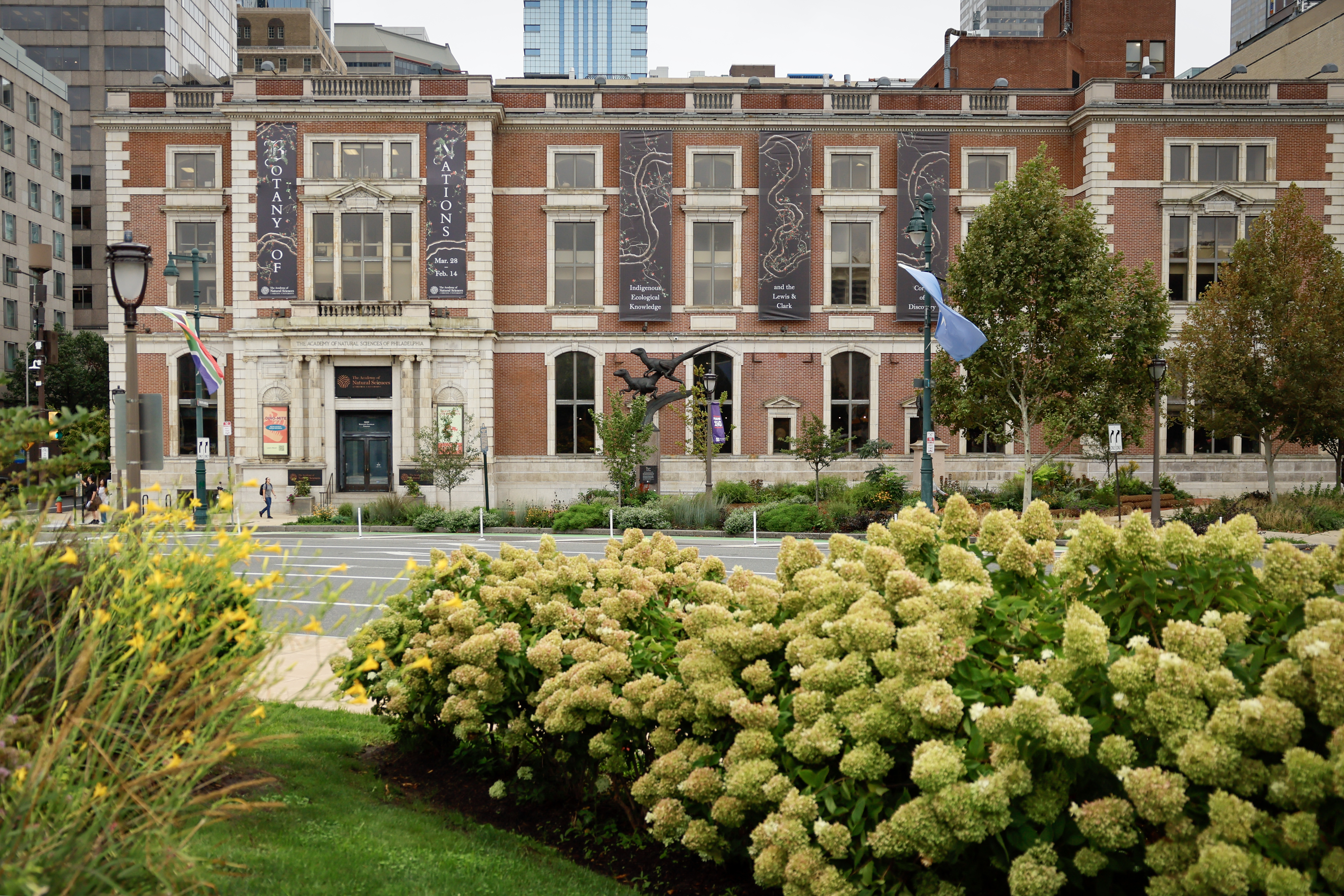
    The Academy of Natural Sciences on the Parkway, Aug. 5, 2026.Allie Ippolito / For The Inquirer

    The Academy’s affiliation with Drexel is 15 years old. It announced a partnership agreement with Drexel in 2011 that blended the two organizations somewhat, but stopped short of being a full merger. The two groups maintain separate boards.

    According to a 2013 Drexel audit, the 2011 affiliation agreement between the two institutions stated that the Academy would retain its status as separate nonprofit organization, but that as of September 2012 it would become a Drexel subsidiary owned 100% by the university.

    A Drexel spokesperson said in April that the school had “invested a substantial amount annually in the Academy to maintain access to the Academy’s collections while we worked with the Academy and the community to identify a sustainable path to keep this resource in Philadelphia.”

    Cooper was named the Academy’s leader in 2017 after serving as vice president of collections, knowledge and engagement at the Royal British Columbia Museum in Victoria, Canada. Before that, he was director of museums at the Qatar Foundation in Doha, Qatar.

    Under his leadership, the Academy “renewed its public and scientific mission,” Tuesday’s joint statement from Drexel and the Academy said. “It revitalized galleries, developed original exhibitions showcasing its collections and research, and advanced co-curatorial approaches that brought new voices into programs and interpretation.”

    Cooper, who will remain for a time as a consultant to the Academy, was not available for comment, a spokesperson said.

    “We’re sorry he’s leaving, but understand his decision,” said Biemiller.

    “It’s a competitive world that museums inhabit, and people make choices every single day,” Cooper told the Inquirer after his 2017 announcement. “We need to ensure that when they come to the Academy they are getting a reward for their investment of time.”

  • This Manayunk company creates AI surveillance for 100 U.S. buildings, part of an evolving Philly start-up scene

    This Manayunk company creates AI surveillance for 100 U.S. buildings, part of an evolving Philly start-up scene

    The people who built 3.0 University Place, an eight-story lab and office complex that covers a landscaped block of West Philly, had a problem: During the biotech slump after their 2023 opening, security costs escalated faster than occupancy.

    “We had 80 Siemens cameras in there,” remotely monitored from a suburban surveillance office, and were “paying more than $150,000 a year for guard shifts,“ said Anthony Maher, the University Place Associates president.

    But the building’s New York owners were still getting midnight calls for nonevents. Meanwhile the human video watchers missed incidents of concern — the stranger who had taken to sleeping on a tenant’s canopy at night, the fired contractor who sneaked back into the building one weekend.

    Investors pressed them for a better way.

    Maher and his partner, Scott Mazo, went hunting for an artificial-intelligence solution — an AI-era automated security system to collect and analyze camera, physical, and human-observed surveillance data; rank threats; sort out false alarms; open or shut locks; and quickly notify law enforcement, emergency services, management and owners’ groups as needed.

    They rang an entrepreneur they’d met five years earlier at a Drexel University pitch meeting: Matias Klein, founder of Manayunk-based Kognition AI.

    Kognition specializes in what Klein calls “cyber-physical threat detection systems,” which link and analyze digital security video, activate remote locks and sensors, load key data into formulas matching clients’ priorities and requests, sort and share communications to alert the right people and agencies, and update responses based on results.

    “You hang the cameras; we network the building systems,” as Klein puts it.

    100 North American buildings

    At 3.0 University Place, “Matias’ system gave us full access to the best 25 cameras, every floor, all times,” said Maher. The system caught incidents, routed them to the right people, and suggested simpler warning paths.

    “They keep teaching us to manage the building, telling us, for example, about our people coming in when they didn’t really need to,” he said.

    It worked so well “we told the owners to take the security-guard line-item out of the budget,” though they still use guards on occasion. It helps that the building’s big new tenant is the city police forensics unit: “We have a lot of cops coming here,” Mazo added, laughing.

    More than 100 North American properties use Kognition AI, from Scotia Plaza, one of the largest office buildings in Toronto; to Pa.-based Benco Dental locations in several states.

    A growing sector

    Kognition, founded by Klein in 2017, was one of a handful of Philadelphia-area AI start-ups that presented to local investors at a June gathering. Investors included Osage Capital, MissionOG, and Susquehanna International Group’s SIG Growth Equity Fund.

    “The AI landscape is changing so fast, it’s hard to tell what will be supplanted in a few months,” said Ellen Weber, who runs Robin Hood Ventures, and attended the meeting.

    Robin Hood is a Philadelphia investors’ group whose members include start-up veterans. Members’ portfolio of local AI-dependent start-ups include Center City-based Deepwave, which makes laser weapons guidance systems for Air National Guard jets and other military projects; University City-based GreenIRR, which uses AI to speed carbon-emissions detection for truckers; and Proscia, which digitizes biotech images for fast diagnosis and pharmaceutical drug trials.

    Thomas P. Dwyer, a partner at the law firm Troutman Pepper Locke who organized the June meeting, said Philadelphia trails other AI hotbeds.

    “Philly has a lot of potential and opportunity here, especially if some of its larger companies get involved, as they do in Silicon Valley,” he said.

    AI, he noted, is still seen as a threat by many local companies. They worry, “Can someone armed with Claude overtake your business, duplicate your software, and compete with you immediately — without having to hire people?”

    And veteran investors are “gun shy” about AI profitability, he said.

    Which, he added, leaves opportunity to those investors who make the “leap of faith” to promising AI start-ups

    Operating on ‘the edge’

    “An AI product makes itself better” the more it is used, said Kognition AI founder Klein.

    Some of the best-known (and most-feared) AI image-and-data applications are based on giant AI companies’ mass sorting of millions of individuals’ information into ever-improving, readily searchable central databases at big new data centers — raising familiar privacy worries, as seen in the recent controversy over the alleged misuse of Flock digital camera data that police have used in attempting to quickly identify drivers.

    By contrast, Kognition is one of the firms that operates at the “edge” of big networks, Klein said in an interview at his firm’s Manayunk meeting space. “We don’t send customers’ data throughout our network, and we don’t preload that information,” he said. “We don’t flow data back to a central monitoring station.”

    Rather, the goal is “to give people control over the spaces where they live or work or worship, so they can get into a defensive posture fast, if they ever need to.” Custom, localized, focused solutions are “a big area of value creation” for AI start-ups, according to Klein.

    Customized experiences

    Kognition AI’s custom sharing limits and options are part of its appeal to Ravi Kalidindi. He was tasked by leaders of Bharatiya Temple, a Jain and Hindu religious congregation in Montgomery County, with setting up a system “that gave us control of our doors” without intimidating visitors or compromising members’ private information.

    Kalidindi turned to Kognition as a locally based provider.

    The system at Bharatiya starts with security cameras at the main entrance and stairways, integrated into a software and communications platform. “They check if our doors are closed. They tell us where there is human traffic. We can let the cleaning crew in without a key. It has mobile device control. It can even work on fobs,” Kalidindi said.

    Kognition also has capabilities the temple has not used: “It has a weapons-detection system we have not enabled. It has additional sensors that can ID what people are carrying. It can tell us if we are seeing an above-average or above-expected crowd, make a note of the faces of people who are entering for the first time, and trigger an alert.”

    There is a sense of user control of the AI systems that Kalidindi finds reassuring: ”We want to enhance the sense of security, that our facilities are being monitored, but also that everyone with good intent is allowed to enjoy the premises.”

  • Tower Health reported $8.5 million in operating profit for fiscal 2026

    Tower Health reported an $8.5 million operating profit in the year that ended June 30, compared to a $20.6 million loss the year before.

    The fiscal 2026 profit will be Tower’s first in eight years, if the result holds in its audited financial.

    In the Berks County nonprofit’s preliminary financial report to bond investors Friday, Tower management called the result “an important milestone in Tower Health’s ongoing journey toward sustained financial strength.”

    Recent moves by Tower to become financially stable included creating a clinical alliance with Jefferson Health, with the goal of bringing more advanced care to Tower’s markets, and laying off 160 workers — or 22% of the workforce — at Pottstown Hospital.

    In addition to Pottstown, Tower owns Phoenixville Hospital and Reading Hospital in West Reading, and half of St. Christopher’s Hospital for Children in North Philadelphia in a joint venture with Drexel University.

    Here are more details:

    Revenue: Tower reported a 2% increase in revenue, to $2.07 billion from $2.03 billion. Reading Hospital in West Reading logged an 11% increase in revenue, while the combined revenue of Phoenixville and Pottstown Hospitals fell 8%.

    Patient volumes: Pottstown saw an 11% decrease in hospital admissions, likely because Tower closed the hospital’s intensive care unit at the beginning of the this year. Phoenixville had a small gain of 0.7% in admissions, while Reading was flat. Total surgeries across the system were flat.

    Notable: A year ago, Tower reported a preliminary operating profit of $5.9 million for fiscal 2025, thanks to a gain on the sale of the former Brandywine Hospital. That would have been the system’s first profit in seven years, but it turned into a $20.6 million loss in Tower’s audited financial statements. Auditors from KPMG decided that Tower needed to boost medical malpractice reserves and give up on collecting millions owed by patients.

    In an email to The Inquirer, Tower CEO Michael Stern expressed confidence this year’s audit will uphold the preliminary result, giving Tower its first profitable year since 2017.