St. Hedwig’s, which served Chester’s Polish Catholic community for generations, is officially no longer a church. And some of the former parish’s buildings may soon become multifamily housing.
Philadelphia Archbishop Nelson J. Pérez last week issued a decree approving the “relegation” of the building to “profane but not sordid use effective January 1, 2026.”
In other words, the building will “no longer be designated as a Roman Catholic church,” according to a Sunday announcement from the archdiocese.
Pérez’s decree merely capped off a process that had been in the works for years.
In the early 1990s, amid decreasing attendance, the archdiocese merged several Delaware County parishes. St. Hedwig’s became a part of Clifton Heights’ Sacred Heart Parish, which also serves the Polish community, and its building became a place of worship under the care of Sacred Heart.
That marked the official end of the parish, which was established in 1902 and was named after Hedwig of Silesia, a 13th-century duchess of Greater Poland.
But financial pressures — including an estimated $60,000 repair for a failed boiler — and pastoral challenges continued to mount, and church officials moved to unload the historic property.
“While those worshipping at Saint Hedwig’s had been contributing generously for the upkeep of their church, their donations proved insufficient for the church’s ongoing maintenance needs,” the archdiocese said Sunday. “Multiple repairs have been financed by Sacred Heart Parish, which itself faced an operating deficit in 2024.”
The final Mass was held in 2023.
“For 121 years, St. Hedwig’s has been there to serve the Polish people,” the church announced in a Facebook post at the time. “We have celebrated baptisms, communions, confirmations, marriages, and ultimately funerals. We have been forever faithful.”
A parishioner at the time lamented the demise of a church that had served the area’s Polish community for more than a century.
“We sing in Polish and pray in Polish and we still have a very tight-knit community that maintains this church,” Judy Kuchinski of Chester told 6abc.
The archdiocese in January sold a property across the street from the church that included a former school, rectory, and convent to a group of real estate investors, according to Delaware County records.
“While the sale of property adjacent to Saint Hedwig Church in January 2025 provided additional capital to Sacred Heart, this money will be needed to help offset the regular deficits that accrue in financing parish operations,” the archdiocese said Sunday.
Mario Rivello, a multifamily housing developer who has done other work in Chester, is leading the project.
“We’re very active in that city, and this may be a property that we further develop based on approval process,” Rivello said in an interview Sunday.
Rivello said the investors’ goal is to convert the buildings into multifamily housing, which he said is “our expertise.” They have no plans to demolish the buildings, he said.
“We’d rather not,” Rivello said. “The archdiocese — the bones of the buildings that they sell — usually these properties are in good condition or they’re well-built.”
The archdiocese did not immediately respond to a request for comment.
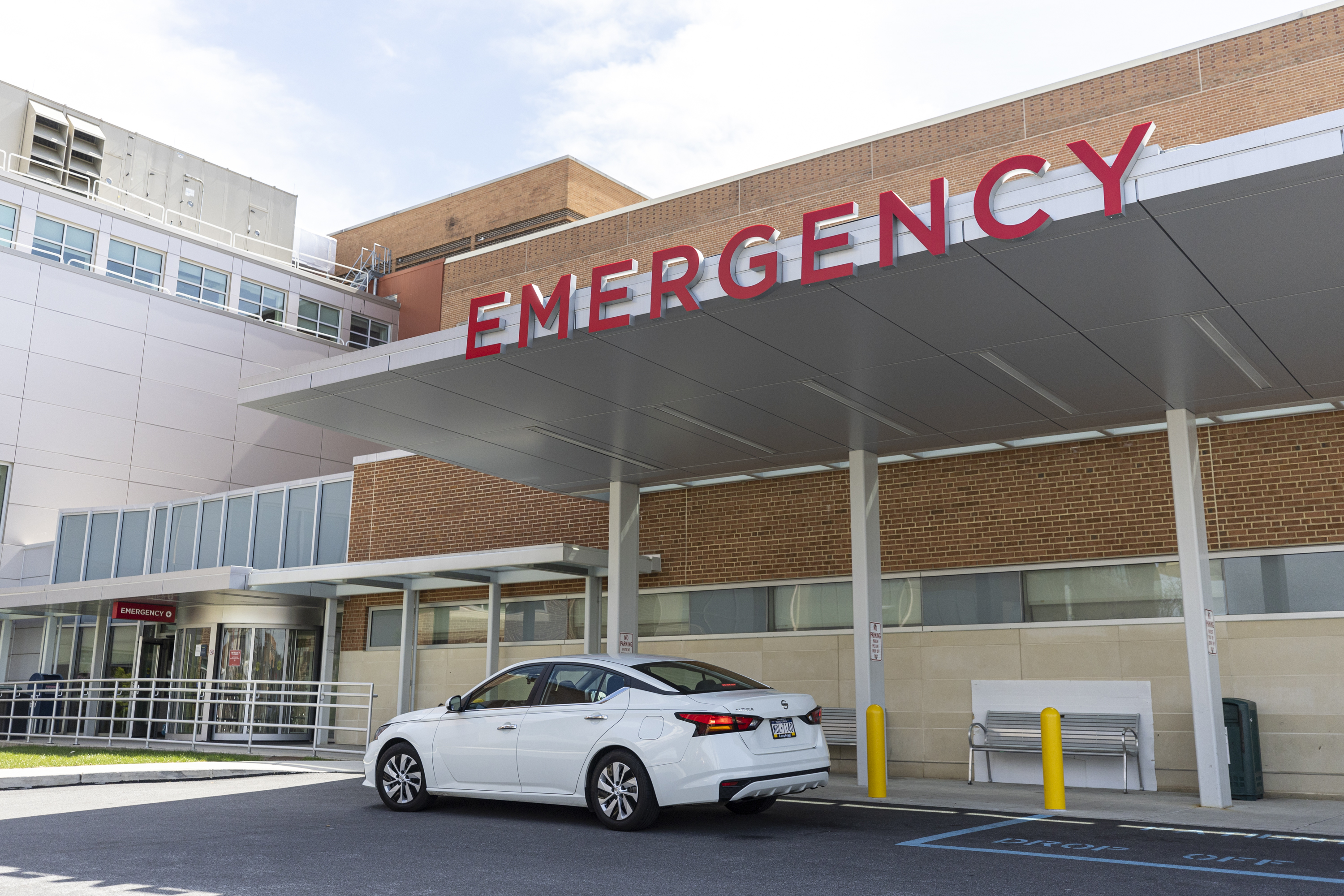
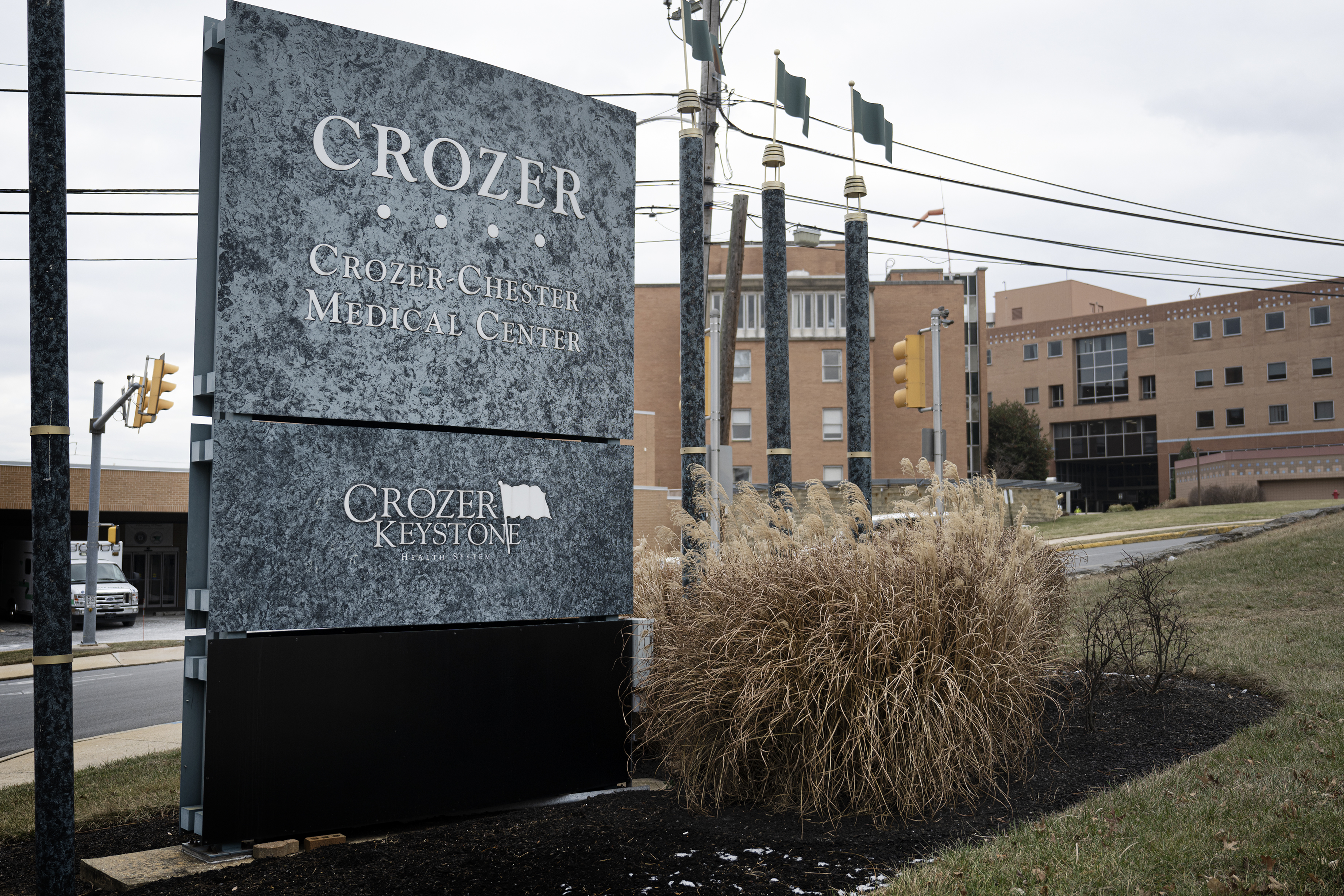
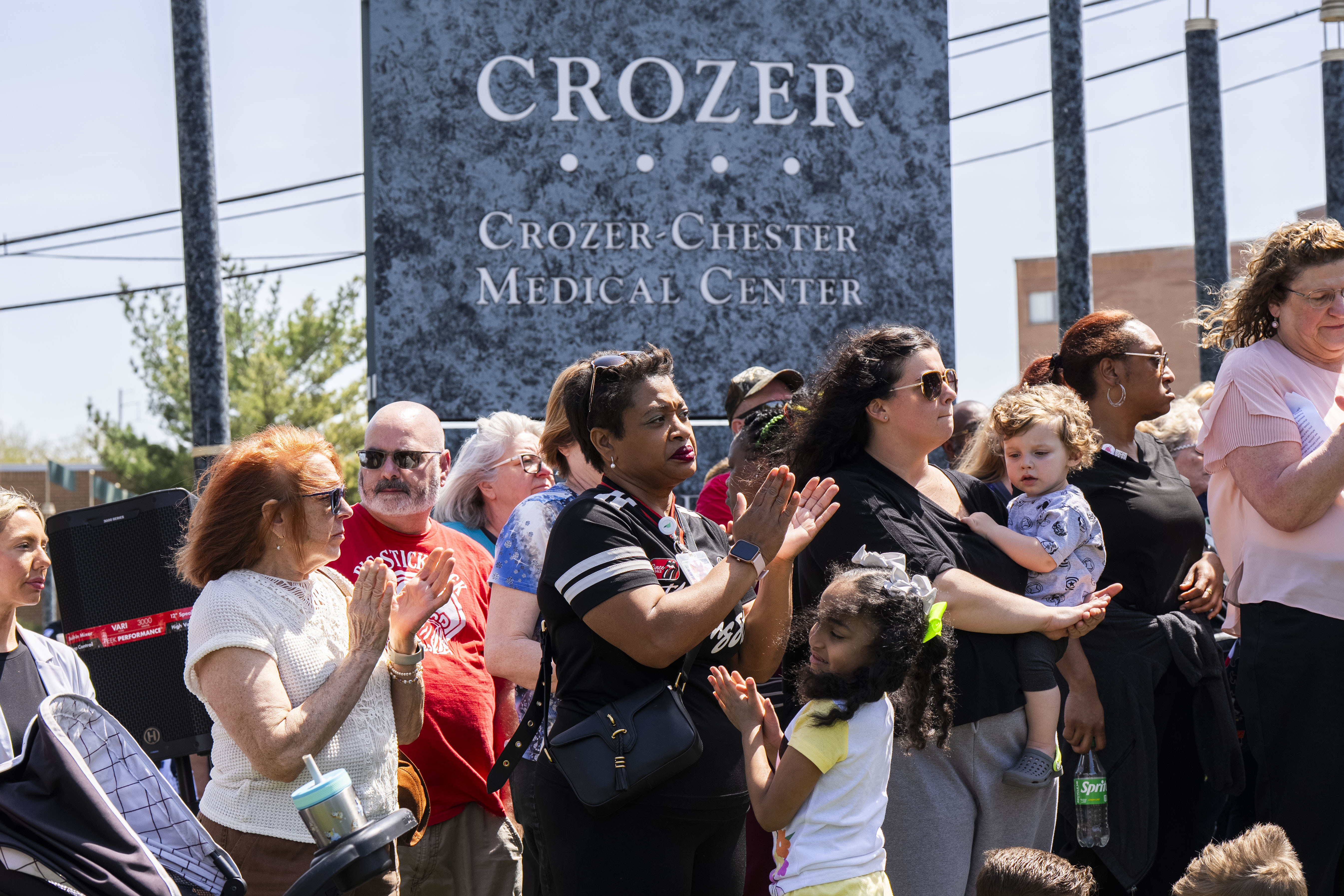
Pennsylvania’s new budget has $5 million in supplemental payments for the two Delaware County Hospitals that have seen significant increases in patient volumes since Crozer-Chester Medical Center and Taylor Hospital closed in the spring.
Main Line Health’s Riddle Hospital, near Media, is getting $3 million. The amount for Trinity Health Mid-Atlantic’s Mercy Fitzgerald Hospital, in Darby, is $2 million, according to budget documents.
The $5 million will be doubled by a federal match, said Democratic State Sen. Tim Kearney, who represents part of Delaware County. The $5 million is from a fund used to help hospitals the serve a large number of patients with Medicaid and used to go to Crozer Health, Kearney said Friday.
“Since Crozer’s shutdown in April, Riddle’s Emergency Department has experienced an unprecedented surge — 46% more patients than the same period last year, an increase of nearly 4,000 overall,“ the nonprofit said.
Main Line, which also owns Lankenau Medical Center, Bryn Mawr Hospital, and Paoli Hospital, said it has seen 55,000 patients from the Crozer market — a 15% increase over the same time period last year. That figure includes 8,000 patients who went to a Main Line facility for the first time, the health system said.
Trinity Health did not respond to a request for comment.
Shuttered hospitals in limbo
While Riddle and Mercy Fitzgerald have scrambled to accommodate patients who used to rely on Crozer Health, efforts are underway to bring healthcare services back to at least Taylor Hospital in Ridley.
A group from New Jersey called Chariot Allaire Partners LLC has agreed to pay $10 million for the former Crozer-Chester Medical Center in Upland but has not disclosed its plans. That facility served as a key safety provider for a low-income area of Delaware County.
A partnership of Restorative Health Foundation and Syan Investments won an auction for Springfield Hospital for $3 million, but it does not have support from township officials.
Delaware County legislators also obtained $1 million from the state to buy emergency department equipment if one of the closed hospitals, such as Taylor, reopens, Kearney said.
Editor’s note: This story has been updated with additional detail on the funding.
This suburban content is produced with support from the Leslie Miller and Richard Worley Foundation and The Lenfest Institute for Journalism. Editorial content is created independently of the project donors. Gifts to support The Inquirer’s high-impact journalism can be made at inquirer.com/donate. A list of Lenfest Institute donors can be found at lenfestinstitute.org/supporters.
CHESTER — Like a Ben Franklin impersonator waving at Independence Hall and the Liberty Bell, tour guide B. Preston Lyles directed the tour group’s attention to various landmarks as they passed by.
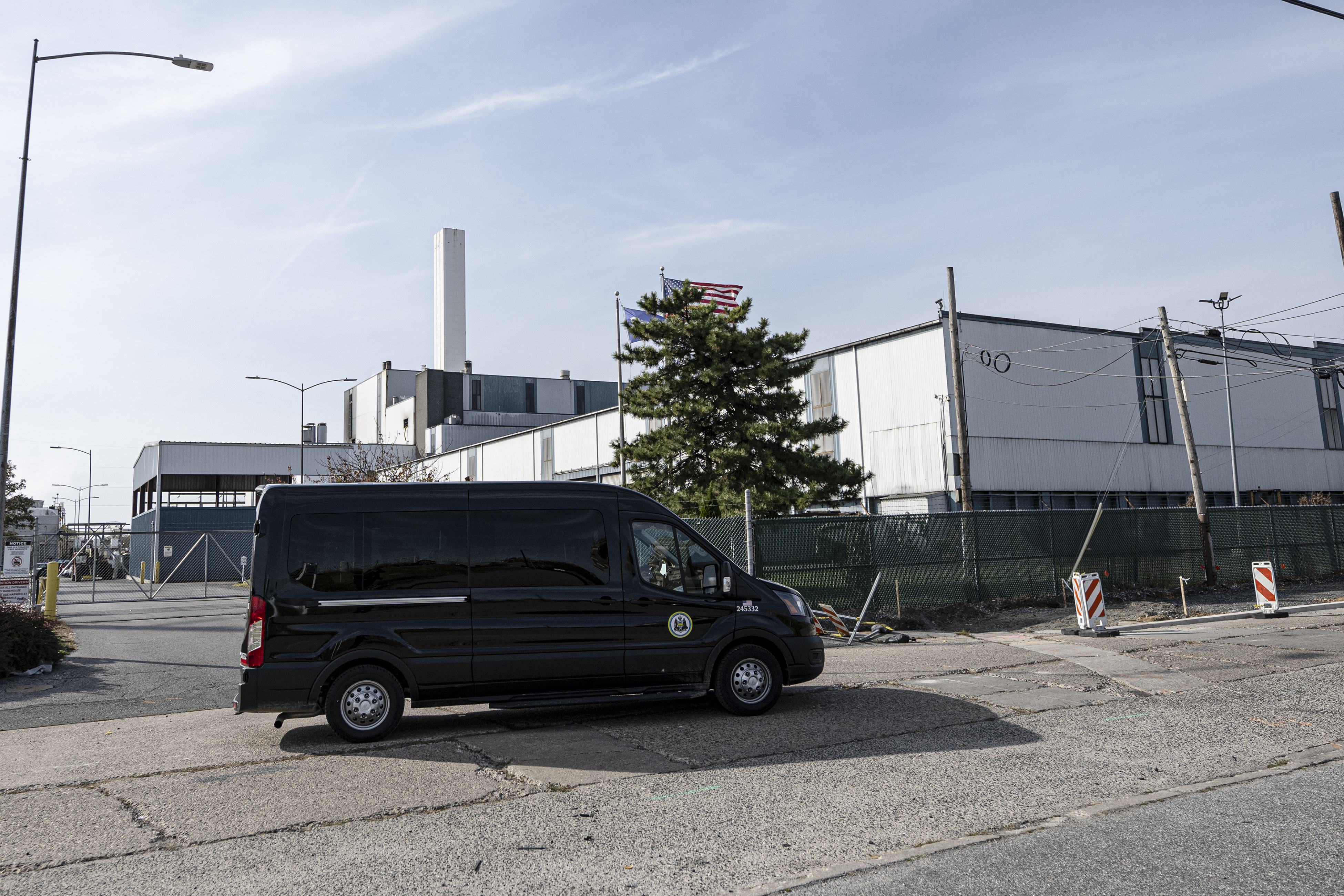
But instead of highlighting monuments that made locals swell with pride, Lyles was pointing to sites he said made thepeople of Chester get sick and die younger: power plants, an oil refinery, a sewage sludge-burning facility, and — most relevantly for Friday’s group — the Reworld trash incinerator, the destination for about a third of the rubbish collected by Philadelphia’s city government.
“Chester City is known as one of the nation’s worst cases of environmental racism,” Lyles, an organizer for Delco Environmental Justice, told the group, referring to the concentration of polluting industries in Black and brown communities. “It is not just because the city holds the nation’s largest waste incinerator, but due to an extreme concentration of toxic industries in and adjacent to such a small city.”
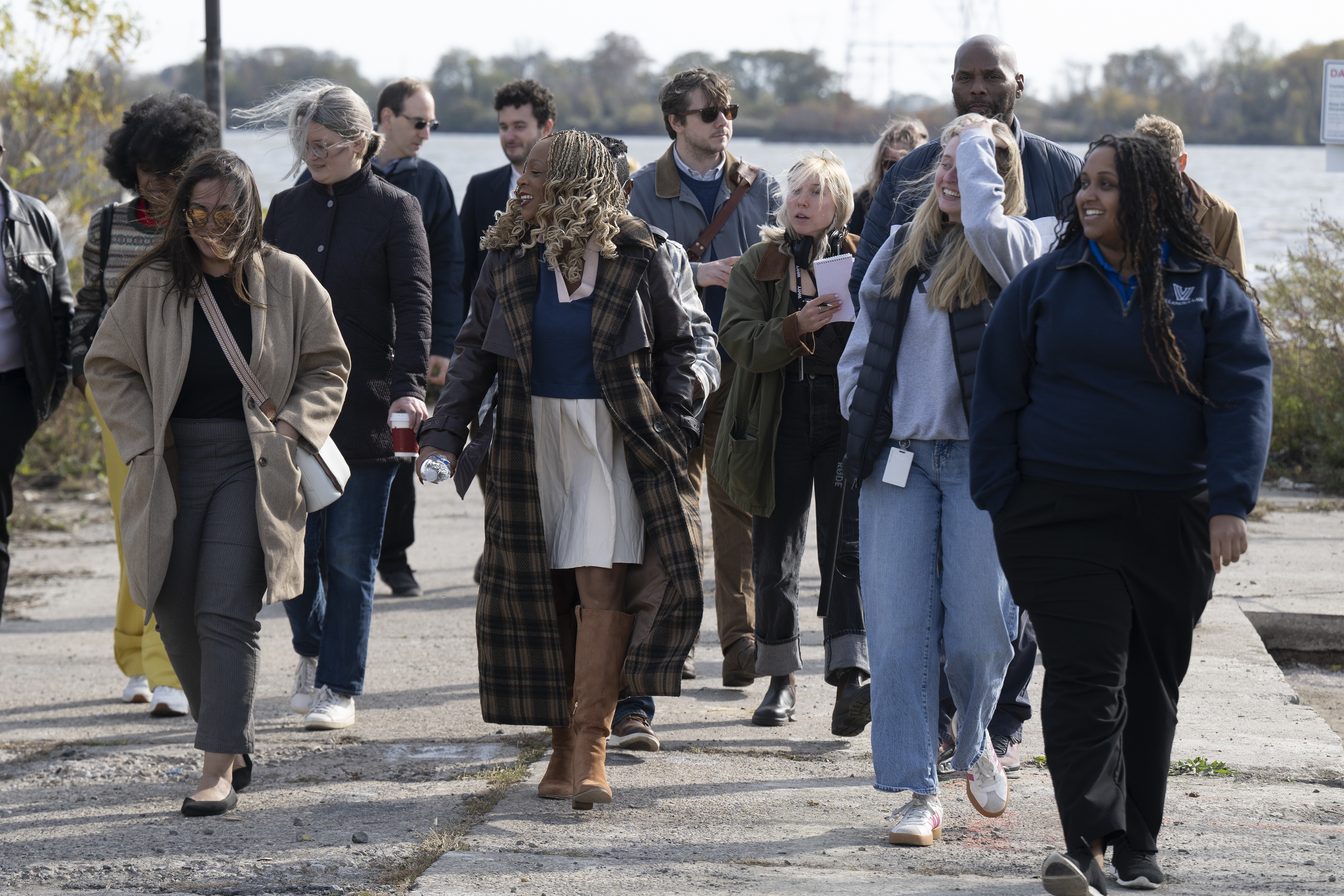
Philadelphia Councilmember Jamie Gauthier tours Chester to discuss her “Stop Trashing Our Air Act,” which would ban the city from incinerating waste, during a visit with lawmakers and staff in Chester, Pa., on Friday, Nov. 7, 2025.Jose F. Moreno / Staff Photographer
“From a justice and fairness perspective, it just seems so wrong to me and so obvious,” said Gauthier, who was joined on the tour by Councilmember Kendra Brooks and staffers for other lawmakers. “Seeing the incinerator on the waterfront and all of these other dirty uses and the abandoned homes, that made me want to do this more, because it’s wrong. It’s wrong that people should be loaded down with all these toxic uses.”
Reworld in 2024 burned more than 355,000 tons of trash collected by the city. Its contract with Philadelphia ends in June 2026.
Gauthier has introduced a bill, the Stop Trashing Our Air Act, that would prohibit the city from incinerating trash, and Council’s Committee on the Environment, which she chairs, will likely hold a hearing on it this fall.
Reworld spokesperson Linda Ribakusky said the company is a “leading sustainable waste solutions provider.” The Chester facility, she said, offers “a more sustainable alternative to landfilling by converting waste into renewable energy and recovering valuable metals that would otherwise be lost.”
“The Reworld Delaware Valley facility helps reduce greenhouse gases by avoiding landfill methane and generates enough clean electricity to power more than 50,000 local homes each year,” Ribakusky said in a statement. “We are proud to be an active part of the Chester community. Working alongside local schools, nonprofits, neighbors, and community organizations, we support initiatives that create real impact.”
‘Now is the time’
The Philadelphia Sanitation Department collects and disposes of about half of the city’s waste, said Michael Ewall, founder of the Philly-based Energy Justice Network. The other half is handled by private haulers hired by businesses and owners of larger residential properties.
Under its contract, Reworld takes one-third of the municipally collected trash to the Chester incinerator, which the company says produces about 87 megawatts of electricity, enough to power 52,000 homes, while burning the waste. WM, which operates a major landfill in Bucks County’s Falls Township, takes the other two-thirds.
When the most recent contracts were signed in 2019, the city agreed to pay roughly $65 per ton of trash to both Reworld, which was then known as Covanta, and WM, formerly Waste Management.
Gauthier said she has had constructive conversations with Mayor Cherelle L. Parker’s administration about eliminating incineration from the city’s waste management operations, and is hopeful the city will include environmental justice concerns in its request for proposals for the new contracts.
Parker’s office did not respond to a request for comment.
The Chester incinerator provided a flashpoint in the 2023 mayoral election, which Parker won. During a debate, a moderator asked candidate Jeff Brown about the incinerator, prompting Brown to say, in part, “The trash has to go somewhere.”
In a debate performance that was key to her rise and Brown’s downfall in the race, Parker was among the candidates who pounced on the soon-to-be-infamous comment.
Top candidates for the Philadelphia mayor seat former City Council Member Cherelle Parker, left, Former City Council Member Derek Green, and businessman Jeff Brown, during a televised debate at the Temple performing arts center in Philadelphia, Pa. Tuesday, April 11, 2023.Jose F. Moreno / Staff Photographer
During the debate, however, Parker was not asked directly if she would commit to ending the city’s contract with Reworld.
“I was enthused to hear our mayor speak about this on the campaign trail,” Gauthier said. “I hope we all want to do the right thing. Now is the time to show that.”
Environmental advocates contend that neither landfills nor incinerators are good for the environment and urge municipalities to focus on reducing waste in the first place. For instance, Ewall, who developed a policy platform called the Zero Waste Hierarchy, pointed out that thousands of communities now charge residents for each bag of trash just as utilities charge for each gallon of water or kilowatt of electricity.
But for the “residuals” that do need to be collected, advocates have generally coalesced around the conclusion that incineration is more harmful than landfilling, Ewall said.
Delaware County, which adopted a Zero Waste Plan in September, commissioned a 2021 study that found incineration was the costliest of its waste-disposal options, from both a health perspective and a financial one.
The county determined that each ton of trash burned at the incinerator produced $234 to $337 in health and environmental costs. The impact from landfilling, meanwhile, was $144 per ton.
‘Reverse the environmental tragedy’
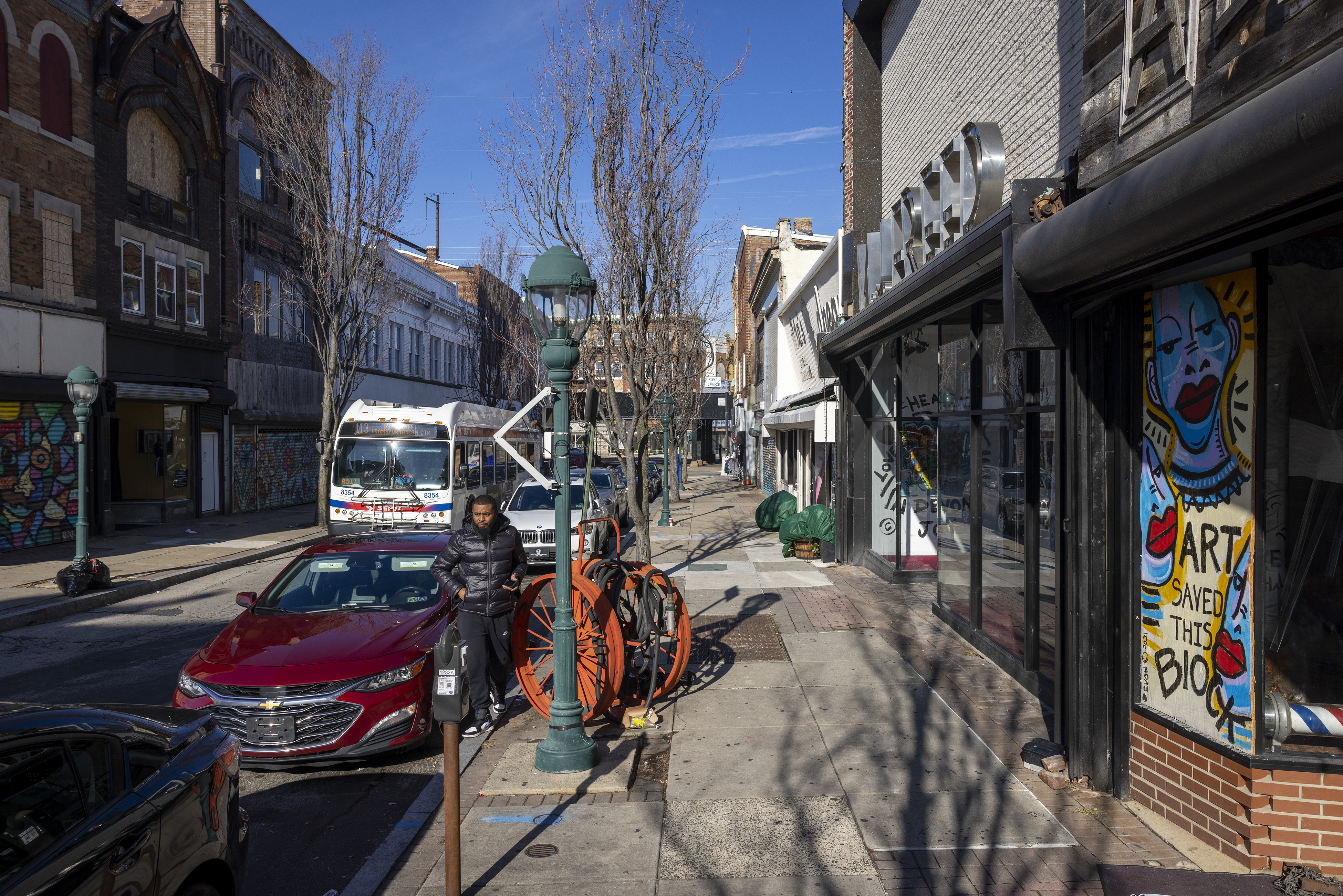
Founded by William Penn, Chester is the oldest city in Pennsylvania. But over the last century, it has become a hub for some of the region’s least-wanted uses, including polluting manufacturers, fossil fuel facilities, a state prison, and, since the early 1990s, the incinerator. About 69% of Chester’s 33,000 residents are Black, and 31% live below the federal poverty line.
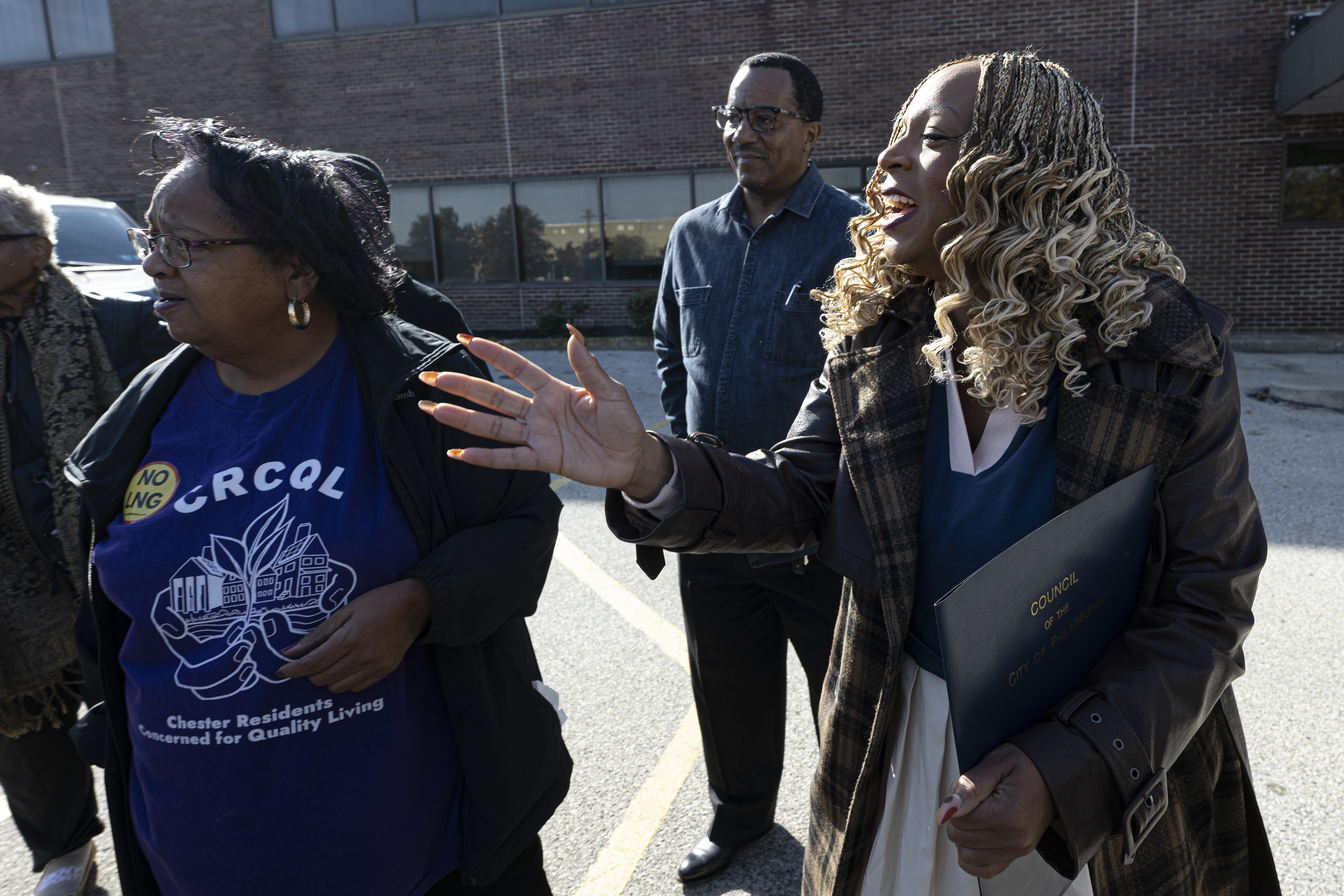
“We hope that Philadelphia is listening in a strong way … as we attempt to reverse the environmental tragedy that has occurred here in the last 3½ decades due to the incineration of trash,” Chester Mayor Stefan Roots said Friday. “It’s an old technology, and it’s time for it to go. Especially in a community like Chester that’s looking to develop, it’s one of our biggest impediments.”
Chester resident Zulene Mayfield, left, Philadelphia Councilmember Jamie Gauthier, right, and Chester Mayor Stefan Roots meet to discuss Gauthier’s “Stop Trashing Our Air Act,” which would ban the city from incinerating waste, during a visit with lawmakers and staff in Chester, Pa., on Friday, Nov. 7, 2025.Jose F. Moreno / Staff Photographer
About 31% of the trash the incinerator burned in 2024 comes from Philly, with Delaware County accounting for 28% and New York City 26%.
During the tour, Lyles explained how environmental racism can occur even if decision-makers are not consciously prejudiced against certain communities, because wealthier areas often organize to prevent polluting industries in their backyards.
“In the late 1990s, there were about 60 proposals for new gas-fired power plants in PA. Only 16 of them were built,” he said. “Most of them faced a stiff opposition from community groups in suburban and rural areas, but those on either side of Chester went in with no organized opposition.”
The final stop on the tour was a row of boarded-up and dilapidated homes along a railroad used for industrial purposes near the edge of the incinerator property. The homes started emptying out in the early 2000s, Ewall said, and the last was abandoned a few years ago.
He recalled meeting one of the last residents to leave.
“She had six grandchildren. She lived with her granddaughter, around 14, and one of the times I met her, had an oxygen tank that she would carry around with her just to be able to breathe,” Ewall said. “They just kind of disappeared one day, and I saw a boarded house.”
Chester Mayor Stefan Roots came up withan idea as he waited to testify Wednesday during a Pennsylvania legislative committee hearing on a proposed gas export terminal.
“I’m introducing a new initiative,” he said, “WMO — we’ve moved on .… This dangerous facility does not belong in a densely populated urban area like Chester. I’m calling on this committee to do the right thing: Protect some of the most vulnerable people in this commonwealth and say no to an LNG terminal in this region.”
Roots spoke in response to a yearslong plan by Penn LNG to build a liquefied natural gas (LNG) export terminal in Chester or nearby in southeastern Pennsylvania along the Delaware River. The terminal would tap in to an existing pipeline to carry gas from the Marcellus and Utica formations to a site on the river. There, it would be compressed into liquid gas for export and capitalize on soaring global demand for LNG after Russian’s invasion of Ukraine.
The hearing, held by the Pennsylvania House Environmental & Natural Resource Protection Committee, was stacked with opponents of the plan, saying it would create pollution and be highly dangerous to surrounding communities. Democratic State Rep. Greg Vitale, the committee chair from Delaware County, said proponents, including Franc James, CEO of Penn LNG, and union leaders were invited but declined.
Penn LNG has not specified a location but has said it plans to develop a new plant to export 1 billion cubic feet per day of gas from the Marcellus Shale to Europe.
At previous hearings held by Republican State Rep. Martina White, chair of the Philadelphia LNG Export Task Force, proponents spoke of the economic change the facility would bring, including jobs.
Vitale said he convened Wednesday’s hearing because he feared the project would “proceed under the radar without sufficient public scrutiny.”
Indeed, the mood Wednesday was strikingly different from past hearings as opponents told legislators an LNG facility would pose serious health, safety, and environmental justice issues.
In 2024, former President Joe Biden put a pause on LNG export approvals in 2024 to further study the issue. This year President Donald Trump has made reviving fossil fuel energy projects a priority.
Reuters reported in June that James, the Penn LNG CEO, had met with officials at the White House over the project.
Penn LNG wants to export 7.2 million tons a year of LNG from a site near Philadelphia to markets in Europe and Asia and is considering several locations other than Chester, such as in Trainer, Marcus Hook, and Eddystone, the news service reported.
What are the issues regarding an LNG facility?
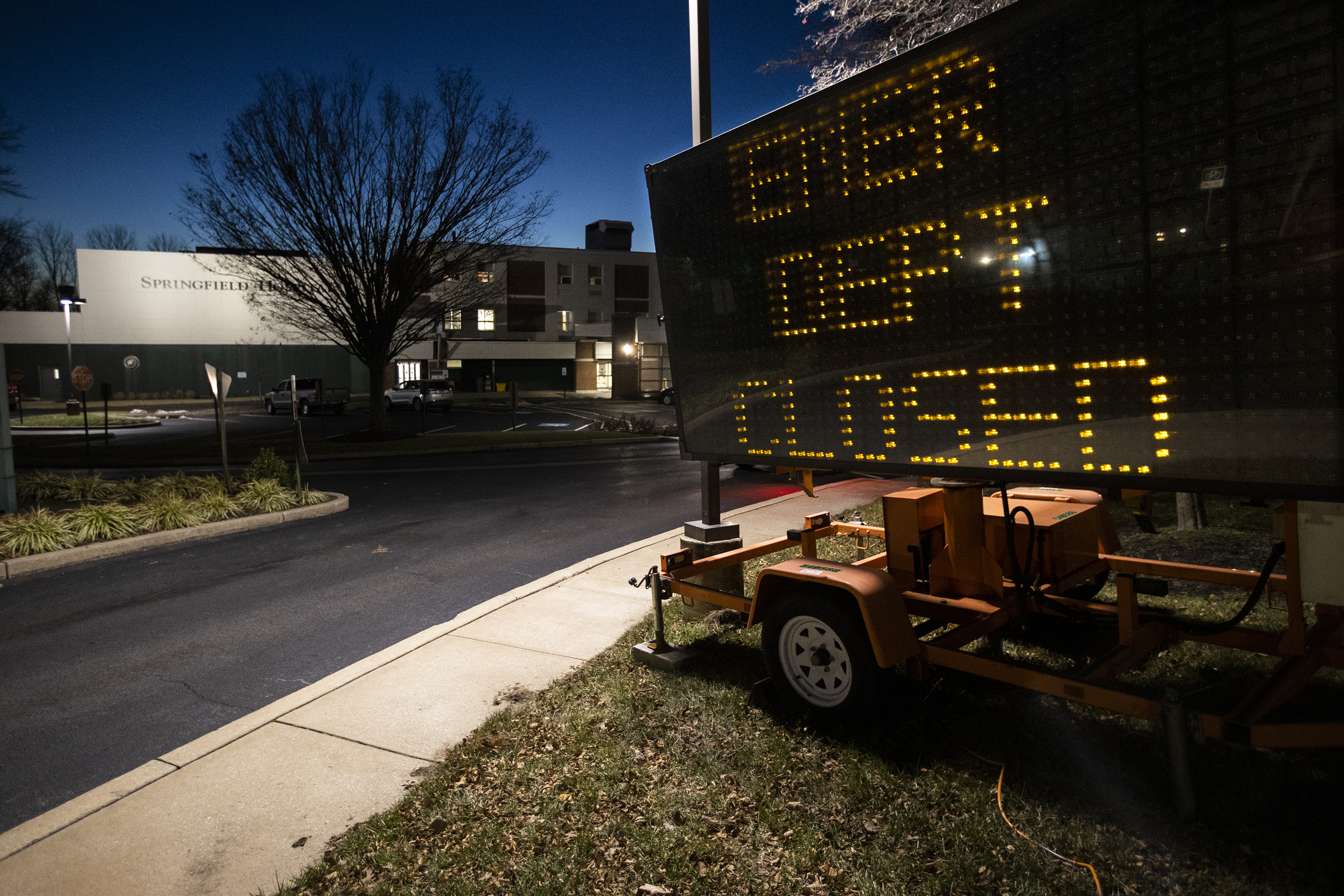
Opponents believe such a facility would pose a major threat if there is an explosion or fire in an area already densely populated with people and polluting industrial sites. They noted that Delaware County’s Crozer-Chester Medical Center and Springfield Hospital were closed this year amid a bankruptcy auction.
If there is a catastrophic explosion, they said, the nearest hospital would be 30 minutes away.
Tracy Carluccio, an advocate with the nonprofit Delaware Riverkeeper Network, said the area is too densely populated for the facility, emphasizing that a major concern is the lack of a sufficient safety buffer, which the federal government advises for LNG terminals.
She noted that similar facilities in the South are situated in areas with thousands of acres of buffer. She said a new site in the area would likely be around 100 acres.
“There is no location within the Delaware River watershed, including the bay all the way down to the ocean, for any LNG facility to be located,” Carluccio said.
Lauren Minsky, a visiting professor of health studies at Haverford College, said an LNG facility would exacerbate existing public health issues in the region.
She said southeastern Delaware County has already been given a grade of “F” for particle pollution and a grade of “D” for ozone levels by the American Lung Association.
She cited 2025 research by Johns Hopkins Universityshowing that high levels of volatile organic compounds have been measured in communities near the fence lines of LNG facilities. She also said there are elevated cancer rates in adults living in the area’s riverfront communities, citing the People’s Cancer Incidence Screening Tool, which calculates average annual cancer incidence rates in Pennsylvania.
“If we value the health of our families, our friends and neighbors, and throughout the commonwealth, we need to build a different future, one in which we can all thrive,” she said.
Already industrialized
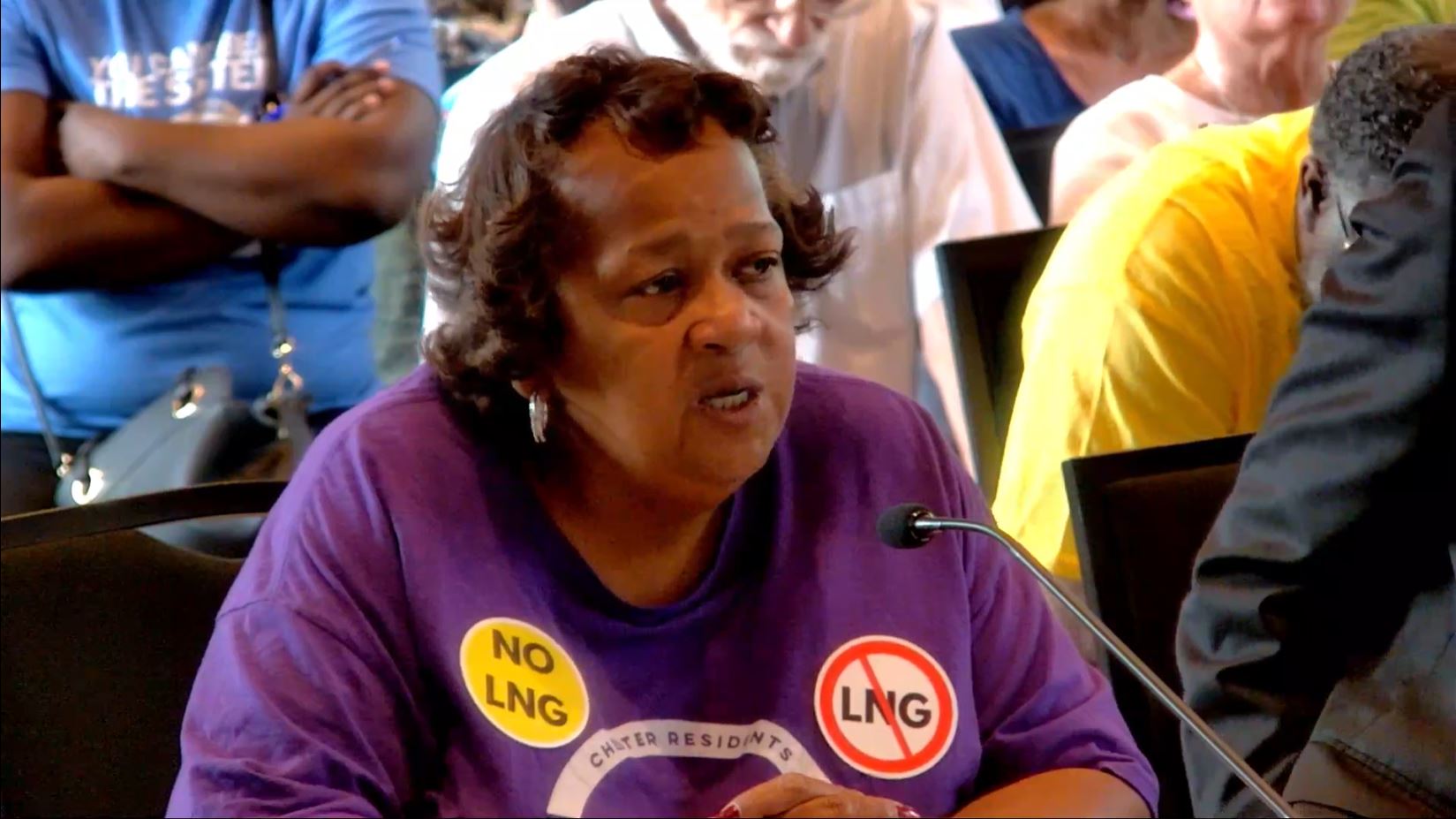
Zulene Mayfield, an activist with Chester Residents Concerned for Quality Living, said older residents she knows have suffered heart conditions and cancers that she links to living in an already heavily industrialized area.
Mayfield is a longtime opponent of the Delaware Valley Resource Recovery Facility owned by Reworld, formerly Covanta. The facility burns trash and converts it to energy.
She said Chester, rimmed by heavy industry, lacks many things other communities take for granted, such as primary-care physicians or entertainment for children.
“We are being told that we have to accept other industries” that no other communities want, Mayfield said.
“I’m sitting here right now trying to contain my rage,” she said. “The jobs are temporary, but death is forever.”
Friday marks three weeks since the bankruptcy auction for Delaware County’s Crozer-Chester Medical Center and Springfield Hospital, and it’s not clear how much progress has been made.
Closing the sales depends in part on local authorities agreeing to tax deals that set the assessments at the transaction prices of $10 million and $3 million, respectively,for a limited period of time.
Upland Borough, which is home to much of Crozer-Chester, is working on a property tax agreement that will be filed in court, borough council president Christine Peterson said Thursday. “We anticipate that Upland Borough Council will take action in favor of that stipulation once it is complete,” she said.
A representative for Chester Upland School District did not respond to a request for comment Thursday.
If the school district also agrees to a tax resolution, a company called Chariot Allaire Partners LLC is clearto acquire the shuttered safety net hospital for $10 million.
Yoel Polack, who is principal of Chariot Equities and has been talking with local officials and prospective healthcare providers about plans forthe hospital, said last Tuesday that he expected to issue what he called a “comprehensive memo” on the property this week.
Polack said in an email Thursday that there was still no update, but he is hoping to have something in the next few weeks.
The backup bidder for Crozer-Chester is the same group that won the auction for Springfield. The auction led to Chariot increasing its offer by $3 million.
Both facilities are owned byProspect Medical Holdings, whose next bankruptcy hearing is scheduled for Tuesday. Items to be considered include Springfield Township’s lawsuit aiming to force Prospect to improve safety on the hospital campus that it closed in 2022.
Bankruptcy Judge Stacey Jernigan granted a temporary injunction blocking Springfield from taking any action against California-basedProspect.
Another topic is a proposed $1.5 million settlement of a lawsuit filed on behalf of Crozer employees who did not receive 60 days notice before losing their jobs in April and May when Prospect closed Crozer-Chester Medical Center and Taylor Hospital, which has since been sold. Federal law requires employers to provide two months notice of layoffs.
A stalemate in Springfield
Lawyers for Prospect identified Restorative Health Foundation and Syan Investments as the auction winner with a $3 million bid. But it appears a tax agreement that would assess the Springfield property at the purchase price is nowhere near completion.
“The township has no interest in agreeing to a tax deal without having a better understanding of the buyer’s intended use of the site and whether it aligns with the township’s comprehensive plan,” spokesperson Pete Peterson said in an email.
A representative for the winning bidders, Aminah Shabazz Perez, told the Delaware County Times recently that the buyer was in talks with two health systems about moving into the hospital, but one of them told township officials that was not true, Peterson said.
“In addition, the township already did its due diligence prior to the bankruptcy auction and engaged in discussions with representatives of different health systems,” he said. ”There was no interest in the property due to the cost of improvements the facility would need.“
Attempts by The Inquirer to reach Shabazz Perez have not been successful. Prospect did not respond to request for comment on the property tax situation.
The Springfield School Board would also have to agree to a tax settlement, but has not voted “on any proposed resolution of the outstanding tax appeals or the tax assessments relating to the Springfield Hospital and parking garage properties,” the school board’s solicitor Mark Sereni said Wednesday.
The face value of the Springfield School District’s latest claim in bankruptcy court is $1.43 million. Under an abandonment order signed on Oct. 14 by Jernigan, the district would receive a general unsecured claim, which is not likely to be worth much.
If Prospect abandons Springfield and Crozer-Chester, the municipalities would have to foreclose on the properties to collect any of the money Prospect owes them.
As it approaches its third anniversary, the City of Chester’s historic and contentious bankruptcy also may be approaching a watershed.
In a filing Tuesday afternoon, the state-appointed bankruptcy receiver asked Commonwealth Court to rule on an issue pivotal to the city’s ability to sell water assets that are keys to Chester’s emergence from bankruptcy.
Receiver Vijay Kapoor argued that a narrowly tailored state law passed in 2012 that wrested control of the Chester Water Authority from city government was unconstitutional.
If the judge finds in the receiver’s favor, “It would likely resolve a lot of the legal questions,” Kapoor said.
The water authority, which serves 46 towns in Chester and Delaware Counties and reported $51.7 million in revenues last year, is the centerpiece of the receiver’s plans of creating a regional water authority. Aqua Pennsylvania offered over $400 million for the authority four years ago. The city’s annual budget is around $65 million.
The receiver’s office has insisted that an owner operate the water assets as a “public entity,” not beholden to stockholders.
Kapoor said that the state law transferring control of the authority was amended at the last minute and passed without debate.
Frank Catania, the water authority’s attorney, countered that the receiver’s office is attempting a hijacking and that the receiver and city officials are asking customers, 80% of whom are outside Chester, for a bailout.
“It’s not like they’re losing something they had,” he said. “They never had it “
Kapoor also asked the judge to force the authority to turn over financial documents to explain its 14% rate increase earlier this month, adding about $70 to the average annual residential bill.
He said the authority had undertaken a costly ad campaign, presumably at ratepayers’ expense, that he said appeared to include racial overtones.
The authority blamed the rate hikes on bankruptcy-related legal fees and lowered credit ratings.
“We’re a water utility,” Catania said, “and we’re also fighting a war.”
The law the receiver is challenging
In his filing, technically a bankruptcy “plan modification,” Kapoor said the 2012 legislation was crafted specifically to refer to the Chester Water Authority and was afoul of state law.
Rather than the five-member board appointed by the city council, it resulted in the creation of a nine-member board with only two representatives from the city and others appointed by Chester and Delaware County commissioners.
The law applied only to an authority that serves “parts of at least two counties” and services an area ”five times larger than the incorporating municipality.”
The authority also had to have “projects in more than two counties.” Part of the Octoraro Reservoir, from which the authority draws water, is in Lancaster County.
When will the bankruptcy end?
It was uncertain when the judge might rule, or when the bankruptcy — which as of the end of 2024 had cost the state $11.5 million in legal fees — might end.
The city, which is 80% Black, has been in the state’s “distressed” status since 1995 and entered receivership in 2020.
Kapoor’s predecessor, Michael Doweary, took it into bankruptcy in November 2022. Chester had accumulated a $48 million pension deficit and missed several years of payments.
Kapoor has said that sale of the water assets would be critical to avoiding dramatic cuts in retirement benefits.
Chester’s tax base has declined precipitously in the decades since the city’s wartime industrial heydays, and a casino and an incinerator are key contributors to its annual budget.
Other cities have suffered similar economic trauma, but Chester is a rarity. Of the more than 35,000 towns in the country, only about 30 have filed for bankruptcy.
For five glorious Sundays this summer, there was peace in Chester.
In places like the William Penn Homes and Chester Apartments, where children are often encouraged to stay indoors, shut away from the threat of gang violence, it was finally safe to play outside during the height of what is normally the most dangerous time of the year.
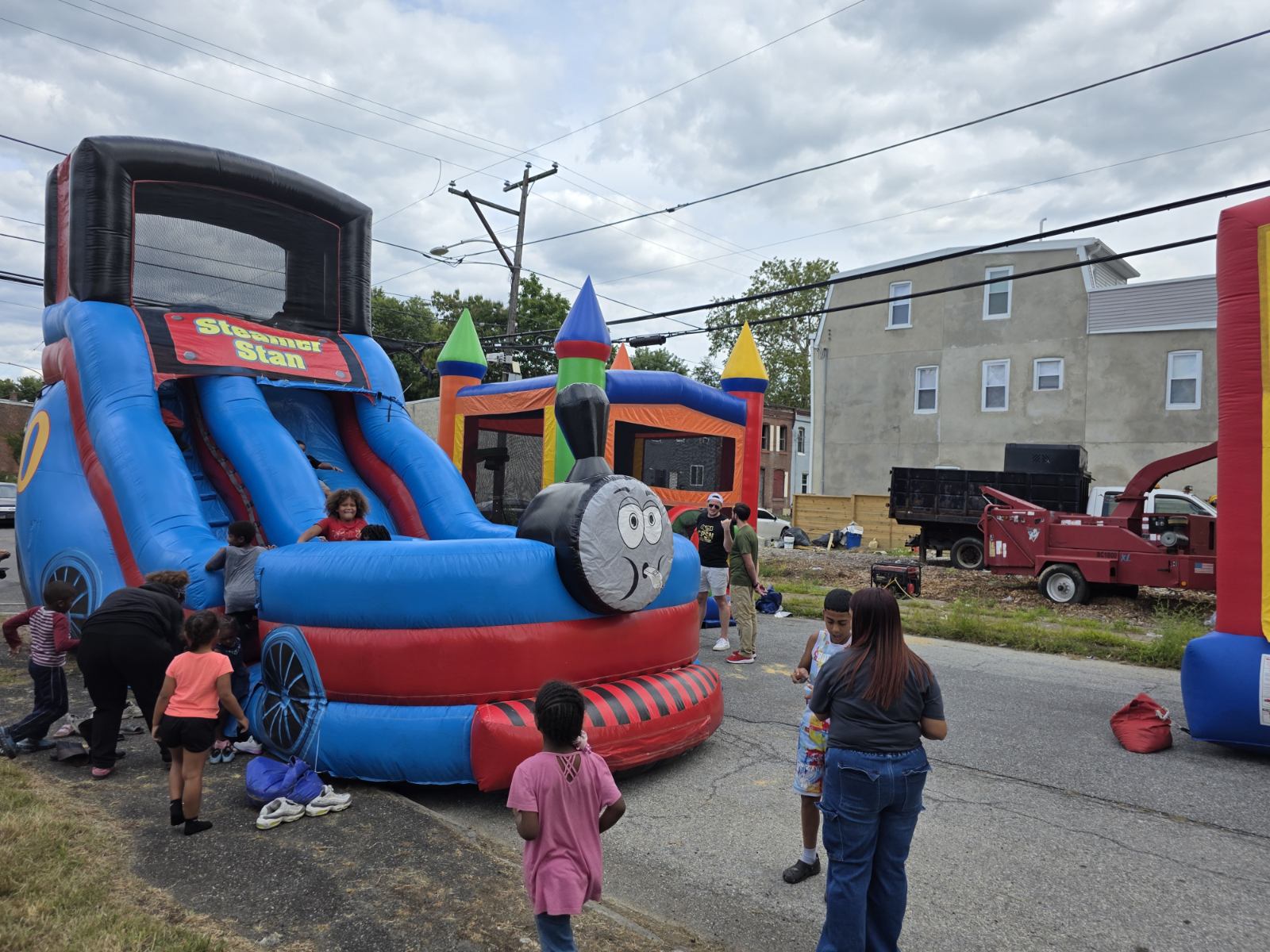
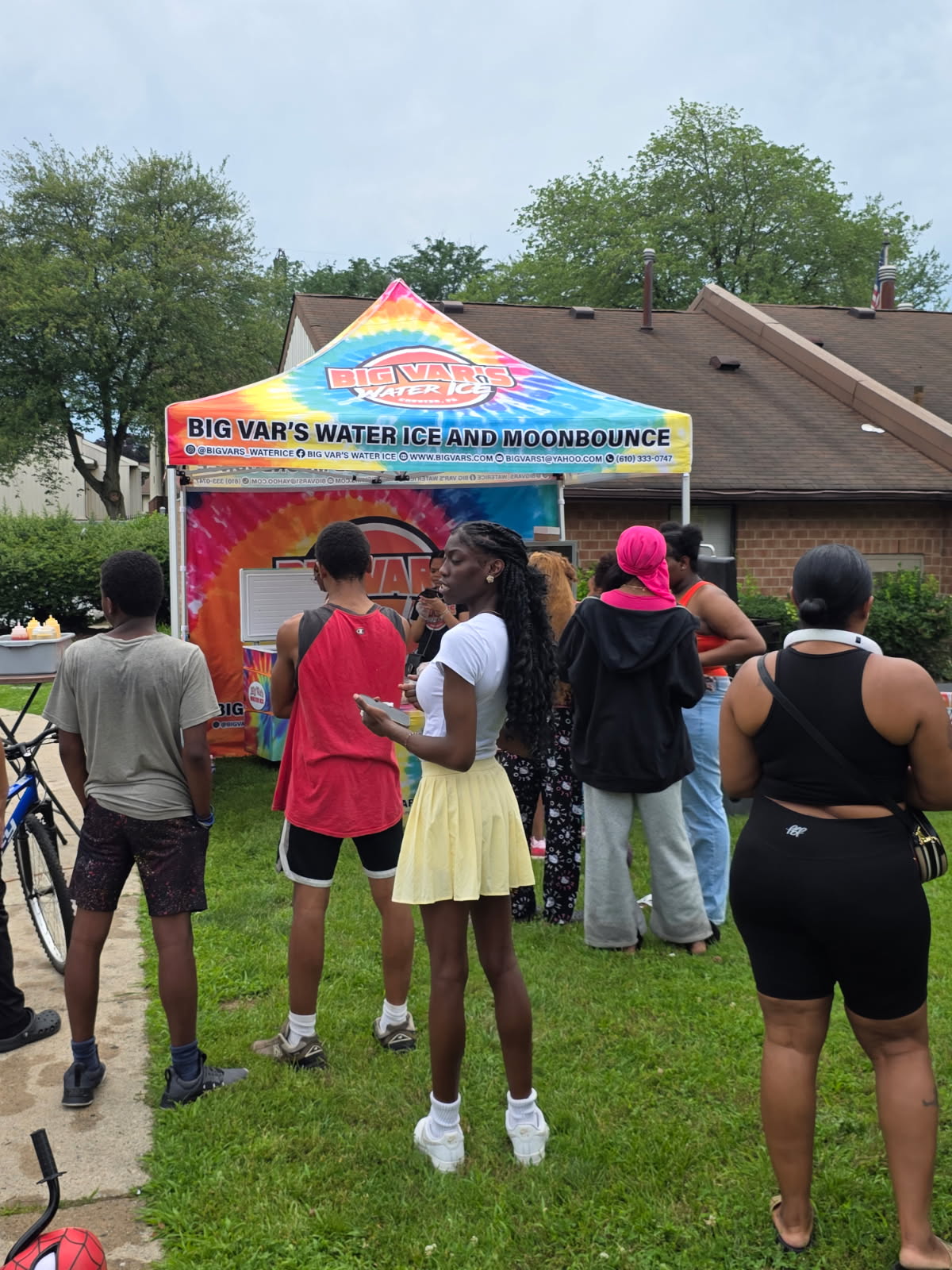
Roving carnivals nicknamed “Sunday Fun Days” were organized and held in Delaware County’s lone city, in areas that had weathered a surge in violence in recent years. A few bounce houses, some water ice, and communities breathing sighs of relief were rewards for keeping the peace, and motivation to continue that trend.
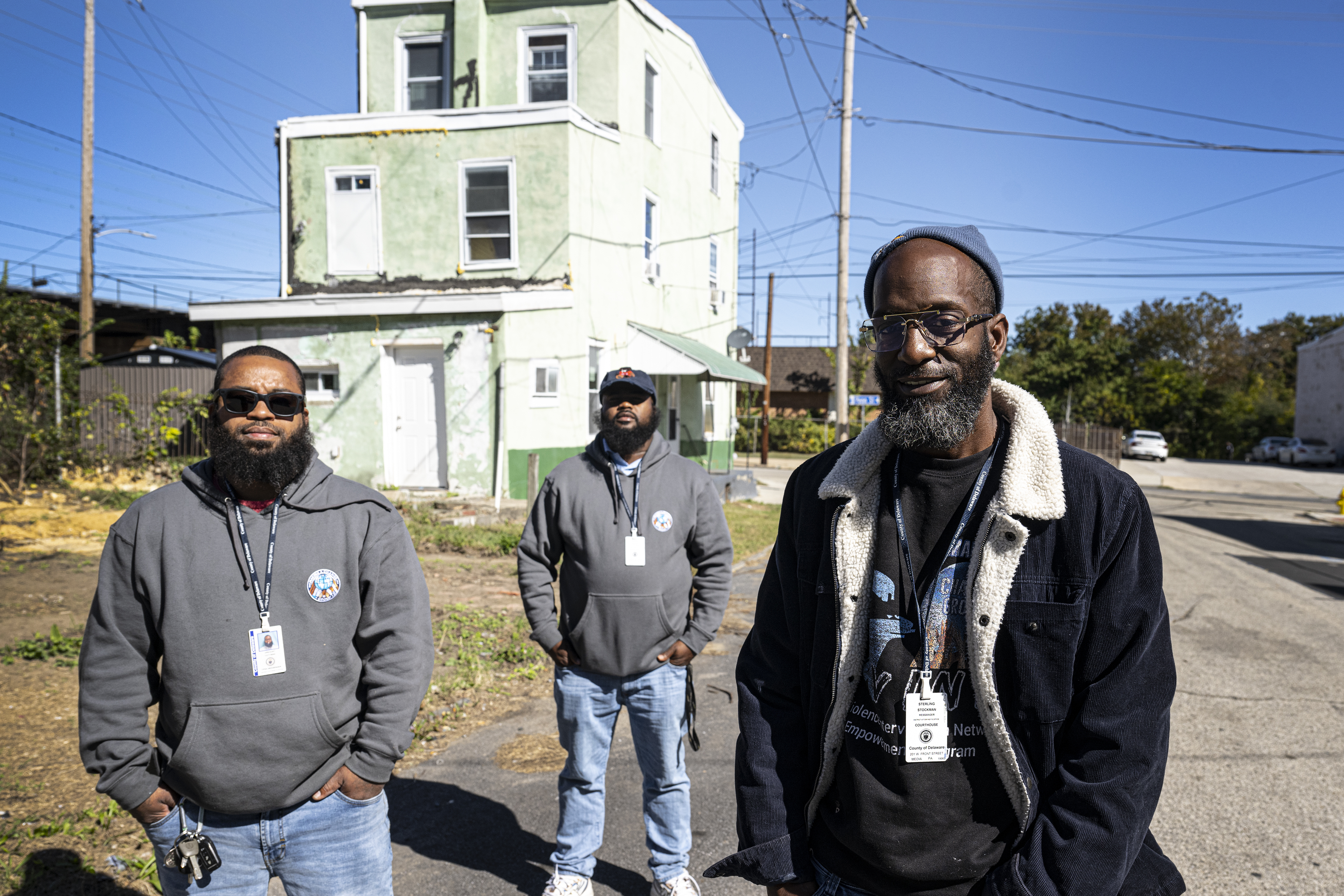
The parties, according to Geo Stockman, the lead gun violence interventionist with Making a Change Group, came during one of the safest summers on record in the city: Not a single fatal gunshot was fired in Chester during that time.
It was a result that local police and county prosecutors say they have been working toward these last few years, through a combination of advocacy work and interventions by groups like Stockman’s.
“This opened up the neighborhoods. It gave them a reason to say, ‘Let’s try something else, people are really looking out for us now, maybe we should put this down,’” Stockman said. “People are always telling people to stop doing something without offering them something in this place. So that’s what we did this summer. We offered them something in its place.”
Gregory Cottman left, Gregory Graves, center, and Geo Stockman say the Sunday Fun Day block parties sponsored by the Delaware County District Attorney’s Office served as both a reward for neighborhoods that have curbed gun violence, and an incentive to continue that trend in the years to come.Jose F. Moreno / Staff Photographer
In its five years of operation, CPSN has seen a 65% reduction in shootings overall and a 74% reduction in fatal shootings. And since the summer, only two fatal shootings have been recorded in Chester, which prosecutors say still puts the city on pace for one of its most peaceful years on record.
“Violence comes from a place of, of hopelessness, of despair. Just anger, resentment, and feeling like you’ve been left behind, like nobody cares,” Stockman said.
window.addEventListener(“message”,function(a){if(void 0!==a.data[“datawrapper-height”]){var e=document.querySelectorAll(“iframe”);for(var t in a.data[“datawrapper-height”])for(var r,i=0;r=e[i];i++)if(r.contentWindow===a.source){var d=a.data[“datawrapper-height”][t]+”px”;r.style.height=d}}});
He spoke from experience, as a lifelong Chester resident who spent time in prison for mistakes made on the streets of his hometown.
“That’s what makes what we do so effective. Most of us want to be stopped, but nobody stops us,” he said. “Nobody takes the time to say, ‘I’m gonna be the one to calm you down.’ It really only takes somebody with a clear mind that they understand to say, ‘Nah, that ain’t it.’”
Stockman said he and his team have successfully mediated 130 disputes between rival neighborhoods in the last two years. They settled petty arguments, usually started on social media, that were clearly heading toward a violent conclusion.
“This is a small community, so your reputation goes further than just the neighborhood you’re from,” said Gregory “G-Code” Graves, who works with Stockman.
Graves said the anti-violence messaging works because it’s coming from people the intended audience can identify with.
“We’ve been through the vetting process in all these neighborhoods, so even if it’s a little hesitation at first, it doesn’t take a great deal of persuasion to get them to come to us,” Graves said. “And we come in with meaningful things that’s going to help the situation.”
Residents of the Chester Apartments line up for water ice at a “Sunday Fun Day” block party held this summer in Chester.Courtesy Delaware County District Attorney's Office
For District Attorney Jack Stollsteimer, those results are exactly what he envisioned when he brought CPSN to the county five years ago, building it on models used successfully in other cities, including Boston.
And he is confident that the program will continue to thrive without him, as he runs for a county judgeship in the Nov. 4 election.
“People have bought into the strategy. They’ve seen it work now, and they just wanna keep it going,” he said.
Stollsteimer said making Chester safe was one of his priorities when running for district attorney in 2019. Similar programs, he said, had failed before because of a lack of buy-in from officials.
This time was different — Mayor Stefan Roots became a fixture at the Sunday Fun Day parties.
Roots said the weekly parties presented a rare opportunity for residents to meet the people making decisions that affect their everyday lives. And, in turn, allowed him and other officials to have open, honest dialogue with people living in communities most affected by gun violence.
The conversation flowed naturally, he said. No pressure. No pretense.
“This is something that’s never, never happened before,” he said. “The relationship between the city and the county is really welcome. And the results are showing themselves.”
Roots said he lost count of how many residents came up to him at the parties to talk about their own efforts to curb violence in their neighborhoods. People, he said, who told him that the block parties, and the gun violence interventions that preceded them, were a welcome sigh of relief.
“They told me that, sometimes, they don’t want to be ‘the man with the cape.’ They want to go on and have a life, too,” Roots said.
The winning bids at a bankruptcy auction were $10 million for Crozer-Chester Medical Center and $3 million for Springfield Hospital, ownerProspect Medical Holdings Inc. said in a court filing late Monday.
The California for-profit, which filed for bankruptcy protection in January, identified the top bidders from Friday’sauctionas Chariot Allaire Partners LLC for Crozer-Chester in Upland and Restorative Health Foundation and Syan Investments LLC for Springfield.
Prospect did not say in its filing when it expected the sales to be finalized. Both hospitals are currently closed.
Yoel Polack, who is in the group that wants to buy Crozer-Chester, initially declined to comment about plans for the property. “We are still working through final administrative details of the sale and will wait until next week to make any statements to the press,” he said in an email over the weekend.
Polack is identified on LinkedIn as principal at Chariot Equities, which describes itself on its website as a real estate investment and development company. Previously, Polack worked in healthcare real estate, such as medical office buildings, at Simone Development Cos. in New York.
Polack had an out-of-office reply on his email Tuesday, saying he would have no internet or phone access until Thursday.
The president of Upland Borough Council, Christine Peterson, did not respond to a request for comment Monday about the winning bidder.
No definitive information was available on Restorative Health Foundation and Syan Investments.
A phone number registered under the name Restorative Health Foundation in Philadelphia led to a home care agency called Restorative Home Care. The person who answered the phone Tuesday said she knew of no connection to a bid for Springfield Hospital. Another number for Restorative Health Foundation had a voicemail box that was full.
Restorative Health and Syan also participated in the Crozer-Chester auction, driving the winning bid up to $10 million from Chariot Allaire’s original $7 million offer. They were identified as the backup bidder for Crozer-Chester, in case Chariot Allaire doesn’t complete the purchase.
At Springfield, KQT Aikens Partners 2 LLC is the backup buyer. That involves the same group of local investorsthat bought Taylor Hospital for $1 million last month.
Prospect shuttered Crozer-Chester this spring, following the failure of government-led efforts to find a new, nonprofit owner. It had closed Springfield in 2022.
Prospect Medical Holdings Inc. had a $7 million bid for Crozer-Chester Medical Center and a $3 million bid for Springfield Hospital ahead of an auction held in the afternoon, an attorney for the bankrupt company said at a hearing Friday.
Neither the winning bidders nor the top bids were identified publicly after the auction. Prospect did not respond to a request for information about the prospective buyers. Community members have been pushing for the restoration of hospital services to Crozer-Chester in particular.
At the same hearing, U.S. Bankruptcy Judge Stacey Jernigan approved Prospect’s plan to “abandon” the two shuttered Delaware County hospitals if the sales fail to close promptly because the properties have become a financial burden to the bankruptcy estate.
Prospect used a similar tactic last summer in the case of Crozer Health’s two other closed hospitals, Delaware County Memorial Hospital in Drexel Hill and Taylor Hospital in Ridley. Both of those hospitals have since been sold.
In a court filing Friday morning, Prospect said it had reached agreements with local tax authorities to set the assessments on Crozer-Chester and Springfield at the sale price for this year and next year.
The properties had elevated assessments because of Prospect’s financial maneuvers since the California for-profit acquired the county’s largest health system in 2016. The current assessment on Crozer-Chester is $114.6 million, according to public records. That figure is $10.9 million for Springfield
The filing also said school districts and others would accept general unsecured claims in the bankruptcy. Those claims are unlikely to have much value.
Much of Friday’s hearing on the abandonment motion was taken up with discussion of complications at Springfield. An attorney for Springfield Township said his client had not agreed to the tax deal outlined in the abandonment motion and was not part of the discussions.
That’s because Springfield Township has not filed a bankruptcy claim for back taxes, according to Prospect’s attorney, Maegan Quajada, of Sidley Austin. A hurdle in any sale is a deed restriction on the Springfield property that requires the operation of an emergency department that is open all the time.
When Prospect announced late last month that it would hold an auction for Springfield and Crozer-Chester, it said any bids had to have no conditions on them, such as the resolution of tax matters or the Springfield deed restriction.
But then Prospect changed its mind and accepted conditional bids and rejected one that was unconditional, an attorney said in court Friday.
Quajada said the unidentified contingencies are being taken care of. “We already know we can meet them,” she said.
Prospect Medical Holdings Inc. said in an emergency bankruptcy motion Friday evening that it wants to “abandon” Delaware County’s Crozer-Chester Medical Center and Springfield Hospital unless local authorities agree to its property tax demands.
The California for-profit, which filed for bankruptcy in January, said it has potential buyers for the properties in Upland Borough and Springfield Township, which were once part of Crozer Health, the county’s largest health system and an important safety-net provider.
However, the bidders won’t close the deals unless tax assessments on the properties are reduced to the amount of the sale prices, Prospect said in its motion. The filing did not say what bids Prospect had received or how much Prospect owes in taxes. The assessments have been in dispute for years.
If U.S. Bankruptcy Judge Stacey Jernigan approves the motion at a hearing scheduled for Friday, Prospect would be allowed to jettison the properties from the case and stop the accumulation of property tax liabilities against the bankruptcy estate.
Then, if the tax authorities still do not agree to Prospect’s demands, the only way the municipalities and school districts could collect at least part of what they are owed would be to foreclose on the properties and put them up for a tax sale — a process that could take years.
Prospect had said previously it planned to hold an auction Oct. 10 for the Crozer-Chester and Springfield properties. It’s not clear if that plan has changed.
Prospect’s replay of earlier tactic that worked
In July, Prospect received court approval to abandon two other shuttered Crozer hospitals, Taylor Hospital in Ridley Park and Delaware County Memorial Hospital in Drexel Hill. Those two hospitals have since been sold.
Upper Darby School District acquired Delaware County Memorial for $600,000 on Aug. 14 and plans to use the property for the expansion of its neighboring high school. A group of local investors bought Taylor for $1 million Sept. 5 and hope to bring medical services back to the building.
In both of those cases, the townships and school districts accepted a general unsecured claim for past property taxes. The assessment issue was moot in Drexel Hill, but in the Taylor sale the taxing authorities agreed to a $1 million assessment for the first year or so.
Complications in Springfield
The Springfield property has a complicated ownership structure. Ventas, a large real estate investment trust, owns three of the buildings, two medical office buildings, and a sports club that is leased to the YMCA of Eastern Delaware County. The sale of those buildings happened in 2009, seven years before Prospect acquired Crozer.
The hospital and a parking garage were part of the 2019 sale of Crozer real estate to a different investment firm, Medical Properties Trust. Under that arrangement, Prospect leased Springfield and other hospitals back from Medical Properties Trust.
After Prospect’s financial condition deteriorated, MPT returned ownership of the Delaware County hospitals to Prospect in exchange for a mortgage. That happened in 2023. During the bankruptcy, MPT agreed to walk away from its interests in Crozer’s real estate.
Prospect failed for years to maintain the hospital and its parking garage, according to a lawsuit filed in mid-September by Springfield Township. The lawsuit cited the potential structural failure of stairwells in the garage and other problems and asked for an order forcing safety improvements.
Judge Jernigan blocked the township from pursuing that lawsuit last week.
Another sticking point in Springfield is a deed restriction requiring the operation of a 24-7 emergency department on the site.
Representatives for Springfield Township and Upland Borough did not respond to requests for comment Saturday.