They play board games at lunch. They greet each other in the hallways between periods. They pay more attention in class.
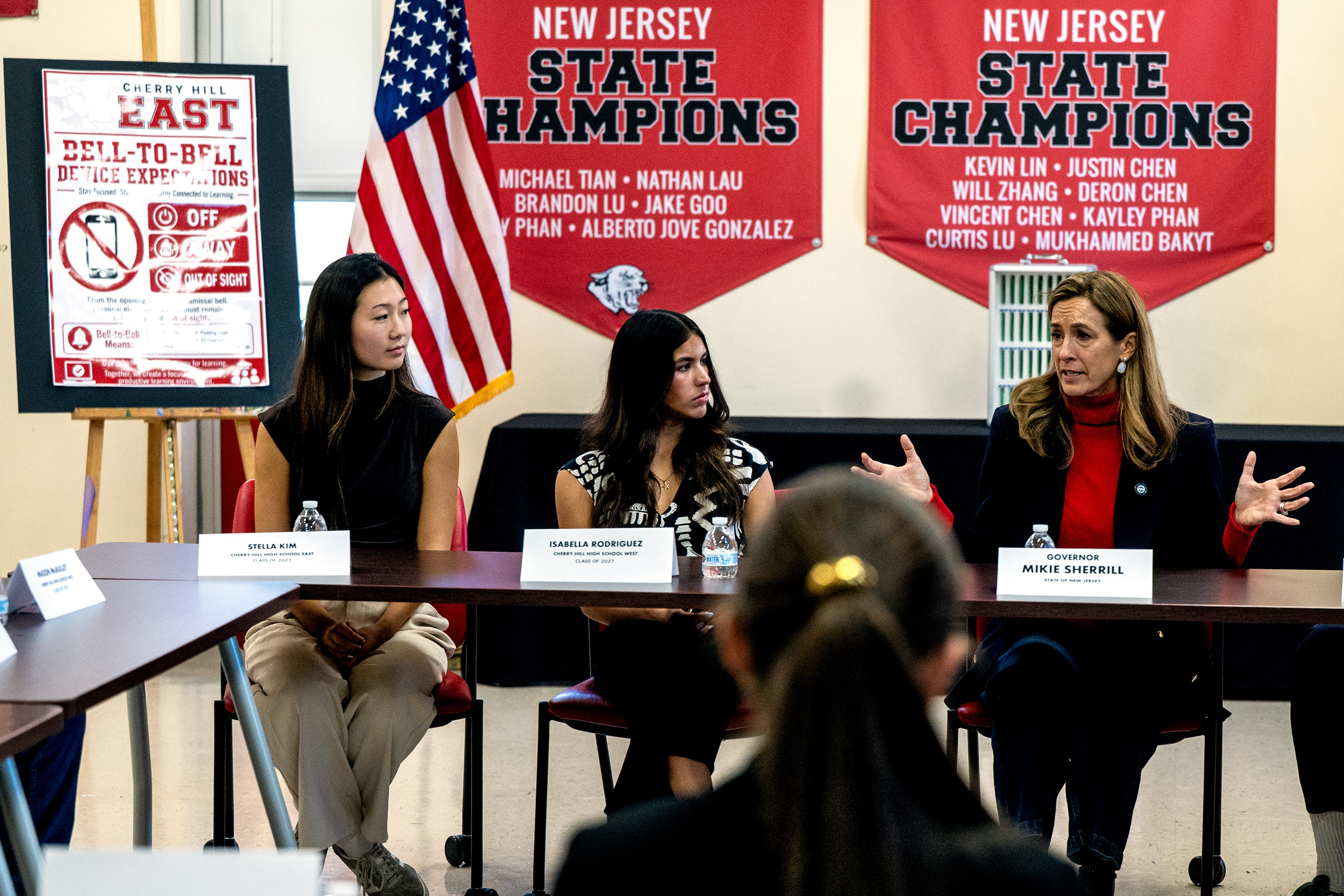
Gov. Mikie Sherrill got an earful Thursday when she visited Cherry Hill High School East to learn more about how a state law that bans the use of cell phones and devices in schools has affected learning.
Junior Giovannina Viglietta, 16, said her stress level and anxiety have been reduced because she no longer checks her phone constantly and can focus on classwork.
“Without the pressure to constantly check messages or keep up with social media, it feels like a weight has been lifted off my shoulders and I can be more focused in classes,” Viglietta said.
Seniors Stella Kim (left, from East) and Isabella Rodriguez from West, join other students in a roundtable discussion with Gov. Mikie Sherrill at Cherry High High School East.Tom Gralish / Staff Photographer
Effective since the academic year began in September, the law has changed the school environment with fewer distractions, after some initial pushback, students and school officials say.
“Our teachers no longer have to compete with a device for their students’ attention, and they can create more engaging classrooms,” Cherry Hill School Superintendent Kwame Morton said.
Sherrill implemented the law, which was signed in January 2026 by former Gov. Phil Murphy. It required New Jersey’s nearly 600 public school districts to adopt bell-to-bell restrictions on cell phones and internet-enabled devices.
The governor said she was impressed with the insight shared with her by a handful of students during a closed-session roundtable prior to her media briefing.
“Giving students a school day free from constant digital distractions creates more room to learn, build friendships, and connect with their teachers,” Sherrill said. “We know that when kids put down the screens, their mental health and academic performance improve.”
The bell-to-bell restrictions cover the entire school day, from the moment students arrive, and include lunch, study hall, and between classes.
Cherry Hill East Student Government president Stella Kim, a senior, said the school culture was different when students were allowed to use their cell phones. She had been skeptical the ban would work but says it has become “the new norm.”
“Everyone was really in their own world. They didn’t talk to each other,” said Kim, 17.
Kara Rogalcheck, 17, a senior at Cherry Hill High School West, admitted she “wasn’t the happiest” when the cell phone ban was implemented. She said she is enjoying her final year, living in the moment.
Said Vasisth Medavarapu, 16, a junior at East: “We’re definitely talking more.”
The law allowed districts to decide how the devices are stored. Some districts have locked pouches, let students keep their devices turned off in their belongings, or store them in lockers or classrooms.
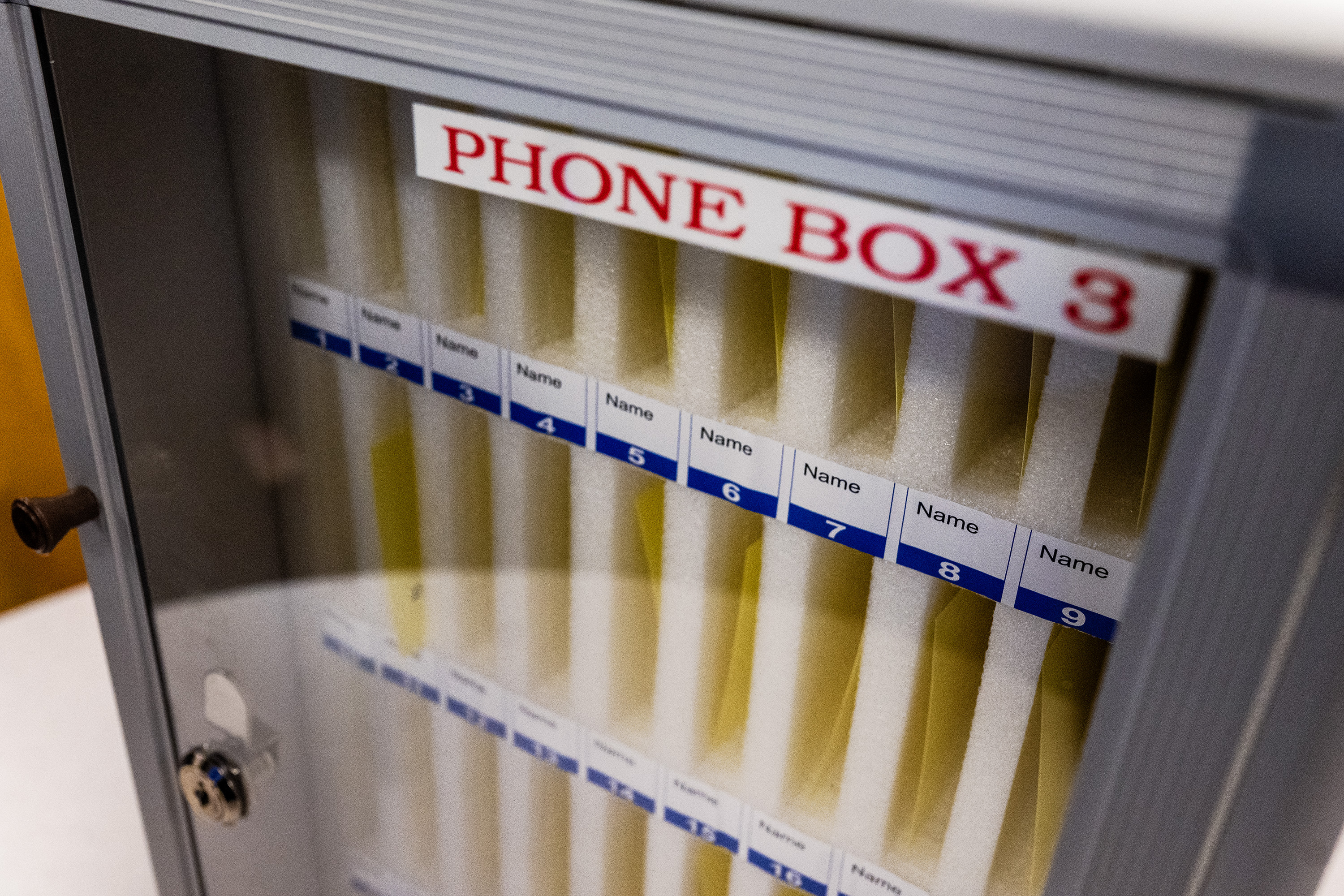
Cherry Hill East students said they were pleased that the district allows them to keep their phones with them, and that makes them feel trusted. The schools have locked phone boxes used to store phones for repeat violations. The phones are returned at the end of the day in most cases.
The phone lock box safe used in the Cherry Hill School District was on display on Thursday.Tom Gralish / Staff Photographer
State Education Commissioner Lily Laux said districts across the state are reporting positive results. It may take years to see the full impact of the ban, she said.
Educators say the problems with cell phones had become untenable. Teachers were frustrated trying to enforce the rules in class, while students watched movies or constantly scrolled social media.
Morton said there have been few violations since the ban became mandatory. Cherry Hill has a tiered progressive discipline approach for violations.
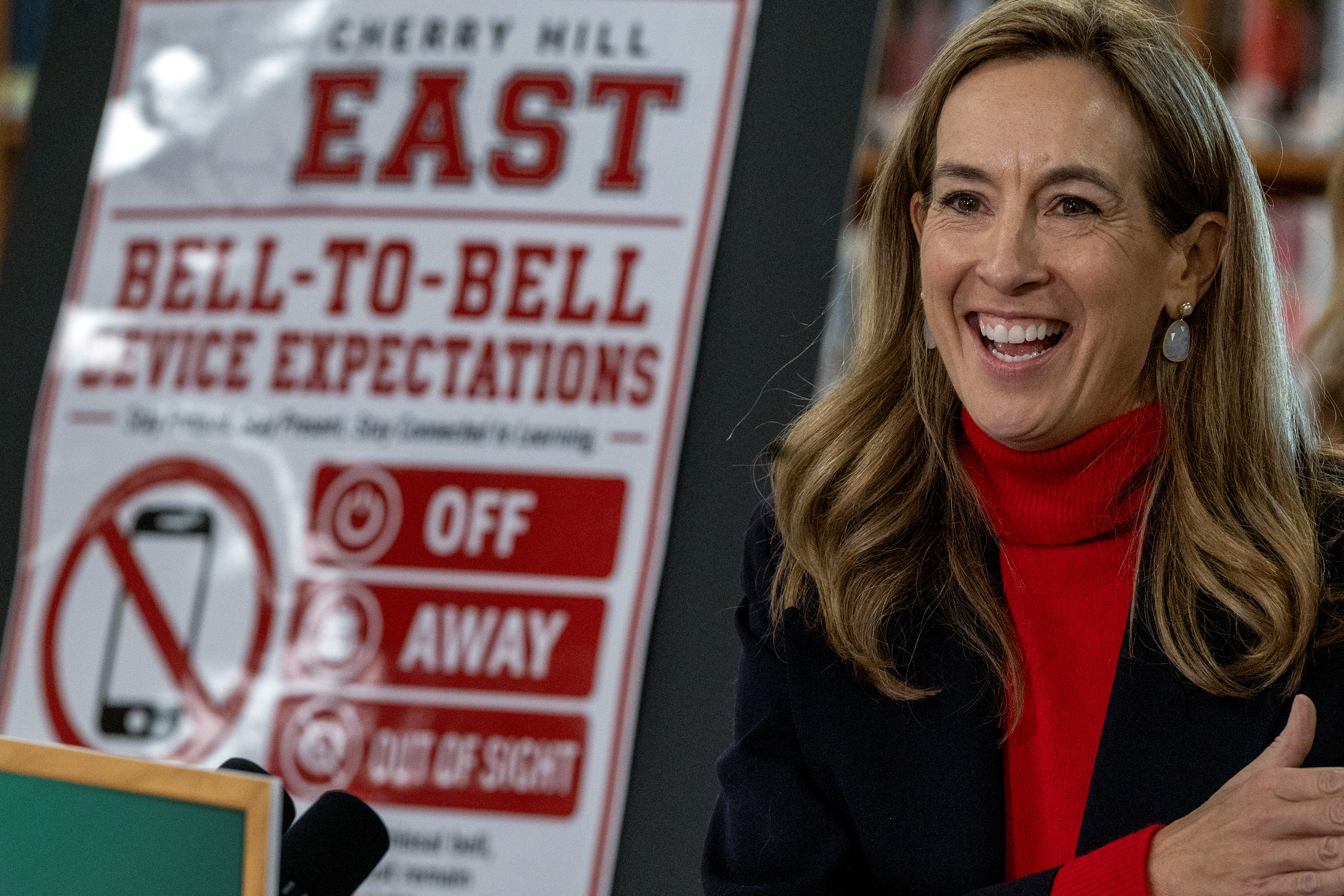
Gov. Mikie Sherrill visits Cherry Hill High School East on Thursday. The district began enforcing cell phone restrictions before the new law was passed.Tom Gralish / Staff Photographer
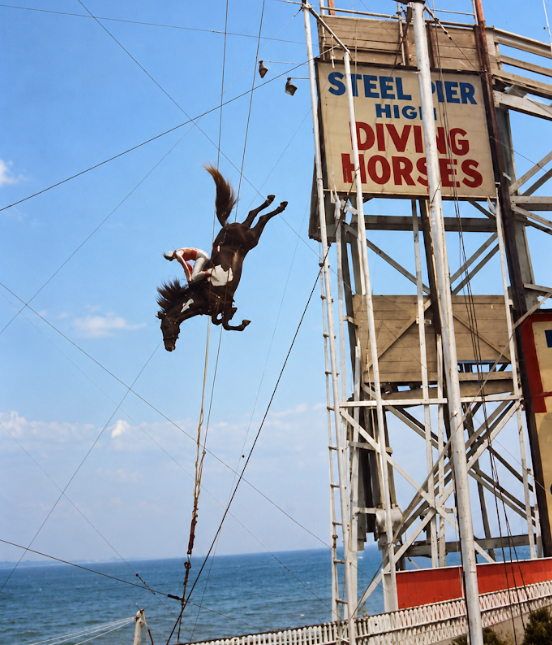
Sarah Hart was 21 when she met Gamal and the other horses that high dived into a 10-foot pool of water several times a day at Steel Pier in Atlantic City.
Gamal, she told the Courier-Post in 1998, liked to leap off the 40-foot-high platform without a second thought. Other horses, she said, “would take five minutes before they’d jump.”
It was 1957, and Mrs. Hart, already a skilled diver and college swimmer, knew about the horse-diving grand finale at Steel Pier’s water circus. “It was a little bit spectacular to see this huge horse flying through the air,” she told the Courier-Post. “The motion was beautiful. A young girl brave enough to ride the horse added to it.”
That summer, Mrs. Hart became one of those brave girls. She outperformed 100 other applicants and, until 1962, rode Gamal and his counterparts off the platform and into the water below.
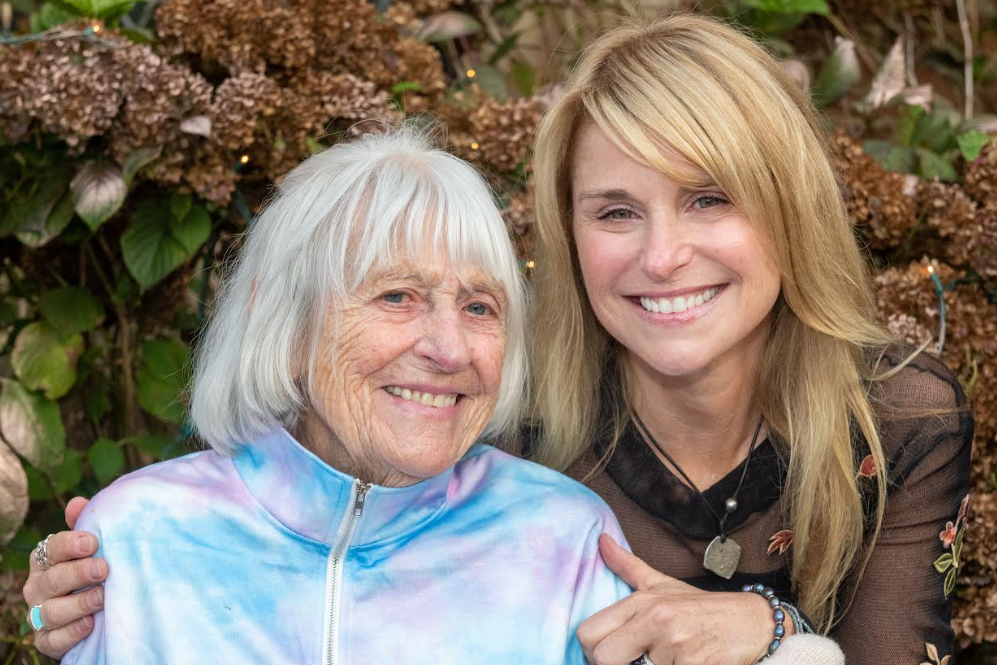
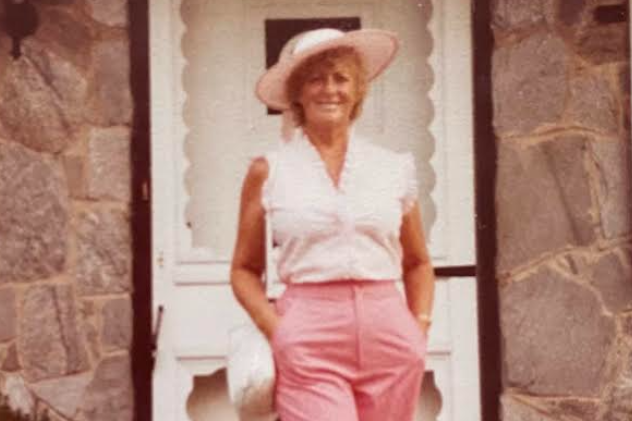
Mrs. Hart was equally comfortable riding horses into pools of water and frolicking with dolphins.Courtesy of the family
“What you have to do is just simply get on the horse and hang on tight, and go along for the ride,” she told the Courier-Post in 1993. In 1998, she said: “It was the easiest thing I ever did.”
On Tuesday, Oct. 13, Mrs. Hart, also a longtime South Jersey teacher, an environmentalist, and the wife of Gene Hart, the longtime Flyers broadcaster, died of heart failure at her home in Gladwyne. She was 90.
“She was a free spirit,” her daughter Lauren said. “She did a little bit of everything.”
Born in Chester, Mrs. Hart grew up on and around the Boardwalk in Atlantic City. She went to schools in Pleasantville and worked at Boardwalk carnival games as a teenager. For years, she told a story about beating future Hall of Famer Wilt Chamberlain in the old shoot-the-basketball game.
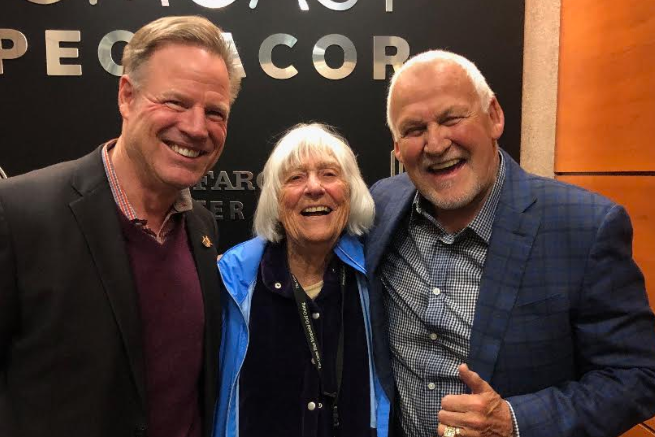
Mrs. Hart, left below, was a lifelong Flyers fan. Courtesy of the family
She performed with synchronized swimming teams at the University of Florida after high school and at the 1958 World’s Fair in Brussels, Belgium. She met the Flying Wallendas, singer Tony Bennett, and other entertainers at Steel Pier, and swam with the dolphins at the old Aquarama Aquarium Theater of the Sea in South Philadelphia in the 1960s.
She met her husband, Gene, at Steel Pier, and they married in 1963. His mother had ridden the high-diving horses at Steel Pier in the 1930s, and he was a comic diver and announcer for the water circus.
They had daughters Laurenand Sharon and a son, Brian, and lived in Cherry Hill. Her husband died in 1999, and she moved to Gladwyne during the COVID-19 pandemic.
Mrs. Hart taught English as a second language for decades at schools in the Lenape Regional High School District and later as a general substitute. She ran unsuccessfully for Cherry Hill Township Council in 1981 and was active with the Cherry Hill Environmental Board and the Pinelands Preservation Alliance. She was a longtimeelection worker at voting polls in South Jersey.
Mrs. Hart, front above and left below, enjoyed time with her family. Courtesy of the family
She graduated from high school in Florida, returned to South Jersey after two years of premed classes at the University of Florida, and earned a bachelor’s degree in English with honors at what is now Rowan University.
“A more kind and generous spirit you will never find,” a former teaching colleague said in a Facebook tribute, “and what a great advocate for students and their needs.” A longtime friend said: “There was no sweeter, more considerate, or kinder soul on the face of the Earth.”
Sarah Gregg Detwiler was born Aug. 2, 1936. She enjoyed dancing, nature, and animals as a girl, and even flew small airplanes out of the Atlantic City airport. Her family moved to Apopka, Fla., 20 miles northwest of Orlando, before her senior year of high school.
Later, she and her husband traveled the world together, sharing fine art, classical music, opera, and the theater. For years, Monday night was date night at the Metropolitan Opera House in New York.
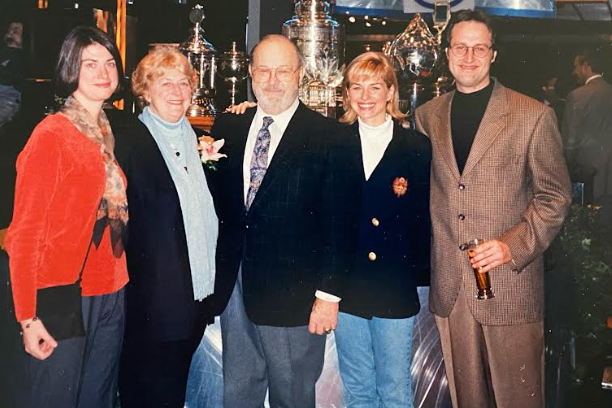
Mrs. Hart, second from left below, was popular wherever she went. Courtesy of the family
She stabled her own horse near their home for a time and landscaped the entire property, in-ground pool and all, when they moved to Tampa Avenue in Cherry Hill in 1971. “There wasn’t a tree in the yard when we moved in,” Gene Hart told The Inquirer in 1981.
Mrs. Hart especially liked roses and said: “I’m an outdoor person, and we all love the water.” Of course, she was a lifelong Flyers fan.
“She was known above all for her warmheartedness and egalitarian spirit,” her family said in a tribute. Her daughter Lauren said: “She was kind and always working in the service of others. She was a giver.”
In addition to her children, Mrs. Hart is survived by five grandchildren, two sisters, and other relatives. A sister and three brothers died earlier.
Mrs. Hart “was known above all for her warmheartedness and egalitarian spirit,” her family said in a tribute. Courtesy of the family
Northern Liberties has had a humming bar scene for decades, long anchored by Ortlieb’s and Standard Tap. Splashy newcomers come (and go) on occasion, thanks to the Piazza and other developments along Second Street, and there are standout restaurants like Pietramala, Pera, and Apricot Stone. But by comparison, NoLib’s food and drink landscape has been dwarfed by that of Fishtown and Kensington, where buzzy openings happen on the regular.
This week, however, Northern Liberties scores one of the most anticipated new bars of the year. Field Day, from James Beard Award-winning bartender Danny Childs and his wife, Katie, opens today.
Field Day, at 923 N. Second St., is a love letter to our region. Its food and drink menus highlight ingredients and culinary traditions from as far west as Appalachia and Lancaster County, as far east as the farmlands of South Jersey and the Shore, and as far south as the Chesapeake Bay. Early food hits from the bar’s soft open include tomato pie and seasonal Roman-style “field pie,” Lebanon bologna sandwiches on sourdough English muffins, a roast pork “Philly dip” with long hots and broccoli rabe, skillet chocolate chip cookies, and fluffy seasonal water ice (currently Concord grape).
The bar is a showcase for Slow Drinks, shorthand for Childs’ farm- and field-to-bar beverage approach, documented in his award-winning book by the same name. He first developed it at Cherry Hill’s Farm & Fisherman Tavern, where he worked for nine years, and he’s since applied it as a consultant at bars like Almanac and La Jefa, where Slow Drinks-style cocktails — heavily influenced by local, seasonal ingredients and ancient fermentation practices — are interpreted through Japanese and Mexican lenses, respectively.
The Liquid Gold is a tribute to bees. Local beeswax-washed gin gives the cocktail a smooth mouthfeel, as do bitters infused with propolis, which bees use to seal their hives. Raw honey from Kara Jo Bee Farm sweetens the Old Fashioned riff.Jessica Griffin / Staff Photographer
At Field Day, Philly and its surrounds get the Slow Drinks treatment. That means a cream-clarified cream soda cocktail that gets its vanilla notes from shagbark hickory bark harvested in Tewksbury, N.J.; an umami martini enriched with brown butter, sweet Jersey corn-made miso, and lacto-fermented beech mushrooms from Kennett Square; and an orange crush flavored with house ginger beer and wild persimmons from Childs’ own backyard.
The list goes on. There are 36 cocktails in the bar’s keystone-stamped, leather-clad “Field Guide” menu (designed by Haridelle’s Kylie Silvestri) that’s divided by highballs, martinis, shaken, stirred, dessert drinks, and nightcaps. The guide details the ingredients and backstory behind each drink, with a legend to indicate its sourcing and processes. In that sense, Field Day is a textbook destination cocktail bar, but that’s not the owners’ goal.
Field Day’s Jenny Lind Tokyo Tea (left) combines vodka, gin, rum, a Jenny Lind melon liqueur, and cucumber shrub. The Birch & Bourbon highball (right) mixes Baby Jane bourbon with house birch beer, made with Pennsylvania-harvested birch bark and homegrown hibiscus (to make it red). Jessica Griffin / Staff Photographer
“We want anybody to walk in here and feel welcome, and that it’s not like they’re going to school, that they’re just at a great bar,” Childs said. “And if they want to learn more, they can.”
For the locals
The Childses, who live in Pennsauken with their two young kids, want Field Day to be for the neighborhood, too. To that end, they have a streamlined “$15 Holler” cocktail list — nine drinks, no notes — targeted to locals dropping in for a casual drink and a bite. There’s a robust lineup of nonalcoholic drinks, including housemade sodas, kombucha, and lemonade, plus coffee, tea, wine, a Tonewood-brewed house lager, and Guinness. There’s also a kids’ menu, complete with a botanical-themed coloring page and crayons.
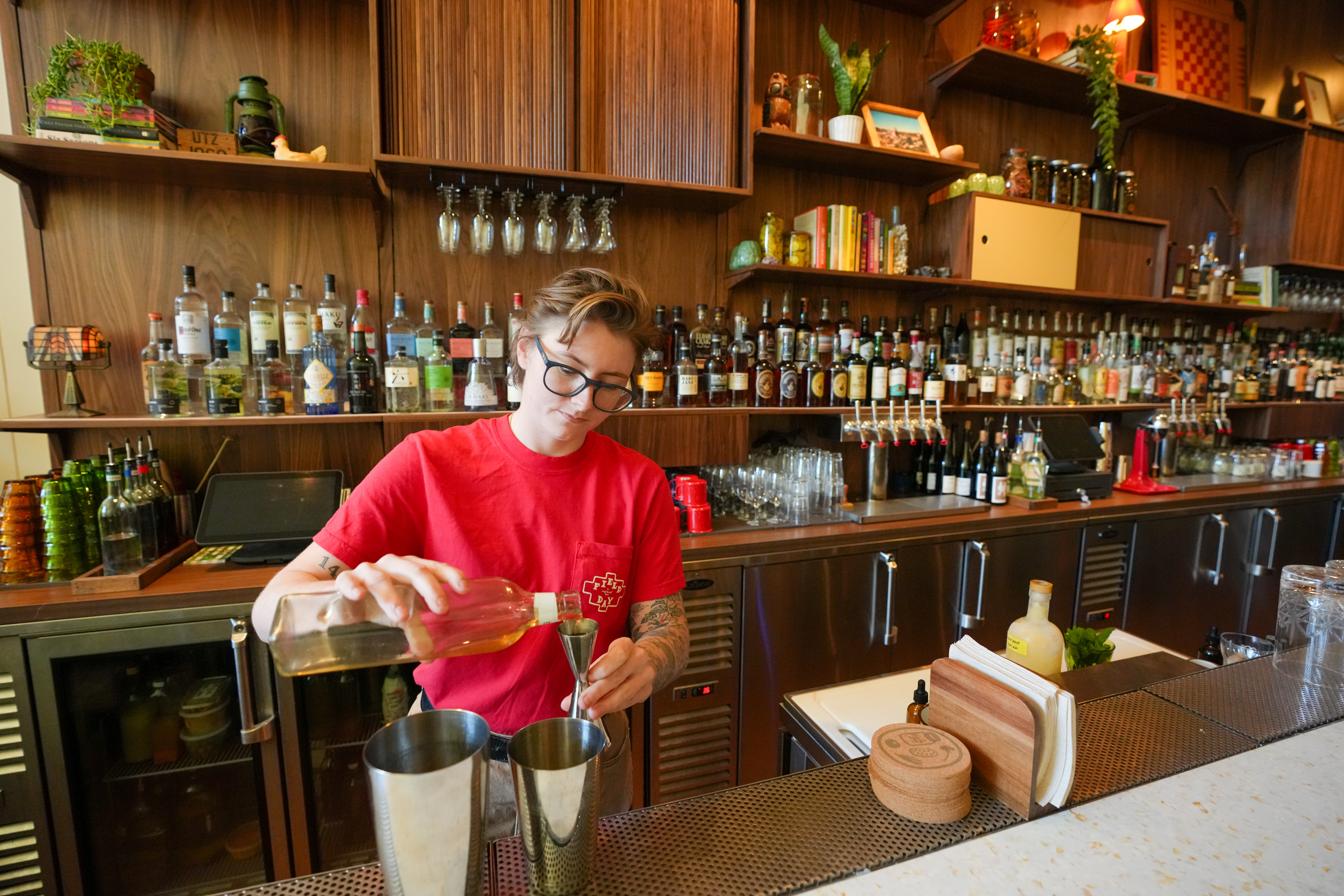
Erin Dassler, who moved from Chicago to head up Field Day’s bar staff, makes cocktails at the bar.Jessica Griffin / Staff Photographer
The family-friendliness is also borne out in the personal touches that suffuse the bar’s design, overseen by Katie Childs and Betsu Studio’s Laura Weiszer. The walnut shelves above the bar are lined with souvenirs from their travels as well as family heirlooms, including both of their great-grandfathers’ bottle cappers (Danny’s brewed sassafras root beer, Katie’s dandelion wine). Portraits of the couple are framed inside the bar’s host stand, drawn by Italian illustrator Gianluca Cannizzo, whom Childs met on a Slow Drinks work trip. There’s another Cannizzo illustration in the bathroom, depicting the military tent the couple lived in for nine months on a Marlton Christmas tree farm, at the beginning of their Slow Drinks journey.
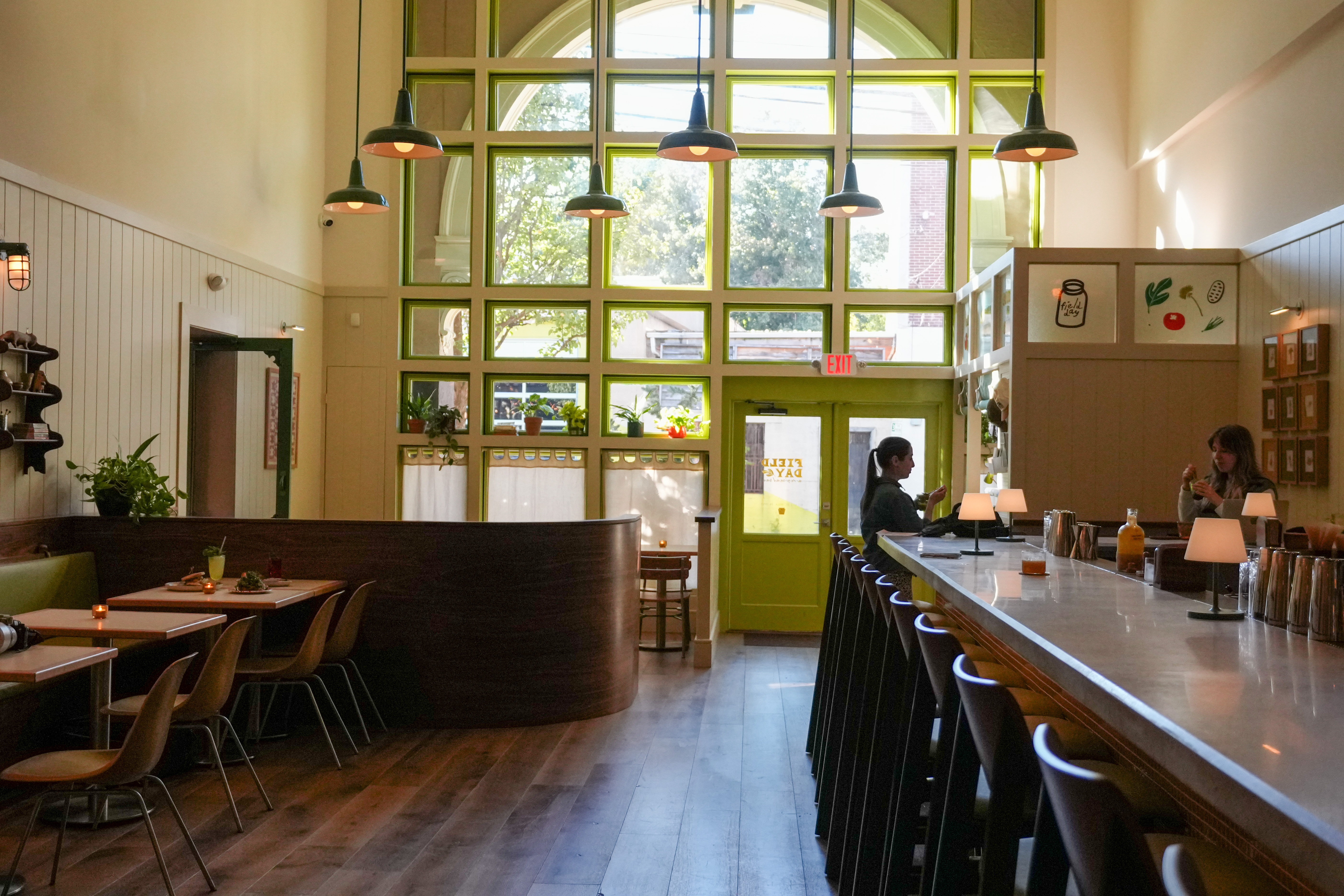
All the little things are an effort to transform this former auxiliary space for Cescaphe Ballroom into a homey, welcoming spot that’s trying to telegraph comfort above all else. Roughly half the seats in the space, including all 20 bar seats, are earmarked for walk-ins.
All-star staff
With a 50-seat dining room and 25 employees, Field Day is arguably just as much restaurant as bar. The kitchen is led by James Beard-nominated chef Melissa McGrath of Sweet Amalia fame, who’s bringing to bear her considerable South Jersey seafood expertise with steamed clams, smoked fish dip, and a fish fry. McGrath is backed by sous chef and preservation pro April McGreger, whose pickle plate is already a must-try.
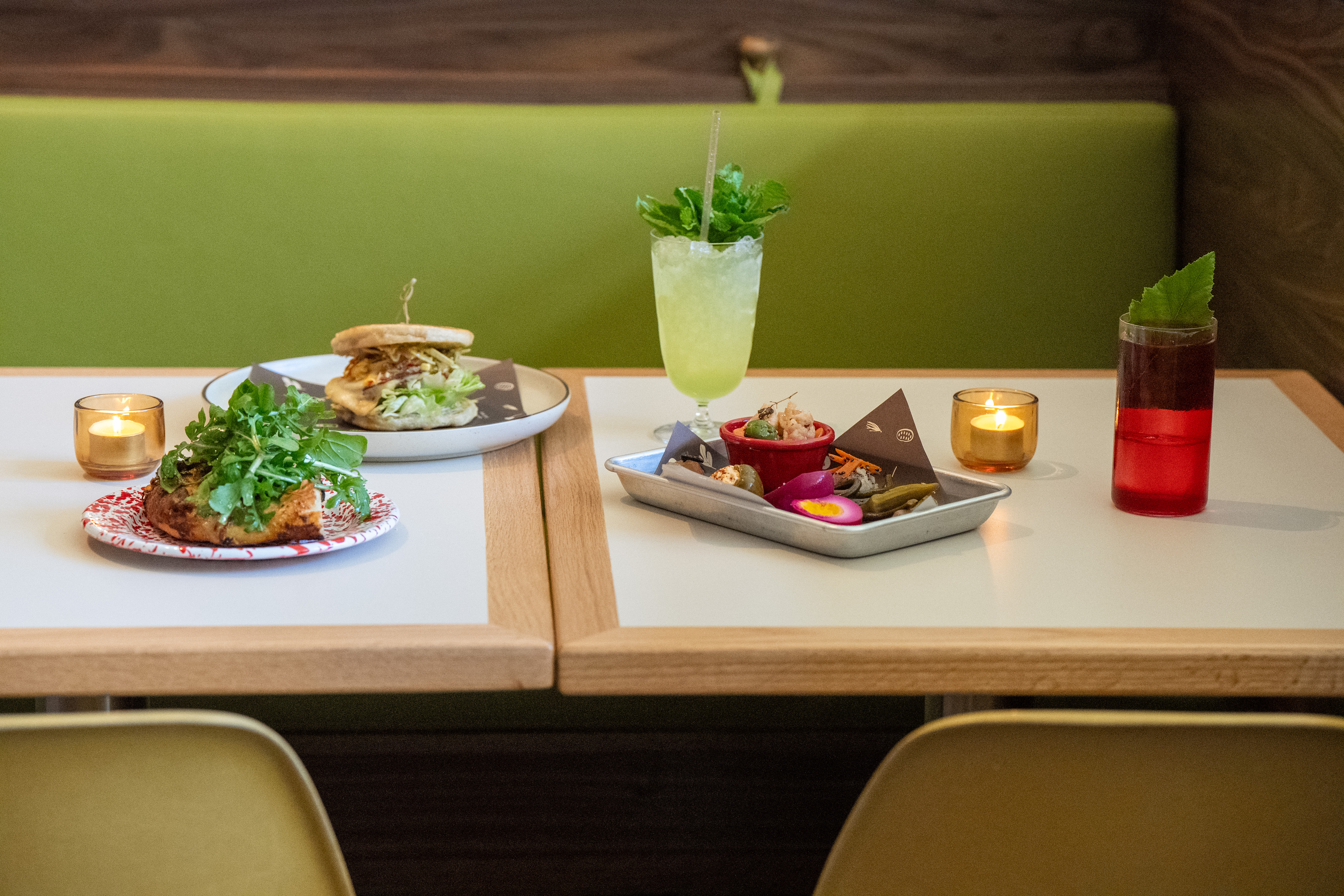
Food at Field Day, (from left): the field pie, the Lebanon bologna sandwich, and the pickle plate. Jessica Griffin / Staff Photographer
Splitting time between the kitchen, bar, and Field Day’s upstairs R&D lab is Jamaar Julal, who spearheads various fermentation projects, including miso made from stale tomato pie and several cheongs (fermented syrups) made from foraged fruits.
McGrath, McGreger, and Julal are part of a deep bench of talent that also includes floor lead Jonathan Doherty, who’s worked with Childs since his Farm & Fisherman days, and bar lead Erin Dassler, a Chicago transplant who was previously at legendary tiki bar Three Dots and a Dash and Kitty’s Cosmopolitan Club.
Childs is thrilled to have assembled a team of this caliber. “These are people that I love and respect and look up to in a lot of ways,” he said. “To see them all coming here, working for Katie and I — we go home at the end of the day every day and we’re like, ‘Oh my goodness.’”
Field Day, 923 N. Second St., 215-703-9458, fielddayphilly.com. Hours: 4 p.m. to midnight Wednesday through Saturday, 4 p.m. to 8 p.m. Sunday. Reservations available on Resy.
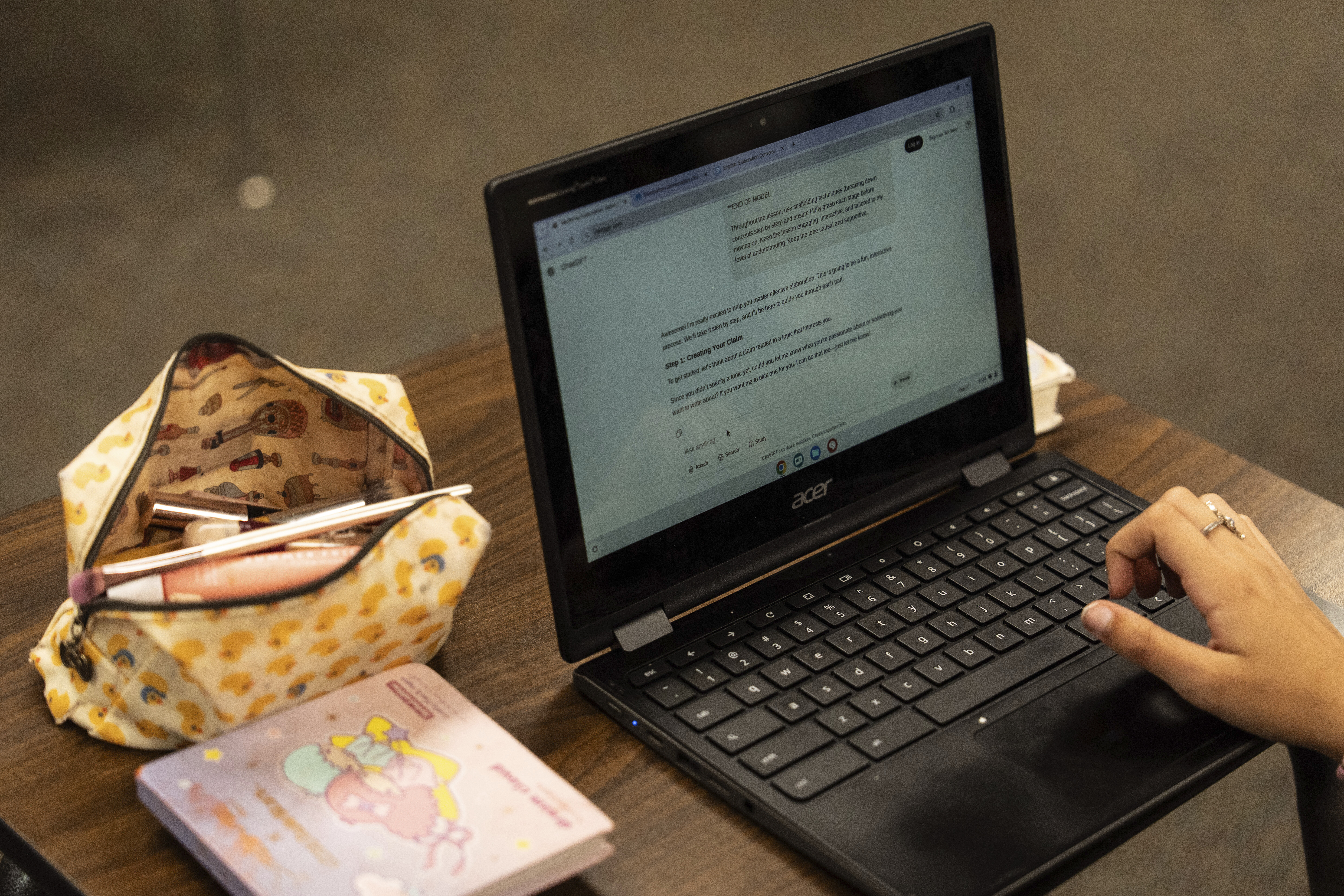
New Jersey public schools are weighing policies on how generative AI is making its way into classrooms and whether students and teachers should be allowed to use the technology.
Some require schools to get parental consent at the beginning of the school year for students to use AI for assignments, while others like Cherry Hill considered but backed away from a proposal that would have let parents opt out for their children.
Schools across the country are tackling policies to address the rapidly changing technology. Rather than an outright ban, many districts are deciding how and when AI may be used, at what age, and what tools should be permitted.
“Everybody is wrestling with this challenge,” said Sarah Schneider Kavanagh, an associate professor in the Graduate School of Education at the University of Pennsylvania. “This is an enormous paradigm shift for education.”
Haddonfield teaches AI to all students — but bans use for elementary schoolers
In Camden County, Haddonfield adopted a sweeping AI policy in August that established three tiers of AI use based on grade level. It bans AI in elementary schools, while allowing supervised access for middle school and high school students.
This is the first AI policy for Haddonfield, which enrolls about 2,700 students, said Gino Priolo, an assistant superintendent. Initially, the district only had a provision in its academic integrity guidelines that required students to cite AI as a source when using it.
Priolo said surveys found that students and teachers were already using AI on at least nine platforms. Policymakers spent months developing guidelines that focused on education, safeguards, and limiting students to using approved platforms, he said.
“We needed a policy that protected privacy and provided guidance about safe and appropriate use,” Priolo said in an interview. “We’d be putting our heads in the sand if we simply tried to avoid AI.”
The policy bans younger students from using AI to ensure that they learn foundational and critical learning skills, he said. All students will get AI literacy education, beginning in first grade, he said.
“We want students to understand what AI is even before they are permitted to use it,” Priolo said.
Beginning in sixth grade, students can use a Google AI platform,where teachers are able to closely monitortheir interactions in real time with Gemini Notebook, the district’s only approved generative AI platform.
Considered a closed system, the platform generates responses based on documents loaded by the user, Priolo said. Students cannot access the internet, and chatbots like ChatGPT are blocked by district software, he said.
For example, a student could upload handwritten chemistry class notes into AI to develop flash cards as a test study aide, Priolo said.
Haddonfield has also adopted generative AI policies for teachers. High school teachers must get teacher permission prior to using AI for an assignment.
Meanwhile, some of the country’s largest districts are also enacting AI bans.
The Los Angeles public school system imposed a moratorium restricting most AI use at all grade levels for this school year. The district said it would determine how the technology would be incorporated in the future.
“I see it as a positive step, though not necessarily the best solution,” said Subodha Kumar, a professor of statistics, operations, and data science at Temple University’s Fox School of Business. “Bans may not stop students from using it and we do not have conclusive evidence that they produce better outcomes. It may take years to determine the best approach.”
Across South Jersey, some other districts are also taking unique approaches to teaching kids about AI. Deptford, for example, has added an AI course for high school students.
Cherry Hill considered allowing families to opt out of AI use
Cherry Hill considered a provision that would have allowed parents to opt their children out of using AI in school. There was some backlash that it would create inequity for so-called “analog” students prohibited from the technology.
District officials believe the opt-out option was not needed because Cherry Hill selected School AI as its generative AI program, a closed system that allows teachers to monitor students’ interactions, said Superintendent Kwame Morton. The board approved the revised policy on Oct. 13.
“It has been a deliberate process. We’ve tried to roll it out slowly and responsibly,” Morton said. “What we want more than anything is for our students to be safe and understand how to responsibly use the tools.”
The policy has guidelines for when AI is appropriate by grade level, said Allison Staffin, director of curriculum and instruction. Using a scale of 0 to 4, teachers must inform students in writing when generative AI is acceptable for an assignment. It ranges from 0 where no AI use is allowed, to 4, where AI can be used to draft content.
Staffin said there is no AI allowed for pre-K and kindergarten. By second grade, it may be used for an entire class, but closely monitored, she said.
Fourth and fifth grade is when most students will begin more fully using AI with specific instructions from a teacher, but not to generate original work, Staffin said.
“The teacher determines which tool they use and what prompts or answers they can generate,” Staffin said.
Cherry Hill parent Carolina Bevad said she was disappointed in the policy and called it “half-baked.” The mother of two district students believes elementary schoolers should be excluded from using AI.
“It’s a slap in the face to all students and parents,” Bevad said. She wants more guardrails to address privacy concerns.
Kavanaugh, from Penn,said parents have legitimate concerns, and researchers have unanswered questions about the impact of generative AI on learning. Opting out, however, can become complicated for students and teachers.
“The technology is changing so quickly that none of us really knows what we’re opting into or opting out of,” Kavanaugh said. “Education has to decide what are we unwilling to give up about what human beings can do on their own.”
Glassboro Superintendent Alfred Lewis is a big proponent of students and teachers using AI — ethically. The districted adopted MagicSchool as its generative AI platform, he said.
Lewis said the district’s policy doesn’t restrict AI use by grade level, but it has mostly been used in middle and high school.
“We’re not even seeking to use it at the elementary level,” Lewis said. “Quite frankly, there’s just so much that needs to be taught and taught directly by teachers that it’s not even a natural fit for us.”
In some classes, students are using AI to score their assignments before submitting to the teacher, Lewis said. Teachers are also using AI to develop instructional materials and look for patterns to improve learning, he said.
Lewis believes AI can be used to enhance learning, but cannot replace a quality teacher in the classroom.
Assemblywoman Heather Simmons (D., Gloucester) recently introduced “The Educators Before AI Act,” which would prohibit the state’s nearly 600 public schools from replacing teachers with AI. Lewis supports the bill.
The bill, if adopted, would require a human presence in the classroom, Simmons said. There has been no indication thus far that any teacher has lost a job due to the technology, but she said safeguards are needed.
“There’s an art to teaching and a science to teaching,” Lewis said. “AI might be able to replace some of the science, but it will never replace the art.”
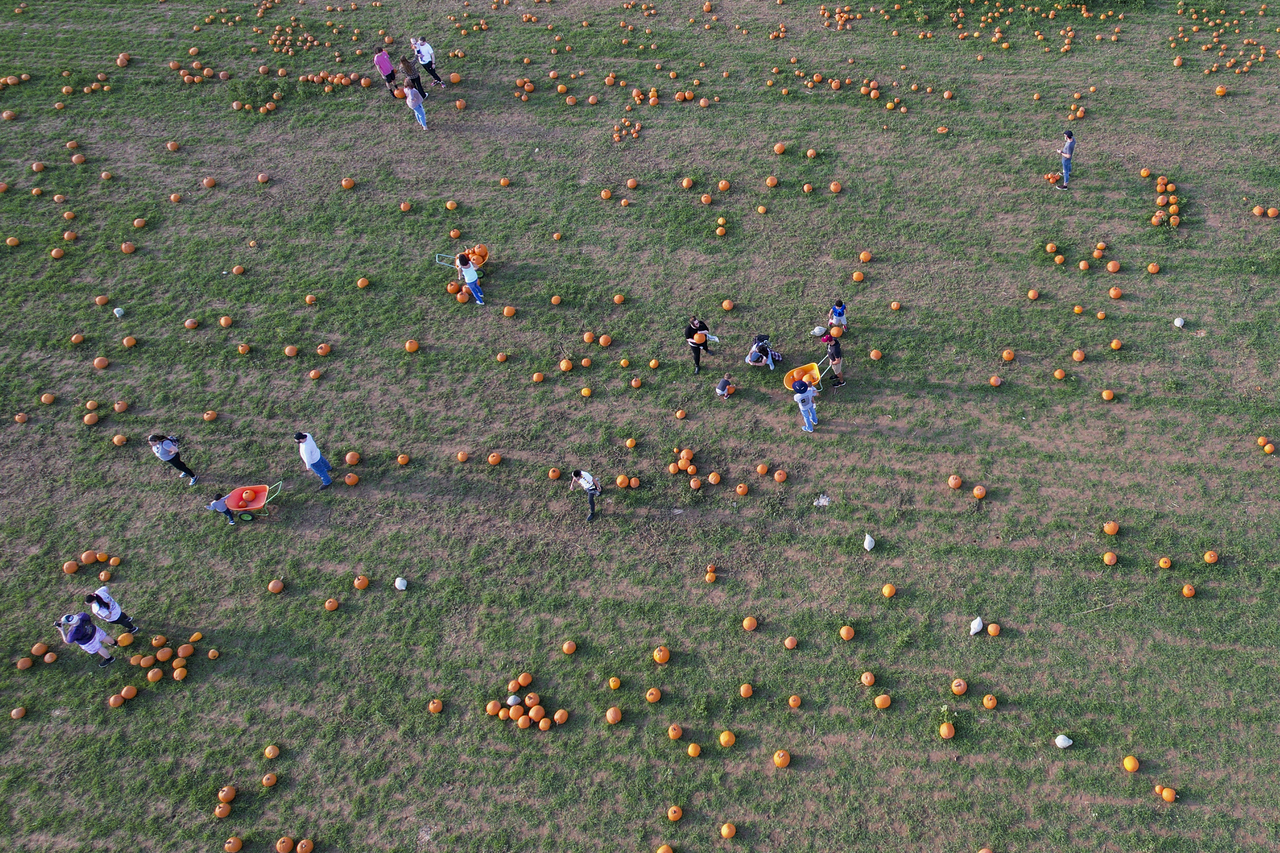
People and pumpkins dot the pumpkin patch at Shady Brook Farm. Heather Khalifa / Staff Photographer
Pumpkin picking, apple cider doughnuts, corn mazes.
If you’re a fall enthusiast like I am, chances are your ears just pricked up. The next couple of weeks are prime time for donning your favorite cozy flannel and getting outside to enjoy the crisp air.
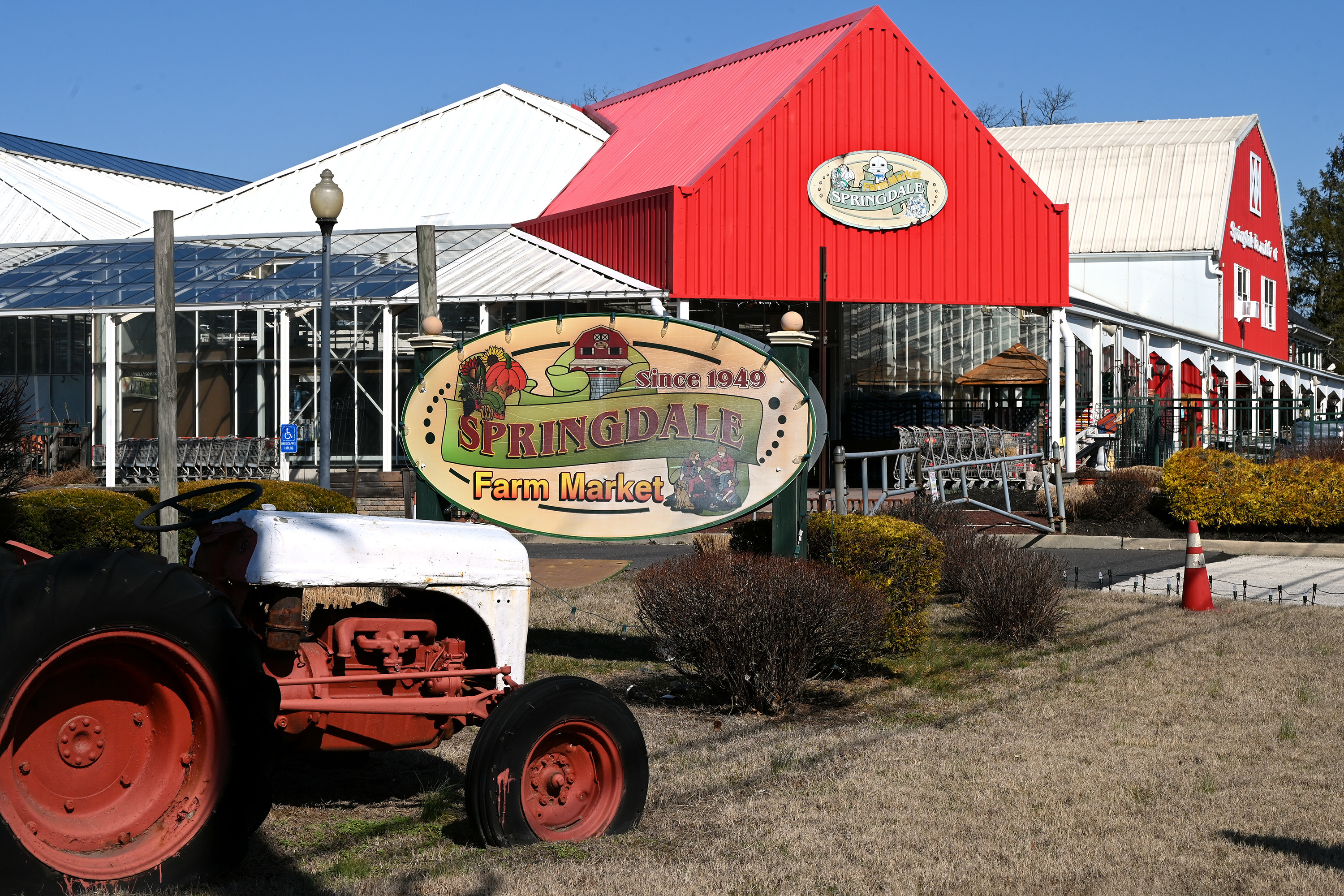
Springdale Farm Market at 1638 S. Springdale Rd. is among the top nearby spots to do just that. Stop by any day to pick a pumpkin from the market, or go all in with a pumpkin-picking hayride this weekend.
🌰 In other fall farming news: Sunflower picking and less-common crops such as chestnuts and jujubes are cropping up on farms’ fall offerings as the area’s climate warms and unusual weather events — including a surprise spring freeze — occur.
💡 Community news
“Forever chemicals” were found in nearly every waterway tested in recent years in New Jersey and Pennsylvania, including the Cooper River, according to U.S. Environmental Protection Agency data.
A 23-year-old Cherry Hill man was killed in a hit-and-run in Philadelphia’s Port Richmond neighborhood last week, NBC10 reports.
The “small-format” Macy’s store at Garden State Park along Route 70 is expected to close, according to 42Freeway. The location opened in 2024.
In the early 1900s, tales of the Jersey Devil roaming Gloucester and Camden Counties got the attention of this very paper. Just in time for spooky season, reporter Nick Vadala unpacks the sightings that caused mass panic and how it all unraveled as a hoax.
School board member Kurt Braddock has resigned, the board president announced last week. While voters will have their say in three other vacancies on the board in November’s election, officials plan to appoint a replacement for the remainder of Braddock’s term, which was set to expire at the end of 2027. Residents can apply for the role until 4 p.m. on Nov. 9.
Cherry Hill decided last week not to adopt a provision that would have allowed families to opt-out of using AI in school. The district is among many in our region wrestling with how AI should be used in the classroom.
🍽️ On our plate
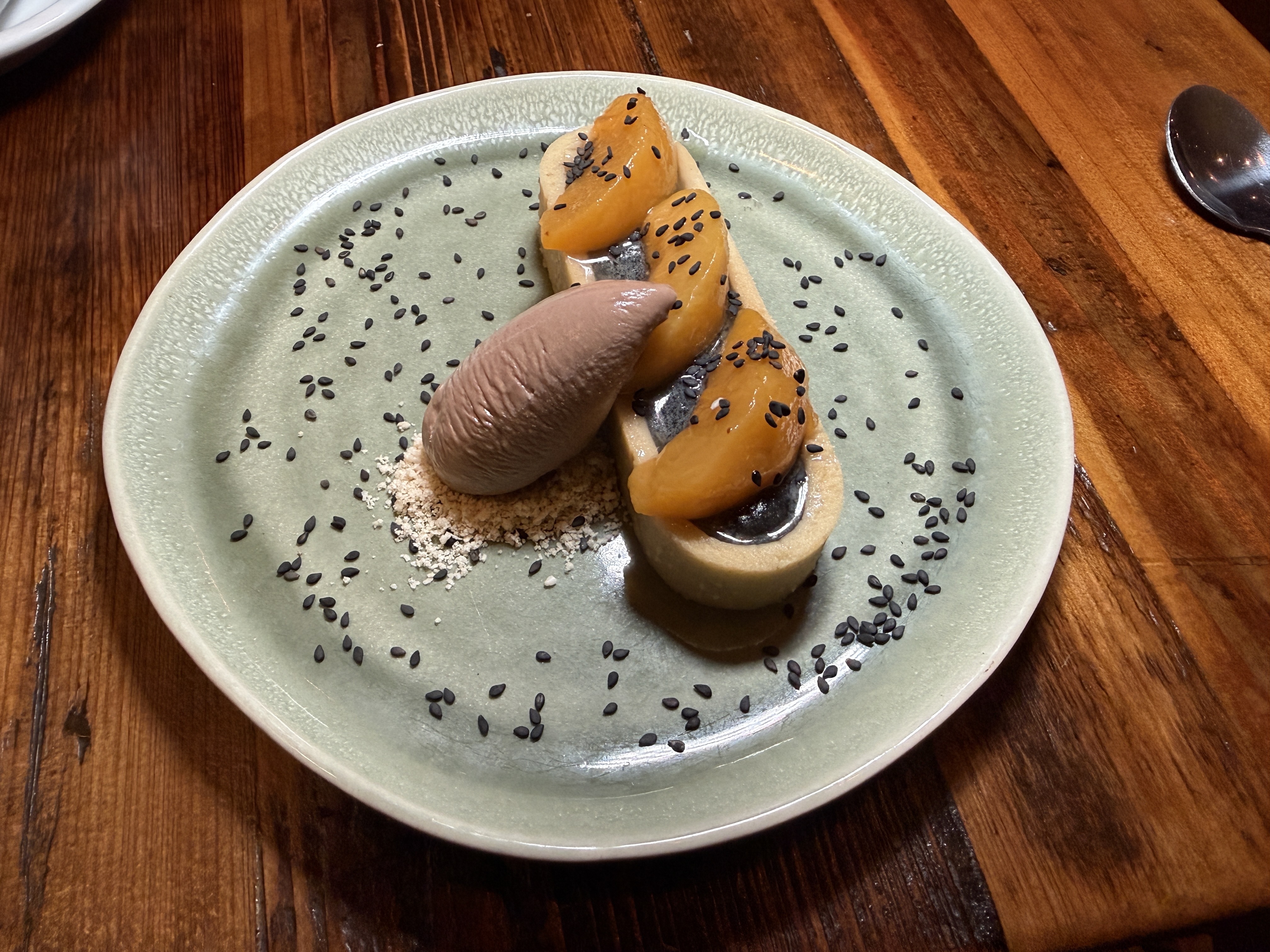
Black sesame, known for its nutty, earthy flavor, is having a moment in the culinary world. It’s cropping up in menu items across the region, The Inquirer’s Kiki Aranita writes.
Cooler weather have you craving a night in? Nearby Karachi Kafe has made our list of best spots for takeout, based on The 76, or The Inquirer’s guide to the area’s most essential restaurants. Food and Dining Reporter Kiki Aranita highlights the mutton karahi curry or the Zinger Burger, a spicy chicken sandwich. But the “space is so over the top, you really should dine in,” she writes.
Safwa, a specialty coffee shop and teahouse, is expected to open in Saw Mill Village next month, reports South Jersey Food Scene. The shop has locations in Somerset and Westbury, N.Y.
🎳 Things to do
🥟 Asian Dumplings: Try your hand at whipping up some chicken-and-prawn dumplings from scratch at this hands-on, chef-guided cooking class. ⏰ Friday, Oct. 23, 6:30 p.m. 💵 $64.80 📍 FoodieHall
🛼 Squishy Skate-O-Ween: Lace up your skates and take a spin around the rink to find hidden pumpkins. ⏰ Sunday, Oct. 25, 12:30-3:30 p.m. and 4:30-7:30 p.m. 💵 $14 📍 Hot Wheelz
🎶 V Shayne Frederick Trio: Unwind from the week with dinner and live jazz tunes. ⏰ Sunday, Oct. 25, 6-9 p.m. 💵 No cover charge for the music 📍 Eddie V’s Prime Seafood
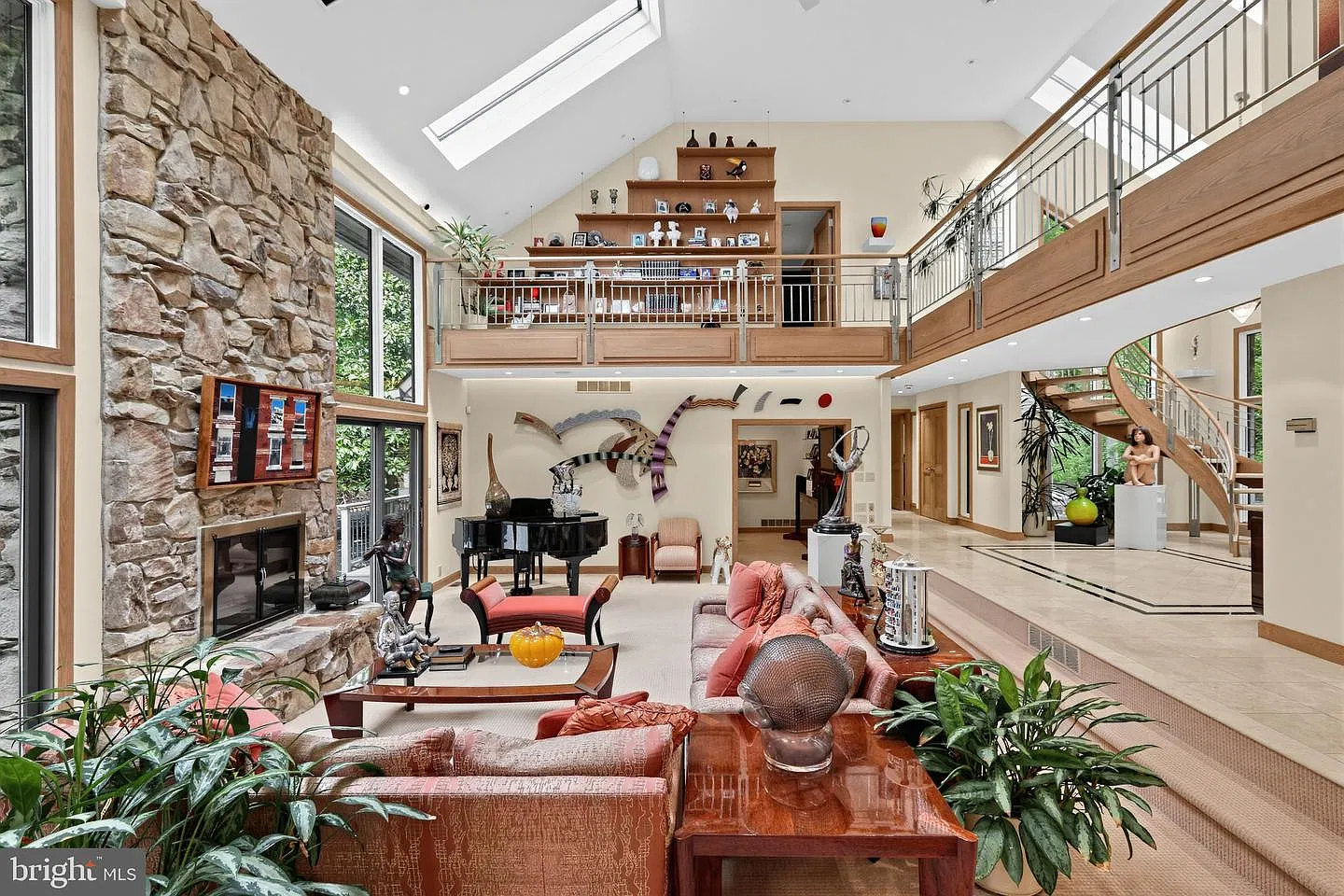
Marble floors, plus a chef’s kitchen, theater, gym, and private apartment are just a few features of this six-bedroom, six-and-a-half bathroom home. Outdoors, you’ll find a five-car garage and a large deck overlooking the expansive and wooded backyard.
Staffer Patricia Madej contributed to this newsletter.
By submitting your written, visual, and/or audio contributions, you agree to The Inquirer’s Terms of Use, including the grant of rights in Section 10.
This suburban content is produced with support from the Leslie Miller and Richard Worley Foundation and The Lenfest Institute for Journalism. Editorial content is created independently of the project donors. Gifts to support The Inquirer’s high-impact journalism can be made at inquirer.com/donate. A list of Lenfest Institute donors can be found at lenfestinstitute.org/supporters.
Few things have boosted the blood pressure of drivers over the last four years as much as the reconstruction of nine miles of Route 70 in Cherry Hill.
Traffic that crawled, barricades that needed dodging, mystery driveways that required careful navigation, and now that brown scar of dirt down the middle of the state highway. Complaints filled social media.
Leaders from the state, Camden County, and Cherry Hill are scheduled to gather at Barclay Farms Shopping Center on Friday to announce that it will be complete by this winter.
And “perennial native plants that truly represent the Garden State” will be planted to beautify the median, Camden County Commissioner Director Louis Cappelli Jr. said in a statement.
A rendering of plantings near the Garden State Park complex.Courtesy Camden County
Purple, pink, red and yellow perennial flowers and bulbs, and shrubs and grasses, will grow in the median. They will be road salt tolerant, according to the New Jersey Department of Transportation.
Black-eyed Susan, aster, daylilies, gaillardia, and allium will color the drive down the busy road. Inkberry, eastern red cedar, and switchgrass will help fill the gaps.
They will be planted in wildflower soil and framed by rubber or aggregate surfacing, according to the plans by Environmental Resolutions, Inc. of Mount Laurel.
Eight-foot-wide signs will read “Welcome to Cherry Hill” (and “Now Leaving Cherry Hill”) and brick columns will stand on each side, according to the plans.
The goal of the county-state project for median landscaping is to “create a new sense of place for motorists and pedestrians,” the county said in its announcement.
70and73.com is a hyperlocal news site focused on South Jersey, including the communities of Cherry Hill, Evesham, Mount Laurel, Voorhees, Medford, Medford Lakes, and Moorestown.
Ashley Coyne had dealt with plenty of staffing problems in nearly 11 years of running Goodbeet, her health-focused restaurant in Haddon Township’s Westmont section. But nothing could top one week in September.
One kitchen employee was out for surgery. Another broke his wrist and fingers. The kitchen manager landed in the emergency room with a badly sliced thumb. Then a front-of-house employee was injured playing volleyball.
Goodbeet owner Ashley Coyne in the restaurant kitchen in Haddon Township. Allie Ippolito / For The Inquirer
Coyne had to shut down her kitchen for two consecutive days because she had nobody to cook.
“I was like, ‘I’m done,’” she said.
And she was.
Goodbeet ended full kitchen and dine-in service last Friday. The storefront at 29 Haddon Ave. will continue selling coffee, smoothies, baked goods, and prepared foods through Oct. 31. Coyne plans to continue Goodbeet as a wholesale and online business, offering sauces, dressings, plant-based meatballs, prepared meals, salads, and desserts for pickup and delivery.
A shifting climate
For Goodbeet, an anchor on Haddon Avenue’s commercial strip, the competitive landscape has changed dramatically.
“We used to be a destination,” Coyne, 39, said. “People would travel serious distances to come here. Now, they don’t have to.”
When Coyne opened in 2015 as Heart Beet Kitchen, restaurants devoted to plant-based, gluten-free, and health-conscious food were relatively uncommon in South Jersey. Today, plant-based dishes are fixtures at chains such as Sweetgreen, Cava, and Chopt, while supermarkets and convenience stores have expanded their prepared-food offerings.
A quinoa Caesar salad from Goodbeet.Allie Ippolito / For The Inquirer
Coyne, who rebranded the restaurant in 2021, responded by broadening the menu. After a decade of serving no animal products, she began allowing customers to add chicken and salmon to bowls in 2025. In September, she introduced a salmon bowl and fried chicken sandwich.
The decision drew angry responses from some longtime vegan customers, including criticism directed at employees. But Coyne said the additions increased sales and attracted families whose members wanted different kinds of food.
“We sell so much chicken,” she said. “It brought in new customers.”
The changes came as the plant-based restaurant business faced competing trends. While 60% of American households purchased plant-based foods in 2025, according to the Plant Based Foods Association, U.S. food-service sales of plant-based proteins fell 7% that year, according to an analysis by Good Food Institute. Vegan food has entered the mainstream, but it’s apparently come at the expense of vegan restaurants.
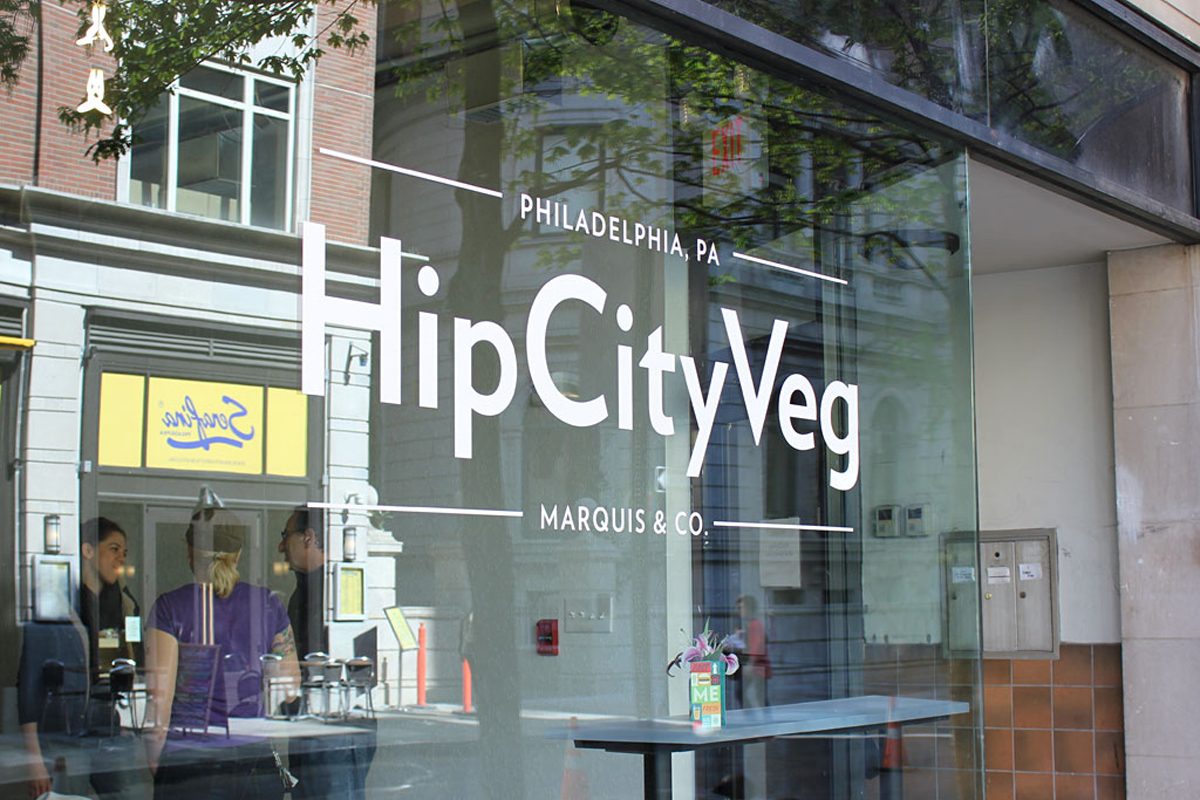
HipCityVeg, which had expanded to New York and Washington, now has one location: Its original storefront near Rittenhouse Square.Michael Klein / Staff
In the Philadelphia region, several vegan fast-casual operators have contracted. HipCityVeg opened in 2012 and grew to a chain in Philadelphia, its suburbs, D.C., and New York; today, it’s down to its original Rittenhouse location. Goldie, the vegan falafel chain that restaurateurs Steve Cook and Michael Solomonov opened in 2017, reduced its footprint from four Philadelphia shops to one over the summer, citing slower weekday lunch business and changing consumer-spending habits.
The broadened menu did not eliminate Goodbeet’s financial constraints. Coyne said she could not raise prices enough to fully offset rising food and labor costs without risking the loss of customers.
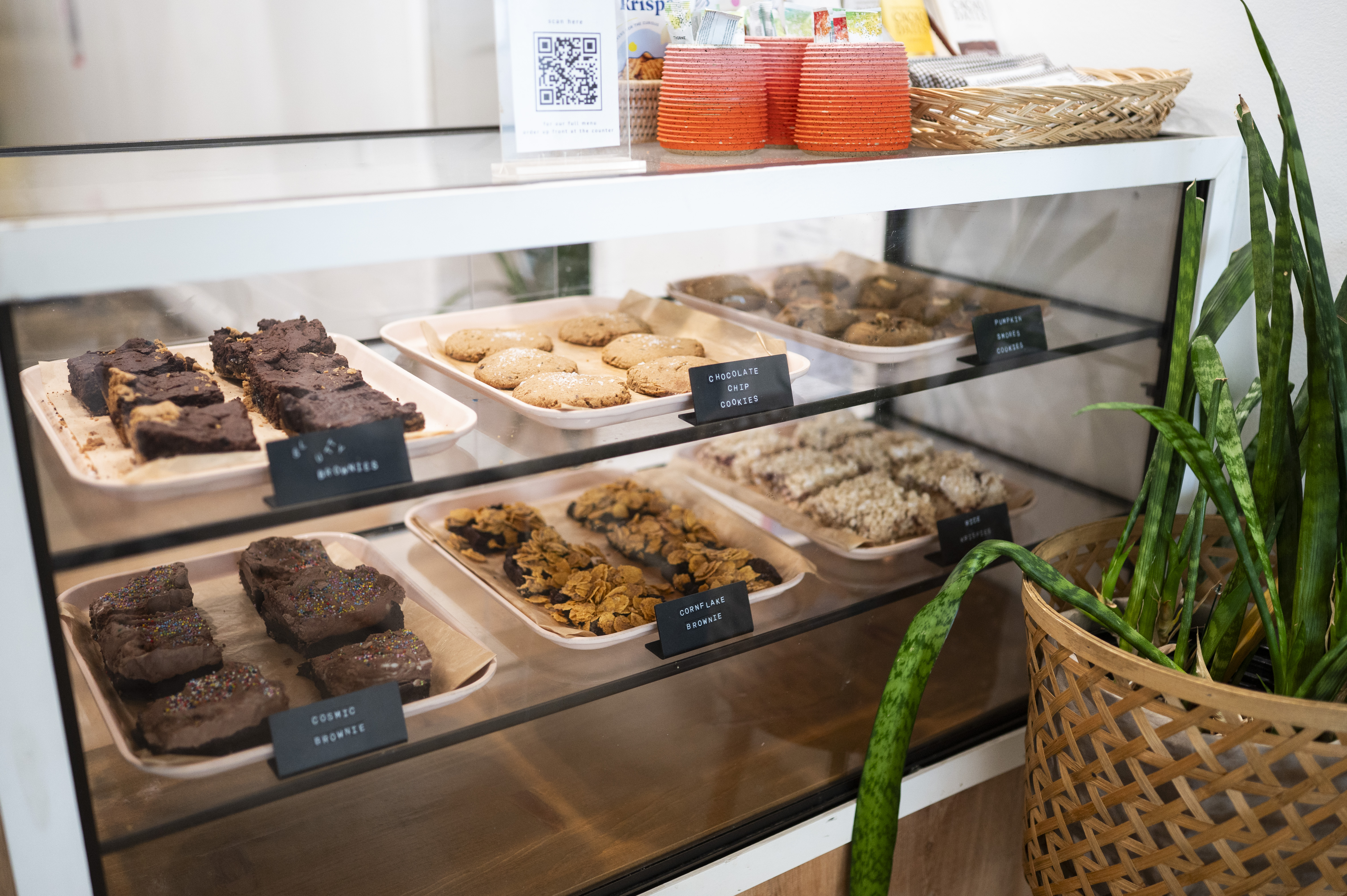
The pastry case at Goodbeet on Oct. 7.Allie Ippolito / For The Inquirer
Staffing issues
Yet the problem that ultimately closed the kitchen was not the cost of ingredients. It was keeping the kitchen staffed.
Before the pandemic, Coyne employed several full-time kitchen workers. More recently, she said, nearly everyone on her staff had another job. One employee teaches and works at Goodbeet nights and weekends. Another works only Fridays. Her cook also works at Wonder, the prepared-food and delivery chain.
Coyne generally pays $18 to $20 an hour, while some applicants seek $25. She understands why workers need more money, but said Goodbeet cannot necessarily offer enough hours to support full-time employment.
“People just aren’t as invested or committed to one place anymore, because they can’t be,” she said.
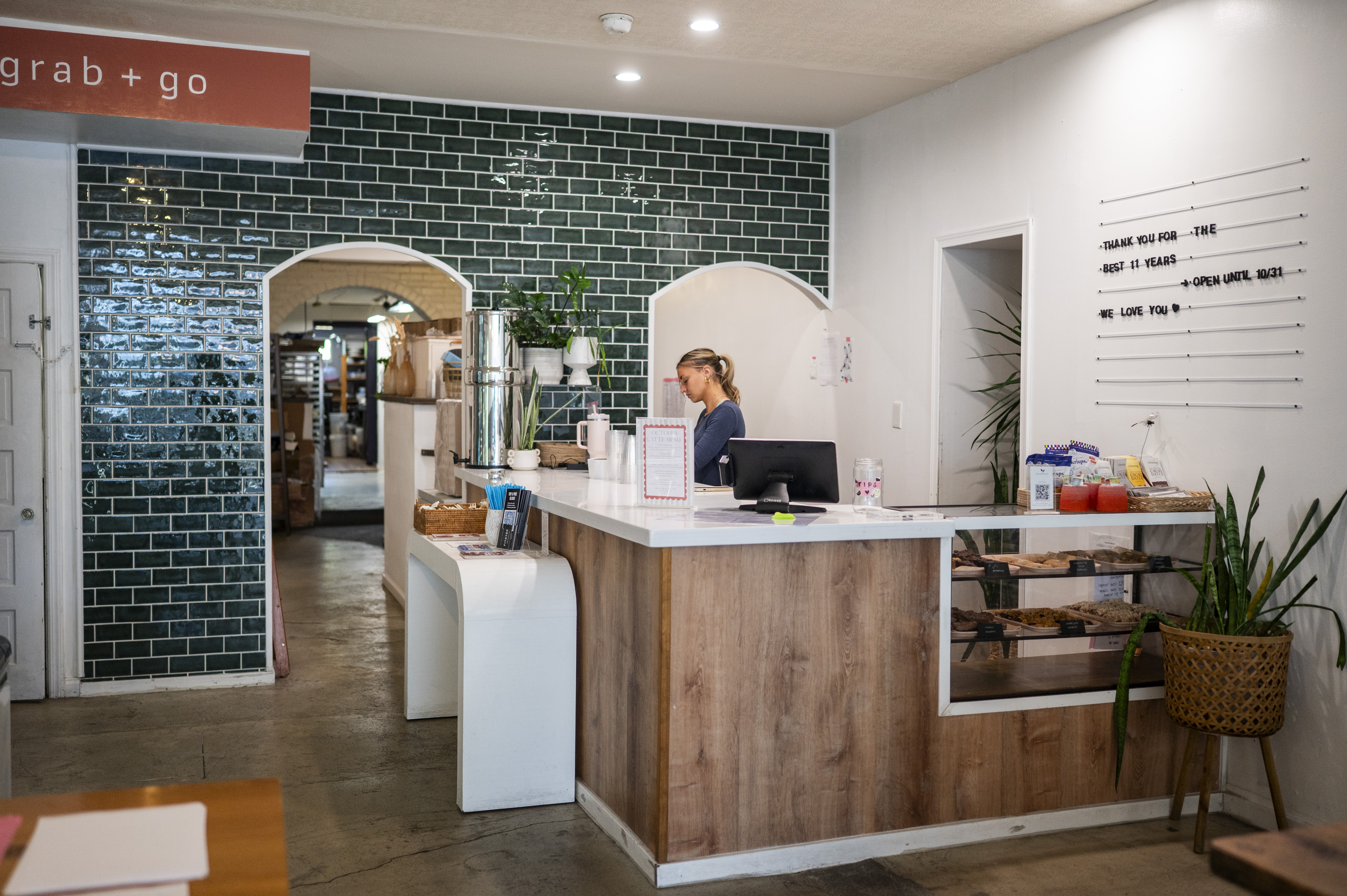
Goodbeet’s counter on Oct. 7, as the walk-in business winds down.Allie Ippolito / For The Inquirer
For a single-location restaurant with a small staff, even a few absences could disrupt operations. Unlike chains that can shift employees between stores, Coyne had no backup kitchen crew.
The early days
Coyne was 26 when she began developing Goodbeet after losing her marketing job with the Philadelphia Wings. Her family had restaurant-industry experience, but she had never run a restaurant herself.
Her prospective landlord initially turned her down. She returned several months later, convinced him to give her a chance, and opened with a lease she remembers as barely more than a page.
Customers lined up on the opening day in 2015. Within months, she signed a lease for an Ocean City location. She later expanded into Bordentown and operated a separate concept, Poppy Taco, inside nearby Reunion Hall. All eventually closed, leaving Westmont as Goodbeet’s sole storefront.
The exterior of Goodbeet, a plant-forward restaurant, is closing at the end of this month in Westmont, N.J. on Wednesday, Oct. 7, 2026.Allie Ippolito / For The Inquirer
The pandemic initially brought a surge in business. Coyne kept the restaurant operating, set up an outdoor pickup table, and found customers eager for food they considered healthy.
The longer-term strain emerged around 2023. As operating costs increased and staffing became more difficult, Coyne began expanding meal preparation, grab-and-go offerings, and wholesale accounts, packaging products such as plant-based burgers and meatballs for other businesses.
She was gradually building a business less dependent on daily restaurant service. But the intensity of September’s staffing crisis prompted her to close the kitchen.
“Five years ago, I would have handled it,” Coyne said. “I’ve worked every single job in this restaurant. I’ve cooked, I’ve done the front of the house, I’ve done everything.”
This time, she couldn’t bring herself to fill the shifts.
Next steps for Goodbeet
Coyne owns the building and is discussing a possible lease with an experienced restaurateur who wants to open a small café there, potentially in January.
Meanwhile, she and Glenda Navas, a cook who has worked for her for nearly a decade, plan to retain Goodbeet’s wholesale accounts and launch an online store.
Coyne hopes to concentrate on the parts of the business she believes can continue to grow.
“We’re not disappearing,” she said.
Still, the end of storefront service means losing more than a place to buy a meal.
Goodbye messages from customers are laid out on a table at Goodbeet.Allie Ippolito / For The Inquirer
Since announcing the closing, Coyne has watched customers return to tell her what Goodbeet meant to them. Some recall picking up desserts during the pandemic, when a restaurant visit was one of their few outings. Others describe a welcoming place where employees knew their families and their lives.
Jay Lassiter, 54, of Cherry Hill, isn’t vegan. He visits once or twice a week, usually after going to the gym next door.
Last week before the dine-in closing, he said Goodbeet offered something he had difficulty finding elsewhere: food he felt good about eating in a place where he felt comfortable.
A goodbye message is on the wall at Goodbeet.Allie Ippolito / For The Inquirer
Since the announcement, he has watched customers coming in more often, hugging Coyne and sharing their memories.
“It’s almost like a shiva,” he said. “People are coming to pay their respects because we all know what’s coming.”
Lassiter knows he will still be able to buy some of Goodbeet’s food. But that isn’t quite the same.
“There are a hundred things about this place that I’m going to miss,” he said. “But I think a safe, hospitable place to make healthy choices and be surrounded by good people is the thing that I’m going to miss the most.”
The data come about a week after Pennsylvania officials issued a “do not eat” advisory for fish caught in Wissahickon Creek after PFAS were recently found in a sample. A trout stocking on a section of the creek in Philadelphia was canceled as result.
“Every place that we’re testing, nearly every place we’re testing, we’re finding PFAS,” said Doug O’Malley, director of Environment New Jersey. “This is not just a problem in some places. This is an everywhere problem.”
Per- and polyfluoroalkyl substances are a large group of human-made chemicals that have been used in industry and consumer products for decades. There are thousands of the compounds. And many waterways tested positive for multiple types of PFAS.
Although the effects of the chemicals are still being studied, scientific studies have linked exposure to possible reproductive problems, development effects in children, increased risk of some cancers, high cholesterol, and reduced immunity.
Where were PFAS found?
In Pennsylvania, 88 waterways were tested. In New Jersey, 86 were tested.
The groups released an online map (https://public.flourish.studio/visualisation/30148552) showing the locations and amounts detected.
The compounds were detected in the Delaware River, the Schuylkill, and Frankford and Wissahickon Creeks in Philadelphia. They were found in Valley Creek near Valley Forge, Perkiomen Creek in Collegeville, and the East Branch of Brandywine Creek in Downingtown.
They were found in the Cooper River in Cherry Hill, Big Timber Creek in Glendora, Rancocas Creek in Mount Holly, and the Mullica River near Atsion Lake in the Pinelands.
“The findings from today’s report represent the tip of a toxic iceberg, because many of New Jersey and Pennsylvania’s waterways have yet to be tested at all,” said Stephanie Wein, a clean water advocate for PennEnvironment.
Wein said that though there are thousands of PFAS compounds, most studies test for only a few.The two most well known are perfluorooctanoic acid (PFOA) and perfluorooctane sulfonic acid (PFOS).
Both have been phased out in the U.S. However, the compounds gained notoriety as “forever chemicals” because they resist breaking down in the environment, the human body, and wildlife.
“This poisoning of our water is what happens when we use toxic chemicals throughout our economy for unnecessary uses such as nonstick cookware, cosmetic products, and clothing,”said Tee’Yanah Davenport, coalition coordinator with Rutgers-Camden NJPIRG Students. “It’s time to turn off the toxic tap.”
Stephanie Wein, an advocate for the PennEnvironment Rsearch and Policy Center speaks about a study showing that most waterways in the area tested positive for PFAS. To her left is Doug O’Malley, director of the Environment New Jersey Research & Policy Center. To her right is Stefanie Kroll, director of the Riverways Collaboration. Also seen are student members of NJPIRG.Frank Kummer
Impact on drinking water
The Delaware River is one of the most PFAS-laden waterways, O’Malley said. The chemical was found in 98% of samples tested in the lower Delaware River south of Trenton.
The Delaware River watershed supplies drinking water to millions of people, as well as providing a home to fish and wildlife.
Philadelphia gets its drinking water from its two major rivers.
Currently, an EPA rule set during President JoeBiden’s administration — which calls for a maximum of 4 parts per trillion for PFOA and PFOS in drinking water — is being phased in. It set higher limits of 10 parts per trillion for a few PFAS compounds.
Under the Trump administration, the EPA has proposed giving water companies more time to comply with PFOA and PFOS limits, and rescinding limits for other PFAS compounds.
Some of the water sampled for the new study exceeded the current EPA safety levels.
Many water departments have installed, or plan to install, filters that remove most PFAS.
A view of the Delaware River and Philadelphia skyline from RCA Pier Park in Camden, N.J. on Oct. 14, 2026.Frank Kummer
Higher blood pressure, cholesterol
PFAS have also been linked to firefighting foam. The foam was widely used on military bases in Bucks and Montgomery Counties for decades.
A separate analysis showed areas of some cancers in or near those communities, but more research is neededto determine whether there is a correlation between cancer rates and the water, the study’s investigators said.
Pennsylvania state legislators are currently debating a bill that would ban PFAS in the foam.
The 40-mile-long Neshaminy Creek, which runs through Bucks County and near the bases, has been associated with high levels of PFAS, including areas that provide public drinking water.
The study released Wednesday showed a level of 102 parts per trillion in the creek near Hulmeville.
Cherry Hill school board member Kurt Braddock has resigned from the board, leaving a vacancy weeks before voters will fill three other open seats in the November election.
Board President Gina Winters announced Braddock’s resignation at a board meeting Tuesday night. Braddock was not present.
In a Sept. 24 email to Winters obtained by The Inquirer under the state’s Open Public Records Act, Braddock said: “Serving on the Cherry Hill BOE has been one of the greatest honors of my lifetime, and I hope to continue to remain involved with the District in any way that I can.”
Winters said Braddock, an assistant professor in the School of Communication at American University, informed her that he had recently been promoted and said he would not be able to continue serving on the nine-member board.
Braddock was elected to a three-year term on the board in 2024. His term was set to expire at the end of 2027. Winters and other board members praised his service.
Winters said the board would appoint someone to complete Braddock’s term. The board has 65 days to fill the seat. The district will collect resumés from candidates and hold interviews, she said. An appointment is expected in late November, she said.
“I think running for election can be very daunting. I think it’s very scary to run for election and to put yourself out there in that way,” Winters said at the meeting. “If you’re interested in board service, I really encourage everybody in the community who thinks they might be interested to apply to fill the vacancy. It is extraordinarily rewarding.”
Black sesame has been around for centuries. Now it’s finding its way into all kinds of foods.
Also in this edition:
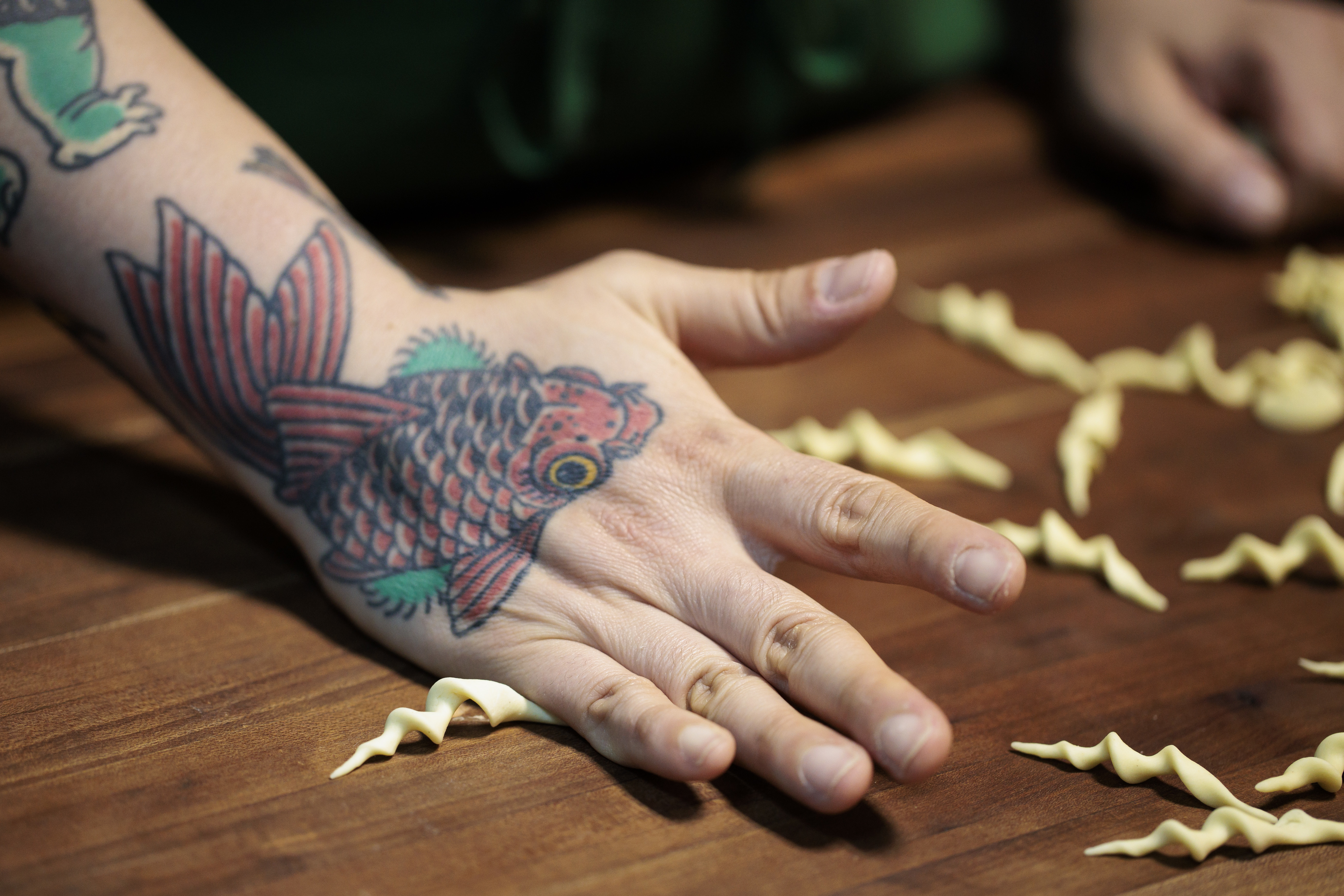
Skin in the game: A look at chefs and their tattoos.
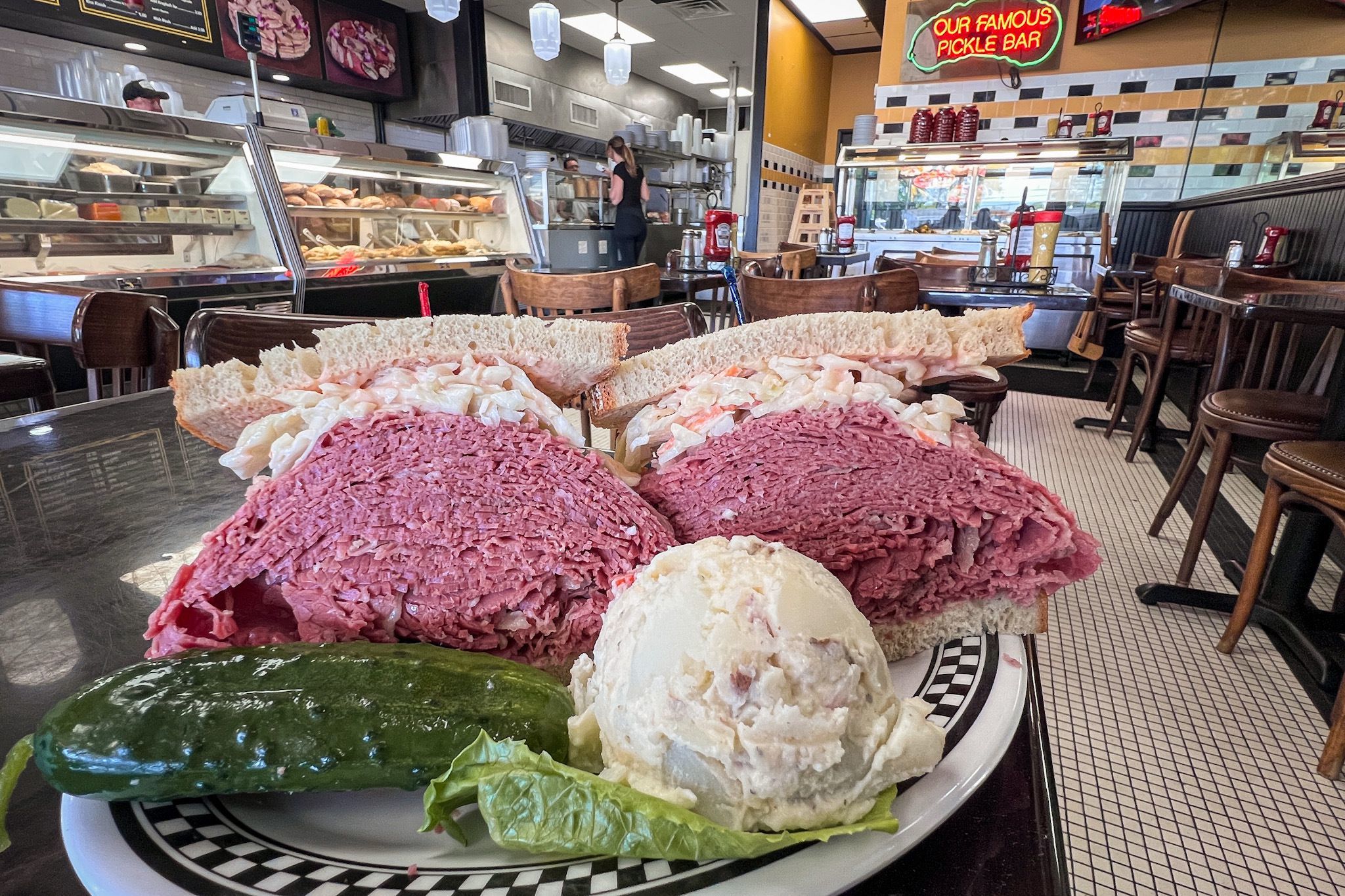
Something is not kosher: A Jewish deli has run afoul of New Jersey’s consumer regulations.
Ice cream, behind the scenes: We visit Milk Jawn’s R&D lab.
News: Read on for first word of Sagami’s new branch in University City (the former Pod!) and DePaul’s Table’s casual offshoot on its way with steaks and chops to go. Also, a new restaurant is coming to Cherry Hill Mall.
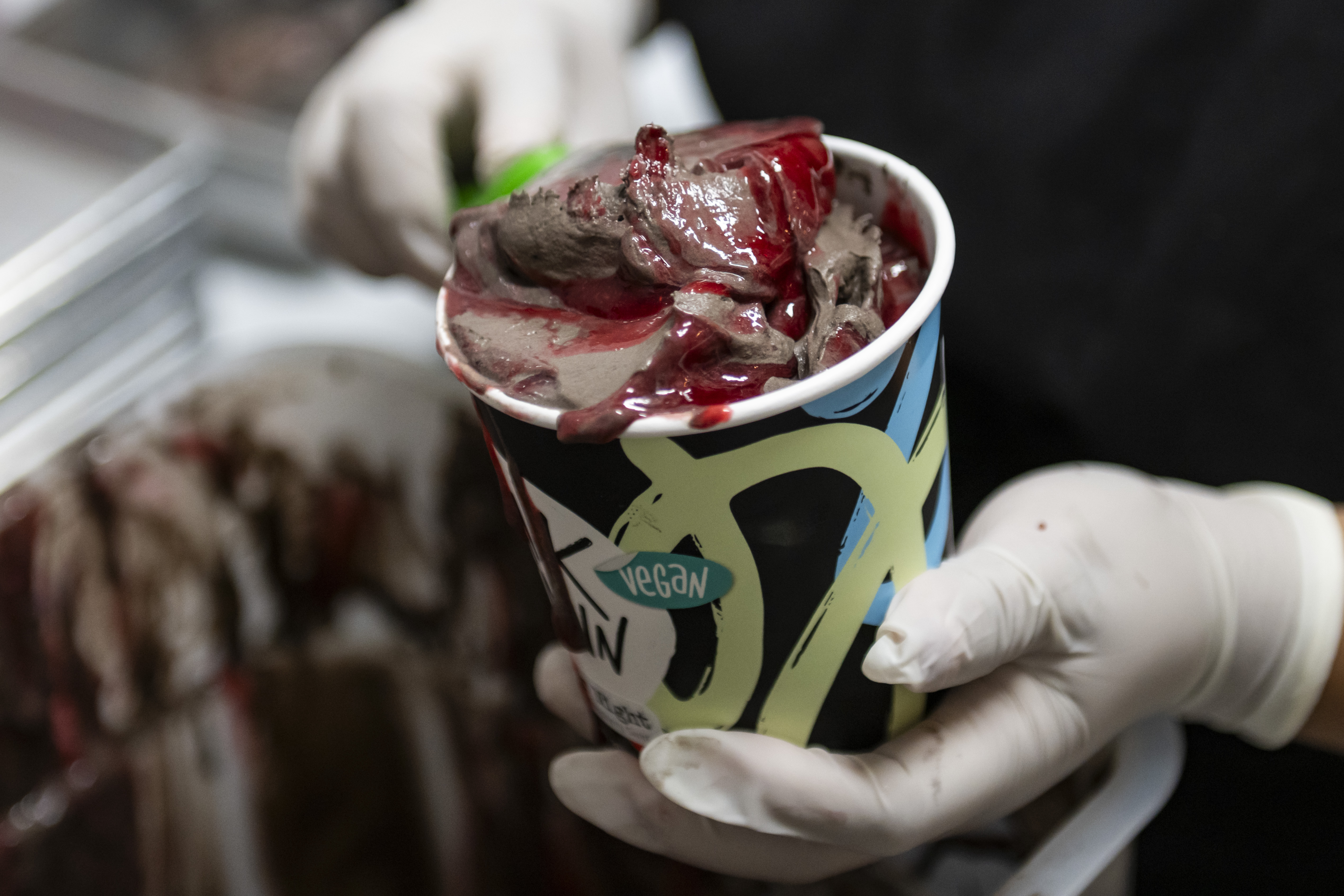
Move over, matcha: Black sesame is the hot new flavor on Philly’s cafe, dessert, and cocktail menus, Kiki Aranita writes. There’s nothing new about it, but it’s trending.
Càphê Roasters, the Vietnamese coffee shop whose crowds have outgrown its Kensington cafe, is planning a substantially larger outpost in South Philly. And there’s even more on the horizon.
☕ Fun fact: Càphê cofounder Thu Pham’s daughter, born in June, is named Autumn — the English translation of Thu’s first name. “I gave her that because I don’t have an English name myself,” Pham says.
Tattoos go hand in hand with the food and hospitality industry — and they often come with fun stories. Emily Bloch spoke with more than a dozen baristas, bartenders, chefs, and owners about their favorite pieces.
✒️ Try out some ink of your own at the temporary tattoo booth at The Inquirer Food Festival on Nov. 14. Ticket info is here.
The Kibitz Room in Cherry Hill is pushing back on a claim by the State of New Jersey that it has not properly stated that its food is not kosher. Management wryly calls it a “schmear campaign.”
One of Center City’s best cooked-to-order pasta destinations is DaMò Pasta Lab, where mostly everything is imported, including the flour, the cheese, and the owners.
Scoops
Sagami, the much-honored South Jersey Japanese restaurant, will take over the longtime location of Stephen Starr’s now-shuttered Pod on the Penn campus. Expect a massive sushi bar and house-made noodles, but no omakase experiences, owner Alan Su told me.
Maya Bohem Coffee, with roots in Turkey, will fill the vacant spot at Cherry Hill Mall previously occupied by the Bistro at Cherry Hill. The owners also run Blue Fig Gardenin the mall.
DePaul’s Table, the luxe Ardmore steakhouse, is bringing its filet mignon and lamb chops to Philadelphia — without the white tablecloths. Owner Anthony DePaul has taken over the former Southside Pizza at 917 S. 20th St., at Carpenter Street in Graduate Hospital, for a takeout-and-delivery offshoot called DePaul’s Pronto. Targeting late November, DePaul plans to offer steakhouse fare alongside pizza, cheesesteaks, chicken and veal Marsala, and chicken Parm. DePaul envisions a few tables for customers who want to eat in, though there will be no table service. Ordering will be handled by counter staff and self-service kiosks. DePaul said he is seeing growing demand for delivery at his downtown Ardmore restaurant, including big orders through third-party platforms. Rather than invest in another full-service restaurant with substantial rent and overhead, he decided to try a smaller format.
Bar Nostra is due to open later this monthin the space previously occupied by Mix Bar & Grill,which closed recently at the River West Condos at 21st and Chestnut Streets.Nostra’s owners include Aakash Patel of Bar1010. Opening menu will include 12-inch brickoven pizzas, pastas, salads, and a craft cocktail program featuring clarified cocktails.
Messina Social Club will open up for new memberships. As Kiki Aranita reports, 100 will be free for applicants who work in the restaurant business.
Restaurant report
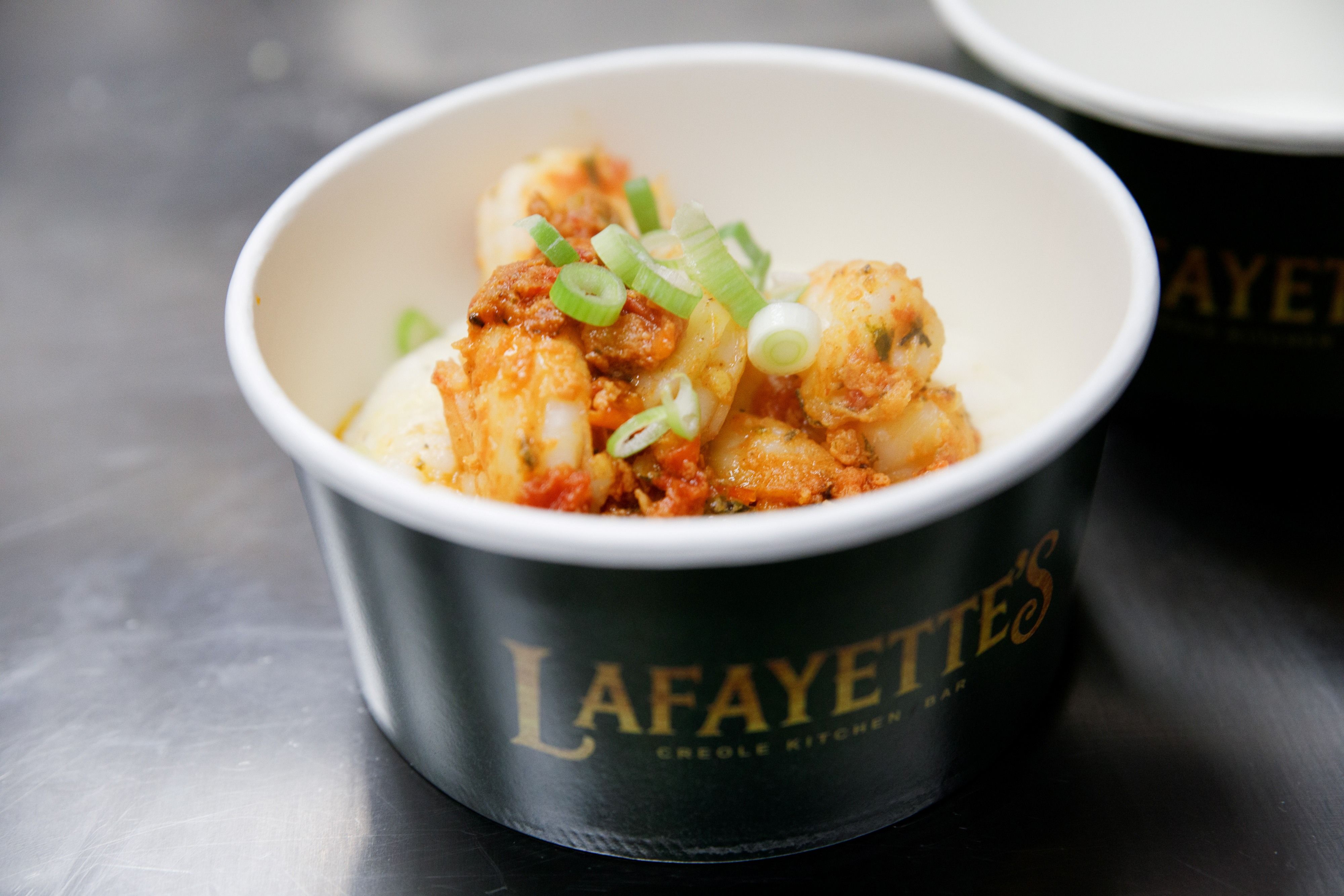
Lafayette’s Creole Kitchen & Bar has opened in Philadelphia International Airport’s B/C Connector. Shrimp and grits are on the menu, along with gumbo, shrimp étouffée, red beans and rice, po’boys, and chicken and waffles.
The Ardmore restaurant space that has housed Mikado Thai Pepper for 27 years is being split again. Win Hospitality plans to open Blue Elephant Ardmore next month at 64 Lancaster Ave. Win owners Pearl and Paul Somboonsong’s parents, Sutida and Win, opened Thai Pepper in 1991, followed by Mikado next door. The restaurants merged in 1999. The new Blue Elephant, whose other locations are in Wayne and Pottstown, will operate as a BYOB with a nonalcoholic beverage program on the former Thai Pepper side of the restaurant, seating 70 to 80 people. Its Asian fusion menu will include Hokkaido milk bread with miso butter and strawberry-yuzu jam, tuna bruschetta, and seafood green curry linguine. Mikado Thai Pepper will continue operating next door in the original Mikado space. The restaurants will have separate identities and menus, though Pearl Somboonsong said staff would accommodate requests from customers seated on the other side. “They’re supposed to function as two separate restaurants, but I like to say they’re friends,” she said.
Briefly noted
Pastry Pants, a Swarthmore bakery, has closed. The owner, who founded the business in his driveway, told Denali Sagner that a constellation of factors pushed him to shut down.
Reading Terminal Market’s Scrapple Sculpting Contest returns for a third year at 11 a.m. Thursday as 12 contestants are given six pounds of scrapple, sculpting tools, and 90 minutes to create market-themed artworks. Can’t make it? The sculptures will be displayed during the market’s Scrapple & Apple Festival from 10 a.m.-5 p.m. Saturday, when visitors can vote for their favorite.
Goodness Bowls (5 Paoli Plaza, Paoli) will mark the grand opening of its Paoli cafe from 9 a.m.-noon Saturday with a DJ and family activities. The first 50 people in line who enroll in the rewards program will receive a free Avalon Bowl. A portion of proceeds will benefit the Greater Delaware Valley Chapter of Breakthrough T1D.
Philly Coffee Festival will draw specialty roasters and coffee shops to the 23rd Street Armory (22 S. 23rd St.) this weekend. General admission sessions run from 10 a.m.-1 p.m. and 1:30-4:30 p.m. each day; early admission begins at 9 a.m. Coffee tastings and live entertainment are included; food will be sold separately. Tickets start at $21.
The Manayunk Mac and Cheese Crawl will draw 18 restaurants serving spins on mac and cheese during a ticketed crawl from noon-4 p.m. Saturday as part of Manayunk Fall Fest. Admission includes one sample from each restaurant while supplies last, plus a wristband and crawl map. Check-in begins at 11:30 a.m. outside the Manayunk Welcome Center (106 Grape St.). Tickets start at $21.
Uchi and Ogawa Sushi & Kappo will team up as Ogawa executive chef Carlos Wills joins Uchi head sushi chef Josephine Fry and chef de cuisine Ford Sonnenberg for a 10-course dinner Monday at Uchi (1620 Sansom St.). Seatings ($175pp at the sushi bar or $150 at surrounding tables, plus tax and tip) are at 6 and 8:30 p.m.
❓Pop quiz
Which Philadelphia sports star’s name was attached to a Chinatown wonton soup order that went viral?
What happened to Walnut Street Cafe at Cira Centre South? — Charles K.
Walnut Street Cafe opened in 2017 to great promise (and a glowing review from The Inquirer’s Craig LaBan). It closed unceremoniously two weeks ago at Cira Centre South at 30th and Walnut Streets. A rep for landlord Brandywine Realty Trust tells me that Brandywine has “new and exciting concepts” on the way not only to the cafe’s ground-floor space at 30th and Walnut but also to the Post, the now-shuttered sports bar around the corner on 30th Street, and Sunset Social, the 1.2-acre seasonal rooftop on the 12th floor.
📮 Have a question about food in Philly? Email your questions to me at mklein@inquirer.com for a chance to be featured in my newsletter.
By submitting your written, visual, and/or audio contributions, you agree to The Inquirer’s Terms of Use, including the grant of rights in Section 10.