Also, Jefferson Cherry Hill Hospital may leave Horizon Blue Cross Blue Shield of New Jersey’s network if a new agreement can’t be reached, the $5 million Kingston Park opened this past weekend, and a woman who has reenacted Edgar Allan Poe for decades isn’t letting the end of spooky season stop her from performing.
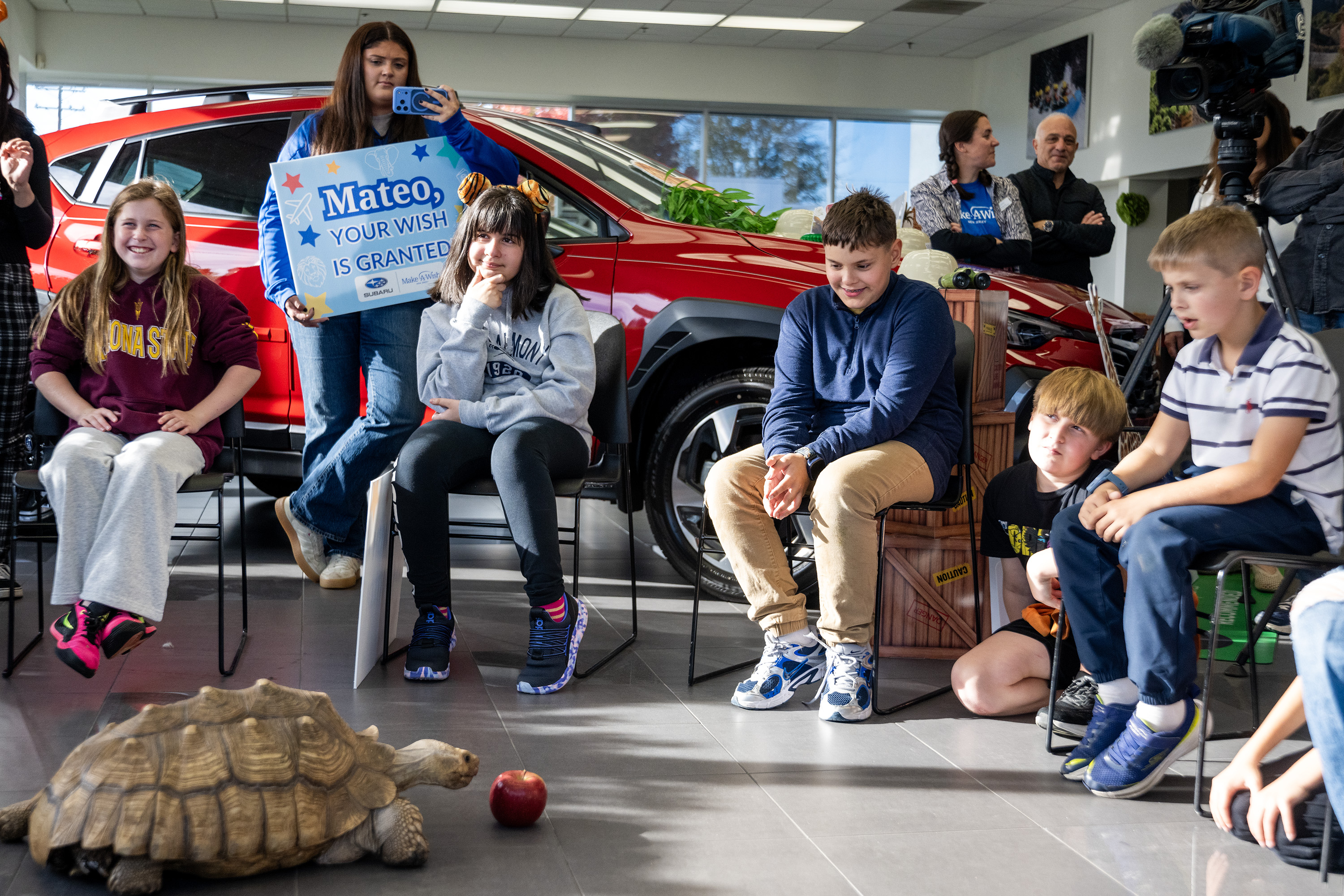
Mateo Malcarney, a 12-year-old Cherry Hill resident who is in remission from non-Hodgkin lymphoma, will this week see his dream come true: going to South Africa for a safari.
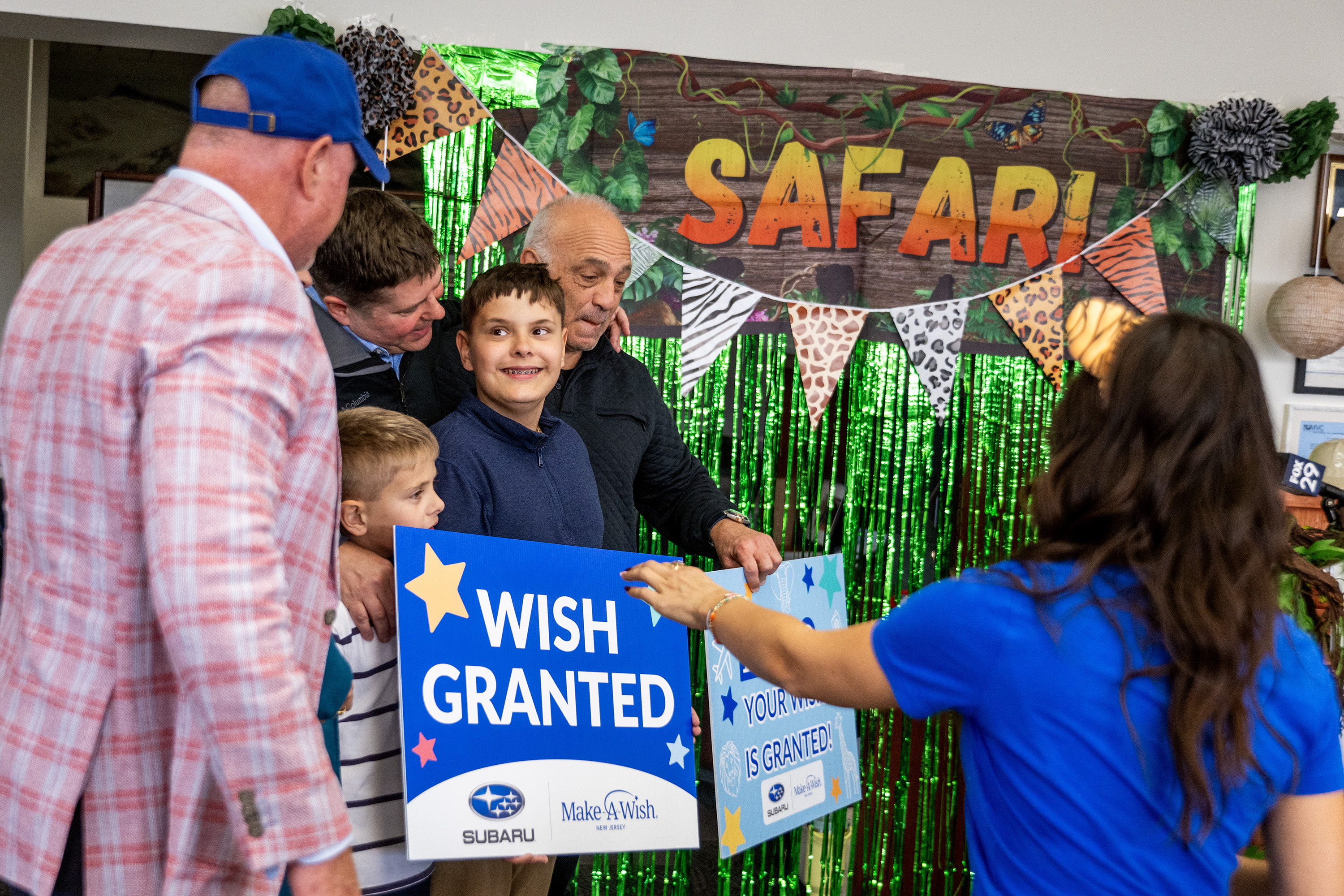
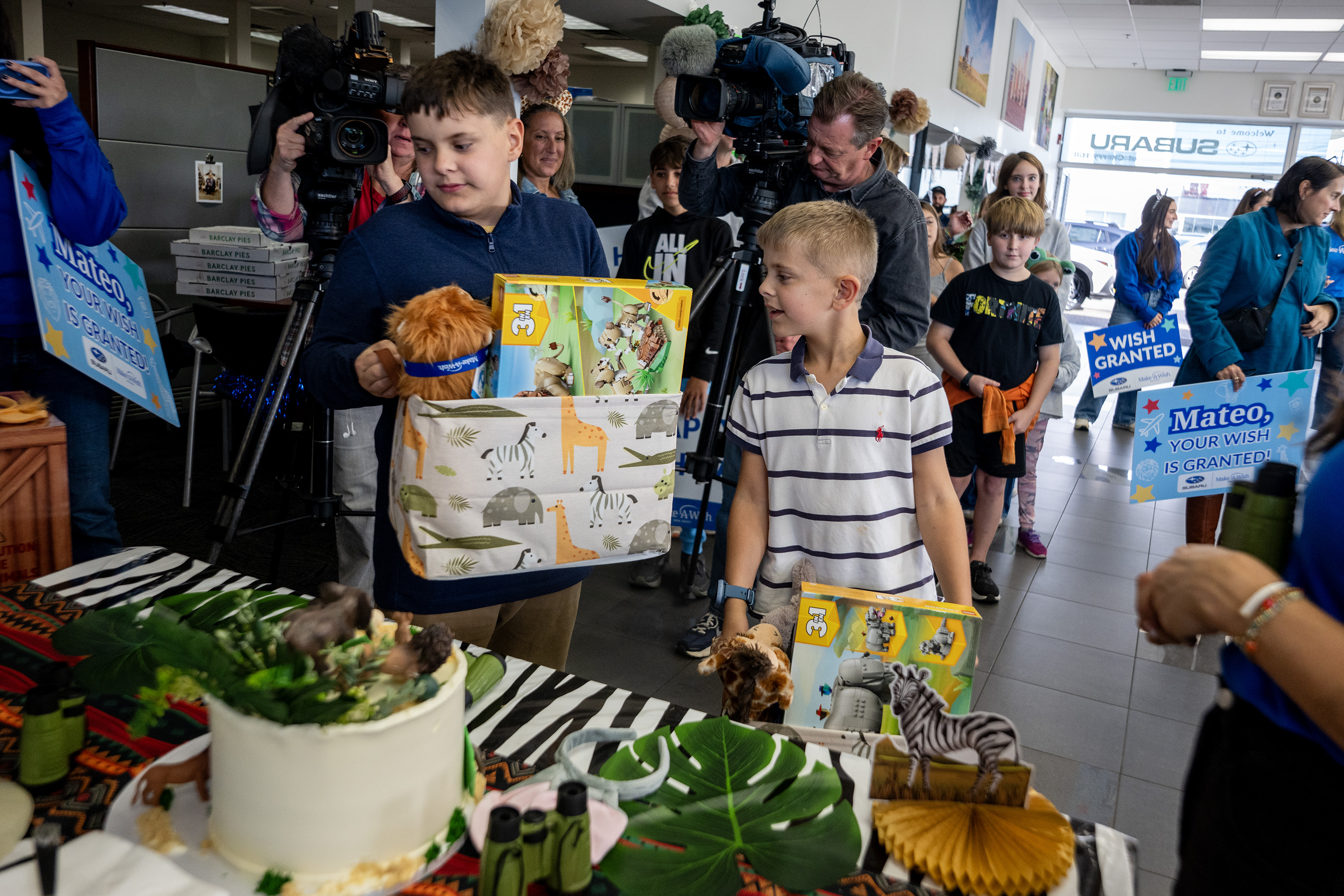
Malcarney, his parents, and his 8-year-old brother Carlos are packing their bags thanks to Make-A-Wish New Jersey and Subaru of Cherry Hill, which are bankrolling the trip. When the getaway was announced at a surprise party at the dealership on Monday, Malcarney “was practically vibrating with excitement,” wrote Inquirer reporter Lacey Latch.
The best part? In Malcarney’s eyes, it’s the chance to see the Big 5 (African buffalo, rhinoceros, lion, leopard, and African elephant) in person. For his parents, it’s making new memories as a family.
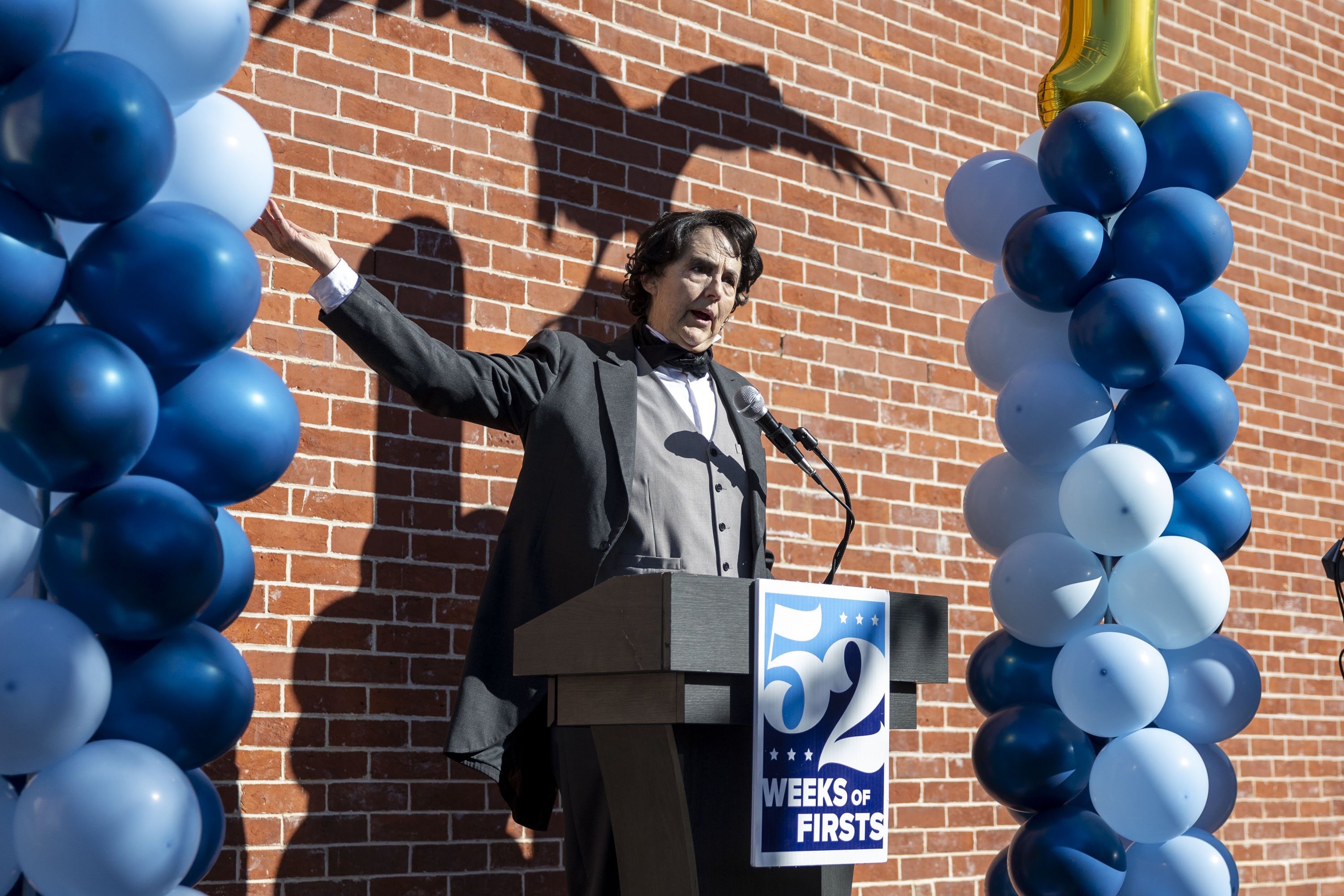
Cherry Hill resident Helen McKenna playing Edgar Allan Poe.Tyger Williams / Staff Photographer
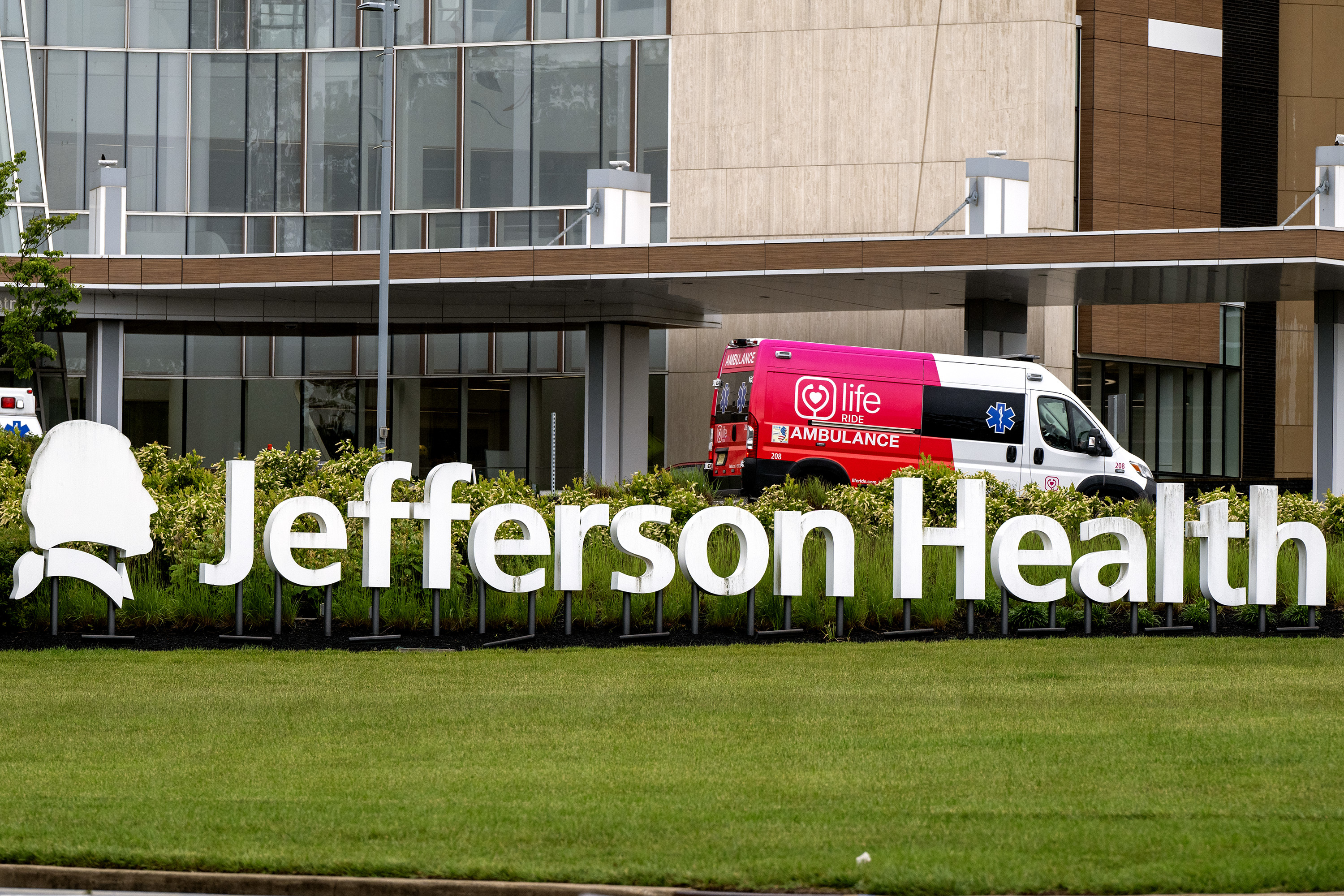
Jefferson Cherry Hill Hospital is among the South Jersey hospitals that could be excluded from Horizon Blue Cross Blue Shield of New Jersey’s network in March unless the insurer and Jefferson Health can reach a new contract agreement soon.
Kingston Park, a $5 million recreational space outfitted with a playground and basketball court, has debuted at the site of the former Kingston Swim Club. 70and73 looks at thenew space that opened Sunday.
While many call it quits on anything spooky after Halloween, that’s not the case for 71-year-old Helen McKenna of Cherry Hill, who has reenacted Edgar Allan Poe in various settings for 30 years. She has performances planned throughout November.
Opinion: Kiplee Bell, a clinician who practices in Cherry Hill and Pennsylvania, explores in a guest essay the ways that burnout from “the caregiving crisis” weighs on today’s workforce, already exhausted by their primary jobs.
🗺️ Other nearby news
Bruce Curless, the “godfather of South Jersey theater” who founded the Ritz Theatre Company in Haddon Township, died on Oct. 28 from pancreatic cancer. He was 78.
A three-story, 117-unit senior apartment complex may be built on vacant land in Voorhees, close to the AMC movie theater parking lot, reports 70and73.
Megu Sushi’s Cherry Hill location is now the brand’s sole year-round outpost after the Haddonfield restaurant closed, according to South Jersey Food Scene.
Slap Burger, which recently opened at 906 Marlton Pike, serves some of the best burgers in the state, according to a ranking from NJ.com. The outlet lauded its viral smash burgers.
🎳 Things to do
📖 Friends Book Sale: Thousands of books, records, DVDs, and other physical media items will be up for sale, with proceeds benefitting the library. ⏰ Thursday, Nov. 5, 10 a.m.-7 p.m.; Friday, Nov. 6 and Saturday, Nov. 7, 10 a.m.-5 p.m.; and Sunday, Nov. 8, 1-5 p.m. 💵 Pay as you go 📍 Cherry Hill Public Library
🛼 8 Mile Eminem Skate: Roll around the rink to the tune of Eminem’s biggest hits, and vie for a chance to win an album by the rapper. ⏰ Saturday, Nov. 7, 7:30-10:30 p.m. 💵 $12 admission,plus $6 skate rental📍 Hot Wheelz
📚 The Festival of Arts, Books, and Culture: Check out local author showcases, panel discussions, and musical performances. The festival will culminate with an event featuring Rachel Goldberg-Polin and Jon Polin, whose son Hersh Goldberg-Polin was taken hostage on Oct. 7, 2023, and later killed. ⏰ Daily events through Saturday, Nov. 14, times vary; Polin event is on Sunday, Nov. 15 at 7:15 p.m. 💵 Events range from free to $77.63 📍 Katz JCC
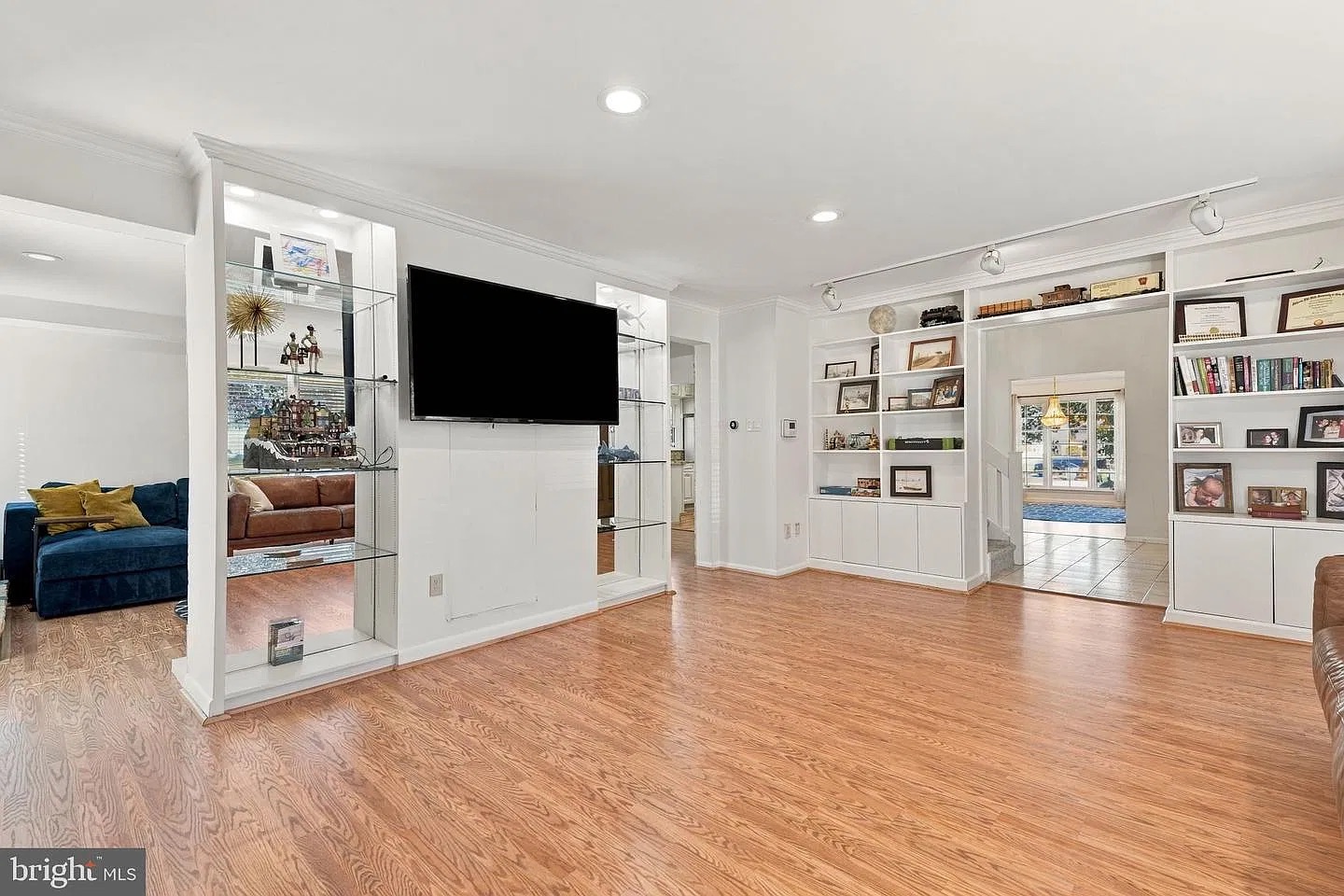
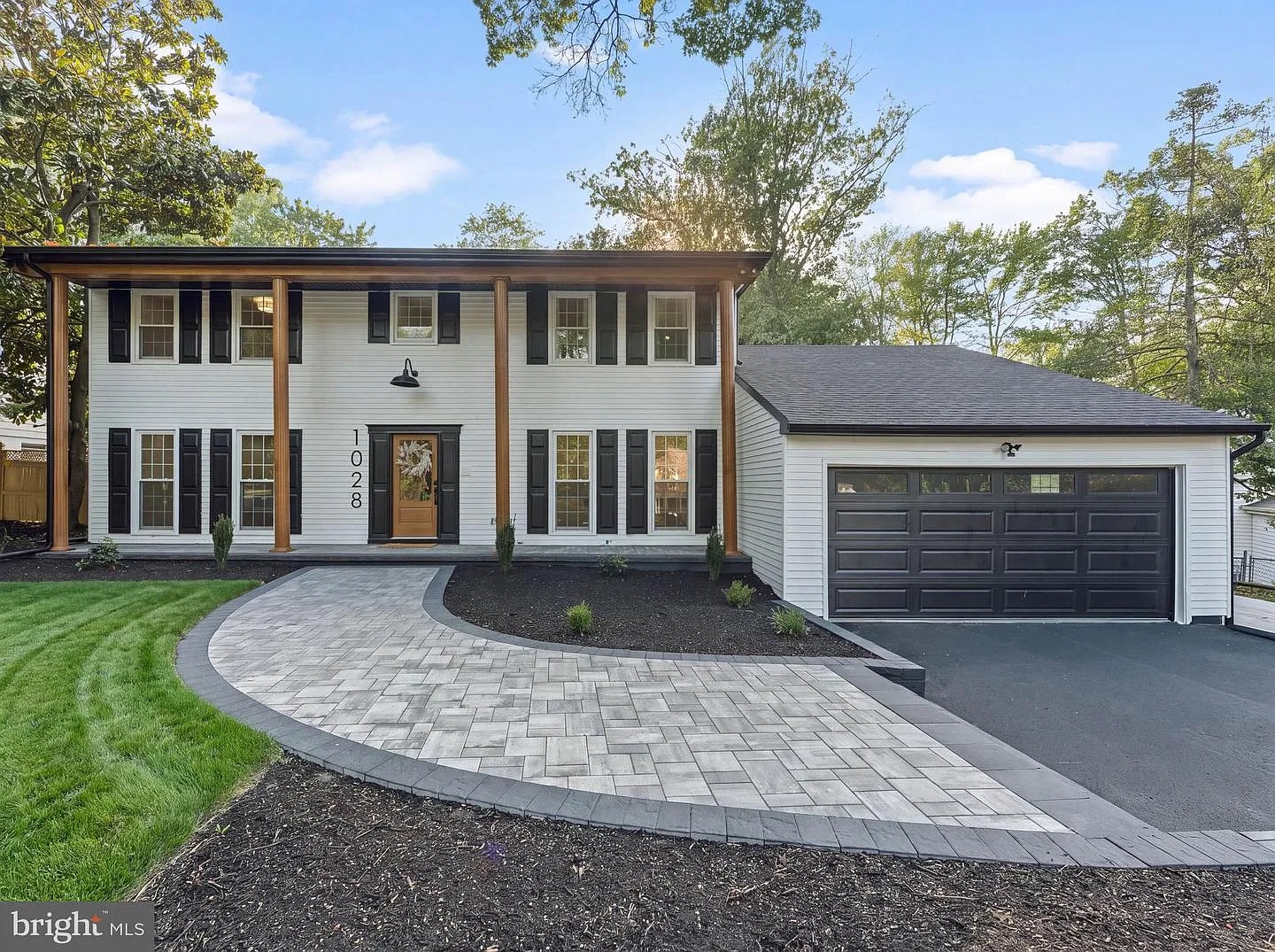
This four-bedroom, two-and-a-half-bathroom home was built in 1979 a block away from Cherry Hill’s Magic Forest and Bunker Hill trail network. Lots of windows keep the space bright, said the listing agent, and the all-season room looks out on the backyard and a gunite pool. There is a two-story foyer, updated kitchen, finished basement, and a family room with a stone gas fireplace and a tiled accent wall. The upstairs has new carpeting.
By submitting your written, visual, and/or audio contributions, you agree to The Inquirer’s Terms of Use, including the grant of rights in Section 10.
This suburban content is produced with support from the Leslie Miller and Richard Worley Foundation and The Lenfest Institute for Journalism. Editorial content is created independently of the project donors. Gifts to support The Inquirer’s high-impact journalism can be made at inquirer.com/donate. A list of Lenfest Institute donors can be found at lenfestinstitute.org/supporters.
November’s crop of restaurant openings in Philadelphia will bring Champagne and caviar near Rittenhouse Square, Italian cooking to Bella Vista and the stadium district, plus a party-inspired neighborhood bar in South Philly, and a taste of New Orleans in Kensington. The suburbs are in line for Greek food in Havertown, breakfast tacos in Ardmore, and a swanky Italian steakhouse in Newtown. Magnolia Bakery’s banana pudding arrives in Mount Laurel, a long-awaited pizzeria opens in Collingswood, and an ambitious Japanese omakase restaurant in Cherry Hill is aiming for late November or early December. And there are two openings on the way in Hatboro, typically a quiet town for new restaurants.
Here’s what’s on the way. Opening dates, as always, can shift.
Suburban Philadelphia restaurants
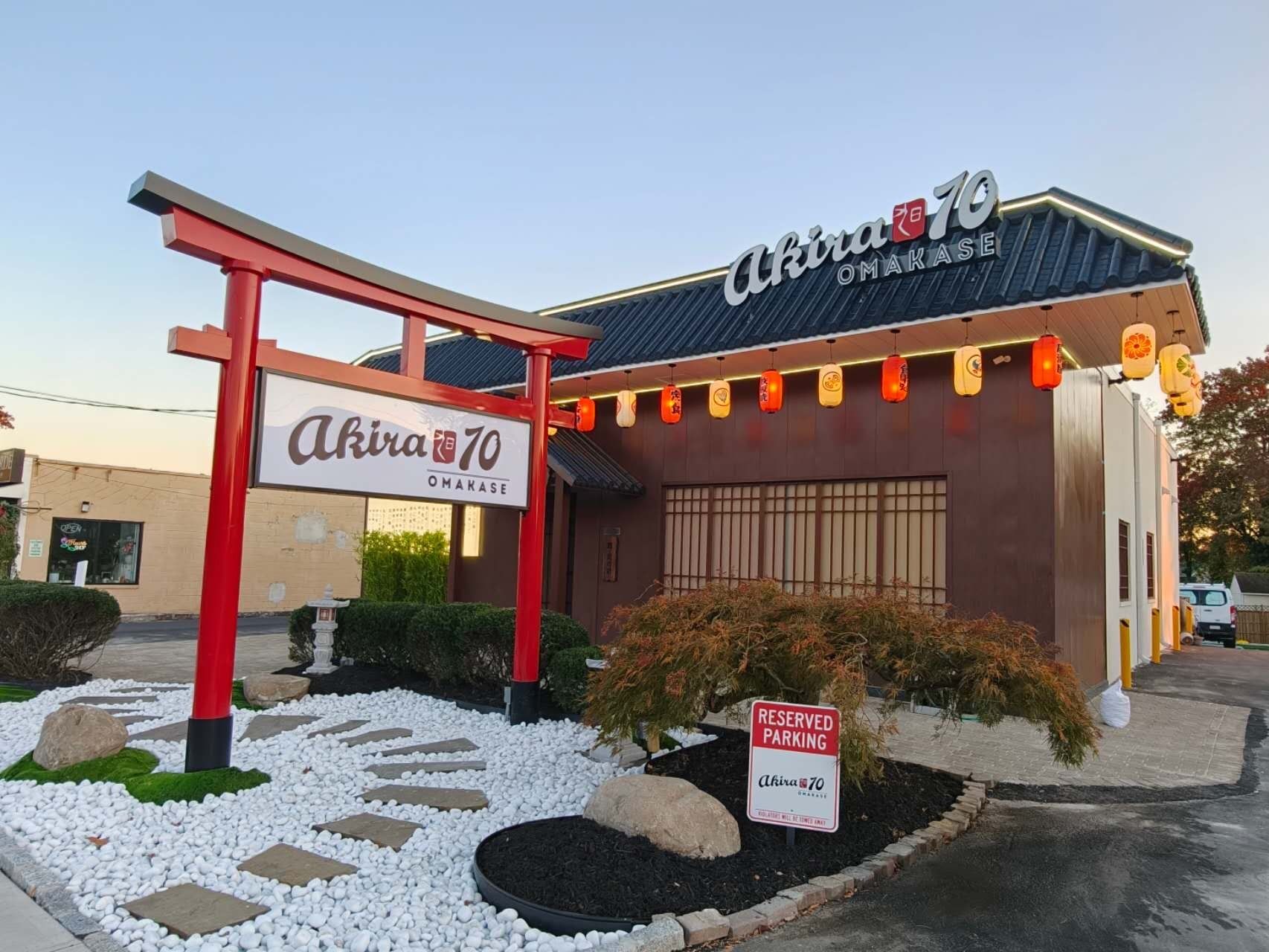
Akira70 Omakase, 249 Route 70, Cherry Hill.Courtesy of Akira70
Akira70 (249 Marlton Pike, Cherry Hill) Frank Zheng’s Japanese BYO, opening in late November or early December in a former Cherry Hill furrier’s shop, is based on a luxe 10-seat omakase counter and a separate chef’s-table experience emphasizing dishes from the kitchen. Zheng, who owns Akira Sushi in Voorhees and Moorestown, said he plans to source many ingredients from Japan.
Casa de Fehu (482 Jacksonville Rd., Hatboro) Anthony Shalamov and Anastasia De Roy’s BYOB, offering European-inspired cooking in an upscale atmosphere, is aiming for midmonth. Sample dishes: paella de mariscos, braised beef cheeks with risotto, and bone marrow beef tartare.
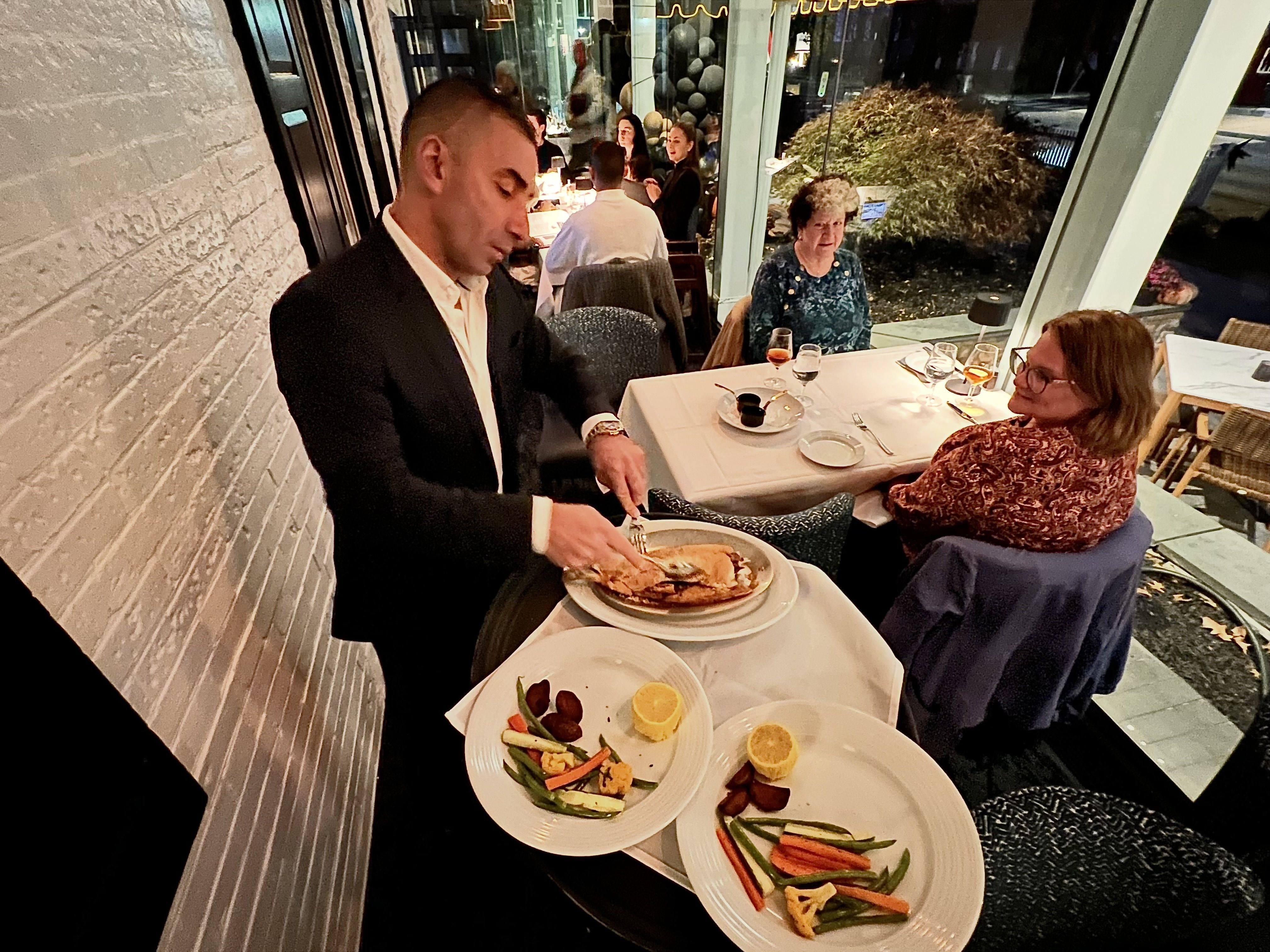
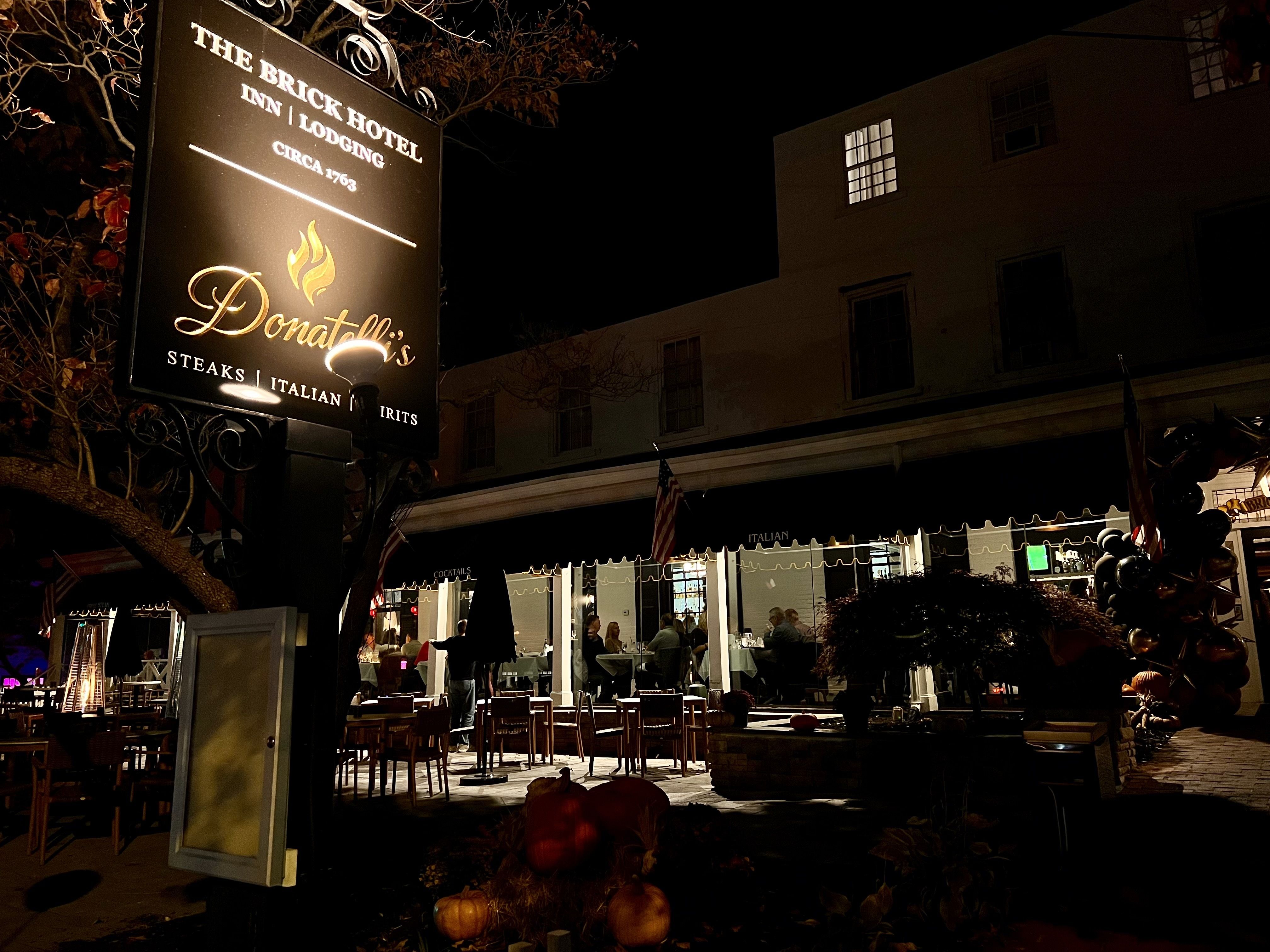
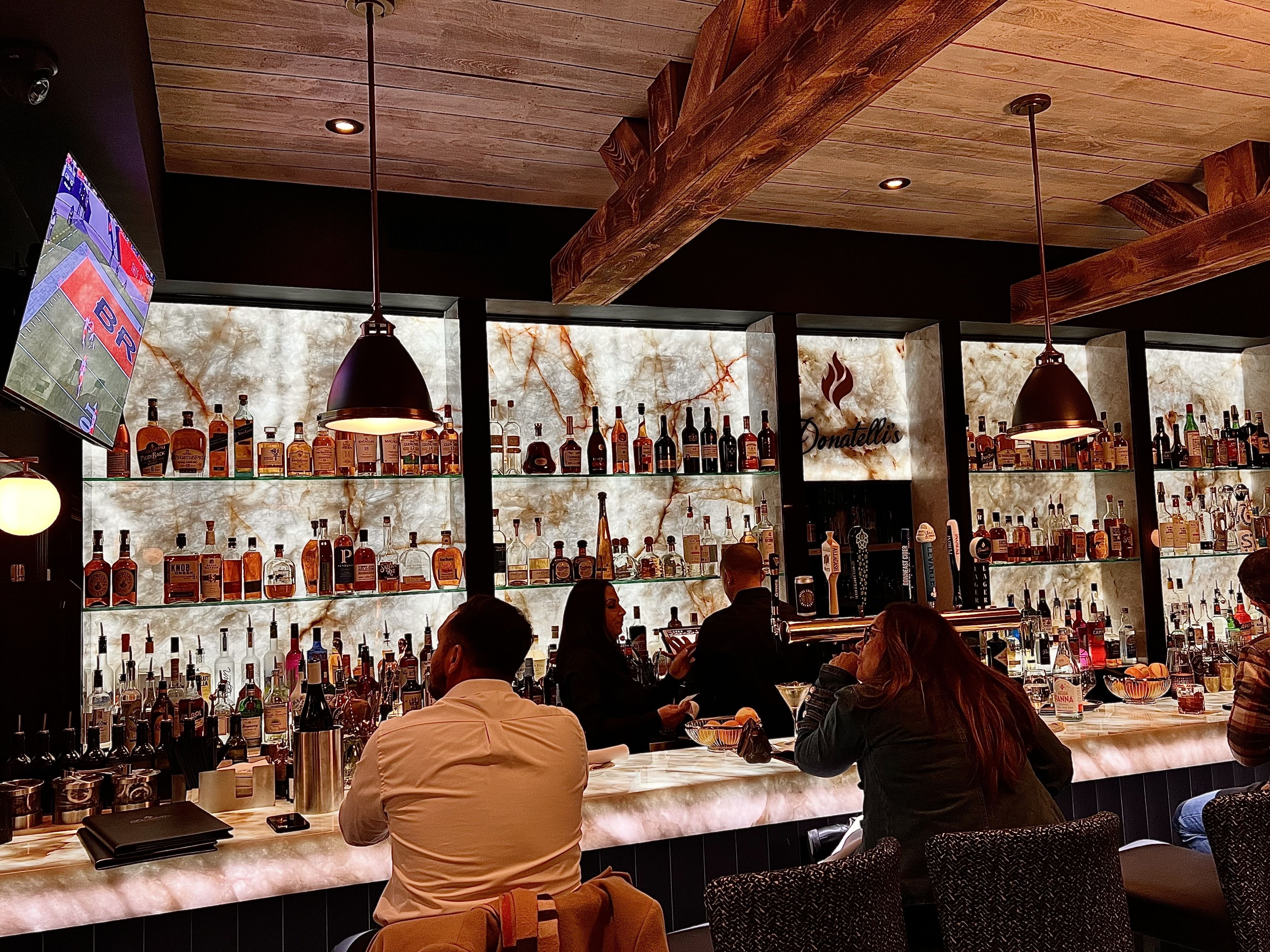
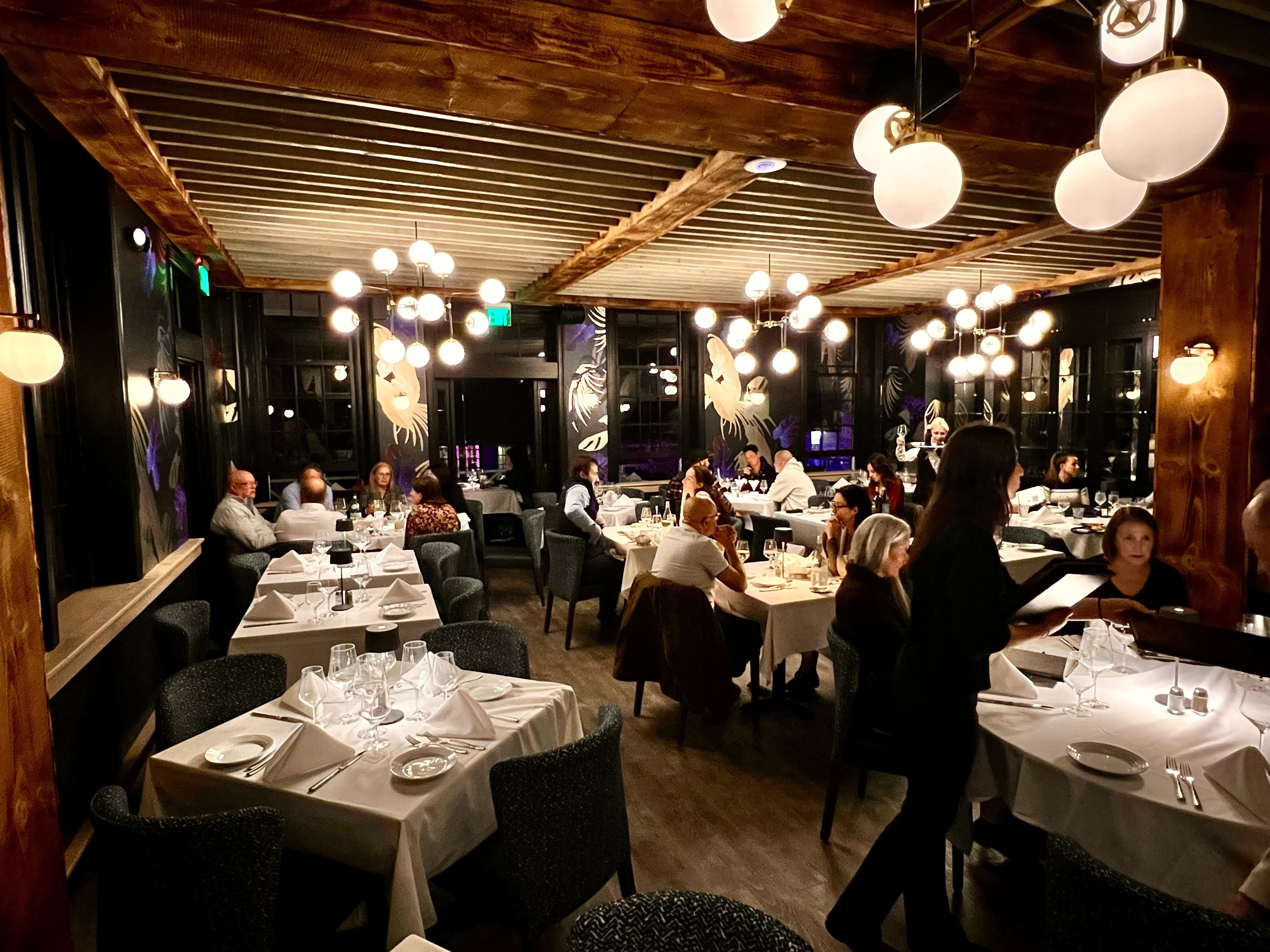
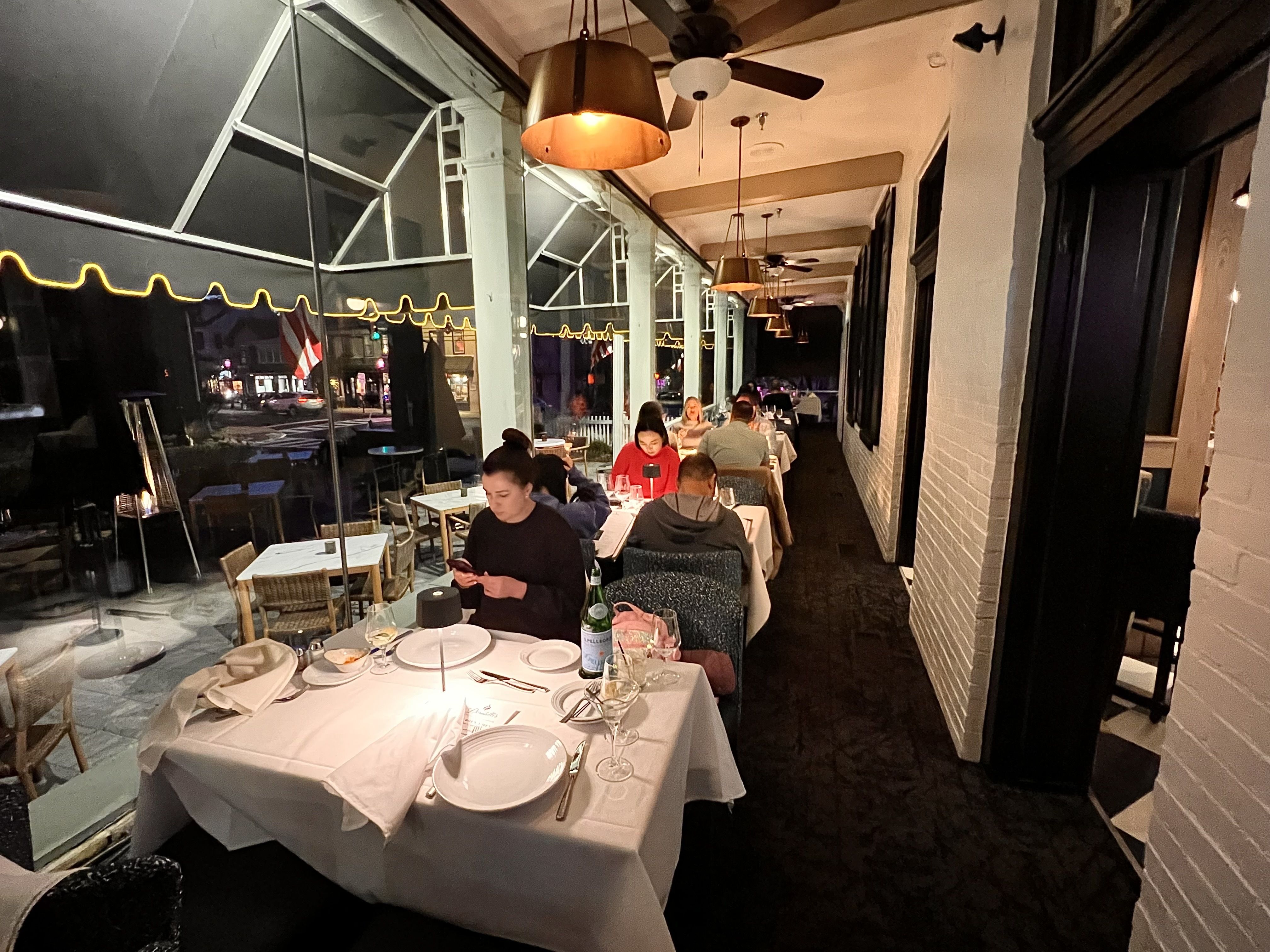
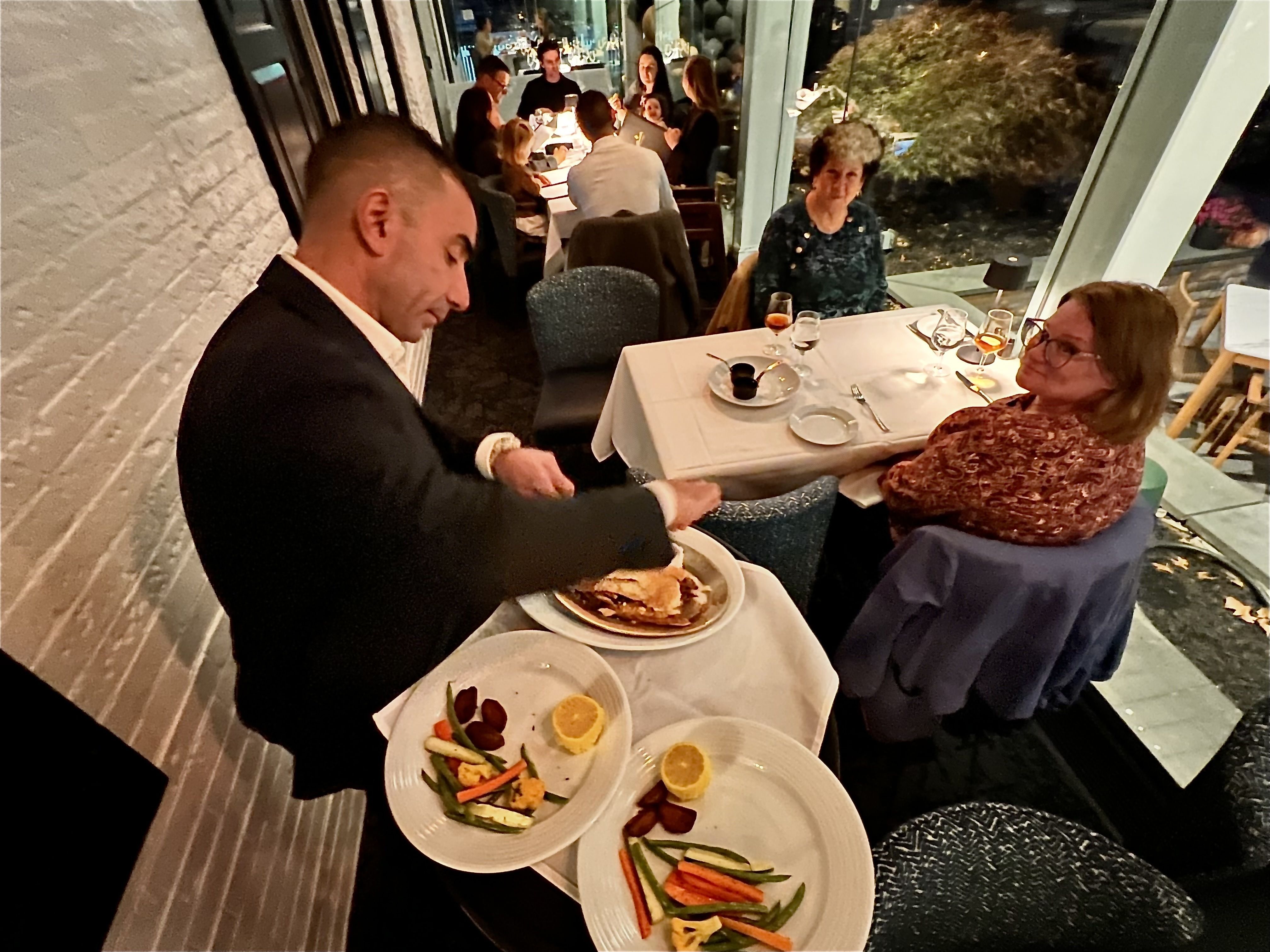
Donatelli’s Italian Steakhouse at the Brick Hotel, 1 Washington Ave., Newtown, on Nov. 1, 2026.Michael Klein / StaffThe bar at Donatelli’s Italian Steakhouse at the Brick Hotel, 1 Washington Ave., Newtown, on Nov. 1, 2026.Michael Klein / StaffThe main dining room at Donatelli’s Italian Steakhouse at the Brick Hotel, 1 Washington Ave., Newtown, on Nov. 1, 2026.Michael Klein / StaffDining by the front window at Donatelli’s Italian Steakhouse at the Brick Hotel, 1 Washington Ave., Newtown, on Nov. 1, 2026.Michael Klein / StaffOwner Habib Troudi filets branzino at Donatelli’s Italian Steakhouse at the Brick Hotel, 1 Washington Ave., Newtown, on Nov. 1, 2026.Michael Klein / Staff
Donatelli’s (1 Washington Ave., Newtown) Last weekend, veteran restaurateur Habib Troudi (Panache and Ristorante Castello in Blue Bell) opened his redo of the former Rocco’s at the Brick, delivering Italian specialties including prime beef, house-made pastas, Petrossian caviar, fish fileted tableside, and a hopping bar.
Iron Oven (58 S. York Rd., Hatboro) Alex Nalbandian is looking at a late-month debut for this offshoot of his Southampton bar-restaurant; it’s the former Ross & Co. The new location will follow the original’s broad American menu, with oversized cheesesteaks. He has targeted late November.
Koutouki (24 E. Eagle Rd., Havertown) Tony Procopos, a former chef at Lourdas Greek Taverna, is behind this traditional Greek restaurant taking its name from the informal neighborhood taverns found throughout Greece. Opening date is “soon.”
Magnolia Bakery (10 Centerton Rd., Mount Laurel) The New York bakery known for banana pudding and cupcakes opens Nov. 17 in Centerton Square. Franchisees Jake Klein and John Candela will produce the baked goods on-site; a Rittenhouse location is planned for spring.
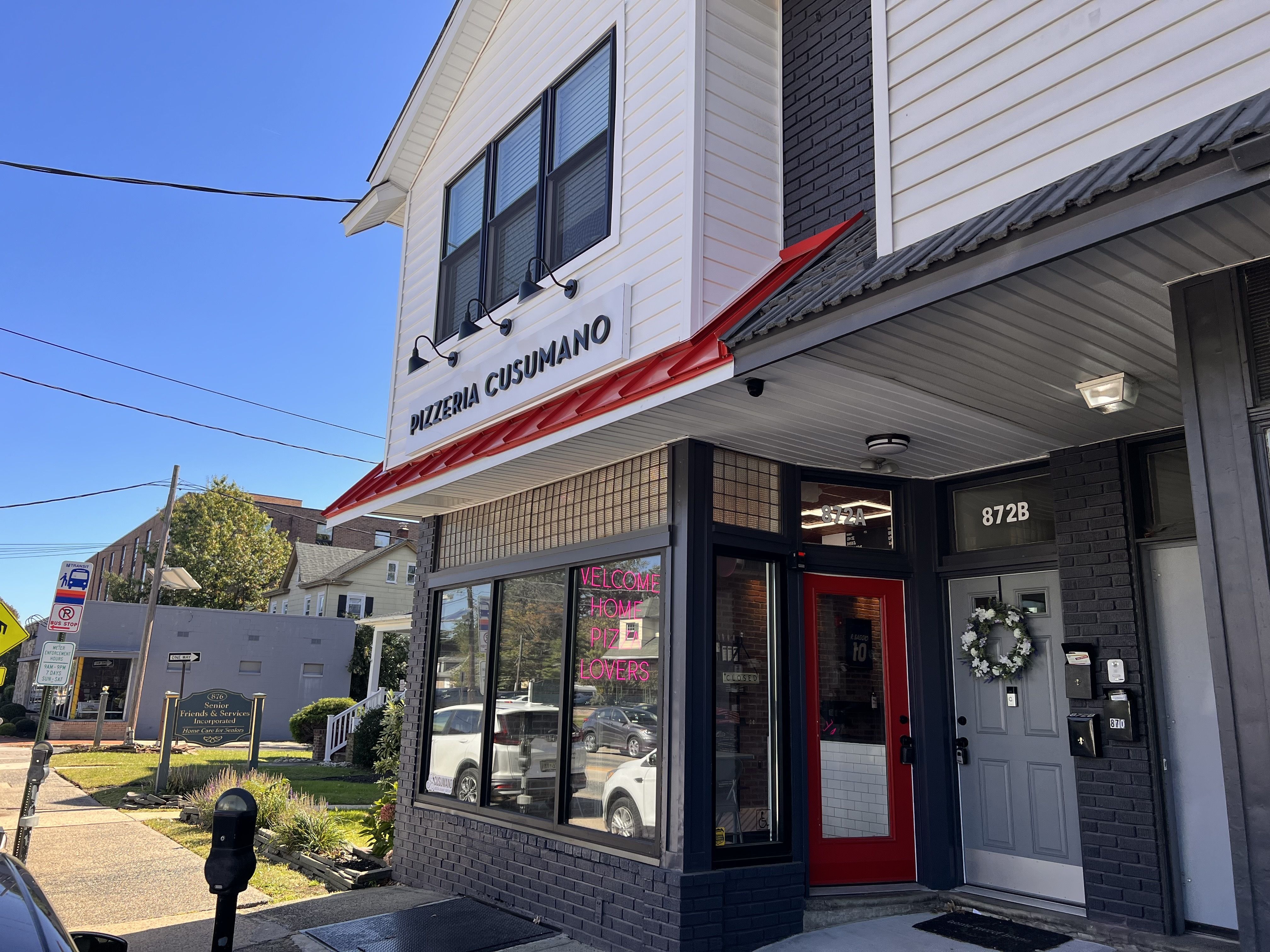
Pizzeria Cusumano, 872 Haddon Ave., Collingswood.Michael Klein / Staff
Pizzeria Cusumano (872 Haddon Ave., Collingswood) Five years in the making, Sal Cusumano’s walk-in pizzeria near the PATCO station will specialize in New York-style rounds when the ovens are fired up midmonth. The third-generation pizza maker, whose family is behind South Jersey’s Angelo’s shops, puts each batch of dough through 72 hours of fermentation.
Taco Heart (120 Coulter Ave., Ardmore) Nano Wheedan’s South Philadelphia taco shop is in soft-opening mode in the Ardmore Farmers Market in Suburban Square with a limited menu and hours. “Baby steps,” Wheedan says. House specialty is Austin-style breakfast tacos made with fresh flour tortillas, with fillings including eggs, potatoes, beans, bacon, and brisket.
Philadelphia restaurants
Bar Caviar (258 S. 16th St.) Champagne, high-end wines, and caviar anchor this intimate bar at the Dwight D hotel, planning a late-month opening near Rittenhouse Square. Menu will include a raw bar and small plates alongside martinis, wines, and an extensive Champagne selection, featuring 15 varietals by the glass.
Eggcetera Haus (625 S. Sixth St.) Chef Rey Tamaka and Vina Kencana’s all-day restaurant have soft-opened at the former Redcrest Kitchen at Sixth and Bainbridge Streets in Queen Village. It’s serving brunch from 8 a.m. to 3 p.m. Monday to Saturday. When the liquor license arrives, so will dinner Monday to Saturday.
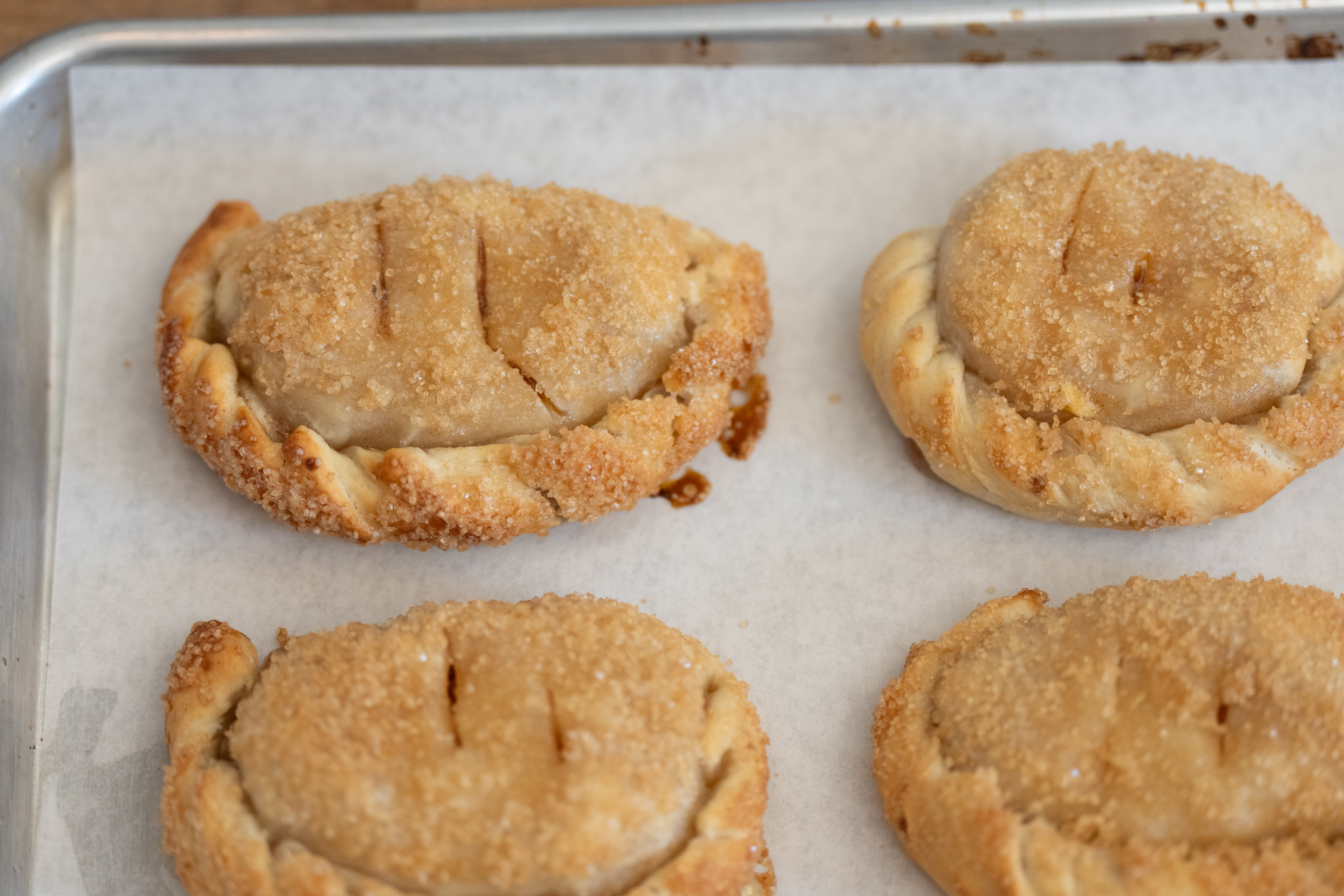
Apple pie’s at Little Susie’s.Jessica Griffin / Staff Photographer
Little Susie’s (2206 Fairmount Ave.) The coffee-and-hand-pie shop’s long-delayed Fairmount location is due to open by Thanksgiving, bringing its sweet and savory pies to a former insurance office.
Macaluso’s (3101 S. 13th St.) Joel Gruenke and Staten Island restaurateur Mark D’Andrea are looking at mid-November for their restaurant, featuring what they call New York-style Italian cooking to the former Venu on Packer Avenue near the stadium district. The restaurant will seat about 150 across two floors.
Mi Casa (3151 Market St.) Washington-based Knead Hospitality + Design, fresh off the opening of East Market’s atmospheric Mi Vida, is bringing Tex-Mex restaurant to University City on Friday. The design draws on the Arizona desert, with natural stone, distressed leather, colorful serape patterns, and metal saguaro cactuses.
Mylar Bar (1636-38 S. Ninth St.) Hospitality veterans Liv Arterbridge and Gina Piccari are turning the former Dino’s Party Center, which moved nearby, into a festive neighborhood bar near Passyunk Square. Later this month, expect martinis, punches, and draft beer, with chef Colin White overseeing shareable snacks, larger plates, and late-night desserts.
Nomu Nomu Don (2026 Frankford Ave.) Later this month, Cake & Joe owner Sarah Qi plans to add a BYOB specializing in donburi two doors away in Fishtown-Kensington, with a menu featuring bluefin tuna, salmon five ways, grilled eel, and steak, with premium additions such as uni and caviar; 10 counter seats; and lunch and dinner daily.
Philly Po’Boy Co. (102 W. Berks St.) Brothers Greg and Chris Lynch bring a taste of New Orleans to Kensington with po’boys built on light, crackly bread that Greg spent 18 months perfecting, plus gumbo and beignets. Opening Friday beside the Berks El station, the counter-service spot also will have a sidewalk kiosk selling coffee and beignets. (See preview.)
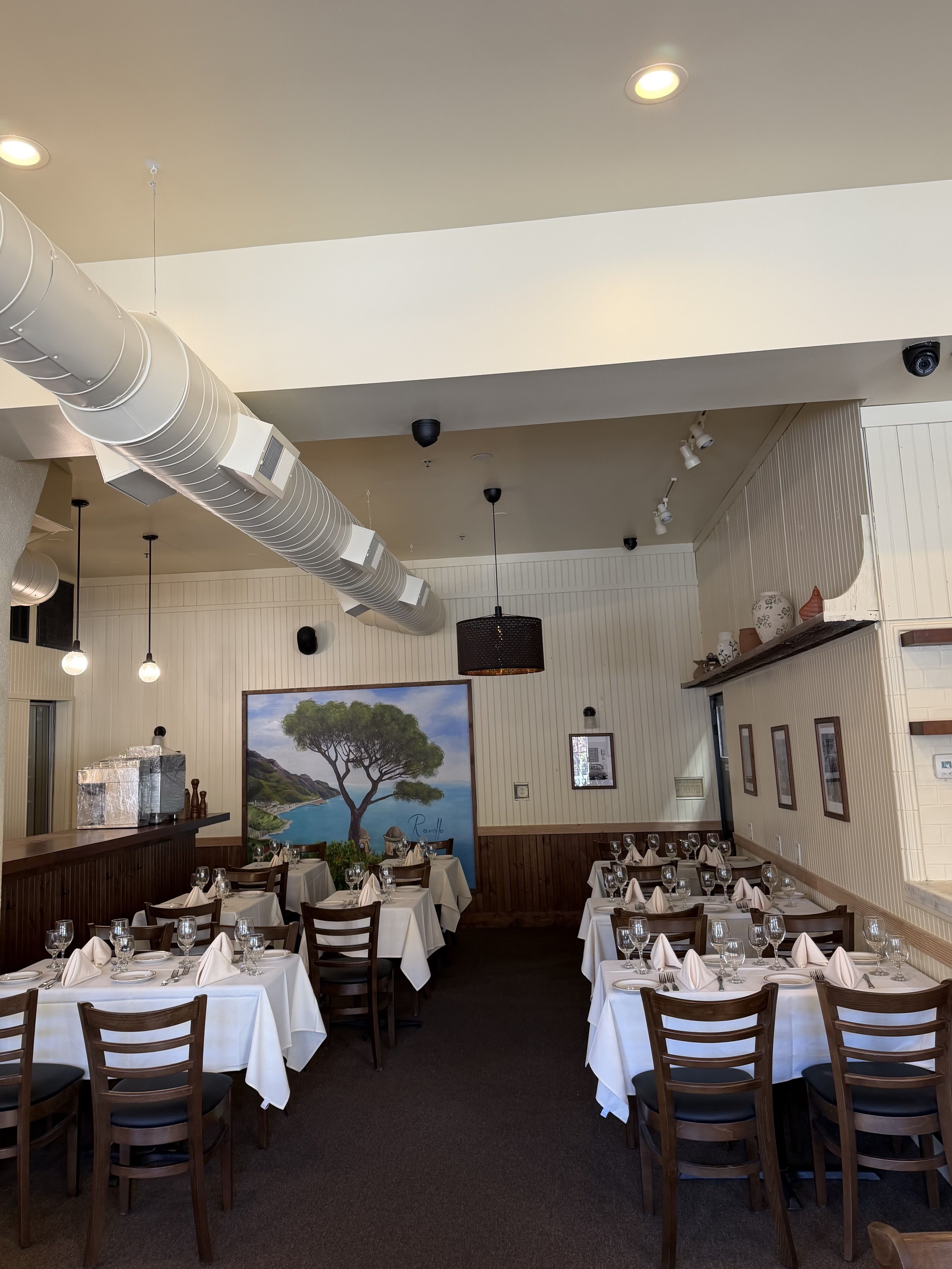
Ravello, 738 S. 11th St., is a redo of the space at 11th and Fitzwater Streets previously occupied by the Lodge by Two Robbers.Marco Matranzxhi
Ravello (738 S. 11th St.) The brothers behind Queen Village’s Adoro opened an Italian restaurant in Bella Vista Wednesday with a menu including Chianti-braised short rib with gnocchi, mushroom agnolotti, branzino, and chicken Parmesan with vodka sauce. Paintings and photographs evoke its Amalfi Coast namesake.
Trattoria Ponte Vecchio (118 Market St.) For his Italian BYOB in Old City, Genti Mataj is inspired by Florence (where the Osteria Ama owner learned to cook). The menu will expand beyond Ama’s offerings with steaks, seafood, pizza, tableside Caesar salad, and cacio e pepe tossed in a Parmesan wheel.
When Nina Langsam Jay was growing up, it went without saying in her family that it was taboo to ask her parents, both Auschwitz survivors, about their Holocaust experiences.
Like many post-World War II, second-generation Jewish immigrants, Jay said she didn’t want to cause them any more pain by bringing up past trauma or picking at their survivor’s guilt. She knew many of their family members had not made it out alive.
So when decades later, Jay heard her young daughter, Lisa, ask Dora Bursztajn Langsam, Jay’s mother, to share her account of the Holocaust with her Hebrew class, Jay was “shocked” that Langsam agreed. Jay accompanied her mother to the class and “couldn’t believe” the tragedies Langsam recounted: two ghettos, two concentration camps, and working as a slave laborer alongside her younger sister, Salla. Jay wrote down the details as quickly as she could in the notebooks she’d brought, finally putting in ink the family history she’d wondered about her entire life.
“It was like a cathartic happening for her,” said Jay, now 77, who has lived in Cherry Hill for 43 years. The class kicked off a decade-long speaking tour for Langsam, who began sharing her story at other schools, community programs, and, at 80 years old, a prison. She went on to give testimony to Steven Spielberg’s USC Shoah Foundation, a worldwide oral history project for Holocaust survivors.
Before Langsam publicly shared her story, the main anecdote Jay had heard was about how she saved Salla’s life by disobeying orders and pulling her out of a line to a crematorium. Nazi soldiers noticed, Jay said, but before they could act, an air raid occurred, and Langsam pulled Salla into an open train car during the chaos. They both survived the Holocaust, and made it to a displaced persons camp inSweden.
Salla married and started a children’s boutique with her husband in Stockholm. Dora met and married Harry Langsam, who had survived the Holocaust but lost his first wife and two young children. The couple had Jay and her older brother Saul, and the four of them immigrated to the United States in 1953 with help from the nonprofit HIAS.
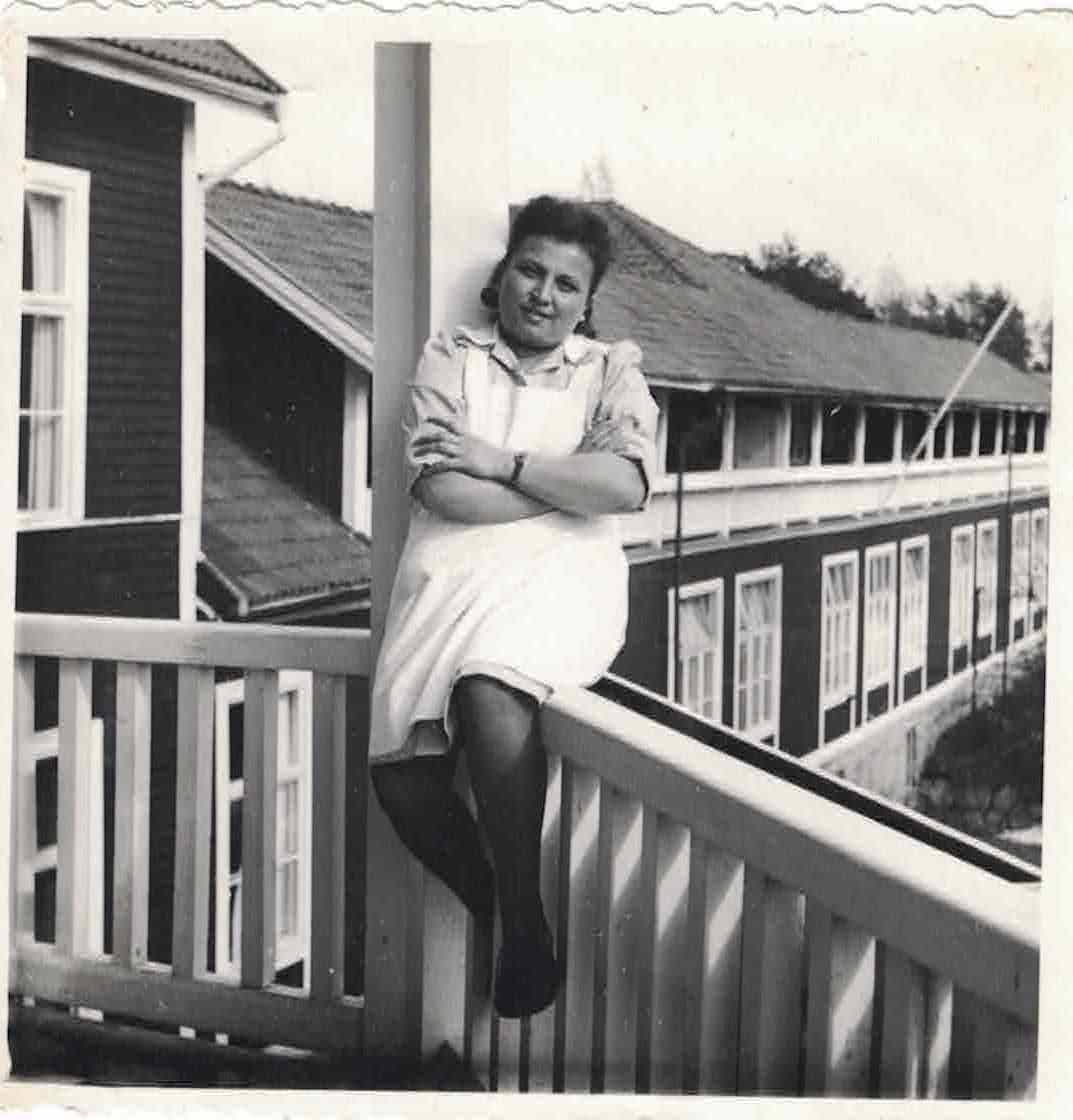
Dora in her work uniform in Sweden, where she was training as a nurse in a local sanitorium (photo from around 1945-6).Courtesy Leah Grisham, PhD
Langsam died in January 2017 while residing at the Lions Gate retirement community in Voorhees Township. Salla died in May 2017. The sisters kept in touch throughout their lives, and often visited each other, sometimes staying months at a time, Jay said.
Jay served as Dora’s caretaker in her final years. And now, Jay is continuing to care for her mom’s story by teaming up with author Leah Grisham, a researcher who wove Langsam’s story into the biography The World Has Caught Fire: One Jewish Family’s Attempt to Survive Nazi-occupied Poland, released in September by Amsterdam Publishers, which exclusively publishes Holocaust memoirs.
“It’s a lifelong dream,” Jay said of the book. “For years I said, ‘If I could just do this one thing for mom, I would feel like I’ve accomplished so much.’”
On Sunday morning, Jay will representthe book at an interactive local authors showcase at Katz JCC. Ahead of the event, we spoke with Jay about what it meant to document her family’s history.
Responses have been edited for length and clarity.
What inspired you to dig into your mom’s story?
She wanted people to know what had happened. It was very hard for her to tell her story, but she realized once she started that she needed to share what happened with the world. If not, who’s going to know? She kept going, and people appreciated that. I still have thank-you notes from some of the schools she spoke at.
I wanted to honor her and my aunt, Salla. When their mother was taken from them, she told [Dora], ‘Don’t cry. Take care of your sister.” And that’s what she did the entire time. I think about that all the time.
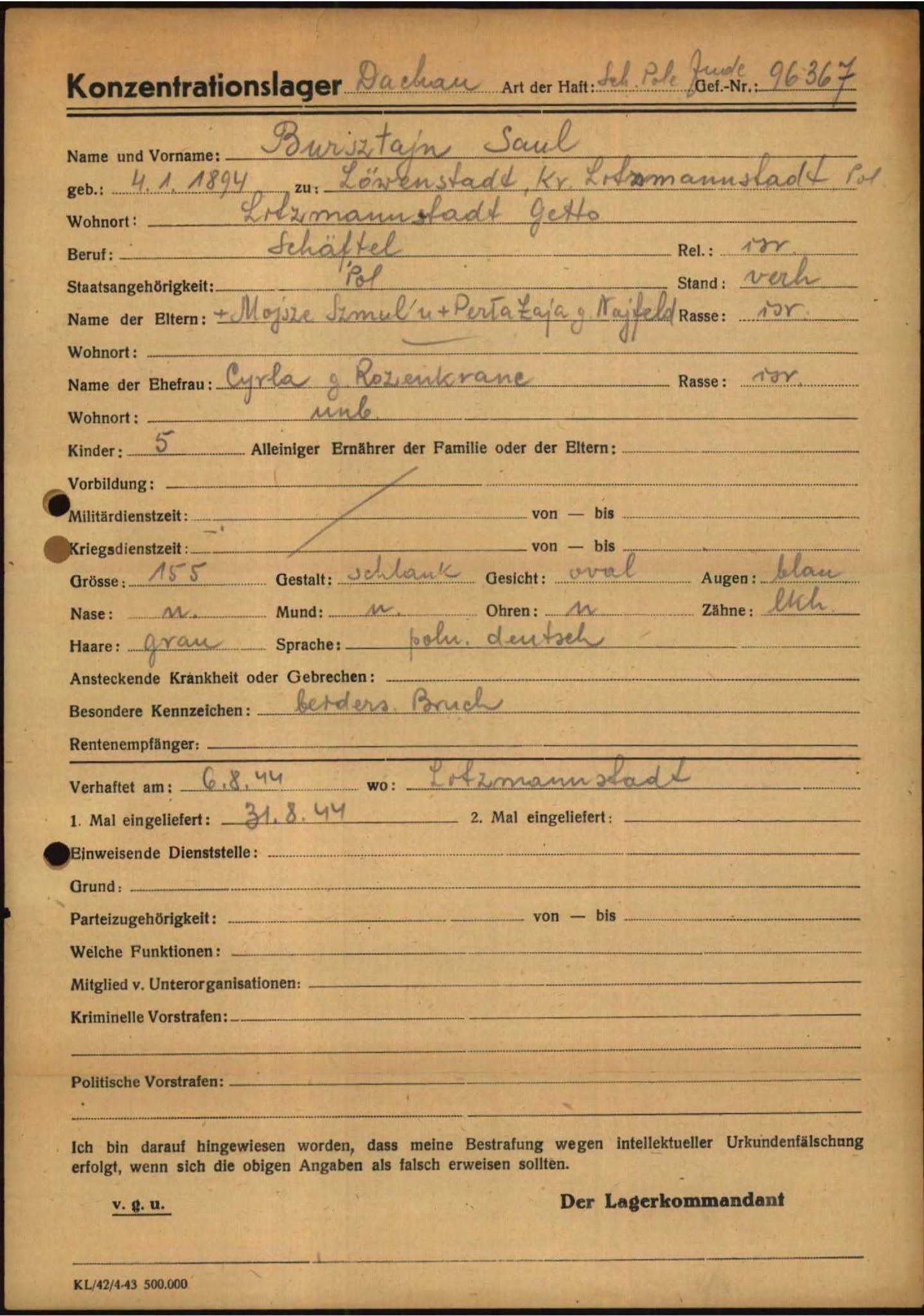
Szoel Bursztajn’s (Dora’s father) registration papers for Dachau. He was moved from Auschwitz to Dachau and then back to Auschwitz, where he was killed sometime in late 1944, according to Leah Grisham. Courtesy Leah Grisham, PhD
How did you connect with Grisham for this project?
My mom’s whole story was so shocking, and I thought, ‘How do I do this?’ I’m not a writer. I have the information, but I don’t know the first thing about putting it into words. I researched online about people who wrote about survivors and Leah’s name popped up. Leah is my daughter’s middle Hebrew name, so I thought maybe that’s a good sign, and I shot her an email out of the blue.
What was it like for you to, generations later, find answers to questions about what happened to specific family members in your lineage?
We grew up to appreciate what our parents sacrificed, and that’s what we hope people will realize. Our parents sacrificed a lot, and that pain never leaves you. My mother said the pain doesn’t leave; she could think about wonderful things and look forward, but she said her heart is broken in two for the family she lost.
Her father was with them until they got to Auschwitz, where they were separated. She thought he was burned right away, but [Grisham] discovered he was taken to another camp. I was hysterical hearing that. My mother never knew.
I never knew my grandparents, obviously. So I had told my husband we would be great grandparents because we knew what it felt like to miss out on that.
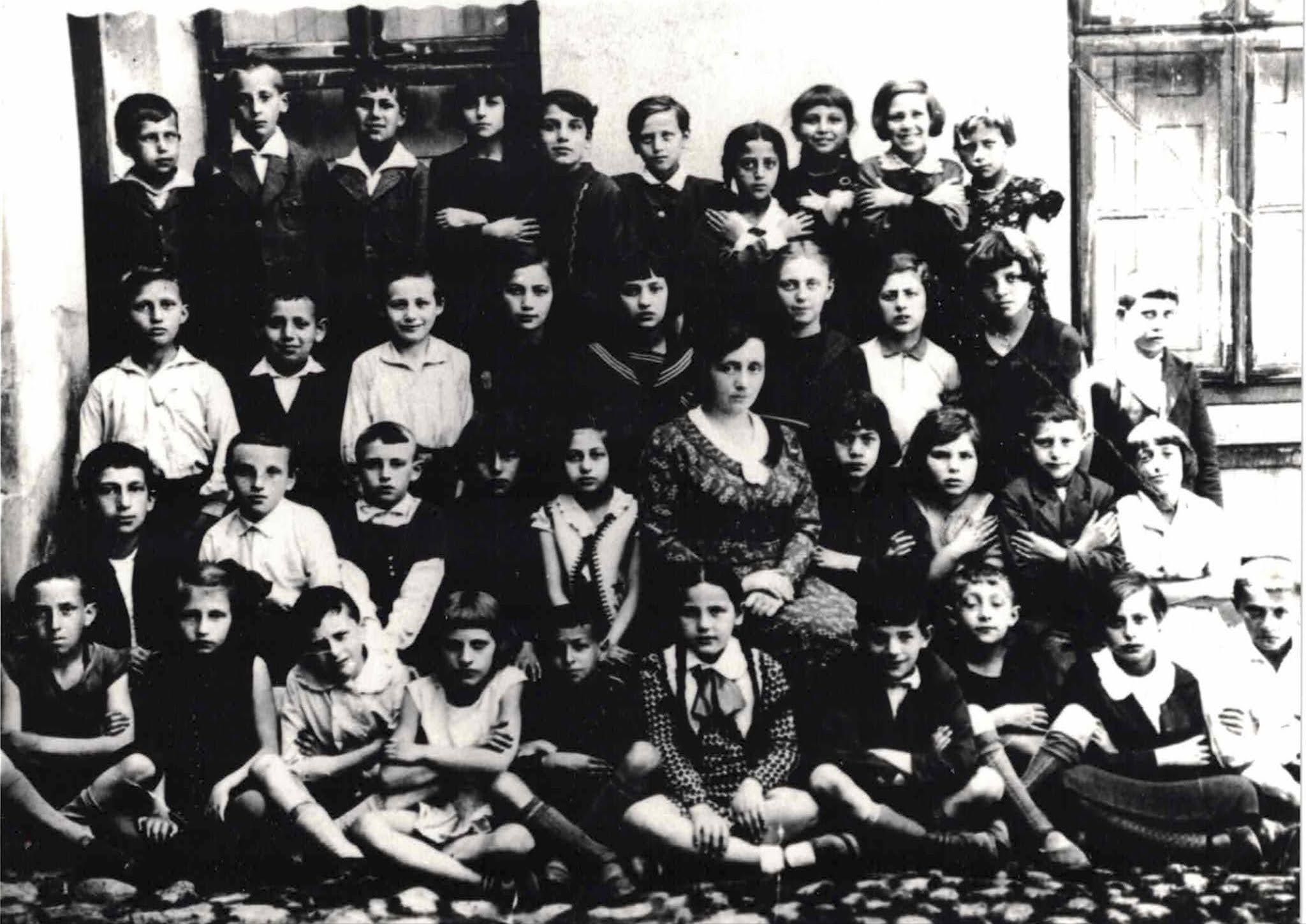
A class photo taken before the war. Dora is in the top row, third from the right. A schoolmate whose family left Poland before the war later reconnected with Dora and shared this photo. Approximately 95% of the Jews in her town, Brzeziny, were killed in the Holocaust, according to Grisham.Courtesy Leah Grisham, PhD
What do you feel makes your mom’s story and this book different from other stories we have from the Holocaust?
This book also weaves in the family members and the people who didn’t make it. That’s what a lot of the books today do not talk about. It’s always about the hope, the love, and the rescue, but sometimes it doesn’t portray the whole story accurately.
It also provides the bigger picture. My mom had a loving family, siblings, and a happy childhood. She had a beautiful home life until the Holocaust happened. Her father was a shoe manufacturer, and he’d make samples in her size so she could show them off. She always loved shoes as an adult; they reminded her of her father’s love. He made two-blade ice skates for her and her sisters, and she’d tell me about this frozen pond they’d skate on.
I wanted to share her childhood and the things she enjoyed, not only the painful parts of her story. This book does that.
Do you hope this will inspire others to dig into their family history?
Yes, of course. And if they can find a beautiful writer to help them, that’s great. I know a couple people who did it on their own, but I felt I couldn’t do it justice. [Grisham] weaves my mother’s story with other survivors’ stories in books out there, and draws you in like you are there with her in the camps, the ghettos, watching the deaths.
My mother refused to turn away; she was determined to be a witness. It’s tragic, and she was very brave. That’s just who my mother was, even at a young age.
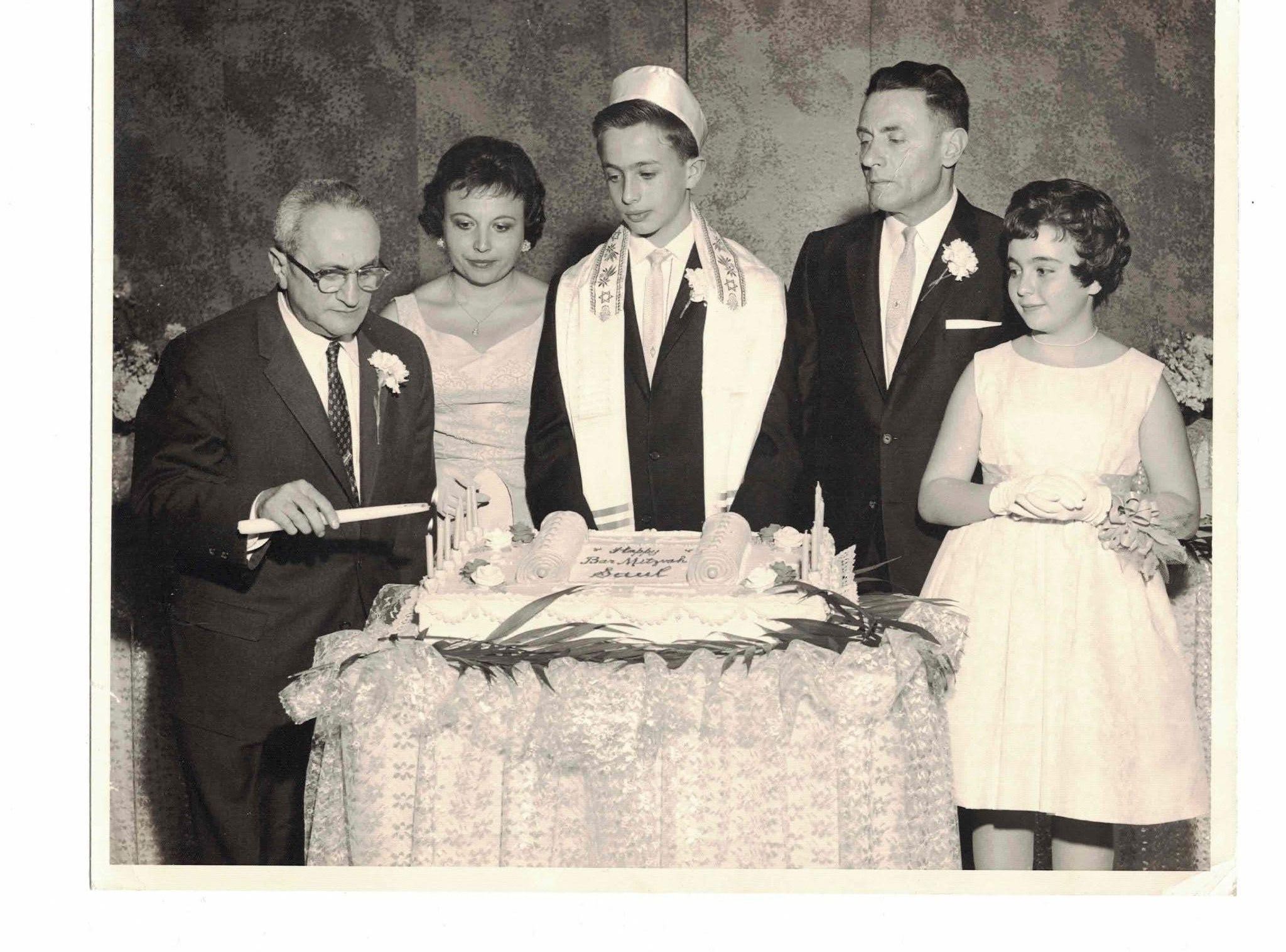
(Left to right): Dora’s uncle Walter (Wolek) Bursztajn, Dora, son Saul, husband Harry, and Nina Langsam celebrate Saul’s bar mitzvah in 1960. Harry (Hersh) and Dora met in a displaced persons camp in Sweden after the war, where they married and eventually had their two children before moving to the United States. Walter was one of Dora’s only surviving relatives, and someone whom Nina and Saul considered a grandfather-like figure.Courtesy Leah Grisham, PhD
What do you hope people will take away from this memoir?
I hope they take away what she always said: “I’m the winner. Hitler did not win.” People like my mom were so strong, and they wanted to live. They made beautiful lives, and they were able to overcome.
She would say, “Look at my beautiful family, my grandchildren, my great-grandchildren.” We were four generations for a long time. She was in the loop for every little thing: every birthday party, outing with the kids, anniversaries. It was wonderful.
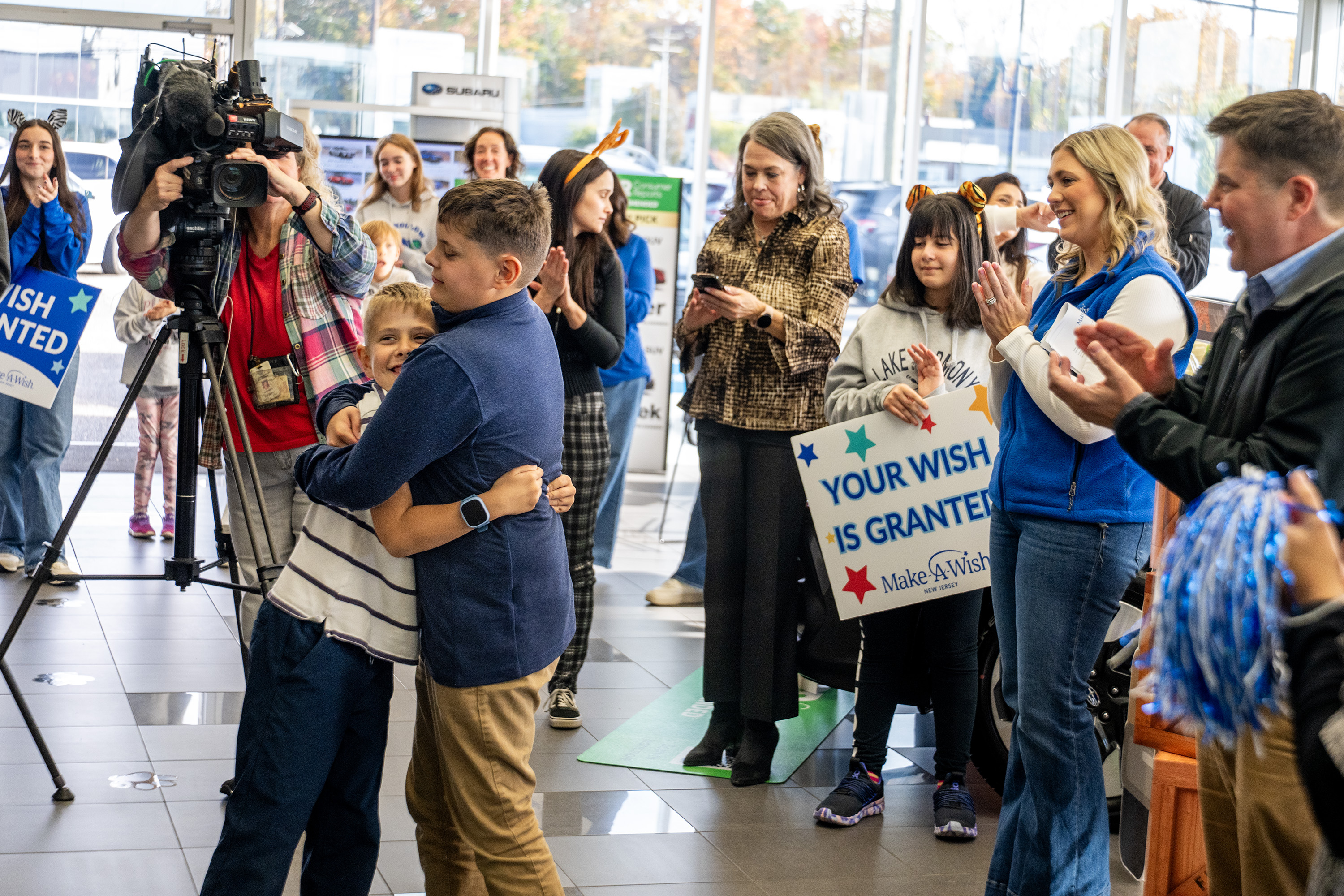
Just over a year after learning he was in remission from non-Hodgkin lymphoma, 12-year-old Mateo Malcarney arrived at Cherry Hill’s Subaru dealership Monday afternoon for a surprise that he’s been wishing for.
With a bright smile stretched across his face, Mateo was practically vibrating with excitement as he learned that not only had his Make-A-Wish for an African safari been granted, but he and his family are leaving for their adventure in just a few days.
“I’ve never been and I feel like it’d be a cool experience,” Mateo said of the origin of his safari dream.
Mateo Malcarney, 12, hugs his brother Carlos, 8, as Make-A-Wish New Jersey surprises him with a wish party at Subaru of Cherry Hill on Monday. Mateo, who has battled lymphoma, learned he is headed to South Africa in just a few days.Tom Gralish / Staff Photographer
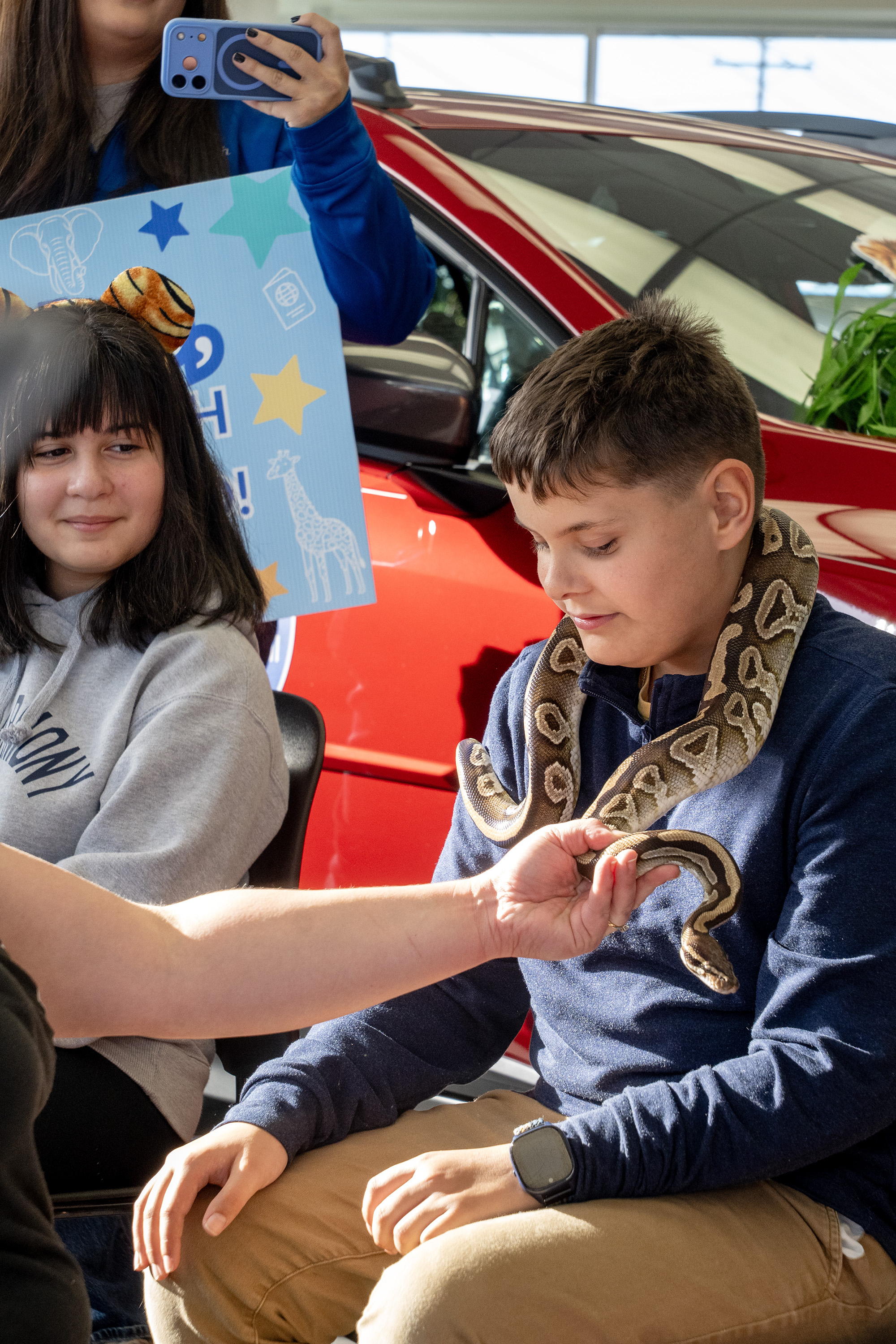
To get ready for his upcoming adventure, Mateo and his friends got some hands-on experience with a variety of animals from Zoophoria NJ, including Monty the ball python, a Madagascar hissing cockroach named Ew, and Tripod, a 31-year-old African spurred tortoise equipped with a 3D-printed prosthetic foot.
Mateo’s favorite part of the show?
“All of it,” he said, after an afternoon spent meeting snakes, lizards, a baby alligator, and much more.
“I just love animals, same with my brother,” he added.
Mateo Malcarney (center) 12, meets Tripod, a 31-year-old African spurred tortoise on Monday, shortly after he learned that he and his family are leaving for an African safari in a few days.Tom Gralish / Staff Photographer
Both Mateo and his little brother Carlos, 8, are most looking forward to seeing the African wildlife on their trip — especially the animals known as the Big 5, Mateo said, which consists of the African buffalo, rhinoceros, lion, leopard, and African elephant.
The trip, which was organized and funded by Make-A-Wish New Jersey and Subaru of Cherry Hill, comes as Mateo and his family gradually work their way back to how things were before his May 2025 diagnosis of non-Hodgkin lymphoma, before they had to adapt to a “new normal,” Mateo’s dad, Keith Malcarney, said at Monday’s event.
Non-Hodgkin lymphoma, a group of blood cancers that start in the white blood cells, is diagnosed in about 800 children and teens each year, according to theAmerican Cancer Society.
Mateo Malcarney, 12, and his brother Carlos, 8, receive gifts as Make-A-Wish New Jersey surprises him with a wish party at Subaru of Cherry Hill on Monday. Malcarney, who is battling lymphoma, learned he is headed to South Africa in just a few days.Tom Gralish / Staff Photographer
Following treatment and physical therapy, Mateo is now almost entirely back to where he was pre-diagnosis, Keith Malcarney said, and the safari is the perfect way to celebrate that.
“He’s just a great kid, a great son, and a great big brother,” he said, as he watched his son’s face light up each time a new animal was put before him.
And while Keith and his wife Patricia are certain to enjoy the trip in their own right, he said he is most excited to experience the safari through his kids’ eyes, living vicariously through them as they make memories together that will last a lifetime.
Mateo Malcarney, 12, meets an African constrictor snake alongside his friends at a surprise wish party from Make-A-Wish New Jersey and Subaru of Cherry Hill on Monday.Tom Gralish / Staff Photographer
“Just watching their eyes light up,” he said, smiling. “It’s all just in those little moments, those little comments, those little smiles here and there — just for the both of them to have this experience is amazing.”
At the same time, the couple is also looking forward to a future where their eldest son’s battle with cancer is a memory just the same.
“It’s really just thanking God that he’s in remission right now and you just hope it stays that way,” Keith Malcarney said.
Jefferson Health and Horizon Blue Cross Blue Shield of New Jersey have reached in impasse in contract talks, leading both to warn patients that Jefferson’s three South Jersey hospitals will leave Horizon’s network on March 1 if they fail to reach a new agreement.
Insurers and health systems typically reach agreements before contracts expire, but Jefferson has been taking a particularly tough approach with insurers during a period of significant operating losses for the Philadelphia region’s largest health system. Jefferson’s Lehigh Valley Health Network went out of network with UnitedHealthcare in two phases last year and this year.
A Horizon website for commercial patients said that meeting Jefferson’s demands would cost Horizon members more than $185 million over the next three years and that New Jersey residents should not have to pay for Jefferson’s losses in Pennsylvania. Horizon, based in Newark, N.J., did not say how much of a percentage increase Jefferson is seeking.
A separate notice said that Jefferson had terminated its Medicaid contract with Horizon effective Sunday, but added that under New Jersey law patients will be able to continue receiving in-network care at Jefferson’s Cherry Hill, Stratford, and Washington Township hospitals through Feb. 28.
“It is particularly disappointing that Jefferson canceled the agreement we had reached for members who rely on Medicaid for their health coverage and is now using them as leverage. That is beyond unfair and unreasonable,” Horizon said in an email. “Horizon has offered an increase that reflects inflation, and we’re ready to negotiate an agreement that helps make care more affordable for the people we serve.”
Jefferson’s online communication to patients said that Horizon pays other South Jersey hospitals 146% more on average than Jefferson for inpatient care and up to 89% more for emergency care.
Jefferson said it wants Horizon to narrow the gap, not make it the highest-paid system.
“Jefferson was in active negotiations with Horizon when they decided to abruptly cancel all discussions,” Jefferson said in a statement. “They’re putting patients’ well being at risk by refusing to continue conversations with us. We stand ready to meet with Horizon any time, any day, any location on behalf of our patients.”
Neither Jefferson nor Horizon said how many patients would be affected if they can’t agree to a new contract. In New Jersey, cancer and psychiatric patients would be able to continue receiving in-network care from Jefferson for a year even without a new contract, Horizon said.
In its dispute with Independence Blue Cross in Southeastern Pennsylvania, Jefferson is not focused on local competitors but rather on what it says is Independence’s underpayment relative to national averages for the entire market.
Jefferson also issued a notice that it could go out of network with Highmark, Pennsylvania’s largest Blue Cross Blue Shield company, on Jan. 1.
Editor’s note: This article has been updated to note that Horizon posted separate notices for commercial and Medicaid patients and to clarify that Jefferson is comparing Horizon’s rates to other hospitals in South Jersey. Another update added a statement from Horizon.
Residents of Cherry Hill’s Kingston neighborhood on Sunday stood on the site of their now-demolished swim club, but they weren’t there to mourn an institution that would have turned 70 years old next year.
Memories of watching generations of neighborhood children grow up at the club, and the family friendships that were formed, are still alive. Now, new memories will be made by young families that will use the town’s just-opened $5 million Kingston Park on the site with colorful playground equipment, a basketball court, and other amenities.
Like the other dozen swim clubs left in Cherry Hill, the Kingston club was part of the marketing plan for the development off Route 70 where split levels in 1960 sold for $16,990. A nonprofit in 1957 opened the club on nearly four acres of land donated by the Kingston Estates developer.
Children, their parents, their grandparents, and even great-grandparents sunned on the deck chairs and cooled off in the pool over the decades.
“There was a bunch of us at 12 noon on the Saturday of Memorial Day weekend… [competing for] who was going to be the first one in the water for the season. Then on Labor Day Monday, who was going to be the last one fished out of the water?” recalled Rob Connor, whose grandparents moved to Kingston from Camden in the late 1950s.
Connor, a Cherry Hill Township Council member, was born in 1973 and was one of the pool kids because his parents moved into Kingston. Now, he lives with his family across the street from the Deland Avenue club site, where his daughters enjoyed the pool as he did.
Watching them tear the pool apart was rough.
“It was really hard,” Connor said, adding the positive side to the property’s rebirth: The pool would have shut down on Labor Day, but the new playground is open year-round.
Facing high expenses to maintain the club, the nonprofit stopped making mortgage payments, and lender TD Bank threatened to foreclose. The township paid $441,000 to buy the property, zoned institutional, to keep it from being developed.
Mayor David Fleisher, speaking at Sunday’s official opening event, thanked the neighbors and Cherry Hill for making “this important investment in our town, memorializing the great and rich history of the Kingston Swim Club and making sure that this property was preserved, protected and enjoyed, literally, for generations to come.”
“If there is ever an example of how local government is supposed to partner with the neighborhood, it is the new Kingston Park,” Fleisher said.
Speaking over the sound of children at play, Greater Kingston Civic Association head Yolanda (Yoli) Lorenz reminisced to the group about her years as a swim club member.
“It was a beautiful place, a beautiful experience,” she said of watching the children advance from the baby pool to the larger pool and mothers bonding in friendship.
“I’ve built lifelong relationships with some of the people that are here today,” she said. “So this was a great reunion. I look forward to this being the same kind of atmosphere for the people that are here new to this place now. And I love that it’s open to everybody.”
Jerry Thompson, who moved to the Kingston development in 1983 and is writing a swim club history, told the group that the club sold 355 membership bonds in 1956 and opened in June 1957 — welcoming thousands of families in its 62 years.
“Families forged lifelong friendships at the club’s social events and through swimming and diving championships and with the other 13 swim clubs, as well as Tri-County Championships,” Thompson said.
Members joined the men’s softball and basketball teams and mixed volleyball team, he said. The women’s softball team continues to compete against the other swim clubs.
70and73.com is a hyperlocal news site focused on South Jersey, including the communities of Cherry Hill, Evesham, Mount Laurel, Voorhees, Medford, Medford Lakes, and Moorestown.
Kiplee Bell is a clinician, gerontologist, and care leadership strategist practicing in Cherry Hill and Pennsylvania. She is the founder of Impactful Caregiving, author of “The Work of My Mother’s Hands: A Caregiver’s Journey,” and originator of the double shift — a framework for understanding the collision of professional and caregiving labor in the longevity era.
The morning I came home from a 12-hour hospital shift wearing a Lidoderm patch for back pain and found my mother unable to stand, I did what I have been trained to do. I assessed her. Checked her stability. Made a plan.
As a clinician, responding to crises is familiar territory. But what no institution prepared me for was doing it twice in the same day, indefinitely, without relief. There was no transition between the two roles. There rarely is.
And I am not alone in this. I am not even unusual.
For years, we have talked about burnout as if it were the defining workforce crisis of modern life. But I have begun to wonder whether burnout is sometimes the wrong diagnosis — not because people are not exhausted, but because we have become remarkably skilled at measuring symptoms while ignoring the condition creating them.
Millions of Americans are carrying what I call the double shift: professional labor and unpaid caregiving labor performed simultaneously, without institutional recognition, structural support, or meaningful recovery.
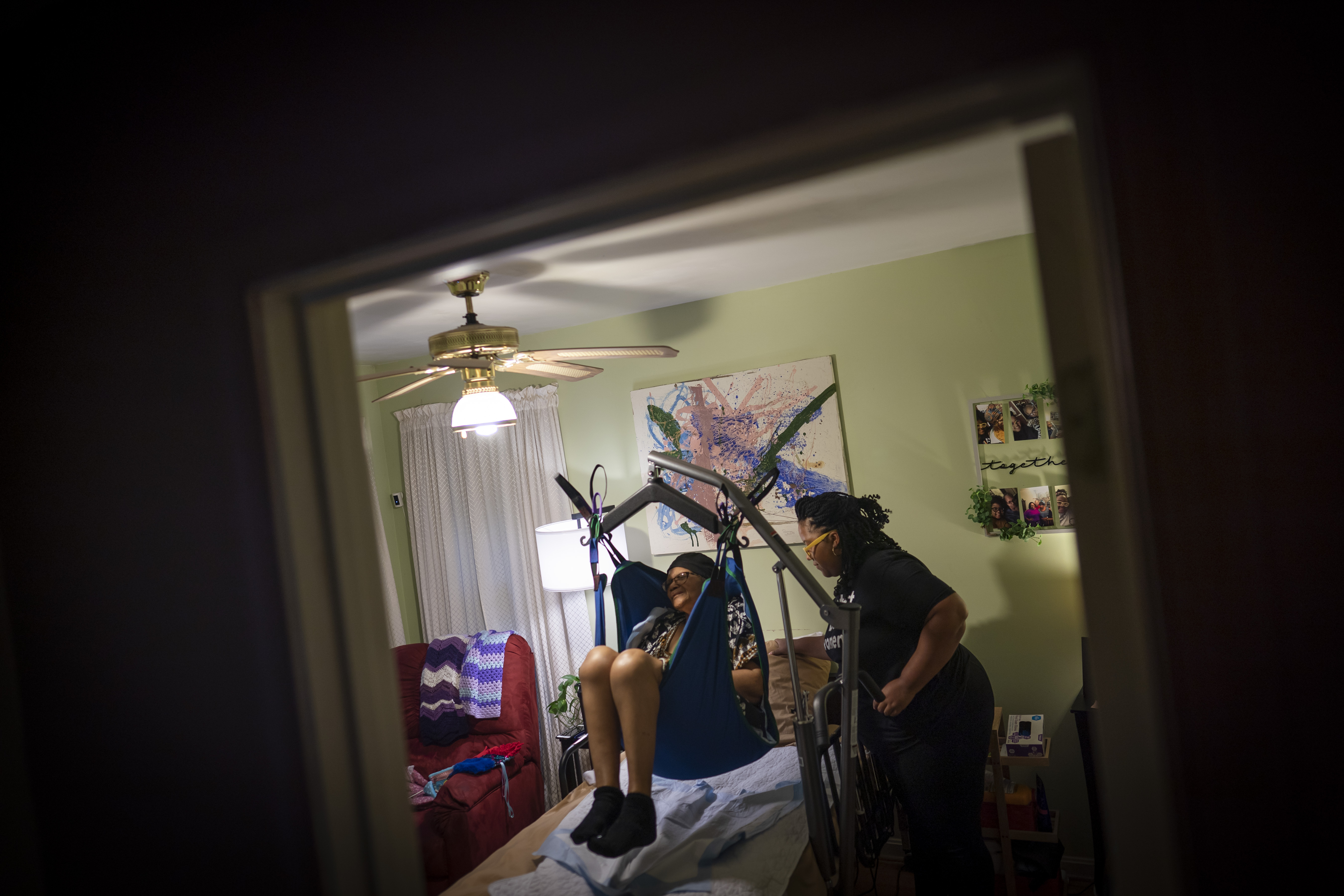
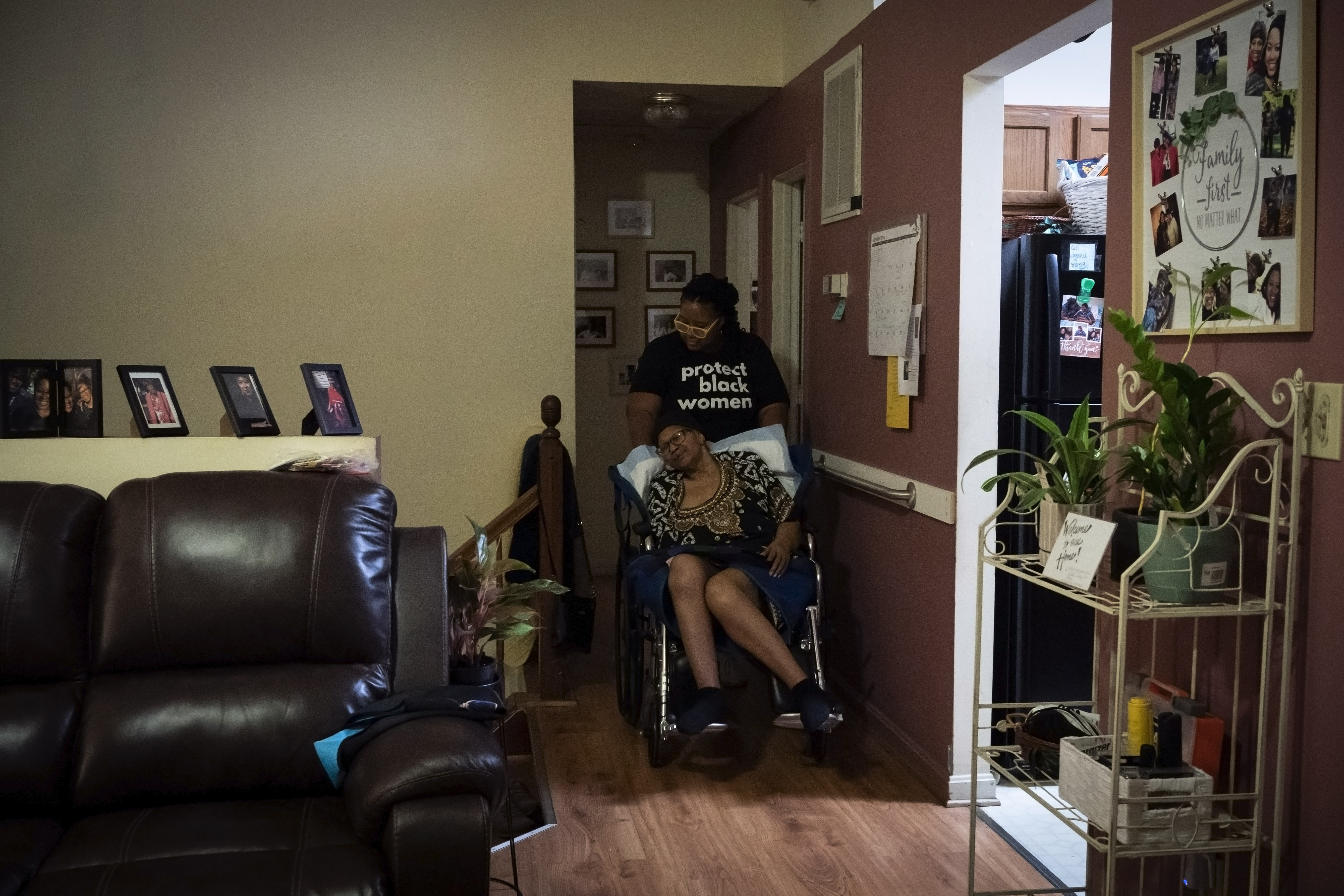
The nurses, physicians, therapists, and social workers holding together our hospitals and community health systems are going home to aging parents, writes Kiplee Bell. In this photo from 2022, Jessica Guthrie wheels her mother, Constance, back to her bedroom after dinner in Fredericksburg, Va.Wong Maye-E
The clinician managing a patient’s dementia while coordinating home aides for her own mother. The only son — a chief executive — monitoring his mother’s vitals between trading calls, learning to bathe and groom the woman who raised him, insisting on her dignity when no one else is left to. The teacher grading papers after spending the evening navigating a father’s cognitive decline.
Different professions. Different circumstances. The same collision.
We often describe these stories as personal situations. I believe that is our first mistake. They are workforce conditions.
This collision has a particular weight in the Philadelphia region. The nurses, physicians, therapists, and social workers holding together our hospitals and community health systems are going home to aging parents in Cherry Hill and Bala Cynwyd, in West Philadelphia and Camden.
The workforce our region depends on for its own care is the same workforce quietly absorbing the caregiving crisis at home.
The economic value of unpaid caregiving in the United States exceeds $600 billion annually — more than total Medicaid spending. Yet, most employers know their turnover rates, their productivity metrics, their engagement scores, and cannot tell you how many members of their workforce are simultaneously functioning as unpaid caregivers.
The absence of that data is itself a leadership decision.
One colleague, a cardiologist, is simultaneously navigating Parkinson’s disease in one parent and Alzheimer’s disease in another while continuing to care for critically ill patients. Another physician quietly schedules her father’s chemotherapy around clinic hours because reducing her workload would jeopardize a trajectory she spent decades building. Neither would describe herself as extraordinary. Neither would describe herself as a caregiver first.
Both would simply say they are doing what needs to be done.
That may be the most dangerous part of all. When people normalize carrying unsustainable burdens, institutions stop noticing them. Employees leave. Organizations call it burnout. Or disengagement. Or personal reasons.
But many of those departures are evidence of a structural reality: We have built workplaces around a worker who no longer exists — someone whose life outside work is administratively manageable and professionally irrelevant. No aging parent. No disabled spouse. No caregiving responsibilities competing for time, energy, and resources.
That worker does not exist. And yet, countless systems continue to operate as if they do.
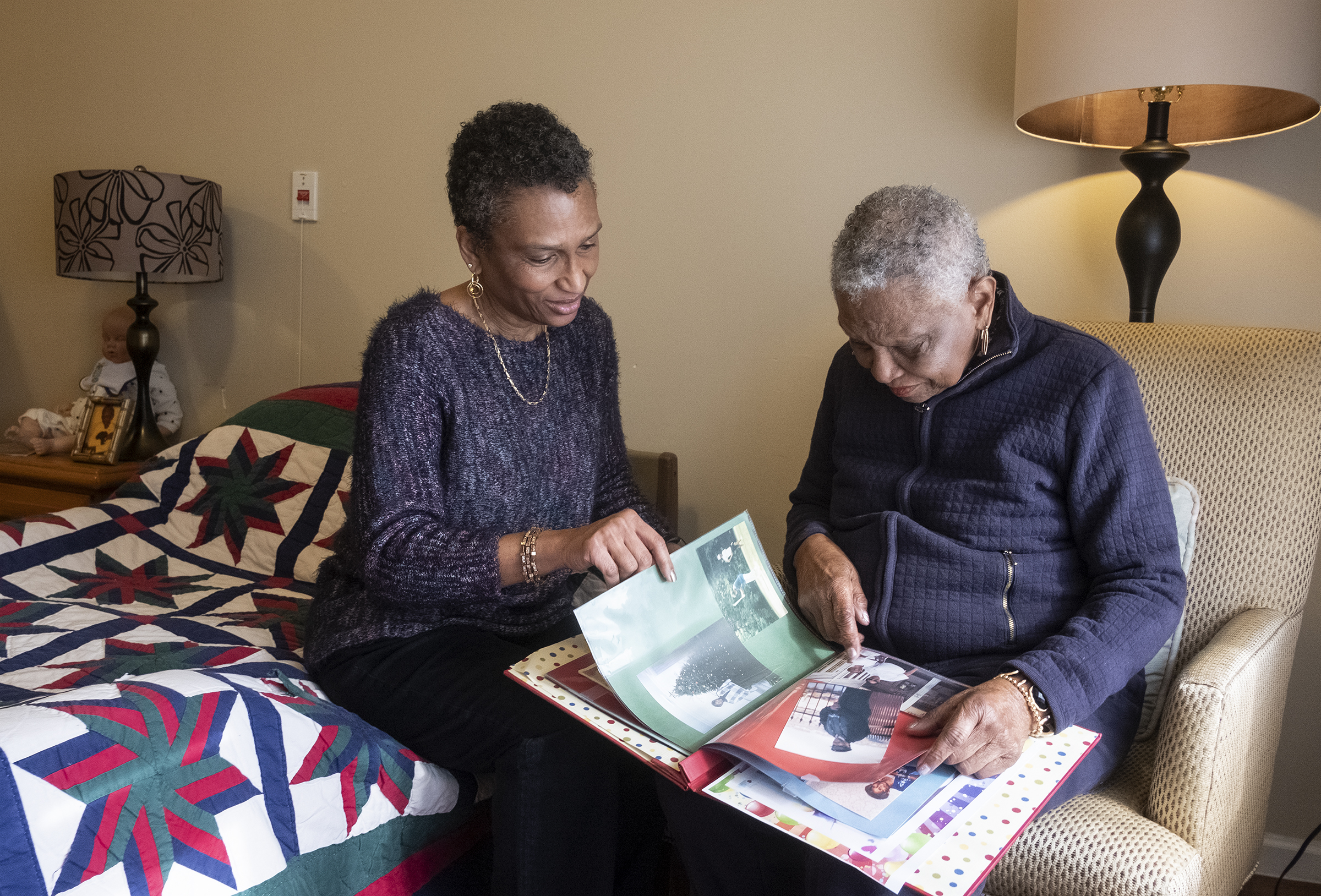
We have built workplaces around a worker who has no caregiving responsibilities competing for time, energy, and resources, writes Kiplee Bell. In this photo from 2019, Kim Boddy (left) and her mom, Marguerite Forbes, look through an album of family photos in North Wales.Ed Hille
What is needed is not empathy programming. It is architecture. Caregiver-aware leave policies distinct from parental leave. Protected flexibility that does not permanently derail advancement. Leadership training capable of identifying caregiving strain before it becomes a resignation letter.
This is not a caregiving issue. It is a workforce issue. A leadership issue. An economic issue.
And in a region whose economy runs on healthcare, education, and public service, it is, increasingly, a Philadelphia issue. The clinician helping her mother stand after a 12-hour shift is not an exception. The son bathing his mother between trading calls is not an exception. The teacher managing a parent’s dementia after school is not an exception.
They are not failing to balance work and life. They are carrying two jobs. America has simply decided to count only one of them.
Also noteworthy this week, a developer wants to bring a car wash to the Cherry Hill-Voorhees border, but it would need to demolish a couple buildings first. Plus, local students let Gov. Mikie Sherrill know what they think of the state’s new cell phone ban, and we chat with a James Beard Award-winning bartender who honed his craft in the township about the mark he’d like to make on the hospitality industry.
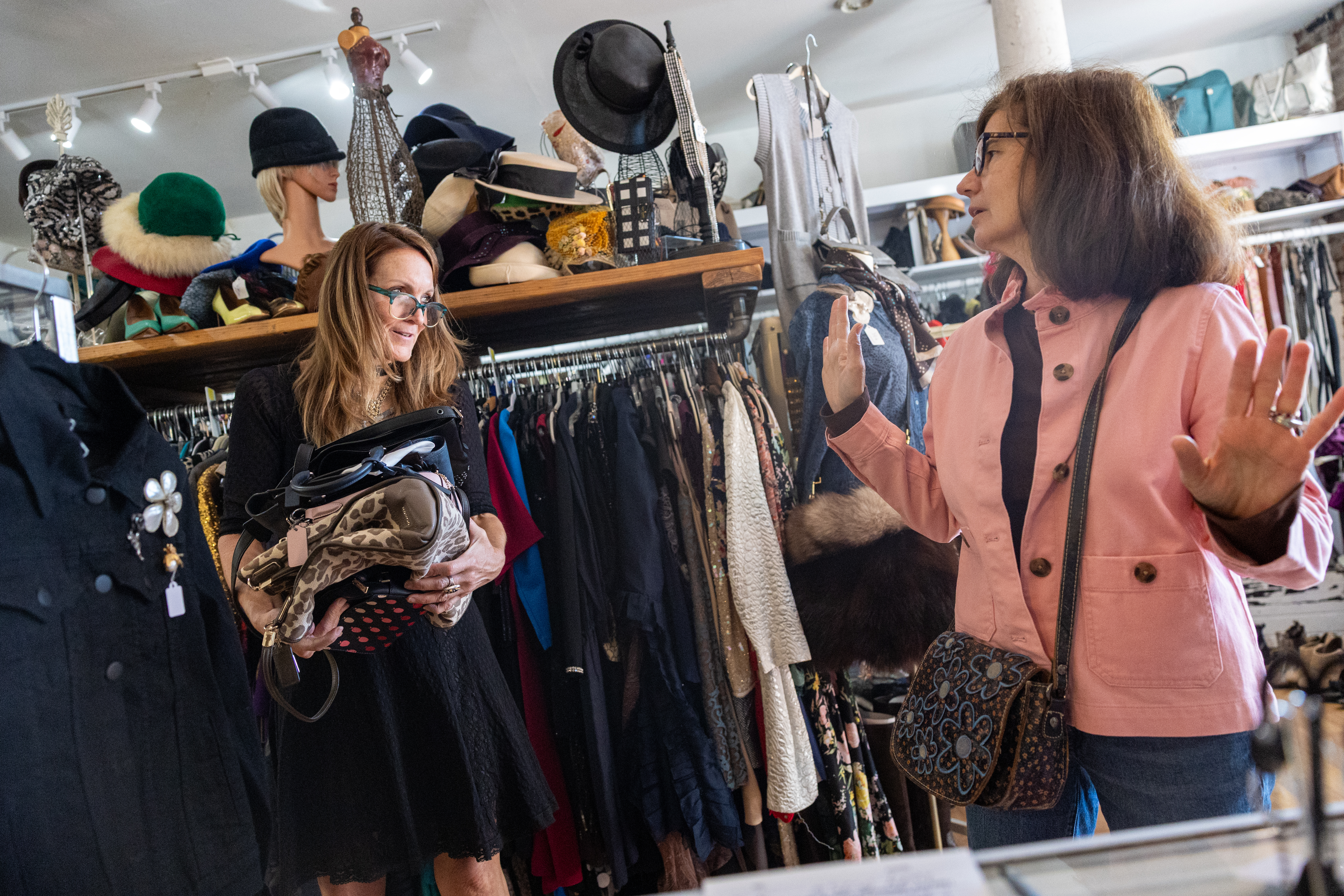
Pure Couture owner Denise Jonasz (left) checks in new purses brought in by Cherry Hill resident Michele Martino at the Haddonfield shop.Aidan T. Gallo / Staff Photographer
We’re in the midst of prime thrifting season, reports Inquirer contributor Jen Kinney, fueled by back-to-school closet purges and economic pressure that’s motivating shoppers to get their hands on a good deal.
And Cherry Hill’s ripe with bargain-hunting options, from nearby chain stores including The Salvation Army and Goodwill to the Red White & Blue Thrift Store at 949 Church Rd. The thrifting outpost opened earlier this year, coming as social media trends and the increasing cost of living fuel a thrifting resurgence.
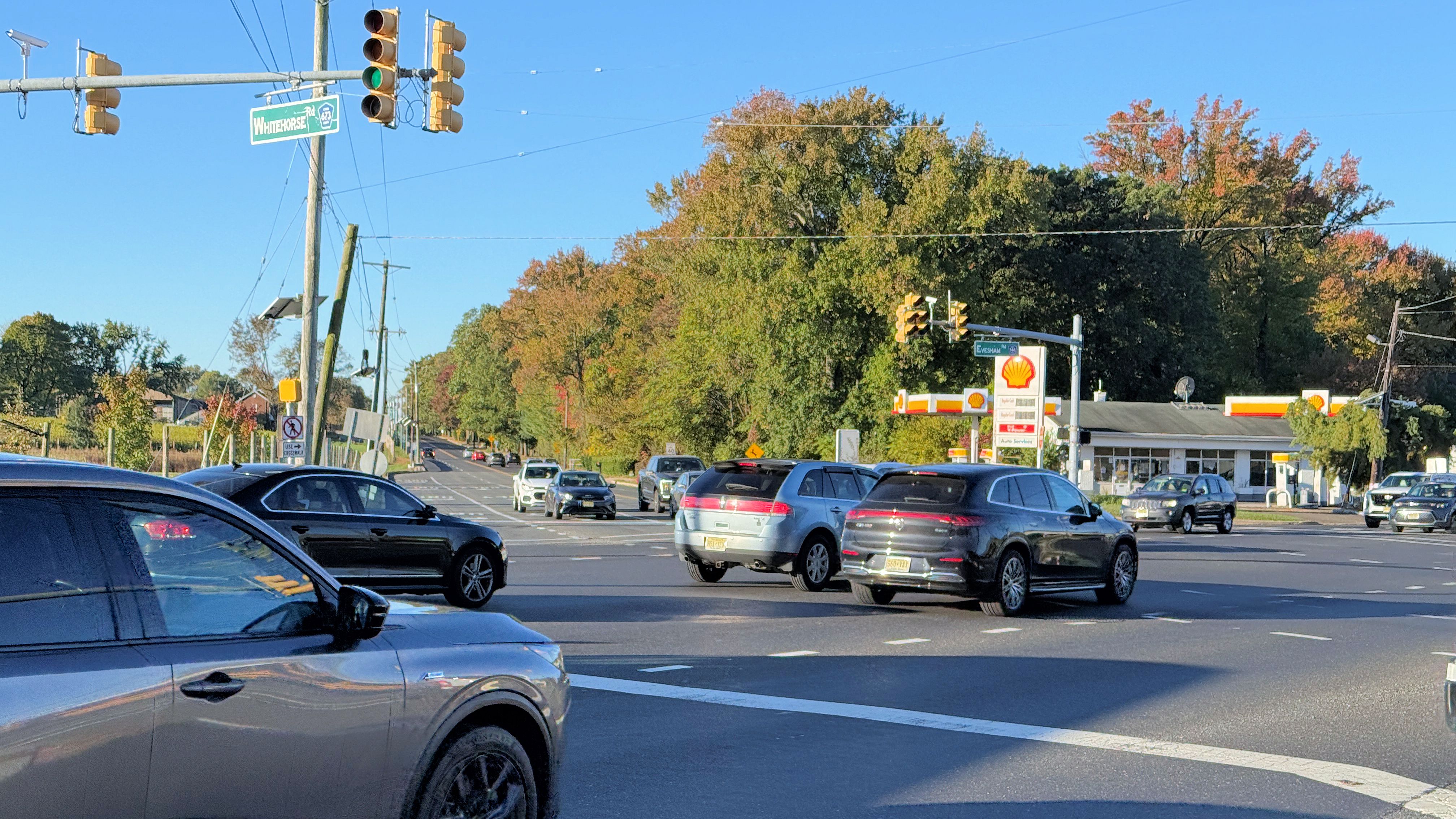
A developer is seeking zoning board approval to demolish a gas station and home at the busyintersection of White Horse and Evesham Roads on the border of Cherry Hill and Voorhees and replace it with a car wash. 70and73 has the details.
Sarah Hart, an environmentalist who taught for decades in South Jersey schools and once rode the high-diving horses at Steel Pier in Atlantic City, died this month at 90. She previously resided in Cherry Hill with her late husband Gene Hart, the longtime Flyers broadcaster.
Camden County has shared sample ballots, complete with the questions voters will weigh in on during the Nov. 3 election, for Cherry Hill and other locales. You can also find your polling place here.
Cropwell Road will be closed between Marlowe and Kresson Roads from 7 p.m. to 5 a.m. through Friday for roadwork.
Cherry Hill firefighters and first responders can attend a free legal clinic on Thursday at 5 p.m. to set up wills and powers of attorney. Sign up here.
Sunday is the deadline for fourth-quarter property taxes and commercial sewer rents in the township. Payments can be made here.
🗺️ Other nearby news
Tense debate over the management of the Scottish Rite Theater continued last week when Collingswood residents grilled commissioners about the borough’s spending on the privately run property, which may soon become the responsibility of Camden County.
A developer plans to convert the historic eight-story Four Echelon Plaza office building in Voorhees into luxury apartments, 70and73 reports.
🏫 Schools briefing
Students told Gov. Mikie Sherrill during her visit last week to Cherry Hill High School East that the recently enacted state law banning cell phones has yielded decreased stress and anxiety, better focus, and more face-to-face communication with classmates.
🍽️ On our plate
Cherry Hill residents will soon be able to enjoy the iconic banana pudding, cupcakes, and other classic desserts from New York-based sweet treat institution Magnolia Bakery by taking a quick drive to Mount Laurel.
James Beard Award-winning bartender Danny Childs, who last week opened his own much-anticipated restaurant Field Day in Philadelphia, is known for the farm- and field-to-bar beverage approach he’s dubbed Slow Drinks, which he developed during his years managing the bar at Cherry Hill’s Farm & Fisherman Tavern. The Inquirer’s Jenn Ladd speaks with the South Jersey resident about his culinary industry ambitions.
🎳 Things to do
🛼 Let’s Go Skating with Matt Guilhem: A ticket to this family-friendly event with WHYY news host Guilhem comes with admission, skate rental, pizza and a drink, and game credits. ⏰ Thursday, Oct. 29, 7-9:30 p.m. 💵 $20 📍 Hot Wheelz
🎶 Rhythm & Vibes: Kick off the new month with live performances of R&B favorites. ⏰ Sunday, Nov. 1, 2-6 p.m. 💵 $30.41 📍 Vera
🖼️ “Fall Into the Arts” Opening Reception: Meet the artists showing their photography in this Cherry Hill Arts Board-juried show, during which prizes will be awarded to the top contributors. ⏰ Monday, Nov. 2, 6-7:30 p.m. 💵 Free 📍 Croft Farm Arts Center
This home from 1966 has been renovated with modern touches such as vinyl flooring, and an updated kitchen with white cabinetry and a waterfall-edge quartz island. There are four bedrooms and three bathrooms. The family room features a brick fireplace and exposed wood ceiling beams. Outside, a deck overlooks the swimming pool.
By submitting your written, visual, and/or audio contributions, you agree to The Inquirer’s Terms of Use, including the grant of rights in Section 10.
This suburban content is produced with support from the Leslie Miller and Richard Worley Foundation and The Lenfest Institute for Journalism. Editorial content is created independently of the project donors. Gifts to support The Inquirer’s high-impact journalism can be made at inquirer.com/donate. A list of Lenfest Institute donors can be found at lenfestinstitute.org/supporters.
A developer wants Voorhees to allow it to demolish a gasoline station and home at the busy intersection of White Horse and Evesham Roads on the Cherry Hill border and build a three-lane car wash.
One of the two lots is zoned rural residential, and a car wash is not a permitted use. TNG Voorhees LLC needs the zoning board of adjustment to grant a use variance, an exception from zoning law.
The zoning board’s webpage indicates the application will be heard at the Nov. 12 meeting.
Entrance and exit driveways would be installed on Evesham Road and on White Horse Road, according to the developer’s plans. The intersection also is fed from Springdale Road on the Cherry Hill side.
The Shoppes at Holly Ravine and the Holly Ravine Farm are on the northwest corner, a ShopRite supermarket is on the northeast corner, and Saddlehill Winery is on the southeast corner.
The former Shell station at 1607 Evesham Rd. is owned by TNG Voorhees LLC of San Diego. TNG and three others purchased the property from Voorhees Shell in 2017 for $1,658,112, according to Camden County property records.
A home at 1502 White Horse Rd. next to the Shell station would be demolished as part of the project. Although the developer’s zoning board application received by the Township in August lists Ferriol C. Apistar and Crisanta B. Apistar as the owners, county property records show they sold the property in June to Granite Peak Property Investments LP of San Diego for $650,000.
Securing a use variance requires an enhanced burden of proof on the impact on the community, according to a review letter by zoning board planner and engineer Artheon.
TNG Voorhees will need to persuade the zoning board that “allowing a car wash on this site would not have a substantial negative impact of the character of the community or quality of life on nearby residents and businesses,” Artheon wrote.
In its application, TNG stated that the gas station and service shop had been there for decades, and the “site is ripe for redevelopment.”
“The proposed development promotes the general welfare by facilitating the productive redevelopment of an underutilized property,” TNG stated.
The lots together total about 1.6 acres.
A 11,182-square-foot car wash building would be located entirely on the residential lot. The gas station lot would be used for parking.
TNG Voorhees stated that 16 spaces of on-site queuing and additional stacking between kiosks and the wash tunnel would be “designed to prevent queue spillback onto public roadways.”
This story has been updated to reflect that the home next to the Shell station has been sold.
70and73.com is a hyperlocal news site focused on South Jersey, including the communities of Cherry Hill, Evesham, Mount Laurel, Voorhees, Medford, Medford Lakes, and Moorestown.
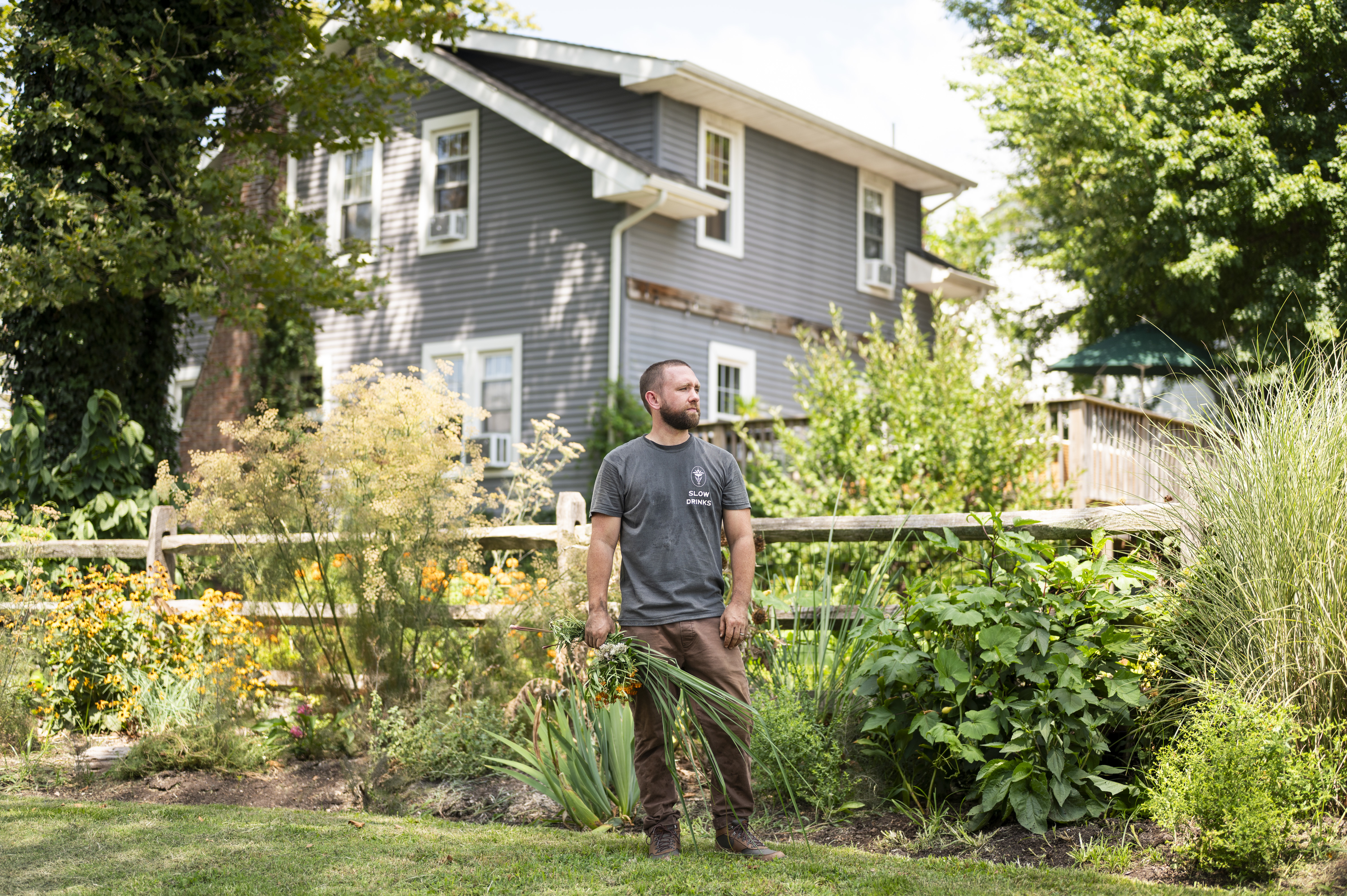
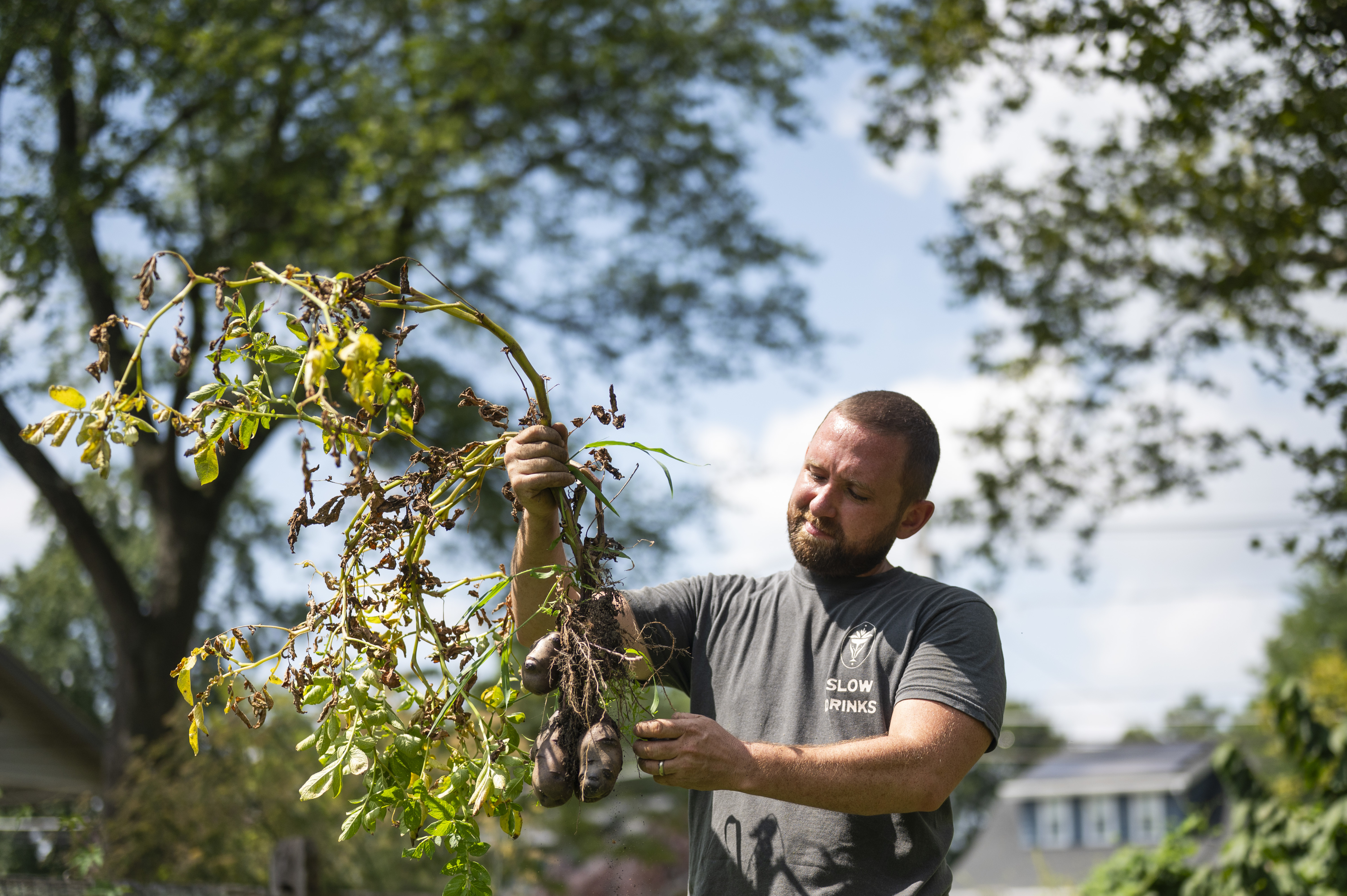
There’s an unassuming backyard in South Jersey that powers some of the area’s most interesting cocktails. The third-of-an-acre Pennsauken plot looks like that of any suburban home, with a weathered swing set and plenty of lawn, but it generates over 100 species of fruit, vegetables, herbs, and flowers each year, a mix of the familiar — lavender, dill, celery, tomatoes, peppers, etc. — and the far more intriguing: dandelion chicory, huacatay, prickly pear cactus, pawpaws, yuzu, jujubes, wormwood, and Jenny Lind melon.
Ingredients from this garden have been showcased in drinks at some of Philly’s best cocktail bars, as well as bars in Chicago; Cleveland; Berlin; Mexico City; Turin, Italy; and Bacolod, Philippines. That’s because the garden’s keeper, James Beard Award-winning beverage writer and bartender Danny Childs, knows how to transform the bounty into a liquid treasure trove.
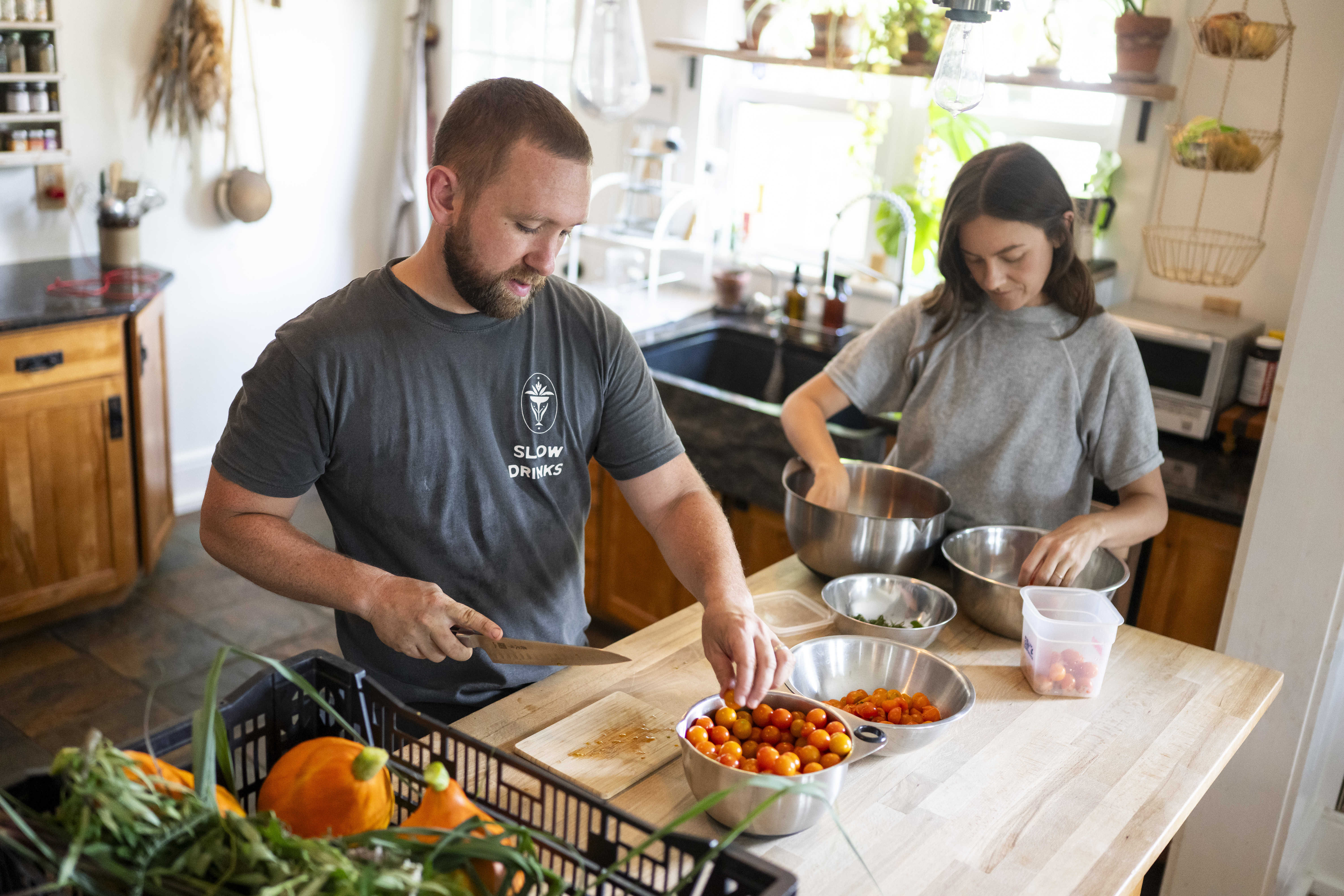
Danny Childs and his wife Katie sift through tomatoes picked from their garden at their home in Pennsauken, N.J., while making lacto-fermented tomato water.Allie Ippolito / For The Inquirer
This backyard and the wilds of South Jersey inspired Childs to develop a range of farm- and field-to-bar beverages, alcoholic and non, collected and detailed in his 2023 book, Slow Drinks.
The principles and practices in the book combine to form a drink-making theory that’s familiar to anyone who’s dined in a farm-to-table restaurant. The best illustration may be homemade amaro, which can capture a time and a place in a bottle by way of its botanicals. Slow Drinks has a recipe for every season — in spring, it’s a strawberry-tinged rabarbaro with roasted dandelion root; in fall, it’s a wormwood-heavy génépy spiked with apples, cranberries, and figs.
The theory behind Slow Drinks, which Childs views as larger than the book itself, emphasizes seasonality, local sourcing, preservation, and storytelling, and it can be applied anywhere.
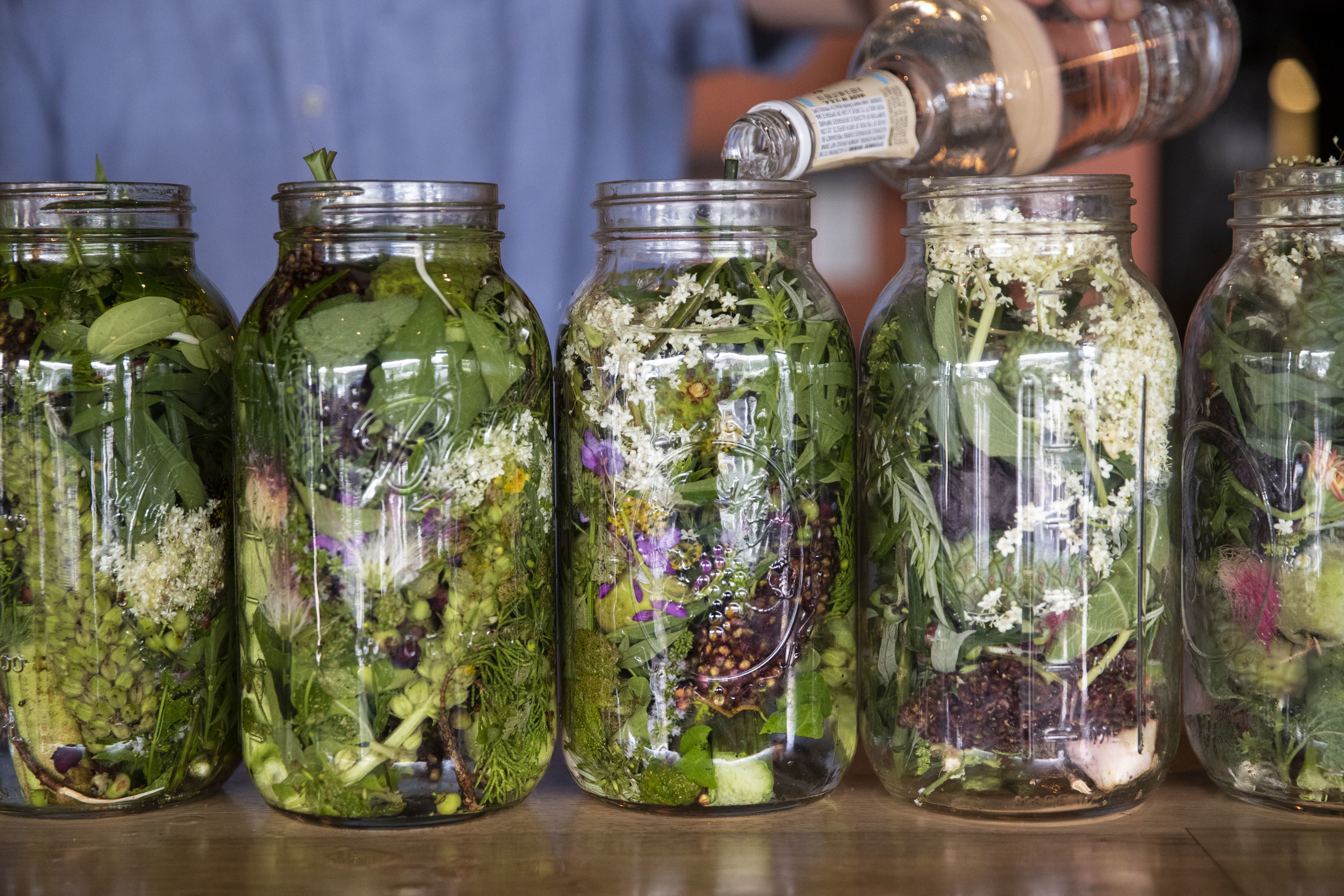
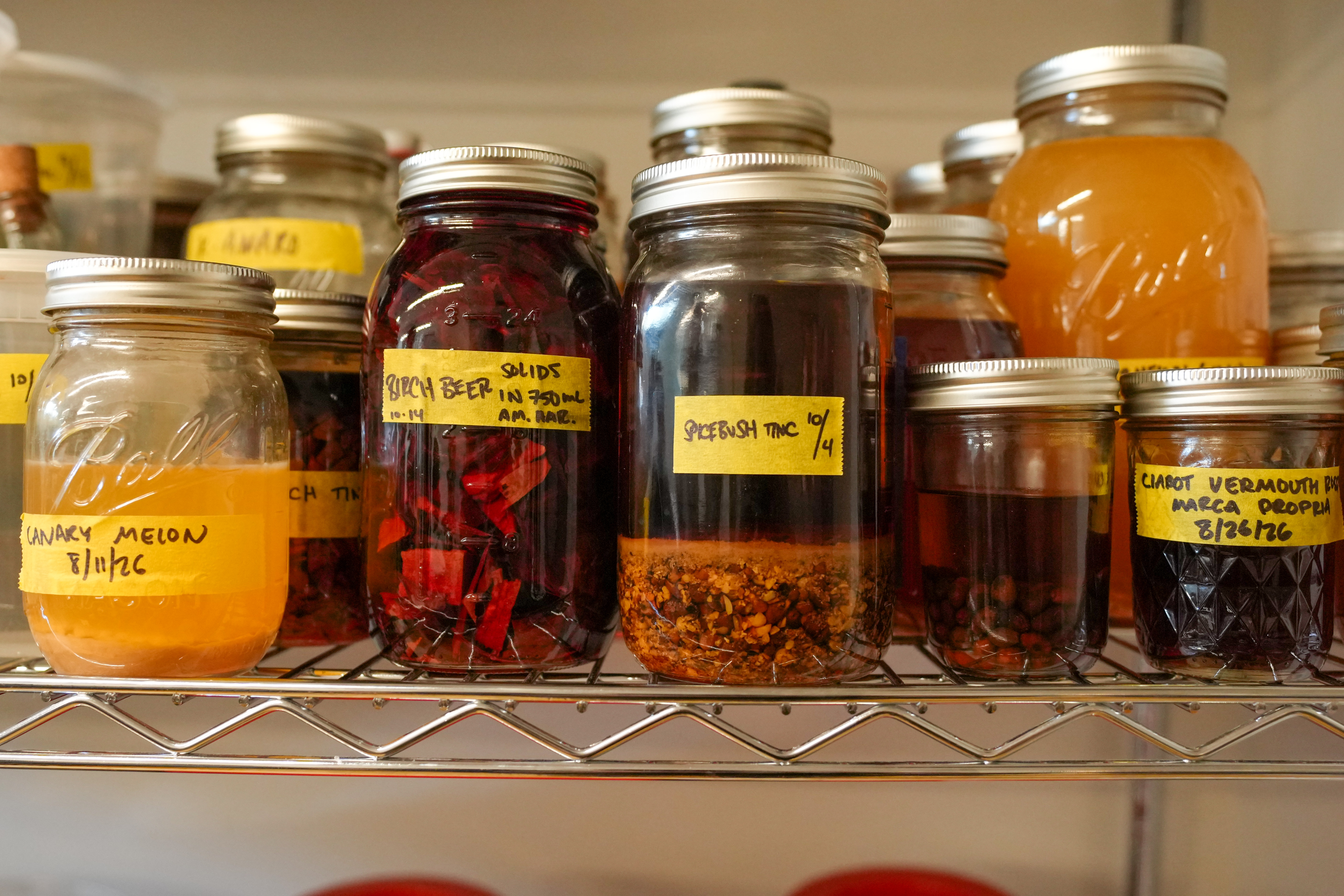
Childs’ South Jersey-inspired amari are infused with botanicals from backyards, forests, and parking lot shrubberies. MONICA HERNDON / Staff Photographer
The farm- and field-to-bar approach has caught the attention of prestigious bar programs here and abroad: Slow Drinks has sold 14,000 copies in English and some 4,000 copies in Italian. It was recently translated to Mandarin.
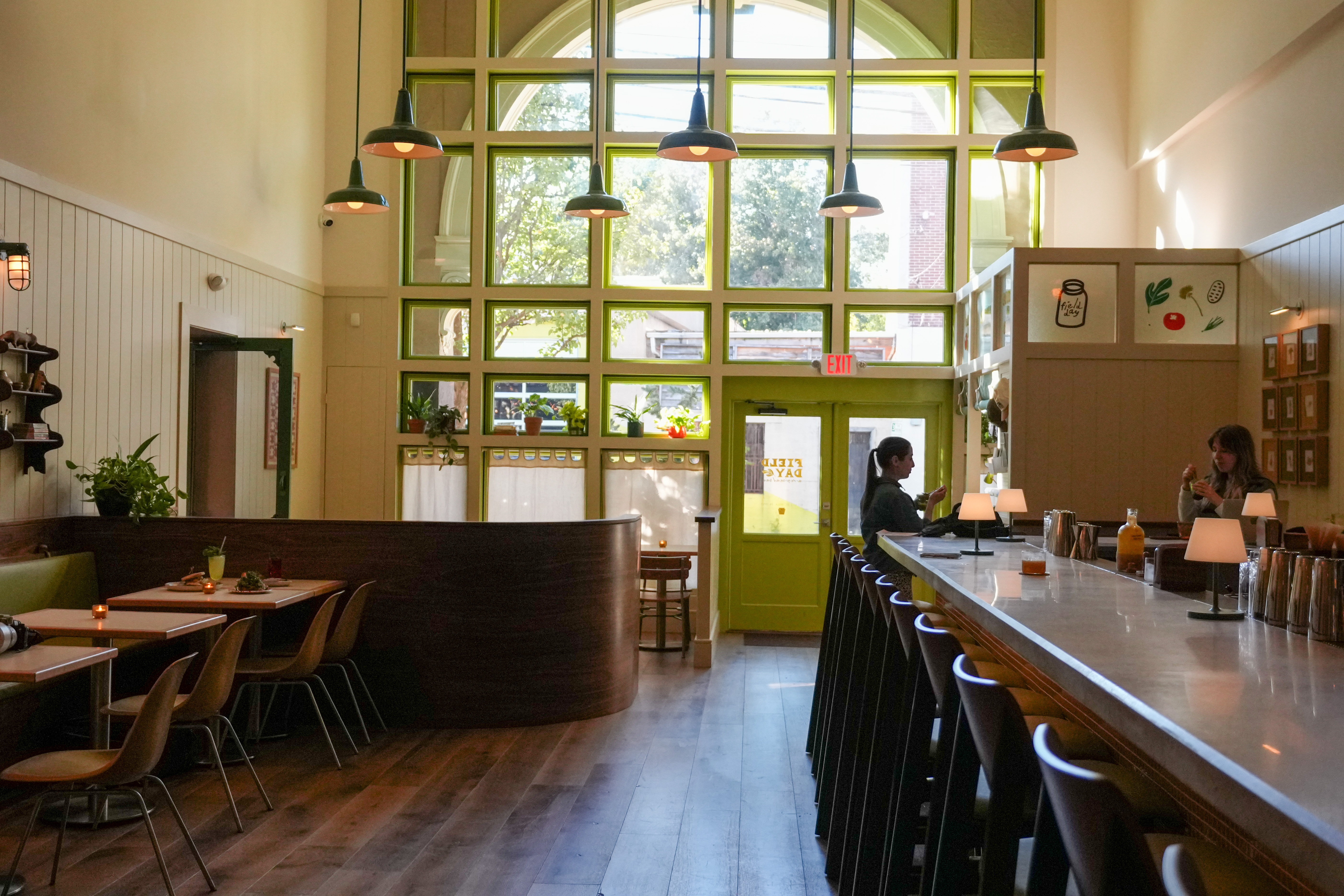
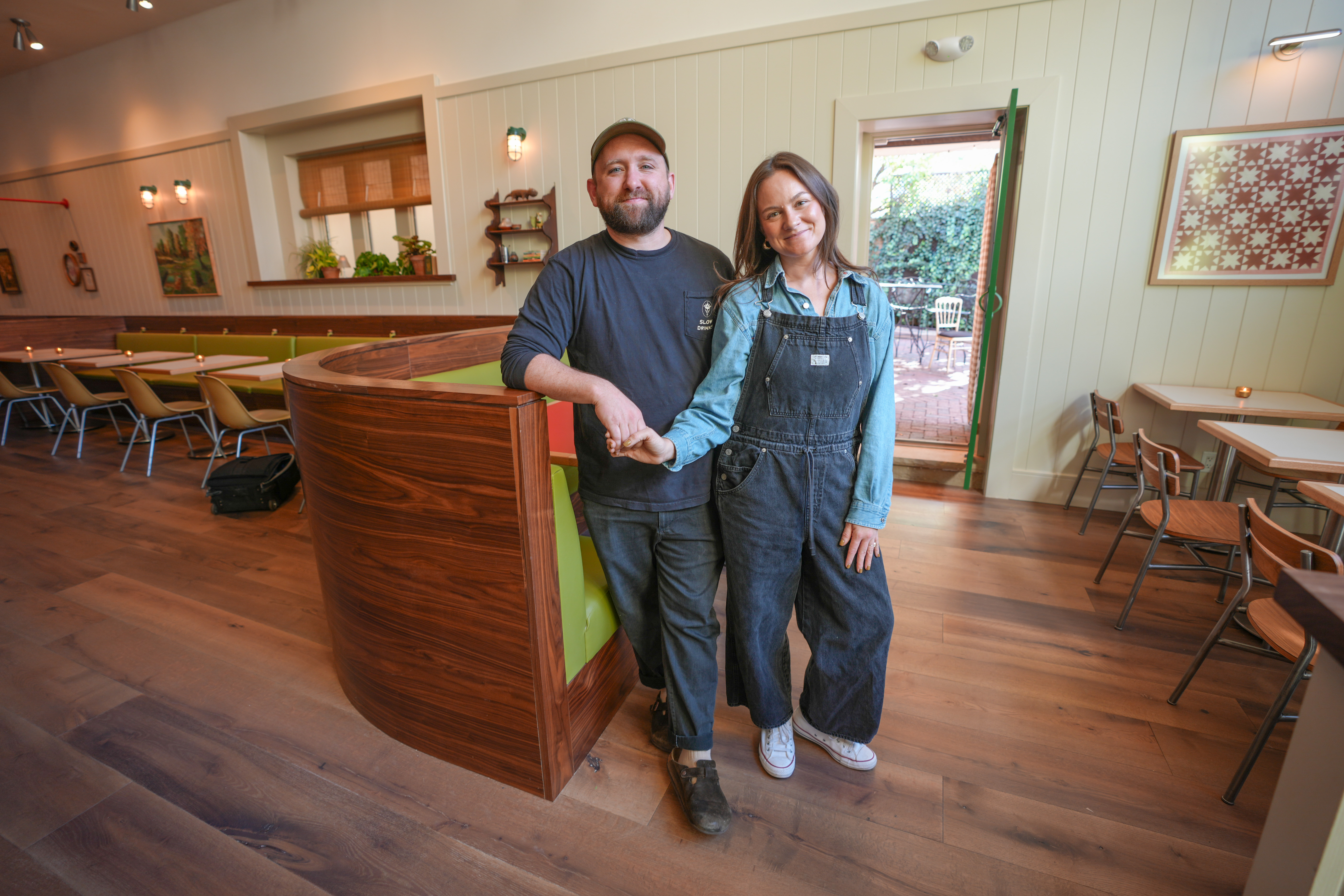
Though Childs has consulted on several beverage programs in Philly, this year marks the opening of his first bar, Field Day, in Northern Liberties, which he owns with his wife, Katie. Flagged as a “regional cocktail bar,” Field Day will filter its menu through a Slow Drinks lens, showcasing the breadth of ingredients and culinary traditions that swirl around our pocket of the Mid-Atlantic, from the Jersey Shore to Pennsylvania Dutch country. Think sherry and cherry wishniak highballs, boozy gelati, and a daiquiri-colada hybrid flavored with pawpaws and strawberries, along with regional foods like tomato pie, Lebanon bologna, and steamed clams.
Field Day, in Philadelphia’s Northern Liberties neighborhood, opened Oct. 21.Jessica Griffin / Staff Photographer
The bar’s debut marks the culmination of years of work. But Childs’ ultimate goal is much bigger. He wants Slow Drinks to take root at bars everywhere. He’s made some headway, but just as it takes time to turn black walnuts into booze, sowing the seeds of a cocktail revolution is no fast or easy feat.
Pitching a movement
It was steamy outside but freezing inside the Ritz-Carlton New Orleans, where Childs was presenting at 2025’s Tales of the Cocktail, the national drinks-industry conference that is nerdy and bacchanalian in almost equal measure.
The annual convention brings together a wide range of beverage professionals — bartenders, bar owners, distillers, marketers — who converge on seminars that would likely bore a layperson to tears. Slideshows on backbar configuration, viscosity, extraction, and “sensory analysis of spirits” were standing-room only, even as cocktail samples were being passed outside conference-room doors. The most-anticipated presentations saw people queue up outside the meeting rooms up to 45 minutes beforehand.
Childs had organized a panel with himself, bartending legend Jim Meehan (best known for cofounding the East Village cocktail bar Please Don’t Tell, or PDT), and Matchbook Distilling’s Leslie Merinoff Kwasnieski. It was slated for a Thursday morning, the penultimate day of the five-day-long conference and when many bartenders fly back home to work lucrative weekend shifts. That may have accounted for the relatively modest crowd in the double-wide meeting room that had been jam-packed for a boisterous lecture on dilution two days before.
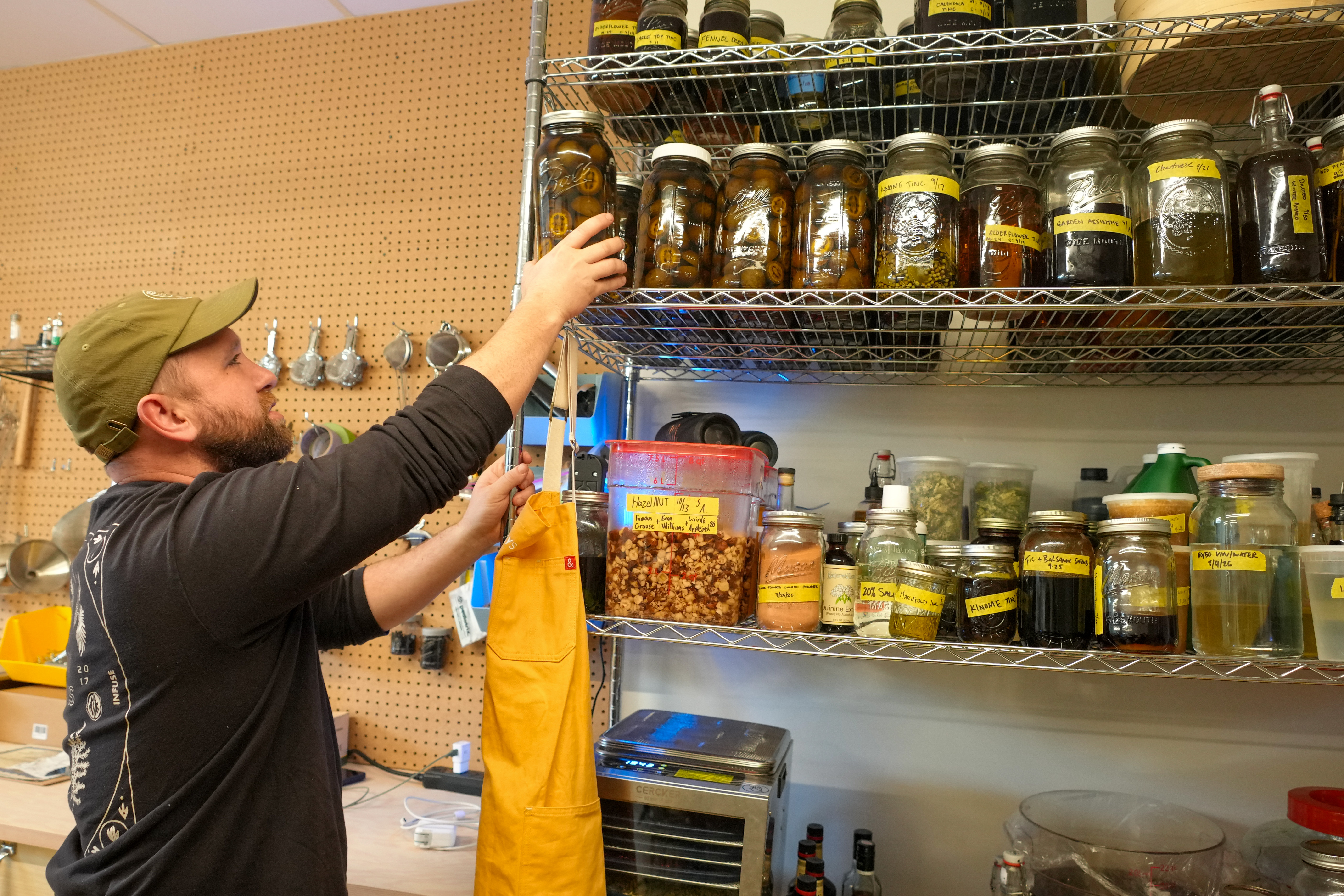
Local botanicals and produce macerate above Field Day, in the Slow Drinks’ second-floor HQ.Jessica Griffin / Staff Photographer
Another factor that may have contributed to crowd size? Compared to some more granular items on the Tales of the Cocktail agenda, the panel — entitled “the Slow Beverage Movement” — promised to be a little lofty.
Over an hour, fielding questions from then-executive director of Slow Food USA Bilal Sarwari, the panelists made the case for cocktails concocted the locally inflected way. The discussion at times veered into very dry territory: Childs waxed on ethnobotany, Meehan meditated on our world’s disappearing biodiversity, and Merinoff Kwasnieski, at one point, gushed about fungal networks’ impact on soil quality.
The talk was well-received by the audience (a small contingent of which were Slow Food Negroni Week scholarship recipients, whose rides to the conference had been subsidized by fundraising efforts that Childs had a hand in), and a couple queries ate up the 10 minutes left for questions. Reliably upbeat, Childs said he couldn’t have been happier with how it went.
Having sat in on several other seminars with higher-energy audiences, I myself wasn’t so sure how well the pitch had landed. A bartender with a gardening habit might be an easy sell. But could Slow Drinks’ time- and labor-intensive cocktail theory gain a foothold in the mainstream? How many bartenders are willing to ferment their own ginger beer, forage ingredients for housemade amari, or harvest actual roots for root beer?
Purple potatoes are among the hundreds of plants Childs grows in his backyard. Allie Ippolito / For The Inquirer
Deeply unpopular, very important
I asked Meehan later about the challenges facing this prospective movement. In 2024, Meehan released a book, The Bartender’s Pantry, written, as he framed it in our interview last year, “in the wake of the reindustrialization of the craft cocktail.” He considers it in league with Slow Drinks — acall to think harder about cocktail ingredients and their sourcing in a time when “our world and our climate is under great duress.”
Like Childs, Meehan feels strongly about this cause, but he’s skeptical about industry uptake. “Are people doing this? Absolutely not. And will they do this? I don’t know. I doubt it,” he said.
But Meehan had reason for optimism, too. “As I think back to the early days of the craft cocktail movement that I participated in [in the aughts] … it is very hard to describe to today’s young bartenders how deeply unpopular what we were doing was — how unpopular, unprofitable, and how vain and silly most people viewed us.”
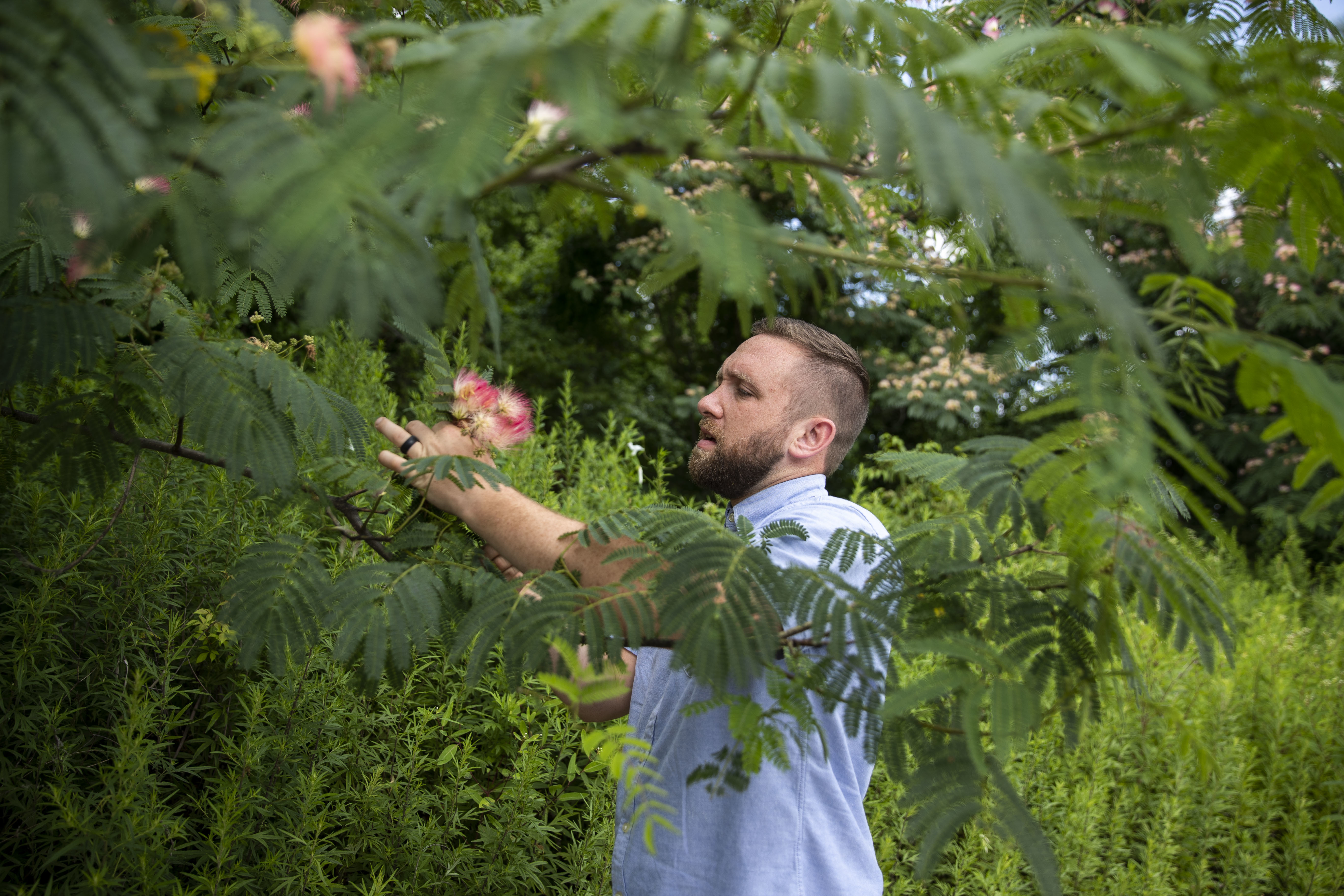
Danny Childs foraging for blooms from a mimosa tree in 2021, when he was still bar manager at the Farm and Fisherman Tavern.MONICA HERNDON / Staff Photographer
He remembered working 12-hour shifts at Pegu Club, the storied New York cocktail bar that opened in SoHo in 2005, and earning just $80, a fraction of what he would make at Gramercy Tavern. He would repeatedly deny requests to sub vodka in for other spirits on the cocktail menu. “It was tough,” Meehan said.
Time and “a never-ending parade of great press” eventually moved the needle, he said, as a curious clientele of mostly young professional women came in, dragging their vodka-drinking boyfriends with them. He was surprised to see customers casually embracing whiskey and gin drinks within just a couple of years. By the 2010s, craft cocktail bars were opening in cities all over the country.
Liquid Gold, an Old Fashioned riff that uses beeswax, propolis, and raw honey, at Field Day.Jessica Griffin / Staff Photographer
To some extent, Meehan — no longer bartending — finds himself on the outs again, having taken up a new mantle in advocating for a more thoughtful, sustainability-minded approach to beverages. He considers himself in the same camp as Childs in that sense, but he thinks Childs has an edge he and his cocktail-pioneer comrades didn’t: “We were weirdos, and Danny is, frankly … very normal and very reasonable and very articulate, and I think mostly he’s very positive,” Meehan said. “For these reasons, I think this guy has a very good chance of being successful.”
“I think that there’s something revolutionary about what Danny’s putting out there,” Meehan said. “I’m sure people think that we look like some bartender form of Alice Waters, but I think that it is very important work.”
Changing perceptions
Childs is well aware that the very idea of locally inflected cocktails can come across as pretentious and twee — they’re the kind of thing you might have seen skewered on Portlandia.
But it’s also hard to imagine a better ambassador for what seems like a very fancy thing: Childs first developed Slow Drinks as a concept while working as bar manager at Farm & Fisherman, a family-friendly tavern in a Cherry Hill strip mall. Over a decade, he hooked suburbanites on sophisticated cocktails that were also approachable and highly drinkable, only going on a spiel about sourcing when prompted.
Danny and Katie Childs at their regional cocktail bar Field Day. “He looks like a he looks like a Division Three running back,” bartender and beverage writer Jim Meehan said of Danny Childs. “He’s very approachable.”Jessica Griffin / Staff Photographer
Childs’ upbringing no doubt plays a part in his innate ability to soft-sell. Before he moved to Marlton at age 11, he grew up in Delco: first in his grandparents’ house and then a Clifton Heights apartment complex. His dad bartended at the Clifton Inn (now Murray’s Bar & Grille) for years. “I grew up in that bar in a lot of ways,” Childs said. He remembers learning to play pool and shuffleboard there, and having his first underage drink one Christmas Eve.
His blue-collar roots are balanced by a deeply nerdy side. Childs’ fascination with plants, fostered by his naturalist-oriented uncle and grandfather, kicked into high gear when he studied anthropology and ethnobotany at the University of Delaware. He spent four years traveling through South America to study the use of medicinal plants among Indigenous people. (If not for a bartending gig in Chile, Childs might be an M.D./Ph.D. teaching and practicing ethnomedicine today.)
He swerved out of academia postcollege, when a would-be gap year sent him down an agricultural rabbit hole: first on a Marlton Christmas tree farm — where he and Katie homesteaded in a military tent equipped with a wood-burning stove for nine months — and then over stints at Urban Roots Farm in Newtown Square and at Plowshare Farms in Bucks County.
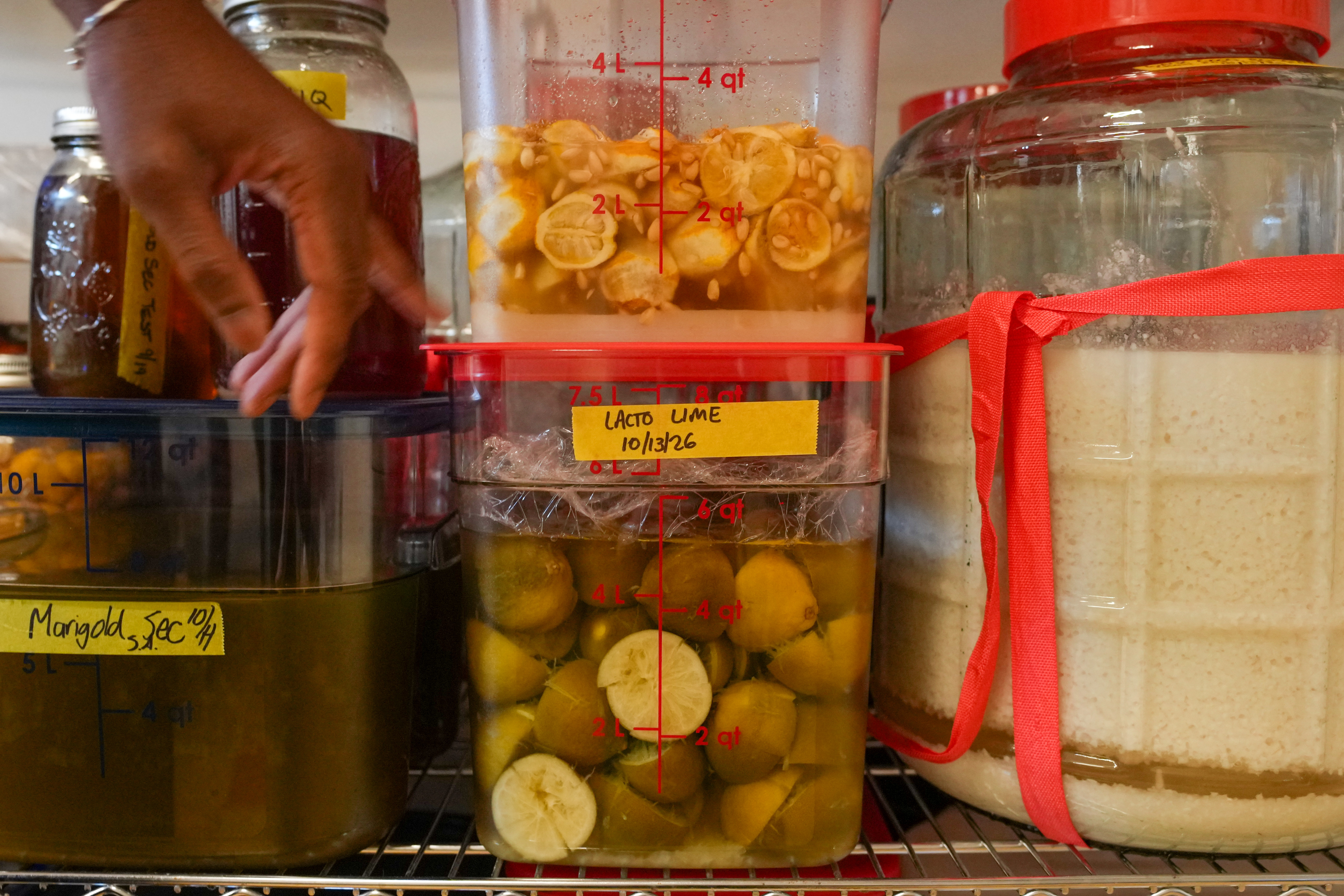
Lacto-fermented limes sit below a bin of trifoliate oranges steeping to eventually make cheong (fermented syrup) in the Slow Drinks HQ and Field Day R&D lab in Northern Liberties. Jessica Griffin / Staff Photographer
Those various walks of life all braided together when Childs took a job at Farm & Fisherman in 2013. It was there that he started dreaming up “cocktails through an anthropological lens” — a phrase, as he writes in Slow Drinks, that he scrawled on a bar napkin, then spent years teasing out. He started applying age-old practices of fermentation and infusion to the local ingredients surrounding him, then mixing them up behind the bar.
Childs codified these methods in Slow Drinks, which is intended as a springboard for other bartenders and home enthusiasts, offering building-block master recipes for shrubs, liqueurs, aromatized wines, and more preserved, distilled, and infused liquids. Cocktail recipes (pickled ramp martini, stone-fruit amaretto sour, clarified persimmon punch, etc.) round out the book, showing region-specific applications season by season.
The Slow Drinks book by Danny ChildsMonica Herndon / Staff Photographer
Just as he knows the larger theory runs the risk of feeling esoteric to guests, he recognizes the work required may intimidate industry pros. “Bartenders are taught how to make syrups and mix cocktails with ingredients that are on their backbar. It’s changing a little bit, but the bars pushing that envelope are still like the top 1%,” he said. “I know it might seem difficult or out of reach.”
Childs’ ultimate counterargument is a humble one: He’s not actually doing anything new here. “People have been doing this for hundreds and in a lot of cases thousands of years.”
Local gaze, global ambition
Childs has been dedicated full-time to Slow Drinks as a business and a concept since 2023, when he left his role at Farm & Fisherman. The departure gave him time to promote the book but also more flexibility and autonomy over where the larger idea might go.
“It was kind of like jumping out of the plane without a parachute and hoping for the best,” Childs said of the decision to leave.
Childs handles nocino in the Slow Drinks HQ above Field Day.Jessica Griffin / Staff Photographer
In the years since, he’s consulted on several bar projects in the Philly area (most notably Almanac and La Jefa, both James Beard Award nominees). With Katie as copilot, he’s grown the Slow Drinks brand via pop-ups and collaborations, some of which have left lasting impressions. (If you find yourself at Mexico City’s Baldió, ask to try the chinampas Chartreuse and agave amazake.) He’s also established a close relationship with the international organization Slow Food that’s taken him to various cities and countries to present on the budding movement, often with an entourage of scholarship-backed bartenders who are practicing this style of drink making already.
Childs also spent much of the last two years laying the groundwork for Field Day, whose staff claims a number of Philly’s most promising restaurant-industry talent, including chef Melissa McGrath and fermentation whiz Jamaar Julal.
Even as he becomes a bar owner, Childsis going full tilt on Slow Drinks. The business’ headquarters live above the bar, in an office/lab that shares space with Cescaphe Ballroom’s wedding complex. This summer he and Katie hired Canyon Shayer, a Philly Distilling and Heaven Hill alum, to be the S corporation’s COO and “director of culture,” working with clients on developing and implementing Slow Drinks-style beverage programs.
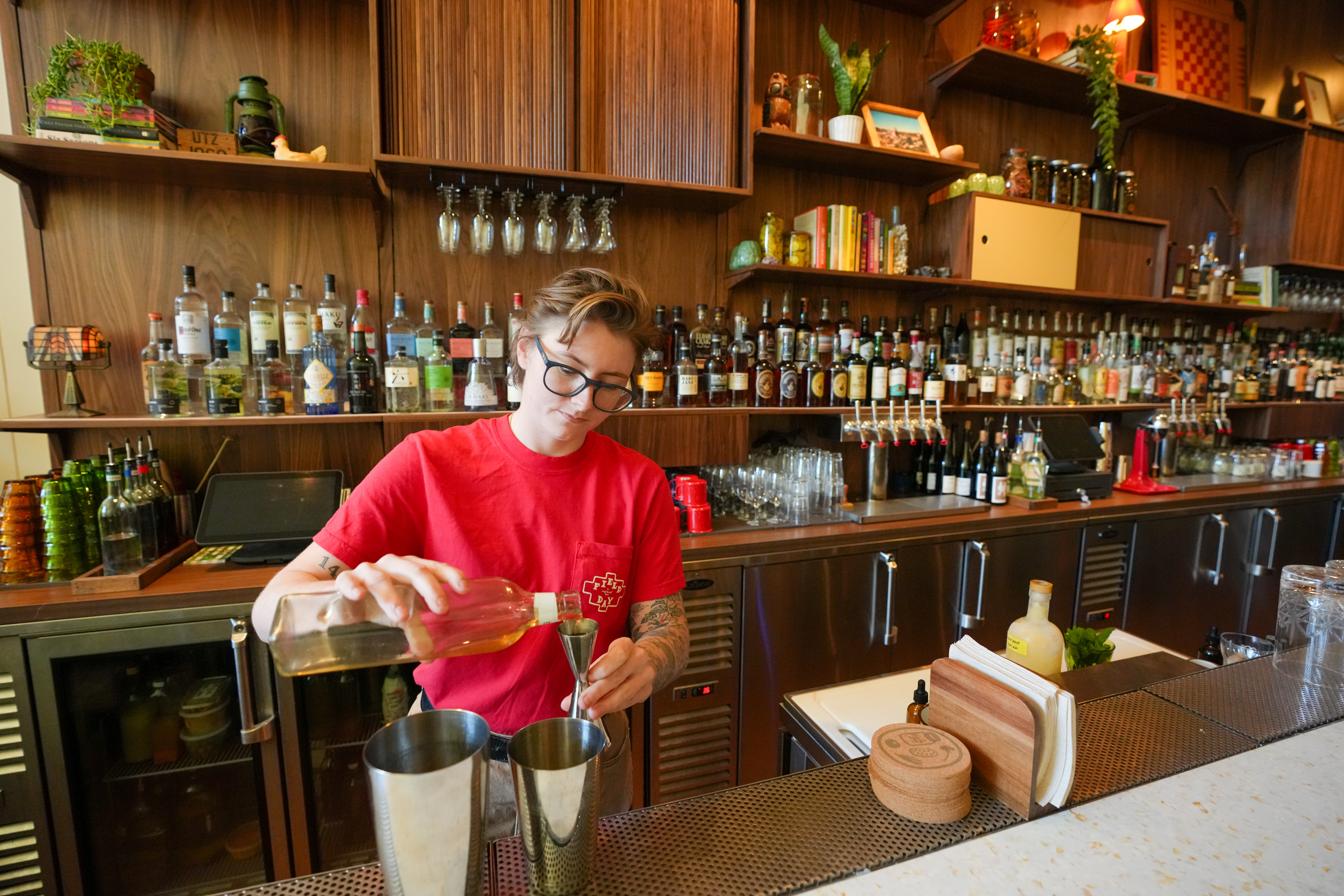
Erin Dassler makes cocktails at Field Day. Childs hope the bar serves as a model of a full-fledged Slow Drinks program. Jessica Griffin / Staff Photographer
In a way, Field Day is a test case, “a blueprint for, this is what [Slow Drinks] looks like in practice day in and day out,” Childs said. “I think we’ve just really scratched the surface of getting people fully bought into it, and that it is something that can leave the industry better than we found it.”
If Childs gets his way, bartenders all over will see potential ingredients every time they step foot outside — even if it’s just into their own backyards.