Tag: Cheltenham

  • Cheltenham is trying to move past its football scandal. Here’s what happens next.

    Cheltenham is trying to move past its football scandal. Here’s what happens next.

    As it faced parents and community members during an emotional meeting Tuesday, the Cheltenham school board laid out several steps to address concerns about the scandal over the 2025 locker-room assaults that led to criminal charges against four coaches and six players.

    The board announced new leadership — with plans to appoint veteran educator Chris McGinley as interim superintendent — and an independent review of district policies, with recommendations to follow in 60 days.

    But questions remain about how the board will respond to the district’s alleged mishandling of the situation, including by employees faulted in a grand jury report. Parents on Tuesday, including some who have alleged the district’s safety problems extend beyond the football program, voiced skepticism of the board’s promises.

    The district will pay former Superintendent Brian Scriven, who resigned last week, as part of a separation agreement, according to a spokesperson, but terms have not been disclosed.

    Here is what happens next as the board deals with the aftermath of the criminal charges announced two weeks ago, and the lack of confidence expressed by community members:

    A former superintendent returns

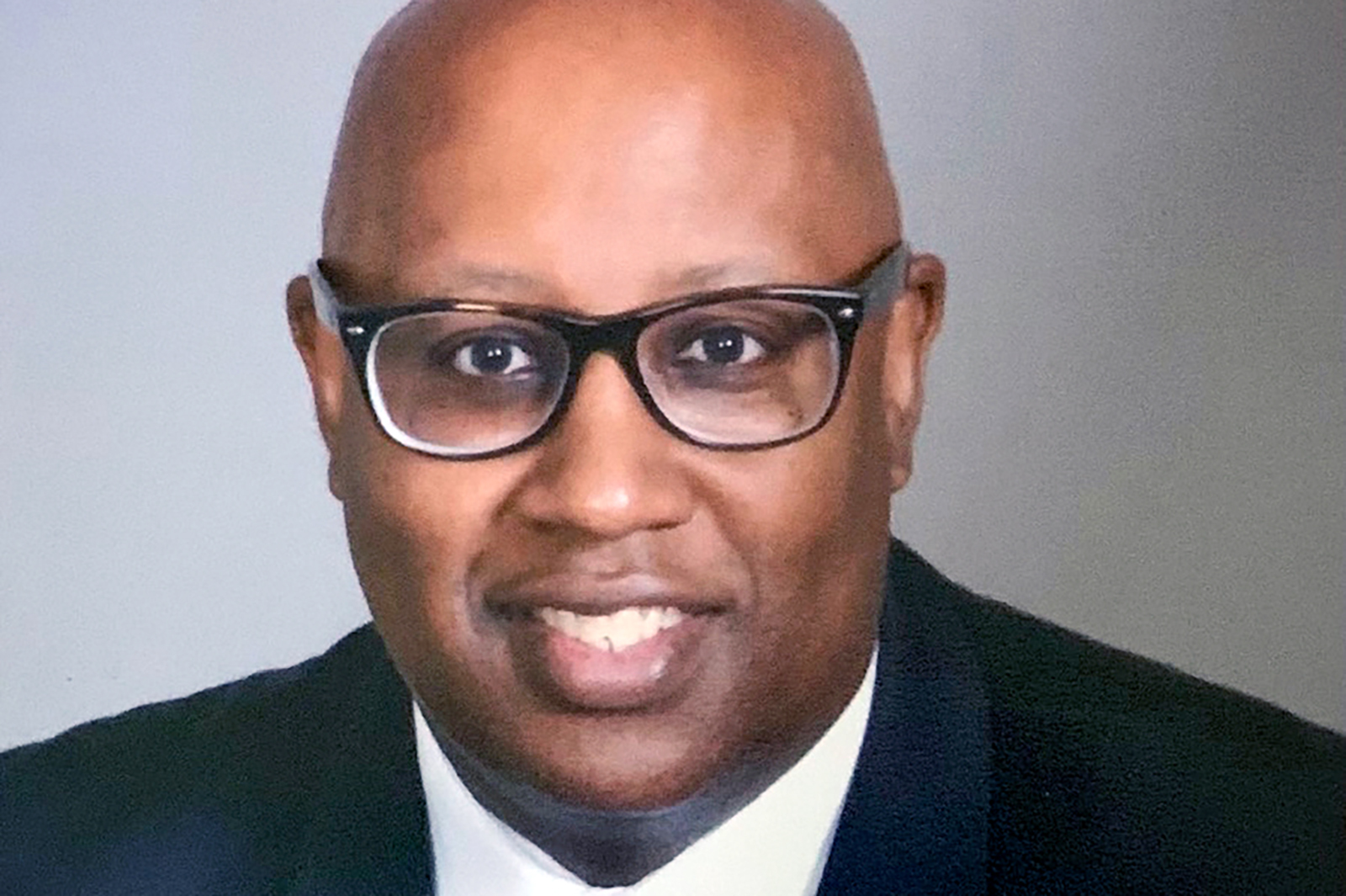
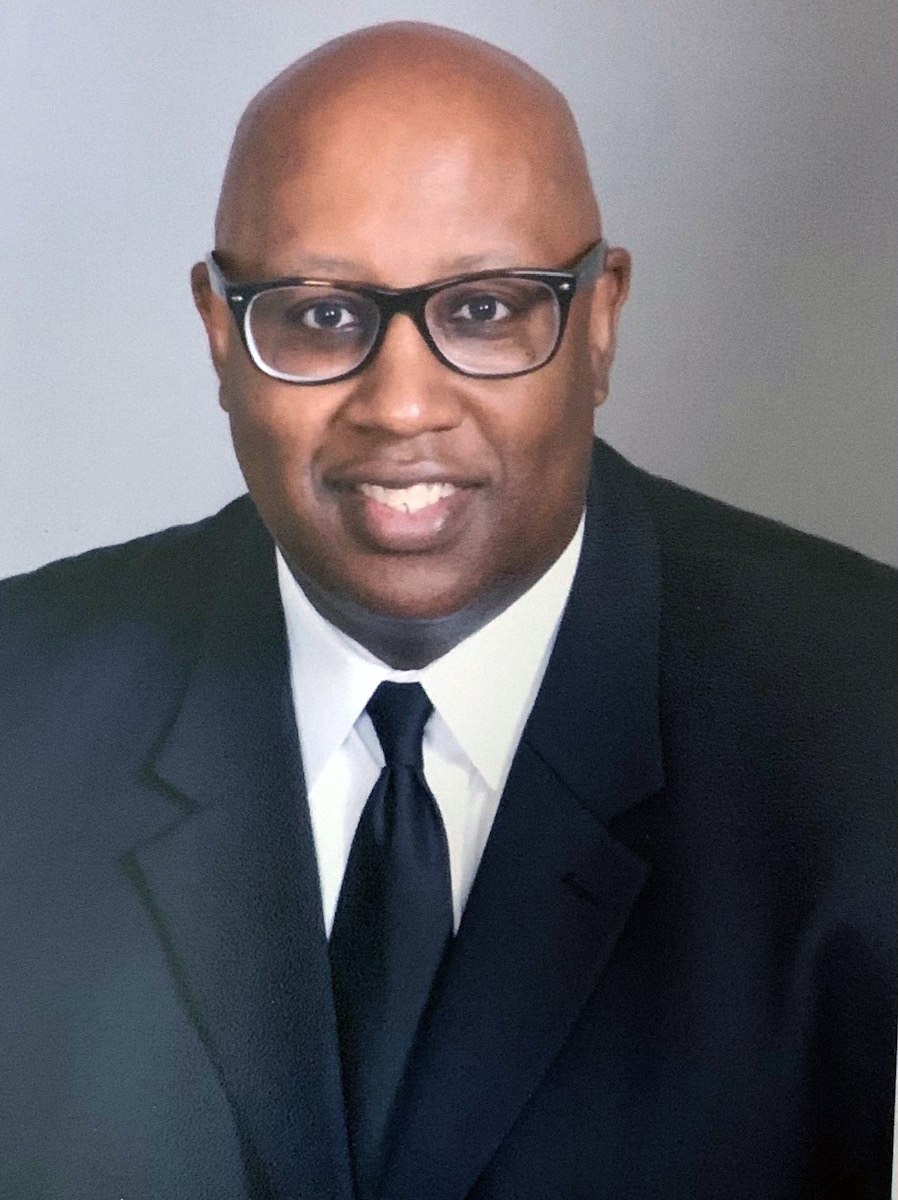
    The board said it plans to tap McGinley, a longtime educator who served as Cheltenham’s superintendent in the early 2000s, to lead the district following Scriven’s resignation.

    McGinley, who more recently worked as an education professor at Temple University, will be appointed by the board at a special meeting Tuesday at 6:30 p.m., district spokesperson Kevin Kaufman said Thursday.
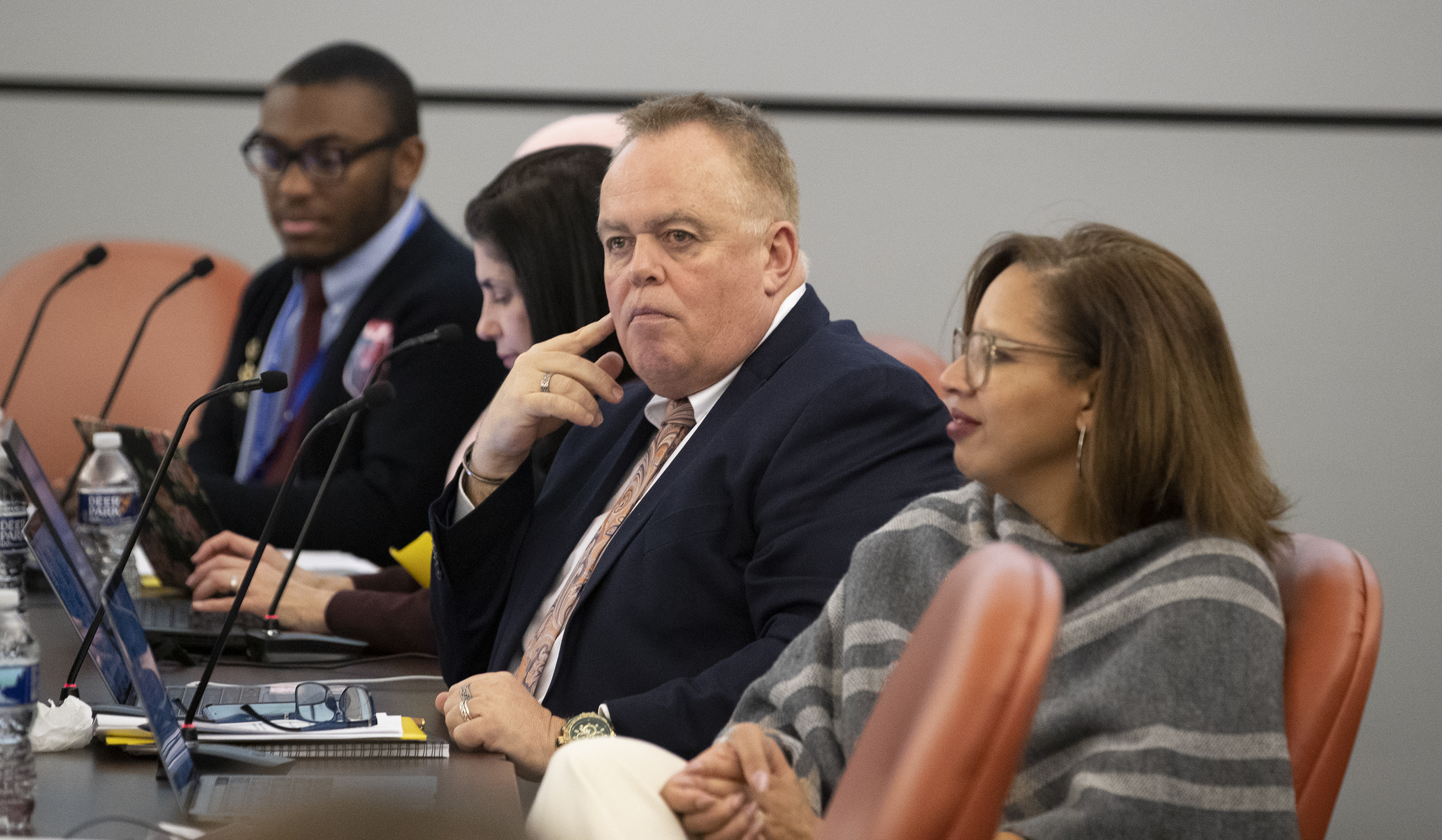
    Chris McGinley, center, and Angela McIver, right, at a meeting of the Philadelphia Board of Education on Jan. 30, 2020.Charles Fox / Staff Photographer

    McGinley, who began his education career as a teacher in Philadelphia, joined Cheltenham in 1999 as an assistant superintendent, where he oversaw efforts to address the district’s racial achievement gap. He then became Cheltenham superintendent, leaving the district in 2006 before becoming superintendent two years later in Lower Merion, which he led through 2014.

    McGinley then served on the Philadelphia School Reform Commission, which oversaw the city’s schools while they were under state control. He was later named to the Philadelphia school board by former Mayor Jim Kenney, leaving the board in 2020.

    McGinley could not be reached for comment Wednesday.

    Scriven had received a new five-year contract in December. Kaufman said in an email Thursday that “the terms and conditions of Dr. Scriven’s separation agreement will be negotiated (in accordance with Dr. Scriven’s contract and applicable law) and approved publicly at a future meeting.”

    An outside lawyer’s review

    The board has enlisted Leigh Dalton, an education attorney based in York, Pa., with the Saxton & Stump firm, to review its policies and procedures and produce recommendations to the board in 60 days.

    Board president Leah Mulhearn said Tuesday that the review would “include consideration of the grand jury’s findings and how to address them.”

    None of those findings were discussed by the board Tuesday. In a scathing report accompanying the recommendation of criminal charges, the grand jury accused the district of “incompetence” while describing the actions of three employees at the high school.
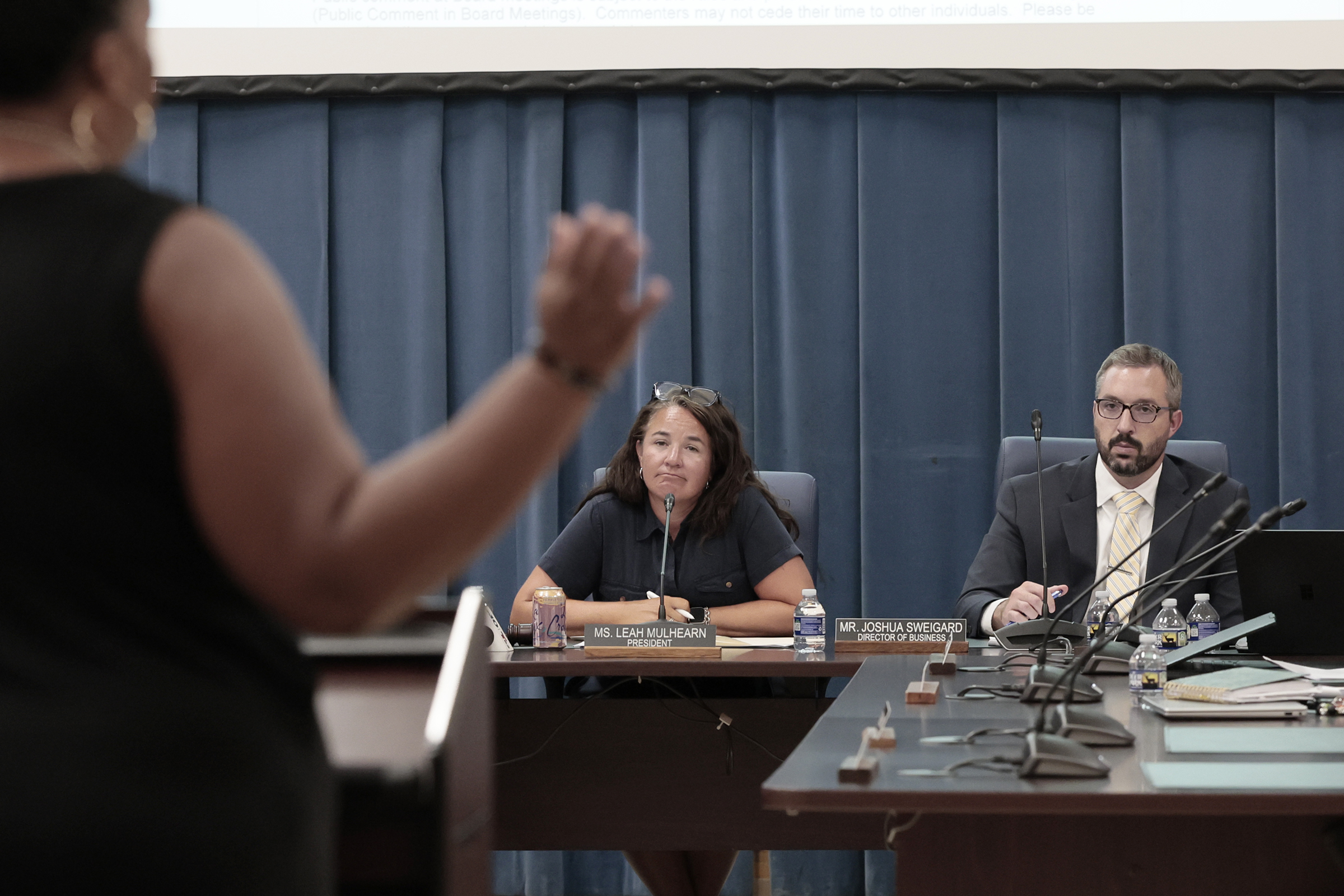
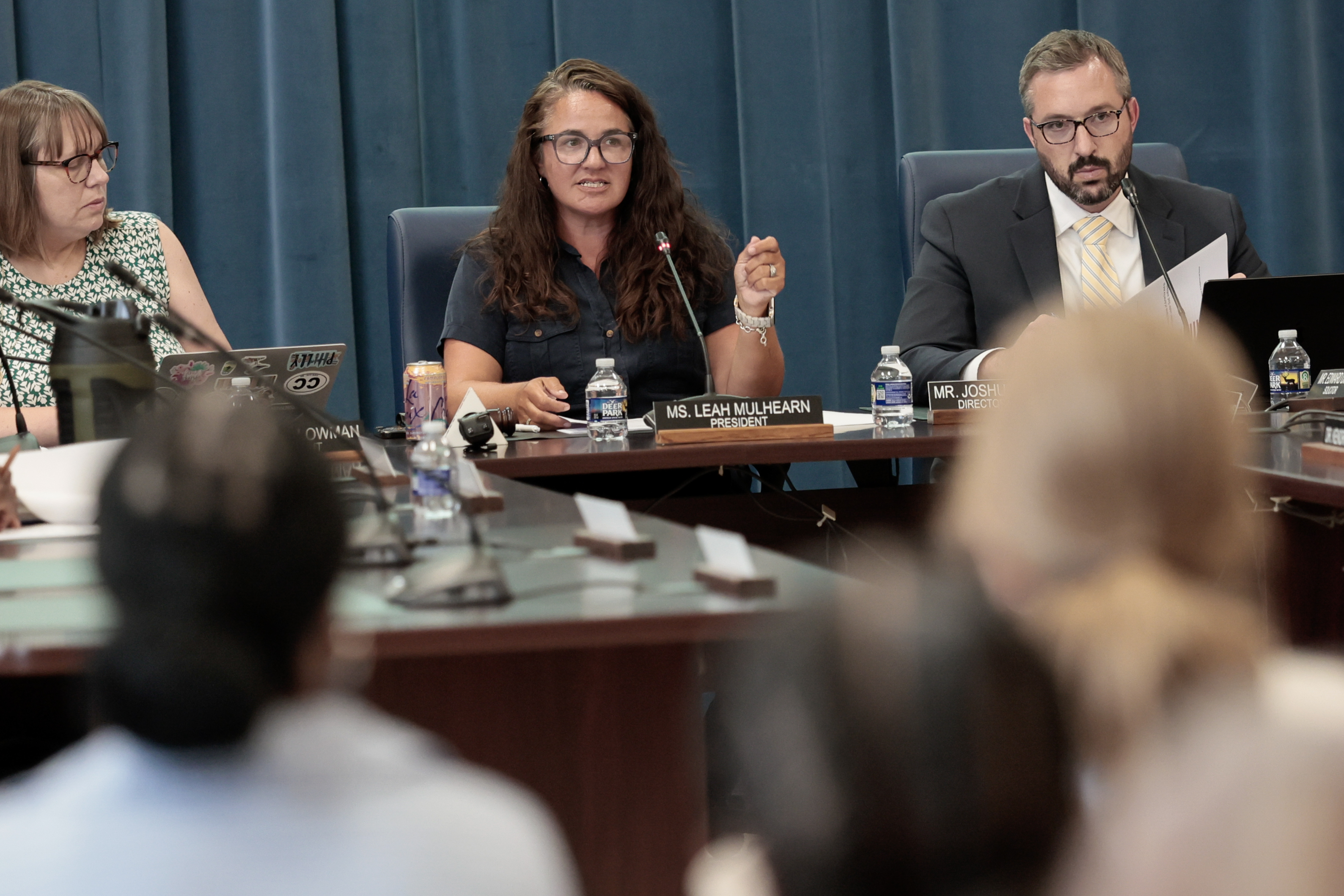
    Taryn Knox (left) speaks to School Board President Leah Mulhearn and Director of Business Joshua Sweigard during the Cheltenham School Board meeting in Elkins Park on Tuesday, August 11, 2026. The school board was meeting for the first time since criminal charges against four football coaches and six players were announced, and since Brian Scriven resigned as superintendent. .Elizabeth Robertson / Staff Photographer

    The trio — labeled in the report only as Employees #1, #2, and #3 — texted one another after the mother of the 15-year-old victim reported her son’s assault on Sept. 7. One said the student had a “chip on his shoulder” from not making varsity and said he had steered the mother away from coming to the high school in person.

    The employees also indicated they trusted the head coach, Terence Tolbert, and did not believe the mother that Tolbert — who, along with three other coaches, has since been charged with conspiracy and endangering the welfare of a child — had instructed the victim not to tell his parents what had happened. The report said the district then included Tolbert in its investigation.

    Asked about the status of the three employees, Kaufman said Thursday that the district “doesn’t comment on specific personnel matters.”

    On Thursday, Cheltenham High School principal Benjamin Hammond informed families that Mark Hoff, who was vice principal at the high school last year but had been reassigned to Wyncote Elementary in July, would be returning to the high school this fall.

    The player’s mother said she initially reported her son’s assault to Hoff on Sept. 7.

    “Due to the heightened environment about student safety and culture, and acknowledging community concerns, the district has decided to continue Mark Hoff’s assignment as vice principal at Cheltenham High School,” Hammond said in a message to families, adding that Hoff would “provide stability this upcoming school year.”

    Kaufman said that Dalton’s hourly rate was $265.

    Dalton was hired by Central Bucks last year to investigate special-education abuse allegations; the district did not publicly release her conclusions.

    “While communications between counsel are privileged, the board does intend to report out on the recommendations that she makes where appropriate,” Kaufman said.

    Football is still canceled

    The board will also be reviewing all athletic programs, “top to bottom,” Mulhearn said. And there is no timetable for when football, which the district already canceled in May, will resume.

    “Football will not return until we address this, no matter how long it takes,” Mulhearn said.

    Safety changes

    Mulhearn said some safety changes were already underway. The district is “ensuring that all staff members have current criminal history and child abuse clearances on file,” she said. The grand jury report had said that at least five of the district’s football coaches last year were not up to date on clearances related to child abuse reporting requirements.

    She also said the district was “communicating and reinforcing coach expectations and plans for improved locker-room supervision.” While there was an office in the football locker room, coaches did not use it last season, leaving players unsupervised, according to the grand jury report.

    Cheltenham has “begun implementing” recommendations from an audit by the Center for Safe Schools, Mulhearn said. She also said the board had retained the Bucks County Intermediate Unit “to audit our human resources function.”

    Some parents of football players recently told The Inquirer they had urged the district not to hire Tolbert, who they said was hired as coach without an interview because he was already a teacher in the district. The district has not responded to questions about Tolbert’s hiring.
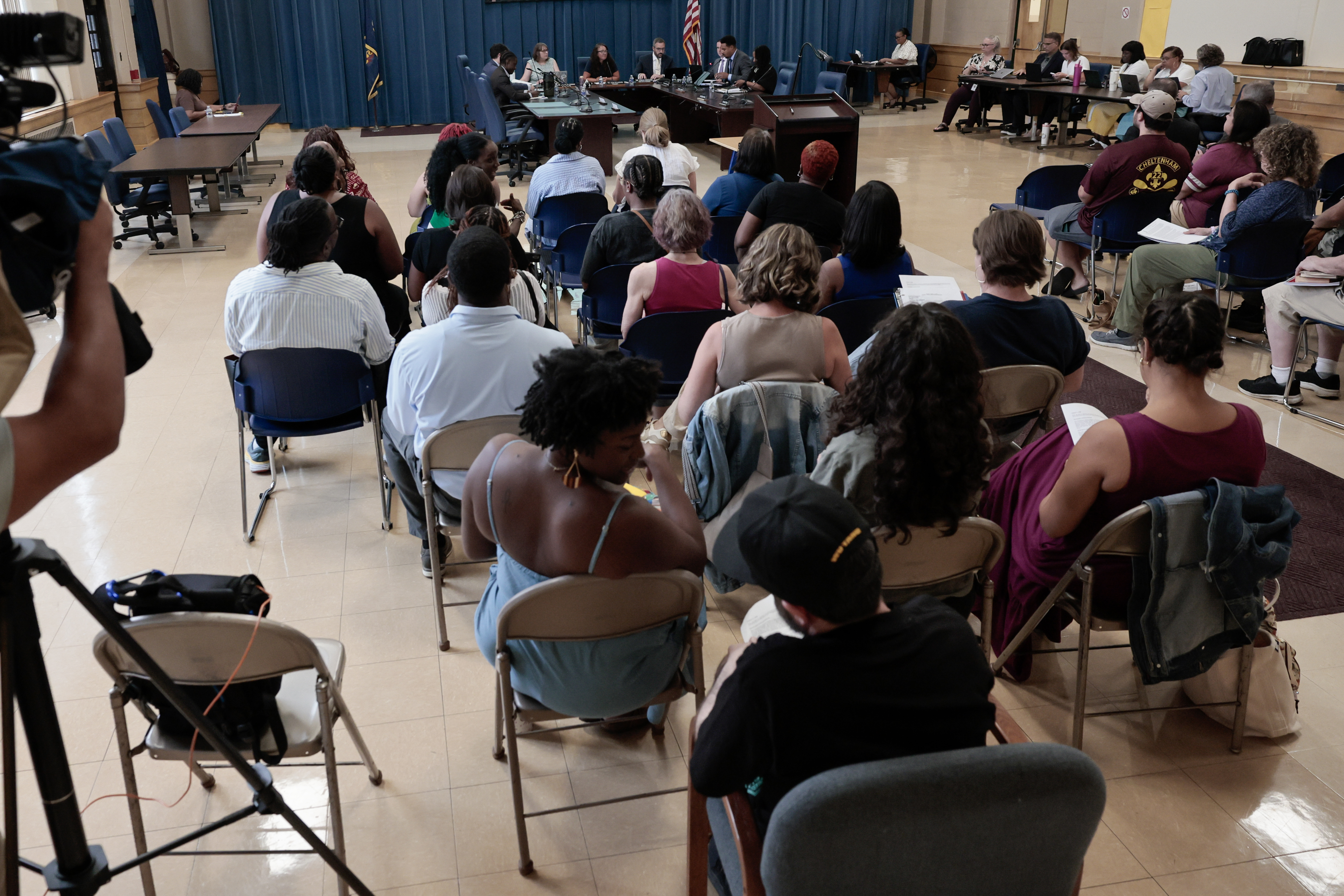
    The Cheltenham school board meeting Tuesday, Aug. 11, 2026, in Elkins Park.Elizabeth Robertson / Staff Photographer

    The criminal cases

    Three coaches and the two players charged as adults by the Montgomery County District Attorney’s Office will face a district judge at a preliminary hearing scheduled for Aug. 27. (Ralph Burnley, the fourth coach charged, has not yet been arraigned in the case, and there is no indication he has hired an attorney. He did not respond to a request for comment.)

    The four players charged as juveniles will face separate proceedings in juvenile court that are not open to the public.

    At the preliminary hearing for the other defendants, prosecutors will present evidence to the judge to support the charges through witnesses. Defense attorneys will be given the opportunity to cross-examine those witnesses and make arguments to the judge for their clients’ innocence.

    After the hearing, the judge will determine whether the prosecution has proved the validity of the charges and, if so, will send the cases to county court.

    Staff writer Jess Rohan contributed to this article.
  • Cheltenham school board promises frustrated parents it will ‘move with deliberate speed’ to rebuild trust after locker-room assaults

    Cheltenham school board promises frustrated parents it will ‘move with deliberate speed’ to rebuild trust after locker-room assaults

    The Cheltenham school board said it would review safety procedures and assess the culture in all of its athletic programs as it pledged to rebuild community trust after an explosive grand jury report condemned the district’s response to the assaults of a football player last season in a high school locker room.

    The attacks on the 15-year-old, which took place in August and September 2025, “arose in the context of a culture of intimidation and acceptance of violence,” board president Leah Mulhearn said Tuesday night at the board’s first meeting since criminal charges were announced against four coaches and six players.

    Mulhearn, who also announced that veteran educator Chris McGinley would be tapped as interim superintendent, promised the board would move quickly to fix problems.

    The district already canceled the 2026 football season in May. “Football will not return until we address this, no matter how long it takes,” Mulhearn said.

    Parents, who lined up behind a microphone in the district’s administration building awaiting their turn to speak, expressed skepticism and demanded more from the board after a grand jury report accused the district of endangering students through a failed response to the assaults, one of which was captured on video.

    In emotional comments, some parents said their children had been assaulted in the schools, while others questioned how they could believe the board, when they had warned against hiring a coach who has since been charged with conspiracy and endangering the welfare of a child.

    “We entrusted our children to this district,” said Chowan Cowans, who withdrew her son, a rising senior and former Cheltenham football player, because “I don’t feel safe with him being there anymore.”

    Cowans accused the district of a lack of transparency, which “has to mean something when the truth is uncomfortable,” she said.

    PTO president Stephanie Curry (center) waits in line to speak during the Cheltenham School Board meeting in Elkins Park on Tuesday, August 11, 2026. The school board was meeting for the first time since criminal charges against four football coaches and six players were announced, and since Brian Scriven resigned as superintendent. .Elizabeth Robertson / Staff Photographer

    ‘Mistakes were made’

    The board has been navigating the fallout since Montgomery County prosecutors nearly two weeks ago announced the charges in the locker-room assaults and delivered a stinging assessment of the school district, with a grand jury report accusing it of “incompetence” in its handling of the situation.

    Employees at the high school appeared to minimize the Sept. 3 assault after it was reported to them by the 15-year-old victim’s mother, according to the grand jury report. They also took the head coach, Terence Tolbert, at his word that he had not instructed the player not to tell his parents what happened, and they included the coach in their investigation — which failed to uncover that there were two assaults, the report said.

    It also noted that employees were also confused about their mandatory reporting requirements.

    On Tuesday, Mulhearn said that while the board “may differ with the grand jury with respect to some of its findings about how the district and board responded, the hard truth is that we must acknowledge that mistakes were made.”

    Mulhearn said the board would “move with deliberate speed to address these issues.” She said the board would enlist an outside attorney, Leigh Dalton — who was hired by the Central Bucks School District last year to investigate special-education abuse allegations — to review the district’s policies and procedures and make recommendations within 60 days.

    She did not comment on Superintendent Brian Scriven’s resignation last week. Some parents questioned whether and when the board’s position on Scriven had shifted, after the board praised the superintendent’s leadership in May.

    A district spokesperson did not respond to a question this week about whether Scriven, who received a new five-year contract in December, would receive any payout following his resignation.

    Nor did the board indicate whether it was considering taking action against any employees at the high school. One parent, for instance, asked whether Mark Hoff, the former vice principal at Cheltenham High School, would still become the vice principal at Wyncote Elementary, in light of the grand jury report faulting high school employees.

    Taryn Knox (left) speaks to School Board President Leah Mulhearn and Director of Business Joshua Sweigard during the Cheltenham School Board meeting in Elkins Park on Tuesday, August 11, 2026. The school board was meeting for the first time since criminal charges against four football coaches and six players were announced, and since Brian Scriven resigned as superintendent. .Elizabeth Robertson / Staff Photographer

    The board, which appointed director of business services Joshua Sweigard acting superintendent on Tuesday, will hold a special meeting next week to appoint McGinley as interim superintendent, Mulhearn said. McGinley previously led both the Cheltenham and Lower Merion districts and more recently served on the Philadelphia School Reform Commission and Philadelphia school board. His most recent position was as the faculty program coordinator of the Educational Leadership and Policy program at Temple University.

    Parents’ pleas

    Parents urged the board to commit to more steps. In a joint statement, the United Parents Group, the Special Education Alliance of Cheltenham, and the Cheltenham African American Alliance called for numerous actions, including a community town hall ahead of the first day of school and an assembly on the first day “to enforce a zero-tolerance policy regarding sexual harassment, bullying and hazing.” They also called for safety data to be a part of every school board meeting.

    “We are demanding a fundamental shift in how our school district operates,” Aubria Nance, reading from the groups’ joint statement, told the board.

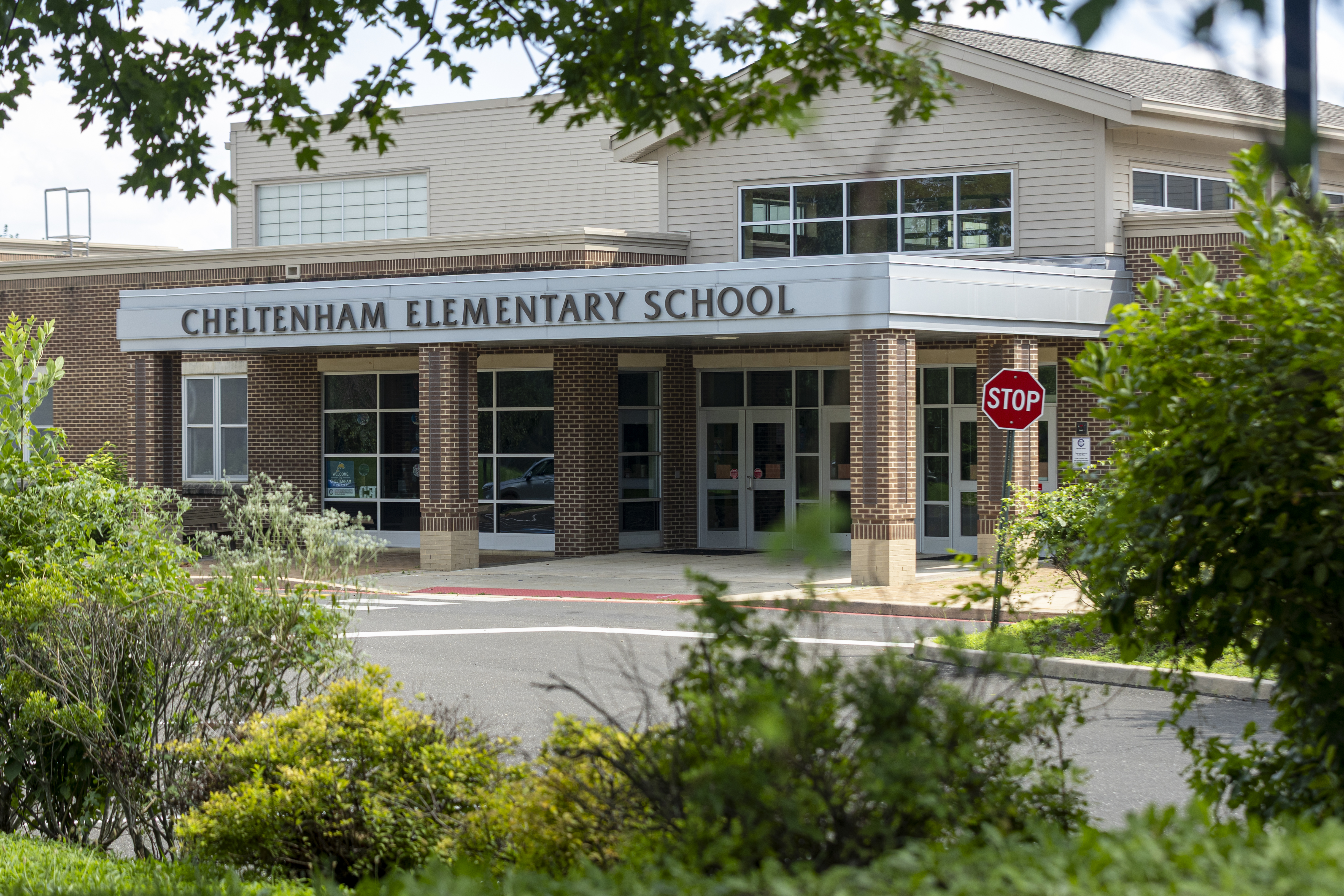
    Numerous parents from Cheltenham Elementary, who have been pressing the district to address safety concerns they say have affected students and staff, questioned how the board’s response this time would differ.

    “Every time I hear a commitment to our students’ safety, I want to see the proof,” said Erin Fadako, a parent at the school.

    The Inquirer reported last week that some football parents had urged the district not to hire Tolbert, saying he had allowed bullying while previously serving as head coach in Abington, where he left after one season.

    “Everyone from the administration on down that has failed these students, you all have approved them to be hired here,” said Taryn Knox, who was among the football parents who had asked the district not to hire Tolbert.

    After a year of negative news coverage, Knox said, “we’re now about to go into the next school year, and the news is still here.”

    The Cheltenham school board meeting Tuesday, Aug. 11, 2026, in Elkins Park.Elizabeth Robertson / Staff Photographer

    As they voiced their frustration, parents pleaded with the board to make real changes.

    “Stop being risk averse and do what you need to do to make it safe for our children,” said Stephanie Curry, president of the high school’s parent teacher organization. “Our kids are the ones that are suffering.”

  • Cheltenham’s got a plan for 2040 | Inquirer Greater Abington

    Hi, Greater Abington. 👋

    I hope you’ve been surviving the summer heat. This week, we dive into Cheltenham Township’s new comprehensive plan, which lays out a vision for what it could look like by 2040. We also continue to follow the ongoing turmoil in the Cheltenham School District, where elementary school parents now say they’ve flagged concerns about alleged sexual and physical incidents since October.

    Plus, a new Yemeni- and Saudi-inspired concept (with a drive-through!) opens in Willow Grove, and other news.

    — Laura Smythe (greaterabington@inquirer.com)

    P.S. Our journalists want to solve the local mysteries that keep you up at night. Submit any questions you might have about the region to Curious Greater Abington, and we’ll see if we can dig up some answers in a future story.

    If someone forwarded you this email, sign up for free here.

    Cheltenham’s plan for 2040

    Cheltenham Township’s new comprehensive plan lays out challenges and recommendations for homes, businesses, transportation, community services, and historical assets over the next 10 to 15 years.

    Among the dilemmas facing the township is navigating the need for more tax revenue while avoiding too big a boom of new residents. That’s because many of the large estates in Cheltenham belong to non-property-tax-paying institutions.

    The Inquirer’s Jess Rohan has all the details on the 2040 plan, including which neighborhood hubs have been identified for more development and why the township may be drawing inspiration from 1990s-era Ardmore.

    Following Cheltenham superintendent’s resignation, families say safety problems extend beyond high school

    The Cheltenham School District remains embroiled in controversy as families in the township allege safety issues aren’t confined to the high school. Here’s the latest:

    Superintendent Brian Scriven resigned last week after two violent assaults in the high school locker room led to charges against four football coaches and six players. But Cheltenham High School football families repeatedly warned against the former head coach’s hiring because of allegations that he allowed bullying to fester in his prior coaching position at Abington Senior High School.

    Cheltenham Elementary parents now say they’ve been raising concerns to administrators since last October over multiple alleged physical or sexual incidents affecting students. The district has not commented on the status of any other administrators. Its school board meets tonight.

    The Inquirer’s latest reporting on the ongoing tumult examines how the district is struggling to contain the alleged mishandling of these incidents.

    💡 Community news

    🏫 Schools briefing

    • In the wake of the fallout from the Cheltenham locker room assaults, Inquirer columnist Mike Sielski unpacks the incidents through the lens that they are yet another example of failed adult leadership in youth and high school sports.
    • University of Pennsylvania education professor Jonathan Zimmerman shares a perspective on the prevalence of hazing at institutions across the U.S. over the years.
    • Valencia Peterson, who has more than a decade of experience working in violence prevention through youth sports, pens an op-ed about how the Cheltenham incidents should prompt schools and athletic organizations nationwide to ask, “Could this happen here?”

    🍽️ On our plate

    • Mazaj, a Yemeni- and Saudi-inspired cafe slinging coffee, pastries, and za’atar-topped flatbreads and pizzas, recently opened in Willow Grove. It plans to debut a drive-through later this month.

    🎳 Things to do

    📚 Silent Book Club: At this dream event for introverts seeking new pals, get comfy with a good book and read alongside your neighbors. ⏰ Friday, Aug. 14, 4-6 p.m. 💵 Free 📍 Jenkintown Library

    🎞️ Movie Under the Moon: Take a trip back to good ‘ol 1993 with an outdoor viewing of The Sandlot projected on the big screen. ⏰ Friday, Aug. 14; movie starts at dusk 💵 Free 📍 Conway Field, Abington

    🎲 Game Night: Show off your skills or learn to play a variety of board and card games. ⏰ Monday, Aug. 17 at 6:30 p.m. 💵 Free 📍 Elkins Park Free Library

    🏡 On the market

    A cozy Colonial with character

    Inside 124 Kingston Road in Cheltenham, PA.

    Tucked away on a tree-lined street in Cheltenham, this stone-and-brick house comes complete with a fireplace, partially finished basement, and details such as exposed beams and a bay window. It has five bedrooms and four bathrooms, including a private first-floor suite with a full bathroom and separate entrance.

    See more photos of the home here.

    Price: $549,000 | Size: 3,667 SF | Acreage: 0.25

    🗞️ What other Greater Abington residents are reading this week:

    By submitting your written, visual, and/or audio contributions, you agree to The Inquirer’s Terms of Use, including the grant of rights in Section 10.

    This suburban content is produced with support from the Leslie Miller and Richard Worley Foundation and The Lenfest Institute for Journalism. Editorial content is created independently of the project donors. Gifts to support The Inquirer’s high-impact journalism can be made at inquirer.com/donate. A list of Lenfest Institute donors can be found at lenfestinstitute.org/supporters.

  • How could Cheltenham look in 2040? The township calls for more businesses, community spaces, and may adopt a lesson from Ardmore

    How could Cheltenham look in 2040? The township calls for more businesses, community spaces, and may adopt a lesson from Ardmore

    Cheltenham Township’s latest long-range plan, approved last month, provides a glimpse of how the township of 38,000 could look by 2040.

    The Montgomery County Planning Commission, alongside officials and volunteers from the township — one of Philadelphia’s oldest suburbs — spent several years on the plan, said Carl Freedman, a Cheltenham planning volunteer.

    “Communities like Cheltenham have a difficult time, being so developed, that being given an opportunity to direct where new development goes is helpful,” Freedman said.

    The comprehensive plan, which exceeds 200 pages, lays out challenges and recommendations, ranging from streetlights to denser housing, for the township’s homes, businesses, transportation networks, community services, and historical assets over the next 10 to 15 years.

    More business, more tax money

    Many of Cheltenham’s residents still commute to Philadelphia, but more people are working from home after the pandemic, creating opportunities to welcome new restaurants and other businesses, planners wrote.

    Which is sorely needed, because Cheltenham wants more tax money without a ton of new residents.

    One of the challenges for the township, which has very little undeveloped land remaining, is its large proportion of institutional properties — universities, churches, and other nonprofit entities — that do not pay property tax, planners wrote: “Institutions such as non-profits or higher education have taken over many of the large estates in the township. This supports the preservation of these historic and beautiful places but at the same time has real impacts on the tax revenue of the township.”

    Plans to attract business include reviewing rules for home-based enterprises, identifying opportunities to convert some of the parking spaces at large shopping centers into sites for new shops, and piloting a program to bring more food trucks to major commercial streets.

    More main streets, more trees, slower traffic

    The comprehensive plan identifies several neighborhood hubs with potential for more development that Cheltenham could encourage by slowing traffic with road narrowing and other measures, and adding decor to draw foot traffic into town centers.

    Glenside and Elkins Park East top the list for main street revitalization, according to the plan. Wider sidewalks on Glenside Avenue and decorative lighting on Wesley and East Glenside Avenues could be part of the solution, planners wrote.

    Public art and infrastructure marking the entrances to the downtowns could also help to give these neighborhoods a sense of place.

    Tree cover is also key, the planners wrote — both preserving existing foliage and planting new trees in hotter, exposed areas, like the parking lot at the Elkins Park Square mall.

    Denser housing, more pedestrians

    Cheltenham has plenty of multifamily apartments compared with other Montgomery County towns, making up about a third of residences.

    But putting additional dense housing in the right locations could liven up Cheltenham’s downtowns without adding too much traffic, planners wrote, by encouraging public transit use.

    Putting more apartments above existing storefronts would create taller buildings that balance out some of the township’s wider streets, encouraging pedestrian traffic and patronage of local businesses, the comprehensive plan notes.

    Planners pointed to a similar approach Ardmore took in the 1990s as a model: “Through the Downtown Ardmore District’s work and an increase in multifamily residences in the vicinity of the business district, the neighborhood has experienced increased redevelopment and economic vitality without sacrificing its historic character.”

    Cheltenham could build more attractive bus shelters and benches to further encourage mass transit, and add bike parking at SEPTA Regional Rail stations.

    The township is also considering encouraging more accessory dwelling units, allowing residents to add in-law suites and other small homes to their existing property.

    Tookany Creek in Elkins Park, PA pictured on Monday, April 11, 2022.

    Fresh community spaces

    Cheltenham’s municipal buildings are old: In 2022, the average age of township facilities was 117.

    The township’s administrative building is located in the former home of the Breyer’s ice cream family, Freedman said — and it was built during World War I.

    Cheltenham closed two of its libraries several years ago after boilers failed in both buildings, but plans to renovate only one, La Mott Free Library. The document does not mention plans to rehab the second, East Cheltenham Library.

    The township also plans to continue connecting trails along Tookany Creek and making those trails bike-friendly, and to consider preserving more historic buildings, such as Glenside National Bank.

    This suburban content is produced with support from the Leslie Miller and Richard Worley Foundation and The Lenfest Institute for Journalism. Editorial content is created independently of the project donors. Gifts to support The Inquirer’s high-impact journalism can be made at inquirer.com/donate. A list of Lenfest Institute donors can be found at lenfestinstitute.org/supporters.

  • Cheltenham superintendent Brian Scriven resigns after locker-room assaults lead to community outcry and charges

    Cheltenham superintendent Brian Scriven resigns after locker-room assaults lead to community outcry and charges

    Cheltenham Superintendent Brian Scriven resigned Thursday, a little more than a week after prosecutors charged four football coaches and six players in connection with assaults on a player in the high school locker room last year, and accused the school district of failing to adequately investigate the crimes.

    “This year has tested our community in ways none of us anticipated,” Scriven said in a resignation letter released by the district. “I have come to believe that the district is best served by a fresh start under new leadership, and that stepping aside now is the right and necessary step to allow Cheltenham to move forward.”

    The resignation is effective immediately.

    “The board has accepted Dr. Scriven’s resignation, and we thank him for his dedicated service to Cheltenham public schools,” school board president Leah Mulhearn said in a statement. She said Cheltenham’s director of business services, Joshua Sweigard, would serve as acting superintendent, pending a vote by the board at its next meeting Tuesday.

    After canceling last year’s football season in October amid hazing allegations, the Montgomery County district announced in January that an investigation it commissioned had concluded that a “student-on-student” assault occurred on Sept. 3, witnessed by nearly 20 students.

    The district failed to uncover that an earlier assault had occurred in August, Montgomery County prosecutors said. A grand jury report characterized the district’s investigation as flawed from the beginning, saying employees were dismissive when the 15-year-old victim’s mother reported on Sept. 7 that he’d been assaulted, and had wrongly taken the team’s head coach, Terence Tolbert, at his word that he didn’t instruct the boy not to tell his parents.

    The employees included Tolbert. who was among the coaches charged with endangering the welfare of a child and conspiracy, “in every step” of their investigation, according to the report.

    Scriven responded in a statement last week, saying that Tolbert wasn’t involved in planning the investigation. The superintendent said that “every report brought to the district’s attention was addressed based on the information available at the time.”

    He didn’t respond to a number of questions about other failures alleged by the grand jury, including that employees were confused about mandatory reporting requirements, and that five football coaches lacked state-required clearances for completing training on reporting child abuse.

    Football parents have also expressed frustration with the district’s response to the assaults, which also led to the cancellation of the upcoming season. Some told the Inquirer this week they urged Cheltenham not to hire Tolbert due to alleged bullying during his tenure as Abington’s coach.

    In May, the school board had expressed its support for Scriven, sending a community message that acknowledged “concerns around safety and student conduct” that had challenged the district.

    “Five years ago, the board invested in Dr. Scriven and his vision for the district. We continue to support him and his vision. He is a strong strategic thinker,” the board said in the May statement.

    A 1983 Cheltenham High School graduate, Scriven was appointed superintendent of the Montgomery County district in fall of 2021. He previously served as chief administrative and business operations officer for Baltimore County Public Schools.

    “Serving this district has been one of the greatest privileges of my life,” Scriven said in his resignation letter Thursday. He said he was “deeply proud of the work we accomplished together, and I remain hopeful for Cheltenham’s continued success.”

    Editor’s note: This story has been updated to correct the year that Brian Scriven graduated from Cheltenham High School. He graduated in 1983.

  • As Cheltenham’s superintendent resigns, families say safety problems extended beyond football program

    As Cheltenham’s superintendent resigns, families say safety problems extended beyond football program

    Cheltenham Superintendent Brian Scriven resigned Thursday, a little more than a week after prosecutors charged four football coaches and six players in connection with violent assaults against a player last season in a high school locker room.

    The superintendent’s resignation, effective immediately, came amid community outcry over the district’s handling of the August and September 2025 incidents, which prosecutors say both involved students attacking a 15-year-old and using a broomstick to poke at his buttocks.

    Yet the district did not uncover that there had been two assaults, and administrators appeared to downplay a report from the 15-year-old’s mother, according to the Montgomery County grand jury that recommended the charges. It described a “level of incompetence” in the district that “put every young man on the football team at risk.”

    Some parents who have been battling the district to take student safety more seriously said Scriven and his administration did not fail only in overseeing the football program.

    “I see a complete lack of urgency,” said one mother who has been among a group of parents pressing the district since October to address violent incidents at Cheltenham Elementary School. The mother, who spoke on the condition of anonymity out of fear of retaliation for her child, said administrators still have not answered questions about how students are disciplined and how others are supported after assaults.

    Another Cheltenham Elementary parent, Shanyl Jones, said her daughter, an incoming second grader, twice experienced sexual touching and comments in school. In kindergarten, a boy repeatedly touched her against her will, conduct that escalated to him grabbing her vagina, Jones said.

    The boy also made sexually explicit comments to her daughter, Jones said. She reported the conduct and filed a Title IX sexual harassment case; the school moved the boy to a different classroom, she said.

    After a separate boy made sexual comments to Jones’ daughter in first grade, the principal called Jones and apologized, though the boy was not moved to a different classroom, Jones said.

    News of the football charges “just tore me up on what my daughter’s future would be in the school system,” Jones said. “It gave me no assurance they’re going to be able to reconcile what’s happening now.”

    Scriven said in his resignation letter Thursday that “this year has tested our community in ways none of us anticipated.”

    “I have come to believe that the district is best served by a fresh start under new leadership, and that stepping aside now is the right and necessary step to allow Cheltenham to move forward,” he said.

    The district has not commented on how else it plans to respond to the explosive grand jury report released last week, which described the response of several employees at the high school — identified only as Employees #1, #2, and #3 — as minimizing an assault reported by the 15-year-old’s mother, and trusting the word of the head coach, Terence Tolbert, that he had not instructed the student not to tell his parents what happened.

    The district did not respond to questions this week about its hiring of Tolbert — who was among the four coaches charged — including whether it had sought references from Abington, which cut ties with him after one year as its head football coach. Some parents of football players told The Inquirer they had “pleaded” with Cheltenham administrators not to hire Tolbert, whom they accused of allowing bullying during his tenure at Abington Senior High School.

    Nor did the district respond to questions about whether it would take action against any employees, including those described in the grand jury report.

    The Cheltenham High School vice principal whom the mother said she had reported allegations to, Mark Hoff, was named vice principal at Wyncote Elementary last month.

    The grand jury report “details very troubling questions about the management and operation of the district’s athletic programs, including the football program,” school board president Leah Mulhearn said in a statement this week. “Our highest priority is the safety and welfare of the children we serve.”

    Mulhearn, who did not address questions about Cheltenham Elementary in the statement, said the board was “focused on conducting a comprehensive review of the grand jury’s findings, including our policies and practices related to athletics, as the first step in implementing measures to ensure that no such conduct ever occurs again at our schools.”

    The district has said a Title IX investigation into the allegations will soon be finished, with possible discipline for students. Two 18-year-old players charged as adults — the other four were charged as juveniles — have already graduated.

    State Rep. Napoleon Nelson (D., Montgomery) said this week he plans to introduce legislation that would classify hazing as child abuse — a recommendation of the grand jury’s — requiring school employees to report allegations to the police.

    Community members are closely watching the school board’s next steps. Sharif El-Mekki, a nationally known Philadelphia-based educator who runs the Center for Black Educator Development and previously led Mastery Shoemaker Charter School, called on the school board in a letter to apologize to the victimized student and commission an independent investigation into the district administration’s conduct.

    “Every student in Cheltenham, every teacher, every parent, and every young leader in Montgomery County is being taught something right now by how the district is responding,” El-Mekki said.

    ‘Environment of ongoing chaos’

    Cheltenham Elementary parents said they raised concerns to administrators last October, after they heard from their children that a student touched another student’s penis sexually in class, over his clothes, in view of classmates.

    Some initially did not believe it. “We would have been told about it,” said one mother, who also spoke on the condition of anonymity out of fear of retaliation against her child.

    Parents began talking to one another to confirm what happened. Other parents and students told them the same child had been involved in previous sexual incidents, two mothers said.

    A group of parents sent an email on Oct. 3 to ShaVon Savage, then the district’s assistant superintendent, saying they had recently learned that a student “touched another child sexually during class time” and that the child had been involved in “multiple sexual incidents over the past few years.” They asked to be notified about instances of physical or sexual assault.

    In the email, shared with The Inquirer, they also asked for additional supervision and counseling for students with behavioral challenges and described an “environment of ongoing chaos” at the school, which last year served a larger number of students with emotional support needs than the district’s other three elementary schools.

    Savage wrote back 10 days later, saying she needed more details “to conduct a full and thorough investigation,” according to an email shared with The Inquirer. She also said that when a situation poses a “threat to a particular school community,” the district would communicate with parents, but could not share details about particular children due to federal privacy laws.

    Savage met with some parents in early November and said she would visit the school — though parents were unsure whether she did, the mothers said.

    Their concerns escalated when on Dec. 5, a Friday, the school’s principal, Stephanie Junod, was assaulted by a student, according to the mothers.

    That night, Scriven, the superintendent, sent an email to school parents, informing them that “while Ms. Junod was attempting to de-escalate a situation with a high-needs student, she was struck in the head by their thermos.” Scriven said the principal was “expected to make a full recovery.” Junod could not be reached for comment.

    Scriven said central office staff would be at the school the following Monday “to begin implementing additional measures to strengthen safety and provide more comprehensive support for students who require additional behavioral interventions.”

    Brian Scriven has resigned as superintendent of the Cheltenham School District.Courtesy of Cheltenham School District

    The mothers were angry that the district had not already been providing that support. Around the same time as Junod’s injury, they said, there was an assault on a student, and “at least two” against staff members, one of the mothers said.

    Parents had a meeting scheduled with Savage for Dec. 15, but administrators pushed it to January, one of the mothers said.

    Scriven met with parents on Jan. 8 and apologized for not treating their concerns urgently enough, according to the mother, who said Scriven also assured parents that “the football situation had been handled.”

    “Obviously, that was a lie,” she said.

    Scriven met with them again on Feb. 25 and said changes would be made, including putting a behavioral specialist at the school four days a week, according to the mother.

    Scriven did not mention that Junod would be resigning, the mother said — a decision announced shortly after the meeting.

    ‘Slow to respond’

    Problems at the school continued.

    On March 26, parents said, a student assaulted five staff members — including punching one in the face — in view of other children. Police came to the school.

    The district did not immediately notify parents. But Scriven sent an email to the school community the next day, reporting that “an emotional support student had an episode during which he eloped from the building and engaged in physical altercations with a number of staff as they were trying to de-escalate” the situation.

    “While I cannot share individual student consequences or placements, I can assure you that this situation is being addressed with the highest level of seriousness and urgency,” Scriven said in the email.

    In an email the next day demanding a meeting with administrators, one parent wrote: “The frustration among parents has reached a boiling point.”

    “Information is simply not being shared, and critical questions regarding the safety and education of our children are being ignored,” the parent said in the email, which one of the mothers shared with The Inquirer.

    Scriven responded to the parents on April 14.

    “I understand the urgency of your concerns and sincerely apologize for the delay in providing a comprehensive response,” Scriven said, in an email the mother shared with The Inquirer.

    Scriven said the school’s new principal, Shareese Nelson, had needed time to settle into the job, but “we are prepared to move forward in a more formal and collaborative manner.” He invited families to the school for an April 29 community meeting.

    The meeting was “highly emotional,” one of the mothers said, with parents sharing their children’s experiences. After the meeting, Scriven told a 6abc reporter: “I was slow to respond. I do have to own that, and rectify that immediately.”

    Shanyl Jones recalled that administrators seemed “completely unprepared” during the meeting to address parents’ safety concerns.

    In a message to the community May 6, the school board acknowledged “concerns around safety and student conduct have presented challenges that we continue to navigate.”

    The board said it took “all concerns that are raised with us as a board” seriously and was paying attention to how they were addressed.

    It also stood by Scriven, a former Baltimore County Public Schools administrator who was named Cheltenham’s superintendent in 2021.

    “Five years ago, the board invested in Dr. Scriven and his vision for the district,” the board said, calling the superintendent a “strong strategic thinker.”

    “We continue to support him and his vision,” it said.

    On Thursday, Mulhearn said in a statement that the board thanked Scriven “for his dedicated service to Cheltenham public schools.” She said the board had selected Joshua Sweigard, Cheltenham’s director of business services, as acting superintendent.

    While the district in May released an action plan for Cheltenham Elementary, including a safety audit, staff training, and monthly reports on school incidents, the mothers said it still has not clearly explained how it handles student assaults, and how kids who are victimized or witness them are supported.

    Until it does, “beginning from kindergarten up, we are not going to see this change in any meaningful way,” one of the mothers said. “This is not a one-off event.”

  • The Cheltenham High hazing incident is another failure of adult leadership. When does this stop?

    The Cheltenham High hazing incident is another failure of adult leadership. When does this stop?

    The questions that cut to the heart of the horrible hazing incidents within Cheltenham High School’s football program are the same questions that everyone always asks in these situations: Where were the adults? Who allowed this behavior to happen? How did the chop-busting and rites of passage that have long been intrinsic to sports escalate to the point that four coaches, including former head coach Terence Tolbert, and six players have been indicted for two alleged assaults that took place in the team’s locker room?

    Even a glance at the details is enough to turn your stomach. Players — as many as 19 of them — allegedly held down a 15-year-old sophomore member of the team, stepped on his chest and groin with their cleats-clad feet, and tried to poke a broomstick into his butt. The coaches traded inculpating texts about it, according to Montgomery County District Attorney Kevin Steele. The Cheltenham School District canceled the football team’s season last year and again this year. Parents, many of whom reportedly had warned the district against hiring Tolbert in the first place, are angry. And everyone, inside the program and out, is left wondering how in the hell we got here.

    A less egregious incident, in the Central Bucks High School West football program in 2014, is instructive here. In that situation, a preseason initiation ritual progressed each year from giving players haircuts — sometimes in the shape of male or female genitalia — to licking mayonnaise off teammates’ nipples and groins to simulating sex with a stuffed toy pig to playing “Slap/Lick/Fondle,” a game that ended with underclassmen touching other players’ private parts.

    The Central Bucks School District canceled West’s football season and removed its head coach, but what matters most is that the district acted before the hazing reached the same severity as what allegedly happened at Cheltenham. You’d think such an episode would have been a warning siren for coaches and athletic administrators throughout the region. But after a while, the siren goes silent or the people who need to hear it most go deaf, and vigilance wanes, and the pattern repeats itself.

    Something to lose

    It is easy and of course correct to lament that youth and high school sports too often have taken on an outsized and inappropriate importance for too many coaches and parents and athletes. But one of sports’ greatest benefits to young people is that it gives them a stake in something bigger than themselves, a stake in something that matters to them, and they learn to develop and modify actions and habits to preserve sports’ place in their lives.

    Amid the C.B. West hazing story, for instance, Phil DiGiacomo, who was a star running back on two of the school’s state-championship teams in the late 1990s, told me that, when he played, the Bucks’ success served as an effective deterrent against bad behavior. Yes, Mike Pettine, the program’s legendary head coach, and his staff ruled with a measure of iron-fist discipline that likely wouldn’t fly today, and even those old-school coaching techniques and West’s on-field dominance didn’t prevent every instance of player misconduct. Still, DiGiacomo said, the athletes themselves knew that, just by suiting up for West, they were continuing a special tradition, and they stood to lose a chance to call themselves champions if they did something stupid or malicious. So most of them didn’t.

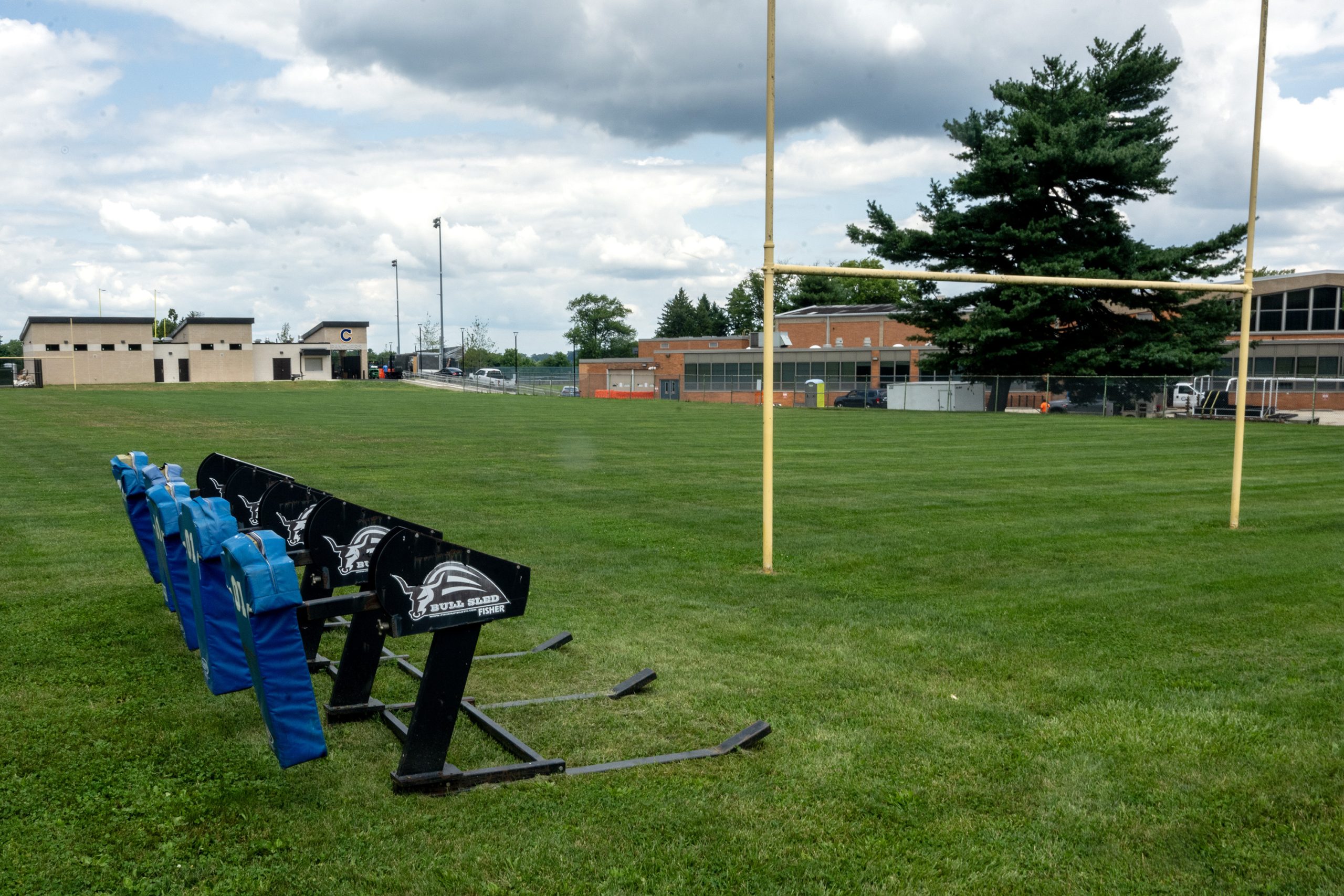
    Cheltenham’s practice field photographed on July 29. The program hasn’t had a winning season since 2022.Tom Gralish / Staff Photographer

    “When we were there, there was no hazing,” DiGiacomo said. “It’s kind of funny because if anyone ever got picked on, it got straightened out by an older guy real quick, mostly because we feared Pettine — that, and we were too damn tired to do anything else.”

    A high school team doesn’t have to win 59 straight games and three consecutive state titles, as those West teams did, to be a point of pride for its players. It just has to provide them a rewarding experience, and they — and their coaches — have to feel that they have something to lose if it doesn’t. That element appears to have been missing entirely from the Cheltenham football program in recent years. In fact, it seems not to have been even a consideration for the school’s administration.

    In his previous stint as a head coach, for Abington in 2023, Tolbert had won just one game. The school district decided not to renew him as coach, and sources have told The Inquirer that Tolbert’s toleration of a toxic atmosphere within and around the Abington program, including bullying by players and the use of slurs by coaches, were the driving forces behind his departure.

    Cheltenham’s leadership either was unaware of these red flags or was willing to look past them, and for what? The program hasn’t had a winning season since 2022, but come on. Was Tolbert thought to be such a great coach that only he could restore the program to respectability? What qualities did he have that the people who hired him considered so essential? It’s obvious now that he and his assistants weren’t capable of doing the one thing any adult working in a school should put first: Keeping students safe.

    The courage to take the right steps

    The most infuriating aspect of stories such as this is the excuse that coaches can’t be held responsible for all their players’ mistakes. That’s true as far as it goes, but there are steps coaches can take to establish the right kind of culture, to model good behavior, to let the athletes in their care know what will be tolerated and what won’t.

    One longtime area football coach told me Wednesday morning that he was fortunate to have two assistant coaches who were special-education teachers, who spent a lot of time around kids who had been the objects of ridicule. These coaches brought students from the school’s autism-support classes to be managers and statisticians and scorekeepers, and they let everyone know: These kids are part of this program. These kids are accepted members of this team. Treat them with respect.

    Those are the kinds of gestures that seem small but can make a major difference, that mitigate the risks that coaches have accepted for decades. Coaching high school sports is a damn hard job, and it’s difficult because, at its best, it requires a measure of moral courage: To say no, to explain why, to stand by that decision. In this Cheltenham ugliness, we see once again what happens when that strength is lacking. The necessary guardrails fall away, if they were ever installed at all, and only after the damage comes to light does it become clear that a school and its students have been saddled with coaches and educators who aren’t willing to do the right thing or, worse, don’t even know what the right thing is.

  • Cheltenham High’s hazing case exposes a loophole in Pennsylvania law. Harrisburg should close it. | Editorial

    Cheltenham High’s hazing case exposes a loophole in Pennsylvania law. Harrisburg should close it. | Editorial

    As they prepared a list of charges in connection with a pair of hazing incidents involving Cheltenham High School’s football team, the members of a Montgomery County grand jury closely scrutinized the figures and institutions that often place vulnerable young people in positions where they can be victimized in the first place.

    There were the players themselves — as many as 19 of them took part in one of the assaults — who, on two separate occasions last summer, the grand jury found, beat a 15-year-old teammate and attempted to insert a broomstick into his anus.

    There were the coaches, whom the jurors said allowed a hazing culture to flourish, discouraged the victim from reporting his injuries, and engaged in a cover-up that was remarkable both for its clumsy execution and brazen audacity.

    Finally, there were school administrators, who, despite conducting three separate inquiries, were so inept that they were still unclear about how many times the student was attacked, and took no steps to exclude the head football coach (who would eventually be charged with leading the cover-up) from taking part in their investigations.

    “This level of incompetence didn’t just fail one child,” the jury wrote. “It put every young man on the football team at risk.”

    Notably, though, the jury found, the victim may not have been helped by another factor: the law itself.

    In Pennsylvania and practically every other state, the so-called mandatory reporting guidelines — rules that require teachers, coaches, school administrators, and others who work with youths to inform the authorities of suspected harm — do not include hazing in their definition of what constitutes child abuse.

    As horrifically illustrated by the case in Cheltenham — and so many other high-profile hazing incidents involving adolescents — this must change.

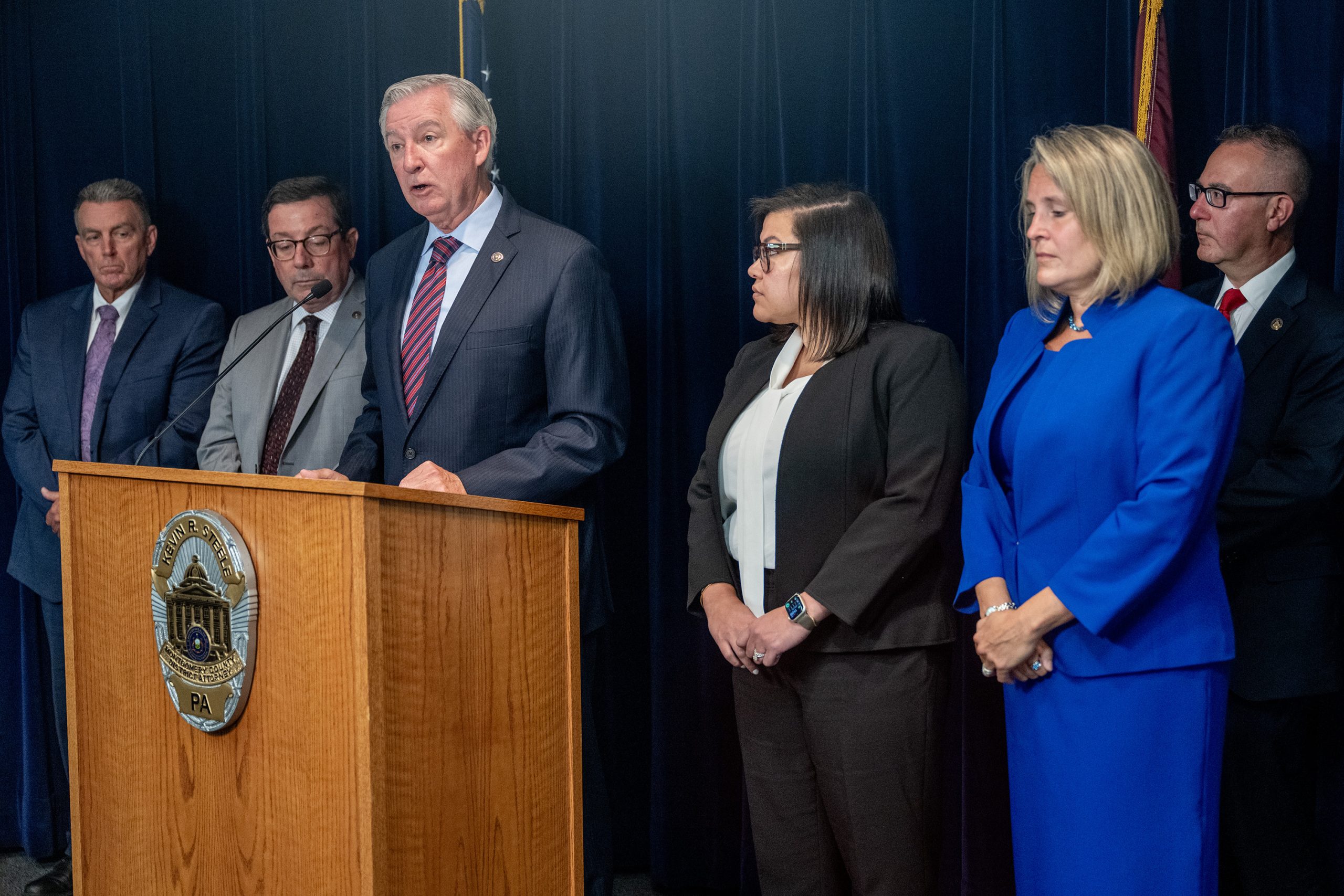
    Montgomery County District Attorney Kevin Steele addresses reporters at a July 29 news conference to announce multiple charges in connection with a pair of hazing incidents at Cheltenham High School.Tom Gralish / Staff Photographer

    As the grand jury noted, allegations of child abuse generally must be reported when the accused are adults or “certain juveniles” — such as caregivers, family members, and those living in the same household — or when the accusation involves crimes such as rape, sexual assault, or indecent exposure.

    “Hazing should be considered a form of reportable child abuse to protect children,” the grand jury wrote. “If hazing was a reportable offense, the Cheltenham High School administration would not have had the opportunity to mishandle the juvenile victim’s disclosure and the ensuing investigation as poorly as they did.”

    The failures at Cheltenham High School come less than a decade after legislators in Harrisburg enacted a sweeping overhaul of the commonwealth’s anti-hazing laws. That change was largely prompted by the alcohol-related fraternity hazing death of Timothy J. Piazza, a 19-year-old sophomore at Penn State, in 2017.

    The measure, known as the Timothy J. Piazza Antihazing Law, was signed by Gov. Tom Wolf in 2018. It increased the range of penalties for hazing and required both secondary schools and higher education institutions to adopt anti-hazing policies and publicly report violations. (Lawmakers in Trenton — Piazza was a native of Hunterdon County, N.J. — authored their own version of the legislation in the Garden State; it took effect in 2021.)

    Despite the adoption of new laws, the cycle of hazing persists.

    Set against the painful legacy of Piazza’s death in University Park, hazing continues to be a problem at Penn State. In May, administrators suspended a chapter of the Lambda Chi Alpha fraternity; it is the ninth Greek organization currently serving a suspension for hazing violations on the university’s flagship campus.

    Earlier this month, prosecutors filed felony hazing charges against a strength coach at Bucknell University in connection with the death of a player in 2024. And in April, former Eagles player DeSean Jackson, now the head football coach at Delaware State University, was sued by a player after a hazing incident.

    While some of the most high-profile hazing cases involve colleges and universities, researchers say that the seeds of mistreatment are often planted in high school — or earlier. (A 17-year-old Cheltenham student, who witnessed last summer’s locker room attacks, told the Montgomery County grand jurors that he had seen that kind of child-on-child violence on other teams “multiple times”; he’s been playing since he was 5.)

    According to one study, 47% of college students said they experienced hazing before they ever set foot on a college campus. “There’s a bit of a normalization that happens when they’re already experiencing — and perhaps expecting — that type of behavior, if they’ve already gone through that in high school,” Meredith Stewart, of the advocacy group Stop Hazing, said in an interview with members of this board.

    To end the grim experience and bleak expectations of adolescents being harmed in sports teams, youth clubs, and other organizations, lawmakers should craft legislation to reclassify hazing as a form of reportable child abuse.

    Unless Harrisburg takes action to close this perilous gap in the state’s anti-hazing protections, the cycle of violence will keep churning — and more of Pennsylvania’s young people will continue to be placed at risk.

  • For months, Cheltenham football families ‘pleaded’ with administrators not to hire the coach charged in hazing scandal

    For months, Cheltenham football families ‘pleaded’ with administrators not to hire the coach charged in hazing scandal

    Cheltenham High School varsity football families repeatedly warned district officials about allegations that former head coach Terence Tolbert allowed bullying to fester in his previous coaching position at Abington Senior High School, parents say.

    Tolbert, along with three other Cheltenham coaches, was charged last week with endangering the welfare of a child and conspiracy after a 15-year-old player was allegedly assaulted in the football team’s locker room by teammates twice last year. Six players were also charged. The assaults have led to the cancellation of two football seasons.

    Both the district and a Montgomery County grand jury found that inadequate supervision played a role in the assaults. The district also found coaching staff displayed “a failure to prioritize student safety.”

    Tolbert and the other coaches are no longer with the district. Tolbert has declined to comment on the matter, and he and his lawyer did not respond to requests for comment on this story.

    ‘We protested and pleaded’

    In the two months leading up to Tolbert’s hiring in June 2025, Cheltenham football families urged district officials to reconsider Tolbert’s hiring in numerous private conversations and public meetings, parents said in interviews this week.

    “We protested and pleaded,” said Naim Ferguson, father of Cheltenham quarterback Kendall Jackson during Cheltenham’s last season. “We didn’t think the people they were putting in place were adequate to handle the kids.”

    Parents went to the principal, Benjamin Hammond, and vice principal Samuel Sheridan, who is also the athletic director, emails between the officials and football parents show.

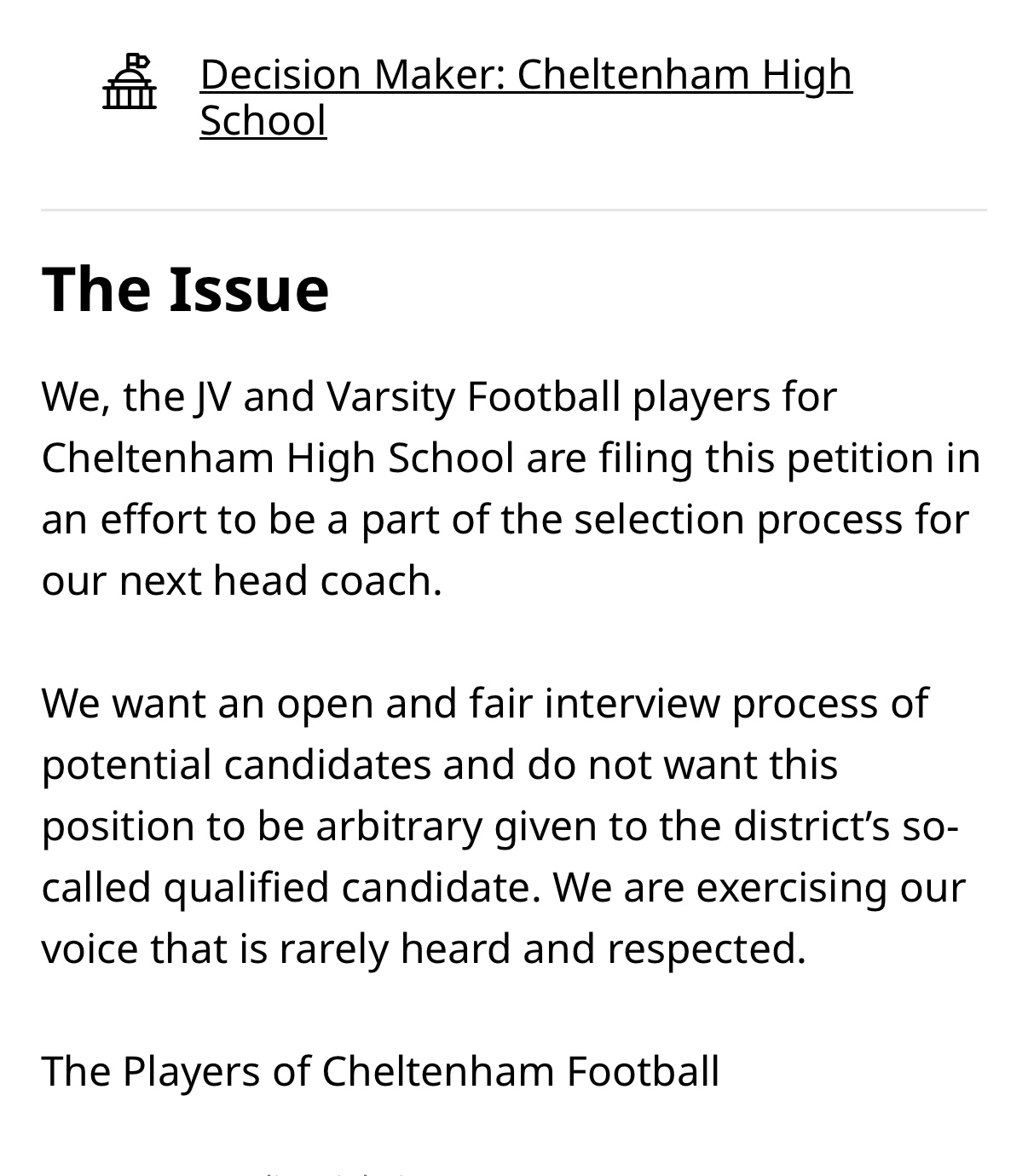
    A then-junior on the varsity team started a petition against hiring Tolbert.

    “We … do not want this position to be arbitrary given to the district’s so-called qualified candidate,” the petition reads.

    A petition started by a Cheltenham varsity football player against the hiring of Terence Tolbert as head coach.Change.org

    Taryn Knox, then the vice president of the football parent board, shared her concerns about Tolbert’s hiring process and his record at Abington at school board meetings and in meetings between administrators and football parents until the district formally made Tolbert the coach in June.

    At a May board meeting, Knox said Tolbert had been “let go” from Abington, calling him “not appropriate or qualified” for the head coach job.

    She was not the only parent who spoke out at that meeting.

    “We asked for our children to have a solid leadership,” said Dana Burnley, whose son was on the team. Burnley said that her son had interest from seven Division I schools but that the coaching switch had disrupted the recruitment process.

    Burnley’s husband, Ralph, a volunteer coach, was among those charged alongside Tolbert last week and faces the same charges of endangering the welfare of a child and conspiracy. Ralph Burnley has not responded to calls seeking comment.

    Multiple upperclassmen also met with Hammond and Sheridan in April to voice their concerns, according to a list that Knox emailed to the principal. Included in the list of concerned players were at least two who were charged last week in connection with the assaults.

    “Every plea that we tried was ignored,” Knox said — including one at an April 22 meeting with parents where Knox asked Tolbert to voluntarily resign to reopen the hiring process. Hammond rushed to take the microphone from Tolbert before he could respond, she said.

    Cheltenham did not answer any questions this week about parent concerns ahead of Tolbert’s hiring.

    Tolbert applied for the open Cheltenham position after a brief stint at Abington that he had left an offensive coordinator role at Cheltenham to pursue. The 2023 move to Abington was a promotion to head coach, but his tenure there was short-lived.

    The Abington team won only one game that season, and Tolbert’s employment expired. Abington has acknowledged that the district opted not to renew the one-season appointment but declined to give further details.

    Parents from both schools said they believed it was a failure to address bullying and a toxic team culture that led to his departure.

    “There were kids being bullied in the locker room, the language, cussing out coaches,” Knox said this week.

    After charges against Tolbert went public last week, an Abington parent shared with The Inquirer the text of a 2023 email he said was sent to Abington officials outlining similar allegations he had heard at the time, including that Tolbert failed to intervene in persistent bullying on the team and crude language from other coaches.

    Before a Sept. 8, 2023, game, a coach used the f-slur to refer to the opposing team in a pep talk in front of Tolbert, who did not intervene, the email alleges. The complaint also describes instances when Tolbert failed to break up fights or react appropriately when he saw bullying, including a player who verbally berated a teammate with disabilities.

    “It wasn’t a secret,” said the Abington parent, who requested anonymity for fear of retaliation against his child, who still attends the school. “Many parents knew why he was removed. I’m shocked that he was able to get another job.”

    Union contract gave Tolbert leg up for coach

    Knox and Ferguson said the district hired Tolbert without an interview.

    “The [same] buildup that happened here, happened at Abington,” Knox said. “It just didn’t lead to an assault.”

    Before Tolbert’s hiring, Cheltenham parents were already upset about former coach Troy Gore’s removal during an important recruitment period, Knox and Ferguson said, because it left players who anticipated scholarships from Division I schools without an advocate.

    “These are students who are trying to achieve higher education while also playing a sport that they love, and for some of them, this is their only option,” Knox said at the May 2025 school board meeting.

    But when parents questioned what they viewed as an abbreviated hiring process for Gore’s replacement, administrators pointed to a clause in the teachers union contract that gives qualified staff first pick of coaching jobs ahead of external candidates, Knox and Ferguson said.

    Tolbert briefly taught business at Cheltenham until he resigned in October 2023, board documents show. He then took a job at Abington as a long-term substitute for business education in addition to coaching.

    Cheltenham rehired Tolbert as a business teacher before announcing his 2025 appointment as head coach.

    ‘Be accountable’

    Knox returned for the June 2025 board meeting and said she had been promised a call from the superintendent after the May meeting, but did not receive one.

    “Be accountable,” Knox said at the June meeting. “If you say you’re going to follow up, please follow up.”

    Superintendent Brian Scriven replied that there was a meeting planned with football players.

    “I did say I was going to call you. I opted not to. I will own that,” the superintendent said, adding that Knox had his number and could call him.

    The board officially appointed Tolbert as coach at the meeting.

    Knox’s son did not trust Tolbert as a teacher or a coach, she said.

    “He had been a part of the team for two years prior to that and didn’t have the relationship with the boys,” Knox said.

    ‘The administration failed these kids’

    The administration erred again, Ferguson said, by not suspending students who were involved in the locker room assault recorded on video.

    Nearly 20 members of the team witnessed the locker room assault, according to the district’s investigation, and the video was widely circulated. Ferguson said his son and most of the team did not witness the attack.

    Jackson always stayed on the field after practice running extra drills, his dad said, and Ferguson would bring his younger son to hang out on the grounds while they waited for him to finish.

    By January, the superintendent had publicly acknowledged the district was aware of “several” perpetrators.

    But the lack of disciplinary action left the entire team in limbo all year — isolating Jackson from teachers and other students, who were not sure which players were involved, Ferguson said: “People can’t fathom the fact that he’s the starting quarterback and he didn’t know about it.”

    Now Jackson, who broke the school’s sophomore quarterback passing record in 2024, is struggling to find a transfer school.

    “The administration failed these kids,” Ferguson said.

    Knox transferred her son to a Philadelphia school before the incidents. He is set to play football at East Stroudsburg University, a Division II school.

    “Thank God I pulled him out,” Knox said. “Every school said, ‘We know you came from Cheltenham; we’re glad you transferred.’”

    Staff writer Maddie Hanna contributed to this article.
    This suburban content is produced with support from the Leslie Miller and Richard Worley Foundation and The Lenfest Institute for Journalism. Editorial content is created independently of the project donors. Gifts to support The Inquirer’s high-impact journalism can be made at inquirer.com/donate. A list of Lenfest Institute donors can be found at lenfestinstitute.org/supporters.

  • Cheltenham High’s hazing scandal isn’t the outlier you think it is

    Cheltenham High’s hazing scandal isn’t the outlier you think it is

    Here we go again. Another high school football team. Another hazing assault. Another round of shock, outrage, and canceled games.

    That’s what I thought when I read about the charges that have been filed against six students and four coaches in connection with what the authorities said were a pair of hazing assaults on a Cheltenham High School football player. Of course, I was outraged that several teammates stomped on his groin and chest with their cleats and poked at his buttocks with a broomstick, according to Montgomery County prosecutors.

    But I wasn’t surprised. And you shouldn’t be, either.

    Put simply, hazing is as American as apple pie. When an incident like this happens, everybody expresses shock and dismay. Legal charges are filed, coaches are fired, and games are canceled. And then we go back to hazing again.

    Most Americans probably associate hazing with college and — especially — with fraternities. But in a 2009 survey of over 11,000 university students, 47% reported they had experienced hazing in high school. All told, an estimated 1.5 million high school students are hazed each year.

    That means it’s people you know, in the communities where you live.

    In 2004, a grand jury reported that three Long Island football players attending a summer camp in Wayne County, Pa., had inserted pine cones and golf balls into teammates’ anuses. The assaults were part of a long history of hazing at the camp, where coaches “displayed a lack of common sense and accountability,” the report said.

    At a July 29 news conference, Montgomery County District Attorney Kevin Steele announces multiple charges in connection with two assaults in the Cheltenham High School locker room that injured a 15-year-old football player.Tom Gralish / Staff Photographer

    In 2014, Central Bucks West High School in Doylestown acknowledged that rookie football players had been forced to grab other players’ genitals. They were also led into the shower with towels over their heads, which the players called “waterboarding.”

    In 2015, seven football players at Sayreville High School in Middlesex County, N.J., were charged with grabbing teammates’ buttocks and digitally penetrating one of them.

    In 2016, prosecutors said football players at Conestoga High School in Berwyn had penetrated a freshman player with a broomstick as part of a hazing ritual called “No Gay Thursdays.” And in 2022, football players at Wall Township High School in Monmouth County, N.J., were caught on video holding a student’s legs apart and, yes, assaulting him with a broomstick.

    Are we seeing a pattern here? Most high school hazing involves verbal — not physical — abuse. But the most violent episodes happen on sports teams, which also have the highest rate of hazing.

    And they’re also the most likely to generate criminal charges. In Cheltenham, six players have been charged in connection with the assaults on their teammate. And four coaches face charges of endangering the welfare of a child and conspiracy for allegedly trying to cover up the incident.

    That’s necessary and appropriate, but it’s not enough. Hazing is illegal in 44 states and the District of Columbia, and it happens anyway. Clearly, our laws aren’t deterring it.

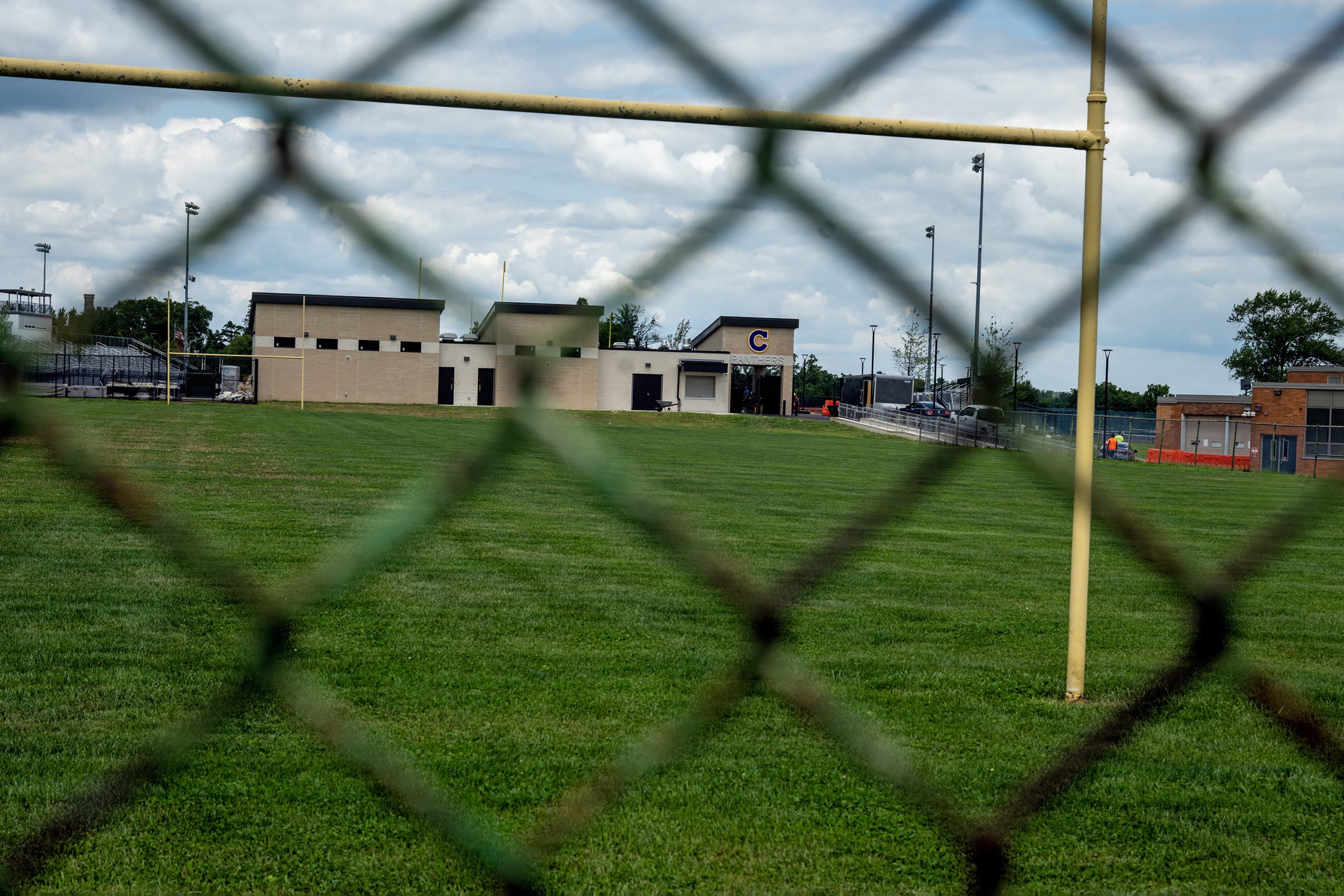
    The football practice field and stadium at Cheltenham High School.Tom Gralish / Staff Photographer

    Ditto for our educational efforts. When reports of hazing surface, school officials pledge to conduct anti-hazing training for coaches and students. And they release statements declaring that hazing will not be tolerated, in any form.

    But their message is falling on deaf ears. So it’s time to change the messenger to someone whom kids will really hear: the hazers themselves. If you haze somebody, you should be required to speak to other students about it.

    It’s happened before. After a Virginia Commonwealth University student died of alcohol poisoning in a fraternity initiation in 2021, six students who pleaded guilty to hazing him agreed to travel to universities around the country to discuss the tragedy and the role they had played in it.

    We could — and should — demand the same thing from high school hazers. Plea agreements in hazing episodes often require guilty parties to perform community service. What could be a better service than speaking at student assemblies and other public events about the problem of hazing?

    In the Cheltenham incident, two 18-year-old football players were charged as adults — one with assault and conspiracy, the other with false swearing for being untruthful to police. The four other players were under 18 and were charged as juveniles.

    I don’t know what penalties they should receive. But here’s what I do know: The rest of the school would discover a lot more about hazing if the six students were required to speak about it. And maybe, just maybe, we could start to shift the culture around this destructive behavior.

    When hazing is reported at a high school, local officials condemn the incident and inevitably declare that “this is not who we are.” In fact, it’s exactly who we are. We haze. So let’s hear from the people who do it, about why they haze and what they have learned. We can all learn something from them.

    Jonathan Zimmerman teaches history and education at the University of Pennsylvania. He is the author of “Schooling Citizens: How Education Can Save Democracy,” which will be published next spring by the American Philosophical Society Press.