Tag: Center City

  • An office-to-apartment conversion is underway in Logan Square. Here’s why it works.

    An office-to-apartment conversion is underway in Logan Square. Here’s why it works.

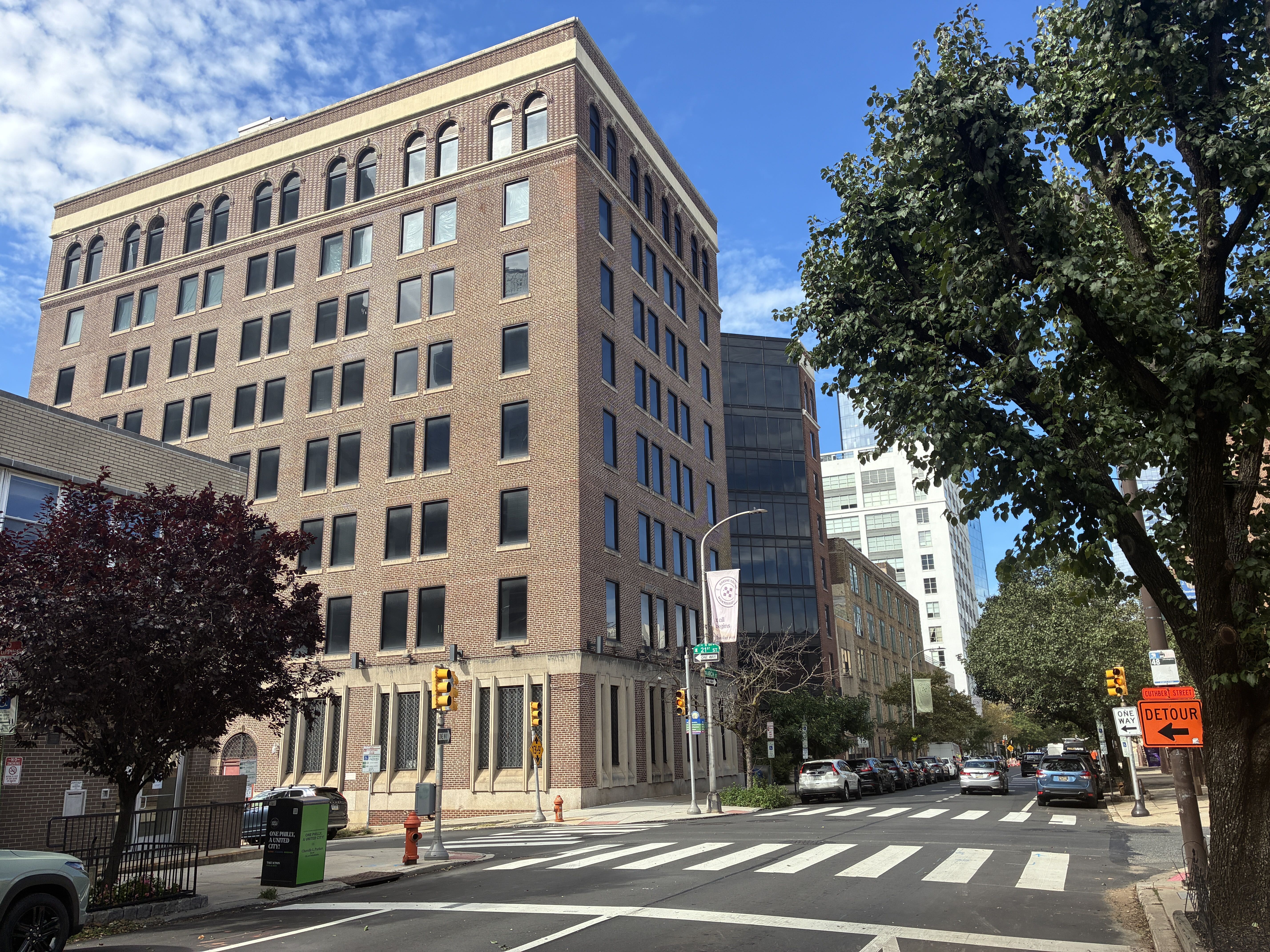
    The residential conversion of the former office building at 2100 Arch St. is underway, with completion expected in late 2027 or early 2028.

    Philadelphia-based MM Partners paid $12 million for the eight-story building in March 2023, with plans for 116 apartments in the Logan Square neighborhood.

    It was formerly the Jewish Community Services Building.

    But the site was quiet for a few years and the project delayed by skittish lenders who were concerned about financing more apartments in a market they saw being flooded with new supply. Construction finally began in July.

    “It wasn’t easy, but we just stuck with it and figured out a way to get it under construction,” said David Waxman, founder and managing partner with MM Partners.

    “The good part of [the delay] is we’ll now be delivering into a market with very little new supply, particularly in this part of the city,” he said.

    The project will be composed of studios, with the smallest in the 500-square-foot range, up to two-bedrooms that will be up to 1,400 square feet. There will be 36 studio apartments, 64 one-bedrooms, and 16 two-bedrooms.
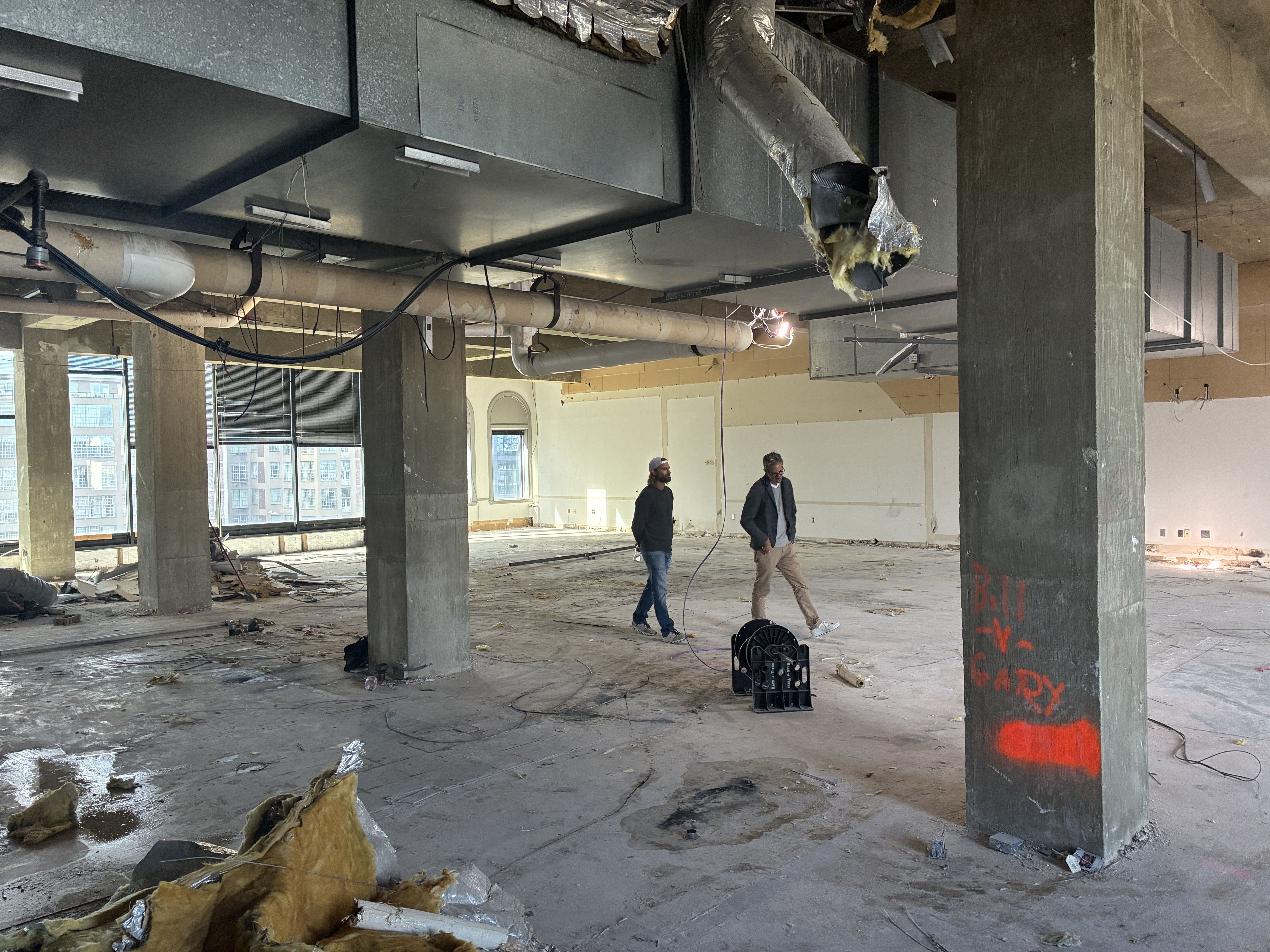
    Aaron Smith and David Waxman in the midst of 2100 Arch’s conversion.Jake Blumgart

    MM Partners is planning 3,000 feet in commercial space on the ground floor of the original 113-year-old building and is considering a roof deck as well.

    In the basement, tenant amenities such as a gym and lounge are planned, and MM Partners is considering providing 1,200 square feet of rehearsal space for Philadelphia theater companies.

    “There’s a lot of local theater companies that are looking for efficient and affordable space,” said Aaron Smith, partner and founding member with MM Partners.

    In many ways, 2100 Arch St. is an ideal office building for residential conversion.

    It is relatively small at 121,500 square feet and has none of the cavernous, sunless interior space that makes more recent skyscraper office buildings so hard to convert.

    That means tenants will have access to windows without carving light wells through the center of 2100 Arch. The number of apartments is more modest than would be the case in the large towers on West Market and, therefore, easier to fill.

    “It’s not too big and not too small,” Waxman said. With a lot of large office buildings, “you have to buy it so cheap to be able to afford to just have dead space in the middle.”

    MM is working with King of Prussia-based Axis Construction Management on the 2100 Arch conversion. It is their eighth adaptive reuse project together.

    For the $26 million project, MM Partners was able to secure $6.1 million in federal historic tax credits and $500,000 from Pennsylvania’s Historic Preservation Tax Credit.

    While the original building is over a century old, half of it dates to the 1980s when it was home to BIOSIS, a life sciences database publisher.
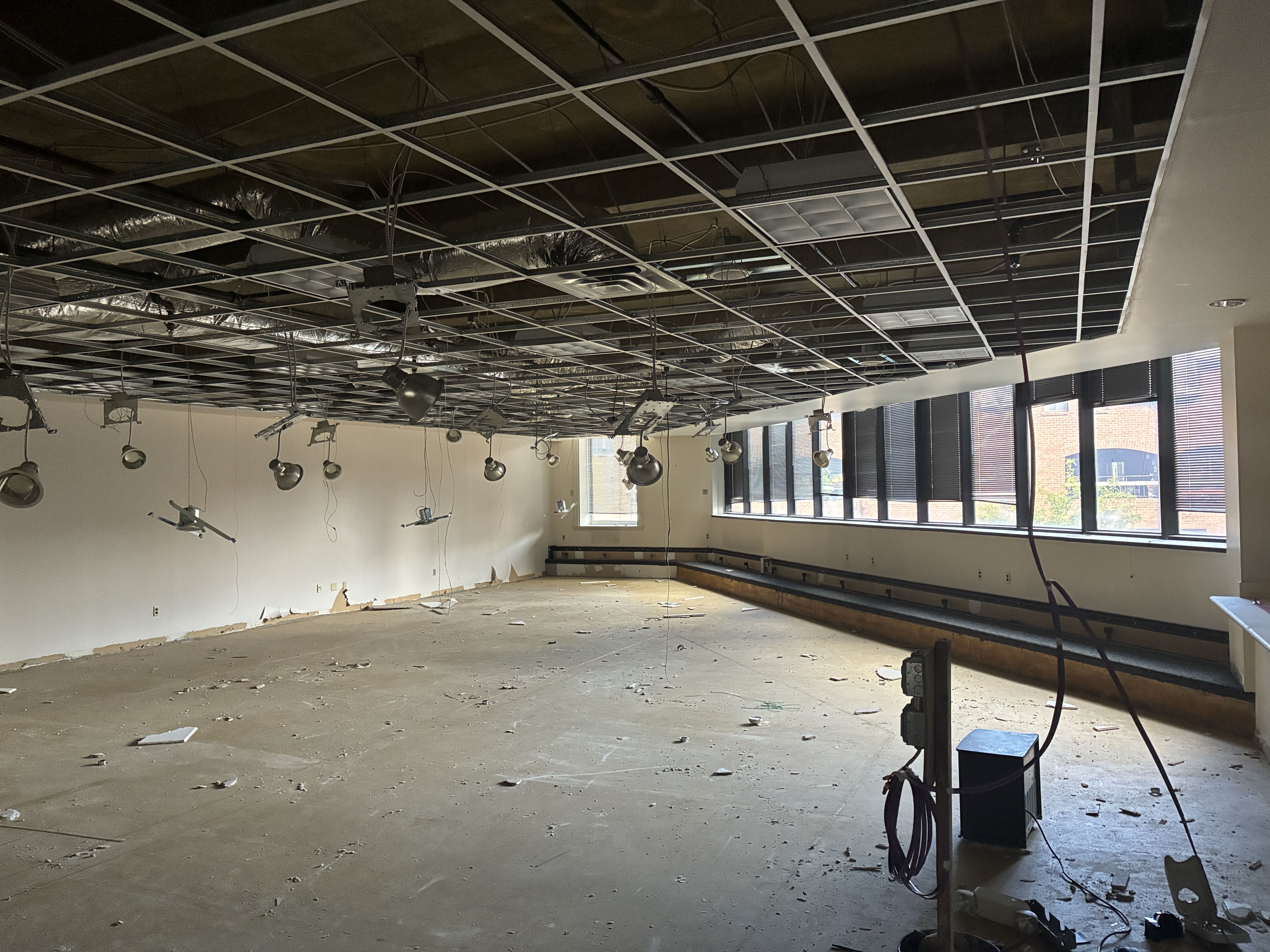
    The room where BIOSIS, a company that catalogued life sciences research, used to keep their mainframe computers.Jake Blumgart

    The eastern section of the building was constructed in 1913, and then acquired by BIOSIS in 1966. The company grew throughout the later half of the 20th century and doubled the size of the structure to the west in 1982.

    Like other conversion projects in Philadelphia, 2100 Arch will get a 10-year property tax abatement.

    The developer acquired the building from the Jewish Federation of Greater Philadelphia, which had purchased it from BIOSIS in 1999, after the building had been vacant a short time due to the COVID-19 pandemic.

    “They had done a really nice job keeping it up,” Waxman said. “If there had been an office market for B- and C-class buildings, this could have been easily leased as office. But there isn’t. Everyone only wants to be in the nicest buildings now.”

    In sharp contrast MM Partners has adapted long-derelict buildings to new uses in other parts of the city, such as the F.A. Poth Brewing Co. in Brewerytown, which MM converted to 133 loft apartments.

    Some of those buildings had severe structural problems as a result of their long abandonment, whereas 2100 Arch was in perfectly good shape.

    “It’s a joy to work in,” Waxman said. “You have working elevators. You have a non-leaky roof. You have electricity coming in. You have sprinklers. You have all the things that these other buildings that we’ve done in the past didn’t have.”
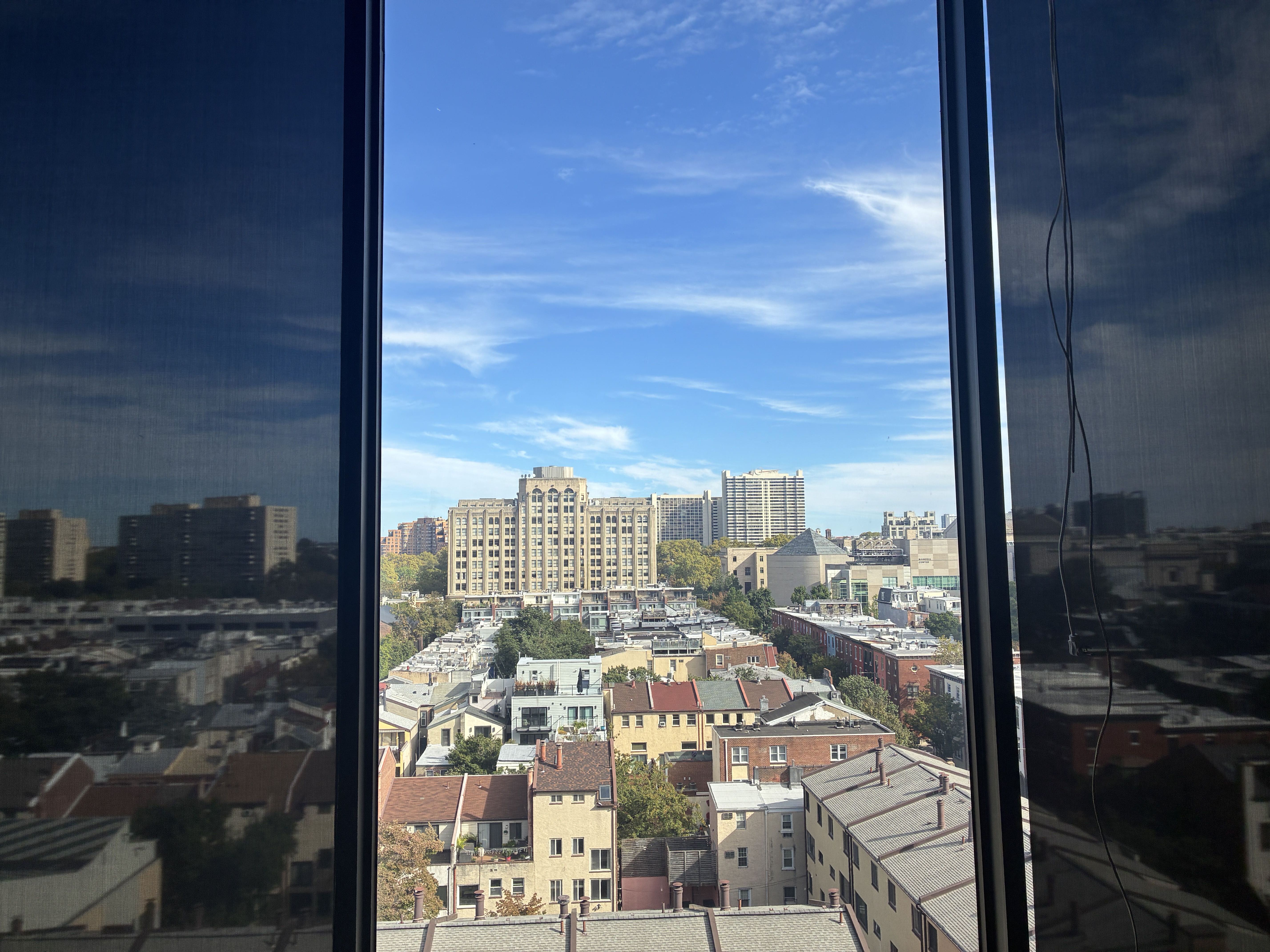
    The view from the eighth floor of 2100 Arch, looking over the Logan Square neighborhood.Jake Blumgart

    Meanwhile, the nearby west side of Center City has become the heart of Philadelphia’s commercial life.

    West Market Street, visible from 2100 Arch’s south-facing windows, is the most successful corner of the city’s office market.

    Insurance giant Chubb’s new office building just opened next door. Burlington recently announced plans to move its headquarters into the Schuylkill Yards development near 30th Street Station.

    At 2100 Arch, “you’re close to everything, but you have a little oasis [in the Logan Square neighborhood] right next to the hustle and bustle of Market Street,” Waxman said.

  • Cheesecake Factory’s Cajun salmon is having a TikTok moment. It’s bringing local crowds — and headaches.

    Cheesecake Factory’s Cajun salmon is having a TikTok moment. It’s bringing local crowds — and headaches.

    Cheesecake Factory’s Cajun salmon used to be a straightforward order: blackened salmon, Creole sauce, buttered corn, mashed potatoes.

    Then, it hit TikTok.

    Now, in a social media-driven frenzy that’s spread nationwide, Cheesecake customers are swapping in loaded mashed potatoes, adding shrimp, ordering extra sauce, and turning a single entrée — one of the roughly 250 dishes on the chain’s menu — into a build-your-own production.

    And in Philly, at least one local Cheesecake Factory is feeling the heat.

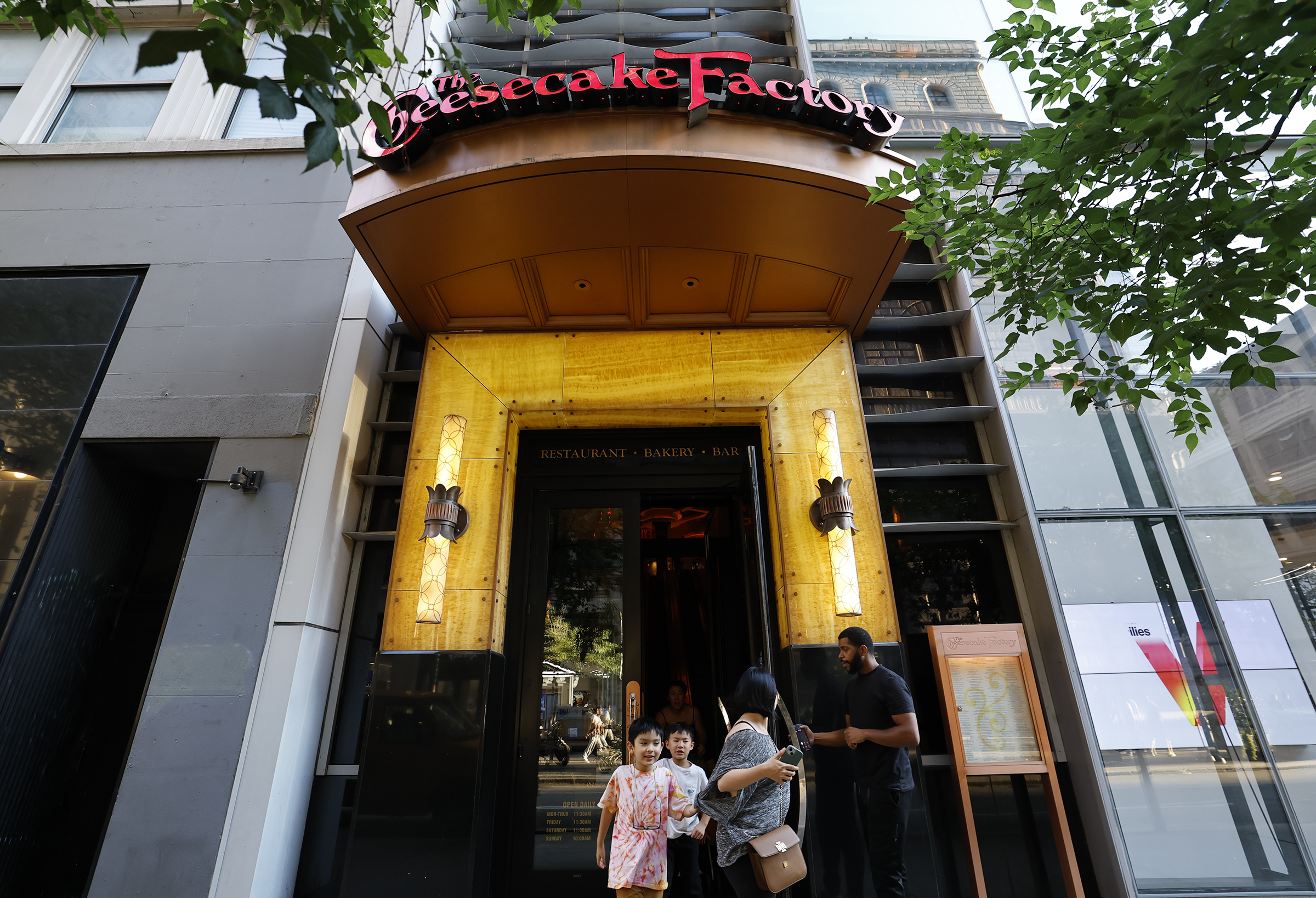
    Diners leaving the Cheesecake Factory in Center City in August 2025.Yong Kim / Staff Photographer

    Spawning a Cajun salmon trend

    The salmon craze can be traced to Sept. 3, when Shayla Roberts, a nail technician and permanent-makeup artist from Minneapolis, posted a 15-second video showing how she orders the Cajun salmon, opting for loaded mashed potatoes, shrimp on top, a pitcher of extra sauce, and a side of Cajun seasoning.

    Roberts, who posts as @slayed_byshayyyy and has about 55,400 followers on Instagram and nearly 39,000 on TikTok, said she had no marketing plan behind the post. “I love to eat, and I feel like when I go to any restaurant, I’m always trying to jazz it up a little bit,” she told The Inquirer. “And so I thought, let me just start recording, because my mom and my aunts were saying, ‘You’re always adding a little razzle-dazzle to stuff. You need to start putting [it online].’”

    Her recommendation quickly spread. On Sept. 7, tennis star Coco Gauff posted on TikTok from the U.S. Open in Queens, N.Y., to say that she wanted to try the dish because it kept appearing in her feed.

    That got the attention of Cheesecake Factory, which replied to say it had a restaurant in Queens, near the tennis center.

    Then on Sept. 11, food reviewer Keith Lee — who has 17.3 million followers on TikTok and 2.7 million on Instagram — stitched Roberts’ video on TikTok while sampling the dish at a Dallas-area Cheesecake Factory. Lee posted to Instagram three days later.

    The dish’s popularity exploded from there. The original video eventually drew about 5 million views, while Lee’s posts generated millions more.

    “Five million views of attention? I did not expect that,” Roberts said.

    Over the weeks, the trend has spawned scores of follow-up videos, from customer reviews to workers documenting the rush. One food runner posted a video from a kitchen, proclaiming: “Out of the 10 dishes ready to go, six are the viral meal. TikTok, you done it again.”

    Even people creating copycat dishes are getting thousands of views. Then on Thursday, Gauff posted again, this time eating the dish.

    ‘The thing that everyone’s ordering’

    The sudden surfeit of modifications comes with a downside for local staff.

    “When I ring it into the computer, there are probably 10 buttons I have to push to put it in the way people are asking for it,” said a server at the Cheesecake Factory’s Center City location, who asked not to be identified because they were not authorized to speak for the company.

    “And all this extra special stuff is really easy for the kitchen to trip over when they’re making it a thousand different ways.”

    The volume is apparently substantial. At that location, at 15th and Walnut Streets, the restaurant sold at least 60 orders of the Cajun salmon one recent night, according to the worker. In previous nights, servers would ring in just a few.

    The Cajun salmon is priced at $19.95 at lunch and $29.95 at dinner, but the extras like shrimp can add more than $10.

    For workers paid a tipped wage, bigger checks should translate into more money. But the server said that has not necessarily been the case. The trend has particularly attracted younger customers, some of whom seem surprised by the final tab and pull back sharply on tips, the server said: “Some tables will leave $5, no matter what the total is.”

    Customers are modifying Cheesecake Factory’s Cajun salmon dish for social media.Courtesy of Cheesecake Factory

    The shortfall can average about $50 a night, said the server, who would prefer that management institute an automatic gratuity on all checks.

    Cheesecake Factory declined to comment on the impact on workers, but welcomed the attention. “It’s been fun to see the creative ‘hacks’ that our guests are making to this dish as well as several other items across the menu,” chief marketing officer Donald Evans said in a statement.

    By now, at the Center City location, some customers don’t even need to name the dish. “People are asking me to get them ‘the thing that everyone is ordering,’” the worker said. “I wonder what’s next.”

  • Espresso by day, cocktails and sushi counter by night: Palm Vintage brings Miami vibes across the street from City Hall

    Espresso by day, cocktails and sushi counter by night: Palm Vintage brings Miami vibes across the street from City Hall

    Palm Vintage, located on the ground floor of the Ritz-Carlton Residences, contains two concepts within one space. During the day, it’s an airy, welcoming cafe that serves Lavazza espresso drinks, sandwiches, and bagels. For dinner, the space morphs into a cocktail lounge that serves sushi rolls and sashimi sets that rival some of Philly’s best sushi restaurants.

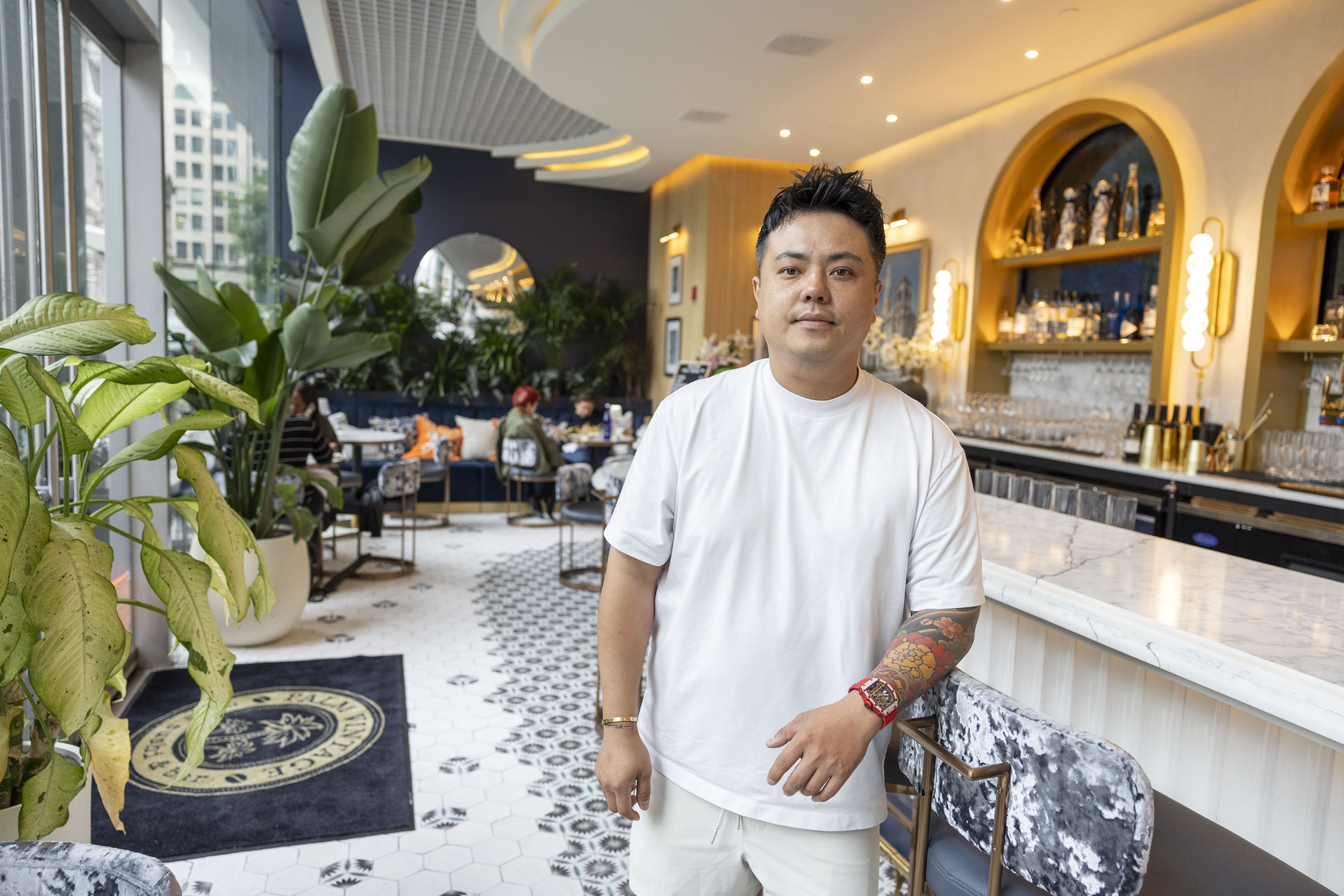
    Palm Vintage opened as a cafe in May and soft-opened dinner service last week, once it had obtained a liquor license. Its grand opening, which will highlight its evening offerings, is scheduled for Sept. 29. Until then, owner Houston Yang, 37, is tweaking the details of each dish and set.

    Owner Houston Yang, of Fishtown, poses for a portrait at Palm Vintage on Tuesday, Sept. 22, 2026, in Philadelphia.Tyger Williams / Staff Photographer

    The space’s name is meant to evoke Miami — where Yang loves to visit — and the old school, classic feel of its location.

    Palm Vintage does not have an omakase: The space can only accommodate one counter, and that is dedicated to the cafe-cocktail bar. But its menu reads like a high-end sushi restaurant’s. There’s a mini omakase for $65 and a “treasure of the sea” set for $99.

    The difference between sushi at Palm Vintage and, say, Oroshi, the nearby home of affordable omakase on Broad Street, is that at Palm Vintage, you receive all your pieces of nigiri and sashimi at once, rather than one by one.

    The Hindi donburi set, which has toro, crab, scallop, yellowtail, oyster, caviar, and sushi rice at Palm Vintage.Tyger Williams / Staff Photographer

    The types of fish served are crowd-pleasers, like salmon, fatty tuna, uni, and hamachi. Both the fish sets and cocktails are frequently decorated with gold leaf and edible flowers, appealing to the Instagram set and setting Palm Vintage apart from other casual sushi restaurants in Philly, including the others owned by Yang.

    The five-piece hand roll set with toro, salmon, sweet shrimp, lobster, and crab at Palm Vintage.Tyger Williams / Staff Photographer

    Yang is the entrepreneur behind Fuwa Teriyaki Grill and Fushimi, both located in the food court of the Shops at Liberty Place. Originally from Fuzhou, China, he moved to Philly as a child. Yang’s parents, who now help out at his food court sushi restaurants, owned a Chinese-American takeout restaurant in Delaware County that they sold a decade ago.

    Yang and his wife lived in the Ritz-Carlton residences between 2023 and 2025 and during that time, identified a need within the building for a spot that served healthy dinners but also cocktails. “My wife loves sushi,” he explained as one impetus behind Palm Vintage’s sushi-driven menu. “But she also loves drinking, so I had to open a bar along with a sushi place.”

    A toro hand roll from the five-piece hand roll set.Tyger Williams / Staff Photographer

    Yang was also inspired by how readily available fresh sushi can be in Japan. “Two years ago, I grabbed sushi at an airport in Japan and had it on a flight — it was so easy,” he said. This sparked the idea that high-end sushi could be a casual experience. For years, going out for sushi in Philly has meant either grabbing affordable takeout, or splashing out for an expensive omakase. More recently, the gap in between those options has shrunk significantly, with the openings of places like Oroshi, Yanaga Kappo Izakaya, and the upstairs of Kissho House.

    Palm Vintage took over the space that once belonged to Waterfront Deli and hired many of the former deli’s workers for their daytime cafe. This also means that they encounter the same regulars, many of them residents of the Ritz-Carlton Residences, on their morning coffee runs.

    The Shiso Blossom cocktail.Tyger Williams / Staff Photographer

    Palm Vintage’s craft cocktails are mellow and approachable and mostly within the $17 to $19 range. Like the sushi, they often are made of startlingly high-end ingredients, such as Hibiki Japanese whiskey.

    “It’s a place to get nice drinks, nice food, but that food just happens to be sushi,” said Yang.

    Palm Vintage is open every day from 8:30 a.m. to midnight. It operates as a cafe from 8:30 a.m. to 4 p.m. and the kitchen spends 4 to 5 p.m. flipping to sushi dinner service (the space remains open during this time). Dinner is served from 5 p.m. to midnight. Cocktails are served from 11 a.m. to midnight.

    Palm Vintage, 1414 S. Penn Square, 215-883-6690, thepalmvintage.com

  • PSSA scores are still missing in Philly, but the district won’t go test optional – school board roundup

    PSSA scores are still missing in Philly, but the district won’t go test optional – school board roundup

    Leo Stober, an eighth grader at Science Leadership Academy Middle School, is frustrated. He’s thinking about applying to selective Philadelphia School District high schools, but the process is now stymied by what officials said was a delay in the release of state test scores.

    So Leo sat in front of the Philadelphia school board Thursday night to air his concerns.

    Not having access to scores “is quite frankly disrespectful, not only to the students, but also to the teachers,” Leo said.

    Students are anxious to hear how their 2026 PSSA performance will shape the schools open to them, and teachers need the scores “to find which students need extra help on certain assignments,” he said.

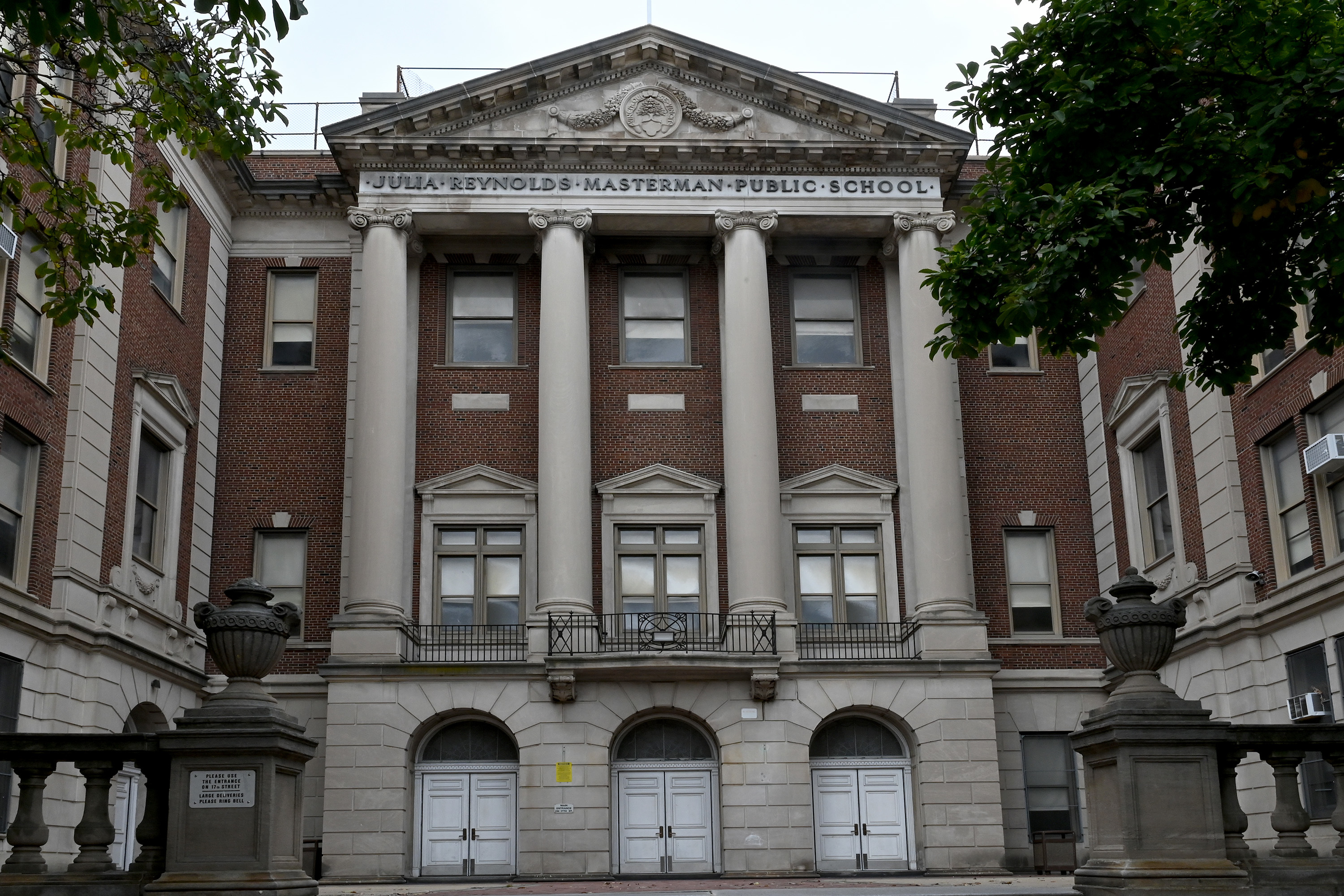
    A student’s test scores determine which schools they’re eligible to apply to: Central and Masterman require scores in the 80th percentile to apply, for instance.

    The district’s school selection process was supposed to open Sept. 8. Superintendent Tony B. Watlington Sr. pushed it back to Oct. 5, blaming the change on the state’s public release of PSSA test results.

    The Pennsylvania Department of Education sent preliminary scores to districts and schools in the spring, as it always does — one charter school official told the school board she received her early test results on June 10.

    But Philadelphia appears to be alone in the state in withholding scores from nearly all of its employees. Watlington, who has placed a high public priority on the district being the fastest-improving large urban district in the U.S., has said the delay ties to PDE pushing back its release of final statewide data to districts.

    Watlington said Thursday night that scores won’t be available when the application window opens in a week and and a half, but said he realizes “that changing the timeline may require families to adjust their plans, and we absolutely appreciate their patience as we work through this.”

    Scores will be available by the time the application window closes, on Nov. 24, Watlington said.

    Central and Masterman are only two of the 37 schools that require scores.

    Scores in the 65th percentile qualify students for Academy at Palumbo, George Washington Carver High School of Engineering and Science, Parkway Center City Middle College, and Northeast High’s International Baccalaureate and magnet programs. Other schools require scores in the 50th percentile or better.

    A student board representative asked Watlington if the shift would cause the district to consider going “test optional” — allowing students to decide whether they want to submit standardized test scores, or withhold them.

    “We’re not going to test optional,” Watlington said. “We will likely continue with what we’re doing.”

    $600,000 for a Kensington High project fix

    In other matters, the board voted unanimously to ratify — formally approve a contract that was already awarded — a $600,000 deal with a firm now charged with monitoring construction work at Kensington High.

    Hunter Roberts Construction Group is providing independent oversight and monitoring of the work at Kensington, which has been plagued with problems.

    Errors on an HVAC project at Kensington caused asbestos damage that forced the district to close the building to students, who had to be moved to a closed middle school in the Northeast, over some neighbors’ objections.

    The contractor “is expected to comply with applicable federal, state, and local laws and regulations, including, but not limited to, legal requirements for the proper abatement and disposal of asbestos and/or any other hazardous material,” the board resolution approving the contract said. Hunter Roberts began work on the project on Aug. 27, according to the documents.

    Last year, the district was criminally charged over its past handling of asbestos at city schools. After a yearslong secret probe, the school board signed off in June 2025 on a deferred prosecution agreement that comes with strict federal scrutiny of its environmental management.

    Philadelphia was the first school district in the U.S. that faced criminal charges for environmental violations.

    Hunter Roberts’ contract on the Kensington project runs through 2028.

    9.5% raises over 3 years for 32BJ

    The board also gave final approval to a contract for 32BJ, the union representing district bus drivers, cleaners, building engineers and tradespeople.

    The pact gives 32BJ’s 2,000 members 9.5% raises over three years. They’ll also get $2,350 in bonuses and 25 paid days off after the birth of a child – the first time parental leave was granted to those workers.

  • Drexel wants to sell the Academy of Natural Sciences museum. A Council bill could restrict its redevelopment.

    Drexel wants to sell the Academy of Natural Sciences museum. A Council bill could restrict its redevelopment.

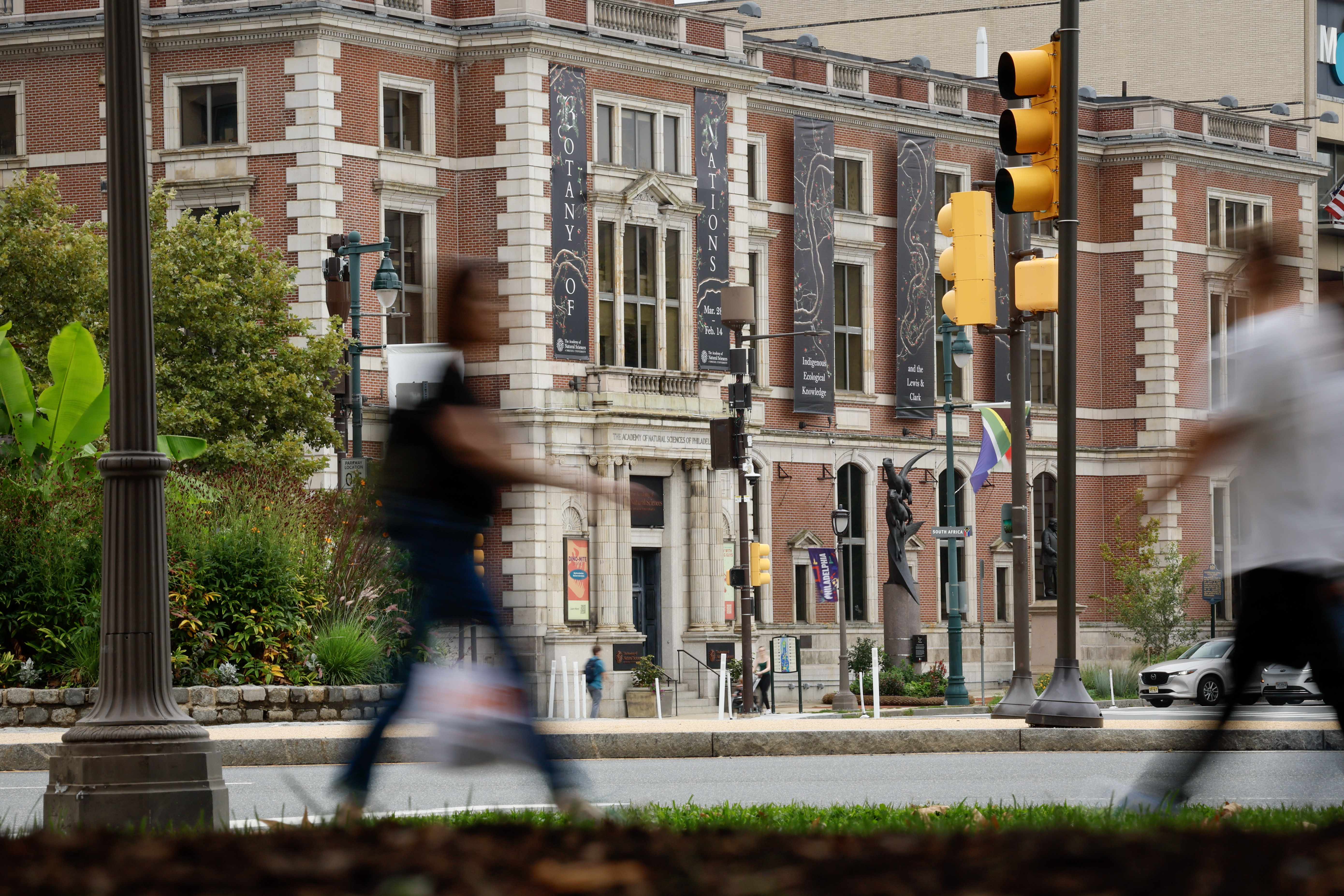
    A new zoning bill by City Councilmember Jeffery Young Jr. would restrict the redevelopment potential of the Academy of Natural Sciences museum after Drexel University this month announced plans to shutter the centuries-old institution.

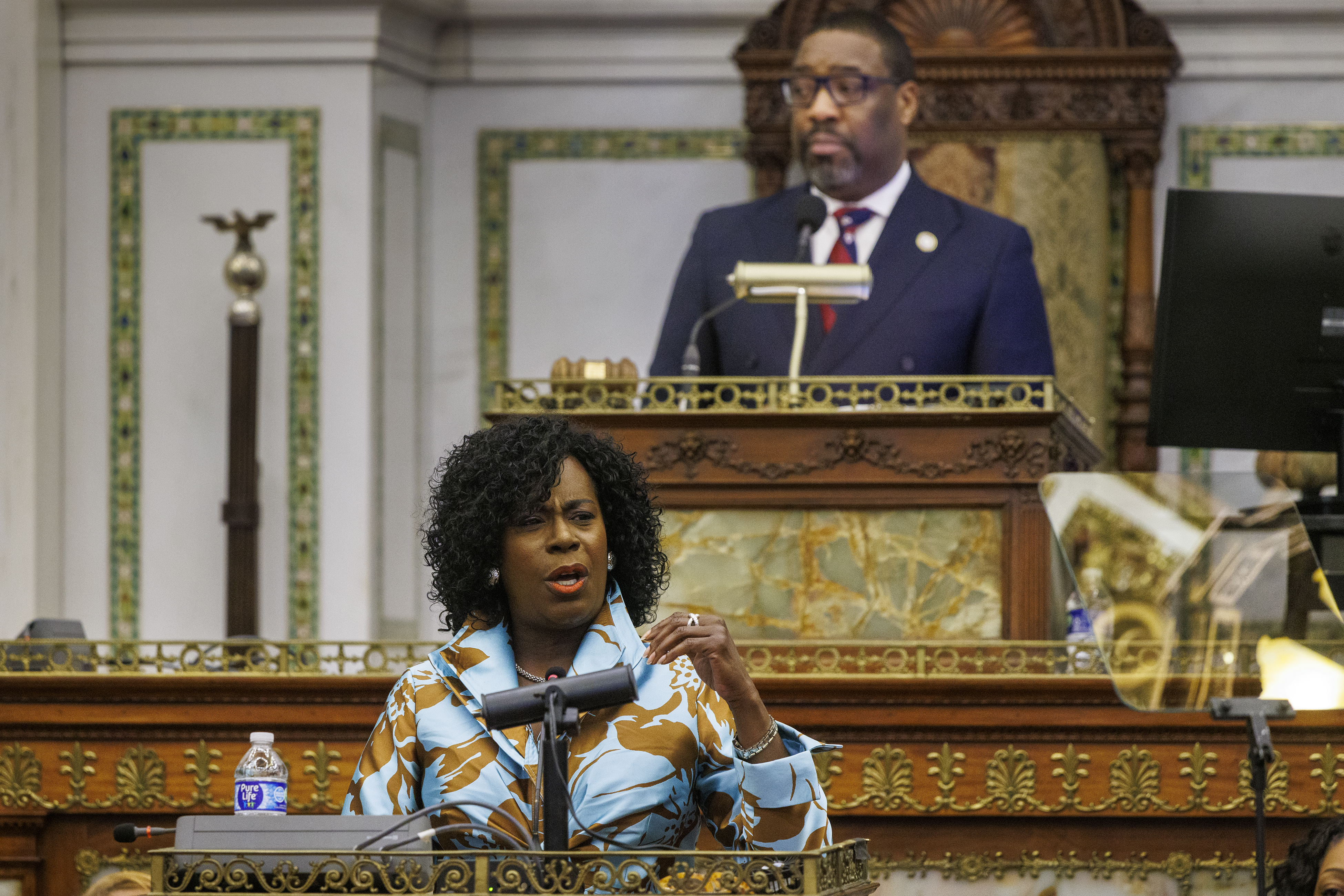
    Young, whose 5th District includes the museum property on the Benjamin Franklin Parkway, introduced the ordinance at Thursday’s Council session.

    It would limit the allowed uses of the property and others around it to specific categories, including hospitals, government uses, libraries and cultural exhibits, and “community-supported” farms.

    Under Young’s legislation, residential and commercial uses would not be allowed. The property is currently zoned to allow multifamily residential development, unlike the other museums on the Parkway.

    Young said his legislation would simply change the museum’s zoning to reflect what has long been on the site.

    “It’s always been a cultural and civic use, so [my bill] would match the land use with the actual zoning to allow only cultural and civic type uses,” Young said. “But it wouldn’t prevent the academy from closing.”

    Councilmember Jeffery Young Jr. Elizabeth Robertson / Staff Photographer

    Drexel did not immediately offer comment on Young’s legislation.

    If the bill passes, it will make it much harder to convert the building to other uses. The owner would need to secure a variance from the Philadelphia Zoning Board of Adjustment, an often lengthy and costly process with no guarantee of success.

    During that process, any prospective developer would also be required to meet with community groups in advance of a zoning board hearing.

    Young said the purpose of his bill is to allow “the community some input on a site that has been a cultural use for centuries.”

    Instead of changing the property’s zoning to match those of neighboring museums and libraries, Young has proposed adding the restrictions to what is known as a zoning overlay — a kind of hyperlocal patch of the code — that covers his district and allows him to precisely describe what he wants to restrict and allow.

    Young said he is also considering changing the underlying zoning to match that of the Philadelphia Museum of Art, the Barnes Foundation, and other cultural institutions on the Parkway.

    “We are looking to do that, but the issue is that the planning commission doesn’t work for me and so they’re not on my time,” Young said. “Ultimately, we had to do what we could do from our office’s standpoint.”

    To become law, the bill would need to be approved first in the Committee on Rules and then by the full Council before heading to Mayor Cherelle L. Parker’s desk.

    If Young pushes forward, the bill is likely to pass in Council thanks to a practice known as councilmanic prerogative, in which the rest of Council defaults to the wishes of the member whose district includes a property when it comes to land-use decisions.

    Young, whose district includes parts of Center City and much of North Philadelphia, has abandoned zoning legislation that stirred controversy in the past, such as a housing ban around the former Hahnemann University Hospital campus.

    But the closure of the Academy of Natural Sciences is unpopular, and the new legislation is likely to have broad support from Council members.

    If enacted, the bill would take effect immediately.

    A surprise closure

    Founded in 1812, the Academy of Natural Sciences is the oldest institution of its kind in the nation, and its museum, which opened in 1828, is the country’s oldest natural history research museum. It houses 19 million biological specimens, including bones, carcasses, and plants.

    Drexel announced earlier this month that it was closing the museum effective Sept. 27, citing a decrease in attendance since the COVID-19 pandemic and the university’s financial woes. The decision caused an immediate uproar, including a protest on the Parkway attended by hundreds. Young vowed to “protect and preserve” the building.

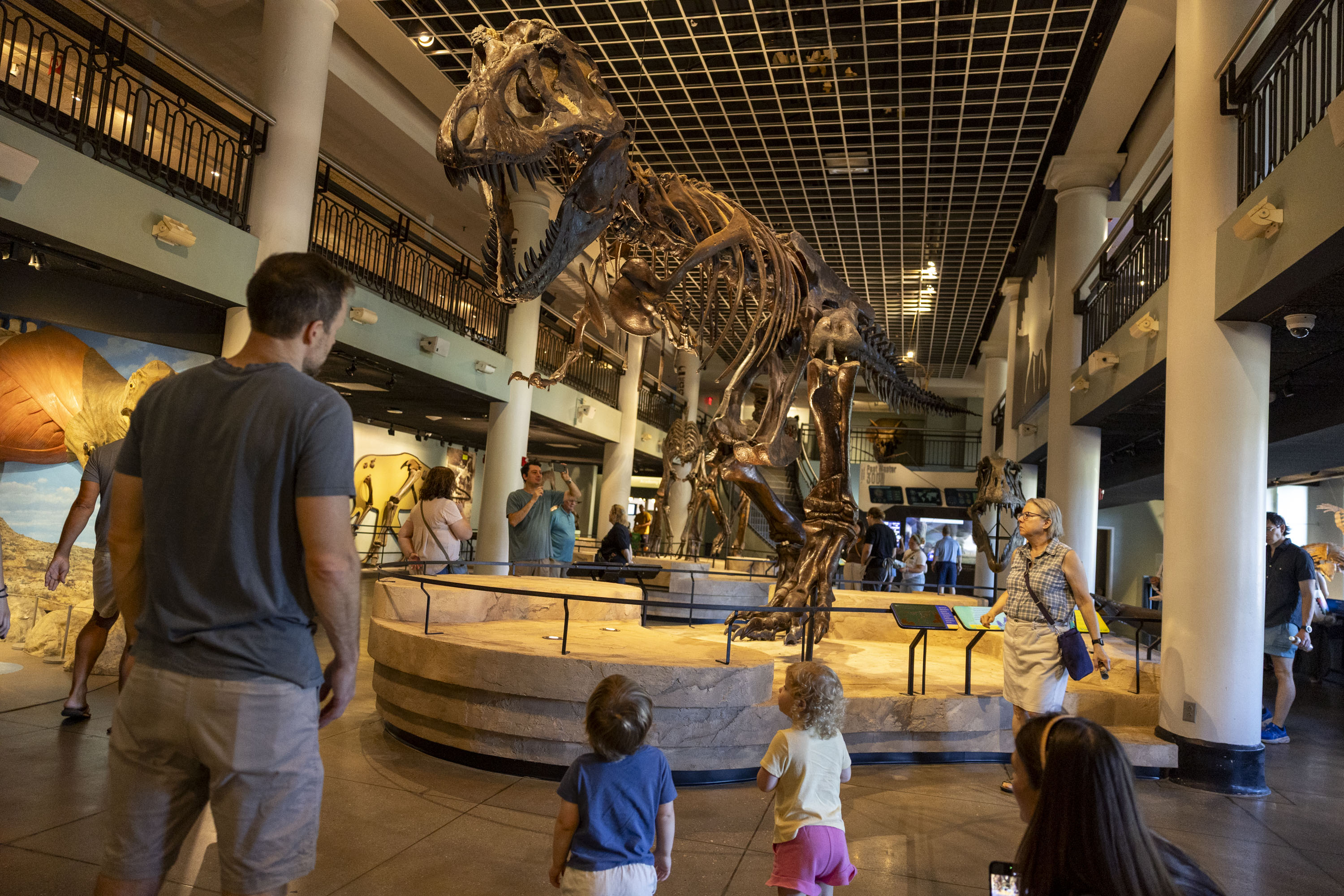
    Matt LeBlanc, of Manayunk, and his wife, Alyssa, show their children, Miles and Clara, the Dinosaur Exhibit at the Academy of Natural Sciences of Drexel University earlier this month.Tyger Williams / Staff Photographer

    Leaders of Drexel and the academy have said that the “collections and their use to advance scientific knowledge will be the focus of our work for the near future” and that no final decision had been made on the building’s future.

    A source told The Inquirer the university’s ultimate aim is to relocate the collection and sell the building.

    After the announcement, Deputy Mayor Patricia Wellenbach, a top official in Parker’s administration, was named the academy’s temporary leader, serving as senior adviser while on loan from the city.

    Young and other members of Council have been attending rallies against the closure.

    “This academy has been there for over 200 years. It’s dedicated to civic and cultural education, to science,” Young said in a speech during Thursday’s meeting. “If we take that away, how will our kids learn?”

    Correction: An earlier version of the story inaccurately attributed plans to sell the museum building and relocate the academy’s collection.

  • Mayor Parker wants Council to back a tax break for redeveloping derelict buildings. Council says it’s waiting on her.

    Mayor Parker wants Council to back a tax break for redeveloping derelict buildings. Council says it’s waiting on her.

    Last November, Mayor Cherelle L. Parker announced with great fanfare that Philadelphia could create a property tax break to spur the conversion of derelict buildings, such as empty Center City office towers and vacant school facilities, into apartments.

    She had worked with legislators in Harrisburg to change state law to allow Philadelphia to pursue the legislation, which would create a 20-year property tax abatement for conversions of “deteriorated” properties.

    But 10 months later, no such legislation has been introduced in City Council, and Parker on Wednesday called on city lawmakers to consider her 20-year abatement idea for distressed properties.

    “We have an affordability crisis here in the city of Philadelphia,” Parker told reporters Wednesday. “What if we marry that challenge with these persistently vacant buildings that have gone underutilized, and we put them to their best and their highest use to incentivize affordable housing?”

    Parker’s administration, however, has not yet transmitted a draft of the bill to Council, which is typically the first step for lawmakers to consider legislation championed by the mayor.

    “Tell them, ‘Send the bill over,’” Council President Kenyatta Johnson told reporters Thursday. “We haven’t seen any piece of legislation regarding 20-year tax abatement at this particular point in time.”

    Asked about the delay, Tiffany W. Thurman, Parker’s chief of staff, said Thursday that city agencies “are collaborating to ensure the proposed legislation is legally sound and can withstand constitutional scrutiny.” She added that Parker “remains firmly committed to presenting City Council with a bill that incentivizes the development of affordable and workforce housing on vacant, publicly owned land.”

    On Thursday, several members of Council questioned the lack of specifics from the mayor’s office, and others were less than enthused about the idea of approving a new tax break when the Philadelphia School District is facing a funding crisis.

    “I continue to appreciate an effort to make sure that we have access to affordable housing in the city of Philadelphia,” Councilmember Nicolas O’Rourke said. “At the same time, I am very much so laser-focused and desirous of the city getting the revenue that it needs.”

    A controversial policy

    Property tax abatements have long been controversial in Philadelphia, with opponents contending that they starve the city and school district of needed revenue while favoring real estate developers.

    Philadelphia’s 10-year abatement program, which was established in the 1990s, previously exempted owners from paying real estate tax on all new construction or improvements on any type of property for 10 years.

    That program was long hailed as key to the city’s turnaround in the early 2000s. But concerns about its impact on neighborhood inequality and school funding grew over time, and Council in 2019 roughly halved the value of the tax break for new construction.

    Parker argues that the idea behind her legislation is different: She wants to see a far more narrowly targeted bill that would only help developers who seek to redevelop large, derelict buildings.

    “We’re talking about … persistently vacant school buildings that have been vacant from three up to 30 years,” Parker said Wednesday.

    The mayor also noted that the development environment has worsened dramatically since Council cut the 10-year tax abatement’s power, with soaring interest rates and construction material inflation as factors that weigh heavily on complex and large-scale projects.

    Still, many Council members are skeptical of tackling a potentially controversial measure that is seen to favor developers ahead of next year’s municipal elections, when all 17 city lawmakers will be on the ballot.

    “I’d like to get more information on exactly what the plan is because the tax abatements are, as you know, hugely unpopular,” said Councilmember Cindy Bass, who represents parts of North and Northwest Philadelphia.

    Bass said that while the abatement has spurred needed growth, she would need to see any expansion of it balanced with the needs of lower-income Philadelphians who are struggling with rising costs and property taxes.

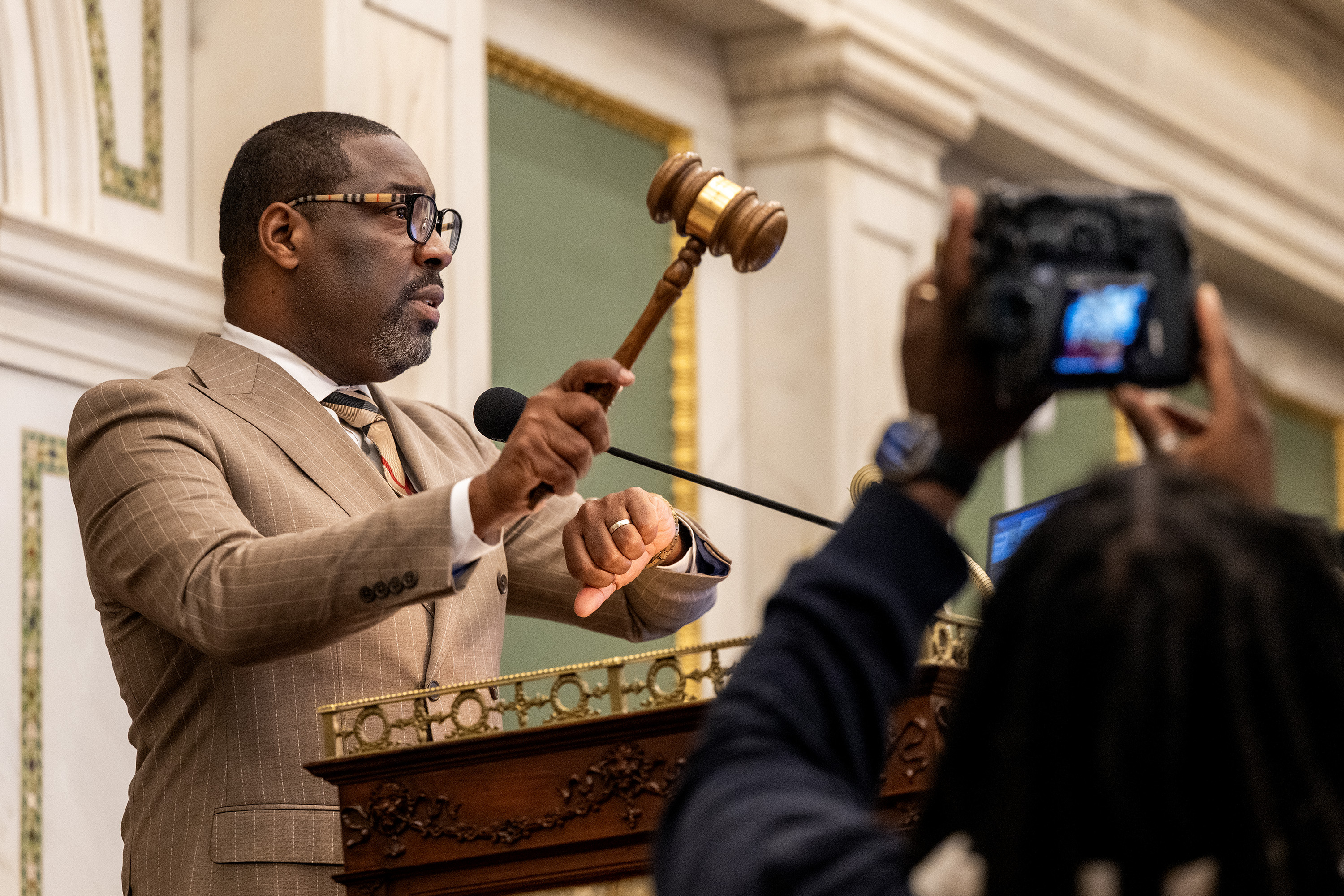
    President Kenyatta Johnson checks his watch and gavels City Council into session on Sept. 17, as the body returns for start of its fall session.Tom Gralish / Staff Photographer

    And Johnson on Thursday reiterated his comments from earlier this year that he would like to see the newly authorized 20-year abatement include a provision that requires an affordable housing component of the projects it enables.

    “Any type of legislation like that should really focus on making sure that we’re providing a level of affordability, also senior housing,” he said. “Obviously, the devil’s always in the details.”

    But it is not clear that state law would allow Philadelphia to mandate affordability in an abatement bill, and Parker cautioned against doing anything that would exceed the city’s authority.

    “We have to make sure that whatever we are proffering, that it is directly connected to what has been enabled,” Parker said. “It has to pass legal muster for no one to question the constitutionality of what it is that we’re doing.”

    Persistently vacant schools

    A 20-year abatement would apply to empty office buildings in Center City and long-vacant industrial buildings. But Parker and administration officials have focused their pitch on revitalizing empty public schools.

    “We need to pass it because it’s going to be extremely beneficial for challenging properties,” John Mondlak, chief of staff of the Philadelphia Department of Planning and Development, said Wednesday. “You think about schools in 10 years, 20 years — they are very difficult to reposition.”

    That pitch, however, runs up against another policy issue festering between Parker and Council.

    Councilmember Isaiah Thomas said some of the hesitation to take up the abatement legislation is due to Council’s dissatisfaction with the Philadelphia School District’s facilities plan, which the school board adopted last spring and calls for the closure of 17 school buildings and the renovation of 169 others.

    Thomas and other Council members vigorously protested the plan and are still pressing for the board to reconsider it.

    “That’s our priority,” Thomas said Thursday. “I don’t want to have a conversation about schools that are vacant until we have a conversation about schools that are occupied.”

  • Crocs sues Five Below, alleging they copied the famous clogs

    Crocs sues Five Below, alleging they copied the famous clogs

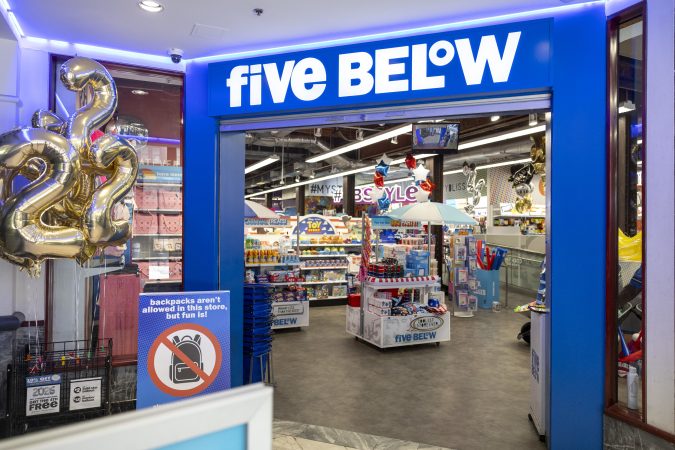
    Crocs is suing Philadelphia-based discount retailer Five Below, alleging the company knowingly sold knockoff versions of Crocs’ famous foam clogs.

    Crocs’ attorneys say Five Below kept selling Crocs look-alikes and accessories even after being notified this March of their trademark, patent, and intellectual property infringement.

    The allegations were detailed in a lawsuit filed last week by Crocs and its subsidiary, Jibbitz Charms, in U.S. District Court in Colorado, where Crocs is based.

    The plaintiffs take issue with Five Below’s “Juniors Charm Clog,” which look like trademarked Crocs, and the shoe’s accompanying charms, which resemble the patented Jibbitz ones that can be affixed to Crocs.

    Five Below is “clearly attempting to trade off the significant investment Crocs has made in its brand,” the attorneys wrote in the lawsuit.

    A woman carried rowers’ Crocs at the Stotesbury Regatta in 2022.TYGER WILLIAMS / Staff Photographer

    And they were doing so at a lower price point, the lawsuit noted. Crocs’ classic adult clogs range from $50 to $75, while its kids’ version sells for about $40. Five Below’s “Juniors Charm Clog” is listed at $7 on its website.

    Five Below spokespeople did not return requests for comment Wednesday.

    Crocs’ attorneys have asked for a jury trial and are seeking an unspecified amount in damages, which include lost profits, according to the lawsuit. The company also wants a permanent injunction to prevent Five Below from selling products that resemble Crocs.

    Crocs says it sells 150 million pairs of shoes each year, with annual sales of more than $4 billion.

    The lawsuit was filed amid positive financial performance for Five Below.

    As of August, the company had opened 101 net new stores this year and saw a more than 27% increase in net sales, according to its latest earnings report. Its reported net income was more than $344 million compared to nearly $84 million at the same time last year.

    This success has come under the leadership of CEO Winnie Park, who took over in December 2024 with a mission to reaffirm Five Below’s reputation as an “extreme-value retailer,” as the company called itself in her hiring announcement.

    Executives have said they’ve also gotten a boost from viral toys like plush Squishmallows and artificial-intelligence tools that help with inventory.

    Five Below was founded in Wayne in 2002 and has since expanded to include more than 2,000 stores in 46 states. In 2018, the company opened a massive three-story headquarters in the former Lit Bros. building at 701 Market St. in Center City, where it is currently headquartered.

  • Pennsylvania Horticultural Society is moving its office to West Market Street

    Pennsylvania Horticultural Society is moving its office to West Market Street

    The Pennsylvania Horticultural Society is moving to West Market Street after 30 years at 20th and Arch, as the nonprofit behind the Philadelphia Flower Show requires employees to work at the office more regularly.

    The move comes as PHS prepares to mark its 200th anniversary next year.

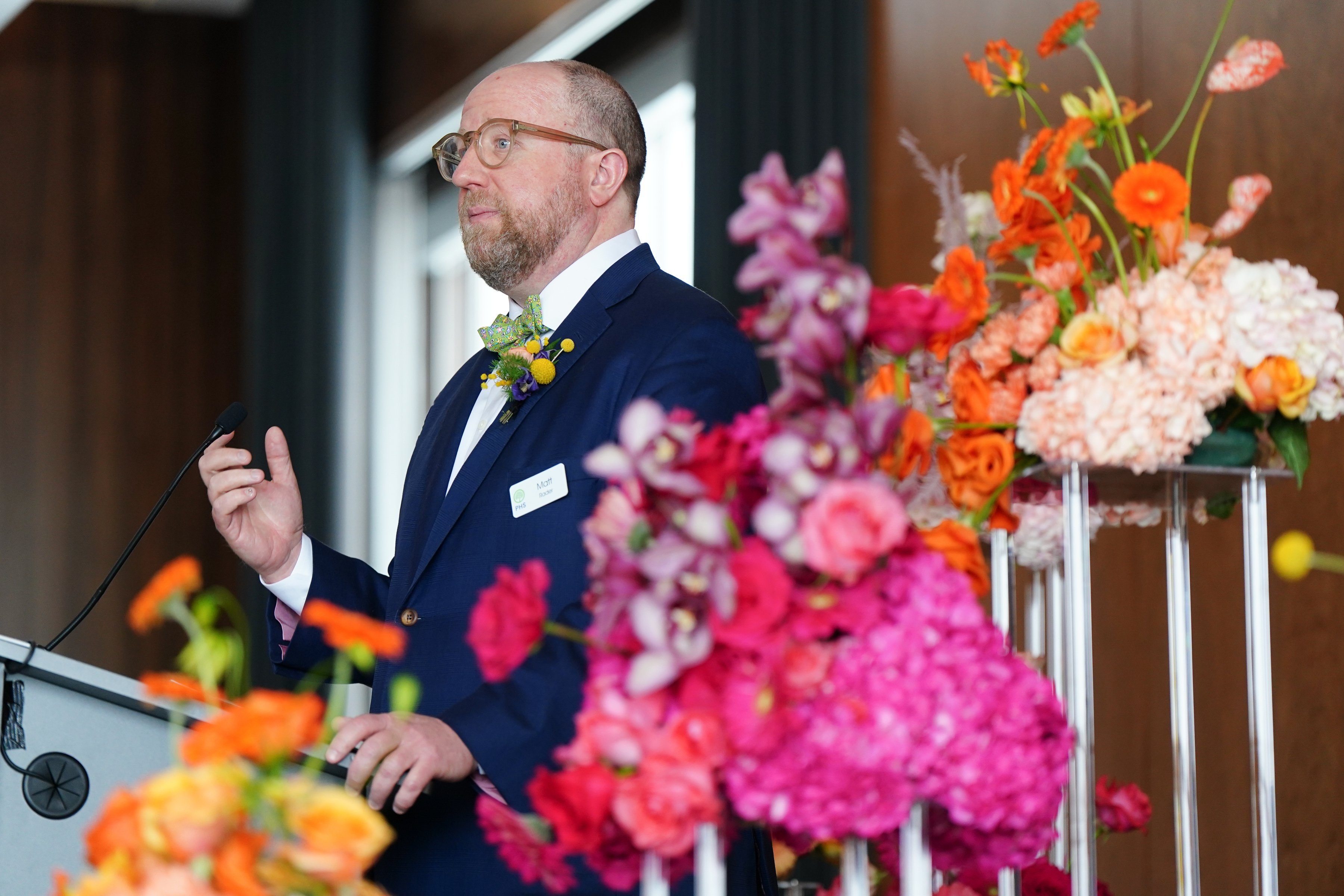
    PHS’s roughly 100 office-based employees have worked on a hybrid schedule since 2022, president Matt Rader said. The in-person cadence ranges from a couple days a week to a couple times a month, he said.

    That will change starting in the spring at PHS’s new office at 1900 Market St., where the organization signed a 16-year lease. Rader said employees would be required to come into the office three days a week.

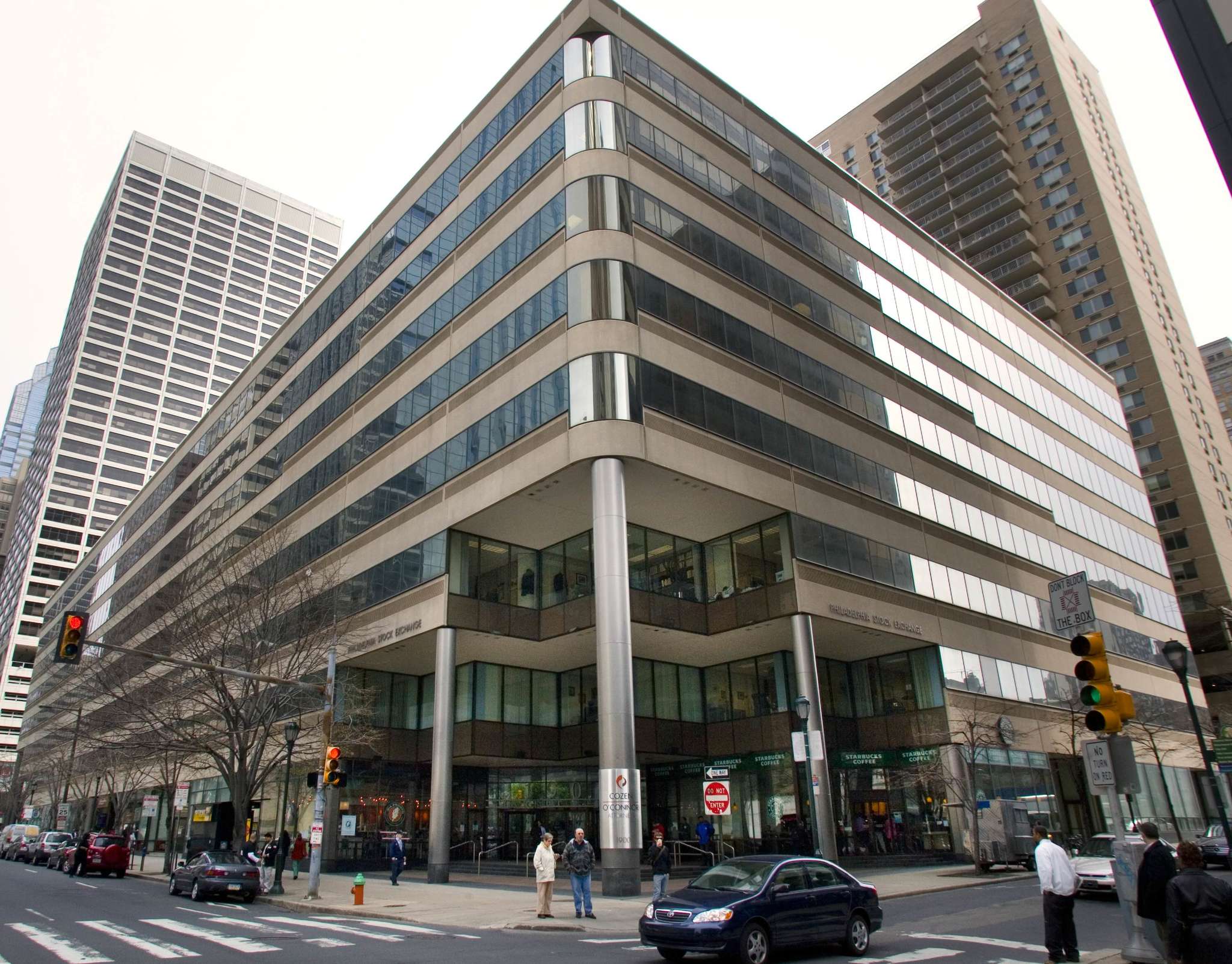
    In its current building at 100 N. 20th St., PHS leases 31,000 square feet, subleasing two-thirds of that space to another tenant, Big Brothers Big Sisters. Its workforce is split into two suites on different floors. The new location, at the site of the former Philadelphia Stock Exchange building, is a single space spanning 18,000 square feet.

    “Our current office space that we’re occupying is quite small because we’ve been on this largely hybrid model, and we wanted to move into a situation where we could have the team comfortably in-office three days a week and have everybody in one space,” Rader said.

    Matt Rader, president of the Pennsylvania Horticultural Society, in 2024.Jessica Griffin / Staff Photographer

    “PHS, despite being two centuries old, has the nimbleness of a start-up,” he said. “We’ve been in a significant chapter of growth, particularly in our neighborhood work. We do a lot of work around tree planting, community gardening, vacant land greening, small-business development, and job training across the city and region, and that work has grown significantly since 2019.”

    Staying in Center City was an easy decision, Rader said.

    “We believe very much in Center City,” he said. “We work in more than 230 city and suburban neighborhoods. So our PHS community of supporters, volunteers, staff is kind of everywhere.”

    That means easy access to public transit is important, Rader said.

    1900 Market is owned by Brandywine Realty Trust, Philadelphia’s biggest office landlord. PHS’s move was first reported by the Philadelphia Business Journal.

    As for its 200th anniversary, PHS plans to double down on its neighborhood greening work, invest more in the annual Flower Show, and launch a new vision, Rader said: “Every person, every place, gardening for the greater good.”

    “Our job is to scale up the places and people involved in using gardening to improve the health and well-being of the region, and we see this new headquarters office space as a great first step on that journey,” he said.

  • ‘I was extremely terrified’: Center City jogger recounts ‘Chucky’ terror as masked man appears in court

    ‘I was extremely terrified’: Center City jogger recounts ‘Chucky’ terror as masked man appears in court

    For Blake Fleischer, an early morning jog in Center City last month began like any other.

    But it ended in terror, she said as she recalled running into traffic near City Hall, seeking help as a man wearing a Chucky-style horror mask followed close behind.

    “I was extremely terrified,” Fleischer, 40, testified Wednesday in Philadelphia Municipal Court.

    There, prosecutors presented evidence that they said outlined the way Zymire Hughes scared and harassed more than a dozen pedestrians early in the morning of Aug. 12.

    Fleischer, who entered the courtroom limping and using a crutch, tearfully recounted the pain of tearing her hamstring as she fled the man in the mask, who she feared was armed when he asked if she was “ready to die.”

    “I thought he was going to attack me,” Fleischer said.

    Hughes, 22, was arrested by U.S. marshals in Las Vegas two weeks after the incident. He sat across the courtroom wearing a blue prison jumpsuit and did not speak during the hearing, in which his defense attorney disagreed with many of the prosecution’s findings.

    Municipal Court Judge Karen Simmons held Hughes for trial on charges of aggravated assault, possessing an instrument of a crime, terroristic threats, simple assault, reckless endangerment, and harassment. Simmons dismissed charges of disorderly conduct by engaging in fighting, as well as flight to avoid apprehension.

    The hearing marked the first time that details about Hughes were heard in court after videos of the masked man’s antics went viral across local and national media outlets and social media feeds.

    Authorities said the Tioga resident had connections through an employer in Nevada and California as they sought his capture and told the public he had likely fled Philadelphia. Following Hughes’ Aug. 25 arrest, District Attorney Larry Krasner vowed to charge him with a host of crimes.

    Prosecutors said Tuesday that surveillance footage recovered from cameras throughout the city had tracked Hughes’ travels, capturing him taking a SEPTA bus from his apartment building near North 23rd and West Venango Streets to Center City after 2 a.m. Aug. 12.

    They said Hughes donned the horror mask and began harassing pedestrians in the Suburban Station concourse. He ignored a SEPTA transit officer’s request to remove the mask, they said, briefly flashing his face before putting it back on and leaving the area.

    He encountered Fleischer around 5:30 a.m. as she jogged near the north side of City Hall, she testified to prosecutors.

    The masked man began to chase her, she said, eventually cutting her off as the two got within several feet of each other.

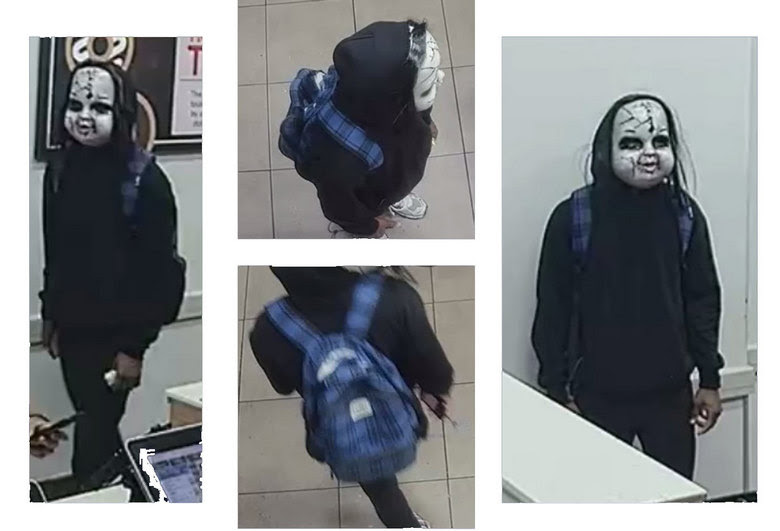
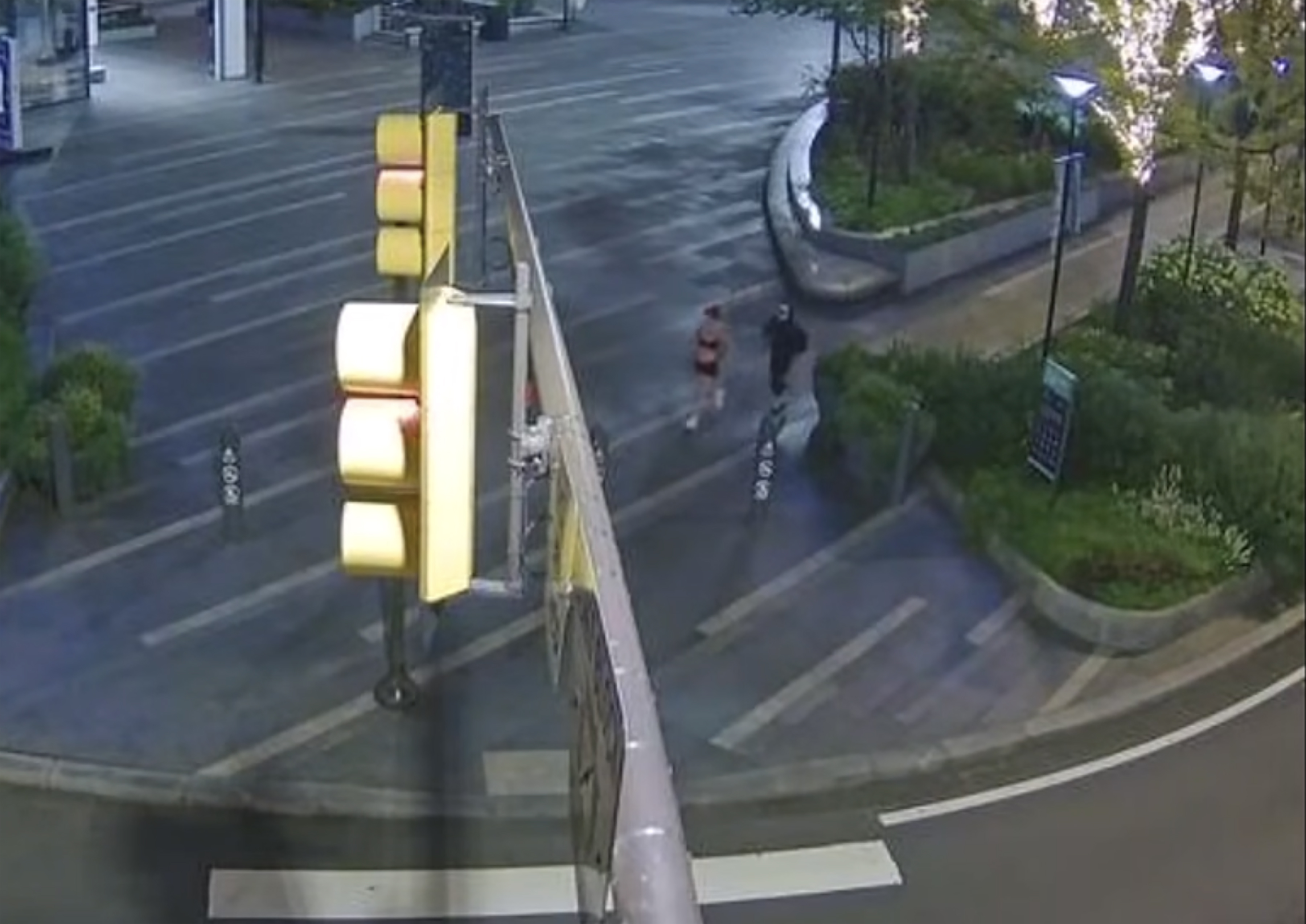
    In an image provided by the Philadelphia Police Department, a man dressed in dark clothing and wearing a mask styled after the character Chucky in “Child’s Play,” the 1988 horror film, chases a jogger in Philadelphia on Aug. 12, 2026. On Thursday, Aug. 20, the police identified a suspect, Zymire Hughes, 22, and said there was an arrest warrant for him. (Philadelphia Police Department via The New York Times) — NO SALES; FOR EDITORIAL USE ONLY. —PHILADELPHIA POLICE DEPARTMENT

    Fleischer said she found herself caught between the facade of City Hall and the man, who held a phone in his left hand while his right hand was concealed behind his back, and she fled.

    It was not until the next day — when she awoke in “extreme pain” and had trouble walking — that she went to the hospital for her hamstring injury, she said.

    Prosecutors also called on detectives from the Central Police Division to verify surveillance footage of Hughes’ activity. That included a clip in which it appears Hughes is filming himself and gesturing toward his phone before leaving his apartment to head to Center City.

    A SEPTA transit officer later testified that he was able to help detectives identify Hughes because he had interacted with him in 2023 and 2024 while on duty. Detectives added that widely circulated images of Hughes yielded a phone tip that aided their investigation.

    Lauren Zitsch, Hughes’ public defender, told Simmons she took issue with many of the prosecutors’ assertions, particularly the aggravated assault charge.

    “You have to show some form of malice” for that crime to stand, she said, noting that the confrontation between Fleischer and Hughes was not captured on video.

    But Simmons agreed with prosecutors, who argued that by frightening the woman enough for her to flee, Hughes would have understood the “legal and likely consequence” of his actions.

    Hughes is expected to appear in court for a formal arraignment in early October.

    He had not posted the required 10% of his $100,000 bail and remained in custody at the Philadelphia Detention Center.

  • Jefferson CEO will chair Philadelphia region’s chamber of commerce

    Jefferson CEO will chair Philadelphia region’s chamber of commerce

    The CEO of Jefferson Health and Thomas Jefferson University will be the local chamber of commerce’s next chair, and he’s focused on a feeling of safety in the city.

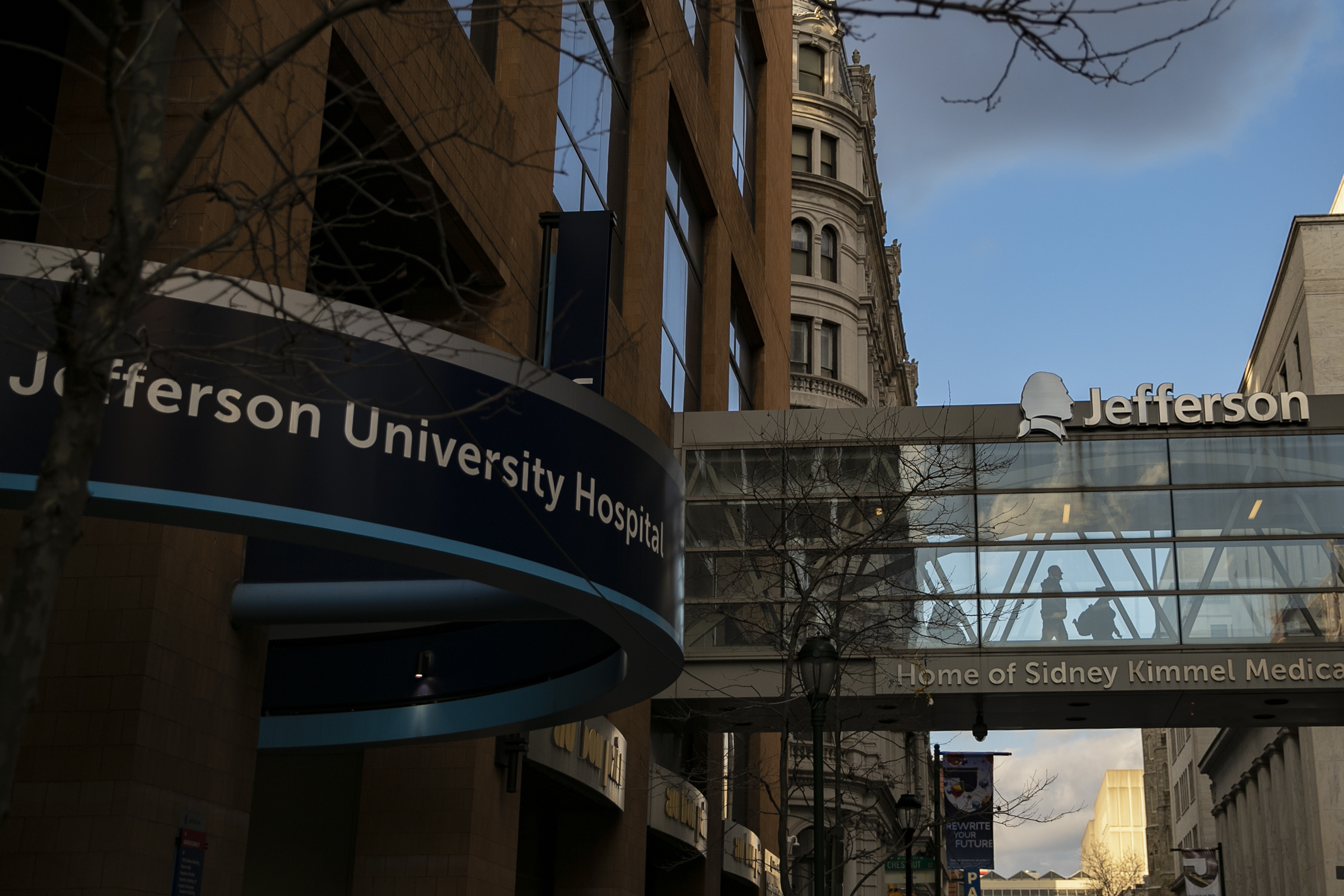
    Joseph G. Cacchione, Jefferson’s CEO since 2022, will chair the Chamber of Commerce for Greater Philadelphia’s board of directors beginning Oct. 15, the chamber announced Tuesday.

    The new role comes just a year after Cacchione said Jefferson could move its headquarters out of the city. But now he says that’s no longer on the table, crediting Mayor Cherelle L. Parker and the city’s police chief for making “great strides in improving safety.”

    “We’re here. We’re Jefferson. We’ve been in Center City for 200 years. We’re not moving,” he said in an interview Tuesday.

    Joseph G. Cacchione will begin his role as board chair at the chamber on Oct. 15.Thomas Jefferson University

    Cacchione says some of the region’s remaining challenges can be tackled through partnerships between business and government.

    “For me it’s about never standing back and watching but to actually roll your sleeves up and get in there and mix it up,” he said.

    Jefferson teamed up with the city police department and SEPTA transit police in one such partnership in June, launching a public safety hub in partnership in Market East.

    “East Market Street particularly has had challenges over the years,” he said Tuesday. “We saw an opportunity to have more visible police presence.”

    But recently, he said, the area has felt safer and more vibrant. He pointed to the pop-up businesses that opened along that corridor this year, as well as the pop-up plaza outside Reading Terminal Market.

    “We continue to need to work on that quality of life,” he said. “It’s not just East Market Street. It’s the entire city that we want to be safer.”

    More good jobs for the region

    Cacchione’s priorities also include supporting small and medium-sized businesses, continuing regional job growth, and improving access to healthcare.

    The chamber’s board of directors includes CEOs, presidents, and other leaders of area institutions such as CHOP, Aramark, Temple University, Comcast, Girl Scouts of Eastern Pennsylvania, and the Philadelphia Eagles.

    Its recent efforts include a new regional partnership to create good jobs in business software, biomedical engineering, and production, and specialized manufacturing, where business leaders see potential to grow. Jefferson Health and Thomas Jefferson University are early partners in the group.

    “We are at an inflection point for our region, and we have to make decisions to lean in so that we can continue to grow,” Chamber CEO Chellie Cameron said Tuesday. “I’m talking about attracting new businesses and growing existing businesses, creating jobs — not just any job, but opportunity jobs and pathways to those jobs.”

    Cacchione, as the leader of a very large employer in Center City, “gets it,” Cameron said, adding that he’s not just invested in the city, but the region as a whole.

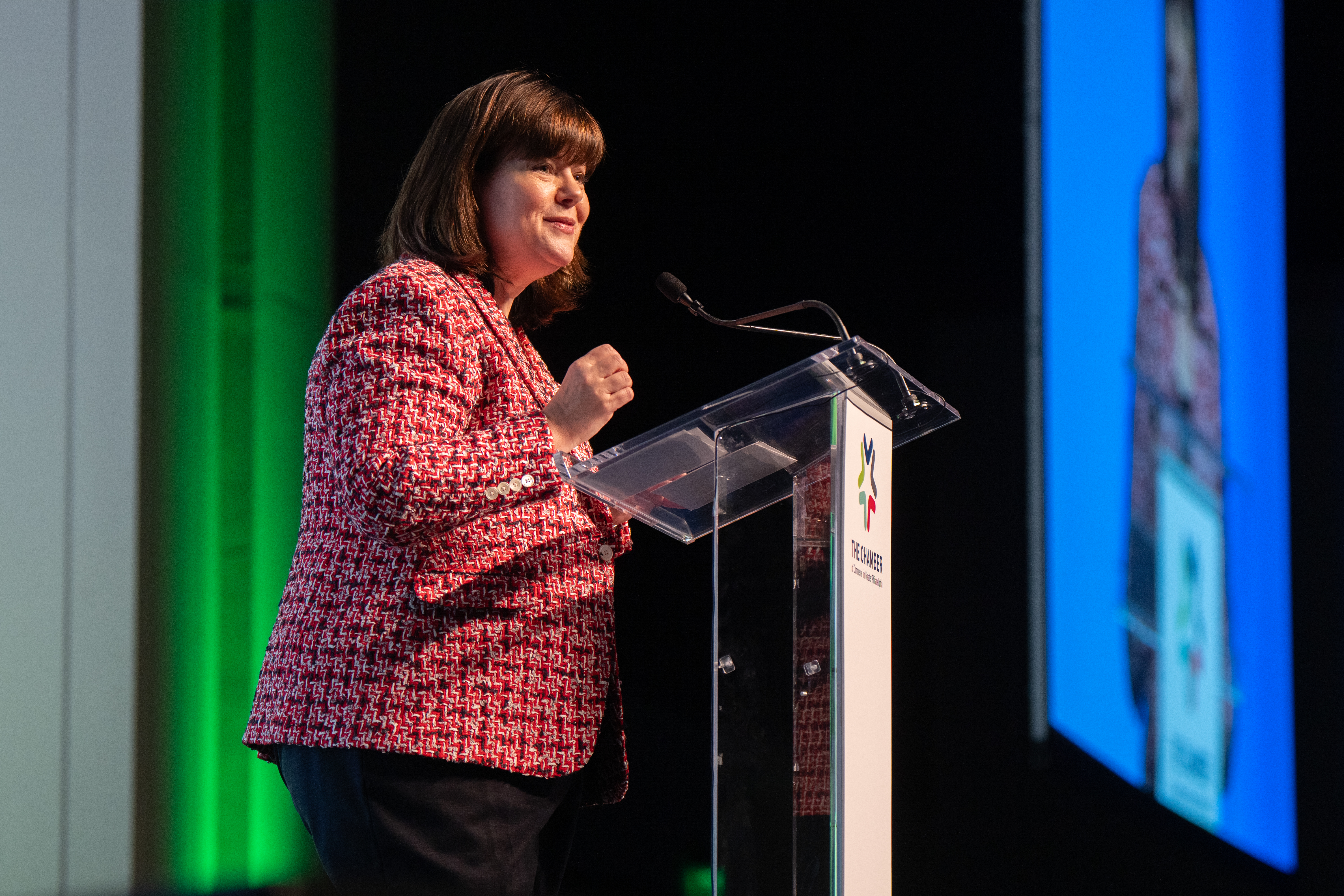
    Chellie Cameron, CEO of the Chamber of Commerce for Greater Philadelphia, at a chamber event in 2025.Jessica Griffin / Staff Photographer

    Cacchione added that AI will “change how we do business,” calling it an “enabler of business.” The chamber could help train workforces that don’t have experience with AI, he said.

    Jefferson employees have been adopting AI tools to improve efficiency. Nurses use it for note-taking, he said. By 2028, Jefferson aims to save over 10 million hours of clinician’s time by using AI — creating more time for “face-to-face” interaction with patients, Cacchione said.

    The hoped-for result, he said: “Our doctors are spending more time with patients and less time in front of a computer.”