Tag: Center City

  • The race to unseat Philly Councilmember Jeffery Young Jr. is taking shape

    The race to unseat Philly Councilmember Jeffery Young Jr. is taking shape

    The ultracompetitive race to replace Philadelphia City Councilmember Jeffery Young Jr. is officially underway.

    With nine months until next year’s primary election, two candidates are already taking steps to challenge the first-term incumbent Council member from North Philly — and more may be to come.

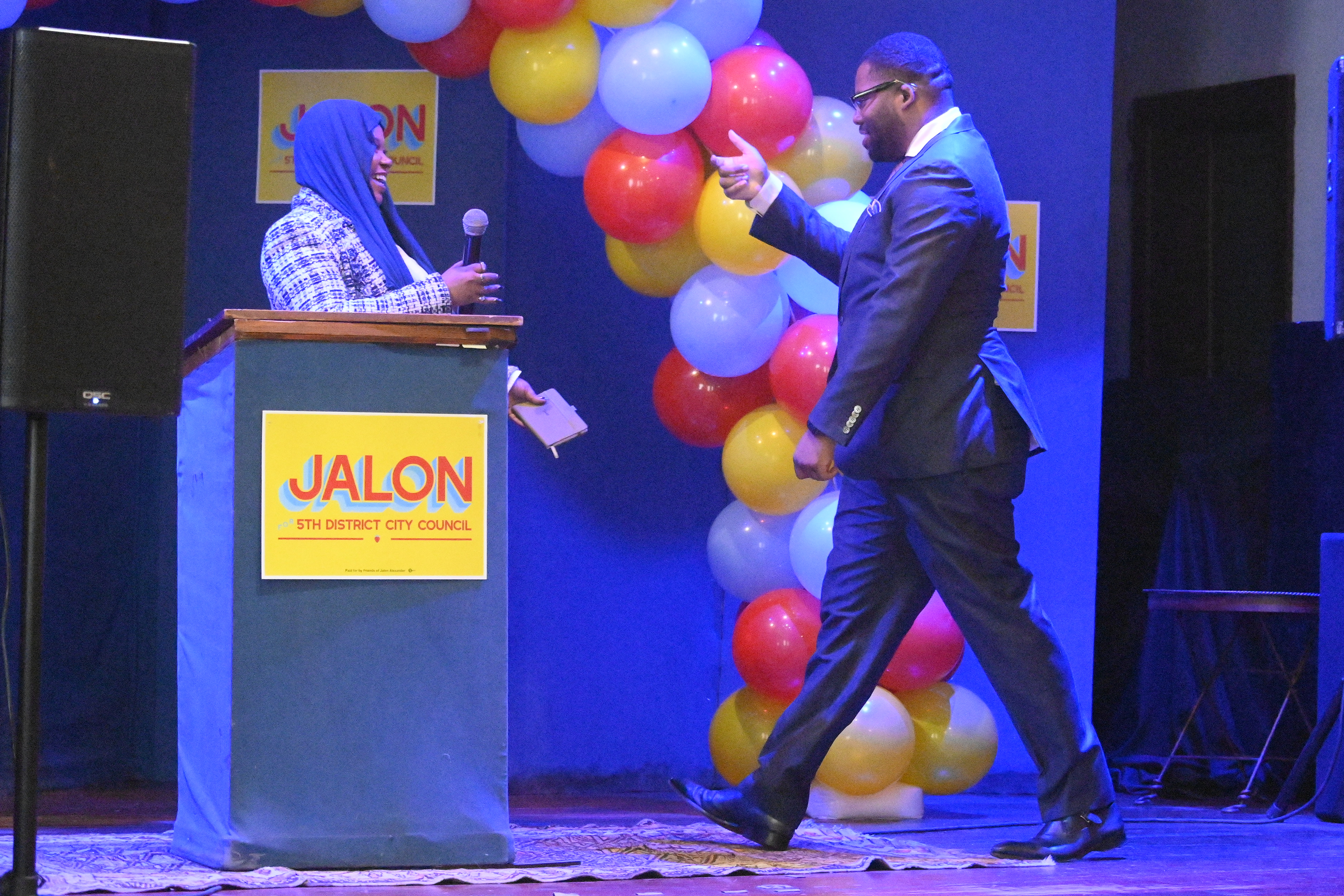
    On Saturday, cybersecurity attorney Jalon Alexander launched his campaign for the seat during a party in Fairmount, where he told attendees that Council needs an infusion of fresh blood and new ideas to spur growth in the city.

    “We’ve spent the last two years meeting with different community organizations, speaking with different ward leaders, and community groups, and just everyday people,” Alexander said in an interview. “This is going to be a people-powered campaign that really is grassroots.”

    And on Friday, Curtis Wilkerson, who was the chief of staff to former City Council President Darrell L. Clarke, announced that he’s forming an “advisory committee” to evaluate a prospective run for the seat. The group will host community roundtables and neighborhood listening sessions to collect policy ideas and feedback from residents.

    Wilkerson, who campaigned for the seat four years ago but did not make it onto the ballot, said he’ll likely decide whether to launch an official campaign by September.

    A third potential candidate, Democratic political operative Kellan White, has been having conversations with party officials and labor leaders about running. White is a former deputy city controller who has managed and advised campaigns, including physician Ala Stanford’s recent unsuccessful run for Congress.

    At least two others have said they are considering launching campaigns for Young’s seat: Dustin Dove, the president of the Fairmount Civic Association, and Max Tuttleman, a philanthropist who in 2023 unsuccessfully ran for seat on Council representing the city at-large.

    The recent moves by several prospective candidates are the latest sign that the 5th District is likely to be the most crowded Council race this spring, when all 17 members of Council will be up for reelection and are expected to seek another term. The 5th District, which includes parts of Center City, North Philadelphia, and Fishtown, is overwhelmingly Democratic, meaning whoever prevails in the May primary is all but certain to win the seat in the general election.
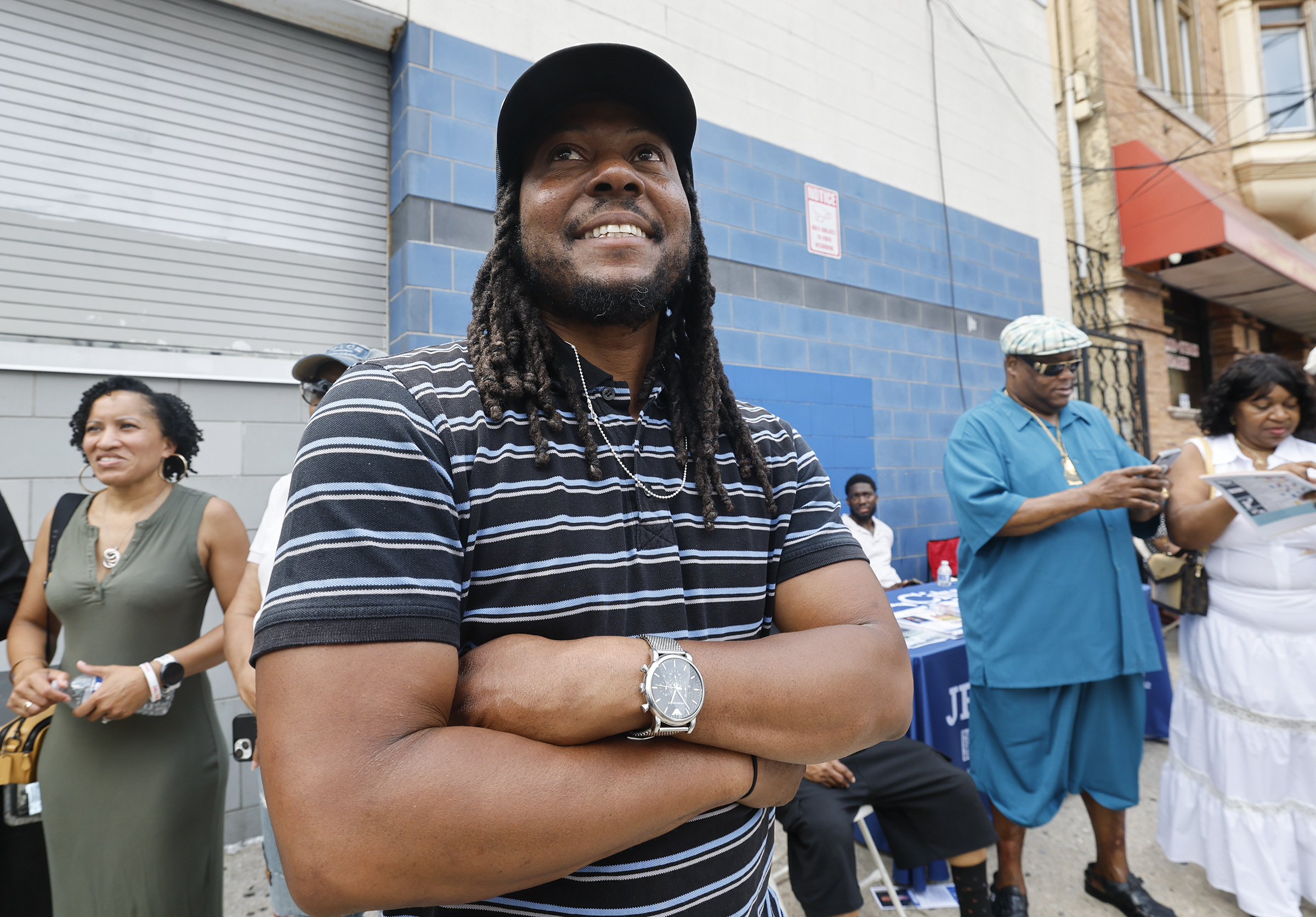
    Fifth District Councilmember Jeffery Young Jr., during the Barber’s Hall community legacy celebration, a daylong celebration of music, history, and community in North Philadelphia on Aug. 1.Yong Kim / Staff Photographer

    Young’s campaign did not respond to a request for comment. In an interview last month, he said he intends to run for reelection and sees facing challengers as a normal part of the process.

    “People have a right to do what they want in a democracy,” he said. “But I’m focused on myself and what we can do as a leader of the 5th Council District and get the constituents to understand that every decision that we make is to improve their life.”

    The freshman lawmaker is seen as Council’s most vulnerable member in the upcoming election, in large part because of how he got into office.

    In 2023, several other candidates — including Wilkerson, who was Clarke’s preferred successor — were kicked off the ballot amid a series of legal challenges questioning the validity of their nominating petitions. Young ended up being the only Democrat on the ballot.

    Since January 2024 when he was sworn in, Young’s tenure has been tumultuous. He has championed legislation that at times has sought to slow or halt housing construction in parts of the district, drawing the ire of developers. Constituent groups have loudly opposed Young, specifically over his controversial plans for a popular library branch in North Philly.

    And he has publicly clashed with Mayor Cherelle L. Parker’s administration, including in 2024, when he took the rare step of introducing legislation to authorize Council to subpoena the mayor.
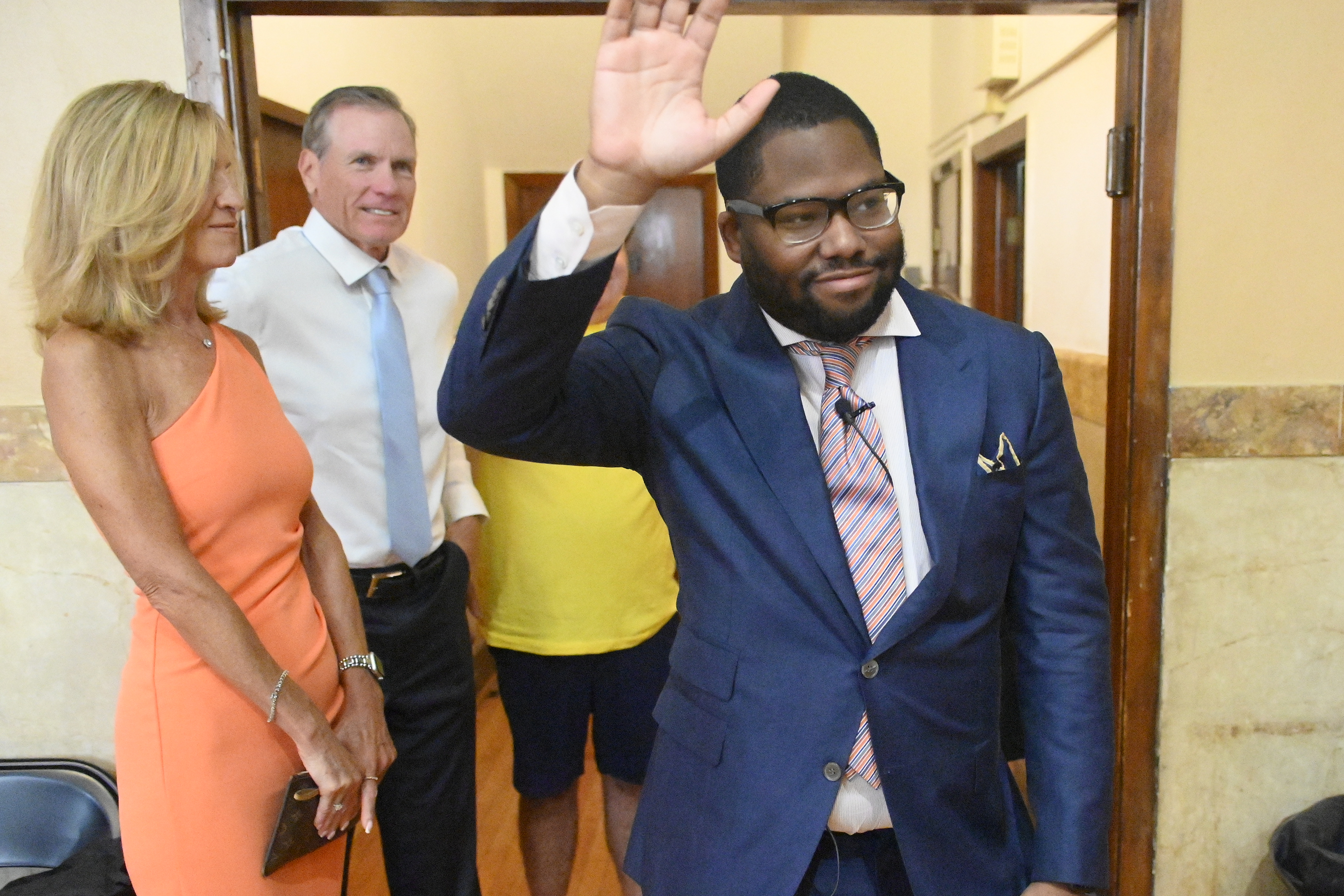
    Jalon Alexander greets supporters and community members as he kicks-off his bid in the 5th Council District seat, at a campaign event in Fairmount on Saturday.Bastiaan Slabbers / For The Inquirer

    Young, 40, an attorney by trade, has something of an independent streak. He has at times aligned with different political factions, and he does not fit neatly onto the Democratic ideological spectrum.

    Neither do some of his opponents. Alexander, 33, said he has progressive views on workers’ rights and keeping homes affordable, and he has built relationships with some leaders of the city’s progressive political organizations.

    But the tenor of Alexander’s campaign is pro-growth. He said he wants to cut the city’s business taxes with the goal of eventually eliminating the business, income, and receipts tax. And he said he’s committed to facilitating more development in the district, including through the city’s Turn the Key program that provides mortgage support to some first-time homeowners.

    Alexander has been particularly critical of Young’s use of councilmanic prerogative, the unwritten rule that gives district Council members an extraordinary level of control over land-use decisions and construction projects in their district.

    Young has used prerogative to attempt to obstruct projects he opposes, such as the redevelopment of the former Hahnemann University Hospital. He introduced legislation to ban residential housing development in the area, a move he said was to preserve the area’s job-generating capacity, but he did not advance the bill amid opposition from interest groups and Parker’s administration.

    Alexander — who was born and raised in Strawberry Mansion and still lives in the neighborhood — said his campaign is targeting Democrats “all over the tent.”

    “There’s room for progressives. There’s room for people who are loyal Democrats but feel let down by the establishment,” he said. “We’ve got one goal: We’re fully committed to removing and replacing Jeffery Young.”
  • A 68-year-old Northeast Philly restaurant staple is closing. Customers are stocking up on snapper soup.

    A 68-year-old Northeast Philly restaurant staple is closing. Customers are stocking up on snapper soup.

    Since it’s noontime on the first Thursday of the month, eight residents of Wesley Enhanced Living at Pennypack Park are chatting at the long table in the middle of the main dining room at Kelly’s Seafood in Northeast Philadelphia.

    Back in the kitchen, twin brothers Brian and Brett Kelly and Brian’s son Tommy are knocking out the lunch orders. Crab cakes sizzle in sauté pans. Snapper soup bubbles in the kettles.

    For the Wesley residents, this is the end of a longtime ritual.

    Kelly’s Seafood, whose history stretches back 68 years, will close Aug. 31.

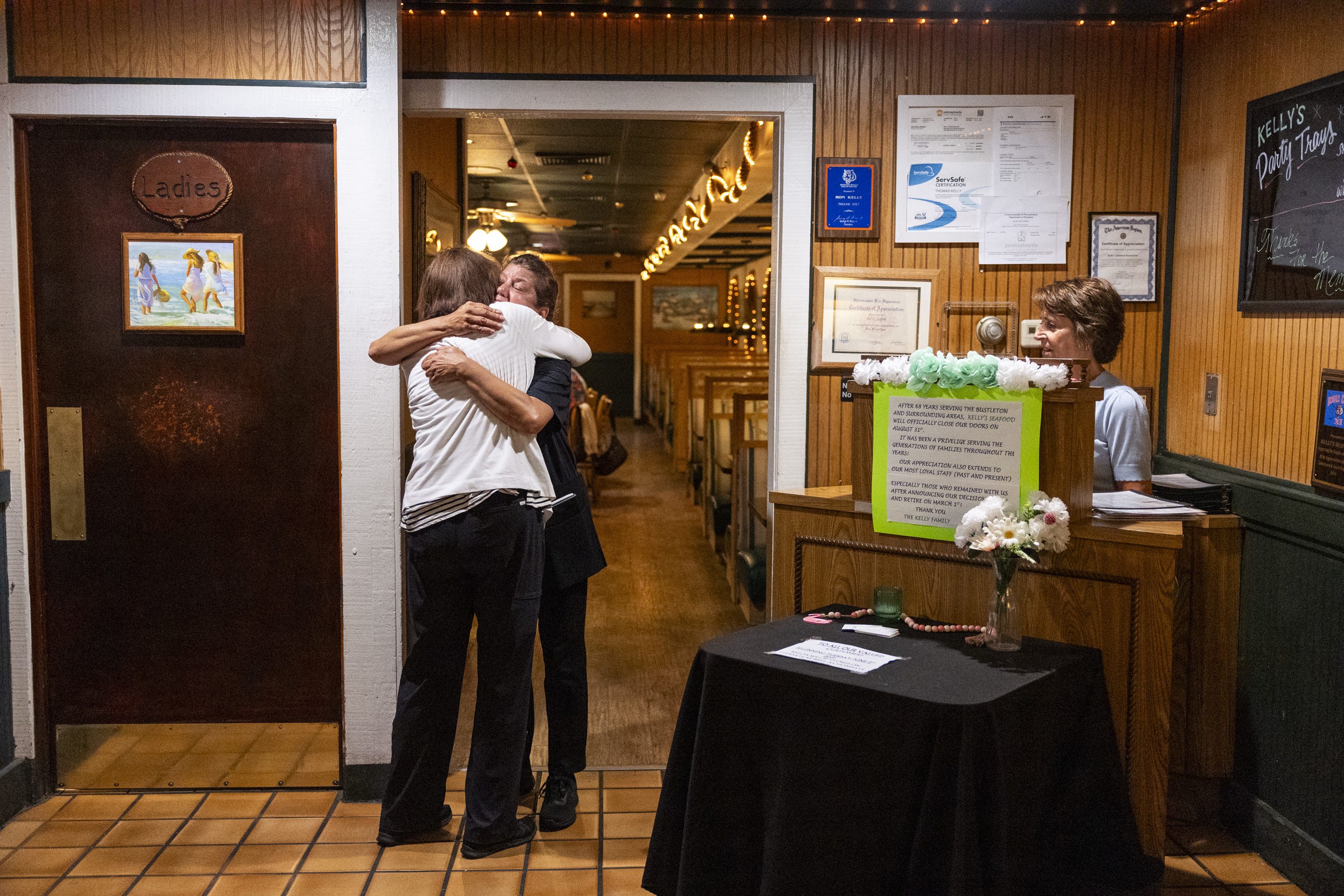
    “When they leave today, we’ll all be crying,” said server Chris Brown, who has worked at Kelly’s since 1988. The Kelly brothers’ sister, Denise Barreras, nodded.

    A few minutes later, their checks paid, the residents rose from the table.

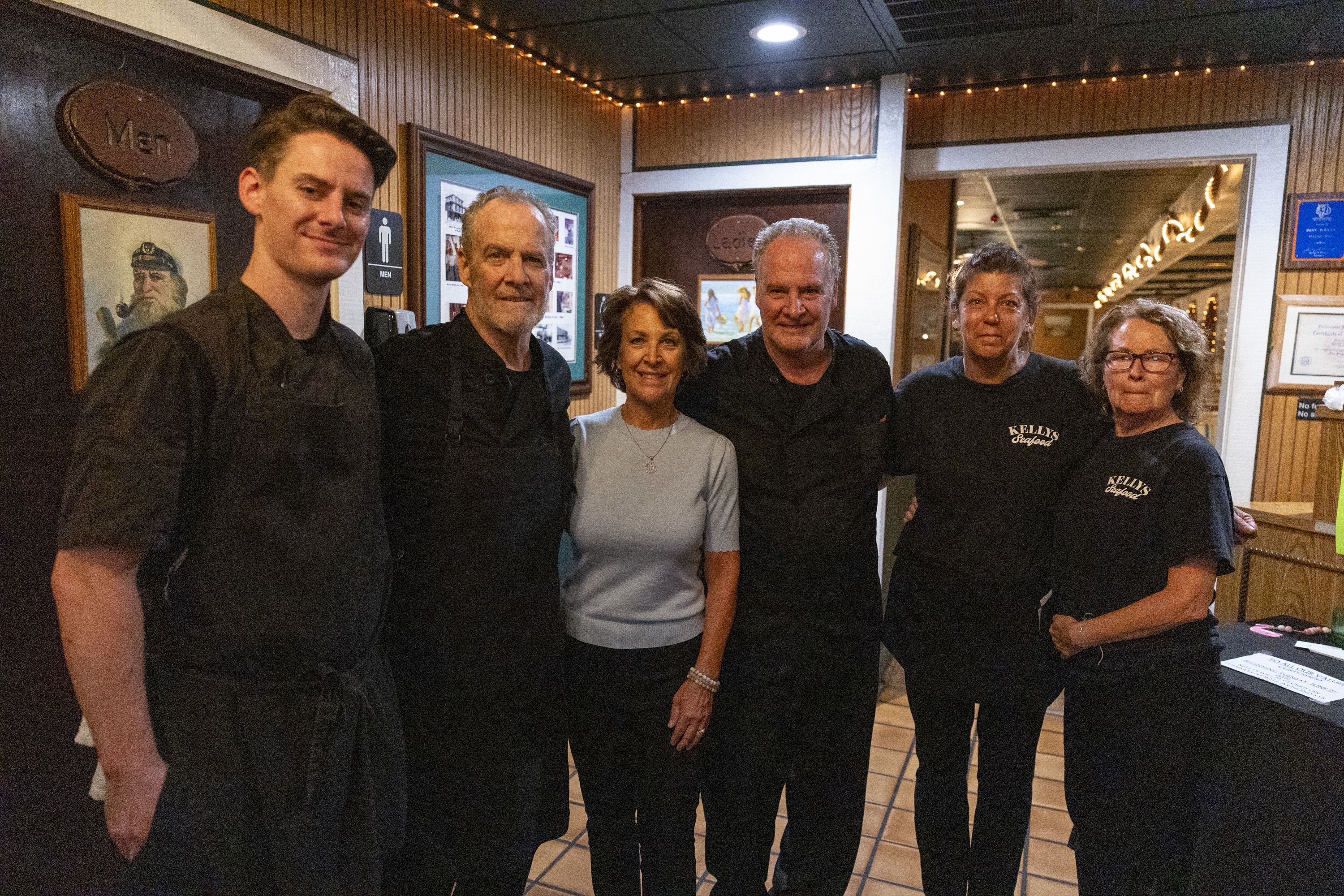
    The crew at Kelly’s (from left) Tom Kelly, siblings Brian Kelly, Denise Barreras, and Brett Kelly, server Chris Brown, and bartender Cathy Sims.Tyger Williams / Staff Photographer

    And just as Brown had called it: tears and hugs.

    Where will September’s first-Thursday lunch be? They’re not sure.

    Kelly’s, one of the last of the Northeast fish houses, has been the setting for countless rituals like theirs, a place where people who came as children later brought their own children.

    “People my age are saying they’ve been coming here since they were 10 years old,” said Brian Kelly, 62, who has been reading customers’ recollections since the closing was announced. “They’re talking about christenings, baptisms, graduations. It really makes you realize how many people have come through these doors over the years.”
    The Kellys had hoped to make it to 70 years. Instead, the family has reached the point where keeping the restaurant going would require more than they are willing — or able — to give it.

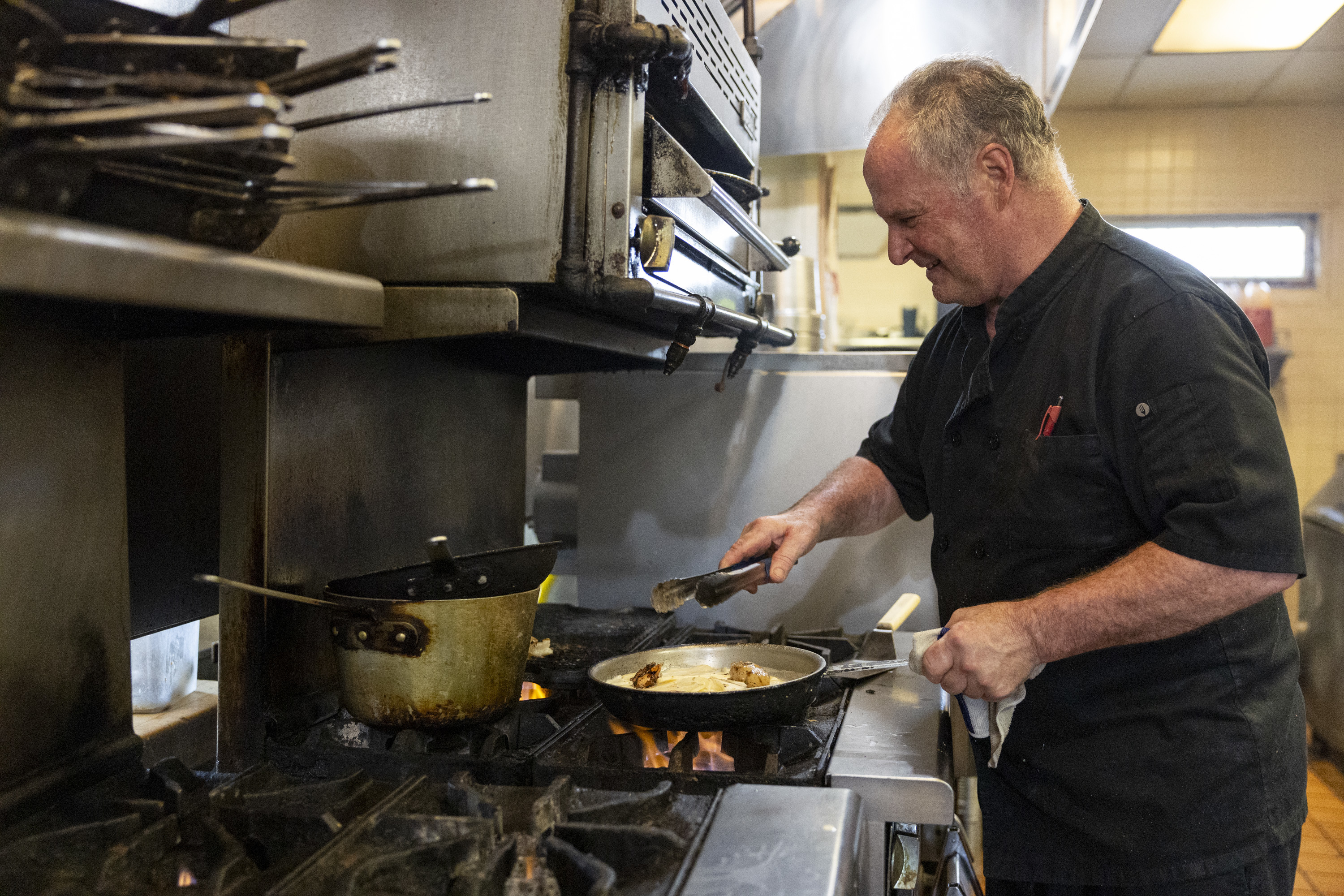
    Brett Kelly working the stove at Kelly’s.Tyger Williams / Staff Photographer

    Brian and Brett’s father, Ron, died in July 2023 at age 87. Of his nine grandchildren, only Brian’s son Tommy now works at the restaurant. An illness has sharply limited how much Brian can work, leaving Brett to pull double shifts since October.

    The family announced on March 1 that Kelly’s was on the market, hoping to give employees and customers plenty of warning. In late July, with the restaurant still unsold, they decided that they needed to set an end date.

    Kelly’s Seafood history

    The story began in 1958, when Ron Kelly and his father, William T. Kelly, opened Kelly’s Grille, a luncheonette in a shopping center a few blocks from the current restaurant.

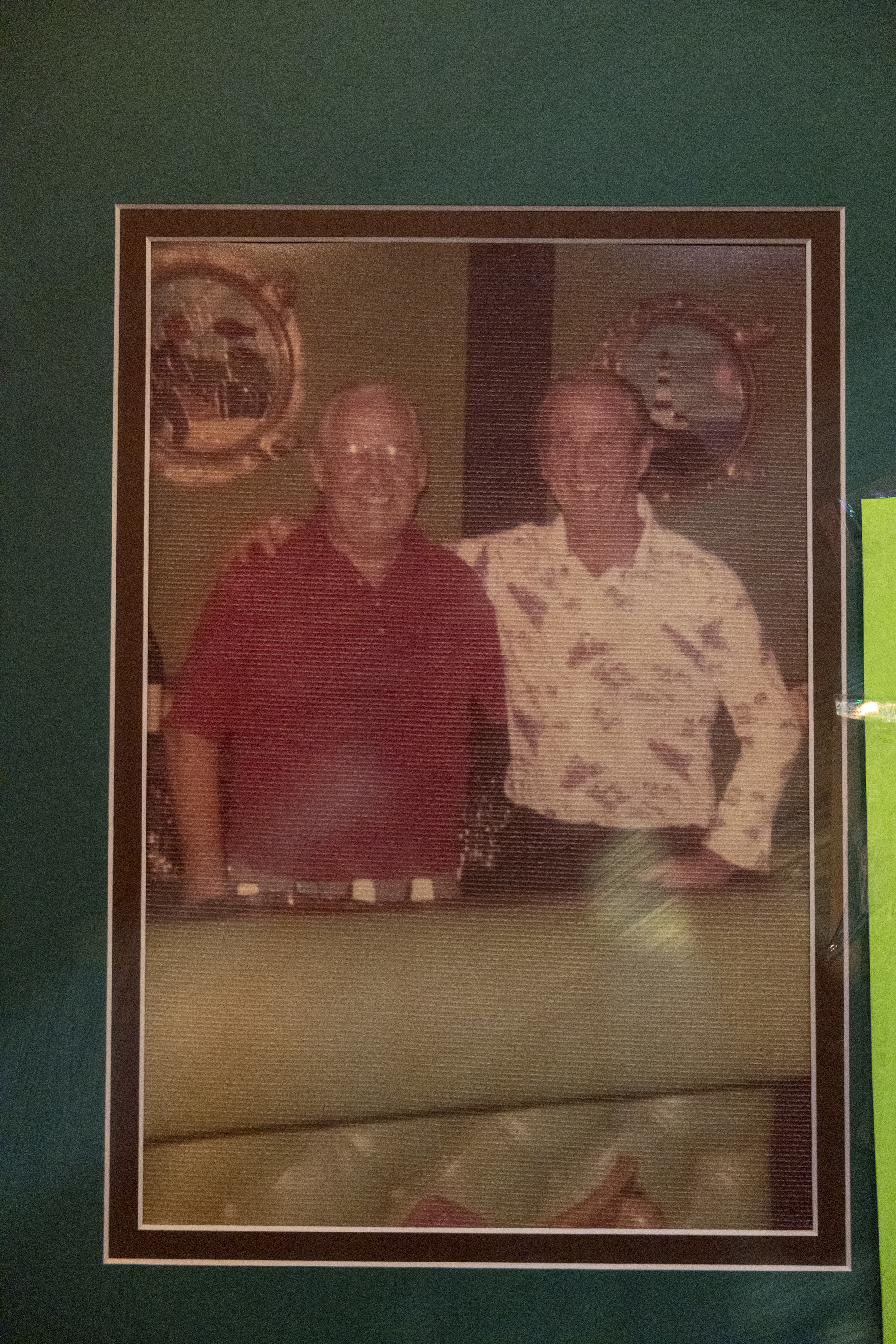
    Founders William (left) and Ron Kelly, in a photo hanging at Kelly’s Seafood.Tyger Williams / Staff Photographer

    William had worked on a milk wagon. Ron, newly out of military service, wanted to get into the restaurant business, and his father went along with him.

    In 1964, they moved Kelly’s to 9362 Old Bustleton Ave., just off Bustleton Avenue and Welsh Road, and Kelly’s Seafood took shape. (It is unrelated to the long-ago Kelly’s on Mole Street in Center City.)

    The family and restaurant became difficult to separate.

    William lived in the apartment above Kelly’s and cleaned the bathrooms every morning. Ron and Jean Kelly’s four children — Denise, Tim, Brian, and Brett — all grew up working there.

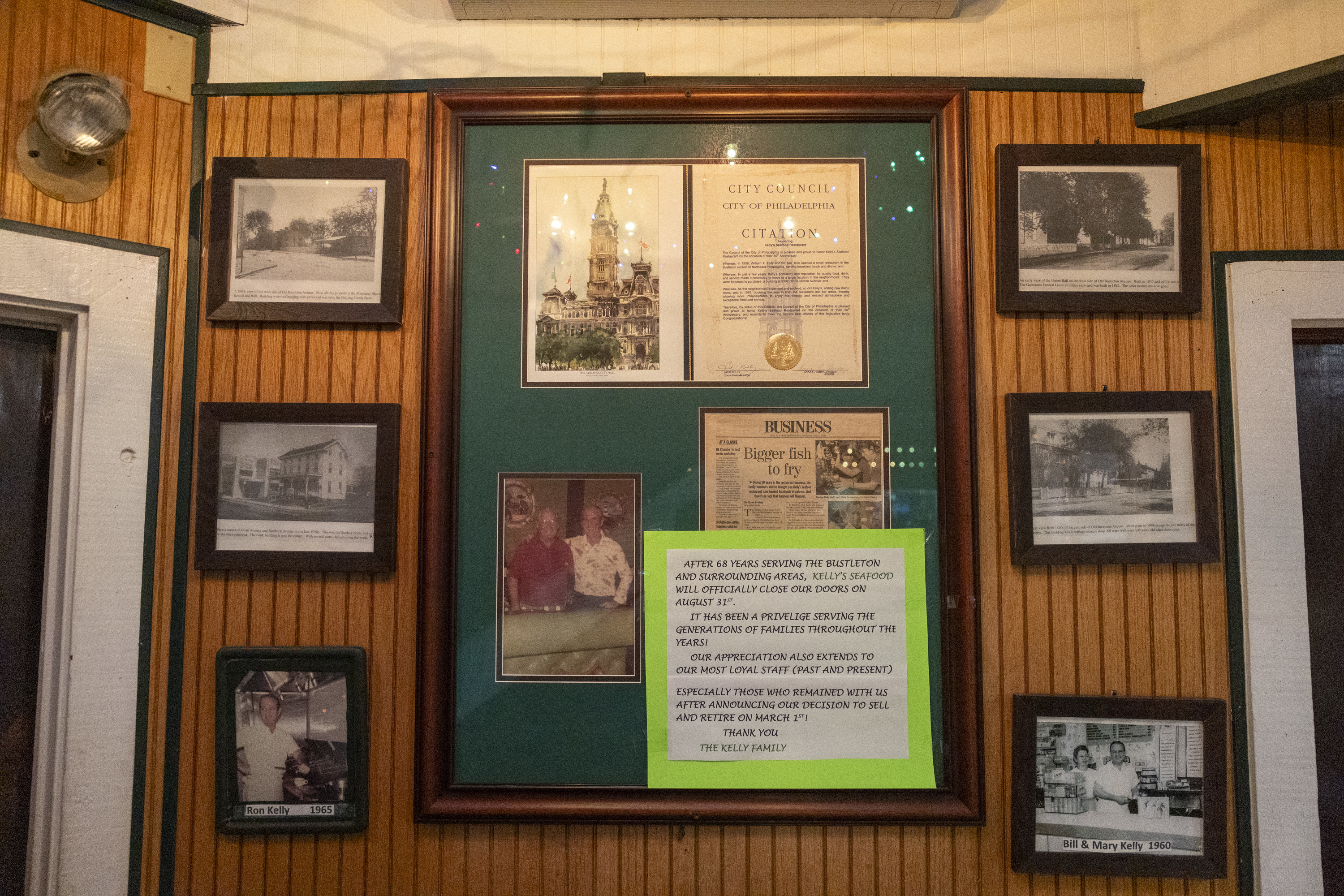
    Kelly’s Seafood lines its walls with memorabilia.Tyger Williams / Staff Photographer

    Brian and Brett walked over after school and spent Wednesdays and Thursdays in the basement, which they called “the dungeon,” breading shrimp and other seafood.
    “We were about 12 years old,” Brian said. “Today they’d probably shut us down for child labor. Back then it was just part of growing up in the family business.”

    Their brother Tim, now 63 and living in Florida, also started young, walking over after school to help. Eventually, all nine of Ron and Jean’s grandchildren worked at Kelly’s in some capacity.

    The restaurant itself looks as if it has been accruing memories for nearly seven decades.

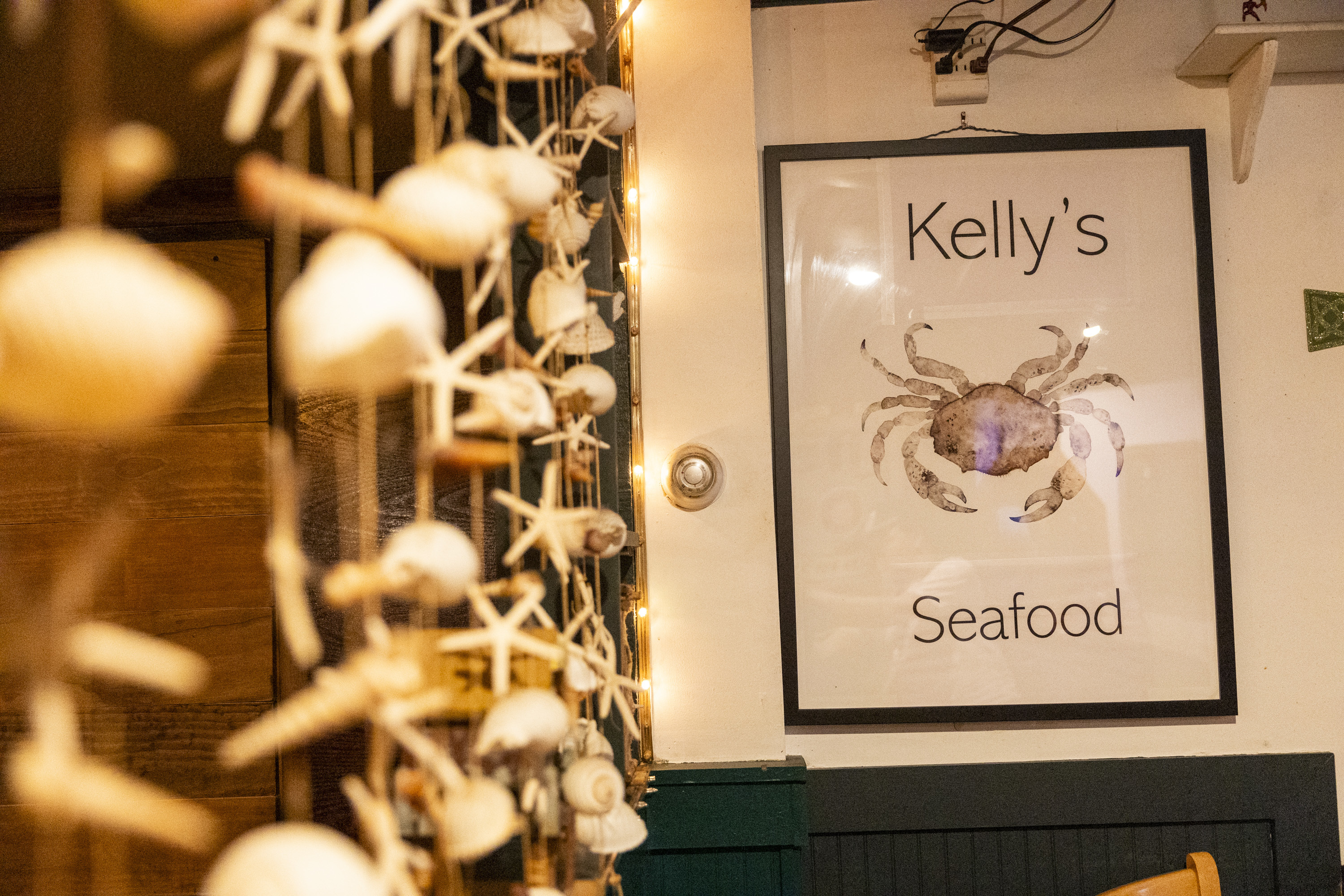
    Seashells hang from netting at Kelly’s.Tyger Williams / Staff Photographer

    The decorating scheme includes a decades-long accumulation of Shore-life artifacts — wood paneling, striped booths, fish prints, shells, ship models, string lights, and enough nautical memorabilia to outfit a small maritime museum.

    The accumulation includes people.

    Bartender Cathy Sims first came to Kelly’s as a customer, bringing her daughters here after their ring Mass at St. Hubert’s High. After she graduated from bartending school, Barreras hired her in 1997.

    She never left.

    “I love them,” Sims said. “They’re my best friends. And then I’ve got all my people who have been coming in for 20 years.”

    Brown started waiting tables in June 1988 after a former Dunkin’ Donuts coworker told her that Kelly’s was hiring. “I came over, and the rest is history,” she said.

    When the Kellys gathered the 25 employees in March to say the restaurant was for sale, they told them they would understand if anyone wanted to find another job.

    Nobody left.

    “They all said they’d stay through the end,” Brian said.

    Preparing for the finale

    The family wanted customers to have the same notice.

    “A lot of restaurants close and all of a sudden there’s a note on the door, and sometimes even the staff doesn’t know about it,” Brett said.

    The Kellys also wanted customers to have time to use their gift certificates. Brian said they have honored certificates dating to the mid-1990s and will reimburse anyone left with one after the closing.

    But the March announcement caused confusion. Some customers thought Kelly’s had already closed.

    Once the family set Aug. 31 as the final day, business surged again. One recent Wednesday was the busiest Wednesday Kelly’s had seen in three months.

    “A lot of people are saying, ‘We’ve got to get the family out there one last time,’” Brett said.

    And some are stocking up, especially on snapper soup.

    Customers have been calling Brett to ask whether they can buy it by the quart and freeze it. He tried freezing a bucket during the pandemic and found that, aside from some crystallization, it held up well enough.

    Now he is dispensing freezer advice along with soup.

    One day last week, he thought he had made enough to get through the following day. That night, customers bought 10 quarts and nine pints. The Wesley group took six quarts. “They were lucky because I just made it,” he said.

    Moving on

    What Kelly’s cannot stockpile is another generation willing to take over the way the previous ones did.

    Brett’s children worked here as teenagers, bussing tables, washing dishes, and doing whatever else was needed, but neither wanted the restaurant business.

    “All the nieces and nephews worked here one way or another,” Brett said. “They all did their part here. But nobody wants to basically do what Brian and I did — be hands-on with it. So we knew it would probably end with us.”

    Tommy works in the kitchen with his father and uncle, but he can’t run it alone. “Managing the business is a different world,” Brett said. “And we don’t have enough family coming in behind him to back him up.”

    Brett has watched what the restaurant demanded of his own generation. “I think the best move for him is to go try something else and maybe enjoy life more than we did,” he said. “Now we’re going to enjoy life more.”

    Brian’s illness hastened the decision. “I’m used to working all those hours, and I just can’t anymore,” Brian said. “I come in and help my brother when I can, but it’s not the same.”

    The restaurant, meanwhile, keeps demanding attention, even now.

    A month ago, an oven the Kellys had used for about 30 years died. It was too old to repair.

    “I’m thinking, ‘Geez, I’ve got to get a new oven for, like, three months?’” Brett said.

    They bought the oven.

    The approximately 7,300-square-foot building — including its liquor license, equipment, furnishings, and attached apartment — is listed for $2 million. The Kellys say there are prospective buyers, though no deal has been completed, and they don’t know whether the next owner will operate it as a restaurant.

    Nor do Brian and Brett know exactly what they will do after taking a well-earned break. They have kicked around the idea of someday opening something much smaller, perhaps selling Kelly’s staples such as snapper soup and crab cakes, or even operating a food truck.

    Brown expects to find another job eventually. First, she plans to take some time off.

    “I need to wrap my head around it,” she said.

    After 38 years, she isn’t angry with the Kellys for their decision.

    “I’m glad for them,” Brown said. “They deserve it. They deserve it.”

  • Jhoan Duran’s walkout, the Phillies pitch clock, and the scoreboard are sponsored. Why local companies invest in the ads.

    Jhoan Duran’s walkout, the Phillies pitch clock, and the scoreboard are sponsored. Why local companies invest in the ads.

    After Jhoan Duran was traded to the Phillies last summer, Robert Miller learned some fans were complaining that the closer’s “Durantula” walk-out wasn’t going to be shown on every broadcast.

    For Miller, managing partner at Wapner Newman law firm, it sparked an idea.

    He connected with NBC Sports Philadelphia and made his pitch: Wapner Newman could pay to sponsor the closer’s walk-out and get the firm’s branding on a viral moment. And fans at home would be able to experience Duran’s intro — complete with images of spiders crawling through fire on the outfield walls — during every home game.

    The lawyers figured “it’d be a fun thing for everybody that’s watching the game,” Miller recalled during a recent interview in his Center City office. And “we can help make this happen.”

    A deal was inked, with terms Miller declined to disclose, and for nearly a year, Wapner Newman has enjoyed greater name recognition.

    Potential clients sometimes mention the ads when they call the firm, Miller said, and occasionally, strangers on the street recognize him from the company’s midgame commercials. Miller said he is most heartened by the fact that more Philly fans now know about the personal-injury firm if they ever need legal help.

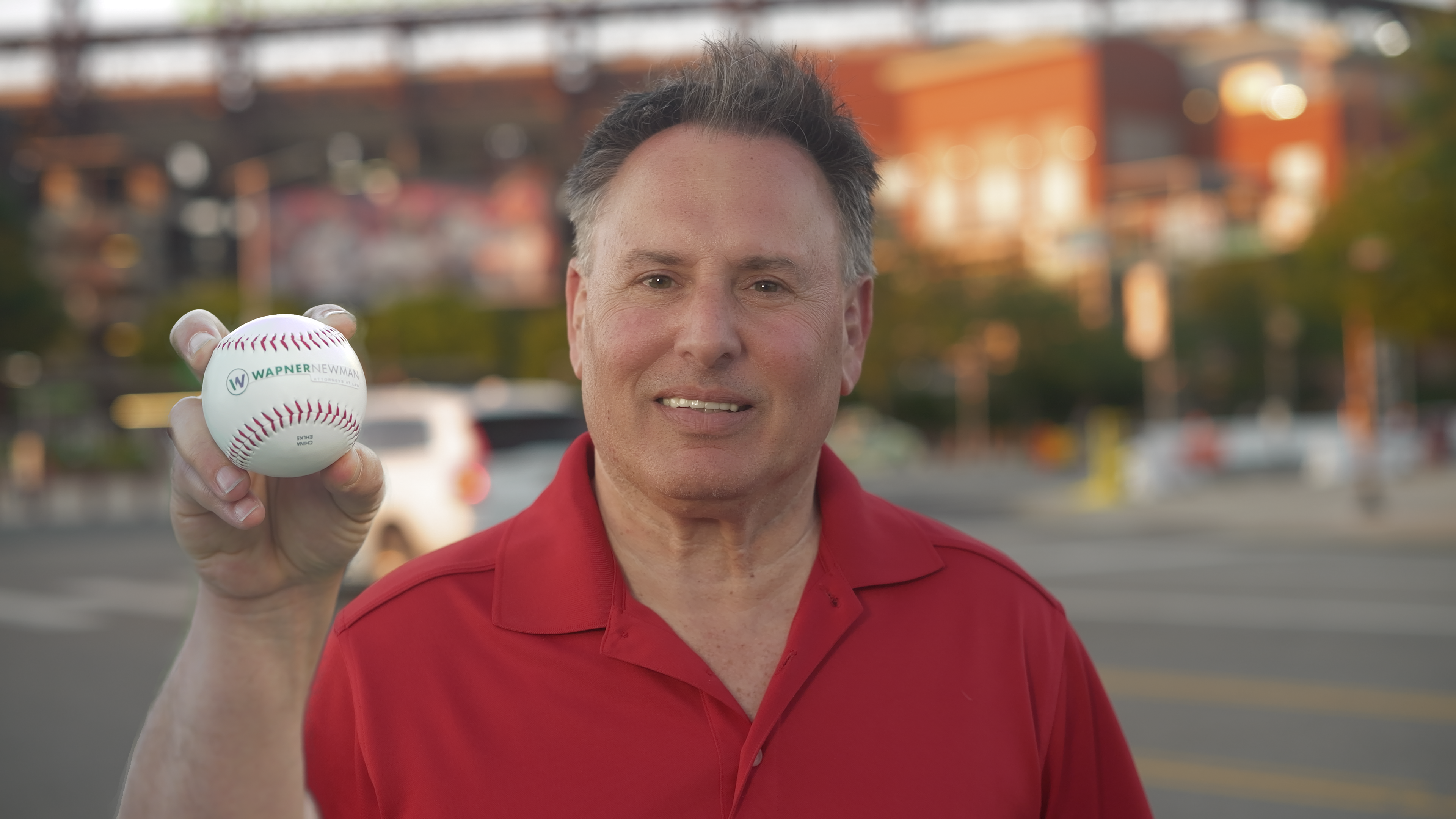
    Robert Miller, managing partner at Wapner Newman, appears in the law firm’s ads that run on NBC Sports Philadelphia during Phillies games.Courtesy Wapner Newman

    Brands “want moments of exclusivity, and that was the highest-profile opportunity,” said Bo Koelle, vice president of sales for NBCUniversal Local, which includes NBC Sports Philadelphia. “Everybody’s looking at when [Duran] is coming out” — and seeing Wapner Newman’s name on the screen next to him.

    The Phillies own 25% of NBC Sports Philadelphia, with NBC’s parent company, Comcast, owning the rest. But the Phillies and the regional sports network do not share all advertising partners.

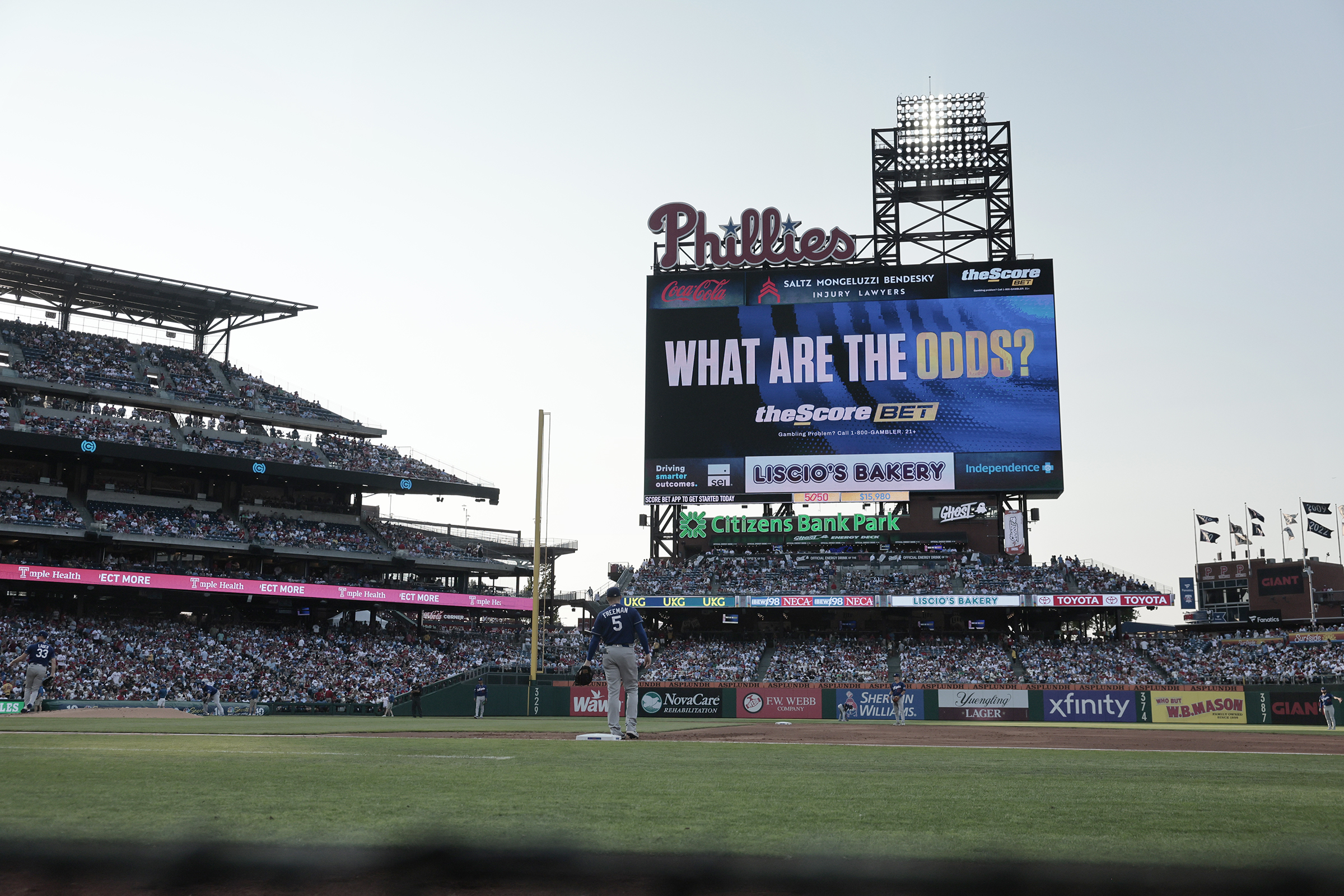
    For dozens of local companies, advertising with the Phillies at Citizens Bank Park or with NBC Sports Philadelphia provides almost-unparalleled visibility in a rabid sports town like Philadelphia.

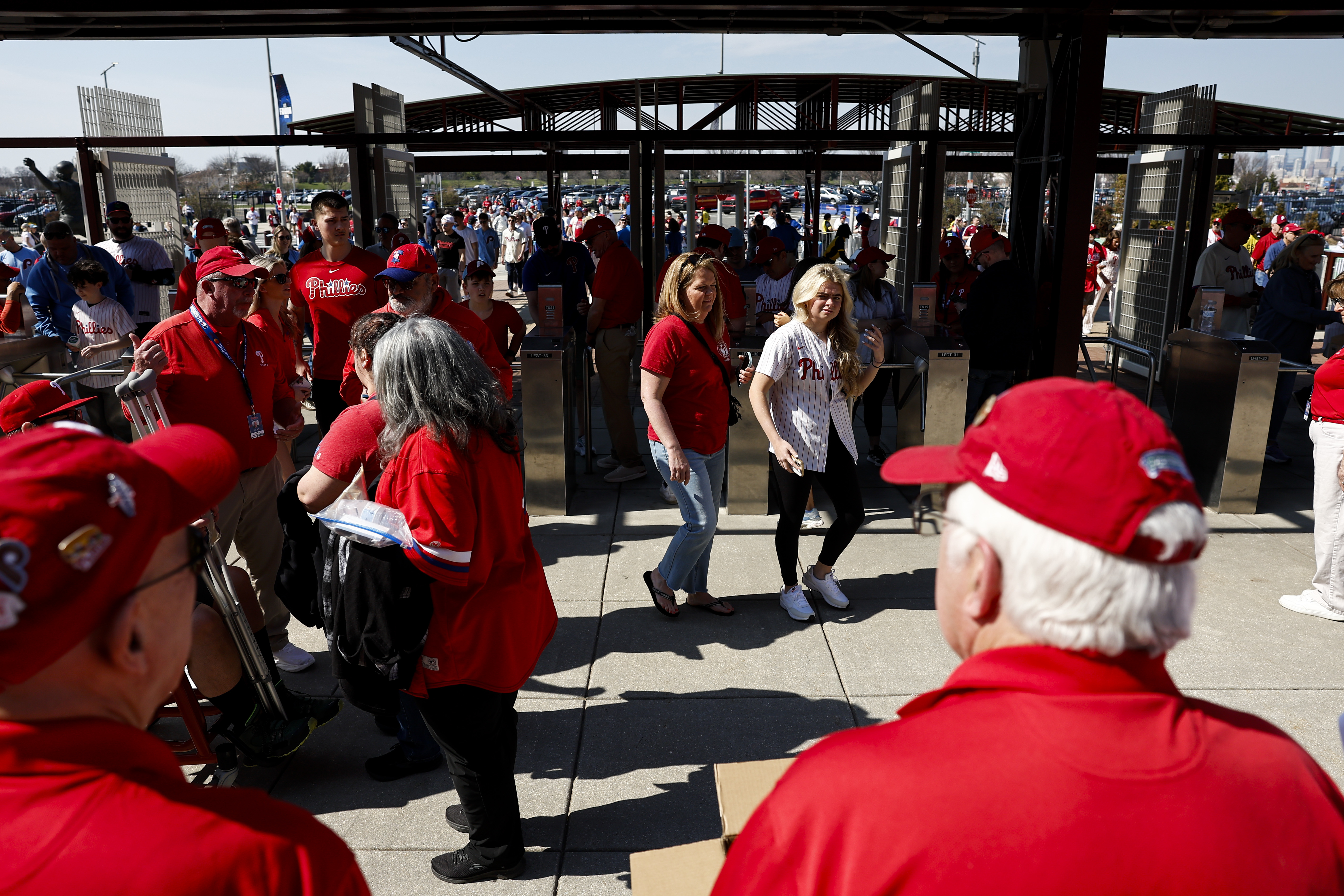
    Phillies fans arrive at Citizens Bank Park for opening day in March.Monica Herndon / Staff Photographer

    So how much does this visibility cost? Anywhere from $100,000 to several million dollars, according to executives from the Phillies and NBC Sports Philadelphia.

    That range includes advertising in the ballpark, on social media, or on TV, where hundreds of thousands of fans tune into each game. All Phillies sponsors with whom The Inquirer spoke declined to discuss how much they paid for their advertisements, citing the terms of their contracts.

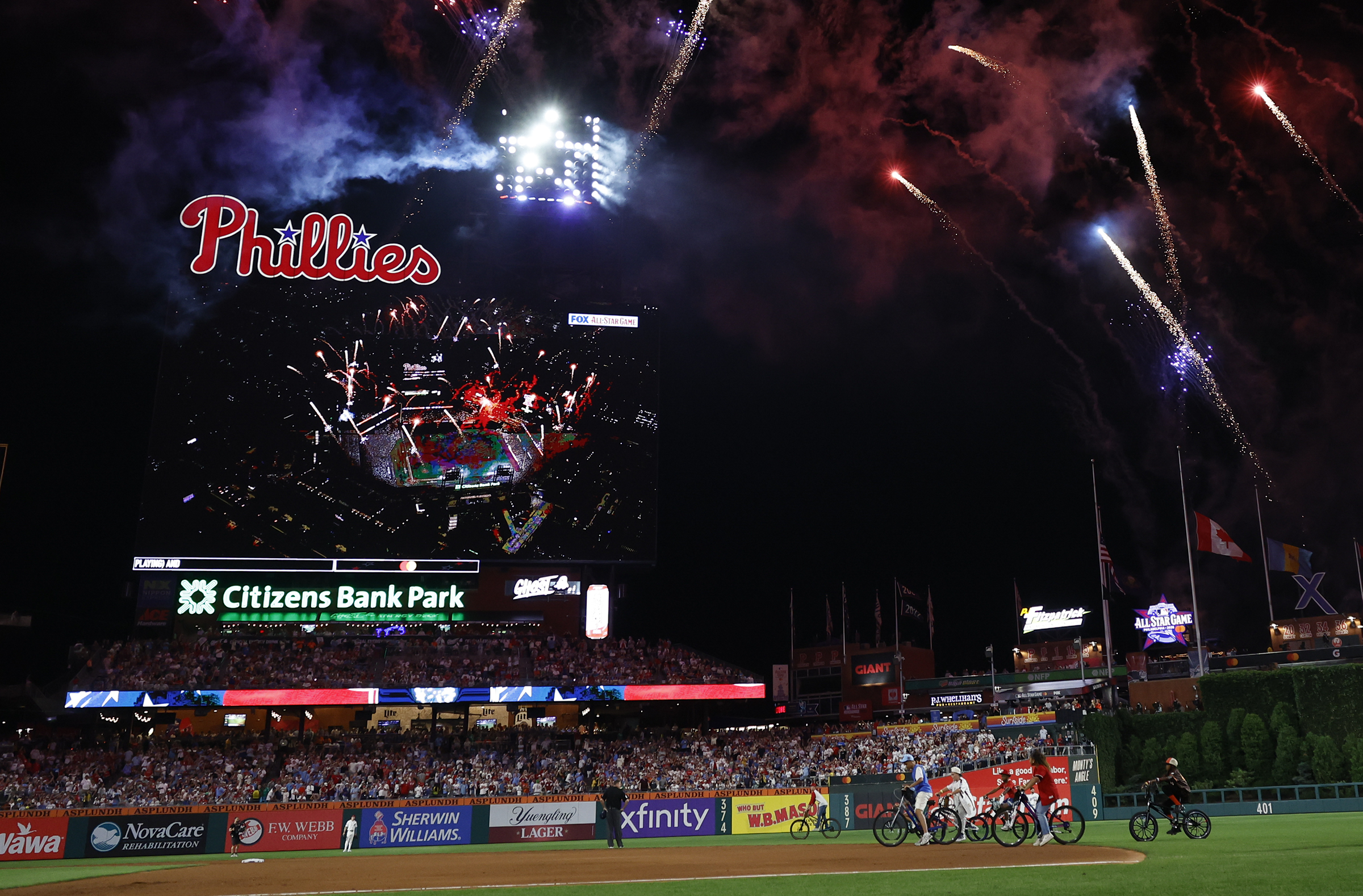
    This year, in-stadium ad visibility was even higher because Philly hosted the All-Star Game, which drew more than 8.7 million viewers nationwide.

    The MLB All-Star Game at Citizens Bank Park drew 8.7 million viewers.

    But even in a normal year, the Phillies play many more home games than the city’s other pro sports teams.

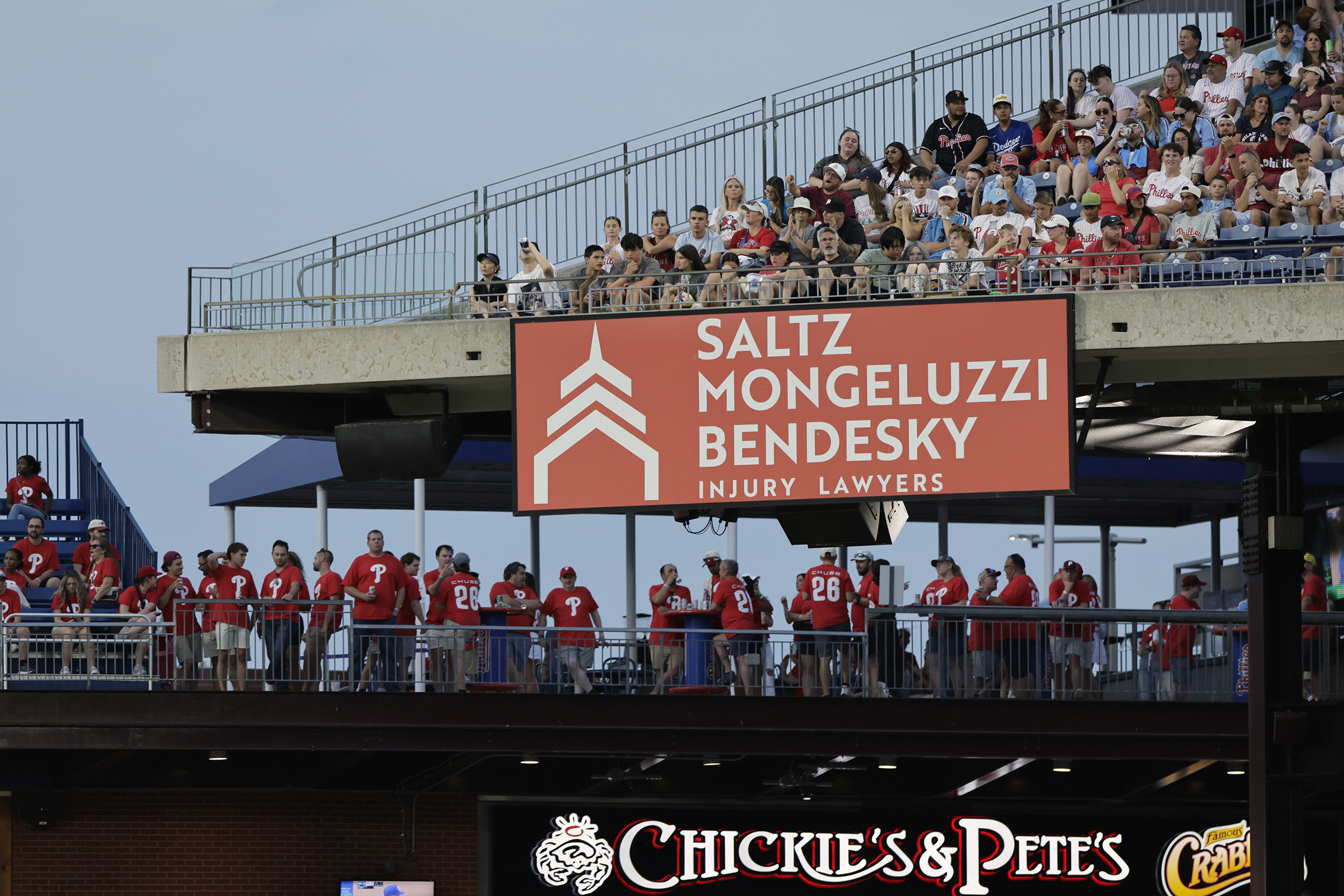
    “We’ve concentrated on the Phillies because they have 81 home games and for our in-park advertising we thought we’d rather be seen more frequently,” said Bob Mongeluzzi, founding partner at Saltz Mongeluzzi Bendesky, which has several stadium ads including at the top of the scoreboard.

    “I don’t think someone particularly chose us over any other lawyer just because we had an ad on the scoreboard,” Mongeluzzi said, “but it clearly reinforces our brand and keeps our name out there.”

    Another Saltz Mongeluzzi Bendesky ad is pictured in right field at a July game.Elizabeth Robertson / Staff Photographer

    Unique Phillies sponsorships drive revenue

    Each season, the Phillies have between 75 and 100 sponsors who advertise everywhere — the ballpark’s giant scoreboard, the outfield walls, the premium seating sections — according to Brian Fling, the Phillies’ vice president of corporate partnerships. He said ad sponsors serve as a major revenue driver, supporting player payroll and ballpark upgrades.

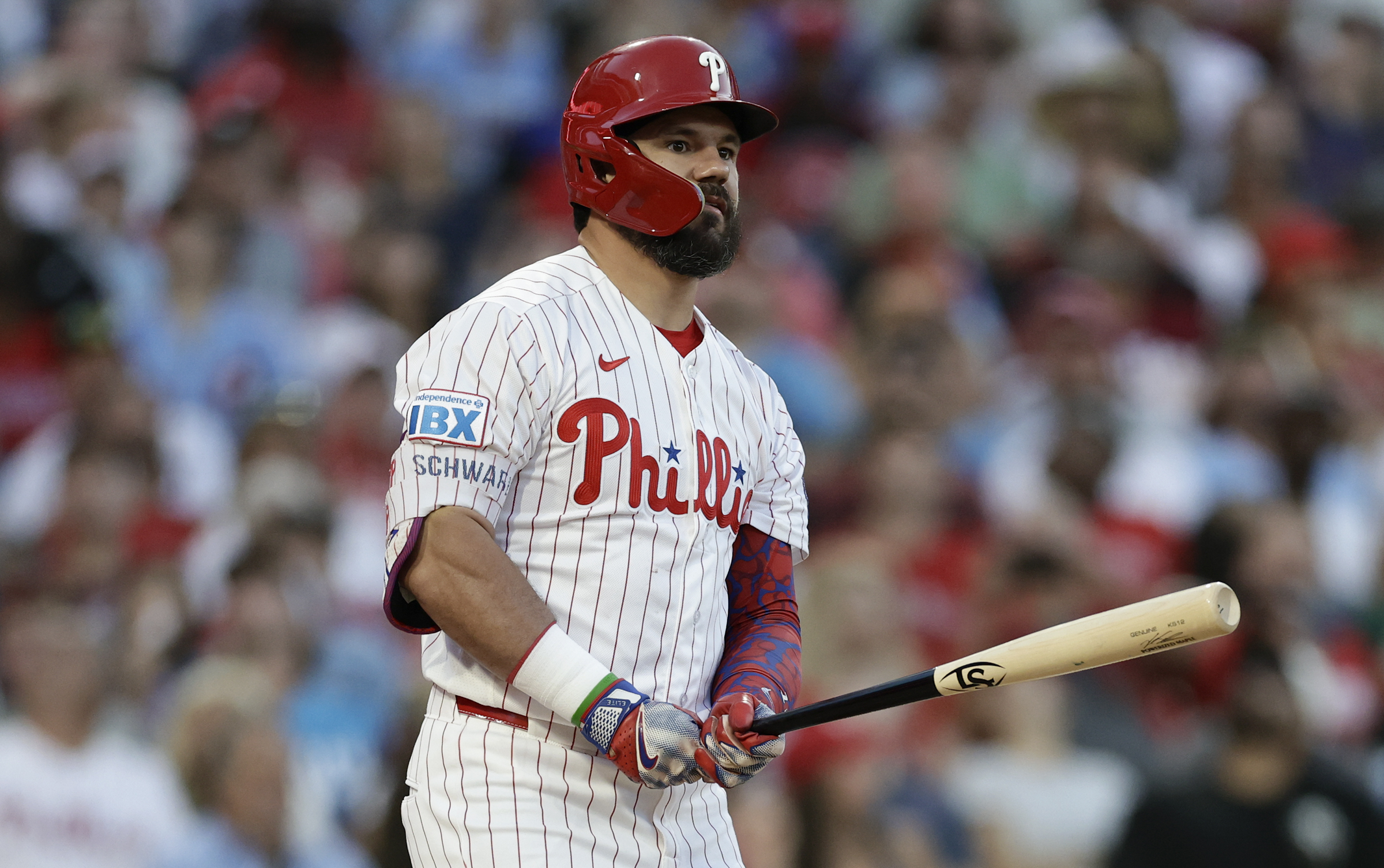
    “From Citizens [Bank] with their name on the building to Independence Blue Cross with their logo on the Phillies uniform, we work with a wide variety of companies looking to stand out in the Greater Philadelphia area,” Fling said in a statement.

    The blue Independence Blue Cross (IBX) sponsorship patch is seen on the arm of Kyle Schwarber during a June game.Yong Kim / Staff Photographer

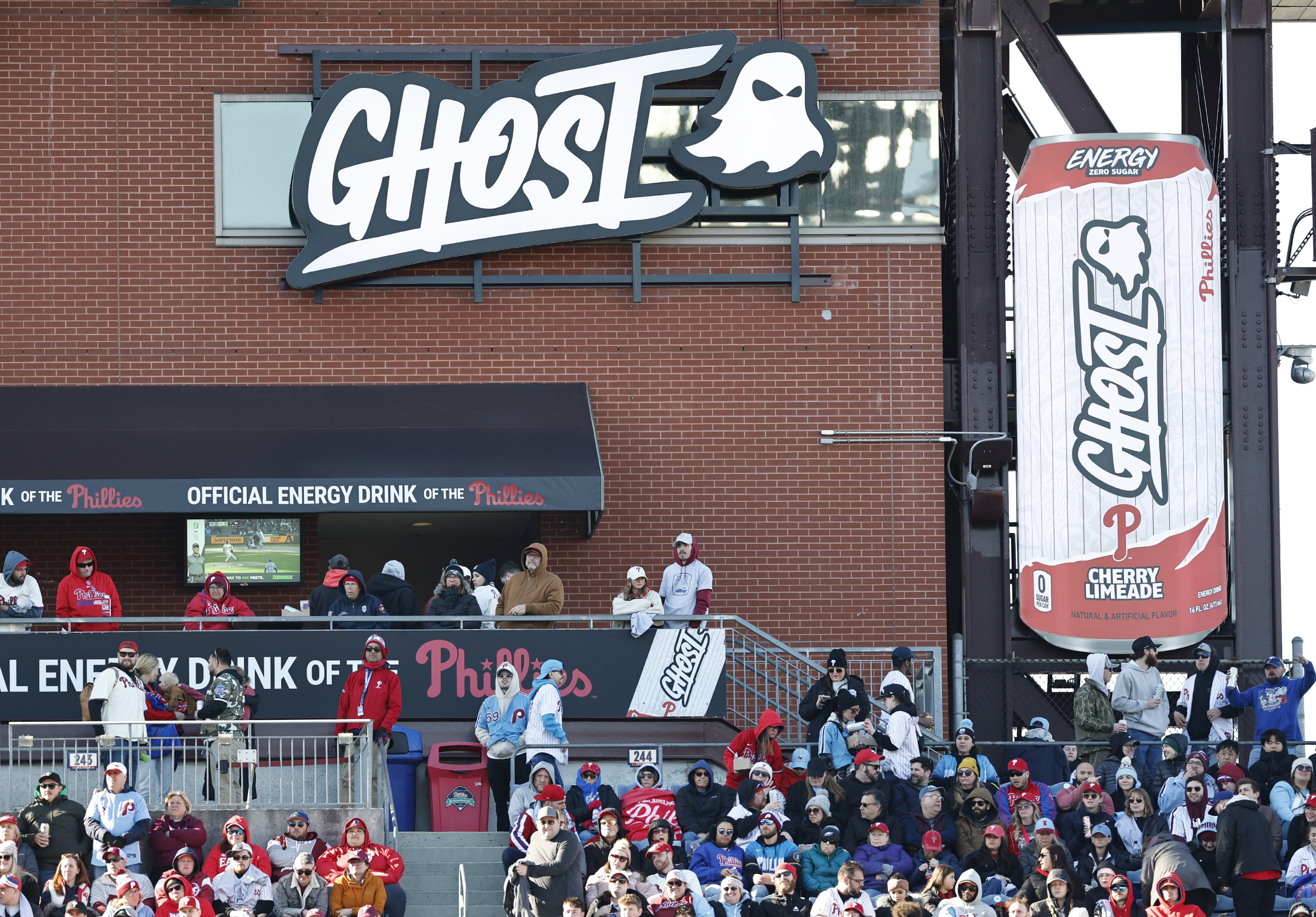
    One recent ad deal stood out due to controversy. In March, Eileen Kalas, widow of legendary Phillies broadcaster Harry Kalas, said the organization “betrayed” her husband by selling the naming rights of Harry The K’s to Ghost Energy. The eatery under the scoreboard had been named for her husband since the ballpark opened in 2004.

    At the time, Ghost Energy founder and West Chester native Ryan Hughes responded to fan criticism, saying, “We’re hoping to bring some new energy to the space while also never forgetting Harry Kalas and the legacy that he left.”

    Ghost Energy did not return a request for comment for this article.

    Fans at the Ghost Energy Deck, formerly Harry The K’s, during a March Phillies gameYong Kim / Staff Photographer

    Whether a Phillies advertiser is a longtime sponsor dating to the Veterans Stadium days or a newer partner, they “align with the team’s goal — championship-level baseball in a first-class ballpark where everyone feels welcome,” Fling said.

    Some advertisements are tailored.

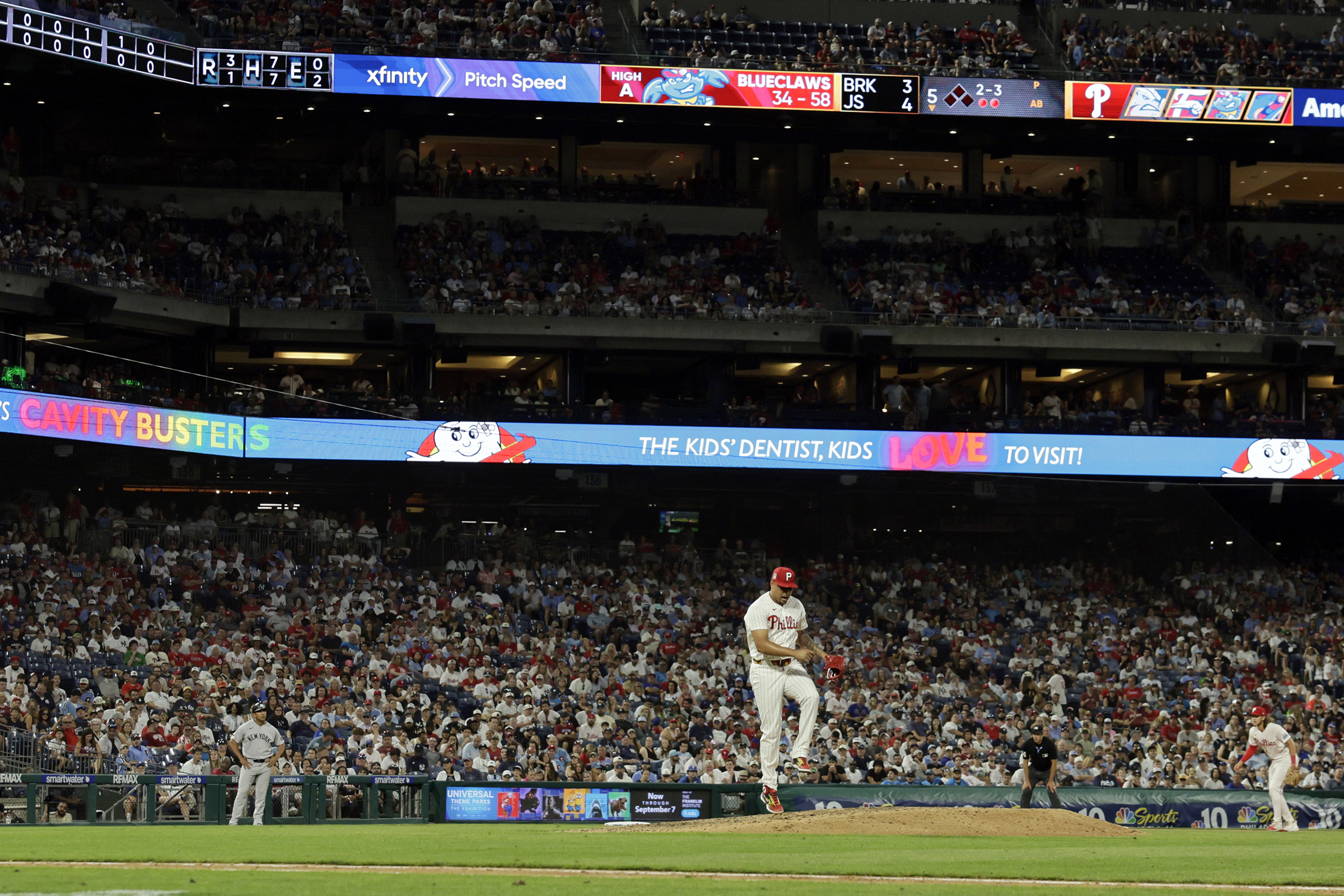
    Doc Bresler’s Cavity Busters, a Philly-area chain of pediatric dental practices, has sponsored the ballpark’s “smile cam” and a nursing mothers’ lounge.

    An ad for Doc Bresler’s Cavity Busters and the Xfinity pitch speed clock light up the ballpark behind Phillies closer Jhoan Duran.Elizabeth Robertson / Staff Photographer

    King Swings, a Chester County swing set and playhouse company, recently built a playground for pint-sized fans inside the first-base gate.

    Comcast, the Center City-based telecom giant and Phillies sponsor since 2010, is behind the digital Xfinity Mobile pitch speed clock in the ballpark.

    “Pitch speed is one of the most closely watched real-time statistics in baseball, making it a strong fit for Xfinity’s focus on delivering fast, reliable connectivity for our customers,” Matt Lederer, Comcast’s vice president of brand partnership, said in a statement.

    Executives with several Phillies advertisers said the goal is not necessarily to gain customers on the spot. Instead, they said, they want to increase brand awareness and get fans to associate their company with a beloved hometown franchise.

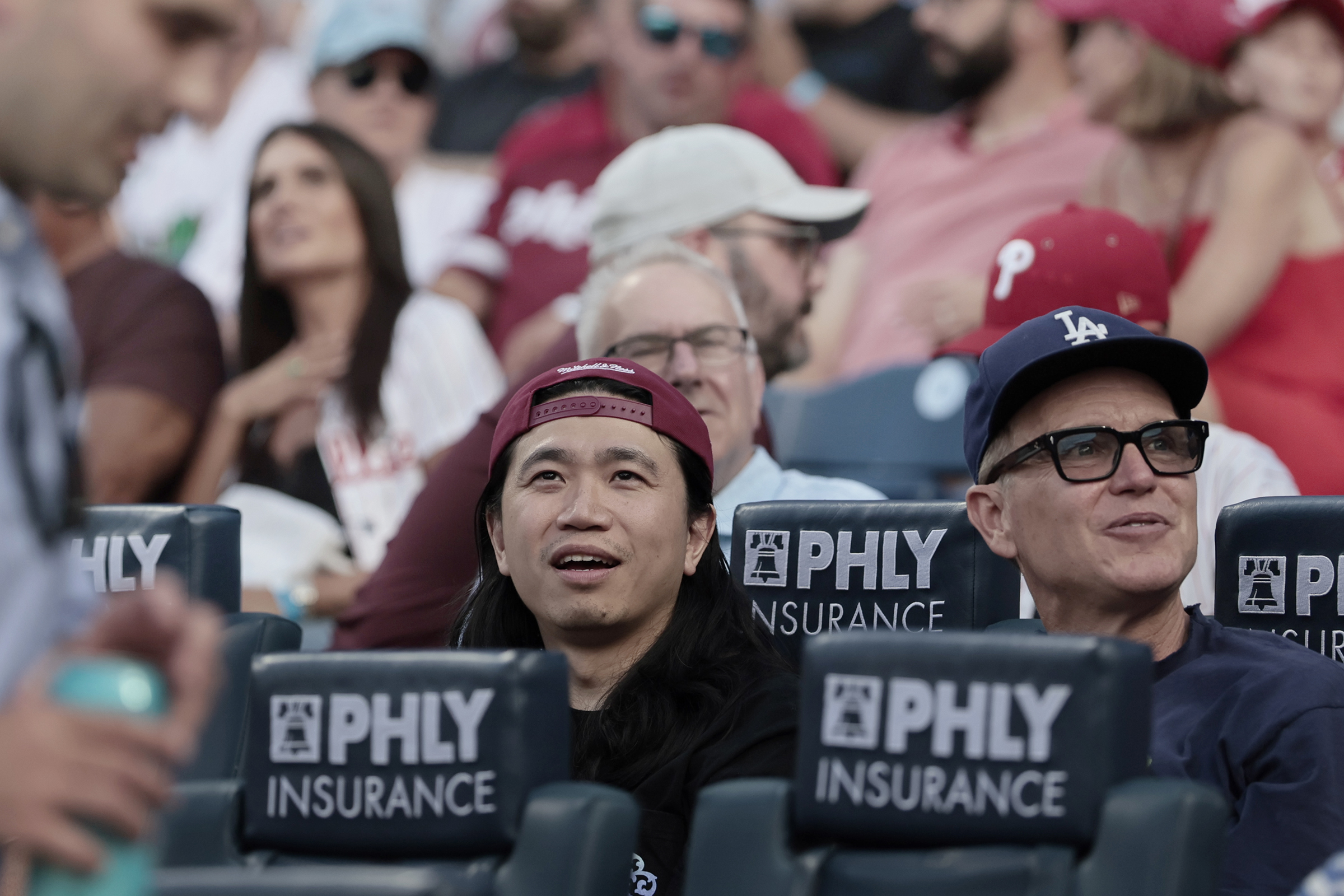
    Some have seen tangible signs that this is happening. Philadelphia Insurance recorded a nearly 50% increase in website traffic since it started sponsoring the premium seating club, formerly known as the diamond club, earlier this season, said Brian O’Reilly, chief marketing officer for Philadelphia Insurance Cos. (PHLY).

    As part of the partnership, the company’s name and Liberty Bell logo are emblazoned on the blue headrests behind home plate.

    “It was amazing how many people texted and called me and said, ‘I saw Philadelphia Insurance during the Home Run Derby or All-Star Game,’” O’Reilly said.

    The headrests in the Philadelphia Insurance Club behind home plate bear the company’s logo and the name of its website. Elizabeth Robertson / Staff Photographer

    Philly sports ads create consumer ‘trust’

    Some Philly companies sponsor multiple local pro teams.

    Independence Blue Cross (IBX), the locally based health insurer, has been advertising with the Phillies for decades and has partnerships with all of the city’s major pro sports teams, many of the college teams, and NBC Sports Philadelphia, said IBX chief marketing officer Koleen Cavanaugh.

    In addition to advertising, this also gets IBX the ability to host events at stadiums, offer ticket and merchandise discounts to IBX members, and collaborate on philanthropic partnerships, such as a back-to-school supply drive with the Jesús Luzardo Family Foundation last week.

    Other Phillies sponsors are considering expanding their sports advertising portfolio, especially with the recent news of superstar LeBron James coming to the Sixers.

    The team “already reached out to us about season tickets and advertising,” said O’Reilly, of Philadelphia Insurance. “We were doing some business with them anyway, but maybe we’ll even do some more.”

    At NBC Sports Philadelphia, conversations about Sixers ad partnerships are now underway, earlier than usual, Koelle said. As soon as James news broke, the value of Sixers TV ads increased exponentially, Koelle said.

    Comcast, NBC Sports Philadelphia’s parent company, has a minority ownership stake in the Sixers, and recently acquired the naming rights of the team’s home stadium, now called Xfinity Mobile Arena.

    A challenge for the sports network now, Koelle said: Remaining loyal to companies who’ve sponsored Sixers broadcasts since the team’s rebuilding years — and not jack up those partners’ advertising rates.

    ”But for those that are new, they’ll certainly have to pay the new value,” Koelle said.

    Usually, it’s not hard to convince local companies of the value of advertising with any Philly team, he said.

    “If [advertisers] want to truly reach people — and reach them in a pipeline that is direct and meaningful — it’s professional sports in Philadelphia,” Koelle said. “If you want people to trust your brand immediately, it’s a great way of doing it.”

  • Meet the South Jersey business making food carts for Jersey Shore vendors and Disney World

    Meet the South Jersey business making food carts for Jersey Shore vendors and Disney World

    In a country-industrial stretch of Hammonton halfway between Philadelphia and Atlantic City sits a concrete-block maze of machine shops, where workers have built thousands of stainless-steel hot-sandwich and coffee carts and catering trucks.

    This is the one-story home of Custom Mobile Food Equipment, which for 74 years has built these customized portable kitchen-storefronts of varying sizes, and kept them on the road with extra helpings of customer support. They roll onto Jersey Shore boardwalks and Center City street corners, at weeklong public festivals and private events across America, and in fancy resorts and on military bases abroad.

    It’s a South Jersey fixture, with Camden roots and deep Philly ties.

    “We started small,” with hot dog carts cut to fit, not block, city sidewalks, said Custom vice president David Kyle. He said his family helped Philadelphia officials write the city’s street vendor ordinances, and made sure the carts fit.

    Custom has outlasted food fashions and changes in the ways workers lunch. Kyle said he’s confident the enterprise will outlast recent inflation, global competition, and import tariffs: “A lot of our business is repeat business, and the big names we go after,” he said during a tour of the plant. “People rely on us to turn out a product that will last.”

    From pony-cart produce to theme-park fixture

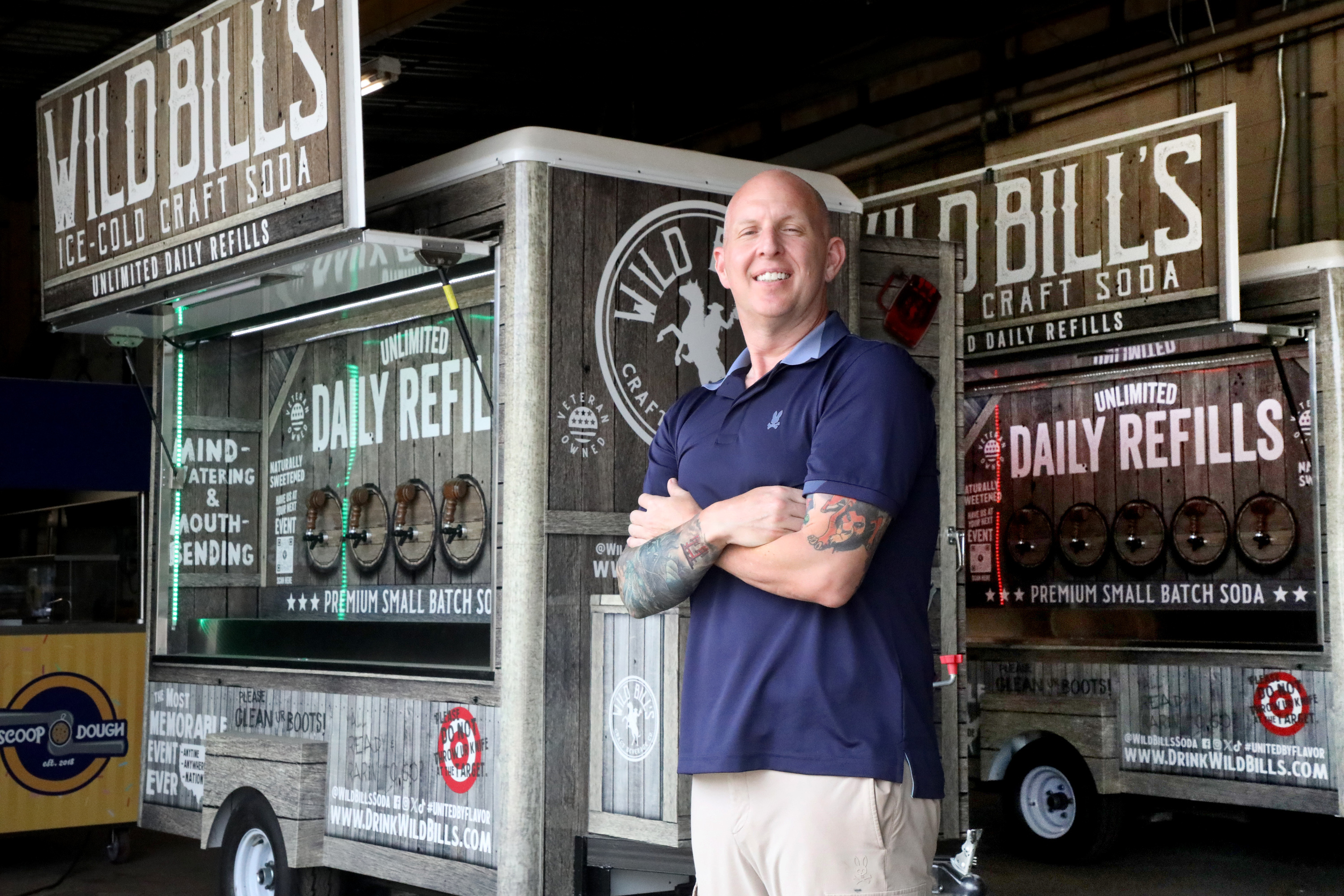
    Lehigh Valley-based Wild Bill’s Craft Beverage Co. serves its old-fashioned sodas from kegs mounted in Custom vehicles of several sizes. They sell drinks at crowded motorcycle rallies in Gettysburg and Sturgis, S.D., the Ohio State Fair, the Great State of Maine Air Show in Brunswick, San Diego Comic-Con, and Schuylkill regattas.

    “These are high-end, unique stands. We have 60 of them. We add a couple a year,” said Wild Bill’s chief executive, Mike Quilty. “One of our franchisees in Utah just drove one of Custom’s self-propelled Ford barrel wagons to Vancouver.”

    To make trips like that, the equipment has to be built well, Quilty said, noting Custom’s “unlimited support” for when technical issues arise, which doesn’t require buying a service contract.

    Custom’s late founder, William Sikora, developed the catering truck in the early 1950s as a kitchen on wheels installed on a Detroit-made chassis. Sikora as a grade-school kid in Camden had sold vegetables from a pony-drawn cart, then opened a grocery. He bought apartment buildings and diners, and became a top officer of First Peoples Bank.

    Walking room to room past heavy presses and cutters on the Hammonton shop floor, Sikora’s grandson Kyle said 40 workers build more than 100 pieces of equipment a year — food trucks, trailers, catering wagons, specialty equipment with kitchen-sized stoves, refrigerators, freezers.

    “We’ve sold to Disney World and SeaWorld, Sesame Place, and U.S. bases in Japan,” Kyle said on a muggy midsummer morning as room fans, metal-forming machinery, and new-cart test motors whirred. “We have 18 projects going right now.”

    Custom built 32 commercial kitchens on caster wheels for Carnival Cruise Line’s Calypso Lagoon in the Bahamas, which opened last year, with rounded bull-nose counters instead of sharp industrial edges to accommodate peak work flow.

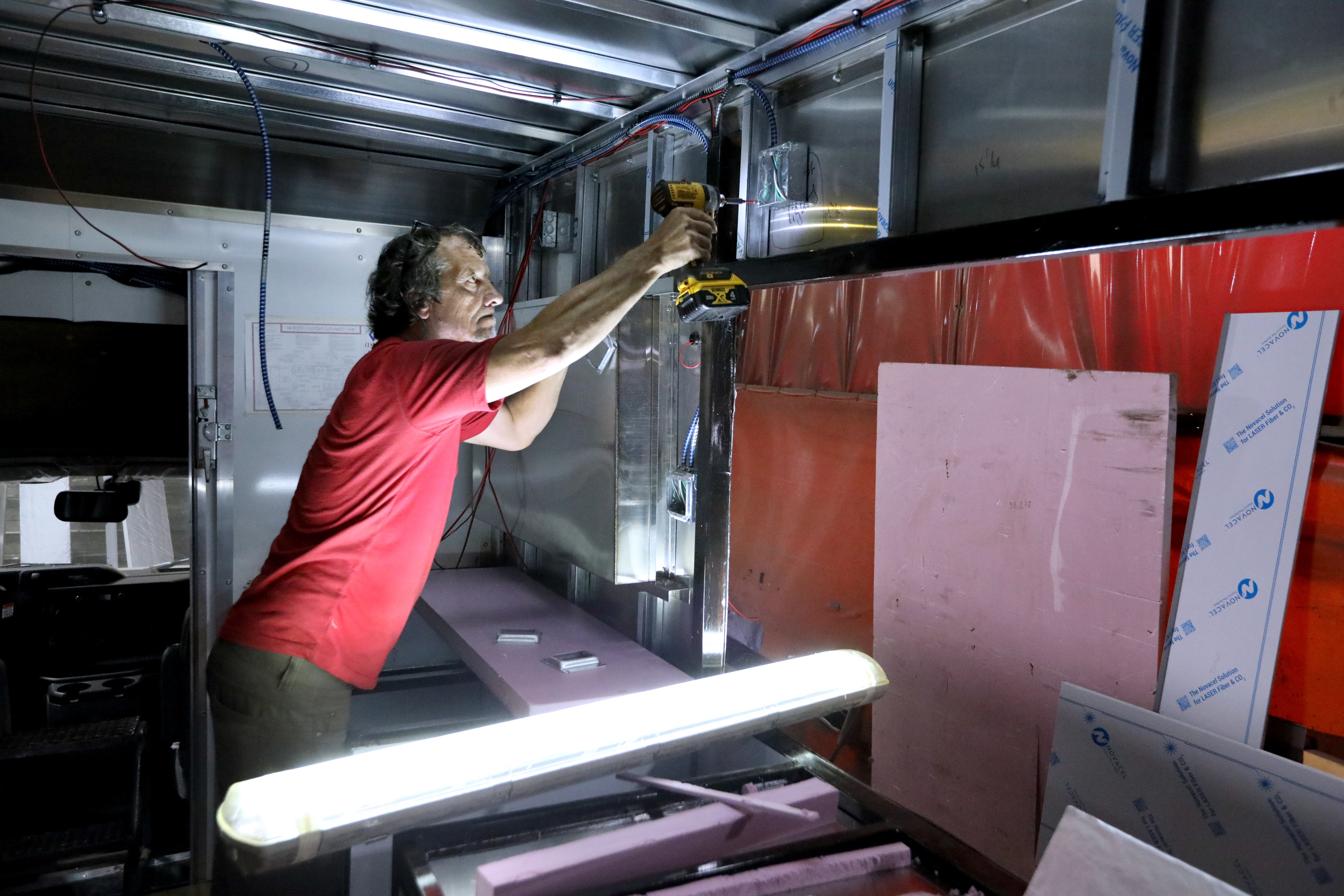
    Paul McIlvaine, an electrician, works on the interior of a Chickie & Pete’s food cart at Custom Mobile Food Equipment, in Hammonton, Tuesday, July 21, 2026.Vernon Ogrodnek / For The Inquirer

    How much does it cost to launch a kitchen cart?

    Today, Custom’s basic Model 525 carts retail for around $6,500. For that sum, plus storage, food, fuel, and licensing costs, “you’re in business serving food,” said Kyle.

    “It’s rewarding, you get to meet so many kinds of people,” he added.

    New catering trucks start at more than $125,000, like a high-end camper.

    All the carts and trucks are built from stainless steel sides, stamped with Custom’s distinctive elongated-diamond pattern over tubular steel framing. The company uses multiple steel suppliers, including Allegheny Ludlum Steel Corp. in Pittsburgh. It was harder to find domestic steel when the U.S. auto industry demand was stronger, Kyle said. But now materials costs are much higher, often in response to higher tariffs.

    “We try to use built-in-USA [materials], but some stuff you cannot get here,” Kyle said. Robertshaw Controls, for example, makes the only burner controls that fit Custom’s standards. They moved the operation to Mexico from Texas, so Custom now imports them.

    Cart metal is just one inflating cost vendors face, said Christian Subashi, second-generation owner of Loudogs hot-dog carts in Sea Isle City. Refrigerators were 50% cheaper before last year’s new tariffs, he said, and sausage prices have “gone through the roof.”

    Kyle said his company’s hot-dog cart price “has gone up $1,000 or $2,000 in 10 years,” lower than the general inflation rate. “We have to absorb some. It’s how you do business,” he said. He’s confident steel prices will stabilize eventually.

    The future of food carts

    The company has no plans to automate, Kyle said. “All our products are custom built — handmade and hand-fabricated. No two carts are exactly alike,” he said, noting that the company also retrofits and rehabs units as needed. “They can last forever.”

    “Our pricing is more, but it lasts longer than assembly-line stuff coming in from Mexico or China at low cost.”

    One once-robust market that has all but evaporated is carts for vendors who work construction sites. Custom employed over 100 during the building boom of the late 1990s. The company built a catering truck a day, on average, back then; now it’s closer to one a week.

    “Wawa and DoorDash are delivering deli trays to jobs sites now. And Wawa has built out so many stores in their area, guys can just leave the job and run to Wawa. So that business is down for us,” said Kyle.

    The focus now is on larger orders that can be built more efficiently. Plus it’s gotten harder, Kyle said, to hire skilled craftsmen.

    Local buyers of carts and trucks include Shore ice cream and water-ice vendors, as well as the food vendors that sell at breweries, thanks to the New Jersey’s restrictions on breweries serving food

    But Custom is also very much “a national brand,” said James Evans, who runs the food-truck division for Ocean City-based Manco & Manco Pizza, including eight Phillies stadium locations.

    Like Custom, Manco is a third-generation South Jersey business, and Evans said he wouldn’t have gone anywhere else to build stadium-ready trailers. The two firms cut a deal last February for Custom to build an initial “food truck you can drive, available for private parties, corporate functions, MLB events, anywhere we can take a truck.”

    The first was delivered in July, with four propane-fueled Baker’s Pride deck ovens “to cook our pizzas to Manco standards.”

    Custom faces a string of manufacturing challenges with any order, Kyle said.

    But from Manco’s perspective the passage of his project from plan to delivery “was seamless,” said Evans.

    “As we morph into their larger trucks, we will add wings and tenders,” he said. “If everything in business and life went that easy, it’d be great.”

  • Philly Haitians and allies march to demand protections as TPS expires

    Philly Haitians and allies march to demand protections as TPS expires

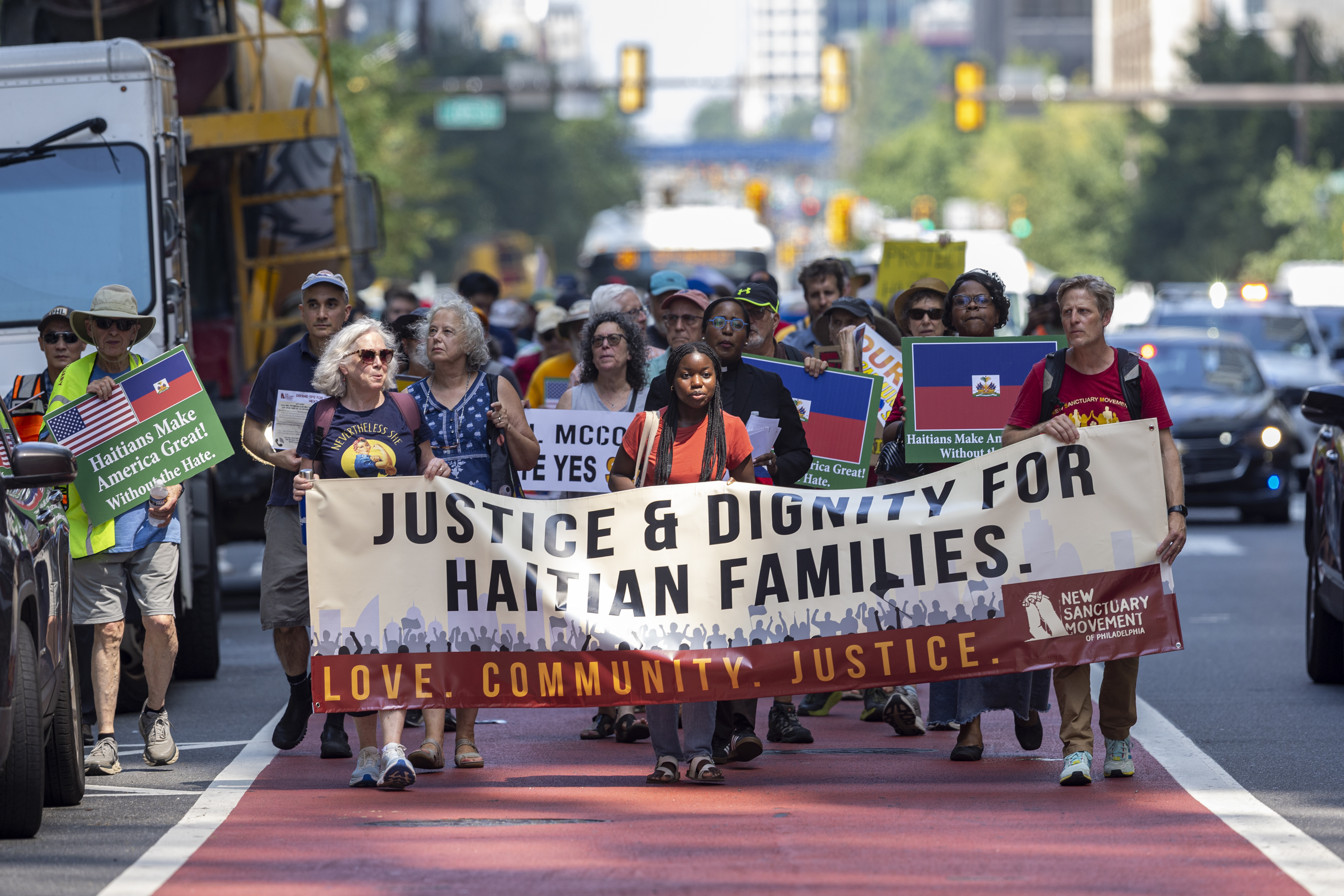
    Dozens of Haitians, allies, and supporters rallied in Center City on Thursday, demanding that Pennsylvania’s U.S. senators help restore temporary protected status (TPS) for thousands now in danger of being deported to the shattered Caribbean nation.

    They gathered outside the office of Republican U.S. Sen. Dave McCormick near 20th and Market Streets, then marched to the office of U.S. Sen. John Fetterman, a Democrat, near Second and Chestnut Streets.

    People held up signs that said, “Our Haitian community is here to stay,” even as protections and work permits have ended for about 350,000 Haitians in the U.S. The Haitian community numbers about 11,000 in Philadelphia, and leaders say it seems everyone knows someone who had TPS or has it themselves.

    Speakers said that TPS is more than an immigration status, that it is what allows neighbors, friends, and family members to live here, to work, pay taxes, and help build the country.

    They called on the senators to help pass Senate Bill 4814, which would require the secretary of the Department of Homeland Security to designate Haiti for TPS through April 2029.

    A spokesperson for McCormick said: “We respect everyone’s right to come together and voice their opinion. We appreciate the input.”

    Efforts to reach a spokesperson for Fetterman were not immediately successful.

    Pastor Kenel Stevenson said he knows of no local Haitians who have been taken into custody by U.S. Immigration and Customs Enforcement, or fitted with ankle monitors, as the ACLU says is happening elsewhere.

    But the mood among his fellow Haitians is grim, he said.

    “There is fear, fear of repatriation, of being returned to a place where there is no safety,” Stevenson said.

    Nearly 100 people gathered before moving east toward Fetterman’s office shortly before noon, filling the breadth of Chestnut Street as police officers stopped traffic for the group to pass. Oppressive heat and humidity caused some older people to lag.

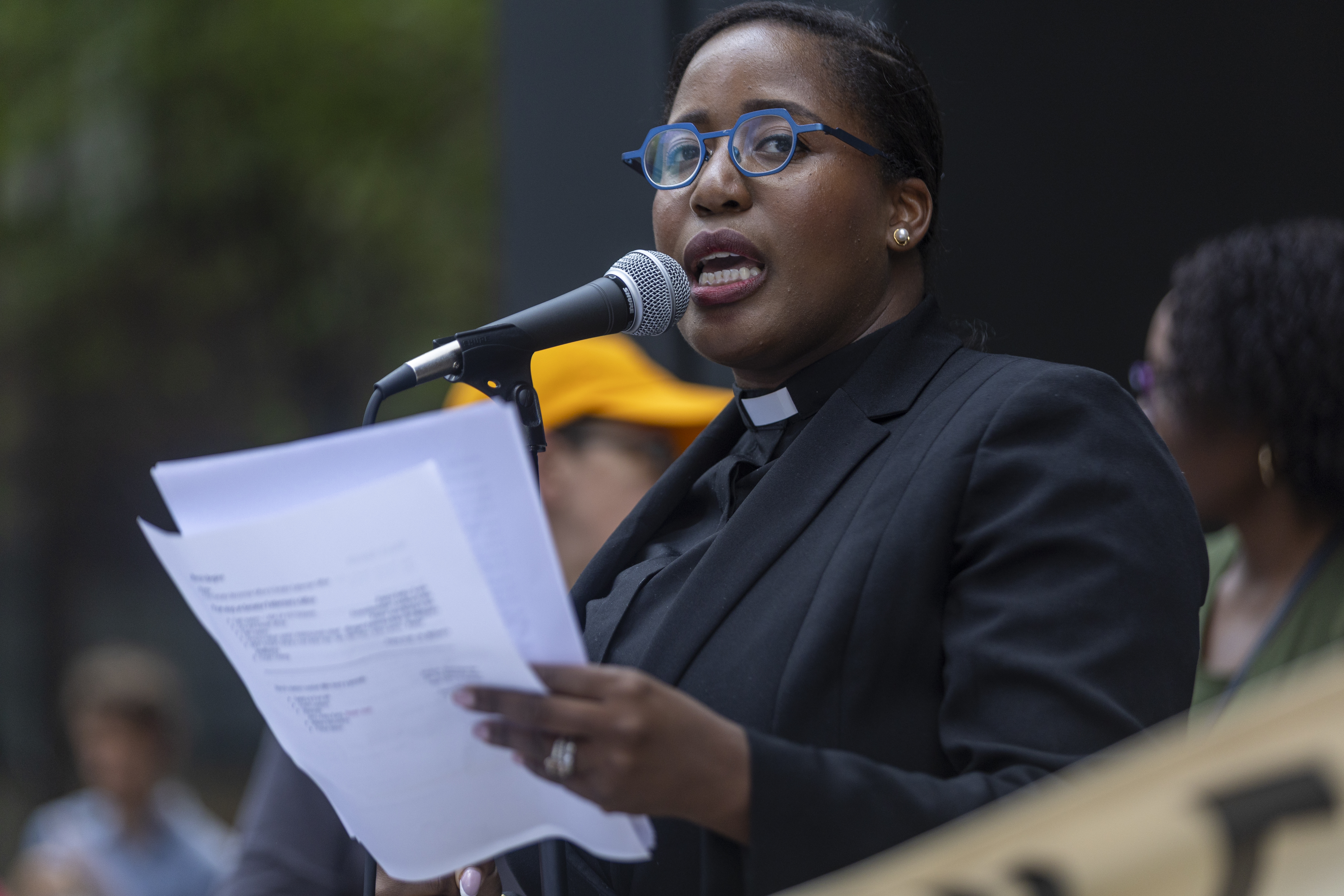
    Reverend Jennifer Joseph of Zion Community Church in Delaware County addresses the crowd outside of U.S. Senator Dave McCormick’s office in Philadelphia on Thursday.Aidan T. Gallo / Staff Photographer

    TPS has expired for an estimated 350,000 Haitians, ending their ability to legally work in this country and putting them at risk of deportation to a homeland riven by natural disaster and violent crime.

    The Rev. Frantz Ulysse, pastor of the First Haitian Church of God of Prophecy in Olney, said fear and uncertainty are not things he expected his parishioners to feel on American soil.

    He searches himself to offer hope at a moment when people are desperate for some sense of tranquility.

    “I had a mother called me the other day and asked if I could take custody of her child if she’s taken away,” Ulysse said.

    Community leaders fear mass family separation, as Haitian nationals have married U.S. citizens and are raising American-born children.

    “We are not criminals,” he said. “We have engineers, doctors, professors,” people who are eager to help and contribute.

    “If people go back to Haiti, they will die, and if they stay as things are, they are in hiding, scared, and can’t leave their house,” he said, joining others outside Fetterman’s office.

    Still, he said, he has not given up hope.

    “America is a country of immigrants, and I believe they will stand with us,” Ulysse said. “Help us fight until the end!”

    Hundreds of Haitian nationals have been told by immigration officials to appear at ICE offices to be fitted with ankle monitors, according to the ACLU.

    Temporary protected status provides permission to live and work in the United States for people whose homelands are riven by war, natural disasters, epidemics, or other extraordinary circumstances.

    Haiti suffered a massive earthquake in 2010 that led the Obama administration to announce that undocumented Haitian immigrants in the U.S. would be eligible for TPS. Thousands more would be welcomed over time under humanitarian programs and become eligible as Haiti grew mired in crisis ― a deadly cholera epidemic, hurricanes, the collapse of basic government functions, and the rise of armed gangs.

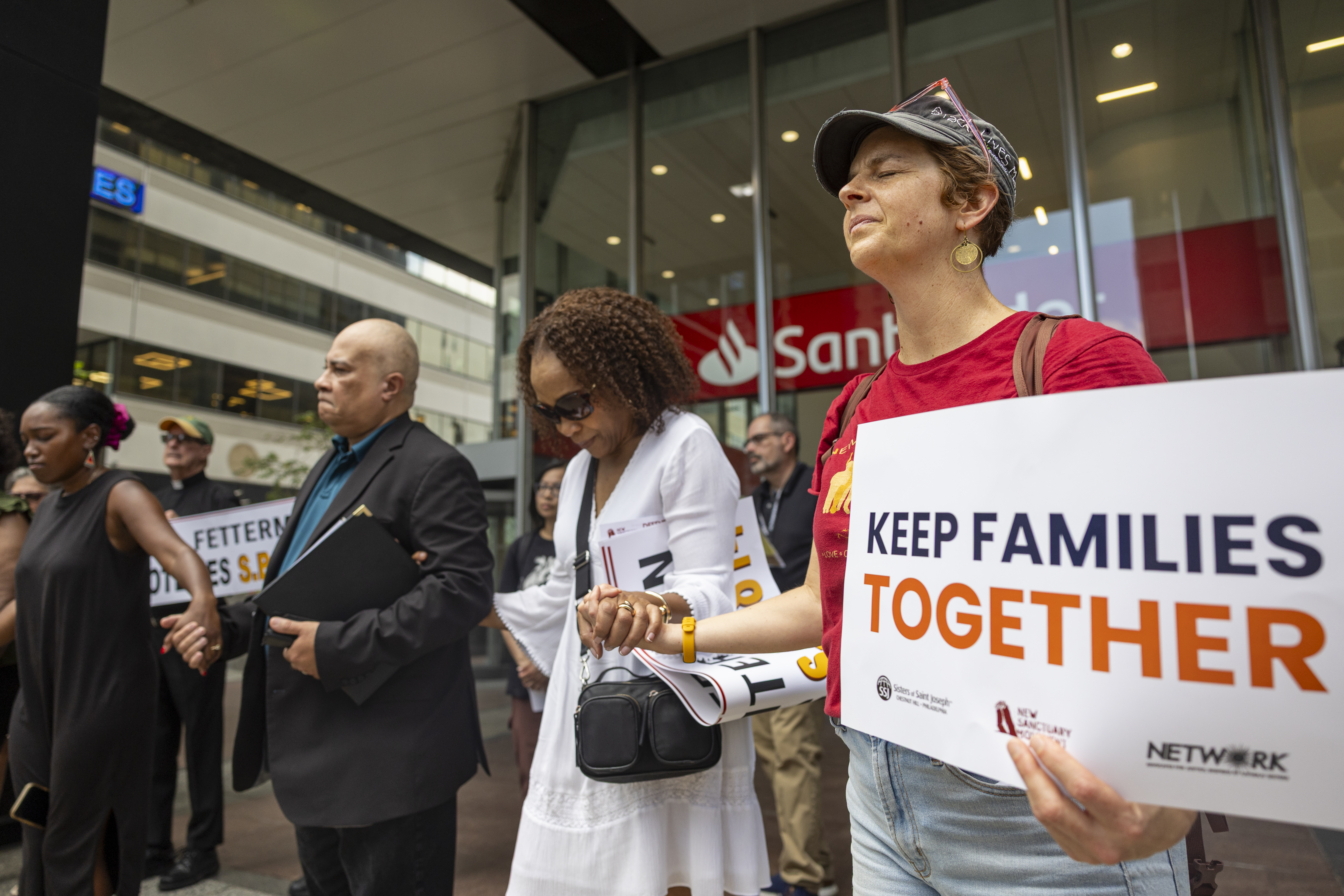
    Reverend Katie Aikins, of West Philadelphia, prays for the Haitian people alongside faith leaders and community members before the march begins outside of U.S. Senator Dave McCormick’s office on Thursday.Aidan T. Gallo / Staff Photographer

    Haitian American pastor Ketty Pointe-Jour said Thursday that her immigrant parents would not believe what is happening today.

    They fled Haiti for their lives, she said, and “the U.S. opened its arms for them. The America they knew in the ’60s and ’80s is completely different from what we are seeing now.”

    The Trump administration has sought to end TPS for Haiti and other nations. In June, the Supreme Court ruled that the administration could terminate temporary protected status for countries like Haiti and Syria.

    More broadly, the ruling appears to make Department of Homeland Security decisions about TPS unreviewable by lower courts, creating deep uncertainty for the future. The White House has pledged to deport people who lose legal status, including those who had TPS.

    Haitians are not the only population affected.

    TPS is set to lapse for more than 170,000 people from El Salvador in September, and in October 100,000 from Ukraine face the same termination.

    Advocates say the Trump administration’s promise of deportations will hurt families that include spouses and children who are American citizens.

    What is more, immigration researchers and organizations say, the country will pay a financial price ― in lost taxes, wages, spending, and services, as large numbers of workers and dollars exit the U.S. economy.

    The nation’s 1.3 million TPS holders work at higher proportions than the country as a whole, pay billions of dollars each year in federal and local taxes, and contribute to the solvency of a Social Security system from which they are unlikely to ever draw benefits.

    Outside Fetterman’s office, Dottie Baumgarten said she came from her Cheltenham home to support the Haitian community. She hoped the presence of supporters helped immigrants feel less alone.

    “The Haitian challenge is not just Haitians,” she said, “it’s immigrants in general, and we have to support them. We are destroying their families.”

  • Feds will take over gun case of Olney man at center of missing women investigation, as Philly DA withdraws charges

    Feds will take over gun case of Olney man at center of missing women investigation, as Philly DA withdraws charges

    Federal prosecutors will take over the criminal case against the Olney man whose house is at the center of a sprawling investigation into the fate of two missing women, officials said Thursday.

    Assistant District Attorney Alyssa Amoroso withdrew the charges the Philadelphia DA’s office had filed against Eugene Albert Horsch for illegal gun and drug possession Thursday morning, telling a city judge that the U.S. Attorney’s Office would instead handle the case.

    Horsch, 44, has been in federal custody since June after a U.S. park ranger encountered him and another woman inside a black BMW near Independence Hall, acting suspiciously. Police said they searched Horsch — who was not allowed to possess guns because of felony convictions — and found a switchblade and a glass pipe in his pants, as well as two illegal guns, drugs, and a phony federal drug enforcement badge in his car.

    And then, in an unsettling twist, the woman with Horsch presented a fake ID bearing the name of a woman, Blair Tonzelli, who had been reported missing in 2023.

    Horsch was charged with illegal gun and drug possession after his June 19 arrest, and was held on $500,000 bail.

    About a week later, he was charged with a federal firearms violation, allowing him to be held in federal custody until trial.

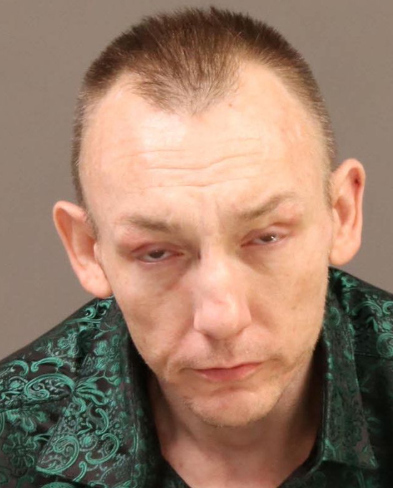
    Eugene Albert Horsch, 44, of Philadelphia.Courtesy of Philadelphia police

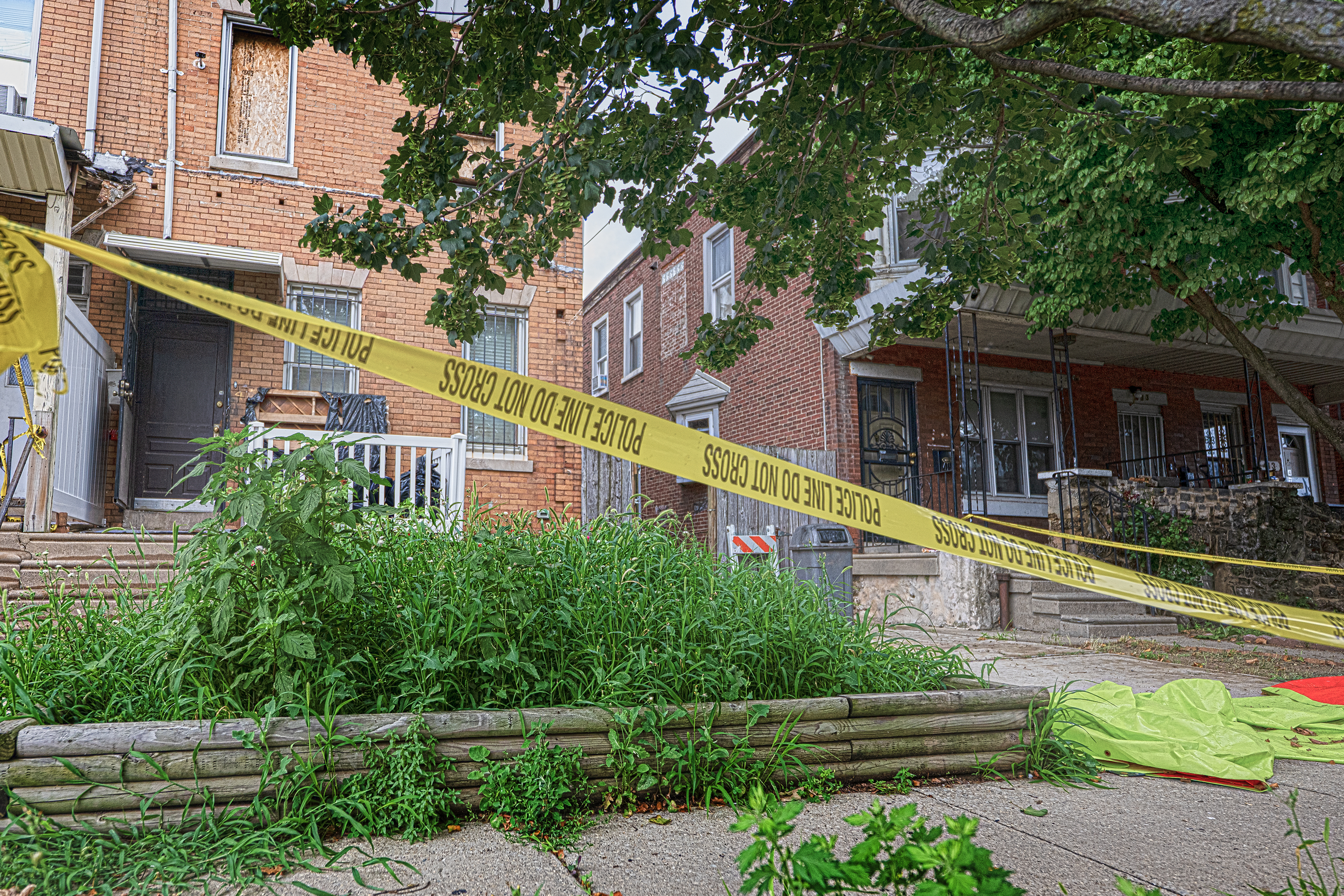
    In the days after Horsch was arrested with the weapons in Center City, local and federal investigators searched his decrepit twin house on Chew Avenue and found another gun, as well as materials to grow marijuana.

    They also discovered a trove of more concerning materials — barrels of chemicals in the basement, several urns holding cremated remains, supplies to make counterfeit IDs, documents tied to at least two women who have been missing for years, and a handwritten letter that described hurting people and mentioned the serial killer Ted Bundy.

    A woman also told investigators Horsch had told her he knew how to use chemicals to melt bodies in the basement.

    As officials investigated the whereabouts of Tonzelli, the woman whose name appeared on the ID handed to park rangers, they learned that she was reportedly last seen at the Chew Avenue house in late 2022.

    They also found that another missing woman was last seen at the address. Amy McHale, the ex-wife of Horsch’s deceased father, Raymond “R.C.” Horsch, disappeared in June 2016.

    In the months since the investigation began, police have repeatedly searched Horsch’s home, excavated its yard to recover pipes to test for DNA, and pored over hundreds of pieces of documents and Horsch’s devices in hopes of learning the fate of the missing women.

    Law enforcement sources said none of the items recovered from inside the home — including what initially appeared to be significant amounts of blood — tested positive for blood or either woman’s DNA. It was not immediately clear if the tests of the excavated pipes have been completed.

    The strange, complex backstory of Eugene Horsch and his father has also clouded portions of the investigation.

    Raymond “R.C.” Horsch in 1999.S. E. Stokowski / Wikimedia

    Raymond Horsch was a porn actor and director who produced films and self-published novels that often featured women in addiction in violent fantasies — including some that depicted various ways to kill women. He cast himself in some of the stories as an “empathetic” serial killer who preyed on addicted women to end their suffering, and billed the books as stories that combined real details from his life story with his fantasies.

    Investigators have since found themselves working to sort fact from fiction in discerning whether anything more sinister happened inside the home, or if it was just a den for troubled drug users.

    Eugene Horsch’s lawyer, Jerome Brown, has said his client did nothing wrong. Brown did not attend Thursday’s hearing.

    Horsch, too, did not appear in court. He remains in federal custody as Philadelphia homicide detectives and federal officials continue to investigate.

  • Your first look at Ellen Yin’s Italian hangout | Let’s Eat

    Your first look at Ellen Yin’s Italian hangout | Let’s Eat

    Ellen Yin is about to open a chichi all-day bar in Rittenhouse, and we take you inside.

    Also in this edition:

    — Mike Klein

    If someone forwarded you this email, sign up for free here.

    Your first look at Ellen Yin’s Italian hangout

    High Street Hospitality founder and James Beard Award winner Ellen Yin is just about ready to hit Rittenhouse with Bar Cicci, an all-day drop-in for espresso and pastries by morning, sandwiches by day, and spritzes, cicchetti, and small plates by night. Join Beatrice Forman on Sansom Street for your first look.

    The crop of Shore farmers markets

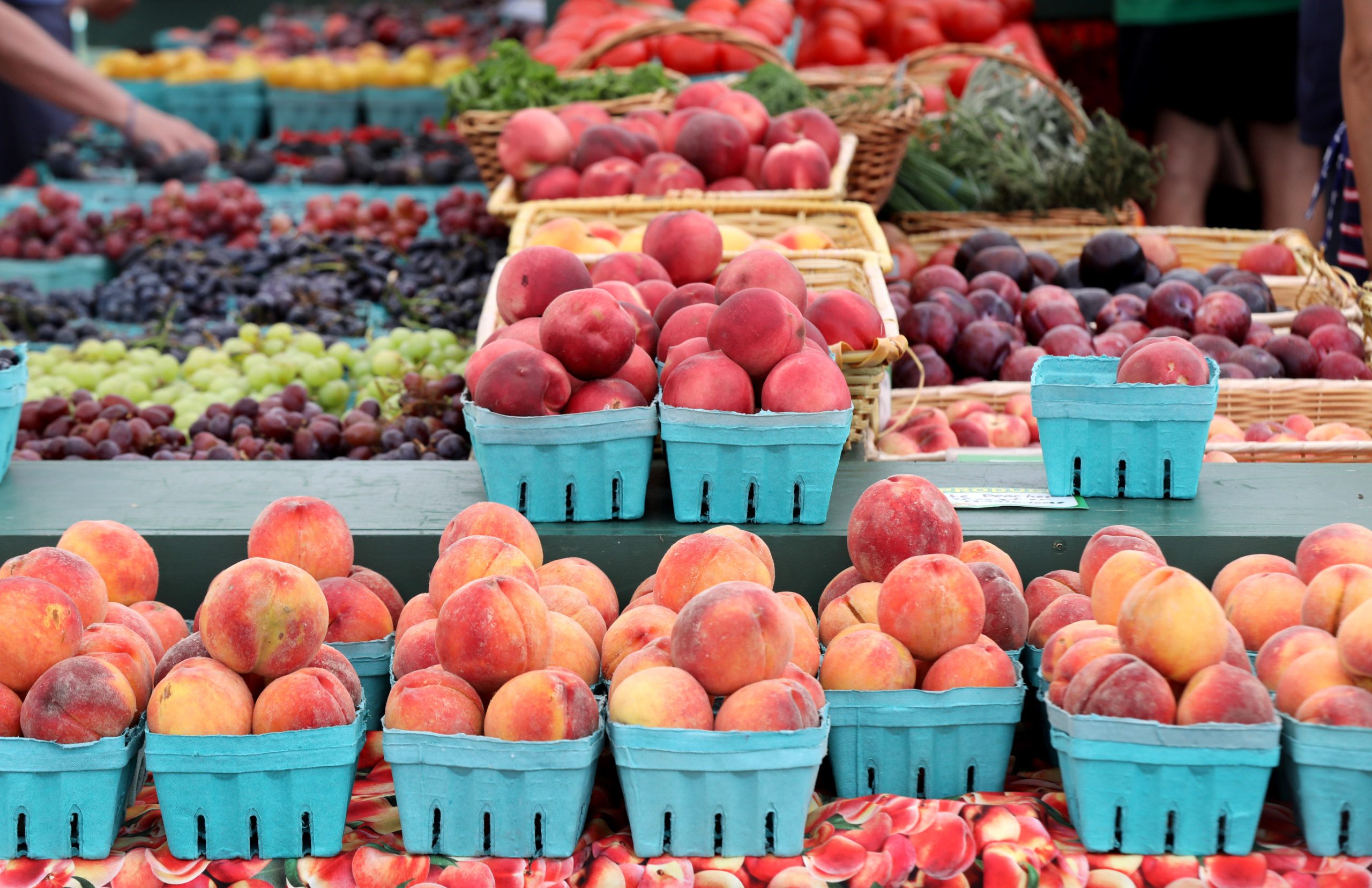
    Shore season isn’t done yet, and neither are farmers markets, which have seen an uptick in business locally in the midst of a cyclospora outbreak. Hira Qureshi maps out where you can buy local produce, baked goods, and more at markets down the Shore.

    New restaurants for August

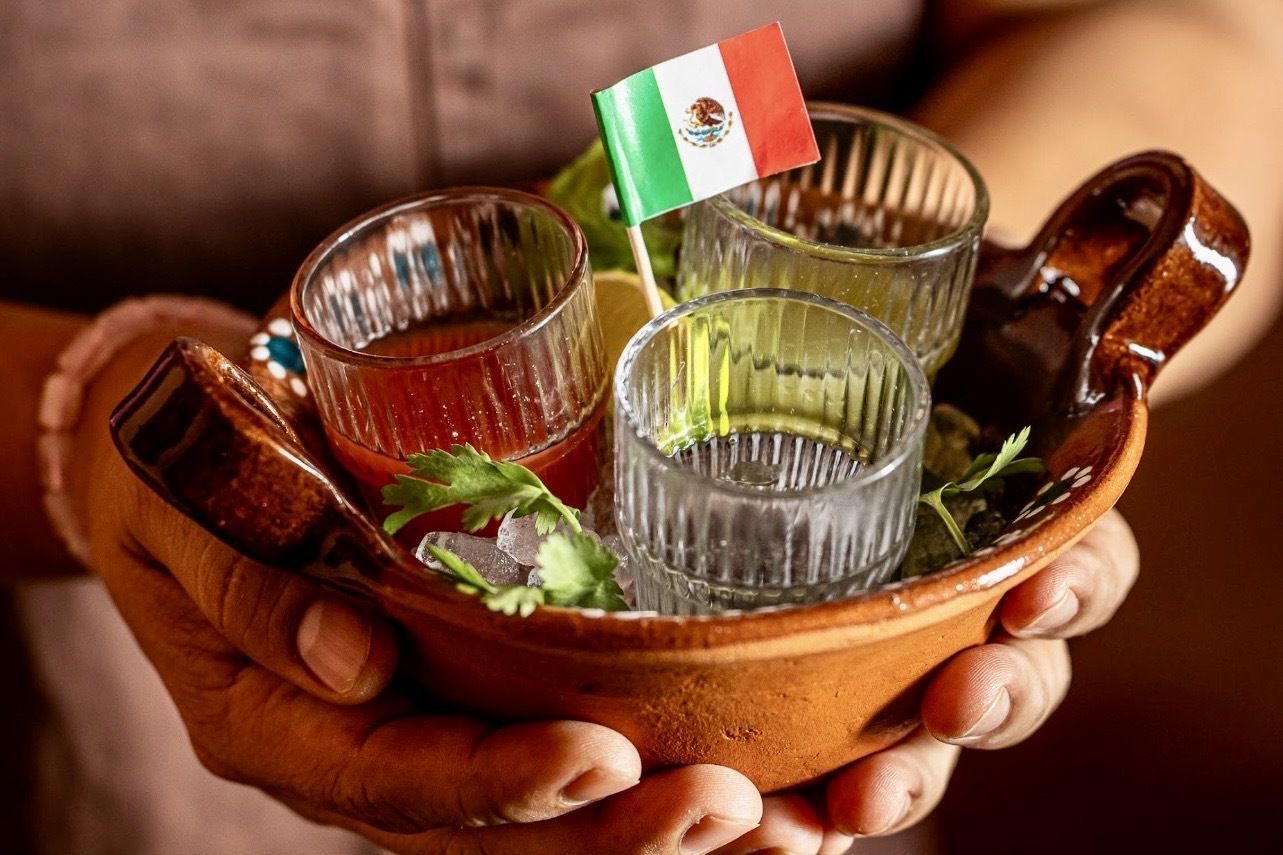
    Besides Bar Cicci, a half-dozen new restaurants are on tap this month, including Recipe Philly in Center City, Cecilia in Bridgeport, and Mixteca in East Kensington, where the red, white, and green of la bandera figures into the signature cocktail.

    One town has cornered the market on ‘little treats’

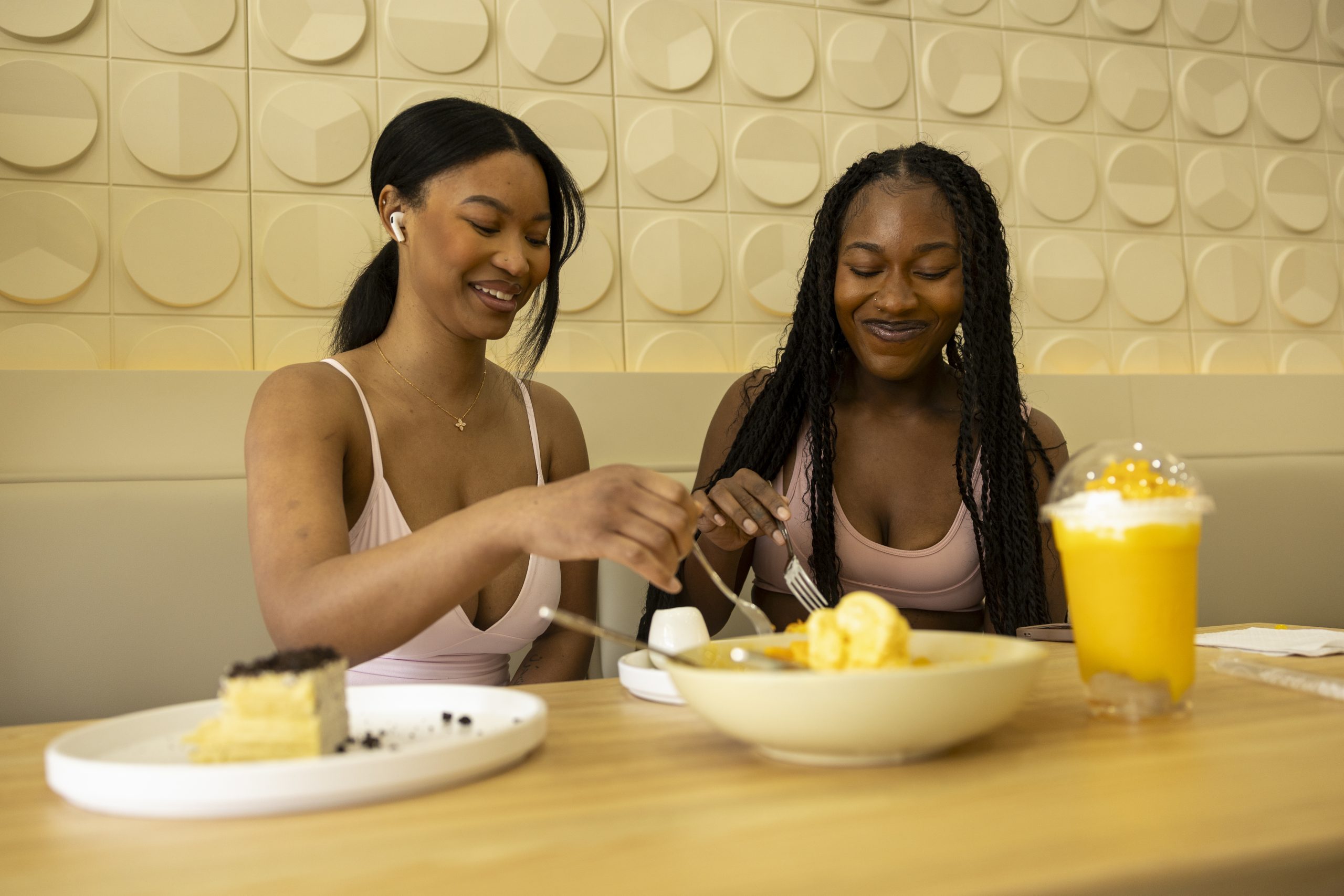
    Lancaster Avenue in Ardmore, one of the Main Line’s busiest commercial strips, is now home to two new dessert shops. Denali Sagner explains that one specializes in tea, cakes, and buns, while the other celebrates the mango.

    A teeny-tiny bar is coming to Fishtown

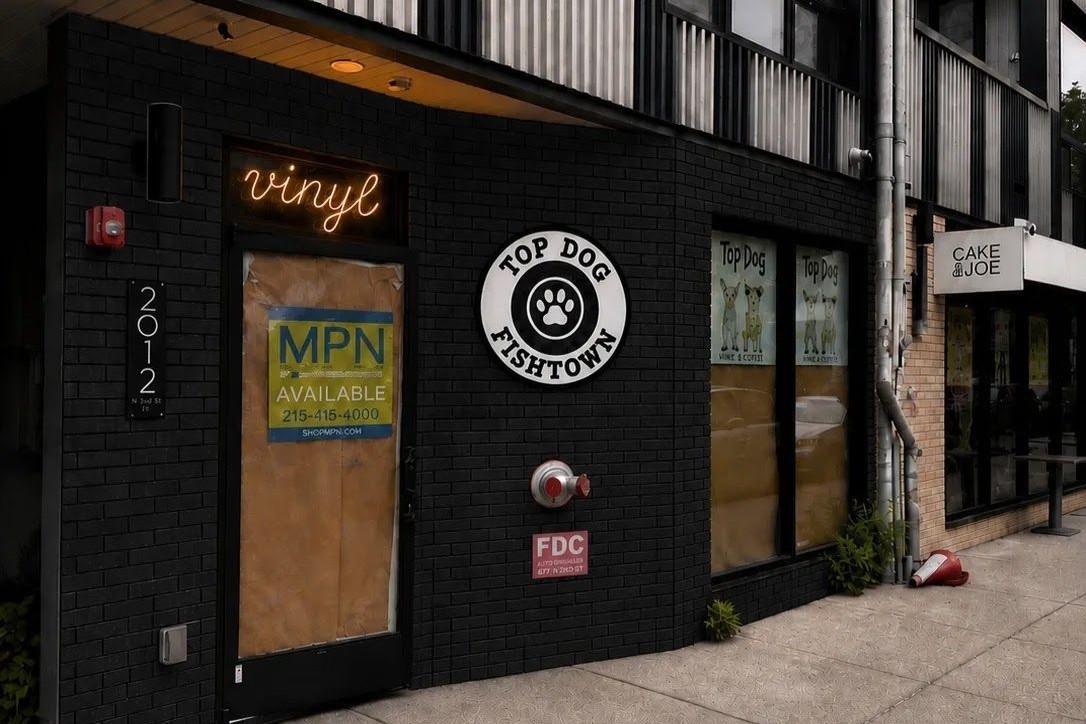
    Canned-cocktail brand Top Dog is setting up listening rooms in Kennett Square and Fishtown, embracing the Japanese jazz kissa model — a music cafe or bar that’s focused on listening to vinyl records. Brooke Schultz chatted up Top Dog’s Ken Smukler, who aims to deliver an “analog feel in a digital world.” The Fishtown location is tiny. It used to be an ATM.

    The best thing Kiki Aranita ate last week

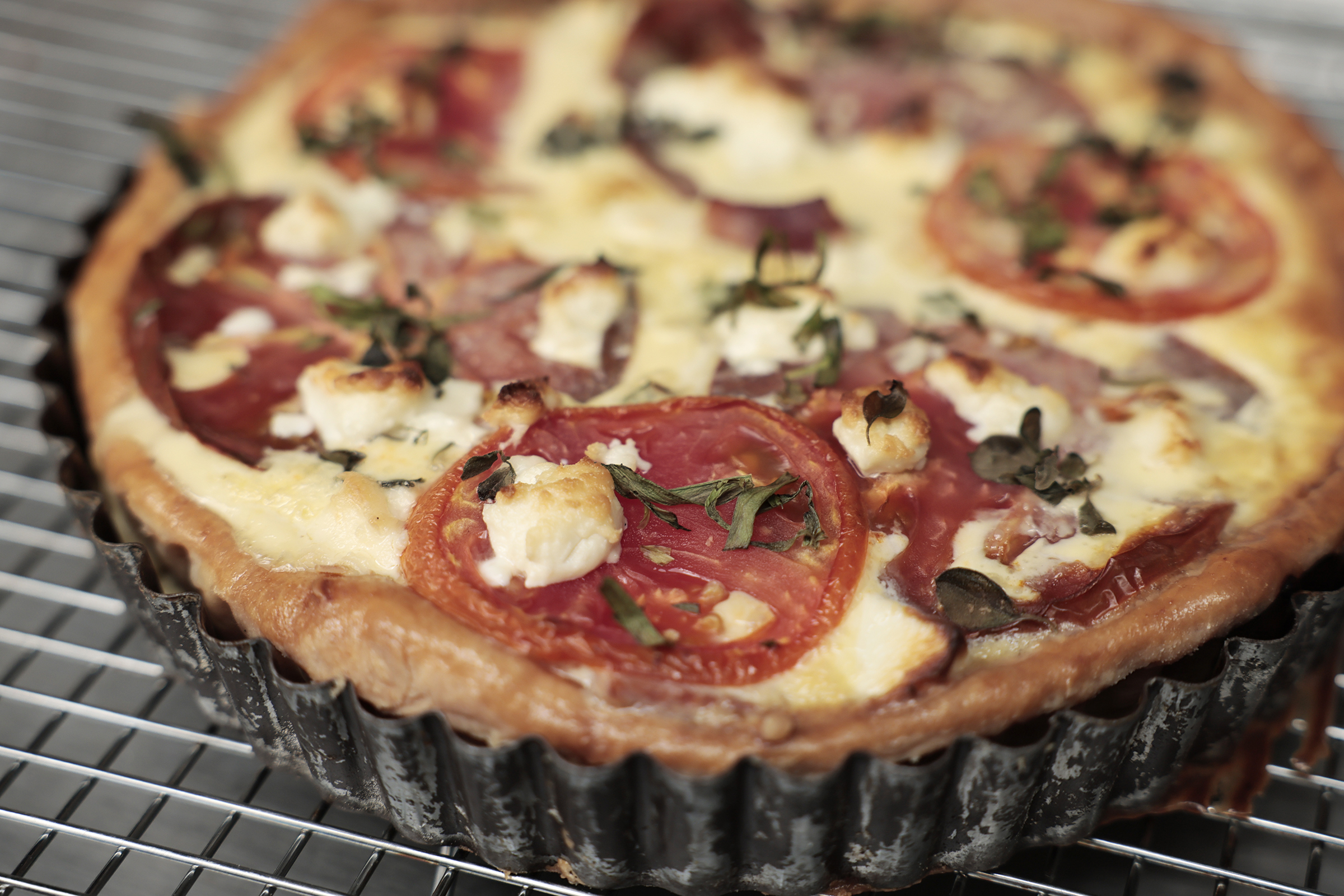
    The handmade tarts from Market Day Canelé layer summer tomatoes over a corn custard with cremini and button mushrooms, herb-roasted cotto ham, eggs, and Gruyère in a flaky crust. Kiki Aranita says you have to act fast to snap one up.

    Scoops

    Two chefs have made big professional strides from their roots in Roxborough, and now they’re coming home to Manayunk to take over the Winnie’s space with a “punk French” eatery.

    Aldar Bistro in Bala Cynwyd is giving way after 34 years to a white-tablecloth Southern Italian restaurant called Bruzi.

    Does a spate of restaurant-closing announcements — such as Hiroki, Federal Donuts & Chicken, and the Lodge by Two Robbers — portend industry doom? No, and I’ll explain why not.

    Restaurant report

    Gabriella’s Vietnam in South Philadelphia is counting down to closing in mid-December as the new owner of her building is planning a restaurant of their own. Chef-owner Thanh Nguyen told Kiki Aranita that she is looking for a new spot.

    Side Eye, the Queen Village bistro, gets a bit of side eye from critic Craig LaBan, who likes the vibe and pricing but thinks the execution could be sharper.

    New drive-thru coffee option: The syndicated 7 Brew has opened at 4000 Woodhaven Rd. in Northeast Philadelphia’s Knights Road Shopping Center.

    More bagels are coming round: Central Florida-based Jeff’s Bagel Run — schmeared with private-equity investment — has cinched a franchisee for 10 stores from the Harrisburg area east through Reading and the Lehigh Valley to suburban Philadelphia. No leases have been signed, the company announced in a press release.

    Briefly noted

    Cantina la Martina’s fourth annual Cemita Festival returns from 11 a.m.-4 p.m. Sunday at the Garden Center across from Mural City Cellars (1825 Frankford Ave). Six restaurants will each serve interpretations of Puebla’s iconic cemita sandwich for $16: Cantina la Martina, Gilda, Bolo, Vientiane Bistro, Cinteotl Tamalli, and Los Cuatro Soles Restaurant. Also: beverages from Mural City Cellars, DJ Cali Rumba, dance performances by Danza Tonantzin Cultura, face painting, and artisan vendors. It’s pay-as-you-go. Some cemita vendors are cash only.

    Post Haste in East Kensington will become Philadelphia’s only participant in the inaugural Global Pay What You Can Day on Aug. 26, joining restaurants from Mexico City to Mumbai in a one-day effort to make dining more accessible. Guests can order whatever they’d like and pay what they can (excluding alcohol), building on chef Ari Miller’s weekly pay-what-you-can program launched earlier this year. (Miller is married to Inquirer staff writer Kiki Aranita.)

    The Fishtown Pickle Project is taking its annual pickle-themed dinner outside of Fishtown for the first time. The Aug. 27 edition will have founders Niki Toscani and Mike Sicinski in Rittenhouse to collaborate with Uchi on a nine-course, pickle-centric tasting menu (e.g. oysters with giardiniera, yellowtail with pickled peach, salmon with pickled enoki, and a dessert featuring pickle jam). Seatings: 6 and 8:30 p.m. Tickets: $125 per person, plus tax and gratuity.

    Chef Chaz Brown, in partnership with Forman Arts Initiative, will present the third annual Oxtail Collective from 1-5 p.m. Aug. 30 at the Substation in Kensington. Titled “The Hercules Posey Celebration” — after George Washington’s enslaved chef — the event will bring together Black chefs, historians, artists, and entrepreneurs to explore the intersections of food, culture, business, and history while serving as an early public introduction to Forman’s future 100,000-square-foot arts campus. Participating chefs include Chad Williams of Friday Saturday Sunday, Omar Tate and Cybille St. Aude-Tate of Honeysuckle, and Shola Olunloyo of Studiokitchen. PBS NewsHour’s Geoff Bennett will moderate panels, and the program also includes tastings from 15 chefs, cooking demos, and a marketplace featuring Black-owned businesses. Tickets ($92.55, including fees) are on sale.

    Delicious City Philly Podcast’s second annual Hoagie Throwdown has a date: Sept. 27, from noon-4 p.m., at Other Half Brewing in Fishtown, drawing 20 chefs, restaurants, delis, and sandwich makers to compete. There will be unlimited hoagie samples, beer/soft drinks, and pro wrestlers grappling. (Last year’s outing was a scene: The Inquirer’s Craig LaBan, in a Zorro mask and big hat, went through hoagie-making boot camp.) The podcast has made 500 tickets available and early pricing starts at $55.

    ❓Pop quiz

    Which Pennsylvania farm crop is in the crosshairs of the U.S. Department of Commerce?

    A) mushrooms

    B) hay/alfalfa

    C) corn

    D) apples

    Find out if you know the answer.

    Ask Mike anything

    What is going on at 117 Chestnut St.? The restaurant 117 is closed already and it just opened. — Chris D.

    Old City restaurant 117, which opened only last November, posted a note on Instragram last week that it had closed “due to circumstances beyond our control.” According to Philadelphia court records, the restaurant was evicted over back rent.

    The space’s previous occupant, the Avery, also had a very short run last year. Previous occupants had better luck: 2nd Story Brewing Co. closed in 2024 after a decade and was the last to use the brewing equipment installed by Triumph Brewing Co. for its own run from 2007 to 2014.

    Adding intrigue now is the liquor license application that was filed at 117 Chestnut St. last week in the name “Finish Your Champagne LLC.” Finish Your Champagne is the name of the long-in-the-works Columbus Boulevard cocktail bar project from Kevin Dolce, owner of Center City’s Taste Cheesesteak Bar and Savù. Dolce declined comment.

    📮 Have a question about food in Philly? Email your questions to me at mklein@inquirer.com for a chance to be featured in my newsletter.

    By submitting your written, visual, and/or audio contributions, you agree to The Inquirer’s Terms of Use, including the grant of rights in Section 10.

  • Philadelphia should use the Waymo testing period to get this right, not rush it

    Philadelphia should use the Waymo testing period to get this right, not rush it

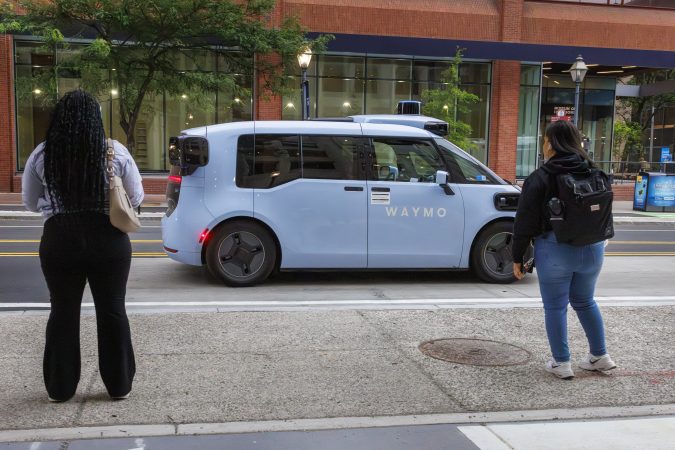
    Waymo’s driverless cars have been rolling through Center City for almost a year now. Still with a trained specialist behind the wheel, still without a commercial launch date.

    Some of our local elected officials have expressed concerns about driverless vehicles on Philadelphia streets. Based on what has happened in other cities, their concerns are not unfounded. When it comes to deploying robotaxis, Philadelphia should slow down, not speed up.

    The pattern that has emerged across the country is that problems that should have been caught during testing are instead being confronted when the autonomous vehicles have already been deployed and are carrying passengers.

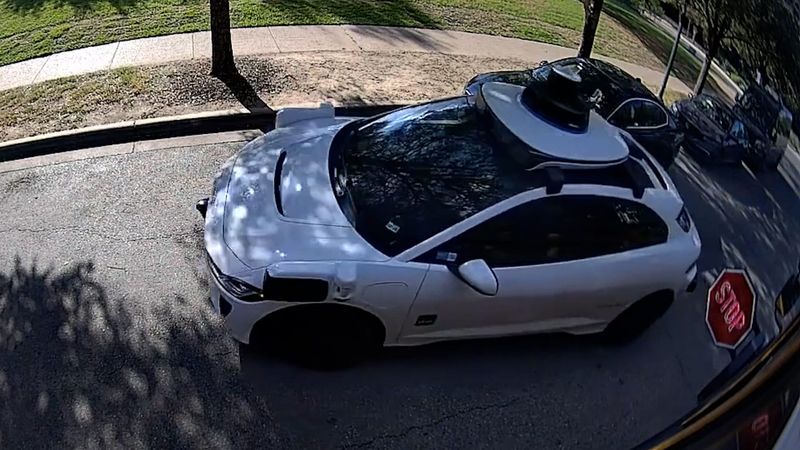
    Start with what happened in Austin, Texas, this spring. When a gunman opened fire outside a bar on Sixth Street, killing three people and wounding more than a dozen, several Waymo vehicles ended up blocking the emergency response. One sat sideways in the road as an ambulance tried to get through, with bystanders shouting at it to move, while a police officer worked the car’s speaker system trying to get a human being on the line.

    The safety of Waymo robotaxis has repeatedly been questioned. In December of last year, Waymo had to replace software that allowed the autonomous vehicles to pass stopped school buses in Austin, Texas, and Atlanta. And earlier this year in Austin, writes Amy Witherite, the robotaxis blocked emergency responders’ access to the site of a shooting with mass casualties.Austin Independent School Distri

    In San Francisco, fire crews and other first responders have had to physically take control of stalled Waymos to move them out of the way during emergencies. These aren’t isolated glitches.

    Federal regulators counted at least six incidents nationally in which first responders had to take control of a Waymo vehicle during an emergency. In July, the National Highway Traffic Safety Administration told the industry that emergency scenes are not rare or extreme “edge cases,” and that an automated vehicle unable to interact safely with first responders is a danger to the public.

    That’s the backdrop against which Philadelphia is being asked to move forward.

    Councilmember Nina Ahmad gave voice to concerns after a City Council hearing in May. “Progress for the sake of progress isn’t enough. We need to look at the impact of that progress,” she said during a news conference. She wasn’t the only Council member who expressed reservations, or whose questions for Waymo went unanswered at the hearing.

    Under state law, PennDot holds the authority to certify these vehicles for full commercial service. City officials have said Philadelphia is preempted from regulating this technology at all.

    After Waymo vehicles became immobilized and helped bring San Francisco traffic to a standstill during the city’s July Fourth celebration, Mayor Daniel Lurie called for stronger statewide standards that verify that the autonomous vehicles’ systems can handle major events and emergencies before they are allowed to operate. His message was simple: “Prove it before you deploy it.”

    Here is the question I’d ask before this moves one step further in Philadelphia: Have the police officers, firefighters, and paramedics who will be on the street been trained, specifically and verifiably, to handle a car that will not pull over for a siren, will not respond to a hand signal or a flare, and has no driver to negotiate with?

    A first responder trained to deal with a human behind the wheel is not automatically equipped to deal with an empty vehicle that only takes instructions from a call center hundreds or thousands of miles away. Austin’s ambulance crews and San Francisco’s fire companies found out about that gap in real time, during emergencies — Philadelphia doesn’t have to.

    The company cites a substantial reduction in serious-injury collisions compared with human drivers, and that’s worth weighing. But a strong overall safety record and a specific, unresolved gap around emergency scenes are not the same question, and cities where Waymo has already launched are the ones now writing the incident reports.

    Philadelphia has something Austin and San Francisco didn’t have when they signed up for driverless service at scale: time.

    This is the moment to apply Mayor Lurie’s standard: Prove it before you deploy it.

    Amy Witherite is a traffic safety advocate and founder of the Witherite Law Group, which has offices in Philadelphia.

  • Ellen Yin’s newest Philly restaurant is an all-day aperitivo bar built for snacking and sipping

    Ellen Yin’s newest Philly restaurant is an all-day aperitivo bar built for snacking and sipping

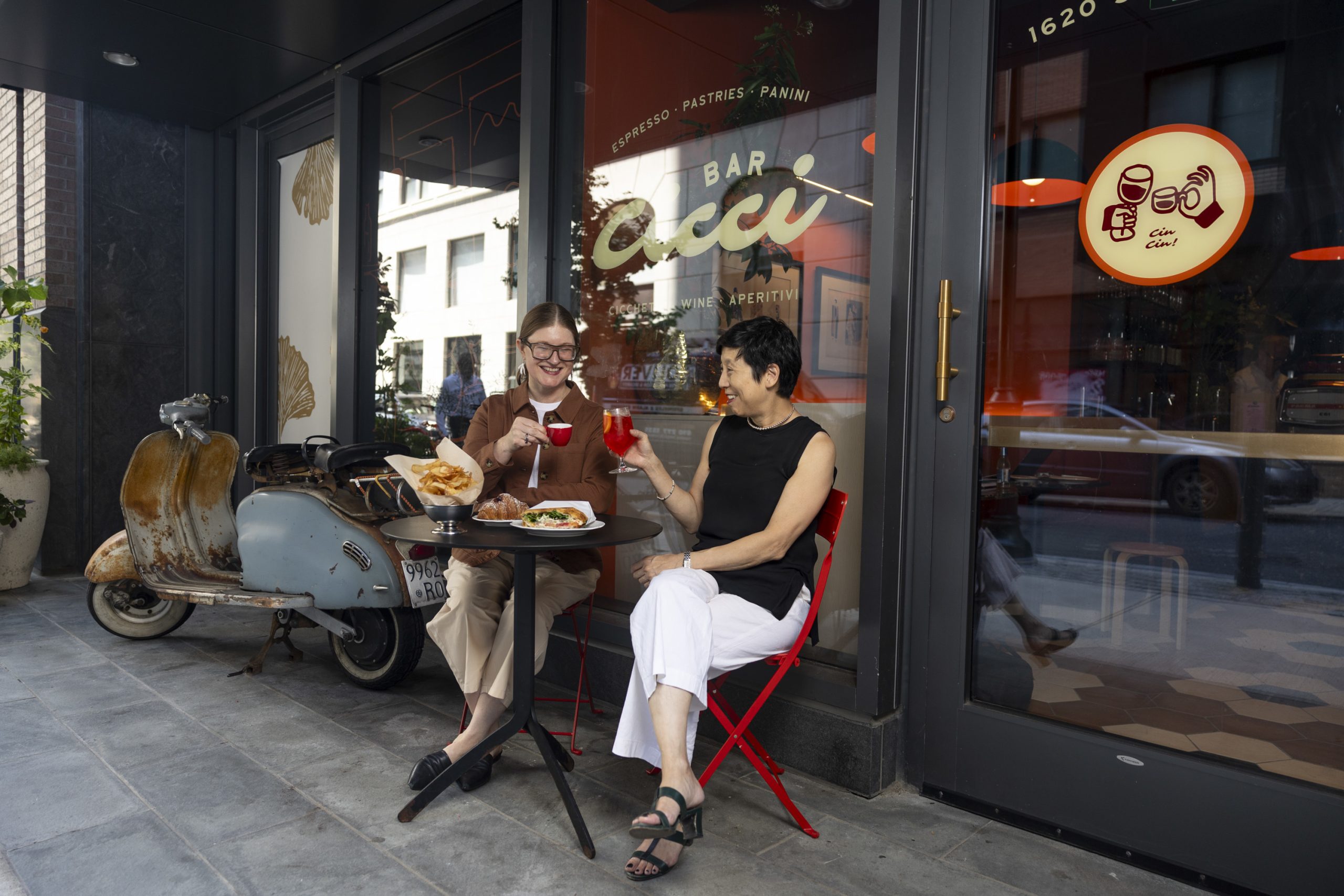
    Ellen Yin’s newest Philly restaurant doesn’t have a grand opening date yet, but it does have a vintage-looking light blue Lambretta scooter parked out front.

    Why? To set the mood.

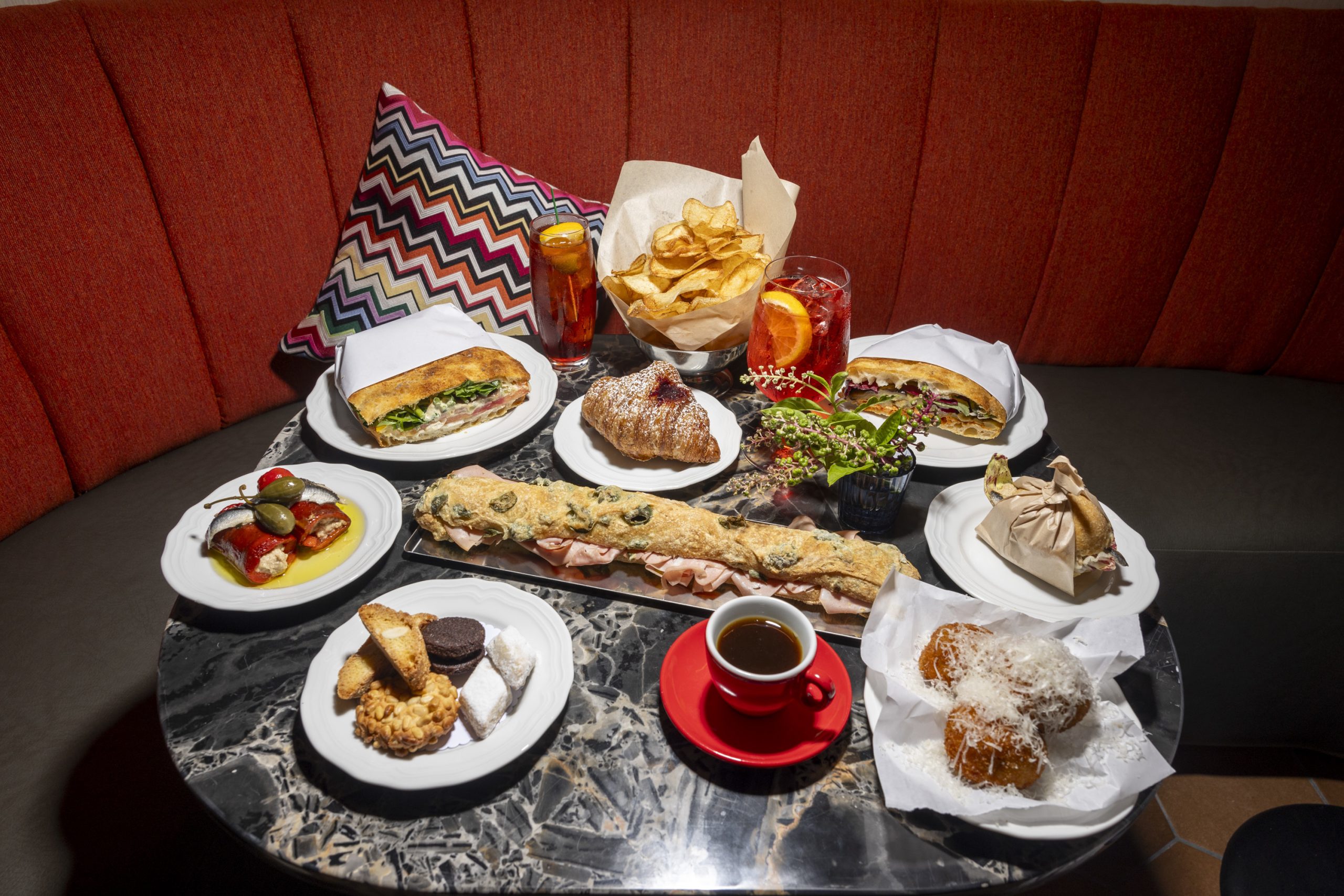
    The acclaimed restaurateur’s latest project is Bar Cicci, an all-day aperitivo bar soft-opening Aug. 18 at 1620 Sansom St., just next door to Uchi. Inspired by Yin’s longstanding, almost obsessive love of northern Italy, the bar is an ode to the country’s casual drinking culture, with classic pastries in the morning followed by sandwiches in the afternoon and snacks and spritzes in the evening.

    Yin has traveled to Italy more than any other country. There, “a bar is a place where you go in the morning to have an espresso and meet up with your neighbors, chit-chatting away,” she said. “And that morning ritual turns into sandwiches and gelato at lunch time, and then [drinks] at dinner.”

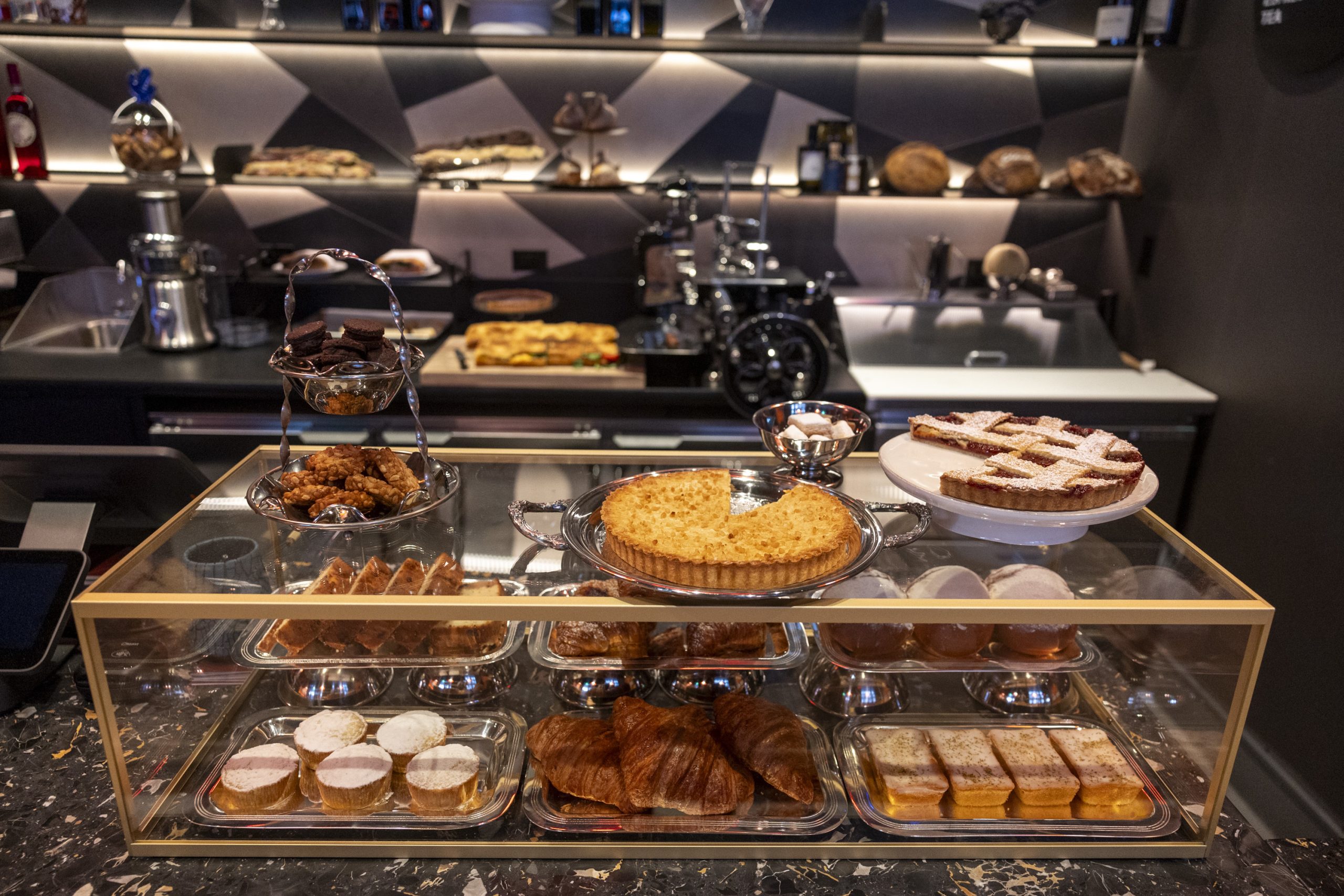
    Pronounced “Bar CHEE-CHEE,” the name is a play on the Italian word ciccio, a term of endearment for something small and plump. The menu — curated by Yin and Christina McKeough, the culinary director for High Street and the Bread Room — will be a smorgasbord of little things. The dayside, counter service-only lineup will feature traditional Italian pastries and sandwiches. Starting at 4 p.m., the menu will switch to showcase 20 small plates and a rotating array of cicchetti (or snacks), with prices falling between $5 and $20 each.

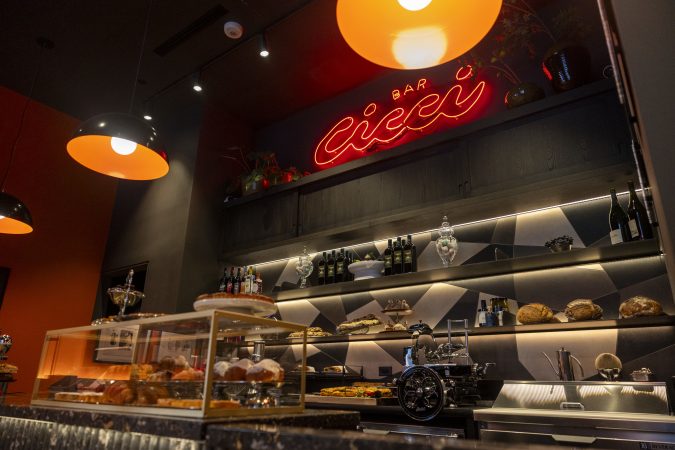
    An assortment of sandwiches, small plates, pastries, and drinks that will be available at Bar Cicci, Ellen Yin’s new restaurant set to open in mid-August. Tyger Williams / Staff Photographer

    Yin envisions Bar Cicci as a catchall space for those who live and work around Rittenhouse Square. In theory, a customer could stop in three times in one day: first for coffee and a pastry on the way to work, then again for a business lunch, and once more for pre-dinner drinks.

    Cicci will be Yin’s sixth Philly restaurant as part of High Street Hospitality, the restaurant group Yin cofounded with chef Eli Kulp. Fork, her first, opened in 1997 and went on to become one of Old City’s most enduring fine dining restaurants. She would follow it up with High Street — one of the city’s first all-day cafes, now located in Center City’s Franklin Residences — and a.kitchen, the Rittenhouse Square hotel restaurant. The Bread Room, known for its grown-up pop-tarts and morning buns, is the group’s bakery.

    Yin and McKeough had been working on Bar Cicci since April 2025. It’s their first themed project. “We don’t just get to do what we want here,” Yin said. Everything in the space has some tie to northern Italy, down to its groovy accent pillows.

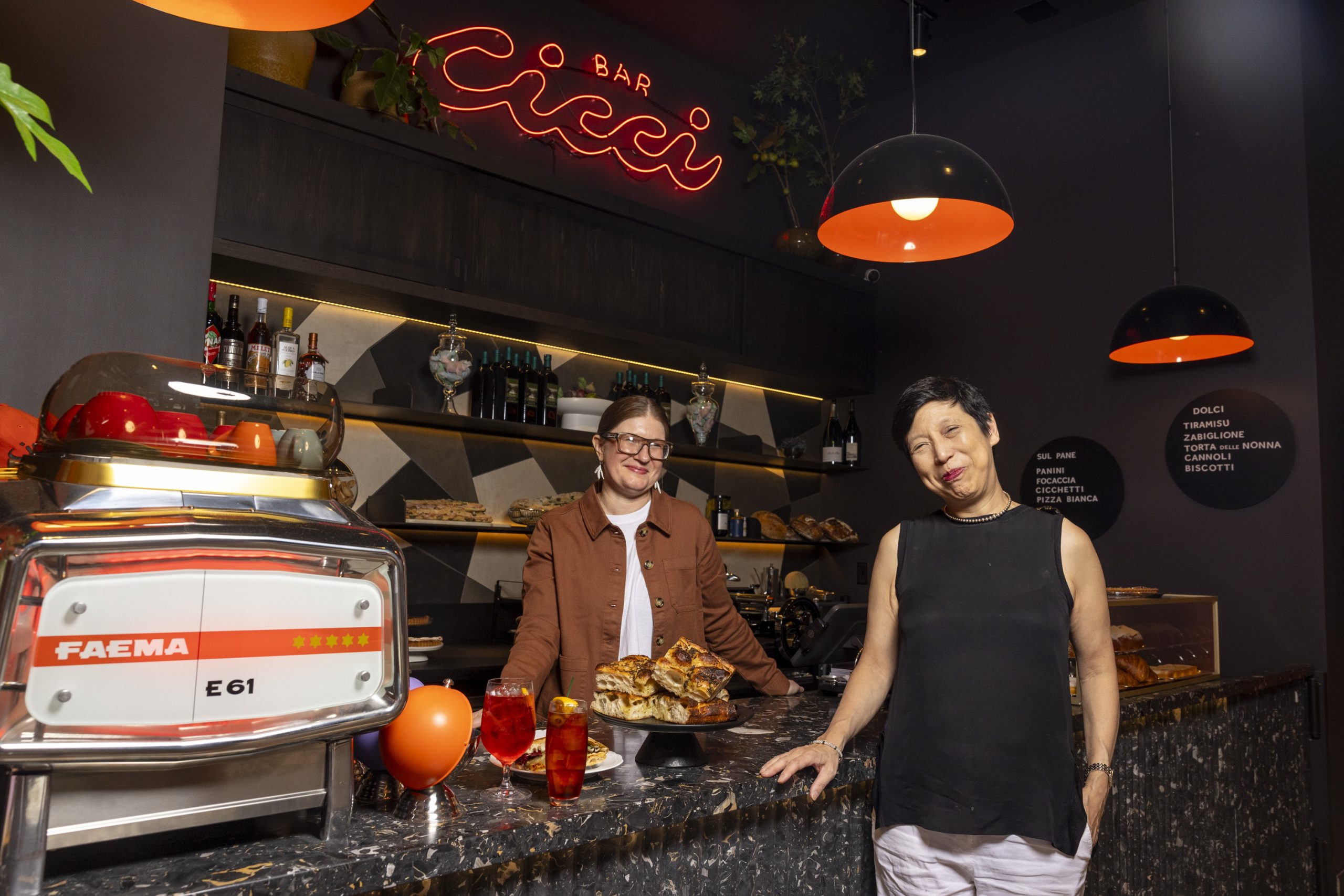
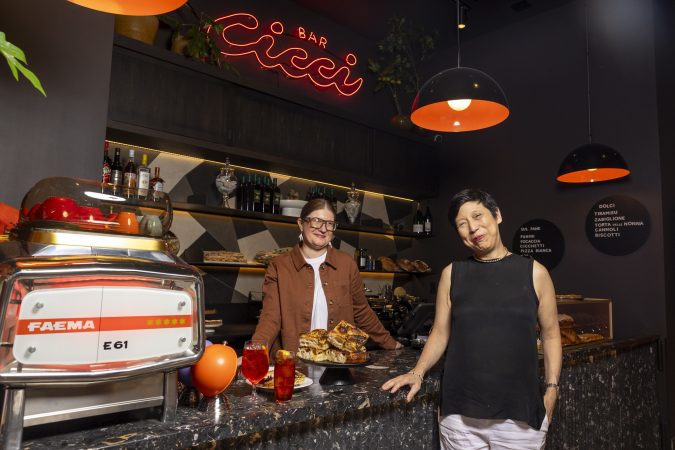
    High Street/The Bread Room culinary director Christina McKeough (left) and restaurateur Ellen Yin outside Bar Cicci, their new restaurant inspired by northern Italy. The light blue Lambretta scooter helps set the mood.Tyger Williams / Staff Photographer

    Bar Cicci’s 30-seat dining room channels 1970s Milan. Plush burnt-orange banquettes decorated with Missoni-style striped pillows wrap around black marble tables that interior designer Marguerite Rodgers repurposed from the lobby bar inside the Franklin Residences.

    The counter is outfitted with a modernized Faema E-61, at one point Italy’s best-selling and only semiautomatic espresso machine. Even the dome-shaped mid-century modern light fixtures — a holdover from when Sandler’s on 9th occupied High Street’s space at 101 S. Ninth St. — cast a slightly hazy glow, as if you’re sitting in a scene from a film.

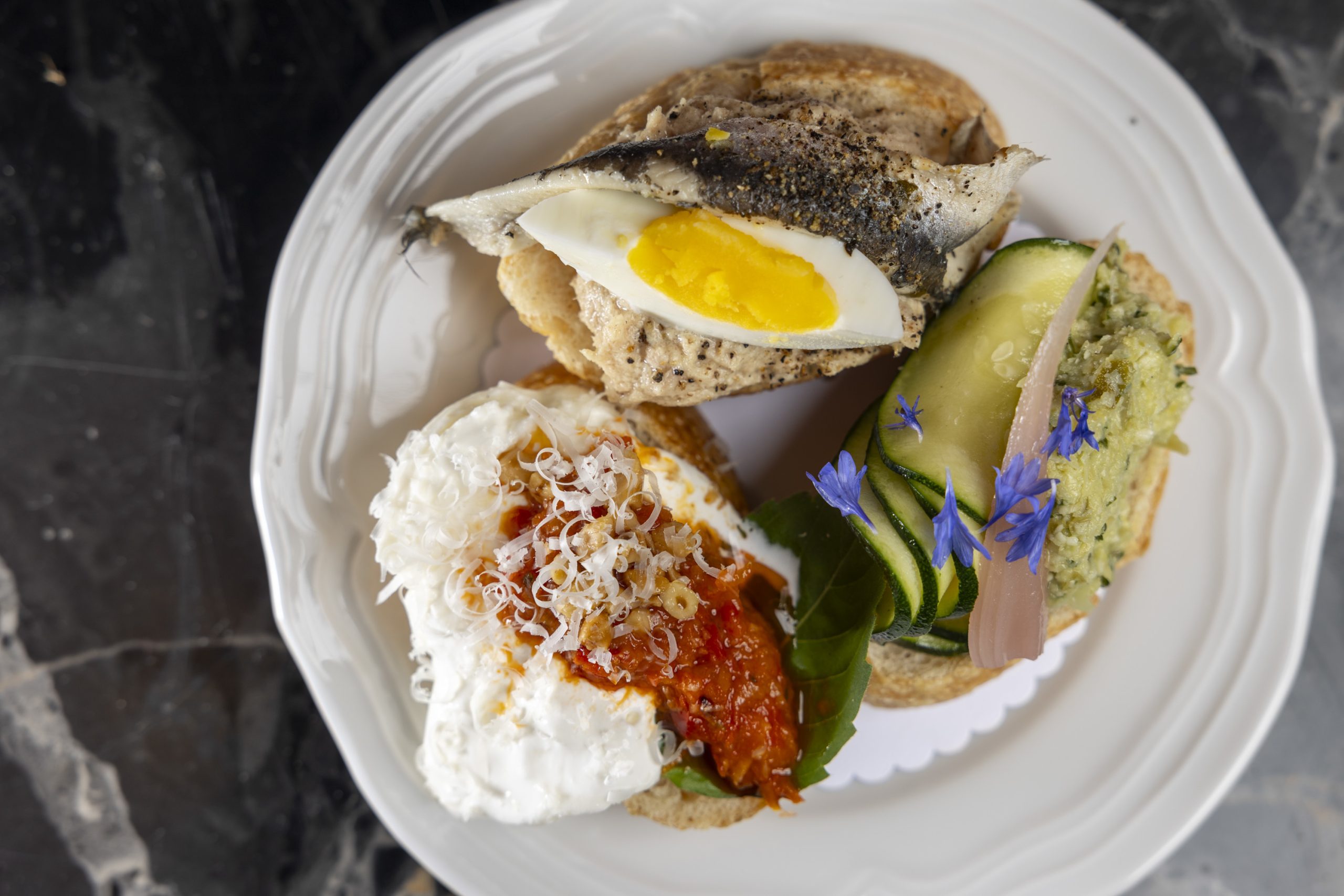
    An assortment of cicchetti at Bar Cicci. The crostini-like snacks are a Venetian speciality meant to be served with wine.Tyger Williams / Staff Photographer

    The vibe is inspired by Yin and McKeough’s favorite bars from research trips to Venice and Milan, such as Milan’s Bar Basso, where Yin recalled being offered seemingly endless pours of Campari. The duo intend for Bar Cicci to be an introduction to Italy’s slower-paced aperitivo hour, a time in the early evening when lower-ABV cocktails are paired with bite-sized snacks designed to get people socializing without pretense.

    Aperitivo is “supersocial,” McKeough said. “A lot of bars in Italy, people aren’t even sitting down. They’re standing up.”

    Sandwiches, spritzes, and snacks

    The centerpiece of Bar Cicci’s evening menu will be a rotating array of cicchetti, crostini-esque bites that you typically eat with a glass of wine while standing. The restaurant will offer about a dozen at a time, in sets of three or five, all prepared on McKeough’s version of an Italian baguette, which is chewier than its French counterpart.

    The pastry case at Bar Cicci is full of classic Italian pastries such as maritozzi and cornetti. Tyger Williams / Staff Photographer

    The bread was the hardest to perfect, according to McKeough, and the most crucial to get right: “No matter where we went, [the cicchetti] were always so easy to eat … you could take a bite without it falling apart.” She anticipates Bar Cicci’s opening lineup will include Venetian standards such as salted cod and tuna with eggs.

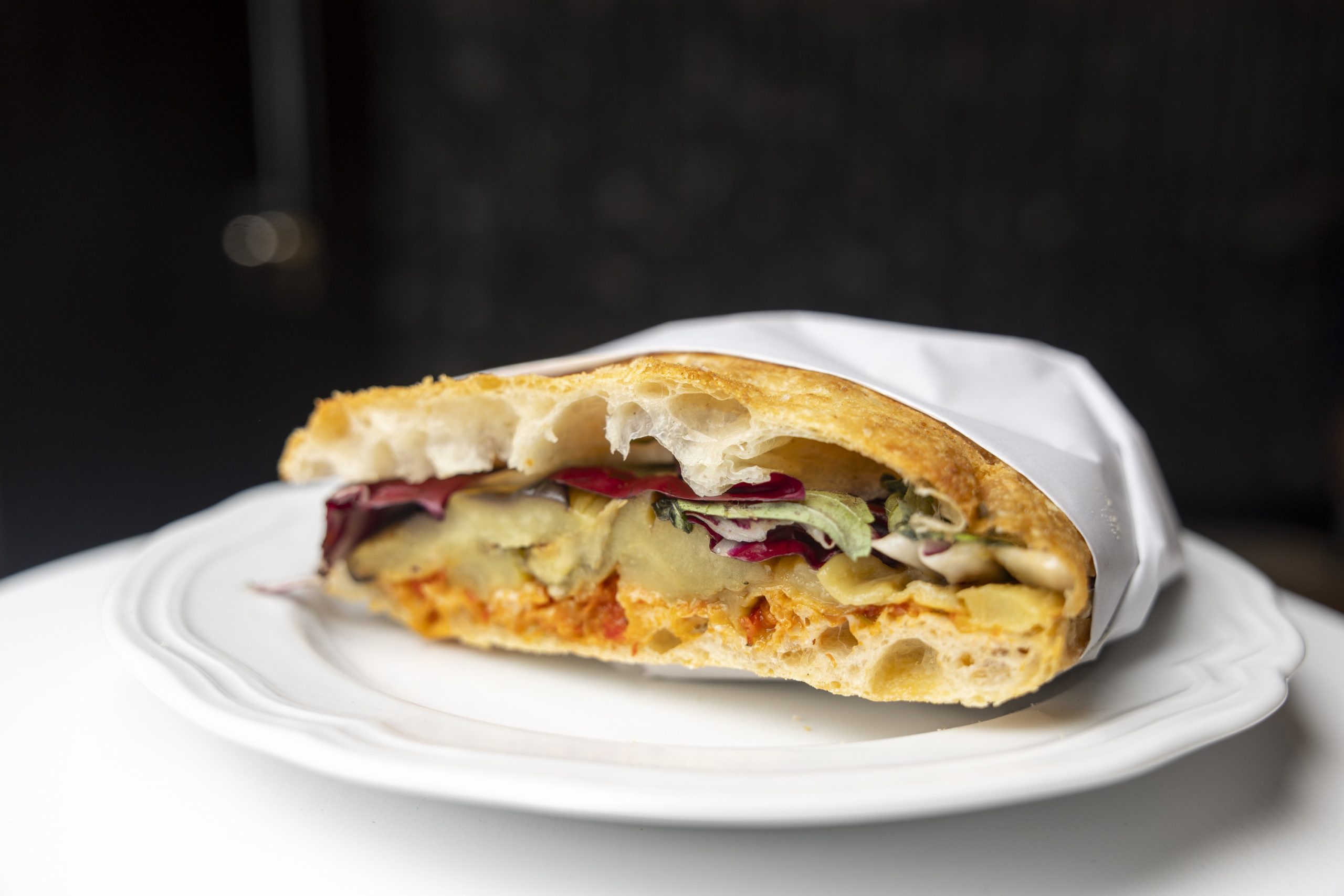
    The Bread Room will bake all the bread for Bar Cicci’s lunchtime sandwiches, will which include a long olive oil sfilatino loaf filled with mortadella; tuna and jammy egg on slider-sized rolls; and Roman-style pizza biancas layered with eggplant, bomba, and radicchio or anchovies, watercress, and tomato tonnato.

    A pizza bianca sandwich from Bar Cicci, which will be baking all of its breads in house.Tyger Williams / Staff Photographer

    As for the grab-and-go case, it will contain tried-and-true pastries that range from trendy cream-stuffed maritozzi to Italian-style chocolate chip pound cake and five versions of cornetti, which McKeough likened to a “reverse-engineered croissant.”

    Bar Cicci will serve dark-roast espresso and coffee from Arkansas-based roaster Onyx and Italian-style wines from Mural City Cellars, the popular Fishtown winery. The restaurant is going all in on aperitivi with its cocktail lineup, which will include a spaghett-style Aperol spritz, foamy espresso martinis al freddo, and the Garibaldi, a Campari cocktail made with the juice of a whole orange.

    For McKeough and Yin, the hope is that the food, if not cocktails, will make people linger.

    “There’s just something about a little bite that makes you want to have another drink,” McKeough said.

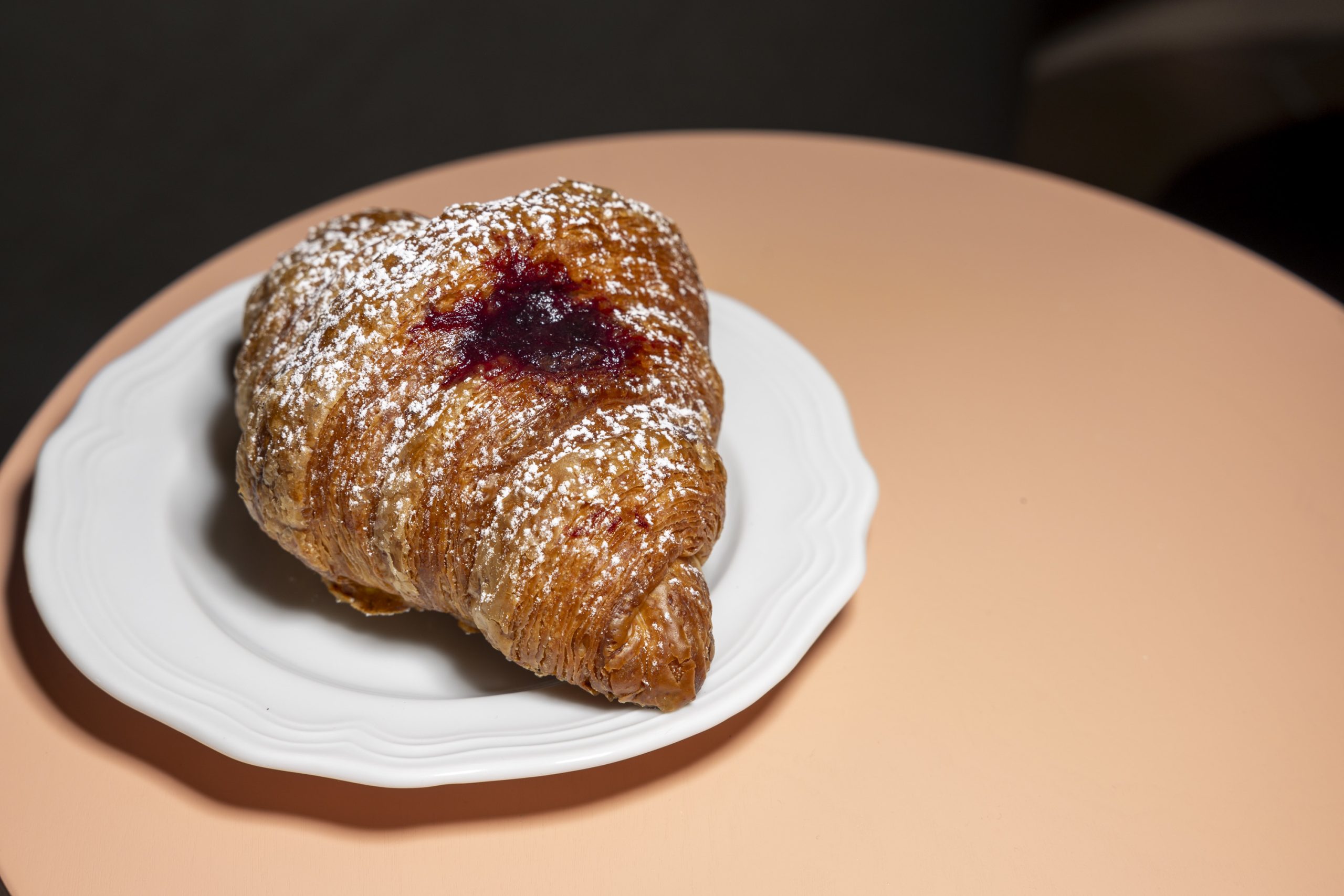
    A cornetto filled with seasonal jam at Bar Cicci.Tyger Williams / Staff Photographer

    Bar Cicci, 1620 Sansom St. Suite C3, 215-515-3793, barcicciphl.com. Hours: 8 a.m. to 9 p.m. Tuesday through Friday; 9 a.m. to 10 p.m. Saturday (to start). Soft-opening Aug. 18.

  • Spritzes, sports bars, and Korean fried chicken: August’s restaurant opening lineup

    Spritzes, sports bars, and Korean fried chicken: August’s restaurant opening lineup

    From Ellen Yin’s Italian aperitivo bar to a restaurant built around a community recipe contest, August’s opening calendar reflects the breadth of Philadelphia’s dining scene. Here’s what’s expected to debut this month — and what’s still to come.

    Note that in most cases, opening dates will not be locked in until shortly before the debuts.

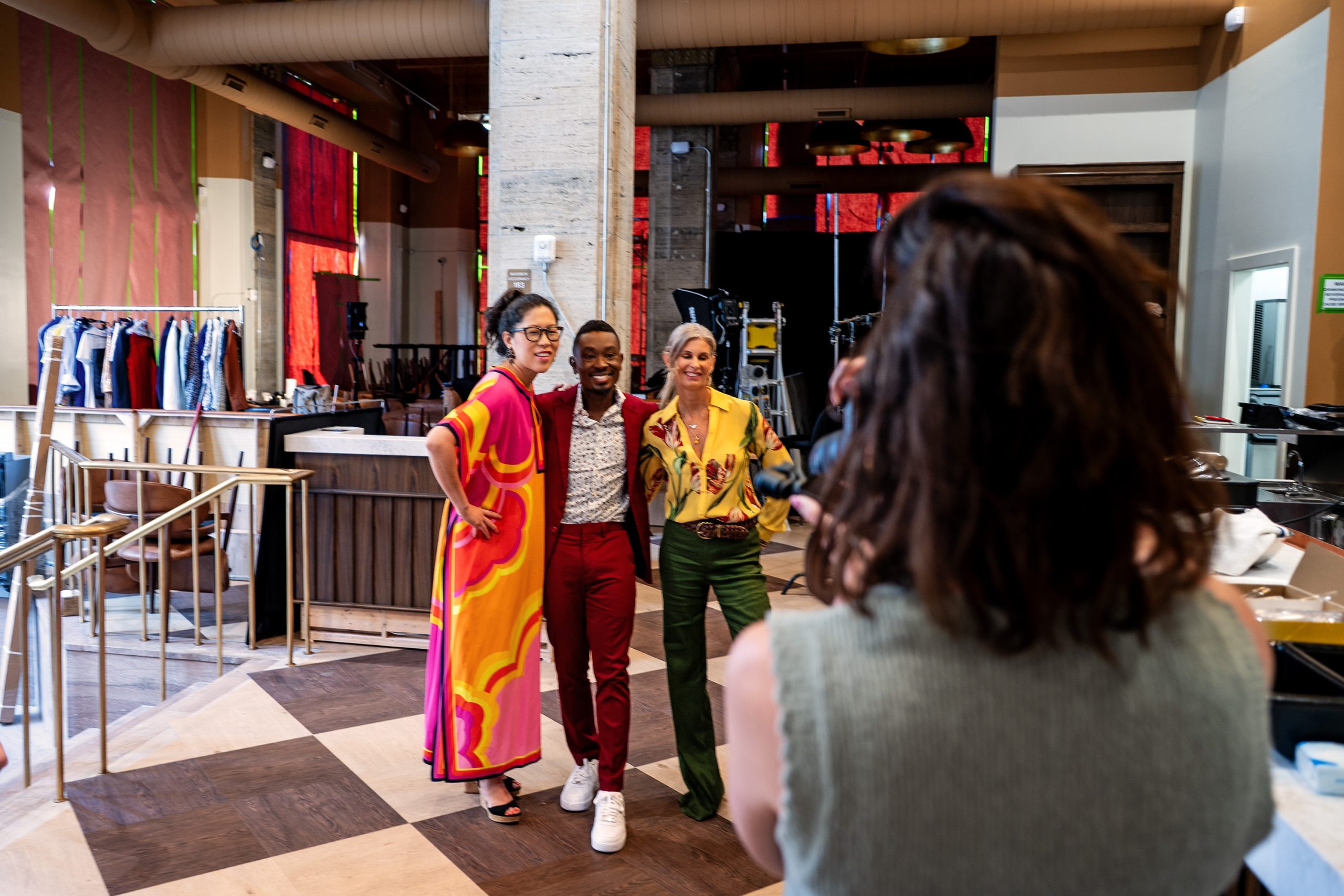
    Christina McKeough (left) and Ellen Yin outside Bar Cicci.Tyger Williams / Staff Photographer

    Bar Cicci (1620 Sansom St., Rittenhouse): Ellen Yin’s all-day aperitivo bar, located next to Uchi, is targeting a mid-August opening. In sum: 30 seats, espresso and pastries in the morning, sandwiches by day, and spritzes, cicchetti, and small plates by night, all in a Milan-inspired space complete with a vintage Lambretta scooter out front.

    Cecilia (266 E. Fourth St., Bridgeport): The crew from Blue Bell Inn in Blue Bell and Horsham’s Copper Crow has revamped Taphouse 23 into a modern American bar-restaurant with a comfort-food menu and massive patio sporting a wood-burning oven. It’s targeting a late-month opening.

    La Bandera is the signature cocktail at Mixteca.

    Mixteca (2113 E. York St., East Kensington): Billed as a neighborhood agave bar and restaurant, this New York City import from hospitality veterans Jeff Bell and Victor Lopez is headed to the former Martha space, with an opening later this month. The roughly 100-seat venue will spotlight tequila, mezcal, Bacanora, and raicilla with 10 margarita variations, agave twists on classic cocktails, and zero-proof drinks alongside contemporary Mexican fare featuring handmade tortillas, ceviche, tacos, and family-style pork al pastor.

    Recipe Philly’s recipe judges are (from left) Clara Park, Josh Moore, and Jennifer Carroll.

    Recipe Philly (1401 Arch St., Center City): Local home cooks take the spotlight at this restaurant at Broad and Arch Streets built around a public recipe competition, with winning family dishes earning a permanent spot on the menu alongside the cooks’ stories. Opening Aug. 13, the concept blends restaurant, community cookbook, and reality-show competition into one distinct experience.

    Toll Man Joe’s (1141 Pine St., Washington Square West): Returning to Philadelphia nearly five years after its pandemic closure, this sports bar will take the former location of the long-running Mixto. Founder Lori Penrose aims to open later in the month to catch football season.

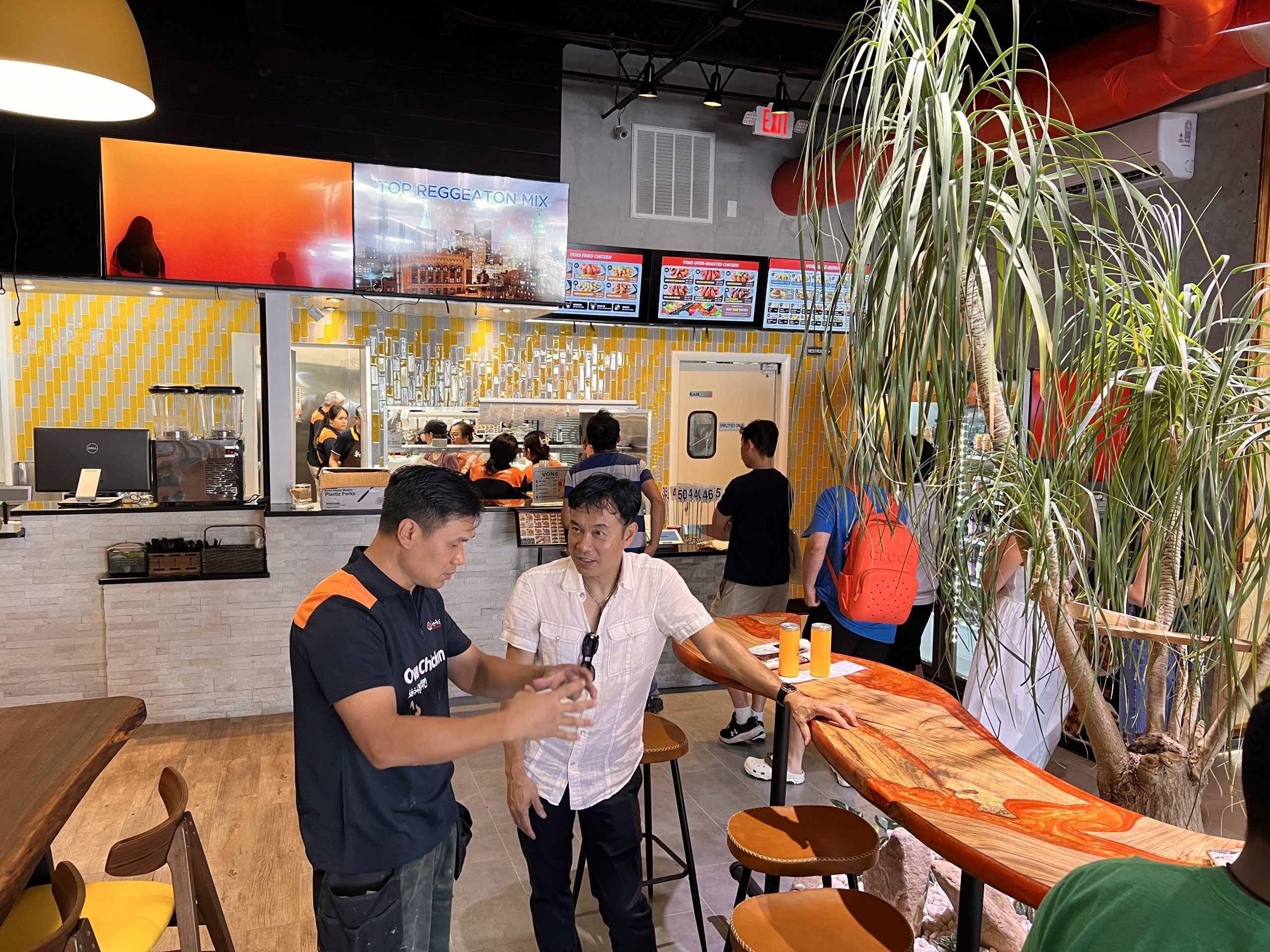
    Vons Chicken is set up with a counter and table seating.Michael Klein / Staff

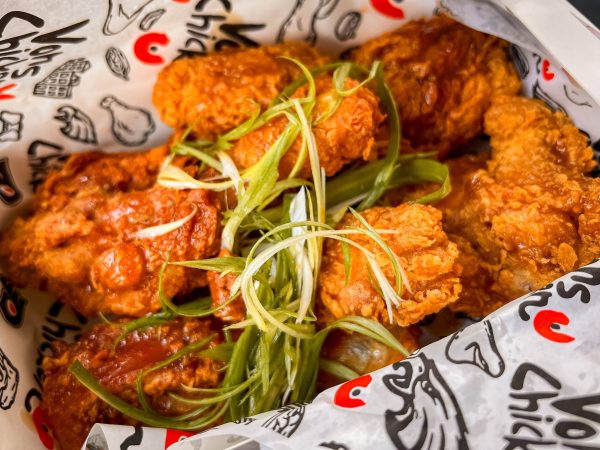
    Vons Chicken (1714 Washington Ave., South Philadelphia): This South Korean-rooted chain, big on the West Coast, opened last weekend in a Point Breeze strip mall next to AutoZone with a roomy dining area offering counter service. Menu includes crispy Korean fried chicken as well as oven-roasted chicken slicked with sauces, plus sides such as kimchi fried rice and tteokbokki. Local franchisee Thao Le, who first tasted Vons in California while visiting family, has assorted restaurant experience, including serving at Pietro’s Italian in Center City. Ever crave a beer with fried chicken? Vons secured a liquor license and stocks mostly local bottles in a fridge.

    Looking ahead

    Restaurants targeting September debuts include the Fishtown and Rittenhouse locations of Washington, D.C.-rooted bagel chain Call Your Mother; the all-day bar-restaurant Eggcetera Haus, filling the former Redcrest at Sixth and Bainbridge Streets on the Queen Village/Bella Vista line; and the New Orleans-inspired Philly Po Boy at Front and Berks Streets in Kensington. The Fishtown opening of Adda, the edgy Indian restaurant from New York’s Unapologetic Foods, is targeting October.