Tag: Business of health care

  • Aramark forged a partnership with Penn Medicine for more affordable employee health benefits

    Aramark and the University of Pennsylvania Health System launched a partnership this year to offer the food service giant’s Philadelphia-area employees healthcare in a test of a new model for reducing costs.

    Aramark employees who choose the benefit option, called the Penn Medicine Premier Plan, face no deductibles and lower copays when they and their dependents use Penn doctors and facilities.

    The move by Aramark into what is called direct contracting comes as employers are contending with years of surging healthcare costs. It’s an example of experimentation designed to slow spending growth in spending and perhaps improve quality, experts said.

    “We certainly would like to save money on the model, but its primary focus is to make benefits more affordable” by getting lower prices than it would get by going through an insurer, said James Startare, Aramark’s vice president for benefits.

    The model is called direct contracting because Aramark negotiated prices and other terms of the contract directly with Penn, instead of relying on an insurer to negotiate prices.

    It’s Penn’s first such contract and the first large-scale direct contract in the Philadelphia region. Aramark talked with other systems in the area, but Penn emerged as the partner willing to enter into the experimental contract. Penn described the deal as a multiyear contract ultimately expected to roll over from year to year.

    Aramark didn’t provide details on savings, but its goal was to negotiate prices that are lower than those it would pay though a benefits administrator, such as Aetna.

    By eliminating deductibles that function as a barrier to care, the plan is expected to encourage primary care visits. This could reduce long-term costs by catching patients’ health problems early.

    For health systems like Penn, such contracts offer a chance to increase market share, streamline payments, and hone their ability to manage the health of a population.
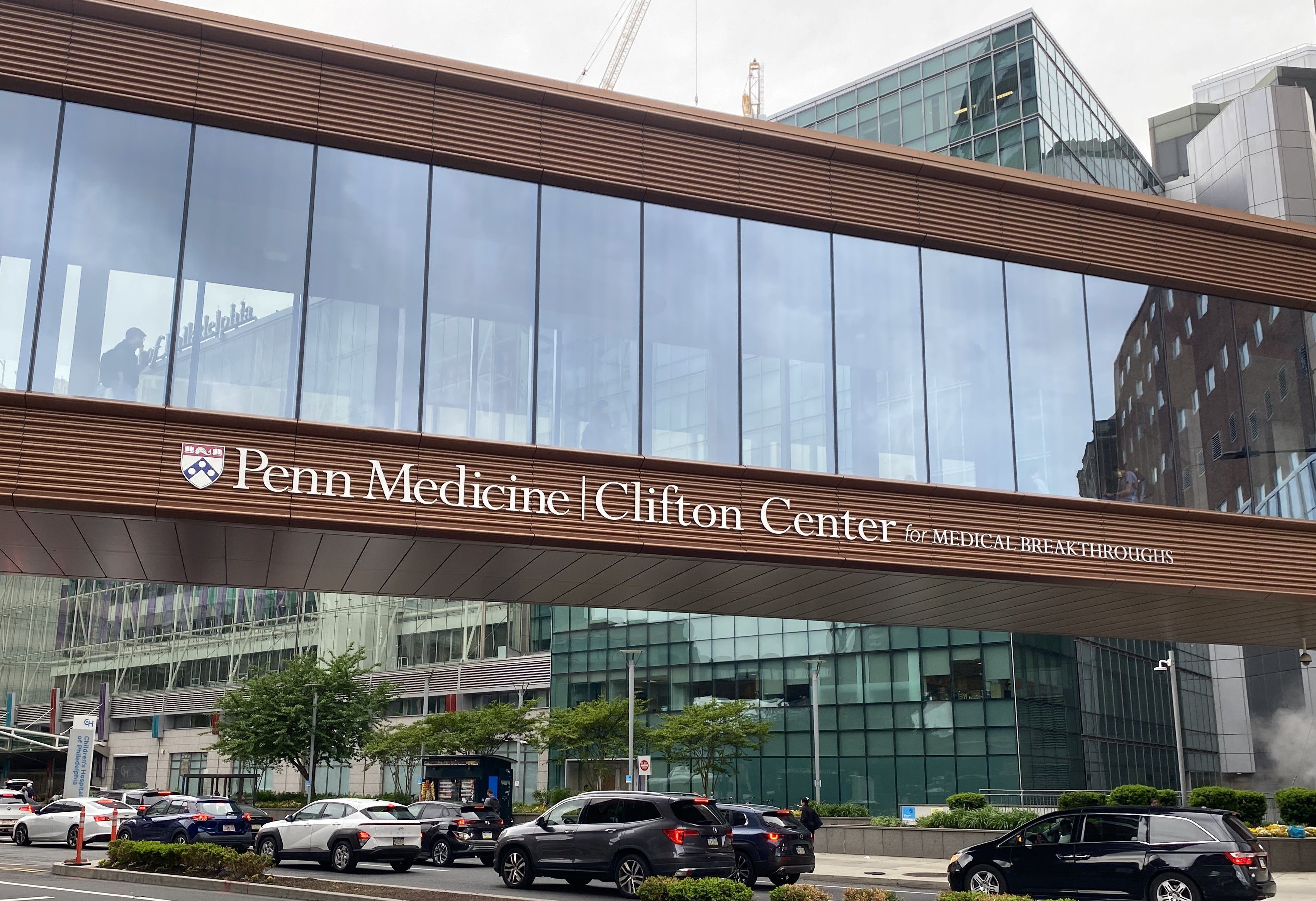
    The Penn Medicine Premier Plan features no deductibles and lower copays when Aramark employees and their dependents use Penn doctors and facilities. Harold Brubaker / Staff

    Aramark’s move into direct contracting

    Penn is Aramark’s third major direct contracting partner.

    Employers, even those like Aramark that are self-insured, typically rely on an insurer’s negotiated prices.

    With the new direct contract, an Aetna administrative unit still processes the claims for Aramark, and patients who go outside Penn for care use the Aetna network.

    Aramark launched its first such contract in 2024 in Dallas and expanded to Chicago last year, each time getting a strong employee enrollment, though it took two years in Chicago, Startare said.

    In the Philadelphia region, 35% of eligible employees (those who work 30-plus hours a week on average) have chosen the Penn plan, which took effect Jan. 1, Startare said. That amounts to 800 employees.

    Coincidentally, the health contract started at the same time as Aramark’s contract to manage food and other services at Penn Medicine facilities, but the two deals were not linked.

    Employees who were moving to Aramark with the food services contract were worried about losing their Penn benefits, said Megan Lieberman, a patient services manager at Chester County Hospital who was among those who became an Aramark employee.

    But the Penn Premier Plan was very similar to what they were used to. “It was definitely a huge relief to know that we got to hang on to those benefits,” Lieberman said.

    A separate contract covers pediatric services at Children’s Hospital of Philadelphia for Aramark employees and their families.

    Next year, Aramark plans to take direct contracting into central New Jersey, but did not name the system it’s using there.

    What’s in it for Penn

    The Aramark contract is an opportunity to focus on “chronic disease management, preventive care, cancer screenings, things like that” for a specific group of 1,400 patients who are motivated to stay within the Penn system, said Mark Angelo, Penn’s chief medical officer for population health.

    A key goal is to reduce the deductibles, copays, and prior authorizations that can slow access to preventive care. The model is designed to take care of people before they end up in high-cost places like the emergency department or hospital, Angelo said.

    Keeping more patients within Penn is expected to result in savings because of better care coordination and fewer repeated tests, Angelo said. Penn Premier plan members can seek care outside of Penn, but it will cost them more out-of-pocket.

    As it is, the typical Penn patient also uses other health systems for some services, said Roy Schwartz, Penn’s vice president for payer strategy.

    “Sometimes it’s the right choice, sometimes it can fragment their care,” Schwartz said. “There should be savings just simply coming from having integrated, coordinated care at a place like Penn.”

    Penn does not yet have much of its own data on Aramark employees, but indications from Aramark are that the plan’s members were using more Penn services in the first six months, Schwartz said. “It was not just patients who were using Penn anyway for pretty much everything.”

    Penn and Aramark officials plan to meet regularly to review results and consider modifications. “We’re hoping this works out well for everybody because we’d love to do some more of these,” Schwartz said.

    Momentum behind direct contracting

    Employers nationally have long contracted directly with doctors and health systems for specific procedures, like joint replacements, cancer care, and heart surgery. For years, they’ve also paid directly for primary care through on-site clinics.

    Aramark’s move to an all-encompassing healthcare plan with a single provider fits into a newer trend gaining momentum nationally. Investors have created platforms like Cost Plus Wellness, Mishe Health, Nomi, and Transcarent to help health systems implement direct contracts.

    Northwell Health, a major health system in New York and Connecticut, started a for-profit subsidiary called Northwell Direct and now has more than 70 contracts that cover more than 300,000 people.

    Northwell Direct’s biggest contract covers 100,000 building service workers in the New York area and their dependents. It took effect this year and is expected to save 20% in the first year.

    Big savings to start are not guaranteed.

    “They may not go into it with a lower cost, but they’re going to go into it with better access, better quality for their employees, and what they’re finding is eventually those lower costs will come,” said Jenny Goins, chief of staff at the National Alliance of Healthcare Purchaser Coalitions.

    The Washington nonprofit is putting together a direct contracting advisory council to help more employers to do what Aramark is doing, Goins said.

    The model is not expected to replace traditional coverage anytime soon in the Philadelphia region.

    “It is not for everyone, and it does take effort and coordination on the part of the employer,” said Tom Belmont, CEO of the Greater Philadelphia Business Coalition on Health. “Also, some health systems are ready for the discussion, while others are not.”
  • Jefferson Health reported a $181.5 million operating loss in fiscal 2026

    Jefferson Health reported a $181.5 million operating loss in fiscal 2026

    Thomas Jefferson University and Jefferson Health posted an operating loss of $181.5 million in the year that ended June 30, an improvement over last year’s $208 million loss. In both years, the loss was concentrated in Jefferson’s insurance business.

    The fiscal 2026 results, reported to bondholders Friday, included $112 million in costs for layoffs and other moves designed to put the Philadelphia region’s largest health system on firmer financial ground.

    Jefferson highlighted in its preliminary report to investors that results improved each quarter of fiscal 2026 — from an operating loss of $103.8 million in the first quarter to a $71.1 million operating profit in the fourth quarter.

    “We’ve made significant progress strengthening Jefferson’s financial performance, yet those gains are increasingly threatened by the actions of commercial insurers in Pennsylvania,” Jefferson’s chief financial officer, Michael Harrington, said in an email.

    Jefferson sued Independence Blue Cross last month over policy changes that the health system says amount to back-door price cuts.

    “Despite already paying some of the lowest reimbursement rates in the nation, certain payers are now attempting to unilaterally rewrite or reinterpret existing contract terms to further reduce payments and improve their own margins at the expense of providers and the patients they serve,” he said.

    Separately, Jefferson sued Aetna in April over a policy that reduces payments for hospital stays for Medicare Advantage patients that Aetna decides aren’t sick enough to qualify for full payment.

    Insurers are under pressure from employers to slow healthcare expense growth. Independence said in response to the lawsuit that it acts in the best interest of its customers. Aetna said its policies comply with federal laws and regulations.

    Here are more details on Jefferson’s results:

    Revenue: Jefferson’s revenue reached $17.7 billion, up from $15.8 billion the year before. Fiscal 2025 included just 11 months of Lehigh Valley Health Network results. Jefferson completed that acquisition on Aug. 1, 2024, expanding its reach into Northeastern Pennsylvania and giving the nonprofit more than 30 hospitals.

    Jefferson Health Plans: Jefferson’s insurance arm had a $130.3 million loss in fiscal 2026, an improvement over a $169.9 million loss the year before. The insurance arm had 415,172 members on June 30, up from 366,780 the year before. The plan is diversifying away from Medicaid as it increases enrollment in Medicare Advantage and the Affordable Care Act markets. The percentage of membership in Medicaid fell to 75% this year from 87% last year.

    Notable: The fourth quarter of fiscal 2026 was Jefferson’s first profitable quarter in at least four years, according to Inquirer calculations that exclude investment income. Unlike other local health systems, Jefferson follows accounting rules for higher education, allowing it to include a portion of investment income in revenue.

  • Bonds for sale of South Jersey’s Advantage Behavioral Health failed to attract investors

    The nearly $600 million in tax-free bond issue meant to finance the sale of South Jersey’s Advantage Behavioral Health failed to attract enough investors last week, leading investment bankers to put the transaction on hold, Bond Buyer reported.

    Despite the extremely high investment yield as high as 8.25%, portfolio managers were troubled by the heavy debt load that would have been placed on a company with a short track record and few hard assets backing it up, according to the trade publication.

    Bond Buyer said that KeyBanc Capital Markets is working on restructuring the deal to salvage the sale of Advantage Behavioral by a private equity firm to a nonprofit called QCF Advantage LLC, which was created in April for the acquisition.

    Representatives of the private equity firm, Connecticut-based Clearview Capital, and QCF Advantage, whose parent company is based in Houston, did not respond to requests for comment Tuesday. Officials at Marlton-based Advantage could not be reached for comment.

    Clearview took control of Advantage in April 2025, which means a successful sale would be a quick turnover by private equity standards.

    The proposed sale was notable not just because it would have increased Advantage’s debt by 12 times, according to Bloomberg Law, but also because of the structure that would have left Clearview and current executives as owners of a for-profit entity that would manage Advantage.

    The proposed sale price was about $520 million, according preliminary bond documents. That price included $80 million being held back to see if Advantage hits profit targets after the sale. The company had $141.6 million in revenue in the 12 months that ended May 31.

    Founded in 2017 in Camden County, Advantage also operates in Pennsylvania and six additional states. It offers intensive outpatient therapy through a business called Victory Bay and telehealth services through Harmony Bay. It also operates 17 sober-living houses under its Dignity Hall brand in Blackwood, Laurel Springs, Sicklerville, and several other South Jersey towns.

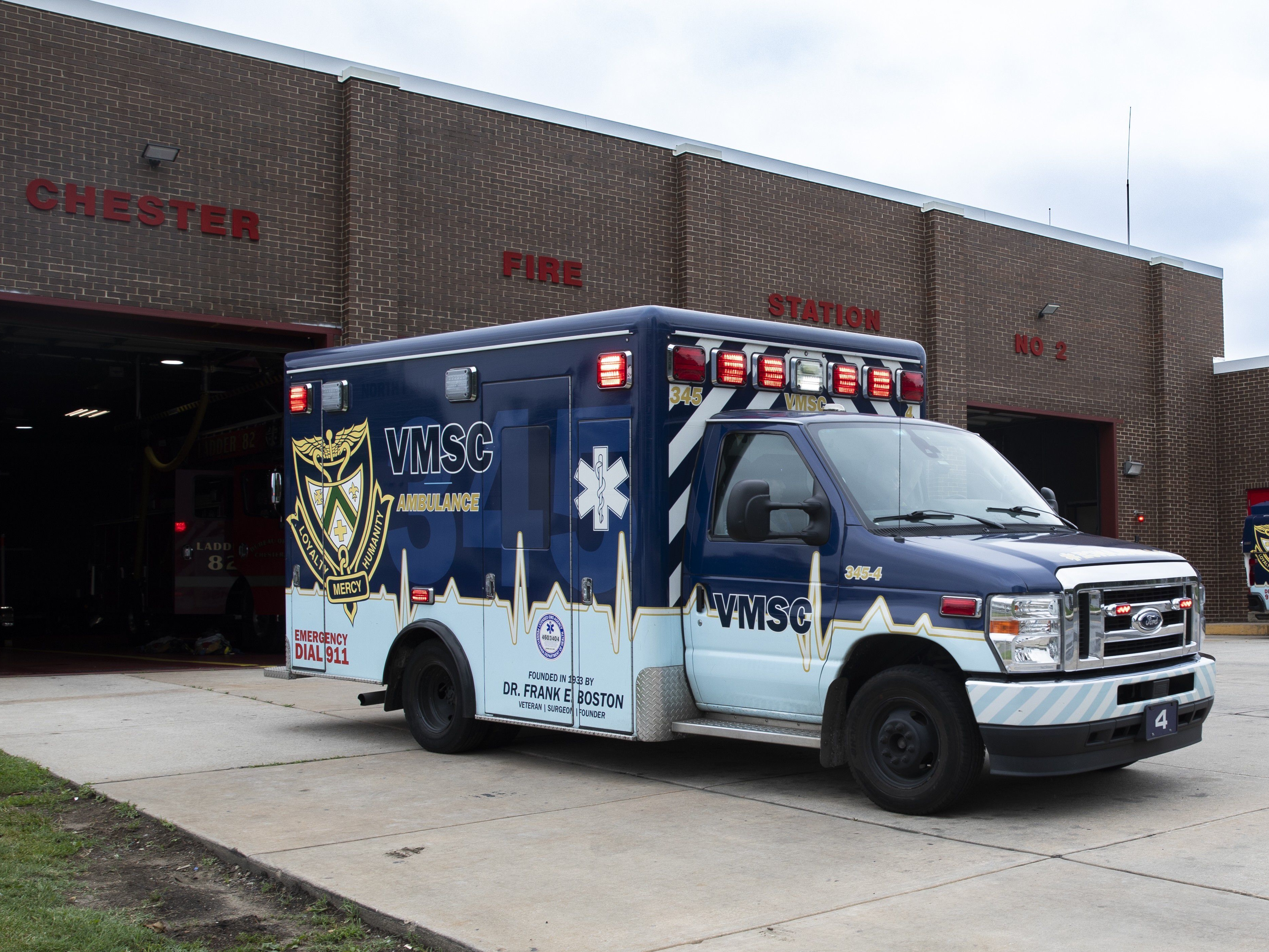
  • Chester City agrees to five-year emergency medical services contract with VMSC

    Chester City agrees to five-year emergency medical services contract with VMSC

    Chester City agreed to a five-year, $2.8 million contract with VMSC Emergency Medical Services, a nonprofit that started providing ambulance services in the community after the closure of bankrupt Crozer Heath a year ago, the city and VMSC announced Monday.

    During VMSC’s first year in Chester, the Lansdale organization had a $470,000 shortfall, chief executive Shane Wheeler said. The $2.8 million is expected to support operation of the services — including the cost of serving uninsured patients — and pay for equipment needs.

    The ambulance company has responded to 8,324 calls since May 2, but 35% did not require transport to a hospital, Wheeler said. In many cases, the ambulance crew fulfills the function of primary care for residents.

    “We’re assessing blood pressure or helping someone with their medication, helping people get up” from a fall, Wheeler said.

    VMSC’s accomplishments in the first year reducing ambulance response time to about 5½ minutes from more than 12 minutes, according to Wheeler.

    The contract requires VMSC to assign at least three basic ambulances to serve Chester and its direct neighbors, with two staffed 24 hours a day. The organization also must provide at least one commander with training in more advanced treatment.

    “This agreement is about stability, reliability, and protecting the health and safety of our residents,” Chester Mayor Stefan Roots said in Monday’s announcement of the contract. “This is a critical investment in public safety and in the overall well-being of our city.”

  • How realistic is new owner’s ‘aspirational’ plan for Crozer-Chester Medical Center campus?

    How realistic is new owner’s ‘aspirational’ plan for Crozer-Chester Medical Center campus?

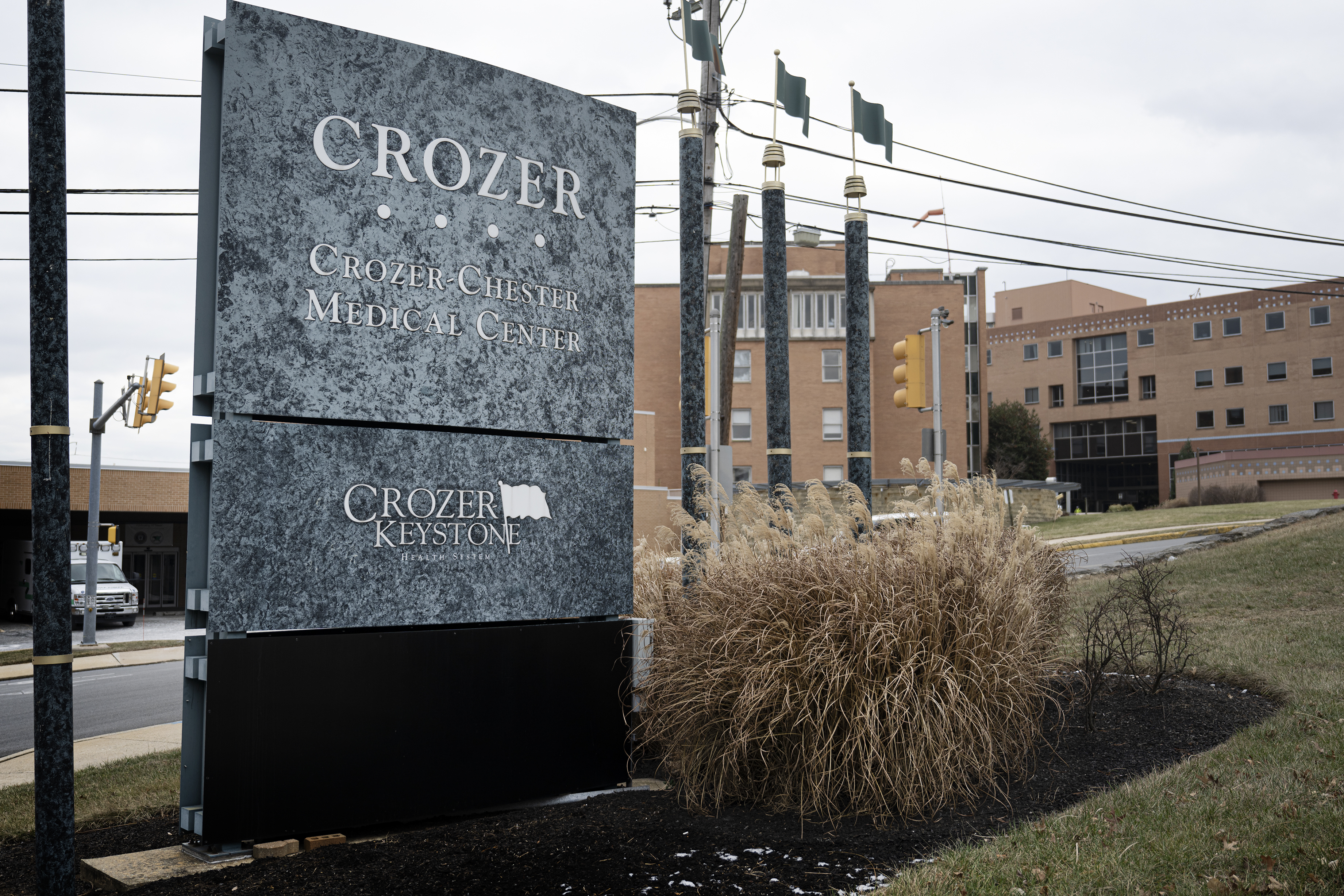
    The new owner of the shuttered Crozer-Chester Medical Center in Delaware County shared what he called an “aspirational” plan to restore healthcare services to the Upland facility at a town hall meeting Tuesday in Chester.

    The vision includes reopening of the emergency department, creating a small hospital above the ED, and developing outpatient services — all operated by one or more local nonprofit health systems, Yoel Polack told a standing-room-only crowd of more than 200 at Widener University.

    Polack is CEO of Chariot Allaire, the for-profit partnership that paid $10 million for Crozer in January. His group has been talking to all the regional health systems for months and expects soon to begin “a study process with two and hopefully three of the major academic medical centers in the region,” he said.

    That is expected to last up to 90 days, he said, “and hopefully at the end of that period, we’re going to be having some outline of partnership with the system.” Polack described his anticipated partner as an institution “you know and trust.”

    The entire process could take two or three years after a partnership is formed, he said Polack, whose company is registered in Lakewood, N.J.

    He provided no details on how much Chariot Allaire would be willing to invest to attract a health system to the site, where state-led efforts previously failed to save a major safety-net provider for Delaware County that closed last May amid the bankruptcy of its California-based owner, Prospect Medical Holdings Inc.

    Chariot Allaire paid relatively little for the 64-acre campus, which gives the company a low cost basis for owning the site. But that doesn’t mean it will be easy to attract a partner at a time of thin to nonexistent profit margins for the region’s health systems.

    “It does not seem like there’s an easy and obvious candidate,” said Dan Grauman, managing director at VMG Health, a national healthcare consulting firm.

    “There’s no question there’s need for care and for services, said Grauman, who has decades of familiarity with the Philadelphia region’s healthcare market.

    A welcome public meeting

    During an hourlong question and answer session, residents expressed gratitude for the meeting with Polack and his senior medical adviser, Arthur Klein, a pediatric cardiologist who spent decades as an executive at nonprofit health systems in New York.

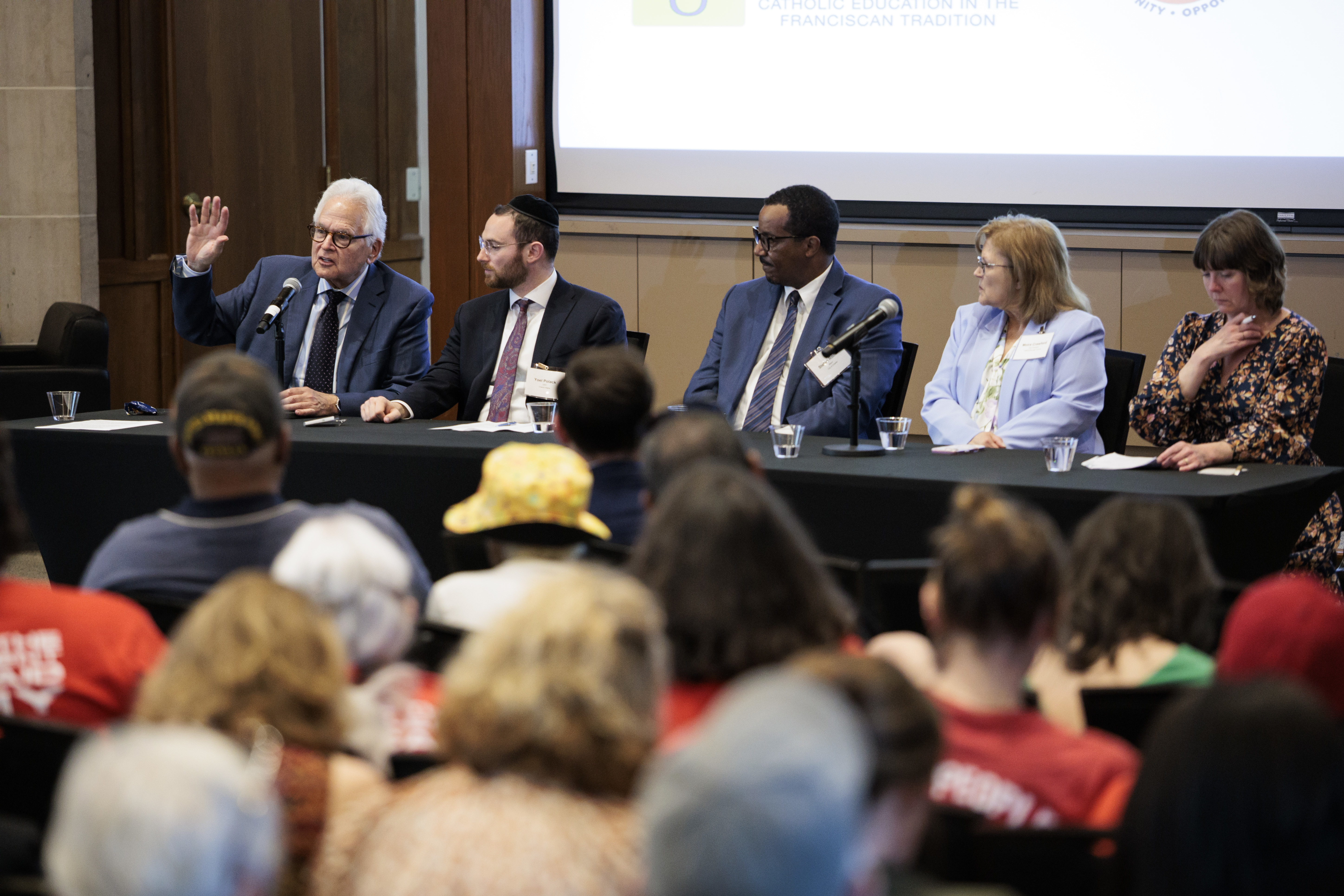
    A town hall meeting Tuesday in Chester about plans for the former Crozer-Chester Medical Center drew a large crowd.Monica Herndon / Staff Photographer

    “Many times things happen in our community, and we are the last to know, so you started off very, very well,” said Zulene Mayfield, chairperson of Chester Residents Concerned for Quality Living, a community group known for the fight to close a large trash incinerator in the city.

    Some residents pushed back against Polack and Klein’s plans for a much smaller hospital than the more than 400 beds Crozer-Chester Medical Center had at its peak. During a March interview with The Inquirer, Klein suggested the new hospital could have 80 beds.

    “You don’t want a hospital of the 1990s,” Klein said Tuesday.

    The current hospital structure encompasses 750,000 square feet — now completely empty. Crozer’s shuttered ED took up 30,000 of the square feet. Chariot Allaire contemplates opening a hospital a tenth of the size of the old hospital.

    Operating that hospital cost way too much, Polack said. ”It also doesn’t meet the way medical care is done today, which is mainly on the outpatient side,” said Polack, who has worked in healthcare real estate development in New York.

    Simone Development Cos., where Polack worked before striking out on his own, often collaborated on real estate deals with Montefiore, a health system in the Bronx that serves many patients with Medicaid insurance, Grauman said.

    That experience is relevant to the effort here, he said, given that Crozer also served large numbers of people with Medicaid, which pays significantly lower rates than private insurers.

    The role of local health systems

    Before Prospect’s bankruptcy filing in January 2025, a few local health systems explored establishing a new nonprofit to take over Crozer-Chester Medical Center. Those talks continued during the bankruptcy, but failed to produce a solution.

    The University of Pennsylvania Health System said it remains at the table.

    “We continue to work with committed partners to restore crucial healthcare services for Delaware County residents,” Penn said in a statement. “It’s important that any new models for the former Crozer-Chester site are built to be sustainable amid a rapidly changing healthcare landscape and persistent financial challenges.”

    ChristianaCare, which plans to open a micro-hospital in Aston in June, is not in discussions with Chariot Allaire, it said, but supports “their efforts to expand access to quality heath care in Delaware County.”

    Arthur Klein, senior medical adviser (left), and Yoel Polack, CEO of Chariot Allaire, greet attendees during a town hall in Chester on Tuesday.Monica Herndon / Staff Photographer

    While Chariot Allaire is wooing health systems, the new owners of two other closed Crozer Health hospitals, Taylor and Springfield, are doing the same thing. Local investors paid $1 million each for those hospitals. Those low prices could allow the owners to offer below market rate leases to attract tenants.

    Polack noted that if no local systems want to bring services to the Crozer site, he would look farther afield.

    “We don’t control hospital systems and operators, but we are doing everything that we can to put the pieces together to illustrate the opportunity that we see here to those hospital systems,” he said.

  • The new owner of Crozer-Chester Medical Center wants to restore hospital and emergency services

    The new owner of Crozer-Chester Medical Center wants to restore hospital and emergency services

    The new owner of the defunct Crozer-Chester Medical Center wants to restore hospital and emergency services to the 64-acre campus that straddles Chester and Upland Township in Delaware County.

    Newly formed Chariot Equities completed the $10 million purchase Wednesday. The for-profit entity said it expected within six months to have an agreement with a health system that would operate a “right-sized” hospital and emergency department at the facility that had been the county’s largest provider of those services before closing last year.

    The idea is then to open the first phase within two years, Chariot said in a statement.

    Chariot did not say how much it would spend on refurbishing Crozer-Chester, which had suffered from years of neglect under its two previous owners.

    Chariot’s partner at Crozer-Chester is Allaire Health Services, a Jackson, N.J.-based for-profit operator of nursing homes.

    The partners said they are in talks with regional and national nonprofit health systems regarding an operating partnership, but provided no details. The amount of money needed for the project would likely depend on what prospective tenants would want to do at the property.

    “Our belief in Delaware County’s future, and the community’s need for sustainable healthcare access, made this an effort worth committing to well before the finish line,” said Yoel Polack, Chariot’s founder and principal.

    Little is known about the new owners. Polack worked in healthcare real estate in the New York City area before setting his sights on redeveloping Crozer-Chester.

    Federal records list Allaire’s CEO Benjamin Kurland as an owner of 20 nursing homes, including three in the Philadelphia area. Chariot’s statement said Allaire owns a total of 29 facilities in five states.

    Philadelphia-area facilities associated with Kurland are the Center For Rehab & Nursing Washington Township, which was acquired from Jefferson Health; Riverview Estates Rehab & Senior Living Center in Riverton; and West Park Rehabilitation & Nursing Center in West Philadelphia.

    Local interest?

    Main Line Health has been involved in discussions about reopening emergency services at three former Crozer hospitals — Crozer-Chester Medical Center, Springfield Hospital, and Taylor Hospital — at the request of state lawmakers and the property owners, Ed Jimenez, CEO of Main Line Health, said Wednesday at a Riddle Hospital event.

    Jimenez said he would “entertain the concept” of restoring emergency services at one of the hospitals as part of a partnership with other health systems, but only if it can be done on a break-even basis.

    All three of the former hospital buildings visited by Main Line officials are in poor condition and were stripped of medical equipment after the closures. Main Line’s experts estimated it would cost between $15 million and $20 million just to make the emergency department at Taylor functional, Jimenez said.

    ChristianaCare, Delaware’s largest health system, considered acquiring Crozer in 2022. Instead, it took a different path to expansion in Southeastern Pennsylvania. It is planning to open two micro-hospitals in Delaware County. The nonprofit system also took over five former Crozer outpatient locations. Its credit rating was recently downgraded by one notch because of lower profitability.

    The importance of Crozer-Chester

    Crozer-Chester closed in early May during the bankruptcy of owner Prospect Medical Holdings Inc., a for-profit company based in California, and after the failure of government-supported efforts to form a new nonprofit owner for Crozer-Chester and other Crozer Health facilities.

    Crozer-Chester was particularly important as a safety-net provider for a low-income area of Delaware County that has few other nearby options. The Crozer system, which had four hospitals, was the county’s largest health system and largest employer for many years.

    Two local Democratic officials, State Rep. Leanne Krueger and Delaware County Council member Monica Taylor, said they were encouraged by the approach being taken by Chariot and Allaire.

    At Taylor Hospital, the other Crozer hospital that closed last year, new owners are also looking for healthcare tenants. Local investors bought the Ridley Park facility for $1 million. It is less than four miles from Crozer-Chester.

    The same group agreed last week to pay $1 million for Springfield Hospital, another facility that had previously shut down under Prospect ownership.

  • The fates of Crozer-Chester Medical Center and Springfield Hospital remain uncertain three weeks after bankruptcy auction

    The fates of Crozer-Chester Medical Center and Springfield Hospital remain uncertain three weeks after bankruptcy auction

    Friday marks three weeks since the bankruptcy auction for Delaware County’s Crozer-Chester Medical Center and Springfield Hospital, and it’s not clear how much progress has been made.

    Closing the sales depends in part on local authorities agreeing to tax deals that set the assessments at the transaction prices of $10 million and $3 million, respectively, for a limited period of time.

    Upland Borough, which is home to much of Crozer-Chester, is working on a property tax agreement that will be filed in court, borough council president Christine Peterson said Thursday. “We anticipate that Upland Borough Council will take action in favor of that stipulation once it is complete,” she said.

    A representative for Chester Upland School District did not respond to a request for comment Thursday.

    If the school district also agrees to a tax resolution, a company called Chariot Allaire Partners LLC is clear to acquire the shuttered safety net hospital for $10 million.

    Yoel Polack, who is principal of Chariot Equities and has been talking with local officials and prospective healthcare providers about plans for the hospital, said last Tuesday that he expected to issue what he called a “comprehensive memo” on the property this week.

    Polack said in an email Thursday that there was still no update, but he is hoping to have something in the next few weeks.

    The backup bidder for Crozer-Chester is the same group that won the auction for Springfield. The auction led to Chariot increasing its offer by $3 million.

    Both facilities are owned by Prospect Medical Holdings, whose next bankruptcy hearing is scheduled for Tuesday. Items to be considered include Springfield Township’s lawsuit aiming to force Prospect to improve safety on the hospital campus that it closed in 2022.

    Bankruptcy Judge Stacey Jernigan granted a temporary injunction blocking Springfield from taking any action against California-based Prospect.

    Another topic is a proposed $1.5 million settlement of a lawsuit filed on behalf of Crozer employees who did not receive 60 days notice before losing their jobs in April and May when Prospect closed Crozer-Chester Medical Center and Taylor Hospital, which has since been sold. Federal law requires employers to provide two months notice of layoffs.

    A stalemate in Springfield

    Lawyers for Prospect identified Restorative Health Foundation and Syan Investments as the auction winner with a $3 million bid. But it appears a tax agreement that would assess the Springfield property at the purchase price is nowhere near completion.

    “The township has no interest in agreeing to a tax deal without having a better understanding of the buyer’s intended use of the site and whether it aligns with the township’s comprehensive plan,” spokesperson Pete Peterson said in an email.

    A representative for the winning bidders, Aminah Shabazz Perez, told the Delaware County Times recently that the buyer was in talks with two health systems about moving into the hospital, but one of them told township officials that was not true, Peterson said.

    “In addition, the township already did its due diligence prior to the bankruptcy auction and engaged in discussions with representatives of different health systems,” he said. ”There was no interest in the property due to the cost of improvements the facility would need.“

    Attempts by The Inquirer to reach Shabazz Perez have not been successful. Prospect did not respond to request for comment on the property tax situation.

    The Springfield School Board would also have to agree to a tax settlement, but has not voted “on any proposed resolution of the outstanding tax appeals or the tax assessments relating to the Springfield Hospital and parking garage properties,” the school board’s solicitor Mark Sereni said Wednesday.

    The face value of the Springfield School District’s latest claim in bankruptcy court is $1.43 million. Under an abandonment order signed on Oct. 14 by Jernigan, the district would receive a general unsecured claim, which is not likely to be worth much.

    If Prospect abandons Springfield and Crozer-Chester, the municipalities would have to foreclose on the properties to collect any of the money Prospect owes them.

  • Bankrupt Prospect Medical received bids of $10 million for Crozer-Chester Medical Center and $3 million for Springfield Hospital

    Bankrupt Prospect Medical received bids of $10 million for Crozer-Chester Medical Center and $3 million for Springfield Hospital

    The winning bids at a bankruptcy auction were $10 million for Crozer-Chester Medical Center and $3 million for Springfield Hospital, owner Prospect Medical Holdings Inc. said in a court filing late Monday.

    The California for-profit, which filed for bankruptcy protection in January, identified the top bidders from Friday’s auction as Chariot Allaire Partners LLC for Crozer-Chester in Upland and Restorative Health Foundation and Syan Investments LLC for Springfield.

    Prospect did not say in its filing when it expected the sales to be finalized. Both hospitals are currently closed.

    Yoel Polack, who is in the group that wants to buy Crozer-Chester, initially declined to comment about plans for the property. “We are still working through final administrative details of the sale and will wait until next week to make any statements to the press,” he said in an email over the weekend.

    Polack is identified on LinkedIn as principal at Chariot Equities, which describes itself on its website as a real estate investment and development company. Previously, Polack worked in healthcare real estate, such as medical office buildings, at Simone Development Cos. in New York.

    Polack had an out-of-office reply on his email Tuesday, saying he would have no internet or phone access until Thursday.

    The president of Upland Borough Council, Christine Peterson, did not respond to a request for comment Monday about the winning bidder.

    No definitive information was available on Restorative Health Foundation and Syan Investments.

    A phone number registered under the name Restorative Health Foundation in Philadelphia led to a home care agency called Restorative Home Care. The person who answered the phone Tuesday said she knew of no connection to a bid for Springfield Hospital. Another number for Restorative Health Foundation had a voicemail box that was full.

    Restorative Health and Syan also participated in the Crozer-Chester auction, driving the winning bid up to $10 million from Chariot Allaire’s original $7 million offer. They were identified as the backup bidder for Crozer-Chester, in case Chariot Allaire doesn’t complete the purchase.

    At Springfield, KQT Aikens Partners 2 LLC is the backup buyer. That involves the same group of local investors that bought Taylor Hospital for $1 million last month.

    Prospect shuttered Crozer-Chester this spring, following the failure of government-led efforts to find a new, nonprofit owner. It had closed Springfield in 2022.