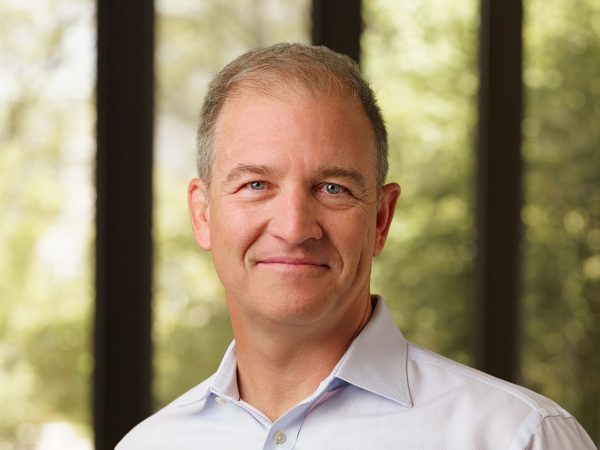
Rothman Orthopaedics plans to open three new surgery centers over the next year and keep adding doctors in its Philadelphia-area market, as the large physician-owned group refocuses growth efforts on its original territory.
“Our biggest priority in the near term is strengthening our core business here, in Southeastern Pennsylvania and New Jersey,” Rothman CEO Christian Ellison said. “We’re not gonna ignore opportunities. We’ll be opportunistic around things that make strategic sense.”
Rothman has seen more success after following the lure of fast population growth to Florida, where it opened offices in the Orlando area in 2020 in partnership with AdventHealth.
“Florida has been a big success, because we’ve had the partnership down there with Advent Health that’s been kind of mutually beneficial,” said Ellison, who became Rothman’s CEO last fall.
The Philadelphia draw
The practice headquartered in Center City already has 24 locations in the Greater Philadelphia market. That number includes facilities that Rothman operates in partnership with Jefferson Health, Main Line Health, AtlantiCare, and RWJ Barnabas.
Rothman located itsnewest office in West Chester, an area where Rothman had little market share, according to Ellison. He also sees opportunity in other parts of the Philadelphia region and contiguous markets.
To make that growth possible, Rothman is partway through an effort to hire 41 physicians by the end of this year. That represents a 20% increase and will bring Rothman’s total to 214 physicians, the company said.
The need for ambulatory surgery centers
Rothman is a partner in nine surgery centers in Pennsylvania and New Jersey and two surgical hospitals (Rothman Orthopaedic Specialty Hospital in Benslam and Physicians Care Surgical Hospital in Limerick).
Those outpatient facilities account for nearly two-thirds of Rothman’s surgeries. Even the surgical hospitals function primarily as ambulatory centers, Ellison said. The remaining third of surgeries takes place in acute-care hospitals.
“We are challenged for operating room capacity right now, both in the acute care hospitals, as well as in our ASCs, and so we feel like we need to bring more operating rooms online,” Ellison said.
What’s more, Medicare and private insurers want more procedures done in lower-cost surgery centers. In the future, insurers will pay the same price for an outpatient knee replacement whether its done in a hospital of freestanding surgery center, Ellison predicted.
Rothman hasn’t finalized locations for the new surgery centers, but Ellison said he expects two to be in Southeastern Pennsylvania and one in New Jersey. The centers will likely be in areas where Rothman has an established patient base.
The physician group prefers to open the new centers independently, as opposed to going through partnerships like it has historically. “We think we’re uniquely positioned to manage that patient experience in the surgical environment,” Ellison said.
Jefferson’s Joseph G. Cacchione ranked as the highest-paid CEO at the Philadelphia region’s nonprofit health systems in 2024, with total compensation of $7 million, according to The Inquirer’s annual review of public tax forms.
Madeline Bell at Children’s Hospital of Philadelphia collected $5.5 million in 2024, giving her the number two spot.
Both also were top earners in The Inquirer’s 2023 compensation analysis. Jefferson is the largest system based here, both by revenue and number of hospitals, with 33 stretching from South Jersey to near Scranton. CHOP is among the nation’s top-ranked children’s hospitals.
Janice Nevin at ChristianaCare joined the ranks of the top five. She received$3.5 million, about the same payas the region’s fourth highest earner,Al Maghezehe at Capital Health, which has a network of outpatient clinics in Bucks County and two hospitals in Mercer County. Maghezehe’s compensation stands out because Capital had by far the lowest revenue among the systems with the 10 highest-paid CEOs.
A couple of CEOs who left their positions before 2024 continued collecting long-term compensation, as is common in the industry.
Most notably, Jefferson’s former CEO Stephen K. Klasko collected just over $1 million in 2024. Heretired at the end of 2021, but remained an adviser through June 2022. The 2024 payment brought his total through 2024 to $48.7 millionfor 8½ years as CEO.
Lori Herndon left AtlantiCare in June 2023. Her compensation the following year was $1.3 million.
Here’s a look at the numbers from The Inquirer’s review of the latest 990 tax returns of 20 nonprofit health systems, covering 11 health systems with operations concentrated in Southeastern Pennsylvania, seven in South Jersey, and two in northern Delaware:
(function(){function e(){window.addEventListener(`message`,function(e){if(e.data[`datawrapper-height`]!==void 0){var t=document.querySelectorAll(`iframe`);for(var n in e.data[`datawrapper-height`])for(var r=0,i;i=t[r];r++)if(i.contentWindow===e.source){var a=e.data[`datawrapper-height`][n]+`px`;i.style.height=a}}})}e()})();
NovaCare Rehabilitation’s parent company, Select Medical Holdings Corp., was taken private in $3.9 billion private equity deal this week.
NovaCare has more than 100 physical therapy locations in the Philadelphia region, including some through a partnership with Rothman Orthopaedics.
For 25 years, NovaCare sponsored the Philadelphia Eagles practice complex in South Philadelphia. Jefferson Health took over the sponsorship this year.
Top management joined private-equity firm Welsh, Carson, Anderson & Stowe in the acquisition of Select Medical, which is based in Mechanicsburg, Pa. The sale was completed Wednesday. The price per share was $16.50 per share, an 18% premium to the latest close before the deal was announced in November.
In addition to outpatient physical therapy through NovaCare and other subsidiaries at 1,850 locations in 36 states, Select Medical operates 104 long-term acute-care hospitals in 28 states and 38 rehabilitation hospitals in 15 states. The company has more than 45,000 employees and had $5.5 billion in revenue last year.
Select Medical acquired NovaCare in 1999. Publicly traded NovaCare fell on hard times because of Medicare reimbursement changes under the federal Budget Reconciliation Act in 1997. The law capped reimbursement for speech, physical, and occupational therapy in nursing homes.
The company, then headquartered in King of Prussia, lost $700 million in annual revenue because of those changes, The Inquirer reported at the time.
A former Connolly Dermatology employee filed a lawsuit Thursday in Atlantic County, N.J., seeking unpaid wages for herself and other employees of the once fast-growing skin care practice.
The plaintiff, Tracy Piccardo, worked in the Linwood office as a receptionist. More than 70 employees owed back pay had been identified, according to her lawsuit, filed in Superior Court by David R. Castellani. Piccardo did not immediately respond to a text seeking comment on the lawsuit.
The practice’s owner, dermatologist Coyle S. Connolly,did not provide an on-the-record comment.. At its peak, Connolly had 30 locations, mostly in New Jersey and Pennsylvania. It’s not clear if any of them are open now.
Connolly’s practice stood out as Medicare’s top biller three consecutive years for a skin cancer treatment that saw a 40% reimbursement cut this year under the government insurance program.
The lawsuit alleges violations of the state’s Wage Payment Law/Wage Theft Act, breach of contract, and unjust enrichment.
It seeks payment of back wages with interest, damages to be determined at trial, and attorney’s fees. The complaint had no estimate of how much money is at stake.
At that point, Piccardo and other employees hadn’t been paid for three weeks, she said at the time. That was the second payroll lapse this year, Piccardo and other employees told The Inquirer.
The New Jersey Department of Labor said in May that it was investigating complaints about missed payrolls.
At least two Connolly landlords have sued over unpaid rent since May.
In early May, the owner of a Montgomeryville office sued to take possession of it after Connolly allegedly failed to pay rent in April.
Last month, a landlord sued Connolly for unpaid rent on a property in Middle Township, N.J., that the practice had occupied since 2007. The lawsuit says Connolly was delinquent on more than $39,000 of rent.
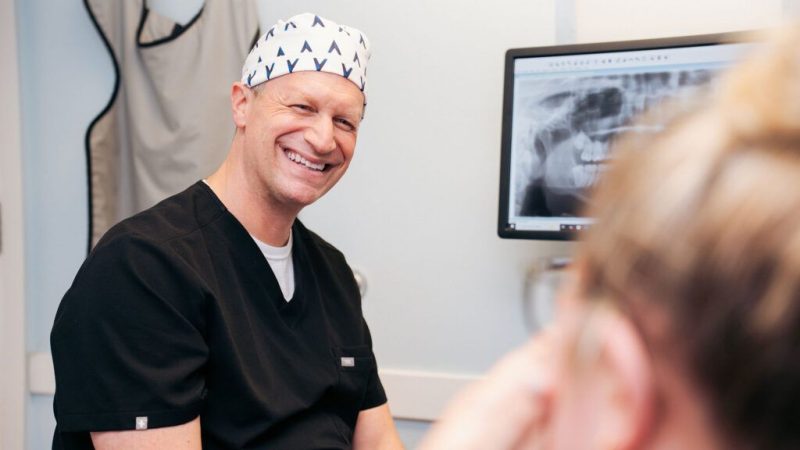
MAX Surgical Specialty Management, a private-equity backed company consolidating oral and maxillofacial surgery groups in the Northeastern U.S., has acquired two more practices in the Philadelphia area.
The latest deal, announced Friday, gives the Hackensack, N.J., firm 12 surgeons at 12 locations in Pennsylvania. Surgeon Jason M. Auerbach founded MAX in 2022 with private-equity backing and entered Pennsylvania two years later.
The two newly acquired practices have six offices in Bucks and Chester Counties.
Oral and Maxillofacial Surgeons P.C. has three surgeons, and offices in Doylestown, Quakertown, Warminster, and Chalfont. Oral Associates of the Main Line has two surgeons and offices in Exton and Paoli.
MAX did not disclose financial terms of the transactions.
In addition to New Jersey and Pennsylvania, MAX has practices in Connecticut, New York, and Vermont. The company — a management services organization — is majority-owned by its physicians, Auerbach said.
Oral and maxillofacial surgeons work at the crossroads of dentistry and medicine. Most have dental degrees, but some also have medical degrees. They remove wisdom teeth, install dental implants, repair facial traumas, and treat jaw injuries, among other services.
North Jersey origins
Auerbach founded Riverside Oral Surgery in Bergen County in 2007 and grew it to 12 locations before founding MAX with private equity partners. Part of his motivation was to create a home for independent physicians, Auerbach said in a May interview.
The Philadelphia region still has a high concentration of independents, with strong patient demand. “It’s hard nowadays to be an independent oral-maxillofacial surgeon, in terms of the complexities in running a healthcare business,” Auerbach said.
Robert Mogyoros, whose Greater Philadelphia Oral Surgery is in Elkins Park, said he valued his independence above all, but decided to look for a group to joinafter the business side had gotten too challenging.
Physician groups get better prices from vendors, better deals with insurers, and have an upper hand in physician and employee recruitment, said Mogyoros, who became part of MAX last July.
“What attracted me to MAX was that it’s doctor-driven and doctor-run,” he said in a May interview.
Rothman and Kim Oral & Maxillofacial Surgery, with offices in Northeast Philadelphia and Cinnaminson, was MAX’s first acquisition in Southeastern Pennsylvania. That deal also happened last year when MAX announced that it had borrowed $77 million to support growth.
When doctors sell their practices to MAX, they typically invest about 30% of the value into MAX, Auerbach said. MAX’s outside investors are MedEquity Capital near Boston, RF Investment Partners in New York, and Kian Capital in Charlotte, N.C.
Editor’s note: This article was update to correct the year when MAX made its first Pennsylvania acquisition.
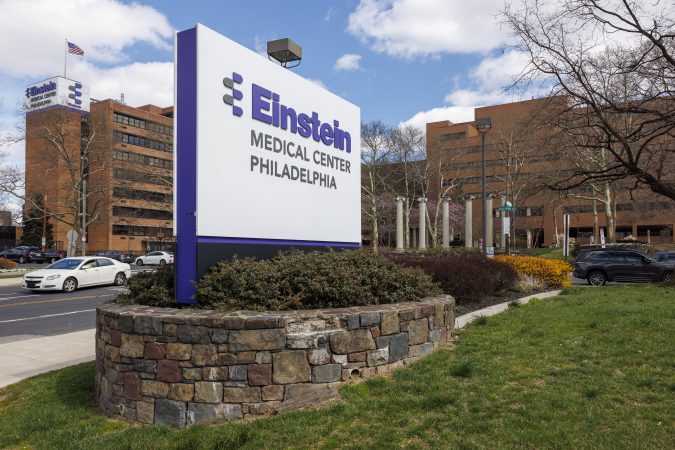
Nurses at Jefferson Einstein Philadelphia Hospital on Monday voted to authorize a strike if their bargaining committee calls for it as they negotiate a new union contract.
The nurses want the contract to include solutions to staffing issues, as well as assurances that the hospital will not close departments. Earlier this year, Jefferson Health announced plans to close several pediatric clinics, including the Pediatric & Adolescent Ambulatory Center at Einstein Philadelphia at the end of this month.
“Our patients deserve better than Jefferson is willing to deliver on its own. So do the nurses who care for them,” said Stephanie Stucka, a neuroscience nurse and co-president of Einstein Nurses United, in a statement.
The Logan hospital has about 1,200 unionized nurses, whose contract expired over six weeks ago. They are members of Einstein Nurses United, a local of Pennsylvania Association of Staff Nurses and Allied Professionals (PASNAP).
A little more than half the local’s members participated in the in-person vote, and 96% voted in favor of a strike, according to the union.
The union also voted to authorize a strike during their last contract negotiations in 2023, and ultimately reached an agreement on a new contract without walking off the job.
The union and hospital management continue to negotiate. Bargaining sessions are scheduled Tuesday, Wednesday and Monday, PASNAP spokesperson Megan Othersen Gorman said. If the committee does call for a strike, it must submit a 10-day notice under the National Labor Relations Act, she said.
“This action risks putting disruption ahead of patients and community members,” a Jefferson spokesperson said in an e-mailed statement Tuesday. “While a strike is not imminent, this vote sends the wrong message at a time when our community needs stability, partnership, and a shared commitment to care — especially as Philadelphia prepares to host major national and global events that will place increased demand on our healthcare system.”
The nurses’ union has proposed changes to improve staffing levels in most units, as well as contract language to protect staffing standards. It says Jefferson management has rejected these proposals.
The nurses also want management to commit to keeping hospital safety measures put in place in recent years, including increased security and weapons screenings. The union also noted nurses’ concerns that benefits like paid time off and pension may be cut, and that the cost of their healthcare plans could rise.
Main Line Health is adding a 108-bed patient pavilion to its Paoli Hospital campus as part of a push to expand its capacity in Chester and Montgomery Counties, the nonprofit health system announced Tuesday.
The building, expected to cost between $220 million and $240 million, is scheduled to open in early 2029. The project will expand Paoli’s capacity by more than 40%.
Patient rooms will occupy three of five floors. They will be convertible from standard hospital rooms into rooms for intensive care. One floor will be used for diagnostics, such as radiology and perinatal testing. The roof will have a landing pad for helicopters.
Beyond Paoli, Main Line is adding to its outpatient capacity in Downingtown, where a large facility that has township approval will include surgical care. The health system also has shared an early-stage proposal for outpatient offices in the Collegeville area, while it considers building there what would be its fifth hospital in Philadelphia’s western suburbs.
“While many communities face declining access to care, Main Line Health is moving forward with optimism, investing in this region’s future and reaffirming our commitment to exceptional care where people live and work,” Main Line CEO Ed Jimenez said in the announcement.
Paoli hospital currently has 261 licensed beds and employs nearly 1,400 people, according to Main Line. The hospital had 53,000 emergency department visits in the year that ended June 30, 2025. Main Line Health completed its last major expansion of Paoli Hospital in 2009, doubling the facility’s size.
Like other Philadelphia-area health systems, Main Line has experienced tough times financially since the pandemic, which led to broadly higher costs in healthcare. In the nine months that ended March 31, Main Line had a $214,000 operating profit on $2.1 billion in revenue.
More Main Line projects
Separately, about 12 miles west of Paoli Hospital, in Downingtown, Main Line plans to open a large outpatient facility next summer. Main Line Health Downingtown, at the intersection of Lloyd and Manor Avenues, willcost $150 million and include a surgery center and substantial imaging capabilities.
Incentral Montgomery County, as well, Main Line recently made a presentation to the Upper Providence Township Board of Supervisors about a major development in an area where the health system has seen substantial growth.
The long term could see Main Line builda 108-bed hospital, but more immediately itneeds to add outpatient office space in the Collegeville area, Main Line said.
Half of the nonprofit health systems in Southeastern Pennsylvania had operating losses in the first nine months of fiscal 2026, the systems’ latest reports to municipal bond investors showed.
All had strong revenue growth, with the exceptions of Redeemer Health and Tower Health, the two smallest systems by revenue. The gains at Jefferson Health and Penn Medicine benefited from acquisitions in fiscal 2025.
The reports are not perfectly comparable because of variations in accounting practices.
For example, Jefferson, Main Line Health, and ChristianaCare changed their depreciation rates, which reduced their expenses relative to competitors. Jefferson includes investment income in its revenue, boosting its results.
Here’s a summary in order of revenue, from the region’slargest to smallest systems:
Jefferson Healthhad a $252.6 million operating loss, which it attributed to severe winter weather, restructuring costs related to layoffs, and shortfalls in insurance reimbursement. Total revenue was just shy of $13 billion, up from $11.6 billion last year, which included only eight months of results from Lehigh Valley Health Network.
Children’s Hospital of Philadelphia had a $271 million operating profit in the first nine months of fiscal 2026, up from $195.8 million the year before. Total revenue rose 9% to $4.1 billion from $3.7 billion, thanks to strong gains in payments for hospital patients and unspecified other operating revenue.
Temple University Health System had an operating loss of $9.9 million, recovering largely from a $50.5 million loss in the first half of fiscal 2026. In the same period a year ago, Temple had a $10.9 million operating loss. The health system’s revenue was $2.6 billion, up from $2.3 billion last year.
Main LineHealth reported a small operating profit of $214,000, following a winter quarter setback. The four-hospital nonprofit system recorded an $8.5 million loss in the three months that ended March 31. Severe winter weather reduced patient visits, and the health system increased its reserves for medical malpractice expenses.
Tower Health swung to a small operating loss of $3.6 million. During the same period a year ago, Tower had a $4.2 million operating profit. Revenue increased 1.6% to $1.6 billion.
Steep losses continued at Redeemer Health, which reported a $29 million operating loss, compared to a $33 million loss last year. Redeemer’s total revenue rose by less than 1%, to $332 million. Redeemer owns Holy Redeemer Hospital, a 239-bed facility in Abington Township, Montgomery County, not far from Jefferson Abington Hospital.
Inside Philadelphia’s new RNA manufacturing hub, scientists are working to create vaccines for fish, precision pesticides, and treatments to protect plants from extreme heat.
The recently launched biofoundry at the University of Pennsylvania aims to expand biotechnological capabilities in the United States, funded by an $18 million federal grant. The National Science Foundation has invested infive such facilities nationally, each focused on a specific biological material.
The term foundry traditionally refers to a factory where metal is melted and shaped into desired forms. Expanding the concept, Penn’s NSF AIRFoundry now offers a one-stop facility for designing and building RNA technology.
All products under development involve ribonucleic acid, or RNA, a key molecule in living cells. Some consider it the cousin of the better-known molecule, DNA. Both can carry the genetic instructions for life.
The facility opened in March at One uCity Square in University City. It builds upon Penn’s success with the 2023 Nobel Prize-winning development of an mRNA platform that led to the first COVID-19 vaccine.
“We need to democratize this technology,” said Daeyeon Lee, a Pennprofessor of chemical and biomolecular engineering who serves as the foundry’s director.
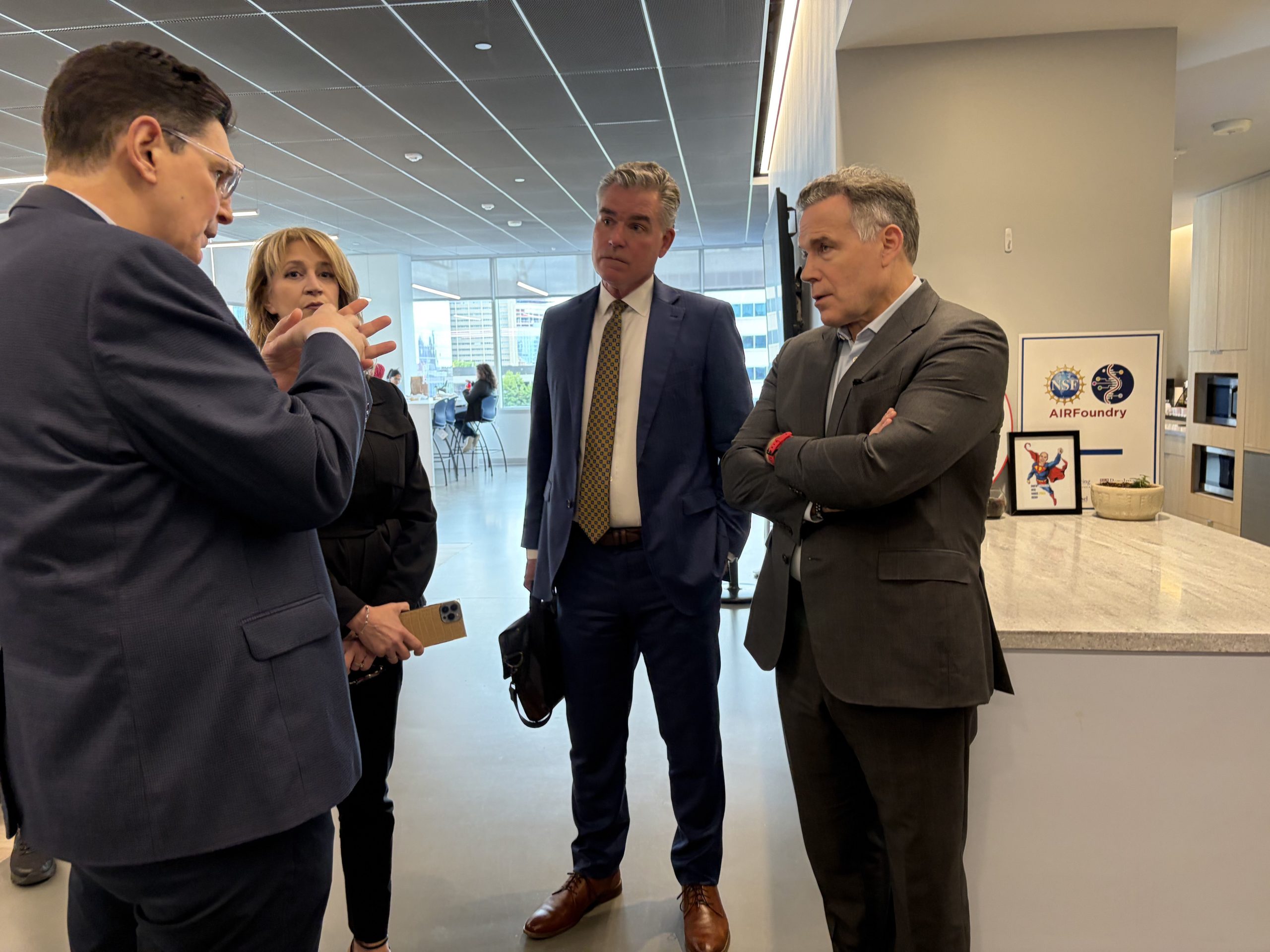
Penn Engineering professor George Pappas speaks with Sen. Dave McCormick about the AIRFoundry.Kayla Yup / Staff
AIRFoundry stands for Artificial Intelligence-driven RNA BioFoundry. Scientists hope AI will help them automate aspects of the design and manufacturing process, serving as a resource for researchers and commercial companies across the world.
A longtime anti-vaccine activist, Kennedy has claimed the technology is unsafe and ineffective, despite scientific evidence finding the vaccines to be highly safe and beneficial.
Now the foundry seeks to expand RNA’s applications in healthcare, agriculture and beyond.
Lee compared the technology to a hammer — good for certain things, but not everything.
“Our students and postdocs that get trained right now are going to be sort of the first generation of people to think about RNA as a tool for whatever problem they’re trying to solve,” Lee said.
An AIRFoundry scientist describes her work in the facility.Kayla Yup / Staff
A foundry for RNA
In themRNA COVID-19 vaccines, injected mRNA provides the instructions for cells to build a harmless fragment of the viral protein. That trains the body to recognize and fight a future infection.
Compared to traditional vaccines that use live or inactivated pathogens, mRNA vaccines can be produced more rapidly — useful in a pandemic.
One of the Nobel laureates behind that effort, Pennscientist Drew Weissman, has operated a smaller scale version of the facility, mainly to make mRNA for his lab and collaborators. The foundry’s launch marked an expansion beyond Penn.
Its sterile instruments and busy lab benches were on display last month as students and faculty walked through the manufacturing process.
“It takes special facilities and skills to make RNA and associated materials,” Lee said.
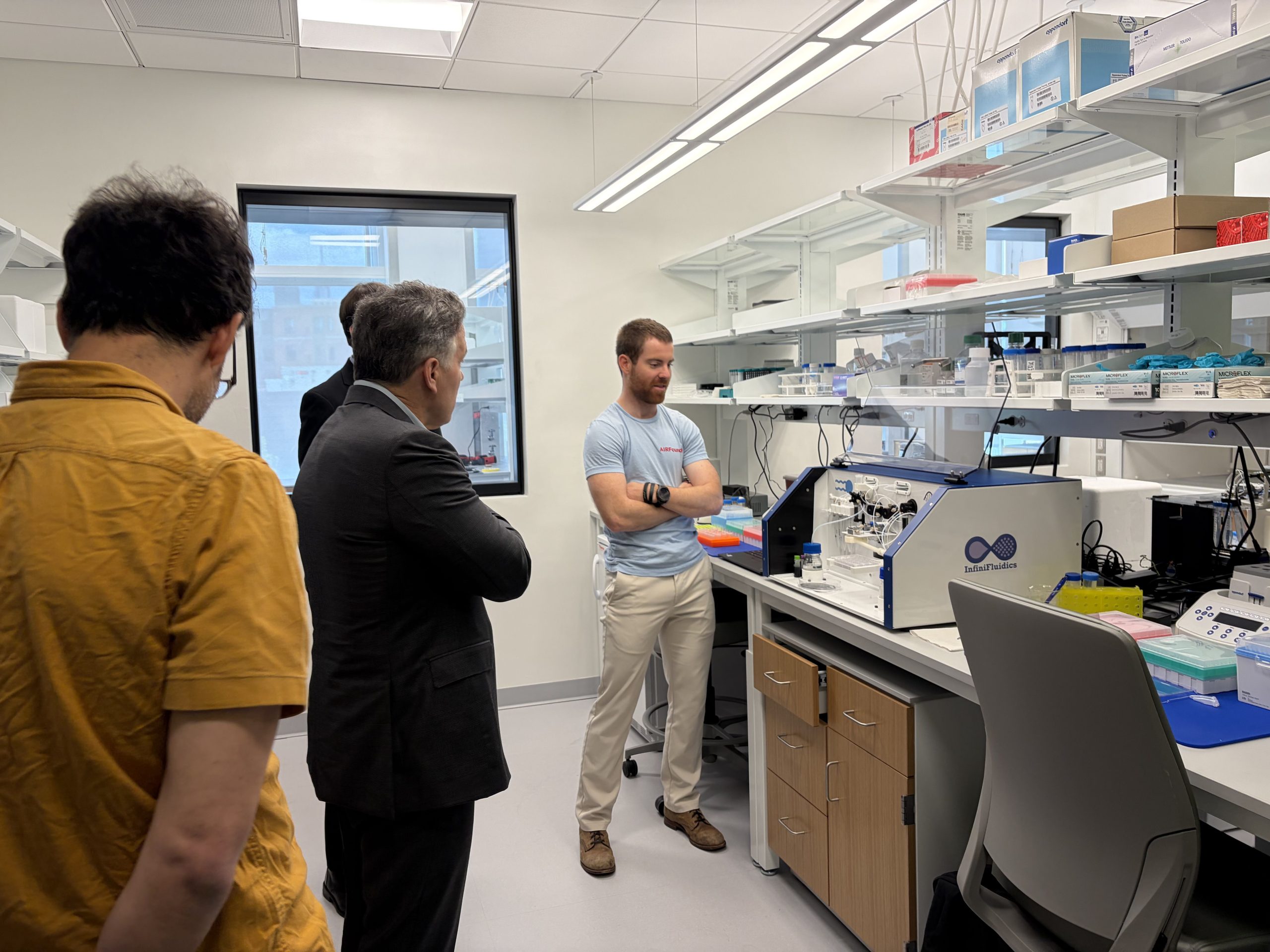
Owen Land, an engineer at Infinifluidics (a Penn spinout), spoke about a device used to automate part of the process of creating liquid nanoparticles (a delivery vehicle for RNA).Kayla Yup / Staff
So far, Penn’s facility has operated on a “fee-for-service” basis, where collaborators request a specific RNA technology and the foundry builds it.
But its scientists hope to incorporate AI to help with synthesizing all the current knowledge, best practices and databases.
They also want to reach a point where users can come to the physical facility and use the instruments themselves.
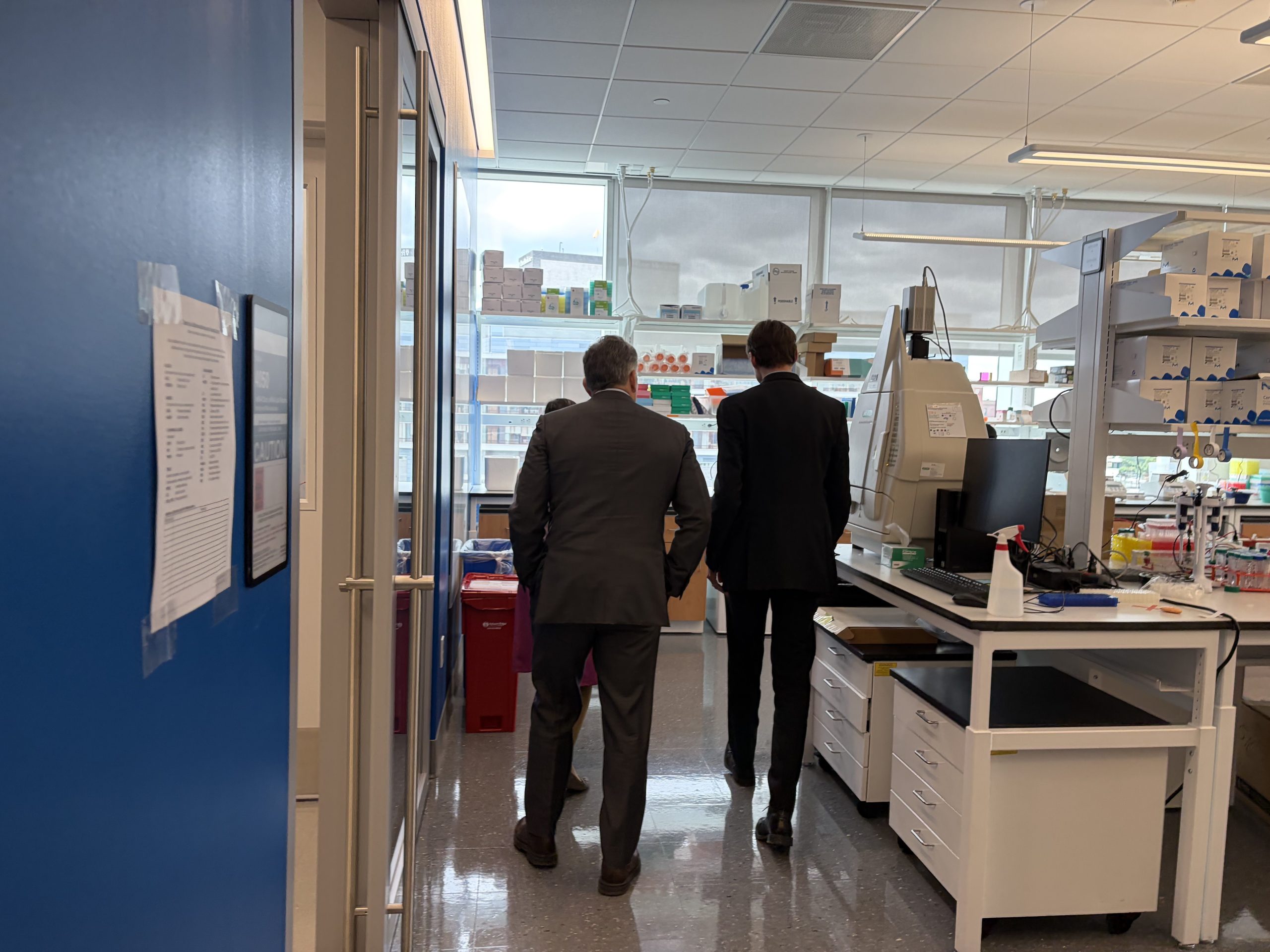
Sen. McCormick toured the AIRFoundry in May.Kayla Yup / Staff
The federal grant, which started in September 2024, supports the foundry for six years. Lee hopes it will eventually become self-sustaining through the services they provide.
Projects underway includeworking on vaccines to keep fish healthy.
Another collaboratoris developing ways to deliver RNA into plants to benefit the agriculture industry. For example, designing RNA molecules that carry instructions for producing a heat shock protein could protect plants from high temperatures. The plant would produce the protein and theoretically have greater resilience against extreme heat.
The molecule degrades over time, making its effects temporary. So if used during the summer months, the RNA could be gone by the time harvest rolls around.
This transient quality could also make RNA useful for pest control, in lieu of chemical-based pesticides, Lee said.
“We want to interact with everyone that’s interested in using RNA technology,” he said.
Independence Blue Cross, the Philadelphia region’s largest health insurer, launched this month a policy designed to move care into lower-cost surgery centers and away from hospitals and clinics that can generate payments twice as high for the same treatment.
The policy started June 1 echoes Medicare’s efforts to slow federal healthcare spending by paying the same price for outpatient procedures such as colonoscopies and knee surgery in hospitals as in surgery centers.
Pressure from employers to control costs has similarly motivated IBX and a newer regional competitor, Pittsburgh-based Highmark, which implemented a similar policy on Jan. 1. Both companies’ policies affect people with low risk of complications who are covered by commercial insurance or Medicare Advantage.
When doctors seek insurance authorization for certain procedures, IBX reviewers will ask whether doctors can treat low-risk patients in a surgery center, according to the company’s chief operating officer Richard Snyder.
“This is a gentle move,” Snyder said. “We’re not willing to force you to change doctors to have your colonoscopy or your service, but we want docs to get privileges in ambulatory surgery centers.”
The region doesn’t have enough low-cost surgery center capacity for a large-scale move to that setting, Snyder said. That means the policy might not hit hospital finances right away.
But the implication is that the policy could take a harder edge in the future. IBX’s goal is to spur the development of more surgery centers — either by the incumbent health systems or by new competitors, Snyder said.
Even now, the potential for delayed care and denied coverage has several regional health systems worried. Temple University Health System, for example, does not own ambulatory surgery centers, so the time could come when it has to coordinate care with outside providers.
The money at stake
Surgery to remove torn cartilage on the knee can cost $7,190 when performed on an outpatient basis in a hospital, nearly three times the $2,477 cost in ambulatory surgery centers, according to Philadelphia-area commercial insurance averages from heath prices data firm Turquoise Health.
Smaller gaps exist for hernia repairs and colonoscopies with a biopsy, Turquoise reported. Another data firm, Medscout, showed that a majority of those colonoscopies had already shifted to ambulatory surgery centers by 2024. The shift was far less advanced for hernia repairs— a procedure IBX is targeting.
(function(){function e(){window.addEventListener(`message`,function(e){if(e.data[`datawrapper-height`]!==void 0){var t=document.querySelectorAll(`iframe`);for(var n in e.data[`datawrapper-height`])for(var r=0,i;i=t[r];r++)if(i.contentWindow===e.source){var a=e.data[`datawrapper-height`][n]+`px`;i.style.height=a}}})}e()})();
Some physicians’ groups already are seeing opportunity in commercial and government insurers’ increased emphasis on surgery centers as a way to reduce spending — as well as regulatory changes that allow more procedures to be done in free-standing surgery centers.
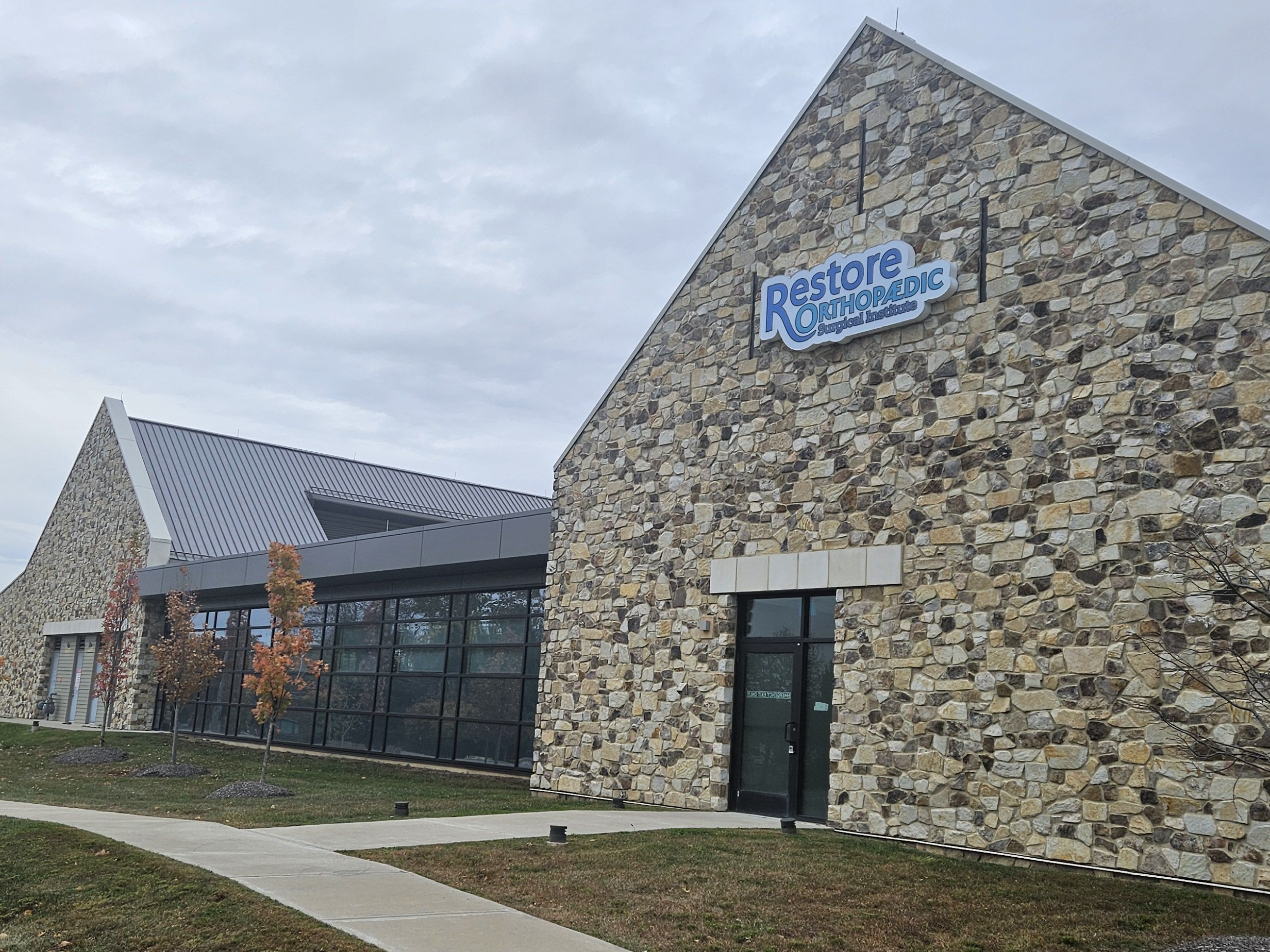
Restore Orthopaedic Surgical Institute in Chadds Ford, founded by a group of Delaware doctors, has been quickly become a high-volume joint-replacement center.
In the coming year, Rothman Institute plans to open three surgery centers in the Philadelphia region, the private practice’s CEO Christian Ellison said.
Restore Orthopaedic Surgical Institute in Chadds Ford has grown quickly to become one of the top joint replacement destinations in Southeastern Pennsylvania after opening in March 2023. The center is positioned to take advantage of an effort by Highmark and IBX to move outpatient procedures from high-cost hospitals to lower-cost surgery centers.Restore Orthopaedic Surgical Institute
Potential consumer impact
Several major health systems said the new site-of-care review policies raise questions about the potential impact on patients, without commenting on the implications for their finances.
Because Temple University Health System does not have any ambulatory surgery centers, “the policy will require certain studies and procedures to be referred outside the health system. This could create additional coordination requirements and may contribute to delays in testing, crucial diagnosis, and/or treatment,” Temple said in an email.
Main Line Health also said it anticipates the policy “could disrupt established care pathways, including in circumstances where surgeons lack privileges at available free-standing surgery centers,” the nonprofit said in a statement. Main Line has ownership interest in three surgery centers in Philadelphia’s western suburbs.
The University of Pennsylvania Health System said it will “advocate for our patients’ best interest and appeal any service denials based on the clinical and nonclinical exceptions outlined in the policy.”
Additional concerns for consumers include complexity, confusion, and possibly more risk of having care denied to what can already be a burdensome prior authorization process, said Christine Monahan, assistant research professor at Georgetown University’s Center on Health Insurance Reforms.
Monahan said she understands insurers’ impulse to steer people to lower-cost settings, but called policies like IBX’s “maybe not the most efficient way to handle the inefficient pricing in the system.”
The economic and political backdrop
The biggest increases in healthcare costs in 15 years are hitting employers this year, according to Mercer’s National Survey of Employer-Sponsored Health Plans.
The average increase was 6.7%, according to the February survey of 161 chief financial officers, who were not identified.
The increases are substantially higher than broader inflation. “It becomes more of a tax on employers,” Snyder said. “Next to salaries, many will tell you, that’s the biggest line item” in their expenses.
IBX has taken other steps to reduce healthcare spending, such as in 2015 introducing a benefit design that includes a preventive colonoscopy with no out-of-pocket costs for the patient at what are called Preventive Plus facilities. Elsewhere, they have a $750 co-pay.
Highmark and IBX have new policies designed to move more outpatient procedures and treatments out of high-cost hospitals and into lower-cost surgery centers.Pablo Martinez Monsivais
Medicare has pushed for the last decade to pay the same for services in hospital outpatient departments as in doctors’ offices and surgery centers.
Medicare prohibited most new off-campus hospital clinics from billing at hospital rates in 2017. So-called site-neutral payments expanded in 2019 to include clinic visits. This year, the government applied the standard to payments for drug administration, such as chemotherapy.
Highmark Health Plans’ approach
In the first five months of under new policy, Highmark Health Plans has found some health systems are willing to accept lower surgery center rates for procedures performed within hospitals.
“What we’ve found is that a number have been willing to do that,” said Kate Musler, chief financial officer for Highmark’s insurance arm. “It may be advantageous for them to have that volume flow through the hospital and keep some volume there, it’s just not necessary in terms of the expense level.”
Musler cited bariatric surgery as an example of how technology and surgical practices have advanced to the point where a hospital is no longer needed.
It’s too early to say how much savings the new policy has generated, including in Southeastern Pennsylvania, Musler said. Highmark has seen its policy accepted at different levels across the five states where it took effect.
Some hospital systems are proactively shifting care to surgery centers to reduce costs, said Musler, who oversees Highmark underwriters helping employers understand their health expenses.
“We hear directly from employers who are making very difficult decisions,” she said. “It is now more than ever a question of whether they can afford employee health.”