Tag: Business of health care

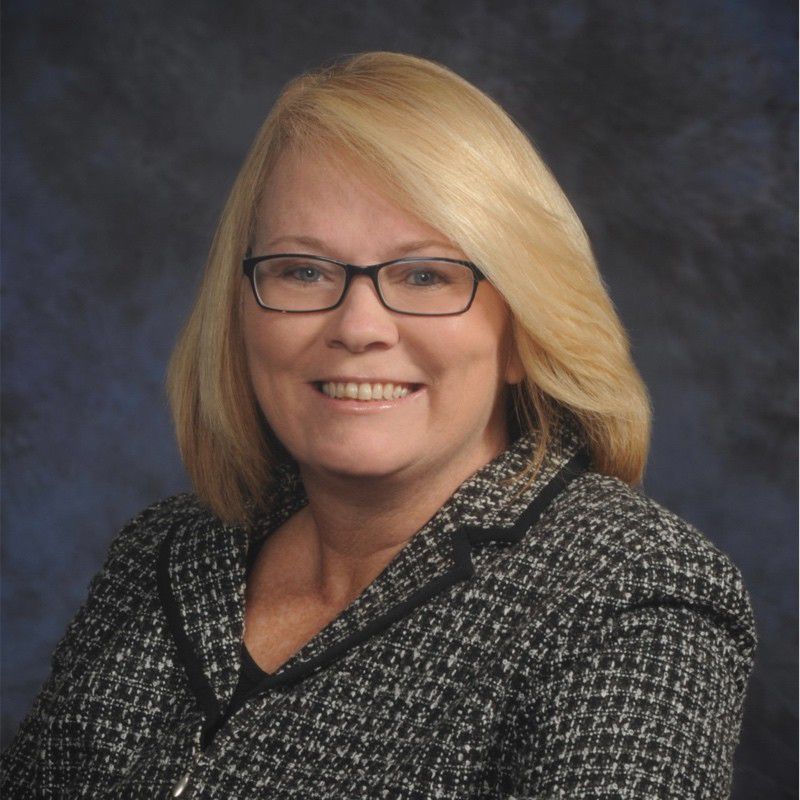
  • St. Christopher’s Hospital for Children named Claire Alminde permanent president

    St. Christopher’s Hospital for Children named Claire Alminde permanent president

    St. Christopher’s Hospital for Children named Claire Alminde permanent president on Thursday, following a period of leadership turmoil at the North Philadelphia safety-net institution.

    Alminde, who will continue to serve as chief nursing officer, had taken over in January from another acting president.

    “Claire brings a unique combination of frontline clinical experience and hospital leadership, along with firsthand knowledge of what it takes to operate a hospital like St. Chris that plays such a vital role in Philadelphia and beyond,” St. Chris said in an email.

    One of Alminde’s tasks will be to work with leaders at Nemours Children’s Health, Jefferson Health, and Temple Health to build an alliance announced in July to secure the future of St. Chris, which struggles financially because most of its patients have low-paying Medicaid insurance.

    St. Chris’ chief nursing officer, Claire Alminde, has been named president of the North Philadelphia safety-net provider.St. Christopher's Hospital for Children

    Alminde was the third interim or acting executive appointed to the top management position at the nonprofit hospital since February 2024 and its fourth leader since 2020.

    Drexel University and Tower Health have owned St. Chris in a 50-50 joint venture since 2019. Tower oversees day-to-day operations.

    “After several years of leadership changes, this appointment gives St. Christopher’s strong, permanent leadership from someone who knows our hospital, our people and the community we serve incredibly well,” Tower CEO Michael Stern said in a message to employees. “Claire understands what makes St. Chris such a special place and what it will take to move us forward.”

    St. Chris’ most recent financial results showed that it had an operating profit of $1.1 million in fiscal 2025, compared with a $31.6 million loss the year before.

    The safety-net provider received a $76 million revenue boost from its inclusion for the first time in a program that taxes Philadelphia hospitals and uses the money to increase the government’s Medicaid funding for facilities that disproportionately care for low-income patients.

  • Independence Blue Cross settled a Medicare Advantage false claims suit for $22.5 million

    Independence Blue Cross settled a Medicare Advantage false claims suit for $22.5 million

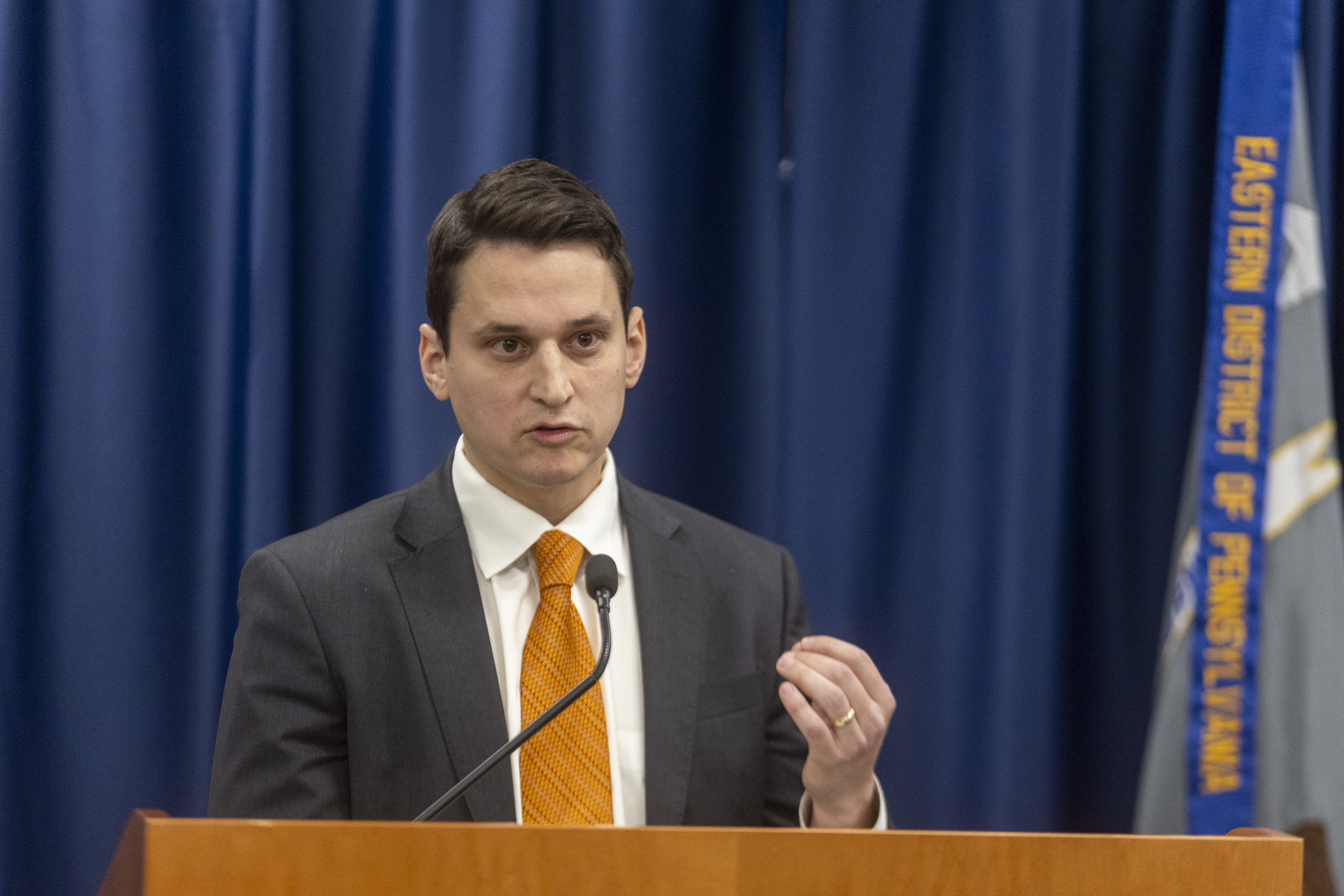
    Independence Blue Cross, Philadelphia’s largest Medicare Advantage insurer, agreed to pay $22.5 million to settle a whistleblower lawsuit alleging that the company submitted inaccurate diagnoses for enrollees to increase payments, the U.S. Attorney for the Eastern District of Pennsylvania said Wednesday.

    The IBX settlement, like several others this year, centers on how private Medicare insurers evaluate the health of the individuals in their plans, a process known as risk adjustment. The government gives insurers more money for sicker patients.

    “This matter was not about the quality of care our members received. It involved differing views regarding certain documentation and reporting requirements under the Medicare Advantage risk adjustment program,” Independence said in an email. The company did not admit wrongdoing.

    Federal officials said that for five years ending in 2020, IBX used nurses to review patient records and look for additional medical conditions that could be submitted to regulators. That generated additional payments for the insurer under Medicare Advantage’s risk adjustment models.

    According to the government, the chart reviewers also found diagnoses that were not supported by the patients’ records, but IBX failed to withdraw those diagnoses. Had the company done so, it would have had to return money to the Centers for Medicare and Medicaid Services.

    “Many major health plans have faced similar government scrutiny regarding Medicare Advantage risk adjustment requirements and practices, reflecting industry-wide challenges in the application of these standards,” Independence said in an email.

    IBX’s settlement followed an agreement in May by Aetna, the Philadelphia region’s second-largest Medicare Advantage insurer, to pay $117.7 million for coding violations.

    Nationally, two settlements this year topped half a billion dollars. Kaiser Permanente, a California-based insurance company with a large hospital business, agreed to a $556 million settlement in January, and Villages Health System LLC, a Florida provider group, settled for $541.5 million.

    The whistleblower, a former IBX employee, will collect $3.8 million of the settlement amount. Government and company officials signed the settlement Sept. 11.

  • Penn picked first three faculty spinouts for early stage StartUP investments

    The University of Pennsylvania picked the first three faculty-founded companies for early stage investments from its newly established $10 million StartUP fund, the university said Wednesday.

    The three companies are working in maternal health, advanced radio-frequency filtering technology, and AI-powered drug discovery.

    Each is receiving the maximum investment of $250,000 from the fund launched in December to make seed investments in companies founded by university researchers.

    “Penn researchers are developing technologies with the potential to address some of the most important challenges facing society today, and many of these solutions have the potential to create entirely new markets,” John Swartley, Penn’s chief innovation officer, said in an announcement.

    Here are some details on the three companies:

    • Vasowatch is developing a non-invasive monitoring system to predict the risk of maternal postpartum hemorrhage, a leading cause of maternal death. Its cofounders are Penn Nursing adjunct professor Stefanie Modri and former Penn Engineering faculty James Weimer. The company will use the money to fine-tune the product and to pay for a clinical trial anticipated to start next year.
    • OneFiltr, cofounded by Troy Olsson, a professor in the School of Engineering and Applied Science, has a compact device designed to allow a cell phone to isolate and process specific frequencies. The company will use its investment to further development of its device for evaluation by aerospace and defense companies.
    • Peptaris Inc. has an AI platform for evaluating and developing drugs based on peptides, which are building blocks for proteins. Cofounders are César de la Fuente and Marcelo Der Torossian Torres. The StartUP investment is part of a larger seed round that Peptaris is using refine its model and evaluate its first candidates. Peptaris said in an SEC filing June that it raised $4 million from investors.
  • Redeemer Health CEO Greg Wozniak has resigned from the Montgomery County health system

    Redeemer Health CEO Greg Wozniak has resigned from the Montgomery County health system

    Redeemer Health CEO Greg Wozniak has resigned from the financially troubled nonprofit Montgomery County health system after a little more than two years, Redeemer announced Thursday.

    Replacing Wozniak on an interim basis is chief transformation officer Jim Logue, who has held the role since early 2025.

    Redeemer has posted operating losses every fiscal year from 2017 to 2025. It hasn’t yet posted financial results for the fiscal year that ended in June.

    “Jim and his team will work with our financial advisors and counsel to implement a reorganization of the Redeemer system to assure its continued viability and a sustainable business model,” board chair William R. Sasso said in an internal communication obtained by The Inquirer.

    “This reorganization is expected to involve some significant organizational changes which will be announced in the coming weeks as they are finalized,” the note said.

    More than four years ago, Redeemer announced that it was seeking what it called a “strategic partner” for its 239-bed hospital in Meadowbrook, near Abington, but nothing came of that effort.

    Redeemer also operates a home care business, nursing homes, senior apartments.

    Redeemer announced additional personnel changes Thursday in its internal communication, including the departure at the end of this month of chief financial officer Kim Cummings. Former CFO Michael Keen is returning to that position.

    Another returning executive is Donald Friel, a former executive vice president tapped to assist Logue.

    Diane Derr, who has been at Redeemer for 44 years, is being promoted to chief administrative officer from chief nursing officer.

    Editors note: This article has been updated to correct Derr’s history with Redeemer.

  • Rural Health Transformation Fund leaves gaping hole in finances at Pa.’s Geisinger Health

    Rural Health Transformation Fund leaves gaping hole in finances at Pa.’s Geisinger Health

    Geisinger Health expects to lose more than $180 million in revenue next year when deep cuts to Medicaid start impacting the nonprofit health system with 10 hospitals in a largely rural stretch of central and northeastern Pennsylvania.

    The Rural Health Transformation Program — meant to soften the blows from the cuts imposed by Congress under Republican’s so-called “One Big, Beautiful Bill Act” or H.R. 1 — offers limited relief. Geisinger expects to collect $6.7 million of the $193 million allotted to Pennsylvania.

    “It’s given us some money for some critical infrastructure that we need,” such as a CT scanner or an MRI machine for hospitals that serve rural counties, CEO Terry Gilliland said in an interview last month.

    But much of the money being distributed through the Rural Health Transformation Program, or RHTP, isn’t going to help rural hospitals because it wasn’t designed to do that. No more than 15% of the funding can be used to reimburse providers for healthcare services.

    That has left Geisinger, which is owned by California-based Kaiser Health, in a tough spot: “H.R. 1 is taking a big old chunk out of our hide, and there’s just no way for RHTP to fill the hole,” he said.

    Nationally, $911 billion in Medicaid cuts are anticipated over a decade, with $137 billion is expected to come from rural areas, according to KFF, a nonprofit that researches health policy. KFF’s analysis did not provide state estimates for rural losses.

    The Rural Health Transformation Fund totals $50 billion over five years. Pennsylvania would receive $965 million if it were to get the same amount each year as it did this year. Philadelphia-area health systems haven’t received money from the fund yet, but could participate in the future through projects that benefit rural Pennsylvania.

    Where the money is going

    The rural health fund is an incomplete response to the revenue hole created by H.R. 1, said Katherine Hempstead, a senior policy officer at the Robert Wood Johnson Foundation, a Princeton-based philanthropy focused on healthcare advocacy and research.

    “It is mostly targeted to upstream projects designed to make rural healthcare more efficient in the long run. They may or may not be successful,” she said.

    So far, Pennsylvania has provided a breakdown of how it is spending the first $42.2 million of its first year award.

    All but $2 million went to technology and infrastructure projects, including critical needs like new roofs, HVAC systems, elevator repairs, and the repair of a collapsed sewer line.

    On the technology side, new imaging equipment was popular in the first funding round.

    With $3.7 million from that round, Geisinger got a new X-ray machine for its Bloomsburg hospital, new CT units for Jersey Shore and Lewisburg hospitals, and an upgraded compounding pharmacy for its flagship hospital in Danville.

    Geisinger applied for $3 million from a forthcoming second round and plans to use the money for a special EMS vehicle, transport vans for senior care, telehealth equipment, and other capital equipment, if it is approved.

    In addition to technology and infrastructure, Pennsylvania is focusing the rural funding on workforce development, maternal health services, behavioral health services, aging and access, and emergency medical services and transportation.

    Geisinger’s approach to filling its financial hole

    Geisinger’s estimated $180 million revenue loss next year has three main drivers. They are limits on how much federal money the state can generate through provider taxes, changes to the supplemental payments for hospitals with large numbers of Medicaid patients, and an increase in the uninsured population caused by new Medicaid enrollment rules.

    In 2025, Geisinger had about $10 billion in revenue. That’s up from $7.7 billion in 2023, that last full year before it became part of Risant Health, a new nonprofit created by Kaiser in 2023 to acquire community health systems.

    Already this year, Geisinger has seen a $10 million a month increase in charity care and bad debt write-offs, Gilliland said, which he attributed to people not being able to afford individual Affordable Care Act plans after the enhanced tax subsidies expired.

    Geisinger also expects a $47 million loss of revenue from the federal 340b drug discount program.

    “How many more of these hits can I take? The answer is not very many,” Gilliland said.

    The health system is focused on becoming more efficient.

    “There’s some optimism that says we could find some way to have artificial intelligence do some of the tasks that we typically throw humans at,” Gilliland said.

    He hopes to avoid want layoffs, given that Geisinger is often the largest employer in its communities.

    “I’d really like to figure out ways to fill the hole without having people lose their jobs because that has a much more devastating impact on the local economy,” he said.

  • Highmark reached an agreement to keep Rothman Orthopaedics in network after Oct. 1

    Highmark reached an agreement to keep Rothman Orthopaedics in network after Oct. 1

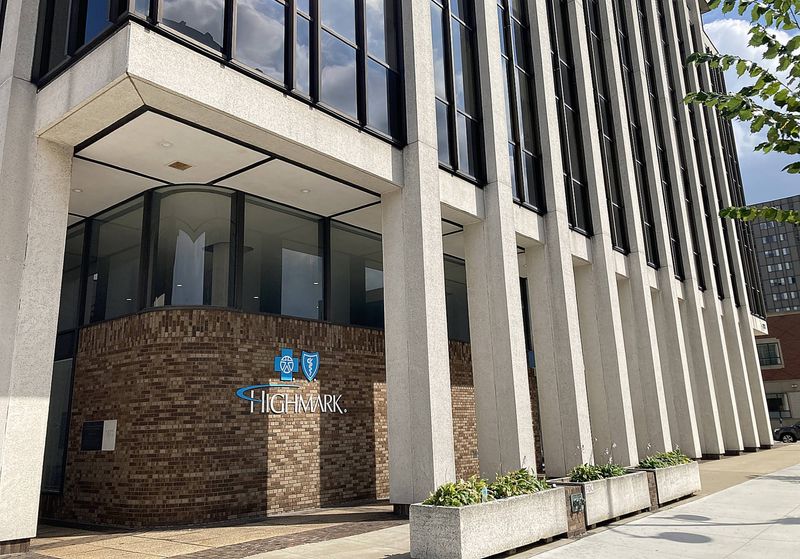
    Highmark reached an agreement to keep Rothman Orthopaedics in network for Pennsylvania customers of Highmark Blue Shield plans and federal employee health programs after Oct. 1, the two companies said Wednesday.

    The Pittsburgh-based insurer had issued a termination notice over the summer, alleging that about a half-dozen Rothman surgeons were abusing a federal process designed to protect patients from unforeseen out-of-network bills.

    The dispute centered on the use of out-of-network physician assistants by Rothman surgeons who do not have residents or fellows working for them and need help treating patients.

    Highmark said that the practice violated a contract that took effect at the beginning of last year and that the use of arbitration under the federal No Surprises Act generated extraordinarily large payments for the physician assistants.

    The physician assistants worked for separate company that Rothman, a practice, had no control over, a Rothman official said earlier this month.

  • Look up 100 top-paid employees at nonprofit health systems in the Philadelphia region in 2024

    Look up 100 top-paid employees at nonprofit health systems in the Philadelphia region in 2024

    Pay and benefits typically account for more than half the total costs in hospital systems at a time when healthcare costs are rising sharply in the Philadelphia region and nationally.

    Local nonprofit health systems reported compensation ranging from $1.2 million to $3.7 million in 2024 for the 100 highest-paid employees listed in their most recent federal nonprofit tax returns. The ranking excludes system CEOs.

    Meanwhile, employers are expecting insurance increases approaching 10% for the coming year, according to several national surveys by benefits consultants. Experts cite increased use of healthcare services, widespread use of expensive specialty drugs, and rising hospital prices as key factors leading to overall rising benefit costs.

    Clinicians accounted for 60 spots in The Inquirer’s top 100 ranking, which is based on compensation reported in dozens of 990 tax forms from Philadelphia-area hospitals, affiliated physician groups, and other related entities.

    Highly specialized neurosurgeons accounted for the highest number of top-paid clinicians, followed by cardiac and cardiothoracic surgeons and orthopedic surgeons.

    Chief financial officers and chief operating officers were well represented in the management ranks.

    The region’s largest health system also claimed its highest-paid non-CEO, Jefferson Health president and physician Baligh R. Yehia. His $3.7 million in compensation also topped that of all but two CEOs, as disclosed in a previous Inquirer analysis.

    Thomas Jefferson University, which is Jefferson Health’s parent entity, had 30 executives and physicians in The Inquirer’s top 100. The Jefferson group includes four executives who left during or before 2024, but not salaries reported through the Lehigh Valley Health Network, which Jefferson acquired in August of that year.

    Children’s Hospital of Philadelphia had the second-largest number of employees in the top 100, with 18, including surgeons and numerous top executives, such as CFO, general counsel, and head of human resources.

    Virtua was third, with nine employees, mainly surgeons.

    Across the region, 176 nonprofit health system employees received at least $1 million in total compensation in 2024. That amounts to one in five employees in The Inquirer’s database of more than 800 people.

    IRS rules require nonprofits to report compensation for officers, highest-paid employees, and employees with a certain level of responsibility.

    (function(){function e(){window.addEventListener(`message`,function(e){if(e.data[`datawrapper-height`]!==void 0){var t=document.querySelectorAll(`iframe`);for(var n in e.data[`datawrapper-height`])for(var r=0,i;i=t[r];r++)if(i.contentWindow===e.source){var a=e.data[`datawrapper-height`][n]+`px`;i.style.height=a}}})}e()})();

  • The busiest ambulatory surgery centers in the Philadelphia region

    The busiest ambulatory surgery centers in the Philadelphia region

    The two busiest surgery centers in the Philadelphia region last year were operated by Penn Medicine in Radnor and Jefferson Health in Center City.

    Such facilities have grown increasingly popular as a cost-saving option for procedures that do not require intensive hospital resources or overnight stays.

    While they offer convenience, the facilities operated by Penn and Jefferson both count as hospital departments for billing purposes, which means they cost more than surgery centers operated by independent physicians or other companies.

    Penn Medicine Radnor Surgery Center operates within a large outpatient facility near the intersection of I-476 and Route 30. It logged 12,464 surgical visits in 2025, up from 8,961 the year before, according to data published last month by the Pennsylvania Department of Health.

    Penn attributed the growth to the addition of new gastroenterologists in Radnor to perform colonoscopies, upper endoscopies, and other procedures. Colonoscopies, in particular, account for a large portion of the overall volume in surgery centers outside hospitals.

    Jefferson Surgery Center was close behind, with 12,261 surgical visits, up from 2,639 in 2024. It sits within the Honickman Center, which opened in 2024 at 1101 Chestnut St. in Philadelphia. Jefferson has gradually expanded the array of surgical services offered there.

    “Growth has been driven by both increasing patient demand and the strategic transition of services from other Jefferson locations, allowing us to provide care in a state-of-the-art outpatient environment,” Jefferson said in an email.

    Other fast-growing surgery centers include two independently operated facilities focused on orthopedics, Premier at Exton Surgery Center in Exton and Restore Orthopaedic Surgical Institute in Chadds Ford.

    (function(){function e(){window.addEventListener(`message`,function(e){if(e.data[`datawrapper-height`]!==void 0){var t=document.querySelectorAll(`iframe`);for(var n in e.data[`datawrapper-height`])for(var r=0,i;i=t[r];r++)if(i.contentWindow===e.source){var a=e.data[`datawrapper-height`][n]+`px`;i.style.height=a}}})}e()})();

    Surgery center ownership matters

    Even though the Penn and Jefferson outpatient facilities are not in hospitals, their ownership by large hospital systems enables providers to get paid as if they were located inside the Hospital of the University of Pennsylvania or Thomas Jefferson University Hospital.

    Hospital outpatient department billing rates are sometimes twice as much as the rates paid to independent surgery centers.

    For example, surgery to remove torn cartilage from a knee can cost $7,190 when performed on an outpatient basis in a hospital, nearly three times the $2,477 cost in ambulatory surgery centers (ASCs), according to Philadelphia-area commercial insurance averages from Turquoise Health.

    Health insurers Independence Blue Cross and Highmark have implemented policies this year seeking to save money for employers and patients by moving care out of hospitals and into ambulatory surgery centers or ASCs. Both insurers say they will only pay for certain procedures if they are done in an ASC.

    But it’s not enough to move surgeries to a setting outside a hospital, given the hospital-like billing status of certain surgery centers.

    “The cost savings from an ASC depend on the facility’s ownership, licensing, and billing model,” Richard Snyder, IBX’s chief operating officer, said in a email to The Inquirer.

    IBX would like to see more ASCs in its Southeastern Pennsylvania market and is “prepared to help catalyze growth through continued value-based arrangements, strategic partnerships, and investments,” Snyder said.

    Litigation over ASCs and other policies

    In a July lawsuit against IBX, Jefferson claimed that the insurer’s ASC policy amounted to a change to the financial terms of their contract that needed to be negotiated.

    The lawsuit said that ASC mandate will cost the health system $35.4 million, but doesn’t specify over what time period.

    IBX filed a motion last week to dismiss the lawsuit, which was moved to U.S. District Court in Philadelphia from the Philadelphia Court of Common Pleas.

    The insurer says that the lawsuit was premature because Jefferson filed it before completing a contractual process designed to resolve such policy conflicts.

  • Penn Medicine reported a $337 million operating profit for the year ended June 30

    Penn Medicine reported a $337 million operating profit for the year ended June 30

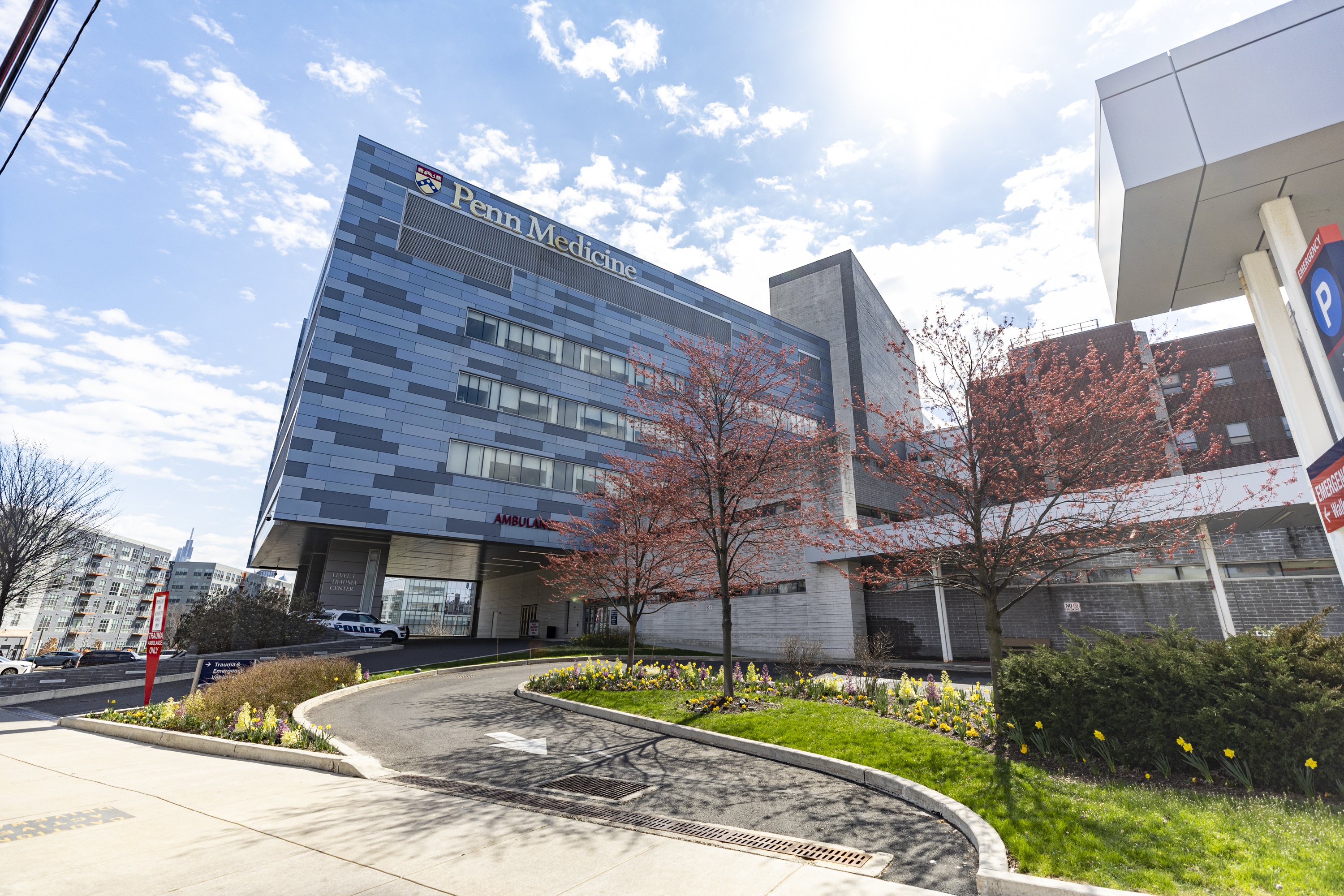
    The University of Pennsylvania Health System had $337 million in operating profit in fiscal 2026, up from $247 million the year before, the Philadelphia nonprofit reported to bond investors Friday.

    “We saw good growth in several of our clinical programs that helped us to generate the operating performance,” Julia Puchtler, the health system’s chief financial officer, said in an interview.

    That’s money “we’re going to be able to reinvest in the academic missions and in our clinical programs and our workforce,” she said.

    Here are more details:

    Revenue: Penn’s total revenue rose 13.7%, to $13.6 billion from $12 billion the year before. Revenue from patient care accounted for $11.4 billion of the total in fiscal 2026, according to Penn’s report to bondholders.

    Outpatient cancer care and outpatient surgeries by urologists and ear, nose, and throat doctors stood out as areas of growth, Puchtler said. On the inpatient side, neurosciences and transplants had notable increases, she said.

    Expenses: For the first time since 2021, the average length of time a patient spent in the hospital fell below 6 days. Longer stays have higher expenses, even though hospitals generally don’t get paid more for them.

    The average in fiscal 2026 was 5.93 days, from 6.14 days the year before. That looks like a small decline, but it adds up when spread over the health system’s more than 161,000 admissions in the year. The reduction helped Penn reduce expenses relative to revenue. It also freed capacity for more patients, Puchtler said.

    In employee benefits, Penn had an additional $20 million in expenses because it aligned retirement plans across the system, Puchtler said.

    Notable: Penn refinanced about $300 million in debt last month at a lower interest rate. That means the health system will save $28 million in interest payments over the next 9 or 10 years, Puchtler said.

  • Universal Health Services wants to create something new with Talkspace acquisition

    Universal Health Services wants to create something new with Talkspace acquisition

    Universal Health Services Inc. has long dominated as the nation’s largest provider of behavioral health services through its network of 182 hospitals and 110 outpatient facilities.

    Last week, the King of Prussia company added a new dimension, completing the acquisition of Talkspace Inc., a virtual behavioral health company, for $835 million. It was UHS’s biggest deal in 15 years.

    “We look at this as a real significant moment for healthcare,” UHS CEO Marc D. Miller said in an interview Tuesday. “It’s not simply a transaction for the company, but creating something in behavioral health that hasn’t existed.”

    UHS’s goal is to create what Miller described as a new mental health continuum of care — including an AI agent introduced in June with human oversight and immediate intervention by licensed clinicians for safety if needed.

    Talkspace’s network of 6,000 therapists conducted 933,000 treatment sessions with patients covered by insurance or employee assistance plans in the first half of this year. It had an additional 5,000 active patients who paid directly for the service during that period, according to Talkspace’s quarterly report.

    The New York-based company reported $123.4 million in revenue and a $7.8 million net loss for the first six months of 2026.

    UHS’s behavioral health arm had $3.9 billion in revenue and $773 million in profit before taxes in the six months that ended June 30. Philadelphia-area facilities include Friends Hospital in Philadelphia, Horsham Clinic in Ambler, and KeyStone Center in Chester.

    UHS also owns the largest behavioral health company in the United Kingdom. Including its 30 acute-care hospitals, UHS’s six-month revenue totaled $9.1 billion.

    The Inquirer spoke with Miller about how Talkspace is expected to complement UHS’s current business. This interview has been lightly edited for length and clarity.

    What made Talkspace attractive to UHS?

    By acquiring Talkspace for UHS, we’re creating the industry’s first nationally scaled end-to-end connected continuum in all of behavioral healthcare. Nobody has what we now have. For example, you can go to Talkspace to get treatment on your phone through the app, access therapists wherever you are, whatever’s comfortable for you. The vast majority are patients that UHS never would have touched.

    Now, they’re going to know about UHS, so it would be natural that if they need excess care after they’ve had some care with Talkspace, they’re going to immediately be referred to all of the different options that UHS offers. On the flip side, we’re now going to have this Talkspace option after somebody’s either in one of our more intensive outpatient programs or an inpatient, so we can quickly say, as part of your aftercare, you might want to go to Talkspace, which is a subsidiary of UHS.

    The concept makes sense. How do you make it work?

    It’ll be totally integrated. Most of the insurers that they’re contracted with we’re contracted with, so there won’t have to be huge changes. There are some different contracts, and there will certainly be some things to work out, and there are some small pockets where they’re with somebody that we’re not. But for the most part, that’s not a big concern.

    As far as the referral networks, we’re just doubling what we have. So there’s the current referral networks that go into UHS. There’s the current referral networks to Talkspace that are vastly different.

    We’re now going to put this together, and we’re going to kind of double up the opportunities to both companies. It’s incredibly positive.

    Talkspace’s AI agent Tee has gotten attention. Why is it different from using ChatGPT or Claude like a therapist?

    Tee was purpose-built for mental health. Rather than just adapting a general purpose chatbot to a clinical context, this was built for this. That’s a huge difference. This was built by mental health experts who had safety and privacy in mind, and it was designed to complement human care.

    People right now are going to ChatGPT and Claude and all these things and asking them questions that are totally disconnected, totally disjointed from any care they could be getting. If they’re not getting care, they’re really relying on something that is not expert to help them in a most serious endeavor.

    Editor’s note: This article has been updated to correct UHS’s revenue and profit for the six months that ended June 30.