Blog

  • Walmart plans to bring delivery drones to Philly. What that means for Amazon and the same-day delivery wars.

    Walmart is raising the stakes in the high-speed delivery war with Amazon, with part of this latest battle playing out in Philadelphia.

    Wing, the first company to offer commercial drone delivery to homes in the United States, announced this week that it will expand its partnership with Walmart to bring drone service to seven new cities, including the City of Brotherly Love, sometime in 2027.

    A Walmart spokesperson said there was no timeline for when the drones would come online in Philadelphia, nor did the company say which of the city’s five stores would get the service. Even so, Philadelphia’s inclusion in Walmart’s drone program would be the first for the Northeast, part of a plan to bring drone delivery to 270 stores.

    “Expanding into new markets with Wing allows us to provide an innovative delivery option for customers, utilizing our vast store network to make everyday shopping and fulfilling last-minute needs just a little bit easier,” said Greg Cathey, Walmart’s senior vice president of eCommerce fulfillment transformation in the U.S, in a statement.

    The move, according to industry observers, would intensify the competition with Amazon, which has been feverishly working to offer increasingly faster deliveries to consumers through a mix of human couriers and drones. While Amazon has been testing out drone delivery since 2016, the competition lies not in who has the better machines, but in who can deliver goods faster.

    Walmart, which launched its pilot that began in 2021, has used Atlanta and Dallas-Fort Worth as a testing grounds for its drones.

    Just last month, the e-commerce giant launched “Amazon Now,” a 30-minute-or-less (human) delivery service in Philadelphia, also available in Atlanta, Dallas-Fort Worth, and Seattle.

    Early Walmart reports tout an average delivery time of 23 minutes with their drones.

    “I think [the drone expansion] is signaling that Walmart feels that they are ready to reduce the delivery time,” said Subodha Kumar, founding director of the Center for Business Analytics and Disruptive Technologies at Temple University’s Fox School of Business.

    “They are going to put a lot of pressure on Amazon.”

    While Amazon is seen as the gold standard for e-commerce logistics and had a head start experimenting with drones, its under-60-minute delivery through “Prime Air” has been primarily deployed in suburban areas. Part of the challenge for Amazon is that its fulfillment centers are far from customers.

    Walmart has the advantage of being much closer to its customers, said Kumar, calling plans to introduce drones a significant development in the wars for faster deliveries.

    “For Walmart, the drone makes even more sense because drones are limited in their distance and what they can carry,” said Kumar, adding the retailer has the advantage of having its stores much closer to their customers.

    For its part, Walmart has billed the machines as a fast way to get last-minute items. The Wing drones will deliver up to eight miles from a location that offers the service and carry up to 2.1 pounds, according to the company’s website.

    The company has said some of the most popular items for this kind of delivery include medicine, fruit, eggs, ice cream, baby formula, and pet food.

    People can place orders on the Walmart app and their delivery will be lowered on a tether in front of their home, driveway, or backyard. Deliveries will be free for a limited time to Walmart+ members, according to the company website, or $19.99 for nonmembers.

    “Our work with Walmart has shown that drone delivery isn’t just a novelty, it’s a service many customers count on multiple times per week,” said Heather Rivera, Wing’s chief business officer, in a statement.

    The pilot, which Walmart says works with “drone providers” that are experts in their field, made its millionth delivery last month with an average delivery time of 23 minutes going at speeds up to 60 miles an hour.

    Drones are currently carrying out deliveries in select cities in Texas, North Carolina, and Georgia. In addition to Philadelphia, Memphis, New Orleans, Phoenix, Salt Lake City, San Diego, and the San Francisco Bay Area are part of the expansion.

    Kumar said the new technology demonstrates there’s an appetite for faster deliveries on the consumer side and a service with no human interaction.

    In that way, the drones are similar to Uber Eats’ autonomous delivery bots, which were introduced in March to a mixed response. While many appreciate the convenience, others have lamented the sight of cuboids blocking the sidewalks. Lawmakers have already expressed concerns over the technology moving too fast and suggested restrictions. Waymo, the autonomous vehicles, have spurred similar conversations in Philadelphia.

    In its expansion announcement, Wing said both companies plan to work closely with local leaders and community members, sharing information about the machines.

    Kumar said the drones will likely bring a whole new set of public concerns over airspace traffic and safety.

    “It will bring new issues that we don’t know the answers to yet,” he said.
  • Pa.’s ‘explosive’ data center growth is driving this Philly company’s investments in Appalachian natural gas

    Pa.’s ‘explosive’ data center growth is driving this Philly company’s investments in Appalachian natural gas

    The U.S. runs on natural gas. As power demand surges, gas supplies more than 40% of the nation’s electricity, more than any other source.

    Gas is piped from U.S. wells and storage by big drillers such as Pittsburgh-based EQT and energy giants like ExxonMobil to power plants in Eddystone, Fairless Hills, Grays Ferry, Marcus Hook, West Deptford and more than 1,000 other U.S. communities. More are planned to supply AI data centers and other big industries.

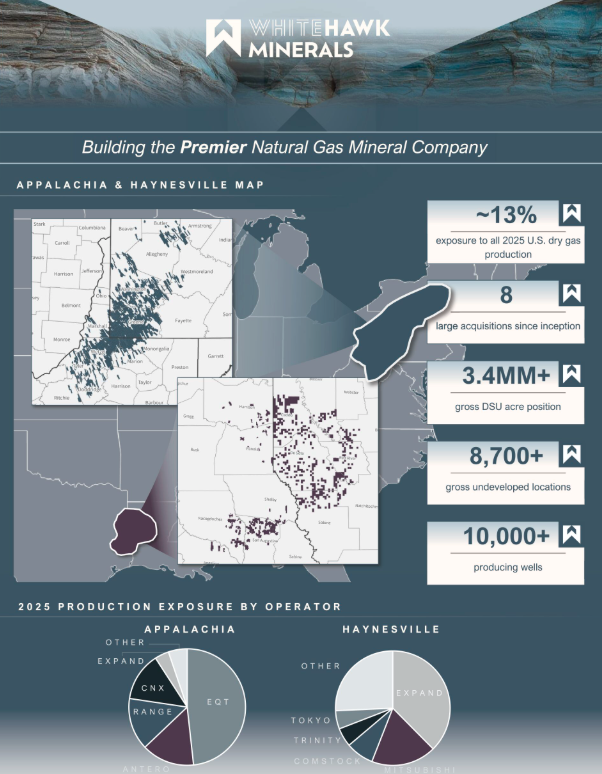
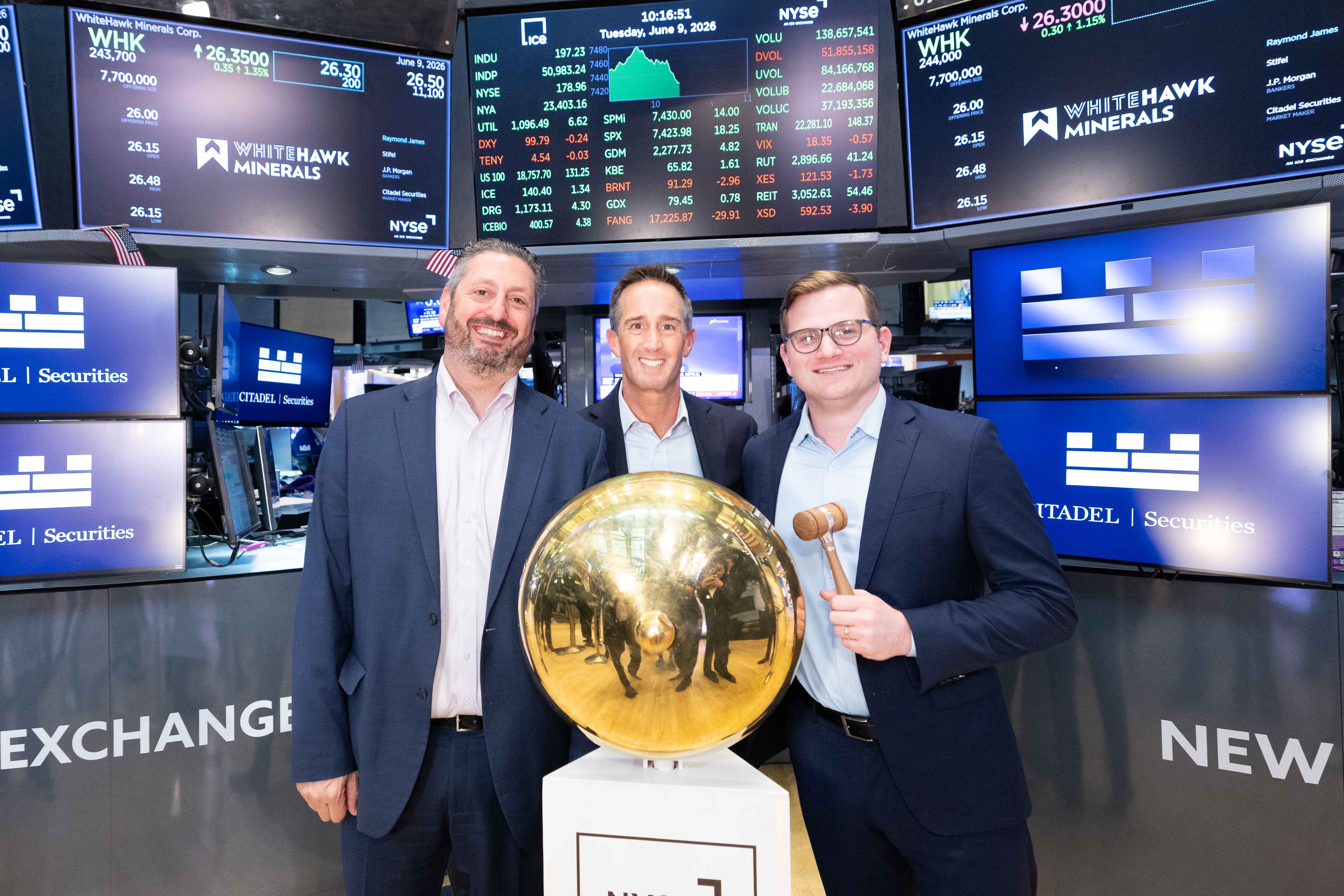
    Mineral rights to the gas they drill are owned by investors. Among the biggest gas field investors is Philadelphia-based WhiteHawk Minerals, which raised $200 million Tuesday in its initial public stock offering (IPO), valuing the company at around $700 million and making it the most valuable stock of its kind.

    CEO Daniel Herz, a former investment banker who has built WhiteHawk with a string of acquisitions, says WhiteHawk will use proceeds to buy more gas mineral rights on properties in Western Pennsylvania, West Virginia, Texas, and other states.

    WhiteHawk is based at 2000 Market St. in Philadelphia. That’s two blocks from a former headquarters of the Pew brothers’ Sunoco Inc., which drilled in Canada, North Africa, and Latin America and refined fuels in Marcus Hook, West Deptford, South Philly, and the Midwest before exiting key businesses and selling the remains to Texas-based Energy Transfer in 2012.

    WhiteHawk, by contrast, is a virtual company, with just a dozen employees scouting and closing deals and working through contractors. Herz worked for Philadelphia-based fracking investment pioneer Edward D. Cohen’s Atlas gas drilling and transport companies and helped set up, run, and sell the Cohen family-backed Falcon Energy oil-and-gas business, before setting up WhiteHawk just three years ago.

    Hours after a ceremonial bell-ringing to mark the first day’s trading in WhiteHawk shares (trading symbol: WHK), Herz took questions from The Inquirer.

    Questions and answers have been edited for length and clarity.

    With gas demand spiking, will companies try to ship more liquefied natural gas (LNG) from the Philadelphia area, despite local opposition that stalled past attempts?

    Our properties in Texas and Louisiana serve LNG ports in that area.

    But it’s not my expectation that will happen here because of a huge development: the tremendous construction of AI and high-speed data centers. EQT last week said they are seeing 20% growth in demand in the Marcellus basin just for data centers.

    Data centers are another phenomenal opportunity for the state of Pennsylvania, if handled properly.

    So I don’t expect our gas will be exported. The AI boom has come to Pennsylvania, Ohio, and Virginia because gas from the Marcellus Shale is the most economic [energy] source in the U.S.

    What did you learn working for pioneer investor Ed Cohen as fracking took off in Pennsylvania?

    Ed Cohen’s been a mentor, boss, and partner for me. Those experiences taught me to appreciate that [investing in] minerals and royalties is the best way to be involved in the gas business.

    The operators, companies like EQT and Range Resources, spend all the capital and send us payments [averaging 17 cents for every dollar’s worth of gas]. We have 11,000 producing wells and 9,500 identified sites for future wells. Our operators are drilling every day. We track them. And we hedge [with futures contracts that limit the impact of sudden price moves].

    Then all we have to do is sit back and collect the royalty checks.

    It’s a business where, heads you win, tails you win. We like higher gas prices. But we also root for prices to go down, then we have the opportunity to buy more.

    WhiteHawk Minerals chief Dan Herz and his Philadelphia-based team team have acquired natural gas fields in Pennsylvania, West Virginia, Louisiana, and Texas.Securities and Exchange Commission
    If it’s that simple, why aren’t bigger investors buying these gas assets?

    Four or five years ago, when we started WhiteHawk, a lot of private-equity firms had the good instinct to be buying up mineral rights. But they have found it harder to sell; private equity has been slowing down. The sellers have been offering generous terms. It shows how little competition there is.

    Our first acquisition was in February 2022. The seller gave us an eight-month option to buy an interest in their gas properties. Two weeks after, Russia invaded Ukraine. We immediately exercised the option at a locked-in price [and profited as gas prices rose]. Then another large private equity firm came to us with a six-month option.

    More of these private equity funds are nearing the end of their lives, they have to repay investors, but there aren’t a lot of new funds for them to sell to. This business takes specialized knowledge. It seemed to me we could be a natural buyer and build the premier gas royalty business.

    In all, 13% of U.S. natural gas production now pays us substantial royalties; 49% of EQT’s production pays us royalties. Antero Resources, one-third. Range Resources, 49%.

    We are primarily focused in the Marcellus [Western Pennsylvania, West Virginia] and Haynesville [east Texas, north Louisiana] Shales, which together produce half of U.S. natural gas. And there are many, many more rights owners adjacent to our properties [who can be bought out].

    Why are you based in Philadelphia?

    There is a longstanding tradition [of energy companies] in Philadelphia, and we have a great finance and accounting team and partners here. Myself, I am based in New York.

    Wasn’t it your mentor Cohen who convinced his classmate Pennsylvania Gov. Ed Rendell not to tax natural gas extracted from the Marcellus Shale?

    Yes. Ed Rendell should get the credit for manufacturing coming back to Appalachia because now we have natural gas, ethane, propane, butane, while in some other states [such as New York] you can’t do this.

    How much time do you spend lobbying for more fossil fuel extraction?

    I’ve spent 5% to 7% of my time in the political sphere for 15 years.

    There’s moments when politicians will posture. But we need energy. People should recognize that natural gas has driven the U.S. to lower carbon emissions. We can do all that and put money in Pennsylvanians’ pockets.

    Does your company have debt?

    We’ve been working with EIG [a Washington-based energy lender] for years, and we have a credit facility we haven’t drawn on with a number of banks. But we’re not looking to borrow. We keep leverage low.

    You had to restate 2024 earnings and changed accountants. What happened?

    We hired Baker Tilly, a national firm, to be public company ready. They said we had to restate [the 2024 earnings report certified by a Texas accountant]. I would call it growing pains. We had a great acquisition last year, the effective date was to be Jan. 1, 2025, but we didn’t close the deal until March 31. We counted that income from the effective date, and it should not have been counted until later.

    Why go public?

    This is what we did with Atlas Energy, Atlas Pipeline, Falcon Minerals. We’re back with our institutional and individual investors who want to participate in our growth, our cash flow, and our dividends per share.

    We are growing through acquisitions. Our playbook is to go out and buy another $150 million or $200 million this year building the premier natural gas mineral and royalty business. There is so much more to buy.

  • A St. Joe’s Prep grad is recovering from a traumatic brain injury after violent high school ‘tiki party’ in Wissahickon park

    A St. Joe’s Prep grad is recovering from a traumatic brain injury after violent high school ‘tiki party’ in Wissahickon park

    As graduating seniors at St. Joseph’s Preparatory School prepared for college, summer jobs, and other hallmarks of young adulthood this spring, 17-year-old Shawn Rinnier was focused on a simpler goal.

    He hoped to muster the physical strength to walk across the graduation stage to collect his diploma.

    That’s because the Bryn Mawr teenager is recovering from a traumatic brain injury that his parents say he suffered during an assault at a late-night party in Wissahickon Valley Park last month.

    The attack knocked him unconscious, they said, and he has since experienced poor memory, fatigue, delayed vision, balance issues, and numbness in the right side of his body.

    Now, in addition to caring for their son during what they expect to be a lengthy recovery, the Rinniers are seeking accountability for the people who assaulted their son.

    “Nobody will talk at this point, and it just seems like people are trying to protect themselves, protect their friends,” said his mother, Susan Rinnier. “There’s some young adults that have a lot on the line here.”

    Alongside investigators with the Philadelphia Police Department, Rinnier’s parents are working to piece together the events of the May 10 “tiki party” in the woods near Chestnut Hill, where they say about 250 teenagers had gathered before the evening turned physical.

    Rinnier’s brain injury has left him with little recollection of what happened, said his father, Shawn Rinnier Sr., leaving his parents to look for clues after being sent photos and videos of the assault that partygoers took on their cell phones.

    That night, students from a nearby Philadelphia private school as well as those from schools in the suburbs gathered for the party, which had been promoted on social media, Shawn Rinnier Sr. said.

    He did not name the schools, deferring comment on those details to investigators.

    The videos, Susan Rinnier said, show young people growing increasingly aggressive and eventually fighting.

    “A couple fights broke out where the video evidence is showing that the other students were the aggressors” in the assault of her son, Susan Rinnier said.

    “Some kids are on the sidelines yelling and chanting ‘punch on him’ and riling things up,” she said. “Our son, kind of scared, turns around and starts walking out of the event. The group follows him for about a second or so. That’s all we can see.”

    A woman driving home in Chestnut Hill that night discovered Rinnier lying in the street around midnight and called 911, his father said. Shawn Rinnier Sr. later spoke to the woman, who told him “hundreds” of people had been fleeing through the woods with flashlights.

    The parents did not recognize the young people involved in the assault, and they continue to communicate with detectives who told them they are interviewing people who may be involved.

    A spokesperson for the police department did not return requests for comment on the investigation.

    Rinnier was rushed to Jefferson Einstein Philadelphia Hospital and put on a ventilator, his parents said, and doctors later determined that his traumatic brain injury was moderate to severe.

    “When he finally awoke, he was suffering from poor memory, couldn’t follow instructions, was confused, acting impulsive,” his mother said. The teen then moved to a rehabilitation unit at Bryn Mawr Hospital, where he continues to recover, she said.

    The violent events of that spring night were life-altering, Rinnier’s parents said.

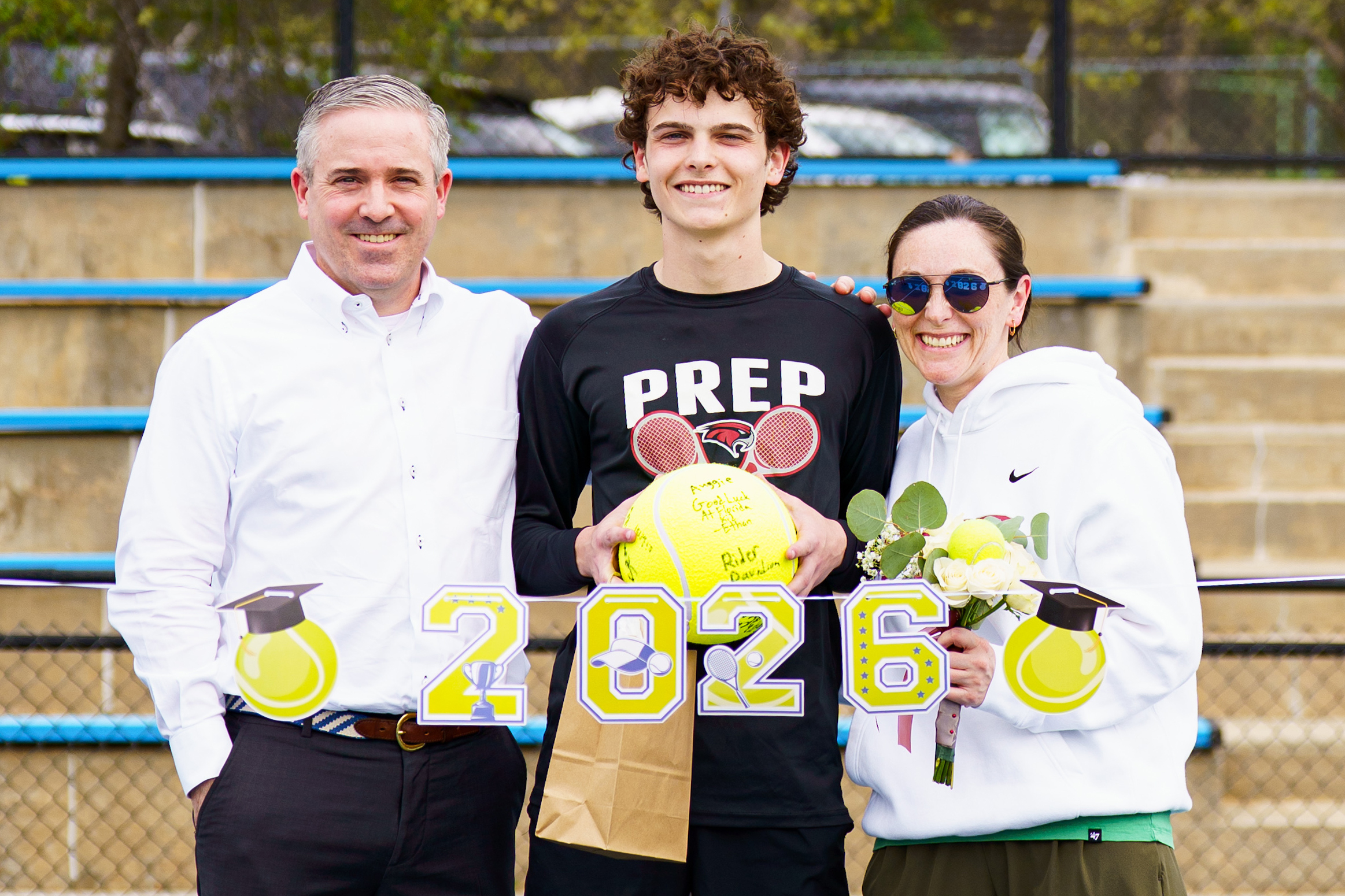
    Their son, a tennis player, was preparing to attend the University of Florida on a scholarship this fall, they said. Those plans are now on hold.

    Instead, the teen is taking part in an extensive outpatient rehab program, and his parents are working to have his enrollment deferred to 2027, when they hope he will be well enough to attend school.

    Making sure that Rinnier took part in graduation at St. Joe’s last month was a more readily attainable goal, his parents said, and they were determined that he would achieve it.

    Susan Rinnier was pleased to see that he was able to walk across the stage on May 31, even if he soon grew fatigued and experienced numbness in his legs after the ceremony, she said.

    The Rinniers’ next hope is that police will find and charge their son’s attackers. Meanwhile, they continue to scan social media for additional photos and videos that may offer a better view of the incident.

    “We owe it to Shawn to continue to move this forward any possible way we can, to get to the bottom of this,” his father said. “That’s our job as parents, and we’re not gonna stop.”

  • How Philadelphia is preparing for measles and other disease outbreaks during FIFA World Cup events

    How Philadelphia is preparing for measles and other disease outbreaks during FIFA World Cup events

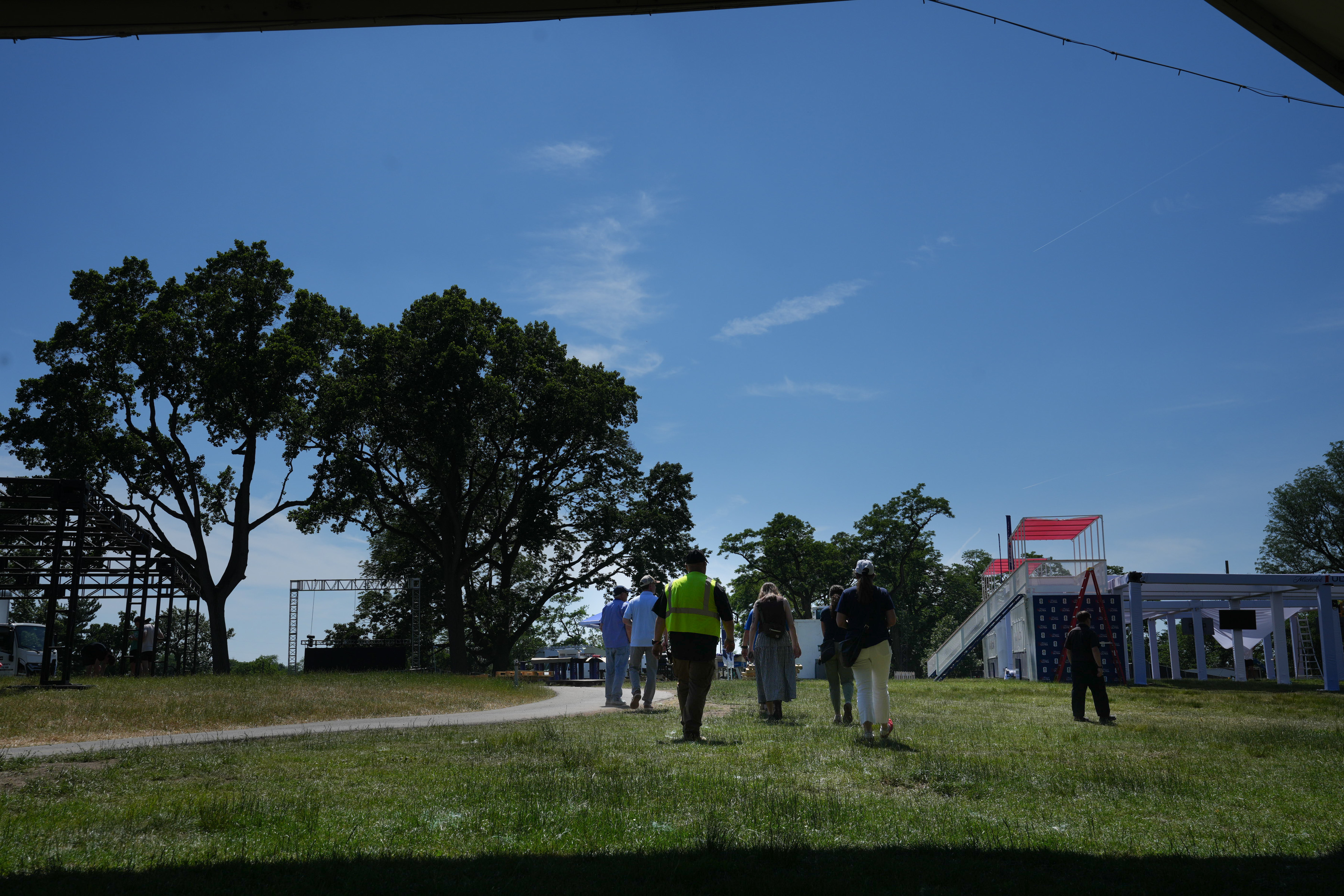
    On a muggy Friday days before the World Cup began, a small team of medical emergency planners inspected the cavernous, air-conditioned tent erected for patients at Lemon Hill in Fairmount Park, not far from the enormous screen where thousands can watch matches through July 19.

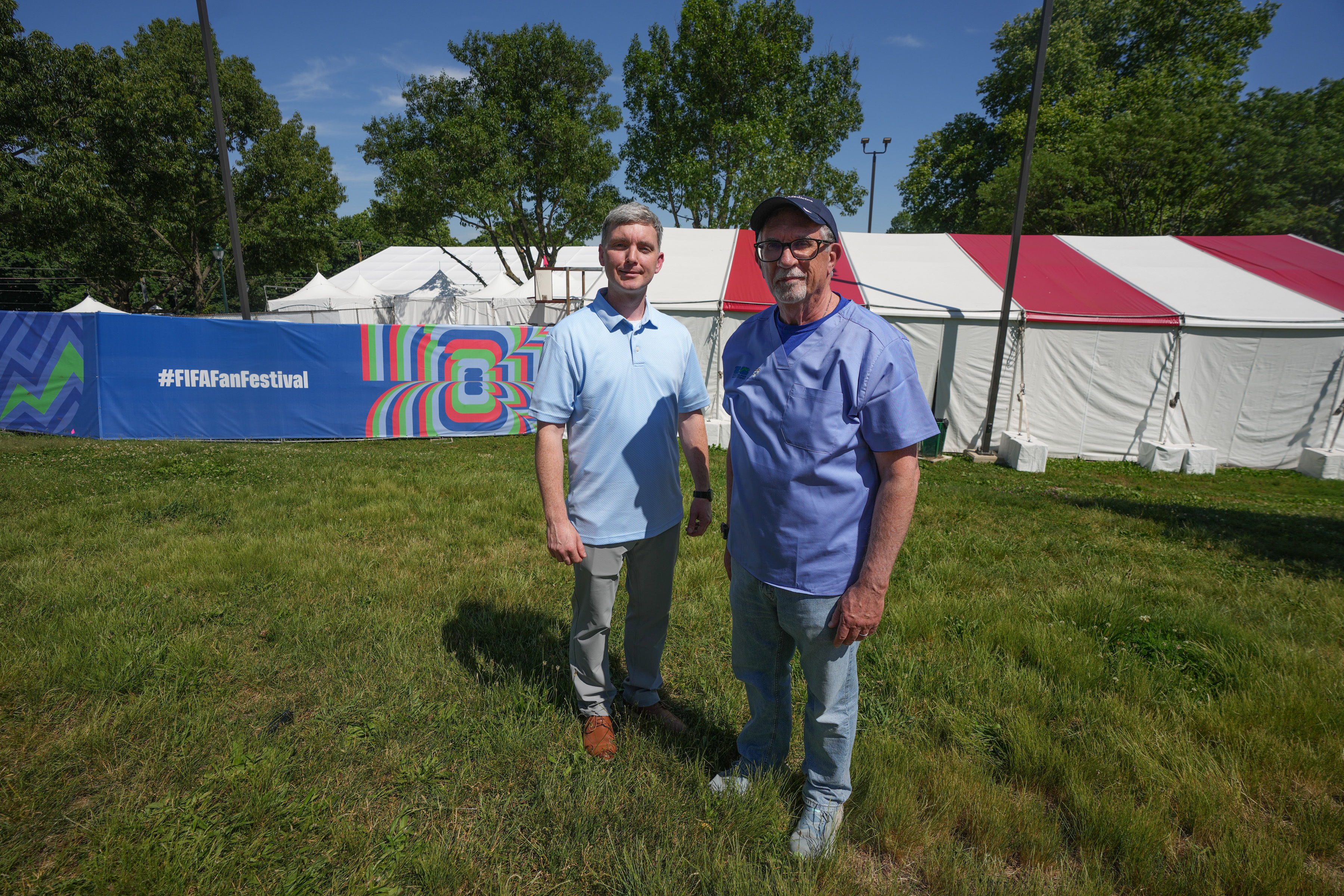
    Near a FIFA tent already full of merchandise, and branded “fan pavilions” in various stages of construction, Philadelphia’s host city medical lead, Patrick J. Brennan, paced what is now the medical home base for dozens of doctors, nurses, and EMTs over the next several weeks.

    Brennan, who is also the chief medical officer of University of Pennsylvania Health System, pointed out where the dunk tanks for heatstroke victims would go. He walked through tents with massive fans and misters and visited a smaller first-aid tent for minor medical issues.

    Philadelphia is no stranger to large events, from a papal visit to the NFL Draft to the annual Roots Picnic. But the World Cup fan festival at Lemon Hill will be open for more than a month — and is taking place in a summer of high-profile events expected to bring more than 1.5 million visitors to the city.

    Just as the international soccer clubs are packing up, visitors will arrive to mark the country’s 250th anniversary, followed closely by Major League Baseball’s All-Star Game and Home Run Derby in mid-July.

    “That’s the difference — the duration of the event,” Brennan said.

    Preparing for the full range of medical emergencies got underway nearly two years ago for Philadelphia’s public health leaders and largest health systems. They have prepared for heat-related illnesses, injuries, mass casualties, and terrorism.

    Infectious disease is a leading public health concern among host cities and national health agencies.

    Measles, a disease once considered eradicated through widespread vaccination and now on the rise across the country, is at the top of their list. An Inquirer analysis found that the Philadelphia region is pockmarked with vulnerable communities, where vaccination rates have fallen below the rate scientists say is necessary to prevent widespread illness.

    Not far from the World Cup action, an outbreak in Lancaster, Berks, Dauphin, and Lebanon Counties has sickened 52, as public health officials struggle to contain its spread.

    Now thousands of people from all over the world will turn Philadelphia into a petri dish prime for the spread of infectious diseases. Yet another concern is an Ebola outbreak in parts of Africa, including the Democratic Republic of Congo, which has a team participating in the World Cup games in Houston.

    Public health leaders say their best strategy for preventing widespread illness, especially should a case of highly infectious measles arise, is to respond as quickly and efficiently as possible.

    Hospitals have added questions about measles vaccination to their routine emergency department screening, with weekend and evening contacts on call at the city lab that would test potential measles samples. Newly posted flyers in local medical buildings explain how to recognize the early signs of measles — which many doctors have never encountered.

    “My main concern with measles are the pockets where people are under-vaccinated, too few people are vaccinated to really stymie an outbreak,” Brennan said. “It’s going to be hard to prevent it from coming into the country.”

    Preparing for public health risks

    Public health preparations for the World Cup began almost two years ago with meetings to identify health risks and develop a plan for protecting against them.

    The city’s health department, public safety units, and leaders from top health systems, including Temple Health, Penn Medicine, and Jefferson Health, all had seats at the table.

    They hashed out responses for potential public health emergencies ranging from bioterrorism, a mass casualty, and violence to routine heat-related health issues. Experts anticipate that the ongoing heat wave, paired with high levels of alcohol consumption, will lead many to experience heat exhaustion, dehydration, and potentially heatstroke.

    The prep work built on efforts for past major events, such as Pope Francis’ visit in 2015 or the 2016 Democratic National Convention. New this time around, Philadelphia and World Cup host cities across the country are paying much more attention to infectious-disease concerns.

    P.J. Brennan (right), Penn Medicine’s chief medical officer and the medical team lead for FIFA’s Philadelphia events, stands with Jack Welsh, an emergency preparedness specialist and clinical nurse at Penn Medicine, outside the main medical tent at the FIFA Fan Fest in Lemon Hill Park.Jessica Griffin / Staff Photographer

    Until recent years, measles was not “immediately on the radar” for public health planning, said Jessica Caum, director of disease control for the Philadelphia Department of Public Health.

    “We’re in a different place now with measles,” she said. “More cases, increases in vaccine hesitancy, decreases in vaccination rates — all of these things are important to keep in mind.”

    The planners looked at staffing levels at medical tents and hospitals, including where surge staffing could come from. They developed a plan for where to quarantine a large number of people, in the event of an outbreak of measles or other infectious disease, but declined to provide details.

    “We want to be as prepared as possible,” Caum said.

    Game-day strategy for infectious disease

    All that preparation still may not provide a firewall against weeks of sustained sports chaos.

    The city’s game-day strategy, should a suspected measles case crop up, is to react as quickly as possible.

    Temple trained its emergency department staff to ask new screening questions about measles symptoms and vaccination status in an effort to quickly identify anyone who is at risk, said Daniel Feinberg, chief medical officer for Temple University Hospital Inc.

    Temple has been distributing measles information in Spanish and English to providers at its hospitals. Joe Lamberti / For The Inquirer

    People whose vaccination status is unclear, or who say they are unvaccinated, will immediately be whisked to an isolation room if they show symptoms associated with measles, such as fever, cough, runny nose, and red eyes.

    The telltale blotchy red rash does not typically appear for up to four days, though hospital administrators distributed photos of it to help medical staff recognize it.

    Once isolated, people with suspicious symptoms will be tested, with the sample rushed to a city lab on call for such emergencies.

    Administrators lined up contact information to reach the lab in the evenings or weekends, when it is typically closed, and discussed the fastest way to get a sample to the lab — potentially to have someone with good sneakers run.

    “We don’t want any time wasted,” said Carlene Muto, vice president of infection prevention and occupational health services at Temple Health.

    The MMR vaccine can protect against the virus if given to someone within 72 hours of being exposed. Measles immunoglobulin, which contains concentrated antibodies, can provide temporary protection against the virus if given within a few days of exposure. But it is often reserved for infants and other high-risk patients.

    The faster health providers identify a measles case, the faster they can work to trace who else may have been exposed.

    Medical tents are prepared to handle medical emergencies during the World Cup.Jessica Griffin / Staff Photographer

    The risk of exposure is high when someone with measles attends a busy outdoor event, and the challenge of locating all the people who could have come in contact with the disease is immense.

    Nine out of 10 unvaccinated people who come into contact with measles will get sick, making it among the most highly contagious diseases.

    Anyone who does not get treated in time and has not been vaccinated will need to quarantine for 21 days.

    At Jefferson, health system screening protocols are routinely updated to address the latest health threats, said Eric Sachinwalla, Jefferson’s medical director of infection prevention. Its hospitals recently added Ebola screening questions for patients who are being admitted and have traveled to at-risk countries.

    Jefferson and other health systems are more likely to see “low-impact” but predictable threats: COVID-19 and other respiratory illnesses, sexually transmitted infections, and gastrointestinal diseases. These illnesses “can spread between people pretty quickly,” he said, but health systems are generally equipped to handle them.

    A case of Ebola or measles, however, requires significant resources devoted to treatment and preventing further cases — so hospitals also have to carefully prepare for that possibility, he said.

    “It’s balancing those two things. We plan for the high-occurrence things but also [diseases with] high potential impact,” Sachinwalla said.

  • A city music festival drew 80,000 with Louis Armstrong on this week in Philly history

    A city music festival drew 80,000 with Louis Armstrong on this week in Philly history

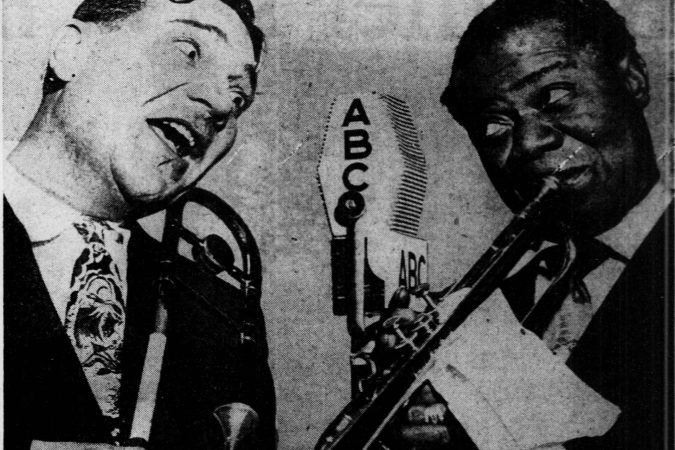
    Before Jay-Z at the Roots Picnic or Bad Bunny at Made in America, there was Louis Armstrong at the Philadelphia Music Festival.

    Before there was the American Idol competition, there was Philly’s “Voices of Tomorrow.”

    Shortly after Germany surrendered, but a few months before Japan followed suit, Philadelphia put on its first true citywide music festival.

    In 1945, the city held its inaugural festival, creating an event leaders claimed was for the kids and a distraction from war, and a celebration of Philly’s robust music scene. It also made use of a large stadium during the slower summer months post-World War II.

    By 1949, the city was on its fifth event, and the festival had proved to be an opportunity to raise money and spirits.

    ‘Symposium of the arts’

    On Friday night, June 10, 1949, the city’s festival held its fifth iteration.

    The Inquirer, which sponsored the event, called it a “symposium of the arts.”

    “On a magnificent June night with a great golden moon peeping over the rim of Municipal Stadium, an exited and delighted throng of 80,000 people, largest crowd ever to attend a cultural event in this city, roared their applause last night for the star-studded fifth annual Philadelphia Music Festival,” The Inquirer reported the following day.

    The paper said the total eclipsed the previous year’s attendance of 72,000, with acts like jazz legend Armstrong, violinist Jeanne Mitchell, and pianist and vocal improvisationalist Alec Templeton.

    These performances included local acts from area high schools, bugle corps, and marching bands.

    ‘Voices of Tomorrow’

    In its annual “Voices of Tomorrow” contest, four young singers rose above a field of more than 2,000 competitors, singing in opera and “other fields” hinting at what was coming in the following decade. Competitors would sing in front of the crowd, which would choose the four winners by applause.

    And the nearly four-hour event closed with the playing of “The Star-Spangled Banner.”

    Municipal Stadium, which was opened in 1926 for the Sesquicentennial, would be named after John F. Kennedy in the 1960s, and would close in 1992.

    The city’s 11th annual music festival in 1955 was its last until the 1960s brought the Philadelphia Folk Festival, Beatlemania, and a cultural revolution.

  • 👑 A soccer legend | Sports Daily Newsletter

    👑 A soccer legend | Sports Daily Newsletter

    The World Cup is here, and as you get ready for tonight’s United States vs. Paraguay game (9 p.m., Fox29, Telemundo 62), let’s go back in time to the 1950 World Cup hosted in Brazil.

    The U.S. team stunned England in a 1-0 win that still stands as one of the most significant moments in American soccer history. But the U.S. may have not qualified for the World Cup if it wasn’t for the late Benny McLaughlin, one of Philadelphia’s true soccer pioneers.

    He played professionally as a teenager, was a star at North Catholic, and all-American at Temple before dropping out after one year to work at a factory in Hatboro that made parts for Navy ships and submarines.

    However, McLaughlin, then 22 years old, didn’t get to play in the epic upset in the World Cup. Instead, he chose family and a paycheck.

    McLaughlin’s name still means something in Philadelphia, but his legacy has dimmed outside the city. Perhaps that would be different if he played in that World Cup and scored that iconic goal. Though, none of that mattered to McLaughlin.

    🚨 Curious what our writers predict for America’s World Cup opener? We got you covered — a win over Paraguay would go a long way for the U.S.

    — Isabella DiAmore, @phillysport, sports.daily@inquirer.com.

    If someone forwarded you this email, sign up for free here.

    Pitching every game

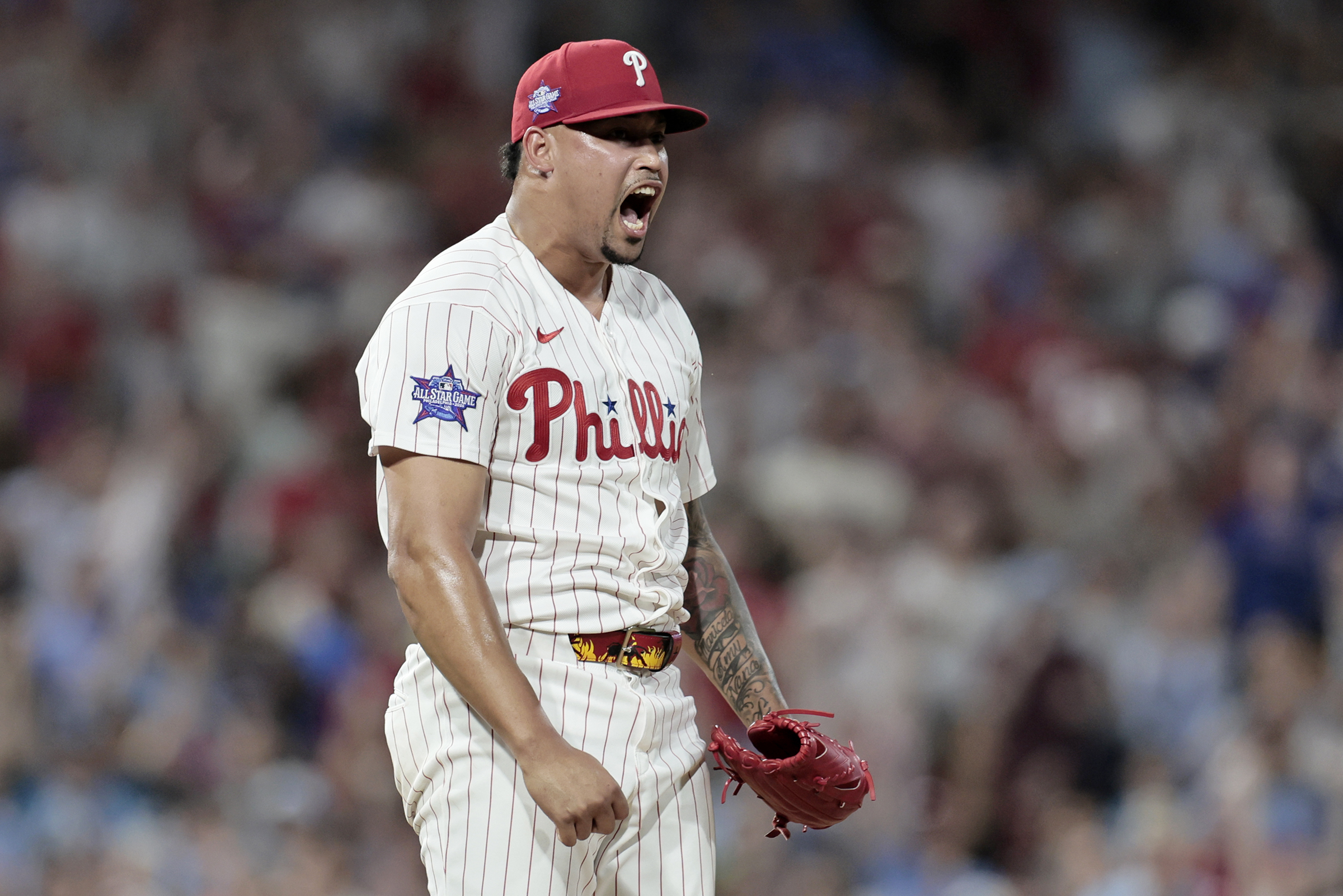
    Phillies closer Jhoan Duran has converted 17 of 18 save opportunities this season.Elizabeth Robertson / Staff Photographer

    The Phillies have leaned on Jhoan Duran a lot this season, and this week against the Blue Jays, they asked their closer for more than usual. He was used three nights in a row. The last time Duran made three appearances on three consecutive nights was in 2023. But if he feels good, then “I want to be in the game.”

    On Thursday, the Phillies acquired outfielder Derek Hill in trade with the White Sox as they wait for an update of Adolis García, who is sidelined with a right shoulder injury.

    What we’re…

    🏀 Wondering: Taylor Swift repped the Knicks during Game 4 at Madison Square Garden. Some Philly fans feel betrayed. But should they?

    🏎️ Reading: NASCAR driver Kyle Larson and the Urban Youth Racing School want Philly students to get involved with motorsports, especially through STEM.

    🎤 Learning: Devan Kaney, a former WIP host and Eagles sideline reporter, is back talking Philly sports on a new podcast.

    ⚾ Watching: The College World Series starts today. Here’s the local players to know and what their former coaches are saying.

    Larkin’s trade market

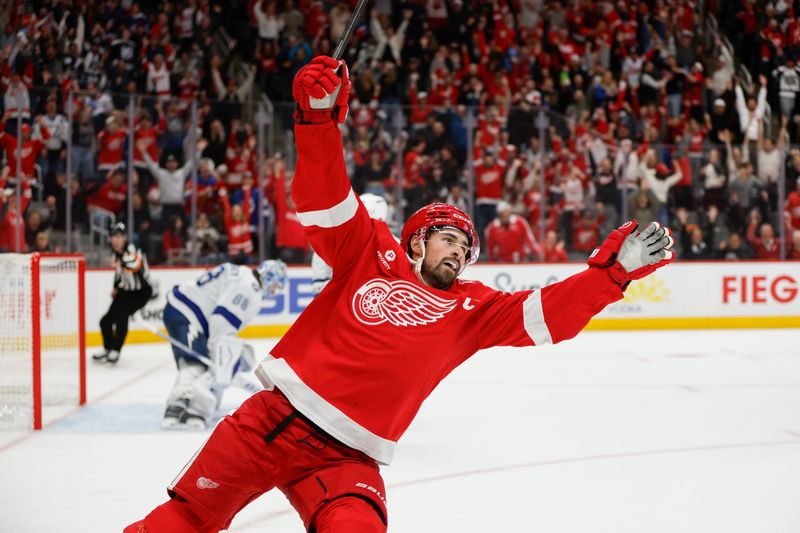
    Dylan Larkin (71) could check a huge box for the center-needy Flyers.Brian Bradshaw Sevald, Brian Bra

    Detroit Red Wings captain Dylan Larkin wants a trade. Larkin is set to begin Year 4 of an eight-year contract he signed in March 2023, with a cap hit of $8.7 million. The contract makes his trade request sticky.

    Multiple sources have confirmed to The Inquirer that the Flyers are interested in the center. And why wouldn’t they be? But the Flyers would have to come with the right package, one that includes a combination of prospect, an NHL player, and draft picks.

    Prove themselves

    Tyler Adams (right) getting to work at Friday’s U.S. practice, on the eve of the team’s World Cup opener.Jonathan Tannenwald

    This U.S. men’s soccer team has players with talent and pedigree like never before. Now, the time has come to prove it.

    The U.S. men have won just nine of the 37 games they’ve ever played at World Cups and haven’t won two group games in one tournament since 1930. Those are the stakes heading into Friday’s opener.

    And in Philadelphia, the first day of the World Cup fan fest at Lemon Hill drew thousands, despite a heat advisory that saw temperatures jump into the mid-90s with heat indexes surpassing 100 degrees, thanks to high humidity levels.

    For the rest of the weekend, folks should prepare for more hot weather with possible showers on Sunday.

    Strong impression

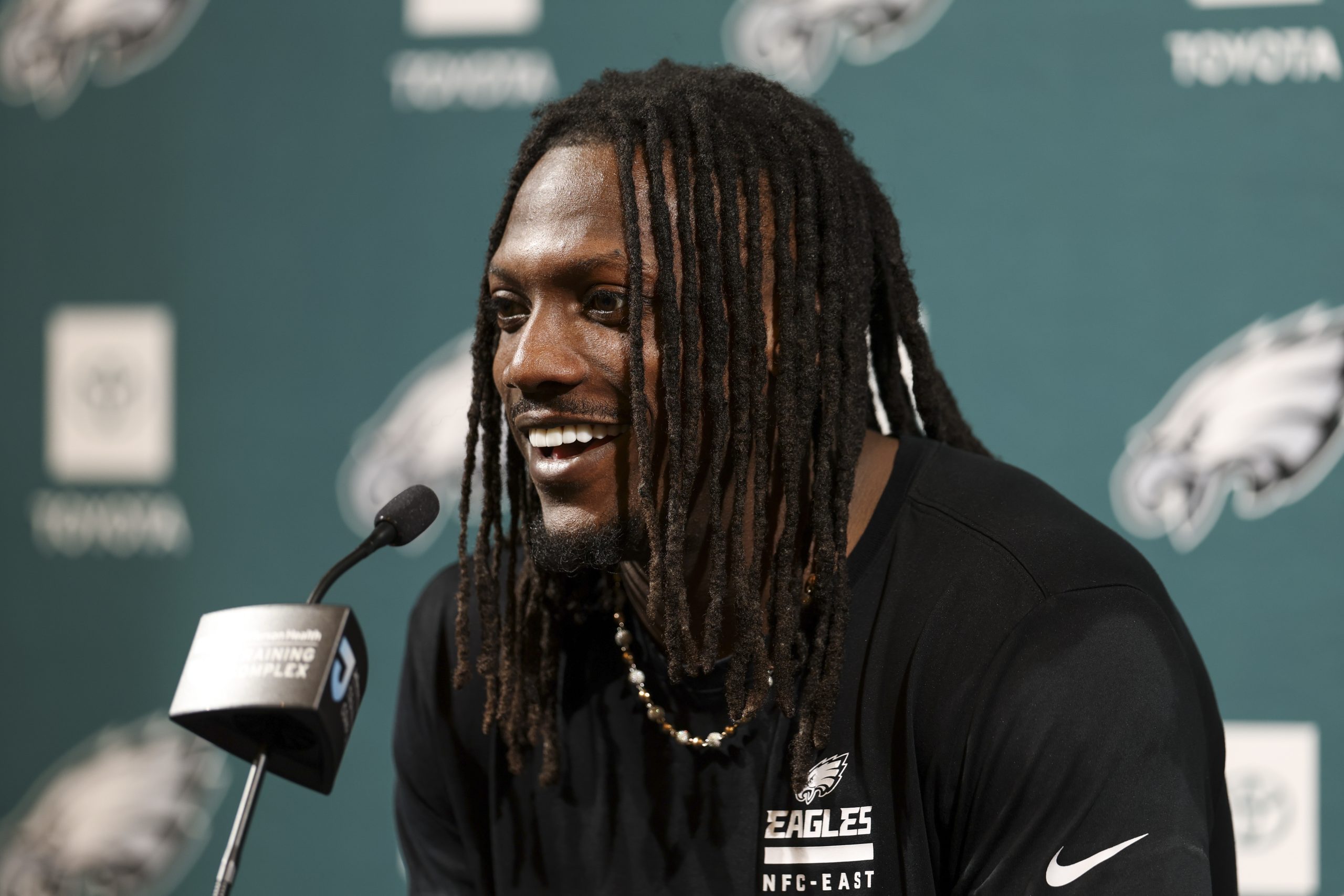
    Cornerback Riq Woolen said he feels confident after his early work yielded some big plays on the Eagles practice field. Monica Herndon / Staff Photographer

    Riq Woolen, the Eagles’ new outside corner opposite Quinyon Mitchell, made a highlight play during the final day of mandatory minicamp to cap off a strong few weeks.

    Woolen’s size and cover skills were on display earlier during OTAs, and given the makeup of the Eagles’ defensive backfield, there could be plenty of celebrating to do for a group that was looking to improve at the cornerback spot.

    Marcus Hayes’ take

    The Knicks completed the greatest comeback in NBA Finals history on Wednesday night. They now stand 48 minutes away from ending a 53-year drought. Only one NBA team has blown a 3-1 lead in the Finals, and those 2016 Golden State Warriors faced prime Kyrie Irving and LeBron James in his prodigal return to Cleveland.

    But this is Jalen Brunson’s team. These are the ‘Nova Knicks, writes columnist Marcus Hayes.

    We compiled today’s newsletter using reporting from Matt Breen, Jeff Neiburg, Marcus Hayes, Jonathan Tannenwald, Lochlahn March, Jackie Spiegel, Scott Lauber, Ariel Simpson, Becca O’Reilly, Conor Smith, Mia Messina, Owen Hewitt, Anthony Wood, Isabel Maney, and Nick Vadala.

    By submitting your written, visual, and/or audio contributions, you agree to The Inquirer’s Terms of Use, including the grant of rights in Section 10.

    As always, thanks for getting your morning started with me. Happy Friday, and have a wonderful weekend. — Bella

  • The Big Picture: Skateboarding at FDR Park, the World Cup arrives, and the best Philly sports photos of the week

    The Big Picture: Skateboarding at FDR Park, the World Cup arrives, and the best Philly sports photos of the week

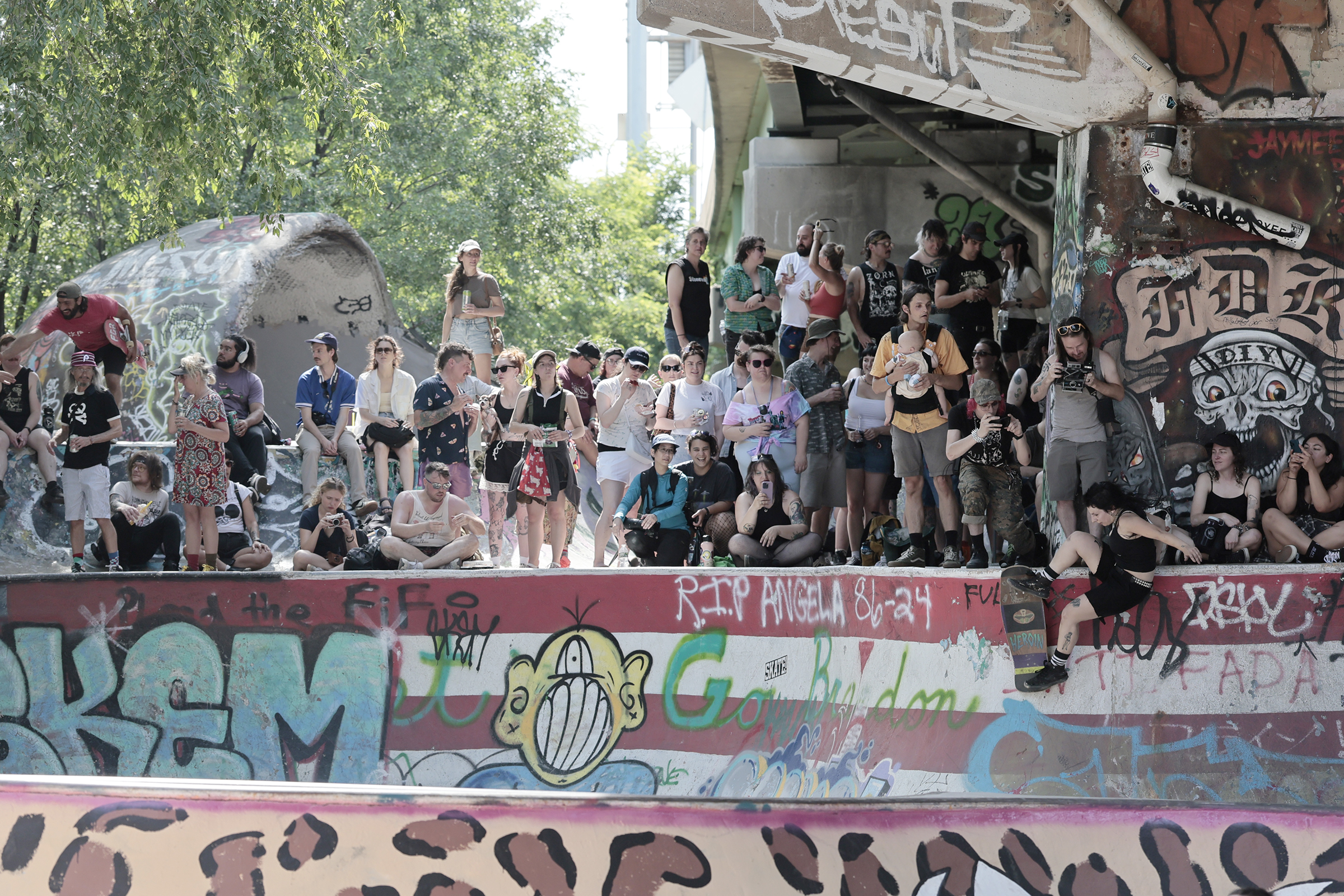
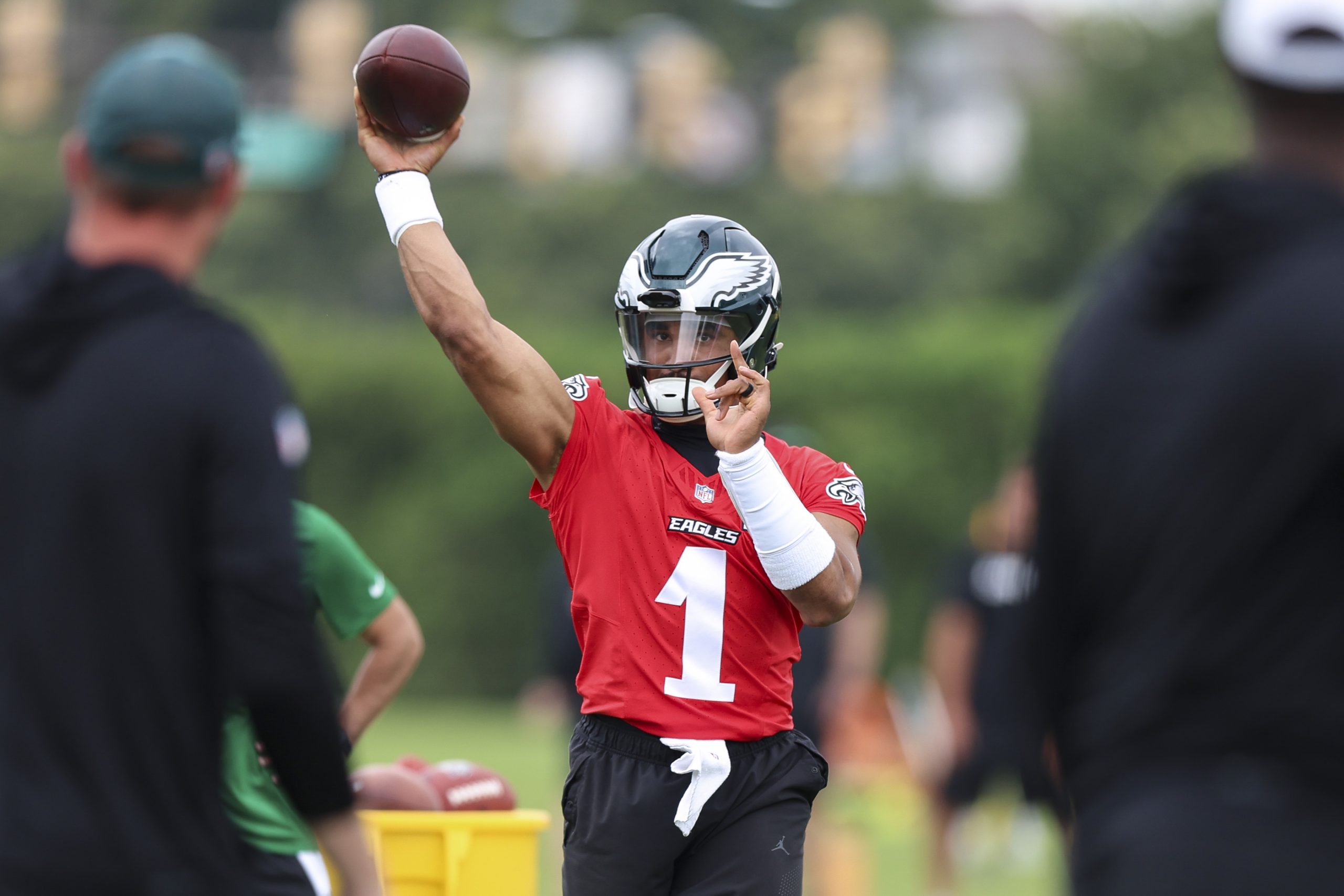
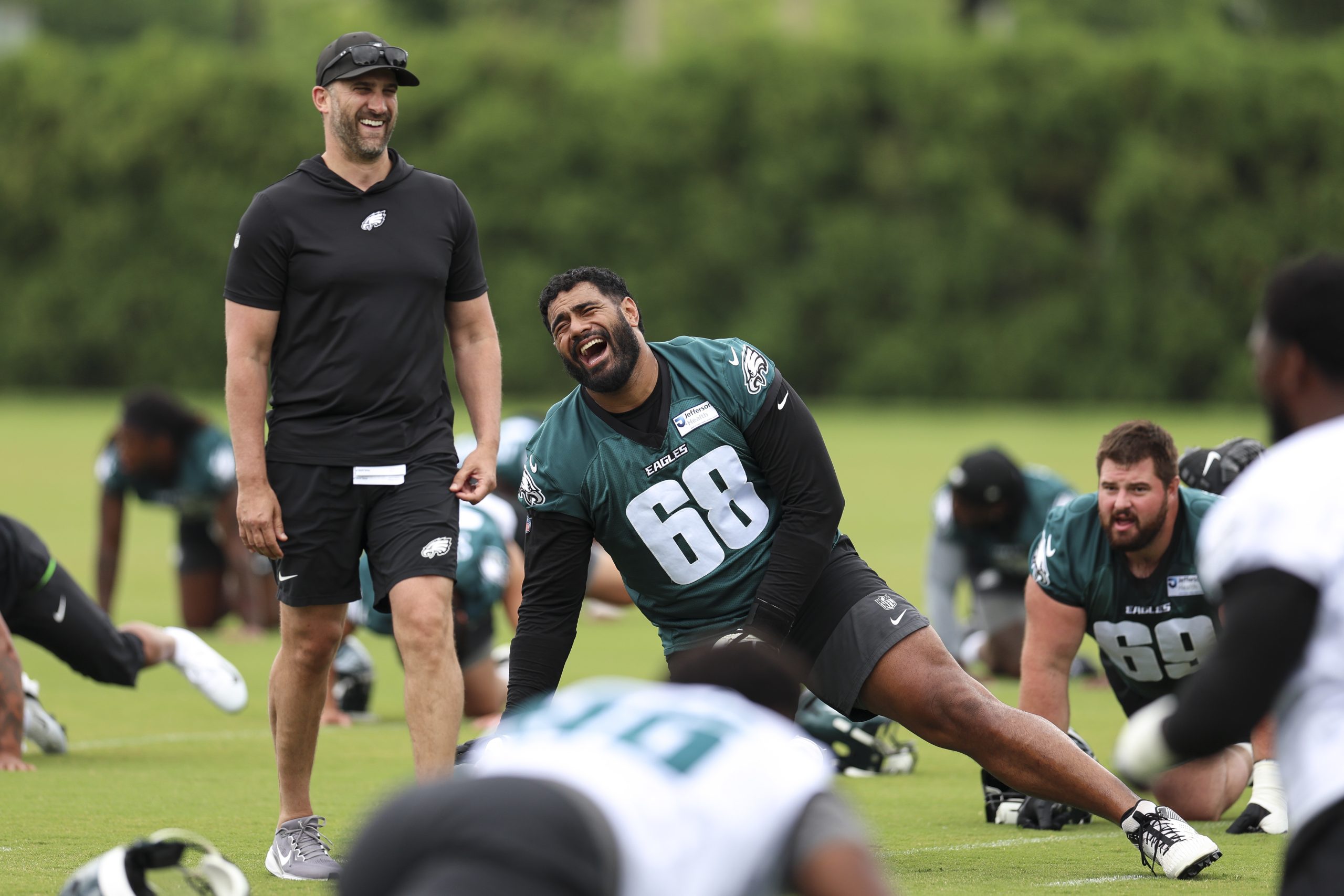
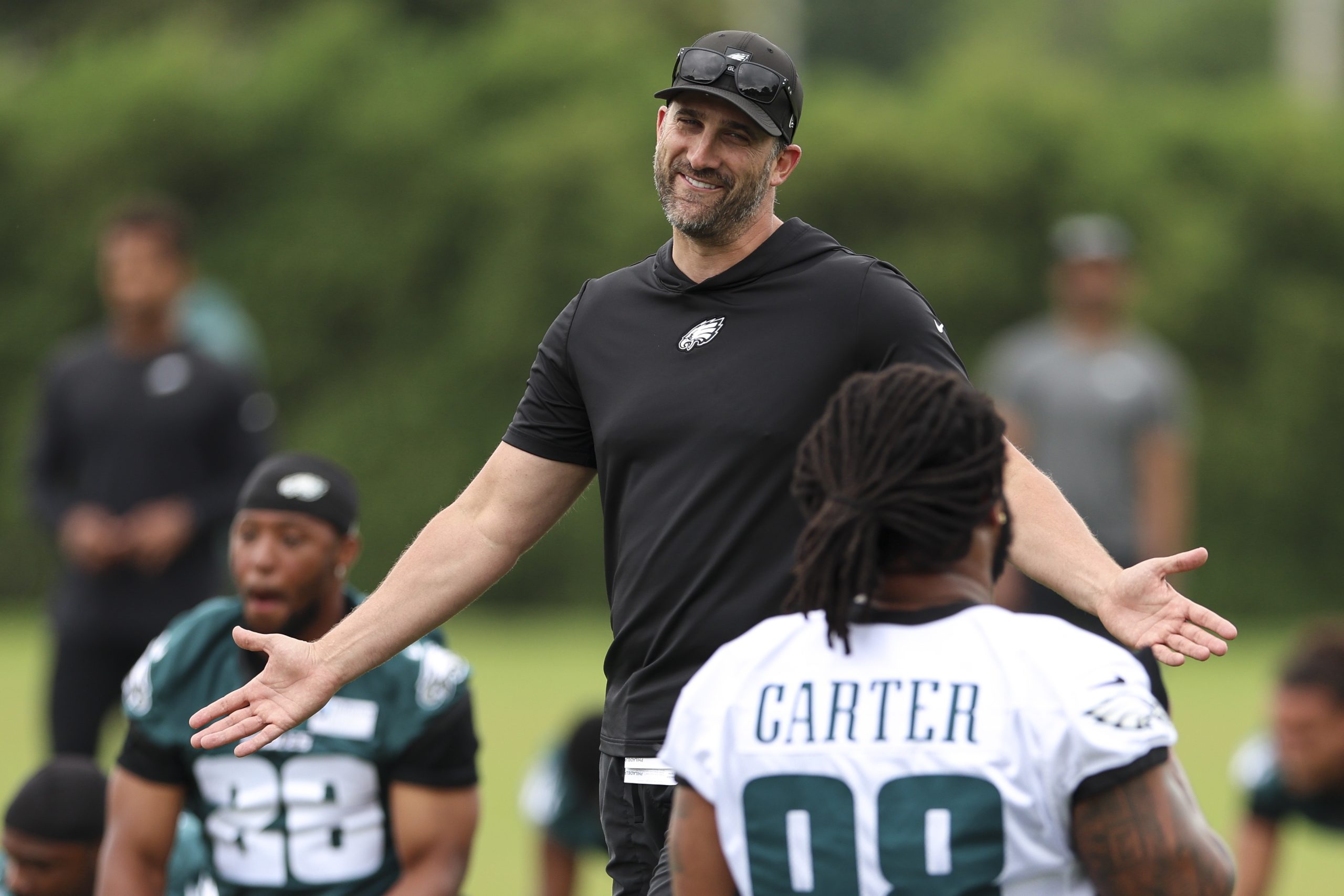
    Each Friday, Inquirer photo editors pick the best sports images from the last seven days. This week featured action from South Philly to Center City and from Fairmount to Camden. There was Eagles minicamp and, of course, some Phillies action. There was a skate contest in FDR Park and FIFA Fan Fest kicked off in Lemon Hill Park. And across the river, the Sixers introduced their new top executive.

    Here’s a look back at some of our favorite photos from the week:

    Spectators watch skateboarders during an early heat of the sixth annual “Queen Of The Park” women’s skateboarding event at FDR Park.Elizabeth Robertson / Staff Photographer
    Eagles quarterback Jalen Hurts works out during the team’s mandatory minicamp on Wednesday at the Jefferson Health Training Complex. They won’t officially be back on the field until training camp next month.Monica Herndon / Staff Photographer
    Eagles coach Nick Sirianni and left tackle Jordan Mailata share a laugh during Wednesday’s minicamp practice.Monica Herndon / Staff Photographer
    Eagles coach Nick Sirianni holds court as players, including defensive tackle Jalen Carter, stretch before Wednesday’s practice.Monica Herndon / Staff Photographer
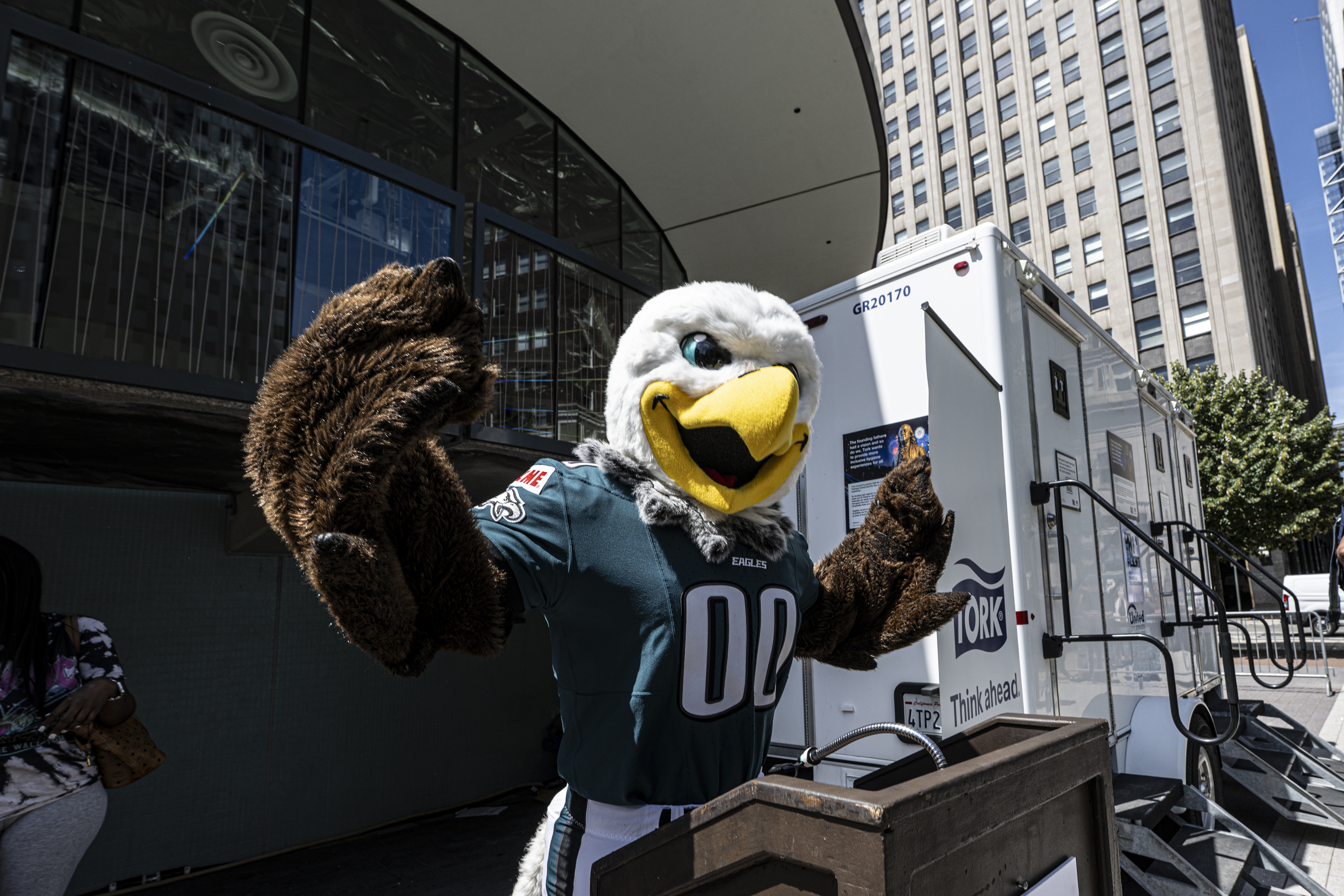
    Eagles mascot Swoop raises his wings during a news conference unveiling one of the city’s new Hospitality Hub restrooms at LOVE Park on Tuesday. The hubs are part of the city’s preparations to welcome visitors during the summer’s Philadelphia250 celebrations.Jose F. Moreno / Staff Photographer
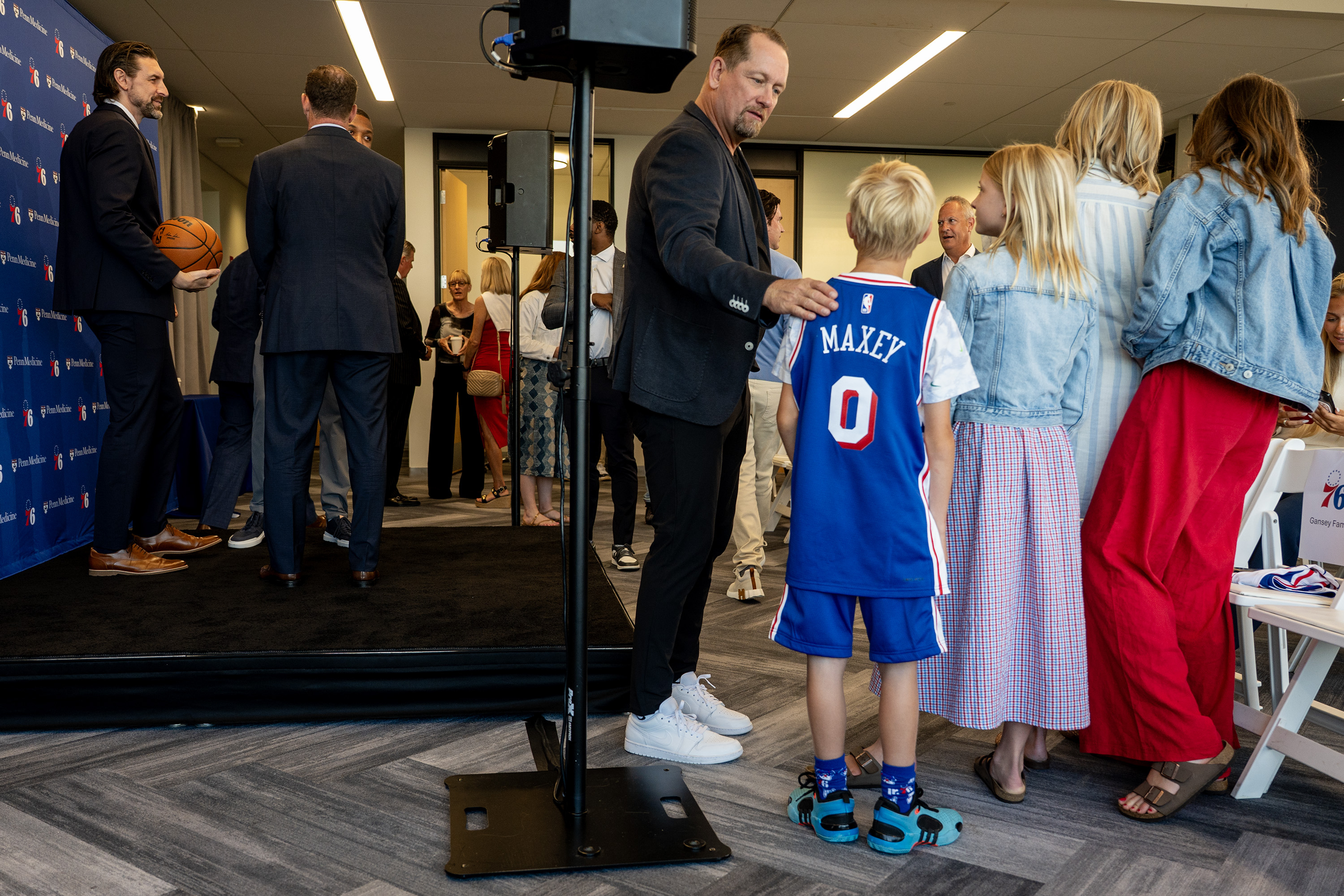
    Sixers coach Nick Nurse talks to Griffin Gansey, 8, who’s wearing a Tyrese Maxey jersey. Griffin’s father, Mike Gansey (rear, far left) had just finished his first appearance as the Sixers’ president of basketball operations on Monday in Camden.Tom Gralish / Staff Photographer
    Dylan Foglesong uses a rope wall to work out in the studio on Thursday in Philadelphia.Elizabeth Robertson / Staff Photographer
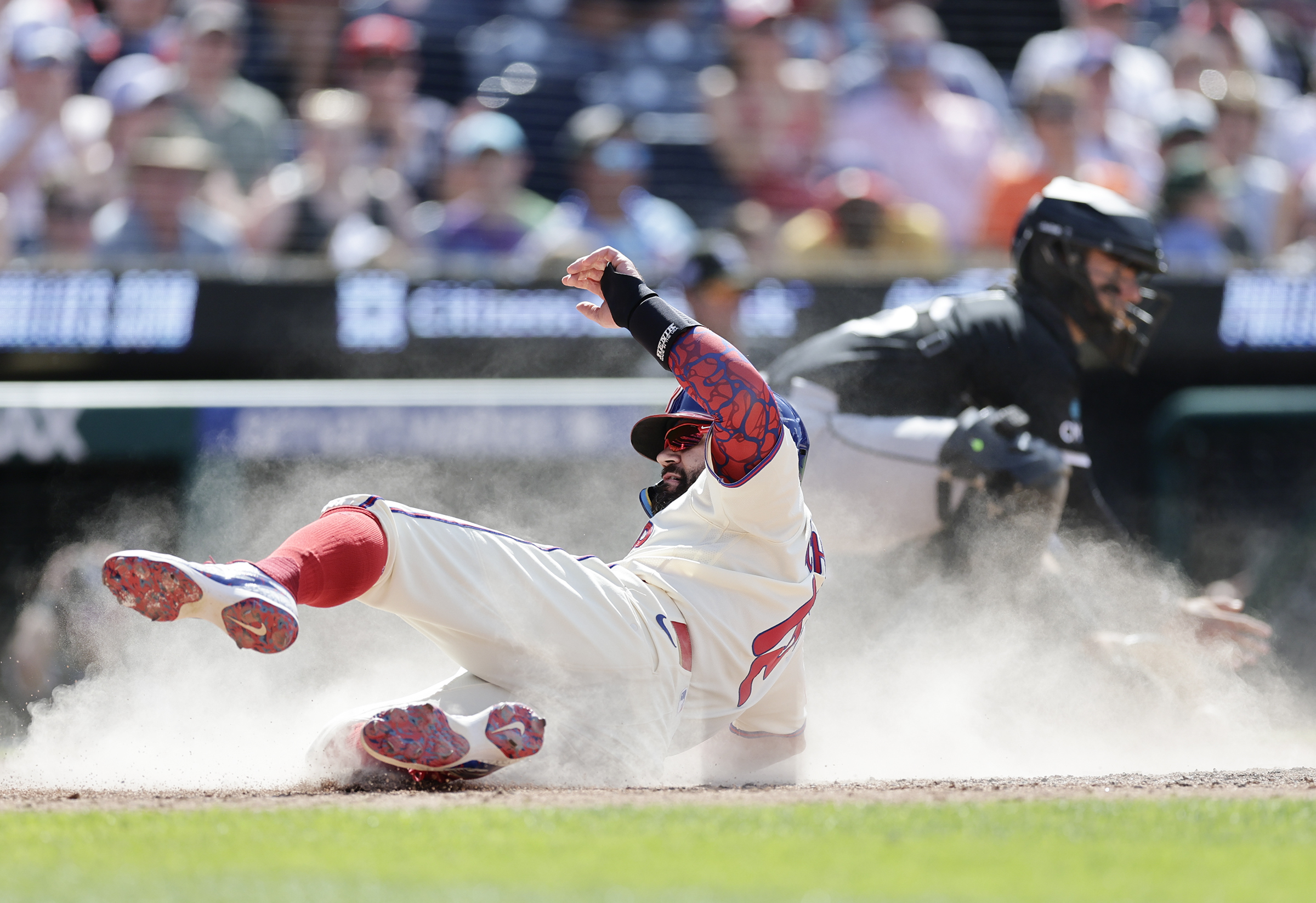
    Phillies designated hitter Kyle Schwarber scores in the sixth inning of Sunday’s 9-5 win over the Chicago White Sox.Yong Kim / Staff Photographer
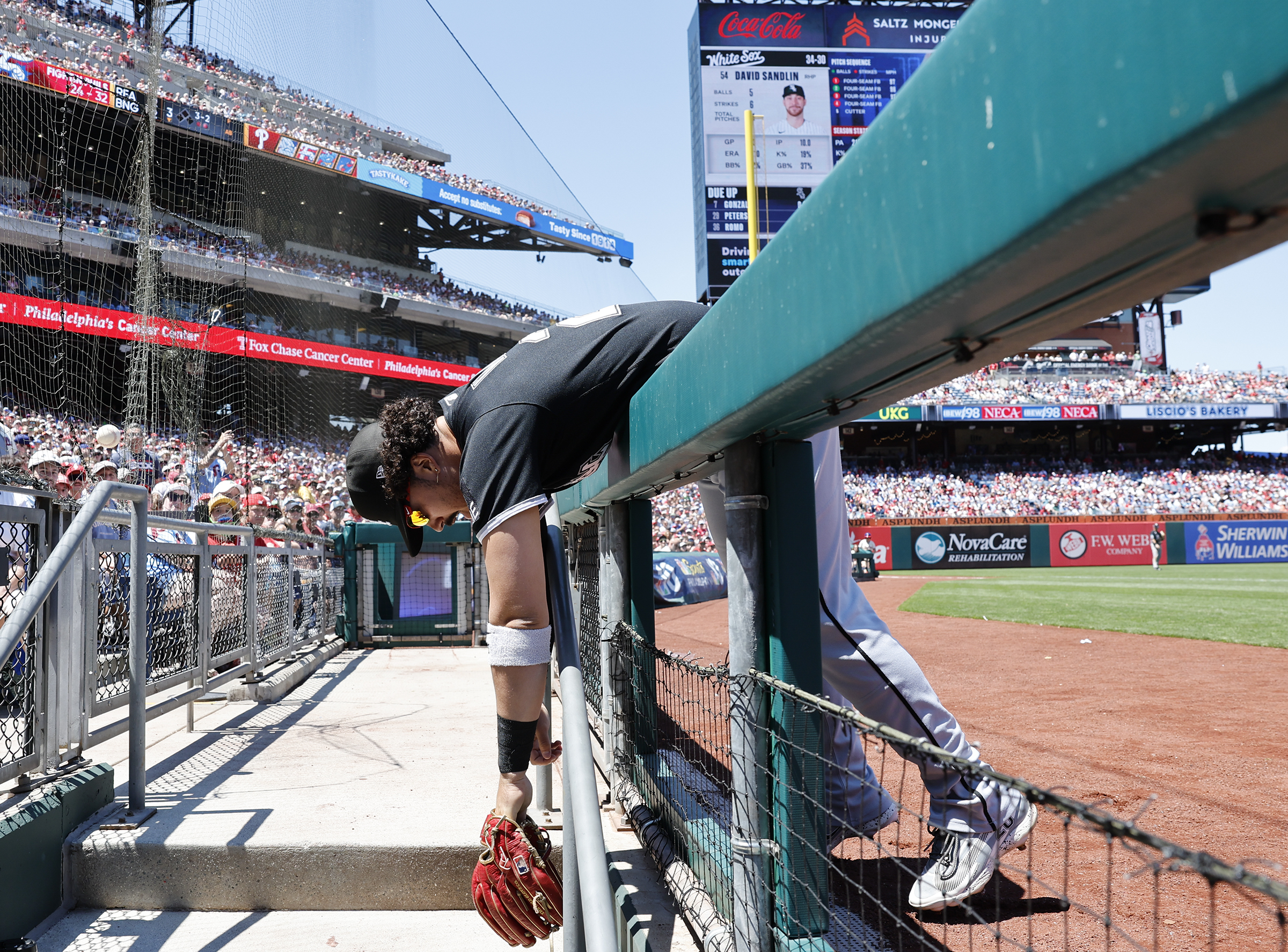
    Chicago White Sox third baseman Miguel Vargas leans over the railing but can’t catch Bryson Stott’s second-inning foul ball on Sunday.Yong Kim / Staff Photographer
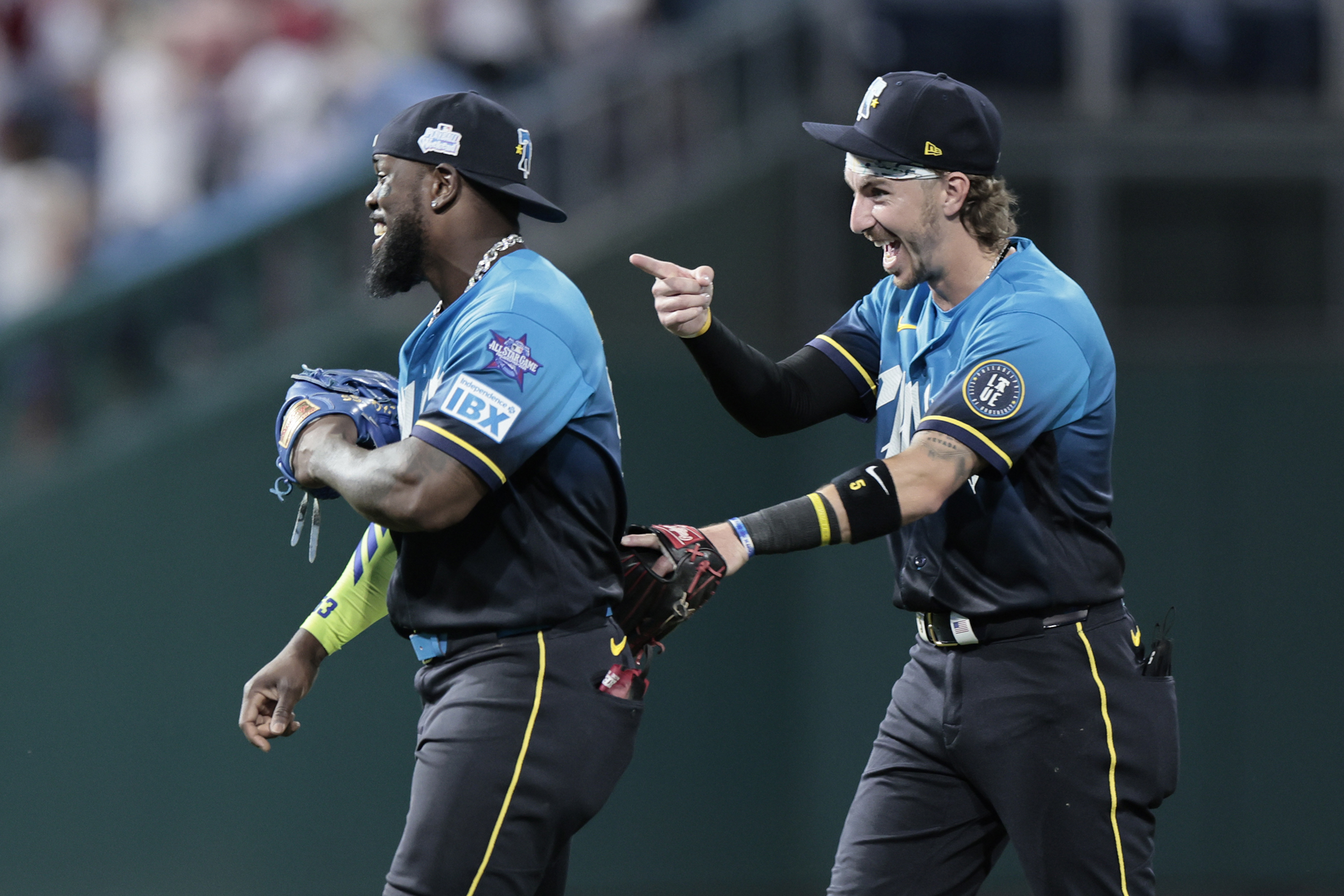
    Phillies outfielder Adolis García (left) and Bryson Stott share a laugh after the Phillies beat the Chicago White Sox on June 5.Elizabeth Robertson / Staff Photographer
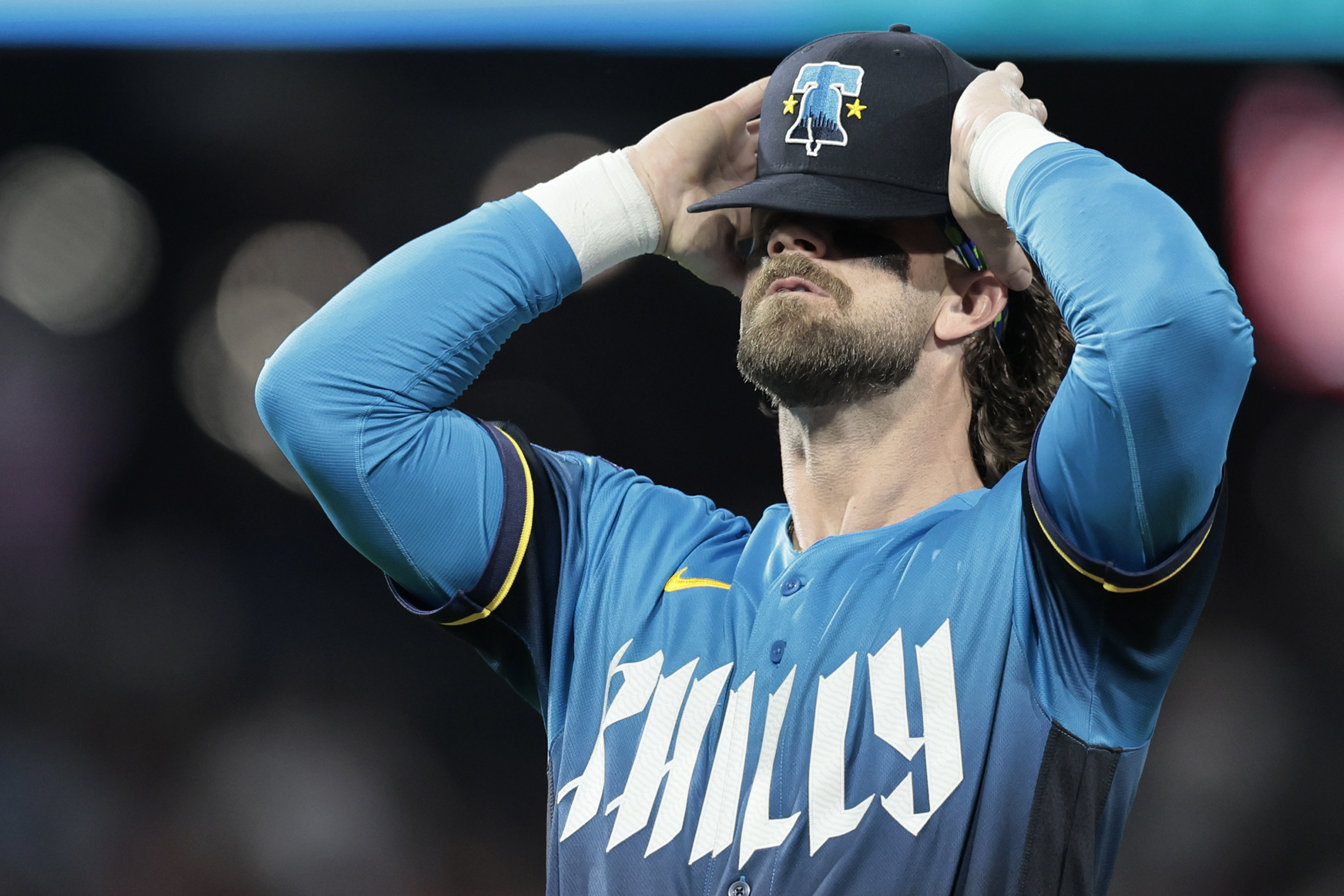
    Phillies first baseman Bryce Harper puts on his cap during last Friday’s win over the Chicago White Sox.Elizabeth Robertson / Staff Photographer
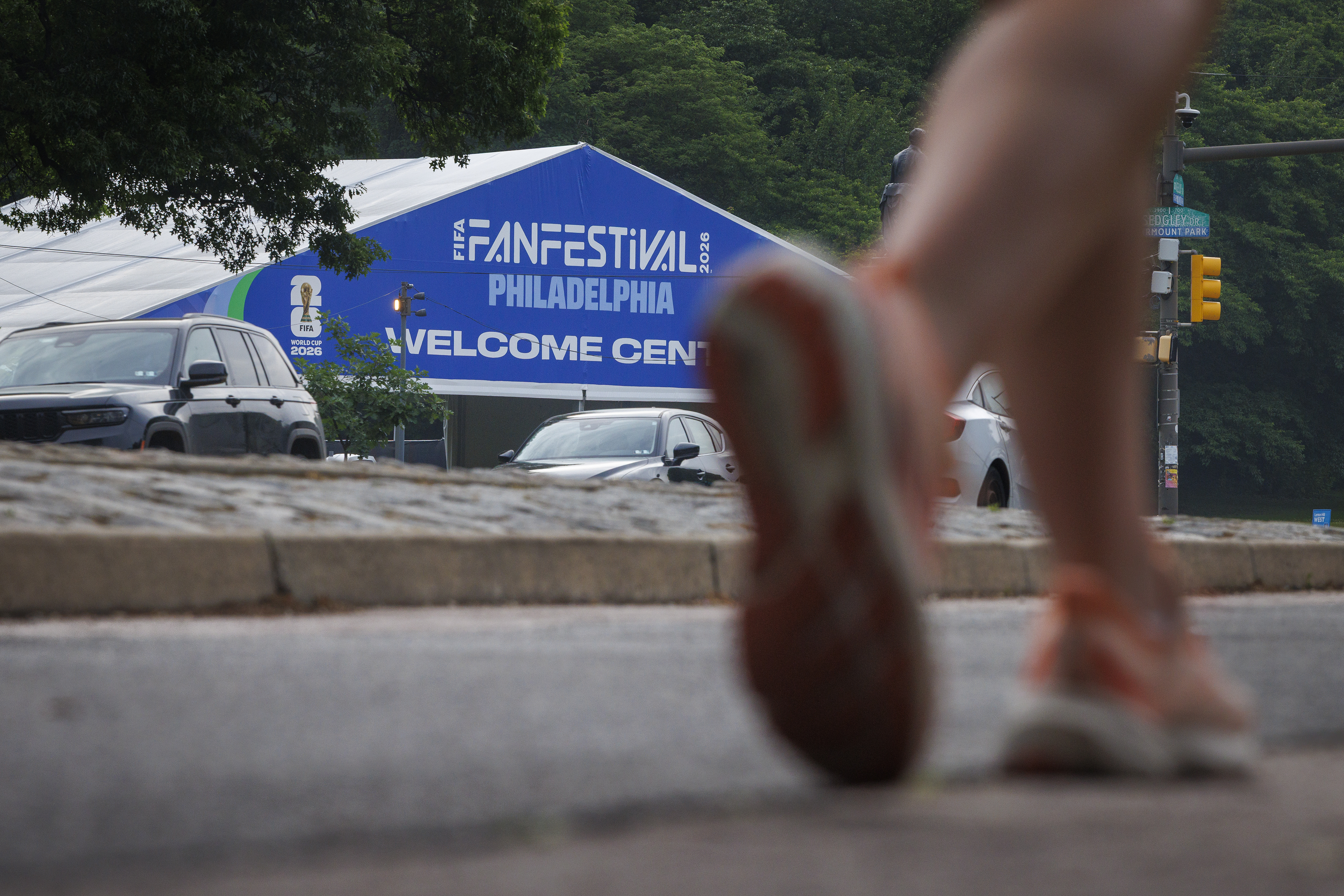
    The FIFA Fan Festival at Lemon Hill opened to the public on Thursday.Alejandro A. Alvarez / Staff Photographer
  • For local coaches, watching their former players in the College World Series is a ‘special moment’

    For local coaches, watching their former players in the College World Series is a ‘special moment’

    While watching Alabama vs. St. John’s in the Tuscaloosa Super Regional, Moorestown High School baseball coach Mike Appalucci spotted a familiar face as the Crimson Tide punched their ticket to Omaha, Neb., for the men’s College World Series.

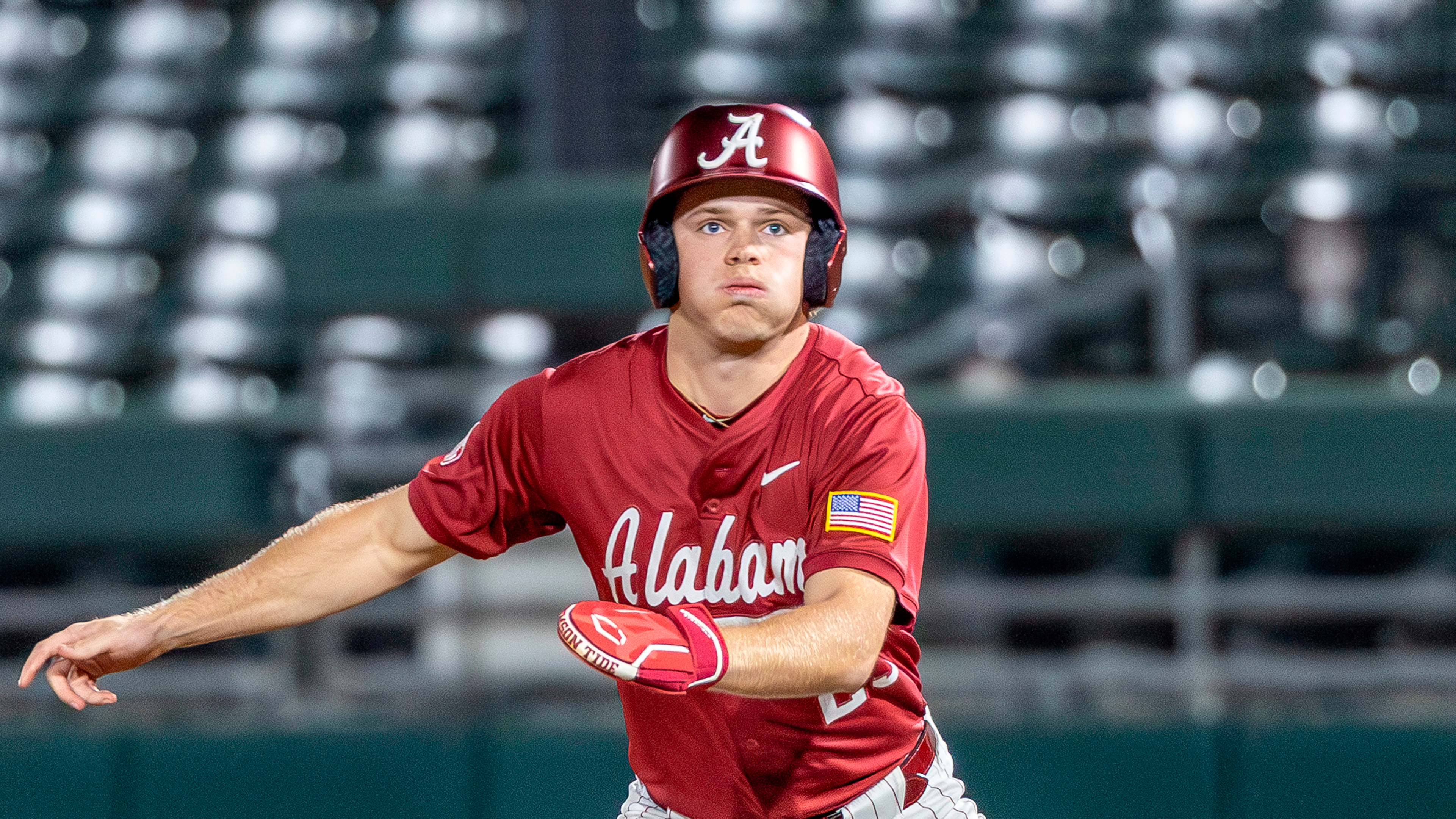
    It was his former player, Chase Kroberger, a freshman at Alabama.

    Kroberger is one of six locals competing in the College World Series, which starts on Friday with West Virginia vs. Troy (2 p.m.) and North Carolina vs. Ole Miss (7 p.m.). On the other side of the bracket, Alabama will face Ole Miss (3 p.m.) and Georgia takes on Texas (8 p.m.) on Saturday.

    While each of the eight teams hail from the Southern U.S., these players were raised by South Jersey and Philadelphia baseball.

    Kroberger plays with Evan Taylor, a freshman two-way player from Ocean City, and Jon Young Jr., a sophomore infielder who graduated from Cherry Hill West. He’s also former high school teammates with Ryan Lynch, a sophomore righty at North Carolina.

    Texas junior outfielder Aiden Robbins and West Virginia freshman right-handed pitcher David Perez round out the Philly-area players. Robbins starred at Holy Ghost Prep, while Perez graduated from Archbishop Ryan. Perez led the Mountaineers in saves this season with six but hasn’t played since April 25 because of a knee injury.

    For the high school coaches, it’s been special to watch their former players compete on college baseball’s biggest stage. Even being a “small part of their success” has added to the excitement of the tournament, Appalucci said.

    “You got two really awesome kids that are great ambassadors for Moorestown baseball,” Appalucci said. “Both love Moorestown baseball. Both are at their dream school to go play college baseball. I just hope they enjoy every moment of it because it’s really unique to have two guys going out there at the same time.”

    Kroberger, an outfielder, was ranked the No. 2 outfielder and No. 7 recruit in New Jersey last year, according to Prep Baseball Report.

    During his first season with the Crimson Tide, he put up a .148 average in 27 at bats. Still, each opportunity has allowed Kroberger to grow, Appaluci said. He’s also been a defensive replacement in some of Bama’s recent games.

    “He’s getting valuable experience, but he’s also getting some time in, and it looks like they trust him enough to play him defensively, and I’m sure he’ll get some ABs at some point,” Appaluci said. “Chase is such a competitor, such a gamer, but he looks so happy to be there.”

    Taylor was Perfect Game USA’s top-ranked right-handed pitcher and the No. 3 prospect in New Jersey. He did not pitch for Alabama this season.

    Young, the third-ranked shortstop in the state by PBR, appeared in 14 contests for the Crimson Tide last season but did not play this season.

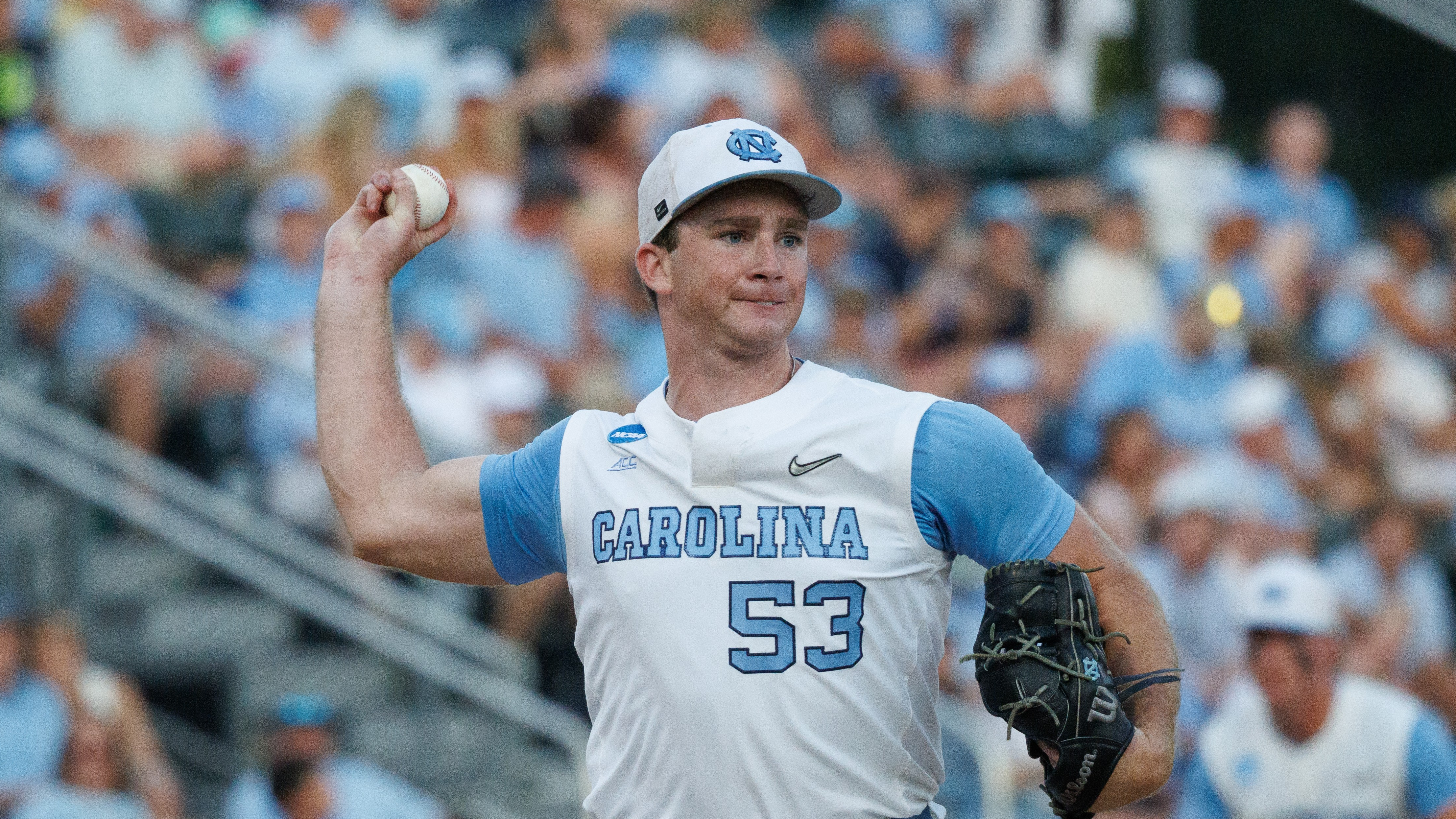
    As for Kroberger’s former teammate, Lynch, he has had plenty of success with the Tar Heels this season.

    North Carolina’s Ryan Lynch transitioned to a starting role during the postseason last year.Ben McKeown

    Lynch has a 4.22 ERA in 89⅔ innings (17 games, 16 starts) this season after primarily coming out of the bullpen as freshman.

    Named a freshman second-team All-American by D1Baseball and Baseball America, Lynch transitioned to a starting role during the postseason last year. And his high school coach said he was “built for those moments.”

    “They knew that they were getting a great pitcher in Ryan,” Appaluci said. “He’s going to do great in Omaha.”

    Appaluci added that he’s received several messages about the two and has been asked about them “nonstop” by his eighth graders.

    “It’s just an inspiration for everybody. All the little kids know both Ryan and Chase,” Appaluci said. “They’ve been following these guys for years. “Everyone’s following these kids, and I’m sure they’re going to get a lot more attention now being out there in Omaha.”

    Robbins joined Texas this season after spending two years at Seton Hall, where he led the team in batting average, runs, hits, on-base percentage, and slugging percentage, among other stats.

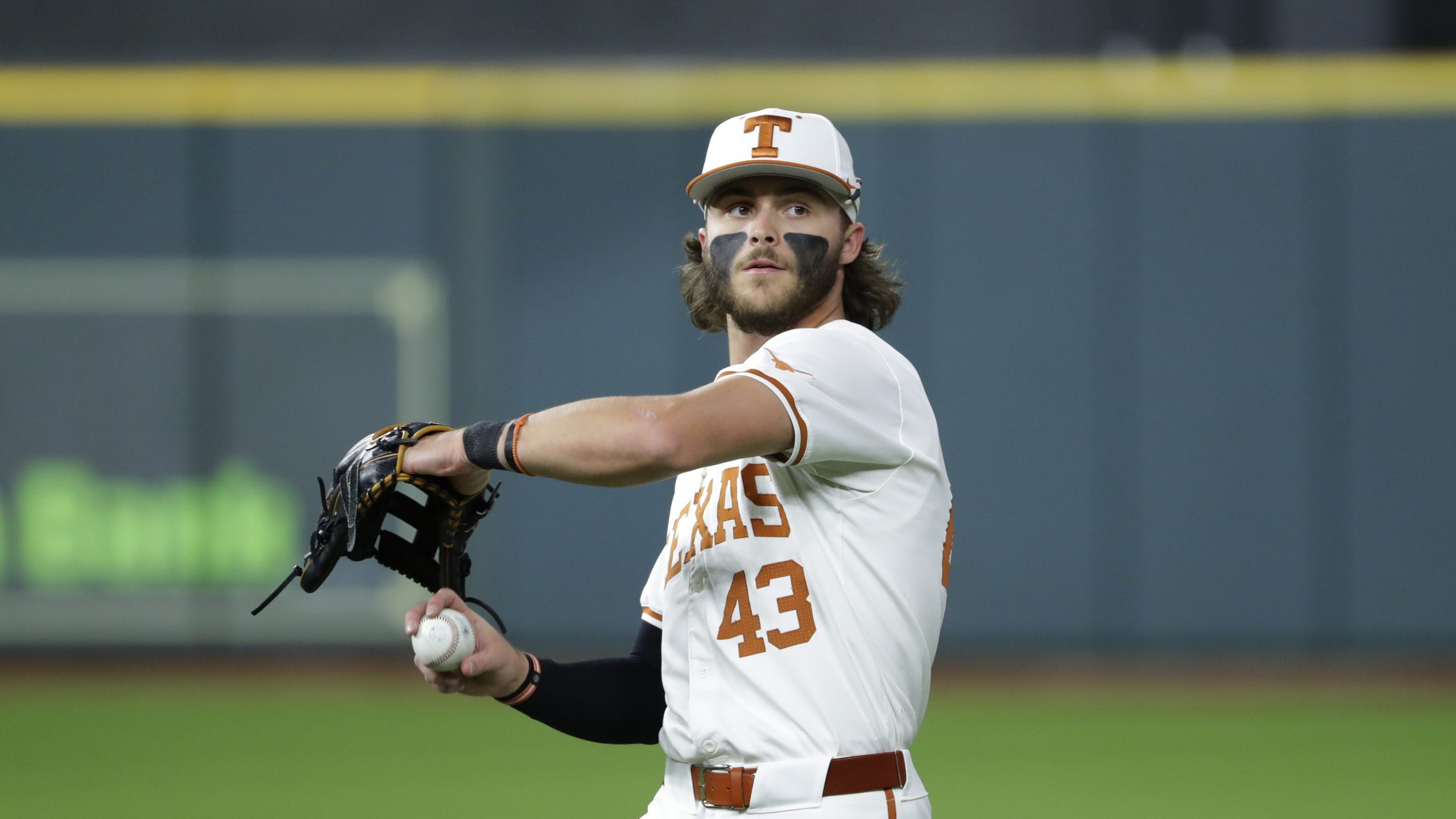
    Robbins is one of the Longhorns’ leading hitters in average (.342) and runs (65). He also leads in hits (77), total bases (162), and slugging percentage (.720).

    His former high school coach, Greg Olenski, said Robbins has “exploded” this year, notably in his ability to hit with power to all parts of the field, as he enters his draft-eligible year. He also said that Robbins performs his best when more eyes are on him.

    “To see what he’s done this year and accomplished, I’m really not surprised,” Olenski said. “His work ethic is unmatched, and he’s only gotten better. I’ve told a few different people that I don’t even think he’s reached his peak yet. But it’s pretty incredible to see a former player of mine, just only a few short years ago, is now in Omaha. So a pretty special moment.”

    Texas outfielder Aiden Robbins during a game against Coastal Carolina on Feb. 27.Michael Wyke

    When he was with Seton Hall, Olenski said Robbins became a fixture in his high school team’s dugout and on the bus to away games. While he couldn’t do the same this year at Texas, Robbins’ presence is still a fixture at Holy Ghost Prep, especially with how his career unfolded.

    “I think the relatableness [in] interviews and then how close he was to our players, our guys feel like that’s in their reach right now,” Olenski said. “I think it’s really cool to see, especially him coming from Yardley, Pa., a local guy.”

  • ‘The dinosaur’ stumbles as Philly’s Dem machine loses ground in ward elections | Shackamaxon

    ‘The dinosaur’ stumbles as Philly’s Dem machine loses ground in ward elections | Shackamaxon

    Welcome to Shackamaxon, a weekly politics column focused on what’s happening at City Hall and in Harrisburg. It is named for the place where the Lenape chiefs would meet to conduct the people’s business, which is now known as Penn Treaty Park. This week’s column covers ward leader elections, efforts to make community events affordable, and a U-turn on some painful cuts at the Philadelphia School District.

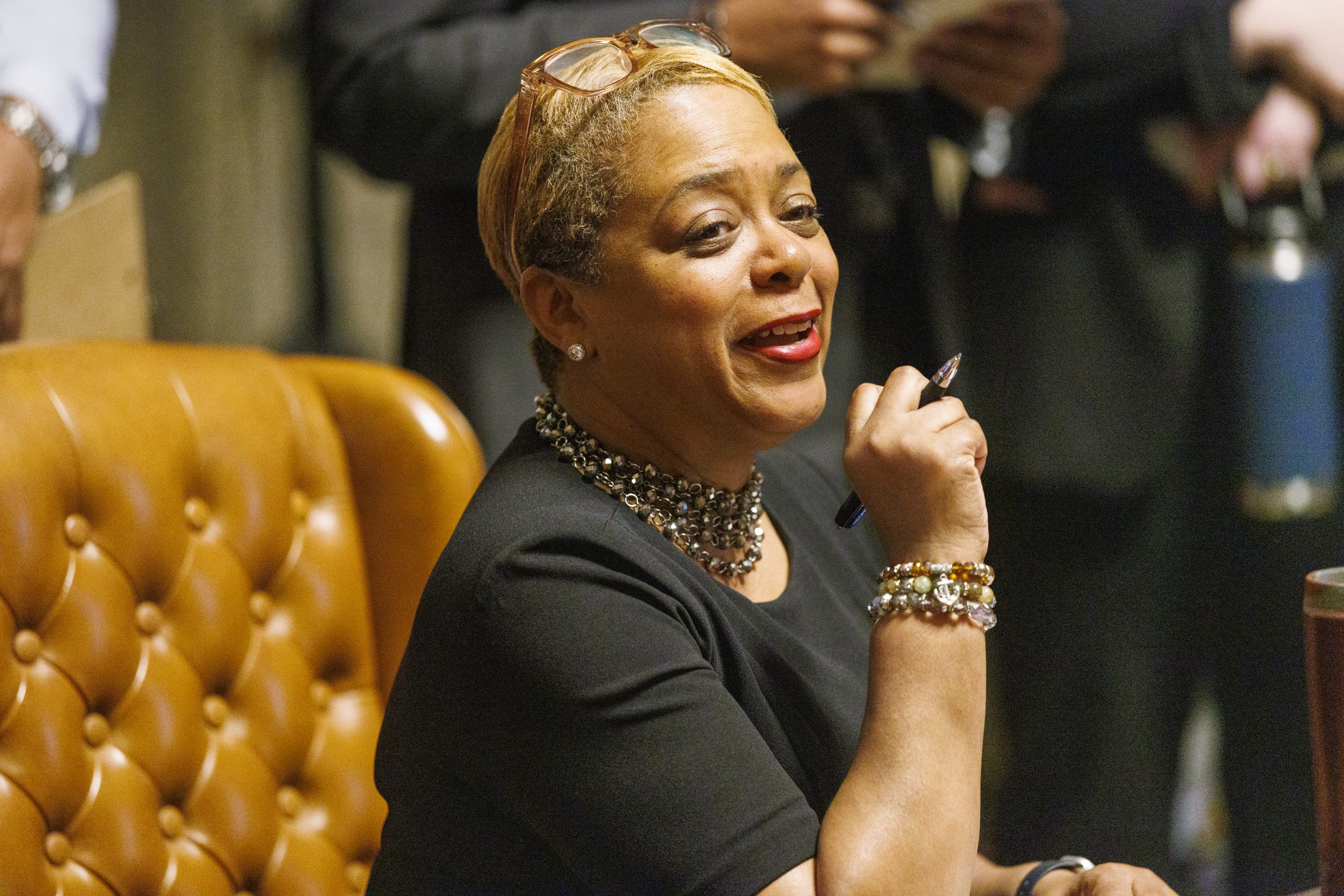
    Council member Cindy Bass has been widely condemned for declaring herself the winner of a controversial election for the leadership of the 22nd Ward.Alejandro A. Alvarez / Staff Photographer

    The dinosaur groans

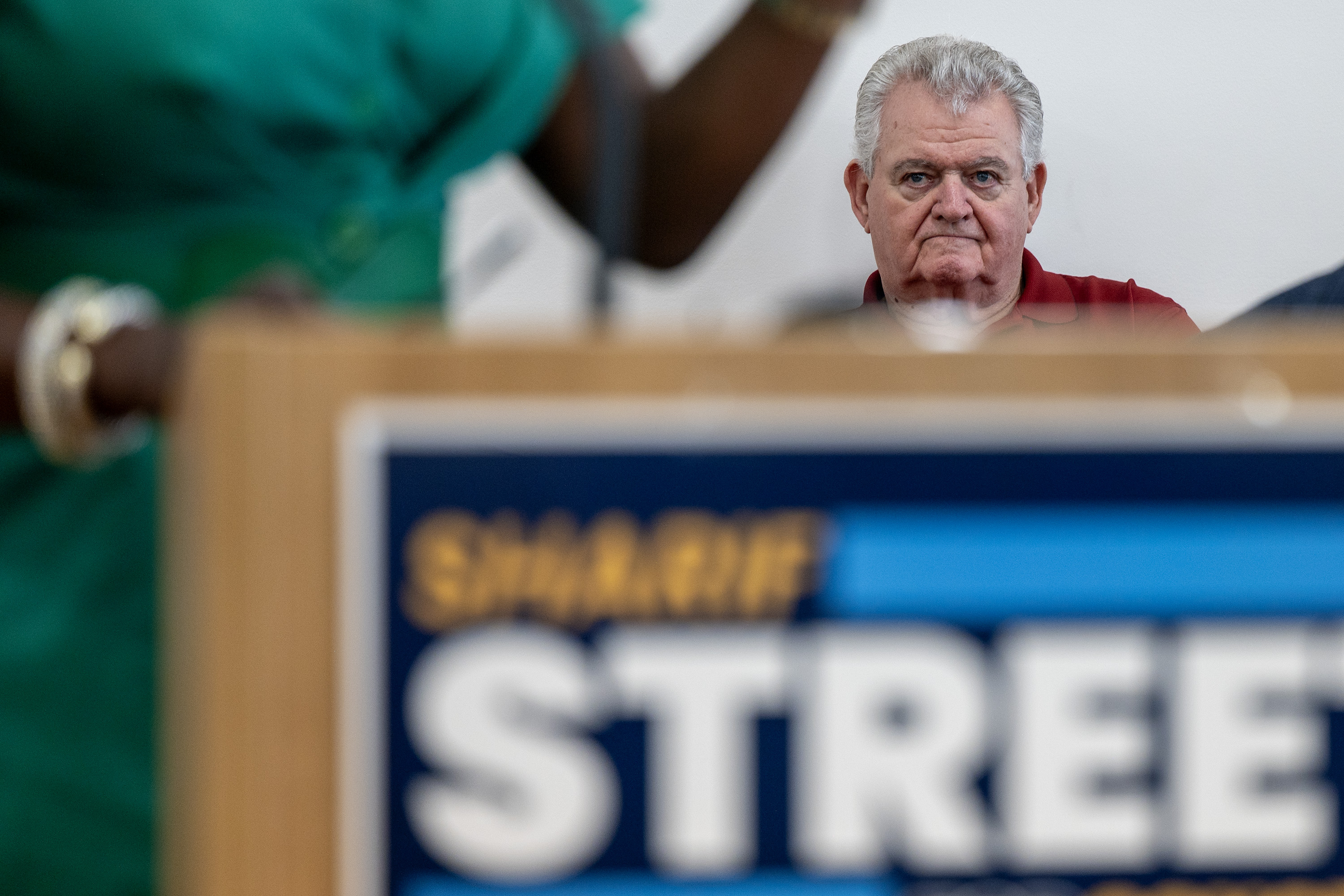
    After the primary elections three years ago, Philadelphia Democratic Party Chairman Bob Brady was in a celebratory mood. In an open letter posted on social media, Brady boasted that the “dinosaur roared,” a playful, self-deprecating reference to the party establishment’s wins over progressive and reformist alternatives. During this week’s ward elections, however, establishment candidates had little to brag about. Wards That Work, a coalition of left-leaning groups, announced that candidates they supported had won six of the city’s 69 ward leadership positions. While the party’s old guard still holds a significant lead in the total number of ward leader positions, it is clear where the energy and enthusiasm of the party are headed. The insurgent wards, and the wards they’ve contested but haven’t yet prevailed in, are filled with committeepeople. The machine-dominated wards are filled with vacancies.

    In the 22nd Ward, one of the most hotly contested races of the cycle, the incumbents are facing questions about whether they skirted the party’s rules to retain their hold on power.

    Fred Dedrick, an elected committeeperson, told me that current ward leader and 8th District Councilmember Cindy Bass had initially told folks to show up by 7:15 p.m. if they wanted to participate in the reorganization vote. After the meeting finally began at 8 p.m., she quickly called for a voice vote, declared herself the winner, ignored requests for a roll-call vote, and sent everyone home.

    Under the party’s own rules, Brady told The Inquirer’s Sean Collins Walsh, a roll-call vote must be taken if it is requested.

    Bass’ tactics drew widespread condemnation. Even U.S. Rep. Brendan Boyle, who usually stays out of local governmental issues, said he was “absolutely disgusted” by what he saw in a video of the vote, and made a direct comparison to President Donald Trump’s repeated efforts to “obstruct our democracy.”

    The Philadelphia Democratic City Committee, for its part, is planning to host a revote between Bass and her challenger, Octavius Price.

    This is far from Bass’ first controversy. Her tenure on City Council has been characterized by high-profile disputes with some community organizers. Bass’ critics cite what they describe as a lack of consistency, particularly on issues of development: When Bass opposes a project, like the proposed reuse of the Ada Lewis Middle School property, she cites a lack of popular support. When she’s behind an effort — like the decision to grant development rights at the former Germantown YWCA — the community’s viewpoint isn’t taken into account.

    That kind of vacillation could be part of why Bass won her most recent primary election in 2023 by just over 400 votes, despite her opponent having little in the way of name recognition.

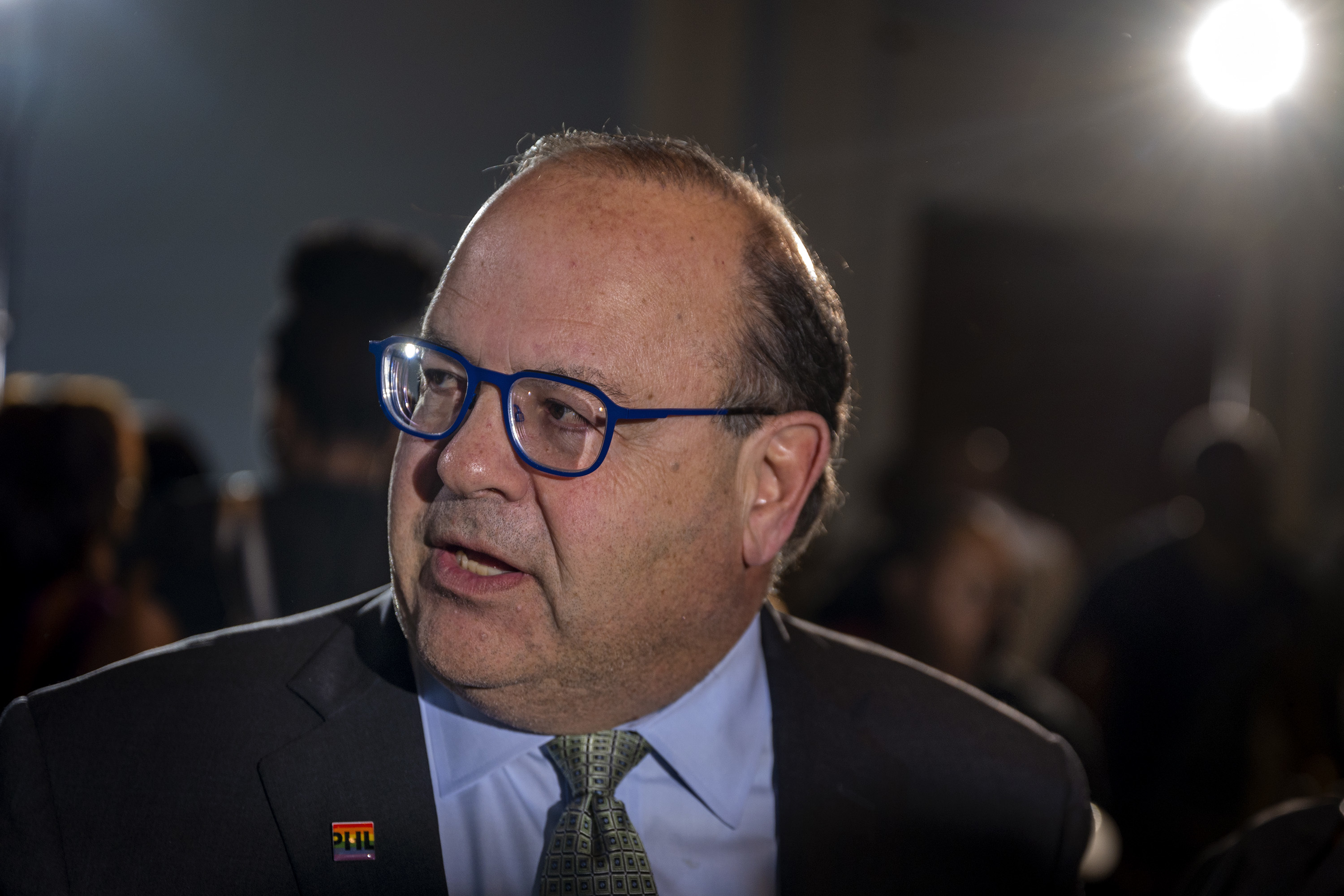
    Former City Council member (and prominent real estate developer) Allan Domb cautioned his colleagues in city government to move slowly before they acquired the former Inquirer building. They probably should have listened to his advice.Tom Gralish / Staff Photographer

    Avoidable boondoggle

    In 2016, then-Councilmember Allan Domb raised concerns about then-Mayor Jim Kenney’s plan to turn the former Inquirer building on North Broad Street into the new police department headquarters. Domb’s objection was basic common sense. If the city is going to spend a quarter of a billion dollars, shouldn’t we at least get an appraisal first? Especially given that a developer had spent just $22.7 million — a fraction of its expected price tag — to acquire it in the first place.

    An Inquirer analysis suggested that the city had, in fact, overbid. The city ended up paying around $90 per square foot, which is higher than the $71 per square foot paid for a comparable property, the former GlaxoSmithKline headquarters that sold three years before. Since 2018, the value of commercial real estate in Center City has declined. The sprawling Centre Square complex near City Hall sold for under $60 per square foot.

    In fact, in addition to buying the building without an appraisal, the city also agreed to a yearslong leasing agreement, which allowed the owner, developer Bart Blatstein, to utilize historic tax credits.

    Now the bill has come due, with city officials forced to either buy the building outright at its inflated price or pay double in rent payments while searching for a new location, which would also likely cost hundreds of millions of dollars to get up to standards.

    While buying the building may be the least bad option at this point, the entire situation is a frustrating reminder of how defensive and parochial city government can be. Despite having a bona fide real estate expert in Domb available to assist their decision-making, city officials embarked on the plan without asking for his input ahead of time.

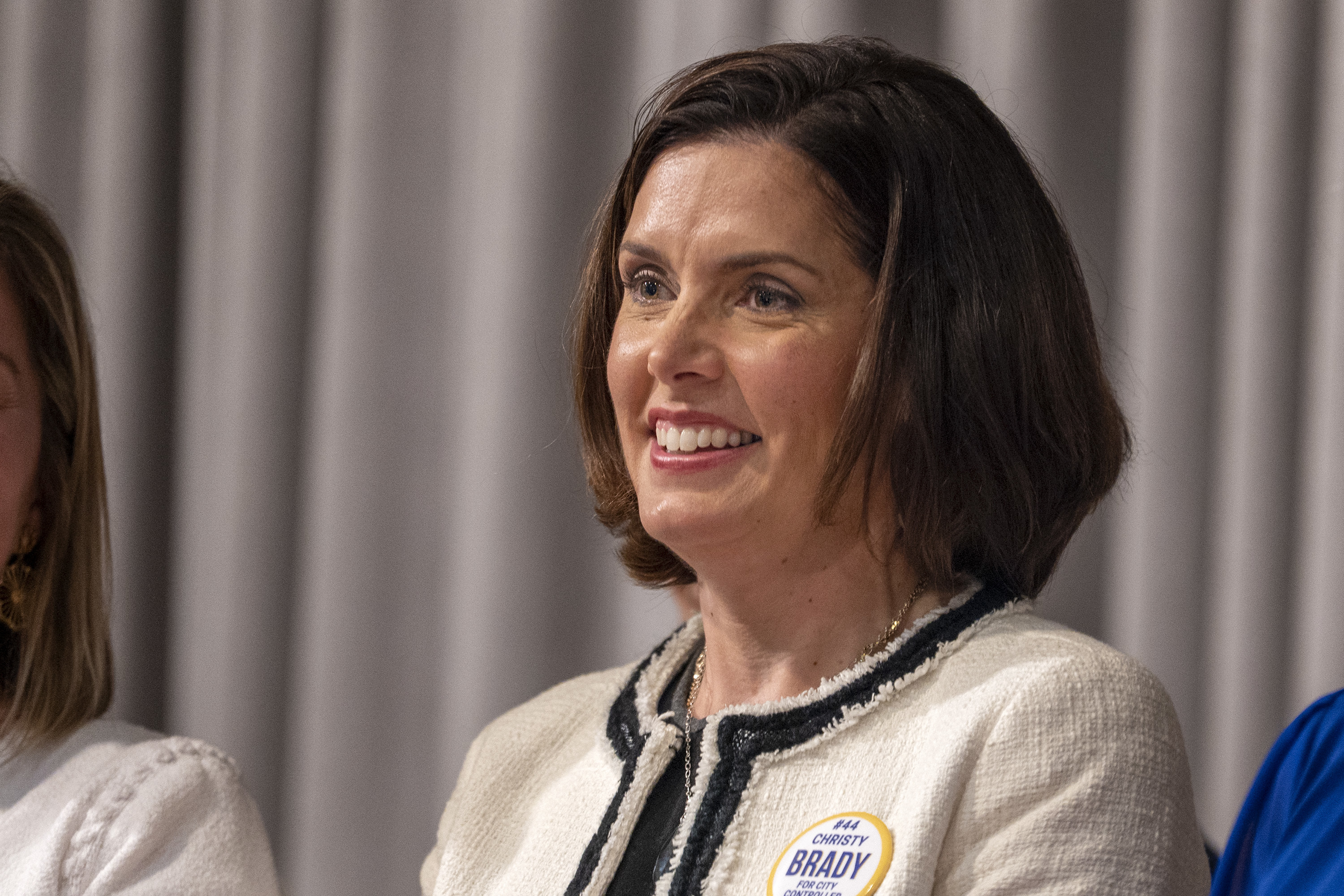
    A report by City Controller Christy Brady found that Philadelphia’s cumbersome rules for event planning are getting in the way of some long-standing civic traditions.Tom Gralish / Staff Photographer

    Haphazard hosting

    With the World Cup having kicked off and America preparing to celebrate its 250th birthday, you might think the city would be filled with local events, festivals, block parties, and other revelry spreading to all corners of the cradle of liberty. Thanks to the city’s stringent regulations and a stated lack of resources, there will be fewer events than many Philadelphians might have hoped for.

    Hosting events in Philadelphia is a slog during the best of times. City Controller Christy Brady issued a report earlier this year that reiterates findings reported in The Inquirer: The high cost of security and convoluted permitting process is shrinking, pushing out, and eliminating many long-standing civic traditions.

    This year was supposed to be different, thanks to the Neighborhood Celebrations Grant Fund. But organizers told Inquirer reporters that they are running into unforeseen obstacles, including blackout dates that extend from June 11 to July 18. This means neighborhoods are being restricted at the same time when demand is highest. While security concerns are a legitimate issue, giving people an option to celebrate closer to home could be the key to avoiding the traffic, parking, and crowding concerns that inspire caution in the first place.

    Schools switch

    After weeks of debate over the proposed rideshare tax and the insistence that a failure to pass it would result in the elimination of 340 positions in the Philadelphia School District, officials have backpedaled. Apparently, there will be no cuts after all.

    The district’s revenue needs are what they are, but the way city officials handled the situation fostered confusion and cynicism. Threatening to make cuts without additional revenue, only to cancel the cuts despite failing to secure new money, makes everyone look opportunistic. What was the fight all about in the first place?

    The compromise, however, required sacrifices elsewhere. The city had to raid its capital budget and cut some of the Commerce Department’s budget for contracted services, per a statement from City Council President Kenyatta Johnson’s office. More painful cuts could be on the horizon for next year’s budget if a new revenue source isn’t found.

  • Kyle Larson and the Urban Youth Racing School are teaching Philly students STEM

    Kyle Larson and the Urban Youth Racing School are teaching Philly students STEM

    Many NASCAR drivers, including Kyle Larson, are in Pennsylvania for the NASCAR Cup Series’ Great American Getaway 400 this weekend at Pocono Raceway. But Larson’s connection to the state runs deeper.

    The reigning NASCAR Cup Series champion has partnered with the Urban Youth Racing School in Philadelphia for the past five years, exposing students to motorsports career opportunities in fields such as engineering, media, mechanics, and hospitality.

    “Kyle’s a winner. He’s a champion, and I think that kids want to be associated with that,” UYRS cofounder Anthony Martin said. “For them, it’s like, ‘Wow, I got a Kyle Larson, the champion in NASCAR, who’s one of the top names in NASCAR, who’s actually helping me, who’s actually there for me.’”

    Larson has been involved with the school since as early as 2017, attending dinners and awards banquets hosted by UYRS, which provides STEM education to kids through motorsports, but the official partnership started in 2021.

    In April 2020, Larson was suspended indefinitely by NASCAR after using a racial slur during a livestreamed iRacing event.

    During that time, Martin, who established the racing school along with his wife, Michelle, reached out to Larson to check on him, strengthening the connection between the driver and the school.

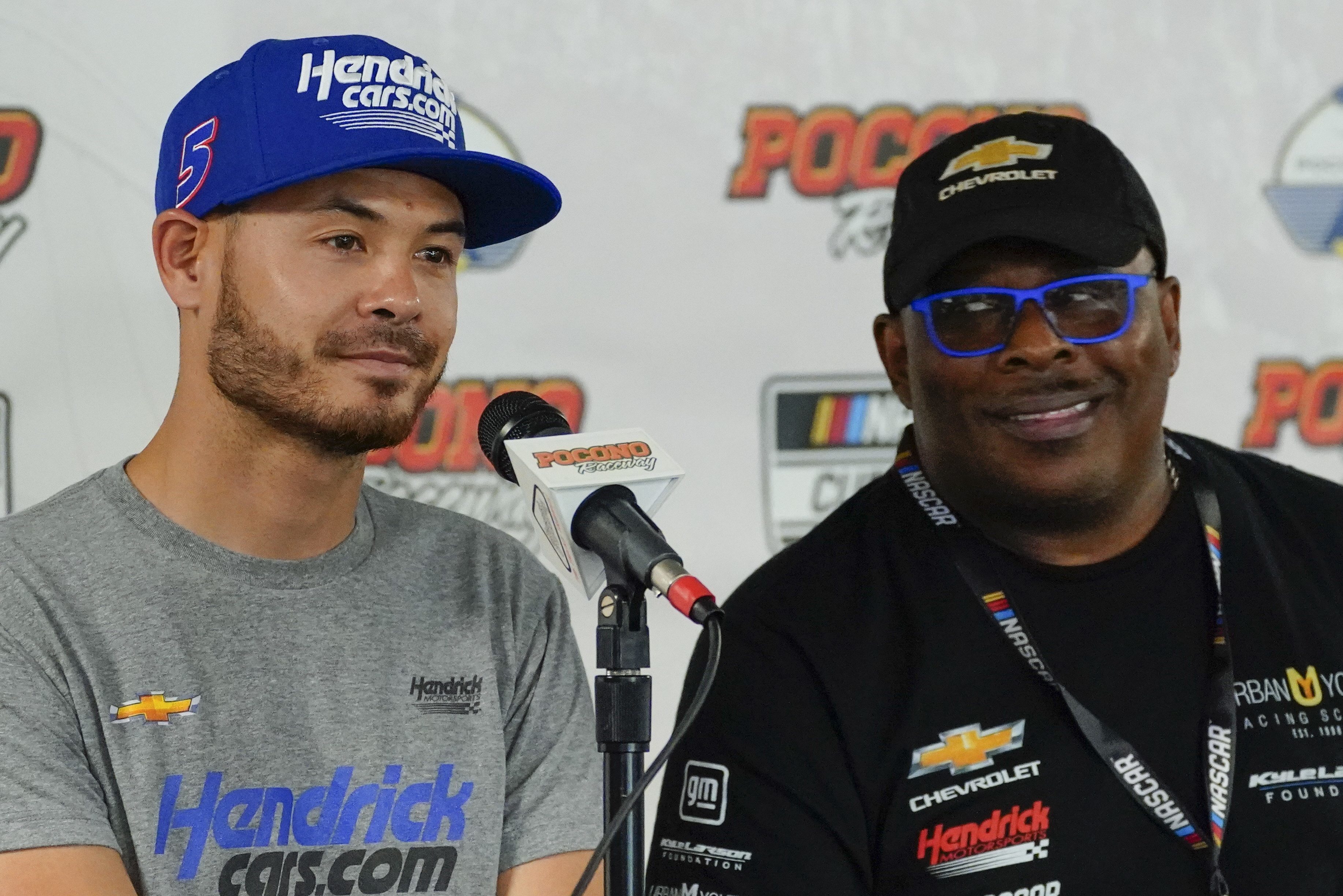
    Urban Youth Racing School cofounder Anthony Martin (right) speaks at a news conference with Kyle Larson before a 2021 race at Pocono. Urban Youth Racing School, a Philly-based program that creates opportunities in racing for minorities, played a crucial role in Larson’s personal comeback. Matt Slocum / AP

    He was reinstated in 2021 after completing sensitivity training and then won the NASCAR Cup Series championship for the first time. Martin said after winning, Larson acknowledged the racing school, which was in attendance for the race in Phoenix. Martin said that solidified the relationship between Larson and the school.

    After Larson won his second championship last year, he donated $50,000 to provide scholarships, race simulators, and driving classes. He hosts and participates in events locally and has Zoom calls with the students.

    And the relationship goes both ways, with the students inspiring Larson in their own way. Larson said via email that when his schedule allows, it’s always great to spend time with the students.

    “Their interest in motorsports is awesome, and I’m always impressed by the thoughtful questions they ask,” Larson wrote. “You can tell they’re really interested in learning, not only about racing but what it takes to succeed. Being able to provide a little guidance along the way is something I really enjoy. Seeing their passion gives me a lot of confidence in the future of our sport.”

    The focus of the partnership remains on the many ways to get involved with the sport, especially through STEM. Because of all of the details that go into a successful race, Martin said racing and STEM are intertwined, and it’s important for students to understand the technology and terminology used, from “lift” and “drag” to “apexes” and “aerodynamics.”

    “These are all science terms [and] these are all major terms that are associated with racing,” he said. “What we found … is that they do better in their science and technology, in their STEM classes in school, because of the affiliation and because of working with the racing school.”
    A racer drives around the track during a Urban Youth Racing School event in 2022.TYGER WILLIAMS / Staff Photographer

    Through a deeper understanding of these concepts and better performance in school, Martin said, the students become more confident in their abilities, which leads to getting jobs, whether that’s in motorsports or science and technology.

    “Programs like the Urban Youth Racing School do a great job of showing kids opportunities they may not have realized existed,” Larson wrote. “When most people think about racing, they think about the driver, but it also takes mechanics, engineers, and many others to make a race team successful.”

    While the partnership with Larson is just a few years old, UYRS has been around since 1998.

    In 1999, Jason Simmons joined UYRS. He’s now the senior director of international competition & operations for NASCAR.

    A first-generation driver and NASCAR fan, Simmons said hearing from people in the field helped him see that their paths to working in motorsports weren’t that different from where he was starting.

    Looking back now, he’s seen the way the racing school set him up for success and how having NASCAR drivers involved with the program impacted him. He believes Larson’s involvement will have the same effect for current students.

    “That, to me, was one of the most powerful experiences that I got out of the racing school,” Simmons said. “They were able to tell those stories and throughout the year be able to say, ‘I know I was with you a couple of months ago, but here’s what I’ve learned since then on the track.’ You’re getting that real-time data through those connections, and that’s just invaluable.”
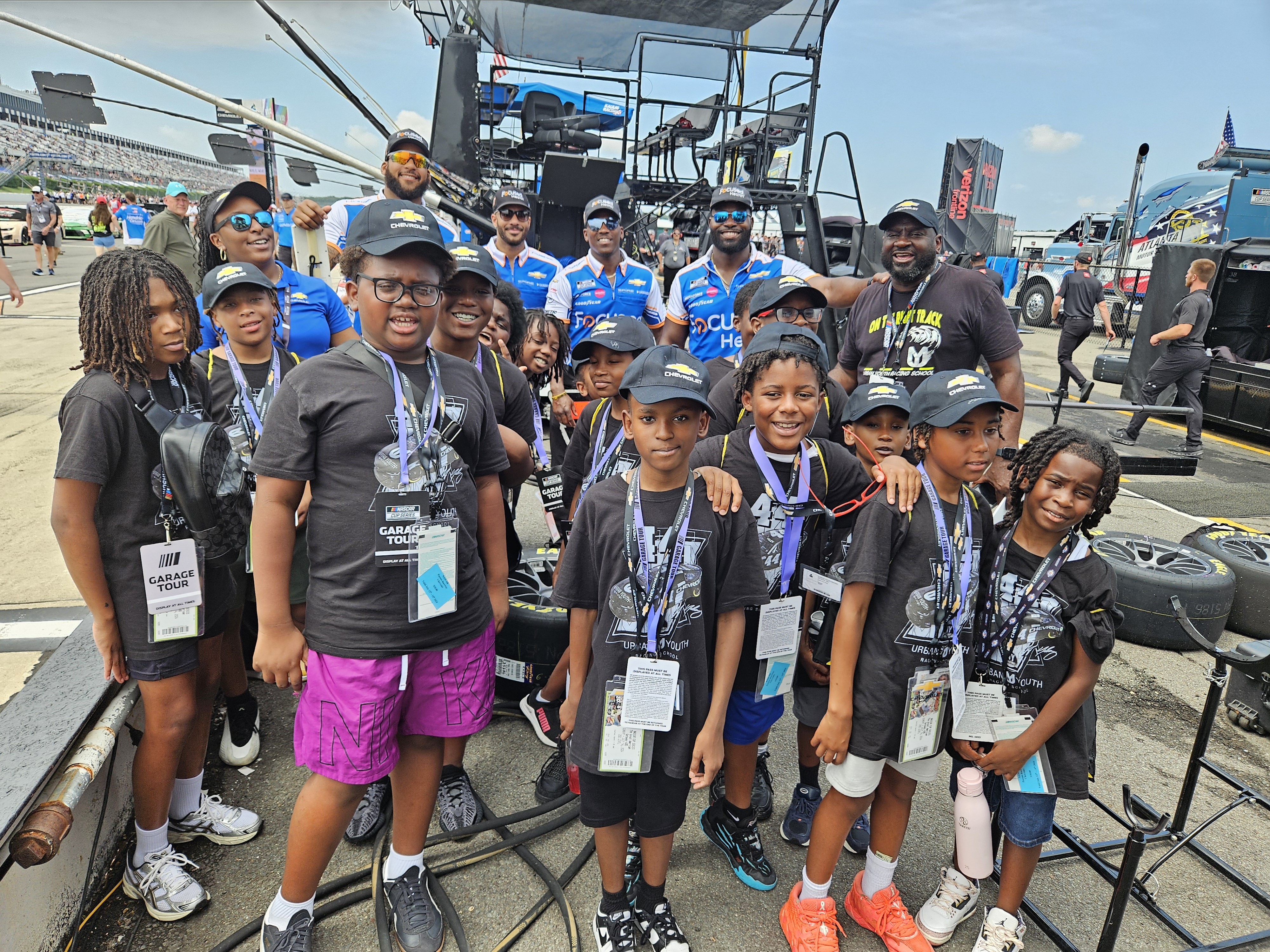
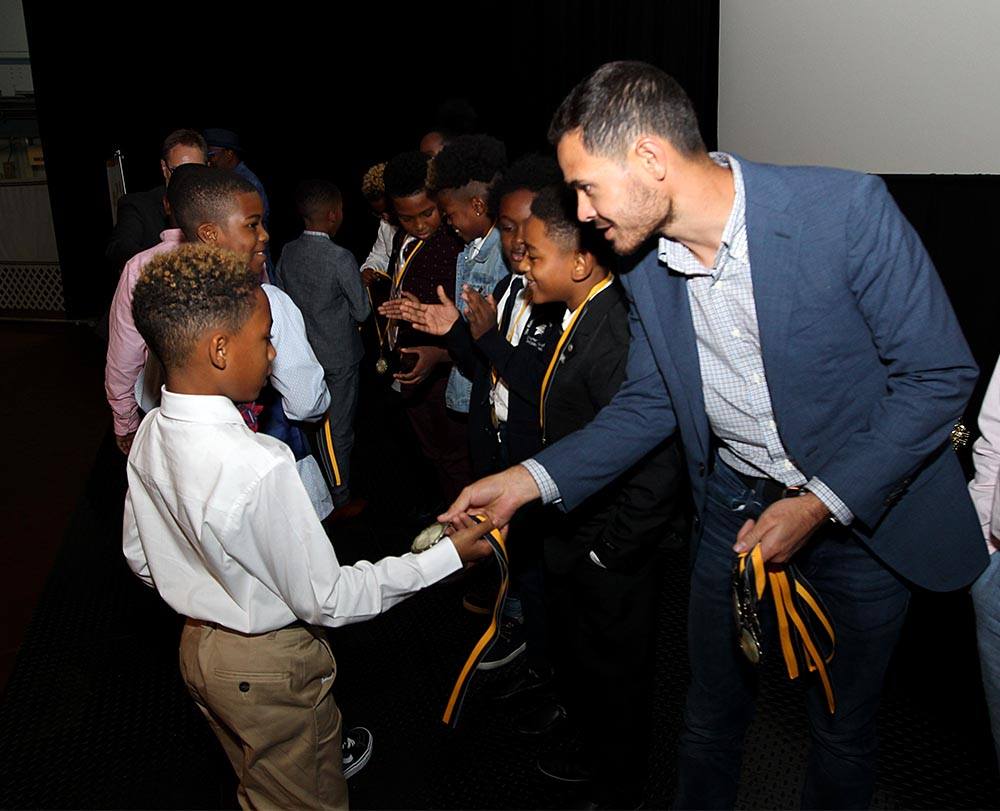
    NASCAR driver Kyle Larson (right) hands out medals to Urban Youth Racing School students.Urban Youth Racing School

    The career-focused aspect of the school is the most important part for Martin. Having Larson around to look up to only aids in succeeding in that mission.

    “The impact that he’s had with our program has been good,” Martin said. “It motivates students to really get more involved in the industry because now they have that direct connection to someone who was successful in the industry, who they can say is their friend who’s in the industry, who motivates them to want to be in the industry. So that actually really helps them now overall.”