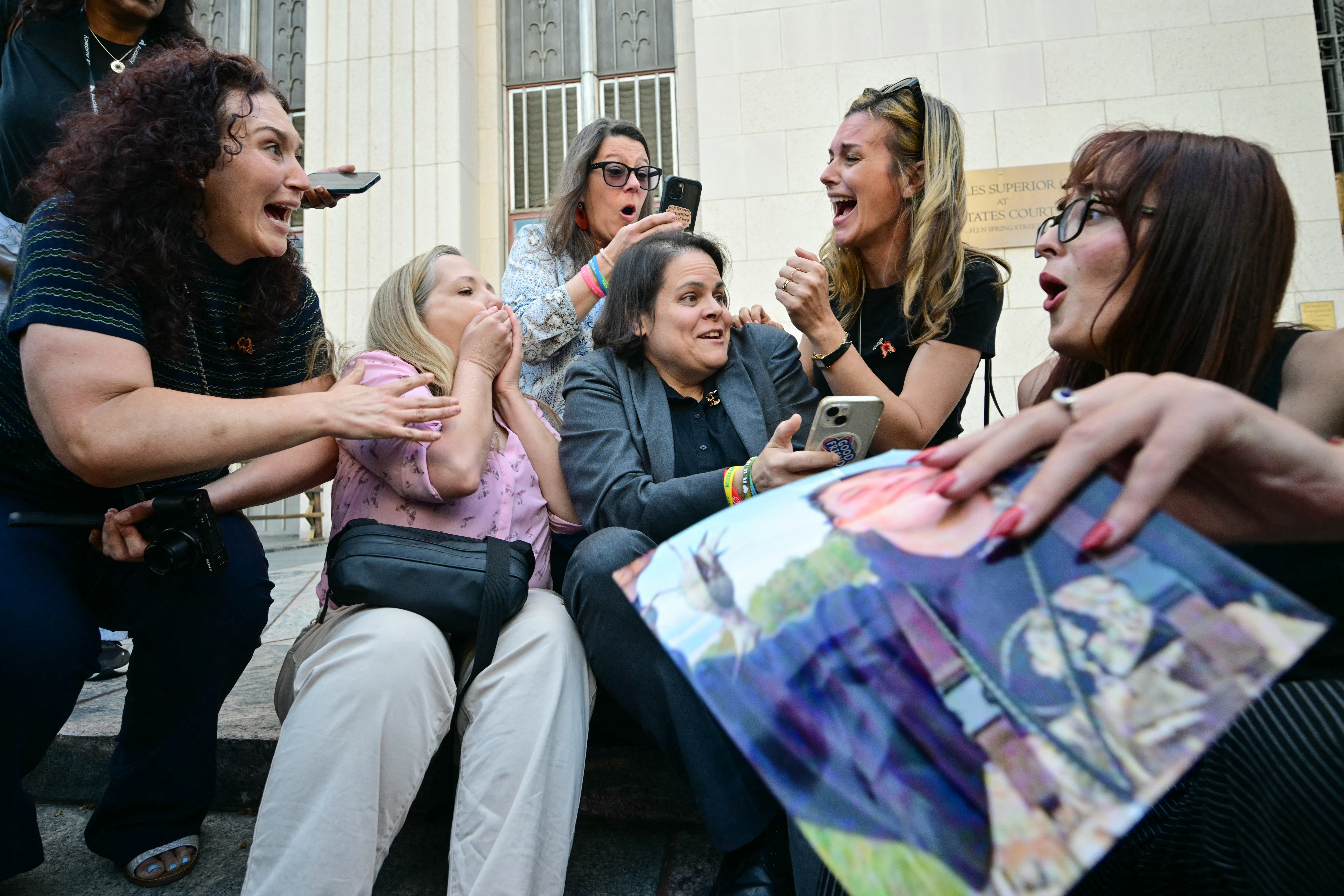
Kaley sat in a Los Angeles courtroom this March while 12 jurors tried to calculate what her childhood was worth. They found Meta and YouTube liable for designing features that addicted her as a child, contributing to depression, body dysmorphia, and suicidal thoughts, and awarded her $6 million — half of it punitive, after deciding the companies had acted with malice.
To set the compensatory half, one juror explained, they estimated what she might have earned over a lifetime, weighing “what she’s gone through and what job she would be able to hold down.” Both companies are appealing.
The jury compensated Kaley for a diminished adulthood — for the person she would never become. That is the true cost of these platforms.
The tide is turning against Big Tech, but we should not be celebrating.
These verdicts arrive after children have already been irreparably harmed, and they do nothing for the children who will be harmed by whatever technology launches next. As new platforms capable of greater harm enter the market and are adopted at an accelerating pace, a reactive legal system is profoundly inadequate.
Instagram took two and a half years to reach 100 million users. TikTok took nine months. ChatGPT took two. By the time a jury assigns liability, the product has already scaled past the reach of any remedy. Smartphones entered classrooms two decades ago, and Pennsylvania lawmakers are only now passing legislation.
But to understand what is actually being taken, start with how a child’s mind develops.
Humans have the longest childhood of any species on Earth. That stretch of dependence gives our mental capacities time to develop through specific experiences. But that window does not stay open forever. The neural pathways solidify. What doesn’t form in childhood may never form at all.
So the more urgent question about any technology a child uses is not what it puts in front of them, but what it crowds out.
Some technologies don’t just change how we live; they change who we are, writes AJ Ernst.Kiichiro Sato
The average teenager now spends half their waking life looking at screens, and the number keeps climbing. That time has to come from somewhere.
Yes, these platforms expose children to violence and predators, but the greater threat is the algorithms draining necessary developmental inputs.
Kaley started on YouTube at 6, Instagram at 9, Snapchat at 11. She is 20 now and living with the consequences, but she became an adult before artificial intelligence reached the market. The next child will not be that lucky.
I started teaching in 2009. My students made eye contact, talked to each other, and could hold their attention on a hard problem. By the end of that decade, they came in sleep-deprived and anxious, reaching for their phones at every moment. Earbuds in, eyes down.
Now, I watch students reach for the answer before they think for themselves.
AI and accumulating cognitive debt
Some technologies don’t just change how we live; they change who we are.
A car lets you travel farther; it does not make you incapable of walking. GPS goes a step further. Lean on it long enough, and your own sense of direction fades. But GPS takes only one skill. AI takes the rest. Offload your thinking to it, and the skills weaken. Offload it during childhood, and your capacity to think may never fully develop.
We learn through struggle. Our survival depended on the ability to solve problems, synthesize information, and imagine new possibilities. Remove the struggle, and with it goes the growth the struggle produces.
Students who lean heavily on ChatGPT show a sharp decline in cognitive effort and weaker memory retention — what Massachusetts Institute of Technology researchers call “cognitive debt.” A generation is offloading its thinking capacity, and with it, losing the stamina, curiosity, and desire for hard problems that only come from solving them yourself.
AI does the same to the capacity for connection. AI companions are patient, compliant, never bored, never hurt, never inclined to push back. Nearly two-thirds of teenagers now use AI chatbots. Nearly one in five high schoolers has had a romantic relationship with an AI, or knows someone who has.
But human relationships require struggle. A child who learns intimacy without friction will find it difficult to connect with a real person.
This is why the conversation needs to move beyond content moderation.
We already know how to handle products that endanger human health. We do not let a pharmaceutical company ship a drug and promise to fix the lethal side effects once the bodies turn up. We require proof of safety first, through years of testing, because we decided that corporate speed does not outrank human life.
For the systems now shaping the developing brain, we decided the opposite.
Make companies prove their products are safe for developing brains before release, the way we make drug companies prove it before the pill reaches the shelf. Put the burden of proof where it belongs — on the trillion-dollar firm, not on the 10-year-old.
The objection to this shift is that a slowdown will hand the future to China.
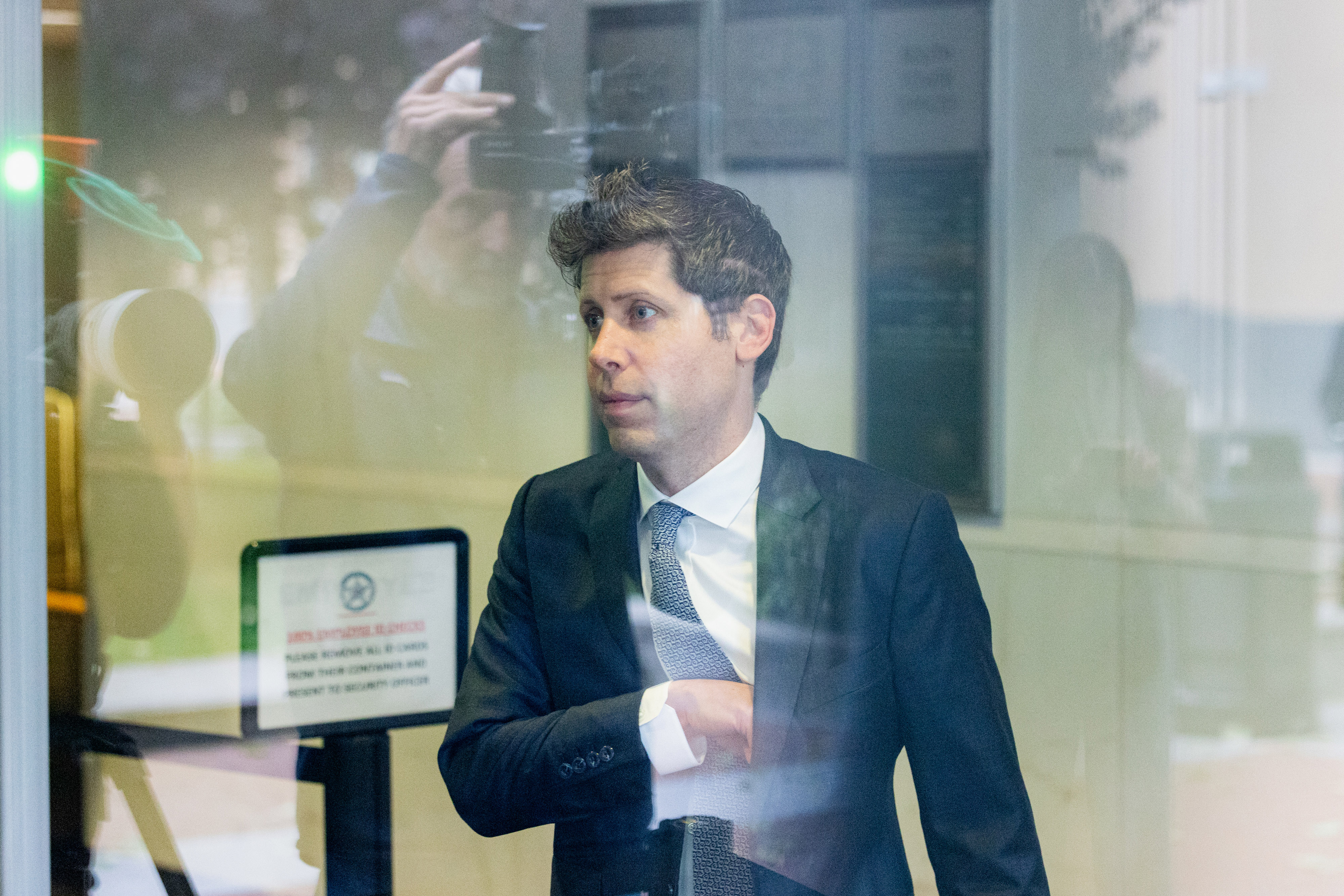
OpenAI’s chief executive, Sam Altman, at the Ronald V. Dellums U.S. Courthouse for the “Musk v. OpenAI” trial, in Oakland, Calif., in May.JASON HENRY
In June, Florida sued OpenAI and Altman, alleging the company released a product that addicts minors, erodes their critical thinking, and counterfeits human compassion.
Pennsylvania should join the fight.
But these lawsuits won’t undo the damage done. Nothing short of proving these products are safe before they reach a child will be sufficient.
This should no longer just be a debate over shielding children from harmful content. We need to defend the baseline capacity to think, to connect, to be human. The opportunity cost for children is too steep.
A jury can put a dollar figure on an unfulfilled life, but it can never restore what is lost. If we don’t act fast, another generation will suffer.
AJ Ernst worked as a teacher and administrator in Philadelphia for 13 years and holds a doctorate in educational leadership from the University of Pennsylvania’s Graduate School of Education.
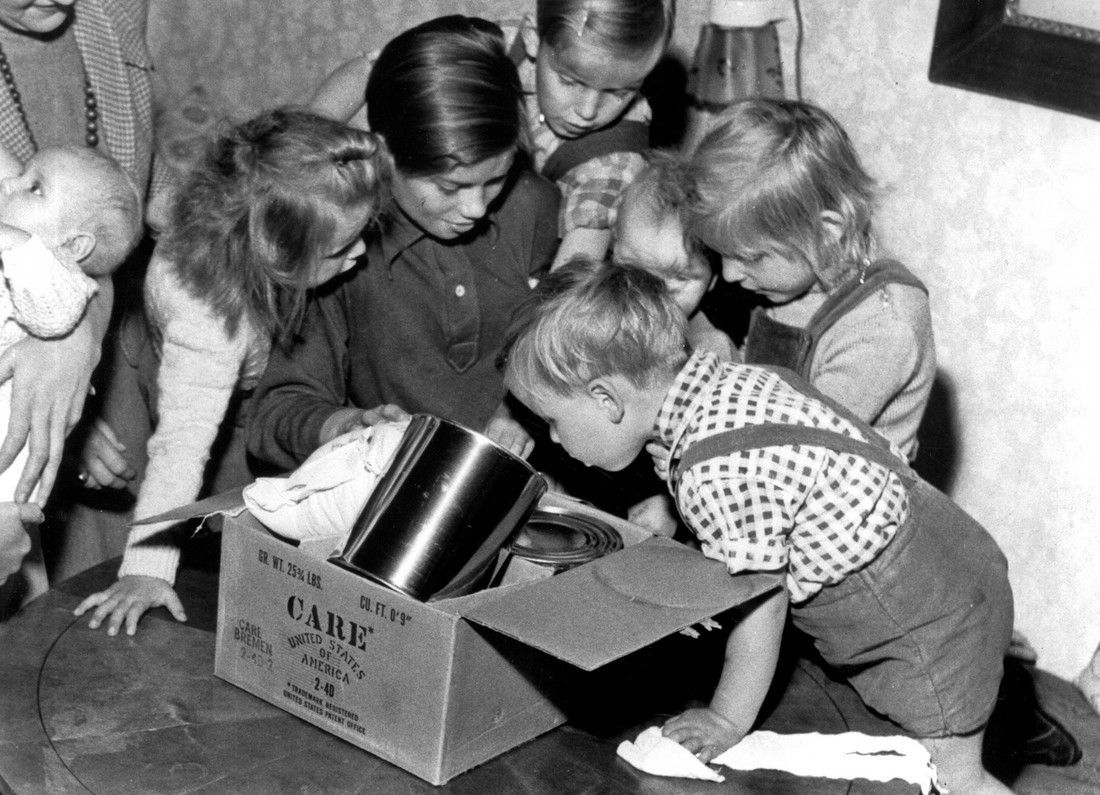
Eighty years ago, in a city whose very name means brotherlylove, someone packed a box. It held simple things like canned meat, dried milk, a little sugar, and was sent across an ocean to a stranger in a war-torn land who had next to nothing.
That first CARE Package, shipped from Philadelphia in 1946, was not a political act or a diplomatic gesture. It was something older and simpler: an act of humanity, of one human being reaching out to help another.
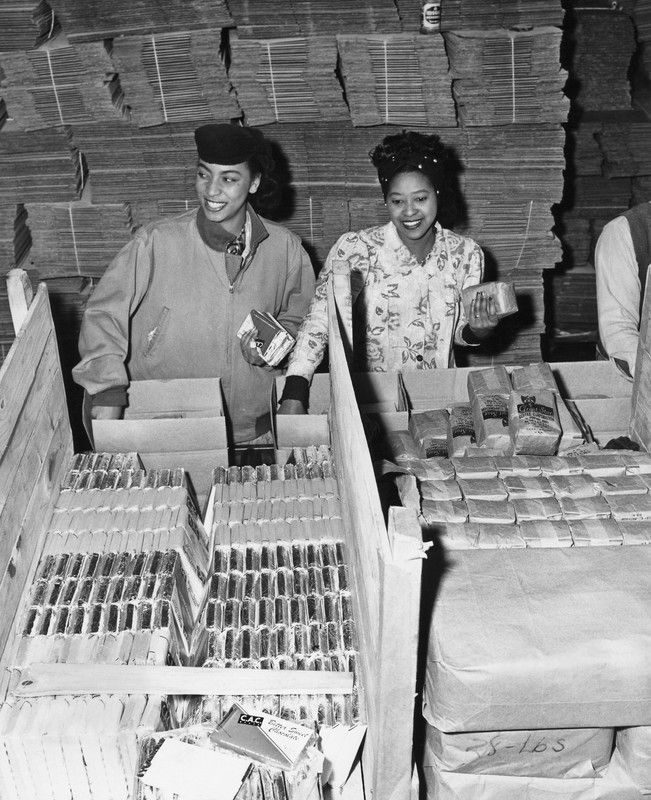
Two women put items into CARE Package boxes at the main packing facility in Philadelphia in 1946.CARE
Eighty years later, as the world again strains under the weight of conflict, displacement, and division, that first humble box from Philadelphia speaks to us from the past and asks us a question I believe America, as it turns 250, would do well to answer: Who are we willing to help?
The story of CARE is like the story of America, rooted not in governments or grand institutions, but in citizens. In 1945, a few visionaries spearheaded the coming together of 22 American organizations, including labor unions, religious groups, and civic associations, with a straightforward conviction: that the people of a recovering Europe needed help, and that ordinary Americans could provide it.
The first packages shipped the following year contained U.S. Army surplus rations.
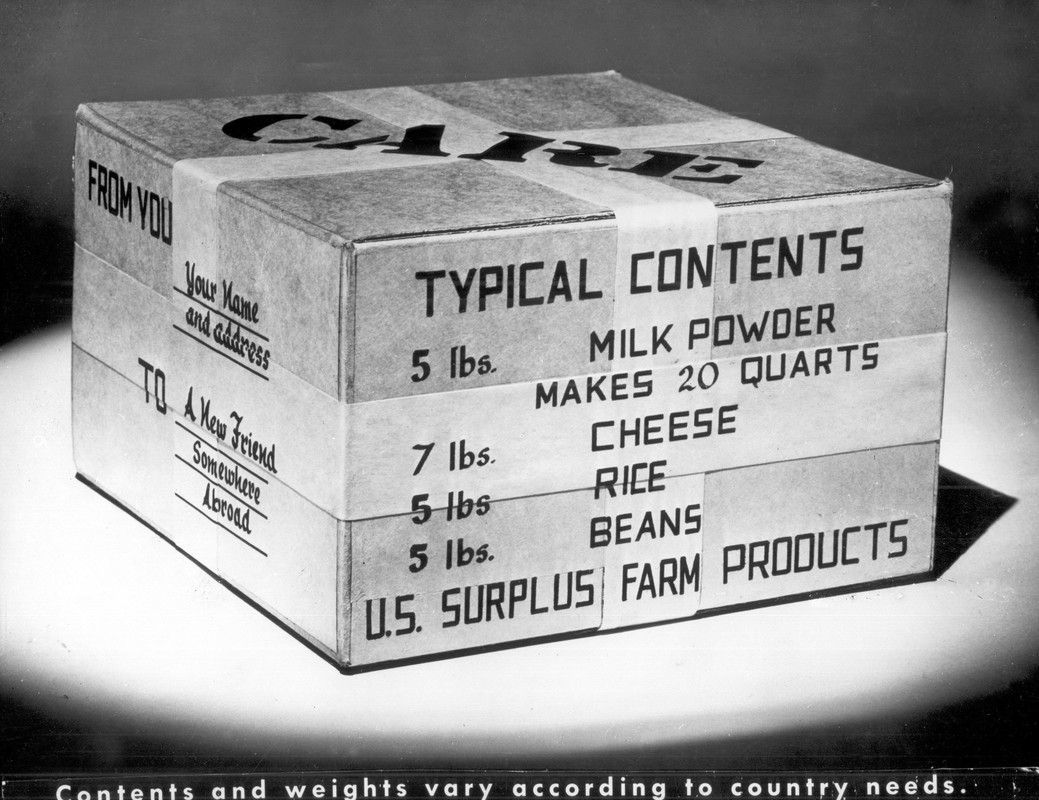
In 1947, a typical CARE Package box contained five pounds of milk powder, seven pounds of cheese, five pounds of rice and five pounds of beans.CARE
They were practical, even humble. But what they carried beyond calories was something no logistics manifest could capture: the message that someone, somewhere, was looking out for you, and had not looked away.
Philadelphia was the perfect place for this altruistic effort to begin.
William Penn founded this city on the radical idea that a community built on mutual respect and goodwill was not just a noble dream, but a practical one. Penn’s “Holy Experiment” was always about more than religious tolerance. It was a wager that people of different backgrounds, beliefs, and origins could build something together; that the ties binding a community need not be sameness, but shared commitment to one another’s dignity.
The Quakers who shaped this city’s early character understood mutual aid not as charity, but as covenant. To care for a stranger was not exceptional. It was the baseline of a decent society.
That spirit did not stay contained within Philadelphia’s borders, and it was never meant to.
Today, CARE works in more than 100 countries, reaching close to 60 million people a year, the vast majority of them women and girls. The crises we respond to have changed in scale and complexity since 1946: protracted conflicts, climate-driven displacement, food systems pushed to the breaking point.
But the fundamental logic of that first box has not changed at all. Resources and stability are not distributed equally across the world. Where they are lacking, people suffer unnecessarily. And where communities near or far extend a hand, lives change.
What has changed is the urgency. At this moment, humanitarian funding has been dramatically cut in the United States and is under serious pressure globally, even as conflicts and disasters increase, and the need continues to grow.
The architecture of international generosity Americans helped build in the postwar era — the one that began, in its way, with a box of rations shipped from this city — is being tested as it has rarely been tested before.
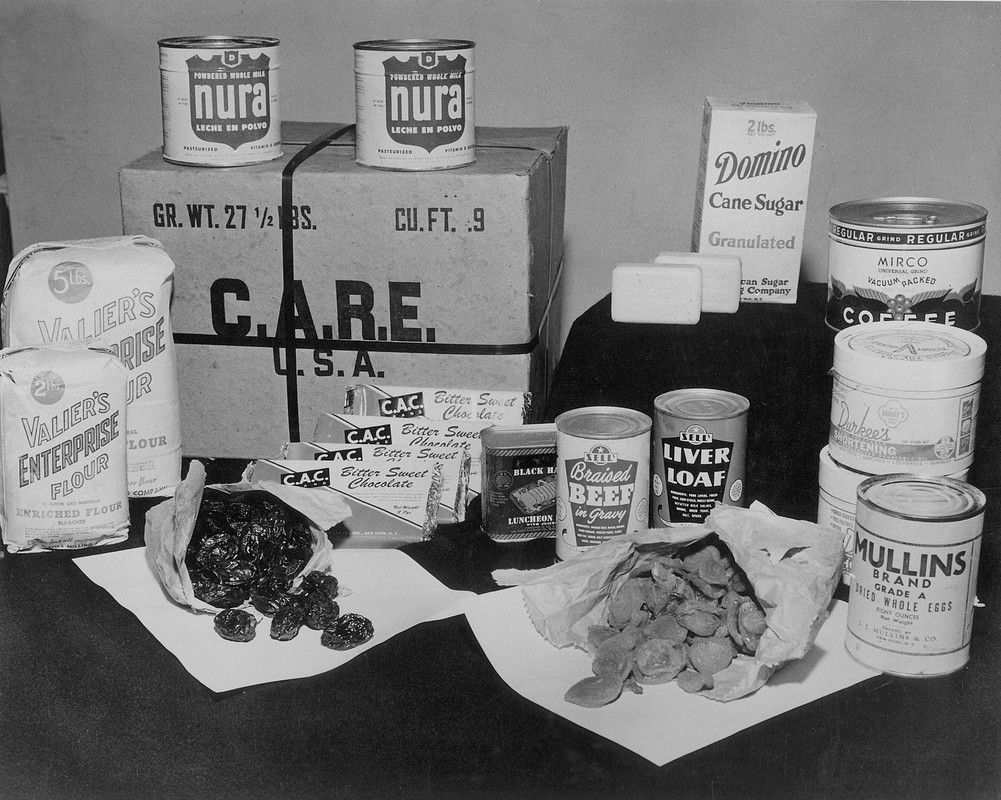
The contents of a CARE Package box in 1956.CARE
The question Penn posed by naming this place for “philos adelphos” is no longer abstract. It is operational.
Philadelphians know something about the work of building community against the odds. This is a city that has long had to hold its founding ideals up against the harder facts of inequality, poverty, and injustice. A city that has chosen, again and again, to keep reaching.
Our neighborhoods are full of mutual aid networks, food pantries, parishes, synagogues, mosques, and community organizations doing quietly what that first CARE shipment did 80 years ago: refusing to let distance — whether of geography or circumstance — become indifference.
That local impulse and the global one are not separate. They are the same instinct, operating at different scales.
When a Philadelphian volunteers at a community kitchen, they are practicing the same covenant Penn described and CARE embodies. When CARE delivers emergency food in Sudan or flood relief in Bangladesh or North Carolina, it is acting on the same principle that moved those 22 organizations in 1945 to pool their resources for strangers they would never meet.
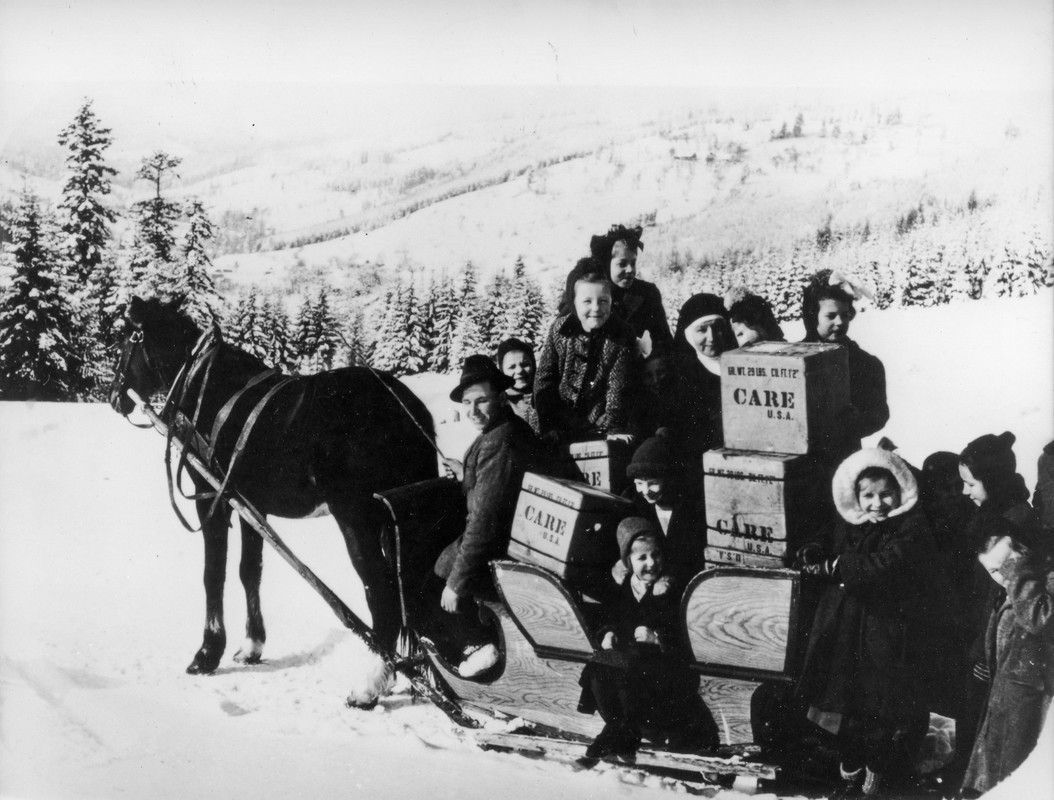
Polish citizens carry their CARE PACKAGE boxes home in a sleigh in 1948.CARE
The circle of who counts as a neighbor has simply grown wider.
This anniversary is worth marking, not for nostalgia’s sake, but because anniversaries are invitations to recommit.
Eighty years on, the CARE Package has become a metaphor so common we barely notice it anymore. We send “care packages” to college students, to kids at sleepaway camp, to friends going through hard times, to soldiers deployed abroad. The phrase has traveled so far from its origins that most people don’t know it began with a specific act, in a specific city, in a specific moment of postwar reckoning with what humanity owed itself.
I think it’s worth knowing. Because embedded in that origin story is a reminder that generosity is not a personality trait belonging to unusually kind individuals. It is a collective capacity: something communities build, sustain, and, when necessary, rebuild.
Philadelphia built it once. CARE has carried it forward for eight decades. The need, today, is as real as it has ever been. So we return to the question that first box poses: Who are we willing to help?
The answer, I believe, is easy: those in need, those we can. I think William Penn would agree.
Michelle Nunn is the president and CEO of CARE USA.
Even as President Donald Trump boosts coal over clean energy, solar power is hitting new milestones in the U.S. and remains the leading source of new power.
Data released Wednesday by global energy think tank Ember, along with a report by the Solar Energy Industries Association and analytics firm Wood Mackenzie, show the continued growth of solar and decline of coal in the United States despite federal policy. In May, for the first time, solar supplied more of the nation’s electricity than coal, or 12.8%, Ember said. Coal supplied 12.2%, its fourth-lowest monthly share ever.
“For years solar power has risen in the U.S. electricity mix,” said Nicolas Fulghum, senior energy and data analyst at Ember. ”At the same time, coal power has lost its status, first as the largest source in the U.S. mix, and then gradually over the years has fallen even further.”
Solar also became the third-largest source of electricity in the U.S. in May, behind natural gas and nuclear, Fulghum said. Coal generation hit an all-time monthly low in April and rebounded only modestly in May, allowing increasing solar generation to overtake coal, he added.
Electricity is produced by converting sources of energy — fossil fuels, renewable resources and nuclear — into electrical power. Burning coal, oil, and natural gas for electricity emits carbon dioxide, trapping heat in the atmosphere and warming the planet. By contrast, solar, wind, geothermal, hydropower, and nuclear are carbon-free.
After about two decades of essentially flat electricity consumption in the U.S., electricity demand is increasing to power artificial intelligence, grow domestic manufacturing, and electrify transportation and heating. Fulghum said he expects to see more months when solar exceeds coal generation, before overtaking it on an annual basis in a few years.
These milestones signify that solar “has staying power” at a time when there’s less support for renewable energy at the federal level, he added.
Wind and solar combined have overtaken coal in the past, and wind power alone has outpaced coal during spring months when wind speeds pick up. Ember gets its hourly and monthly data from the U.S. Energy Information Administration.
Globally, electricity generation from renewables is growing rapidly. Renewables will become the largest global energy source, used for almost 45% of electricity generation by 2030, according to the International Energy Agency.
Trump helps the struggling U.S. coal industry while curtailing solar and wind
Last week, Trump, a Republican, announced a plan to boost the struggling U.S. coal industry by spending nearly $700 million to support coal-fired power plants and coal exports. Trump said at a White House event that “coal’s a great business” and that “in terms of power, there’s really nothing like it.”
Martin Pochtaruk, CEO and founder of Canadian-based solar panel manufacturer Heliene, said Trump can say that coal is coming back but investors will invest their money in whatever brings the best return. And for power generation that is solar, making it the fastest-growing fuel, he added.
A White House spokesperson defended the Trump administration’s overall energy policies, saying they were geared toward strengthening the country’s security.
“The President has reversed the Left’s devastating policies, saved the American coal industry, prevented the retirement of more than 17 gigawatts of power, and saved lives during heightened demand periods,” Taylor Rogers said in a statement.
While Trump is trying to reverse the coal industry’s decline, solar has been the top source for new power for five years, SEIA said. SEIA and Wood Mackenzie said solar and battery storage were practically the only energy resources being built in the first quarter, making up 91% of all new generating capacity.
“As power demand skyrockets, political and regulatory attacks are slowing down the exact resources we rely on,” Darren Van’t Hof, interim president and CEO of SEIA, said in a statement. “Impeding the only sector that is actively building new power is a reckless gamble that will only drive electricity bills higher.”
Several groups sued the Environmental Protection Agency over canceling the Solar for All program. A district court dismissed the case last week citing lack of jurisdiction. The plaintiffs have another filing pending in the Court of Federal Claims.
In a ruling Saturday, a federal judge struck down guidance from the Internal Revenue Service restricting tax credits for wind and solar projects.
Trump has blamed renewable energy sources such as wind and solar power for skyrocketing energy costs. But energy analysts say recent price hikes are based on growing demand, aging infrastructure, and increasingly extreme weather events that are exacerbated by climate change. Most recently, the war in Iran that Trump launched has also led to a spike in energy costs.
Blaming clean energy is “nonsensical,” said U.S. Rep. Jared Huffman. The California Democrat said that “not even lighting $700 million of taxpayer money on fire” can save the dying coal industry.
“The rest of the world will move ahead toward a clean energy future with countries other than the United States leading the charge, unfortunately,” he said Wednesday. “Trump will fail in this agenda. But, he will do enormous damage to our global leadership on clean energy and to the cost of living for struggling Americans.”
Top states for solar voted for Trump
States won by Trump in the 2024 election accounted for 74% of all solar capacity installed in the first quarter of 2026, with Texas, Florida, Ohio, Indiana, Michigan, Arizona, and Mississippi ranking among the top 10 states for new solar additions, SEIA said. The U.S. now exceeds a total of 6 million installations nationwide across all solar sectors, which includes large-scale solar arrays, commercial, community solar, and residential or rooftop solar.
Johanna Neumann, at the Environment America Research and Policy Center, said it’s “good news for our health and our planet that solar continues to grow,” and also, not surprising.
“Today we can harness solar more affordably than any other energy source. It’s scalable. And it’s also our most abundant renewable energy source,” said Neumann, senior director of the center’s campaign for 100% renewable energy. “So I think it’s hard to keep the lid on a good idea, especially if the economics are tilting in your favor as well, which they are in the case of solar.”
Environment America’s renewable energy dashboard shows that 32 U.S. states generated at least 10% of their retail electricity sales from solar, wind and geothermal energy last year, compared to 18 states in 2016. Clean energy in the South is booming, particularly in Florida, Arkansas, and Mississippi, Neumann said.
“I think there is a misconception in the United States that clean energy is something for the coasts and liberal cities,” she said. “The true story of renewable energy is a 50-state story.”
The World Cup begins tomorrow in Philadelphia! We’ll show you a World Cup-themed photo taken in the Philly-area, you drop a pin where you think it was taken. Closer to the location results in a better score. Good luck!
Round #37
Question 1
Where is this sign?
Loading…
ClickTap on map to guess the location in the photo
ClickTap again to change your guess and hit submit when you're happy
You will be scored at the end. The closer to the location the better the score
Jose F. Moreno / Staff Photographer
Pretty good/Not bad/Way off! Your guess was from the location.Spot on! Your guess was exactly at the location. Here's also where a random selection of Inquirer readers guessed.
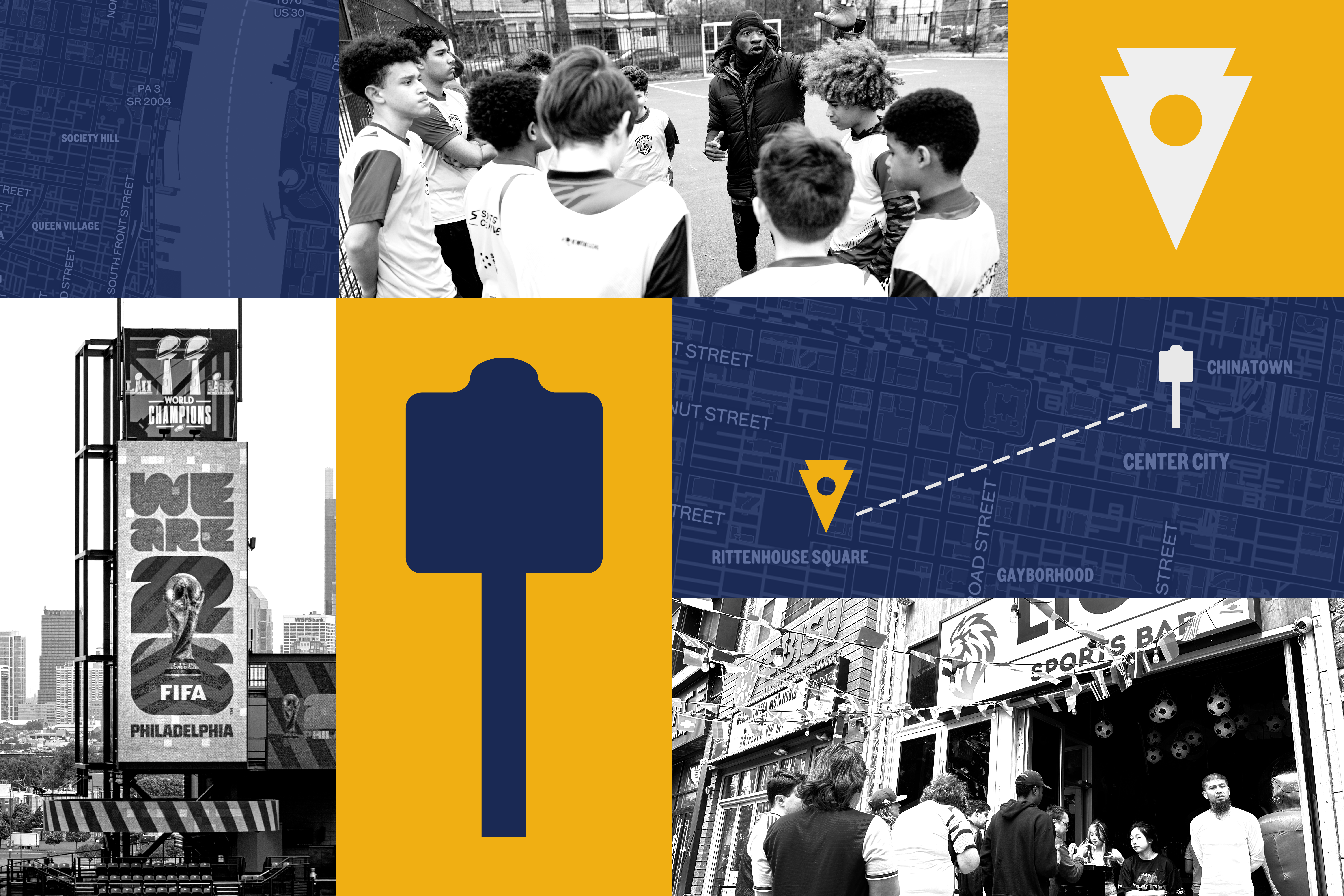
FIFA signage adorning Philadelphia Stadium, more commonly known as Lincoln Financial Field, home of the Philadelphia Eagles. The Linc will officially be referred to as Philadelphia Stadium during the duration of the FIFA World Cup.
Quiz continues after ad
Question 2
Where are these kids being coached?
Loading…
Allie Ippolito / Freelance
Pretty good/Not bad/Way off! Your guess was from the location.Spot on! Your guess was exactly at the location. Here's also where a random selection of Inquirer readers guessed.
These kids are being coached in soccer during the first Love Street League program at Hissey Playground in Kensington, a community league that celebrates soccer and the upcoming World Cup.
Quiz continues after ad
Question 3
Where is this sports bar?
Loading…
Tassanee Vejpongsa / Associated Press
Pretty good/Not bad/Way off! Your guess was from the location.Spot on! Your guess was exactly at the location. Here's also where a random selection of Inquirer readers guessed.
Fans arrive to watch a match at the Lion Sports Bar, in Chinatown. Inside, matches are played across the soccer-centric bar’s 35 screens.
Your Score
ARank
🏆 Amazing work. The trophy is yours!
BRank
🥅 Good stuff. Scored a goal and a solid win.
CRank
⚽ C is a passing grade, but the tournament went on without you.
DRank
🟨 D isn’t great. That’s a yellow card, one more foul and you’re out.
FRank
🟥 We don’t want to say you failed, but that’s a red card, you’ve been eliminated!
You beat % of other Inquirer readers.
We’ll be back next Saturday for another round of Citywide Quest.
My dream of ringing the Liberty Bell has (sort of) been achieved.
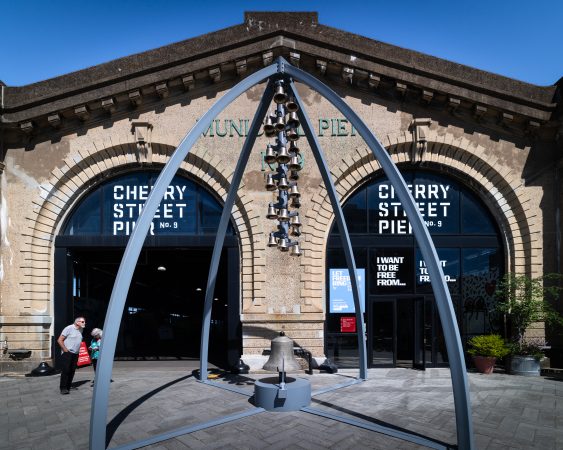
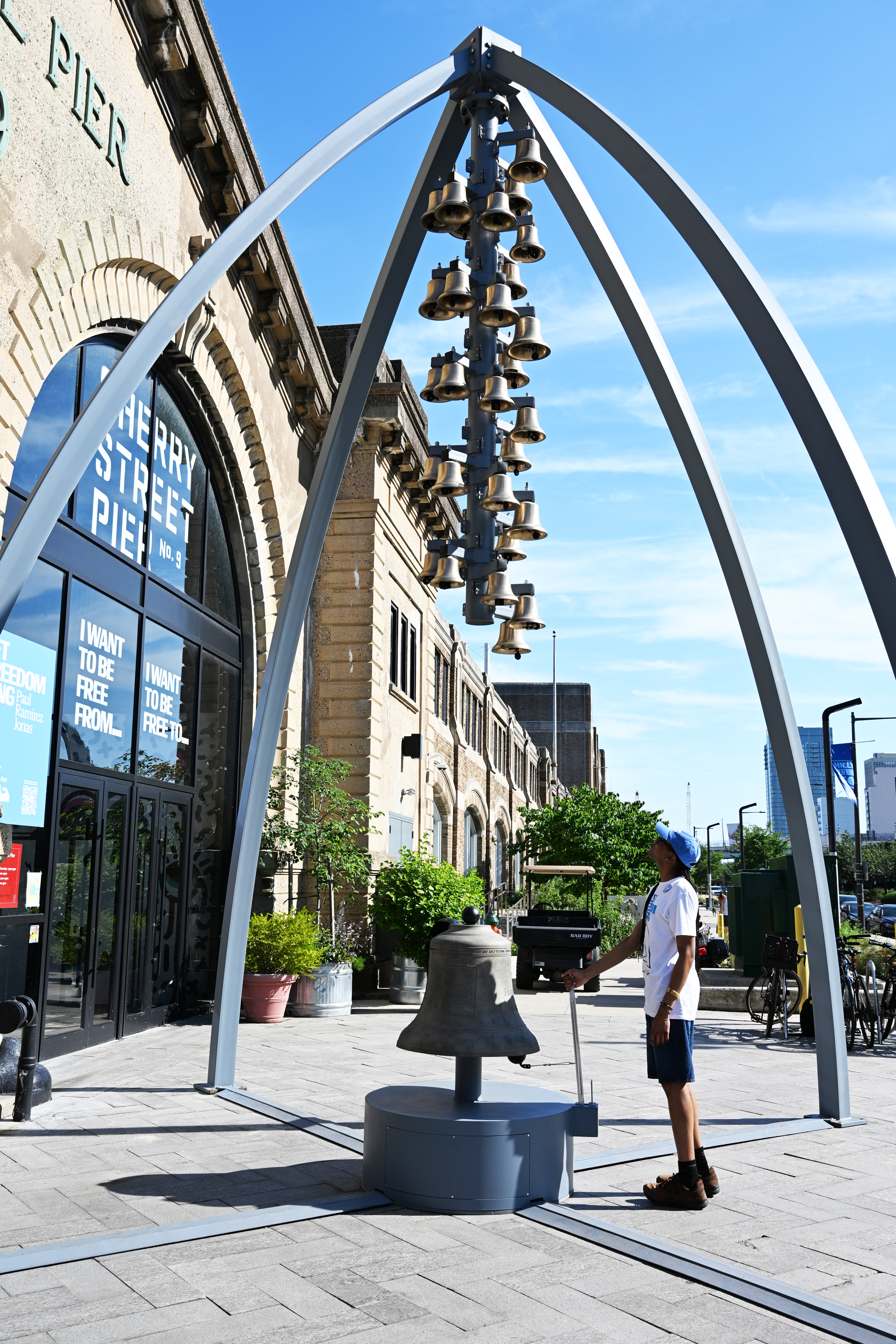
Just in time for America’s 250th anniversary, a 600-pound Liberty Bell look-alike has popped up on Cherry Street Pier. The exhibit titled “Let Freedom Ring” by artist Paul Ramírez Jonas features a lever in front of the bell that allows passersby to ring it, resounding a bright gong sound.
That’s not all; a spiral of 32 smaller bells hang overhead. Together, in tings and gongs, they play “My Country ‘Tis of Thee” every 15 minutes on the hour but the very last note is left out. This final note is meant to be rung from the bigger bell using the lever by onlookers, allowing them to be a part of the exhibit.
The display allows participants to ring the bell and finish the rendition of “My Country ‘Tis of Thee.”Julia Perciasepe
The most moving part for me were the inscriptions on the big bell itself. Engraved on either side of the bell, one says “I want to be free from …” and the other “I want to be free to …” These simple open-ended statements invite Philadelphians to question what freedom means to them in today’s American society.
It got me thinking about this country, where freedom is meant to be a founding principle. How much freedom do we really have, especially across diverse identities?
Let Freedom Ring runs through Sept. 27 at Cherry Street Pier, 121 N. Christopher Columbus Blvd. associationforpublicart.org
— Morgan Ritter
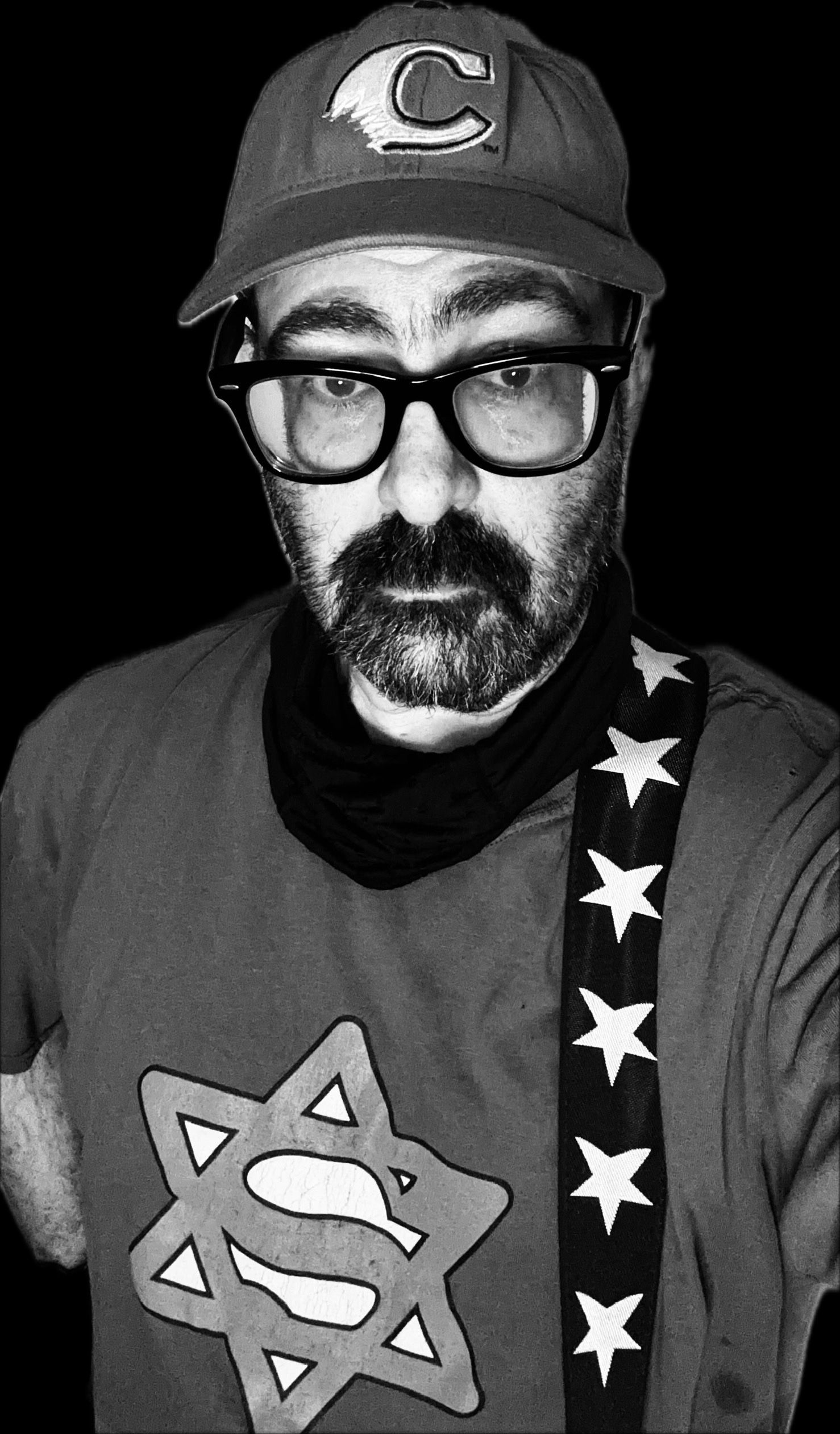
Philly anti-folk hero Adam Brodsky’s new album is “American Epitaph.”S. Elfie
The return of a Philly anti-folk hero
“I believe what Woody sang: ‘All you fascists bound to lose,’” Adam Brodsky sings on American Epitaph, his first album in over two decades. “But he didn’t give a time, and man that’s sure something we could use.”
Recorded at Retro City Studios in Philadelphia with producer Matt Muir, American Epitaph is a protest album divided into stripped-down tracks with Brodsky on guitar and Butch Ross on organ, and a full band presentation with backing by guitarist Jesse Lundy, drummer Alec Meltzer, and Chris Bixler on bass.
Songs like “Achy Breaky America” and “New World Order” are unapologetically confrontational in their politics, aiming to inspire a fighting spirit. A need to speak to the moment led Brodsky to return to recording and performing after a long layoff.
“Though long thought to be retired or eaten by a bear,” Brodsky writes in the liner notes, “truth is, Adam has been pried off the couch by the disappointing reemergence of fascism.”
And while Brodsky is the first to admit that his songs might not have the power to effect political change, on American Epitaph he aims to keep standing firmly in resistance to injustice and keeping faith in himself. “Singin’ songs and marching may not change my country,” he sings. “But I still do it every day, so my country don’t change me.”
— Dan DeLuca
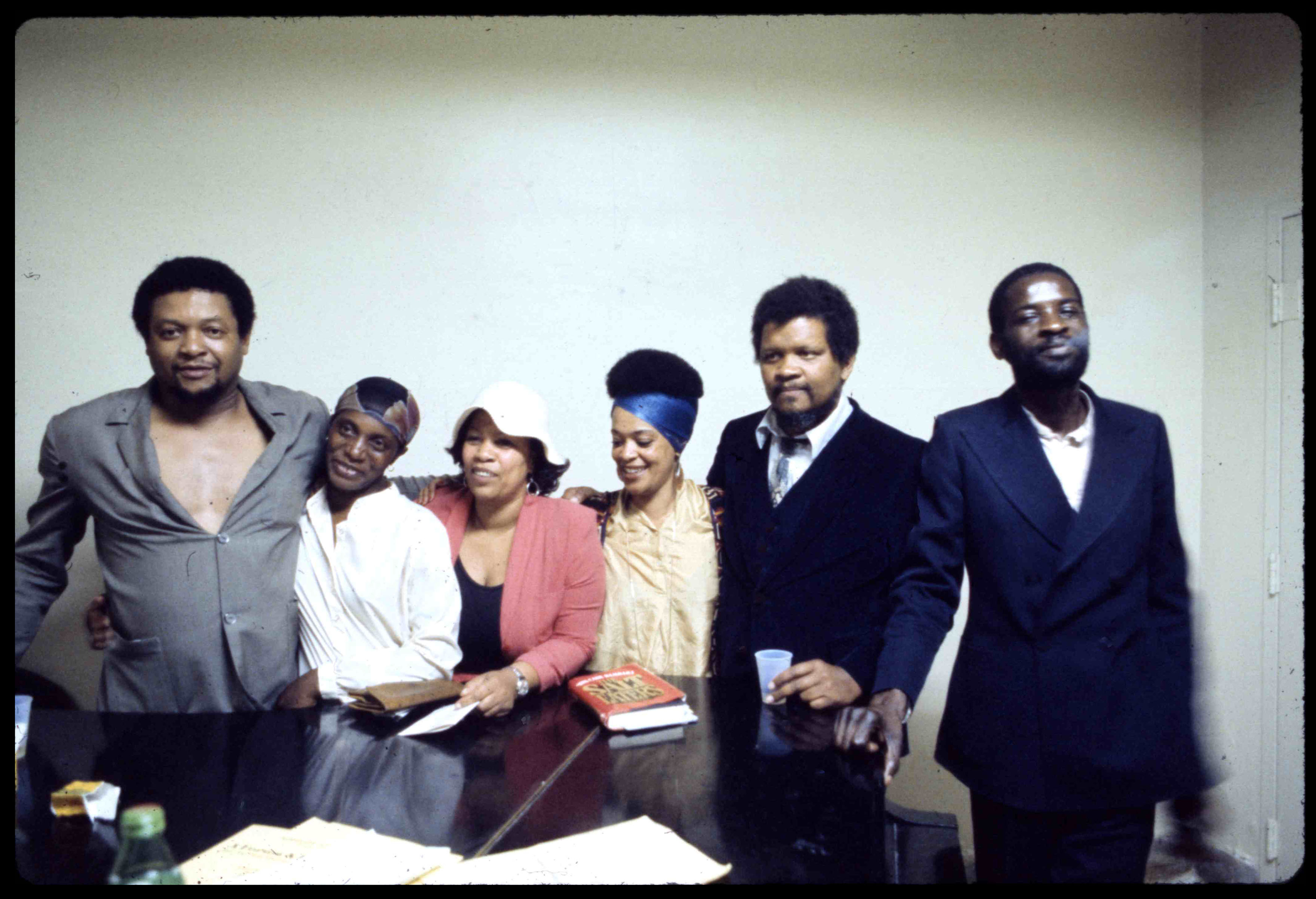
Portrait of, from left, American poet Quincy Troupe, literary executor and writer Gloria Karefa-Smart (sister of author James Baldwin), authors Toni Morrison and Toni Cade Bambara (1939 – 1995), poet Ishmael Reed, and Nigerian critic and journalist Chinweizu Ibekwe at an unspecified event, 1972.Anthony Barboza / Getty Images
A Philly legend on film
Toni Cade Bambara was a legend. But more importantly, she was a Philly legend.
Born and raised in Harlem, having studied theater in Florence and Paris, she taught in Atlanta before moving to the city in 1986. The Black Woman, an anthology she edited, published in 1970. That collection of writing is largely credited for introducing readers to the likes of Alice Walker, Audre Lorde, and Nikki Giovanni. Bambara was a filmmaker, academic, and activist but she was also a world builder; she built worlds with her ideas and then invited people to partake and wander in them. Wander and wonder.
After reading her 1980 novel Salt Eaters in college, I wrote out her words “All cocoons are temporary and disappear” on a piece of paper that I stuck above my writing desk.
In Philadelphia, Bambara made friends with another Philly legend: Louis Massiah, the founder of West Philly’s Scribe Video Center. Together, Massiah and Bambara made the 1986 documentary, The Bombing of Osage Avenue, about the MOVE bombing, and then 1996’s W.E.B. Du Bois: A Biography in Four Voices.
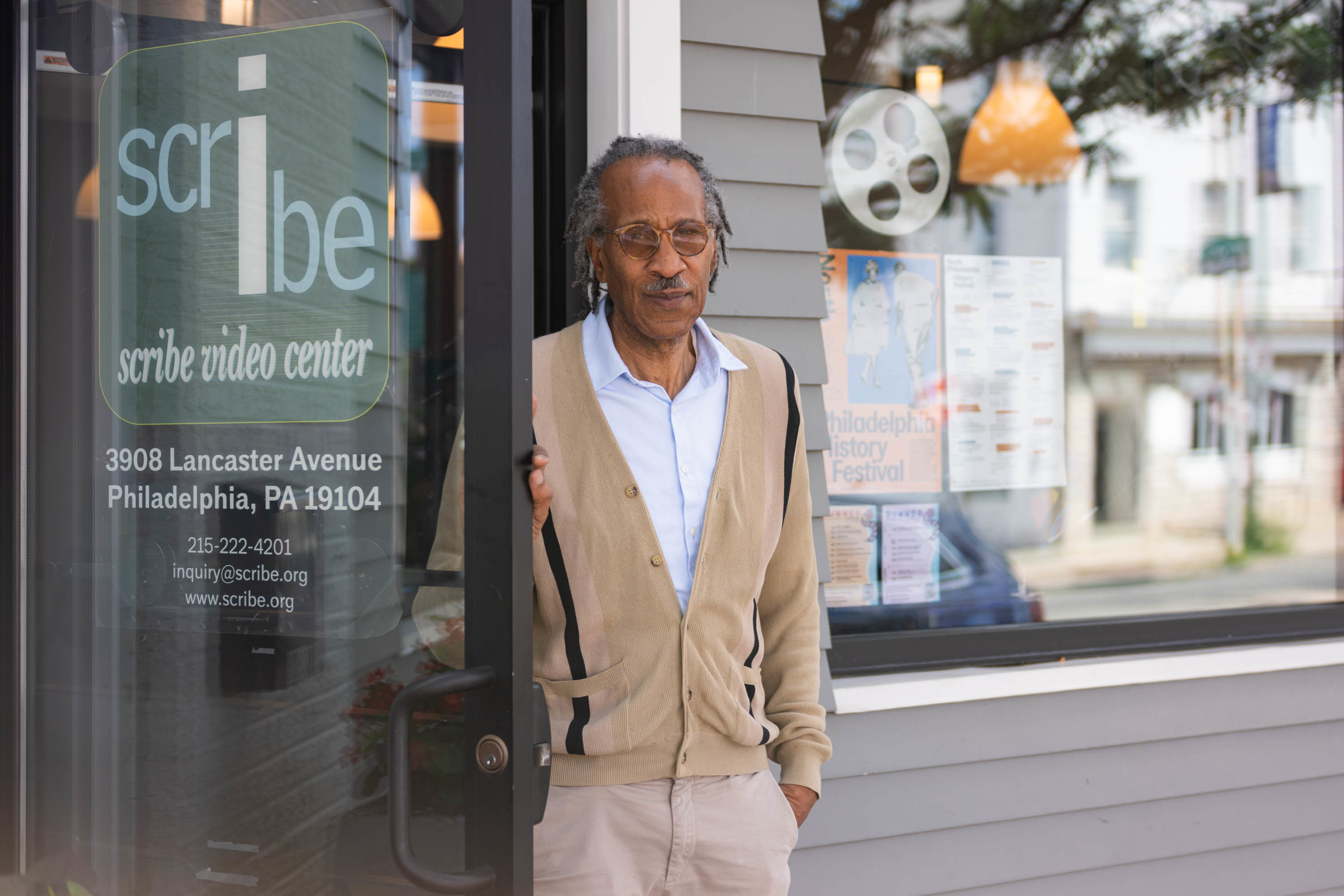
Documentary filmmaker and principal organizer of the North Philadelphia History Festival Louis Massiah poses for a portrait at Scribe Video Center in West Philadelphia on Wednesday, July 23, 2025.Kaiden J. Yu / Staff Photographer
Thirty years after Bambara’s death in 1995, Massiah’s film TCB — The Toni Cade Bambara School of Organizingpremiered at the BlackStar Festival. The documentary is structured like a syllabus and is a lesson in organizing, creating, and living from Bambara herself. It chronicles her life, tells us what she can still teach us today, and brings together the galaxy of legends she called friends: Toni Morrison, Nikki Finney, Sonia Sánchez.
TCB plays as part of cinéSPEAK’s Under the Stars Film Festival on June 19 under the open night sky in Clark Park, not too far from Scribe, where Bambara and Massiah together wrote stories that continue to teach us about the many fault lines running through our world and lives.
“TCB — The Toni Cade Bambara School of Organizing” plays June 19, 9 p.m., at Clark Park, 4300-4398 Baltimore Ave., cinespeak.eventive.org
— Bedatri D. Choudhury
Ahmir “Questlove” Thompson plays the drums during The Roots Picnic at the Mann in Fairmount Park on Sunday, June 2, 2024.Elizabeth Robertson / Staff Photographer
Questlove gives Earth, Wind & Fire its flowers
I learned how to do the two-step to Earth, Wind & Fire’s hits like “September,” “Groove Tonight,” and “Shining Star.” In Afro-puffs and bell-bottoms trimmed in 1970s rickrack, my dance moves were clumsy. In my family’s white tiled kitchen, I practiced as the familiar voices of lead singers Philip Bailey and Maurice White crooned from my mom’s AM radio. Earth, Wind & Fire was like McDonald’s French fries and Sesame Street. I loved them.
So when Ahmir “Questlove” Thompson’s trippy documentary on the R&B group that I fondly call “the elements” aired on HBO recently, I tuned in.
I was pleased with what I saw. The two-hour Earth, Wind & Fire (To Be Celestial vs That’s the Weight of the World) was more than a nostalgic look back; it was an insightful look at the life of founder Maurice White. White was anything but transparent to the world, except when he was making music. That is where he put his emotion. That is why the band’s music spoke to us.
White meditated. He had faith and mantras. He poured what he learned into the making of iconic tunes.
Through interviews with living bandmates, Thompson, who directed the film, gives us a peek into White’s childhood. We see White fall, get up, and fall again, and spend way too much money on the group’s spacey costumes. White was fearless and Earth, Wind & Fire, iconic. And my feet moved — and still do — with syncopated joy.
“Earth, Wind & Fire (To Be Celestial vs That’s the Weight of the World)” is streaming on HBO.
The buyers: Charlotte Burns, 33, veterinary anesthesiologist; Noah Johnson, 37, battery scientist
The house: a 1,850-square-foot townhome in Fairmount with four bedrooms and three bathrooms built in 1876
The price: listed for $975,000; purchased for $975,000
The agent: Sela Fallt, KW Empower
The ask: When Charlotte Burns and Noah Johnson moved back to Philadelphia in July 2024, they already knew they wanted to buy a house. They had spent the previous decade renting while they went to college and graduate school, and years of lease renewals and rent hikes had worn them down. Now that they both had steady jobs, they wanted a payment that stayed put and a home to call their own.
They started looking casually that fall. Johnson wanted a big kitchen with lots of counter space. Burns wanted enough outdoor space for a garden and a house with character. “I love the old Colonial homes,” she said. “I’ve wanted one since I was 12.” They wanted to stay in Fairmount if they could.
A large kitchen with counter space was a must-have. Erin Blewett / For The Inquirer
The search: The couple’s search was unusually brief. They had only started casually browsing listings online when Johnson bumped into their next-door neighbor, who happened to be a real estate agent. She asked him what they were hunting for. “My husband thankfully knows me quite well, so he told her what I like,” Burns said. A week later, the agent knocked on their door. “I think I found your house,” she told them.
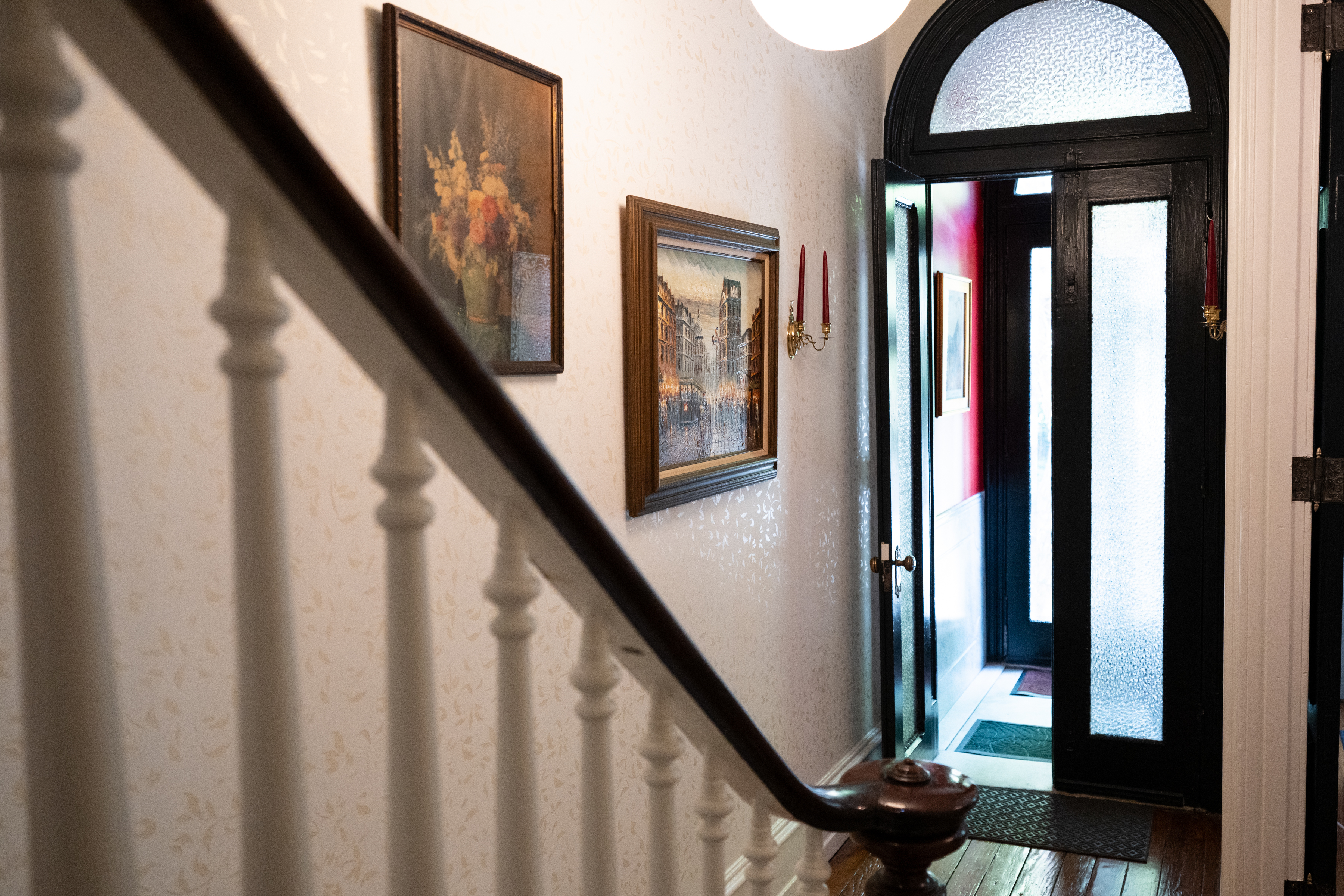
The appeal: The house looked like the old Colonial home Burns had wanted since she was a kid. It still had several of its original details, such as the crown molding, shutters, doorknobs, hinges, marble steps, and 150-year-old wood floors. The previous owners had updated the house, Burns said, but didn’t gut it or turn it into “some modern monstrosity.”
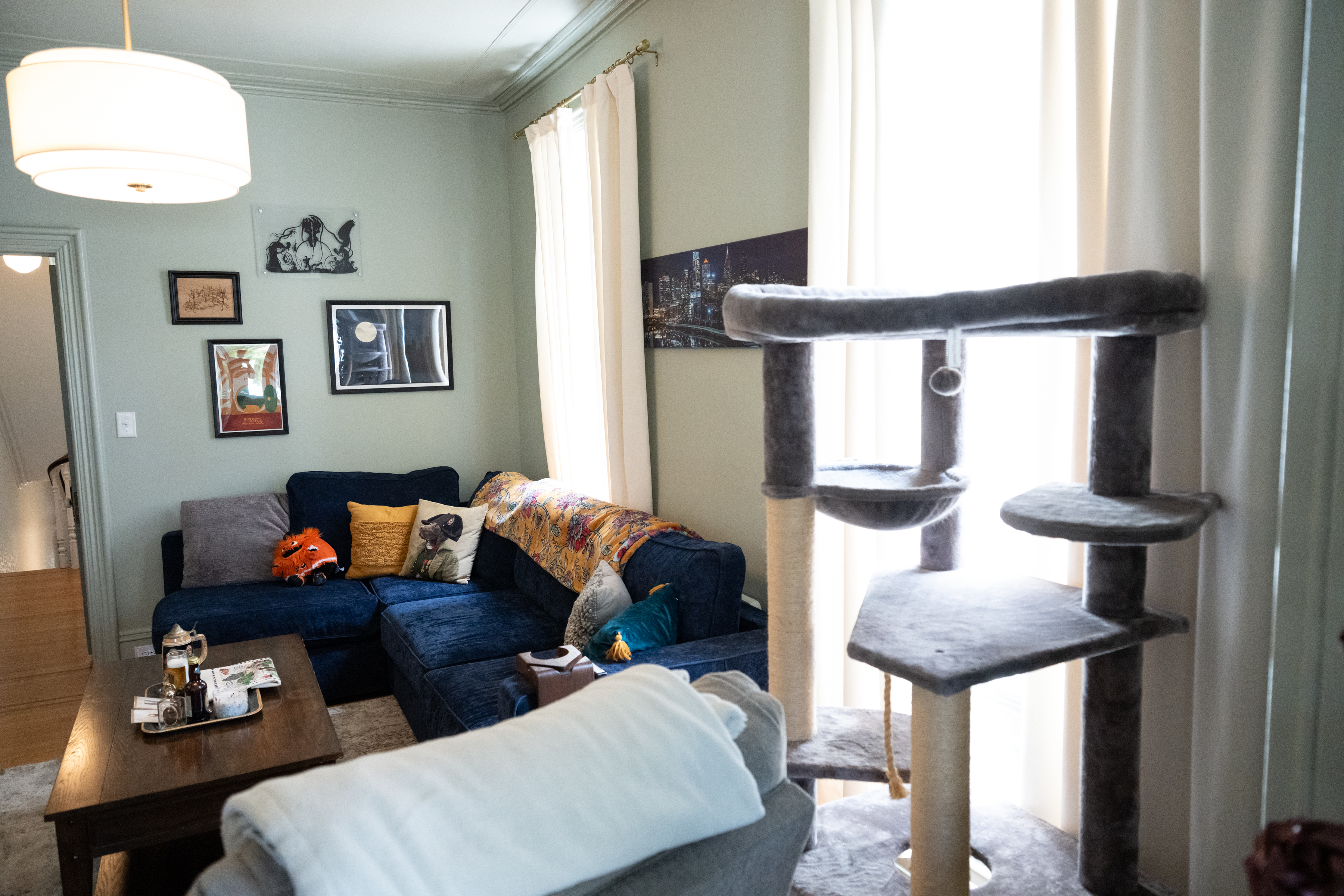
A large red couch is the centerpiece of the first-floor living area in Charlotte Burns and Noah Johnson’s home. Erin Blewett / For The Inquirer
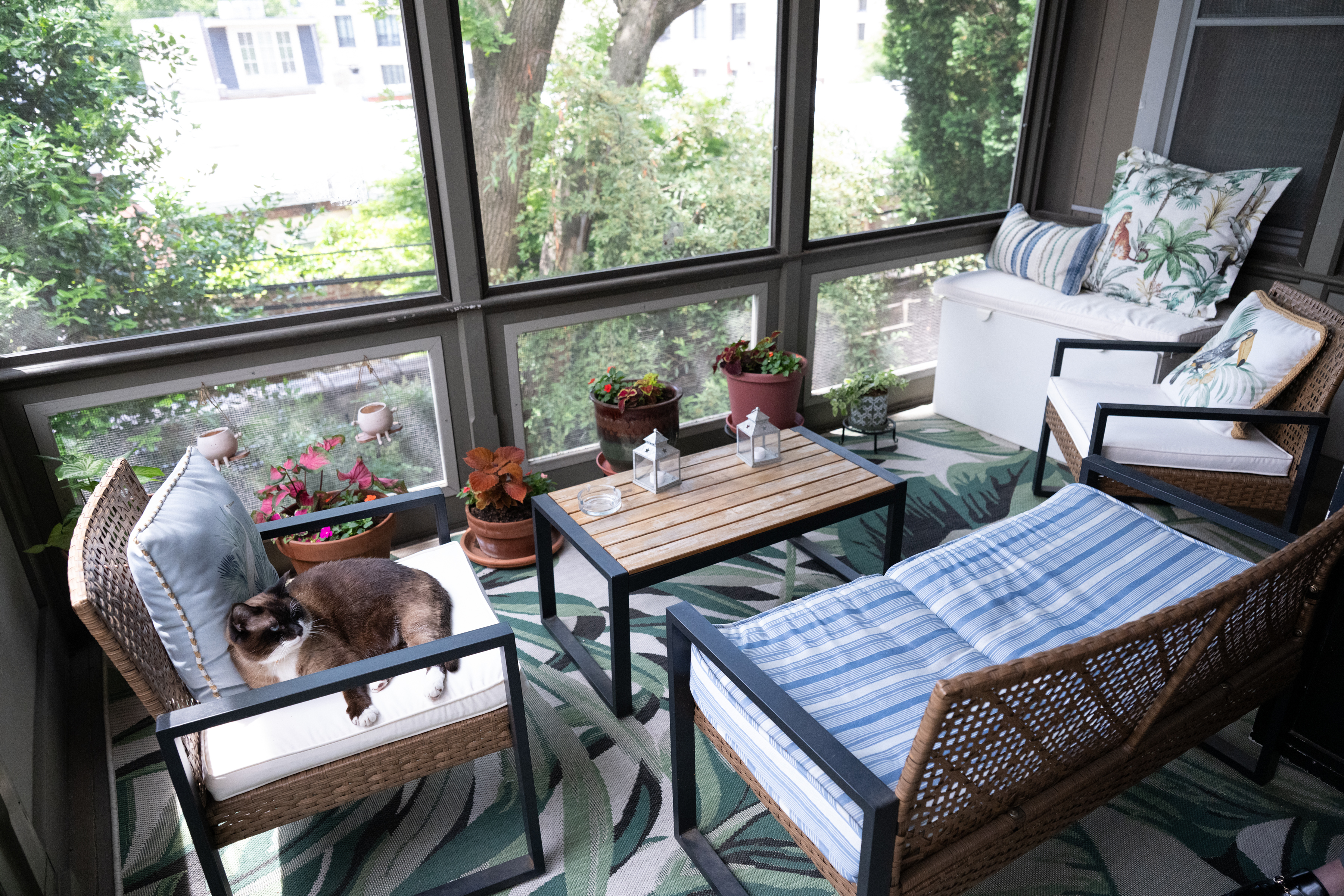
The house also had the big kitchen Johnson wanted and space for a garden for Burns. Then there was the screened-in porch on the second floor. “I feel like that’s a rare find,” Burns said. Her other favorite feature is the third floor, which “felt like your own private suite,” she said.
The deal: The house was listed for $975,000. The couple offered the full asking price and felt good about not going over. “I really was not in the market for haggling or fighting over a house,” Burns said. “We weren’t that desperate.” There was one other offer, but it was lower, so the seller accepted theirs.
Homeowner Charlotte Burns appreciated that the home’s prior owners kept historical details like moldings intact. Erin Blewett / For The Inquirer
The inspection came back mostly clean. Some porch wood and window linings needed work, but the biggest issue was the HVAC system, which was more than 20 years old. Burns and Johnson negotiated a $7,500 seller’s credit for it and later replaced the HVAC and heat pump for about $8,500.
The money: Burns and Johnson bought the $975,000 house with no money down through a professional loan, a mortgage product for borrowers with high future earning potential but not necessarily years of savings. “It’s a very good option if you’re a medical professional,” Burns said. She didn’t know the loan applied to veterinarians until a colleague told her.
The screened-in porch on the second floor was a selling point. Erin Blewett / For The Inquirer
Unlike other low- or zero-down payment loans, a professional mortgage doesn’t require private mortgage insurance, and Burns said her student loan debt was not held against her in the same way it might have been with a conventional mortgage.
The couple actually had $100,000 in savings, most of it from Johnson, who had been working for several years after graduate school. But they decided not to put that money toward the house. They wanted to keep it as an emergency fund instead. “I feel like you should always have at least six months of emergency savings at all times,” Burns said.
Since moving in, the couple has done a lot of painting. Erin Blewett / For The Inquirer
Their mortgage payment was originally $7,200 a month. Recently, they paid a one-time fee of $1,200 to lower their interest rate from 7% to 6.5%, which brought their monthly payment down by about $400.
They plan to refinance if rates drop enough in the next few years.
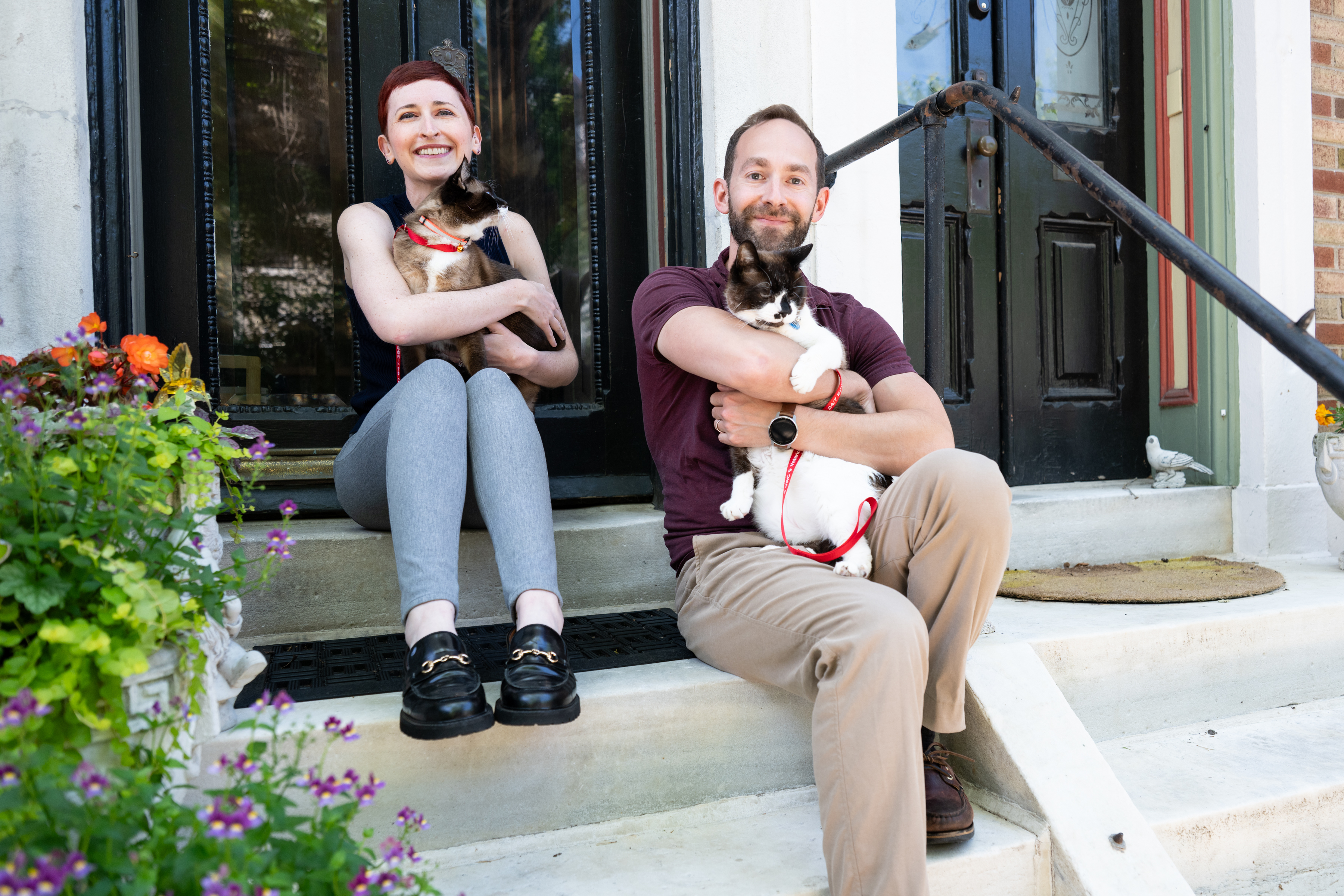
The couple turned one second-floor room into a living room, including space for their cats to lounge. Erin Blewett / For The Inquirer
The move: The couple closed Feb. 3 and started packing a week or two later. When they signed their lease, they had told their landlord that they might buy soon. She let them leave without issue and found new tenants within a week.
The move itself was a mess. They’d booked it for the day after the Super Bowl parade, and Fairmount was still buried in cars — including in front of their old house, where the no-parking signs Burns had ordered from the city were ignored. So Burns called the Philadelphia Parking Authority and had the cars ticketed and towed. Then, at the new house, the truck blocked the Route 48 bus, so Burns called SEPTA, and they rerouted it.
Mao is enjoying his new home in Fairmount. Erin Blewett / For The Inquirer
Life after close: Since moving in, the couple has been busy making the house their own. Burns has painted, wallpapered, gardened, and gotten “really into stencils,” she said. She painted the green living room herself and added an ivy stencil along the stairs.
Some days, she still can’t believe how easily everything came together. “It’s really crazy,” she said. “But you gotta let the universe do what it wants to do.”
Did you recently buy a home in the Philadelphia area or South Jersey? Share the story of how you did it. Email Inquirer real estate reporters at properties@inquirer.com.
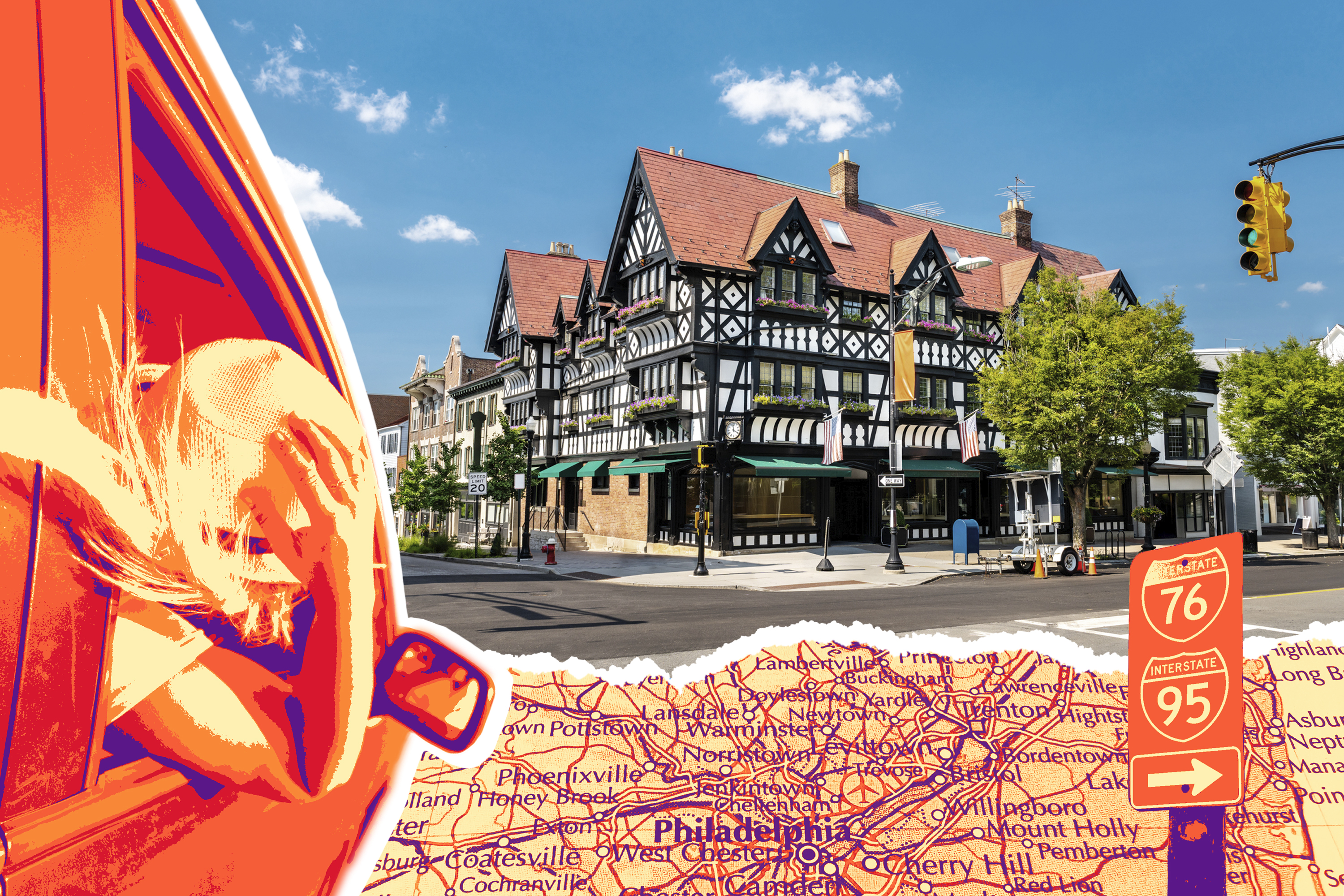
A college campus in Central New Jersey might not sound like the ideal getaway, but Princeton has a Ph.D. in historic charm, boutique shops, eateries, and museums. As a lifelong New Jerseyan, I keep forgetting how much I love it there.
Even the Wawa is a work of art.
“Princeton is just a beautiful little town and, in my opinion, there are only a few places like it in all of New Jersey,” said John Lambert, owner of the iconic Princeton Record Exchange.
Strolling through Princeton University’s ivy-covered campus, as Albert Einstein used to, is almost worth the trip alone, particularly if you go on a bustling fall weekend. The campus is teeming with sculptures, massive churches, and historic school buildings. The town is only 50 miles northeast of Philadelphia and is even accessible by Amtrak at 30th Street Station.
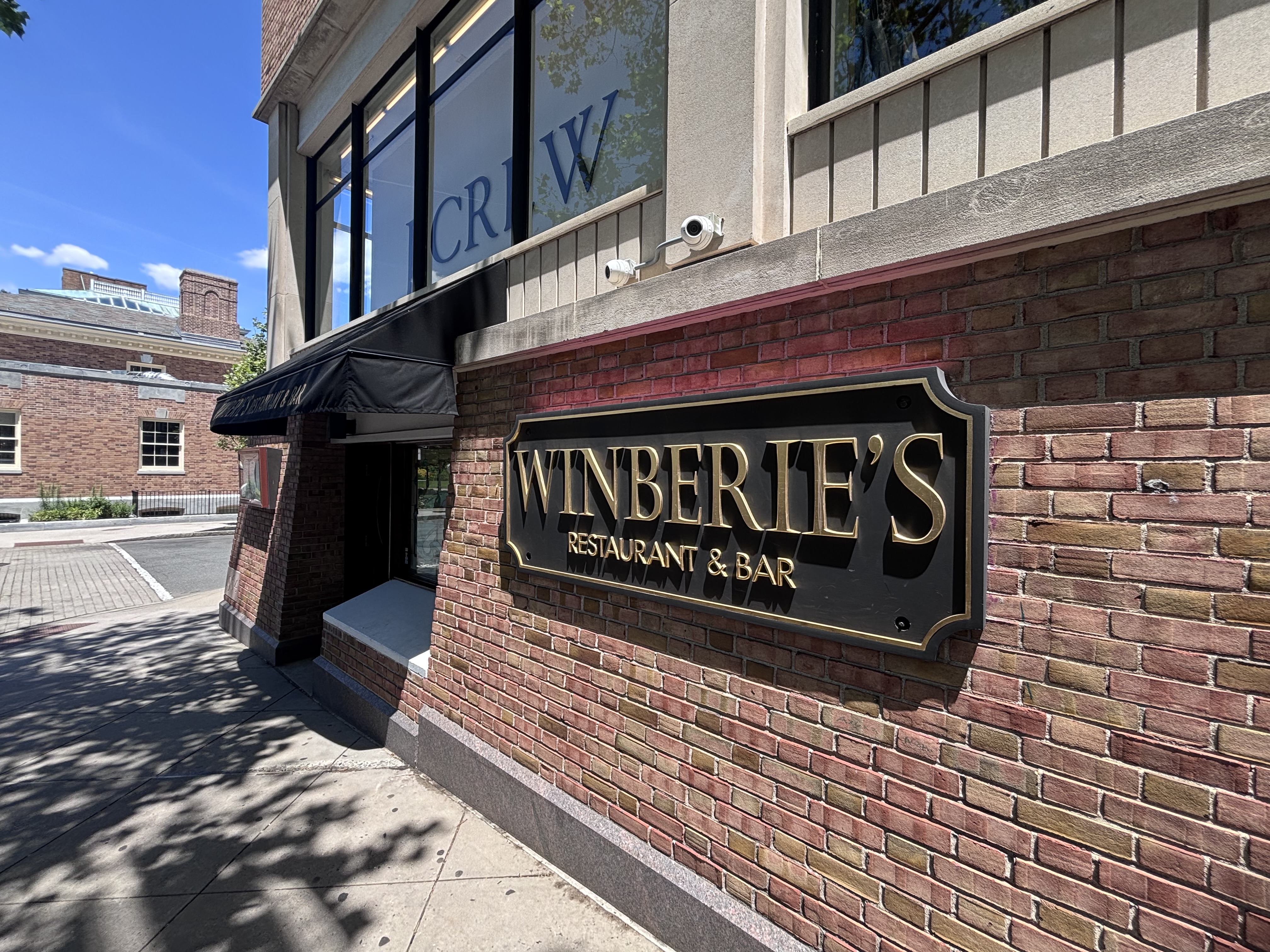
Winberie’s is a Princeton staple.Jason Nark
Fuel
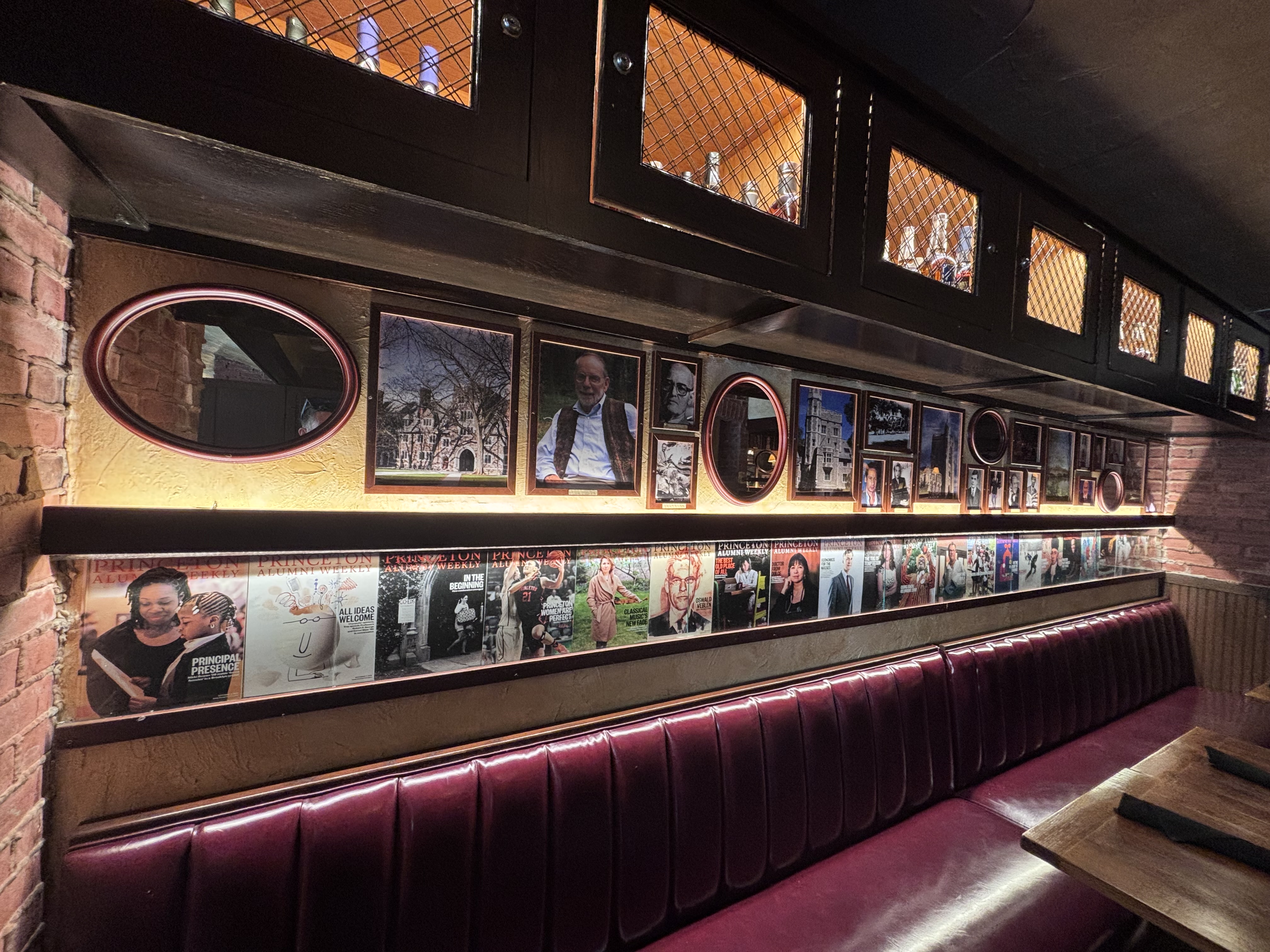
I’m a sucker for a downstairs pub, and I’ve been to Winberie’s Restaurant & Bar a handful of times. It’s dark and bedecked in stained glass and brick, and images of Princeton icons, like author John McPhee and basketball legend Bill Bradley, line the walls.
It’s not the only bar in town, but Winberie’s seems like the ideal place to grab a craft beer or wine before or after a Tiger football or basketball game. It sits right on Palmer Square in the middle of town.
Princeton legends like John McPhee line the walls at Winberie’s.Jason Nark
Winberie’s has full entrees, including pan-roasted, crispy skin salmon, and braised, beef short ribs, but I also get one of their burgers. On a recent weekday in June, I ordered the smash burger on rye bread with mustard.
Afterward, while walking off the meal around Palmer Square, I made a note to try Teresa’s Pizza & Wine Bar next time. Princeton’s Triumph Brewing is an elevated brewing experience with duck, lamb, and oysters on the menu. It was named a 2025 Diners’ Choice by OpenTable.
📍 Winberie’s Restaurant & Bar, 1 Palmer Square E., Princeton, N.J. 08542
📍Teresa’s Pizza & Wine Bar, 23 Palmer Square E., Princeton, N.J. 08542
📍Triumph Brewing Company, 20 Palmer Sq. E, Princeton, N.J. 08542
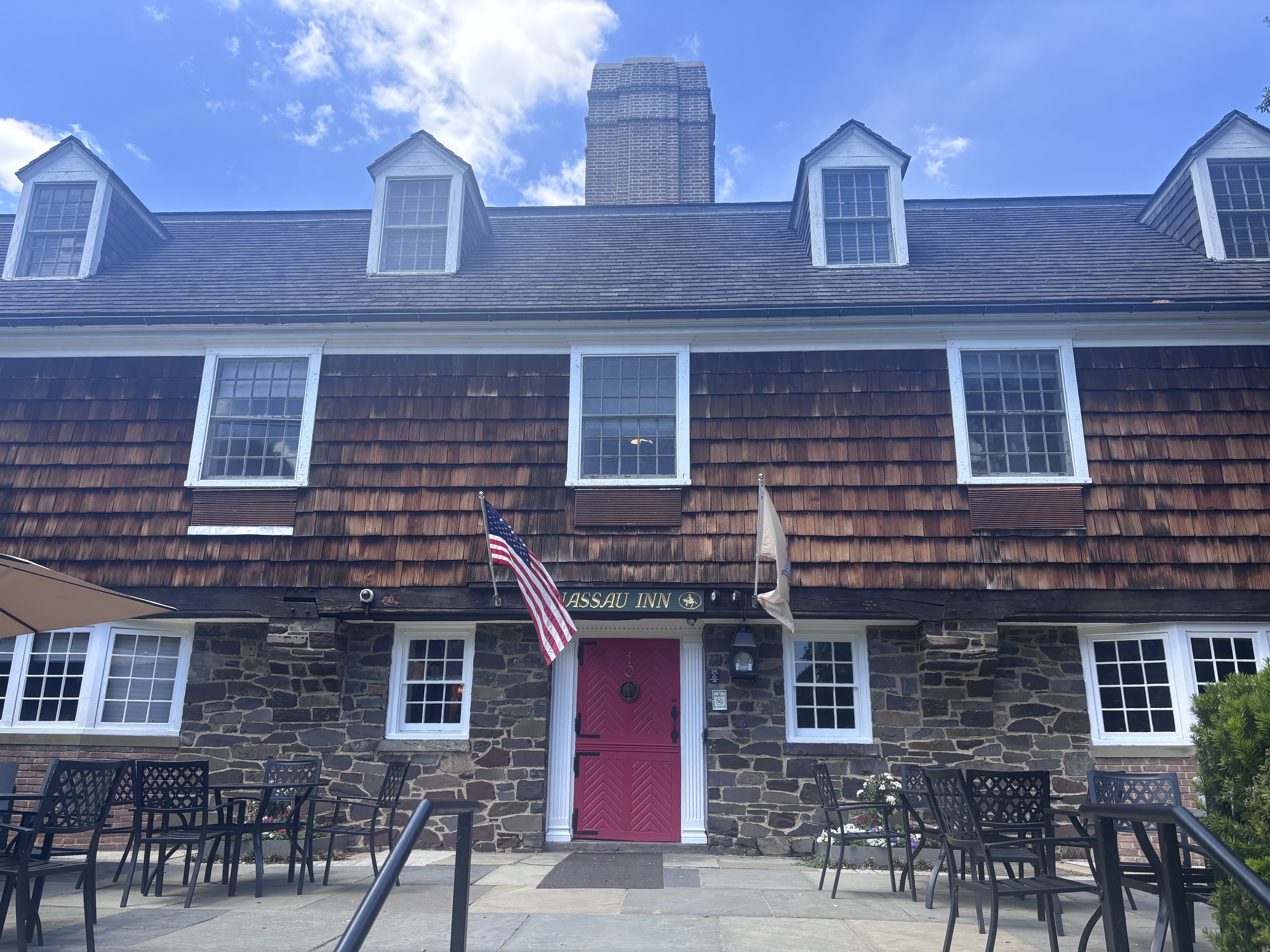
The Nassau Inn has been in operation in Princeton since 1775.Jason Nark
Stay
Princeton can be an easy day trip for anyone in Philadelphia. That’s a great option too, because overnights can be expensive, particularly when school is in session, and there are large events on campus.
The Nassau Inn, on Palmer Square, is Princeton’s most iconic hotel, and it offers summer getaway deals starting at $175 a night. Rooms jump to $325 a night come mid-September. The Nassau, established in 1775, offers 16 craft beers, plus breakfast, lunch, and dinner at its Yankee Doodle Tap Room.
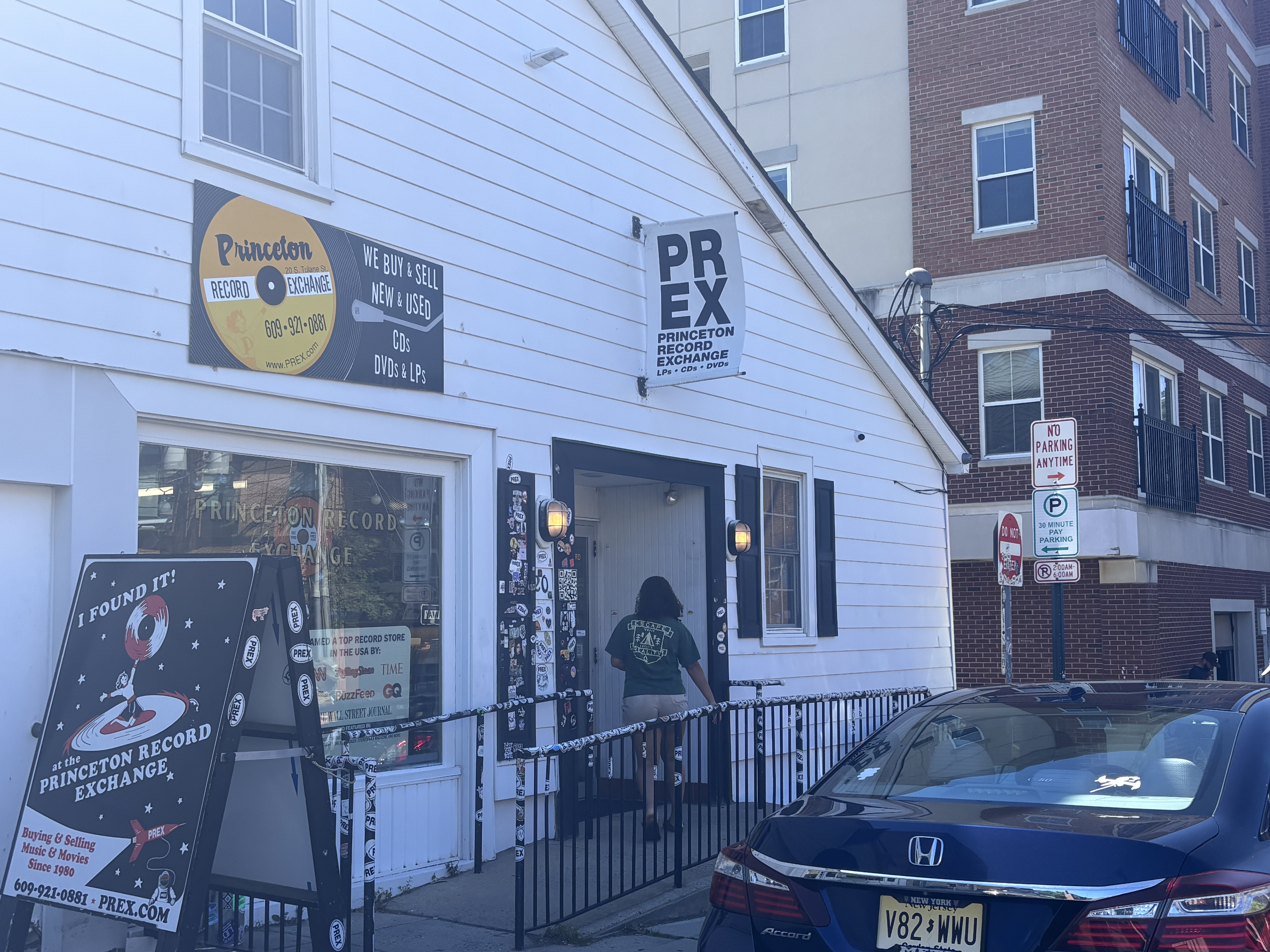
The Princeton Record Exchange is considered one of the country’s best places to get vinyl.Jason Nark
Shop
There are almost too many options to choose from, but the Princeton Record Exchange, or PREX, is a must-see. As the sign in the window attests, it’s one of the nation’s, even the world’s, best record stores with over 100,000 albums, cassettes, and CDs spread out over 4,500 square feet.
James Murphy, of LCD Soundsystem, said PREX “saved his life.”
Owner Jon Lambert said he has visitors from all over the world, and he’s found the average customer spends over an hour in the store. Sometimes they’re simply browsing and reminiscing, and Lambert said that’s just fine.
“We want you to feel comfortable here, to have a tactile, sensorial experience,” he said. “We know you’ll probably be back.”
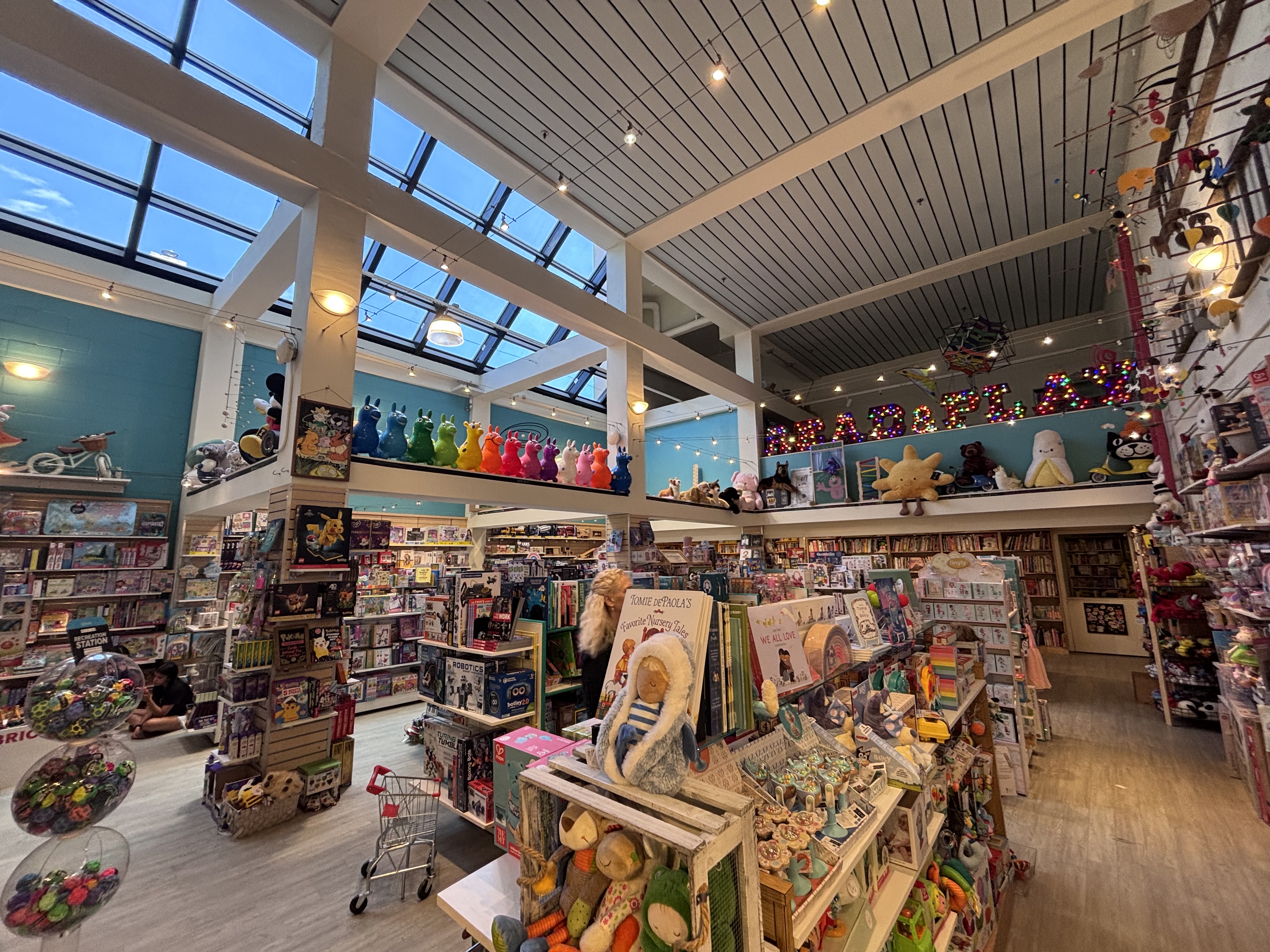
Toys from floor to ceiling at jaZams in Princeton.Jason Nark
Other must-sees are jaZams, arguably the greatest toy story ever (I managed to spend just $14) and Labyrinth Books, which specializes in rare and academic titles.
📍 Princeton Record Exchange, 20 S. Tulane St., Princeton, N.J. 08542
📍 jaZams, 25 Palmer Square E., Princeton, N.J. 08542
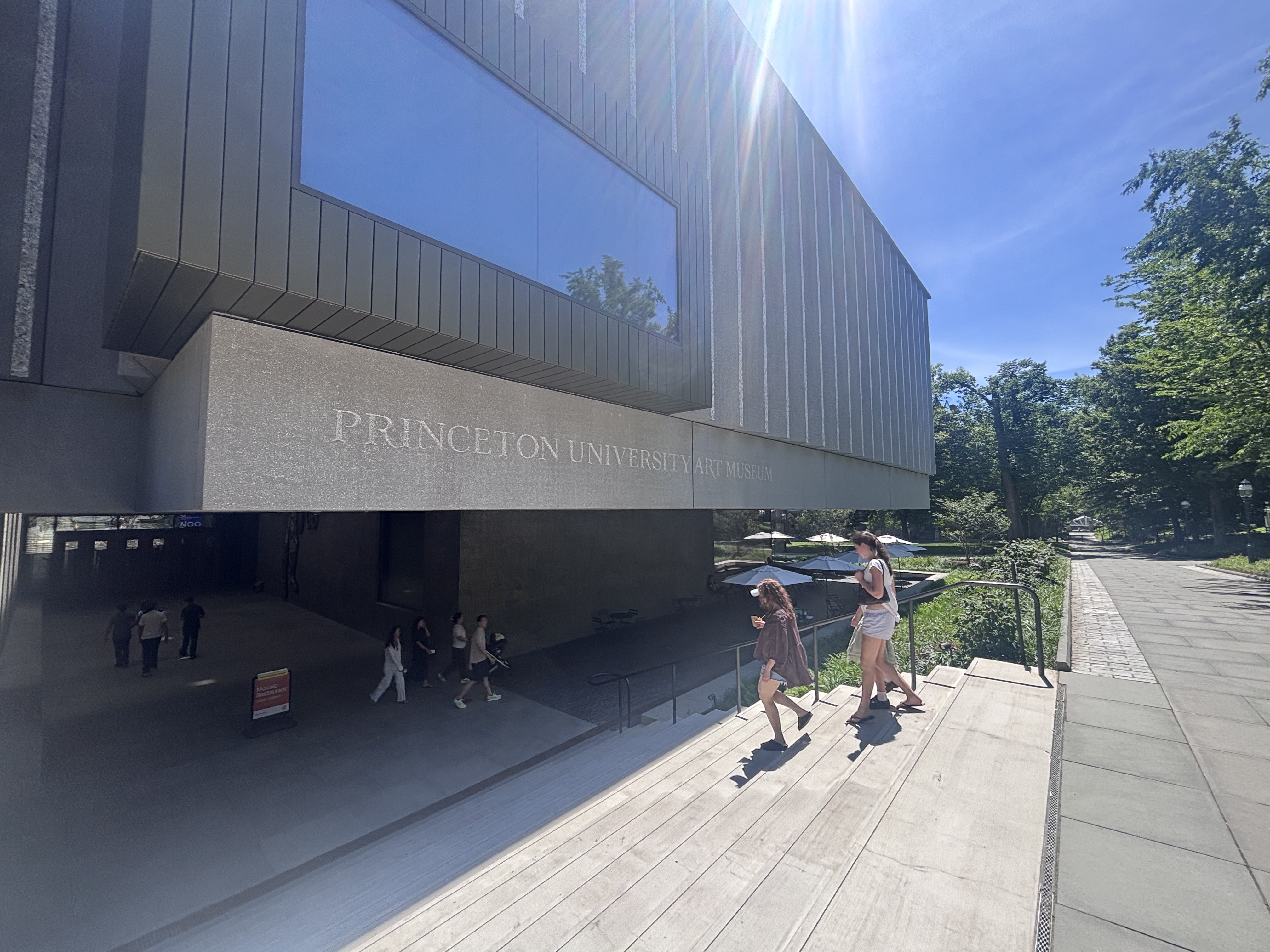
The Princeton University Art Museum is free to the public.Jason Nark
See
The Princeton University Art Museum was the biggest surprise of my visit, a vast, modern building full of pieces, large and small, that touch on, well, everything. My daughter, just 4 years old, was captivated.
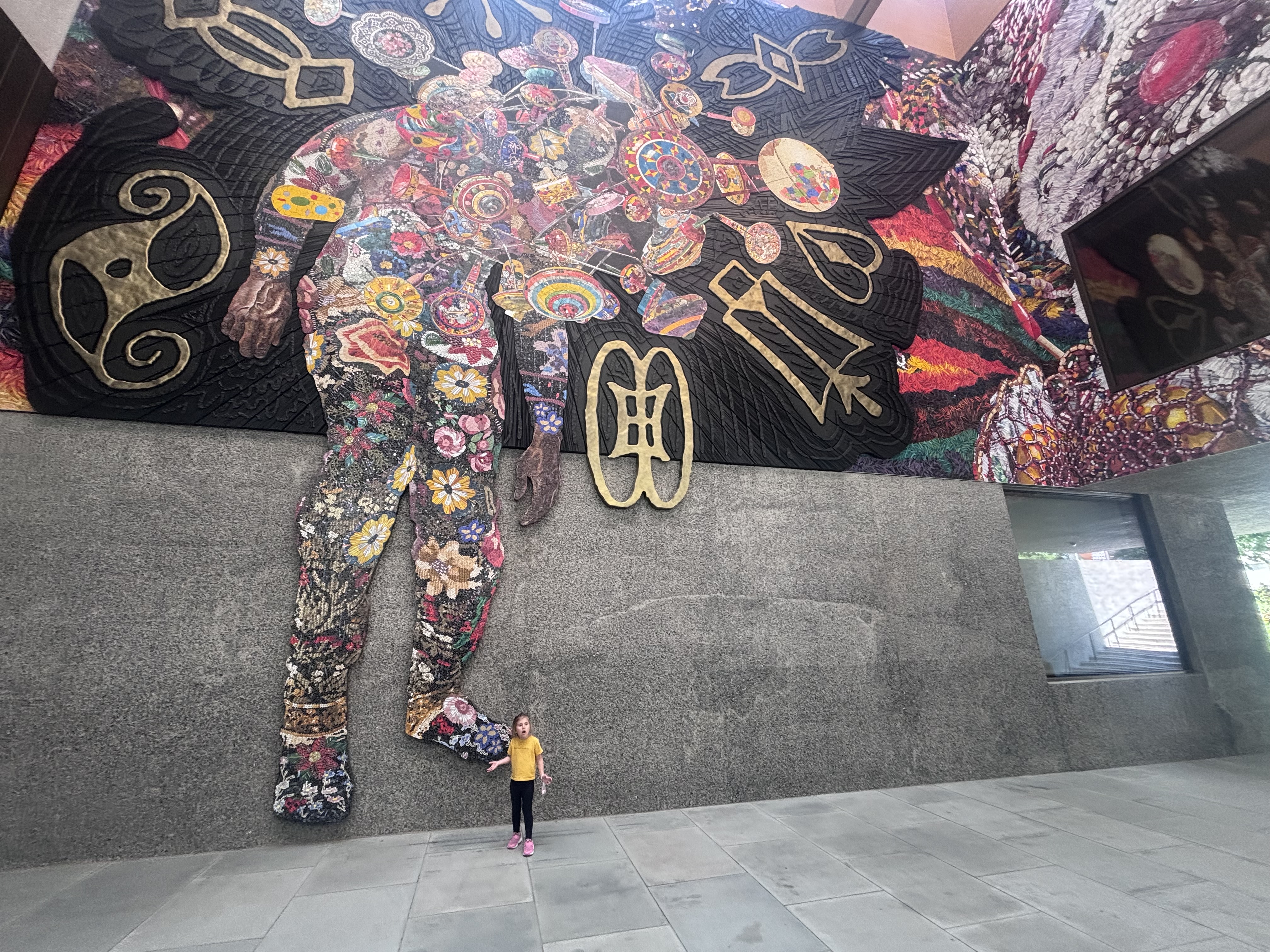
There’s a Warhol, Monet, some German expressionism, gold-ground paintings from the 1400s, and massive, modern pieces by sculptor Nick Cave.
In honor of America’s 250th celebration, the museum has an exhibit titled “What Is an American?” running through November.
Even better: It’s free.
📍 45 Elm Dr., Princeton, N.J. 08544
The author’s daughter stands by a Nick Cave piece at The Princeton University Art Museum.Jason Nark
Sweets
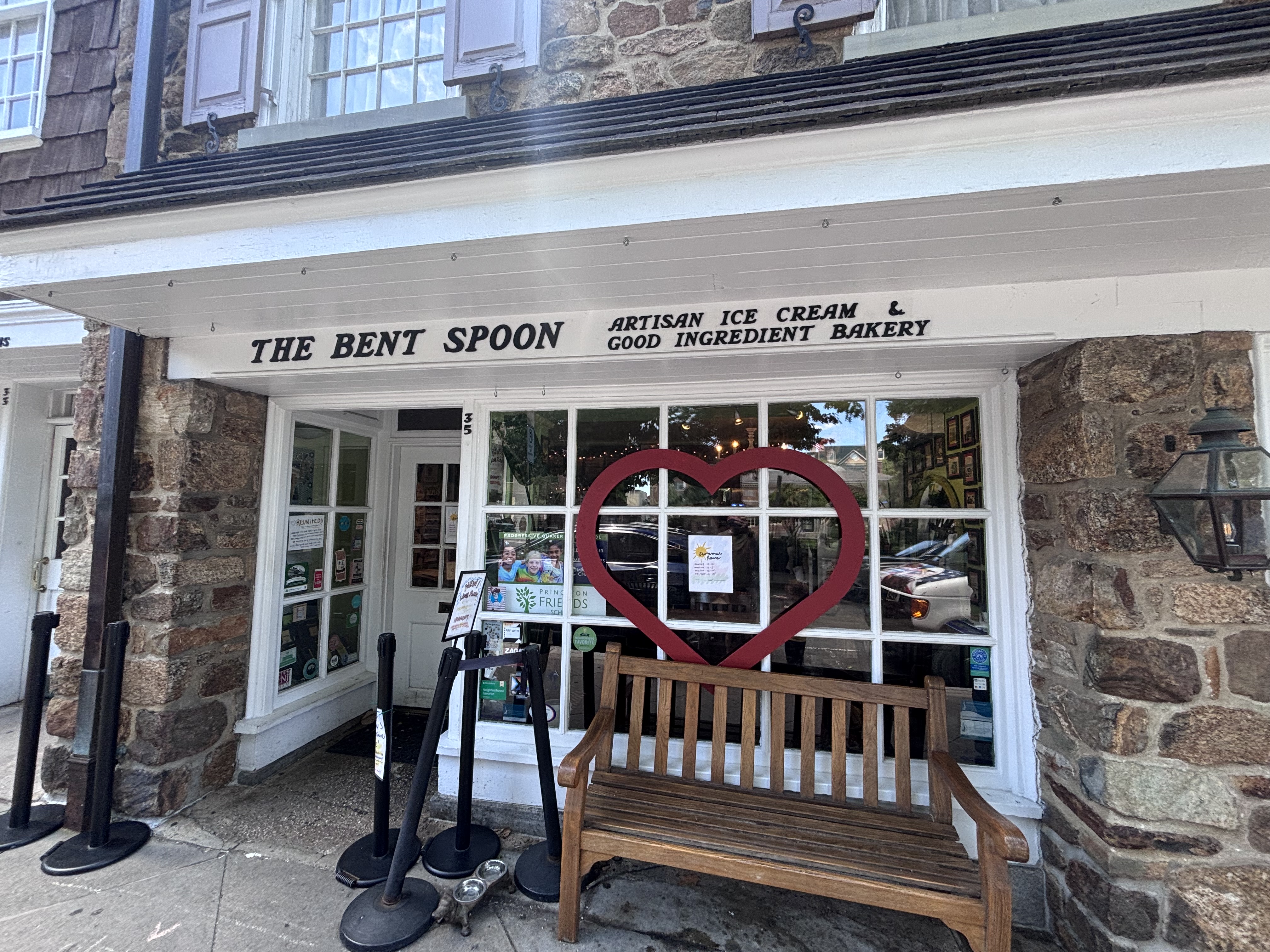
The Bent Spoon, an artisan ice cream shop on Palmer Square, has crafted hundreds of flavors since it opened in 2004. The small shop, which is open year-round, redefines “farm to spoon,” which means you have to grab flavors like blueberry and strawberry when they’re available.
“We really try to celebrate the seasons, for real,” said co-owner Gabrielle Carbone. “We get our strawberries from South Jersey, and they’re only available until the strawberries run out.”
The Bent Spoon has been making artisanal ice cream on Palmer Square since 2004.Jason Nark
I ordered vanilla bean — sourced from Madagascar. My daughter had a vegan vanilla with organic rainbow sprinkles. We swapped.
Carbone says blueberry ice cream and blueberry-lemonade sorbet will be in around July, but not for long. Princeton is bustling come winter, too, she said.
“We’re known for our hot chocolate,” she said.
📍 35 Palmer Square W., Princeton, N.J. 08542
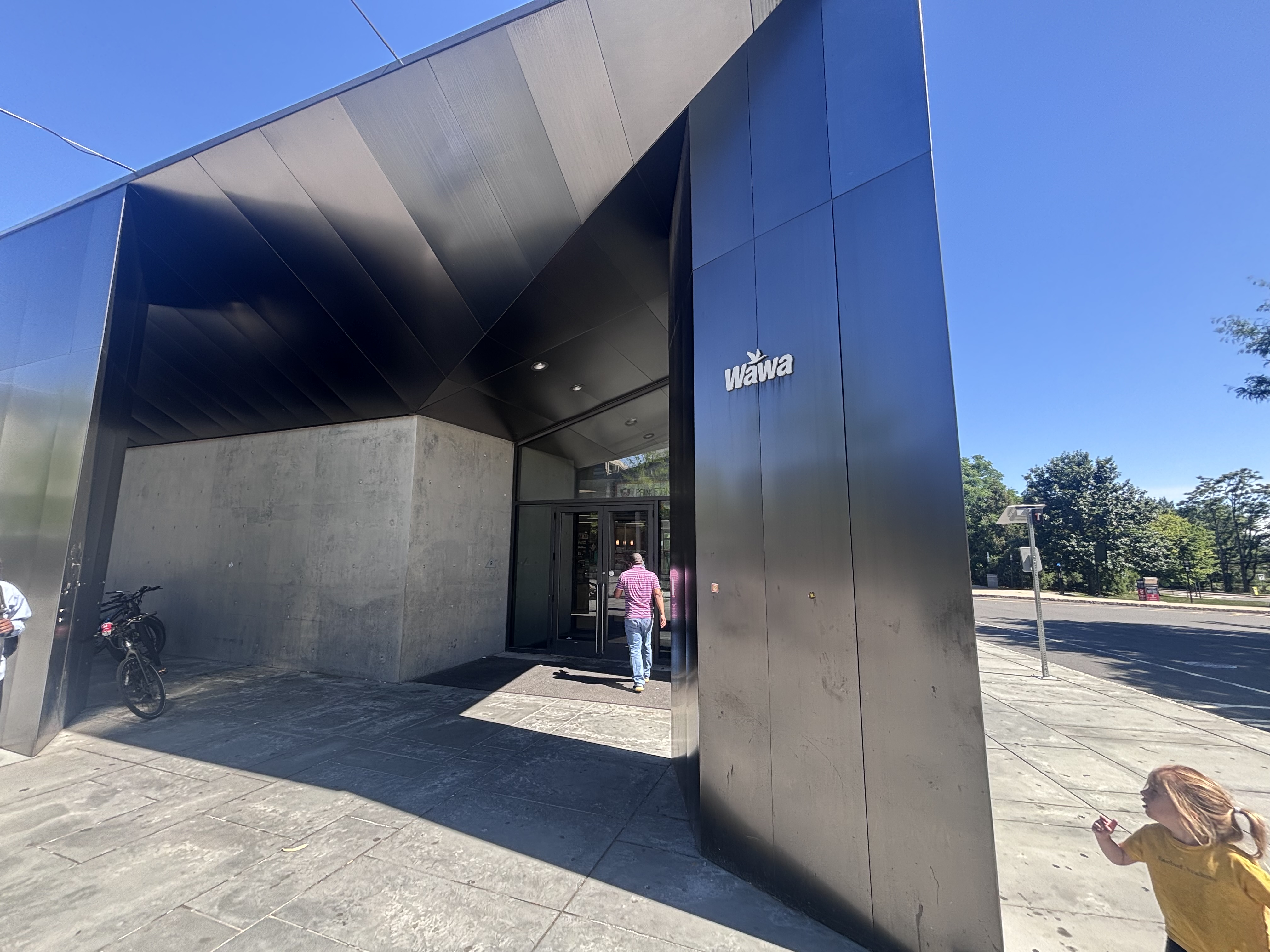
The Princeton Wawa was designed by architect Rick Joy.Jason Nark
Wawa
You know Wawas. You’ve seen hundreds of them and, for the most part, they all look the same.
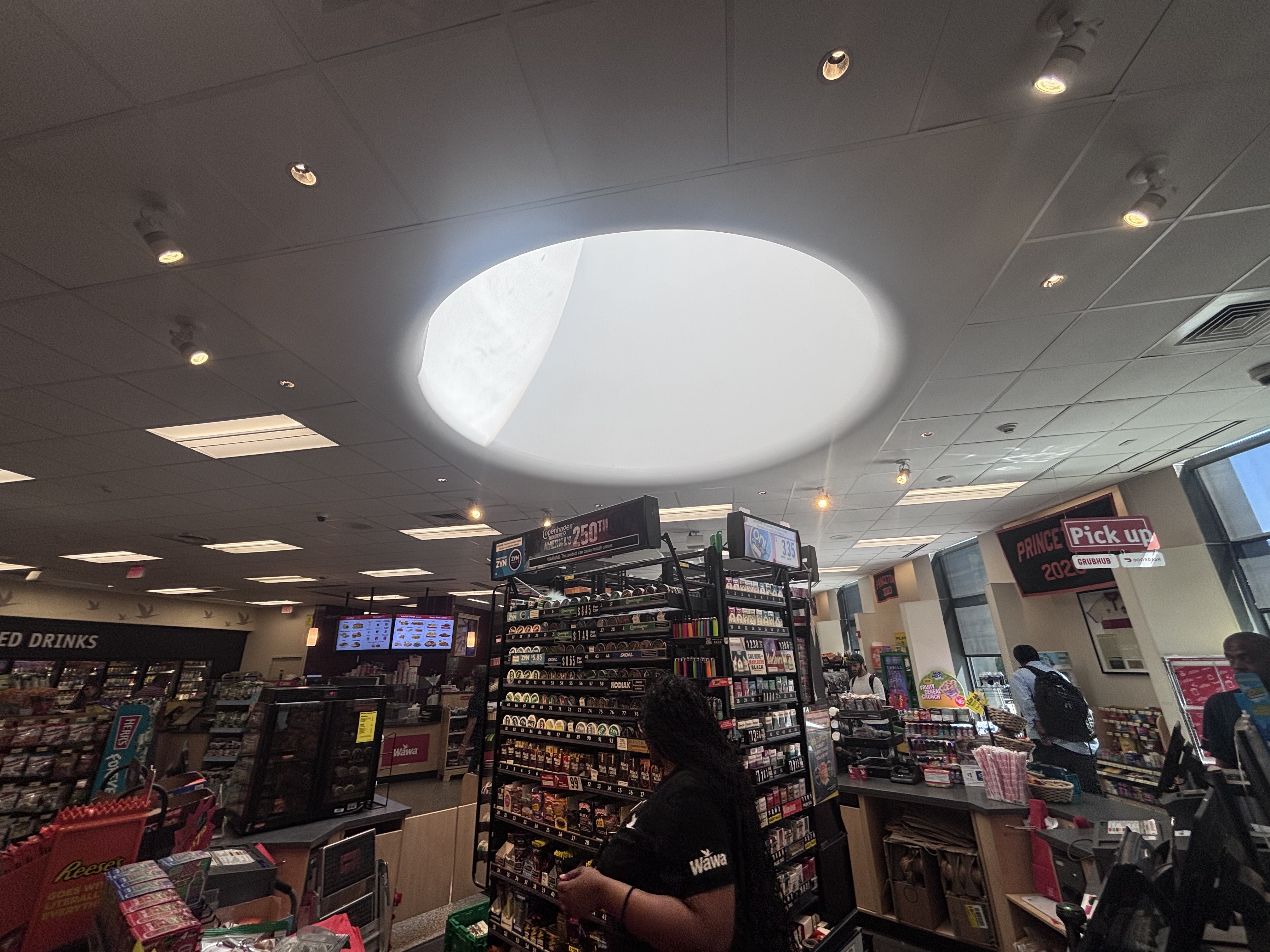
The Wawa at the Princeton Station train stop was designed by architect Rick Joy, though, and features exterior walls with sharp angles and columns made of blackened steel panels. Inside, above the cash register, is a large skylight.
The Wawa even has a green roof, along with the ubiquitous shorties and hot coffee.
📍 152 Alexander St., Princeton, N.J. 08540
The cash register at the Princeton Wawa is bathed in sunlight.Jason Nark
DEAR ABBY: At the company where I work, multiple departments share a workspace. While most of my colleagues are quiet and considerate, certain members of one department are very loud. They talk nonstop (nothing work-related) and have no consideration for others who are trying to work and concentrate. It has reached the point that it is next to impossible to accomplish any work on a daily basis.
These individuals’ managers not only refuse to correct these behaviors, but often join in themselves. I understand I don’t work in a library, but I and others are desperate for a reasonable work setting and are trying to find the best approach to take. Help!
— DISTRACTED IN COLORADO
DEAR DISTRACTED: Not knowing the corporate structure in your company, I will guess that there is someone there who supervises the managers. You and the other employees who are encountering the disruption on a daily basis should discuss this as a group with that person to see if some accommodation can be made. If your complaint falls on deaf ears, a solution to your problem might be noise-canceling headphones. Another might be to look for a job with another company.
** ** **
DEAR ABBY: Every year for birthdays and holidays, my in-laws give cash as gifts to their children and their spouses. Should I be hurt that my in-laws always give an equal amount to my brothers-in-law and their spouses, while I always receive half the amount? I don’t need the cash, but the blatant difference makes me feel less valued than their other daughters-in-law.
I host all the family celebrations, visit my in-laws weekly and help my husband with repairs and upkeep around his parents’ home. My brothers-in-law and their spouses give their parents only limited amounts of time on holidays and limited physical assistance to their parents only if my husband begs for help.
I would never say anything to my husband because I don’t want to hurt his feelings. I just want to know if I am being petty.
— LESS THAN IN NEW YORK
DEAR LESS THAN: It appears your in-laws do not appreciate your efforts to be a good daughter-in-law. You are not “petty” for noticing the discrepancy, and I don’t blame you for feeling “less than,” because that is how you are being treated.
I do think you should have mentioned this to your husband when it first started happening. That kind of gift-giving is supposed to be equal. When it isn’t, there is something wrong. Whether you choose to continue helping them to the extent you have in the future is up to you.
** ** **
DEAR ABBY: I’m not sure what to make of a strange thank-you note I got from a relative. I gave a generous gift, and one year after the wedding, I received an acknowledgment thanking me for the gift and saying that she was no longer married to “John” because she wasn’t being treated with the respect she deserved. What do I say when I see her — “thanks for the note — sorry about your marriage,” or should I just let it go?
— PERPLEXED IN DELAWARE
DEAR PERPLEXED: It might be better simply to say, “It’s nice to see you. How are you doing?” and leave it at that.
ARIES (March 21-April 19). This Venus transit: Fit is everything. Love mantra: I find and hone the best matches. Reciprocal relationships only. My affection is returned in kind, filling my days with an ever-growing sense of belonging. No chasing, only facing.
TAURUS (April 20-May 20). This Venus transit: Stop treating crumbs like a banquet. Love mantra: I release bargain-bin affection to make room for love’s luxurious and delicious feast. I attract connections that nourish my spirit and strengthen my sense of worth.
GEMINI (May 21-June 21). This Venus transit: Declare new relationship rules and goals. Love mantra: My heart’s horizon is wide open and filled with a colorful hope. Oddly enough, trying new frameworks can liberate an era of love that’s boundless and free.
CANCER (June 22-July 22). This Venus transit: Your own preferences go to the top of the list. Love mantra: To learn what I like is a pleasure that fits into my life’s purpose. Others benefit from this pursuit too, which is ultimately unselfish.
LEO (July 23-Aug. 22). This Venus transit: Settle into the throne. Wielding power responsibly is a gift to your realm. Love mantra: Accepting a leadership position with grace and creativity is my gift to relationships, which thrive in my care.
VIRGO (Aug. 23-Sept. 22). This Venus transit: Choose lovers and friends who expand your world. Love mantra: All gets lighter and brighter as I learn new love languages. Possibilities open. Thriving fascinations become the new norm.
LIBRA (Sept. 23-Oct. 23). This Venus transit: Flirt shamelessly with life. Love mantra: Delight is my purpose, my aim, my middle name. Love comes to me as I pursue what feels playful, interesting and fun. Aesthetics matter like the right music, lighting, styles and ideas.
SCORPIO (Oct. 24-Nov. 21). This Venus transit: Make peace with your desire to be cherished. Love mantra: Wanting affection is a strength to be embraced, not a weakness to be confessed. My longing leads to connection, tenderness and the delights of a rich human experience.
SAGITTARIUS (Nov. 22-Dec. 21). This Venus transit: Tap into your heart’s daring. Love mantra: To be courageous in love is always a valuable education, regardless of outcome. Your heart’s wings either fly or learn what to try for the next liftoff.
CAPRICORN (Dec. 22-Jan. 19). This Venus transit: Retire from one-sided emotional labor. Love mantra: I stop pulling entire relationships uphill alone. Love meets me halfway. Love reaches back. Love carries weight with willing hands and open eyes.
AQUARIUS (Jan. 20-Feb. 18). This Venus transit: Make sure you’re really seen before you enjoy being chosen. Love mantra: Real belonging begins with honesty. I share my tastes, humor, dreams, and strange little passions with confidence. The right person loves the real me.
PISCES (Feb. 19-March 20). This Venus transit: Protect your own beautiful softness. Love mantra: My heart stays warm without becoming reckless. I refuse the armor that blocks future joy. Tenderness remains part of my strength and part of my beauty.
TODAY’SBIRTHDAY (June 13). It’s your Year of the Brushstrokes — you’re the artist, not the painting. The product is wonderful, but it’s the time spent making it you love the most. You’ll share your process for fun and profit. More highlights: Loved ones celebrate you at five milestones. Auspicious collaborations are gold in the bank. You’ll renovate, trade and talk your way into gorgeous environs. Aquarius and Virgo adore you. Your lucky numbers are: 8, 33, 29, 2 and 15.
INGLEWOOD, Calif. — Simply put, the U.S. men’s soccer team’s World Cup got off to a dream start.
Folarin Balogun’s goals and Christian Pulisic’s playmaking led the Americans to a 4-1 win over Paraguay in their tournament opener, the highest-scoring performance ever by the U.S. men in a World Cup.
The crowd of 70,492 played a role too, belting out out the national anthem along with celebrity singers Dan + Shay and chanting “USA!” throughout the game.
With that as fuel, the U.S. needed just seven minutes to get on the scoreboard.
Weston McKennie created the opener in tandem with Pulisic. McKennie drove hard up the middle, including a cutback between two Paraguayan players, then fed Pulisic on the left. The Hershey, Pa., native uncorked a dazzling split of two players and a slip past a third, with the latter move sending the ball to McKennie. He aimed to lay it off for Balogun, but Paraguay’s Damián Bobadilla did the job instead by deflecting the ball into his own net.
It could have been 2-0 in the 28th, but Pulisic was offside in the buildup, and Balogun was off at the end. But the real thing arrived three minutes later, and this time, it was a no-doubter.
Pulisic was front and center again, seizing a sharp through ball from Antonee Robinson and charging up the left flank. The centering pass was on the money for a charging Balogun, who held up behind Paraguay’s back line and easily slotted home.
The crowd erupted again, a real roar despite FIFA’s price-gouged tickets that have kept so many soccer fans out of World Cup stadiums. There were pockets of empty seats, especially in the most expensive sections, another indictment of the governing body.
But the fans who were here, for all they paid, delivered. From the anthem to thunderous “USA!” chants, they showed up in a way the U.S. team often hasn’t felt — especially in Southern California. One need only think back to last year’s Concacaf Nations League final four in this same stadium, when indifference and unhelpful kickoff times left the Americans drowned out.
The U.S. lost both of those games. Now, in their first of two group games here, they were rolling — and not done scoring yet.
In the last minute of first-half stoppage time, Antonee Robinson corralled a loose ball in his own half. He gave it to Tim Ream, who had no pressure on him and took his time before passing to Tyler Adams. Paraguay again did not press, so Adams offered the ball to Malik Tillman. He turned, took one touch, then zinged a low pass through four Paraguayan players.
Balogun saw it coming even before Tillman had fully turned and was off to the races. He was past Paraguayan centerback Omar Alderete — of English Premier League club Sunderland — and stayed on his feet as Alderete tried to slide at him. He then cut left past a spinning Gustavo Gómez and slammed a shot into the top corner.
The goal made Balogun the first U.S. men’s player to score multiple goals in a World Cup game since Bert Patenaude at the first ever World Cup in 1930, coincidentally also against Paraguay. And the half was the highest-scoring by a U.S. men’s team since the famed 3-2 win over Portugal in 2002.
The second half started with a shock: Pulisic was subbed out. Sebastian Berhalter replaced him and went to a deeper central midfield spot, which sent Tillman up to Pulisic’s spot.
“I just got a bit of a kick in the first half,” Pulisic said postgame. “Back of my leg, sort of my calf area. Staying positive. I don’t think it’s anything.”
A U.S. Soccer spokesperson said manager Mauricio Pochettino would address the matter postgame.
Ream and Adams drew yellow cards early in the second half, though Ream’s was canceled. The Adams booking was especially significant, given the roster’s lack of central midfield depth.
Tyler Adams (right) will have to be careful to not get a yellow card in the next game against Australia. If he does, he’ll be suspended for the group stage finale vs. Turkey.Mark J. Terrill
Adams must now avoid cards through the second group-stage game, against Australia next Friday in Seattle (3 p.m., Fox29, Telemundo 62), to avoid being suspended for the crucial group-stage finale against Turkey on June 25.
With 25 minutes to go, the joy of the first half was replaced by nerves. Even though the U.S. was up, 3-0, Pulisic’s departure and Adams’ yellow put the building on edge.
Pochettino made two more substitutions in the 72nd, Tim Weah for Sergiño Dest and Ricardo Pepi for Balogun, but Adams stayed in.
Seconds later, Paraguay scored far too easily. Goalkeeper Orlando Gill sent a long ball forward, Miguel Almirón knocked it down to Julio Enciso, and he fed Maurício for an open shot.
The crowd could tell the vibes were changing and tried to stir the home team with another loud “USA!” chant. Weah shot high, and Tillman shot straight at Gill.
Gio Reyna was the last substitute, replacing Tillman in the 82nd.
There were seven minutes of stoppage time to endure at the end — and quite a few hard hits from Paraguayan players.
But the Americans endured and even earned one of the sport’s most famous compliments. As they ran out the clock in stoppage time, the crowd chanted “Olé!” as they passed the ball around the field.
In the final seconds, Reyna gave them an electric parting gift. A long passing sequence finished at his feet just outside the 18-yard box, and he stepped up unmarked to smash in the finale.