Blog

  • Group demands N.J. yank school guidance on transgender students

    Group demands N.J. yank school guidance on transgender students

    A conservative law firm is calling on New Jersey officials to repeal state guidance on parental notification when students question or attempt to change their gender at school.

    The Liberty Justice Center, a Texas-based nonprofit that has waged such battles for free around the country, warned New Jersey Attorney General Jen Davenport in a letter Tuesday that keeping the guidance, known as Policy 5756, in place will lead to “federal investigations or lawsuits for the violation of federal civil rights.”

    The center also sent letters to attorneys general in New York, Illinois, and Washington, where similar policies are in place. The effort comes a week after the Trump administration threatened two school districts in Maryland and Michigan with sanctions, including pulling their federal funding, if they don’t repeal their policies.

    “By withholding information from parents regarding their children, these school districts are violating federal law, not to mention basic morality,” Timothy Snowball, a senior attorney at the center, said in a statement. “Parents have the fundamental right to direct their children’s upbringing, and these attorneys general must comply with federal law or face possible legal action.”

    New Jersey’s policy, which the state Department of Education issued in 2018, prohibits the disclosure of a student’s gender identity without their consent unless “a specific and compelling need” obligates school officials to alert parents, such as health and safety concerns or a bias incident.

    Several school districts and parents have challenged the policy in court, arguing it interferes with parents’ constitutional right to raise their children as they want. The state’s attorneys have countered that students have a constitutional right to privacy, disclosure risks harm to students whose parents aren’t supportive, and the policy is voluntary guidance districts don’t have to follow. Judges so far have let it stand.

    It’s unclear how many of the state’s 600 districts have adopted the state guidance. The group Defending Education, which opposes such policies, estimates 130 districts have done so, but local advocates suspect that’s an undercount, as school boards typically act on state guidance.

    Snowball said the U.S. Supreme Court’s March order in a California case known as Mirabelli v. Bonta should spur states with similar policies to reexamine and revoke them.

    California’s law requires schools to support a child’s social transitioning and bars alerting parents without the child’s consent. After it was challenged, a trial court issued an injunction that blocked enforcement of the law, an appeals court stayed that injunction, and a split Supreme Court vacated the stay and returned the case to circuit court, saying parents claiming religious exemptions likely will prevail.

    The Liberty Justice Center filed a brief supporting parents in the California case.

    “The constitutional questions have now been squarely presented, and the legal issues are no longer theoretical. Your office should reevaluate the state’s current position to ensure that New Jersey’s policies and enforcement actions comply with parents’ federally protected rights before further litigation compels that result,” Snowball wrote to Davenport.

    Spokespeople for Davenport and the New Jersey Department of Education did not respond to requests for comment.

    But Robert Kim, executive director of the Education Law Center, said Davenport and the other attorneys general shouldn’t change course because of the California decision, which was not a final ruling on the case’s merits but instead just a preliminary order issued in response to an emergency application — meaning there were no oral arguments, briefs filed, or extended opinion written.

    “It is a very limited window into this emerging area of law,” Kim said.

    The Liberty Justice Center’s letter-writing campaign adds “fuel to the fire that’s stemming from this pattern of disturbing behavior by the Trump administration, this fixation to aggressively target a small portion of the student population, the transgender community, for disfavored treatment by the federal government,” Kim said.

    Michael Gottesman, founder of the New Jersey Public Education Coalition, also doesn’t think the California decision should sway policymakers here, noting that California’s policy is mandatory while New Jersey’s is voluntary.

    The policy’s critics also ignore that the state’s Law Against Discrimination protects people from being forcibly outed, Gottesman added.

    “The policy basically sets up a process which recognizes the fact that parents have rights, but students do too,” Gottesman said. “There’s a whole line of cases in the Supreme Court on parents’ rights, but there’s also a whole line of cases in the Supreme Court about students’ privacy rights.”

    Opponents have mischaracterized the policy, which balances parental notification with student privacy, said Dillon Reisman, a staff attorney with the American Civil Liberties Union of New Jersey.

    “Our state’s policies have never required schools to lie to parents when a parent asks about their student’s gender identity. The policy already recognizes that health and safety concerns or harassment, intimidation, and bullying laws might require schools to affirmatively notify parents of a student’s gender identity if it’s relevant,” Reisman said. “Those are two things that already meet the U.S. Supreme Court standard from Mirabelli v. Bonta.”

    This story originally appeared on New Jersey Monitor.
  • In the American prairie, a stealth plan to end the GOP Senate majority

    In the American prairie, a stealth plan to end the GOP Senate majority

    South Dakota is a prairie state that voted more than 63% for Donald Trump in 2024, so it’s not the first place you’d look to find a wave of discontent over GOP rule. But deep under the state’s expansive corn and soybean fields grow the invasive roots of political rage.

    There’s the trade war that’s dried up demand for farmers’ crops while driving up the costs of essential items like fertilizer. Disdain for Trump has slashed the flow of Canadian tourists who once flocked to Mount Rushmore. There’s the same high gas and supermarket prices as in the other 49 states. And farmers who had liked the president’s border policies are now scared of losing workers to immigration raids.

    Doug Sombke, president of the South Dakota Farmers Union, recently told the Canadian magazine Maclean’s that some Dakotans now “see we got sold a bill of goods … They were told grocery prices were going to come down. Trump keeps leading them on, saying, ‘There’s gonna be some pain.’ I don’t think anybody was ready for this much pain, this soon.”

    In this brutal climate, one South Dakotan who probably should be bracing for pain is the mostly pro-Trump GOP Sen. Mike Rounds, a former governor seeking reelection to the Senate in November. And on Tuesday, Democrats hoping to oust Rounds from Capitol Hill got the big news that a lot of them were hoping for.

    The only Democratic candidate dropped out of the race.

    Huh?

    That’s right. In what may be the most counterintuitive political strategy in U.S. political history, liberal anti-Trump activists in politically red states west of the Mississippi have been pleading for obscure, long-shot Democratic candidates to abandon their races — so that spunky independent candidates can challenge the GOP one-on-one instead.

    When ex-state trooper and longtime Democratic activist Julian Beaudion told South Dakotans that, feeling pressure, he’s quitting the race, it cleared the path for independent Brian Bengs to consolidate the anti-incumbent vote in November. Polls suggest that the retired U.S. Air Force lawyer and college professor who was briefly a Democrat is already within striking distance of an upset.

    And he’s not alone. Democrats are also not running a Senate candidate in Nebraska — where a well-funded and well-known independent, labor leader Dan Osborn, is running again — or in Idaho, where Todd Achilles, a one-time Democratic lawmaker who left the party, is on the ballot. In Montana, an independent Senate hopeful is also hoping that a Democrat will drop out, but unsuccessfully so far.

    Casual political observers probably know that Democrats (and two allied independents) — currently in the Senate minority by a 47-53 count — are hoping Trump’s unpopularity will help their candidates run the table in five to six key contested states from Maine to Texas. But much less attention has been paid to this stealth backup plan — the notion that a few prairie populists can end the GOP majority.

    What’s truly remarkable about this scheme is that a growing number of Democratic strategists are making a tacit, not to mention uncomfortable, acknowledgment: In the American heartland, their party’s brand is in the toilet.

    That’s why a number of political activists believe the only way in these blood-red states to make the most out of rising voter anger against Republicans over high gas prices and Trump’s badly botched war with Iran is to offer voters an alternative without a “D” next to their name.

    Steve Hildebrand, a Sioux Falls-based political consultant who was a high-ranking official in Barack Obama’s 2008 campaign, is one of the Democrats who thinks that — despite voter unrest against the GOP — an independent has the best chance in South Dakota.

    “I think our party has gravitated too far away from fighting for hard-working Americans — you know, blue-collar workers, union workers,” Hildebrand told me this week. “You know, we’ve been fairly pathetic about a unified party message, and frankly, we’ve been pathetic about beating back on Donald Trump.”

    Still, most of the political agenda of the western independents is larded with a modern brand of prairie populism that feels like a first cousin to the left-wing progressivism of Democrats — like Michigan’s Abdul El-Sayed — who’ve been scoring 2026 victories in blue states. They are strongly against billionaire influence in politics while advocating for healthcare reform and progressive ideas about making life more affordable.

    “Getting money out of politics to the maximum extent possible would be the single biggest accomplishment I think of my career and of Congress,” Bengs told Independent Voter News. “And I’d also like to get healthcare affordable, so people don’t have to worry about, ‘Don’t call the ambulance, because I can’t afford that.’”

    So why not run as a Democrat, when so many of his proposals overlap? Bengs did join the Democratic Party to challenge South Dakota’s other GOP senator, Majority Leader John Thune, in 2022, and after losing by 27 percentage points, he said he’ll never do that again.

    He said at county fairs and parades he met voters who liked his ideas, but told him, “I’ll never vote for a Democrat.” “Sometimes there was an expletive in there. The takeaway was that the letter was more important than what I was saying.”

    “Democrats are simply not competitive in at least 20 states, maybe more.” Larry Sabato, the University of Virginia political scientist and veteran analyst, told me. He said independent races can be a way to win in these red states, but the candidate needs to break with the Democrats on some issues and show themselves as a true outsider.

    Sabato said Republican dominance of prairie and mountain states can end up with “voters getting fed up with the ruling party, and desiring a switch so badly that they’ll hold their nose and defect. I suppose it is easier to vote for an independent.”

    Except that clearing the political field to create the desired one-on-one race between a Republican and such an independent upstart is proving to be not so easy.

    Experts like Sabato say the strongest independent Senate candidate might be Montana’s Seth Bodnar, a former University of Montana president and Army veteran. But the Democrat who’s on the ballot in Big Sky Country, Alani Bankhead, told Politico last week that she would abandon the race only “if a lightning bolt from God struck me” — an unlikely event even in this summer of wild weather. Polls suggest the Republican, Kurt Alme, would easily win a three-way race against both Bodnar and Bankhead.

    The process in South Dakota was just as messy. The Democrat, Beaudion, also had been insistent he would not withdraw before Tuesday’s deadline, when he alleged that he and his family faced “intimidating threats to drop out of the race,” and gave no indication he would support Bengs’ campaign.

    The best chance for knocking off a GOP incumbent remains Nebraska. Osborn, who rose to prominence as the union leader of a high-profile strike against the food giant Kellogg’s, got nearly 47% of the vote against Sen. Deb Fischer in 2024 when Trump was on the ballot. In 2026, he’s poised to capitalize on the president’s fading approval as he challenges another incumbent, Sen. Pete Ricketts.

    “If you believe that billionaires, like Elon Musk, George Soros, or Pete Ricketts, should not be allowed to buy anything they want, including private islands for sex trafficking, and our elections, and our votes, then send them a message in cash and vote for me,” Osborn told a recent town hall. The most current poll, conducted in May by Tavern Associates, showed Osborn winning by 5 percentage points.

    Still, it’s an uphill climb for many of these prairie independents. Incumbents like Rounds, Ricketts, and Idaho’s 83-year-old Sen. James Risch enter their races with an unshakeable base of MAGA Trump supporters, and they’ll have millions of dollars for ad campaigns that will surely portray their opponents as liberal Democratic wolves in sheep’s clothing.

    There are also a ton of questions about what will happen if any of them win in November. Would they join the two current independents, Vermont Sen. Bernie Sanders and Maine Sen. Angus King, in caucusing with the Democrats? (Osborn has explicitly said he will not.) Whom would they support for majority leader, with a likely challenge to the current top Democrat Chuck Schumer? Would they vote mostly with Democrats, or take contrary, libertarian stands on issues like gun control, in line with voters back home?

    The biggest question for Democrats, however, might be the long-term one: How will yanking so many candidates in 2026 help the professed goal of rebuilding a Democratic Party that some day will be viable in all 50 states? That will have to wait until the political derecho of disgust with both parties blows past.

    “There’s just a lot of different stripes out there right now, and I don’t think that’s a bad thing,” Hildebrand said. “I think the Democratic Party and the Republican Party both have terrible brands. I think you know that it’s their own fault. It’s not the fault of voters.”

  • National Gallery studied whether Freedom 250 IndyCar vibrations will affect art

    National Gallery studied whether Freedom 250 IndyCar vibrations will affect art

    When the Freedom 250 Grand Prix kicks off this month as part of President Donald Trump’s summer celebrations, IndyCar racers will weave at speeds up to 185 mph among federal buildings, the National Gallery of Art, the National Archives, and the Smithsonian Institution’s Hirshhorn, Air and Space, and American Indian museums.

    One of those institutions, the National Gallery of Art, has studied vibrations ahead of the race as it prepares for possible effects on its art — but it’s declining to say what it found.

    “In preparation for the Freedom 250 Grand Prix, the National Gallery conducted an extensive vibration study and based on the results we have implemented a set of measures to ensure the safety of our staff, visitors, collection, and facilities during the race,” gallery spokesperson Chris Abanavas said in a statement. “While we are not releasing the specifics, I can share that any such measures are only being taken out of a great abundance of caution.”

    The study didn’t raise concerns about structural risk to the buildings, Abanavas added. The race will also limit attendance at the free museum to ticket holders to the event’s secured area.

    The Smithsonian determined the race, which will take place Aug. 22-23, will not threaten any objects in its collections and has taken no special precautions as a result, a Smithsonian official said. But the institution will monitor the situation before and during the race, so it can protect exhibits if that changes.

    While the event is a first for D.C., it is not the first such race to pass through city streets and near museums, which commonly face vibrations from construction, musical events, and large crowds. But some historic preservationists worry the risk to delicate art pieces, historic documents, and priceless murals near the circuit has been underexamined.

    In March, the National Park Service consulted with the D.C. State Historic Preservation Office about the IndyCar event, noting that it saw “no adverse effects.” The letter did not mention the museums along the route. (The National Park Service and the National Archives did not respond to a request for comment.)

    Some preservationists who spoke with the Washington Post called the analysis insufficient and said a more comprehensive review of potential damage to historic properties or artifacts would have taken years, not months.

    “I can’t think of any place in that whole area that goes where the speed limit is higher than 25 miles an hour,” said Michelle Arcari Rose, a former associate general counsel at the National Trust for Historic Preservation, which has sued to stop Trump’s White House ballroom project. “So whereas people think these grand prix races aren’t a problem, we certainly don’t know, right? It’s a huge risk to then unleash cars at 185 miles per hour in a place where we’ve never had cars really going more than 25 miles an hour.”

    Mary Okin, assistant director of the nonprofit Living New Deal, sent a letter last week to the National Park Service and other agencies expressing concern that the event was permitted “without meaningful” consultation with “known preservation stakeholders.” The letter and the National Gallery of Art’s vibration study were first reported by the New Republic.

    “Such vibrations are well above normal street traffic and even go beyond those of jackhammers, pile drivers, and even freight trains,” she wrote.

    Okin is calling for safeguards including temporary sound barriers and damage assessments to help protect buildings such as the Wilbur J. Cohen Building, which sits on the circuit’s south edge and houses fragile New Deal-era murals.

    “They’re vulnerable,” said Okin, whose organization has worked on the building’s preservation. “Excess vibrations and sound, as well as the construction of the racetrack itself, could very well cause damage.”

    The General Services Administration, the body that manages real estate for the federal government, reviewed the proposed route for potential impacts on its assets and identified no areas of concern, a spokesperson said in a statement.

    “The White House and [IndyCar owner] Penske have followed all appropriate protocols and been in close coordination with all relevant agencies to ensure this is also the safest and most secure race for all visitors to enjoy,” said Davis Ingle, a White House spokesperson.

    While many major motorsport races are held on permanent road courses or oval tracks, temporary street circuits are a familiar part of international racing.

    IndyCar stages several events on public roads in cities such as St. Petersburg, Fla.; Long Beach, Calif.; Detroit; and Toronto, while Formula One also races on street courses in places including Monaco, Singapore, and Las Vegas. The roads are closed, lined with concrete barriers, and transformed into racecourses for the events before reopening to traffic.

    One of the closest comparisons with D.C.’s race is the Firestone Grand Prix of St. Petersburg, in which the street circuit runs next to the Dalí Museum. A museum spokesperson said the collection has remained safe and secure throughout the event’s history. The museum has not conducted race-specific vibration studies, but its galleries were built to museum standards and the collection is continuously monitored.

    Green Savoree Racing Promotions, which organizes the St. Petersburg race, said the museum closes to visitors while racing is underway and reopens after the event concludes. The promoter also noted that the museum is housed in a hurricane-rated building constructed to Florida standards, allowing the artwork to remain in place during extreme weather, and said it was not aware of any additional precautions being necessary during the race.

    In a statement, a Freedom 250 Grand Prix spokesperson said race organizers have “tremendous respect for the history and the structures surrounding the racing circuit in Washington, D.C.”

    “IndyCar has successfully hosted races on downtown street circuits in urban areas for decades,” the spokesperson said. “With this excellent track record and the thorough preparation we have done for this event working closely with all the appropriate local and federal agencies, we do not anticipate any impact on the structures surrounding the circuit” as a result of the race.

    Researchers have started paying closer attention to how vibrations from construction, live music, and major events may affect the art and artifacts inside museums.

    One 2023 report studied the effects of vibrations from music and a NASCAR street race on museums in Chicago. In that case, racecars passed a south wall of the Art Institute of Chicago, near galleries holding a Van Gogh exhibition.

    Advisers who reviewed data and consulted with NASCAR beforehand told the museum vibrations from the cars shouldn’t pose a major risk, according to the report. Afterward, they found museumgoers’ foot traffic caused greater vibrations in gallery floors than the race outside. (An author of the report declined to be interviewed, and the Art Institute says it works with specialists before any major activity that might cause vibrations.)

    On Tuesday, there were few apparent changes at the National Gallery of Art except for enclosures set up around some artworks outside.

    The I.M. Pei-designed triangular skylights, which abut a cascading sunken fountain and illuminate the underground cafe, have been boarded up. Between the West Building and the Sculpture Garden, a massive Alexander Calder sculpture made of sheet metal, Tom’s, has been enclosed in a protective barrier.

    Some sculptures and installations were boarded up “out of an abundance of caution,” said Abanavas, citing “the increased visitor traffic around the National Mall this summer for events including the Grand Prix.”

    As of publication, the Post did not identify significant changes to public collections inside the National Gallery of Art’s East Building, which closely faces the racetrack on Pennsylvania Avenue.

  • Tupac Shakur was killed in Las Vegas in 1996. Here’s who was there that night

    Tupac Shakur was killed in Las Vegas in 1996. Here’s who was there that night

    LAS VEGAS — New details about one of hip-hop’s most enduring mysteries — the 1996 killing of rap icon Tupac Shakur — could finally come to light in the upcoming trial of Duane “Keffe D” Davis.

    Davis, 63, is accused of orchestrating the drive-by shooting near the Las Vegas Strip that also wounded rap music mogul Marion “Suge” Knight. Davis’ jury trial will begin Monday, nearly three years after he was arrested in 2023. He pleaded not guilty.

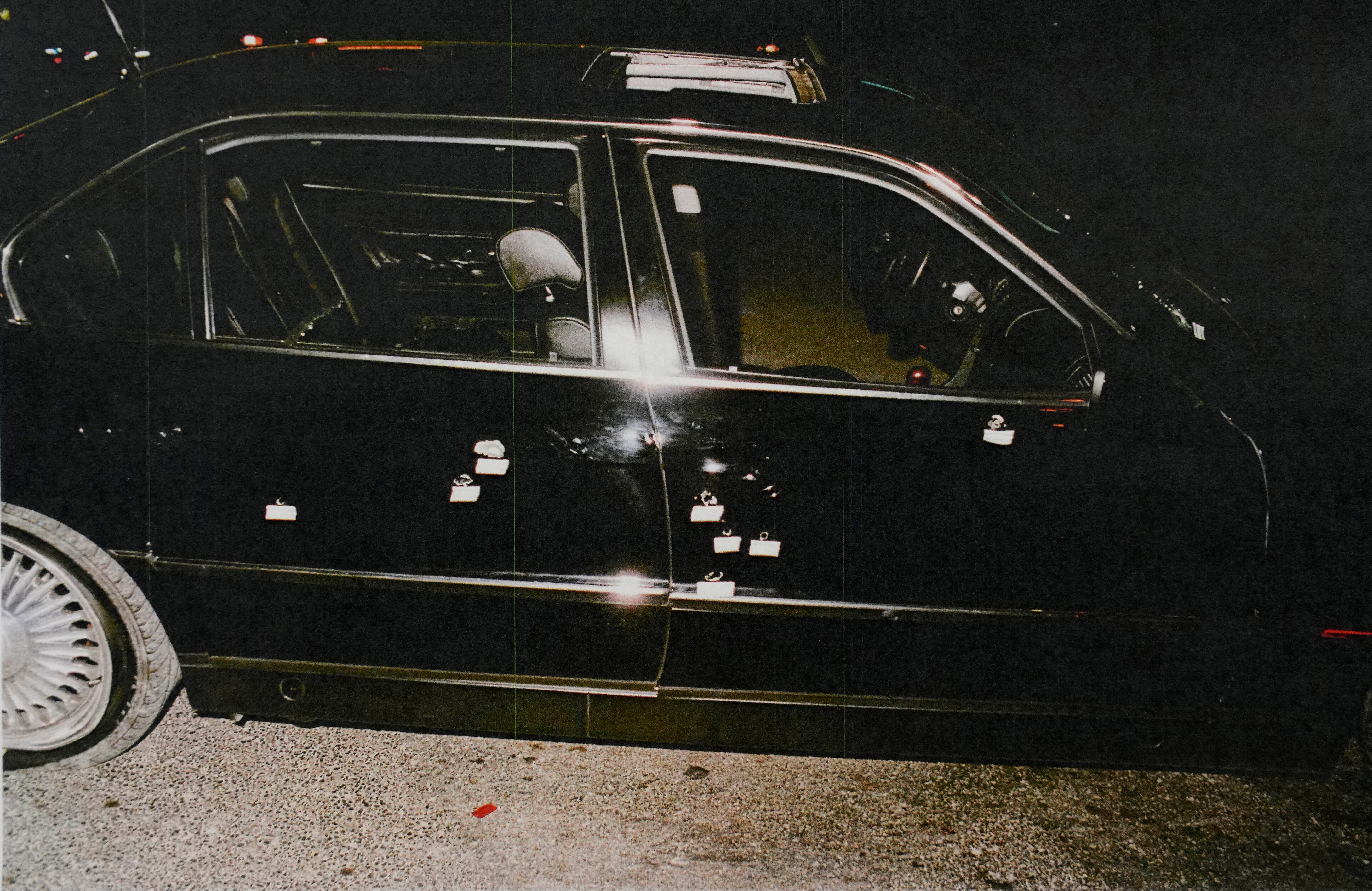
    On the night of Sept. 7, 1996, Shakur was in the passenger seat of a black BMW that Knight was driving when a white Cadillac pulled up on their right side and gunfire erupted. Knight was wounded but survived. Shakur died a week later at the age of 25.

    Police and prosecutors say the shooting stemmed from a fierce competition for dominance in a musical genre that pitted East Coast members of a Bloods gang sect against West Coast members of a Crips sect that Davis has said he led in Compton, Calif.

    That night, three others were with Davis in the Cadillac, but none of them faced charges in Shakur’s killing before they died.

    Here’s what we know about who was in both vehicles from authorities, court records, grand jury testimony, interviews, and Davis’ 2019 tell-all memoir, Compton Street Legend.

    Tupac Shakur

    Shakur is considered one of the most influential rappers of all time. He had five No. 1 albums, was nominated for six Grammy Awards, and was inducted into the Rock & Roll Hall of Fame in 2017. He received a posthumous star in 2023 on the Hollywood Walk of Fame and he will appear in the upcoming video game Stranger than Heaven.

    His death came as his fourth solo album, All Eyez on Me, remained on the charts, with some 5 million copies sold. He also used the stage names 2Pac and Makaveli. As an actor, he starred in several films.

    Shakur was born Lesane Parish Crooks in New York in 1971, and his name was changed a year later. His late mother, Afeni Shakur, and late stepfather Mutulu Shakur were active in the Black Panther Party in New York. Tupac Shakur was not close with his biological father, William “Billy” Garland.

    Two of the rapper’s siblings, Sekyiwa “Set” Shakur and Maurice “Mopreme” Shakur, have criticized authorities for inaction and slowness in charging anyone with their brother’s death.

    Marion “Suge” Knight

    Knight founded Death Row Records, a Los Angeles-based music label that represented Shakur at the time of his death. Knight’s moniker was shortened from “Sugar Bear,” his nickname growing up in Compton.

    Knight and Shakur were headed to a nightclub when their car was shot at near the Las Vegas Strip. Knight was grazed by a bullet or shrapnel.

    Now 61, Knight is serving a 28-year prison sentence in California for running over and killing a Compton businessperson outside a burger stand in January 2015. The case capped the former rap music mogul’s downfall from his heyday as one of the biggest — and most feared — names in the music industry.

    Davis said he and Knight knew each other growing up and even played on the same youth football team in Compton. Knight went on to play college football at the University of Nevada, Las Vegas. Briefly, during the 1987 NFL players’ strike, he was a replacement player for the Los Angeles Rams.

    In his memoir, Davis describes Knight and himself as the “only living eyewitnesses to what truly happened.”

    “Like two rams locking horns, Suge and I looked each other dead in the eye,” he writes when describing the moments right before the shooting.

    Orlando “Baby Lane” Anderson

    Law enforcement authorities long suspected that Anderson was the gunman. He was 22 at the time. Though Davis was his uncle and 12 years older, he described their relationship as that of brothers, friends, and even father-son.

    Shortly before the drive-by shooting, Anderson was beaten in a brawl at the MGM Grand casino involving Shakur and his associates, including Knight. Authorities, authors, and Davis himself say the shooting was an act of retaliation for beating up Anderson.

    “Them jumping on my nephew gave us the ultimate green light to do something,” Davis writes in the book.

    Davis said he obtained a handgun from an associate and tossed it into the back seat of the Cadillac but did not say who fired the fatal shots. Anderson was sitting in the backseat of the car, behind his uncle.

    Neither the Cadillac nor the gun used in the shooting were recovered, according to retired Las Vegas police Detective Clifford Mogg, who was assigned to the investigation in early 2018.

    “We were never able to identify the person who rented the car, where it was rented from, and then when it comes to the gun, we have never recovered as of this date, the weapon that was used in the murder,” Mogg said in testimony to the grand jury.

    Anderson, who denied involvement in Shakur’s killing, died two years later in what police said was an unrelated shooting at a Compton car wash.

    Deandrae “Freaky” Smith

    Also known as “Big Dre,” Smith was in the back seat of the car that night, sitting next to Anderson.

    Although authorities have said they believe Anderson pulled the trigger, the grand jury testimony challenged that theory.

    Denvonta Lee, a former associate of Davis, told the grand jury that it was Smith who shot Shakur and Knight. He said Anderson tried reaching over Smith but didn’t have a “clear shot” out the left-rear passenger window.

    The former associate, who wasn’t in the car but recounted a conversation he had with Smith days after the shooting, said Smith took the gun from Anderson, opened fire and let Anderson take credit for Shakur’s death.

    Smith was 30 when he died in 2004 of natural causes, according to the Los Angeles County coroner’s office.

    Terry “Bubble Up” Brown

    Brown was driving the Cadillac from which the shots were fired.

    Davis said in his memoir that they were driving toward Las Vegas Boulevard that night but spotted Shakur “hanging out of the window” of the BMW and waving to fans. Davis told Brown to make a U-turn, and they drove slowly past the rapper’s convoy until Davis said they “found who we were seeking.”

    Brown died in a 2015 shooting at a medical marijuana dispensary in Compton.

    The Los Angeles County coroner’s office said his full name was Terry Tyrone Brown, although Brown has been referred to as both “Terrence” and “Terrance” in investigative records.

  • Philly Haitians and allies march to demand protections as TPS expires

    Philly Haitians and allies march to demand protections as TPS expires

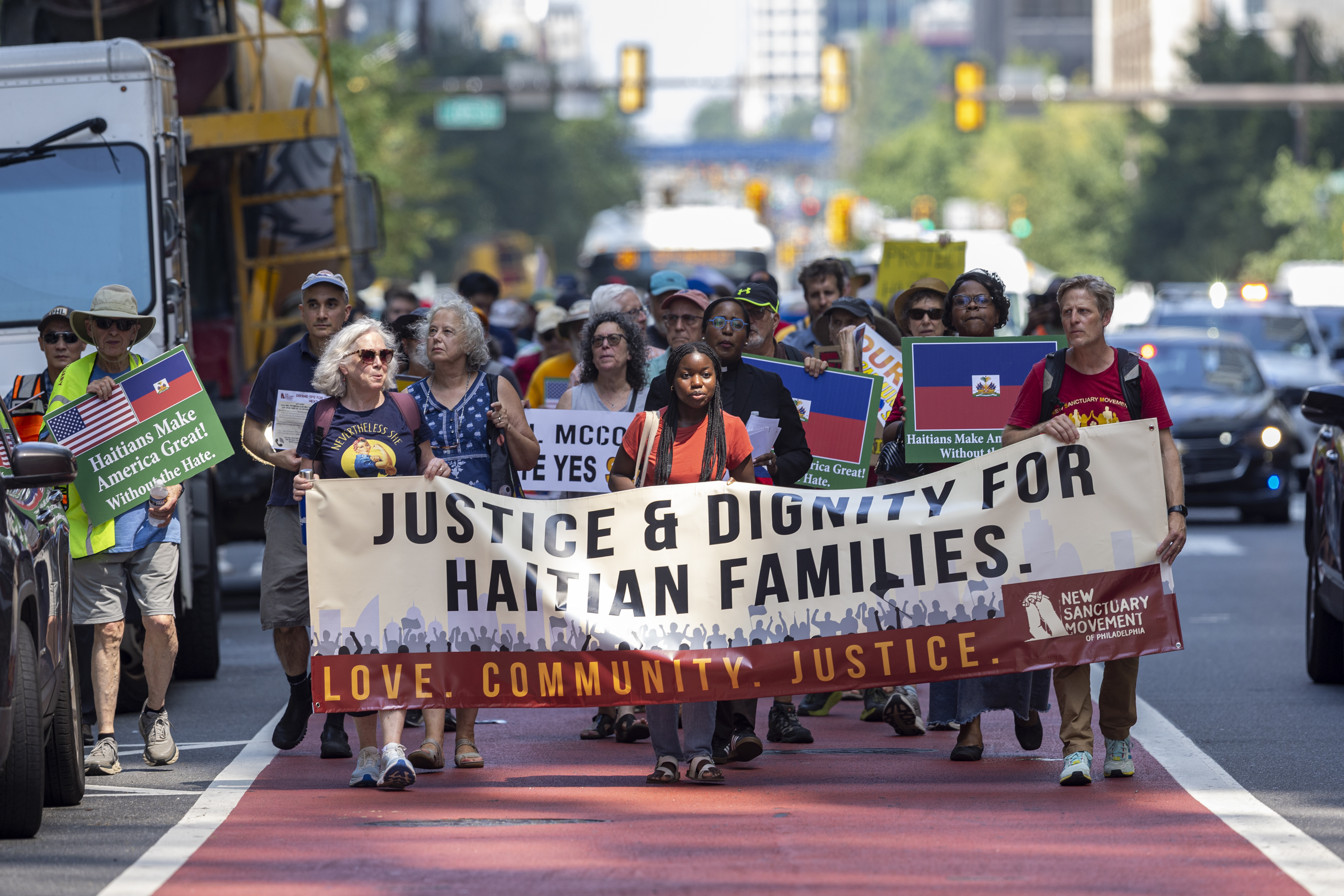
    Dozens of Haitians, allies, and supporters rallied in Center City on Thursday, demanding that Pennsylvania’s U.S. senators help restore temporary protected status (TPS) for thousands now in danger of being deported to the shattered Caribbean nation.

    They gathered outside the office of Republican U.S. Sen. Dave McCormick near 20th and Market Streets, then marched to the office of U.S. Sen. John Fetterman, a Democrat, near Second and Chestnut Streets.

    People held up signs that said, “Our Haitian community is here to stay,” even as protections and work permits have ended for about 350,000 Haitians in the U.S. The Haitian community numbers about 11,000 in Philadelphia, and leaders say it seems everyone knows someone who had TPS or has it themselves.

    Speakers said that TPS is more than an immigration status, that it is what allows neighbors, friends, and family members to live here, to work, pay taxes, and help build the country.

    They called on the senators to help pass Senate Bill 4814, which would require the secretary of the Department of Homeland Security to designate Haiti for TPS through April 2029.

    A spokesperson for McCormick said: “We respect everyone’s right to come together and voice their opinion. We appreciate the input.”

    Efforts to reach a spokesperson for Fetterman were not immediately successful.

    Pastor Kenel Stevenson said he knows of no local Haitians who have been taken into custody by U.S. Immigration and Customs Enforcement, or fitted with ankle monitors, as the ACLU says is happening elsewhere.

    But the mood among his fellow Haitians is grim, he said.

    “There is fear, fear of repatriation, of being returned to a place where there is no safety,” Stevenson said.

    Nearly 100 people gathered before moving east toward Fetterman’s office shortly before noon, filling the breadth of Chestnut Street as police officers stopped traffic for the group to pass. Oppressive heat and humidity caused some older people to lag.

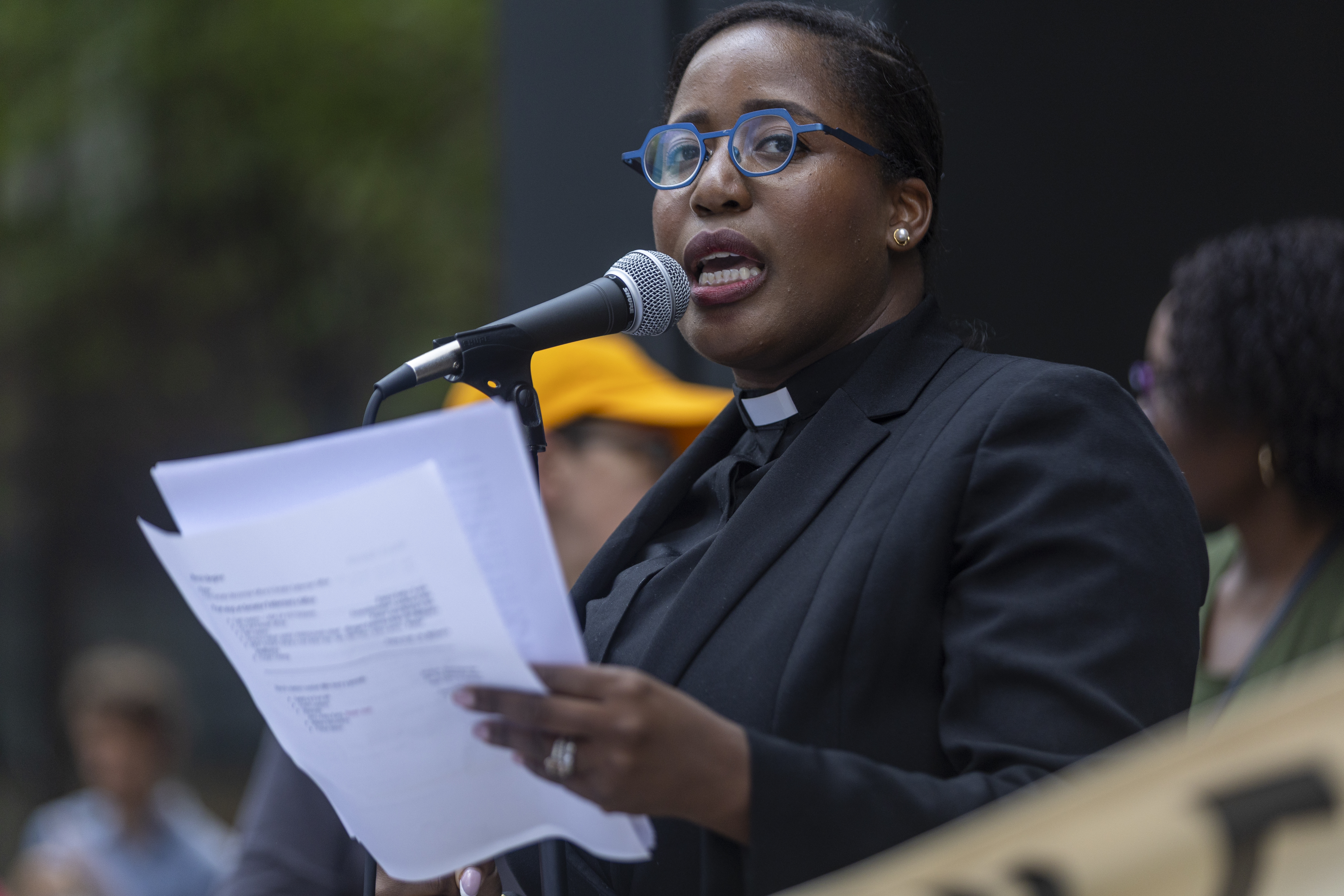
    Reverend Jennifer Joseph of Zion Community Church in Delaware County addresses the crowd outside of U.S. Senator Dave McCormick’s office in Philadelphia on Thursday.Aidan T. Gallo / Staff Photographer

    TPS has expired for an estimated 350,000 Haitians, ending their ability to legally work in this country and putting them at risk of deportation to a homeland riven by natural disaster and violent crime.

    The Rev. Frantz Ulysse, pastor of the First Haitian Church of God of Prophecy in Olney, said fear and uncertainty are not things he expected his parishioners to feel on American soil.

    He searches himself to offer hope at a moment when people are desperate for some sense of tranquility.

    “I had a mother called me the other day and asked if I could take custody of her child if she’s taken away,” Ulysse said.

    Community leaders fear mass family separation, as Haitian nationals have married U.S. citizens and are raising American-born children.

    “We are not criminals,” he said. “We have engineers, doctors, professors,” people who are eager to help and contribute.

    “If people go back to Haiti, they will die, and if they stay as things are, they are in hiding, scared, and can’t leave their house,” he said, joining others outside Fetterman’s office.

    Still, he said, he has not given up hope.

    “America is a country of immigrants, and I believe they will stand with us,” Ulysse said. “Help us fight until the end!”

    Hundreds of Haitian nationals have been told by immigration officials to appear at ICE offices to be fitted with ankle monitors, according to the ACLU.

    Temporary protected status provides permission to live and work in the United States for people whose homelands are riven by war, natural disasters, epidemics, or other extraordinary circumstances.

    Haiti suffered a massive earthquake in 2010 that led the Obama administration to announce that undocumented Haitian immigrants in the U.S. would be eligible for TPS. Thousands more would be welcomed over time under humanitarian programs and become eligible as Haiti grew mired in crisis ― a deadly cholera epidemic, hurricanes, the collapse of basic government functions, and the rise of armed gangs.

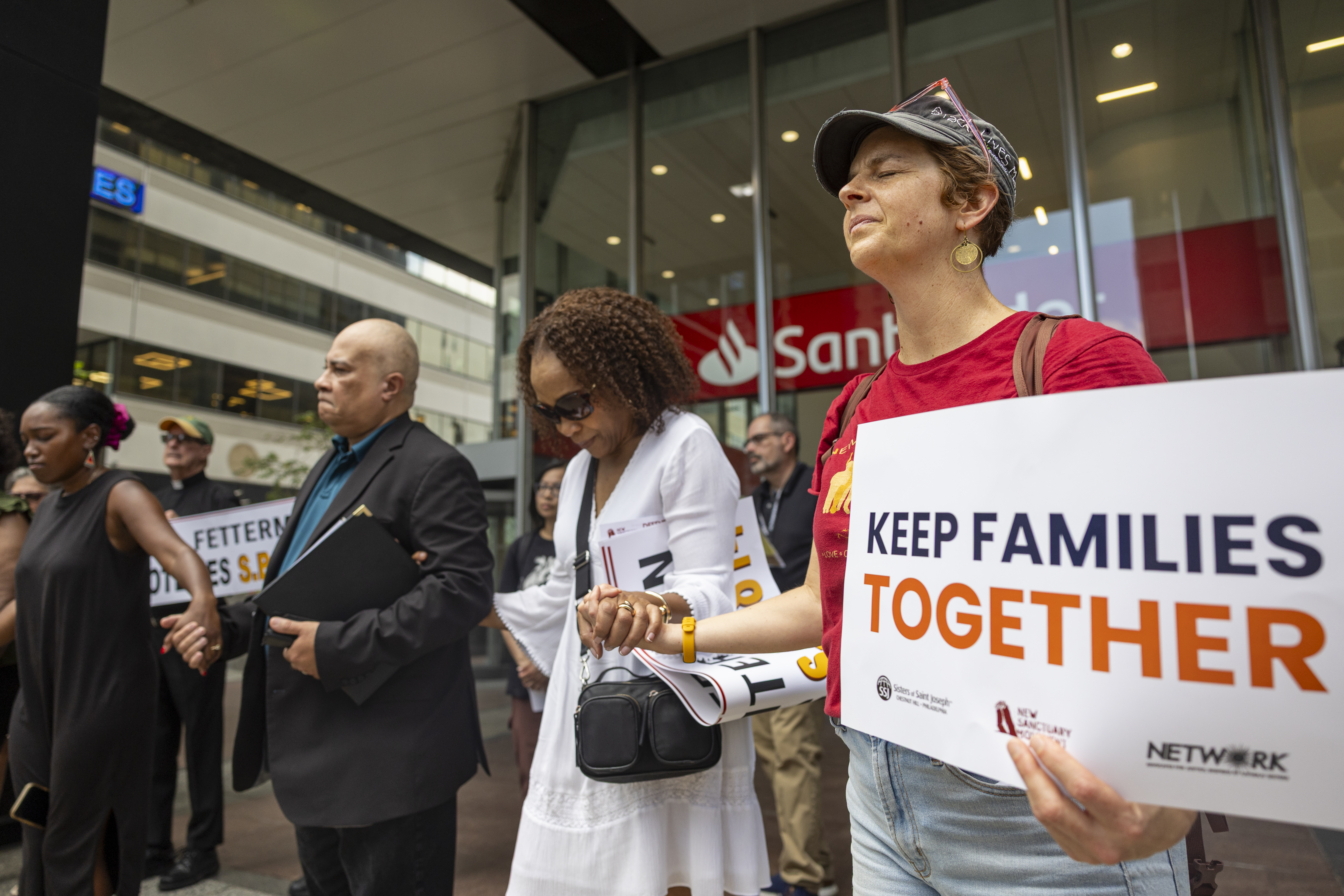
    Reverend Katie Aikins, of West Philadelphia, prays for the Haitian people alongside faith leaders and community members before the march begins outside of U.S. Senator Dave McCormick’s office on Thursday.Aidan T. Gallo / Staff Photographer

    Haitian American pastor Ketty Pointe-Jour said Thursday that her immigrant parents would not believe what is happening today.

    They fled Haiti for their lives, she said, and “the U.S. opened its arms for them. The America they knew in the ’60s and ’80s is completely different from what we are seeing now.”

    The Trump administration has sought to end TPS for Haiti and other nations. In June, the Supreme Court ruled that the administration could terminate temporary protected status for countries like Haiti and Syria.

    More broadly, the ruling appears to make Department of Homeland Security decisions about TPS unreviewable by lower courts, creating deep uncertainty for the future. The White House has pledged to deport people who lose legal status, including those who had TPS.

    Haitians are not the only population affected.

    TPS is set to lapse for more than 170,000 people from El Salvador in September, and in October 100,000 from Ukraine face the same termination.

    Advocates say the Trump administration’s promise of deportations will hurt families that include spouses and children who are American citizens.

    What is more, immigration researchers and organizations say, the country will pay a financial price ― in lost taxes, wages, spending, and services, as large numbers of workers and dollars exit the U.S. economy.

    The nation’s 1.3 million TPS holders work at higher proportions than the country as a whole, pay billions of dollars each year in federal and local taxes, and contribute to the solvency of a Social Security system from which they are unlikely to ever draw benefits.

    Outside Fetterman’s office, Dottie Baumgarten said she came from her Cheltenham home to support the Haitian community. She hoped the presence of supporters helped immigrants feel less alone.

    “The Haitian challenge is not just Haitians,” she said, “it’s immigrants in general, and we have to support them. We are destroying their families.”

  • Feds will take over gun case of Olney man at center of missing women investigation, as Philly DA withdraws charges

    Feds will take over gun case of Olney man at center of missing women investigation, as Philly DA withdraws charges

    Federal prosecutors will take over the criminal case against the Olney man whose house is at the center of a sprawling investigation into the fate of two missing women, officials said Thursday.

    Assistant District Attorney Alyssa Amoroso withdrew the charges the Philadelphia DA’s office had filed against Eugene Albert Horsch for illegal gun and drug possession Thursday morning, telling a city judge that the U.S. Attorney’s Office would instead handle the case.

    Horsch, 44, has been in federal custody since June after a U.S. park ranger encountered him and another woman inside a black BMW near Independence Hall, acting suspiciously. Police said they searched Horsch — who was not allowed to possess guns because of felony convictions — and found a switchblade and a glass pipe in his pants, as well as two illegal guns, drugs, and a phony federal drug enforcement badge in his car.

    And then, in an unsettling twist, the woman with Horsch presented a fake ID bearing the name of a woman, Blair Tonzelli, who had been reported missing in 2023.

    Horsch was charged with illegal gun and drug possession after his June 19 arrest, and was held on $500,000 bail.

    About a week later, he was charged with a federal firearms violation, allowing him to be held in federal custody until trial.

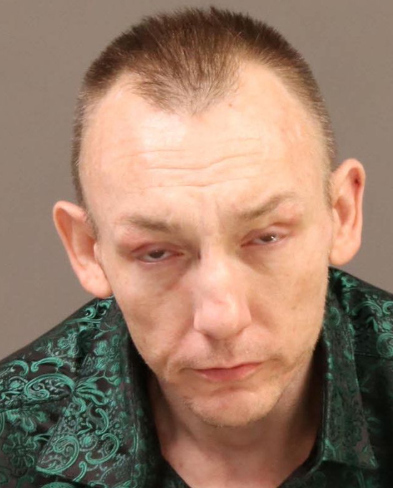
    Eugene Albert Horsch, 44, of Philadelphia.Courtesy of Philadelphia police

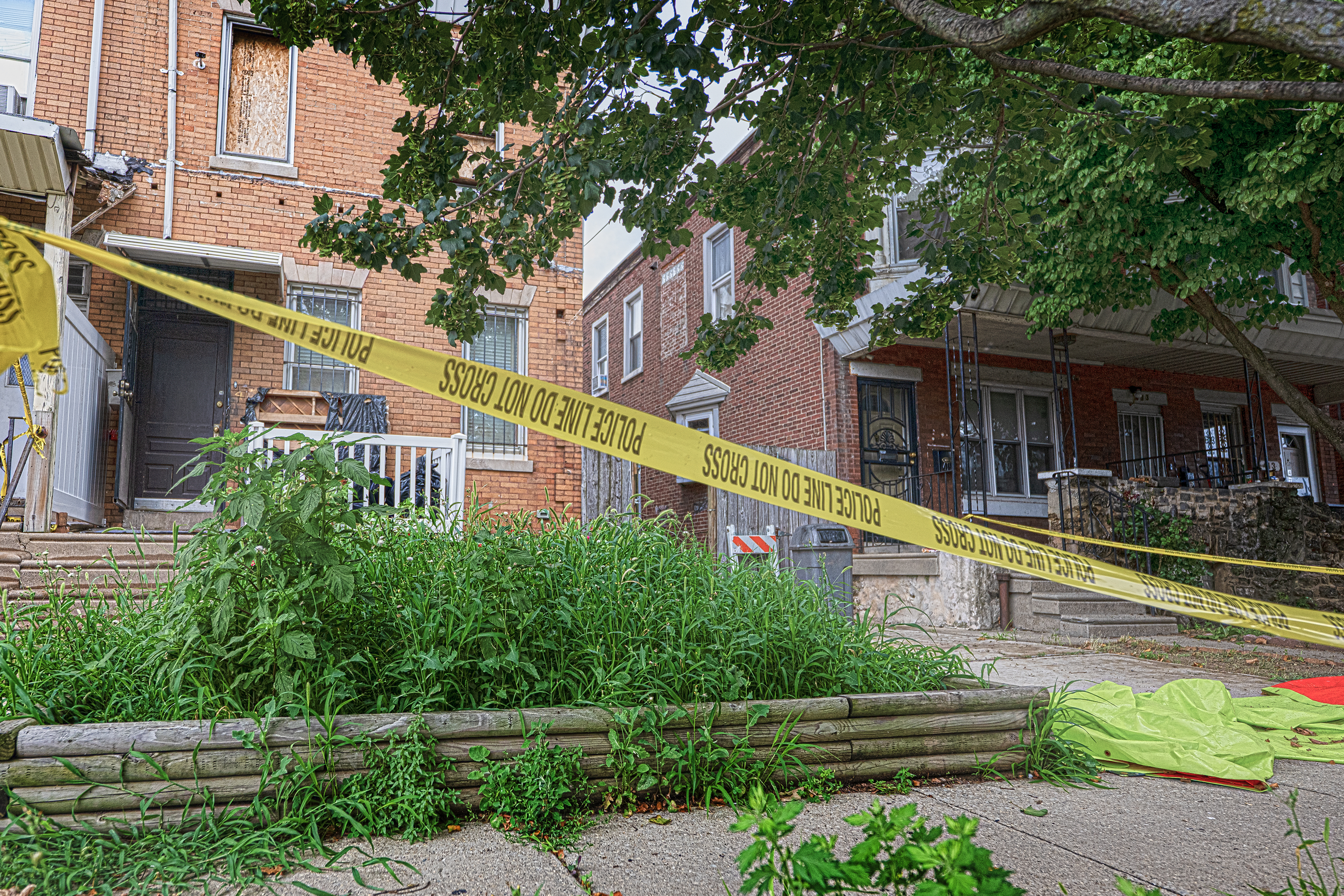
    In the days after Horsch was arrested with the weapons in Center City, local and federal investigators searched his decrepit twin house on Chew Avenue and found another gun, as well as materials to grow marijuana.

    They also discovered a trove of more concerning materials — barrels of chemicals in the basement, several urns holding cremated remains, supplies to make counterfeit IDs, documents tied to at least two women who have been missing for years, and a handwritten letter that described hurting people and mentioned the serial killer Ted Bundy.

    A woman also told investigators Horsch had told her he knew how to use chemicals to melt bodies in the basement.

    As officials investigated the whereabouts of Tonzelli, the woman whose name appeared on the ID handed to park rangers, they learned that she was reportedly last seen at the Chew Avenue house in late 2022.

    They also found that another missing woman was last seen at the address. Amy McHale, the ex-wife of Horsch’s deceased father, Raymond “R.C.” Horsch, disappeared in June 2016.

    In the months since the investigation began, police have repeatedly searched Horsch’s home, excavated its yard to recover pipes to test for DNA, and pored over hundreds of pieces of documents and Horsch’s devices in hopes of learning the fate of the missing women.

    Law enforcement sources said none of the items recovered from inside the home — including what initially appeared to be significant amounts of blood — tested positive for blood or either woman’s DNA. It was not immediately clear if the tests of the excavated pipes have been completed.

    The strange, complex backstory of Eugene Horsch and his father has also clouded portions of the investigation.

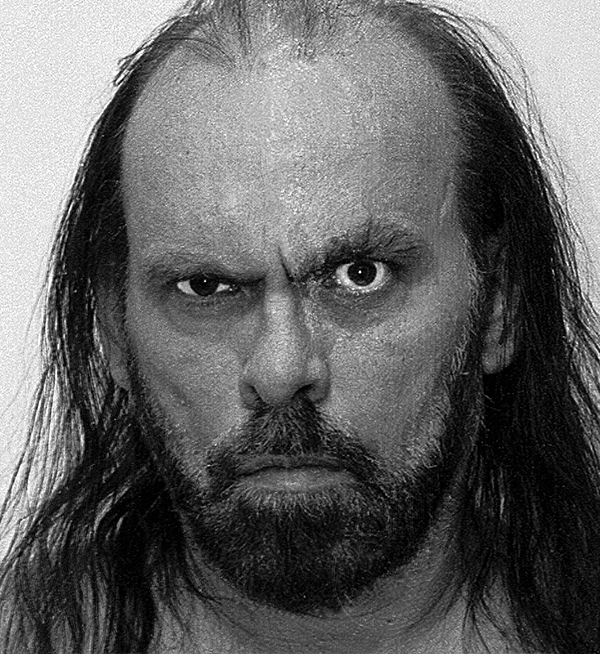
    Raymond “R.C.” Horsch in 1999.S. E. Stokowski / Wikimedia

    Raymond Horsch was a porn actor and director who produced films and self-published novels that often featured women in addiction in violent fantasies — including some that depicted various ways to kill women. He cast himself in some of the stories as an “empathetic” serial killer who preyed on addicted women to end their suffering, and billed the books as stories that combined real details from his life story with his fantasies.

    Investigators have since found themselves working to sort fact from fiction in discerning whether anything more sinister happened inside the home, or if it was just a den for troubled drug users.

    Eugene Horsch’s lawyer, Jerome Brown, has said his client did nothing wrong. Brown did not attend Thursday’s hearing.

    Horsch, too, did not appear in court. He remains in federal custody as Philadelphia homicide detectives and federal officials continue to investigate.

  • Dick Langman, retired award-winning editor at The Inquirer, has died at 99

    Dick Langman, retired award-winning editor at The Inquirer, has died at 99

    Dick Langman was always a wordsmith.

    Even as a boy in New York, he loved language, literature, and poetry. He earned a bachelor’s degree in English, took graduate classes at the University of Missouri School of Journalism, and could recite lines from Shakespeare, Wordsworth, and Frost on demand.

    He was generally calm and reasonable, too, his sons said. “He didn’t get upset easily,” his son Mark said.

    His vocabulary was extensive, and he could spell practically any word. So it is no surprise that he spent 50 years, from the early 1950s to his retirement in 2002, as an editor, page designer, and reporter for The Inquirer, the Bulletin, the Morning Call of Allentown, the Pottstown Mercury, the Honolulu Star-Bulletin, and the Evening Tribune in Hornell, N.Y.

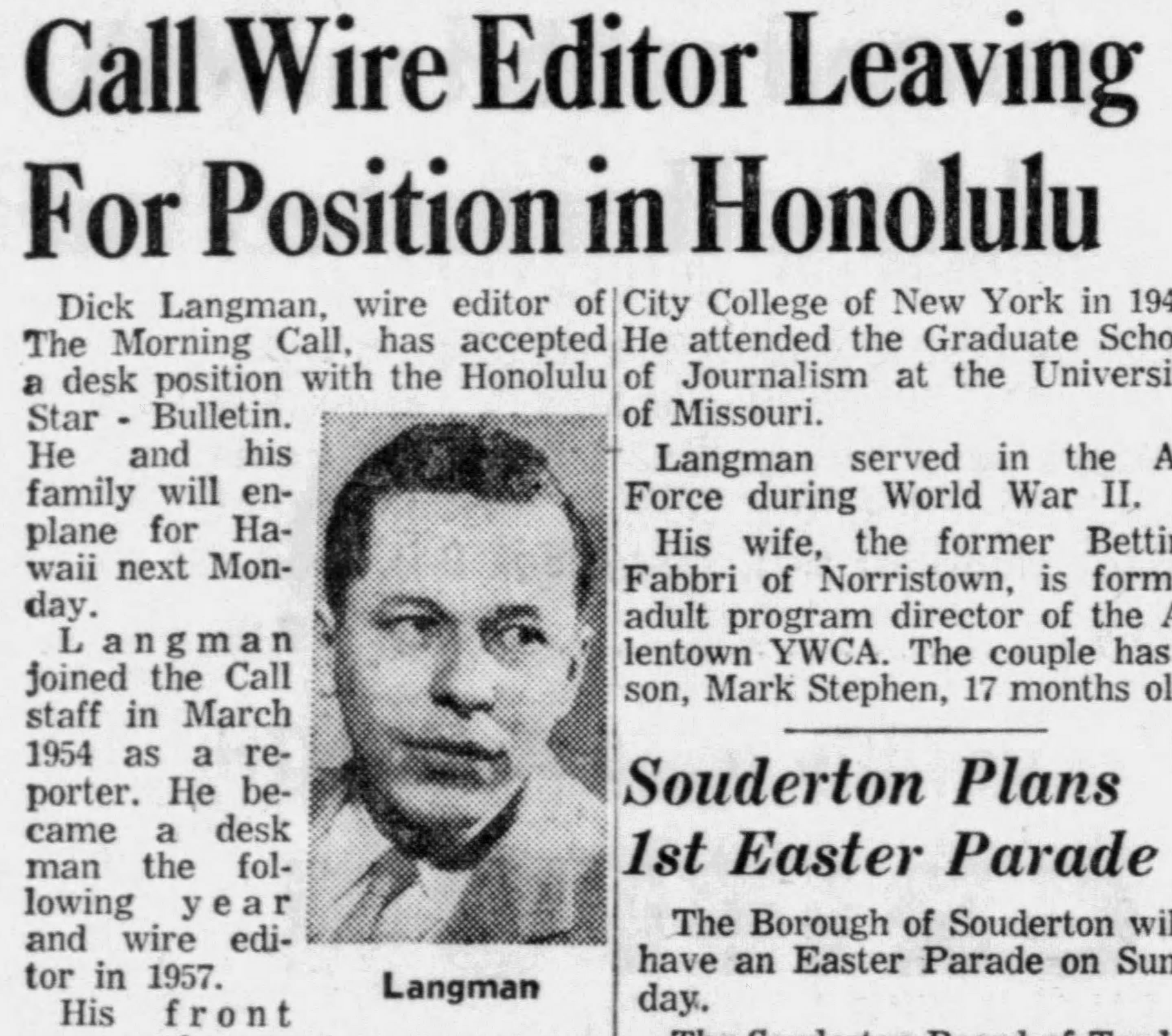
    The Morning Call published this story in 1959 when Mr. Langman left to work in Hawaii.Newspapers.com

    He joined The Inquirer in 1981 and worked mostly nights for 21 years as a copy editor, assistant news editor, and suburban assigning editor. Former colleagues at The Inquirer called him a “meticulous” editor, “enormously patient,” and “a man of great integrity” in online tributes.

    He won an award from the old Pennsylvania Newspaper Publishers Association in 1957 for a front page he designed for the Morning Call and spent 20 years as assistant city editor and news editor at the Bulletin. “I’m glad that I had a chance to work with him,” a former Inquirer copy desk colleague said. “What a pro.” Another said: “I could not have had a better teacher.”

    On Saturday, June 13, Dick Langman died of complications from pneumonia at Bryn Mawr Hospital. He was 99.

    Long before he came to Philadelphia in 1961, Mr. Langman was a seasoned newspaperman. He honed his reporting skills as a writer at the Evening Tribune in New York and the Mercury in Pottstown.

    Mr. Langman and his wife, Betty, married in 1954.Courtesy of the family

    In January 1954, he opened a Page 1 story for the Mercury with: “From clomping around in wooden shoes in Holland to wearing modern footwear in Bechtelsville is a long way, and Mrs. LaVerne Fronheiser is glad to be home. She’s not too glad, however, because her husband had to stay in Germany, where he’s stationed with the infantry.”

    On Page 1 in March 1954, he wrote: “They had need of a chaplain yesterday at borough hall. He could have served well the 50 moaners and groaners whose cars were tagged for parking violations.”

    He moved on to the Morning Call and covered high school sports and other news. He left for Honolulu in 1959 and became sports editor at the Star-Bulletin. But he missed the East Coast and returned to work at the Bulletin in Philadelphia in 1961.

    “Hawaii is one of the loveliest places in the world,” he told the Morning Call. But his wife, Betty, had roots in Norristown, he said, and they both got homesick.

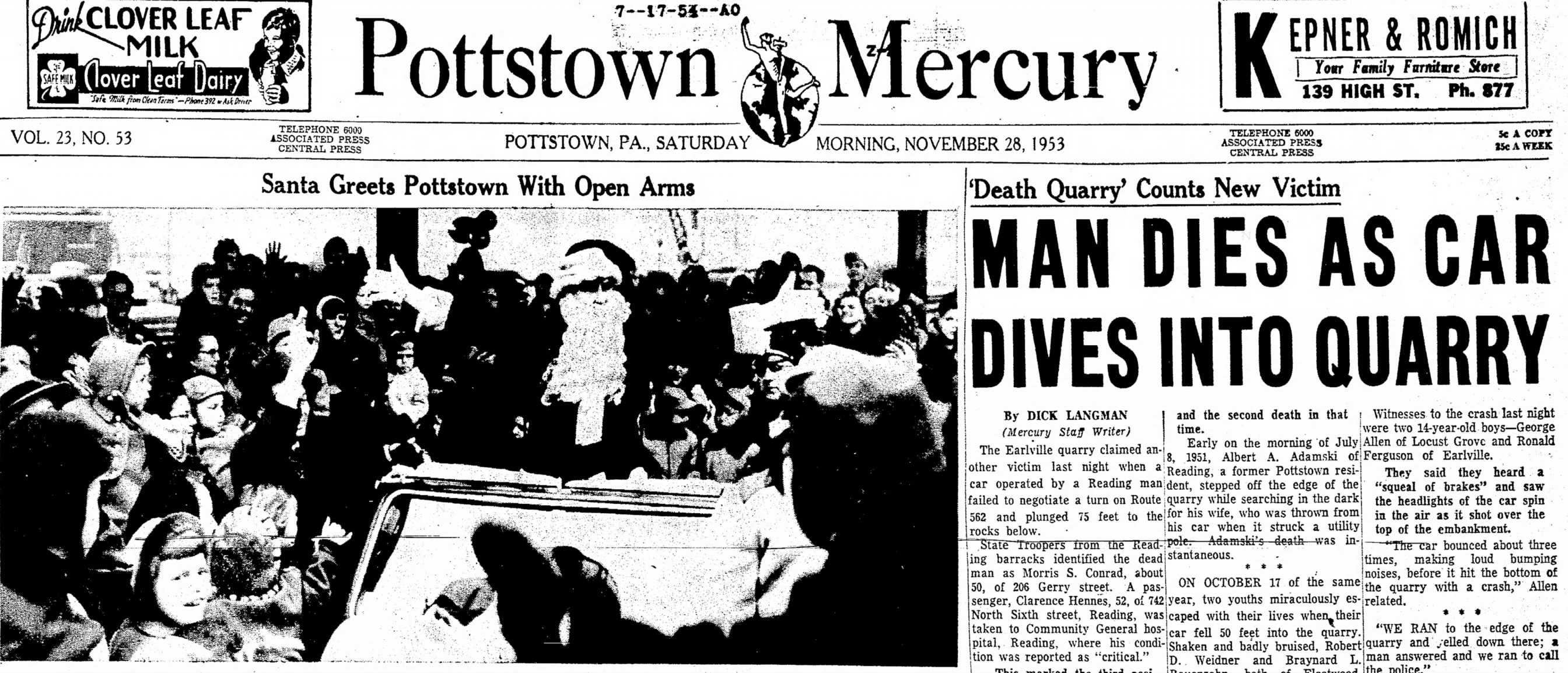
    Mr. Langman wrote this Page 1 story for the Pottstown Mercury in 1953.Newspapers.com

    Earlier, after college, Mr. Langman worked briefly for the Associated Press in New York and as a statistician for what is now the Elias Sports Bureau. He enlisted in the Army after high school in 1944, went to active duty in 1945, and served until the end of World War II.

    At The Inquirer, a former colleague recalled, Mr. Langman edited a story about a horse that had injured a leg. Naturally, he tried to find out which leg was hurt.

    “Dick was a painstaking editor,” his former colleague said on Facebook, “and a master in getting the details right.”

    Richard Langman was born Sept. 5, 1926, in New York. He graduated from Stuyvesant High School and earned a bachelor’s degree at City College of New York in 1948.

    Mr. Langman enjoyed cooking and shared his favorite recipes with colleagues at The Inquirer.Dick Langman

    He met Betty Fabbri, the society editor at the Mercury, and they married in 1954. The Morning Call announced their union in its Breakfast Chatter column by saying: “Best wishes to reporter Dick Langman, who walks the long mile in Norristown Sunday with Bettina.”

    He and his wife had sons Mark, Peter, and Andrew, and lived in Allentown, Ardmore, and the Quadrangle retirement community in Haverford. His wife died in 2017.

    Mr. Langman and his wife shared wanderlust, and they went to Russia, Austria, Hungary, Europe, and elsewhere. They visited Italy 10 times, France three times, and Cape May as often as possible.

    They liked to cook together, too, and he shared his favorite recipes with colleagues at The Inquirer. At the Bulletin, he became part of the “old bulls” lunch group.

    He submitted his own prewritten obituary to his funeral director long before it was needed and said: “He enjoyed classical music, poetry, mystery novels, and British mystery and comedy.” He also liked crossword puzzles, fishing, table tennis, classic movies, and duplicate bridge.

    He cheered for the New York Yankees baseball team and the Green Bay Packers and Penn State football teams.

    “He delighted in jokes and was a real fan of the Marx Brothers,” his son Peter said. “When we were children and a local movie theater would feature a Marx Brothers film for one night, my parents made sure that we went. Fond memories indeed.”

    In addition to his sons, Mr. Langman is survived by two grandchildren and other relatives.

    Services were held earlier.

    Donations in his name may be made to the Lenfest Institute for Journalism, 100 S. Independence Mall West, Suite 600, Philadelphia, Pa. 19106.

  • Judges reinstate convictions for ‘Chester Trio,’ who say they were wrongly accused of woman’s 1997 murder

    Judges reinstate convictions for ‘Chester Trio,’ who say they were wrongly accused of woman’s 1997 murder

    The Pennsylvania Superior Court has reinstated the murder convictions of three men who were granted new trials after being imprisoned for nearly 25 years for a crime they say they did not commit.

    The men, known as the “Chester Trio,” were convicted in separate trials in the 1997 beating death of 70-year-old Henrietta Nickens in her Delaware County home and are serving life in prison.

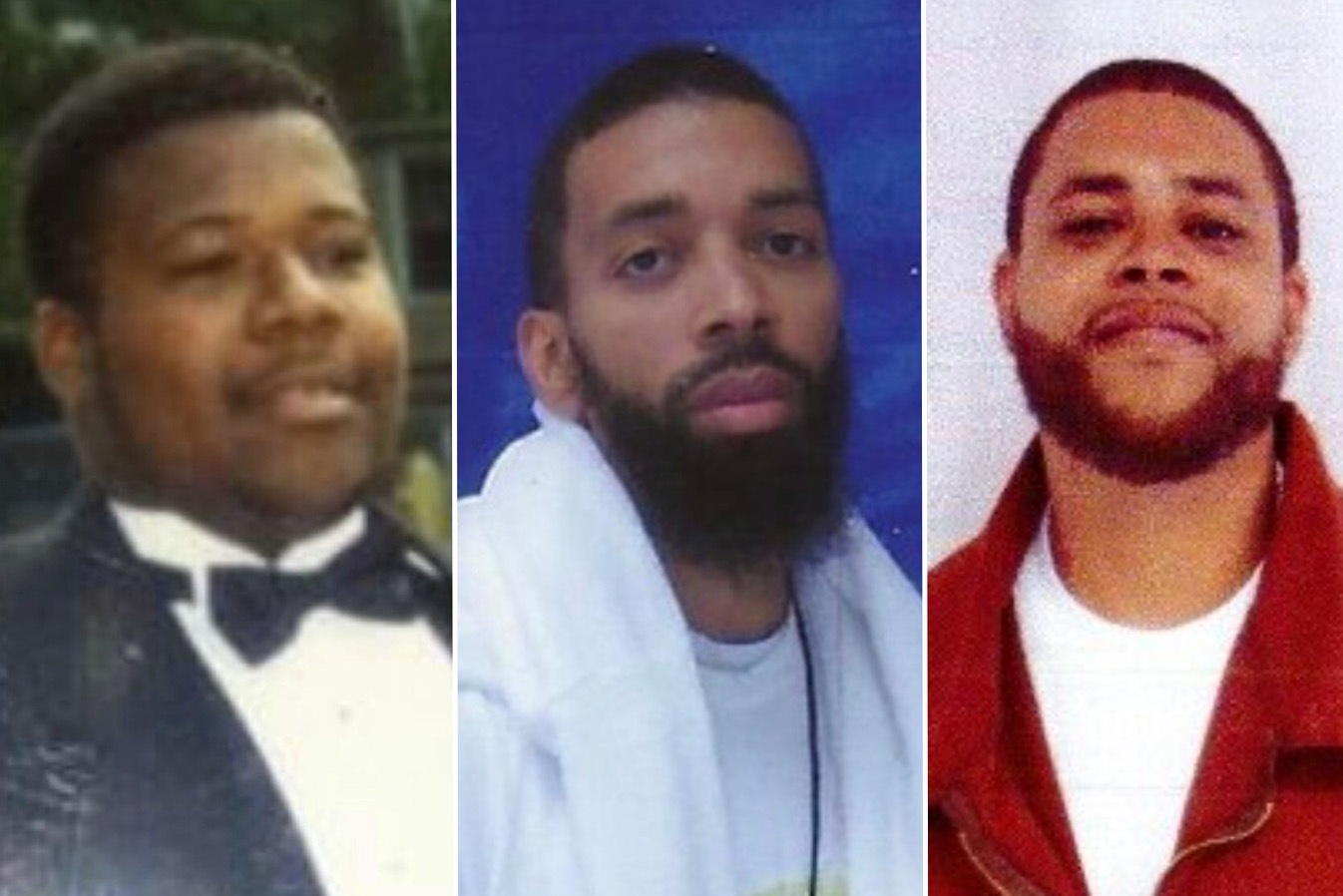
    Derrick Chappell, 44, Morton Johnson, 46, and Samuel Grasty, 49, have insisted for decades that they were not responsible for the death of Nickens, whose battered body was found face down in the bedroom of her Chester home, her bed and walls stained with blood.

    In 2024, a Delaware County Court judge vacated the three men’s convictions, saying newly tested DNA from the crime scene cast doubt on their culpability and might have persuaded jurors to reach a different conclusion had they been presented with that evidence at trial.

    But late last month, a panel of Superior Court judges disagreed and reversed that outcome.

    In a 2-1 decision, the judges said that they did not consider the evidence presented by defense lawyers to be new, and that it therefore would not have changed jurors’ minds.

    Judges Maria McLaughlin and Megan Sullivan said in a 41-page opinion that the newly tested DNA — recovered from Nickens’ dress and bedsheet, a green jacket found at the scene, and items in the jacket’s pockets — did not offer any revelations because it matched an unknown DNA profile that had been presented to the jurors who decided the trio’s fate.

    “This same information was previously considered by all three separate fact-finders and rejected,” the judges said of the verdicts in three trials.

    During the trials, they said, jurors were told that the DNA found at the scene was not a match for any of the defendants.

    And they said the newly tested DNA did not alter the argument defense lawyers made at the earlier trials that someone other than the three men had broken into Nickens’ home, raped her, and beaten her to death.

    Prosecutors relied on witnesses who testified that they had overheard the men discussing their involvement with the crime.

    Their star witness, 15-year-old Richard McElwee, testified that he had acted as a lookout while the men robbed Nickens of $30. He pleaded guilty to third-degree murder in exchange for his testimony and was sentenced to six to 12 years in prison.

    The men’s lawyers have long contended that the prosecution’s witnesses were unreliable and that the investigation was flawed. And they emphasized the lack of a DNA match for the men.

    Paul Casteleiro, legal director of the nonprofit law center Centurion Ministries and Grasty’s attorney, said he was dismayed by the court’s decision and, along with attorneys for Chappell, has filed an appeal.

    “We’re going to fight this every way possible,” he said.

    A spokesperson for Delaware County District Attorney Tanner Rouse said the office appreciated the Superior Court’s affirmation of the jury verdicts.

    As the men continued to assert their innocence, the possibility that Nickens was raped and beaten by a single assailant was central to defense arguments during 2023 hearings in which they sought to overturn their convictions.

    In presentations before Delaware County Court Judge Mary Alice Brennan, the attorneys called on forensic experts who testified that the new tests showed a sample of Nickens’ blood and semen from the unknown assailant were deposited on her bedsheet at the same time, lending credence to their theory that she had been raped and beaten by the same person.

    Prosecutors rejected the contention that Nickens had been sexually assaulted, and suggested the semen found on the sheet and in her body was from an earlier consensual encounter.

    Brennan sided with the defense lawyers when she vacated the murder convictions the following year.

    Jack Stollsteimer, then the Delaware County district attorney, swiftly appealed that decision, leading to the Superior Court decision reinstating the convictions.

    Defense lawyers, in turn, have appealed that decision, saying the Superior Court panel had erred. Their arguments mirrored a strongly worded dissent by Superior Court President Judge Anne Lazarus, who said she believed that the recent DNA testing constituted a new finding — and that it was exculpatory.

    The evidence, she wrote, “does significantly more by excluding the petitioners from being present at all in Nickens’ home.”

    But her colleagues rejected that view in the majority opinion, which was sharply critical of the lower court’s decision to overturn the men’s convictions.

    That decision, they said, was based on “erroneous conclusions.”

    Because of that, the judges said, “we reverse.”

  • Film attendance has been diminishing, but not at BlackStar. It’s bigger than ever.

    Film attendance has been diminishing, but not at BlackStar. It’s bigger than ever.

    Across Hollywood, industry leaders are cheering the “return” of summer moviegoing.

    Last month, Variety published a cover story titled “The Box Office Bounces Back,” which celebrates attendance levels not seen since before the COVID-19 pandemic, and a projected $10 billion in domestic profits this year. Carried both by blockbusters like The Odyssey and lower-budget hits like Obsession, the article claims that “everyone had it wrong” about the cinematic appetite of Gen Z and the future of the art form. Actor/director Seth Rogen finds a “sense of optimism” among studio heads that mirrors “how it felt 15 years ago.”

    Yet, buried at the end of the effusive piece is the familiar admission that “industry watchers” also know that ”there aren’t enough films geared to women or Black or Hispanic ticket buyers.”

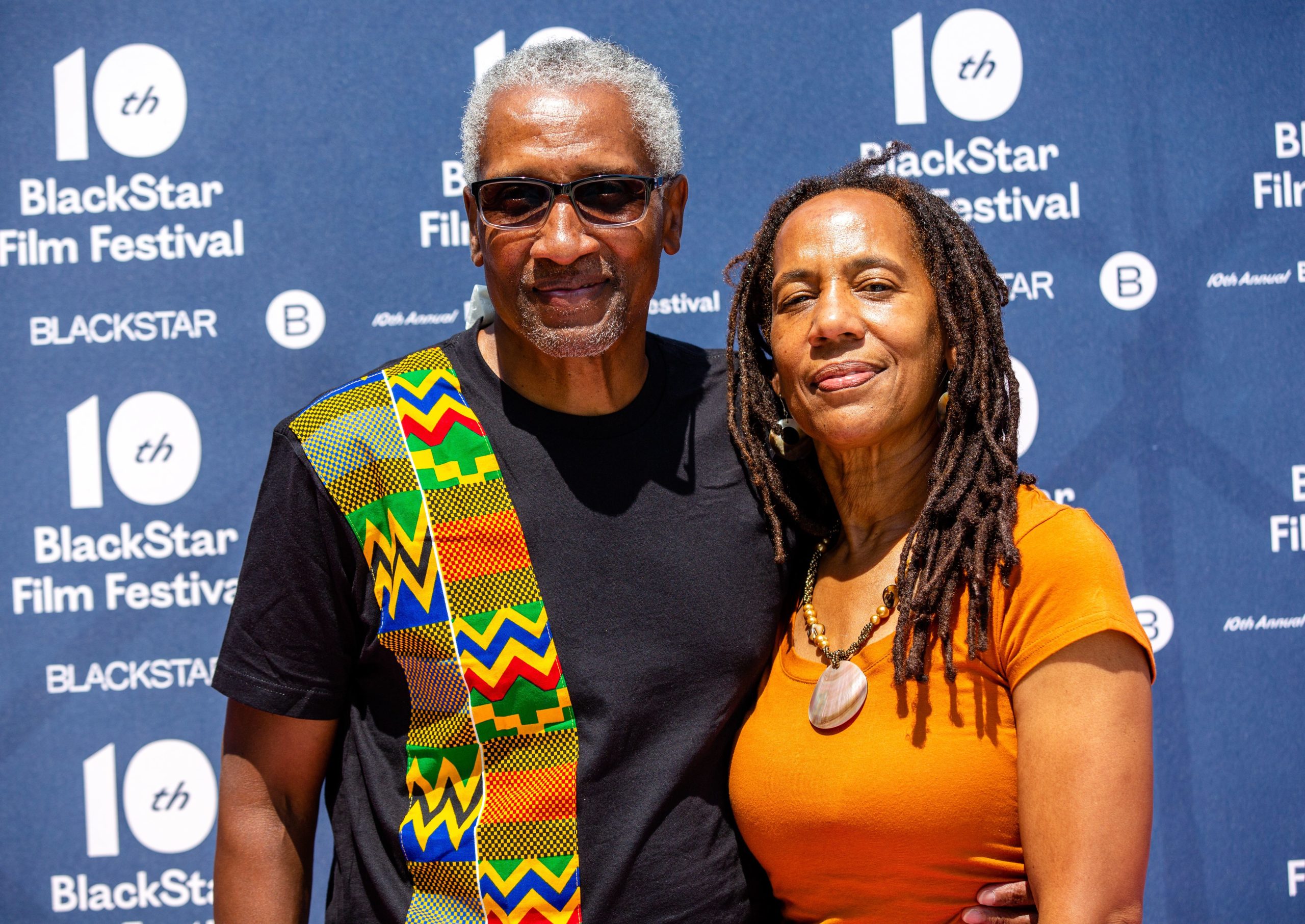
    Nehad Khader, the BlackStar Film Festival director, at the 2020 festival at the Mann Center for the Arts in Philadelphia.Daniel Jackson

    Which begs the question: To where — or to what — exactly do they want us to return?

    Experts in the article and elsewhere credit the apparent shift in cinematic habits to a generation raised on YouTube and Letterboxd that is now antsy to get off their phones, for the apparent shift in cinematic habits. But it remains unlikely that the most influential voices behind internet culture — namely Black creators — will be the ones to benefit from these observations.

    Maori Karmael Holmes, the founder of the BlackStar Film Festival and current chief executive and artistic officer of BlackStar Projects, at the BlackStar Film Festival at the International House in Philadelphia in 2015.Daniel Jackson

    Despite the fact that people of color bought the majority of opening weekend tickets for five of the Top 10 films released in theaters last year (including Ryan Coogler’s Sinners), and specifically represent “the majority of the audience share” for the most profitable genres of film (horror and animation), most of the mainstream excitement around the rising fortunes at the box office has focused on white directors like Backrooms’ Kane Parsons.

    At the BlackStar Film Festival, we’ve felt the disconnect between the cinematic doomsayers of the past few years and the reality on the ground at our festival, which also started 15 years ago and has substantially grown since the onset of the pandemic.

    The audience at the 2024 BlackStar Film Festival at the Kimmel Center’s Perelman Theater in Philadelphia.Daniel Jackson

    In 2024, while the same publications were fearing disaster based on still-dipping box office receipts, we were experiencing record attendance in Philadelphia at a festival where masking was still required. This included a sold-out screening of Shatara Michelle Ford’s Dreams in Nightmares on opening night that brought over 500 people into the Kimmel Center to watch the world premiere of a feature film rooted in Black queer culture.

    Director, producer, and writer Shatara Michelle Ford (left) and actor and singer Denée Benton at the 2024 BlackStar Film Festival at the Kimmel Center in Philadelphia.Daniel Jackson

    It was an unforgettable moment of intergenerational joy and community safety that felt very much like the future of moviegoing to us.

    We’ve never doubted the desire for the kind of space that BlackStar provides, but we have felt, like many sister organizations in the field, the impact of a film industry with limited imagination that’s still reliant on very narrow measures of “success.”

    In 2014, Nehad Khader (left) and Jacob Winterstein at the BlackStar Film Festival at the International House in Philadelphia. Khader first became involved with BlackStar as a volunteer, but later took on programming and senior roles within the organization, and now serves as the festival director.Jati Lindsay

    Funding for our nonprofit, BlackStar Projects, started to dwindle in 2024, not based on our numbers — which were, again, on the rise — but based on a lack of corporate interest in Black independent cinema after an initial influx of support during the racial reckoning that followed the killing of George Floyd in 2020.

    As much as things change in Hollywood, they seem to stay the same — or at least attempt to return to the median.

    Former MOVE members and independent filmmakers Mike Davis Sr. and Debbie Davis at the 2021 BlackStar Film Festival at the Annenberg Center for the Performing Arts in Philadelphia.Daniel Jackson

    Which is why box office results have always been an imperfect indicator of film trends or what audiences crave. Especially if you’re interested in building a sustainable, care-based ecosystem for filmmaking which challenges rather than sustains the status quo.

    A more interesting question than which movies make the most money, particularly given the state of the world, is which movies are contributing to real change? Which filmmakers can speak to and for the people working to free us from white supremacist capitalism?

    As we celebrate the 15th edition of the BlackStar Film Festival this week, we have ample evidence that what Black, brown, and Indigenous communities want is a space that actually brings us together around such movies; not just to watch, but to talk, critique, celebrate, learn, laugh, and cry.

    The 2025 audience at the BlackStar Film Festival at the Kimmel Center Perelman Theater in Philadelphia.Daniel Jackson

    In 2025 we started using the tagline “Cinema for Liberation,” but from the beginning BlackStar has been committed to building environments where films are seen as tools for broader social change. And we’ve watched our audience expand even as we’ve stuck to our values and insisted on centering care amid the most challenging moments.

    Maybe flying under the radar is how we have managed to sustain this for so long, but nevertheless, if the film industry is truly looking for a model on how to build and retain an audience long term, they could try looking here.

    The BlackStar Film Festival producing committee (from left to right), Louis Manon, Lauren Jane Holland, Maori Karmael Holmes, Nuala Cabral, Nehad Khader, and Lendl Tellington at Pipeline Philly in 2015.Gralin Hughes

    We pride ourselves on our curation, facilitated by some of the world’s greatest programmers, but there’s no doubt that the context in which our films play is just as important. Too many of those in charge of arts institutions have devalued the importance of safety, in the physical and emotional sense, referencing the losses of the pandemic without thinking of the mass loss of life.

    The pandemic wasn’t a business problem to solve, but rather a health crisis to adapt to, compounded by racist, misogynistic, and oppressive state policies that made — and continue to make — it frightening to gather in large groups. What our model proves, though, is that leaning into your politics rather than shying away from them is a pathway to keeping your audience coming back, summer after summer.

    From left to right, BlackStar Film Festival director Nehad Khader; MacArthur Prize winner, filmmaker and Scribe Center founder Louis Massiah; Venezuelan film director and editor Monica Henriquez; Emmy Award-winning composer and drummer Jerome Jennings; and Eleanor Traylor, scholar and chair of the department of English at Howard University, during a panel presentation on the work of Toni Cade Bambara, at the 2025 BlackStar Film Festival at the Kimmel Center Perelman Theater in Philadelphia.Daniel Jackson

    This looks like a goal of making every screening as accessible as possible, giving a documentary about the formidable late cultural worker and author Toni Cade Bambara the spotlight moment at the 2025 festival — knowing her ideas would speak to the moment — or by leaning into our values and showing up in solidarity with our people in Haiti, Palestine, Sudan, and beyond, in these moments of human-made catastrophe and genocide.

    It also means, since 2012, paying filmmakers and thinkers in a way that feels respectful, knowing that many of them are not making back the money they’ve spent to produce their work.

    It’s not only BlackStar that makes this radical space possible, but the vibrant organizing and artistic history in Philadelphia. As outlined in Robin D.G. Kelley’s Freedom Dreams, there has been a legacy of Black internationalism in our liberation movements — specifically so in Philadelphia.

    The crowd at the BlackStar Film Festival at the International House in Philadelphia, 2019.Daniel Jackson

    By Black internationalism, we mean a global, transnational framework in which Black Americans connect our struggles to those of worldwide anti-colonial liberation movements. For example, this fall we’re proud to launch the “People’s Cinema Club” at the Village of Industry and Art, a weekly film series in collaboration with some of the city’s diverse independent cinema organizers, including cinéSpeak, the Philadelphia Asian American Film Foundation, and the Philadelphia Latino Arts and Film Festival.

    At BlackStar, we’re not interested in returning to a Hollywood system that was built to exclude and demean us, but we are invested in learning from our elders and ancestors who have been using moving images to expand our vision since the advent of the art form.

    What we find in that archive is a long history of independent screenings, festivals, and organizing around cinema as a tool to dream bigger and organize together, across racial and class lines. We see the filmmakers of color we platform not just as artists, but as the architects of the better world in which we want to live.

    The 2026 BlackStar Film Festival takes place from Aug. 6 to 9, at venues across the city. For a full schedule of events, click here.

    Maori Karmael Holmes is the founder of the BlackStar Film Festival and chief executive and artistic officer of BlackStar Projects. Nehad Khader is the BlackStar Film Festival director.