Blog

  • A DJ Jazzy Jeff Juneteenth block party, Meek Mill down the Shore, and an all-Philly Kinks tribute headline Philly music this week

    A DJ Jazzy Jeff Juneteenth block party, Meek Mill down the Shore, and an all-Philly Kinks tribute headline Philly music this week

    This week in Philly music features a DJ Jazzy Jeff Juneteenth block party, country star Charley Crockett at the Met, Meek Mill’s Lit in AC show down the Shore, rock and roll legend Dion in Glenside, a classic reggae band on the Main Line, and a terrific Spoon and the Beths double bill in Fishtown.

    Wednesday, June 17

    Black Uhuru

    The band was founded in Kingston, Jamaica by Derrick “Duckie” Simpson and built a global audience with albums like Sinsemilla in 1980 and Guess Who’s Coming to Dinner in 1983. Its body of work from that decade places the band in the pantheon of the great reggae groups of all time. With Ear Me Now. 8 p.m., 118 North, 118 N. Wayne Ave., Wayne, 118NorthWayne.com
    Brother Wallace plays a free show in Malvern on Wednesday. Hana Snow

    Brother Wallace

    West Point, Ga., native Brother Wallace’s music exudes a joyous, Southern soul energy. He impressed this spring at a WXPN-FM (88.5) Free at Noon and the Non-Commvention and now he is playing the free Chill on the Hill concert series in Malvern. Philly-based Mexican Japanese art rockers Kikashima open. 6:30 p.m., Valley Creek Park, 361 N. Morehall Road, Malvern, EastWhiteland.org

    Basic

    Basic is the self-titled sophomore release on No Quarter records from the experimental rock trio featuring Philly guitarist Chris Forsyth, who also fronts the Solar Motel Band, and the Neil Young jam band Coca Leaves & Pearls. The group, named in honor of a 1984 project by Robert Quine and Fred Maher, rides a mighty groove of improvised music and includes drummer and percussionist Mikel Patrick Avery and bassist Douglas McCombs. Victor Viera Branco’s Bark Culture and Emily Robb’s the ER Band also play. 8 p.m., Johnny Brenda’s, 10201 N. Frankford Ave., johnnybrendas.com
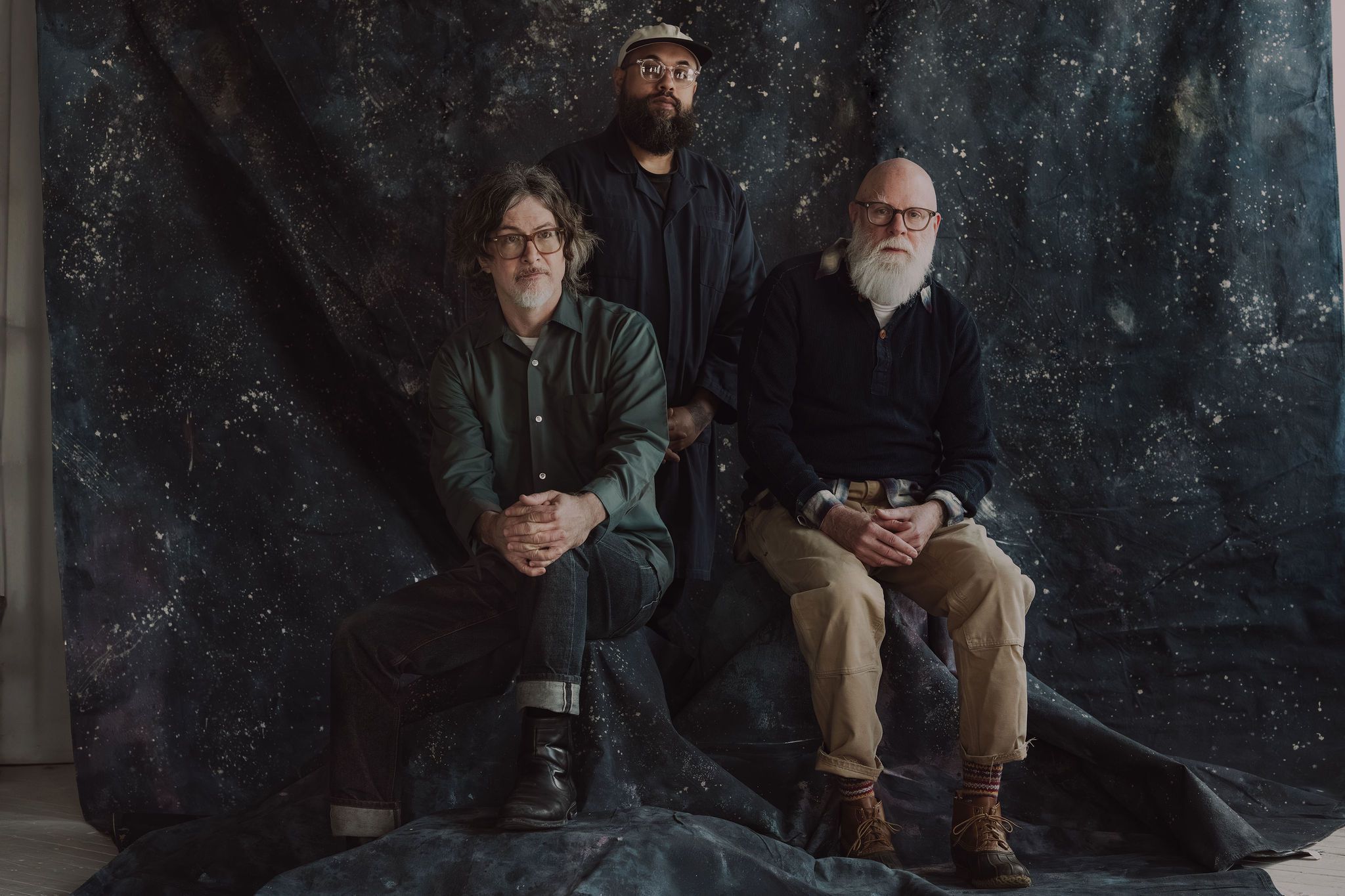
    From left: Chris Forsyth, Mikel Patrick Avery, and Doug McCombs of Basic. The band plays Johnny Brenda’s on Wednesday.Linette Messina

    Wednesday, June 17 and Thursday, June 18

    Paul Thorn

    Like Elvis Presley and Diplo, Paul Thorn hails form Tupelo, Miss. The Southern rock, country, and blues songwriter — and former middleweight boxer, who once fought Roberto Duran in Atlantic City — is out with his latest album. Life Is a Vapor is partly inspired by eating ice cream with John Prine. 7:30 p.m., Wednesday, Sellersville Theater, 18 W. Temple Ave., Sellersville, st94.com and 7:30 p.m., Thursday, Levoy Theatre, 126 N. High St., Millville, N.J., levoy.net.

    Algernon Cadwallader

    Philly emo band Algernon Cadwallader released Trying Not to Have a Thought, its first album in 14 years, last September. Now the band is playing two hometown shows before touring England later this month. 7:30 p.m., Wednesday and Thursday, Ruba Club, 415 Green St., algernoncadwallader.com

    Thursday, June 18

    Dion

    At Bruce Springsteen’s “Music America: The Songs That Shaped Us concerts” this month in New Jersey, Dion DiMucci displayed both his 1950s rock and roll beginnings and his 1960s folk rock transformation with “The Wanderer” and “Abraham, Martin and John.” For this show, he’s billed as “The Rock N’ Roll Philosopher.” 8 p.m., Keswick Theatre, 291 N. Keswick Ave., Glenside, keswicktheatre.com.
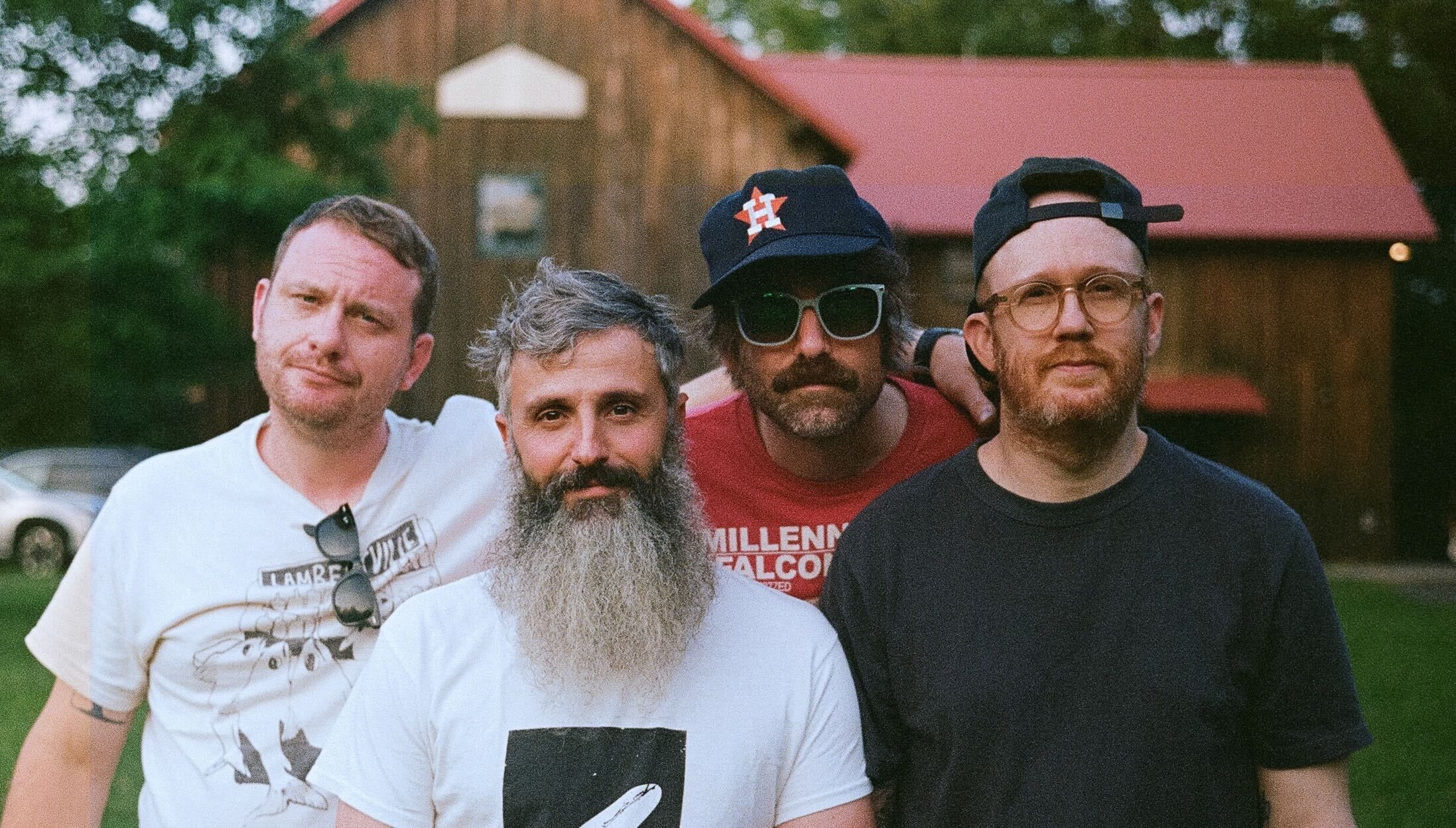
    Philly emo band Algernon Cadwallader plays two shows at the Ruba Club this week. Scott Toyan

    Inara George

    One half of the Bird & the Bee, Los Angeles songwriter and song interpreter Inara George is always up to something intriguing. Her new album, Songs of Douglas and Littell, is a gorgeously executed collection spotlighting Los Angeles theater veterans Eliot Douglass and Philip Littell. 7:30 p.m., The Loft at City Winery, 990 Filbert St., CityWinery.com/philadelphia

    Fiery Furnaces

    Last year, experimental art-rock sibling band the Fiery Furnaces reissued its 2004 breakthrough Blueberry Boat. Now, singer Eleanor and keyboard player Matthew Friedberger are on a limited tour, with Philly being the last of only six headlining dates. 8 p.m., Philadelphia Ethical Society, 1906 Rittenhouse Square, r5productions.com

    DJ Jazzy Jeff performing at the Plateau Stage at The Roots Picnic in Philadelphia, on Saturday, May 30, 2026. He spins at the African American Museum’s Juneteenth block party on Friday.Tyger Williams

    Friday, June 19

    Hurray for the Riff Raff

    Alynda Lee Segarra, the Puerto Rican songwriter and activist who leads Hurray for the Riff Raff, was born in the Bronx and spent 20 years in New Orleans before recently relocating to Chicago. The band’s 2024 studio album, The Past Is Still Alive, nods to Bob Dylan and William Faulkner, and the new Live Forever was recorded at Chicago’s Old Town School of Folk Music. 8 p.m., Concerts Under the Stars, 175 W. Valley Forge Road, King of Prussia, concertsunderthestarskop.com

    Sound of History

    Philly musicians Zeek Burse and Laurin Talese’s Sound of History project grew out of residencies at the Museum of the American Revolution. Their Juneteenth performance piece is in partnership with ArtPhilly and Black Music City. Free at Noon, World Stage, 3025 Walnut St., xpn.org and 6 p.m., Museum of the American Revolution, 101 S. Third St., artphilly.com/projects/sound-of-history

    Juneteenth Block Party with DJ Jazzy Jeff

    DJ Jazzy Jeff — who will be reuniting with Will Smith on the Ben Franklin Parkway in July — headlines this free outdoor event. Also on the daytime show: rappers Slick Rick and Doug E. Fresh and singer Leah Jenea. Patty Jackson is the emcee. Noon, African American Museum in Philadelphia, 701 Arch St., July4Philly.com

    Los Lobos & Los Lonely Boys

    “Let’s get Los. The Brotherhood Tour” pairs Los Lobos, the great Chicano band from East L.A. (that also features Steve Berlin, a Jewish guy from Philly, on saxophone) with Los Lonely Boys, the “Texican” rock and roll, brown-eyed soul band from San Angelo, Texas. 8 p.m., Tropicana Showroom, 2831 Boardwalk, Atlantic City, caesars.com/tropicana-ac

    Saturday, June 20

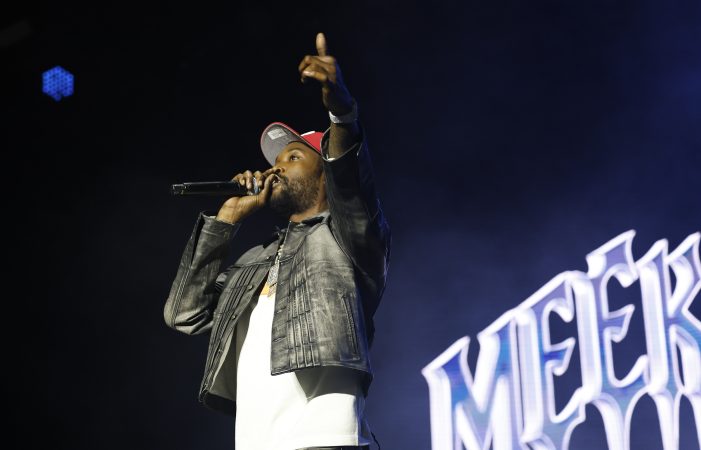
    Meek Mill’s Lit in AC

    Father’s Day weekend down the Shore with Meek Mill: The Philly “Dreams and Nightmares” rapper is the headliner on a multi-act bill that includes T.I. Eve, Havoc of Mobb Deep, Shyne, and Ms. Jade. 7 p.m., Boardwalk Hall, 2301 Boardwalk, boardwalkhall.com.

    Kinkstravaganza

    Celebrating 60 years of British Invasion greats the Kinks, this benefit includes the 1971 album Muswell Hillbillies played in its entirety. Wesley Stace, Adam Weiner, John Faye, Roberta Faceplant, the No Good Crowd, and Citizen Riot are among the performers. Proceeds go to Juntos, the South Philly Latino immigrant organization. 8 p.m., The Fallser Club, 3721 Midvale Ave., thefallserclub.org.
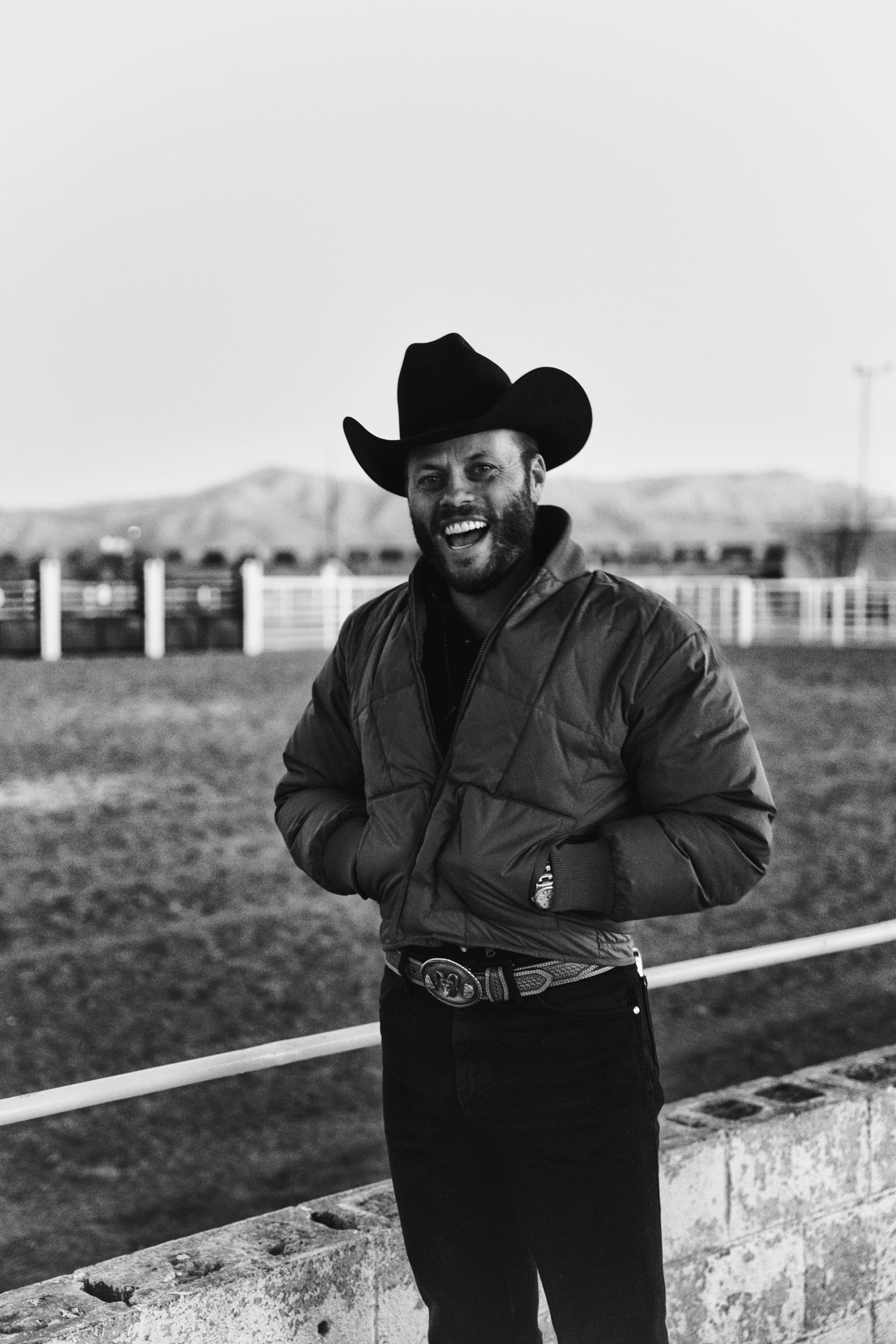
    Charley Crockett plays the Met Philly on Monday.Courtesy of the Artist

    Monday, June 22

    Del Amitri

    Scottish rock band Del Amitri, which scored 1990s hits like “Roll to Me” and “Nothing Ever Happens,” is touring the U.S., timed to the Scottish soccer team’s East Coast World Cup dates. The Tisburys open. 7:30 p.m., Underground Arts, 1200 Callowhill St., undergroundarts.org.

    Charley Crockett

    Super-prolific country singer Charley Crockett is a busy guy. He’s released 17 albums since 2015, including Age of the Ram and Clovis this year. Last summer, his tour with fellow Texan Leon Bridges was one of most rewarding of the season. 8 p.m., Met Philly, 858 N. Broad St., themetphilly.com
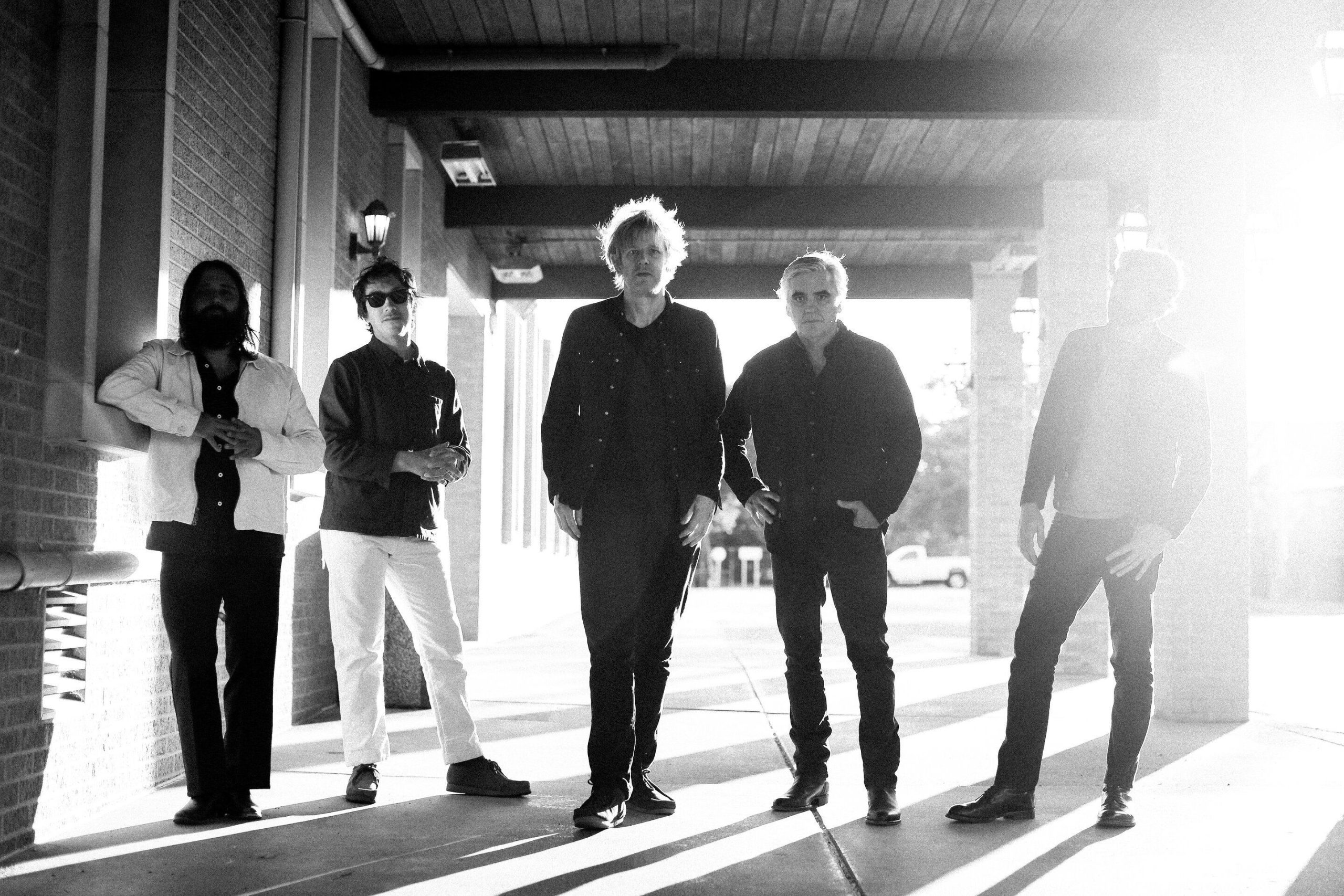
    Spoon plays the Fillmore on Tuesday, with The Beths.Olivia Wolf

    Tuesday, June 23

    The Animeros

    Austin, Texas instrumental band the Animeros were standouts at the NonCommvention this year. Their self-described sound moves “between the lush jungles of Colombia, the palm-lined streets of 1960s coastal Mexico, and the dusty cantinas of West Texas.” They’re signed to Black Keys leader Dan Auerbach’s Easy Eye Sound label. 8 p.m., Ortlieb’s, 847 N. Third St., ortiebsphilly.com

    Spoon & The Beths

    A top-notch double bill. Spoon, the remarkably consistent indie band from Austin, Texas, is led by Britt Daniel and Jim Eno. They are playing with New Zealand indie power pop outfit The Beths, led by Elizabeth Stokes, whose 2025 album Straight Line Was a Lie was one of the year’s best. 8 p.m., Fillmore Philadelphia, 29 E. Allen St., thefilllmorephilly.com
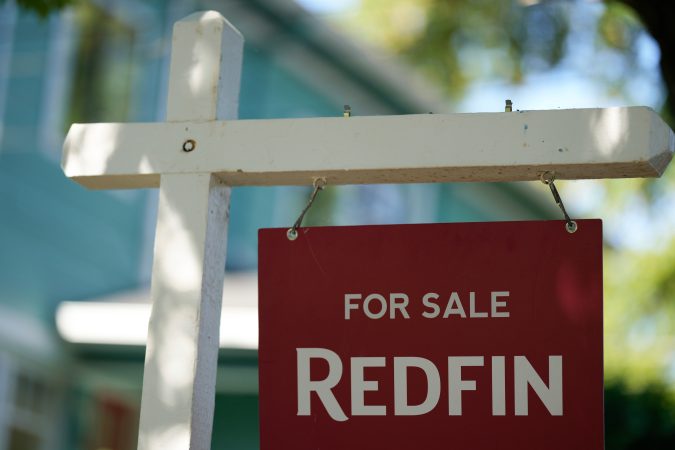

  • In Villanova, the average starter home costs $1 million

    In Villanova, the average starter home costs $1 million

    Villanova is one of a record 242 places in the country where the average starter home is valued at $1 million or more, according to Zillow.

    The community is the only such place both in Pennsylvania and in the Philadelphia metropolitan area, according to an analysis by Zillow based on April home values. Zillow calls properties starter homes if they are in a market’s bottom third of home values.

    Million-dollar starter homes are rare. The typical starter home in the United States is worth a little less than $200,000. But home values keep rising as demand for homes has outpaced supply, especially over the last few years.

    “The pandemic reset the cost of buying a home, spreading million-dollar starter homes from a handful of coastal states to more than two dozen states across the country,” Kara Ng, senior economist at Zillow, said in a statement.

    Since early 2020, the number of communities in the United States where the average entry-level home is worth at least $1 million has tripled, from 80 to 242. And the number of states has jumped from nine to 26.

    Unsurprisingly, expensive California is the state with the most communities where the average starter home is valued at $1 million or more — 105. But the numbers in New York and New Jersey are rising the fastest.

    “Million-dollar starter homes are popping up in more Northeast cities because the housing shortage there hasn’t been solved,” Ng said. In the Northeast, home construction hasn’t kept up with demand.

    In early 2020, Pennsylvania didn’t have any communities where the average starter home was valued at $1 million or more, and New Jersey had one: Alpine in North Jersey.

    The Garden State now has 26, up from 21 last year. Most are either in North Jersey or the Jersey Shore.

    These include Avalon, Stone Harbor, Strathmere, Cape May Point, and five of Long Beach Island’s six towns: Harvey Cedars, Barnegat Light, Long Beach Township, Surf City, and Beach Haven.

    (function(){function e(){window.addEventListener(`message`,function(e){if(e.data[`datawrapper-height`]!==void 0){var t=document.querySelectorAll(`iframe`);for(var n in e.data[`datawrapper-height`])for(var r=0,i;i=t[r];r++)if(i.contentWindow===e.source){var a=e.data[`datawrapper-height`][n]+`px`;i.style.height=a}}})}e()})();

  • Trump’s bloated claims about his Iran deal can’t hide his failure

    Trump’s bloated claims about his Iran deal can’t hide his failure

    “You can fool all the people some of the time and some of the people all the time, but you cannot fool all the people all the time.” That maxim is often attributed to Abraham Lincoln, but it’s occasionally credited to the great American circus showman P.T. Barnum. It has special relevance when applied to Donald Trump, who has outdone Barnum in self-promotion.

    The president has had astonishing success in fooling some of the people all the time, from his foundational lie that the 2020 election was stolen through his daily blast of falsehoods about everything from the economy to the financing of his ballroom.

    Yet, with his blatant efforts to bamboozle all the people about his Iran deal, Trump may have finally reached the point where most Americans realize he is a fraud.

    For starters, Trump’s claim that he has reached a “Great Deal [that] will bring Peace and Security to the whole Region” is flat out fraudulent. The Iran war has laid bare the incompetence of a U.S. leader who assumes that force alone produces victory.

    The U.S. and Israel may have destroyed much of Iran’s military, but Tehran has denied them a geopolitical win, which all the world’s leaders (except for Trump) recognize.

    And most Americans will soon see this for themselves.

    Until the U.S. joined Israel in the February attack on Iran, Tehran’s religious and military leaders had never tried to close the Strait of Hormuz for fear of arousing American wrath. But after Trump openly called for regime change, they had nothing to lose.

    Despite its military losses, Iran has proved (as has Ukraine) that a smaller country using unconventional means (drones, mines, a willingness to absorb pain) can hold off a superpower.

    Moreover, Tehran is still insisting it will charge ships fees for transiting the strait after the 60-day ceasefire extension expires, contrary to Trump’s claim that the strait will be “toll free.” And the world knows that, if pushed, Tehran can close the strait again.

    Trump now looks like a chump.

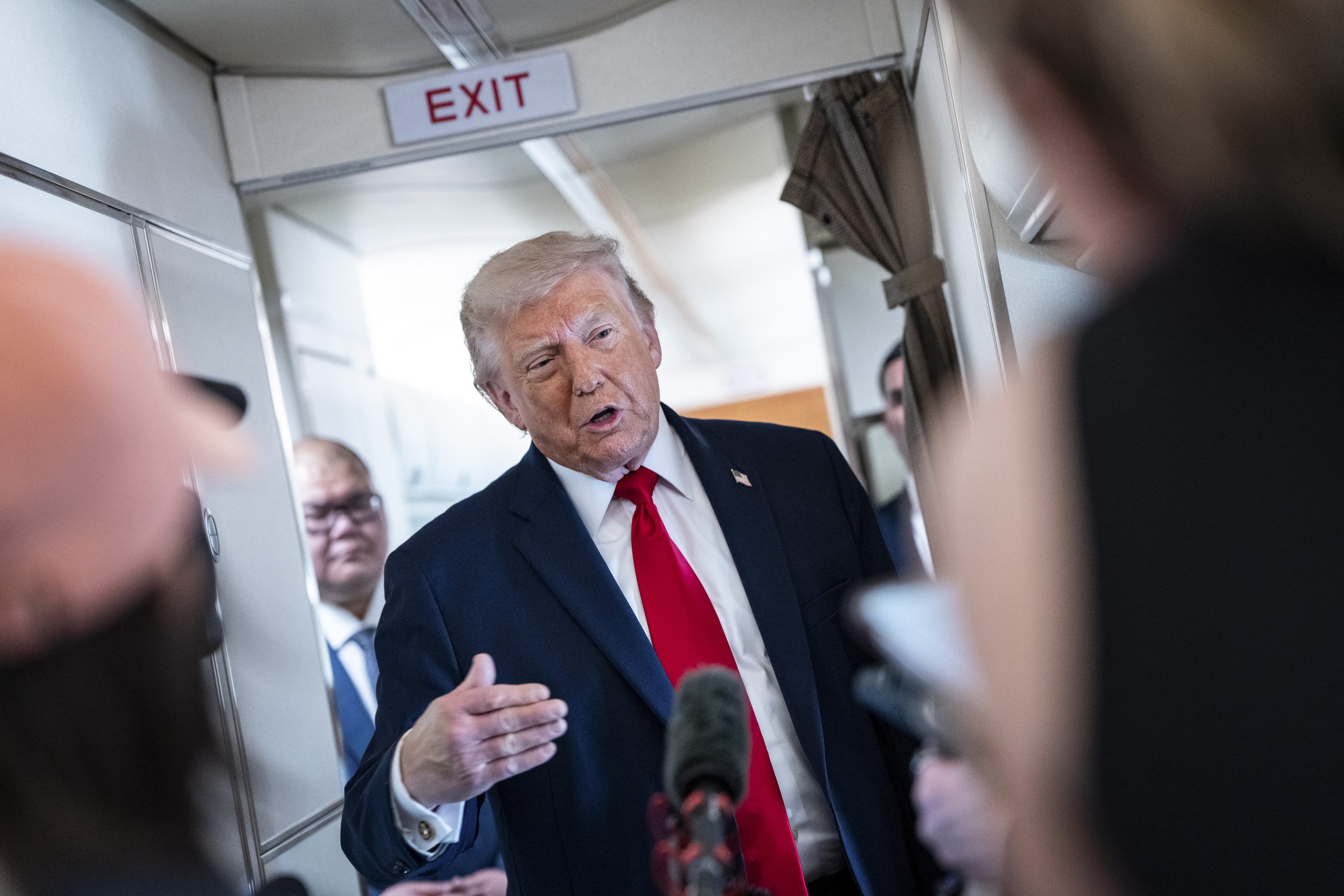
    President Donald Trump speaks to reporters aboard Air Force One while traveling to Chippewa Falls, Wis., June 5.HAIYUN JIANG

    He has alienated Mideast allies, including Gulf states, which took the brunt of Iran’s military revenge. He has encouraged America’s adversaries, including Russia and China, by revealing his lack of any long-term strategy.

    Vladimir Putin and Xi Jinping had only to watch as the U.S. military squandered huge numbers of precious missiles against Iranian drones, leaving them in such short supply that the U.S. military is exposed in the Indo-Pacific.

    Moscow can only toast Trump’s blindness, as the U.S. cancels promised sales of mid- and long-range missiles to Europe for defense against Russia and to pass on to Ukraine. This has left Ukrainians defenseless against Russia’s rain of cruise missiles on civilians — and on a thousand-year center of Orthodox Christianity, the Kyiv Pechersk Lavra monastery and its golden-domed Dormition Cathedral.

    Not a word of protest by Trump or MAGA’s white Christian nationalists who admire Putin’s religiosity. Instead, POTUS has bizarrely praised Putin’s help with Iran. Could he possibly be referring to Moscow’s sharing of intelligence on U.S. targets with Tehran?

    But never mind. Let’s get to the document Trump signed electronically on Sunday. It was not a peace deal. Rather, it was a so-called Memorandum of Understanding — “about a page and half … a very general document,” according to Vice President JD Vance.

    Contrary to Trump’s grandiose claims, this memorandum kicks all the main questions about dismantling Iran’s nuclear program down the road to future negotiations over the next 60 days.

    By keeping the document secret at least until Friday, the president is relentlessly trying to frame his defeat as an astounding victory in hopes this will shape the thinking of the MAGA faithful.

    From Trump’s own words, however, and those of his henchmen, it’s already clear he has abandoned most of the stated goals of this war.

    Let’s look at what we already know.

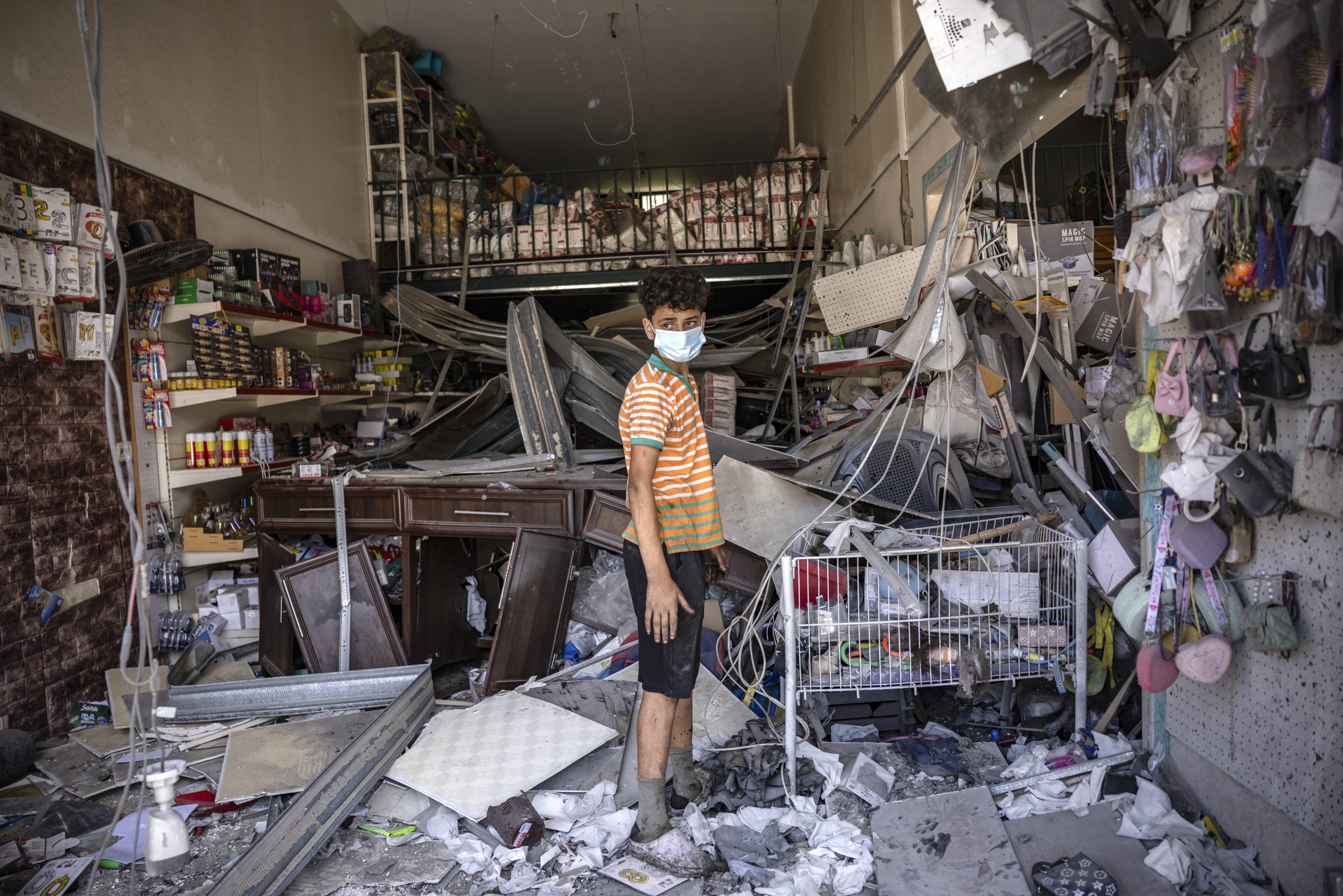
    A boy walks through his family’s destroyed shop after arriving home in Chehabiyeh in southern Lebanon, where people have begun returning after a ceasefire was announced, on Tuesday. Israel has said its forces have been targeting the Iran-backed Hezbollah militia, and it has continued to launch strikes since the U.S.-Iran preliminary deal was announced over the weekend.DAVID GUTTENFELDER

    1. There will be no regime change, as POTUS called for on the opening day of the war, urging the Iranians to rise up. Trump now bizarrely calls Iran’s new leadership pragmatists in a New York Times interview, labeling them “smarter” and more “rational” than those who were assassinated. Yet the Revolutionary Guard’s military commanders now running the show are more hardline and more confident about defying the U.S. president.

    2. As so far revealed, the negotiating framework to end Iran’s nuclear program sounds no better than President Barack Obama’s 2015 agreement. POTUS bragged in the Times that the agreement would ensure Iran “cannot develop or purchase a nuclear weapon.” But Tehran has asserted for decades that it would not do so and made the same pledge on the first page of Obama’s deal, known as the JCPOA.

    Although Trump promised to eliminate Iran’s nuclear program entirely, he appears to have backtracked significantly, now saying that Iran “can never go beyond a certain amount” of enrichment that could be used for military purposes. Again, this echoes the JCPOA, which limited enrichment to 3.67%, an amount that can be used in power reactors but not for a bomb.

    As for how long Iran would have to limit enrichment, Trump hinted that he might settle for a 15-year suspension, which is the same time limit the JCPOA required. (But in a contradiction, he said the limit would be “forever,” although there is no sign Tehran would agree to this.)

    If POTUS hadn’t pulled out of the JCPOA in 2015, the 15 years would have extended until 2030, and Iran would now have no highly enriched uranium.

    The flaw in the JCPOA was the 15-year sunset, after which Iran could have restarted enrichment, but Trump seems headed toward a similar limitation.

    As for the 11.5 tons of enriched uranium Iran produced since Trump junked the JCPOA — including a half ton of nearly bomb-grade nuclear fuel — the president has talked about reducing its purity level (known as downblending), possibly inside Iran. A far cry from previous demands for removing it entirely.

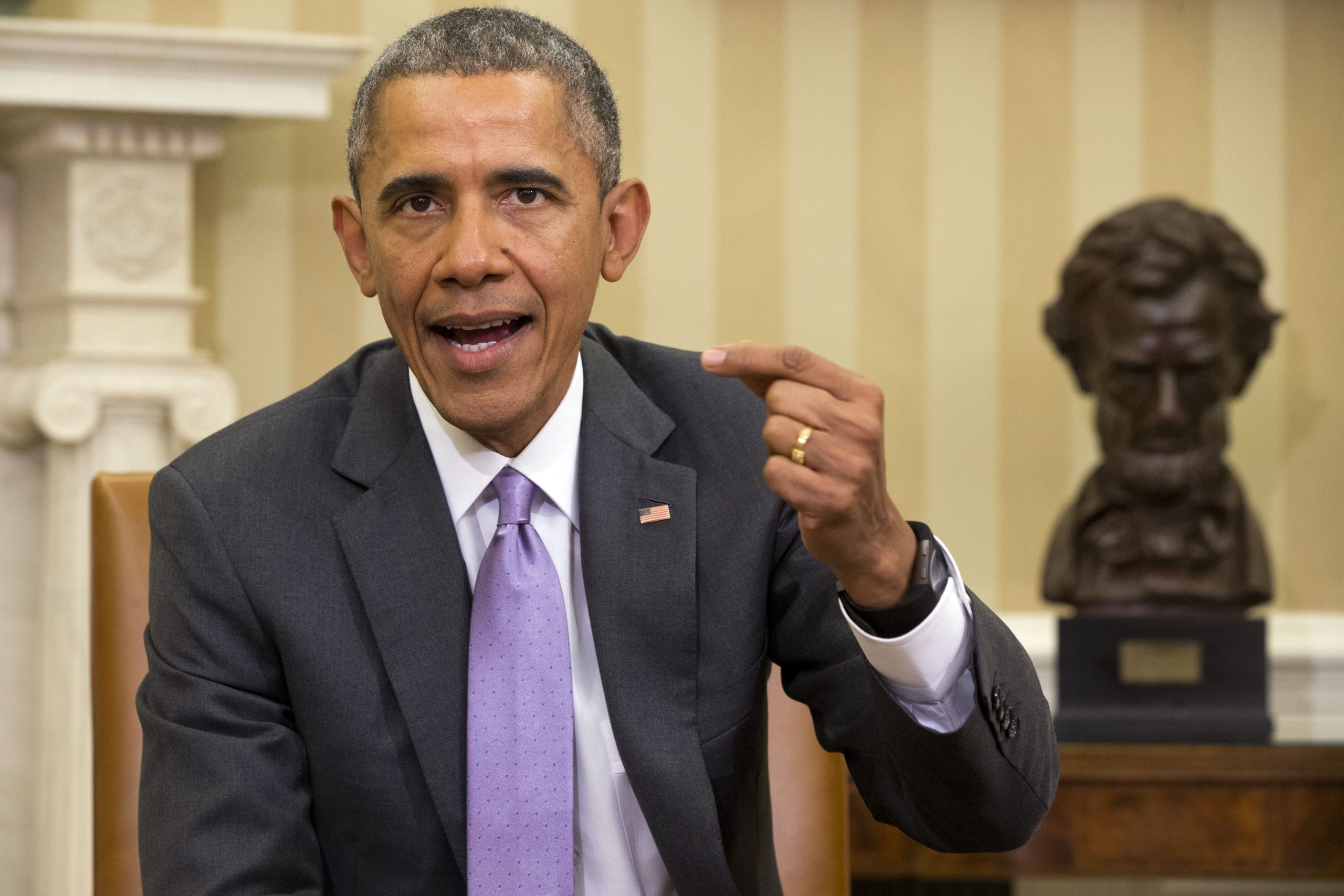
    President Barack Obama speaks about Iran and Israeli Prime Minister Benjamin Netanyahu’s speech to Congress during a meeting with Defense Secretary Ash Carter in the Oval Office in 2015.Jacquelyn Martin

    In the Obama deal, 97% of Iran’s stockpile was removed outside the country to Russia. No sign that Trump’s deal will do as well.

    Moreover, the joint Israel/U.S. 12-day war against Iran in 2025 had buried Iran’s enriched uranium, and as Trump has recently admitted, U.S. satellites could see if the Iranians tried to remove it. Negotiations in February, mediated by Oman, were reportedly headed toward a better deal than Trump will ever achieve, if he achieves any deal at all.

    Trump killed those talks by starting the war.

    So, if you parse Trump’s own admissions, there was no need for his four-month war, which has cost America 13 dead and hundreds of billions of dollars — not to mention 3,000 Iranian dead and severe damage to the global economy.

    Yet the outpouring of Trump lies this week designed to disguise his failure roll on.

    While the president insists that Iran will get no economic benefits until a deal is concluded, it appears that Tehran will be able to immediately restart exporting oil during negotiations. And there are reports that other Gulf states such as the United Arab Emirates or Qatar may release Iranian funds held in their banks immediately, enabling Iran to benefit economically before any nuclear deal.

    Moreover, a future Trump deal doesn’t cover an end to Iran’s missile buildup, or the end of support for proxies, sins for which Trump never stops excoriating Obama. Also, Israel and Hezbollah aren’t party to the deal and are likely to keep fighting.

    When the details of Trump’s non-deal are revealed, he will try to paper over his failure with more prevarications. But as Barnum noted, “you can’t fool all of the people all of the time.”

  • Platner, Fetterman, and the myth of the working-class politician

    Platner, Fetterman, and the myth of the working-class politician

    When I was a kid, my father told me something I’ve never forgotten. When you dislike someone, he said, it’s often because you see a part of them in yourself.

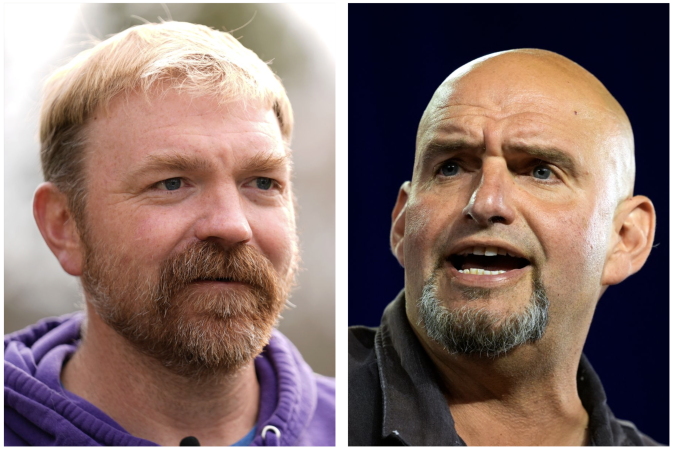
    I’ve been thinking about Dad’s comment during the recent slugfest between Sen. John Fetterman (D, Pa.) and Graham Platner, the Democratic Senate nominee from Maine.

    Noting Platner’s Nazi tattoo (since covered up) and reports about sexually themed messages he sent to several women, Fetterman called Platner a “bona fide dirtbag.” Platner fired back, labeling Fetterman an “a-hole” as well as a “stooge” for the American Israel Public Affairs Committee.

    The two men have important political differences, especially about the Middle East. But here’s what they have in common: They’re both pretending to be rough-hewn, working-class guys.

    In fact, both of them were born into significant family wealth. And so were almost all of America’s political leaders, past and present. We just don’t want to admit it.

    Consider Andrew Jackson, supposedly our first common-man president. In high school, I learned that the first six presidents included four wealthy Virginia planters (Washington, Jefferson, Madison, and Monroe) and two prosperous New England lawyers (John Adams and his son, John Quincy Adams). But then came Jackson, who grew up in hardscrabble circumstances.

    Not quite. Jackson was raised on a Carolina farm with a gristmill, a whiskey still, and enslaved laborers. To be sure, he lacked the elite pedigree of his predecessors. But he was hardly poor or working-class by the standards of his time.

    Ditto for Abraham Lincoln. Supporters celebrated him as a “rail-splitter” who did hard agricultural work as a young man. Lincoln fed that myth, declaring that his childhood echoed the famously sad line in Thomas Gray’s poem “Elegy Written in a Country Churchyard”: “the short and simple annals of the poor.”

    Again, not quite. When Lincoln was born in 1809, his father owned two farms and several town lots. Five years later, Thomas Lincoln was in the top 15% of taxpaying property owners in his rural Indiana community.

    The only early American president who arguably came from poverty was Lincoln’s successor, Andrew Johnson. At 14, Johnson was indentured to a local tailor. He ran away two years later and opened up his own tailor shop, where he earned enough to purchase a modest house.

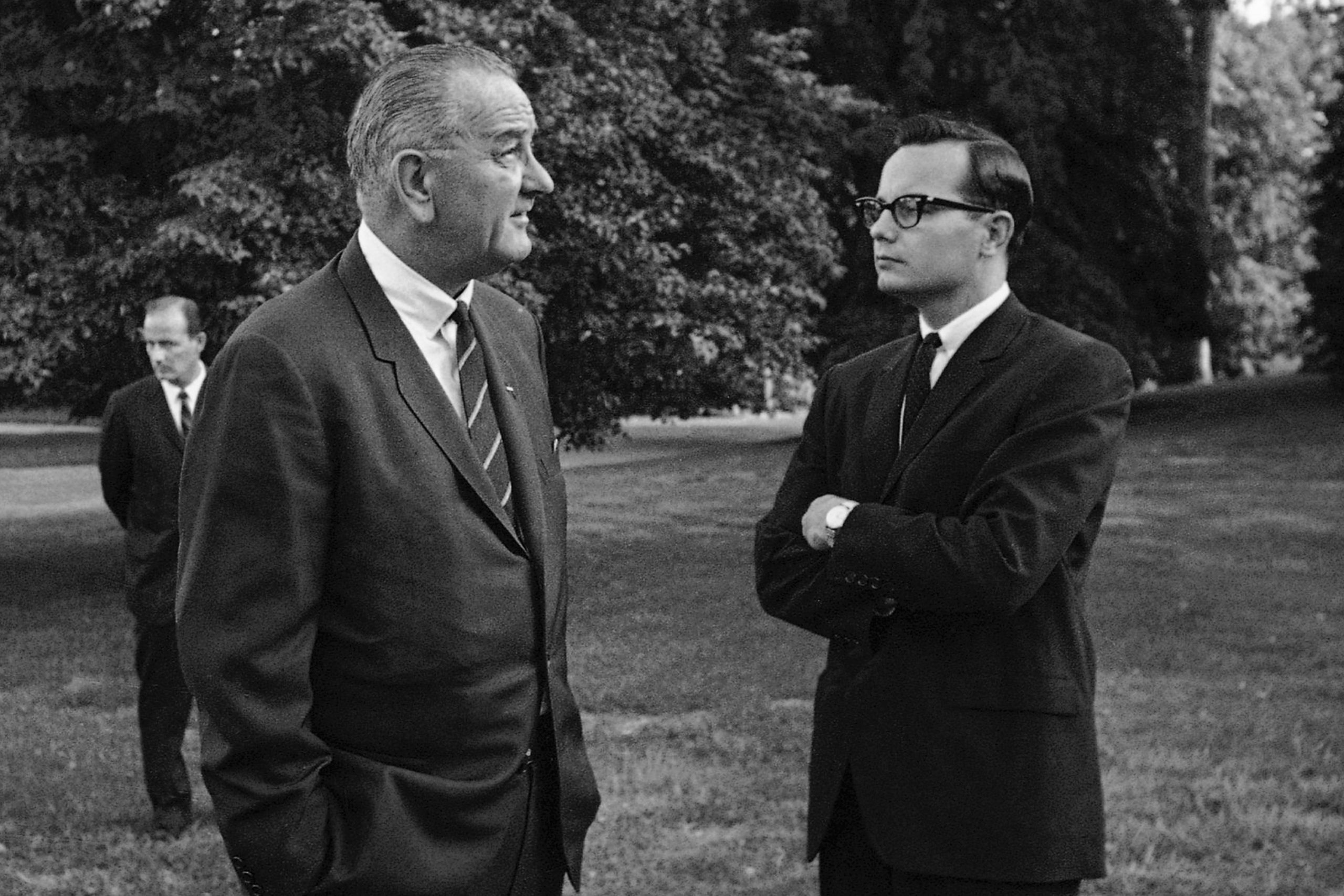
    President Lyndon B. Johnson (here with press secretary Bill Moyers in August 1965) used to say that he grew up in poverty, but his father owned a newspaper and a hotel.William J. Smith

    Lyndon Baines Johnson (no relation to Andrew) liked to say that he had grown up poor, too. But his father owned a chauffeur-driven car, a newspaper, and the only hotel in Johnson City, Texas. And Johnson’s dad was elected to several terms in the state legislature, which was itself a mark of wealth: Lawmakers earned a nominal salary, so only well-to-do Texans could afford to serve.

    Likewise, Ronald Reagan trumpeted his humble roots. “We didn’t live on the wrong side of the tracks, but we lived close enough that we could hear the whistles,” he quipped. But his family was rich enough to send him to college. And after Reagan graduated, his father was put in charge of a New Deal work-relief program in their Illinois town.

    As historian Edward Pessen wrote in The Log Cabin Myth, refuting Reagan’s claims, anti-poverty programs “are not normally directed by men themselves poor.” Pessen’s 1984 book should be required reading for anyone who still believes that our leaders come from the working class. They just pretend to.

    In that sense, Fetterman and Platner are the latest chapters in a story as old as America. In his 2022 Senate campaign, a TV ad for Fetterman called him a “blue-collar tough guy.” But Fetterman grew up in a “cushy” suburb (as he has called it) and received large payments from his parents during the 13 years he served as mayor of Braddock, Pa. The hoodie and shorts say working class. But the financials say something else.

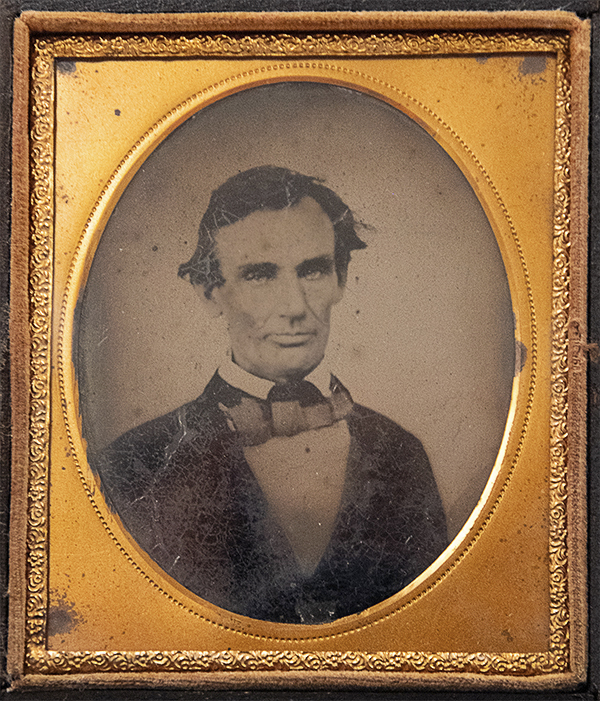
    An ambrotype image of President Abraham Lincoln circa 1858. Supporters praised his years spent doing agricultural work. But his father owned two farms and several town lots.Uncredited

    Likewise, Platner recently told a Maine television station that he’s “a working-class guy that lives a working-class life.” But his father was a prominent local lawyer, and his grandfather was an architect who built a family estate modeled after chateaus in France. Platner briefly attended Hotchkiss, one of America’s most prestigious boarding schools. Yes, he has operated an oyster farm. But his biggest client was a restaurant owned by — wait for it — his mother.

    So both of these guys are scions of privilege who present themselves as working folk. No wonder they don’t like each other. They are more alike than they would care to admit.

    We want to believe that every American can become anything they wish — a senator, or even a president — if they try hard enough. That’s why we’re attracted to figures like Fetterman and Platner, who enact this dream for us. They play the part, and we play along. Maybe it’s time we woke up.

    Jonathan Zimmerman teaches education and history at the University of Pennsylvania. He is the author of “Whose America? Culture Wars in the Public Schools.”

  • Hiring foreign workers has become more difficult. These options still exist. | Expert Opinion

    Employing foreign workers is more difficult than ever. But it’s not impossible.

    A Philadelphia employer can potentially secure a Canadian engineer in a matter of years. But hiring a similarly qualified worker from India could take decades.

    “It’s not easy for business owners to recruit or target these individuals that they deem essential to their operations because of current immigration policy,” said Alex Isbell, an immigration attorney at Palladino, Isbell & Casazza LLC in Philadelphia. “If a company wants to hire someone from overseas, they’re going to have to overcome some pretty big challenges.”

    The Trump administration wants American companies to hire more home-grown workers. And the rules have changed to encourage this.

    H-1B

    Until recently, the best way to bring in workers from overseas has been the H-1B visa, a temporary U.S. work visa program that allows American employers to sponsor and hire foreign professionals in specialty occupations and jobs that typically require at least a bachelor’s degree in a specific field. The federal government has historically issued tens of thousands of these three-year visas annually through a lottery for companies that could prove technical need.

    But last year the Trump administration began clamping down on these visas by instituting a $100,000 fee on companies applying. And recently the administration announced a higher wage barrier for companies looking to hire foreign workers.

    As a result, applications for these visas have dropped 27% in the past year.

    Last week a federal judge stayed the fee as unconstitutional, but the administration plans to appeal this decision. Natalia Gouz, an attorney with Philadelphia-based Klasko Immigration Law Partners LLP, is hoping to see the fee reduced or eliminated.

    “Most of our clients are not really able to invest that kind of money, because that could be more than a salary,” she said. “The fee makes things much more challenging to hire someone from overseas.”

    TN and E-3

    There are other options for employers who want to avoid the H-1B process. That’s because current U.S. immigration policies favor the hiring of employees from some countries over others.

    Hiring a Canadian worker vs. hiring someone from India can be a dramatically different process, said Jonathan Grode, U.S. managing partner at Green & Spiegel in Philadelphia.

    Citizens of Canada, Mexico, and Australia may qualify for special TN and E-3 visa programs tied to existing trade agreements that are generally faster and less expensive than traditional employment visas, he said. Chile and Singapore are also good places to look for workers because of favorable trade agreements.

    “The process is much easier for these countries,” Grode said. “For a Canadian with a bachelor’s degree, if I was to apply for a green card today, the full start-to-finish wait time would take about three years. But unfortunately, if you’re an Indian national, the same process is estimated right now to be 40 years.”

    No, that’s not a typo. According to Grode, because India lacks the trade and investment treaties that benefit some other countries, employers often face fewer visa options and extremely long green-card backlogs.

    O-1 and EB-1

    But there are still more options.

    The O-1 visa is reserved for individuals with “extraordinary abilities’” and is not subject to annual lotteries. The EB-1 is a permanent residency (green card) category for those workers, which also includes “outstanding” professors and researchers or multinational executives and managers.

    “Those are not subject to quotas, availability, or the $100,000 fee,” Isbell said. “But they’re difficult to receive.”

    To get one of these visas, Isbell said, “A person has to be, as the regulation says, one of the very few in their field who’s risen to the top. You have to be a very high achiever, and you have to have been a very high achiever for a long period of time.”

    OPT

    One overlooked source of talent is international students already studying in the United States.

    According to Gouz, these students may be eligible for an Optional Practical Training (OPT) work authorization and can begin working immediately once they have it. Employers can hire an OPT worker without the H-1B lottery process. Most graduates receive 12 months of OPT, and many STEM graduates can receive an additional 24-month extension, providing up to 36 months of work authorization.

    “Employers still have obligations, including signing off on the worker’s responsibilities, as well as reporting responsibilities,” she said.

    Compliance

    It sounds daunting, and yes, the process has become much more difficult for employers. But immigration attorneys like Gouz say not to assume that hiring a foreign worker will be impossible. And — just as importantly — once a foreign worker is hired, it’s critical to stay up to date on compliance in order to keep that worker.

    Gouz recommends investing in an experienced immigration attorney and maintaining complete employment documentation including the I-9 Employment Eligibility Verification form, maintaining proper records, and training staff responsible for verifying employment. Using the federal E-Verify platform — a free, internet-based system operated by the U.S. government that allows businesses to electronically confirm the legal employment eligibility of their worker — is helpful, but not a substitute.

    “If somebody is presenting documents that don’t belong to them, E-Verify is not necessarily going to catch that,” Gouz said.

    It’s important to keep up-to-date I-9 forms for all employees, Gouz noted. And employers must make sure that each worker’s occupation lines up with the approved jobs for their type of visa and continues to qualify for that program.

    “The system is really hard to navigate right now,” Grode said. “You can really step in it if you’re not careful.”

  • John Kruk was great in the stands, especially when the new Sixers GM jinxed the Phillies

    John Kruk was great in the stands, especially when the new Sixers GM jinxed the Phillies

    Mike Gansey’s tenure in Philadelphia isn’t off to a great start, but it has nothing to do with the 76ers.

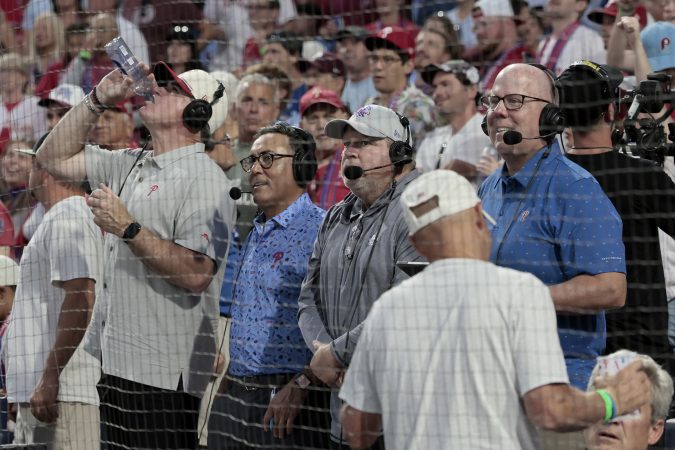
    The Sixers’ new president of basketball operations joined NBC Sports Philadelphia’s annual broadcast from the stands Tuesday night alongside coach Nick Nurse, with Phillies pitcher Jesús Luzardo cruising through four innings.

    “No hitter’s still intact,” Gansey said, immediately drawing a groan from Phillies announcer John Kruk.

    “Oh boy,” Kruk moaned.

    The very next pitch, Miami Marlins third baseman Javier Sanoja hit a single to left field, ending Luzardo’s no-hitter.

    While Tom McCarthy quickly moved on to discussing what’s going on with the Sixers, Kruk sat silently annoyed, a knowing grin on his face as he quietly chewed his gum.

    Later, in the bottom of the fifth inning, when McCarthy mentioned Luzardo had just given up his first two hits, Kruk hadn’t forgotten why.

    “We know who gave that one up,” Kruk said dryly. “I was like, ‘Thank God none of us said it,’ because we could get crucified right now.”

    Gansey appeared to take it all in stride, apologizing to Luzardo in a video shared on social media Wednesday afternoon.

    “You pitched great, got a win, that’s all that matters,” Gansey said. “I got two tickets for you any time you want to come to a Sixers game.”

    Kruk and Gansey share a West Virginia connection. Kruk grew up in Keyser, W.Va., while Gansey finished his college basketball career with the Mountaineers.

    “I lived in Morgantown for two years,” Gansey said.

    “And your liver’s still intact?” Kruk shot back.

    Kruk and the rest of the NBC Sports Philadelphia crew — McCarthy, Ruben Amaro Jr., and Ben Davis — had prime seats right behind home plate at Citizens Bank Park Tuesday to watch the Phillies blowout the Miami Marlins 8-2.

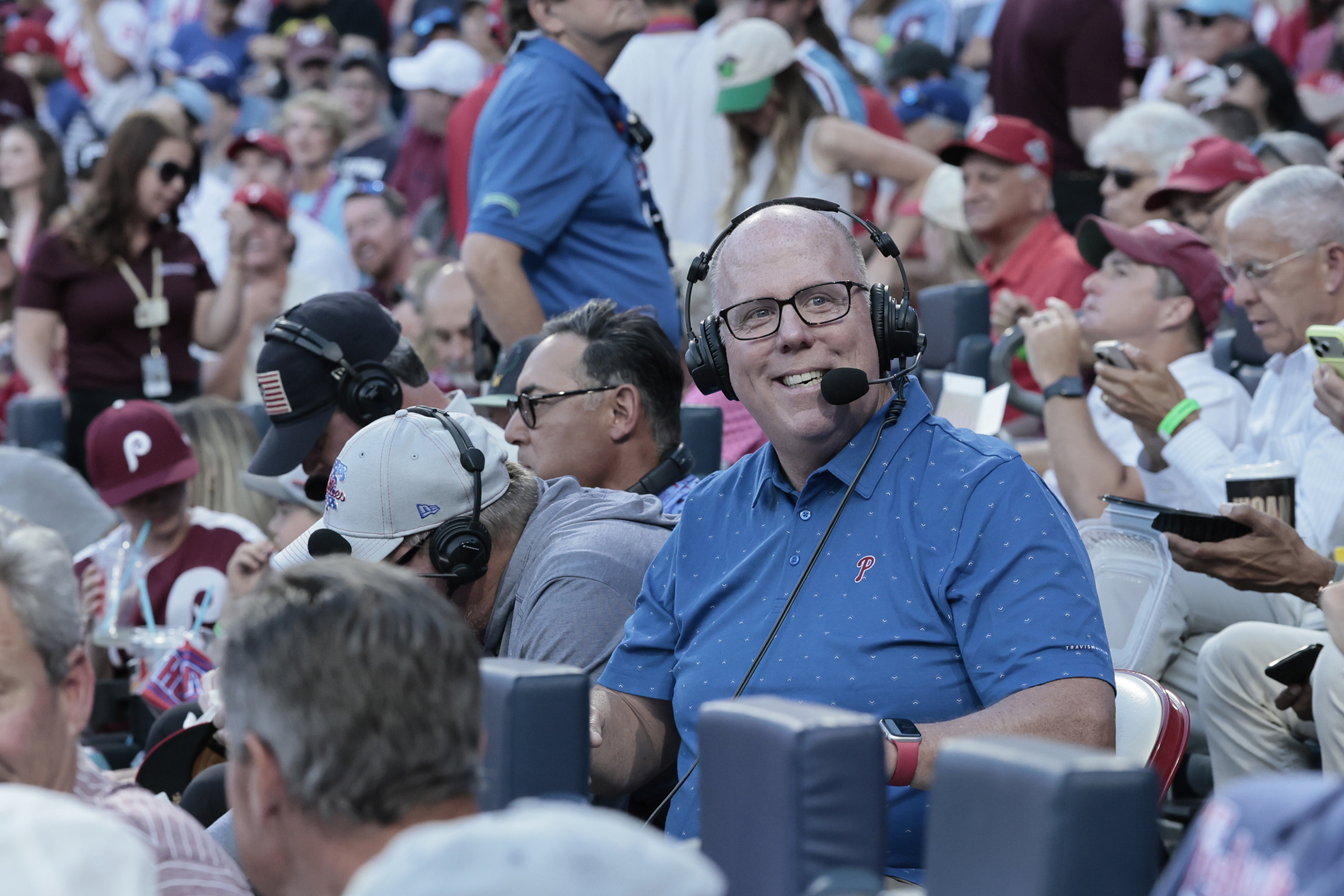
    Tom McCarthy is in his 20th season as the TV voice of the Phillies. Elizabeth Robertson / Staff Photographer

    It was the 11th time the broadcast waded out into the stands, an annual tradition (with a break for COVID) dating back to 2014. And no offense to everyone else, but Kruk is easily the star of the show, consistently tossing out a well-timed joke or unvarnished opinion just when the broadcast needs it.

    “How do I say this politically … sometimes these umpires aren’t really great,” Kruk said when asked about the Automated Ball-Strike Challenge System.

    His best line of the night came when he told Nurse his poster was hanging in an office at Florida Gulf Coast University when they were recruiting Kruk’s daughter, Keira (who ended up attending Berry College in Georgia).

    “My wife played volleyball there,” Nurse said, noting she was sitting elsewhere in the stands.

    “I didn’t want to bring it up, because 50% of people get divorced,” Kruk joked.

    There was also Kruk’s deadpan response to a pop-up that came down just to the left of the broadcast crew in the stands.

    “Oh please hit me in the head,” Kruk said.

    Sitting behind home plate was a first for NBC Sports Philadelphia, but announcers have previously called games for the network from above the bullpen, behind the Phillies’ on-deck circle, from Harry the K’s restaurant, behind the dugout, and from the outfield, where McCarthy actually snagged a home run hit by Atlanta Braves slugger Freddie Freeman.

    The station also brought its studio show into the stadium, with Amy Fadool and Ricky Bottalico set up in Section 109 during Phillies Pregame Live. And it took the opportunity to ding Kruk when highlighting Citizen Bank Park’s best food and drink options.

    The broadcast also featured a brief interview with Flyers head coach Rick Tocchet, which led to a side trip down memory lane.

    “Do you remember, probably in the late ’80s, doing a signing in Aston, Pennsylvania at a bank?” Davis said. “I rode there on my bike … I went in and you had the long hair and a black and white photo. You signed it for me, and I still have it at my parent’s house.”

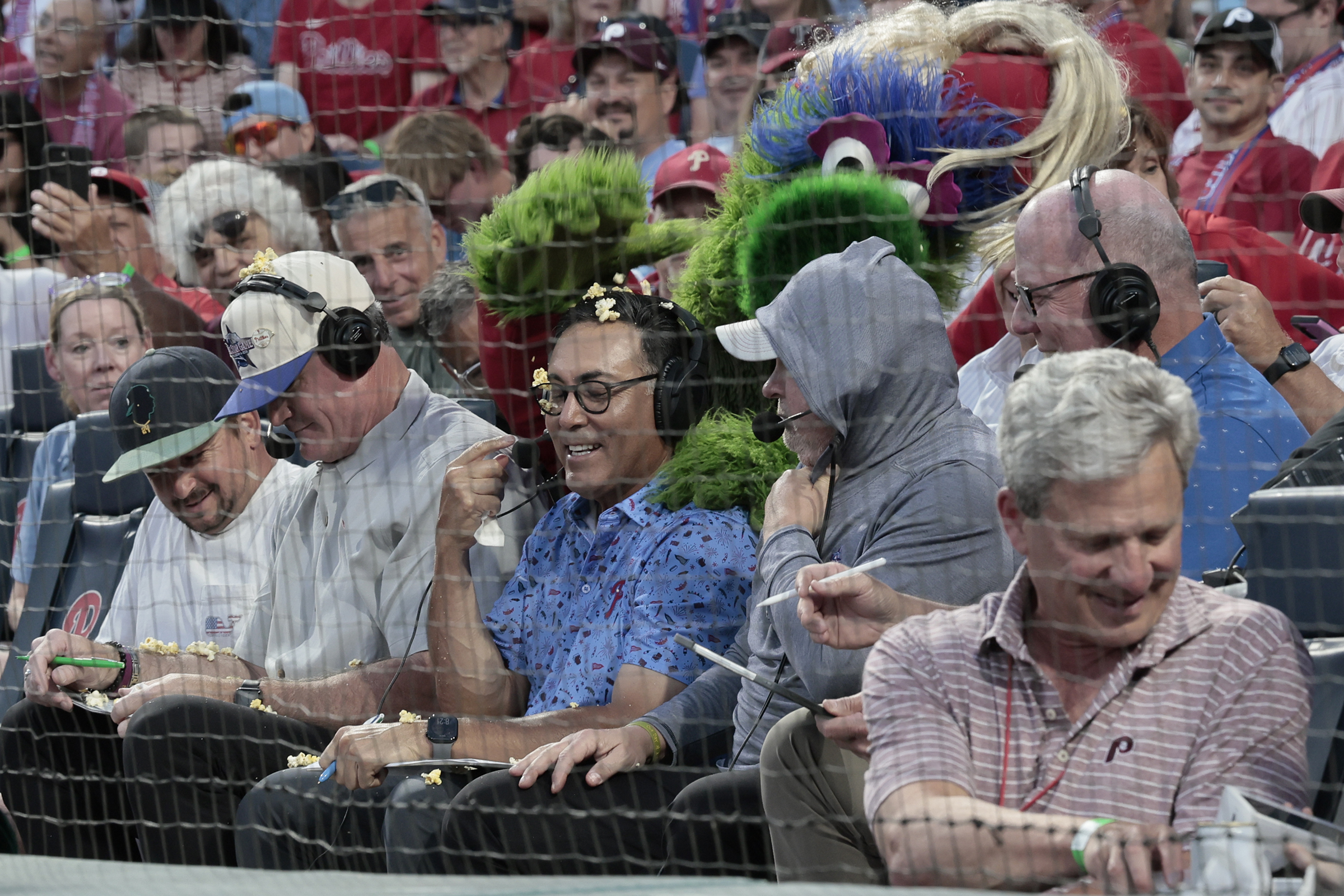
    The night wouldn’t have been complete without the Phillie Phanatic tormenting Kruk. But the veteran broadcaster quickly put his hoodie on in the sixth inning when the mascot came tumbling by holding a giant bag of popcorn, which he dumped all over Amaro.

    The Phillie Phanatic roughs up the Phillies announcers during the Miami Marlins at Philadelphia Phillies MLB baseball game at Citizens Bank Park in Philadelphia on Tuesday, June 16, 2026.Elizabeth Robertson / Staff Photographer

    “Does anybody want any popcorn?” Amaro said.

    “I see where you’re reaching to get it. Absolutely not,” Kruk responded.

    Considering the lack of action by the Marlins, it’s no surprise the Phanatic and his antics with the Phillies announcers snuck into the Marlins’ TV broadcast.

    The Phillies will go for the sweep Wednesday at 1:05 p.m., with McCarthy and Kruk in the booth. The pair will be back to call the first of a three-game series against the New York Mets Thursday night before handing the weekend games off to Fox on Saturday and NBC for Sunday Night Baseball.

    The good news is NBC is bringing Kruk back to call Sunday’s game, pairing him up with former Mets reliever John Franco and play-by-play announcer Jason Benetti.

  • DOJ urges appeals court to let Trump build ballroom, citing failed UFC attack

    DOJ urges appeals court to let Trump build ballroom, citing failed UFC attack

    The Justice Department is asking a federal appeals court to let President Donald Trump continue building his planned White House ballroom, arguing that a thwarted attack on Trump’s recent Ultimate Fighting Championship event proves the need for the facility.

    Brett Shumate, an assistant attorney general, urged a panel at the U.S. Court of Appeals for D.C. to lift a lower court’s order blocking much of the construction on the 90,000-square-foot ballroom, contending that the project’s security features are needed to protect the president. As evidence, Shumate cited the foiled threat against the UFC event on the White House grounds over the weekend. Authorities have said they intercepted and stopped plans to fly explosives-laden drones over attendees and gun down people who fled.

    “This latest assassination plot against President Trump and dignitaries at the White House demonstrates the compelling need for the East Wing Project, with a Ballroom designed to defend against just such attacks,” Shumate wrote in a letter filed Tuesday and made public early Wednesday.

    Shumate argued that the ballroom’s planned “Drone Port and Sniper Nests” would have been able to “destroy any effort” to attack the UFC event, and that the ballroom’s “mass and height” would provide a shield for the White House.

    U.S. District Judge Richard Leon ordered a halt to aboveground construction on the project in April, saying that the administration failed to demonstrate that the ballroom needed to be completed immediately for national security reasons. The three-judge appeals panel previously stayed Leon’s order while it considers the administration’s appeal, allowing construction to continue in the interim. Administration officials have said they expect the project to take at least two more years.

    The Justice Department has previously argued that other threats to the president, such as a shooting at the White House correspondents’ dinner, prove why the space is needed.

    Those arguments did not sway Leon, an appointee of President George W. Bush, who has kept his order in place. Two of three judges hearing the administration’s appeal — Bradley Garcia, a Biden appointee, and Patricia Ann Millett, an Obama appointee — appeared skeptical of the Justice Department’s arguments about Trump’s authority to build the ballroom in a court hearing this month.

    The National Trust for Historic Preservation, which sued to halt the ballroom’s construction, has previously said it would continue its legal challenge despite the Justice Department’s past demands.

    The shooting at the correspondents dinner was an “awful event” but did not change the legal reality that the Constitution and federal law require Trump to get Congress’s approval for the project, the trust said in April. The nonprofit, which is authorized by Congress to protect federal buildings, has pushed back sharply against the Justice Department’s contention that the lawsuit endangers the president.

    The Washington Post reported Tuesday that contractors’ internal estimates for the cost of the ballroom had risen to $600 million, with half paid by taxpayers. The White House put the cost at $200 million last year and said it would be paid by private donors.

  • Rocky was the Bicentennial hero Americans needed in 1976

    Rocky was the Bicentennial hero Americans needed in 1976

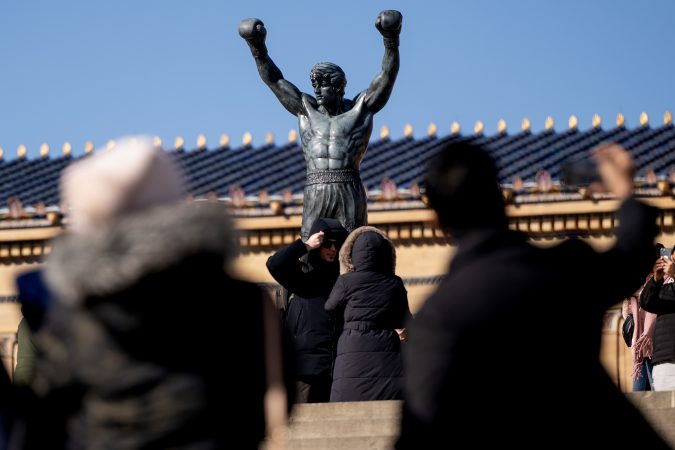
    Rocky is not only a Philadelphia film, but a Bicentennial film. Writer and actor Sylvester Stallone invokes Bicentennial themes through characters like Apollo Creed, a heavyweight champion eager to represent the American Dream in a showcase match. He chooses down-on-his luck Rocky Balboa, the “Italian Stallion,” as his opponent to highlight the United States as a nation of underdogs only in need of a chance. As reviewer Arthur Knight wrote at the time, “For the course of its two hours we learn that…America is still a place where a man can haul himself up by his own bootstraps provided he believes in himself and has the will to do so.”

    The underdog theme in Rocky resonated with American audiences in 1976 as they were thinking about the 200th anniversary of the United States, which had been born as a long shot fighting for independence from the mighty British Empire. The Revolutionary War was won by American underdogs setting the course for a new nation dedicated to liberty. But the fight for liberty became an ongoing struggle for many Americans over the centuries.

    Rocky was among the many messengers of that theme during the Bicentennial. Few if any characters in the film expect Rocky to win the exhibition fight, but he works hard and refuses to give up, going the distance against the best in the world, and losing on a technicality. He also inspires a nation. Rocky became a sleeper hit that helped awaken Americans from their self-doubts during the dark times of the 1970s.

    The Bicentennial celebration in 1976 was mired in debates over how to mark the milestone. Today, plans for celebrating the 250th anniversary of American independence in July 2026 are also fraught with controversy as two separate organizations, the official America250 group authorized by Congress and the President Trump-themed Freedom 250, compete for control of national events and the national narrative. But as the ordeal of the Bicentennial reveals, battles over how to commemorate America’s birthday are nothing new.

    Though the United States had 200 years of history to celebrate, the Bicentennial in 1976 was shrouded by the recent past. The Vietnam War, protests, political violence, scandals, and economic uncertainty compelled reassessments of the nation’s identity and its founding ideals. In the aftermath of the civil rights revolution, more Americans than ever in the 1970s sought to contribute to the story—making a simple, patriotic interpretation of US exceptionalism difficult to promote.

    At first, the official American Revolution Bicentennial Administration (ARBA), funded by the federal government, tried to present a triumphalist version of the nation’s past, focused upon democracy and liberty as mainstays of American identity. The Commission immediately met with resistance. Some critics questioned the need to spend money on the extravagance of U.S. pride.

    Others denounced the commercialism of a Bicentennial sold to consumers through commemorative trinkets as well as the inherent racism of a whitewashed US history that marginalized the experiences of Black Americans. Corporate power was a prime target of protests. The Boston Oil Party of 1973, for instance, dumped oil barrels, not tea, into the harbor and hung an effigy of President Richard Nixon.

    Instead of a centralized, unified series of events organized at the top, the Bicentennial became a grassroots effort by multiple groups and communities mining the American past to bolster their political viewpoints. The People’s Bicentennial Commission, a New Left rival to the official committee, emphasized the revolutionary tradition that had secured independence and established the republic. Jeremy Rifkin, director of the group, wrote “Red, White, and Blue Left,” an essay that encouraged activists to embrace American radicalism rather than follow Lenin, Mao, or Castro. “For the American left to develop a strategy that can win popular support for programs that answer present grievances,” he argued, “it must first gain a clear understanding of the role which the American heritage plays in the formation of American people’s political attitudes and behavior.”

    Though leftists faced an entrenched capitalist system, Rifkin enlisted the rebels of the 1770s as models for a “second American revolution” for economic equality in the 1970s, drawing upon their dark horse determination to overcome power. Like Rocky, Rifkin projected an underdog endurance that he believed defined American greatness.

    Race and class issues were prominent during the Bicentennial, as Black Americans spoke about the unfinished revolution of 1776 and the uncritical patriotism of 1976 that treated them as collateral damage. Comedian Richard Pryor’s caustic Bicentennial-themed act won best comedy album Grammy of the year and Gil Scott-Heron’s spoken-word poem “The Bicentennial Blues” framed America as “home of the blues.” The blues, the lyrics explained, had been “born on the slave man’s auction block” and “grew up a slave.” For over 200 years, Scott-Heron reminded, the blues expressed the pain of second-class citizens “ripped off” and “violated by commercial corporations.” The poem dismissed the Bicentennial as another “blues year” marked by “halfway justice, halfway liberty, halfway equality, it’s a half-ass year.”

    Protest parades for July 4, 1976, took place in Philadelphia and D.C. as a coalition of Black Americans, Native Americans, Puerto Ricans, and various dissenters made their voices heard.

    Made By History sponsors. FOR USE ON MADE BY HISTORY STORIES ONLY.Inquirer Staff

    Despite waves of disillusionment, the Bicentennial provided an ocean of opportunity for Americans to recover from the Vietnam War and reassess patriotism. Millions focused on the bright side of U.S. history, celebrating American virtues. Red, white, and blue floodlights illuminated the top of the Empire State Building, starting a tradition of using colored lighting patterns to mark special occasions. Little Liberty Bells and coins were popular items, while Queen Elizabeth II sent the city of Philadelphia the “Bicentennial Bell,” a full-size replica of the Liberty Bell from the same London foundry that created the original. Speechwriters for President Gerald Ford encouraged him to put the meaning of America in terms of an ongoing “experiment” that still represented the world’s best hope for freedom. “Rebirth” and “renewal” were stated themes of administrators trying to lift the gloom and shift the mood of the nation.

    Ford declared that Americans needed to uphold liberty and democracy, not only for U.S. citizens but all humanity. For a nation chastened by recent war, Ford’s words were balanced between humility and hope, the same notes that Rocky hit.

    In 2026, like in 1976, the American people continue to debate the meaning of America and whether the country’s founding values are still viable or ever were. Celebrating the anniversary of U.S. independence, therefore, is always as much about hope for the future and the mood of the present as it is about pride in our past. Like Rocky and his underdog spirit, Americans keep fighting the good fight for the liberties that have remained insecure since 1776.

    Vaneesa Cook is a PhD historian and the author of Empire & Liberty: The Tied Histories of Two American Landmarks (Beacon Press, 2026), from which this essay is adapted.

    Made by History takes readers beyond the headlines with articles written and edited by professional historians. Opinions expressed do not necessarily reflect the views of The Inquirer.

  • Philly really cooks at the Beard Awards | Let’s Eat

    Philly really cooks at the Beard Awards | Let’s Eat

    James Beard Awards history was made Monday night, and we unpack it all.

    ❓Last week, we dropped our list of the 76 foods and drinks that define the Philadelphia region. I’m back to ask: What did we miss? Let me know!

    📣 The temporary 4 a.m. bar closings have upset some neighbors. You? My colleague Beatrice Forman wants to hear from you.

    Also in this edition:

    • Restaurant mysteries: What’s happening at an Italian restaurant in Cherry Hill and at a bistro in Queen Village?
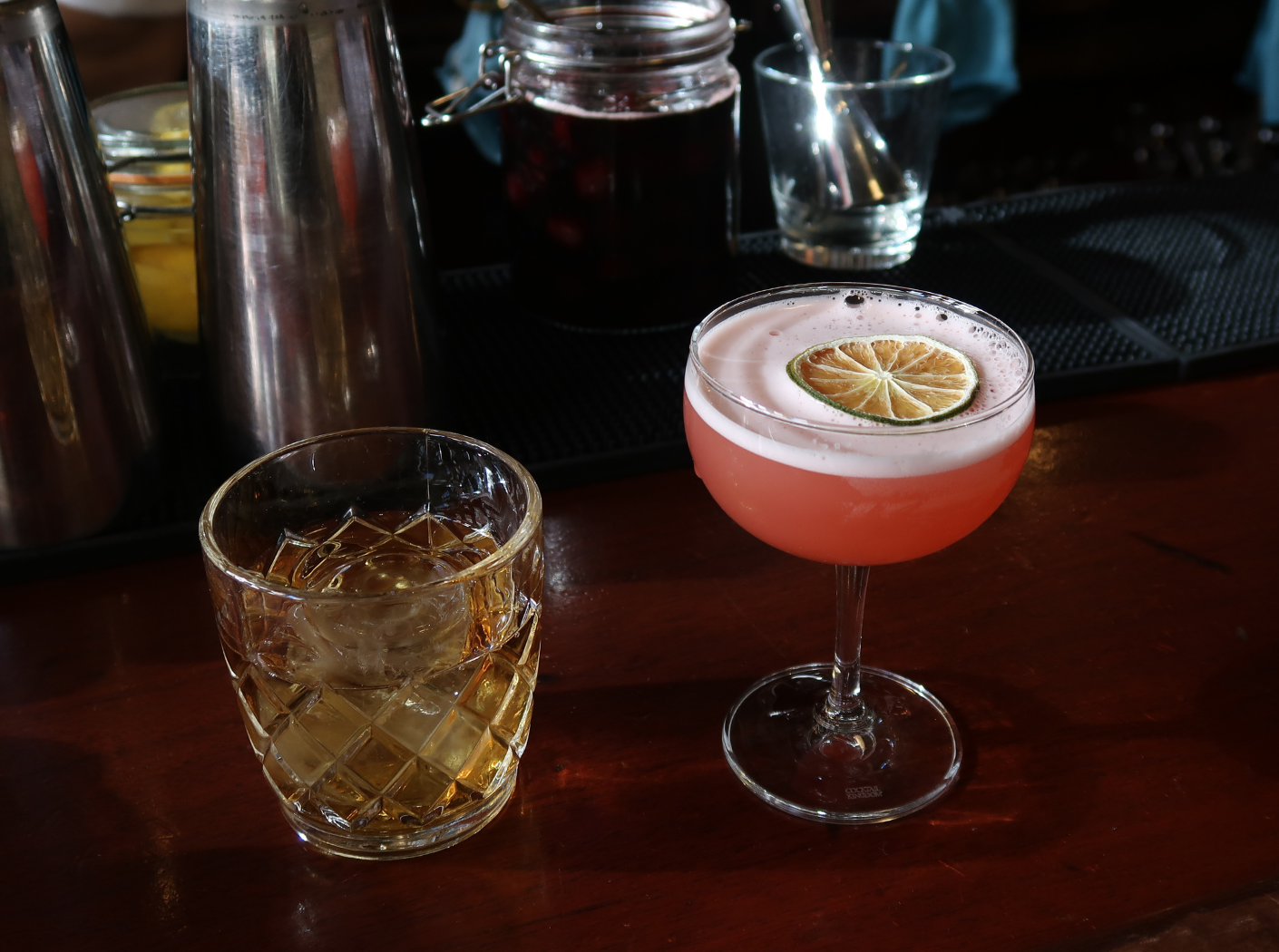
    • Chartreuse shortage: How some bars are handling this.
    • Ambition in Chestnut Hill: Your first look at the Blue Warbler, which aims to be different.

    — Mike Klein

    If someone forwarded you this email, sign up for free here.

    Another big night at the Beards

    Philadelphia turned up at the James Beard Awards this week.

    Beatrice Forman tells the story here. In sum:

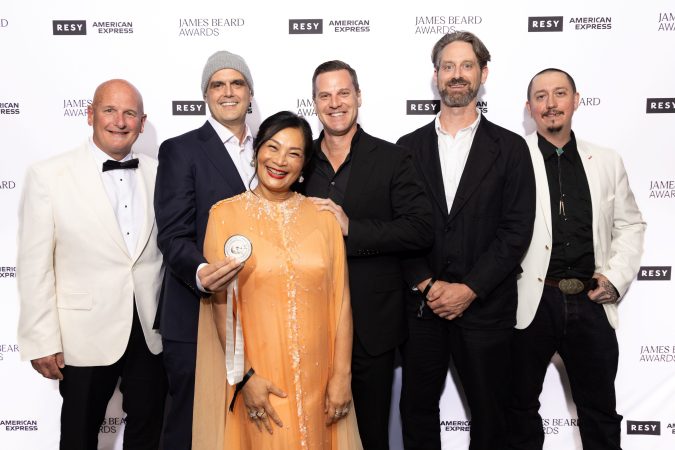
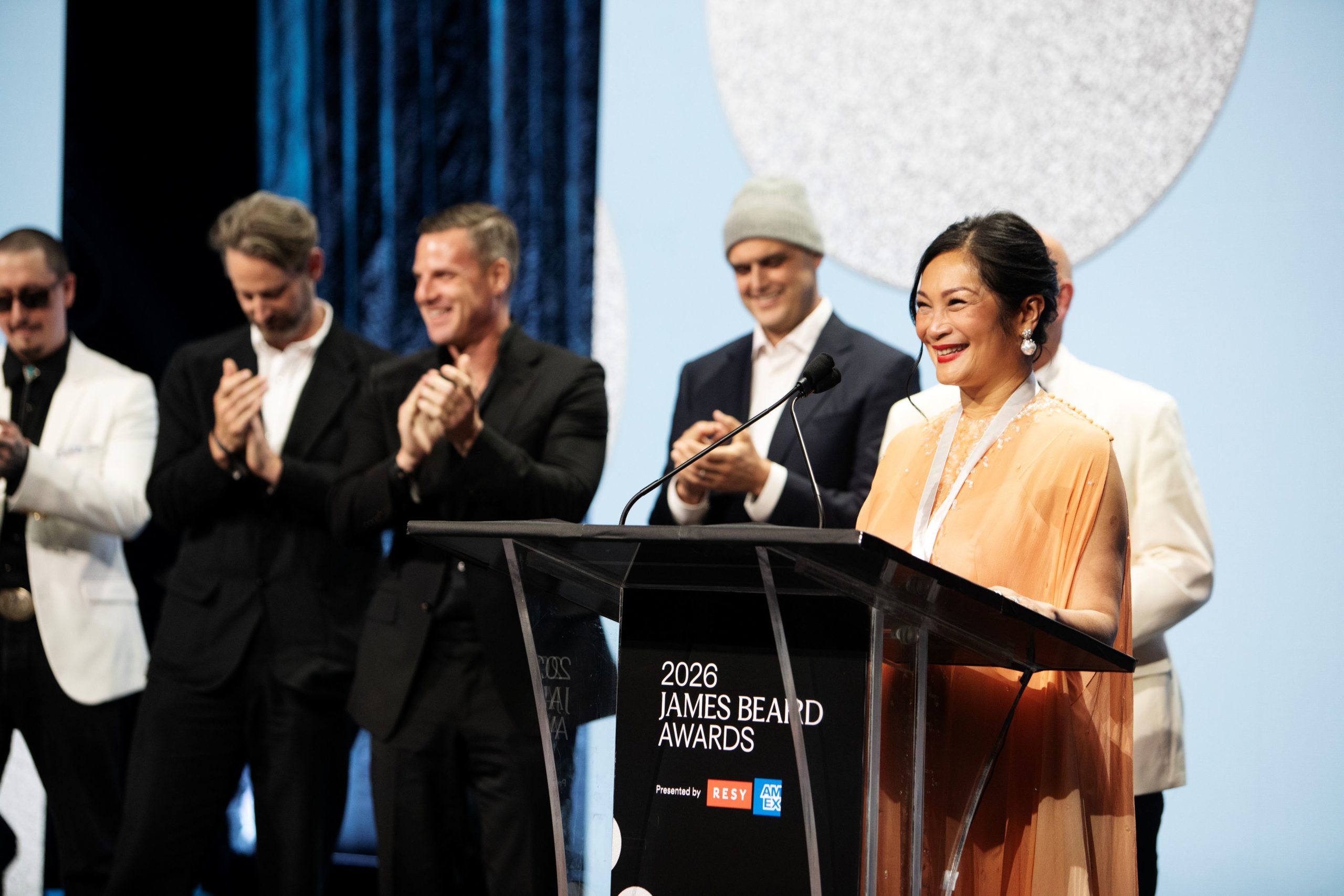
    🍜 Kalaya, the Thai destination from chef “Nok” Suntaranon in Fishtown/Kensington, is the Beard’s Outstanding Restaurant for 2026. Kalaya is only the second Philly restaurant to win this national honor, after Friday Saturday Sunday brought it home in 2023, the same year Suntaranon won for Best Chef, Mid-Atlantic.

    🍣 Chef Jesse Ito of Royal Sushi & Izakaya and Dancerobot, winner of the Best Chef, Mid-Atlantic, proves that nine times can be the charm. (Yes, this was Ito’s ninth nomination, after years of recognition dating back to a Rising Star Chef nod in 2018 and a string of Best Chef, Mid-Atlantic noms.) “I came to Chicago 99% certain that I was going to lose,” Ito told us. Well!

    📸 Inquirer photographer Monica Herndon won the 2026 Beard award for narrative photography last Saturday for an assignment where she followed native hunters in the Canadian Arctic. (When I called her Monday to congratulate her, she had to cut it short because she had to photograph Wawa tacos. The life of a newspaper photographer!)

    💡 Here’s your chance to know more about the winning chefs. Critic Craig LaBan and photographer Monica Herndon traveled with them. Check out their articles:

    ❗Michelin, 50 Best, James Beard, Food & Wine… What do these awards mean? I’ll let Kiki Aranita make sense of them.

    In other Beard news:

    ⏲️ Chef Justine MacNeil of Fiore in Kensington was a Beard finalist this year for Outstanding Pastry Chef. Beatrice Forman explains how her approach stands out in the era of social-media bakeries.

    🧑‍🍳 Chef Cristina Martinez, who won the Mid-Atlantic’s Outstanding Chef prize in 2022, has set up a counter to sell her celebrated South Philly Barbacoa inside Triple Bottom Brewing, 915 Spring Garden St. Hours: 3-9 p.m. Wednesday-Friday and 1-9 p.m. Saturday.

    Restaurant mysteries

    .Sarah Nicell

    Roxanne, the Michelin-recommended Queen Village bistro that the city shut down over the spring for operating without licenses and inspections, said on Instagram that it would reopen today. Beatrice Forman reports that chef Alexandra Holt is also advertising lunch, though hours and days are unclear.

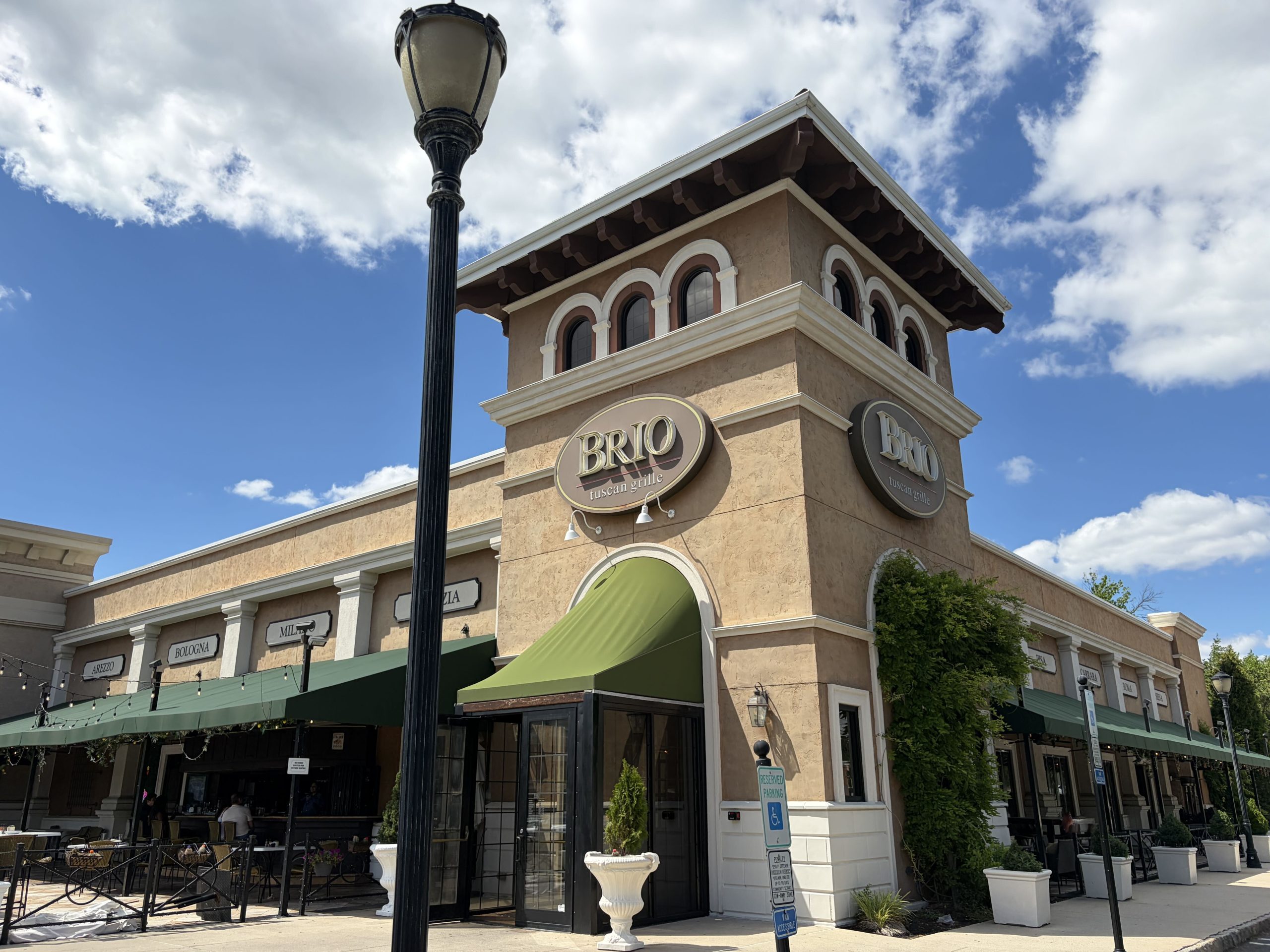
    South Jerseyans seem confused over a rumored impending closing of the Brio Italian Grille in Cherry Hill and an alleged plan for Brazilian steak chain Fogo de Chão to move in. Sarah Nicell unpacks this tale.

    Secret stashes of Chartreuse

    Global supplies of Chartreuse are dwindling. But, as Kiki Aranita reports, some Philadelphia bars have figured ways to work around this and concoct their own version of the coveted spirit.

    The skinny on ‘Skinny Joey’

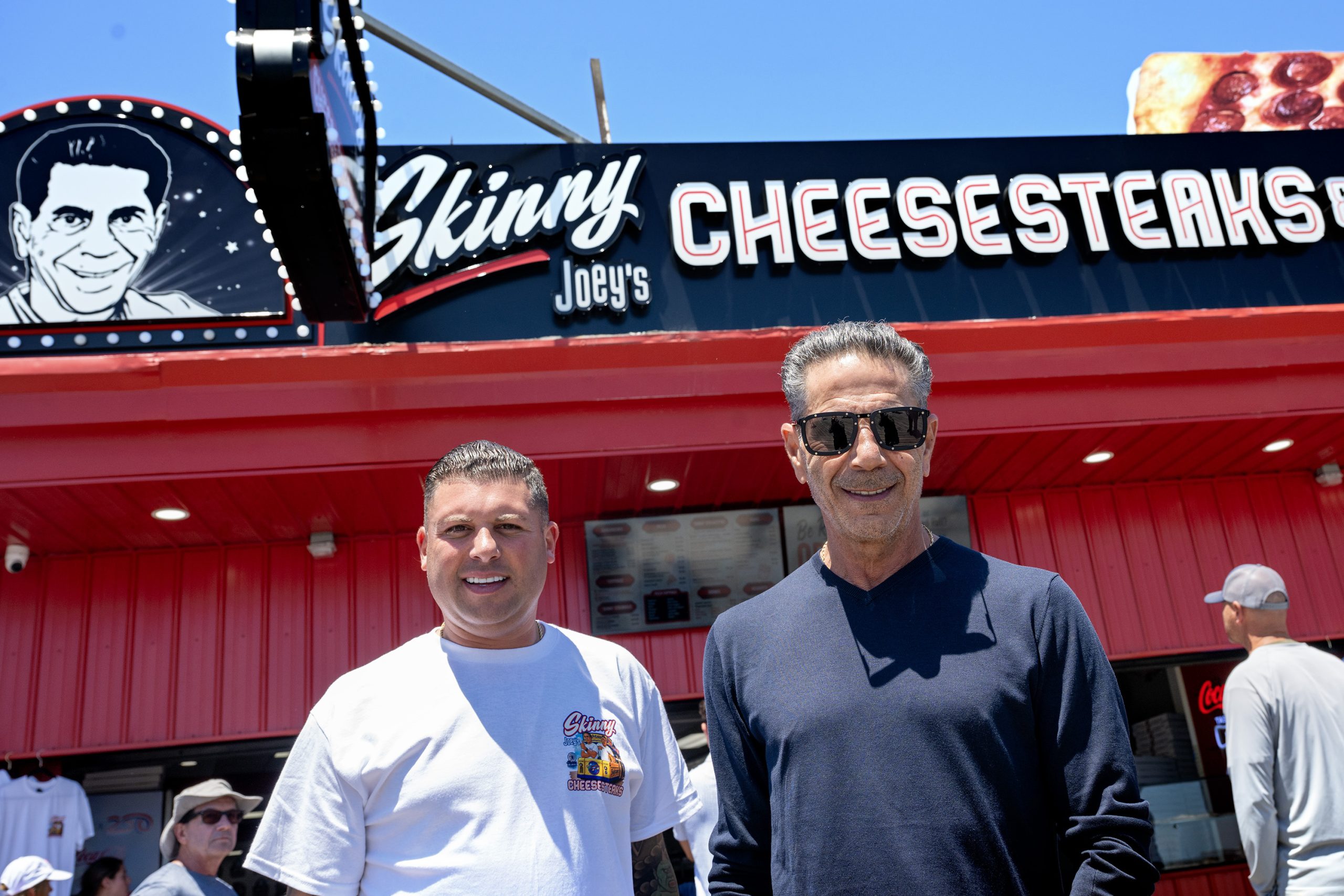
    In a story that’s more “pop culture 2026″ than “food,” I recount how an influencer has refashioned the life of former alleged Philadelphia mob kingpin “Skinny Joey” Merlino. His new career includes a podcast and cheesesteak businesses.

    The best things we ate last week

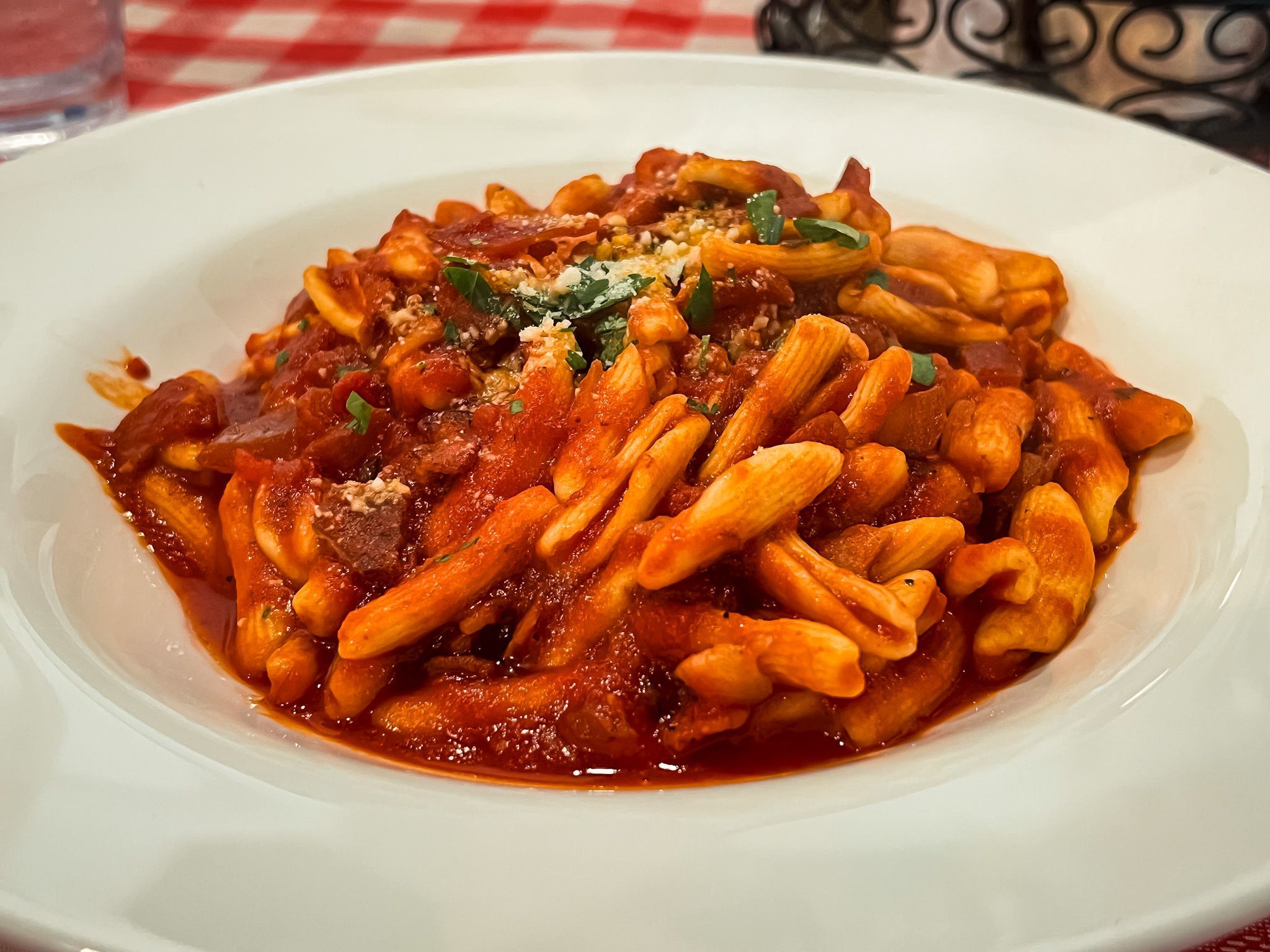
    This Cavatelli Amatriciana at a new Montgomery County Italian restaurant was a tasty riff on an old favorite. It’s among our top bites, including pastries from a pop-up, drinkable yogurt in Chinatown, and a “walking snack” in South Philly.

    Scoops

    Wawa is on a small liquor-license binge in the burbs, applying to Harrisburg this week for its soon-to-open Super Wawa stores at 799 Valley Forge Rd. (near White Horse Road) in Schuylkill Township and at Valley Forge Road and Sumneytown Pike in Upper Gwynedd.

    David Jansen, who closed his eponymous Mount Airy restaurant last year to become chef at Whitemarsh Valley Country Club in Lafayette Hill, is now on the beach, as they say. He and the club acknowledge that they’ve parted company. Jansen, who spent 22 years at the old Fountain at the Four Seasons Hotel under Jean-Marie Lacroix, said he is taking time off before jumping back in. (The upshot: He will again cook for the general public.)

    Soft-shell crab season is upon us, and here are 10 restaurants that have them on the menu.

    Restaurant report

    Let’s take a first look inside the Blue Warbler, arguably the most ambitious bar/restaurant/cafe to open in Chestnut Hill in years. Shown is the chopped meze salad, featuring smoky baba ghanoush and creamy lemon-garlic hummus, topped with baby greens, watermelon radish, carrots, spicy pickled carrots, harissa crunch, and crispy chickpea. Read on for the story.

    Saffron Cafe, a Manayunk newcomer, delivers samosas and viral dot cakes as it bridges Indian and American culture, writes Hira Qureshi.

    ➕ The week’s openings include: The Monto, the Old City Irish bar at 226 Market St. from Fergus Carey and Jim McNamara, with food by N.A. Poe, debuts at 5 p.m. Saturday). The Huntingdon Valley branch of the revived Iron Hill Brewery opens at 11 a.m. Monday.

    Briefly noted

    The Hart of Catering in Center City is leaning into a case of mistaken identity with a Kevin Hart look-alike contest set for July 6 — comedian Kevin Hart’s birthday — at its cafe at 2101 Sansom St. Owner Kevin Hart, who says he has spent years fielding confusion over his famous namesake, will host the event beginning at 6 p.m. Contestants will be judged by a panel of comedians, and the winner will receive a catered party package valued at $5,000. Participants can dress as either comedian Kevin Hart or owner Kevin Hart, and birthday cake will be served. Registration is available through Eventbrite.

    The Wine Cup, a tasting event featuring wine, beer, and spirits producers, is set for noon-8 p.m. Saturday at the Navy Yard, at the foot of Broad Street in South Philadelphia. Organized by Shakia Williams of Cyrenity Sips Winery, Keyanna Wilson of Aurora’s Vines, and Kevin Lewis of KiRae Wines, the event will include tastings, cocktails sponsored by Tito’s Vodka, nonalcoholic cocktails, food trucks, retail vendors, and a cigar lounge. Tickets, starting at $28.50, are via Eventbrite.

    Pennsylvania has reprised its Scooped: An Ice Cream Trail, through Sept. 7, at 59 PA Preferred ice cream destinations. Participants can sign up for a free digital passport and earn points by visiting participating locations and making a purchase. Each stop provides a check-in code that allows travelers to collect points toward prizes, such as a branded insulated bag and an entry to a drawing for a package including a Merrymead Farm tour and an overnight stay at Normandy Farm Hotel & Conference Center. Details are here.

    Fishtown Taps offers discounts on food and drinks from 5-7 p.m. Tuesdays through Sept. 29 at participating locations throughout 19125. Details are here.

    The Philadelphia Chinese Lantern Festival is back at Franklin Square through Aug. 16, transforming the park into a glowing showcase of culture, artistry, and light. There’s also a huge slate of food throughout from local vendors Chickie’s & Pete’s, Humpty’s Dumplings, Oishii, Sang Kee Noodle House, and Square Burger. The menu is here. Notable: Korean meatballs from Oishii, the dan dan noodles from Sang Kee, and the beverages served inside whole pineapples and coconuts. Kids will like the five different cotton candy selections (example shown above).

    Herr’s is out with three new flavors of Philly-inspired chips as it rolls out another season of its Flavors by Philly promotion. Here’s what we thought of them.

    ❓Pop quiz

    Rita’s Water Italian Ice is offering a new flavor for a month. What is it?

    A) mermaid

    B) unicorn

    C) fairy dust

    D) leprechaun

    Find out if you know the answer.

    Ask Mike anything

    What’s happening with Fiesta III Pizza in Chestnut Hill? — Wade J.

    Fiesta III Pizza at 8339 Germantown Ave., which closed in October 2024 after more than four decades, is coming back at the hands of brothers Chris and Argyris (“Ari”) Mountis, who along with their father, Tom, were longtime employees of founder Sam Thomas and his wife, Gloria. In 1966, the Thomases founded the original Fiesta in Upper Darby. In 1982, they opened in Chestnut Hill with oldest son Peter, who took over responsibility following Sam’s retirement in 2012. The Mountises, upgrading the place throughout, now operate Jean’s Pizza in Mayfair. Their goal is a fall reopening.

    📮 Have a question about food in Philly? Email your questions to me at mklein@inquirer.com for a chance to be featured in my newsletter.

    By submitting your written, visual, and/or audio contributions, you agree to The Inquirer’s Terms of Use, including the grant of rights in Section 10.

  • Philly Muay Thai fighter and artist Gianna Vadino has a new medium: Kicking butt

    Philly Muay Thai fighter and artist Gianna Vadino has a new medium: Kicking butt

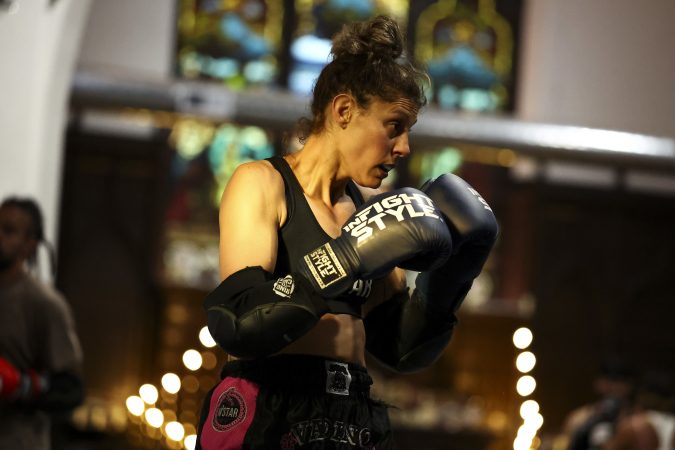
    Nearly 9,000 miles from home, Gianna Vadino’s Philly presence could still be spotted in the middle of the ring.

    Last month, Rajadamnern Stadium in Bangkok, one of Thailand’s oldest and most famous Muay Thai arenas with a capacity of 8,000, was full of mostly Thai fans rooting for their nation’s fighter, Petchmai Sor. Pracha.

    But from the crowd, a few Americans cheered for the underdog Vadino, a 35-year-old Philly resident making her professional debut.

    “It was very comforting because I was waiting to walk out, and I was getting super nervous,” said Vadino, who was born in Washington Township but has lived in Philly since 2009. “I’m not from here. I’m from America. Everybody’s betting against me. And then random Americans would walk by and tap me on the shoulder like, ‘You got this.’ And as silly as it is, I was way more comfortable knowing that there were actually people who were rooting for me.”

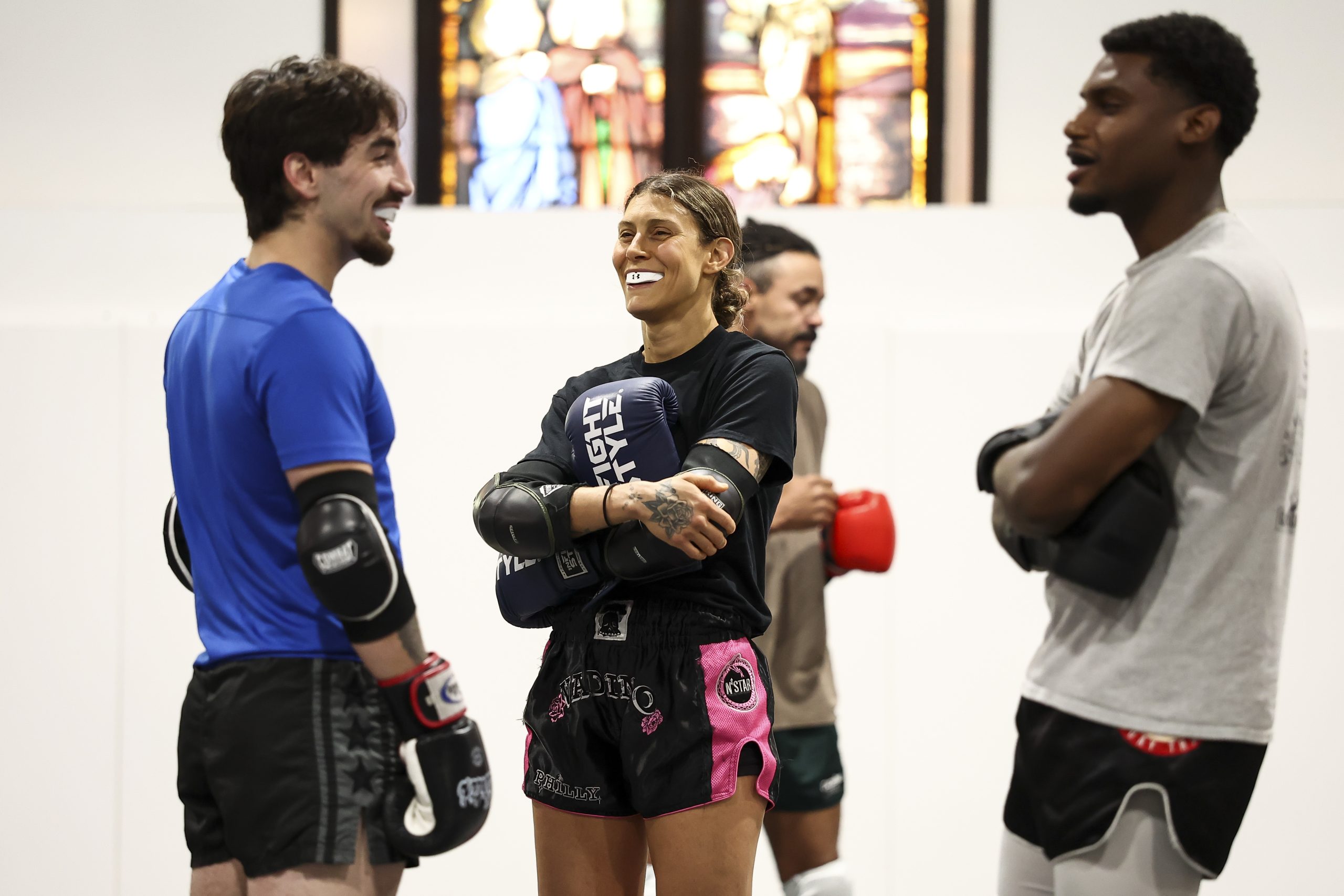
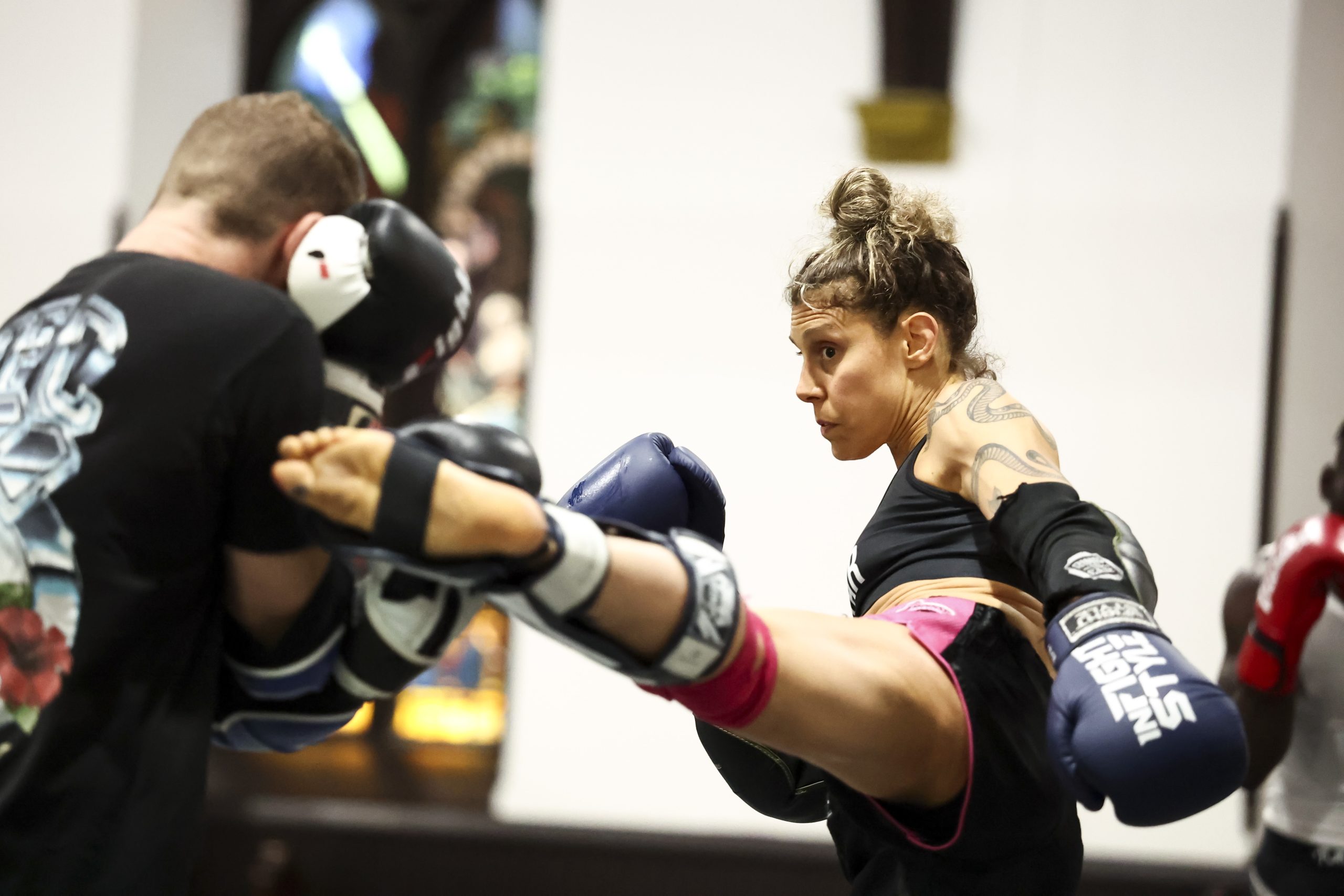
    Muay Thai fighter Gianna Vadino (center) laughs during a workout Tuesday at the North Star Academy.Monica Herndon / Staff Photographer

    Vadino ended the night with a win, improving to a 26-2 overall record — and, more importantly, 1-0 as a professional — after defeating Petchmai by decision. Following her win, some of the American fans who were cheering for Vadino made their way over to congratulate the Philly underdog.

    “I was standing outside of the stadium after I fought, and this family was like, ‘Are you from Philly?’ And I was like, ‘Yeah, why?’” said Vadino, who now lives in Roxborough after 15 years in South Philly. “They were like, ‘We’re from South Philly.’ I was like, ‘That is so weird. Like, why are you guys here?’”

    Apparently, it’s not hard for Philly to spot its own — especially when it comes to fighting.

    “The way that I fight is very — I’m kind of like a bully,” Vadino said. “I put a lot of pressure on people. I brute-force my way through things if technique isn’t working. … It’s not always the best idea. But that’s what I do. So I do feel like there’s some South Philly in that for sure.

    “I’m not going to deal with people’s s—. I’m just going to get the job done no matter what I need to do.”

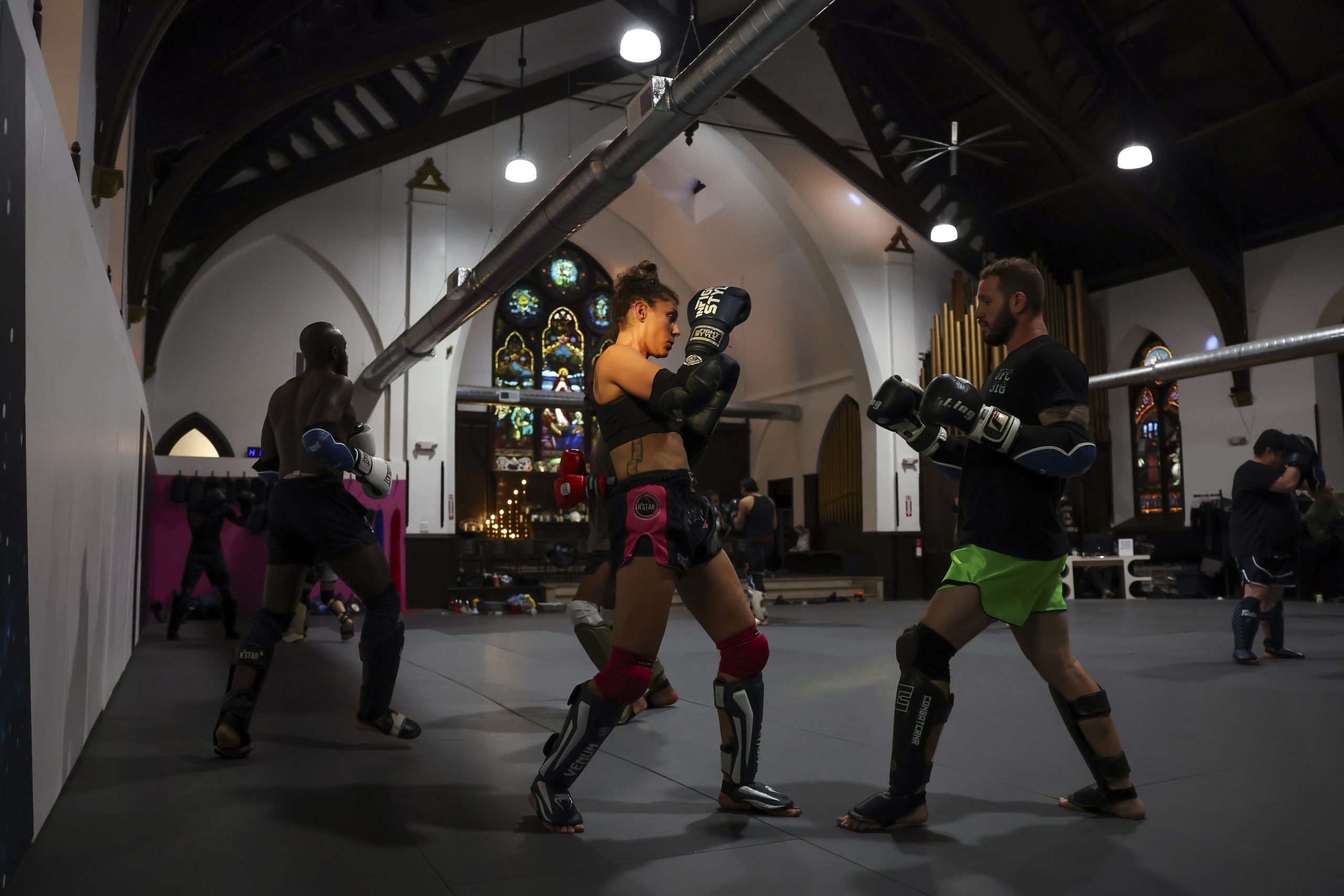
    Muay Thai fighter Gianna Vadino spars with Timmy Green (right) at the North Star Academy.Monica Herndon / Staff Photographer

    ‘Unbreakable consistency’

    That mindset has stayed with Vadino since her days playing soccer, basketball, and lacrosse as a child. But once she enrolled in the University of Arts, her active side took a bit of a backseat.

    “I was like, ‘I guess I’ll start running,’” Vadino said. “And then I just subconsciously craved that team aspect, and I didn’t really know it. And then once I started doing Muay Thai, I kind of got that fix.”

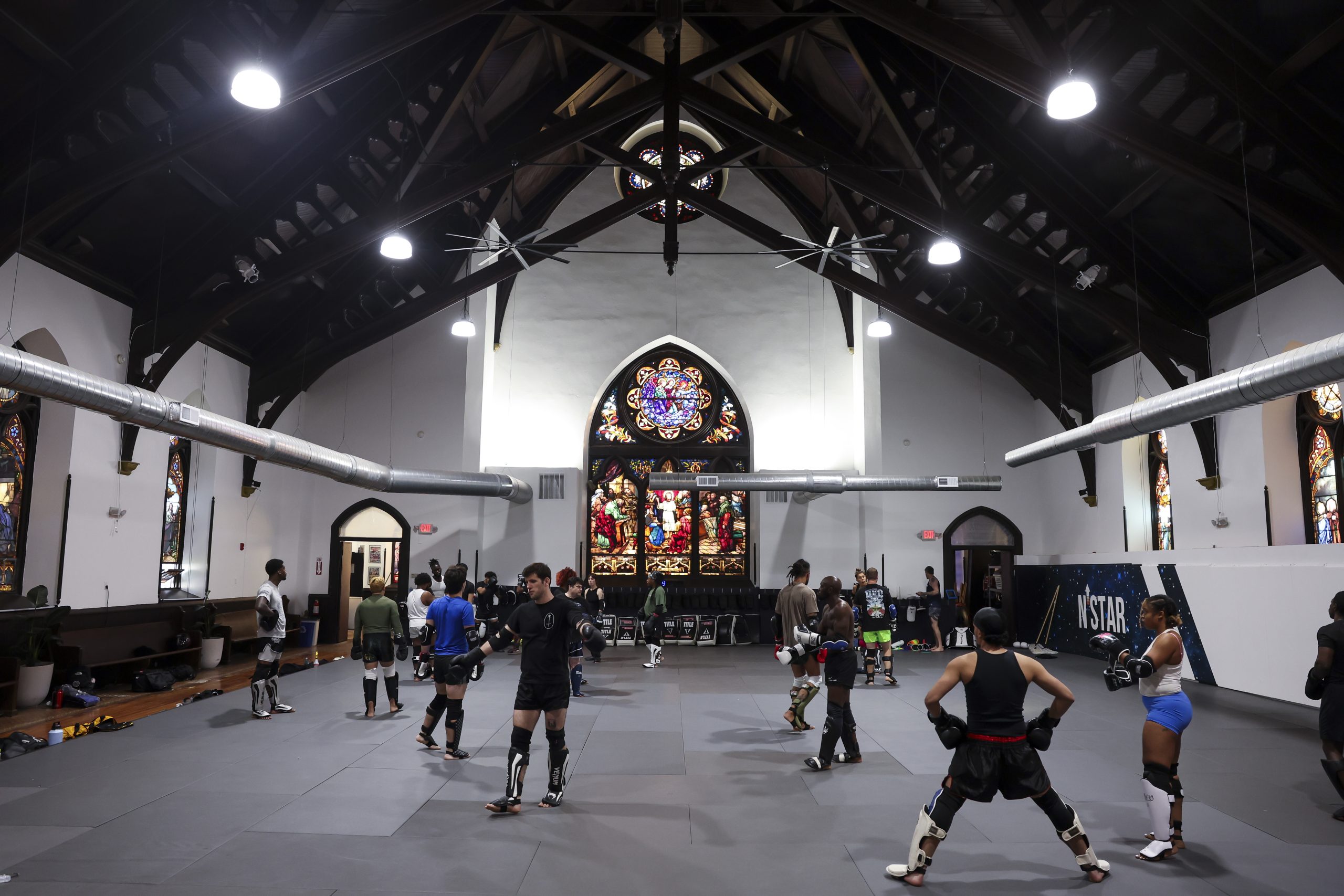
    Vadino started practicing Muay Thai in 2017 at 27 years old. Four years later, she began to compete, fighting out of Germantown’s North Star Academy. From the gym run out of the former St. Michael’s Evangelical Lutheran Church, she has gone on to become a five-time international champion and a 13-time national champion as an amateur.

    “The one thing that makes her exceptional is that she just normalizes things that are pretty extreme,” said Jackson Galka, her Muay Thai coach and the owner of North Star Academy. “And I think that’s the secret to her success. It’s just a solid routine and unbreakable consistency.”

    Some of Muay Thai fighter Gianna Vadino’s championship belts on display at the North Star Academy on Tuesday.Monica Herndon / Staff Photographer

    Despite her success, a defining moment in another discipline shaped Vadino into the fighter she is today. Before devoting herself full-time to Muay Thai, Vadino made her MMA debut in 2024. After suffering a knockout loss, she reevaluated her career.

    “I think that was the biggest [setback],” Vadino said. “A lot of people were hopeful that MMA was the path for me. It was just a s— experience. I felt depressed. And I decided MMA wasn’t for me. It wasn’t just because of the knockout. It was the environment and the air around it and the culture. It’s very cutthroat. It’s more mean and showy. And Muay Thai is just a very respectful sport. You look at your opponent as if you’re thankful for them. There’s just an incredible level of respect.”

    But competing strictly in Muay Thai came with its own issues. For one, Vadino had a hard time finding pro fights in the U.S.

    “I’ve been trying to get a professional fight for a couple years in the U.S.,” Vadino said. “And it’s really tough because there’s not a lot of women doing it in general. And there’s not a lot of women doing it at a professional level. So it tends to be that you have to just go abroad in order to fight professionally.”

    Muay Thai fighter Gianna Vadino wants to fight a pro bout in the U.S. but her discipline isn’t very common here.Monica Herndon / Staff Photographer

    ‘She hunted the competition to extinction’

    As Vadino continued to search for a pro fight in the United States, Galka recommended that she return to Thailand. She briefly competed there nearly two years ago, following her MMA debut, in an International Sports Kickboxing Association tournament.

    “There’s not a huge pool of women at her weight and experience in the United States,” Galka said. “So she kind of like mounted the heads of everyone on her wall. She’s hunted the competition to extinction in the United States. So it’s like, ‘All right, well, what are we going to do?’”

    To help with the booking, Derek Kenney, the owner and head coach of Burning Spirits, a gym in Fishtown, put her in contact with a coach from Sityodtong Muay Thai Camp in Thailand. Eventually, they booked her first pro fight.

    She trained in Thailand for two weeks, taking a break from her job as a creative studio manager at Ollie.

    “Thailand is like a whole other level,” Vadino said. “The main difference is the structure of classes and conditioning. In Thailand, they do much more conditioning, and everything is outdoors. It’s like 100 degrees, you’re running miles, and you’re drenched in sweat.

    “But Thailand has the best fighting culture. They just have a different outlook on fighting. In America, people worry about their records, they say no to fights, or hear, ‘We need eight weeks to prepare’ for something. But, in Thailand, they’re like, ‘Whatever. I just fought; I’ll fight again in two weeks.’ The attitude is different.”

    After two sessions a day, training nearly six hours for six days a week, Vadino was ready for her fight at the Rajadamnern Stadium.

    “It’s the biggest stadium in Thailand, and I feel like it’s just a dream for anybody to be able to fight there,” Vadino said. “So the fact they got me on a card that was in that stadium was just like nuts in itself. So I think I was more excited and nervous over that aspect vs. the pro aspect of it.”

    Muay Thai fighter Gianna Vadino trained in Thailand for two weeks before her first pro fight.Monica Herndon / Staff Photographer

    ‘Muay Thai is an art’

    Ahead of her win in Thailand, Vadino decided to add some new ink to her collection: a bamboo tattoo of two tigers on her back.

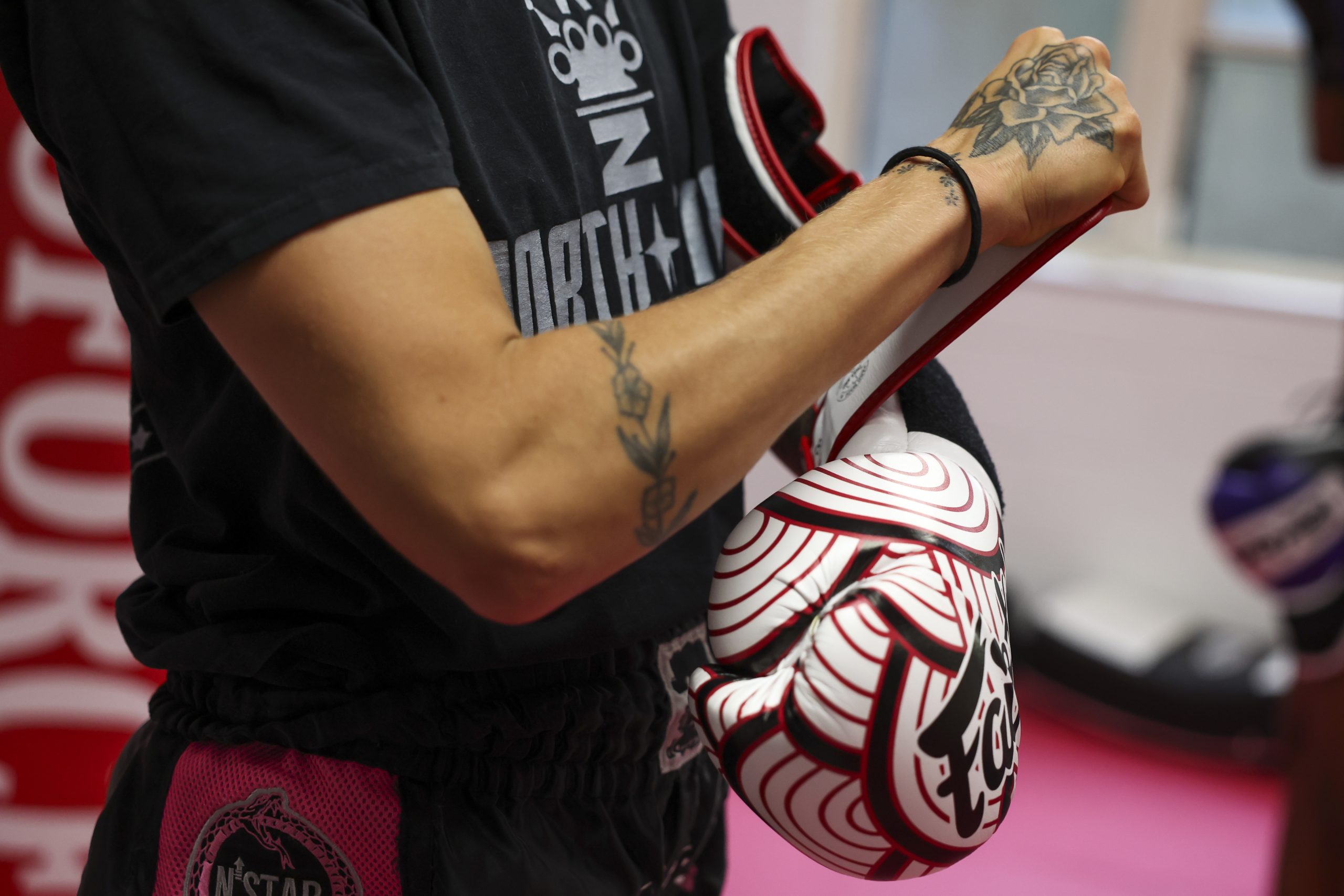
    “I find myself always wanting or getting something new after I’ve had a fight,” Vadino said. “I feel like there’s something there, some sort of transformation that I go through both mentally and physically. And getting a tattoo is a bit of an outlet. It signals the end of that fight journey. It’s just like a collection of art on my body.”

    Vadino has 20-30 tattoos, including a snake, designed by her husband Dan Kelso, a tattoo artist, on her upper arm. As an alumna of the University of Arts, which abruptly closed in 2024, and former photography intern at The Inquirer (2011), Vadino has always stayed in touch with her artistic side.

    Muay Thai is just another art form.

    “Before I started doing martial arts on the side, I would do photoshoots for myself or I was into bookbinding stuff,” Vadino said. “And once I started fighting, I didn’t feel the need to do it. And I feel like that’s because Muay Thai is an art. It’s a martial art; there’s a creative outlet in there and I feel like that’s kind of scratching that itch for me.”

    Vadino isn’t alone in making the transition from art school to professional fighter. Former UFC lightweight and current commentator Paul Felder is a 2008 UArts graduate who replaced his love of the theater with an octagonal stage. Later in his career, however, the South Philly native returned to acting, including a cameo in It’s Always Sunny in Philadelphia and, more recently, a recurring role on HBO’s Hacks, in which he brought his UFC skills to the screen.

    What’s next for Muay Thai fighter Gianna Vadino? Here, she spars with Timmy Green (left).Monica Herndon / Staff Photographer

    What’s next?

    Typically in Thailand, most fighters are ending their Muay Thai career at around 27 years old. But for Vadino, 27 was just the start. Now, nearly 10 years later, she’s won her first professional fight and plans to continue her journey.

    “I want to fight for as long as I can,” Vadino said. “As long as my body will allow me to. I feel great right now, so, hopefully, that keeps going. I’ve technically fought pro and probably shouldn’t fight any amateur fights anymore. But Freedom [Fighter] Promotions asked me to defend my belt in Philly in September. So I might do that. Ideally, the goal is to only fight pro. But I just don’t know how realistic that is.”

    Vadino defeated Jordan Smelker by TKO in December 2025 to win the promotion’s lightweight USA championship. September would be Vadino’s first time defending that title.

    “To be honest, I’ve gone further than I ever thought that I would in this sport,” Vadino said. “I had no idea that I would even be able to call myself a professional Muay Thai fighter. That’s insane. So I should just be happy with where I’m at.”

    Gianna Vadino sees Muay Thai as a creative outlet.Monica Herndon / Staff Photographer