The Souderton Area School District must create an area for demonstrators and livestream school board meetings under a settlement reached in a lawsuit brought two years ago by residents who accused the district of illegally banning them, the American Civil Liberties Union of Pennsylvania said Thursday.
“Members of the public have a First Amendment right to attend and participate in school board meetings,” Sara Rose, the ACLU of Pennsylvania’s deputy legal director, said in a statement. “School boards should take a lesson from this case: you can’t silence critics by banning them from meetings.”
Souderton’s superintendent, Christopher Hey, said in an email Friday that the district “continues to welcome and value respectful community participation at school board meetings” and was “moving forward collaboratively.”
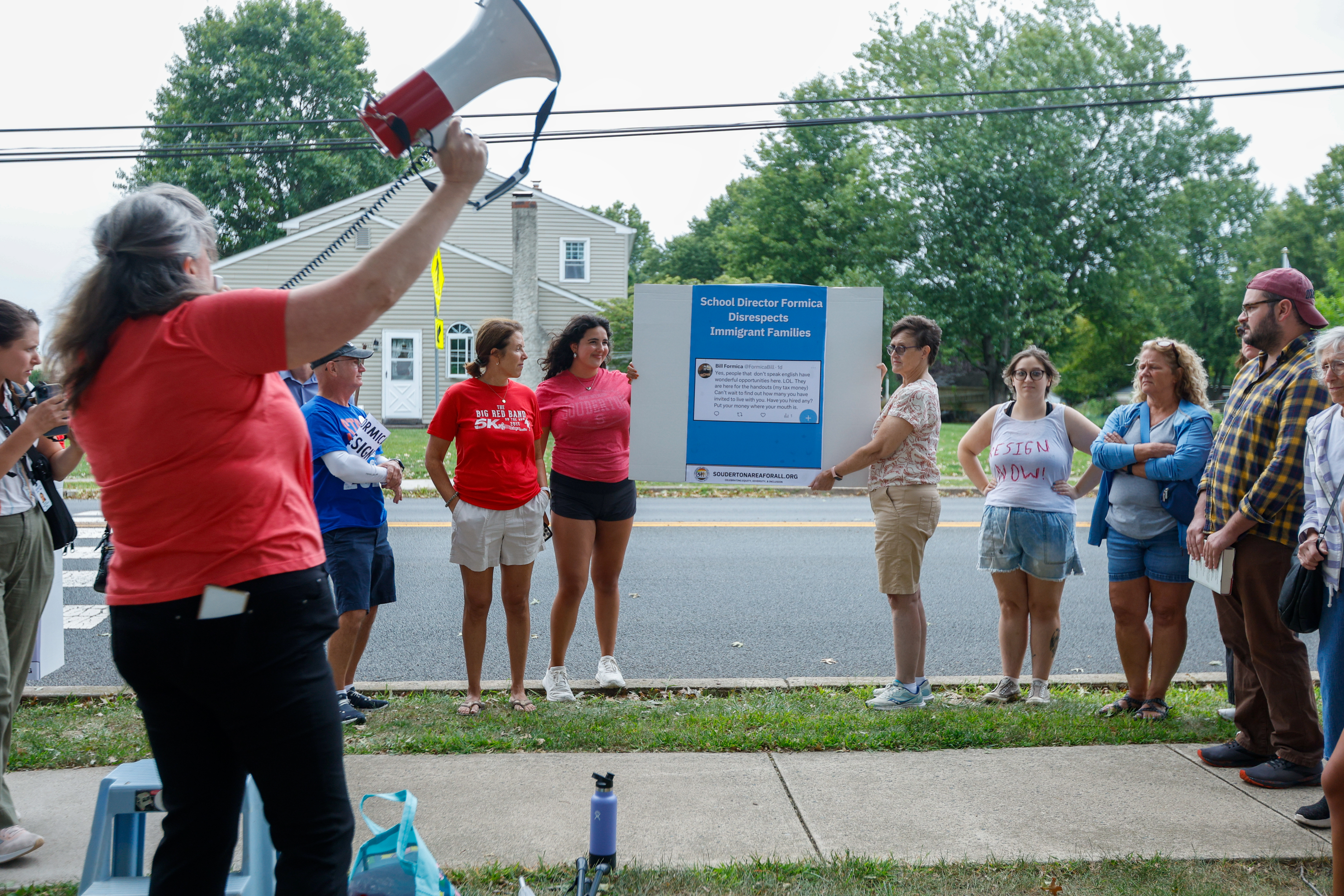
The residents, who were protesting lewd social media posts by Formica about then-vice president Kamala Harris, were accused by the district of threatening another school board member and her teenage daughter in a parking lot after a September 2024 board meeting.
District officials said the residents had mistakenly believed the girl was Formica’s daughter. The district’s solicitor, Jeffrey Sultanik, wrote in an Oct. 10 2024 letter to Kitt, “You screamed ‘Tell your father he’s an {expletive} ,’ and ‘Tell her dad he’s a fascist and needs to resign.’”
The ACLU said the district had falsely accused the residents — Patrick Kitt and Christopher Spigel, along with Spigel’s teenage daughter — of yelling at the school board member, Kim Wheeler, and blocking her from leaving the lot.
The district lifted the ban on the residents in March 2025.
As part of a tentative settlement agreement in early 2025, the residents agreed to provide a “confidential apology” to Wheeler’s daughter, according to the ACLU, “if the district agreed to livestream and archive its school board meetings, create an area for individuals to demonstrate outside school board meetings, pay plaintiffs’ attorneys’ fees, and issue a joint press release about the settlement.”
But that April, the school board refused to approve the joint press release “and instead asked the plaintiffs to agree not to discuss the settlement publicly” — a demand they rejected, the ACLU said.
It said the district’s lawyer then asked the court to bar the residents from discussing the case and demanded that the residents agree to not bring criminal complaints against any board member based on the 2024 incident.
The residents then withdrew their offer to apologize. Kitt, in a statement, said he “lost all trust that the school board was operating in good faith.”
“When the district tried to silence us — again — I lost all trust that the school board was operating in good faith,” Kitt said. “It became clear that the board wanted the apology to weaponize it against us, and it had nothing to do with Wheeler’s daughter.”
The district then asked the court to force the residents to abide by the settlement agreement, according to the ACLU. While the court found the district had failed to prove the settlement was binding, because it hadn’t been approved by the school board, it still ordered the parties to follow it, the ACLU said.
The residents, however, asked the court to reconsider the portion of the agreement involving an apology to Wheeler’s daughter.
In a Sept. 28 decision, Judge Mia Roberts Perez said that “it is not controversial to acknowledge that the ethical thing to do when an adult harms a child is to apologize to that child, even if the harm was inadvertent.”
“The First Amendment, however, limits the Court’s ability to compel an apology,” Perez said. She struck the portion of the settlement agreement that required the apology.
The district had 30 days to appeal Perez’s order, but did not, Rose said.
Hey said Friday that “we respect the court’s opinion, including its views expressed in the September 28, 2026 decision.”
The settlement requires the district to livestream and archive recordings of its school board meetings — something the district wasn’t doing while residents were protesting Formica, Rose said. The district began streaming and archiving meetings in December 2024.
It also requires the district to create a “designated outdoor gathering/demonstration area adjacent to (or in the immediate vicinity of) the district’s administrative offices building.”
The district also has to pay $63,000 in attorney’s fees for the residents, under the settlement.
Last week, a mail carrier in Mount Holly, N.J., arrived at a dilapidated single-story home to find the mailbox sealed shut with clear tape. Then he made an even more unusual discovery.
“9-1-1 inside″ said a note taped to the front door, paired with a drawing of two frowning faces with x’s instead of eyes.
What Mount Holly police eventually found inside 3 Winding Way has continued to shock the quiet suburban community.
William Monk, 64, Randolph Monk, 69, and Rosalind Monk, 71, were dead inside the home, according to a source familiar with the investigation. The cause and manner of their deaths have not been released as the medical examiner’s office continues its examination.
A spokesperson for the Burlington County Prosecutor’s Office declined to comment, citing the pending result of the autopsies. Mount Holly police referred questions to prosecutors. There is no active threat to the community, the department said in a Facebook post.
A neighbor said the Monks were siblings who had lived in the declining property for years.
They kept to themselves and rarely left home or interacted with neighbors, according to Chris Wyatt, who has lived next door since 2013. Wyatt said he had no reason to believe anything was amiss in the home, though he found it impossible to ignore the failing condition of the property in recent years.
“We’re just in shock,” Wyatt said of his neighbors’ deaths.
A piece of crime scene tape hung in a tree outside of the Monks’ home Wednesday when The Inquirer spoke to neighbors. Some lawns still had skeletons and gravestone decorations up from Halloween, flags for Philadelphia sports teams, garages brimming with bicycles, and other signals of suburban life were abundant.
3 Winding Way bore none of those signs.
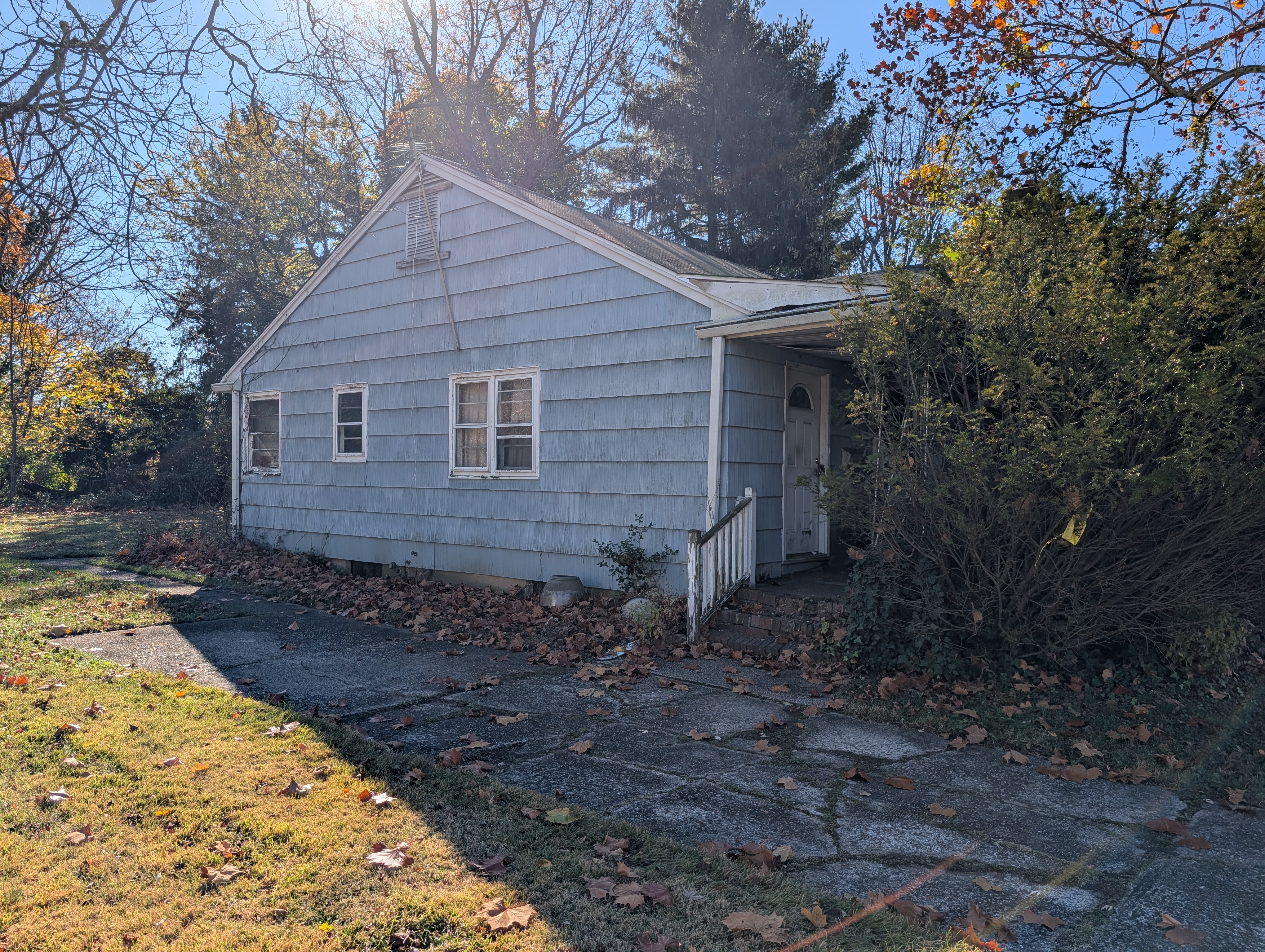
The light blue home’s front porch was caved in, propped up by temporary metal beams, and windows and siding were damaged. An overgrown bush partially obstructed the front door where the mail carrier discovered the chilling note.
Wyatt said the Monk siblings did not have a car and sometimes rode the bus to work. One of the brothers had worked at a nearby Boscov’s for a time, he said. Rosalind Monk worked as a crossing guard and had retired.
Another male sibling, “the most personable” of the group, also lived at the home but died years ago, Wyatt said.
He remains curious to learn what happened inside the home as prosecutors and law enforcement continue their investigation, as well as what will become of the unsightly property.
The knowledge that three people had died there under unusual circumstances has not brought comfort to the father of young children.
“I’ve lived here over 10 years,” Wyatt said. “I never got the inclination that something like this was even possible.”
Loren LoRosa is the cohost of “The Breakfast Club,” a 2014 graduate of Delaware State University, and the founder of Brown Girl Grinding. Tony Allen is the president of Delaware State University, a senior fellow at the Dr. N. Joyce Payne Research Center, and a recipient of the National Urban League’s Whitney M. Young Jr. Award.
One of us — Loren —graduated from Delaware State University in 2014, the first in her family to finish college, and now sits behind a microphone that reaches millions of people every weekday morning.
The other— Tony — was also a first-generation college student, and has been president of Delaware State since the start of the decade.
We are a generation apart, but we were both at the Linc on Oct. 31, and we came away believing the same thing — that what happened in South Philadelphia that night wasn’t just a football game. It was a demonstration of what historically Black colleges and universities do, staged for the one part of the country that most needs to see it.
Fans react in the stands during the Delaware State-Norfolk State game at Lincoln Financial Field on Saturday, Oct. 31. The game drew 32,500 fans and closed out the second One Philly HBCU Week. A fan’s shirt reads “Homecoming Part 2,” the name supporters gave the rematch.Michael Nicholls-Pierce
Ask any high school junior in North Philadelphia, Camden, Chester, or Wilmington to picture an HBCU, and they will likely picture the South: Atlanta, Houston, Tallahassee.
They may not know that the oldest HBCU in the country is 40 minutes from their house, that Lincoln University gave Philadelphia its mayor, or that the most diverse HBCU in America is an hour south of Wilmington, in Dover. The Northeast Corridor, from Washington to New York, is home to nearly a dozen HBCUs and one of the largest concentrations of Black families in the country.
Howard and Lincoln first played each other in 1894. In 1919, they began the Thanksgiving Day series that Black Philadelphia and Black Washington simply called “the Classic,” alternating between the two cities. Then the tradition thinned.
Philadelphia Mayor Cherelle L. Parker, a Lincoln University graduate, with a Lincoln supporter at a live broadcast of “The Breakfast Club” from Lincoln Financial Field on Friday, Oct. 30.Michael Nicholls-Pierce
Two years ago, Mayor Cherelle L. Parker, the Philadelphia Eagles, Norfolk State University, and Delaware State University brought it back.
Across two years and three games, more than 100,000 people have come to Lincoln Financial Field to watch One Philly HBCU Week football. On a cold, wet night in October a year ago, 47,266 were there for the first meeting of Michael Vick’s Norfolk State and DeSean Jackson’s Delaware State teams. It was televised on ESPNU, and Good Morning America was in the building.
This year, 21,000 gathered at the Linc on Friday, Oct. 30, for a matchup between Lincoln University and Virginia Union, and 32,500 on Saturday, Oct. 31, watched this year’s rematch between Norfolk’s Spartans and Delaware State’s Hornets — with the Hornets storming back from 17 points down to win the game.
The winning quarterback, Marqui Adams, grew up in Philadelphia and went to Neumann-Goretti. Coming back to his home city, he said afterward, felt like a blessing.
Members of the West Philadelphia High School marching band, winners of the One Philly HBCU Week Battle of the Bands, perform during “The Breakfast Club’s” live broadcast from Lincoln Financial Field on Friday, Oct. 30.Michael Nicholls-Pierce
Here is what the weekend did for the young people in those stands and in the region.
It put the institutions in front of them. On Friday afternoon, before anyone kicked a ball, the Linc hosted a college and job fair where high school students met admissions officers and employers from colleges across the country, then a step show.
It put HBCU culture on the air.
Lincoln University cheerleaders and Asia Faith Allen, the 53rd Miss Lincoln University take part in “The Breakfast Club’s” live broadcast from Lincoln Financial Field on Friday, Oct. 30.Michael Nicholls-Pierce
On Friday morning, The Breakfast Club, heard in more than 90 markets and streamed live on Netflix, broadcast from the stadium; for the first time in the show’s history, it has gone on the road. HBCU graduates, the presidents of the Divine Nine organizations, the mayor, the West Philadelphia High School band, Lincoln’s cheer squad, and Miss Lincoln filled four hours of national morning radio with the sound of these schools.
The millions who listen to The Breakfast Clubevery morning heard a 189-year tradition of excellence that began just outside Philadelphia, at what is now Cheyney University.
It put the evidence on the table. The Dr. N. Joyce Payne Research Center at the Thurgood Marshall College Fund reported last year that nearly 70% of public HBCU graduates reach the American middle class or above — a rate about half again higher than graduates of predominantly white institutions — and that applications to public HBCUs have risen 126% since 2004.
This summer, the center, with Gallup, surveyed HBCU alumni from the last 15 years and found 70% thriving in their everyday lives, against 46% of Black adults nationally; 79% saying the education was worth the cost, 46% engaged at work (half again the national rate), and half holding a good job within two months of graduation.
These are not feel-good numbers. They are return on investment, for the student and for the region that keeps them.
And it put money and attention into a city and a corridor. More than 100,000 fans across two Octobers filled hotels, restaurants, and SEPTA cars; four universities, a city, and an NFL franchise learned to work together; and a generation of Philadelphia students now has a reason to look at Lincoln, Cheyney, Delaware State, Morgan, Howard, and the rest of the corridor’s HBCUs as their own.
From left: “The Breakfast Club” cohost Loren LoRosa, a 2014 Delaware State University graduate, Charlamagne Tha God, Delaware State University president and first lady Tony and Tara Allen, and “The Breakfast Club” cohost Jess Hilarious at the live broadcast from Lincoln Financial Field on Friday, Oct. 30.Michael Nicholls-Pierce
When one of us — Loren — enrolled at Delaware State, people told me I’d never get a good job. I interned at a magazine in New York, produced television, reported for TMZ, and brought a national broadcast to the Eagles’ stadium. I’m not the exception. This is normal.
The other one of us — Tony — has spent my career watching the country treat HBCU success as a surprise. The facts say otherwise. The steady, ongoing pattern of HBCU-driven success has built much of the Black American middle class.
That is what the weekend at the Linc was for. Not to prove HBCUs can fill a stadium. To let the Northeast Corridor’s young people see, in person and on the air, that the schools down the road from them produce exactly the lives they want. And that choosing one is not a long shot. It is normal.
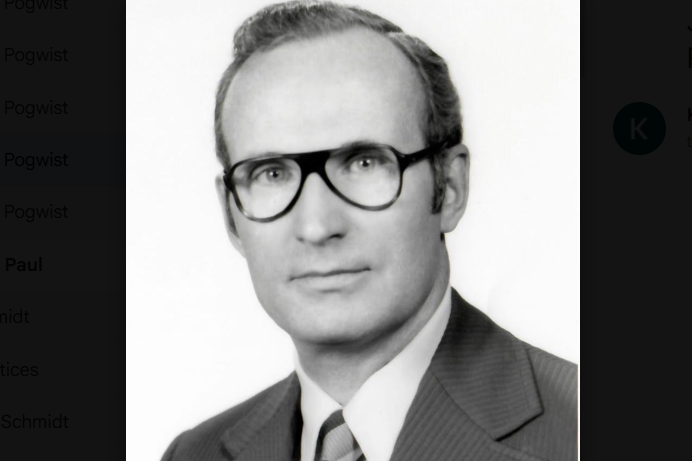
John J. Sweeney Jr., 99, of Haverford, former Pennsylvaniastate senator, longtime official with the federal Small Business Administration, veteran, and volunteer, died Friday, Oct. 2, of age-associated decline at his home.
Sen. Sweeney served in the state Senate from 1975 through 1978 as the first Democrat elected to represent the 26th District in Delaware County. The Inquirer covered his 600-vote election victory over Republican F. Joseph Loeper in 1974 and said he had been “given little if any chance even by members of his own party” to win in a district “that includes some of the strongest Republican areas in the county.”
A month before his victory, Sen. Sweeney told The Inquirer: “I find that my biggest asset is that I’ve never been in politics.” His daughter Kathy said: “He loved election night. That was his Super Bowl.”
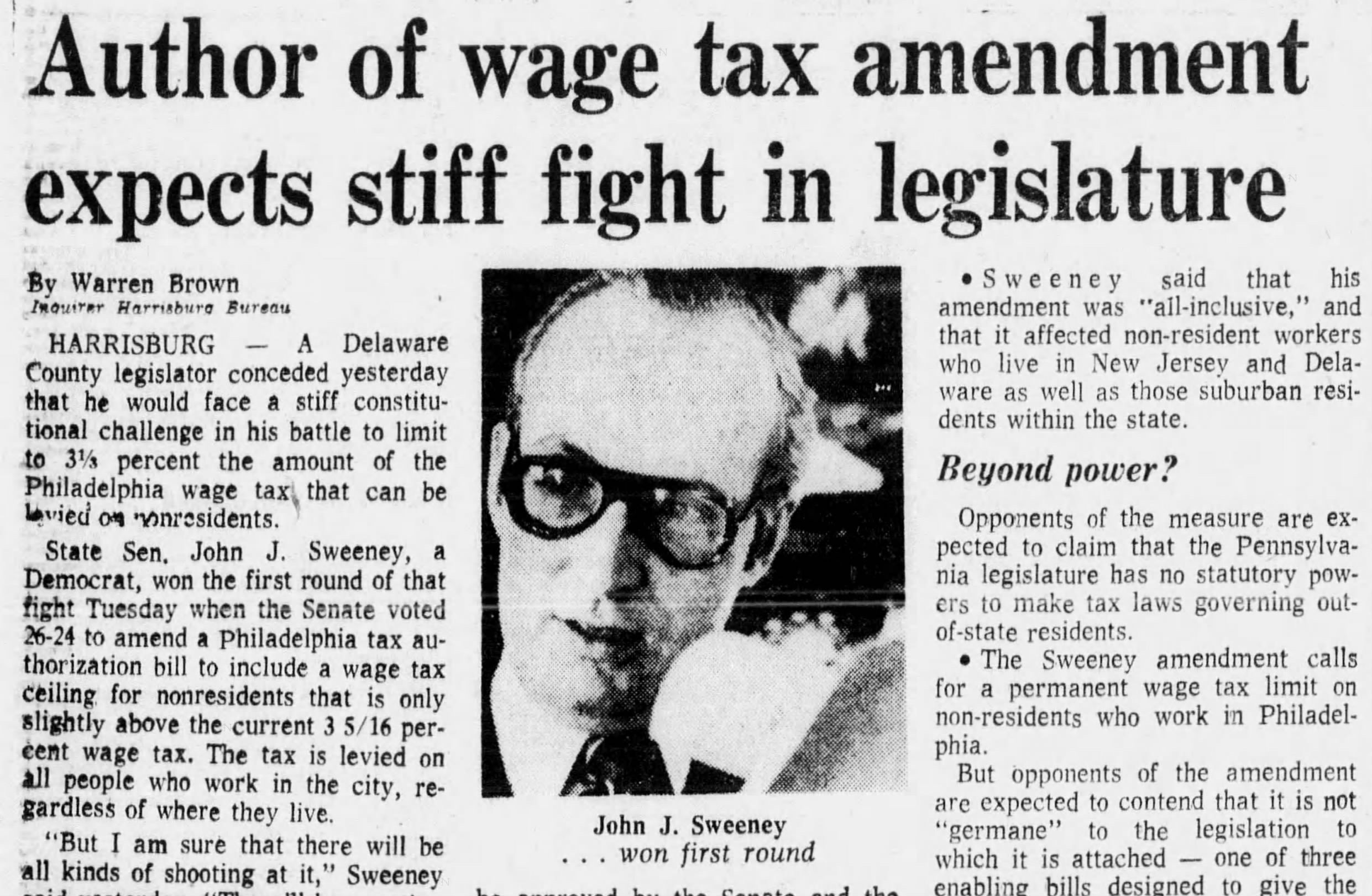
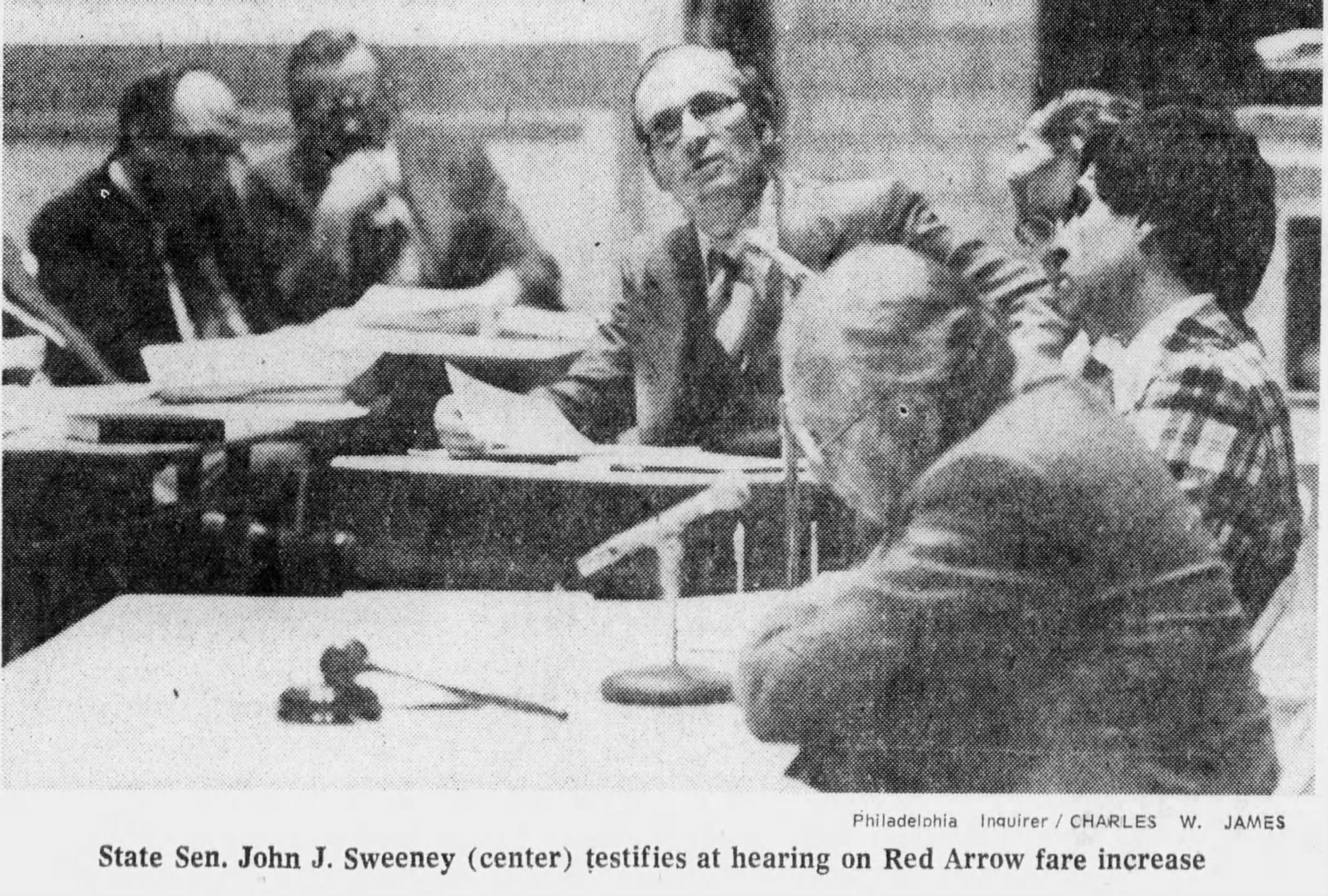
He went on to become chair of the Senate’s old Military Affairs and Aeronautics Committee, vice chair of the Consumer Affairs Committee, and member of the Health and Welfare Committee and the Pennsylvania Public Television Commission. In 1976, he championed legislation that provided a permanent wage tax limit on nonresidents who work in Philadelphia and urged SEPTA to voluntarily place itself under the supervision of the state’s Public Utility Commission due to fare increase issues.
Sen. Sweeney appeared many times in The Inquirer in 1976.Newspapers.com
He also opened the first local state senator’s office in Delaware County. According to his online Senate Library biography, he did not seek reelection “as the $18,720 salary couldn’t support his [growing] family.”
On Oct. 21, the state Senate recognized Sen. Sweeney with a moment of silence on the floor and a resolution of condolence. “He modernized Senate procedures, most notably with Senate confirmation hearings for cabinet appointments, and championed other important reforms for the commonwealth,” Sen. Tim Kearney, a Delaware County Democrat, said in a tribute. “It was an honor to celebrate his life of service.”
After his Senate term, Sen. Sweeney spent 30 years as an award-winning administrator with the federal Small Business Administration in Philadelphia and Washington. In retirement, he mentored juveniles for the Upper Darby Youth Aid Panel and seniors for the Delaware County Office of Services for the Aging.
He also represented Irish Americans for the old Pennsylvania Heritage Affairs Commission. One of his favorite sayings was: “A Sweeney never quits.”
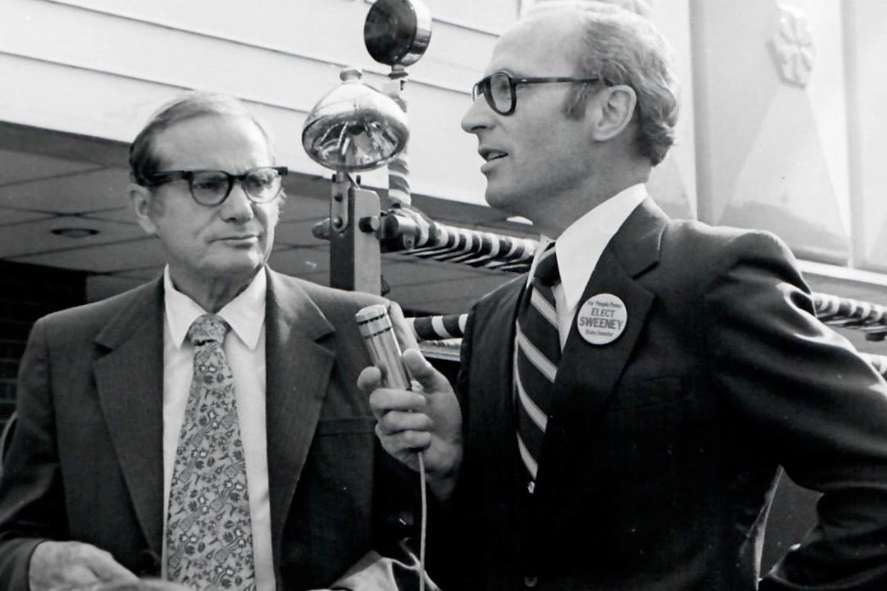
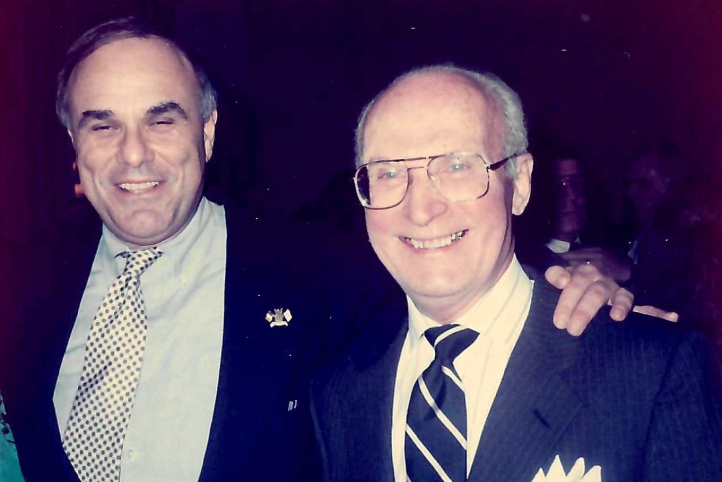
Sen. Sweeney, right in both photos, worked with Gov. Milton Shapp (above) and Gov. Ed Rendell (below). Courtesy of the family
Sen. Sweeney enlisted in the Army in 1946, was stationed in Japan after World War II, and rose to the rank of staff sergeant. He attended classes at St. Joseph’s, Temple, and Pennsylvania State Universities, earned a real estate broker license, and was vice president at Mortgage Corp. of America before joining the Senate.
His father died when he was 9, and he worked jobs at a pharmacy, a butcher’s shop, and elsewhere to help support his mother and two sisters. He graduated from the old St. Thomas More High School in 1945.
“The challenges he faced as he grew up laid the foundation for his future success,” his family said in a tribute. “He believed the dinner table was the foundation of a loving family, a time to gather, listen, learn, support, and advise those we loved.”
John James Sweeney Jr. was born June 1, 1927, in Philadelphia. A first-generation Irish American, he married Dolores Grzymala in 1954, and they had sons John III, Gerard, Dennis, Joseph, and Kevin and daughters Grace Ann and Kathleen.
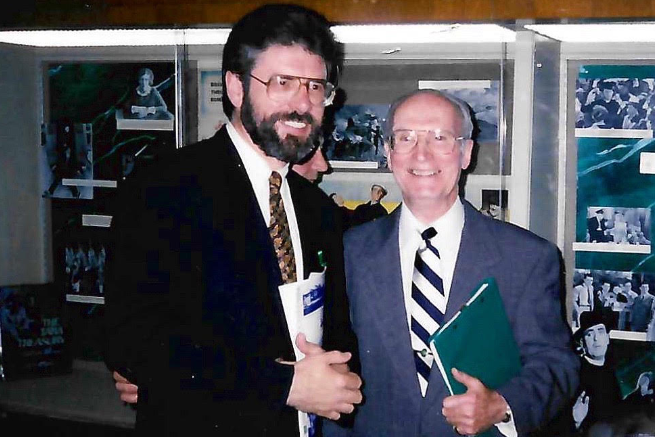
Sen. Sweeney (right) stands with Irish politician Gerry Adams.Courtesy of the family
They lived in Springfield, Delaware County, Drexel Hill, and Haverford. His wife and son Kevin died earlier.
A devout Catholic, Sen. Sweeney was a Communion minister and youth religion teacher at St. Andrew the Apostle Church in Drexel Hill. He was active with the Knights of Columbus and received an honorary title of Kentucky Colonel by the governor of Kentucky for his work in the state with the Small Business Administration.
He was an avid reader and do-it-yourself plumber, carpenter, and electrician. He was active with many Irish American cultural activities and spent memorable vacations with his family in Avalon, N.J.
His son John said: “We learned kindness and compassion for others through his example. Charity was a consistent theme.”
Sen. Sweeney and his wife, Dolores, married in 1954.Courtesy of the family
His daughter Grace Ann said: “He was devoted to helping people. His door was always open.”
His family said: “He was always ready to lend a hand, give a hug, wipe a tear, or just listen. He was a rich man not defined by wealth but by love of his family.”
In addition to his children, Sen. Sweeney is survived by many grandchildren and great-grandchildren, a sister, and other relatives. A sister died earlier.
A new Philadelphia ban on kratom and intoxicating hemp products was forced into limbo the day it was slated to go into effect.
Kratom and other hemp products, commonly sold as gummies, drinks, and smokable flower, are reclassified as “intoxicating products,” with their sale prohibited, under a new law that was introduced by City Councilmember Katherine Gilmore Richardson, was passed by Council earlier this year, and officially kicked in Thursday.
Intoxicating hemp products photographed at the Philadelphia Inquirer, November 21, 2025. Under a 2026 city law, these hemp-THC drinks, kratom, and other intoxicating products will be banned from sale within Philadelphia.Jessica Griffin / Staff Photographer
The lawrequires store owners to get licenses, which do not currently exist, to sell these products. However, since the U.S. Food and Drug Administration has not approved kratom and intoxicating hemp for consumption, the Philadelphia Department of Public Health will not create the license, so “there are no products allowable for sale,” a spokesperson for Gilmore Richardson’s office said.
This would effectively end the market in Philadelphia entirely.
But a kratom seller and an industrygroupfiled a lawsuit Tuesday asking a Philadelphia Common Pleas Court judge to pause the enforcement of the ordinance, saying it would force businesses to close and kill jobs.
The ordinance fails to distinguish between “conscientious, law-abiding retailers” and “the bad actors who sell dangerous products to anyone willing to pay,” the suit says. And instead of regulating kratom sellers to prevent harm, the complaint says, Philadelphia passed a ban that “destroys a lawful industry.”
Pennsylvania Healthy Alternatives Association, a nonprofit organization advocating for hemp and kratom sellers, and CBD Kratom, a St. Louis-based retailer with three stores in Philadelphia, filed the lawsuit against Mayor Cherelle L. Parker and thePhiladelphia Department of Licenses and Inspections’ co-commissioners.
Judge Brian R. Kisielewski had scheduled a hearing to consider the injunction request for Thursday afternoon. But the city moved the lawsuit to federal court 40 minutes before the hearing was set to begin.
The case is better suited for federal court because the kratom sellers claim the city’s ordinance violates the U.S. Constitution, city attorneys said in a court filing.
Removal of cases to federal court is common, but the eleventh-hour change seemed to irk Kisielewski, who said he had spent his Wednesday preparing for the hearing.
“I wish they provided you or myself notice,” he told the retailers’ lawyers before sending them home.
Stores are now in limbo, Craig Katz, president of the Pennsylvania Health Alternatives Association and a member of CBD Kratom’s management, said after the quick adjournment.
“We have several stores now that we are hoping to get some kind of answer as to whether they can stay in business and sell products after today,” Katz said. “And now we don’t have an answer to that.”
The lawsuit does not change the status of law and the ban remains in effect, said Gilmore Richardson.
The city did not immediately respond to a request for comment.
Nearly all of the shelves of Center City’s CBD Kratom store sat empty on Thursday, Nov. 12, 2026, the first day of enforcement of the city’s new kratom and intoxicating hemp ban.Abraham Gutman / Staff
The federal hemp ban, originally set to take effect Thursday but delayed to Dec. 11, will only allow the sale of hemp-based products, like CBD, with up to 0.4 milligrams of THC in a single container.
Philly’s ban on intoxicating hemp and kratom products without FDA approval was slated to start Thursday. Whether the health department started enforcement was unclear.
Aside from Epidiolex, a prescribed form of CBD for treating seizures, the FDA has not approved any hemp or kratom products for human consumption.
Stores caught selling these products can face a $2,000-per-day fine from the Philadelphia Department of Public Health.
LAS VEGAS — Hours before a game in late September, Justin Crawford walked across the outfield and slapped hands with Chandler Simpson.
“That’s my guy,” Crawford said this week.
Friends for years, admirers for even longer, they were drafted 53 picks apart in 2022 — Crawford by the Phillies in the first round, Simpson by the Tampa Bay Rays in the second. They played against each other in the minor leagues and comprised two-thirds of Team USA’s outfield at a tournament in Mexico and Japan in November 2024.
And because they have similar skill sets — left-handed hitters with elite speed and an extreme tendency to hit the ball on the ground — they have elicited frequent comparisons from scouts and talent evaluators.
But as they converged in Citizens Bank Park that day, it was impossible not to wonder if Crawford, who will be 23 in January, looked at Simpson, 25, and saw the player that the Phillies need him to become.
“Yeah, definitely,” Crawford said on The Inquirer’s Phillies Extra podcast while the general managers’ meetings were being held in Las Vegas, his hometown. “I love watching Chan play. … I also know, too, the jump he made from his first year into his second year. And that’s definitely something that I’ve thought about, too, to be like, OK, I could definitely improve that way.”
It’s almost an imperative for an expensive, aging Phillies roster.
Video: Carl Crawford provides a scouting report on his son, Justin Crawford
As that core ages, the next youth wave must be more like a tsunami. Dave Dombrowski declared this week that he believes top prospect Aidan Miller, when healthy, is “as good as” award-winning rookies (read: Delco’s Kevin McGonigle of the Tigers), and Crawford must progress as Simpson did this year.
Crawford’s rookie year was a mixed bag. The 22-year-old center fielder debuted on opening day and stayed on the roster all season. He batted .279 over the season’s final two months and .264 overall, and was the fourth Phillies rookie since 2006 with 100 hits.
But he had only a .309 on-base percentage, leaving him unable to optimize his speed. After stealing 40 bases in three consecutive minor-league seasons, he swiped 17 in only 21 attempts.
Defensively, Crawford didn’t grade well, based on both the metrics and the eye test. And because he struggled against left-handed pitching, he slipped into a platoon in center field with righty-hitting Derek Hill.
As always, though, context is important. Crawford got 465 plate appearances, more than only four players who have not yet turned 23. Among them: McGonigle and Sal Stewart, who were crowned Rookie of the Year this week, and Jackson Chourio, who just won the World Series.
So, when Dombrowski and Don Mattingly summed up Crawford’s rookie year in separate news conferences by using the same expression — “He kept his head above water” — it’s easy to understand what they meant.
But the Phillies will hold Crawford to a higher standard next season.
Just like the Rays did this year with Simpson.
Rays left fielder Chandler Simpson led the majors with 42 infield hits and was second with 14 bunt hits.Phil Long
Getting defensive
Before he batted third in the World Series and led the Rays with eight hits in the five games against the Brewers, Simpson got demoted to triple A.
Like Crawford, Simpson was a polarizing prospect. He received equal praise for putting his bat on the ball at a high rate and rarely striking out, and criticism for making soft contact and often hitting the ball on the ground.
Given his blazing speed, the Rays were mostly content to let Simpson do his thing. But six weeks after making his major league debut in April 2025, he was unable to outrun a .315 on-base percentage and defensive shortcomings, neither of which can be tolerated from a player who doesn’t slug (one homer in 2,050 at-bats between the majors and minors).
“The raw speed is undeniable, but there was uncertainty about kind of its application,” Rays president of baseball operations Erik Neander said this week. “But he’s someone we always believed in because we knew he takes constructive criticism as well as anyone. The desire to be great, the willingness to work is second to none.”
Simpson returned to triple A for three weeks in 2025 before rejoining the Rays. They also moved him to left field. And he went from minus-9 defensive runs saved last season to plus-8, a 17-run upturn from 2025 to 2026 that made him a Gold Glove finalist.
“It was impressive to watch how much he improved all the way into the playoffs, crashing into the walls and putting his body on the line,” said Neander, who credited Simpson’s work with outfield coach Corey Dickerson. “But the jumps, the reads, the technique, the skill, the nuance of playing the position improved by leaps and bounds.
“And if he continues to stay on it the way he has, he’s going to win a Gold Glove, and that’s a tremendous amount of progress compared to where he was.”
Phillies center fielder Justin Crawford struggled at times defensively in his rookie season.Monica Herndon / Staff Photographer
The Phillies believe Crawford is equally coachable. They extol his work habits and his curiosity to learn. He sought help last winter from three-time former Gold Glove outfielder Eric Davis and said Phillies outfield coach Paco Figueroa “stayed on me all year long” about jumps, reads, and pre-pitch preparation. Crawford said he also picked Hill’s brain about ways to get better.
And there’s room for improvement. Crawford tied for second-worst among center fielders with minus-8 defensive runs saved, re-raising a debate within the organization about whether he’s better suited for left field.
The Phillies are planning to keep Crawford in center … for now. As Mattingly put it: “We’ve seen him have periods of time in center field that were really good, other times that weren’t as good.”
“From my first month in the big leagues until the last month — I don’t know what the numbers would say, or anything — I know the way I felt that I definitely felt like I improved out there and got more comfortable and felt really confident,” Crawford said.
The speedy Justin Crawford had just three bunt hits in 12 attempts in 2026.Yong Kim / Staff Photographer
Speed demons
Crawford stole 145 bases in 325 minor-league games in part because he reached at a .385 clip. But the Phillies’ player-development staff also emboldened him.
“In the minor leagues,” Crawford said, “I had the green light all the time.”
It wasn’t the same in the majors.
Never mind that Crawford got on base at a much lower rate. He often batted ninth, and when he did reach ahead of the top of the order, the Phillies tended to apply the brakes. He had 590 chances to steal, according to Statcast, and only a 2.9% attempt rate.
Looking back, Mattingly conceded the Phillies “played a little cautious.” (Stott’s attempted-steal rate was 2.4%; Turner’s was only 1.6%.) Mattingly pledged to utilize the team’s speed more often next season. He views Crawford as a “30- to 40-stolen-base guy.”
“I’m always ready to steal, and I’m always ready to run,” Crawford said. “I steal bases whenever I get the green light, and I don’t steal bases whenever I get the red light. Definitely if you ask me, though, I’m always trying to steal bases and looking to get into scoring position and cause havoc. I mean, that’s my game. That’s what I do best.”
But there are other ways to impact a game with speed. Simpson led the American League with 46 steals, but also paced the majors with 42 infield hits and 14 bunt singles, up from 18 infield hits and five bunt singles in his rookie season.
And amid the launch-angle craze that has permeated batting cages in the last decade, the Rays are content to let Simpson do what makes him special.
Video: The Phillies are counting on youth in 2027 | Gameday Central
“It is a unique skill set, and that doesn’t leave you many places to look for guidance and feedback to help yourself improve,” Neander said. “There aren’t many that can relate to him, right? So, it’s making sure that we continue to demonstrate belief that who he is, his strengths, his profile, have a place in Major League Baseball, not just to have an opportunity but to thrive.
“A lot of it is being there to support him and staying out of his way because he’s got a pretty good road map for what he needs to do.”
Crawford knows he didn’t travel that road often enough.
Mattingly has told him to focus on controlling the strike zone and reducing the swings and misses, especially at non-strikes, a message that Crawford expects new hitting coach Pete Fatse will reinforce when they get together next week in Vegas.
But Crawford also legged out only 25 infield hits and three bunt singles in just 12 attempts. It might have been the difference between his .264 average and Simpson’s .306 mark.
“I could definitely improve in that way,” Crawford said. “Obviously we have similar games, just trying to cause havoc. That’s something I like a lot and really admire is how he’s able to just go out there and be himself and play his game and not [listen to] whatever anyone says. He’s like, ‘No, I’m doing what I do, and this is how I help the team win.’ And it helps [the Rays] win, as we saw.
“Yeah, I’ve always loved watching him play. I definitely try to take some things, pick some things up from him, and try to use that in my game as well.”
Simpson’s second-year jump turned him into a core player for the pennant-winning Rays. The Phillies look at Crawford’s skills and see similar potential.
“I think there’s an upside with Justin, and where he goes is — I shouldn’t say totally dependent upon him — it’s dependent upon us to get it out of him and to help him go there,” Mattingly said. “It’ll be interesting to where it goes with him, and I think the sky is the limit with Justin.”
Ever wonder who the region’s most internet-searched locally born celebrities are?
The Inquirer’s Lizzie Mulvey and Charmaine Runes dug into the 2025 most popular celebrities on Wikipedia who were born in the Philadelphia area. The results were a mix of obvious contenders and surprises.
We went even further, looking at the top five most-searched individuals born in Chester County, a list that features mostly well-known personalities.
Downingtown native and actor Miles Teller, 39, tops the rankings. He gained acclaim for his role in Whiplash and a slew of other mid-2010s films, and more recently played Rooster in Top Gun: Maverick. In addition to topping the local list, he ranks nine in the region overall.
Olympian Johnny Weir (left) has since traded his skates for commentating. Paul Sancya / AP
He’s followed by Coatesville native and two-time Olympian Johnny Weir, who has since traded his skates for commentating. The 42-year-old also appeared in the most recent season of Peacock’s Emmy Award-winning reality series, The Traitors.
Bam Margera hails from West Chester and still calls the area home. Jose F. Moreno / Staff Photographer
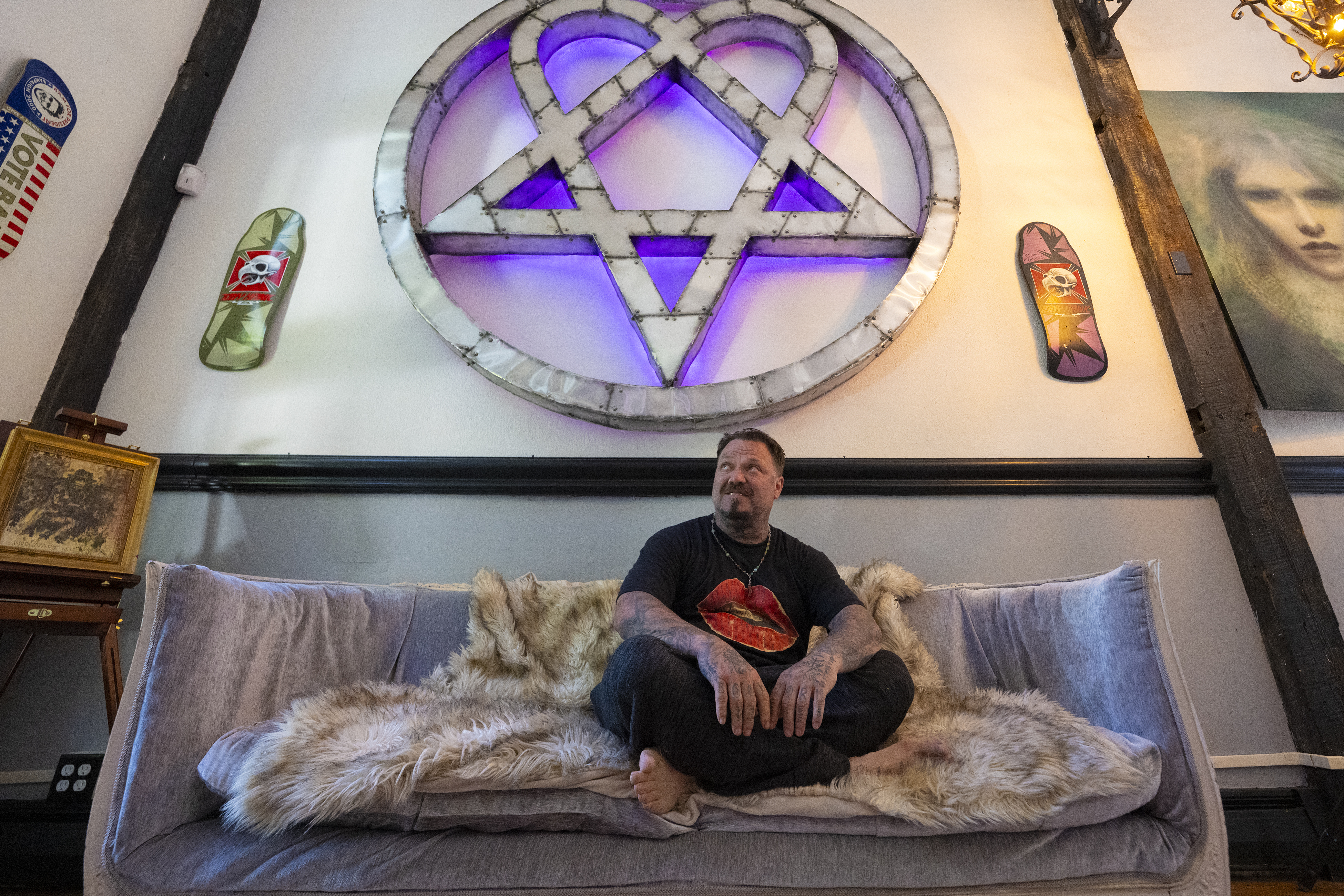
West Chester’s notorious skateboarder and TV personality Bam Margera, 47, takes the third spot locally (and No. 25 overall). The Jackass star made an appearance in the franchise’s latest film by way of old footage. He still calls the area home.
Charlie McDermott (right) in the final season of ABC’s “The Middle.”MICHAEL ANSELL / ABC
At number four locally (and No. 45 overall) is West Chester native and actor Charlie McDermott, who’s best known for his role on ABC sitcom The Middle. McDermott, 36, has also been in comedies such as Sex Drive and Hot Tub Time Machine, and more recently in Netflix miniseries Unbelievable. Early in his career, he played in M. Night Shyamalan’s The Village.
Rounding out the list is retired adult film actor and Downingtown native Adriana Chechik. The 35-year-old landed at No. 57 in the overall ranking.
While they didn’t make the top five in Chester County, Kyle Gallner (No. 59) and Smedley Butler (No. 82) both made the overall list. Gallner, a West Chester native and actor, has had roles in shows including Veronica Mars, Smallville, and CSI: NY. Butler, who also hailed from West Chester, was born in 1881 and rose to major general in the Marine Corps. When he died in 1940 at the age of 58, he was the most decorated Marine in U.S. history.
This suburban content is produced with support from the Leslie Miller and Richard Worley Foundation and The Lenfest Institute for Journalism. Editorial content is created independently of the project donors. Gifts to support The Inquirer’s high-impact journalism can be made at inquirer.com/donate. A list of Lenfest Institute donors can be found at lenfestinstitute.org/supporters.
Lower Merion is weighing a property tax increase for the third year in a row as personnel and infrastructure costs strain the township’s budget.
Township staff have proposed raising real estate taxes by 19% in 2027, which they say would bring in an additional $6.8 million to help offset costs from increased staffing, healthcare and pension obligations, storm response, and police overtime.
If passed by commissioners, it would be the third consecutive annual increase in Lower Merion after 13 years of no increases. The township raised taxes by 6.5% in 2025 and 8% in 2026.
Though the 19% recommendation from staff hasprompted sticker shock from some residents, any tax increase will ultimately be decided by the board of commissioners, which is set to adopt the 2027 budget on Dec. 16 after a series of public hearings.
The board has amended staff recommendations in the past (commissioners last year approved an 8% tax increase despite staff suggesting 9.5%), and some commissioners at a Wednesday night meeting seemed poised to favor a lower rate for next year.
With the proposed increase, property owners with the median assessed home in Lower Merion of $287,600, which equates to a market value of about $966,000, would owe an extra $263 annually.
Lower Merion property owners continue to pay real estate taxes calculated on property values established in 1998, the last time Montgomery County reassessed property, according to a report in the 2027 proposed budget penned by township manager Ernie McNeely.
Commissioner Gilda Kramer said at the meeting that more than adecade without an increase left the township needing to levy higher taxes.
“Our residents have had the benefit of tremendous stability and no increases while our costs have gone up for many, many, many years,” Kramer said.
Board president Todd Sinai argued the township has little room to cut spending given the many rising costs baked into the budget.
“There aren’t a whole lot of places that we have much discretion, unfortunately,” Sinai said.
Township staff said they can look into trimming the budget, but warned that cuts would likely mean eliminating staff. Two-thirds of Lower Merion’s general fund expenditures go toward staffing.
Officials say Lower Merion is facing considerable budgetary headwinds, including higher pension obligations and a 19% rise in employee healthcare costs.
“We are getting hit hard by healthcare,” Adam Szumski, Lower Merion’s chief financial officer, told commissioners.
The township hired a number of employees in 2026, including 17 newpolice officers.
Lower Merion also faces high remediation expenses from winter and summer storms and plans to direct money to its solid waste fund, which is facing acute budget pressures.
While the township is projected to bring in $6 million more than expected in revenue in 2026, due largely to strong business and transfer tax revenue, investment income, and licenses and permits, spending is expected to be$1.7 million over budget. The township is projected to end 2026 with a fund balance of $23 million.
According to McNeely’s report,Lower Merion has two main avenues for raising revenue: increasing property taxes or levying an earned income tax.
The township is among the 3% of municipalities in Pennsylvania without an earned income tax. Local governments across the commonwealth, many facing similar budget pressures, have moved toimplement earnedincome taxes in recent years, in many cases reducing their reliance on regular property tax increases.
Lower Merion staff have recommended against an earned income tax, however, arguing that even with the proposed 19% property tax increase, the township’s millage rate would be around average for the county, and that, per the report from McNeely, an earned income tax would be “much more disruptive and significant” for taxpayers.
The first public hearing on the budget will take place on Nov. 18.
This suburban content is produced with support from the Leslie Miller and Richard Worley Foundation and The Lenfest Institute for Journalism. Editorial content is created independently of the project donors. Gifts to support The Inquirer’s high-impact journalism can be made at inquirer.com/donate. A list of Lenfest Institute donors can be found at lenfestinstitute.org/supporters.
The blue tsunami that resulted from last week’s election has scrambled just about everything and raised questions about where the nation is headed.
While it is clear what the Democrats will try to accomplish, the question is: Will their proposals lower costs and inflation without harming growth?
The economy is solid, maybe
To judge the impact of potential Democratic policies, we need to know the economy’s condition.
After a lackluster start to 2026, growth has improved. Still, over the last year, the economy expanded by an unexceptional 2.1%.
Of concern is the heavy dependence on massive investment in AI and related industries, which accounted for as much as 40% of GDP growth in 2025 and into this year.
If that investment growth is not sustainable, overall economic growth will be at risk. That threat will hang over the equity markets no matter what the Democrats do.
The labor market: Solid or mediocre?
The labor market, too, is showing signs of strength. Recent monthly job gains have exceeded expectations, and the unemployment rate is consistent with full employment.
But again, the headlines mask underlying issues.
What is considered strong job gains now would have been viewed as mediocre over the previous 50 years.
The unemployment rate has remained low, but only because a dramatic drop in immigration, combined with retiring baby boomers, counterbalanced tepid hiring.
To sum it up, the economy is moving forward, but risks are emerging.
Making things less expensive is really difficult
The Democrats ran largely on the issues of affordability and accountability. While the two are interrelated, let’s talk economics.
The electorate is irate about the high price of just about everything, except maybe eggs, whose prices have dropped sharply.
Can the Democrats do anything to lower costs?
For the most part, no. Except for a few commodities, most prices are sticky downward.
What they can do is slow the rate of price increases, especially where costs have risen excessively.
How? By dealing with the root causes of the higher inflation.
Tariffs should top the Democrats hit list
There are two major underlying factors pressuring prices: Tariffs and wars.
Job No. 1 for the Democrats is likely to be passing bills to repeal the Trump tariffs.
The New York Fed’s economic researchers recently calculated that the 2025 tariffs not only added to inflation but if they had not been imposed, consumer prices might have been flat or even down.
If the Democrats want the biggest bang for their efforts, they need to reduce or eliminate as many tariffs as possible.
While passing bills repealing tariffs should be easy lifting for the Democrats, getting the bill signed by the president or overriding a veto could be problematic. That is a political issue. The economic necessity is to repeal tariffs.
Energy costs are second, but more intractable
Nothing angers consumers more than high gasoline prices. Every day, drivers literally see how much the Iran and Russia/Ukraine wars have caused costs to surge.
It needs to be understood that both wars are at play here.
Energy prices are set internationally.
It is not just the production and delivery of energy products by Russia or Middle Eastern nations that move prices. Geopolitical reactions to the wars, such as Chinese or European decisions on energy imports and strategic inventories also impact markets.
Democrats have limited control over those wars, and until they are ended, risks will remain elevated, and energy price reductions will be limited.
The Fed cannot do much
The Federal Reserve may not be of much help as its inflation-fighting tool kit consists mainly of raising interest rates.
The Fed increased rates a quarter-point once this year. That barely changes borrowing costs. More hikes may be coming, but their effectiveness is questionable.
Why? Supply, both actual and expected, is driving energy prices, not demand. The wars are why the markets are worried about supply.
Without raising rates significantly, there may be little the Fed can do to slow inflation.
Restraining AI and data center investment makes sense
The race to dominate AI and the need to build out data centers is powering the economy. Yet voters despise the process.
Democrats are likely to pass laws regulating the behavior of AI firms and data center builders.
Surprisingly, that may be beneficial.
The debt load of the major AI-related companies is staggering, and the costs are starting to be factored into decision-making and stock prices.
But this is a race to be the Google of AI, and it is not clear who will blink first.
Maybe the AI race should decelerate? As the saying goes, “You really don’t know you are in a bubble until it bursts.”
Given mounting risks and resource constraints on the ability to build out capacity, Democratic restrictions may actually provide the breathing room needed to prevent overbuilding the sector.
Unwinding the ‘One Big Billionaire Boondoggle Bill’
Taxes will be a Democrat target.
The overweighting of upper-income beneficiaries in the One Big Beautiful Bill will likely be addressed.
The bill was terrible not simply because it accelerated the redistribution of income and wealth toward upper-income households. It also contained truly stupid tax cuts supposedly for lower-income people.
Giving special tax breaks only to tipped workers is not rational tax policy. It is pure politics. Why are tipped workers worthy of tax cuts but not workers in any other occupation?
And what logic is there in allowing the tax breaks to fully benefit single filers with incomes of $150,000, or $300,000 for married couples? Those aren’t poor people.
If the Democrats are smart, they will replace these tax breaks with real tax reform.
Of course, that will require the president signing the bill or Republicans voting to override the likely veto. Good luck with that.
The Democrats can pass bills, but that’s all
The Democrats won a massive electoral victory. But their power to implement change is limited.
So, look for bill after bill being passed that forces Republicans and the president to take stands on issues the voters said they wanted to see resolved.
Microsoft said progress is being made in bringing its popular workplace software back online as a global outage enters its second day, disrupting business communications, police emergency calls, court operations and AI tools.
The outage, which affected a wide range of Microsoft 365 services including Outlook, Teams and AI assistant Copilot, left many complaining they couldn’t access their emails.
Microsoft indicated that it was making some headway as it tried to restore services, in fresh updates posted Friday on social media.
“We’re seeing encouraging recovery progress, with service availability and email delivery performance improving across a growing portion of affected Microsoft 365 infrastructure,” the company said in its latest update, as some users started reporting that their emails were restored.
On a separate status page, the company reported “broader improvements” in North America and “sustained improvements across much of Europe,” as well as “encouraging recovery signals” in the Asia-Pacific region.
Some users could still have “intermittent access issues or delayed email delivery as mitigation progresses across the remaining affected infrastructure,” Microsoft said.
The total number of people affected is not clear, but the company said in January that it had more than 450 million paid Microsoft 365 commercial subscriptions.
Microsoft scrambles to recover services
The Redmond, Washington-based company said it was trying different ways to identify the cause of the problem, which it flagged 18 hours earlier on Thursday, and get its servers back online, using “a measured approach to identify and repair affected infrastructure.”
The company said it did not have any indication that the outage was caused by malicious activity and would treat the incident “with urgency and priority until full resolution.”
A series of 20 posts by the company on X suggested its engineers were struggling to get the problem fully under control.
One post offered little hope for users expecting a quick resolution, saying the changes were “not taking as expected,” the company wrote.
By Friday morning, Microsoft reported “early stabilization and capacity improvements” and “incremental improvement in several workloads.”
“We’re seeing improvements in key scenarios, including mailbox access and delayed email processing, though some intermittent issues may continue,” it said in a subsequent post.
In its latest post, the company said it was focusing on “recovery for the remaining affected environments while prioritizing email queue and backlog reduction.”
Europe woke up to disruptions
In Britain, the outage brought a halt to a trial in Manchester. Judge Maurice Greene sent jurors home because of delays that he said illustrated the danger of the court’s reliance on technology.
The British government said it is “working closely” with Microsoft to assess any impact on public services but that “robust contingency plans” are in place to minimize disruption.
British police forces said they’re unable to receive crime reports online and are urging people to call emergency responders to make any urgent reports.
The National Pharmacy Association said people could face delays getting their prescriptions because the outage is affecting the email systems of the state-run National Health Service.
In Norway, the government said the outage affected “several ministries,” including losing email access, and it had “not received any indication” about when the problem would be resolved.
Asian businesses and governments were affected
In Australia, Home Affairs Minister Tony Burke said Friday that Microsoft had likened the widespread disruption to the 2024 CrowdStrike outage, which stemmed from a faulty update to computers running Microsoft Windows. That outage grounded flights and disrupted hospitals, banks and retailers.
Burke said he had spoken to Microsoft’s top executive in Australia and the government’s national cybersecurity coordinator about the global disruption.
“They (Microsoft) don’t believe they are dealing with a cyberattack. They believe that they are dealing in some ways (with something) similar to what we saw with respect to CrowdStrike where there is an update that has gone awry,” Burke told reporters in Sydney.
Hong Kong businessperson Danny Lau, who runs an aluminum firm, said his company could not receive updates from its U.S. customers through Outlook. If the situation dragged on further, this could “impact the production timeline,” he said. Some banks in Hong Kong, an Asian financial hub, also saw part of their operations disrupted.
Air India said its flight operations were unaffected by the global Microsoft outage. However, it temporarily rerouted its email services to ensure customer queries continued to reach the airline without interruption, the company said in a statement.
IndiGo, another Indian airline company, also reported disruptions to its email support services, which affected its ability to receive customer queries. The airline in a statement on X said its other support channels remained operational and its flight operations were unaffected.
Singapore’s Government Technology Agency said that government emails were down and that the agency is working with Microsoft to resolve the issue.
The Philippines’ Supreme Court said in a statement on X that the outage affected some of its operations, including email responses.
In Japan, Deputy Chief Cabinet Secretary Masanao Ozaki said the government’s IT infrastructure was affected and that officials were “keeping a close eye on the developments.” Japanese authorities had taken steps including securing alternative communication tools such as telephones, the government said.
U.S.-based industrial technology company Workhorse Group Inc. delayed a conference call for its quarterly earnings because of the outage.
OpenAI and Anthropic reported problems connecting with Microsoft 365 tools, underscoring the ripple effects of outages as more people use artificial intelligence platforms to interact with other companies’ software.