Blog

  • Where to watch Fourth of July fireworks in Philly, the suburbs, South Jersey, and the Shore

    Where to watch Fourth of July fireworks in Philly, the suburbs, South Jersey, and the Shore

    This Fourth of July will be unlike any in recent memory. As the nation marks its 250th anniversary, Philadelphia and the surrounding region are packed with celebrations — and fireworks displays. From the city and suburbs to South Jersey and the Shore, there are dozens of opportunities to catch a show.

    Whether you’re staying in Philadelphia, heading to the suburbs, or spending the holiday down the Shore, here’s where to find Fourth of July fireworks across the region.

    Fireworks in Philadelphia

    Fireworks after the San Diego Padres and Philadelphia Phillies game at Citizens Bank Park on July 2, 2025.Elizabeth Robertson / Staff Photographer

    Fireworks in Bucks County

    Fireworks in Chester County

    Fireworks in Delaware County

    Fireworks in Montgomery County

    Fireworks in Allentown

    Fireworks in South Jersey

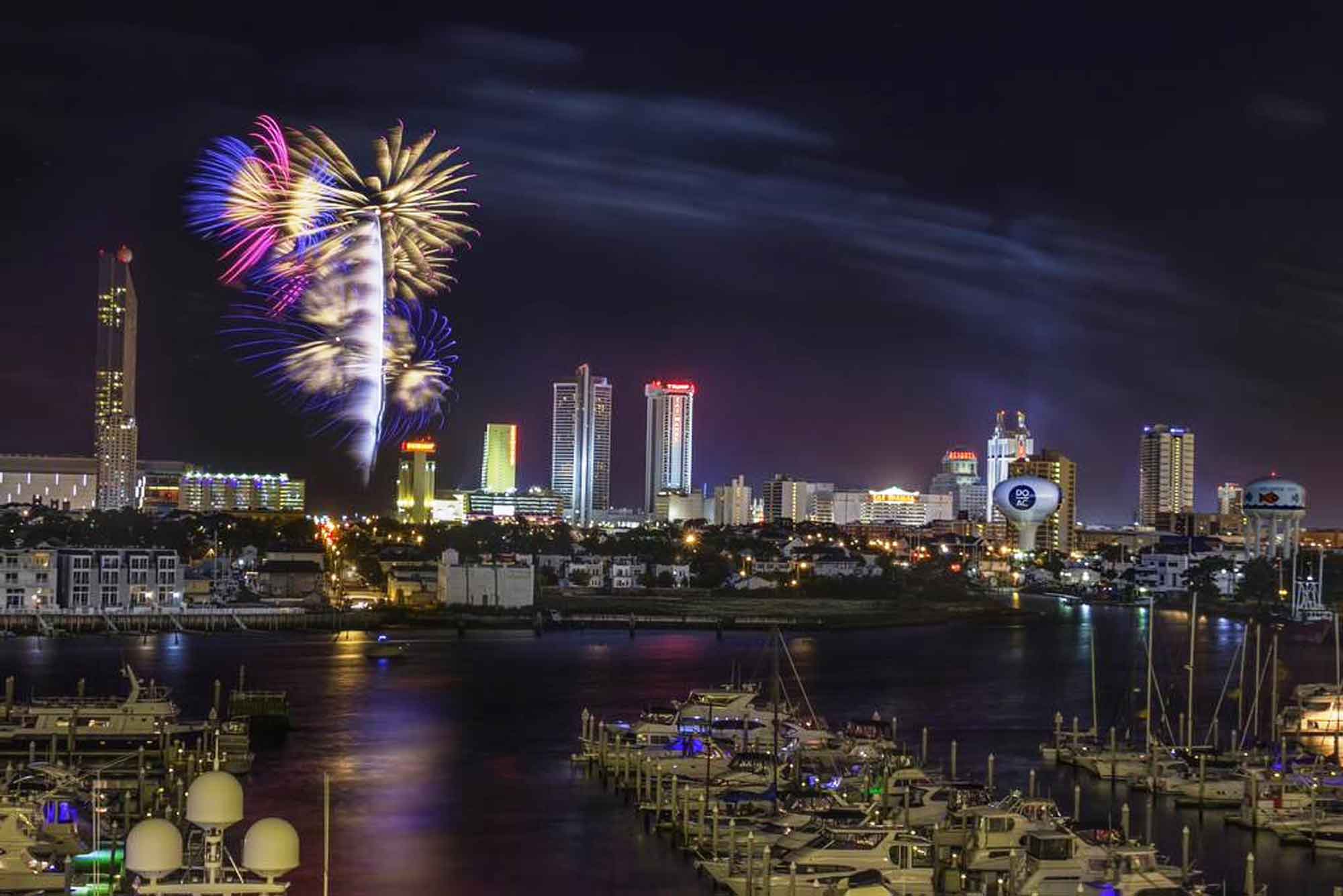
    A view of Atlantic City’s fireworks from the Marina. (Courtesy of the Casino Reinvestment Development Authority)

    Fireworks at the Jersey Shore

  • A historic Philly mansion up for sale comes with an unusual easement: Revolutionary War battle reenactments on the front lawn

    A historic Philly mansion up for sale comes with an unusual easement: Revolutionary War battle reenactments on the front lawn

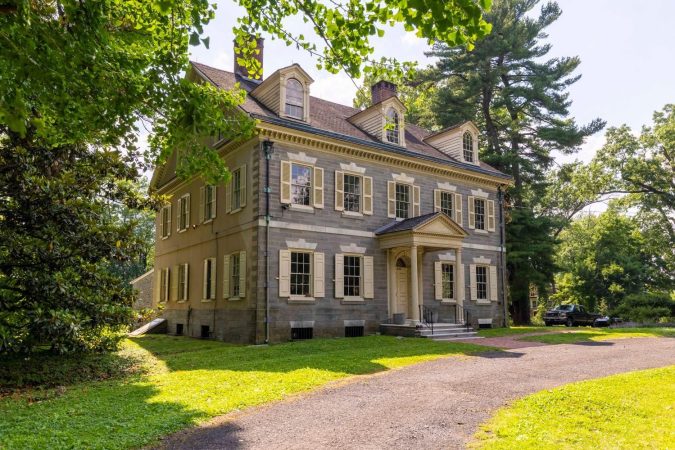
    Built at the end of the 18th century on the site of a major Revolutionary War battle in Philadelphia, Upsala mansion was listed on the National Register of Historic Places in 1972.

    This week, it was listed somewhere else: Zillow.

    The early Federal-style estate nestled on the border of Germantown and Mount Airy is listed at $995,000 and comes with nine bedrooms, 10 fireplaces, 15 parking spaces, and a 70-page easement agreement with a peculiar caveat — once a year, the owner must permit “a re-enactment of portions of the Battle of Germantown” on their front lawn.

    “The battle reenactment is actually written into the deed. That is something any future owner of the property would be obligated to allow to happen,” said current owner Alex Aberle, who’s also a real estate agent and the property’s listing agent.

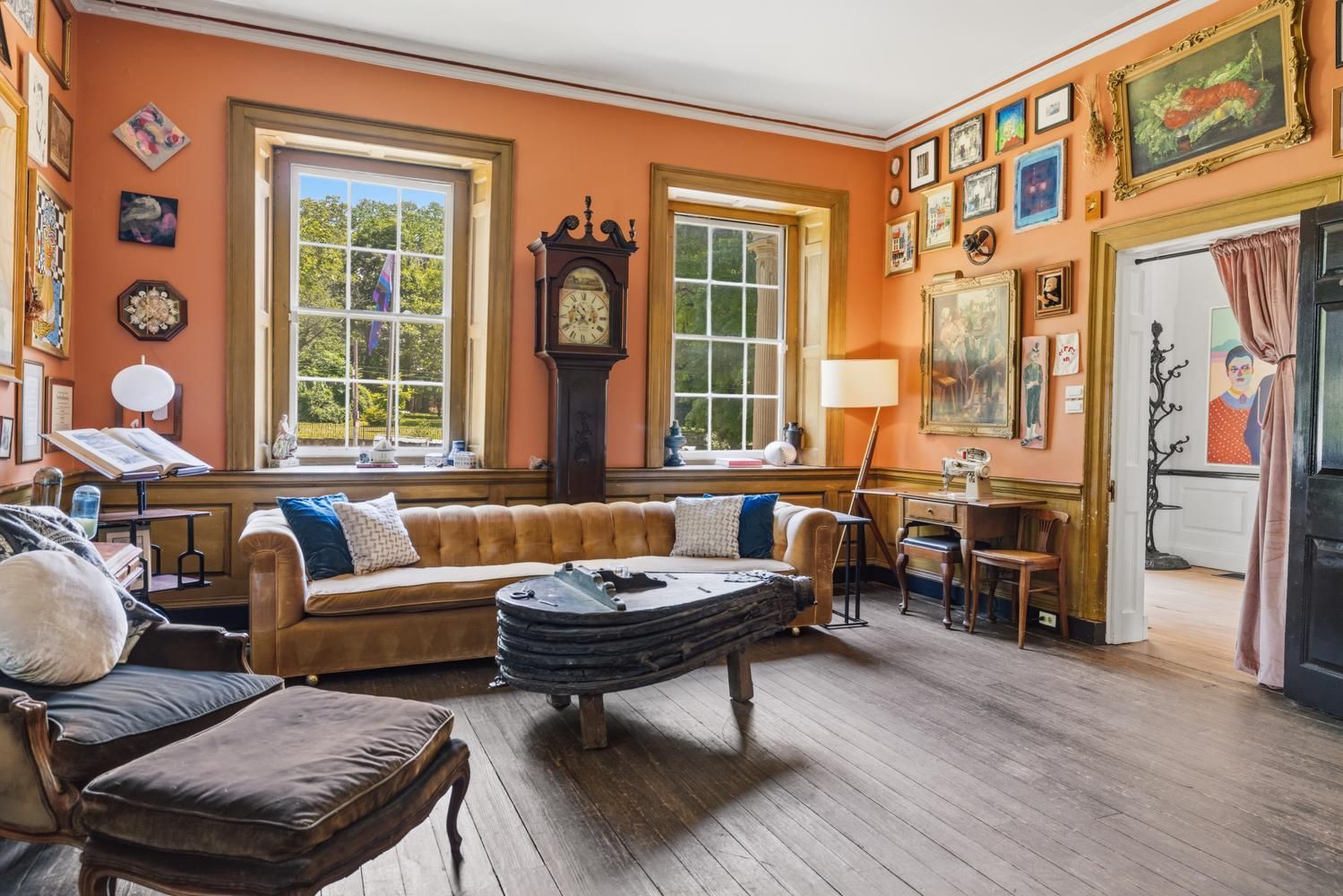
    A living room in Upsala mansion, an early Federal-style building on the 6400 block of Germantown Avenue.Courtesy of Alex Aberle

    The easement was put in place by the National Trust for Historic Preservation when Aberle and his ex purchased the mansion on the 6400 block of Germantown Avenue in 2017 and became Upsala’s first private owners since it was converted into a historic house museum in the 1940s.

    As part of the Revolutionary Germantown Festival — which commemorates the 1777 Battle of Germantown — battle reenactments were held for decades on the lawns of Upsala and Cliveden, a National Historic Trust site and mansion across the street from Upsala.

    Though the mansion was built in 1798, two decades after the battle that sought to liberate Philadelphia from British control, the property served as the staging ground for the Continental Army during the Revolutionary War fight.

    Aberle said he loved having the reenactments in his front yard, but Cliveden and the sites of Historic Germantown, which host the festival, haven’t held a reenactment there since 2019.

    Carolyn Wallace, education director at Cliveden, said prior to the pandemic, organizers were reevaluating tactical demonstrations as part of the October festival in light of ongoing gun violence in the U.S. In 2020, organizers underwent a community engagement project called “Considering Re-enactments,” which sought to answer the question: “Is this still the best way to tell stories of the American Revolution?”

    “We found it was a mixed bag so we shifted more towards living history,” she said. “We still have military personnel (reenactors), but we have not done tactical demonstrations in a number of years, though I can’t say we won’t do them again.”

    And if they do, the easement still stands.

    “That runs with the land — for me and for everyone else for years to come, and hopefully, forever,” Aberle said.

    Built for John Johnson III, a fourth-generation descendent of the Janesen family, who were early Germantown settlers, Upsala stayed in the family until the 1940s, when it was seized due to financial issues.

    Preservationists worked to save the property from demolition and from the mid-1940s until the early 2000s, it was a historic house museum before it was closed due to dwindling attendance and revenue.

    The National Trust for Historic Preservation became Upsala’s owner in 2005 and Cliveden Inc., a co-stewardship organization of the National Trust, became its steward. After years of public engagement to find a new steward or use for Upsala, they put the 2.45-acre property up for sale in 2016.

    Aberle and his ex, Violette Levy, beat out eight other offers by purchasing it for $550,000 cash — $51,000 more than the asking price.

    They spent years doing extensive renovations like putting in central air, replacing the boiler, fixing the plumbing, and decorating.

    “When we bought it, the walls were mostly varying shades of yellow and cream and now there’s no yellow left, I’m happy to report,” Aberle said.

    They documented their journey on Instagram, where followers left comments about the memories they’d made at Upsala — from attending weddings there to attending a concert by the Hooters in the 1980s organized by one of the estate’s caretakers.

    “I loved hearing all those stories because that’s the kind of thing you don’t see in books,” Aberle said. “It’s super special because it only comes organically.”

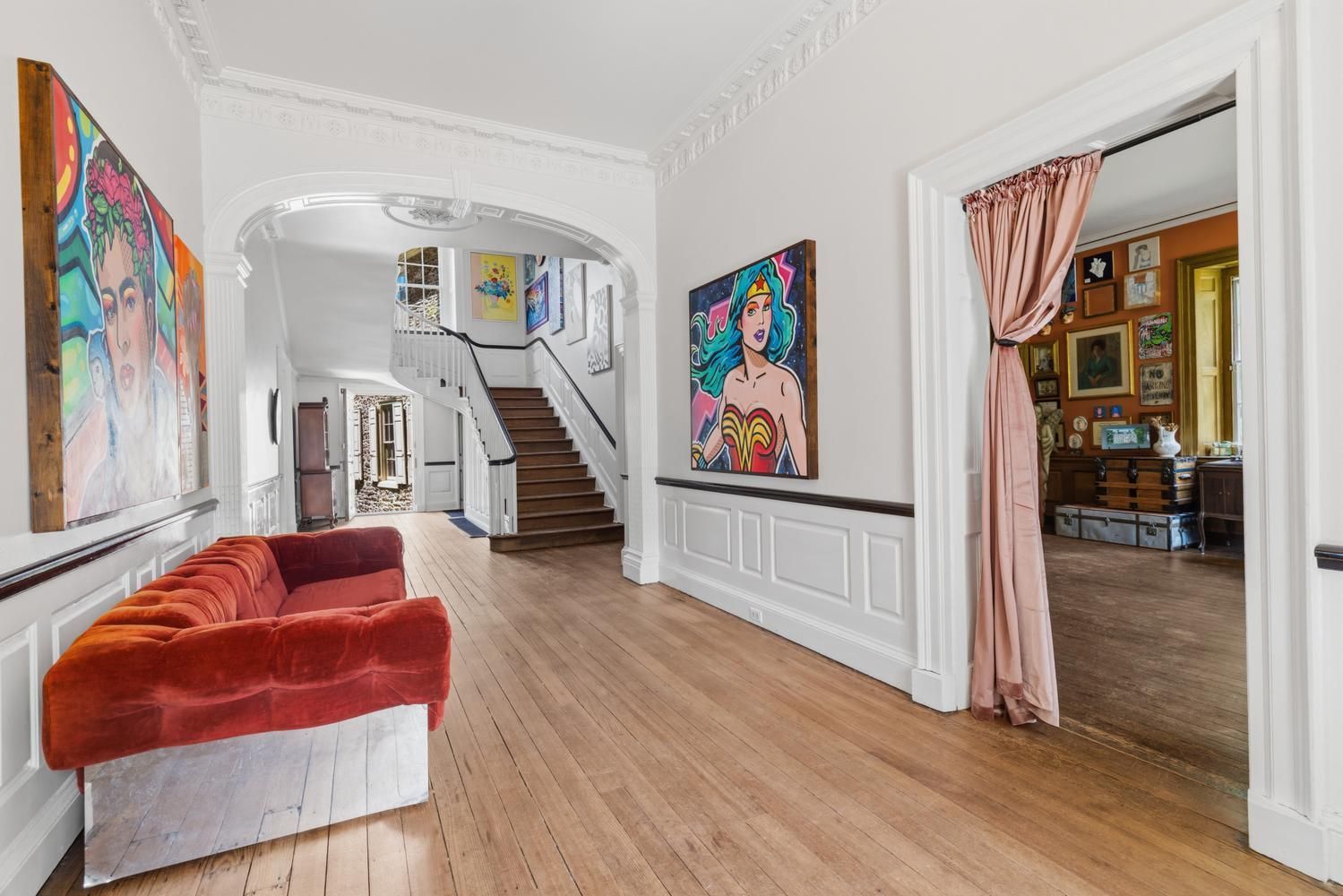
    View of a hallway inside of Upsala mansion.Courtesy of Alex Aberle

    Aberle said he never had any intention of selling Upsala, but when his relationship with Levy ended and he became the sole owner of the home, it didn’t “really make sense to stay there as just one.”

    “It’s definitely a family house and that was always sort of my dream for the house,” he said.

    Aberle estimated that a little more than half of the mansion has been renovated. The back part of the house, where he’d planned to fix up the kitchen and put in a mother-in-law suite, is still in need of work, he said.

    “My relationship didn’t last quite as long as my project did so the space is ready for someone else to come in and finish it for their family,” he said.

    But another aspect of Aberle’s life did blossom because of Upsala. When he and his ex bought the mansion, it was listed by Louise D’Alessandro, a founding partner of Elfant Wissahickon Realtors. They invited her and others from the company to the first reenactment on Upsala’s front lawn after they took ownership of the property and within a year, Aberle left the real estate company where he worked and went to work for Elfant Wissahickon, where he remains.

    Aberle said he’s fallen in love with the Germantown and Mount Airy neighborhoods and is only moving just around the corner from Upsala, so he plans to make himself available for any questions from future potential owners.

    “The easement is really not as scary as the 70-page document might lead you to believe. I do mean it from the bottom of my heart. I spent nine years dealing with this document and working with this trust … and my plan is to make myself completely available to facilitate transition,” he said.

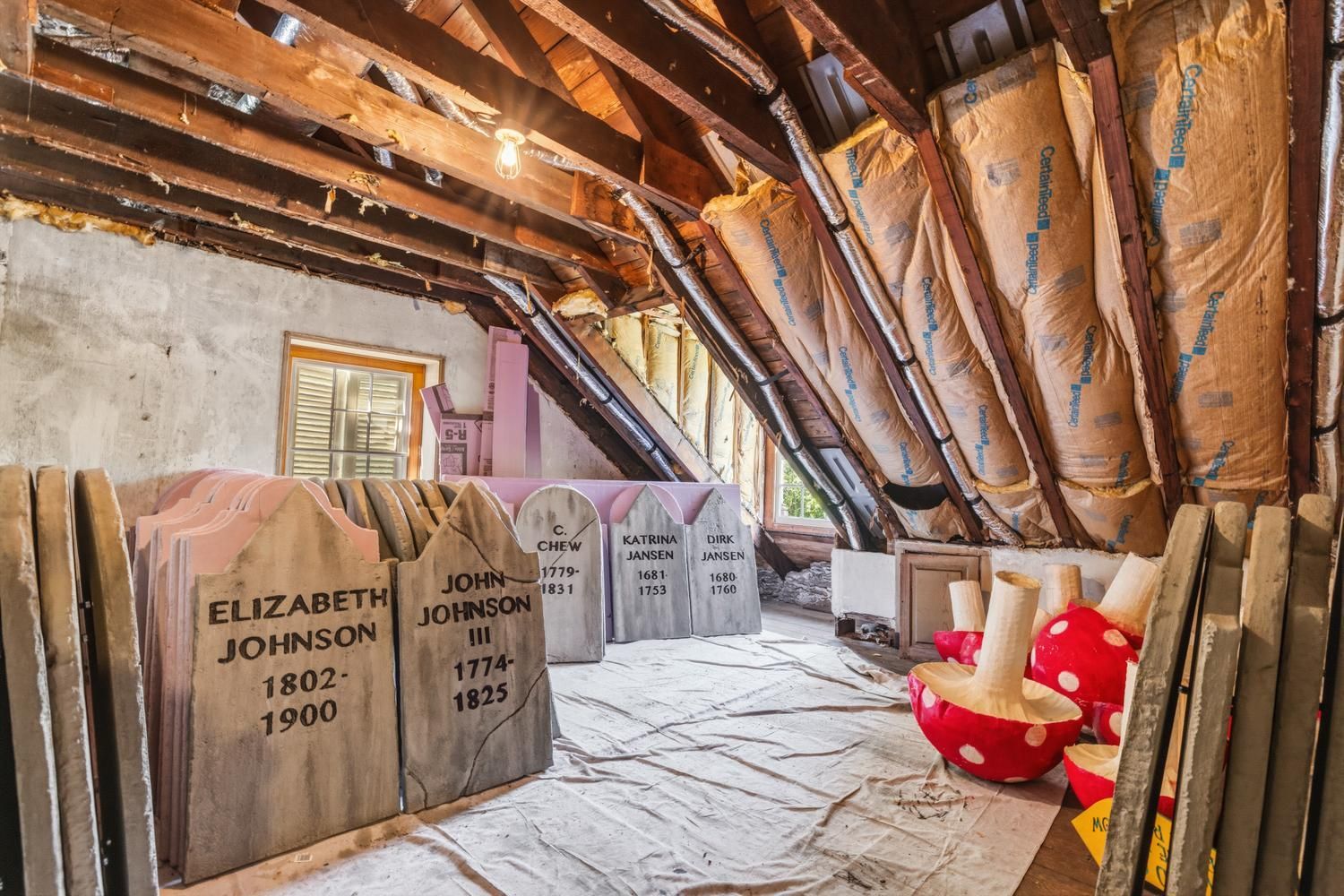
    Halloween decorations, including tombstones that have the names and dates of people who once lived in or near Upsala, are stored in the attic of the property and will be sold with it.Courtesy of Alex Aberle

    And if you’re wondering about the listing photo that shows an attic room filled with tombstones and giant mushrooms, not to worry, those are Halloween decorations. The mushrooms are from an Alice and Wonderland-themed Halloween they did one year and the gravestones have historically-accurate names and dates on them of people who lived and died in and around Upsala.

    “We set those up for a few years and added more folks each year,” Aberle said of the tombstones. “I’m leaving them in hopes someone else will carry on the tradition.”

    He’s excited to see who will become Upsala’s next owner and what they will do with the historic property.

    “I think the most important thing, for me, is it’s someone who will love this place as much as I do and have the desire to take care of it and love it,” Aberle said. “That’s what it deserves.”


    For more information on Upsala, including the entire easement agreement, visit upsalamansion.com.

  • Body recovered of swimmer who disappeared in water along Ocean City

    Body recovered of swimmer who disappeared in water along Ocean City

    The body of a swimmer who went missing last month in the water along Ocean City has been recovered near Sea Isle City, police said Tuesday.

    The man, described as a 20-year-old from Exton who was a student at Hofstra University, according to 6ABC, disappeared late in the afternoon on May 18 near the 10th Street Beach.

    On Friday, a body was recovered about 10 miles away and later identified as the missing swimmer, police said.

    The man was not publicly identified and the Ocean City Police Department said the family has asked for privacy.

    <iframe src="https://www.facebook.com/plugins/post.php?href=https%3A%2F%2Fwww.facebook.com%2Focnjpolice%2Fposts%2Fpfbid02mAmNNdQ5cYKXueAAfXig2ecsFecPKQHX7HTKgWyH9tDzUprxuygHn2FoBJtsStXul&show_text=true&width=500" width="500" height="199" style="border:none;overflow:hidden" scrolling="no" frameborder="0" allowfullscreen="true" allow="autoplay; clipboard-write; encrypted-media; picture-in-picture; web-share"></iframe>
  • Senate for first time approves a war powers resolution in a rebuke to Trump over Iran conflict

    WASHINGTON — The Senate for the first time approved a war powers resolution Tuesday seeking to block U.S. military action against Iran, as lawmakers warily watch President Donald Trump’s efforts to resolve a conflict that the administration launched on its own and now needs Congress to fund.

    It was the 10th time the Senate has tried to stop the war, and the outcome, on a vote of 50-48, was a stunning turnaround from past efforts. While the resolution is largely symbolic, and does not carry the full force of law, it reflects the growing concerns from a number of Republican lawmakers in both the House and Senate over both the war and the deal Trump struck with Iran to end it. The House approved the resolution earlier this month.

    Trump responded angrily Tuesday night on his Truth Social platform, calling the vote “poorly timed and meaningless” and saying it “provided aid and comfort” to Iran.

    Senate Democratic Leader Chuck Schumer of New York said, “Time after time, the vast majority of Senate Republicans sided with Trump and his war instead of the American people.”

    Schumer said Americans have paid the price for “Trump’s historic blunder in Iran. It’ll go down in the history books as one of the worst foreign policy forays America has ever made.”

    In the past, as many as four GOP senators have voted for the war powers resolutions, and they did so Tuesday — Republicans Lisa Murkowski of Alaska, Susan Collins of Maine, Rand Paul of Kentucky and Bill Cassidy of Louisiana. One Democrat, Sen. John Fetterman of Pennsylvania, voted against.

    Trump bashed the four Republicans as losers, saying, “These senators have made my job more difficult.”

    On this vote, the absence of two Republicans, including Sen. Mitch McConnell of Kentucky, who was admitted to the hospital recently for an undisclosed matter, left the GOP without a full majority to halt the effort. Sen. Dave McCormick, R-Pa., also missed the vote.

    The vote comes as the Pentagon is seeking $80 billion from Congress mostly for the Iran war as it backfills munitions and stockpiles.

    Trump to meet senators as Republicans balk at Iran deal

    Trump himself is headed to the Capitol on Wednesday to meet with GOP senators after Vice President JD Vance was overseas working to negotiate with Iran to end its nuclear ambitions — which had been among the stated rationales for the war.

    The president is not pleased with the Republicans who have been critical of the deal he struck with Iran, according to one GOP senator granted anonymity to discuss the private dynamics.

    The terms of the Iran deal are spelled out in a memorandum of understanding that Trump signed last week, starting a 60-day clock for the sides to reach a broader agreement over ending Iran’s nuclear program.

    But Republicans have particularly objected to the $300 billion fund to help Iran rebuild, which is far greater than the $1.7 billion then-President Barack Obama refunded the country under his administration’s 2015 Iran deal.

    “I believe President Trump is getting very poor advice on Iran,” Sen. Ted Cruz, R-Texas, said last week on his podcast after the deal was made public.

    Democrats have repeatedly forced Iran votes

    Over and again, Democrats have been forcing votes on the Iran war, almost since the U.S. and Israel launched missile strikes on Iran on Feb. 28.

    Nearly each week they’re in session, the Senate Democrats have put forward war powers resolutions, but they have failed to amass the majority needed for passage in the narrowly split chamber, where Trump’s Republican Party holds the majority. Trump would almost certainly veto any measure that passed.

    The House pushed its own version to passage earlier this month, with four Republicans joining all Democrats in approving the war powers resolution, over the objections of House Speaker Mike Johnson and the GOP leadership.

    While the House- and Senate-passed resolution does not go to the president for his signature, passage stands as a powerful, if symbolic, statement from Congress and a rebuke of the administration’s military actions.

    Sen. Tim Kaine, the Democrat from Virginia who has led his party’s efforts, said the pause in warfighting, as Trump’s team works to shore up a fragile ceasefire, provides the perfect time for Congress to step back and assess “what should the next chapter be.”

    Hegseth seeks $80 billion from Congress for the Iran war

    Defense Secretary Pete Hegseth is on Capitol Hill this week, seeking roughly $80 billion in supplemental funding to shore up defense supplies in the aftermath of the Iran war, which is drawing scrutiny when many Americans are reeling from high gas prices and costs of living.

    The Pentagon early on had estimated the war cost $11.3 billion during its first week, and senators said experts put the overall price tag of Operation Epic Fury higher, at some $100 billion.

    The Defense Department’s funding request is part of a broader beef-up of military money the White House wants as part of its budget request this year.

    House Democratic Leader Hakeem Jeffries said Tuesday, “We should not spend another dime of taxpayer dollars on Operation Epic Failure.”

    The Trump administration is seeking $1.5 trillion in defense funding this year — a nearly 50% increase — including $350 billion that it wants in a so-called budget reconciliation package. Johnson and GOP leaders are working to pass that package on their own, over the objections of Democrats, much the way they approved Trump’s big tax cuts bill last year.

    The 2025 tax cuts package also included a sizable increase for the military.

  • A new warehouse is proposed for a quiet street in Northeast Philadelphia

    Northeast Philadelphia’s Bustleton neighborhood is getting a new warehouse at 1685 and 1719 Fulmer St., a wooded area that was previously the site of a townhouse proposal.

    The over 123,000-square-foot warehouse proposal comes from Georgia-based developer Stonemont Financial Group and the global asset manager Nuveen.

    The 50-foot-tall warehouse would be built on land zoned for industrial uses, so it does not require zoning approvals. It is subject to community feedback only because it is large enough to trigger consideration by the city’s advisory-only Civic Design Review committee.

    In January, the Fulmer Street property was purchased for $2.75 million by a limited liability company associated with Nuveen’s industrial investment team in Dallas.

    The lot was sold by an LLC associated with Warminster-based County Builders, a suburban developer that hoped to build 60 townhouses or 48 duplexes on the wooded site.

    “I’m disappointed the residential developer decided not to go forward with this project,” said Jack O’Hara, president of the Greater Bustleton Civic League, who planned to support County Builders’ plans at the city’s Zoning Board of Adjustment. “The community greatly prefers residential over additional industrial.”

    An aerial view of the Fulmer Street site, which is heavily wooded.Ware Malcomb

    But while County Builders’ project had been embraced by the Greater Bustleton Civic League, a group of neighbors who live close to the site fiercely opposed the residential project during tense community meetings.

    “A small group of immediate neighbors were vocally opposed to basically any development, but they were especially opposed to the residential development,” O’Hara said. “And their comeback [to the residential builders] was we’ll take industrial. So, that’s what we’re left with.”

    When presenting the proposal to the Greater Bustleton Civic League, the warehouse developers told residents that they do not yet have a tenant for the proposed building but are marketing the location.

    The architect for the 1685 and 1719 Fulmer St. warehouse development is Ware Malcomb, a national design firm. A request for comment from the project’s zoning attorney was not returned.

    Recent years have seen a burst of new warehouse projects in Northeast Philadelphia, which contains large tracts of developable land. Much of that property has been zoned industrial and saw little interest from builders for decades.

    But as the recent surge in e-commerce and other kinds of new, nonmanufacturing industrial uses have grown, more of these properties have been seeing increased interest from developers.

    This story has been updated to correct the last name of the president of the Greater Bustleton Civic League. He is Jack O’Hara.

  • The history of American Jews exposes the fundamental questions of citizenship

    The history of American Jews exposes the fundamental questions of citizenship

    The history of American Jews’ citizenship makes the president’s case to eliminate birthright citizenship, now awaiting a Supreme Court decision, no surprise—but this should offer little comfort.

    The central plotline of the story of Jews in the United States tends to revolve around citizenship: Jews arrived, gained citizenship, the end. Yet this story accounts for neither how citizenship has worked for Jews nor how it works in general. A far more accurate history of Jewish citizenship in the United States exposes the persistent political questions asked, answered, and unresolved when policymakers try to decide who is and isn’t “American.”

    For the past 250 years, American leaders have used citizenship law to draw and re-draw the lines of individual belonging through collective categories. From the beginning, Congress granted “any alien being a free white person” access to citizenship, writing into naturalization law in 1790 broad thresholds for membership. In 1868 the Fourteenth Amendment revolutionized citizenship by opening it to “all persons born or naturalized in the United States.” Yet Congress also legislated that for the purposes of naturalization, “all persons” only included “free white persons” and “aliens of African nativity…and African descent,” not Chinese people or “Asiatics.”

    Jews who immigrated from Europe tended to gain access to naturalization as “white” under citizenship law, but government officials found Jews a useful—and sometimes confounding—guide to help them apply the law, even when Jews were not directly involved.

    Take a 1909 naturalization appeal from four men, described in their rejected application as “Armenians by race.” The men were not Jewish, but Judge Henry Cabot Lowell, who presided over their appeal, nonetheless found himself contemplating Jewish citizenship. Harvard-educated and hailing from an elite Boston family, Lowell consulted scientific treatises to conclude that “Hebrews” and Armenians were both “Asiatic” in origin. Prevailing scientific racism of the day convinced him that neither met the threshold of whiteness. As he wrote in his decision, it was “hard to find loophole for admitting the Hebrews” to citizenship. But at least until Congress acted, he saw no reason to exclude Armenians if Jews could benefit from the loophole.

    Jewish leaders panicked when they witnessed high-level government officials slotting them into racialized categories other than “white.” They understood that the historical fact of citizenship would not necessarily protect Jews in years to come, especially as eugenicist ideas gained traction among policymakers designing new restrictive immigration laws. In the early 20th century, elite Jews lobbied politicians, filed reports, intervened in naturalization cases, and testified at congressional hearings to bolster Jews’ claims to citizenship. Their efforts met partial success. As passed in the 1920s, immigration quota laws dropped the classification of Jews as “Hebrews,” instead counting Jews among others of their same “national origin.” Still, the countries from which most Jews immigrated, such as Russia and Poland, now faced some of the harshest restrictions.

    In practice, the new quota laws reduced the number of Jews who could naturalize and raised suspicion about those who did. Foreign-born Americans from many different backgrounds experienced discrimination that legal status did not avert.

    But accusations of foreignness and dual loyalty clung to Jews in unique ways, as illustrated by a remarkable case from 1947. That year, a naturalized Jewish man sought to return to the United States after living in British-mandate Palestine for over a decade. Detained by U.S. border control agents, the Ukrainian-born man learned that his American passport had been revoked under a 1940 law that prohibited naturalized citizens from living abroad for over five years. Native-born citizens were not subject to the same law. The ACLU, American Jewish Committee, and American Jewish Congress seized on this fact to call the law unconstitutional and defend the Jewish man on his appeal. But for the Jewish organizations, the constitutional violation was a piece of a much larger threat to Jewish citizenship in the United States. When Congress authorized the 1940 statute, it did so under pressure from a State Department official who insisted that “these Zionists” regularly manipulated the protections of American citizenship for their own nationalist ends.

    The court rejected the Jewish man’s appeal, and in doing so diminished the distinctly Jewish dimension of the case by tying him to other naturalized Americans, such as Japanese-Americans, whose constitutional rights to equal protection could be overridden by national interests according to recent Supreme Court precedent.

    Citizenship debates routinely entangled Jews’ status with that of other groups because the categories of citizenship were neither self-evident nor self-executing. Only in motion, by scrutinizing groups, comparing them to one another, and gauging the changing winds of national interests, did government officials bend citizenship to their will.

    In a remarkable exchange on the Senate floor in the spring of 1964, two senators debated the exclusion of religion from proposed anti-discrimination legislation targeting federally-funded programs. Albert Gore, Sr., a Democrat from Tennessee, contended that Jews lacked shelter under the law’s categories of “race, color, or national origin” because Jews were a religion. Joseph Clark, a fellow Democrat from Pennsylvania, countered that those categories protected Jews just fine because many Jews lacked any faith, so whatever discrimination they faced must be race-based. Signed into law that summer as Title VI of the Civil Rights Act, the statute (unlike many others in the same law) did not include religion among its protected categories.

    For many decades, the question of Jews’ standing under Title VI seemed to be resolved in practice, as government officials and Jewish leaders agreed that its jurisdiction did not include Jews. But it was only a matter of time before the answer faded back into a question.

    Over the last two decades—and especially since Oct. 7, 2023—government officials and many Jewish leaders have argued that Jews should have standing in anti-discrimination laws on the basis of race, color, or national origin. Detractors argue that Jews—or certain expressions of Jewishness such as Zionism—do not fit squarely into those categories. The arguments matter because the categories of citizenship law are consequential, but their answers aren’t intrinsic to citizenship. Rather, citizenship remains a tool to ask questions about belonging; as political aims change so too will its meaning.

    Made By History sponsors. FOR USE ON MADE BY HISTORY STORIES ONLY.Inquirer Staff

    For American Jews, citizenship has not offered a singular point of arrival or a final answer to the puzzle of national belonging. This lesson from the history of American Jews may offer some reassurance that Trump’s bid to overturn birthright citizenship is just another stop on a zig-zagging journey. Whether the Supreme Court endorses the administration’s tendentious reading of the 14th Amendment or not, the twisted and entangled process of arguing over citizenship will continue.

    A less sanguine lesson from the same history should warn all American citizens that an attack against birthright citizenship is an attack against them. No one is naturally or natively a citizen, wherever they were born. Political leaders are constantly remaking citizenship—just look at how the categories used to define, question, or defend Jews have changed over time. The protections of citizenship are as mutable as they are unreliable.

    Faith in any fundamental meaning of citizenship not only misses the point but also carries profound risk. Even the most capacious understanding of citizenship will not resolve the question of human belonging, but the starkly narrow one on offer from the Trump administration today threatens our ability to keep asking the question.

    Lila Corwin Berman is a professor of history at NYU and author of Who Is American? Belonging and the Question of Jewish Citizenship.

    Made by History takes readers beyond the headlines with articles written and edited by professional historians. Opinions expressed do not necessarily reflect the views of The Inquirer.

  • A new Philly restaurant with ‘wow’ factor | Let’s Eat

    A new Philly restaurant with ‘wow’ factor | Let’s Eat

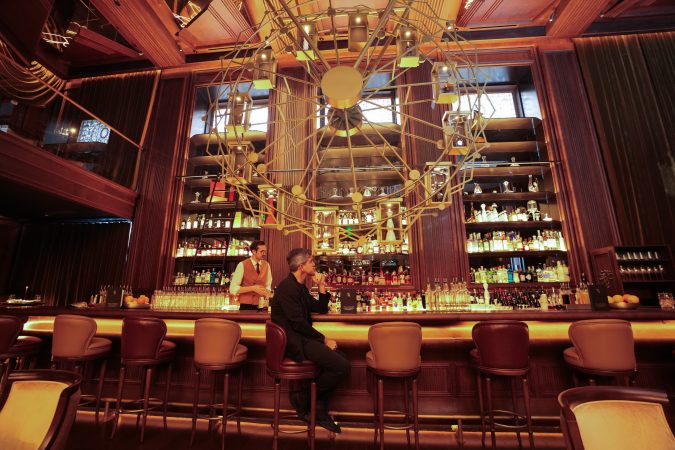
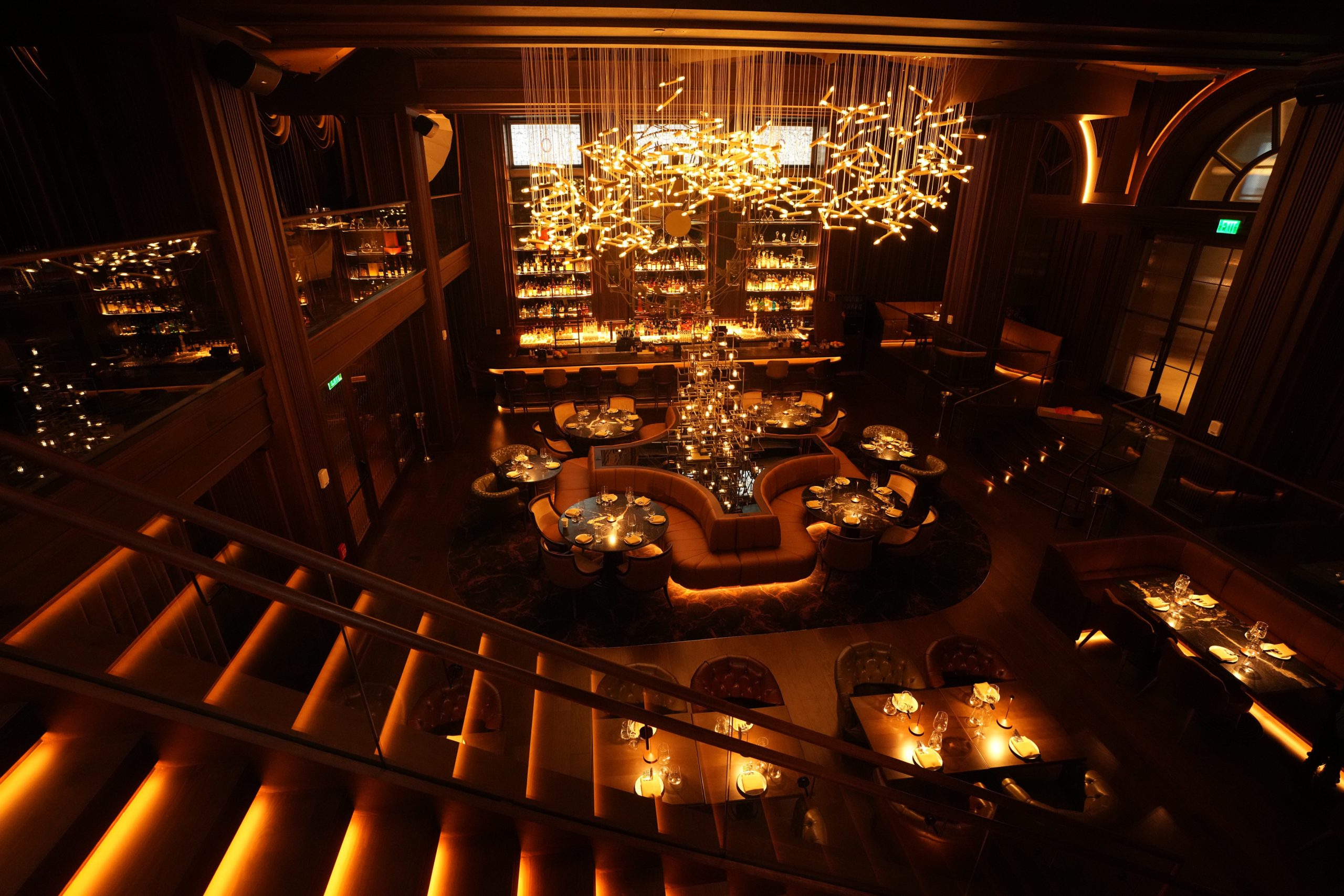
    Bolts of lightning from the ceiling, a Ferris wheel behind the bar for top-shelf pours, and the idea of a glamorous night out: Here’s a first look at the new Mr. Edison at the Bellevue.

    But first:

    😋 Have a fun food day. Take advantage of early-bird pricing right now on tickets to The Inquirer’s Food Fest.

    👌 Need a new restaurant? Try our interactive “find a restaurant” web tool.

    Also in this edition:

    • Halal restaurants: Eight can’t-miss spots throughout the region.
    • Love and hot dogs: A restaurateur decamps to the Jersey Shore.
    • News: I have an exclusive preview of Known Associates (the cocktail bar from Forsythia chef Christopher Kearse, opening Friday). Read on for the first word of a luxe Korean restaurant on its way to Center City.

    — Mike Klein

    If someone forwarded you this email, sign up for free here.

    This new restaurant is a ‘wow’

    Jeffrey Chodorow has opened splashy restaurants all over the world. Here’s his latest, Mr. Edison, opening Thursday in his hometown. And it’s a dazzler.

    Philly bars: The oldest and the newest

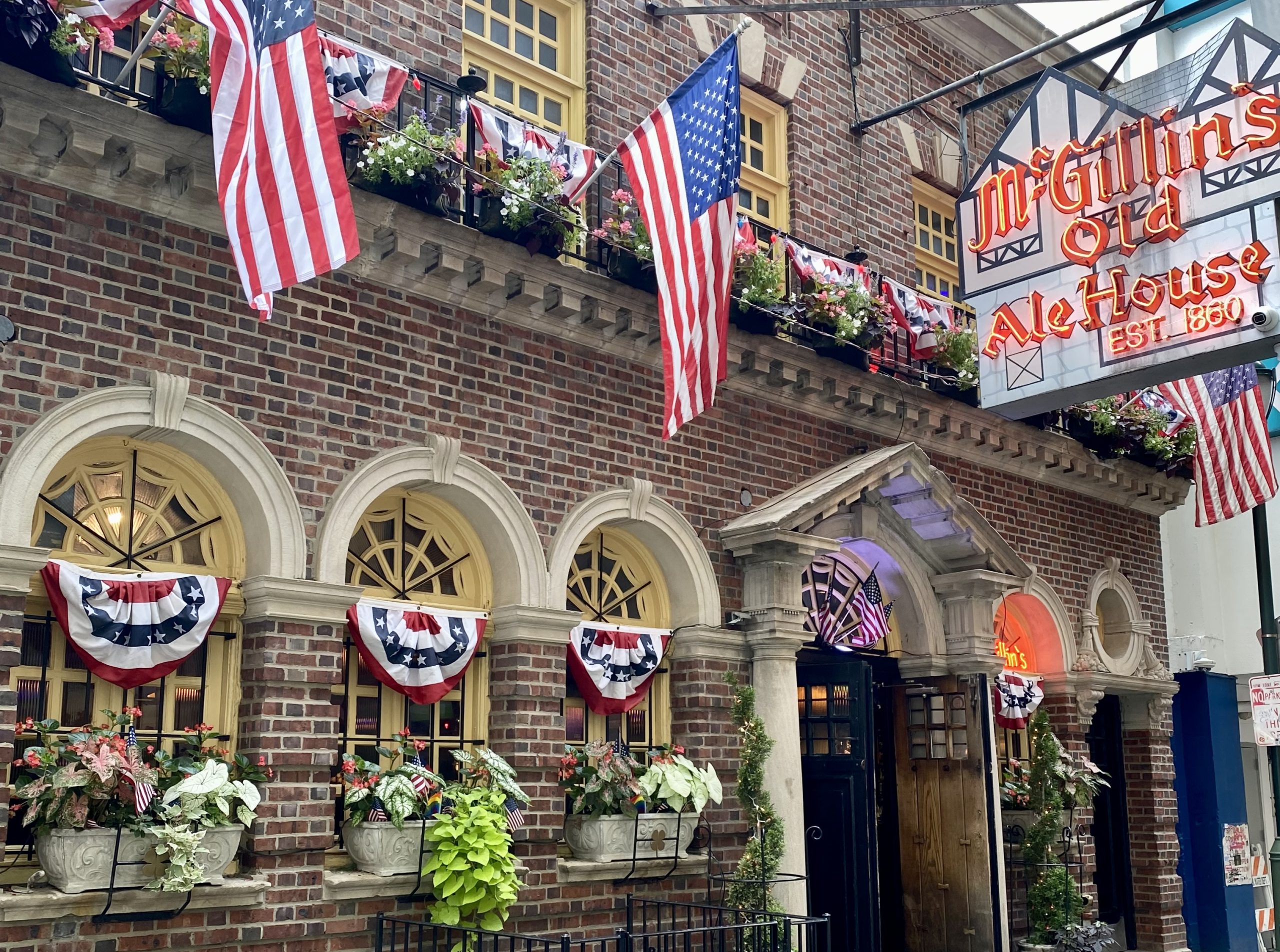
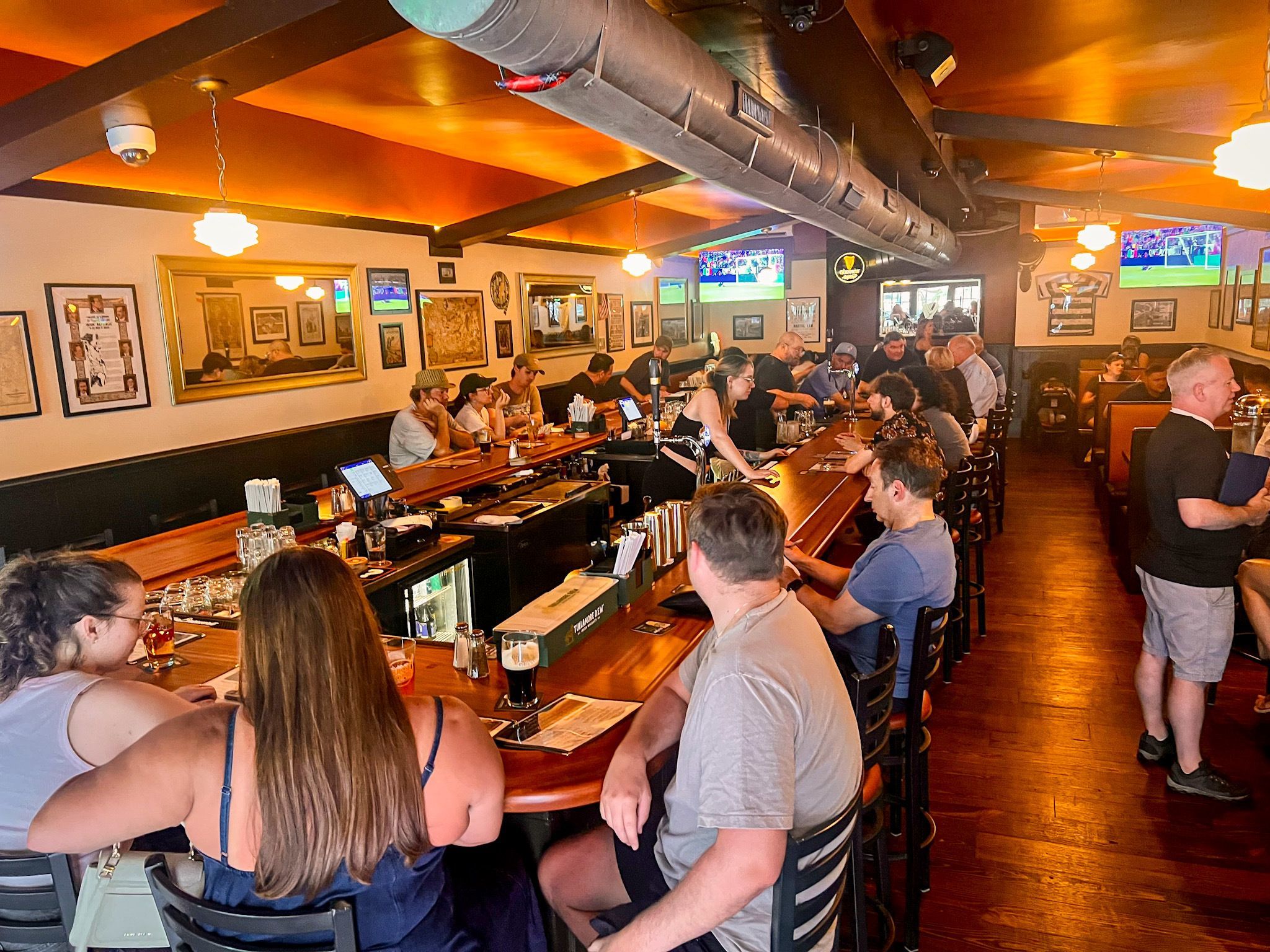
    The new documentary McGillin’s: Philadelphia’s Oldest Bar showcases the Center City taproom and its 166 years of memories. “Everyone has a McGillin’s story,” Mike Newall writes in his feature, which shares a few of them. You can watch the movie on PBS Passport.

    Here’s some McGillin’s lore: If it’s McGillin’s Olde Ale House, why does the sign spell it “Old”? Pub historian Irene Levy Baker explains: It opened in 1860 as Bell in Hand, and the original wooden hand holding a bell still hangs inside. Founder “Pa” McGillin ran it until his death in 1901, when Catherine “Ma” McGillin took over. For the 50th anniversary in 1910, she renamed it McGillin’s Old Ale House — which regulars were calling it anyway (presumably because it was old even back then). The “e” was added in the 1990s for effect, but since the neon sign is a reproduction of the earlier version, it still reads “Old.”

    Center City’s newest bar is The Monto (above), which opened Saturday at 226 Market St. in Old City under the stewardship of Fergus “Fergie” Carey and Jim McNamara. Alas, there’s a bit of drama unfolding. N.A. Poe of Poe’s Sandwich Joint, who was attached to the project to meld Philadelphia sandwich culture with Irish pub fare, has apparently bowed out. You’ll see they’ve opened up the old Mac’s Tavern by shifting the bar to the middle of the room. It’s open at noon daily.

    8 favorite halal restaurants

    Philadelphia offers a grand landscape of halal food, and Hira Qureshi shares her eight favorite restaurants.

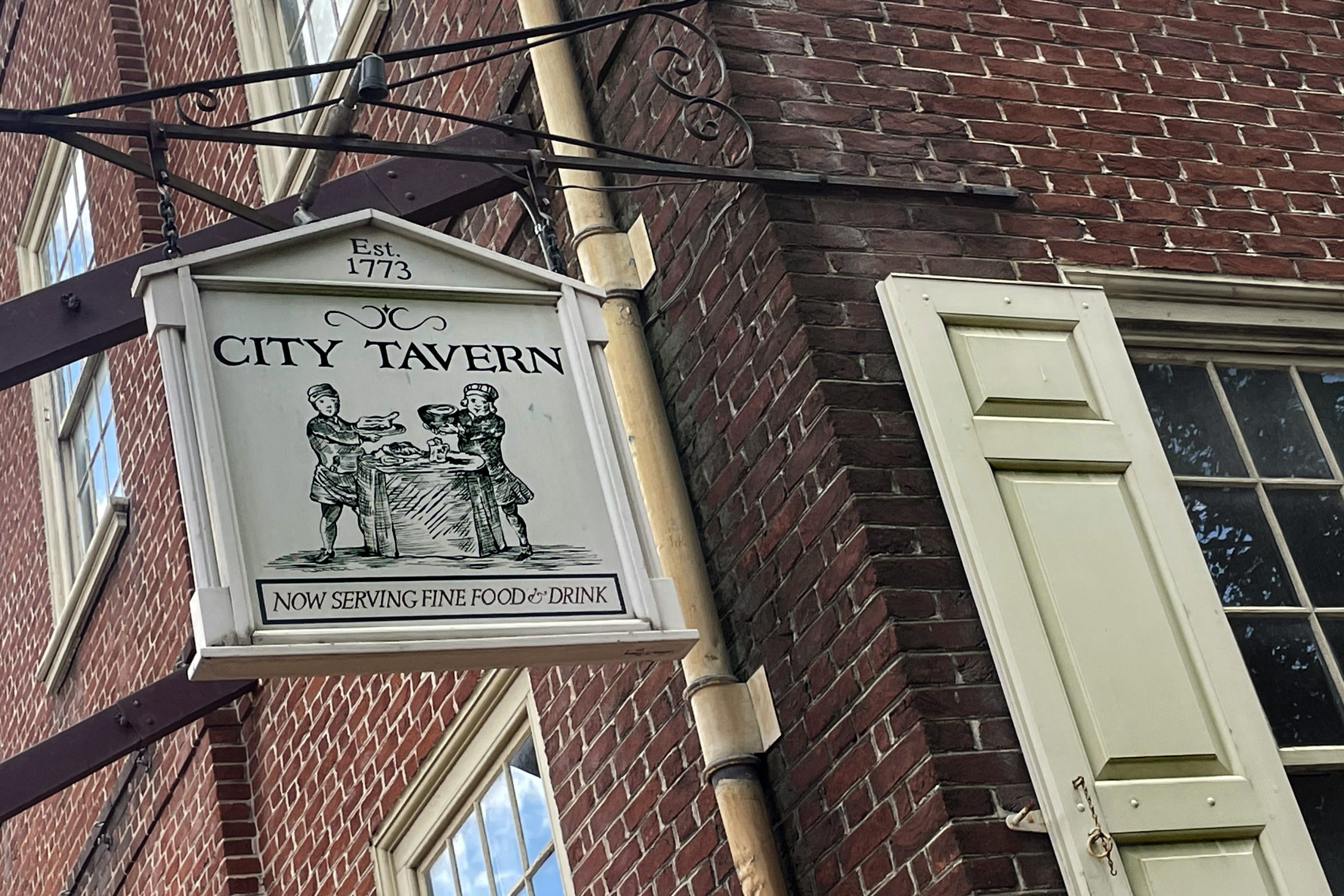
    City Tavern is reopened outside

    The historic City Tavern, which closed six years ago, is back. Outside, anyway. It’s hosting a summertime pop-up in its garden, including food, drinks, historical interpreters, lawn games, and special events.

    She sells hot dogs by the seashore

    Hillary Bor, who co-owned Pumpkin BYOB in Graduate Hospital for two decades, has a new love and a new food business in Margate. Amy Rosenberg says Dock Dogs also has a stellar view.

    The best things we ate last week

    Tacos al pastor at a little corner spot in Old City, a crispy bibingka waffle in the Fairmount area, and a soft-shell crab offered as a ritzy BLT in Rittenhouse were among The Inquirer Food team’s favorite bites last week.

    Scoops

    Arirang, an upscale Korean restaurant, is in the earliest stages of development at 1219 Locust St., in the former Papery of Philadelphia space next to Vedge in Washington Square West. Linda and Myung Kee Hwang, who own the Old Nelson delis around town as well as the building, are planning a traditional menu, as well as a liquor license to serve Korean spirits. “When we started looking at the Korean restaurant landscape in Center City, we realized there really wasn’t anywhere that, as Koreans ourselves, we would go for a truly authentic Korean meal,” Linda Hwang told me. “Everyone does Korean barbecue, and beyond the fact that it’s overdone, we simply didn’t want the grilling and smoke inside the building. The food will be very traditional. No fusion, no shortcuts.” The name is the folk song that is Korea’s unofficial anthem. There’s no timeline yet.


    Take a first look inside Known Associates, the cocktail bar from chef Chris Kearse of Forsythia, opening Friday at the former Varga Bar in Washington Square West. Read on for the details.

    Restaurant report

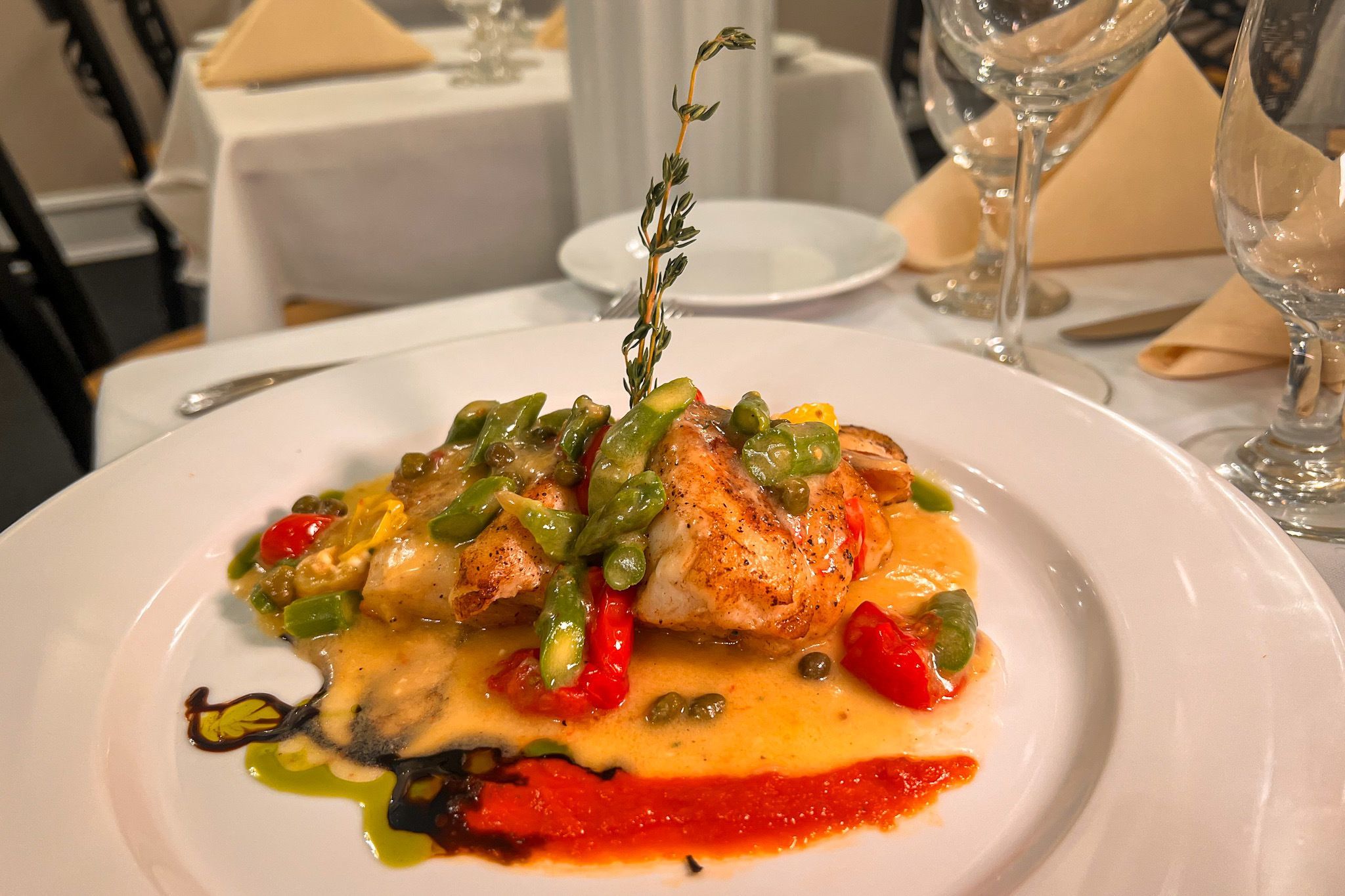
    Il Gusto. Now open at 114 Chestnut St., Il Gusto brings a Southern Italian-leaning BYOB menu and white-tablecloth atmosphere to the Old City storefront that previously housed Karma.

    Chef-owner Tony Krupa delivers big-portioned Italian American and Southern Italian standards and, he says, “nothing trendy”: grilled octopus with cannellini beans and artichokes, fried calamari, mussels, clams, and fried mozzarella, along with a full slate of pastas, and chicken, veal, and fish entrees such as salmon Livornese as well as barramundi with shrimp, capers, and cherry tomatoes over capellini (shown above). Entrees are in the $20s.

    Il Gusto, 114 Chestnut St., 215-518-9092. Hours: noon-9 p.m. Sunday-Thursday, noon-10 p.m. Friday and Saturday.

    Briefly noted

    Trattoria Totaro in Conshohocken reopens today, nearly three months after a fire.

    The Buttery, the popular Main Line bakery/cafe, opened its third location last weekend in Bryn Mawr. There’s at least one more on the way, the owners told Denali Sagner.

    Villa Nuova in Deptford will close soon after 26 years in business, as owner Peppe Scotto announced on Facebook.

    Surfside has taken over the U.S. alcohol industry. But its founders told Erin McCarthy that the brand’s base is staying put in Philly.

    Aneu Kitchen’s new location at Ardmore Farmers Market in Suburban Square will open at 8:30 a.m. Monday with comp samples of her YEU On-the-Go bites.

    South Philly Barbacoa, James Beard-winning chef Cristina Martinez’s business, is now set up inside Triple Bottom on Spring Garden Street, writes Hira Qureshi. That means tacos, chips and guacamole, and sweet tamales on a permanent basis.

    The H Mart in Cherry Hill has been expanded, and Hira offers a tour of the emporium, aisle by aisle.

    Cult of Trees’ nonalcoholic spirits are packaged by hand in Kensington. Sande Friedman explains that at local bars, they’re already a hit.

    ❓Pop quiz

    Wine writer Marnie Old believes that one country might be on its way to overtaking France as the pinot noir capital of the world. What is it?

    A) United States

    B) Germany

    C) New Zealand

    D) Australia

    Find out if you know the answer.

    Ask Mike anything

    Is Angelo’s Pizzeria ever going to open that new place in New Jersey? — Scott P.

    Many of my articles are inspired by readers’ questions. Here’s a follow-up to a story I wrote last July, when Angelo’s owner Danny DiGiampietro said he was taking over the shuttered Di’Nics in West Collingswood Heights. Construction has just begun, and DiGiampietro believes that it will open in about two months. Meanwhile, Angelo’s is getting into the wholesale bread business out of its huge bakery in Conshohocken. Here is the update.

    📮 Have a question about food in Philly? Email your questions to me at mklein@inquirer.com.

    By submitting your written, visual, and/or audio contributions, you agree to The Inquirer’s Terms of Use, including the grant of rights in Section 10.

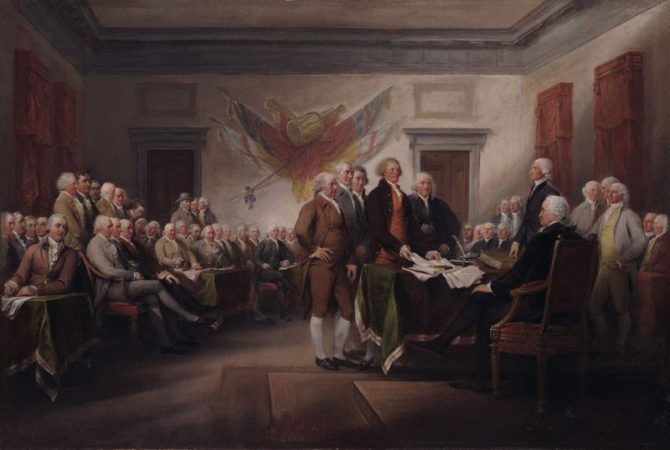
  • The Declaration of Independence is 250 years old. What does it mean now?

    The Declaration of Independence is 250 years old. What does it mean now?

    If you ask us, there’s no better way to honor America’s 250th birthday than by arguing vigorously.

    After all, this nation was created amid raucous disagreement, which led to the drafting of the Declaration of Independence, and 11 years later, to the Constitution. And it is precisely because the founders debated so hotly that America has risen to such heights, as principled disagreement has given way to compromise and deeper understanding of what matters most.

    But not all arguments are created equal, and with respect to our fellow Americans, many of the loudest arguments happening right now are banal at best. In our nation’s capital and on social media, people are convulsed with disagreement about President Donald Trump’s concert turned rally on the National Mall, the attractiveness of the repainting of the Lincoln Memorial Reflecting Pool, and whether mixed martial arts matches should be held on the lawn of the White House. America is preparing to celebrate its Semiquincentennial, and we’re freaking out over concerts and paint colors?

    This should be a time to argue over the meaning and importance of America’s principles, as enshrined in the Declaration of Independence. Are the founding ideals really self-evident? Where did they come from, what do they mean, and how do we fall short 250 years later? Younger Americans, in particular, ought to debate the answers to these critical questions, given they will play a pivotal role in charting America’s next 250 years.

    The two of us sought to kick-start that debate through three programs where we teach at Bucknell University this past academic year — programs that constituted the sum total of all activities at our university celebrating the 250th anniversary.

    In one jointly taught class, we introduced more than 30 students to the foundational texts of the republic: the Declaration, the Constitution, the Federalist Papers, the Anti-Federalist Papers, and Common Sense. In two other classes, one of us — Paul Siewers — dove into the narrative of American history and took students deep into the ideas of the founding documents and the Gettysburg Address.

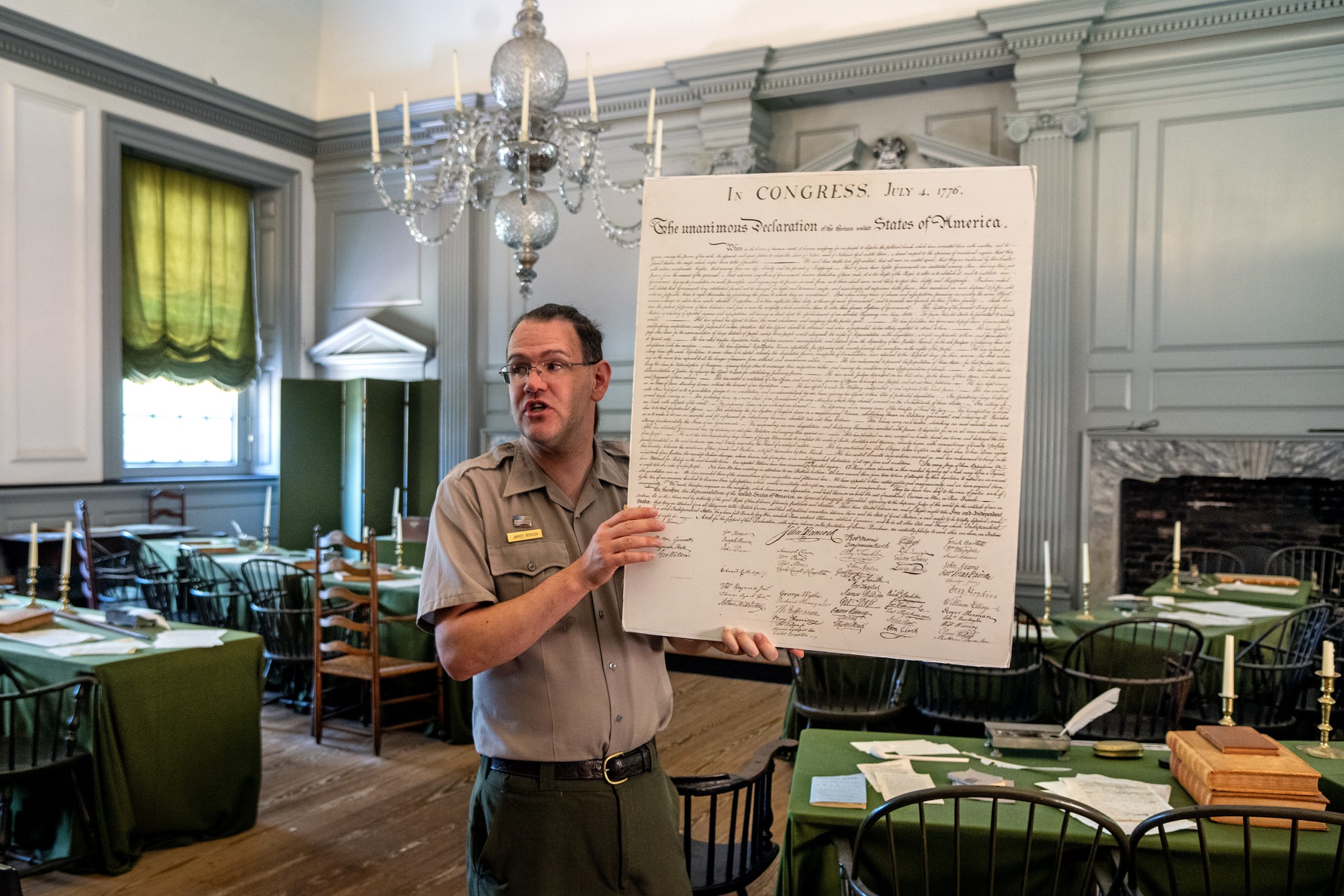
    National Park Service ranger James Benson holds an enlarged copy of the Declaration of Independence at Independence Hall in August.Tom Gralish / Staff Photographer

    It is a sad indictment of K-12 education that virtually none of our students had meaningfully engaged with these texts before. Yet, we took heart from the students’ desire to learn, which manifested itself in high-spirited debates throughout the semester. Ideologically, the students ran the gamut, with a few die-hard conservatives, a few dyed-in-the-wool progressives, and a critical mass of centrists.

    From the start, they disagreed about virtually everything, in the best possible way.

    Take the most progressive student in one class, who reacted negatively when we introduced the concept of federalism. What good, she asked, could possibly come from letting states choose different paths? America, she said, needs uniformity, or else injustice will ensue. Yet, after debate, she had become a federalist. The disagreement had convinced her that diversity and inclusion flourish best when states can go their own ways.

    The debates over equality and equity were fierce, as well. Most students initially saw them as one and the same, but after much boisterous discussion, the class broadly agreed they were fundamentally different and wholly incompatible. The students gained a deeper understanding of human dignity and the reality that opportunity dies when outcomes are assured or equalized.

    At our joint course’s conclusion, we received anonymous reviews from the students. They praised the atmosphere of respectful, meaningful disagreement. One student wrote that hearing from those with different perspectives “strengthens my argument, and it also helps me see how I can better communicate with them.” Another wrote that “the class pushed me outside of my comfort zone” in terms of “speaking up and stating what I believed in.”

    The unspoken reality is that such intellectual debate about American ideals is something they don’t expect to encounter in the rest of their education, much less the real world.

    But America urgently needs such debate, for a nation can’t endure if it doesn’t understand and apply its own principles. We need to debate the modern-day trade-offs between liberty and security. We need vociferous argument about the pursuit of happiness in the age of artificial intelligence. And with socialism and populism rising on both sides of the aisle, we need to seek understanding, through disagreement, about what’s truly compatible with the Declaration of Independence — and what isn’t.

    With the Fourth of July approaching fast, it’s not too late to begin these debates around the dinner table, at bar trivia night, and on the whole panoply of social media platforms. And with the next academic year looming this fall, it’s not too early for parents and policymakers to demand the restoration of real civics education in the classroom — at both the K-12 and collegiate levels. America has always needed vigorous debate about our nation’s principles, purpose, and progress. We certainly need better than the shallow debates that currently dominate this momentous moment.

    Charles Mitchell is an adjunct instructor at Bucknell University and cofounder and CEO of the Open Discourse Coalition. The Rev. Paul Siewers is an associate professor of English and chaplain at Bucknell University.

  • At Jersey Kebab, a new immigration fight | Inquirer South Jersey

    At Jersey Kebab, a new immigration fight | Inquirer South Jersey

    Good morning, South Jersey.

    The son of the owners of the popular Collingswood business Jersey Kebab now has his own immigration battle to stay in the country.

    And a new research initiative out of Rutgers University wants to study how the effects of hormonal changes such as pregnancy impact the brain.

    Plus, a man from Maple Shade was taken into custody for allegedly stealing and damaging LGBTQ flags, and more news of the day.

    — Taylor Allen (southjersey@inquirer.com)

    If someone forwarded you this email, sign up for free here.

    A new fight to stay in the U.S.

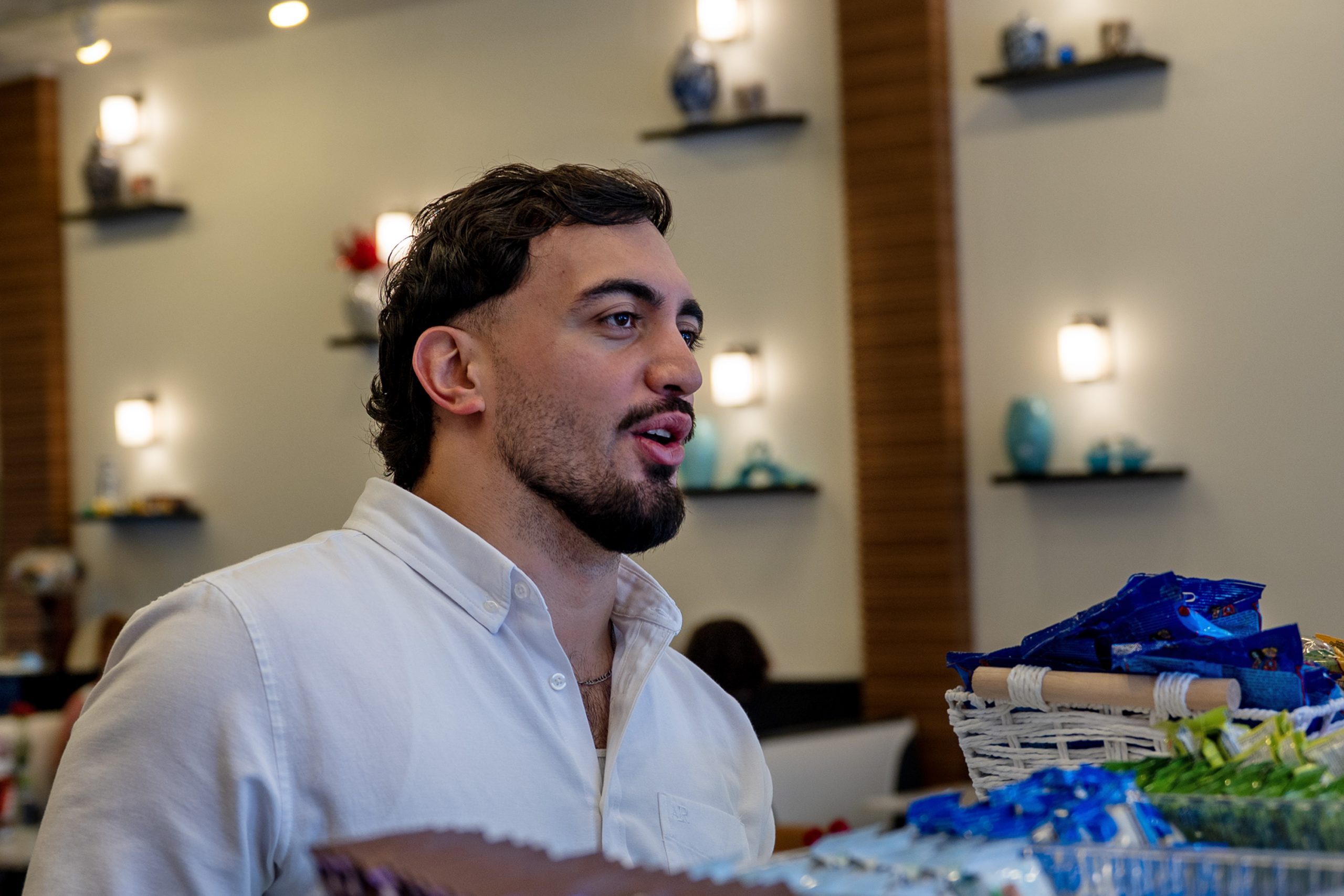
    More than a year after the small restaurant Jersey Kebab made national headlines and inspired widespread criticism of ICE when agents arrested the owners, their son is now fighting a similar battle.

    The federal government informed Muhammed Emanet, who left Turkey when he was 12, of its intention to deny his request for a green card, with a 30-day window to present new or additional information to try to persuade the U.S. Citizenship and Immigrations Services to allow him to stay.

    No one knows for sure what happens when the deadline comes up next week.

    If he is deported, he’ll be separated from his wife and two young sons. Hundreds of letters have been signed and gathered on his behalf, attesting to his good character.

    Reporter Jeff Gammage has the latest on his case.

    💡 Filling gaps in knowledge

    The recently launched Women’s Brain Health Initiative at the Rutgers Brain Health Institute seeks to better understand what researchers say has been historically under-studied — how hormonal changes affect the brain.

    The focus is on hormonal shifts that occur throughout life such as puberty, menstruation, pregnancy, postpartum, and menopause.

    The research and the public education will center information on women’s mental health, disease vulnerability, and brain function and development.

    Read on for Sarah Gantz’s full interview with the lead researcher.

    What to know today

    🧠 Trivia time

    Which former Eagle does a celebrity bartending fundraiser every year in South Jersey?

    A) Zach Ertz

    B) Lane Johnson

    C) Jason Kelce

    D) Nick Foles

    Think you know? Check your answer.

    What we’re…

    🍿 Rewatching: Chase Street, the old political crime drama set in Camden.

    🍕 Wondering: What pickles on a pizza would taste like from Knot Like the Rest in Pine Hill.

    🥤 Drinking: A Boost slushy.

    🧩 Unscramble the anagram

    Hint: 🧊 Chilly cakes

    ACE FEROCITY WART

    Email us if you know the answer. We’ll select a reader at random to shout out here. Cheers to Rebecca Welch Pugh, who solved last Wednesday’s anagram: Burlington. The major retailer made this year’s Fortune 500 list.

    Congrats on making it through halfway through the week. I’ll catch you tomorrow. 👋🏽

    By submitting your written, visual, and/or audio contributions, you agree to The Inquirer’s Terms of Use, including the grant of rights in Section 10.

  • Philly weighs in on Parker | Morning Newsletter

    Welcome to Wednesday.

    It should be sunny with a high near 84. Evidently, despite the deluge earlier this week, the Philly region’s drought conditions persist.

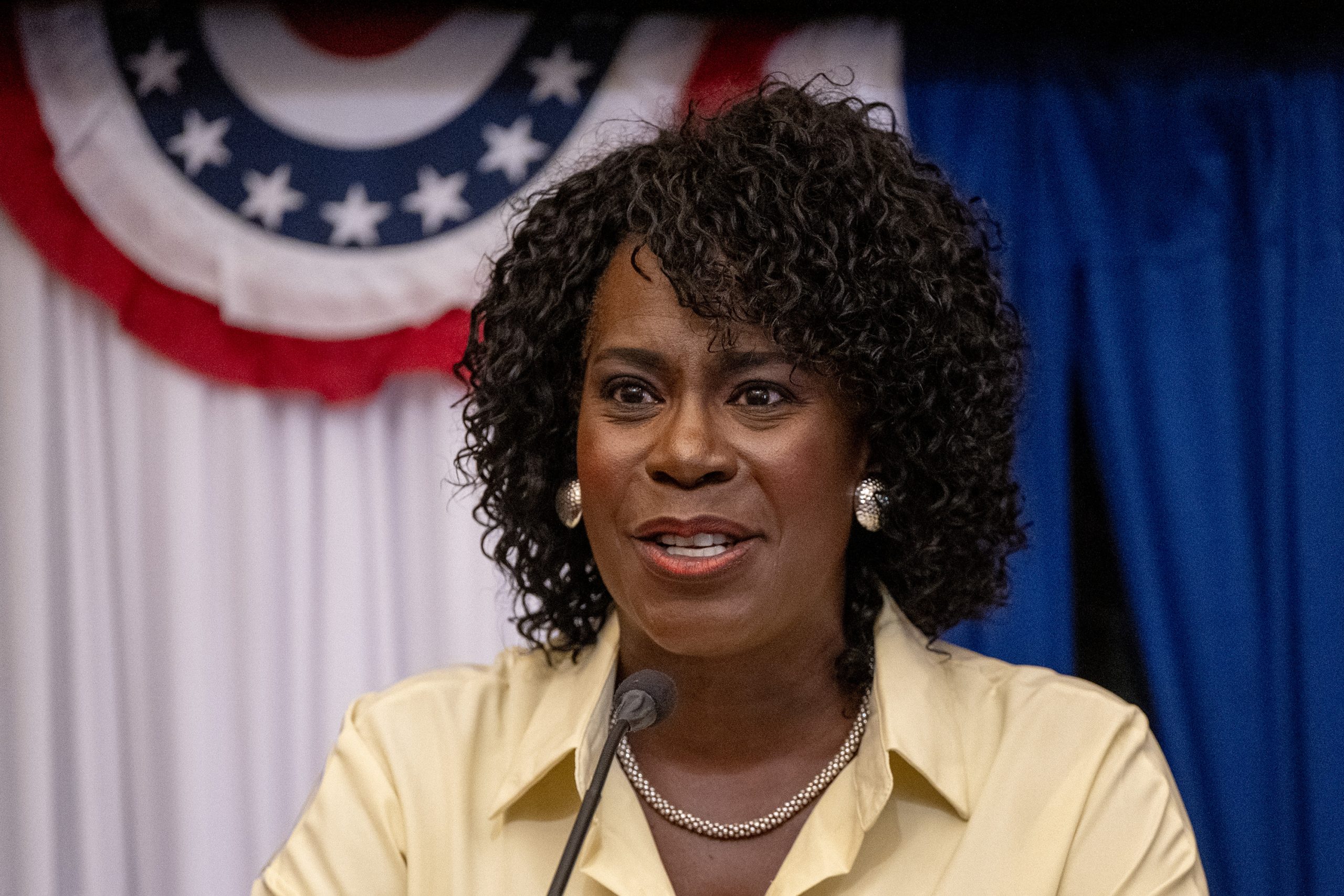
    A new poll shows how people in Philly feel about the city under the leadership of Mayor Cherelle L. Parker.

    Following an Inquirer investigation into Philadelphia’s police union’s questionable funeral expenses, the FOP is pinning payout failures on the city.

    Plus, why 6abc says it’s being targeted by the federal government, and more news of the day.

    — Paola Pérez (morningnewsletter@inquirer.com)

    If someone forwarded you this email, sign up for free here.

    Survey says…

    An Inquirer poll in collaboration with Suffolk University asked 500 Philadelphians across the city about issues Mayor Parker promised to address in her tenure.

    The questions included concerns about crime, quality of life, city services, and education.

    Among the responses, they found:

    👍 An overwhelming majority of Philadelphians feel safe, and more than 40% believe the city is cleaner.

    👎 The quality of public schools remain a major concern, as well as the persistent opioid crisis in Kensington. More than half of the respondents indicated that the mayor’s strategy in the neighborhood is not working.

    🗳️ There are mixed results on Parker’s political fortunes as she heads into an expected reelection campaign next year.

    City Hall reporter Anna Orso breaks down the survey findings, including Parker’s biggest vulnerability.

    One more takeaway from the poll: Gov. Josh Shapiro is by far the most popular political figure among Philadelphia residents.

    Shifting blame

    Earlier this month, an Inquirer investigation uncovered how the Fraternal Order of Police has for years billed the city following an officer’s death for expenses that are unrelated to funeral home and cemetery costs.

    To the tune of tens of thousands of dollars, taxpayers were footing the bills for everything from bar and restaurant tabs to socks and underwear.

    Now, the FOP is pushing back on its role in the matter.

    Notable quote: “The problem has always been and continues to be the city of Philadelphia’s ineptitude to pay bills in a timely fashion,” the FOP wrote. It continued on to say that survivors’ families are left to make big financial decisions as they are grieving.

    The discovery prompted questions about the union’s charitable organization, which has spent money on funerals even in years when no officers died in the line of duty. The FOP criticized The Inquirer’s request to clarify these expenses through public records.

    Investigative reporter Barbara Laker has the latest.

    What you should know today

    Quote of the day

    The ICE arrest of the owners of South Jersey Kebab sparked wide condemnation last year. Their son Muhammed Emanet said he is trying to be upbeat as he faces the prospect of being separated from his wife and two sons, all U.S. citizens.

    🧠 Trivia time

    A Delco man built this in his dad’s basement and could win $10,000 for it:

    A) a shrine to the Phillie Phanatic

    B) a replica of the Liberty Bell made out of pretzels

    C) a toothpick diorama of Independence Hall

    D) a custom Harley-Davidson motorcycle

    Think you know? Check your answer.

    What we’re…

    🏀 Promoting: Community wellness at the pro-am Invitational Clash event.

    🇺🇸 Anticipating: Meek Mill joins the star-studded bill July 4 concert lineup.

    📺 Watching: A Jalen-Hurts lookalike and Drexel alum who just entered the Love Island villa.

    🎤 Belting out to: Billie Holiday, Pink, and more in day 2 of our countdown of the 76 most iconic Philly songs.

    📜 Considering: A revisiting of America’s founding documents and what they mean.

    🧩 Unscramble the anagram

    Hint: Spring Garden brewery

    TWITTER BINGO PROBLEM

    Email us if you know the answer. We’ll select a reader at random to shout out here.

    Cheers to Kim Hyde, who solved Tuesday’s anagram: Oh Mary! Tickets go on sale this week for the first national tour of the Tony-award winning campy comedy.

    Photo of the day

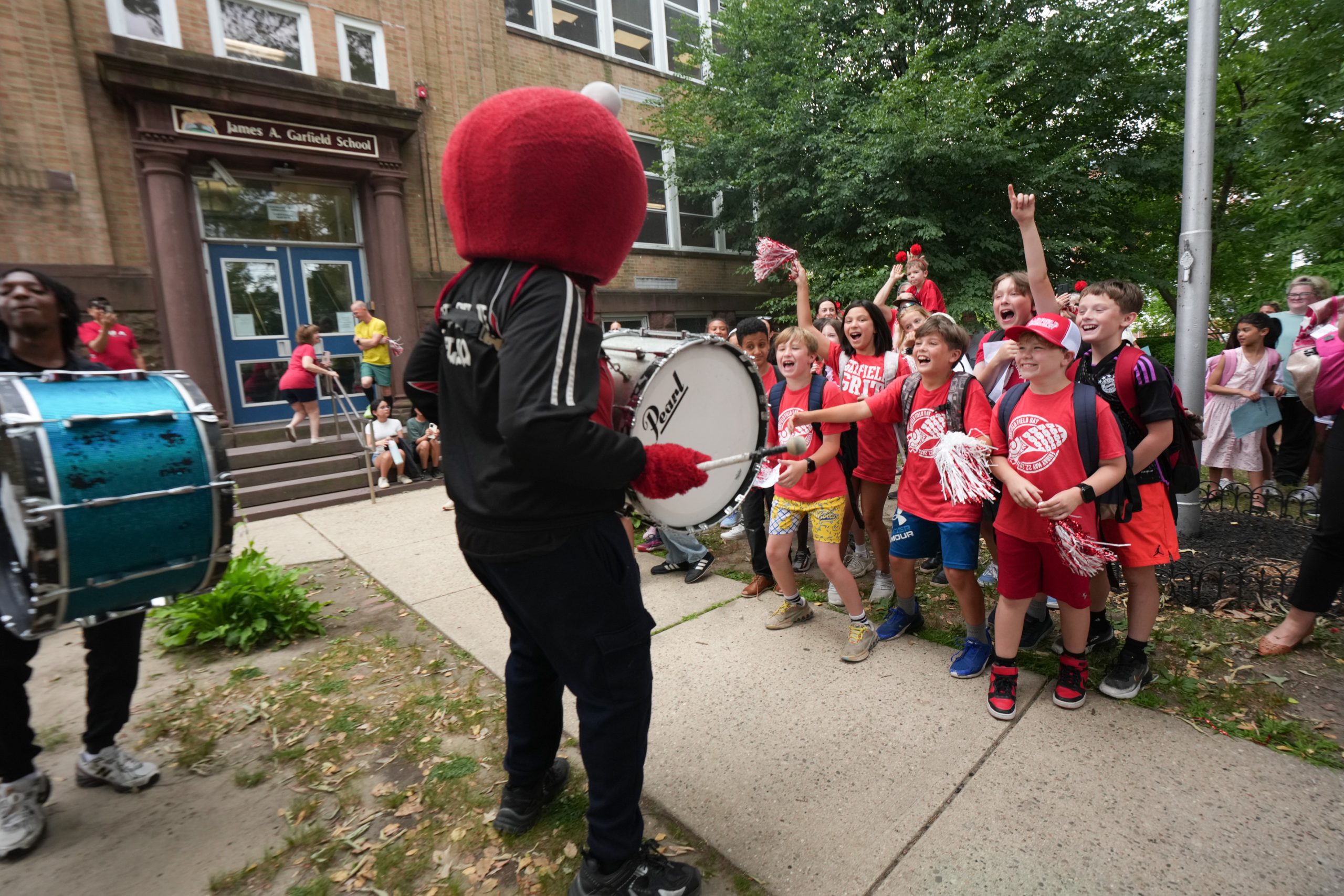
    Philly Elmo interacts with students on the last day of school at Garfield Elementary in Collingswood. It’s set to close due to budget cuts.Jessica Griffin / Staff Photographer

    👋🏽 That’s it for now. Thanks for reading, and have a great day.

    By submitting your written, visual, and/or audio contributions, you agree to The Inquirer’s Terms of Use, including the grant of rights in Section 10.