Blog

  • Ahead of Sunday’s final day, families brave the rain to protest academy closure

    Ahead of Sunday’s final day, families brave the rain to protest academy closure

    For Christine Anderson, visiting the Academy of Natural Sciences of Drexel University is a family tradition. And she wanted to continue that ritual one last time Saturday.

    As a kid growing up in the Lehigh Valley, Anderson made frequent trips to the country’s oldest natural history museum. As a mother, she brought her daughter Krissy, now 21, to the museum to make her own childhood memories.

    And on Saturday, the penultimate day of the museum’s operation before its planned closure due to a lack of funding, Anderson and her family squeezed in their final trip.

    If for no other reason, she said, than to give her 5-month-old daughter, Lola, the chance to cross through its threshold.

    “It’s a great place for kids to learn, and I think it’s great for the culture of the city,” Anderson said. “At a time when so many other museums are closing, or at risk of closing, it’s just so disappointing that a space like this is closing with them.”

    Anderson and her family were among the dozens of attendees who braved Saturday’s blustery nor’easter to fill the Academy of Natural Science’s halls. The museum’s entry line snaked down the sidewalk along the Benjamin Franklin Parkway, flanked by protesters from the Save the Academy Coalition who were rallying in support of the beloved institution.

    People from across the Philadelphia region, and beyond, came to the Academy of Natural Sciences on Saturday as protestors called for Drexel to keep the museum open.Tyger Williams / Staff Photographer

    Sarah McAnulty, one of the organizers, said the demonstration was intended to stress that the museum’s life isn’t over “until the doors are closed and the exhibits are dismantled.”

    “It is of critical importance that we make sure the people who are making the decisions with the future of the Academy of Natural Sciences know that the city of Philadelphia needs this museum to stay open and the volume of support that we have for that effort,” said McAnulty, a science educator who runs the nonprofit Skype a Scientist.

    To bolster that effort, the coalition hosted a letter-writing station for kids, hoping to send that message directly to Drexel officials. They also offered animal face painting and a free concert. Volunteers stood on the shoulder of the Parkway, their protest signs greeted by enthusiastic honks from passing drivers.

    “It’s hard to know whether your kid is going to be inspired by science and become a scientist later,” McAnulty said. “And so whether they want to start their journey with science to become a scientist or just to see things that humans have been studying and collecting for thousands of years, this is a huge place for Philadelphia history and inspiration for kids.”

    Drexel and the academy announced the museum’s closure Sept. 1, after nearly 200 years of operation, with Sunday being the final day its collection will be open to the public. The decision, officials said, came amid declining attendance and economic pressures, with a hope of concentrating resources on continuing the academy’s research.

    Late Friday, the William Penn Foundation announced it had offered funding to keep the public museum open for a least a year to allow Drexel to address its economic issues. Drexel officials have yet to say whether they will accept that offer.

    There are plenty of Philadelphians who hope the university will consider the deal. Among them is Dan Solomon, who spent a rain-soaked Saturday holding a protest sign in support of a museum that played an impactful role in his family’s life.

    Penny Hughes, 3, of East Falls, gets her face painted by volunteers from the Save the Academy Coalition during their protest Saturday.Tyger Williams / Staff Photographer

    Solomon said his daughter is applying to colleges this year, and her pursuit of a career in neuroscience was inspired, in part, by their frequent visits to the Academy of Natural Sciences.

    “It’s just unconscionable that this would be just ripped away from Philly kids forever,” Solomon, of Mount Airy, said. “All it needs is a chance. We’ve had a month to organize [since the closing was announced] and we’ve already gathered plenty of support.”

    Solomon urged Drexel to take the William Penn Foundation’s offer.

    “Of course people understand that times are tough,” he said. “But all we’re asking for is a chance to save our museum. And if we have that chance, we should take it.”

    Kevin Chapman, who was standing in line alongside Christine Anderson, his partner, and their newborn daughter, agreed.

    “Museums provide a foundation for education, and I feel like there’s a lot of things that provide foundations for education that are under attack right now in our country, whether it’s historical venues or sciences and art,” he said. “We need to support those things while they’re here, because it’ll be too late once they’re gone.”


  • Aaron Nola starts on two days’ rest vs. Rays as Phillies look to clinch postseason berth

    Aaron Nola starts on two days’ rest vs. Rays as Phillies look to clinch postseason berth

    Aaron Nola is coming on for the save.

    With the Phillies desperate to snap a three-game losing skid and clinch the final National League wild card, Nola will start — on two days’ rest — Saturday night against the Rays in Citizens Bank Park.

    The Phillies discussed going with Zack Wheeler on three days’ rest, according to interim manager Don Mattingly, but settled on Nola because he typically throws 40- to 50-pitch bullpen sessions between starts, nearly twice as many as most starters.

    “If anybody’s built for this, it’s probably Nola,” Mattingly said. “He is a guy who is more old-school than anybody.”

    window.addEventListener(“message”,function(a){if(void 0!==a.data[“datawrapper-height”]){var e=document.querySelectorAll(“iframe”);for(var t in a.data[“datawrapper-height”])for(var r,i=0;r=e[i];i++)if(r.contentWindow===a.source){var d=a.data[“datawrapper-height”][t]+”px”;r.style.height=d}}});

    The Phillies are down a starter because Jesús Luzardo remains on the injured list with a strained left shoulder. He’s eligible for reinstatement Sunday and will be available to pitch if the Phillies must win, Mattingly said. Wheeler is lined up to start Sunday’s season finale, but likely only if the Phillies haven’t clinched yet.

    Mattingly said the Phillies briefed Nola on Thursday about the possibility of starting on short rest for the first time in his career. He skipped his scheduled bullpen session Friday and was informed after Friday night’s game that he would be starting.

    It’s unclear how many pitches Nola will be able to throw against the Rays. He threw 88 and allowed four runs in six innings Wednesday night in a 4-1 loss to the Brewers, the first of three consecutive losses that kept the Phillies’ magic number frozen at two.

    “Not necessarily a full start or anything like that,” said Mattingly, who cited 40 to 50 pitches as a “reasonable” goal, which could get him through the Rays’ order at least once. “He’s only had a couple of days off, so we’ll just see what it looks like and go from there.”

    The Phillies’ lead over the Diamondbacks has dwindled to one game with two remaining. They can make the playoffs with any combination of wins and/or Arizona losses totaling two.

    Nola, the longest-tenured Phillies player, started the 2022 wild-card clincher (in Game 160 in Houston). He has a 3.12 ERA in 89⅓ innings over his last 15 starts after posting a 6.04 ERA in 85 innings over his first 17 starts.

  • Cavan Sullivan makes USMNT debut in 4-1 win over Peru

    Cavan Sullivan makes USMNT debut in 4-1 win over Peru

    ORLANDO — Cavan Sullivan made his senior U.S. men’s soccer debut at the first available opportunity, as the 16-year-old was part of the starting lineup in Saturday’s 4-1 win over Peru.

    Taking the field two days before his 17th birthday, Sullivan became the fourth-youngest player in senior men’s national team history and second-youngest starter.

    He was a lively presence in a 61-minute run: 35 touches, including seven in the 18-yard box, 25 completed passes of 28 attempted, one shot, and one defensive recovery.

    He even raised the Peruvians’ ire at one point midway through the first half. Chasing after a potential rebound, he was pushed from behind into goalkeeper Pedro Gallese and tumbled over him into the net. Referee Steffon Dewar of Jamaica quickly got in the middle of things to calm them down, and gave Sullivan a yellow card after Gallese was attended to by medical staff.

    On two occasions later in the first half, Sullivan had opportunities to go for spectacular plays on the ball if he wanted to. But both times, he stayed restrained and made simpler moves to help teammates.

    Tactically, he played in a right-sided attacking midfield role in a 4-2-3-1 formation. It’s the same area of the field he plays in with the Union, though in slightly different tactics under Ryan Richter’s 4-2-2-2 setup.

    Sullivan was one of four players with Union or Philadelphia ties in Saturday’s starting lineup, along with Media’s Auston Trusty and Chester’s George Campbell at centerback, and Wayne’s Matt Freese at goalkeeper.

    Trusty and Freese are former Union players, and Trusty and Campbell were youth soccer teammates at the former Nether United club in Delaware County.

    Campbell tried out for the Union academy at one point and didn’t get in, though his brothers Will and Rob did. The family moved to Atlanta in 2013, so George grew up with Atlanta United. He played professionally there from 2020 to 2022, then moved to CF Montréal before the 2023 season, and joined English second-tier club West Bromwich Albion last year.

    The U.S. opened the scoring in just four minutes, with forward Justin Ellis delivering in his club home stadium with Orlando City. But the good mood didn’t last, as a giveaway by Campbell led to Gianluca Lapadula’s equalizer in the 15th.

    Each side was allowed 11 substitutions per game, far more than soccer’s usual five, and U.S. manager Mauricio Pochettino used all of his.

    The first came at halftime, Freese departing for much-touted prospect Diego Kochen. The 20-year-old Miami native grew up at Spanish superpower Barcelona, and is currently at Denmark’s Lyngby — a club part-owned by the Union — on a loan for the season.

    There was a wave of five subs just past the hour mark. Sullivan, Ellis, Gio Reyna (who assisted Ellis’ goal with a free kick), Yunus Musah, and Peyton Miller left, and Mathis Albert, Julian Hall, Zavier Gozo, Sebastian Berhalter, and Antonee Robinson entered.

    Albert made an instant impact, darting down the left flank and winning a penalty kick on a foul that replays showed started outside the 18-yard box. But with no video review in use, the call stood, and the play showed why the 17-year-old from Germany’s Borussia Dortmund is another big-time prospect.

    Malik Tillman stepped up to the spot and calmly dispatched his shot.

    Hall extended the lead in the 72nd, crashing the back post to finish Sebastian Berhalter’s cross. Robinson also got credit on the play, hitting a beautiful cross-field pass that Berhalter settled before his assist.

    Five minutes later, Westfield subbed in, meaning he coincidentally made his senior U.S. debut on the same field where he made his Union first-team debut in last year’s season opener. Brooklyn Raines also entered, with Alex Freeman and Tillman departing.

    The last moves came in the 88th. Neil Pierre replaced Campbell — meaning all three Union players made their senior U.S debuts in this game — and Adri Mehmeti replaced Tyler Adams.

    Berhalter capped off the scoring with a 25-yard thunderbolt in the 90th.

    In all, 11 of the 12 newcomers on the U.S. squad got on the field, with Campbell earning his second career cap. Goalkeeper Brian Schwake was only one of the bunch who didn’t play.

  • CNN says it was left off Air Force One for Trump’s Saturday trip to a college football game

    CNN says it was left off Air Force One for Trump’s Saturday trip to a college football game

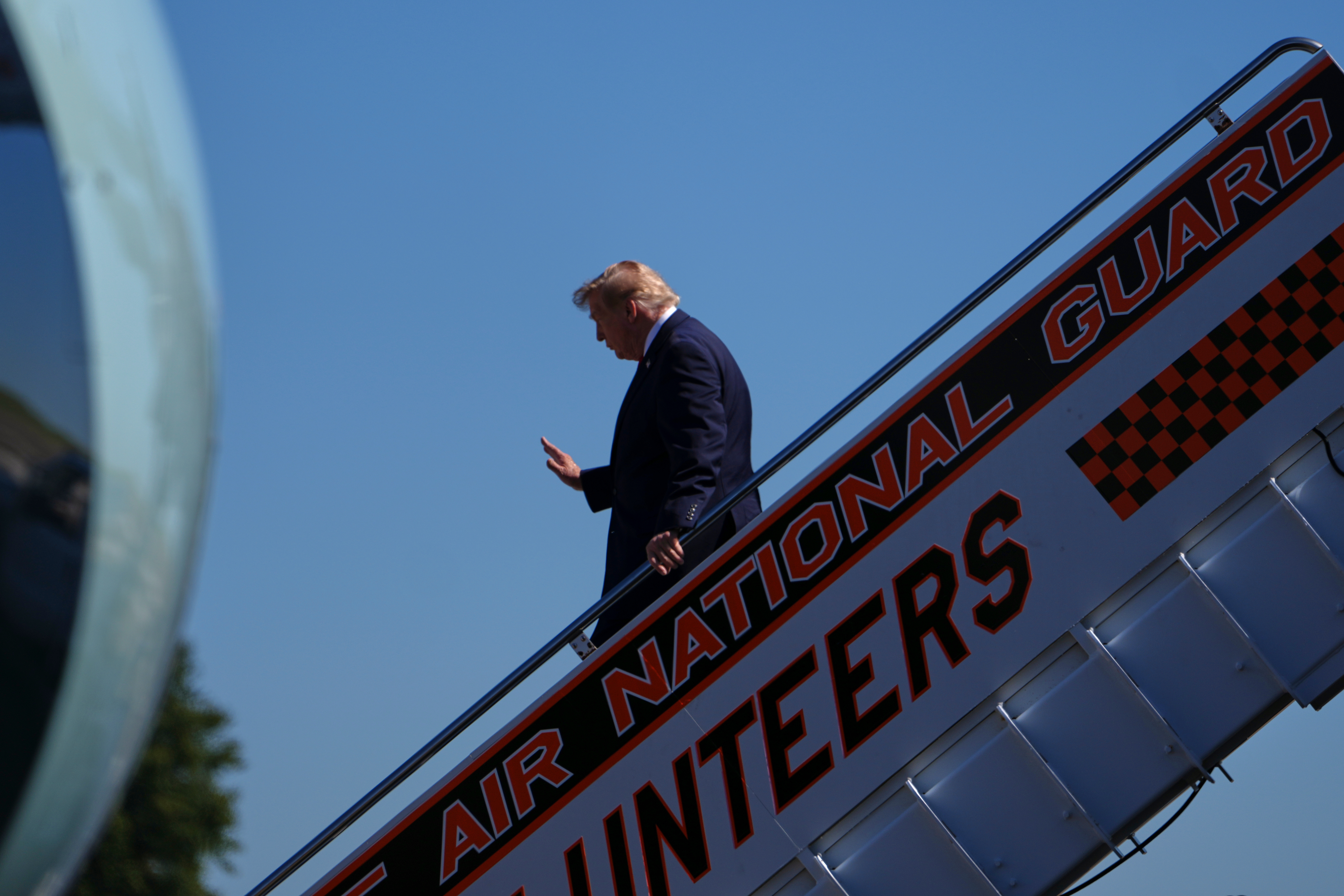
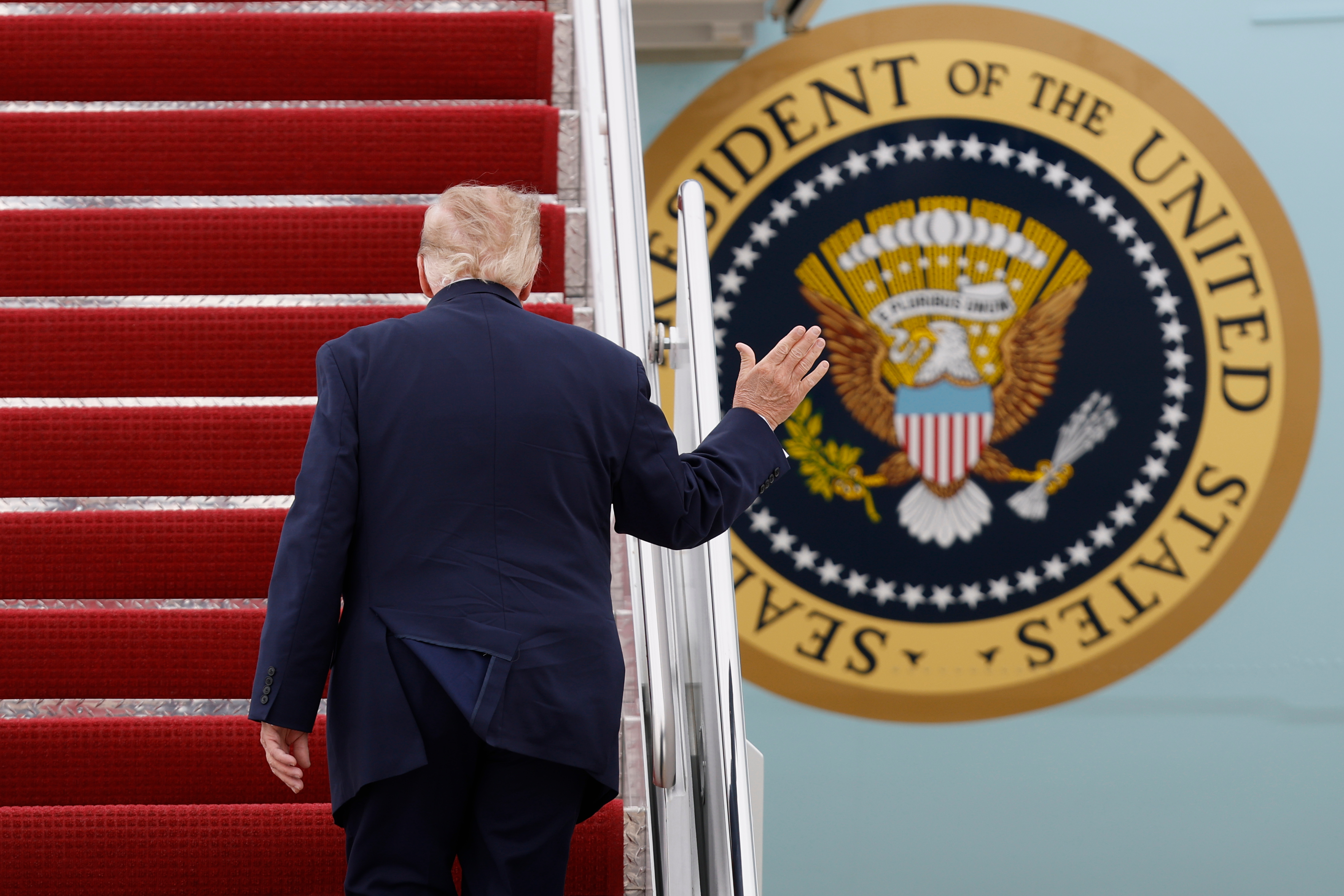
    The White House left CNN off Air Force One for President Donald Trump’s trip Saturday to a college football game in Tennessee, marking the latest media restriction from the administration in an ongoing dispute with First Amendment implications.

    CNN, a member of the U.S. network video pool that rotates duties shooting and sharing video coverage of the president, reported it had been scheduled to fly aboard the president’s plane Saturday for a visit to a midday game between the University of Tennessee in Knoxville and the University of Texas. But White House guidance issued Friday night instead included Real America’s Voice, a conservative outlet.

    The White House guidance was issued after journalists from CNN, along with MS NOW and Politico, which Trump banned last week from the White House grounds, returned to the executive complex with TV cameras in hand after a judge handed the organizations a reprieve.

    U.S. District Judge Timothy Kelly temporarily struck down the president’s ban in an overnight ruling early Thursday, but his decision dealt with “hard passes” to the White House grounds and didn’t directly address pool duties.

    The judge’s temporary order also said nothing directly about Air Force One.

    The spot meant for CNN on the flight has long been saved for a member of the U.S. network video pool; Real America’s Voice is not a part of that group. The White House did not respond to emails from the Associated Press requesting comment about the decision.

    CNN declined to comment.

    A written pool report Saturday morning confirmed there was “no TV pool” for the travel, though Real America’s Voice celebrated its inclusion in the trip and said it would make feeds available to other news outlets.

    “CNN is not here; we have taken over that responsibility. We are so excited to be here,” correspondent Taylor Mitchell said in a video that the outlet posted on social media.

    On Saturday morning, the president addressed the broader debate in a post on social media, writing: “FAKE NEWS SHOULD NOT BE ALLOWED IN THE WHITE HOUSE!!! IT HAS GONE ON FAR TOO LONG, AT A TREMENDOUS COST TO OUR COUNTRY.”

    Fans at the game caught a low-altitude flyover as Air Force One came into town while the teams were warming up. The president’s motorcade arrived just as the national anthem was being sung, and the president was later shown on a jumbotron and greeted with cheers, according to a text pool report.

    Media organizations believe the court decision covers the ‘pool’

    Theodore Boutrous Jr., an attorney for CNN, MS NOW, and Politico, did not respond to phone calls or emails Friday evening or Saturday morning. Earlier Friday, on The Lead with Jake Tapper, Boutrous said the plaintiffs believe the recent court ruling also covers the issue of pool access.

    For a while Friday, the U.S. network video pool for the White House was back in operation for the first time since Trump banned the three news outlets in an extraordinary showdown over media access.

    At noon on CNN, viewers could see Trump and Chinese President Xi Jinping touring the National Archives, along with Melania Trump and Peng Liyuan, Xi’s wife. The banner along the bottom of the screen read: “Trump and China’s Xi Visit National Archives.” It was a routine report from a state visit — except that CNN had not aired live video of Trump in several days.

    “As of now, all systems are go,” said a person familiar with the pool, speaking on condition of anonymity because of the fluidity of the situation.

    Pool participants showed solidarity this week

    The TV pool consists of five major U.S. broadcast outlets. When the White House banned CNN from the White House grounds, along with MS NOW and Politico, the other four pool providers declined to participate in a show of solidarity.

    CNN did not comment directly Friday, referring instead to its editorial coverage. It did the same Saturday. But Brian Stelter, the network’s media analyst, posted on X Friday that CNN had a pool assignment at the National Archives event and that the White House had approved the network’s credentials.

    The outlet on Saturday covered its exclusion from Air Force One, writing that the move “represents the Trump administration’s latest salvo against CNN and the broader White House press corps.”

    Throughout his second term, Trump has increasingly targeted media outlets whose coverage irritates him, taking administrative or legal action against several. Early last year, he banished AP reporters from White House events because the organization wasn’t abiding by his executive order changing the name of the Gulf of Mexico to the “Gulf of America.” The AP’s guidance says to acknowledge the new name when relevant.

    The case is on appeal after a federal district judge ruled in AP’s favor.

    The press pool was created decades ago by the White House Correspondents’ Association, a group of journalists who cover the president, to make sure a rotating roster always travels with the president. The pool distributes in-person reports and imagery to the broader press corps and is designed to hold the nation’s chief executive accountable on behalf of the American public.

    The association did not respond to emails requesting comment.

  • How the U.S. and Russia weakened a global effort to regulate killer AI

    How the U.S. and Russia weakened a global effort to regulate killer AI

    UNITED NATIONS — Early this month, hundreds of diplomats huddled in a cavernous U.N. conference room in Switzerland, working toward a muscular treaty to regulate the use of lethal autonomous weapons — the first agreement governing the use of killer artificial intelligence arms. On the last day of negotiations, the talks turned aggressive.

    Over the next roughly 15 hours, U.S. and Russian diplomats hammered away at the document, removing a range of provisions designed to safeguard the use of artificial intelligence in weapons, according to three people familiar with the negotiations, who spoke on the condition of anonymity to discuss sensitive closed-door proceedings, and documents reviewed by the Washington Post.

    They stripped language requiring the systems to operate in a “predictable” and “reliable” manner, the people said, and removed a clause mandating that ethical considerations be taken into account when using AI weaponry. The U.S. and Russian teams also removed a provision requiring that humans review military targets developed by AI before a strike, they added.

    In a closed-door session, with U.N. cameras turned off and civil society observers removed, Washington and Moscow deployed their army of about 10 lawyers each — nearly twice the diplomatic presence of other delegations — to make changes that moved so quickly that the smaller delegations were left dizzied, the three people said.

    “It was death by a thousand paper cuts,” said one of the people.

    The U.S. State Department, the Russian Foreign Ministry, and the United Nations did not return requests for comment.

    The erosion of the agreement, the details of which are previously unreported, shows how the United States and Russia have worked to weaken global rules to regulate lethal AI weaponry, as the Pentagon moves to rapidly infuse the burgeoning technology into its battlefield strategy.

    The talks are happening amid a fierce public debate over the existential risks of advanced AI, as tech executives urge world leaders to collaborate to impose limits on the technology. The U.N. has for years tried to regulate AI weaponry with limited progress, and the latest directive is the furthest the effort has advanced.

    Washington’s attempts to neutralize global rules on AI weaponry also provide insight into how it may approach regulating the U.S. military’s use of the technology. U.S. officials are currently revising the military’s own lethal autonomous weapons directive, released in 2023.

    Verity Coyle, the deputy director for arms in the crisis, conflict, and arms division at Human Rights Watch, said weak rules governing lethal AI weaponry could have significant consequences.

    “It could mean machines can make life‑and‑death decisions without human control,” she said. “The practical impact is stark: more civilian harm, less accountability, and a faster slide into riskier, automated warfare.”

    Across the world, the use of artificial intelligence in war has moved from scenarios that are largely theoretical to actual battlefield use. The U.S. military used Anthropic’s chatbot to identify nearly 1,000 targets to strike in the first 24 hours of the war with Iran, according to the Post. Israel has heavily relied on AI for its military operations in Gaza, the Post reported.

    Over the past few months, AI companies have disclosed that their bots have autonomously hacked the servers of other organizations — including U.S. government websites — and that nefarious actors in places such as Yemen and Iran have used chatbots to try to make weapons or target the U.S. military, sparking fears that the technology could become uncontrollable.

    This month, an Anthropic researcher quit the company and warned the public that AI could end the human race, setting off a furious debate in Washington over how to regulate it before it poses an existential threat to humanity.

    Amid this flurry of consternation, tech executives and global leaders have urgently called for AI regulation. At a meeting of the U.N. Security Council this week, OpenAI chief executive Sam Altman and Anthropic leader Dario Amodei called for nations to collaborate to create a model of global AI governance.

    Regulation “must be shaped through democratic processes, by governments accountable to the people they serve,” Altman said. “At the international level, that means cooperation.”

    But domestic attempts to regulate have reached a roadblock, with the Trump administration arguing that any rules on AI will stymie innovation.

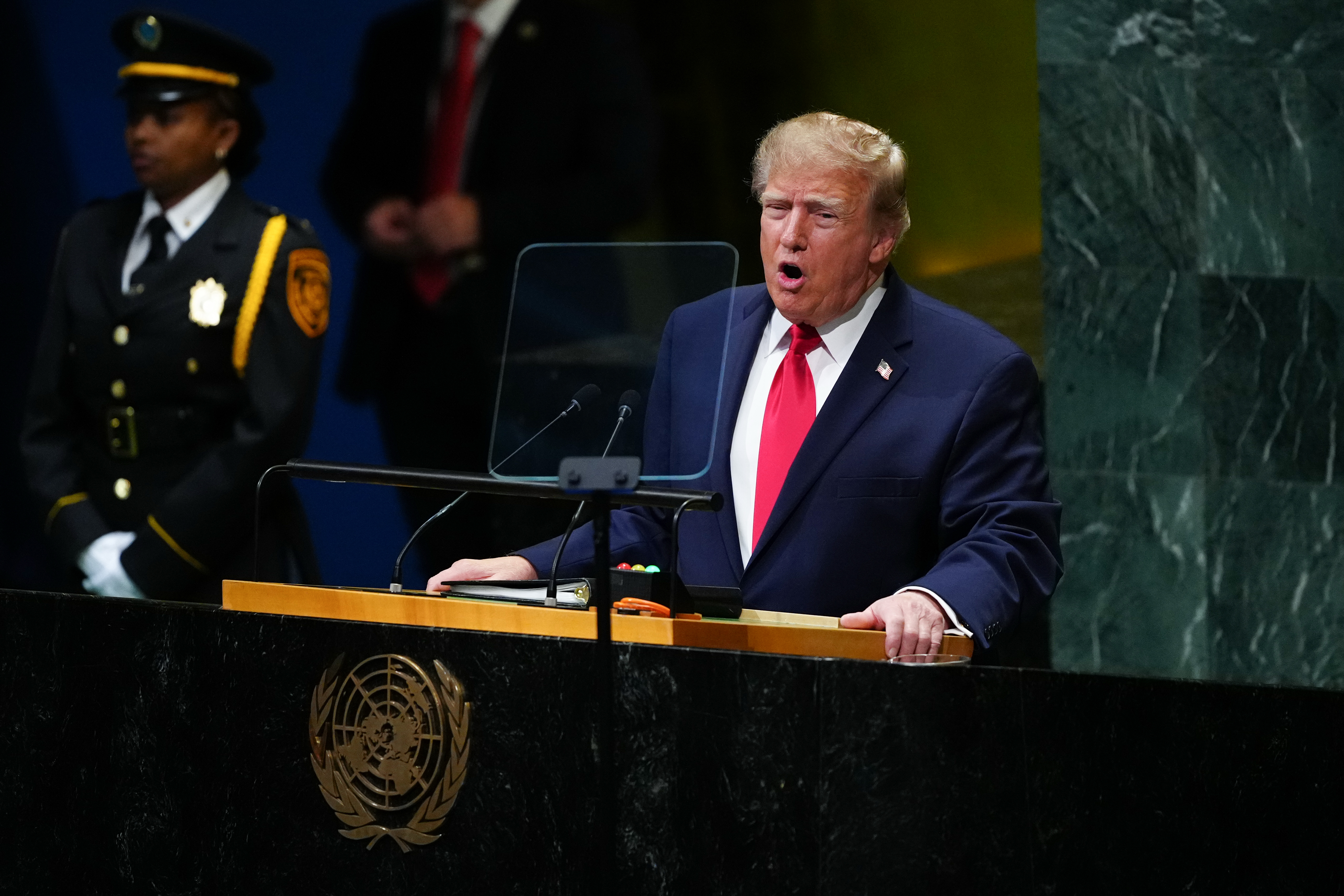
    “The United States also totally rejects any attempt to construct a globalist scheme to control for the artificial intelligence being spoken of so much now — hereinafter officially called ‘super intelligence,’” President Donald Trump said at the United Nations on Tuesday.

    The lethal autonomous weapons negotiations in the U.N. are currently nonbinding, though the talks could open the door to a landmark treaty that is legally binding if member nations agree. It presents the most advanced global effort to regulate how AI weapons are used in the battlefield.

    But at the talks in Geneva in early September, it was apparent that the U.S. and Russia were going to be a major roadblock to progress, the three people said.

    The U.S. team is led by State Department diplomats, Pentagon officials, and legal experts, Coyle of Human Rights Watch said. “It’s a well‑resourced team, and they come prepared to defend U.S. military autonomy,” she said.

    Nicole van Rooijen, the executive director of the global nongovernmental coalition Stop Killer Robots, said Washington and Moscow aren’t in favor of legally binding rules on autonomous weapons and have outsize influence on how negotiations will end.

    The autonomous weapons talks require dozens of nations to reach consensus on what rules will be enacted, she added. The U.S. and Russia do not champion multilateralism — which requires countries to work together to reach agreements — and can use “political capital to exert pressure on other states,” she said.

    “They have the power to block any significant progress that is made by the vast majority of states who do want to move forward on a binding treaty,” she added.

    In November, nations will come together in Geneva to discuss whether talks can turn into an official mandate or potentially a legally binding treaty.

    In the U.S., a parallel discussion is happening as the Pentagon works to rewrite its own directive on the use of autonomous weapons. In June, Trump issued a national security memorandum requiring that the directive be updated within 90 days. As of late September, the U.S. government has not released a new version.

    Established in 2023 during the Biden administration, the directive contained several clauses that echo those eliminated from the U.N. document, including requiring that human judgment be deployed to check autonomous and semiautonomous weapons systems. It also mandated that those who operate AI weapons systems abide by the laws of war and applicable treaties.

    Richard Lennane, the disarmament adviser for the legal team for the International Committee for the Red Cross, said global treaties can be impactful in controlling the use of harmful weapons, citing the effect that directives on chemical and biological weapons, antipersonnel land mines, and cluster munitions have had on limiting use.

    “It’s not about punishment, it’s about setting norms and influencing behavior,” Lennane said. “We believe that a treaty regulating autonomous weapons could be similarly effective.”

    Coyle, however, noted that the U.S. and Russia have the diplomatic muscle, legal teams, and political incentives to keep any global rules on autonomous weapons weak, and she said the actions to water down regulation on AI arms follow a well-trodden playbook.

    “When the U.S. wants to preserve military or technological advantage, it pushes voluntary guidelines instead of binding rules,” Cole said. “We’ve seen the same playbook in cyber, space, and other arms‑control debates. Autonomous weapons are no exception.”

  • Lawmakers slam Trump’s move to cancel $810M in funding approved by Congress

    Lawmakers slam Trump’s move to cancel $810M in funding approved by Congress

    Lawmakers blasted a plan by President Donald Trump to claw back more than $800 million in congressionally approved spending across the government, saying the president had no right to defy Congress in how he directs federal funding.

    The White House late Friday said it was taking a legally contested move to cut funding at federal agencies for a range of programs that direct government services toward immigrants, minority groups, climate change programs, and other issues. It was the latest bid by the Trump administration to assert sweeping control over the government and to trim congressional powers.

    Trump is using his authority under the Impoundment Control Act to do a “pocket rescission” of the funds, the White House said in a statement, a move it also used last year to cut nearly $5 billion in funding for foreign aid, the first time the maneuver had been used in nearly 50 years.

    The Supreme Court allowed the 2025 effort to proceed, though it did so by issuing a stay of a lower court’s ruling that the move was illegal and rested part of its justification on the president’s wide-ranging authority to act on foreign affairs. It held back from declaring that Trump was on solid legal ground. This year’s action is mostly focused on domestic spending.

    The largest slice of funding, $567 million, was clawed back from the Department of Health and Human Services, the White House said, saying that it was cutting money for programs that directed services toward refugees and asylum seekers that it said encouraged a flow of migrants to the United States.

    “These funds previously went to pro-illegal immigration programs and Non-Governmental Organizations that provided services to refugees, asylees, and other non-citizens and put unaccompanied children in harm’s way,” the White House said in its statement.

    Other cuts included an Education Department program for migrant students, a Justice Department program intended to reduce racial tensions in policing, and a Department of Housing and Urban Development program that funded housing counseling for minorities and immigrants.

    Congress typically needs to approve White House rescissions. The White House argues that submitting a rescission request near the Sept. 30 end of the fiscal year allows it to withhold the money until it expires, bypassing Congress.

    The House is out of session until November, while the Senate plans to adjourn in early October to allow lawmakers to campaign for the Nov. 3 midterm elections.

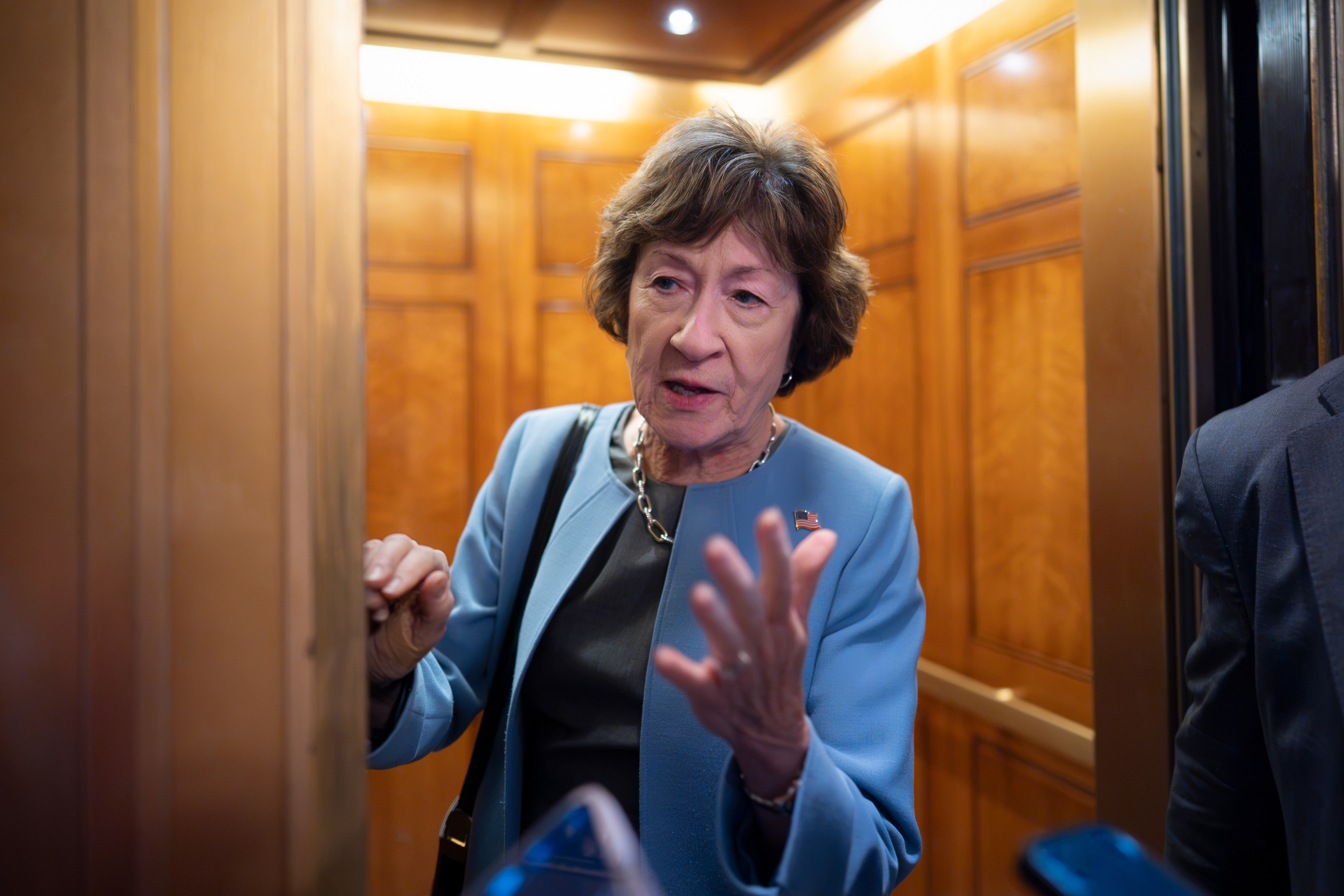
    Sen. Susan Collins (R., Maine), the chairperson of the Senate Appropriations Committee, and top Democratic appropriators have argued that the pocket rescission strategy is illegal. Russell Vought, director of the Office of Management and Budget, has pointed to a Government Accountability Office letter from the 1970s to argue that the strategy has precedent.

    Lawmakers of both parties condemned the move.

    “Without warning or consultation, Congress just received an $810 million package of pocket rescissions from the Administration. This is the most recent attempt by this Office of Management and Budget (OMB) to undermine Congress’s Constitutional power of the purse,” Collins said in a statement.

    Collins is running a tight race for reelection in November for one of the seats that will help determine which party controls the Senate.

    “The independent Government Accountability Office has concluded that pocket rescissions are unlawful and not permitted by the Impoundment Control Act,” she said. “I will work with my colleagues to address these illegal actions.”

    Collins’s Democratic counterpart also blasted the spending decision.

    “This is theft from the American people, plain and simple,” Sen. Patty Murray (D., Wash.), the top Democrat on the Appropriations Committee, said in a statement. “These are funds Congress has delivered on a bipartisan basis and should be helping people — not cut off by a president more focused on building a ballroom than investing in families.”

    Democratic appropriators unsuccessfully fought to bar the Trump administration from using pocket rescissions in their latest funding extension, Murray said. “Republicans refused to take common-sense action and prevent this from happening,” she said.

  • House Democrats plan vast oversight of Trump administration. Impeachment is an option

    House Democrats plan vast oversight of Trump administration. Impeachment is an option

    WASHINGTON — House Democrats are preparing a vast oversight agenda, with investigations of President Donald Trump, his family, and his administration if the party sweeps control of the chamber from Republicans in the November elections.

    The undertaking is as robust as it is daunting, spanning several House committees. With majority power comes bigger budgets and staff, and the ability to investigate, subpoena, and potentially course-correct what the Democrats say are widespread corruption and abuses of power. Impeachment of the Republican president and cabinet officials is not off the table.

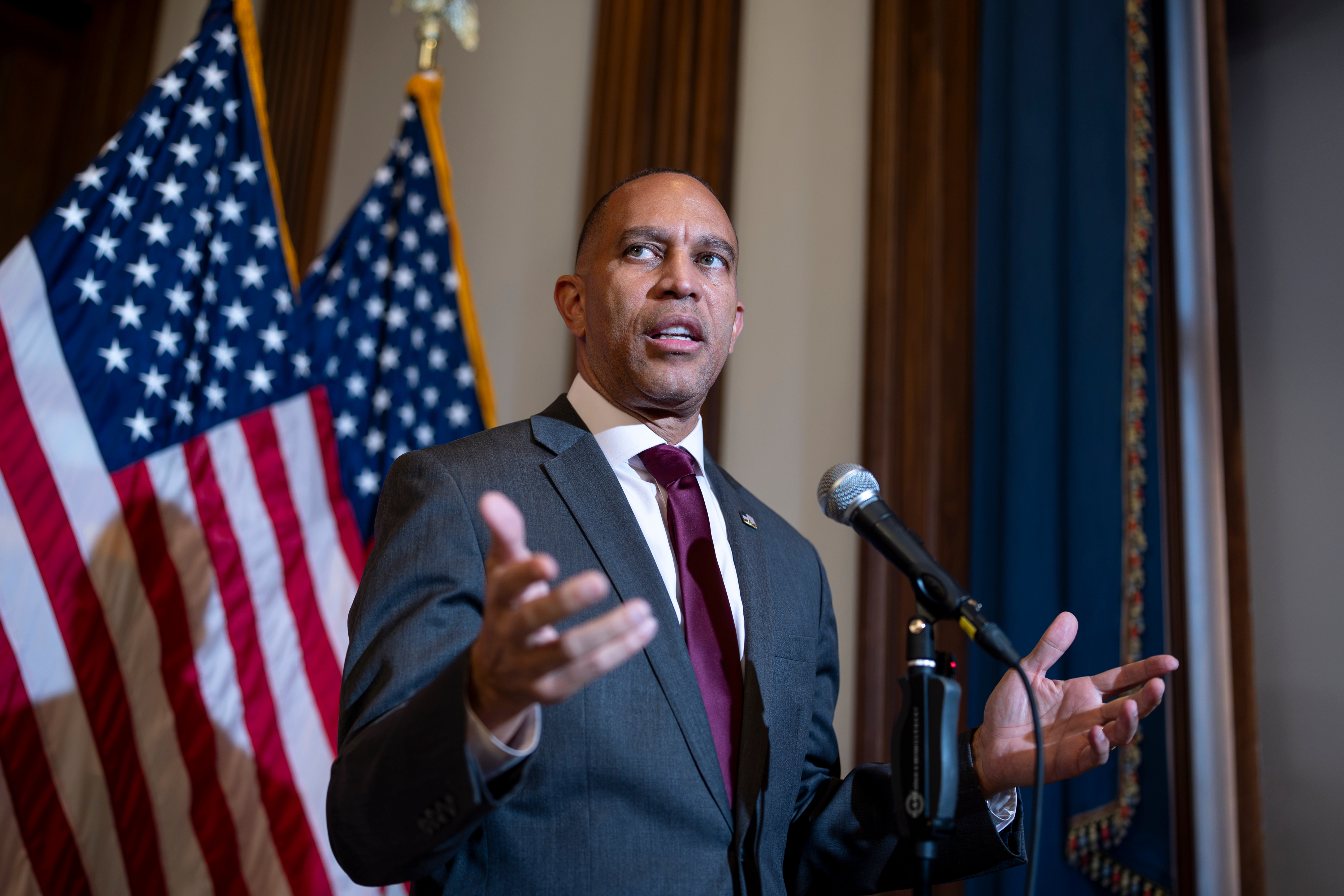
    “There is a cost to the American people of the out-of-control corruption,” said Democratic leader Hakeem Jeffries of New York, who is in line to become House speaker if Democrats win control at the Capitol.

    “If folks have been stealing from the American people, shortchanging the American people, or screwing over the American people,” Jeffries said, “we are going to hold the crooks accountable.”

    Congress has enormous ability to conduct oversight of the executive branch as part of its power as a coequal branch of government, and a road map for the Democratic-run investigations has already been set by the almost daily letters lawmakers send to the administration and in amicus court filings.

    Democrats are asking about the money-making by Trump and his family, whose wealth has grown dramatically since he returned to the White House in January 2025. They are investigating the potential civil rights violations of Americans killed protesting U.S. Immigration and Customs Enforcement operations and of detained immigrants being deported to faraway countries. They have fought the closing of the Kennedy Center, launched investigations into private funding of the America at 250 celebrations, and tracked the shuttering of federal operations, including the U.S. Agency for International Development.

    New questions emerge daily, including the Trump family’s recent acknowledgment that a weekend wedding party for the president’s son Donald Trump Jr. was partly funded by a Russian oligarch, with reportedly close ties to the Kremlin.

    Rep. Jamie Raskin (D., Md.), who is in line to become the chairperson of the Judiciary Committee, characterized the issues involved as “gargantuan.”

    “We need to zero in quickly on the forms of systemic corruption that have cost the public huge amounts of money,” Raskin told the Associated Press, “and where there are legislative cures available.”

    Trump impeachments made history then. Could it happen again?

    Jeffries will almost certainly be under pressure from the far left to move more swiftly to articles of impeachment against Trump, who during his first term became the first president to be twice impeached by the House. Both times, he was acquitted by the Senate.

    Impeaching the president a third time may not hold the currency that it once did. Democrats will more likely focus their impeachment efforts on cabinet members. Defense Secretary Pete Hegseth already faces articles of impeachment from a Republican, Rep. Thomas Massie of Kentucky, over his leadership at the Pentagon and his management of the Iran war.

    “We haven’t ruled anything out,” Jeffries said recently about the tools available to Congress, “and we haven’t ruled anything in.”

    The White House is likely to play hardball if confronted with investigations, and Democrats are bracing for an administration that potentially ignores subpoenas or refuses to turn over paperwork that lawmakers are demanding.

    The Democrats are also reaching beyond the administration into various corporate and business entities for potential wrongdoing.

    ‘We’ll act like the Congress,’ says one Democrat in line to lead a committee

    Ranking Democratic lawmakers who are in line to lead committees if power shifts are beginning to chart the investigations they plan to tackle.

    Rep. Robert Garcia of California, the top Democrat now on the Oversight and Government Reform Committee, has outlined five priorities, including Trump family business dealings, the administration’s handling of the Jeffrey Epstein investigation, and ICE operations.

    “We’re already doing work,” Garcia told the AP.

    He also mentioned the Department of Health and Human Services under Secretary Robert F. Kennedy Jr., as well as broader allegations of corporate corruption.

    The top Democrat on the House Foreign Affairs Committee, Rep. Gregory Meeks of New York, whose jurisdiction includes the State Department, said the committee plans to investigate Trump’s international dealings, including around the Iran war.

    He expects the committee will also look into the administration’s Venezuela operations — from the military strikes on alleged drug boats in the Caribbean and Pacific waters to the U.S. partnership with a private company to develop and access the South American country’s oil.

    Rep. Jared Huffman of California, the ranking Democrat at the Natural Resources Committee, which overseas the Interior Department and its National Park Service operations, has begun digging into Trump’s “vanity projects,” including the demolition of the White House’s East Wing for a new ballroom and the president’s proposed arch.

    Huffman and other committee members have also been eyeing the Trump family’s role in various minerals deals.

    At the committee’s last session before lawmakers recessed to campaign for the midterm elections, Huffman said that if Democrats take charge, he plans to call witnesses, put them under oath, and follow the evidence where it leads.

    “When people ask what will we do,” he said he responds, “My answer is simple. We’ll use those tools. We’ll act like the Congress.”

  • Temple ‘needed to make one more play’ vs. Army, but coach K.C. Keeler found silver linings in the loss

    Temple ‘needed to make one more play’ vs. Army, but coach K.C. Keeler found silver linings in the loss

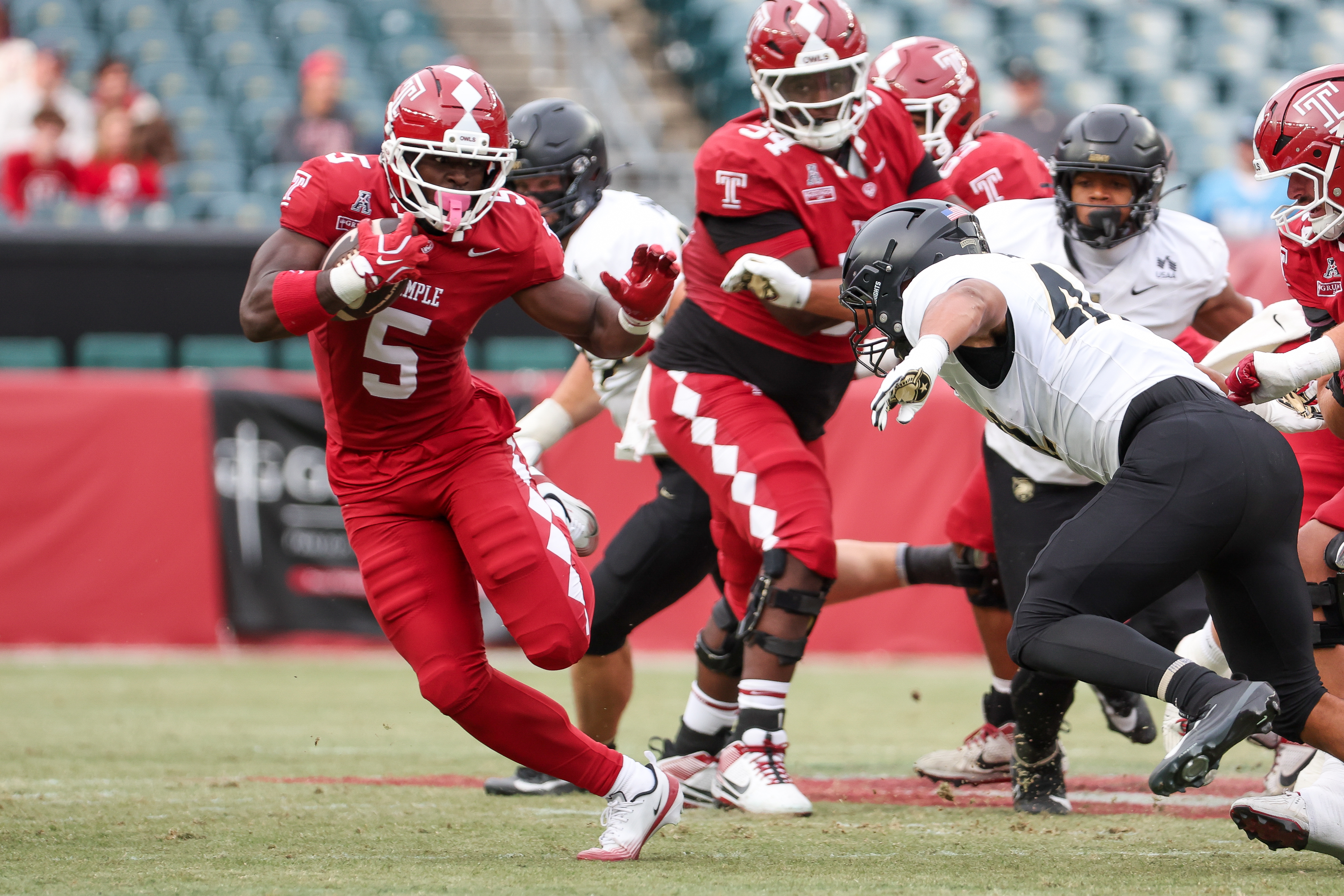
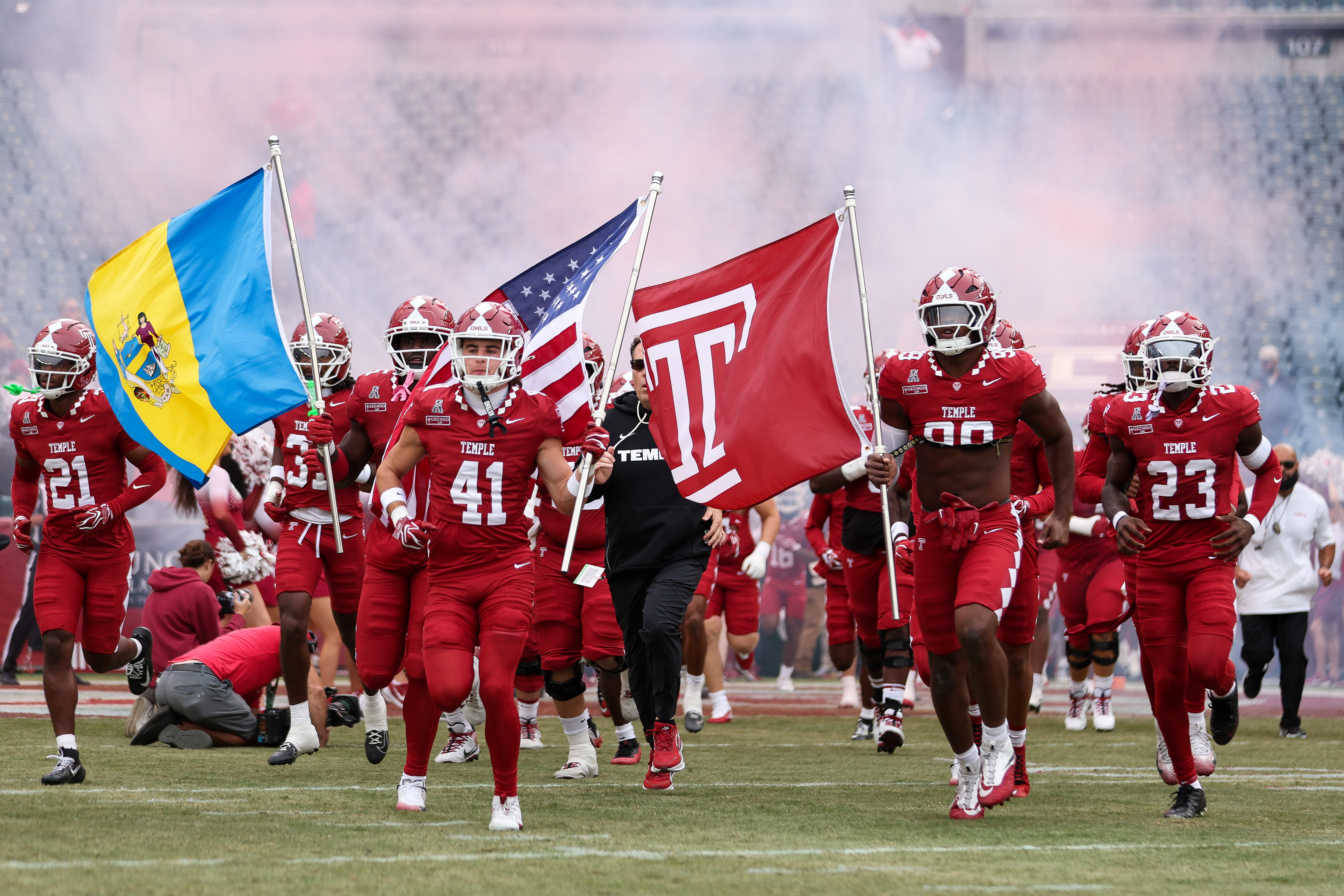
    K.C. Keeler called Temple’s 21-17 loss to Army on Friday at Lincoln Financial Field a sign of growth. Six days after a collapse at Toledo that left him questioning his players’ preparation and the team’s culture, it was a striking judgment to make after another loss.

    “I thought we grew up a little bit today, even though we lost the game,” Keeler, the Owls’ coach, said. “Last week was brutal — not only because of the loss, but because we panicked. This week was totally different with the preparation and the energy they brought into the game. They were excited to play.”

    There is evidence for his view. Army entered averaging 394 rushing yards a game, and Temple held it to 279. After the Black Knights scored on their first possession, the Owls forced three consecutive punts. They answered Army’s long scoring drives with a 78-yard catch-and-run by Sam Brown and a 67-yard touchdown pass to Colin Chase. Those responses gave Keeler the evidence he wanted after Toledo.

    Eric Stuart saw a difference from the field. Asked whether Temple’s defense was more cohesive than it had been a week earlier, the redshirt senior linebacker answered, “Yeah, 100%.”

    The offense offered its own reasons for optimism.

    With quarterback Jaxon Smolik sidelined by a foot injury, Ajani Sheppard threw for 242 yards and two touchdowns, rushed for 48 more yards, and committed no turnovers. Brown gained 96 yards on 10 carries in addition to his 78-yard reception.

    Temple ran for 217 yards against an Army team accustomed to controlling games on the ground.

    For all of that, the Owls scored 17 points. Their two touchdown plays accounted for 145 of their 459 yards. The other six possessions yielded one field goal. Temple had enough explosiveness to quickly erase deficits, but it struggled to turn sustained movement into points.

    Three possessions got within Army’s 25 and ended empty. The first stopped on fourth-and-4 at the 23. On the other, holding and a false start against center Grayson Mains turned a second-and-10 at the Army 30 into second-and-25 at the 45.

    Sheppard helped recover much of the lost ground, only for Carl Hardin’s 42-yard attempt to strike the upright. Later, an 88-yard march from Temple’s 1 produced a 29-yard field goal. The Owls reached the red zone only once all afternoon as their final drive stalled at the Black Knights’ 24.

    “When we look at the film, we’re going to feel like we did a lot of good things, but they only give you so many opportunities,” Keeler said. “We needed to make one more play.”

    Army made that problem especially costly. The Black Knights held the ball for just over 38 minutes, giving Temple eight possessions. Keeler said he avoided an early field-goal attempt because of the shifting wind, which is why the Owls went for fourth down on their first drive. Hardin’s miss changed what Temple needed at the end, yet the Owls still gained 8.8 yards per play and scored on only three drives.

    Temple was more cohesive defensively, by Stuart’s account, and kept Army well below its rushing average. But the Black Knights still had 20 rushing first downs. Their three touchdown drives consumed more than 23 minutes, and Temple could not force a single pass on the go-ahead 12-play, 75-yard possession.

    “You need to create negative plays against them because they’re excited when they get 3 yards,” Keeler said. “That’s what they want.”

    Instead, Army converted third-and-2 and third-and-1 in the red zone on its winning drive. Keeler rejected the idea that his defense had been worn down, but Stuart described what changed at the line of scrimmage.

    “I think we just kind of had a little lull,” Stuart said. “They got off the ball and fired off better than we did on that last drive. I think they just got some push.”

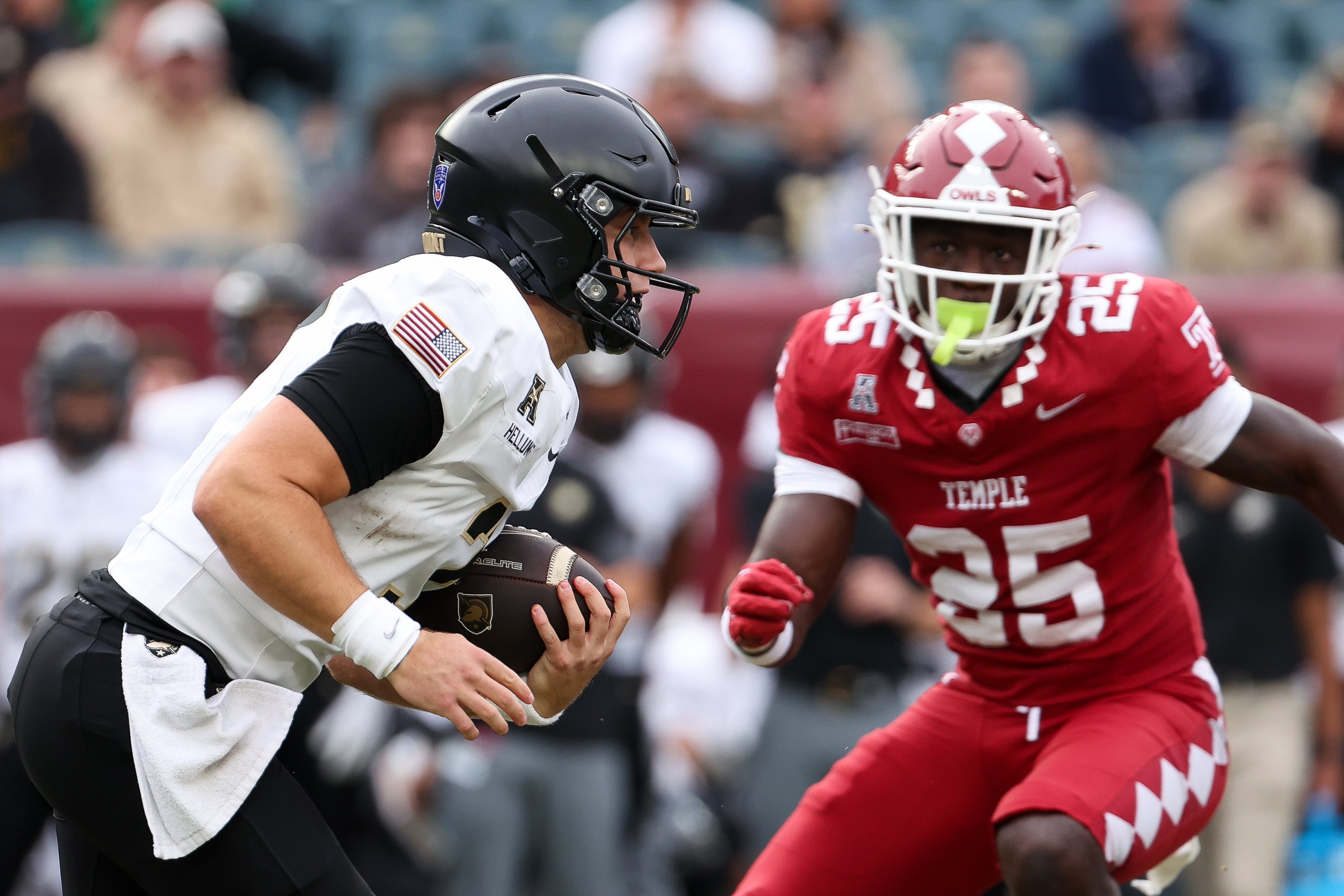
    Army quarterback Cale Hellums (left) runs the ball as Temple’s Orel Gray defends during the first quarter. Hellums led the Black Knights on a game-winning drive in the fourth quarter.Getty Images

    That distinction matters to the question Keeler raised after Toledo.

    A more cohesive defense can still lose a physical matchup. A composed offense can still waste the few possessions Army permits. Temple did not panic after falling behind or when Sheppard got the ball back with 1 minute, 41 seconds remaining. He moved the Owls to Army’s 24 before his fourth-down pass fell incomplete. The failure to finish was different from the collapse at Toledo, but it went into the standings the same way.

    There are reasons to think the Owls can improve. Sheppard made enough plays to keep them competitive without Smolik.

    Brown has supplied a jolt to the running game. And Keeler expects left tackle Giakoby Hill back in roughly three weeks. Yet the line remains unsettled: left guard Eric King has struggled to push off his injured foot, forcing more rotation than Keeler planned.

    “I told our guys going into the season that we’re a dramatically better football team than last year in terms of our talent, but there are still going to be a lot of 50-50 games,” Keeler said. “That’s this conference.”

    Temple has lost two of those games in six days. It heads to South Florida at 1-3 and 0-1 in the American and needs five wins in its final eight games to reach the six wins for bowl eligibility. Friday gave Keeler reasons to believe his team is better. The missed points and the final Army drive gave him areas to improve.

    Temple lost its second straight game on Friday.Isaiah Vazquez / For The Inquirer
  • Trump rejects Iranian proposal for ceasefire and opening of strait

    Trump rejects Iranian proposal for ceasefire and opening of strait

    WASHINGTON — President Donald Trump said Saturday that he turned down Iran’s latest ceasefire proposal, which would have reopened the Strait of Hormuz and restarted talks on the country’s nuclear program.

    “They made a proposal, but I rejected it,” Trump told reporters as he left the White House on Saturday morning.

    Trump demurred when asked if he expected to restart military strikes after the November midterm elections, saying Iran wanted “to make a deal where they open the strait immediately because they’re losing so badly.”

    Trump’s rebuff was the latest turn in what has been a cycle of bombings, peace proposals, grandiose threats, and conflicting messages throughout the nearly seven-month U.S.-Israeli war against Iran. Trump’s rejection of Iran’s offer came after his aides held a three-hour meeting with Iranian officials at the United Nations General Assembly this week in New York.

    In his speech at the United Nations, Trump issued an ultimatum to Iran, saying its leaders could strike a deal with the United States or risk annihilation.

    “Will a deal be made with Iran that lets them rebuild and create a far greater country than it ever was before — maybe one of the greatest in the Middle East or even the world?” Trump asked in speech Tuesday. “Or do I annihilate the Islamic Republic and do it quickly, never giving them a chance to kill and destroy people and countries again?”

    Trump also suggested that Iran was dragging the war out to the midterm elections in the hopes of politically damaging Trump and Republicans. The closure of the Strait of Hormuz, a key shipping route for oil and gas, has surged energy prices across the globe.

    Iran’s foreign minister, Abbas Araghchi, told reporters Thursday that the seven-point proposal Trump rejected closely mirrored the commitments laid out in a so-called memorandum of understanding that was struck between the United States and Iran in June but that quickly unraveled.

    Araghchi added “it would be better” if a deal were reached before the U.S. midterm elections.

    He said that the proposed agreement would end fighting for seven days, including in Lebanon, and require the United States to release Iranian frozen assets estimated to be at least $12 billion, waive sanctions on Iranian oil, and lift the naval blockade on Iran. Then, on the last day, the Strait of Hormuz would be opened.

    After the seven days, negotiations over Iran’s nuclear program would restart.

    Trump said Saturday that he was still open to negotiating with Iran.

    “They want to make a deal, and I think that’s fine, I like making a deal too,” Trump said. “But that deal would not be acceptable.”

    This article originally appeared in The New York Times.

  • It’s all about him | Editorial

    It’s all about him | Editorial

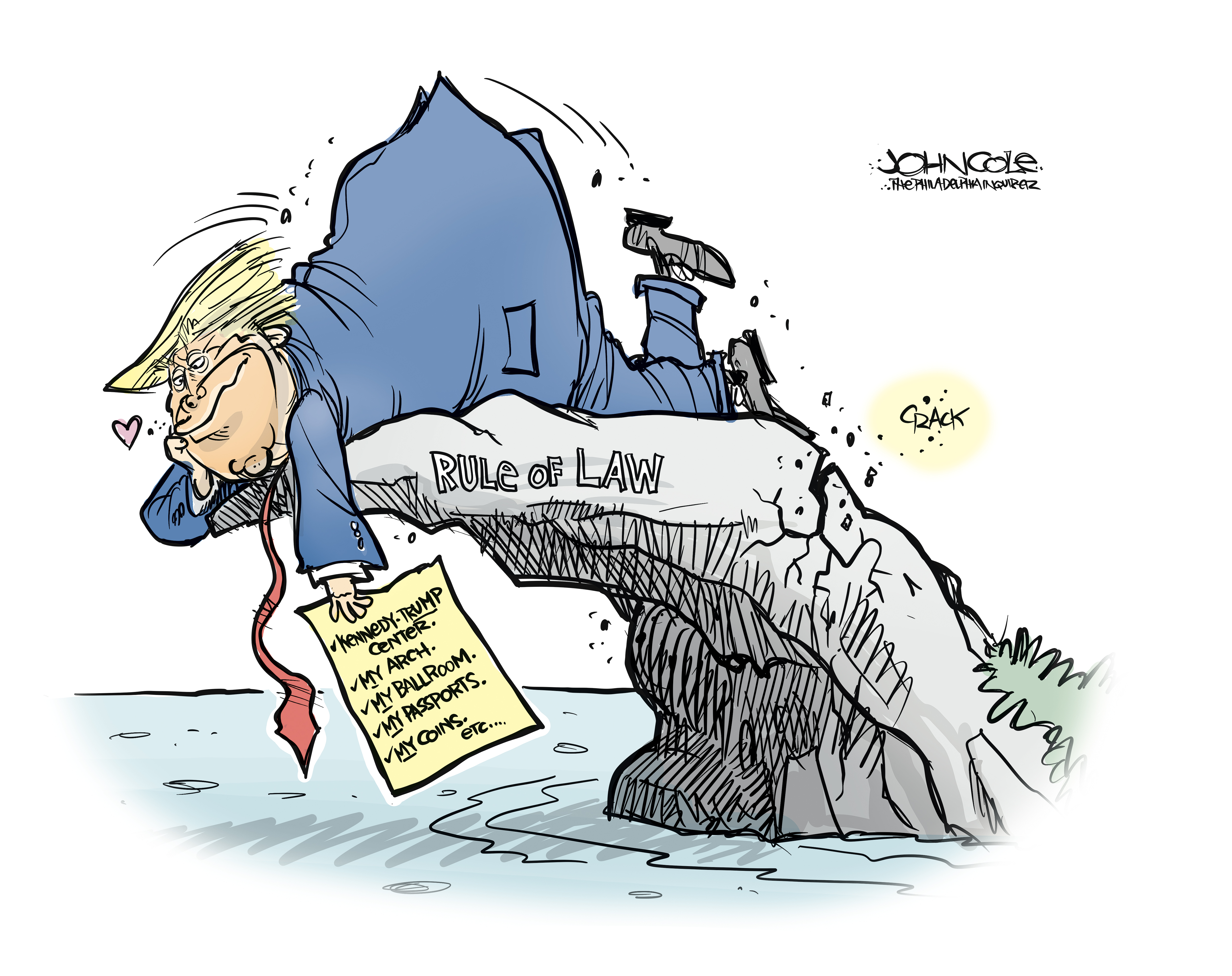
    Ignoring the law and breaking with tradition and decorum, Donald Trump has successfully added his image to U.S. passports, national park passes, and currency. He has draped his looming visage on federal buildings and named investment accounts and a discount drug program after himself.

    The president’s self-aggrandizing impulse knows no bounds or limits of reality. In his AI-addled dreams, Trump has put his face on Mount Rushmore, placed himself alongside great military leaders, and even compared himself to Jesus Christ (or, according to Trump, just a doctor in flowing robes bathed in a heavenly glow).

    Yet, all his efforts up to this point have proven mostly ephemeral, likely bound for the novelty bin.

    And if indeed the arc of the moral universe bends toward justice, it will only be a matter of time until Trump’s politics of cruelty and abuse of power are but an unpleasant memory.

    It is no wonder, then, that the president is relying on concrete and marble to try and leave any sort of legacy Americans can look up to.

    Of course, Trump being Trump, his desperate need for approval, his insatiable hunger for adulation and praise, are inseparable from the corrupt chicanery that characterizes the Art of the Steal.

    The president’s bid to remake Washington in his image began with the seemingly overnight demolition of the East Wing of the White House in October to build a massive ballroom. By the time the National Trust for Historic Preservation sued over the project’s defiance of multiple rules and regulations, construction was already underway — funded by a who’s who of companies and individuals who have business interests before the federal government.

    Trump has never addressed the appearance of corruption or possibility of quid pro quo deals over the private funding, instead touting the money coming from donors. “This is a gift. This is not going to be paid for by the taxpayer,” he said in May.

    However, as the price tag for the arguably needless structure continues to balloon — from an initial $200 million to upwards of $600 million — it is taxpayers who have been left to cover the shortfall. While Senate rules blocked a Republican effort to funnel $1 billion to ballroom security expenses, around $300 million in public funds have already been earmarked.

    In August, the U.S. Supreme Court allowed construction to continue on a 5-4 vote. The justices did not rule on the legality of the project, only that the plaintiff did not have the legal standing to sue.

    Unlike the ballroom construction effort, Trump has suffered nothing but legal setbacks in his bid to be spoken of in the same breath as JFK. The president’s systematic debasement of the John F. Kennedy Center for the Performing Arts offers an example of what happens when Trump doesn’t get his way.

    In December, a day after Trump’s handpicked board (of which he is the chairman) voted to rename the Kennedy Center in his honor, workers were slapping Trump’s name on the building’s facade. The name change led to widespread cancellation of events by artists and abandonment by audiences and donors.

    As a face-saving measure, Trump announced in February that the center would close for two years of renovations. But while a district court judge has ruled repeatedly that Trump’s name was added illegally (the right belongs to Congress), the president has grown more toxic in his possessiveness.

    On Sept. 18, protesters formed a human chain outside the center after photos of Trump reviewing a potential demolition plan circulated. While the imminent destruction of the memorial to the slain president has not been confirmed, what is most certainly verified is Trump’s pettiness and disregard for the law.

    Congress has appropriated more than $250 million for renovating the center, money which Trump is now holding hostage unless he gets his way. “Because frankly, if we don’t do that, it’s going to close,” he told reporters recently. “It’ll end up being ripped down.”

    As the fate of the Kennedy Center remains in flux, across the Potomac River, plans for the 250-foot arch Trump wants built at a traffic roundabout near Arlington National Cemetery are advancing at an alarming pace.

    The arch, which would stand more than twice as tall as the nearby Lincoln Memorial, would adversely impact dozens of historic properties, according to the National Park Service. What is more troubling than the results of the agency’s review is that critics contend the report is nothing more than part of a box-checking process, not a real effort to examine the merits of the proposed monument.

    Consider that Trump has installed loyalists in the federal panels reviewing the proposal and that its approval — being rushed for the National Capital Planning Commission’s November meeting — is believed to be a fait accompli.

    The administration has defended building the arch as the continuation of a project Congress approved in 1925, with the president adding recently that the structure will also serve as a “military complex” that will help ensure national security.

    You cannot blame Trump, nor can you excuse him, for his desire for glorification. He is a deeply flawed human being whose lifetime has been defined by the empty flaunting of wealth. But blame for how his unchecked ego has shattered the rule of law can be readily assigned to the Republican-controlled Congress.

    Legislators could have stopped the president from any and all of his vainglorious efforts. They chose not to. As the midterms approach, it will be up to voters to do what their representatives couldn’t.

    Ultimately, the Art of the Steal may take away the power the GOP sacrificed all to hold on to. Or perhaps Trump will have his way, and his monuments will tower above Washington for generations to come.

    Generations who may think of a pitiable man who wanted to be remembered.