Blog

  • Remains of missing woman found in South Jersey

    Remains of missing woman found in South Jersey

    The remains of a 37-year-old woman reported missing two years ago have been recovered in Burlington County, and the investigation into her death is continuing, the New Jersey State Police said Monday.

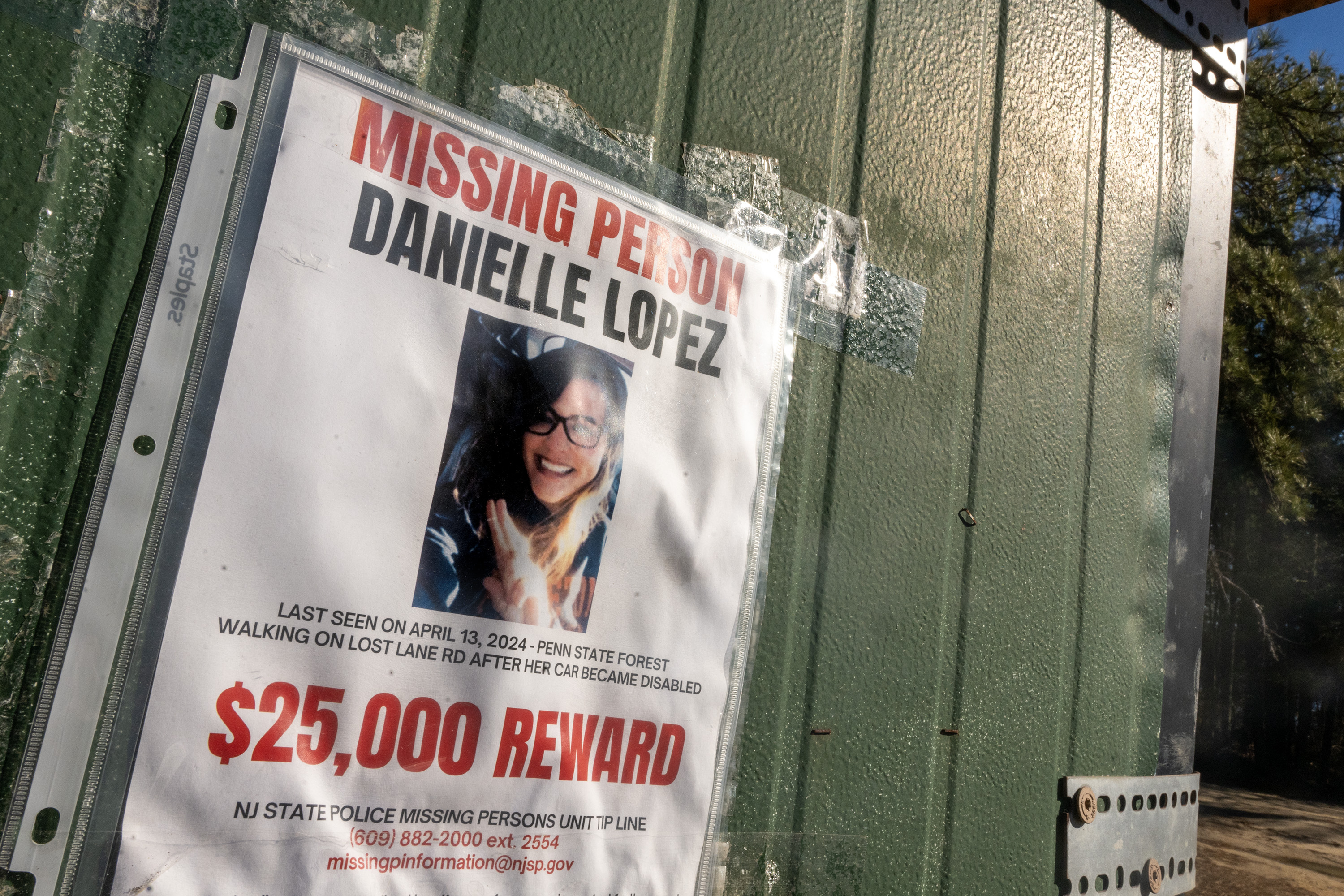
    Danielle Lopez disappeared while she was camping with her boyfriend in New Jersey’s Brendan T. Byrne State Forest. Lopez was recorded on surveillance video on the morning of April 13, 2024, buying coffee at a Wawa not far from the campground.

    NBC’s Dateline show reported on her case.

    Investigators said witnesses reported last seeing Lopez that evening walking alone on Lost Lane deep in the Pine Barrens.

    Lopez’s mother reported her missing 11 days later on April 24.

    On Saturday, the New Jersey State Police Major Crime South Unit and the Missing Persons Unit coordinated a multiagency search operation within the Brendan T. Byrne State Forest in Chatsworth, Burlington County, as part of the investigation of Lopez’s disappearance.

    “During the search operation, human remains were discovered. Following a thorough forensic examination, the remains were positively identified today as those of Danielle Lopez,” the state police said.

    No other details about the investigation were released.

    Anyone with information about Lopez’s disappearance can contact the New Jersey State Police Missing Persons Unit at 609-882-2000 ext. 2554.

    Lopez’s boyfriend, James Scott Dunn, spoke to police shortly after she was reported missing and he was arrested in an unrelated drug case. In late 2025, Dunn was sentenced to five years in prison.

    In a prison interview with The Inquirer last year, Dunn said he and Lopez were “homeless” and living in hotels before moving to the campground. Dunn said he was away from the campground when Lopez disappeared, and when he returned the campground was in “disarray.”

    <iframe src="https://www.facebook.com/plugins/post.php?href=https%3A%2F%2Fwww.facebook.com%2FNewJerseyStatePolice%2Fposts%2Fpfbid0uhMRb9qHaXfY74kZR1LPNoHxVdMGhsFQ4CGz5Fyc1Ey8m1pesfwsm3FjNTmVLZrcl&show_text=true&width=500" width="500" height="539" style="border:none;overflow:hidden" scrolling="no" frameborder="0" allowfullscreen="true" allow="autoplay; clipboard-write; encrypted-media; picture-in-picture; web-share"></iframe>
  • Trump administration opens third probe of Philadelphia School District over alleged antisemitism

    Trump administration opens third probe of Philadelphia School District over alleged antisemitism

    The U.S. Department of Education opened another investigation of the Philadelphia School District over alleged antisemitism, federal officials announced Monday.

    The probe represents the third federal probe of the district in less than three years, and comes after a congressional committee concluded that some district employees have promoted anti-Israel views they describe as antisemitic and have attempted to indoctrinate students with “far-left” ideas in the youngest grades.

    The DOE’s Office of Civil Rights announced the investigation, citing a “sharp increase” in reports of antisemitic harassment in Philadelphia public schools. It said the district fails to protect its Jewish students from discrimination. The announcement did not describe any specific incidents of discrimination.

    “Just two years after a resolution agreement with the Office for Civil Rights, disturbing allegations against the School District of Philadelphia suggest it continues to abdicate its legal and moral responsibilities to protect students from discrimination and harassment,” Kimberly Richey, assistant secretary for civil rights, said in a statement.

    “The Trump Administration will always fight to protect the dignity, respect, and educational opportunity of our nation’s Jewish students. OCR will ensure that all students are treated equally under the law and that the district upholds its own agreement in preventing antisemitic discrimination and addressing harassment.”

    Here’s what to know about the new probe.

    What led up to the new investigation?

    In 2024, Philadelphia, the nation’s ninth-largest school system, entered into a voluntary settlement with the U.S. Department of Education addressing claims of antisemitism. It vowed better record-keeping and training for staff and students on anti-discrimination policies.

    In 2025, the Republican-led House Education and Workforce Committee announced another investigation after receiving reports of harassment against Jewish students in Philadelphia and other districts.

    Among the alleged infractions, according to the congressional committee: curriculum that teaches “students to be far-left activists as early as second grade,” in part because second graders learn about environmental justice and “the impact of bias, injustice and privilege on a global scale.”

    Superintendent Tony B. Watlington Sr. testified on Capitol Hill earlier this fall; the committee, which has investigated claims of antisemitism against multiple school districts and colleges, including the University of Pennsylvania, since 2023, issued its report last month.

    How has the district responded? What might come of the new investigation?

    School system officials suggested the congressional hearing and report were politically motivated, and said that federal officials mischaracterized the district’s record, and its intentions. The district takes antisemitism seriously, officials have said, as it does other types of racial, ethnic, and religious intimidation.

    Reacting to the new probe, district spokesperson Naima DeBrest said officials were “very disappointed” in the new investigation, “particularly since the District has been keeping OCR apprised of our significant efforts to implement the Voluntary Resolution Agreement and combat antisemitism and all forms of hate in our schools, including recent communication.”

    DeBrest said the district has received “very little feedback or acknowledgment” from OCR, and “made no outreach to the District to ask questions” after the congressional investigation prior to its Monday announcement.

    “We reiterate that antisemitism has no place in our schools, and we take concerns about antisemitic harassment or discrimination very seriously. The district does not tolerate harassment or discrimination against any ethnic, racial or religious group, or against any protected class. We remain committed to fostering a safe and welcoming environment for all of our students and staff,” DeBrest said in a statement.

    The OCR investigation could be resolved in several ways. The case could be closed if insufficient evidence is found. It could conclude, as the 2024 probe did, with a voluntarily settlement that avoids admitting legal liability and agreeing to monitoring and specific actions to remedy the situation.

    Or, if no settlement is negotiated, the district could face administrative proceedings that might result in a loss of federal funds, or a federal lawsuit brought by the U.S. Department of Justice.

    A charged time in the district

    The new federal probe comes at a charged time in the country and in the district, which is attempting to fire Ismael Jimenez, who directs its social studies curriculum.

    Watlington revealed that Jimenez is in termination proceedings at the congressional hearing, at which he also said he had ordered a review of some district teachers’ social media posts, and said the district was moving away from a local, teacher-written social studies curriculum written on Jimenez’s watch.

    Jimenez was lauded over a dozen years as a district social studies teacher, then promoted twice.

    After the Oct. 7, 2023, attack on Israel and the start of the politically divisive war between Israel and Hamas, some district Jewish families and outside organizations began lodging complaints about Jimenez, objecting to his personal social media posts as antisemitic and anti-Israel.

    Jimenez has said his critiques are of the Israeli government, not Jewish people. He has said he believes the district’s move to fire him is “appeasing the authoritarian and the fascist tendencies that the Trump administration made possible, that embolden demagoguery of these politicians who are using claims of antisemitism to stifle any type of critical history, critical social studies.”

    Jimenez remains suspended without pay while termination proceedings are pending.

    At last month’s school board meeting, multiple educators and parents addressed what they believe is district capitulation to federal pressure.

    “It is not hard to see that ‘the powers that be’ are scared, that accusations of ‘antisemitism’ and ‘discrimination’ are being used as ammo in their backlash to positive changes and reforms that have taken place in public education, especially since 2020,” district teacher Shaw MacQueen said in written testimony.

    Jason Holtzman, chair of the Jewish Community Relations Council of the Jewish Federation of Greater Philadelphia, said the group welcomes the federal scrutiny, which can help determine whether meaningful changes have occurred.

    “Policies, training, and public statements are important, but the true measure of progress is whether Jewish students and families are experiencing safer, more welcoming schools,” Holtzman said in a statement Monday night. “Combating antisemitism should never be a partisan issue. We hope this investigation brings greater transparency and accountability, and we remain committed to working constructively with district leadership to ensure that Jewish students are protected and that antisemitism is addressed wherever it occurs.”

  • United Airlines says widespread system outage is resolved

    United Airlines says widespread system outage is resolved

    CHICAGO — United Airlines said Monday that it had resolved a technology issue that delayed departing flights, just days after a malfunction in the Federal Aviation Administration’s network prompted a nationwide ground stop.

    Chicago-based United said in a statement that while some flights were delayed because of the issue Monday afternoon, flights that were in the air and flights on its United Express regional network were not impacted. It also said, “There is no indication that this was a cybersecurity-related issue.”

    United apologized to customers for the inconvenience on social media.

    A recording posted on the ATC app showed a United pilot in Houston asking the tower for permission to stay put at the gate until the system was working again. The app combines live air traffic control radio feeds with real-time visual aircraft tracking.

    The flight tracking website FlightAware showed United with 418 delayed flights late Monday afternoon.

    The United computer problem is just the latest high-profile technology meltdown in recent days.

    Earlier Monday, thousands of people reported being unable to access their online accounts at several major U.S. banks after JPMorgan Chase had a technical problem.

    On Friday, the FAA ordered every flight grounded because a new router that was installed malfunctioned and overwhelmed the aging air traffic control system. And one day earlier, Microsoft experienced a major disruption to its Outlook email service. Microsoft said Saturday that services were fully restored.

  • Philly’s ban on stopping in bike lanes violates federal disability protections, lawsuit says

    Philly’s ban on stopping in bike lanes violates federal disability protections, lawsuit says

    The legal fight over bike lanes on Pine and Spruce Streets took a citywide turn with a new federal lawsuit.

    Safety upgrades for bike lanes on the streets’ Center City blocks have been stalled for more than a year following a Philadelphia Common Pleas judge’s order.

    And now, two residents of Pine and Spruce with mobility impairments argue in a proposed class-action lawsuit that the city violated the Americans with Disabilities Act when it banned all cars from stopping on a bike lane.

    The ban on stopping contains no exception for a vehicle transporting people with mobility impairments, the complaint says.

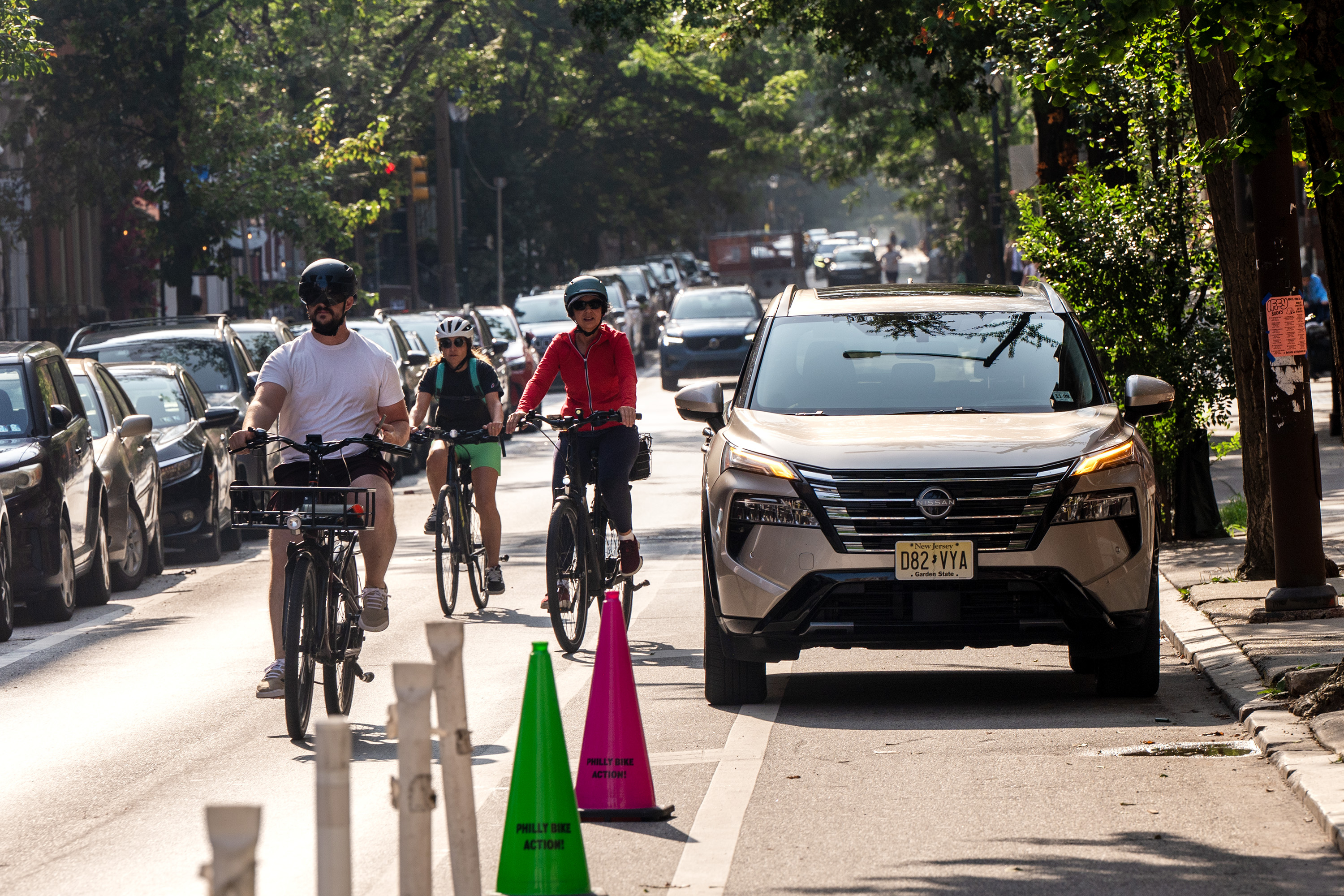
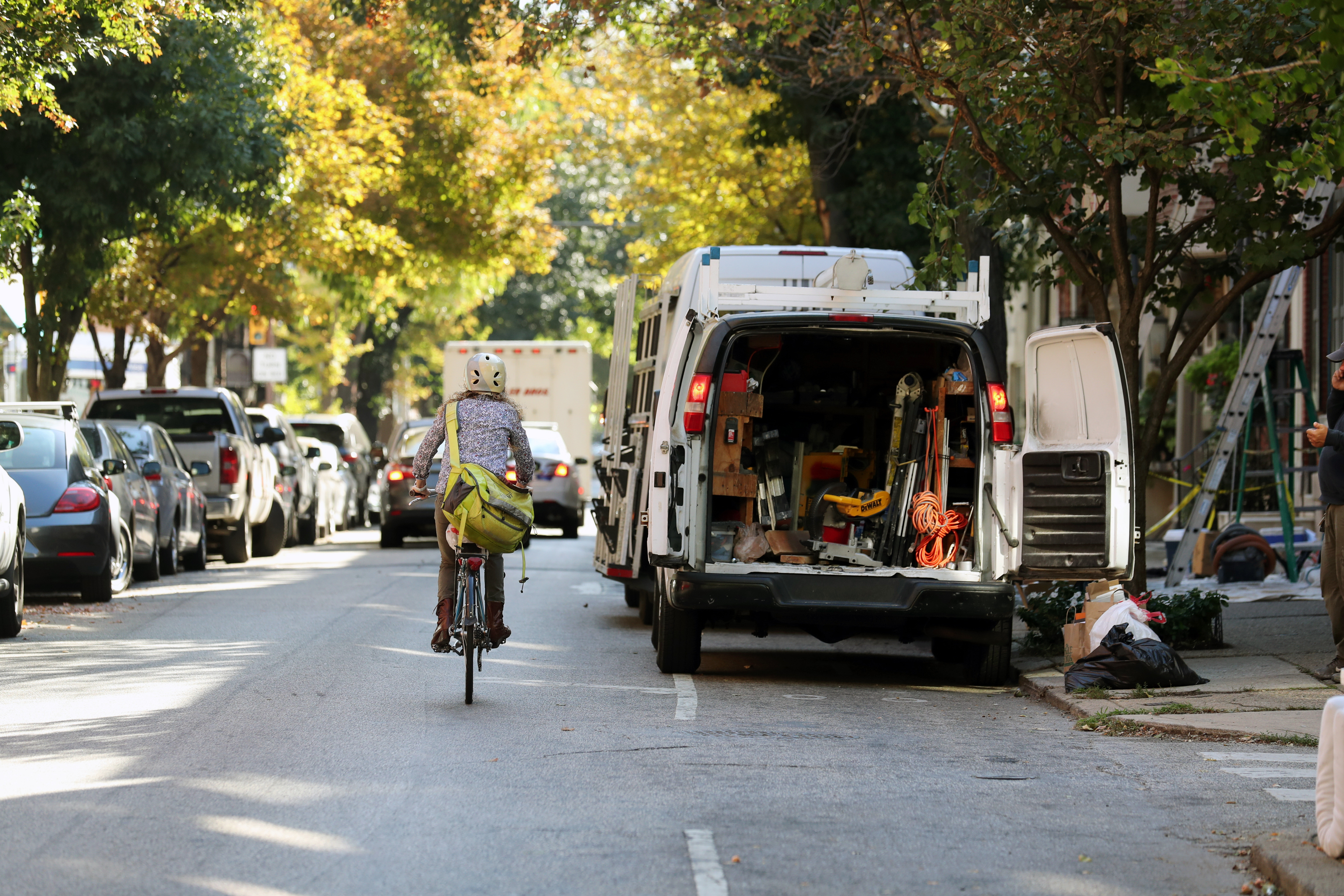
    A bicyclist weaves into traffic to avoid a parked van in the bike lane on Pine Street.David Swanson

    Susan Herskovits, a Spruce Street resident in her 80s, and Carl Roeder, a Pine Street resident in his 60s, sued because they say they are unable to safely reach their homes because of the ban.

    Both have had trouble getting in and out of rideshares safely since the prohibition took effect.

    “A person who cannot walk a block, or cannot carry what she brings, may have no practical way from the vehicle to the door,” the suit says.

    The lawsuit asks a judge to order the city to adopt a disability exception to the ban, creating a process for people with disabilities whose home is adjacent to a bike lane to receive a parking or loading permit, and conducting an accessibility evaluation for the planned safety upgrades on Pine and Spruce.

    George Bochetto, the attorney who filed the lawsuit on behalf of the two residents, said the city ignored attempts to resolve the issue outside of court.

    “The Americans with Disabilities Act requires municipalities to make reasonable accommodations for the disabled,” Bochetto said. “We are not going to go away.”

    A spokesperson for the city’s law department declined to comment.

    Philly Bike Action, an bicycle safety advocacy group, said in a statement that “disability advocates and AARP have long touted” the safety benefits of bike lanes. And the additional loading zones that a previous lawsuit blocked were meant to “provide adequate curbside access,” the group said.

    “This lawsuit is nothing more than an attempt by a privileged group of neighbors to keep their parking spots,” Philly Bike Action’s statement said.

    The citywide stopping ban and planned safety upgrades for bike lanes on Spruce and Pine in Center City followed the 2024 death of Barbara Friedes, a 30-year-old physician at Children’s Hospital of Philadelphia who was killed when a drunk driver veered into the Spruce Street bike lane.

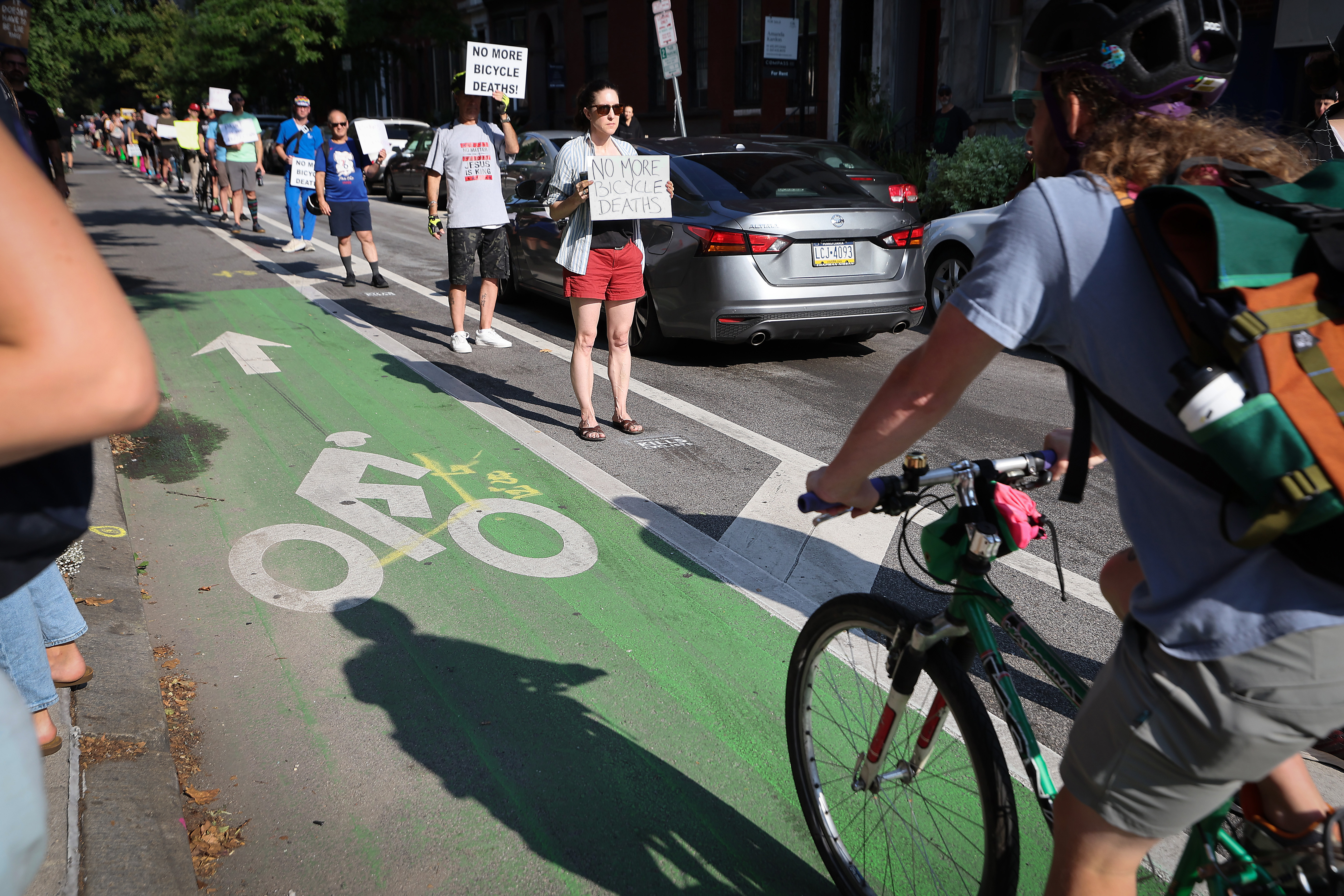
    A cyclist use the bike lane on the 1800 block of Spruce Street in July 2024, prompting Philly Bike Action to hold a vigil for Barbara Friedes and other cyclists killed. David Maialetti / Staff Photographer

    The city also unveiled a plan to harden the bike lanes on the two east-west corridors by erecting concrete barriers, and designating loading zones across from the bike lane for residents to use.

    Friends of Pine and Spruce, a group representing some residents, sued in 2025 over the loading zones plan, calling it regulatory overreach. That summer, Philadelphia Common Pleas Court Judge Sierra Thomas-Street ruled that the city had no legal authority to remove parking spaces for the loading zones, and issued an injunction prohibiting the city from making changes to the bike lanes.

    The city asked Common Pleas Judge Damaris L. Garcia to dissolve the injunction in June after City Council passed legislation empowering the Streets Department to make decisions on parking changes. But the judge denied the request.

    The city’s appeal in Commonwealth Court is pending.

    The federal disability lawsuit opens a second legal front in the battle over the bike lanes, which has been causing skirmishes between some residents and cyclists since 2009.

    The city knew about the accessibility concerns, the suit says, which were aired in public hearings related to the plan and in the previous court case.

    Disability Rights Pennsylvania, a watchdog nonprofit, asked the city in December to “retract and remove” the ban on stopping and revise the plan for the bike lanes in “a manner that allows individuals with disabilities to freely enter and exit their premises, to have access to their transportation, and to move about in the community,” according to the federal lawsuit.

    While the federal complaint focuses on the two narrow Center City corridors, the suit says, the lack of a disability exception is a citywide problem.

    “The same rule strands relatives, friends and guests with mobility disabilities who come to those homes,” the lawsuit says. “Each resident faces one rule and one missing exception, and one order can fix it.”

  • Oaklyn’s hockey rink will get a second life that includes soccer

    Oaklyn’s hockey rink will get a second life that includes soccer

    Two months after closing suddenly because of deteriorating conditions, Oaklyn’s popular outdoor hockey rink has been torn down and will be replaced by a multiuse court for both hockey and soccer, according to Oaklyn Mayor Greg Brandley.

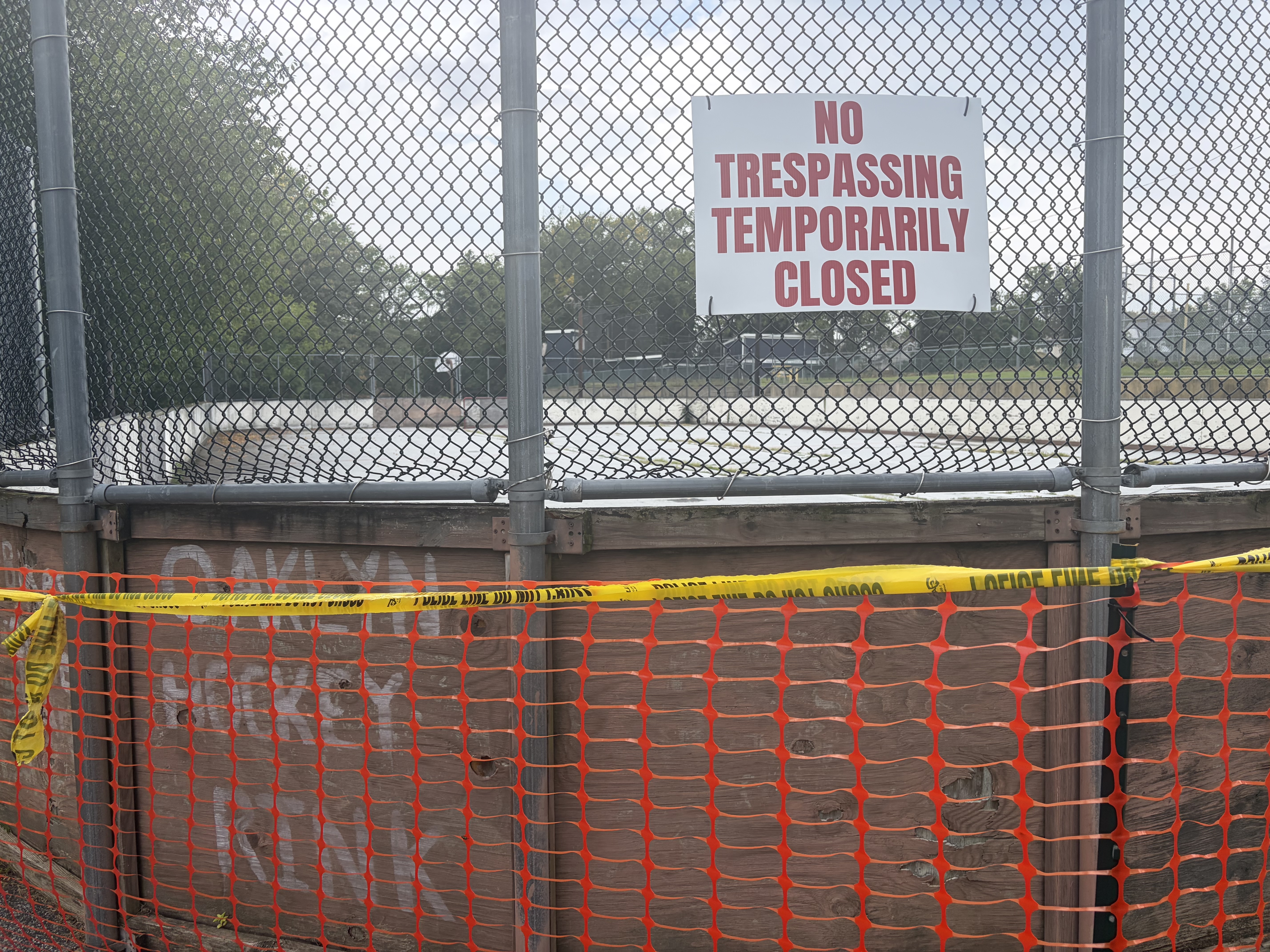
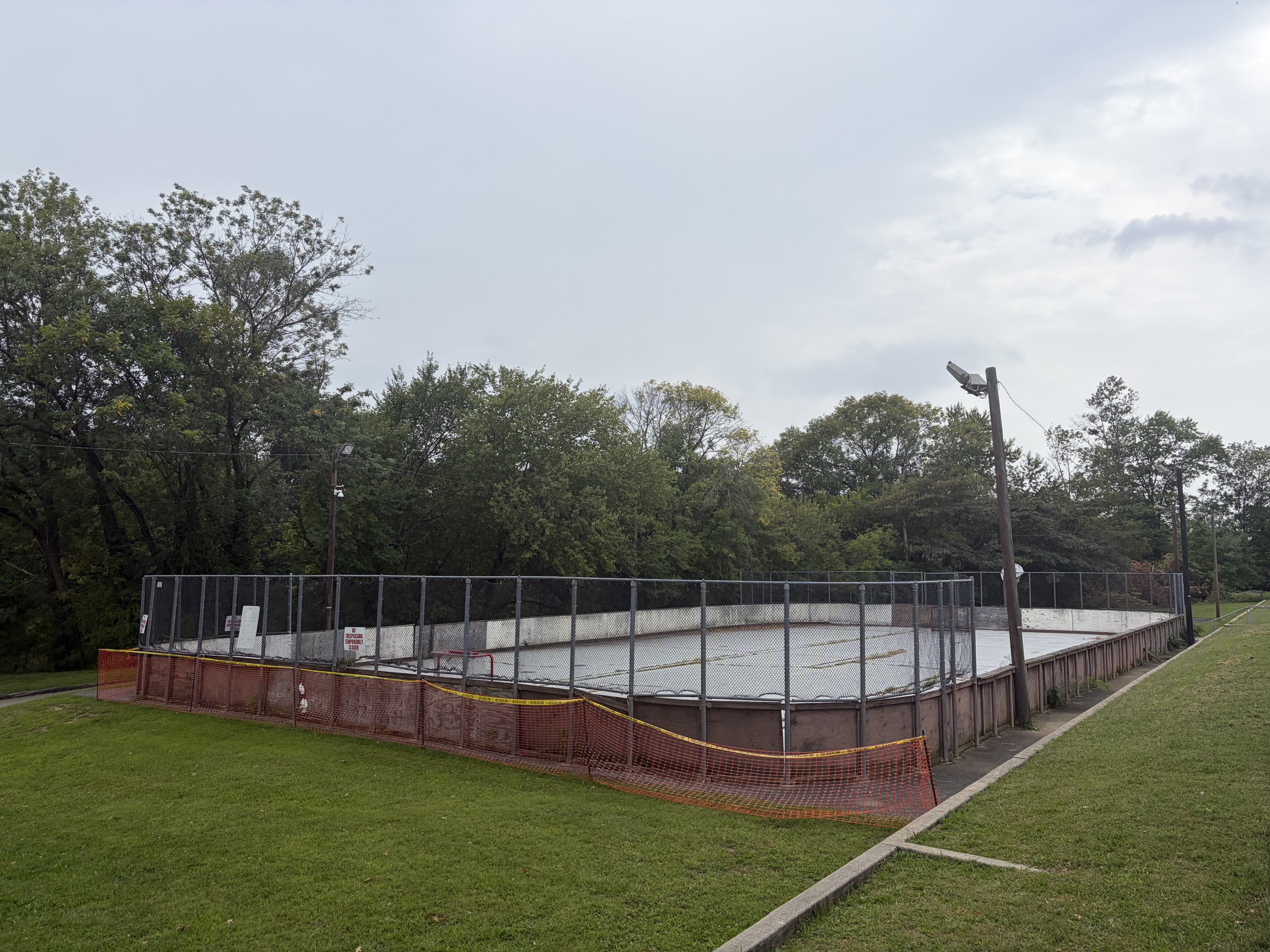
    The rink and the adjacent basketball court at Oaklyn-Lions Park had been cordoned off by temporary fencing and caution tape since closing in early September after an annual safety inspection found issues with the surface, boards, and fencing.

    The new rink should be open by next summer, Brandley said, with most of the construction set to begin once the cold weather breaks in the spring.

    The outdoor hockey rink at Oaklyn-Lions Park, cordoned off on Sept. 17 after being closed due to safety concerns.Lacey Latch

    The borough may even begin to pour the concrete footings this fall if the weather cooperates, Brandley said.

    The project’s total cost is still being calculated, he said.

    The rink’s second wind is coming thanks to help from Camden County and Flyers Charities, said Camden County Commissioner Jeff Nash. A spokesperson for Flyers Charities said Friday the organization is looking into the Oaklyn project but could not provide any further information.

    “Everyone who was involved in this — the mayor’s office, the county parks department, Flyers Charities — everyone is very excited about this project,” Nash said. “This is a really great opportunity for the Flyers to make a difference in the community, and the county was happy to help work with all the partners to make it happen.”

    County parks staff are already working on the project’s engineering and design, Nash said.

    After the rink is rebuilt, Brandley said, the borough will make sure the space is suitable for both hockey and soccer players.

    Alex Lewis, an Oaklyn native and founder of Oaklyn United FC, has long been a proponent of both repairing the area and formalizing the long-standing practice of sharing the court between sports.

    Once the rink is back in working order, Lewis said, he and other local soccer enthusiasts are willing to help fundraise for any remaining soccer aspects needed.

    The repairs are likely as simple as a few extra lines painted on the court, an extra set of removable goals, and possibly a shed for storage, and the roughly $1,000 he has already raised for repairs will go a long way, he said.

    “This is progress,” Lewis said. “This is more progress than we’ve had in 20 years, as far as I know.”

    Lewis said the community needs to ensure that it remains a public asset.

    With so many athletic fields across South Jersey reserved by leagues or organizations, he said, it is critical that Oaklyn kids still have somewhere to play whenever and with whomever they want.

    “It’s really important at this point, and even before it’s built, that Oaklyn starts to prepare itself for keeping it as a public good,” he said, “because that’s what made it so great all those years ago for so long, and that’s what’ll make it good again.”

  • Trump’s tariffs are unpopular — but they’ll be tough to repeal despite Democrats’ landslide win

    Trump’s tariffs are unpopular — but they’ll be tough to repeal despite Democrats’ landslide win

    WASHINGTON — For months, Democrats on the campaign trail hammered President Donald Trump’s unpopular tariffs, arguing that the taxes on imports drive up prices for American families already frustrated by the high cost of living.

    James Talarico, a Democrat running for a U.S. Senate seat in Texas, blamed Trump’s tariff on Mexican tomatoes for pushing up the price of a popular appetizer: “Chips and salsa,” he said, “are sacred in Texas.”

    Targeting tariffs proved to be a winning message nationwide, contributing to the Democrats’ stunning gains in the Nov. 3 midterm elections. And in Texas? Talarico became the first Democrat elected to the Senate from the state since 1988.

    “Americans don’t like tariffs,″ said Scott Lincicome at the Cato Institute’s Center for Trade Policy Studies. ”They connect them to the cost of living.″

    But when the Democrats take full control of Congress, they are likely to find that reversing Trump’s tariffs won’t be easy.

    The president will still have power to veto any legislation that repeals his import taxes or reins in his legal authority to impose them. And it’s unclear — probably doubtful — that enough Republicans would defy Trump and join Democrats in overriding his veto.

    Moreover, Democrats themselves are divided over trade policy. Some want to move back toward low-tariff trade policies that Trump demolished. Other Democrats want to see the United States continue using tariffs to fight other countries’ unfair trade policies and to sanction U.S. adversaries such as China.

    “There’s going to be a big debate over what should the Democrats’ tariff and trade policy be,” said Ryan Majerus, a former U.S. trade official during Trump’s first term and in the Biden administration. ”It can’t just be: We don’t like what Trump’s doing.’’

    Complicating matters is the fact that Trump’s tariffs are delivering significant amounts of revenue to the U.S. Treasury — nearly $370 billion in the last two budget years — at a time when the federal government is sitting on a staggering $40 trillion in debt.

    Democrats have “just been elected to come in and address concerns about affordability,’’ said Sally Laing, former chief trade counsel for the Senate Finance Committee and now a partner at the law firm Akin Gump. “It’s not as easy as people may think.’’

    Trump’s tariffs pinched family budgets

    The U.S. Constitution gives the power to levy taxes — including tariffs — to Congress. But over the years, lawmakers have relinquished tariff-setting authority to the president.

    Trump swept into the vacuum. In his first term, he started a trade war with China and slapped taxes on steel and aluminum imports, saying they posed a threat to U.S. national security. All that was just a warmup for his second term. Although the Supreme Court rejected his most ambitious tariffs in February, he has still managed to build a high protective wall around the U.S. economy, sometimes relying on the expansive use of the legal authority Congress gave up.

    His use of tariffs also has proven erratic. Last year, for instance, he suddenly imposed a 50% tariff on Brazil because its government had prosecuted his friend, former Brazilian president Jair Bolsonaro. (The Supreme Court decision struck down that tariff, among others.)

    “Trade policy has sort of gone off the rails and has lost a strategic focus,” said Inu Manak, senior fellow at the Peterson Institute for International Economics. “Now, we’re just using tariffs as a blunt cudgel instead of addressing real challenges.’’

    Trump’s tariff frenzy has lifted the average U.S. tariff from around 2.5% when he returned to the White House in January 2025 to 11.2% now, according to Yale University’s Budget Lab. Tariffs are paid by importers in the United States. And they often pass along the burden to consumers via higher prices. Yale’s Budget Lab estimates that tariffs cost the average U.S. household about $900 a year.

    That burden comes at a time when elevated inflation is already pinching family budgets, even more so because Trump’s war with Iran has driven up gasoline prices.

    But the Republicans who controlled Congress did nothing to reassert their authority and push back against the president’s aggressive use of tariffs.

    Voters largely turned against Trump’s tariffs as they voted in the midterm elections. About two-thirds of U.S. voters said Trump’s tariffs had hurt the national economy or the economy in their area, while only about 2 in 10 said they’d helped, according to the AP Voter Poll, a survey of more than 100,000 midterm voters. Voters who saw a negative impact from the tariffs overwhelmingly supported the Democratic candidate in their local U.S. House race.

    Trump, meanwhile, remains committed to his protectionist agenda.

    “President Trump will never waver from putting Americans and America First, whether in trade negotiations or through an economic agenda of tax cuts and deregulation,’’ White House spokesperson Matthew Middleton said in response to questions from the Associated Press.

    Democrats must round up GOP votes to repeal Trump tariffs

    As they campaigned this fall, Democrats vowed to cancel some Trump tariffs and curb his legal authority to impose others. Their proposals include repealing the tariffs he levied in July on 60 U.S. trading partners for allegedly failing to do enough to crack down on trade in products made by forced labor. Another would require Congress to approve his tariffs.

    Turning their ideas into law will require overcoming a daunting obstacle: Trump’s veto power. Overriding a presidential veto requires a two-thirds majority in both houses of Congress. Even if Democrats win all the congressional races that are still undecided this year, they won’t have enough votes to override a Trump veto on their own. They will need Republican support.

    Can they get it? Their resounding midterms victory makes “a veto-proof vote more possible,” said Majerus, the former trade official and now a partner at King & Spalding. “Are Republicans willing to break with Trump? I’m still skeptical.’’

    Oregon Sen. Ron Wyden, the top Democrat on the Senate Finance Committee, sees one issue that could draw Republican support: ending the 50% tariffs that Trump imposed in August on $20 billion worth of Canadian imports.

    “That’s what we’re focused on, figuring out a way to beat Trump and his veto,” said Wyden, who will be Senate Finance chair when the Democrats take over.

    The levies damaged relations with America’s neighbor and longstanding ally, drew retaliatory tariffs from Ottawa, and hurt U.S. companies that depend on trade with Canada. “The Canadian tariffs, these tariffs on our allies, are wildly unpopular,’’ Laing said.

    Gellert Global Group, a food importer based in Elizabeth, N.J., is contending with Trump tariffs on Canadian cheese.

    “We are paying millions of dollars in additional costs and tariffs to maintain our distribution and have our products on the shelf,” said co-CEO Thomas Gellert. “We’re absorbing that today. It’s not sustainable for our business.″ The company, represented by the libertarian advocacy group Liberty Justice Center, has sued the Trump administration over the Canada tariffs.

    Furor over the Canada tariffs contributed to longtime Republican Sen. Susan Collins’ loss in Maine — even after Trump exempted products from the levies to aid her reelection bid.

    Republicans, Wyden said, face a choice: They can “help lower costs for American families or they can continue to defend Trump’s tariffs and make clear whose side they’re on.’’
  • Wall Street boosts Philly credit rating to highest on record

    Wall Street boosts Philly credit rating to highest on record

    One of the major Wall Street bond-rating agencies has upgraded Philadelphia’s credit to rank among the nation’s high-grade, low-risk borrowers. It’s a vote of confidence that the nation’s poorest large city is more likely to fund police and sanitation worker pensions and other long-term expenses than some other big cities.

    Moody’s Ratings on Friday boosted Philadelphia’s rating to Aa3, from A1. That’s the highest rating any Wall Street agency has given the city, according to a statement from Mayor Cherelle L. Parker.

    Cities and other borrowers with high bond ratings tend to enjoy lower financing costs because borrowers consider them to be a good bet to pay back all their money, with interest.

    Moody’s says Philadelphia enjoys “a significant regional economy anchored by world-class institutions,” though it remains “demographically weaker” than other big cities, with the lowest proportion of residents able to afford typical rents among the 20 largest U.S. cities.

    “Poverty is high at 21.4% [of the population], growth is slow, and most other socioeconomic indicators are weak,” yet officials persist in balancing spending and long-term obligations with tax revenues, wrote Dan Seymour, a Moody’s lead analyst, in a report explaining the rating.

    Mayor Parker called the upgrade “a clear testament to the value my Administration places on fiscal stability” and thanked Moody’s.

    A key difference between Philadelphia and lower-rated cities is its elected officials’ willingness to put billions of dollars into stabilizing pension funds for retired city employees, according to Moody’s. Like many cities where population has declined from peak years, Philadelphia is paying more retirees than active city workers.

    The city has also benefited from a decision to shift pension assets away from private investments toward U.S. stocks, which have outperformed other investments and boosted Philadelphia pension assets since the late 2000s.

    The new Moody’s evaluation puts Philadelphia ahead of Los Angeles and Dallas, which are a notch lower at A1, and just a step below New York and Houston, which it rates Aa2. But Moody’s warned earlier this year that it is considering cutting New York’s rating, because it is spending more money under Mayor Zohran Mamdani than it is bringing in.

    The lowest-rated major city is Chicago, where three chief financial officers have resigned this year. Moody’s rates Chicago Baa3, one step above the junk-bond level considered unacceptable for insurers and other high-quality bond buyers. Rival bond-rating agency S&P downgraded Chicago last year and warned it may do so again.

    Chicago Mayor Brandon Johnson, a former public school teachers’ union organizer, has said he inherited years of financial mismanagement and a woefully underfunded public-worker pension plan, leaving Chicago squeezed between towering debt and rising taxes.

    While Chicago lacks an elected financial watchdog, and faces no state financial control board, Philadelphia’s mayor and Council are watchdogged by the elected city controller, and an underfunded city budget can be vetoed by the Philadelphia Intergovernmental Cooperation Authority (PICA), said David Skeel, a University of Pennsylvania law school professor.

    Skeel is a historian of bankruptcy and has served on government financial reorganizing boards; his 2026 book Promise Land details Wall Street and political struggles over attempts to cut or delay Puerto Rico’s crushing debt payments while he was chairman of its financial control board in 2020-24. Skeel says he and other bond experts are concerned Chicago may face a state financial takeover and reorganization, as Detroit did when it endured a rare municipal bankruptcy starting in 2013.

    The new Philadelphia bond rating also applies to $623 million the city plans to borrow for city water and sewer projects.

    Moody’s concluded that Philadelphia’s role as “an employment hub with a significant eds and meds presence that also faces a challenging demographic profile will persist indefinitely.”

  • Man charged with double murder in 2022 fatal shooting of pregnant woman in Philly

    Man charged with double murder in 2022 fatal shooting of pregnant woman in Philly

    A 25-year-old man Delaware County has been charged with two counts of murder for the 2022 fatal shooting of a pregnant woman in the Port Richmond section of Philadelphia and the subsequent death of her newborn who survived a month after the woman was killed, police said.

    Christian G. Brown, of Lansdowne, was arrested Friday and was being held without bail at the Curran-Fromhold Correctional Facility, court records show.

    Around 1 a.m. on June 4, 2022, in the area of Richmond Street and Wheatsheaf Lane, Brown allegedly shot 19-year-old Matayah Haynes in the head.

    Haynes, a Camden resident who was about 34 weeks pregnant, was taken by medics to Temple University Hospital, where she was pronounced dead at 1:56 a.m.

    Police reported that a baby boy was delivered and was immediately listed in critical condition.

    Ry’Kier Haynes, as he was named, died July 5, 2022, at 2:56 p.m., police said Monday.

    Police did not release any other details about the investigation.

    No attorney was listed in court records on Monday for Brown.

    An online obituary for Haynes said she “couldn’t wait to take on life with her first child, son Ry’Kier whom she passionately referred to as her critter.”

  • Mayor Parker wants to see more than 2,000 new homes on Market East, but details are yet to come

    Mayor Parker wants to see more than 2,000 new homes on Market East, but details are yet to come

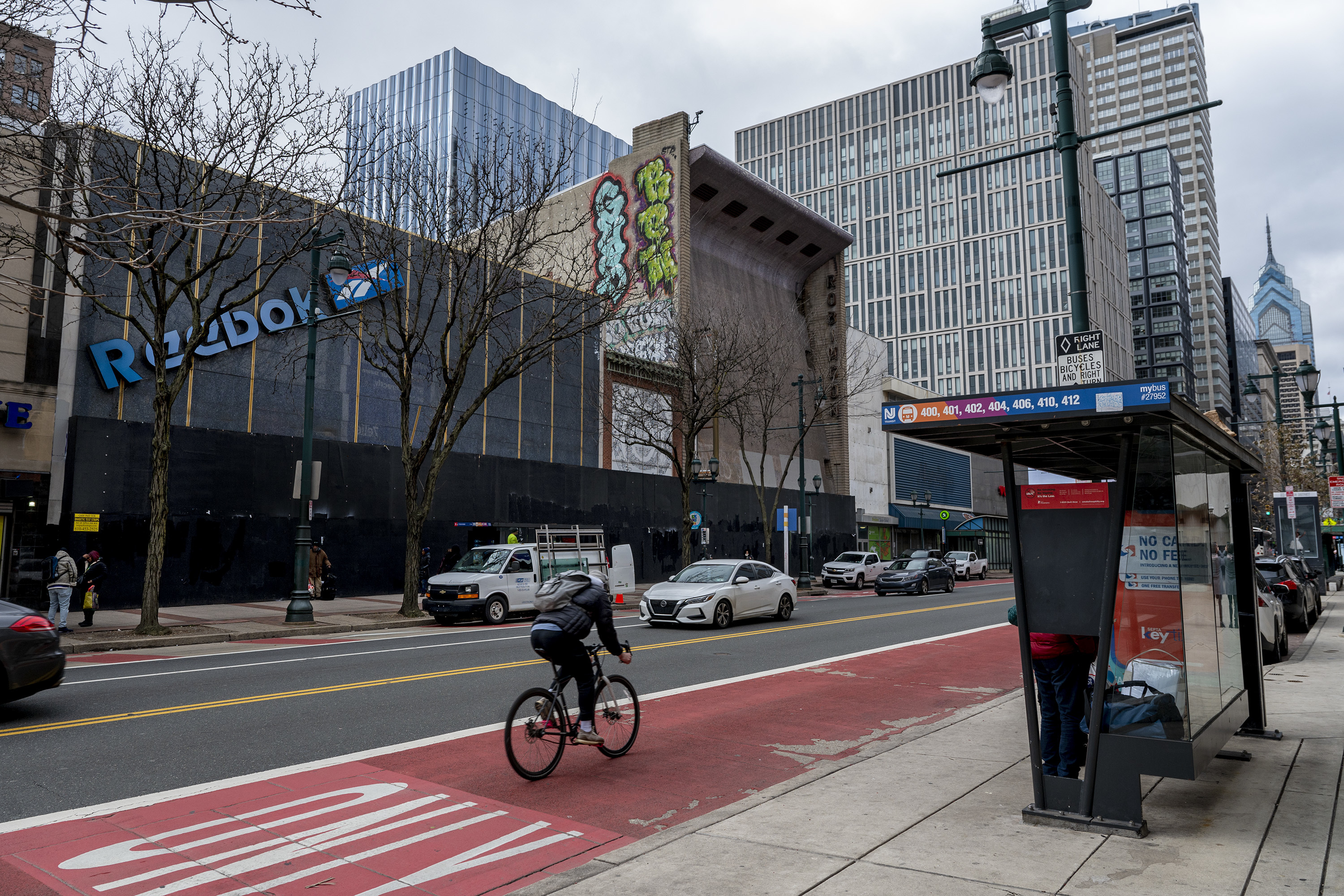
    Mayor Cherelle L. Parker wants to see more housing development on East Market Street, with the goal of more than 2,000 new homes on the beleaguered commercial corridor where the Philadelphia 76ers once wanted a new arena.

    Following the arena deal’s collapse, last November Parker launched a Market East Advisory Group — composed of 60 members from the public, private, labor, and nonprofit sectors — to help guide planning for the corridor’s future.

    On Monday, at an event closed to the public, Parker administration leaders briefed dozens of attendees on the results so far. The mayor was not in attendance.

    The administration outlined a “high growth” target that would see 4,400 households on East Market within 10 years.

    The corridor is already home to 1,700 households, and the redevelopment of the Wanamaker building is set to add 620 apartments. That leaves a target of 2,080 units.

    Along with additional visitor and daytime workers, that would add enough consumer demand to sustain existing businesses and add more.

    According to four attendees at Monday’s meeting, possible incentives to bring that about have not been detailed.

    Market East setbacks

    Over the course of Parker’s time in office, the fate of once thriving East Market Street has become a key element of her legacy.

    In early 2025, the Macy’s in the Wanamaker Building closed, the last of the iconic department stores that once defined East Market.

    Shortly thereafter, the 76ers stunned the city by striking a deal with Comcast to stay in South Philly, abandoning the proposal for a new arena on East Market Street. Days before the team’s withdrawal, the mayor had called the project the key to the future of the corridor.

    Currently, the Market East corridor sees roughly $260 million in spending annually, while $606 million is “needed to support existing Market East business inventory,” according to a fact sheet distributed to reporters about Monday’s advisory group meeting.

    “The long-range plan lays out a vision to invest in residential and commercial growth in the corridor, with the goal of increasing spending to $676 million by 2036, closing the gap and supporting additional amenities on the corridor,” it reads.

    Housing, but how?

    Housing development has long been seen as the presumed fate of East Market, given the weak post-pandemic office market and the decline of large format department stores. The former Wanamaker Building — once dominated by retail and office space — is being converted into 620 apartments.

    Hotel, retail, and large-scale entertainment offerings are also being considered, although hotel and retail are seen as less likely.

    The south side of the 1000 block of Market Street in January 2024.Tom Gralish / Staff Photographer

    The question is how the administration can get more developers to build on East Market.

    Philadelphia’s market-rate apartment construction has fallen to its lowest level since 2011, according to CoStar Analytics, and the local real estate industry is struggling.

    “Currently, getting potential development projects on Market East to ‘pencil’ is challenging,” the administration’s fact sheet reads. Currently soaring construction costs and elevated interest rates are strangling development, with all but the highest end projects and data centers suffering.

    Attendees at Monday’s meeting said administration officials have not revealed any plans for new municipal or state level incentives.

    A Market East Advisory Board update from October obtained by The Inquirer suggested as possible “incentives grants, tax abatements, below-market-rate loans, and adaptive use to reduce development costs” as ways to attract new hotel development to the corridor.

    “Potential tools” to attract new entertainment venues could include “public or philanthropic capital contributions, tax-exempt financing, and public-private financing structures,” according to the October update.

    Parker’s long discussed, but not yet released, 20-year property tax abatement for the redevelopment of underused and vacant commercial, industrial, and public-sector buildings also could be used to redevelop the corridor.

    What comes next

    The administration has made some tweaks to the built environment of East Market over the last year.

    A new public safety station was unveiled in June at 1101 Market St. The south side of the 900 block of East Market — where former downtown arena rivals Comcast and the Sixers own a row of buildings — was turned into a retail pop-up in the summer and has been extended into 2027.

    The administration also gave the Center City District a $1.85 million grant for more trees and lighting, among other streetscape improvements. The federal government has distributed $2.5 million for safety improvements and sidewalk accessibility between Sixth Street and City Hall.

    At Monday’s meeting, the administration unveiled next steps.

    Parker has made a new tradition of a December “State of the City” address. This year, additional details about the East Market Street plan will be revealed then.

    The release of the full plan with details about incentives and other policy prescriptions is expected in January. Then a “launch of implementation initiatives” is expected in February.

    “When I launched the Market East revival, I charged the advisory group with developing a plan for the future of Market East that reflects both public priorities and market realities,” Parker said in a statement.

    “I was clear that the plan must be actionable as well as ambitious — not destined to sit on a shelf gathering dust,” she wrote. “As the emerging plan takes shape, I am grateful to the advisory group’s chairs and to each and every member for their exhaustive efforts to deliver on these commitments.”

  • Temple turns back to Jaxon Smolik at quarterback as it prepares for a short week

    Temple turns back to Jaxon Smolik at quarterback as it prepares for a short week

    Coach K.C. Keeler sat in the media room on Monday, following Temple’s 36-10 loss to Alabama-Birmingham on Saturday, ready to address a new low. The Owls (2-8, 1-5 American Conference) went scoreless in the second half for the first time this season and dropped their fifth straight game.

    Keeler harped on his team to keep its head up despite the less-than-ideal position. Temple has a chance to redeem itself when it plays its home finale against Rice (1-9, 0-6) on Thursday (7:30 p.m., ESPN).

    “In some ways, it’s almost good that we have a short week, can’t commiserate over our loss,” Keeler said Monday afternoon. “It’s now a matter of just trying to do your best to represent your teammates, yourself, and your families.”

    Smolik back at QB

    Ajani Sheppard has played the bulk of snaps this season. On Saturday, he struggled to produce in the passing game.

    Sheppard totaled 85 passing yards and one touchdown pass on 30 attempts against UAB and took Temple’s first safety of the season. Keeler attributed the struggles to injuries — both his and the offensive line’s. Sheppard injured his ankle at East Carolina.

    Sheppard didn’t practice on Monday after getting banged up against the Blazers, giving Jaxon Smolik another shot. He last played in Temple’s 42-35 loss to Navy on Nov. 7 and threw three touchdown passes.

    “Jaxon gets an opportunity to kind of show us where he is with things,” Keeler said. “I went to Coach Walker on Sunday, I said I want to see Jaxon out there.”

    Tyler Walker is the offensive coordinator and quarterbacks coach.

    Temple running back Sam Brown is likely done for the season with a rib injury.Tyger Williams / Staff Photographer

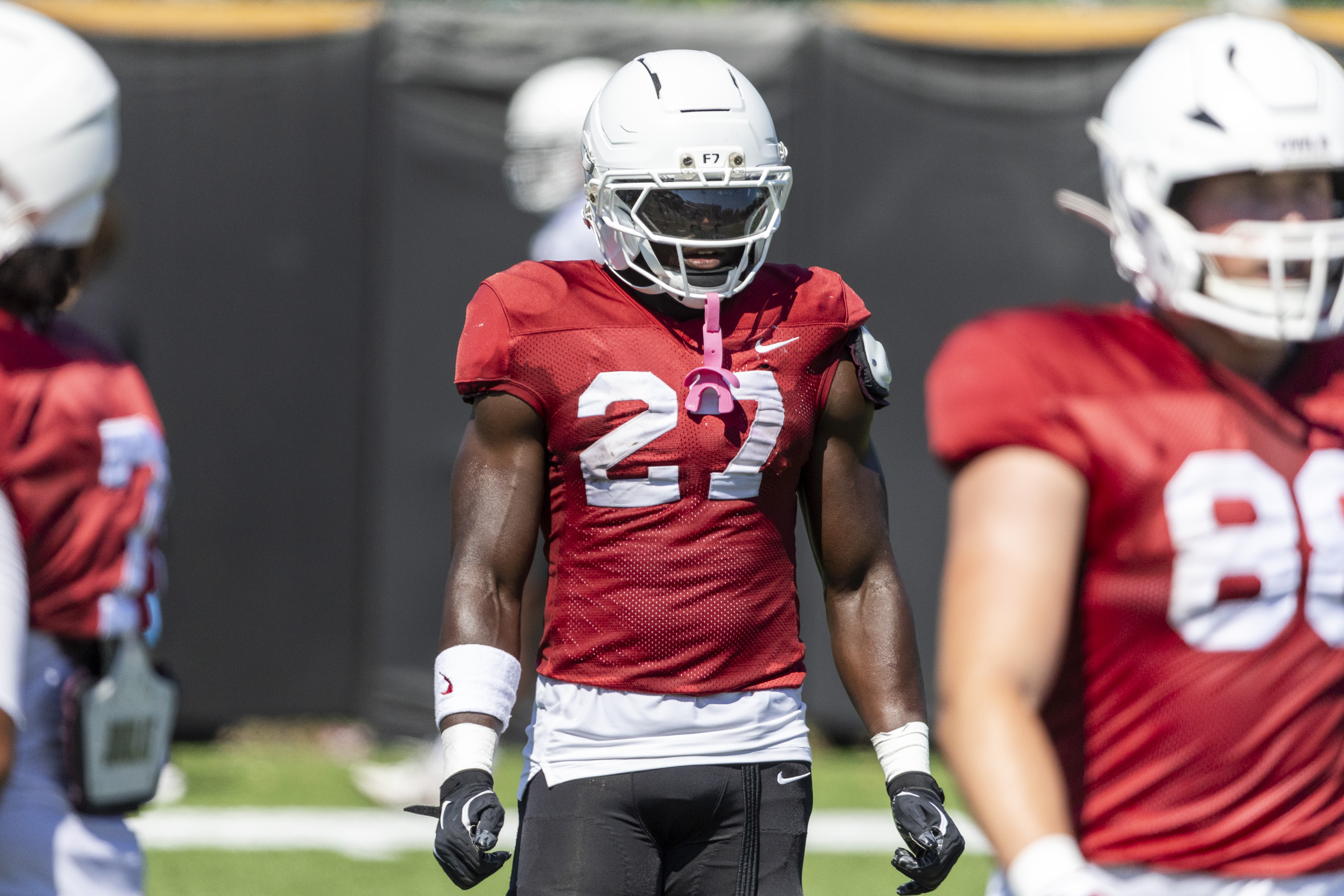
    Keeler also announced that running back Sam Brown V will miss the rest of the season with a rib injury. The Rutgers transfer was limited to five games due to injury.

    Keeler maintains positivity

    The 67-year/-/old coach is standing in uncharted territory. Keeler is experiencing consecutive losing seasons for the first time as a head coach.

    “I don’t sleep. This affects me,” he said. “I’m built uniquely where I see life as a challenge, and I’m willing to hit anything head-on. And I have no problem taking responsibility. Like, when this season is over, there’s definitely gonna be a realization that I didn’t have my best season.”

    He wants everyone else in Temple’s practice facility to adopt his lead-by-example mindset. Keeler believes one of the hardest things for college students to do is take responsibility. When the season closes, he plans to evaluate everyone, including himself.

    Owls-on-Owls

    The Rice Owls will fly to South Philadelphia to play a similar team. Temple and Rice live in the basement of the conference standings.

    Rice’s focus is the ground game. It averages 265.7 rushing yards per game, good for third in the conference behind only Army and Navy. It also defends runs measurably better than Temple, allowing 30.7 fewer yards per contest.

    “They do a phenomenal job in the triple option,” Keeler said. “If they find a fault that you have, it’s like the academy [programs], they are attacking that fault over and over.”