A high school history teacher and a lawyer are spending their summer in Camden sprucing up the city where they have lived and worked —by providing free lawn care.
And a third-generation South Jersey business makes stainless-steel food carts that spin their wheels on Shore boardwalks, huge theme parks, and military bases across the world.
Plus, a man who pleaded guilty recently for stalking a TV news personality is the same person who was arrested for allegedly threatening Gov. Mikie Sherrill, and more news of the day.
P.S. As we wrap up another week, we want to thank you for your continuing support. We’re still new, so please tell us how we’re doing by taking our survey.
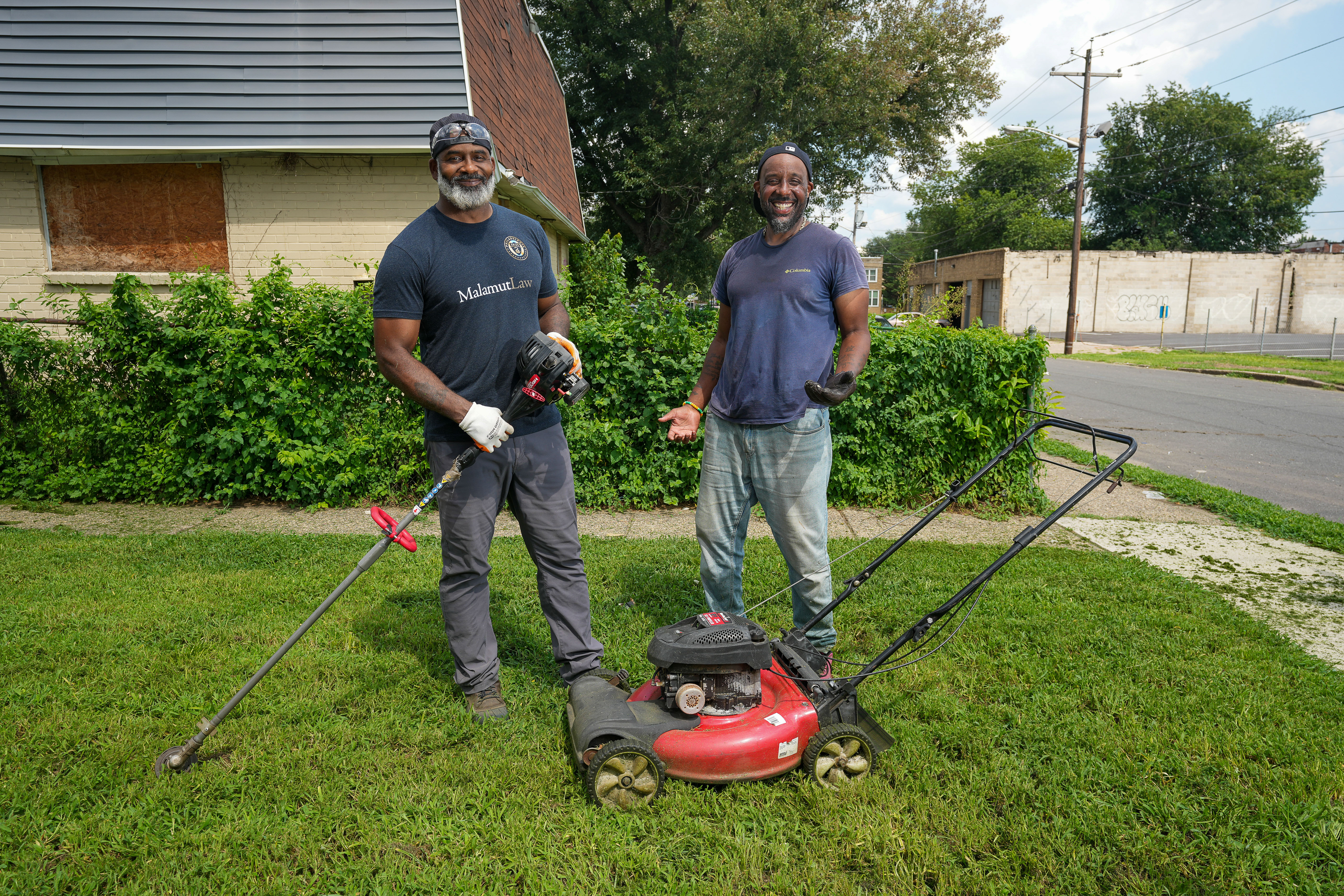
Childhood friends Brian Turner and Keith Benson have cut nearly 100 lawns in Camden since June.
Turner is a Camden High teacher and Benson is a lawyer at a Cherry Hill firm.
The duo are providing the service for free and limit it to the city boundaries. They use their own equipment, and the only payment they’ll take is the occasional bottle of water.
It’s their way to give back to the city and spruce up the community.
A Camden-rooted business may have built your favorite food cart.
For 74 years, Custom Mobile Food Equipment has handmade stainless-steel food wagons and trucks.
The company’s products have found their way onto Shore boardwalks, U.S bases in Japan, and iconic theme parks such as Disney World and SeaWorld.
The Hammonton-based company has navigated food trends and consumer behavior changes. VP David Kyle is confident it’ll outlast recent inflation, global competition, and import tariffs.
A man who recently pleaded guilty to stalking a Philly TV news personality is the same person who was arrested in January for allegedly making threats to New Jersey Gov. Mikie Sherrill when she was a U.S. representative.
A sports coach at a Gloucester Township high school was charged with sexual assault of a student, Camden County Prosecutor Grace C. MacAuley said Thursday. He was taken into custody Wednesday.
Burlington County will host a breastfeeding celebration and resource fair in Mount Holly today. Local organizations, vendors, and health professionals will be available to provide information.
JP Morgan Chase has four new Chase Bank locations under development in Berlin Township, Blackwood, Deptford, and Washington Township, and it continues its expansion into South Jersey, 42 Freeway reports.
We asked readers about etiquette of playing ball on the beach via the Shore Line group chat.
Here are a few of the responses:
Many years ago a bunch of guys were playing Frisbee. The Frisbee hit me in the face along with the guy diving for it. I lost a tooth from the force of the hit and also needed root canal. They should be far from the crowds.
The beachgoer needs to relax. They are kids and we all did it as kids. It’s a public place and to expect kids not to be playing is ridiculous.
Hello from Wildwood Crest! Our borough lifeguards maintain a very publicized posted rule about playing ball at the beach: only on the “Back Beach.”
Where do you land? Do you accept that potentially getting hit is part of the price of enjoying a day on a public beach? Or do you think it should be limited to a dedicated zone? Be part of conversation and email Rosenberg at downtheshore@inquirer.com.
📸 Photo of the week
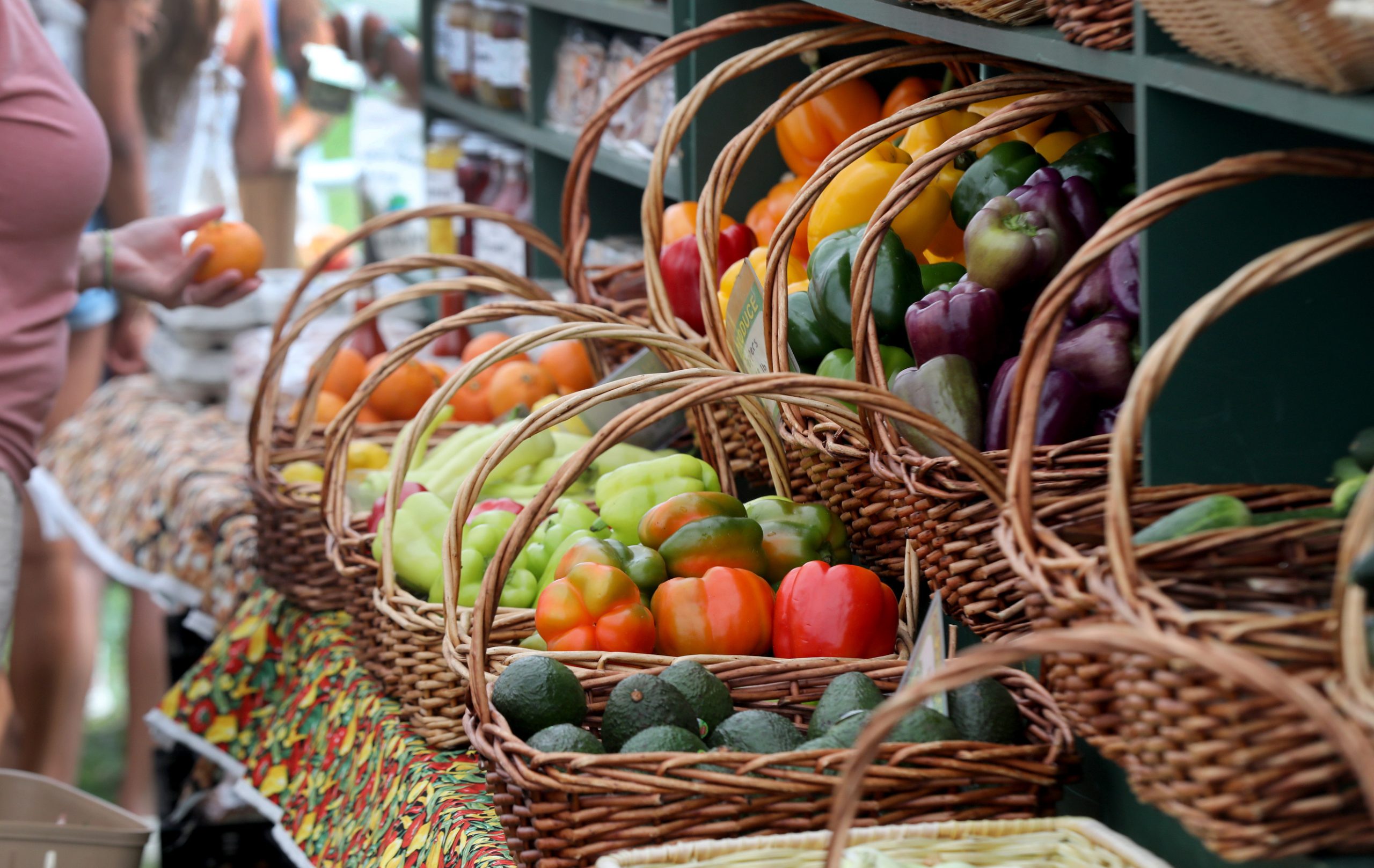
Springhouse Farms, of nearby Upper Township, offers a wide variety of produce at the Sea Isle City Farmers Market.Vernon Ogrodnek / For The Inquirer
🫑 One last fun thing to do: South Jersey is known for its produce for a reason, and not much is more peaceful than perusing farmers markets on a weekend morning.
Enjoy your weekend, and I’ll be back in your inbox on Monday. 📧
By submitting your written, visual, and/or audio contributions, you agree to The Inquirer’s Terms of Use, including the grant of rights in Section 10.
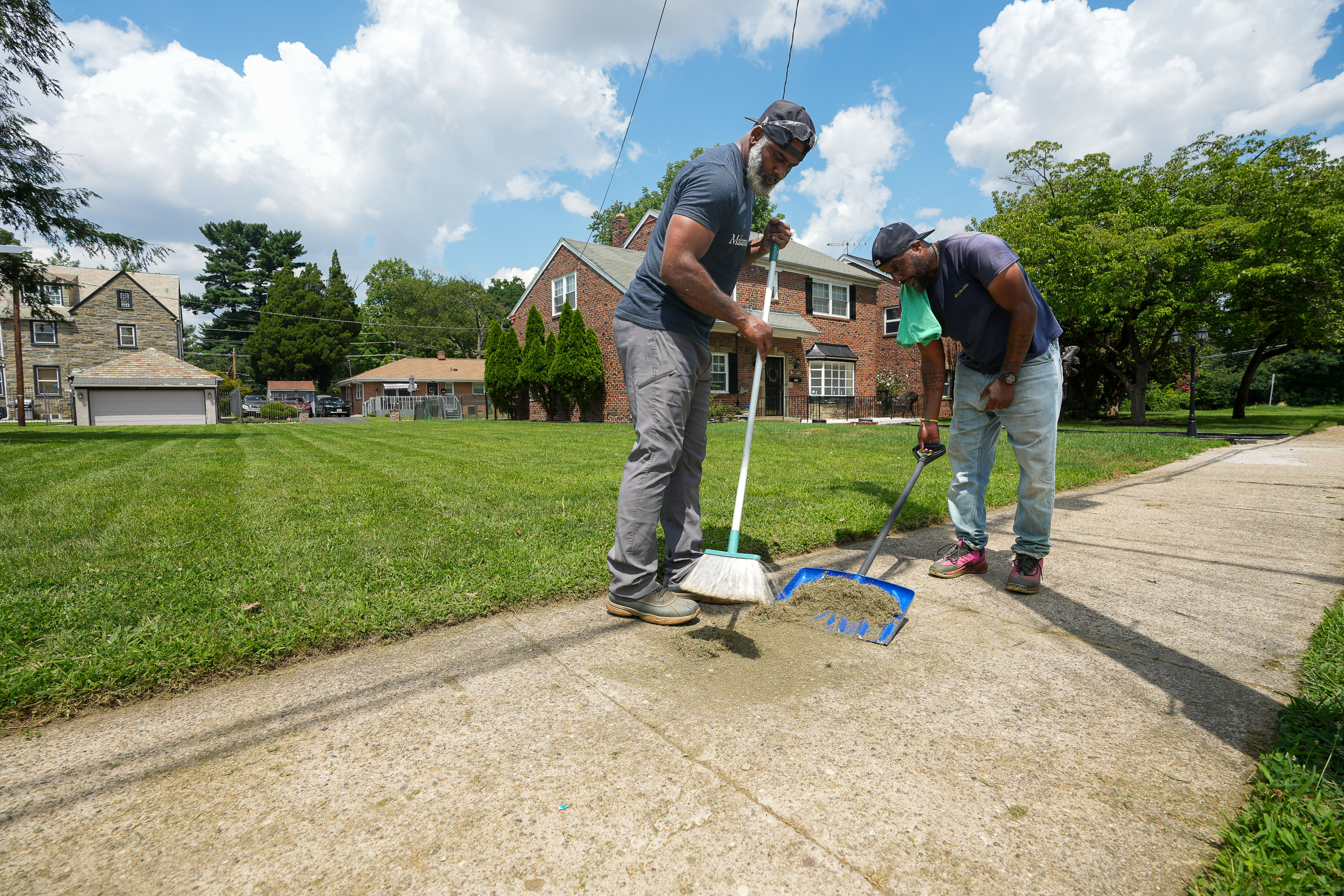
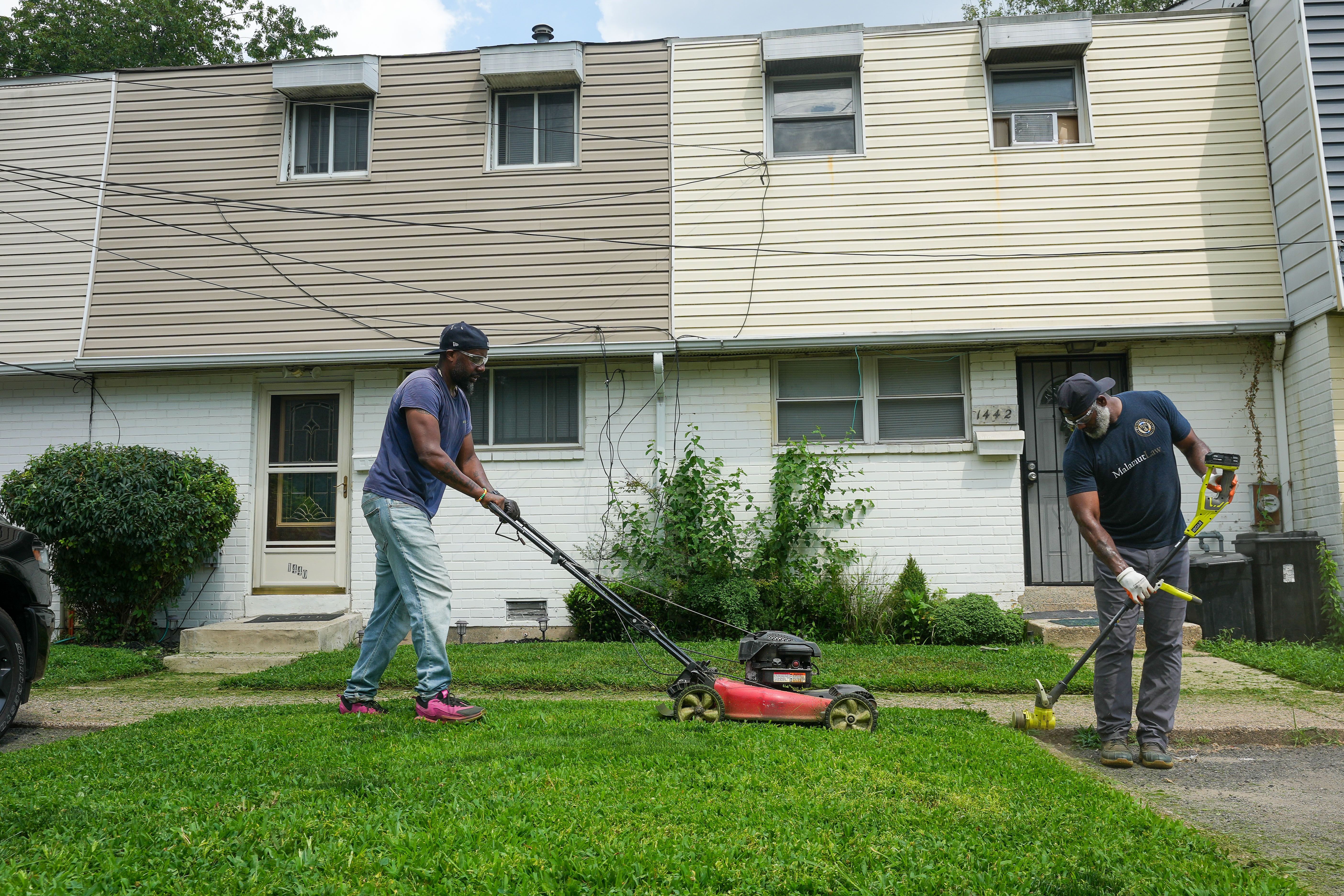
With the afternoon sun beating down, Keith Benson and his childhood friend Brian Turner meticulously tended to a lawn in Camden’s Parkside neighborhood on a recent Friday.
They took turns pushing a red lawn mower that left neat lines in the lush grass. They edged up the perimeter and pulled weeds from the sidewalk in front of the property on Bradley Street.
A short time later, the pair completed the job, packed up their equipment and sped off to their next assignment in Benson’s burgundy Ford-150 pickup.
They didn’t get paid and they didn’t want any payment, except possibly a cold bottle of water.
Keith Benson and his childhood friend Brian Turner help residents and the community by providing free lawn care, in Camden, N.J., July 31, 2026.Jessica Griffin / Staff Photographer
Benson, a Camden High history teacher, and Turner, a litigator and personal injury lawyer at a Cherry Hill law firm, are spending the summer working for free. They want to give back to the city where they have lived and worked.
“I’m grateful to be able to do it,” said Benson, 46. “We have to pass that on.”
Benson was looking for something to do when the school year ended in June. He came up with the idea and enlisted Turner to help.
They shared their plans mainly through word of mouth, friends, and social media posts. The response has been overwhelming and the two have been fielding text messages and calls to schedule appointments.
Since June, they have cut nearly 100 lawns, including 14 repeat cuts, Benson said. They hope to get back to every lawn once a week, he said. The free service is limited to Camden, and they use their personal equipment.
“When they text us, we go,” said Turner, 47, of Cinnaminson. “We always show up when we say we will.”
Camden Mayor Victor Carstarphen launched a “Camden Strong” campaign several years ago and has encouraged residents to help spruce up the community. That initiative is cleaning up neighborhoods, removing bulk trash, and restoring public spaces.
This summer, too, residents such as Elton Custis have been cleaning up their blocks on Saturday mornings for a half hour to support Camden Strong. Custis compiled a list of more than a dozen mostly elderly neighbors for Benson and Turner for the free lawn cutting. They completed them all, he said.
“I just love the fact that they started this,” Custis said. “They didn’t wait for anybody’s approval. They just got it done. They have been a godsend, that’s for sure.”
As the temperature approached 90 degrees, Benson and Turner made their fourth stop of the day on Bradley Street. They have worked on the hottest days of the summer, stopping only for inclement weather.
They cut a vacant lot adjacent to a home where Ted Davis Jr., the son of the city’s first Black judge, now resides. They also mowed his backyard.
“They’re true to their word, when they say it’s free,“ said Davis, a retired personal trainer and high school coach. ”I offered to pay but they declined.”
Davis said he was not surprised by the undertaking. He met both as teenagers when the signed up to train with him at his Smart Jox business.
“I respect them very much,” Davis said. “It’s not a lot of people who are doing what they are doing.”
Keith Benson and his childhood friend Brian Turner help residents and the community by providing free lawn care, in Camden, N.J., July 31, 2026.Jessica Griffin / Staff Photographer
Earlier that day, Turner, a former assistant Camden city attorney, had stopped in his office at Malamut Law firm and worked for several hours. The firm has supported his community service, he said.
Benson and Turner met in 1996 their sophomore year at Moorestown Friends School. Benson transferred from Cherry Hill schools.
“We didn’t like each other at first,” Benson recalled.
“He hated me,” Turner said.
They became friends that summer when Benson’s father, also named Keith, forced them to sign up for a basketball camp. The elder Benson was unaware of the tension, but believed the young Black men in a predominantly white school should be friends.
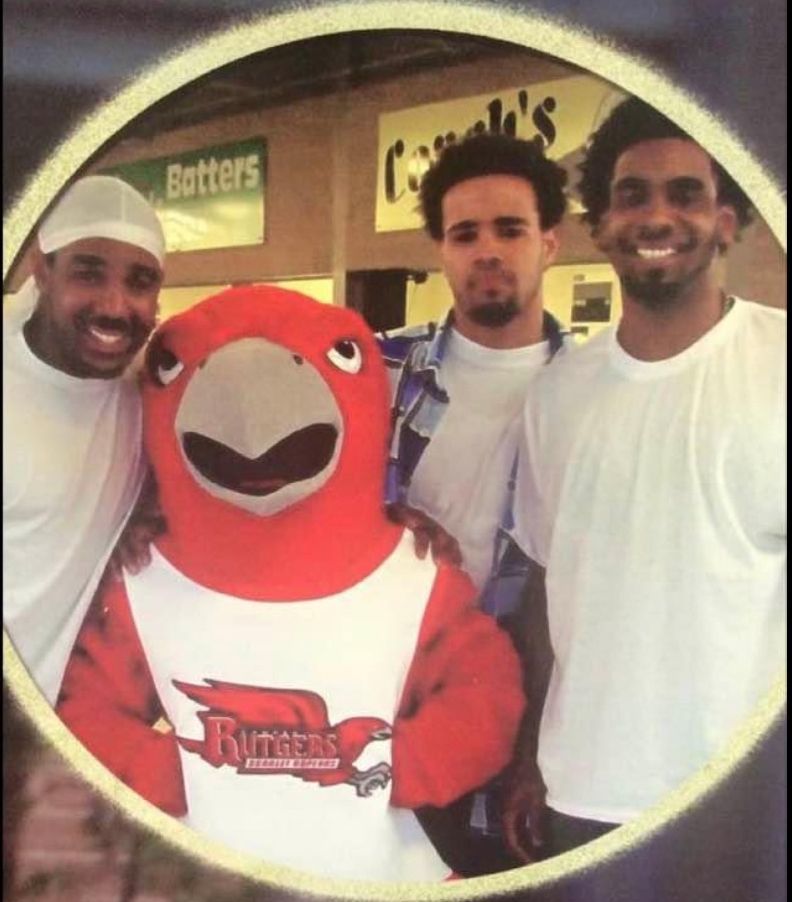
Both men graduated from Rutgers-Camden where both played basketball and Turner was named the New Jersey Athletic Conference’s Player of the Year in 2002.
Left to right: Rutgers-Camden basketball teammates Keith Benson, Robert Scott, and Brian Turner circa 2002.Courtesy of Keith Benson
Both also earned doctorate degrees — Benson in education and Turner in law. Benson lives in Camden and the two conducted basketball clinics at Camden High this summer.
“Now, they are ridiculously fast friends,” the elder Benson said. “Their friendship is beautiful and I love it.”
Whistling and humming as they worked, Benson and Turner quickly finished up the lawn on Bradley Street. There was some friendly bantering about whether the lines in the grass were perfectly straight.
“We do argue all the time,” Benson said.
“Sometimes, he doesn’t listen,” Turner quipped.
Next, the pair moved to South Eighth Street to cut the lawn in front of a rowhouse. They also cut the adjacent properties, including in front of a boarded up property on the corner.
Keith Benson and his childhood friend Brian Turner help residents and the community by providing free lawn care, in Camden, N.J., July 31, 2026.Jessica Griffin / Staff Photographer
They mowed eight lawns for the day. Both said they hope to inspire others to find ways to help their neighbors and the city.
So many young Americans who signed up for World War II in 1944 thought they were headed across the Atlantic to help pull European towns away from Adolf Hitler’s grip.
But many GIs, fresh out of basic training at New Jersey’s Fort Dix, instead ended up sleeping in two-man tents in Fairmount Park.
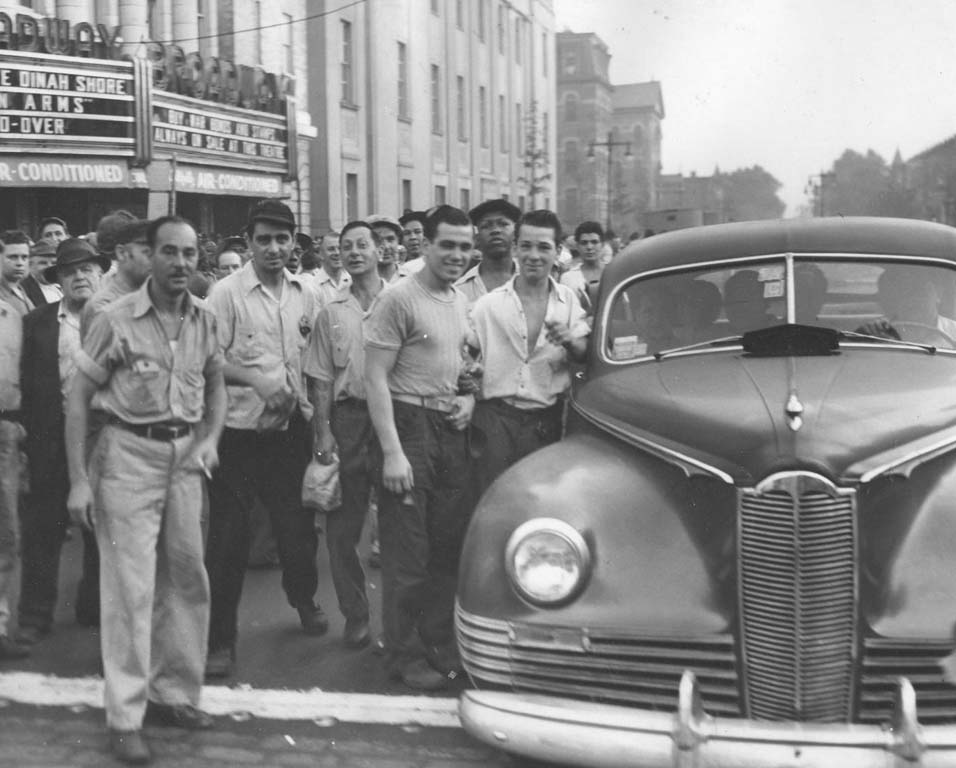
On Aug. 5, 1944, President Franklin D. Roosevelt dispatched about 5,000 U.S. Army troops to Philadelphia to intervene in an ugly transit strike.
When covering a trash strike in July 1978, the Daily News spoke with military members who were sent to the city during the tumultuous six days of the 1944 transit strike.
“I had to work on Diamond Street,” James Denning of Maywood, N.J., recalled to the Daily News. “That was worse than Germany.”
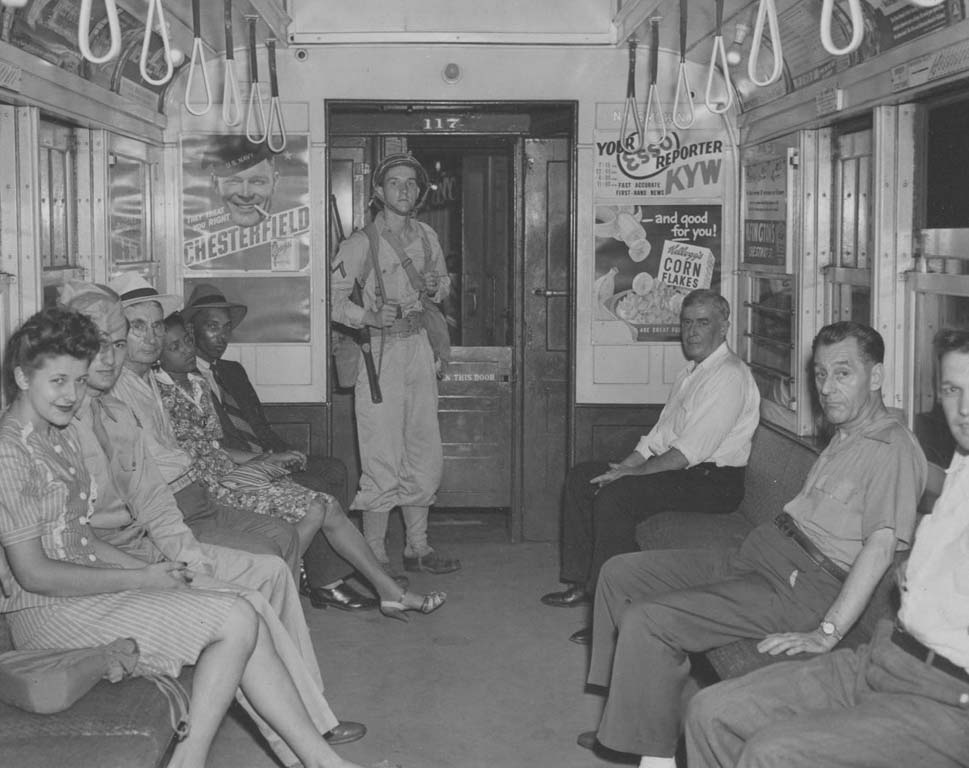
Photo shows one of the subway car with passengers with a Armed soldier during the 1944 Philadelphia Transit strikes.Culross (Phila. Inquirer)
It marked one of the first major federal interventions amid the fight for civil rights.
On Aug. 1, white transit workers with the Philadelphia Transit Co. had gone on strike over the hiring of Black trolley operators.
Black workers were now being given operator jobs, graduating to higher pay and better conditions than in their previous jobs in mechanics and labor.
The Black drivers threatened to leave their posts unless they were guaranteed protection from racially motivated attacks. And the strike itself threatened to slow down the Philadelphia war machine feeding the need for ships, tanks, and uniforms.
The Army took over the transit agency three days into the strike, and on Aug. 5, Roosevelt ordered the troops to break the strike.
The intervention helped lead to the end of the strike after six days, but federal troops remained in the city, riding streetcars 24 hours a day, keeping them moving, and protecting Black transit workers on the rails and on the roads.
Troops withdrew from the city on Aug. 17, and by early September, Black trolley drivers took their rightful places behind the wheel.
In a country-industrial stretch of Hammonton halfway between Philadelphia and Atlantic City sits a concrete-block maze of machine shops, where workers have built thousands of stainless-steel hot-sandwich and coffee carts and catering trucks.
This is the one-story home of Custom Mobile Food Equipment, which for 74 years has built these customizedportable kitchen-storefronts of varying sizes, and kept them on the road with extra helpings of customer support. They roll onto Jersey Shore boardwalks and Center City street corners, at weeklong public festivals and private events across America, and in fancy resorts and on military bases abroad.
It’s a South Jersey fixture, with Camden roots and deep Philly ties.
“We started small,” with hot dog carts cut to fit, not block, city sidewalks, said Custom vice presidentDavid Kyle. He said his family helped Philadelphia officials write the city’s street vendor ordinances, and made sure the carts fit.
Custom has outlasted food fashions and changes in the ways workers lunch. Kyle said he’s confident the enterprise will outlast recent inflation, global competition, and import tariffs: “A lot of our business is repeat business, and the big names we go after,” he said during a tour of the plant. “People rely on us to turn out a product that will last.”
From pony-cart produce to theme-park fixture
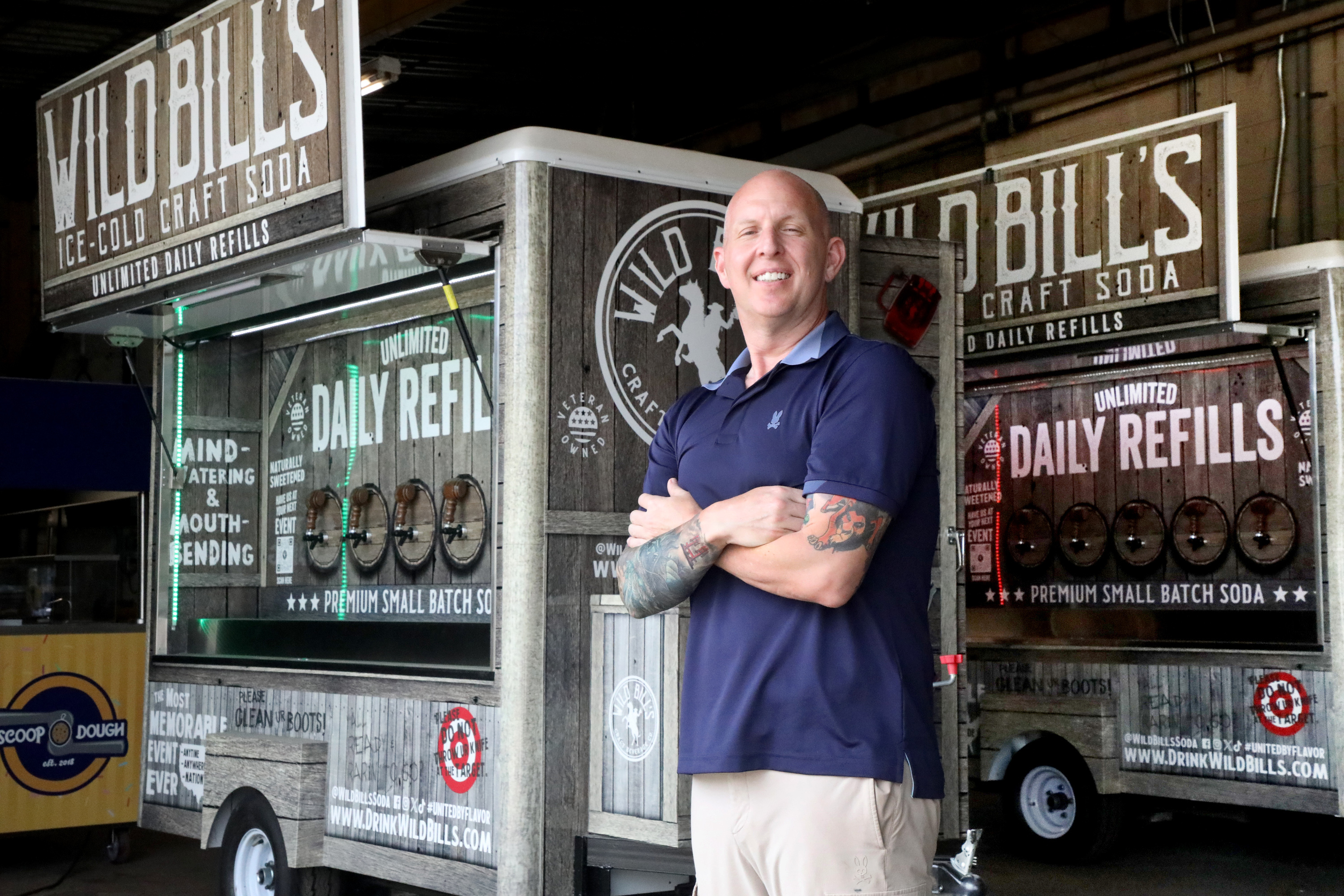
Lehigh Valley-based Wild Bill’s Craft Beverage Co. serves its old-fashioned sodas from kegs mounted in Custom vehicles of several sizes. They sell drinks at crowded motorcycle rallies in Gettysburg and Sturgis, S.D., the Ohio State Fair, the Great State of Maine Air Show in Brunswick, San Diego Comic-Con, and Schuylkill regattas.
“These are high-end, unique stands. We have 60 of them. We add a couple a year,” said Wild Bill’s chief executive, Mike Quilty. “One of our franchisees in Utah just drove one of Custom’s self-propelled Ford barrel wagons to Vancouver.”
To make trips like that, the equipment has to be built well, Quilty said, noting Custom’s “unlimited support” for when technical issues arise, which doesn’t require buying a service contract.
Custom’s late founder, William Sikora, developed the catering truck in the early 1950s as a kitchen on wheels installed on a Detroit-made chassis. Sikora as a grade-school kid in Camden had sold vegetables from a pony-drawn cart, then opened a grocery. He bought apartment buildings and diners, and became a top officer of First Peoples Bank.
Walking room to room past heavy presses and cutters on the Hammonton shop floor,Sikora’s grandson Kyle said 40 workers build more than 100 pieces of equipment a year — food trucks, trailers, catering wagons, specialty equipment with kitchen-sized stoves, refrigerators, freezers.
“We’ve sold to Disney World and SeaWorld, Sesame Place, and U.S. bases in Japan,” Kyle said on a muggy midsummer morning as room fans, metal-forming machinery, and new-cart test motors whirred. “We have 18 projects going right now.”
Custom built 32 commercial kitchens on caster wheels for Carnival Cruise Line’s Calypso Lagoon in the Bahamas, which opened last year,with rounded bull-nose counters instead of sharp industrial edges to accommodate peak work flow.
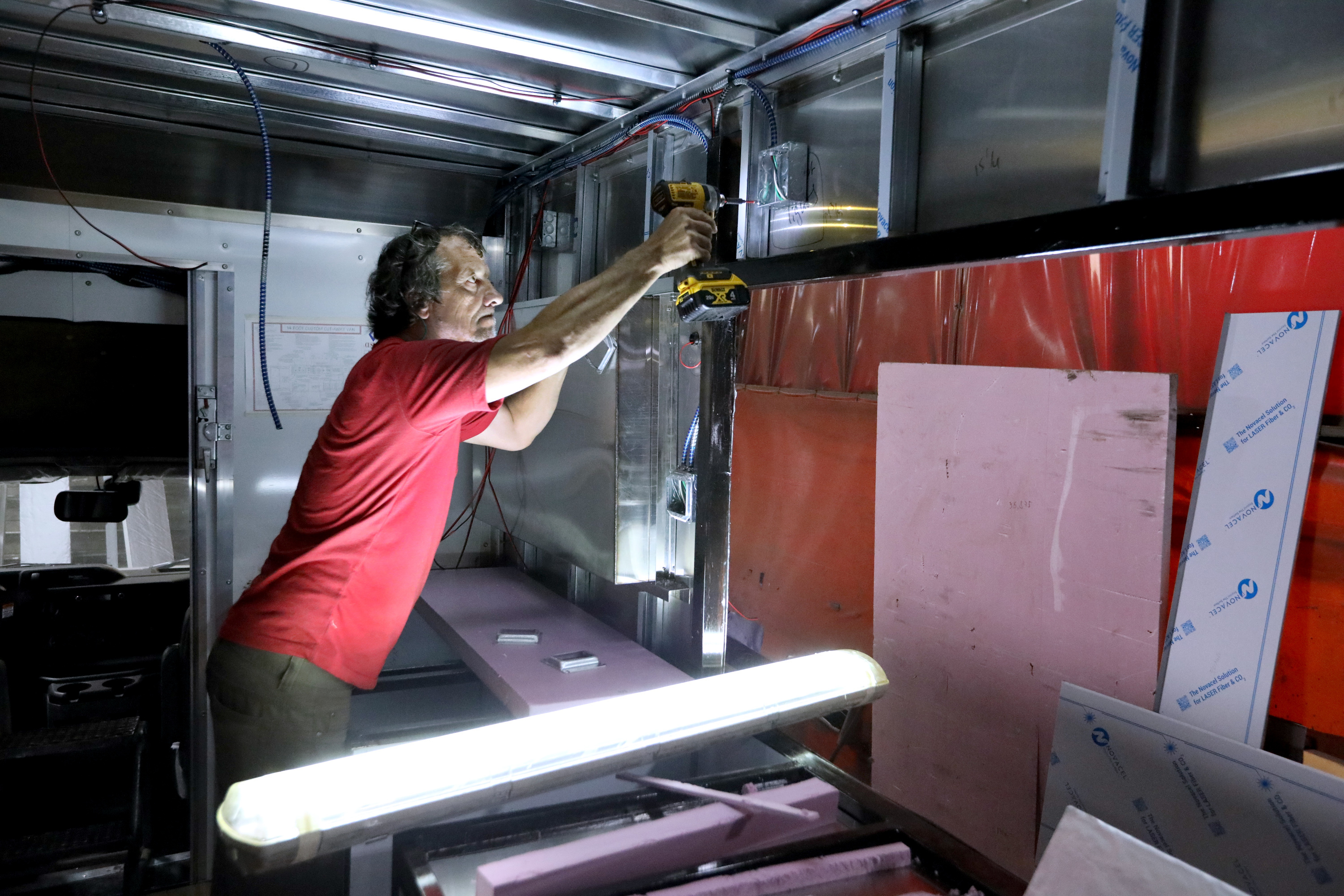
Paul McIlvaine, an electrician, works on the interior of a Chickie & Pete’s food cart at Custom Mobile Food Equipment, in Hammonton, Tuesday, July 21, 2026.Vernon Ogrodnek / For The Inquirer
How much does it cost to launch a kitchen cart?
Today, Custom’sbasic Model 525 carts retail for around $6,500. For that sum, plus storage, food, fuel, and licensing costs, “you’re in business serving food,” said Kyle.
“It’s rewarding, you get to meet so many kinds of people,” he added.
New catering trucks start at more than$125,000, like a high-end camper.
All the carts and trucks are built from stainless steel sides, stamped with Custom’s distinctive elongated-diamond pattern over tubular steel framing. The company uses multiple steel suppliers, including Allegheny Ludlum Steel Corp. in Pittsburgh. It was harder to find domestic steel when the U.S. auto industry demand was stronger, Kyle said. But now materials costs are much higher, often in response to higher tariffs.
“We try to use built-in-USA [materials], but some stuff you cannot get here,” Kyle said. Robertshaw Controls, for example, makes the only burner controls that fit Custom’s standards. They moved the operation to Mexico from Texas, so Custom now imports them.
Cart metal is just one inflating cost vendors face, said Christian Subashi, second-generation owner of Loudogs hot-dog carts in Sea Isle City. Refrigerators were 50% cheaper before last year’s new tariffs, he said, and sausage prices have “gone through the roof.”
Kyle said his company’s hot-dog cart price “has gone up $1,000 or $2,000 in 10 years,” lower than the general inflation rate. “We have to absorb some. It’s how you do business,” he said. He’s confident steel prices will stabilize eventually.
The future of food carts
The company has no plans to automate, Kyle said. “All our products are custom built — handmade and hand-fabricated. No two carts are exactly alike,” he said, noting that the company also retrofits and rehabs units as needed. “They can last forever.”
“Our pricing is more, but it lasts longer than assembly-line stuff coming in from Mexico or China at low cost.”
One once-robust market that has all but evaporated is carts for vendors who work construction sites. Custom employed over 100 during the building boom of the late 1990s. The company built a catering truck a day, on average, back then; now it’s closer to one a week.
“Wawa and DoorDash are delivering deli trays to jobs sites now. And Wawa has built out so many stores in their area, guys can just leave the job and run to Wawa. So that business is down for us,” said Kyle.
The focus now is on larger orders that can be built more efficiently. Plus it’s gotten harder, Kyle said, to hire skilled craftsmen.
But Custom is also very much “a national brand,” said James Evans, who runs the food-truck division for Ocean City-based Manco & Manco Pizza, including eight Phillies stadium locations.
Like Custom, Manco is a third-generation South Jersey business, and Evans said he wouldn’t have gone anywhere else to build stadium-ready trailers. The two firms cut a deal last February for Custom to build an initial “food truck you can drive, available for private parties, corporate functions, MLB events, anywhere we can take a truck.”
The first was delivered in July, with four propane-fueled Baker’s Pride deck ovens “to cook our pizzas to Manco standards.”
Custom faces a string of manufacturing challenges with any order, Kyle said.
But from Manco’s perspective the passage of his project from plan to delivery “was seamless,” said Evans.
“As we morph into their larger trucks, we will add wings and tenders,” he said. “If everything in business and life went that easy, it’d be great.”
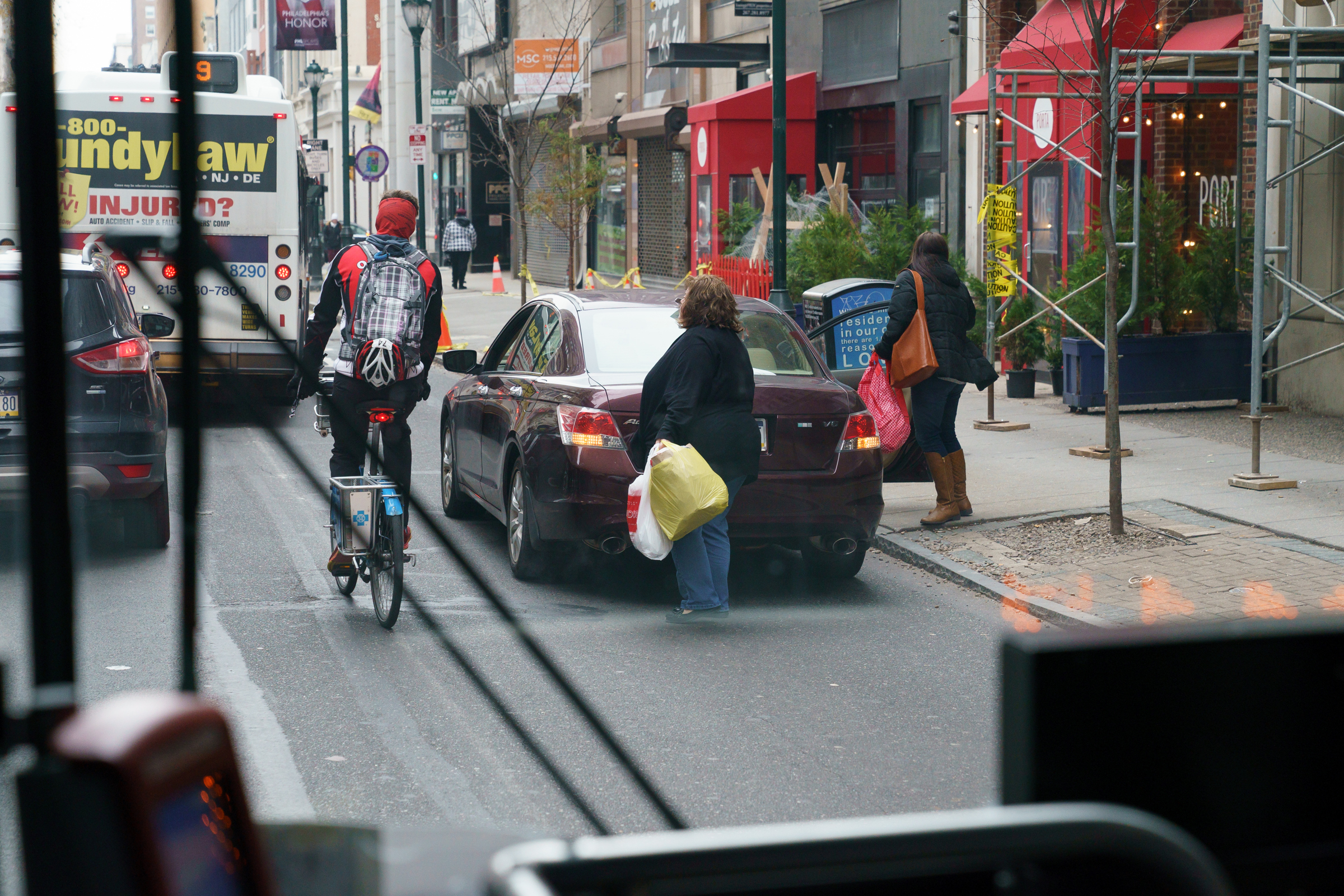
AI-powered cameras on SEPTA buses and trolleys have captured about 212,000 parking and stopping violations that delay trips since automated enforcement began last year, according to the Philadelphia Parking Authority.
The median travel time of buses in the enforcement areas dropped 41 seconds in March compared with the same month last year before the cameras, SEPTA said.
“It’s not massive, but it is appreciable,” said Matthew Zapson, manager of planning programs for SEPTA.
The parking authority has issued $14.5 million in fines from May 2025 through June 30.
But violations have trended down from the high numbers recorded in May 2025, when enforcement began.
That means hefty fines seem to be nudging more drivers to avoid adding to congestion, particularly in Center City.
In just over a year, no-stopping violations in bus-camera enforcement areas were cut in half, said Gabriel Roberts, interim executive director of the PPA, while violations for blocking bus stops decreased by 27%.
“Drivers are learning, in large numbers, to not park illegally in no-stopping zones, bus lanes, and bus stops,” Roberts said.
(function(){function e(){window.addEventListener(`message`,function(e){if(e.data[`datawrapper-height`]!==void 0){var t=document.querySelectorAll(`iframe`);for(var n in e.data[`datawrapper-height`])for(var r=0,i;i=t[r];r++)if(i.contentWindow===e.source){var a=e.data[`datawrapper-height`][n]+`px`;i.style.height=a}}})}e()})();
Violations fell from 1.8 to 0.75 per camera per hour,Zapson said.
Windshield-mounted cameras, powered by artificial intelligence, on buses in Center City and West Philadelphia are scanning for violations for about 14,000 hours per month — a rate that has stayed steady, Zapson said.
“I think that is perhaps the most telling point about the success of the program,” he said.
Measuring violations per camera hour avoids the possibility that violations appear to be down only because of lower camera use.
The penalty for parking and stopping violations is $76 in Center City and $51 elsewhere.
Tickets are sent to the owners of vehicles based on evidence gathered by windshield-mounted cameras on 152 buses on 16 routes. But human parking enforcement officers have to verify violations first.
PPA, SEPTA, and the city have partnered on the program.
Buses navigating Philadelphia traffic averaged 8 mph in Center City, slower than the national average of about 14 mph. Every year, congestion in Center City causes 1.7 million hours of passenger delays and adds $15.4 million to the transit agency’s operating costs, according to a 2019 Econsult Solutions study commissioned by SEPTA.
On April 1, cameras were added to 38 trolleys in Philadelphia, making SEPTA the first transit system to use them on streetcars. Early PPA numbers show 30,856 violations for cars and trucks blocking trolley lanes and stops.
City ordinance authorizes the camera program in Center City from river to river from the northern edge of Spring Garden Street to the southern edge of South Street. Violations also can be camera-enforced on Chestnut, Walnut, and Market Streets westward to 63rd Street. The law also covers any roadway in Philadelphia that conveys trolleys.
Zapson cautioned that a variety of factors influence bus speeds, including continued growth in ridership since the pandemic, which increases the amount of time the vehicles spend at stops to load and unload people.
So, more work is needed.
“Parking on trolley tracks or in bus lanes is a recurring issue, despite having these cameras,” Zapson said. SEPTA is working with the city and PPA “to see what other policies might be available to us,” he said.
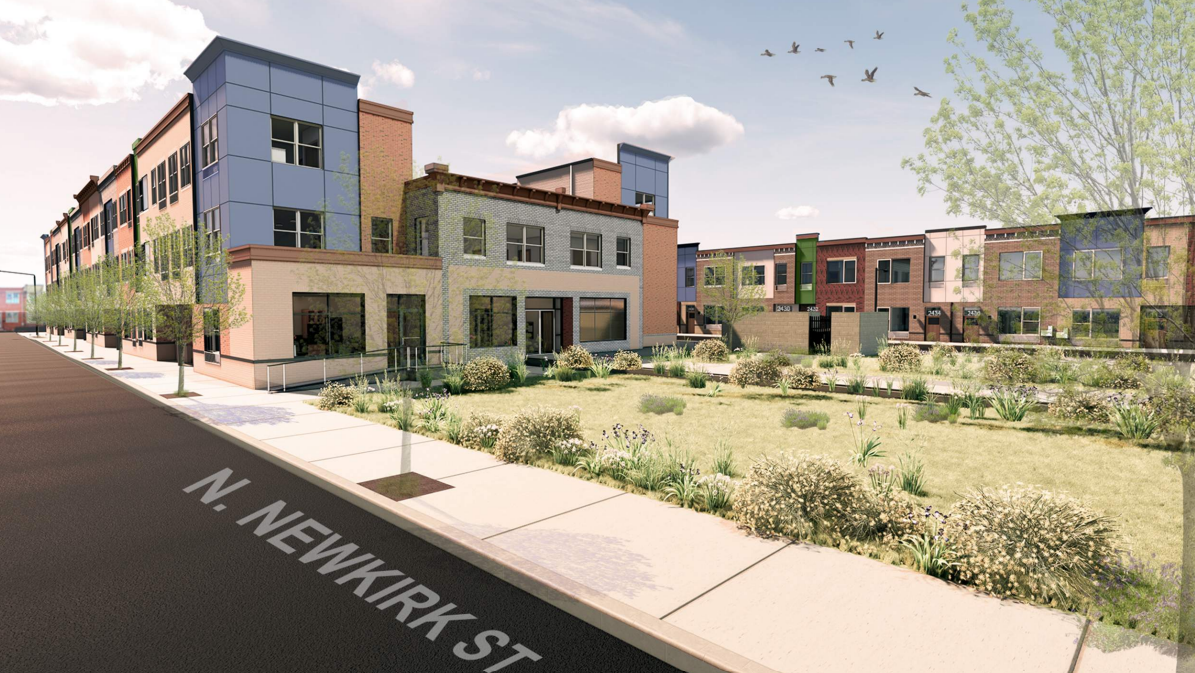
The Philadelphia Housing Authority is planning an 85-unit mix of affordable rental and homeownership units in Strawberry Mansion, around 28th and York Streets.
The proposal is part of a burst of PHA activity in this North Philadelphia neighborhood in recent years, as the agency has sought to use vacant land to add affordable housing to the area.
“This proposed development at 28th and York represents exactly the kind of investment Strawberry Mansion deserves — one that replaces long-term vacancy and blight with affordable homes, open space, and renewed opportunity,” Kelvin A. Jeremiah, president and CEO of the Philadelphia Housing Authority, said in a written statement.
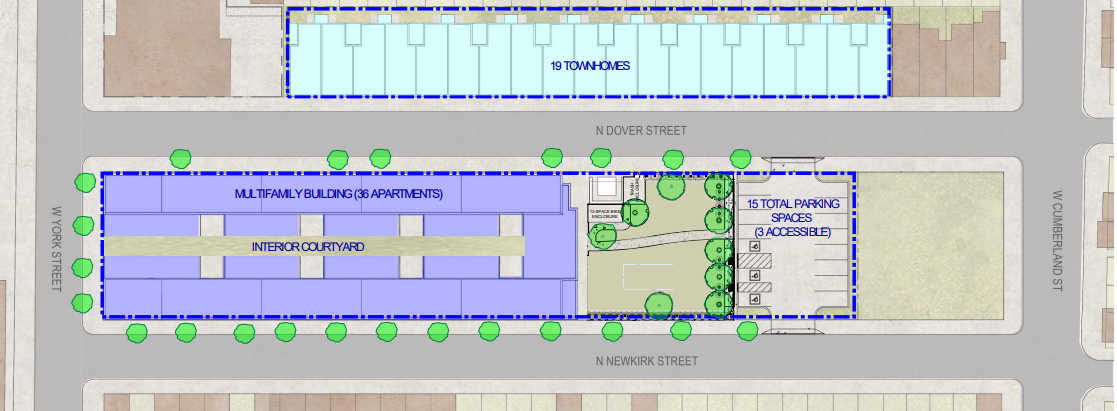
The project has 30 single-family houses that will be built using the city’s Turn the Key program, 19 rental townhouses, and a 36-unit apartment building roughly split between one- and two-bedroom units.
PHA also plans 15 parking spaces, street widenings to allow more parking, and a new agency-run park.
The rental portion of the project, which includes the apartment building at 2401 N. Dover St. and the 19 rental townhouses at 2416 N. Dover St., received permission to move forward from the Zoning Board of Adjustment in late July and early August.
The housing authority has the support of many of the area’s elected representatives, including State Sen. Sharif Street and State Rep. Keith Harris. The politically influential Laborers union also submitted testimony to the zoning board in support ofthe project.
The biggest regulatory hurdle to PHA’s plans isthat the land slated for multifamily development is zoned for single-family use, but the board waived that requirement after hearing from community members about PHA’s proposal.
“I would love to see some development on Dover Street,” said Altrena Nixon, who owns a business at 29th and York Streets.
“It’s been sitting like that for many, many, many years,” Nixon said in testimony before the zoning board. “We need the vibrancy. We need the development. We need the jobs that it’ll bring to our area.”
Two speakers warned about the housing authority’s history in the neighborhood, arguing against adding so much density and too much affordable housing.
All In The Family Group Associates Inc., a community organization, wanted further meetings with PHA to discuss how the project related to other nearby developments.
In a letter, PHA declined to enter into an agreement with the group over a planned park at 27th and York Streets. All In The Family did not respond to a request for comment.
“The PHA should not be able to get away with not coming to the table with us and ironing out these issues and ensuring that we have stability in our communities,” Odessa Tate, a member of All In The Family, said in testimony before the board.
Councilmember Jeffery Young — who is engaged in a legal action against a ZBA ruling in favor of another 57-home development PHA proposed in Strawberry Mansion — asked the board to delay its ruling to allow more time to meet with All In The Family.
A map showing where the rental portion of PHA’s plan will lay out.Cicada
But the zoning board ruled in the project’s favor at hearings on July 29 and Aug. 5. Six of the nine speakers at the hearing were in favor of the project.
“There is a dire need for affordable housing in our community, and to continue to just delay and delay and delay is counterproductive to the needs of the community,” said the Rev. Warren Marshall at the July hearing.
The 30 homeownership units did not require zoning board permission to move forward. They will be on 29th, Newkirk, and Dover Streets and are being built by Civetta Property Group, the developer that has used the city’s Turn The Key program the most extensively.
Construction will begin on the for-sale units in October. The rentals are slated for next year as they seek competitive Low-Income Housing Tax Credits that will become available in 2027.
The 15-space surface parking lot will be next to the apartment building, while Dover and Newkirk Streets will be widened to allow for more on-street parking.
A proposedpark at 27th and York, meanwhile, is being described as a space for community events.
“PHA will be responsible for development, maintenance, use procedures, and related management functions necessary to preserve the park as a community asset,” Jeremiah said in a letter to local political leaders.
This isn’t the authority’s only current project in Strawberry Mansion. WHYY recently reported PHA also has proposed converting a 126-year-old school on North 22nd Street into a 50-unit affordable apartment building for seniors.
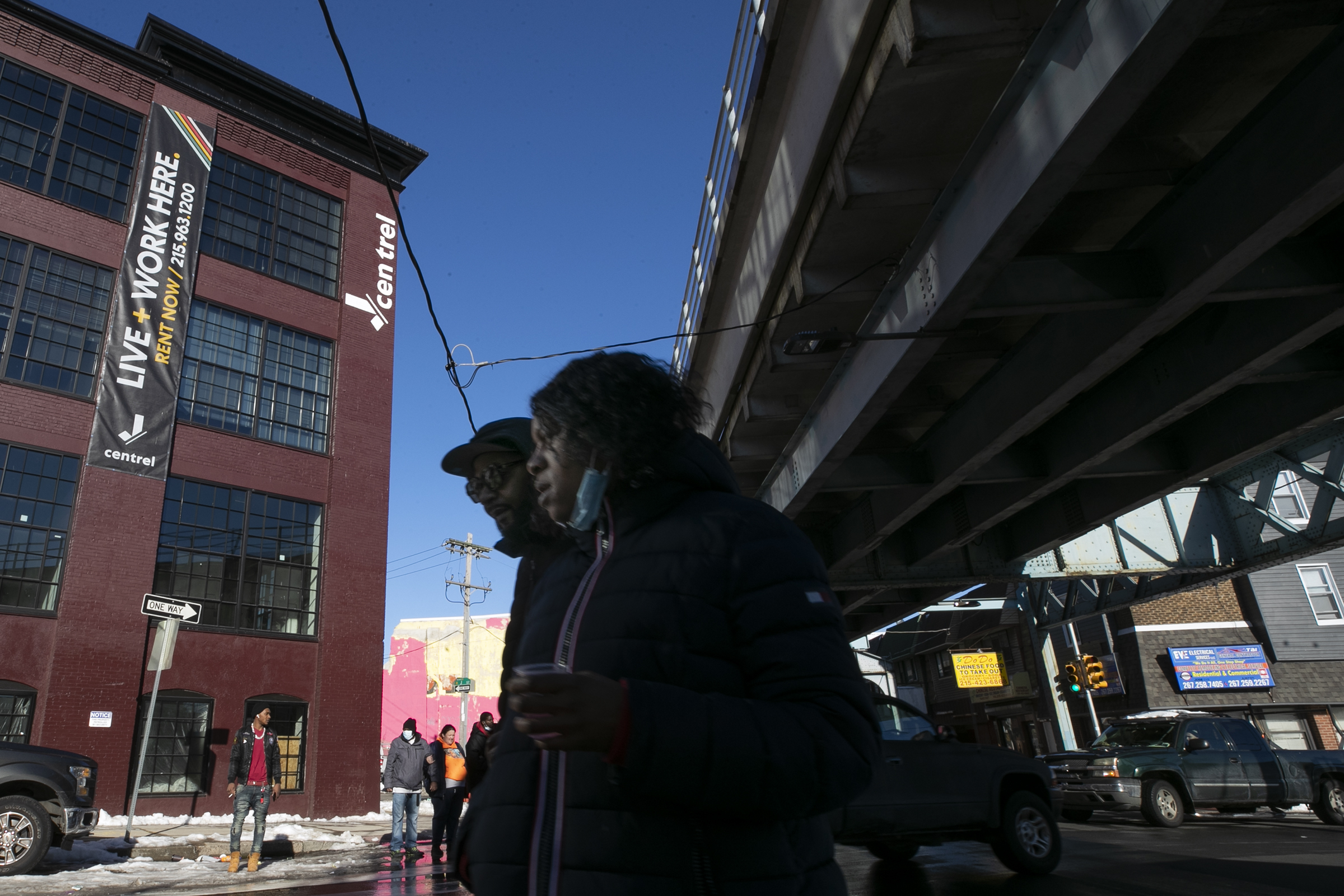
The companyhas long styled itself as a socially conscious real estate developer, rebuilding long-vacant buildings into thriving mixed-use properties in a neighborhood challenged by poverty and addiction.
Now 14 years after the company’s formation, it is seeking to sell its cornerstone developments in the neighborhood.
That includes its Harrowgate flagship, the 116-unit building at 3400 J St. known as J-centrel, which is home to the renowned Vietnamese bakery and cafe Càphê Roasters.
Kensington Corridor Trust, a nonprofit that Shift helped found, plans to purchase that property for $18 million, although it needs to raise $1.5 million more by the end of August to close on the deal.
The organization is a neighborhood trust with the mission of acquiring properties on Kensington Avenue and placing them under community control — via a nonprofit board — to preserve affordability. Currently, most of the trust’s properties are storefronts and much smaller than J-centrel.
“We’re excited to hand the responsibility of creating a healthy, safe neighborhood to the next group to continue the work that we’ve been doing,” said Brian Murray, CEO of Shift Capital. “It’s an exciting moment of transition to the next generation of people … who want to see Kensington be what it could be.”
Murray says the properties Shift wants to sell represent 30% of their properties in the city.
They are in talks with potential buyers for the old industrial building at 3775 Kensington Ave., and the artist studios, office space, and light manufacturing at 3525 I St. (MaKen Studios North) and 3401 I St. (MaKen Studios South).
Murray emphasizes that Shift will retain a presence in Kensington. Their offices will remain in J-centrel, and they are still working on the Càphê Roasters expansion across the street at 3419-23 Kensington Ave.
He says a sale of this kind has always been part of the plan. The investors who backed these developments in Kensington are nearing the end of their time with the fund, and Shift is not currently planning to recapitalize with new partners.
“Our world is limited to capital that needs to be returned,” he said. “They can be as mission-driven as they would like, but that still is a limitation of the role that we can play in revitalizing and preserving neighborhoods.”
That’s why Murray wants to sell to Kensington Corridor Trust, which Shift helped found in 2019 (although it exited the organization’s board in 2021).
Kensington Corridor Trust owns 32 properties along the avenue, although none is close to the size of J-centrel. In preparation for the purchase, the trust has hired more staff, including a new property manager and a full-time maintenance person who used to be with Shift.
“Shift Capital’s J-centrel property will be our single largest acquisition to date in terms of square footage, units, and cost,” said Adriana Abizadeh-Barbour, executive director of Kensington Corridor Trust.
Abizadeh-Barbour said the trust raised a half-million dollars in early August, and she is confident it can get the $1.5 million needed before the end of the month.
The funds raised so far include $1 million from individual donations, $1 million from the City of Philadelphia, $3 million from foundations, $3 million from investment funds, and $10 million from Community Development Financial Institution, which specifically invests in low-income areas.
“We have a strong base of supporters who believe in community control and neighborhood power, and we’re excited to bring this under community ownership,” Abizadeh-Barbour said.
The trust plans to make the apartments more affordable as higher income tenants move out of the building, with the goal of targeting the units to those at 60% of area median income, or roughly $50,000 for a one-person household.
As forShift, the company has other big plans in Philadelphia. Earlier this year it announced a partnership with Temple University over a long delayed development proposal near Amtrak’s North Philadelphia station, near Broad Street and Indiana Avenue.
And although lenders backed away from the firm’s redevelopment of the historic Beury building at 3701 N. Broad St. in 2024 amid an increasingly difficult development environment, Murray says they “are still actively working on” the property.
“The Kensington Corridor Trust [sale] is an exciting mission exit that we’ve been working on almost from the beginning of our work,” Murray said. “This was always a prescripted game plan to create an entity that was community controlled that could be a steward of assets in the neighborhood long term.”
Think you know your news? There’s only one way to find out. Welcome back to our weekly News Quiz — a quick way to see if your reading habits are sinking in and to put your local news knowledge to the test.
Question 1 of 10
Sixers fan Joey Abel went viral for sunburning his back down the Shore with a faux LeBron James jersey outlined with sunscreen. But for work, he actually lives here:
CorrectIncorrect. XX% of other readers got this question right.
Abel works in insurance in New York. For the past few months, the 28-year-old has been surrounded by hordes of Knicks fans, reveling in their long-sought championship. It hasn’t been pleasant for the lifelong Philadelphia sports team fan. When James’ signing was announced, he took action the only way he knew how.
Question 2 of 10
Employees at this Philly museum adopted their first union contract this month:
CorrectIncorrect. XX% of other readers got this question right.
Fabric Workshop and Museum employees are the latest museum workers to get a union contract. The 22 workers covered by the new contract are represented by the AFSCME District Council 47, Local 397, and work in visitor services, education, marketing, and communications roles, among other jobs.
story continues after advertisement
Question 3 of 10
Irish singer Glen Hansard was working on an album in Philadelphia before his death. Who was his producer and key collaborator on the unnamed project?
CorrectIncorrect. XX% of other readers got this question right.
Beginning in 2025, and continuing this past winter, Hansard spent weeks working on an album with producer Charlie Hall of the War on Drugs. Hansard first came to Elm Street to work with Hall and his crew in March 2025 and then again in January this year.
Question 4 of 10
Who is the Met’s Costume Institute honoring and spotlighting for its 2027 exhibit?
CorrectIncorrect. XX% of other readers got this question right.
John Galliano, a lauded fashion designer with a checkered past, will be honored at next year’s Met Gala. The decision has sparked mixed reactions because of Galliano’s past, which includes a racist and antisemitic rant that ended his career at Dior.
Question 5 of 10
Relics from the now-closed Gillian’s Wonderland Pier are up for sale following the beloved attraction’s closure. They’re on the market at an antique shop here:
CorrectIncorrect. XX% of other readers got this question right.
Nearly two years after the iconic Ocean City, N.J., boardwalk amusement park closed, and with the future of the site still uncertain, 20 of the kitschy and spooky disembodied artifacts from Wonderland remain unsold at Obnoxious Antiques in Burlington.
Subscribe to The Philadelphia Inquirer
Our reporting is directly supported by reader subscriptions. If you want more journalism like this story, please subscribe today.
A vast collection of 19th-century manuals focused on this topic has made its way into the Library Company of Philadelphia’s shelves:
CorrectIncorrect. XX% of other readers got this question right.
Fruits of Philosophy is one of 1,500 19th-century clandestine hardcovers that are part of the Library Company’s most recent set of acquisitions from respected medical historian, author, and avid book collector Charles E. Rosenberg. The books focus on sex, sexual health, abortion, self-pleasure, birth control, and more — all of which were considered extremely taboo topics at the time.
Question 7 of 10
Local music producer Will Yip recently spoke with The Inquirer about one of his fandoms. The Grammy winner has an extensive collection of:
CorrectIncorrect. XX% of other readers got this question right.
Yip became a part of what he calls an “underground market” of people who become friends as they help each other find game-used Phillies memorabilia. He has hundreds of jerseys that he keeps in storage and has lost track of how much money he’s spent over the years.
Question 8 of 10
Independence Mall is getting a new sculpture. What will the sculpture portray?
CorrectIncorrect. XX% of other readers got this question right.
A 46-foot-long sculpture of Benjamin Franklin’s “Join or Die” snake is set to be unveiled this fall on the Liberty Bell Center block of Independence Mall, near the corner of Fifth and Chestnut Streets. The sculpture will feature eight pieces that represent segments of the snake’s body. These will be carved out of granite, each marked with the initials of the respective colony it’s meant to represent.
Question 9 of 10
Which popular figure was seen across the Philly area sampling local pizza slices for future social media content?
CorrectIncorrect. XX% of other readers got this question right.
Dave Portnoy, the Barstool Sports founder and “One Bite Pizza Reviews” host, made at least five stops in the region, leaving some pizzeria owners celebrating and others refreshing social media to learn their scores.
Question 10 of 10
Ellen Yin’s newest Philly restaurant, Bar Cicci, is promoting itself as an all-day:
CorrectIncorrect. XX% of other readers got this question right.
Bar Cicci will bring Italy's slower-paced drinking culture to Rittenhouse Square as an all-day aperitivo bar, with a menu of small plates, old-school Italian pastries, and spritzes.
Your Results
You have skipped .
You scored XX out of 10.
The average reader scored XX out of 10
Seems like you’ve been skimming more than reading there, buddy. There’s always next week.
You’ve read some articles (or made some educated guesses) but we wouldn’t come to you first for our local news recaps. Better luck next week!
Do you work here? You’re a local news stan with the latest updates on Philly happenings. Your friends definitely ask you for summaries on what’s going on and it shows.
Unless stifling humidity is your thing, the unpleasant news is that Philly feels more like South Beach, Miami, right now. (As a former Florida girl, I’m ambivalent.) Random showers are possible, and a heat advisory is in effect through Saturday night. The silver lining? Our drought conditions are improving.
While it may be the dog days of summer, some Philly chains are already ringing in the Halloween season. The so-called seasonal creep is real, and it’s only picking up speed.
If the results of AI-powered camera enforcement on SEPTA buses and trolleys are any indicator, people are less likely to illegally stop in bus lanes these days.
👁️ More than 210,000 illegally parked vehicles were caught blocking bus lanes since the cameras were first deployed in May 2025. Violations have seen a downtown trend since enforcement began.
💸 Parking perps have been charged $14.5 million in fines as of June 30. The hefty fines seem to be motivating drivers to avoid adding to congestion.
🚍 Travel time has dropped, too. Buses along the enforcement routes are spending less time stuck in traffic.
🎤 Allow me to pass the mic to my colleague Tony Wood for a look into a long-accelerating movement.
A certain seasonal disorientation is understandable these days, and we’re not talking about whatever is going on with the planet’s climate.
The Philly-born La Colombe coffee chain began offering its pumpkin spice drinks this week, and while that may seem early for evoking the spirit of Halloween, even among its rivals — Starbucks doesn’t turn to pumpkin until Aug. 25 — La Colombe is miles behind the candy industry, which has been at it for months.
In early May, as part of its “Halfway to Halloween” promotion, Mars Inc. was offering a “Creepy Crunch” variant of Skittles, Twix “skulls,” and pumpkin-shapedSnickers.
Over the weekend, as many as 3,000 people showed up for the seasonal grand opening of the Spirit Halloween store in Egg Harbor Township — 37 days before Labor Day, and in an era when summery weather appears to be lingering longer. (Philly’s average temperatures were above normal the last five Septembers.) — Tony Wood
Federal prosecutors will take over the criminal case against the Olney man whose house is at the center of a sprawling investigation into the disappearance of two women.
The Pennsylvania Superior Court has reinstated the murder convictions of three men who were granted new trials after being imprisoned for nearly 25 years for a crime they say they did not commit.
A man who previously got in trouble for leaving lewd and threatening voicemails for U.S. Rep. Madeleine Dean pleaded guilty this week to stalking a Philadelphia TV news personality.
A Delco police chief had her duties of office stripped away by officials in what her lawyer described in a federal civil rights lawsuit as a racist, sexist plot to force her out of her position.
Philadelphia’s fiscal watchdog said this week that a recent city review identifying thousands of property owners cashing in on tax relief programs they are ineligible for may have only scratched the surface of the problem.
The guidelinesfor how students are admitted to Philadelphia’s magnet schools are changing. The school district is also about to face significant new scrutiny, with City Council President Kenyatta Johnson asking for a sweeping audit of the system’s management and operations.
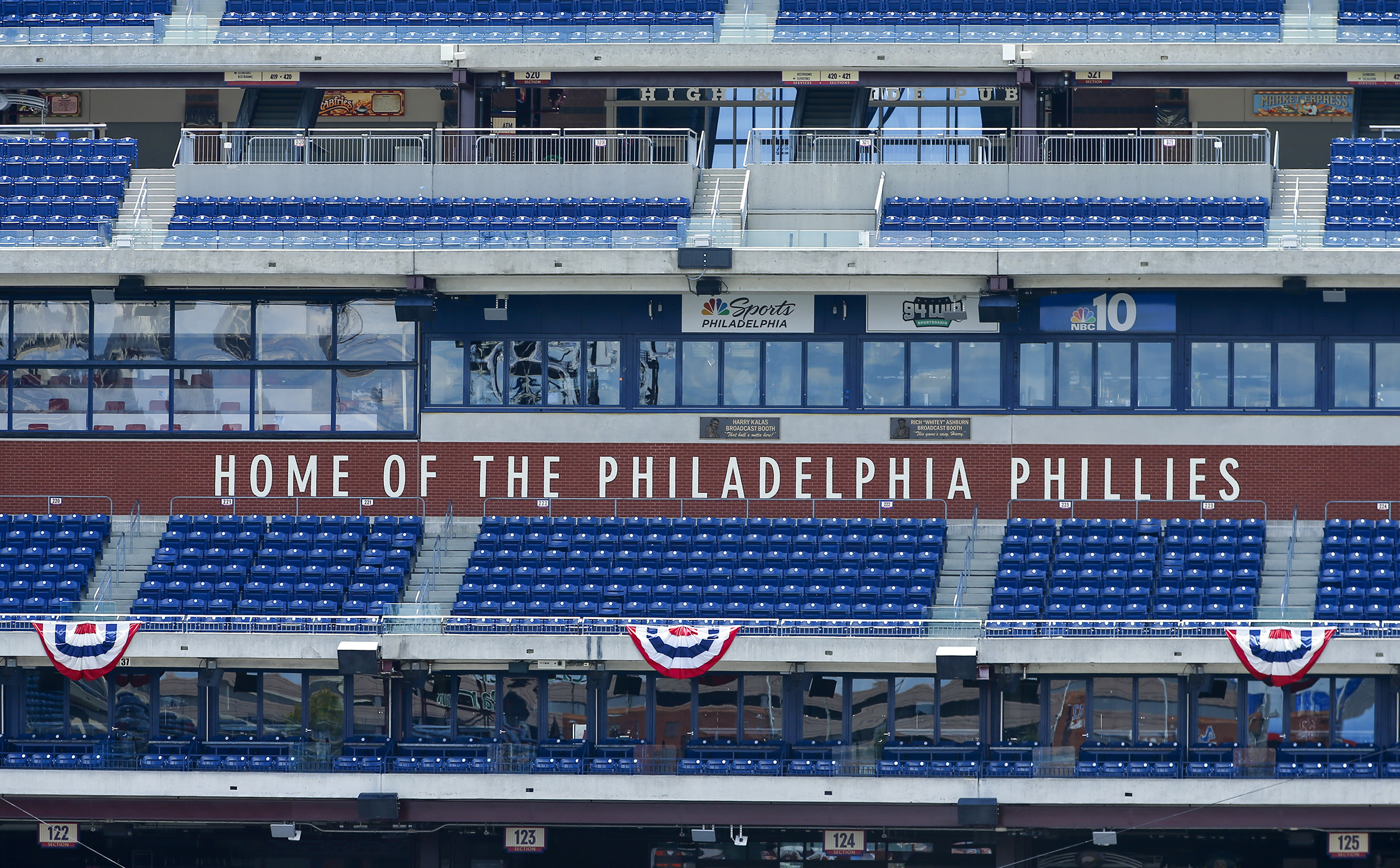
This week, we’re resurfacing an explainer from 2024 about the color choice of the Phillies ballpark seats.
Why are they blue — sapphire blue, to be exact — and not red to match the team? The reason can be traced back to the 1996 Major League Baseball All-Star Game. Here’s the full explanation.
Cheers to Chris Campolucci, who solved Thursday’s anagram: Donkey’s Place Steaks. New Jersey Gov. Mikie Sherrill said the Camden spot has better cheesesteaks than the “millions” she has tried in Philadelphia.
Here are some of your thoughts:
“Also recommended by the late Anthony Bourdain.”
“No offense to the governor, but did you see that hers was on a poppy seed kaiser roll? Heresy!”
“As a proud Philadelphian I dispute this.”
I asked The Inquirer’s cheesesteak connoisseur Tommy Rowan for his two cents. Here’s what he had to say: “It’s a good steak sandwich. It’s not a great cheesesteak.” Mic drop.
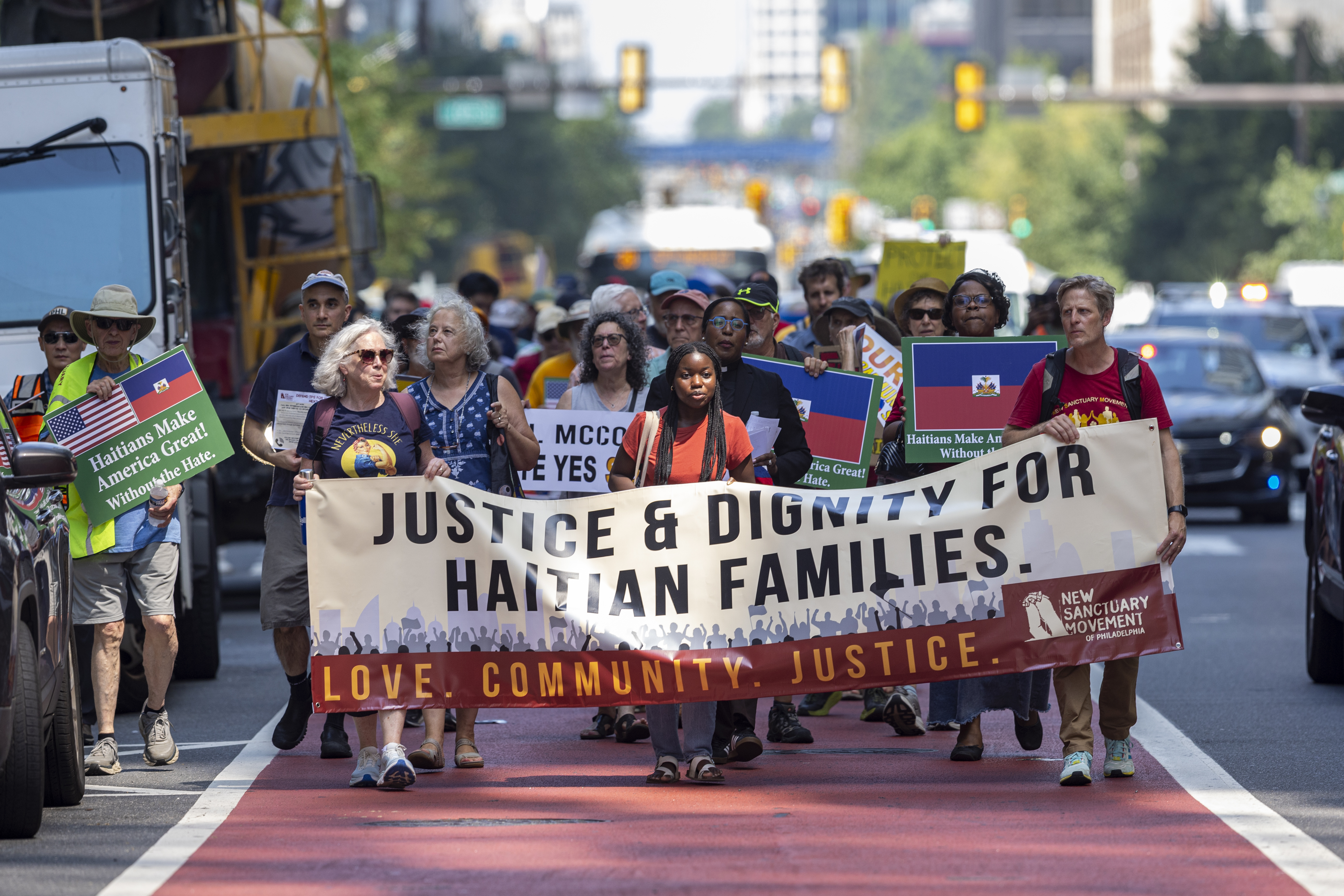
Dozens of Haitians, allies and supporters marched on Market Street to protest the elimination of Temporary Protected Status for Haitians, and to demand that Pennsylvania’s U.S. senators help restore TPS for thousands now in danger of being deported to the shattered Caribbean nation.Aidan T. Gallo / Staff Photographer
👋🏽 Thanks for starting your weekend with us. Have a great one, and take care.
By submitting your written, visual, and/or audio contributions, you agree to The Inquirer’s Terms of Use, including the grant of rights in Section 10.