Blog

  • A Bala Cynwyd native is bringing Philly pride to a ‘Vanderpump Rules’ star’s new spin-off

    A Bala Cynwyd native is bringing Philly pride to a ‘Vanderpump Rules’ star’s new spin-off

    Would you go months without talking to your bestie if they didn’t congratulate you on an Eagles win?

    Well, die-hard fan Rob Evors did. And the fallout was captured by camera crews.

    The Bala Cynwyd native stars in House of Stassi, a new Freeform and Hulu unscripted show that follows former Bravolebrity and Vanderpump Rules “It girl” Stassi Schroeder as she attempts to come back from cancellation and cement herself as the next Kris Jenner. There’s relationship and friendship drama, explosive fights and humble reconciliations, and elaborate parties — all the trappings of binge-worthy reality TV.

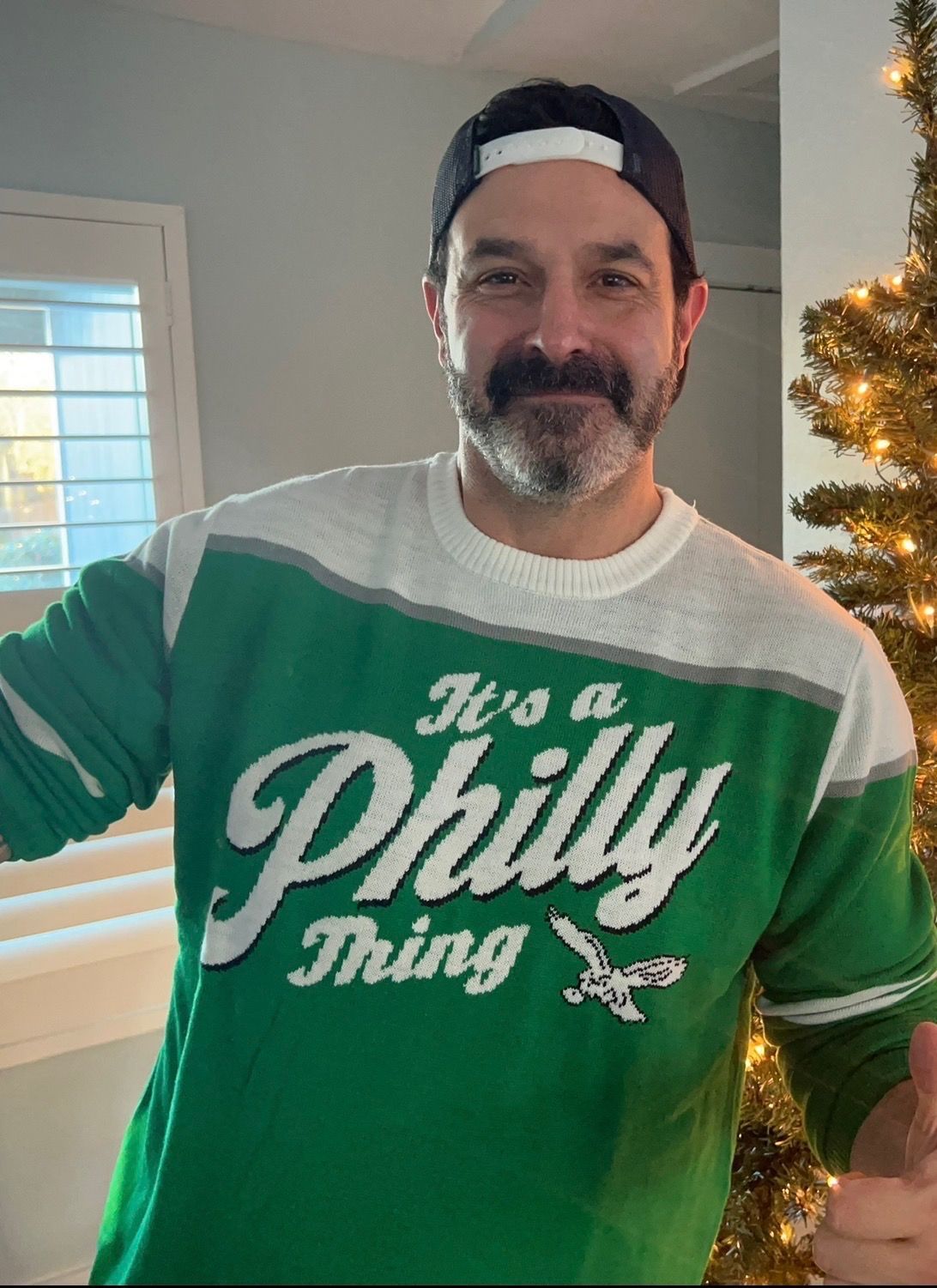
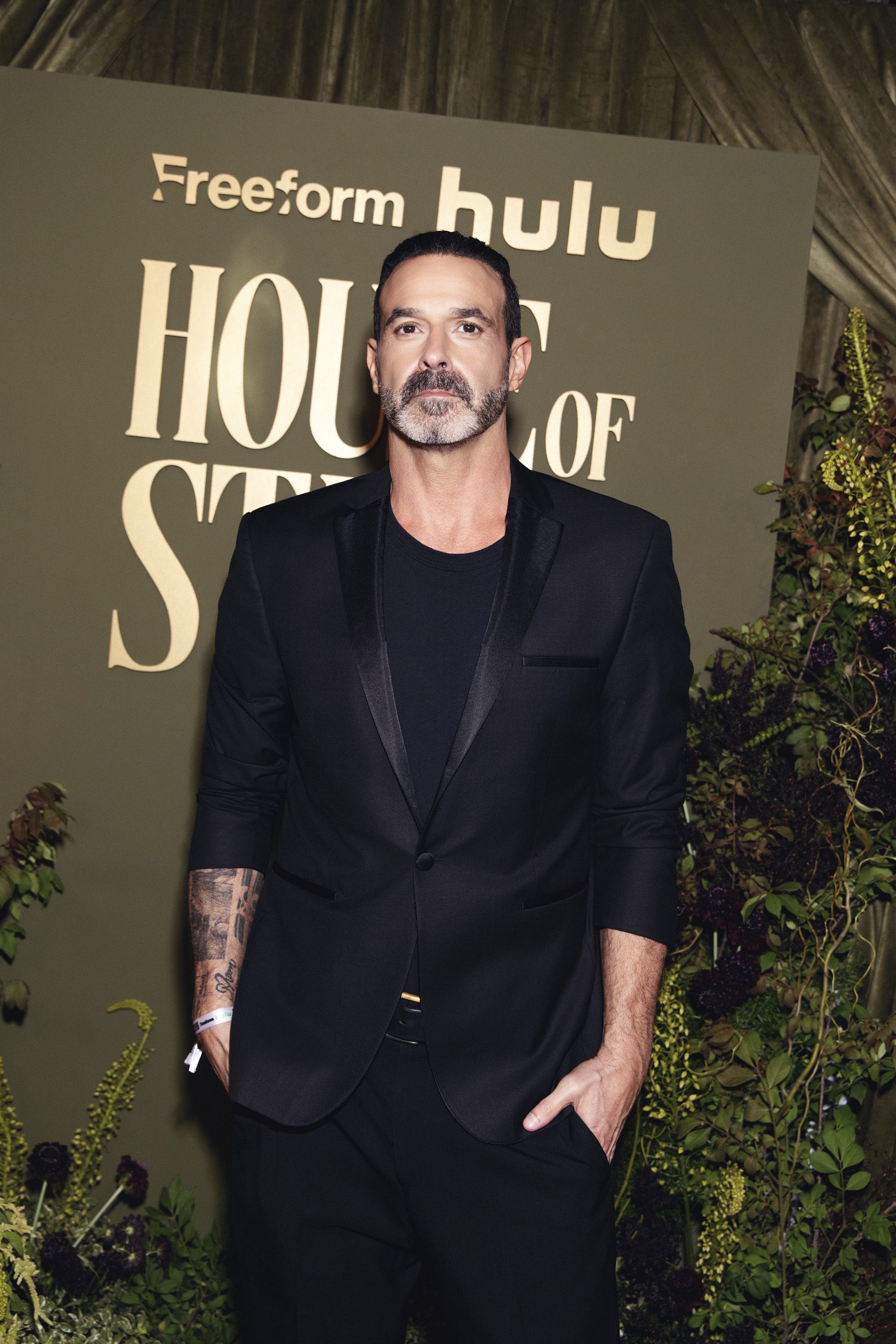
    Rob Evors is captured Tuesday, July 28, 2026 , at a cocktail party celebrating Freeform and Hulu’s “House of Stassi” in New York City.Courtesy of Disney/Arthur Gareev

    But a through line of the inaugural eight episodes is an ongoing rift between Evors and Schroeder’s husband, Beau Clark, sparked by a perceived slight against the Philadelphia Eagles.

    An exasperated Clark explained in episode two: “I haven’t talked to [Evors] in nine months because during football season, I didn’t congratulate him on his team’s wins on a couple group chats.”

    Schroeder declared, “This is not about f-ing football, and I won’t let either of them convince the world that it is.”

    What was left out, however, is that Clark, a Rams fan, actually failed to congratulate Evors — who “bleeds green” and has Boathouse Row and the Eagles logo tattooed on his arm — on the 2025 Super Bowl win.

    “It wasn’t like it was Week Six and I was like ‘you’re not texting me about my football team’ — it was winning the Super Bowl,” Evors said in a phone interview.

    “I might as well have given birth to a child and you didn’t reach out.”

    So, yeah, the snub went deeper than pigskin: Evors and Clark’s decades-long friendship has ebbed and flowed, and Evors ultimately just wanted Clark to take an interest in his life, he said. (Spoiler: The men hashed out their evolving dynamics on camera, and Evors said the duo are cordial — even after a tumultuous season finale.)

    Evors, 50, moved to Bala Cynwyd as a toddler and grew up a “stone’s throw” from City Avenue, he said. He graduated from Episcopal Academy and left the Philadelphia region for Syracuse University, eventually landing in Los Angeles to pursue acting full-time. He now lives in Austin, Texas.

    His career, however, started on the Main Line doing community theater and training at the Actors Center in Old City. Evors remembers stopping at Roy Rogers on weekly drives to New York City and eventually taking the Peter Pan Bus alone to the Big Apple for auditions; he landed a Dorney Park commercial that “paid for college.”

    Rob Evors pictured in his Philly gear.Courtesy of Rob Evors

    Reality TV is a new world for Evors, who has since racked up acting credits in scripted shows like Criminal Minds, All American, and FBI: International and the 2012 movie Project X, according to IMDb. He also won a game on Wheel of Fortune.

    House of Stassi has been among Hulu’s top-charting series since its debut. And it has been a long time coming for the show’s namesake, who was fired from Bravo’s Vanderpump Rules in 2020 for racist actions against her costar. Across eight seasons on Vanderpump — which initially chronicled the 20-something staff at the West Hollywood restaurant SUR — Schroeder became infamous for her candor, wit, “dark passenger” alter ego, and at times villainous persona. (Bucks County’s own Alex Cooper also made a cameo appearance on House of Stassi.)

    “This is real life,” Evors said of the show. “The things that pop up on that show are still real-life issues in our lives every day.

    “I call it ‘chaotic therapy.’”

  • Surprise nominees, candidate scandals scramble the battle for Congress

    Surprise nominees, candidate scandals scramble the battle for Congress

    The final stretch of primary season has scrambled the battle for Congress, as scandals, insurgent victories, and voters’ rejection of party leaders’ preferred candidates reshape a small but critical set of races.

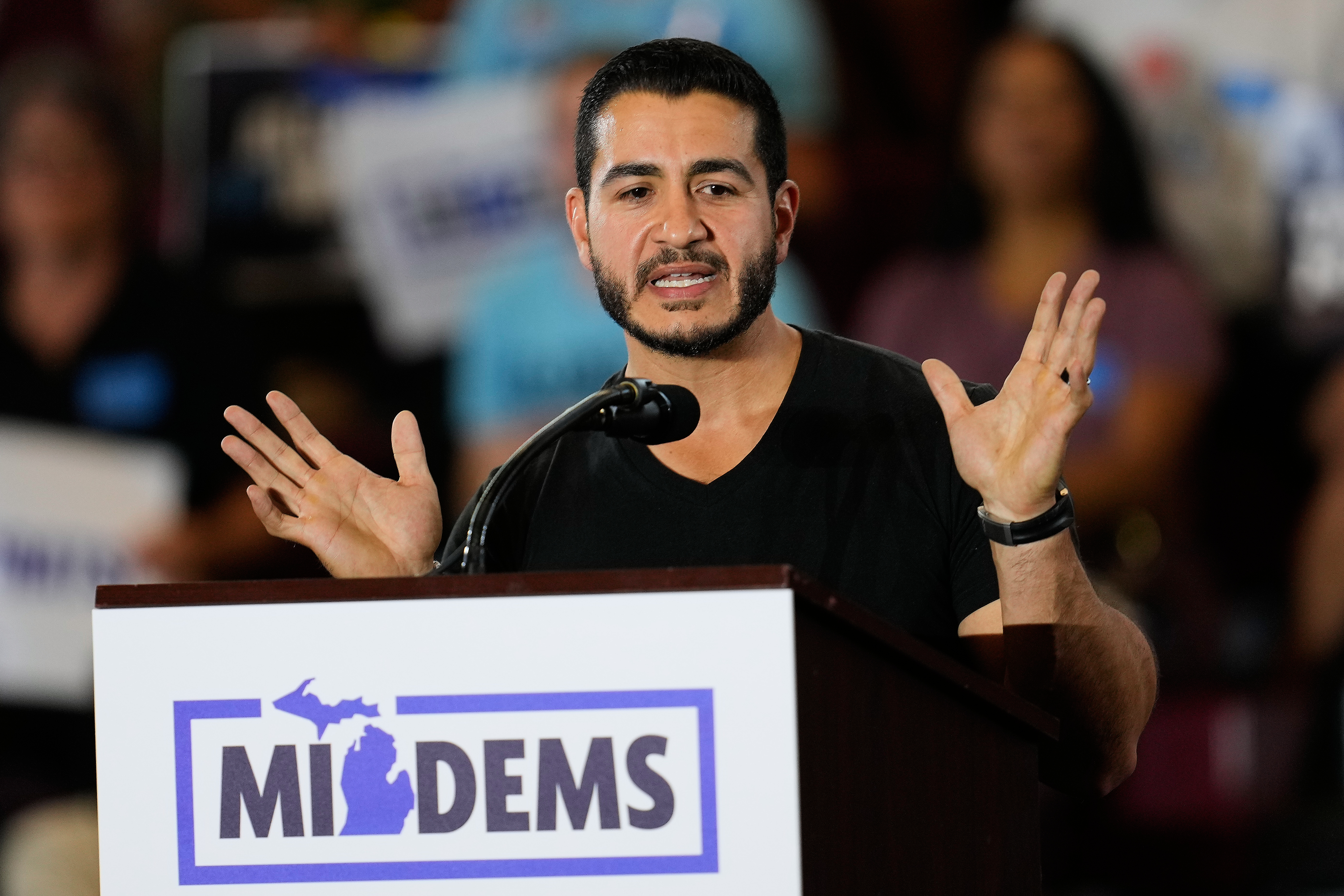
    Democrats’ path to a Senate majority narrowed with the triumph of progressive insurgent Abdul El-Sayed in Michigan, whom polls show faring worse against former Rep. Mike Rogers (R) than his primary rival. Republicans suffered their own setbacks as a Trump-endorsed congressional candidate in Michigan lost to a rival who had suspended his campaign, while misconduct allegations drove a vulnerable North Carolina incumbent from the race.

    Republicans are eager to face several Democrats they believe are too far left for their districts, while Democrats see new openings where GOP candidates have suffered from controversies. With control of Congress potentially turning on a handful of seats, both parties are betting individual candidates will matter as much as the political terrain — though operatives’ judgments about electability often prove wrong.

    “It’s really hard to tell you what the board’s going to be like,” said Democratic strategist Andrew Acosta, noting that antiestablishment fervor among grassroots organizers has made prognosticating harder for consultants and pollsters, and scandals are adding more volatility.

    For Trump, the stakes include the fate of his policy agenda for the rest of his term, as well as burdensome oversight and possibly a third impeachment. But he has taken a hands-off approach to the midterms, frustrating some Republicans who want him to help mobilize his supporters and dip into his super PAC’s $400 million war chest.

    “I said to somebody, ‘Wait a minute, you don’t understand — I won, I’m not campaigning,’” Trump said in an interview with Punchbowl News released Friday. “If I don’t run, will those people go out and vote? … Because a lot of them are very angry at Republicans.”

    Senate candidates scramble the usual map

    To win the Senate, Democrats need to defend their seats in Michigan and Georgia, pick up North Carolina and Maine, plus win in two more states that Trump won by more than 10 points in 2024 — a tall order even in a year expected to favor them.

    The latest polls show how individual candidates can defy a state’s typical partisan makeup. Democrats are currently leading in red states like Ohio, Iowa, and Texas by more than in left-leaning Michigan or Maine.

    Without Michigan, Democrats would have to win in a third state that Trump won by at least 10 points in 2024. Polls showed Rep. Haley Stevens (D., Mich.), who was endorsed by Senate Minority Leader Chuck Schumer (D., N.Y.), faring at least slightly better against Rogers than El-Sayed. But he edged her out in Tuesday’s primary by about one percentage point.

    “There’s a serious distinction, a big difference between somebody like Haley Stevens, who has far-left positions — and we would hammer her every day and litigate those positions — and somebody like Abdul,” said Alex Latcham, who runs Senate Leadership Fund, the flagship Republican super PAC in Senate races.

    Schumer, who spoke to El-Sayed on Wednesday, said in an interview that he was confident Democrats would hold Michigan. No Republican has won a Senate race there in more than three decades, and Trump is not popular there.

    El-Sayed just needs to “keep talking about jobs, talking about lower costs, talking about corruption — the same things that our candidates talk about across the country,” Schumer said.

    Texas Attorney General Ken Paxton beat incumbent Sen. John Cornyn over the objection of GOP leaders and now trails Democratic state Rep. James Talarico in most polls.

    In Maine, establishment favorite Gov. Janet Mills stalled out against Graham Platner, who later withdrew amid sexual assault allegations. The Democrats’ new nominee, Troy Jackson, is in a tight race against five-term incumbent Sen. Susan Collins (R).

    Republicans had already largely written off Georgia after no formidable challenger to Sen. Jon Ossoff (D) emerged. Their nominee, Rep. Mike Collins, trailed by 13 points in a Fox News poll conducted in late June and came under further pressure after CNN reported that his live-in son-in-law shared white supremacist and neo-Nazi content online.

    Collins disavowed those views but did not distance himself from his son-in-law. The campaign argued the race remains competitive by pointing to $60 million commitments from outside groups to help Collins.

    “Political ‘experts’ and the news media were laughingly wrong — just this week — about the competitiveness of the Senate primary in Michigan,” Collins spokesperson Corbin Keown said. “Mike Collins will beat Jon Ossoff in November, and the media will once again be left wondering how they got it so wrong.”

    The primary calendar could still reshape another Senate race. Alaska generally votes Republican, but Sen. Dan Sullivan faces a competitive race against former Rep. Mary Peltola (D), so Republicans are hoping a second candidate named Dan Sullivan does not make the top four and advance to the November ballot, where he could confuse voters and siphon off votes from the incumbent.

    House primaries create openings for both parties

    While midterms are historically tough on the sitting president’s party, Republicans moved the House map in their favor by gerrymandering additional states to eliminate blue seats and narrow the competitive field to only a couple of dozen districts. Democrats are hoping Trump’s unpopularity can push them deeper into red territory.

    The Senate result in Michigan immediately spilled into House races. Trump and other Republicans immediately moved to cast El-Sayed as a new party standard-bearer, seeking to make his progressive positions a drag on the entire Democratic ticket.

    “Michigan Democrats proved that their party has been completely taken over by the radical socialist left,” Rep. Bill Huizenga (R., Mich.) said in response to Tuesday’s results, linking El-Sayed with his own Democratic challenger, Sean McCann.

    The controversy around El-Sayed may have also hurt the Trump-endorsed candidate in Michigan’s 8th Congressional District, Amir Hassan. Republican operatives said voters may have confused him with controversial podcaster Hasan Piker, who campaigned with El-Sayed.

    Hassan lost Tuesday’s primary to another Republican named Tom Smith who raised almost no money and suspended his campaign last month. In lieu of a campaign finance report, he sent the Federal Election Commission a handwritten letter.

    Smith acknowledged his race got far less attention than the Senate contest and said his win surprised him too. In a statement Friday, he echoed national GOP attacks on left-leaning candidates, saying he and Trump-aligned Michigan Republicans would be a foil to the “failed socialist policies” of progressives like El-Sayed.

    Incumbent Rep. Kristen McDonald Rivet’s (D) campaign manager, Bobby Bennett, said the campaign didn’t see either Republican as harder to run against. The Cook Political Report rates the race as leaning Democratic.

    Voters also rejected Trump’s endorsement in Tennessee by ousting incumbent Rep. Andy Ogles. Still, national Republicans did not rue his roughly six-point loss to Charlie Hatcher on Thursday, since Ogles had faced ethics investigations and raised less money than Democrat Chaz Molder. Ogles lost much of his incumbency advantage when Republican-led redistricting replaced about 80% of the district’s voters as part of an effort to eliminate a Democratic-held Black-majority seat.

    Trump endorsed Hatcher on Friday, saying he had stuck with Ogles “even though he had virtually no chance of winning.”

    Elsewhere, both parties seized on primary results they argued had strengthened their prospects in competitive House races. Republicans cheered when national Democrats lost their preferred candidates in California’s 22nd District, where Bernie Sanders-endorsed Randy Villegas will take on incumbent Rep. David G. Valadao, and Arizona’s 1st District, where failed 2024 nominee Amish Shah beat ex-Republican Marlene Galán-Woods to take on Trump-endorsed Jay Feely.

    Democrats also acknowledged a tougher road against Rep. Tom Barrett (R., Mich.) with their nomination of William Lawrence, a progressive activist who co-founded the Sunrise Movement. “Even Democrats admit that Socialist William Lawrence is too extreme for Mid-Michigan and that he will be rejected this fall,” National Republican Congressional Committee spokesperson Zach Bannon said Thursday.

    A few consequential House primaries remain. In Florida’s primary on Aug. 18, some House Republicans are backing a challenger to Rep. Cory Mills (R), whom they view as unusually vulnerable amid a House Ethics investigation and assault allegation.

    Democrats see several Republican-held seats becoming more competitive because of scandals or candidate vulnerabilities. Rep. Max Miller (R., Ohio) faces pressure to resign over domestic abuse allegations, and Rep. Chuck Edwards (R., N.C.) dropped his reelection bid after the Ethics Committee found inappropriate conduct toward female staff. Rep. Tom Kean Jr. (R., N.J.), also drew criticism for missing almost four months of votes while struggling with depression. Cook rates Kean’s race a toss-up.

    Rep. Rob Bresnahan (R., Pa.), running in another toss-up district, is facing scrutiny over extensive stock trading after campaigning on banning the practice among lawmakers. Democrats are also bullish about flipping Texas’s 23rd District after Tony Gonzales admitted to an affair and resigned. The replacement Republican nominee, Brandon Herrera, known on YouTube as “The AK Guy,” faces San Antonio attorney Katy Padilla Stout.

    The odds of Rep. Marcy Kaptur (D., Ohio) hanging onto her seat, after Republicans redrew her district to favor them, improved in Democrats’ eyes when the GOP nomination went to former state Rep. Derek Merrin, whom she beat in 2024.

    Staffers of candidates who defeated national Democrats’ preferred contenders dismissed electability concerns and pointed to the quick postelection support of the party’s House campaign arm, a typical practice. In Maine’s 2nd Congressional District, state Auditor Matthew Dunlap defeated state Sen. Joe Baldacci, whom the Democratic Congressional Campaign Committee had included in its “Red to Blue” program. Since the primary, Dunlap’s campaign has built working relationships with the national group, spokesperson Matt Herdman said.

    “It’s going to be a difficult race, everyone knows that, but we feel like we’re on a good path,” Herdman said.

  • Water systems are ripe for cyberattacks, experts warn after suspected Iranian hacks

    Water systems are ripe for cyberattacks, experts warn after suspected Iranian hacks

    In late 2022, Microsoft detected the hack of a water system in Guam that U.S. intelligence agencies in the following months determined was orchestrated by China. The idea wasn’t new. The spy agencies had long watched as Iran targeted Israeli water systems.

    “That another nation state was doing it to us — that was unsettling,” recalled one former U.S. official, who, like several others interviewed for this story, spoke on the condition of anonymity because of the matter’s sensitivity.

    Senior U.S. officials were concerned that such intrusions could affect military bases on Guam, but also civilian water supplies, many of which were poorly protected against hacks.

    The Biden administration, alarmed by the spring 2021 ransomware attack on Colonial Pipeline, had already moved to regulate pipelines and then railroads.

    Now it wanted to move on water.

    In March 2023, the Environmental Protection Agency issued a memo to require that states work with local officials to spot weaknesses in water systems that hackers could exploit, and then develop plans to remediate them. Municipalities could apply for federal grants to help defray costs.

    But attorneys general in three Republican-led states — Arkansas, Iowa, and Missouri — sued, arguing that the memo exceeded the EPA’s authority, failed to provide for public comment, and was a financial burden on small towns. The federal appeals court for that region, seen as among the most conservative, halted the rule change. The EPA withdrew it.

    Late last month, a water utility in the western part of Arkansas, one of the states that sued, was hit with a cyberattack, part of a spate of intrusions into municipal water systems that U.S. spy agencies believe is the work of Iranian regime hackers. The campaign comes as a U.S.-launched war with Iran moves into its sixth month, with Tehran showing no sign of backing down.

    Had the EPA rule been in place, some experts say, the Arkansas utility or others like it might have been spared.

    “Shooting it down set us back,” said Gus Serino, president of I&C Secure Inc., a cybersecurity consultant on control systems, and a former engineer at the Massachusetts Water Resources Authority. “The level of effort and expense to fix these systems is not that much. It wouldn’t remove all the risk, but would certainly remove most of the low-hanging fruit.”

    The number of states affected has expanded to at least a dozen, say officials familiar with the matter, with at least 30 systems affected in Minnesota alone.

    Iran’s targeting of water systems, a trend that federal authorities first warned of months ago, and a history of failed efforts to boost water utility cybersecurity has lit a fire under some members of Congress.

    Sen. Adam Schiff (D., Calif.), the top Democrat on the water panel of the Environmental and Public Works Committee, unveiled a bill Monday explicitly authorizing the EPA to regulate water sector cybersecurity. The measure would enshrine in law what the agency tried to do by executive action three years ago: require water utilities to conduct cybersecurity assessments and require corrective actions when significant vulnerabilities are identified.

    Days before Iran began its recent campaign of hacks into water utilities, the Senate EPW committee unanimously passed a bipartisan measure that would help rural water systems mitigate cybersecurity risk.

    Industry representatives are now saying that voluntary efforts are not enough.

    The largest group representing water utilities is urging passage of a bill, sponsored by Rep. Rick Crawford (R., Ark.), that would establish an independent nongovernmental body to develop minimum cybersecurity requirements for the water sector overseen by the EPA.

    “We need minimum requirements,” said Kevin Morley, federal relations manager at the American Water Works Association (AWWA). “It’s time to step up the game.”

    The flurry of activity comes as the administration has slashed cyber specialists at the Department of Homeland Security and has not sought to renew funding for cybersecurity grants to states.

    President Donald Trump has blamed the states for the hacks, criticizing Minnesota Gov. Tim Walz (D) for a rash of attacks there, adding that he didn’t think Iran was the culprit.

    U.S. intelligence agencies are confident that Iran’s Islamic Revolutionary Guard Corps is behind the campaign, but have not made a formal attribution, in part because there is still some debate about which group within the IRGC carried out the attacks, according to two people familiar with the matter. One of the people added that there may be a reluctance to make an attribution that contradicts the president’s public remarks.

    The FBI declined to comment.

    The state of cybersecurity varies across the nation’s more than 150,000 water systems. Some municipalities, such as Cedar Rapids, Iowa, were largely insulated against the recent hacks because their systems are air-gapped, or not connected to the internet.

    “We have had multiple people recommend we tie our system to the outside world,” said Roy Hesemann, utilities director for Cedar Rapids, whose water system serves about 135,000 people and whose state was among those that sued EPA. “I’ve been adamant going back to 9/11, knowing that people were occasionally getting hacked — no, we’re not doing it.’’

    At least three states have recent laws requiring cybersecurity risk assessments for water systems: Indiana, Maryland, and New York. Authorities are unaware of any water system hacks related to the recent campaign in these three states.

    A political third rail

    The prospect of cybersecurity regulation has been a political third rail in Congress for over a decade. A major bipartisan push to enact mandatory standards for critical infrastructure in 2010 and again in 2012 blew up in the face of fierce opposition from the industry.

    Instead, voluntary frameworks and sector-specific initiatives were established, all by executive action.

    Then, in May 2021, a Russian-speaking ransomware group attacked Colonial Pipeline, forcing a multiday shutdown of one the nation’s largest fuel pipelines, causing shortages on the East Coast and panic-buying of gasoline. Ransomware cyberattacks — once considered a criminal nuisance — became a matter of national security, leading then-President Joe Biden to raise the issue with Russian President Vladimir Putin at a summit in Geneva.

    The pipeline scare spurred regulations on key sectors of critical infrastructure. Working with the Transportation Security Administration and the Coast Guard, the Biden administration added cyber requirements to existing authorities that mandate physical security of infrastructure.

    Anne Neuberger, Biden’s deputy national security adviser, convened meetings in the White House with industry executives to share threat intelligence and drive home the need for cybersecurity not just in pipelines, but airports, ports, and railroads.

    “It was a pretty sobering assessment of the bad actors and their aim to potentially disrupt critical infrastructure,” said Todd Hauptli, CEO of the American Association of Airport Executives, who attended a September 2022 meeting. “It softened the ground up for those who would react instinctively against increased regulatory efforts.”

    The approach, recalled then-TSA Administrator David Pekoske, was “providing a framework and then saying to the critical sector, ‘you come back to us with a plan,’” which was reviewed annually.

    The pipelines balked at their initial proposed rule as overly prescriptive. But a revised rule, crafted with industry feedback, allowed more flexibility to synchronize requirements across multiple agencies.

    A sign the rules are working, some experts say, is that Trump, who issued an order to slash regulations in his first month back in office, has retained the existing rules put in place by his predecessor.

    Signs of a softening

    But the U.S. water sector remained impervious to Biden’s rule push. In March 2023, the three states and industry representatives balked when the EPA issued the memo calling for cyber assessments to be added to periodic surveys of the physical security of water systems.

    “The 2023 approach was a little bit of a one-size-fits-all, top-down, no real substantive involvement from the community as to what made sense,” said Morley, of AWWA, one of the groups that sued the EPA.

    Today, there are signs of a softening.

    Iran’s recent attacks, despite the relatively low level of damage inflicted, have raised the level of urgency.

    On Wednesday, AWWA sent a letter urging lawmakers to create training programs, provide funding for cybersecurity, and support Crawford’s bill. It also wants the federal government to expand a program that dispatches technicians free to rural towns to help set up water systems and manage cybersecurity.

    Chris Harris, CEO of the nonprofit Arkansas Rural Water Association, said his group has been trying for years to educate operators on best cybersecurity practices. After news of the breaches broke last month, his group urged members to take any internet-exposed control-switch devices offline, but he is unsure how many did so.

    “A lot of people don’t take it serious until it happens to them,” Harris said. “Most people think that ‘[we’re] this little bitty 300-population town — why would Iran be concerned with us?’ They don’t realize that they’re attacking whatever they can.’’

  • Celebrating 100 years of Lawnside | Inquirer South Jersey

    Celebrating 100 years of Lawnside | Inquirer South Jersey

    Good morning, South Jersey.

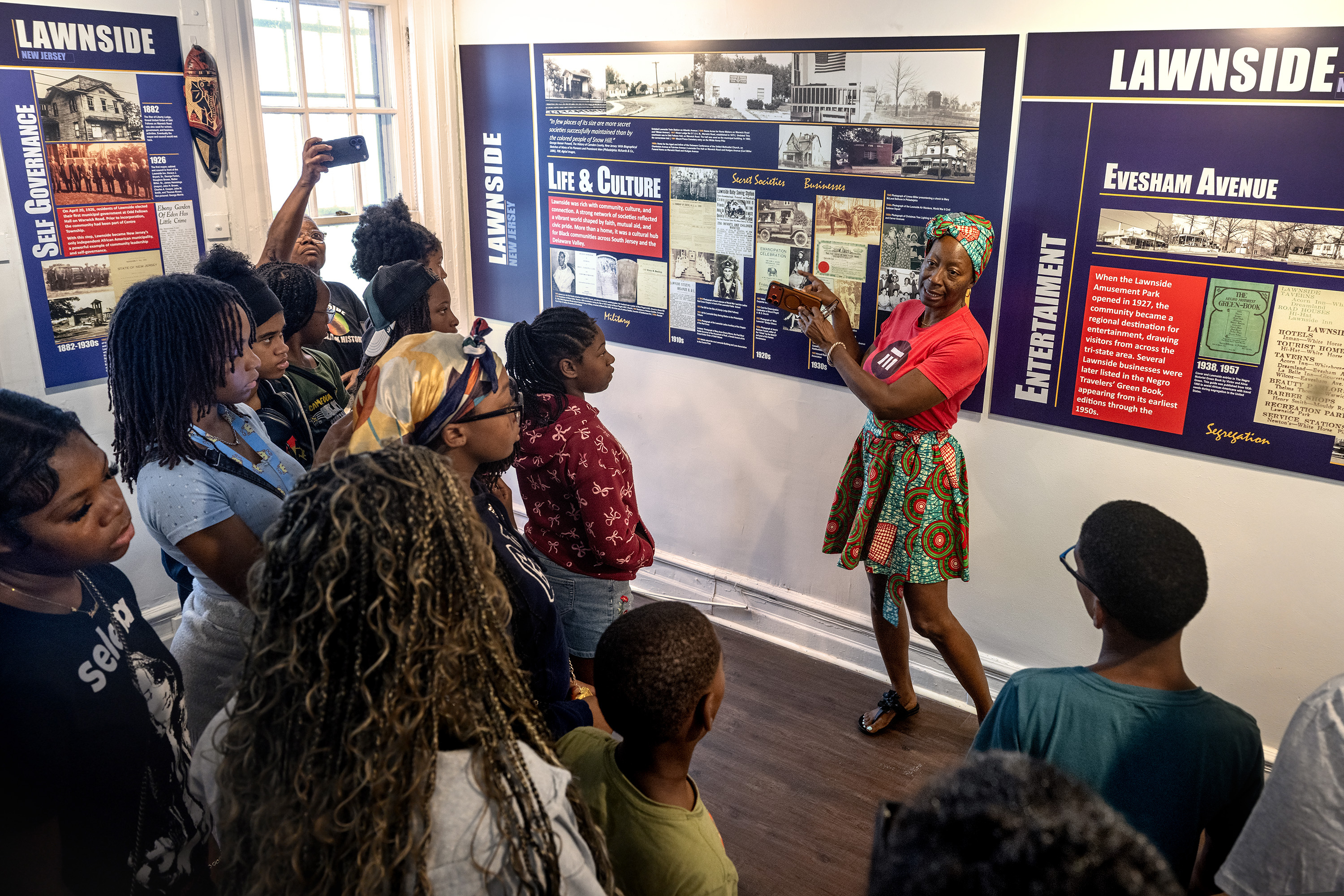
    Lawnside is embracing its history as the first incorporated African American municipality in the Northeast as it celebrates its 100th anniversary.

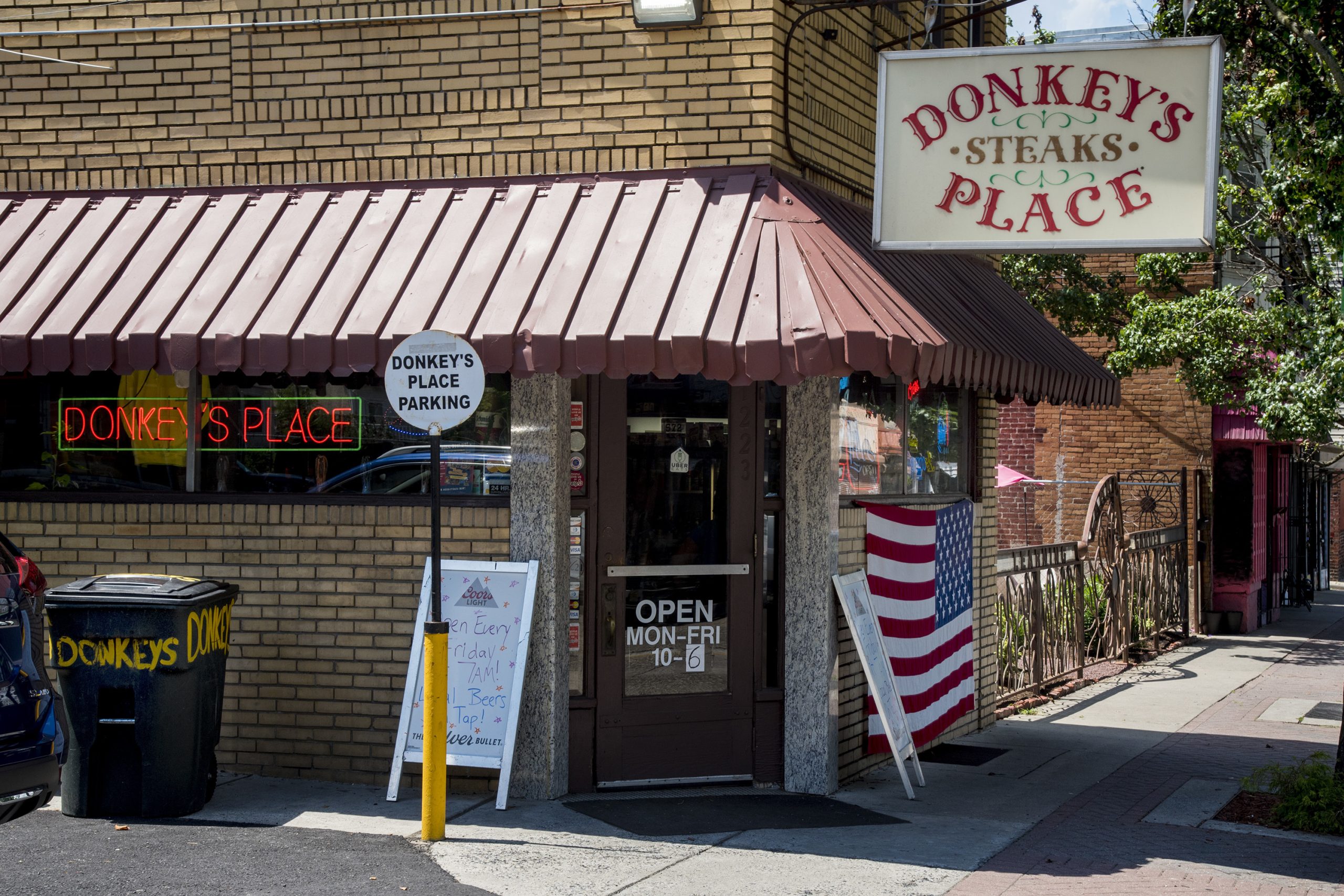
    And for more than 80 years, Donkey’s Place continues to be a longtime favorite for foodies for its cheesesteaks served on a poppy-seed kaiser roll.

    Plus, New Jersey Attorney General Jennifer Davenport announced an investigation into detainee deaths at Delaney Hall, and more news of the day.

    — Taylor Allen (southjersey@inquirer.com)

    If someone forwarded you this email, sign up for free here.

    Lawnside’s 100th incorporation anniversary

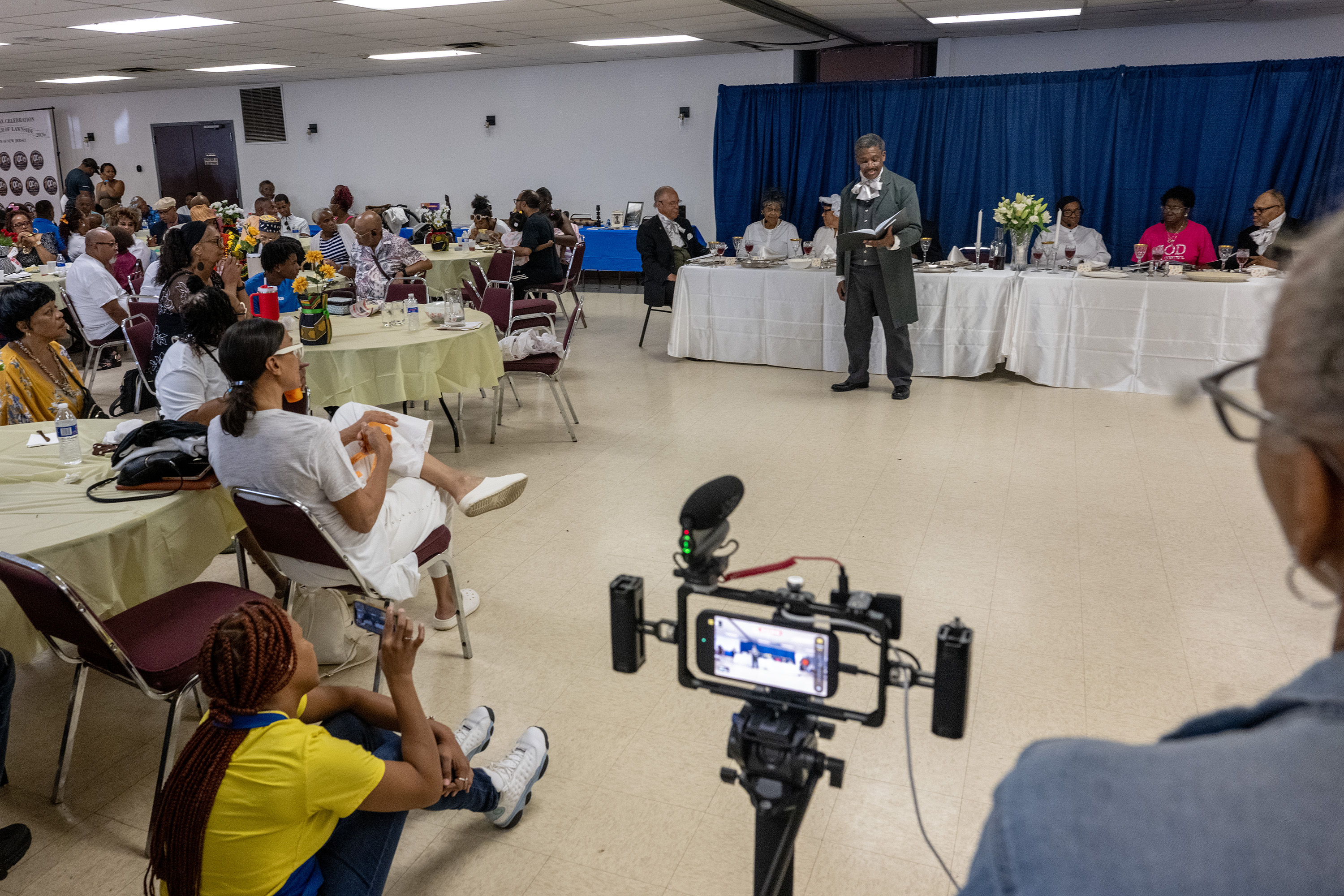
    Descendants from one of the oldest families of Lawnside, the Stills, met for their annual gathering on Sunday. And this one was particularly special.

    Nearly 200 people attended the family reunion in a tradition that began in 1870.

    And it happens that this year coincides with Lawnside celebrating 100 years of being the first Black self-governing municipality with roots dating back to the 18th century.

    After Lawnside was established, it became a cultural hub. Its churches, jazz scene, nightclubs, shops, and other gathering spaces attracted visitors from across the region.

    It’s also best known as a stop on the Underground Railroad.

    Lawnside is celebrating through various ways including a centennial celebration with various events, sermons at the second-oldest A.M.E. church in the state, and history lessons.

    The Inquirer’s Melanie Burney has the story.

    Donkey’s: The cheesesteak staple in Camden

    Since 1943, Donkey’s Place in Camden has a been point of pride for South Jersey.

    Donkey’s cheesesteak — donned with fried onions and American cheese on a poppy seed kaiser roll — is legendary. Chef Anthony Bourdain stopped by for his Parts Unknown show in 2015 and gushed with praise, such as calling it “sublime” and “unbelievably good.”

    Founded by Olympic boxer Leon “Donkey” Lucas nearly 80 years ago, it’s still family-owned and is run by Rob Lucas Jr., the third-generation owner and grandson of Leon.

    But why a seeded roll?

    Read more to learn Lucas Jr.’s theory and hear from old and new customers about the success of the sandwich.

    Plus: New Jersey Gov. Mikie Sherrill recently posted about Donkey’s and said it has better cheesesteaks than the “millions” she’s tried in Philadelphia.

    What to know today

    • AG Davenport announced on Friday that her office’s civil rights division is investigating the operation of the Delaney Hall ICE facility in Newark after multiple detainees died at the detention center.
    • According to the New York Times, the person behind the botched renovation of the Lincoln Memorial Reflecting Pool in Washington is the manager at President Donald Trump’s golf club in Bedminster.
    • A man was fatally shot after an hours-long standoff with police in a home in Millville on Thursday, according to the New Jersey Attorney General’s Office. There is an ongoing investigation.
    • Celebrated South Jersey teacher, singer, and poet of Cherry Hill Betty J. Wilson died of cancer at 92 at her home. The longtime educator was a two-time president of the Mount Laurel Teachers Association and taught elementary school students in Bordentown, Bridgeton, and Mount Laurel.
    • Two South Jersey towns were targeted in a nationwide cyberattack on local water agencies. Officials of Cape May and Woodbine confirmed they were hacked on July 27. Officials say both systems were impacted for about 12 hours, but water never stopped running and remained safe to consume. Both also said no personal data or customer information were compromised.
    • The $220 million project to restore the Commodore Barry Bridge which links Delaware and Gloucester Counties is underway. It’s also causing traffic jams this summer with one lane open in each direction from 7 p.m. to 5 a.m., as well as residual morning delays.

    🧠 Trivia time

    Adam Weiner is the front man of the rock and soul band, Low Cut Connie.

    Where in South Jersey did he grow up?

    A) Pitman

    B) Westville

    C) Bordentown

    D) Cherry Hill

    Think you know? Check your answer.

    What we’re …

    🎧 Listening to: Our Songs of Summer playlist.

    🍫 Craving: Chocolates from Duffy’s in Gloucester City.

    🧩 Playing: The latest version of our weekly word puzzle, Pillars.

    📬 Your South Jersey view

    A sunny Friday afternoon at Cooper River Park in Pennsauken.Taylor Allen

    I didn’t stay out too long because of the heat last week, but it was still worth it to get a chance to be outside and sit near the water.

    What does your community look like? What South Jersey memory would you like to share? Submit a photo and/or a brief description for a chance to be featured in the Monday edition of this newsletter.

    🗞️ What other South Jersey residents are reading

    I hope you have a fantastic start to your week. I’ll see you tomorrow. 👋🏽

    By submitting your written, visual, and/or audio contributions, you agree to The Inquirer’s Terms of Use, including the grant of rights in Section 10.

  • How children, good lyrics, and love brought me around to country (ish) music

    How children, good lyrics, and love brought me around to country (ish) music

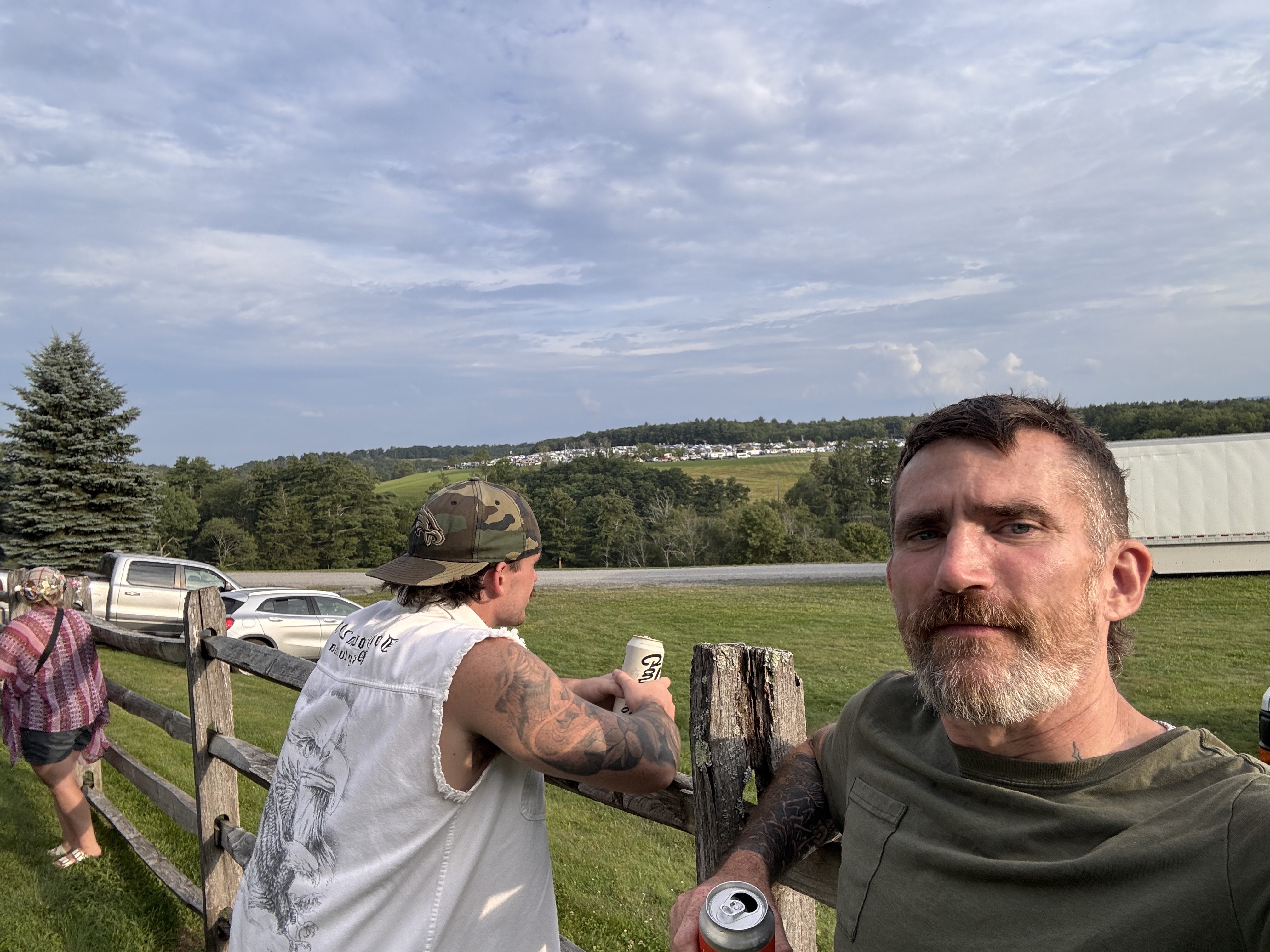
    My son and I sat on the tailgate of his truck on a recent summer afternoon, sipping beers and looking out at the crowd filling up the fields at the site of the original Woodstock.

    He was shirtless in jeans and cowboy boots and a camo Eagles hat. Other trucks filled the spaces around us, but Subarus and Toyota Priuses rolled in, too. I saw an Arthur Russell bumper sticker on one truck and smiled, a man in a Primus shirt by another, not to mention hundreds of people, of all ages, I’d guess were major Phish fans.

    “I don’t know,” I told my son. “This doesn’t look like a country music crowd.”

    “Billy’s not country,” he replied.

    About an hour later, Nashville musician Billy Strings was deep into a brain-melting jam, fingerpicking his Martin acoustic guitar for about 15,000 people at the Bethel Woods Center for the Arts in New York. Mandolin, banjo, upright bass, and fiddle filled in around him, and I flashed back to a similar, much smaller jam I saw atop a Tennessee mountain years ago.

    “I don’t know anything about music,” I said to myself as Billy blistered on.

    Ronan (left) and Jason Nark tailgating at the Billy Strings show in Bethel, N.Y.Jason Nark

    People told me as much, way back in 2013, when I wrote a story for the Daily News about the rise of country music in the Philadelphia area and how it baffled me.

    I was — forgive me — snarky.

    “There’s plenty of songs about booze or guns or bonfires or getting muddy with carefree girls. Often, it’s a combination of all those things in one song, and America eats it up,” I wrote.

    Rereading the piece now, in 2026, it’s not as bad as I remembered. I interviewed experts, fans, and radio personalities, and let them have their say.

    “It’s mainstream. It’s rock ‘n’ roll now; it’s not that old twangy country people think of. It’s music people can understand and relate to,” one fan told me back then, during WXTU’s 29th anniversary concert in Camden.

    Still, a few people came for me online.

    Former conservative talk show host Chris Stigall brought me on his Philadelphia-based show, and I knew I was in trouble. I can’t find a recording, but I recall him calling me an “elitist” or “smug,” and he may have laughed when I told him my favorite band was Black Sabbath.

    I took that same son, a middle-schooler back then, to see Sabbath in Philly that very year. Friends were hitting up Toby Keith and Kenny Chesney shows at the time, though, asking me to tag along. I was still very much listening to metal and indie rock, bands like Built to Spill, who I’ve seen live about two dozen times. I held fast.

    “What’s next?” I wondered. “Jimmy Buffett?”

    Ronan and Jason Nark at an Iron Maiden show in Camden in 2012.Jason Nark

    But then a few things happened that changed me, life events that cut me down a bit: my best friend died, I got divorced, and some of my snark just faded away. I was also sent out into rural Pennsylvania after the 2016 election to get a better understanding of the state for The Inquirer. I wrote about deer urine farmers, demolition derbies, transgender women, immigrant families, terrible internet service, the Amish, and even an elderly yodeler.

    I spent a lot of time driving, my radio scanning from country to Christian, and interviewed Pennsylvanians in barns, old coal towns, campgrounds, and general stores. Many of these people had different concerns, backgrounds, musical tastes, and voting records than most Philadelphians. The more time I spent with them, the harder it was to label anyone, anywhere.

    I also met my second wife, who was from Chattanooga, Tenn., around that time too, and she introduced me to a South I didn’t know. During one early visit to her hometown, she took me to the Mountain Opry, a little community hall atop Signal Mountain where they served popcorn and soda. The tiny show, with artists as talented as Billy Strings, felt like a treasure she gifted me, and I remain grateful for that.

    We went to an Austin honky-tonk together too, where I may have hooted and hollered when the Beaumonts played their raunchy songs. Later, in 2019, we danced to Chris Stapleton in a former church in downtown Chattanooga at our wedding. I still have “Rocky Top” in my running playlist.

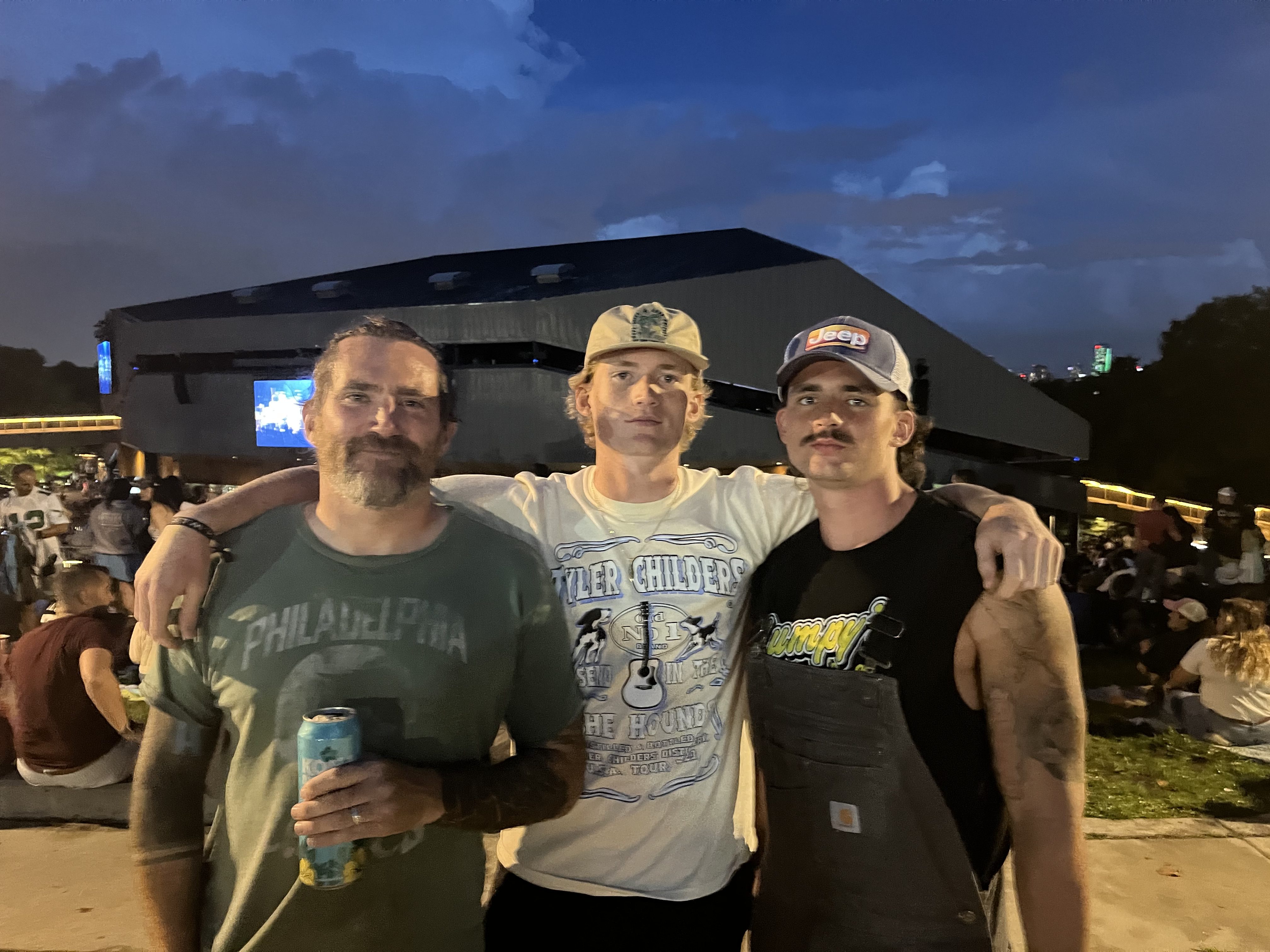
    The author with his sons, Zenon and Ronan, at the Tyler Childers show in Philadelphia in 2023.Jason Nark

    During all this time, I thought about that 2013 story I wrote, with growing regret.

    My children finally tipped the scales when they got to high school and became adults, and some of the lyrics coming out of their speakers began to catch me off guard, artists like Lost Dog Street Band and Zach Bryan. I went looking for more and found Sierra Ferrell, Sturgill Simpson, Lydia Loveless, and Margo Cilker.

    Was it country? Americana? Folk? Bluegrass? Who cares, I’m a fan of whatever it is, and now, as I hover close to 50, I couldn’t care less about who listens to what.

    When I went to see Tyler Childers at the Highmark Mann Center for the Performing Arts, I was surprised to see how young the crowd was and remembered, fondly, getting busted for underage drinking there at a Metallica, Danzig, and Suicidal Tendencies show decades earlier.

    Billy Strings Alysse Gafkjen

    Fast-forward a few years, and my son and I were camping along the Delaware River, fishing and eating kielbasa, ahead of the Billy Strings show. I hadn’t heard of Strings before I visited the Martin factory in Northeastern Pennsylvania last year, but my son is a devotee, and I’d dragged him to metal shows as a kid, and even a jazz show in Philly last year.

    “It sounds like everyone in the band is playing a different song,” he said about the jazz.

    From quick listens, I assumed Billy Strings was playing country music, but my son was right. It’s something different, something I don’t need to label. I’ve seen Strings described as psychedelic or “jamgrass,” and they both sound fine to me. The crowd — he sold out two nights at Bethel — was losing its mind, twirling around for hours on the grass like at the original Woodstock on the grounds, back in 1969.

    We drove back to the campground with smiles stuck to our faces.

    Later, when I got home, I learned Strings grew up in Michigan, in a household full of bluegrass and heavy metal. One of his favorite bands, it turns out, was Black Sabbath, just like me: further proof that we can like what we like, without labels.

  • Gov. Josh Shapiro should fast-track admissions decisions for students unenrolled by Howard

    Gov. Josh Shapiro should fast-track admissions decisions for students unenrolled by Howard

    Maryland Gov. Wes Moore has offered expedited admissions decisions to state-run colleges for incoming freshmen who were abruptly unenrolled by Howard University, as has New York Gov. Kathy Hochul. Pennsylvania Gov. Josh Shapiro should follow suit.

    This could be a win-win situation for both the students and the Keystone State.

    Everyone who knows me recognizes how much I love Howard, which is my alma mater. To call the four years I spent on the campus in Washington, D.C., life-changing would be an understatement. It was the former leader of HU’s journalism department, Lawrence Kaggwa, who set me on my career path, informing me that I was going to work in the newspaper industry.

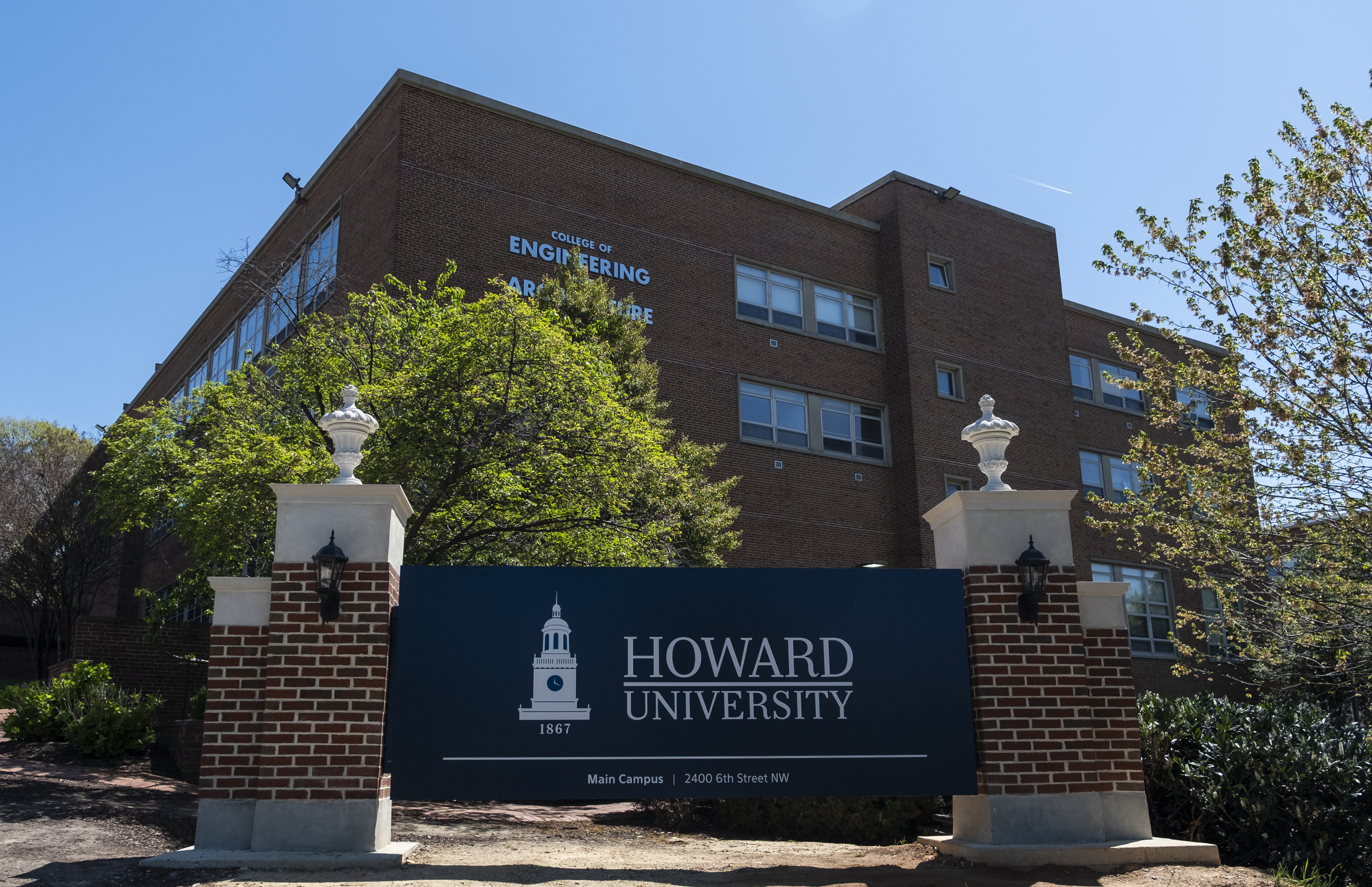
    But I can’t defend Howard’s unceremonious unenrolling of 502 incoming freshmen just weeks before classes start Aug. 17 because they missed a payment deadline last month.

    The first-time college students — some in tears — responded by posting videos on social media about their plight. They were hard to watch. Some went viral and even made the national news.

    School officials defended what happened, saying payment notices had been going out since March about deadlines and enrollment requirements. Some students said they didn’t get them, or else received a notification on the same day their bill was due.

    Nikiyah Clark told ABC News, “I was so scared because Howard University is my dream school, like, my grandma went there.” She hopped on a bus from Fairport Harbor, Ohio, to D.C. to advocate for herself in person. It paid off, because she has been reinstated into Howard’s first-year class.

    But now Clark faces perhaps an even bigger hurdle: paying for tuition. Tuition plus room and board is $66,000, according to Howard’s website.

    HU’s interim president, Wayne A.I. Frederick, called for an internal investigation into what went wrong, but it’s going to take a lot more than that to heal the damage to the school’s reputation.

    “If another school in the city said that things had to be paid at a certain point, I think people would do that,” he told the Washington Post. “Nobody would make a fuss about the fact that somebody was suggesting a bill be paid on time.”

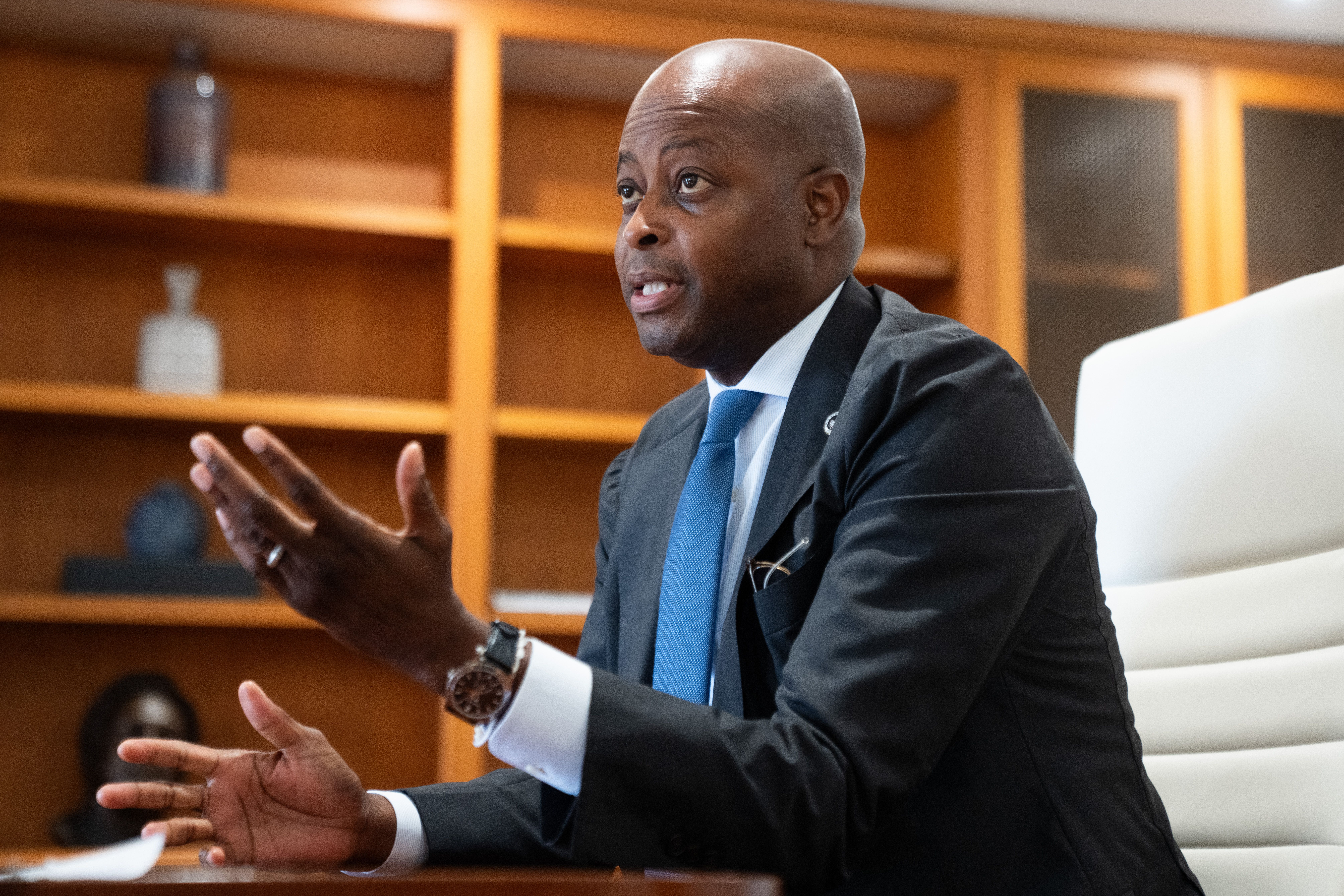
    Howard University interim president Wayne A. I. Frederick sits for an interview July 29.Allison Robbert

    And the fact is, HU needs the money. Trump administration officials ended a series of annual payments meant to support the construction of the university’s new hospital. That move resulted in a cut to the historically Black college or university’s (HBCU) annual federal appropriation for the current fiscal year of about $64 million, or more than 20%. The Chronicle of Higher Education reported on Thursday that HU has offered buyouts to 600 employees.

    Still, that’s no excuse for how the first-time college students were treated. We expect more of institutions like Howard, which was founded in 1867 to educate newly emancipated Black Americans.

    “HBCUs are known for being nurturing and family environments,” said Marybeth Gasman, who runs the Rutgers Center for Minority Serving Institutions. “That’s why this comes off as being kind of shocking to parents and students and some alumni, and some people in the HBCU community and beyond.”

    As I pointed out earlier, expediting admissions here could be a real win-win both for the students unenrolled from Howard and Pennsylvania’s state colleges and universities. Incoming freshmen could further their educations, and state institutions — which have struggled with diversifying their student bodies and declining enrollments — can take a step toward changing those narratives.

    No matter what President Donald Trump would have you believe, diversity matters.

    “In higher education, we do a better job as teachers and as researchers when we work in a diverse environment,” David Oppenheimer, a leading scholar on issues of discrimination and equality, told InsideHigherEd.com earlier this year.

    Oppenheimer, who is the author of The Diversity Principle, added: “Students learn more. In a science lab, scientists make more significant discoveries when the scientists working in the lab are diverse. It’s a real thing. It’s not just a psychological argument.”

    Following all of the public outcry, Howard has readmitted more than 200 of the freshmen who had been dropped, but it’s unclear what all of the other students will do.

    Shapiro should recognize that there’s a real opportunity here — and that Pennsylvania should take advantage of it.

  • Philly just shifted its rules for how kids with disabilities can get into special admissions schools. A lawsuit threat prompted the change.

    Philly just shifted its rules for how kids with disabilities can get into special admissions schools. A lawsuit threat prompted the change.

    The Philadelphia School District is changing a policy that effectively barred some qualified students with disabilities from gaining admission into certain magnet schools.

    But it did so only after a Philadelphia family — whose child with disabilities was not admitted to a school for which they met academic criteria — notified the district that it intended to sue over the old policy under the Americans with Disabilities Act.

    The school system’s policy has traditionally worked this way: Students are eligible to apply for admission to up to five of the 37 district schools for which they meet academic, behavioral, and attendance criteria.

    Because of a long-ago agreement resulting from another legal challenge, students with disabilities who meet two of the three criteria for a certain school could request an individualized review, known in the system as the LeGare process, to determine if they could succeed at that school if provided with reasonable accommodations.

    If a review panel judged the child eligible, the child entered the lottery for that school, but was required to waive their rights to enter lotteries for any schools where they met all three criteria.

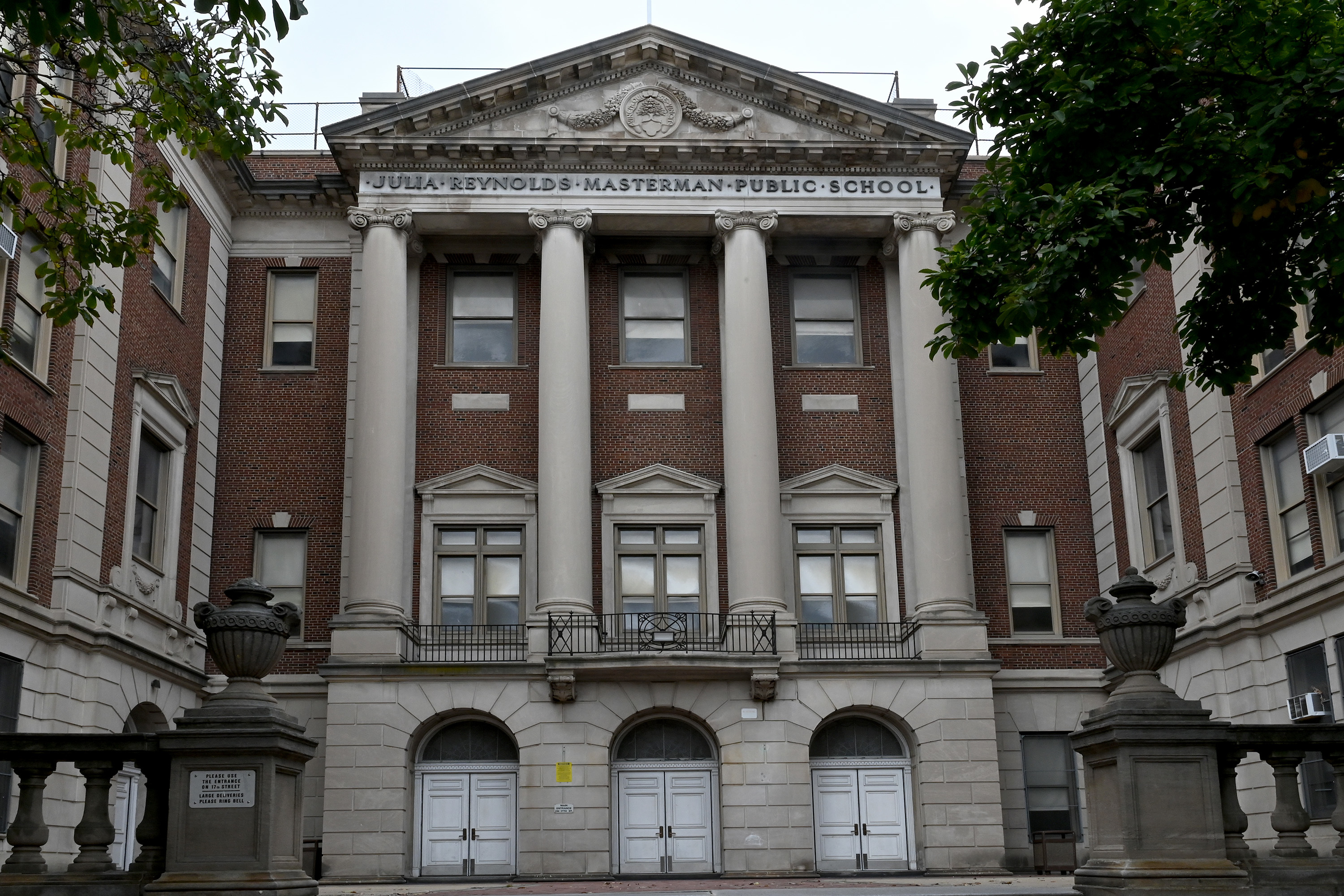
    That is: If a student meets entry requirements for the Philadelphia High School for Girls but only two out of three requirements for Masterman, they could opt for an individualized review for their Masterman application — but only if they gave up the right to be considered for Girls’ High.

    If their Masterman application failed, Girls’ High was off the table.

    Dan Urevick-Ackesberg, an attorney with the Public Interest Law Center, which represented the family that threatened to sue the district this year, in a statement, called it the “double bind,” and said the district for years punished children with disabilities for asking for accommodations they were legally guaranteed.

    Exact numbers are not known, but it’s expected the change will affect hundreds of Philadelphia students annually. The application process for the 2027-28 school year is expected to open sometime this fall, though the district has not yet announced a date.

    Far-reaching impact

    The parent who threatened the lawsuit said when they heard about the policy, they thought they must be an oversight.

    “But the district doubled down” when they inquired about it, the parent said in a statement. The Inquirer is not naming the parent, child, or school to keep the child’s identity private. “It felt punitive.”

    With no other option, the child moved through the admissions process for the school to which they met two out of three academic criteria, but was denied admission in the review process.

    Because they had to forego applications to other criteria-based schools for which they did meet requirements, the student was out of luck.

    “The painful either-or of the policy effectively ruined my child’s eighth-grade year and has far-reaching impacts on their academic confidence, self-esteem, and social experience,” the parent said.

    When the Law Center notified the district of its intent to sue, the district asked to enter settlement negotiations, and agreed to change the policy.

    Going forward, students who are English learners or those with disabilities — either those with individualized education plans or 504 plans — will be able to apply for magnet schools for which they meet criteria and those for which they meet two out of three criteria.

    There will be no penalty for asking for an individualized review. Students will not need to waive their applications to schools for which they meet criteria.

    “I am beyond relieved that this awful policy has been ended,” said the parent whose lawsuit threat prompted the change. “The district should want to have engaged and talented students with disabilities in our top schools, not push them out.”

    Urevick-Acklesberg said the policy change means that “one small barrier is down” to students receiving the free, appropriate public education that’s their right under federal law.

    The district can still change its school selection process

    The new individualized review policy is an appeal process, not a first-line application, and does not guarantee students’ admission into any school.

    The agreement “does not prevent the district from modifying its school selection process, including individualized reviews, or eligibility criteria, nor does it require the district to maintain its current processes for any set period of time,” it reads. “However, to the extent the district’s school selection process continues to allow students to apply to more than one school, the district will provide a mechanism for the subject students to apply to a school where they meet the then applicable criteria, and to additionally seek review of their eligibility where they do not.”

    The district also announced other changes to the process earlier last week, including:

    • Changing the zip codes for preferential admission to Masterman, Central, Carver High School for Engineering and Science, and the Academy at Palumbo: 19132, 19133, 19135, 19138, 19140, or 19141. New to the list are 19138 — Germantown — and 19141 — sections of North Philadelphia including Logan and East Oak Lane. No longer on the preference list are 19121 — parts of North Philadelphia including Brewerytown and Sharswood — and 19136, Holmesburg and Torresdale. The zip codes chosen for preference are the most underserved at the four magnet schools.
    • Limiting the grades that count toward a student’s GPA for admission to magnets. Now, just English, math, and science grades are counted. Social studies grades also used to count.
    • Granting preference for kindergarten admission to students who attend prekindergarten at the school to which they’re applying.
    • Granting preference for career and technical education program admissions to students who participate in a district CTE summer program.
  • 🧑‍💻 AI in the workforce | Morning Newsletter

    Good morning, Philly! Happy Monday. Be prepared for a hot one today with highs expected to be in the 90s.

    In 2024, Pennsylvania became the first state in the nation to enter into an agreement with OpenAI. State officials stress that the AI tools improve efficiency without cutting jobs.

    Villanova spent more than $100 million on upgrades to the former Cabrini University campus, where half of its sophomores will live this fall and more than 2,000 students will take classes.

    Plus, a father is searching for answers after lawyers say a police pursuit of an ATV ended in his son’s death, and more news of the day.

    — Sam Stewart (morningnewsletter@inquirer.com)

    If someone forwarded you this email, sign up for free here.

    A first-of-its-kind pilot

    When Pennsylvania announced plans in 2024 for a first-of-its-kind generative artificial intelligence pilot program with the tech giant OpenAI, the head of the state workers’ union approached state officials about entering into an agreement to provide its members with job protections.

    The state agreed to talk, which led to a deal. Gov. Josh Shapiro published a public letter outlining commitments to employees amid the rising popularity of AI use, and the union reached a separate agreement with the state, establishing protections for its members.

    Today, Pennsylvania state employees use AI for a range of functions but focus on relatively basic tasks: deciphering handwritten clemency applications, scanning documents, and triaging customer service requests.

    Some experts say generative AI can serve as an important resource to deliver public services to constituents. But to do this best, they say, governments should first find friction points and inefficiencies in their operations and then determine if the technology can help.

    🎓 A new era for ‘Nova

    The former Cabrini University campus has undergone a more than $100 million, Villanova-fueled rebirth, and students will begin attending classes and living there this month.

    The Radnor Township campus once in dire need of maintenance sports a fresh look, including new light poles, landscaping, painting, furniture, boilers, roof repairs, an operating fountain, pickleball courts, and restored architectural flourishes, in addition to upgraded educational technology for classrooms.

    It is all part of Villanova’s effort to make the 112-acre campus that it acquired from the shuttered Cabrini look and feel decidedly Villanovan. The campus has been closed for the last two years for the planning and upgrades.

    Notable quote: “It’s always been a beautiful campus, but it looks very Villanova now. […] You can feel the change. Everything is just done to perfection.”

    What you should know today

    • The father of a Philadelphia man who was killed in an ATV crash in the spring said police officers pursued his son moments before he drove the wrong way on a one-way street, ran a red light, and collided with a sedan. The father has since hired a team of attorneys to investigate the incident. The father has alleged that the chase may have been unconstitutional.
    • A double shooting left one man dead and another wounded early Sunday in the Ludlow section of North Philadelphia, according to Philadelphia police.
    • The Philadelphia School District is changing a policy that effectively barred some qualified students with disabilities from gaining admission into certain magnet schools. But it did so only after a local family notified the district that it intended to sue over the old policy under the Americans with Disabilities Act.
    • Haverford College has agreed to form an antisemitism committee and enact policies supporting Jewish, Israeli, and Zionist students as part of a settlement of a suit filed during a wave of protests against the Israel-Gaza war.
    • Oxford officials are inching closer to disbanding the borough’s century-old police department and joining a regional law enforcement agency, as increasing costs of maintaining the local force have outpaced revenue. But the plan has prompted worries from some residents.

    Quote of the day

    Linden Curhart lives with his wife, and his husband, and his partner, in a six-person polycule in Philadelphia. The polycule — the textbook term for a group involved in polyamory together — shares costs, and meets weekly to discuss chores and meals. They’ve lived collectively for two years.

    🧠 Trivia time

    Phillies fans have redefined what’s considered acceptable ballpark food. The Inquirer recently spoke to fans about the most outlandish things they’ve brought to the ballpark.

    Which of these foods have not been brought to the ballpark, according to our readers?

    A) Fresh mussels

    B) Oysters tucked inside hoagie rolls

    C) Hard-boiled eggs

    D) These have all been brought to the ballpark

    Think you know? Check your answer.

    What we’re…

    🥖 Learning: Angelo’s wasn’t the first cheesesteak shop to innovate and use seeded rolls. It was actually Donkey’s Place in Camden.

    🎸 Rocking out to: A Philly band that’s providing the soundtrack for a recreational kickball league. The band jams out from an apartment window, and the kickball players listening below “feel famous.”

    🎨 Loving: Artwork gifted to Tyrese Maxey that depicts him as Spider-Man. Maxey is known as a Marvel superfan.

    🧩 Unscramble the anagram

    Hint: Eagles’ five-time All-Pro tackle

    JONAH NOLENS

    Email us if you know the answer. We’ll select a reader at random to shout out here.

    Cheers to Harry Whalen, who solved Sunday’s anagram: The Bourse. A lender wants to force the sale of the building on Independence Mall after work ground to a halt on a hotel development.

    Photo of the day

    Former Phillies second baseman Chase Utley before the Phillies played the Toronto Blue Jays on Saturday, Aug. 8, 2026 in Philadelphia.Yong Kim / Staff Photographer

    ⚾ One more thing: Chase Utley’s path to the Phillies Wall of Fame, an honor he received on Aug. 7, was forged with hours in the video room. He spent hours before and after games in that room to find any advantage.

    📬 Your ‘only in Philly’ story

    Think back to the night that changed your life that could only happen in Philly, a true example of the Philly spirit, the time you finally felt like you belonged in Philly if you’re not a lifer, something that made you fall in love with Philly all over again — or proud to be from here if you are. Then email it to us for a chance to be featured in the Monday edition of this newsletter.

    This “only in Philly” story comes from reader Michael Leibrandt, who describes a night to remember at the Palestra:

    Six years after Kobe Bryant electrified The Palestra with a 39-point performance against Chester High School, young sensation LeBron James arrived in Philadelphia with St. Vincent-St. Mary’s of Ohio to face-off with Strawberry Mansion.

    At first for those of us who saw it, that evening’s match had little possibility of topping the rich history of the Palestra. Just a few months from now is the 100th anniversary of the opening of the Palestra and Penn’s first game there, a 26-15 victory over Yale that now seems to be a better summary of an Eagles game in South Philadelphia rather than a basketball matchup. But on this night, against the backdrop of the banners and trophies in America’s longest operational college basketball arena, history was made once again.

    The marvel of the Palestra isn’t just as the oldest, continuous college basketball arena in the country. To this day it’s pillar-less interior offers spectators nearly no bad seats in all of the house — allowing you [to] feel like you are both right on the floor and right up to the action. On this night, thousands were in attendance, including Allen Iverson.

    James lived up to every moment of the hype. Like the Sixers of 2026-2027, St. Vincent-St. Mary’s of Ohio had an incredible lineup. With James were Division I players and Romeo Travis and Dru Joyce III. They were a marvel to watch and proved to be too much for Maureece Rice and Strawberry Mansion.

    Seeing what would be the finest player in the NBA for the next two decades and perhaps the finest in history during the holiday season in the historic setting of the Palestra was as fun-filled an evening in the fog of December 2002. Now, 25 years later, James is back in Philly for more fun evenings.

    And very possibly, a championship to go along with them.

    Have a good day, folks! 👋

    By submitting your written, visual, and/or audio contributions, you agree to The Inquirer’s Terms of Use, including the grant of rights in Section 10.

  • Fishtown’s latest pizzeria celebrates Black culture with pies topped with oxtail and collard greens, jerk chicken, and shrimp and grits

    Fishtown’s latest pizzeria celebrates Black culture with pies topped with oxtail and collard greens, jerk chicken, and shrimp and grits

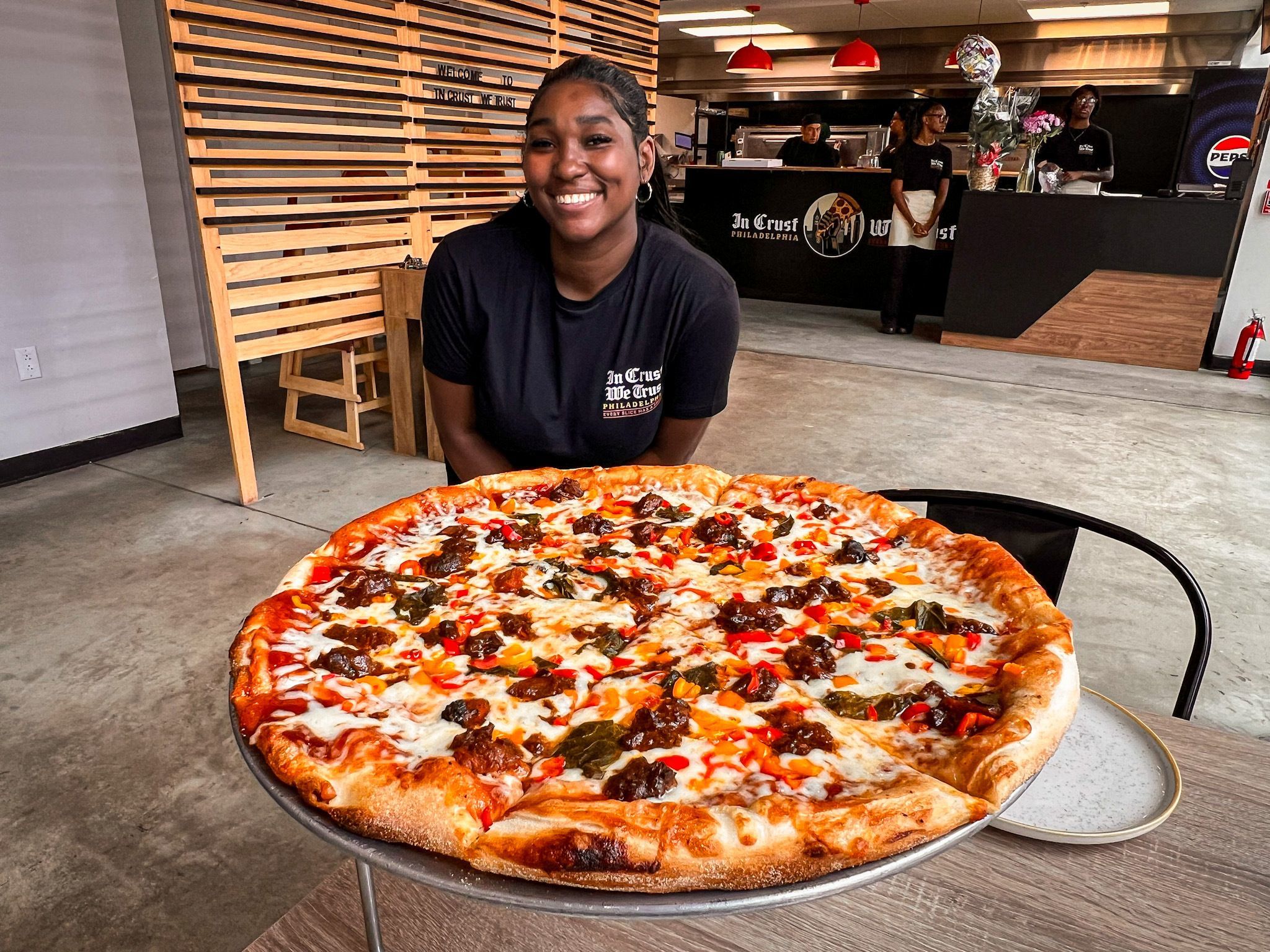
    With pizzas sliding in and out of the Blodgett ovens from noon till night, In Crust We Trust looks like another entrant in Fishtown’s booming pizza scene at first glance.

    But the menu signals a different ambition.

    You can eat quite well at the nearby Pizzeria Beddia, Liguria, Marina’s, Shackamaxon, D’Oliva, Scusi, Rustica, Urban Village, and Bar1010. But no other pizzeria in Fishtown offers pies topped with oxtail and collard greens, Cajun shrimp with broccoli and grits, or jerk chicken with pineapple and mango glaze.

    The Bottom (jerk chicken, mozzarella, pineapple, and mango glaze) at In Crust We Trust.Michael Klein / Staff

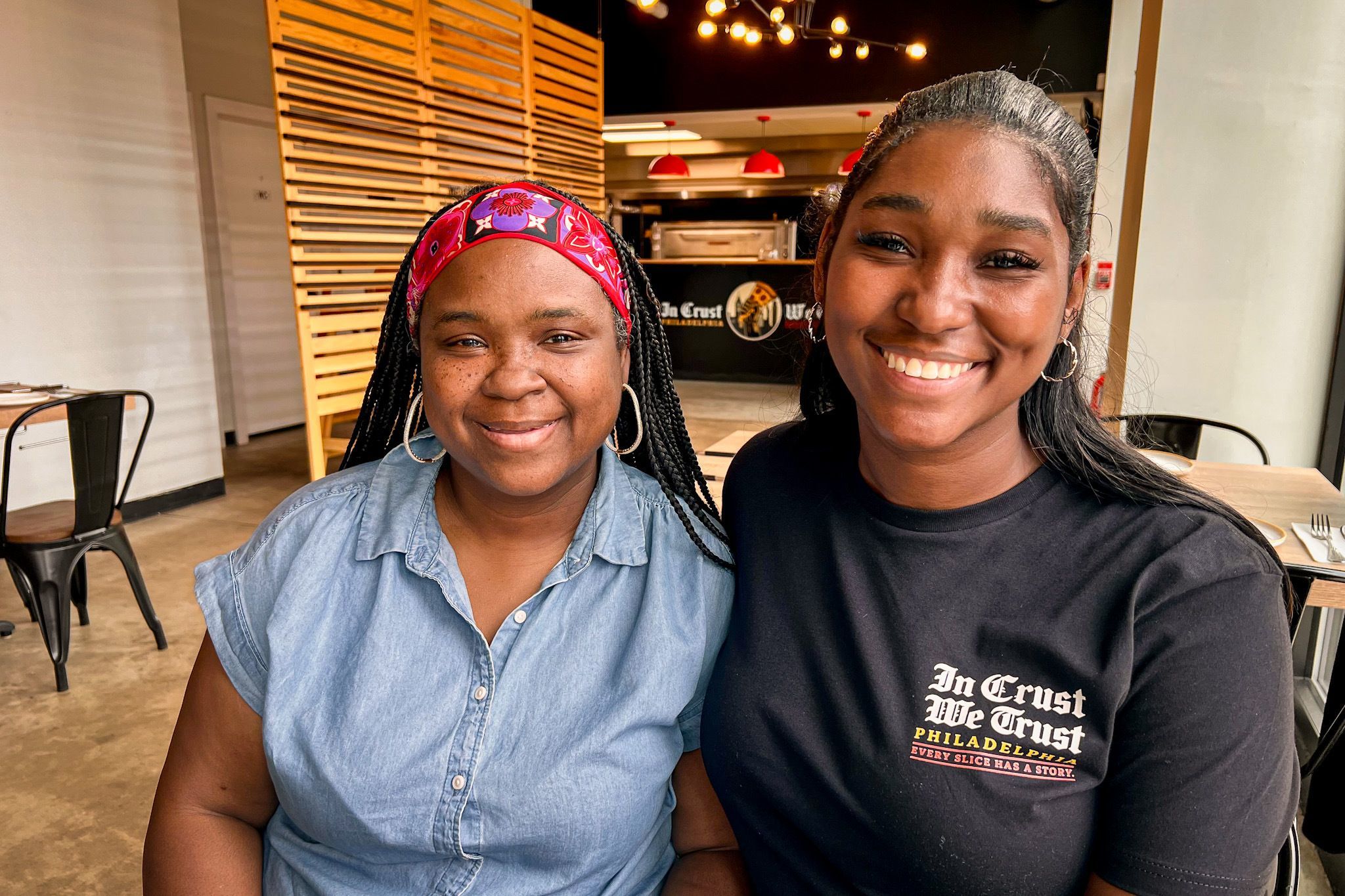
    In Crust We Trust, which opened Aug. 1 in the former Vince’s Pizzeria at Frankford Avenue and Richmond Street, across from the Fillmore, is the first solo restaurant from Anyae Wilson-Worley, 25.

    Though she grew up around restaurants and learned the business from her mother, restaurateur Felicia Wilson, Wilson-Worley is emphatic that In Crust We Trust is distinctly her own.

    Pizzaiolo Jose Maria worked with Wilson-Worley on intentional menu combinations for the New York-style pies. She said she wanted to bring Black culture into the recipes while creating a dining room that reflects it. “When people walk in, I want them to feel like a story is being told — taking them back to a Harlem Renaissance type of thing,” she said.

    Corner store wings, topped with cayenne pepper and peri peri, at In Crust We Trust on Aug. 2.Michael Klein / Staff

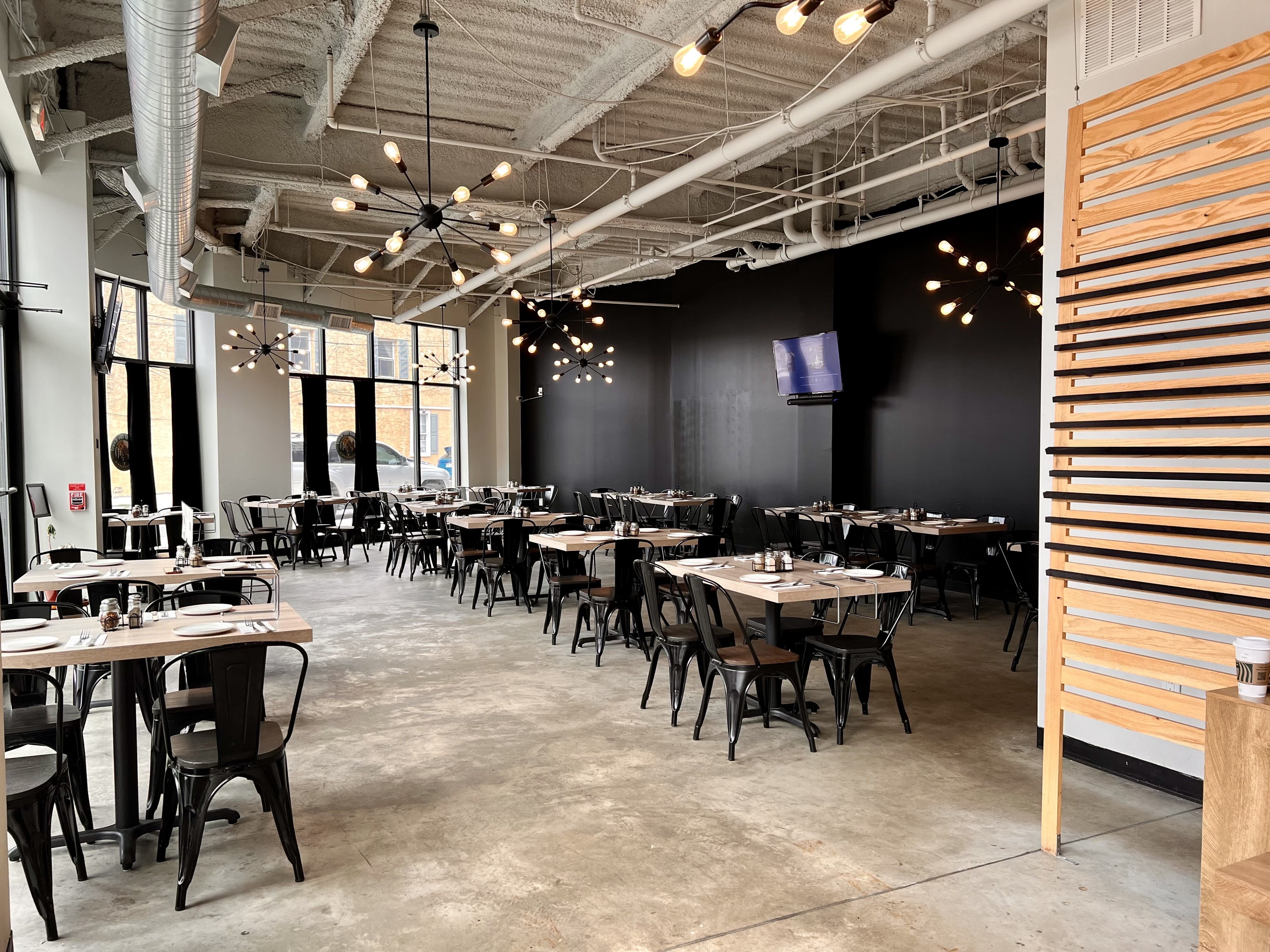
    The roughly 80-seat restaurant offers table service as well as a takeout counter and delivery. Beyond pizza, the menu includes wings, two salads, cheesy collard greens, and desserts (including a chocolate chip-oatmeal raisin-sugar cookie baked in a cast-iron skillet and topped with vanilla gelato) — all made with halal ingredients.

    Wilson-Worley is the oldest of Felicia Wilson’s three children. Her mother owns Amina, Avana, Fia, First Daughter Oyster & Co., and BlackHen. “She’s been much more than a role model,” Wilson-Worley said. “I definitely wouldn’t be in this position without my mother.”

    Still, restaurants were not part of Wilson-Worley’s original plan.

    She attended the University of Miami, where she majored in health sciences on the pre-med track. She said she was lucky enough to come out of school with no debt. “I took that as an opportunity to seize what was around me,” she said. “At the time [four years ago], my mom was in the height of opening all of her restaurants.”

    Anyae Wilson-Worley (right) with her mother, Felicia Wilson, at In Crust We Trust on Aug. 2.Michael Klein / Staff

    While finishing school, she regularly flew back to Philadelphia to help with the expanding restaurant group. Eventually, she decided to stay to help her mother run the business.

    “Anyone who knows me can tell you that ever since my mom opened the restaurant, I always said, ‘This is not what I want to do. I don’t want to be here,’” Wilson-Worley said. “But now this has become my life.”

    Her mother provided the example and the education, but Wilson-Worley said the concept, menu, and identity of In Crust We Trust reflect her own perspective.

    Wilson-Worley describes Philadelphia as a city whose Black culture is foundational but not always fully recognized. Through the restaurant, she hopes to celebrate that culture while encouraging others to pursue their own ambitions.

    Dining room at In Crust We Trust.Michael Klein / Staff

    “I hope to create a pathway for other Black people like myself to get involved,” she said. “Not only through food, but through anything.”

    The menu draws from years spent observing professional kitchens.

    “I’ve learned a lot from being around the chefs,” she said. “Watching them, listening to them, and working alongside them has expanded my culinary knowledge. I took everything I learned from them and applied it to create a menu that I’m really proud of.”

    Wilson-Worley also sees common ground with Down North Pizza, the Black-owned North Philadelphia pizzeria known for hiring formerly incarcerated employees. Both restaurants emphasize community engagement, though she said she does not view them as competitors.

    “I’m all about Black empowerment and working with other people like myself in this industry to contribute to the greater good of hospitality,” she said.

    Ultimately, she said, her goal is more immediate than making a statement with every slice.

    “I want people to feel loved and appreciated,” Wilson-Worley said. “When someone dines here, I want them to walk away thinking, ‘I’ve never had pizza like this before.’”

    In Crust We Trust, 965 Frankford Ave. Hours: 11 a.m. to midnight Monday to Thursday, 11 a.m. to 3 a.m. Friday and Saturday, and noon to 11 p.m. Sunday.

  • From Northwest Philly to Olympic hopeful, Maurice Scott used rowing as an outlet: ‘The water gave me strength’

    From Northwest Philly to Olympic hopeful, Maurice Scott used rowing as an outlet: ‘The water gave me strength’

    Two years after a Learn to Row program at Boathouse Row, Maurice Scott was reintroduced to the sport when his father took him to his first race. As a spectator, Scott carefully observed each competitor as they walked toward the water.

    And as they competed, it wasn’t the technique or the speed of the athletes that stood out to him most. Instead, Scott, who was 14 at the time, was focused on the fact that nobody looked like him and nobody shared his background as a Black kid from Northwest Philadelphia. When he voiced his concerns to his father, Maurice Scott Sr., he responded, “You know, that doesn’t mean that you can’t do it.”

    Those words have lived with the younger Scott for the past 18 years.

    Since then, he’s become a Philadelphia city champion and a four-time national champion, has notched multiple Head of the Charles wins, made history as the first Black governor of the Potomac Boat Club, and was honored in the “Philadelphia Rowing: Breaking Barriers” display at the Independence Seaport Museum.

    Now Scott, 32, is making a push to compete in the 2028 Olympics in Los Angeles. And as he embarks on his journey to chase his Olympic dream, he’s inspiring other inner-city kids who have a desire to compete in a sport lacking representation.

    “It was just silencing the noise on both ends,” Scott said. “And continuing to believe in what I knew and believing that I belong there. That this is where I needed to be. And so just really staying focused on that and keeping the main thing the main thing; Jalen Hurts always said that. That’s legit. And knowing that later down the road, my story will be a story for others to see and to follow and know that it’s no longer a joke. We’re actually legit in the sport, too.”

    Maurice Scott’s father, Maurice Scott Sr., reintroduced him to the sport at a young age.Maurice Scott

    ‘I was the black sheep’

    Scott acknowledged the challenges when you don’t see yourself represented.

    “It’s just like, ‘Why is that? Is it because the sport wasn’t made for me?’” Scott said. “And when I did step into the realm, people were looking at me sideways because I’m an anomaly. People [didn’t] see athletes of color within the sport of rowing back then. It wasn’t a thing.”

    Even his peers questioned why he wasn’t playing basketball or football.

    “It became a joke, honestly,” Scott said. “Like, people would laugh at me actually doing this sport. When people like a sport that isn’t a part of the ‘culture,’ people kind of look at them like, ‘Yeah, whatever.’ I can guarantee you folks laughed at Venus and Serena. I can guarantee you folks laughed at Tiger Woods.

    “I was like the black sheep. I didn’t fit the mold. So for me personally, being around the water and doing something around the water gave me strength and provided me something that I could be proud of because I knew that I could be good at it.”

    ‘A safe haven’

    At just 7 years old, Scott witnessed his first drive-by shooting. He’s been robbed, had people close to him killed by gun violence, and stepped over bullet casings as he walked through neighborhoods.

    He felt safe in only two places: in church and on the water.

    Maurice Scott was one of the first students to join Philadelphia City Rowing, the nonprofit designed to create access to the sport for inner-city youth.Maurice Scott

    ”Being in church, it was like a safe haven, a safe place that I can be myself, and I’ve also created a community there,” Scott said. “I was surrounded by a lot of wrongdoing, but it allowed me to really have that confidence to make sure that I did the right thing as I carried myself through my younger childhood years.

    “And rowing was one of those outlets where I can really just get away from all of that. I was scared to go off to school or walk to the bus. I mean, it was that bad. Finding that outlet is important because it just takes your mental state out of the negativity and the picture that’s being painted of the city that you constantly see on a daily basis.”

    As Scott struggled to find his place among his community, he always felt a connection to the water.

    “The water has always been part of me,” Scott said. “Anytime I’m around it, I just feel strength and happiness. So that’s what kind of drew me to the sport itself.”

    Scott grew up sailing, swimming, kayaking, and rafting. So in fifth grade when he heard about the Learn to Row program at Bachelors Barge Club on Boathouse Row, he thought he would give it a shot. But after the two-week program ended, he didn’t know where to go next with the sport.

    “[My father] knew that I just loved the water and he knew how much fun I had when I initially did it,” Scott said. “But it was pretty closed off back then. Boathouse Row in general was very pretentious; there weren’t really wide-open doors. But I think he may have felt something was coming later down the line, and he just wanted to make sure that I didn’t forget it.”

    ‘Building that one heartbeat’

    Philadelphia City Rowing was founded during Scott’s junior year of high school. The nonprofit was designed to provide access to the sport for inner-city youth. He was one of the organization’s first athletes, and it inspired his commitment to diversity in rowing.

    “We try to eliminate a lot of the barriers and obstacles that a lot of kids may face in trying a new sport,” said George Rowley, the director of programs and community inclusion at PCR. “I think it’s important to really highlight [alumni] pathways to provide some inspiration for the kids that are just starting out.”

    Maurice Scott joined the Naval Academy before accepting a scholarship to Arcadia.Maurice Scott

    PCR quickly became part of Scott’s family.

    “It was all about rowing together and having that unit and having that rhythm and building that one heartbeat within the boat,” Scott said. “And that was something that I really loved and enjoyed because there was no other sport that is really like that, at least that I’ve done. And trauma bonding. Rowing is a painful sport. Rowing started off as a form of torture, and we’re doing it for fun.

    ”We didn’t look like any other boat on the water. We literally had kids from all over the city. And it was really cool because I got to meet people that weren’t just from my neighborhood, but were from all over and all walks of life.”

    After his first year with PCR, Scott was recruited to the Naval Academy. But a few weeks before graduating from the Naval Academy Preparatory School, he was told he had a sleep disorder. They said he could graduate but wouldn’t be able to move on. So he decided to accept a scholarship from Arcadia and graduated from there in 2017.

    While there, he studied abroad in Australia (2015-16) and competed with the University of South Wales.

    Olympic aspirations

    As people left the nightclubs at 4 a.m. in Australia, Scott would be heading to the gym. That discipline, which sustained him throughout college, is powering his dream of competing at the LA Olympics in 2028.

    Scott moved to Long Beach, Calif., in March 2024 to train at Belmont Shore for beach sprints, a fast, head-to-head race that combines sand runs with a 250-meter slalom boat course. The race will make its Olympic debut in 2028.

    Maurice Scott, 32, is acting as inspiration to other inner-city kids who have a dream to compete in a sport lacking representation.Maurice Scott

    “There’s no better way than training on the actual course and really understanding what goes into beach sprints,” Scott said. “One day, I’ll be doing a total of 16 to 30,000 meters depending on what’s going on. One day I could be doing an 8×500, which is full sprints, just back-to-back sprints.”

    Growing the sport

    Through his talent and telling his story on social media, Scott received a number of sponsorships and partnerships. Now, he’s trying to help other athletes do the same through his name, image, and likeness agency, Rowfluencers.

    And he is bringing even more eyes to the sport with his four-part docuseries, FORGED: The Kid from Philly, on NBC Sports Philadelphia.

    “Representation is so important,” Scott said. “So, I’m hoping they see this and are like, ‘Hey, it doesn’t have to be wrong. But this challenges me to really find what I like to do and not care about what other people think about because I’m going to do this and be a trailblazer for it and bring in others with me to allow them to not only just live, but thrive within whatever space that may be.’”