Blog

  • House Democrats seek records in dropped Reflecting Pool case against ex-Olympian

    House Democrats seek records in dropped Reflecting Pool case against ex-Olympian

    House Democrats are pushing the Trump administration to release records related to the felony prosecution of a former Olympian who had been accused of damaging the Lincoln Memorial Reflecting Pool, questioning whether prosecutors were misled in an attempt to conceal a “botched” renovation.

    Democrats on the House Judiciary Committee made the move days after a judge granted federal prosecutors’ request to drop a felony charge against David Hearn, attributing the pool damage to faulty installation.

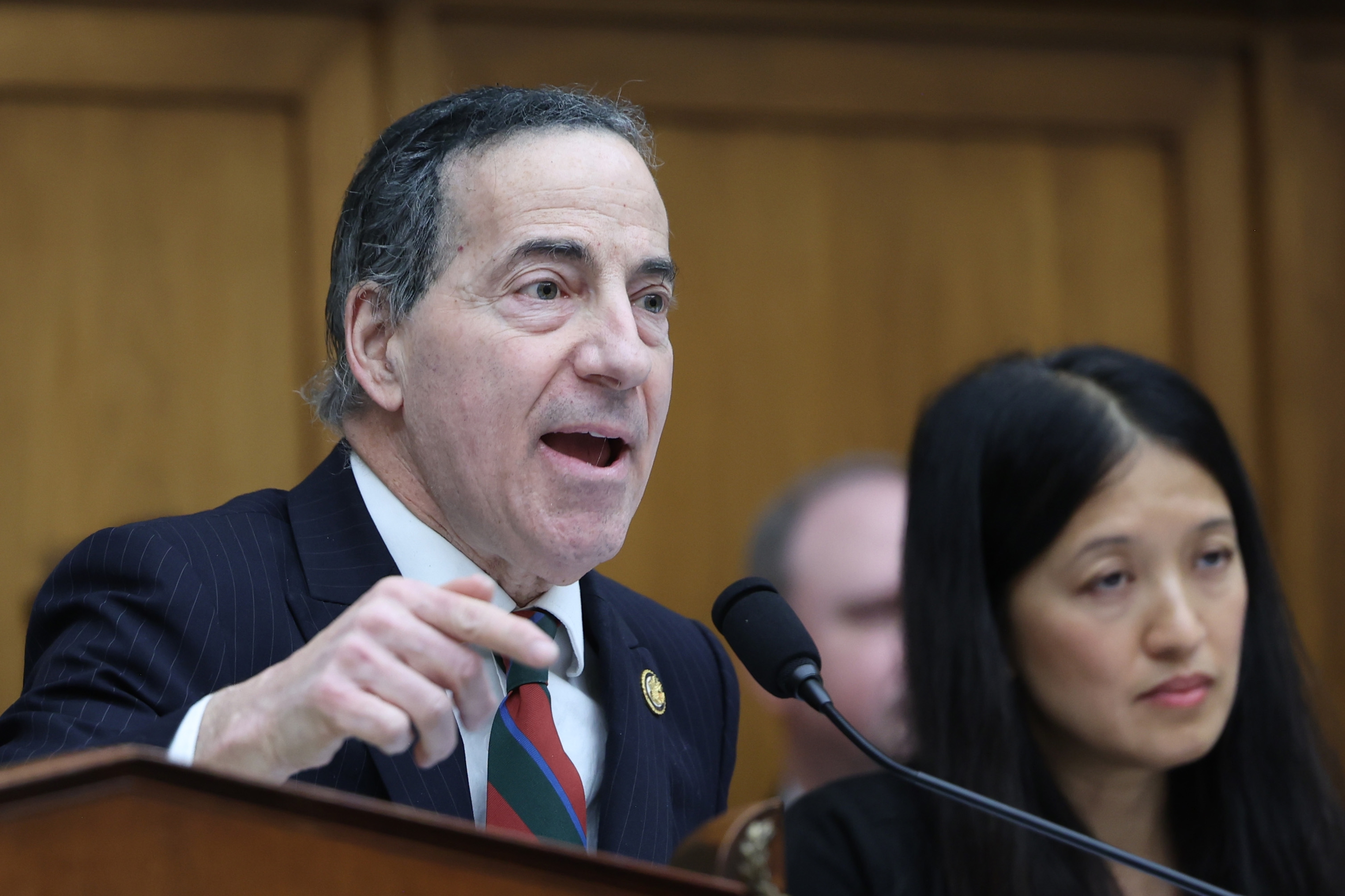
    Rep. Jamie Raskin (D., Md.) sent a letter Tuesday to Interior Secretary Doug Burgum and U.S. Attorney Jeanine Pirro requesting the release of all documents related to the decision to prosecute Hearn and any communications between the agencies and the White House about the case.

    The letter called on the departments to answer whether President Donald Trump exerted pressure to “retaliate against and scapegoat an American citizen.”

    “How did this debacle happen?” wrote Raskin, the top Democrat on the Judiciary Committee. “The conclusion seems inescapable that at least one, if not both, of you have misled the American public about the evidence and used it to corrupt and weaponize our justice system against an innocent 67-year-old American citizen.”

    Pirro’s office maintains it didn’t know about the widespread damage at the Reflecting Pool until after the indictment, accusing the Interior Department of withholding documents indicating the peeling was caused by flawed installation. But Hearn’s attorneys say there’s evidence that they knew of problems before indicting him.

    Raskin is also seeking evidence presented to the grand jury, including transcripts of testimonies.

    Asked for comment on the letter, the White House referred the Washington Post to Trump’s previous Truth Social posts alleging vandalism.

    The Interior Department did not immediately respond to a request for comment.

    “The Department of Justice follows the evidence when determining if crimes have been committed,” the federal agency said in a statement. “We always evaluate any case based on the facts and the law.”

    Raskin’s letter comes after Hearn’s attorneys alleged that prosecutors may have misled jurors to secure an indictment against him. In a filing last week, the attorneys alleged that a key government witness testified that repairs would have been necessary regardless of Hearn’s actions but that prosecutors recalled the witness and “elicited” them to say that damage “attributable to Mr. Hearn” would be more than $1,000.

    The attorneys are asking the judge to ensure federal prosecutors can’t charge Hearn again in the future.

    Pirro, a longtime Trump ally, has faced intense public scrutiny over the decision to prosecute Hearn and others alleged to have damaged the pool and again after abruptly dropping the cases.

    In the letter, Raskin points to Trump’s repeated comments about renovating the Reflecting Pool. Raskin also questioned the noncompetitive process in awarding a contract and referred to reporting from CNN that another company declined the July 4 deadline.

    “President Trump’s ‘highly sophisticated’ and slapdash paint job didn’t even last 100 days, much less a century,” Raskin said.

    Atlantic Industrial Coatings, the contractor, did not immediately respond to requests for comment.

    A Post analysis of satellite imagery and photos and videos taken during the Reflecting Pool renovation found that the basin’s peeling was probably caused by application errors.

    Despite reports of Reflecting Pool renovation failures before June 19, when Hearn touched a piece of the detached liner, Raskin said Trump and Burgum latched on to the claim that vandalism was to blame. Pirro followed with a felony charge against Hearn in July. He was initially charged with a misdemeanor count of destruction of government property.

    The case collapsed the same month. Pirro’s office said in a court filing that the Interior Department did not provide sufficient information ahead of the indictment, including an email from an engineer on June 11 detailing the peeling of the liner.

    “After DOJ’s filing, President Trump went off the deep end of the Reflecting Pool, you might say,” Raskin said in the letter.

    Trump has blasted Pirro for dropping the vandalism charge against Hearn and three others and has continued to blame the former Olympian.

    On Sunday, Trump again accused Hearn of “‘violently’ ripping and tugging at the Pool’s somewhat delicate coating” in a social media post. He conceded that there was “some contractor error” due to the rushed job but that it damaged only a small area.

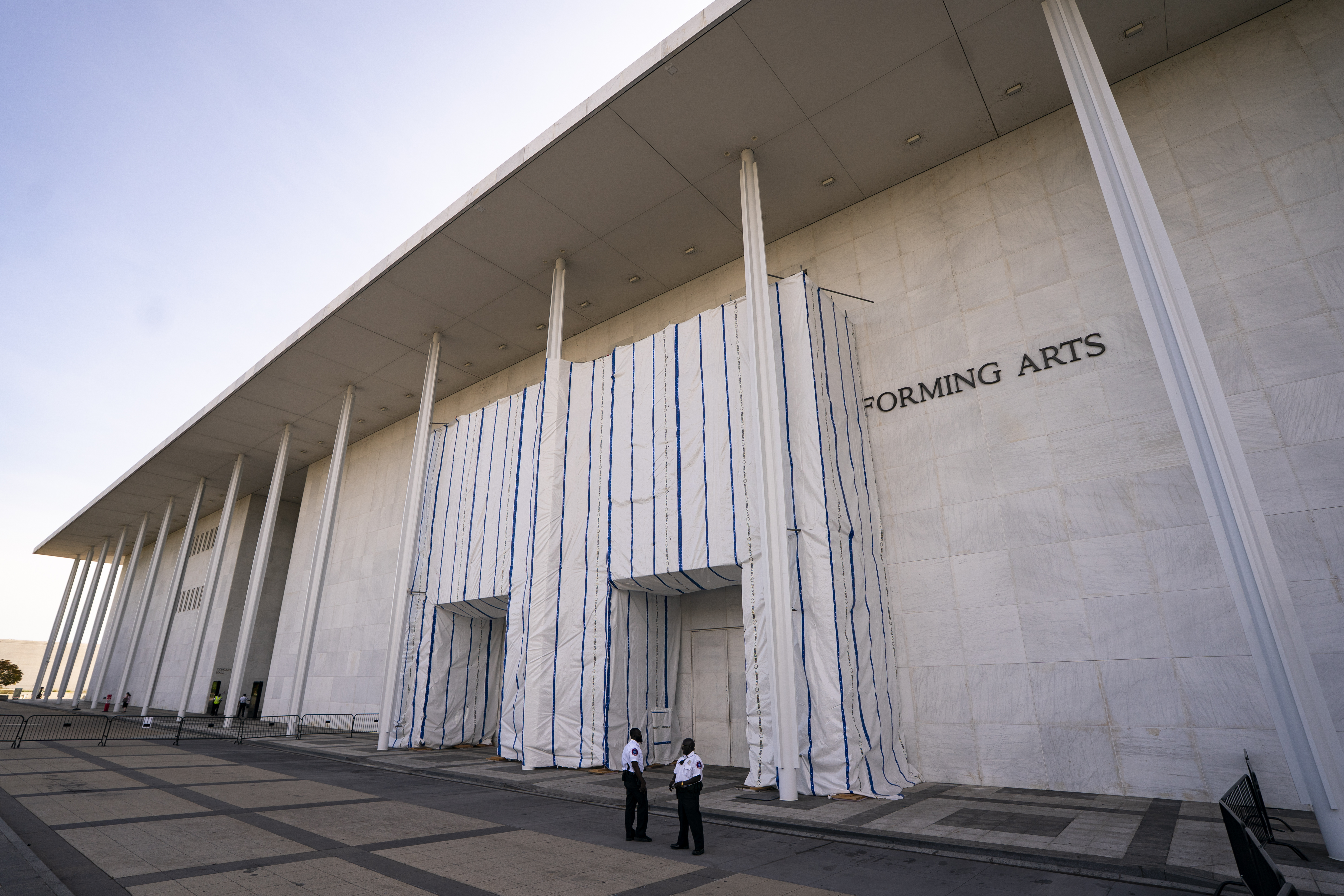
    Raskin poked jabs at Trump in the letter, referencing “local vandalism crimes,” including the East Wing demolition and the affixing of Trump’s name to the Kennedy Center. A judge later ordered the removal of the name.

    The letter requests that the records in the pool case be shared by Aug. 25.

    In a statement Tuesday, attorneys for Hearn said they “welcome any Congressional oversight that seeks the truth.”

    “As we have stated from the beginning, the indictment of Davey Hearn was a clear miscarriage of justice and an egregious misuse of government power,” Norm Eisen, Mary Dohrmann, and Steve Levin said in the statement. “Our client and the American public deserve the truth, so it won’t happen again.”
  • WIP nixes Eagles sideline reporter role after laying off Devan Kaney

    WIP nixes Eagles sideline reporter role after laying off Devan Kaney

    Eagles radio broadcasts will sound a little different this year.

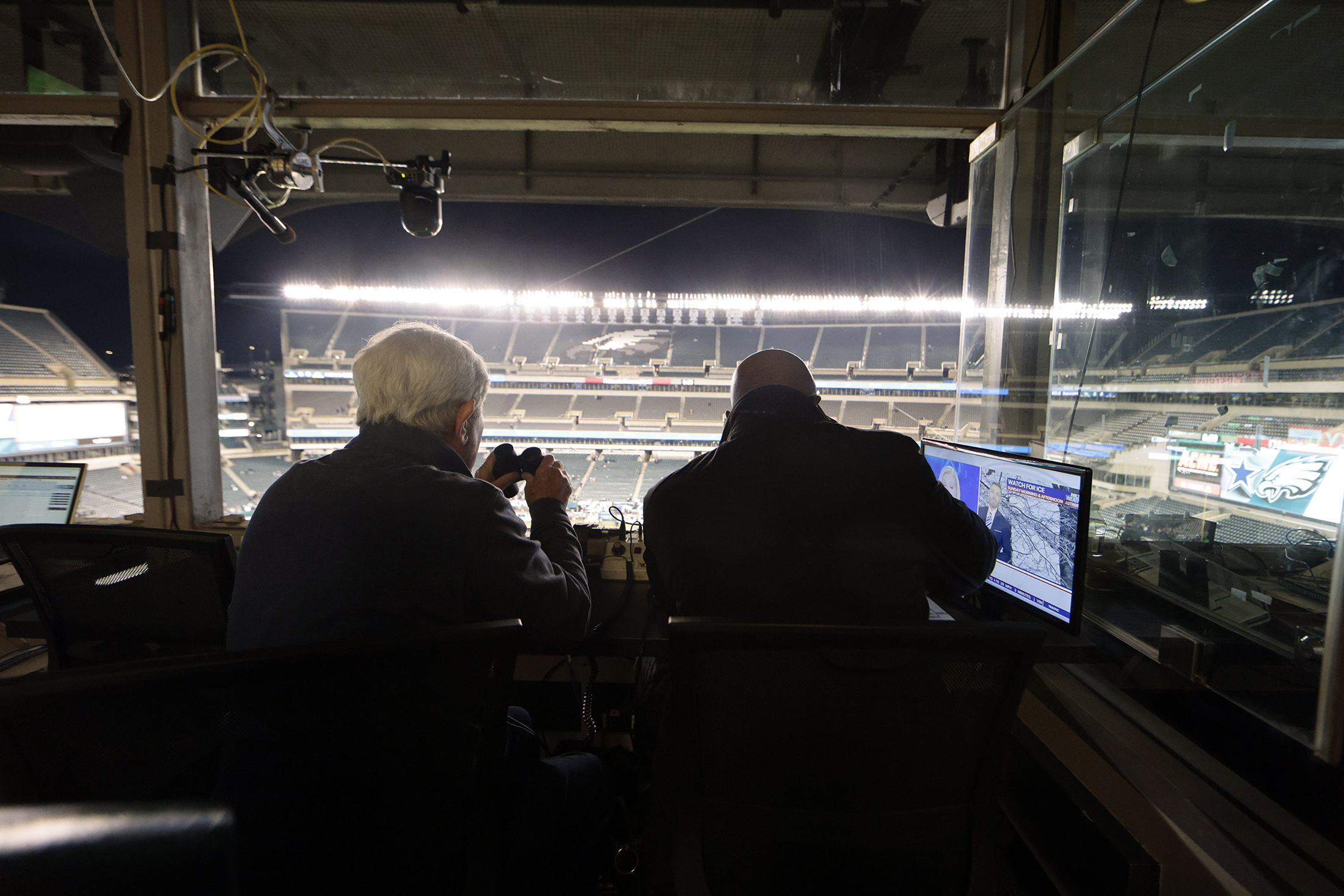
    While longtime announcers Merrill Reese and Mike Quick will be back for their 29th season together in the booth, 94.1 WIP won’t have a dedicated sideline reporter during Eagles games for the first time in more than 15 years.

    WIP is shifting to a more limited role within the broadcast, with Reese and Quick turning to another WIP personality when needed.

    It’s assumed that Eliot Shorr-Parks, the station’s Eagles beat reporter since 2018, will be the broadcast’s go-to voice for updates, but others could jump in as needed. Shorr-Parks will do a pregame hit from the sideline ahead of Saturday’s preseason game against the Baltimore Ravens.

    “The rest of the role is still TBD,” said David Helm, a spokesperson for WIP’s parent company, Audacy.

    Devan Kaney was laid off by WIP in March and has since landed in Chicago.

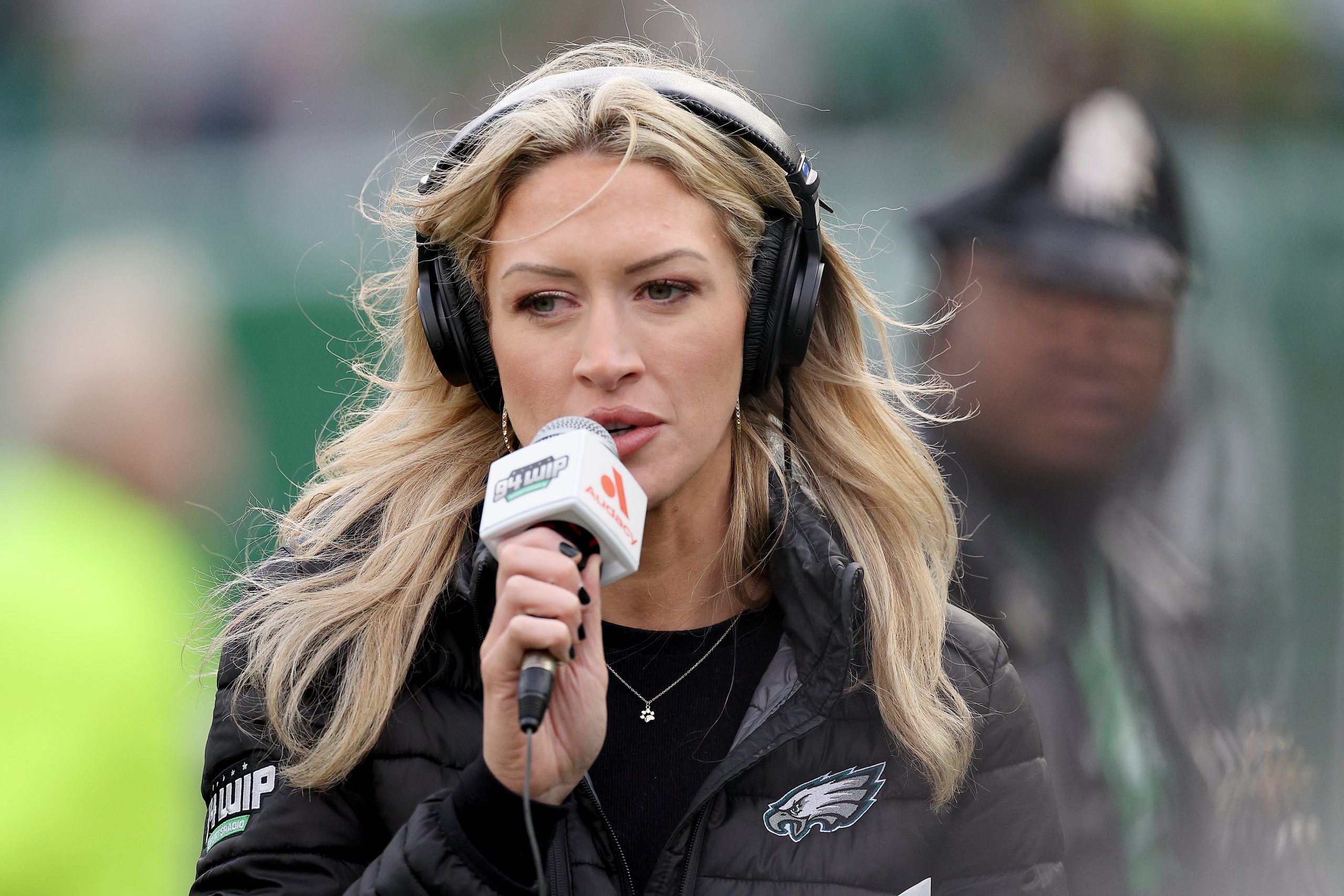
    Devan Kaney, who served as sideline reporter last season and during the Eagles’ Super Bowl LIX run, was laid off by WIP in March as part of company-wide cutbacks by Audacy. She had been with the station since 2022 and served as an on-air personality, regularly cohosting WIP’s morning show alongside Joe DeCamara and Jon Ritchie.

    Kaney was also a sportscaster at Fox 29, a role she left in June to take a job in Chicago covering the Bears for Fox 32.

    “I had a blast working at WIP and sincerely enjoyed my time there,” Kaney told The Inquirer in March. “But as the old saying goes, when one door closes, another opens.”

    Former WIP host Howard Eskin served as a sideline reporter for more than 15 years. dnphoto

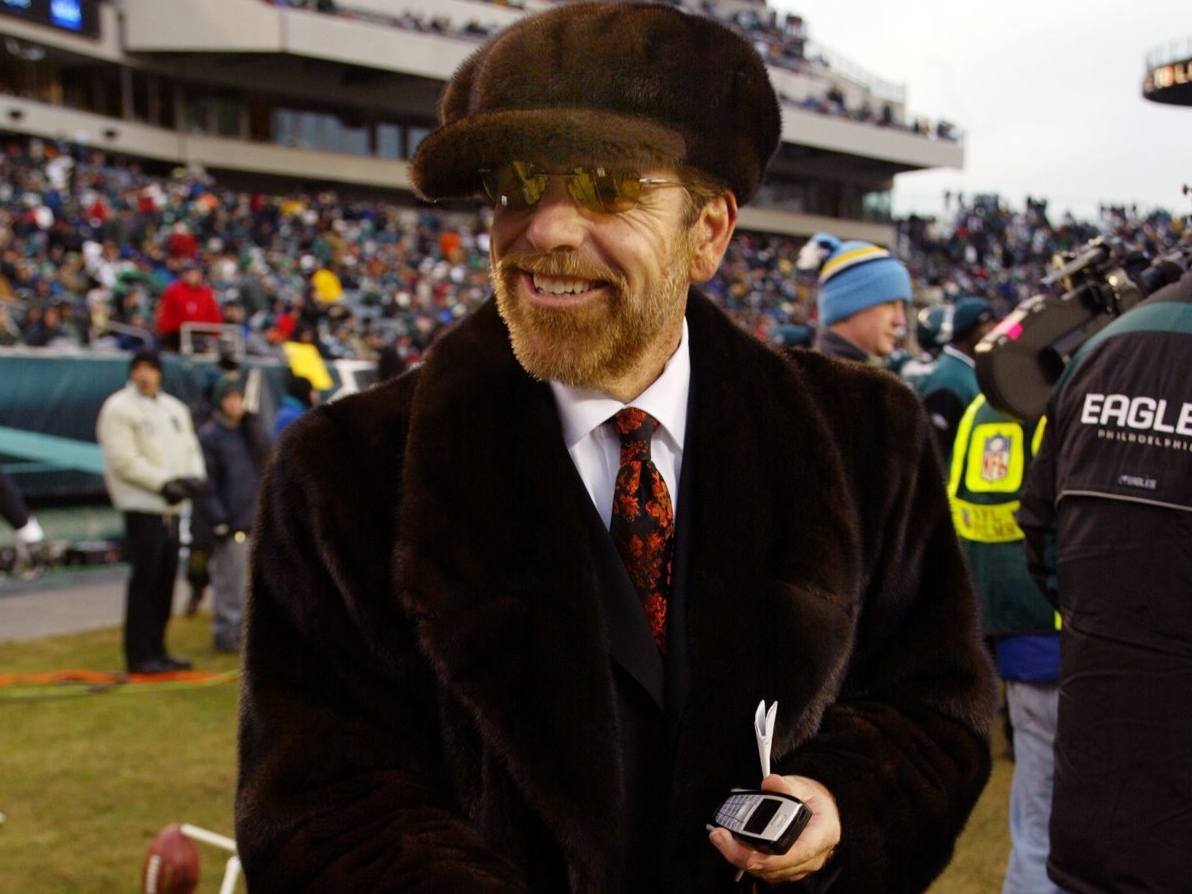
    Former WIP host Howard Eskin was the station’s first Eagles sideline reporter, with his fur coats and colorful headphones becoming a sideline staple. Eskin covered the team since 1975, but said his first season as Eagles sideline reporter wasn’t until 2011.

    Eskin abruptly left the station in December 2024 following an incident with a female staffer during a remote broadcast at a Chickie’s & Pete’s in South Philadelphia and was replaced by Kaney.

    WIP has been broadcasting Eagles games since 1969, with Reese entering his 50th season calling games, by far the longest-tenured announcer in the NFL. The station’s current deal to broadcast Eagles games runs through the 2028 season.

  • Kennedy Center must pay over $250,000 to artist who opposed Trump name change

    Kennedy Center must pay over $250,000 to artist who opposed Trump name change

    A judge has ordered the Kennedy Center to pay more than $250,000 to a jazz musician who pulled out of a performance after the venue’s board voted to rename the building for President Donald Trump.

    D.C. Superior Court Judge Tanya Jones Bosier on Monday ordered the center to pay $252,000 in legal fees and costs to lawyers for Chuck Redd, who for years had played at the center’s annual Christmas Eve concert.

    Last year, Redd had been in talks with the venue’s staff to perform but declined to sign a contract. He told the center he chose to bow out because of “the defiant and illegal name change happening to the Kennedy Center.”

    The Kennedy Center sued in March, alleging Redd had breached his contract by withdrawing from the concert. But in June, Jones Bosier tossed the lawsuit, determining that center officials failed to show they had made a legally binding agreement with him.

    The Kennedy Center did not immediately respond to a request for comment.

  • Ex-ICE agent’s group awarded $158 million to represent migrant children

    Ex-ICE agent’s group awarded $158 million to represent migrant children

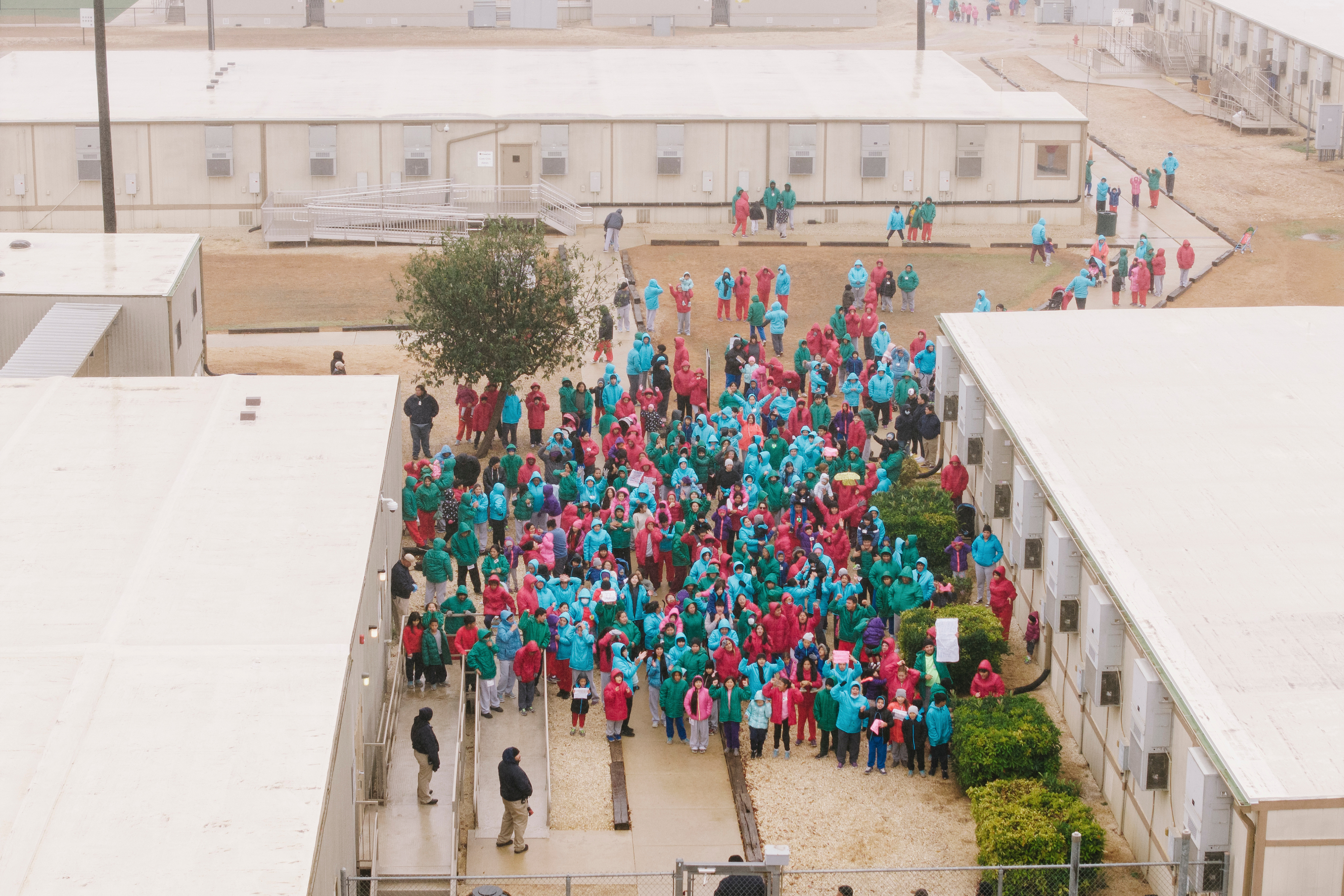
    The Trump administration has awarded a $158 million contract to represent unaccompanied migrant children to a nonprofit group founded by a former immigration agent who inspired the film Sound of Freedom, a federal contracting database shows.

    A notice of the award to the Minneapolis-based group Our Rescue, which combats child trafficking, was posted online late Friday. The contract is with the Office of Refugee Resettlement, which oversees the care of minors who cross the border without authorization and without a parent or guardian. The award could increase up to $244 million, the contract notice showed.

    President Donald Trump’s administration in recent weeks has pivoted away from working with advocacy groups that previously represented the minors. Last week, a small Texas law firm with ties to the Trump administration was awarded a $150 million no-bid contract to represent unaccompanied minors in their immigration court proceedings.

    That firm, Burke Law Group, is helmed by Marcella Burke, a former Trump appointee. Immigration advocates criticized the contract and the Trump administration’s decision to cut ties with groups that had two decades of experience in legally representing minors.

    Our Rescue was founded in 2013 by Tim Ballard, a former U.S. Immigration and Customs Enforcement agent who quit his job and embarked on efforts to rescue children from sex trafficking rings in countries including Colombia, Haiti, Mexico, and Thailand. His work was loosely fictionalized in Sound of Freedom, a 2023 film starring actor Jim Caviezel that drew acclaim from conservatives.

    Others, however, criticized the movie for catering to unfounded conspiracy theories, including those peddled by the far-right group QAnon.

    During Trump’s first term, Ballard was appointed in 2019 as a co-chair of a council tasked with making antitrafficking recommendations to the White House.

    Ballard abruptly left Our Rescue in July 2023, days before Sound of Freedom was screened at Trump’s private club in Bedminster, N.J.

    Three months later, a group of five women filed a lawsuit in Utah state court alleging Ballard had coerced them into sexual acts as part of his trafficking rescue missions tied to the organization, then known as Operation Underground Railroad (OUR).

    A separate federal lawsuit in 2024 accused him of sex trafficking and forced labor. Both lawsuits remain active.

    The Office of Refugee Resettlement and Ballard’s attorney did not respond to requests for comment.

    Our Rescue’s website states that it works with law enforcement and other partners around the world to provide services to people who are vulnerable to trafficking and exploitation. It is not clear whether the organization employs immigration attorneys with expertise in providing legal counsel to minors.

    Derek Benner, the organization’s chief executive, said in a statement that ensuring unaccompanied minors have access to support and are protected from exploitation aligns with his group’s mission.

    “These are among the most vulnerable children in the world, and they deserve nothing less than the full weight of our experience,” said Benner, who is also a former ICE agent. “We welcome this responsibility and are working on their behalf.”

    Michael Lukens, executive director of the Amica Center for Immigrant Rights, which provides legal representation to children in the Washington, D.C., area, accused the Trump administration of seeking to ramp up deportations of minors by going after their legal representation.

    The administration is trying to “make sure that the kids have an attorney on paper but are not actually providing meaningful legal advocacy,” Lukens said.

    Lukens said his organization has not received notice from the government about transferring the immigration cases of minors to the new contract holders. He said his group continues to represent unaccompanied children in cases where they have been retained.

  • Democratic Arizona Gov. Katie Hobbs chooses former Republican Mayor John Giles as her running mate

    Democratic Arizona Gov. Katie Hobbs chooses former Republican Mayor John Giles as her running mate

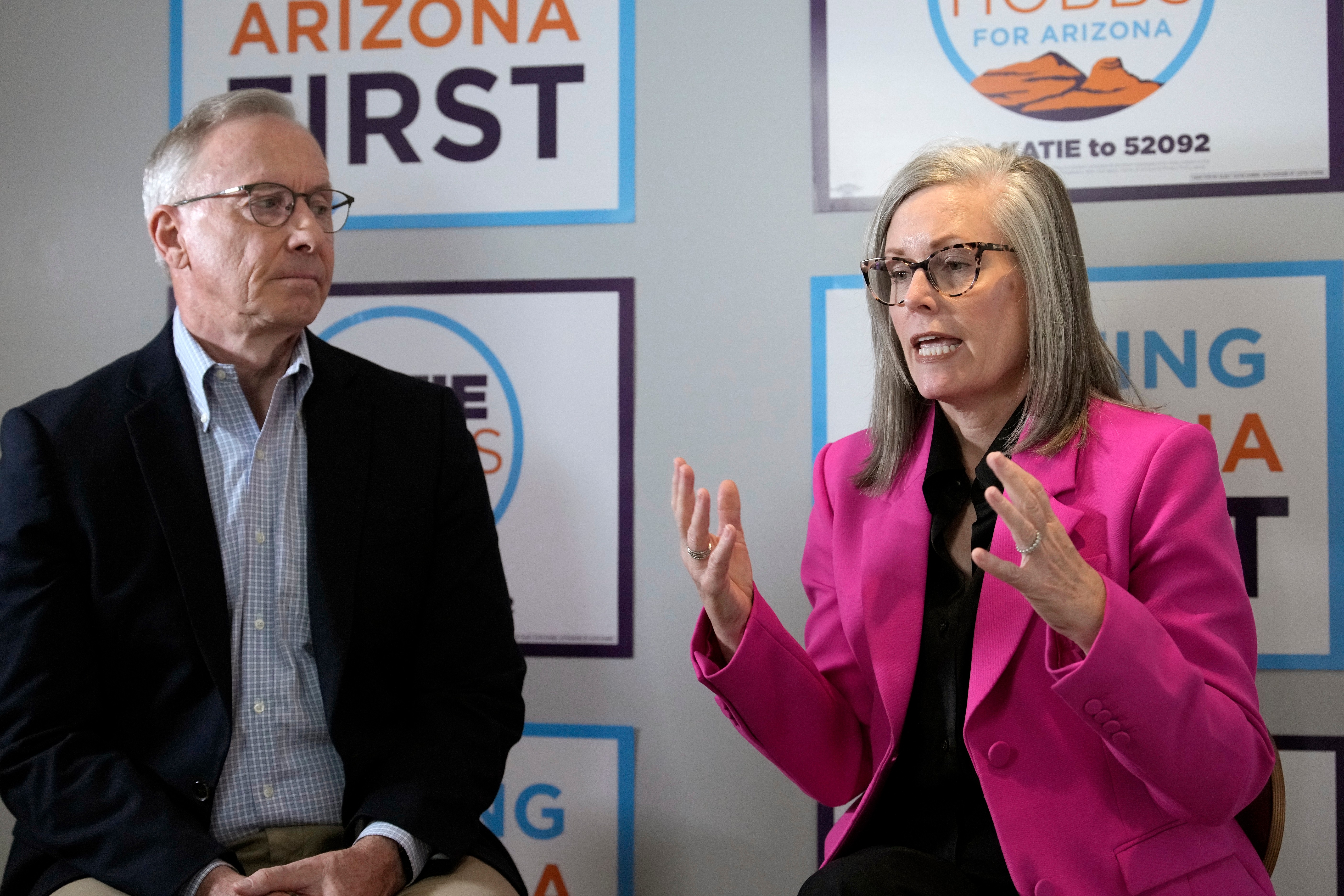
    PHOENIX — Democratic Arizona Gov. Katie Hobbs has picked a Republican-turned-independent to be her running mate in a tough reelection campaign, setting up a bipartisan ticket as voters elect the state’s first lieutenant governor.

    Hobbs’ selection Tuesday of John Giles, a former mayor of Mesa, a Phoenix suburb that is Arizona’s third-largest city, is an overture to the Republicans and conservative independents she must win in a state that was once a GOP stronghold. Republicans have expanded their voter registration advantage over Democrats since Hobbs eked out a narrow win over Kari Lake, a fierce ally of President Donald Trump, in 2022.

    Hobbs is considered the most vulnerable Democratic governor in the country. Giles, a registered Republican for decades, changed his party affiliation to independent on May 17 and voted in the Democratic primary last month, according to county voting records.

    The Republican nominee is U.S. Rep. Andy Biggs, who last week picked Sine Kerr, a farmer and Republican former state lawmaker, to be his running mate. Kerr’s rural roots balance Biggs’ base in parts of metro Phoenix.

    In an interview with the Associated Press before Hobbs publicly announced that she had picked Giles, he said he still considers himself to be a conservative and said he stuck around the Republican Party probably longer than he should have in a crusade to save it. “A few months ago, I realized that it was time to give up that crusade,” Giles said.

    Giles led a conservative city for a decade

    Giles, who was Mesa’s mayor from 2014 to 2025, has been a vocal Trump critic and has endorsed Democrats, including Trump’s 2024 rival, then-Vice President Kamala Harris. Giles spoke in favor of Harris at the Democratic National Convention, saying Trump’s policies would hurt Mesa.

    Giles also backed Democrats running against Trump allies, including Hobbs in her 2022 race against Lake and the state’s current U.S. senators, Mark Kelly and Ruben Gallego.

    As mayor, Giles signed a proclamation promoting equal treatment for lesbian, gay, bisexual, and transgender residents in housing and accommodations, a controversial move in the conservative city.

    The Biggs campaign, in anticipation of Hobbs’ announcement, launched a website highlighting Giles’ support for Harris in 2024 and his participation in the Democratic convention. Drew Sexton, a senior adviser in the Biggs campaign, issued a statement early Tuesday saying Hobbs’ selection of Giles “is of no surprise to Arizonans who have been paying attention. As Kamala Harris’ favorite Arizona mayor, Giles is aligned with Hobbs on all the issues that have hurt Arizonans the most over the past four years.”

    Sexton also said Giles “has been an aspiring Democrat since he first voted for Joe Biden in 2020.”

    As a member of the Church of Jesus Christ of Latter-day Saints, Giles can be an ambassador for Hobbs. Church members make up about 6% of the Arizona population. Latter-day Saints, widely known as Mormons, have been a reliably Republican voting bloc for decades, but many have been ambivalent about Trump since his first run for the White House.

    Democrats have been working to woo Latter-day Saints turned off by Trump’s penchant for foul language and demeaning rhetoric toward women and people of color, which clashes with the church’s values of humility, morality, and compassion.

    Biggs is also a member of the church.

    Picking a former Republican as a running mate hones the bipartisan image Hobbs has tried to create, contrasting with Biggs’ background as a far-right congressman and, before that, the state Senate president. But it also risks inflaming tensions on the left.

    In the AP interview, Hobbs said she takes a nonpartisan approach to her work in government. When she was asked whether some supporters might be frustrated because she picked a former Republican as her running mate, she said, “It shouldn’t be a surprise.”

    Both Hobbs and Giles portray Biggs as an extreme partisan. Giles said it’s disingenuous for Biggs to present himself as more of a moderate when he was “unapologetic about being the most conservative person in the roo in any room.”

    Arizona is electing a lieutenant governor for the first time

    Arizona is one of just five states without a lieutenant governor position, along with Maine, New Hampshire, Oregon, and Wyoming.

    That will change in January.

    Voters added the post in 2022 to more clearly define the line of succession. Until then, the secretary of state will continue to serve as the next in line to be governor.

    Gubernatorial succession is especially relevant in Arizona, where five governors since 1975 have entered the office through succession rather than election.

    In fact, of Arizona’s 12 governors over the past 50 years, only one, Republican Doug Ducey, entered and left the office through the typical pathways of being elected and serving out a full term. Among the others, one died, one was impeached and removed, one resigned after being convicted of fraud, and two quit to accept presidential appointments.

  • An Upper Darby teen who killed his high school classmate is heading to state prison

    An Upper Darby teen who killed his high school classmate is heading to state prison

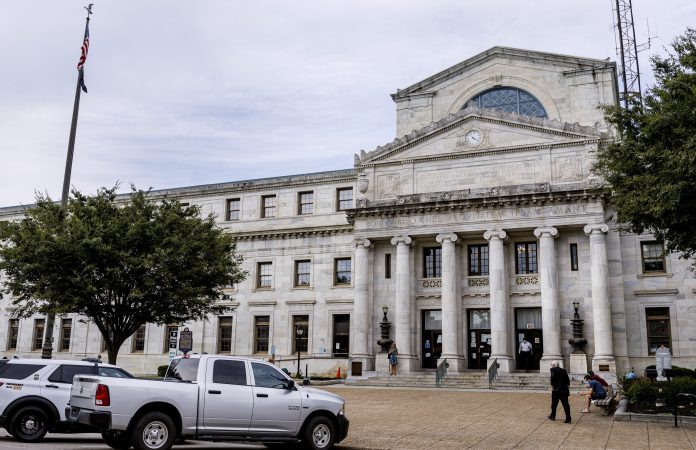
    When Michael Nixon pulled the trigger on the handgun he was carrying last May, he robbed Khalief Webster Jr. of his future, Webster’s family of a loving son, and the community of any semblance of safety, Webster’s mother said Tuesday in a crowded Delaware County courtroom.

    “Khalief was not just the headlines, not just the crime scene tape that haunts me through the night, not just a victim,” Talaya Shaw said of her 17-year-old son. “Khalief was a young boy growing into a young man with a heart bigger than this world could handle.”

    And Nixon, she told Judge Deborah Krull, “had no God-given right to decide when and how he left this world.”

    For killing Webster, Nixon, 18, of Upper Darby, was sentenced to 18 to 36 years in state prison. Nixon pleaded guilty to third-degree murder earlier this year for the fatal shooting, which unfolded in May 2025 as the two teens, classmates at Upper Darby High School, crossed paths on Long Lane near Pine Street.

    Emotions and tempers flared during Nixon’s hours-long sentencing, which the judge had to pause multiple times to rein in outbursts from those who filled the standing-room-only courtroom. Webster’s friends and relatives screamed to be heard, calling Nixon a coward, among other insults, and demanding justice.

    Sheriff’s deputies barred more people from entering the hearing, and had to respond to a scuffle that erupted outside the courthouse after Nixon’s sentence was handed down.

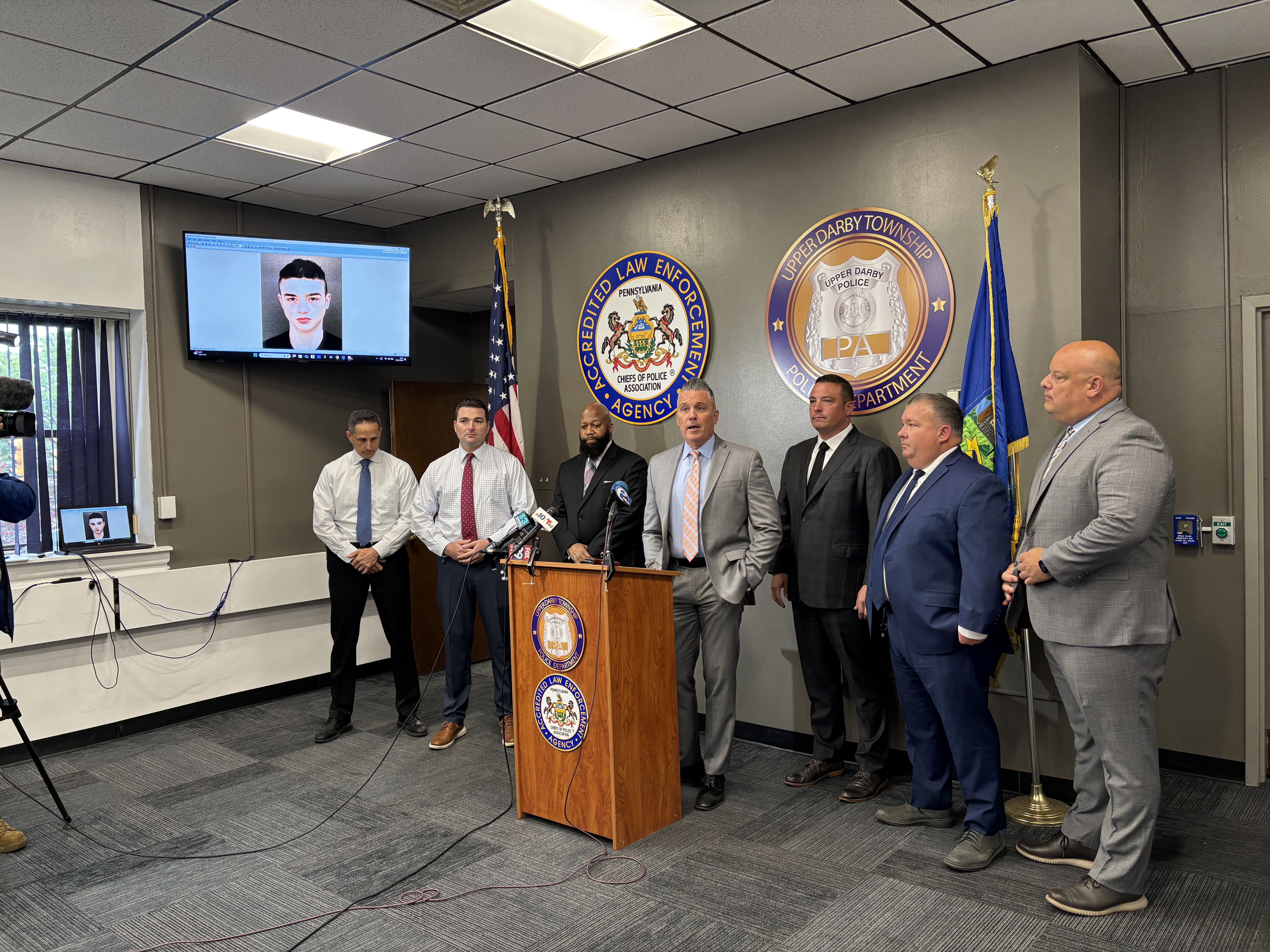
    In May 2025, Upper Darby Police Superintendent Tim Bernhardt (center) announced the arrest of Michael Nixon for the murder of Khalief Webster.Vinny Vella / Staff

    On the day of the shooting, Webster was riding a miniature dirt bike when he encountered Nixon, who had walked 25 minutes from his own neighborhood to the area, according to investigators.

    What happened next was the subject of debate during Tuesday’s hearing.

    Nixon’s attorney, Pete Manaras, said Webster asked his client if he was the “young boul” he had seen “the other day,” and got off the bike to confront him.

    The two teens, he said, knew each other and had gotten into disputes before. Nixon, fearing for his safety, shot Webster in the abdomen, Manaras said.

    But Senior Deputy Attorney General Christopher Phillips, who prosecuted the case, said Nixon was the aggressor. He was out looking for Webster, Phillips said, armed and lying in wait in an area where he knew he would encounter the other teen.

    “The public needs to be protected from people that would do such a thing on a sunny afternoon, on a beautiful May day, to a young man who didn’t see it coming,” Phillips said.

    After the shooting, Nixon fled and was recorded on a surveillance camera telling someone on a phone call that he had shot somebody in the chest, according to the affidavit of probable cause for his arrest. Nixon’s mother then picked him up and drove him away.

    Nixon addressed Webster’s family Tuesday to apologize, saying he wished he could take back what had occurred.

    “I didn’t want to kill him. I never wanted to hurt him,” Nixon said. “I was just scared and my body reacted before my mind.”

    Nixon said he encountered Webster by chance. He was carrying the gun because of previous run-ins with him, he said, and needed it for protection as he walked to a friend’s house.

    Webster grabbed at his waistband as he confronted him, Nixon said. He believed Webster was reaching for a gun and reacted.

    Nixon said he had grown up in an abusive household and that made him “perceive everything as a threat” and grow anxious when people get too close to him.

    “I’m not saying this as an excuse for my actions, because I know I deserve to be locked up for what I did,” he said. “But that doesn’t mean I don’t want to turn my life around, because I do.”

    Webster’s relatives, including his grandmother, Charlotte Webster, said that while they have not yet forgiven Nixon, they know that will come in time through their faith.

    Still, she said, the pain Nixon caused their family was devastating.

    “I believe this was a deliberate, heinous crime he committed,” she said. “He didn’t care about anything or anyone.”

  • Two new scholarships named for Dito van Reigersberg, aka Martha Graham Cracker, will support Philly artists in drag, cabaret, and theater

    Two new scholarships named for Dito van Reigersberg, aka Martha Graham Cracker, will support Philly artists in drag, cabaret, and theater

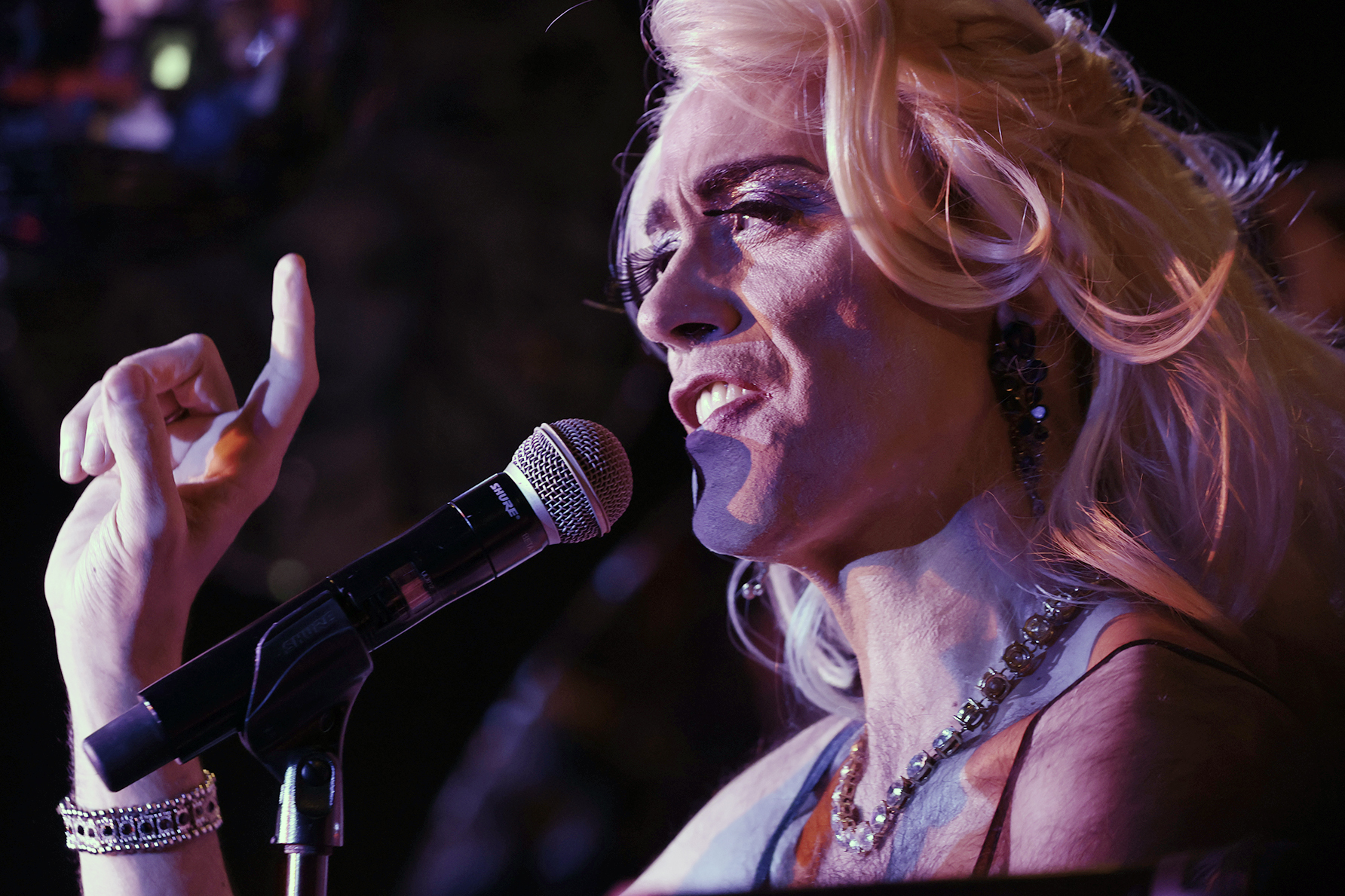
    Following the recent death of beloved artist Dito van Reigersberg — who performed as Philly’s legendary drag queen Martha Graham Cracker — his friends, family, and fans are working on two scholarship funds for the city’s artists and students in van Reigersberg’s honor.

    Victor Fiorillo, the cabaret pianist who performed with van Reigersberg for years, has launched the Martha Graham Cracker Scholarship Fund to support drag and cabaret artists through microgrants. FringeArts will administer the funding, and the first phase will award $500 in unrestricted funds to three individuals or ensembles performing in the 2026 Fringe Festival.

    Fiorillo developed the idea in early August after seeing photos on social media remembering a Martha Graham Cracker Cabaret band fundraiser last year that celebrated the 40th anniversary of Philadelphia’s legendary Live Aid concert. Fiorillo and van Reigersberg raised more than $25,000 for Blood Cancer United (then called the Leukemia & Lymphoma Society) to help others struggling with the kinds of cancer that affected van Reigersberg, who died June 1.

    In less than a week, Fiorillo has raised nearly $11,000 with donations from van Reigersberg’s mom, Stephanie van Reigersberg, and longtime Martha fans, like Jose Pistola’s owner Casey Parker and Johnny Brenda’s owner William Reed. He initially raised $5,000 from friends and fans before opening the fund to public donations through GoFundMe. “It was just a no-brainer for people” to say yes, Fiorillo said.

    “It’s not only about Martha, of course, it’s about furthering the cabaret and drag arts in Philadelphia … I think of it as paving the way for the next Martha — not that I think that Martha could ever be replaced, but that’s certainly the idea,” said Fiorillo, a reporter at Philadelphia Magazine who lives in West Philly.

    “Dito and I both sort of came from privileged backgrounds. We had the money to pay musicians. We never struggled to make Martha a thing. We never had to bet the bank on it or take out a second mortgage. But having worked with so many artists over the years, we know how much some of them struggle.”

    Applications for microgrants for 2026 are now open. Fiorillo added that he plans to work with a financial planner to ideally establish the fund long-term. The next 2027 phase of microgrants will be open to drag and cabaret artists outside of the Fringe Festival as well.

    Another scholarship fund memorializing van Reigersberg is in the works at Pig Iron Theatre Company, the experimental theater group and school that van Reigersberg cofounded.

    Though still in early planning stages, the Dito van Reigersberg Legacy Fund would support artists and students in two ways: by establishing scholarships for Pig Iron graduate students to partially cover tuition costs and through funding Pig Iron’s program The Island, which van Reigersberg codeveloped.

    The Island provides artist ensembles with studio space and production support to experiment and workshop performances without the pressure of delivering a final product. (Pig Iron artists have used The Island to eventually create full productions, like 2008’s OBIE Award-winning Chekov Lizardbrain.) The Legacy Fund would finance Pig Iron’s current Island program and invite collaborations with new artists. Additionally, the fund would establish an Island residency for artists, either individually or as a group, to receive two weeks of dedicated time and space for ideation.

    “I watched Dito open so many doors for so many emerging artists [especially] in the queer community, just [by] saying, ‘You belong and what you do is valuable.’ For us to be able to carry that on just feels like a gift,” said Pig Iron coartistic director Quinn Bauriedel.

    Their goal, Bauriedel said, is to create “a board-designated legacy fund that would operate like an endowment, meaning there would be a principal and the interest would be spent every year,” supporting graduate student scholarships and The Island programs.

    Bauriedel hopes to raise between $1 million to $2 million in the coming years and begin offering the graduate student scholarships in fall 2027. Pig Iron will seek contributions from institutional and individual donors. He added that members of van Reigersberg’s family have agreed to serve on the selection committee for recipients.

    “Running an experimental theater company and school is a precarious enterprise … I just have this strong feeling that now, Dito, in his next phase, is helping to save the whole enterprise,” said Bauriedel.

    “He was always doing special things, and this is yet another one where he might help young artists … who just need to have somebody wrap their arms around them and say, ‘What you’re doing is important and meaningful, even if nobody quite understands it yet.’ Dito continuing to open that door is just beautiful.”

  • Former Eagles running back granted early release from prison to see dying daughter

    Former Eagles running back granted early release from prison to see dying daughter

    Wendell Smallwood Jr. will be by his daughter’s side in her final days after being granted early release from prison.

    Gloucester County Superior Court Judge Renard Scott approved a motion to withdraw Smallwood’s guilty plea from last year, on August 7, in order to see his dying daughter, The News Journal reported on Monday.

    Mila, Smallwood’s eight-year-old daughter, was diagnosed with diffuse anaplastic Wilms tumor, an aggressive and rare childhood kidney cancer, in 2026. After unsuccessful chemotherapy treatments, she is in palliative care and is expected to live for weeks at most, according to the report.

    Smallwood, a former running back with the Eagles, Commanders and Steelers, was sentenced to 18 months in prison last September for a COVID-19-related fraud scheme. He pleaded guilty in December 2024 to charges of felony wire fraud, conspiracy and tax fraud tied to economic relief programs.

    In March, he pleaded guilty to second-degree unlawful possession of an assault firearm for possessing an AR-15 rifle in New Jersey. He was sentenced to three years in state prison, concurrent to his federal sentence.

    At the time, New Jersey banned the ownership of assault weapons, but a July ruling from the 3rd Circuit Court of Appeals ruled that New Jersey’s ban on assault weapons was unconstitutional. This provided Smallwood legal grounds to withdraw his guilty plea.

    Smallwood’s emergency hearing on August 7 ruled that Mila’s severe illness was a notable reason for granting Smallwood’s motion, which could have seen him released as early as Monday.

  • Toyota recalls 655K Camrys over display error that may deactivate turn signals and other indicators

    Toyota recalls 655K Camrys over display error that may deactivate turn signals and other indicators

    CHICAGO — Toyota is recalling about 655,000 of its Camry vehicles globally, the automaker confirmed Tuesday, due to a display error that may deactivate safety indicators like turn signals and hazard lights during start-up.

    Most of the now-recalled cars were sold in the U.S. — where more than 508,000 model year 2025-2026 Camry Hybrids are affected.

    According to documents published by the National Highway Traffic Safety Administration, these vehicles are equipped with a 7-inch display combination meter that can become blank at start-up. And beyond turn signals and hazard lights, certain warnings like seat belt reminders and “key left in ignition” buzzers may also not function as a result.

    These display failures increase crash risks — both for drivers who may not be able to see telltale indicators and “the ability of other road users to recognize the driver’s intent to change direction or indicate a vehicle hazard,” the NHTSA warns.

    Texas-based Toyota Motor North America — a subsidiary of the larger Japanese automaker — says it will notify all known owners of the affected Camrys to bring their vehicles into a certified dealer. To remedy the issue, those dealers will later provide a software update free of charge.

    Owner letters are set to be mailed starting Sept. 21 in the U.S., and Toyota expects to complete those notifications by early October. In the meantime, customers can check the NHTSA’s and Toyota’s online recall lookups to see if their car is affected.

    Toyota confirmed to the Associated Press via email Tuesday that its recall affects markets in North America, the Middle East, Asia, and some countries in other regions. The company said the 655,000 vehicles impacted globally were produced between December 2023 and July 2026 — across three plants located in the U.S., Japan, and Thailand.

    For more information, customers can visit Toyota’s website or contact customer support at 800-331-4331.

  • Colombia searches for over 3,000 missing after a powerful earthquake kills more than 100

    Colombia searches for over 3,000 missing after a powerful earthquake kills more than 100

    PEREIRA, Colombia — Rescue crews and civilians in Colombia painstakingly searched through rubble Tuesday in the hopes of finding survivors trapped under debris after a powerful earthquake left thousands missing in dozens of cities and towns.

    The 7.4 magnitude earthquake that hit western Colombia on Monday wreaked havoc, collapsing buildings, buckling roads, crushing cars, and leaving devastated residents to console each other among the wreckage of their homes. Excavators and heavy machinery cleared heavy chunks of concrete, while buckets of rubble were passed hand-to-hand along a line of volunteers.

    Rescue crews and volunteers picked through flattened concrete buildings in affected cities, searching for signs of life. They raised their hands to call for silence when they thought they heard someone beneath the piles of debris. At least one woman was retrieved — alive — from the rubble.

    Colombian President Abelardo de la Espriella said the earthquake killed at least 181 people and left 2,595 more injured. He said at least 195 remained missing, but civilian-run databases suggest that number could be closer to 4,000.

    Crews race to find survivors

    Authorities said the deaths were concentrated in the cities of Cali, Pereira, Manizales, and Quibdo, but local leaders and families worried about casualties and damage in rural areas, from where very little information has emerged. Aid agencies consider the first 48 to 72 hours crucial for retrieving people alive, though that threshold can be extended if they have access to food and water.

    De la Espriella said more than 1,000 homes were destroyed and yet more damaged.

    Standing near the remains of his brother’s collapsed apartment building in Pereira, Jairo Vargas said he made the 135-mile drive from Medellin, hoping to find him alive.

    “I’m absolutely certain he’s here. Absolutely certain,” Vargas said, adding that his brother’s car was still parked outside. But he fears his sibling did not survive.

    “The debris surrounding my brother is soft,” he said, as heavy machinery rumbled nearby. “It’s possible that it’s protecting him, but we can’t hear any noises anymore. I don’t know. I have little hope.”

    Colombia’s new president faces his first serious challenge

    The earthquake presents the first major test for first-time officeholder de la Espriella, who entered office just days before the natural disaster. The leader, who split the country in recent elections, now seeks to unite Colombia in its disaster response.

    That challenge was particularly notable in Choco, the region at the quake’s epicenter. It is one of Colombia’s poorest and most neglected regions, often beset by warring armed groups. Much of Choco is accessible only by boat, through the jungle, or by airplane.

    Sterling Palacios, a religious and environmental leader in the region, said Choco’s capital and smaller communities along the Atrato River were devastated. Homes were reduced to rubble and aftershocks continued to rumble, terrifying residents who slept in the streets overnight.

    The Colombian Geological Service said it has documented more than 100 less powerful aftershocks since the initial quake.

    “There are towns where people have lost everything, where people have died, where homes have been destroyed,” he said. “We don’t have a full panorama of the damage, but we know it’s been massive.”

    De la Espriella traveled to Quibdo in Choco on Monday night where he announced he was mobilizing “the entire military and police apparatus,” as well as deploying engineers, rescue workers, and search dogs.

    “Choco will never again be the ‘land of the forgotten,’” he said.

    Palacios said the government’s response has so far been “concentrated in the capital,” and that authorities were flying the wounded from Quibdo to hospitals in the city of Medellín.

    The biggest challenge, he said, remains towns in rural areas only reachable by boat — journeys that can take hours or days. That response is also complicated by a toxic slate of armed groups warring for control who, during the COVID-19 pandemic, blocked healthcare workers from traveling to remote areas.

    “It’s a risk and it’s very difficult to predict” what could happen, he said, adding it could take weeks to fully assess the devastation.

    Desperate residents seek news of loved ones

    Families posted information about missing loved ones on citizen-run websites.

    Dana Carolina Zamora posted an image of her missing 60-year-old uncle, Miguel Ángel Zamora, cradling his dog. The farmer was living in a rural area of El Cairo, not far from the quake’s epicenter in San Jose Del Palmar.

    Local authorities said 80% of El Cairo, a town of about 7,000 people, was damaged. Zamora said her uncle lived in a traditional house of sticks and mud.

    “We are afraid. We hope that is not the case, that he is all right and that it is only a communication failure. But we haven’t heard anything from him,” Zamora said.

    The earthquake left many people unnerved after back-to-back quakes devastated neighboring Venezuela in late June, destroying hundreds of buildings and killing more than 6,300 people.

    Mónica Sánchez, who lives in Pereira, one of the worst-hit cities, said when the quake happened a wall collapsed inside her clothing factory. Sánchez and her 12 employees escaped just in time.

    “It was shocking — the city fell down around us,” she said.

    On Tuesday, rescue workers pulled a woman alive from the rubble. Diana Troncoso lay on a stretcher, dusty and scraped up, with her eyes closed. Observers burst into applause as she emerged, but search teams raised their hand to call for quiet so they could continue their search for survivors.

    Pereira and Cali enforced curfews Monday night to prevent looting, and private vehicles were banned from the roads of Pereira so ambulances, police, and rescue workers were able to navigate what’s left of the roads.

    The U.S. State Department has announced it would provide $15.5 million for emergency shelter, food, and other aid. Governments across Latin America have also lined up to help.

    “This has been a tragedy for the whole city, for thousands of families,” Pereira Mayor Mauricio Salazar told local media, his voice quavering. “But here we are, and we will continue forward with the hand of God.”