Albert James Mamary, 59, of Wynnewood, attending physician and professor of thoracic medicine and surgery at Temple University, researcher, writer, mentor, artist, outdoorsman, craftsman, and amateur bicycling champion, died Thursday, July 9, of cholangiocarcinoma at Temple University Hospital.
A 1999 graduate of Temple’s Lewis Katz School of Medicine, Dr. Mamary spent his career at Temple and affiliated hospitals. He was an expert in pulmonary disease, transplants, and sleep disorders at the Temple Lung Center, and became program director of the Pulmonary and Critical Care Fellowship at Temple Hospital in 2006.
He earned a master’s degree in anthropology at the College of William and Mary in Virginia and his premedical school credits at the University of Pennsylvania. In a tribute, his family said: “His education in both medicine and anthropology reflected a lifelong belief that caring for a patient required understanding not only the disease but the whole person.”
Over more than three decades at Temple — as a student, resident, fellow, professor, and physician — Dr. Mamary treated thousands of patients, mentored hundreds of students and doctors, lectured in classrooms and at seminars, and wrote more than 60 scientific papers and textbook chapters. He was named a top doctor by Philadelphia Magazine several times and was featured in The Inquirer and on 6abc TV for his lead role in a successful double-lung transplant in 2015.
“It’s been 120 to 145 patients, individual patients that we’ve been able to help every year,” Dr. Mamary told CBS News in 2024. “That’s really the aim here, is to add years of life to patients who otherwise wouldn’t have that opportunity.”
Colleagues called Dr. Mamary a “physician’s physician” and noted his “amazing intelligence and clinical acumen” in tributes. Gerard J. Criner, chair of Temple’s Department of Thoracic Medicine and Surgery, said: “His patients loved him not only for his clinical skills but also for the warmth, compassion, and humanity he brought to every encounter.”
A former patient said online: “He was a calm in the storm of my end stage disease. … The world has lost a hero.”
A former student said: “His kindness, thorough and balanced approach to medicine, and quiet, thoughtful approach to even the most stressful emergencies reminded me of a Jedi master.”
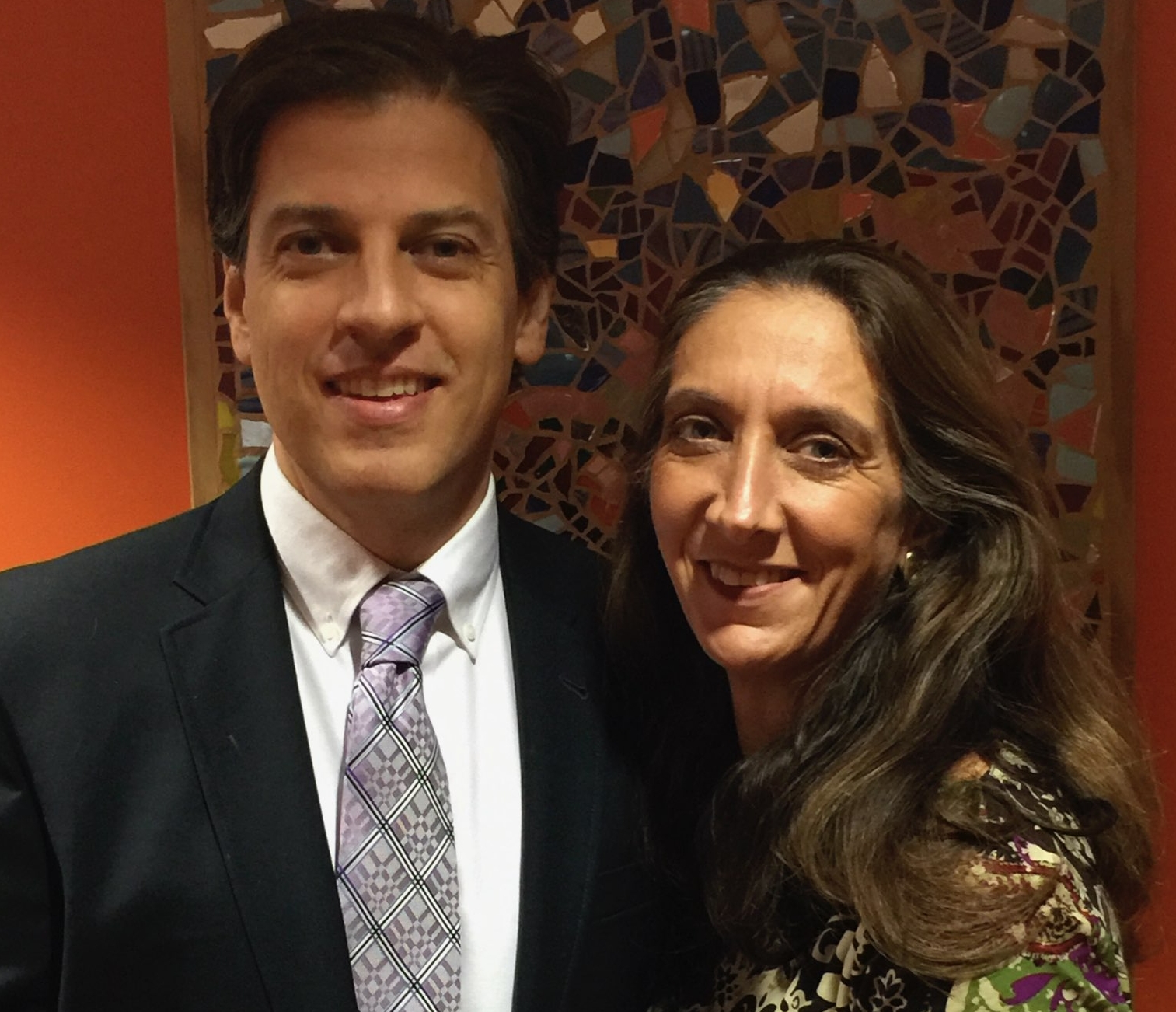
Dr. Mamary and his wife, CeilaSue, married in 1996.Courtesy of the family
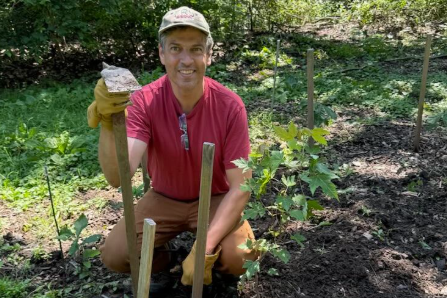
Away from the hospital, Dr. Mamary liked to bike, hike, and camp. He built his own 18-foot mahogany canoe, walked the entire 272-mile Long Trail in Vermont, and won masters bicycling championship races.
He also painted and sculpted, and earned a bachelor’s degree in art and psychology at Haverford College. He and his wife, CeliaSue, initiated the Shortridge Memorial Park Arboretum in Wynnewood and earned a 2024 community service award from Narberth and Lower Merion officials.
“James brought wisdom, kindness, curiosity, and genuine joy to every moment,” his wife said.
Albert James Mamary was born June 12, 1967, in Hempstead, N.Y. He grew up in Binghamton, N.Y., became an Eagle Scout, and was a wilderness river guide for the Boy Scouts in Maine during his college years.
Dr. Mamary was an avid bicyclist and won masters championship races. Courtesy of the family
He met CeliaSue Jaffe in class at Haverford, and they married in 1996 and had daughters HannahRose and LilyRuth. They lived in East Falls and Wynnewood, and he rode his bike from home to Penn and then Temple as often as he could.
Dr. Mamary enjoyed traveling, baking, cooking, and gardening. “His specialty is fruits and vegetables, and I grow the flowers,” his wife said.
He followed the Phillies, rescued cats and dogs, and doted on his daughters. Everybody said he was funny and silly.
“He was curious and always learning or doing something new,” his daughter LilyRuth said. “He took joy in simple things.” His daughter HannahRose said: “Even if he wasn’t my dad I would want him as a friend because he was so interesting and so easy to talk to.”
Dr. Mamary was a wilderness river guide for the Boy Scouts in Maine during his college years.Courtesy of the family
Dr. Mamary was diagnosed with cholangiocarcinoma, bile duct cancer, in 2020 and treated by longtime colleagues and friends at Temple, some of whom he had mentored. “It was a profound reflection of the life he lived,” his family said, “that so many of those he had taught ultimately became his caregivers.”
His wife said: “He was a very vibrant and adventurous person but so thoughtful, steady, and reliable. James was incredible.”
A former top official at the Southern Poverty Law Center, a storied civil rights organization at the center of a Justice Department prosecution, was indicted Wednesday in an escalation of the case against the nonprofit, officials said.
Federal prosecutors in Alabama accused Heidi Beirich, the nonprofit’s ex-chief financial officer, of overseeing payments to informants working with a variety of hate groups, Attorney General Todd Blanche told reporters.
A lawyer for Beirich denounced the allegations as an attempt by the Justice Department to “silence political opponents” and vowed she would fight the charges.
“Violent extremists have not stopped or intimidated Dr. Beirich from her vital work during her time at the SPLC or in the six and a half years after she left the SPLC,” defense lawyer Michael Proctor said in a statement. “Dr. Beirich won’t be silenced or intimidated by the government’s false and politicized allegations now. She welcomes the opportunity to present the truth in court.”
In April, Blanche unveiled an 11-count indictment against the SPLC charging it with bank fraud, wire fraud, conspiracy, and money laundering, saying it misled donors by using their money to secretly fund informants in extremist groups.
The organization’s leadership denounced the case as an effort to weaponize the Justice Department against groups unfriendly to President Donald Trump. The SPLC’s donors intended their money to be used to combat extremist groups, they said, and that’s exactly what the informant program did.
The indictment alleged the SPLC had defrauded its donors by paying more than $3 million between 2014 and 2023 to at least eight individuals working inside groups such as the Ku Klux Klan and the National Socialist Movement. In some cases, prosecutors said, the source of the money was disguised through accounts associated with fictitious businesses.
Beirich, in her role as chief financial officer, oversaw some of those payments, Blanche said.
“She was part of the effort to open bank accounts in completely fictitious companies’ names and make payments to individuals for reasons that were not accurate or described,” the attorney general said Wednesday.
Attorneys for the organization have said the SPLC began paying informants to help infiltrate those organizations as a means to protect its staff and gather intelligence on hate groups that posed a threat. Often the information they learned was shared with federal and local law enforcement to advance their investigations, they said.
A spokesperson for the SPLC said earlier this year that the informant program has been discontinued.
The nonprofit has rejected the claim that payments to informants amounted to fraud, saying that donors were well aware of the organization’s work and that the payments to informants furthered that mission.
The SPLC was founded in Montgomery, Ala., in 1971 with the goal of ensuring that civil rights laws passed by Congress and enshrined by the courts would become a reality on the ground. It is known for its efforts to monitor and take legal action against white supremacist groups.
In recent years, the SPLC has become a frequent target of Republican-led congressional inquiries, with conservative critics accusing it of coordinating with the Biden administration to unfairly malign Christians and conservatives exercising their First Amendment rights.
That criticism reached its peak following the killing of conservative activist Charlie Kirk last year. The SPLC had described the organization he led, Turning Point USA, as emblematic of the “hard right” in a 2024 report on hate and extremist groups. FBI Director Kash Patel announced in October that the bureau was severing ties with the organization, which had long worked with federal agents to identify and provide tips on domestic extremist groups.
Under Trump, the Justice Department has launched criminal investigations of several people and organizations viewed as politically opposed to the president. That includes groups such as ActBlue, Democrats’ main fundraising platform, as well as outspoken critics from Trump’s first administration and law firms that have represented Trump’s political adversaries.
Proctor, Beirich’s attorney, described her Wednesday as a “renowned authority on white supremacist and far-right extremist movements in the United States and abroad” who has testified before Congress and served as an expert witness in prominent court cases.
“Heidi Beirich has dedicated her life to fighting hate groups and extremist movements like the KKK, neo-Nazis, and other white supremacists,” Proctor said in a statement, adding, “Her decades-long record of success dismantling hate groups — and the resulting threats to her life — speak volumes.”
WASHINGTON — Democrats remain mixed over what ideological direction the party should take. But across a series of closely watched primaries, they are sending a clearer message about the party’s path forward: They want change.
In marquee Senate primaries in Michigan and Minnesota, progressive candidates defeated two members of Congress with significant backing from party leaders. Wisconsin voters narrowly rejected a democratic socialist but still chose a 40-year-old county executive who is seeking to become the state’s first Black governor. And in Connecticut, voters ousted one of the longest-serving Democrats in Congress for a challenger who campaigned on generational change.
The results so far this month deliver no clear ideological mandate. Instead, they add to mounting evidence from this year’s primaries of a Democratic appetite for turnover that is cutting across the party’s traditional divisions.
“The through line between these races isn’t ideology. It’s impatience with this political system that feels disconnected from the urgency voters feel,” said Lis Smith, a national Democratic strategist. “The demand for change is much broader than the demand for socialism.”
The immediate challenge for Democrats is whether they can harness the frustration fueling revolts against their own party and turn it against Republicans in November. Beyond that looms the 2028 presidential race, when a new generation of leaders will compete to shape a changing Democratic Party.
“If leaders in our party don’t recognize that we need to make changes, then the changes are going to come from the ground up,” Luke Bronin, a former mayor who defeated 14-term Connecticut Rep. John Larson in Tuesday’s primary, said in his victory speech. “That’s a message our party needs to hear.”
Progressives are ascendant, but Wisconsin shows their limits
Progressive leaders touted Tuesday’s results as further proof that their message is working after victories in Minnesota and Michigan.
“What we are seeing is that people are sick and tired of establishment politics and establishment policies,” Sen. Bernie Sanders told the Associated Press on Wednesday, pointing to a string of progressive victories around the country.
In Wisconsin, Democratic socialist Francesca Hong had hoped to also ride the wave of recent progressive victories to the Democratic nomination for governor. Instead, she narrowly lost to Milwaukee County Executive David Crowley, a more moderate Democrat who had the backing of outgoing Gov. Tony Evers.
Hong’s defeat also came after a number of her past comments resurfaced, including support for defunding the police and a call to cancel Thanksgiving, which she said was a joke. Unlike El-Sayed, Hong didn’t receive the backing of some of the nation’s most prominent progressive leaders, including Sanders and Rep. Alexandria Ocasio-Cortez.
Sanders said Wednesday that he didn’t endorse Hong because his team lacks the resources to “get involved in every single race. Period. And that’s about it.” He nevertheless praised her “very strong grassroots campaign” for getting “a whole lot of people excited.”
The result illustrates a tension for the party’s ascendant left flank. Candidates running on populist economic messages have found growing success with Democratic voters. But some positions associated with the progressive movement’s recent past remain vulnerabilities — particularly among voters worried about electability in November.
“A lot of Democrats are traditionalists on things like culture issues. This is not about culture, it’s about economics. It’s about corruption,” said David Axelrod, who was an adviser to President Barack Obama. “The closer that candidates hew to those issues, the larger the base they’re going to be able to accumulate.”
That tension was evident Tuesday for Sarah Atkins Hoggatt, 61, who said she agreed with Hong on some issues but worried that Hong’s deeply progressive politics and the democratic socialist label would make it harder for her to defeat Republican Tom Tiffany. She voted for Crowley.
“I didn’t vote my heart,” Atkins Hoggatt said.
Progressives scored a much clearer victory in Minnesota, where Lt. Gov. Peggy Flanagan resoundingly defeated centrist Rep. Angie Craig. Craig had the backing of House Democratic Leader Hakeem Jeffries and other prominent Democrats, while Flanagan was supported by Sanders and Sen. Elizabeth Warren.
Flanagan, similar to El-Sayed in Michigan, highlighted her opponent’s support from wealthy donors while also attacking her vote for a Trump-backed immigration bill that became a liability after immigration agents shot and killed Renee Good and Alex Pretti in Minneapolis.
As in Michigan, the winning progressive candidate was significantly outspent.
“Super PACs spent over $80 million trying to defeat El-Sayed and Peggy Flanagan,” Sanders said. ”They lost both elections. I think what people are saying is, we’re sick and tired of billionaires and their super PACs buying elections.”
Democrats are hungry for change
Flanagan is 46 years old. Crowley is 40. And El-Sayed is 41. But nowhere was the demand for generational change more explicit Tuesday than in Connecticut.
Bronin, 47, defeated the 78-year-old Larson — who was first elected to Congress in 1998. A central theme of Bronin’s campaign was the need for a new generation of leadership in Washington.
Larson became the seventh Democratic House incumbent to lose a primary this year, many of them to younger challengers. The defeated incumbents and the Democrats replacing them span ideological lines, making the wave of losses difficult to explain simply as a shift to the left.
The push for generational turnover has taken on greater urgency since Democrats’ defeats in 2024, when concerns about President Joe Biden’s age ultimately ended his reelection campaign and forced the party into an uncomfortable reckoning over a generation of leaders who had remained in power for decades.
Bronin himself has connected his challenge to that experience. Earlier this year, he argued that Democrats needed “new members of Congress, new Democratic leaders who have the energy and courage and clarity of mission that this moment demands.”
That sentiment was evident among voters in Larson’s district. Dan Schnaidt, a 73-year-old Democrat, said he appreciated Larson’s service but believed it was time to move on.
“It’s time for new blood, for new ideas,” Schnaidt said.
The generational divide extends to the electorate
While Hong fell just short in Wisconsin, the strength of her insurgent campaign highlighted another force reshaping Democratic politics: younger voters.
Cody Chandler, a 35-year-old software engineer, voted for Hong and called her “probably the most exciting candidate I’ve seen.” Unlike in elections past, Chandler said, he voted for the candidate he most wanted to win rather than the one he considered most electable.
Jesse Heer, a 32-year-old Madison business owner, also backed Hong, citing her focus on affordability.
That support showed up geographically. Hong won Madison, home to the University of Wisconsin’s flagship campus, by nearly 7 percentage points, though it wasn’t a big enough of a margin to help her win the nomination.
A similar pattern helped propel El-Sayed to victory a week earlier in Michigan.
El-Sayed won Washtenaw County, home to the University of Michigan, by nearly 25 percentage points and Ingham County, home to Michigan State University, by 23 points. He also won Grand Rapids, with its large population of younger, college-educated voters, by nearly 26 points.
Jordan Snyder, a 20-year-old Michigan voter who supported El-Sayed, said she backed him because of his progressive positions and because she viewed him as someone she could trust, rather than “someone who I feel could be bought and sold.”
“People are feeling like a lot of the people that they’ve trusted that have been in government haven’t really been living up to expectations,” Snyder said.
A former cardiac thoracic surgeon at one of Main Line Health’s flagship programs says in a federal lawsuit that he was fired after reporting a series of bad patient outcomes.
Gianluca Torregrossa accuses the nonprofit hospital system in the Philadelphia suburbs of failing to thoroughly investigate a pattern of complications among the patients of another senior surgeon, including one instance that led to a heart transplant.
The Italian physician attempted to have the cases reviewed multiple times during his tenure, which was just short of five years, but instead Torregrossa was marginalized by hospital leadership, suspended, and eventually terminated before the end of his contract, according to the suit.
The termination caused issues with the physician’s visa, which required him to return to Italy without his wife and daughter while he got his new visa in order, according to the complaint. Torregrossa, who began working at Cleveland Clinic in June, says he also lost wages during the three-month period and his reputation suffered.
“Cardiac surgery is a small professional field, and news of his suspension and termination spread nationally and internationally, creating questions about his professional standing despite his clinical outcomes and subsequent employment by Cleveland Clinic,” the suit says.
Torregrossa’s attorney did not respond to a request for comment.
The lawsuit, filed July 31 in the U.S. District Court for the Eastern District of Pennsylvania, names only Main Line Health as a defendant. The health system declined to comment on the active litigation.
“Main Line Health’s Robotic Cardiac Vascularization Program is an important part of our commitment to providing advanced surgical care,” a spokesperson said in a statement. “The program helps ensure patients have access to specialized surgical expertise and innovative, minimally invasive treatment options close to home.”
Torregrossa was recruited by the Montgomery County hospital system in 2021 to assist in expanding the robotic heart surgery programbased at Lankenau Medical Center, the lawsuit says.
The opportunity to join Main Line Health was lucrative. The surgeon signed a five-year contract starting at $800,000 a year, plus bonus, according to the lawsuit.
Main Line Health is a national leader in a robotic procedure to replace a clogged artery with a new one, known as coronary artery bypass graft, which is the most commonly performed heart surgery in the United States. But at Main Line it is often performed in an uncommon way.
Shortly after joining Main Line Health, Torregrossa became concerned about the outcomes of patients whom Sutter operated on robotically that the physician believed were preventable, the suit said.
Torregrossa asked in 2023 for a review of seven of Sutter’s cases, the complaint says, but a team discussed them “only superficially, no meaningful follow-up was initiated, and the pattern of complications involving a single surgeon was not examined.”
The physician continued to raise concerns over allegedly preventable complications through 2025, as well as ethical breaches in patient assignment at the program, according to the complaint.
The Inquirer was unable to reach Sutter, who retired in July, based on publicly available records.
Michael Carboine (left), physician assistant, and Jeff Roman (right), scrub nurse, watches the monitor as lead surgeon Francis Sutter moves the robotic instruments in the patient’s heart on Monday, June 26, 2023. Lankenau Hospital, part of Main Line Health, uses robotic coronary bypass surgeries at a higher percent than other hospitals.Allie Ippolito / Staff Photographer
Following his internal reports, the suit says, Torregrossa was marginalized by leaders of the program and hospital.
Human resources opened an investigation into Torregrossa based on a comment he had made in a brief recruitment interview, according to the complaint. The documents do not repeat the comment or provide more context to what was said.
“That HR event reflected a broader pattern in which routine professional interactions involving Dr. Torregrossa were escalated against him, while more serious concerns involving others, like patient safety, were not meaningfully investigated,” the lawsuit says.
In November 2025, the hospital system told Torregrossa that his contract would not be renewed past June 30, the suit says.
Torregrossa continued to push internally for reviews, but his pleas fell on deaf ears, according to the complaint. In January, he submitted an external patient safety report to the Pennsylvania Licensing System and the Joint Commission, a hospital accreditation organization, which conducted a surprise visit to Lankenau shortly after.
The surgeon also circulated an anonymous letter about the Sutter cases in question, the suit says without saying who were the recipients.
Sutter’s medical license is active and Pennsylvania Department of State records show no disciplinary history. Lankenau has passed a series of Pennsylvania Department of Health inspections since January that found the hospital in compliance.
Main Line Health placed Torregrossa on administrative leave in February and barred him from accessing the system’s hospitals and clinics. The system accused him of disparaging the health system during a presentation and engaging in unprofessional conduct.
The lawsuit says both excuses were false and pretextual, leading to his March termination.
The complaint accuses Main Line Health of violating the Pennsylvania whistleblower protection law and breaching his employment agreement. It asks for damages in an unspecified amount greater than $75,000.
“Being removed from practice for approximately three months deprived him of the ability to operate, teach, proctor, maintain case volume, and continue refining a rare and demanding surgical technique,” the lawsuit says.
Gen Z has established a foothold in the workplace, and as these workers become a bigger part of Philadelphia’s workforce, they’re increasingly shaping the economy.
So what do Philadelphia’s Gen Zers think is a good job?
The perhaps unsurprising answer: one that allows advancement opportunities, high pay, and employer-funded healthcare benefits, as well as work-life balance and boundaries. That’s the finding of a new report from the Pew Charitable Trusts.
And for some Gen Zers Pew heard from, pursuing a job in their field means looking beyond Philadelphia. Outside of healthcare, and some opportunities in law and engineering, they say, other desirable industries don’t seem to be hiring much here.
“Understanding their attitudes, their perspectives about work, about what a workplace should be, what their feelings are about work-life balance” is important, said Thomas Ginsberg, author of the report on Gen Z workplace attitudes.
Released Wednesday, the report is based on focus group discussions that took place last year with 54 Philadelphians aged 18 to 29.
They’re skeptical about what’s learned in college and want to build up more hard skills. And they see work as a key to living well, not as the reason to live.
“They’re not at all reticent about working hard,” Ginsberg said. “What they’re doing is questioning what’s the ultimate goal of ‘work hard.’ It’s to have an affordable personal life, in their view.”
But participants in the survey expressed that “jobs today often don’t deliver that,” he said.
“You work hard and you still can’t buy a house,” Ginsberg said. “Those two things are coming together pretty starkly for this group.”
Gen Zers looking outside Philly for good, flexible jobs
Gen Z Philadelphians want flexible work hours and perhaps the freedom to go to the dentist without requesting time off from work.
They want boundaries when they’re off the clock, so they can maintain hobbies and relationships. But they also want some in-office time to learn from colleagues.
“I don’t live to work. I work to live. So there needs to be that distinction between the two,” one participant said.
Much of Philadelphia’s Gen Z population works in healthcare, social assistance, and education services, reflecting the city’s eds and meds focused economy.
Survey participants interested in healthcare jobs said there were plenty to go around. Others looking outside that field said there aren’t enough good job opportunities.
In particular, they said, jobs in tech, finance, and the arts seem more scarce. They said New York and Washington, D.C., seem to have more opportunities in those fields.
And while cost of living and housing seems lower in Philadelphia than in other East Coast cities, jobs here generally pay less, they say.
Still, they like much of what the city offers for nonwork hours, from the social life to the sports, arts, and transportation. SEPTA, PATCO, and NJ Transit attracted some Gen Zers to the area in the first place, the report said.
College builds contacts, not skills, Gen Z says
A little over half of Philadelphia residents between the ages of 25 and 29 had a bachelor’s degree between 2020 and 2024 — a higher share than residents older than them. But Pew found this age group has reservations about whether college provides what they need for career advancement.
“This age group is the highest-educated age group that we can measure … and even so, they’re only marginally positive about the value of college education,” Ginsberg said.
Temple University students on graduation day on May 6.Alejandro A. Alvarez / Staff Photographer
College-educated Philadelphians surveyed said their higher education was valuable for building a professional network, Ginsberg said, but not as much for hard skills. They said they want more training in skills like coding, data analytics, AI, and industry-specific software. Some said they know they will need a graduate degree to advance.
Those without a degree felt they could get those hard skills without college, said Ginsberg, pointing to the availability of specialized programs and microcredentials.
Still, those without an undergraduate degree said that they felt like employers favored potential hires who had gone to college and that they could have benefited from learning soft skills such as public speaking, networking, and interviewing in a college setting.
Gen Z doubts the value of retirement benefits
Ginsberg noted that the Gen Z respondents expressed skepticism about financial institutions and retirement, which he wasn’t expecting. Some said they had purposely forgone their employer’s 401(k) plan or couldn’t afford to set money aside to retire. Some said they felt more confident investing money on their own.
“Gen Z has lived through two economic shocks in this country,” Ginsberg said. They’re also facing record levels of college debt, and high inflation.
“They’re translating that, to some degree, into questioning whether the institutions of our economy actually are doing right by them.”
On Wednesday, just two and a half weeks later, Cai was putting the finishing touches on his mural, which has already created a scene at 10th and Arch Streets in Chinatown, with residents and tourists alike stopping to take pictures and chat with the artist.
The purpose of the mural, Cai says, isn’t just to celebrate the Sixers’ big signing, it’s also to bring people to his community.
“I know this mural can bring positive interest to Chinatown,” Cai said. “There’s a lot of controversy about Chinatown, a lot, so I wanted to show some of the Asian elements in the art and bring business to this area, to this community — my community.”
When sketching out his plan for the mural, which is painted on the side of a Vietnamese restaurant across from the Chinatown Friendship Gate, the famous photo of James and Dwyane Wade combining for an alley-oop in Miami immediately came to mind. From there, Cai (蔡陈林) — who asked that we print his Chinese name so his mom, who can’t read English, could see her son’s name in print — was inspired by Philadelphia and his heritage to make it his own.
James Smith captures a photo with his phone of the LeBron James mural at 10th and Arch Streets.Jose F. Moreno / Staff Photographer
He replaced Wade with a bronze William Penn, a nod to Penn’s statue atop City Hall, and included a wave reminiscent of The Great Wave off Kanagawa, a famous piece of Asian art, that crests into a dragon image. Cai explained that the dragon represents an ancient Chinese legend known as the “Dragon’s Gate,” which symbolizes hard work, bravery, and good fortune.
“Just as in the legend, where a fish that leaps over the Dragon’s Gate transforms into a dragon, LeBron’s arrival in Philadelphia portends that his career will reach new peaks. As LeBron soared through the air, the waves rose up and transformed into a dragon,” Cai wrote in the description of his mural.
No detail was too small. He even matched LeBron’s sneakers to his own favorite pair, which was a Christmas gift from his wife, Xingzi: the Nike LeBron Soldier 14 EP “Sisterhood.”
“Philadelphia is The City of Brotherly Love, and I wanted to include it for everybody, and because these shoes are called the ‘Sisterhood,’ the whole city is welcoming him,” Cai said, beaming as he took pictures with fans.
Pedestrians walk past a LeBron James mural at 10th and Arch Streets on Wednesday. Jose F. Moreno / Staff Photographer
This is not Cai’s first Chinatown mural. He painted the crane mural that went up in 2022 and, more recently, a collection of 20 different World Cup murals celebrating some of the countries that played in the tournament. The U.S. installment is located right next to his LeBron mural.
Among all his works, this one is extra special for Cai, who isn’t just a lifelong 76ers fan — he’s also been a LeBron fan since before he entered the league.
“We are the same age. He is like my bro,” Cai said. “I watched him when he was in high school, even in 2002, when he was called ‘The Chosen One.’”
As people passed by and fist bumped Cai on Wednesday, some stopped to chat about their shared love for the game and excitement over the upcoming season, while others hit the Wade pose for a meme of their own. Each time someone took a picture, Cai encouraged them to post on social media and continue to spread his message.
“I am just so happy with the attention this has been getting,” Cai said. “It means so much for me and my family, and this is the true purpose of my art, to bring more traffic to Chinatown and help the small businesses here.”
The ongoing Ebola outbreak in Congo is on track to surpass the deadliest one in history, which erupted over a decade ago and killed over 11,000 people, the head of the World Health Organization said Wednesday.
“At its current pace, it’s on track to eclipse the West African Ebola outbreak of 2014 to 2016,” Tedros Adhanom Ghebreyesus told reporters. That outbreak horrified the world and jolted efforts to develop a vaccine.
The outbreak in eastern Congo, considered the fastest-growing one yet, has killed over 2,000 people out of more than 4,300 cases. The outbreak was declared on May 15, but health authorities now say sequencing showed it began months earlier, in February.
It is unlike recent Ebola outbreaks because the rare Bundibugyo virus responsible for it has no approved vaccines or treatments, though efforts to address that are underway.
WHO says this outbreak ‘had a big head start’
Experts say this outbreak is moving faster than efforts to track and manage it in a remote part of eastern Congo facing ongoing conflict, near the borders with South Sudan, Uganda and Rwanda.
Most new cases and deaths are being reported in communities outside the reach of health workers in a region of poor infrastructure and ill-equipped health centers. Some workers have gone on strike over lack of pay. Misinformation about the virus circulates in communities where some are wary of outsiders, keeping some people from clinics.
“The outbreak had a big head start, still way ahead of us, and we’re playing catch-up,” Tedros said.
Abdirahman Mahamud, WHO’s director for health emergency alert and response operations, said the agency expects the peak of the outbreak to be reached in six months.
“But … that’s the moderate scenario,” Mahamud said. “There is a one-case scenario where this outbreak may last nine months to 12 months.”
This Ebola outbreak has killed more people at a faster rate than any other, including the 2014-2016 outbreak that had at least 28,000 cases. That one took about eight months to reach 1,000 deaths.
Two vaccines for this type are being tested
Ebola is rare but highly contagious and can be contracted from bodily fluids such as vomit, blood or semen, and from contaminated surfaces and materials such as bedding and clothing. The disease it causes is severe and often fatal.
Clinical trials of two possible treatments for this type of Ebola began last month in Ituri, the most affected of the five provinces in Congo where cases have been reported.
Two vaccines developed specifically for the Bundibugyo virus are now being tested in people for the first time, Tedros said Wednesday.
WHO also plans to test whether an existing Ebola vaccine could protect people against the virus after studies in animals showed promising results.
The origins of the outbreak are becoming increasingly clear.
A study published in Nature Medicine on Monday added evidence that the outbreak began when the virus jumped from an infected animal to a person, rather than stemming from earlier outbreaks. Researchers found the virus is genetically different from versions seen in Bundibugyo Ebola outbreaks in 2007 and 2012.
ST. LOUIS — Growing up, Derek Hill usually had to travel away from his home state of Iowa for meaningful baseball competition.
Baseball lags behind football and wrestling in terms of popularity in the state. So Hill, who is from Des Moines, would often go to places like Kansas City or Colorado for baseball tournaments to face higher-caliber opponents. When he was 14, he moved to California as he started pursuing the sport more seriously.
But on Thursday, Hill, 30, will return to Iowa as a major leaguer, to play a major league baseball game. It’s something the Phillies outfielder hardly could have imagined on those long drives as a kid.
“Full circle,” Hill said.
The Phillies are set to take on the Twins in Dyersville, Iowa, for MLB’s Field of Dreamsgame inspired by the movie. The game will be held at a ballpark adjacent to the one actually seen in the 1989 film, with a cornfield beyond the outfield fence that the players enter through at the beginning of the game.
It will be Hill’s first visit to Dyersville, which is less than two hours away from Des Moines. Even after moving away, Iowa remains a special place to him.
“It made me who I am. I love the people there,” Hill said. “Midwest love, can’t get better.”
Derek Hill is batting .300 with a 1.114 OPS as a pinch-hitter this season.Monica Herndon / Staff Photographer
He will have several family members there in person. While it’s a bit too complicated of a trip for his wife and 20-month-old daughter to make for one game, Hill’s mother and brother still live in Iowa, and his sister is flying out from Philadelphia.
Even though he doesn’t play every day, Hill has certainly made his presence felt on the Phillies in the two months since they acquired him from the White Sox. He has started just 18 games since the June 11 trade, primarily against left-handed pitchers.
But he’s pulled off numerous highlight-reel plays in the outfield, provides significant speed off the bench, and has come up clutch several times at the plate. That included Sunday, when Hill delivered a walk-off single against Toronto in the 12th inning. Hill has a .233 batting average overall this season. But in 23 plate appearances as a pinch-hitter, that jumps to .300, with a 1.114 OPS to boot.
With right-handed Taj Bradley expected to pitch for the Twins, it’s unlikely that Hill will start in Dyersville on Thursday. But that just means that there could be an opportunity for some more late-game heroics.
He’s not the only Phillies player who is excited for the unique experience. Aaron Nola, who is scheduled to start the game, has never been to Iowa and is looking forward to seeing it for the first time. Bryce Harper and Bryson Stott have special gear they are planning to wear, and Harper wants to visit the former movie set to see the place where the film was actually shot.
But it’s a bit more personal for Hill. Because while baseball once took him away from Iowa, now it’s bringing him back.
“It’s pretty cool that they’re doing this, and that they built an actual stadium, like full-blown stadium there now. They’re taking it seriously,” Hill said. “I think that’s really cool. It’s bringing a lot of eyes and a lot of positivity to Iowa.”
Extra bases
Nola (3-9, 5.47 ERA) is scheduled to start in Dyersville against Minnesota’s Bradley (9-4, 3.76). … Iowa will become the 22nd U.S. state in franchise history that the Phillies have played in.
Montgomery County on Tuesday sued some of the nation’s largest social media companies in a Northern California federal court, joining nearly 3,000 actions from parents, school districts, cities, counties, and states that say the platforms are harming the mental health of children and teens.
The social media giants have faced a flood of litigation in state and federal courts, part of a public reckoning over the negative impacts their products are accused of having on young people. The lawsuits allege that the companies have developed platforms that are addictive, especially to young people, and contribute to negative self-image and social isolation.
Montgomery County is suing Meta, ByteDance, Snap, and Google on behalf of the county’s 148 schools and more than 180,000 minor students, the filing said. It accused the companies and their popular products — including Instagram, Facebook, Snapchat, and TikTok — of negligence and creating a public nuisance.
“Too many young people are struggling with anxiety, depression, self-harm, and other serious mental health challenges,” Jamila Winder, chair of the Montgomery County commissioners, said in a news release Wednesday. “We believe social media companies must be held accountable for the role their products play in harming young people.”
Montgomery County’s lawsuit is one of nearly 3,000 cases before a Northern District of California judge through a mechanism called multidistrict litigation. The process allows the federal court system to handle a large volume of similar complaints in one court, usually leading to a number of bellwether trials that help assess the value of a potential global settlement.
The county’s suit is part of a larger partnership between its board of commissioners and its district attorney’s office “to proactively identify, investigate, and pursue cases against companies whose actions harm consumers or create illegal costs for taxpayers,” the news release said.
The 2025 Pennsylvania Youth Survey found that 97% of youth respondents have a phone that can access the internet, 81% have a social media account, and 24% spend four or more hours on a school day on social media.
Teens who spend more than three hours a day on social media platforms have double the risk of depression and anxiety, and half of teens report that social media makes them feel worse about the way they look, according to the advisory.
Spokespeople for TikTok and Snap did not immediately respond to requests for comment Wednesday.
José Castañeda, a spokesperson for Google, said in a statement Wednesday that “the allegations in these complaints are simply not true.”
“Providing young people with a safer, healthier experience has always been core to our work,” Castañeda said. “In collaboration with youth, mental health and parenting experts, we built services and policies to provide young people with age-appropriate experiences, and parents with robust controls.”
A Meta spokesperson also objected to the allegations, saying the company is “confident the evidence will show our longstanding commitment to supporting young people.”
“We’ve listened to parents, worked with experts and law enforcement, and conducted in-depth research to understand the issues that matter most. We’re proud of the progress we’ve made, and we’re always working to do better,” the spokesperson said.
Meta said that damages in the case could reach $1.4 trillion, according to Reuters, which is not far from the $1.5 trillion market cap of the company that owns Facebook, Instagram, and WhatsApp.
(In May, Meta settled for an undisclosed amount in a case brought by a rural Kentucky school district before jury selection took place. The case was slated to be the first bellwether trial in the centralized litigation.)
The social media giants face legal challenges elsewhere, too.
Also on Tuesday, Pennsylvania Attorney General Dave Sunday sued ByteDance, the company behind TikTok, in a Pittsburgh state court. That lawsuit accuses the company of creating an intentionally addictive platform and serving inappropriate content to teens as young as 13.
The companies have argued in courts across the country that they are protected by federal laws that govern the internet, which were enacted before the advent of social media, complex algorithms, and personalized feeds.
The social media platforms themselves cannot be held liable for the content other people post, the companies have argued in court. And, they said, social media addiction is not an established diagnosis and mental health harm cannot be directly linked to use of a platform, app, or website.
But jurors in the first trials over social media’s harmful effectsrejected most of the companies’ arguments. A New Mexico judge this month ordered Meta to pay nearly a billion dollars, combing a $567 million verdict and a $375 million civil penalty, after a jury found the company had committed 75,000 violations of the state’s Unfair Practices Act.
CENTERVILLE, Texas — Nikki Meador grew up here in East Texas. She’s a lifelong conservative and a three-time Trump voter unaccustomed to activism. That’s mostly because there’s never been much to protest in rural Leon County.
That changed when the nurse practitioner heard data centers were coming.
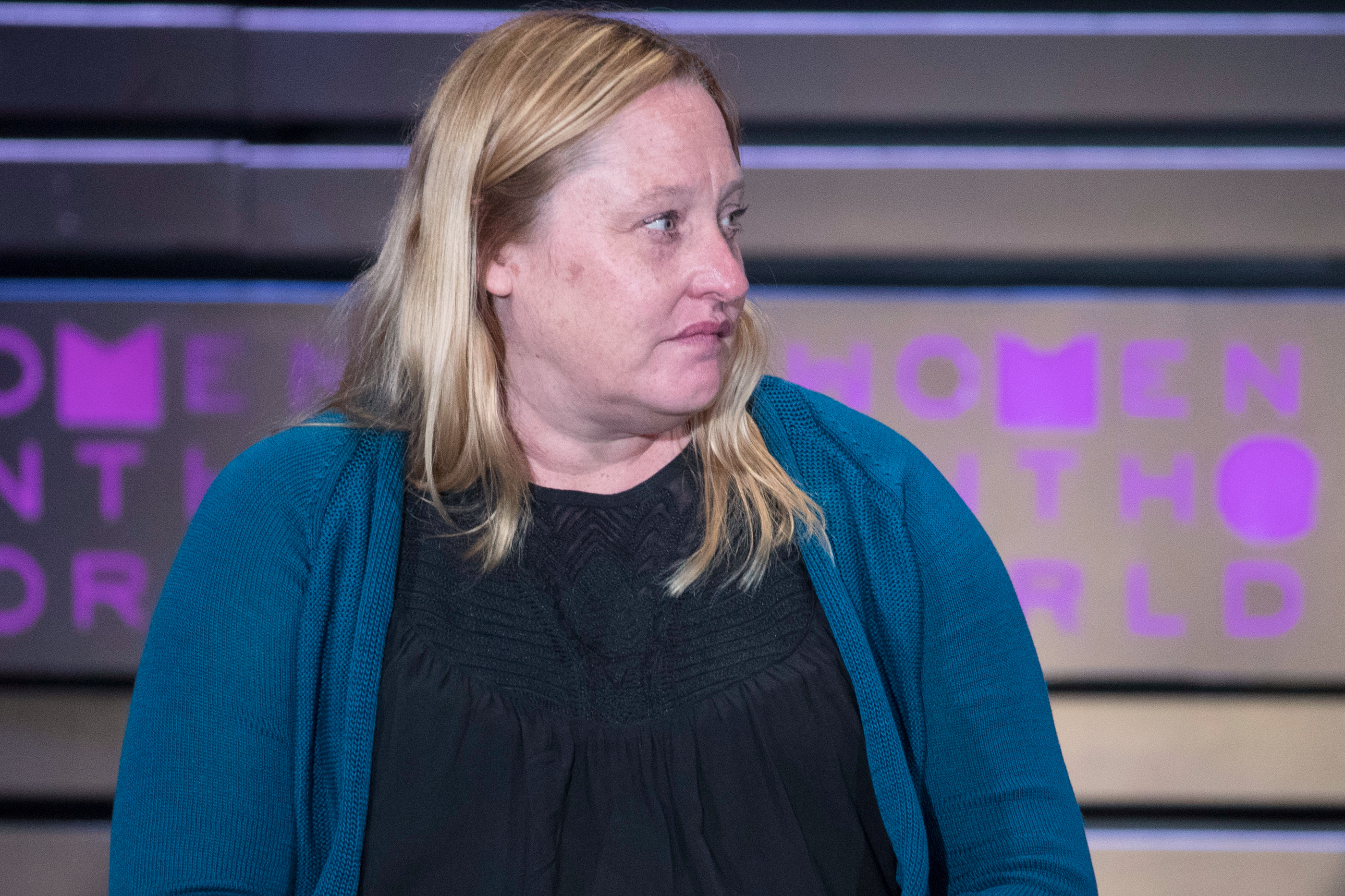
“We are the people who built this community, and we intend to pass it down to our children. We deserve protection, not to be sacrificed for outside investment. Industrialization is irreversible,” said Meador, 43.
Meador, wearing a camo green T-shirt bearing the state’s unofficial motto, “Come and take it,” was among several dozen attending the county commissioners’ regular meeting on a recent Monday.
“We’re asking you to consider the long-term cost to taxpayers, the environmental and safety risks, the permanent loss of what makes this place home,” she said.
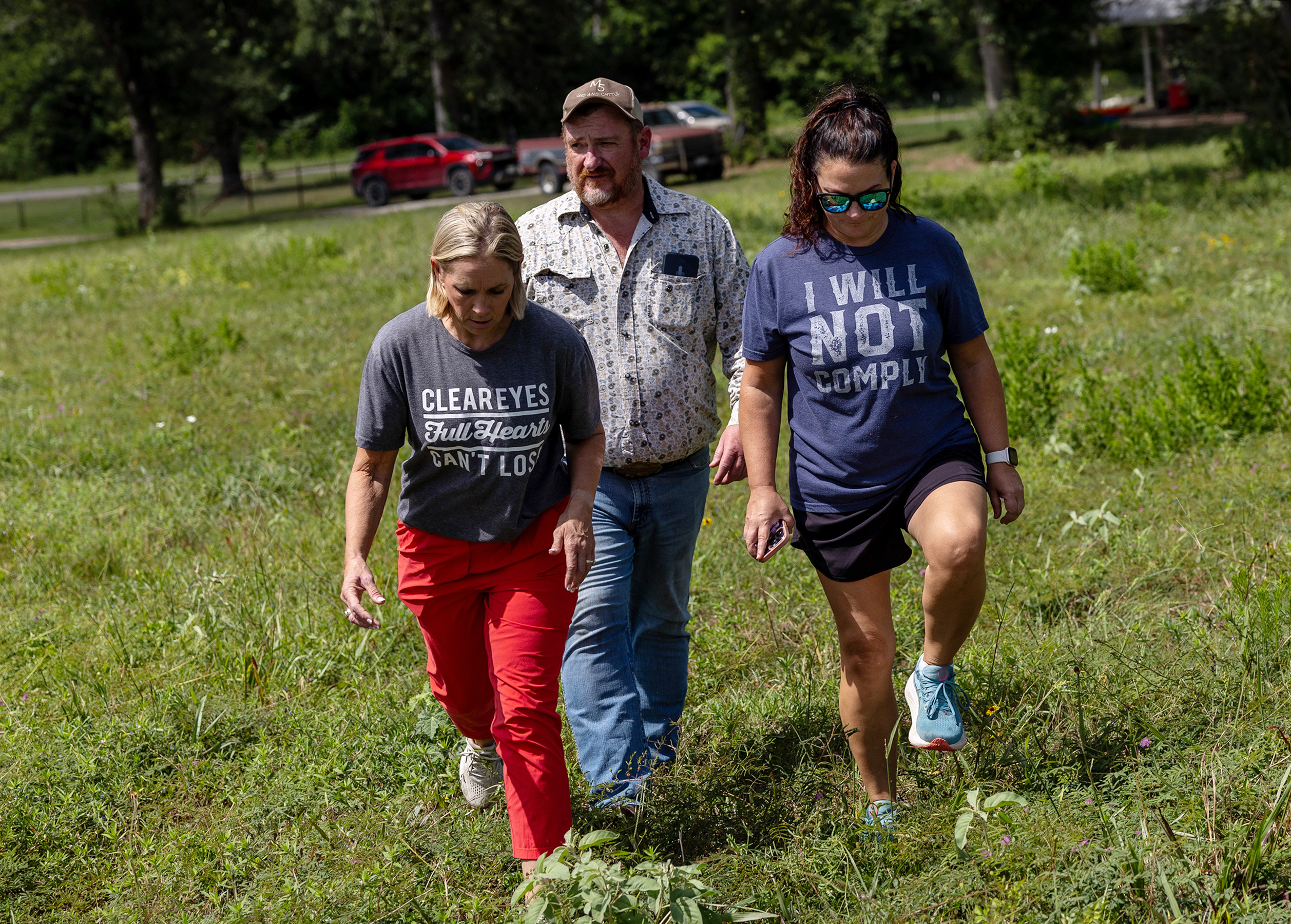
Ann McCoslin (from left), her cousin Daniel McCoslin, and Nikki Meador walk on Meador’s Leon County property, which is next to the proposed site of a power plant expected to fuel a proposed data center. Antranik Tavitian
Texas conservatives love free markets, the energy industry, development, and small government. But in scores of deep-red Texas communities such as Leon County, longtime Republican voters are setting aside those principles to battle an onslaught of data center projects that pro-business GOP leaders initially welcomed.
Opposition to data centers has been notably bipartisan in communities across the country. But the fierce pushback from conservatives in Texas has required no help from liberal groups, and it has been felt everywhere from the state GOP’s new party platform to the campaigns of Lt. Gov. Dan Patrick and Gov. Greg Abbott, Republicans who now support varying degrees of increased data center regulation.
At the GOP convention in June, the platform included a new plank that would require data centers to disclose and finance infrastructure needs without shifting costs to residents; prioritize the use of reclaimed water; and protect aquifers and the state’s electrical grid.
Patrick, a staunch Trump ally, has made AI regulation a priority for the next legislative session in January.
On the campaign trail, Abbott and other elected officials speak openly about restraining data centers. On Aug. 3, Abbott announced he is requiring audits of every data center seeking power from the Texas grid before they can connect. On Aug. 6 and 7, he announced that several data center companies had agreed to state audits.
“I established clear guardrails to ensure data centers protect our electric grid, conserve our water, respect our neighborhoods and pay their own way,” Abbott said in a Monday post on X, noting OpenAI had agreed to comply with the new Texas standards. “They must not pass costs on to Texas families or interfere with their quality of life.”
Still, Meador said Abbott has not done enough to stop data centers.
“He’s just trying to scramble because he realizes he’s basically making rural Texas mad, and that’s where a lot of his votes come from,” she said, dismissing the governor’s audits as “very vague.”
Meador said she won’t vote for Abbott and instead might vote for a Democrat for the first time — Gina Hinojosa, a state representative from Austin and South Texas — because “she’s against data centers in rural areas.”
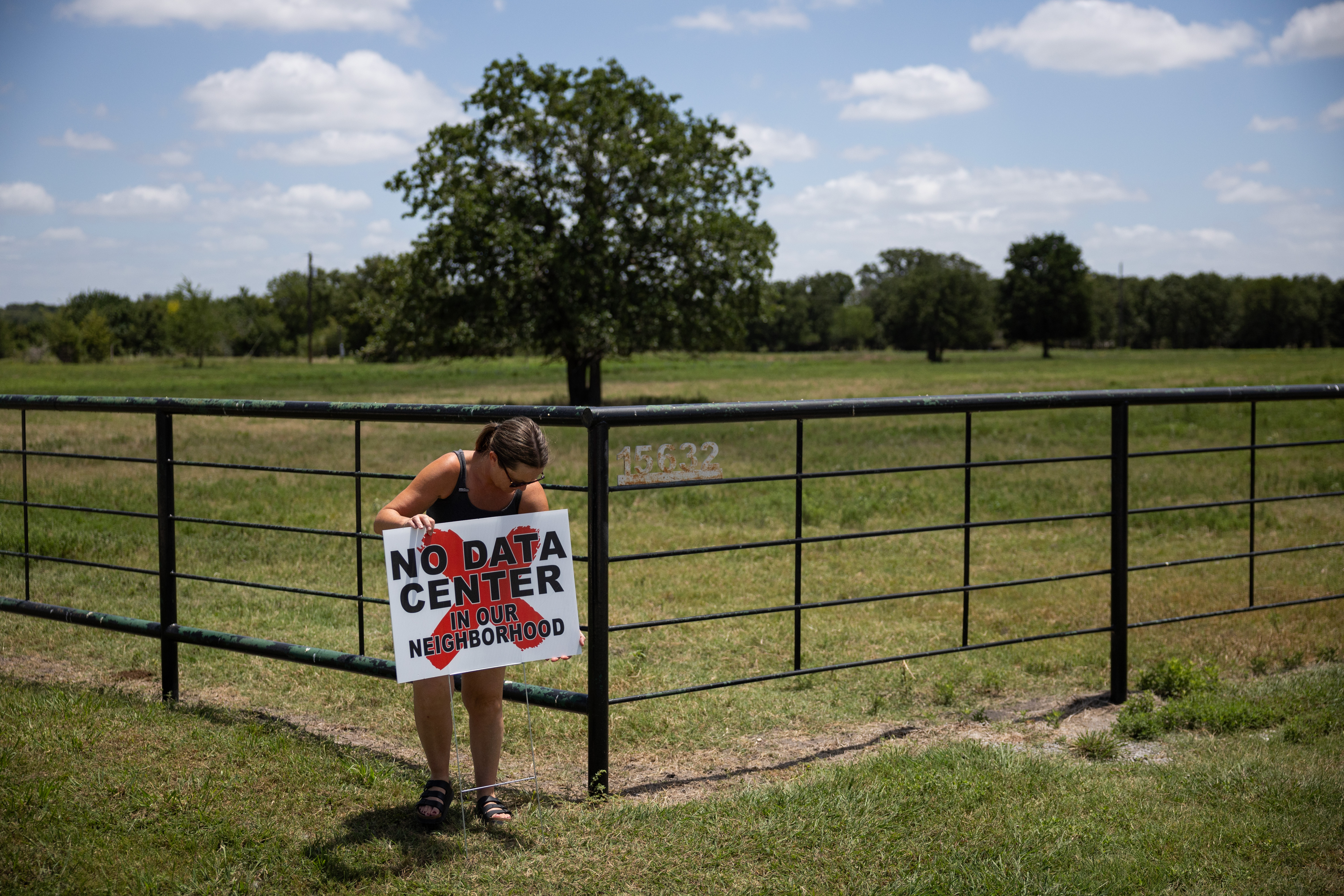
Donna Hull stakes an anti-data-center sign on her property, which is next to a proposed data center, in Leon County. Antranik Tavitian
In Leon County, population 17,000, where 88% of voters like Meador chose Donald Trump last election, residents have been frustrated to learn how little their local GOP elected officials can do to stop the projects being proposed. Until now, the largest industries Leon County had were oil and gas, a steel plant, and chicken farms, which drew much less opposition.
Last month, commissioners refused an application from Crusoe Technologies for tax breaks for its proposed 800-acre, $34 billion data center, citing an incomplete submission. But Crusoe can reapply or build without the tax breaks, and commissioners said they’ll be helpless to block the project because the county — unlike many cities — has only narrow zoning authority to regulate places like landfills, liquor stores, and adult video stores.
Commissioners attempted to reassure residents that they, too, were troubled by the Crusoe project, which is expected to break ground within a year and cost the county $4 million to $5 million in added services.
Commissioner Thomas Jefferson “T.J.” Foley noted that he is responsible for the volunteer fire department, lives within 600 feet of one of the proposed power plants expected to fuel the data center, and worries about how the county will cope with their increased demand for resources and services, especially if there’s a disaster at the massive sites.
“Leon County and no rural county is prepared to handle this,” he said. “Until there is a catastrophe and one of these things blows up, there’s probably nothing we can say.”
“That’s not very comforting,” a man shouted from the audience.
Residents listen during a town hall meeting about data centers at the Jewett Civic Center in Leon County last month.Antranik Tavitian
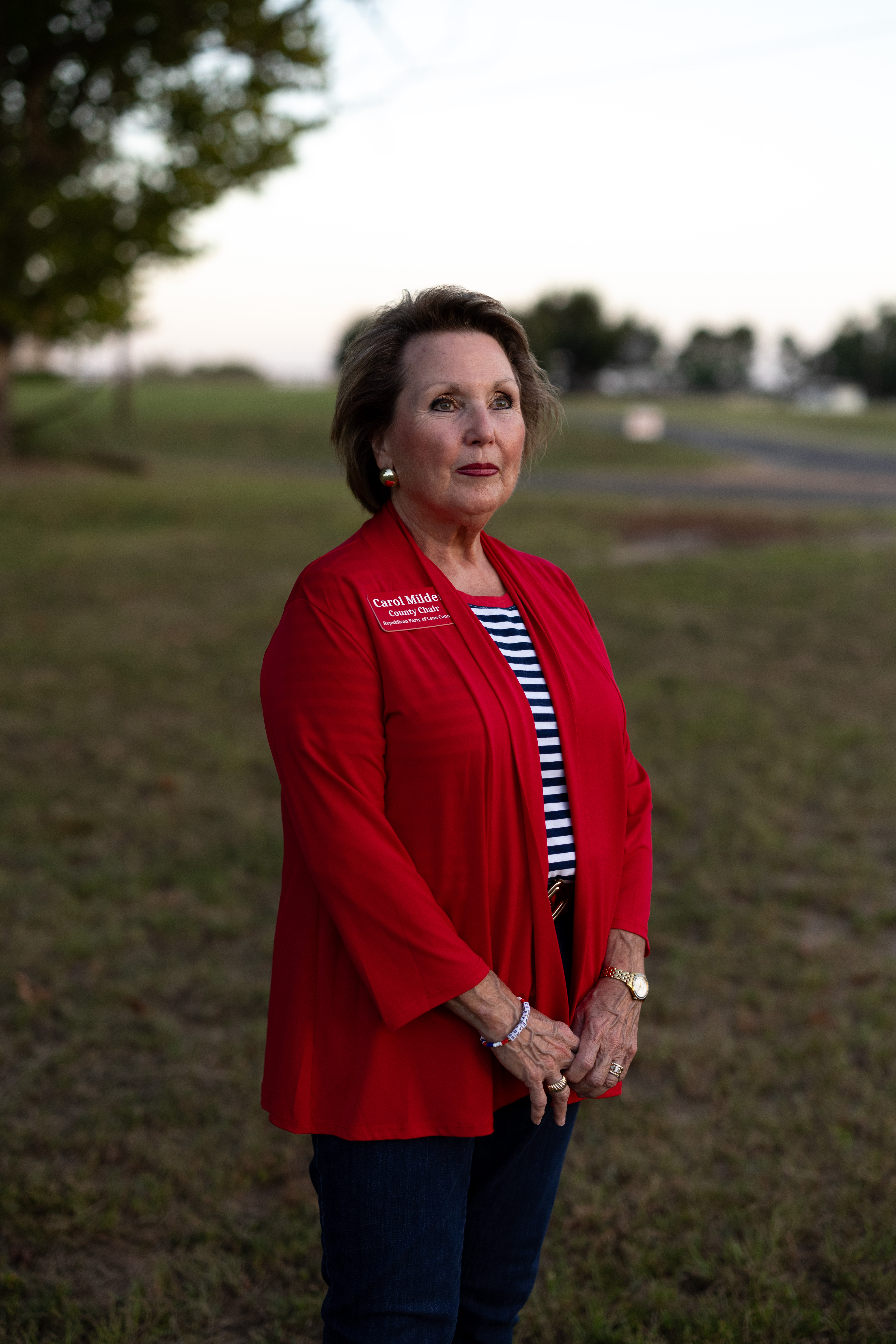
Leon County GOP Chair Carol Milder is emblematic of the shift among conservatives when it comes to opposition to data centers.
The retired real estate appraiser’s father worked on an oil rig. Growing up in Houston, she saw the oil and gas industry build the middle class. But attending a panel on data centers at the state GOP convention in June in Houston awakened her to the differences between the industries.
Panel experts, including her neighbor Michael Rice, 46, who used to work at an Austin data center, explained that unlike oil rigs and refineries, data centers bring few jobs — 40 proposed so far in Leon County — and even those are often staffed by workers from elsewhere. Milder and others at the commissioners’ meeting said they resented paying taxes only to see data centers initially get tax exemptions, effectively subsidized by residents the way manufacturing and solar industries have been.
She told the commissioners: “We’re being held hostage for the money for them to build.”
“We’re trying to be as prepared as we can,” said Commissioner Kyle Workman, a construction consultant. He said that unlike in Texas cities, the unincorporated community’s limited government — which many in the audience historically favored — left commissioners with few tools to block the data centers. “Leon County has kept government down over the years,” Workman said. “There’s limits to what we can do.”
Michael Rice points out proposed data center sites during the town hall meeting at the Jewett Civic Center last month.Antranik Tavitian
Residents said they thought that was precisely why data center companies were targeting rural areas. Of the nearly 248 data center projects proposed statewide, nearly half are in unincorporated rural areas where zoning and other restrictions cannot be used to block them.
And residents worried that any state legislation that might help defend against the projects would not pass until late next year — too late to block the data center proposed by Crusoe and others expected to follow. Belltown Power has proposed building a 900-acre data center in Leon County, and Black Mountain — another North Texas-based company — bought property and announced plans to build a massive power plant there.
Milder said she alerted an adviser to the governor this year about growing local opposition in counties such as Leon. She reminded him that a majority of the state’s 254 counties are rural and that they are a key part of Abbott and the GOP’s conservative base.
“Texas is red because of rural Texans, and we need to be listened to,” Milder told him. “You need to be concerned with what concerns us. And we’re being raped and pillaged.”
Leon County GOP Chair Carol Milder. Antranik Tavitian
Texas is poised to overtake Virginia as the nation’s top data center hub by 2030. A recent poll found 56% of Texans oppose data centers being built in their communities.
“They love our farmland because it’s flat, it’s clear, there’s water and electricity there, and they can just come in and start building,” GOP Agriculture Commissioner Sid Miller said at an anti-data-center protest outside the state Capitol in Austin recently. The small crowd chanted, “Special session now!”
After hailing Texas as “the epicenter of AI development” last fall, Abbott recently reversed course as he campaigns for reelection to a record fourth term, urging state lawmakers to repeal the centers’ sales tax exemptions and regulate where they can be built. Last month, he ordered the state Public Utility Commission and council managing the electrical grid that covers most of the state to enforce restrictions on data centers, including requiring them to “fully fund the costs of electric infrastructure.”
“We must prohibit them from building AI data centers in rural Texas neighborhoods,” Abbott said at a campaign stop about 90 miles north of Centerville on June 30.
By the end of July, the governor announced that the state had “begun sweeping changes to how data centers pay for the infrastructure needed to serve them, ensuring data centers do not shift those costs onto everyday Texans or place unnecessary strain on our state’s resources.”
But Miller and Leon County conservatives said those stepped-up regulations are not enough. They want Abbott to call a special legislative session — as he has in recent years for conservative priorities such as school vouchers, congressional redistricting and property tax cuts — to pause data center development and increase regulations and oversight.
A spokesman for the governor declined to comment about whether Abbott will call for a special session on data centers.
“Governor Abbott has been clear that data centers cannot come before Texas families,” spokesman Andrew Mahaleris said in a statement, noting that the state regulators’ new requirements “protect Texans from higher costs and negative impacts on their communities.”
Andrew Schmitt, a spokesman for Crusoe, said: “Crusoe is committed to protecting the natural resources and character of every community where we operate, while ensuring local families benefit from our economic investment for generations to come. We are working closely with local leaders as we evaluate development in Leon County to address community needs and deliver jobs for local workers along with significant new tax revenue for schools, public safety, and infrastructure.”
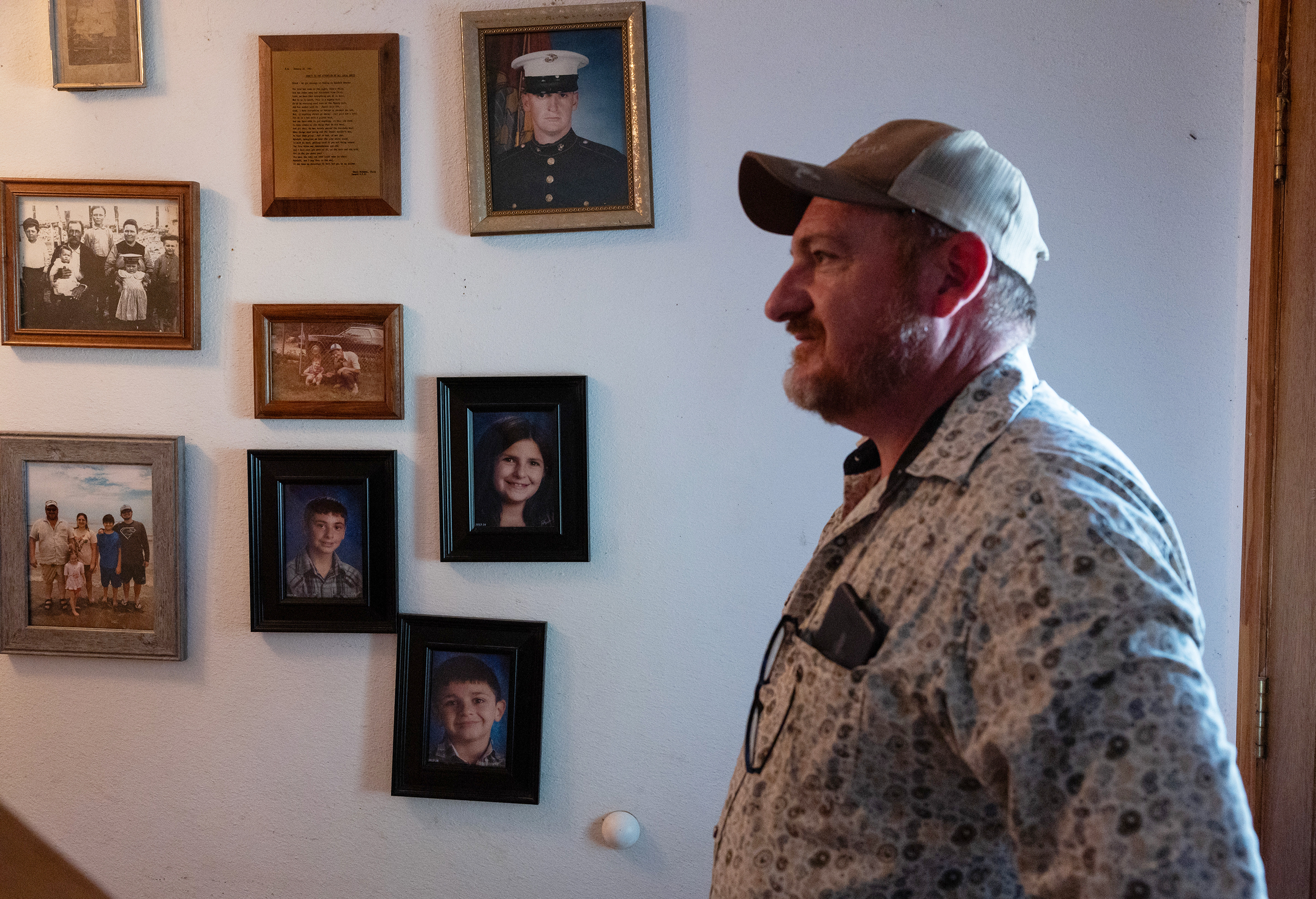
Daniel McCoslin stands next to family photos dating back to when his ancestors settled Texas. Antranik Tavitian
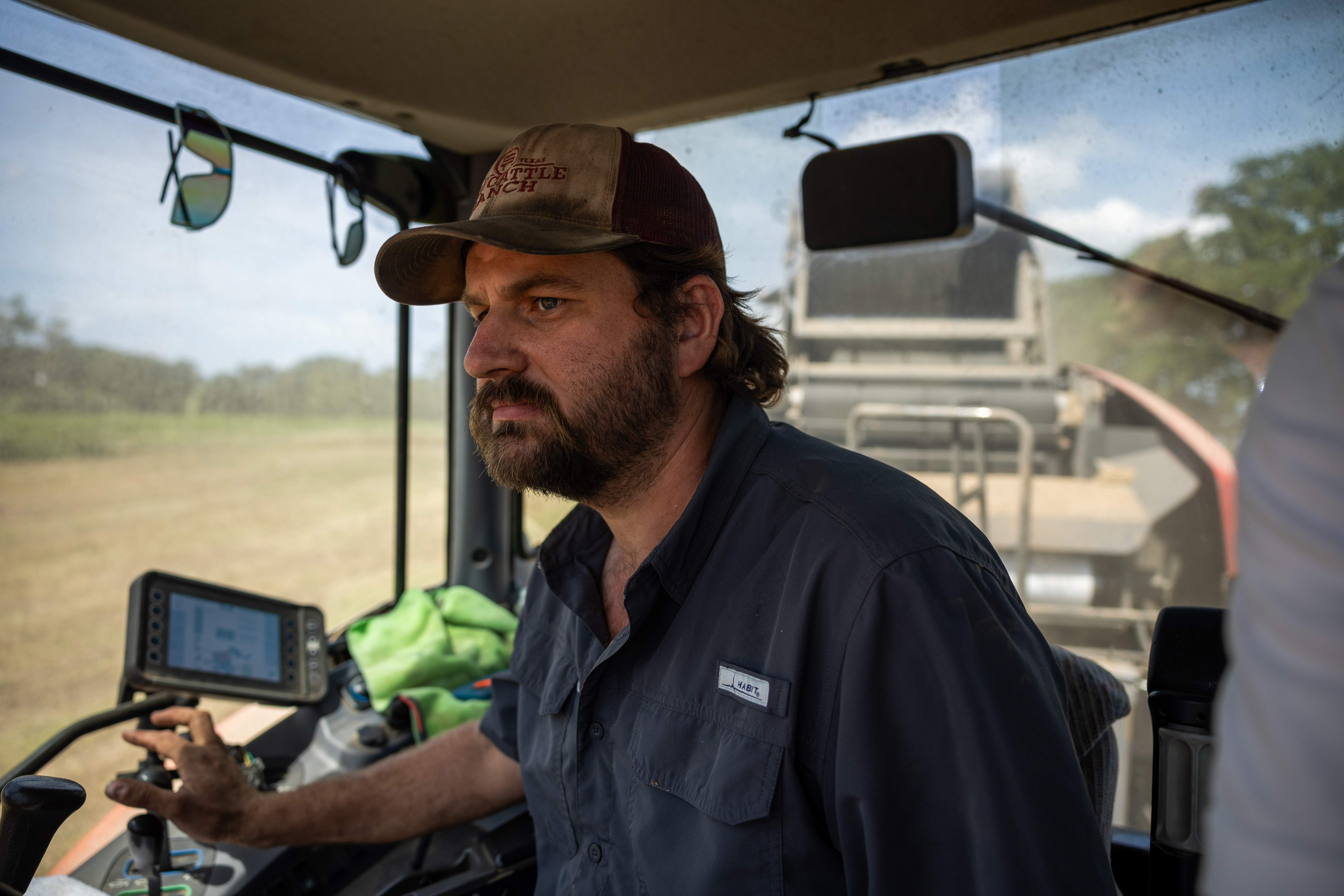
Daniel McCoslin, 48, is a retired railroad engineer who fought with the Marines in Iraq. He ranches land that’s been in his family since the 1800s and that abuts the proposed Belltown data center site. A relative’s ranch borders the Crusoe site. That’s why McCoslin — a libertarian who voted for Trump three times — organized a local anti-data-center group to educate neighbors.
McCoslin dismissed Abbott’s recent data center regulations as “pandering.” In November he plans to vote for a Democrat for the first time in his life. Clayton Tucker, a rancher running for agriculture commissioner as the anti-data-center candidate, has called for a data center moratorium.
When data center companies started offering neighbors up to $50,000 an acre — “life-changing money” — McCoslin recalls talk at the feed store turning to whether folks would take the millions. McCoslin was adamant he would not.
“Family means a lot more than money,” he said.
The evening after the commissioners’ meeting, McCoslin helped organize a town hall to update neighbors. The crowd that settled into folding chairs at a local community center included plenty of retirees, at least one of them in a MAGA hat. There were also workers, some in volunteer firefighter T-shirts, others in straw cowboy hats and boots with spurs.
Mandy Williams holds onto her daughter Violet as she gets out of a hay harvester in Centerville. Antranik Tavitian
Organizers used a projector to display maps of the proposed data centers and power plant, and fielded questions about potential environmental and economic effects: How many jobs will they bring, and for whom? Will they pollute the ground and water? Are they expected to decrease property values? Can they be stopped?
Organizers displayed phone numbers and emails for Abbott and other state and local GOP lawmakers. They urged residents to contact the officials with data center concerns.
“We’ll be calling,” said Mandy Williams, 46, as she left the meeting with her husband and towheaded 4-year-old daughter, Violet, in a “Cowgirl forever” T-shirt.
The couple live on the eastern side of the county on a cattle ranch of more than 200 acres. Stephen Williams’s ancestors settled the land when Texas gained independence from Mexico in 1836, nine years before it became a state. Like many other Texans, owning land is part of his identity, a birthright he feels a duty to steward.
“Hopefully we get enough pressure on him,” Stephen Williams, 46, said of the governor.
When commissioners met Monday, they did not take action on the tax breaks and told residents that Crusoe had yet to reapply, Milder said.
Back at his modest ranch house, McCoslin pointed to turn-of-the-century black-and-white portraits of his ancestors taken under the oaks just steps away.
“At night, you can hear how quiet it is and see so many stars,” he said, describing his evening routine of settling outside to smoke a cigar and sip bourbon, his only soundtrack the crickets, frogs and occasional coyote. “We don’t want 24-hour industrial hum and lights destroying the sky. If I wanted that, I’d live in Houston.”