Bristol Borough police and Bucks County detectives are investigating a homicide that took place early Thursday.
Officers were called to a residence on Wood Street around 6:30 a.m. for what law enforcement sources described as a domestic incident.
A woman inside was reported dead at the scene, and one person was in custody, said the sources, who spoke on the condition of anonymity to discuss an ongoing investigation.
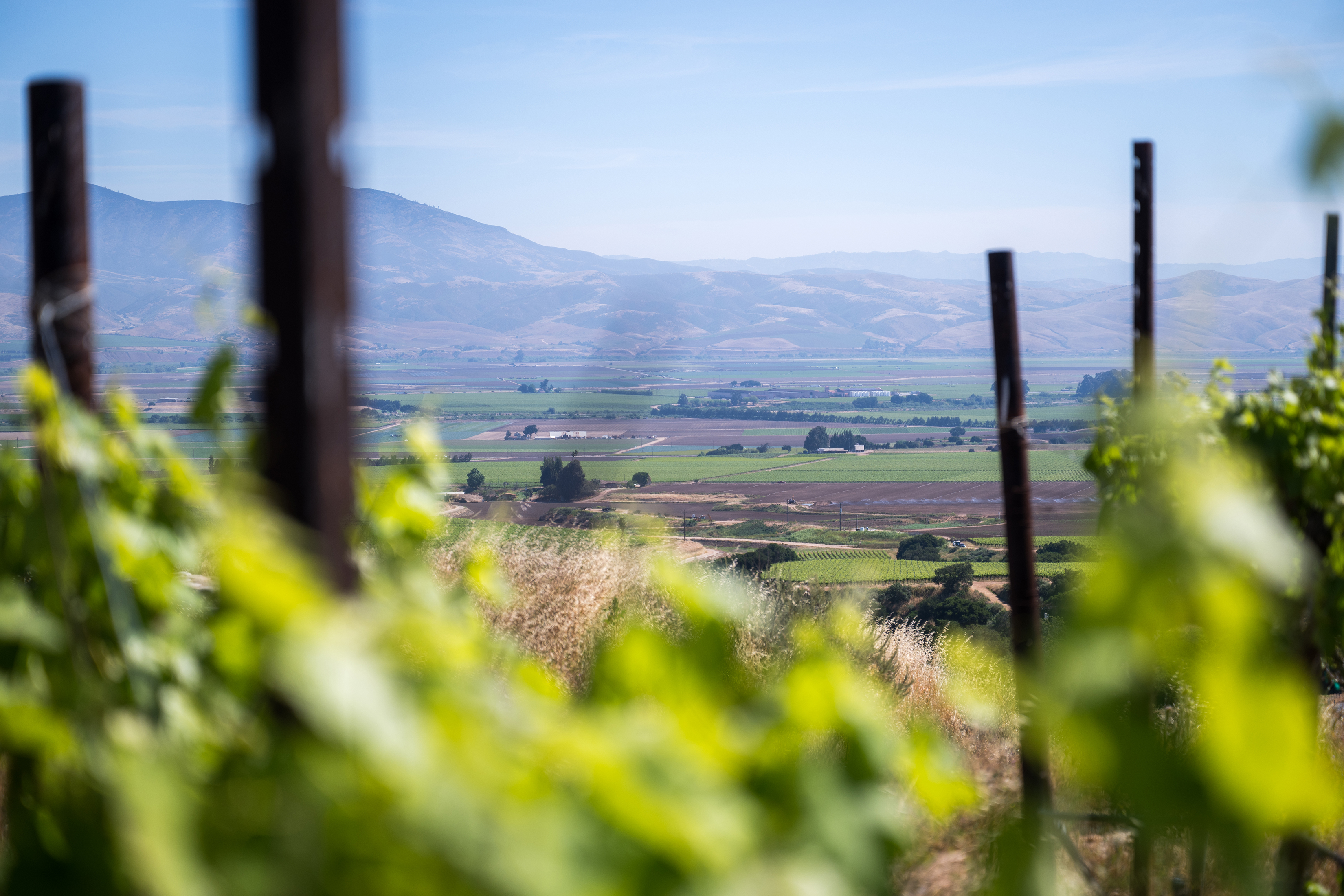
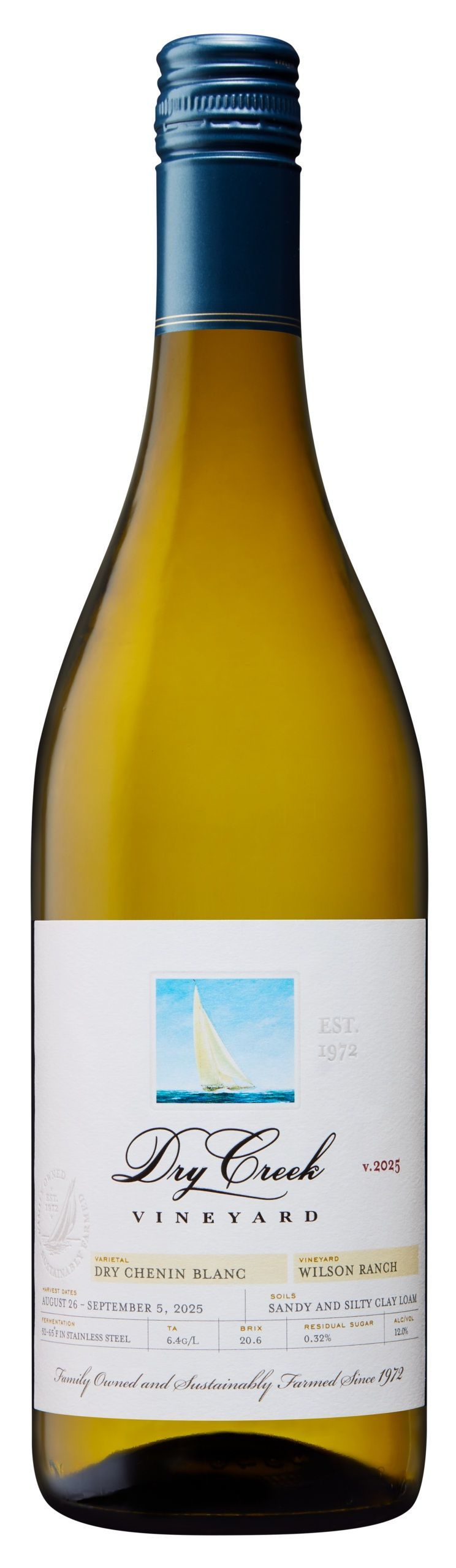
Chenin blanc ranks among the most underrated wine grape of all time in terms of its quality potential. When grown and made with care, as with this California example, its wines can be spectacular. Combining the aromatic finesse of riesling with the tactile opulence of chardonnay, chenin blanc rivals the finest of white grapes.
However, chenin blanc has struggled to shake off a bulk-wine reputation because its strengths are so easy to exploit in making cheaper wines, especially sweeter wines.
Depending on decisions made by vintners, any green grape can make wine that is still or sparkling, sweet or dry, oaked or unoaked. Whether the wine is lightweight or heavyweight is determined by how ripe the fruit is at the moment of harvest. Most wine grapes perform better in one or two styles, and people come to know what to expect from them. Sauvignon blanc is almost always dry and unoaked, for instance, while riesling is more often made to be sweet. Chardonnay is usually dry but fuller-bodied and often oaked, and almost every other grape has a similar “classic” style.
This is where chenin blanc has a truly perverse problem from a marketing perspective — it is simply too good at making too many styles to have carved out any single recognizable stylistic niche. This makes every bottle purchased a bit of a leap of faith for the buyer, who can’t be sure quite what they’re going to get. That’s why it is so helpful that Dry Creek Vineyard shares this wine’s technical data right up front, confirming that the wine is made in a style that is light in body, at only 12% alcohol, and quite dry. Most vintages contain less than half a percent of residual sugar, which is well below the threshold of perception for most drinkers.
Where many California chenin blancs are barrel-fermented as if they were chardonnays, this wine’s back label confirms that it is unoaked. In the glass, the wine has strong green apple and golden apple flavors, accented with notes of mandarin orange and honeydew melon. It is brisk, clean, and dry and makes an excellent partner for sushi or heirloom tomatoes.
Dry Creek Vineyard Dry Chenin BlancCourtesy of Dry Creek Vineyard
Dry Creek Vineyard Dry Chenin Blanc
Clarksburg, California; 12% ABV
PLCB Item #86917
On sale for $15.99 (regularly $17.99) through Aug. 30
Also available at: Moorestown Super Buy Rite ($13.49) in Moorestown, N.J., moorestownbuyrite.com; Hopewell Super Buy Rite ($15.99) in Pennington, N.J., buyrite.wine; and WineWorks ($16.98) in Marlton, N.J., wineworksonline.com.
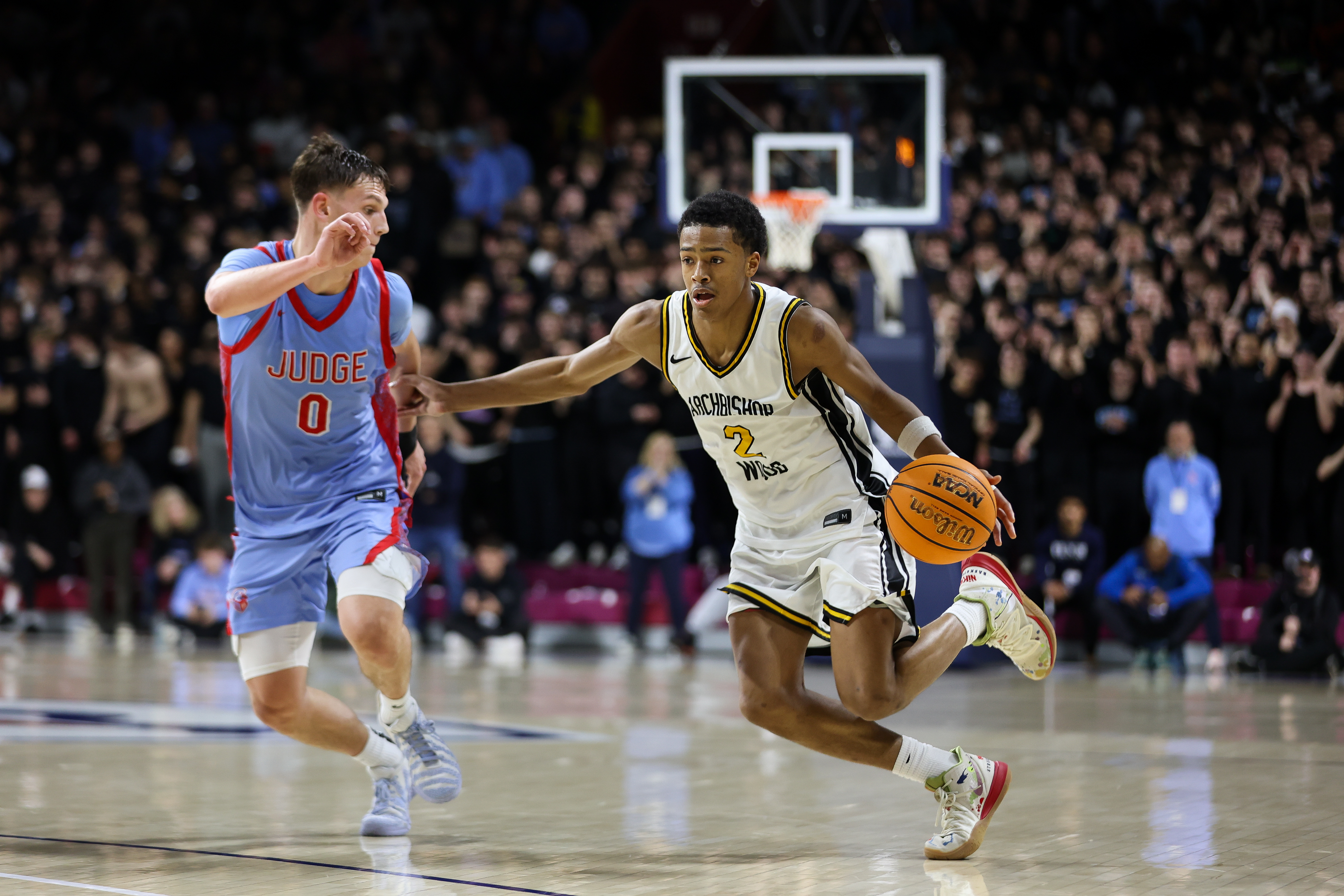
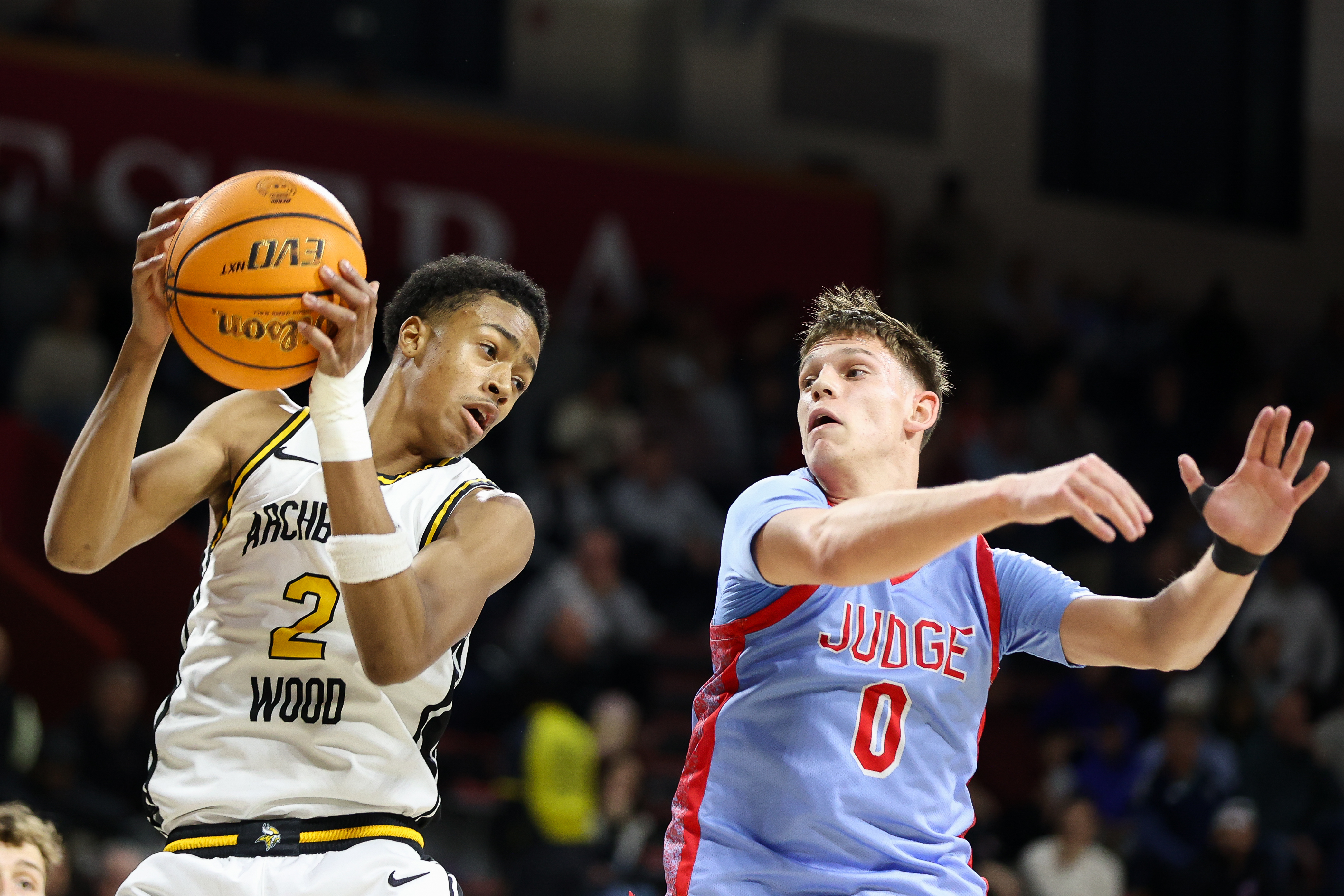
Caleb Lundy announced his verbal pledge to Drexel on social media Thursday.
The Archbishop Wood guard and Warminster Township native is ranked as a four-star recruit and the fourth-best rising senior in Pennsylvania, according to 247Sports.
Lundy chose Drexel over Temple, La Salle, and St. Joseph’s, among others.
Lundy has the highest composite rating of any Drexel recruit in the 247Sports database, which dates back to 2000. His four-star ranking bests former players Mate Okros, T.J. Bickerstaff, and former NBA guard Damion Lee, all of whom were three-star recruits.
Lundy and Marist signee Brady MacAdams led Wood to a 12-1 regular-season finish in the Catholic League and a semifinal appearance in the PCL tournament. The Vikings have not won a league championship since 2021.
Lundy is the first player to commit to Zach Spiker’s 2027 recruiting class. The Dragons have also extended an offer to Imhotep Charter forward Zaahir Muhammad-Gray, a rising senior and four-star recruit who has yet to make his commitment.
Lundy’s verbal pledge will not be official until he signs an aid agreement with the school. The early signing period for the class of 2027 begins on Nov. 11.
Archbishop Wood’s Caleb Lundy (left) averaged 17.1 points and 4.7 assists last season.Isaiah Vazquez / For The Inquirer
Lundy is the third player from Wood to commit to Drexel under Spiker, who is entering his 11th season as the Dragons head coach.
Josh Reed was part of Spiker’s 2024 recruiting class, and former Wood guard Justin Moore spent two seasons in University City after joining the Dragons in 2022.
Lundy comes from an athletic family. His father, Mikal Lundy, played running back at Kent State in 2000 and 2001. Caleb’s uncle, Wali Lundy, was a running back at Virginia. He spent one season with the Houston Texans after being selected in the sixth round of the 2006 NFL draft.
The Union’s new third jersey has been a rather poorlykeptsecret for a few weeks, but now it’s official.

An off-white shirt with a lot of vibrant trim, it pays tribute to the entire Philadelphia professional sports landscape. The centerpiece is the word “PHILLY” in block letters, in front of a depiction of the Center City skyline; the neck and sleeve cuffs have stripes in Flyers orange, Phillies red, Sixers blue, and Eagles green.
The Union’s snake logo sits where the crest usually goes on a jersey, and a lower corner of the shirt depicts that snake in front of a stylized Liberty Bell.
Alejandro Bedoya modeling the Philadelphia Union’s new third jersey.Major League Soccer
As with a lot of soccer apparel these days, it’s designed to be seen around town as much as at the stadium. And as with the Union’s 1776-themed main jersey for this year and next year — full of images of historic city landmarks — it might not be for everyone beyond the Philadelphia region.
But it should appeal to fans around here, especially casual followers looking to buy some Union merchandise. If they don’t all know that the snake on the crest spot has been part of the team’s logo for years, they certainly will understand a jersey with “PHILLY” front and center.

Union fans will also recognize the usual Bimbo Bakeries sponsorship logo, but this time it’s on the back side instead of the front. The necktag has a stylized version of the MLS logo from the league’s early years.
This is the first time since 2014 that the Union have had a third jersey. Back then, they had one of the most famous items in club history: a black shirt with white and red trim that paid tribute to the Bethlehem Steel dynasty of a century ago.
The Union’s Bethlehem Steel-inspired jerseys in the mid-2010s remain some of the most popular in team history.Drew Hallowell
MLS went away from third jerseys for a while, but resumed in 2024 with a rotation of a select number of teams each year. This time is finally the Union’s turn. (The one exception to the rotation is Inter Miami, which has gotten a third kit each year since 2024 to profit from Lionel Messi.)
The Union and Adidas, which makes all the jerseys leaguewide, also released a jacket in the same off-white color. It has the snake crest on the front and Philly logo on the back in the team’s traditional navy blue.
Both items are now available at MLS’s official online store, MLSStore.com, adidas.com, and at the Subaru Park shop. Expect to pay around $160 for the authentic version, $100 for the replica version, and $80 for children’s sizes.
The Union will wear the new jersey for the first time on Wednesday, when they host Messi’s Inter Miami in the highest-profile game of the regular season.
Alejandro Bedoya modeling the Union’s new third jersey and the accompanying jacket.Major League Soccer
Federal officials this week assured Americans they can safely eat fresh produce, saying they’ve issued new safety guidelines for producers and pulled all lettuce associated with an outbreak of cyclosporiasis from the market.
The intestinal parasite Cyclospora cayetanensis, which causes “explosive” diarrhea,had contaminated lettuce sold in 15 states, including Pennsylvania.
Philadelphia health officials said Monday that the city has confirmed 22 cases of the gastrointestinal illness in 2026. Reported cases have been higher elsewhere in the state.
Statewide, officials had recorded 214 confirmed cyclosporiasis cases as of Tuesday and an additional six probable cases. Pennsylvania confirmed 40 cases of cyclosporiasis in 2025 and 87 in 2024, officials said.
Federal health officials have confirmed more than 13,000 cases across 47 states this spring and summer.
The CDC has linked more than 6,000 cases of cyclosporiasis, 278 hospitalizations, and two deaths to iceberg lettuce sold by Taylor Farms. (Taylor Farms had also recalled jalapenos separately linked to a salmonella outbreak in 26 states. The jalapenos were not sold in Pennsylvania.)
Pennsylvania has reported far fewer cyclosporiasis cases than states like Michigan and Ohio, where thousands have been sickened. Still, because confirmed cases have increased in Pennsylvania in recent weeks, it’s too soon to predict case counts for the year, said Akhil Vaidya, a distinguished professor in the Department of Microbiology and Immunology at Drexel University College of Medicine.
“Generally, it is between May and August that you see Cyclospora. We don’t know how it will go for the rest of the year,” he said. “I hope we dodged a bullet.”
Cyclospora was only discovered by scientists in the mid-1990s, and more research on the parasite remains needed, Vaidya said. Most research is conducted outside the U.S., where cyclosporiasis is more common, and the parasite cannot be grown in a lab, which often makes it difficult to track the source of foodborne outbreaks, he said.
State and federal health officials must carefully monitor when and where illnesses emerge to understand why so many cases have been reported this year, Vaidya said.
State health officials urged Pennsylvanians to take these steps to protect themselves from cyclosporiasis: washing their hands with soap and water before and after handling raw fruits and vegetables; rinsing produce under hot water, scrubbing firm produce like melons with a clean brush; cutting away damaged parts of produce; and refrigerating cut, peeled, or cooked fruits and vegetables as soon as possible.
Two hundred and fifty years ago, a group of ordinary men walked into a brick building in Philadelphia and signed their names to the most consequential document in American history, the Declaration of Independence. Throughout this year, and all across the nation, Americans are gathering to celebrate those first steps toward freedom.
Last month, while I listened to the concerts on the Parkway and watched the fireworks over the Art Museum, I found myself thinking about the people who have kept it going ever since.
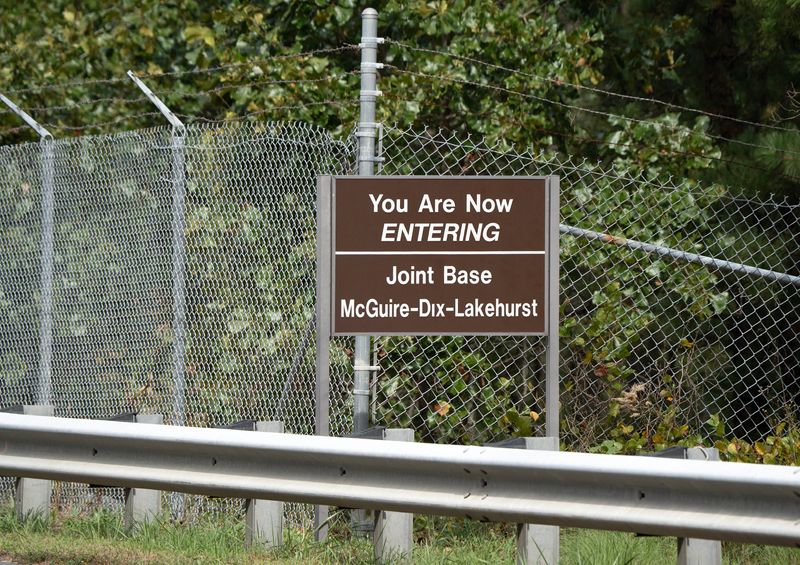
Joint Base McGuire-Dix-Lakehurst is shown along Route 539, Whiting-New Egypt Road, Manchester Township, N.J. The author has served nearly all of his 26-year Air Force career at the 514th Airlift Wing at Joint Base McGuire-Dix-Lakehurst.Doug Hood/Asbury Park Press
I have spent nearly my entire 26-year Air Force career right here, at the 514th Airlift Wing at Joint Base McGuire-Dix-Lakehurst in South Jersey, affectionately known as the Freedom Wing. That name has always meant something to me, but this anniversary year, it carries a particular weight.
Freedom is not a monument or a date on a calendar. Freedom is a daily act of service, renewed by ordinary people who choose to do an extraordinary thing: raise their right hand and pledge to lay it all on the line for their fellow citizens.
The members of the Freedom Wing are your neighbors. Truly and literally. They teach your children in Philadelphia classrooms. They run toward the smoke when your house is on fire. They wear a SEPTA uniform in the morning and a flight suit in the evening. They are nurses, corporate executives, police officers, and small-business owners. They coach Little League in the summer and strut down Broad Street on New Year’s Day.
And then, when the nation calls or the mission demands, they put on the uniform and get to work. They leave their families, their jobs, and their routines, and they go where they’re needed. No questions asked.
In the Air Force Reserve, we call them citizen airmen. I call them my chosen family and the best people I have ever known.
Since this wing was originally designated in 1949, our citizen airmen have answered the call in every major conflict our country has faced — Korea, Vietnam, Iraq, Afghanistan — and in humanitarian missions across the globe. The Freedom Wing has never sat on the sidelines of history.
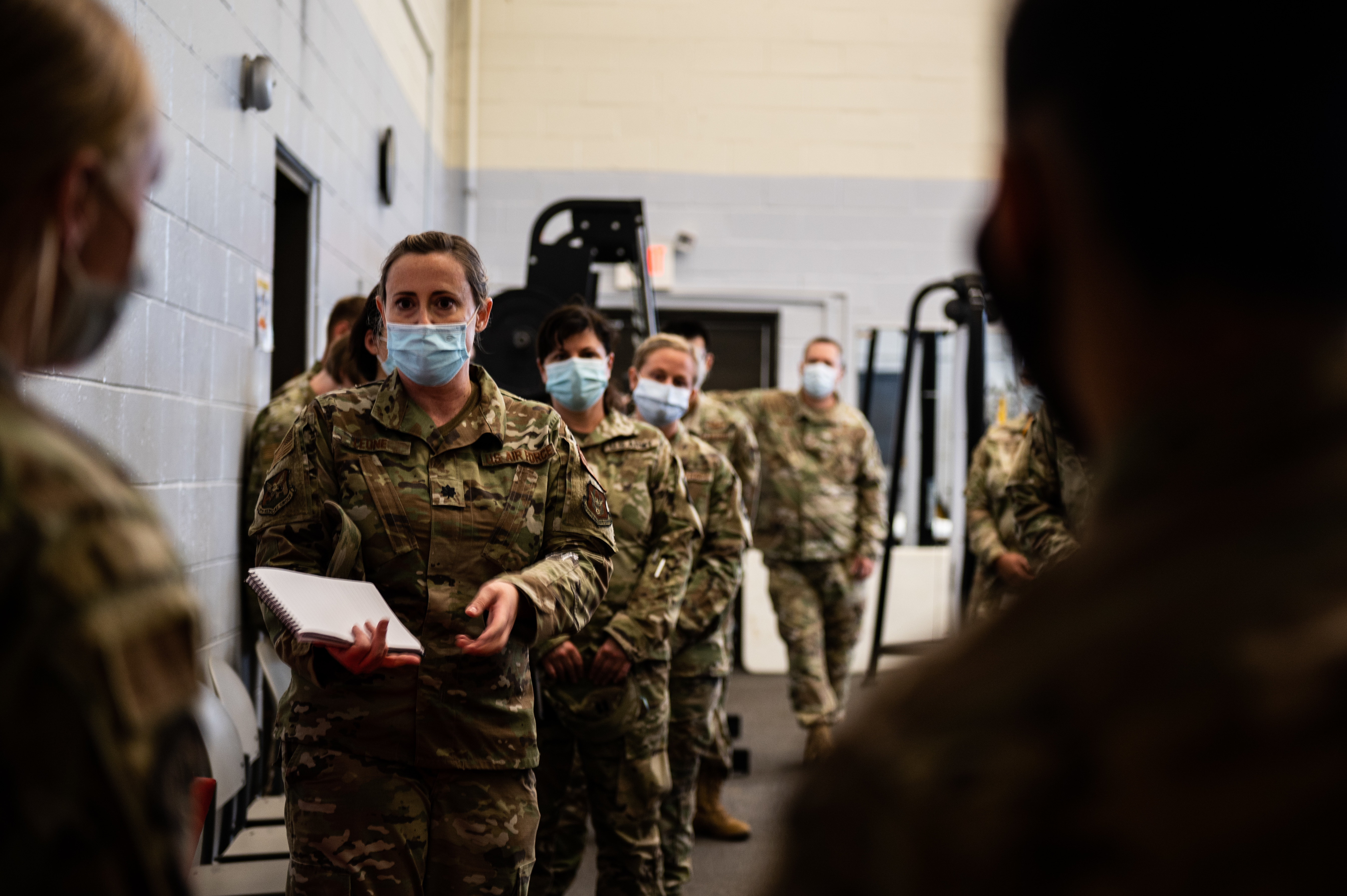
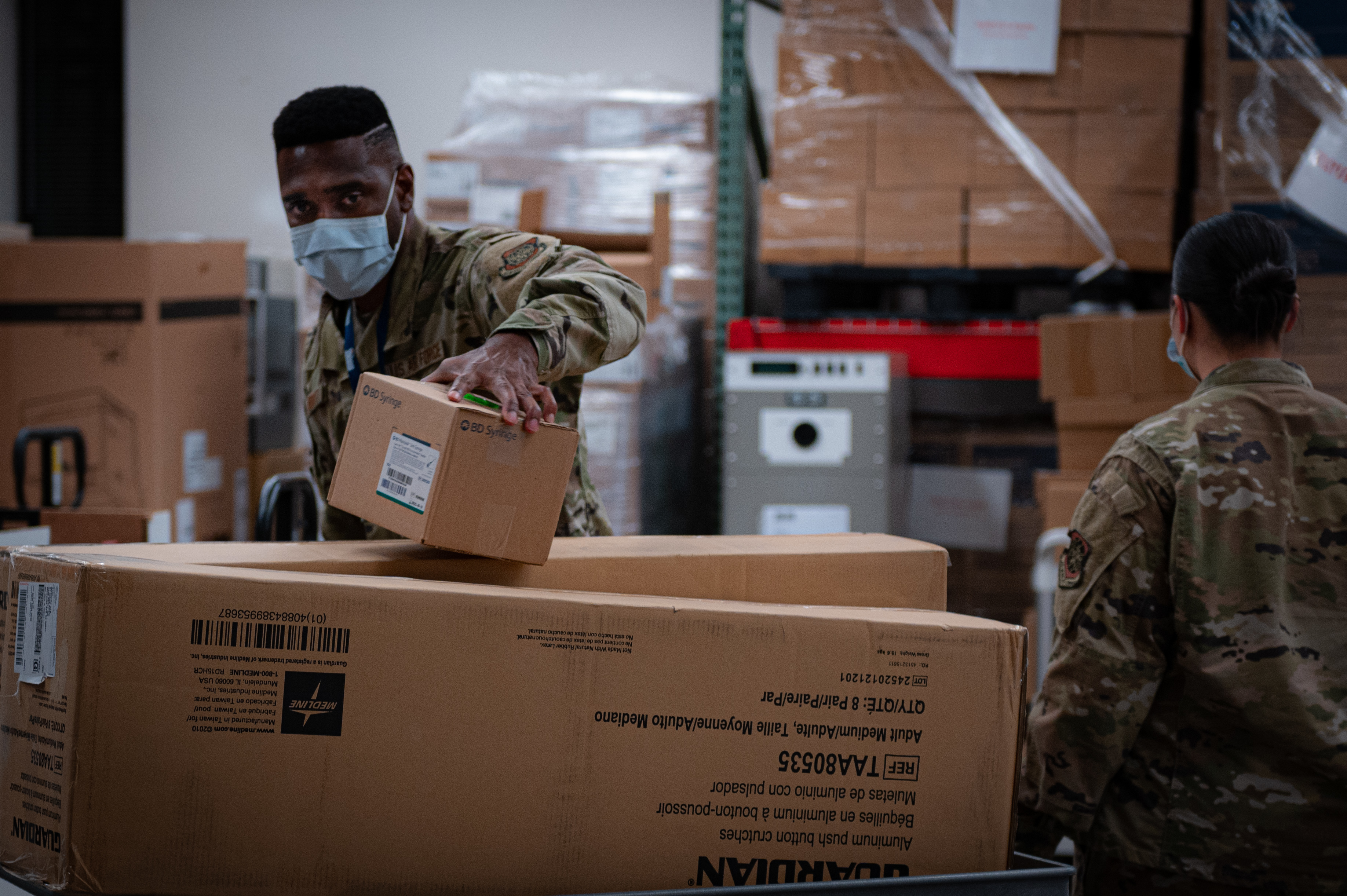
Task Force McGuire-Dix Airmen prepare personal protective equipment to aid in the arrival of Afghans in support of the U.S. Department of State-led Operation Allies Refuge at Joint Base McGuire-Dix-Lakehurst in New Jersey in 2021.U.S. Air Force photo by Airman 1st Class Joseph Morales
After more than a quarter century standing alongside these individuals, what strikes me most is not the mission accomplishments, though they have been extraordinary — it’s the sacrifice that surrounds each one.
It’s the spouse who holds the household together for a sixth month of deployment. It’s the firefighter who tells his crew he has to leave again, and the crew that jumps to cover his shifts. It’s the teacher who builds training plans instead of lesson plans in the back of an aircraft at 30,000 feet, and the students who send hand-drawn cards and care packages.
The uniform isn’t what makes these people and their loved ones remarkable. Their character does. Their grit does. This city is known for it, and so are our citizen airmen.
As Philadelphia continues to celebrate 250 years of this improbable, magnificent country, take a moment to consider how we got here.
Look around for the people who have dedicated their lives to preserving our freedom — they are already among you. Tell them you see them. That recognition costs nothing, and to a citizen airman who has given up more than most will ever know, it means everything.
The truest way I know to celebrate Freedom 250 is not just to enjoy the freedoms we have inherited, but to honor the people who are still out there, right now, making sure we keep it.
Col. Thad Amundson is the deputy wing commander of the 514th Airlift Wing, the “Freedom Wing,” at Joint Base McGuire-Dix-Lakehurst in New Jersey. The Philadelphia resident has flown combat sorties in Operations Enduring Freedom, Iraqi Freedom, New Dawn, and Inherent Resolve. He is a command pilot with over 4,000 flying hours, 800 hours flown in combat, and more than 5,000 flying hours as a civilian airline pilot.
Lane Johnson rejoined training camp this past week after a multi-day absence, but his return brought with it the announcement that 2026 is “probably” going to be his last NFL season. What does the prospect of the All-Pro’s retirement mean in both the short- and long-term? The Philadelphia Inquirer’s Jeff McLane and Ryan Novozinsky take a look at what the Eagles can expect from Johnson in his 14th year as a pro, and who might be waiting in the wings to replace him.
00:00 Will this actually be Lane Johnson’s final hurrah, and if it is, who’s next?
13:42 An overdue discussion about about Saquon Barkley
26:10 Training camp stock report
38:12 Jeff’s mailbag: Makai Lemon’s status, and other key injuries
unCovering the Birds is a production of The Philadelphia Inquirer and KYW Newsradio Original Podcasts. Look for new episodes throughout the season. We’re always looking for mailbag questions! Hit Jeff up on his socials, or drop a question in the comments. Jeff could answer it in a future episode!
The Philadelphia Parking Authority is expanding tech-enforced smart loading zones in Center City beginning Monday, citing reduced curb congestion and faster travel on two corridors over the last 15 months.
Average traffic speeds are up 32% compared to historical averages on Chestnut Street and 28% on Walnut Street since the PPA installed the loading zones in May last year, according to a study by INRIX, the transportation analytics firm.
During the middle of the day, that means vehicles are moving at around 10 mph, on average, vs. 7 mph before.
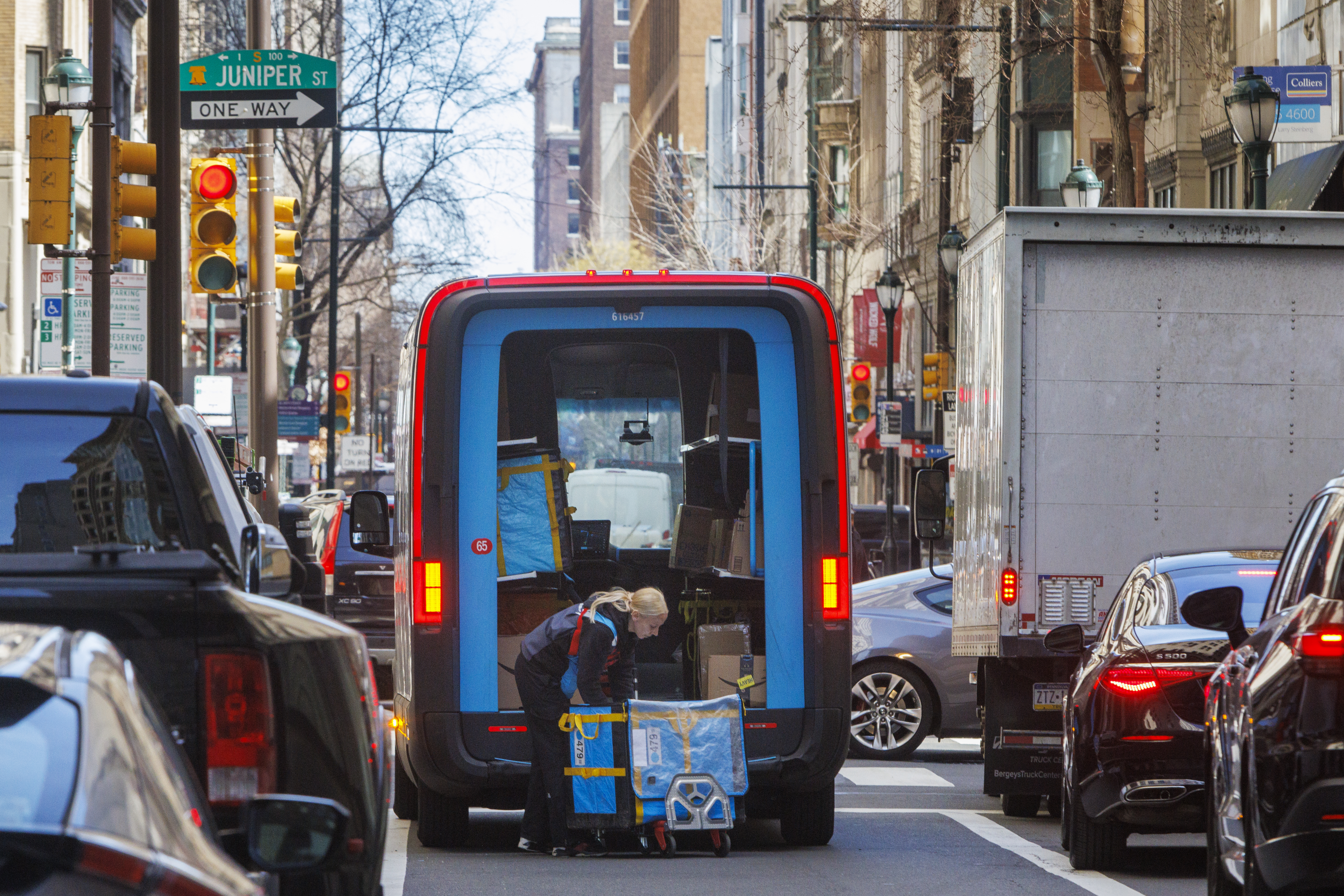
High-res cameras track how long a delivery truck or a car stays in the zone, andsoftware calculates a 10-cent-per-minute fee. That is then charged to thedriver’s wallet on the CurbPass app. If needed, license plate pictures are used as evidence to issue $51 tickets for staying longer than the one-hour limit.
“Really, the goal is ensuring curb space is available for the folks who need it most … and improving traffic flow through some of the most congested parts of the city,” said Gabe Roberts, interim executive director of the PPA.
Turnover of vehicles is the key. It is a kind of EZ-Pass for curbs.
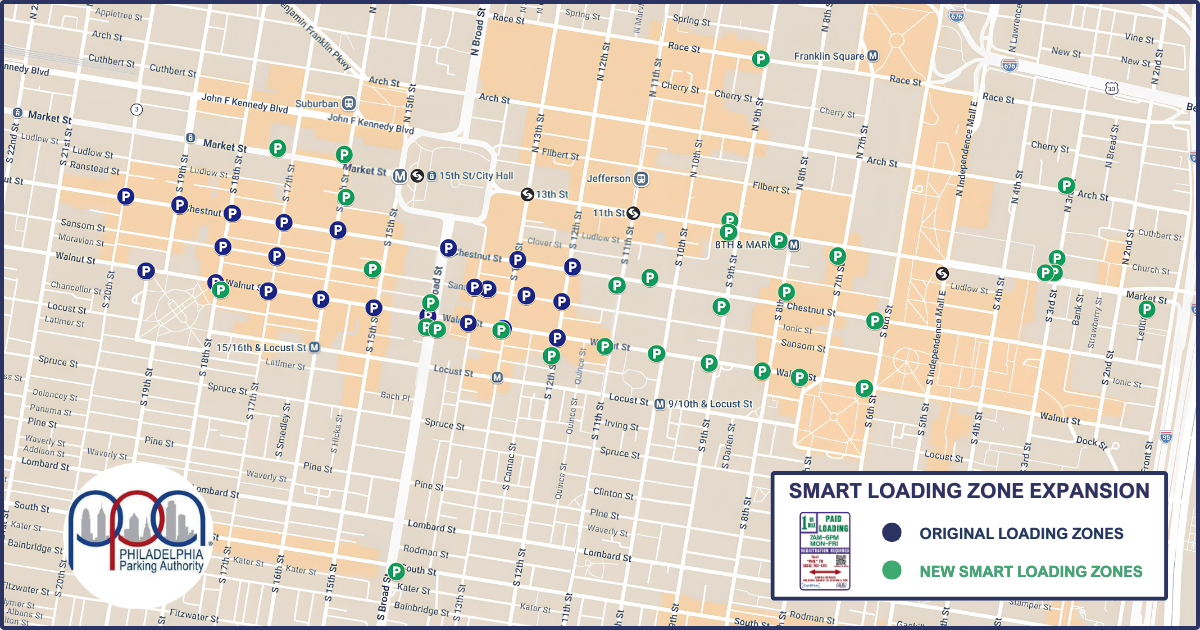
The Philadelphia Parking Authority is adding 30 new smart loading zones in Center City, for a total of 52. Officials say the first set improved traffic flow.Philadelphia Parking Authority
On Monday, the loading zones will begin operating on 30 blocks across Center City, PPA says. No tickets will be issued in the new spaces during a monthlong warning period.
Darting delivery vehicles from DoorDash, Amazon, FedEx, UPS, and the like — along with Uber, Lyft, and regular drivers — have proliferated beyond the supply of curb space in Philadelphia and other cities in recent years, slowing through traffic to a crawl.
Philadelphia has had business and passenger loading zones for years, but they had been overflowing, forcing some delivery trucks to double park in the traffic lane.
Existing smart loading zones have effectively added curb space for 730 additional vehicles a day because vehicles are moving in and out instead of sitting for a long time, PPA says.
PPA says it has seen a 97% increase in commercial freight and delivery trucks using the loading zones, cutting down on double parking that blocks traffic.
The technology also captures plenty of vehicles double-parking in the zones, which are marked by purple, red, and white signs. That results ina $76 e-ticket.
“Enforcement is much more exact and consistent,” Roberts said. “It develops an expectation” that can change behavior, he said.
Indeed, PPA says about 78% of violators have received only one citation.
CurbPass accounts are not limited to commercial vehicles. Anybody can sign up, including rideshare drivers. The first three minutes are free, so a driver can pull in and create an account on the spot from a QR code before the toll starts.
Roberts stressed cameras only capture data necessary for enforcement and, in the case of loading zones, billing: license plate, time in, time out, and location.
“Our goal is to monitor the vehicle, not the person,” he said.
The rapidly developing El Niño is likely to become a “historic event” that could become the most-intense in the period of record, the government’s Climate Prediction Center said Thursday.
The El Niño warming in the tropical Pacific, coupled with how it is affecting the atmosphere, is all but certain to have dampening effects on the Atlantic hurricane season, researchers said.
While it is likely to be disruptive and destructive during the next several months, during the tropical storm season it may mean fewer scares for East and Gulf Coast and Caribbean residents, and perhaps fewer flooding threats in the Philly region.
El Niño already is making its presence evident thousands of miles away in the Atlantic Basin, said Philip Klotzbach, tropical storm specialist at Colorado State University. Colorado State’s forecast methodology has been the prototype for the outlooks issued by the National Oceanic and Atmospheric Administration and commercial companies.
In his update last week, Klotzbach predicted the season would produce nine named storms, those with winds of at least 39 mph — down from 13 in the April outlook. NOAA also subtly trimmed its numbers. The long-term average is 14.
Even with above-normal temperatures that usually would be favorable for storms in the hurricane-development regions of the Atlantic, what’s going on in the Pacific is going to dominate, he said.
“El Niño is definitely the story of this season,” he said, and NOAA says the Pacific warming is likely to persist through April.
(Even The Farmers’ Almanac has noticed. The winter outlook it has cooked up appears to be right out of the El Niño recipe book, calling for wetness and storminess in the South, typical of El Nino. Helpfully, it said the forecast up our way is “tricky.”)
How does warmth in the Pacific affect Atlantic hurricanes?
El Niños, which occur every two to seven years as part of a natural process, agitate the overlying air and disrupt atmospheric circulation worldwide. It is part of the so-called El Niño Southern Oscillation, or ENSO, and since oscillations do oscillate, El Niño periodically shares the stage with La Niña, during which the waters are cooler than normal.
The climate center reported Monday that in the key El Niño region of the east-central Pacific, sea-surface temperatures over a 2.4 million-square-mile area were more than 3 degrees Fahrenheit above normal.
That air-ocean interaction generates strong west-to-east upper-level “shearing” winds that can keep tropical storms from maturing into hurricanes.
Klotzbach said that last week, the 30-day average of wind shear in the western Atlantic was higher than in any other 30-day period dating to 1979.
Other players in the atmosphere affect tropical storm activity, but El Niño “usually becomes the dominant factor,” said Matt Rosencrans, the weather service’s lead hurricane forecaster.
During the top six most-intense El Niños in records dating to 1950, tropical-storm numbers were significantly below normal.
Is this El Niño yet another symptom of a warming planet?
“There is still considerable debate in the scientific community on how warming may affect ENSO behavior,” said Michelle L’Heureux, physical scientist with NOAA’s Climate Prediction Center and the head of the ENSO team.
El Niños likely have been occurring for eons, but the period of record dates only to 1950 because “much fewer observations” are available before then, she said.
“It would take much more research to compare El Niño events in the older records,” she added.
El Niños in which the temperatures reached 3.6 degree Fahrenheit — averaged over three-month periods — occurred in 1965-66; 1972-73; 1982-83; 1991-92; 1997-98, and in 2015-16.
The warmest three-month average, 4.3 degrees Fahrenheit, was recorded in the 1982-83 event, and the climate center sees a 69% likelihood that this will exceed that level.
But L’Heureux cautioned that “intense El Niño events are not totally unexpected.” The top six list shows that they have reappeared every 10 to 15 years.
Thus, she said, “There’s a reasonable argument we were due.”
What might all this mean for the Philly region’s weather?
Tropical storms or their remnants “are especially notorious for flash-flooding impacts” in the region, said Sarah Johnson, warning coordination meteorologist in the weather service’s Mount Holly office.
The 2020 season was quite active, and 2021’s hyperactive. Logically, fewer Atlantic storms would reduce the odds of remnants heading this way.
With the exception of 2012, the year of Sandy, Johnson said that all the years with below-average flash-flood warnings issued by the Mount Holly office coincided with seasons in which no tropical storms or remnants have affected the region.
2026 Volkswagen Jetta GLI Autobahn vs. Hyundai Elantra N vs. Mazda 3 2.5T Premium Plus AWD Hatchback: Let’s have some fun without breaking the bank.
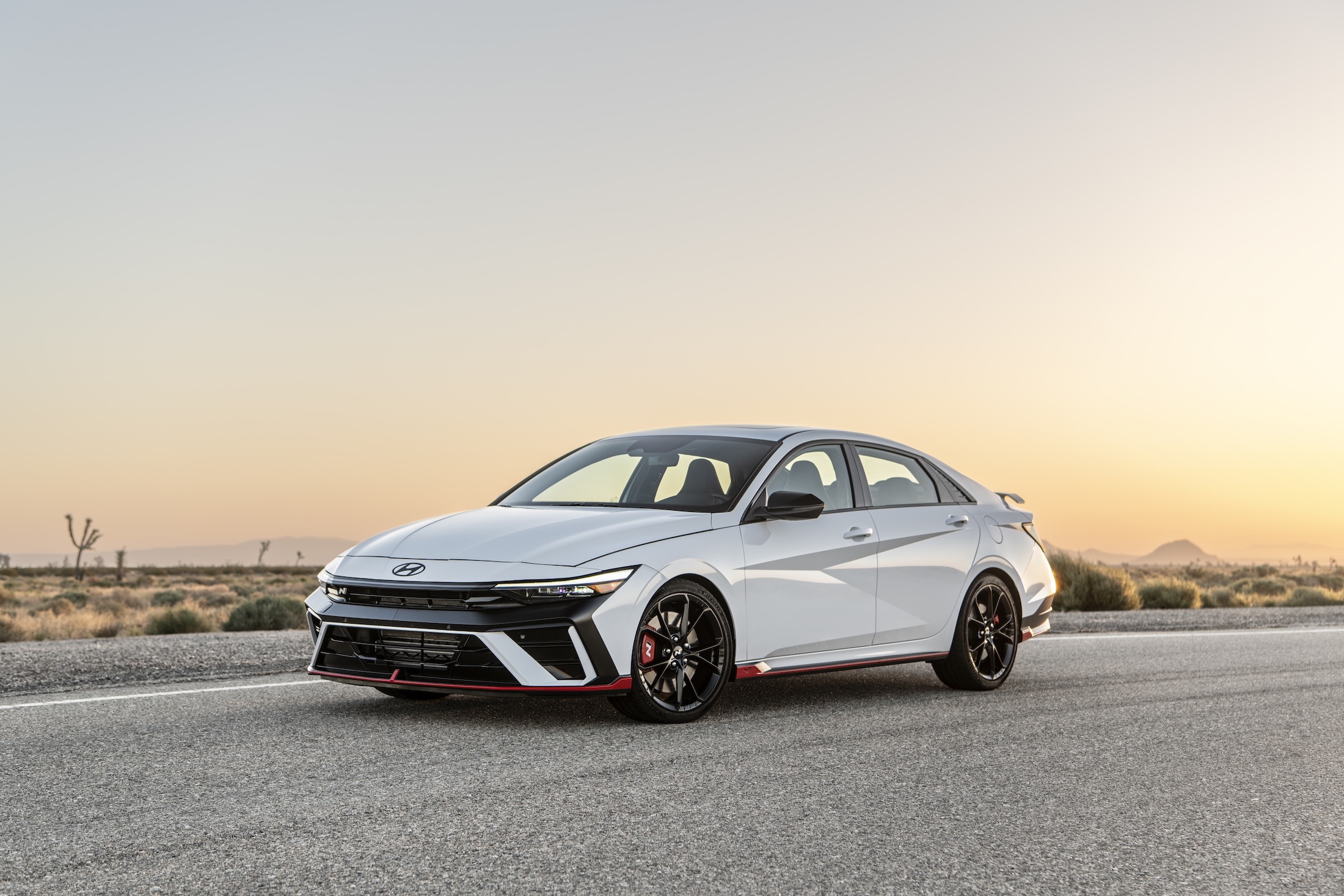
This week: 2026 Hyundai Elantra N
Price: $38,345 as tested; just $500 extra for paint.
What others are saying: “Highs: Sports sedan handling, rip-roaring turbo four, fuel efficient in real-world testing. Lows: The crease-heavy design isn’t for everyone, some dual-clutch clunkiness at low speed, adaptive cruise control isn’t on the menu,” says Car and Driver.
What Hyundai is saying: “Our high-performance sport sedan.”
Reality: Pretty high performance.
What’s new: The front-wheel-drive Elantra continues without much change since its 2024 refreshing.
The Elantra has really grown up in the last few years and is probably bigger if you haven’t checked one out in a few years.
Be aware there’s a high-performance Elantra N like this one and a lesser-tuned N Line.
Competition: In addition to the comparison vehicles, there are the Honda Civic Si, Honda Civic Type R, Toyota GR Corolla, Volkswagen Golf GTI, and Volkswagen Golf R.
Up to speed: Yeehaw! The Elantra N sedan really takes its work seriously, employing its 276-horsepower turbocharged 2.0-liter four-cylinder engine to full effect. There’s a mild turbo lag when pulling out, but the engine will make up for lost time quickly.
The Elantra N gets to 60 mph in a zoomy 4.8 seconds, according to Car and Driver. That dusts the Jetta GLI by almost a second, and the Elantra N didn’t rock and roll under hard acceleration like the Volkswagen did.
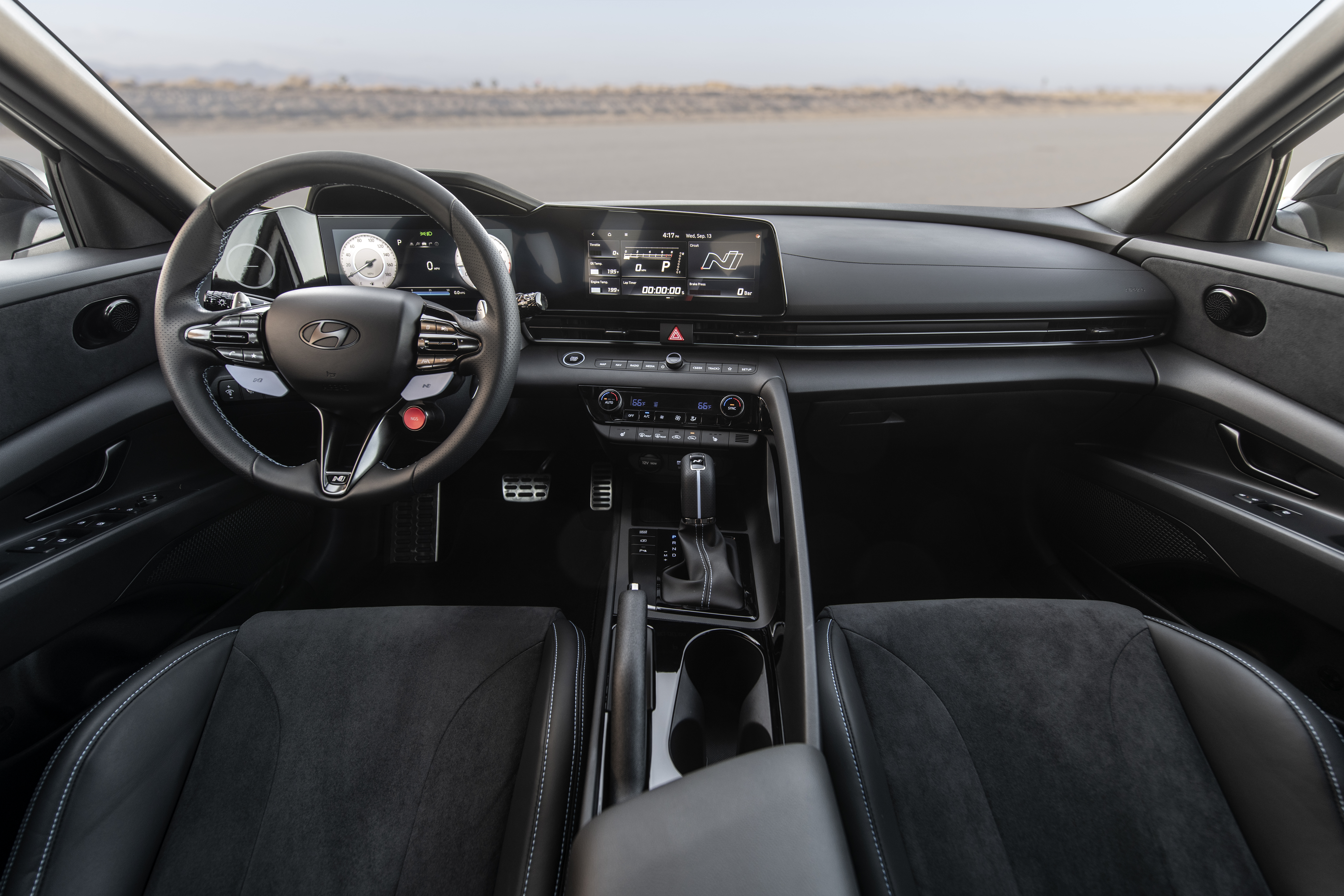
Shifty: The Elantra N came in 8-speed automatic form. It features an old-style PRND shifter with upshift and downshift accessed via a snap to the left.
I thought only Mazda and BMW gave us pull-to-upshift anymore, The Way It Should Be, but lo, Hyundai does as well. Sadly, the Elantra N shifter had all the feel of your arm after you sleep on it for about five hours and really wasn’t worth the trouble. Paddles on the steering wheel are also available.
I found shifting overall not worth the bother; the dual-clutch transmission handled the work smoothly, with just enough feel to add some fun when it shifted up or down, especially in Sport mode (which comes with nice sound effects). It holds lower gears a little too long, but I’ve felt worse. Advantage, Elantra N.
On the road: The Elantra N was niiiiiiice on the right roads. I’ve been loath to share my favorite spots in 15 years, but two creekside highways — one in Chester County and one in Berks — featuring plenty of 15 mph curves showed the best parts of the Elantra N. This part of the experience challenges Mazda, Mini, and Volkswagen just fine. It gives the Jetta GLI a run for its money, maybe even besting it.
On highways, though, it hit seams and bumps pretty hard, but overall the Pennsylvania Turnpike was just fine. Here, though, the Jetta shone.
The interior of the 2026 Hyundai Elantra N features a larger screen than the Volkswagen Jetta GLI, but the fabric could be a dealbreaker for pet owners.DREW PHILLIPS
Driver’s Seat: This is a firm one, with tight contours that don’t move for you. In fact, the seat was manually adjusted and lacked ventilation, a nod to the vehicle’s price point. Advantage, Jetta.
The passenger seat gets a cool console grab bar for The Lovely Mrs. to hang on to.
Friends and stuff: The rear seat is perhaps a little firmer than the front, and it features almost as much contour, so woe befalls the loser stuck in the middle.
Legroom and foot room are good, but headroom can be a bit challenging.
The rear seat folds, but only as a single unit. You have to pull both left and right levers from the trunk and then go back to the seat and pull it down. The velour coverings mean pet owners might look for fabric upgrades or a different vehicle altogether.
Cargo space is 14.2 cubic feet, a tenth of a cube bigger than the Jetta GLI.
In and out: We rode off to visit Best Friend 1.0’s 91-year-old mom this week, so the first thing I did was test out entry-exit when the vehicle arrived. She has a 35-year head start on me, but I felt like the seat would be easy enough to access, with a wide door. I’m pleased to report no nonagenarians were harmed in the making of this review, but note that she still drives herself and does her own shopping, so your nonagenarian’s mileage may vary.
Cool looking speakers that resemble giant on-off toggles on your phone are placed in the door, where they make you think they’re door handles at a glance. But no, those are awkwardly down by the armrest. It’s all worth it if the sound system rocks, right?
Play some tunes: Alas, there will be only the standard level of rocking out in the Elantra N. Sound from the system reflects the price point — it’s a B at best. I couldn’t make the songs show off their hidden gems, but everything sounded as it should. The Jetta wins here.
The 10.25-inch touchscreen has more than 2 inches on the Jetta’s, but both are easy enough to navigate. A volume dial is all you get outside of the screen.
Keeping warm and cool: Dials control the temperature and buttons control everything else. Real buttons, too, not touch pad or ebony faux buttons. Advantage Elantra N.
Fuel economy: The vehicle averaged almost 24 mpg over its lifetime, sucking down almost 20% more fuel than the Jetta.
Where it’s built: Ulsan, South Korea. Parts are 85% Korean and 0% U.S. or Canadian.
How it’s built: The Elantra gets a 3 out of 5 reliability rating from Consumer Reports for the 2026 model year.
In the end: The Hyundai Elantra N provides a whole lot of fun for the price, but the Jetta GLI stuffs in so many more creature comforts — leather, ventilated seats, adaptive cruise, and a more everyday-worthy ride — for an even lower price, that’s tough to turn down.