Blog

  • What’s so surprising about a Christian Democrat?

    What’s so surprising about a Christian Democrat?

    In early July, before the 250th anniversary of the nation’s founding, Texas Democrat James Talarico preached on the proper place of religion in politics. In his sermon, he argued for the importance of the separation of church and state while emphasizing that religion could still inform a person’s approach to and involvement in politics. He stressed how Christianity should shape the tone of one’s politics. Drawing on Jesus’ Parable of the Good Samaritan, Talarico claimed that loving one’s neighbor includes respecting people of different faiths.

    This message raised the ire of Talarico’s opponent, Ken Paxton, and many evangelicals have questioned the legitimacy of his faith. But he’s also earned the applause of a few Christian conservatives such as David French, who approvingly contrasted Talarico with MAGA Christian politicians.

    Talarico is not alone. There are currently a dozen ordained Christian ministers running for various public offices as Democrats, including Lutheran Pastor Sarah Trone Garriott (Iowa’s Third Congressional District), and United Methodist Pastor Adam Hamilton (Kansas-U.S. Senate).

    Many of these politicians, including Talarico, Trone Garriott, and Hamilton, have emphasized their religious faith not only as a part of their overall message, but they have situated their Christianity at the core of their identity. While there’s nothing “new” about Democratic politicians whose religious identity is central to their politics — this was common a century ago with progressives such as William Jennings Bryan and Barbara Jordan during the Civil Rights era (and still is quite common among African American politicians) — today’s candidates do represent a departure from the trend of the past four decades of Democratic Party politics.

    It hasn’t always been this way. Prior to the 1980s, candidates conversant in religion were common and unremarkable. At the time, evangelical and “mainline” Protestants were not aligned with political parties in the way they are today. As social scientist Ryan Burge has pointed out, in the 1970s most white evangelicals were Democrats and evangelicals helped elect “born again” Jimmy Carter in 1976 — the so-called “Year of the Evangelical.”
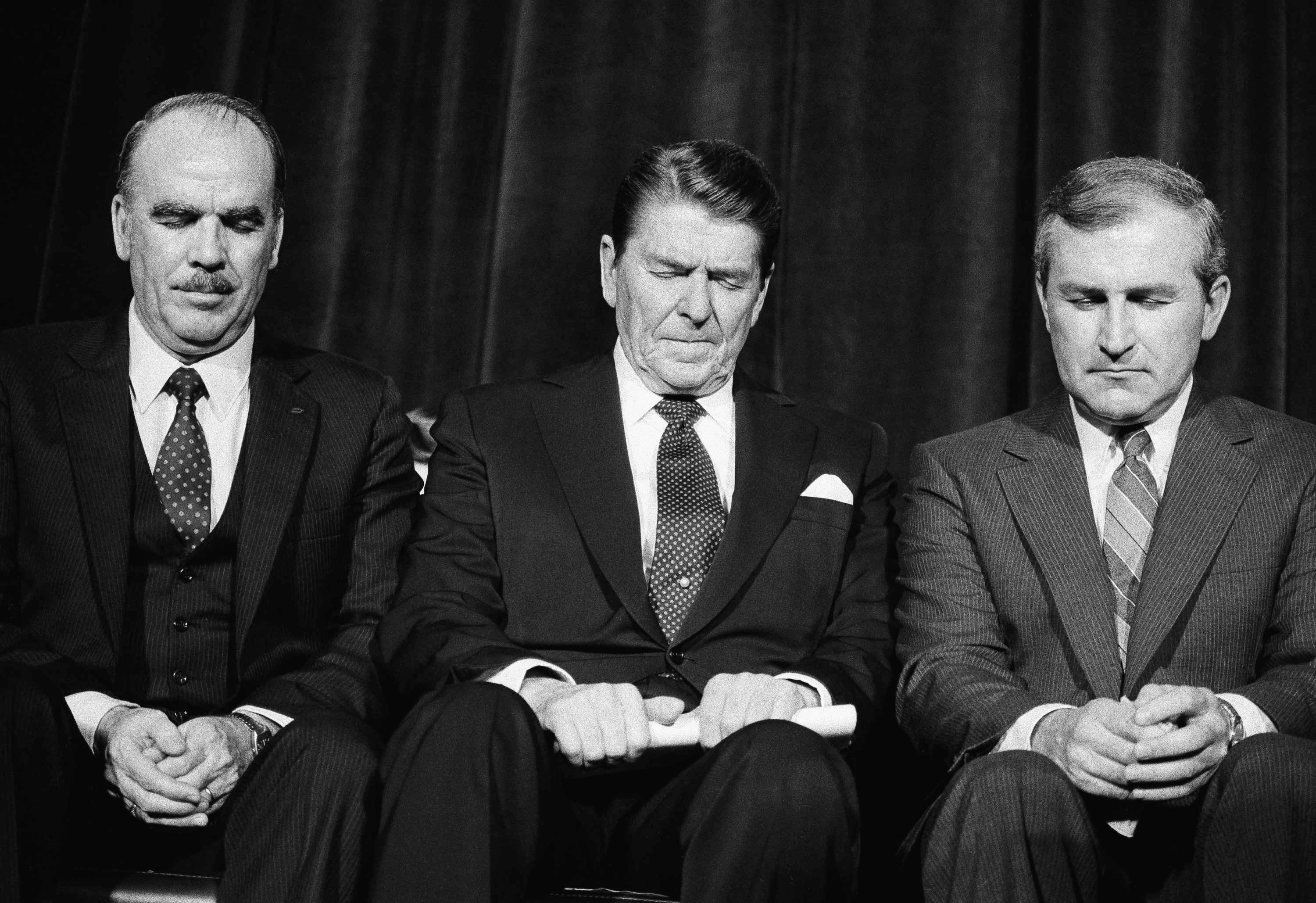
    President Ronald Reagan prays with National Association of Evangelicals President Arthur Gay, left, following his address to the organization’s convention asking for help in winning approval of a constitutional amendment permitting prayer in school in Columbus, Ohio, March 7, 1984.Barry Thumma

    But evangelicals’ rejection of Carter for reelection in 1980 signified an important shift for both parties. Explanations for white evangelicals’ turn away from Christian politicians like Carter and toward Ronald Reagan and the Republican Party — newly perceived as a reliably religious unit — usually point to several events in the 1970s.

    By 1972, the number of delegates at the Democratic National Convention identifying as agnostics, atheists, or people who almost never attended church had grown to 24% (compared to 5% of Americans who listed “no religion” on the General Social Survey.) These delegates helped to add progressive positions on women and gay rights into the party platform at a time when they were to the left of mainstream America’s sensibilities.

    Then in 1978, the IRS targeted mostly white private elementary and secondary schools, sometimes known as “segregation academies,” many of them religious, that had formed in response to desegregation, threatening their tax-exempt status unless they could demonstrate non-discrimination toward Black students. Additionally, by this time, the Supreme Court’s 1973 decision in Roe v. Wade began to galvanize evangelical activists in a space that had been historically dominated by Catholic priests and laypeople.

    Both of these issues came together in the 1980 election, the latter thanks in part to the attention Francis Schaeffer drew to the issue in his writings and speeches across America and the organizing of Jerry Falwell Sr.’s Moral Majority. Because of the growing number of Democrats who self-identified as atheist, agnostic, or non-church attending, white Democrats tended to cede the religious political ground to the new Religious Right, even though plenty of Democrats were religious. Over the next decade, this helped create a binary between a “religious traditionalist” Republican Party and a “secularist progressive” Democratic Party.
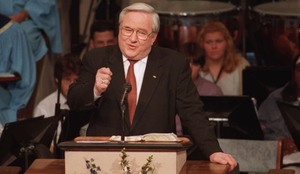
    The Rev. Jerry Falwell speaks at his Thomas Road Baptist Church in Lynchburg, Va., in a 1999 photo.

    Demographic trends over the next 40 years reinforced this shift. In 1975, 30% of Americans were part of the Protestant “mainline” (e.g. United Methodist, Evangelical Lutheran, Presbyterian USA, Episcopal Church, American Baptist, Disciples of Christ, and United Church of Christ). Today the mainline only accounts for between 9% and 13% of Americans. Theories for this decline abound, including loss of identity, aging congregations, poor retention of children as they grow into adulthood, controversies over sexuality, ordination of women and LGBTQ clergy, and same-sex marriage, which led to conservatives joining more evangelical churches.

    Over this same period, the number of Americans identifying as “unaffiliated” (the so-called “nones”) rose from 5% to nearly 30%.

    Factors driving this growth include people being more willing in a secularizing environment to admit they aren’t religious, young people who choose not to identify with any religion, and the general population becoming less religious over time. Democrats have enjoyed a decided advantage among the voting “nones” going all the way back to the 1984 election.

    For Black Americans, there has also been a more modest decline in affiliation with historically Black churches (e.g. National Baptist, Church of God in Christ, and AME Zion). Yet these churches have maintained a continued source of relevance for Black Protestants, playing a vital role in Black life as a source of social support, political organizing, community engagement, aid to the needy, and defense against racism and ethnic solidarity. Today, 53% of African Americans are still associated with historically Black Protestant churches, which probably accounts for the persistence over the past 40 years of progressive Black politicians with ministerial credentials.

    Meanwhile, evangelicals shifted from a slight majority favoring the Democratic Party before the 1980s toward a reliable core of the Republican Party, at a moment when their numbers were increasing. By the end of the 20th century, evangelicals grew to represent nearly 30% of all Americans, in part by having larger families, retaining their children in the church at higher rates, and maintaining cultural and theological distinctiveness.

    Collectively though, these trends meant the Democratic Party became less beholden to a religious demographic within its own constituency, and consequently, religiously-oriented politicians seemed less relevant to the Democratic Party.

    Made By History sponsors. FOR USE ON MADE BY HISTORY STORIES ONLY.Inquirer Staff

    The exception was the African American wing of the party, where Christianity remained central to most voters’ identities. Here, a political figure like U.S. Sen. Raphael Warnock (senior pastor of Ebenezer Baptist in Atlanta, a historically Black mainline church that Dr. Martin Luther King Sr. and Jr. pastored) is not exceptional. The Black church’s historic emphasis on social issues and inequality allowed for adherents’ continued support of Democratic candidates who were white and less religious, even as it did lead to some tension over progressive social goals, such as same-sex marriage.

    In fact, it was the emergence of a Black politician in 2004, then-Senate candidate Barack Obama, who helped call attention to the dearth of religiously-conversant Democratic politicians, arguing that his party needed to reengage religiously-affiliated voters. From 2004 to 2008, the Democratic Party emphasized outreach to religious voters in a concerted way. But after the 2008 election, and Obama’s win, this focus for the Democrats declined so much so that, by 2016, Michael Wear and others involved in rallying Democratic religious voters for Obama had become frustrated at the lack of dedicated outreach.

    So, does the emergence of Democratic politicians such as Talarico, Trone Garriott, and Hamilton signal a new shift on the order of what happened in the 1970s?

    It may be too early to tell.

    It may be, as Wheaton College Professor Esau McCaulley has argued, that the emergence of these politicians is linked to the backlash growing among Protestants tired of MAGA evangelicals defining what Christianity means in America today. Or, perhaps, these candidates are simply the culmination of a growing recognition within the Democratic Party of its need to reengage Christian voters.

    Regardless, it’s not an accident that the new crop of ordained Democratic candidates are located in regions of relative mainline Protestantism vibrancy in the Midwest and South.

    With the exception of Presbyterian Pastor Matt Schultz of Alaska, all 12 of the ordained candidates are running in Midwest or Southern states. Perhaps, politicians such as Talarico will succeed in reshaping how Christianity functions in the political space and reclaim a lost politics of religion within the Democratic Party. Time will tell if they are part of a new vanguard, or only a brief aberration.

    Joseph P. Slaughter is an associate professor of history and religion at Wesleyan University. His first book, “Faith in Markets: Christian Capitalism in the Early American Republic,” demonstrates how religious identities in the United States’ early decades influenced economic decision-making and the formation of the American capitalist system.

    Made by History takes readers beyond the headlines with articles written and edited by professional historians. Opinions expressed do not necessarily reflect the views of The Inquirer.
  • 📈 Property tax spikes, mapped | Morning Newsletter

    Welcome to a new week, Philly. The weather looks clear with highs in the low 80s.

    Today we’re starting at home. Thousands of Philly homeowners face property tax hikes of 50% or more — and those who could be most impacted live in some of the city’s higher-poverty areas.

    And, we’ll dig into which local entities have contracts with U.S. Immigration and Customs Enforcement.

    Plus, Amazon drones could soon take off from South Jersey, and more news of the day.

    — Laura Benshoff (morningnewsletter@inquirer.com)

    If someone forwarded you this email, sign up for free here.

    They ‘feel taken advantage of’

    When the City of Philadelphia reassessed property values this year, most homeowners saw a modest increase. The median uptick was 3%.

    But others were hit much harder. Nearly 6,000 homeowners in Philadelphia saw their property assessments climb by more than 50%, an Inquirer analysis found.

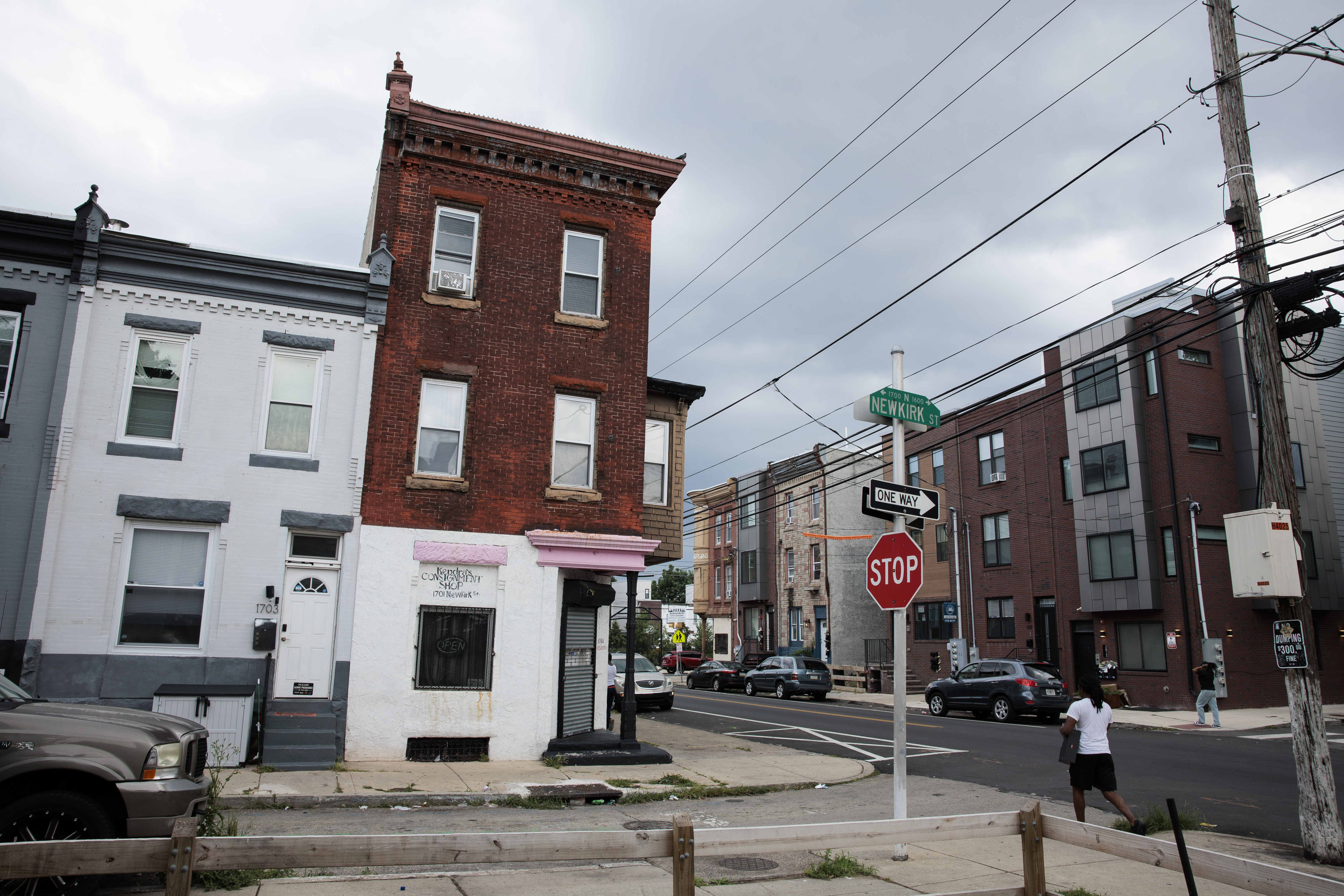
    That spike translates to much higher property taxes in some areas with high poverty, such as Strawberry Mansion and Hartranft.

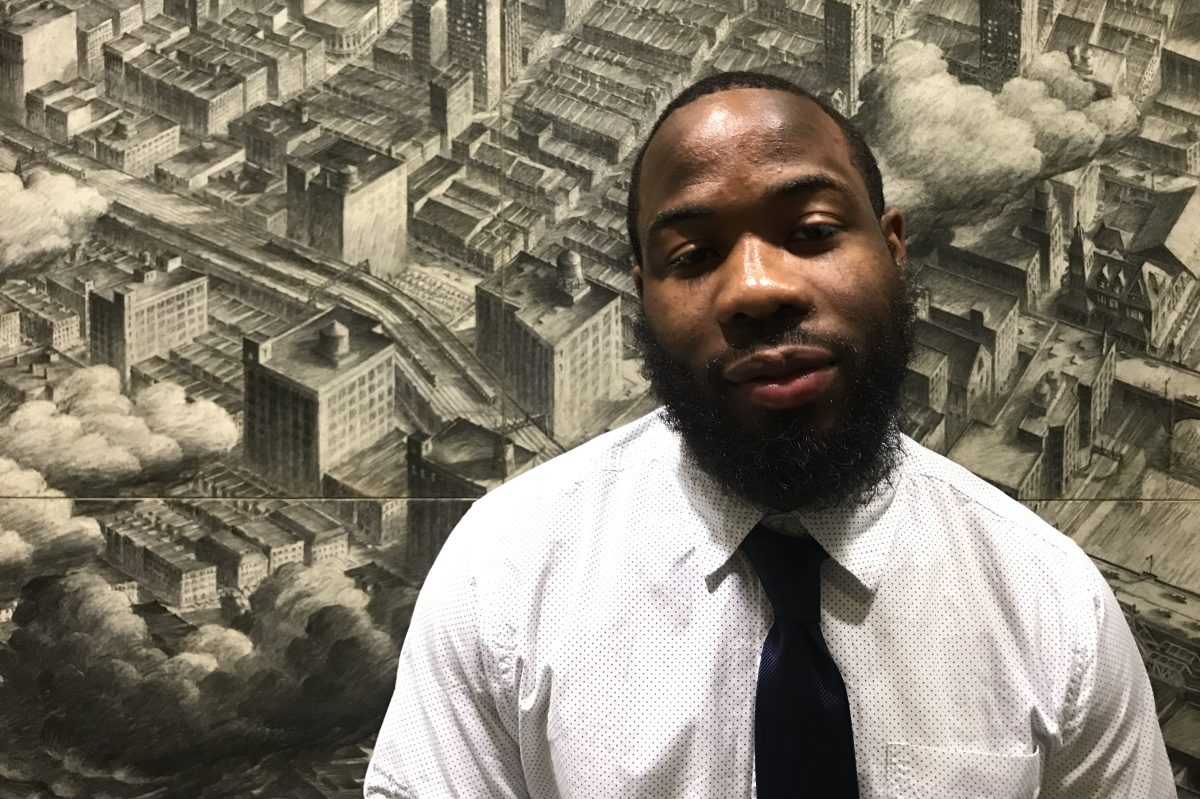
    “[Residents] feel taken advantage of, and they feel like it’s coming out of nowhere,” said Jalon Alexander, a Strawberry Mansion native hoping to unseat his local city councilmember.

    The Inquirer’s Anna Orso and Yaelle Tang mapped the uneven increases.

    How local vendors supply ICE

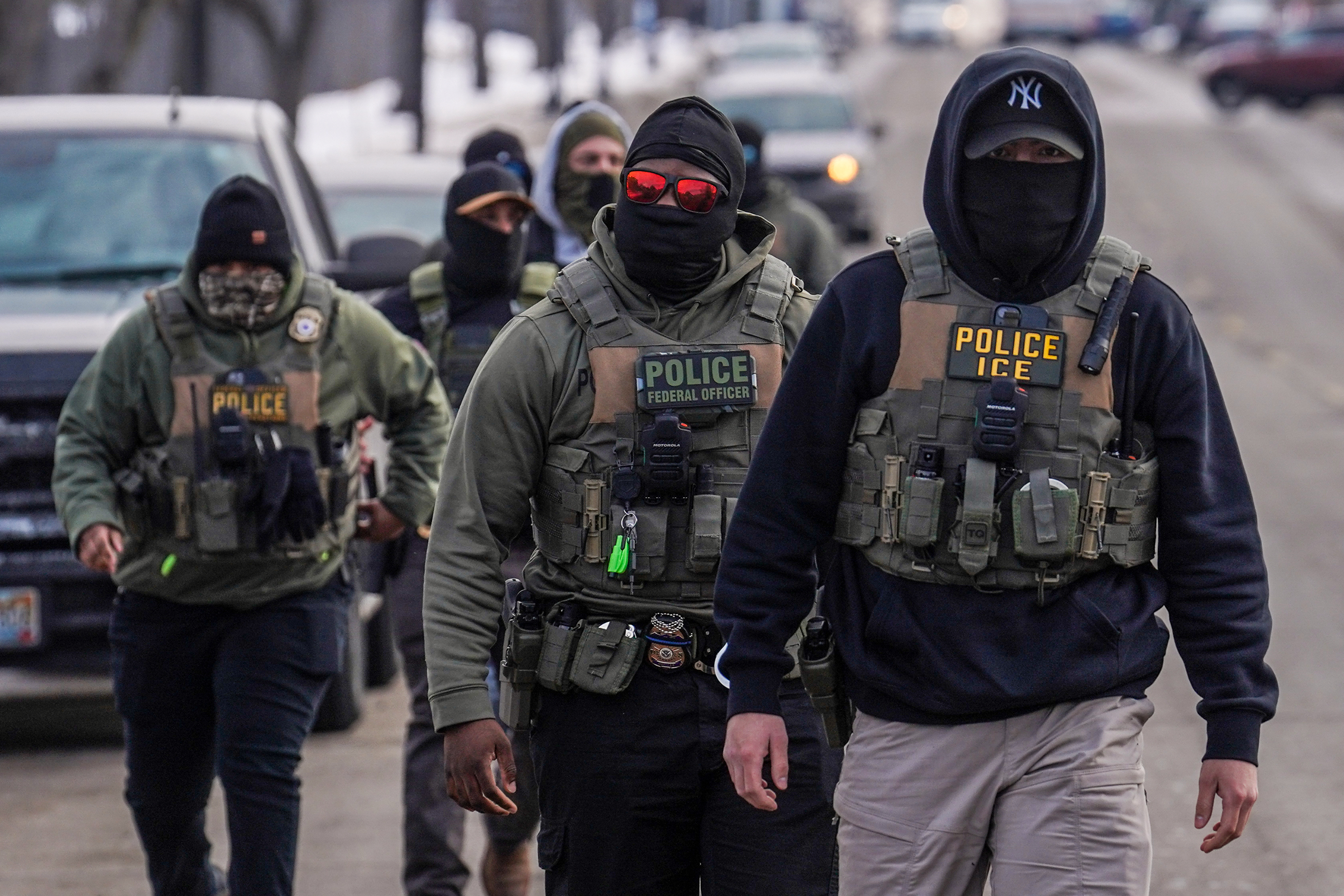
    U.S. Immigration and Customs Enforcement’s budget has grown dramatically during President Donald Trump’s second term, with some of the windfall flowing to our region.

    Since January 2025, ICE has awarded more than $17 million in contracts to vendors in the Philadelphia area, according to local data compiled by The Appeal.

    More than half of that spend is for a contract with a firearms manufacturer in Montgomery County.

    Another ICE vendor? The Philadelphia Parking Authority.

    Inquirer reporters Fallon Roth and Jesse Bunch covered the full list.

    What you should know today

    Quote of the day

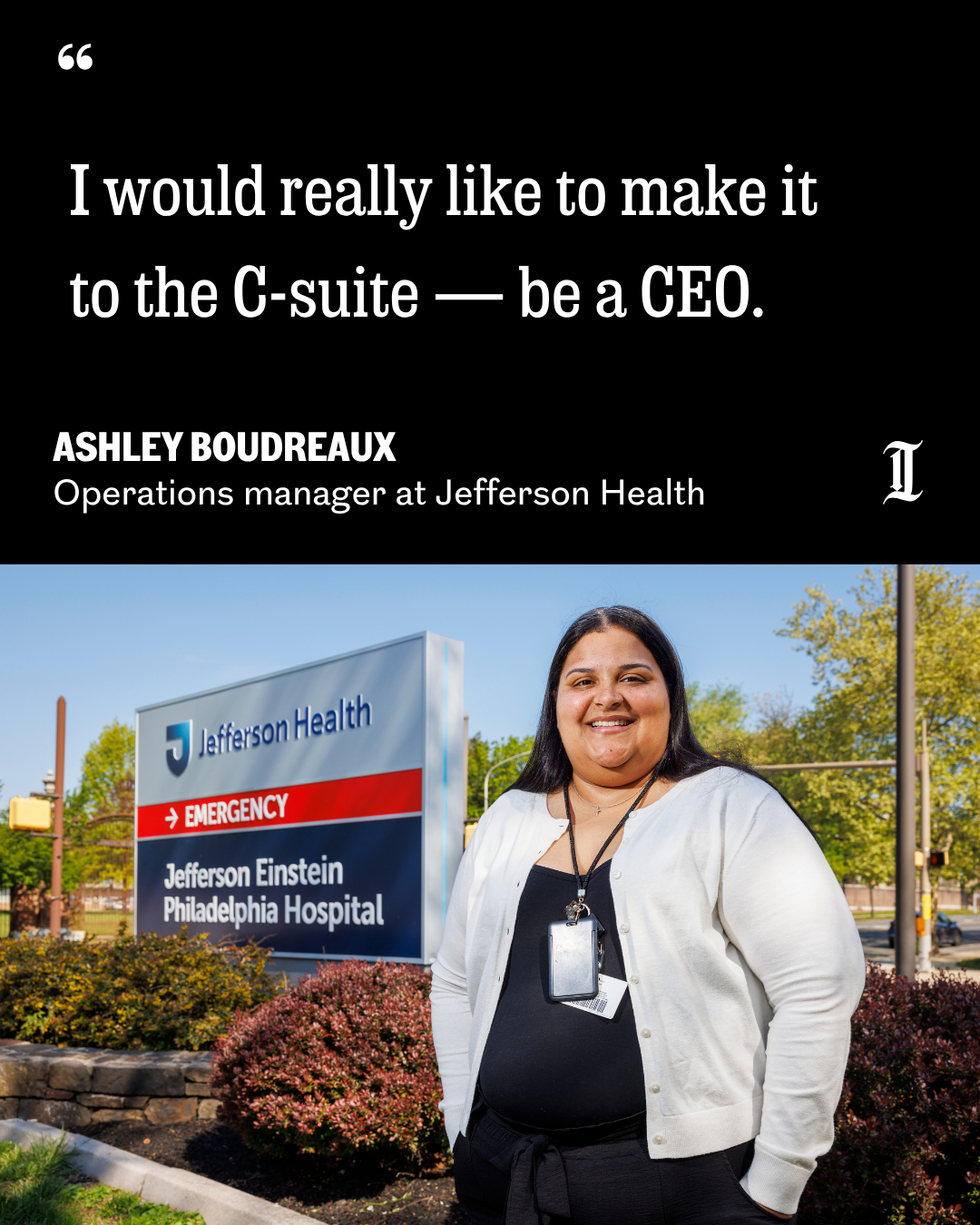
    Alejandro A. AlvarezAlejandro Alvarez

    Ashley Boudreaux has nearly completed two degrees — all while working full-time.

    Reporter Ariana Perez-Castells profiled people in our region who are using job-provided tuition benefits to level up their careers.

    🧠 Trivia time

    Which one of these is a nickname Philadelphians have given LeBron James?

    A) LeIbrahim Muhammad

    B) LeBoul James

    C) LeJawn

    D) All of the above.

    Think you know? Check your answer.

    What we’re…

    🦀 Daydreaming about: Going crabbing in Sea Isle City.

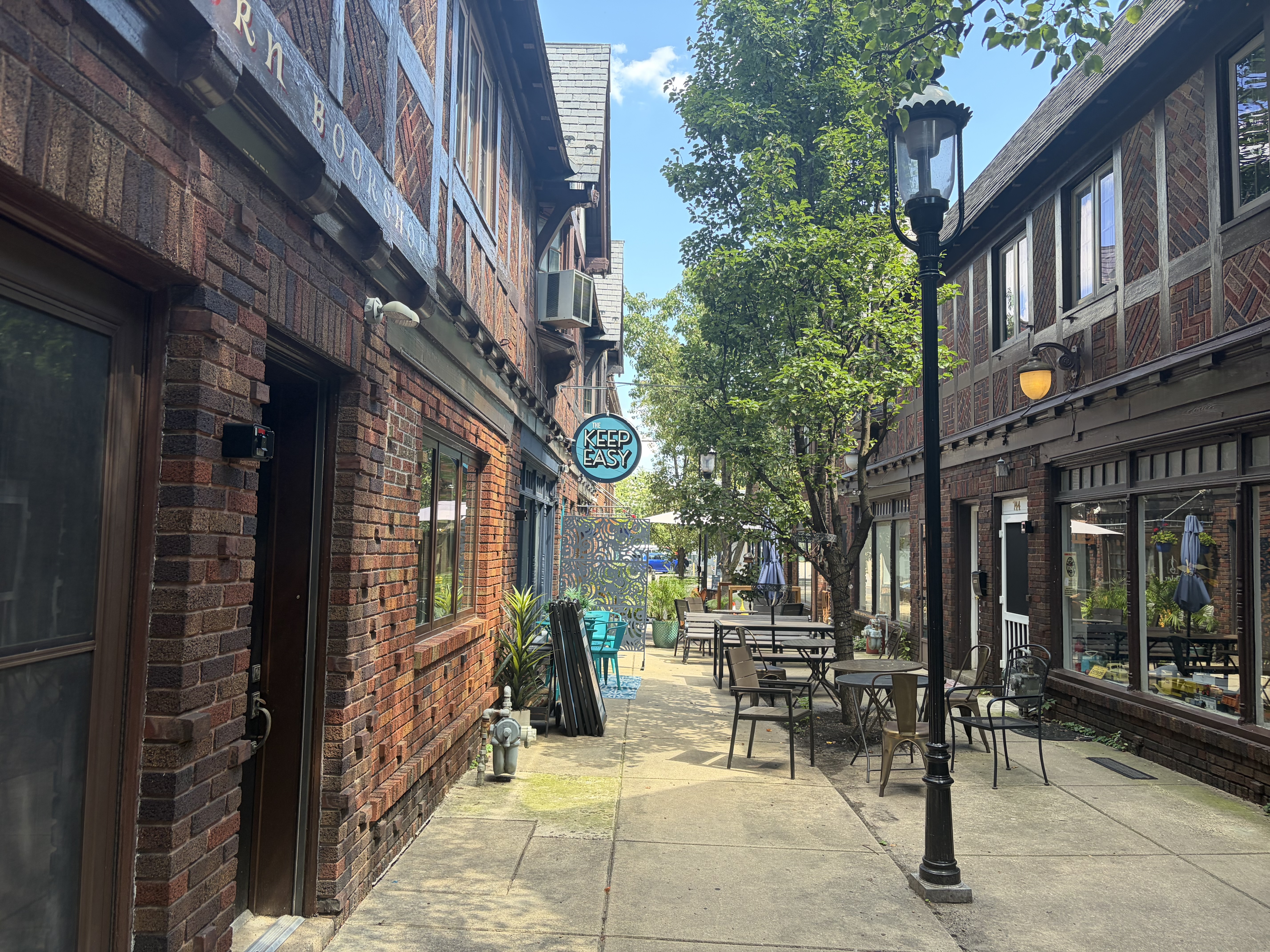
    🪴 Rediscovering: a quaint, hidden alleyway in Jenkintown.

    🎵 Listening to: Philly Music Fest’s newly-announced headliner.

    🧩 Unscramble the anagram

    Hint: The secret to this Phillies hitter’s success could be the portable batting setup he uses on the road.

    LAZIER URSA

    Email us if you know the answer. We’ll select a reader at random to shout out here.

    Cheers to Charlene M. Wiltshire who correctly guessed Sunday’s anagram: Jon Turteltaub. On Friday, the director of the National Treasure films announced to a live audience in Philly that there will be a third installment in the franchise. Turteltaub said the U.S. charged political climate was a contributing factor to the two-decade-long pause between movies.

    Photo of the day

    Pencils are sharpened in the first grade classroom of teacher Lauren Cucinotta at Fanny Jackson Coppin Elementary Tuesday, Aug. 18, 2026 as she preps for the start of the school year on Aug. 24 for the School District of Philadelphia. Scene Through the Lens runs online every Saturday and in print on Monday on page B-2. There is a template in Roxen. This sentence runs at the top of the photo in print: More of photographer Tom Gralish’s visual exploration of our region can be seen in his blog at Inquirer.com/sceneontheroad.Tom Gralish / Staff Photographer

    📬 Your ‘only in Philly’ story

    This week’s “only in Philly” story comes from reader Marian Ronan, who describes a surprising way she connected with another Philadelphian in New York City:

    A while back, a priest visiting my Jesuit parish church in Manhattan said in his sermon that he was from Philly, but that he now says “water” instead of “wooder.”

    On the way out, I told him that I was from Philly and that I only say “wooder” when I have had too much to drink. To which he replied, “Me, too.”

    Have an ‘only in Philly’ story to share? We’re looking for personal anecdotes about what makes you feel connected to the city. Think: an experience that could only happen in Philly; something that made you fall in love with the city; or something that makes you proud to call it home. Email us a few sentences for a chance to be featured in the Monday edition of this newsletter.

    👋 Thank you for starting your week with The Inquirer! See you tomorrow.

    By submitting your written, visual, and/or audio contributions, you agree to The Inquirer’s Terms of Use, including the grant of rights in Section 10.

  • This secluded, charming Jenkintown alleyway is having a moment

    This secluded, charming Jenkintown alleyway is having a moment

    It looks like a street that belongs in its namesake English city, but the secluded, bricked Yorkway Place instead sits near the heart of Jenkintown, Pa.

    For years, locals say, the pedestrian walkway drew few pedestrians: Offices and empty storefronts offered little reason to stroll along the 1930s Tudor-lined path, which runs into Route 611.

    “I still meet people today who don’t even realize it’s there,” said Ross Abel, a Jenkintown resident who bought a Yorkway Place building this year that now hosts a cafe.

    Unusual bar concept sparks alley renaissance

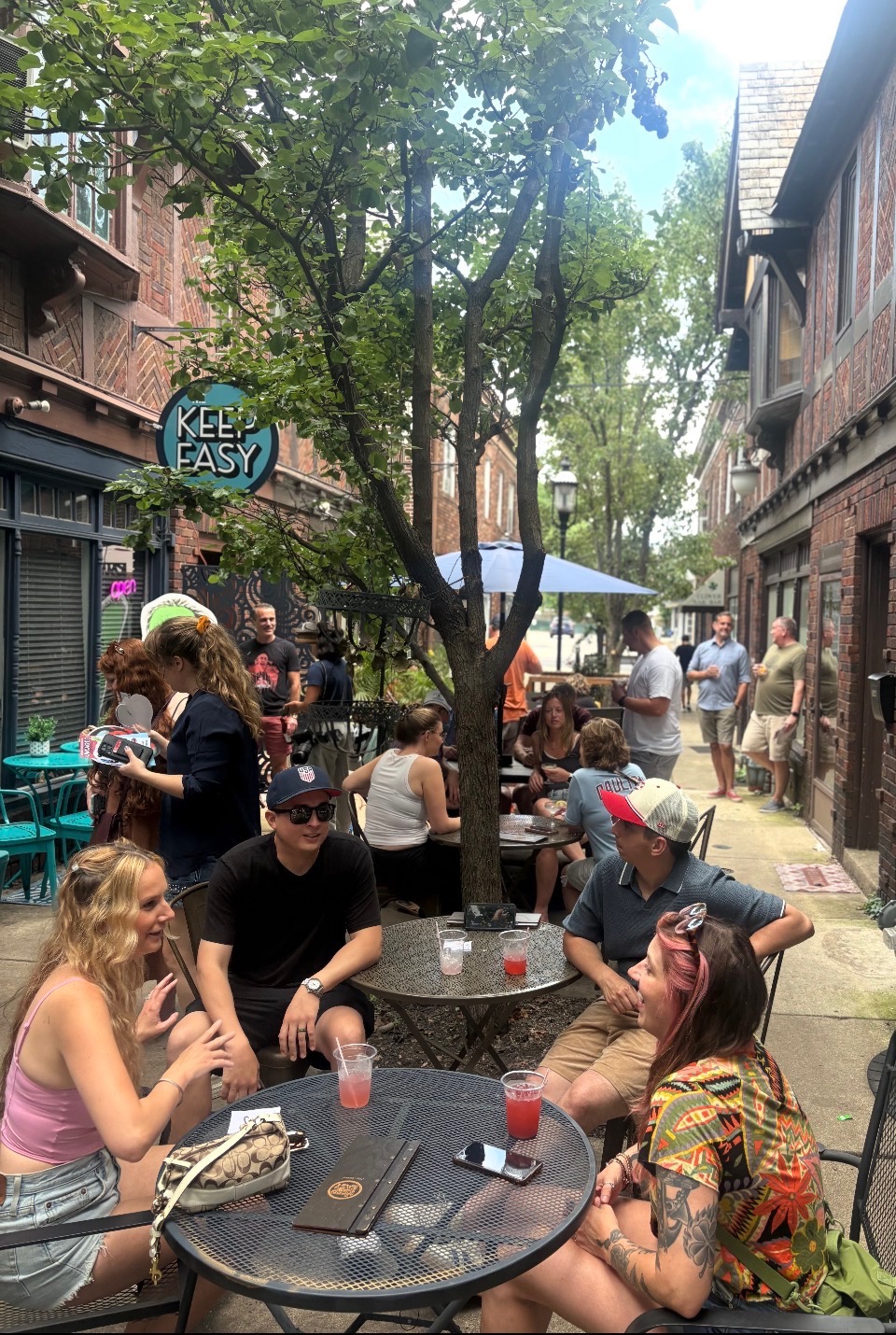
    The tide began turning in 2023 when Melissa Hager turned her herb and tea store into a meadery, the Keep Easy, with her partner, Mike O’Donnell. While the Herb Shop had struggled, the bar took off.

    Yorkway Place in Jenkintown, June 2026.Mel Hager

    “That might’ve been the catalyst,” said Borough Manager George Locke. “The secret was getting that foot traffic in there.”

    After the Keep Easy came Carminati Creamery, a gelato shop from Glenside, bringing a kid-friendly option to the alley.

    The ice cream store “is the first thing that drew us in,” said Jenkintown Mayor Gabe Lerman, who has school-aged children. “Whatever we do for dinner, we can just walk up to Carminati’s.”

    The Lore Café, an upscale, all-day coffee shop, added morning visitors to the scene. That’s what gave Jackie Botto the confidence to move Capricorn Books into Yorkway Place.

    “We took a gamble,” Botto said. “I did not plan for it to be so busy.”

    A custom jeweler and haberdashery and a nail salon round out the alley’s shops.

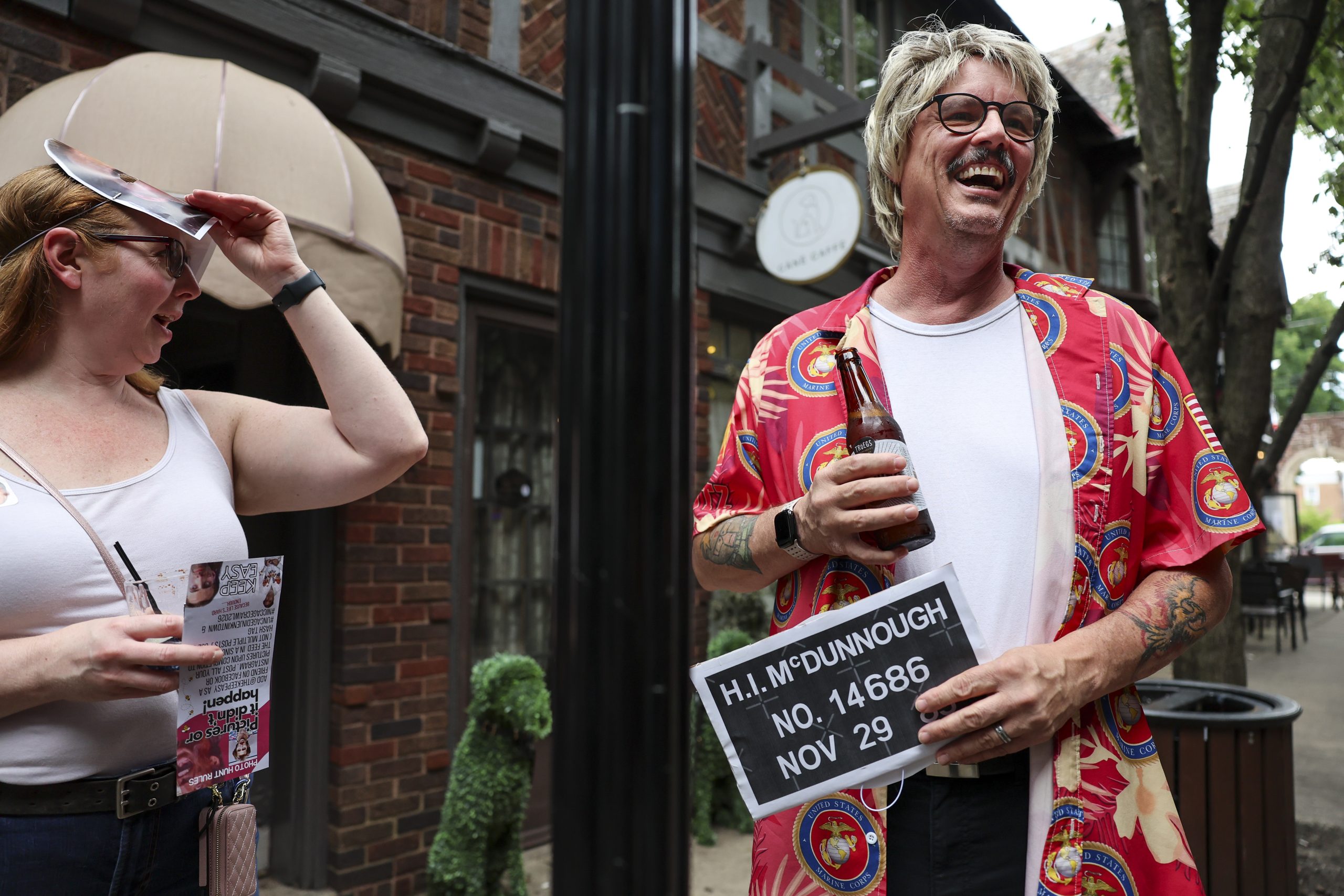
    Themed events have attracted more newcomers, from a Nic Cage bar crawl to Jenkintown Festivus. Capricorn participated in the annual Philadelphia Bookstore Crawl, typically the store’s biggest day of the year, at their new Yorkway Place location for the first time this past weekend.

    Vicky Hutz and Mike Hutz, of Huntington Valley, speak with a reporter at the Keep Easy during the Nic Cage cocktail crawl on Sunday, June 28, 2026, in Jenkintown, Pa. Participants gathered to celebrate actor Nicolas Cage with Cage-themed cocktails, movie screenings, and “Cage matches.”Monica Herndon / Staff Photographer

    Personalized support helped local businesses

    Personalized, direct support has helped bring more small businesses to Jenkintown, locals say.

    The borough started helping owners secure sewer permits from the state several years ago, Locke said. Each permit is “20 to 40 hours of my time.”

    “It’s a tough process,” he said.

    As for filling Yorkway Place, “It’s been Mel,” Botto said, who’s been reaching out to potential owners about vacancies.

    “I was texting everyone I know,” Hager, the meaderist, said.

    Lerman said Jenkintown also recently added free 20-minute parking spots, which helped stores throughout the town.

    And many of Yorkway Place’s business owners live in the borough, the mayor said: “They’re all invested in being good stewards and in having a place you can feel good about sending your kids with a few bucks to get a gelato, or a book.”

    Jenkintown alley to see new stores in 2026

    Several more businesses are set to arrive in Yorkway Place in the coming months.

    In September, insect taxidermist Kat Smith is opening an art supply, stationery, and craft cafe.

    A game room and bottle bar is slated to open above Keep Easy in October.

    And a record store, Smelly’s Vinyl Vibes, is also coming this fall.

    “This is such a cool little street,” Abel said. “All these new shops are helping people to discover it.”

    This suburban content is produced with support from the Leslie Miller and Richard Worley Foundation and The Lenfest Institute for Journalism. Editorial content is created independently of the project donors. Gifts to support The Inquirer’s high-impact journalism can be made at inquirer.com/donate. A list of Lenfest Institute donors can be found at lenfestinstitute.org/supporters.

  • Universal Health Services wants to create something new with Talkspace acquisition

    Universal Health Services wants to create something new with Talkspace acquisition

    Universal Health Services Inc. has long dominated as the nation’s largest provider of behavioral health services through its network of 182 hospitals and 110 outpatient facilities.

    Last week, the King of Prussia company added a new dimension, completing the acquisition of Talkspace Inc., a virtual behavioral health company, for $835 million. It was UHS’s biggest deal in 15 years.

    “We look at this as a real significant moment for healthcare,” UHS CEO Marc D. Miller said in an interview Tuesday. “It’s not simply a transaction for the company, but creating something in behavioral health that hasn’t existed.”

    UHS’s goal is to create what Miller described as a new mental health continuum of care — including an AI agent introduced in June with human oversight and immediate intervention by licensed clinicians for safety if needed.

    Talkspace’s network of 6,000 therapists conducted 933,000 treatment sessions with patients covered by insurance or employee assistance plans in the first half of this year. It had an additional 5,000 active patients who paid directly for the service during that period, according to Talkspace’s quarterly report.

    The New York-based company reported $123.4 million in revenue and a $7.8 million net loss for the first six months of 2026.

    UHS’s behavioral health arm had $3.9 billion in revenue and $773 million in profit before taxes in the six months that ended June 30. Philadelphia-area facilities include Friends Hospital in Philadelphia, Horsham Clinic in Ambler, and KeyStone Center in Chester.

    UHS also owns the largest behavioral health company in the United Kingdom. Including its 30 acute-care hospitals, UHS’s six-month revenue totaled $9.1 billion.

    The Inquirer spoke with Miller about how Talkspace is expected to complement UHS’s current business. This interview has been lightly edited for length and clarity.

    What made Talkspace attractive to UHS?

    By acquiring Talkspace for UHS, we’re creating the industry’s first nationally scaled end-to-end connected continuum in all of behavioral healthcare. Nobody has what we now have. For example, you can go to Talkspace to get treatment on your phone through the app, access therapists wherever you are, whatever’s comfortable for you. The vast majority are patients that UHS never would have touched.

    Now, they’re going to know about UHS, so it would be natural that if they need excess care after they’ve had some care with Talkspace, they’re going to immediately be referred to all of the different options that UHS offers. On the flip side, we’re now going to have this Talkspace option after somebody’s either in one of our more intensive outpatient programs or an inpatient, so we can quickly say, as part of your aftercare, you might want to go to Talkspace, which is a subsidiary of UHS.

    The concept makes sense. How do you make it work?

    It’ll be totally integrated. Most of the insurers that they’re contracted with we’re contracted with, so there won’t have to be huge changes. There are some different contracts, and there will certainly be some things to work out, and there are some small pockets where they’re with somebody that we’re not. But for the most part, that’s not a big concern.

    As far as the referral networks, we’re just doubling what we have. So there’s the current referral networks that go into UHS. There’s the current referral networks to Talkspace that are vastly different.

    We’re now going to put this together, and we’re going to kind of double up the opportunities to both companies. It’s incredibly positive.

    Talkspace’s AI agent Tee has gotten attention. Why is it different from using ChatGPT or Claude like a therapist?

    Tee was purpose-built for mental health. Rather than just adapting a general purpose chatbot to a clinical context, this was built for this. That’s a huge difference. This was built by mental health experts who had safety and privacy in mind, and it was designed to complement human care.

    People right now are going to ChatGPT and Claude and all these things and asking them questions that are totally disconnected, totally disjointed from any care they could be getting. If they’re not getting care, they’re really relying on something that is not expert to help them in a most serious endeavor.

    Editor’s note: This article has been updated to correct UHS’s revenue and profit for the six months that ended June 30.

  • Camden has no grocery stores of its own. A pastor is giving free rides to residents to shop for healthy food in Cherry Hill.

    Camden has no grocery stores of its own. A pastor is giving free rides to residents to shop for healthy food in Cherry Hill.

    When Gregory Williams stepped into Ravitz ShopRite in Cherry Hill, he was on a mission, carefully selecting fresh fruit to add to his shopping cart.

    After stocking up on strawberries, peaches, nectarines, and a pineapple, Williams moved quickly to the meat section to peruse his options.

    “I’m on the healthy side,” said Williams, 29, of Camden.

    Williams got a ride recently to the ShopRite courtesy of a new program that offers free door-to-door transportation to the supermarket to Camden residents.

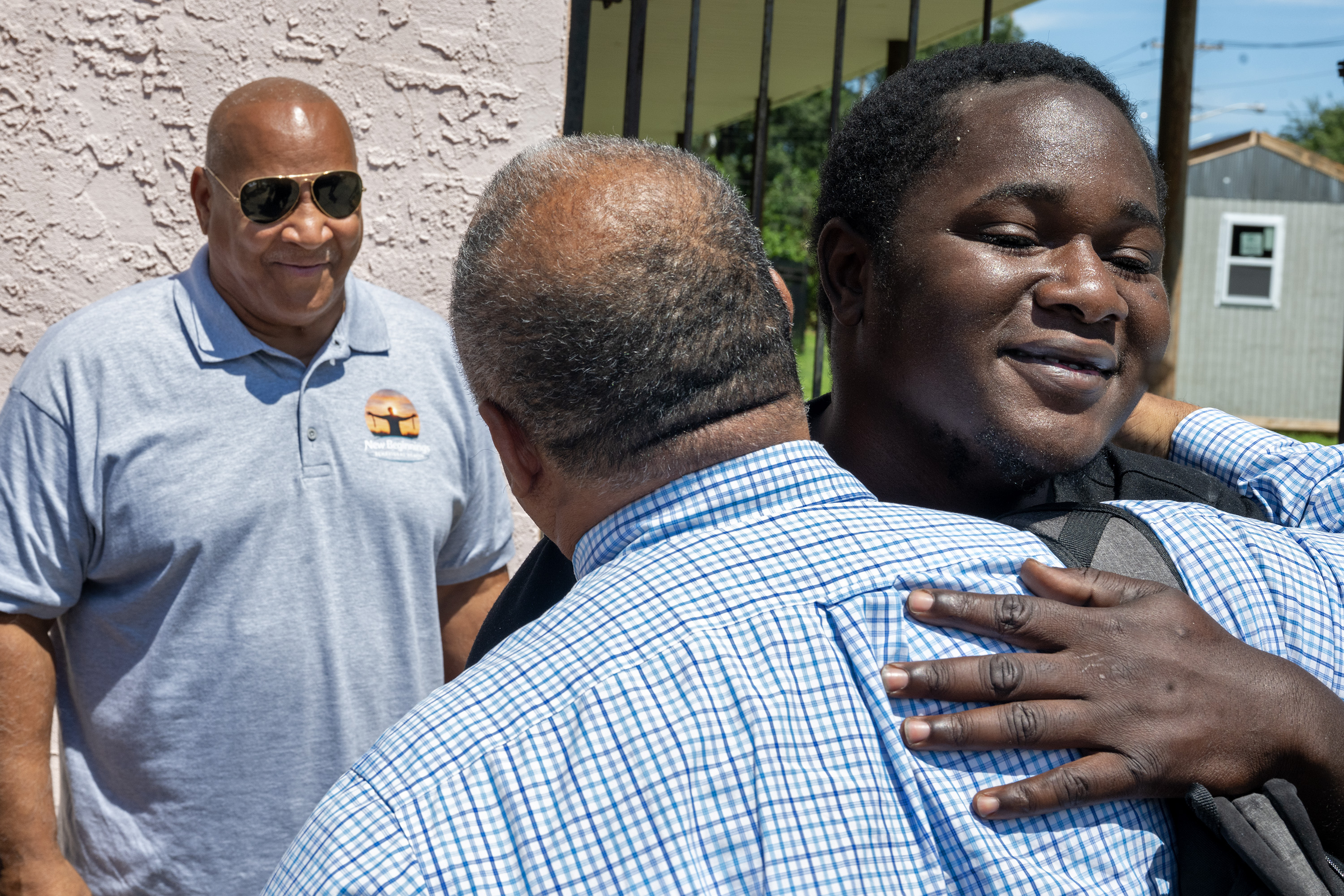
    Camden resident Gregory “Baby Face” Williams arrives to take a van to the ShopRite in Cherry Hill Tuesday, Aug. 4, 2026. Pastor Amir Khan (left) is on a mission to help residents eat healthier, as Camden is a food desert and doesn’t have any grocery stores. With a grant from FEED NJ, Khan is picking up residents and transporting them free of a charge to the suburban store.Tom Gralish / Staff Photographer

    It’s funded by a grant from Food Equity and Economic Development in New Jersey, or FEED NJ, which seeks to provide residents in food deserts like Camden and Salem with better access to fresh, affordable, and healthy food options not always available in their local community.

    Camden, a nine-square-mile city of about 71,000, has not had a full-service supermarket since 2013, when the Pathmark store on Mount Ephraim Avenue closed. The city tops the state’s list of 50 food desert communities.

    Those with cars or access to public transportation travel to nearby suburban communities or shop at pricey neighborhood corner stores or bodegas with fewer healthy options.

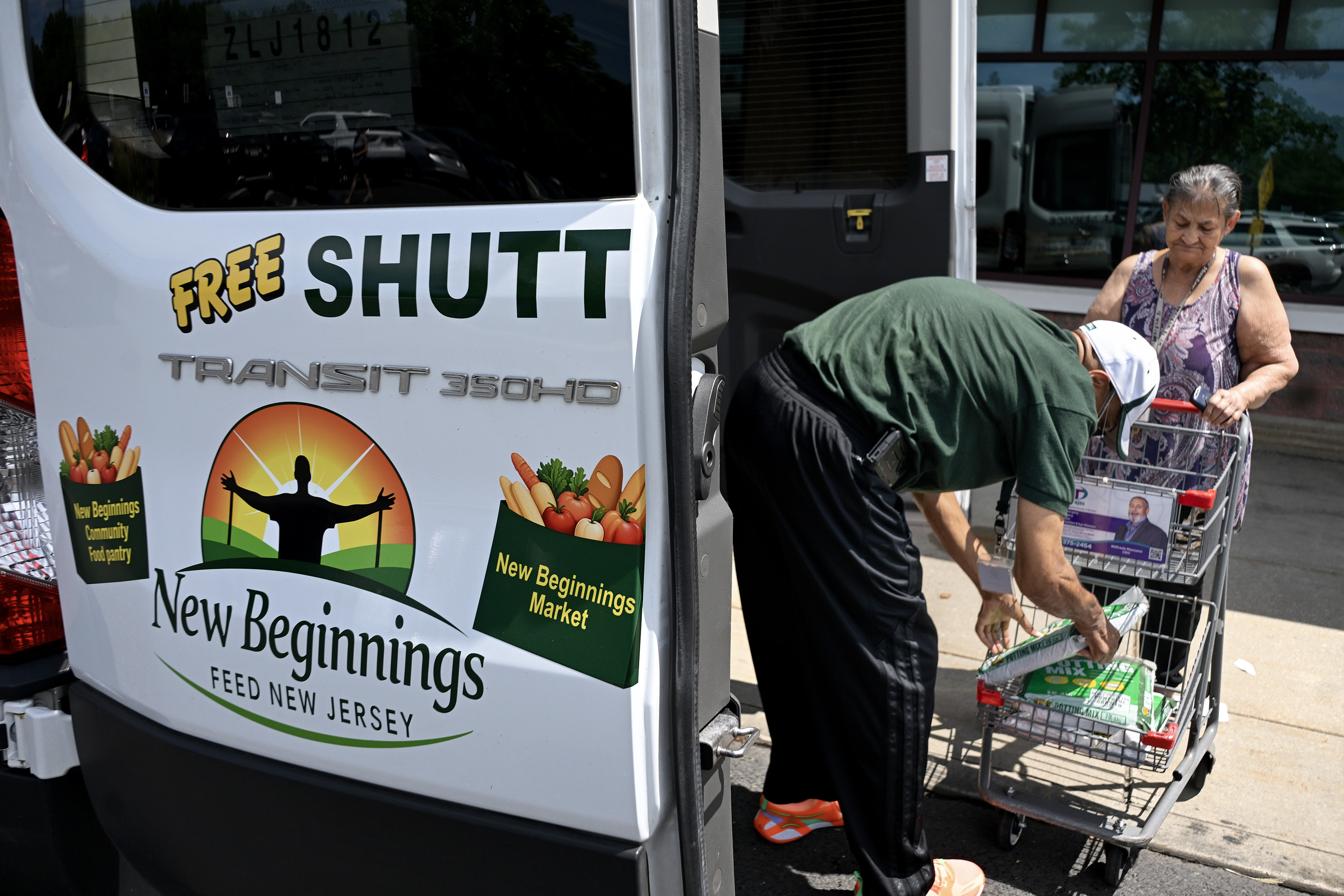
    After efforts to bring a supermarket to Camden fell short, Pastor Amir Khan launched the free shuttle service with a $487,000 FEED NJ grant awarded earlier this year from the New Jersey Economic Development Authority (NJEDA). He purchased three vans to transport Camden residents to the supermarket along with equipment for a pantry.

    “I knew that this was what was best for people of Camden,” Khan said. “God blesses us to be a blessing to others.”

    Van driver Lonnie Watkins helps Camden resident Agripina Vega unload her cart after shopping at the ShopRite in Cherry Hill Tuesday, Aug. 4, 2026. Camden is a food desert and doesn’t have any grocery stores. Pastor Amir Khan is on a mission to help residents eat healthier. With a grant from FEED NJ, Khan is picking up residents and transporting them free of a charge to the suburban store.Tom Gralish / Staff Photographer

    The grant was made through a $30 million state pilot program that awards funds for projects to improve food access and food security in the New Jersey communities most in need, said Tara Colton, chief economic security officer at NJEDA.

    Nearly $9 million was awarded to projects such as urban farming and fresh markets in Camden, Colton said, and statewide, 72 organizations received grants.

    “Food security is crucial to the state’s economic success,” Colton said. “We need to ensure that everyone has their basic needs met.”

    Agripina Vega, 75, was happy to get transported from the Riverview Towers, a building for senior citizens in Camden. Normally, she has to wait until her daughter-in-law can pick her up.

    “I love it,” Vega said, standing in front of ShopRite waiting for a ride home after purchasing meat, fruit, and dog food.

    Khan operates the shuttle through his New Beginnings Behavioral Health, a faith-based nonprofit that helps unhoused people, people recovering from addiction, and returning citizens transition back into society.

    In addition to the shuttle service, the center provides a community food bank and pantry. It also has several shelters, provides job training and placement, and offers mental health and drug counseling.

    Khan believes his mission is “changing and transforming lives.” He encourages clients to follow a motto on a sign in the lobby that reads: “Accept what is. Let go of what was. Have faith in what will be.”

    Jay Rutherford, the program’s supervisor, hopes others will learn from his life. He was released from prison in 2023 after serving 31 years for felony murder.

    “I was in a bad situation,” said Rutherford, 52. He was 19 when he went to prison.

    Khan said his work at New Beginnings was inspired by his father, a doctor in Camden who often provided free treatment to patients unable to pay. His goal is to help residents choose healthier lifestyles.

    The shuttle service to ShopRite is available to Camden residents only, said Lorene Watkins, a director at Khan’s organization. It operates Mondays through Fridays, and occasionally on Saturdays to meet demand, she said. About 25 people are transported weekly, she said.

    Camden resident Ryan Crews (right) shops at the ShopRite in Cherry Hill Tuesday, Aug. 4, 2026. Tom Gralish / Staff Photographer

    “It’s terrible that there’s no supermarket here,” Watkins said. “These are people, too, and they should have a supermarket.”

    Colton said there are “promising efforts” to eventually locate a supermarket in Camden, perhaps with a smaller footprint. Meanwhile, the state is funding food access programs to help meet the need, she said.

    The state is not “giving up the goal of a full-service supermarket,” Colton said.

    Watkins said a mobile market stocked with groceries will be added to the New Beginnings fleet in a few months. It will make stops around Camden and residents can purchase items from the van, she said.

    Since it began a few weeks ago, the shuttle service has added stops at Walmart and Aldi stores in Cherry Hill to the routes, Khan said.

    “We want to be a convenience,” he said. “Anything we can do to get people to eat healthier.”

    The family-owned ShopRite supported the shuttle grant, said Jason Ravitz, vice president of operations for the Ravitz Family Markets. It has also donated food gift cards, Watkins said.

    “Hopefully, people’s dollars can go further,” Ravitz said. “We were always taught you have to be there for the community.”

    Camden residents Gregory “Baby Face” Williams (left) and Ryan Crews (right) shop at the ShopRite in Cherry Hill Tuesday, Aug. 4, 2026. Tom Gralish / Staff Photographer

    First-time shopper Benjamin Moore, 33, picked up fresh fish, chicken, and dairy products. He typically shops at a corner store.

    “There’s a lot more stuff here, more of a variety,” he said.

    Kathy Mason, 65, made a shopping list before traveling to the store and pulled it out to make sure she didn’t forget anything. She navigated the massive store picking up items.

    “I don’t have that much money at all,” Mason said. “For the whole month, it’s really tight.”

    Camden resident Kathy Mason displays her shopping list at the ShopRite in Cherry Hill Tuesday, Aug. 4, 2026. Camden is a food desert and doesn’t have any grocery stores. Pastor Amir Khan is on a mission to help residents eat healthier. With a grant from FEED NJ, Khan is picking up residents and transporting them free of a charge to the suburban store.Tom Gralish / Staff Photographer

    Like many of the other riders, Mason receives Social Security or Supplemental Nutrition Assistance Program food assistance benefits. They try to make healthy choices and stretch their dollars.

    “Sometimes, if there is something I really want, I can’t get it,” said Williams, who receives $277 a month in food assistance. “You have to pay your bills.”

    To schedule a pickup with New Beginnings Behavioral Health’s shuttle, call 856-588-0807.

  • How much will LeBron boost NBC Sports Philadelphia? Here’s what the past says.

    How much will LeBron boost NBC Sports Philadelphia? Here’s what the past says.

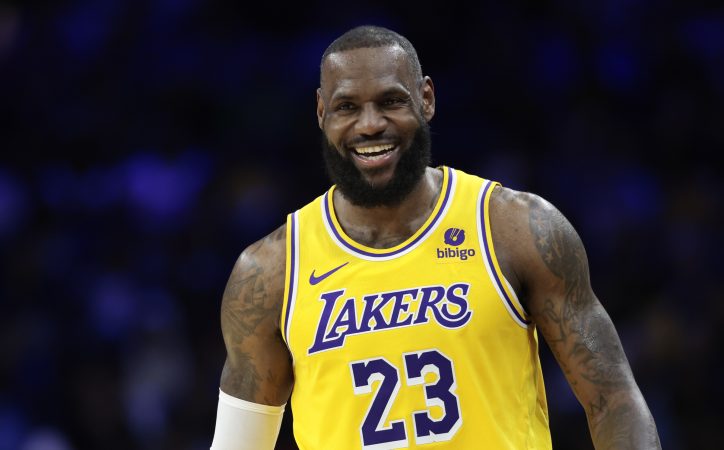
    Outside of the 76ers, one of the biggest winners of the LeBron James’ sweepstakes is NBC Sports Philadelphia.

    We won’t know how much of a boon James will be for the city or the network until the 41-year-old takes the court in a couple of months. A lot will depend on the future Hall of Famer’s health during his unprecedented 24th NBA season, but James has remained remarkably healthy, averaging over 62 starts a year over the past five season.

    If the Sixers match expectations and James can remain on the court, NBC Sports Philadelphia can expect a big boost in viewership based on what happened at his previous stops, according to an Inquirer analysis of Nielsen data previously reported by Sports Business Journal and provided by its media reporter, Austin Karp.

    Before James famously made his decision to join the Miami Heat in 2010, games on the city’s now-defunct regional sports network, FanDuel Sports Network Sun (known then as Sun Sports), averaged a 2.51 rating, roughly 40,000 households. After James joined the team, ratings nearly doubled to a 4.92. By the 2012-13 season, after James helped lead the Heat to two straight NBA championships, games were averaging a 7.14 rating on Sun Sports, nearly three times higher than before he came to town.

    In 2014, James decided to leave Miami to return to the Cleveland Cavaliers. Ratings tripled on the now-defunct regional sports network, formerly known as Fox Sports Ohio, jumping from a 2.79 rating (roughly 41,000 households) before James to a 9.31 rating (roughly 139,000 households) as he led the Cavaliers to their first and only NBA championship in 2016.

    In 2018, James took his talents to Los Angeles to join the Lakers, whose local TV ratings were already among the strongest in the NBA. Lakers ratings still increased 31% on Spectrum SportsNet, the highest since 2013.

    NBC Sports Philadelphia averaged 86,000 viewers per Sixers game last season, according to Nielsen numbers obtained by The Inquirer. If James can provide the same spark he did in both Cleveland and Miami, you can expect upward of 250,000 fans tuning in locally to watch the Sixers on NBC Sports Philadelphia.
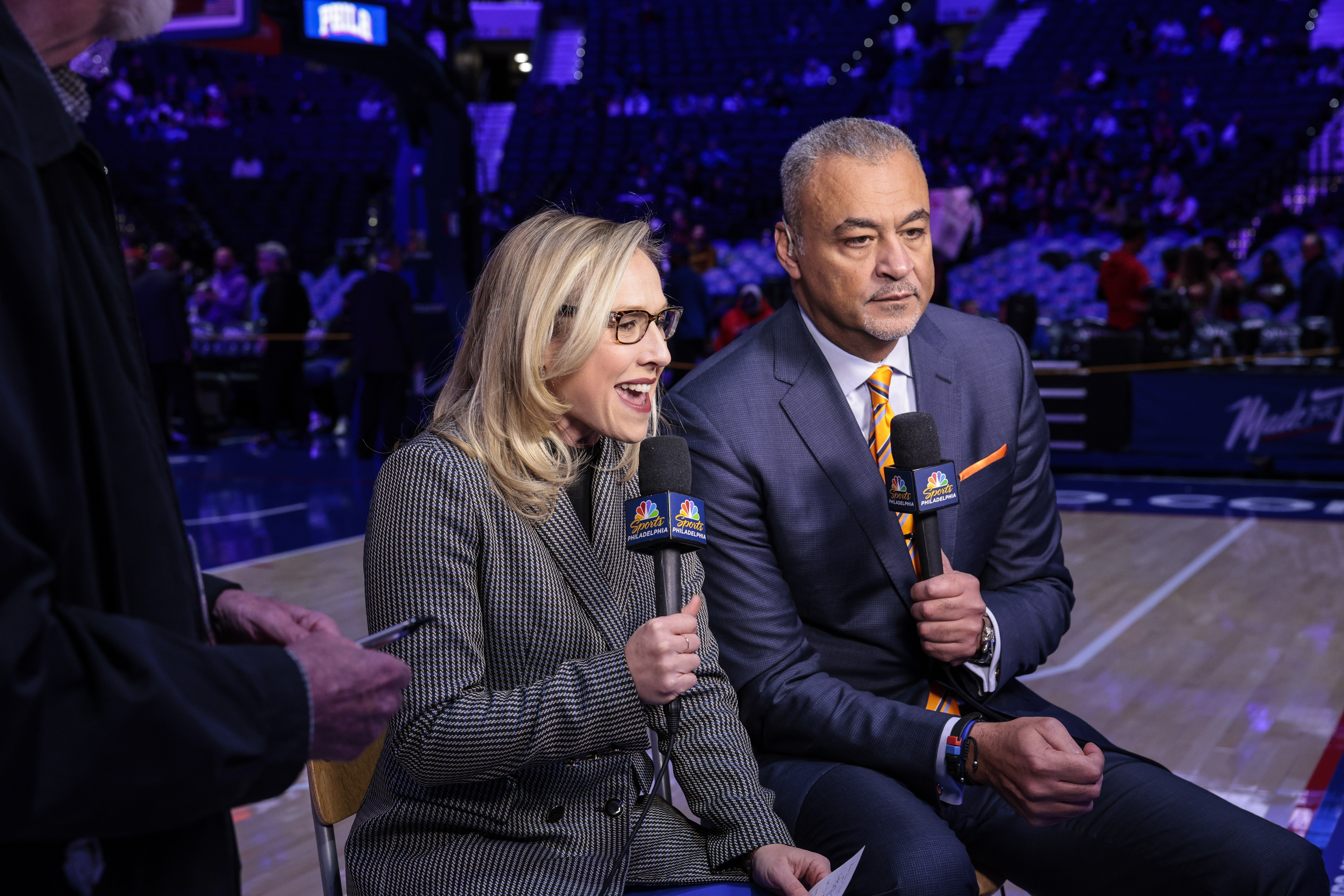
    The network is certainly counting on a boost. NBC Sports Philadelphia is working to improve its production capabilities and add staff, potentially including a third personality alongside announcers Kate Scott and Alaa Abdelnaby who can do interviews and bring the atmosphere of the stadium to fans watching at home.

    “I think you need a voice on the court where Alaa and Kate can’t be to give us insight, do pre- and postgame interviews, analysis, all of that,” Alexandra Matcham, the vice president of content for NBC Sports Philadelphia, previously told The Inquirer.
    The only bad news for NBC Sports Philadelphia is that ratings tanked for the markets James left.

    When he left the Cavaliers for the Heat, ratings in Cleveland dropped 54%. The same thing happened when he returned to Cleveland — ratings on Sun Sports in Miami dropped 28%.

    After James joined the Lakers, Cavaliers’ ratings on Fox Sports Ohio dropped 58%. It remains to be seen whether Spectrum SportsNet will suffer a similar fate this season.

    Fortunately, that’s a future problem for NBC Sports Philadelphia to deal with, as James signed a two-year deal with the Sixers.

    NBC Sports Philadelphia still finalizing its Sixers schedule

    Sixers announcers Kate Scott and Alaa Abdelnaby ahead of a 2014 game. Steven M. Falk / Staff Photographer

    The Sixers have 34 nationally televised games this season, the most in franchise history, but most of them will also air locally on NBC Sports Philadelphia.

    Just 15 of those games are exclusive to national broadcasters, including the Sixers first two games — Oct. 20 against the New York Knicks at Madison Square Garden (NBC), and the Sixers’ home opener against the Cleveland Cavaliers at Xfinity Mobile Arena on Oct. 22 (ESPN).

    That means the first Sixers regular-season game that will air on NBC Sports Philadelphia will be Oct. 24 against the Milwaukee Bucks in South Philly.

    NBC Sports Philadelphia will air at least 67 Sixers games this season, but the full schedule needs to be approved by the NBA before it’s released publicly. There’s also some juggling that needs to happen, since the network also broadcasts Flyers games.

    The network will air all four Sixers preseason games, beginning Oct. 5 against the Knicks at Xfinity Mobile Arena, which could be the first time fans see James suit up for Philly.

    Regardless of when he plays, the expectations are sky-high for the Sixers this season.

    “Championship or bust,” Hall of Famer and TNT analyst Shaquille O’Neal said during a recent interview on ESPN’s SportsCenter. “I know LeBron wants to get one last one. … If they don’t win the championship, I think all those players will be very, very disappointed.”

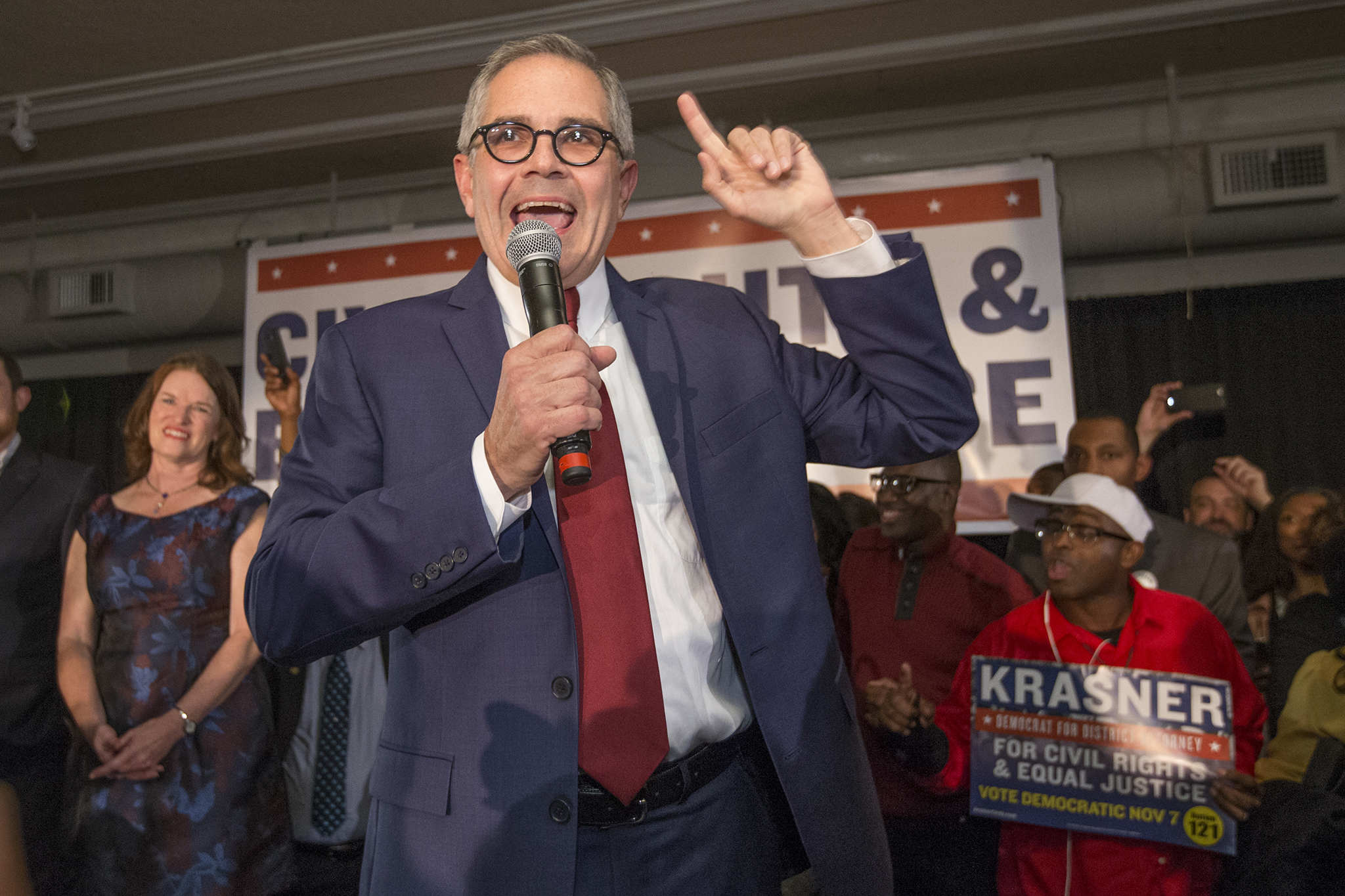
  • Krasner’s candor problem started with his first exoneration win

    Krasner’s candor problem started with his first exoneration win

    A number of judges have called out District Attorney Larry Krasner’s office for lying and sloppy lawyering in several recent exoneration cases.

    A supervisor in Krasner’s office was disbarred last year for repeatedly lying while attempting to overturn a death penalty conviction. In June, another former supervisor was suspended from the region’s federal courts for three years for her role in attempting to mislead a judge in the same case. Last month, a former assistant district attorney said she was pressured to lie in court and instead resigned.

    But judges have raised concerns about a lack of candor dating back to the first exoneration Krasner secured after he became Philadelphia’s chief prosecutor in 2018, according to a review of judicial rulings, court transcripts, as well as internal district attorney’s office emails and other documents obtained through discovery in a lawsuit and shared with The Inquirer.

    Exoneration cases often take years to litigate. But just six weeks after Krasner was sworn in, his office vacated the first-degree murder conviction of Dontia Patterson. He was set free three months later.

    Patterson had spent 11 years in prison after being convicted in the shooting death of Antwine Jackson. Patterson’s first trial ended in a hung jury with an 11-1 vote in 2008, but he was convicted at a second trial the following year based largely on the testimony of two eyewitnesses.

    The Pennsylvania Innocence Project, along with pro bono lawyers, began working on Patterson’s post-conviction appeal well before Krasner was elected as district attorney on a promise to end mass incarceration and reexamine past cases. The focus of the group’s claim was ineffective defense counsel.

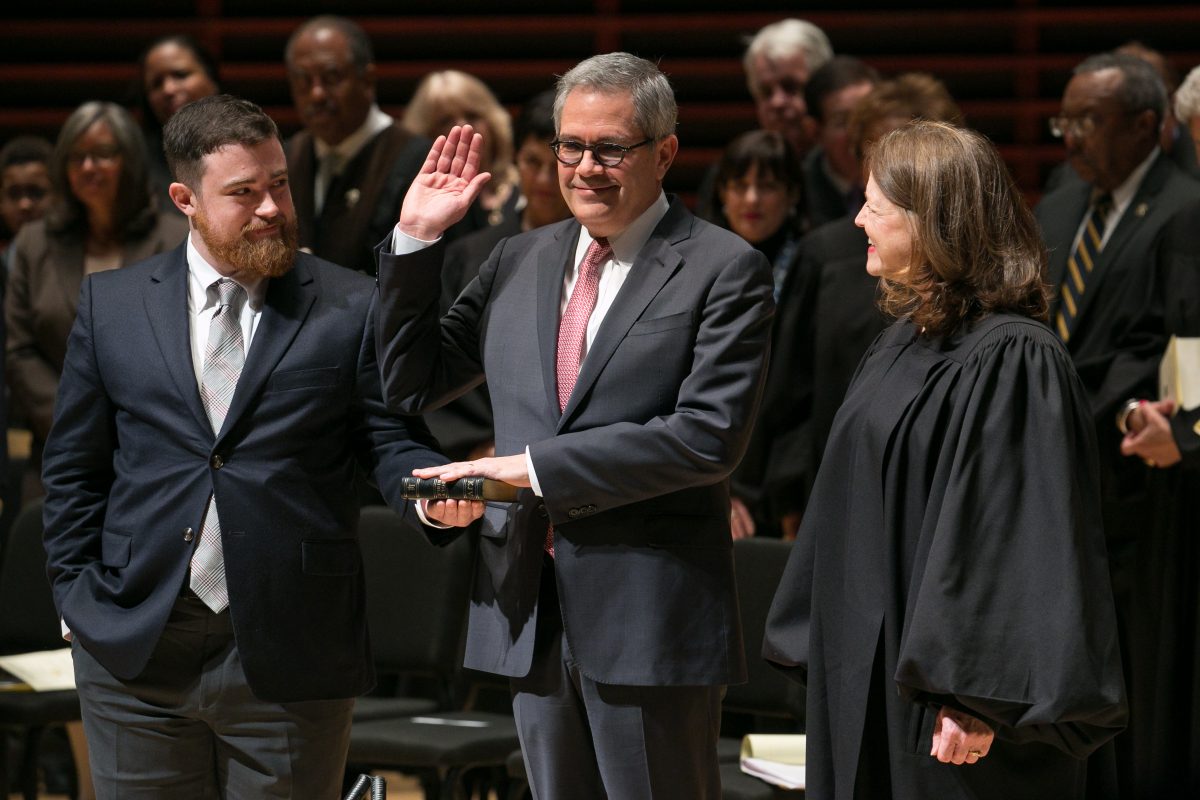
    Just weeks after he was sworn in as district attorney in January 2018, Larry Krasner secured an exoneration for Dontia Patterson, who was convicted in a 2007 murder.JESSICA GRIFFIN / Staff Photographer

    But Krasner’s office offered a bolder theory: In addition to the ineffective counsel, it claimed prosecutors working under then-District Attorney Lynne Abraham and police withheld evidence that would have bolstered Patterson’s defense.

    In May 2018, Anthony Voci, then the chief of Krasner’s homicide unit, signed a legal motion that called Patterson’s conviction “an egregious example of police and prosecutorial misconduct” and moved to drop the charges.

    Along the way, Voci began coordinating with the DA’s press officer to spread the word to the media. “I think this could be a great story for our office to tell,” Ben Waxman, then the DA’s director of communications, wrote in an email to Voci on Feb. 28, 2018.

    The district attorney’s office did not respond to requests to interview Krasner and Voci.

    Three months after Waxman’s email, in May 2018, Voci made a stirring speech in court that referenced the Declaration of Independence’s guarantees of life, liberty, and the pursuit of happiness and excoriated the former prosecutors, saying they were required to be right, sure, and fair.

    Richard Sax, the former prosecutor who oversaw Patterson’s conviction, denied any wrongdoing. He said jurors concluded Patterson was guilty beyond a reasonable doubt, and a previous appeal of the conviction was denied. He called Krasner’s exoneration of Patterson “a horrific travesty of justice.”

    Beth McCaffery, a former prosecutor who oversaw the first trial that ended in a hung jury, was offended by the attack on her character by Krasner’s office, and decided to fight to clear her name.

    Richard Sax, who oversaw the prosecution of Dontia Patterson, denied any wrongdoing in the case and called the district attorney’s office’s exoneration “a horrific travesty of justice.”David Maialetti / Staff Photographer

    McCaffery filed a Right-to-Know request in 2020 seeking access to the case file, which she believed would show she operated by the book. Krasner’s office initially denied the request, claiming the information was not public, even though it had shared the files with researchers at the New York University School of Law.

    At a hearing last year, McCaffery testified that she kept detailed notes and records of her cases that would show she acted properly.

    Voci, who signed the motion that blamed the former prosecutors, also took the stand. By then, his story had shifted.

    McCaffery’s attorney, Bryan Lentz, wanted to find out what sort of independent investigation Krasner’s office undertook before deciding to free Patterson.

    “Before signing the motion, what did you do?” Lentz asked. “What did you review personally to assure yourself of the facts in this motion?”

    Voci responded, “Virtually nothing.”

    Turns out, prosecutors didn’t interview the two eyewitnesses from the trial or the former prosecutors who tried the cases. They didn’t interview a police officer who lived near the shooting, heard the gunshots, and saw a man fleeing the scene.

    However, Voci did sit in on a PowerPoint presentation by attorneys from the Pennsylvania Innocence Project that focused on Patterson’s ineffective legal counsel, which the DA’s office largely adopted.

    In May 2018, Anthony Voci, then the chief of Krasner’s homicide unit, signed a legal motion that called Dontia Patterson’s conviction “egregious.” He later testified that he hadn’t read the document before signing it.David Maialetti / Staff Photographer

    To be sure, a case could have been made that Patterson, who was 17 at the time of the killing, should not spend his life behind bars. Or that his defense counsel was inadequate, and that eyewitness misidentifications have been found to be a major reason for many wrongful convictions.

    But Voci — who had previously criticized the prosecutors in court — testified that he didn’t believe everything he said.

    “Were you onboard with accusing Beth McCaffery of prosecutorial misconduct?” Lentz asked.

    “No,” Voci said.

    “But you signed the motion anyway, right?” Lentz asked.

    “I did,” Voci said.

    Voci revealed something even more stunning: “I didn’t draft this motion, and I didn’t review it before I signed it.”

    That would appear to violate the Pennsylvania Rule of Criminal Procedure, which makes clear that an attorney signing a motion certifies that he or she has read the document and believes the facts as stated.

    Ed Cameron spent four decades prosecuting cases for the district attorney’s office. He questioned efforts to secure an exoneration for Dontia Patterson.Laurence Kesterson / Staff Photographer

    Ed Cameron, who spent nearly 40 years in the district attorney’s office prosecuting mainly homicide cases, sent an email to Voci at 7:36 a.m. the day after Patterson was released. He said he was “up all night” and proceeded to question the exoneration.

    “A lot of mistakes and misstatements were made in the ‘investigation’ and filing by our Office,” Cameron wrote, adding that he was never consulted about the motion to exonerate Patterson and blame the former prosecutors. After Cameron died in 2020, he was praised for his honesty and experience handling high-profile cases.

    Voci’s testimony echoes a similar issue playing out in a separate exoneration case that is before U.S. District Judge Paul S. Diamond.

    In that case, one of Krasner’s former assistant district attorneys, Jaclyn Mason, testified that the DA’s office failed to do any independent investigation in another exoneration case involving a convicted murderer and instead accepted the arguments provided by the Pennsylvania Innocence Project.

    Mason testified she signed the legal document asserting the man’s conviction should be thrown out, but didn’t independently examine all the evidence. Instead, Mason testified, she followed the orders of her supervisor, Matthew Stiegler, who she said told her, “‘If it’s good enough for the Innocence Project, it’s good enough for me.’” That case is ongoing.

    Like Mason, Voci testified that he was just following orders, and that another lawyer in the office, Patricia Cummings, wrote the Patterson motion.

    Krasner hired Cummings in January 2018 — the same month he was sworn in — to oversee the city’s Conviction Integrity Unit, which was set up to review old cases for wrongful convictions. She came from Dallas, where she started a similar unit, and reported to Krasner.

    Cummings maintained a separate role while working in Krasner’s office as a research scholar at NYU School of Law — the same place that was granted access to the DA’s case files McCaffery had requested.

    Cummings helped research and draft a 180-page report released by NYU that detailed a long history of prosecutorial misconduct in Philadelphia, an apparent conflict of interest that seemingly undermines the report’s independence.

    Cummings had an opportunity to defend Patterson’s exoneration and the NYU report at McCaffery’s Right-to-Know hearing. But when called to testify, she failed to show up. (Cummings did not respond to questions I emailed her.)

    McCaffery sued Cummings and NYU for defamation. The case was dismissed and is now on appeal in the U.S. Court of Appeals for the Third Circuit.

    Separately, McCaffery’s effort to clear her name dragged on in court for four years. In March 2024, Common Pleas Court Judge Anne Marie Coyle issued a stemwinder of an opinion that stretched for 149 pages and found Krasner’s office unfairly accused McCaffery and Sax of misconduct.

    Dontia Patterson is shown at the Philadelphia Criminal Justice Center after a hearing in May 2018, at which a judge cleared him of a 2007 murder and agreed to drop the charges.Chris Palmer

    The judge said the claims by Krasner’s office that the two former prosecutors illegally withheld evidence to secure a wrongful conviction were “intentionally and maliciously created” and “had no good faith basis.”

    Coyle listed 11 scathing findings involving Patterson’s exoneration and the efforts to fight McCaffery’s Right-to-Know request, including that Krasner’s office “misplaced and/or destroyed requested records and relevant evidence.” She found the DA’s office “dishonorably publicly maligned” McCaffery and Sax.

    The judge’s opinion echoed a recent finding by the state Supreme Court in a separate exoneration case when she found “the DA’s office demonstrated a patterned lack of candor” to the courts through “misstatements” and by “omitting salient” facts related to the post-conviction review of Patterson’s case and McCaffery’s Right-to-Know appeal.

    Coyle said a culture existed within Krasner’s office “to denigrate prior prosecutors” and “prior administrations.”

    She fined Krasner’s office $120,000 and called on an appellate court to impose more penalties. The DA’s office is appealing to the Commonwealth Court of Pennsylvania.

    After Patterson’s release, he sued the city and received $1.7 million in a settlement for his time in prison. In 2023, Patterson was arrested for selling drugs in Kensington. He struck a plea deal with prosecutors in Krasner’s office and received two years probation.

    The Pennsylvania Innocence Project stands by its efforts to exonerate Patterson.

    “Before the Pennsylvania Innocence Project agrees to take a case, we conduct a thorough, often yearslong review of the facts and the record,” Nilam A. Sanghvi, the Innocence Project’s legal director, said in a statement. “In this case, the facts pointed to Dontia Patterson’s innocence, and his exoneration was the just result. We will continue to pursue justice for our wrongfully convicted clients based on the facts.”

    Krasner, a former defense attorney, has long railed against what he considered a win-at-all-cost mentality among police and prosecutors in the city. While Philadelphia has a fraught history of overreach by officers of the law and officers of the court, the remedy for any past abuses isn’t more of the same.

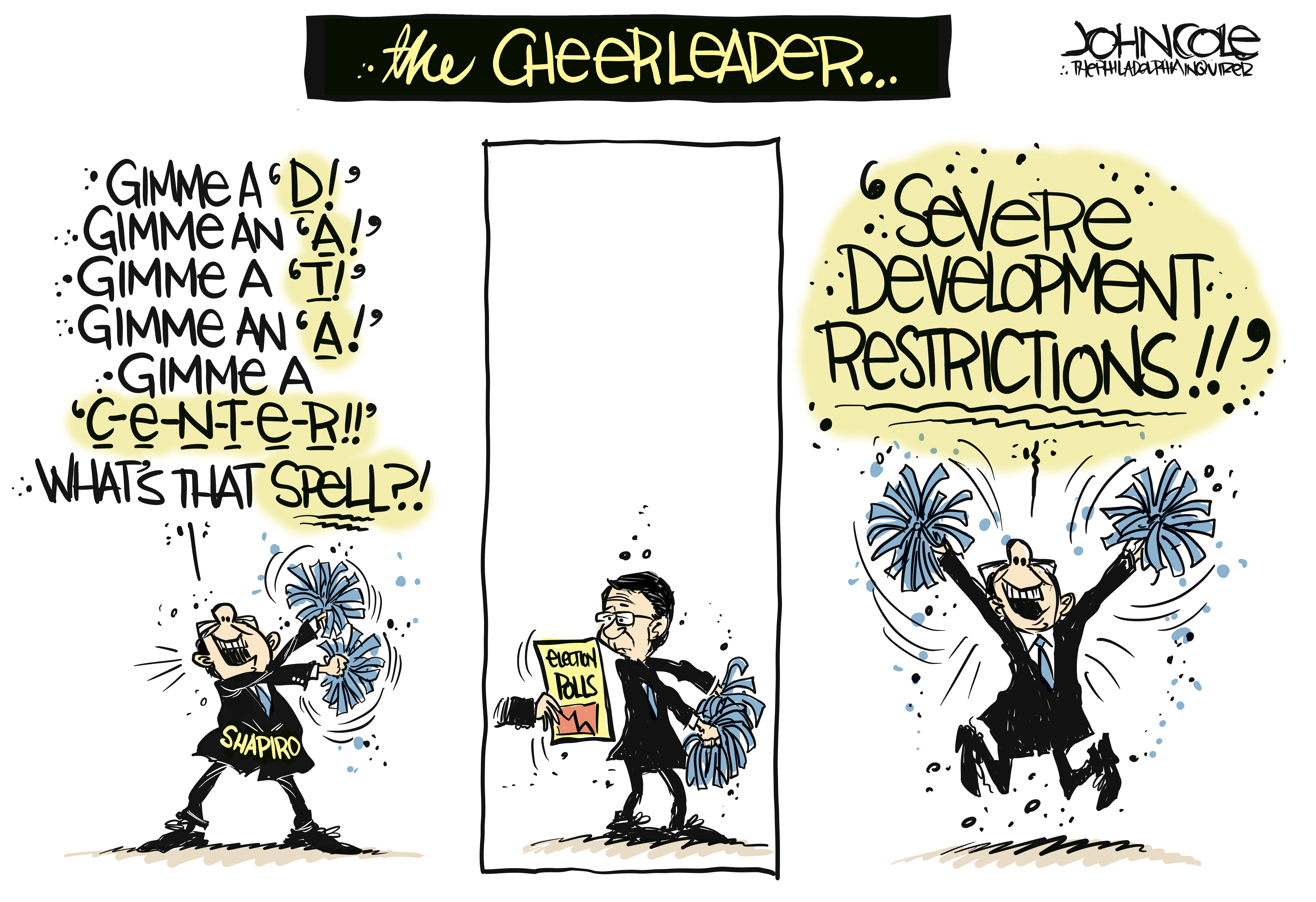
  • Server two masters | Editorial Cartoon

    John Cole spent 18 years as editorial cartoonist for The (Scranton) Times-Tribune, and now draws for various statesnewsroom.com sites.

  • A stint in Lehigh Valley allowed Andrew Painter to work ‘freely’ on mechanics and his mind. Here’s what he learned.

    A stint in Lehigh Valley allowed Andrew Painter to work ‘freely’ on mechanics and his mind. Here’s what he learned.

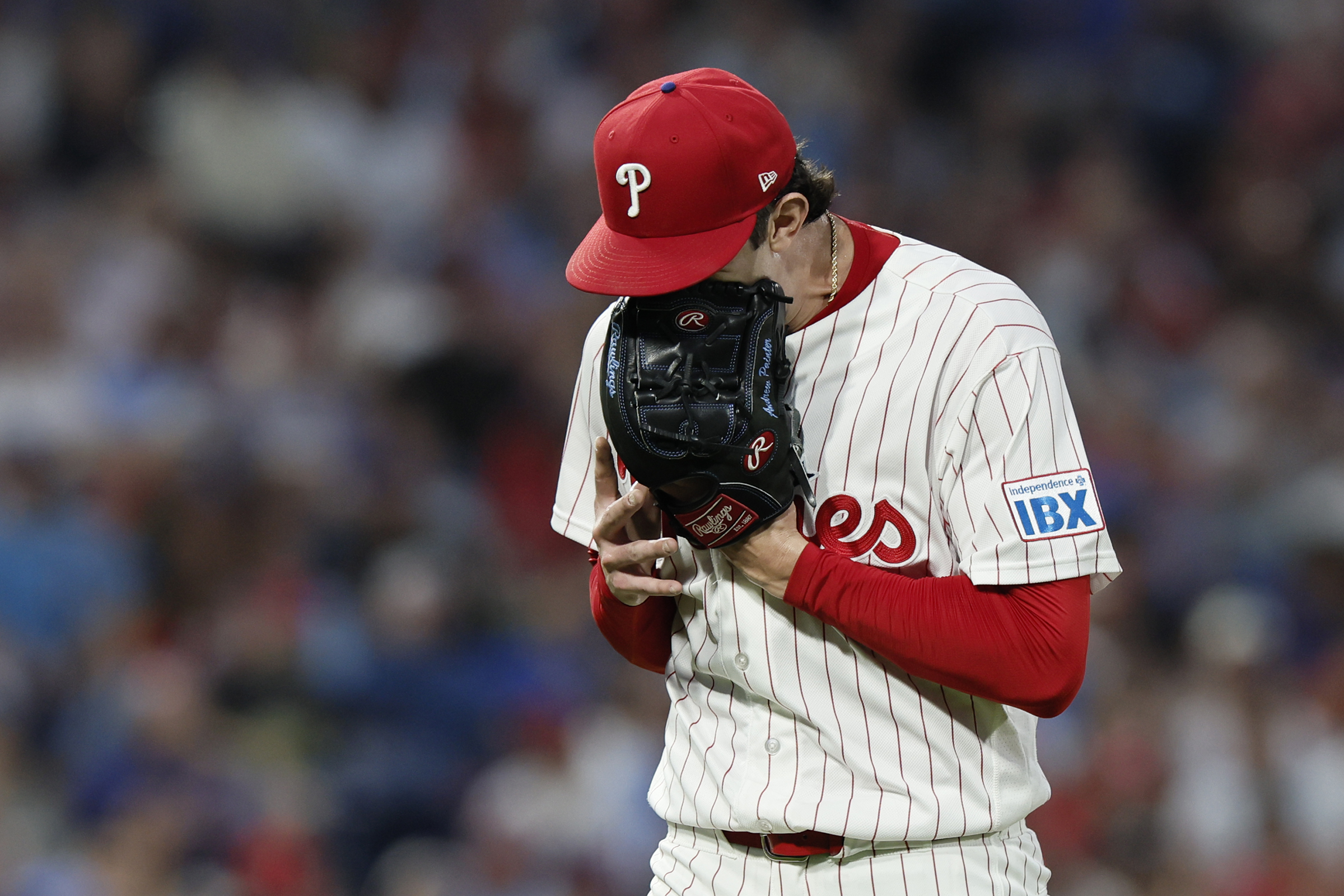
    When Andrew Painter was optioned to triple-A Lehigh Valley in June, he received something he sorely needed: space. Seventy-seven miles north of Citizens Bank Park, far from the scrutiny of Philadelphia, the right-handed pitcher was able to work and think.

    He could try grips, mechanical tweaks. In three straight games with the Iron Pigs, he threw three different changeups. This is not the type of thing Painter would be able to do in the big leagues, especially not in the midst of a playoff push.

    But in triple A, it was encouraged.

    “You’re able to go down there, and games don’t really mean much,” Painter said. “Obviously you’re playing to win, but it’s about development. There’s obviously a lot less stress, and you’re able to kind of freely work on things.”

    “Freely” is an apt description. Before Painter was sent down on June 18, he looked anything but free. The 23-year-old labored through each start. He struggled with command. His fastball lacked its signature rise.

    By June 17, his ERA had ballooned to 7.06 ERA.

    The monthlong hiatus to Allentown appears to have helped. It allowed the highly touted rookie to take a hard look at what worked and what didn’t, and make changes without fear of failure.

    Andrew Painter has a 3.62 ERA in five starts since being recalled from triple-A Lehigh Valley.Derik Hamilton

    The Phillies’ pitching coaches dove deep into his mechanics and unearthed some telling data points. Chief among them was the way Painter moved his lower half.

    Before, he was standing more upright, almost as if his back leg was completely straight.

    The coaches suggested that he hinge his back hip, and bend his back knee more. What might seem like a small tweak has produced notable results.

    Now, Painter is driving more toward the plate, which has improved his command. He’s moving more efficiently, which has helped him sustain velocity deeper into games.

    In the rookie’s outing on Saturday, his fastest pitch of the night — and of his young career — was his 100th. It clocked in at 99.6 mph.

    “To me it feels like it’s less effort, and I think that kind of goes to … now when I’m in the sixth inning, there’s a little bit more energy,“ he said. ”Whereas before it was kind of [like] I was reaching for everything, and those were 94s, 95s.”

    He added: “I think everything’s good when I’m just synced up, right? I feel like some guys try to throw it as hard as they can, and it ends up being slow, because they’re not in as powerful of a position.

    “For me, the moves that we worked on with the lower half, kind of allows me to just be behind the ball a little more.”

    Andrew Painter has 26 strikeouts in 27 1/3 innings since rejoining the Phillies.Elizabeth Robertson / Staff Photographer

    Another suggestion from the Phillies pitching corps was to adjust his fastball grip. Painter widened his fingers slightly, and shifted them more diagonally, so they aren’t right on top of the seams.

    “Because when I was throwing fastballs in the first half, the seams were almost taking it down, so it was killing vertical [break],” Painter said. “Whereas [my fastball] has always risen.”

    The changes haven’t just been mechanical. Those who work with Painter believe he has a different energy about him, more of a self-assured confidence. Lehigh Valley pitching coach Phil Cundari said they’ve focused on staying present; to not dwell on an inning, or even a pitch.

    Cundari is uniquely qualified to help with this. Before he joined the Phillies organization in 2023, he was a licensed psychotherapist and had his own clinical practice.

    Harvey Dorfman, the legendary mental skills coach who helped transform Roy Halladay’s career, was one of Cundari’s mentors. Halladay was introduced to Dorfman in 2001, in the midst of his lowest point in professional baseball.

    Halladay had been demoted to the minor leagues after posting a 10.64 ERA through 67⅔ innings in 2000. He was at single-A Dunedin in the Blue Jays organization when Halladay’s wife, Brandi, bought him Dorfman’s book, The Mental ABC’s of Pitching.

    That, coupled with some mechanical tweaks, guided Halladay back to the big leagues and onto a path toward the Hall of Fame. No one knows what path Painter will take, but he finds himself at a similar crossroads; humbled, at 23 years old.

    From what Cundari can see, the rookie has responded well.

    “The experience and the path that he’s had, both of those things are pretty challenging to try and overcome,” Cundari said. “But I think he’s done a great job. I think what you’re seeing right now is someone who’s much more in command. Not just of his stuff, but of his emotions, and who is in command, mentally.

    “And you’re seeing a really confident young man up there. So, outings like [Saturday] night, hopefully we’re going to see more of those.”

  • There’s one big reason to think that Andrew Painter’s transformation is for real

    There’s one big reason to think that Andrew Painter’s transformation is for real

    A little past 6 o’clock on Saturday evening, Andrew Painter delivered a couple of pitches that could have some serious implications for the Phillies. Both of them were four-seam fastballs that registered 97 mph on the gun and crossed home plate at the sternum of Cardinals leadoff hitter JJ Wetherholt. The important thing is where those pitches ended up: inside the mitt of Phillies catcher J.T. Realmuto, rather than in play, or in the seats. Wetherholt swung at both. He did not make contact with either.

    That two-pitch sequence may sound like a small thing. It mostly was, at least within the context of the game. But it was a very big thing with regard to the futures of both the Phillies and their prized pitching prospect. It was a reason to believe.

    The top-line numbers suggest that Painter is a young man in the midst of a renaissance. Since returning from a six-week stint in the minors on July 31, the 23-year-old righty has posted a 3.62 ERA with 26 strikeouts, 10 walks, and two home runs allowed over 27⅓ innings. His most recent start was his finest yet: 103 pitches, seven innings, one run allowed, eight strikeouts, no walks.

    That his season-long ERA is still 6.02 speaks to the extent of the struggles he endured during the first 14 starts of the season. It also warrants a skeptical eye. Yet the deeper you pore through the entrails of Painter’s recent performances, the more evidence you’ll find that suggests the rookie really is in the midst of a radical transformation.

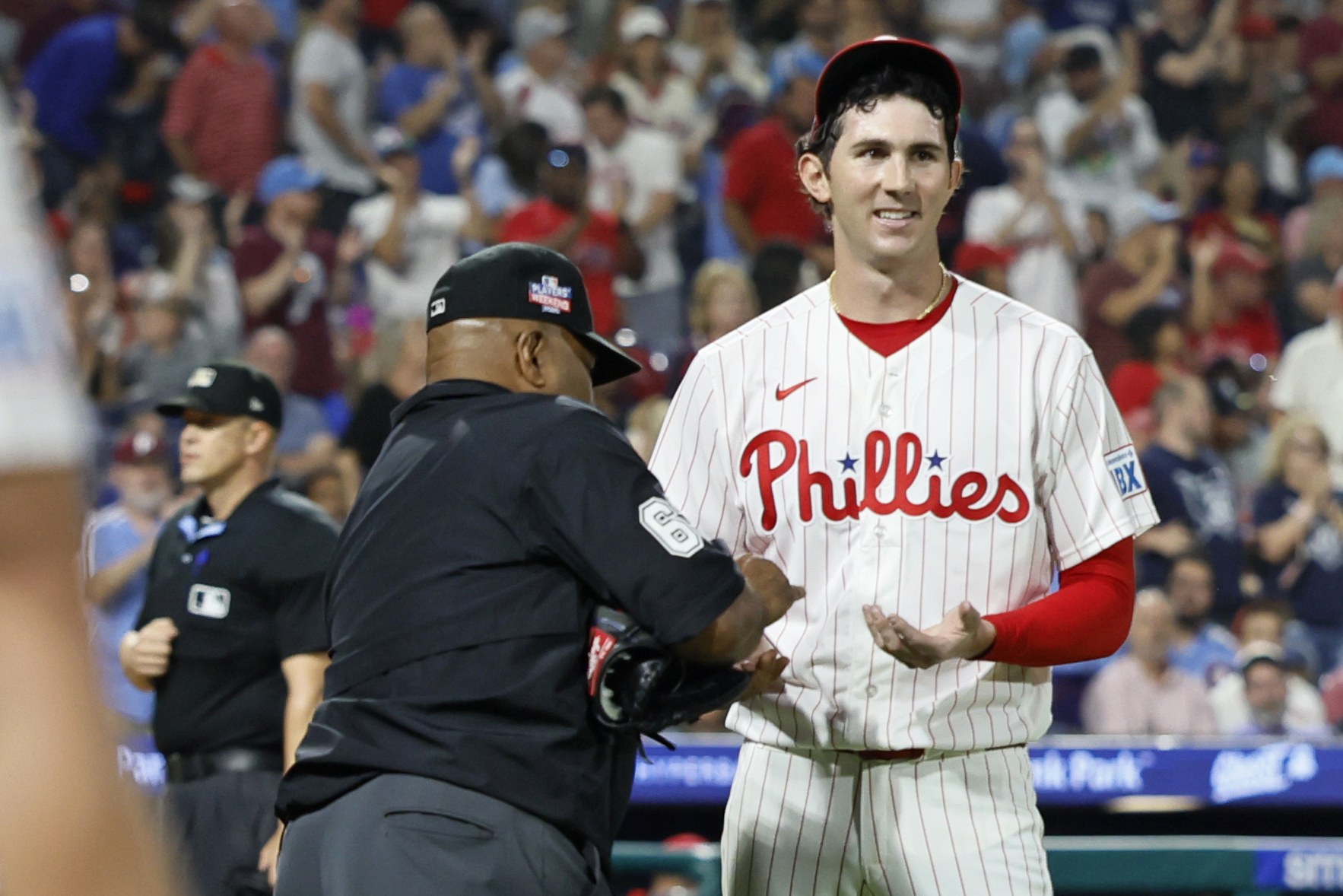
    Phillies pitcher Andrew Painter yells into his glove after striking out Cardinals slugger Jordan Walker for the final out of the sixth inning Saturday.Elizabeth Robertson / Staff Photographer

    It all starts with four-seam fastballs like the ones that prompted Wetherholt’s whiffs in the first inning on Saturday. By the end of the game, Cardinals hitters had failed to make contact on five of their 15 swings against Painter’s four-seamer. That may not sound like a lot, but consider this: In Painter’s last two starts before his demotion in June, he generated just three whiffs on 23 swings at his fastballs.

    The numbers are staggering. When the Phillies sent Painter down to the minors in June, his four-seam fastball ranked as one of the least effective in the sport. He wasn’t missing bats with it: His whiff percentage ranked 276th out of 278 pitchers who’d thrown at least 200 pitches. Opponents had 38 hits against the pitch in just 12 starts. Their .404 batting average against Painter’s four-seamer was higher than against any other pitcher’s. He ranked among the bottom 4% in slugging percentage (.763), strikeout percentage (7.65%), and wOBA (.481). Only one pitcher in the majors had a four-seamer rated lower than Painter’s per FanGraphs’ Pitch Value metric.

    Now, suddenly, Painter’s four-seamer has become one of baseball’s most difficult to hit. Of the 84 pitchers who have thrown at least 100 four-seamers since July 31, only seven have a higher whiff percentage inside the strike zone than Painter’s. Opposing hitters are making contact with just 78% of his fastballs in the strike zone. That’s lower than even Brewers fireballer Jacob Misiorowski. It is a massive difference from Painter’s 93.2% zone contact percentage in his first 14 starts. Painter isn’t generating out-of-zone swings-and-misses on the level of the Miz, but his overall contact rate still ranks in the top 25% of pitchers since July 31.

    Andrew Painter’s four-seamer has gone from liability to strength in his return to the Phillies.Monica Herndon / Staff Photographer

    It’s a lot easier to believe in real change when there is a logical explanation for it. With Painter, the four-seamer is the thing. His spin rate is up by about 6%. In his last two starts, the induced vertical break on his fastball was better than in any previous start, with an increase of about 10% over his predemotion baseline. Against the Cardinals on Saturday, he threw nine pitches at 98-plus mph, two of them at 99-plus. Sixteen of his 33 sinkers and four-seamers clocked at 97-plus mph. Compare that to his last start before his demotion, when Painter didn’t touch 98 and only reached 97 on five pitches.

    “There’s a presence out there,” Phillies interim manager Don Mattingly said. “He’s on the attack. He looks confident. Obviously, the stuff has to be good, or all that doesn’t matter if you’re not getting anybody out.”

    You saw it on Saturday. In the third inning, Jose Fermin struck out on a foul-tipped four-seamer. In the fifth, Jimmy Crooks swung and missed at a 1-2 four-seamer that registered 98.2 mph on Statcast. In the sixth, Alec Burleson swung and missed at another 98 mph four-seamer.

    Painter still has plenty of work to do to reach the level of dominance many envisioned when he was rated as one of the top pitching prospects in the sport. But the improvement is very real. Make no mistake about that.