TEL AVIV, Israel — Defense Secretary Pete Hegseth met with Israeli Prime Minister Benjamin Netanyahu on an unannounced visit to Israel on Monday, according to two people briefed on the meeting.
Hegseth made his trip a day after President Donald Trump publicly endorsed Netanyahu, who is fighting for his political survival in a tough election campaign.
The Trump administration has expressed growing frustration in recent weeks as diplomatic efforts have failed to produce a lasting deal to end the war on Iran, and Trump has threatened to launch new strikes.
Hegseth also met with Israel Katz, Israel’s defense minister, said the two people, who spoke on condition of anonymity to discuss private meetings.
The details of the conversations between Hegseth and his Israeli counterparts were not immediately clear. Netanyahu’s office did not immediately respond to a request for comment.
Hegseth’s trip to Israel and his meeting with Netanyahu was first reported by news outlet Axios.
In late September, Trump suggested at the United Nations General Assembly that Washington could pursue renewed military action, and he threatened to “annihilate” Iran. This month, Trump said on social media that he would not launch a new attack before the midterm elections in November.
On Sunday, in a post thanking Trump for his endorsement, Netanyahu said that Israel and the United States would never allow Iran to obtain nuclear weapons.
Hegseth also visited troops with U.S. Central Command, which overseas American military operations in the Middle East. On Tuesday, he posted photographs of himself speaking with soldiers in front of a fighter jet but did not say where the visit took place or whether he had traveled to Israel and met with Netanyahu.
Some American soldiers and refueling aircraft have been stationed in Israel since the United States and Israel started the war by attacking Iran in late February.
The U.S. military has prepared new strike plans for Iran, including sending more forces to the Middle East, even as Trump has been inconsistent in his public messaging about the war.
Some analysts say they believe that the United States will most likely decide to strike Iran in the coming weeks or months, given how far apart the Trump administration and Iran are in negotiations.
“The baseline expectation in Iran, and in Israel, is that it’s a matter of when the war restarts, not if,” said Raz Zimmt, director of the Iran program at the Institute for National Security Studies, a Tel Aviv-based research group.
“An airstrike alone will probably not achieve the goals the U.S. and Israel hope to complete — but it might give Trump an image of victory and a way out of the war,” Zimmt added.
The Israeli election will take place Oct. 27. Polls suggest that Netanyahu is trailing Gadi Eisenkot, a former chief of staff of the Israeli military under Netanyahu.
In a video statement Tuesday, Netanyahu urged voters to support him, saying that he was the person Trump wanted by his side to “finish the job once and for all,” referring to the war on Iran.
The police officer who shot and killed 1-year-old Kohen Wiley while chasing two women accused of shoplifting was justified in shooting at their car as it pulled out of a Walmart parking space in June, the Mississippi Attorney General’s office announced Monday.
The decision came four months after Hunter Foster, an officer with the Senatobia Police Department, was placed on leave while state authorities investigated his actions. Although he has not been directly named as the officer who fired, Foster is the only officer among those present that day who was placed on leave.
A letter from Attorney General Lynn Fitch, posted online Monday by the city of Senatobia, Miss., stated that her office would not file charges against Foster or any other officers because there was “insufficient evidence of criminal conduct.” It was not immediately clear if Foster would return to work in Senatobia, a small city about 30 minutes south of Memphis, Tenn.
In a brief statement to the public, Fitch’s office announced it had completed its review and “found the use of force was justified.”
Many details of the incident remained unknown. State authorities did not say if or when they would release body camera footage or other surveillance video of the incident.
It was also unclear what other evidence state authorities had considered. Several witnesses, including Vellesiya Wiley, who was holding her son Kohen when the officer shot him, said as recently as this month that they had never been interviewed by investigators. Wiley also denied having taken anything from the store, and said she believed the woman she was with had paid for her items at self-checkout.
Video taken by bystanders around the time of the shooting shows at least five officers on foot intercepting a slow-moving vehicle in the close quarters of a parking lot on a Sunday afternoon. The officers, responding to allegations that a woman had stolen a box of diapers and baby clothes, surrounded the car. None of the video shared publicly so far clearly shows the car, or the officers’ actions, when the shots were fired.
Wiley said she had been holding her son in her arms in the front passenger seat when the driver, Latoya Ferrell, tried to back out of a space and then drive forward. Both women are Black. Foster is white.
In the hours after the shooting, the Mississippi Bureau of Investigation issued a statement saying police had fired at a vehicle when it drove toward an officer, “almost striking” one.
Ben Crump, a lawyer for the Wiley family, reiterated his calls Monday for law enforcement officials to release video of the incident.
“How can anyone accept that conclusion when Kohen’s family and the public still have not been allowed to see the body-camera footage?” Crump said in a statement.
“If the footage supports the state’s decision, release it,” Crump added. “We will not stop fighting until this family gets the truth.”
Reached by phone Monday, Wiley wept over the decision.
Martin Zummach, a lawyer for Foster, said Fitch’s decision was “expected” and “overdue.”
Veronica Roberson, Kohen Wiley’s grandmother, said Monday she had learned of the attorney general’s decision when she logged onto Facebook. No state or local law enforcement official had reached out to the family, she said.
Foster, 33, is a former member of the U.S. Army National Guard and the son of a longtime law enforcement officer. Before joining the Senatobia department in March 2025, Foster made a name for himself at the DeSoto County Sheriff’s Office, where he won a state award for issuing the most DUI citations of any law enforcement officer in Mississippi in back-to-back years, 2023 and 2024.
Foster was promoted to sergeant six months into his term at Senatobia. In the last year, he was twice accused of directing racially offensive language toward co-workers on the job, including referring to a Black officer with an expletive, Mississippi Today reported.
Senatobia’s former police chief, Harold Vanderford, who took no action against Foster in either case, was fired in September, less than two weeks after the New York Times, Mississippi Today, and Verite News revealed he had routinely used racist slurs in private texts with a colleague.
Angelica Maze, a Black woman who was serving as a lieutenant in the department, was named Vanderford’s interim replacement. She did not respond Monday to a request seeking comment on the attorney general’s decision.
The city of Senatobia released a brief statement on Facebook on Monday, saying it “continues to extend its deepest sympathy to Kohen Wiley’s family and all those affected by this tragedy.”
Turks Head Wines may have its headquarters in West Chester, but everything about its tasting experiences evokes Napa, with both its wines and serene aesthetic of its space. As of this month, it has morphed from a winery to a winery-restaurant.
The tasting room at Turks Head Wines features a bar in the middle of an atrium, among many other dining spaces.Turks Head Wines
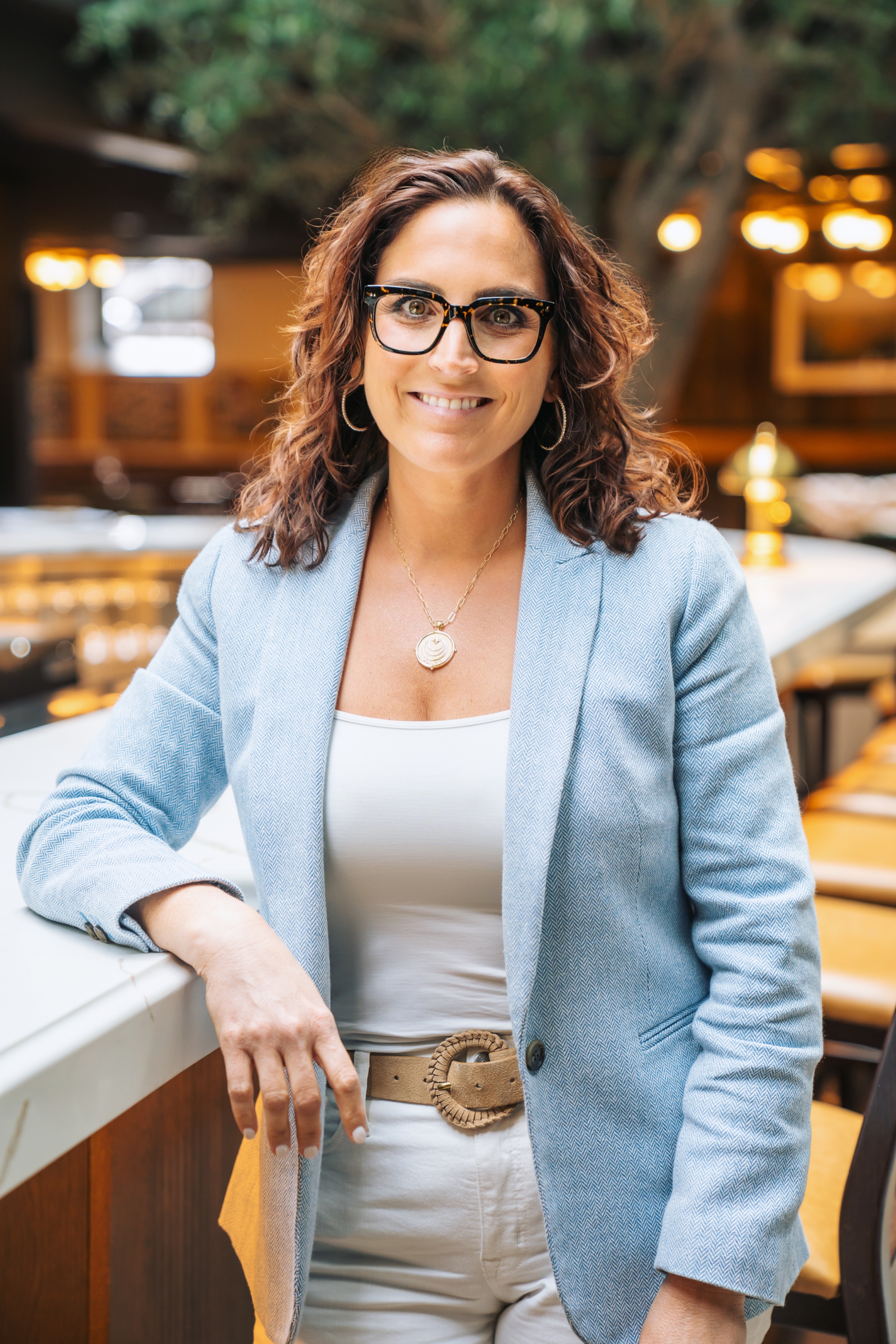
Founder Allison Owen, 47, opened Turks Head Wines after spending 20 years in human capital management and cloud software consulting. In 2022, she left, longing to enter the wine world. “I had lost the fire in my belly and was looking for a new challenge,” she said.
Allison Owen, the founder of Turks Head Wines.Turks Head Wines
“I started a California wine label while living in West Chester, with the concept to really bring the West Coast wine tasting experience to the East Coast,” she said. The label is named for West Chester’s historic moniker, which was a nod to a watering hole called Turks Head Inn (also known as Turks Head Tavern), built in 1769. “I felt like there were a lot of people that are very curious about learning more about wine, but aren’t necessarily ready to invest in making a trip across the country. So I decided to bring the California wine world to them.”
The bar at Turks Head Wines.Turks Head Wines
Owen opened her tasting room in 2024, after construction was completed on a building that has known many lives: Built in 1880, it was once a market house. During World War II, it was a packing plant for the penicillin produced in West Chester. It later became a mechanic’s garage and then a coworking office space.
All of Turks Head’s wine is produced and bottled in California and sent via refrigerated trucks to Pennsylvania. The arrangement is permitted due to Owen’s Pennsylvania limited winery license as well as her California wine manufacturing license. Turks Head Wine houses many plush tasting lounges within its cavernous space, some only open to members of their wine club.
The barrels in their basement sit empty, but are labeled with bronze plaques of their wine club’s founding members — the first 46 people to join. (One barrel bears the names of Anna Congdon and Saquon Barkley.) Wine club members commit to purchasing 12 bottles per year. New wines are released every spring and fall.
The cellar of Turks Head Wines is filled with barrels bearing plaques of wine club founding members.Kiki Aranita / Staff
Initially, Turks Head Wines’ tasting room only served cheese and charcuterie to pair with their portfolio of 30-something wines, including whites, reds, and rosés. “But people wanted us to offer more,” said Owen.
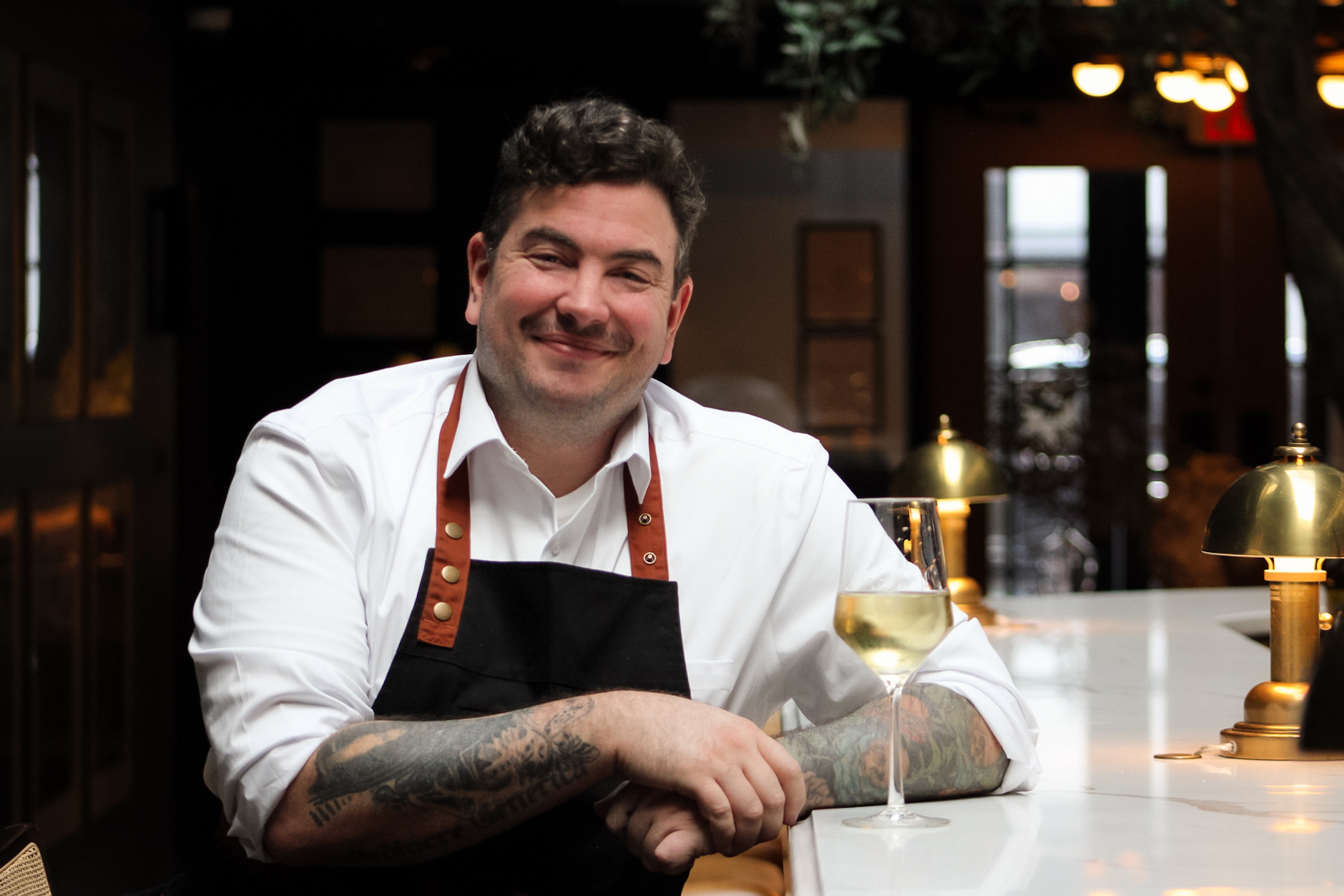
Dave McDonald, the executive chef of Turks Head Wines.Turks Head Wines
She added a hood system and hired a chef, Dave McDonald, who previously worked at Laurel Creek Country Club in Mount Laurel and Helm BYOB. Unlike most restaurants, where wine pairings are meant to complement the food, at Turks Head Wines, the food is intended to pair with the wine. They now offer two prix fixe menus, a three-course menu for $55 and a four-course menu for $75. Current fall offerings include a gnocchi sardi with butternut squash and Kennett Square mushrooms, roasted chicken breast, braised pork shoulder with a Turks Head red wine porcini sugo, and an array of desserts and small plates. The wines themselves are frequently integrated into the dishes, whisked into vinaigrettes and sauces.
Gnocchi sardi at Turks Head Winery consists of semolina pasta shells, butternut squash, Kennett Square mushrooms, and sage.Turks Head Wines
“The prix fixe menu feels like a natural extension of how we want people to experience Turks Head Wines,” said Owen, “We want guests to settle in, try a few different dishes and wines, and make an evening of it. Wine is always our starting point, and this gives people the freedom to build their own experience around what they’re excited to drink and eat.”
Turks Head Wines’ tasting room and restaurant are open Wednesday and Thursday from 4 to 9 p.m., Friday from 4 to 10 p.m., Saturday from noon to 10 p.m. and Sunday from noon to 7 p.m.
Turks Head Wines, 120 N. Church St., West Chester, 610-350-4183, turksheadwines.com
Suddenly Last Summer — the Tennessee Williams play lauded for its dark poetic writing but marginalized by grisly subject matter — is reentering the mainstream as an opera, but one that could never be typical.
Composed by Courtney Bryan and adapted by director Daniel Fish, the Opera Philadelphia production arrives Oct. 22, 23, and 25 at the Forrest Theatre with a tale of entitled predatory sex that’s hushed-up in ways both retrogressive and prescient.
It comes from a time when abuse wasn’t discussed under any circumstances but peers into an era that refuses to ignore it.
“Who would believe her, Doctor?” exclaims the rich, dignified, aging Violet Venable, disputing an eyewitness account of her socialite son Sebastian being killed by a mob of boys he had abused while on vacation in Spain.
It’s 1958, and Mrs. Venable dismisses such talk as “babble.”
Not a plot spoiler but a fasten-your-seat-belts advisory: Suddenly Last Summer is about silencing the truth through a proposed lobotomy — plus furthering gay stereotypes as abusers — all amid the veneer of New Orleans gentility. Characters are dressed for 5 p.m. cocktails, masking power dynamics to come.
Playwright Williams (1911-1983) had a taste for the gothic, but was deeply troubled by his own sister’s lobotomy and faced all the trauma that came with living as a homosexual celebrity in the 1950s.
But, how to frame this in 2026?
“In the time Tennessee Williams was writing this, you were not allowed to show anything remotely positive about being gay onstage. You could get arrested. They would padlock the theater,” said Anthony Roth Costanzo, president and general director of Opera Philadelphia. “I think he was trying to write a piece about being silenced.”
Very tough stuff — though successfully premiered at Bard (College) Summerscape 2026.
Is the Philadelphia crew troubled by living with a scenario that, by the way, also includes cannibalism?
“Not yet,” reports conductor Nathan Koci. “It’s a different flavor of shock … definitely an opera and a play simultaneously. The music doesn’t start with a grand overture.”
And, musically, the characters emerge gradually.
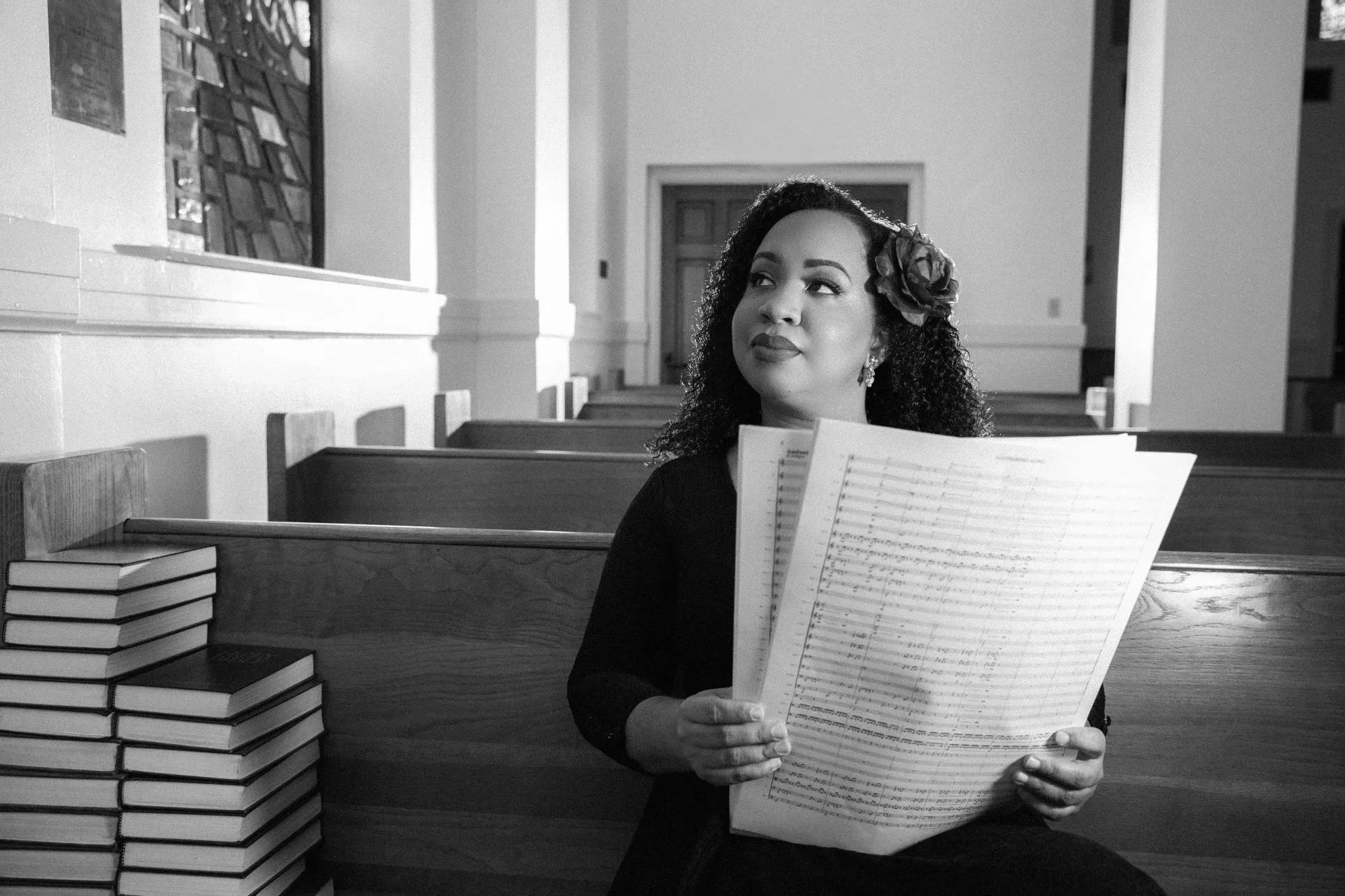
Composer Courtney BryanTaylor Hunter
As adapted by Fish and Gideon Lester, the piece is a hybrid. The instrumental score is nearly pervasive and has an insinuating presence with underscoring that tells much about characters, whether or not they’re singing. The orderly, intractable Mrs. Venable is surrounded by a tone row that hails from a strict compositional system, fashioned to her controlling temperament, according to composer Bryan.
Catherine — Sebastian’s cousin, who witnesses his death — has vocal lines not without high notes, but the music doesn’t aim for operatic hysteria or the kind of high-pitch Oscar-baiting portrayals by Katharine Hepburn and Elizabeth Taylor in the 1959 Suddenly Last Summer film.
Catherine (played by Mikaela Bennett) is given a truth serum — likely to be sodium Pentothal — with a tranquilizing, trancelike effect on her already fragile psyche; she has already survived a a date rape.
“While some characters talk themselves in circles, only one character [Catherine] is able to sing her truth,” explained Costanzo in his program note. Musically, the drug renders her words less-than-intelligible at first. Later they become elongated, but eventually have a laserlike focus.
“I didn’t have a template for this. And that’s why it opened up things creatively,” said the New Orleans-born Bryan, now in her mid-40s, having received a MacArthur Fellowship and been the resident composer at Opera Philadelphia 2022-2024.
“Each character has so many complexities … I could almost hear the music right away,” she said.
Bryan came to Suddenly Last Summer with a backlog of improvised vocal line to draw on, but for greater authenticity, retreated to familiar ground that, in her case, was Gulfport, Miss. She needed to be near water. Having grown up with the expressivity of gospel music, she took to improvising more vocal lines, choosing what suited the dramatic temperature of any given scene.
She also re-experienced her native New Orleans through the lens of Williams, who wrote poetically about the climate’s languid rainy afternoons in houses built for the heat.
Over multiple workshops, Bryan collaborated directly with soprano Bennett (no stranger to complex roles in musical theater and modern opera) by creating chord progressions over which Bennett spoke and sang the Williams text, drawing on that to write the finished version. Bennett was well-primed by director Fish to keep her acting style authentic, cautioning her not to frame or even portray the character in any traditional ways, but to exist in it, moment by moment.
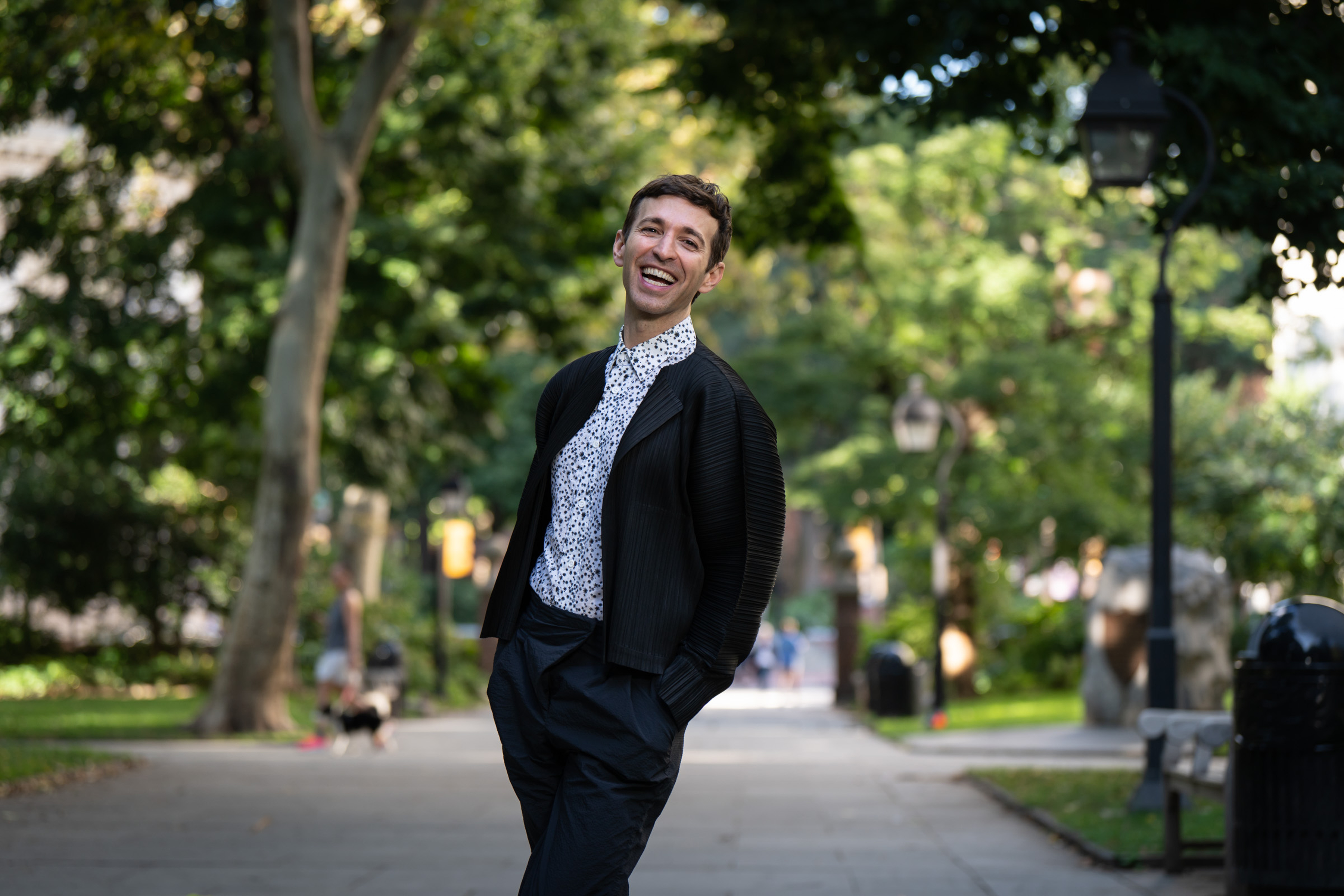
Anthony Roth Costanzo, Opera Philadelphia’s general director and president, at Washington Square Park, in Philadelphia, August 20, 2024Jessica Griffin / Staff Photographer
“Give them permission to take away what they want,” said Bennett. “My job as Catherine is to relay the information … I’m just a messenger, singing the text in a way that’s honest and truthful and not biased. Never tell the audience what to think or feel.”
At one point in the play, Catherine recalls, “Cousin Sebastian said he was famished for blonds, he was fed up with the dark ones and was famished for blonds … that’s how he talked about people, as if they were — items on a menu.”
The idea is to let the words speak for themselves. And they do.
Two phantoms haunt the play and this operatic production. One is another actress named Taylor — Laurette Taylor — who starred in Williams’ first hit play The Glass Menagerie, and brought a more low-key, naturalistic kind of acting to the character of Amanda, in what became one of Broadway’s legendary performances.
The other is “Black Jack” Bouvier, the well-known Wall Street socialite, dapper-on-the-outside, troubled by numerous vices on the inside — not necessarily a model for Williams’ Sebastian, but what some commentators have recognized as a possible point of reference.
Near the end, he was too drunk to participate in the 1953 wedding of his daughter Jacqueline to John F. Kennedy. In the spirit of Mrs. Veneble, he was hauled off in an ambulance to save face and died the year Williams wrote Suddenly Last Summer.
Williams eventually created a piece that seems to gain its power from unanswered questions. Did Catherine’s truth serum reveal the truth? (Some of the Opera Philadelphia crew members wonder about that). How could Mrs. Venable and Catherine have such radically different views of Sebastian? Is it denial? Delusion?
Might these questions be a Rorschach test for our times?
“Suddenly Last Summer” plays 7 p.m. Oct. 22, 8 p.m. Oct. 23, and 2 p.m. Oct. 25 at the Forrest Theater. Tickets: $11-$250. Information: 215-732-8400 or www.operaphila.org.
Tacony residents have a new place to shop for groceries.
A new Super Foodtown opened on Oct. 16 selling produce, meat, seafood, and more at 6327 Torresdale Ave., the site of a former Rite Aid pharmacy. The pharmacy chain filed for bankruptcy last year and shuttered all of its stores.
The new location, which spans roughly 11,000 square feet, was announced this month by Allegiance Retail Services, a retailer-owned cooperative of which Foodtown is a member.
“We’re proud of Foodtown’s continued expansion in the Philadelphia market and helping to bring greater access to fresh, quality, and affordable food to the local neighborhoods,” Samer Rahman, president and chief operating officer of Allegiance Retail Services, said in a statement.
The new supermarket opened Oct. 16 at the site of a former Rite Aid pharmacy. The pharmacy chain filed for bankruptcy last year and shuttered all of its stores. Courtesy Allegiance Retail Services
Supermarkets nearby include a ShopRite and a Save A Lot on Frankford Avenue, and an Acme on Roosevelt Boulevard.
There are other Foodtown locations in Philadelphia in Kensington at 3528 I St. and in Oxford Circle at 6515 Castor Ave.
Foodtown’s online circular has deals for club cardholders including center cut pork chops for $1.99 a pound when customers buy at least 3 pounds, hot house beefsteak tomatoes for 99 cents a pound, and two 5-pound bags of russet potatoes for $5.
The new Torresdale Avenue Foodtown spans roughly 11,000 square feet and sells produce, meat, and seafood among other items. Courtesy Allegiance Retail Services
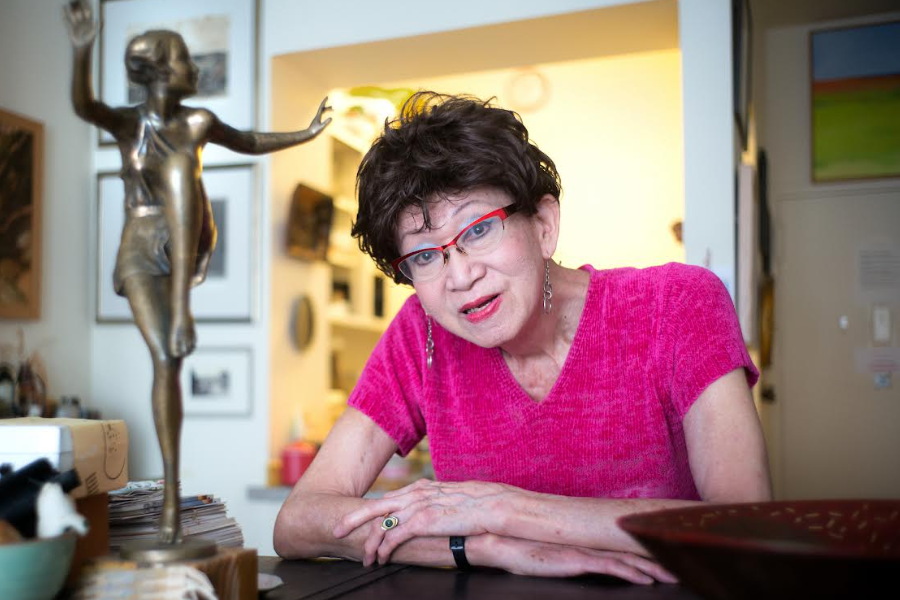
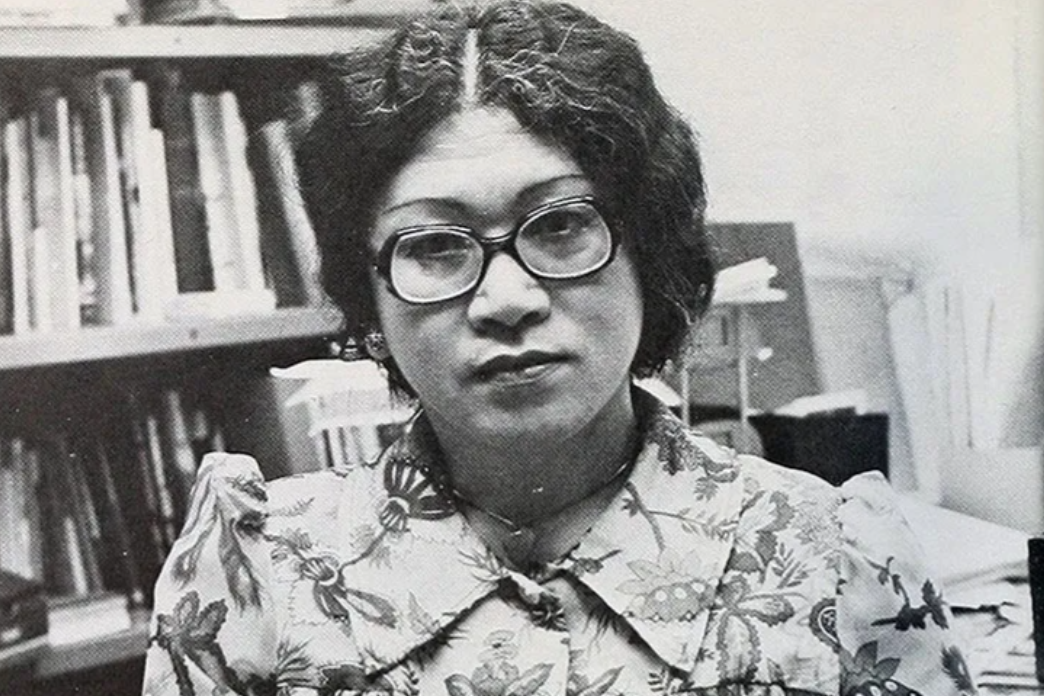
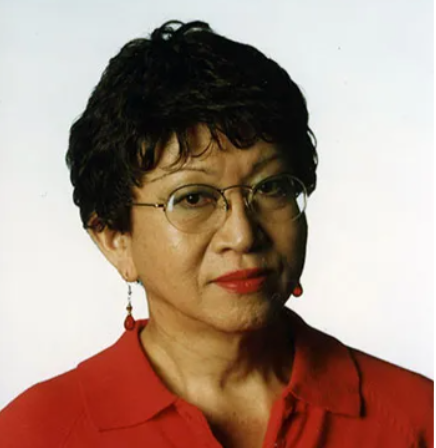
T. Kaori Kitao, 93, formerly of Swarthmore, retired professor emerita of art history at Swarthmore College, art education innovator, mentor, and pioneering transgender scholar, died Monday, Sept. 21, of age-associated decline at an assisted living center in New York.
Born in Japan in 1933, Professor Kitao grew up in Tokyo during World War II and persevered for years through hunger, poverty, and violence. She learned English and graduated from an international missionary school in Yokohama when she was 19, and came to the United States in 1952.
She earned a bachelor’s degree, a master’s degree, and a doctorate in architecture and art history, and joined the growing art history department at Swarthmore in 1966. For 35 years, until her celebrated retirement in 2001, she taught studio art and art history, and mentored hundreds of students and colleagues.
Colleagues called her “a Renaissance scholar” in a recent tribute and said: “As the college’s first openly transgender faculty member, she also modeled what it means to pursue both intellectual rigor and fearless personal integrity.” She said in 1997: “I can best describe that I assumed a male identity until I was 38, when I regained my rightful womanhood.”
Swarthmore president Valerie Smith called Professor Kitao a “brilliant, pioneering scholar.” Laurence Kesterson / Swarthmore College
As an expert in architecture, design, communication, cinema, and Japanese culture, Professor Kitao expanded Swarthmore’s attention to the arts and successfully integrated her curriculum with courses in technology, mathematics, and other disciplines. Swarthmore president Valerie Smith called her a “brilliant, pioneering scholar” and “a mentor to countless students and colleagues.”
She taught classes on Renaissance and baroque art, and architecture from Philadelphia to Hollywood to Tokyo. “Kitao’s classes were legendary,” colleagues said. A former student said on Facebook: “Her work at the college was transformative.”
She told colleagues in 1976: “I loved teaching courses that were new to me because I had to do my reading day by day, along with the students. The point is to enjoy learning and expanding one’s horizons so you develop that habit. School doesn’t end with college.”
In addition to art history, Professor Kitao championed the expansion of Swarthmore’s dance, theater, film, and media programs. She was chair of the art history department from 1975 to 1981, made numerouskeynote addresses, blogged about life, and wrote papers and articles about architecture and history, and program notes for former students.
Before Swarthmore, Professor Kitao taught for three years as an assistant professor of architectural history at the Rhode Island School of Design.Swarthmore College
She also won awards and grants, and lectured often around the country about art and culture. She belonged to at least eight professional associations and societies.
Before Swarthmore, she spent a year on a fellowship in Rome and taught for three years as an assistant professor of architectural history at the Rhode Island School of Design.
Colleagues noted her generosity and curiosity. In 2001, the Student Art Association established the Kitao Student Art Gallery on campus in her honor. On her 80th birthday, she donated $275,000 to establish Swarthmore endowments in mathematics, cinema history, and the List Gallery, and a fellowship in humanities research.
Tomoko Sakomura, Swarthmore professor of art, said Professor Kitao “brought joy, whimsy, and her razor-sharp wit to every space she entered.” Brian Goldstein, chair of Swarthmore art history, said: “Most of all, she taught students how to see.”
Professor Kitao earned a doctorate in art history at Harvard University in 1966. Swarthmore College
T. Kaori Kitao was born Jan. 30, 1933. She did drafting for an architecture firm in California during college and earned a bachelor’s degree in architecture and a master’s degree in art history at the University of California, Berkeley. She got her doctorate in art history at Harvard University in 1966.
She and her wife, Tokiko, married in 1957, and they had a son, Giulio. Her wife died in 1995.
Professor Kitao was eclectic in her interests, friends said, from Renaissance Rome to the architecture of train stations to Japanese gardens to the films of Steven Spielberg. She said she knew nine languages.
She moved to New York in the mid-2000s and enjoyed art museums and galleries, opera, chamber music, ballet, modern dance, and the theater. Andrea Packard, retired director at Swarthmore’s List Gallery, said: “Kaori had that rare ability to kindle the genius and bring out the best in her students, colleagues, and friends.”
Professor Kitao “had that rare ability to kindle the genius and bring out the best in her students, colleagues, and friends,” a colleague said.Swarthmore College
Sharon Friedler, Swarthmore professor emerita of dance, said: “Kaori’s light burned bright and wide.”
In addition to her son, Professor Kitao is survived by other relatives.
Services were held earlier.
Donations in her name may be made to Swarthmore College, 500 College Ave., Attn: Giving, Swarthmore, Pa. 19081.
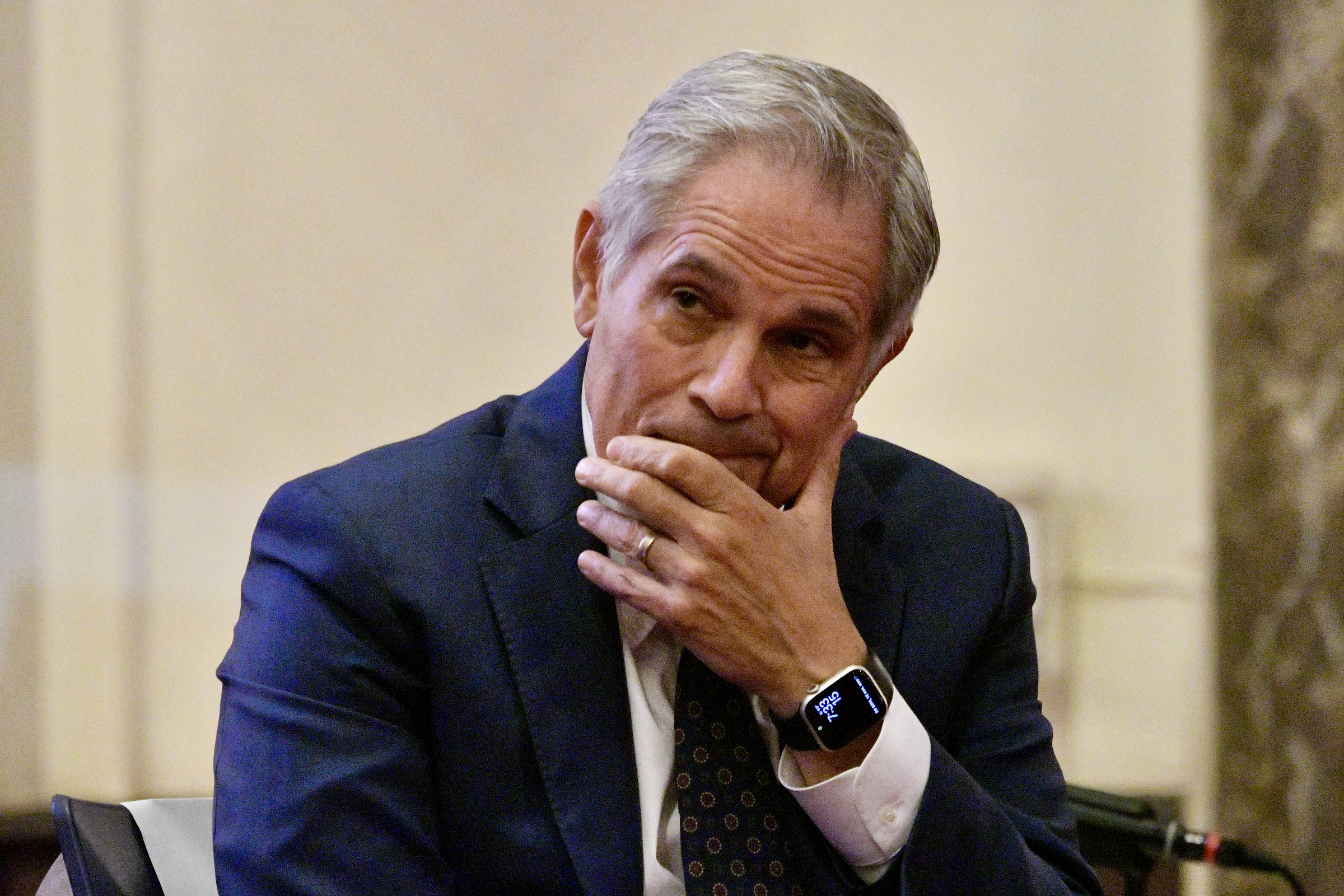
The Justice Department has opened a criminal investigation into Philadelphia District Attorney Larry Krasner’s office and sent grand jury subpoenas in recent days in an inquiry focused on potential obstruction of justice, according to two sources with knowledge of the probe.
The request is the latest development in a high-profile saga centered on a post-conviction case that has led to a series of controversial revelations about Krasner’s office.
And according to the sources — who requested anonymity to discuss an ongoing investigation — the inquiry was opened in response to a memorandum from U.S. District Judge Paul S. Diamond, who said last month that federal prosecutors should investigate Krasner for potential conspiracy, obstruction of justice, or perjury over actions he and his office took in the matter pending in Diamond’s courtroom.
One of the subpoenas sought documents and emails connected to that underlying case, one of the sources said, and was broadly directed at the office rather than any potential witnesses or targets.
A spokesperson for the U.S. Attorney’s Office in Philadelphia declined to comment Tuesday on whether that office was involved in the investigation into Krasner, which was first reported by Fox News. Spokespeople for the Department of Justice in Washington declined to comment.
Krasner said he could not respond to questions about any potential grand jury investigation because such cases, by law, are conducted in secret.
“I follow the rules,” he said.
Krasner, in court filings, has denied wrongdoing. And he has consistently said Diamond drew improper, unfair, and biased conclusions about his office’s actions in the case, calling the judge a “ringmaster” of a “circus” and saying his interpretations of what happened were not only wrong, but sometimes “Orwellian.”
The revelation that prosecutors have opened a federal criminal inquiry does not guarantee they will go on to file charges against Krasner or anyone else connected to the case.
But Krasner, a progressive Democrat, has repeatedly spoken out against President Donald Trump’s administration. And in court documents he filed last month, Krasner said he expected that might make him a target of the Justice Department or Attorney General Todd Blanche.
“Under AG Blanche and his predecessor, the DOJ has repeatedly functioned as an attack arm for people the President perceives as enemies,” Krasner wrote. “The President, his spokesperson, and Blanche himself have all made statements that identify DA Krasner, in their view, as the President’s enemy.”
The controversy has stemmed from a post-conviction matter before Diamond in which a man named Dennis Johnson has sought to overturn his 2009 murder conviction.
Krasner’s office, for a time, agreed that Johnson’s conviction should be thrown out. But earlier this year, prosecutors tried to change course after discovering that the staffer who filed the brief backing Johnson’s position had made a series of mistakes.
After that discovery, those prosecutors and Krasner held discussions about what went wrong and how the office should move forward. And this summer, as Diamond called hearings to address similar questions, the prosecutors told the judge that the district attorney had acted in ways they viewed as inappropriate — including, they said, by trying to pin all blame on the staffer who made the mistakes, saying they needed to “protect the office,” and threatening “consequences” for those who didn’t follow his orders.
Diamond said some of the allegations he heard — particularly those involving Krasner and one of his office’s supervisors, Matthew Stiegler — could amount to criminal wrongdoing.
Krasner has denied that, saying Diamond’s analysis “rests on nothing of substance.” And he said some of the prosecutors who spoke out against him — several of whom have since resigned — exhibited insubordination as they participated in the case, and were “legally incorrect” about disagreements they had with Krasner over how to handle the matter.
It’s a scandal the way that the Philadelphia Eagles’ season has utterly imploded over the space of one agonizing month. I mean literally a scandal — an NFL-style Watergate, as in, what did the Birds’ team doctors know about QB Jalen Hurts’ blood clots, and when did they know it? Why was someone in his medical condition a) allowed to fly across the Atlantic and back and b) put on the field in London with zero hours sleep? The fallout from this one will be nuclear.
From cash to censorship, Big Tech is all over the election. It’s backfiring
Elon Musk reacts as President-elect Donald Trump speaks at a rally ahead of the 60th Presidential Inauguration, Jan. 19, 2025, in Washington. Alex Brandon
One of the best ways to tell what’s really on people’s minds is to head out to your local movie theatre. In late 1967, for example, you could walk out of TheGraduate or Bonnie and Clyde with a pretty strong sense that a center built around traditional authority was not holding.
In the autumn of 2026, America is grabbing a big bucket of popcorn to watch a new kind of authority figure — the richer-than-God tech moguls of Silicon Valley — get their comeuppance on the wide screen.
Moviegoers could choose at the multiplex this past weekend between You Can See Everything, the wildly acclaimed comic documentary about convicted Theranos swindler Elizabeth Holmes; The Social Reckoning, the sequel in filmmaker Aaron Sorkin’s obsession with the monetary rise and moral fall of Facebook founder Mark Zuckerberg; and Musk, a searing four-hour closeup on the world’s richest human.
Yet despite the boffo reviews and the decent box-office for grotesque super-villains from Silicon Valley instead of the Marvel Comics Universe, the combined films didn’t earn nearly as much as one of their subjects — the world’s first (briefly) trillionaire Elon Musk — is spending in an effort to buy just one U.S. Senate race in Texas.
Two years later, that Joe DiMaggio-like “unbreakable” spending record is about to be toppled by Musk himself.
The New York Times reported last week that Musk in just about three months burned through $276 million in support of Republican candidates — remarkable for a year with no presidential race. Indeed, some $158 million that the Tesla CEO gave to an outfit called the Senate Leadership Committee was funneled straight to a political-action committee backing the Texas GOP candidate Ken Paxton in his race against Democrat James Talarico. With two more weeks to go, it’s likely there’s much more Musk money to come.
I know they say everything’s bigger in Texas, yet this is an ungodly sum to spend on just one election. This money-to-burn is why even here in Philadelphia we’ve seen Musk-funded pro-Paxton ads during Eagles’ games, yet the donations are a tiny fraction of Musk’s current $904 billion net worth. It’s the nightmare so many of us feared nearly 17 years ago when the Supreme Court opened the spigots of billionaire election-buying in Citizens United.
When I last wrote in this space about Musk back in June, it was because he’d unleashed a series of hateful tweets against immigrants on X that helped egg on local residents in the Northern Ireland capital of Belfast in fomenting a race riot. That inspired me to finally leave the former Twitter for good, but it was part of a much bigger pattern. The South African native has frequently posted anti-immigrant vitriol while endorsing the worst proclamations of white supremacy.
“As the most-followed man on his social media website, X, Musk amplifies far-right accounts, spreads racist propaganda and endorses calls for violence against those deemed ‘invaders,’” the New York Times’ great Jamelle Bouie wrote recently. Bouie wonders, as do I, why Democrats in this election season have been pressed continually to defend the existence of a once-obscure left-wing streamer named Hasan Piker, while Paxton and other top GOP candidates are never asked about Musk’s posts or why they’re so willing to accept his dirty money.
It’s little mystery why Musk is willing to spend more money than we mere mortals can comprehend. A Democratic Congress might investigate his use of X as a political platform, his government contracts through SpaceX, or the massive harm he caused during his relatively short time at the invented Department of Government Efficiency (DOGE). Other tech moguls also seem eager to keep Trump allies in control of the government, bringing the total of Silicon Valley campaign spending to well over $500 million.
But Big Tech could spend trillions on political spots, and it wouldn’t matter if it has nothing to say. That seems to be the case in 2026. With artificial intelligence and the noisy, polluting data centers that power it wildly unpopular with voters, the ads purchased by Musk & Co. tend to be instead about superfluous and often fake claims such as Democrats “wanting boys to play in girls’ sports.” But polls show that not only do voters rank transgender issues near the bottom of their concerns, but that — according to a new ABC/Ipsos survey — they actually trust Democrats on this topic over the GOP, 38% to 29%.
With their big-money power play not working, the last few days has seen some of the giants of Silicon Valley embrace a brand of raw censorship that suggests they will stop at nothing to preserve the oligarchy that has enabled their vast wealth.
Zuckerberg’s Meta (the parent company of Facebook) seemed determined to prove the point of The Social Reckoning when its own employees acknowledged that its Instagram platform impeded posts by Brazilian President Luiz Inácio Lula da Silva while boosting his authoritarian rival, Flavio Bolsonaro. That incident made Meta’s it-was-just-an-accident explanation less plausible on Saturday when, here in the U.S., the Instagram account for the No Kings movement was suspended at the height of a nationwide protest.
Still, the Instagram outages paled in importance to reports that Musk’s SpaceX had throttled Ukraine’s access to a Starshield satellite communications system, hampering its ability to defend its nation against Russian aerial attacks. An air assault by Vladimir Putin’s regime killed as many as nine people, including women and children. Musk and the Trump White House pointed fingers at each other, but neither seemed upset about advancing a brutal Russian dictator’s war aims.
It truly felt this weekend like dictators and tech oligarchs were sticking together, especially when TikTok, which — again, thanks to help from Trump — is now owned by a consortium that includes billionaire Trump ally Larry Ellison, banned promotional posts for the highly critical Musk documentary. It was a raw power play by the tech companies who’ve amassed so much control over our daily lives…
…or was it just another sign of desperation?
A North Carolina state senate candidate named Southey Blanton posted this weekend that “while canvassing recently people don’t ask what party I am running with but simply am I for or against data centers.”
The grassroots public rebellion against data centers is a powerful statement that beaten-down everyday folks want to reclaim power in their daily lives. They’re mad as hell about how much money someone like Musk has amassed while they struggle to fill up their gas tank, or that someone like Zuckerberg can censor them with the flip of a switch.
And the midterm election is finally their chance to scream they’re not going to take it anymore.
The last few days have been a reminder that Trump isn’t the only wannabe dictator hovering over America this fall. The takedown of Silicon Valley that started at the multiplex is building toward an epic grand finale at the ballot box on Nov. 3.
Yo, do this!
Indeed, I ventured out from my undisclosed location to see The Social Reckoningthis weekend. The movie had gotten lukewarm reviews from critics who compared the film unfavorably to Aaron Sorkin’s first shot at Mark Zuckerberg and the rise of Facebook, 2010’s The Social Network. But I found it highly entertaining — arguably the best movie about investigative journalism since 2015’s Spotlight — with another star turn by Oscar-winner Mikey Madison as Facebook whistleblower Frances Haugen. The only problem with Sorkin’s Zuckerberg/Facebook drama is that society hasn’t written a happy ending…yet.
For the majority of Philadelphia sports fans who are sadly not following the Union’s dramatic unbeaten streak on the soccer pitch, 2026 has been the autumn of discontent. A much-anticipated Eagles season feels over, barely after it started. But things are supposed to change at 7 p.m. Tuesday night when the 76ers — a dream team of rising stars and established superstars, led by the acquisition of all-timer LeBron James — challenge the defending champion New York Knicks at Madison Square Garden. Thursday’s home opener brings one of King James’ former teams, the Cleveland Cavaliers, to town. Sixers, our city turns its lonely eyes to you. Woo woo woo.
Ask me anything
Question: What do you think will be priorities during the lame duck session [in Congress]? — Jackie Gardina (@jackiegardina.bsky.social) via Bluesky
Answer: Jackie, I got several questions this week about this, as readers are clearly thinking ahead to what comes after a Democratic election sweep two weeks from now. I definitely think what until now has been the do-nothing 119th Congress will at least attempt to spring to life not long after the votes have been counted. Republicans would almost certainly use their final two months of power on Capitol Hill to ensure as right-wing a judiciary branch as possible by ramming through new judges; don’t be shocked if one or both of the two oldest conservatives on the Supreme Court — Clarence Thomas and/or Samuel Alito — retire to allow the Senate to speed the appointment of young conservative justices-for-life. The GOP might also try to throw more money at pet causes like the military or immigration enforcement and strip dollars from programs favored by liberals, using the reconciliation process to bypass a Senate filibuster. Other efforts to limit Democratic power in 2027 would probably require an impossible 60 votes…thankfully.
What you’re saying about…
A lot of readers are worried — as I agreed in my most-recent column — about the probability that Donald Trump will take extraordinary measures, such as declaring a national emergency, in a last-ditch effort to prevent Democrats from retaking control of Congress. And most of you would take to the streets in protest, despite uncertainty over whether that would actually work. “First, the protests cannot be a single day — they must go on and on and be coupled with a nationwide strike,” wrote emailer relandis (PLEASE…include your full name if possible). But Tracy Yeomans wrote, “I have to admit to feeling hopeless and shackled in the face of this possibility.”
📮 This week’s question: With just two weeks before Election Day, readers are focused on the midterm elections from coast to coast, and the likelihood of some unexpected results in a Democratic “blue wave.” Which House, Senate or gubernatorial election seems primed for an upset that no one sees coming (I have my eye on Senate races in Mississippi and Montana)? Please email me your answer and put the exact phrase “Midterm upset” in the subject line.
Backstory on a surge in hate toward Indian Americans
A security vehicle is parked outside of Sri Venkateswara Swami (Balaji) Temple in Aurora, Ill., Oct. 15.Laura Bargfeld
It’s almost hard to say which silence was more terrifying. Was it the moment earlier this month that a 19-year-old Taco Bell worker brought a high-powered rifle to a packed Hindu temple in Aurora, Ill., only to see the weapon jam when he attempted to pull off the mass shooting he’d envisioned in an eight-page hate manifesto? Or was it the quiet of the American mass media that barely covered this story — even after it came out the local member of Congress, Democratic Rep. Raja Krishnamoorthi, was attending services with his family when the would-be shooter came to the temple in the bustling exurb 40 miles west of the Chicago Loop.
“I am horrified that a white supremacist attempted to carry out a mass shooting targeting Indian Americans at the Hindu temple in Aurora where my family worships,” Krishnamoorthi said later. But the public reaction to the story was less horror and more of a yawn. Maybe some of that is because the Illinois shooter failed — a friend tipped off police to the jammed-gun incident and the manifesto, which described Indian, Jewish, and Black people as “subhumans” — in a week when other killers, including a teen who murdered three grade-school children and a teacher in Bend, Ore., were tragically successful. Or maybe the sewage-filled sea of online hate speech is becoming so vast that growing venom toward Indian Americans feels like a few more drops of water.
But we need to notice that our Indian American neighbors are becoming targets, and we ought to be more outraged.
A couple of weeks ago, the right-wing “thought leader” Christopher Rufo — who most famously jolted American schools by fomenting a scare over “critical race theory” — hosted an hour-long podcast that focused on what he called “the Indian Question,” discussing whether immigrants from the South Asian nation can assimilate into American life. Rufo framed the conversation as basically “just asking questions” in the wake of another viral incident, when a Texas GOP candidate named Bo French posted a photo of South Asian students cheering at a University of Texas football game and wrote: “The problem is now obviously far worse than anyone imagined.”
Of course, the phrase “The Indian Question” alarmed many folks because it echoed similar uses of the “question” framing from the 19th and 20th centuries that history saw answered by widespread racism and pogroms — especially after “the Jewish Question” arose in Germany in the 1920s and ‘30s. People should be alarmed, because hate against Indian Americans has been skyrocketing since Donald Trump and his xenophobic platform returned to the center of U.S. politics.
The irony over racism and violence against Indian Americans is that while Trump slanders immigrants as the worst people or as murderers and rapists, the growing visibility of South Asians in America is largely a story of success. Indian immigrants comprise more than 70% of the H-1B visas awarded to highly skilled workers, which helps explain why you see South Asians in the football stands at an elite college, or Indian restaurants and temples in affluent suburbs or exurbs, near high-tech office parks. In other words, their prominence is happening in places that had been bastions of white privilege, and the hateful response from some people is utterly despicable. But it won’t stop until more of us start paying attention to the racism that nearly boiled over in Aurora.
What I wrote on this date in 2019
Is it possible for a column to be overwrought and prescient at the same time? On this date seven years ago, I was also warning about the danger of a Donald Trump dictatorship — about 70% of the way through his first term — because the 45th president had sought to award the G7 summit conference to his own Doral, Fla. golf resort. But in 2019, the adults in the room got Trump to back away from that scheme, and in 2026, that level of corruption feels like terribly small potatoes to today’s billion-dollar heists. (Indeed, Trump is hosting a G20 summit at Doral in December.) I wrote then: “On the 1,001st day, Trump’s convoy of corruption finally careened out over the cliff, as we all knew it would.” With a sense of nostalgia, read the rest from Oct. 20, 2019: “About 50 Republicans are going to decide whether America becomes a dictatorship.”
Recommended Inquirer reading
Just one column this week as my earlier police-and-immigration reporting bounced around the Inquirer online and in print. In the new column, I looked at the alarming research by two former Democratic White House officials into all the emergency powers — in essence, a coup — that Trump could invoke to avoid losing absolute power if the Democrats retake Congress in next month’s election. Co-authors Joel McCleary and Mark Medish are particularly worried about at least 56 special emergency orders that have already been drafted for the continuity of government in a nuclear war, which currently sit in a White House safe. We should be worried about the possibilities.
At least once a year, I use this space to make sure everyone knows that not only is The Inquirer one of just a few U.S. outlets with an international-affairs columnist, but that Trudy Rubin — two-time Pulitzer finalist — is the best in the business. She started covering war and other crises in this crazy, mixed-up world back in the 1970s, and now at an age when some of her contemporaries have probably retired to the mah-jongg table or something, Rubin’s determination to tell these stories is still taking her to risky places like the battle lines of eastern Ukraine. When the talking heads were trying to make sense of Donald Trump’s stunning embrace of Russia in the four-and-a-half-year-old conflict, Rubin was there in person to give Inquirer readers a first-hand account of Ukrainians’ determination to keep their democracy. Globetrotting journalism can’t happen without reader support. You can expand your world by subscribing to The Inquirer.
By submitting your written, visual, and/or audio contributions, you agree to The Inquirer’s Terms of Use, including the grant of rights in Section 10.
WASHINGTON — President Donald Trump and Vice President JD Vance on Tuesday announced a $25 million program to encourage the public to blow the whistle on suspected fraud in the U.S. government as they ramp up efforts to end the abuse of federal programs and dollars.
The White House said that under the Fraud Whistleblower Incentive Program, anyone who submits a tip that leads to a fraud conviction or a significant federal enforcement action is eligible to receive up to $30,000, and that the Justice Department will administer the program.
During the announcement, Trump said payments will amount to a 1% commission on the amount of fraud the tip helps uncover. Trump also said he will decide who gets reward money in cases where more than one person claims to have provided the tip.
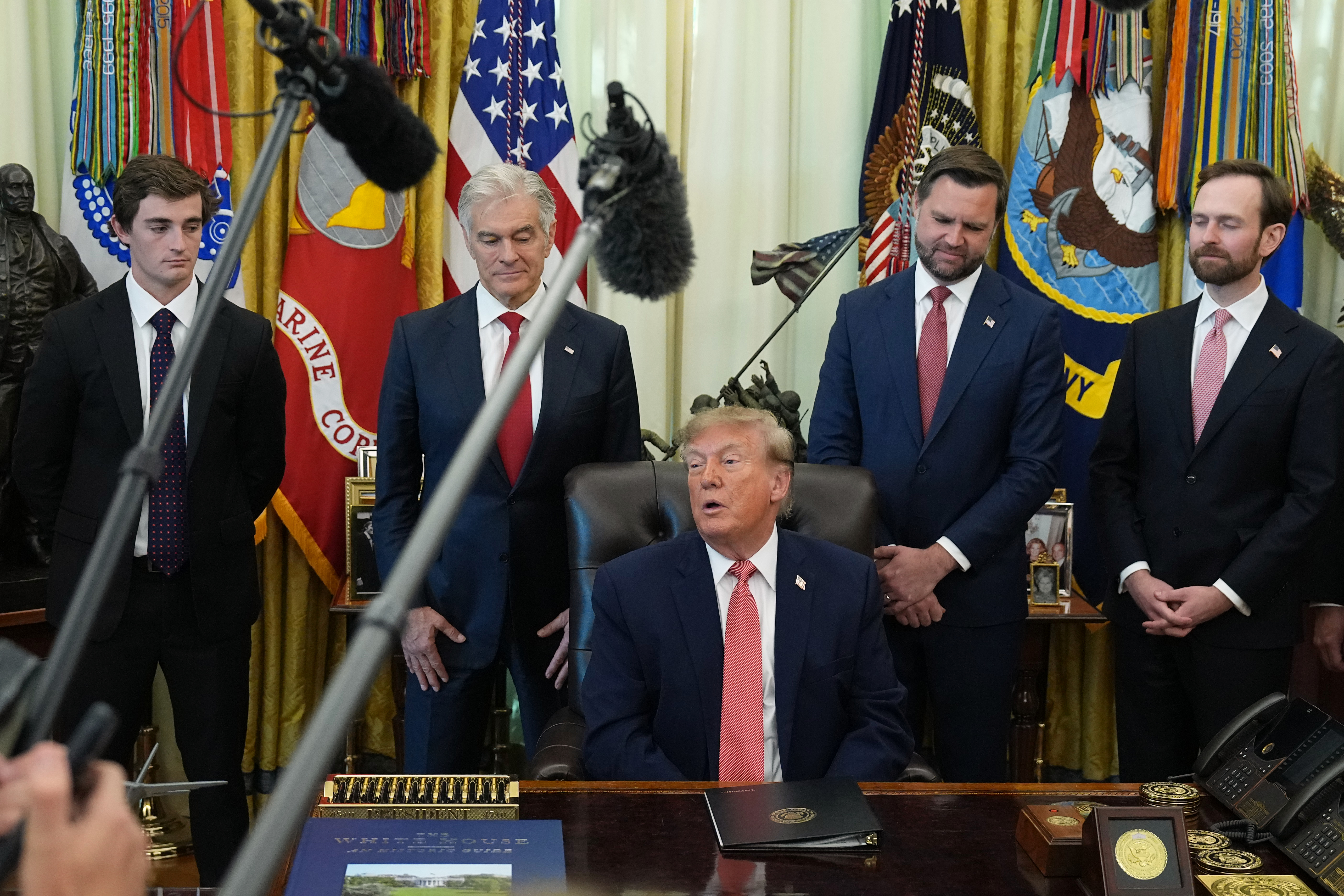
“I will be the arbitrator of all of these decisions,” Trump said in the Oval Office with Vance and other administration officials standing behind him. “It’ll be a binding arbitration.”
Trump said journalists could participate in the program.
The Republican president has undertaken an aggressive effort to eliminate fraud in government, establishing a task force on the topic in March and putting Vance in charge of it.
Critics have accused Trump and his family of profiting from the presidency through their many business ventures. The White House says Trump acts only with the best interests of the American people in mind.
Vance, who said his work leading the task force is “fun,” said tax dollars are being stolen.
“The president has said it must stop. It is stopping. And if you want to help us stop it, you get to share in the rewards,” the vice president said.
The White House had said Trump would present a $10,000 check to Nick Shirley, a right-wing influencer who posted a video last year that said members of Minnesota’s Somali community were running fake childcare centers to collect federal subsidies. But a check was not given to Shirley in the presence of journalists.
The 24-year-old’s video caught the attention of the Trump administration and conservative activists, though inspectors said the centers were operating as expected. Investigations, searches, and arrests followed.
Shirley said during the event that fraud robs from poor and needy people.
“When you expose fraud, you help save America,” he said.
In July, Fahima Mahamud pleaded guilty to wire fraud and conspiracy to defraud the United States by submitting inflated reimbursement claims for meals allegedly served to children at her childcare center, according to the Justice Department.
The White House says Mahamud was featured in Shirley’s video.
The Philadelphia Orchestra and Ensemble Arts has coasted past the dollar goal in one of the city’s largest-ever fundraising campaigns for a cultural organization.
Originally aiming to raise $330 million, the ambitious drive ended up bringing in $344 million to support operations, build endowment, and fund special artistic initiatives.
The campaign was broad, counting more than 55,000 gifts from 24,000 individual sources and landing one of the most generous gifts ever to an American orchestra — $55 million from a couple whose identity has not been publicly disclosed.
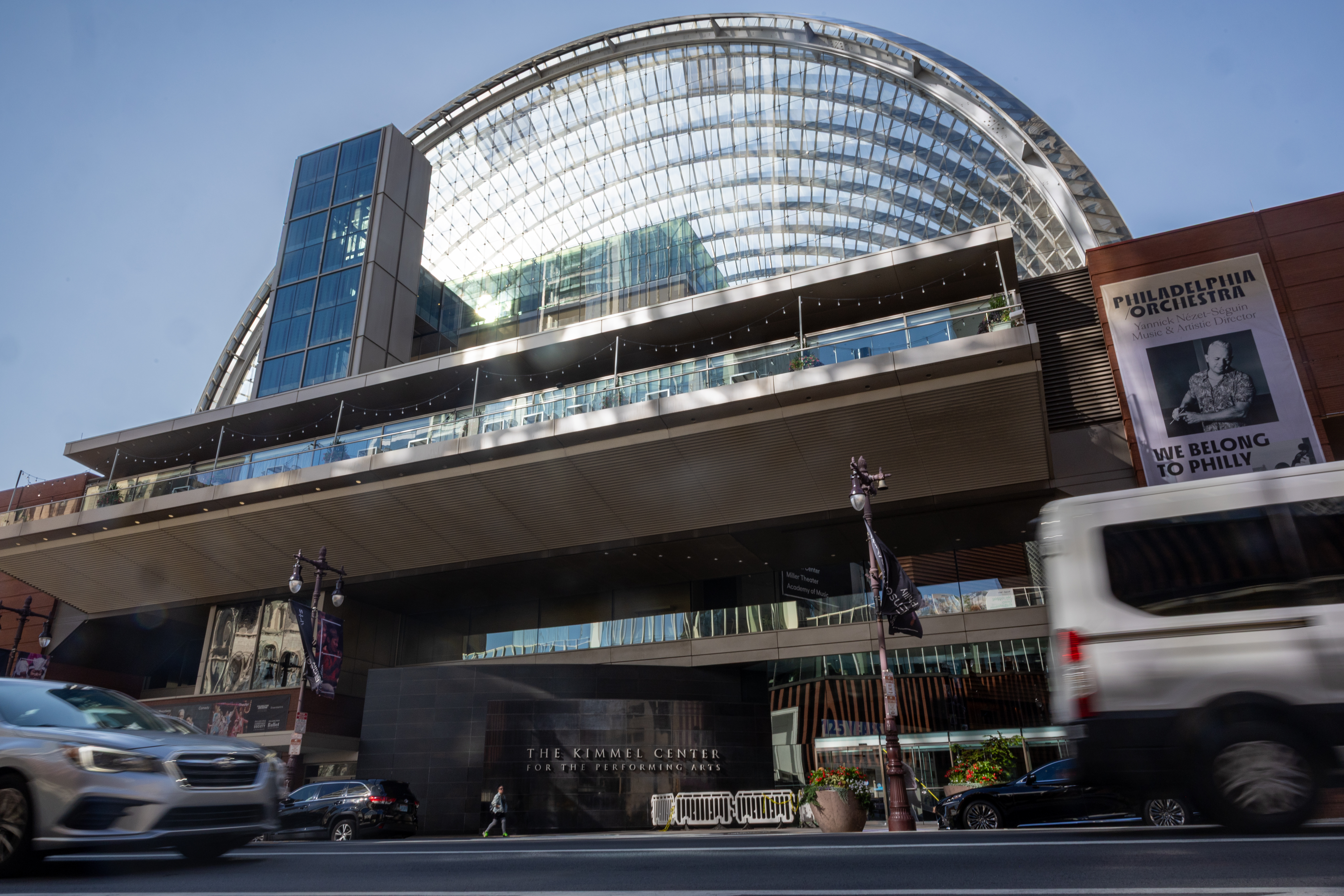
The money reaped in the last six or seven years “enabled us to get through and really thrive through these years with the merger [between the orchestra and Kimmel Center], with refining Yannick’s artistic vision of some very high-level artistic projects,” POEA president and CEO Ryan Fleur said, referring to orchestra music and artistic director Yannick Nézet-Séguin.
It focused the organization around “meaningful education and community work,” Fleur said, and allowed for renovation work on the Kimmel Center, though “there’s [still] a lot to do.”
Philadelphia Orchestra and Ensemble Arts president and CEO Ryan Fleur points to the upper roof on the Tier 3 level alongside Jennifer A. Stark (left), director of capital projects, inside the Kimmel Center, Sept. 16, 2026.Aidan T. Gallo / Staff Photographer
In addition to funding immediate needs, the campaign also leaves the arts conglomerate’s three nest eggs in better shape than before. Since the start of the drive, the combined endowments of the Philadelphia Orchestra, Academy of Music, and Kimmel Center have nearly doubled to $450 million from $230 million through a combination of new gifts and increased market value.
(function() { var l = function() { new pym.Parent( ‘orchfunds-2026__graphic’, ‘https://media.inquirer.com/storage/inquirer/ai2html/orchfunds-2026/index.html’); }; if(typeof(pym) === ‘undefined’) { var h = document.getElementsByTagName(‘head’)[0], s = document.createElement(‘script’); s.type = ‘text/javascript’; s.src = ‘https://pym.nprapps.org/pym.v1.min.js’; s.onload = l; h.appendChild(s); } else { l(); } })();
“That very much helps create a base for stability,” said Fleur of the three funds, which are intended to exist in perpetuity with only a certain percentage (5.5 %) of the investment income being spent each year.
The orchestra’s endowment market value is now among the highest five held by U.S orchestras, Fleur said.
“We’re competitive with the largest orchestras, and that’s what this campaign has been able to do, because for many years our endowment was lower.”
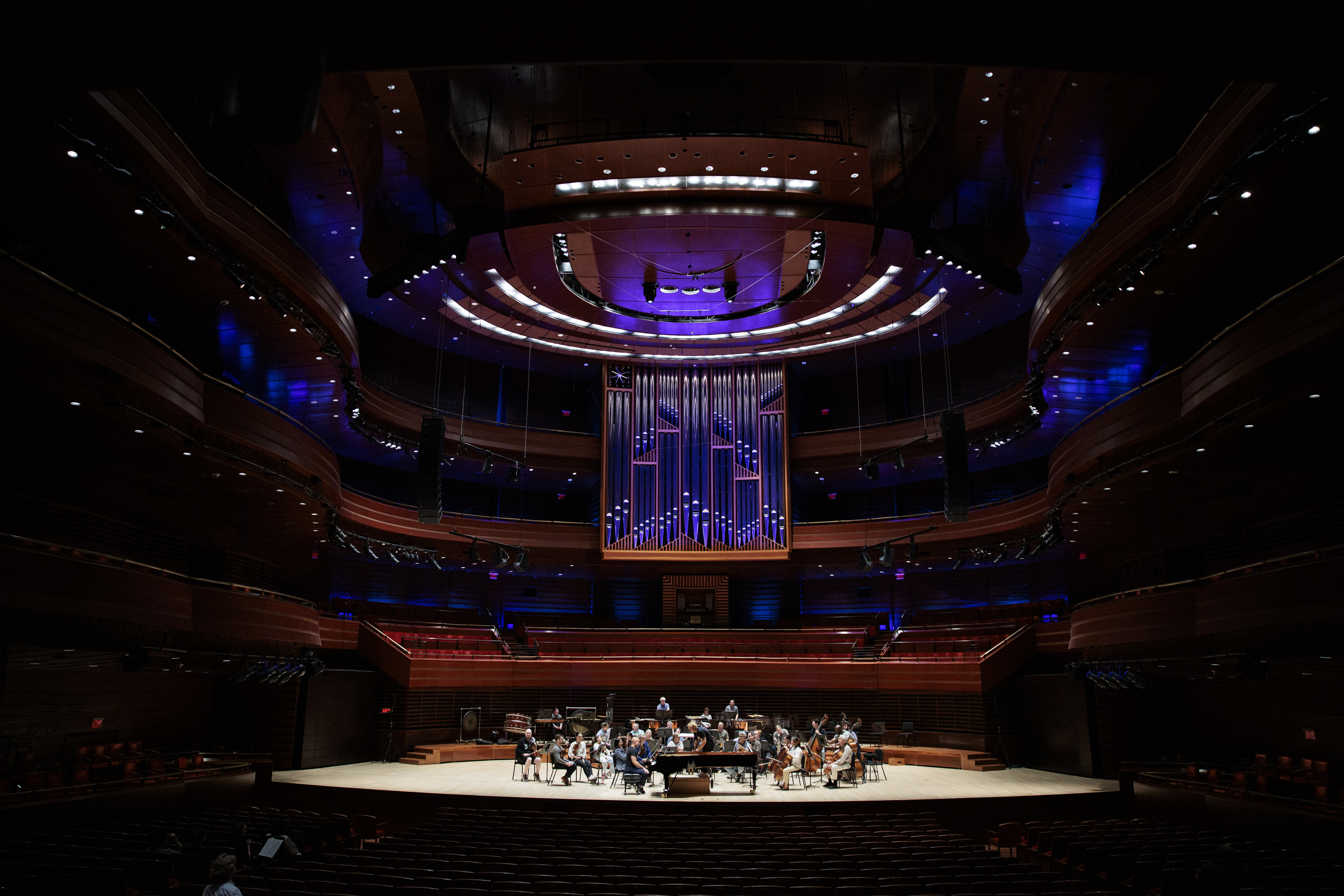
The Philadelphia Orchestra rehearsing ‘For Marilyn Crispell’ by Tyshawn Sorey in Marian Anderson Hall, May 13, 2026.Monica Herndon / Staff Photographer
The $344 million figure includes not just special gifts, but also $146 million raised through regular annual giving — money spent on operations. The drive expanded the circle of support, with 13,000 donors who had never before given to either the orchestra or the Kimmel Center.
The campaign counted money raised since Sept. 1, 2020, plus two earlier gifts: the $55 million donation, and a gift of $3 million, a spokesperson said.
Donations ranged in size from $1 to the $55 million from the anonymous couple, who were motivated by “the civilizing influence of art and culture on our society,” in the words of then-orchestra board chairman Richard B. Worley.
(function() { var l = function() { new pym.Parent( ‘orchgifts-2026__graphic’, ‘https://media.inquirer.com/storage/inquirer/ai2html/orchgifts-2026/index.html’); }; if(typeof(pym) === ‘undefined’) { var h = document.getElementsByTagName(‘head’)[0], s = document.createElement(‘script’); s.type = ‘text/javascript’; s.src = ‘https://pym.nprapps.org/pym.v1.min.js’; s.onload = l; h.appendChild(s); } else { l(); } })();
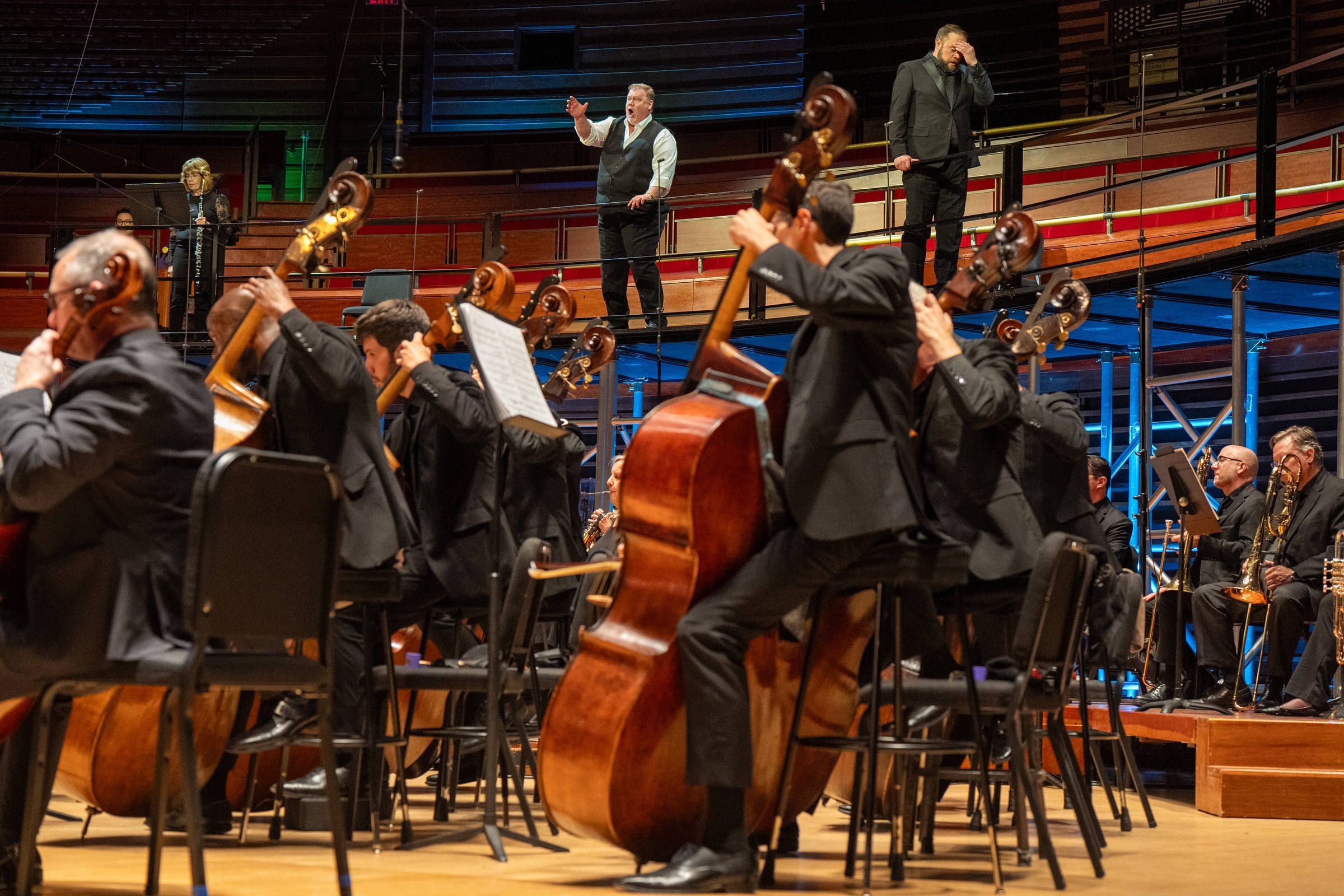
Tenor Stuart Skelton (center), with baritone Brian Mulligan (right) and English horn player Elizabeth Starr Masoudnia (left) with the Philadelphia Orchestra in Wagner’s ‘Tristan und Isolde,’ June 1, 2025, in Marian Anderson Hall.Philadelphia Orchestra and Ensemble Arts
Among the projects or initiatives funded through the campaign were opera productions like the much-praised Tristan und Isolde in 2025; Pride Concerts hosted by a variety of drag queens; renovations to the Miller Theater and Academy of Music; and educational activities at the Kimmel Center.
Those theaters have ongoing renovation and maintenance projects lined up or contemplated, and the Kimmel Center, now a quarter-century old, requires substantial work.
A mural inside the Miller Theater, on Broad Street between the Academy of Music and Kimmel Center.Monica Herndon / Staff Photographer
As successful as the fund drive was, Fleur said, it does not mean a pause in prospecting for the next gifts.
“I think it puts us on a firm footing to be able to go out now to the next group of people and say, ‘Look, we have a track record of success. This is a worthy cause to participate in and to invest in.’”
The orchestra has incentives to offer, if advancing “the civilizing influence of art and culture on our society” is not enough by itself. Among them: After naming 13 musician chairs in the just-ended campaign, the orchestra has 55 more chairs that may be named for donors.
Reaching $344 million may be cause for celebration, but in the arc of cultural fundraising, Fleur calls the moment more of a “springboard” than a “finish line.”