Blog

  • Eagles vs. Cowboys: Flailing offenses, struggling teams, and more numbers to know ahead of Monday Night Football

    Eagles vs. Cowboys: Flailing offenses, struggling teams, and more numbers to know ahead of Monday Night Football

    The 2-4 Eagles and the 2-4 Dallas Cowboys meet on Monday Night Football at Lincoln Financial Field for a chance to be the outright second-place team in the NFC East.

    If that sentence doesn’t get you geared up to watch the two rivals meet, maybe this one will: Tanner McKee will remain the man trying to right the ship for an offense that leads the NFL in punts and hasn’t scored more than two touchdowns in a game since Week 2.

    Things haven’t been going well for the Eagles, who likely will play the rest of the season without Jalen Hurts as he deals with blood clots.

    The numbers don’t provide much in the way of confidence that McKee and Co. can get things going.

    Here’s a look at some stats and trends ahead of the Eagles’ Week 7 game vs. the Cowboys:
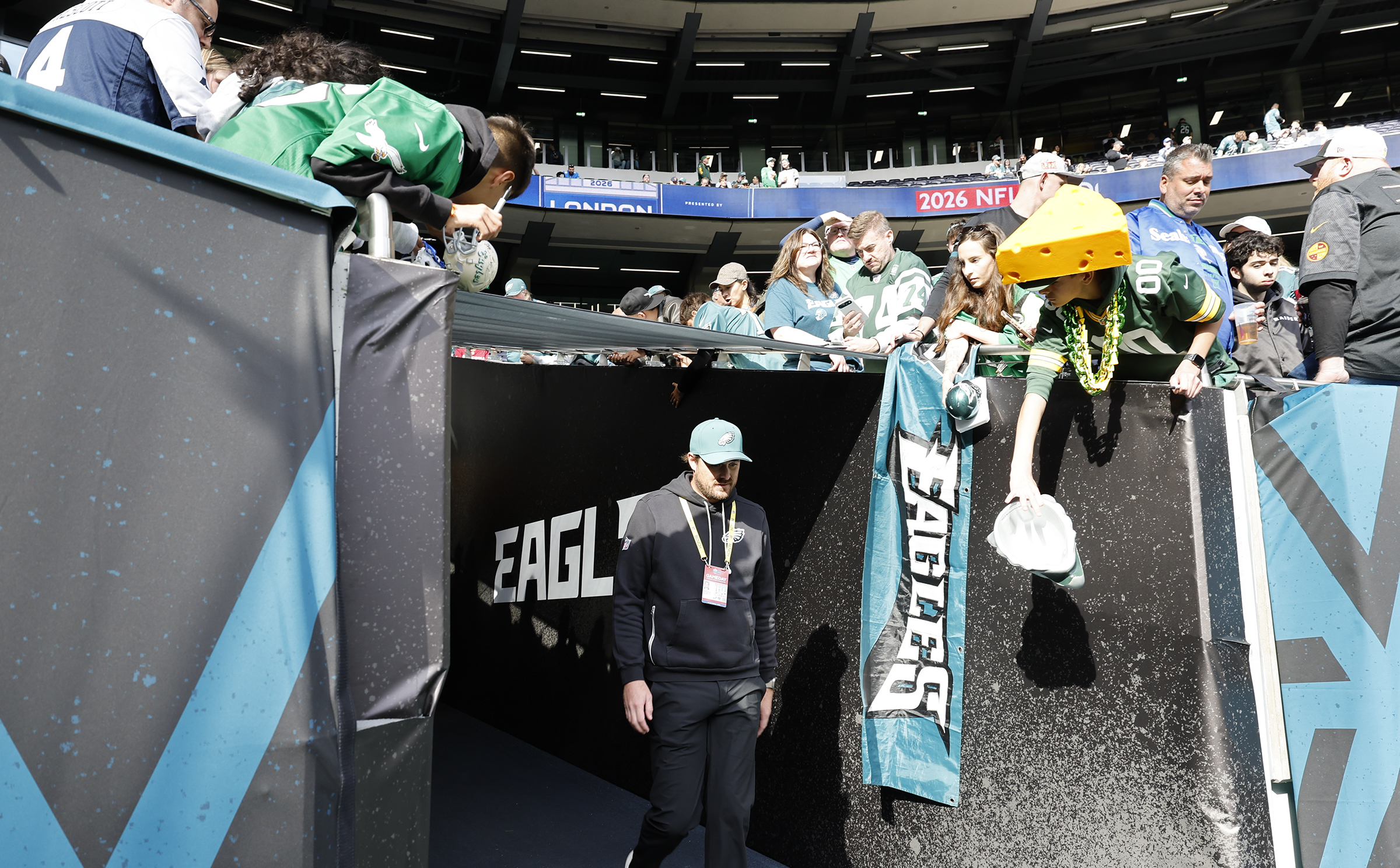
    Eagles offensive coordinator Sean Mannion is trying to jumpstart his group before it’s too late. Yong Kim / Staff Photographer

    650

    After the Eagles put up 222 yards to Carolina’s 399 in a 25-14 loss on Sunday, they have been outgained by 650 total yards through six games this season. That’s the worst margin in the NFL and the franchise’s worst start through six games since 1999, according to The Ringer.

    It marked the third consecutive game the Eagles were on the wrong end of a yards differential of at least 175 yards. As PHLY pointed out, that three-game streak matched the amount of times the Eagles were outgained by 175 yards in each of Nick Sirianni’s first five seasons combined.

    That’s a tough trend to tackle. The sample size is growing, and while the Eagles have had plenty of personnel issues (injuries, a key retirement, etc.), the ineptitude is jarring.
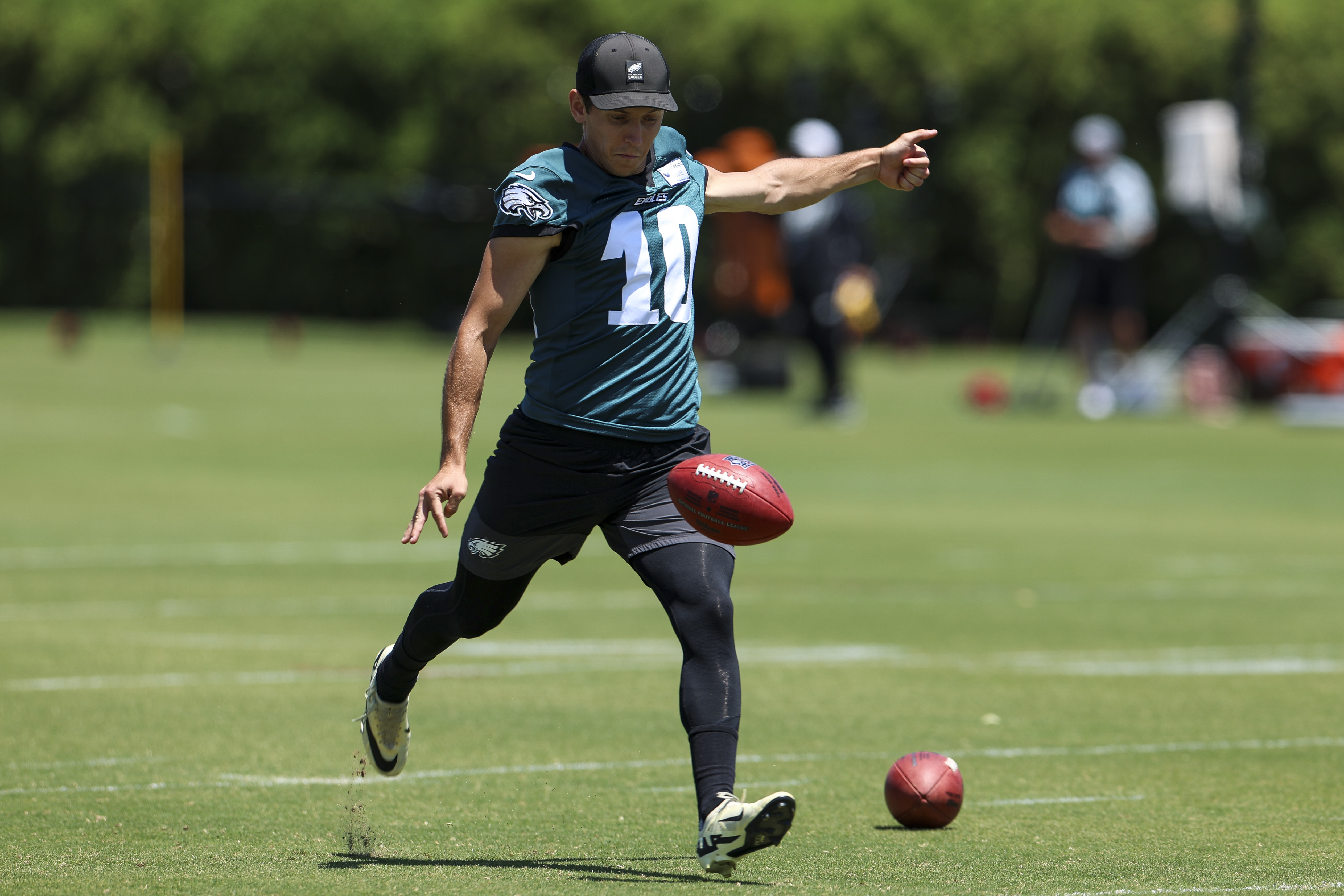
    Eagles punter Braden Mann has been busy. Monica Herndon / Staff Photographer

    5

    The Eagles started Sunday’s game with punts on five consecutive possessions. According to The Athletic, it’s the first time that’s happened under Sirianni.

    Braden Mann’s 33 punts lead the NFL, one ahead of Denver’s Jeremy Crawshaw and two ahead of Cleveland’s Corey Bojorquez.
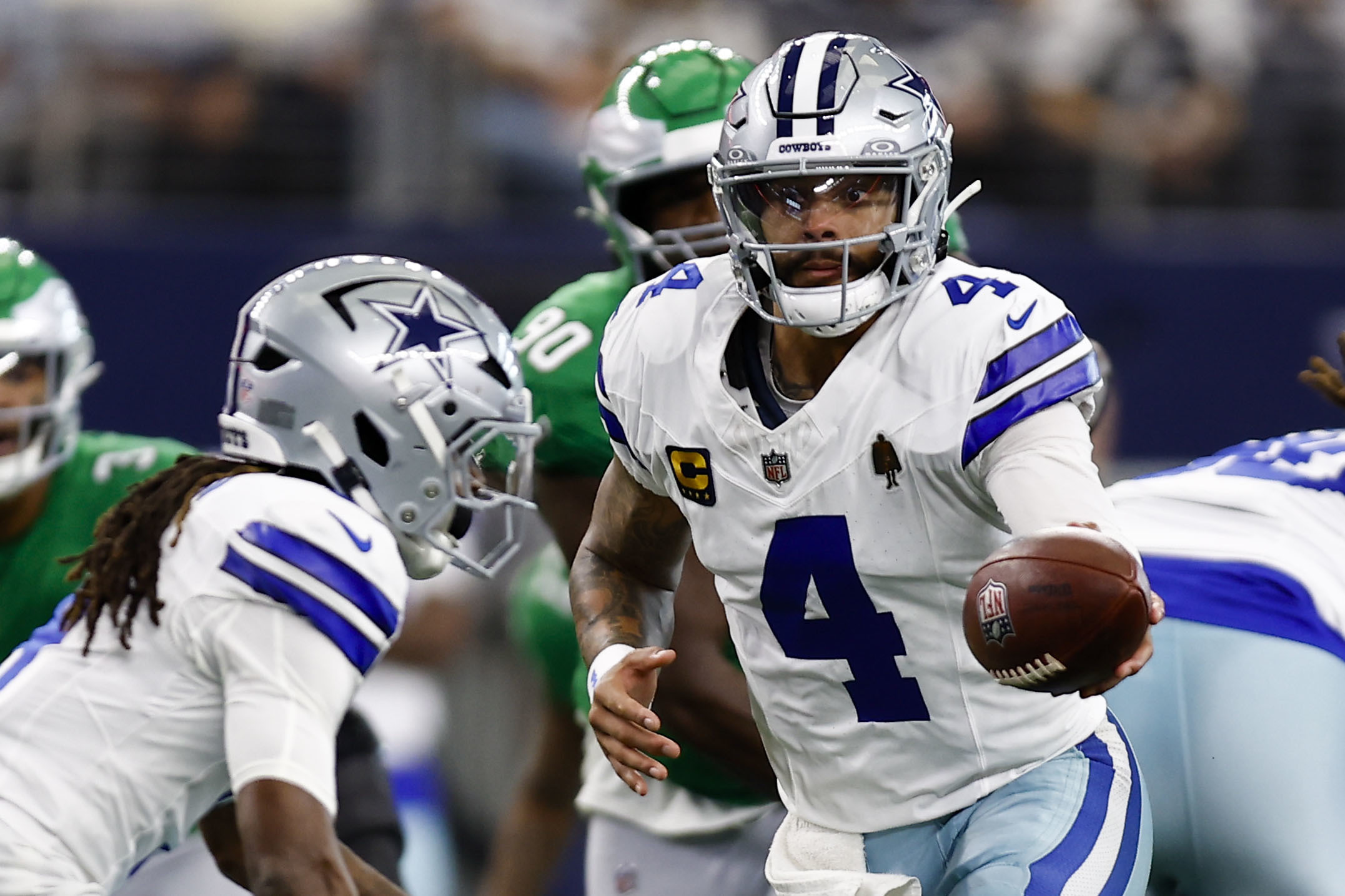
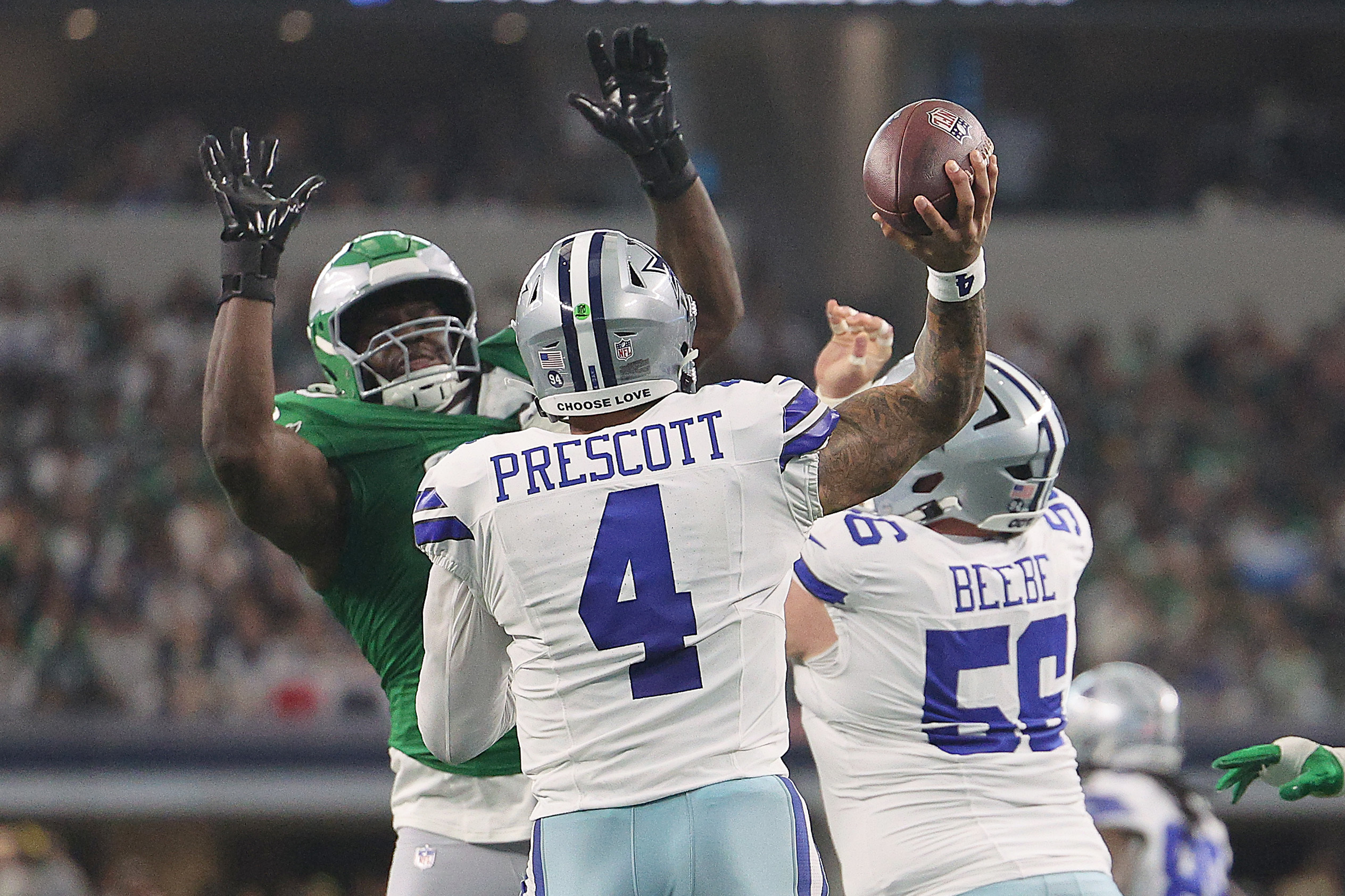
    Dak Prescott and the Cowboys have not caught fire in year two under Brian Schottenheimer. Monica Herndon / Staff Photographer

    29

    The Eagles aren’t the only team bringing a slumping offense to this one. The Cowboys have scored 29 points over their last two games combined, marking the first time since 2019 they’ve done so in consecutive games that quarterback Dak Prescott has started and finished, according to Next Gen Stats.

    Dallas’ 2-4 start also is the worst in any season that Prescott has started each of the first six games.
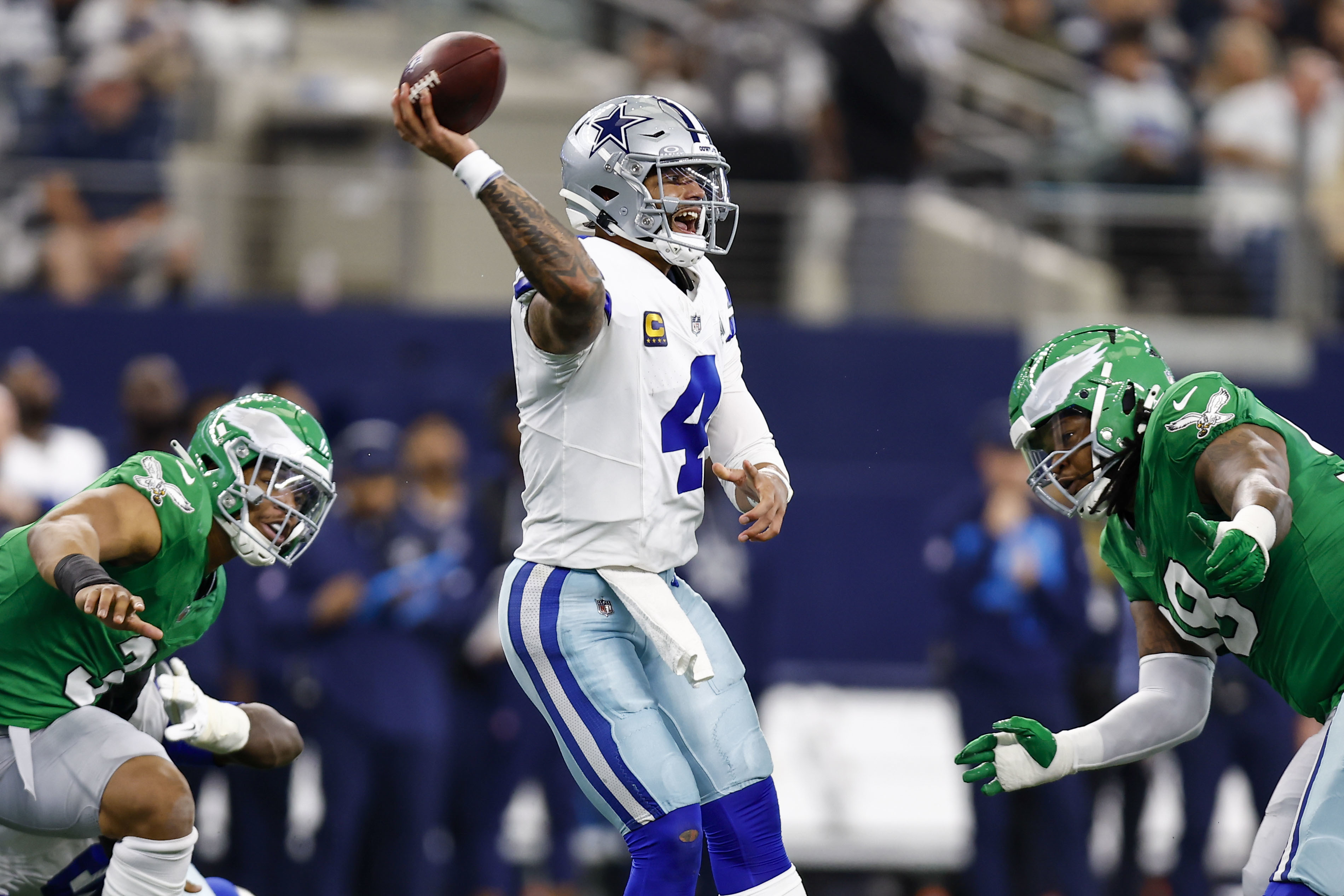
    Dak Prescott has not located the Cowboys vertical game as of yet. Monica Herndon / Staff Photographer

    60%

    What’s going wrong for the Cowboys? Start here: Their downfield passing game hasn’t been connecting.

    Over the last two games, 60% of Prescott’s passes have been what Next Gen labels “short” passes (0 to 9 air yards).

    According to Next Gen, Prescott has posted a short pass rate of at least 60% five times during the Brian Schottenheimer era, and all five instances have resulted in losses.

    This trend actually works in the Eagles’ favor. They have allowed a 43.6% success rate on short passes this season, the third-lowest mark in the NFL, according to Next Gen.
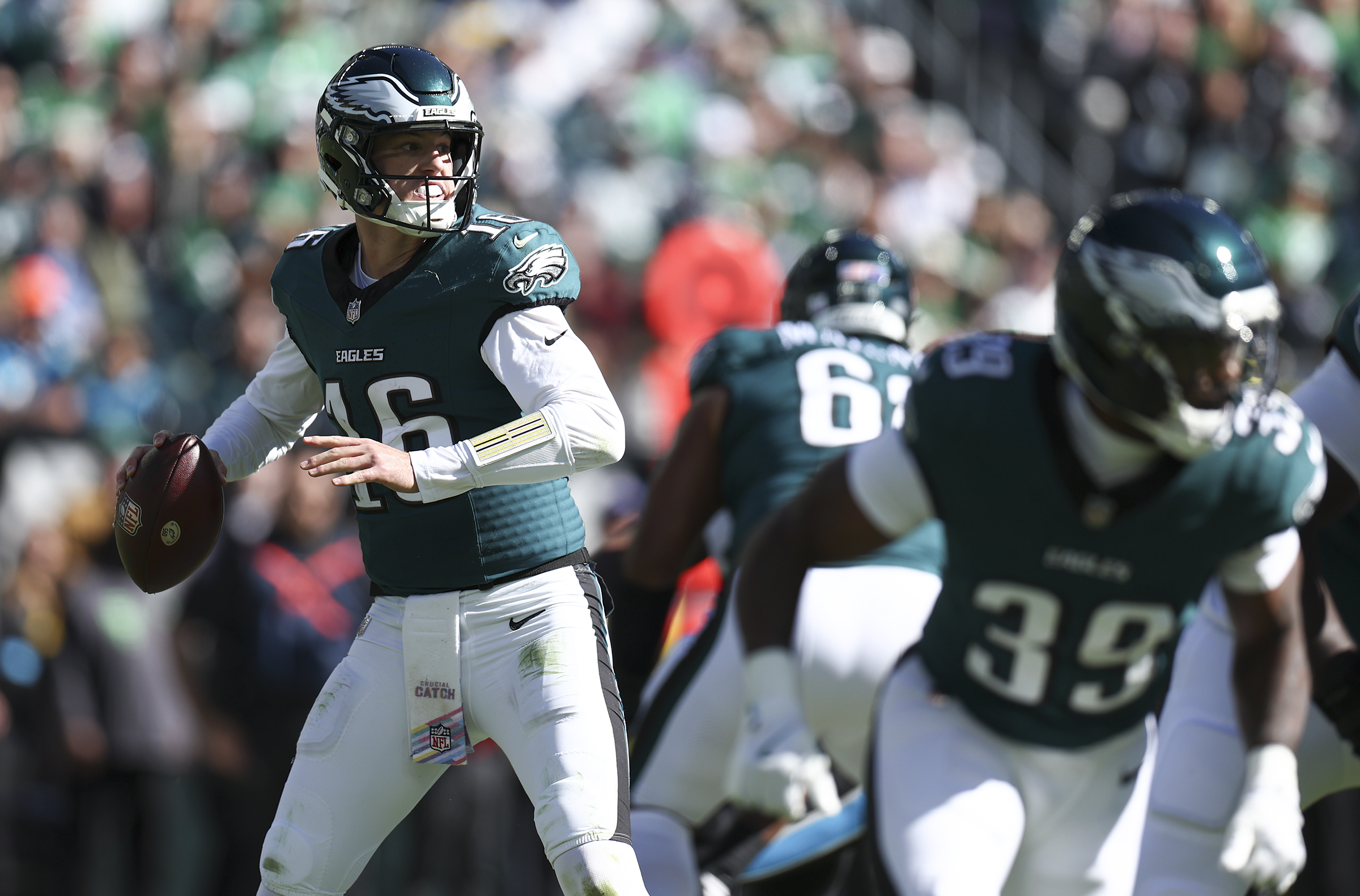
    Tanner McKee was unable to get the under-center play-action game going last week. Monica Herndon / Staff Photographer

    15.2%

    How many times did you read in these pages and maybe elsewhere that Sean Mannion was going to bring a dynamic offense to the Eagles, one that utilized under-center play action to marry the run and pass games?

    Here’s an update on how that’s going: The Eagles have a 15.2% success rate on their overall under-center dropbacks this season, according to Penn professor and Eagles data scientist extraordinaire Deniz Selman. That’s the worst success rate in the league by leaps and bounds. Denver ranks 31st in under-center passing success rate at 30.3%.

    McKee dropped back to pass five times from under center on Sunday, according to SumerSports. All five plays were play actions, and they resulted in zero completions and two sacks for a total of minus-17 yards.

    It’s another primetime meeting for the Eagles and Cowboys. David Maialetti / Staff Photographer

    33rd

    Monday night will mark the 33rd primetime matchup between the longtime NFC East rivals. Dallas holds a 17-15 edge over the previous 32, according to Next Gen.

    But Monday is a rarity among the primetime games.

    It will be just the second time the teams meet in primetime with both of them at least two games under .500. The first was in Week 8 of 2020, when Carson Wentz led the Eagles to a win over Ben DiNucci’s Cowboys in a game that also was on Monday Night Football.

    This time, it’s the Eagles starting the backup and the Cowboys with the healthy starter.
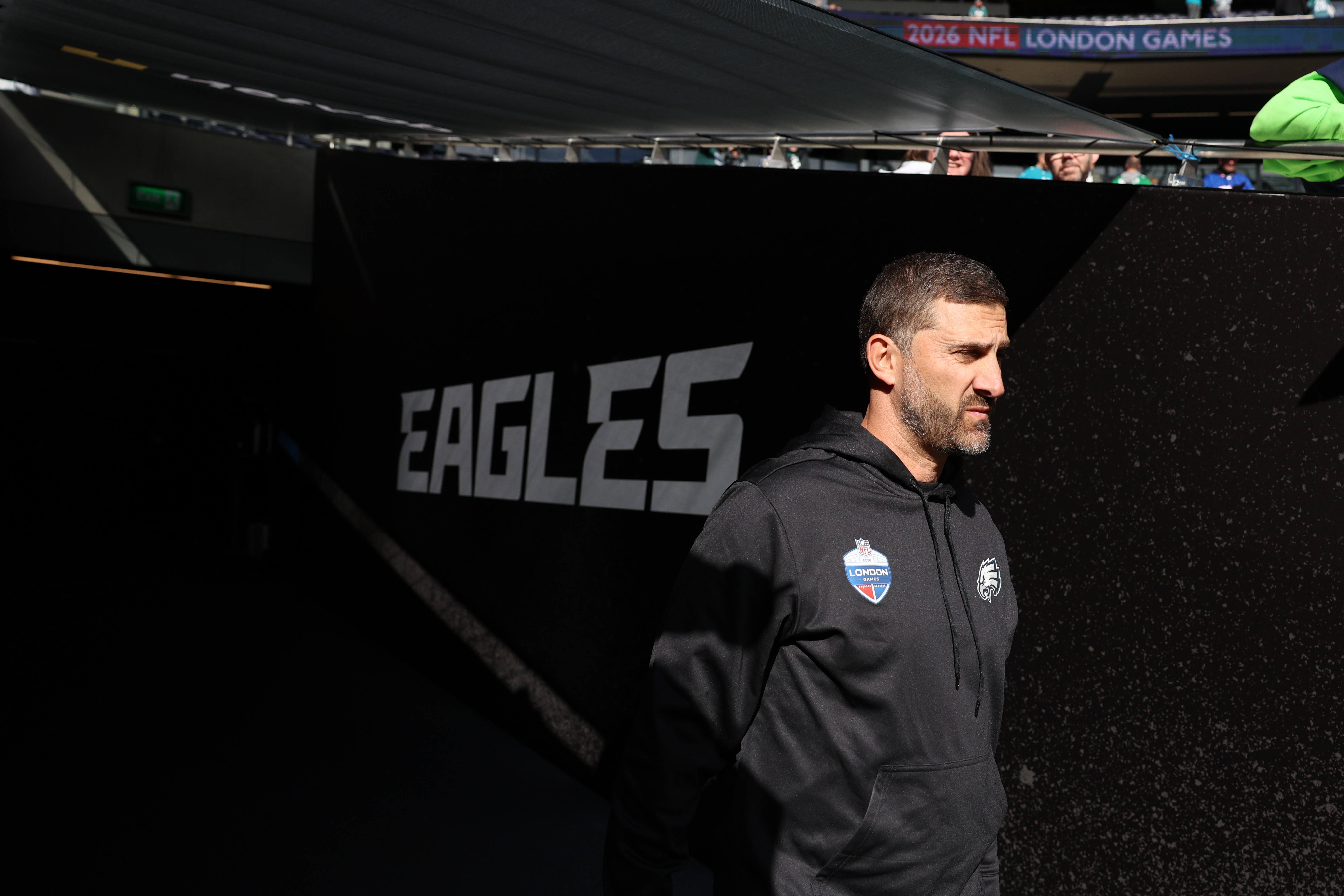
  • If you were Nick Sirianni, how far would you go to preserve your self-respect?

    If you were Nick Sirianni, how far would you go to preserve your self-respect?

    You’re Nick Sirianni. You’ve had a rough month, as bad as any during your five-plus seasons as the Eagles’ head coach. Your team has lost four straight games. Your star running back, Saquon Barkley, missed two of those games and most of a third and only now is poised to return to the lineup. Your Hall of Fame-caliber right tackle, Lane Johnson, retired. Another starting offensive lineman, Cam Jurgens, was traded. Your best wide receiver, DeVonta Smith, missed some time, too, as did your second-string and third-string running backs. Your new play-caller, Sean Mannion, doesn’t seem capable of fixing the myriad problems with the team’s offense. Your defense hasn’t been nearly as dynamic or impregnable as it was supposed to be.

    You’re Nick Sirianni, and none of that is the worst of it. No, the worst of it is that your starting quarterback, Jalen Hurts, likely won’t play again this season because of blood clots in his lungs — and there’s a scandal surrounding his absence. There are questions about how the Eagles treated Hurts’ condition, whether they put him at needless risk, and how they have handled the fallout.

    Their strategy has been to leak information to NFL insiders and to put you on a Zoom call Monday afternoon to field all the necessary and pointed questions — you, not chairman Jeffrey Lurie, not general manager/vice president Howie Roseman, not any member of the franchise’s medical team, not anyone who would have had the say-so and direct involvement to make the final call about Hurts’ status and health.

    You’re Nick Sirianni, and during that press conference, you might as well have been Sonny Corleone on the Causeway, taking so many bullets for so many people that it was a wonder you didn’t keel over on everyone’s computer screen. The best that anyone could say about you in the aftermath was that the Eagles never should have put you in that position, that they shouldn’t have had you playing Drew Rosenhaus to Lurie and Roseman’s Terrell Owens. You don’t wield power within the organization the way Andy Reid does with the Kansas City Chiefs or John Harbaugh now does with the New York Giants. In fact, since you don’t call plays and didn’t design this offense, a lot of people wonder what you bring to the table as a head coach.

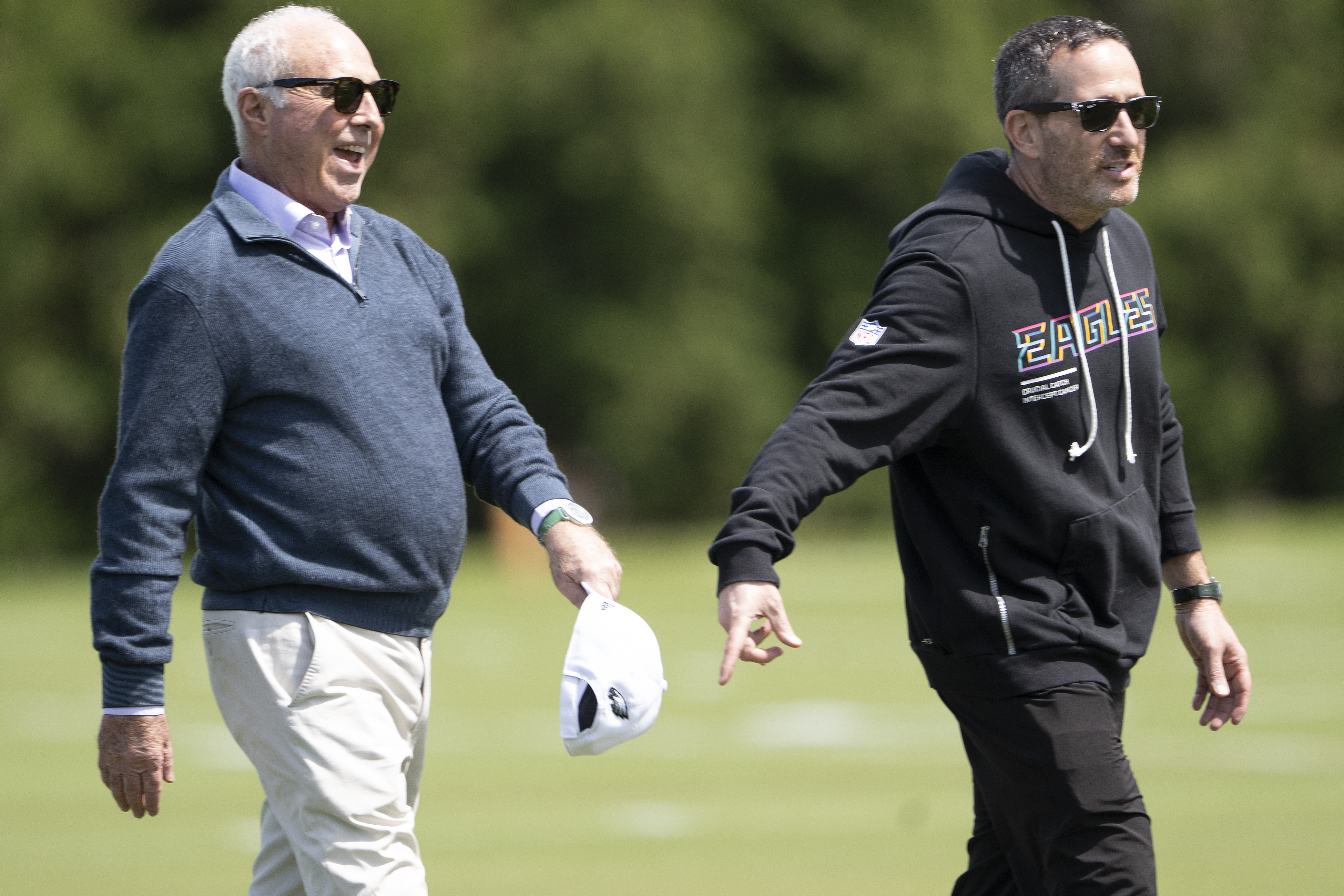
    Neither Jeffrey Lurie (left) nor Howie Roseman (right) has been made available to comment on the Jalen Hurts matter. Jose F. Moreno / Staff Photographer

    You’re Nick Sirianni, and a lot of people also think that, once this season ends, you could lose your job. So you might take over play-calling duties or demote an assistant sometime over the next 12 weeks because you’re so desperate to avoid being fired.

    You’re Nick Sirianni, but if I were you, I might be inclined to look at this four-week fiasco from a different perspective.

    If I were you, I might remember that, during my first five full seasons with the Eagles, I compiled the fifth-highest winning percentage in NFL coaching history. My teams never missed the playoffs, winning three division championships, two conference championships, and a Super Bowl. I might believe that, no matter how great a roster-builder Roseman has been, I’m a pretty damn good coach.

    If I were you, I might ponder what would happen if the Eagles were to fire me. Given my resumé, I might interview for at least one NFL head coaching job, and I might get that job or another. Or, I might find that my personality and style are better suited to coach in college, at a program that hasn’t been as successful lately as it could or should be, a program where the boosters and fans would be happy to have me, where the pressure wouldn’t match what I experience every day in Philadelphia. If I were you, I might see myself as another Pete Carroll, who left the NFL, turned USC into a juggernaut, and returned to the league a better, sharper coach. After all, I’m just 45. I have a long way to go in my career.

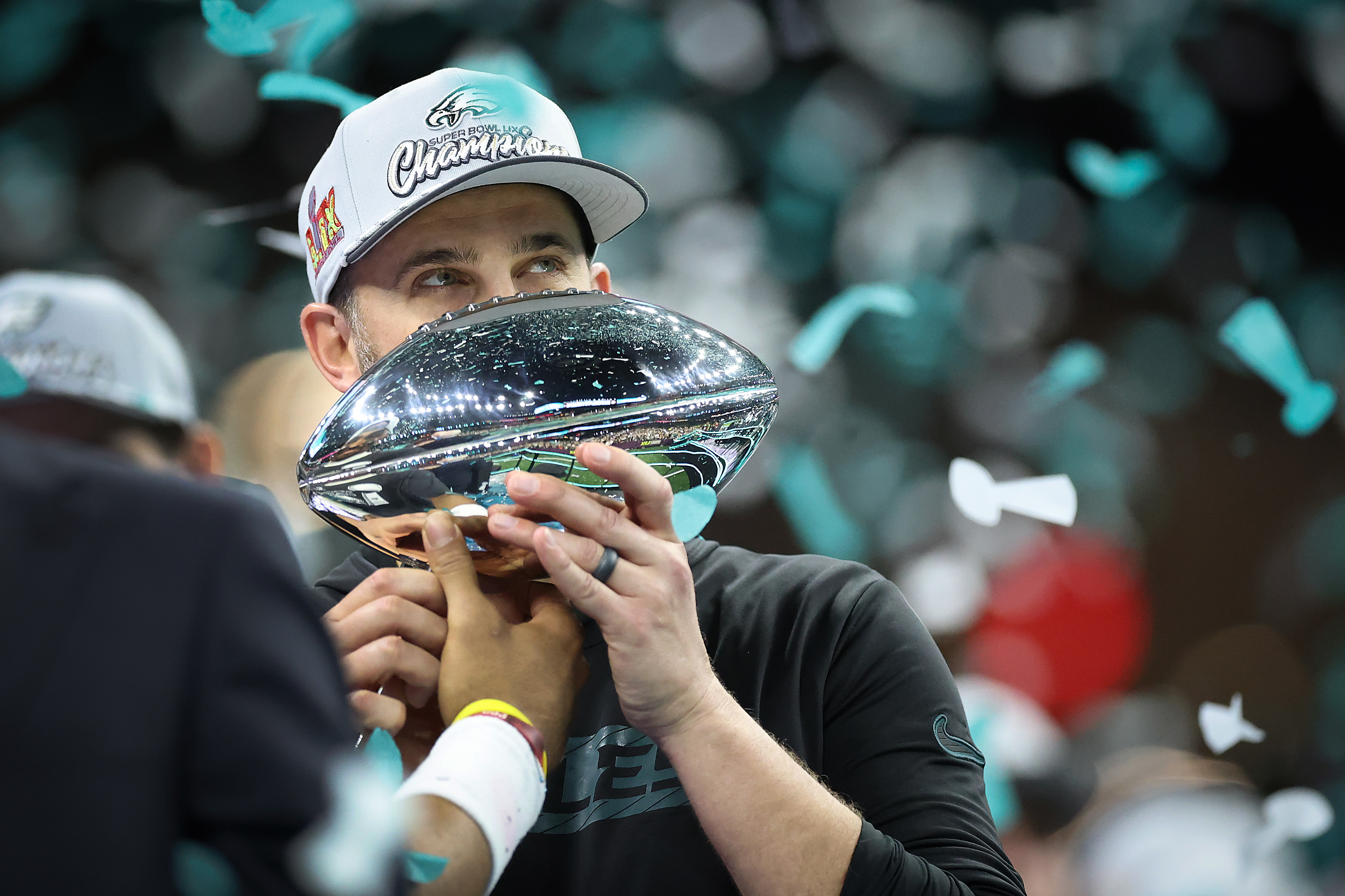
    Nick Sirianni brought a Lombardi Trophy to Philly, a not-insignificant bullet on the resumé. David Maialetti / Staff Photographer

    If I were you, I’d re-listen to what you said Thursday, when you were asked, amid all this recent turmoil, whether you still loved coaching.

    “Hell, yeah, I enjoy it,” you said. “I hate losing. I hate it. … But I love everything about this game. I love coaching young men to be the best football players they can be, to understand football better, to help them become better men. There are things you can control, and there are sometimes things you can’t control. I know I can also control my attitude, my effort, my energy. To me, that’s mental toughness. …

    “But you have that grace time when you have some time to watch the game, really think about the game. You’re going to feel upset about the game. But then it’s got to be about getting better from that tape, and I think what happens with me is I have those moments after tough times — we’re human — when you’re down, once you get back into the process of this thing, something for me is snapped and, boom, I’m back in this process of doing what I love to do. You get lost in that process.”

    If I were you, I might notice that none of what you said had anything to do with the fame of coaching in the NFL, the prestige of coaching in the NFL, or the money that comes with coaching in the NFL. If your answer Thursday was sincere, and I think it was, you would derive similar satisfaction and pleasure from coaching anywhere. You’d be in alignment with what Ethan Hawke once said about acting: If teaching drama at a Seattle high school when you’re 62 doesn’t sound great, then get out, because you’re in the profession for the wrong reasons.

    Nick Sirianni’s stated reasons for loving his job have little to do with his fame. Monica Herndon / Staff Photographer

    You’re Nick Sirianni, and your reported annual salary, $17 million, might be enough to dissuade you or someone else from voluntarily leaving a job that pays so handsomely. But if I were you, I might ask myself, What’s the cost of the opportunity to stand on my own two feet as a head coach? How much would I pay to have people no longer perceive me as a puppet? How many more times do I have to be the public fall guy for decisions that, when push comes to shove, I’m not making?

    If I were you, and this season turns out to be a disaster, there would be a course of action that would ensure I retained my dignity and self-respect. I could walk into Lurie’s office — maybe before the regular season’s final game, maybe just after it — and tell him that I’m walking away. For my family. For my peace of mind. For me.

    If I were you, I might think about it.

  • Pottstown’s Braden Reed has emerged as Villanova’s No. 1 receiver: ’It just comes more natural to him’

    Pottstown’s Braden Reed has emerged as Villanova’s No. 1 receiver: ’It just comes more natural to him’

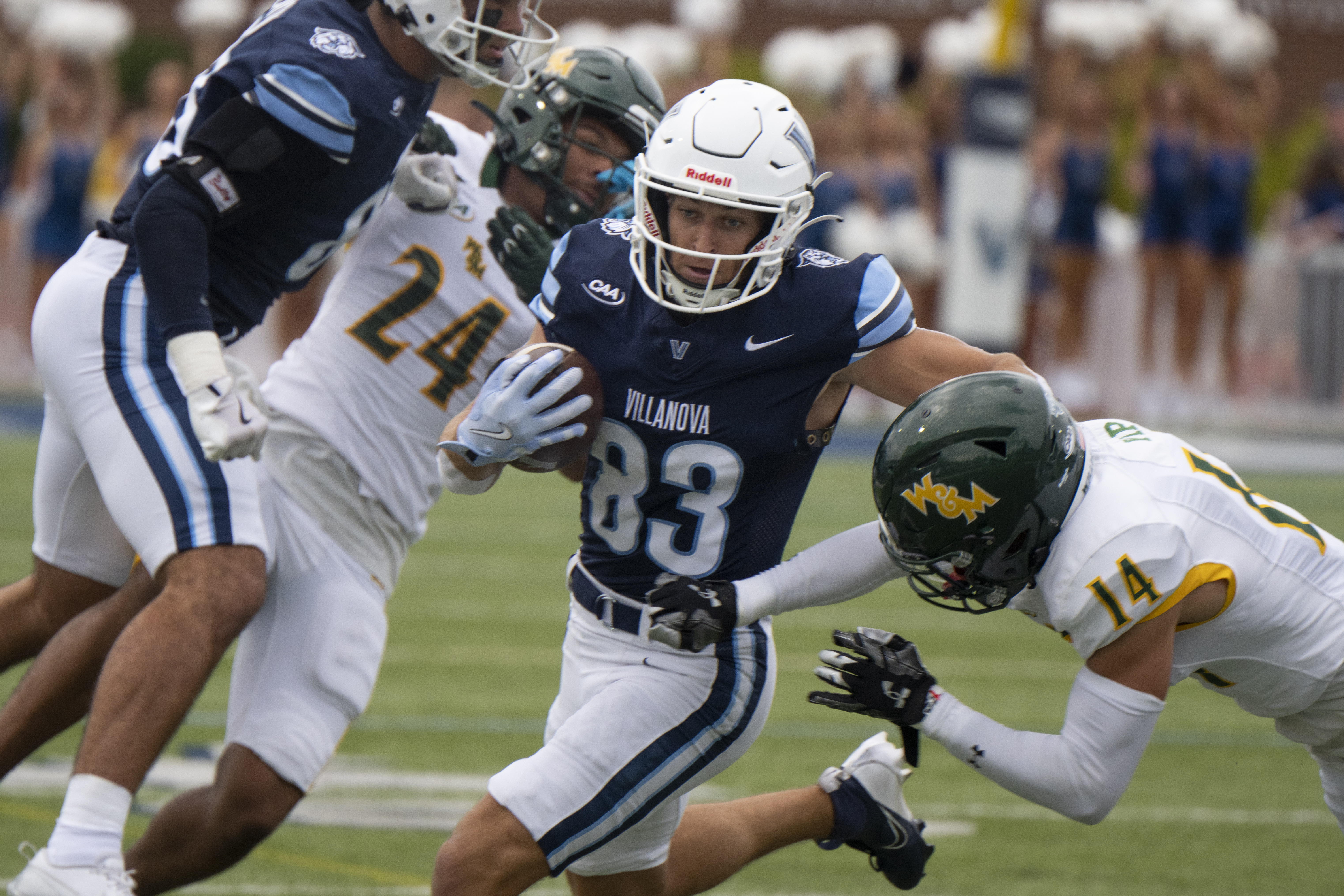
    Villanova’s Braden Reed put together a remarkable freshman season in 2025. He racked up 34 catches, was third-team All-Coastal Athletic Association as a punt returner, and earned a spot on the Stats Perform Freshman All-American team for the Wildcats, who reached the FCS semifinals.

    Now in his second season, the 5-foot-9 Reed has slid into the Wildcats’ No. 1 receiver role and aided their offensive attack, building a good connection with graduate quarterback Pat McQuaide and leading Villanova in receptions (34), receiving yards (433) and touchdown catches (four).

    Reed has been a highlight for the Wildcats (3-4, 2-2 Patriot League), including in their 38-17 win over Fordham last Saturday. The wideout hauled in four catches for 88 yards, including a touchdown that put Villanova up two scores on the Rams, momentum they hope to carry over against visiting Lehigh (6-1, 4-0 Patriot League) on Saturday (3:30 p.m., ESPN+).

    “It felt good to finally play what we call complementary football or offense helps defense, defense helps offense, special teams setting up drives — it felt good to kind of put everything together,” Reed said. “I think we just executed, really focused on the details all week and focused on our process of getting things done, not really focusing on the things around us and just doing our job.”

    Reed has been part of a potent passing game for the Wildcats, who lead the Patriot League in passing yards and completion percentage, and has grown into McQuaide’s favorite target. The sophomore’s 34 receptions are 11 more than Villanova’s next leading receiver.

    The pair have formed a bond on and off the field.

    “He’s like a big brother to me,” said Reed of McQuaide . “He’s a super good dude. I talk to him about a bunch of stuff, he’s always there for me. A guy I know that I can count on.”

    Reed, who grew up in Pottstown, comes from a football family. His father, Scott Reed, played at West Chester and then was a coach during Braden’s time at Pope John Paul II, first as an assistant and then as his head coach from his sophomore to senior seasons.

    Braden Reed made an impact with Villanova as a freshman last season.Joe Lamberti / For The Inquirer

    Villanova coach Mark Ferrante said his background has given Reed an edge, as he possesses a higher football IQ than players who didn’t grow up with that kind of experience and environment.

    “I think it just comes more natural to him,” Ferrante said. “He’s the type of guy that you could tell him once and he’s got it, where some guys have to get it in a meeting, maybe watch it on the film and then go out and rep it a few times before it actually clicks. With [Reed], you can just have a conversation with him and I think growing up with it, it’s almost regular day language.”

    That natural instinct has helped Reed take another step this season. He has already matched his 2025 total in receptions, has scored more touchdowns than last season (three), and is on pace to surpass his freshman mark of 518 receiving yards — maybe even as soon as this weekend.

    Ferrante said what sets Reed apart, despite his small stature, is how hard he drives himself in all facets of the game.

    “Braden’s a guy that they should all mimic as far as his practice habits and preparation, what it takes going into each and every game,” Ferrante said. “He has a great work ethic, probably not the biggest, fastest, strongest, but he makes up for that in desire and habits and work that he puts into it. And he reaps what he sows — one of the first guys on the field, the last to leave.”

    The Wildcats are winless on their home turf and lead the conference in penalties and penalty yards. Villanova was flagged five times against Fordham, and are 2-3 in one-score games after going undefeated in them last season.

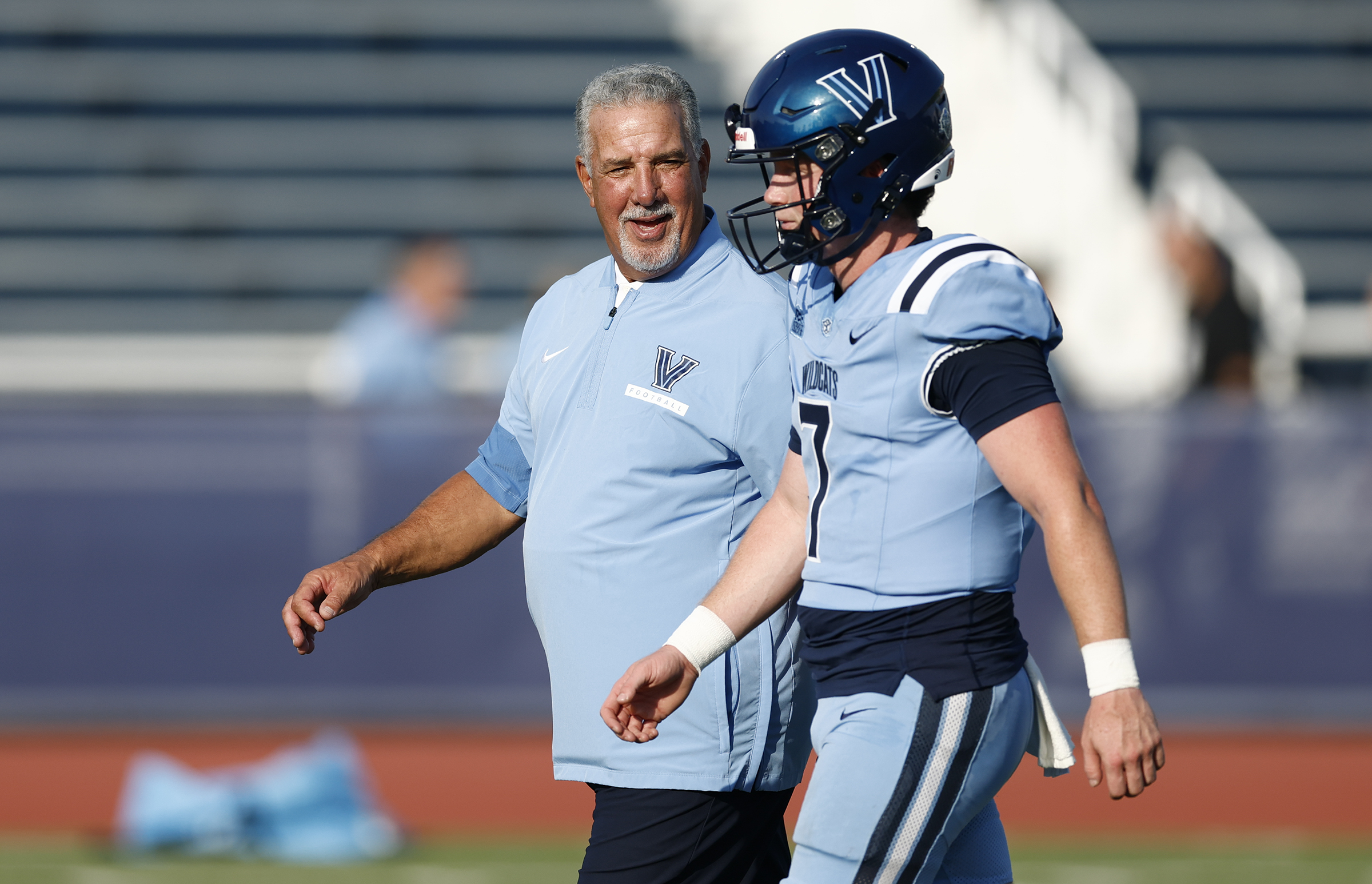
    Coach Mark Ferrante, quarterback Pat McQuaide and Villanova are 3-4 going into their game against Lehigh on Saturday. Yong Kim / Staff Photographer

    Reed, who Ferrante says will probably be a future captain, believes the team will only get stronger as the season goes on.

    “We’re definitely growing closer as a team,” Reed said. “Those first couple one-score games were tough but after last week, hopefully we start to put some things together. … I think it’s just focusing on every day, one rep at a time, doing your job to the best of your abilities. When you do that, I think the result speaks for itself.”

    Ferrante said the progress is starting to translate from practice to games as it did against Fordham.

    “The progress we’ve been making on all sides of the ball is hopefully starting to come together the more they play together,” Ferrante said. “The more games we play together, the more we can play hopefully complementary football, one build off the other. We got a nice interception [from Garrett Rogan vs. Fordham] and the offense [turned] that into points. Those are nice things we haven’t been doing, but hopefully starting to come to fruition now that they’re playing together more.”

  • The Maya collapse was blamed on drought, but the full story is more complicated

    The Maya collapse was blamed on drought, but the full story is more complicated

    MEXICO CITY — The answer, it appeared, was drought. That was the theory, proposed by scientists three decades ago, to explain why the Maya civilization, one of antiquity’s mightiest, plunged into widespread collapse, without any obvious explanation.

    The enticing argument held that a succession of historic droughts between 760 and 910 A.D. desiccated the Maya civilization, which spanned Belize, El Salvador, Guatemala, Honduras, and Mexico. An exodus from its cities followed and, in the words of one research article, “millions of Maya disappeared from the earth.”

    But scholarship has increasingly presented a more complicated picture.

    A batch of studies over the last year has bolstered a growing body of research that is challenging the long-standing view that drought alone was the driving factor.

    A study published last year found that the prominent Maya site Itzan, in Guatemala, was mostly abandoned without ever experiencing drought. Another argued that drought during an earlier period might have actually had the inverse effect, pushing more people into cities. One more published in September said an analysis of 294 Maya sites across Belize yielded counterintuitive results: The sites that had experienced more rain had been deserted before the dryer ones.

    Taken together, the research is part of a shift in how researchers have come to consider one of antiquity’s great mysteries, awakening yet another fierce debate in academia over the effects of climate on civilizations, and why they fray.

    “There was a single, easy answer, and then we went and complicated it,” said Alec McLellan, an anthropologist at Western University in Ontario and an author of one of the studies. “There are still many disagreements in the field.”

    For history’s other civilizations and great empires, the stories of collapse have come into increasingly clear focus. The Byzantine Empire fell when the Ottomans captured its capital, Constantinople, in 1453. The Incas and Aztecs in the Americas, meanwhile, were undone by European diseases, Indigenous divisions, and Spanish conquest.

    But the case of the Maya stands apart. It wasn’t an empire, but an interconnected collection of city-states in a vast geographic area that warred and traded with one another. They rose over several centuries — villages growing into cities, cities growing into power centers, replete with ornate pyramid structures, complex political orders, and mathematical and astronomical achievements that surpassed those of much of the ancient world. Then between 760 and 930, many of their great cities went dark one by one — although Maya people stayed in the region, and remain there today.

    A full explanation for the decline has long eluded researchers. The Maya had an advanced writing system, but few of its written records provide clear evidence about the collapse.

    “The records were burned by mostly Spanish missionaries,” said Matt Waters, an environmental scientist at Auburn University. “Very few of the manuscripts survived, so a large amount of what we know has been gathered from archaeology, from carvings and statues.”

    To fill in the gaps, researchers have had to search for circumstantial evidence. Beginning in the 1960s, scientists undertook palynological methods of inquiry, studying microscopic spores and pollen preserved in the soil and sediment to learn more about the region’s climatic history. But because the Maya were such avid deforesters, altering the natural landscape, the analyses yielded muddled results.

    In the mid-1990s, a breakthrough came.

    By studying oxygen isotopes preserved within the lake sediment of Lake Chichancanab in the Yucatán Peninsula, researchers were able to obtain a clearer history of the region’s climate, showing that the civilization had been punished by droughts found to be among the worst in the past 7,000 years — which overlapped with the period when the Maya cities were being deserted.

    The question of whether climate change extinguished the civilization has made the Maya a hot field of research, as the ravages of global warming have become more acute. As many as 30 papers on the topic were at one point being pumped out every year, one research article noted, many focused on the collapse.

    Benjamin Gwinneth, a geographer at the University of Montreal and author of one of the recent studies, said the new raft of findings hasn’t dispelled the evidence that climate change undid the Maya civilization. But it has added important nuances that, if anything, are even more applicable to understanding the effects of climate change today.

    The droughts alone might not have been sufficient to have undone the civilization, he said. But they might have exacerbated other causes of decline, or forged new ones.

    The Maya city-states were deeply entwined, he said, with trade and migration channeling back and forth. Even if the droughts had not been evenly distributed across Mesoamerica, the spared pockets would still have been vulnerable to their second-order effects — political instability, warfare, mass migration. Those stressors could have pushed even rainy cities past what the local societies could tolerate, as mutually reinforcing crises rippled into each other.

    “The research challenges the idea that people [in the Maya site Itzan] were abandoning the site because there was no water,” Gwinneth said. “But maybe the lack of water elsewhere” led to or compounded political instability.

    “I’m a big multi-stressor person when it comes to the Mayans,” added Waters, the Auburn researcher. “Modern societies rarely have just one stressor, and the Maya are a fantastic and true analog.”

  • Tyrese Maxey, the star of a star-laden team, led the Sixers again in comeback win

    Tyrese Maxey, the star of a star-laden team, led the Sixers again in comeback win

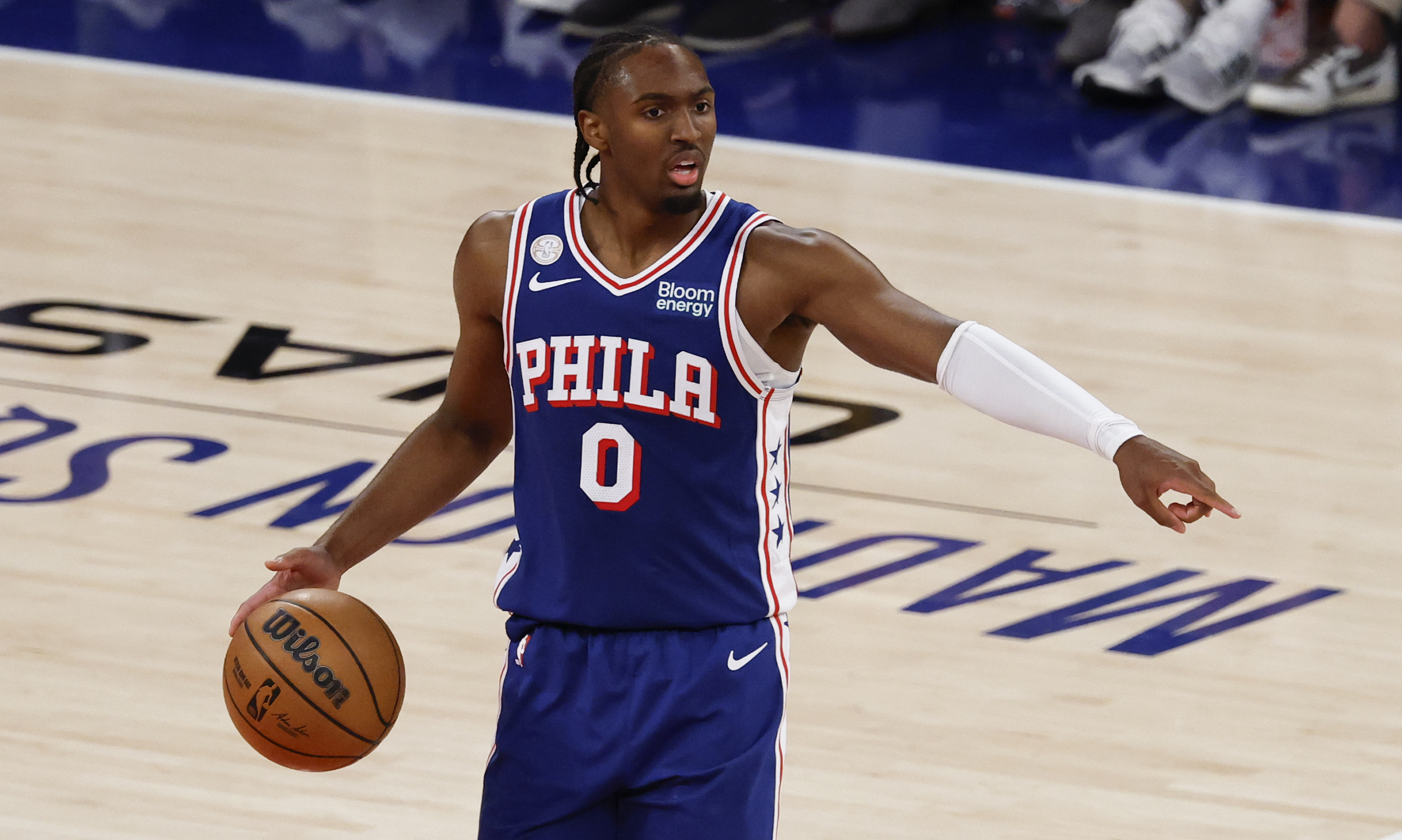
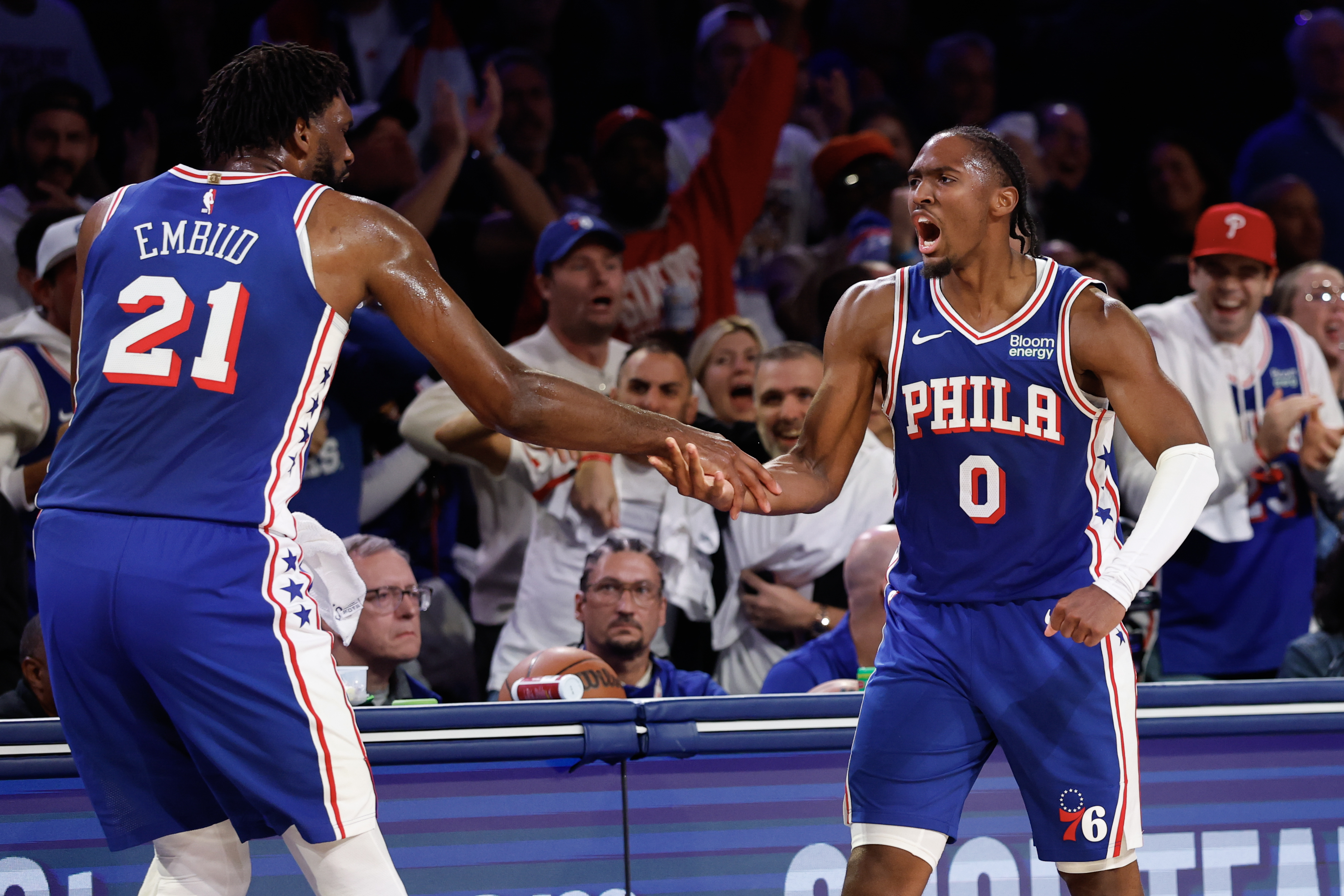
    Through the first two games of this new-look 76ers team, featuring multiple first-team All-NBA players, including arguably the greatest player of all time, Tyrese Maxey has been the most reliable star.

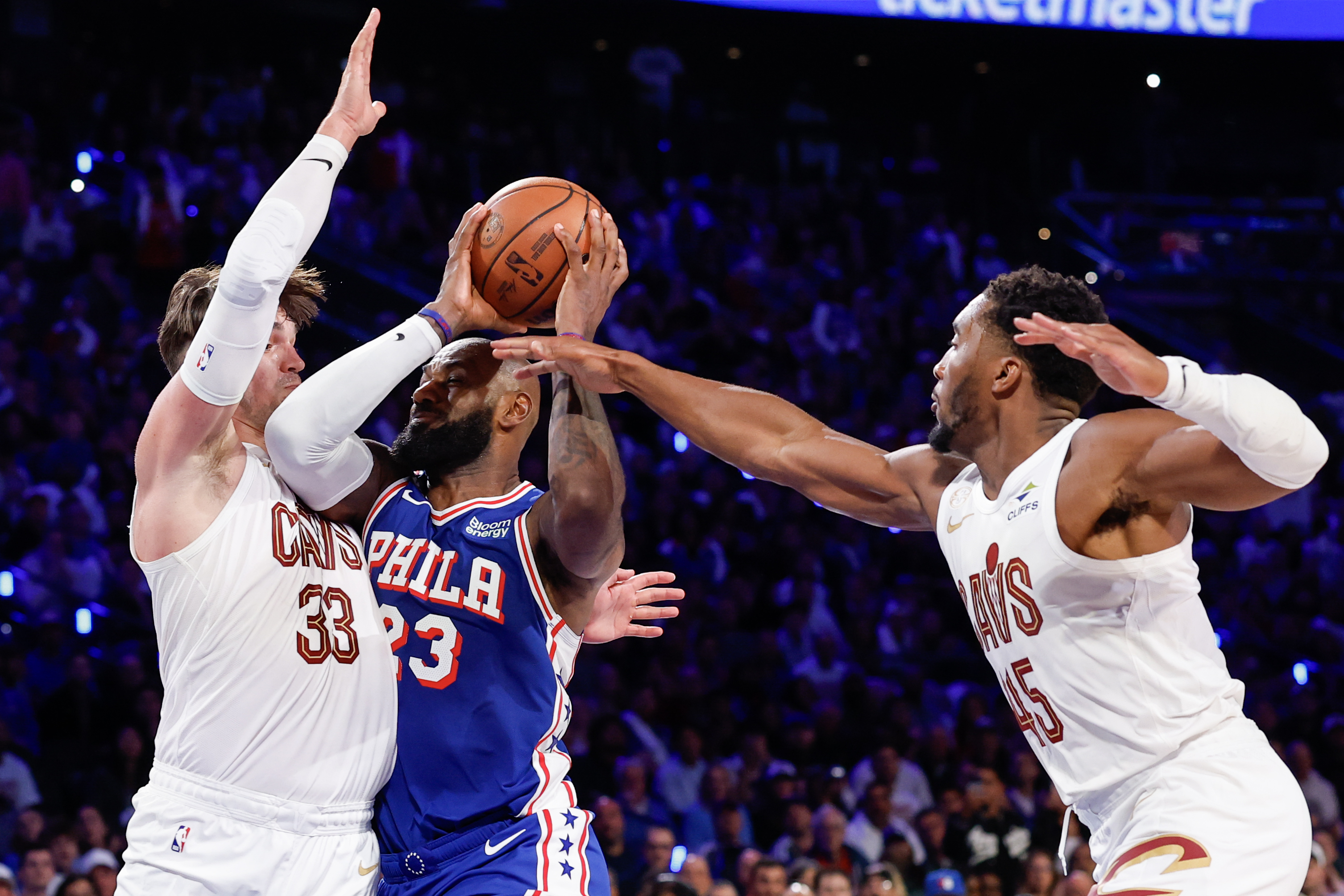
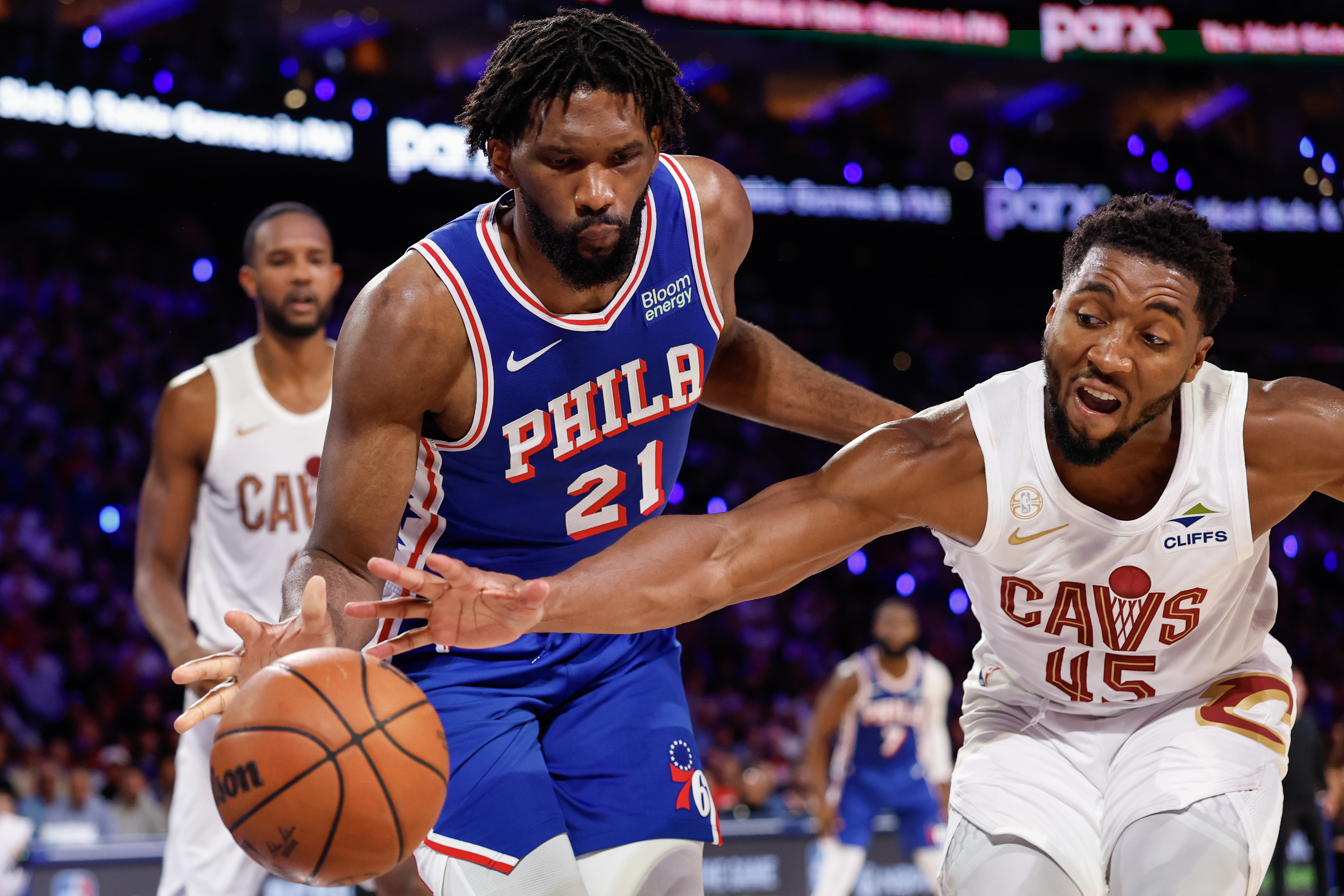
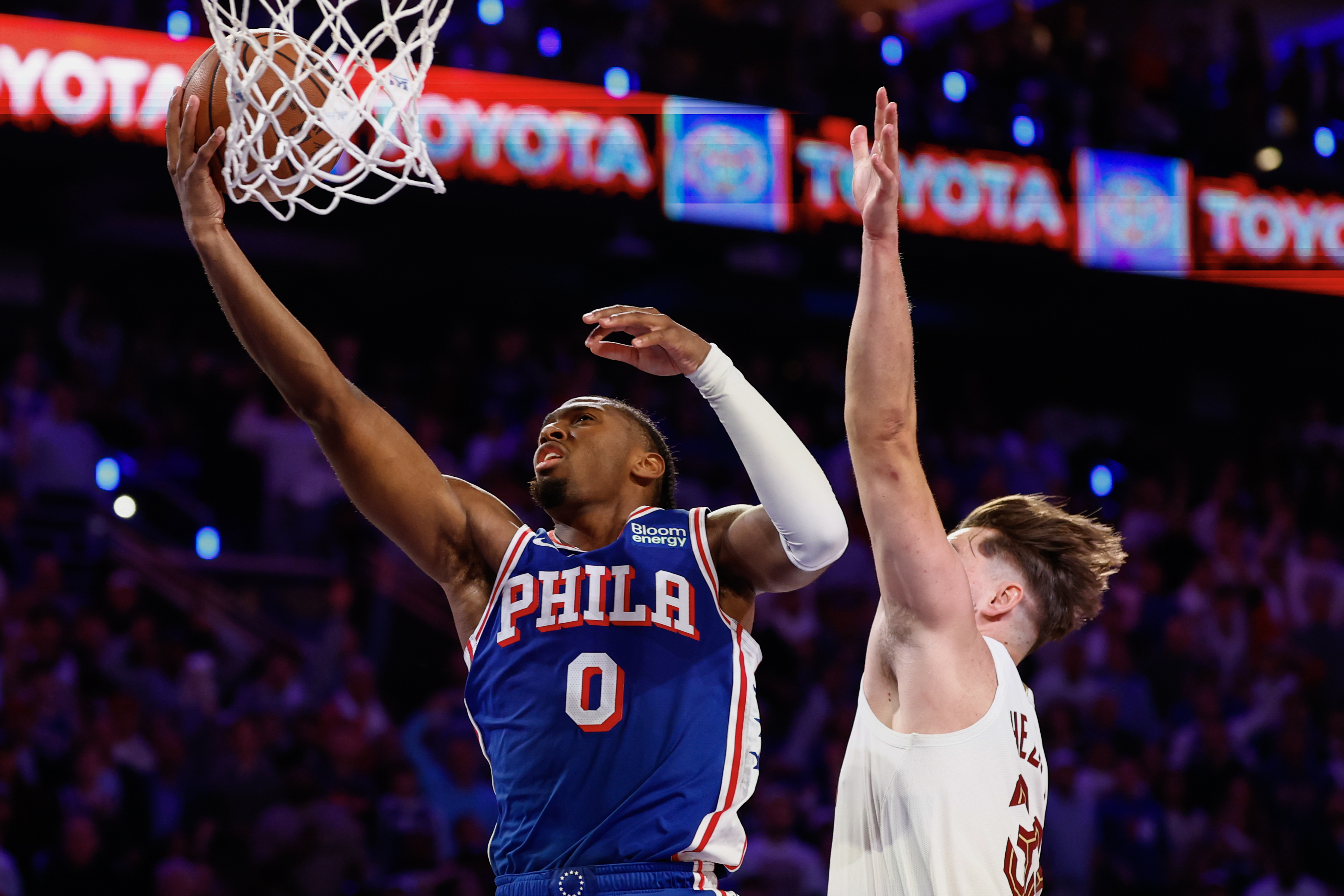
    Maxey scored 32 points on 12-for-23 shooting during Thursday’s 114-106 comeback win over Cleveland in the home opener. When the Sixers couldn’t buy a basket in the first half and fell behind by as many as 29 points, Maxey was the guy keeping them in it. At halftime, he was vocal in rallying the group to what became a massive third-quarter burst. The Sixers outscored the Cavaliers 37-21 in the period to get back into contention.

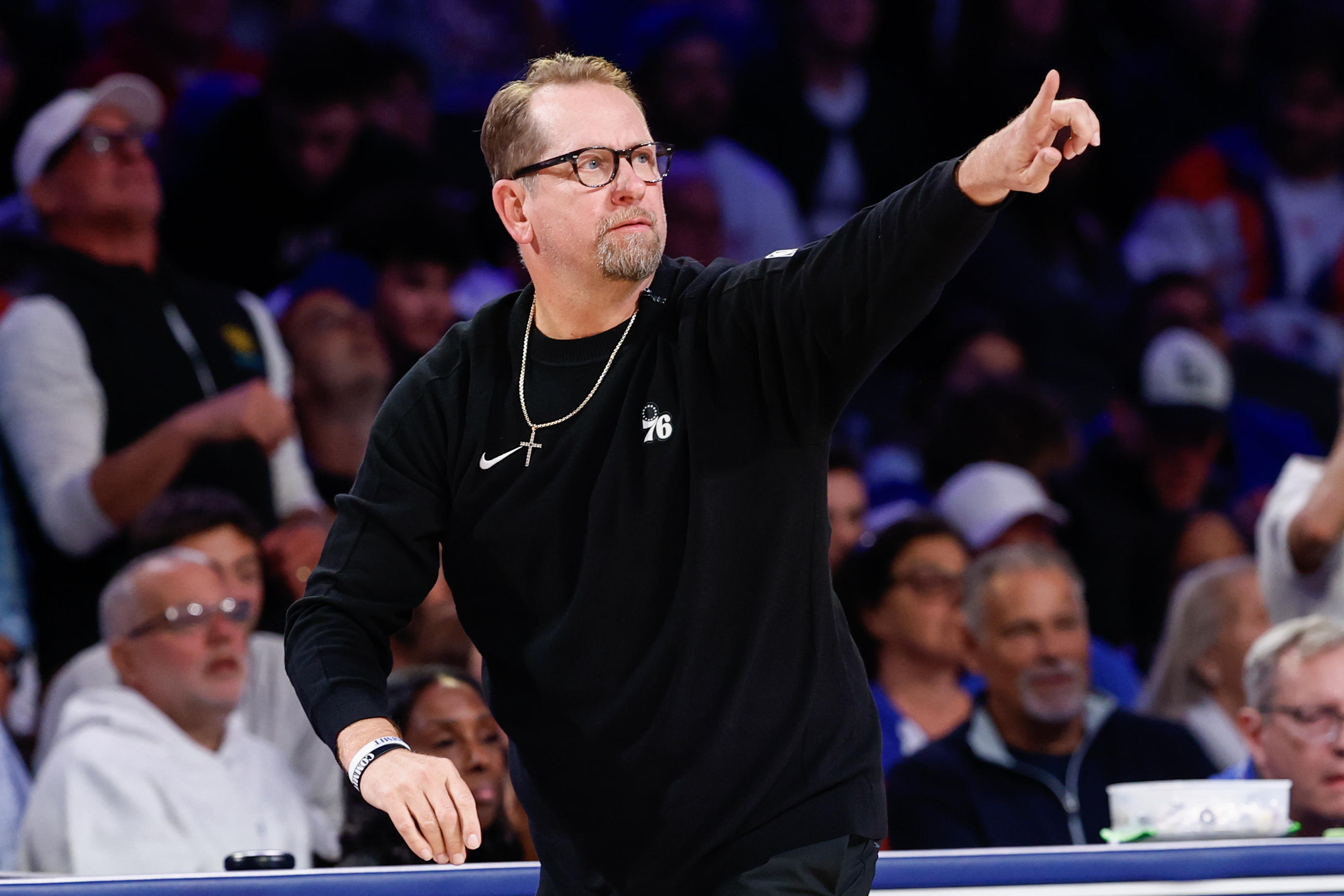
    “Coming in this year, he just seemed to take a level of confidence and maturity,” Nick Nurse said. “And without, you know Tyrese’s personality, without a hint of arrogance. It just feels like he feels so sure of what he can do, and that’s a big step.”

    Maxey joked postgame that fatherhood is what’s turned him into a more mature player. He’s also leveled up as a two-way player, Nurse said. Over the last two games, Maxey has shown off his ability to be an aggressive defender on-ball and on the perimeter.

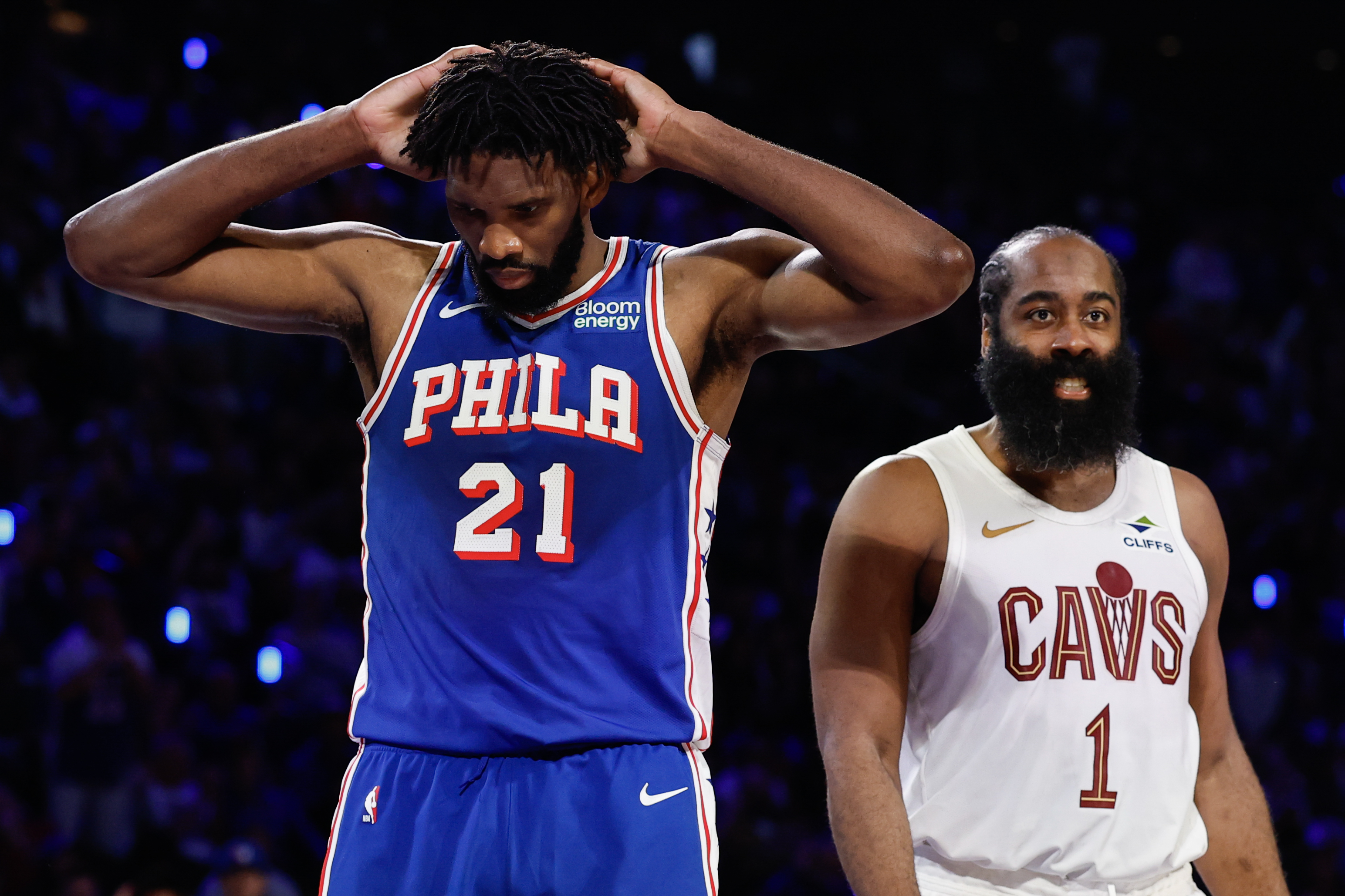
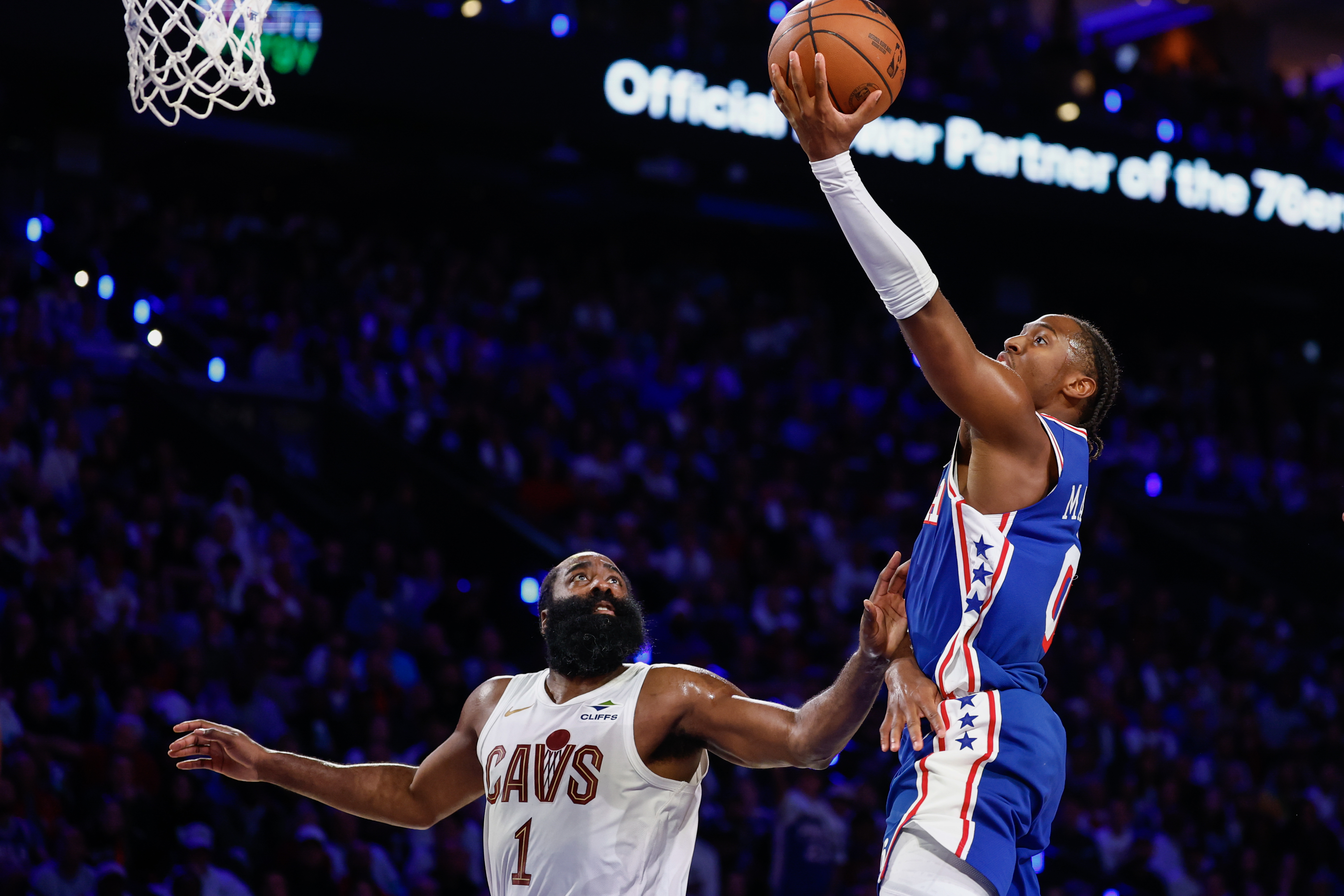
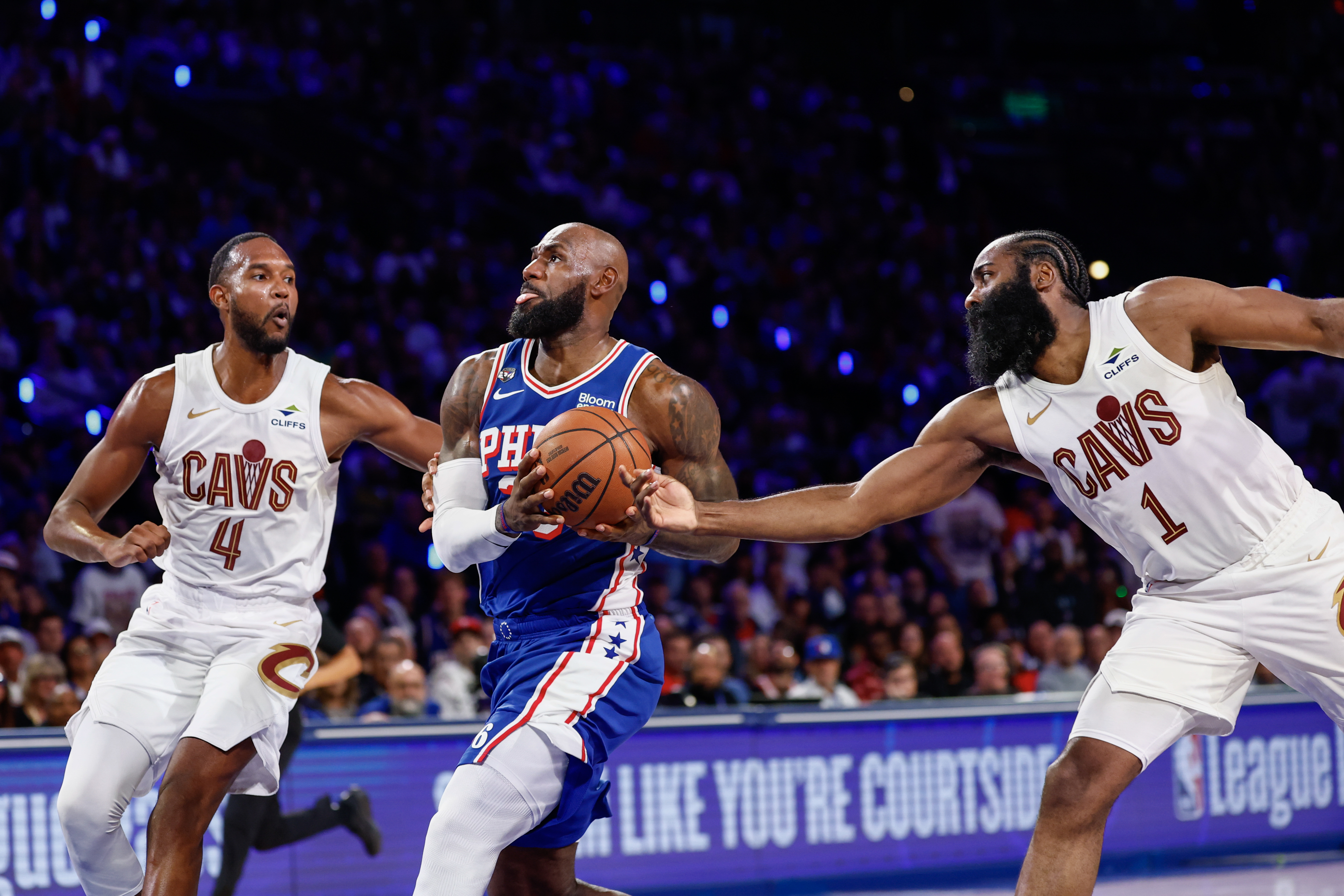
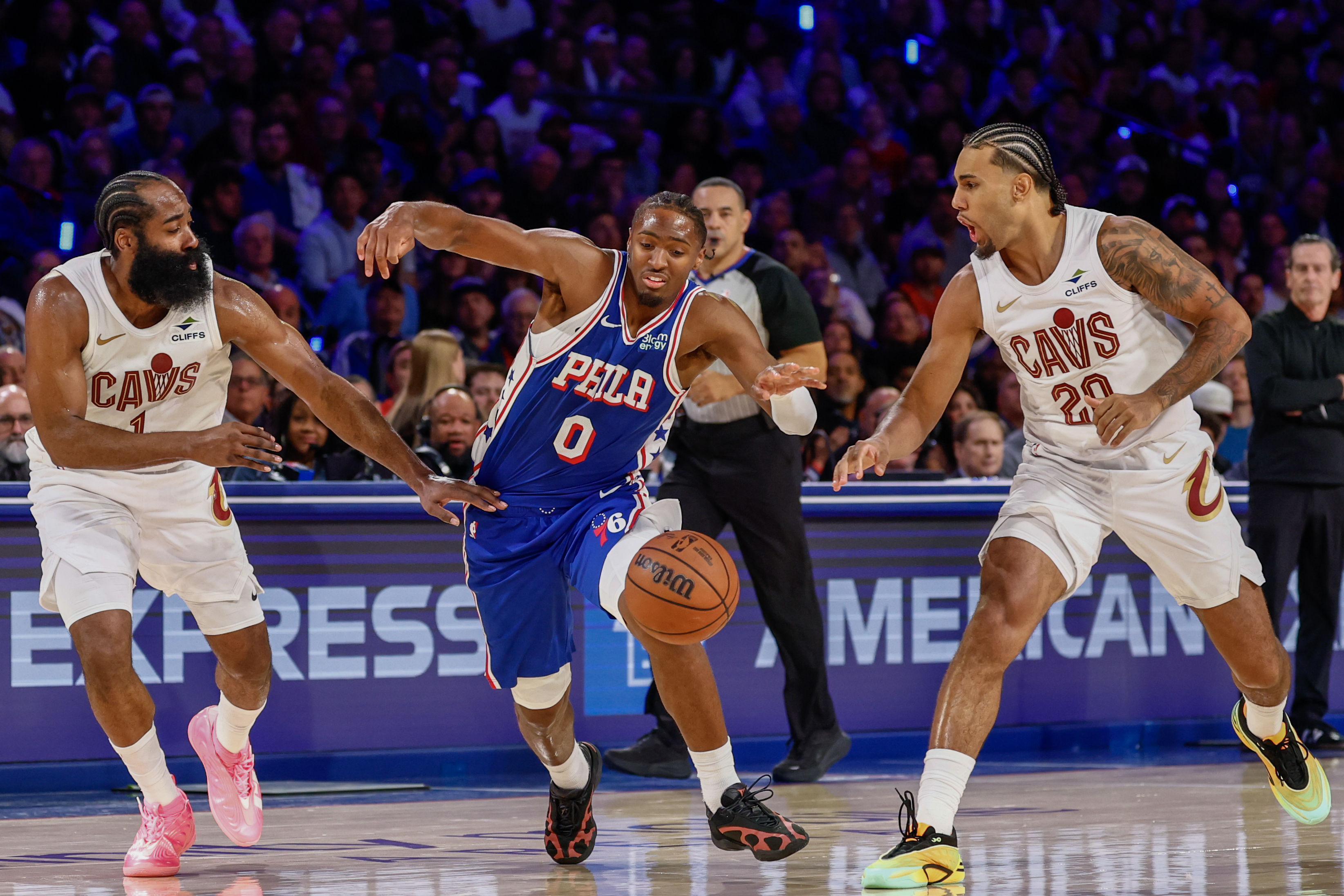
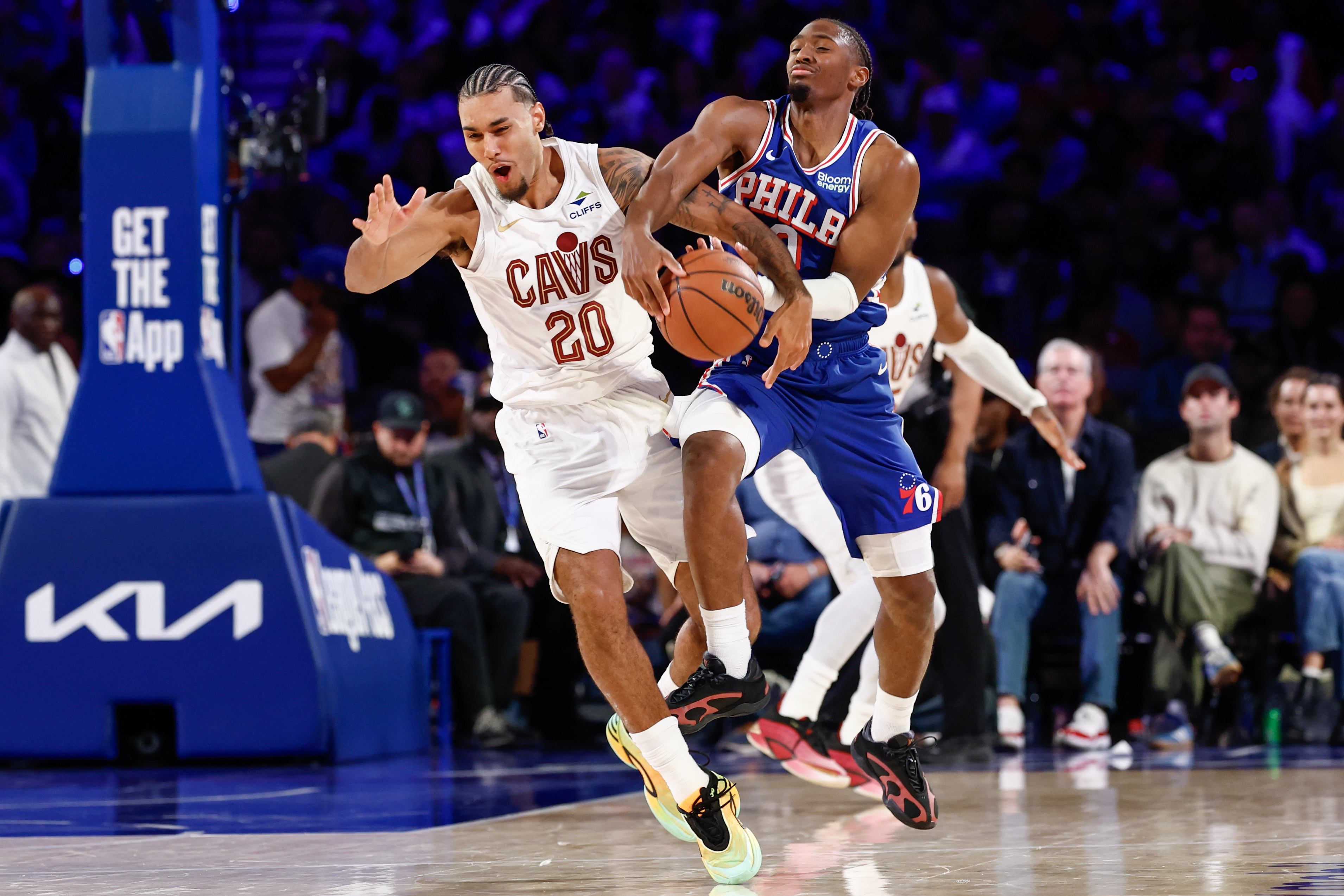
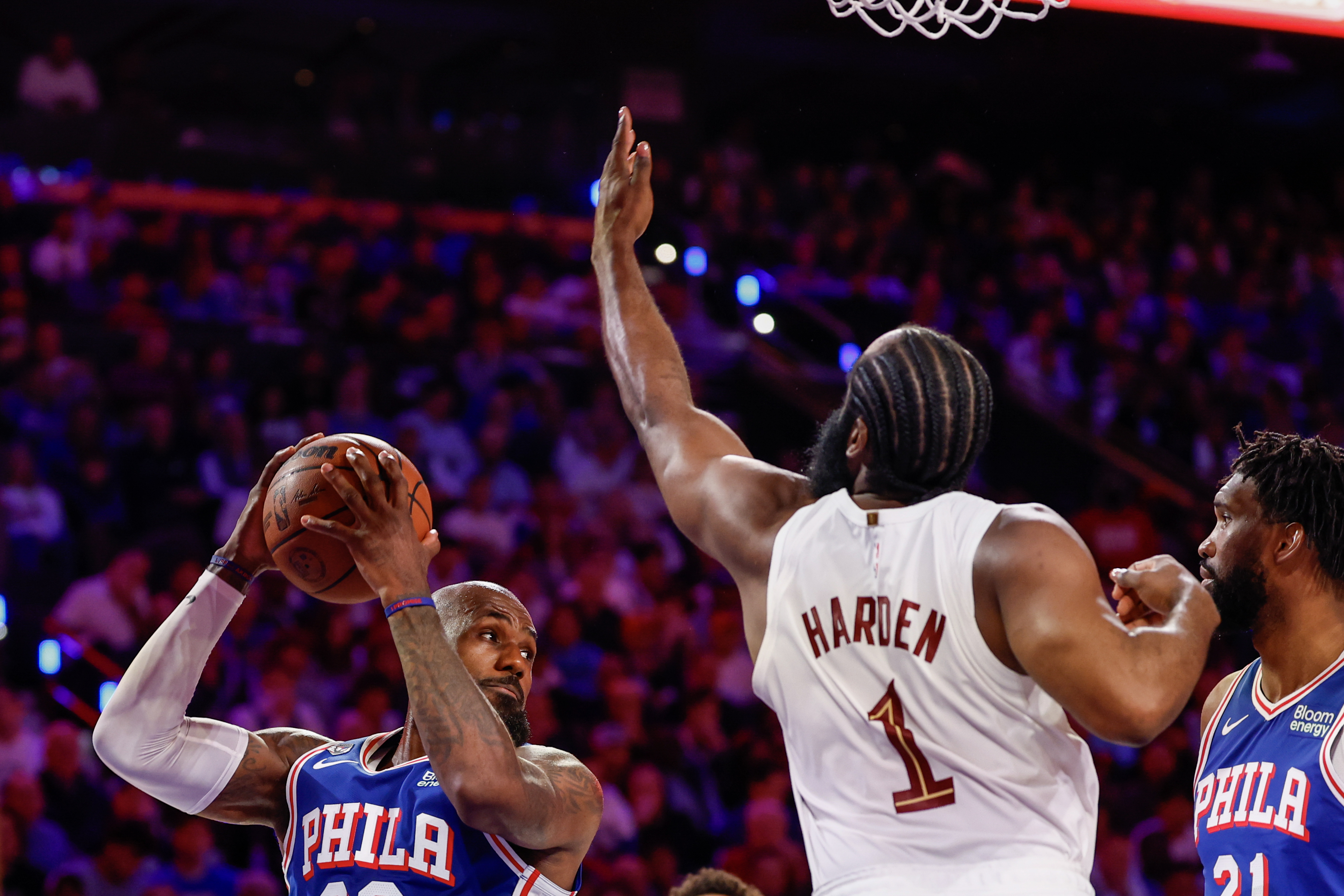
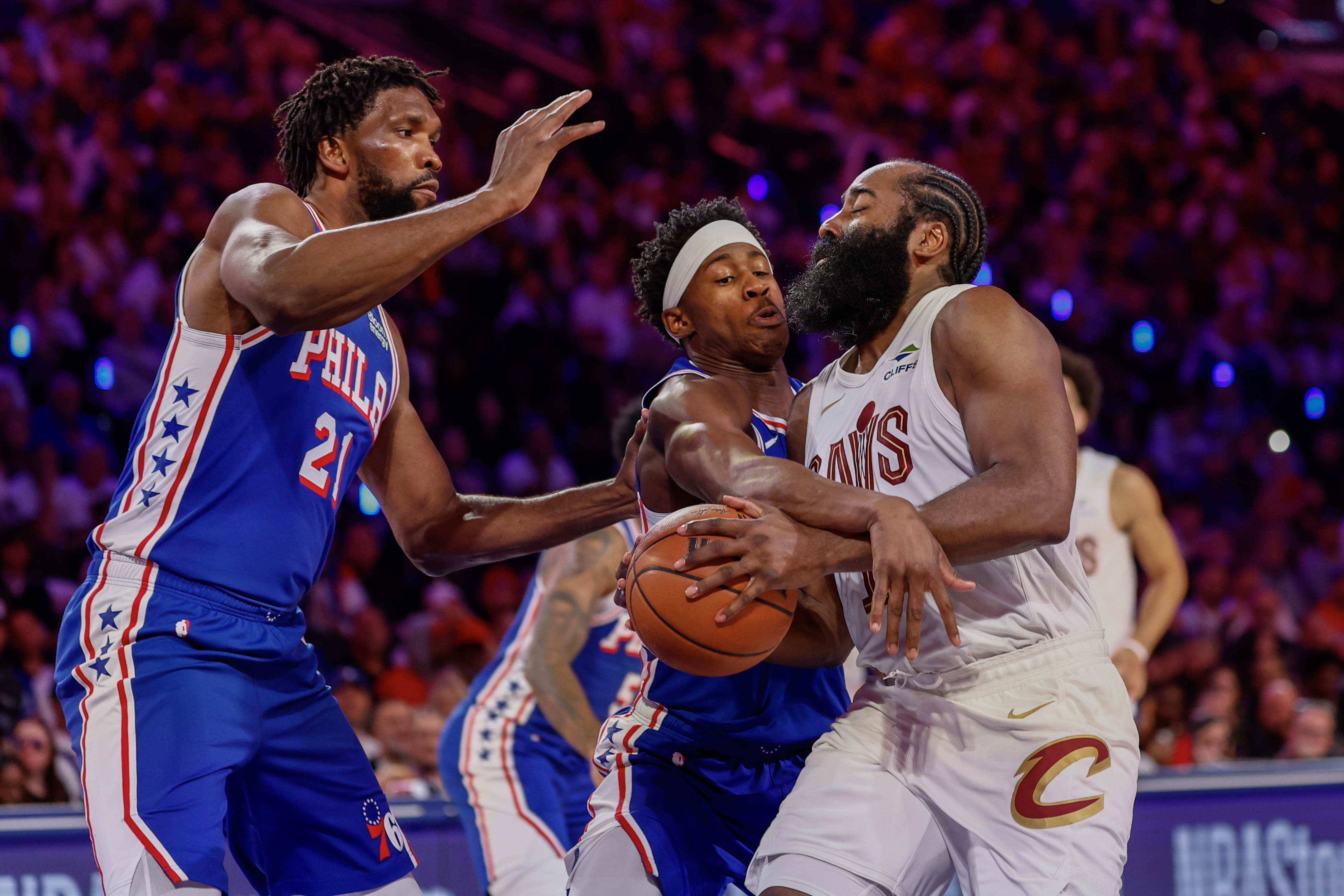
    Against the Cavs, Maxey took on the James Harden assignment in the second half, which helped grind Cleveland’s fast-paced offense to a halt, and set the stage for the massive comeback on the offensive end. He picked up full-court press to further disrupt Harden’s energy on offense and forced four turnovers.

    He and Harden even got into a bit of a shoving match near the end, as Harden tried to push him away and even grabbed onto his jersey. “I love him, he loves me,” Maxey joked postgame.

    Because of his smaller size relative to the other players in the Sixers’ starting lineup, he seems like an easier target for an opposing attacker.

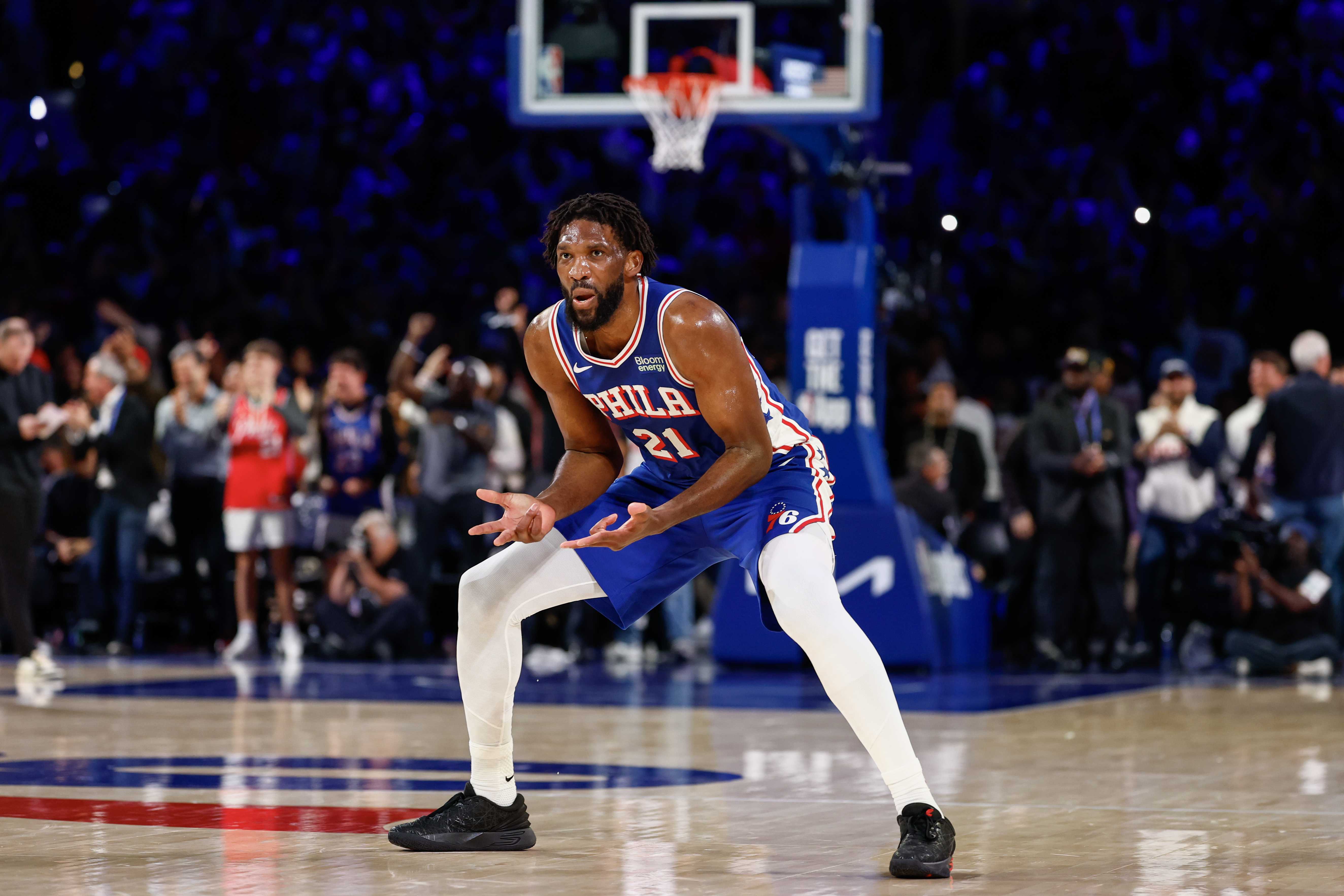
    “Tyrese is kind of like the small guy out there, and usually those guys get picked consistently, but to look at our team, like who are you going to pick on?” Joel Embiid said. “There’s nobody. He’s taken that leap, he’s taken that step, the job that he did today, picking up full court, credit to him. Every single year, it’s been like that. He’s gotten better.”

    Even with all the offensive talent on this Sixers team, Maxey is the one carrying the ball up the floor, with the ball in his hands at the point. He played a team-high 42 minutes, but only seemed to gain more energy as the game went on — which is maybe not all that surprising for the NBA’s minutes per game leader in 2025-26.

    Coming out of the half, the Sixers were in desperate need of someone to step up. Maxey delivered.

    “He totally changed the game, I think,” Nurse said. “He came out and it’s — he’s out there doing that, and the rest of the guys are in the back watching, and then all of a sudden, they start saying, ‘I’m in, I’ll be in on this too,’ and then all of a sudden you’ve got everybody. He provides not only the physical effort to start it, but a spark that got everybody kind of emotional.”

  • The Jaylen Brown analytics argument was misplaced. He powered a Sixers comeback and showed why.

    The Jaylen Brown analytics argument was misplaced. He powered a Sixers comeback and showed why.

    One problem with analytics, or the application of them, is that they treat things that cannot be quantified as things that do not exist. That’s not a criticism of the science. More so, it’s a criticism of the manner in which the science is frequently applied. Any time there is gap between a player’s perceived performance and analytical measures of that performance, we tend to treat the gap itself as evidence of absence rather than what it actually is: An absence of evidence.

    That assumption is often the correct one. But there are cases where the gap is less a measure of what a player is missing, and more so a measure of what the analytics are missing. It is here where Jaylen Brown abides.

    At some point during the Sixers’ furious rally from a 29-point deficit in their home opener Thursday night, Tyrese Maxey turned to Brown and told him to get ready to do his thing. Maxey, the seasoned yet still upwardly mobile guard who is quickly establishing himself the star of stars, had tasked himself with the priority of slowing down Cavaliers veteran and former teammate James Harden, who’d spent much of the first half orchestrating a devastating middle pick-and-roll game. Maxey was going to spend his energy pressing Harden on the defensive end, be it at half court, three-quarter court, or even full court.

    “I told him, ‘Look, I’m going to guard James, but third, fourth quarter, I’m going to need you to score the ball,’” Maxey said.

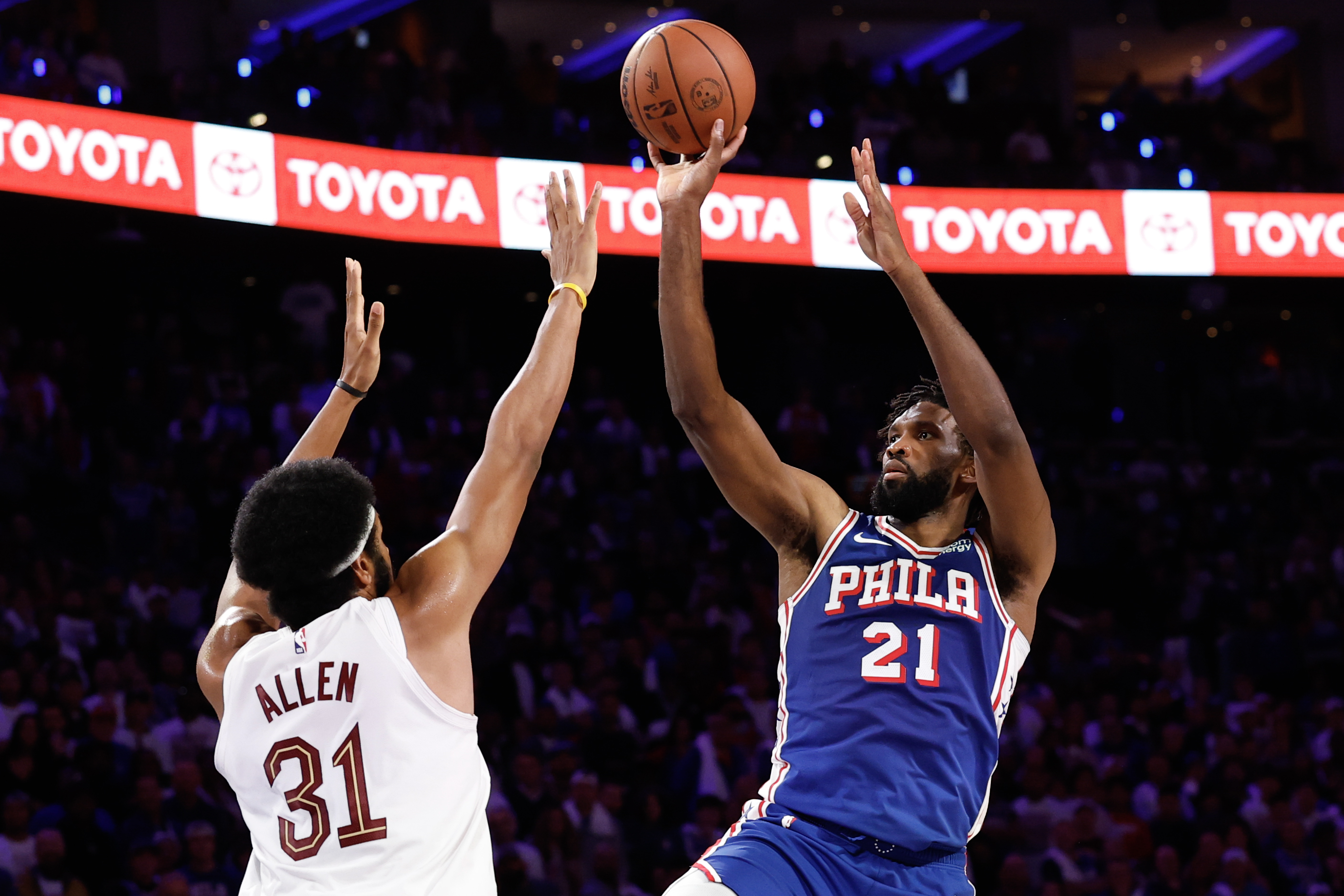
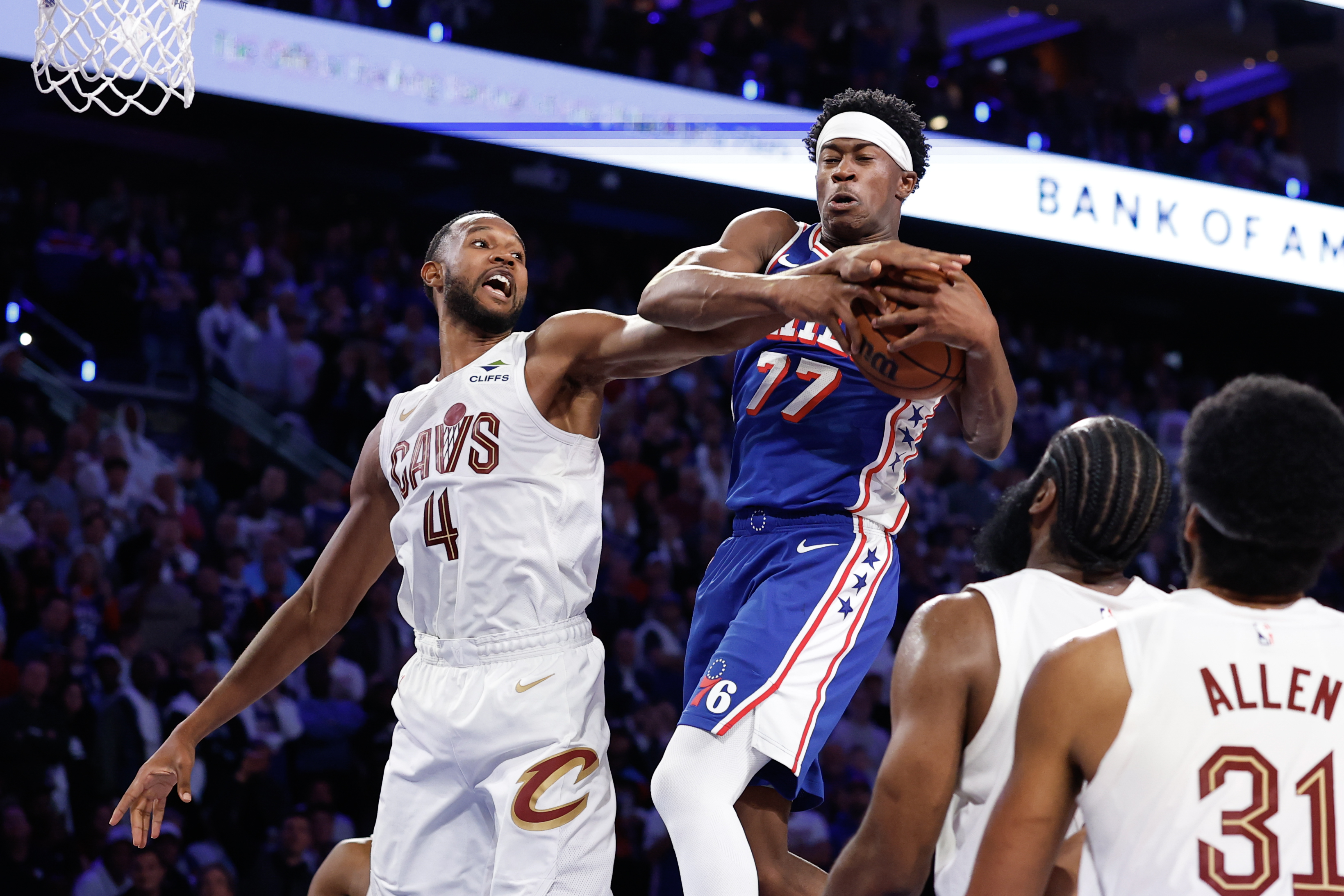
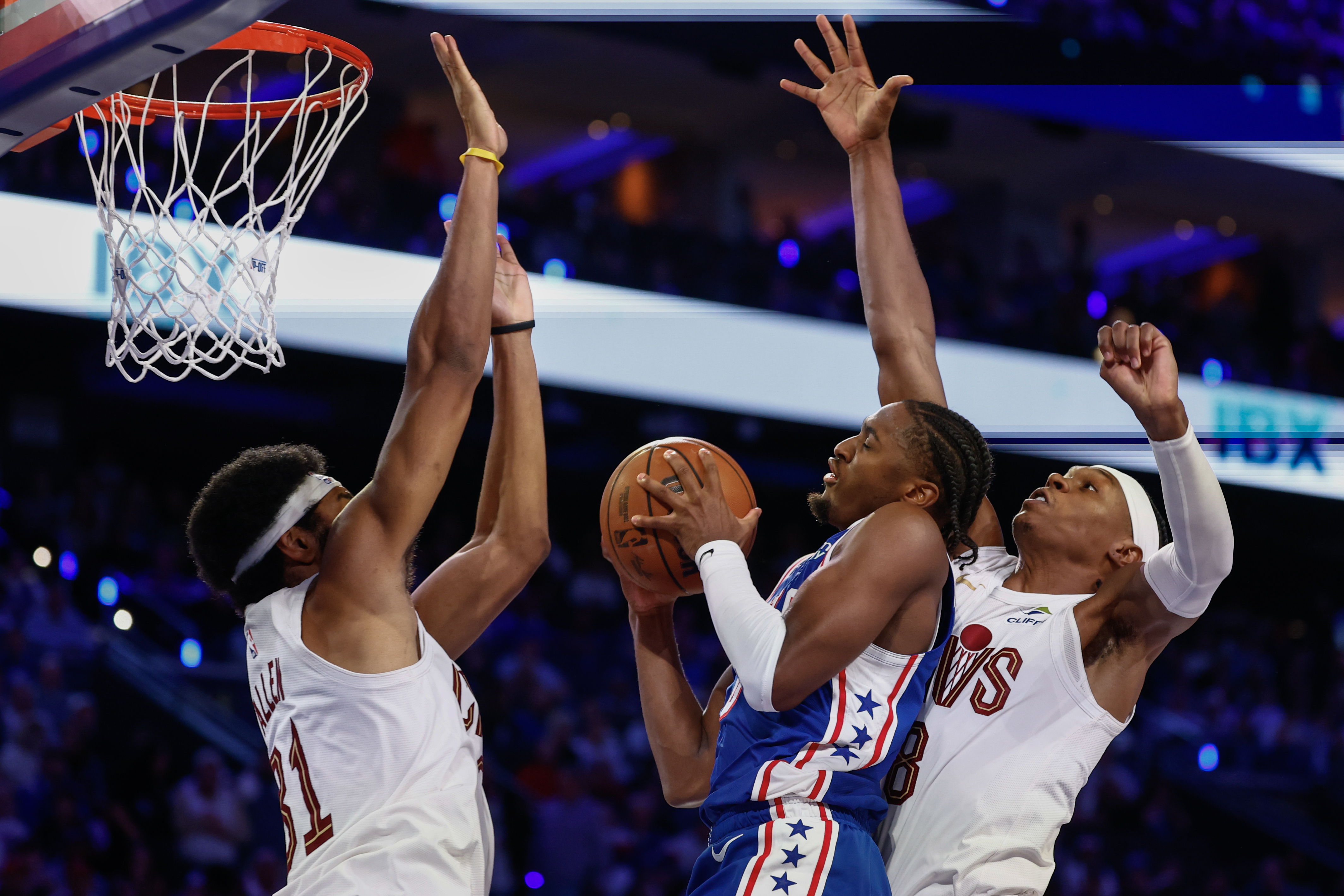
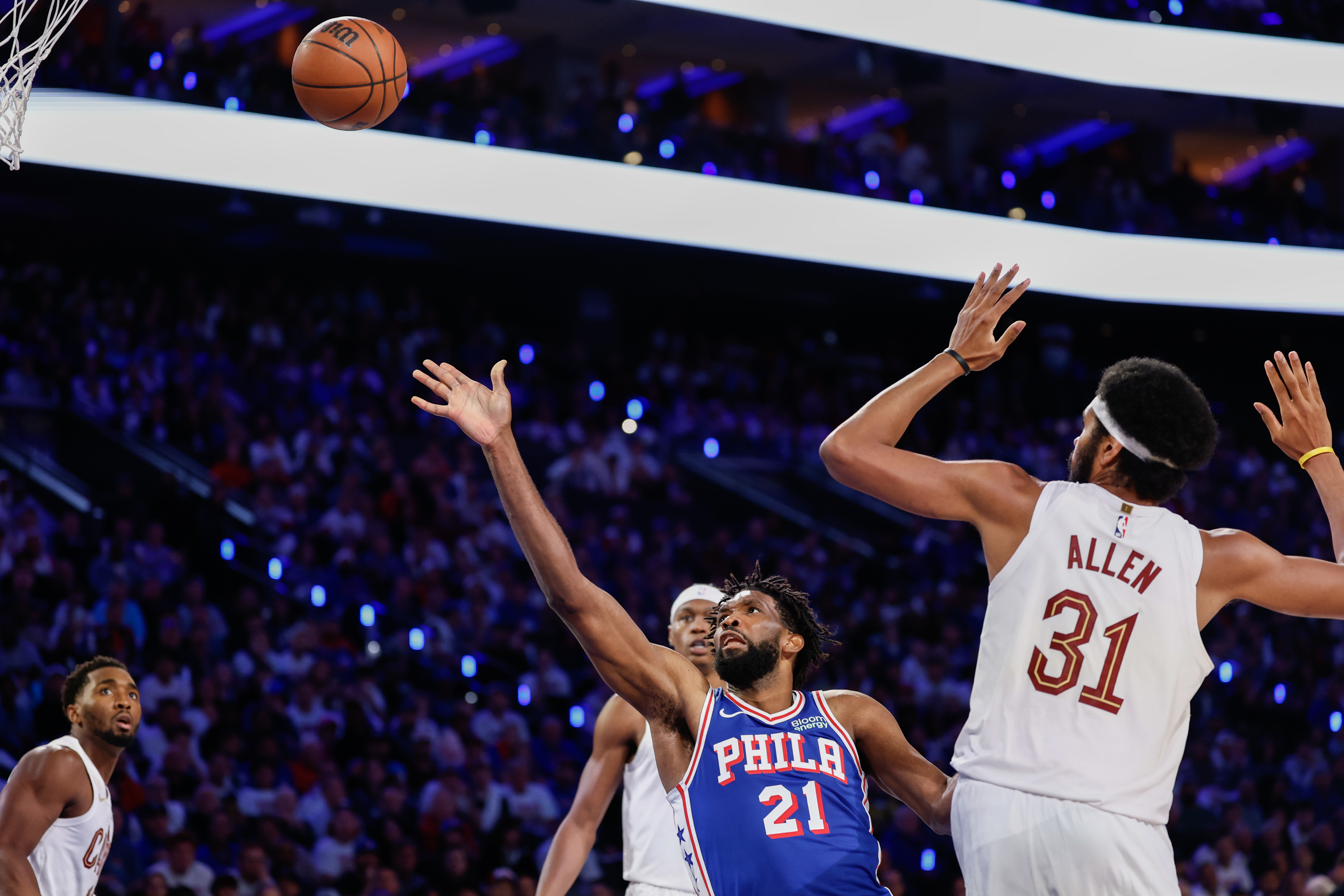
    Brown himself had his hands full. Against a Cavaliers team with an oversized back court and a versatile pair of bigs in Jarrett Allen and Evan Mobley, the Sixers were leaning heavily on the 6-foot-6, 223-pound Brown to play sideline-to-sideline and baseline to three-point line in the manner befitting his linebacker proportions. A 29-point deficit does not allow much room for gimme possessions. Every shot must be contested, every potential rebounder boxed out, every loose ball chased down and corralled. Brown’s physicality and versatility make him a lynchpin in such endeavors. They do not allow for strategic breathers.

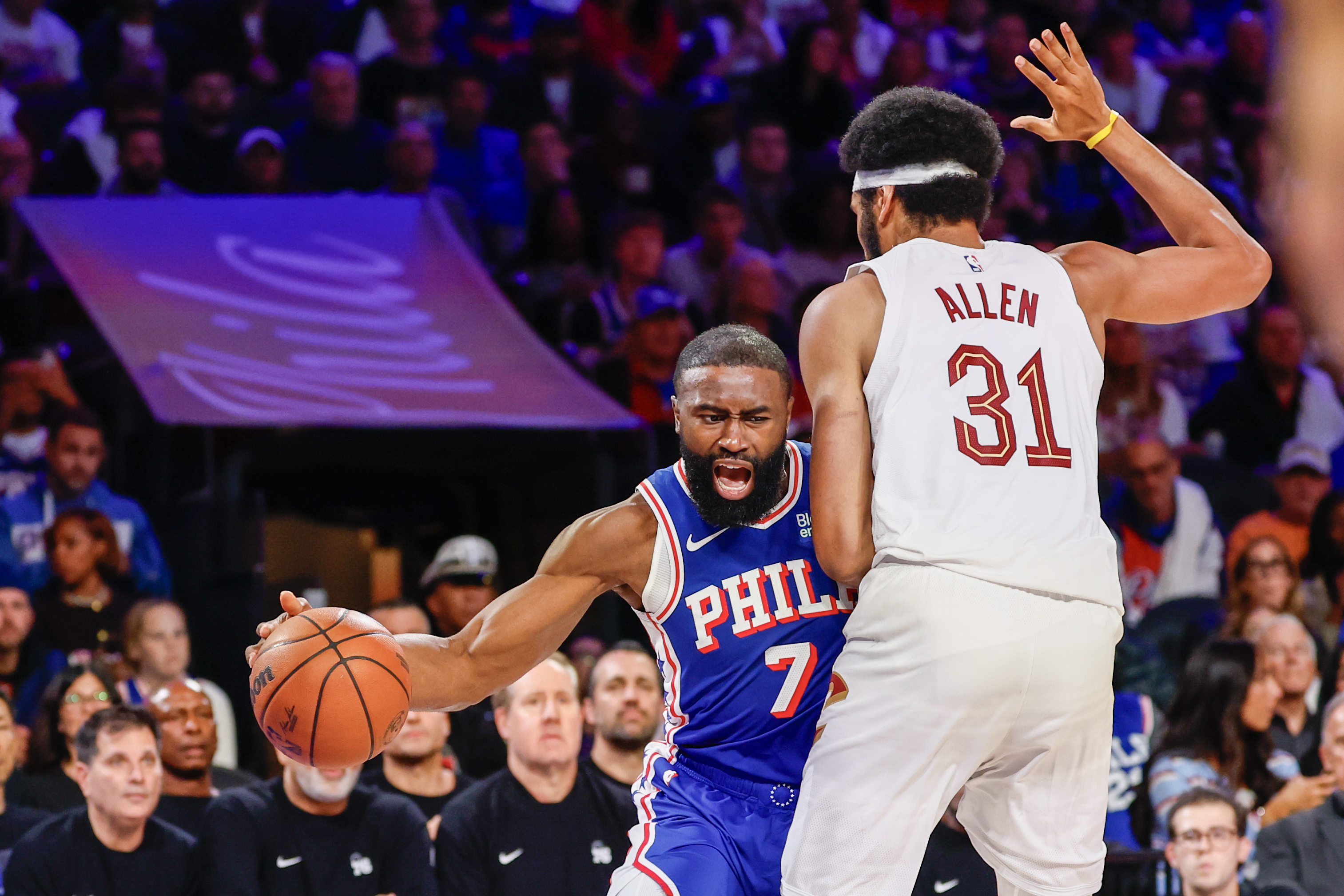
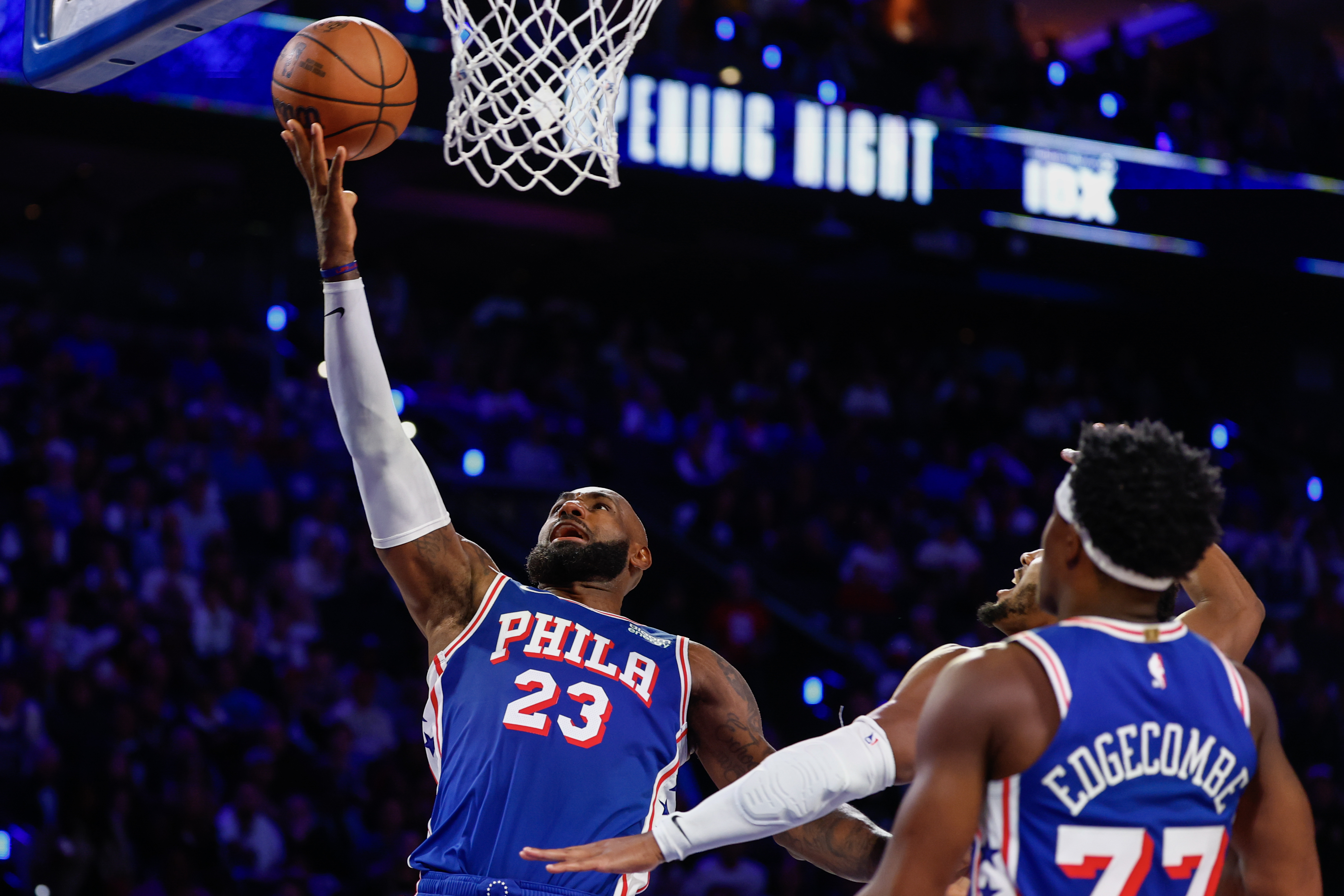
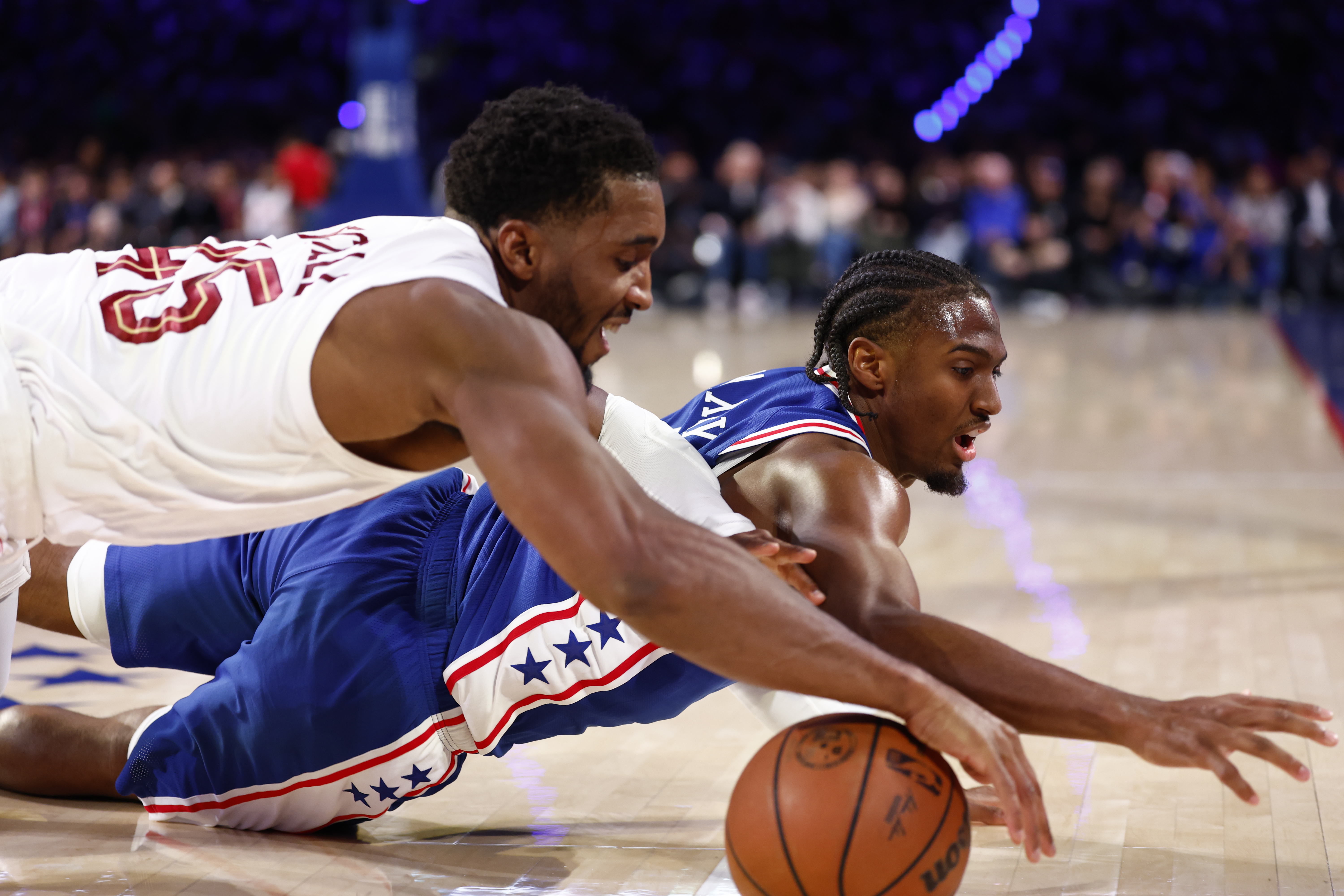
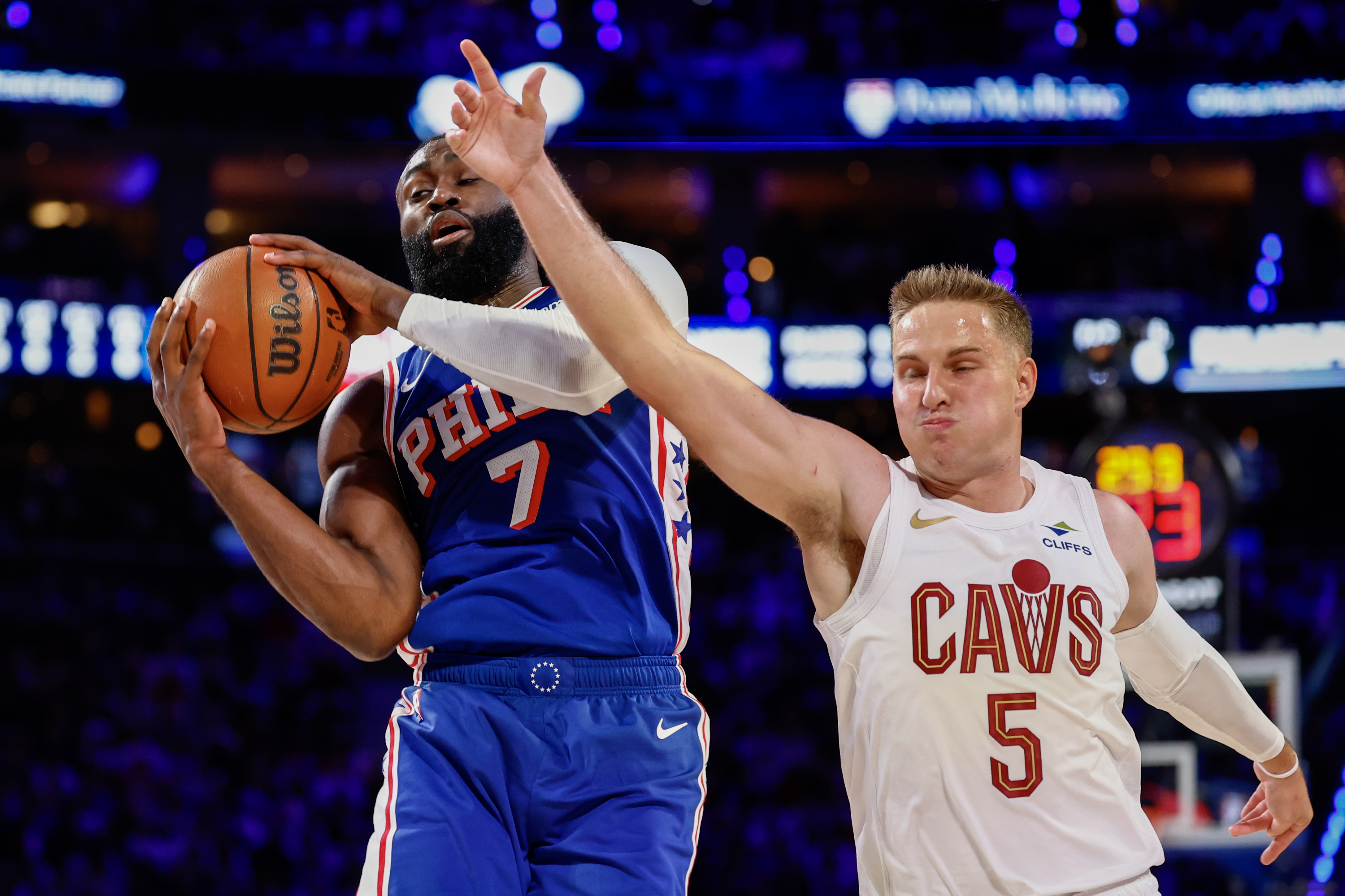
    Brown has made those off-ball tasks his baseline in his first two games as a Sixer. If he did not have the name, and the max contract, and the NBA Finals MVP; if he had not scored 19 points in the Sixers’ season-opening win over the Knicks and then followed it up with 21 in Thursday’s 114-106 win over the Cavs, we would be talking about him as the kind of player who is undervalued. We would be talking about all of the little things that Brown did that made the Sixers look like a team that plays the kind of basketball that winners play. We would be talking about the way he tied up Allen for a jump ball on one second-half possession, and about the loose ball he saved by leaping across the baseline on another, and about his steal off of Jaylon Tyson. We would be talking about how every winning team has a player like Jaylen Brown.

    Except, Brown also happens to be the kind of player that Maxey can turn to when the dial on the heat is turned all the way to the right. He is a player who can get to the bucket, through all kinds of traffic, as defenders and teammates are wearing down.

    “His stamina, his strength, his mentality, it’s great for our ballclub,” LeBron James said. “It sets a tone.”

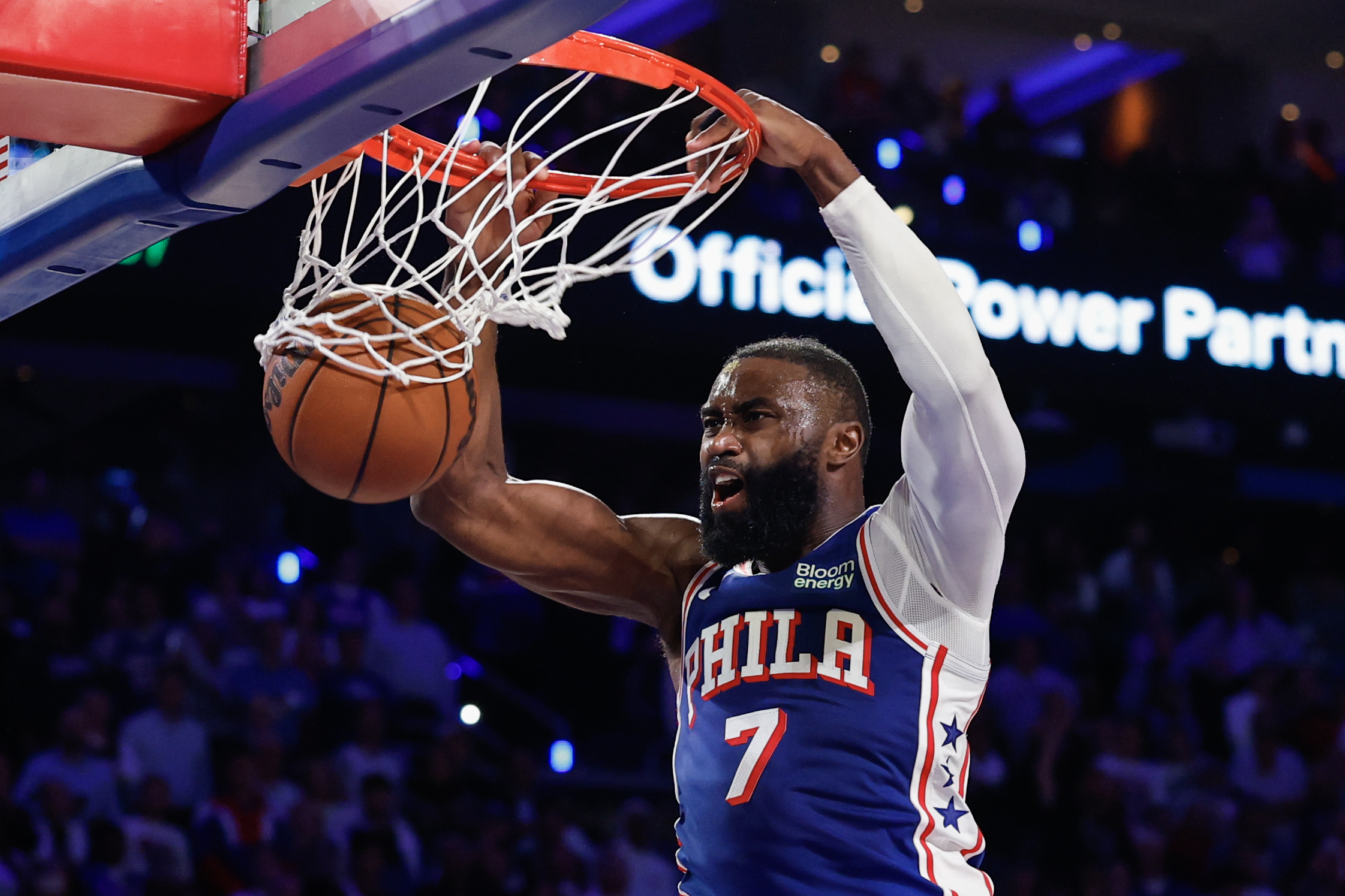
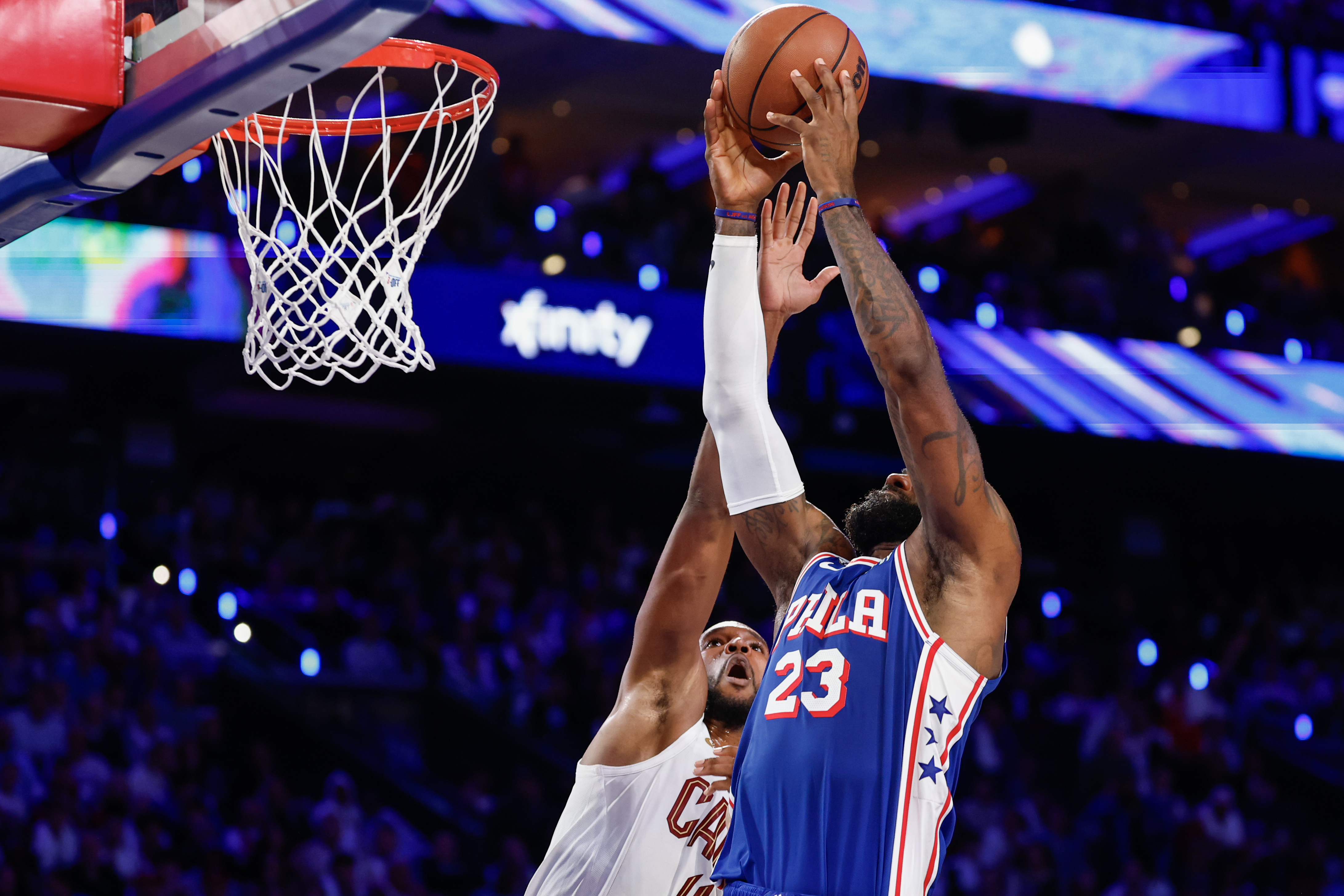
    Brown did what he was asked on Thursday night. After a rough first half where he shot 2-for-8 from the field and turned the ball over three times, the final two quarters revealed Brown as the real bully. With 6 minutes, 8 seconds left in the fourth, after his baseline save of a loose ball on the other end of the court, Brown hit a 20-footer to put the Sixers up 98-95. The next time down the court, he made a driving layup. The next time down the court, he hit a 10-foot pullup to put the Sixers up 102-95. All of this came with Joel Embiid on the bench.

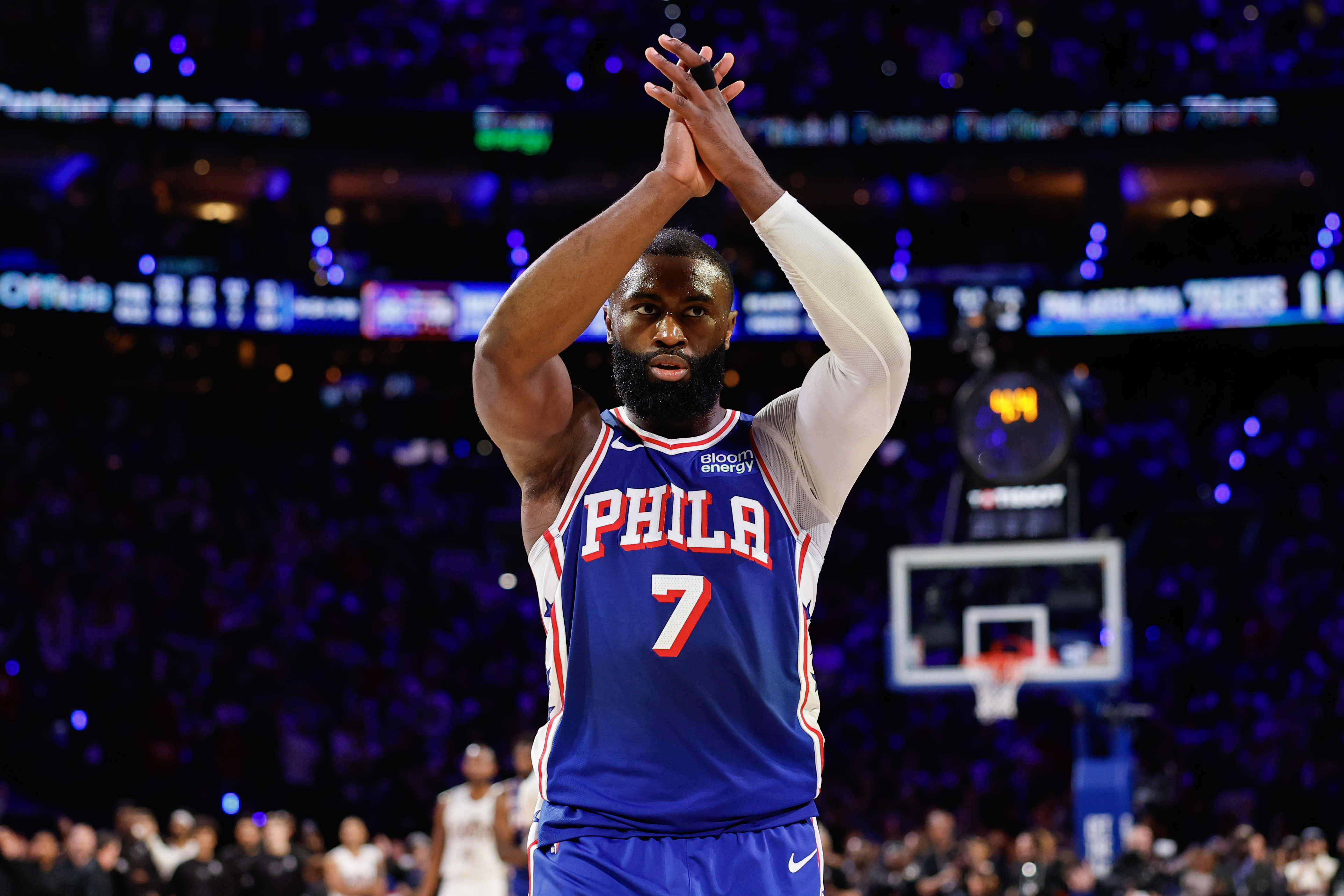
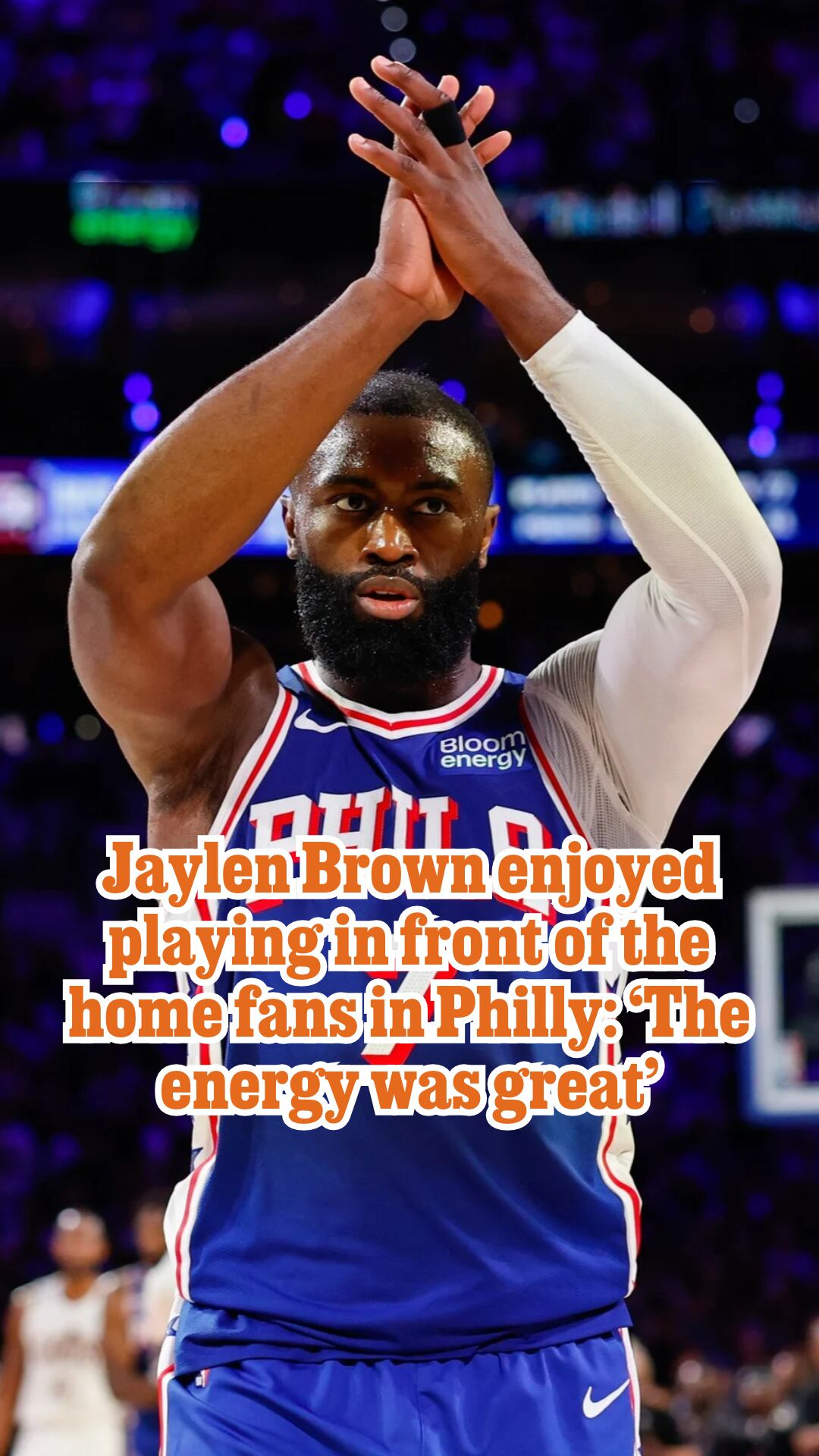
    Jaylen Brown enjoyed playing in front of the home fans in Philly: 'The energy was great'
    Video: Jaylen Brown enjoyed playing in front of the home fans in Philly: ‘The energy was great’

    “Physically, making those plays, we desperately need that,” Sixers coach Nick Nurse said. “Just get the ball, use your physicality to get to your spot and score. Crashing into some people. Rebounds at the other end, coming away with the ball — we need the physicality. He’s a very physical player.”

    That’s the kind of stuff that the analytics don’t capture. It’s why the debate raged all summer about Brown’s true place in the NBA’s hierarchy. Again, not a knock on analytics. They say what they say. Facts and figures are useful. But they fail to capture the totality of certain players more than others. Grind is a difficult thing to quantify. But it is an immensely valuable thing. It is the kind of thing that can force multiply a player who is “only” very good into one who is actually pretty great.

    The Sixers would not be where they are if Brown was not who he was in the fourth quarter on Thursday. The rally would have met the fate of so many like it: too little, too late, the gas tank on E well before the finish line. He is a close combat player. It may not be pretty in the classical sense. It may not be as efficient as the algorithms prefer. But it is a game that has an impact even beyond the actual points. It is a game that inflicts something on an opponent.

    “It brings just a different dynamic for our team, both offensively and defensively,” Maxey said. “It’s easy for him. That’s what he does.”

    What Brown does, what he has done through two games, is exactly what the Sixers have needed.

  • The Sixers wanted to prove they weren’t ‘front-runners.’ They passed the first test in their home opener.

    The Sixers wanted to prove they weren’t ‘front-runners.’ They passed the first test in their home opener.

    The honeymoon phase of the LeBron James era with the Sixers lasted only 24 minutes into the second game of the regular season.

    The Sixers were down 29 points in the first half to the Cleveland Cavaliers and 24 by halftime, and were playing so poorly that the crowd at Xfinity Mobile Arena, which was beside itself for pregame introductions, was already booing in the second quarter of the Sixers’ eventual 114-106 victory.

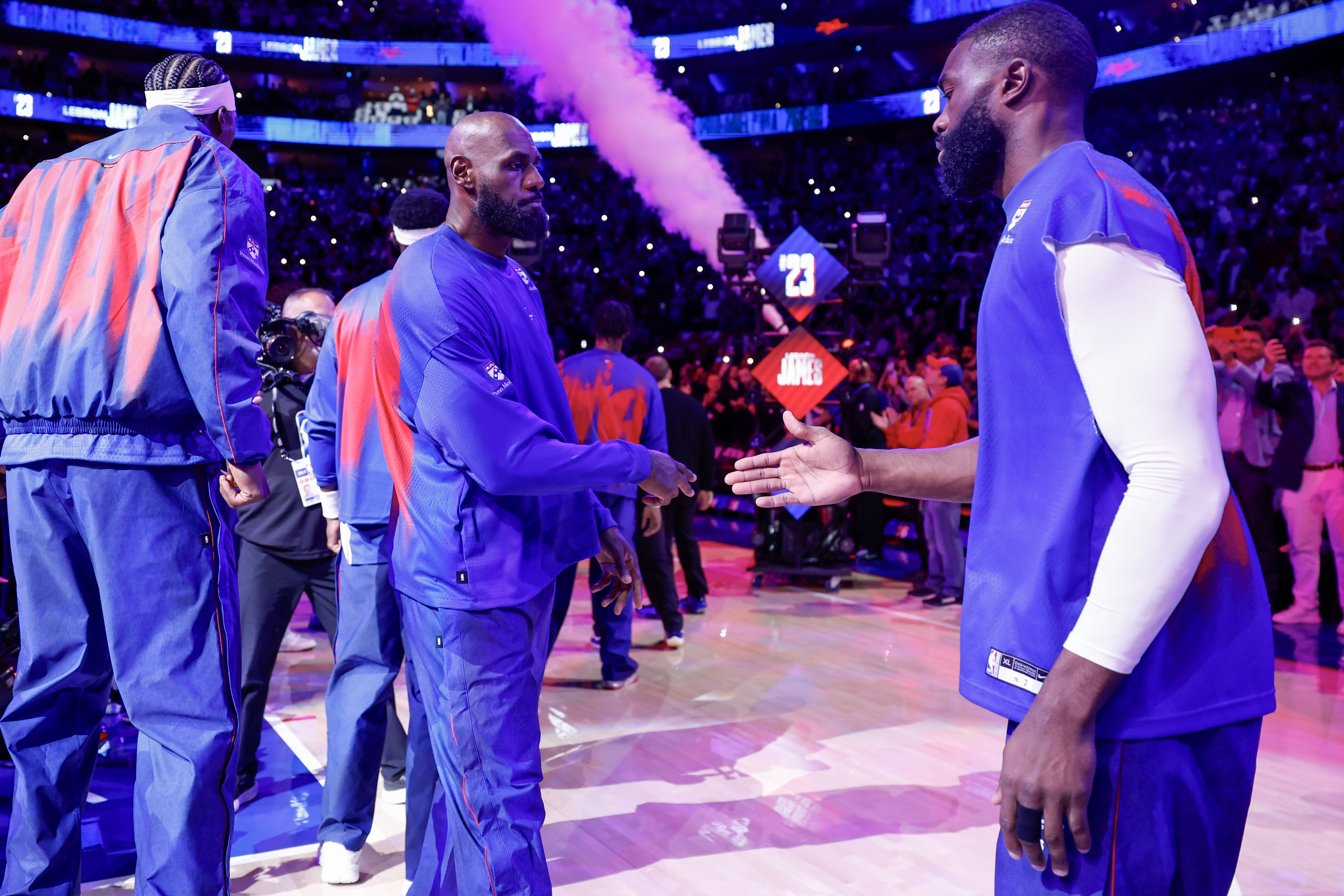
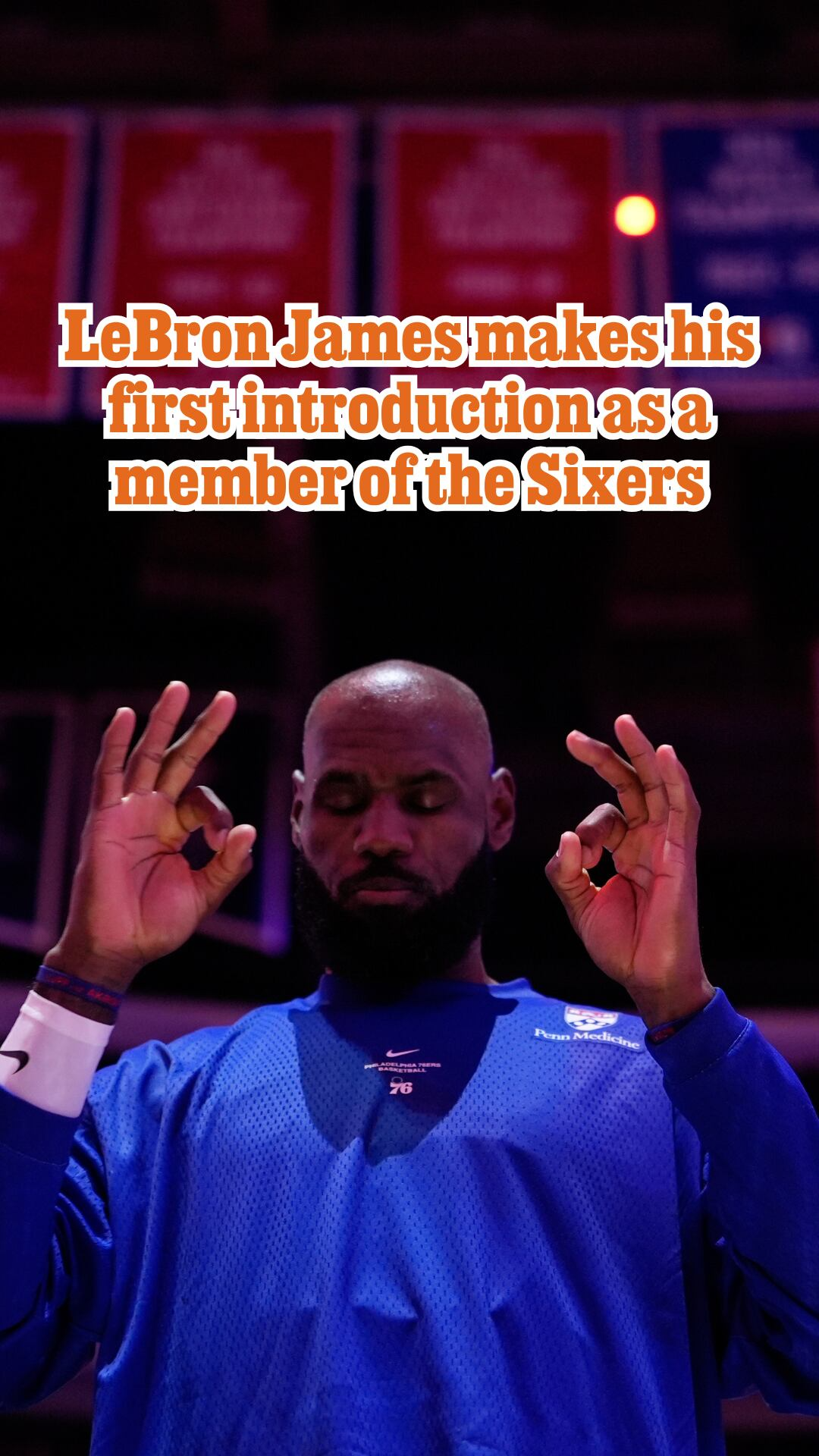
    LeBron James makes his first introduction as a member of the Sixers
    Video: LeBron James makes his first introduction as a member of the Sixers

    The team retreated to the locker room for halftime and Tyrese Maxey said he spoke up in what Nick Nurse called a “pissed” locker room. He didn’t say much, but he got his point across. Already, in the first week of the season, was a moment that was trying the resolve of these newly-formed Sixers.

    “My only message that I had, I said, it’s time to see what we’re made of. Are we going to be some front-runners and digging in and only be happy when stuff is good?” Maxey said. “Or when stuff is bad, are we going to fight and be resilient?”

    LeBron James and VJ Edgecombe said that was the overarching theme of the break, and when the Sixers came out of the locker room, they erased most of that deficit in the starters’ first shift of the third quarter and proved they could back up their words.

    “Well, let’s see what we’re made of at this point in the season,” James said of the locker room mood. “I don’t think we got a locker room full of lay-down guys. And there’s a lot of game to be played. So we answered the call.”

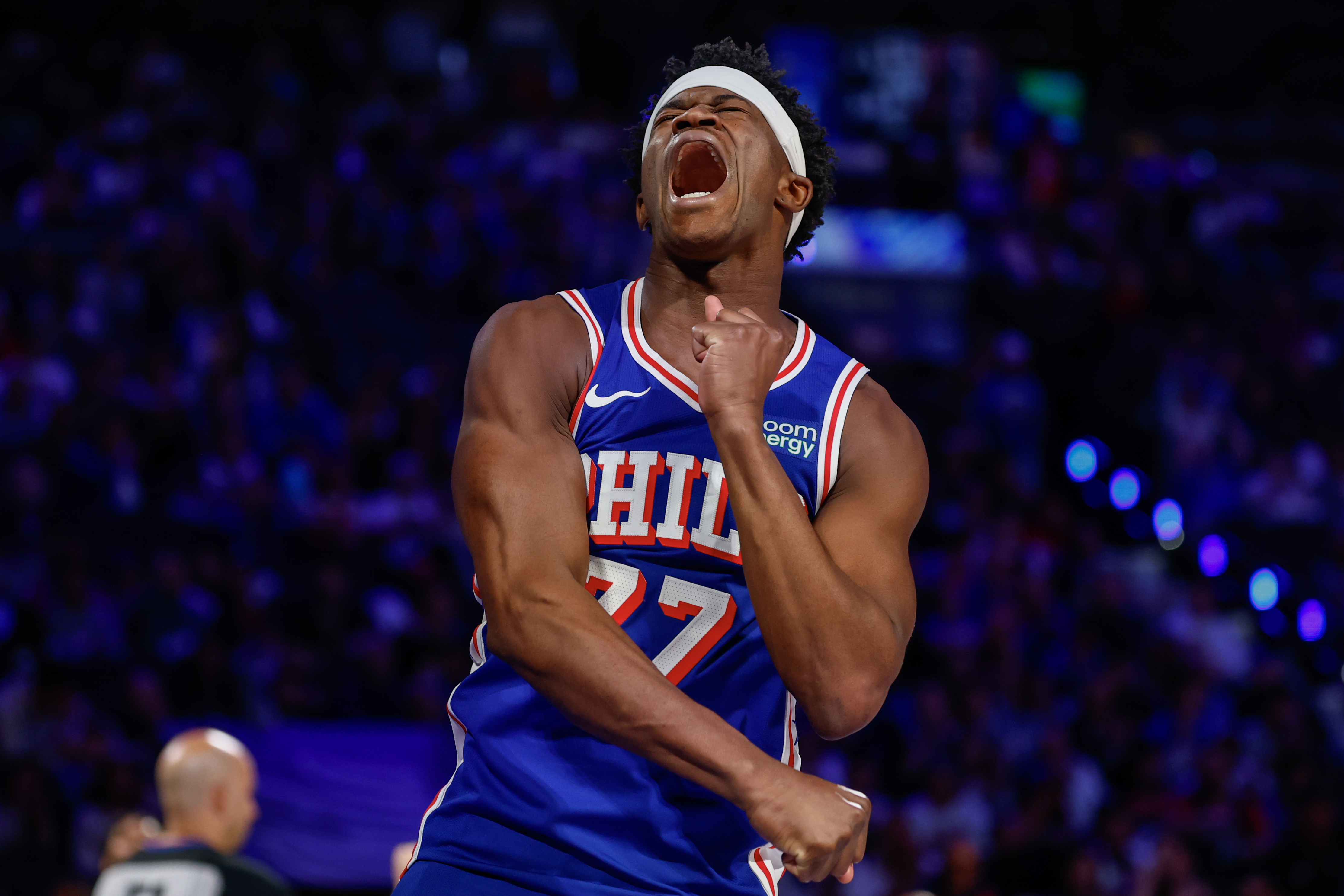
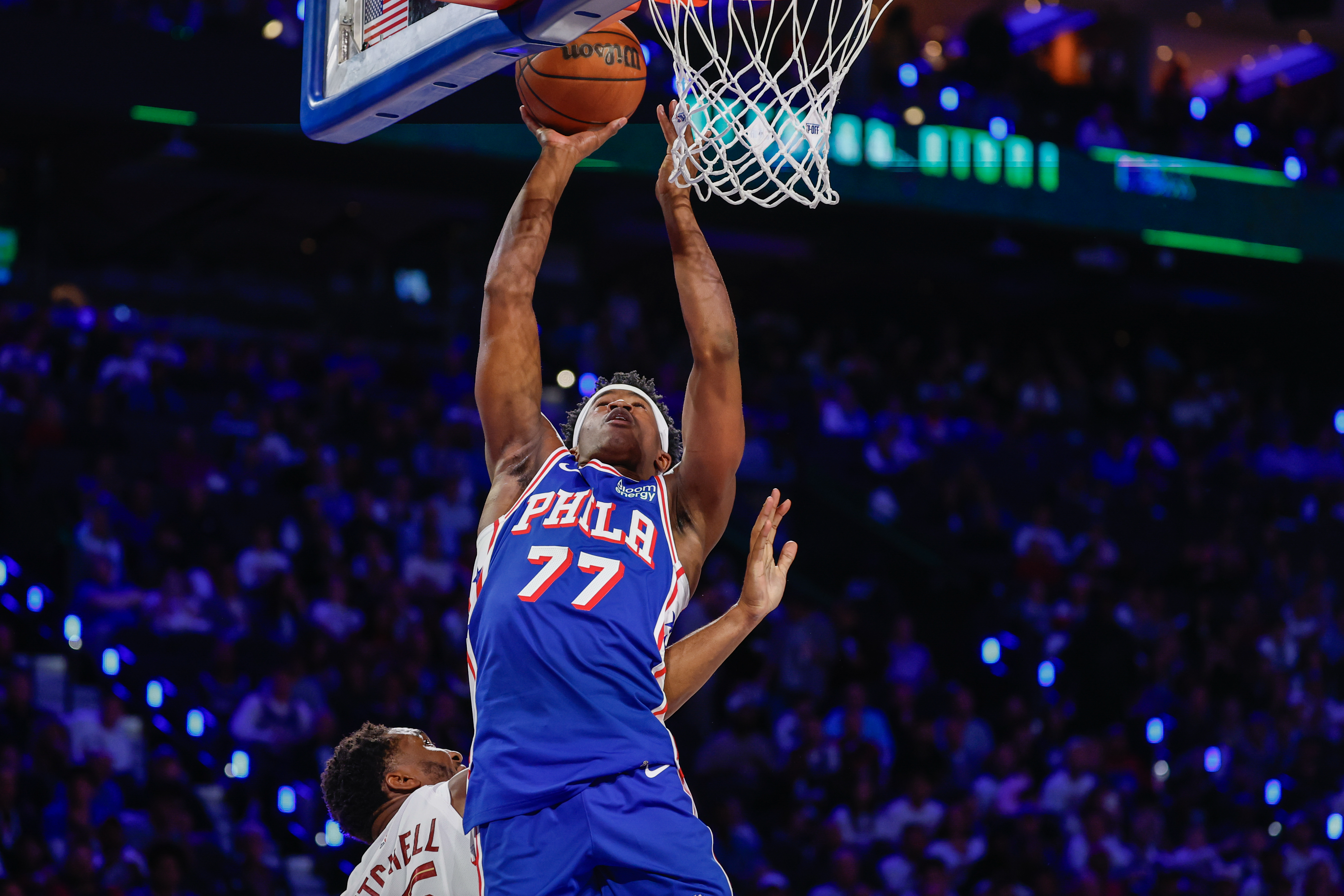
    Added Edgecombe: “That game showed just a little bit of a testament to who we are, what we can be, and Tyrese was right. Are we going to be front-runners and just let the game go, come out slow, don’t play hard? Or are we going to respond?”

    In listening to the Sixers talk after their win, there was a dichotomy between the jubilation they had on the court and the sobering observations they made about their night overall. There wasn’t a ton of jubilation in their voices, just recognition that, while the comeback was fun, they would prefer not to make it a habit.

    One moment Jaylen Brown was flexing for a deafening crowd after scoring on three straight possessions in the fourth to give the Sixers a seven-point lead.

    Afterward, he said, in his typical quiet tone: “We came out, played hard in that second half and we was able to make up for the deficit, but we can’t expect that every time. So we got to be able to come out and be better in the first half. We got to move the ball, we got to punch gaps and things like that and we didn’t do a good job in the first half.”

    Jaylen Brown enjoyed playing in front of the home fans in Philly: 'The energy was great'
    Video: Jaylen Brown enjoyed playing in front of the home fans in Philly: ‘The energy was great’

    Throughout training camp, Nurse repeatedly praised the team for being a “connected” group, even if the players were still getting to know one another. That sounds fine — until you’re faced with a 24-point halftime deficit in your second game. But the Sixers responded in a way championship contenders do in what turned out to be the largest comeback of James’ storied career. They did so, in part, because of their ability to communicate at halftime, which then turned into an 11-0 run to start the third quarter.
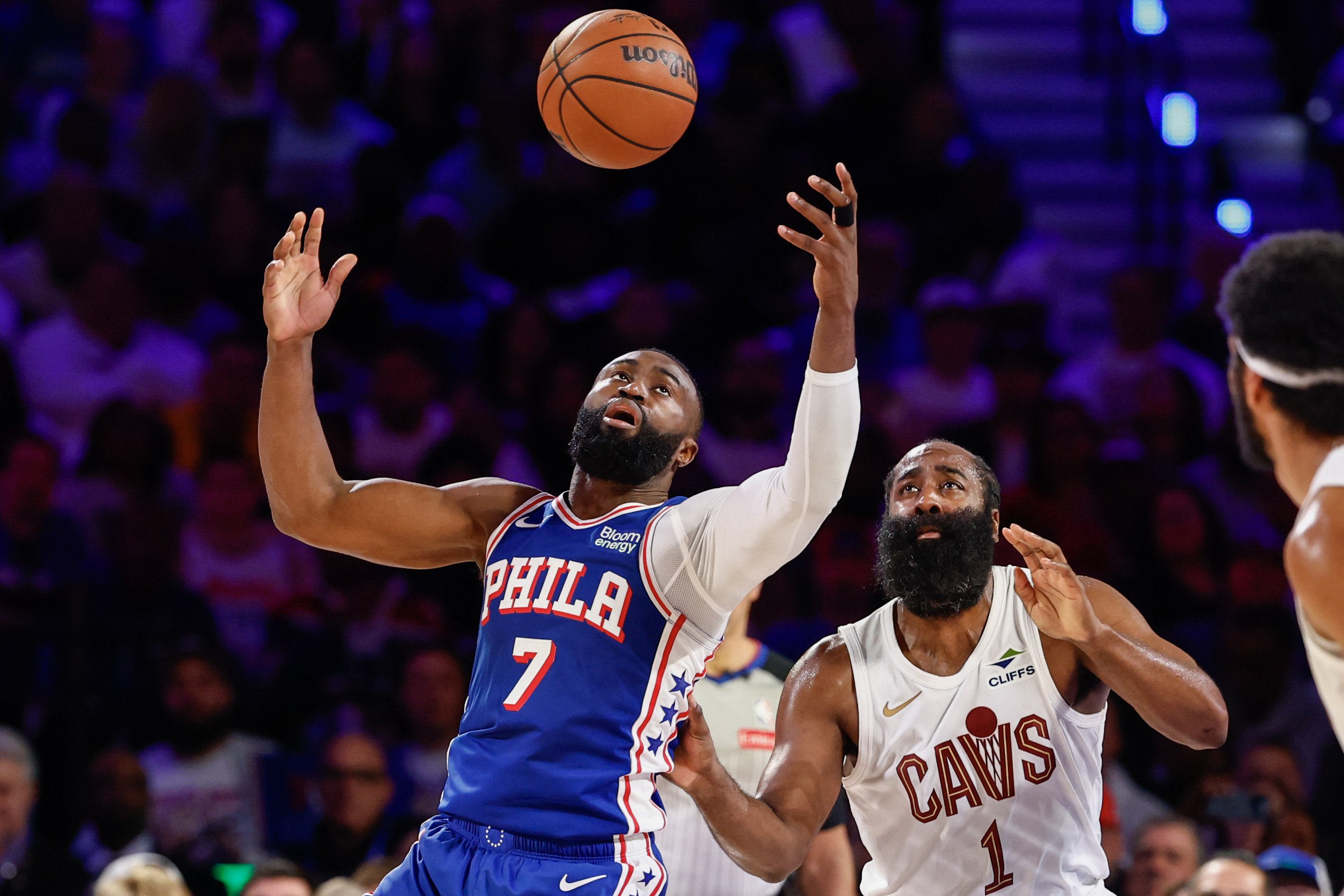
    “It’s straightforward,” Maxey said. “It’s a lot of competitive guys in here … big-time names on the back of the jerseys, but not like big-time egos when it comes to competing. So, you say something like that, J.B. would say something, and we all take it with a grain of salt.”

    Brown said the team’s communication was “clear” in the face of the big deficit. They passed one of the first tests of the season, even if they made the exam a little harder on themselves than they would have liked.

    “It’s a great opportunity for us to respond to adversity,” Brown said. “It’s going to be ups and downs all year long. How we respond is going to be 80% of the battle. It’s a good sign that we came out, being down 30, we could have been pointing fingers. We got after it. So I like that.”

  • Archbishop Ryan’s Stanley Montgomery is a three-sport star. One life-changing moment put it all in perspective.

    Archbishop Ryan’s Stanley Montgomery is a three-sport star. One life-changing moment put it all in perspective.

    Stanley Montgomery can talk about it now, the day he will never forget and how he uses that tragic moment that changed his life as energy that is changing his.

    Archbishop Ryan’s Penn State-bound defensive tackle, at 6-foot-3, 290 pounds, is a little larger than he was as a sophomore on the brink of turning 15. Saturday, Jan. 6, 2025, seemed like any normal winter day, which he filled playing video games. The next thing he knew, he dozed off with the video controller in his lap.

    Upon waking up, his life changed forever.
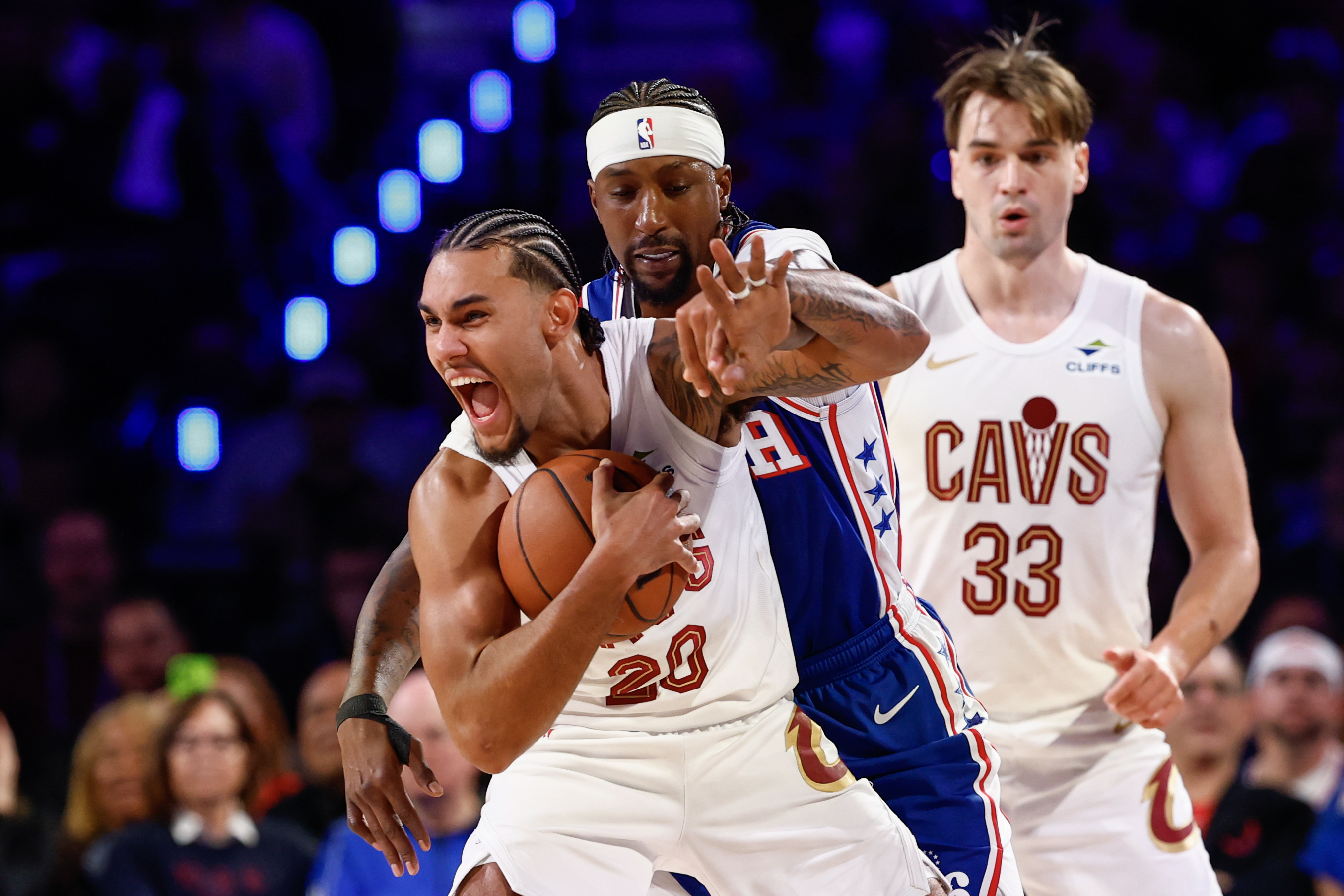
    “I called up to my mom and didn’t hear anything,” he recalled. “I woke up from a nap, and I remember calling up to her again. I still didn’t hear anything. I had no calls or text from her. That’s when I ran up to see her in her bed. My dad was at work. I saw my mom and shook her. She didn’t move. I flipped out. I was crying, calling my dad and yelling. He told me to call 911.”
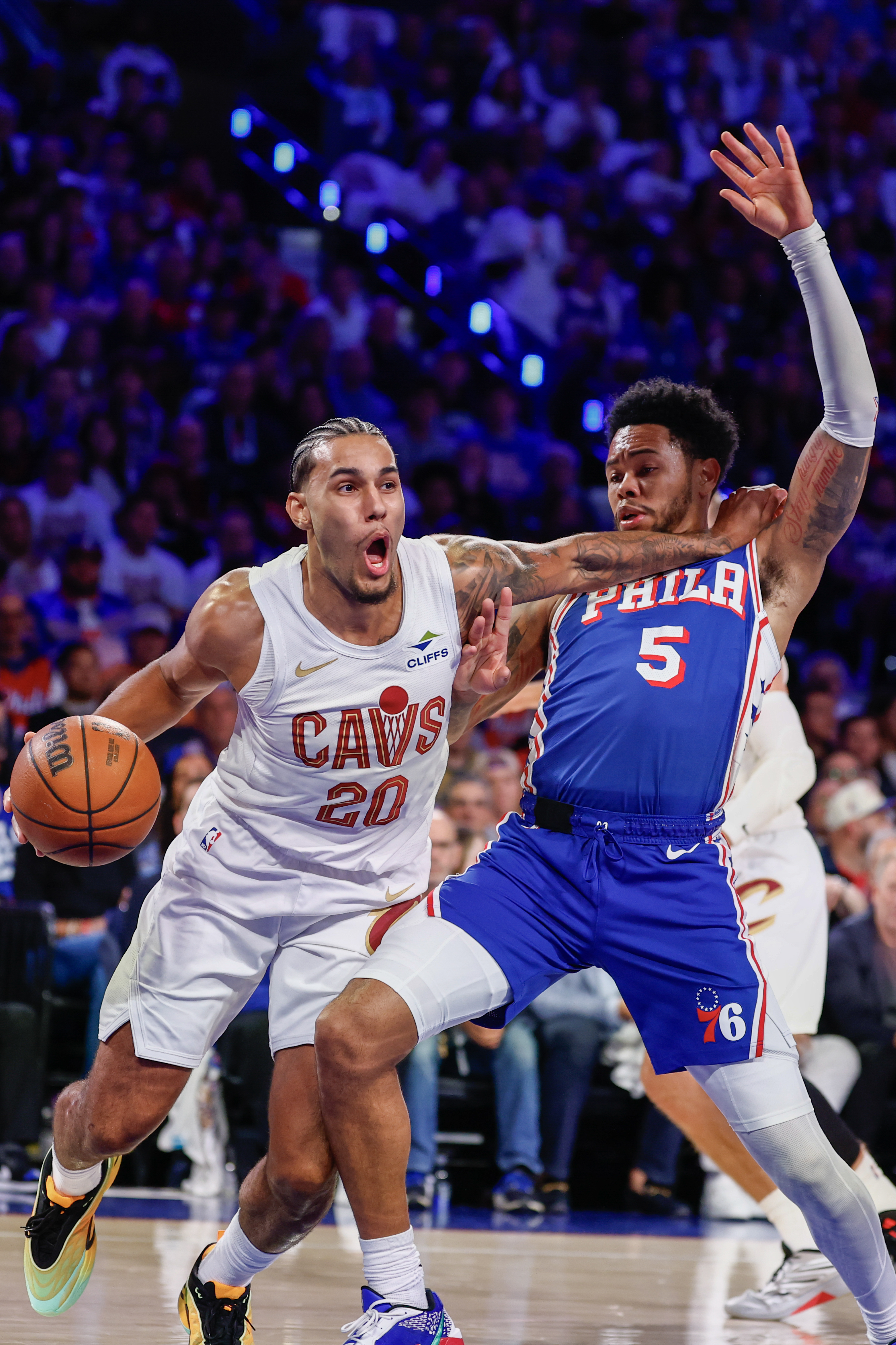
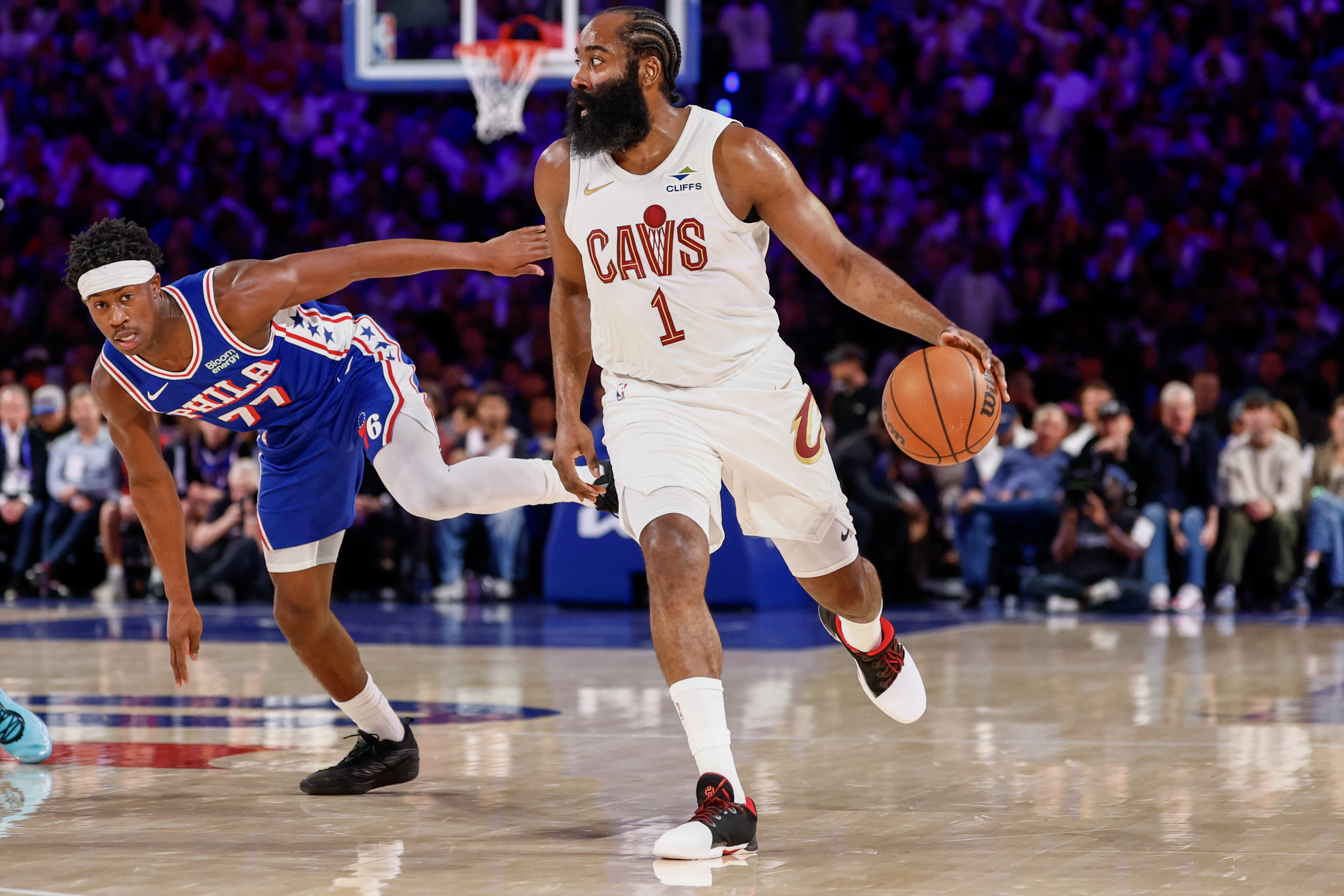
    Kaofi Montgomery had died in her sleep from a pulmonary embolism, a medical condition that occurs when a blood clot travels through the bloodstream and blocks an artery in the lungs. She was 47 years old.

    Throughout her life, Kaofi had been battling blood clots, often taken to the hospital when Stan was in his formative years.

    For weeks after, Stan wasn’t able to sleep. He wasn’t able to go back home. He lived with his older sister for a while. For months, he blamed himself.

    Every time he steps on a football field, he thinks about his mother. Before each game, he takes a look at a photograph of the two of them inside a pendant.

    The defensive tackle also is a star athlete in wrestling and track and field.Monica Herndon / Staff Photographer

    “I feel her presence every time I wrestle or play football, especially during the hard times, because it can’t get any worse than what I went through [on Jan. 6, 2025],” said Montgomery, 17, who carries a 3.7 grade point average. “I’ll never forget it. I can’t. There were some dark times. I blamed myself. I was mad at myself, because I could have been with her more, but she wanted me to be more involved with athletics, and I had to take what she wanted for me and turn it into something.

    “But in the way I see it, I wouldn’t be where I am now if that didn’t happen. I can’t change what happened. I can change where I was going.”

    ‘Athletes like Stan do not exist’

    Montgomery originally committed to Syracuse after his sophomore year. Former Penn State coach James Franklin had shown interest in Montgomery, and he tried to get Montgomery to change his mind. But Franklin never followed through with a scholarship offer, Montgomery said. New Penn State coach Matt Campbell came in with renewed interest and extended an offer to Montgomery last January.

    He committed on April 30 to Nittany Lions defensive line coach Ikaika Malloe.

    Much of the credit goes to Montgomery. He transformed himself. He started playing football when he was 8 but he was reluctant to wrestle, despite the urging of his father, Stanley Montgomery Sr., who wrestled and played football at Northeast High.

    The younger Montgomery did not pick up wrestling until midway through his freshman year, when he went 9-3, having to cut down from 330 pounds to 285. His sophomore year he made a leap going 26-14, and by his junior year, he finished No. 2 in the Catholic League and 36-7 overall, reaching the regional quarterfinals.

    He also found a correlation between wrestling and football. His cardiovascular endurance evolved dramatically, and his footwork progressed tremendously. Montgomery found himself in an unusual position in the age of specialization for major high school athletes, and that’s as a standout in three sports (he also competes in discus and shot put for the track team).

    He says he would not have wound up at Penn State if he had not taken up wrestling.

    Mark Ostaszewski, Ryan’s football coach, is certainly happy Montgomery found his way to the wrestling mats.

    “We knew Stan’s potential as a freshman,” Ostaszewski said. “You saw moments when Stan would dominate, a little here and a little there. But he didn’t really take off until his junior year. That’s when it began to sink in that Stan was something special. The major schools began coming out and looking at him. He began dominating games. You knew Stan was on the field every time he played. This year, he holds everyone accountable. He commands everything.

    “Athletes like Stan do not exist anymore in three sports, as a shot putter, wrestler, and football player. He was a 319-pound eighth grader. His father and us pushed him to wrestle and he immediately lost 30 pounds. He never missed a lift. His discipline and the way he carries himself, you knew he was going to be good.”

    During the spring, Montgomery would lift with the football team, go to track practice, and then go back and lift again. His nonstop attitude has been contagious on the football team, and he’s been an inspiration to the athletes in his other sports as well. As a junior, he power cleaned 315 pounds, squatted 600 pounds, and does 315 pounds twice on the incline bench, which translates to 350 pounds or more for a flat bench press lift.

    Montgomery has the kind of mindset, Ostaszewski said, to do anything he sets his mind to. Unfortunately for Ryan, because he will be attending Penn State in January, he will not be wrestling his senior high school season.

    Ryan is 1-6 after getting off to a 0-3 start with Montgomery sidelined until the fourth game. Montgomery was out due to back surgery over the summer, which slowed down his offseason conditioning.

    “It was frustrating this year returning from the back surgery in the summer,” Montgomery said. “… It was hard watching the [first three] games. Coach wanted me to start, so I didn’t play defense my first game back [in a 46-0 Ryan victory over Lansdale Catholic on Sept. 19]. It didn’t mean I was going to sit back. If I saw something on defense, I would let our guys know it.”

    As a junior, he had 44 total tackles, 19 tackles for loss, and 8½ sacks for minus-84 yards. So far this season, in one game on defense, he has one sack.

    Stanley Montgomery had 44 total tackles and 19 tackles for loss last season.Monica Herndon / Staff Photographer

    “I look back at everything that happened to me, finding my mom and all, maybe I better start taking more stock in myself,” Montgomery said. “I still have some tough times ahead. I know it will hit me, because my mom won’t be there for Parents’ Day at Ryan. I’m leaving for Penn State early, and she won’t be there to see me off to college or be there when I’m in my cap and gown when I graduate. Those times will be challenging to get through. But I think she would like everything that has happened to me.

    “I don’t blame myself anymore. Football and my family helped me get over that. I know I carry her with me everywhere I go — the classroom, the weight room, the football field. She’ll always be with me.”

  • LeBron James’ Sixers home debut was ‘everything that I’ve dreamed of — and more’

    LeBron James’ Sixers home debut was ‘everything that I’ve dreamed of — and more’

    LeBron James walked into the 76ers’ locker room at 6:06 p.m. Thursday, with four ESPN camera crew members trailing behind. James slipped on a pair of white headphones and began singing along to the “forever ever, forever ever” line from Kanye West’s song “Diamonds from Sierra Leone.”

    He then stepped back out into an Xfinity Mobile Arena bowl with palpable energy typically reserved for playoff games. The next three-plus hours featured the full experience of James as a basketball legend and mainstream international celebrity in his regular-season home debut as a Sixer.

    The pre-tipoff chalk toss. Being asked to comment on criticism from President Donald Trump (“Must be a slow news day at the office”) and how seriously he weighed finishing his career with another return to his hometown Cleveland Cavaliers before choosing the Sixers (“A lot of consideration, for sure”).

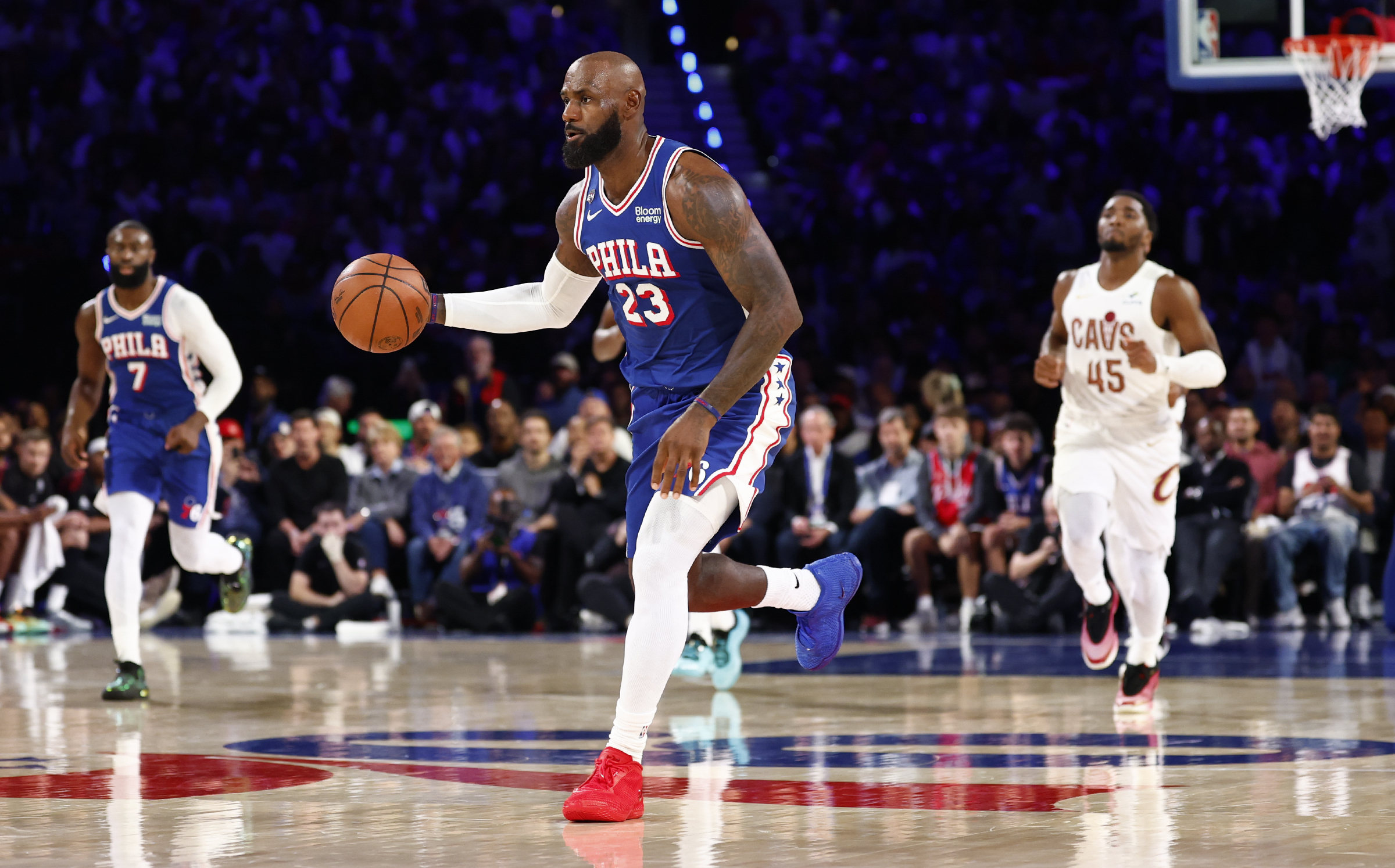
    And his wide-ranging impact on the box score — 17 points, 10 rebounds, five assists, three steals — and as a leader in the Sixers’ thrilling rally from a 29-point first-half deficit to win, 114-106, in the largest comeback of James’ historic 24-year career.

    “It was everything that I’ve dreamed of — and more,” James said from his locker after the game. “Got the boos. That was amazing. We deserved it. And then we got the cheers and almost blew the roof off this thing tonight, in a good way. That was a hell of a night.”

    It was symbolic (and deliberate) scheduling that James’ first regular-season game in Philly came against Cleveland, where he spent his first seven NBA seasons and returned to win the 2016 championship. When James picked the Sixers’ loaded roster over another Cavaliers reunion as a free agent in July, Cleveland coach Kenny Atkinson acknowledged prior to Thursday’s game that “that first day or two, you’re depressed, honestly. That’s the emotions of it.”

    Then those teams took the floor inside what Sixers coach Nick Nurse and standout second-year guard VJ Edgecombe called perhaps the loudest atmosphere they have experienced in their home arena. Joel Embiid, who has spent all 11 years of his career with the Sixers, even put the crowd in his personal top five — and acknowledged a significant part of that was due to James’ debut. Fans burst into cheers when a shot of James opened their intro video. And when the all-timer popped on the video board during the national anthem. And, of course, when he hoisted the chalk into the air.

    LeBron James makes his first introduction as a member of the Sixers
    Video: LeBron James makes his first introduction as a member of the Sixers

    In the game’s opening minutes, James hit a fading three-pointer and dished a bounce pass to Edgecombe for a finish at the rim. But he also was part of the Sixers’ first-half issues with turnovers (he committed five of his team’s 14) and shooting (2-of-6 from the floor) that dug their humungous hole.

    Then, James helped spearhead his new team’s massive turnaround by relentlessly attacking the basket.

    He was all over the Sixers’ 9-0 surge out of the break to cut a 24-point deficit to 13 in less than two minutes. He found Edgecombe for a cutting layup, then converted his own fastbreak finish through contact, then fed Embiid for a bucket inside. In nine third-quarter minutes, James amassed 10 points, three assists, and two rebounds.

    In the fourth quarter, James took a rebound all the way to the opposite end of the court, and rolled his shoulders forward upon drawing a foul. Later, he picked up a loose ball for a possession that ended in a Jaylen Brown layup to give the Sixers a 110-102 lead with 44 seconds remaining.

    “He’s been in a situation like that before,” Edgecombe said of James. “He was vocal the whole time, and obviously he kind of willed us.”

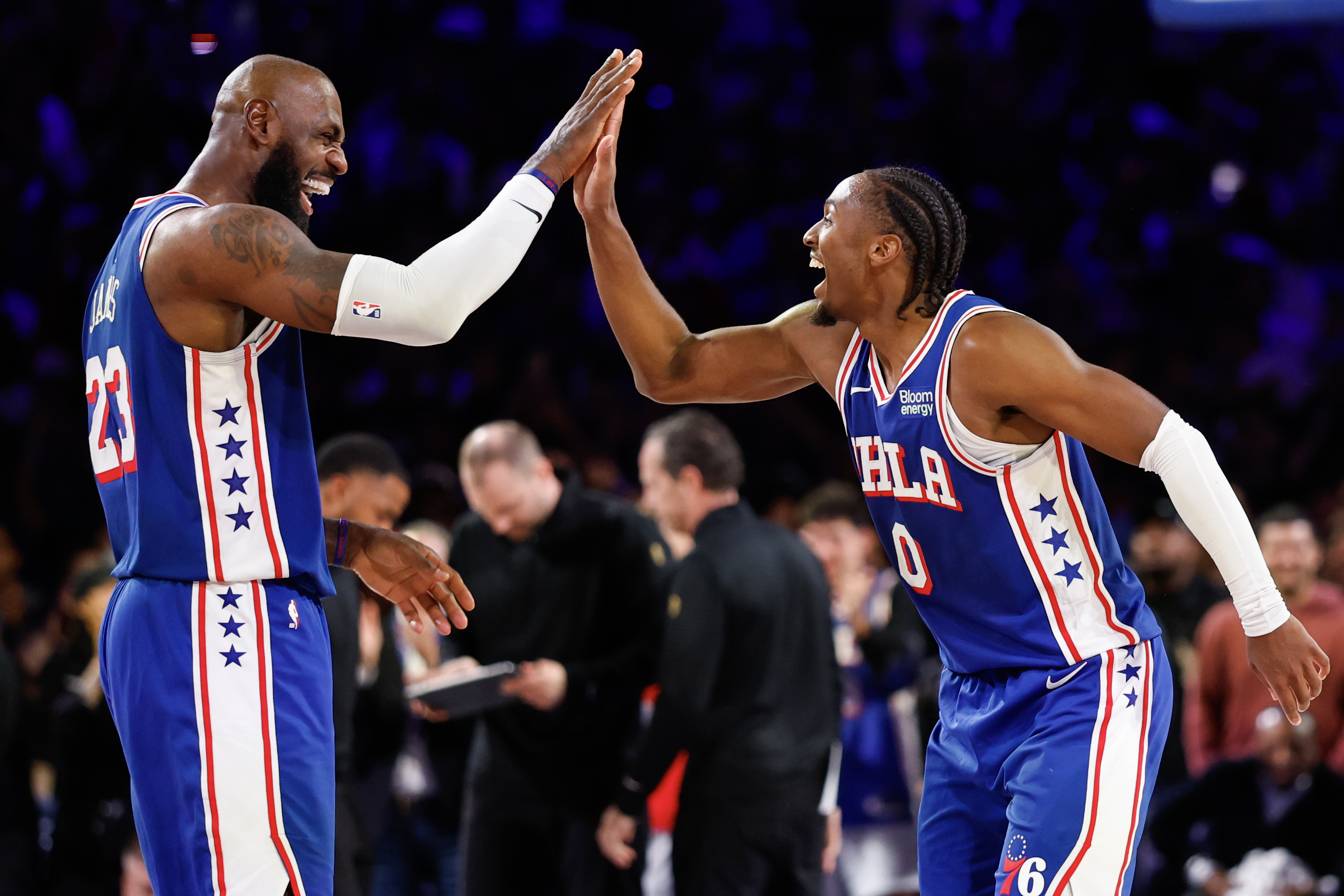
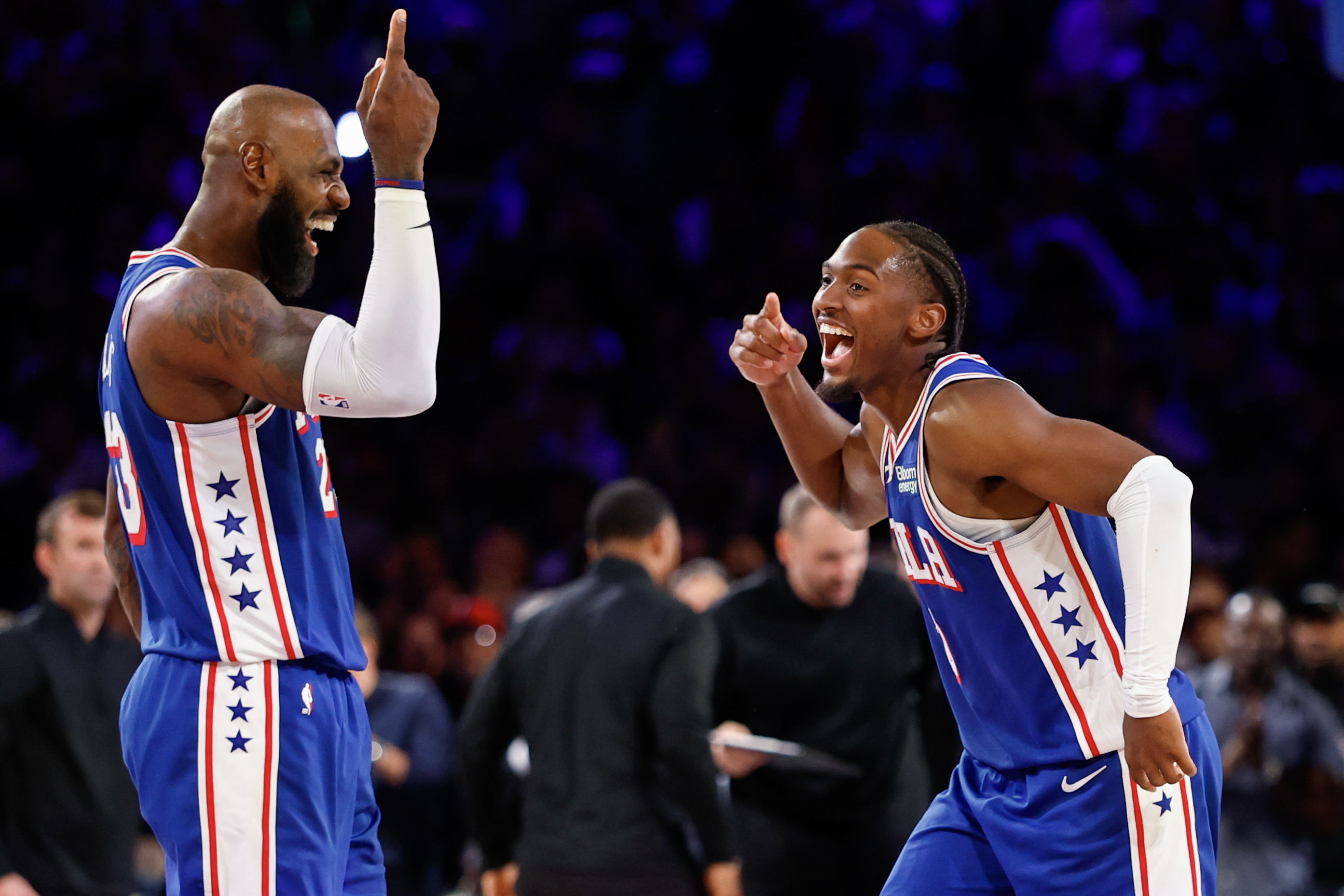
    Edgecombe also felt the physical impact of James, by taking an inadvertent elbow to the face from the 41-year-old that, nearly two hours after the final buzzer, still required cotton stuffed up his nostril to stop the bleeding. And All-NBA guard Tyrese Maxey, one of James’ longtime offseason workout partners, is now learning what it is like to communicate with him in-game as teammates.

    When asked about that early dynamic, Maxey paused and said, “He’s played a lot of basketball. A lot of basketball.”

    Tyrese Maxey (right) says he and LeBron James “piggyback off of each other.”Yong Kim / Staff Photographer

    “I always will go up to him and ask him what he sees,” Maxey said. “Or he’ll ask me what I see, and we just kind of piggyback off of each other, trying to lead the group.”

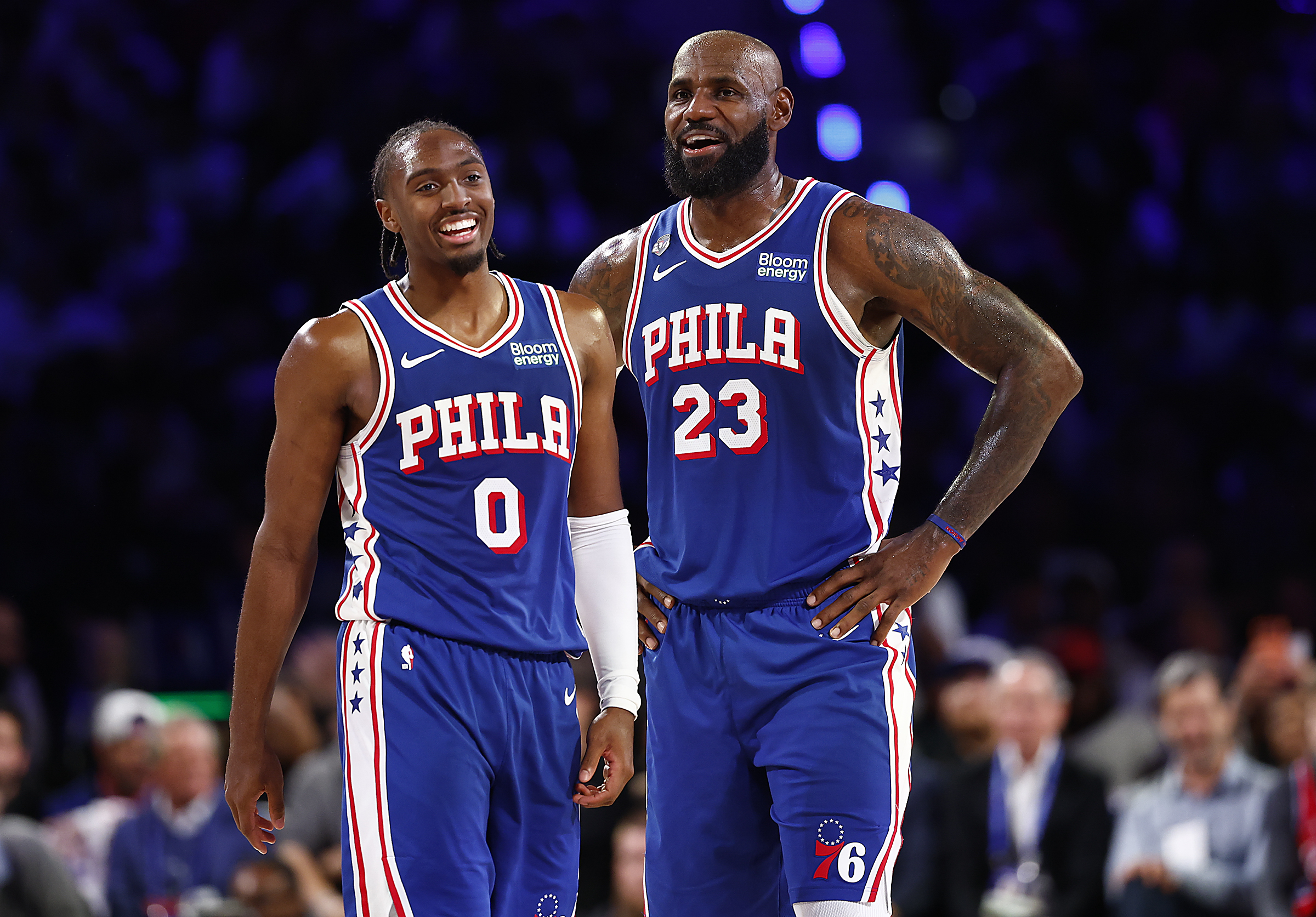
    Thursday was the Sixers’ second supercharged environment in as many games, after also spoiling the New York Knicks’ championship ring night on Tuesday at Madison Square Garden. It is reasonable to expect that to continue as they move through the season as arguably the league’s most intriguing team, with James at the helm. The Sixers should view that as a positive challenge, James said, because opponents “are going to get up to play us because of all the names on our backs, and we’re trying to build something special here.”

    They have begun this chaotic journey 2-0. After Thursday’s comeback, James expressed gratitude “to do what I love and be well-received.” In Philly, which he called “one of the best sports cities in the world.” With “these boys in the locker room.” And in front of his daughter, Zhuri, who celebrated her 12th birthday by sitting courtside next to Allen Iverson.

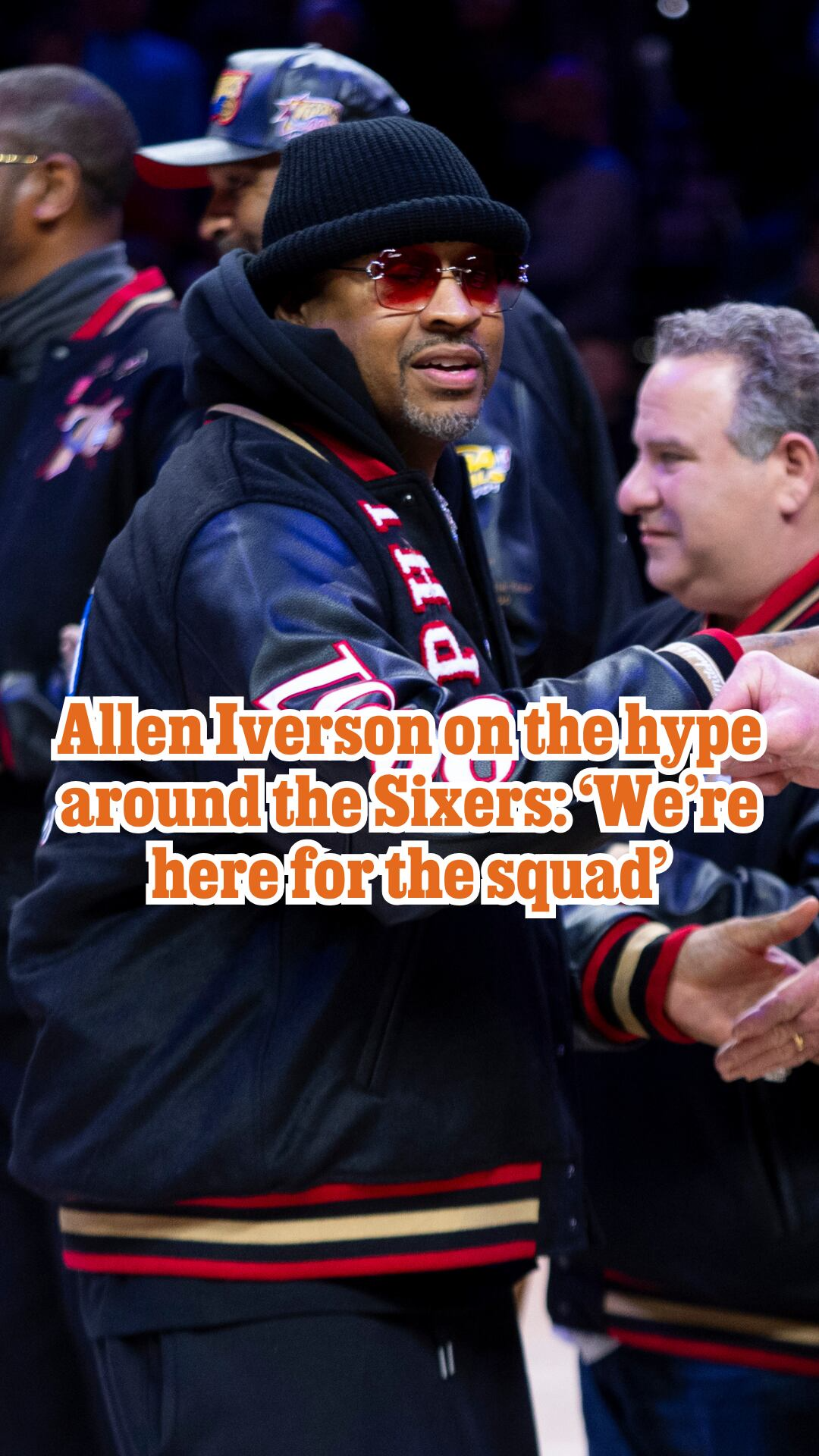
    Allen Iverson on the hype around the Sixers: 'We're here for the squad'
    Video: Allen Iverson on the hype around the Sixers: ‘We’re here for the squad’

    “That was super cool, man,” said James, who snuck a few words in with Zhuri from the court during stoppages in play. “ … Super special for me to be able to have moments like that in this building, in this city.”

    Then, it was on to the next. James collected his belongings from his locker, and turned toward his security personnel.

    “Let’s get out of here,” James said. “We’ve got a bird [helicopter] to catch.”

  • Letters to the Editor | Oct. 23, 2026

    Letters to the Editor | Oct. 23, 2026

    To impeach …

    The Inquirer is to be congratulated on its special Sunday Opinion section, “The Case for Impeachment,” in which its Editorial Board forthrightly calls for the impeachment of President Donald Trump. The board’s central argument was amplified through a series of accompanying essays by prominent scholars and public figures.

    In the first week of Trump’s first term, I counted half a dozen reasons justifying Trump’s removal from office. At this point, 21 months into his second term, a full and detailed accounting of his misdeeds would require an encyclopedia.

    The only drawback of an impeachment — apart from the Republican members of both chambers of Congress who shirk their duty — is that a successful Trump conviction in the Senate would elevate JD Vance to the presidency; if there were any justice, Vance’s loyal service to the man he once described as “America’s Hitler” should disqualify him from office as well.

    First things first, however: The man who most immediately threatens our democracy should be dealt with by the mechanisms in our Constitution provided for that purpose. Further delay imperils us — and stains our history.

    Robert Zaller, Bala Cynwyd

    … or not impeach

    The Inquirer’s rationale for impeaching President Donald Trump (again) is, in essence, “maladministration” — a phrase that George Mason originally wanted to add to the Constitution as grounds for impeachment, along with bribery and treason. James Madison would have none of it: “So vague a term would be the equivalent to a tenure during pleasure of the Senate.” In essence, if a nebulous term like that were added to the Constitution, Congress could remove any president whose policies it didn’t like.

    The editorial also cites Trump’s ignoring judicial rulings — as did Presidents Thomas Jefferson in 1807 (the Embargo Act), Andrew Jackson in 1832, and Abraham Lincoln in 1861. Trump, the editorial says, has launched military operations without congressional authorization. As did Presidents Bill Clinton (Kosovo, 1999) and Barack Obama (Libya, 2011.)

    The attorney Michael Coard repeats the over-the-top contention that Trump “fomented sedition” by promoting the violent Capitol riot on Jan. 6, 2021. His exhortation to his audience actually was: “I know that everyone here will soon be marching over to the Capitol building to peacefully and patriotically make your voices heard.” Sound familiar? “The right of the people peaceably to assemble and to petition the Government for a redress of grievances” is in the First Amendment. The editorial cites “accepting a $400 million luxury jet from a foreign government” as if it were a gift to the president. It was presented to the nation, specifically the Department of Defense, as a temporary replacement of the now 36-year-old Air Force One, because of Boeing’s delay in completing the new one. Even the Trump-hating James Carville says that impeachment would be a waste of time and energy when there are so many other urgent things to address.

    Nicholas O’Dell, Phoenixville

    …

    While the Editorial Board makes an overwhelmingly compelling case for Donald Trump’s impeachment, I hope the Democrats will resist the temptation to do so, even if they take back the House and Senate. There is no scenario in which the Senate will get the 67 votes needed to convict Trump. Please don’t waste the next two years going after Trump and his family. Yes, they are corrupt and should be held accountable, but an impeachment process that ends up with no consequences for Trump will play right into his victim mentality. It’s what led to his resurgence in 2024. I hope the Democrats spend the next two years legislating and earning the voters’ trust ahead of the 2028 presidential election. Then they can really institute meaningful change to restore our democracy and help those who are suffering as a result of Trump’s corrupt, evil, and immoral actions.

    Scott Applebaum, Philadelphia

    …

    There were several interesting opinion pieces in Sunday’s Inquirer laying out arguments for impeachment of President Donald Trump — valid all, but to what end? A Democratic House could certainly muster the necessary votes to impeach, but the odds of conviction by two-thirds of the Senate are so small as to approach zero. Then, if not convicted, Trump could truthfully say he was acquitted of all charges. Candidates are currently focused on the economy and the war in Iran — important areas where they might actually accomplish something. That is where the focus should remain, not on a Don Quixote-like quest for the impossible dream of impeachment.

    Ron Fronduti, Media

    …

    We have already passed the point at which the 25th Amendment should have been invoked. It is clear to any reasonable person that the circumstances warrant it, but Republicans will not act. And even if Democrats regain control of Congress next month, I still do not believe the 25th Amendment will be used — not because they don’t want to use it, but because America cannot bring itself to admit to the world that we have failed to elect a competent and respected leader.

    Just as with Vietnam, apartheid, and the Iraq War, we are in this mess too deep. Instead, we will try to manage the problem from within, with the same predictable result: limited, marginal successes while the world watches and waits for us to act decisively and do the right thing.

    That, unfortunately, is the reality as I see it.

    Tom Rosenberg, Camden County

    …

    Lately, as we approach the midterm election, I have noticed increased discussions about a third impeachment of Donald Trump. Such speculation centers on the distinct possibility that the Democrats may take back one or both chambers of Congress. A number of letters to the editor in The Inquirer have been published recently to that effect.

    Another impeachment represents an exercise in futility. Articles of impeachment may well be brought in the House, but the trial would be held in the Senate. A two-thirds majority would be required to convict. That translates to 66 votes. Now let us suppose that the Democrats take back the Senate with a majority of 53 or 54 senators. Let us further speculate that a few Republicans would also vote to convict, bringing the total to convict to 57 or 58. That, of course, is far too few to convict. Congress would have attained the power to thwart Trump’s worst impulses and end the Iran war, but he would still remain president.

    Gary Kaplan, Warwick

    Join the conversation: Send letters to letters@inquirer.com. Limit length to 150 words and include home address and day and evening phone number. Letters run in The Inquirer six days a week on the editorial pages and online.