Blog

  • A Kyle Schwarber homer is all Jesús Luzardo needs to beat Braves with his first career shutout

    A Kyle Schwarber homer is all Jesús Luzardo needs to beat Braves with his first career shutout

    “ … Hold up, wait a minute, y’all thought I was finished?”

    The line from Meek Mill’s “Dreams and Nightmares” felt even more apt the second time it boomed through Citizens Bank Park on Monday, as Jesús Luzardo warmed for the ninth inning for the first time in his career.

    Earlier this season, he changed his walk-out song to the Philadelphia rapper’s signature track, a nod to the city that Luzardo officially adopted after signing a five-year extension in March. As the Phillies lefty walked back out to the mound for the ninth and final time against the Braves, the second verse played again. Most of the 41,820 in attendance were on their feet.

    In reality, though, there had been no question, not in Luzardo’s mind, nor in interim manager Don Mattingly’s, that he would pitch the ninth. Even before Kyle Schwarber finally broke the scoreless tie with an eighth-inning homer to the second deck, it was always going to be Luzardo’s inning with the way he had been throwing.

    “I felt like it was his game,” Mattingly said.

    Watching Schwarber’s swing put him in position for the win, Luzardo had just one thought: Go get a shutdown inning.

    And while he issued his first walk of the game to Ronald Acuña Jr. — before that, Luzardo only had two three-ball counts all day — Luzardo fought back to strike out Drake Baldwin looking on a sinker. A fly out sealed the 1-0 win over Atlanta, the series split, and Luzardo’s first career shutout.

    “Unbelievable game by him,” Schwarber said. “‘Efficient’ is a great word. But he keeps finding a way to keep getting better and better, which is awesome.”

    Bullpen collapses contributed to the Phillies’ two losses against the Braves this series, and had put the rickety bridge from their starters to closer Jhoan Duran under a microscope. But although Luzardo had never taken the ball in the ninth before in his professional career, he made that a moot point on Monday.

    Jesús Luzardo induced 12 swings-and-misses on his sweeper.David Maialetti / Staff Photographer

    He limited Atlanta to just two hits. Despite racking up 12 strikeouts and 23 total swings-and-misses, Luzardo was extremely efficient, with 92 pitches through eight and 109 overall. His trademark sweeper was as effective as ever. In the second inning, Michael Harris II was fooled so badly that he chased a sweeper ultimately caught by J.T. Realmuto in the opposite batter’s box.

    “We took advantage of an offense that’s very aggressive. They’re very good, and I think that’s what makes them good, is how aggressive they are,” Luzardo said.

    Luzardo’s excellence gave his offense chance after chance to break through. But it took them until the eighth inning to take advantage. They left the bases loaded in the first inning, a missed opportunity that started to loom larger as Braves starter Grant Holmes began mowing through the lineup.

    window.addEventListener(“message”,function(a){if(void 0!==a.data[“datawrapper-height”]){var e=document.querySelectorAll(“iframe”);for(var t in a.data[“datawrapper-height”])for(var r,i=0;r=e[i];i++)if(r.contentWindow===a.source){var d=a.data[“datawrapper-height”][t]+”px”;r.style.height=d}}});

    Holmes retired 10 consecutive Phillies hitters, striking out the side in the third inning on three different pitches.

    After Schwarber’s leadoff single to start the game, Holmes didn’t allow another hit until Brandon Marsh’s single in the fifth. The Phillies couldn’t advance him, and they also failed to cash in on Trea Turner’s double in the sixth.

    Even so, Mattingly liked the Phillies’ at-bats.

    “There was a lot of balls like ‘em when I marked my sheet: good at-bats, balls hit hard. There was a ton of them in there. We didn’t get a lot for it,” Mattingly said. “But still, I thought the at-bats were good. The approach was good. Their guy kind of dialed it in. I think after the first, he has the breaking ball going.”

    But they finally got just enough in the eighth. With two outs in the inning, Atlanta manager Walt Weiss had a left-hander up in the Braves bullpen, but opted to leave righty Didier Fuentes in to face Schwarber. Fuentes had been carving up the Phillies since relieving Holmes in the seventh, but he made one mistake against the wrong hitter.

    Schwarber powered a middle-middle fastball 415 feet to right field to break the stalemate.

    “You’re trying to find a way on base,” said Schwarber, who hit three homers against Atlanta this series. “It’s not thinking slug. It’s not thinking anything like that. It’s just trying to find a way on, and obviously [he has] a really good heater and good other pitches, but leaves one [in the] middle and it’s just able to get the barrel there to it, and it takes off.”

    It ensured that Luzardo’s spectacular outing didn’t go to waste. The lefty has completely rewritten the narrative of his season after a rocky start. A 1.31 ERA in August won Luzardo pitcher of the month honors, and he has already started out September even better.

    “I think everyone dreams about being a guy that your team relies on,” Luzardo said.

    When he walked back out for the ninth, Luzardo tried not to think about the potential shutout awaiting him after the third out. He instead tried to calm his adrenaline, and then focus on the game plan.

    Luzardo wants to take a few mementos from the best performance of his career so far. But he won’t keep them for himself. He plans to save the game ball and give it to his parents, along with maybe the jersey he wore or the lineup card.

    “I think I’m just a piece,” Luzardo said. “As a team, we win as a team. We lose as a team. So I think I wanted to go out and do my part, do my job, and help out any way possible to get the win.”
  • They went to Ukraine on the ‘peace express.’ Detours are likely ahead

    They went to Ukraine on the ‘peace express.’ Detours are likely ahead

    KYIV, Ukraine — The Americans arrived on a train that the Ukrainians called the “peace express.” Yet nothing about the process of ending the war with Russia has been fast or direct, and there is no sign that will change anytime soon.

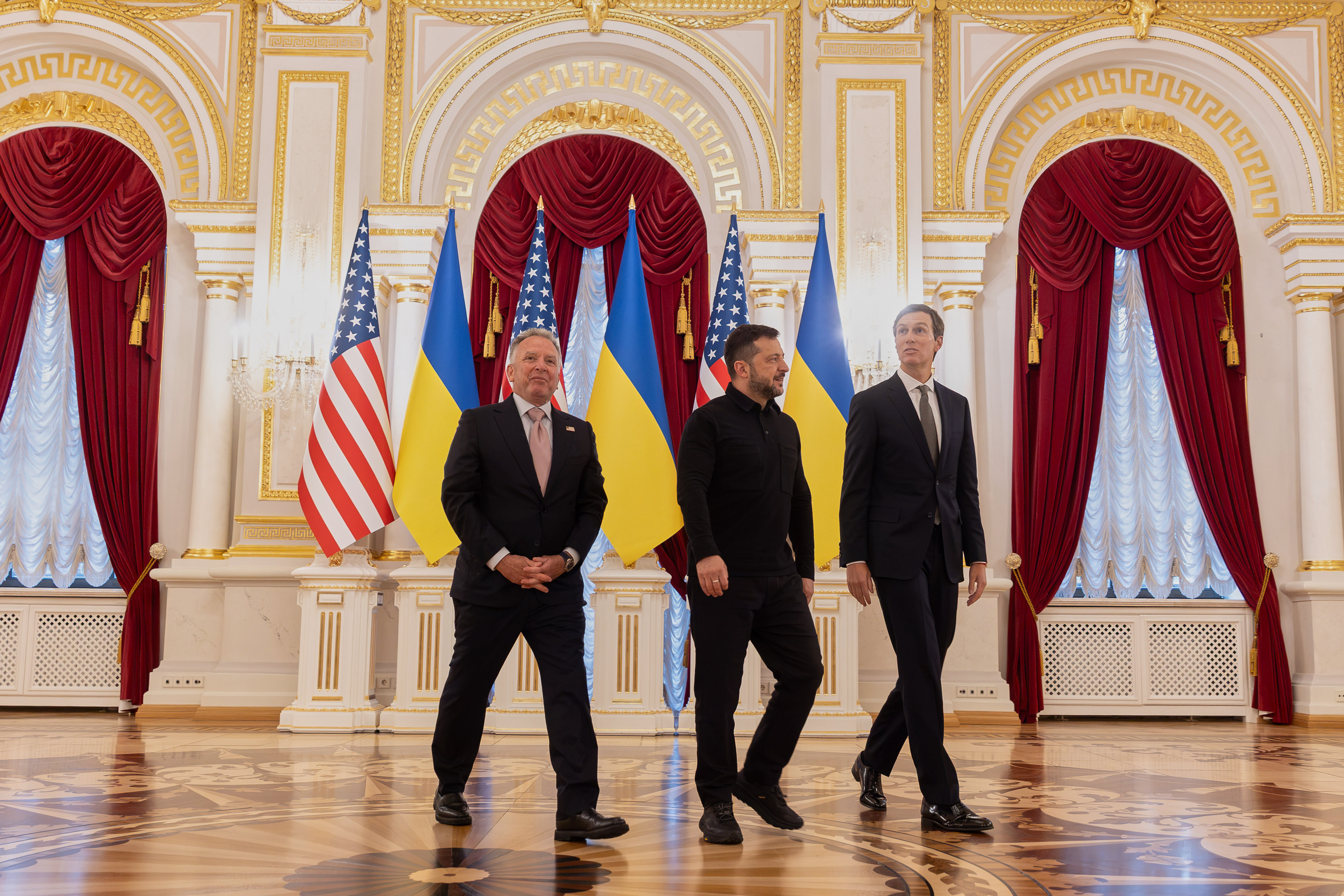
    U.S. envoys Steve Witkoff and Jared Kushner went to Ukraine on Sunday fresh off a trip to Moscow bearing what President Donald Trump said was a proposal to end nearly five years of war.

    But the Trump administration itself, consumed by its war with Iran, had allowed the peace process to enter such a deep freeze that the trip was just a preliminary step — talks about how to resume talks. And President Volodymyr Zelensky of Ukraine said it appeared that the war would continue at least into what analysts say could be a devastating winter for the country.

    “It’s a very, very hard problem, but we’re going to try,” Kushner said of negotiations to end the war. “And I think if we can achieve that, it’d be an incredible thing. That doesn’t mean we will achieve it, but it’s very important to try.”

    Kushner said “new ideas” were presented to Zelensky in a series of discussions Sunday. He gave no details and also declined to give a timeline for reaching any potential settlement.

    The Ukrainian leader offered little more detail about the talks with the Americans. “All the possibilities” for resuming negotiations were discussed, he said at a news conference after the meetings, as were “several genuinely new ideas.”

    When pressed on when further talks would be held, the responses from Witkoff, Kushner, and Zelensky seemed to follow a pattern: “Soon” or “hopefully soon.”

    Ukrainian officials had been saying before the Americans arrived that they expected negotiations to resume in earnest later this month, after Russian parliamentary elections but before the U.S. midterms.

    Those talks, if they happen, would be held alongside an escalation in the air war between Moscow and Kyiv, and a Russian push to accelerate its slow territorial gains in the Donbas region of eastern Ukraine. The war, analysts say, is likely to get only uglier in the months to come, as Russia seeks a knockout wintertime blow against Ukraine and the two sides try to gain the upper hand in eventual settlement negotiations.

    While it remains to be seen if peace negotiations can be revived after a six-month lull, the visit by Witkoff and Kushner was meaningful for Ukraine because it finally brought the two Americans out of a Moscow bubble.

    The envoys’ visit to Kyiv, which ended late Sunday, was their first after several trips to Russia. It gave the Ukrainians the chance to show, and not just tell, as they try to make their case and ensure that the Trump administration does not revert to clearly favoring Russia in talks, as it did earlier in the process.

    The Ukrainians started serving up symbolism before the envoys even reached Kyiv. A refined meal was laid out on the train ride for Witkoff, a known gourmand, and Kushner. It included a selection of Crimean Tatar dishes, highlighting Ukraine’s ties to the peninsula that Russia illegally annexed more than a decade ago.

    Upon arrival, Zelensky greeted the envoys on the landmark Sophia Square, whose display of tributes to fallen soldiers is impossible to ignore, then brought them into the historic cathedral, a symbol of Ukrainian national identity.

    Zelensky’s negotiator later wore a joke T-shirt emblazoned with the words “Kyiv Regime” — poking fun at the sneering term used by President Vladimir Putin of Russia to refer to Ukraine’s government.

    Zelensky offered jokes, too, in telling Witkoff and Kushner to “come more often,” since the Kremlin agreed to temporarily halt during their trip what have been especially intense all-day strikes on Kyiv.

    For many Ukrainians, that was the best and only anticipated result, at least in the near term.

    “Thank you dear Steve and thank you dear Jared for giving us this afternoon without air-raid alerts,” a Kyiv tour guide, Dmytro Soloviov, said with a touch of sarcasm while leading a walking tour of the city’s architecture.

    Yana Vilimetova, a procurement manager, said Ukrainians would use the brief respite to recharge a little. It felt like Groundhog Day to many — another flurry initiated by the Americans, with little expectation of any change in Putin’s determination to continue fighting.

    “We’ll just sleep for three days without strikes, reset our mental health during these days, and that’s it,” Vilimetova said.

    While no one expects a lasting ceasefire anytime soon, a placard on the dining car table in the U.S. envoys’ train offered a hopeful thought.

    “Peace,” it read, “arrives on time.”

    This article originally appeared in the New York Times.

  • Philly companies kept towing cars illegally despite court order, Pa. attorney general says

    Philly companies kept towing cars illegally despite court order, Pa. attorney general says

    Six years ago, the Pennsylvania attorney general sued a group of tow-truck operators for allegedly towing cars unlawfully — and then using intimidation tactics, including the threat of a pit-bull attack, to pressure car owners to pay excessive fees.

    Now, the office’s Bureau of Consumer Protection says the companies violated the terms of a 2022 consent order settling that lawsuit, and has asked a Philadelphia judge to find them in contempt.

    The contempt petition, filed Sept. 2 in Common Pleas Court in Philadelphia, seeks about $220,000 in penalties and restitution from the companies, Siani’s Towing and Recovery, Angelina’s Towing and Recovery, and Aubry’s Towing, which all operate out of the same address in North Philadelphia.

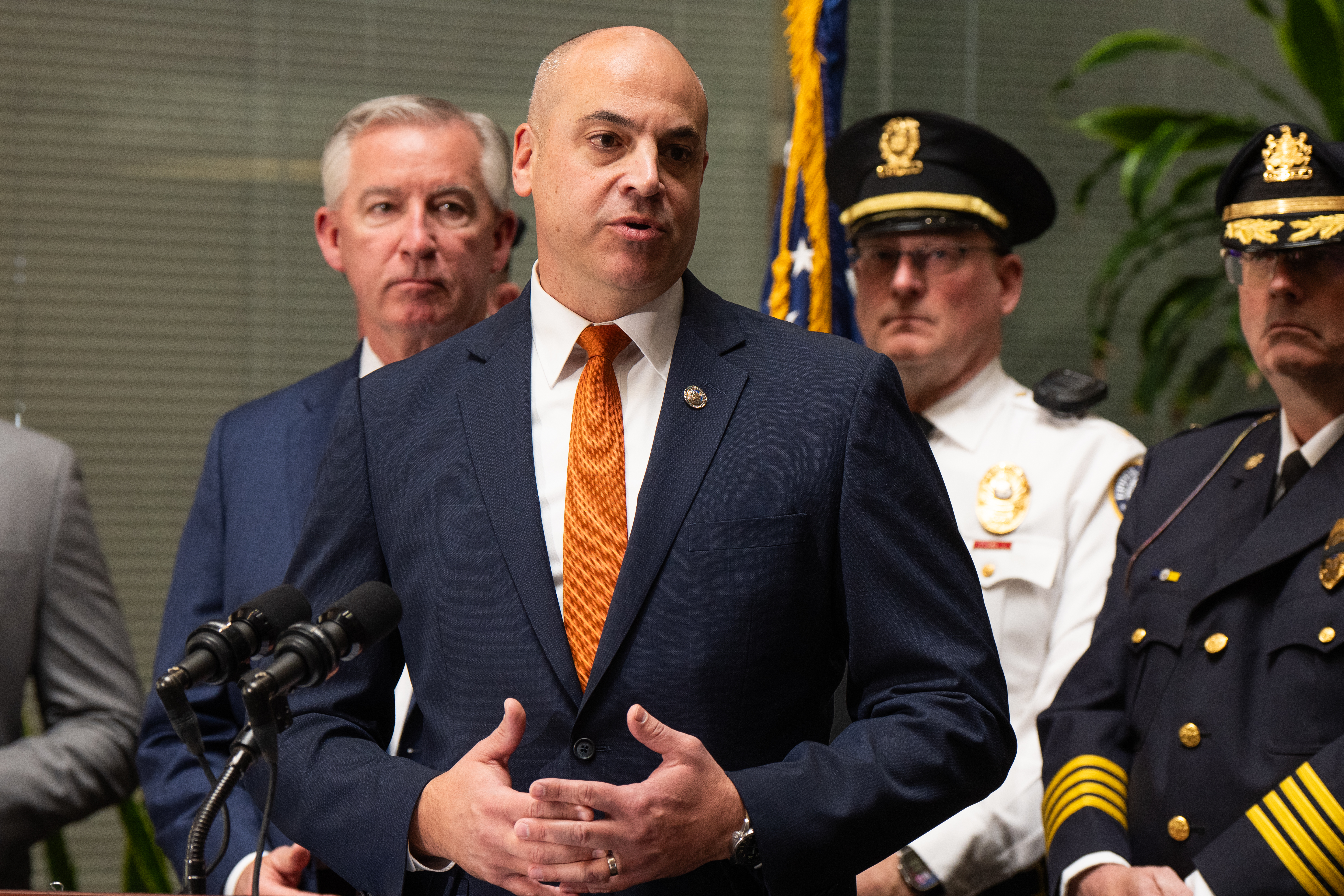
    “The terms of this settlement were very clear, yet these companies continue to improperly tow consumers’ vehicles, and charge exorbitant fees,” Attorney General Dave Sunday said in a statement. “Predatory towing is a scourge that causes tremendous anguish and financial burden for the vehicles’ owners, and will not be tolerated.”

    A person who answered the phone at the company hung up when contacted by a reporter.

    According to the contempt petition, the Bureau of Consumer Protection has received 38 complaints about the towing companies’ conduct since the 2022 settlement.

    Among them: The companies had persisted in towing peoples’ cars from spots not marked with proper signage, charging fees higher than what’s allowed by law, and harassing car owners who complained that their cars had been damaged while they were towed.

    Some of the drivers were residents of apartment buildings, parking in the building lot with permission, when their cars were towed from their homes, according to the filing.

  • Congo’s Ebola burial teams battle community anger, fatigue and fear of infection

    Congo’s Ebola burial teams battle community anger, fatigue and fear of infection

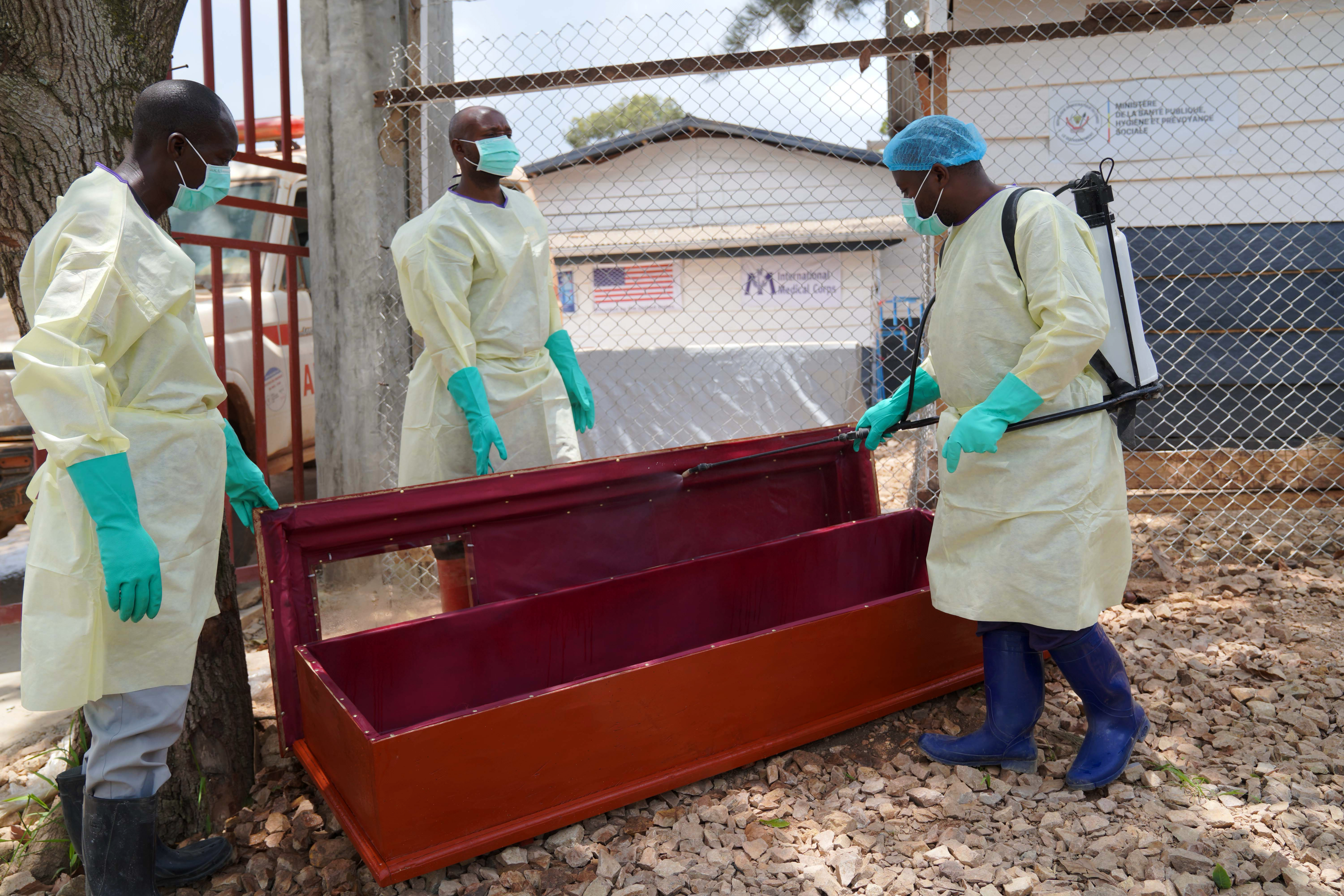
    BUNIA, Congo — Yuma Adolphe and his team are responsible for the safe and dignified burial of some of the people who die from Ebola in Congo’s Ituri province, the epicenter of history’s deadliest Ebola outbreak. Nearly every day, they dig the graves, prepare the bodies, and handle the coffins.

    But as the authorities grapple with the outbreak, which has killed nearly 3,200 people among more than 6,600 confirmed cases, the burial team says they are at their limits, struggling with an increasing workload and hostile communities.

    “It is difficult, but we try to push ourselves beyond our limits,” Adolphe told the Associated Press.

    Since the outbreak began in mid-May, authorities have deployed small burial teams like Adolphe’s across the hot spots to handle the burials. Paid $20 a day, they are a part of a group of front-line workers who are working to contain the rapidly moving disease.

    Despite the toll, the burial team members say the priority is to keep their community safe.

    “We have to look at our own mental well-being, and physically the fatigue mounts, but we keep going to ensure the community is protected.”

    ‘In the past, we did not die like this’

    But their work is in the crosshairs of the locals’ frustration with the outbreak, which not only has taken their loved ones but prohibits them from traditional burial rites.

    Health workers exclusively handle the bodies, as Ebola spreads as a result of direct contact with the blood or other bodily fluids of infected people.

    Experts say bodies of victims still contain considerable amounts of active virus and can spread infections further.

    Burial teams have faced attacks

    Since May, health workers and burial teams such as Adolphe’s have been attacked by bereaved families across the front line of the outbreak.

    “Usually, the body is handed over to the family, who can handle it however they wish, in accordance with our African customs,” Adolphe said. “But in this situation, it’s difficult to let the family handle the body as they please. They are deprived of certain rituals, and that’s what leads to misunderstandings.”

    Jeanne Alasha, adviser to the military governor of Ituri on health and humanitarian affairs, said that “as for those who continue to assault the teams, they are committing offenses punishable by law.”

    Ituri province, where the outbreak is concentrated, is also at the center of the rebel conflict in eastern Congo. The province is under a military government appointed by federal civilian authorities in Kinshasa.

    Shortly before noon last Friday, Justine Abineno, a chorister, was buried in Ituri. Abineno had died of Ebola. She had only complained of slight headaches before heading to a hospital and was diagnosed with Ebola, her mother said.

    A catechist presided over the ceremony attended by dozens of people, as a team of specialist burial team members in scrubs and boots stood by.

    Abineno’s mother, Sofia Wanito, said that the doctors only allowed her to see the body through the window of the hospital ward, and she wasn’t allowed to touch the coffin.

    “In the past, we didn’t die like this. I could not even cover her with the sheets myself and pay a final tribute,” Wanito said.

    Efforts to contain the virus are faltering

    The Ebola outbreak is spreading across six provinces in eastern Congo in some of the most difficult conditions imaginable, fueled by rebel violence, displacement, and intense population movements. A weak healthcare and surveillance system also challenges responders, as do insufficient contact tracing and laboratory testing.

    Efforts to contain the outbreak have also been complicated by the lack of an approved vaccine or treatment for the rare Bundibugyo virus causing it. Authorities have started vaccinating front-line health workers with the Evrebo vaccine, which the World Health Organization says could offer some protection against Ebola, but there’s no conclusive evidence that it would work against the current virus.

    Health authorities say the true scale of the crisis is likely three times more than official statistics as the disease continues to outpace efforts to contain it. WHO has said that it’s projected to surpass the deadliest in history, West Africa’s 2014-2016 outbreak, which killed more than 11,000 people.

    Front-line health workers in eastern Congo have gone on multiple strikes to demand pay for their work, complicating efforts to stop the outbreak.

    ‘We are putting everything on the line’

    Benjamin Muhindo, another burial team member, said that his family worries that he might bring the virus home. For him, though, a bigger priority is ensuring the proper burial of victims, he said.

    “Burials during this Ebola epidemic are very complicated, as we are working under pressure and constantly racing against the clock,” Muhindo said.

    Trauma experts say the high number of cases and the deaths are only one side of the impact at personal and communal levels.

    “The trauma of this outbreak doesn’t stop with the case count,” said Rose Tchwenko, Mercy Corps country director in Congo. The chain of transmission will only be broken by “an integrated holistic response,” which includes a social response to bereaved families and front-line workers, she added.

    After the burial on Friday, Adolphe said that he’s very tired but more worried about the community than anything else.

    “We have no choice,” he said. “We are here to safeguard our community.”

  • King Charles clarifies status of Prince Harry and his wife, Meghan, after their return to the U.K.

    King Charles clarifies status of Prince Harry and his wife, Meghan, after their return to the U.K.

    LONDON — King Charles III has reiterated that Prince Harry and his wife, Meghan, remain nonworking members of the royal family following their return to the United Kingdom.

    A letter sent on behalf of the king to senior government officials said the couple will continue to refrain from using their royal titles as they have done since stepping back from official royal duties in 2020. Any charity work the couple undertakes will be carried out in a private capacity, and operational security decisions are matters for the relevant police agencies, the letter adds.

    The letter was sent by the Lord Chamberlain, the most senior official in the royal household, to senior officials in the government and military, as well as lord lieutenants, the king’s personal representatives around the country.

    “To help avoid doubt or confusion, The King has directed that (this) information be shared,” the letter says.

    While the communication simply confirms that Harry and Meghan’s status remains unchanged, the decision to send the letter and release it publicly demonstrates the concern among some palace observers that the couple’s status could allow them to become a sort of parallel royal court, competing with working members of the royal family.

    The security question is particularly sensitive because Harry has fought a long-running battle with the government for the restoration of publicly funded police protection, which was canceled when the couple gave up their royal roles.

    The decision about whether to restore the couple’s round-the-clock police protection is a matter for a government panel known as RAVEC, or the Royal and VIP Executive Committee.

    “Any specific questions from official and State organizations about the courtesies which should be extended to the Duke and Duchess, and particularly where recourse to public funds may be required, should be directed to Buckingham Palace,” the Lord Chamberlain said in his letter.

  • Trump floats renaming New Mexico as ‘New America,’ prompting pushback

    Trump floats renaming New Mexico as ‘New America,’ prompting pushback

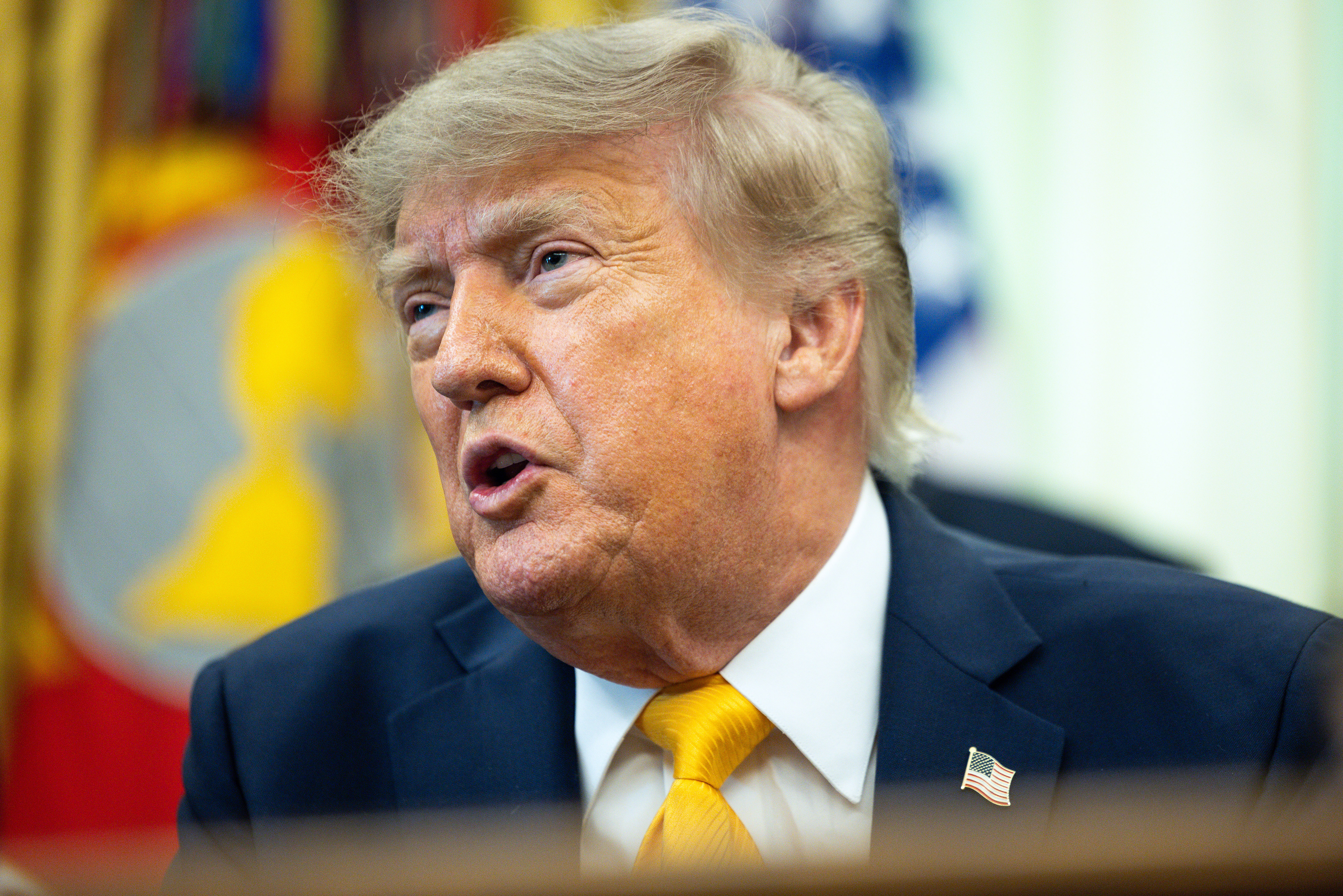
    President Donald Trump appeared to suggest on Sunday that New Mexico should be renamed “New America,” prompting swift backlash from the state’s Democratic leaders over his latest effort to put an American stamp on geographic names.

    On social media, Trump shared an image of a map of New Mexico with the word “Mexico” crossed out with a red X and replaced with “America.” The White House reshared the image shortly after on its official X account.

    The president posted again several hours later, with what appeared to be an artificial intelligence video of him placing a label with the word “America” over “Mexico” on a “Welcome to New Mexico” road sign.

    Trump has no legal authority to rename any state, which in New Mexico’s case is written into its Constitution. Any proposed change would have to originate within the state, a prospect that New Mexico’s Democratic leaders rejected forcefully Sunday.

    “New Mexico’s name isn’t up for debate — it’s been ours since before the United States existed,” Gov. Michelle Lujan Grisham wrote on social media.

    Rep. Melanie Stansbury was more blunt: “Oh hell no!” she wrote on X, adding, “Our state’s name carries generations of history, culture, and family — and it belongs to us.”

    The origins of New Mexico’s name predate the founding of the United States. In the 16th century, Mexicans called the territory north and west of the Rio Grande “New Mexico,” according to the Bureau of Indian Affairs.

    The state’s name is also written into Article 1 of its Constitution: “The name of this state is New Mexico, and its boundaries are as follows,” the first page reads.

    New Mexico’s two Democratic senators also pushed back on Trump’s post. “Three things I will always call by their actual names …,” Sen. Martin Heinrich wrote on X, before listing the Gulf of Mexico, Lake Ontario, and New Mexico.

    On the day Trump returned to office last year, he signed an executive order directing the federal government to rename the Gulf of Mexico as the Gulf of America. The name “has a beautiful ring,” the president said that month.

    Last month, amid an escalating trade fight with Canada, Trump signed another executive order to change the name of Lake Ontario to Lake America. Days before signing the order, the president had posted an image of a map with Lake Ontario crossed out with a red X, as well as an AI video of himself replacing a Lake Ontario sign with “Lake America.”

    Those executive orders, however, dealt with geographic features, not the legal name of a state. The changes were carried out through the federal Geographic Names Information System and apply only to federal usage, including on maps and documents, but they do not bind state and local governments or private mapmakers.

    Rhode Island offers a recent example of how different the process for changing the legal name of a state can be. In June 2020, amid nationwide protests over systemic racism after the killing of George Floyd, the state moved to drop “and Providence Plantations” from its formal name. Gov. Gina Raimondo, a Democrat, ordered the phrase be removed from executive-branch documents and websites while acknowledging that changing the state’s official name required voters to amend the Rhode Island Constitution. Voters approved the change that fall.

    This article originally appeared in the New York Times.

  • Mauricio Pochettino praises the Union’s young stars, and opens the door to USMNT call-ups

    Mauricio Pochettino praises the Union’s young stars, and opens the door to USMNT call-ups

    Next week, U.S. men’s soccer team manager Mauricio Pochettino will announce his roster for the team’s upcoming games in late September and early October. As hopes grow for some of the Union’s young rising stars to get called, Pochettino acknowledged Friday that he’s been watching them, and has been impressed.

    “Philadelphia has good young players, good kids, that maybe we will call a few [of],” he said in a roundtable meeting with reporters on Monday. “New York, yes, Orlando, Nashville, Atlanta — I can keep going, no? But I think, yes, we are so excited, because I think we can add young kids that can bring a fresh start, and you can feel something different.”

    Pochettino didn’t give specific names, and made clear from the start of the meeting that he wasn’t going to. But his acknowledgment was enough, amid that list of clubs with notable prospects.

    From the Union, it’s attacking midfielder Cavan Sullivan, centerback Neil Pierre, and outside back Frankie Westfield. From Red Bull New York, it’s forward Julian Hall and central midfielder Adri Mehmeti. Orlando has forward Justin Ellis, Nashville has goalkeeper Brian Schwake, and Atlanta has central midfielder Cooper Sanchez.

    Cavan Sullivan (left) has blossomed into a big-time player for the Union this summer.Yong Kim / Staff Photographer

    The door is open to them and other emerging players, from MLS and across the Atlantic.

    “The idea now is, it’s about to start to work for the project that is 2030,” the year of the next men’s World Cup, Pochettino said. “And of course, the next camp is going to be the opportunity to bring players that can be involved in that four-year process, with the possibility to arrive to 2030 in the best condition. I think we need to work for the present because we need to win games, we need to be competitive; but I think it’s a different approach than it was in the last period when we arrived.”

    He also will be factoring in candidates for the 2028 Olympic team. It’s an under-23 squad, and U.S. Soccer wants a big performance on home turf in Los Angeles. Westfield and Pierre are prime candidates at that level, with Westfield projected as the potential starting right back.

    Goalkeeper Andrew Rick is another Olympic candidate, though he faces longer odds to make this senior squad. But those odds improved when Pochettino said he expects to have four goalkeepers on his 26-player roster.

    Andrew Rick (center) got great experience spending the World Cup with the U.S. team as a practice player.Jonathan Tannenwald

    “We have a core of young players that need to play the Olympic Games, because it’s an objective for our federation and for the country to try to be a contender for the gold medal,” he said. “And I think it’s important: It’s going to be in our country, and we are going to support that.”

    So expect to see Olympic team coach Steve Cherundolo working with Pochettino this fall. And file away that this specific FIFA window is an especially good chance to get Olympic team candidates into the senior squad.

    The next three windows are the Concacaf Nations League quarterfinals in the fall, the final four in Los Angeles in March, and the Gold Cup next summer. Pochettino will want the stars for those games, but he doesn’t need them all for the friendlies.

    “It’s a decision that we are talking [about] now,” he said. “I think it’s a very important thing if we can provide them, the players that maybe Steve believes can be important in two years, in the Olympic Games — it’s a window that maybe we can provide minutes and international experience.”

    Mauricio Pochettino (right) had four Union alumni on the World Cup team this summer, including centerbacks Auston Trusty (left) and Mark McKenzie.Jonathan Tannenwald

    But there are some caveats to the youth movement. One is that the squad for the upcoming four-game slate — against Peru, Chile, Mexico, and Canada — won’t just be prospects. There are veterans from the World Cup squad whom Pochettino wants, to help get results and to help set the tone for the new generation.

    “We are going to do a mix,” he said. “Experienced players with young players that can fit together and start to work, and [help] how the young kids start to manage the pressure to play in the first team.”

    The other caveat recalls the old Star Wars proverb: Great, kid. Don’t get cocky.

    Pochettino is watching the prospect class to see not just how they play, but how they conduct themselves.

    Neil Pierre has won rave reviews this summer for his play at centerback and his charming character.Steven M. Falk / For The Inquirer

    “When you are young, of course, you need to be confident, you need to have trust in yourself, and belief that you can perform, and that you can do well — but I think there is a limit, no?” he said. “I think you are only entitled to talk a little bit out of order if you are [Lionel] Messi — if you’ve won eight Ballon d’Or [world player of the year awards], OK, you can talk with a certain arrogance. But even Messi, you aren’t going to feel or hear him talking in this way.”

    He spoke of his own role in that, too, knowing how a high-profile manager’s words can be magnified in the media.

    “The balance is the most important, and one of our responsibilities is to protect these guys,” Pochettino said. “Because sometimes if you play well and you are 17, 16, or 18, and you play well, people start to talk about that you are Messi or you are a big star in the world because you do a few good things. If after [that], you are confused and you don’t manage [it] well, that can be dangerous for your career, and that is what we don’t want.”

    USMNT schedule of autumn friendlies

    Saturday, Sept. 26: vs. Peru at Inter.co Stadium, Orlando, 4:30 p.m. (TNT, Telemundo 62, Universo, HBO Max, Peacock)

    Tuesday, Sept. 29: vs. Chile at Energizer Park, St. Louis, 8 p.m. (TNT, Telemundo 62, Universo, HBO Max, Peacock)

    Saturday, Oct. 3: vs. Mexico at State Farm Stadium, Glendale, Ariz., 10 p.m. (TNT, Telemundo 62, Universo, HBO Max, Peacock)

    Tuesday, Oct. 6: vs. Canada at Allianz Field, St. Paul, Minn., 8 p.m. (TNT, Telemundo 62, Universo, HBO Max, Peacock)

  • Fuel prices at record Labor Day high in U.S. thanks to Iran war and refinery issues

    Fuel prices at record Labor Day high in U.S. thanks to Iran war and refinery issues

    It’s never been more expensive in the U.S. to fill up the tank and take one last summer trip over the Labor Day weekend.

    The average price of regular gas was $4.14 a gallon heading into the holiday, nearly a dollar higher than last year and well above the Labor Day weekend record of $3.82 from 2012, according to AAA motor club.

    Nicole Collins planned to head from Philadelphia to South Carolina to visit friends, but she said her family has spent most of the summer close to home and not taking their typical weekend trips because driving has gotten so expensive.

    “Gas is pretty high right now. It doesn’t help that we also have a baby, so we also have to pay for that,” Collins said outside a gas station in Claymont, Del., where regular gas was $4.199 a gallon.

    Prices shot up after the U.S. and Israel attacked Iran in February and have not settled down since. Crude oil traffic through the key Strait of Hormuz has plunged, and Iran has refused to reopen the waterway.

    “Everything points to the Iran war and the Strait of Hormuz,” said Tom Seng, a professor of energy finance at Texas Christian University.

    Energy Secretary Chris Wright offered few specifics on when the nation’s drivers might see relief at the gas pump, acknowledging that prices are higher now than Labor Day 2025.

    “Yes, they’re higher today, but we’re doing everything we can to push them down,” Wright said Sunday on ABC’s This Week.

    The national average for regular gas prices is still well below the record of $5.02 a gallon set in June 2022.

    But diesel is a different story: It hit a national average of $5.85 a gallon Friday, a record.

    Trucks and other freight delivery systems use a lot of diesel, and that increased transportation cost is being passed on to consumers, whether at the grocery store or through package delivery services.

    “It doesn’t really seem like there’s an end to it,” Collins said.

    Gas prices typically drop as the summer driving season ends and refineries turn to making a cheaper winter blend.

    But Seng said there are other factors this year even beyond the volatile situation in the Middle East that make future prices unpredictable. U.S. refineries are working at 98% capacity, many in the unusually harsh Texas heat. If there are problems there or a hurricane knocks some systems offline, prices will struggle to drop.

    And it’s not just a Middle East problem. Ukrainian drone attacks on Russian refineries are squeezing diesel supplies. Chinese refiners are seeing declining outputs as well, said Matthew Metzgar, a clinical professor of economics at UNC Charlotte.

    “There’s just less gasoline coming out of those refineries,” Metzgar said.

    Wright, the energy secretary, said the Trump administration was taking steps to increase production and that the markets forecast lower prices in the coming months.

    “If you look at the futures prices, if you wanted to buy today in bulk gasoline for two months out in November, it’s about $0.35 cheaper than it is today. So the marketplace thinks gasoline prices are going to move meaningfully lower,” he said.

    Geopolitically, though, there is little a driver can do to knock down gas prices.

    But using price apps can help save a little money, especially on long trips where gas by the interstate could be 10 to 15 cents per gallon more expensive than at stations a short drive down the road, Metzgar said.

  • Canada’s retaliatory tariffs set to take effect as Trump threatens to escalate

    Canada’s retaliatory tariffs set to take effect as Trump threatens to escalate

    OTTAWA, Ontario — After more than two weeks of finger-pointing, threats, and patronizing insults between longtime trading partners, Canada’s latest retaliatory tariffs against the United States are set to take effect just after midnight Eastern time Tuesday.

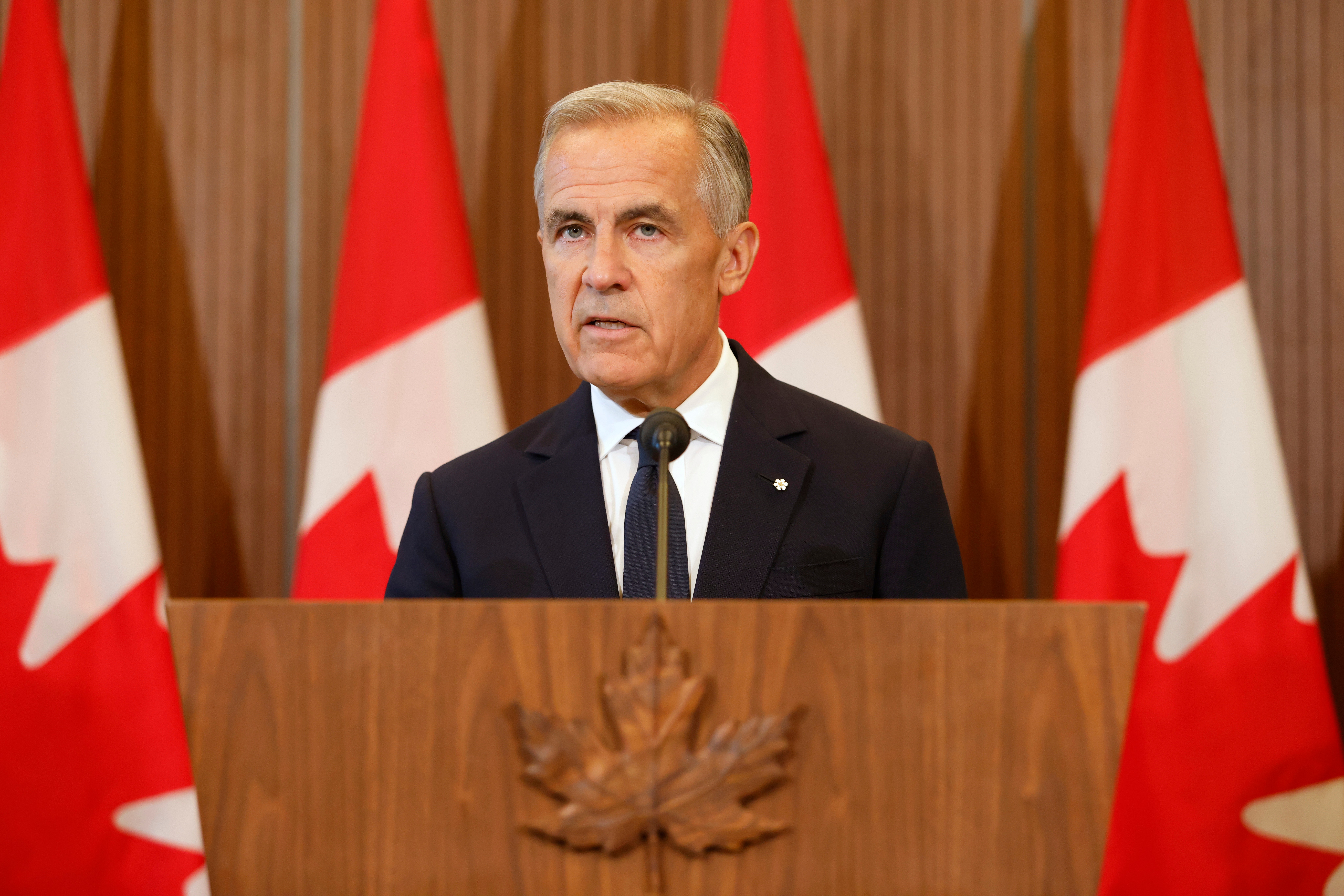
    Polls show that Canadians strongly back Prime Minister Mark Carney’s decision to end trade talks with Washington last month and to hit back with tariffs on about $20 billion in U.S. products entering Canada. But there is also concern over what might happen next. President Donald Trump has repeatedly threatened another round of U.S. tariffs if Canada follows through on its plan.

    Some in Canadian industry say they are inclined to take Trump at his word, at least on this threat.

    People in the Trump administration “are willing to hurt themselves, their own sectors and industries, in pursuit of their goal, however misguided I think it is,” said Flavio Volpe, president of the Automotive Parts Manufacturers’​ Association of Canada. “So they may escalate. I hope that we don’t end up in a tit-for-tat situation. We’re going to run out of runway.”

    Carney announced Canada’s new tariffs after he pulled Canadian negotiators out of talks in Washington last month — an ultimately unsuccessful attempt to stave off 50% U.S. tariffs on $20 billion in Canadian exports and to reduce or eliminate tariffs of up to 50% on Canadian steel, aluminum, and automobiles.

    The Trump administration said the tariffs it imposed last month were in part a response to retaliatory tariffs Canada placed last year on some U.S. imports, particularly autos. U.S. officials have repeatedly noted that only China and Canada retaliated against the United States since Trump began upending global trade.

    At a news conference after a sternly worded speech announcing the tariffs, Carney declared that Canada had been attacked by the United States and that the two countries are now “at war.”

    Last week, U.S. Treasury Secretary Scott Bessent rejected that framing, arguing that Canada is too small an economic power to battle the United States. “I don’t think you can be in a tit-for-tat with someone who’s 13 times larger than you are,” Bessent said on CNBC.

    On Friday, Trump escalated his trade rhetoric even further. He said that he might “end all trade with Canada” and other countries that have trade surpluses with the United States.

    Separately, U.S. Commerce Secretary Howard Lutnick said Carney had shut down the talks to gain “political leverage” at home, not because of what the U.S. side had offered.

    As last week went on, Carney made it clear that he was in no hurry to return to negotiations and was focused instead on diversifying Canada’s trade and expanding its domestic economy.

    “At the appropriate time, the conversation will happen,” he said. “But the most important thing we can do is not to spend all our time waiting by the phone, waiting for a call, refreshing on social media to see what’s coming across.”

    Many of the U.S. items that will soon face Canadian tariffs of 15%, 25%, or 50% mirror the Canadian exports that are now met with 50% U.S. tariffs, particularly clothing and wood products. Canada revised the list to remove dozens of fish products after the Canadian fishing industry said that tight cross-border integration meant that its members would also be harmed.

    Canadian officials have suggested that many targeted items come from states where voters supported Trump, though some political analysts question how much pressure that will actually bring on the White House. The list also includes items with little bearing on the Canadian economy, including the metal bands that attach erasers to pencils, migratory bird identification bands, and fish egg incubators.

    Trump has not imposed tariffs on some of Canada’s largest exports, including oil and gas and many minerals, and has exempted many products with enough North American content to move duty-free under the United States-Mexico-Canada Agreement. Auto parts, for example, are subject to a 25% tariff but generally cross the border without incurring it.

    As a result, Canada’s overall average tariff rate remains low compared with what most other countries face, and the majority of its trade, by dollar value, is still duty-free.

    After the talks collapsed, Trump threatened to impose 50% tariffs on autos and auto parts in January, apparently without the USMCA exemption — a move most analysts believe would be devastating for Canada’s auto industry. Trump has not taken formal steps toward carrying out the threat, though some in Canada speculate that rather than target new products or raise existing tariff rates, the Trump administration may instead strip away the USMCA exemption for many goods.

    Volpe said that auto parts makers were not intimidated. He said that last year when the Trump administration proposed collecting tariffs on Canadian auto parts “they understood that it would shut down the auto industry in a week.”

    He added: “Ultimately, I think they will back off that. But if they don’t, they can have at it.”

    This article originally appeared in the New York Times.

  • Matt Suhey, former Penn State back who helped the 1985 Bears win the Super Bowl, has died

    Matt Suhey, former Penn State back who helped the 1985 Bears win the Super Bowl, has died

    Matt Suhey, a fullback who helped Walter Payton and the Chicago Bears win the 1985 NFL championship, has died. He was 68.

    The Bears confirmed Suhey died on Sunday morning. No other details were provided.

    Suhey played for Chicago for 10 seasons after he was selected by the Bears in the second round of the 1980 draft. He helped clear the way for Payton to become the NFL’s career leading rusher, a record Payton held until Emmitt Smith surpassed his total on Oct. 27, 2002.

    Suhey and Payton were close friends. Payton served as the godfather for Suhey’s youngest son, Scott.

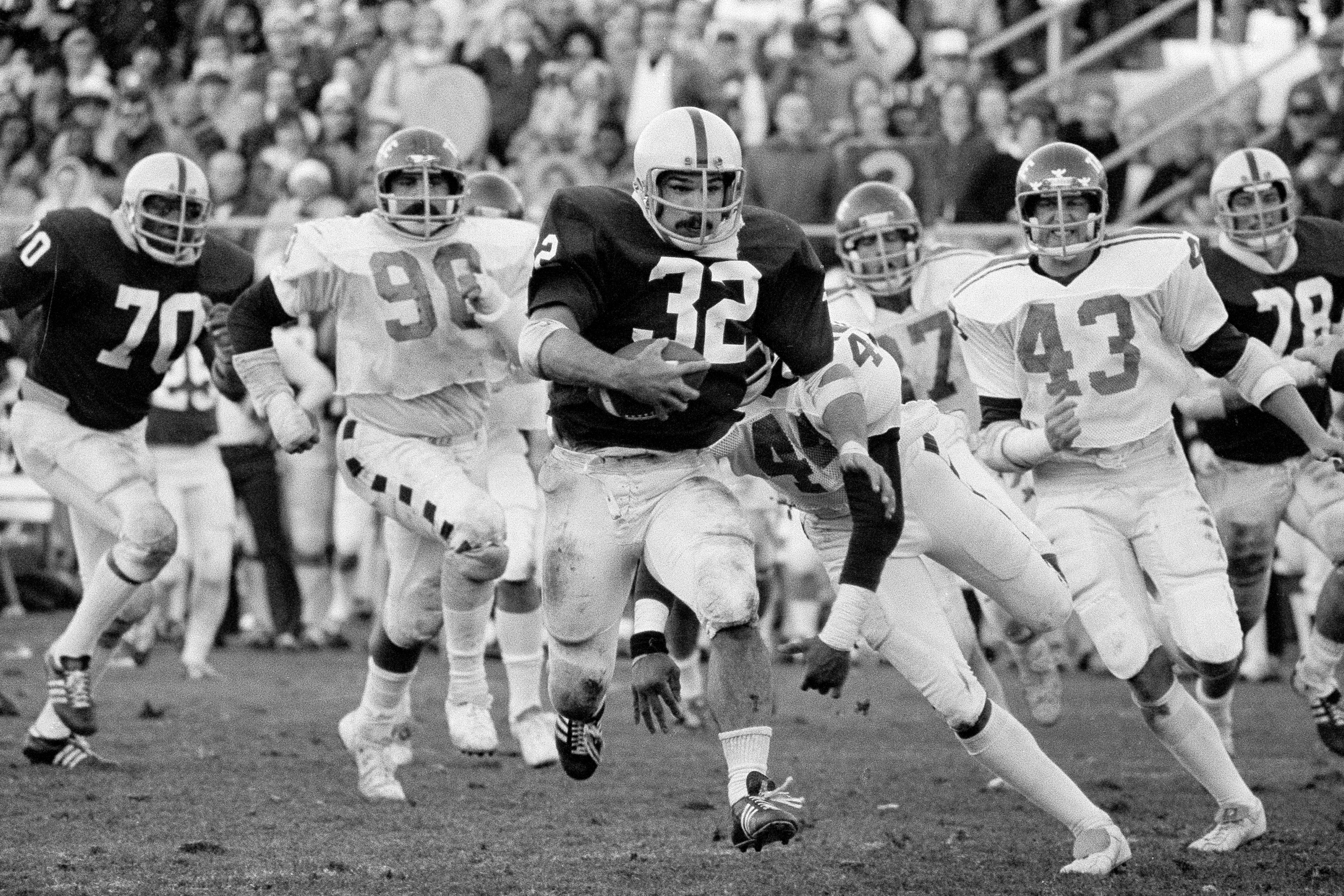
    Penn State’s Matt Suhey runs against Temple in 1979 at University Park.Fred Prouser

    “Matt watched my dad’s back, kind of like being a bodyguard or protector,” Walter’s son, Jarrett, said in “A Football Life,” an NFL Network show. “He blocked for him. He took a lot of hits, making sure that my dad would get the glory, and Matt kind of just sat back in the background, very unselfish.”

    Suhey, a Pennsylvania native, played his college ball for Penn State, following in the footsteps of his father, Steve, a guard who was inducted into the College Football Hall of Fame in 1985.

    Matt Suhey rushed for 2,818 yards and 26 touchdowns on 633 carries for the Nittany Lions. He also caught 39 passes for 328 yards and two TDs.

    Suhey was Chicago’s second-leading rusher when the Bears went 15-1 during the 1985 regular season, finishing with 471 yards on the ground. Payton rushed for 1,551 yards and nine touchdowns that year.

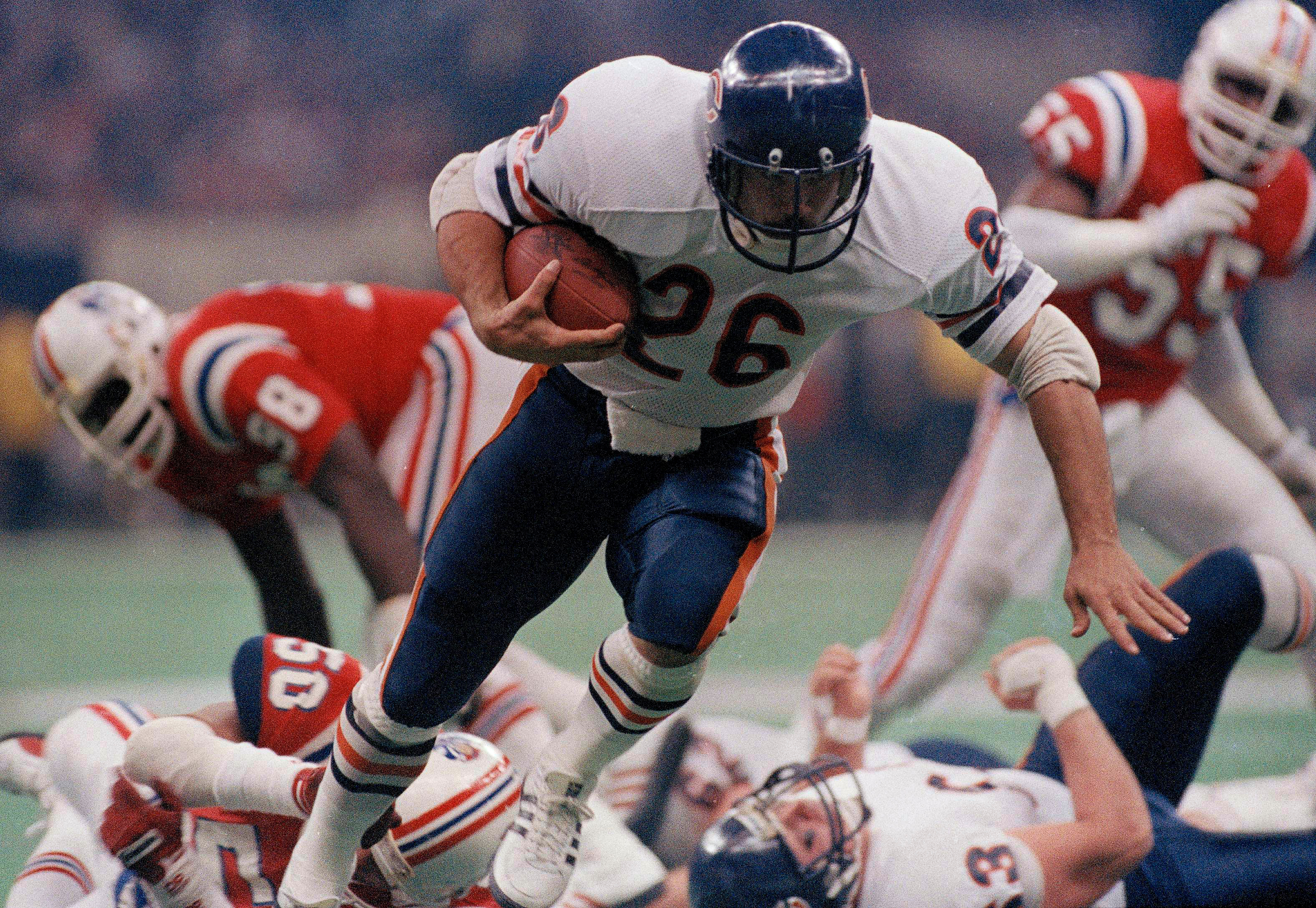
    The 1985 Bears shut out the New York Giants and Los Angeles Rams in the playoffs before routing New England 46-10 in the Super Bowl. Suhey scored the first TD against the Patriots on an 11-yard run in the first quarter. He finished with 52 yards on 11 carries, and he also had a 24-yard reception.

    The durable Suhey played in 148 regular-season games during his 10 years with the Bears, starting 100. He had 828 carries for 2,946 yards and 20 touchdowns. He also had 260 receptions for 2,113 yards and five TDs.