Blog

  • Trump widens trade war with Canada beyond tariffs. Here’s what to know.

    Trump widens trade war with Canada beyond tariffs. Here’s what to know.

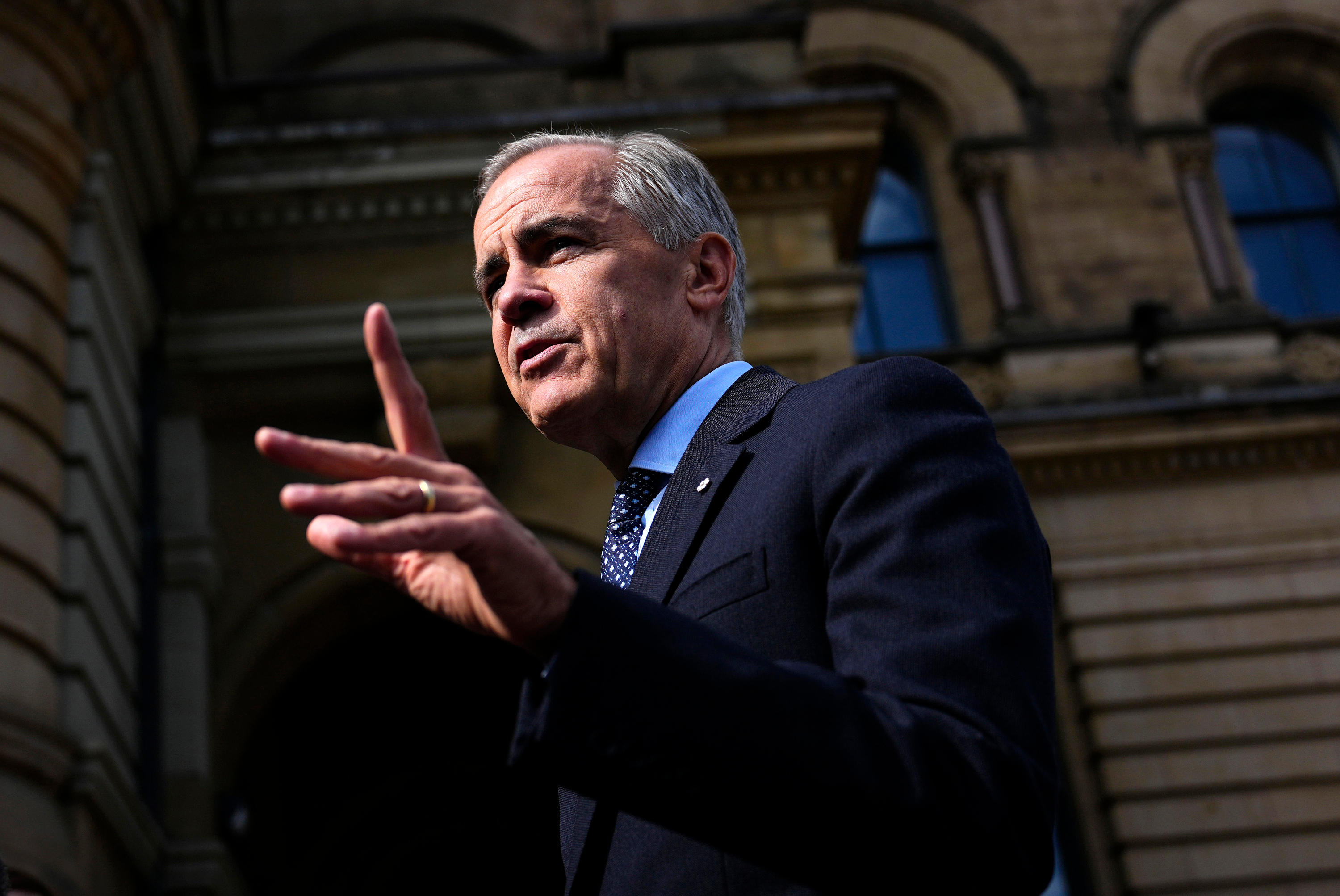
    TORONTO — The United States sharply escalated its trade war with Canada on Tuesday, banning some Canadian dairy products and motorcycles as well as most alcoholic beverages after retaliatory Canadian tariffs took effect on about $20 billion in U.S. goods.

    U.S. President Donald Trump also moved to shut Canadian products out of large, long-term U.S. government contracts, broadening the confrontation beyond tariffs as relations between the longtime allies deteriorate further.

    The outcome could resonate far beyond Canada, showing other governments whether a smaller U.S. ally can withstand Trump’s economic pressure.

    Canadian Prime Minister Mark Carney says U.S. demands could hollow out key Canadian industries and limit the country’s independence, while Trump’s threats to Canadian sovereignty have rallied the public behind him.

    “Carney and Canada have become symbolic of resistance to him,” Canadian historian Robert Bothwell said. “And what he’ll want to do is make an example of Carney and Canada and theoretically terrify everybody else while in fact showing them that they need to remove themselves even further from the United States.”

    The latest U.S. bans take effect Sept. 29 and cover various Canadian wines and spirits, some motorcycles and mopeds, dairy products including whey, and some types of molasses.

    Here’s what to know.

    Canada retaliates with tariffs on hundreds of US products

    Canada says its tariffs match Washington’s dollar for dollar and rate for rate. They took effect at 12:01 a.m. Tuesday and cover about $20 billion in American goods, roughly 6% of the $333.6 billion the United States exported to Canada last year.

    The tariffs hit hundreds of American products, including steel, aluminum, cheese, appliances, clothing, cosmetics and farm equipment, at rates of 15%, 25% or 50%.

    Canada has already gone beyond tariffs in other ways. Eight of its 10 provinces continue to restrict or ban sales of U.S. alcohol. The Distilled Spirits Council says U.S. spirits exports to Canada fell more than 70% year over year after those restrictions took effect.

    Trump responds with import bans and government-contract restrictions

    The White House responded Tuesday by announcing outright bans on some Canadian products rather than simply imposing higher tariffs. The restrictions on Canadian alcohol, dairy products and motorcycles take effect Sept. 29.

    Some Canadian provinces’ restrictions on U.S. alcohol prompted the U.S. ban on various Canadian wines and spirits.

    Trump also directed the U.S. General Services Administration to declare Canadian products ineligible for large, long-term federal contracts until Canada allows what he called “full and fair reciprocity” for American products.

    Since Canada-U.S. trade talks collapsed Aug. 21, Trump and his administration have unleashed a barrage of tariffs, threats and personal attacks portraying Canada as weak and dependent.

    Trump previously warned that Canada’s economy could collapse if Carney continued treating him as “the enemy.”

    Trump even renamed Lake Ontario “Lake America,” a change ignored and ridiculed in Canada. Google and Apple bent to Trump’s pressure and changed their maps for U.S. users.

    “After renaming a gulf and a lake, maybe the next step for him is to rename a river?” said Daniel Béland, a political scientist at McGill University.

    Trump’s pressure is hardening resistance in Canada

    Trump’s trade war and repeated talk of making Canada the 51st state have fueled anger and rallied support for Carney. Canadians have sharply cut travel to the United States and boycotted U.S. goods.

    The current trade war began after Trump returned to office and imposed a series of tariffs on Canadian goods despite having negotiated and repeatedly praised the North American trade agreement during his first term. Many of those tariffs violate the pact.

    The rupture is especially striking because the countries have long shared one of the world’s closest relationships, with deeply integrated economies, close defense and security cooperation, vast cultural ties and, before relations deteriorated, about 400,000 people crossing the border each day.

    Carney said Tuesday that Canada’s response is increasingly about reducing its dependence on the United States rather than simply weathering the latest tariffs.

    “It’s about ensuring that no country can hold us hostage. And that we can live how we want to live,” he said.

    Carney has said talks can resume when the Americans “stop doing memes, stop throwing shade, stop trying to be tough” and become serious.

    So far, Trump’s pressure has backfired in Canada, strengthening support for Carney rather than forcing concessions.

    Carney is becoming a global voice for standing up to Trump

    At the World Economic Forum in Davos in January, Carney warned that great powers are using economic integration to coerce smaller countries. The speech helped establish him as the leading voice among countries looking for ways to resist Trump.

    Trump responded a day later by saying Canada “lives because of the United States” and warning: “Mark, remember that next time you make your statements.”

    Carney will address the European Parliament next week as Canada explores deeper ties with the European Union that could stop just short of membership.

    “The Canadian public is behind the Carney government and the world is watching what will happen next,” said Béland, the McGill political scientist. If Canada’s defiant approach succeeds, he said, it “could be used as a template” for resisting the Trump administration’s trade policies.

    The fight is also about whether Canada keeps its factories

    Trump has also threatened 50% tariffs on Canadian vehicles, auto parts and steel next year if Canada does not “fall in line,” a potentially devastating escalation for industries built around deeply integrated North American supply chains.

    A 50% auto tariff could hammer Canadian plants and raise vehicle prices across North America because parts and finished vehicles cross the border repeatedly during production.

    Carney says Washington’s terms could leave Canadian industries “gradually wound down in Canada and wiped out.”

    Could Canada actually win?

    Canada starts at a disadvantage: The U.S. economy is roughly 13 times larger, and Canada sends more than 70% of its exports south of the border.

    But Béland said this is not a normal trade fight. He pointed to Trump’s domestic unpopularity, the approaching midterms and court challenges that could undo more U.S. tariffs.

    “Under normal conditions, this would be a very long shot for Canada,” he said.

    But Washington has vulnerabilities too. U.S. refineries rely on 4 million barrels of oil a day from Canada, and American farmers depend heavily on Canadian potash fertilizer. So far, however, Canadian leaders have ruled out using some of that leverage by taxing or restricting critical exports.

    Canada entered this round with some economic momentum. Its economy grew at a 3.2% annualized rate in the second quarter, more than twice the 1.5% pace in the United States.

    Industry Minister Mélanie Joly put the government’s ambition plainly:

    “I’m convinced that we will be able to show the world that Canada will win this trade war.”
  • Three jurors in Clancy trial describe frustration with holdout

    Three jurors in Clancy trial describe frustration with holdout

    It had looked like the end of deliberations in the murder trial of Lindsay Clancy.

    Eleven of 12 jurors had agreed not to convict Clancy. Then the one holdout “admitted he had reasonable doubt,” the jury’s foreperson, Roni Carlson, said in an interview with television station NBC10 in Boston on Tuesday.

    According to the judge’s instructions, if jurors had considered all the evidence but still had reasonable doubt about the charges against Clancy, they had to acquit her.

    So Carlson, a retired teacher, started to fill out the three verdict forms, she said in the interview. She got as far as writing her signature on each sheet. But then, Carlson recalled, the holdout juror said, “I’m still not going to say that she’s not guilty by reason of insanity.”

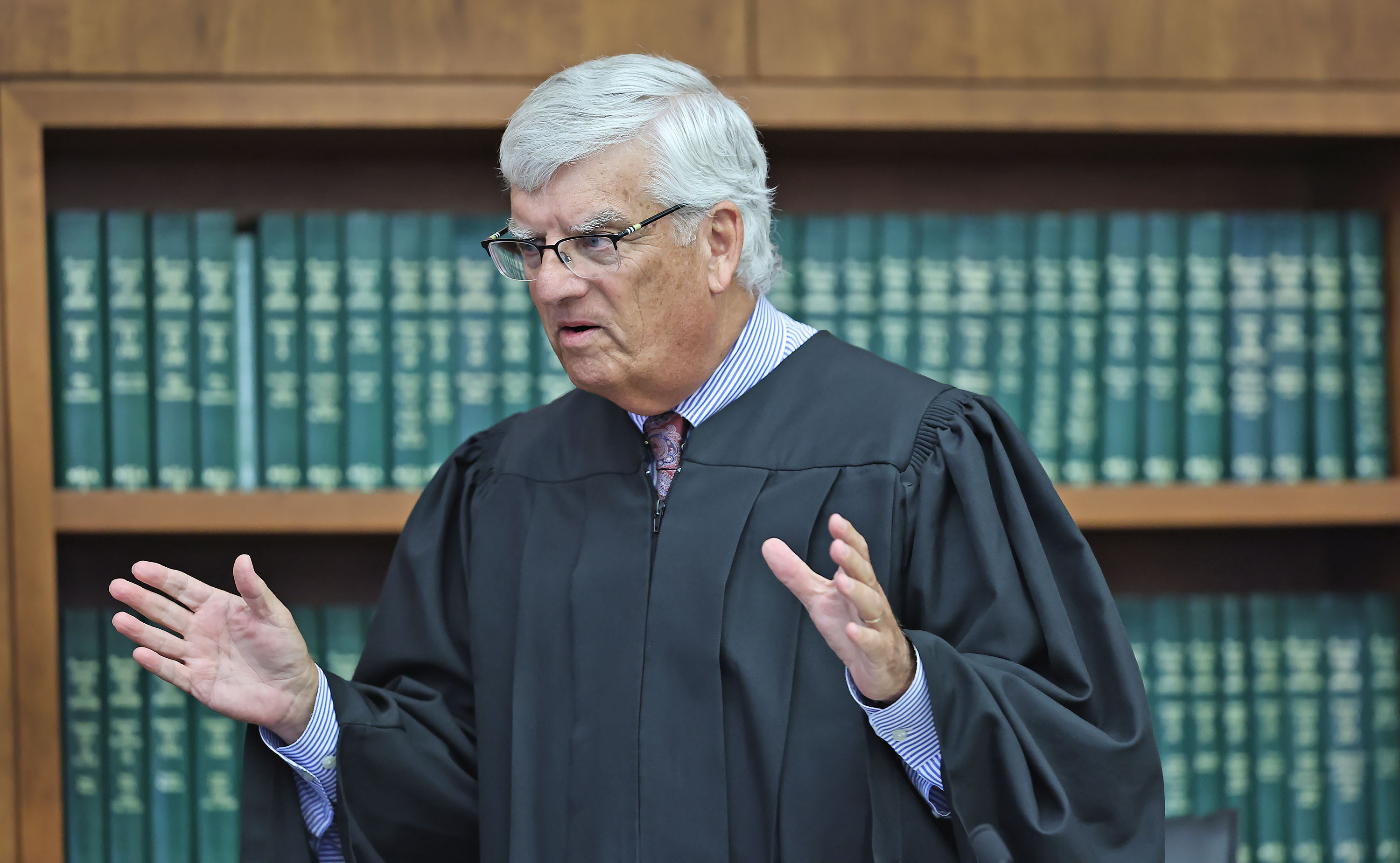
    In the first public statements by jurors since the monthlong trial, Carlson and two other jurors opened up about the grueling week of deliberations in which the jury of nine women and three men were deadlocked, prompting Judge William Sullivan to declare a mistrial.

    Clancy has not denied that she strangled her children — Cora, Dawson, and Callan — at their Massachusetts home in 2023. Instead, her trial in Plymouth, Mass., was over whether she should be held criminally responsible for their deaths.

    Her lawyer argued that she had suffered from postpartum psychosis when she strangled her children with exercise bands on Jan. 24, 2023. The prosecution disputed the severity of her condition and said Clancy had planned to kill her children before attempting to die by suicide.

    The three jurors said in a group interview with the station that they believed the evidence showed that Clancy clearly loved her children and repeatedly sought help for her mental health struggles.

    “Everything proved that she loved her children, so she had to have snapped,” Carlson said in the interview.

    The juror who disagreed with the other 11 does not yet appear to have been publicly identified or interviewed.

    One of the three jurors interviewed, Kellie Farina, a chef for a senior center, told NBC10 Boston that the holdout juror “had the hardest time getting off the fact that Lindsay viciously killed her children.”

    The third juror interviewed, Paula Devlin, who works for a defense contractor, said the holdout “completely disregarded” information that nurses on the jury provided to help interpret medical reports from the hospital where Clancy stayed after she killed her children.

    The jurors said that the testimony and evidence presented at the trial were brutal at times. Farina described the 911 call made by Patrick Clancy, Clancy’s then husband, the night the children were killed as “horrific.”

    “When we heard it again in the jury room, we were crying again,” she said.

    The jurors were critical of the prosecution, with Farina describing it as “harsh,” compared with the defense’s style, which she described as “compassionate.”

    Farina said the prosecution presented a lot of medical experts but no witnesses that said Clancy was a bad mother, a factor that weighed heavily with the three women.

    The jurors said that Clancy’s lawyer, Kevin Reddington, was arrogant, but they also found him compassionate and occasionally entertaining.

    The case has deeply divided Americans, with some supporting the prosecution and others — especially women who report negative experiences with the postpartum mental healthcare system — expressing sympathy for Clancy.

    Clancy, who was paralyzed from the waist down after her suicide attempt, is being held at Tewksbury Hospital, a state-run psychiatric facility.

    Prosecutors have not yet announced whether they will retry the case.

    This article originally appeared in The New York Times.

  • Oil surges above $100 a barrel as U.S. and Iran launch new attacks, while gasoline prices also jump

    Oil surges above $100 a barrel as U.S. and Iran launch new attacks, while gasoline prices also jump

    NEW YORK — Oil prices shot past $100 a barrel Wednesday as fighting between the U.S. and Iran escalated, threatening to increase costs for consumers and businesses worldwide.

    Brent crude, the international standard, climbed into triple digits after attacks on oil facilities and ships in the Middle East that could further debilitate an already weakened supply chain. It rose 3.4% to settle at $101.21 a barrel Wednesday. That last time prices were that high was in July.

    The latest developments in the war, both prospects of peace and renewed hostilities, have caused market whiplash before. Oil returning to the $100 mark raises concern because experts have warned that a prolonged period of steep prices would worsen the now over six-month-long conflict’s economic fallout. Crude is the main ingredient for everyday fuel like gasoline and diesel — which are also seeing a renewed spike in prices — and higher energy costs overall trickle down to just about every part of the supply chain, from groceries to clothing, cosmetics, and more.

    “Brent breaking above $100 is a major psychological milestone for markets, but the bigger concern is what this means for inflation,” Lukman Otunuga, market research head at global broker FXTM, said in Wednesday comments.

    Here’s what we know.

    What’s driving the latest surge in oil prices

    Crude oil prices shot up shortly after Israel and the U.S. launched their war with Iran in late February. Much of that is because the fighting halted most shipping through the Strait of Hormuz, a narrow waterway where roughly a fifth of the world’s oil supply passed before the conflict.

    Prices have fluctuated considerably over the last six months. Brent surged in the early days of the war — and at one point briefly reached nearly $120 a barrel. Volatility at times resulted in stark day-by-day price swings, but the benchmark settled above the $100 mark for a full month between late April and early May.

    Oil costs cooled in the early summer, plunging closer to prewar levels (roughly $70 a barrel) during hopes for peace and a plan to move oil safely out of the Persian Gulf. But new attacks soon piled up and talks crumbled, leading oil to renew its climb, albeit still with some volatility. The last time Brent settled above $100 was for a single day in late July. Prices have stayed above $90 since the end of August.

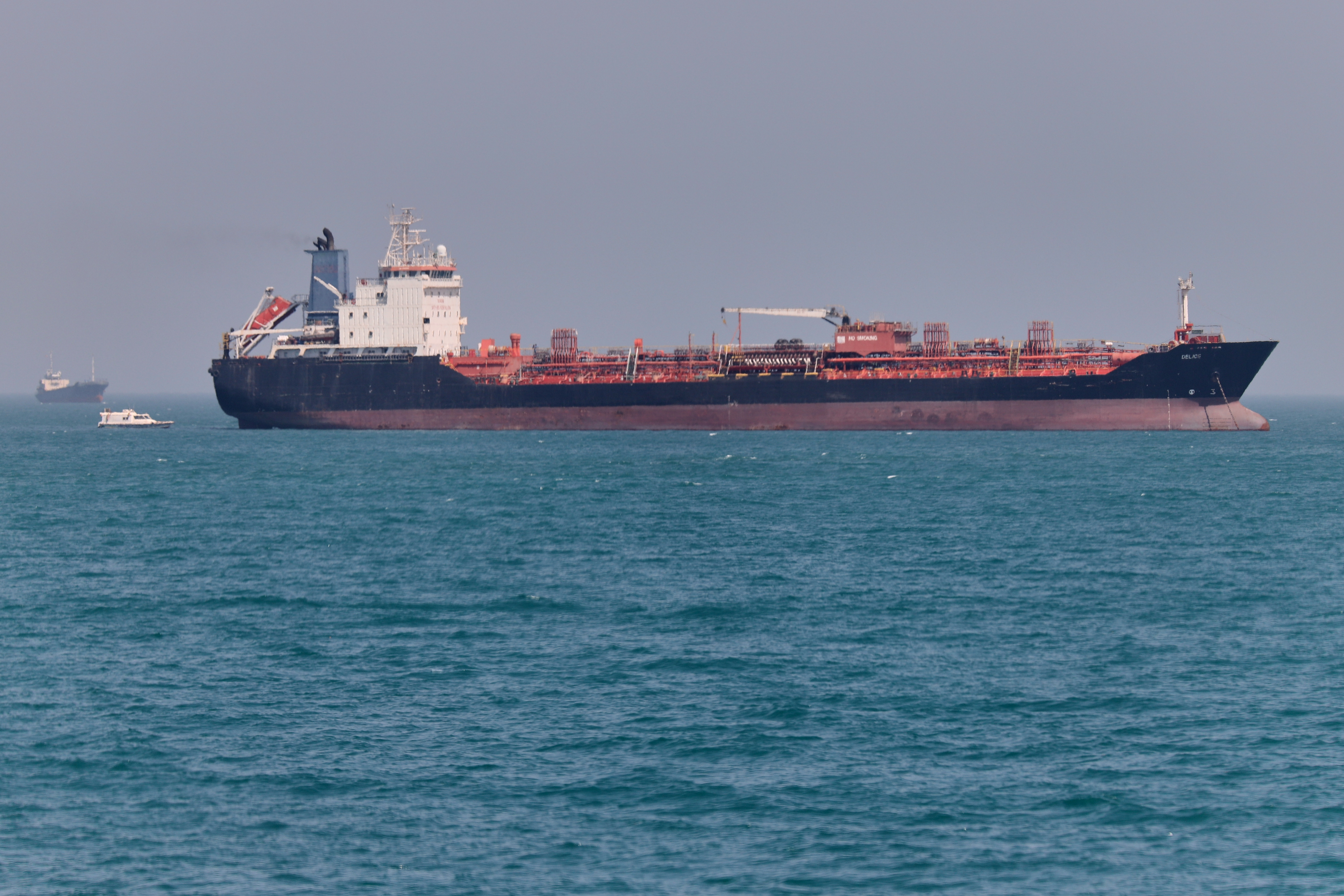
    This week’s jump follows the latest escalation: The U.S. military reported striking five Iranian tankers on Tuesday, in response to attempted missile attacks on a Navy warship and after attacks by an Iranian-backed Houthi rebel group ignited fires at oil facilities in Saudi Arabia.

    Recent stepped-up attacks by Yemen’s Houthis could constrain global oil supplies even more because they targeted an alternative shipping route that Saudi Arabia has relied on to transport oil during the war.

    Renewed pain at the pump and other costs for consumers

    Higher energy costs have already weighed on consumers, businesses, and national economies this year.

    Among some of the most immediate consequences of steeper oil prices is more expensive trips to the pump. Drivers are feeling the pain each time they fill up their tanks with gasoline. And rising diesel prices hike transportation costs for everyday goods hauled on trucks, trains, and boats.

    Countries in Asia and Africa — which rely more heavily on imports from the Middle East — have seen some of the starkest shocks over the course of the war.

    In Nigeria, diesel prices are up more than 90% and gasoline prices have jumped nearly 58% since late February, according to the latest data from energy tracker Global Petrol Prices. Countries including Indonesia (diesel up 87% and gas up 38%) and Lebanon (diesel up 80% and gas up 46%) have also seen steep spikes.

    In the U.S., the average price for a gallon of regular gasoline jumped to $4.22 Wednesday— up nearly 42% from the $2.98 seen before the war began, according to motor club AAA. Meanwhile, the price tag on American diesel keeps climbing to new records, setting yet another all-time high (without accounting for inflation) of $5.94 on average Wednesday per AAA, up nearly 58% from the start of the war.

    More expensive diesel can have an outsized impact on consumers because it is used in shipping and production. Some businesses have already passed on costs to consumers in the form of added fees on online orders and packages in the mail. And shoppers may see more and more sticker shock trickle down to store shelves — particularly for perishable groceries and produce, which need to be restocked frequently, or even harvested using diesel-powered farm equipment.

    Oil shocks don’t stop there. Jet fuel has become so expensive that many airlines have cut flights while raising fares and fees. And more expensive oil could drive up costs for a long list of petroleum-derived products, from clothes to crayons — as well as natural gas needed for making chemical fertilizer, which is facing an additional supply squeeze from the war.

    What $100 a barrel could mean for the road ahead

    It can take time for all energy shocks to trickle through the supply chain — meaning that squeezes even from earlier in the war could carry impacts that still haven’t been fully realized yet. And the return of $100 Brent may only add to those costs.

    Otunuga, of FXTM, noted Wednesday that a big question boils down to how long the spike lasts — pointing to July’s single day for Brent above the $100 mark, for example.

    “This time feels different,” Otunuga wrote, pointing to rising tensions. He added that a solid close above $100 “confirms this isn’t just a headline spike” and potentially opens the door toward $110 — although there’s still the possibility for momentum to fade.

    Analysts at Bank of America also said this week that additional refinery outages in Russia, reduced refining activity elsewhere, and sharply declining inventories have pushed diesel and gasoline prices sharply higher globally.

    They increased their oil price forecast for the second half of the year to $83 a barrel “in light of more persistent disruptions to Hormuz,” but said they still expected shipping through the strait to gradually pick up. If attacks keep a chokehold on traffic, prices could reach $95 to $120 a barrel, while damage to major energy infrastructure could produce spikes of up to $150 a barrel, the analysts wrote.

    The prospect of reaching a durable deal before the U.S. midterms looks “increasingly unlikely” and “could remain elusive even beyond that,” the analysts added. The upcoming elections are now just eight weeks away.

    Steep energy costs heading into November could prove particularly challenging for Trump’s Republican party, with many voters already sour on his management of the economy. Trump himself said Wednesday that he didn’t think oil prices would cool before the midterms — but would come down “right after.”

    Rio Yamat contributed to this article from Las Vegas. Grantham-Philips reported from Philadelphia.

  • Iran signals readiness to escalate fight in face of rising U.S. pressure

    Iran signals readiness to escalate fight in face of rising U.S. pressure

    Iran has signaled that it is willing to escalate its fight with the United States, with senior leaders issuing increasingly sharp warnings in recent days after attacking U.S. warships for the first time.

    The country’s leaders are taking a more aggressive approach as Iran faces mounting economic pressure and they worry that their grip on the Strait of Hormuz is slipping. The U.S. blockade is making it nearly impossible for Iran to ship oil, its main money source. And in effect, Iran sees escalation as the primary leverage it has against the United States.

    The situation, analysts say, raises the risk that a series of recent clashes could reignite a full-blown war.

    On Saturday, Iran said it had attacked two U.S. military vessels with ballistic missiles, prompting U.S. forces to respond by striking three Iranian oil tankers.

    A day later, Mohammad Bagher Qalibaf, Iran’s lead negotiator and the speaker of parliament, told lawmakers that the era of “proportionate responses” to U.S. attacks was over. “From now on, any aggression against Iran’s interests and security will be met with a response that is faster, heavier, and more painful,” he said.

    Soon after, Iran’s security chief, Mohsen Rezaei, announced plans to impose a “restricted zone” for shipping in the Persian Gulf that would go beyond the country’s efforts to control the Strait of Hormuz.

    Iran has largely withstood the heavy military campaign launched by the United States and Israel in February. But the war of attrition in recent months has created an economic threat that is now pushing the government to intensify its rhetoric and attacks.

    A U.S. naval blockade has prevented Tehran from exporting much of its oil, the country’s main source of revenue, making a long-standing economic crisis even worse. On Tuesday, the government raised some gasoline prices because of fuel shortages, a move that is expected to further roil a country already struggling with soaring inflation and unemployment, and a rapidly depreciating currency.

    At the same time, U.S. naval escorts have enabled a trickle of oil tankers to pass through the Strait of Hormuz, undercutting Iran’s closure of the waterway, which has caused global oil prices to rise sharply. The number of ships getting through is small, and the effort is extremely costly for the United States, but it has prevented oil prices from rising further and blunted Iran’s ability to impose economic pain on Washington.

    “How do you regain the momentum? You escalate,” said Farzan Sabet, an Iran analyst at the Geneva Graduate Institute, a research group. Iran will likely attempt to intensify the military confrontation, he said, while seeking to avoid a return to full-out war. “It’s highly damaging, but at the same time, they hope it raises global oil prices or fully recloses the Strait of Hormuz,” he said.

    ‘Make or break moment’

    Senior Iranian officials have said they are open to negotiating a return to the fragile Memorandum of Understanding that halted the war in April and was meant to lead to talks on an Iranian nuclear deal.

    But President Donald Trump has said he has no interest in negotiations, preferring to maintain his strategy of attrition and suffocating Iran economically.

    Iran’s leadership believes that now may be the best moment to raise the stakes, as the U.S. midterm elections in November approach and an unpopular war could hurt Trump and the Republican Party.

    “All signs point to a make or break moment,” said Mohammad Ali Shabani, an Iran analyst and editor of the regional news website Amwaj.media. “I’m not sure the Iranians are going to wait until after the elections to be attacked if diplomacy fails.”

    Iran’s move to strike two U.S. warships with ballistic missiles was a significant escalation, said Hamidreza Azizi, a senior Iran analyst at the International Crisis Group.

    Iranian forces had previously made no serious effort to target U.S. naval ships and seemed reluctant to conduct attacks that could cause heavy American casualties. “These calculations have obviously changed,” he said.

    The U.S. decision to retaliate by striking three Iranian oil tankers — and sinking one of them — was an indication of how seriously Washington took the Iranian attack.

    “Both sides are trying to dictate their red lines and trying to push the red lines of the other side as far back as they can,” Azizi said.

    It was also a recognition that Iran’s military capabilities have evolved. Before the war started, the United States did not think Iran could target U.S. military bases in the region with precision, he said. But in recent months, Iran has shown it can do so, including with a strike on a U.S. base in Jordan in July that killed two American soldiers.

    Iran could become similarly adept at targeting naval fleets, Azizi said.

    Iran has also been very public about its efforts to capture and learn from its enemy’s weapons. On Tuesday, Iran’s state news agency IRNA announced that naval forces of the powerful Revolutionary Guard had seized a U.S. submarine drone known as the Dive-LD. Iran has previously managed to reverse-engineer weapons offered to it by its allies or captured from its enemies.

    U.S. Central Command said the drone was an older model that had malfunctioned and “neither collected sensitive data nor carried any classified sonar or radar equipment.”

    Hours later, a U.S. official said American forces had struck multiple Iranian oil tankers in retaliation for Iranian attempts to strike a U.S. Navy warship for the second time in days. Iranian state media said tankers were hit off the coast of Kharg Island, the hub of the country’s oil industry, and Jask, a port city on Iran’s southern shore.

    Rezaei’s announcement of a new “prohibited zone” in the Persian Gulf was another attempt to ratchet up the confrontation.

    The security chief offered few details about the plan, but Mohamed Ghaderi, a Tehran-based foreign affairs expert, said it was designed to increase the cost for vessels passing through the strait with a U.S. naval escort and warn them they may not be safe even once they do.

    “Compliance with Iran’s new rules can be a condition for safe and consequence-free passage,” he said.

    These escalatory moves come amid fresh regional turmoil, with Iran’s Houthi militia allies in Yemen launching attacks that wounded dozens in the south of Saudi Arabia on Tuesday, and the kingdom vowing to retaliate. Whether coordinated with Tehran or not, renewed conflict in Yemen would help Iran in its goal of putting more pressure on global energy prices.

    Economic crisis

    For Iran’s leaders, what they have called a U.S. “economic war” has become a domestic security risk that has prompted them to take a more aggressive stance.

    A rising sense of economic despair among Iranians could spark a new wave of anti-government protests. Last December, a currency crisis triggered nationwide demonstrations, which security forces crushed with deadly force.

    Iranian officials are anxious that Israel may exploit any discontent to support dissidents or an insurgency, said Hadi Borhani, a professor of Israeli and Middle East studies at the University of Tehran.

    He pointed to recent statements by Israel’s defense minister, Israel Katz, and Prime Minister Benjamin Netanyahu, who said this week that “there is still more to complete. I mean, first and foremost, the toppling of the regime. This regime in Iran — its end is near.”

    The Iranian government does not want to wait for Israel to act.

    “They believe Iran should change the situation, possibly through a more damaging or aggressive move that can raise regional tension,” Borhani said.

    Some Iranian leaders also believe now is a good moment to act because Trump will return to war after the midterms anyway. The president will either feel vindicated by an unexpected electoral victory or feel that he has nothing more to lose by pursuing his own strategy, several of the analysts said.

    Sabet, however, expects that worsening global economic conditions will eventually push the Trump administration to ease tensions.

    Even though the U.S. naval escorts through the Strait of Hormuz have allowed some oil to move, he said, global crude stockpiles are not being replenished fast enough, and natural gas and other critical oil derivatives are not getting through. Those shortages are likely to inflict more pain on the global economy.

    “That is when I see them muddling their way toward some kind of limited or de facto deal,” he said. “Don’t think of it as an MOU plus — think MOU minus.”

    This article originally appeared in The New York Times.

  • All the new restaurants for fall | Let’s Eat

    All the new restaurants for fall | Let’s Eat

    About 60 restaurants are opening in the next hundred days or so. Surely there’s something for you.

    Also in this edition:

    — Mike Klein

    If someone forwarded you this email, sign up for free here.

    Your guide to the new restaurants opening this fall

    Sixty restaurants are on the slate for this fall in Philadelphia and its suburbs on both sides of the river, with cuisines that span the map: Vietnamese, Lebanese, Greek, Caribbean, Cajun-Creole, Palestinian, Mediterranean, and contemporary American cooking, along with bagel shops, bakeries, breakfast concepts, wine bars, and cocktail rooms.

    🍴Opening today: Join us for a first look inside Carolyn’s Modern Vietnamese.

    A trattoria is ordered to shut down

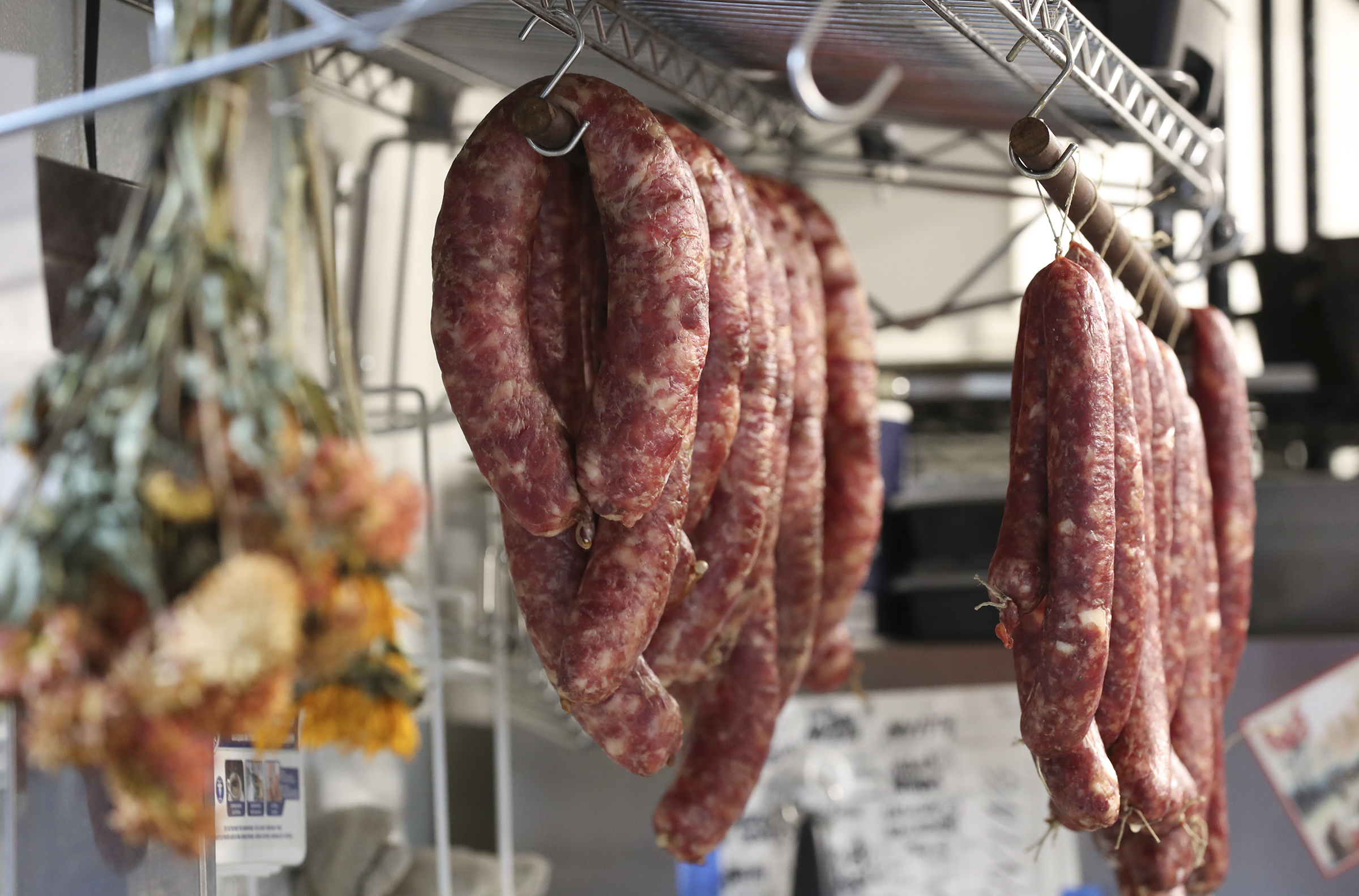
    Heavy Metal Sausage was ordered to stop serving dinner. Beatrice Forman says this may spell doom for the acclaimed South Philly butcher shop/restaurant.

    A state grant for a restaurant gets mixed reviews

    The Michelin-starred Friday Saturday Sunday secured a $1.5 million state grant to expand into the rowhouse next door. Beatrice unpacked the process — and the reaction.

    Move over, boba

    When does a tea shop require security guards? When it’s heytea — just one of a slew of hyped Chinese beverage chains hitting Philly. Kiki Aranita reports on the hottest thing going in Chinatown.

    The best thing Craig ate last week

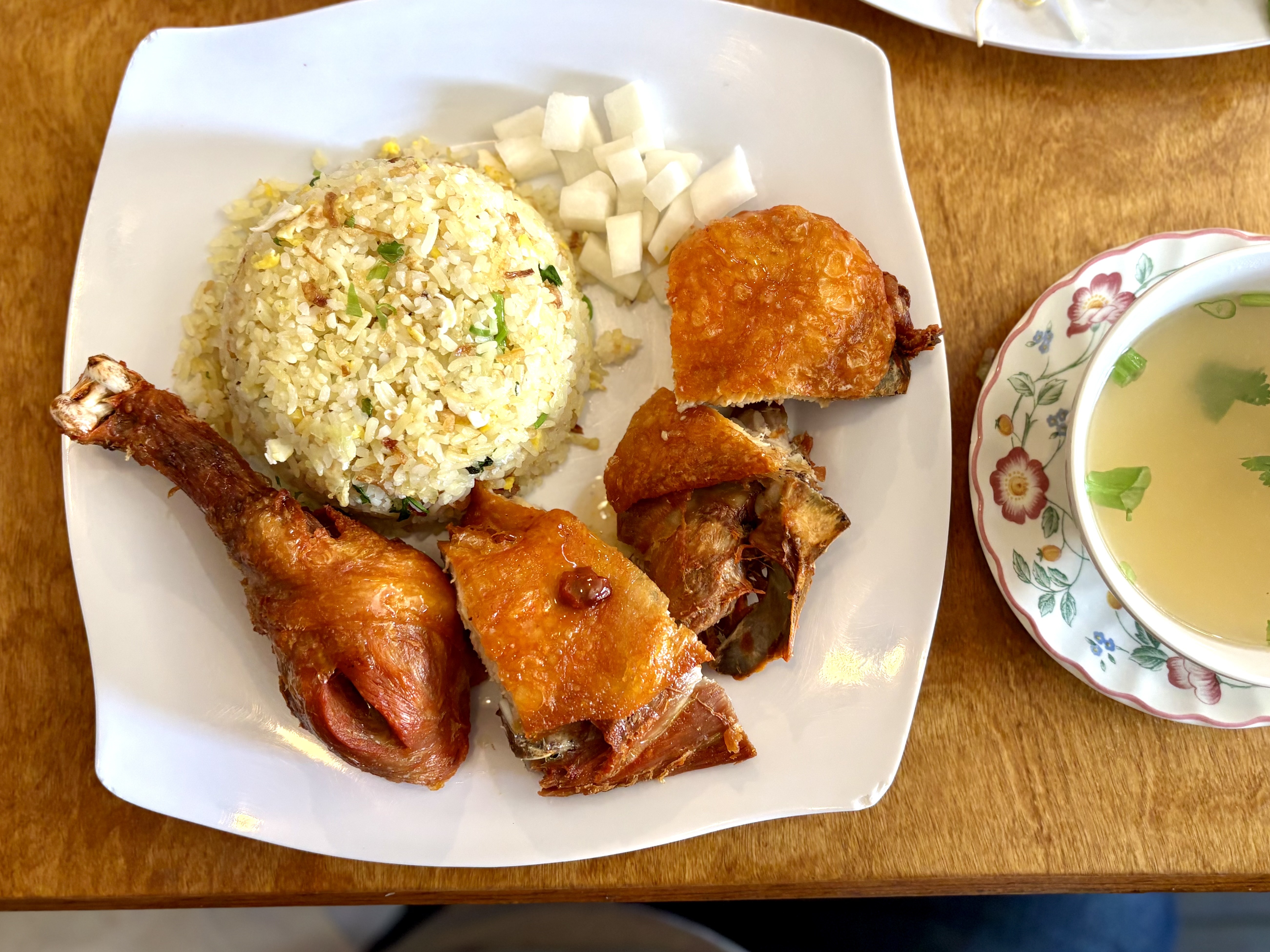
    There was a lot of crunching going on as critic Craig LaBan tucked into the Vietnamese fried chicken platter at South Philly’s Phở Duyên — which he dubs “my No. 1 food deal for $15 in Philadelphia right now.”

    Scoops

    Edd’s & Flo’s Artisan Bakery Cafe plans to close its Lancaster operation on Sept. 20 in advance of a relocation to Fishtown next year. Meghan Young and Sebastian Schuck are still working on a lease, so the location is under wraps. Edd’s & Flo’s, which started in their hometown as Wish You Well Bakery in 2021, found its niche in croissants, savory pastries, and weekend brunch. This move will be a Philly comeback for Young, a Restaurant School at Walnut Hill College graduate who worked at Darling’s Cheesecake Cafe, Green Line Cafe, Barbuzzo, Suraya, John & Kira’s Chocolates, and One Shot Coffee. Young and Schuck rebranded in 2024 with a name that’s both a nod to life’s ebbs and flows and a tribute to Young’s childhood cats, named for the musical duo Flo & Eddie. Stay tuned.

    You’ve seen the months of construction along Columbus Boulevard at Penn’s Landing for the park that will cap I-95 and link Old City to the Delaware River. The Delaware River Waterfront Corp. just applied for building permits for the Pavilion and Café (rendering above), which will be part of Penn’s Landing Park when it opens in 2029-2030 at Market Street. The project’s operator has not yet been identified.

    Restaurant report

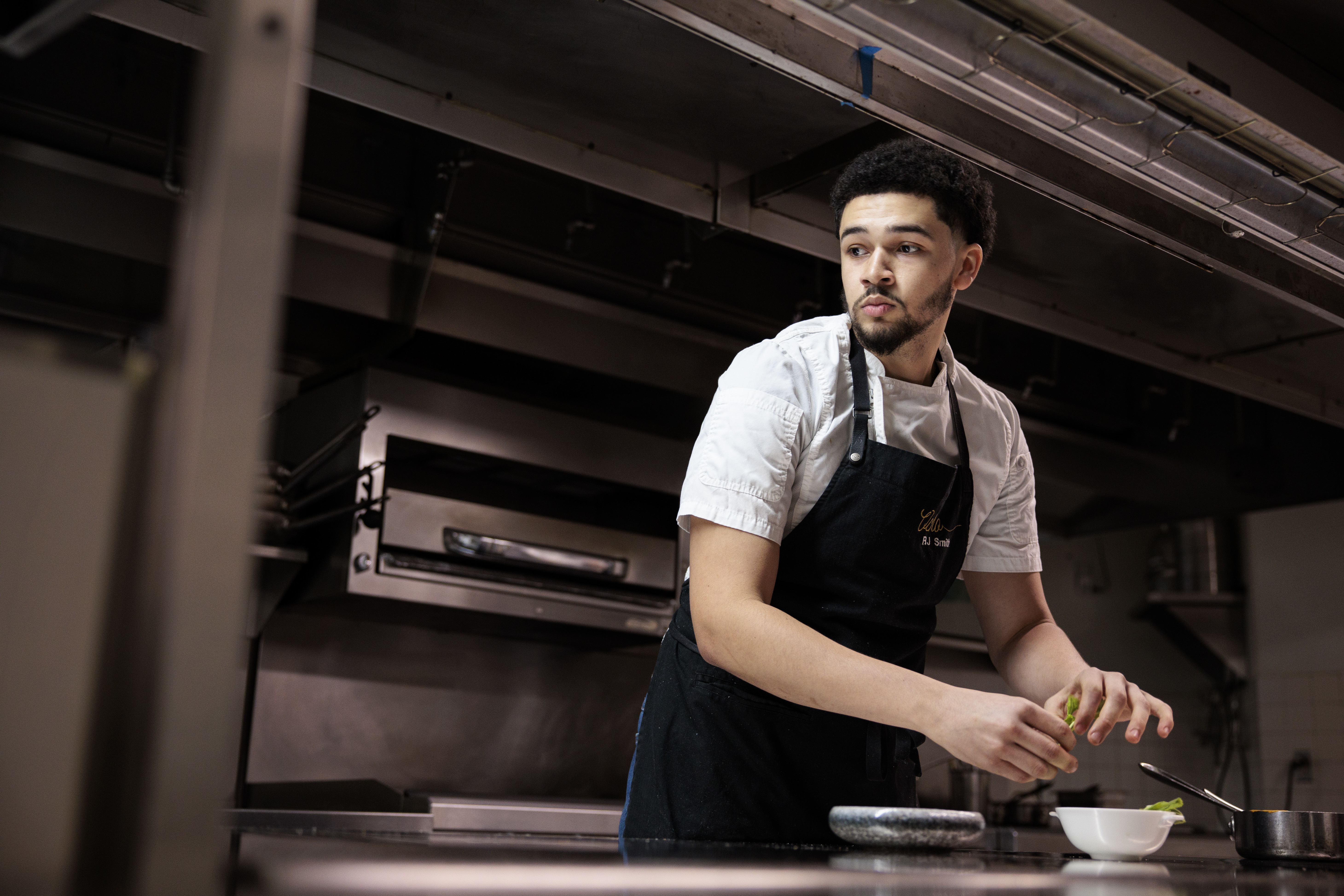
    While chef-owner Liz Grothe of Scampi in Queen Village travels in Italy, chef RJ Smith of Ocho Supper Club will take over the restaurant for a five-course Afro-Caribbean tasting menu Sept. 18-21. The $130 menu includes curried oxtail, madai aguachile, plantain coco bread with crab, berbere-spiced duck breast, and turmeric tart. An optional Pennsylvania wine pairing is $50. Seatings are at 5 and 8 p.m., and à la carte dishes will be available on the patio. Reservations are on Resy and OpenTable. Smith is still leading his residency at the Rittenhouse Hotel; the space, which was Scarpetta, will become a steakhouse called Ruxton by next summer.

    Old Original Nick’s Roast Beef sets up starting Thursday at Live! Casino & Hotel’s 10th Street Market, where it will follow South Philly Barbacoa’s residency. Besides roast beef, Nick’s will deal in roast turkey, roast pork, baked ham, broccoli rabe sandwiches, and long hot peppers. The pop-up will be open from 5 p.m. to midnight (or sellout) Thursday and Friday, noon to midnight Saturday, and noon to 9 p.m. Sunday, through the fall.

    Briefly noted

    The Big Dill will mark National Pickle Day with a nine-hour pickle festival Nov. 14 at Stateside Live! in South Philadelphia, closing its 2026 national tour there. More than 50 vendors will offer pickle-themed food and drinks, while 20 pickle brands serve unlimited samples of more than 100 varieties. Entertainment includes the World Pickle Eating Championship, brine-chugging, live music, DJs, games, and mechanical pickle rides. Organizers also hope to break a record by gathering more than 888 people dressed as pickles; the first 1,200 ticket buyers receive numbered costumes. The event runs from 1 to 9 p.m., with early entry at noon. Tickets go on sale Sept. 15 at bigdill.com/tour.

    Mish Mish is launching Daydreamers, a quarterly series that will turn the East Passyunk restaurant over to chefs, makers, and other hospitality pros for one-night interpretations of their dream concepts. The first installment, with seatings at 5:30 and 8 p.m. Sunday, features sous chef Koby Epstein serving a six-course, late-summer tasting menu paired with Pray Tell Wines. Seatings, at 5:30 and 8 p.m., are $120 plus tax, tip, and drinks.

    Kennett Square’s annual Mushroom Festival is set for Saturday and Sunday with foods and goods from 220-plus vendors, including Aimee Olexy’s Talula’s Table. Signature bite: The restaurant’s so-called “World Famous Riz-Mac,” which places mushroom risotto and mushroom mac and cheese side by side. Festival details are here.

    Les Dames d’Escoffier Philadelphia’s Heritage Dinner is 4-7 p.m. Sunday at Glen Foerd, 5001 Grant Ave. More than two dozen chefs will participate, serving Sweet Amalia oysters, chicken mole, seared salmon, Vietnamese vegetable curry, beef tenderloin, and desserts honoring The Cake Bible author Rose Levy Beranbaum. Also honored are Canal House’s Christopher Hirsheimer and Melissa Hamilton and caterer Michele Leff. Tickets start at $200; a $300 ticket includes preferred seating and Beranbaum’s new memoir. Proceeds fund scholarships for women entering culinary and hospitality fields.

    Bite for the Fight Food Festival returns for a seventh year from noon to 4 p.m. Sept. 19 at the Greater Philadelphia Expo Center in Oaks with tastings, cooking demos, and a silent auction benefiting the Fight On Makenna Foundation, which supports pediatric cancer patients and their families at Children’s Hospital of Philadelphia. Featured chefs are Brian Duffy, Ariane Duarte, Kenneth McDuffie, and David Schorn. Tickets start at $120.

    Top Chef winner Nick Elmi will prepare smoked ribs, whole chicken wings, pork shoulder, brisket, cornbread, baked beans, mac and cheese, apple crisp, and soft-serve for the KB Foundation’s fifth annual BBQ Experience, Sept. 24 at the Pump House in Bala Cynwyd. VIP service begins at 6 p.m. with lobster pies, fried chicken with caviar and white barbecue sauce, smoked foie gras mousse, and oyster fritters; general admission starts at 7:30 p.m. Tickets: $175, or $250 for VIP. Proceeds support youth-mentoring programs.

    Uchi in Rittenhouse will launch a fall collaboration series Sept. 24 with Kevin Yanaga of Yanaga Kappo Izakaya. He, Uchi head sushi chef Josephine Fry, and chef de cuisine Ford Sonnenberg will serve 10 courses starting at 6 and 8:30 p.m. Tickets: $175 at the sushi bar, $150 at tables, plus tax/tip; an optional sake pairing will be available. Additional dinners will follow in October and November.

    Staff and friends of the recently shuttered Jose Pistola’s have organized a GoFundMe campaign for support (separate from an earlier one created by management).

    ❓Pop quiz

    Name the $88 dish that Kiki Aranita checked out recently at a Philadelphia restaurant.

    A) a tasting of New York strip steaks from Urban Farmer

    B) the caviar-topped baked potato from Mr. Edison

    C) the lobster terrine at Jean-Georges

    D) 3 ounces of Japanese A5 beef from Del Frisco’s

    Find out if you know the answer.

    Ask Mike anything

    Is ReAnimator Coffee really opening in Manayunk? — Jennie O.

    ReAnimator, the Philly-bred coffee brand founded in 2010 by Mark Capriotti and Mark Corpus, has indeed committed to a Manayunk location at 4226 Main St., which was last an art gallery. Capriotti optimistically thinks opening is six months away. “We just opened in Mount Airy and it took us a year,” he said. “But we’re hoping we can learn from our experience.”

    📮 Have a question about food in Philly? Email your questions to me at mklein@inquirer.com for a chance to be featured in my newsletter.

    By submitting your written, visual, and/or audio contributions, you agree to The Inquirer’s Terms of Use, including the grant of rights in Section 10.

  • Amazon cargo jet pilots appeared to try aborting landing, NTSB investigation indicates

    Amazon cargo jet pilots appeared to try aborting landing, NTSB investigation indicates

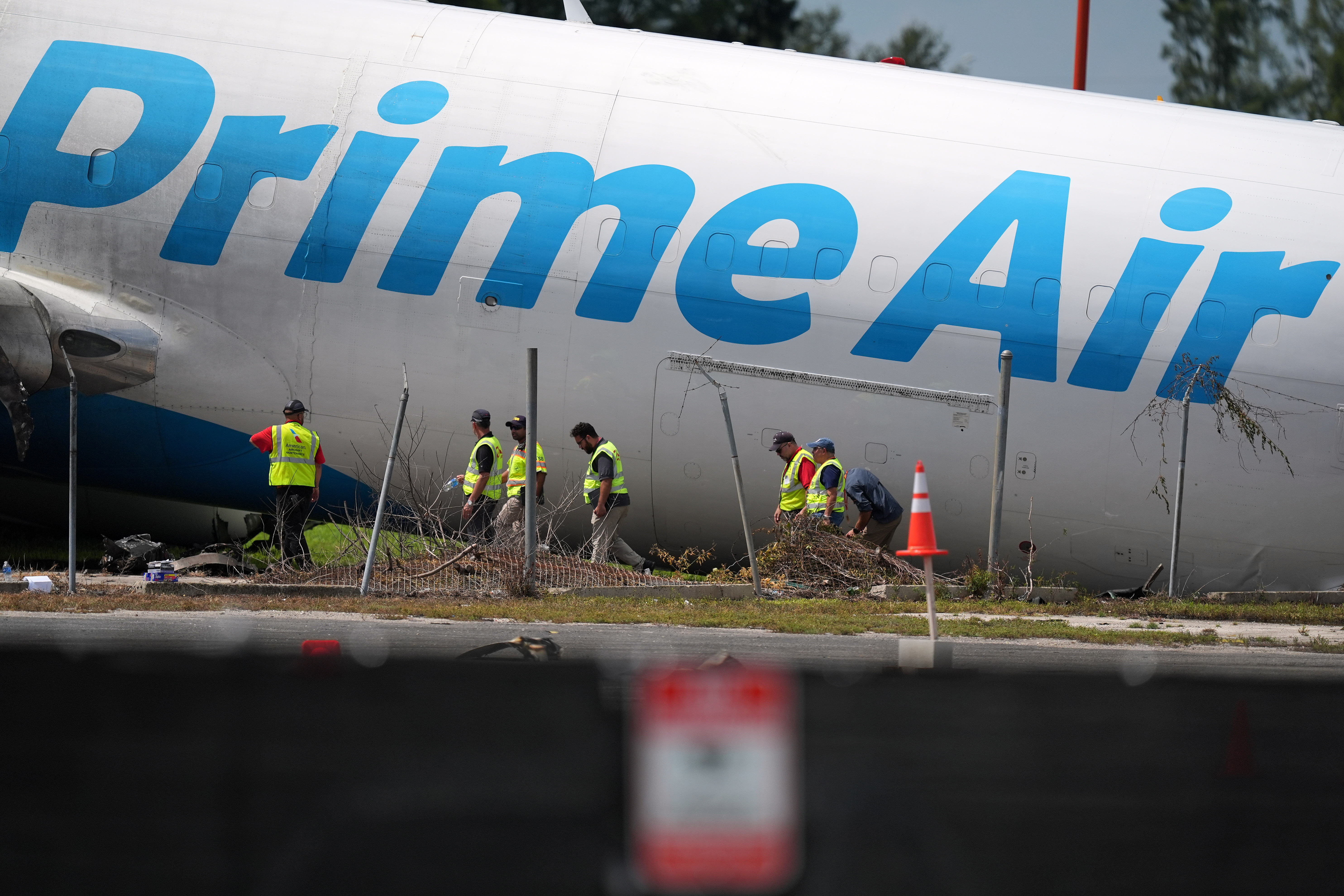
    The pilots of the Amazon cargo jet that overran a runway at Miami International Airport on Sunday were not fully in control of the aircraft as it touched down and appeared to have temporarily considered aborting the landing, according to a timeline of the final seconds before the deadly crash that federal investigators unveiled late Tuesday.

    The sequence of events detailed by National Transportation Safety Board investigators likely cost the pilots hundreds of feet of runway length and crucial seconds in the moments before the plane ran off the runway, striking two vehicles as it exited the airport grounds and crossed a public road, killing five before coming to a stop, according to aviation experts who reviewed the timeline.

    “You either land or you go around. You don’t land, attempt to go around, and then get back to landing again, unless there was some mechanical malfunction,” said Steven Arroyo, an aviation expert and retired United Airlines pilot.

    “I have never seen anything like this,” he added of the information that NTSB investigators detailed Tuesday night.

    The NTSB has yet to release a transcript from the cargo jet’s cockpit voice recorder, a readout of which they are expected to publicize Wednesday. Investigators are also expected to interview the aircraft pilots then, according to Jennifer Homendy, the board chair.

    During a news conference late Tuesday night, Chihoon Shin, the lead crash investigator, laid out a timeline of what happened during the last 30 seconds captured by the flight data recorder. Flight data recorders are designed to stop operating when the airplane’s electric power supply is cut off, as would happen during a crash.

    The problems with the landing were apparent from the start of that timeline.

    At 30 seconds out, according to Shin, the plane’s nose landing gear and its right-side main landing gear touched down. At that point, the plane was traveling at nearly 182 mph — faster than what is considered ideal for such planes, according to experts.

    It would take another seven seconds before the pilots applied the brakes, and another four seconds after that before the left-side main landing gear would make contact with the runway, Shin said.

    That touchdown sequence was “really bad,” said Michael O’Donnell, an aviation consultant who previously led the Federal Aviation Administration’s aviation and airport safety divisions.

    “The nose should not hit first,” he explained. “That is an unstable approach right there, and that really tells me that the go-around should have been executed a lot sooner and they weren’t in total control of the aircraft.”

    But perhaps more critical was what the pilots tried to do next. Fifteen seconds before the recording ended — or four seconds after all their landing gear was on the runway — the pilots released the brakes, and appeared to try to increase thrust, in what aviation experts said was a telltale sign of a “delayed decision” to abort the landing.

    The plane was moving at 138 mph when the brakes were released, and “throttles increased to values consistent with go-around thrust,” Shin told reporters.

    The pilots did not idle the throttles and reapply the brakes until 11 seconds before the recording ended, at which point the aircraft was moving at nearly 135 mph, according to Shin. While the brakes remained engaged for the rest of the recording, he added, the pilots never deployed the airplane’s speed brakes, which are flaps located on the wings, or its thrust reversers, both of which could have helped slow the aircraft further.

    “There’s all kinds of red flags with a go-around decision made that late,” O’Donnell said, adding, “If you do the math, that’s a lot of runway that went by while they were doing that.”

    Investigators did not detail how close to the end of the runway the plane was at the junctures they identified.

    “That’s something we still have to determine,” Homendy told reporters.

    But at the ground speeds that NTSB investigators specified, the plane would have been moving down the runway at a pace of about 200 feet per second during those four seconds when the brakes were released.

    It is not clear if those roughly 800 feet, and the lost seconds of deceleration, might have allowed the plane to come to a stop before it struck the vehicles, or have made the difference between life and death for the victims. When the recorder stopped, the plane was still moving at nearly 75 mph, according to Shin.

    But aviation experts said that the pilots’ apparently erratic and conflicting actions in the moments before the crash were perplexing.

    “If you’re going to do a go-around, you absolutely have to commit,” said Pablo Rojas, a lawyer for Podhurst Orseck, a Miami law firm that specializes in aviation accidents, noting that hesitation by the crew cost valuable seconds on the runway.

    This article originally appeared in The New York Times.

  • House of the week: A house in the Wissahickon neighborhood for $750,000

    House of the week: A house in the Wissahickon neighborhood for $750,000

    It isn’t often that a mudroom is the main attraction that sells a house.

    But Adnan Zulfiqar says that is what drew him and his wife, Hajira, in 2017 when they were looking for a house for themselves and their three young children. It was the last stop at the end of an exhausting day of searching.

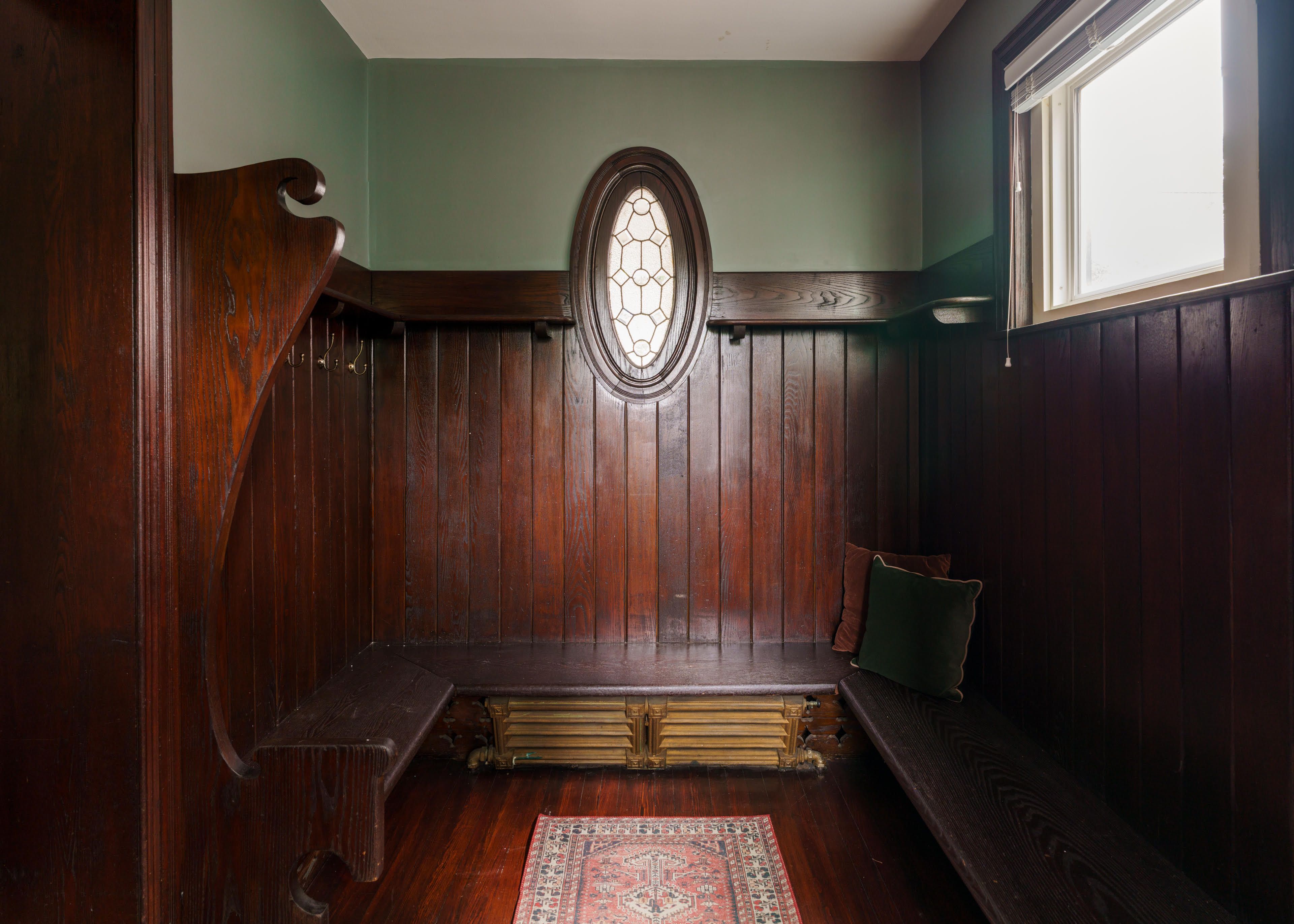
    The mudroom in Adnan Zulfiqar’s house as shown in the for-sale listing in September 2026 in Philadelphia.Donkin Media/Thomas Donkin

    “There was just a serene feeling,” he said. That the wood-paneled mudroom had been built by previous owners as a prayer room.

    Careers took the family away from the home in 2022, but Hajira’s family is from Philadelphia, and Adnan said they always thought they might return, so they rented the house when they moved, instead of selling.

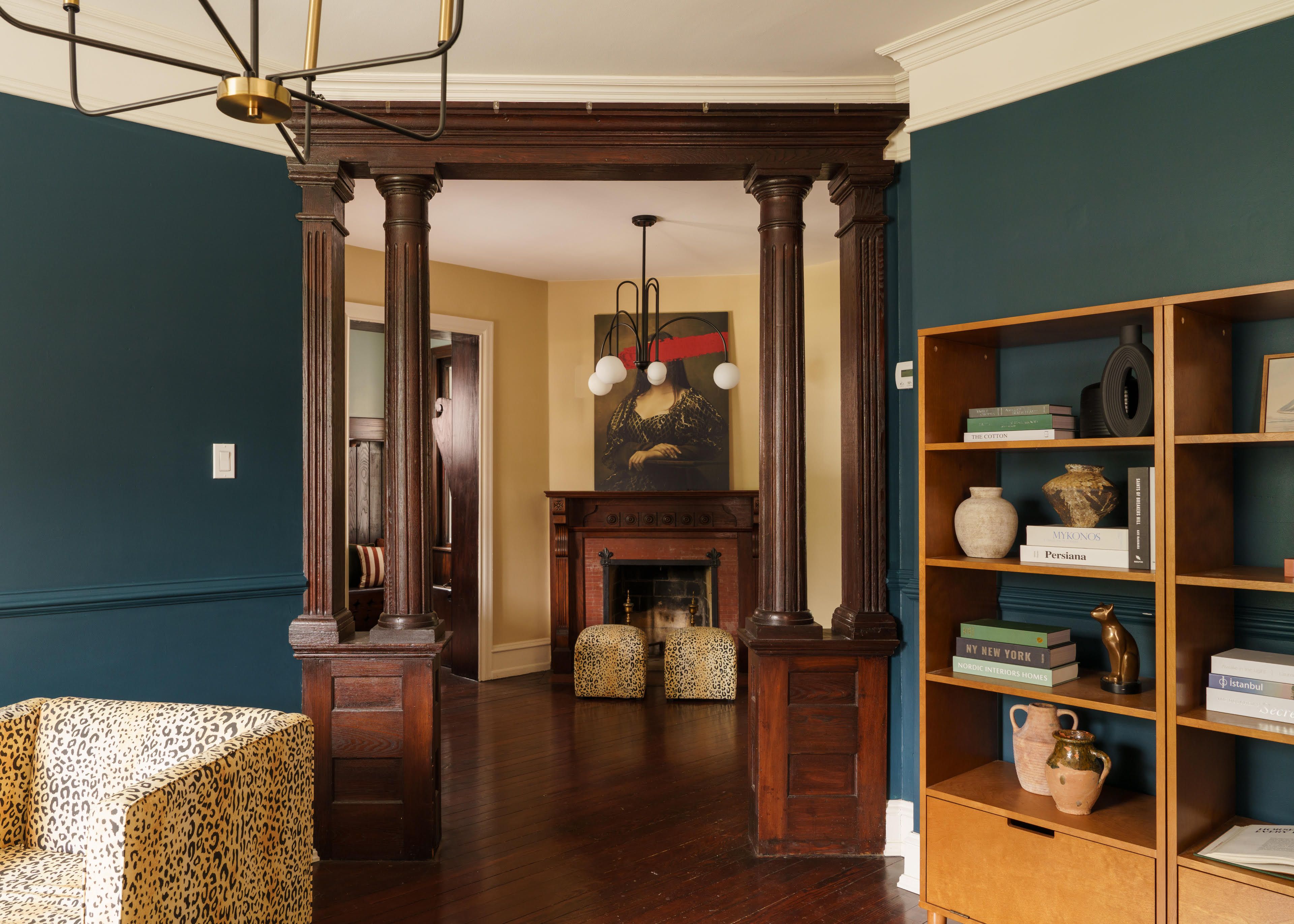
    The house has original wood floors, crown and chair moldings, decorative fireplace mantels, and two usable fireplaces.Donkin Media/Thomas Donkin

    It was perhaps “wishful thinking,” Adnan said. “We loved the house, and we loved the neighborhood.”

    But the family has now settled in Northern Virginia. Adnan commutes to his job as a law professor at Boston College, and Hajira is a dentist.

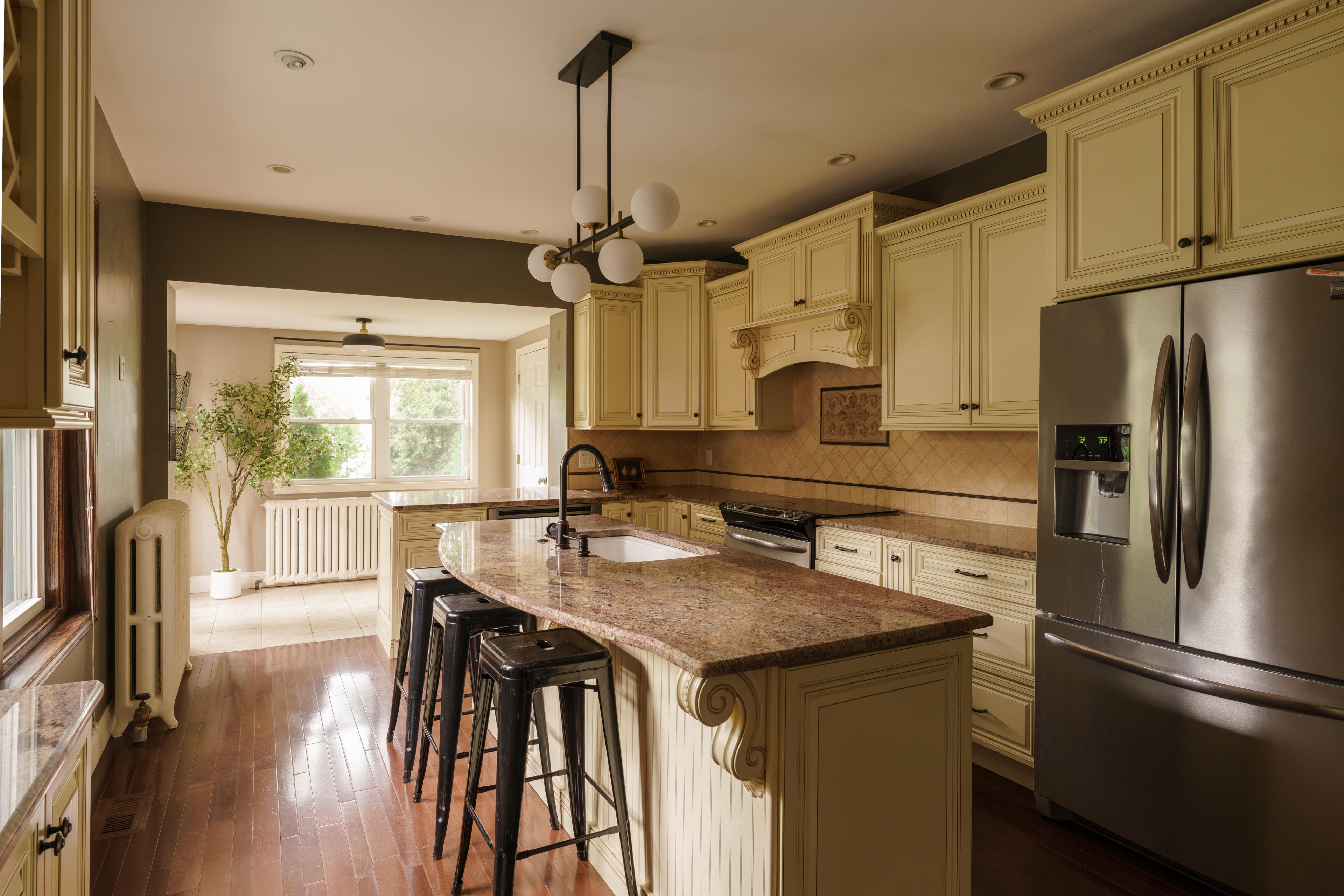
    he kitchen has granite countertops, stainless steel appliances, and a large island.Donkin Media/Thomas Donkin

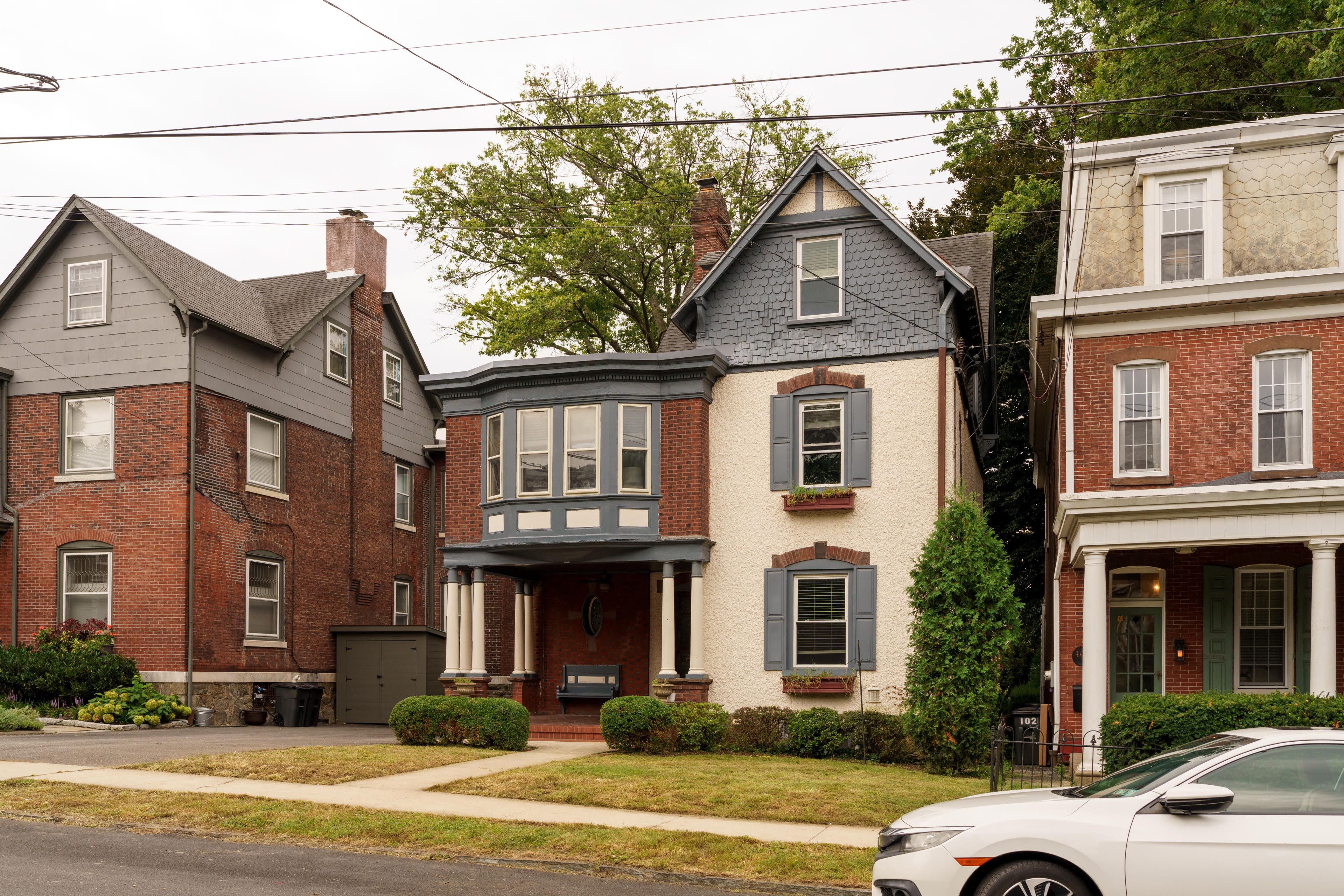
    The four-bedroom, 3½-bath Victorian is 3,101 square feet.

    It has original wood floors, crown and chair moldings, decorative fireplace mantels, and two usable fireplaces.

    The kitchen has granite countertops, stainless steel appliances, and a large island, and there is also a half bathroom.

    A bedroom in Adnan Zulfiqar’s house as shown in the listing.Donkin Media/Thomas Donkin

    The primary bedroom is on the second floor with an en suite bathroom. There is a second bedroom with full bath, laundry, and a bonus space, which Adnan used as an office.

    The third floor has the other two bedrooms, a full bathroom, and additional bonus space that can be used as a reading nook.

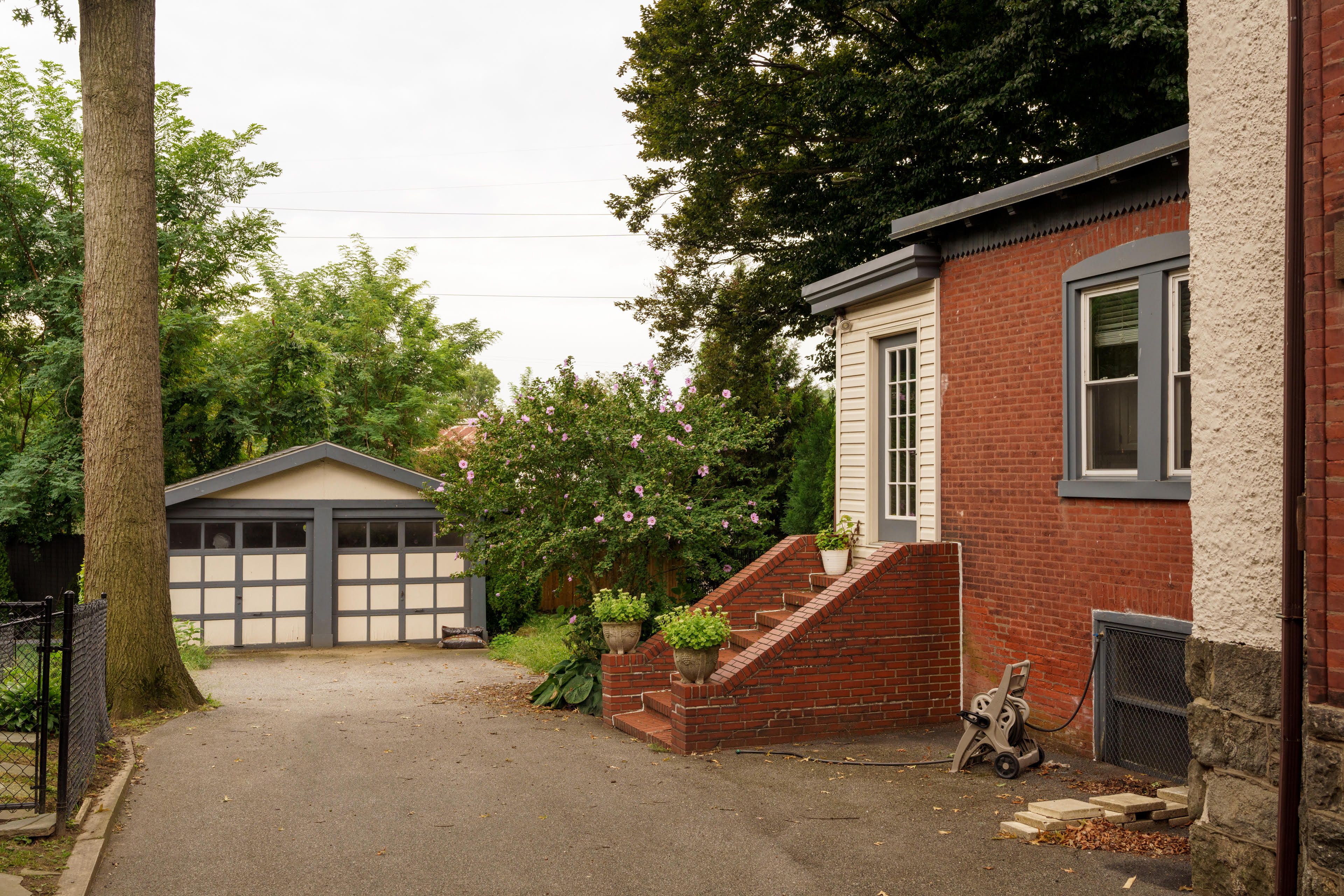
    The driveway and detached garage.Donkin Media/Thomas Donkin

    There is room to park four cars in the driveway and two more in the detached garage.

    The home is close to the Wissahickon Regional Rail station, Kelly Drive, and I-76.

    The house is listed by Kristin McFeely of Compass Realty for $750,000.

  • Why don’t construction and factory workers want to build ships?

    Why don’t construction and factory workers want to build ships?

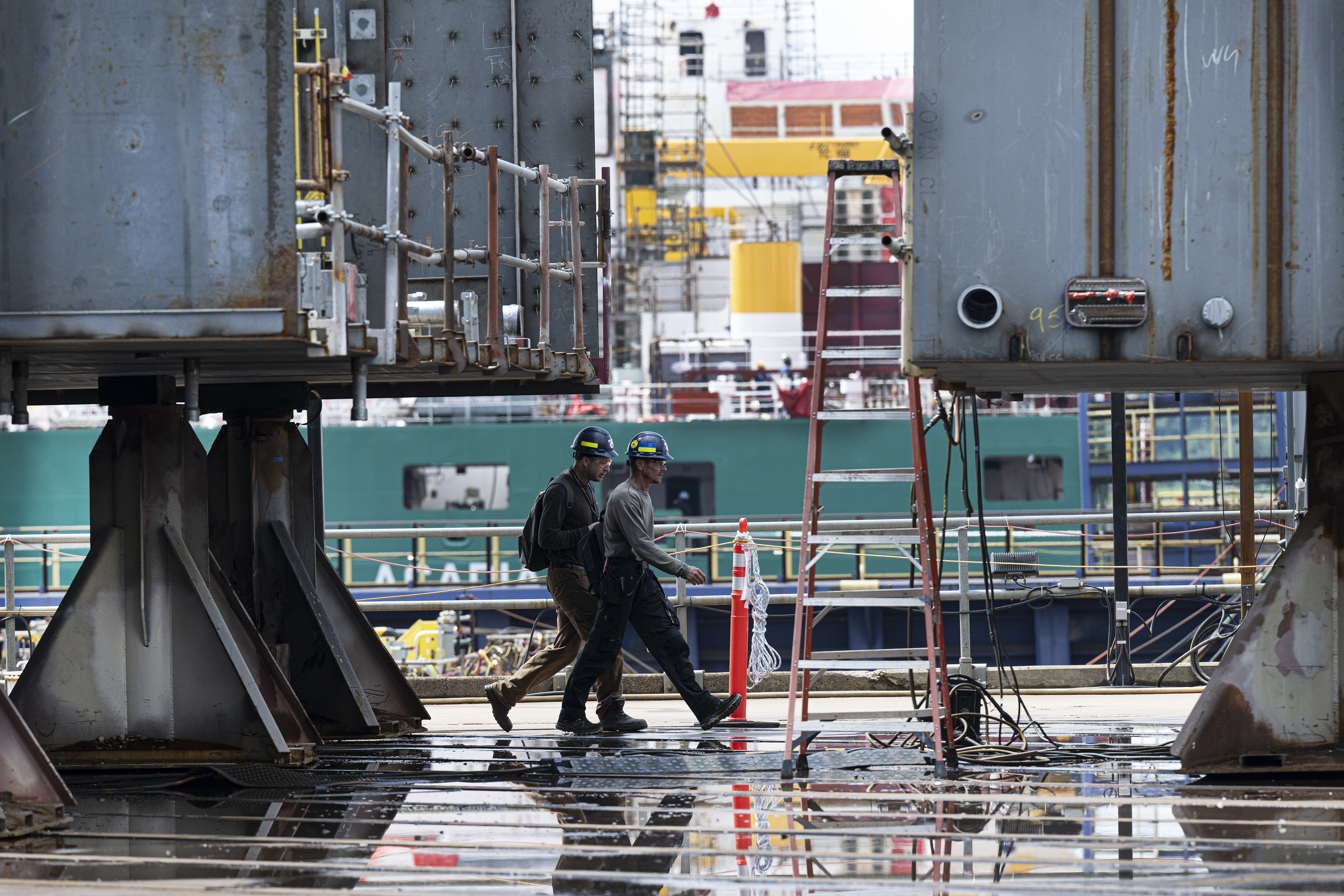
    The U.S. government is spending over a billion dollars to recruit hundreds of thousands of workers it estimates will be needed in Philadelphia and other shipbuilding centers to expand the Navy and compete with lower-cost Chinese yards, as President Donald Trump proposes. The campaign includes “Build Submarines” ads on social media and SEPTA bus shelters and grants to training programs.

    “You have to work the parents,” Michael Cadenazzi, assistant secretary of war for industrial base policy, told contractors assembled by Trump and U.S. Sen. Dave McCormick (R., Pa.) at the U.S. Army War College in Carlisle in July. “Mom and Dad need to understand their kid is succeeding,” even if they skip college for “AI-proof jobs” as “the wizards behind the warriors — shipfitters, welders, pipe fitters.”

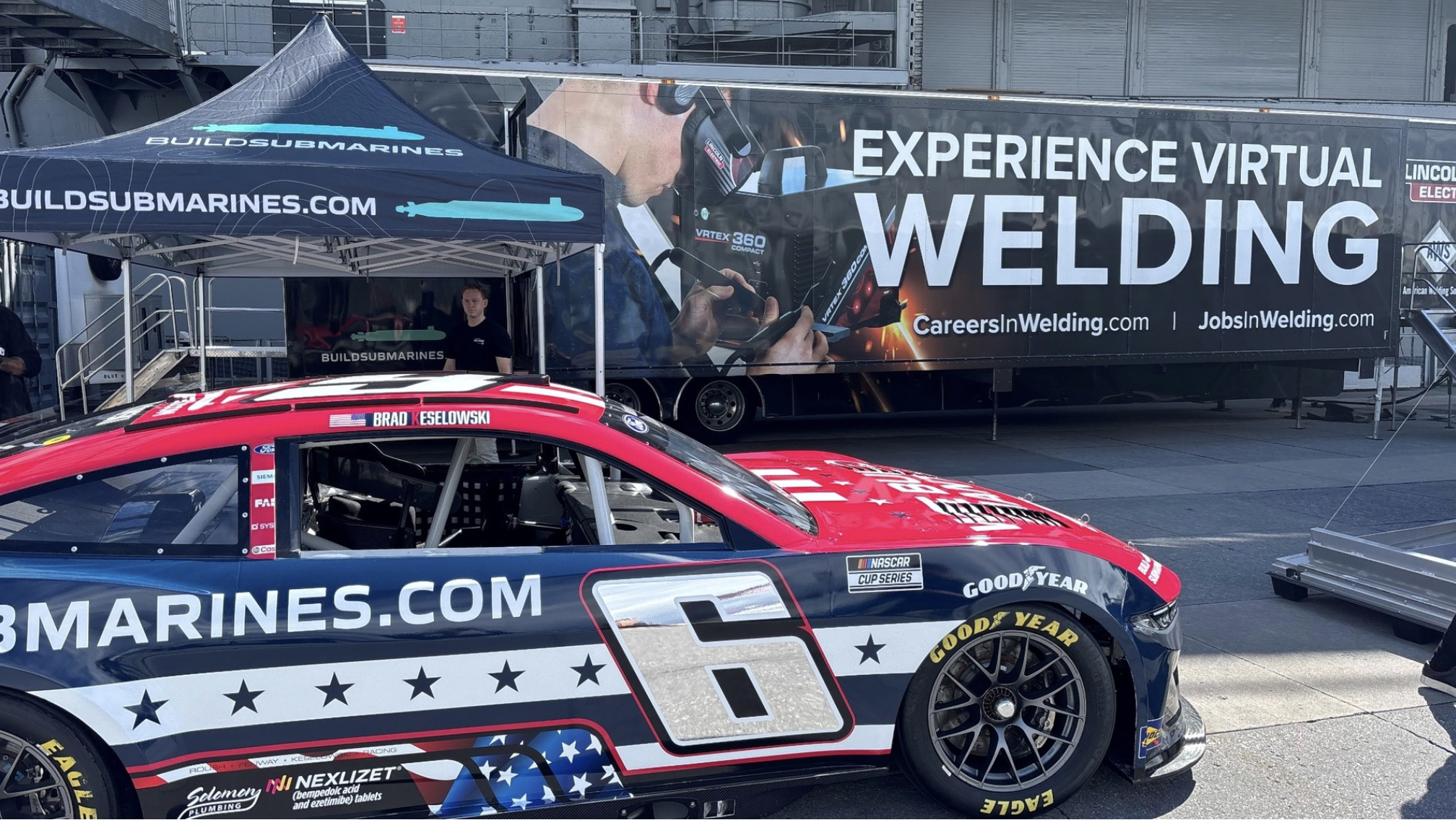
    BuildSubmarines.com, a U.S. government-funded marketing effort, is trying to recruit workers for shipyards through public-transit and social-media ads. It also sponsors a Nascar team.U.S. Navy

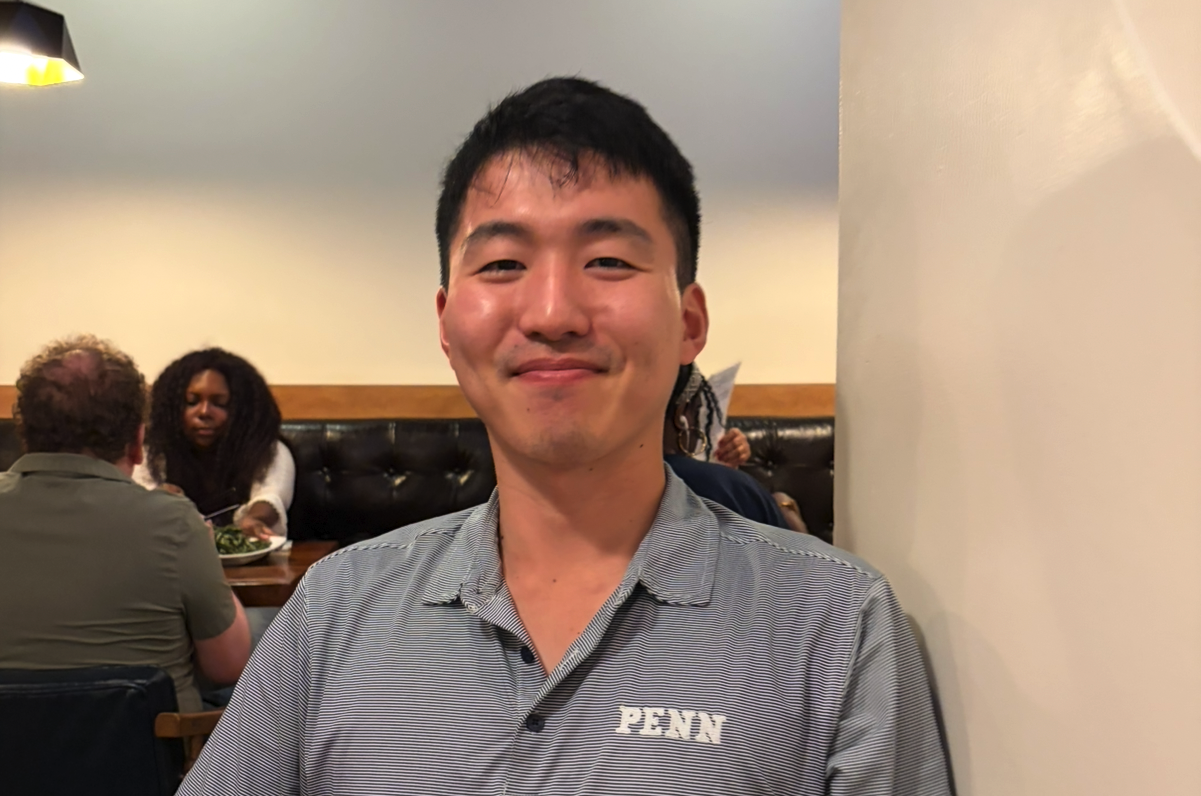
    If would-be college students prove a tough sell, there’s an even larger population of American workers who have what it takes to build ships but don’t want to, said Gary Kim, a Wharton School graduate student who has studied U.S., Chinese, Japanese, and Korean shipyards.

    In essays for the U.S. Naval Institute and a series of papers titled The Brutal Realities of Building Ships, Kim, formerly a junior officer with U.S. Navy construction units in Asia and a Detroit manufacturing manager, has detailed rough conditions and skilled-labor shortages and suggested what shipyards have to do to realistically fill those jobs.

    Kim is a scheduled speaker at the Philadelphia Navy Yard Symposium on Sept. 26. He agreed to an interview with The Inquirer on a recent visit to Philadelphia. Questions and answers have been edited for clarity and brevity.

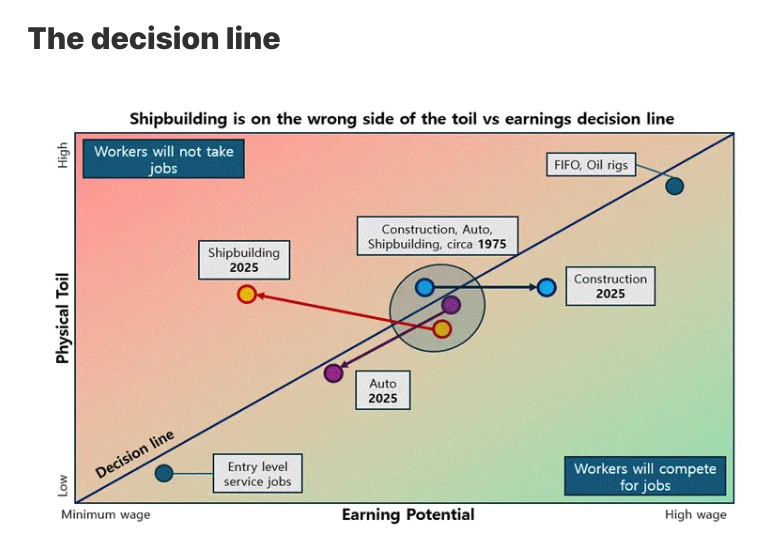
    You’ve written that shipbuilding is heavy construction work — more dangerous than putting up buildings, less comfortable than modern factories, but not better paid.

    Shipyards are great for everyone except the people who work there. The economic boom is paid for in blood.

    The question we should be answering isn’t ‘Why can’t we convince 150,000 more kids to build ships?’ but ‘Why are the 30 million Americans already in the industrial workforce — construction, manufacturing, transportation — refusing shipyard jobs?’

    Gary Kim in Philadelphia in August 2026. Kim is a Wharton School graduate student and naval reserve officer who has studied U.S., Chinese, Japanese, and Korean shipyards.Joseph N. DiStefano

    Shipyard work is an agglomeration of tasks done in the wider industrial economy: welding, plumbing, truck driving. Why does most of that workforce turn away from building ships? Because it’s dark work in dangerous corners. And it doesn’t pay much.

    Companies have invested a lot in improving factory conditions over the past 30 years. Manufacturing became gentler on your body.

    But it’s also less unionized than before. In the new factories, adjusting for inflation, the pay is less. Factory workers and warehouse workers accept repetitive labor in air-conditioned facilities, in exchange for lower pay.

    Construction is a rough trade, but it pays better. The economic rewards have increased. Not only there’s better pay, but it’s a way men and women can become entrepreneurial. Some become contractors. It’s just as hard as shipbuilding, but the payoff is better.

    In shipbuilding, the pay in real terms has declined, but the workplace is only transforming recently with advanced robotics. Sometimes shipyard apprenticeship programs that teach industrial skills see [their graduates] leave for other industrial jobs.

    Comparison of construction, shipbuilding, factory, energy, and entry-level service jobs, pay vs. relative danger, 1975-2025, from data compiled by Gary Kim and posted in his series “The Brutal Realities of Shipbuilding.”Gary Kim
    Could Philadelphia double the ship workforces, as Hanwha Philly Shipyard and Rhoads Industries say they hope to do in the next few years?

    Philly is going to struggle to recruit an industrial workforce. There is a rhyme and rhythm to an industrial city.

    You have industrial accidents. You have elevated rates of chronic conditions years afterward.

    Look at the reactions to the Canada wildfires. Detroit had the worst air quality in the world for a day, but nothing shut down. Everyone from the UAW director to the people in the city government knows the four or five closest auto plants each generate tens of millions of dollars in economic activity daily. Even if city health officials say it’s too much risk, nobody needs to be told what you are taking out of the city if you close.

    Industrial work brings prosperity and less economic inequalities, with [personal and environmental] costs. Manufacturing requires higher risk and having your citizens accept that risk. You have that in the Gulf [home to the U.S. oil industry] and in the Mississippi Valley [where the U.S. steel industry has moved], and in Michigan [auto plants].

    The economy here has been running on services and logistics for so long that I don’t think Philadelphia any longer has that intestinal fortitude to accept what shipyards really are.

    Do U.S. shippers really want more U.S. commercial ships at U.S. prices?

    If the Jones Act [requiring U.S. ships for cargoes between U.S. ports, suspended by Trump] is waived indefinitely, companies are not going to need more ships built here.

    And you need more orders. If a shipyard does not lay out several a ships a year, you can’t develop a career. You start laying a keel; you need a lot of welders. Then cutters. Then plumbers. Then there’s a surge of need for electricians. You can’t sustain that workforce unless you can stage crews across different jobs in the time it takes to build a ship.

    Rhoads in Philadelphia fabricates nuclear-submarine modules for General Dynamics. Can this region eventually build subs?

    Nuclear reactors, spaceships, and American submarines are the most stringent things to build in the world. If Philadelphia wants a more meaningful part of the submarine value chain, we need to build with spaceshiplike tolerances.

    The Navy is putting out the correct messaging that the industrial base needs a diversity of jobs. An amazingly large part of the maritime industrial base doesn’t come from port cities but from inland operations. The most critical part of submarines is the gearboxes, built in California.

    The government has ordered two missile and satellite tracking ships from Hanwha Philly Shipyard. Will Philadelphia-area defense contractors likely do the electronics?

    [The Lockheed Martin-run Navy electronics facility in Moorestown] is the technology center of that industry. But I think the biggest reason Philadelphia landed the tracking ships here was that the yard needed a win. And backlogs in other shipyards are now 10 years and more.

    Hanwha wants to buy Austal’s Alabama shipyards and submarine module works and its California ship repair facility. What does that leave for Philly Shipyard?

    Hanwha wants to be a globally competitive defense prime contractor. Buying Austal would make Hanwha a solid #3 shipyard operator in the U.S., plus their megayard in Korea.

    I expect the Austal yard would focus on smaller warships. Philly would focus on surface auxiliary vessels.

    Most yards lose more money the more ships they build. Hanwha thinks they can do better, and I seriously hope they are right.

    Editor’s note: This article wrongly identified the role of Philadelphia Gear in Navy ship construction. It has been updated.

  • ⛔️ Temple turns down historic gift | Morning Newsletter

    ⛔️ Temple turns down historic gift | Morning Newsletter

    Good morning, Philly. Today should be mostly sunny, with temperatures grazing the upper 80s.

    We’re starting with how a criminal investigation into healthcare fraud has upended a $55 million donation to Temple University, during an already-tough financial spell for the school.

    And we have a roundup of restaurants opening in our area for the rest of the year.

    Plus, a former staffer announces she’s challenging Mayor Cherelle L. Parker, and more news of the day.

    — Laura Benshoff (morningnewsletter@inquirer.com)

    If someone forwarded you this email, sign up for free here.

    A ‘painful’ separation

    The $55 million donation from alumnus Christopher M. Barnett — the largest in Temple University’s history — was supposed to flow to its College of Public Health.

    But after allegations emerged last week that the healthcare executive’s company overbilled insurers to fund his lavish lifestyle, Temple’s administration and Barnett made the decision to part ways.

    “We have to think about our values,” Temple president John Fry told The Inquirer. “Given the nature of the allegations, we felt that the best thing to do was to separate ourselves from this … as painful as that is.”

    That meant stripping Barnett’s name from the College of Public Health and terminating the donation, which Temple had not yet received.

    Barnett has not been charged and denies the allegations.

    The Inquirer’s Susan Snyder and Abraham Gutman detail the fallout.

    New restaurants galore

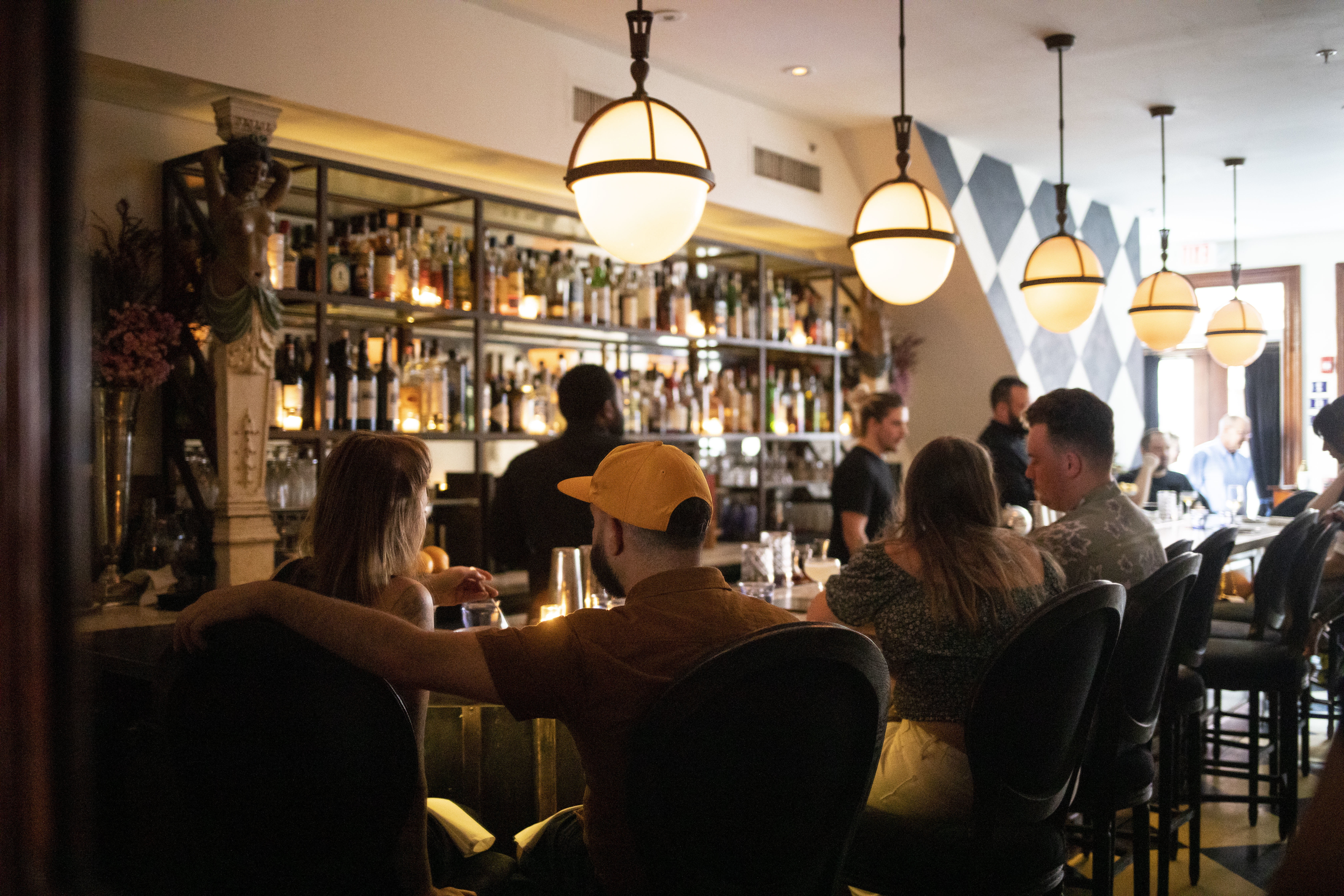
    Around five dozen restaurants are slated to open around our region this fall, according to food writer Michael Klein. Amid this boon are some trending menu items like caviar, Korean barbecue, and cocktails.

    But it’s hard to generalize with offerings as varied and eclectic as those coming soon. Before I share Klein’s full list of openings, here are three descriptions that caught my eye:

    🐍 Philly Curio (2240 Frankford Ave.): This restaurant-bar from the founder of the Tattoo Arts Convention will display his private collection of curiosities, such as tribal masks, skeletal displays, and taxidermy; its Cajun-Creole menu will feature unconventional proteins like rattlesnake.

    🎨 Opus (201 Birch St., Kennett Square): This two-story space includes a 125-seat New American restaurant, a cocktail lounge, terraces, and work by local artists. Profits will support community projects and nonprofits.

    🐟 Rumblefish (1700 N. Third St.): This fast-casual Caribbean fish-fry restaurant will focus on serving invasive species, breaded in corn flour and seasoned with Trinidadian spice blends, to take out or eat on the covered patio.

    Read on for Klein’s full list.

    What you should know today

    • Shania Bennett, the 26-year-old former director of youth engagement in Mayor Cherelle Parker’s administration, has announced she will challenge Parker for the Democratic nomination for mayor next year.
    • ICE arrested at least 49 people during a raid at a construction site in central Pennsylvania last week, immigration advocates said.
    • U.S. Sen. Dave McCormick and Rep. Ryan Mackenzie, both Pennsylvania Republicans, will be speaking at the GOP midterm convention in Dallas, an event dubbed “Trump-a-palooza.”
    • A retired Philadelphia elementary school principal failed to deposit cash received for book fairs, graduation fees, and holiday bazaars in the school’s bank account. The Philadelphia School District’s inspector general said the missing funds total more than $31,000.
    • The Pennsylvania Attorney General’s Office argued in a new court filing that District Attorney Larry Krasner’s office should be barred from overseeing a post-conviction case that has landed his office in hot water.
    • Hundreds protested the closure of the Academy of Natural Sciences on Tuesday, including a fifth grader who said the museum inspired her dreams of being a paleontologist.
    • The Eagles’ Brandon Graham announced he was retiring for the second time in as many years on Tuesday.

    Quote of the day

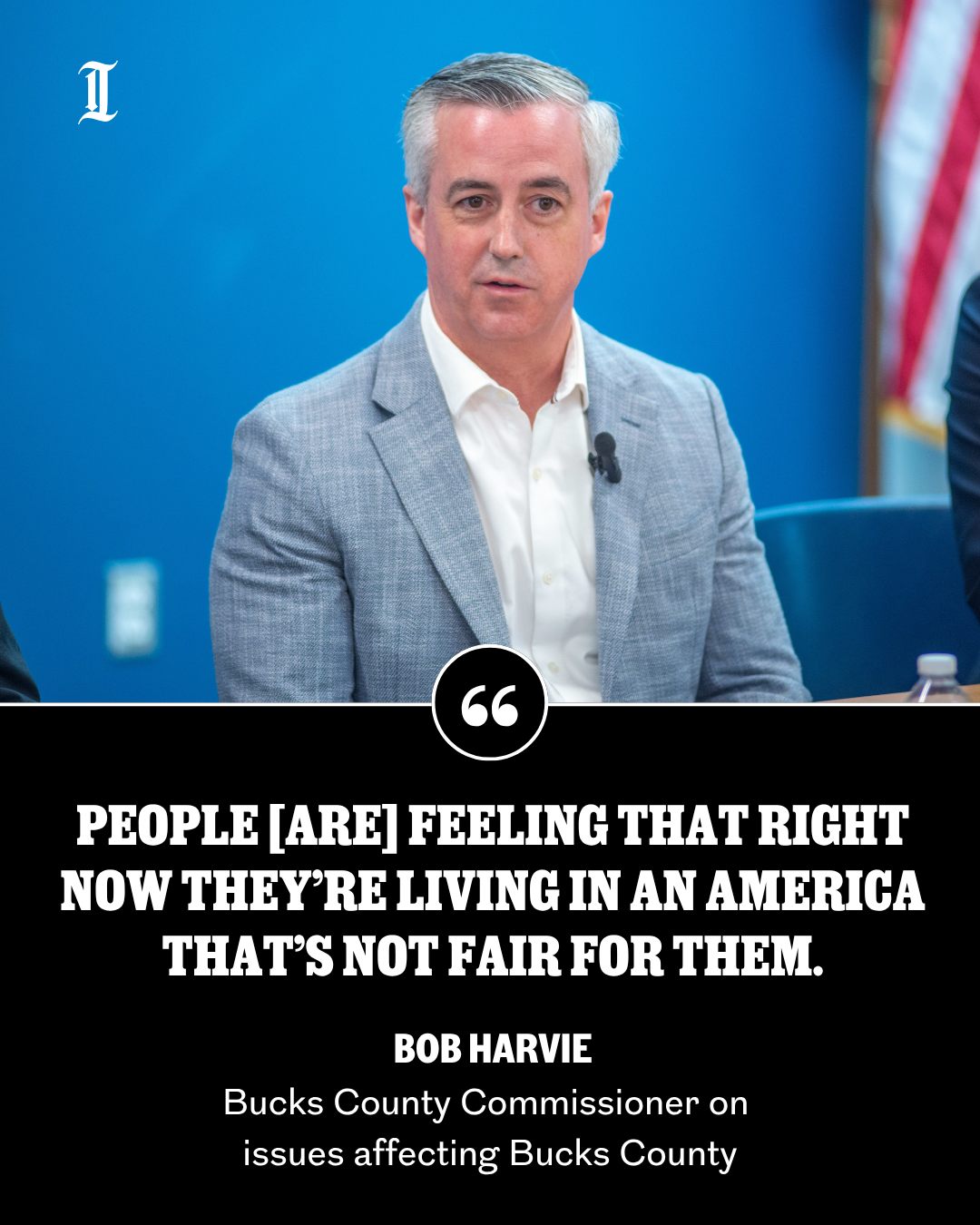
    In one of the swingiest congressional districts in Pennsylvania, Bob Harvie, the Democratic challenger to incumbent Republican Brian Fitzpatrick, is campaigning on affordability while barely mentioning abortion.

    That reflects a broader messaging shift by Democrats, The Inquirer’s Fallon Roth reports.

    🧠 Trivia time

    A private construction crew knocked down a legally mandated sign warning drivers of a speed camera on the 6500 block of North Broad Street. How many speeding tickets did the Philadelphia Parking Authority have to throw out as a result of that missing sign?

    A) 80,000

    B) 23,195

    C) 5,920

    D) 247,649

    Think you know? Check your answer.

    What we’re …

    🍁 Planning for. This summer’s hot and steamy weather may have a silver lining, reports The Inquirer’s Tony Wood. Those conditions could make for a spectacular leaf-peeping season.

    🎭 Watching. With more than 330 shows, the Philadelphia Fringe Festival can be overwhelming. We asked some of the theater artists performing this year for their tips on picking the best shows to see.

    🍵 Sipping. Food writer Kiki Aranita waited in line for 90 minutes to try a King Jasmine Guava tea at heytea, one of a slew of Chinese-owned drink chains opening in Philly.

    🧩 Unscramble the anagram

    Hint: The new arena for the 76ers and Flyers will rise where this building once stood.

    CRUMPETS

    Email us if you know the answer. We’ll select a reader at random to shout out here.

    Cheers to Beth Briglia, who correctly guessed Sunday’s answer: Icona Resorts. The founder, Eustace Mita, says his hotels and mansions are built on faith. He’s behind the Wonderland Pier hotel proposal in Ocean City and planning Avalon’s largest house

    Photo of the day

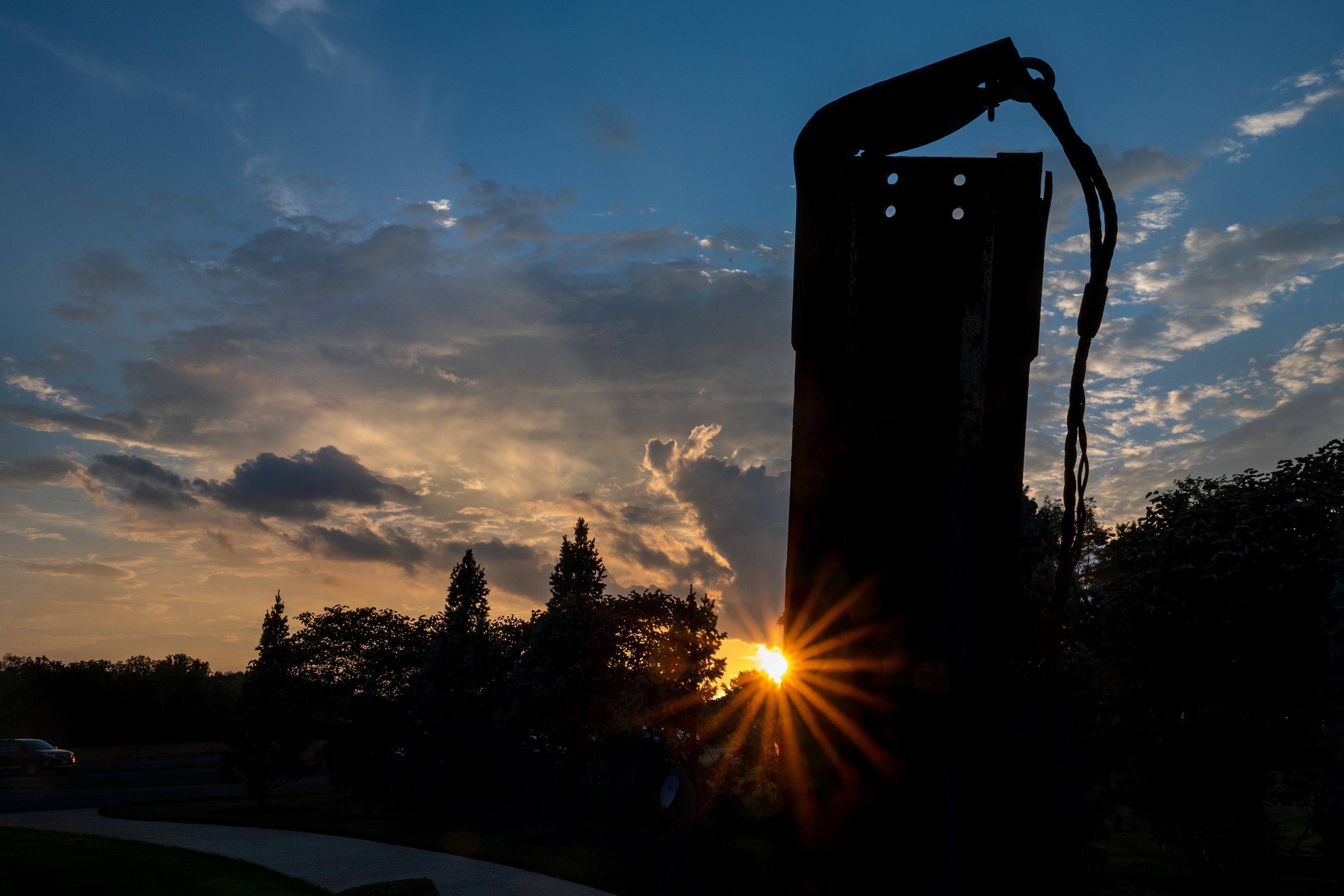
    The official Pennsylvania memorial to the victims of 9/11 in Lower Makefield Township features the names of those killed in the attacks etched in glass, with special recognition of the 58 victims from Pennsylvania, including nine people from the township.Tom Gralish / Staff Photographer

    Ahead of the 25th anniversary of 9/11, we revisit photographer Tom Gralish’s lovely photo essay on artifacts from that day that live on in our region.

    Thank you for spending time with The Inquirer this morning. See you tomorrow 👋.

    By submitting your written, visual, and/or audio contributions, you agree to The Inquirer’s Terms of Use, including the grant of rights in Section 10.

  • A century-old bowling alley revival | Inquirer Greater Abington

    A century-old bowling alley revival | Inquirer Greater Abington

    Hi, Greater Abington. 👋

    A local developer is revamping Glenside Lanes with plans that include a concert venue. Also on the radar this week, SPS Technologies agreed to a proposed $5 million settlement in a class-action lawsuit over the massive factory fire that roiled the area last year, Abington is exploring possible early exit routes from its remaining Flock contract, and a revered local writer and teacher died at age 99.

    — Laura Smythe (greaterabington@inquirer.com)

    P.S. We want your feedback! Tell us what you think of the newsletter by taking our survey or replying to this email.

    If someone forwarded you this email, sign up for free here.

    1920s Glenside bowling alley site is getting a concert venue

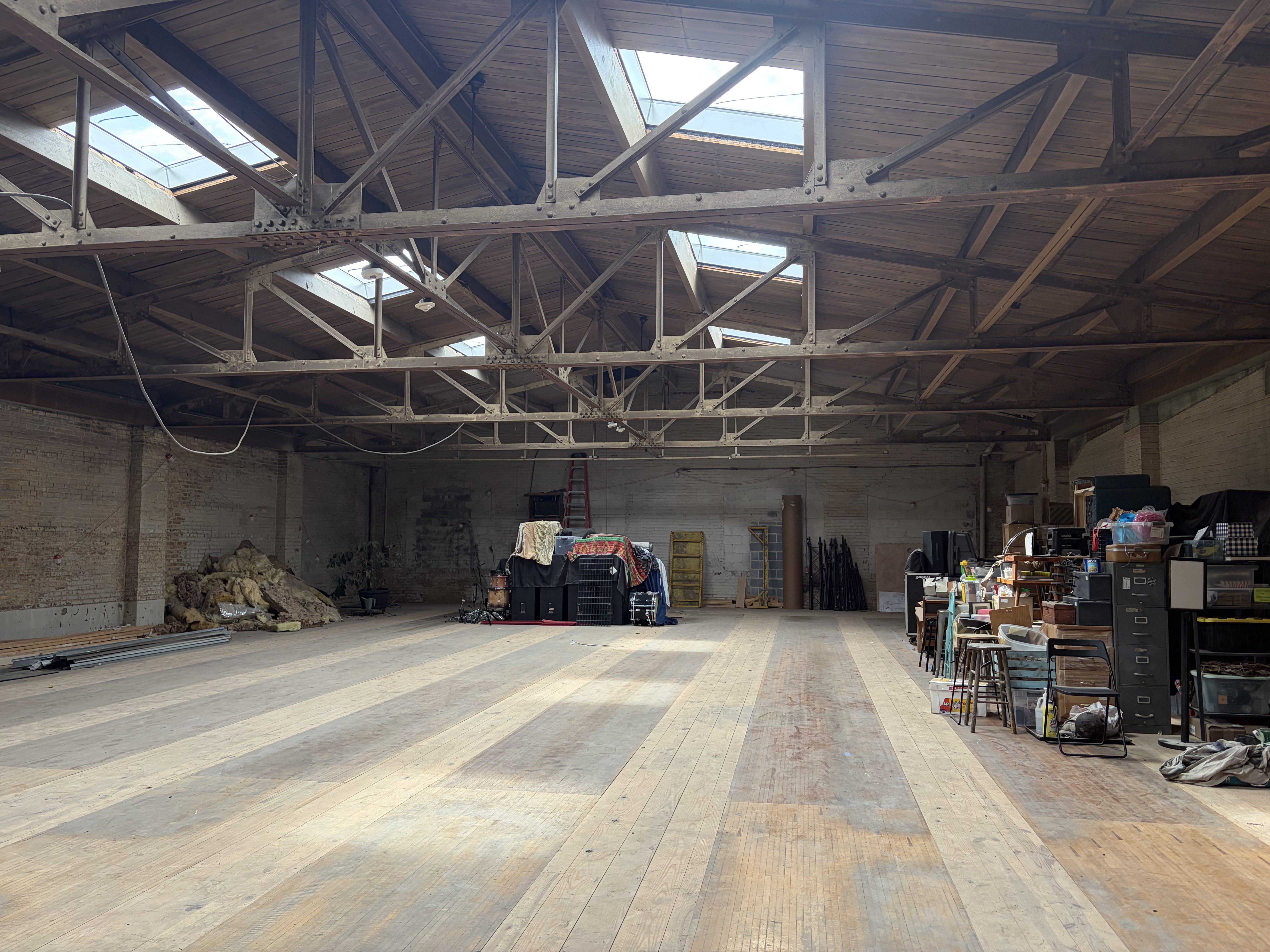
    Before Glenside Lanes housed a yoga studio, coffee shop, record store, and other local businesses, the building at 2256 Mt. Carmel Ave. was once the site of an early-20th-century bowling alley and billiards hall. Soon, those once-bustling bowling lanes will welcome a concert and event space, too, further restoring the location to its original liveliness.

    The driving force behind the micro-mall’s revival is Kevin Burke, a developer and Glenside native. His work is part of a national trend of investors seeking a blend of retail and experiential businesses to revitalize sleepy post-pandemic commercial spaces. He expects to open a similar multi-use project in Wyndmoor.

    The Inquirer’s Jess Rohan has all the details.

    💡 Community news

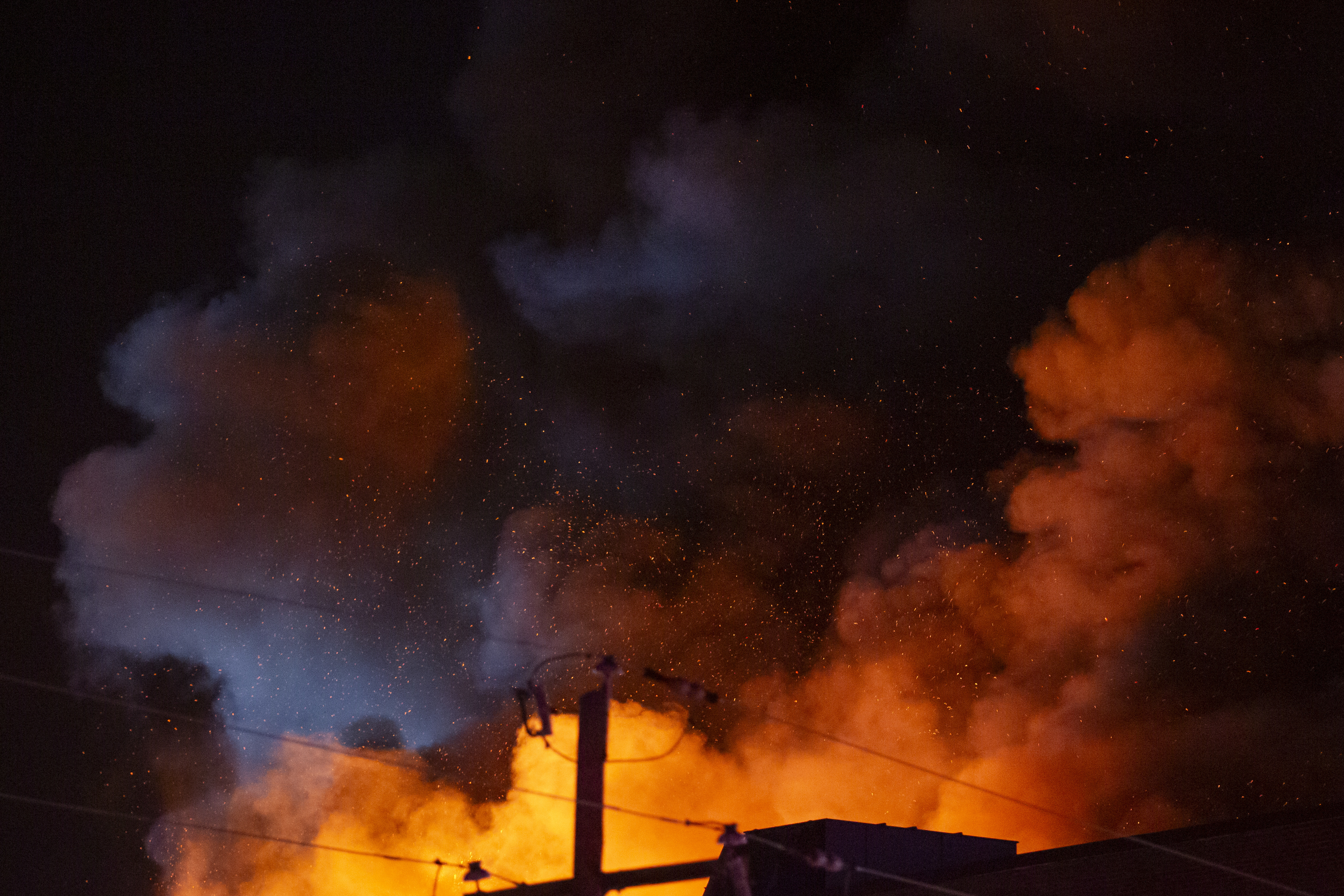
    • SPS Technologies reached a tentative $5 million settlement agreement last week in a class-action lawsuit that could bring payouts to those who were affected by the four-alarm fire at a former Abington Township factory last February. Eligible business owners, employees of impacted businesses, and homeowners can file claims through Dec. 3.
    • Abington Township is looking into how it might exit its remaining contract with Flock Safety early amid data concerns. The news comes after Gov. Josh Shapiro, an Abington resident, last week vocalized “real concerns” about how the technology affects privacy.
    • Longtime Abington resident Bennett Fairorth, a well-known writer and teacher, died this summer at age 99. Former students, including some who planned to celebrate his 100th birthday with him this month, have taken to social media to remember Fairorth, who regularly heard from past pupils during his retirement despite never owning a cell phone, computer, or answering machine.

    🏫 Schools briefing

    • A Tuesday night school board vote considered whether the Cheltenham district would bring former superintendent Brian Scriven a payout in excess of $265,000. Scriven resigned last month amid Cheltenham High School’s football hazing scandal. Reporter Maddie Hanna has the latest.
    • Abington will have a school board meeting next Tuesday night.

    🎳 Things to do

    ✨ Diamond in a Rhinestone World: Paint your own glittering ode to the late country music icon Dolly Parton. ⏰ Wednesday, Sept. 9, 7-9 p.m. 💵 $45 📍 Painting With a Twist, Jenkintown

    🌭 Glenside Food Truck Festival: Fill your belly at this collaborative event from Downtown Glenside, Cheltenham Township, and Arcadia University. ⏰ Thursday, Sept. 10, 5:30-9 p.m. 💵 Pay as you go 📍 Easton Road and Wesley and Glenside Avenues

    🇺🇦 Ukrainian Fall Festival: Celebrate Ukrainian culture at this two-day fete offering food, live music, and kids activities. ⏰ Saturday, Sept. 12, 3-11 p.m. and Sunday, Sept. 13, noon-6 p.m. 💵 $15 on Saturday for those age 13 and up; free on Sunday 📍 St. Michael the Archangel Ukrainian Catholic Church, Jenkintown

    📚 Building Better, Stronger Relationships: Tune into this virtual author talk with conflict facilitator Priya Parker as she unpacks the conflict resolution techniques detailed in her new book The Art of Fighting: The Transformative Power of Conflict. ⏰ Tuesday, Sept. 15, 4-5 p.m. 💵 Free, registration required 📍 Virtual, sign up via Abington Township Public Library

    🏡 On the market

    A 101-year-old English Tudor with eight bedrooms

    Inside 7 Windsor Ave., Elkins Park, Pa.

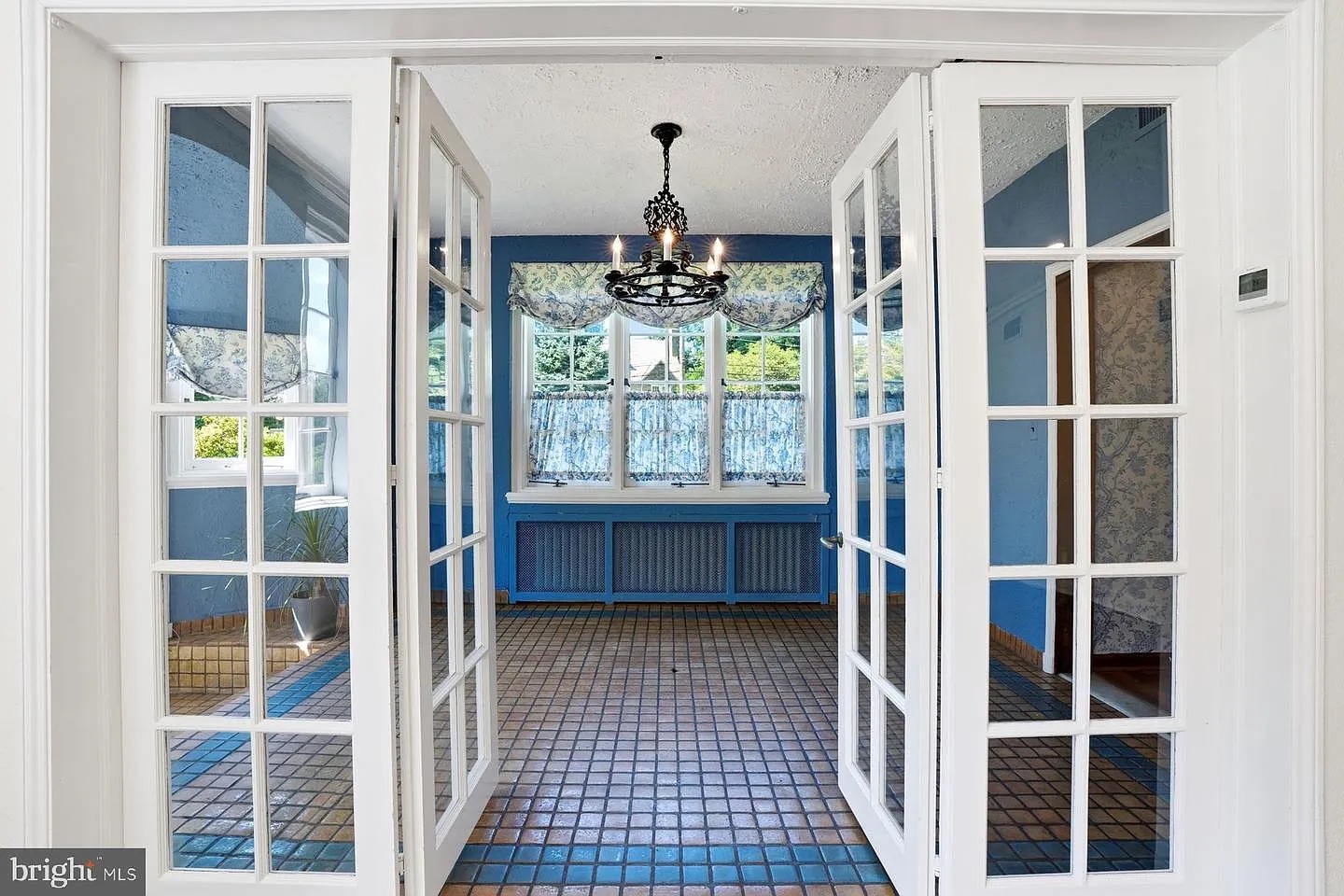
    This expansive Elkins Park estate dates back to 1925, offering classic details such as hand-carved moldings, French doors, exposed beams, and a window seat. The eight-bedroom, six-bathroom home has two fireplaces, plus a yard, patio, and courtyard.

    See more photos of the property here.

    Price: $950,000 | Size: 5,297 SF | Acreage: 0.52

    🗞️ What other Greater Abington residents are reading this week:

    Correction: Developer Kevin Burke expects to open a multi-use project similar to Glenside Lanes in Wyndmoor.

    By submitting your written, visual, and/or audio contributions, you agree to The Inquirer’s Terms of Use, including the grant of rights in Section 10.

    This suburban content is produced with support from the Leslie Miller and Richard Worley Foundation and The Lenfest Institute for Journalism. Editorial content is created independently of the project donors. Gifts to support The Inquirer’s high-impact journalism can be made at inquirer.com/donate. A list of Lenfest Institute donors can be found at lenfestinstitute.org/supporters.