Blog

  • Trump disses 25th anniversary memorial for 9/11 while opening the door to more terrorism at home

    Trump disses 25th anniversary memorial for 9/11 while opening the door to more terrorism at home

    Who could have imagined, as we sat glued to the screen watching ash-covered victims frantically flee the falling World Trade Center towers, that the type of terrorism threatening us 25 years later would turn 9/11 on its head.

    On that terrible day, Americans stood united against the assault, political rhetoric cast aside in the horrific moment. New York Mayor Rudy Giuliani, later to become a MAGA mouthpiece, became “America’s mayor” as he projected a message of calm resolve in news conferences held amid the ruins.

    Nearly the entire world joined the United States in opposition to al-Qaeda, a multinational terrorist organization that murdered 3,000 men and women of many different nationalities in the twin towers attack. President George W. Bush, in perhaps his finest hour, reassured a shocked nation and built a multinational coalition to fight al-Qaeda.

    Our NATO allies immediately volunteered for a war in which many of their brave soldiers died — including Canadians and Danes, whose armies President Donald Trump so frequently now insults.

    That sense of unity, which impelled Americans to comfort strangers and inspired solidarity from allies and adversaries alike, has long since dissipated in the wake of forever wars and populist discontent. A divisive, America First president seems to delight in fomenting hatred between people of differing beliefs and ethnicities – and treating long-time allies like enemies.

    What the Trump administration is doing is opening the door to a new breed of lone wolf terrorists, inspired by the internet. Such radicalized individual acts have primarily been carried out by right-wing and jihadist attackers over the past years, according to detailed studies, although the low level of violent left-wing incidents has risen in 2025, in reaction to Trump policies.

    But the president and his team have worked hard to dismantle the very agencies and have fired the FBI agents and U.S. Department of Justice prosecutors that handle terrorism cases. Elite counterterrorism and counterintelligence units have been gutted by hundreds of firings and resignations. At the U.S. Department of Homeland Security alone, more than 1,300 counterterrorism specialists have been axed or reassigned to work on border enforcement and deportations, or to search for nonexistent voter fraud.

    What’s so stunning is that, just before the start of the current endless Iran war, with the White House still claiming Tehran is the leading sponsor of international terrorism, FBI Director Kash Patel specifically sacked about a dozen members of an elite Washington-based unit specializing in stemming threats from Iran within our country. Why? Because the agents had been involved in investigating Trump’s retention of classified documents at Mar-a-Lago after he ended his first term.

    When asked in March by the New York Times whether Americans needed to worry about possible terrorist reprisals by Iran inside the U.S., Trump retorted: “I guess. Some people will die.”

    Trump’s blindness is worse than the noncooperation between the FBI and the CIA in 2001 that led them to ignore clues to the monthslong presence of the 9/11 terrorists on U.S. soil. This is the willful blindness of our government to potential terror attacks by an Iranian regime that has every reason to strike in the near term.

    Add to that the president’s constant incitement of his followers against so-called leftist networks, declaring “antifa” to be a dangerous terror organization. Only problem: There is no such organization; antifa is a catch-all term for loose groups across the country who declare themselves to be anti-fascist.

    Compare that to the white supremacist massacre of 11 Jewish worshipers at the Tree of Life Synagogue in Pittsburgh during Trump’s first term, or the deadly truck attack by an Islamist on New Year’s Day 2025 in New Orleans. Yet Trump consistently, and determinedly defying statistics, declares domestic terrorism to be the work of the so-called left.

    Such incitement is a cover story for attacking political criticism from any front, and inspires potential right-wing terrorist attacks against Trump’s political opponents. Never forget that it was right-wing terrorists who called for the murder of Vice President Mike Pence when they attacked the U.S. Capitol, who murdered two Minnesota lawmakers, and who nearly killed Paul Pelosi, then-House Speaker Nancy Pelosi’s husband.

    Meantime, the president dispatches federal agents who could be thwarting real terrorism to instead threaten election officials and potentially midterm voters. Ditto for menacing noncriminal immigrants with violence and sometimes death.

    As for state-run terrorism, Trump’s self-declared friend, Vladimir Putin, has embarked on a campaign against NATO allies, including dropping drones near airports such as the one in Leipzig, Germany, recently.

    “We are the daily target of hybrid warfare,” said the German interior minister last month. The International Institute for Strategic Studies this summer tallied 144 drone incidents across 13 countries in less than two years, with Russia as the main culprit. And that doesn’t include the assassinations Moscow has conducted against former dissidents living in England and Germany and many arson and sabotage attacks across Europe.

    And while you may think you have read much about the deliberate Russian destruction of civilian markets, malls, schools, universities, and cathedrals in Ukraine, you are probably unaware of the worst.

    Just one example: In the city of Kherson, just across the river from Russian positions, Russian drone pilots play a game they call “human safari” and brag about it on their Telegram channels. It means getting a hapless vegetable seller in their sights, chasing him as he tries desperately to escape, and then finally killing him.

    This is not warfare. It is deliberate terror, Nazi-style, to try to demoralize Ukrainians into surrendering their sovereignty.

    And so, as we remember 9/11, as we repudiate the terrorist attackers, and recall the human error by U.S. officials that led to the deaths of 3,000 innocent souls, we should give serious thought to the Trump administration’s choices and rhetoric that open the door to more terrorist assaults.

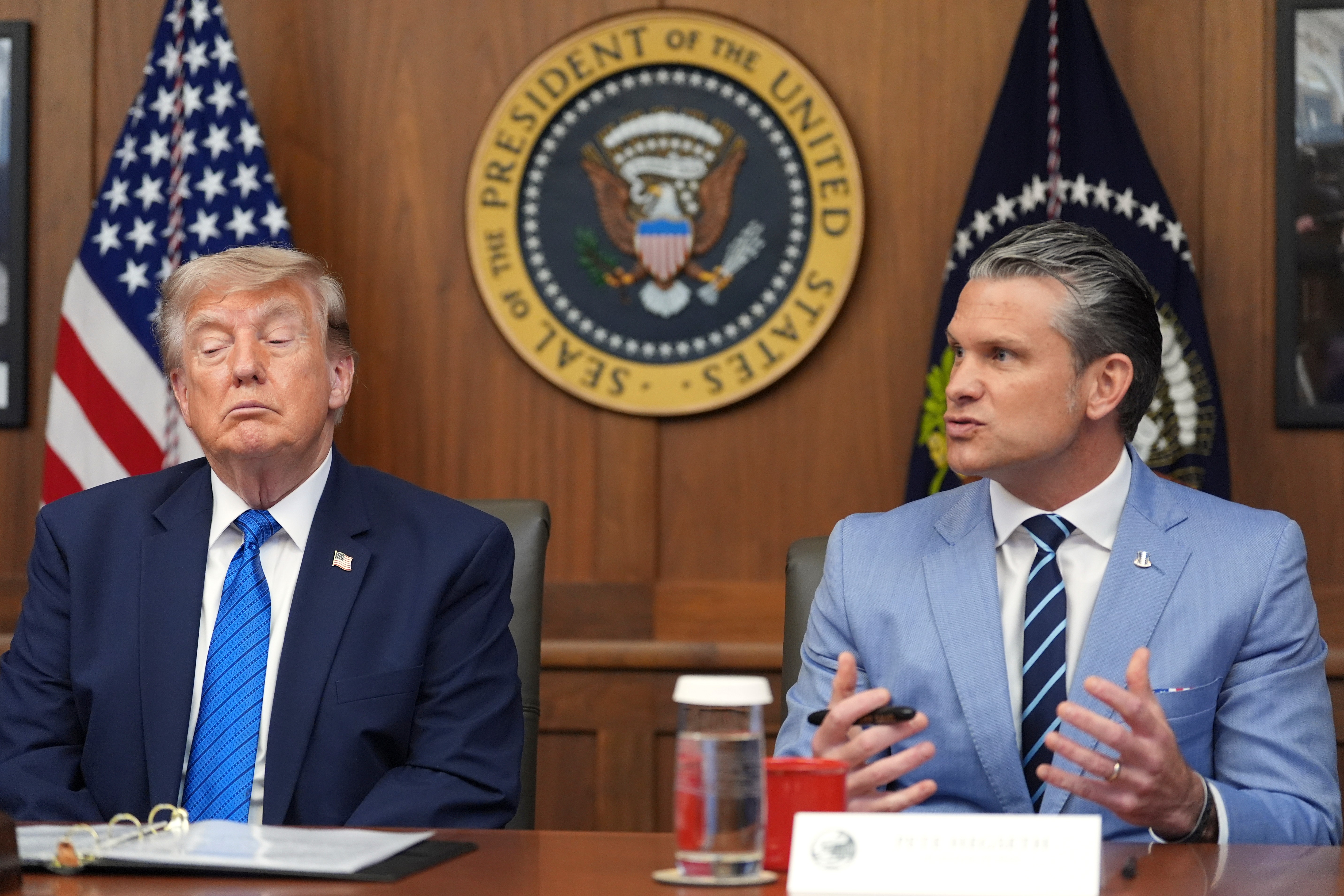
    Trump has refused to attend the 9/11 ceremonies in New York City, reportedly because he wouldn’t be allowed to make a speech. Instead, he will bloviate at the Pentagon alongside his “Secretary of War” Pete Hegseth, who is contributing to the president’s security blindness that exposes Americans to potential harm.

    Shame on them for endangering the country by refusing to learn the lessons of that terrible day.
  • Philly maker of hand-held device tracking software for retailers plans expansion after big investment

    Philly maker of hand-held device tracking software for retailers plans expansion after big investment

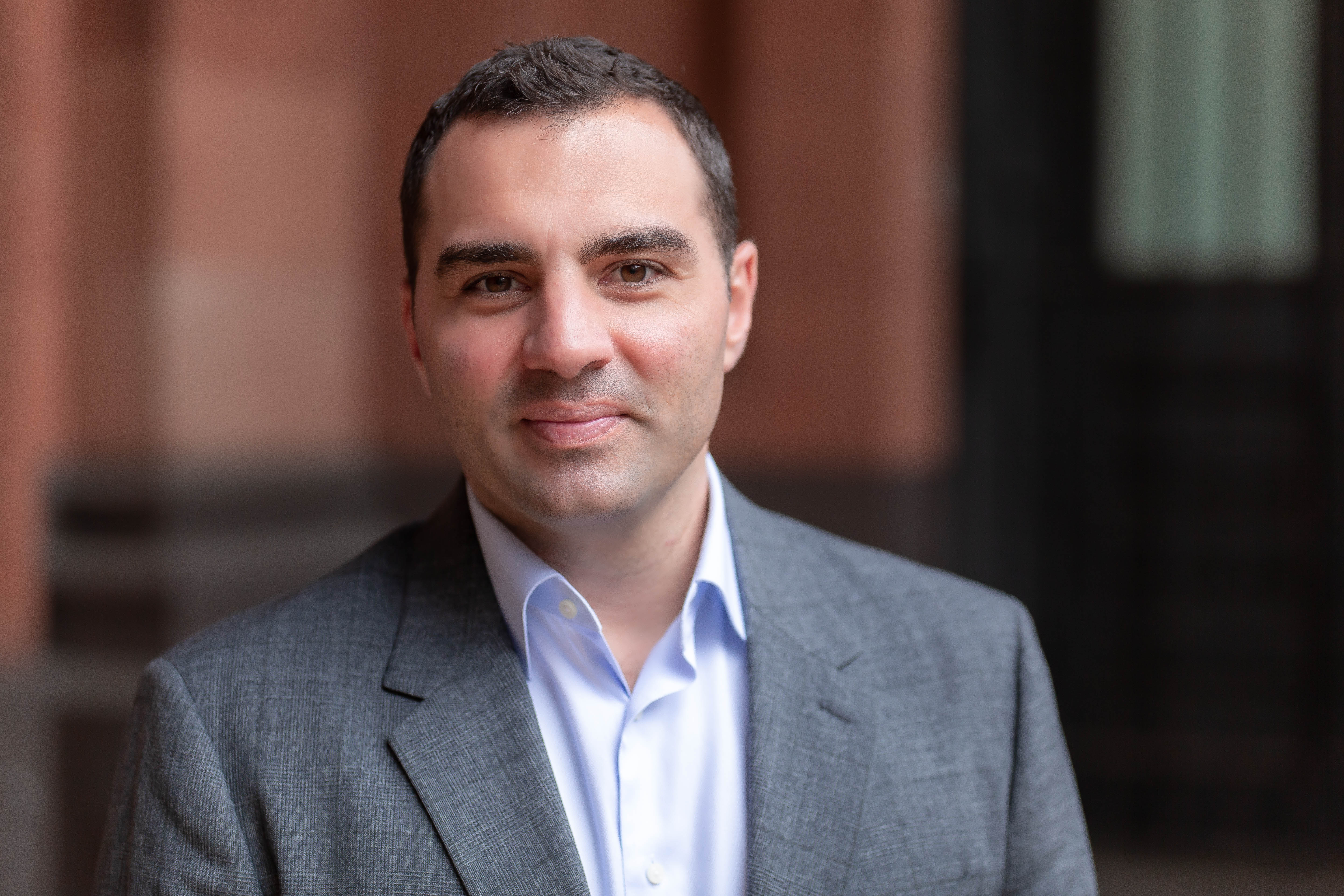
    Asset Recharge Center (ARC), a Philadelphia firm whose software and sensor systems track and recharge hand-held devices used by workers at Walmart, Lululemon, and other big retail store and warehouse companies, has raised $60 million from a New York tech investor.

    The investment, from Acadia Investment Partners, will help the company boost sales to grocers, airlines, governments, and other new customers.

    It’s the first big outside investment for ARC, which started in 2011 as the Chargeitspot cellphone-charging service for customers of stores such as Bloomingdale’s and Target. It switched focus to workers’ electronics when customers were barred from stores during the COVID-19 pandemic.

    Earlier it was backed by smaller investors from locally based Robin Hood Ventures, Soundboard Angel Fund, and start-up millionaires.

    ARC, which says it has been used by workers to check out and return electronic tools 130 million times since 2021, is poised to grow fast “as frontline operations become increasingly technology dependent,” Acadia founder Harsh Agarwal said in a statement. He and Acadia “operating advisor” Peter Schmitt joined ARC’s board under terms of their investment deal.

    “We started the business to solve a consumer-facing problem — the [panic] when batteries run out,” said ARC CEO Douglas Baldasare, a Villanova native and Wharton School graduate. British health officials identified the condition in the early smartphone era as nomophobia.

    Stores found customers spent more time shopping and bought more items when their phones were stationed at Chargeitspots. The COVID shutdowns forced founder Baldasare to find new applications for what his team had learned about securing, tracking, and charging devices.

    He studied the losses retailers and warehouses were suffering when they issued electronic devices to track inventory and workflow that ended up lost, left home, or piled in bins of non-working appliances companies shipped back to manufacturers like Zebra and Honeywell.

    Those makers too often found that after a device was offline for weeks or month, the only problem was a bad cable or battery that could have been resolved quickly if the problem were diagnosed, marked, and recorded in a useful way — the problem ARC addresses.

    “We realized managing these devices at scale was very difficult,” Baldasare said. “Companies were still using manual check-ins and check-outs on clipboards. Workers were standing in queues every shift; it was inefficient.”

    “You’re working in a chaotic field environment where people tend not to follow rules,” Baldasare said. “Things break. You need an effective, efficient way to secure and maintain your hardware. We had unintentionally built a system” for retail customers’ phones that could be applied to worker devices.

    By adding automatic employee sign-in, check-back, tracking, and data reporting systems, ARC cut losses, according to customers.

    ARC ensures employees have access to the ”next best available device, fully charged and in optimal working condition” every day, Lani Lindsay, vice president of central operations for Walmart Canada, said in a statement. Walmart’s Sam’s Club stores in the U.S. also use ARC.

    “ARC’s ‘smart locker’ system has made a material difference for our business,” said Divey Gulati, cofounder of Chicago-based ShipBob, a contract shipper that competes with Amazon. “We’ve dramatically reduced time spent managing devices.”

    About 100 people work for ARC, a headcount that founder Baldasare said will grow as ARC uses Acadia funds to add staff.

    Philadelphia has a reputation as a low-turnover labor market for tech employers, said Baldasare, who recruits Drexel co-ops, along with students from other area schools. “It’s a really smart, roll-up-your-sleeves population, who, when they find a happy place, reward you by sticking around to grow with the company.”

  • On a tree-lined Fairmount row, a newer resident became an instant gardening prizewinner

    On a tree-lined Fairmount row, a newer resident became an instant gardening prizewinner

    Toward the end of April, Noah Johnson’s street in Fairmount fills with pink cherry blossoms. The cherry trees may have been planted, he believes, when rowhouses were built in 1876.

    Longtime Fairmounters call the block Centennial Boulevard. The homes were designed to showcase the latest trend in residential architecture as part of the celebration of the 100th anniversary of the signing of the Declaration of Independence.

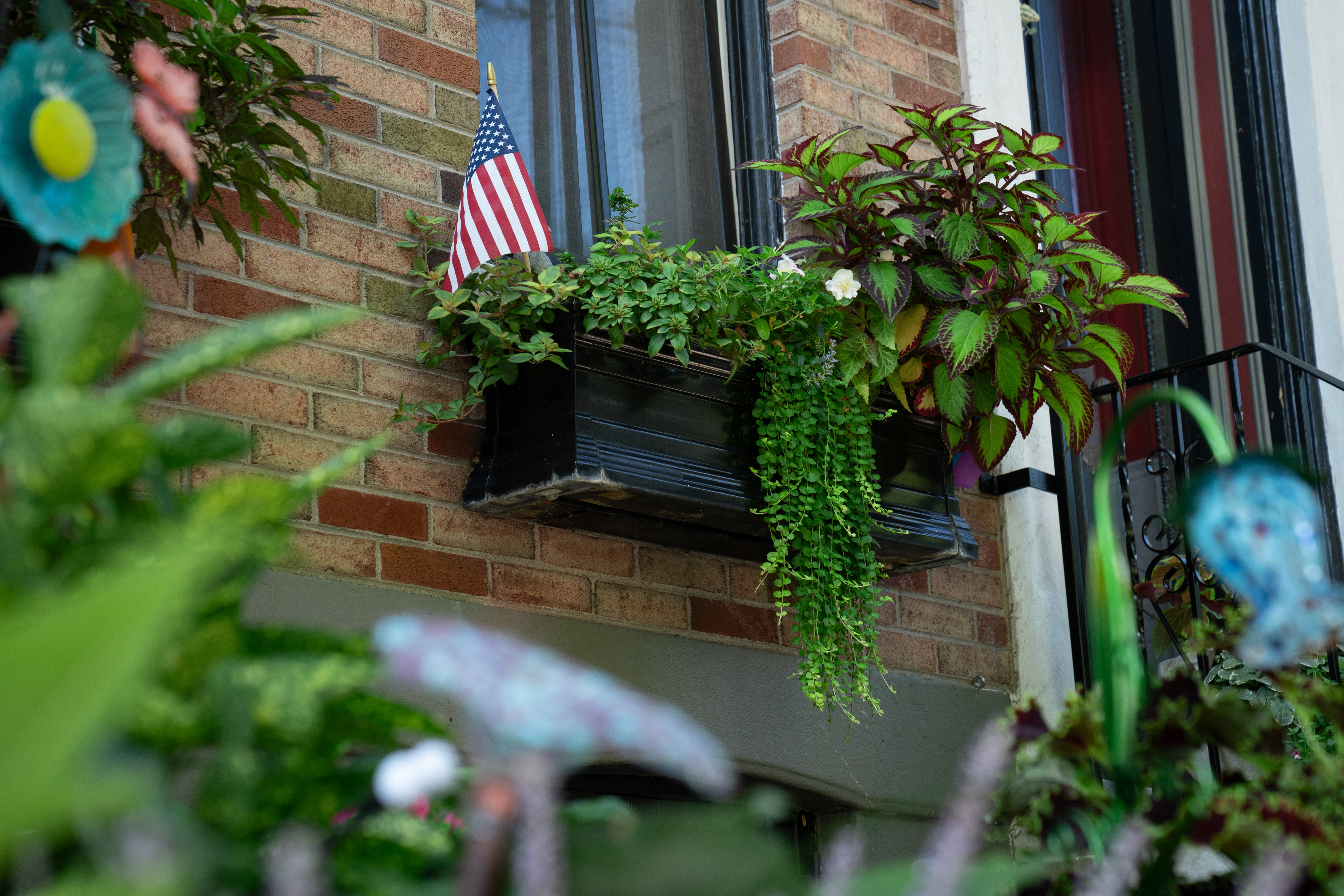
    The three-story homes were faced with stucco modeled to resemble stone and had tiled mansard roofs and enviable front gardens. Most houses in Fairmount, then and now, have small backyards but no front yards. Owners compensate with window boxes and planters.

    A window box at Burns and Johnson’s Fairmount home.Sarah Silbiger / For The Inquirer
    Impatiens and verdant potted plants line the front steps of the home.Sarah Silbiger / For The Inquirer

    Over the last 150 years, the “Centennial” homes have been altered. Some have been re-stuccoed or faced with brick. But they all still have their front gardens.

    Johnson and his wife, Charlotte Burns, like their neighbors, have planted their precious plot with flowers and greenery.

    The floral motif begins at the east end of the block, where Brian Augustine has painted a mural on the garage wall adjacent to his house. Augustine, a contractor and amateur artist, copied a Claude Monet painting of the garden at Giverny, the famous impressionist’s home in France. Augustine planted white rocktrumpet vines in his garden to complement the white water lilies in the mural.

    A mural by Brian Augustine, imitating a Monet painting, is seen in the neighborhood, known as Centennial Boulevard.Sarah Silbiger / For The Inquirer

    Farther down the block Sam Cifelli has wound Christmas lights around the handrail going up his front steps next to shrubbery. He adds more lights during the holidays to the delight of Johnson and Burns, who live next door.

    The couple purchased their four-bedroom, 2½-bath home in February 2025. Johnson said he let Charlotte do all the gardening.

    By summer, Burns’ plantings were so lush a neighbor gave her a flier about the Flowering Fronts of Fairmount Competition sponsored by the Fairmount Civic Association. Burns entered the contest and won a prize. This summer she was a finalist in the Pennsylvania Horticultural Society’s Citywide Gardening Challenge.

    A plaque from the Pennsylvania Horticultural Society 2026 Gardening Challenge sits in front of some purple liriope.Sarah Silbiger / For The Inquirer
    Coleus and Silver King Euonymus, with flowers behind.Sarah Silbiger / For The Inquirer

    Burns’ success wasn’t just beginner’s luck. She grew up watching her landscape designer father, Brian Burns, at work. Before moving to Philadelphia she gardened at a house she and her husband rented in Georgia.

    Burns kept the English ivy and the heavenly bamboo she found in the garden and purchased annuals including begonias, impatiens, vincas, and multihued coleus at the local Ace Hardware store.

    Her father helped Burns choose and plant perennials such as spikes of purple liriope, Silver King Euonymus — which has green, leathery leaves edged in white and speckled with gold dust — red-tinged pieris japonica and glossy abelia.

    Gardening is challenging. While Burns’ creeping Jenny, an annual, “grew back this year,” she said, the hydrangea did not bloom, and she had to use a pesticide “for the first time” to remedy a lace bug infestation on the Japanese hosta.

    Charlotte Burns waters her prize-winning garden.Sarah Silbiger / For The Inquirer

    Besides planting in the ground, Burns has filled window boxes and ceramic pots with colorful plants that line her front steps.

    On the brick patio in the middle of the garden red begonias in a blue pot are centered on the white wrought iron table. She found the table and matching chairs at a Bucks County estate sale.

    Burns embellished the garden with glass birds from the Pennsylvania Renaissance Faire and glass flowers from the Philadelphia Flower Show. A ceramic frog was purchased at the annual Fairmount Flea Market. The cat banner and front door wreath were gifts from her mother, Cheryl Cunningham.

    Johnson helps his wife with the heavy lifting, spreading bags of mulch, and moving the pots to the basement for storage in the winter.

    Burns, a veterinary anesthesiologist, and Johnson, a battery scientist, met as students at Drexel University and married in 2021.

    A frog figurine peeks out from behind caladiums and other greenery.Sarah Silbiger / For The Inquirer
    A rose in bloom among the coleus.Sarah Silbiger / For The Inquirer

    The couple had permission to string lights around Mario and Anna Crociata’s oak tree next door.

    Burns planted periwinkle and hosta in the tree well and created a miniature village with gnomes and tiny houses. If an enchanted child takes one of the gnomes, Burns will purchase more at the nearby dollar store.

    They hope Fairmounters will enjoy the flowering fronts on Centennial Boulevard for another 150 years.

    Is your house a Haven? Nominate your home by email (and send some digital photographs) at properties@inquirer.com.

  • We predicted the outcome of every Eagles game this season. It’ll be music to your ears.

    We predicted the outcome of every Eagles game this season. It’ll be music to your ears.

    Now that the NFL preseason has been consigned to memory — that is, if anyone actually remembers it — it’s time for the big moment. It’s time to reveal the outcome of every Eagles game during the 2026 regular season.

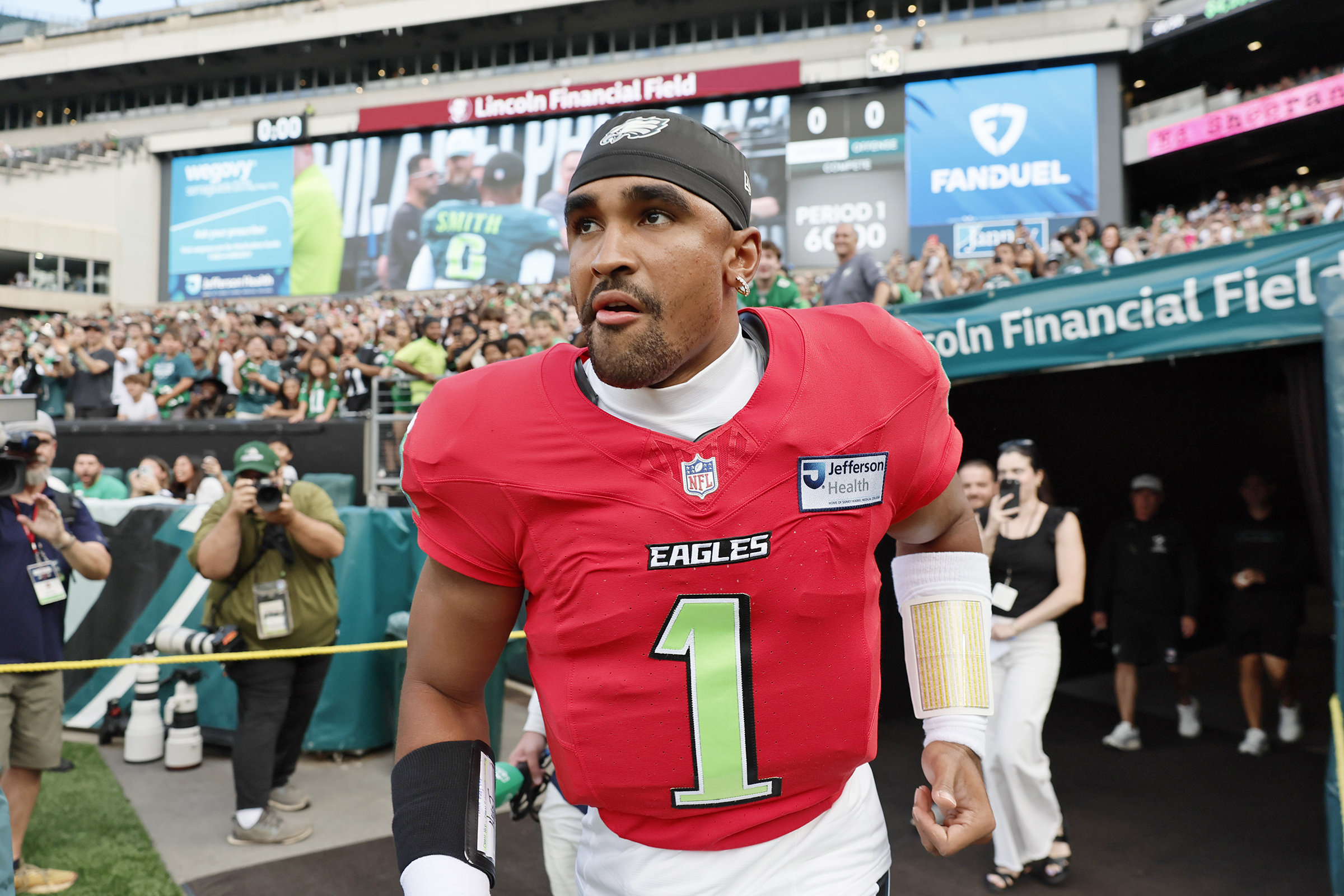
    Week 1: After an offseason of speculation about his scheme and system, new Eagles offensive coordinator Sean Mannion shocks everyone on the first play from scrimmage against Washington by having Jalen Hurts line up under center, take the snap, and do The Macarena. “I am not trying to seduce you,” Hurts says after the game. “I am trying to win football games.” Saquon Barkley rushes for 221 yards and two touchdowns, compelling President Trump to issue an executive order changing the franchise’s name from the Washington Commanders to the Washington Ontario. Eagles 24, Commanders 7.

    Week 2: Before arriving in Nashville to face the Titans, the Eagles’ players and coaches spend Friday in East Tennessee — at Dollywood for a team-bonding retreat. Following a team dinner at Granny Ogle’s Ham ‘n’ Beans, Jordan Davis persuades Vic Fangio to ride the Wild Eagle roller coaster with him. Both of them throw up. Two days later, Jalyx Hunt sacks Titans quarterback Cam Ward three times. “I set out to get him with a fine tooth comb,” Hunt says. Eagles 20, Titans 6.

    Week 3: On Fox NFL Sunday, Bears head coach Ben Johnson tells Jay Glazer, “Yeah, we want to win the game, but we want more than that. We want to hang 50 on ’em. We’re the best around, and nothing’s gonna ever keep us down.” Quinyon Mitchell intercepts Caleb Williams’s first pass and returns it 37 yards for the game’s only touchdown. Eagles 7, Bears 3.

    Week 4: Less than 24 hours before their matchup against the Eagles, the Rams announce that they have acquired Joey Bosa, Bobby Wagner, Haason Reddick, Brad Pitt, George Clooney, Matt Damon, Don Cheadle, Elliott Gould, and Julia Roberts. DeVonta Smith catches six passes for 66 yards. The Eagles’ other wide receivers combine for six catches for minus-six yards. Rams 27, Eagles 13.

    Week 5: In London, Hurts throws two interceptions and loses a fumble against the Jaguars. Asked after the game if he has any plans to go back to an offensive system with which his quarterback is more comfortable, head coach Nick Sirianni says, “Relax. I need some information first. Just the basic facts. Can you show me where it’s Hurts?” Jaguars 21, Eagles 7.

    Week 6: The Eagles bounce back against the Panthers, but their manner of victory causes controversy. Barkley carries the ball 45 times for 233 yards and three touchdowns, but Hurts does not attempt a pass. At his locker after the game, Smith is asked how he feels about the offense. “You gotta go shipping up to Boston — or Foxborough — for that answer,” he says. Eagles 30, Panthers 17.

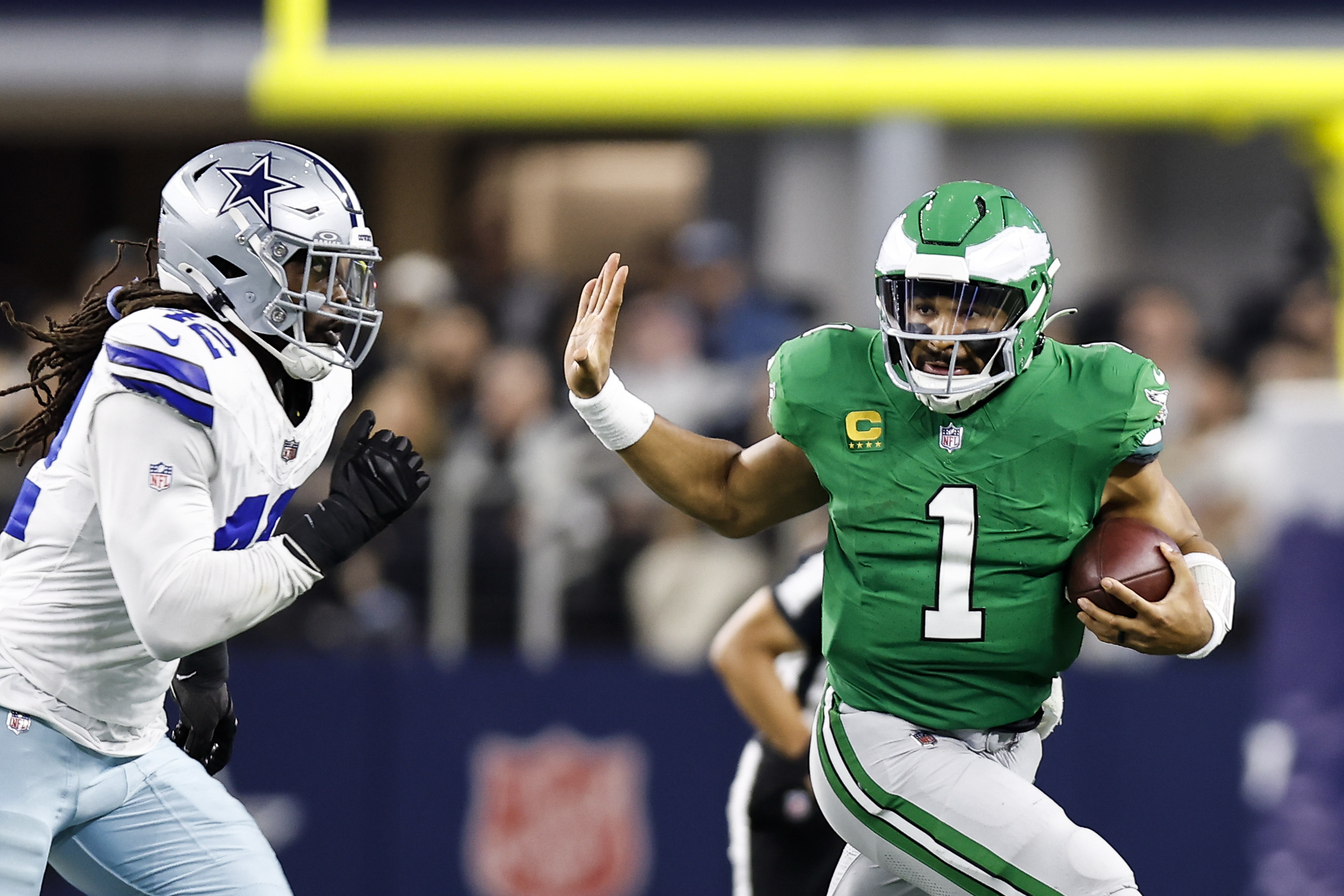
    Week 7: On Monday Night Football against the Cowboys, Hurts delivers his finest performance of the season: 349 passing yards, two passing touchdowns, and a career-high seven aphorisms during his postgame press conference. His team off to a 3-4 start, Cowboys owner Jerry Jones says after the game that he has benched quarterback Dak Prescott and asks Troy Aikman if he’d be willing to play again. “Old man,” Aikman responds, “look at my life. Hell. No.” Eagles 34, Cowboys 28.

    Jalen Hurts and the Eagles will face the Cowboys in Week 7.Monica Herndon / Staff Photographer

    Week 8: It’s the second Eagles-Washington matchup of the season, this time on Sunday Night Football. Josh Harris hosts LeBron James and Jaylen Brown in his Northwest Stadium suite, where the amenities include a catering tray of undercooked hot dogs and guest appearances by former Washington greats Rock Cartwright, Gus Frerotte, and Donovan McNabb. Eagles 31, Whatever Their Name Is 10.

    Week 9: Despite the Giants’ 4-6 record entering this game at Lincoln Financial Field, New York Mayor Zohran Mamdani releases 12 social-media videos declaring that Dec. 25 will “be known from this day forth as ‘John Harbaugh Day in the Big Apple.’” The New York Post runs a poll revealing that 57% of the media who cover the Giants believe Harbaugh is a better coach than Bill Parcells, Tom Coughlin, or Vince Lombardi. Jaxson Dart doesn’t complete a pass until late in the fourth quarter. Eagles 23, Giants 0.

    Week 10: Through nine games, the Eagles have committed 15 turnovers. So during the bye week, Sirianni announces he will become the full-time play-caller. “The nearer we are to our destination, the more the ball is slip-slidin’ away,” he says. “I wear my passion for protecting the football like a thorny crown.” Asked if he will bench Hurts for any of the other 17 quarterbacks on the Eagles’ roster, Sirianni declines to comment.

    Week 11: The Eagles pound the Steelers at the Linc. The next morning, Aaron Rodgers appears on The Pat McAfee Show, claiming that the real reason he and his teammates lost was that Anthony Fauci, The Illuminati, and the game’s replay officials conspired against them. Eagles 28, Steelers 3.

    Week 12: On Thanksgiving, the Cowboys rally from a 14-point halftime deficit to beat the Eagles. Asked after the crushing loss why Hurts did not throw a pass over the game’s final three quarters, Sirianni responds, “Jalen was on a vacation far away. So many things I want to say. You know I like my leads a little bit bigger, but I don’t want to lose that ball tonight.” Cowboys 21, Eagles 17.

    Week 13: A 10-day layoff leads to sloppiness and frustration on offense against the Cardinals; only a dominant performance from the Eagles’ defense saves them. Standing at his locker, Smith holds out his smartphone to show that he has received a text message from A.J. Brown: “yo bro i told u also don’t 4get book club tues nite.” Eagles 16, Cardinals 3.

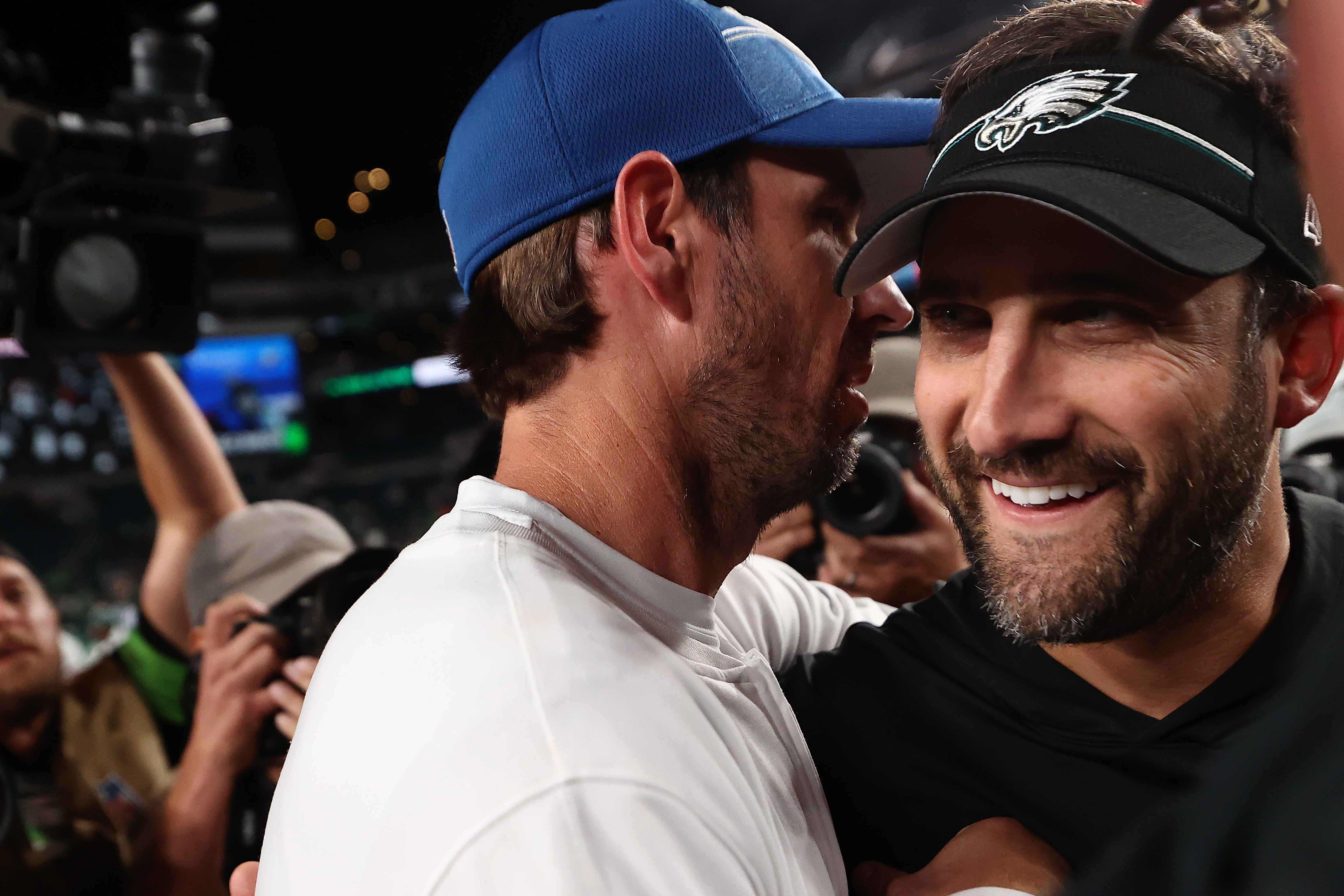
    Former Eagles OC Shane Steichen (left) and his Colts squad will come to the Linc on Dec. 13.David Maialetti / Staff Photographer

    Week 14: The Colts’ Daniel Jones tosses three touchdown passes as former Eagles OC Shane Steichen spends all day scheming receivers open against Fangio’s defense. On WIP, PHLY Sports, and Jeff McLane’s podcast, Brandon Graham announces that he is considering coming out of retirement. Colts 27, Eagles 21.

    Week 15: A matchup of the last two Super Bowl champions shows the Eagles where they really stand in the NFC. Hurts throws three interceptions, including two in the red zone, against the Seahawks. “You win. You learn,” Hurts says. “You laugh. You learn. You cry. You learn. You miss Dallas Goedert wide-open in the end zone. You learn.” Still, ESPN’s Dan Orlovsky says that Hurts is in the discussion for the top five quarterbacks in the NFL if you consider that every quarterback in the NFL is really under discussion to be one of the top five quarterbacks in the NFL because every quarterback in the NFL is amazing. Seahawks 24, Eagles 6.

    Week 16: On Christmas Eve, the Eagles and Texans combine for seven turnovers and remain scoreless into overtime before C.J. Stroud throws his fourth interception, all to Riq Woolen, and Jake Elliott kicks a 30-yard field goal. Smith shows reporters another text from Brown: ‘haha u missed xmas story marathon on tbs 4 this.’ Eagles 3, Texans 0.

    Week 17: When 49ers coach Kyle Shanahan doesn’t appear at one of his midweek press conferences, ESPN’s Adam Schefter reports that the 49ers have allowed him to report that Shanahan has actually been in cryogenic stasis since early October. Eagles 35, 49ers 20.

    Week 18: At MetLife Stadium, with Mannion calling plays again, Hurts goes 7-of-21 for 79 yards in an ugly victory over the Giants. New York media members give Harbaugh a standing ovation for going 6-11, talking to them nicely and even using their first names. The Eagles finish 12-5 and clinch their third straight NFC East title. Sirianni announces that, in the following week’s wild-card game, backup quarterback Troy Aikman will start. Eagles 11, Giants 7.

  • Prediction time: The Inquirer’s game-by-game Eagles picks, NFL playoff selections and major award winners

    Prediction time: The Inquirer’s game-by-game Eagles picks, NFL playoff selections and major award winners

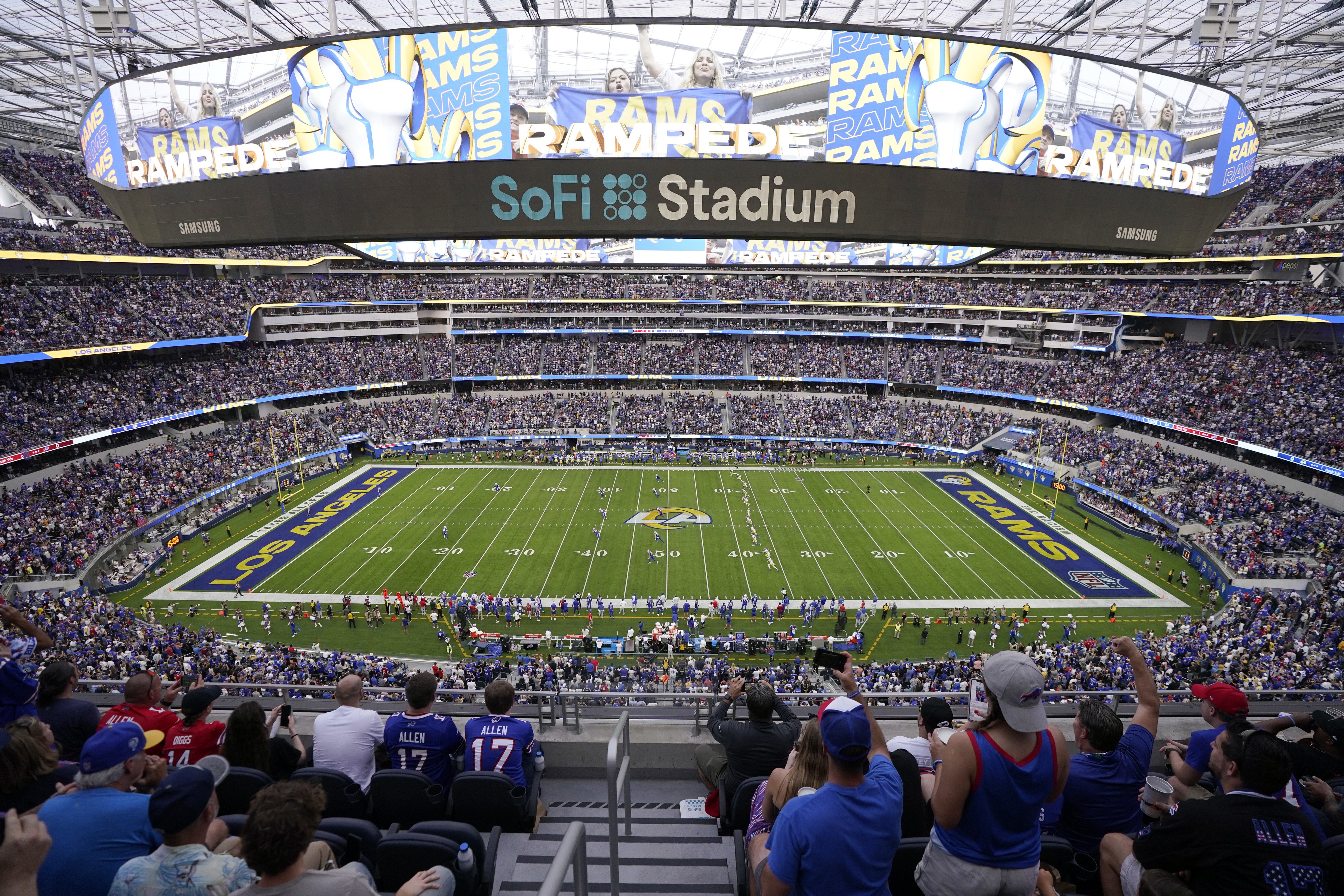
    The 2026 NFL season kicks off this week, with the Eagles’ Week 1 meeting against the Commanders highlighting a slate that also includes Seahawks/Patriots on Wednesday and a 49ers/Rams showdown in Australia on Thursday.

    With that in mind, The Inquirer’s NFL reporting team of Jeff McLane, Olivia Reiner, Jeff Neiburg, and Ryan Novozinsky offered their predictions not only for the Eagles season but also how they see the entire league shaking out, including playoff brackets and major awards.

    Eagles game-by-game predictions

    Week Opponent McLane Reiner Neiburg Novozinsky
    1 Commanders W W W W
    2 @ Titans W W W W
    3 @ Bears (MNF) L L W W
    4 Rams L L L L
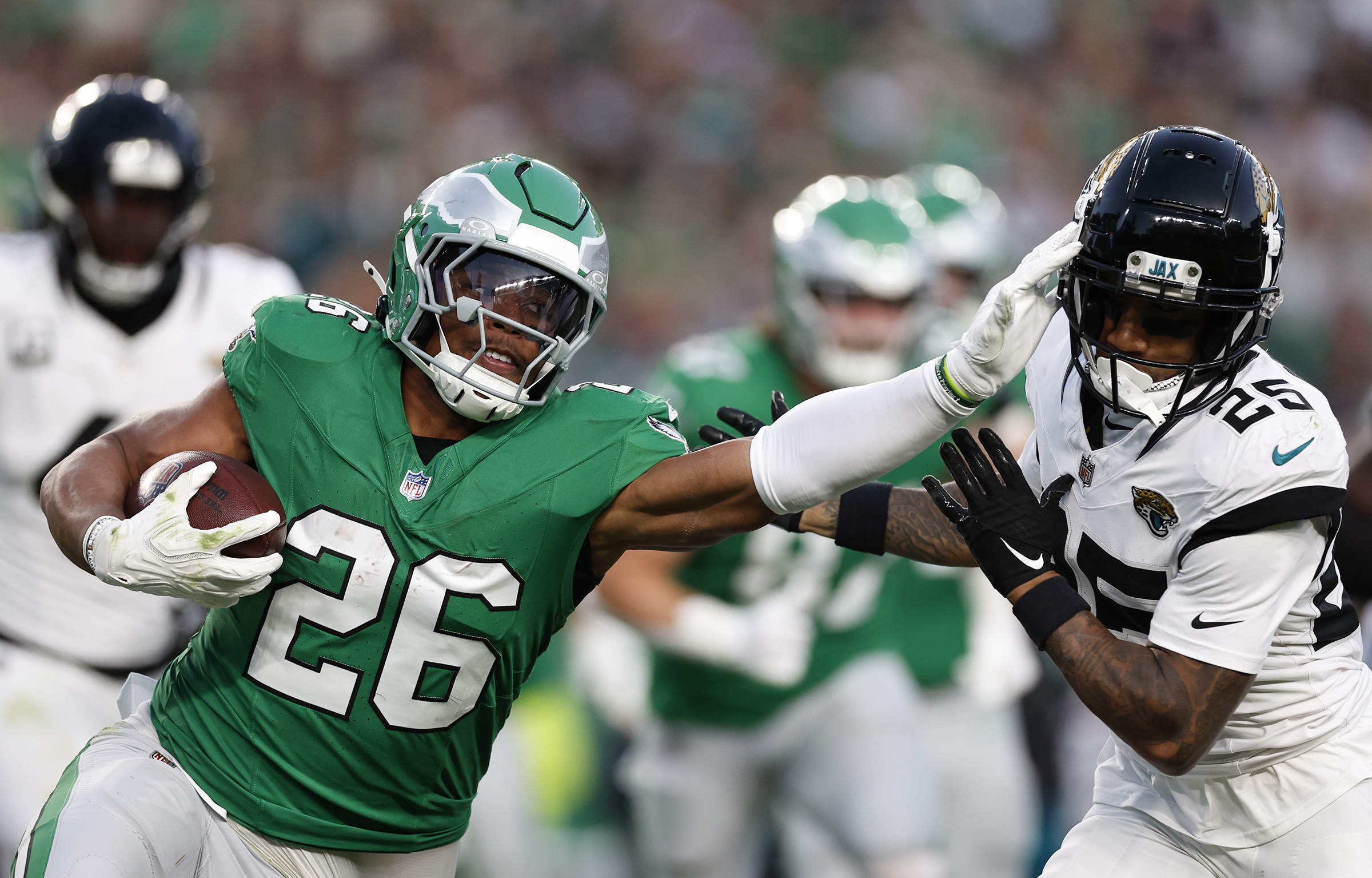
    5 Jaguars (London) L W W W
    6 Panthers W W W W
    7 Cowboys (MNF) W W W L
    8 @ Commanders (SNF) W W L W
    9 Giants W W W W
    11 Steelers W W W W
    12 @ Cowboys (T-giving) L L L W
    13 @ Cardinals W W W W
    14 Colts W W W W
    15 Seahawks (Sat.) L L L W
    16 Texans (Thur.) L L W L
    17 @ 49ers (SNF) L W L L
    18 @ Giants W L W W
    10-7 11-6 12-5 13-4

    Inside our picks

    Which pick were you most on the fence about?

    McLane: London game vs. the Jaguars (loss). I was at the Eagles’ last trip over the Atlantic when they beat a then-good Jacksonville team in 2018. Only a couple of players remain from the squad — tackle Lane Johnson and kicker Jake Elliott — but traveling to other countries has become the norm for every team in the NFL. So it’s not like the Jaguars, who play in London the most, have a distinct advantage.

    The Jaguars will be a much tougher opponent than the Jacksonville team the Eagles faced in 2024. Yong Kim / Staff Photographer

    But coach Liam Cohen returns a squad that won the AFC South with a 13-4 record as he enters his second season in charge. There will likely be regression with a first-place schedule. I see a lot of prognosticators picking them to fall to the middle of the pack. But I like their roster. And I think the Eagles are going to hit a rough patch from Weeks 3-5 after opposing defenses get film on Sean Mannion’s new offense. Still, it’s difficult to see Vic Fangio’s defense allowing a three-game losing steak. So I was divided about this pick. Ultimately, I just felt the Jags matched up well against the Birds.

    Reiner: The 49ers road game (win). There should be plenty of juice going into that game, as the Eagles fell to the 49ers in the wild-card round. Looking back, it seemed like a lot of the Eagles’ shortcomings in that game were self-inflicted. The following week, the 49ers were exposed by the Super Bowl champion Seahawks in their 41-6 divisional-round drubbing. That late-season three-game stretch against the Seahawks, Texans, and 49ers should be tricky, but it seems unlikely that the Eagles will lose three straight games. I think the 49ers could be the lesser team of that trio, especially if their poor injury luck persists into 2026. Given they have one of the oldest rosters in the league, perhaps that isn’t too far-fetched.

    Neiburg: The Texans game on Christmas Eve (win). I think 12-5 is the right record, and because it’s impossible to know what’s going to go on later in the season, guessing the spots for the losses is tough. On my first spin through I had them losing three straight to Seattle, Houston, and San Francisco. I can’t see this team losing three consecutive games. I also don’t see them losing to Washington, but 13-4 seems a bit off, and I needed a fifth loss, so I went with the NFC East opponent on the road rather than a random loss at home to a team like Pittsburgh. You see? This is an exact science. Houston is really good. That three-game stretch could be a turning point.

    Novozinsky: The Seahawks game (win). Yes, they’re the defending champs. Yes, their defense is great. Yes, Sam Darnold just completed a masterful career 180. But after watching the Eagles defense all summer, I just think the Birds have the deeper unit — which will be the clear difference maker in this game. This’ll be a true rock fight, but I say the Eagles come out on top thanks to their secondary clamping down Jaxon Smith-Njigba.

    Rookie Carson Beck could be the Cardinals QB by the time the Eagles face them in December. David Richard

    Which game do you most consider a lock?

    McLane: The opener vs. the Commanders. If there was one non-quarterback Washington couldn’t afford to lose to injury, it was Laremy Tunsil. The left tackle’s season ended when he tore his triceps early in training camp. Not only was Tunsil arguably the most established player on the team, but he was the No. 1 piece standing between Jayden Daniels and more injuries.

    But there are a host of other reasons to think Dan Quinn’s unit will be just as bad as it was last season. The offensive skill position group is lacking in top-end talent. The defensive front seven will look significantly different than it did during last season’s wretched campaign. But it’s young and will have to carry the load if the secondary continues to be porous. The Eagles may have some early hiccups with a first-time play caller in Mannion, but the offense should benefit from the early element of surprise. The defense, meanwhile, could dominate.

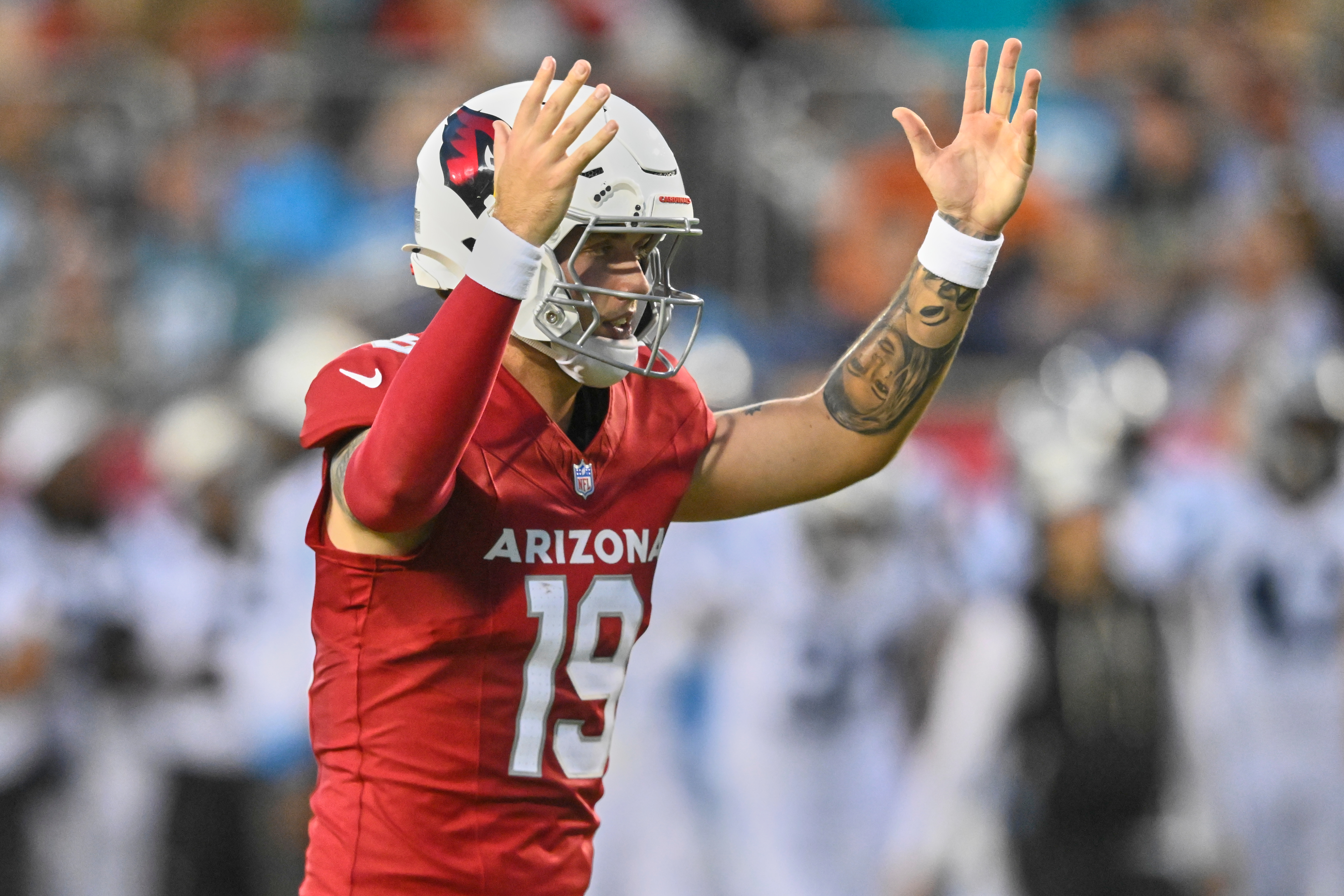
    Reiner: The game against the Cardinals. Congratulations – you have the chance to start for the Cardinals at quarterback this season! The Jacoby Brissett-Gardner Minshew-Carson Beck quarterback depth chart isn’t exactly fear-inducing for defensive coordinators. Rookie running back Jeremiyah Love, who is already injured, could be challenged to reach his potential behind an average offensive line. If things aren’t going well for the Cardinals by Week 13, Josh Sweat might sneak back to Philadelphia on the team plane after the game.

    Neiburg: Dec. 6 in Arizona. The Cardinals are dreadful. There’s a real chance they go winless. They could be touchdown underdogs in every one of their divisional contests and they’re also matched up with an AFC West division that could produce three playoff teams. Eagles fans always travel well, but an early December trip to the southwest is enticing, and this one might feel like a home game.

    Novozinsky: Week 2 at the Titans. The Titans will probably be marginally better in 2026, but let’s face it: If your team is picking up the scraps from the Giants/Jets of the past five years, you’re probably not going to be a very good team. They’re a true dumpster fire franchise — and I’m still not sold on quarterback Cam Ward. The Eagles will win this game and Broadway will be flooded with chants of “Go Birds!”

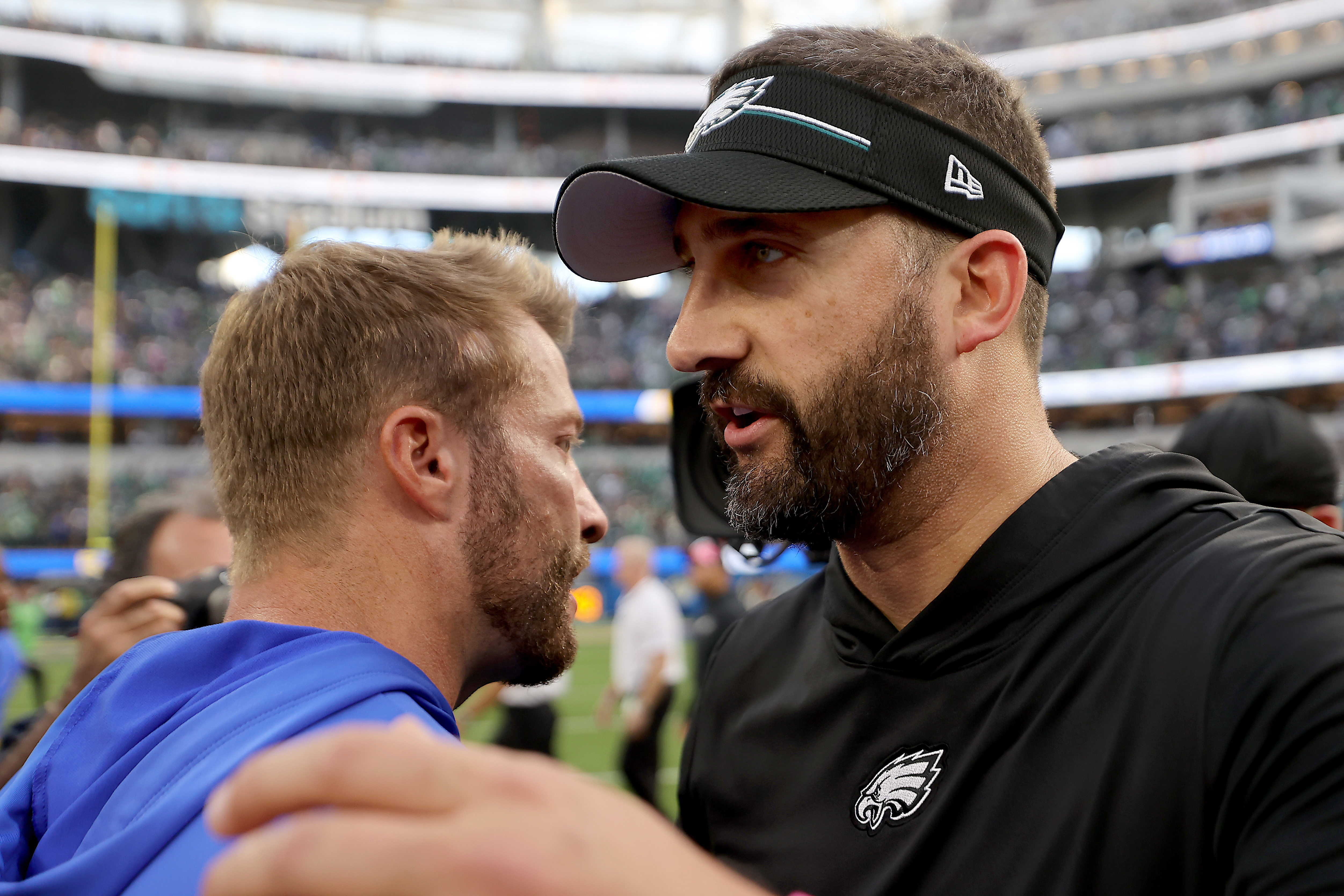
    Another Eagles-Rams classic could be in store when Nick Sirianni and the Birds host Sean McVay and L.A. David Maialetti / Staff Photographer

    Which contest screams “statement game” to you

    McLane: Dec. 19 vs. the Seahawks. After a shaky start to the season, I can see the Eagles settling into a groove, especially with some expected easier opponents in the middle portion of the season. I have them 9-4 by the time they host the defending-champion Seahawks on Dec. 19. It’s difficult to repeat, of course, and while Mike Macdonald returns one of the best defenses in the league, and has elite players like Smith-Njigba on offense, I could see Seattle falling back to earth in a tough NFC West. Does anyone really think that Darnold will be as good as he was during a sun-kissed 2025? But a win here for the Eagles would be impressive and maybe catapult them into a stretch run and another NFC East crown.

    Reiner: The Seahawks game in Week 15, especially if both teams are competing for playoff spots at that point in the season. Seattle is defending its Super Bowl title and the Eagles are looking to contend once again. If they can come up with a win against the league’s leading defense in 2025 and the Offensive Player of the Year in Smith-Njigba, they should feel good about themselves heading into the final stretch of the season. If not, a loss could be a sign of bad things to come for the Eagles in the postseason.

    Neiburg: Well, the Rams game could be a preview of the NFC title game, so, for better or worse, that is kind of a measuring stick game. The Eagles will match up with a few shaky defenses early in the season before welcoming Myles Garrett, Aaron Donald, and perhaps the best defensive front ever assembled to Lincoln Financial Field. It’s just a shame it’s a 1 p.m. game, because it’s one of the best games on the NFL calendar this season.

    Novozinsky: Christmas Eve in Houston. What the Texans lack on offense, they make up for — in a huge way — with an unrelenting defensive front. They’re my Super Bowl pick this year and they’re a perfect measuring stick for the Birds in front of a primetime holiday audience. The schedule makers sure didn’t do the Eagles any favors, sandwiching this game between the Seahawks and 49ers.

    Rookie Caleb Downs (center) is one reason why Jerry Jones (left), Brian Schottenheimer and the Cowboys are optimistic about getting off the mat in 2026. Tony Gutierrez

    Who’s the biggest threat to an Eagles’ NFC East three-peat?

    McLane: It’s got to be the Cowboys. The Commanders, as noted above, could be a hot mess, while the New York Giants are likely a year away from contending. But Dallas has the offensive firepower to match the Eagles’ potent defense. Dak Prescott has an aerial attack that can expose a weakness at safety and even some of the best cornerbacks in the NFL. We saw it last season. The Cowboys couldn’t compete in 2025 because, ultimately, they were dreadful on defense. They made significant changes. They snatched Christian Parker from Philly to helm the unit. And they added six new starters, including edge Rashan Gary and first-round safety Caleb Downs.

    I’m not saying it’ll transform them into a top unit. Parker is as much of an unknown as Mannion. But it’s hard to see Dallas not finishing with a winning record. I think the Eagles will be right there with them. Heck, they’re still the odds-on favorite to win the division. But I think defenses will still be able to corral Saquon Barkley and the run game because the passing offense will not improve enough with too many question marks at receiver and tight end.

    Reiner: The Cowboys. They made upgrades to their defense, which ranked last in the league in points allowed in 2026, and hired Parker. Combine an improved defense with an offense that ranked in the top 10 in 2025 and one of the best kickers in the NFL in Brandon Aubrey and the Cowboys could threaten the Eagles for the NFC East crown.

    Neiburg: Dallas. The Cowboys should have an improved defense, and there’s plenty of talent on offense to get to double-digit wins. The Giants could be a sneaky wild-card team with an exciting offense, but I don’t think they’re ready to take that step yet. Washington, meanwhile, didn’t do a whole lot of improving in the offseason and its defense just isn’t good enough. The Eagles-Cowboys game on Thanksgiving could end up being a turning point of sorts in the NFC East standings.

    Novozinsky: It’s the Cowboys and it’s not even close. The Commanders are going to stink. I’d be stunned if the Eagles didn’t sweep them this year. The Giants should be better under Harbaugh, but I’m just not sold on Jaxson Dart. Dallas, for all its faults, has a good offense and a capable defense led by a sharp defensive mind in Parker.

    The presence of Myles Garrett (95) is helping to make the Rams a trendy Super Bowl pick. Mark J. Terrill

    NFL division and playoff predictions

    Wild card teams in italics

    Division McLane Reiner Neiburg Novozinsky
    NFC East Cowboys Eagles Eagles, Cowboys Eagles
    NFC North Lions, Packers Packers, Bears, Lions Packers, Lions Packers, Lions
    NFC South Bucs Panthers Bucs Saints, Bucs
    NFC West Rams, Seahawks, 49ers Rams, Seahawks Rams, Seahawks Rams, Seahawks
    AFC East Bills, Patriots Patriots, Bills Bills, Patriots Patriots, Bills
    AFC North Bengals, Ravens Ravens Ravens Ravens
    AFC South Texans Texans, Jaguars Texans, Jaguars Texans. Jaguars
    AFC West Broncos, Chiefs Chargers, Broncos Broncos, Chargers Chargers, Chiefs
    NFC champ Rams Rams Rams Rams
    AFC champ Texans Ravens Bills Texans
    Super Bowl champ Texans Rams Rams Texans

    NFL award winners

    Most Valuable Player:

    • McLane: Joe Burrow, Bengals
    • Reiner: Josh Allen, Bills
    • Neiburg: Josh Allen, Bills
    • Novozinsky: Josh Allen, Bills

    Offensive Player of the Year:

    • McLane: Bijan Robinson, Falcons
    • Reiner: Puka Nacua, Rams
    • Neiburg: Saquon Barkley, Eagles
    • Novozinsky: Jahmyr Gibbs, Lions

    Defensive Player of the Year:

    • McLane: Will Anderson, Jr., Texans
    • Reiner: Myles Garrett, Rams
    • Neiburg: Myles Garrett, Rams
    • Novozinsky: Myles Garrett, Rams

    Offensive Rookie of the Year:

    • McLane: Jeremiyah Love, Cardinals
    • Reiner: Fernando Mendoza, Raiders
    • Neiburg: Jadarian Price, Seahawks
    • Novozinsky: Jeremiyah Love, Cardinals

    Defensive Rookie of the Year:

    • McLane: David Bailey, Jets
    • Reiner: Rueben Bain Jr., Bucs
    • Neiburg: Caleb Downs, Cowboys
    • Novozinsky: Caleb Downs, Cowboys

    Coach of the Year:

    • McLane: DeMeco Ryans, Texans
    • Reiner: Jesse Minter, Ravens
    • Neiburg: Sean McVay, Rams
    • Novozinsky: DeMeco Ryans, Texans
  • Trump widens trade war with Canada beyond tariffs. Here’s what to know.

    Trump widens trade war with Canada beyond tariffs. Here’s what to know.

    TORONTO — The United States sharply escalated its trade war with Canada on Tuesday, banning some Canadian dairy products and motorcycles as well as most alcoholic beverages after retaliatory Canadian tariffs took effect on about $20 billion in U.S. goods.

    U.S. President Donald Trump also moved to shut Canadian products out of large, long-term U.S. government contracts, broadening the confrontation beyond tariffs as relations between the longtime allies deteriorate further.

    The outcome could resonate far beyond Canada, showing other governments whether a smaller U.S. ally can withstand Trump’s economic pressure.

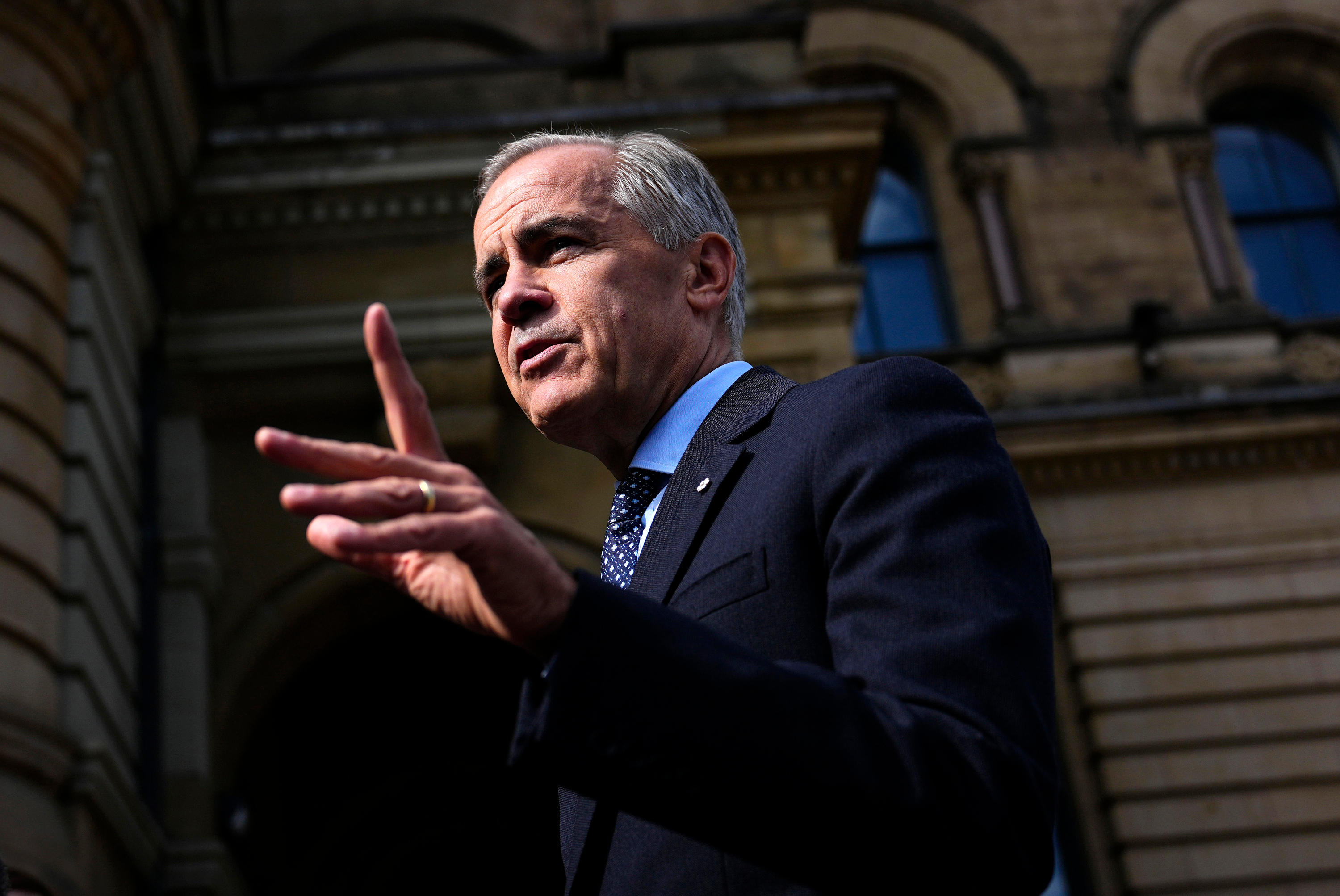
    Canadian Prime Minister Mark Carney says U.S. demands could hollow out key Canadian industries and limit the country’s independence, while Trump’s threats to Canadian sovereignty have rallied the public behind him.

    “Carney and Canada have become symbolic of resistance to him,” Canadian historian Robert Bothwell said. “And what he’ll want to do is make an example of Carney and Canada and theoretically terrify everybody else while in fact showing them that they need to remove themselves even further from the United States.”

    The latest U.S. bans take effect Sept. 29 and cover various Canadian wines and spirits, some motorcycles and mopeds, dairy products including whey, and some types of molasses.

    Here’s what to know.

    Canada retaliates with tariffs on hundreds of US products

    Canada says its tariffs match Washington’s dollar for dollar and rate for rate. They took effect at 12:01 a.m. Tuesday and cover about $20 billion in American goods, roughly 6% of the $333.6 billion the United States exported to Canada last year.

    The tariffs hit hundreds of American products, including steel, aluminum, cheese, appliances, clothing, cosmetics and farm equipment, at rates of 15%, 25% or 50%.

    Canada has already gone beyond tariffs in other ways. Eight of its 10 provinces continue to restrict or ban sales of U.S. alcohol. The Distilled Spirits Council says U.S. spirits exports to Canada fell more than 70% year over year after those restrictions took effect.

    Trump responds with import bans and government-contract restrictions

    The White House responded Tuesday by announcing outright bans on some Canadian products rather than simply imposing higher tariffs. The restrictions on Canadian alcohol, dairy products and motorcycles take effect Sept. 29.

    Some Canadian provinces’ restrictions on U.S. alcohol prompted the U.S. ban on various Canadian wines and spirits.

    Trump also directed the U.S. General Services Administration to declare Canadian products ineligible for large, long-term federal contracts until Canada allows what he called “full and fair reciprocity” for American products.

    Since Canada-U.S. trade talks collapsed Aug. 21, Trump and his administration have unleashed a barrage of tariffs, threats and personal attacks portraying Canada as weak and dependent.

    Trump previously warned that Canada’s economy could collapse if Carney continued treating him as “the enemy.”

    Trump even renamed Lake Ontario “Lake America,” a change ignored and ridiculed in Canada. Google and Apple bent to Trump’s pressure and changed their maps for U.S. users.

    “After renaming a gulf and a lake, maybe the next step for him is to rename a river?” said Daniel Béland, a political scientist at McGill University.

    Trump’s pressure is hardening resistance in Canada

    Trump’s trade war and repeated talk of making Canada the 51st state have fueled anger and rallied support for Carney. Canadians have sharply cut travel to the United States and boycotted U.S. goods.

    The current trade war began after Trump returned to office and imposed a series of tariffs on Canadian goods despite having negotiated and repeatedly praised the North American trade agreement during his first term. Many of those tariffs violate the pact.

    The rupture is especially striking because the countries have long shared one of the world’s closest relationships, with deeply integrated economies, close defense and security cooperation, vast cultural ties and, before relations deteriorated, about 400,000 people crossing the border each day.

    Carney said Tuesday that Canada’s response is increasingly about reducing its dependence on the United States rather than simply weathering the latest tariffs.

    “It’s about ensuring that no country can hold us hostage. And that we can live how we want to live,” he said.

    Carney has said talks can resume when the Americans “stop doing memes, stop throwing shade, stop trying to be tough” and become serious.

    So far, Trump’s pressure has backfired in Canada, strengthening support for Carney rather than forcing concessions.

    Carney is becoming a global voice for standing up to Trump

    At the World Economic Forum in Davos in January, Carney warned that great powers are using economic integration to coerce smaller countries. The speech helped establish him as the leading voice among countries looking for ways to resist Trump.

    Trump responded a day later by saying Canada “lives because of the United States” and warning: “Mark, remember that next time you make your statements.”

    Carney will address the European Parliament next week as Canada explores deeper ties with the European Union that could stop just short of membership.

    “The Canadian public is behind the Carney government and the world is watching what will happen next,” said Béland, the McGill political scientist. If Canada’s defiant approach succeeds, he said, it “could be used as a template” for resisting the Trump administration’s trade policies.

    The fight is also about whether Canada keeps its factories

    Trump has also threatened 50% tariffs on Canadian vehicles, auto parts and steel next year if Canada does not “fall in line,” a potentially devastating escalation for industries built around deeply integrated North American supply chains.

    A 50% auto tariff could hammer Canadian plants and raise vehicle prices across North America because parts and finished vehicles cross the border repeatedly during production.

    Carney says Washington’s terms could leave Canadian industries “gradually wound down in Canada and wiped out.”

    Could Canada actually win?

    Canada starts at a disadvantage: The U.S. economy is roughly 13 times larger, and Canada sends more than 70% of its exports south of the border.

    But Béland said this is not a normal trade fight. He pointed to Trump’s domestic unpopularity, the approaching midterms and court challenges that could undo more U.S. tariffs.

    “Under normal conditions, this would be a very long shot for Canada,” he said.

    But Washington has vulnerabilities too. U.S. refineries rely on 4 million barrels of oil a day from Canada, and American farmers depend heavily on Canadian potash fertilizer. So far, however, Canadian leaders have ruled out using some of that leverage by taxing or restricting critical exports.

    Canada entered this round with some economic momentum. Its economy grew at a 3.2% annualized rate in the second quarter, more than twice the 1.5% pace in the United States.

    Industry Minister Mélanie Joly put the government’s ambition plainly:

    “I’m convinced that we will be able to show the world that Canada will win this trade war.”

  • Three jurors in Clancy trial describe frustration with holdout

    Three jurors in Clancy trial describe frustration with holdout

    It had looked like the end of deliberations in the murder trial of Lindsay Clancy.

    Eleven of 12 jurors had agreed not to convict Clancy. Then the one holdout “admitted he had reasonable doubt,” the jury’s foreperson, Roni Carlson, said in an interview with television station NBC10 in Boston on Tuesday.

    According to the judge’s instructions, if jurors had considered all the evidence but still had reasonable doubt about the charges against Clancy, they had to acquit her.

    So Carlson, a retired teacher, started to fill out the three verdict forms, she said in the interview. She got as far as writing her signature on each sheet. But then, Carlson recalled, the holdout juror said, “I’m still not going to say that she’s not guilty by reason of insanity.”

    In the first public statements by jurors since the monthlong trial, Carlson and two other jurors opened up about the grueling week of deliberations in which the jury of nine women and three men were deadlocked, prompting Judge William Sullivan to declare a mistrial.

    Clancy has not denied that she strangled her children — Cora, Dawson, and Callan — at their Massachusetts home in 2023. Instead, her trial in Plymouth, Mass., was over whether she should be held criminally responsible for their deaths.

    Her lawyer argued that she had suffered from postpartum psychosis when she strangled her children with exercise bands on Jan. 24, 2023. The prosecution disputed the severity of her condition and said Clancy had planned to kill her children before attempting to die by suicide.

    The three jurors said in a group interview with the station that they believed the evidence showed that Clancy clearly loved her children and repeatedly sought help for her mental health struggles.

    “Everything proved that she loved her children, so she had to have snapped,” Carlson said in the interview.

    The juror who disagreed with the other 11 does not yet appear to have been publicly identified or interviewed.

    One of the three jurors interviewed, Kellie Farina, a chef for a senior center, told NBC10 Boston that the holdout juror “had the hardest time getting off the fact that Lindsay viciously killed her children.”

    The third juror interviewed, Paula Devlin, who works for a defense contractor, said the holdout “completely disregarded” information that nurses on the jury provided to help interpret medical reports from the hospital where Clancy stayed after she killed her children.

    The jurors said that the testimony and evidence presented at the trial were brutal at times. Farina described the 911 call made by Patrick Clancy, Clancy’s then husband, the night the children were killed as “horrific.”

    “When we heard it again in the jury room, we were crying again,” she said.

    The jurors were critical of the prosecution, with Farina describing it as “harsh,” compared with the defense’s style, which she described as “compassionate.”

    Farina said the prosecution presented a lot of medical experts but no witnesses that said Clancy was a bad mother, a factor that weighed heavily with the three women.

    The jurors said that Clancy’s lawyer, Kevin Reddington, was arrogant, but they also found him compassionate and occasionally entertaining.

    The case has deeply divided Americans, with some supporting the prosecution and others — especially women who report negative experiences with the postpartum mental healthcare system — expressing sympathy for Clancy.

    Clancy, who was paralyzed from the waist down after her suicide attempt, is being held at Tewksbury Hospital, a state-run psychiatric facility.

    Prosecutors have not yet announced whether they will retry the case.

    This article originally appeared in The New York Times.

  • Oil surges above $100 a barrel as U.S. and Iran launch new attacks, while gasoline prices also jump

    Oil surges above $100 a barrel as U.S. and Iran launch new attacks, while gasoline prices also jump

    NEW YORK — Oil prices shot past $100 a barrel Wednesday as fighting between the U.S. and Iran escalated, threatening to increase costs for consumers and businesses worldwide.

    Brent crude, the international standard, climbed into triple digits after attacks on oil facilities and ships in the Middle East that could further debilitate an already weakened supply chain. It rose 3.4% to settle at $101.21 a barrel Wednesday. That last time prices were that high was in July.

    The latest developments in the war, both prospects of peace and renewed hostilities, have caused market whiplash before. Oil returning to the $100 mark raises concern because experts have warned that a prolonged period of steep prices would worsen the now over six-month-long conflict’s economic fallout. Crude is the main ingredient for everyday fuel like gasoline and diesel — which are also seeing a renewed spike in prices — and higher energy costs overall trickle down to just about every part of the supply chain, from groceries to clothing, cosmetics, and more.

    “Brent breaking above $100 is a major psychological milestone for markets, but the bigger concern is what this means for inflation,” Lukman Otunuga, market research head at global broker FXTM, said in Wednesday comments.

    Here’s what we know.

    What’s driving the latest surge in oil prices

    Crude oil prices shot up shortly after Israel and the U.S. launched their war with Iran in late February. Much of that is because the fighting halted most shipping through the Strait of Hormuz, a narrow waterway where roughly a fifth of the world’s oil supply passed before the conflict.

    Prices have fluctuated considerably over the last six months. Brent surged in the early days of the war — and at one point briefly reached nearly $120 a barrel. Volatility at times resulted in stark day-by-day price swings, but the benchmark settled above the $100 mark for a full month between late April and early May.

    Oil costs cooled in the early summer, plunging closer to prewar levels (roughly $70 a barrel) during hopes for peace and a plan to move oil safely out of the Persian Gulf. But new attacks soon piled up and talks crumbled, leading oil to renew its climb, albeit still with some volatility. The last time Brent settled above $100 was for a single day in late July. Prices have stayed above $90 since the end of August.

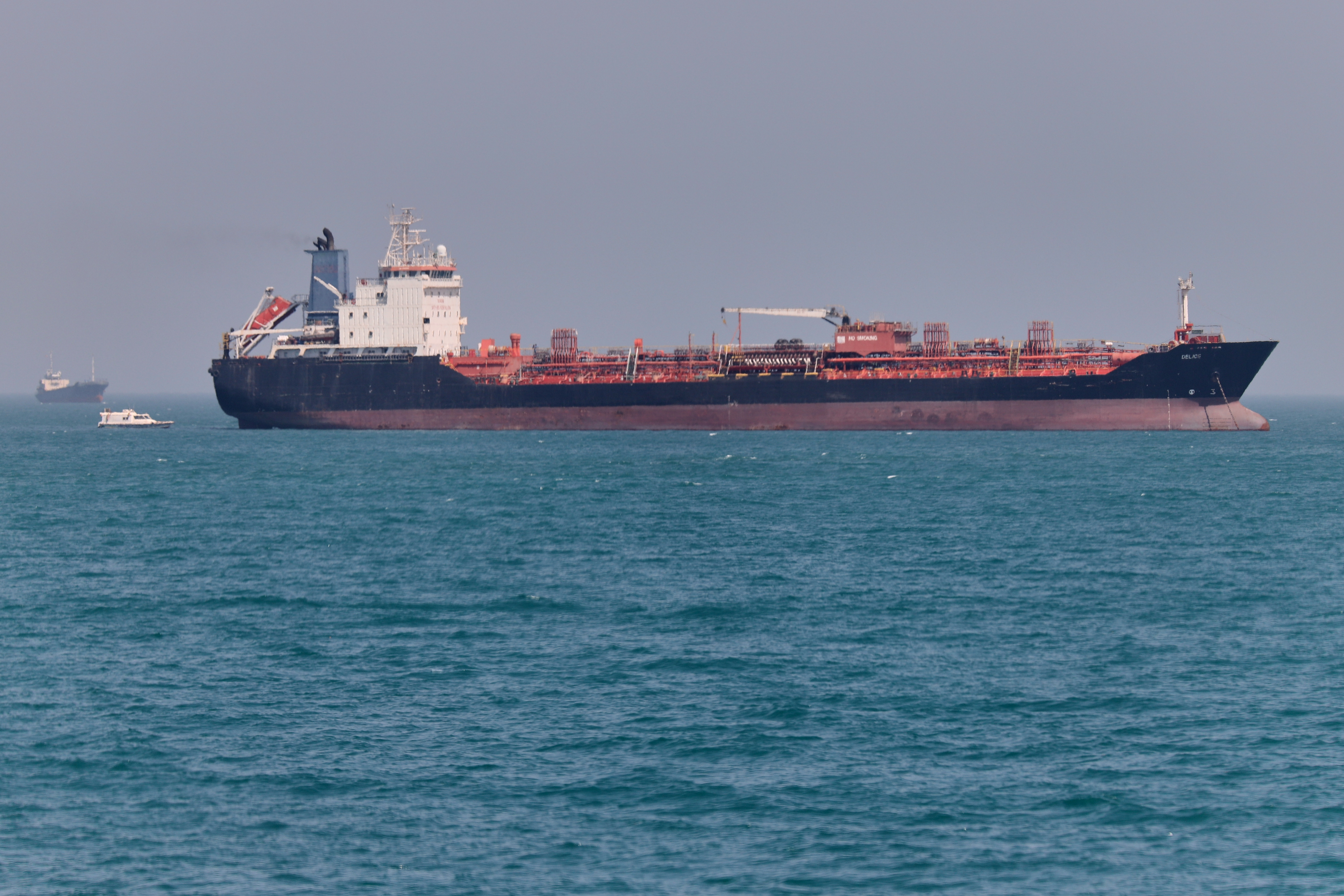
    This week’s jump follows the latest escalation: The U.S. military reported striking five Iranian tankers on Tuesday, in response to attempted missile attacks on a Navy warship and after attacks by an Iranian-backed Houthi rebel group ignited fires at oil facilities in Saudi Arabia.

    Recent stepped-up attacks by Yemen’s Houthis could constrain global oil supplies even more because they targeted an alternative shipping route that Saudi Arabia has relied on to transport oil during the war.

    Renewed pain at the pump and other costs for consumers

    Higher energy costs have already weighed on consumers, businesses, and national economies this year.

    Among some of the most immediate consequences of steeper oil prices is more expensive trips to the pump. Drivers are feeling the pain each time they fill up their tanks with gasoline. And rising diesel prices hike transportation costs for everyday goods hauled on trucks, trains, and boats.

    Countries in Asia and Africa — which rely more heavily on imports from the Middle East — have seen some of the starkest shocks over the course of the war.

    In Nigeria, diesel prices are up more than 90% and gasoline prices have jumped nearly 58% since late February, according to the latest data from energy tracker Global Petrol Prices. Countries including Indonesia (diesel up 87% and gas up 38%) and Lebanon (diesel up 80% and gas up 46%) have also seen steep spikes.

    In the U.S., the average price for a gallon of regular gasoline jumped to $4.22 Wednesday— up nearly 42% from the $2.98 seen before the war began, according to motor club AAA. Meanwhile, the price tag on American diesel keeps climbing to new records, setting yet another all-time high (without accounting for inflation) of $5.94 on average Wednesday per AAA, up nearly 58% from the start of the war.

    More expensive diesel can have an outsized impact on consumers because it is used in shipping and production. Some businesses have already passed on costs to consumers in the form of added fees on online orders and packages in the mail. And shoppers may see more and more sticker shock trickle down to store shelves — particularly for perishable groceries and produce, which need to be restocked frequently, or even harvested using diesel-powered farm equipment.

    Oil shocks don’t stop there. Jet fuel has become so expensive that many airlines have cut flights while raising fares and fees. And more expensive oil could drive up costs for a long list of petroleum-derived products, from clothes to crayons — as well as natural gas needed for making chemical fertilizer, which is facing an additional supply squeeze from the war.

    What $100 a barrel could mean for the road ahead

    It can take time for all energy shocks to trickle through the supply chain — meaning that squeezes even from earlier in the war could carry impacts that still haven’t been fully realized yet. And the return of $100 Brent may only add to those costs.

    Otunuga, of FXTM, noted Wednesday that a big question boils down to how long the spike lasts — pointing to July’s single day for Brent above the $100 mark, for example.

    “This time feels different,” Otunuga wrote, pointing to rising tensions. He added that a solid close above $100 “confirms this isn’t just a headline spike” and potentially opens the door toward $110 — although there’s still the possibility for momentum to fade.

    Analysts at Bank of America also said this week that additional refinery outages in Russia, reduced refining activity elsewhere, and sharply declining inventories have pushed diesel and gasoline prices sharply higher globally.

    They increased their oil price forecast for the second half of the year to $83 a barrel “in light of more persistent disruptions to Hormuz,” but said they still expected shipping through the strait to gradually pick up. If attacks keep a chokehold on traffic, prices could reach $95 to $120 a barrel, while damage to major energy infrastructure could produce spikes of up to $150 a barrel, the analysts wrote.

    The prospect of reaching a durable deal before the U.S. midterms looks “increasingly unlikely” and “could remain elusive even beyond that,” the analysts added. The upcoming elections are now just eight weeks away.

    Steep energy costs heading into November could prove particularly challenging for Trump’s Republican party, with many voters already sour on his management of the economy. Trump himself said Wednesday that he didn’t think oil prices would cool before the midterms — but would come down “right after.”

    Rio Yamat contributed to this article from Las Vegas. Grantham-Philips reported from Philadelphia.

  • Iran signals readiness to escalate fight in face of rising U.S. pressure

    Iran signals readiness to escalate fight in face of rising U.S. pressure

    Iran has signaled that it is willing to escalate its fight with the United States, with senior leaders issuing increasingly sharp warnings in recent days after attacking U.S. warships for the first time.

    The country’s leaders are taking a more aggressive approach as Iran faces mounting economic pressure and they worry that their grip on the Strait of Hormuz is slipping. The U.S. blockade is making it nearly impossible for Iran to ship oil, its main money source. And in effect, Iran sees escalation as the primary leverage it has against the United States.

    The situation, analysts say, raises the risk that a series of recent clashes could reignite a full-blown war.

    On Saturday, Iran said it had attacked two U.S. military vessels with ballistic missiles, prompting U.S. forces to respond by striking three Iranian oil tankers.

    A day later, Mohammad Bagher Qalibaf, Iran’s lead negotiator and the speaker of parliament, told lawmakers that the era of “proportionate responses” to U.S. attacks was over. “From now on, any aggression against Iran’s interests and security will be met with a response that is faster, heavier, and more painful,” he said.

    Soon after, Iran’s security chief, Mohsen Rezaei, announced plans to impose a “restricted zone” for shipping in the Persian Gulf that would go beyond the country’s efforts to control the Strait of Hormuz.

    Iran has largely withstood the heavy military campaign launched by the United States and Israel in February. But the war of attrition in recent months has created an economic threat that is now pushing the government to intensify its rhetoric and attacks.

    A U.S. naval blockade has prevented Tehran from exporting much of its oil, the country’s main source of revenue, making a long-standing economic crisis even worse. On Tuesday, the government raised some gasoline prices because of fuel shortages, a move that is expected to further roil a country already struggling with soaring inflation and unemployment, and a rapidly depreciating currency.

    At the same time, U.S. naval escorts have enabled a trickle of oil tankers to pass through the Strait of Hormuz, undercutting Iran’s closure of the waterway, which has caused global oil prices to rise sharply. The number of ships getting through is small, and the effort is extremely costly for the United States, but it has prevented oil prices from rising further and blunted Iran’s ability to impose economic pain on Washington.

    “How do you regain the momentum? You escalate,” said Farzan Sabet, an Iran analyst at the Geneva Graduate Institute, a research group. Iran will likely attempt to intensify the military confrontation, he said, while seeking to avoid a return to full-out war. “It’s highly damaging, but at the same time, they hope it raises global oil prices or fully recloses the Strait of Hormuz,” he said.

    ‘Make or break moment’

    Senior Iranian officials have said they are open to negotiating a return to the fragile Memorandum of Understanding that halted the war in April and was meant to lead to talks on an Iranian nuclear deal.

    But President Donald Trump has said he has no interest in negotiations, preferring to maintain his strategy of attrition and suffocating Iran economically.

    Iran’s leadership believes that now may be the best moment to raise the stakes, as the U.S. midterm elections in November approach and an unpopular war could hurt Trump and the Republican Party.

    “All signs point to a make or break moment,” said Mohammad Ali Shabani, an Iran analyst and editor of the regional news website Amwaj.media. “I’m not sure the Iranians are going to wait until after the elections to be attacked if diplomacy fails.”

    Iran’s move to strike two U.S. warships with ballistic missiles was a significant escalation, said Hamidreza Azizi, a senior Iran analyst at the International Crisis Group.

    Iranian forces had previously made no serious effort to target U.S. naval ships and seemed reluctant to conduct attacks that could cause heavy American casualties. “These calculations have obviously changed,” he said.

    The U.S. decision to retaliate by striking three Iranian oil tankers — and sinking one of them — was an indication of how seriously Washington took the Iranian attack.

    “Both sides are trying to dictate their red lines and trying to push the red lines of the other side as far back as they can,” Azizi said.

    It was also a recognition that Iran’s military capabilities have evolved. Before the war started, the United States did not think Iran could target U.S. military bases in the region with precision, he said. But in recent months, Iran has shown it can do so, including with a strike on a U.S. base in Jordan in July that killed two American soldiers.

    Iran could become similarly adept at targeting naval fleets, Azizi said.

    Iran has also been very public about its efforts to capture and learn from its enemy’s weapons. On Tuesday, Iran’s state news agency IRNA announced that naval forces of the powerful Revolutionary Guard had seized a U.S. submarine drone known as the Dive-LD. Iran has previously managed to reverse-engineer weapons offered to it by its allies or captured from its enemies.

    U.S. Central Command said the drone was an older model that had malfunctioned and “neither collected sensitive data nor carried any classified sonar or radar equipment.”

    Hours later, a U.S. official said American forces had struck multiple Iranian oil tankers in retaliation for Iranian attempts to strike a U.S. Navy warship for the second time in days. Iranian state media said tankers were hit off the coast of Kharg Island, the hub of the country’s oil industry, and Jask, a port city on Iran’s southern shore.

    Rezaei’s announcement of a new “prohibited zone” in the Persian Gulf was another attempt to ratchet up the confrontation.

    The security chief offered few details about the plan, but Mohamed Ghaderi, a Tehran-based foreign affairs expert, said it was designed to increase the cost for vessels passing through the strait with a U.S. naval escort and warn them they may not be safe even once they do.

    “Compliance with Iran’s new rules can be a condition for safe and consequence-free passage,” he said.

    These escalatory moves come amid fresh regional turmoil, with Iran’s Houthi militia allies in Yemen launching attacks that wounded dozens in the south of Saudi Arabia on Tuesday, and the kingdom vowing to retaliate. Whether coordinated with Tehran or not, renewed conflict in Yemen would help Iran in its goal of putting more pressure on global energy prices.

    Economic crisis

    For Iran’s leaders, what they have called a U.S. “economic war” has become a domestic security risk that has prompted them to take a more aggressive stance.

    A rising sense of economic despair among Iranians could spark a new wave of anti-government protests. Last December, a currency crisis triggered nationwide demonstrations, which security forces crushed with deadly force.

    Iranian officials are anxious that Israel may exploit any discontent to support dissidents or an insurgency, said Hadi Borhani, a professor of Israeli and Middle East studies at the University of Tehran.

    He pointed to recent statements by Israel’s defense minister, Israel Katz, and Prime Minister Benjamin Netanyahu, who said this week that “there is still more to complete. I mean, first and foremost, the toppling of the regime. This regime in Iran — its end is near.”

    The Iranian government does not want to wait for Israel to act.

    “They believe Iran should change the situation, possibly through a more damaging or aggressive move that can raise regional tension,” Borhani said.

    Some Iranian leaders also believe now is a good moment to act because Trump will return to war after the midterms anyway. The president will either feel vindicated by an unexpected electoral victory or feel that he has nothing more to lose by pursuing his own strategy, several of the analysts said.

    Sabet, however, expects that worsening global economic conditions will eventually push the Trump administration to ease tensions.

    Even though the U.S. naval escorts through the Strait of Hormuz have allowed some oil to move, he said, global crude stockpiles are not being replenished fast enough, and natural gas and other critical oil derivatives are not getting through. Those shortages are likely to inflict more pain on the global economy.

    “That is when I see them muddling their way toward some kind of limited or de facto deal,” he said. “Don’t think of it as an MOU plus — think MOU minus.”

    This article originally appeared in The New York Times.

  • All the new restaurants for fall | Let’s Eat

    All the new restaurants for fall | Let’s Eat

    About 60 restaurants are opening in the next hundred days or so. Surely there’s something for you.

    Also in this edition:

    — Mike Klein

    If someone forwarded you this email, sign up for free here.

    Your guide to the new restaurants opening this fall

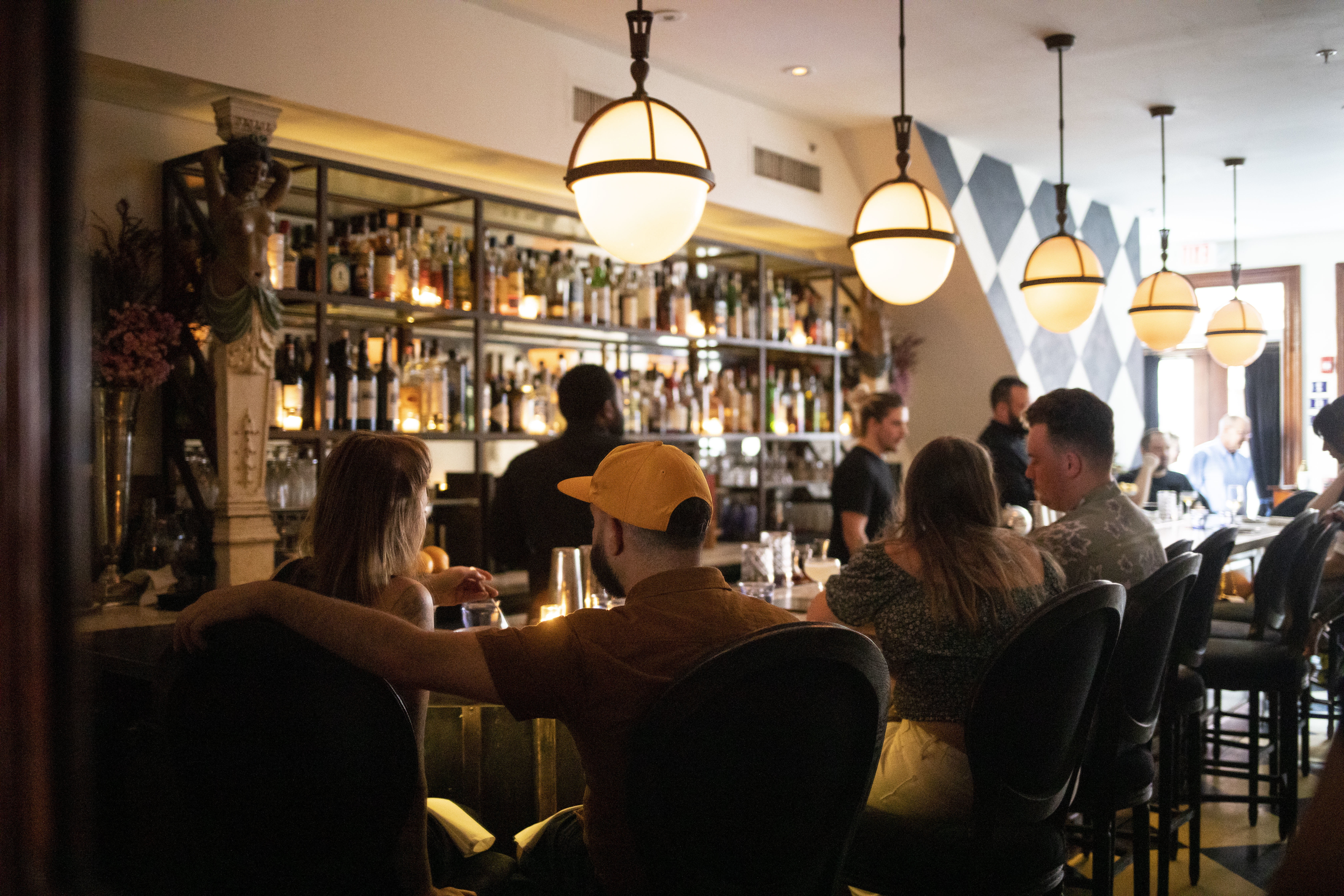
    Sixty restaurants are on the slate for this fall in Philadelphia and its suburbs on both sides of the river, with cuisines that span the map: Vietnamese, Lebanese, Greek, Caribbean, Cajun-Creole, Palestinian, Mediterranean, and contemporary American cooking, along with bagel shops, bakeries, breakfast concepts, wine bars, and cocktail rooms.

    🍴Opening today: Join us for a first look inside Carolyn’s Modern Vietnamese.

    A trattoria is ordered to shut down

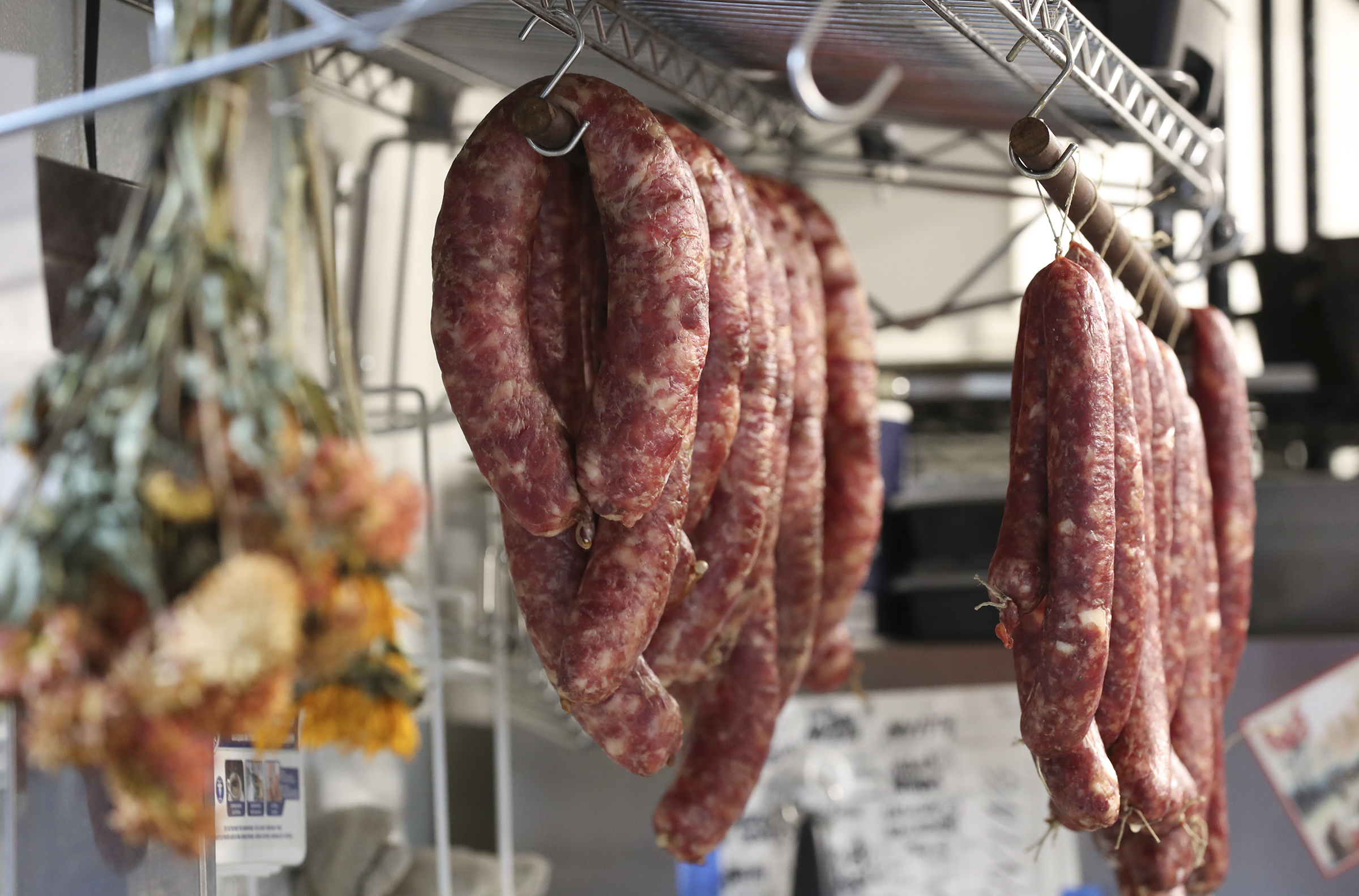
    Heavy Metal Sausage was ordered to stop serving dinner. Beatrice Forman says this may spell doom for the acclaimed South Philly butcher shop/restaurant.

    A state grant for a restaurant gets mixed reviews

    The Michelin-starred Friday Saturday Sunday secured a $1.5 million state grant to expand into the rowhouse next door. Beatrice unpacked the process — and the reaction.

    Move over, boba

    When does a tea shop require security guards? When it’s heytea — just one of a slew of hyped Chinese beverage chains hitting Philly. Kiki Aranita reports on the hottest thing going in Chinatown.

    The best thing Craig ate last week

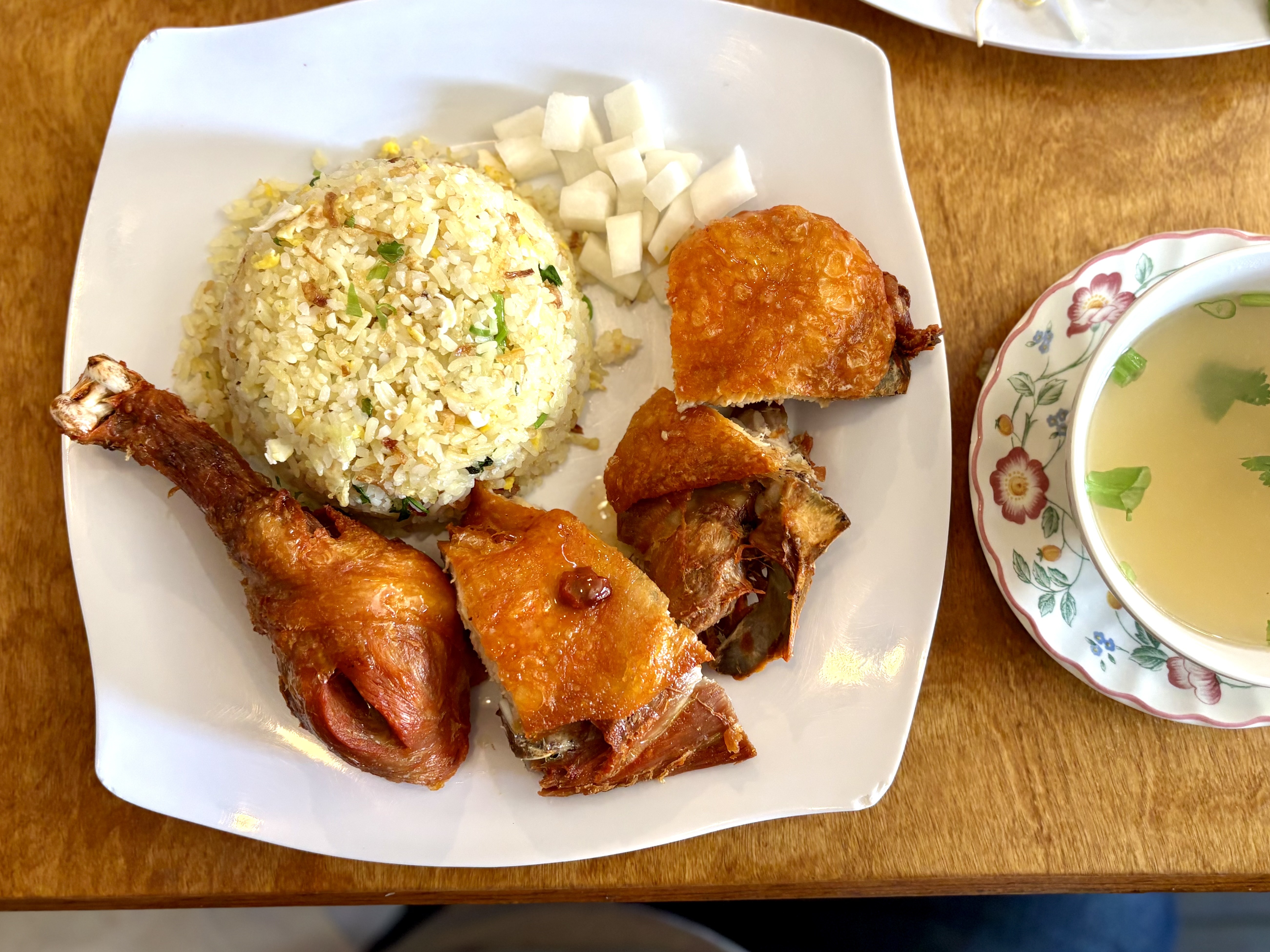
    There was a lot of crunching going on as critic Craig LaBan tucked into the Vietnamese fried chicken platter at South Philly’s Phở Duyên — which he dubs “my No. 1 food deal for $15 in Philadelphia right now.”

    Scoops

    Edd’s & Flo’s Artisan Bakery Cafe plans to close its Lancaster operation on Sept. 20 in advance of a relocation to Fishtown next year. Meghan Young and Sebastian Schuck are still working on a lease, so the location is under wraps. Edd’s & Flo’s, which started in their hometown as Wish You Well Bakery in 2021, found its niche in croissants, savory pastries, and weekend brunch. This move will be a Philly comeback for Young, a Restaurant School at Walnut Hill College graduate who worked at Darling’s Cheesecake Cafe, Green Line Cafe, Barbuzzo, Suraya, John & Kira’s Chocolates, and One Shot Coffee. Young and Schuck rebranded in 2024 with a name that’s both a nod to life’s ebbs and flows and a tribute to Young’s childhood cats, named for the musical duo Flo & Eddie. Stay tuned.

    You’ve seen the months of construction along Columbus Boulevard at Penn’s Landing for the park that will cap I-95 and link Old City to the Delaware River. The Delaware River Waterfront Corp. just applied for building permits for the Pavilion and Café (rendering above), which will be part of Penn’s Landing Park when it opens in 2029-2030 at Market Street. The project’s operator has not yet been identified.

    Restaurant report

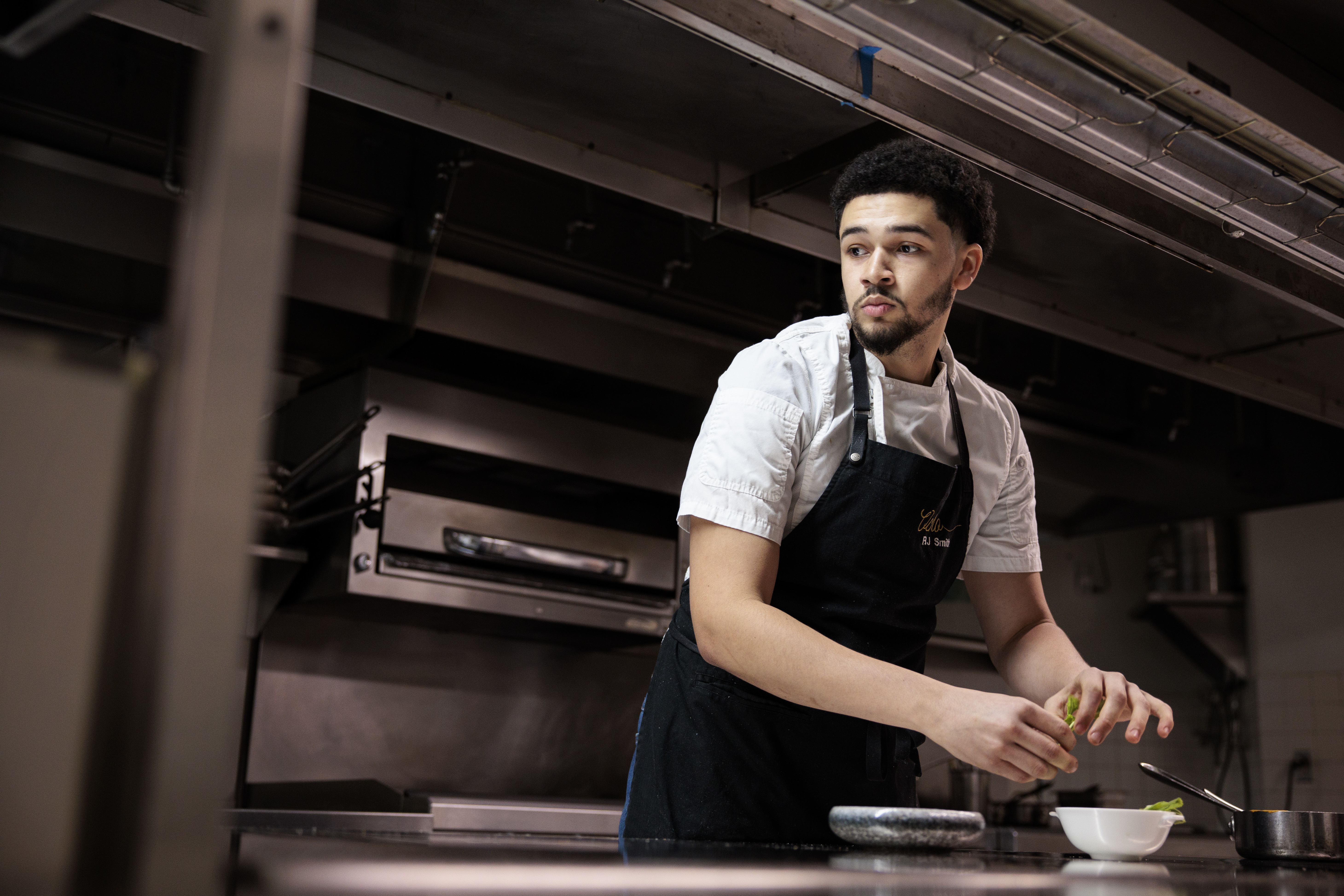
    While chef-owner Liz Grothe of Scampi in Queen Village travels in Italy, chef RJ Smith of Ocho Supper Club will take over the restaurant for a five-course Afro-Caribbean tasting menu Sept. 18-21. The $130 menu includes curried oxtail, madai aguachile, plantain coco bread with crab, berbere-spiced duck breast, and turmeric tart. An optional Pennsylvania wine pairing is $50. Seatings are at 5 and 8 p.m., and à la carte dishes will be available on the patio. Reservations are on Resy and OpenTable. Smith is still leading his residency at the Rittenhouse Hotel; the space, which was Scarpetta, will become a steakhouse called Ruxton by next summer.

    Old Original Nick’s Roast Beef sets up starting Thursday at Live! Casino & Hotel’s 10th Street Market, where it will follow South Philly Barbacoa’s residency. Besides roast beef, Nick’s will deal in roast turkey, roast pork, baked ham, broccoli rabe sandwiches, and long hot peppers. The pop-up will be open from 5 p.m. to midnight (or sellout) Thursday and Friday, noon to midnight Saturday, and noon to 9 p.m. Sunday, through the fall.

    Briefly noted

    The Big Dill will mark National Pickle Day with a nine-hour pickle festival Nov. 14 at Stateside Live! in South Philadelphia, closing its 2026 national tour there. More than 50 vendors will offer pickle-themed food and drinks, while 20 pickle brands serve unlimited samples of more than 100 varieties. Entertainment includes the World Pickle Eating Championship, brine-chugging, live music, DJs, games, and mechanical pickle rides. Organizers also hope to break a record by gathering more than 888 people dressed as pickles; the first 1,200 ticket buyers receive numbered costumes. The event runs from 1 to 9 p.m., with early entry at noon. Tickets go on sale Sept. 15 at bigdill.com/tour.

    Mish Mish is launching Daydreamers, a quarterly series that will turn the East Passyunk restaurant over to chefs, makers, and other hospitality pros for one-night interpretations of their dream concepts. The first installment, with seatings at 5:30 and 8 p.m. Sunday, features sous chef Koby Epstein serving a six-course, late-summer tasting menu paired with Pray Tell Wines. Seatings, at 5:30 and 8 p.m., are $120 plus tax, tip, and drinks.

    Kennett Square’s annual Mushroom Festival is set for Saturday and Sunday with foods and goods from 220-plus vendors, including Aimee Olexy’s Talula’s Table. Signature bite: The restaurant’s so-called “World Famous Riz-Mac,” which places mushroom risotto and mushroom mac and cheese side by side. Festival details are here.

    Les Dames d’Escoffier Philadelphia’s Heritage Dinner is 4-7 p.m. Sunday at Glen Foerd, 5001 Grant Ave. More than two dozen chefs will participate, serving Sweet Amalia oysters, chicken mole, seared salmon, Vietnamese vegetable curry, beef tenderloin, and desserts honoring The Cake Bible author Rose Levy Beranbaum. Also honored are Canal House’s Christopher Hirsheimer and Melissa Hamilton and caterer Michele Leff. Tickets start at $200; a $300 ticket includes preferred seating and Beranbaum’s new memoir. Proceeds fund scholarships for women entering culinary and hospitality fields.

    Bite for the Fight Food Festival returns for a seventh year from noon to 4 p.m. Sept. 19 at the Greater Philadelphia Expo Center in Oaks with tastings, cooking demos, and a silent auction benefiting the Fight On Makenna Foundation, which supports pediatric cancer patients and their families at Children’s Hospital of Philadelphia. Featured chefs are Brian Duffy, Ariane Duarte, Kenneth McDuffie, and David Schorn. Tickets start at $120.

    Top Chef winner Nick Elmi will prepare smoked ribs, whole chicken wings, pork shoulder, brisket, cornbread, baked beans, mac and cheese, apple crisp, and soft-serve for the KB Foundation’s fifth annual BBQ Experience, Sept. 24 at the Pump House in Bala Cynwyd. VIP service begins at 6 p.m. with lobster pies, fried chicken with caviar and white barbecue sauce, smoked foie gras mousse, and oyster fritters; general admission starts at 7:30 p.m. Tickets: $175, or $250 for VIP. Proceeds support youth-mentoring programs.

    Uchi in Rittenhouse will launch a fall collaboration series Sept. 24 with Kevin Yanaga of Yanaga Kappo Izakaya. He, Uchi head sushi chef Josephine Fry, and chef de cuisine Ford Sonnenberg will serve 10 courses starting at 6 and 8:30 p.m. Tickets: $175 at the sushi bar, $150 at tables, plus tax/tip; an optional sake pairing will be available. Additional dinners will follow in October and November.

    Staff and friends of the recently shuttered Jose Pistola’s have organized a GoFundMe campaign for support (separate from an earlier one created by management).

    ❓Pop quiz

    Name the $88 dish that Kiki Aranita checked out recently at a Philadelphia restaurant.

    A) a tasting of New York strip steaks from Urban Farmer

    B) the caviar-topped baked potato from Mr. Edison

    C) the lobster terrine at Jean-Georges

    D) 3 ounces of Japanese A5 beef from Del Frisco’s

    Find out if you know the answer.

    Ask Mike anything

    Is ReAnimator Coffee really opening in Manayunk? — Jennie O.

    ReAnimator, the Philly-bred coffee brand founded in 2010 by Mark Capriotti and Mark Corpus, has indeed committed to a Manayunk location at 4226 Main St., which was last an art gallery. Capriotti optimistically thinks opening is six months away. “We just opened in Mount Airy and it took us a year,” he said. “But we’re hoping we can learn from our experience.”

    📮 Have a question about food in Philly? Email your questions to me at mklein@inquirer.com for a chance to be featured in my newsletter.

    By submitting your written, visual, and/or audio contributions, you agree to The Inquirer’s Terms of Use, including the grant of rights in Section 10.