Blog

  • New Eagles OC Sean Mannion ‘loves the run game,’ per colleagues. Inside the designs that could fuel a Saquon Barkley renaissance.

    New Eagles OC Sean Mannion ‘loves the run game,’ per colleagues. Inside the designs that could fuel a Saquon Barkley renaissance.

    Just under a month into training camp, Lane Johnson outlined the best-case scenario for the Eagles offense in 2026.

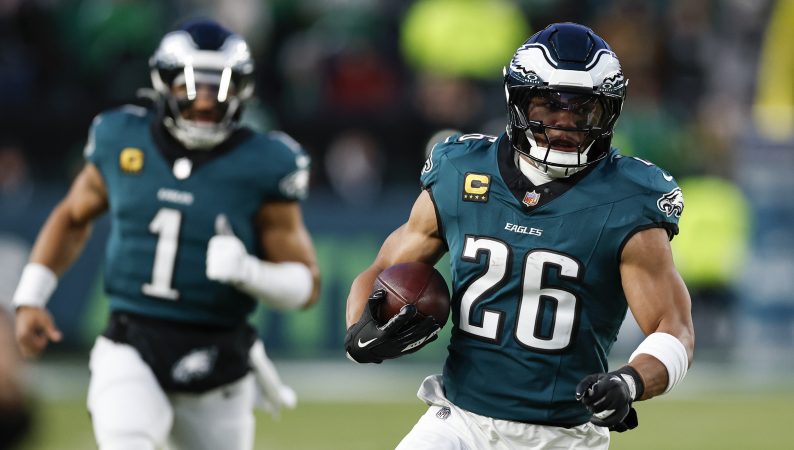
    It was a lofty aspiration — but not unrealistic, given the success of the offense just two years ago. It centered on its star running back, Saquon Barkley, who accumulated over 2,000 rushing yards in the 2024 regular season and broke Terrell Davis’ single-season rushing record (combined regular season and postseason) by Super Bowl LIX.

    “I think all in all, the more productive we are in the run game and stuff feeds all of that, that we’ll see the Saquon of two years ago,” Johnson said on Aug. 19.

    That ideal won’t fall on Barkley alone. To recapture his productivity of two years ago, the Eagles are going back about 30, tapping an offshoot of an offensive scheme that rose to popularity around the time the running back was born.

    Sean Mannion, the Eagles’ first-time, 34-year-old offensive coordinator, spent most of his playing and coaching careers learning from pupils of the Shanahan/McVay tree. These days in the NFL, “Shanahan” refers to Kyle, the head coach of the San Francisco 49ers, but he is preceded by his father Mike, the two-time Super Bowl-winning head coach with the Denver Broncos who helped Davis reach that record in 1998.
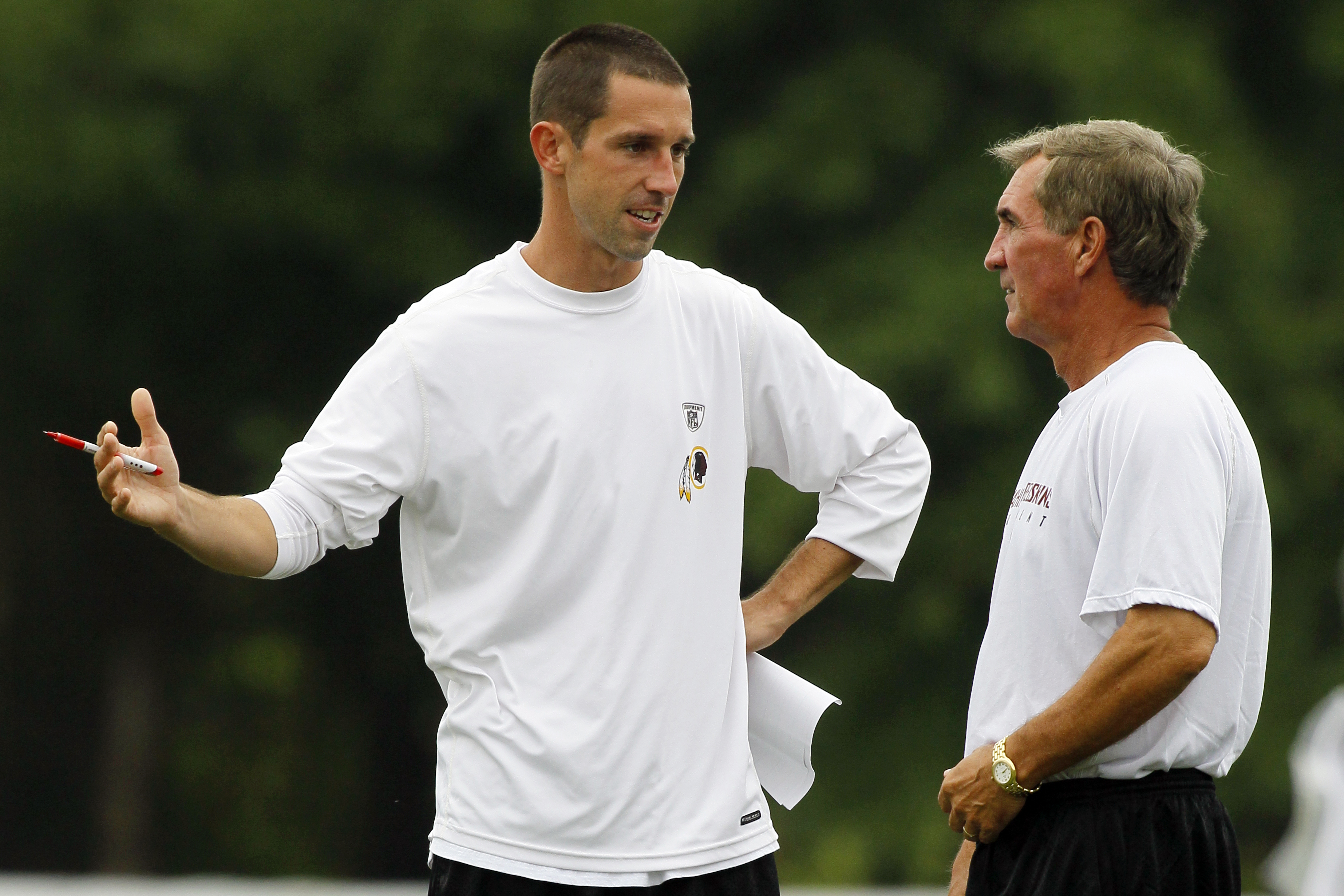
    Kyle Shanahan (left) and father Mike (pictured in 2010 while with Washington) pointed the way to the current run-game concepts in vogue around the NFL. Alex Brandon

    When Mike became Broncos head coach in 1995, he named Alex Gibbs offensive line coach. Gibbs, who died in 2021, was a proponent of the wide-zone blocking scheme in the run game that would go on to serve as the foundation for the modern West Coast offense.

    His influence lives on in offshoots of the scheme around the league. Mannion called his first exposure to the system in 2017 under Los Angeles Rams head coach Sean McVay “a very exciting point in my football life.” Now, Mannion has the opportunity to make it his own, all while helping breathe new life into an Eagles rushing attack that stagnated in 2025.

    “I’ve seen it from afar, but now, actually studying it and working it and trying to put myself in the system, I feel like it’s going to open up some things that I may not have been able to show as much in my career,” Barkley said.

    The man seeking to help Barkley elevate his game is a quarterback by trade. But Mannion’s expertise isn’t limited to the passing game. According to offensive line coach Chris Kuper, who played for Shanahan in Denver, the Eagles offensive coordinator “loves the run game,” too.

    “The run game is a big part of what we’re going to do,” Kuper said, “And [Mannion’s] got passion for it. And that makes me feel good as an O-line coach, because I think we’re going to be really good at running the ball.”

    Todd Gurley thrived with wide-zone concepts while with the Rams. Tony Avelar

    In the (wide) zone

    When Barkley learned that the Eagles offensive scheme in 2026 would have Shanahan/McVay roots, he fired up Todd Gurley’s film.

    Gurley spent five of his six seasons in the NFL with the Rams, including two standout seasons in 2017 and 2018. He led the NFL in rushing touchdowns in both seasons, earning a pair of All-Pro honors and an NFL Offensive Player of the Year nod in 2017.

    Dean Davidson, the author of the Wide Zone Warriors Substack, watched those years in real time. A native of St. Louis whose memories of the Rams commence with the collapse of the “Greatest Show on Turf” era, Davidson was enthralled with the quick work McVay did to turn the team around. At the time, Davidson had just joined the staff of a struggling high school football team and was looking for inspiration.

    “I was trying to figure out how [McVay] took that team from the dumps that they were in my entire life that I could remember to that point to Super Bowl favorites in what seemed like overnight,” said Davidson, who is now the offensive line coach at Obion County Central High School in Troy, Tenn.

    At the core of the scheme that fascinated Davidson was the wide-zone run. Its intent is in its name. The blocking unit aims to stretch the defense on the front side of the run, while simultaneously cutting off defenders on the back side.

    As Gibbs explained at his 2015 offensive line clinic in Cincinnati, the running back’s aiming point is the backside of the tight end — and if there is no tight end to the weak side of the formation, it would be to the imaginary backside of the tight end. After three steps, the running back would know whether he should hit the edge on the front side or make a single cut up the middle of the field. By the fifth step, he would make his cut.

    One of the challenges of defending the wide zone run is the distance that defenders have to cover in order to maintain their gap integrity, Davidson explained.

    “Everybody’s moving so far in one direction that the gap that you’re responsible for as a defensive lineman or a linebacker, maybe even a safety, it might still be between the same two offensive linemen, but those two offensive linemen on a given snap could be like 10 yards laterally somewhere else,” Davidson said. “So forcing them to maintain their gap integrity while moving so far laterally, it’s a very difficult challenge.”

    It’s a challenge the Eagles offensive line enjoyed creating throughout training camp. Cam Jurgens said the scheme “lets you be a little bit more of an athlete” given how quickly the front side blocking unit must fire off the ball laterally toward the sideline.

    The goal, according to Kuper, is for the defense to defend every blade of grass on the field. That task, ideally, would tire out the defense as the game wears on, Lane Johnson said. After Johnson, Jurgens, and Landon Dickerson had a full offseason to recover from the ailments that plagued them last year, they are up to the assignment.

    “We’re getting to really run, stretch the field, cover some yardage,” Johnson said. “So in that way, it tires out defenses. Makes them cover each gap.”
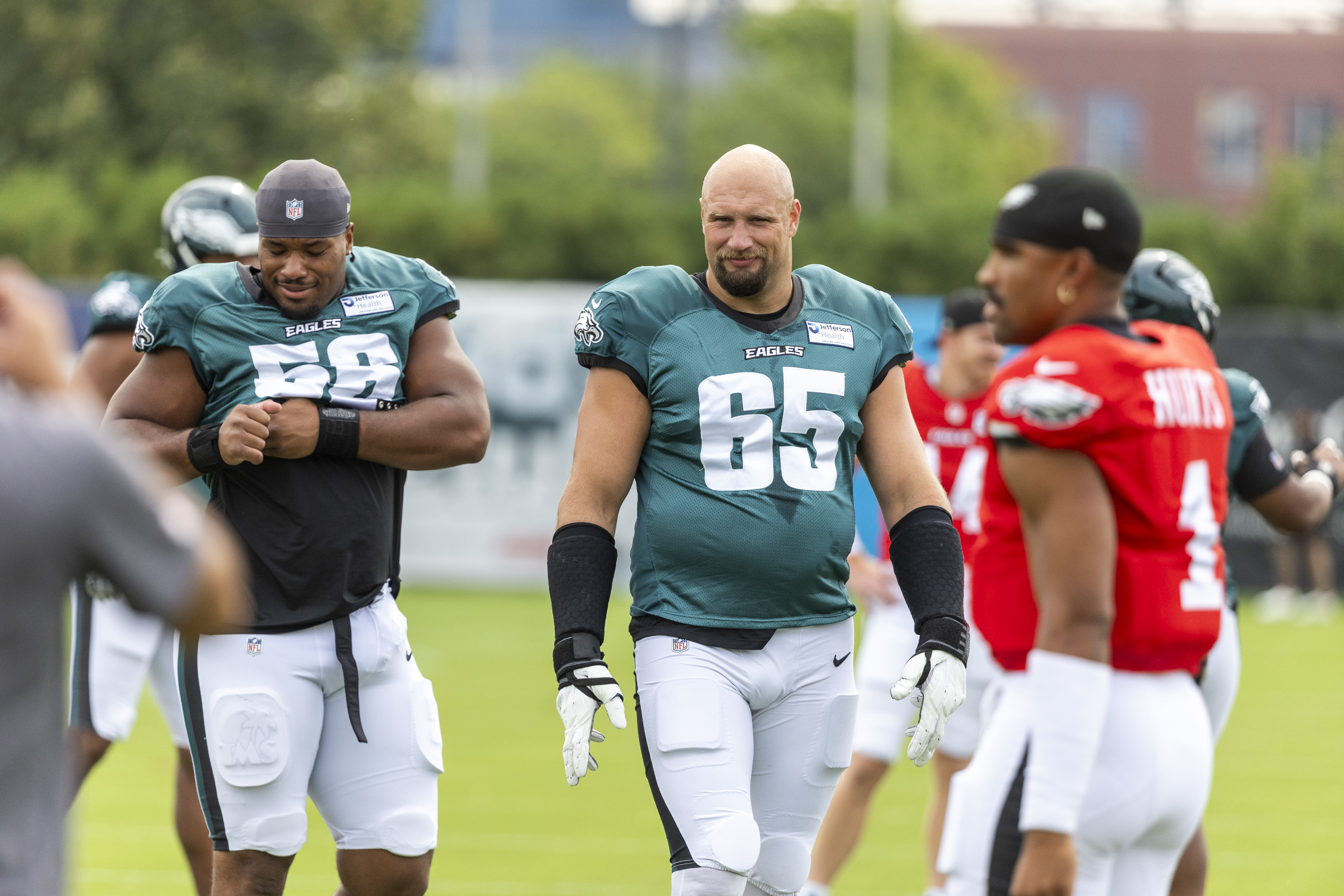
    Lane Johnson (65) and his fellow offensive line cohorts are getting behind the wide-zone scheme Sean Mannion has introduced in Philly.Tyger Williams / Staff Photographer

    The wide zone could be at the foundation of the Eagles’ rushing attack, but in all likelihood, it won’t be the only style of run in their playbook. When Gibbs was designing the Broncos’ run game 30 years ago, he only believed in coaching zone runs — primarily wide zone and some tight zone, in which the running back’s landmark is typically behind the center.

    David Gibbs, his son and the secondary coach at Arizona State, explained that his father didn’t believe teams could excel at executing both zone schemes (blocking a certain area of the field) and gap schemes (blocking a specific defender or gap). But the game has evolved, the younger Gibbs said.

    “You have to be able to do both, because the defensive linemen are so good,” he said. “They’re so big, athletic, strong, and the reality of it is defensive linemen are just more athletic than offensive linemen, in my opinion. And so you can’t give them the same schemes all the time.”

    Brett Kollmann, an NFL Media analyst, called the Rams’ 15-6 loss to Vic Fangio’s Chicago Bears in 2018 “one of the defining games of the last decade” that prompted an evolution of McVay’s scheme. At the time, the Rams’ rushing attack was wide-zone heavy. Fangio’s solution was to stack bodies on the line of scrimmage in a 6-1 “tilt front,” putting a body in every gap and forcing the running back to cut back into a defender.

    Bill Belichick and the New England Patriots would follow the same blueprint to stop the Rams in the Super Bowl that season. To counteract the defense’s penetration at the line of scrimmage, McVay would eventually introduce more “counter” runs, a gap scheme that calls for two pulling blockers to create a pair of gaps on the play side.

    The incorporation of different types of runs gives defenses more to process, according to right guard Tyler Steen, which in turn forces them to slow down.

    “One minute you’re going wide zone and D-tackles and D-ends are running,” Steen said. “The next minute, you’re going ‘duo’ and you’re going downhill. So I think that gives defenders a lot to think about. And so it kind of makes it easier on the O-linemen, because [the defense doesn’t] know what to play.”
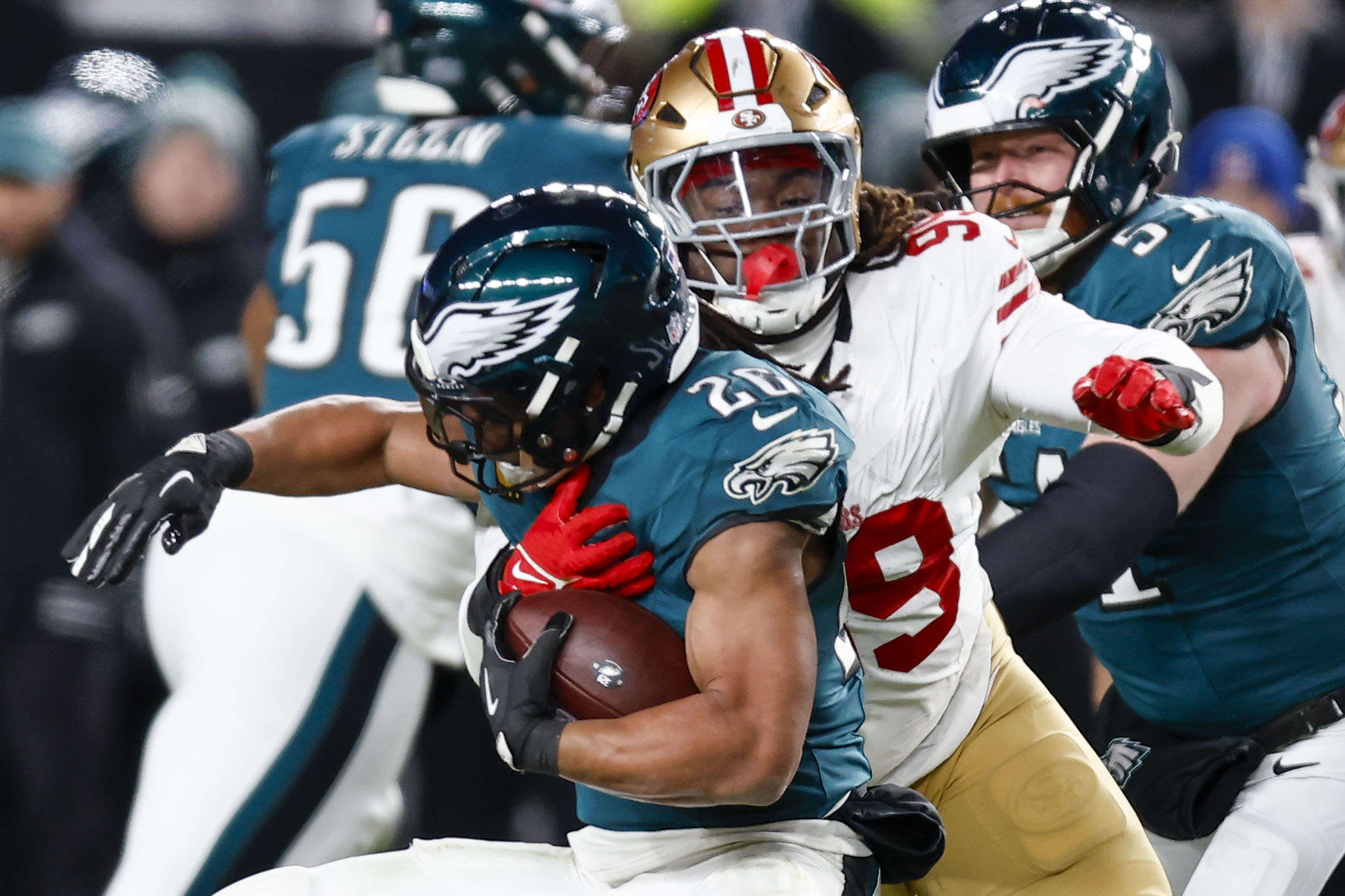
    Saquon Barkley often found running room hard to come by for an Eagles offense that grew predictable in 2025. Monica Herndon / Staff Photographer

    Keeping defenses ‘on their toes’

    After the Eagles’ 34-17 loss to the New York Giants in Week 6, Johnson tried to surmise the state of the Eagles offense.

    As he spoke at his stall, he used some form of the word “predictable” three times.

    “I don’t know if we’re predictable, but it seems a lot harder than what it needs to be,” Johnson said. “Maybe moving forward have a little bit more variety, hitting the perimeter some and doing a little bit more of that.”

    Johnson emphasized that he wasn’t trying to point fingers, and at the end of the day, the Eagles needed to execute better. Still, his analysis was a harbinger of things to come for the shotgun-heavy offense that seldom disguised its intentions.

    The Eagles are set to take a different direction under Mannion. Like other offshoots of the Shanahan/McVay tree, Mannion emphasizes the importance of the marriage between the run and the pass — more specifically, the play-action pass.

    When runs look like passes, and vice versa, offenses are less predictable, Johnson said.

    “I think setting up with the play action is just going to be a whole lot tougher to distinguish what we’re doing,” Johnson said during mandatory minicamp. “Whole lot harder to catch on [to] tells with stuff that we’re doing. So I think this stuff, we can disguise it more.”

    The key to pulling that off is keeping the presentation the same. If the Eagles are running wide zone, for example, and building the play-action pass off of it, the blocking unit is executing the same assignment. Johnson stressed the importance of keeping a “low hat” to sell the run, and if the linebackers bite down, the quarterback can target the vacant middle of the field.
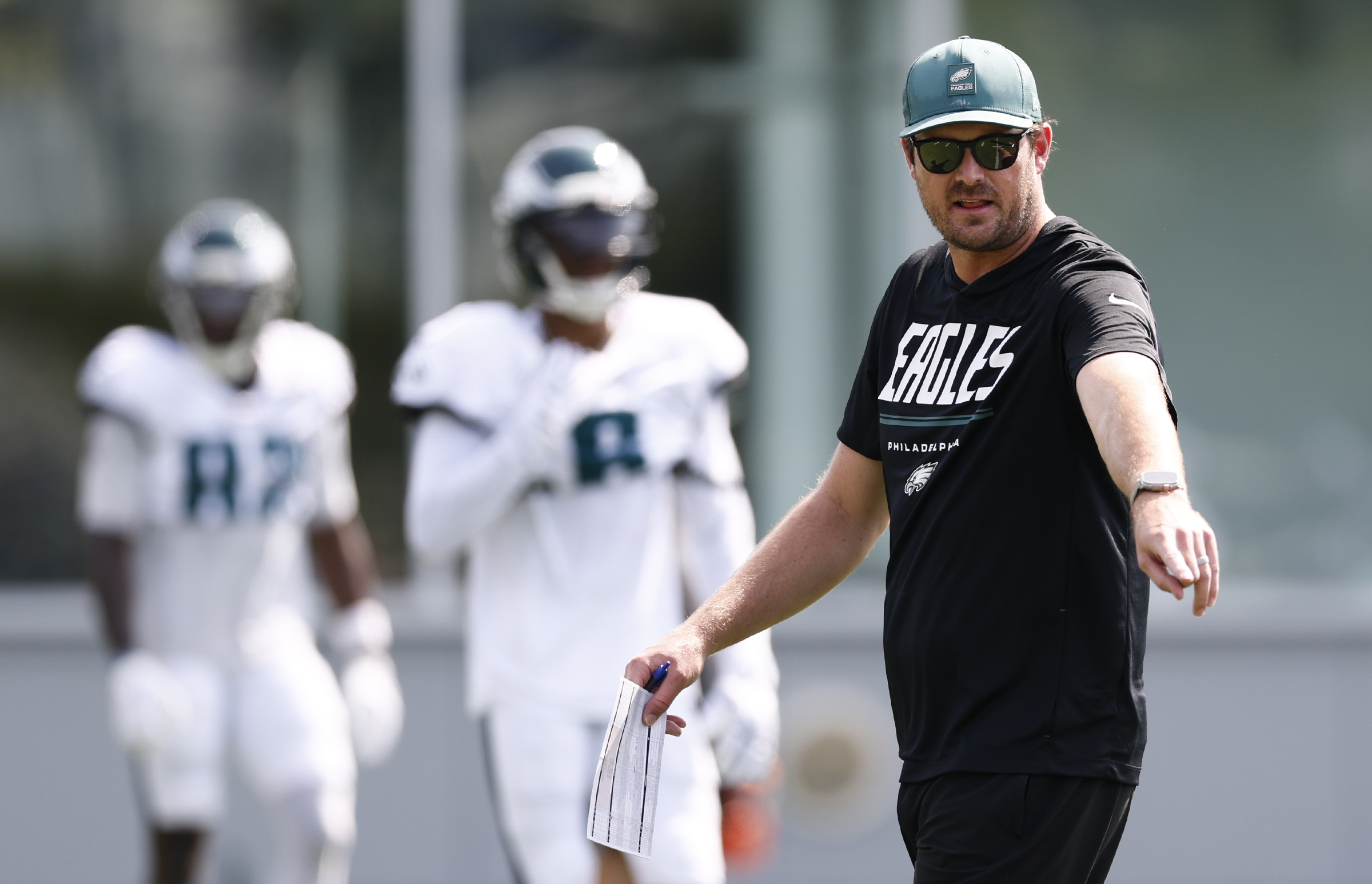
    Eagles offensive coordinator Sean Mannion (right) is introducing variety to an offense seeking to keep defenses off-guard. Yong Kim / Staff Photographer

    Marry that with motions, and the defense is confronted with another layer of complexity to decipher. Even the quarterback’s alignment under center can further disguise the intent of the offense on any given play, Jurgens explained.

    “I feel like that’s just another way to keep defenses on their toes,” Jurgens said during mandatory minicamp. “You get a little less predictable. And so I feel like it kind of gives us a little better angles as well. Defenses can’t cheat things, ‘cause they don’t know where we’re going to go. You can set up a lot of your plays a lot better.”

    Kollmann is aware of Jalen Hurts’ historical lack of targeting the middle of the field. Dating back to his rookie season before he became the full-time starter, Hurts has targeted the short middle of the field (a maximum of nine yards from the line of scrimmage) on 8.3% of his pass attempts, according to an Inquirer analysis. The league average is 14.5%. From 10 to 19 yards beyond the line of scrimmage over the middle, Hurts’ attempt rate drops to 4.6% (closer to the 7.4% league average).

    But Kollmann said that conflating “hasn’t” with “can’t” isn’t necessarily fair. He said he believes that the Eagles lack of a wide-zone, play-action game in the past is to blame for not helping free up that area.

    “When they are so shotgun heavy, and therefore when their play action game is really just kind of faking inside zone, that’s the kind of run fake that doesn’t really draw linebackers in, because they can see the ball the entire time,” Kollmann said.

    The fake from under center requires a quarterback to turn his back to the defense, shielding the ball from the view of the linebackers. They can’t see it, so they step up, theoretically giving the offense more room to operate over the middle.

    It’s easier said than done for any quarterback, as they must temporarily take their eyes off of the pass rushers seeking to take them down. But according to Josh Grizzard, the Eagles passing game coordinator, Hurts has been a “natural” with turning his back to the defense and selling the fake.

    “When you have the runs and they look like the keepers and they look like the play passes, then the goal would be for those guys to see the same thing,” Grizzard said. “And then if you can get that second level of the defense to step up, then you have an ability to now push the ball down the field and be able to marry the run and the pass as well as create explosive passes.”
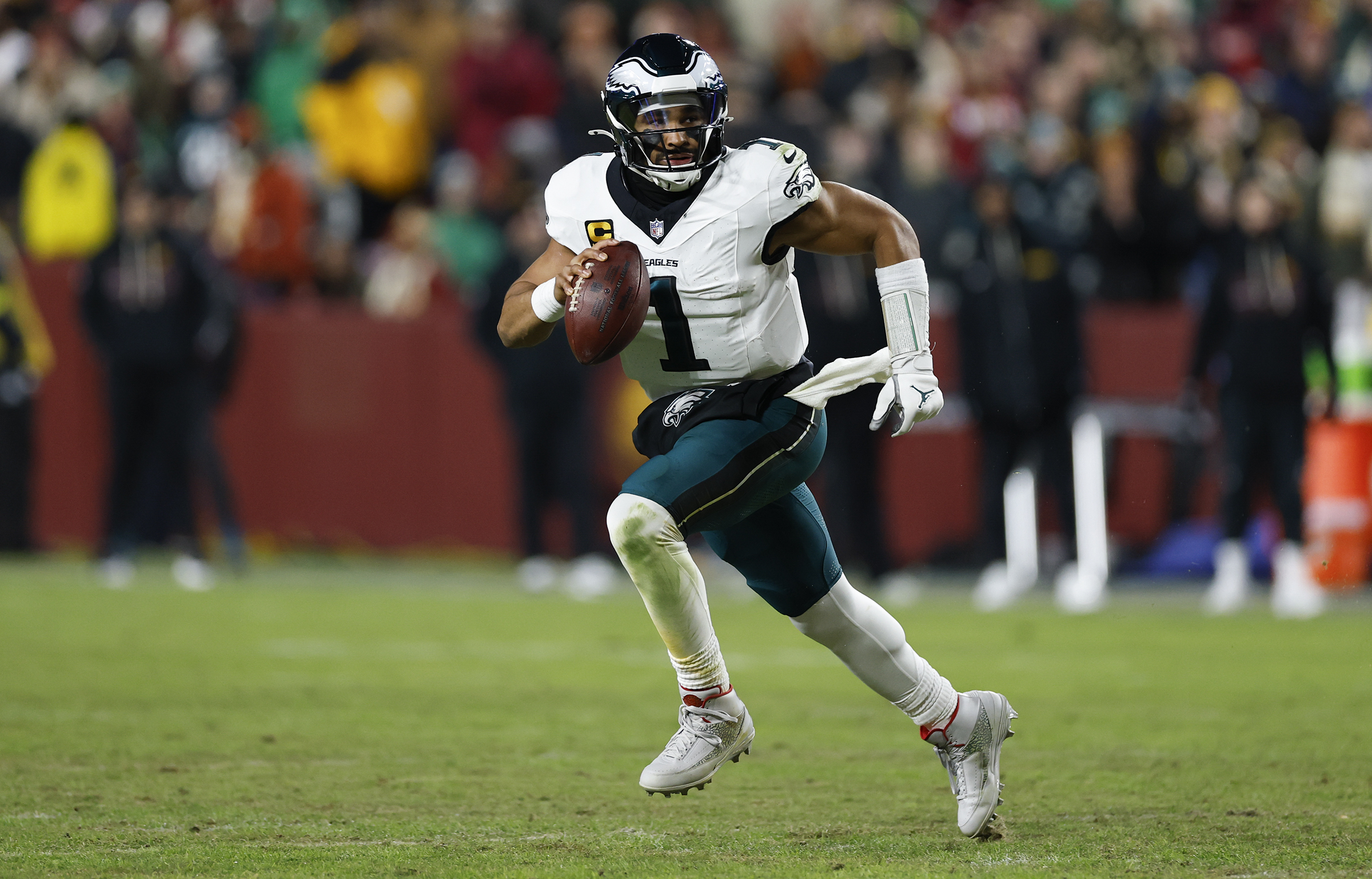
    How many runs are designed for Jalen Hurts in the new offense remains an open question. Yong Kim / Staff Photographer

    The backside threat

    Speaking of keepers, will the quarterback designed run game return to the Eagles offense in 2026?

    By December of last year, Hurts was averaging 1.1 designed runs per game in 2025, according to Pro Football Focus. He averaged 3.6 designed runs per game in his first four seasons as the starter.

    The modern West Coast offense hasn’t necessarily needed a mobile quarterback to thrive, as evidenced by the success of Jared Goff and Matthew Stafford with the Rams. But the 2026 Eagles offense isn’t going to be a carbon copy of other schemes around the league from the same tree, and Mannion is well-aware of Hurts’ rushing ability.

    “Jalen has a unique skill set in that way,” Mannion said. “So that’ll certainly be a part of what we do, but we’re looking again at all areas as an offense to really attack defenses on a weekly basis. He is uniquely skilled in that way. That will be a part of it, but it won’t be the only part of it.”

    Zone reads aren’t totally foreign to this coaching tree. In 2012, while Mike Shanahan was Washington’s head coach and Kyle was his offensive coordinator, the team drafted Robert Griffin III with the second overall pick.

    The rookie quarterback would go on to rush for 815 yards and seven touchdowns, all while throwing for 3,200 yards. His production on the ground wouldn’t persist far beyond 2012, though. Washington took a more conservative approach with Griffin III as a rusher, especially as he dealt with injuries that began during a rookie season that was ended by a serious knee injury.
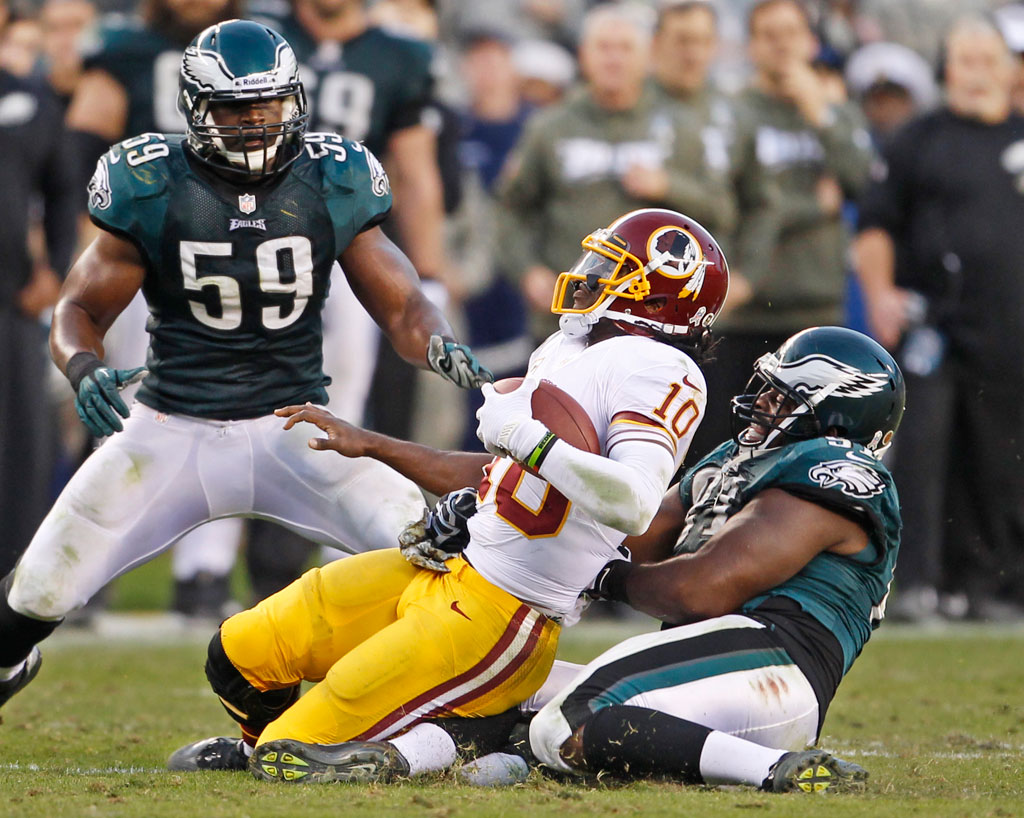
    Robert Griffin III (10) was a rushing threat in the Washington offense before injuries curtailed his effectiveness.

    Still, Davidson said a backside threat is important in the run game, whether it’s a quarterback run or a bootleg. In the case of the bootleg, which the Eagles incorporated throughout training camp and the preseason, the quarterback exploits the unblocked defensive end who flows with the running back, rolling out unabated in the opposite direction and completing a pass on the move.

    “If you’re just under center or even the pistol, and you don’t have anything that keeps the defense on the backside, then it’s a lot easier for them to chase [the ball] down [in wide zone],” Davidson said. “But if they know that they have to defend boot on the other side of the field or defend a quarterback run on the other side of the field, it can really slow the defense down.”

    Time will reveal the contents of Mannion’s playbook. While it may contain odes to his influences, it could also include all of the plays he would’ve liked to run throughout his nine-year career as an NFL backup quarterback and two seasons as an assistant with the Green Bay Packers.

    Whatever the offense becomes will be unique to the Eagles, Kuper said.

    “Those webs of guys kind of break out, and they kind of make it their own, and that’s what our goal is,” Kuper said. “This is going to evolve into Sean Mannion’s offense. This is going to be a derivative, maybe.

    “There’s going to be flavors of what you’ve seen throughout the league, and some of his mentors, but this will be our offense.”
  • Just how much will the Sixers starting lineup have to sacrifice for one another? Here’s a look at the numbers.

    Just how much will the Sixers starting lineup have to sacrifice for one another? Here’s a look at the numbers.

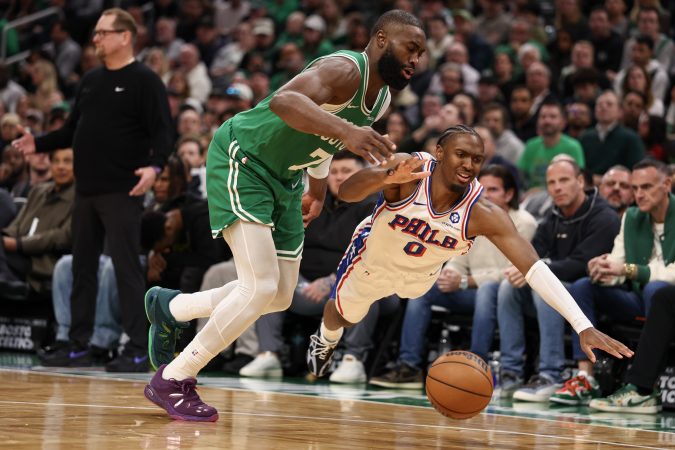
    In the wake of the 76ers’ monumental offseason, one concern that players have already started addressing in various statements is, “How much are players going to sacrifice?”

    Having as much talent as the Sixers have on their roster naturally leads to questions about roles and shot distribution, since there’s only one ball to go around.

    Landing Jaylen Brown and LeBron James in the same offseason will of course invite skeptics who doubt the fit and wonder whether everyone’s games can mesh. But this is a champagne problem in the NBA. Most teams would be lucky to have this as one of its main issues heading into training camp.

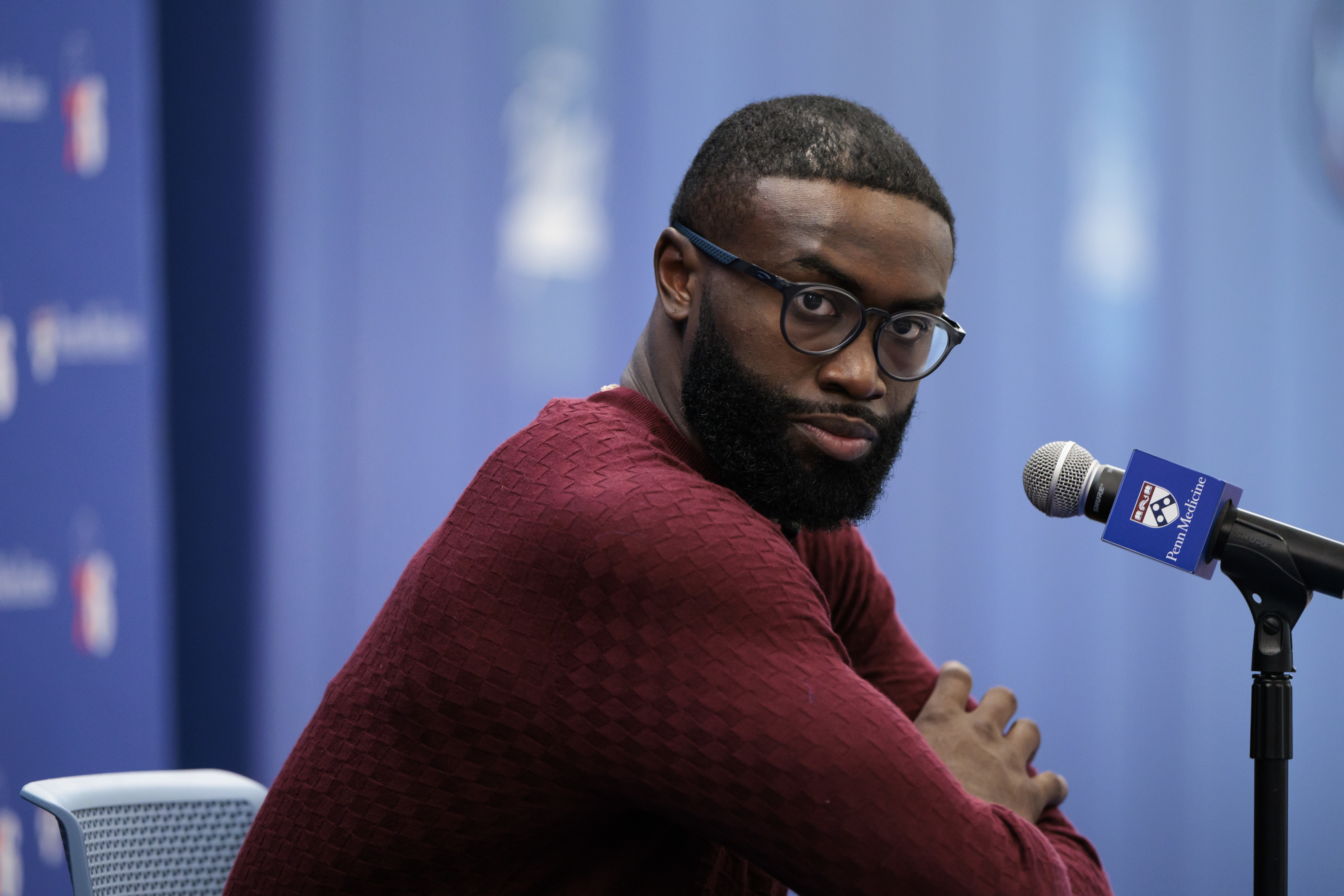
    New Sixer Jaylen Brown acknowledged that his team will need to sacrifice. Monica Herndon / Staff Photographer

    “Obviously it’s a lot of guys with talent,” Brown said last month. “It’s egos, but to win, you got to be able to sacrifice, be able to have trust and communication.”

    Along those lines, here’s a look at how the Sixers might address that through the lens of a statistic that measures how often a player consumes his team’s possessions, usage rate, which measures how often a team’s possessions ends with either a shot, free throws or a turnover from a particular player when he is on the floor.

    A glance at the starting five

    First, here were the individual usage rates last season (according to NBA.com) for each player in the projected starting five, and where they ranked in the league.

    • Tyrese Maxey: 28.6% (27th)
    • VJ Edgecombe: 19.6% (181st)
    • Jaylen Brown: 35.1% (third)
    • LeBron James: 26.2% (47th)
    • Joel Embiid: 33.6% (sixth)

    Potential paths forward

    Quick addition will show all those percentages equal 143.1 when they need to equal closer to 100 (since not everyone will always be playing together at the same time). In some lineup combinations, and in games in which Embiid and/or James don’t play, that’ll be the time for Maxey, Edgecombe and Brown to have higher usage stretches than they would have when everyone is healthy. But when all five are healthy and on the floor, likely everyone is going to have to sacrifice to make the usage pie work.

    James has already indicated with his play that this is where he is headed in his career, and perhaps why general manager Mike Gansey has been hyping up James’ ability to be a connector.

    James’ usage actually hit a career low last season, as he ceded more scoring opportunities in the Los Angeles Lakers offense to Austin Reaves and Luka Doncic. This worked for the Lakers, who were playing well before Reaves and Doncic got hurt later in the season. James averaged 7.2 assists, so having him lean more into a connector and creator role in the Sixers’ offense is a prime way for the offense to generate shots naturally when the starting five is on the floor.

    This could allow Maxey to play more frequently off the ball, where he can be efficient from three-point range.

    Looking at Brown’s numbers

    Another obvious place to look for decreased usage is Brown, who saw a spike in that statistic with Jayson Tatum out for the majority of last season for the Boston Celtics. Brown went from 28.2% the prior season to his 35.1% mark last year (he attempted four more shots, averaged 2.4 free throws and one more turnover per game).

    Brown returning to a usage level similar to what he had playing alongside Tatum makes sense, considering he won’t have to shoulder the burden of heavy shot creation playing alongside Maxey, Embiid and James. How he adjusts his game to the roster around him is one of the more interesting questions of the early part of the Sixers season and could go a long way to determining just what this team looks like.

    A load off Embiid’s shoulders, and legs

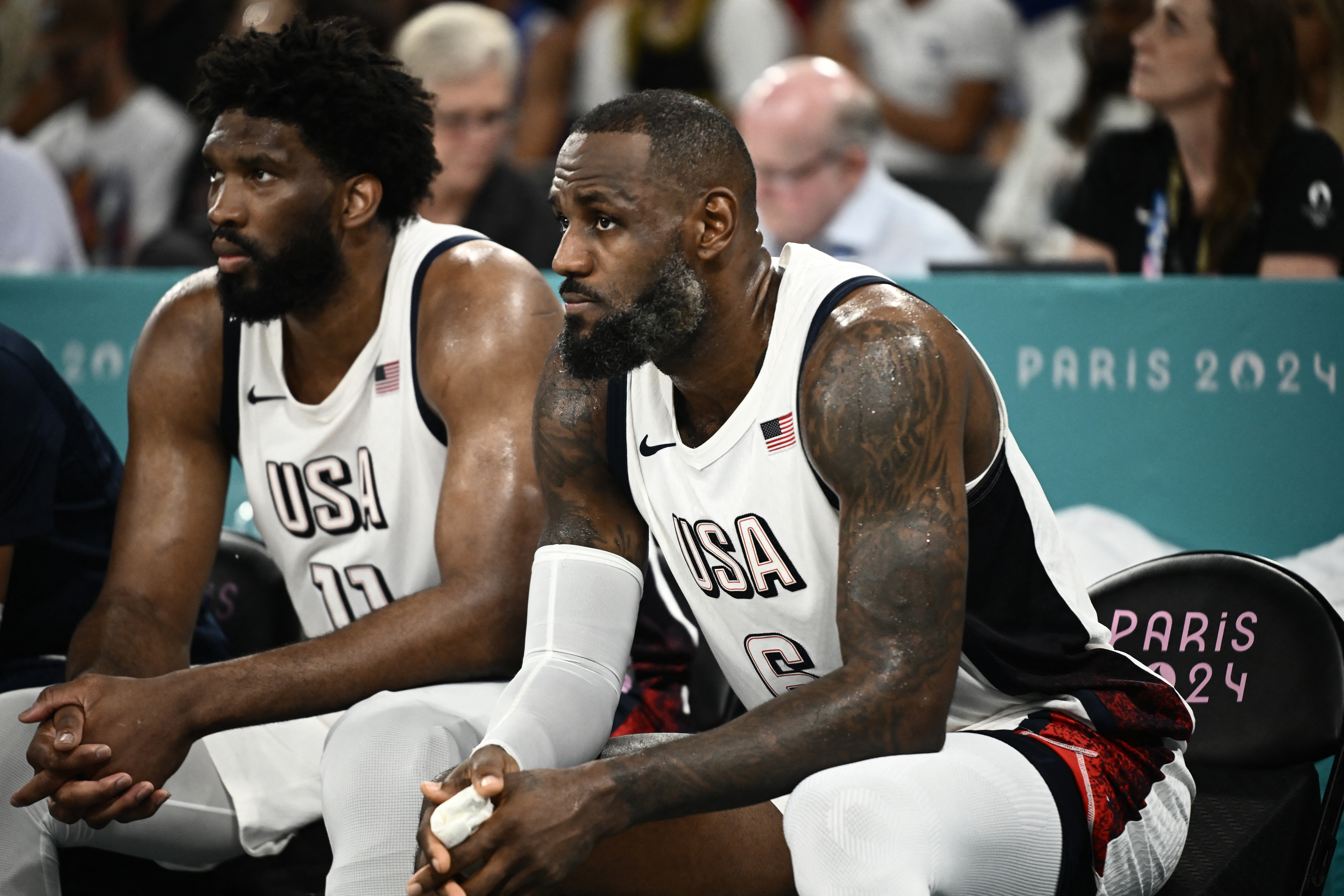
    The potential path to Embiid’s role on the team may lie in his 2024 Olympics experience playing with James. There, Embiid took on a reduced role on Team USA’s path to the gold medal.

    Joel Embiid served as a role player on the Team USA win in the 2024 Olympics. AFP via Getty Images

    The offense doesn’t have to run through him when he’s on the floor, especially if the Sixers are going to utilize one of the strengths of this roster — getting out in transition. This could serve a dual purpose in freeing up shots for the rest of the lineup while allowing Embiid to avoid accumulating as much wear and tear game to game.

    Getting out in transition

    The Sixers have four of the top 15 scorers in transition from a season ago. One way to get everyone his fill of shots is to play fast and have more possessions. If the Sixers commit to playing that way some of the usage issues will take care of themselves. Inevitably, there will still be things to figure out in the halfcourt, especially when it comes to who is taking what shots late in close games.

    That will take time to sort through. But the Sixers, in their comments so far this summer, have indicated they know the challenge ahead, and so far, they seem willing to tackle it head on instead of avoiding it.

  • Michael Horrocks’ plane hit the South Tower on Sept. 11. His West Chester football teammates made sure we never forgot

    Michael Horrocks’ plane hit the South Tower on Sept. 11. His West Chester football teammates made sure we never forgot

    Tom Schafer was a hulking man when he played one preseason game with the Eagles in the summer of 1984. The undrafted free agent center stood at 6-foot-2 and 270 pounds, with a booming voice and an unabashed confidence to match.

    By the fall of 2009, his broad frame had hollowed out. His voice had been reduced to a rasp. Schafer could walk, but only gingerly, and for short distances.

    Yet here he was, sitting in a West Chester University parking lot, handing out fundraising pamphlets and preaching to tailgaters about his long-lost teammate.

    It was not the way most people battling cancer would have chosen to spend their time. But Schafer was not most people.

    When Schafer was told the disease he’d battled two decades prior had returned in 2008, he had already made a commitment and was determined to see it through, no matter how many rounds of treatment he would have to endure.

    “He still had that fire about the statue,” said former West Chester center Joe Walsh. “He was talking then about everything we see now.”

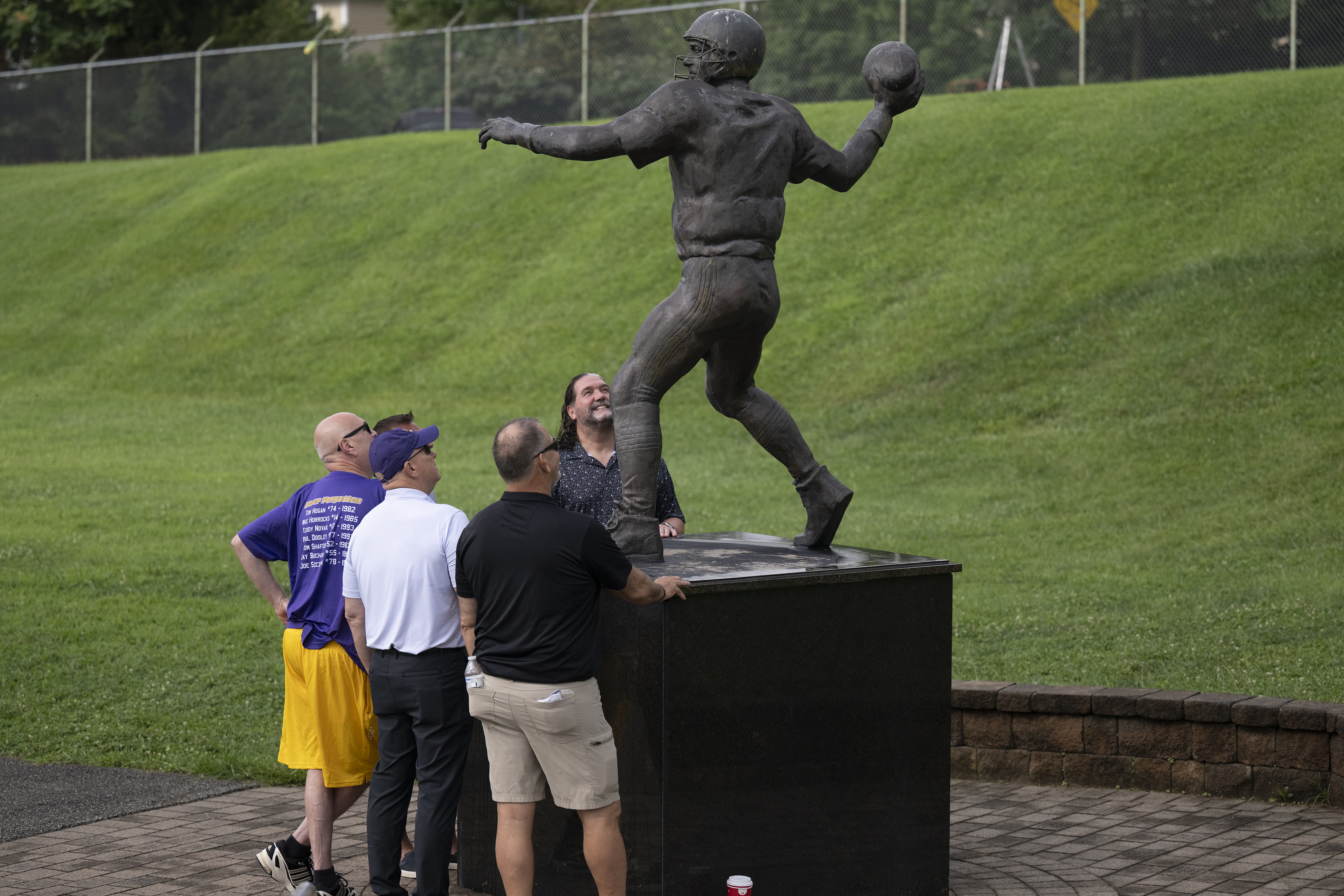
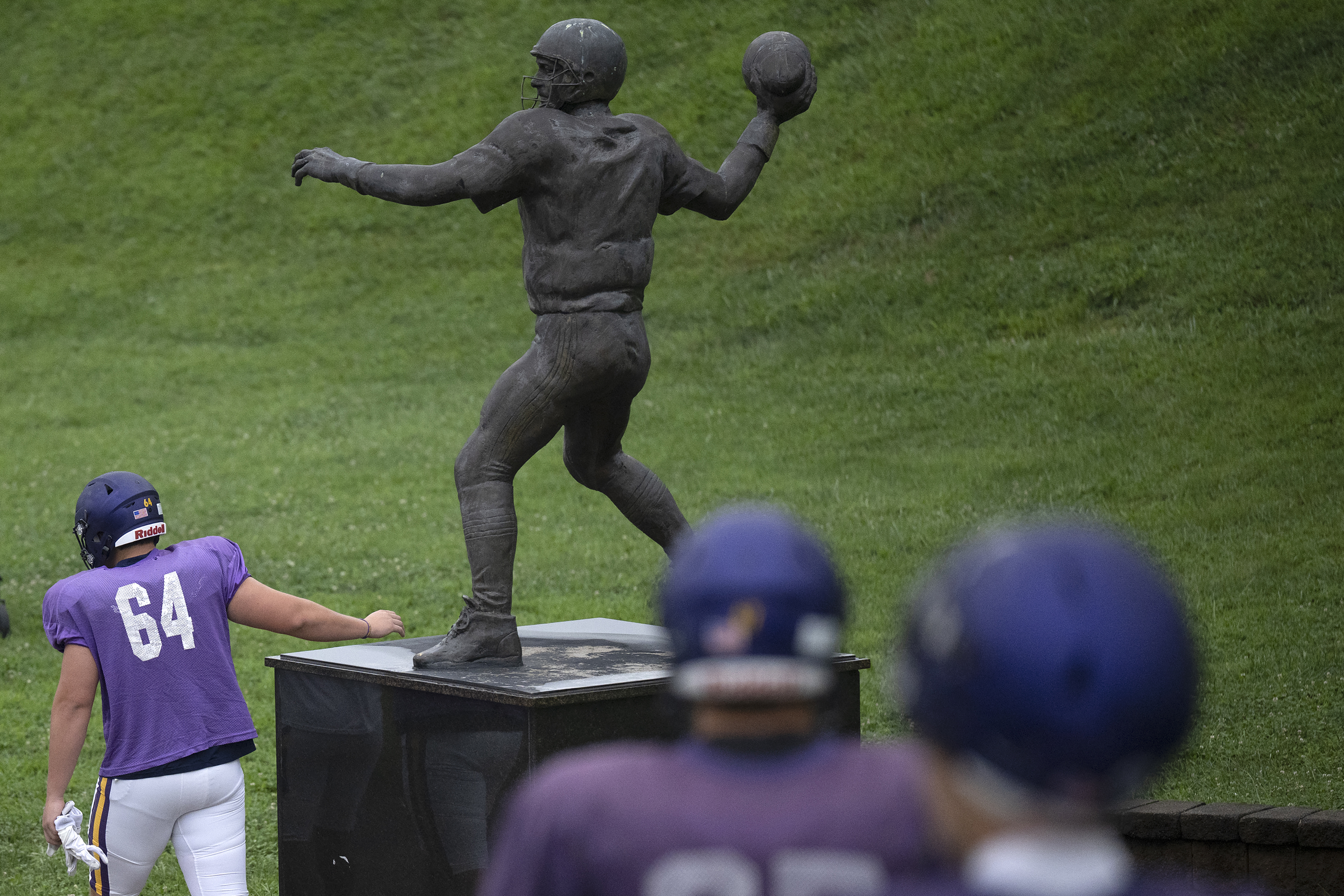
    Walsh motioned to the northwest corner of Farrell Stadium. There, at the base of a hill, stood a bronze likeness of a quarterback, his left foot firmly planted, his right arm cocked, ready to uncork a spiral.

    Former teammates John Mininno (left) and Tom Schafer (right) visit the statue of Michael Horrocks which was unveiled Sept. 11, 2010. Michael S. Wirtz / Staff Photographer

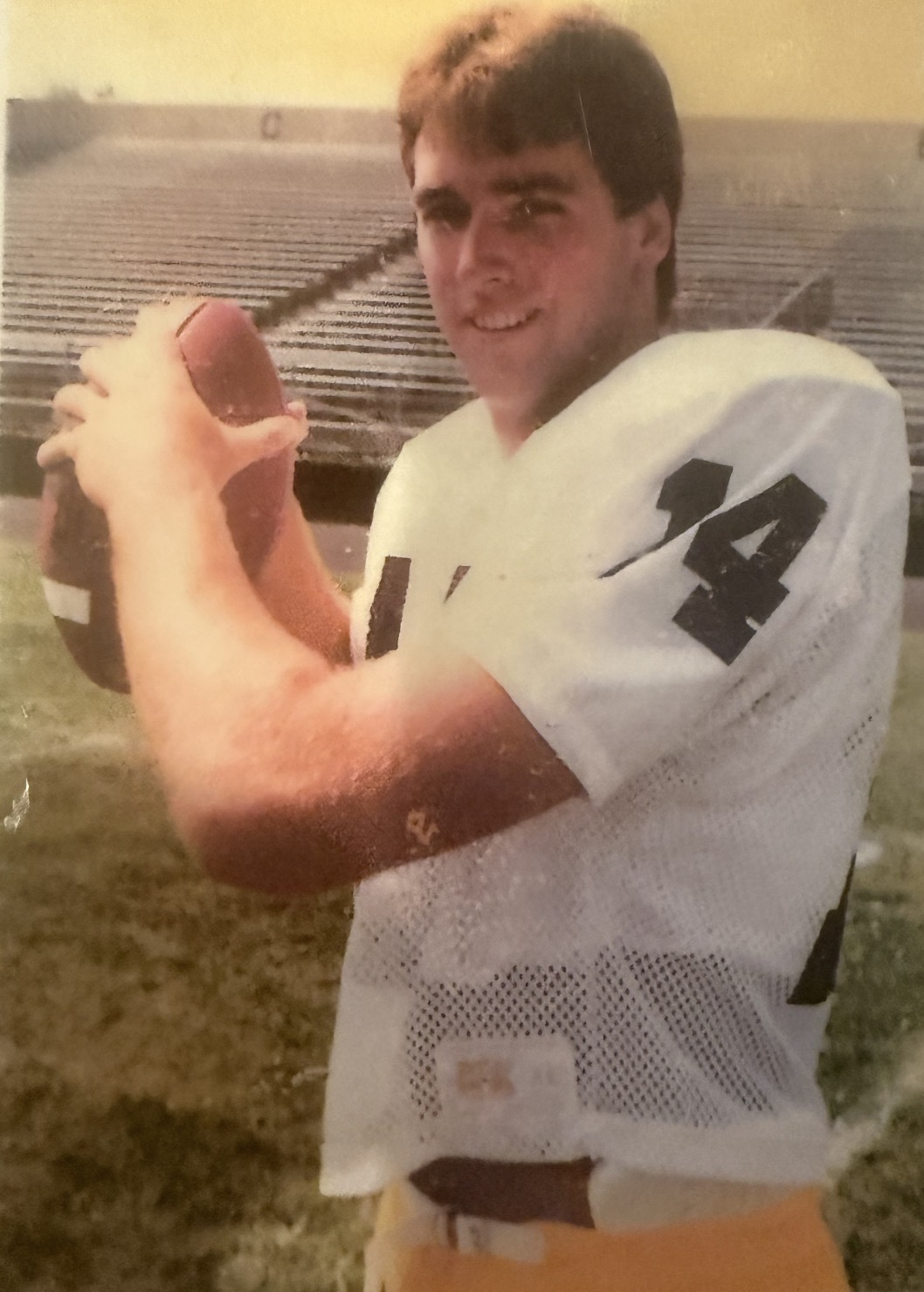
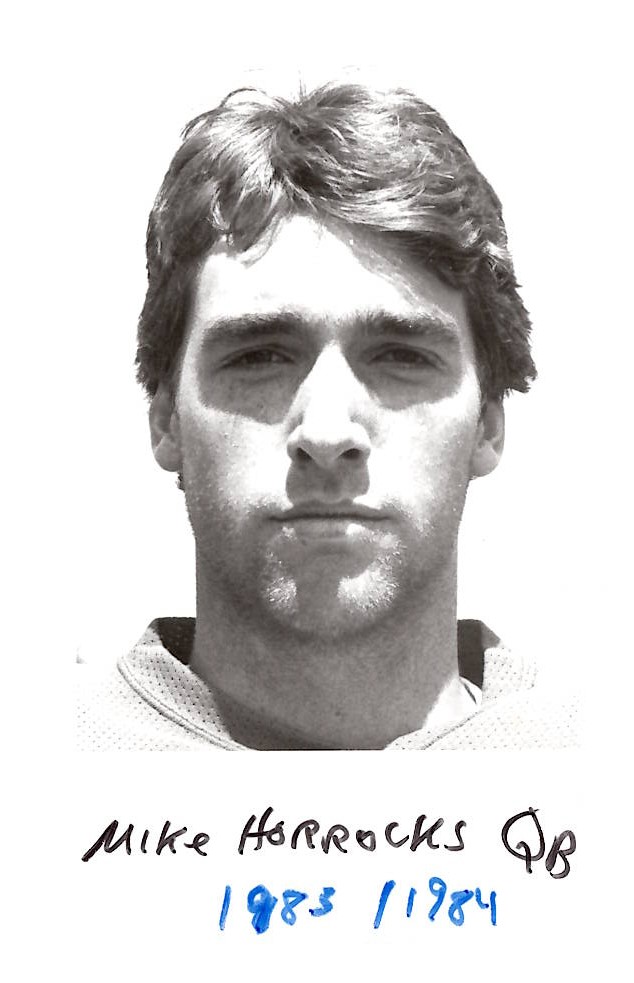
    The man was Michael Horrocks, Class of 1985. He and Schafer overlapped on the football team for two seasons, but Schafer took a liking to the sophomore’s goofy personality.

    And when he found out that that same sophomore had been a copilot of Flight 175, the plane that hit the South Tower on Sept. 11, 2001, he was distraught.

    Years passed, and Schafer began to coach high school football throughout the region. Some of his players joined West Chester’s program. None knew of Michael Horrocks. Not of his tragic place in history, or of his greatest moment on the field, when he led the Golden Rams to a 35-27 upset win over Delaware in 1983.

    They didn’t know of his service in the Marines, or his devotion to his kids, and his wife, and his friends. They didn’t know his name at all. And Schafer desperately wanted them to.

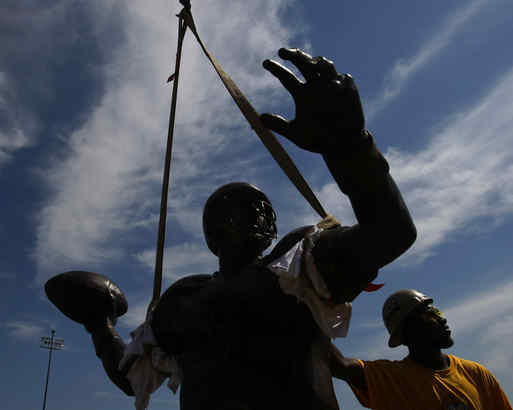
    So he and his teammates came up with a plan to ensure Horrocks’ presence would be felt for years to come. From 2008 to 2010, the West Chester alums raised $150,000 for a scholarship endowment and a statue to commemorate the late quarterback.

    They faced all sorts of challenges, some of them logistical. West Chester had never built a statue on campus before, and had no clear guidelines on the process to have one erected.

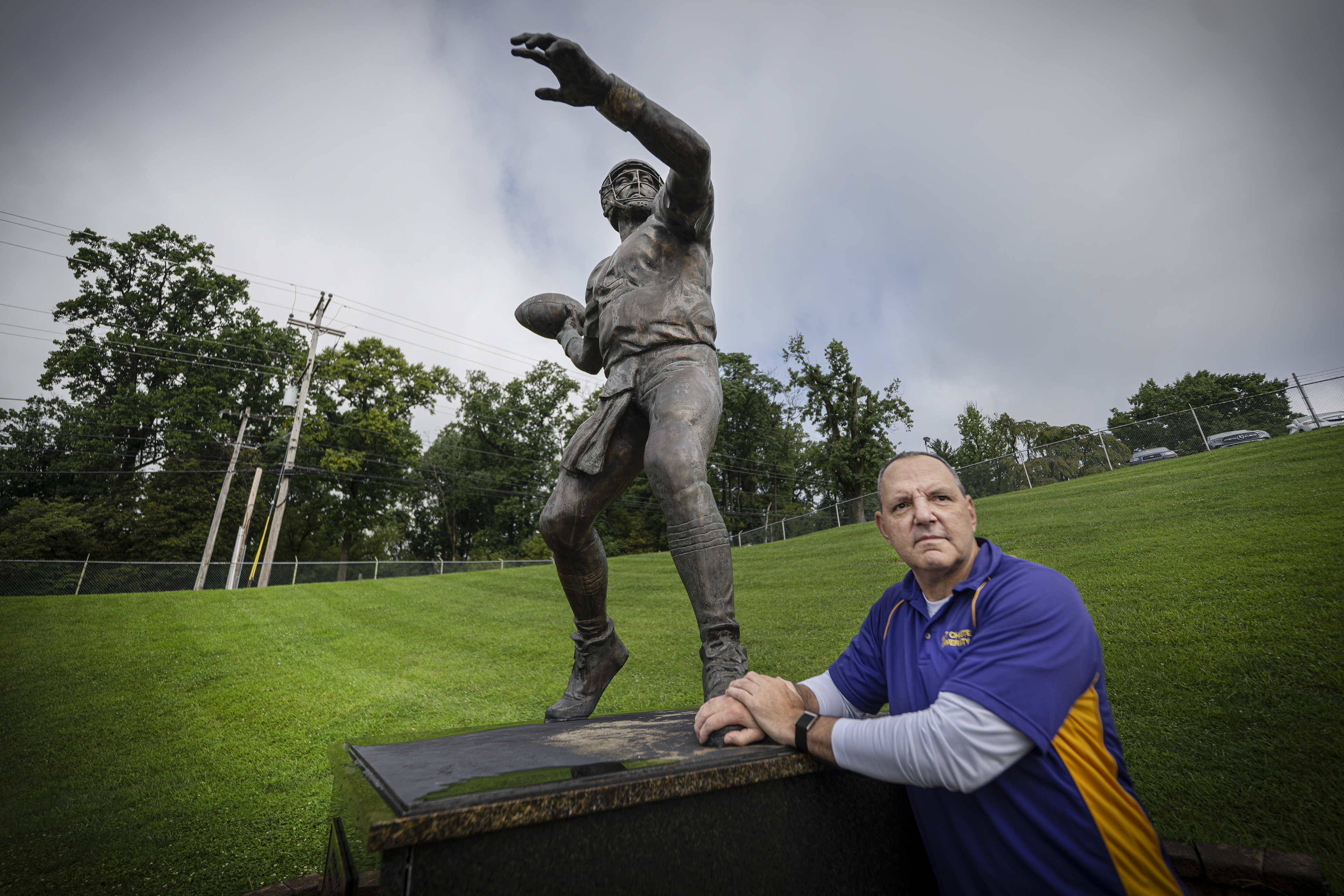
    Former West Chester University football player John Mininno is photographed near a statue honoring his former teammate, quarterback Michael Horrocks.Jose F. Moreno / Staff Photographer

    In an initial conference call with Horrocks’ teammates, school officials tried to persuade them to build something smaller, like a plaque or a bench. They warned the former players of the money they would need, and the bureaucratic hurdles they would face.

    But Schafer was undeterred.

    “Tom went in there and said, ‘F— you, we’re not doing a plaque. We’re doing a statue,’” said Class of 1988 linebacker John Mininno. “And he was not to be denied.”

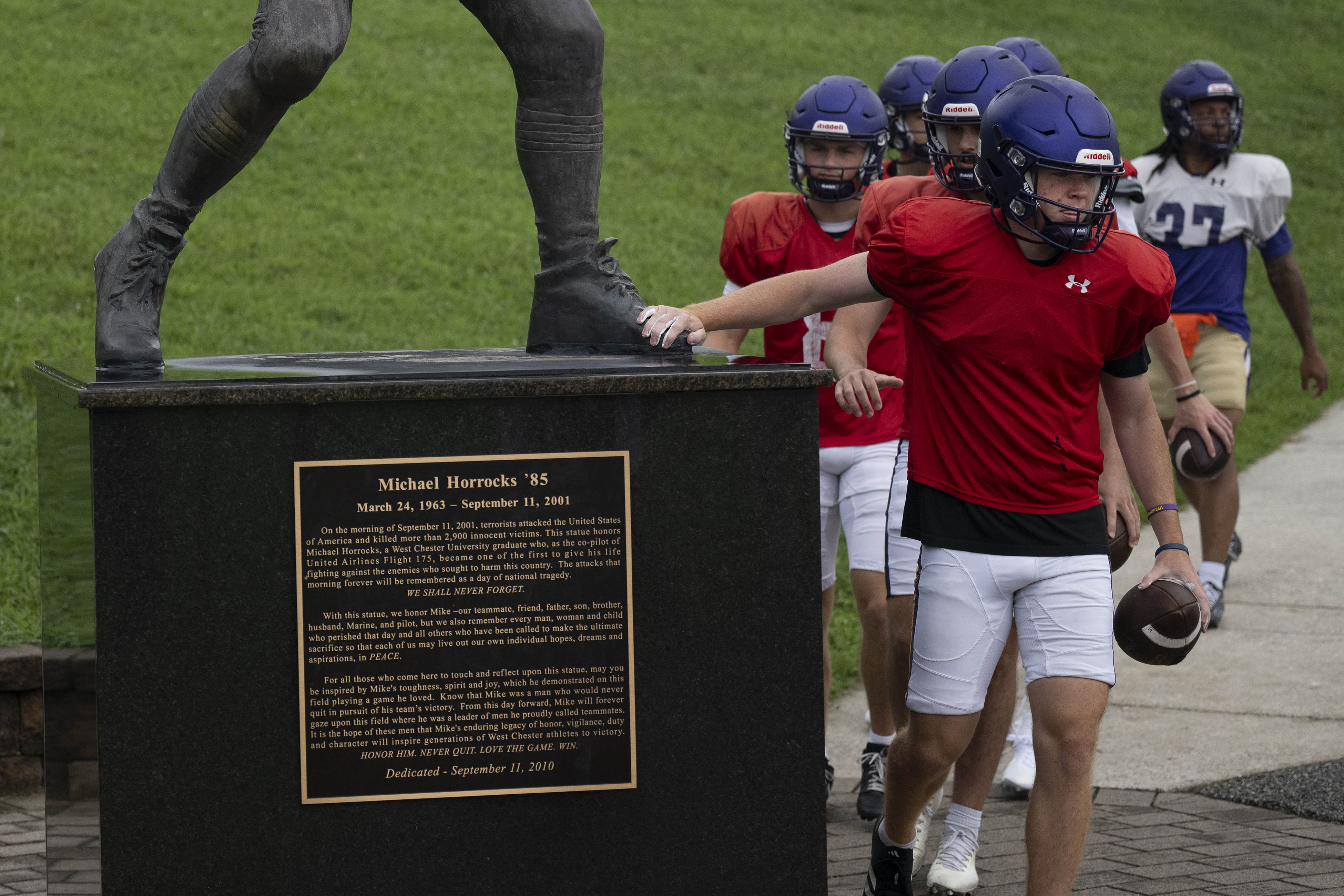
    The result was not just a statue, but a tradition. Since it was unveiled in 2010, West Chester’s players have tapped Horrocks’ left foot before every practice and game.

    They have done this so often that you can see scuffs of gold peeking out from beneath the bronze. Horrocks is not here in the physical sense, but this version of him — fearlessly driving down the field, leading his men — is now preserved.

    And his teammates intend for it to stay that way.

    “We want this to be a legacy,” Mininno said. “We want this to be here for much longer than we’re going to be around.”

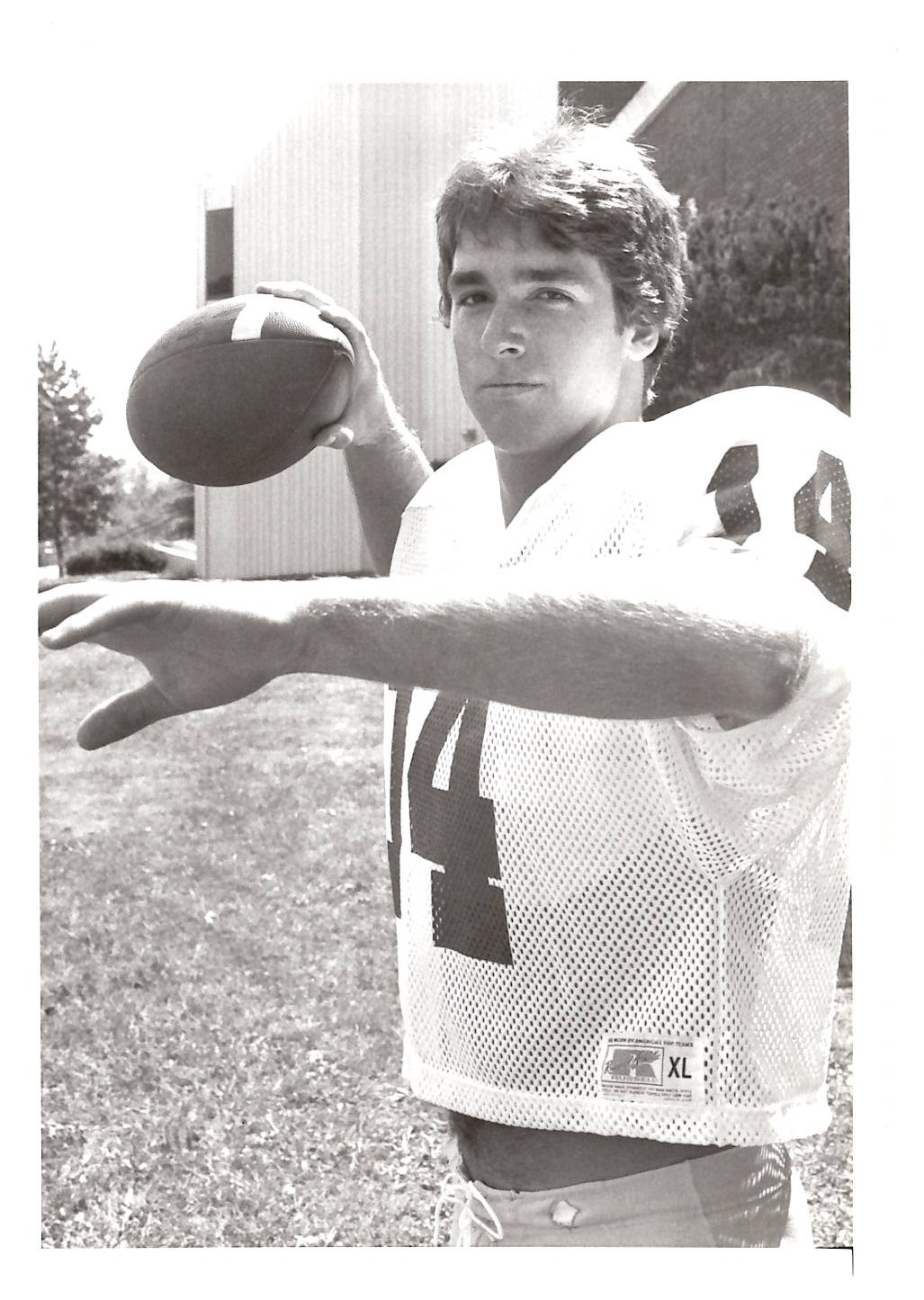
    Michael Horrocks emerged as a starting quarterback and a trusted leader at West Chester.provided by Mark Gosik

    ‘A pilot the entire time’

    Horrocks was born and raised about 70 miles west of West Chester, in Hershey, Pa. He attended Hershey High School, where he played varsity football under head coach Robert “Gump” May.

    May was tougher than most coaches. His team did three-a-days throughout the summer: an unusually heavy workload, which had the intended effect of whittling unreceptive players from the roster.

    The coach would start camp with 75 kids. Two weeks later, he would be left with 30.

    One kid, in particular, was always in that latter group.

    “Mike stayed,” May said.

    Horrocks was fighting for playing time with Scott Campbell, a quarterback who would go on to have a six-year career in the NFL. Locals were skeptical that the backup would perform in the opportunities he did get, but he quickly proved them wrong.

    Over his one season as a starter at Hershey, and in limited appearances before that, Horrocks led his team to a litany of come-from-behind wins, including one against rival Palmyra High School, which took a 21-point lead in the first quarter.

    “After Scott Campbell graduated, everybody thought, ‘Well, they lost their big gun,’” May recalled. “Well, Mike jumped in and he was just as big a gun.”

    Michael HorrocksSpecial Collections, West Chester University

    Gump reached out to a friend, Rick Daniels, a part-time assistant who later became West Chester’s head coach, and sent him some film of Horrocks. In the spring of 1981, the quarterback drove to campus for a visit.

    Daniels was already impressed by what he saw on film. Horrocks didn’t just have a strong arm; he was also quick on his feet, and he had an air of unflappability about him. He joined West Chester’s team that fall as a backup quarterback.

    Once again, Horrocks found himself in the unenviable position of filling in for an NFL-caliber player in Ron Gaynor, who later bounced around training camps with the Seahawks, Eagles, and Bills.

    Nevertheless, the aspiring starter worked with the intensity of a seasoned veteran. Horrocks and tight end Al DePippo would regularly put in extra hours, throwing after practice and then heading to the weight room. If it was locked, they would use the neck machine beneath the stands.

    Horrocks coupled his drive with a lighthearted composure that allowed him to thrive in intense situations. The first time he interacted with Schafer was in 1982, when Horrocks was a sophomore.

    Gaynor had gotten hurt; Horrocks was asked to fill in.

    “He crouched down in the middle of the huddle, looked up at us, and said, ‘Ah, the big boys,’” Schafer recalled to The Inquirer in 2010. “I said, ‘Shut up and call the play.’”

    It was a precursor of huddles to come. Some players got stiff when they first entered regular season games. Horrocks was the opposite. He would walk onto the field with a toothy grin and a laugh, confident in the hours of prep behind him.

    Michael Horrocks led West Chester to a rare win over rival Delaware in 1983. Special Collections, West Chester University

    This continued even after he was named the starting quarterback in 1983. Horrocks was known to play pranks, like tying teammates’ shoelaces together, or putting slices of cheese in a friend’s textbook.

    West Chester had some of its greatest moments under Horrocks and his playful persona. In his first game as a starter, Sept. 10, 1983, the Golden Rams faced the University of Delaware on the road.

    It was a harrowing matchup. West Chester played in Division II, while Delaware played at what was then known as the Division I-AA level. The Blue Hens had won their last 15 games against the Golden Rams, a streak that dated back to 1957.

    But West Chester was unafraid. After a scoreless first quarter, the Golden Rams jumped to a 21-3 lead in the second. They upped it to 35-3 in the third and held on for the win.

    Horrocks finished the day 10-of-18 for 129 passing yards and two touchdowns.

    West Chester’s campus erupted into a giant party, as if the team had won the national championship. But the quarterback at the center of it all was already focused on his next game.

    When he returned home that night, he recapped different plays and passes to his housemates on Magnolia Street.

    “He would talk about even some of the plays that he missed,” said his friend Chris Conner. “He never got too big. Even though he had just beaten Delaware, he was still the same guy.”

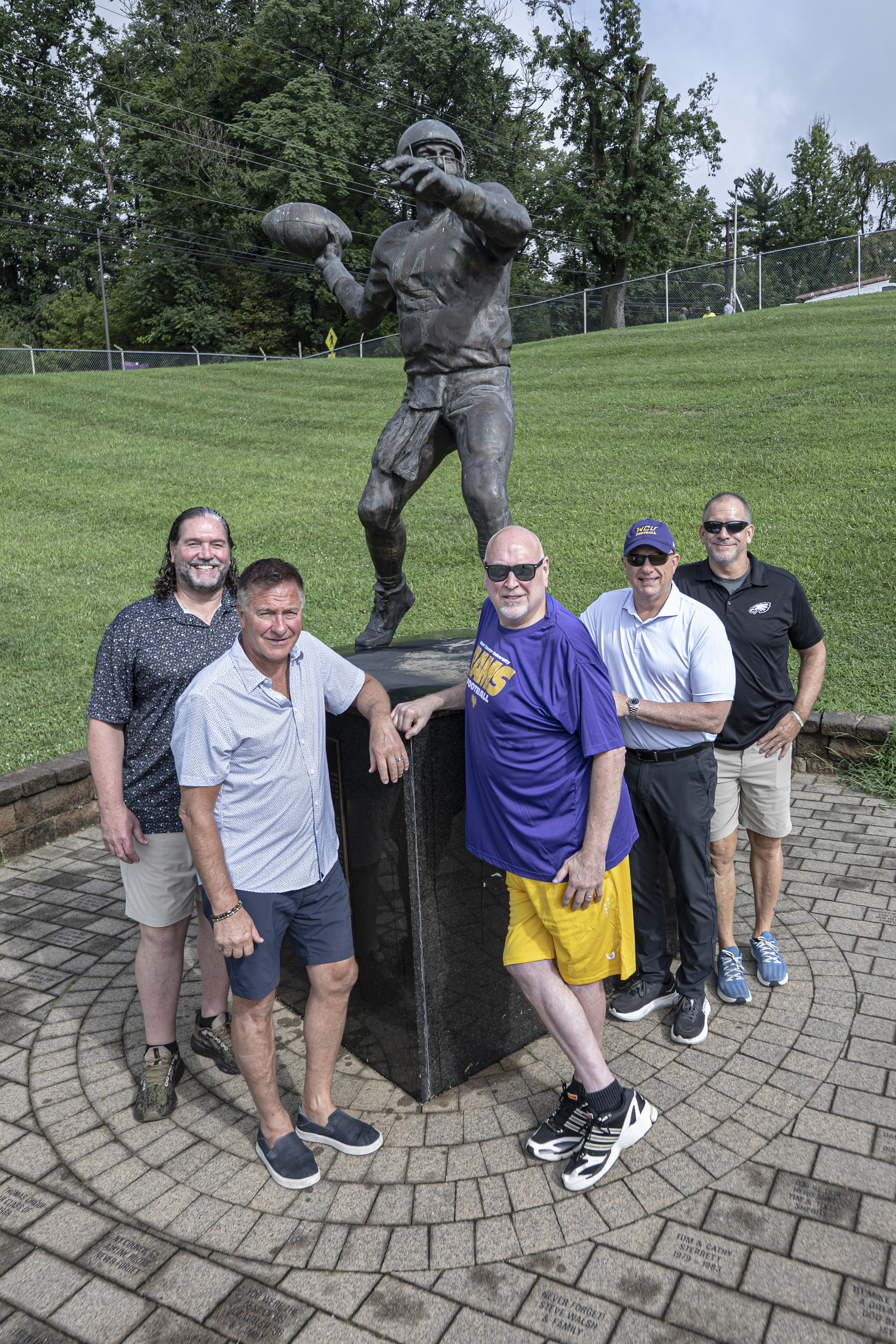
    From left, West Chester University football alumni Tom Weaver, Mike Esposito, Bob Campbell, Mike Hudson and Dean DiPasquale pose for a photo with a statue honoring their former teammate Michael Horrocks last month. Jose F. Moreno / Staff Photographer

    In 1984, West Chester hired a new head coach, Danny Hale, who brought in a new I-formation attack that incorporated elements of the West Coast offense. This system was different from what the team was accustomed to running (a split-back veer offense), and Hale, who was hired late, had limited time to teach it.

    He and quarterbacks coach Bill Hart met with Horrocks every day in the football office on campus. They would draw up plays on the chalkboard and quiz their pupil about different coverages and fronts he would face.

    Hale’s system allowed Horrocks the ability to audible if the situation called for it, and the head coach wanted him to be well-prepared. But Hale and Hart soon learned that that wouldn’t be a concern.

    The Golden Rams went 7-3 in 1984, and 5-1 in their conference, falling just shy of winning the Pennsylvania State Athletic Conference’s Eastern Division title.

    When DePippo looks back, he realizes that the same qualities that served Horrocks in the air were those that made him a good quarterback: a natural leader, a hard worker, a man who could balance an easygoing nature with intense focus.

    “It comes back to what kind of pilot do you want?” DePippo said. “Do you want somebody that’s going to panic when the s— hits the fan, or do you want a guy that’s going to be confident?

    “And Mike was that confident guy; a pilot the entire time. We just didn’t know it.”

    Pilot Michael Horrocks (left) was introduced to flying in the 1980s. (Photo provided by Mark Gosik)INQ WILLIAMS

    From football to flight

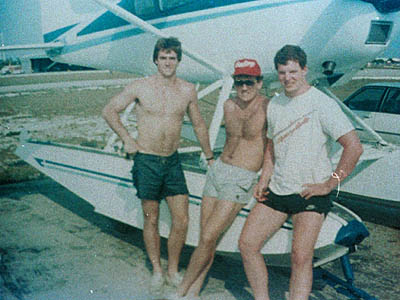
    The first time Horrocks flew a plane was in 1983. He was in Fort Lauderdale, Fla., for spring break with two friends, Mark Gosik, a former guard for West Chester, and Rob Jeffries, a tight end at Lehigh.

    They were visiting a family friend of Horrocks’, Bill Blauer, who worked for a commercial airline. One afternoon, Blauer invited them aboard his four-seat aircraft.

    Gosik and Jeffries sat in the back, with headgear on, as Horrocks rode up front. About halfway through the two-hour ride, Blauer turned to Horrocks and told him to grab the controls.

    Horrocks obliged and cruised the plane down, close enough to see the beachgoers below. As he flew over the ocean, with waves rippling beneath him, he realized he had found his calling.

    The former quarterback felt that his best route to commercial flight would be through the Marines. Horrocks knew he would get the best training there, and he liked the idea of a new challenge. So, after graduating West Chester in 1985, he enrolled in Officer Candidates School.

    He got his wings at a naval air station in Corpus Christi, Texas, and was stationed in the early 1990s at Marine Corps Air Station Cherry Point in North Carolina, where he joined a marine aerial refueler transport squadron.

    Horrocks flew KC-130 turboprop aircraft, which were used to refuel helicopters and jets, but also to transfer cargo, passengers, ammunition — anything that needed to be moved. It was a daunting transition, one that many young pilots struggled with.

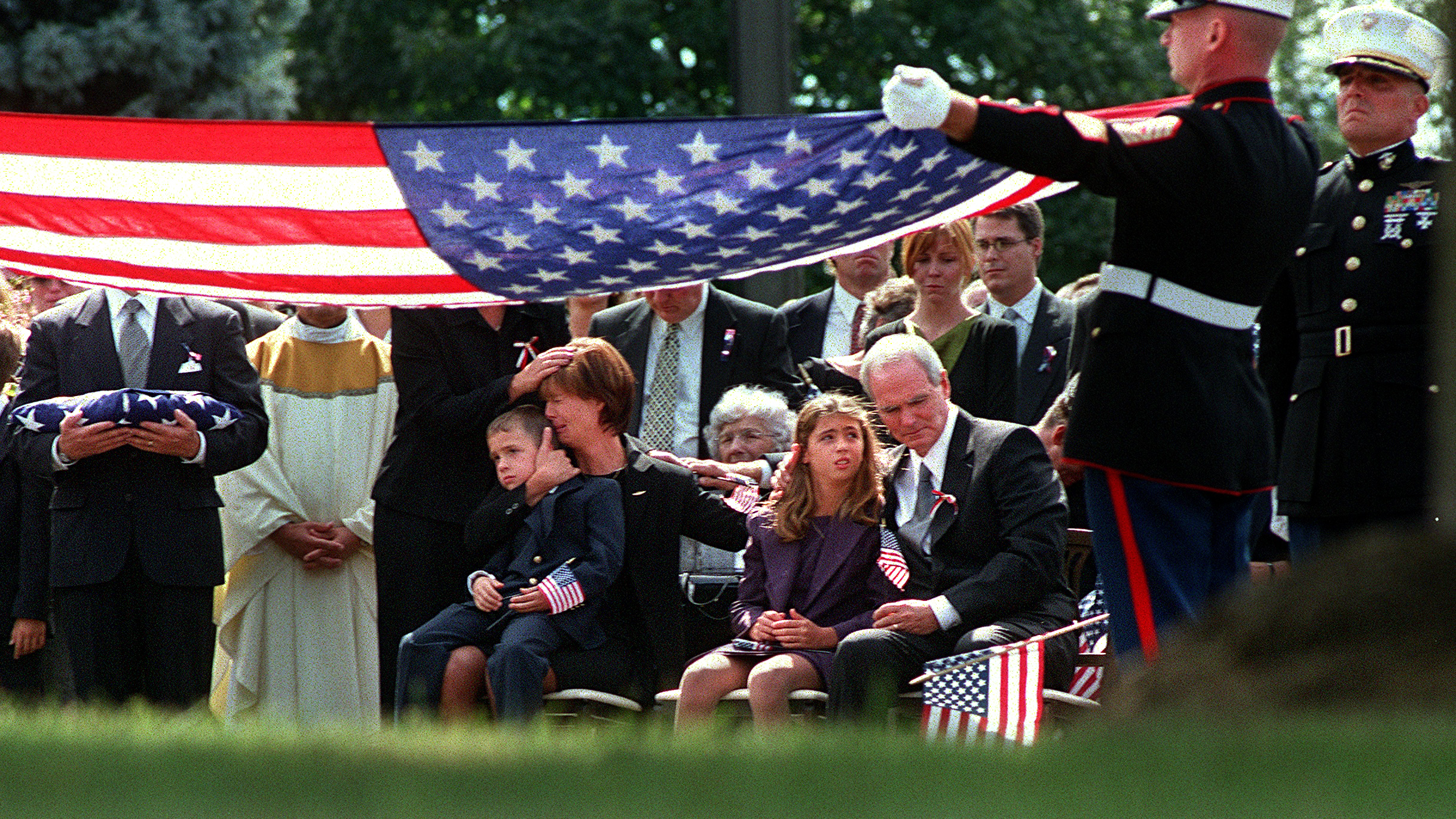
    Miriam Horrocks (center, left) cradles her son Mick, 6, as her father-in-law William Horrocks (center, right) sits with her daughter Christa Horrocks, 9, as a US Marine Corps Honor Guard folds up the American flag following a memorial mass and service for her husband Michael Horrocks on Sept. 17, 2001.Tom Gralish / Staff Photographer

    In training, they would be flying a single-engine plane, which stretched maybe 18 to 20 feet long. Now, as lieutenants, they were manning a plane five times as big, with three more engines, moving whatever needed to be moved at 30,000 feet in the air.

    It was anything but a routine job. Horrocks’ operations officer, now-retired Lt. Col. Bill Franchi, said that when his squadron deployed to Bahrain during the Gulf War, they did so knowing that there was a good chance they would be targeted heavily.

    But Horrocks was a natural, and quickly proved he could be relied upon. He went on a number of deployments, to the Middle East throughout the Gulf War, to Europe, to Central America, and became Franchi’s “go-to guy.”

    Once, during a three-week detachment to Norway, a panel in the squadron’s KC-130 caught fire. As Franchi tried to put the fire out, he asked Horrocks to redirect the plane back to the local airport.

    This was not a scenario that the young pilot had practiced in a simulator. Horrocks would be landing downwind, without flaps on his wings, which helped the plane maintain lift while slowing it down.

    With a full-face oxygen mask on, and vapor from a fire extinguisher filling the cockpit, Horrocks guided the aircraft onto the runway, preventing what surely would have been a disaster.

    “I told him, ‘I credit you with having saved about six people,’” Franchi said. “Because I didn’t have to do a thing. He had it. And that was sort of typical of Mike. You know?”

    Horrocks spent his last few years in the military instructing Marine, Navy, and Coast Guard pilots in Florida. In 1997, his active duty came to an end. He enrolled in new-hire pilot training at United Airlines that summer.

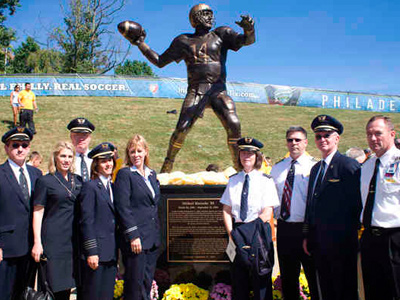
    United and Continental Airlines pilots and crew, all friends of Michael Horrocks, stand by his statue at Farrell Stadium in 2010. (Ed Hille / Staff Photographer)

    He soon was flying commercial airplanes full-time and living in Glen Mills with his wife, Miriam, and their two young children, Christa and Mick.

    Now that Horrocks was local again, he was able to reconnect with old teammates like Bob Rafferty, a former West Chester halfback and quarterback.

    They would often see each other in Media, running errands at the Granite Run Mall. In December 2000, while shopping for Christmas gifts, they crossed paths one last time.

    Horrocks was walking out of the mall, and Rafferty was walking in. They chatted about family. Horrocks mentioned that he had recently started working transatlantic flights for United.

    The two men said goodbye and went their respective ways. Nine months later, Horrocks boarded a Boeing 767 at Logan International Airport in Boston.

    Rafferty watched as it hit the South Tower of the World Trade Center. Few, if any, of his teammates knew that Horrocks was piloting commercial aircraft. The idea of him being on that plane didn’t even occur to them.

    But Rafferty had a feeling.

    “He was the first person I thought of,” he said.

    West Chester University quarterback Colin O’Sullivan taps a statue honoring former quarterback Michael Horrocks before practice last month. Jose F. Moreno / Staff Photographer

    ‘Think of Mike’

    Without social media, news of Horrocks’ death at age 38 spread slowly. Some West Chester football alumni found out when they saw Miriam Horrocks on the front page of The Inquirer, at her husband’s funeral in Upper Providence Township.

    Others heard through teammates. DePippo was working on Wall Street and lost about 40 or 50 colleagues in the attack. He couldn’t process that Horrocks was gone, too.

    In late September, Gosik and two friends, Tim and Patrick Dever, took a train to New York. They spent the day at ground zero, walking through rubble, picking up pieces of people’s lives off the ground: photos, notebooks, newspapers.

    Gosik still remembers how dust and soot filled the air. So did the sound of car alarms, blaring for their owners. A few days earlier, a neighbor had made Gosik a lapel pin to commemorate Horrocks, with his No. 14 written on a felt football.

    Gosik wore it on his jacket as he traversed the site where his teammate perished.

    “We just felt like we needed to be there,” Gosik said. “We just wanted to go.”

    Years went by, and the West Chester alums began to wonder why no tribute to their quarterback existed on campus. They were worried that Horrocks would be forgotten, and realized that their fears were well-founded.

    West Chester University football players tap a statue honoring former quarterback Michael Horrocks before practice last month. Jose F. Moreno / Staff Photographer

    “I don’t recall any of us even being aware of it beforehand,” said Tim Keyser, a wide receiver who graduated in 2013. “That wasn’t something I knew when I was a true freshman on campus or anything.”

    The former players began to meet with the school about the prospect of a statue in 2008. Bill Zwaan Sr., who was head coach of the football program at the time, sat and listened as an official from the foundation tried to convey how complicated, and costly, it would be to build such a structure.

    Horrocks’ teammates ended the meeting emphatically: by standing up and reiterating, for the umpteenth time, that they were going to move forward with the statue. After they left, the foundation official turned to Zwaan.

    “And he said, ‘Do you think they really understood what we were talking about?’” Zwaan recalled. “And I said, ‘They do. And they’re going to do a statue. And you guys have got to be prepared for that.’”

    It was a slow, arduous process. The former players not only would have to raise $50,000 for the statue itself, but also would donate $100,000 toward a scholarship endowment, which DePippo and another teammate, Bruce Blake, started in 2004.

    At this point, most of them had full-time jobs and families of their own, and carving out time was not easy. But they made it happen.

    DePippo oversaw the money. Mininno began a letter-writing campaign to raise funds. Walsh served as a liaison between the alumni and the current coaching staff.

    Schafer worked as a partner of a local concrete cutting company. He and another West Chester alumnus, Paul Vanscovich, donated their construction crews and equipment for free.

    Other teammates chipped in through a team banquet and a Super Bowl pool. A few local businesses, and the pilots union, contributed as well.

    The statue of Mike Horrocks at West Chester.MICHAEL S. WIRTZ / Staff Photographer

    “I’d kick in $1,000, John would kick in $1,000, Jim O’Donnell would kick in $1,000,” DePippo said. “And then we would get on a text chain, and berate each other in team fashion. Like, ‘You’ve got to do this.’

    “We raised money basically only through grassroots. I was specific about that. I didn’t want any corporate sponsorship. You know, ‘CBS Sports presents the Mike Horrocks statue.’ I didn’t want that.”

    In the months before construction of the statue was finished, former players would visit West Chester to share stories of their late teammate with the current roster.

    Walsh, DePippo, and Blake visited them the day before the dedication. Wearing purple and yellow practice jerseys, the team took a knee as Walsh began to speak.

    He explained that one day, Horrocks’ teammates wouldn’t be able to share his story, and that it would be up to the next generation of players to do so.

    Then he asked them to close their eyes, and think of a loved one: a sibling, a friend, a parent.

    “And when you go down that hill tomorrow, and you touch [the statue of] Mike, think of Mike,” Walsh said. “Say his name. And think of someone else who is special in your life. And thank God that you have them with you today.”

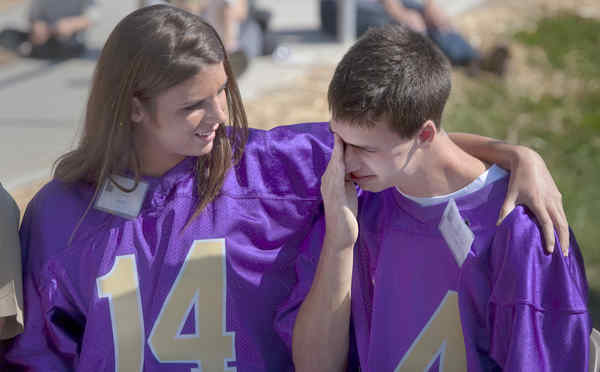
    Nine years after their father’s death, Christa Horrocks comforts her brother, Mick, at the unveiling of the statue of Michael Horrocks at West Chester University in 2010.

    The statue was unveiled at 10:30 a.m. on Sept. 11, 2010, a perfect autumn day in Chester County. The school arranged a ceremony beforehand, with bagpipes, a marching band, and a flyover.

    Miriam Horrocks and the children, now teenagers, were in attendance; Christa gave a speech about her father.

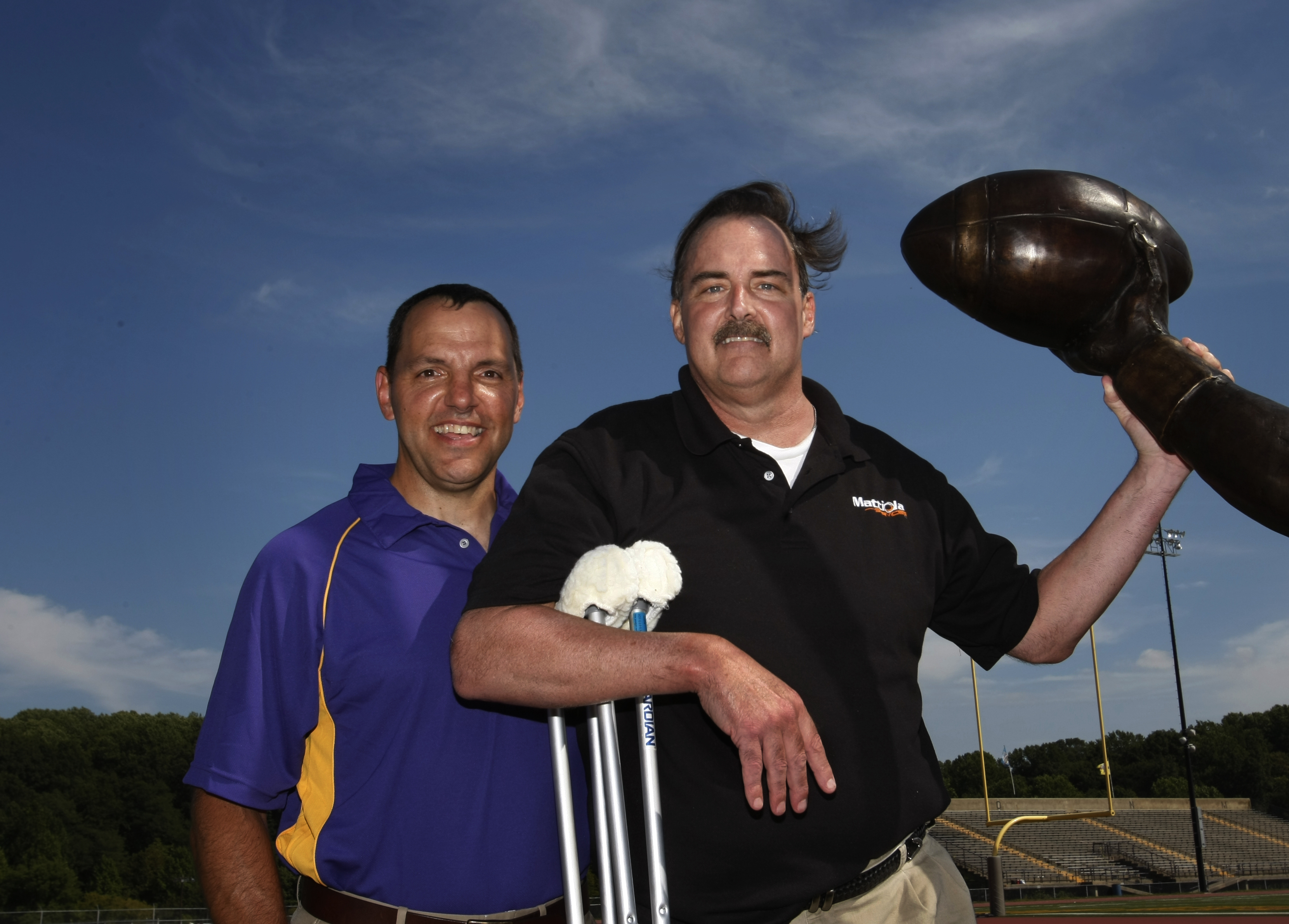
    Sitting next to the podium, with crutches by his side, was Schafer. He was unable to speak to a large crowd, but sat throughout the entire ceremony with a smile on his face, shaking hands with football men young and old.

    He died of cancer just over a month later, at his home in Phoenixville.

    Last August, during a team reunion in West Chester, a thought occurred to Walsh. He pointed to the bricks surrounding Horrocks’ memorial, which contained inscriptions honoring the late quarterback.

    He suggested adding a small stone, maybe toward the back, with the number 52 on it; a nod to a teammate who put another above himself, even when his body was failing.

    “Tom just believed in his heart that it needed to be a statue,” Walsh said. “And he was right. He was right.”

  • Letters to the Editor | Sept. 9, 2026

    Letters to the Editor | Sept. 9, 2026

    Pardons amiss

    Historically, the process of gaining a presidential pardon started with a formal application to the U.S. Department of Justice, which was then reviewed and presented to the president for consideration. And those who sought pardons typically had to wait until a president’s final year in office to receive one.

    Apparently, that process has been thrown out the window by the current administration, which started rolling out pardons the first day it took office and hasn’t stopped since.

    Your recent article on Donald Trump’s decision to commute John “Johnny Doc” Dougherty’s six-year prison sentence is another example of a system gone wrong.

    The Justice Department — back when it was an agency that actually administered justice — thoroughly investigated Dougherty, presented its case in court, and won a conviction against him. Even after being found guilty by a jury of his peers — and admitting his guilt during sentencing — Dougherty tried just about everything he could to avoid going to jail and repaying his debt to society.

    Well, Dougherty found a sympathetic ear in the Trump administration and got the president to commute his sentence. For months now, Congress has been investigating whether “pay-to-play” has had a role in any of Trump’s pardon decisions, and I hope someone looks closely at this case, too.

    In any event, the presidential pardon process needs to be reformed, because there is no doubt it is being misused and abused.

    Susan Thompson, Media

    . . .

    Donald Trump commuted John “Johnny Doc” Dougherty’s sentence because he’s apparently the type of leader the president can truly respect: Dougherty was found guilty of bribing an elected official and embezzling a large sum of money from the labor union he led, Local 98 of the International Brotherhood of Electrical Workers (IBEW).

    Rather than a “magnificent gesture of compassion,” as Dougherty’s lawyers called it, Trump’s action was a slap in the face to the union Dougherty defrauded and which he will now not have to repay. Dougherty’s background as a political power broker likely entered into the commutation decision at least as much as the medical condition Dougherty says his wife has. Other federal inmates likely have ill family members, too, but they have to remain behind bars because they can’t afford a lawyer or don’t have political connections.

    When commuting the sentence, Trump could have left intact the $1.6 million Dougherty was ordered to pay as restitution. But he chose not to, likely as a form of respect from Mar-a-Lago Don to a Philly don.

    Trump treats commutations and pardons like party favors for the rich and powerful, the only Americans with whom he feels a kinship other than the seditionists who did his bidding on Jan. 6, 2021.

    Stewart Speck, Ardmore

    Choose peace

    As I watch the news each day, I find myself asking a painful question: When did human life become so easily sacrificed in the name of power, politics, territory, or revenge?

    From Gaza and Ukraine to Sudan, Yemen, and other places suffering from conflict, innocent people continue to pay the highest price for decisions made by those far removed from the battlefield. Families lose parents. Children lose their homes and schools. Communities are destroyed, and millions are forced to flee in search of safety.

    As an Ahmadi Muslim living in Philadelphia, I believe deeply that the sanctity of human life must come before political allegiance. My faith teaches me to reject hatred and to pray and work for peace. But peace cannot simply mean the absence of headlines about war. It must mean children can sleep safely, families can remain together, people can practice their faith without fear, and every human being is treated with dignity.

    We must also be careful not to become selective in our compassion. A Palestinian child matters. A Ukrainian child matters. A Sudanese child matters. An Israeli child matters. A Yemeni child matters. Every innocent life matters. We do not have to agree on politics to agree that innocent people should not be killed. We do not have to share the same religion to recognize another person’s humanity.

    Philadelphia has a proud history of religious freedom and diversity. From here, we should raise our voices — not for one people against another, but for justice, mercy, and peace for all people. Our politicians, our religious leaders, and our communities should demand diplomacy before destruction, humanitarian assistance before indifference, and accountability when civilians are harmed. The international community must not allow suffering to become something we simply scroll past on our phones.

    We cannot bring back those who have already died. But we can refuse to accept more bloodshed as inevitable. As Americans and as human beings, we should demand better.

    Madeel Abdullah, Garnet Valley

    Collective immunity

    As you point out in your article delineating the differences between the mandates for the COVID-19 vaccine during the pandemic and the guidelines for the measles vaccine being discussed now, the situations are very different.

    As a pediatrician for 40 years, and as someone old enough to remember the miserable 10 days I spent being sick with the measles, let me add that if some people are unable or unwilling to look past the anti-scientific jargon being pushed on the internet and by Robert F. Kennedy Jr. and others, then — for the sake of all the infants who are too young to be vaccinated and all of the children who can’t be vaccinated because of medical conditions — mandates need to be put in place to protect us all through a vaccine that has a 50-plus year safety record.

    Public health means just that — protecting you, me, our loved ones, and all people.

    Barbara Gold, Philadelphia

    Cultural crisis

    Philadelphia is forgetting itself, and the signs are plain. In 2018, the Philadelphia History Museum closed; now, the Academy of Natural Sciences is closing its museum. Our city is losing its great public spaces where history, culture, and science can be experienced. Soon, both collections will be in a location that is inconvenient to access.

    Are we to become a city that claims tradition and yet has no soul? Who is to blame? Ourselves. We decided to sit in, stay home, and opt for something flashier than dinosaur bones, butterfly gardens, and petrified insects.

    We need to prioritize our collective traditions and culture, our museums and artistic heritage, and the way we do professional sports, before it is too late. If we continue on this trajectory, we will lose our character and identity and become an amorphous blob adjacent to I-95, passing from New York City to Washington, D.C.

    How about, instead of desperately rallying to save a museum by appealing to billionaires and corporate bailouts, we rise and support them? Donate to them. Join them. Wake up, Philadelphia.

    Christopher Czyzewski, Philadelphia

    Museum memories

    My first job in Philadelphia to help pay for art school was working at the Academy of Natural Sciences. It turned out to be one of the great privileges of my life. As the lowest worker on the totem pole, I laid out its magazine, Frontiers. In the process, I had the privilege of meeting the scientists who were traipsing the world, studying the water, the land, the vegetation, and the animals that make planet Earth such a beautiful, complex place. They brought back artifacts and plant material that the museum’s energetic staff used to teach visiting Philly school kids who don’t get to see much green and hardly ever get to touch a dinosaur bone. In addition, their colleagues in the museum and in the astonishing, treasure-packed library worked hard to let the rest of us know how precious and miraculous our life on Earth is.

    With the Academy’s abrupt closing, Philadelphians and our children will be less educated about and inspired by our natural world. It breaks my heart.

    P.S. If they’re trying to unload things, I’ll gladly take the stuffed emu that used to stand tall next to my drawing board at the Academy.

    Signe Wilkinson, cartoonist, Philadelphia

    The writer, a winner of the Pulitzer Prize, spent 35 years as an editorial cartoonist at The Inquirer and the Daily News.

    Join the conversation: Send letters to letters@inquirer.com. Limit length to 150 words and include home address and day and evening phone number. Letters run in The Inquirer six days a week on the editorial pages and online.

  • Horoscopes: Wednesday, Sept. 9, 2026

    Horoscopes: Wednesday, Sept. 9, 2026

    ARIES (March 21-April 19). Creativity isn’t a category of work. It’s a way of thinking. Every problem has an obvious solution. Creativity asks whether there’s a better one. Don’t save your imagination for dreaming. Let it lead the day.

    TAURUS (April 20-May 20). There are so many fussy rules and tiny details attached to the work at hand that creating an enjoyable experience out of it seems farfetched. But your delight is actually more important (and more easily accomplished) than you realize. Prioritize it and you’ll see.

    GEMINI (May 21-June 21). The world hurls forward and you’re drawn back instead to something in the past that was simple, wholesome and cozy. Something warm and unrushed that you could hold a while in your hands.

    CANCER (June 22-July 22). It may seem that the more desirable a thing is, the less attainable it is, but it’s not really the case. It’s just that the methods for getting them are different. Chasing makes them run. Attraction is the way.

    LEO (July 23-Aug. 22). Though you don’t revel in the misfortune of others, you can’t help but notice that compared to many, you have it so good right now. However imperfect life seems, your blessings are too numerous to count. And if you don’t enjoy them, who will?

    VIRGO (Aug. 23-Sept. 22). It’s as though you belong in your own time zone. Sure, it matches up with that of others, but it also accommodates the pace that most suits you, no rushing necessary, and plenty of time to pursue whimsy and fully enjoy each moment.

    LIBRA (Sept. 23-Oct. 23). You have a growing respect for work done well, even if you’re the one doing it, and especially when nobody else notices. That private sense of craftsmanship and the satisfaction of doing great work lasts longer than applause.

    SCORPIO (Oct. 24-Nov. 21). You’d like to believe that everyone is doing their best with their current understanding, including you. And while you’ll know more later, this is good. One day you’ll look back in fondness. So love it while you’re here.

    SAGITTARIUS (Nov. 22-Dec. 21). When you step into a new environment, take a moment to orient yourself to your own North Star. Because knowing where you are in relation to your own goals is key to finding your way in the bigger picture.

    CAPRICORN (Dec. 22-Jan. 19). So few are truly patient and so many require it from others. You welcome the chance to exercise patience because, like all exercise, it makes you stronger and gets you ready for the time when you really need to be.

    AQUARIUS (Jan. 20-Feb. 18). Your creative whims seem frivolous because they are. You’re not the only one who needs the pointless things that surprise, delight and inspire. The extra touches will buoy the spirit in the moments between doing what is necessary.

    PISCES (Feb. 19-March 20). We are social creatures and can’t help but be influenced by those around us, especially the ones we admire. But today is about getting back to your original intent. What did you want before you heard what the other person wanted?

    TODAY’S BIRTHDAY (Sept. 9). It’s Your Fairytale Year in which you’re writing a modern version of your magical life, complete with loyal friends, battles won and wishes made very carefully because they will actually come true. More highlights: A guide helps you thrive inside new boundaries and routines. An investment in your education invigorates your social and financial world. You’ll participate in a change that’s bigger than any one person. Aries and Gemini adore you. Your lucky numbers are: 33, 1, 19, 45 and 14.

  • Dear Abby | Senior woman’s admirer lacks courage to confess

    Dear Abby | Senior woman’s admirer lacks courage to confess

    DEAR ABBY: I’m in love with an older woman. I’m 41, and she is about 35 years older. I have known her since I was a kid. She’s the reason I always dated older women. I want to tell her how I feel, but I’m scared she’ll be shocked, and I wouldn’t want anyone else to find out my feelings, like her kids. I grew up with them.

    We always enjoy our conversations, and I often throw her little hints. When I do, she smiles and likes that I flirt with her, but I’ve never told her my real feelings. What should I do?

    — HIDING MY FEELINGS

    DEAR HIDING: You have nothing to lose by telling her your real feelings. If you do, at the very least she will feel complimented. If there is a possibility that your feelings are reciprocated — well, you are both adults now. If her kids don’t object (once they get over the shock), you could have a happy life together. I say this with confidence because years ago a distant cousin of mine married a contemporary of one of her sons.

    ** ** **

    DEAR ABBY: What is the proper etiquette when dining out and a hair is found in your meal? I informed the server, and she apologized and gave me credit for a free drink. Others say they wouldn’t have eaten the meal and would have requested a new entree. What would you have done?

    — HAIRY SITUATION

    DEAR SITUATION: A free drink is not adequate compensation for this unpleasant mistake. When you are presented with food that is inedible for any reason, the manager should be summoned immediately to comp the dish (or more), as well as to offer a sincere apology. When they offer to remake the food, you are within your rights to ask for a different entree. This should allay any suspicion that the kitchen staff might simply pluck out the hair and return the contaminated dish to you.

    ** ** **

    DEAR ABBY: I have a friend in her 80s who always needs to be the center of attention. When someone is talking, not only does she interrupt the speaker, but she also distracts the ones trying to listen by dragging out pictures of her grandchildren.

    She often makes inappropriate sexual comments. She even brought up the subject of sex with my husband! People don’t want to be around her. However, she will give the shirt off her back and go out of her way to help anyone. How can I tell her that her conversational style is off-putting without hurting her feelings?

    — SUFFERING IN SILENCE

    DEAR SUFFERING: This woman has several bad habits, so don’t expect her to correct them all at once. Privately and gently tell her you are not comfortable with her racy comments, nor is your husband. If she begins to show more restraint, be sure to express your sincere appreciation so she feels good about the effort she has made.

    If her bad behavior is a sudden change, it may be a sign of a medical issue. Tell her you have noticed that she hasn’t seemed like herself recently and ask if she is keeping up with her medical exams. If you are acquainted with her family, urge them to have her evaluated by her doctor.

  • Man charged in Blue Route stabbing was wanted for 2022 armed robbery in Delco

    Man charged in Blue Route stabbing was wanted for 2022 armed robbery in Delco

    A man arrested in connection with a stabbing Sunday on the Blue Route in Montgomery County during an altercation with another motorist was wanted for a 2022 armed robbery in Delaware County, court records show.

    Samuel Marquez, 40, of Philadelphia, was taken into custody by Radnor Township police after a brief search Sunday evening that led to the 100 block of East Lancaster Avenue, according to police and court records.

    Pennsylvania State Police were handling the stabbing investigation, Radnor police said.

    “Our thoughts are with the victim and their family,” Radnor police said. No information about the victim was released.

    In 2023, Upper Chichester Township police said Marquez was wanted for a Nov. 11, 2022, armed robbery at a Royal Farms convenience store at 3314 Market St.

    Court records show that Marquez on Tuesday night was being held at the Montgomery County Correctional Facility because his bail was denied. Court records also show that a bail amount had been set at about $1 million.

    Villanova University’s campus was briefly under a lockdown Sunday evening as police searched for the stabbing suspect.

    The lockdown was lifted at 6:41 p.m. after a suspect was arrested off campus, according to the university’s alert system. The school issued the lockdown at 6:10 as a “precautionary measure due to the proximity of the search,” the alert said.

    NBC10 reported that Marquez was driving a U-Haul as part of a caravan of vehicles when a dispute arose. Marquez allegedly struck the victim’s vehicle, then got out and started hitting the victim. Marquez then got a knife from his U-Haul and stabbed the victim in the back, NBC10 reported.

    Pennsylvania State Police recovered a knife that was being tested as part of the investigation, NBC10 reported.

  • Don Mattingly, Brandon Marsh lament Phillies’ baserunning miscues after loss to Astros: ‘It can cost you a game’

    Don Mattingly, Brandon Marsh lament Phillies’ baserunning miscues after loss to Astros: ‘It can cost you a game’

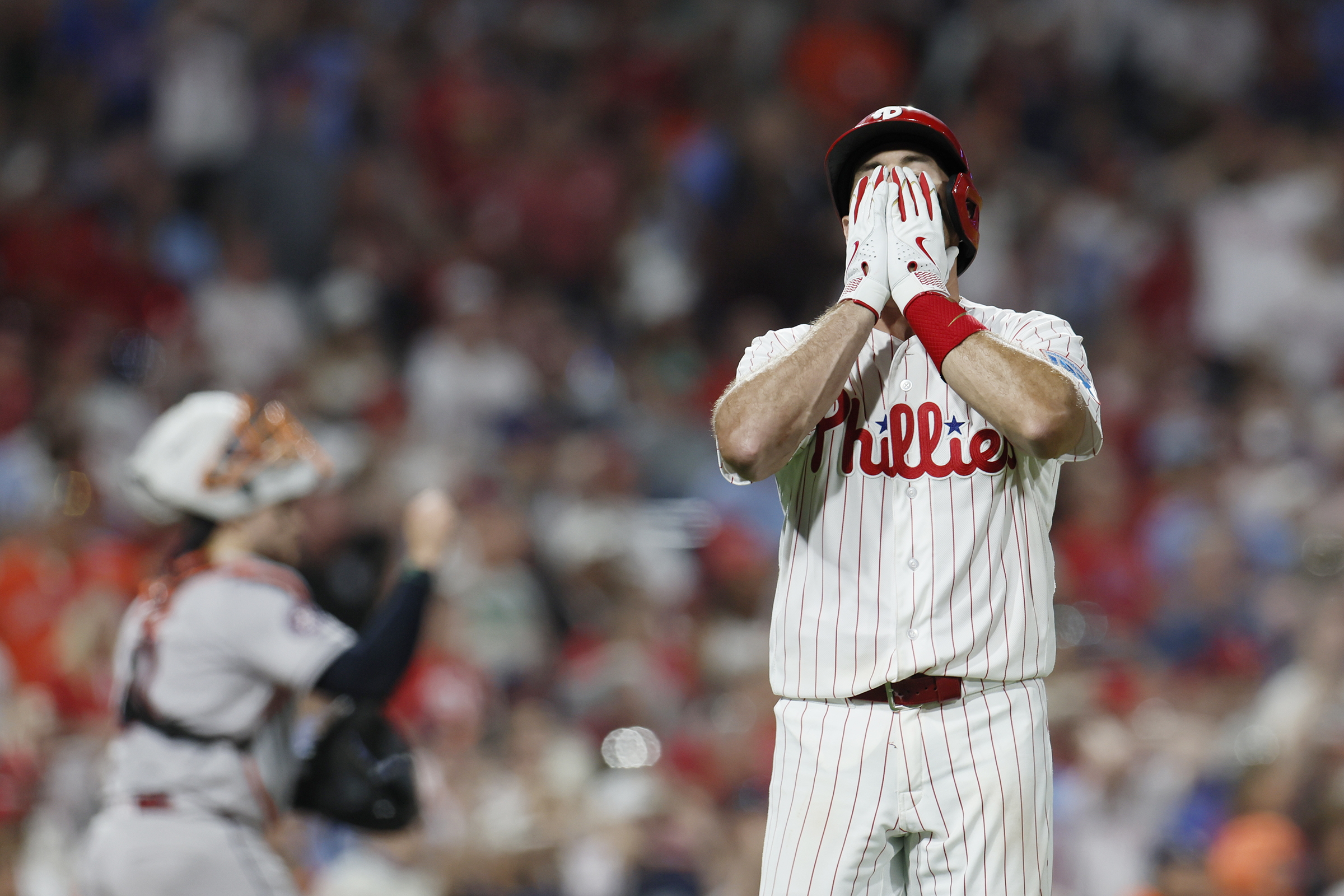
    Alec Bohm stopped after he should’ve gone. Brandon Marsh kept going after he should’ve stopped.

    In the spaces between, the Phillies lost.

    It all happened within a five-pitch span of the seventh inning Tuesday night in a 6-5 loss to the Astros, and it prevented the Phillies from gaining ground in both the division and wild-card races.

    But it also exposed an insidious weakness. Because while the bullpen’s tendency to melt like soft serve and shortcomings on defense tend to be more glaring, baserunning is often an issue for the Phillies, too.

    “There’s games that the small things cost you runs, chances,” interim manager Don Mattingly said after the Phillies remained four games behind the NL East-leading Braves and a half-game ahead of the Cubs for the top wild card. “It can cost you a game.”

    Never more than in that seventh inning.

    Trailing 6-3 after Andrew Painter dropped them into an early 5-0 hole, the Phillies led off with a double from Bohm. Bryson Stott got hit by a pitch before Marsh crushed a fastball 403 feet toward Monty’s Angle, the part of the fence in left-center that juts back from 387 feet to 409.

    Daulton Varsho, the Astros’ Gold Glove-winner who ran around the Citizens Bank Park outfield when his dad was the Phillies’ bench coach in the early 2000s, tried to run it down but was unable to make what would’ve been a sensational catch.

    Bohm retreated to second base as Stott approached the bag and didn’t start running until the ball hit the wall and ricocheted into center field. Instead of two runs scoring and Marsh winding up on third base, only Bohm scored, with the speedier Stott on his heels and held up at third.

    Mattingly, who coached Varsho over the last few years with the Blue Jays, didn’t take issue with Bohm’s read. Still, instead of cutting the margin to 6-5 with nobody out and the tying run on third for J.T. Realmuto, it was 6-4 with the tying run on second.

    “That one doesn’t bother me at all because, I mean, I’ve seen [Varsho] catch that ball,” Mattingly said.“He’s close enough that that one’s fine.”

    OK, but it also left Marsh at second base when Realmuto scorched a 102.9-mph liner to shortstop Jeremy Peña, who dove to his right and snared it. Marsh, already almost halfway to third base, was easily doubled off at second.

    “The double-play ball is, for me, a little bit more where you get away from your principles,” Mattingly said. “Score of the game, we’re down two there, nobody out. If the ball gets through, Stott scores, Marshy’s at third. First and third, nobody out, you like your chances that you’re going to get it tied up.

    “So, your principles say ‘freeze.’ I was taught freeze, and a lot of organizations teach [go] back on that play. Just too aggressive.”

    Marsh agreed, regrettably.

    “It’s unacceptable for me to take a step toward third,” he said. “It’s a huge mistake by me. Really no excuse. Just a really bad play on my part.”

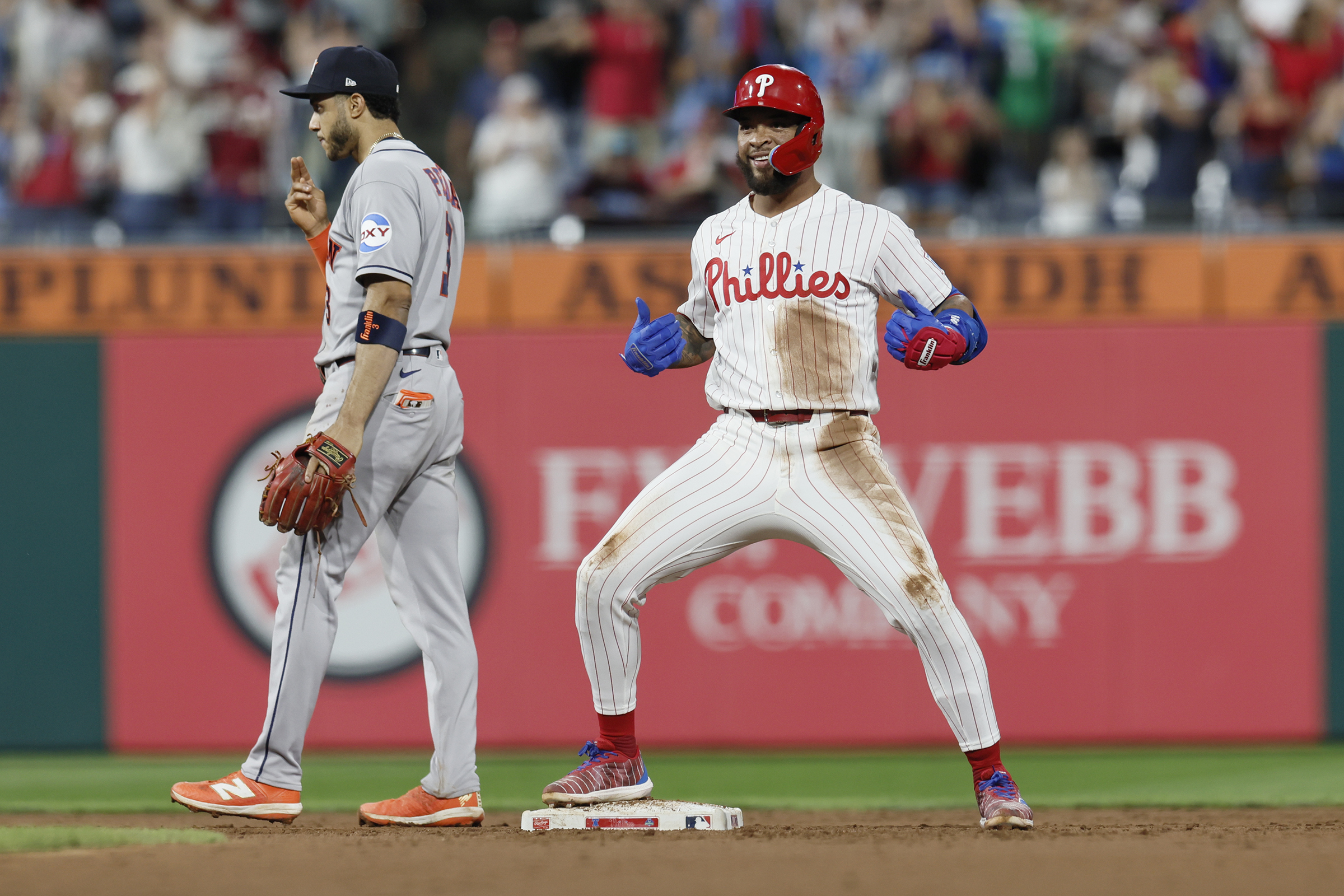
    Edmundo Sosa celebrates after hitting an RBI double in the ninth inning.Elizabeth Robertson / Staff Photographer

    Even though the expected batting average on Realmuto’s line drive was .710, according to Statcast?

    “No, I’ve got to get back,” Marsh said. “First step’s got to be to my left there. No explanation other than I was just wrong and I have to clean that up and be better in the future if we want to be where we want to be at the end of the year.”

    The Phillies rallied again in the ninth inning against Astros closer Josh Hader, but once again, baserunning contributed to their downfall. Edmundo Sosa didn’t run hard out of the box on a long drive to center field and wound up with an RBI double rather than a potential triple. The next three batters flew out to end the game.


    NL wild-card standings

    window.addEventListener(“message”,function(a){if(void 0!==a.data[“datawrapper-height”]){var e=document.querySelectorAll(“iframe”);for(var t in a.data[“datawrapper-height”])for(var r,i=0;r=e[i];i++)if(r.contentWindow===a.source){var d=a.data[“datawrapper-height”][t]+”px”;r.style.height=d}}});


    “I was watching the ball, so I didn’t see if he was going full speed all the way,” Mattingly said. “I was a little surprised, when I looked up, where he was at. … I was wondering why he really wasn’t as far as he should have been.”

    If Sosa was on third, could he have scored on Derek Hill’s one-out fly ball to medium-depth right field?

    “I’m not sure about that,” Mattingly said. “But I mean, that’s kind of [neither] here nor there at that point. I think, just in general, when you talk about the way you should play and things you should do on the field, that’s really more important than could he or should he have scored on the next play.”

    Mattingly suggested that baserunning is lacking across the sport, not only among his team.

    “It’s one of the things that I’ve noticed in the game all over the place,” he said. “Players are better probably now than they’ve ever been. Obviously pitchers are throwing harder and tougher to hit than they’ve ever been. Baserunning, for me, has kind of went a little backward in a lot of scenarios, not just here but all over the place.

    “I think you should always learn from it. And you should always stay on it.”

  • Cheltenham will pay more than $266,000 to the superintendent who resigned amid football scandal

    Cheltenham will pay more than $266,000 to the superintendent who resigned amid football scandal

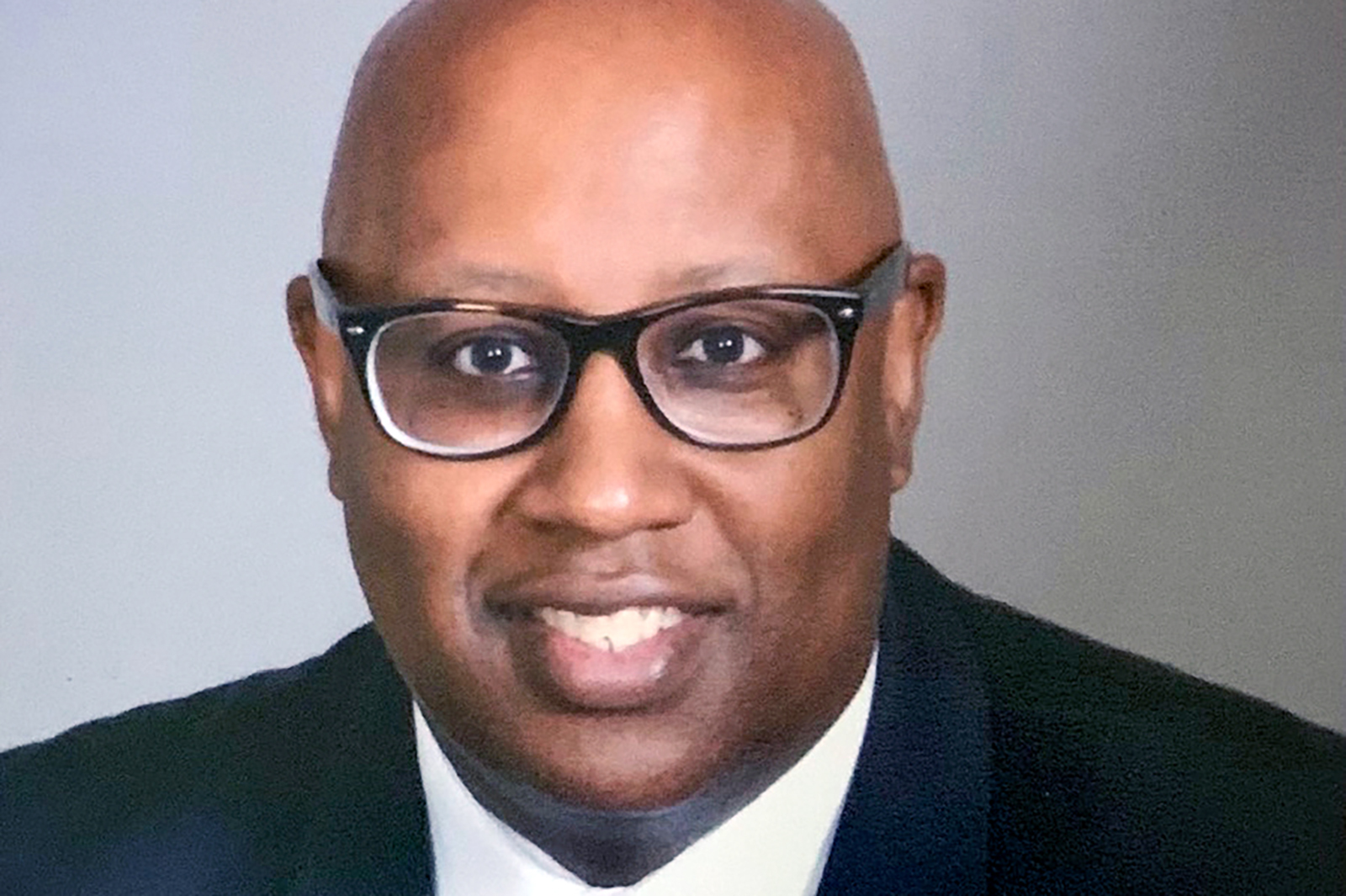
    The Cheltenham School District will pay more than $265,000, plus compensation for sick and vacation time, to former Superintendent Brian Scriven, who resigned last month amid outcry over the district’s handling of alleged assaults in a football locker room.

    Under a settlement agreement the Cheltenham school board unanimously approved Tuesday night, Scriven will get $266,884.60 — a little less than the $270,000 annual salary the district had agreed to pay him under a five-year contract that took effect July 1.

    He will also receive payment for “earned but unused vacation leave, sick leave and personal leave,” according to the agreement.

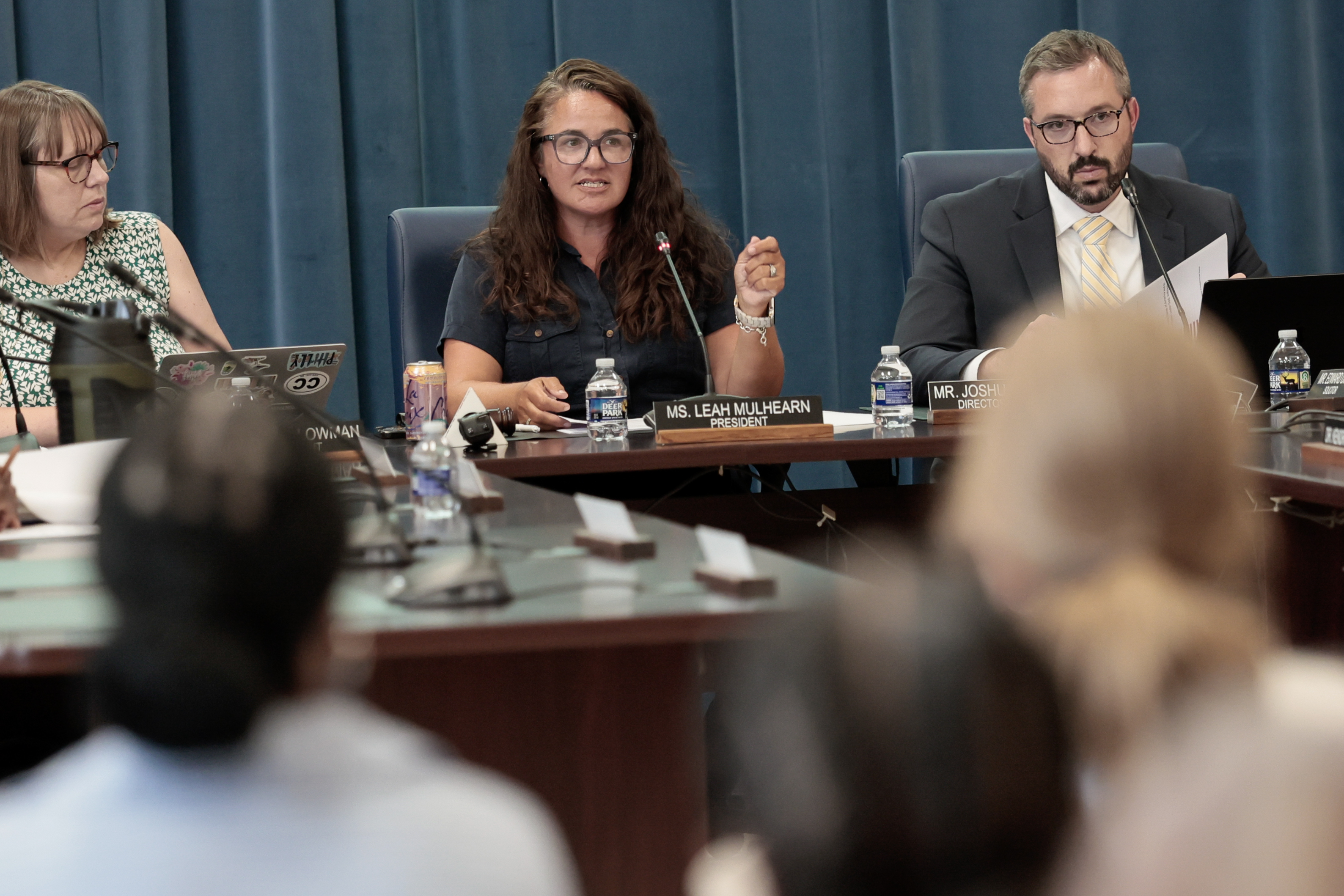
    Asked what the amount of that payment would be, school board president Leah Mulhearn said in a statement earlier Tuesday that Scriven’s “separation agreement and general release follows Pennsylvania Public School Code, and the settlement is standard.”

    “We appreciate Dr. Scriven’s service to Cheltenham schools, and we look forward to the coming year with Dr. Christopher McGinley now in place as interim superintendent,” Mulhearn said.

    Scriven resigned Aug. 6, a week after Montgomery County prosecutors announced charges against four Cheltenham football coaches and six players in connection with two assaults the year before on a teammate in a high school locker room.

    Former Cheltenham superintendent Brian Scriven

    Prosecutors said the players had stomped on and poked a broomstick toward the buttocks of their 15-year-old teammate during the August and September 2025 assaults, while coaches later instructed the teen not to tell his parents what had happened.

    But prosecutors also faulted the district, describing its investigation into the incidents — one of which was filmed and circulated in the school community — as flawed from the start. The district, which canceled last year’s football season in October, also came under fire from other parents with safety concerns, including at Cheltenham Elementary School, where parents said the district had failed to adequately respond to assaults by students.

    Scriven, a 1983 Cheltenham graduate, was tapped as Cheltenham’s superintendent in fall 2021 after working in Baltimore County Public Schools.

    He had received a new five-year contract in December, and the school board had voiced support for his leadership in May.

    In resigning last month, Scriven said that the last year had “tested our community in ways none of us anticipated,” and that he had “come to believe that the district is best served by a fresh start under new leadership.”

    Before the board vote Tuesday, Daniel Schultz, a school board member, said the settlement with Scriven followed “a lot of thought and discussion around what the options were and what the trade-offs were.”

    “A severance agreement is not a performance evaluation,” Schultz said. He called the agreement “necessary to allow our district to move forward, heal and rebuild.”

    The school board last month hired McGinley, a veteran administrator and former Cheltenham superintendent, to serve as interim superintendent this year. It also commissioned an outside lawyer to review its policies and the grand jury’s findings.

    Changes ‘ensuring students are safe’

    In a report at the start of Tuesday’s meeting, McGinley said the district had made “some important changes in practice” as the new school year began, “all focused on ensuring students are safe, supported, and inspired academically.”

    Among other changes, he said the district had been “revising the overall administration of high school athletics,” and training coaches on “new protocols for locker room monitoring.” The district also “enhanced” training for coaches on policies for mandated reporting of suspected child abuse, as well as student discipline, McGinley said.

    Football coaches were not supervising players in the high school locker room last year, according to the grand jury report, which also said that five coaches lacked clearances related to mandated reporting requirements.

    McGinley said the district had also installed new building access management systems, reorganized its reporting and supervision structure for school security personnel, and added a new dean of students position “for enhanced supervision and follow-up.”

    But, McGinley noted, there are “many issues that still require attention.” The outside review of district policies is ongoing, and the district is still working to implement recommendations from the Center for Safe Schools for improving building security, he said.

    Interim Superintendent Chris McGinley listens as speakers address the crowd after a community march at Cheltenham High School Aug. 29, before the new school year began.William Thomas Cain / For The Inquirer

    The proposed settlement agreement with Scriven specifies that the former superintendent would make himself available to consult with the district on legal matters, and would be paid if the time spent exceeds 40 hours. If Scriven is named as a defendant and legal representation is provided by the district, however, he would not be compensated for time spent, the agreement says.

  • She was Mayor Parker’s director of youth engagement. Now, she’s planning to run against her former boss in 2027.

    She was Mayor Parker’s director of youth engagement. Now, she’s planning to run against her former boss in 2027.

    Shania Bennett was the director of youth engagement in Mayor Cherelle L. Parker’s administration until she resigned in May. The mayor, she said, once treated her as a protégé.

    Now, Bennett, 26, says she plans to run against Parker next year — the first candidate to publicly announce an intention to challenge the mayor’s reelection bid in next May’s Democratic primary.

    “Sometimes, you have to be willing to hold people you love accountable,” Bennett said in an interview Tuesday. “To be honest, I’m the change that I want to see. I think a lot of Philadelphians [are] waiting on it.”

    She released a video on social media Tuesday announcing her campaign with the slogan, “Leadership you can trust.”

    A Parker campaign spokesperson declined to comment.

    Bennett, who lives in her native South Philadelphia and graduated from Pennsylvania State University in 2020, said she resigned from Parker’s cabinet in May after realizing the administration would not give her office the budget or authority it needed to accomplish its mission.

    “My hands were tied. I couldn’t do anything on behalf of young people,” she said. “It was an opportunity for me to put all of my passion into something I really believed in, just to end up disappointed.”

    In July, she posted on social media that working for the administration was “the worst experience of [her] life” and that she had quit after “unprofessional harassment.”

    No Philadelphia mayor has lost reelection since the city’s Home Rule Charter was adopted in 1951, and Bennett has her work cut out for her if she wants to break that streak in her first run for office.

    Parker, 54, has spent 21 years in elected office, and her campaign had more than $1.4 million in the bank as of May 4, according to her most recent campaign finance report.

    Bennett said she has not yet put together a campaign team and is still ironing out her policy platform. She said she plans to conduct listening sessions so she can craft proposals that address Philadelphians’ needs.

    “Let me see the things you want me to talk about as a candidate,” she said. “I haven’t seen a candidate that really reflects the people’s choice in Philadelphia.”

    Bennett said she was alarmed by last weekend’s “teen takeovers,” when police officers arrested three people after confrontations erupted between large groups of teenagers who congregated near City Hall on consecutive nights.

    “It’s just young people acting out, and we have to get to the root cause,” Bennett said. “Is what we’re funding effective, and is it giving us the outcome that we want?”

    Parker, a moderate Democrat with strong support among the local party establishment, is seen by some as potentially vulnerable to a challenge from a progressive politician such as District Attorney Larry Krasner.

    Bennett said her platform will reflect the problems facing the city, not ideology.

    “Some of it might be progressive, but some of it might be: You have to put your foot down,” said Bennett, who founded the anti-violence nonprofit Reach4Peace as a teenager. “Philly has some unique challenges. It is not one party or one ideology that can fix them.”

    Mayor Cherelle L. Parker, speaks at the ribbon cutting for the newly renovated skate plaza at the Municipal Services Building in Philadelphia, Pa., on Friday, April. 17, 2026.Tyger Williams / Staff Photographer

    Bennett said she understands that many powerful politicians and deep-pocketed groups like labor unions are unlikely to endorse her challenge to Parker. But she is holding a launch event on Sept. 26 and hopes to gain momentum from there.

    “It’s still extremely early, but I’m hoping to announce early to do the hard work of fundraising and listening sessions,” she said.

    Parker took Bennett under her wing during the 2023 mayor’s race.

    Bennett had previously worked for State Rep. Jordan Harris and State Sen. Nikil Saval, both Philadelphia Democrats, but had no previous ties to Parker before showing up at a campaign office offering to help, she said.

    Bennett stood out as a hardworking volunteer as she knocked on doors and organized neighborhood canvasses, and she caught Parker’s eye.

    “Every time I saw her, she was hard at work,” Parker said when she appointed Bennett to lead the Mayor’s Office of Youth Engagement in early 2024.

    After leaving the administration, Bennett briefly worked for the Pennsylvania Democratic Party as a regional organizing director before resigning to launch her mayoral bid.

    “When you leave somewhere with your integrity intact, it’s like, ‘OK, you can do something about it,’” Bennett said. “I was just like, ‘Know what? I’mma press play.’”