Blog

  • Inside the Abdul El-Sayed-Haley Stevens meltdown in Michigan

    Inside the Abdul El-Sayed-Haley Stevens meltdown in Michigan

    DETROIT — The last straw for Rep. Haley Stevens came Saturday afternoon.

    She was on the cusp of appearing at a unity event with Abdul El-Sayed, who defeated her in a summer primary and became Michigan’s Democratic Senate nominee. Several powerful intermediaries had been trying to broker peace between the former rivals, who were sparring over El-Sayed’s strong criticisms of Israel.

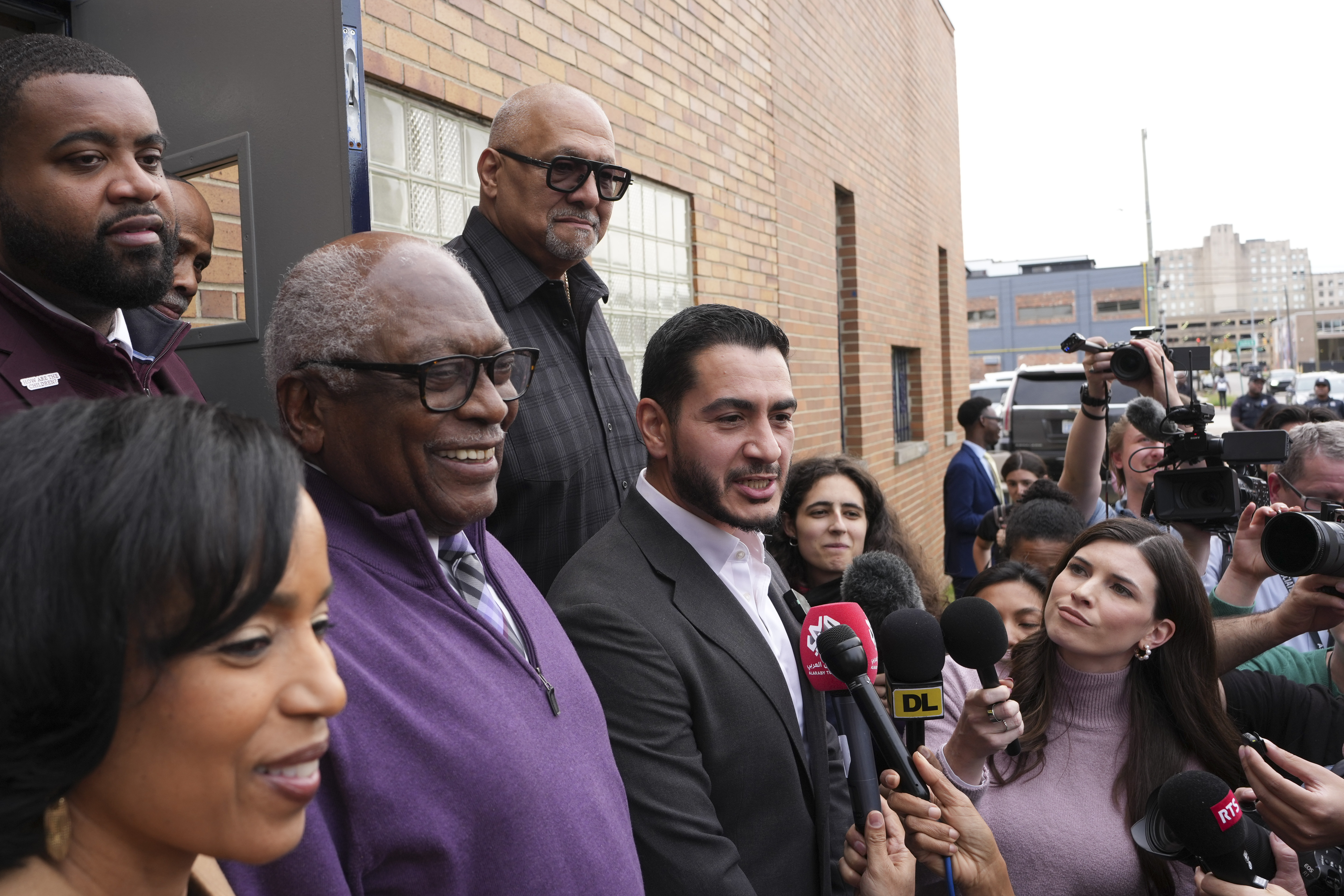
    But after Stevens issued a hostile statement Friday morning calling upon El-Sayed to condemn an ad made by a supportive political action committee and make other concessions, he stepped before reporters and said what his campaign had been signaling privately: He no longer wanted Stevens to join him at a Detroit church on Sunday.

    It was one thing not to be welcomed by El-Sayed’s Senate campaign. It was quite another for him to say so in public.

    So Stevens on Sunday did what she had been telling everyone she would not do. She endorsed former Rep. Mike Rogers, El-Sayed’s Republican opponent in a race critical to control of the Senate.

    “Abdul made very clear that I was not welcome in his campaign, that he didn’t need me there, that he didn’t want me there,” Stevens said while standing next to Rogers outside a Black church in Detroit, where they had just attended the Sunday service. “I did endorse the Democratic nominee, and he chose to close this campaign by saying I wasn’t welcome. I’ve never been invited to a campaign event. That’s fine. You know, he’s busy. He’s running all around.”

    Stevens’ extraordinary declaration and church appearance with Rogers were a stunning denouement of her weekslong feud with El-Sayed, who narrowly defeated her in the Michigan Senate primary in August. Throughout their evident tension this fall, she insisted she was a team player and a good Democrat who would grit her teeth and back El-Sayed while working hard for other party members on the ticket.

    Their dispute is deeply personal, involving slights between two mercurial millennial politicians of sizable egos quick to take offense.

    El-Sayed, supremely confident, did not wish to give an inch to a defeated rival. Stevens, still absorbing her primary loss, eventually felt scorned by his campaign’s failure to include her in events or reach out to her for her views and embarrassed to be told to stay away.

    But the breach also represents a major fissure coursing through the Democratic Party about what its relationship with Israel and Jewish donors should be. El-Sayed, if he wins on Tuesday and enters the Senate in January, would be the most anti-Israel U.S. senator since the formation of the Jewish state 78 years ago.

    For now, the collapse of the Stevens-El-Sayed alliance has created an embarrassing and potentially costly drama for Democrats in a race that holds Republicans’ best chance of flipping a Senate seat. Stevens faced a swift backlash Sunday from her party, which was caught off-guard by her defection.

    “It’s just really unfortunate given the stakes that this has turned into such a spectacle because of one person,” said Lonnie Scott, a veteran Michigan Democratic operative. “It is definitely not ideal that we’d be talking about Haley Stevens three days out from an election.”

    This account of their split is based on interviews with more than a dozen people involved in or briefed on talks with El-Sayed’s camp and Stevens’ team, some of whom spoke on the condition of anonymity to describe private conversations, as well as public remarks from El-Sayed, Stevens and Rogers.

    A unity breakfast, and then nothing more

    Days after El-Sayed won a bitter primary race against Stevens in August that centered on disagreements over Israel, they appeared together at a unity breakfast. Stevens gave him a hug. And that was about it.

    Since then, El-Sayed’s campaign hired a handful of Stevens’ campaign staff members, but he had next to no communication with her, according to Stevens and two others with knowledge of their relationship. She was never invited to campaign with him, nor were her thoughts solicited about how to proceed.

    At times, other Democrats tried to include her in the campaign.

    In mid-September, Ray Wert, whose wife, Mallory McMorrow, had ran in the Democratic Senate primary but finished a distant third, texted Stevens. He had a request.

    Wert, who is active in Democratic circles, wanted to publish an opinion essay in Stevens’ name attacking Rogers in a Jewish news outlet.

    Stevens was initially receptive, according to screenshots of texts Wert provided to The New York Times.

    “I really like what you wrote,” she messaged to Wert on Sept. 20.

    Wert replied, “I hope I captured your voice.”

    “You did,” she replied. “So nice.”

    In late September, Stevens was suggesting edits to the essay over text. But something seemed to change at the end of the month.

    “Pls hold for now,” she wrote on Sept. 30, without elaborating. “I love you all but cannot move forward with this right now.”

    At the root of the disagreement between Stevens and El-Sayed was U.S. policy on Israel. El-Sayed has emerged as one of the Democratic Party’s leading critics of Israel. Stevens, who is not Jewish, once said “I see Israel in my dreams” at a Hanukkah service. The American Israel Public Affairs Committee, which supported her in the primary, spent at least $30 million attacking El-Sayed during the primary and began spending more starting in October.

    Stevens’ fiance is Jewish and is an AIPAC donor. She said in an interview on Friday that she is considering converting to Judaism.

    The El-Sayed campaign believed no amount of acquiescence to Stevens would be sufficient, according to one of his campaign officials. So when she began to issue demands late last month that he disavow an ally’s online ad that she viewed as antisemitic, El-Sayed at first did not budge. She became increasingly critical of him in her cable television appearances. He tried to ignore her.

    By last Wednesday, Stevens said she would not be campaigning with El-Sayed. That day, her fiance, Jason Turkish, endorsed Rogers. He said that El-Sayed would make the world less safe for Jews, and that he hoped Stevens would run for the Senate again in the future.

    Rep. James Clyburn of South Carolina, a Democratic power broker and mentor to Stevens in the House, was privately growing nervous that Stevens might pull her support from El-Sayed and back Rogers.

    In the eyes of some Democrats, it was time for an intervention.

    On Thursday, Rep. Debbie Dingell, the dean of the Michigan Democratic House delegation, sought to make peace. She arranged for Clyburn to invite both Stevens and El-Sayed to church on Sunday. Neither Stevens nor El-Sayed could refuse. Stevens looked up to Clyburn as a leader. El-Sayed needed a big turnout from Black voters. On Thursday Stevens said she had been asked to participate in a “souls to the polls” event and would be there.

    From signs of peace to all-out war

    Stevens had one condition. She wanted El-Sayed to disavow an ad produced by a PAC that backed him, saying it was antisemitic because it blamed U.S. support for Israel for high grocery prices.

    On Friday morning, she released a lengthy statement that abruptly reignited tensions. She said that she had learned that El-Sayed planned to condemn the ad and called on him to apologize for comments he had made about Israel, as well as to take down an ad from his campaign featuring Tucker Carlson.

    She said in an interview at her home later on Friday that she had been given a promise that El-Sayed would denounce the ad. She would not say who made that promise.

    El-Sayed did not directly address Stevens’ public demands on Friday. But he was clearly fed up. He released a statement saying Stevens “seems intent on relitigating a primary that ended three months ago.”

    Then came Saturday.

    By the afternoon, El-Sayed was getting peppered with reporters’ questions about Stevens. He condemned the ad she objected to. But he also issued a stern warning: He did not want Stevens to appear with him on Sunday.

    “I don’t want any distractions,” El-Sayed told reporters after a rally outside Detroit. He added, “It seems as though other folks are more interested in making this race about things that it’s not about.”

    An aide helped Stevens craft a statement of her appreciation for his stance against the ad. It did not mention his public disinvitation. As late as Saturday evening, Stevens told allies that she was still behind El-Sayed and planned to lie low through the weekend.

    ‘Blindsided’

    Democrats were on edge Sunday morning, with uncertainty hanging over the unity event later in the day. Would Stevens even be there? Would there be some kind of confrontation? Or maybe another peace offering?

    There were positive signs the night before. Around 6 p.m. Saturday, former Gov. James Blanchard of Michigan, a Democrat, received a message from Stevens asking him to join her at the service with El-Sayed and Clyburn.

    And about 10 p.m., Rep. Jamie Raskin, D-Md., spoke with Stevens and pressed her on whether she was still behind El-Sayed.

    “I just want to be very clear about that: You’re supporting the whole ticket, including Abdul?” he asked her. She said yes.

    Raskin went on NBC’s “Meet the Press” Sunday morning and sought to assure viewers she was still on board.

    His information was out of date by the time he said it.

    On Sunday morning, Stevens woke up angry about being told not to come to church. She called Rogers and asked if they could attend church together, a gesture he immediately embraced, she later explained. She told none of her friends and allies in Democratic politics about her plans.

    They were all shocked to see her walk into the church with Rogers.

    The two sat together in the second pew through an hourlong church service. Stevens occasionally clapped and raised her arm in praise while Rogers smiled. During the service, she posted an online video announcing she was endorsing him. “I don’t belong in Abdul’s campaign,” she said.

    When the service was over Stevens and Rogers walked outside to greet a throng of reporters.

    “I woke up this morning, and I decided to go to church,” Stevens said. “I’m here with the person who I am voting for for United States Senate and that is Mike Rogers.”

    Raskin said he was “totally blindsided.”

    ‘None of this matters’

    The blowback to Stevens was swift. Her congressional staff resigned en masse. Her onetime Democratic allies coordinated on group chats with the El-Sayed campaign about how they could be helpful and asked advice about what to post on social media. The Michigan Democratic Party chair announced Stevens was kicked out of the party now and forever. Sen. Chuck Schumer of New York, the Democratic minority leader, who privately backed Stevens in the primary, called it “a despicable betrayal.”

    “I’m disappointed, but I understand,” said Clyburn, referring to Stevens’ decision.

    El-Sayed brushed it off. “None of this matters,” he told reporters after attending the church service where he and Stevens were once scheduled to appear together.

    Later in the day, a poll from The New York Times and Siena University showed El-Sayed leading Rogers by 11 percentage points.

    Still, Republicans were gleeful for much of the day about the defection and the messy Democratic infighting. “Wow, this is BIG!” President Donald Trump wrote on his social media site.

    Rogers, standing with Stevens after church in Detroit, declared himself “honored” to have her support and said it came as a surprise. He cited the Rev. Martin Luther King Jr. and suggested he was in a better position than he would have been had she won the primary.

    “I’m glad I’m not running against Haley Stevens today,” Rogers said.

    Then he and Stevens got into separate cars and drove away.

    This article originally appeared in The New York Times.
  • FIFA quietly paid millions in taxes for its president

    FIFA quietly paid millions in taxes for its president

    A typically dry meeting of the three-person committee that determines the pay of FIFA’s most senior officials was winding down in Bangkok one day in May 2024 when one member brought up what he considered a pressing matter.

    Bruno Chiomento, a Swiss accountant, noted that FIFA’s president, Gianni Infantino, had relocated from Switzerland to Miami — where he would face higher income taxes — ahead of the 2026 World Cup. FIFA should pay to offset that extra tax burden through 2026, Chiomento argued. The other members quickly agreed without much further discussion, according to documents reviewed by The New York Times. FIFA would ultimately pay 100% of Infantino’s tax bill to the U.S. government.

    A decade ago, an international corruption scandal nearly brought the end of soccer’s global governing body and vaulted Infantino into power. FIFA introduced sweeping transparency reforms in response, including a bylaw requiring that the compensation of top leadership be made public.

    But to the consternation of several senior officials, the tax benefit approved in the Bangkok meeting was never disclosed in filings, according to documents reviewed by the Times and two people familiar with the benefit, who declined to be identified because they were not authorized to discuss internal matters. By the time Infantino’s American assignment is over, FIFA will have paid about $4 million of his taxes. Infantino earns about $6 million per year, according to FIFA’s annual report.

    “All FIFA’s internal regulations and processes, and all applicable laws, have been followed,” FIFA said in a statement. “FIFA ensures all reporting and taxation requirements are met.” FIFA declined to provide further detail about its tax arrangement with Infantino, but it added that any payments to senior management were independently audited.

    Infantino has courted controversy in recent years over how he has run the top institution for the world’s most popular sport, including his courtship of President Donald Trump, his business dealings on behalf of FIFA and efforts to steer the World Cup to Saudi Arabia.

    He is now facing his biggest crisis, after news emerged in July that he secretly held talks to sell a share of World Cup rights to a company owned by the brother of Jared Kushner, Trump’s son-in-law. A global outcry followed, with governments and global soccer officials calling into question his suitability to continue running the 122-year-old institution. He is standing for reelection in March.

    The U.S. tax arrangement fits a broader pattern of Infantino’s benefiting personally at FIFA with the help of people who themselves have received perks, including weekslong trips to the recent World Cup, complete with travel, luxury accommodation and access to the most prestigious areas of the stadiums, the documents show.

    Chiomento, the former chair of Ernst & Young’s Swiss unit who first raised the tax matter, has known Infantino for years. He received advice from outside experts — including David Zollinger, Infantino’s personal lawyer, documents show. FIFA’s own administrative staff had concerns about a conflict of interest in hiring Zollinger, but the organization still called on his services for several issues that could affect his client.

    FIFA declined to comment on why figures connected to Infantino advised on his personal tax affairs. Chiomento did not respond to multiple requests for comment. Zollinger, citing attorney-client privilege, also declined to comment.

    During the Bangkok meeting, Chiomento argued that since FIFA, which has its headquarters in Zurich, had agreed to pay any additional taxes for about a dozen staff members who needed to move to the United States to prepare for the 2026 World Cup, it should do the same for Infantino. Still, some senior FIFA officials have questioned not only the calculation that Infantino should contribute nothing toward his American tax bill but also the message it sent about the privileges enjoyed by the organization’s most senior figures.

    FIFA’s staff members had received tax advice from a separate group of experts that did not include Zollinger, the FIFA president’s lawyer, according to the documents.

    As FIFA’s chief of governance, compliance and audit, Chiomento holds outsize influence over Infantino’s tenure as president — a position amplified by his concurrent role as chair of the compensation committee. He has also been called upon to weigh in on other sensitive matters involving the president.

    One arose this year before the World Cup. Infantino unilaterally chose to replace FIFA-assigned drivers with GRIZ Global Solutions, a security firm run by an American Special Forces veteran that bills itself as providing “tier one” service to the world’s most important people. He then requested that the same level of service be provided for his wife throughout June and July, covering the period of the tournament, the documents show. When asked to approve that additional agreement, Chiomento agreed within hours.

    FIFA would spend hundreds of thousands of dollars with GRIZ. Internally, at least one official questioned the necessity of providing Infantino’s wife such services, the documents show. The daily rate was $1,300 per Griz agent, not including the cost of cars, drivers and other expenses.

    At the World Cup, Chiomento, an avid soccer fan, was everywhere. He ensured as much by receiving the equivalent of a VIP pass — a privilege not afforded to any of the dozens of members of committees like his, according to two people with direct knowledge of the arrangement. Dressed in an official FIFA suit reserved for its most senior officials, featuring the organization’s insignia embossed in gold on the breast pocket, he attended any match of his choosing. Chiomento also traveled on special FIFA charter flights between games, as did Zollinger and members of Infantino’s family.

    “The governance framework and internal processes put in place by FIFA are robustly applied to the hiring, remuneration and involvement of external service providers, as well as to its guest management operations,” FIFA said in its statement.

    The gold-lettered suit is not the only distinction FIFA has bestowed on Chiomento.

    His role had a salary of $250,000. FIFA then changed it to 250,000 Swiss francs, boosting his income by about $50,000 because of currency exchange rates. Salaries for all the other committee heads remain in dollars.

    FIFA has turned to other acquaintances of Infantino for other sensitive assignments, too. In 2024, when the organization redrafted its governing statutes, it called upon Zollinger and Gianni Rizzello, a lawyer not on FIFA’s staff who studied law at the University of Fribourg at the same time as Infantino, to help draft them. Those revisions formally increased Infantino’s presidential powers, which had been curtailed under the reforms he had once championed.

    FIFA subsequently tapped Rizzello to help draft the compensation and benefits policy for FIFA’s most senior executives. He sought Infantino’s direct input on the revisions even though the policy directly affected the president personally, the documents show.

    The policy, approved just before the World Cup, eased restrictions on giving and receiving gifts; loosened rules on VIP invitations; and granted greater discretion over the use of private jets, a mode of transport Infantino uses frequently as FIFA has an agreement with Qatar’s national carrier. It also arranged, for the first time ever, for FIFA to pay thousands of dollars in fixed compensation to the leaders of a number of advisory committees introduced under Infantino. The timing alarmed some members of FIFA’s administrative staff, said two people with direct knowledge of the discussions, who worried that the payments could give the impression of currying favor with officials who would vote in the coming election.

    The new policy also expanded housing benefits for Infantino. Under it, the president could request FIFA-funded accommodation in any location where the organization maintains an office — a footprint that has swelled under Infantino to include offices in Panama, Barbados, Indonesia and Morocco.

    FIFA was already paying roughly $600,000 a year to rent a house for him in Miami in addition to an apartment in Switzerland, having also rented one for him in Paris. After moving to Miami in 2023, Infantino lived for more than two years in a $27 million waterfront mansion owned by former Google CEO Eric Schmidt. Matthew Hiltzik, a spokesperson for Schmidt, confirmed that Infantino had resided there for about three years and paid market rates. Since then, the FIFA president has lived in an apartment that a Delaware company bought from singer Marc Anthony for $8.6 million last fall. It’s unclear who owns the company.

    Rizzello declined to comment, citing client confidentiality. He also enjoyed VIP access to the World Cup courtesy of FIFA. And he attended a private celebration at a restaurant in Zurich in March marking 10 years of Infantino’s presidency alongside the president’s inner circle, including Zollinger, his wife and their blue-eyed Border collie.

    This article originally appeared in The New York Times.

  • Grover Cleveland has a lesson for Donald Trump facing a perilous midterm election

    Grover Cleveland has a lesson for Donald Trump facing a perilous midterm election

    Colleen J. Shogan served as the 11th archivist of the United States. She is the CEO of More Perfect’s In Pursuit and a practitioner senior fellow at the University of Virginia’s Miller Center. She teaches American politics at Georgetown.

    In November 1894, President Grover Cleveland suffered one of the most devastating midterm defeats in American history. His Democratic Party lost 125 seats in the House of Representatives, surrendering its majority to the Republicans. Democrats also lost control of the Senate. The election severely curtailed Cleveland’s ability to lead his party, and foreshadowed a major transformation in American politics, as Democrats moved to abandon his conservative economic policies in favor of populism.

    More than 130 years later, there is reason to revisit 1894. Donald Trump and Grover Cleveland share a rare distinction: both returned to the White House after losing reelection. But their historical connection extends beyond this unusual political achievement. Trump now confronts a phenomenon that contributed to Cleveland’s downfall — what political observers have described as the “sixth-year curse.”

    Twenty years ago, I published an academic article examining the difficulties experienced by presidents during their sixth consecutive year in office as they grappled with three recurring characteristics: political scandals, weakened governing coalitions, and substantial midterm electoral defeats. These problems frequently reinforced one another, creating political obstacles that presidents struggled to overcome.

    The electoral statistics are striking. When I updated the data recently, I found that from Ulysses S. Grant through Barack Obama, presidents serving two consecutive terms lost an average of 28 House seats in their first midterm elections, compared with 37 seats in their sixth year. In the Senate, the difference was more dramatic. Presidents experienced, on average, no net losses in the first midterm, compared with nearly seven seats in the sixth year.

    My original study excluded Cleveland because his two terms were not consecutive. But in 2026, his administration offers an illustrative comparison that shows how divisions within the president’s party and failures of political leadership weaken administrations and pave the way for electoral defeats.

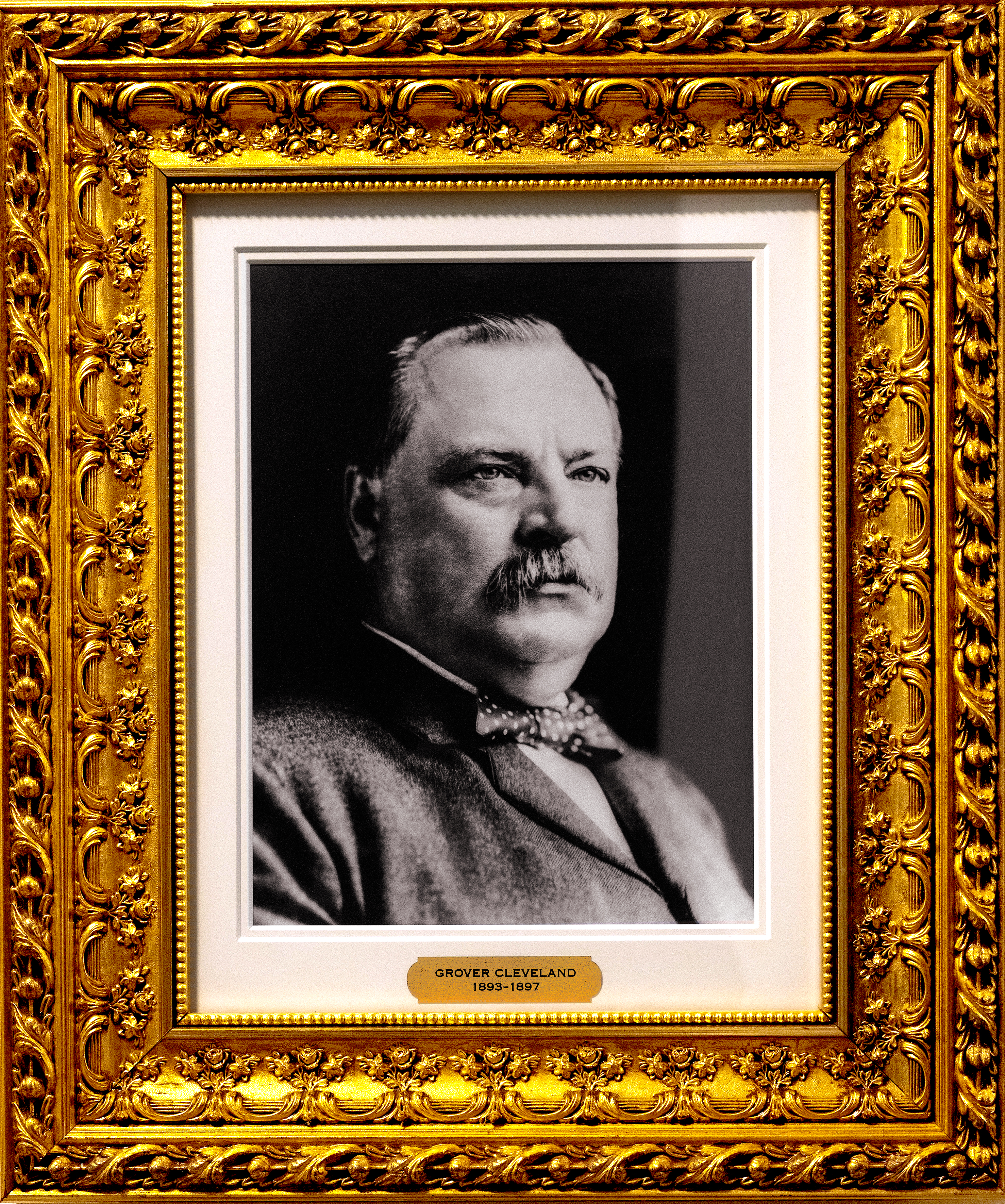
    The portrait of President Grover Cleveland in his second term, placed by Donald Trump in what he bills as his “Presidential Walk of Fame,” at the White House in Washington on Jan. 27.DOUG MILLS

    When Cleveland returned to the White House in March 1893, there was a Democratic Congress and a renewed political mandate. Within months, the Panic of 1893 plunged the country into a severe economic depression. Banks failed, railroads went bankrupt, and unemployment soared.

    Cleveland’s response to the crisis exposed deep divisions within his own political coalition. Conservative Democrats favored the gold standard and fiscal restraint, while agrarian Democrats advocated for an expansion of the money supply to help struggling farmers. When Cleveland firmly sided with the conservatives, he alienated an increasingly influential faction of his party.

    His handling of the Pullman railroad strike in 1894 further complicated matters. Cleveland deployed federal troops to keep the railroads operating, infuriating organized labor. Meanwhile, disagreements over tariff legislation deepened divisions among congressional Democrats.

    By the time Americans voted in November 1894, Cleveland’s governing coalition had fractured, his economic policies were deeply unpopular, and his political authority had deteriorated. The historic Republican victory in the midterms did not create these problems. Instead, the electoral results in 1894 were the byproduct of problems that had already surfaced.

    Cleveland never regained control of his party. Two years later, the Democrats nominated William Jennings Bryan for president, repudiating Cleveland’s economic policies in favor of a populist, free silver platform. Cleveland served out his term, but his political influence had largely evaporated.

    Other presidents have experienced variations of the sixth-year curse as economic difficulties, political controversies, and weakened governing coalitions undermined their leadership before Election Day. Franklin Delano Roosevelt suffered substantial congressional losses in 1938 following his controversial court-packing proposal and a renewed economic downturn. Dwight D. Eisenhower’s Republicans endured major defeats in 1958 amid recession and political controversy. Ronald Reagan lost control of the Senate in 1986, shortly before the Iran-Contra scandal erupted.

    More recently, George W. Bush lost both chambers of Congress in 2006, while Obama surrendered nine Senate seats in 2014 as his party’s fragile political coalition fractured. Bill Clinton was an important exception in 1998, when Democrats gained House seats despite the Clinton-Lewinsky scandal.

    But Cleveland’s trajectory provides specific insights into the political dynamics underlying the 2026 election. Like his 19th-century predecessor, Trump returned to office with a renewed mandate and congressional majorities. Unlike Cleveland, Trump has maintained a relatively cohesive political coalition. And yet, economic discontent and disagreements over governing priorities may test that unity. A recent Pew Research Center survey found that 84% of registered voters consider the economy very important to their 2026 midterm vote. Debates over federal spending, trade, and foreign policy also present governing challenges that require maintaining support inside the Republican electoral coalition.

    Made By History sponsors.Inquirer Staff

    It is worth noting that there are substantial structural differences between 1894 and today. Most notably, partisan loyalties have hardened, and the relatively small number of competitive congressional districts makes a comparable electoral upheaval unlikely.

    History does not dictate or predict electoral outcomes, yet it does surface recurring patterns. While second-term presidents are not predestined to lose in their sixth years, historical analysis does strongly suggest that elections deliver a verdict on political problems that have festered for months or years.

    Cleveland won the popular vote in three consecutive presidential election cycles. 1894 shows how economic dissatisfaction, unpopular policies, and weakened coalitions can overwhelm a previously durable and long-lasting electoral mandate.

    His failures make clear the challenge Trump faces in sustaining a political coalition and governing effectiveness that make electoral success possible. In short, the dreaded sixth-year curse begins long before Election Day. In November, voters simply render their judgment.

    Made By History takes readers beyond the headlines with articles written and edited by professional historians. Opinions expressed do not necessarily reflect the views of The Inquirer.

  • Netanyahu is pressing Trump to attack Iran after the midterms, officials say

    Netanyahu is pressing Trump to attack Iran after the midterms, officials say

    JERUSALEM — Israeli Prime Minister Benjamin Netanyahu is pushing for another wave of strikes on Iran after Tuesday’s midterm elections in the United States, according to two regional officials and a third person familiar with the matter.

    A return to full-scale war with Iran could help Netanyahu to form an emergency government after he and his far-right allies lost their parliamentary majority in last week’s elections. U.S. President Donald Trump has alternated between threatening major strikes while pushing for a deal with Iran.

    The two officials said diplomatic efforts have made progress, with Qatari mediators holding two rounds of talks last week with Iranian officials. The two officials said the mediators are trying to advance a framework for Iran to cease its attacks in the Strait of Hormuz in return for the U.S. lifting its blockade on Iran’s ports.

    They said more talks are planned for this week. The two officials spoke on condition of anonymity because they were discussing classified briefings they had received from American, and in one case Israeli, officials.

    One official said Netanyahu was working with senior officials in the U.S. administration to persuade Trump to launch a quick but extensive air campaign and that the president does not appear to have made a decision.

    Netanyahu pressed for strikes during a call over the weekend with Trump, who would not commit to taking military action, according to a person who was briefed on it.

    Other U.S. allies in the Middle East are warning against more strikes, saying it would destabilize the region and could lead Iran-allied Houthi rebels in Yemen to step up their attacks on Saudi Arabia and Red Sea shipping, a third regional official said. Iran-backed militias in Iraq could also get involved.

    That official, and the person familiar with the Netanyahu-Trump call, were not authorized to speak publicly and spoke on condition of anonymity.

    The Israeli government did not immediately comment. The White House did not directly respond to questions about Netanyahu and Trump’s discussion of potential new strikes during the weekend call.

    Trump says he had a ‘very good’ call with Netanyahu

    Trump told reporters on Sunday that he and Netanyahu had a “very good” call the day before. He said they discussed Iran but gave no details. Netanyahu had pushed for renewed strikes even before the Israeli election as he sought to highlight his security credentials to a public deeply scarred by Hamas’ Oct. 7, 2023, attack.

    Asked at a news conference Saturday about the possibility of new U.S. strikes on Iran and Iranian retaliation, U.S. Secretary of State Marco Rubio would not say what would happen next but reiterated that the Trump administration prefers a diplomatic solution and that talks were ongoing.

    “He hasn’t made a decision,” Rubio said, referring to Trump.

    “He’d prefer to solve it diplomatically,” Rubio said, adding that Trump has “incredible confidence” in military action if that is needed.

    Netanyahu has not commented on Iran since the election, and there was no word from his office on the latest call with Trump.

    “The standoff in the Gulf between the U.S. and Iran is really between Qatar and Israel,” Andreas Krieg, a professor at King’s College London, who previously worked as an adviser to Qatar’s military, said on X.

    “Qatar is tirelessly working on a diplomatic offramp with the region’s backing while Israel is looking for military ways to throw the region under the bus.”

    Iran says it is prepared for war while pursuing diplomacy

    Iran wants guarantees that the U.S. will implement its side of any agreement. The U.S. and Israel have twice attacked Iran while it was engaged in negotiations over its disputed nuclear program.

    Iranian officials say publicly they are prepared for war or diplomacy.

    The new supreme leader, Ayatollah Mojtaba Khamenei, met with Iran’s military chiefs and said the response to “any kind and level of threat” from the U.S. or Israel should be immediate and without “geographic limits,” and urged an expansion of the list of potential targets.

    A recent analysis by the Associated Press found that Iranian strikes on more than two dozen U.S. bases since the start of the war have caused billions of dollars in equipment damage.

    Khamenei has not been seen publicly since the opening strikes by Israel and the U.S. on Feb. 28 killed his father, the previous supreme leader.

    Iran’s security chief, Mohsen Rezaei, told state television that “the tone has completely changed” from the U.S. and called it a “very good sign.” He gave no details about the letter he received from U.S. Vice President JD Vance, which Iran acknowledged last week, and said he had not responded.

    Arab allies are caught in the middle

    October saw the most attacks on commercial ships in the Strait of Hormuz since March, as Iran has tried to ramp up economic pressure on the U.S. to get it to lift its blockade.

    The mood was grim at the Manama Dialogue, an annual security summit in Bahrain organized by the International Institute for Strategic Studies.

    United Arab Emirates presidential adviser Anwar Gargash told attendees that the U.S. and Iranian stances are far apart, and “if these positions are not bridged, then we have to worry about the worst.”

    Gulf nations have spent billions of dollars to boost their defense capabilities since the war began. Egypt’s Foreign Minister Badr Abdelatty told the gathering in Bahrain that the next escalation “will be more dangerous, more destructive, and it will lead to nowhere.”

    China will send a special envoy to Iran, Oman, and Saudi Arabia in early to mid-November, Foreign Ministry spokesperson Mao Ning told reporters Monday.

    “The Middle East Gulf region should not become an arena for great-power rivalry and geopolitical conflict,” Chinese President Xi Jinping told Oman’s sultan, according to a readout from China’s Foreign Ministry. China and Oman called for a return to dialogue.

  • 🗳️ Who’s running in county races | Inquirer South Jersey

    🗳️ Who’s running in county races | Inquirer South Jersey

    Good morning, South Jersey.

    Voters in Camden, Gloucester, and Burlington Counties will choose their next county commissioners in this year’s election. Before Election Day tomorrow, here’s what you need to know.

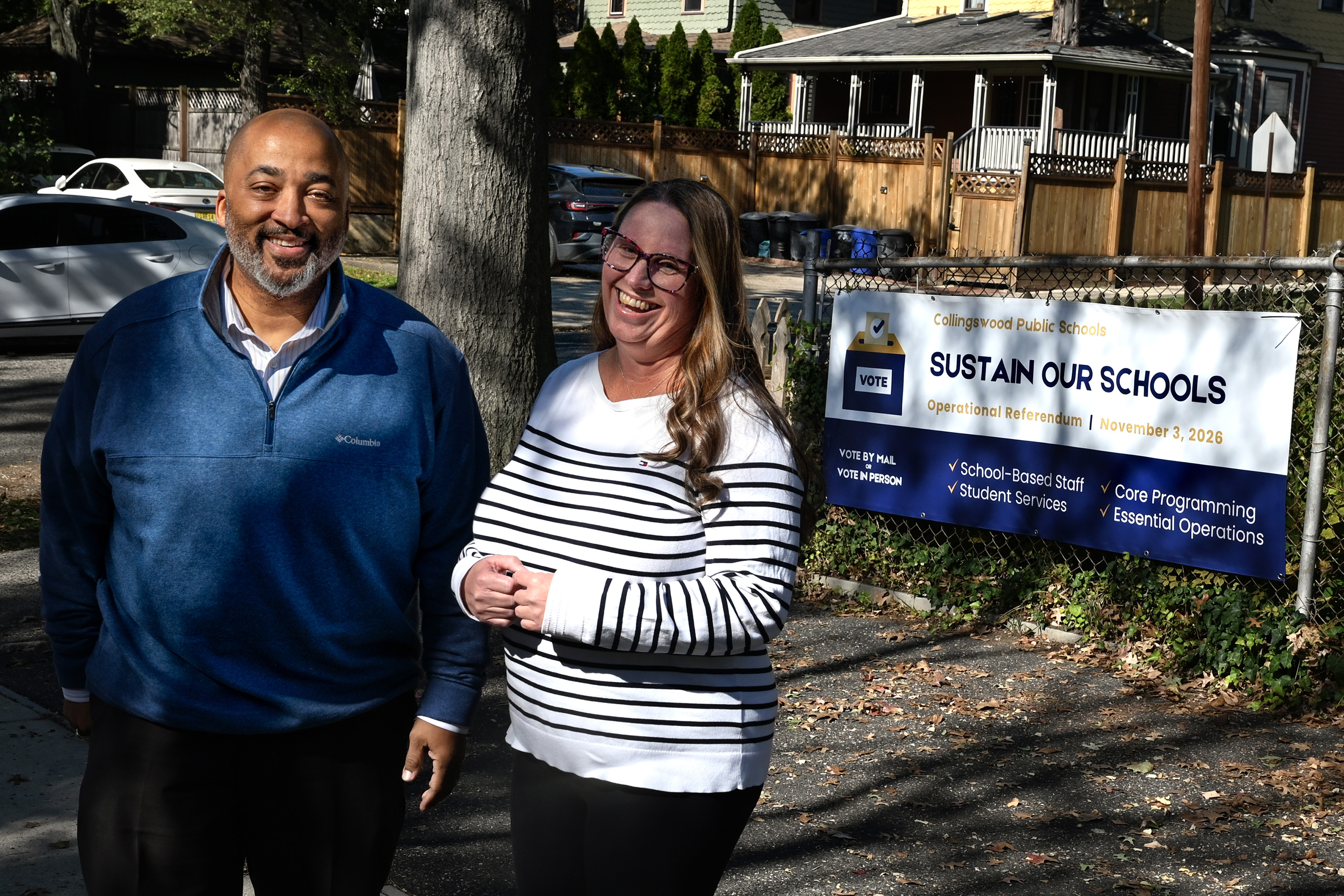
    And those in Collingswood will decide if its school district will get a $4.56 million operating bond.

    Plus, founder and artistic director of the Ritz Theatre Company Bruce Curless has died, and more news of the day.

    — Taylor Allen (southjersey@inquirer.com)

    If someone forwarded you this email, sign up for free here.

    What to know about who’s running in county commissioner races

    Several county commissioner seats are up for grabs in this year’s elections.

    In Burlington County, a pair of GOP contenders are hoping to win and bring Republican representation to the existing completely Democratic board.

    Three Republican candidates are also fighting to oust the three Democratic incumbents up for reelection on Gloucester County’s board. The existing makeup of the board is five Democrats and two Republicans.

    Meanwhile, in Camden County, two Democrats will face only one Republican challenger, who is a repeat candidate.

    The Inquirer’s Aliya Schneider has more insight on the individual candidates.

    Collingswood voters will answer a $4.56 million question

    The Collingswood school district wants voters to say yes to the $4.56 million bond question on Tuesday.

    According to superintendent Fred McDowell, the bond would help to fund operations, keep teachers, and decrease class sizes. Collingswood is one of many districts grappling with deficits and hoping to figure out how to address budget holes.

    But school leaders recognize voters might require some convincing.

    If approved, the bond question would mean a $1,324 annual increase to a tax bill for the average home in the borough, assessed at $448,000.

    Reporter Melanie Burney breaks down the factors behind the ask and shares what other districts are requesting of voters.

    What to know today

    • South Jersey’s theater legend Bruce Curless, the founder and producing artistic director of Haddon Township’s Ritz Theatre Company, died at 78 after a battle with pancreatic cancer.
    • A Cherry Hill woman reprised her role of Edgar Allan Poe in her one-woman-show of a play about the writer on Sunday at the Ritz Theatre Company, days after Curless died.
    • New Jersey Gov. Mikie Sherrill rallied with Democratic Cape May Mayor Zack Mullock on Saturday to garner support for him in his race against incumbent Republican U.S. Rep. Jeff Van Drew.
    • Voorhees police arrested an Atco man in connection with a fatal hit-and-run along Route 73 last week.
    • Cape May Prosecutor Jeffrey H. Sutherland announced Friday that a man who worked as a prekindergarten teacher’s aide was charged again with aggravated sexual assault and making child pornography.
    • Based on what most Union County voters told The Inquirer, President Donald Trump is motivating people to head to the polls, but that might not favor U.S. Rep. Tom Kean Jr. during the midterm elections.
    • Real estate developer Bart Blatstein is trying to expand his Showboat Hotel in Atlantic City while also facing a possible foreclosure of it.
    • A veteran from Bryn Athyn who was indicted for protesting ICE inside a church in Saint Paul, Minn., faces court hearings this week. He is otherwise barred from leaving Pennsylvania because of charges related to his participation in demonstrations near the Delaney Hall immigration detention center in Newark.

    🧠 Trivia time

    Where is New Jersey’s one drive-in theater?

    A) Vineland

    B) Voorhees

    C) Deptford

    D) Millville

    Think you know? Check your answer.

    What we’re …

    🏠 Ogling: This oceanfront Shore home that was for sale for nearly $9 million.

    🎃 Sharing: What to do with all those jack-o’-lanterns now that Halloweekend is over.

    🏀 Warning: LeBron James fans not to wear another team’s jersey to Sixers games.

    📬 Your South Jersey view

    A PATCO train leaves the Collingswood station on Saturday. Taylor Allen

    I spent my late Saturday morning on Halloween wandering downtown Collingswood. While waiting for PATCO to take me back home in the late afternoon, a few trains passed by with families and trick-or-treaters onboard.

    What does your community look like? What South Jersey memory would you like to share? Submit a photo and/or a brief description for a chance to be featured in the Monday edition of this newsletter.

    🗞️ What other South Jersey residents are reading

    Welcome to the first week of November. I’ll have more news for you tomorrow. 🍁

    By submitting your written, visual, and/or audio contributions, you agree to The Inquirer’s Terms of Use, including the grant of rights in Section 10.

  • Redeemer Health filed for bankruptcy protection

    Redeemer Health filed for bankruptcy protection

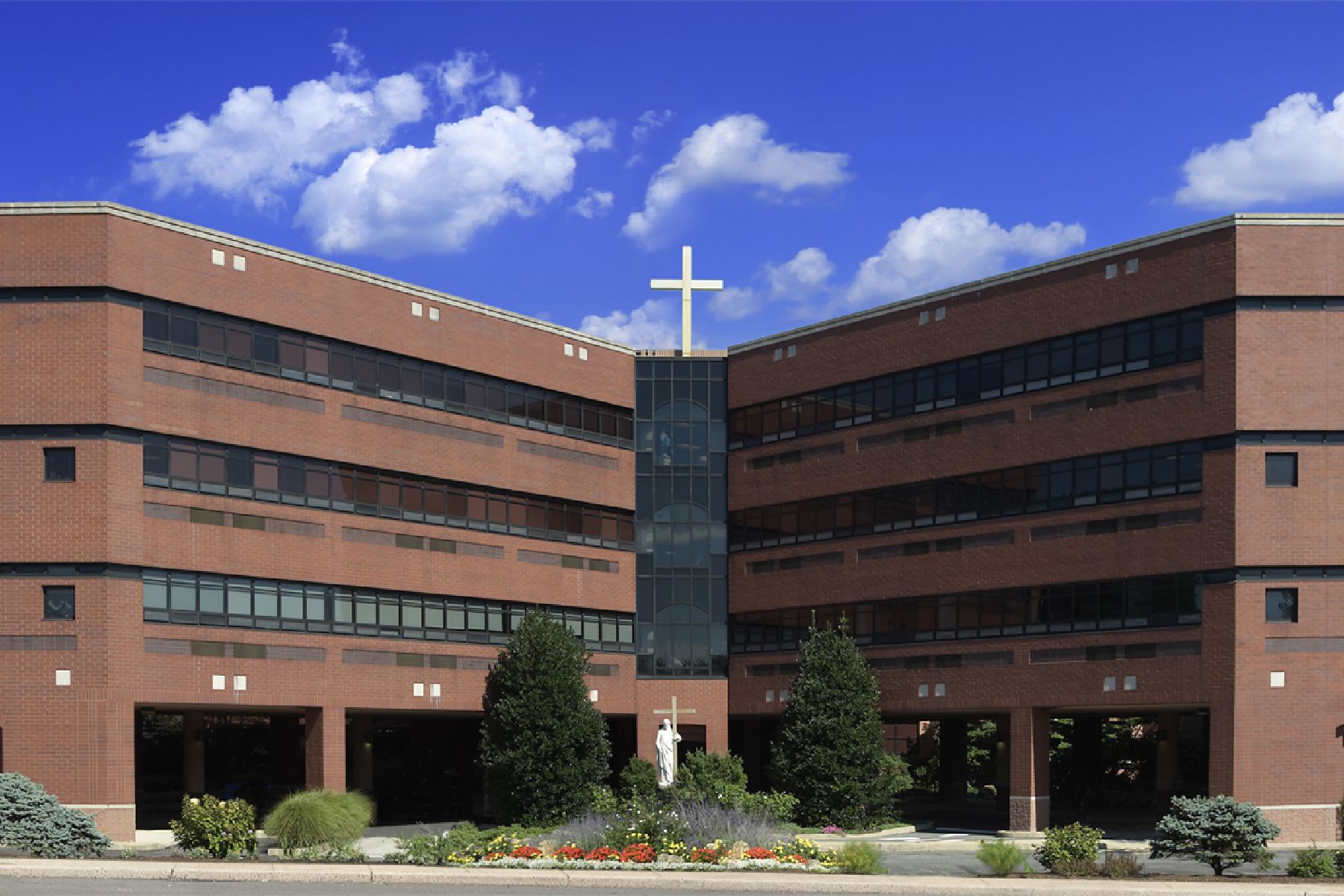
    Redeemer Health filed for bankruptcy protection late Sunday after the nonprofit board of the Catholic system decided to sell or close its money-losing Montgomery County hospital.

    No immediate impact is expected for patients and employees of its 239-bed hospital in Abington Township. Holy Redeemer Hospital is the last independently operated general hospital in the Philadelphia region, following decades of consolidation.

    “Holy Redeemer Hospital is unable to compete effectively with larger hospital systems in the area, rendering its future operations as an independent hospital unsustainable,” Redeemer’s interim CEO Jim Logue said in a court filing.

    The hospital and its physician network have recorded annual losses ranging from $31.6 million to $48.9 million during the last five years, with the year ended June 30 showing the biggest deficit, Logue said in his explanation of what led to the bankruptcy.

    The system missed a debt payment in September and has fallen behind on vendor payments. A loss in fiscal 2026 means Redeemer has logged 10 straight years of operating losses.

    Patients should keep their appointments, Logue said. As is common in such proceedings, Redeemer’s bankruptcy is not expected to immediately affect patient care, nor the livelihoods of more than 3,000 employees. There’s no way to predict at this point how soon the hospital’s fate will be known.

    Redeemer also operates local retirement communities, nursing homes, and home health services. There’s strong demand for those services, but they “operate at thin margins and will require investment and marketing to strengthen their market share to best ensure sustained operations,” Logue said in the filing.

    Looking for a buyer

    Even before the filing Sunday in Philadelphia court, Redeemer officials were exploring options with other area health systems. “We are deeply encouraged by the support being offered by major health systems in our region,” Bill Sasso, chair of Redeemer’s board, said in a news release.

    Sasso, chair emeritus of Stradley Ronon, a Philadelphia law firm, did not identify the health systems that have offered support, nor provide details on what the systems are considering.

    A previous effort, launched in 2022, failed to find a buyer for the hospital in an area of wealthy Montgomery County that has plenty of healthcare options.

    On Monday, The Inquirer contacted Jefferson Health, the University of Pennsylvania Health System, Temple University Health System, and Trinity Health for comment about their potential interest in Holy Redeemer. Penn and Jefferson had no comment. Temple and Trinity did not immediately respond.

    The availability of alternatives sets Redeemer apart from other Philadelphia-area hospital bankruptcies in recent years. The bankruptcies of Hahnemann University Hospital and St. Christopher’s Hospital for Children in 2019 and of Crozer Health last year affected underserved populations. Concern about losing needed safety-net care set off scrambles to find a way to save St. Chris, Hahnemann, and Crozer-Chester Medical Center. Only St. Chris remains in operation.

    Logue noted that Holy Redeemer’s obstetrics and gynecology program has overseen more than 11,000 deliveries since 2021. The hospital has a neonatal intensive care unit in partnership with Children’s Hospital of Philadelphia.

    An order of nuns from Germany, the Sisters of the Holy Redeemer, founded Holy Redeemer Hospital in the 1950s. In 2020, the nuns withdrew from their role as sponsors of the hospital after creating a new entity called Redeemer Ministries to ensure that the institution follows Catholic teachings.

    Financial troubles in competitive market

    Most hospital systems are under financial pressure from rising costs and resistance to higher reimbursement from government and employers. But Redeemer has the added challenge of stiff competition from Jefferson Health’s large hospital in Abington, just a few miles away.

    Holy Redeemer is the only hospital in the Philadelphia region that is not part of a larger system, after the sales last year of Grand View Hospital to St. Luke’s University Health Network and Doylestown Hospital to the University of Pennsylvania Health System.

    Its small scale made it difficult to achieve financial stability.

    Redeemer’s latest financial report to bondholders showed a $29 million operating loss on $332 million in revenue in the nine months ended March 31. Financial documents included in the bankruptcy filing only go through April and showed a $34.6 million operating loss.

    Redeemer has $119 million of long-term debt.

    The health system notified bondholders Wednesday that its audited financial statements for the year ended June 30 was late. The lack of audited financial statements could make it difficult for potential buyers to evaluate the hospital.

    Leadership in flux

    Redeemer’s longtime CEO, Michael Laign retired in 2024 after three decades. The same year, Redeemer hired Chicago consulting firm Kaufman Hall to help devise a financial turnaround plan.

    Laign’s replacement, Greg Wozniak, a former CEO of St. Mary Medical Center in Langhorne, resigned abruptly in September.

    Logue, his successor, had been Redeemer’s chief transformation officer since Feb. 2025.

    Now the system has hired Lawrence G. McMichael of Dilworth Paxson LLP to represent Redeemer in the bankruptcy and Scott Victor of SSG Capital Advisors to find a buyer for the hospital.

    Editor’s note: This story has been updated with additional information and comment on the bankruptcy protection filing.

  • The DOJ plans to send poll monitors to Philly on Election Day. Here’s what we know

    The DOJ plans to send poll monitors to Philly on Election Day. Here’s what we know

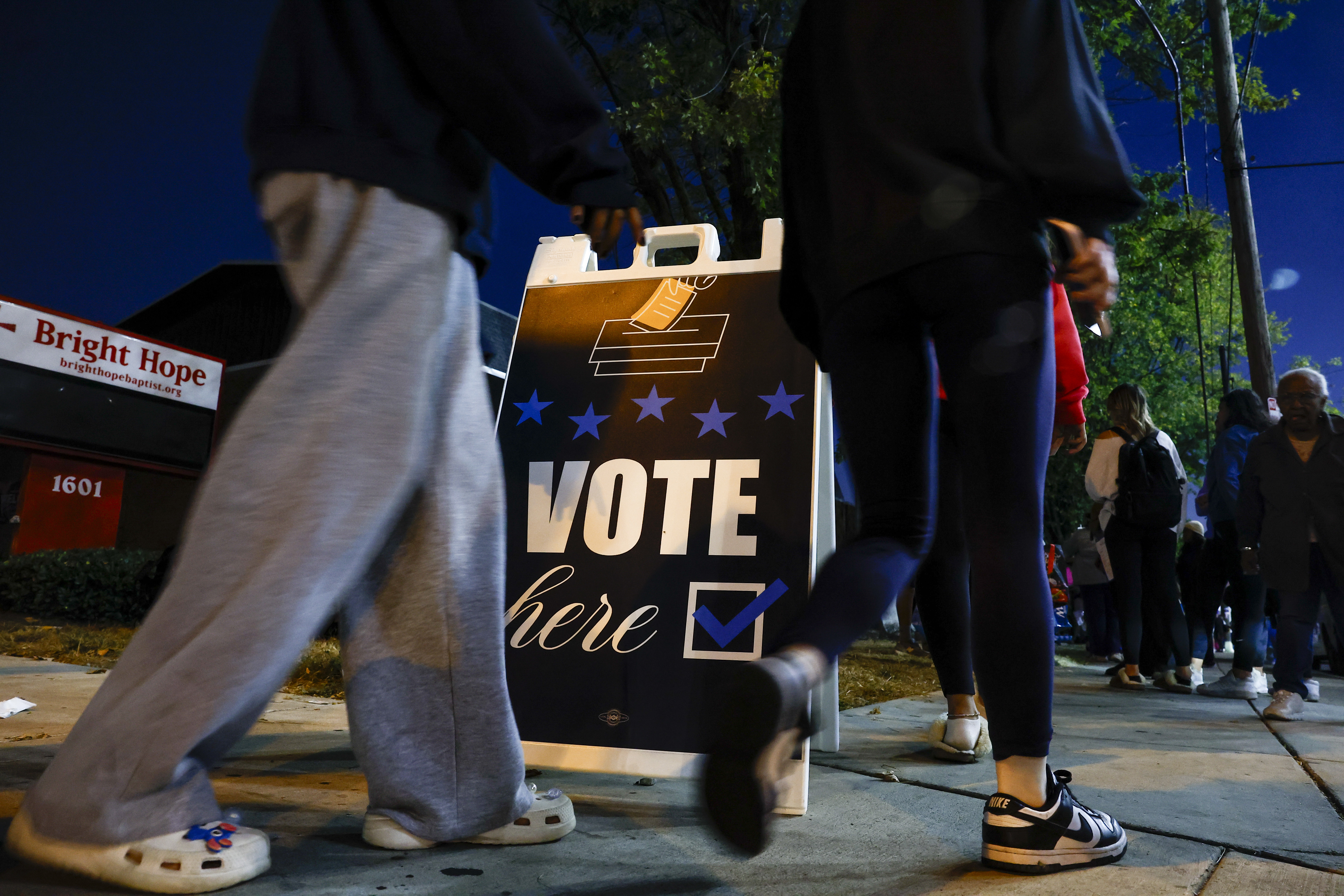
    The U.S. Department of Justice plans to send election monitors to polling places in Philadelphia and three other Pennsylvania counties on Election Day. Whether that’s cause for concern or business as usual is up for debate.

    It’s not uncommon for the federal government to deploy election monitors. However, the plan has raised alarms due to President Donald Trump’s track record of disputing election results. The DOJ, which is run by Trump’s former personal attorney Todd Blanche, said the goal is to make sure federal law is followed.

    The Pennsylvania Department of State, which oversees elections in the commonwealth, shared some of the DOJ’s communications, as well as its plans. Here’s what we know:

    What role will election monitors play in Pa.?

    The Department of Justice said it will send the observers to Philadelphia, as well as Allegheny, Luzerne, and Lehigh Counties, according to an Oct. 22 letter to the Pa. Department of State shared with The Inquirer. These counties include Pittsburgh, Allentown, and part of Bethlehem — some of Pennsylvania’s largest Democratic strongholds.

    The election monitor’s job is to ensure compliance with the Voting Rights Act, the National Voter Registration Act, the Uniformed and Overseas Citizens Absentee Voting Act, and other federal laws, the DOJ said.

    “The monitoring by the Civil Rights Division is done in the same way as in the past,” wrote DOJ trial attorney James T. Catania. “Our monitors only observe and take notes. They do not intrude or interfere in any way in the voting process.”

    The monitors will identify themselves to each poll manager upon arrival, will be dressed in business casual clothing without DOJ insignia, and will not carry firearms, Catania said.

    “If our monitors observe an election issue, they will notify their team lead for the jurisdiction. The team lead or the regional coordinator may then contact the designee for the jurisdiction about the issue,” Catania said.

    They don’t have access to voting machines

    The Justice Department plans to dispatch a record 1,000 poll monitors across the country, up from 289 during the 2022 midterms and 714 during the 2024 presidential election, per CBS News.

    Such DOJ election monitors have traditionally been sent to polling sites to ensure compliance, said state Deputy Secretary for Elections and Commissions Jonathan Marks in a Tuesday email to county election officials.

    There is no specific federal or state statute authorizing them to be there, Marks said, and from a legal perspective they don’t have “any greater access to polling places than members of the general public.”

    In Pennsylvania, the monitors will be allowed inside polling locations, but must remain at least 10 feet outside the room or area where voting machines are located, a Department of State spokesperson said.

    “They may not enter restricted areas, inspect voting equipment, or demand access to any records,” Marks said.

    Election Day concerns put spotlight on poll monitors

    Vic Walczak, American Civil Liberties Union of Pennsylvania’s legal director, said the poll monitors aren’t a cause for alarm, and the Philadelphia mayor’s office assured people that there is nothing to worry about.

    But several states have taken preemptive action to prohibit the election monitors from going inside polling places — a sign that they’re concerned about interference. Officials in Indiana, Kentucky, and one Arkansas county have told the DOJ it must remain outside polling locations, Newsweek reported.

    The DOJ has already waded into the Alaska governor’s race — attempting to block the result if the Democrat wins — and has subpoenaed local election officials in California, part of an investigation alleging noncitizen voting.

    The NAACP earlier this month sued the federal government over its plan to send the DOJ staffers, saying it could discourage turnout, disrupt voting, and “cause chaos on Election Day.”

    Voting rights nonprofit Campaign Legal Center said voters are concerned about whether the poll monitors will “act in a neutral nonpartisan manner.”

    During the 2026 primary, election monitors in Wyoming attempted to access voting machines, the voting rights nonprofit noted, while in Arizona and Minnesota, election monitors included people “with documented histories of engaging in election crimes, including a lawyer who previously pleaded guilty to hacking election websites.”

    The group put out a fact sheet detailing voters’ rights.

    “Even in the face of an administration that has tried time and time again to exert undue control over elections, voters can be assured that we have safeguards and systems in place to ensure their vote is protected,” the group said.

    Possibility of congressional observers

    In addition, the Pa. Department of State is preparing for congressional election observers.

    These observers are U.S. House or Senate employees who have written authorization to gather information and are allowed by federal law “to be present within a polling place,” Marks said.

    Congressional observers aren’t allowed to handle ballots or election equipment, Marks said. They also can’t promote an issue or candidate, or do anything that would infringe on voter privacy, ballot secrecy, or otherwise interfere with voting.

    Voter intimidation or any other prohibited practices by these observers could lead to their removal, Marks said.

    What about poll watchers?

    Poll watchers are another type of observer allowed to be inside polling places. Under state law, a poll watcher is a credentialed representative of a candidate or political party. That person must also live in the same county as the polling place they’re observing.

    Poll watchers may observe from within the polling place, but may not interfere with voting.

    “They can make good-faith challenges to a voter’s identity or continued residence in the election district,” the Pa. Department of State said on its website. “Such challenges must be lodged directly with the Judge of Elections, and poll watchers have no authority to approach voters at the polling place or prevent a voter from voting.”

    Who can’t be at the polls?

    State and federal laws “strictly limit military and law enforcement presence at polling places,” a Pennsylvania Department of State spokesperson said in an email.

    “The Pennsylvania Constitution bars the military from interfering with elections,“ the statement said. And the Pennsylvania Election Code requires that police officers stay 100 feet from polling places “unless they are voting, serving a warrant, or prevent disturbances at the polling place that interfere with voting.”

    Similar federal laws ban voter intimidation by police and the military and the presence of military at polling locations, the spokesperson said.

  • Kyn, a Korean-inflected matcha cafe, has opened in Rittenhouse

    Kyn, a Korean-inflected matcha cafe, has opened in Rittenhouse

    Rittenhouse has, in the past few months, been flooded by matcha lattes.

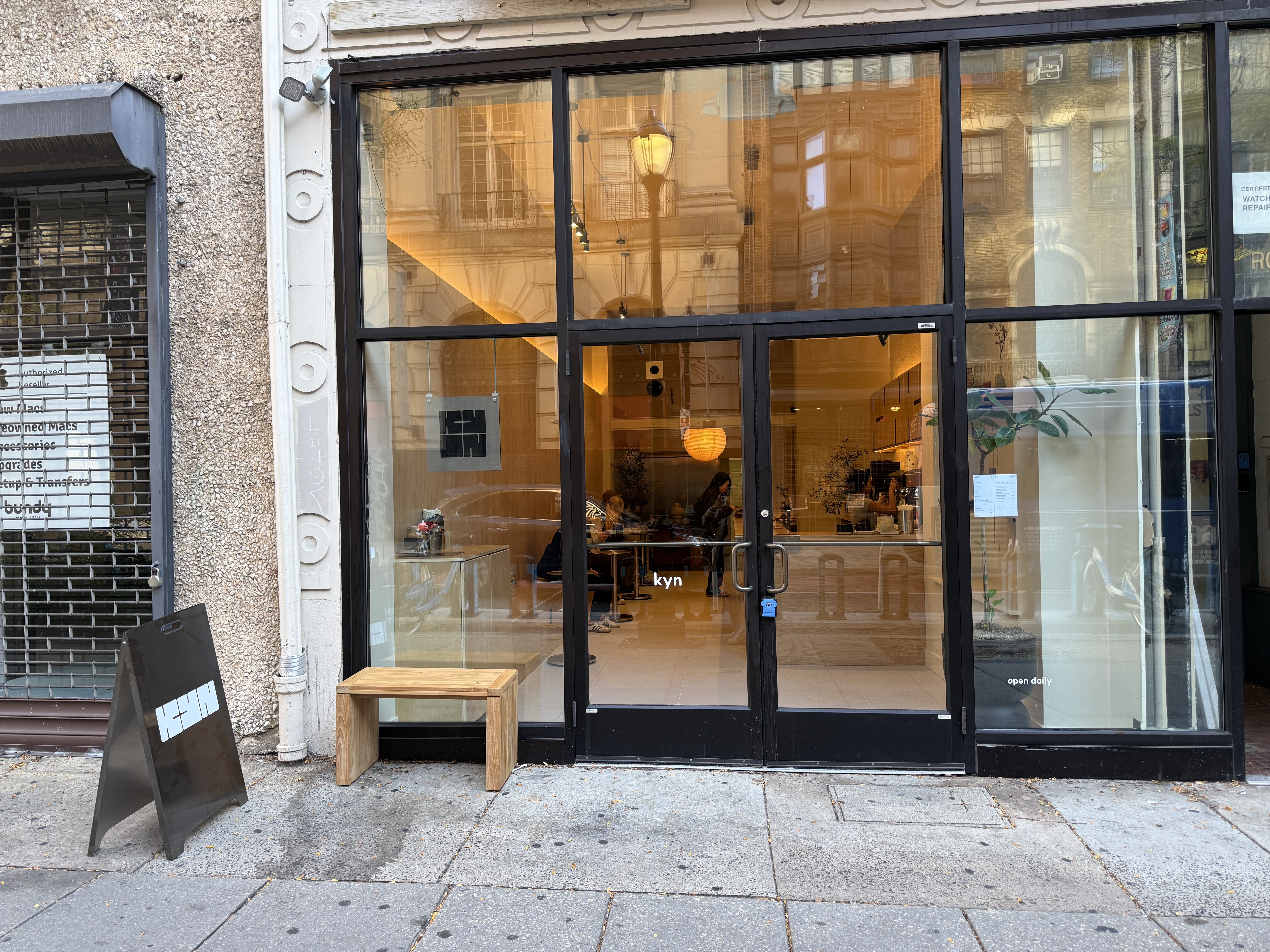
    KYN is the latest opening, at 1807 Chestnut St, but it has a slightly different flavor. Founder and CEO Young Nam Kwon, 41, is also using the store — which he hesitates to call a cafe — to introduce Philly to beverages that have reached viral status in his home country of South Korea, such as mugwort lattes and einspänner lattes (Einspänners are a traditional Viennese coffee layered with cold whipped cream and served in a glass).

    All the matcha drinks at KYN are whisked by hand.Kiki Aranita / Staff /

    Frequent shoppers at H Mart in North Philadelphia (and also Orlando, Fla.) may know Kwon for being the founder of Mari Mari, which has outposts of his fast-casual concept in food courts of the supermarket, as well as a bustling flagship location on 13th Street.

    Mari Mari serves inari (or tofu skins) stuffed with sushi rice and various toppings, and Korean-Japanese sushi rolls, made to order.

    KYN rhymes with “keen,” a word that Kwon latched onto “because it means one has a sharp mind,” he said. The letters also happen to be his initials.

    Why the jump from sushi to matcha? Kwon had tried to go into audio production, a subject he had majored in in university, but the time wasn’t quite right to pursue a career in it. “Back then, 20 years ago, K-pop wasn’t huge, but now it is,” he said.

    The interior of KYN in Rittenhouse.Kiki Aranita / Staff /

    Kwon worked in high-end restaurants in Gangnam, Seoul’s wealthiest district, before his aunt beckoned him to move to New York City, where he continued working in sushi restaurants.

    During his tenure in New York, Kwon fell in love with its cafe culture and all the places where he could sit and drink coffee all day.

    “But I’m not a barista. Baristas need a lot of skill and technique, and I thought of matcha as more of a culinary concept,” said Kwon, whose employees whisk each cup by hand.

    Kwon sources matcha from Uji in Kyoto Prefecture, Japan, but as a small, newer business, KYN is not immune to the vicissitudes of importing the ingredient.

    The mugwort he uses for earthy, herbaceous lattes also comes from Uji, despite the flowering plant being far more popular in South Korea.

    The exterior of KYN in Rittenhouse.Kiki Aranita / Staff /

    For KYN’s signature drinks, matcha powder and hojicha powder are mixed into house-made whipped cream, which can also be used to top einspänners. The practice means KYN’s beverages are costly for Kwon to produce.

    “We’re using 4.5 grams of matcha powder for the drink itself, then putting so much more in the cream. It’s super, super expensive for us to make.”

    “But we can lose money for now,” said Kwon. “Quality matters.”

    The serene, plywood-paneled space has been perpetually packed since its opening.

    Kwon hopes to open another KYN in Fishtown — “it would fit the vibe of the neighborhood,” he said.

    KYN is open seven days a week, from 8:30 a.m. to 6:30 p.m.

    KYN, 1807 Chestnut St., instagram.com/kyn_concept

  • Who’s eyeing Fetterman’s seat | Morning Newsletter

    Who’s eyeing Fetterman’s seat | Morning Newsletter

    Happy Monday, Philly. Clouds are moving in today, though temperatures should remain mild. For the first time in a long while, there’s rain in the forecast later this week.

    Today, we’re looking past tomorrow’s midterm elections and starting with a Pennsylvania Democrat who is getting a head start on a 2028 U.S. Senate run.

    Then, we’ll check in with the SS United States and its final voyage to the ocean floor later this month.

    Plus, how a hack exposed the personal information of hundreds of local DHS personnel, and more news of the day.

    — Laura Benshoff (morningnewsletter@inquirer.com)

    If someone forwarded you this email, sign up for free here.

    Lining up

    Democratic U.S. Rep. Chris Deluzio is running for reelection in a western Pennsylvania district on Tuesday.

    But a recent Bucks County campaign stop hundreds of miles away has fueled speculation that he’s eyeing a different seat: that of U.S. Sen. John Fetterman.

    More than anyone else who has publicly signaled an intention to run, Deluzio has positioned himself for a head start in the 2028 contest, writes Inquirer political reporter Sam Janesch.

    Deluzio frequently travels and fundraises for candidates up and down the ballot, including an October visit to Upper Bucks County to support Democratic congressional candidate Bob Harvie. That makes him visible to Democratic voters in other parts of Pennsylvania, who he’ll need if he hopes to win statewide. He’s also fundraised more than the state’s other six House Democrats.

    Read on for Janesch’s full report.

    From ship to reef

    After years of moldering at a berth on the Delaware River, the SS United States could soon be a hot ticket again.

    The once-glamorous ocean liner is set to become the world’s largest artificial reef off the coast of Florida on Nov. 12.

    Like fish feeding on the carcass of a whale, hundreds of charter boats are expected to come out for its sinking, with one charter company selling tickets for $99 a pop.

    Once the ocean dust settles, divers could begin exploring the wreck almost immediately. Local dive companies are already accepting bookings.

    The Inquirer’s Ximena Conde has this dispatch.

    What you should know today

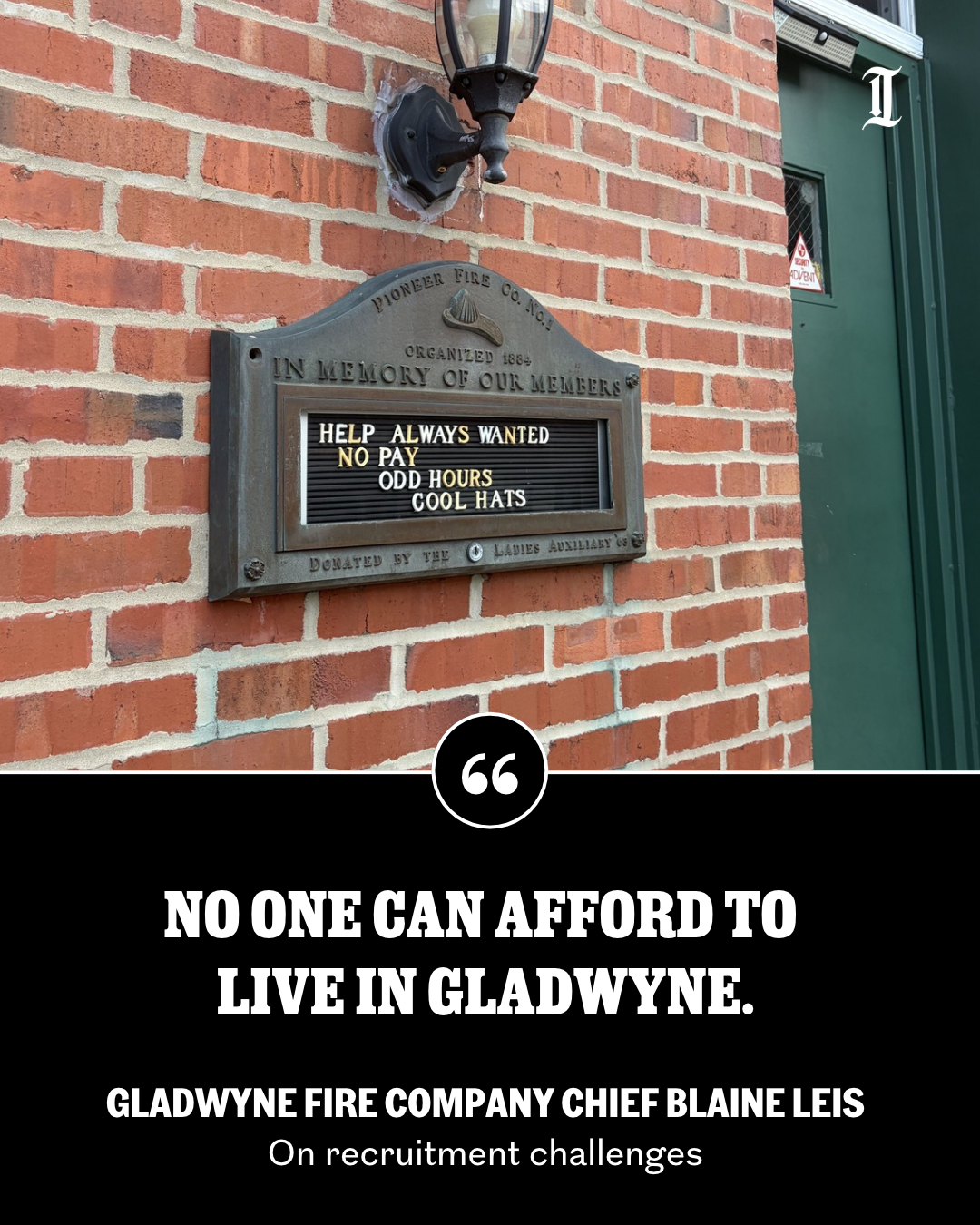
    Quote of the day

    Some Montgomery County fire departments say they are responding to calls with fewer volunteers.

    So, they’re getting creative when it comes to filling those big boots, writes Inquirer suburban reporter Jess Rohan.

    🧠 Trivia time

    Two women are attempting to set a Guinness World Record by driving toy cars from Independence Hall to where?

    A) Key West

    B) Times Square

    C) Niagara Falls

    D) Dollywood

    Think you know? Check your answer.

    What we’re…

    🏠 Explaining. Philadelphia renters have new rights as of Nov. 1. The Inquirer’s Brett Sholtis breaks them all down.

    📼 Checking out. Opening a video rental business in 2026 can seem foolhardy, writes Inquirer contributor John Semley. This new Passyunk Square business is banking on a “physical media resurgence.”

    🎃 Composting. Wondering what to do with the jack-o’-lantern slowly softening on your stoop? The Inquirer’s Maggie Prosser has your guide.

    🥇 Chuckling at. LeBron James look-alikes descended on Rittenhouse Square. Sports reporter Gabriela Carroll covers who was crowned the winner.

    🧩 Unscramble the anagram

    Hint: Basketball great who was first drafted by the 76ers in 1996.

    LANOLIN SERVE

    Email us if you know the answer. We’ll select a reader at random to shout out here.

    Cheers to Thomas Bagnell who correctly solved Sunday’s anagram: Bob’s Diner. Hungry for pancakes with a reminder of your mortality on the side? This Roxborough diner is so close to a graveyard it feels like you’re inside it, writes columnist Stephanie Farr

    Photo of the day

    At the Print Center, the work of Pulitzer Prize-winning photographer Ron Tarver is on display through Nov. 14.Courtesy of Ron

    This gobsmacking photo is in one of the 14 must-see art exhibits coming to our area this fall.

    📬 Your ‘only in Philly’ story

    Welcome back to our “only in Philly” series, where we highlight stories from you, Dear Readers. Think back to a time you saw an example of real Philly spirit or something that made you feel like you belonged here. Then, jot it down and email it to us for a chance to be featured in the Monday edition of this newsletter.

    This week, we continue with our seasonal submissions with this core memory from Richard Smith:

    On the last day of October 2008, on a sunny fall day, 18-year-old me woke up unsure what to expect. The Phillies had won the World Series, and there was a parade that day. But our school district had announced we were expected to attend class. What to do? What would the parade be like? Would it be worth skipping?

    After short deliberation with some friends, we decided this was one of those memories not to be missed. That was the right call. We hopped the Chestnut Hill West Regional Rail down to Market Street.

    I’d never seen the city so joyous and alive. With the fall breeze, we walked with hundreds of our neighbors down Broad Street, laughing, smiling, taking pictures, and celebrating a moment everyone could revel in. This is still one of my favorite memories of my life, and it could happen “Only in Philly.”

    👋 Catch you Tuesday.

    By submitting your written, visual, and/or audio contributions, you agree to The Inquirer’s Terms of Use, including the grant of rights in Section 10.

  • This Chesco wedding venue is using its own backyard veggies and herbs for guests

    This Chesco wedding venue is using its own backyard veggies and herbs for guests

    Kennett Square’s latest wedding venue is tapping into its agricultural lineage, embracing a farm-to-table approach by serving guests vegetables and herbs grown on-site.

    Willowdale, nestled in the rolling fields at 115 E. Street Rd. that once housed a working farm and is the site of a steeplechase equestrian course, officially transformed into an event space in September, with a reimagined historic barn and renovated farmhouse to host weddings, corporate events, and more.

    And just outside the barn, where couples will dance and clink Champagne flutes through the night, a kitchen garden is growing the staples that will appear on their tables.

    Its lettuce, plentiful enough for the first time since it was planted in mid-September, was plated for wedding guests this month. Its herbs — lavender, rosemary, basil — are muddled in a glass dispenser to create “meadow water” for guests to sip as they wander through the garden during cocktail hour.

    It’s a “zero-mile” farm-to-table approach that taps into the property’s — and Chester County’s — long history of agriculture.

    Hospitality group founder Jeffrey A. Miller picks a radish from the venue garden in Kennett Square on Oct. 30. Fall crops such as spinach, dill, parsley, and scallions have been growing in the garden.Aidan T. Gallo / Staff Photographer

    People who like that mission and good food are likely to be their clientele, said Jeffrey A. Miller, the founder and CEO of his eponymous hospitality group, which opened the venue in collaboration with the property’s owners, Katherine and Michael Bucklin.

    Couples “want a gorgeous venue. They want something, I think, where they feel aligned with the mission of the organization, and then they like good food, typically,” he said. “I think they enjoy touring the garden and seeing what we’re growing and knowing there’s a good chance it’ll be on their plate.”

    The venue, which has 70 weddings on the books for 2027 and more than a dozen into 2028, offers indoor and outdoor ceremony spots, with separate cocktail hour lounge and dinner spaces. Guests can stay at the nearby farmhouse, the Yellow House, in eight overnight rooms. Get-ready spaces and suites are available for the wedding parties, too. The capacity is around 270, Miller said. Depending on the season and the day, prices range between $250 to $350 a person, which includes the rental, the food, the liquor, and staff.

    Three generations have overseen the 156-acre property. Katherine Bucklin’s grandparents owned and operated it in the ’50s, before it changed hands to her father, Dixon Stroud. Stroud added a herd of dairy cows to produce milk and ice cream for his nearby Landhope Farms convenience store. The Bucklins took over operations a few years ago, Michael Bucklin said.

    It’s primarily open space, with the convenience store tucked into the southwest corner.

    Though the land hosts the steeplechase and a hot-air balloon festival, among other events, the barn area was an “underutilized structure” on a commercial property, Michael Bucklin said. They wanted to find ways to reuse the space.

    “We wanted to continue being part of that solution of keeping open space in our area because there’s so much pressure from development in this area, and so this was kind of one of the big strongholds of open space,” he said.

    The newly added garden in Kennett Square.Aidan T. Gallo / Staff Photographer

    “I think the pressure will continue to grow on the property over time. But what we’ve created, I think, will help offset that financially,” he said. “My children, hopefully, and their children too, will be proud of what we’ve created here, and can help keep it going.”

    Miller, who has more than 40 years of experience in catering, got involved about 10 years ago. It took some time, stalled in part thanks to COVID-19, before the venue materialized.

    He took the Bucklins to another of the hospitality group’s venues, Waterloo Village, in northern New Jersey, where a full-time farmer grows vegetables, fruits, and berries and raises chickens. He wanted to bring something similar to life at Willowdale. And in the past month, that goal has been realized. The venue’s opening officially kicked off in late September, honoring the legacy there: The first event was an 80th birthday party for Stroud himself.

    The raised beds will change throughout the year, embracing the climate and the season: Root vegetables like onions and carrots in early spring, tomatoes starting in mid-May, alongside peppers or eggplants. Perennials — raspberries, blackberries, asparagus, rhubarb, and kitchen herbs — will have their season or be on offer throughout the year.

    The Bucklins are also reintroducing farm animals. They plan to add chickens, who will have a run between the double fencing of the garden. Their eggs will be used by the kitchen. Mini Highland cows and some goats are also calling the grounds home now, Bucklin said.

    Venue owners Michael and Katherine Bucklin took over operations of Willowdale a few years ago.Aidan T. Gallo / Staff Photographer

    For the greens, menus are planned a year in advance, but typically they have a salad and use herbs in various dishes. They call their clients about eight to 10 days out from the event and discuss what the garden is currently producing, and look at the menus to see what they can use.

    “If we know we’re going to be doing a herb heavy meal, we’ll just harvest the herbs there for the event. If it’s going to be salad, we’ll just harvest the salad greens. We also might do sort of a farmer’s choice for our vegetables,” he said. “Then everyone gets a taste of the garden, which is really, really nice.”

    The garden was coordinated and installed by Backyard Eats, which works with residential and corporate spaces, helping get gardens off the ground, and maintaining them with as heavy, or as light, of a hand as its owner desires.

    “A big part of designing the garden was like, OK, aesthetically, what’s going to look nice here all year, plants that stick and stay, and then what beds are we going to use to rotate and create seasonalities?” said Mike Bennett, owner of the company. “Long before the garden was in the ground, I was on the phone with the catering manager talking about like, ‘OK, what do you use? Here’s our favorite things that are kind of true and reliable.’”

    Backyard Eats owner Mike Bennett and venue owner Michael Bucklin talk out in the garden.Aidan T. Gallo / Staff Photographer

    It’s a “humbling experience” to work on the scale of a wedding venue, he noted.

    “We’re beholden to Mother Nature in a way, and what’s coming at what times,” he said.

    But he loves that the venue is combining its heritage with the concept of sustainability.

    “It’s just, to me, such a romantic and sustainable idea where people actually experience not only food growing right in front of them and kind of see how it’s all made, but there’s certainly a sustainability aspect to this — a zero-food miles type of setup where this tomato is not coming from across the country,” he said. “I think that’s really nice, in terms of the experience guests are going to have.”

    This suburban content is produced with support from the Leslie Miller and Richard Worley Foundation and The Lenfest Institute for Journalism. Editorial content is created independently of the project donors. Gifts to support The Inquirer’s high-impact journalism can be made at inquirer.com/donate. A list of Lenfest Institute donors can be found at lenfestinstitute.org/supporters.