Blog

  • Blanche’s partisan activity before midterms dismantles another principle

    Blanche’s partisan activity before midterms dismantles another principle

    WASHINGTON — Attorney General Todd Blanche has repeatedly participated in campaign events and spoken in partisan terms about the coming midterm elections since his confirmation last month, despite criticism that he violated a long-standing Justice Department principle of steering clear of electoral politics.

    This week, he waded again into those waters — twice.

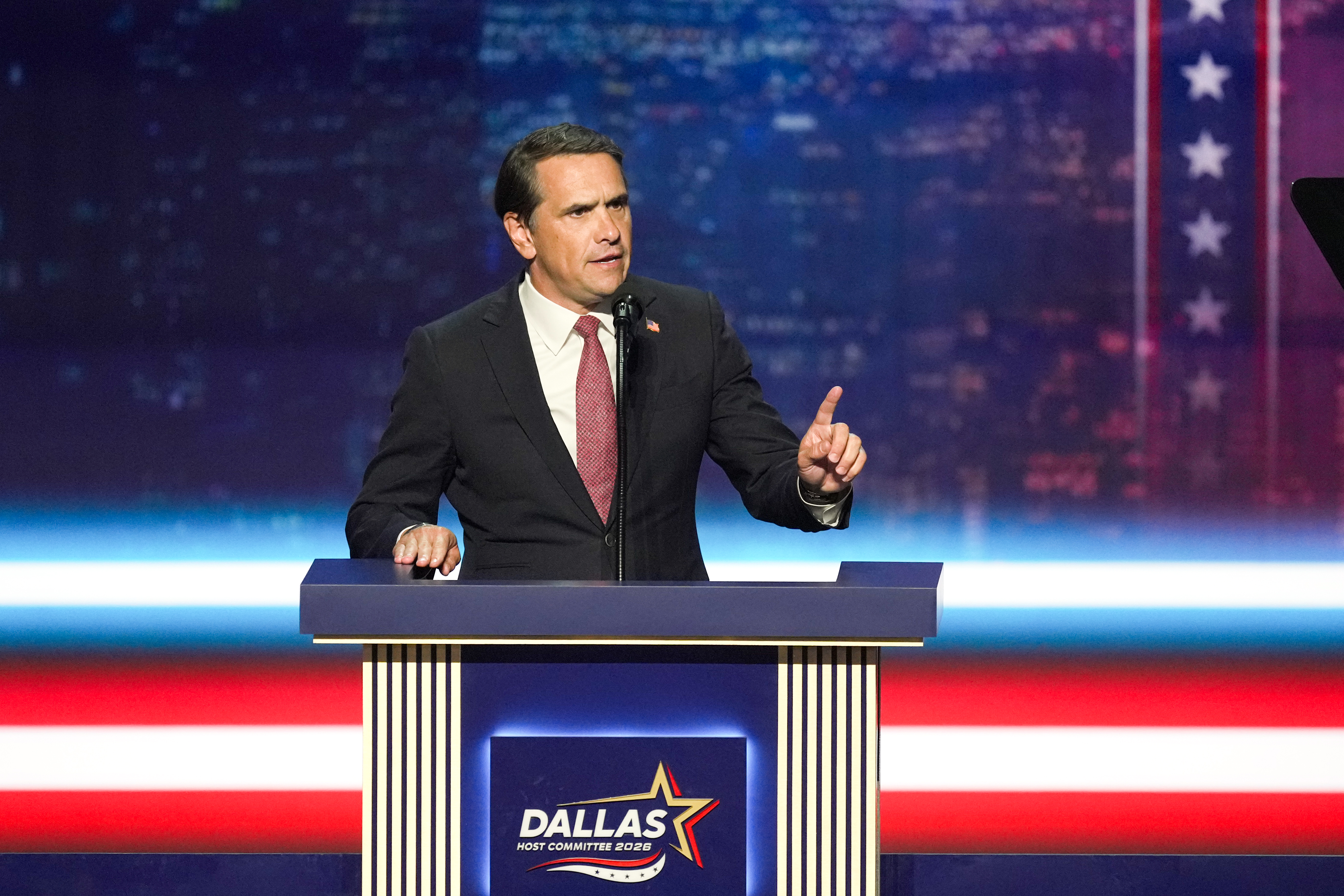
    Since August, Blanche has come under fire for making campaign-tinged public appearances and comments. Last month, at a rally-style event on Long Island, he praised Bruce Blakeman, the Republican candidate for governor of New York. Last week, Blanche delivered remarks at the Republican Party’s midterm convention.

    On Tuesday, he stood at the White House podium and disparaged Democratic lawmakers while invoking the coming election, dismissing their concerns about artificial intelligence as “nothing but an effort to influence the midterms.”

    And Wednesday, Blanche spoke at a campaign rally for Michael Whatley, the Republican Senate candidate in North Carolina. Echoing his convention speech, he portrayed crime rates, which continued a long-term downward trend to reach new lows in 2025, as “President Trump and Vice President Vance delivering on a promise.”

    Worries about the Justice Department abandoning its long-held commitment to appear apolitical in order to maintain institutional credibility may seem beside the point. Since January 2025, dozens of judges have viewed its representations with suspicion, eroding the traditional bonds of trust, known as the “presumption of regularity,” that the courts typically grant the department.

    The second Trump administration has also unabashedly destroyed the post-Watergate norm of Justice Department independence from the White House in investigative decisions. Early on, Blanche’s predecessor, Pam Bondi, declared, “We are so proud to work at the directive of Donald Trump.” Last September, after Trump publicly demanded that she charge several perceived adversaries, the department pushed through short-lived indictments of two of them.

    Still, Blanche is dismantling another post-Watergate principle: that Justice Department leaders stay away from partisan politicking.

    Joseph Tirrell, the Justice Department’s senior ethics official until the Trump administration dismissed him in July 2025, this week criticized Blanche’s participation in the Republican convention. He called the attorney general’s comments at the White House briefing “borderline” unethical, and his participation in the North Carolina rally “terrible.”

    “In my former role, I would have advised the attorney general not to go to the White House and not to make comments about members of Congress within 45 days of an election,” Tirrell said. Referring to a law restricting partisan political activity by government employees, he added, “I’d say, ‘That rally sounds like a Hatch Act violation to me, and I’d advise you not to do it.’ I would want to scare that person straight.”

    Stephen Gillers, a New York University law professor who specializes in legal ethics, said Blanche’s political statements and activities were protected by the First Amendment and did not violate professional conduct rule, even if they were ill-advised.

    “Any attempt to discipline him will fail,” Gillers said. “That’s unfortunate. He has the ability to do what he’s doing, and he’s chosen to do it.”

    The Justice Department did not respond to a request for comment.

    When the group Public Citizen filed a Hatch Act complaint about Blanche’s comments praising Blakeman, the Justice Department told Government Executive in a statement that it was “baseless” and “a politically motivated complaint designed to weaponize the Hatch Act against the attorney general for his support of law enforcement.”

    And in response to criticism last week by Democrats on the House Judiciary Committee over Blanche’s convention appearance, the department shot back on social media, “Todd Blanche’s appearance this evening in his personal capacity is legal (and has been approved by ethics).”

    Legal questions center on the Hatch Act, which is ambiguous and difficult to enforce when an administration does not want to strictly adhere to it. The law and related regulations allow some political appointees, while off duty, to attend partisan events, like fundraisers and campaign rallies. Some law enforcement officials are restricted from any partisan activity, but the attorney general is not listed among them, and it is disputed whether that part of the legal limits applies to them.

    Even for those who can engage in political activity in a personal capacity, the traditional test is not just whether such officials say they are doing so, but whether people would reasonably perceive them as acting in their government roles.

    Cynthia Shaw, who ran the Justice Department’s ethics office throughout Trump’s first term, said the notion that high-ranking officials could simply say they are acting in a personal capacity to get around that threshold was a misunderstanding.

    “The bigger the job you get, the less personal capacity you have, because when you speak, people are going to see you in your official capacity and representing the agency that you are head of,” she said.

    Federal law enforcement needs to not just be fair, she added, but to be seen as fair for the long-term good of the department and society.

    For that reason, the Justice Department had long held itself to a higher standard than the Hatch Act and its ambiguities. For decades, its ethics policies went beyond the statute in pushing officials to avoid events like political fundraisers and campaign rallies.

    In 2022, Attorney General Merrick Garland flatly banned political appointees from participating in partisan activities — even in their personal capacities, and even if their family members were the candidates.

    But in March of this year, Bondi rescinded that policy, freeing political appointees to attend such events in their personal capacities subject only to the lower standards of the Hatch Act.

    That weakening of ethics rules is one reason the department’s claim that Blanche’s appearance at the Republican Party convention was “approved by ethics” merits scrutiny. Another is that the administration has changed who makes ethics recommendations.

    After firing Tirrell, the administration left his position vacant for nearly a year before appointing Kristina Spencer, a former aide to Vice President JD Vance who had no prior department experience.

    The office of the deputy attorney general can also overrule the ethics office’s recommendations. For decades, the decision-maker was a career official, but the Trump administration moved that authority to political appointees.

    The principle that the Justice Department should strive to appear apolitical took root after Watergate. President Richard Nixon’s first attorney general, John Mitchell — who later went to prison for his role in the scandal — was so deeply partisan that he resigned to run Nixon’s 1972 reelection campaign.

    The attorney general immediately after established the modern norm of not acting as a political operative while in office: Edward Levi, a University of Chicago legal scholar.

    Maintaining a nonpartisan image has proved difficult, partly because of the department’s power and an increasingly polarized political atmosphere. Under both parties, one attorney general after another has been accused by political opponents of politicizing the Justice Department.

    In 2013, Attorney General Eric H. Holder Jr. called himself President Barack Obama’s “wingman,” clashing with the principle of Justice Department independence. Asked last week about Blanche’s speech at the Republican convention, Holder said, “It’s unprecedented, and it’s disgraceful. Attorneys general don’t talk about political things. He shouldn’t be there.”

    Holder, while serving as attorney general, never spoke at the Democratic convention or at campaign rallies. Nor did Republican attorneys general frequently accused by Democrats of politicizing the department, including Attorney General William Barr during Trump’s first term.

    Gillers said that shifting standards for the conduct of attorneys general would harm the rule of law, especially if Blanche’s successors followed his example.

    “This is new,” he said. “The changing image of what an attorney general should be seen to do, and how officials high in the Justice Department should behave, will not be good. We just don’t know yet how bad it will be.”

    This article originally appeared in The New York Times.
  • 🍂 Best spots to peep leaves | Outdoorsy Newsletter

    🍂 Best spots to peep leaves | Outdoorsy Newsletter

    Autumn is knocking!

    This liminal space between summer and fall always feels like it has a little bit of everything for us. I’m enjoying the cooler conditions that have begun to blanket evenings in the region.

    Word to the wise, though: Mosquitoes are still lurking, so don’t forget bug spray. Sincerely, an itchy person who got carried away by the nicer weather and deeply regrets not applying repellent.

    Here’s what we’re up to today:

    ⛅ Your weekend weather outlook: Friday and Saturday should be mostly sunny, while Sunday may see showers.

    — Paola Pérez (outdoorsy@inquirer.com)

    If someone forwarded you this email, sign up for free here.

    Make your leaf-peeping plans

    Brandywine Conservancy & Museum of Art.Courtesy of Brandywine Conservancy & Museum of Art

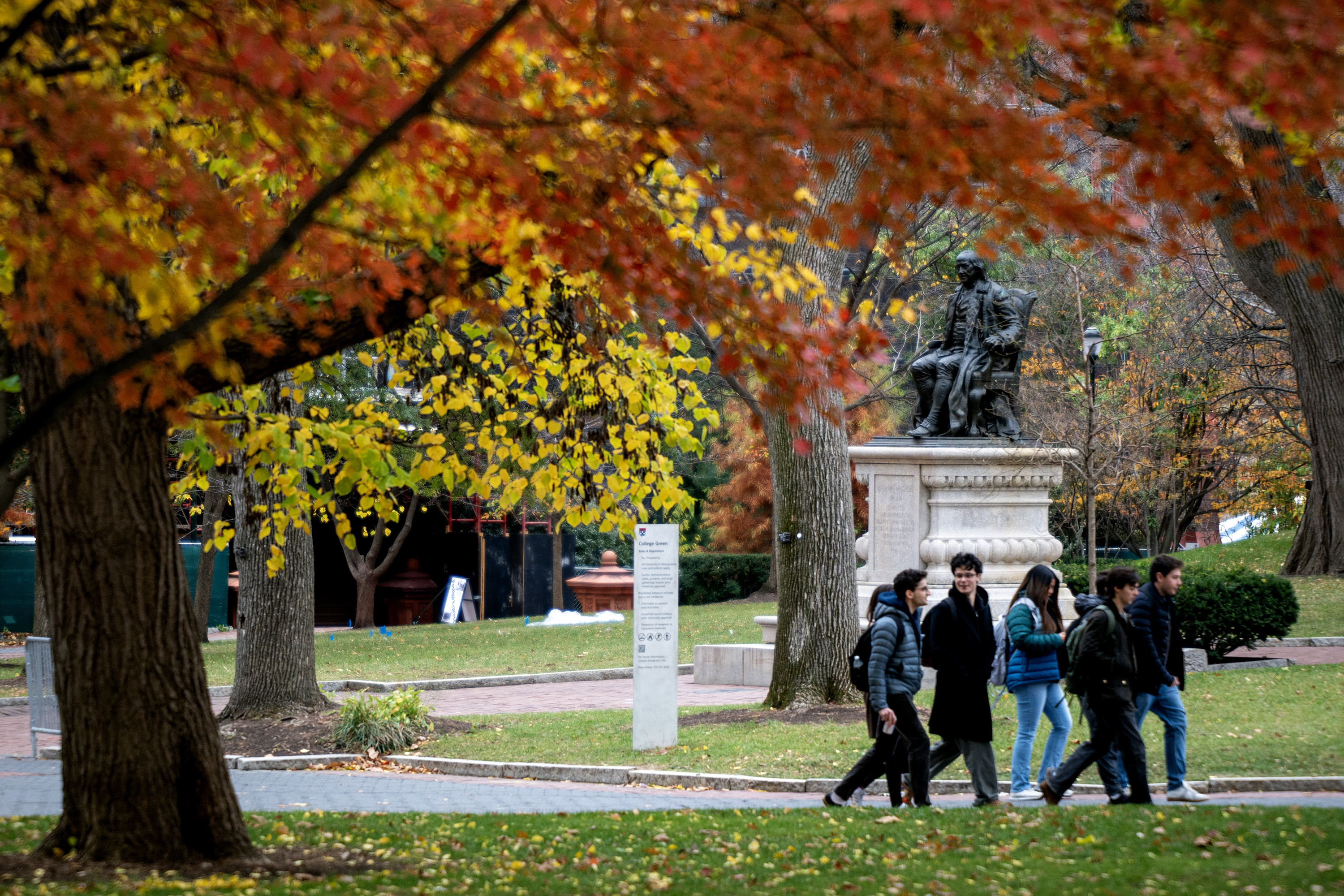
    If the rest of September’s weather cooperates, we’re due for a vibrant foliage display this season. Peak viewing times are expected throughout October.

    In Philadelphia and beyond, there are several great vantage points from which you can get a good glimpse of the transforming leaves, including:

    West Fairmount Park. Don’t miss the views around the Skew Arch Bridge, and be sure to visit the Trolley Trail.

    Delaware Canal State Park. You can stroll, kayak, or canoe along the 58-mile towpath from sunrise to dusk to determine which way you best enjoy the fall scenery.

    See all of our favorite spots for leaf peeping around the region, ordered closest to farthest away from Philly.

    News worth knowing

    • This year’s El Niño has contributed to a historically quiet Atlantic hurricane season.
    • A Philly Parks and Rec leader said she approved renovations to FDR Park’s Ashburn Field without required state permitting because she wanted renovations to be complete by the MLB All-Star Game last July. The missing permit was designed to address erosion control and stormwater release at the site.
    • Supervisors in Willistown tabled a decision on a settlement that would limit the development of Rock Hill Farm. Officials are looking for more certainty in the preservation of the land.
    • Much of the Wetlands Institute site in Stone Harbor, N.J., sits in low marsh and has become increasingly at risk due to flooding. This week, nonprofit staff will pack up and move to a temporary headquarters.
    • The Trump administration has blocked more than 130 projects in national parks across the country worth at least $25 million without providing a reason, according to internal documents reviewed by the Washington Post.

    🌳 Your outdoorsy experience

    Yoo-hoo, is this thing on? I want to hear from you, dear reader. Whether you’re hitting your go-to trail or trying kayaking for the first time, this is your time to shine. What are you doing out in the wild?

    Write me an email to tell me about your unforgettable memories adventures or favorite moments outdoors. Pictures, if you have them, are more than welcome. You might see your adventures featured here.

    The perfect pick-me-up

    🎤 Let me pass the mic to my colleague Beatrice Forman with an adorable dispatch.

    Dolly is an Aries. She likes pink accessories, the feeling of freshly brushed hair, and morning coffee with friends. She also has to be the center of attention.

    No, Dolly is not a teenaged girl. She’s a three month-old Hereford calf with a job: To snuggle up with as many guests as possible at Rose Bridge Farm, a Montgomery County animal sanctuary.

    Rose Bridge Farm sits on almost 13 acres of land at 1314 Limekiln Pike in Dresher, once part of an estate owned by William Penn in the mid-1700s. When steward Kristen Sutch took over the property in 2013, she transformed it into a sanctuary for farm animals rescued from livestock auctions, dairy farms, and breeders. — Beatrice Forman

    Keep reading to learn more about the sanctuary and its cuddly animals.

    Paola’s picks

    🔎 An activity: Mix archaeology and history at Newlin Grist Mill’s annual Fall Festival with fun for all ages (Saturday, free).

    ♻️ A proud moment: Reading Terminal Market attracts attention for its food-waste-prevention efforts.

    🌕 A celestial treat: Philly’s most unique mooncakes.

    🍒 A song: “Return to Cherry” by Part Time: “Wishful thoughts of another chance, to make things right again.”

    🦉 A good read: Tom Pluck’s latest, “Owl Be Seeing You.”

    A fungal view

    Colleen Farnsworth of Ardmore and her son Ambrose Farnsworth, 4, touch the mushrooms in the mushroom exhibition.Elizabeth Robertson / Staff Photographer

    🍄‍🟫 Last weekend, Kennett Square’s 41st Mushroom Festival celebrated the family farms that have cultivated the crop for generations.

    👋🏽 I’ll catch you next time.

    By submitting your written, visual, and/or audio contributions, you agree to The Inquirer’s Terms of Use, including the grant of rights in Section 10.

  • Warren Buffett steps down as Berkshire Hathaway chairman

    Warren Buffett steps down as Berkshire Hathaway chairman

    OMAHA, Neb. — Warren Buffett is stepping down as chairman of Berkshire Hathaway in the next step of the transition at the top of the $1 trillion conglomerate he led for more than six decades.

    Buffett, 96, will become chairman emeritus and will take on his new role immediately, the company said Friday. His son Howard will become Berkshire Hathaway’s new chairman, part of a long-planned succession. Howard Buffett has been on the Berkshire Hathaway board since 1993.

    Warren Buffett, known by a legion of financial market followers as the Oracle of Omaha, will remain a director. He had been Berkshire Hathaway’s chairman since 1970, but he took control of the struggling New England textile company in 1965.

    Greg Abel took over for Buffett as the CEO of the conglomerate at the start of this year though Buffett continued to come into the office each day to look for new investments and deals and offer Abel any advice. It’s not clear whether Buffett will change his routine at all now.

    “I have served Berkshire since 1965,” Buffett said in a letter to shareholders. “Sixty-plus years in, I still have the best job in the world. That is not something many people my age can say, and I have never felt better about what comes next.”

    Investor Adam Mead, who wrote The Complete Financial History of Berkshire Hathaway, said Buffett seems to trying to lessen the impact on Berkshire when he eventually dies by taking this step now. Berkshire’s announcement didn’t reveal any health issues for Buffett, but Mead said “He’s now 96, so even a cold could be a health scare.”

    Greg Abel will continue as CEO with Howard Buffett becoming chairman

    Buffett said that he is confident with Abel and his son Howard leading Berkshire Hathaway.

    “Greg runs the company; Howard will guard its culture and values — both worth more than anything on our balance sheet,” he said. “Think of Howard as a policy the shareholders own and hope never to claim against.”

    Abel started managing all of Berkshire’s non-insurance businesses in 2018 when he was elevated to vice chairman, so he knows the various companies well, including BNSF railroad, the utilities and manufacturing operations, as well as name brands like Dairy Queen and See’s Candy. But CFRA Research analyst Cathy Seifert said investors still have questions about how well Abel will be able to deploy Berkshire’s massive $365 billion cash pile.

    “There was a premium awarded Berkshire stock because of their financial strengths and because of this famed investor who was allocating capital. I think it’s naive to assume that this is business as usual. It’s not,” Seifert said. “What this does is amplify some of the execution risk in the strategy and the significance of the transition.”

    The next orderly step in Warren Buffett’s succession plan

    Michael Withers, professor of management at the University of Notre Dame’s Mendoza College of Business, said Buffett took a deliberate approach to Berkshire Hathaway’s succession plans and has carried out the transition step by step.

    “Buffett seems to have understood that succeeding him wasn’t just about finding another extraordinary leader,” he said. “It was about building a structure that could preserve what makes Berkshire different long after he has stepped away. The test moving forward will be whether Abel and Howard can honor that legacy while still giving Berkshire room to adapt to a market that looks very different from the one Buffett mastered.”

    Buffett’s fortune has been amassed through Berkshire Hathaway stock. Buffett built the company into an investing conglomerate and an icon of Wall Street by buying insurance companies and reinvesting the money from premiums in stocks and other companies. In 2024, Berkshire Hathaway became the first non-tech companies valued at more than $1 trillion.

    Buffett, a longtime philanthropist, has given away roughly $66 billion worth of stock since 2006 with the bulk of that going to his friend Bill Gates’ foundation. But this summer he announced that his three children will now take over all of the charitable decisions and distribute the rest of his fortune by the end of 2035.

    Buffett’s take on finance has created its own gravitational pull. When Berkshire Hathaway reveals the stocks that the company has acquired or sold in public disclosures, it can shake markets.

    During his time as CEO of Berkshire Hathaway, the company nearly doubled the returns of the S&P 500, with a 19.9% compounded annual growth rate compared with the index’s 10.4% gain.

    “Warren’s impact on Berkshire and its owners is without parallel in the history of American business,” Abel said in a prepared statement. “The culture Warren built and the values he championed will remain at the heart of Berkshire, and Howard will be their guardian.”

    Shares of Berkshire Hathaway edged up 0.1% on Friday.

  • A Rittenhouse Square grocery store is behind on its rent. Neighbors are stepping in to help.

    A Rittenhouse Square grocery store is behind on its rent. Neighbors are stepping in to help.

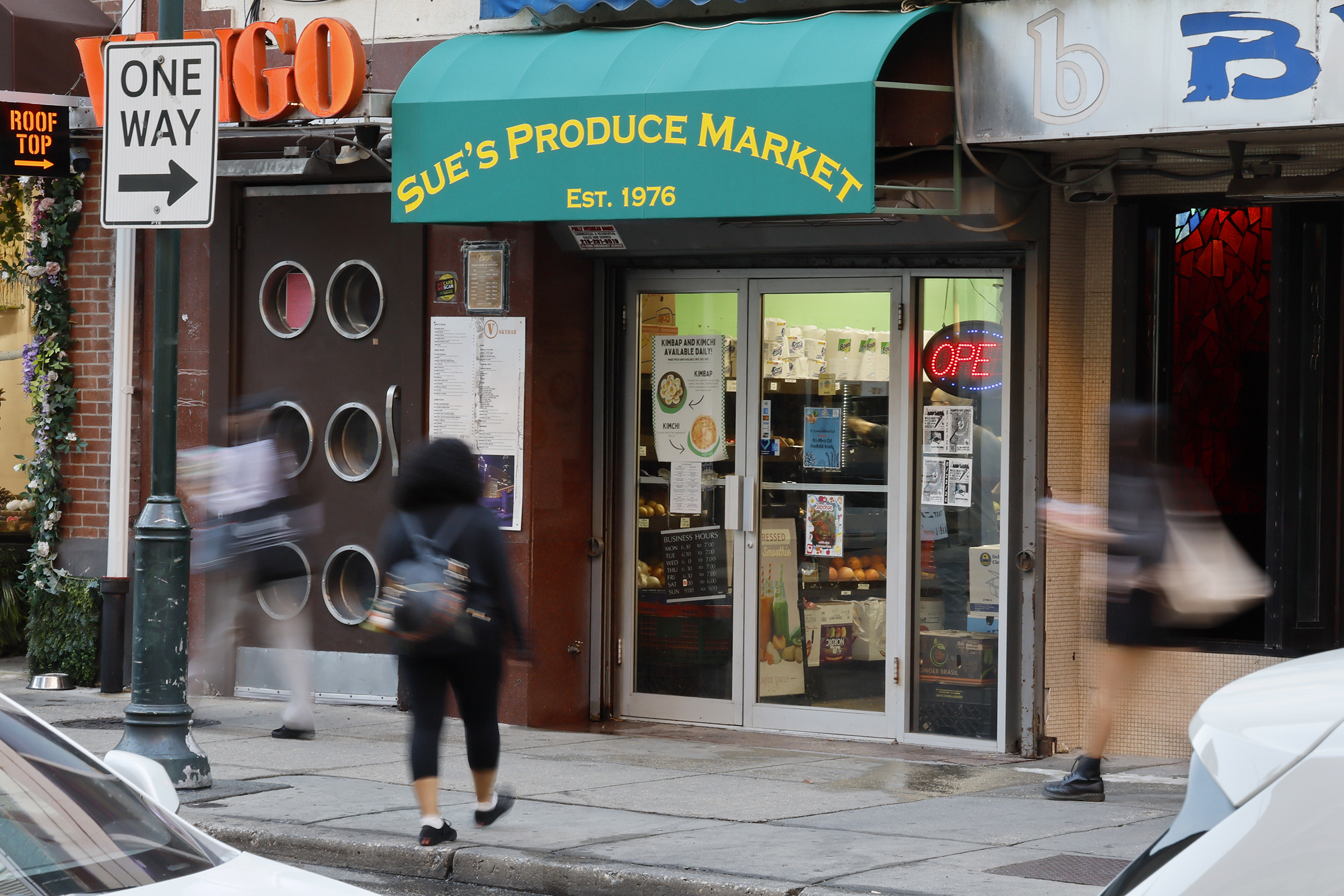
    Mi Ja “Tina” Shin smiled at the man approaching the register at Sue’s Produce, her small food market on 18th Street, two blocks from Rittenhouse Square. They locked eyes. Silently, he pressed a $100 bill into her hand. Shin stared at it and gave him a hug.

    And so it has been going lately at Sue’s, one of the few small grocery stores in a retail district dominated by restaurants, boutiques, and big-name brands.

    While Di Bruno Bros. across the street offers scores of cheeses and elaborate charcuterie, Sue’s takes a more workaday approach to retail: Packaged Dietz & Watson cold cuts and everyday cheeses, plus dozens of varieties of produce, snacks, drinks, and pantry staples are jammed into the narrow storefront. Shin’s homemade Korean food at the counter is the house specialty.

    James Shin talks with customers while stocking shelves at Sue’s Produce Market.Elizabeth Robertson / Staff Photographer

    But Sue’s is behind on its rent, and neighbors have been stepping up since Shin’s son James launched a GoFundMe campaign last week.

    By early Friday, the fundraiser had exceeded $27,000 and was closing in on its current goal, $30,000.

    James Shin said his last understanding was that his mother owed about $38,000 in back rent, which is why the fundraiser was initially set at $40,000. Diaa Sawan, whose family owns the building at 114-116 S. 18th St., said Thursday that the current arrears are about $32,000.

    Sue’s has been struggling for some time, according to both Shin and Sawan.

    Mi Ja “Tina” Shin chats with a customer at Sue’s Produce Market.Elizabeth Robertson / Staff Photographer

    Sawan said the store has typically been three or four months behind, and has at times made partial payments. “We’ve been so patient,” he said. “My family and I are actually trying to give them a chance, and hopefully she can make it.”

    Asked whether eviction proceedings were possible, Sawan said it was. “After a couple of years, I have no choice,” he said. “We have a mortgage. We have to pay the bank.” He said well-funded national tenants could pay thousands more in rent.

    James Shin, who has been speaking publicly for his mother because she is not comfortable speaking in English, described the relationship with the Sawans as longstanding and accommodating. “They’ve always tried to help my mom out,” he said.

    Sue’s Produce Market, 114 S. 18th St.Elizabeth Robertson / Staff Photographer

    A neighborhood rallies

    So are the customers. The man who handed her $100 Thursday morning was Ron Schlesinger, a neighbor.

    “I don’t like GoFundMe because they take a fee,” Schlesinger said. “I’ll give her more money if she needs it. My whole family has been coming here for 50 years.”

    That history predates the current store. Tina Shin’s aunt Sue operated a produce business nearby before the family opened the 18th Street storefront in the early 2000s next to Byblos, the Mediterranean restaurant owned by the Sawan family. Vango, the Sawans’ club, is above both establishments.

    Support is also coming from Amanda Shulman, chef-owner of nearby Michelin-starred Her Place Supper Club, who announced this week that she would host a Korean-inspired benefit dinner Oct. 16, with snacks provided by Shin and proceeds donated to Sue’s.

    The dinner will have two family-style seatings, at 6 and 8:30 p.m., with 48 seats total at $275 per person, beverages included. Reservations will go online at 6 p.m. Sunday. The goal is to raise $10,000.

    Sue’s is “such an integral part of our little Rittenhouse neighborhood,” Shulman said. “Someone from our team visits Sue’s at least two times and sometimes up to four times a day for this or that or a pick-me-up snack or gorgeous herbs when we’re shorted.”

    ‘Having a hard time’

    James Shin, 37, who runs another market at Society Hill Towers, said the family’s problems built gradually. “My mom has a lot of business expenses, plus the slowdown of the economy and her trying to keep up,” he said. “Eventually, she fell behind on rent. I knew my mom was having a hard time. Business was slow.”

    Part of the problem, he said, is that Sue’s was built around a shopping habit that has faded.

    “We’ve always been a produce market, so people know us for produce,” Shin said. “But nowadays, no one really grocery-shops or buys produce as much as they used to.”

    Tina Shin, 63, has had decades of experience in the food trade. Her son said she came to the United States from South Korea in the late 1980s after marrying his father, Dong Shin. In the early 1990s, the couple took over a fruit cart from a relative at 18th and Walnut Streets, outside of what was then Urban Outfitters and is now Anthropologie.

    James remembers tagging along with his mother when he was young because the family had no babysitter. On rainy days, he said, he would crouch beneath the shelter of the building while she cut fruit inside the cart.

    The family later operated a series of stores in North Philadelphia that failed through fire or economic downturns. In 2012, they took over Sue’s from relatives. “At the time, business was still pretty good, but it was shifting,” Shin said.

    Rent then was about $5,000 a month, he said. Today it is $12,000, according to Sawan.

    A survival strategy

    As produce sales declined and costs rose, Tina Shin began leaning more heavily on prepared Korean food.

    After the pandemic, she started with kimchi, then kimbap. At first, James Shin said, she made only five or 10 rolls a day and would be disappointed if one or two remained unsold. Then demand grew.

    “She was selling 10, and next thing you know, she’s selling 20, 30, 40 a day,” he said.

    She expanded into banchan and other dishes, studying recipes and techniques online and adapting them.

    The cooking also extended an already-grueling workday. James Shin said his mother often wakes at 2 a.m. to prepare food, works at the store from 7 a.m. to 7 p.m., then goes home, preps again, sleeps a few hours, and starts over.

    But are the fundraisers just putting a bandage on a systemic problem? James Shin said he hopes that the attention will help in the long term.

    People who are not donating online, he said, have been coming into the Rittenhouse store to buy Korean dishes, smoothies, and groceries.

    “I feel like this is a good opportunity for us to catch back up and try to start — not fresh, exactly — but restart and get everything back together,” he said.

    For his mother, he said, the strongest encouragement remains the simplest kind.

    “What keeps my mom going is the customer who comes back and says, ‘Your food is the best. Your Korean food is really good,’” Shin said. “I feel like that’s the drive that’s been keeping her going.”

  • Gov. Josh Shapiro spent more than $2.4 million on ads this week. His GOP opponent, Stacy Garrity, spent $672.

    Gov. Josh Shapiro spent more than $2.4 million on ads this week. His GOP opponent, Stacy Garrity, spent $672.

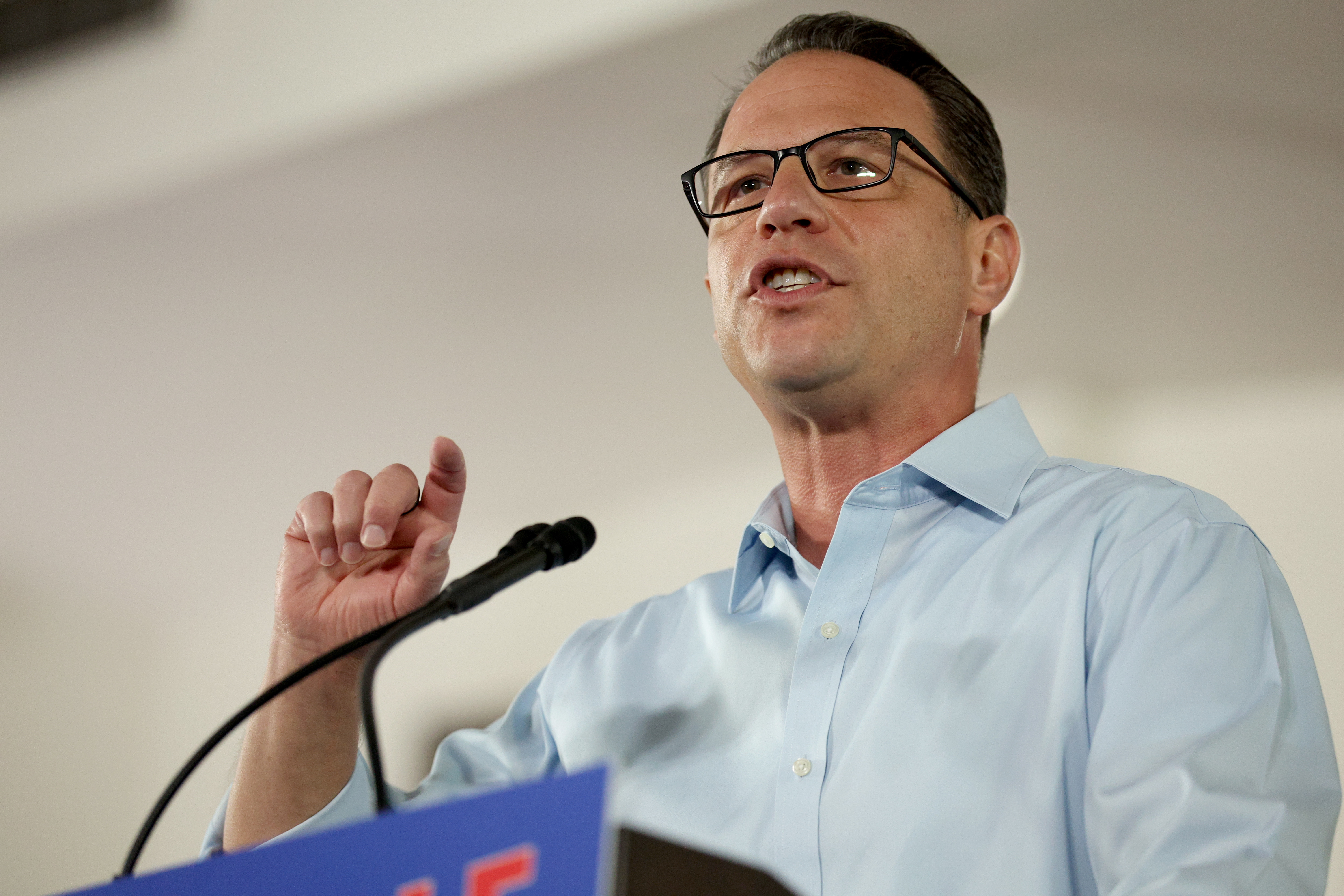
    Gov. Josh Shapiro is dominating Pennsylvania’s media markets in his reelection campaign, spending more than $24 million with less than seven weeks left until the Nov. 3 election — and trouncing his GOP challenger, State Treasurer Stacy Garrity, who has spent a small fraction of that on ads.

    Shapiro, a Democrat seeking reelection and potentially a 2028 White House bid, has spent more than $2.4 million on advertisements per week since Aug. 25 from his campaign war chest of more than $50 million, according to media tracking firm AdImpact. One ad pitches Garrity as “Pennsylvania’s #1 fan of data centers,” and in another, Shapiro boasts about his efforts to cap energy costs. He has also released a number of audience-specific ads to reach Black and Latino voters, including a radio advertisement in Spanish in the Lehigh Valley.

    A clearer picture of Shapiro’s full campaign haul will become public this week, with updated campaign financial filings due Tuesday. The last filing deadline for state candidates was in June. But Shapiro’s multimillion-dollar flurry of ad buys offers early insight into his strategy heading into November in a race where he holds a double-digit polling lead — and where he is hoping to achieve downballot wins in the statehouse and critical congressional districts.

    Garrity has spent just $743,000 on ad buys so far, and paid out only $672 last week, according to AdImpact. No top GOP groups, such as the Republican Governors Association or the Jeffrey Yass-backed Commonwealth Leaders Fund, have purchased TV ads supporting Garrity, and she has struggled to fundraise to compete with Shapiro, a popular incumbent who has raised more money than any governor since at least 2010.

    State Treasurer and Republican candidate for governor Stacy Garrity is seen on a big screen as she speaks to supporters before the arrival of President Donald Trump at Mack Trucks in Macungie Tuesday, June 23, 2026. Tom Gralish / Staff Photographer

    Shapiro’s mass ad buys despite his commanding lead in the polls indicate the governor is a risk-averse politician, said Christopher Borick, a political science professor at Lehigh University.

    “He’s cautious. He wants to make sure nothing goes awry, and to do that, you buy insurance,” Borick said.

    “The governor has also been clear that the midterms run through Pennsylvania — and he is leading the fight to win critical races up and down the ballot in order to flip the House, put a check on Donald Trump’s chaos, cruelty, and corruption, and get even more stuff done,” said Manuel Bonder, a spokesperson for Shapiro’s campaign.

    Garrity, meanwhile, has spent the lion’s share of her ad buys on a digital social media video campaign called “Twilight Justice,” which promises the future release of bombshell details about Shapiro. She has also released an attack ad about Shapiro’s past support for data centers, but it has been seen by far fewer eyes than those Shapiro is reaching in his multimillion-dollar ad campaigns. Both Shapiro and Garrity initially embraced data centers, though both shifted their positions as the projects became increasingly unpopular among Democrats and Republicans.

    Matthew Beynon, a spokesperson for Garrity’s campaign, declined to comment on whether top GOP groups will get involved in the Pennsylvania governor’s race in the coming weeks. But he said any pro-Shapiro mailer or TV ad “is just another reminder to the people of Pennsylvania that Josh Shapiro sold them out.”

    “All the money in the world will not help Josh Shapiro paint over his administration’s failed economic record or erase his ethics scandals that have cost the taxpayers of Pennsylvania and embarrassed the entire commonwealth,” Beynon added.

    Data center power play

    The regulation of data centers and artificial intelligence have become key issues in midterm races nationwide, including in the Pennsylvania governor’s race, where Shapiro’s past support for the projects appeared to be the biggest test of his popularity.

    Shapiro changed his position last month and subsequently began running attack ads against Garrity for her past support of the unpopular centers. Garrity has also changed her position, from initially advocating for the rapid development of data centers around Pennsylvania to now calling for “a pause” on their development. Shapiro, in an executive order signed last month, will now require any prospective data center developers to meet a number of environmental and energy factors in order to build in Pennsylvania.

    “That’s why you’ve seen this enormous ad buy that she can’t even come close to matching, when, in reality, he’s as exposed as her on the issue, but she doesn’t have the resources,” Borick said.

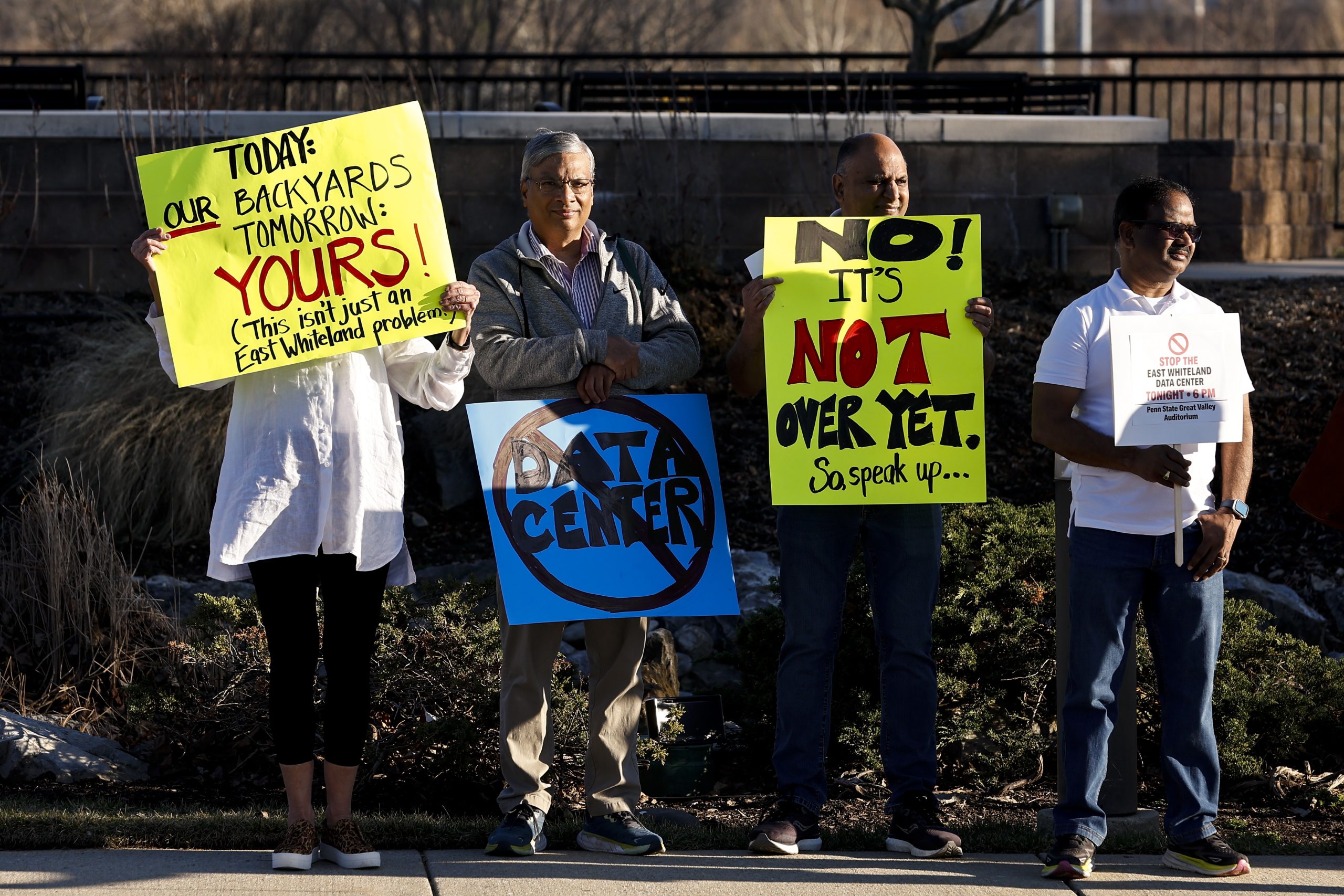
    People protest the expanded data center before the East Whiteland Planning Commission meeting held at Penn State Great Valley on Monday, March 9, 2026 in Malvern, Pa.Monica Herndon / Staff Photographer

    Pennsylvania Republicans endorsed Garrity in September 2025 — an unprecedented early nod that helped clear the field for her as the party’s nominee. President Donald Trump endorsed her in January, calling her an “America First Patriot.” She ran unopposed in the primary election, and top GOP leaders said they wanted to wage a stronger fight against Shapiro this time than in 2022, when far-right State Sen. Doug Mastriano (R., Franklin) won the endorsement in a crowded field and the state GOP largely did not financially support his candidacy.

    Despite all of the additional time to drum up support, Garrity has struggled to raise funds and has yet to be able to cash in on Trump’s backing. As of Thursday, she had spent just $300,000 more than Mastriano had at this point in the race. Shapiro, meanwhile, has spent less this election than he did at the same point in 2022, when he spent $28 million as of mid-September.

    “When you’re making comparisons to the amount of money Doug Mastriano raised, it’s a really troubling sign,” Borick added.

    Garrity and Shapiro will face off in a televised debate on Oct. 7 hosted by ABC27 in Harrisburg.

  • This West Philly coffee shop has a bagel-themed fall drink that’s a must-try

    This West Philly coffee shop has a bagel-themed fall drink that’s a must-try

    Just in time for fall, the drink of the season has arrived — but its creators caution, there’s no pumpkin here.

    Little Bean, the West Philly coffee shop owned by the married couple behind Cleo Bagels, has debuted a pumpernickel syrup. It’s available in any coffee drink, but co-owner Alex Malamy says it’s best showcased in the form of a pumpernickel cortado.

    The flavor is the newest permanent fixture on the shop’s list of housemade syrups, alongside chocolate, vanilla, and lavender.

    “It’s not the ‘pump’ you were expecting,” Malamy, who runs the two shops alongside his wife, Ilana Silber, said. “It’s inspired by a beloved bagel that we don’t make.”

    Pumpernickel bagels are too often a vestige of the past. They were created by Jewish immigrants in New York who combined their bagel-making skills with the ingredients for German dark rye bread. Classic American pumpernickel bread and bagels include additives like molasses, cocoa, and sometimes brown sugar to help enhance the flavors and color. Traditional German pumpernickel, meanwhile, relies solely on rye for its flavor and hue.

    Because of their earthy, malty flavor and dark coloring, pumpernickel bagels are considered an acquired taste, and demand for them has dwindled over the years, despite bagel booms in Philadelphia and elsewhere.

    These bagels also require more labor and ingredients compared to other classic bagels, including a blend of flours that typical base flavors don’t call for. In Philly, Bart’s Bagels is one of the few shops that offers the deep brown treats (along with a pumpernickel everything version).

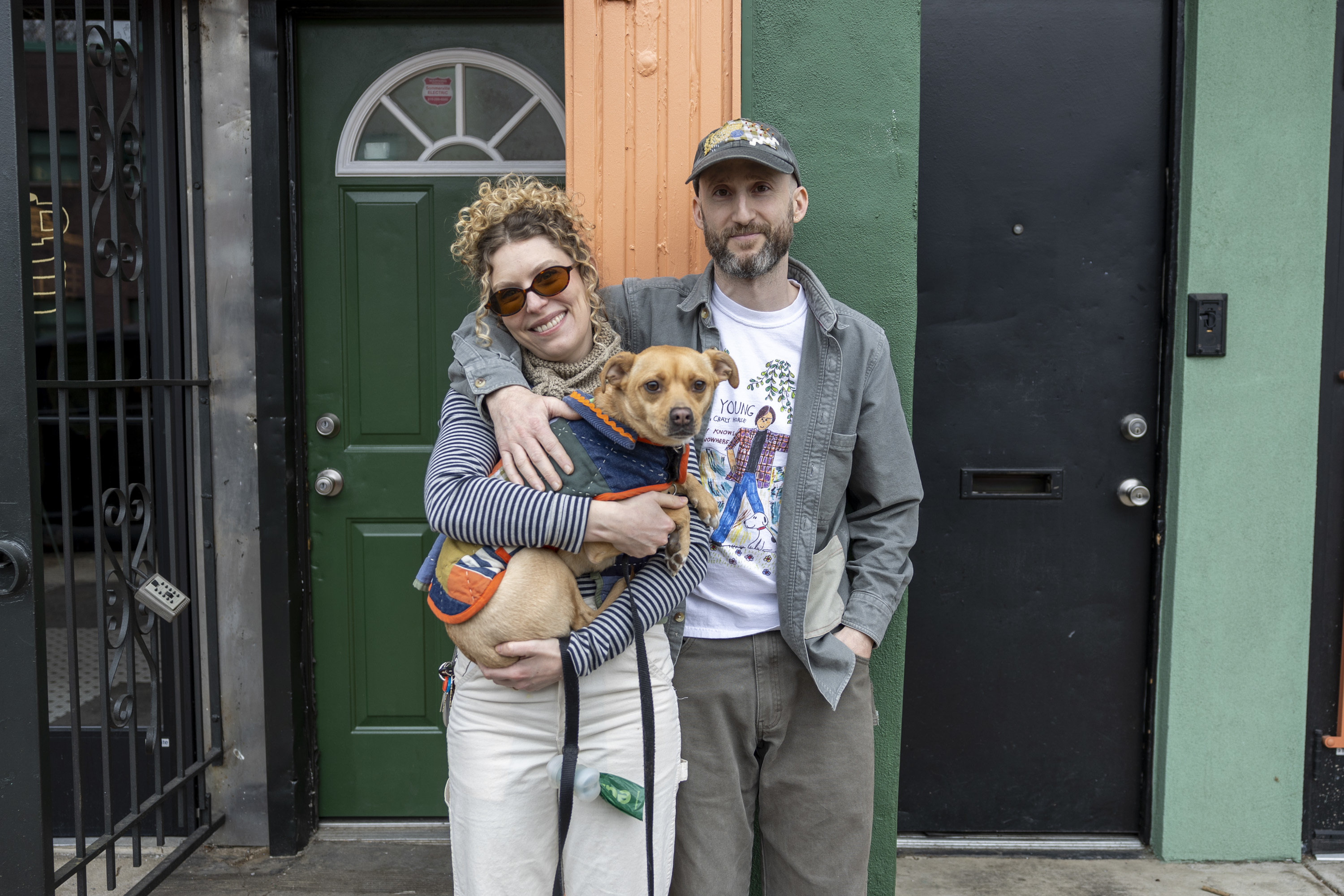
    Alex Malamy, owner of Little Bean, with his wife, Ilana Silber, and their dog Bean in their coffee shop in West Philadelphia in March.Tyger Williams / Staff Photographer

    At Little Bean, the pumpernickel syrup features a proprietary blend of the same ingredients that go into a classic pumpernickel bagel, ingredients Cleo and its sister shop already had on hand anyway: molasses, cocoa powder, coffee, and caraway seeds.

    “The toasted caraway really does pair so well with the coffee,” Malamy said. The syrup was a monthslong project, taking about six iterations to get just right. “It’s about getting the balance right of really bitter ingredients without being cloyingly sweet.” The end result is savory, warm, and cozy.

    As the six-month-old coffee shop gets into its groove, Malamy says more inventive, bagel-inspired syrups, cold foams, and little treats are on the way. “We’re going for bespoke Little Bean and Cleo things that feel traditional but playful,” he said. “It feels specific to us.”

    So, does a pumpernickel syrup mean pumpernickel bagels are also on the way? Not yet, Malamy says, citing Cleo’s modest floor plan, but it’s not entirely out of the question.

    “If we were to do a pumpernickel, we would definitely take our time with it,” he said. “We like baby-stepping into things.”

    Little Bean, 5015 Baltimore Ave., cleobagels.com/little-bean. Hours: 7:30 a.m. to 3 p.m. daily.

  • What’s the deal with the surveillance camera on Washington Square? It’s in response to vandalism.

    What’s the deal with the surveillance camera on Washington Square? It’s in response to vandalism.

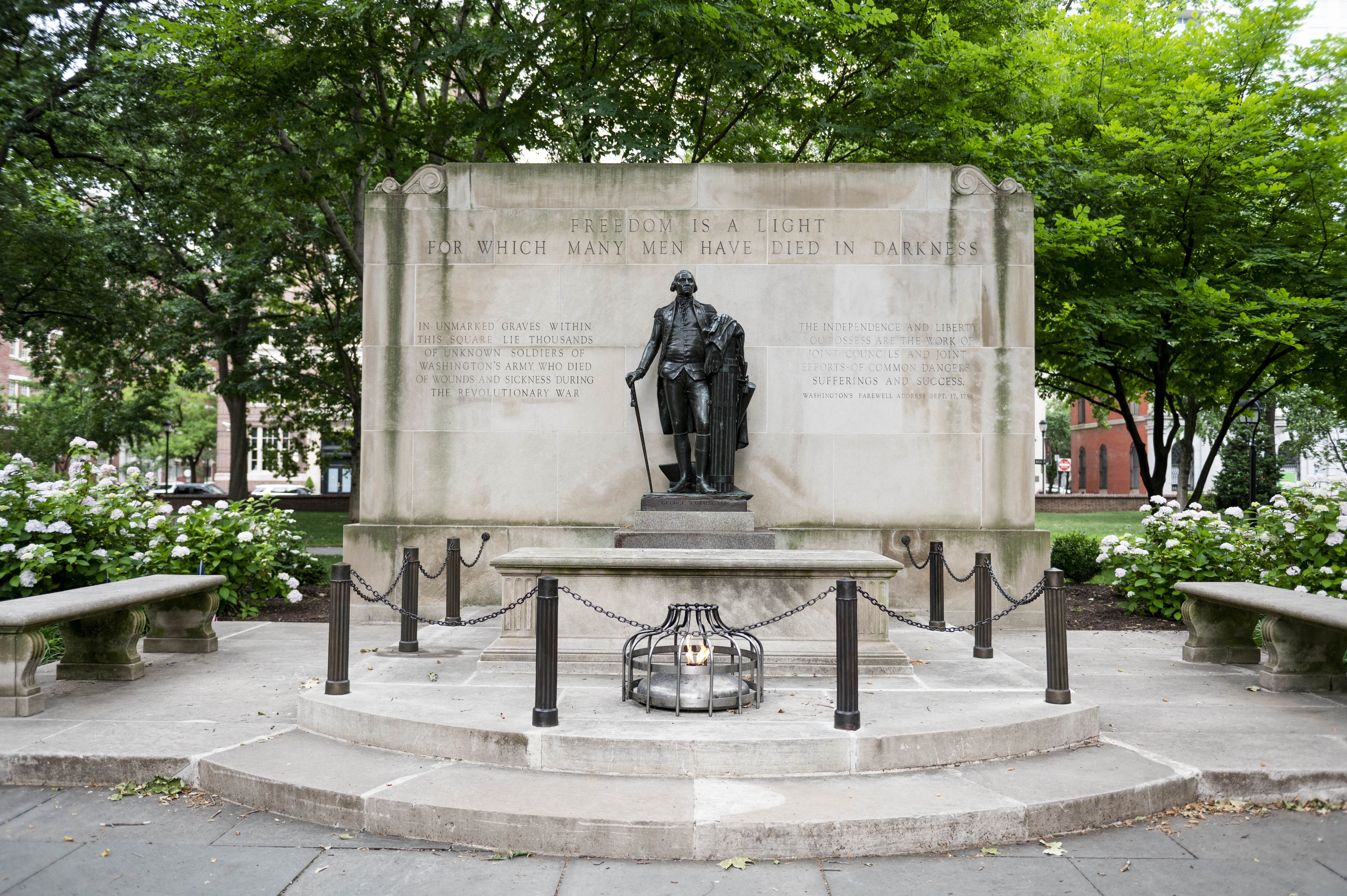
    A new fixture is on Washington Square next to the Tomb of the Unknown Revolutionary War Soldier and the flags of the 13 original colonies — a fenced-off, solar-powered security camera.

    The camera led some online to wonder whether it is a Flock camera, a type of surveillance device that automatically captures and stores license plate numbers and has generated privacy concerns.

    Here is what you need to know about the new camera, which is not a Flock device.

    Who installed the security camera?

    Washington Square is part of Independence National Historical Park, and the federal government has jurisdiction over the park.

    The camera was installed in July by the National Park Service in response to vandalism, according to City Councilmember Mark Squilla.

    “The National Park Service has the responsibility to keep America’s most cherished places safe and free from damage for the enjoyment of the American people,” a spokesperson for the park service said. “In the past year, vandals have damaged the Tomb of the Unknown Revolutionary War Soldier.”

    What do we know about vandalism in the park?

    A handful of vandalism incidents in the Washington Square area have been reported this year, according to Philadelphia Police Department data.

    One of the vandalism cases was in the early morning of July Fourth and was followed hours later by a separate incident.

    Later that day, five people who participated in a protest were arrested. During the event outside Washington Square, an unidentified woman attempted to burn an American flag.

    While the U.S. Supreme Court ruled burning an American flag is protected speech, it is a violation of city safety codes for public spaces.

    The arrests followed police orders to the crowd to disperse, and the five people allegedly did not comply.

    It is unclear if any specific incident led the National Park Service to install the additional surveillance measure.

    The Tomb of the Unknown Revolutionary War Soldier, which includes a statue of George Washington, was defaced with spray paint in 2020. Vandals wrote “committed genocide” on the memorial’s granite wall.

    Tomb of the Unknown Soldier monument in Washington Square on Wednesday, June 14, 2023.Allie Ippolito / Staff Photographer

    Is it a Flock camera?

    The new surveillance equipment is not a Flock camera, the park service spokesperson said.

    “Independence National Historical Park does not use Flock cameras. The park’s camera network is operated solely by the National Park Service on a standalone network with no connections to local or other federal agencies,” the spokesperson said.

    The markings on the equipment suggest the park service installed a Verkada camera, the brand the federal government purchased in July for cameras surrounding the nearby President’s House Site. Three mobile surveillance trailers were installed at the site after President Donald Trump’s administration replaced the long-standing slavery exhibit with new and controversial panels.

  • The lifespan of Philly restaurants | Morning Newsletter

    The lifespan of Philly restaurants | Morning Newsletter

    It’s Friday, Philly. Expect mostly sunny skies and highs in the mid-80s.

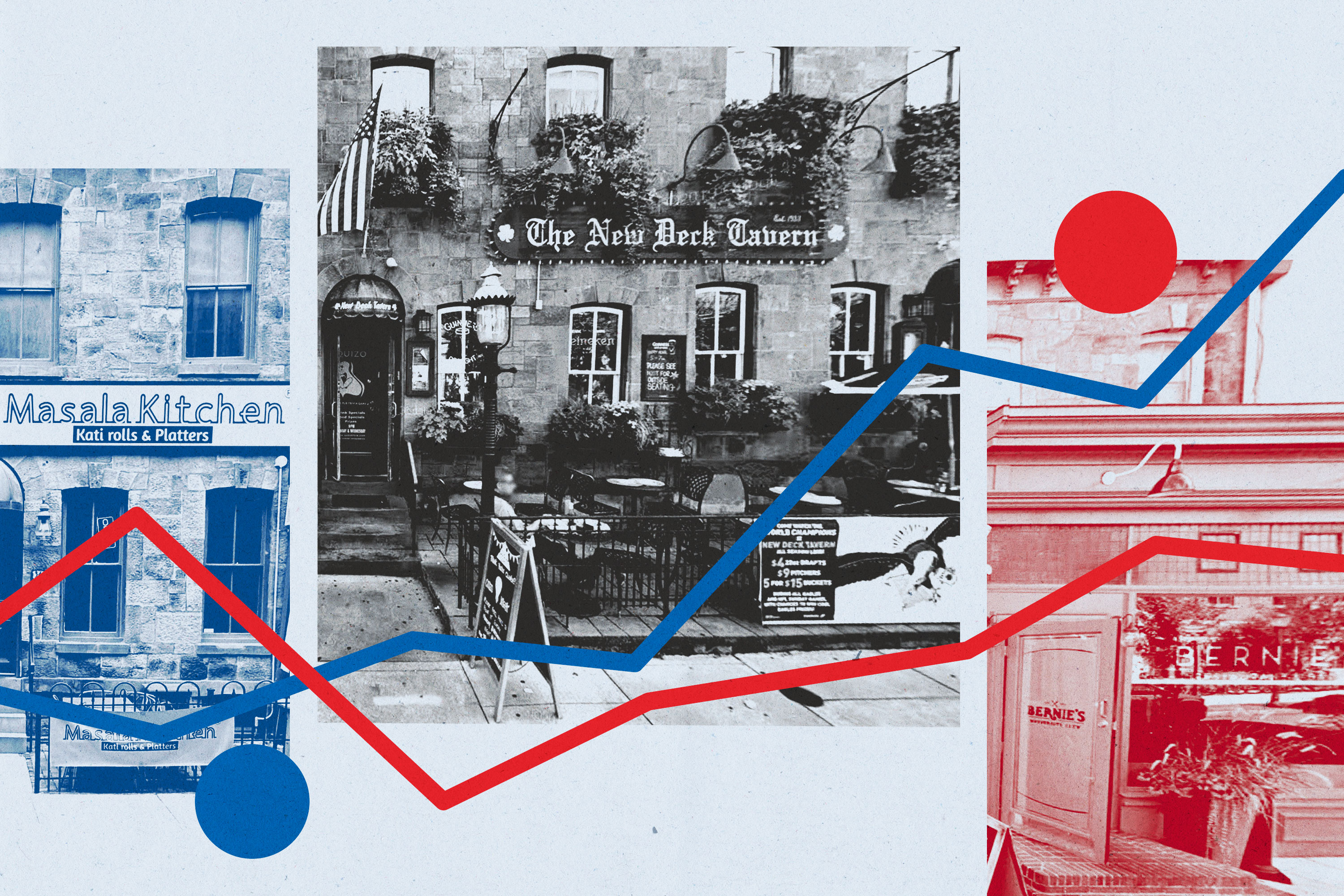
    What does it take for a restaurant to last in Philadelphia? An Inquirer analysis found that new food licenses are outpacing closures in the city.

    We also dig into why Washington Square has a new surveillance camera.

    Plus, Philly City Hall was evacuated due to a suspicious package, and more news to know before your weekend begins.

    — Paola Pérez (morningnewsletter@inquirer.com)

    If someone forwarded you this email, sign up for free here.

    Chew on this churn

    Philly is a foodie’s paradise with thousands of restaurants that call it home. But it’s a notoriously difficult business, and recent high-profile closures in the city reinforce that reality.

    According to our analysis of business licenses since 2006, the median lifespan of a restaurant is seven and a half years.

    To examine what has changed in that time frame, we looked into what happened in 2018. That year’s data shows:

    ✅ The city had a little more than 8,000 active licenses for food preparing and serving. (A new licensing process that year gave this figure a boost.)

    ⛔ Around 1,000 new licenses were issued throughout that year, but around 650 of those businesses have since closed.

    That short forecast, coupled with the volatile dining scene, hasn’t deterred new places from opening up shop, though. And there’s one West Philly block in particular that represents this turnover trend.

    Follow along with senior interactive designer Garland Fordice as she explains the data and takes us to the neighborhood.

    👀 Who’s watching?

    There’s a new fixture on Washington Square that doesn’t exactly obscure its presence.

    The fenced off, solar-powered security camera has sparked questions about whether it was a Flock camera, a type of surveillance device that has raised privacy concerns.

    But it’s not a Flock device, my colleague Abraham Gutman reports. He tracked down more information on the camera, including:

    Who installed it. The National Park Service did so in July, according to City Councilmember Mark Squilla.

    Why they put it there. A handful of vandalism incidents in the area prompted the additional surveillance measure.

    Get the full story here.

    What you should know today

    • South Jersey power broker and former Inquirer co-owner George E. Norcross III on Thursday filed a $100 million defamation and conspiracy lawsuit against the newspaper and one of its editors.
    • Sheriff’s deputies investigated a package found in Council chambers, Council President Kenyatta Johnson said. No injuries were reported and police have determined it was not a bomb.
    • The cousin of a woman believed to have been killed by Raymond Horsch criticized police for sharing graphic details with the public before conferring with family.
    • Upper Darby passed an ordinance this week aiming to restrict the township’s cooperation with federal immigration agents.
    • The head of the Conviction Integrity Unit in the District Attorney’s Office has stepped down from his supervisory role, sources said, days after a federal judge said his actions in a contentious post-conviction case could amount to crimes.
    • Philadelphia Mayor Cherelle L. Parker ordered a task force to explore whether the city should place new regulations on the construction of data centers that power artificial intelligence. Meanwhile, in Pittsburgh, Gov. Josh Shapiro called for the federal government to establish “strict rules of the road” to guide the AI industry.
    • Atlantic City’s iconic Steel Pier, home to diving horses, Miss America pageants, and lately rides, has gone up for sale at $85 million.
    • Old City is one of the few Philadelphia neighborhoods that still sees condo development. A new 43-unit project, which would preserve historic features, could become part of the trend.

    Plus: Avenues in Philly begin at 64th. What happened to 1st through 63rd?

    Welcome back to Curious Philly Friday. We’ll feature both new and timeless stories from our forum for readers to ask about the city’s quirks.

    This week, we’re resurfacing an explainer on Philadelphia street nomenclature. A reader, self-described as obsessed with avenue numbers in Philadelphia, wanted to know why they start at 64th. And why 63rd Street, not 63rd Avenue?

    We asked multiple city departments, but as it turns out, no one really knows why. Still, Inquirer reporter Michelle Myers uncovered some history of Philly’s street naming conventions, and how it may be related to the city’s addressing system. Here’s the full story.

    Have your own burning question about Philadelphia, its local oddities, or how the region works? Submit it here and you might find the answer featured in this space.

    🧠 Trivia time

    Biology students at Stockton University are monitoring this Jersey Shore icon and say the species could be in danger:

    A) Turtles

    B) Horses

    C) Horseshoe crabs

    D) Ospreys

    Think you know? Test your local news know-how and check your answer in our weekly quiz.

    What we’re …

    🌕 Highlighting: Philly’s most unique mooncakes, according to The Inquirer’s food writer Kiki Aranita.

    ⚽ Impressed by: Union phenom Cavan Sullivan, 16, and two other teammates got the call-up to play with the senior U.S. men’s national team.

    🎸 Listing: Concerts to catch as we wrap up the last big weekend for outdoor shows in Philly.

    ⛳ Following: Why the plan to build a warehouse on a shuttered South Jersey golf course has yet to break ground.

    ☕ Curious about: A West Philly coffee shop’s new bagel-themed fall drink. The Inquirer’s Emily Bloch says it’s a “must-try.”

    🧩 Unscramble the anagram

    Hint: The United States got its name at this Philadelphia site on Sept. 9, 1776. (At the time, it was called the Pennsylvania State House.)

    ENPLANED LICHENED

    Email us if you know the answer. We’ll select a reader at random to shout out here.

    Cheers to Khalil Garriott, who correctly guessed Thursday’s answer: Reading Terminal Market. The beloved Center City institution recently tallied up its local economic impact, to the tune of $126 million last year.

    Photo of the day

    A pedestrian walks across Logan Square near the Swann Memorial Fountain during a clear, sunny day.Jose F. Moreno / Staff Photographer

    Thanks for starting your weekend with us. Have a great one.

    By submitting your written, visual, and/or audio contributions, you agree to The Inquirer’s Terms of Use, including the grant of rights in Section 10.

  • A deaf woman was crowned Miss America for the first time on this week in Philly history

    A deaf woman was crowned Miss America for the first time on this week in Philly history

    As Heather Whitestone’s dream veered toward reality, her hearing aid wasn’t working and she had lost sight of Regis Philbin’s lips.

    The 21-year-old Miss Alabama couldn’t hear the talk show host, or read his lips, when he announced the winner of the Miss America pageant on Sept. 17, 1994.

    Rebecca Blouin — Miss Mississippi — turned to her fellow Southerner and shared the news, which broke a barrier at what many consider the United States’ most-celebrated beauty contest.

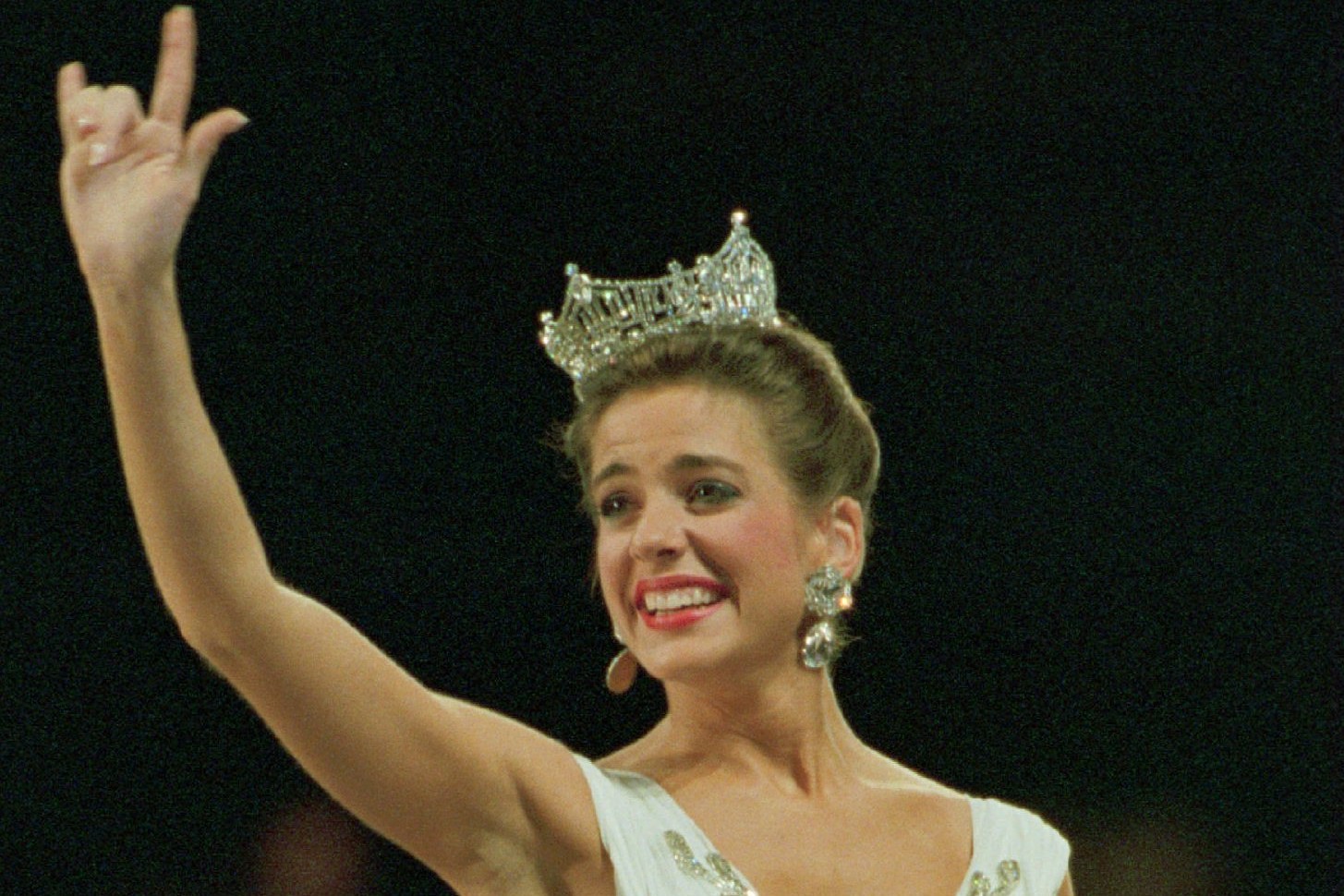
    For the first time in the event’s history, which dates back to 1921 at the Jersey Shore, a deaf woman would wear Atlantic City’s most prestigious award: a rhinestone tiara.

    Unheard of

    Whitestone was not born deaf.

    At 18 months old, she contracted a serious bacterial infection that damaged the nerves in her ears and led to a total loss of hearing.

    Years of therapy taught her how to speak, and she utilized hearing aids, but Whitestone navigated her way through life primarily by reading lips.

    Former Miss America Kimberly Aiken, left, crowns Miss America 1995 Heather Whitestone, of Alabama, after Whitestone won the 74th annual pageant in the Atlantic City Convention Hall in September 1994.Charles Fox

    In media interviews during the pageant, she didn’t use an interpreter.

    “It’s a physical challenge, not a handicap,” she told The Inquirer in an interview prior to her win. “I really believe the most handicapped people are those who have a bad attitude.”

    Feeling the love

    Leading up to the main event, attendees showered the Birmingham, Ala., woman with standing ovations as she made it through the pageant’s three nights of preliminary competition.

    That affection carried over into the finals, when the ballet dancer dazzled judges Philbin and Kathie Lee Gifford with her talent and chutzpah.

    As Christian singer Sandy Patti performed the song “Via Dolorosa,” Whitestone glided along on her tippy toes — counting beats in her head to help keep pace.

    “She is an extraordinary human being,” Gifford told The Inquirer.

    Crowning achievement

    Whitestone was not the first deaf contestant, but she remains the only deaf woman to have won.

    A reporter would later ask Whitestone about the potential challenges she faced fulfilling such a public-facing role.

    “I think I’m doing just fine,” she said with a wry smile. “I mean, look at us now.”

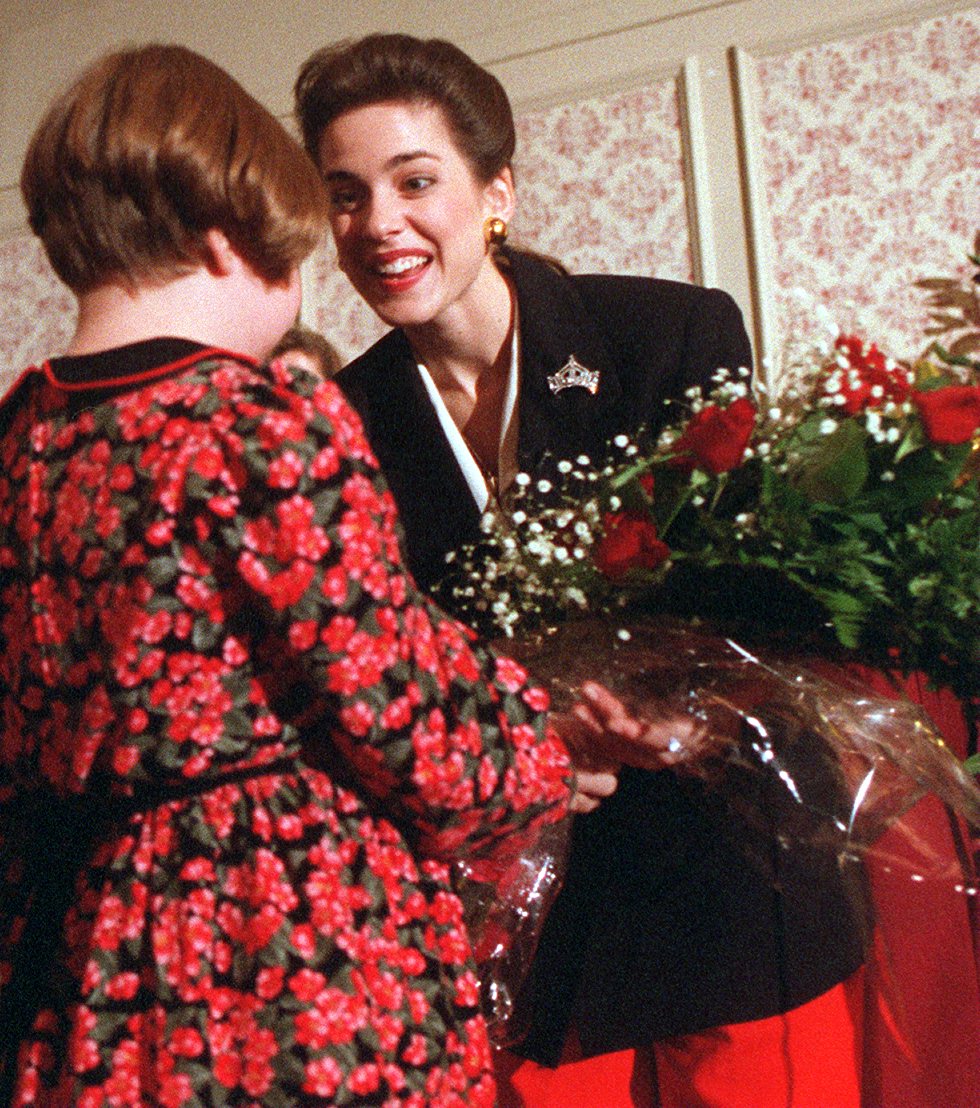
    Miss America Heather Whitestone receives flowers from Christina Simeone, age 9, from Wallingford Elementary School in January 1995.G. Loie Grossmann / Staff Photographer

    When Whitestone, as the newly crowned Miss America for the forthcoming 1995, took her victory walk down the runway, she raised her hand to the thousands in Convention Hall, signing “I love you.”

    Whitestone couldn’t hear their response — the hearing aid in her left ear was overwhelmed by the thunderous ovation and transmitted only static — but she didn’t need to.

    She could read the smiles on their lips.

  • Should Larry Krasner still lead the Philadelphia District Attorney’s Office? | Editorial

    Should Larry Krasner still lead the Philadelphia District Attorney’s Office? | Editorial

    District Attorney Larry Krasner came into office promising to end mass incarceration, decriminalize minor offenses, eliminate cash bail, and free anyone who was wrongly convicted.

    On its face, those reforms seemed laudable given Philadelphia’s — and the nation’s — decades-long, tough-on-crime politics, policies, and policing that resulted in high incarceration rates and a justice system rooted in racial and economic disparities.

    But in Krasner’s zeal to right past wrongs, he has caused grave damage to himself and his office. A series of legal setbacks has cast doubt on Krasner’s ability to administer fair and impartial justice, let alone manage his office.

    As a result, crime victims and the accused are left to wonder if the city’s top law enforcement official can properly do his job.

    Krasner’s latest and most perilous legal trouble stems from a recent court case involving a man’s attempts to overturn his 2009 murder conviction.

    Following an evidentiary hearing that stretched for three days over the summer, U.S. District Judge Paul S. Diamond referred the matter to federal prosecutors to investigate Krasner and Matthew Stiegler — the former head of the district attorney’s office’s Conviction Integrity Unit — for potential crimes, including conspiracy, obstruction of justice, and perjury.

    Krasner and Stiegler have not been charged. It is unclear if the U.S. Attorney’s Office in Philadelphia will launch an investigation, though it appears very likely considering that amid the hearing that spurred the criminal referral, Diamond said that “potential wrongdoing abounds.”

    Even before Krasner’s latest legal morass, a disturbing pattern of lies and chicanery emerged involving the office’s handling of other post-conviction cases, mainly for murder.

    One supervisor was disbarred last year and another suspended in June for repeatedly lying in federal court while seeking to overturn the death sentence of a man convicted of killing a couple in their East Mount Airy home. The federal judge in that case found the DA’s office provided a “false account” of the events, and ordered Krasner to write a letter of apology to the victims’ family.

    In the very first exoneration of Krasner’s first term, a Common Pleas Court judge ruled his team unfairly accused two former prosecutors of misconduct and had “misplaced and/or destroyed” records and relevant evidence. The judge fined the district attorney’s office $120,000.

    In June, the state Supreme Court found the office had violated its duty of candor to the court and ordered the state attorney general’s office to review future attempts by the DA’s office to reduce a sentence or overturn a past conviction.

    The latest case before Judge Diamond featured stunning sworn testimony by four supervisors hired during Krasner’s tenure who remain on the job.

    Their accounts from the witness stand painted a disturbing picture of Krasner and Stiegler scrambling to contain any legal fallout involving the lazy and disingenuous handling of their decision to initially go along with defense attorneys seeking to overturn the 2009 second-degree murder conviction of Dennis Johnson.

    For years, Johnson’s post-conviction appeal efforts were repeatedly rejected. In 2022, then-Assistant District Attorney Jaclyn Mason filed a brief that agreed with Johnson’s lawyers that his trial counsel had been ineffective, and his conviction should be overturned.

    In May, Diamond ordered an evidentiary hearing to examine what new evidence emerged to prompt the DA’s change in position.

    That spurred a group of supervisors in the district attorney’s office to scrutinize Mason’s initial brief in which they found numerous “material misstatements.” The four supervisors — Katherine Ernst, Steven Wildberger, David Napiorski, and Peter Andrews — determined the office needed to withdraw the motion and apologize to the court.

    They asked Mason to sign the filing with them, but she said Stiegler should take responsibility since he drove the effort to concede after several meetings with Johnson’s defense attorneys at the Pennsylvania Innocence Project.

    Fearing she would get all the blame, Mason quit in June and testified the following month that Stiegler had “colluded” with Johnson’s defense team and told her, “If it is good enough for the Innocence Project, it was good enough for him.”

    After Mason quit, the supervisors said Stiegler lobbied his fellow supervisors to go through Mason’s other cases, find errors, and tell Diamond she was a rogue actor. Krasner endorsed the plan, calling it a “good idea,” according to the supervisors.

    The supervisors rejected that scheme and instead argued for the case to be turned over to the state attorney general. Krasner repeatedly opposed that plan, citing the need to “protect the office.” The four supervisors concluded the efforts by Stiegler and Krasner created a conflict of interest for them and the office.

    The supervisors testified that Krasner threatened “consequences” if they told Diamond about the internal discussions. But rather than go along with the ruse, the four supervisors withdrew from the case.

    Diamond found Krasner’s threat “could amount to obstruction of justice,” and the scheme with Stiegler to present a false narrative “might amount to criminal conspiracy.”

    Diamond credited Ernst, Wildberger, Napiorski, and Andrews for coming forward “at the risk of their jobs.” He wrote their testimony was “compelling and corroborated by contemporaneous documents.”

    The judge rejected Stiegler’s version of events, writing that he found his testimony “contradictory, evasive, or outright dishonest.” He said Stiegler was “responsible” for the errors in the concession brief and that Mason followed his orders. Diamond added that Stiegler’s testimony “may well amount to perjury.”

    Confirming Mason’s fears, Diamond found Krasner directed the four supervisors to implement Stiegler’s plan to blame her for errors in the brief.

    Sources told The Inquirer that Stiegler abruptly resigned from his position as head of the exonerations unit Thursday, but he will remain in the district attorney’s office.

    Krasner issued a statement that said he “respectfully and vigorously” disagreed with Diamond’s findings and planned to appeal. He said he couldn’t comment further because the case is pending.

    But even that is not entirely truthful. Diamond said Krasner could have defended himself at the hearing. The judge wrote that Krasner “chose not to testify” or even to submit an affidavit after the hearing.

    “[Krasner] apparently does not dispute — or does not address — much of the testimony presented,” Diamond wrote.

    Krasner’s handling of the Johnson matter is beyond troubling. Perhaps just as telling, before the judge’s ruling was released, Krasner’s take on events, detailed in a filing made by his office, underscored that he remains unbowed. Indeed, as the legal setbacks have mounted, Krasner has demonstrated a glaring blind spot regarding his failings as a leader.

    As a result, Krasner faces a legal peril of his own making.

    Krasner came into office with a long list of real and perceived detractors. But he has frittered away his credibility, and his actions have undermined the hard work and dedication of many of his rank-and-file attorneys.

    This Editorial Board has endorsed Krasner in previous elections, but now believes he has created an untenable situation that could impact the treatment of crime victims and wrongdoers.

    One significant challenge: Will judges and juries trust prosecutors from the DA’s office?

    There is no denying that innocent people who were wrongly convicted sit in prisons. Krasner was right to review past convictions. But the questionable handling of these cases that was described in court has sabotaged his own authority to right those wrongs.

    The DA’s office is now rife with turmoil, fear, and distrust. Krasner sent a chill through the office after he allegedly threatened jobs and called prosecutors in the state attorney general’s office “Nazis.” One assistant supervisor recently stepped down from his leadership post after losing faith in the office.

    Krasner, who spent decades as a defense attorney, entered public office with a list of grievances and a deep mistrust of law enforcement, which he called “systematically racist.”

    Before first getting elected district attorney in 2017, Krasner sued the Philadelphia Police Department 75 times. Days after taking office, he ousted more than two dozen staffers, including many experienced prosecutors.

    Krasner has expressed disdain for the state attorney general’s office. He often views judges who oppose him as hostile, according to people familiar with his thinking.

    His jaded and often huffish views inform how he administers justice, whom he indicts or doesn’t indict. Not to mention his fraught relationship with police. Lives hang in the balance, including the accused, victims, and the wrongly convicted.

    Krasner now faces a major challenge: Can he regain the trust of the public and the prosecutors in his office? He should start by installing experienced and respected leaders.

    Then Krasner needs to look in the mirror and determine if he can continue to run the district attorney’s office under the giant cloud he has created.