Blog

  • I’m a nurse who helps sexual assault survivors. Jane Doe’s texts from Cornell sound like what I hear in Philadelphia.

    I’m a nurse who helps sexual assault survivors. Jane Doe’s texts from Cornell sound like what I hear in Philadelphia.

    I am a sexual assault nurse examiner in Philadelphia. For the past 10 years, I have also studied how people heal after sexual harm, and I answer anonymous questions from survivors on Our Wave, a free online healing platform for people who have experienced violence. In both places, the question I hear most often is “Does this count?”

    Cornell University’s Jane Doe spent three weeks asking herself that question.

    Title IX records obtained by the New York Times show the sophomore, who says she was assaulted by multiple men at a fraternity house in October 2024, texting with some of the men she would later accuse.

    The Chi Phi fraternity house at Cornell University in Ithaca, N.Y., where a Cornell student reported being gang-raped in 2024. A special prosecutor has recently been appointed by New York state to investigate the allegation.HEATHER AINSWORTH

    According to the Times, two days after the party, she reassured one of them that none of the sexual stuff was illegal. Two days after that, she wrote that her reputation was destroyed and that all she could do was sleep and cry. She later told investigators that things shifted when she read an anonymous post online. She said it was the first time she had heard anyone say “that I wasn’t a whore and that I was assaulted.”

    Those texts are now being used against her.

    The Tompkins County, N.Y., district attorney declined to bring charges in 2024. He has since said his office never saw the transcript of her police interview, in which she reportedly said she was certain she had been raped, and he has reopened the case. The New York attorney general is also reviewing how Cornell handled it.

    The legal process will decide what happened that night. As a nurse, I recognize the weeks that followed.

    Healing after sexual harm rarely starts with the word rape. My research has followed the healing journeys of survivors across the globe, including hundreds here in Philadelphia. Survivors have taught us that there are multiple pathways people may move through as they heal. Two of the earliest are normalizing, when violence feels like just what happens, and minimizing, when a survivor knows something was wrong but insists it wasn’t that bad.

    On campus, survivors often normalize and minimize because of what hookup culture has taught students to accept, so pressure, coercion, and sex with someone too drunk to consent can feel like just part of a night out.

    People move back and forth between these pathways for months or years, and each one helps them get through the day. But our systems tend to treat whatever a survivor says during them as the whole story.
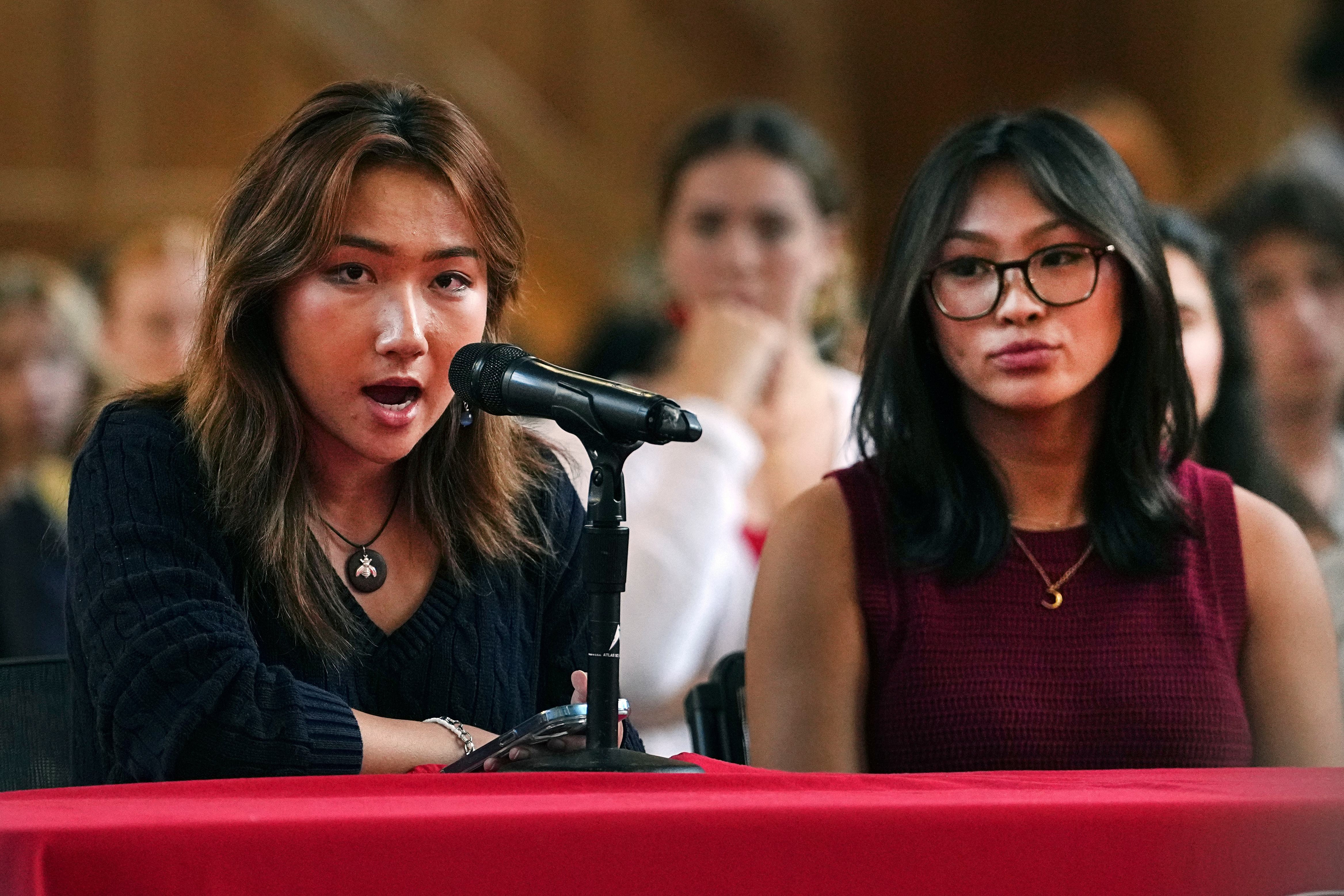
    Cornell University students and American Civil Liberties Union student chapter members Jane Wang (left) and Sophia Riley Sim speak about sexual violence on campus during a student assembly meeting at the university on Oct. 1.Matt Rourke

    I first saw this as a student working at the University of Michigan’s sexual assault center. Women who came in late at night almost never started with the word rape. They usually started with “I’m probably being dramatic but …”

    Jane Doe’s texts read like the normalizing and minimizing I have seen again and again in my research. Many survivors tell us they didn’t realize they had been sexually assaulted until after they had time to process. What helped survivors move forward was connection, and sometimes one supportive person was enough. For Jane Doe, it was a stranger online who finally called it assault. The way we respond to survivors really does matter.

    At Our Wave, where I direct research and survivor support, survivors share their stories so others can see themselves in them and make sense of their own experiences.

    The questions survivors send us show how often doubt comes first. When my team searched the nearly 1,000 questions submitted to our Q&A for the language of doubt, phrases like “does this count,” “am I being dramatic,” “it was my fault,” and “I froze,” we found it in about one in four.

    Survivors are everywhere, but we do not always recognize their experience as survival, and survivors do not always recognize it in themselves. Perhaps that is why so many people have been posting “I am Jane Doe” this week. They see themselves in her story.

    We ask survivors to make one big decision — whether to report — at the moment many are least able to make it. A survivor who is still minimizing what happened is not going to file a police report. She might read another survivor’s story at 2 a.m., ask an anonymous question, or come in for medical care and an exam, which she can have without going to the police.

    Survivors need a menu of options that meets them where they are in their healing journey. Some need anonymous support first, like a hotline or an online Q&A. Some need medical care and evidence collection now, with the decision about reporting saved for later.

    Some need a confidential campus advocate who won’t automatically open an investigation. Those who are ready need formal Title IX and criminal processes. And some want restorative options, in which the person who caused harm must take responsibility and face consequences outside the criminal legal system, such as losing campus housing or leadership roles.

    More options can also mean more accountability. In the Cornell case, with no criminal charges, the university’s process was the only accountability available. One woman in my research said she wished her school had “more teeth.” In my experience, survivors who know they have options are more likely to come back when they are ready.

    Philadelphia can lead on this.

    We have dozens of colleges and universities, including Temple, Penn, Drexel, and La Salle, and our city’s rape crisis center, WOAR, already offers a restorative justice program, although recent funding cuts have threatened its sustainability. As faculty adviser to Students Activists Against Sexual Assault at Temple, I know students here are ready for this conversation. Our campuses should build the full menu, and every student should hear that they don’t have to be sure it counts before they ask for help.

    Healing isn’t linear, and in my experience, naming isn’t, either. Jane Doe needed three weeks to find the word. That is common. To survivors who are still asking whether it counts, your story matters, and healing is possible.

    Together, we can create a more supportive healing world for survivors, one where people are still listening, and options are still open when they get there.

    Laura Sinko is an associate professor of nursing at Temple University’s College of Public Health, faculty adviser to Temple’s Students Activists Against Sexual Assault, a sexual assault nurse examiner in Philadelphia, and the director of research and survivor support at Our Wave.
  • U.S. hiring slows and unemployment ticks higher with a month remaining before Americans head to polls

    U.S. hiring slows and unemployment ticks higher with a month remaining before Americans head to polls

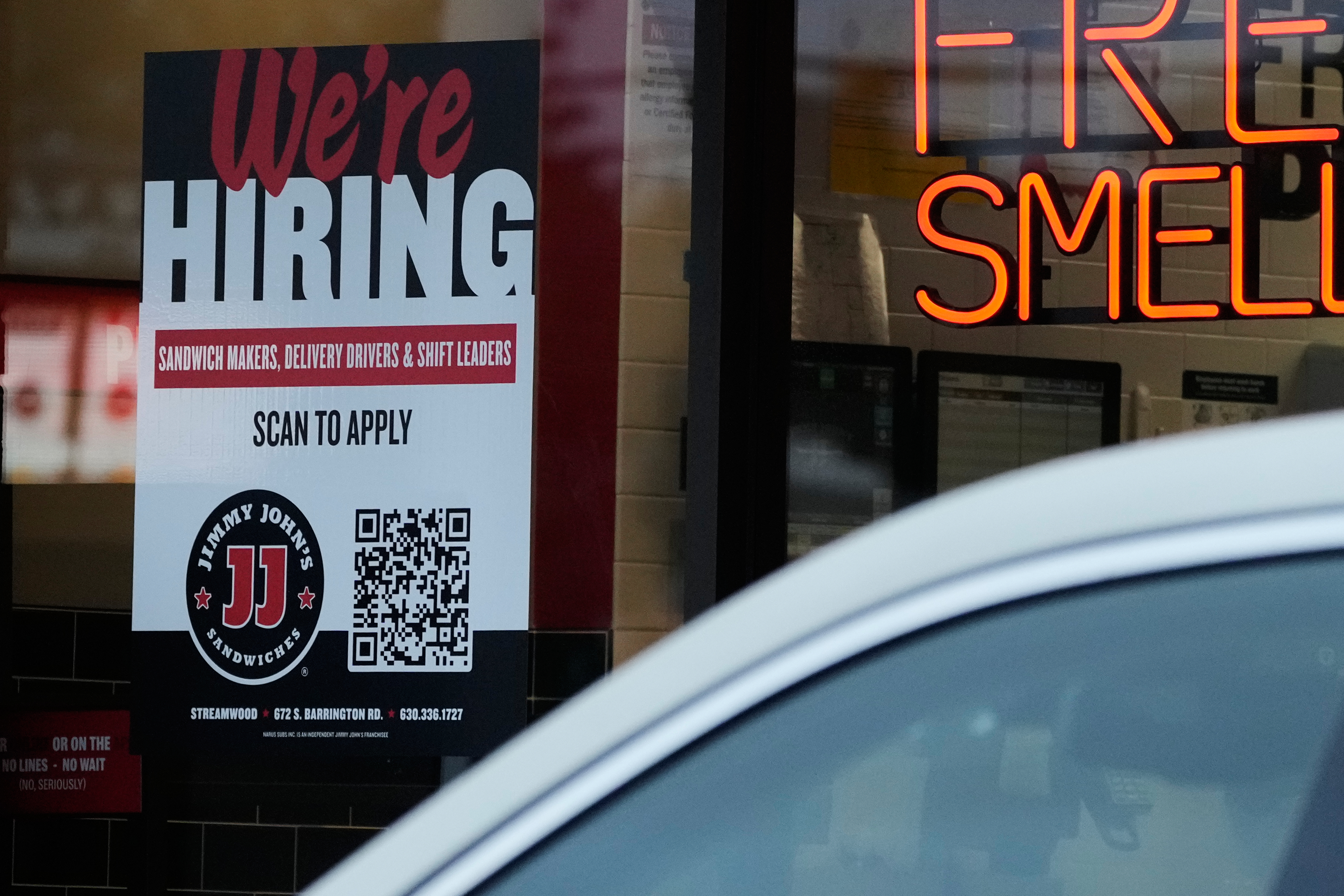
    WASHINGTON — U.S. employers added a disappointing 29,000 jobs and the unemployment rate ticked up last month, the government reported Friday, a month before voters go to the polls in pivotal midterm elections at a time of discontent over the high cost of living and the state of the economy.

    Hiring dropped from a revised 133,000 in August, the Labor Department said. The unemployment rate rose to a still-low 4.2% from 4.1% in August.

    Economists had expected September payrolls to come in around 90,000.

    Labor Department revisions also shaved 60,000 jobs off combined July and August payrolls.

    The new hiring data could draw the Federal Reserve’s attention back to hiring and jobs, given that one of the central bank’s two mandates is to seek maximum employment. Many Fed officials have said in recent weeks that they are primarily focused on their other mission, which is combating inflation. With the job market looking a bit weaker, the Fed may be more inclined to keep its key rate unchanged when it meets next month, rather than raise it.

    Average hourly wages were up just 3% last month from a year earlier, the smallest year-over-year gain since May 2021. “In this data, there is no sign that the labor market is stoking inflation,” said Luke Tilley, chief economist at Wilmington Trust.

    Still, the unemployment rate remains low and inflation has been above the central bank’s 2% target for more than five years, so the Fed’s concern about elevated prices is still front and center.

    Federal, state, and local governments cut 17,000 jobs last month. Professional and business services companies, which provide administrative and technical expertise, trimmed 9,000 jobs.

    Healthcare companies created 17,000 jobs in September, but that was barely half the 33,000 they’ve added, on average, each month for the past year. Bradley Saunders, an economist at Capital Economics, wrote that the slowdown in healthcare hiring might reflect the Trump administration’s revocation of work authorizations for 350,000 Haitians.

    Construction companies added 11,000 jobs and manufacturers 9,000.

    Unemployment rose partly because 485,000 people entered the workforce and not all of them found jobs right away.

    The U.S. job market has proven resilient in the face of a series of shocks — trade wars, persistent inflation, high interest rates, and a conflict with Iran that has driven energy prices higher. Friday’s jobs report is the last one that will come out before the Nov. 3 elections that will determine whether President Donald Trump’s Republicans maintain full control of Congress.

    Futures for the S&P 500 and Nasdaq composite added to their gains after the data was released on growing hopes that the Fed will hold off on a rate hike. Treasury yields moved lower.

    Yet what makes Wall Street happy differs starkly with what brings joy on Main Street.

    The U.S. job market has recovered from a dismal 2025, but most Americans are still unsettled about the state of the economy and the high cost of living.

    A Thursday poll from the Associated Press-NORC Center for Public Affairs Research finds that only 17% of U.S. adults approve of Trump’s handling of the cost of living. Just 26% approve of his handling of the economy overall, marking a new low.

    U.S. consumer confidence dropped this month to the lowest level in more than a decade, according to an index published by the Conference Board. One reason: More than 28% of respondents told the business think tank that they expect fewer jobs to be available in six months, double the 14% who expect more.

    The online jobs site Glassdoor reports that its employee confidence index, based on how workers view prospects for their own companies, dropped last month to the lowest level in records going back to the beginning of 2016, a period that includes a pandemic. It was the index’s third record low this year.

    “Employee confidence has been continuously grinding downward over the last year as workers grow increasingly anxious about everything from layoffs to AI,’’ said Glassdoor chief economist Daniel Zhao.

    The public’s misgivings about jobs partly reflect an odd feature of the current labor market: Employers aren’t laying off many workers, but they aren’t hiring many either. A Labor Department measure of gross hiring — before subtracting those who quit or lose their jobs — has been stuck in a rut for more than two years.

    So economists describe a “low-hire, low-fire” job market in which those who have jobs are mostly secure, but jobseekers struggle to find work.

    “People know that being laid off is unusually costly right now,” said Glassdoor’s Zhao. “They hear from their friends how long they’ve been out of work and had such a difficult time finding a job. That does make layoffs even more scary than usual.”

    In that chilly environment, fewer workers are willing to quit their jobs. “They often feel stuck,” Zhao said. “Workers aren’t finding there’s opportunity on the open market to find a better job — one that pays more or offers better work-life balance.’’

    Employers — businesses, government agencies, and nonprofits — have added an average 68,000 jobs a month so far this year. That’s a big improvement on the 9,700 average new jobs created every month in 2025, the weakest hiring outside a recession since 2002.

    At one time, 68,000 jobs a month would have been mediocre at best. But the United States doesn’t need as many jobs as it once did to keep unemployment from rising. Because of baby boomer retirements and Trump’s immigration crackdown, there are fewer people competing for work, and the break-even point could now be as low as zero jobs a month, down from 150,000 a year or two ago.

    “I think this is roughly where we’re going to stay,” said Tilley at Wilmington Trust. ”I expect job growth to remain in this 25,000 to 75,000 band as we go along.”

    Anne D’Innocenzio and Christopher Rugaber contributed to this article.

  • Kennedy Center Honors will move to Capital One Arena as closure drags on

    Kennedy Center Honors will move to Capital One Arena as closure drags on

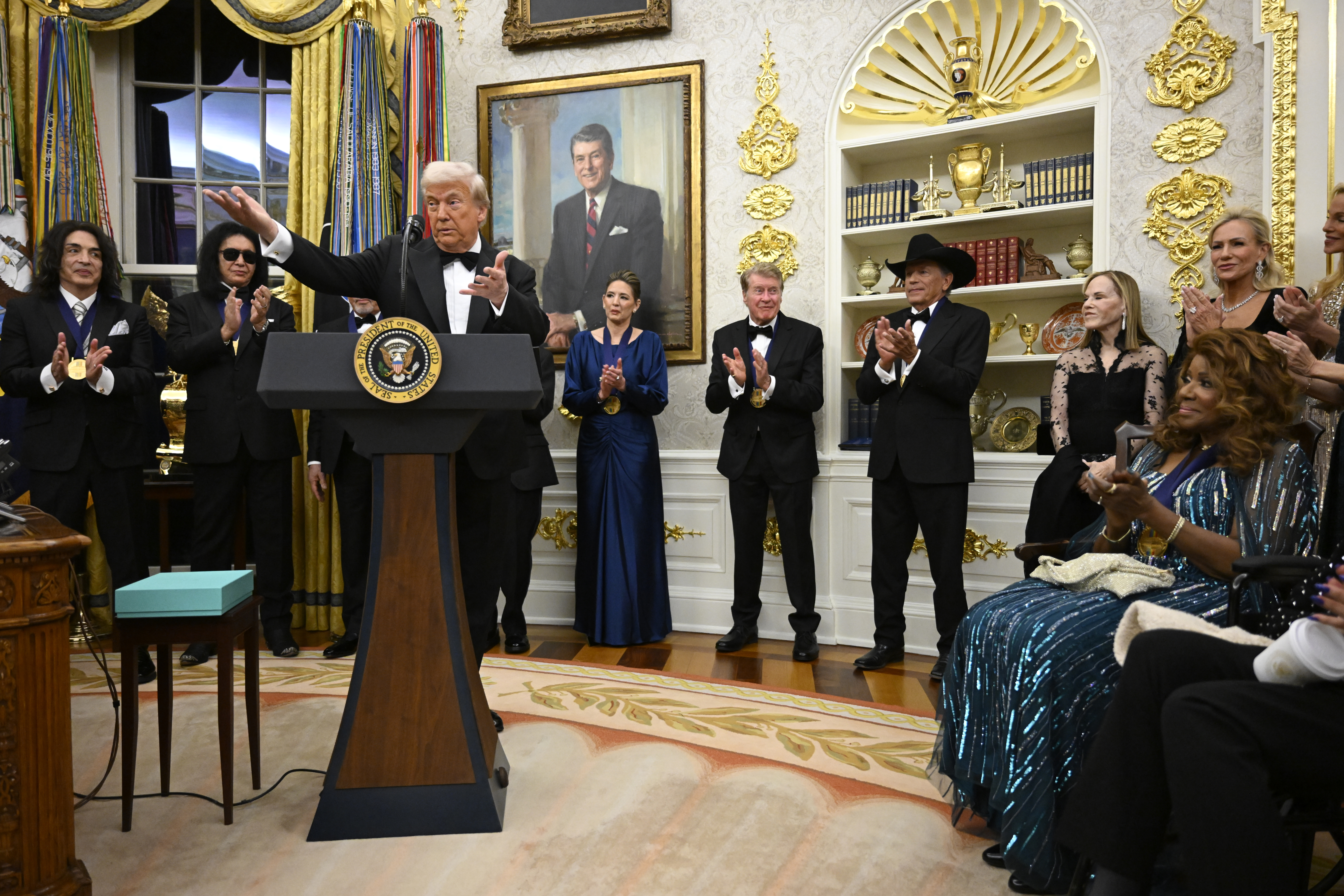
    The Kennedy Center Honors will take place Dec. 7 at the Capital One Arena, the center announced Friday, breaking tradition by holding the tribute ceremony off-campus as a battle rages over its closure.

    Most other details about the honors — namely, who will receive the awards and who will broadcast the show — remain a mystery, months after they would ordinarily be public.

    A Kennedy Center spokesperson said these will be announced at a later date.

    The annual black-tie gala and television broadcast is the center’s flagship program and usually its largest fundraising event. It generally takes place on a weekend in December, during which five honorees are recognized by the American government for their contributions to the arts. They traditionally received medallions, met the president at the White House and gave speeches during a dinner at the State Department before attending a star-studded Sunday ceremony in the Kennedy Center’s Opera House.

    The honorees — which have included Leonard Bernstein, Queen Latifah, George Clooney, Led Zeppelin, Gladys Knight, Billy Crystal, and the Grateful Dead, to name a few of the almost 270 honorees since its inception in 1978 — are usually announced in midsummer.

    Last year, amid turmoil from President Donald Trump’s takeover of the center and remake of its board, the announcement came late, in mid-August. The year before, it arrived in July along with both the broadcast and ceremony date.

    It is October, and there’s no other word on the details.

    We don’t know who is in the 49th class of honorees or what kind of crowd will greet them: The program’s venue, Capital One Arena, which can hold roughly 20,000 people at max capacity, dwarfs the 2,347 seats of the center’s Opera House.

    We don’t know who will broadcast it. During a board meeting last year, Trump floated the idea of having networks bid to air the show, which has been broadcast on CBS since its debut. (Last year’s remained on CBS.)

    Finally, we don’t know who would host it. Trump, who avoided the honors in his first term, famously played the role himself at last year’s ceremony, something a president had never before done. He also said he was “about 98 percent involved” in picking the honorees — Michael Crawford, Gloria Gaynor, Kiss, Sylvester Stallone, and George Strait — which are generally chosen by committee.

    Asked for details this week, the White House referred us to the Kennedy Center, which provided the announcement.

    The center had maintained that the honors, along with the Mark Twain Prize, would continue somewhere off-site during the building’s two-year closure for repairs.

    “It will definitely go forward,” Richard Grenell told WTOP in February, before he departed as president of the Kennedy Center. At the time, he predicted “it will probably just be in a smaller venue, which just means ticket demand will be even higher.”

    That full closure hasn’t started yet, according to the center. Instead, the main building is closed temporarily, leaders say, while they check on the building’s safety. Those checks could take another week or two, according to a Wednesday staff email reviewed by the Washington Post.

    But “this is an assessment timeline,” the email read, “not a reopening date.”

  • Russian aerial strikes snarl traffic on 3 Kyiv bridges in a new disruption tactic

    Russian aerial strikes snarl traffic on 3 Kyiv bridges in a new disruption tactic

    KYIV, Ukraine — Russian aerial attacks forced the partial closure Friday of three bridges over the Dnipro River in Kyiv, the Ukrainian capital’s mayor said, in Moscow’s latest effort to disrupt life in the city.

    Meanwhile, Ukraine’s top diplomat said officials have received separate proposals for a partial truce with Russia from the United States, India, Turkey, and Egypt. The proposals envision halting attacks on energy infrastructure, which have caused fuel shortages in Russia and power outages in Ukraine, and on Black Sea shipping needed to get vital grain exports to world markets.

    The Russian strikes forcing the full or partial closure of three of Kyiv’s six road bridges caused traffic logjams and appeared to be a new tactic in its campaign to torment the city’s residents. Previously, Russia has hit apartment blocks, supermarket warehouses, gas stations, and data centers, among other targets, in an escalation of attacks.

    Oleksandr Pihalo, a Kyiv resident, said traffic was “jammed solid” and it took him 45 minutes to cover 2 ½ miles. “It’s a total mess on the road today,” he told the Associated Press.

    One of the three bridges was hit again on Friday afternoon, Mayor Vitalii Klitschko said.

    Civilians “are bearing the brunt of this war,” the U.N. High Commissioner for Human Rights, Volker Türk, said in Geneva on Friday.

    “The war in Ukraine is a human rights catastrophe that is growing and intensifying by the week, causing unfathomable pain to civilians,” he said. “Across Ukraine, people are living in constant dread.”

    While the aerial war has intensified in recent months, fighting along the roughly 770-mile front line snaking through northern, eastern, and southern Ukraine has been virtually deadlocked. Russia invaded its neighbor more than 4 ½ years ago, and there are no concrete signs that a peace settlement might be possible.

    However, Ukraine has this year made some progress against Russia’s bigger army, according to the Institute for the Study of War.

    Russian forces lost control over almost 116 square miles of Ukraine between March and September, the Washington-based think tank said in a report late Thursday. Also, it said that the Russian military suffered over 46,000 casualties in September, the highest monthly number this year. It did not say how many Ukrainian troops were killed or wounded.

    Zelensky says sanctions can stop Russian drones and missiles

    Russia fired more than 100 drones at Ukraine overnight, striking Kyiv and eight other regions, Ukrainian President Volodymyr Zelensky said. Almost half of the drones were the jet-powered type that are especially hard to stop, he said.

    A drone hit a high-rise apartment block in Kyiv, killing one person, he said. At least four people were reported wounded elsewhere.

    Zelensky repeated his appeal for foreign countries to close loopholes in international sanctions on Russia and to add more restrictions on its trade. He said Russia’s drones and missiles are “critically dependent” on foreign components.

    “Every Russian drone can actually be stopped right at the production line,” Zelensky said in a post on X.

    Ukraine has also bombarded Russia with the long-range drones and missiles it now produces, aiming at military manufacturing plants and oil refineries.

    The Russian Defense Ministry said Friday that its air defenses overnight downed 646 Ukrainian drones over Russian regions, occupied Crimea, the Sea of Azov and the Black Sea.

    One person was wounded in Russia’s southwestern Volgograd region, Gov. Andrei Bocharov said. The attack targeted “industrial infrastructure,” he said, without providing details.

    Ukraine is ready for a truce on energy strikes and the Black Sea

    Ukraine’s Foreign Minister Andrii Sybiha said the partial truce proposals presented to Kyiv by four countries were the first time India has offered to play a role.

    India is trying to balance its ties with Russia against its growing partnerships with the United States and other Western powers. A new U.S. sanctions package on Russia could impose up to 100% tariffs on New Delhi as a major importer of Russian oil.

    Sybiha said Kyiv is ready to accept a ceasefire if it stops Russian attacks on Ukraine’s power grid — as well as Ukrainian strikes on Russian oil refineries — and on cargo vessels exporting grain and other farm products through the Black Sea.

    “We are ready for an energy and Black Sea ceasefire, but only in that combination. Energy and a ceasefire in the Black Sea,” Sybiha told reporters Thursday, in comments embargoed until Friday.

    He repeated Ukraine’s offer of an unconditional ceasefire on the front line. But Moscow has rejected a ceasefire, saying a comprehensive peace deal must be agreed rather than a temporary truce.

    Russia’s Deputy Prime Minister Alexander Novak said Friday that Ukraine attacked four Russian oil refineries overnight, but air defenses fended off the attacks and key equipment wasn’t damaged.

    The government and companies have worked hard to improve protection of refineries, he said. Russian President Vladimir Putin decreed in August that the state can temporarily seize control of critical infrastructure facilities if private owners fail to protect them or rebuild them after Ukrainian strikes.

    It wasn’t possible to verify either side’s claims.

    Russia is stockpiling ballistic missiles, Ukraine says

    Sybiha said Ukraine is requesting some 300 Patriot missiles from partner countries because intelligence services estimate that Russia is holding 600 ballistic missiles in reserve and can produce up to 140 ballistic missiles per month.

    The U.S.-made Patriot air defense systems can effectively defend against ballistic missiles, which fly fast and drop steeply, but they are in short supply due to the Iran war.

    Ukraine needs more funding and quickly, foreign minister says

    Ukraine urgently needs funding in order to contract future drone production, so there are no gaps in supply at the beginning of next year, Sybiha said.

    Kyiv faces a projected budget deficit of roughly $27 billion this year, although the European Union has promised to help meet its financial requirements.

    The European Commission announced Friday it had disbursed €2.9 billion ($3.3 billion) to Ukraine in its latest batch of financing. Zelensky said the amount would help Ukraine’s financial stability and strengthen its defense.

    Russia is also facing economic and financial challenges because of high military spending and debt.

  • Three animals in Gloucester County have tested positive for rabies this week

    Three animals in Gloucester County have tested positive for rabies this week

    One person and a dog were exposed to rabies in Glassboro after coming into contact with an infected bat on Tuesday — one of three animals in Gloucester County to test positive for the disease this week, according to public health officials.

    The Gloucester County Health Department announced that in addition to the bat near Joseph L. Bowe Boulevard, raccoons found near Florence Avenue in Pitman and Quest Court in Mantua both tested positive for rabies on Thursday.

    This week’s cases come not long after a rabid raccoon bit a Glassboro man in July.

    The agency is advising residents to make sure their pets are up-to-date on their rabies vaccinations and to avoid contact with wildlife and stray animals.

    Anyone bitten or scratched by a wild animal should wash the area with soap and water, seek medical attention, and contact local animal control or health officials.

  • G7 nations will release 100 million barrels of oil and diesel fuel after prices soar

    G7 nations will release 100 million barrels of oil and diesel fuel after prices soar

    WASHINGTON — The Group of Seven wealthy democracies said Friday that they plan to release 100 million barrels of oil and fuel products in the coming weeks, starting with “substantial” amounts of diesel after the fuel recently hit record high prices in the United States.

    President Donald Trump said the diesel release would happen “immediately,” echoing a G7 promise to start “immediately” with a “frontloaded substantial release” of diesel within the next 20 days and the rest over four months.

    Trump and his Republican Party face pressure to address surging prices ahead of the Nov. 3 midterm elections, and Trump announced the action Friday on social media. The president’s approval ratings on the economy hit a new low, according to an AP-NORC poll, as the Iran war and his trade battles have increased U.S. prices for oil and other goods.

    Gas prices in the U.S. and abroad have soared during the eight-month-long war, a cost Trump has repeatedly said is worth it for making sure Iran does not obtain nuclear weapons. The national average for a gallon of diesel in the U.S. was $6.37 on Friday, according to AAA, after hitting a record $6.52 on Sept. 22. Diesel prices have hit records in Europe, too.

    The release of diesel in Europe might mean less exports of diesel from the U.S., which could lower prices by 25-50 cents per gallon after a few weeks, said Michael Lynch, distinguished fellow at Energy Policy Research Foundation, a non-partisan research institution focused on energy and economics.

    Macron says the decision should bring down prices

    France holds the rotating presidency of the G7 group and made the announcement in a statement released after videoconference talks that Macron presided over. The G7 countries are Canada, France, Germany, Italy, Japan, the U.K., and the U.S., plus EU representation.

    The release follows on from a March announcement that International Energy Agency member countries would release 426 million barrels of oil and products to stabilize the oil market. European Union countries committed about 92 million barrels, a promise weighted toward refined products made from crude such as diesel.

    “This common decision and this unity should bring down prices,” Macron said. “The volumes we’re releasing should also add liquidity to the market and bring down prices.”

    In addition to the rise in the price of the crude oil from which diesel is made, other factors include the decision by Russia to ban exports due to Ukrainian drone strikes on its refineries. Europe does not import Russian diesel, but other buyers of Russian diesel such as Turkey and Latin American countries must now compete with Europe for available barrels.

    Meanwhile, refined product shipments from the Persian Gulf producers have fallen due to war damage and blocked export routes.

    The statement pushed U.S. oil prices down 2% but “the impact was lessened by lack of clarity on an important question,” said Pavel Molchanov, investment strategy analyst at Raymond James. Is the 100 million barrels in addition to the amount already agreed in March, or “is this the final portion of the existing pledge?” he said.

    The G7 says export bans are off the table

    Some Republicans in the U.S. had called for Trump to ban U.S. exports of diesel to try to bring domestic prices down. But the G7 statement said the group agreed not to limit energy exports to each other. Oil market analysts warn a U.S. export ban could lower prices in the short term but eventually backfire by reducing supplies of gasoline since diesel output can’t be lowered without also cutting overall refinery production.

    Asked about a potential U.S. export ban on Friday, Trump said “we were never going to do it.”

    “We’re not going to be doing the export ban,” Trump told reporters at the White House. “We’re going to be doing what we’re supposed to do.” He added that Europe is making “a major world contribution, and so are we.”

    Experts say there are risks in the strategy

    The emergency release could also be a short-term fix with the potential to do long-term harm, said Jim Krane, energy research fellow at Rice University’s Baker Institute.

    “Draining stocks will reduce retail fuel prices for a while, at the cost of leaving Europe with less emergency cover,” Krane said. “At some point in the future Europe and the rest of the G7 will have to refill their strategic reserves. Normally they try to do this when prices are low. Nobody knows when that will happen. It’s a risk.”

    With two wars raging that involve attacks on refineries and exports, “it’s not the best time to be frittering away your emergency stocks — especially when there is no visibility on future prices or peace agreements,” Krane said.

    Trump had a conversation overnight with Macron about the need to address rising fuel prices and the availability of petroleum products, according to the French Embassy in the U.S. Macron on Friday then chaired the videoconference of G7 leaders to discuss the issue.

    Besides his call with Macron, Trump on Friday called in to the meeting with the G7 leaders to negotiate the release of the European diesel stockpiles, according to a White House official who was not authorized to speak publicly and spoke on the condition of anonymity.

    Trump on Thursday embarked on what he said would be a 32-day marathon of rallies to try to bolster his party’s chances for keeping control of the U.S. House and Senate in the November elections. The president has grown increasingly frustrated with what he sees as a disconnect between his achievements and the public’s view of his work. This week he gave himself an A-plus for his work on the economy but said “we’re doing an extremely poor job of promotion.”

  • Poor execution, backup QB trade chatter, and what else the national media is saying about the Eagles

    Poor execution, backup QB trade chatter, and what else the national media is saying about the Eagles

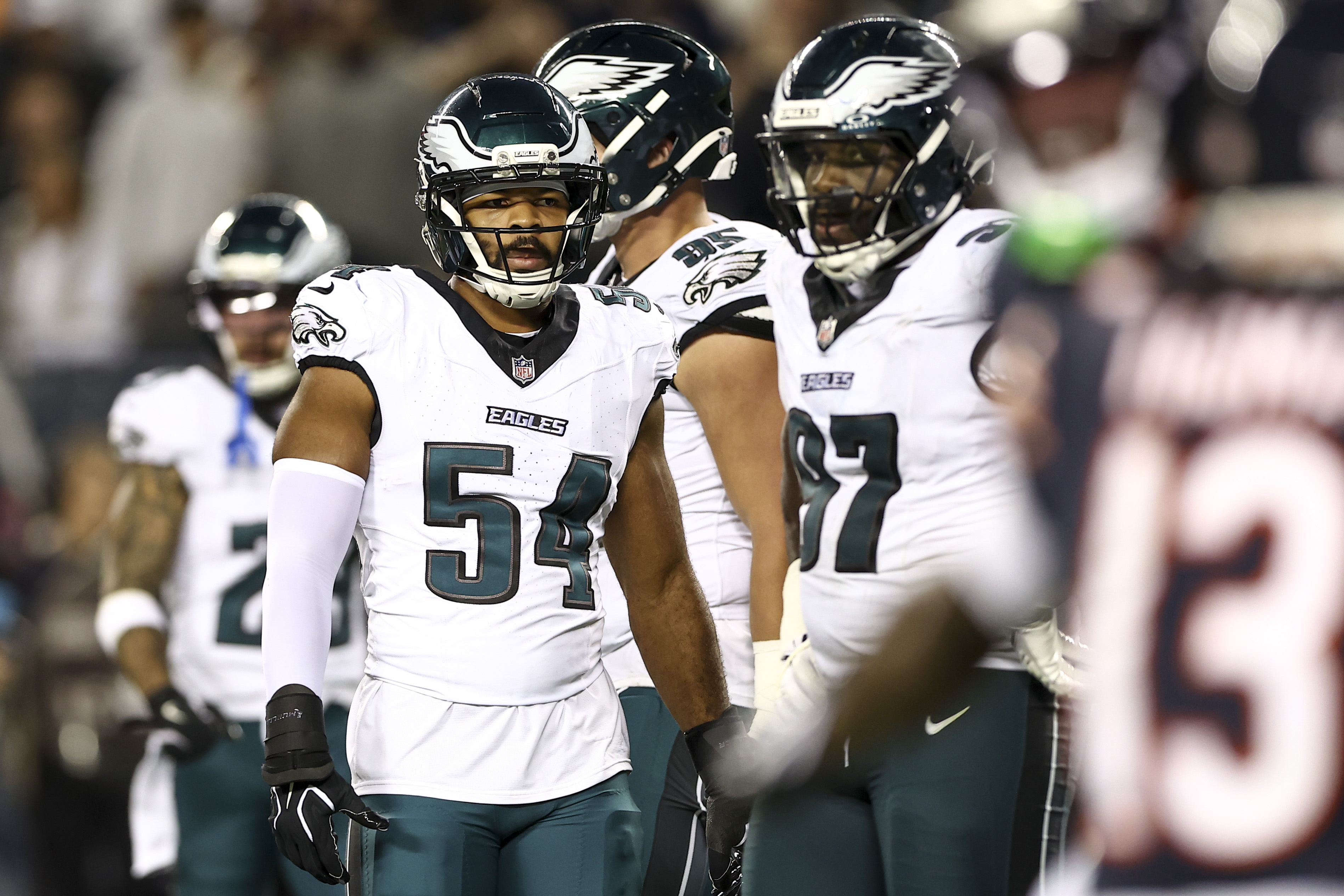
    National expectations for the Eagles have slightly dimmed after their poor offensive showing in a 27-7 loss to 38-year-old third-string quarterback Case Keenum and the Chicago Bears on Monday night.

    The Eagles have a chance to rebound from the Week 3 defeat against the currently underperforming Los Angeles Rams (1 p.m., Fox). They’ll likely have to do so without injured star wide receiver DeVonta Smith, while the Rams should have their star receiver Puka Nacua back.

    Three of the Inquirer’s beat writers have picked the Rams to win. Here’s what analysts across the nation are saying about the Eagles ahead of this weekend’s matchup:

    Execution of plan? Lacking

    The Athletic began a new series this week — team utility tiers. Instead of ranking teams based simply on performance, they’re instead ranked on how each NFL club is executing its intended plan developed in the offseason.

    In the first edition, the Eagles were put in Tier 3, which was titled “Messy; long-term view intact.” Joining them in this group were the Arizona Cardinals, Carolina Panthers, Miami Dolphins, New England Patriots, New Orleans Saints, New York Jets, and New York Giants.

    unCovering the Birds: Unpacking Nick Sirianni's rough night in Chicago
    Video: unCovering the Birds: Unpacking Nick Sirianni’s rough night in Chicago

    “There are huge problems in every third quarter so far and issues with situational management, offensive play calling, and a defense that seems oddly vulnerable at times,” Jourdan Rodrigue wrote.

    Rodrigue’s positives for the Eagles included quarterback Jalen Hurts’ play to date, the emergence of Smith as a true No. 1 wide receiver, and the improved run game against the Bears (Saquon Barkley averaged 7.5 yards per carry on outside runs).

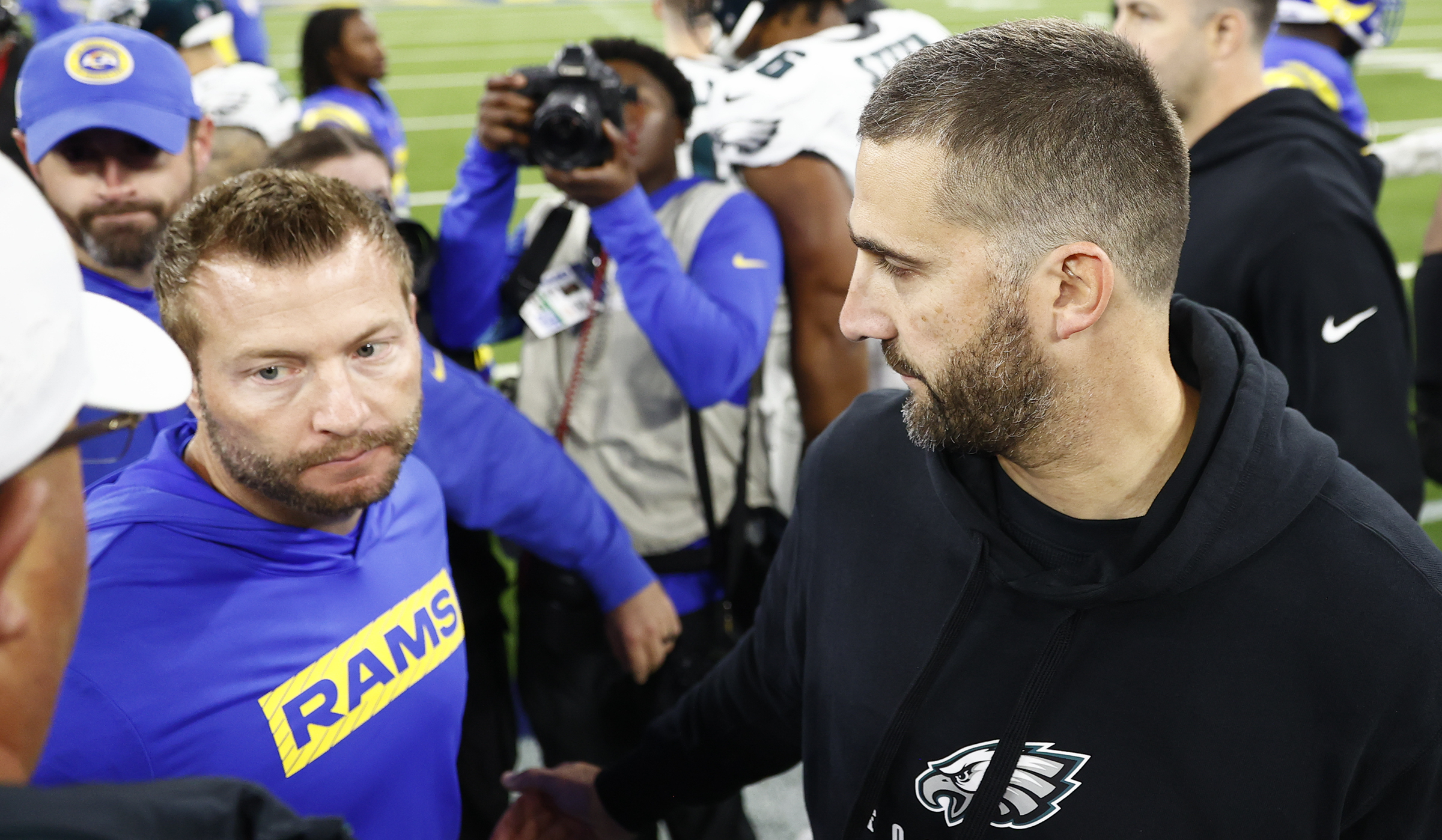
    Sean McVay (left) and Nick Sirianni have a lot of familiarity with one another, but Sirianni owns the series. Yong Kim / Staff Photographer

    Belief in Sirianni

    NFL.com revealed its weekly author picks Thursday, and the five-person panel was divided on who will prevail in Eagles/Rams. The site’s editor Gennaro Filice has the Eagles winning by two points.

    “Philly’s had trouble getting a consistent ground attack going under new OC Sean Mannion, but Barkley did enjoy success against Chicago this past Monday night before the game got out of hand, potentially signaling a schematic breakthrough,” Filice wrote. “In a matchup between two established powers that have yet to play up to their talent level this season, I’m far from bullish on the Eagles. But I anticipate [Nick] Sirianni will rally the troops once again versus [Sean] McVay, with the Birds feeling disrespected as home underdogs.”

    McVay is 1-6 against the Eagles, including an 0-4 record in Siranni’s tenure, which is another reason why Filice is picking the Eagles to win as the home underdog.

    What should the Eagles do about their backup QB situation?
    Video: What should the Eagles do about their backup QB situation?

    Backup QB movement?

    Andy Dalton’s goal-line interception against the Bears was certainly less than ideal. It also brought up an interesting conversation regarding who the Eagles’ backup quarterback should be.

    Conversation has also heated up on the subject of general manager Howie Roseman moving a quarterback. Philadelphia is one of three teams currently carrying four quarterbacks, with Tanner McKee and Cole Payton rounding out the group.

    ESPN’s Jeremy Fowler provided some intel this week on whether more backup quarterbacks, including one of the Eagles’, could be traded.

    “Three teams — the Eagles, Browns and Steelers — are carrying four quarterbacks and probably would welcome a deal at the right price. And more injuries at the position will cause more trade talk,” Fowler wrote.

    The NFL has had six starters suffer injuries that have sidelined or will sideline them for multiple weeks, and with that comes a need for experienced quarterbacks. Dalton is one of the more veteran options out there, while McKee is younger and has flashed in his limited opportunities with the Eagles.

  • ‘I couldn’t let all of them die’: Pilot on FlyDubai flight recalls sudden attack

    ‘I couldn’t let all of them die’: Pilot on FlyDubai flight recalls sudden attack

    NEW DELHI — The Indian pilot who was attacked during a FlyDubai flight this week said Friday that he opened the cockpit door despite grievous injuries, allowing passengers and crew members to overpower the copilot who had assailed him.

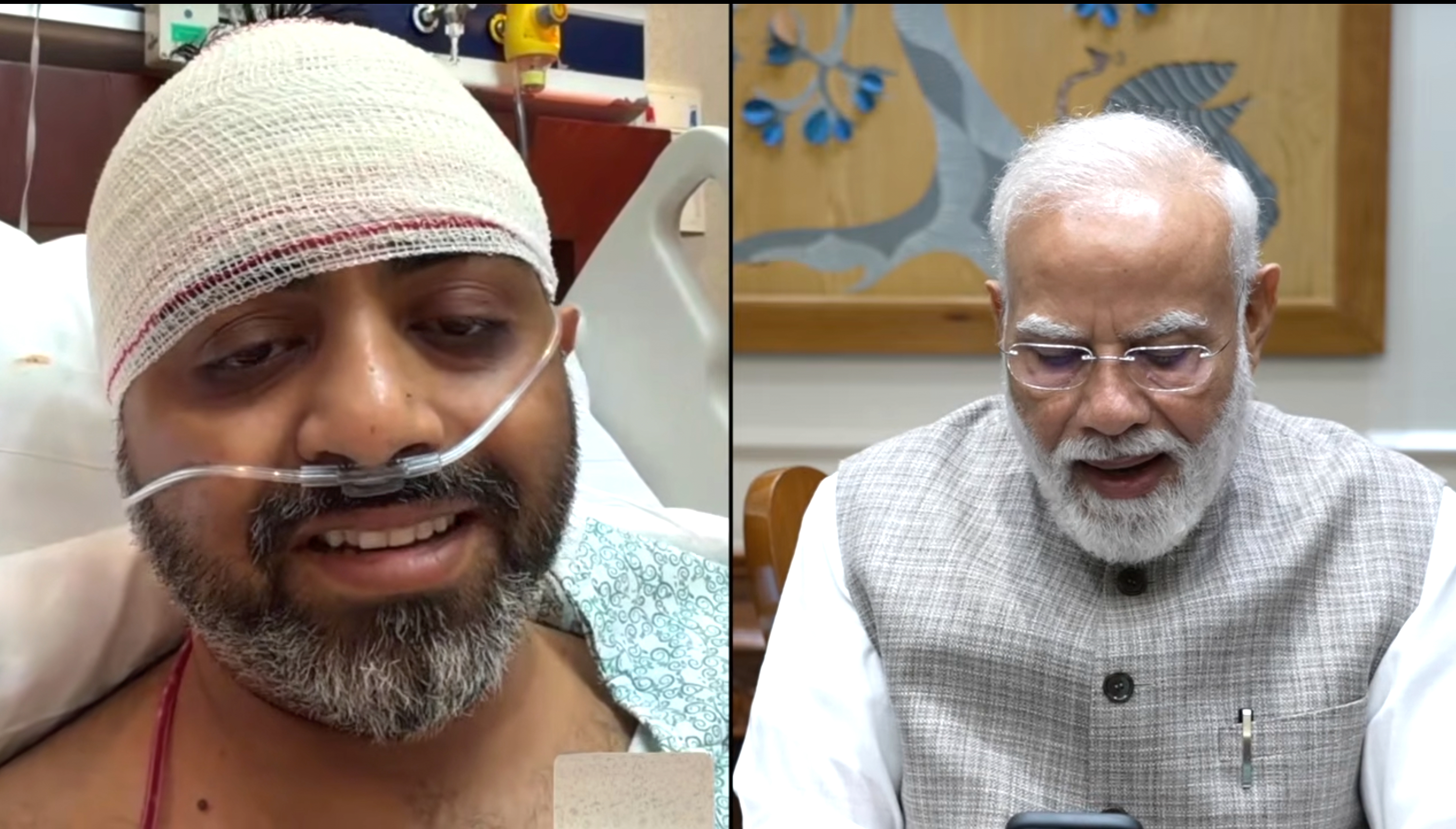
    “I was fighting for my life,” Capt. Smit Machchhar said on a video call from his hospital bed with Prime Minister Narendra Modi of India, in his first public remarks since the attack. Video of their conversation was released by the Indian government.

    “I was so badly hurt that I had fallen to the ground,” Machchhar said. “But I knew I had to act,” he added. “I could feel the aircraft was going down.”

    The attack, on a flight from Dubai, United Arab Emirates, to Tel Aviv, Israel, carrying about 170 passengers, sent the aircraft into a terrifying plunge. Israeli officials have said the copilot appeared to have tried to crash the plane after stabbing Machchhar, although investigators are still trying to understand the assailant’s motives and how the attack unfolded. Prime Minister Benjamin Netanyahu of Israel said the copilot had undergone “Islamist radical indoctrination” but did not elaborate.

    Passengers were able to overpower the attacker, while two people aboard with flying experience helped land the plane in Saudi Arabia.

    Machchhar, who said he had 17 years of flying experience, including 11 as a captain, said he knew instinctively what was happening to the aircraft, even as he lay injured on the cockpit floor. The Boeing 737 Max 8 he was flying plummeted more than 16,000 feet in 30 seconds during the attack.

    Machchhar told Modi that he recalled telling himself: “Smit, this is the last push, just do it. The door is right there.”

    “I was doing it to save myself,” he said, “but I also knew I couldn’t let all of them die.”

    Machchhar, who was hospitalized in Saudi Arabia then transferred to the UAE, told Modi that he was receiving good medical care.

    The episode has made him a hero in India.

    “Your courage and presence of mind — you made a decision within a fraction of a second, and saved so many lives,” Modi told the captain during their conversation. “You have made the entire country proud.”

    Modi’s office put out the video of the split-screen conversation on a day of nationwide protests in India, including in the capital, New Delhi. Protesters are demanding the resignation of the country’s chief election officer for trying to rig voter rolls in the favor of Modi’s party.

    Machchhar grew up in Mumbai and entered aviation almost by accident after attending a seminar on flying. He later became a captain and a trainer of aspiring pilots. In a podcast interview last year, he described flying as something he felt “blessed” to do and emphasized the importance of pilots being rested and prepared to perform under pressure.

    This article originally appeared in The New York Times.

  • N.Y. governor says Cornell rape accuser was ‘failed’ by people obligated to protect her

    N.Y. governor says Cornell rape accuser was ‘failed’ by people obligated to protect her

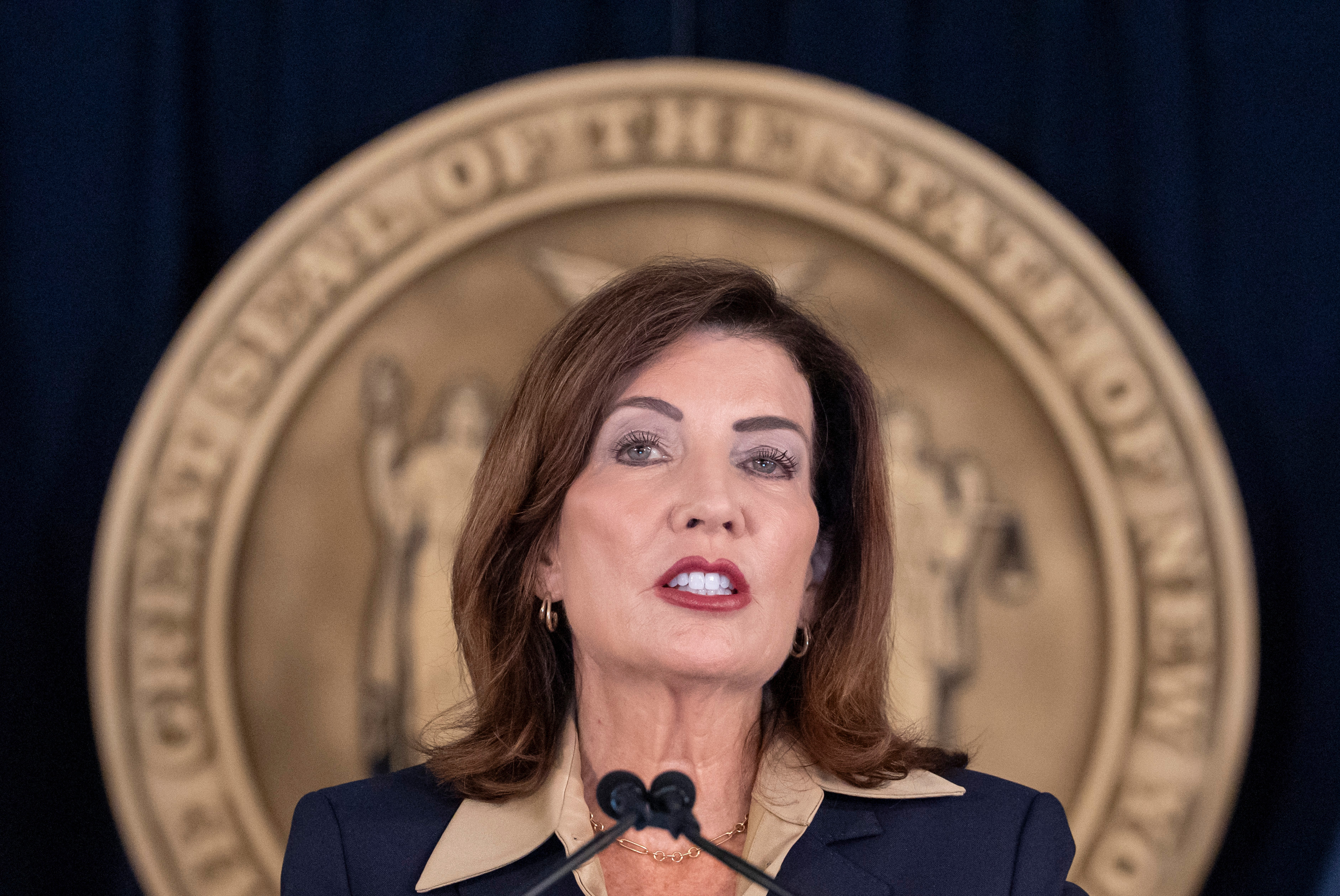
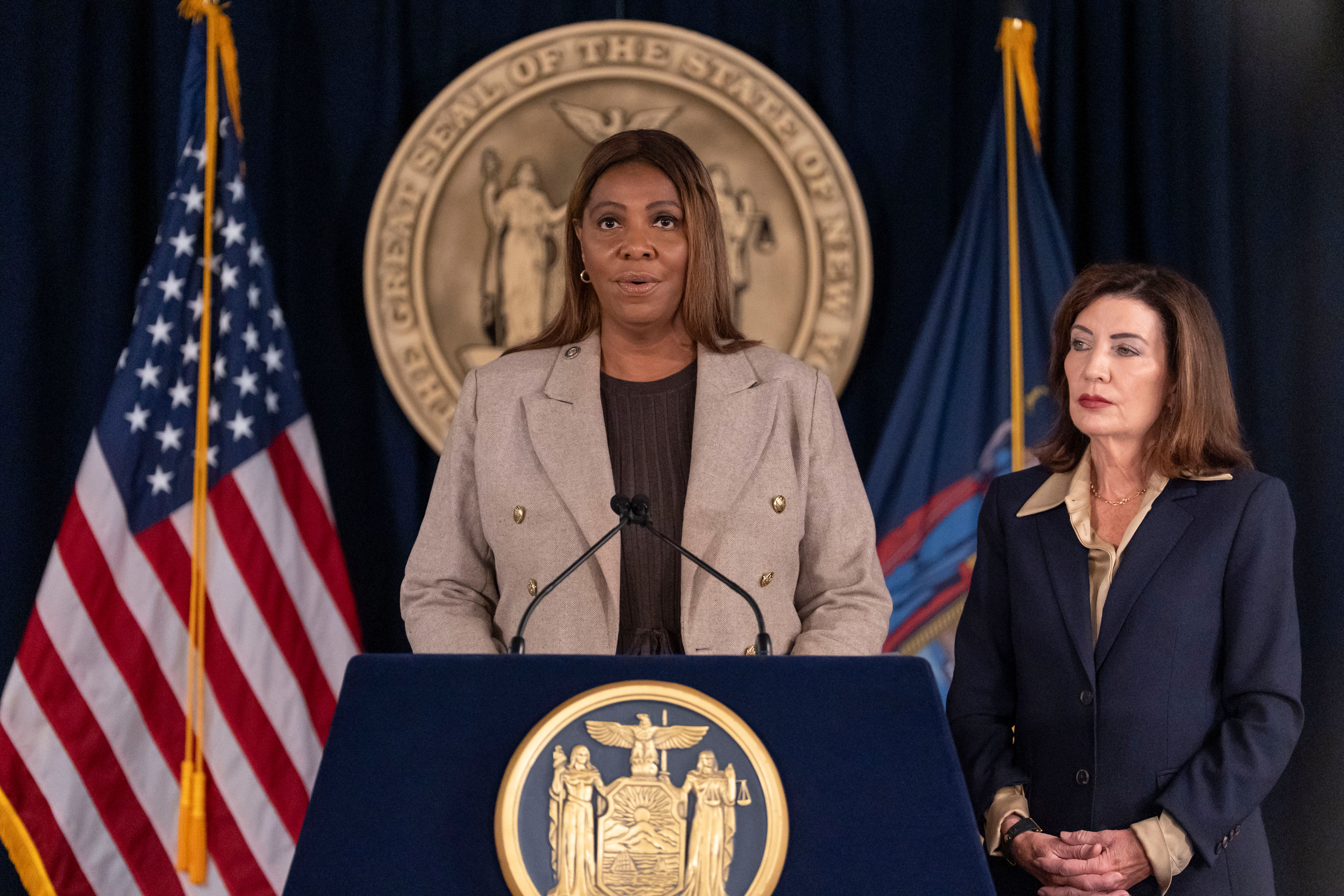
    NEW YORK — The woman who accused members of a Cornell University fraternity of gang rape was “failed” by people obligated to protect her, including campus police and the county prosecutor, New York Gov. Kathy Hochul said Friday.

    Hochul said at a news conference that she decided to appoint Attorney General Letitia James as a special prosecutor to take over the case after learning “troubling details” about how authorities have handled the woman’s claims thus far, including that the district attorney closed the case without having anyone interview the accuser or anyone else involved in the alleged attack.

    “In what world does the district attorney not even interview her, or anyone else involved, or even request the full transcript?” Hochul said. “This woman, this young woman, had already endured something that is utterly unspeakable. And then at every turn, she was failed by people and institutions with an obligation to protect her.”

    She also assailed the Cornell University Police Department for not fully conveying the woman’s story to prosecutors.

    “After this young woman came forward, she spoke to the police. She sat for hours and told them exactly what happened to her. And according to new reports, she could not have been clearer that she was 100% confident that she had been raped,” the Democratic governor said. ”Yet, shockingly, those words never made it into the account that the Cornell police sent to prosecutors.”

    James is brought in

    Hochul said Thursday that she appointed James to oversee the case because she had lost faith in the local district attorney’s ability to handle it.

    James didn’t say how long her investigation might take, but she said it would take some time and wouldn’t be rushed, as every New Yorker “deserves to know that when they report a crime, it will be investigated fully and fairly, that they will be seen and heard.”

    “We will review the facts, gather evidence, interview witnesses and, if warranted, pursue prosecutions,” James said. “I know that you want answers. I do too. A comprehensive investigation of this nature takes time, but my office is committed to seeing it through.”

    The investigation initially was closed without charges in 2024.

    Last month, the woman filed a lawsuit and Tompkins County District Attorney Matthew Van Houten reopened the investigation. He has since been bombarded by criticism that he abandoned the original investigation too quickly.

    Van Houten has defended his decision not to prosecute, maintaining that a sworn statement by the woman prepared by police didn’t include the woman’s allegations that she was drugged against her will, incapacitated beyond the ability to consent and forced into sex.

    He didn’t respond Thursday or Friday to messages seeking comment.

    The attorney general will determine whether there is enough evidence to press charges, Hochul said.

    “The young woman at the center of this case deserves to know that every fact will be examined and justice pursued,” she said in a statement Thursday.

    The case’s impact extends beyond Cornell

    The case has roiled the Ivy League school and raised questions about its response and the larger issue of how sexual assaults are handled on college campuses.

    The woman, identified only as Jane Doe in court documents, told campus police in November of 2024 that she was sexually assaulted, then discussed it with the university’s internal investigators as part of Cornell’s disciplinary process.

    The lawsuit against seven fraternity brothers, the university, the Chi Phi fraternity and others alleges that she was plied with drugs and alcohol, then subjected to sexual acts by a group of men while she was partially or entirely incapacitated. One of the men sent a social media message to other fraternity members alerting them to what was happening and inviting people to take part, according to the lawsuit.

    Lawyers for two of the men she is suing have denied they participated in a sexual assault. One said his client didn’t touch the woman. Attempts to reach the other men or their representatives for comment have been unsuccessful.

    Officials say New York’s sexual assault laws need updating

    Hochul also threw her support behind proposals to change an element of New York law that has long made it more difficult to prosecute people who have engaged in sex with someone who voluntarily became intoxicated to the point where their ability to consent was compromised.

    Under the law, rape charges generally need to involve force or a clear refusal of sex, unless the victim is physically helpless due to being unconscious, or mentally incapacitated due to being drugged without their consent. New York is one of 19 states with such laws.

    “If someone is too intoxicated to consent, it should not matter whether they chose to use drugs or alcohol. Voluntary intoxication is not a license for sexual assault or gang rape, period,” the governor said.

    New York governors have turned to attorneys general to oversee important cases in the past.

    In 2018, then-Gov. Andrew Cuomo appointed then-Nassau County District Attorney Madeline Singas as a special prosecutor to investigate Eric Schneiderman, who resigned as New York attorney general after women accused him of violent slapping, choking and other abuse.

    In 2021, James oversaw a non-criminal investigation into sexual harassment allegations against then-Gov. Andrew Cuomo, leading to his resignation. Cuomo initially tried to choose who would lead the investigation into the allegations. He then allowed James to choose two independent attorneys to lead it instead.

    James’ office also handles other criminal work and has the power under state law to investigate every death involving law enforcement in the state. But, typically, she can’t initiate criminal investigations without a referral from a local district attorney, the governor or a state agency, or an appointment like the one Hochul made Thursday.

  • Philly’s Malcolm Kenyatta calls for Republican Aaron Bernstine to resign over alleged homophobic slur

    Philly’s Malcolm Kenyatta calls for Republican Aaron Bernstine to resign over alleged homophobic slur

    Democratic State Rep. Malcolm Kenyatta on Friday called for Republican Rep. Aaron Bernstine to resign from the Pennsylvania House after he reportedly used a homophobic slur against Kenyatta, who is gay, earlier this week.

    “Pennsylvania is better and bigger than this,” Kenyatta, who represents Philadelphia, said in a video message posted to X Friday.

    He added that he’s calling for Bernstine, who represents portions of Butler and Lawrence Counties in Western Pennsylvania, to step down “not because I’m angry at him or because he hurt my feelings. It’s because his behavior falls so far beneath what it must mean to be a member of the House of Representatives.”

    “And when you use language that demonizes people, that belittles people, it’s never about one person. It’s indicative of what you will do to anybody, and what he’d say about any Pennsylvanian,” Kenyatta said.

    Along with the alleged slur, Bernstine also allegedly said in a Harrisburg bar earlier in the week that Kenyatta had lost weight, which Bernstine reportedly attributed to AIDS, according to PennLive.

    Kenyatta was not present when the alleged remarks were made.

    In his post, Kenyatta said he was “deeply grateful” to leaders of the Pennsylvania Building and Construction Trades Council “who stood up in real time.”

    Michael Ford, the organization’s secretary/treasurer, overheard Bernstine’s alleged remarks and told PennLive, according to the news organization. Ford didn’t respond to requests for comment.

    Addressing the incident in a statement Thursday, Bernstine said, “The allegations attributed to me are false. This is a political attack.”

    After news broke, various legislative groups spoke out against Bernstine, including the Democratic National Committee, for which Kenyatta serves as vice chair.

    “Hateful, homophobic, and racist attacks like this have absolutely no place in our politics, our communities, or our country,” DNC chair Ken Martin said in a statement.

    Several Democratic lawmakers called for Berstine’s resignation. House Democratic leadership said it was “exploring potential next steps” and called on GOP leadership to hold Berstine accountable.

    The Pennsylvania House Republican Caucus called the reported conduct by Bernstine, one of its members, “troubling,” and said it “does not comport with the values and professionalism Pennsylvanians expect of their state lawmakers.”

    Bernstine has been the subject of controversy in the past.

    In 2020, House Republican leaders called for Bernstine’s resignation after videos of him encouraging his young son to smoke and curse surfaced. Soon after, Bernstine was reelected, and the demands quieted.

    Three years earlier, in the midst of Black Lives Matter demonstrations in which motorists were blocked, Bernstine posted on X, “If anyone EVER tries to stop my car on a highway with negative intentions… I will not stop under any conditions.”

    On Friday, in concluding his remarks on X, Kenyatta suggested it’s time to move on.

    “Let’s all in united voice demand better, demand more, and then let’s get back to work on the serious stuff,” he said.