Yes, the visitors had chances, including three could-have-beens sandwiched between New England’s goals. Cavan Sullivan hit a post on one and drew a superb save from Matt Turner on another, and Jovan Lukić shot one narrowly wide.
But it was an uphill climb almost all afternoon, and not just because the Revolution opened the scoring 10 minutes in. As with the matchup at Subaru Park last month, their defense won the game, even though the Union took 15 shots overall to New England’s 10.
“The way they defend, when they’re defending deep on the field, they have the commitment from 10 players in front of the goalkeeper to do the job: to block shots, to block crosses,” interim Union manager Ryan Richter said. “What we have to do is, when we’re trying to break down that defensive block, we have to finish these opportunities with more quality. Because I think we got into really good areas and created a couple decent chances, but we need to do it at a higher level.”
He acknowledged that “overall, I don’t think we were at our best.” But for the most part, he tried to stay optimistic.
“We need to take confidence from that, because we didn’t play our best game,” Richter said. “We weren’t sharp enough with the ball in the things that we do well, and I didn’t think we were aggressive enough in moments that we needed to be defensively. … We have to look at this game, we have to stay positive, and we have to go at home next week and go for the win and correct the things that we need to from this game.”
The struggle was collective. But if you want to spotlight individuals, Milan Iloski would be a good place to start. New England held the Union’s leading scorer to just one shot that was blocked and three chances created for others.
New England’s defense ensured Milan Iloski (right) didn’t make a big impact on Saturday’s game.Philadelphia Union
Asked what didn’t work, Iloski gave a blunt answer.
“When we have the ball out wide, they’re really good at getting guys in the box and start[ing] defending,” he said. “When we take a lot of touches out wide, it just makes it harder for us to have any space in the box. But we have to figure something out, and we’ve got to change something before this next game.”
“When I look at the way that they’re defending, I think too many times in the game today, he probably settled for one-touch layoffs, and trying to play a move where the defender was dropping off him, and taking the space that he’s so good at taking advantage of,” he said. “That’s one we have to look at for our strikers in general, not just for Milan.”
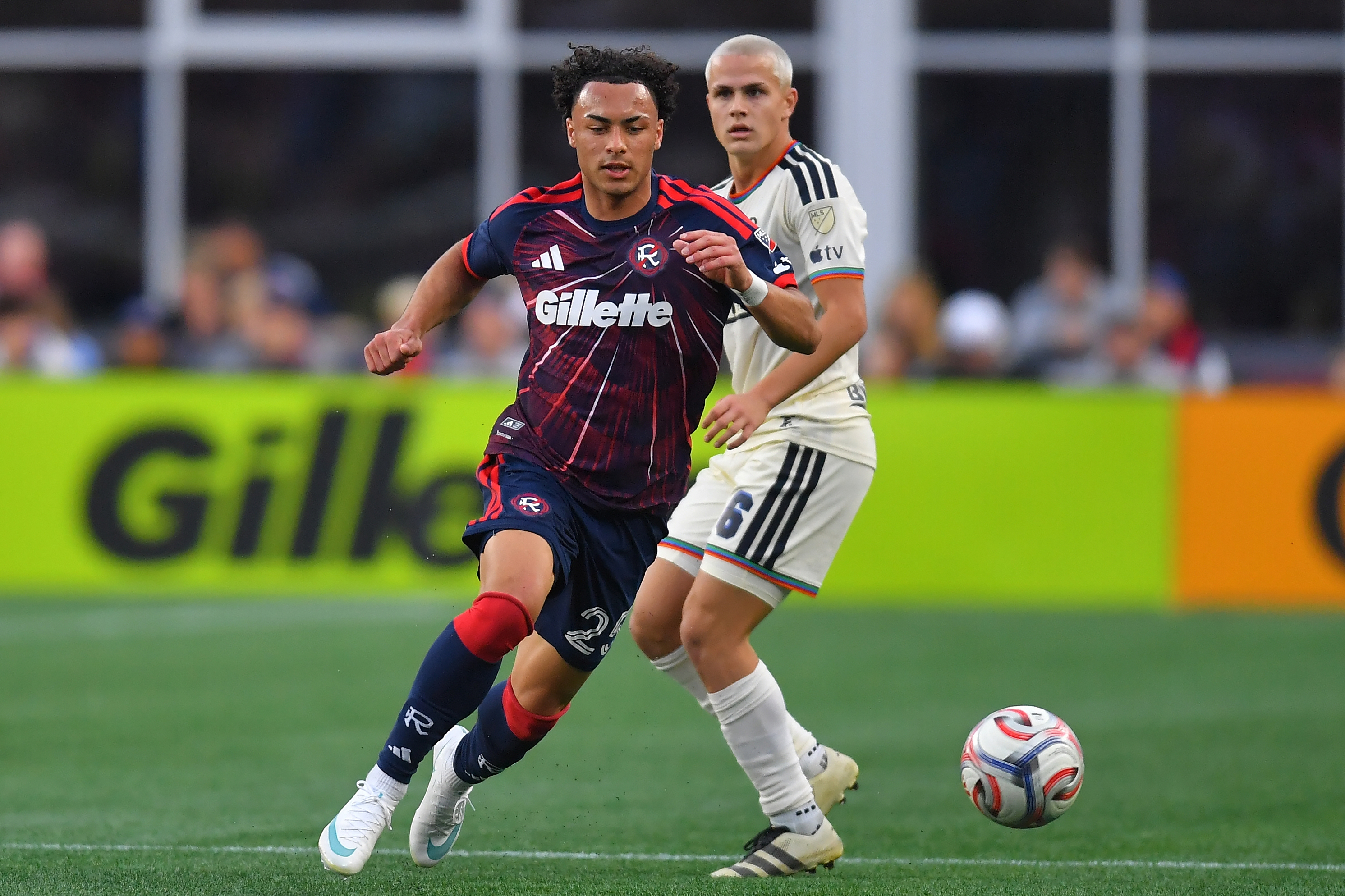
Quinn Sullivan (left) dueling with his former Union teammate Dániel Gazdag during the first half.Steven Senne
The manager then added something that felt especially resonant in the context of his decision to start Quinn Sullivan over Indiana Vassilev in attacking midfield. That should have led to more attacking punch, but it did not.
“We didn’t create enough chances for [Iloski] either,” he said “And that’s also the job of the team, not just of the striker. The striker’s job is to finish these chances and to create them with his movement, but we as a team have to have more quality in the chances that we’re creating.”
That has not happened enough in any of the Union’s games against New England this year.
So for as different as the Union feel now from when they lost 2-1 at Gillette Stadium in May, it might mean something that they haven’t put a ball in the net there this year. The tally in that game was an own goal, forced by Iloski but finished with a big mistake by Will Sands.
Peyton Miller (left) created New England’s first goal and scored the second on Saturday.Steven Senne
Then you start thinking about the game in Chester last month, and how even though the Union were inches from a last-play equalizer, it took 12 minutes of stoppage time for their first goal.
But at others, the team that earned that seed plays like it. This time, the Revolution did what they were supposed to. They will come to Subaru Park for Saturday’s Game 2 (4:30 p.m., Apple TV) with justified confidence, while the Union will have their backs against the wall.
Zaiya Mariano’s taste in food changed after her leukemia diagnosis at age 2.
Once an adventurous eater, the toddler began craving cheeseburgers and plain pasta. Other times, nausea from treatment stole her appetite.
Wanting to support her daughter beyond medication, Deborah Mariano enrolled her family in an early-stage nutrition study created by researchers at Children’s Hospital of Philadelphia and Drexel University.
The so-called “Caregiver’s Kitchen” taught participants recipes and nutritional guidance to support growth and leukemia symptom managementin children with cancer. The remote program included group cooking sessions led by doctors and nutritionists, along with individual coaching over eight weeks.
“There’s a lot of toxicities associated with our treatments and with cancer itself,” said Tracey Jubelirer, a CHOP pediatric oncologist who co-led the study. “How can we provide a more whole-person, holistic approach to cancer care?”
The results, published in August in the academic journal Integrative Cancer Therapies, suggest the program could be a practical approach to providing culinary guidance and coaching to families of children with cancer. Given the pilot initially involved only10 families, the team will need to conduct a larger trial to assess its efficacy.
Mariano found the study useful in helping her daughter maintain adequate nutrition during her yearslong treatment regimen. Even now that Zaiya, age 6,is cancer-free, Mariano continues using many of the tips and recipes she learned.
“It eliminated a lot of the preparation or decision fatigue,” she said.
The Caregiver’s Kitchen model
Drexel researcher Brandy-Joe Milliron studies an often-overlooked challenge: Why is it hard for cancer patients to maintain a healthy diet?
Side effects from treatment, including nausea, vomiting, mouth sores, constipation, and diarrhea, are often cited reasons.
Many patients also view diet as “their last opportunity [to control] something that’s so out of their control,” she said, creating a cycle of stress over mealtime decisions.
She connected with Jubelirer, who researches holistic approaches to cancer care, through their shared work in the “food-as-medicine” field.
In recent years, more hospital programming, nonprofit efforts, and policy initiatives areemphasizing the role of food in preventing and managing disease. The interest brought diverse business owners, researchers, and policymakers together to launch the Philadelphia Food as Medicine Coalition late last month, with the goal of organizing such efforts locally.
To better understand the needs of pediatric cancer patients, Milliron and Jubelirer teamed up to lead a study educating caregivers throughculinary medicine workshops led by a medical chef educator. Held every other week on Microsoft Teams, the sessions discussed concerns including malnutrition, nausea, gastrointestinal health, and appetite.
Children with cancer frequently lose weight due to the disease and its treatments. Finding foods that are both calorie-dense and nutrient-rich can help meet children’s nutritional needs.
“We forget that kids going through cancer therapy are still growing and developing,” Jubelirer said.
The session on managing nausea through food featured a popular recipe for lemon turmeric gummies.
The above recipe was provided by Children’s Hospital of Philadelphia and designed by Chef Paige Mountain as part of the pilot study. The “Lemon Turmeric Gummies” recipe was popular for managing nausea.Kayla Yup / StaffChef tips for the “Lemon Turmeric Gummies” recipe developed by Chef Paige Mountain for CHOP.Kayla Yup / Staff
It also showed families how to cook with reduced food odors and incorporate ginger as a natural antinausea ingredient.
Other recipes aimed to ease constipation and gastrointestinal discomfort, featuring high-fiber ingredients like prunes and hydrating options such as popsicles and fruit-infused water.
A workshop for poor appetite showed how to add healthy fats like avocado to mac and cheese, and incorporate nut butter and high-fat dairy sources.
“How can we, in a palatable way, add hidden calories?” Milliron said.
Adding crunchy textures can make eating more engaging for children. The workshops also showed how familiar snacks, such as ramen and Bagel Bites, could be deconstructed and recreated into healthier versions.
The above recipe was provided by Children’s Hospital of Philadelphia and designed by Chef Paige Mountain as part of the pilot study. It was one of the most popular among participants.Kayla Yup / StaffThe above recipe was provided by Children’s Hospital of Philadelphia and designed by Chef Paige Mountain as part of the pilot study.Kayla Yup / Staff
A family’s experience
When Zaiya was diagnosed with leukemia in 2023, she underwent a flurry of medical appointments and treatments.
She received blood draws, spinal taps, a port to deliver treatments, chemotherapy, and short courses of steroids in between.
“They’re so little, and there are so many medications that they’re already on,” said Mariano, who lived in Phoenixville during the study but recently moved to South Brunswick, N.J.
During Zaiya’s second year of treatment, Mariano was invited to participate in the study.
She embraced the opportunity to help her daughter without more medications. Even before cancer, her daughter was on the skinnier side, she noted.
Mariano was struggling to plan appropriate meals, feeling decision paralysis as shewas already busy “making critical decisions” regarding Zaiya’s life.
“We eat every day, but the information that we have on how we should actually eat is very limited,” she said.
At the end of cooking sessions, the families would all try the food and “get a verdict right then and there,” from the kids, Mariano said.
Some recipes were a solid no, she recalled, while others were widely loved. Zaiya enjoyed a lemon recipe for nausea, but didn’t like a turmeric milk one.
Beyond the recipes, Mariano most valued learning about foods and ingredients she could incorporate into her daughter’s diet. She learned how to hide vegetables in sauce and increase caloric intake using nutritional yeast.
“Even though I may not make the exact recipe that they did, I will incorporate the ingredients that they taught us about,” she said.
Jubelirer said the pilot study for research was limited. No such program is currently being widely offered.
The research team hopes tolaunch next yeara randomized controlled trial, the gold standard method for testing a cause-and-effect relationship. It will be four weeks longerthan the two-month pilot, and incorporate new content on weight management and batch cooking.
Sessions will be asynchronous and module-based to make it more scalable to a larger group.
“One day, we hope this is part of standard of care in a program at CHOP and other places,” Jubelirer said.
A little before noon, more than 150 people milled about near a large wooden pavilion by the entrance to Awbury Arboretum in East Germantown. They were joined by several goats.
So began the Philly Goat Project’s winter grief walk — an event meant to provide an opportunity for those who have experienced loss to process their emotions, connect with others, and, perhaps, make some new four-legged friends.
As he petted Ray (a three-legged Nubian goat whose recovery became a story in its own right), Ven Schmidt said he had come to his first grief walk Saturday after the death of his husband three weeks earlier from pancreatic cancer.
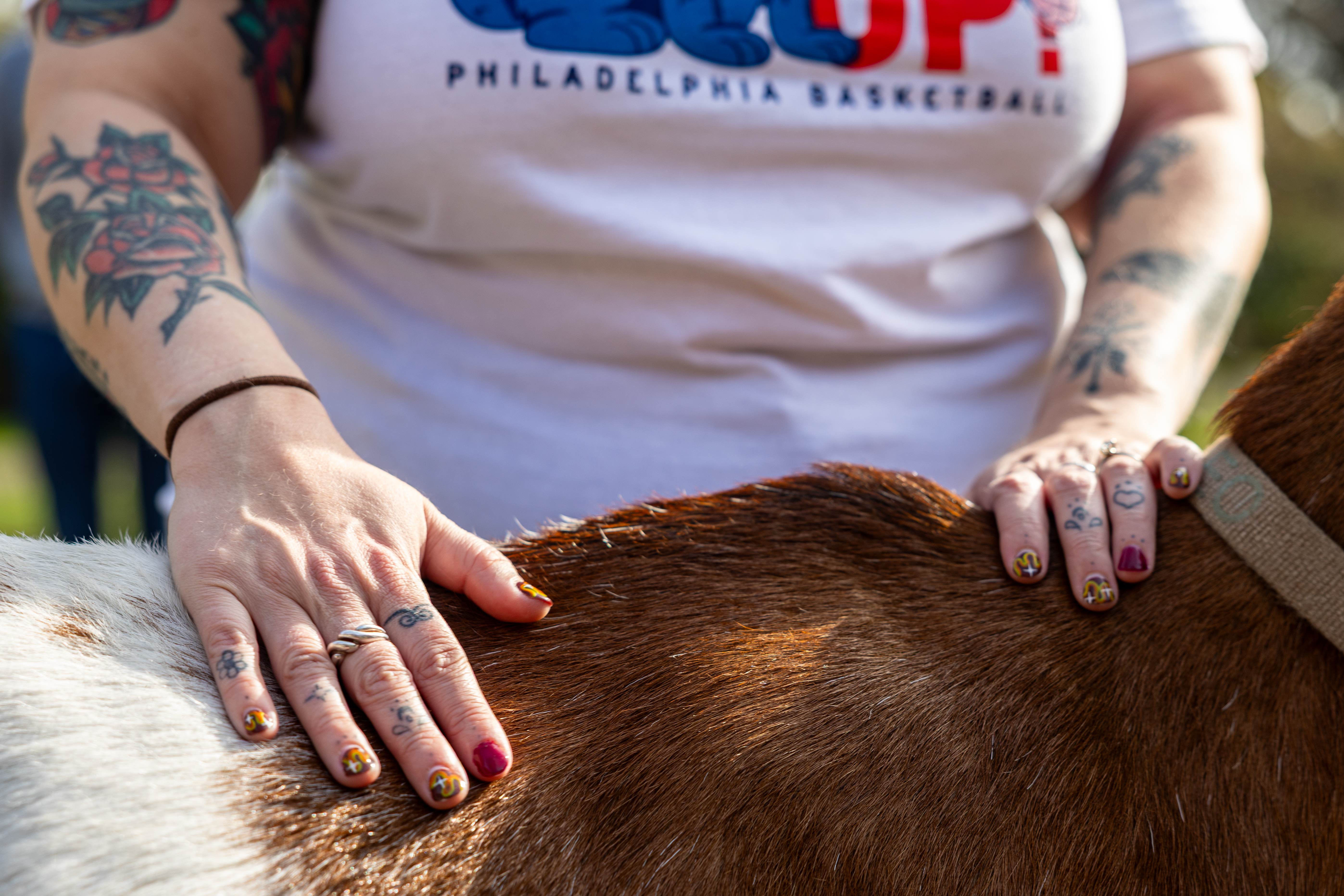
Emily Marziani, 36, pets Theo, 7, a Nubian goat, before the annual grief walk begins at the Philly Goat Project in East Germantown on Saturday, Nov. 21, 2026. Marziani first heard about the walk online and decided to try it out today. After losing people close in her life this year, she finds this event to be a great way to “get some pet therapy” and be surrounded by community.Aidan T. Gallo / Staff Photographer
His husband, Mark “Chumley” Singer, was an events producer, an activist, and a well-known figure in Philadelphia’s gay community.
His therapist suggested several options for grief counseling. Schmidt, who loves animals, picked the grief walk.
He marveled at the turnout.
“When somebody dies that’s that close to you, you feel so alone,” Schmidt said. “And then when you see how many people are also going through it, you feel less alone.”
Volunteers and attendees walk during the grief walk at the Philly Goat Project in East Germantown.Aidan T. Gallo / Staff Photographer
Grieving in community
Karen Krivit, a former social worker, founded the nonprofit project in 2018 with three goats she kept in her backyard in Narberth.
“As a social worker, I saw thousands of people over my 30 years, and the pervasive issue that people were struggling with was isolation,” Krivit said. “Community is foremost the thing that guides us in everything that we do.”
The organization now has 13 goats and runs several programs aimed at providing community wellness through animal therapy.
Naila Francis, a local grief coach, reached out to Krivit in early 2023 about starting the walks. The timing was right.
“There was a lot of sadness — a lot of grief — after COVID,” Krivit said. “People were really isolated.”
Francis led the first walk that November. They are held quarterly now.
“Grief is such a natural human experience, and it needs to have that connection and that sense of being witnessed and that sense of affirmation,” Francis said. “Being in community, just at its core, helps us feel less alone and less isolated in our grief.”
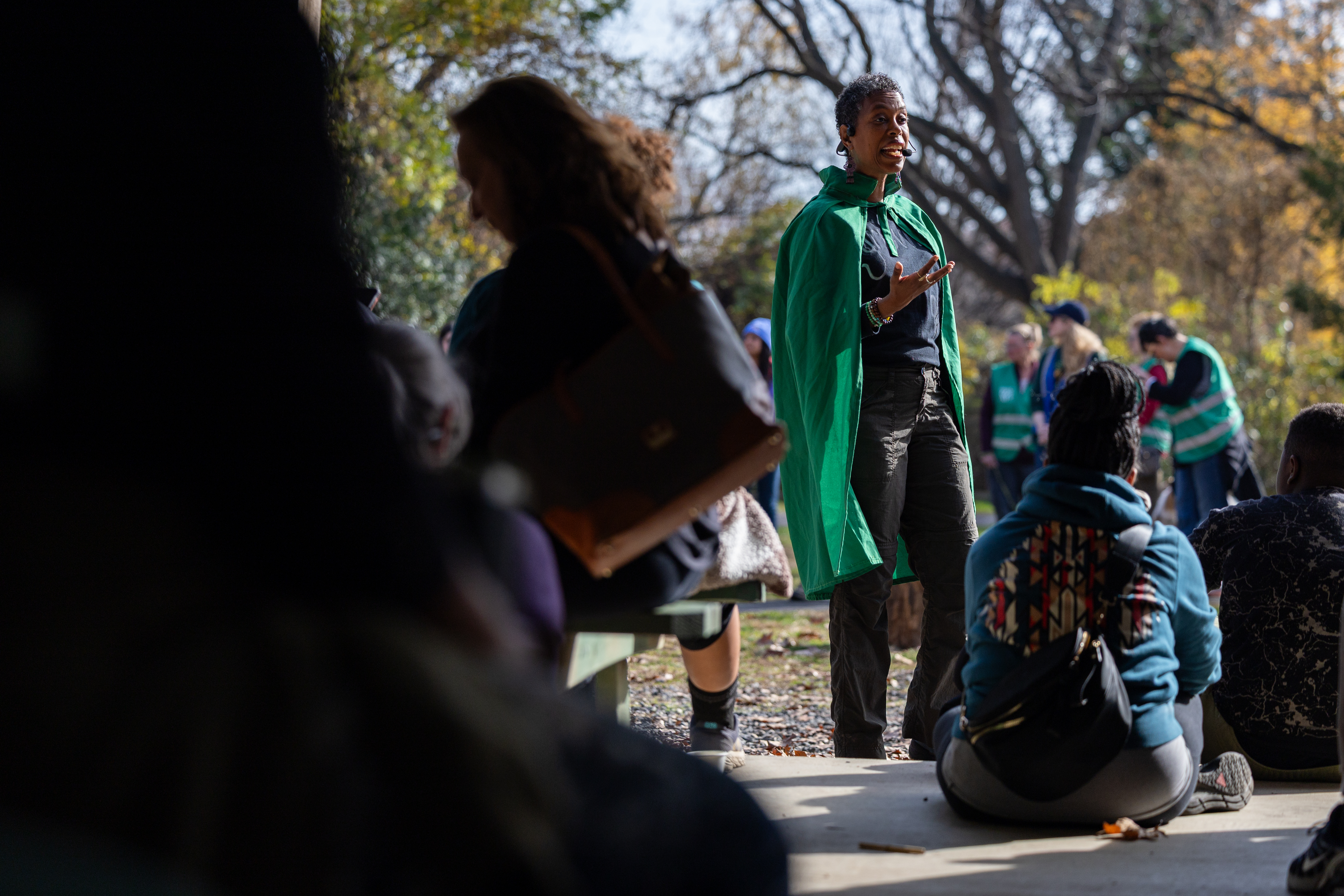
Grief coach Naila Francis speaks to attendees to get them spiritually centered before the start of the grief walk at the Philly Goat Project on Saturday, Nov. 21, 2026. Francis originally introduced this unique walking experience to the project in the spring of 2023 and hosted their first grief walk that autumn.Aidan T. Gallo / Staff Photographer
Goats, Krivit explained, may have a bad rap, but they are actually ideal for therapy work.
“You can walk with them and put your hand on them, and they’re very touchable,” Krivit said, repeatedly referring to the animals as versatile, “people-sized” companions for humans whose presence can bring a sense of levity to what is otherwise a heavy occasion.
Fatima Thomas, 49, of Northern Liberties, pets Clementine, an Arapaho goat, after the grief walk. Thomas learned of the event through a friend and found the experience to be relaxing. Thomas lost her son Shaaur Demby, 26, to gun violence in 2021.Aidan T. Gallo / Staff Photographer
The walks fill a need for grief-focused community programs, said Julie Drendall, a volunteer and board member.
“As strange as it might sound, these are my favorite of the Goat Project’s programs, because it’s just so beautiful to see people come together and to recognize how many different things people are grieving,” Drendall said.
“I think the goats can be super comforting to people,” Drendall said.
She remembered one of her first goat walks as a volunteer. A woman had taken a particular interest in Drendall’s goat. She had recently lost her father, who had grown up near the arboretum.
“She said, ‘I feel like my dad is here with me,’ and that’s beautiful,” Drendall said.
Jaidaa, 21, pets a Nubian goat during a dedicated moment of silence for attendees to reflect on memories shared by their loved ones at a pond during the grief walk.Aidan T. Gallo / Staff Photographer
‘These people all get it’
Francis opened the event with a guided meditation, encouraging attendees to “show up authentically and honestly in a culture where we don’t get enough of these spaces.”
After the meditation, Krivit led the walk alongside 7-year-old Holiday the goat, named after Billie Holiday (who was “really born in Philly even though people say Baltimore”).
The mostly unpaved path runs about a quarter of a mile, and the roughly 200 attendees and volunteers ambled at a leisurely pace.
Samia N., 6, of Northeast Philadelphia, pets Oonagh alongside her mother Courtney K. before the start of the grief walk.Aidan T. Gallo / Staff Photographer
While the project does offer some accommodations for individuals with limited mobility, Krivit hopes to eventually secure funding to pave the entirety of the path.
After a short while, the group made its way to East Washington Lane. A motorist in a passing car offered the group a friendly honk and a wave.
“People will stop their cars and come out” to pet the goats, Krivit said.
After a couple more stops and guided meditations led by Francis, the group eventually made its way to the final part of the event: the grief circle — a collection of chairs and benches around a fire — and Francis invited attendees to share.
Many did.
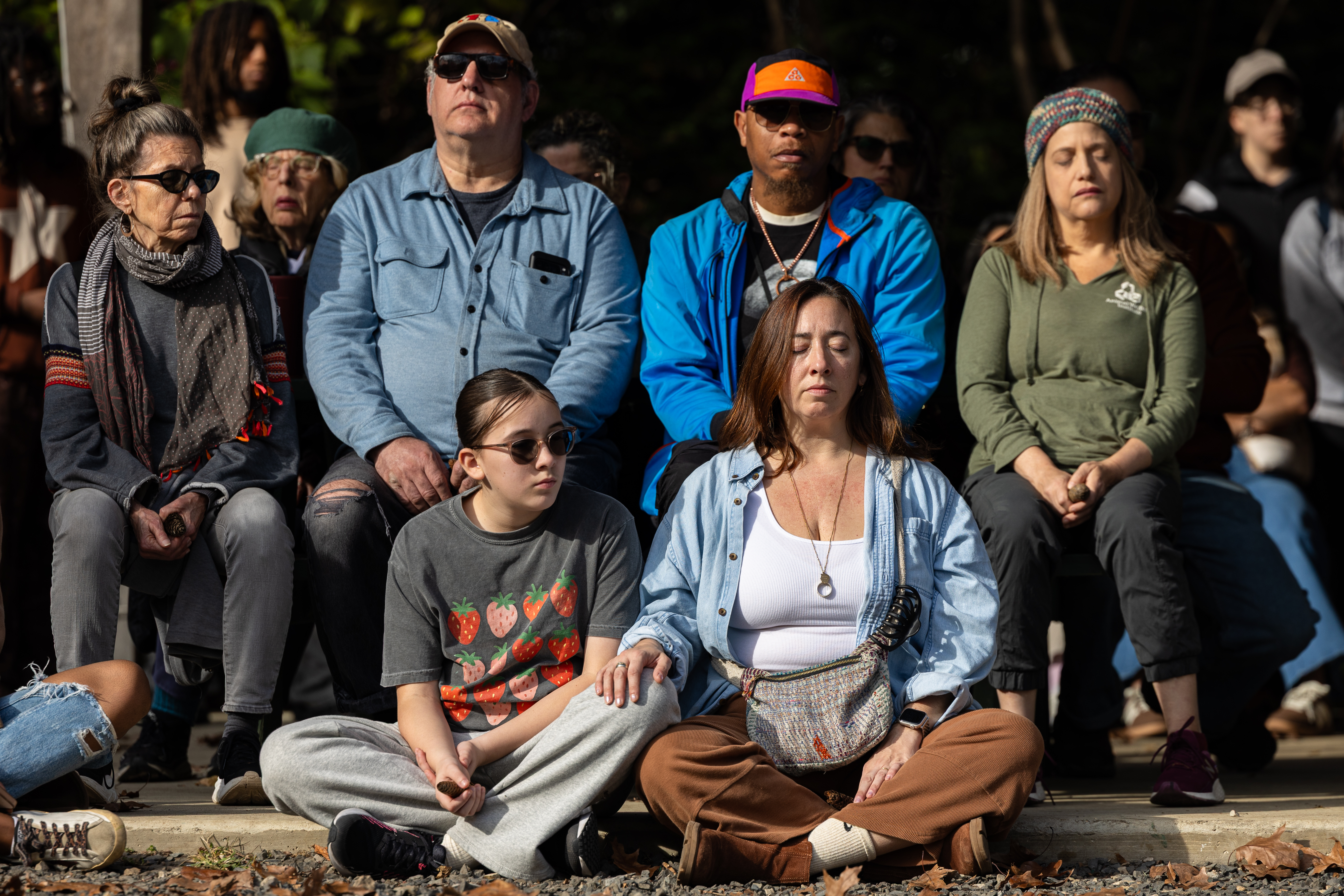
Catherine Piotrowski, 47, of Fairmount, participates in a guided mediation hosted by grief coach Naila Francis alongside her daughter Scarlett, 11, before the grief walk begins. Piotrowski still mourns the passing of her husband, who passed away six years ago, and is now grieving the loss of her father in June. She appreciated the feeling of community alongside attendees who share and recognize her grief.Aidan T. Gallo / Staff Photographer
One woman spoke about the loss of her father. Another woman told attendees how she lost her son to gun violence and then, just four months later, lost her brother.
Schmidt, too, chose to share in the circle. He found the experience cathartic and planned to bring his friend to the next one.
“It’s such a visceral thing, and it’s so hard to explain to people who don’t get it,” Schmidt said of the acute pain of losing his husband. “But these people all get it.”
Meaghan Schickling, 31, of Kensington, writing a note for her uncle, who had recently passed away, to be placed in the Stone Memorial Wall after the grief walk concluded.Aidan T. Gallo / Staff Photographer
Tacony resident Nyeemah Wright’s father died in February, a day after her 29th birthday. She traded numbers with a few other attendees and wanted to create “my own sort of family of people who know what it feels like, so I don’t feel so alone.”
“Being 29, I’m glad not many of my friends know what it feels like to lose a parent,” Wright said. “[But] it almost feels isolating sometimes, so I wanted to feel a sense of community, and I really got that today.”
At one point on the walk, she recalled coming across a huge, orange tree that reminded Wright of her dad.
“I just stood there for a second and I looked up at that big tree and it was beautiful, and it made me think, ‘I’m standing under him again.’”
Attendees of the grief walk hold each other during a dedicated moment of silence to honor loved ones.Aidan T. Gallo / Staff Photographer
Long before we doomscrolled in the dark, before we argued with ex-uncles about the Constitution, or questioned what was even real, we had Myspace.
On Myspace, which launched in 2003 and peaked in 2007 with 300 million users, we found new bands and comedians, even future presidents. We checked in on classmates and prom dates and maybe moved a love interest into our “Top 8.” Then, with no algorithms tickling your brain’s pathways, you hit the “end” of Myspace and went out for coffee.
“That’s what made Myspace so great,” said Tommy Avallone, a filmmaker who grew up in Haddon Heights. “It felt organic.”
Avallone’s latest documentary, Myspace, premiered at the DOC NYC fest in New York City earlier this month. A synopsis of the film described Myspace as a platform that had the power to connect friends and the entire world. That’s exactly how Avallone, 44, experienced it. He began talking to his wife, Alicia, on Myspace. He messaged actors. They messaged back.
“Myspace is sort of how I came to be who I am,” Avallone said recently sitting in a Haddon Heights coffee shop. “In our doc, we tried to show how Myspace was sort of the origin of everything we know.”
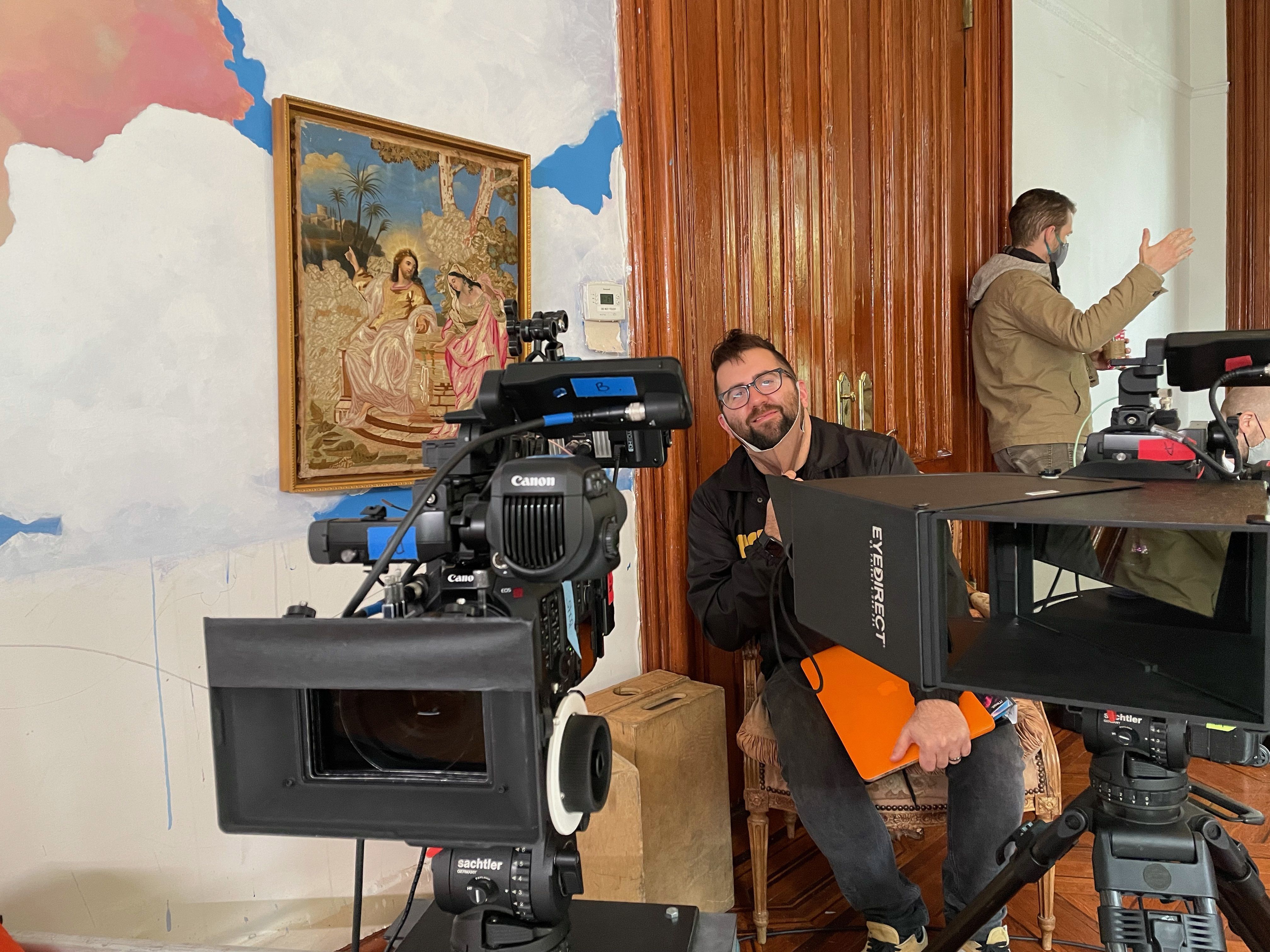
Audubon resident Tommy Avallone, 44, is making a documentary about his life with a camcorder. His documentary, “MySpace,” debuted recently in New York. Provided
The documentary discusses early social media stars such as Tila Tequila, along with comedians and bands that found traction there, including Dane Cook, Taylor Swift, and Lil Jon, who’s in the documentary.
Former President Barack Obama credited early social media with helping him win his first term.
“I might not have been elected president if not for websites like Myspace, Meetup, and Facebook,” Obama told a crowd in Silicon Valley in 2022. “It allowed an army of young volunteers to organize, raise money, [and] spread our message.”
The social media network wasn’t the first to pull people together: A site called Six Degrees staked that claim. Facebook, which was created for college students, debuted in 2004 and wasn’t opened to the general public until 2006.
Eventually our parents and grandparents found it. Then came the complex algorithms. You know how that’s gone.
“There are good things about social media, and there are obviously bad things,” he said. “We focused a little bit more on the good things, the community it created.”
Avallone, who now lives in Audubon with Alicia and their two children, has mined nostalgia and pop culture for years now, producing and directing documentaries about Bill Murray, Ghostbusters, famous homes from film and television, and how America grew to love and hate Barney, the purple dinosaur.
“I definitely feel more Gen X than millennial,” he said.
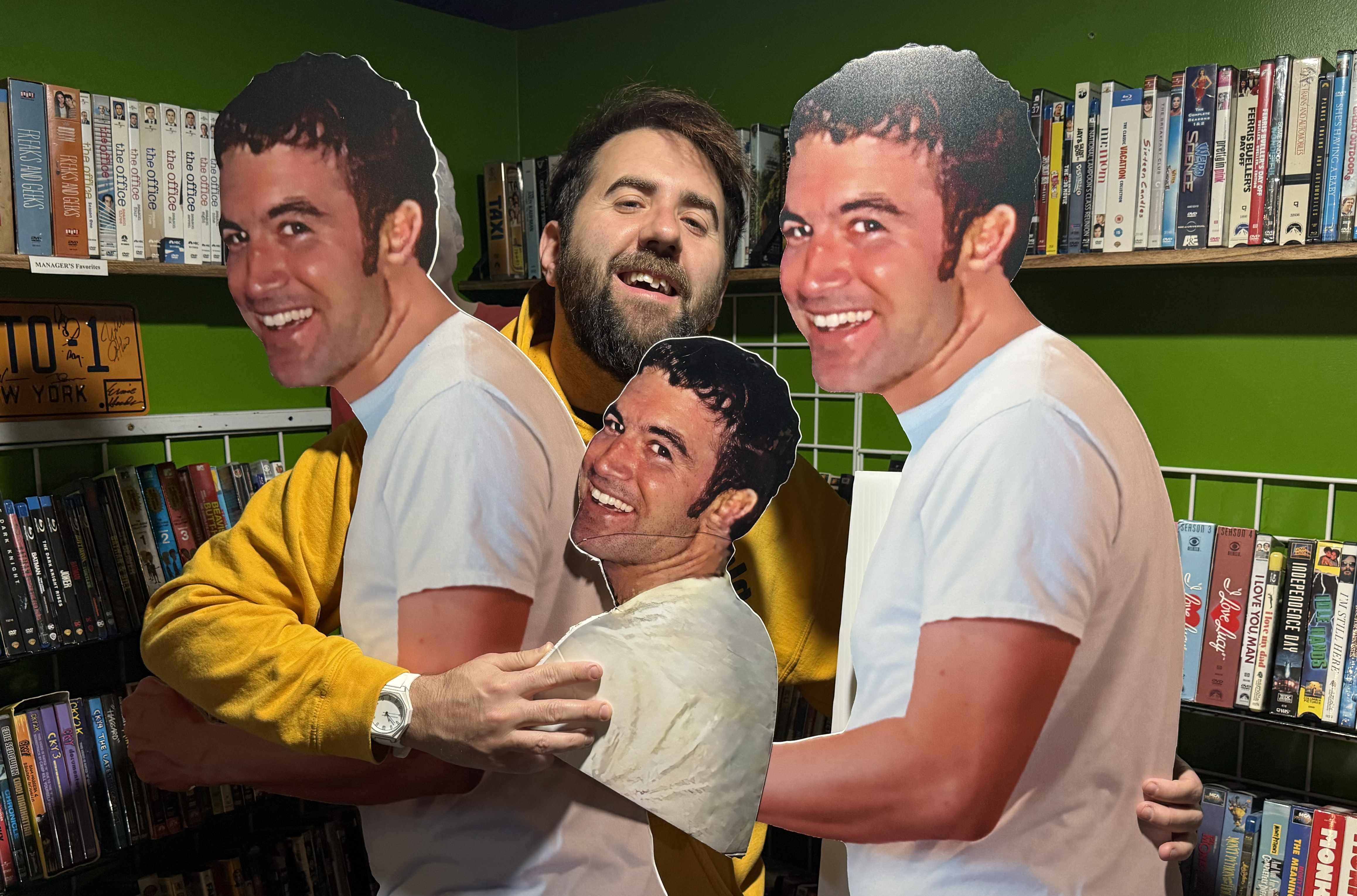
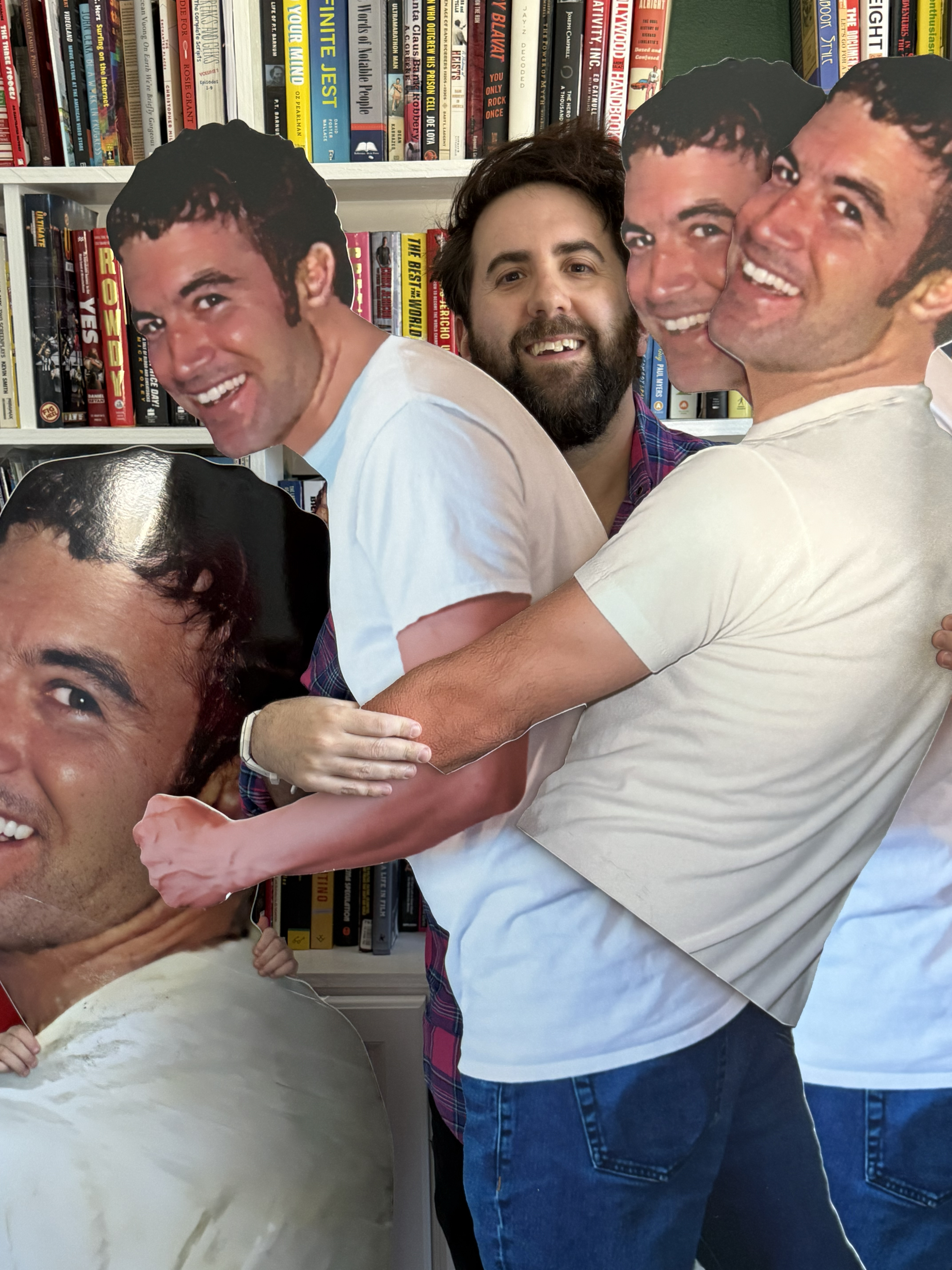
Director Tommy Avallone, of Haddon Heights, amid a slew of “MySpace Tom” cutouts. Avallone’s “MySpace” documentary, which premiered at the 2026 DOC NYC Film Festival earlier this month.Provided
Avallone’s Myspace documentary can be seen online through Nov. 29 via DOC NYC, and he’s currently seeking a streaming distribution. He’s already moved on to a new project too, a personal film about the birth of the camcorder and how it changed the world and his own trajectory.
“Whereas Myspace was the origin of everyone using social media, I stepped it back a couple years to the camcorder,” he said. “In 1983, the camcorder was invented and sort of changed the way we documented.”
For Avallone, the camcorder was a revelation, and he and a tight-knit group of friends document their lives in both silly and profound ways.
He has hundreds of hours of footage, shot decades ago: his mayoral run in Haddon Heights, the unlikely band his crew formed, house parties, etc.
“I’m taking all this footage of me and my friends growing up in Haddon Heights and making a story out of it,” he said. “It’s sort of like Boyhood meets Stand by Me. It’s my favorite thing I’ve ever done, but I’m biased.”
A new documentary by South Jersey filmmaker Tommy Avallone revisits Myspace, the 2000s-era platform where breakout stars were discovered and friendships began.
Myspace was far from the first to connect friends and the entire world, but it occupies a space of millennial nostalgia for a pre-algorithmic digital world.
For Avallone, the story of Myspace is extra personal. He and his wife first connected there.
In his own words: “Myspace is sort of how I came to be who I am,” he told The Inquirer’s Jason Nark. “In our doc, we tried to show how Myspace was sort of the origin of everything we know.”
Authorities have been scouring an Olney home at the center of a shocking missing persons investigation since June. Investigators suspect the late Raymond “R.C.” Horsch was connected to at least seven missing women associated with the house.
In any given investigation, parsing through forensic evidence can be a difficult process, but excavating the house on the 400 block of Chew Avenue has proven all the more painstaking. The aging scene, degradation of materials, and a lack of human remains make for complicating factors, and for a more prolonged effort.
Pennsylvania topped 1,600 measles cases Friday, as the nation’s largest outbreak in three decades continued to spread.
A 14-year-old boy was killed Thursday in a spray of gunfire that later injured a 34-year-old bystander in Kensington. “He was a good kid,” the teen’s father told The Inquirer.
The experiences of two Temple students after a rape allegation offer an inside look at a fraught disciplinary process amid new scrutiny nationwide.
Lauren Rinaldi, a progressive leader in Philly’s Democratic Party, is launching a campaign to challenge incumbents for a city commissioner seat.
A Princeton scholar was arrested by ICE agents at Ronald Reagan Washington National Airport last week, mobilizing academics and triggering a broader conversation on the United States’ ability to attract top talent.
A large townhouse development is being considered for a property tucked between the Delaware River and South Philadelphia’s easternmost Pennsport neighborhood.
Embattled Washington Township school Superintendent Eric Hibbs has been placed on paid leave through June.
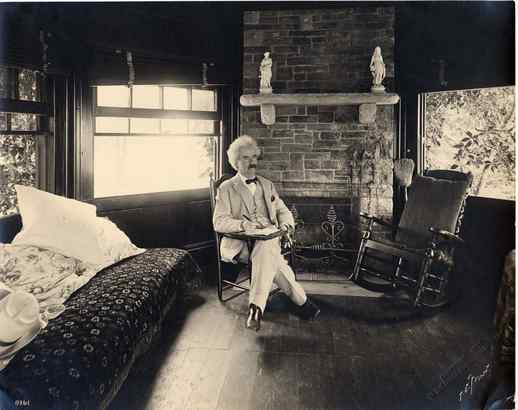
🎤 Here’s Tommy Rowan with a look back at Mark Twain’s time right here, at Philly’s local newspaper.
Well, he wasn’t Mark Twain yet.
In the mid-1850s, when he was all of 17 years old and still going by his given name, Samuel Langhorne Clemens worked as a substitute typesetter at The Inquirer.
Now, he wasn’t here for long. But knowing how he would blossom into a worldwide icon and national treasure, it counts as street cred: We knew him before he was cool.
Cheers to Joanne Kaiser-Smith, who correctly guessed Saturday’s answer: Action News. The newscast remains dominant in Philadelphia, but NBC10 is presenting a serious challenge for the first time in years.
Photo of the day
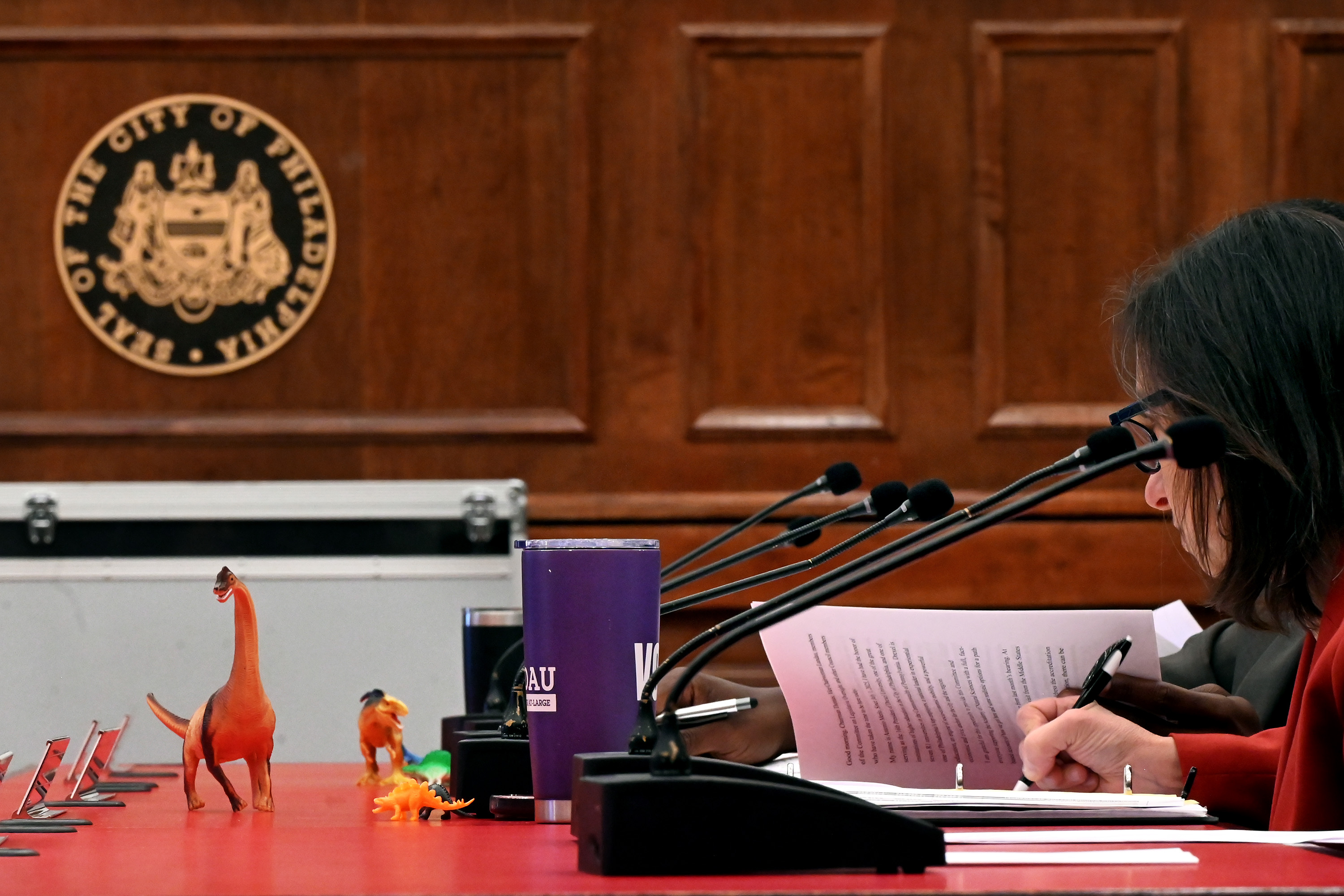
There are toy dinosaurs in front of Councilmembers Rue Landau and Jeffery Young Jr. during a committee hearing.Tom Gralish / Staff Photographer
🦕 One more story: Many staffers at the Academy of Natural Sciences aspired to work there since early childhood. They spoke to The Inquirer’s Dana Munro on the sudden closure evaporating their dreams.
🎶 Today’s song goes like this: “You can’t go on, thinking nothing’s wrong / But now, who’s gonna drive you home tonight?
👋🏽 Thanks for reading. I’ll bring you the news bright and early tomorrow. Until then, I hope you have a splendid Sunday.
By submitting your written, visual, and/or audio contributions, you agree to The Inquirer’s Terms of Use, including the grant of rights in Section 10.
This is Part I of “Exonerated, then charged: Inside a murder case that tests Larry Krasner’s reform agenda,” a look at a prosecution at the center of the debate over how the district attorney handles wrongful convictions. Part II will publish Sunday, Nov. 29.
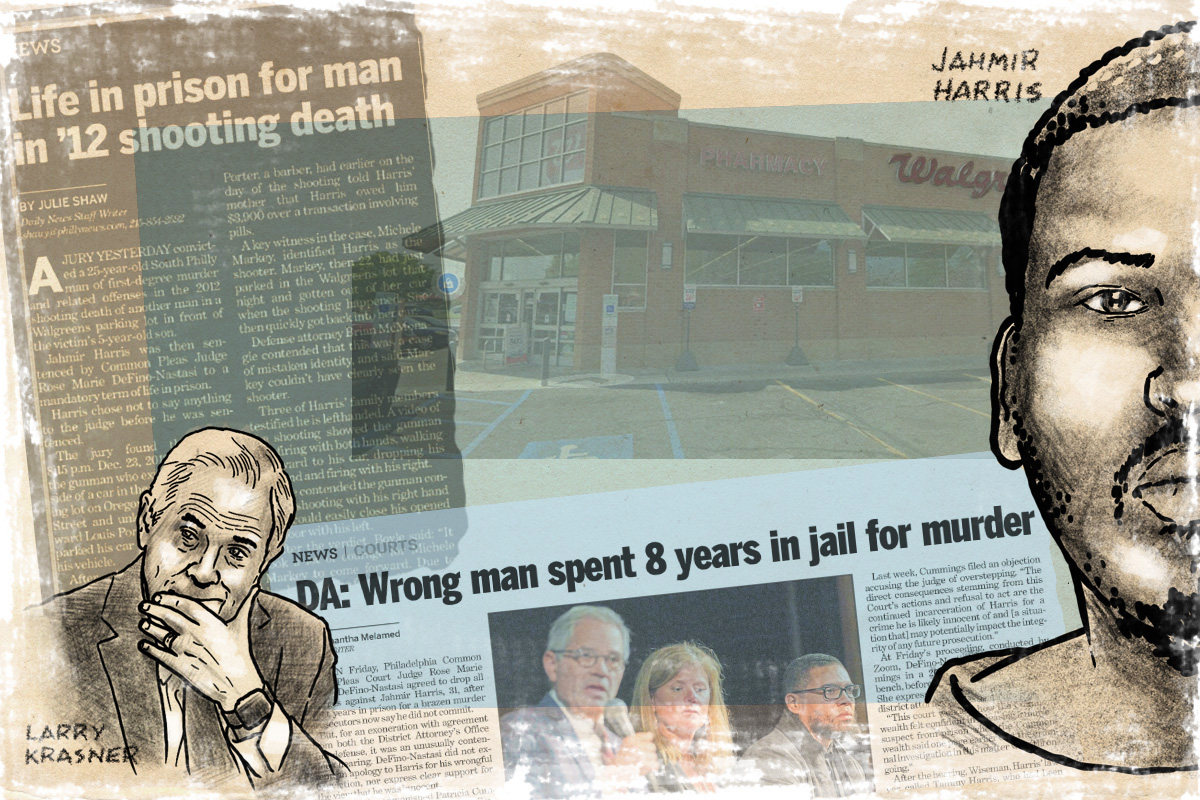
In 2021, District Attorney Larry Krasner announced his office was dropping murder charges against Jahmir Harris, a suspected drug dealer who had been convicted of gunning down a South Philadelphia man in a hail of 17 bullets while his 5-year-old son watched.
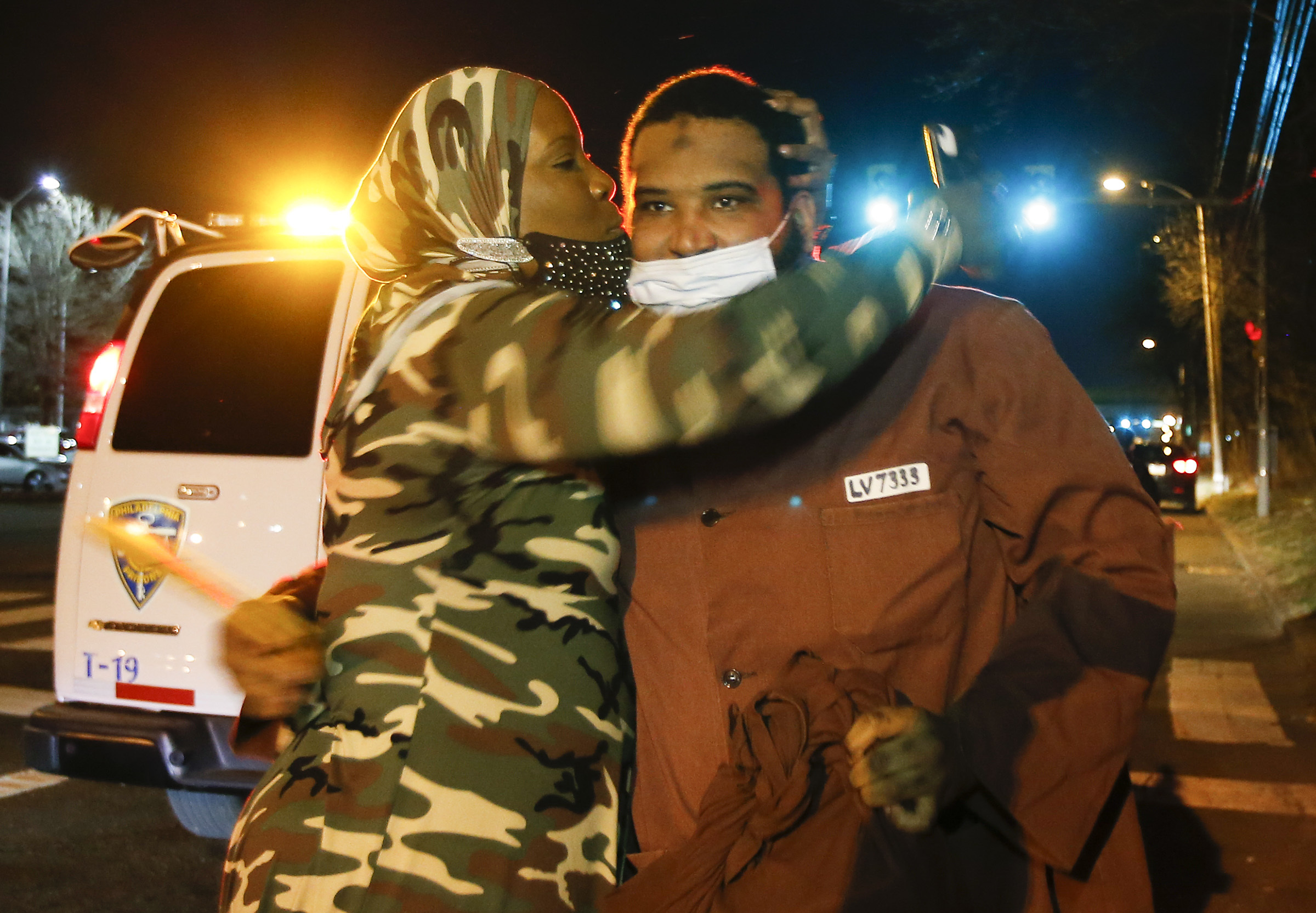
Harris had served eight years in prison when he was released after prosecutors in Krasner’s office determined evidence pointing to another possible suspect — evidence that might have led to a not-guilty verdict at trial — was withheld from his defense attorneys.
In announcing Harris’ release, Krasner trumpeted the work of his Conviction Integrity Unit, which he created shortly after taking office four years earlier as part of a campaign pledge to review old cases and ferret out any miscarriages of justice.
Krasner called his CIU a national model. At the time, Harris was the 19th person released from prison after the district attorney offered what is known as a concession, whereby prosecutors agree with the defense that new evidence shows aconviction was unconstitutional and move to vacate the sentence.
The number of concessions during Krasner’s tenure has grown to 75, according to the National Registry of Exonerations.
Many of the men who have been released have sued the city for the time spent in prison. So far, Philadelphia has paid out nearly $144 million to 46 men who received settlements ranging from $200,000 to nearly $13 million, according to data the law department gave me.
In August 2021, five months after his release, Harris filed a suit of his own, alleging malicious prosecution against five police officers who took part in the investigation that led to his arrest.
Fourteen months later, Harris found himself in court — not for the hearing on his lawsuit, but because he had been charged for his role in a new murder. He is currently in federal prison awaiting trial on that charge.
Jahmir Harris gets a kiss from his mother Tammy Harris after he was released from Curran-Fromhold Correctional Facility in the Holmesburg section of Philadelphia in March 2021. He was exonerated after eight years in prison.YONG KIM / Staff Photographer
In recent months, as the effort by the district attorney’s office to concede cases has come under fire, Krasner’s critics point to the Harris episode as emblematic of what they say is the office’s rushed, careless, and slipshod approach to pursuing the reversals of wrongful convictions. State and federal judges have found that prosecutors have repeatedly lied and cut corners in several cases.
A federal judge disbarred one assistant district attorney in Krasner’s office, and a panel of federal judges suspended the law license of another for three years for their roles in misleading a judge while seeking to overturn the death sentence of a man convicted of killing a couple in the 1980s.
The state Supreme Court found “numerous instances of untrustworthy concessions, lack of candor, misrepresentations of fact, lack of adequate investigation, and avoidance of hearings,” and granted the state attorney general the right to intervene in any future concessions by Krasner’s office.
Another federal judge referred Krasner and a supervisor to the U.S. Attorney’s Office in Philadelphia after testimony at an evidentiary hearing this summer raised the specter of obstruction, conspiracy, and perjury.
The fallout from that case prompted three assistant district attorneys in Krasner’s office to resign. Meanwhile, federal prosecutors reportedly have launched an inquiry and sent subpoenas to the district attorney’s office.
Krasner maintains he has done nothing wrong and the pushback is politically motivated. “There is not a jury in the world that is going to find me guilty of anything,” he said.
But amid all the legal maneuvering is the main question: Has Krasner’s stated quest to end mass incarceration helped to balance the scales of justice or resulted in the release of actual killers?
Harris’ case has not been part of the recent legal scrutiny into Krasner’s exoneration efforts. But given the deadly consequences following his release, I decided to take a closerlook at what happened. While each exoneration is different, the Harris case provides a window into how Krasner’s office has gone about reversing jury convictions.
For his part, Krasner remains unapologetic about how his office has handled the matter. “Harris is likely innocent of the first murder and more than likely guilty of the second, in my view,” he wrote in response to questions I emailed to him.
Krasner added that both the police investigation and the prosecution — which he made clear occurred before he became DA — were “deeply flawed.”
But a review of the record and interviews indicates that Krasner’s office may well have let a man convicted of one murder go free, only to see him get charged with another murder.
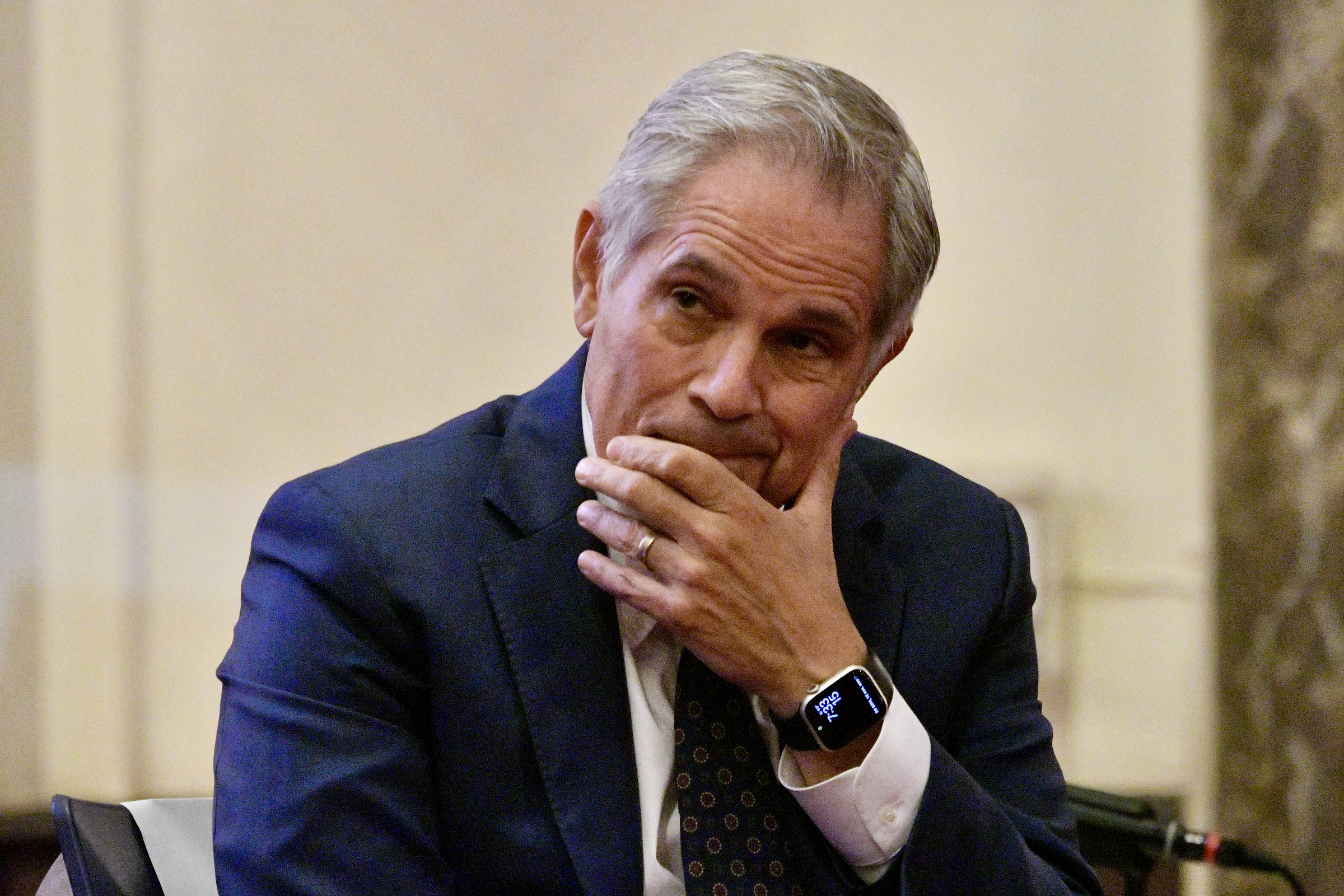
Philadelphia District Attorney Larry Krasner defends his handling of Jahmir Harris’ exoneration.Bastiaan Slabbers / For The Inquirer
The case against Harris
Harris’ legal trouble began two days before Christmas 2012 when Louis Porter, 45, drove to Walgreens on Oregon Avenue near 23rd Street to buy diapers for his granddaughter, while his 5-year-old son sat in the backseat.
As Porter exited his vehicle around 8:15 p.m., a second car pulled into the parking lot. The driver climbed out and fired 17 shots. Porter was struck in his left arm, hand, and head, and died several days later after being on life support.
A security guard heard Porter’s son scream: “My dad! My dad!”
Michele Markey, then 22, stopped at Walgreens to pick up photos and was getting out of her car as the gunshots were fired. She gave police a statement that night in which she described the shooter and the passenger in his car. At one point, she said the man doing the shooting told her to get back into her car “and don’t call!”
But Markey called 911. After police learned about an earlier beef between Porter and Harris over a drug deal, Markey met with the detectives the day after Christmas and identified Harris from an eight-person photo array. In June 2013, she picked Harris from a live lineup.
Security video captured the incident, but the shooter’s face was not clearly visible. Based on Markey’s identification and other information police gathered, Harris was charged with Porter’s murder.
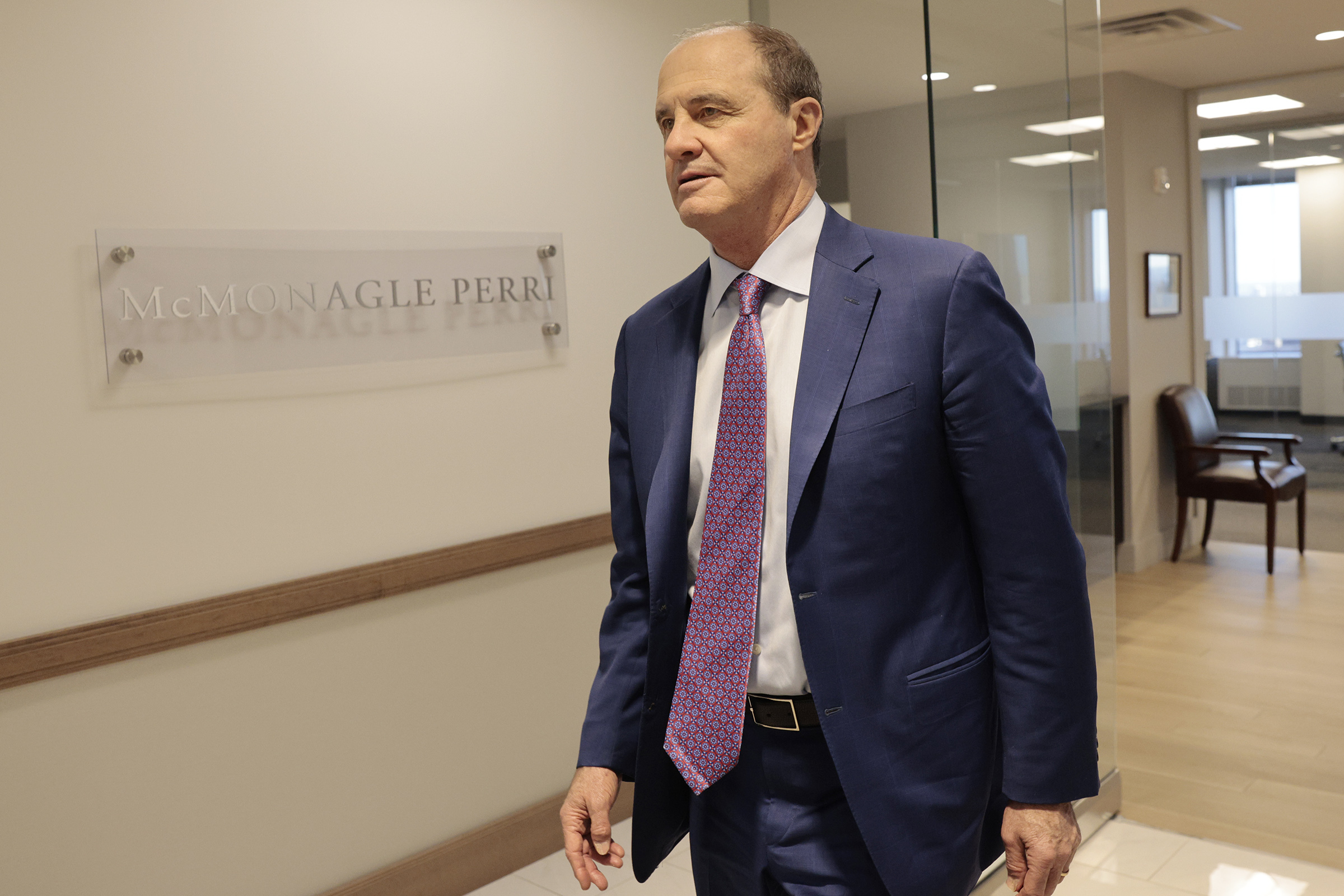
Harris was represented by Brian McMonagle, a top defense attorney in Philadelphia who did not respond to a request to discuss the case.
The transcript from Harris’ six-day trial was sealed after he was exonerated under Pennsylvania’s Clean Slate Law, but a source provided me access to the more than 700 pages of testimony, as well as several filings from his post-conviction appeals.
Reviewing the transcript highlighted the messiness that often surrounds murder cases. But it was also maddening. On the one hand, police failed to pursue the second suspect before charging Harris.
But Krasner’s office also never questioned the other man before moving to undo Harris’ conviction. While Krasner’s office used the evidence that linked another suspect to the crime to bolster its decision to release Harris, the evidence against him remained strong.
If anything, some of the details gathered by investigators — but not presented to the jury — made the case against Harris overwhelming. Namely, in the middle of the trial, Harris agreed to take a lie-detector test, which was conducted at the DA’s office.
Harris failed the test.
“The defendant failed that test and it was determined he was deceptive about his claim of innocence in this case,” former Assistant District Attorney Erin Boyle, who handled the prosecution, informed the judge.
During the opening argument, McMonagle’s main defense was that the case against Harris involved a “horrible mistaken identity.” He seized on a detail in which Markey told police that “two Black males were shooting at a parked car.” But the video only showed one shooter.
“I have no axe to grind against Miss Markey,” McMonagle said in his opening statement. “I can only tell you she ain’t right.”
Meanwhile, Boyle connected Harris to the victim and provided a motive. She told the jurors Harris and Porter knew each other from growing up in the same South Philadelphia neighborhood. Their families were friends. Harris sold Porter fake pain pills for $3,900. Porter, who worked at a barbershop, resold them and was apparently dealing with unhappy buyers.
The case largely rested on the credibility of Markey, who had several years of experience working in security at a university, as the main eyewitness. In her statement to police, she referenced two Black males and said “they” were shooting and “they” got back in the car.
But when Markey testified, she clarified that there was only one shooter. She said her use of “they” stemmed from the fact that a second man was a passenger in the car. That man was never identified or questioned.
But other details supported what Markey witnessed. In her 911 call that was played in court, Markey told the dispatcher there was one shooter. She also gave a description of the car and a partial license plate number.
Markey told police she was about 10 feet away from the shooter and that the shots were so close she could feel them. Markey described the shooter as “dark-skinned, really big, he was very tall and had a very large build; not fat” and the passenger as “medium complexion” and “smaller than the driver.”
A second witness, who did not testify at the trial, told police the shooter was “a heavy-set Black male” between 5-foot-9 and 5-foot-10. But that witness was unable to make an identification from the photo array presented by Philadelphia police detectives.
For his part, Harris told police he is 6-foot-3 and weighed 350 pounds. (The other potential suspect Krasner’s office later pointed to is 5-foot-8 and 285 pounds.)
When Boyle asked Markey if the shooter was in the courtroom, she said yes and pointed to Harris.
Boyle called Harris’ mother, Tammy, then 45, who detailed her family’s ties to Porter. She told jurors she and the victim grew up together in South Philadelphia and were friends. She added she was also lifelong friends with Porter’s sister, Yvonne.
Tammy Harris explained that Porter had been trying to contact her, so she went to see him at his barbershop. He explained that her son had sold him fake pain pills, which he resold. Porter told Tammy he needed $3,900 to repay the buyer because his “life was threatened.”
Harris’ mom offered to try to get the money. But that night Porter was shot.
Defense lawyer Brian McMonagle represented Jahmir Harris when he faced trial in a 2012 killing.ELIZABETH ROBERTSON / Staff Photographer
Porter’s sister, Yvonne, called Tammy and said her brother had been shot and she was on her way to the hospital. Harris’ mom gave confusing and conflicting testimony in court and to police regarding the conversations with her son.
Tammy testified she spoke with her son before the shooting, and he told her he didn’t owe Porter any money. After learning about the shooting from Yvonne, she said, she tried to call her son, but he didn’t answer.
Boyle asked Tammy why her first call upon learning about the shooting was to her son.
“I’m calling to see what was going on with him to confirm,” she said.
“To confirm what?” Boyle asked.
“To confirm what [Porter’s sister] said, he got shot, whatever was going on,” Tammy Harris said.
Boyle asked if she called her son to ask if he shot Porter.
Harris’ mom said, “No.”
Tammy Harris testified that she didn’t see her son until a few days after Christmas. She said he told her he didn’t owe Porter any money and didn’t know anything about the shooting. But in an earlier statement to police, she said that, when she asked her son about the events, he was “real vague.”
During cross-examination, McMonagle showed cell phone records that indicated two cell phones used by Harris were not at the crime scene at the time of the shooting. McMonagle used the records to argue that Harris’ mom was on a call with her son when the shooting took place at 8:16 p.m.
McMonagle: “You were on the phone with your son for about 10 minutes on the night of the incident on December the 23rd between 8:09:18 until 8:20:31, weren’t you?”
“Yes,” Tammy Harris said.
That would appear to offer Harris a strong alibi. But when Boyle pressed his mom on this point, it became less convincing.
“Miss Harris, did you ever tell police [or] the DA’s office that you were on the phone with your son at the time of the murder that he is being charged with committing?”
“No,” Harris’ mom answered.
In fact, in her statement to police, Tammy Harris said that, after learning Porter was shot, she tried to call her son, but he did not answer.
A police detective who specializes in cell phone technology was called to state the obvious: The records did not show who was in possession of the phones when the calls were made.
Harris’ mom also told McMonagle her son was left-handed, but the video of the incident showed the shooter fired the gun with his right hand.
Porter’s sister, Yvonne, then 41, told jurors she called Tammy Harris immediately after learning her brother had been shot. She also testified that after watching a video of the shooting — which was shown on the local news and was posted on YouTube — she called Harris’ mom again.
But the judge did not allow jurors to hear what they discussed. I contacted Yvonne Porter, who has since moved out of the state, and she told me about her call to Harris’ mom, who was her friend.
“I told her, ‘I know and you know that’s your son on the video,’” she told me.
The judge also did not allow jurors to hear what Yvonne had told police about Jahmir Harris, whose nickname is Mirzy. “On [Dec. 24, 2012], I watched the shooting of my brother on YouTube,” she told police. “I immediately believed it to be Mirzy shooting at my brother.”
When I spoke to Yvonne, she was emphatic about what she told police.
“I said, ‘That’s Mirzy, that’s Mirzy,’” Yvonne said. “When I seen him on that video, I knew exactly who it was. I’ve known him since he was a baby. I could tell by the way he walks because he has a bum leg from getting shot.”
Yvonne said she believed Harris was the shooter because the person in the video matched his build and had a distinctive walk from the prior shooting incident.
Jurors also didn’t hear two other compelling pieces of evidence.
In January 2013, roughly one month after the shooting, the Philadelphia Police Department tip line received a call from a man who provided his name and phone number. The caller identified Harris as the shooter and gave a description of his height and weight.
On March 15, 2013, detectives interviewed a man who knew Porter and Harris. He said Harris told him he had sold fake pills to Porter, but denied having anything to do with the shooting. When detectives showed the man the video from the shooting, he said: “The person shooting the gun looks like Mirzy. I can’t really see his face, but he’s the same size and walks like him.”
The next day, police charged Harris with the murder.
During closing arguments, McMonagle reemphasized the prosecutors had the wrong guy. He said the phone records indicated Harris was not at the crime scene — but added a big if.
“If the defendant had either one of his phones … he wasn’t at the crime scene at the time of the shooting,” McMonagle said.
He also wondered why investigators didn’t look for the person Porter owed money to.
“You get the pills. You move the pills. Who did [Porter] owe for those pills?” McMonagle asked the jury. “We will never know because there wasn’t one single piece of investigation done into this crime whatsoever.”
During her closing, Boyle played the video for the jurors again and walked them through what Markey saw. She reminded the jurors that Markey identified Harris through the photo array, the live lineup, at the preliminary hearing and at the trial.
Boyle also addressed the issue of whether Markey said there were one or two shooters. “She explained from the beginning and says, ‘Look, I am talking about the car. I am talking about them as they … They are the shooters, one actual shooter but I see them together as one, as a joint enterprise.’”
Boyle added that Markey told the 911 operator there was one shooter. Boyle told the jurors that despite any confusion, common sense indicates Markey got it right.
“If she made a mistake and this is not the right person, well, you know, the person that she picked out probably would have been somebody who was not from South Philadelphia, and didn’t grow up in that neighborhood, and didn’t know the victim, and didn’t have a beef with the victim … but that is not the case here.”
Boyle then used the testimony from Harris’ mom to bolster the case. Boyle pointed out that when Porter said her son “burnt” him on the pill transaction and owed him money, Harris’ mom did not push back.
“Does she say, ‘No, not my son’?” Boyle asked the jurors.
Boyle also raised doubt regarding Harris’ alibi that he was on the phone with his mom at the time of the killing — a detail that first emerged at the trial.
“Yesterday was the first day that she has ever told anybody that she was on the phone with her son,” Boyle said. “Look if they are talking, he knows it and she knows it. He was arrested [two years ago]. All this time no one has been like, hey, we were on the phone together.”
Boyle added that many details pointed to Harris: “Out of the billions and billions of people that could have been identified as being the shooter … the person that Miss Markey picked out is [Harris]. And he just so happens to live a few blocks from the shooting. He just so happens to live a block away from the victim. He just so happens to match exactly the person’s build that we see … on this video. It just so happens that he is in the middle of a beef over money with the victim. It just so happens that he disappears for a few days right around the holidays and misses Christmas with his family and completely disconnects from his mother for about five days. It just so happens that when he suddenly turns up and he is asked by his mother whether or not he killed somebody, he gives a vague answer.”
The jury deliberated for a day and a half. On Monday, Jan. 12, 2015, the jury found Harris, then 25, guilty of first-degree murder as well as conspiracy and other gun charges.
That same day, Common Pleas Judge Rose Marie DeFino-Nastasi sentenced Harris to life without parole. In her written opinion upholding the verdict, the judge found the “evidence of guilt was overwhelming.”
Dominick Barlow broke into the open floor, then elevated to throw down an alley-oop pass from LeBron James.
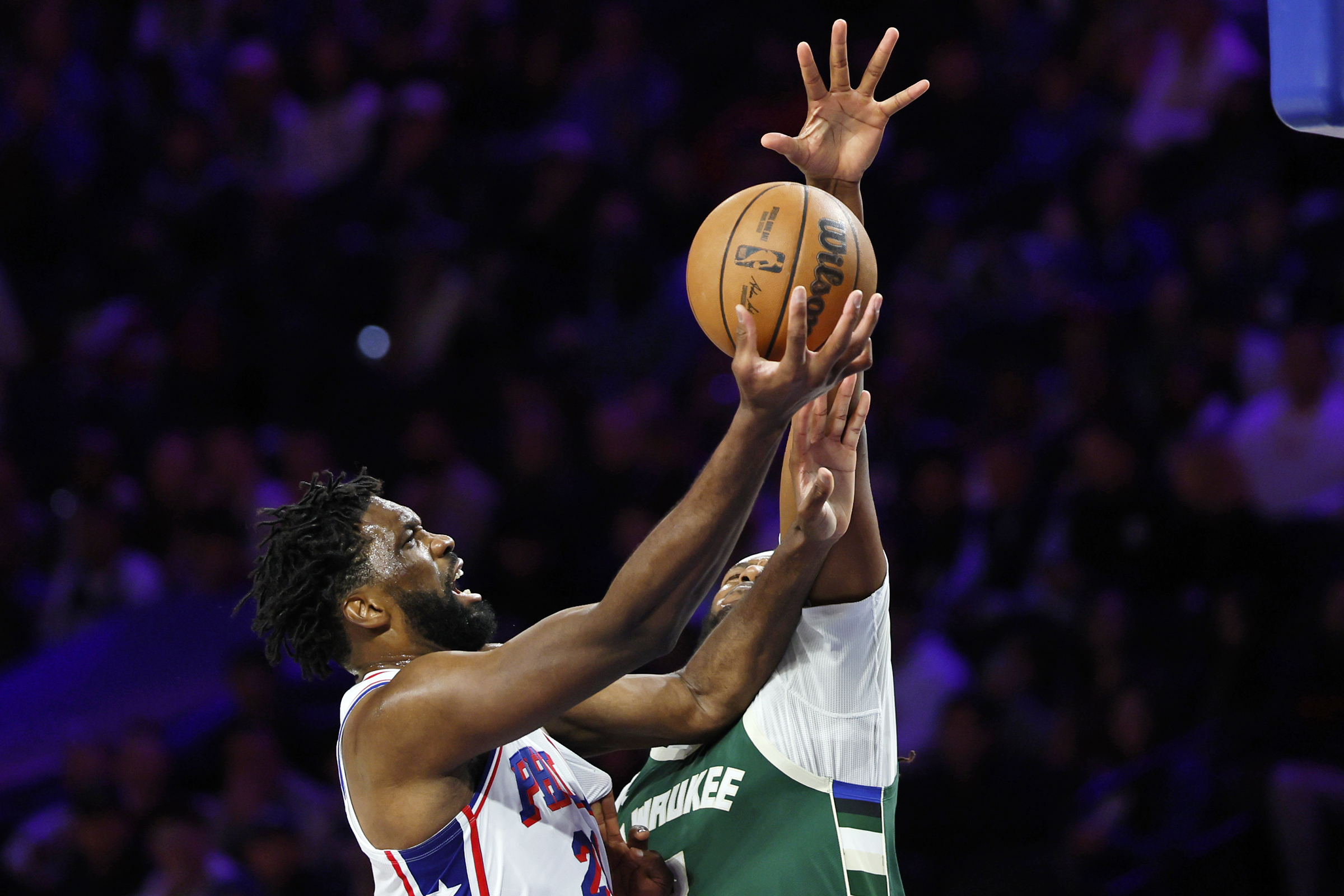
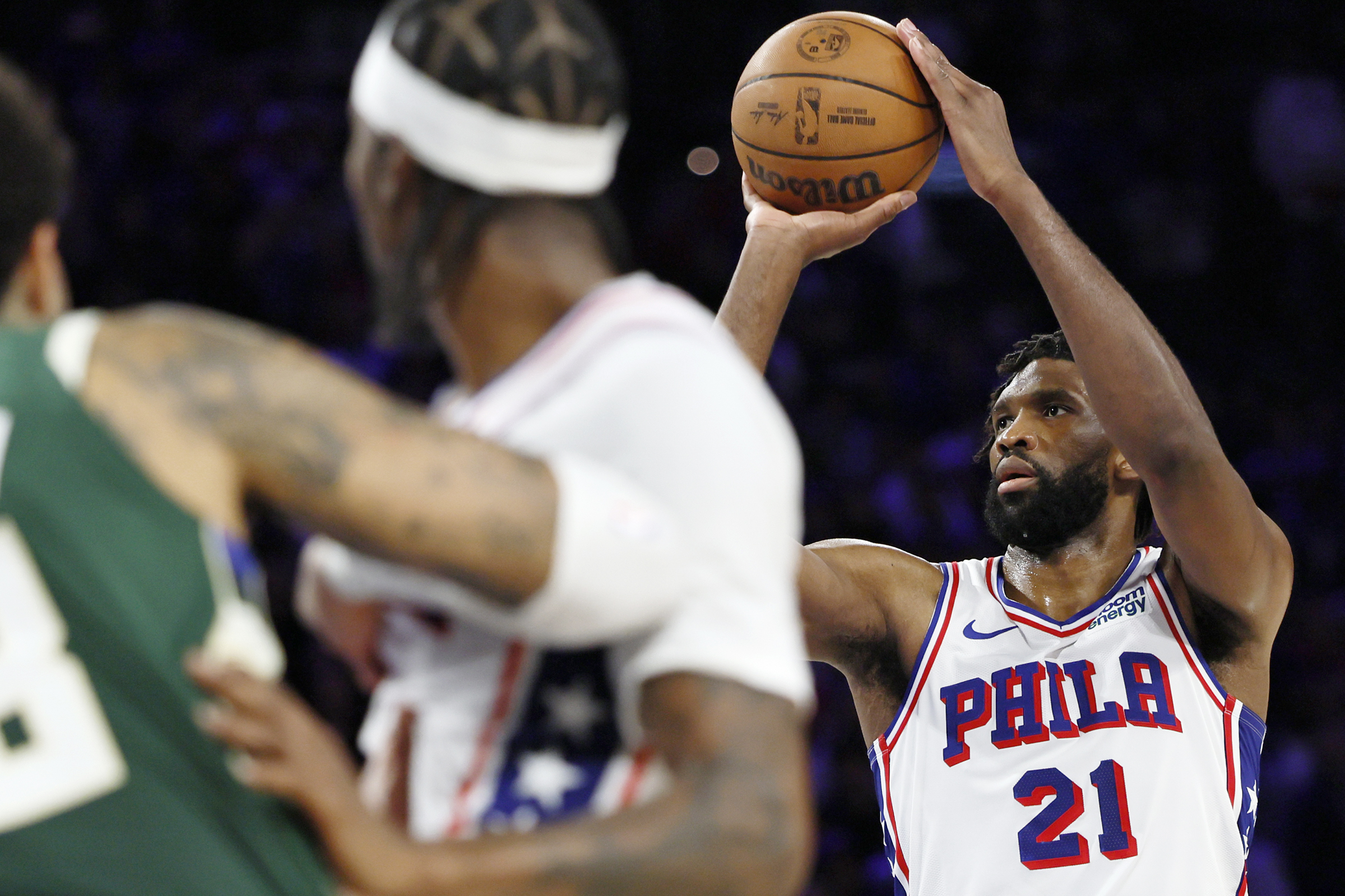
In a 76ers’ 132-129 victory over the Milwaukee Bucks that was shakier than it should have been Saturday afternoon at Xfinity Mobile Arena, Barlow’s season debut was described as “excellent” by coach Nick Nurse and “fantastic” by star teammate Joel Embiid.
The 23-year-old demonstrated the traits that make Barlow an ideal complementary player on this roster loaded with stars, totaling 12 points on 5-for-6 shooting and four rebounds in 11 minutes after missing the Sixers’ first 16 games and the preseason with a back issue.
“I couldn’t have asked for anything more,” Barlow said of his first game back. “I feel like I can impact winning.”
The contributions certainly topped Barlow’s “miserable” last several weeks, watching the new-look Sixers (14-3) get off to a hot start without him.
The 6-foot-9, 224-pounder described his back issue as an “overuse” injury, following a diligent summer working on his three-point shot and adding strength to jostle inside with bigger counterparts. Today, Barlow is an athletic and active reserve option at power forward after starting 59 games at that position last season. He is also available to play small-ball center while the Sixers remain shorthanded there without Adem Bona (spine injury) and Ariel Hukporti (season-ending Achilles surgery).
Barlow acknowledged some rust in his first game action since mid-May. After he entered late in the opening quarter, the first pass he received from James went through his hands. Barlow had “no legs” while airballing his first shot from beyond the arc. And though he is expected to be a versatile defender, he said he felt the most out of sorts on that end of the floor Saturday because the bulk of his contact work in preparation had come against coaches.
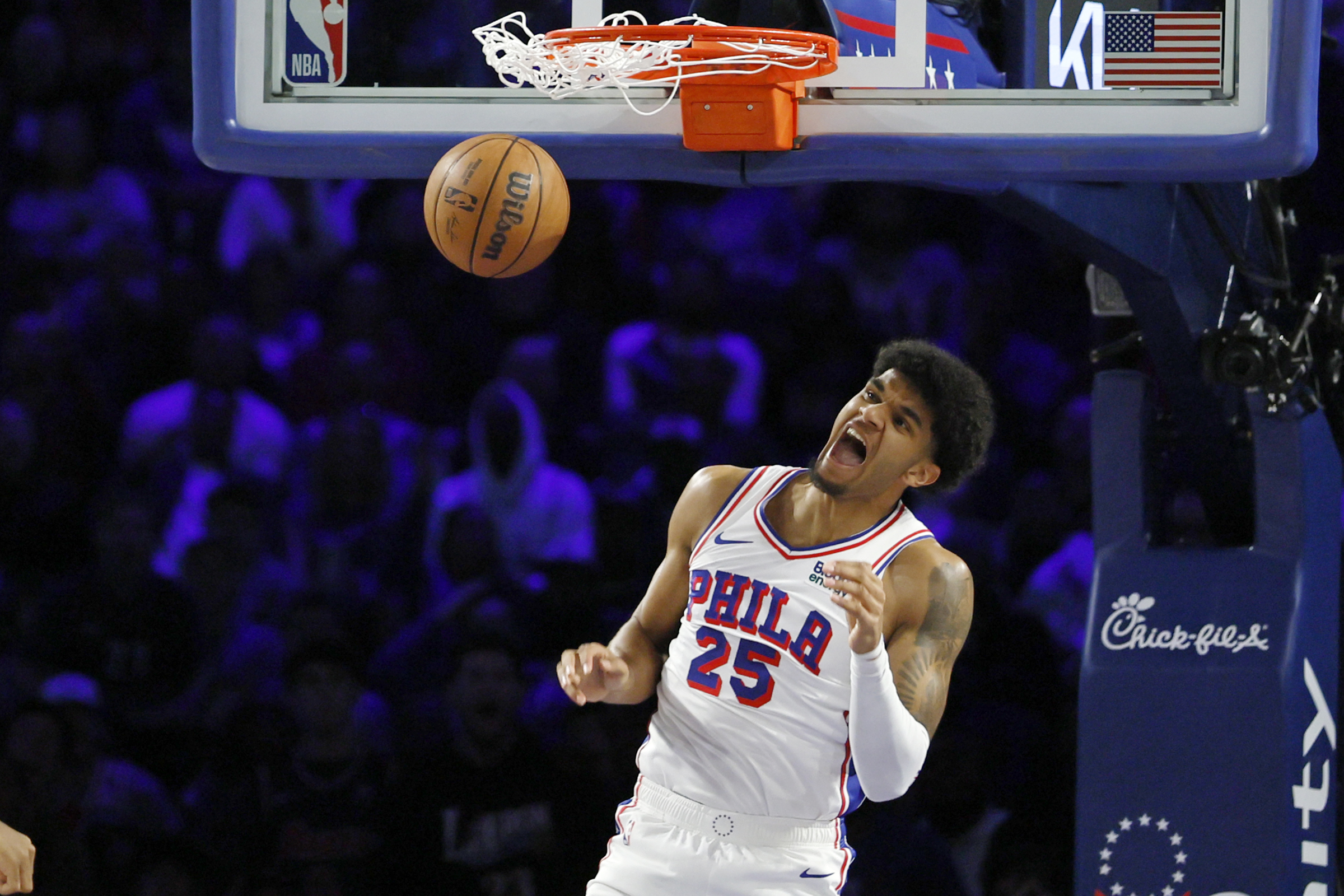
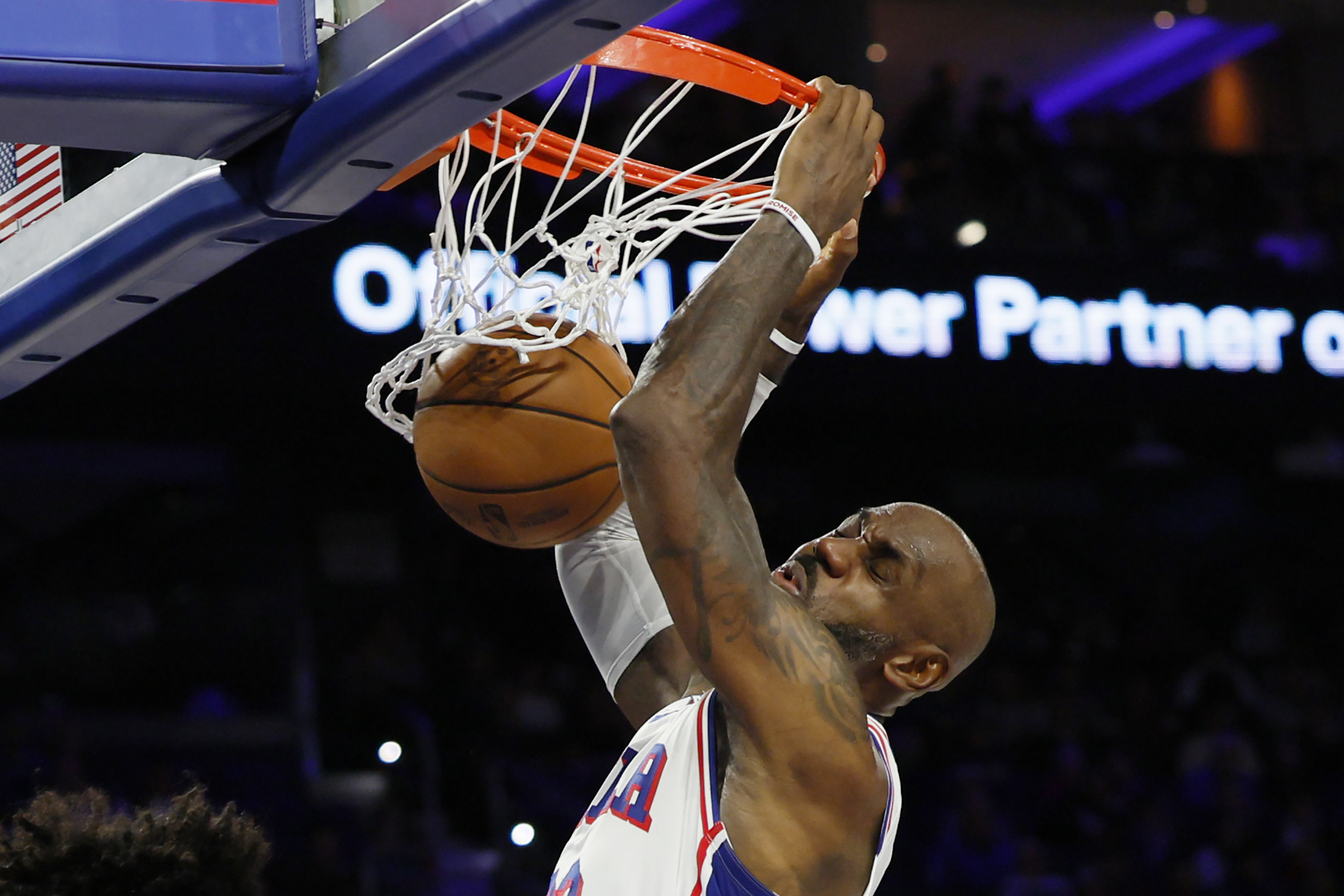
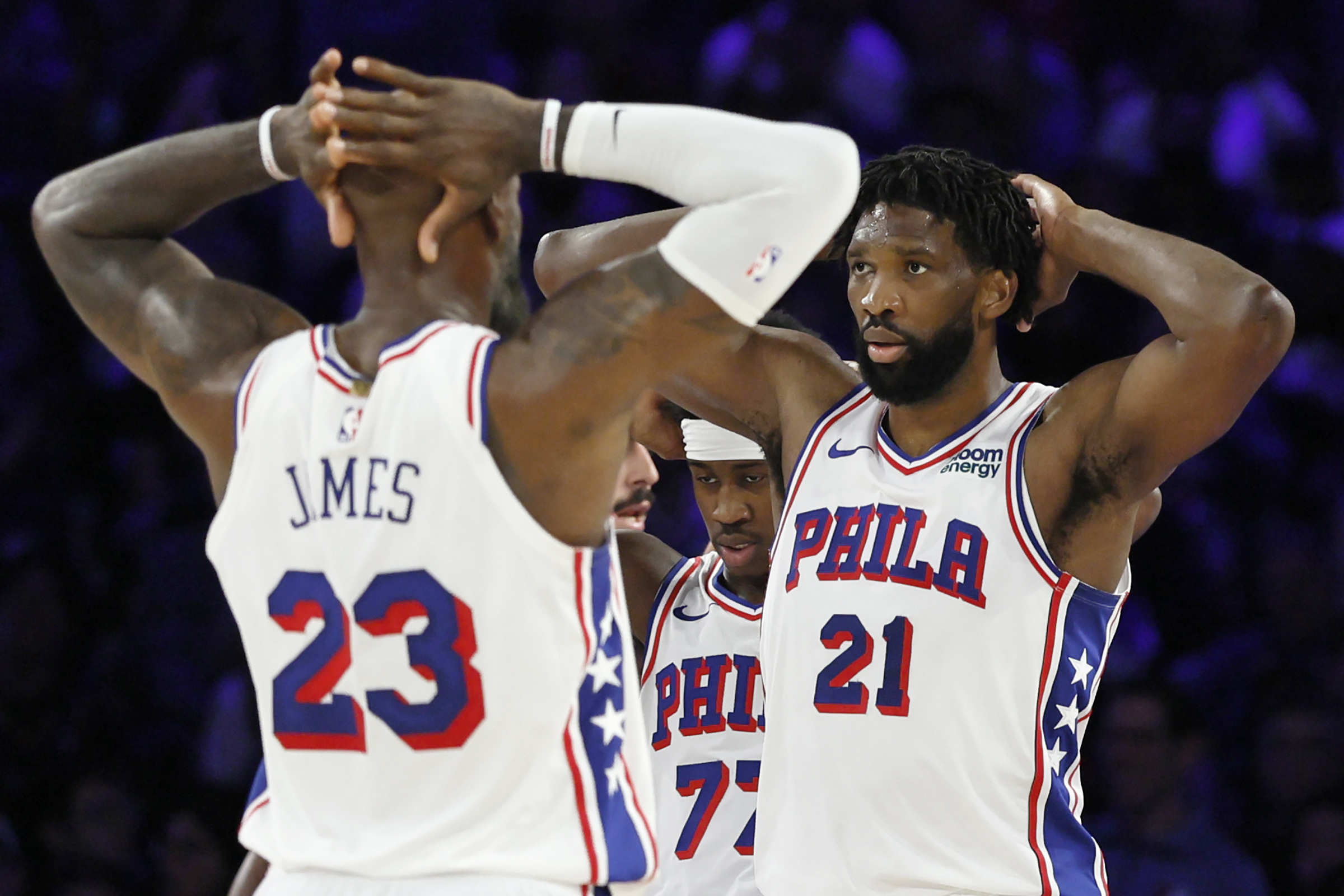
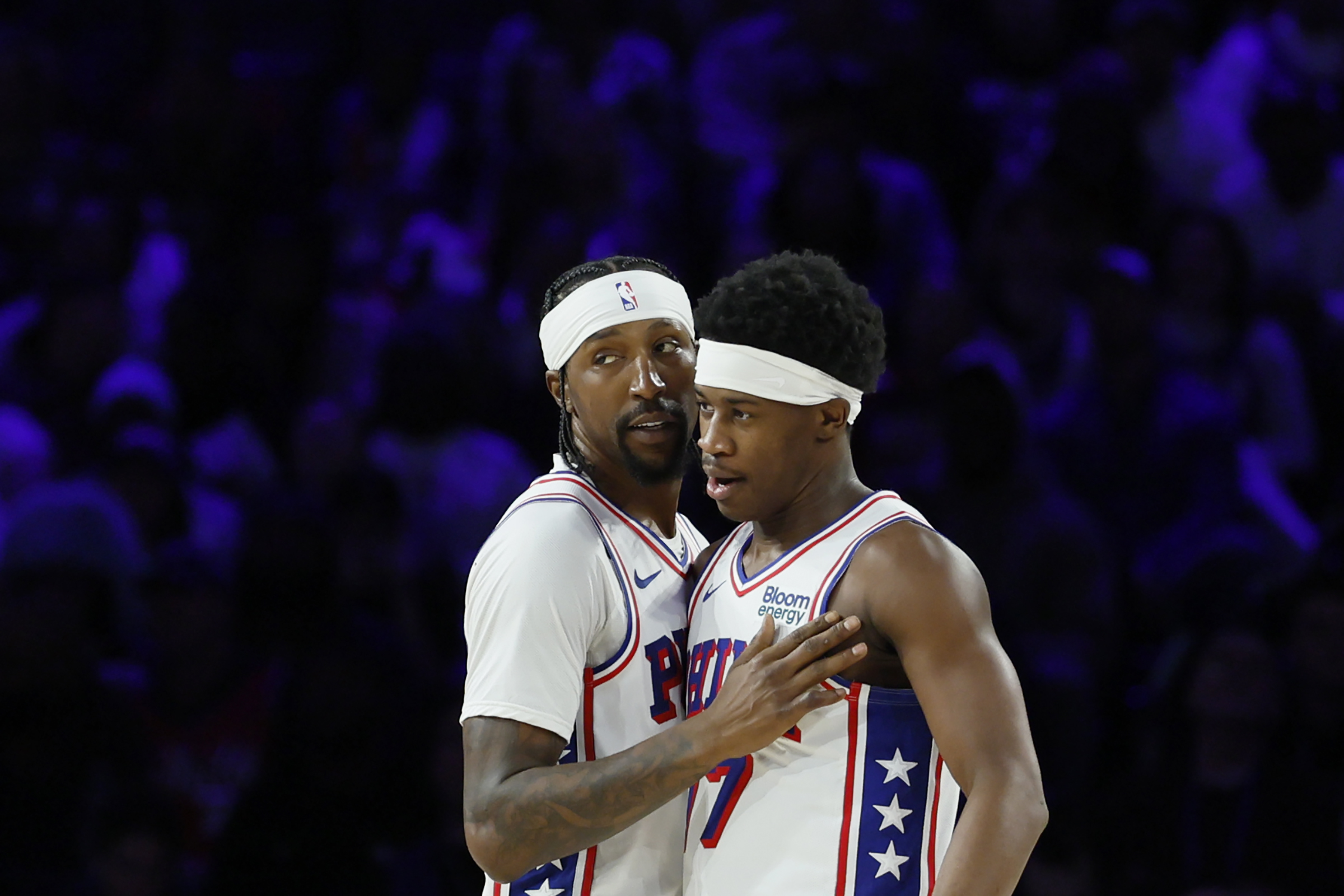
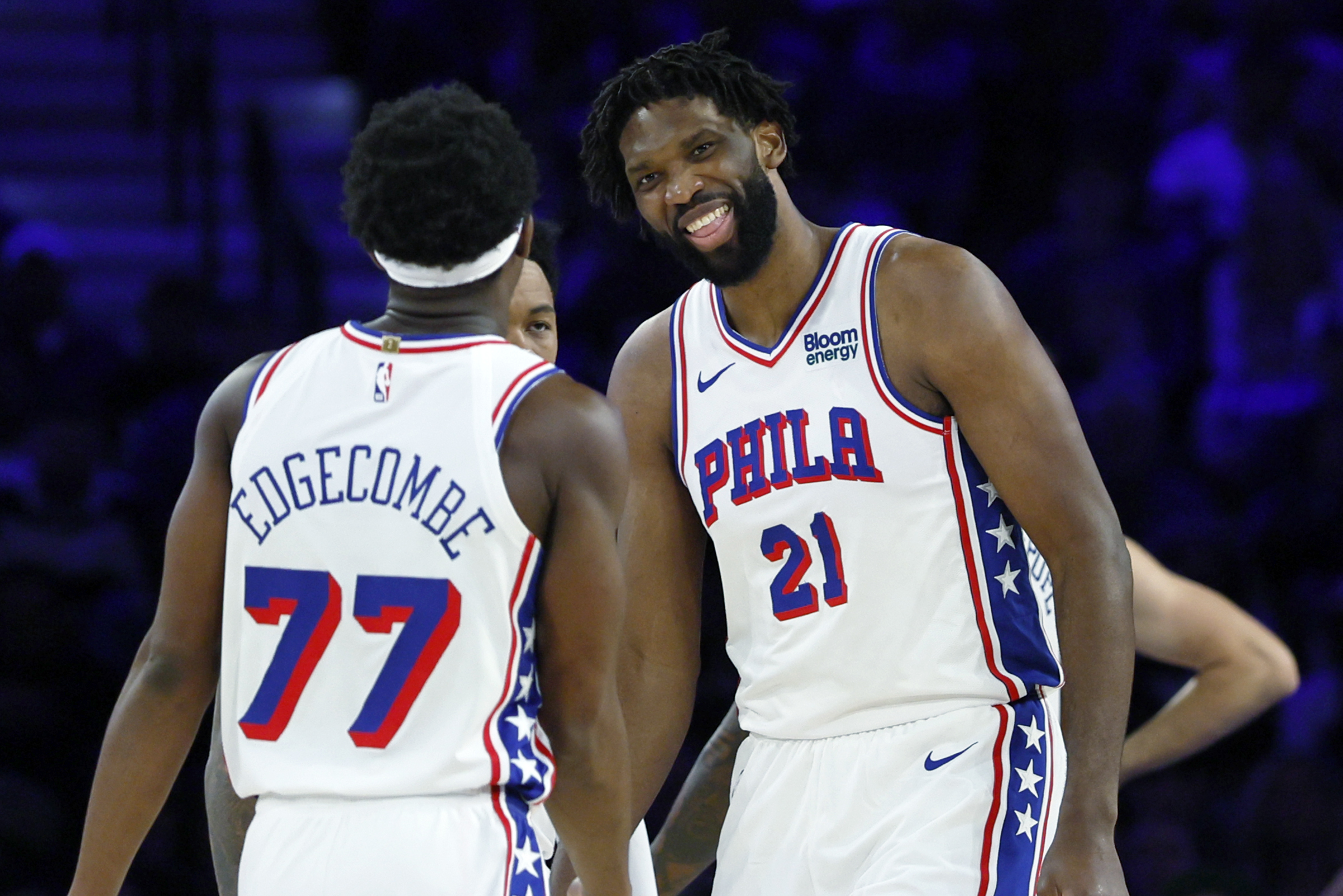
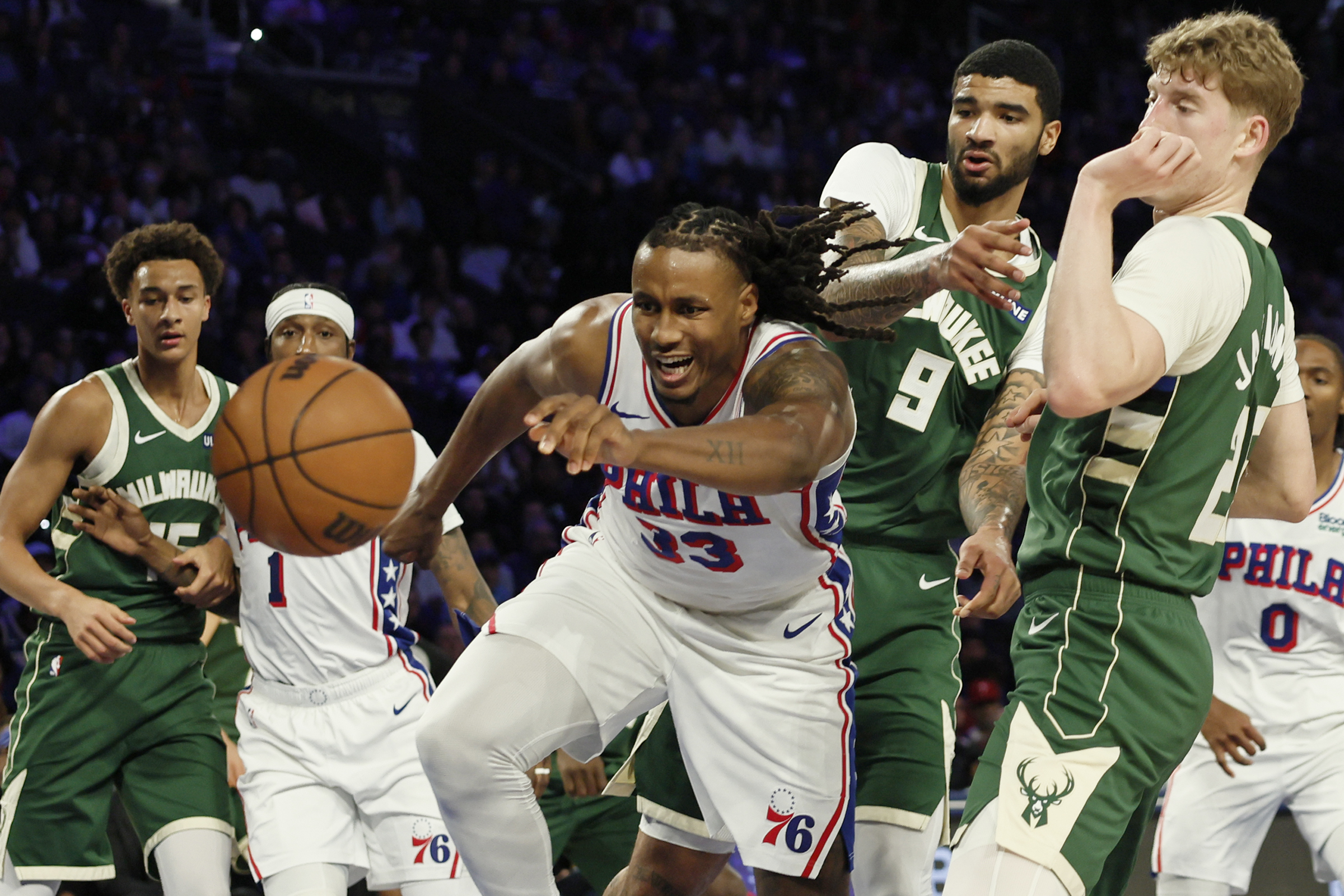
Sixers # 0 Tyrese Maxey goes to the net in the first quarter of the Milwaukee Bucks vs. Philadelphia 76ers (Sixers) NBA game at Xfinity Mobile Arena in Philadelphia on Saturday, November 21, 2026.Elizabeth Robertson / Staff PhotographerSixers # 23 LeBron James dunks the ball in the second half of the Milwaukee Bucks vs. Philadelphia 76ers (Sixers) NBA game at Xfinity Mobile Arena in Philadelphia on Saturday, November 21, 2026.Elizabeth Robertson / Staff PhotographerSixers # 23 LeBron James and # 21 Joel Embiid do a sychronized dance after Embiid was fouled in the second quarter of the Milwaukee Bucks vs. Philadelphia 76ers (Sixers) NBA game at Xfinity Mobile Arena in Philadelphia on Saturday, November 21, 2026.Elizabeth Robertson / Staff PhotographerSixers # 1 Kentavious Caldwell-Pope and # 77 VJ Edgecombe in the second quarter of the Milwaukee Bucks vs. Philadelphia 76ers (Sixers) NBA game at Xfinity Mobile Arena in Philadelphia on Saturday, November 21, 2026.Elizabeth Robertson / Staff PhotographerSixers # 77 VJ Edgecombe and # 21 Joel Embiid after Embiid was fouled in the second quarter of the Milwaukee Bucks vs. Philadelphia 76ers (Sixers) NBA game at Xfinity Mobile Arena in Philadelphia on Saturday, November 21, 2026.Elizabeth Robertson / Staff PhotographerSixers # 33 Jabari Walker goes after a rebound in front of Bucks # 9 Kel’el Ware and # 25 Kasparas Jakucionis in the second quarter of the Milwaukee Bucks vs. Philadelphia 76ers (Sixers) NBA game at Xfinity Mobile Arena in Philadelphia on Saturday, November 21, 2026.Elizabeth Robertson / Staff PhotographerSixers # 21 Jioel Embiid has his shot blocked by Bucks # 3 Myles Turner in the firsrt quarter of the Milwaukee Bucks vs. Philadelphia 76ers (Sixers) NBA game at Xfinity Mobile Arena in Philadelphia on Saturday, November 21, 2026.Elizabeth Robertson / Staff PhotographerSixers # 25 Dominick Barlow reacts after scoring in the second half of the Milwaukee Bucks vs. Philadelphia 76ers (Sixers) NBA game at Xfinity Mobile Arena in Philadelphia on Saturday, November 21, 2026.Elizabeth Robertson / Staff PhotographerSixers # 21 Joel Embiid hits his free throws to seal the win with just seconds to go during the Milwaukee Bucks vs. Philadelphia 76ers (Sixers) NBA game at Xfinity Mobile Arena in Philadelphia on Saturday, November 21, 2026.Elizabeth Robertson / Staff PhotographerSixers # 77 VJ Edgecombe celebrates after being fouled in the second quarter of the Milwaukee Bucks vs. Philadelphia 76ers (Sixers) NBA game at Xfinity Mobile Arena in Philadelphia on Saturday, November 21, 2026.Elizabeth Robertson / Staff PhotographerSixers # 23 LeBron James dunks the ball early in the first quarter of the Milwaukee Bucks vs. Philadelphia 76ers (Sixers) NBA game at Xfinity Mobile Arena in Philadelphia on Saturday, November 21, 2026.Elizabeth Robertson / Staff Photographer
“[They] do a tremendous job of being in shape,” Barlow said of those staffers. “But it’s a little bit different when Tyler Herro’s trying to come down and score 50.”
More comfort emerged for Barlow in the second half. He sank a three-pointer from the right corner, leaning on the confidence that he has “worked too hard to not shoot the ball when I’m open.” He twice finished inside, including on an old-fashioned three-point play that gave the Sixers a 106-96 lead early in the fourth quarter.
Barlow believed his best skill on Saturday was his cutting. He had previously displayed a knack for finding open space while playing off Embiid last season, when he turned a two-way contract into a standard deal and averaged a career-high 7.7 points, 4.8 rebounds, and 1.2 assists.
Saturday marked Barlow’s first chance to build similar cohesion with James, who assisted on three of Barlow’s five buckets despite playing “zero minutes and zero seconds” together during training camp, Barlow said. With opposing defenses expected to key in on the Sixers’ star scorers, Barlow envisions opportunities to “thrive” with that off-ball movement.
“He’ll find you,” Barlow said of James. “ … And just playing with energy. Stuff that I do well, I think, complements things that make him an all-time great.”
The midsection wrap that Barlow removed in the postgame locker room was a reminder of the extra treatment and monitoring he will receive while re-acclimating himself. He has worked with the training staff to strengthen his core and ensure the back “doesn’t become an issue again.” He also looks forward to accumulating more game reps, and further building on-court chemistry with new and returning Sixers teammates.
But after a “miserable” wait for his season debut, Saturday’s performance was a positive initial step.
“It was what I’ve been looking forward to,” Barlow said.
Paying off a mortgage represents a significant accomplishment for many Americans, especially for retirees living on a fixed income, because it can free up large amounts of cash.
Millions of Americans who own their homes outright, however, are still struggling to afford them.
An analysis of recently released Census Bureau data shows that roughly 5.5 million mortgage-free homeowners spend at least 30% of their household income on housing costs. Of those, 2.7 million spend at least half.
Those spending levels can make a home unaffordable, even without a mortgage payment. And many of these expenses keep rising.
The mortgage is gone. The bills aren’t.
“A paid-off mortgage doesn’t eliminate the ongoing cost of homeownership,” said Julia Taliesin, an economic analyst at Insurify, an online insurance comparison website. “Taxes, insurance, utilities, and upkeep costs persist even after the mortgage is paid off.”
Updated research provided by Insurify shows that U.S. homeowners spend an average of $21,486 each year on expenses other than their mortgage, including $7,374 for maintenance, $5,649 for utilities, $4,427 for property taxes, and $3,012 for homeowners insurance, plus flood insurance.
These costs, of course, vary significantly depending on the state. In 22 states, these costs exceed $20,000 annually. In five states, including California and Hawaii, they top $30,000 — partly because of higher property values and the costs associated with extreme weather events, such as fires and floods.
Those expenses are not what most homeowners have in mind when they think of a mortgage-free life. While the price of their homes may have appreciated substantially, that equity doesn’t pay the electric bill or replace a leaky roof.
Finding savings without moving
Not all housing expenses are set in stone. Take property taxes, for example.
Leo Chen, an assistant professor of finance at the University of South Florida, said it is worth reviewing your property’s assessed value and appealing it if it’s inaccurate.
Chen added that in his experience, property tax assessments may warrant reductions in roughly 5% to 25% of cases, potentially saving homeowners $500 to $2,500 annually. Some third-party services handle appeals without up-front fees and instead collect a percentage of any savings, often around 30%.
Homeowners should also check for homestead, senior, veteran, and disability exemptions. Chen noted that these benefits don’t always apply automatically and that homeowners must apply for them. However, certain households can save more than $1,000 if the government grants the benefits.
Insurance offers another opportunity.
Taliesin recommended calling your insurer and asking about every available discount. Discounts for paying in full or making automatic payments are common. Some insurers may reduce your rate if you install a security system, make home improvements, or demonstrate you belong to certain organizations.
Discounts vary by company, but Taliesin said combining them can sometimes reduce premiums by 15% or more. If your insurer doesn’t offer much, shop around.
When to consider a move
Sometimes, cutting expenses isn’t enough.
Chen said that if your housing costs exceed 30% of your income, it can be a warning sign. Other red flags include drawing down savings to cover bills or postponing necessary repairs.
For some households, downsizing could make more sense than borrowing against their home equity. A smaller property might reduce taxes, as well as insurance and maintenance costs, while freeing up cash.
But selling comes with transaction costs, and buying another home could mean taking on a mortgage at today’s higher rates.
The good news is that with a paid-off mortgage, you may have enough equity to give you some flexibility, whether you want to move or stay put.
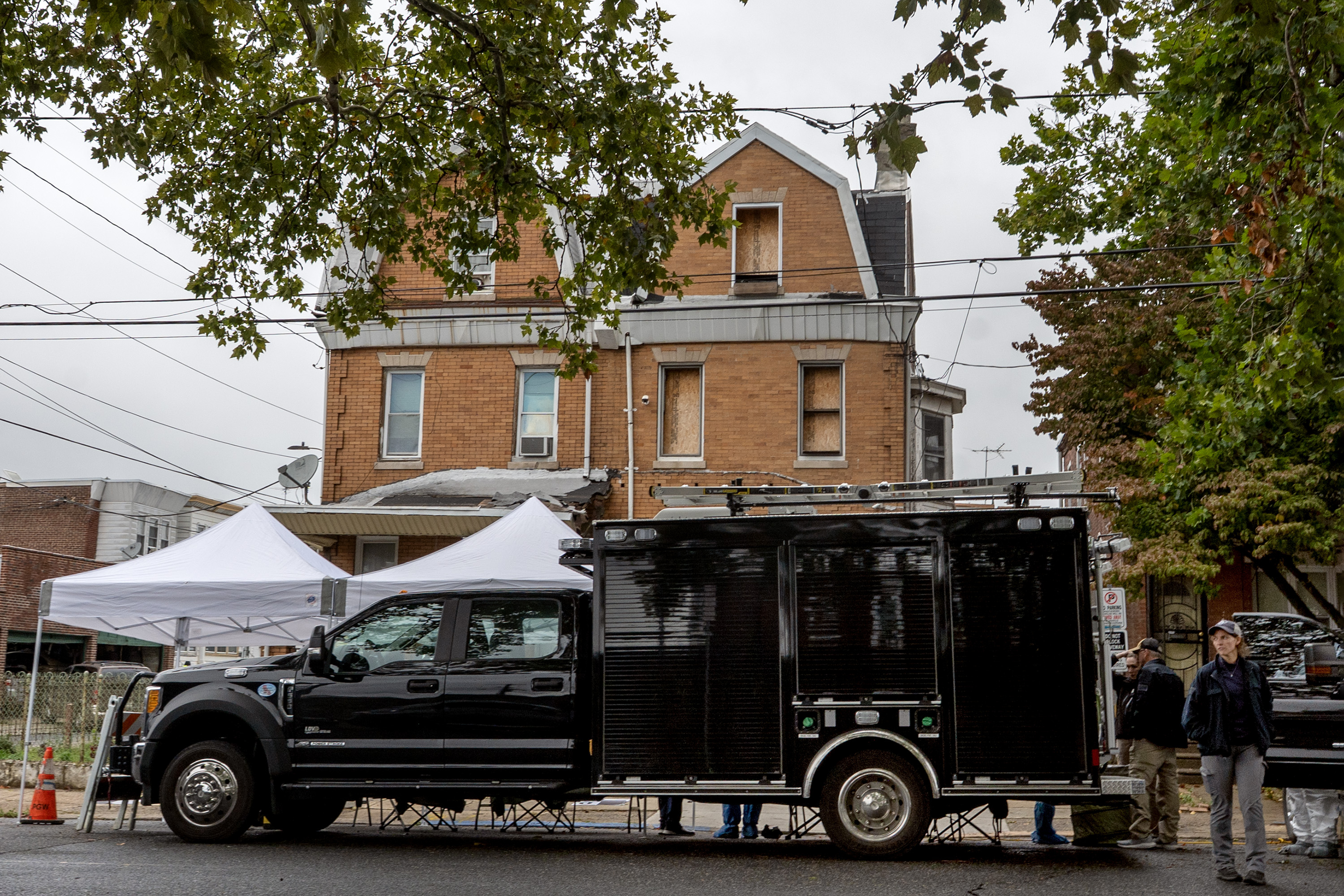
The 400 block of West Chew Avenue has seen an array of investigators since June, when the extensive search of the Olney home at the center of a shocking missing persons investigation began. But more questions than answers remain as authorities carry on the complicated task of parsing through forensic evidence collected from the residence.
Investigators suspect the late Raymond “R.C.” Horsch was connected to at least seven missing women associated with the house. Those allegations come from scads of digital evidence discovered this year that show what police believe to be a murder on camera, as well as women who appeared to be dead in the home.
Despite the lengthy investigation, scores of search warrants, and extensive searches that included excavations of its front and back yards, police have not yet publicly identified physical forensic evidence confirming violent crimes occurred in the Olney home. Gathering forensic evidence is a difficult process, however, especially as authorities contend with factors like an aging investigation scene, degradation of materials, and a lack of human remains.
That process, the Philadelphia Police Department said in a statement, involves specialized testing, extensive coordination among investigative units, and verification of discoveries — all of which takes time. And this investigation has long been expected to be a protracted one.
“Forensic investigations can be complex and time-consuming, requiring the careful collection, examination, and analysis of evidence,” a police spokesperson said. “Above all, we owe it to the victims, and most importantly their families, to get it right.”
Made more difficult by time
Time presents a significant challenge for forensic evidence collection, and as it goes on, a “whole orchestra of things” works against investigators, said Kimberlee Moran, a forensic consultant and educator at Rutgers University-Camden.
(Moran consulted with investigators on the Olney house but declined to comment on the case directly given the ongoing investigation.)
Cellular materials like blood, saliva, and fingerprints degrade over time, making it more challenging to recover useful evidence. The events of the Horsch case date back years, and the degradation of possible evidence speeds up the more materials are exposed to chemicals and ultraviolet light, or come into contact with people or objects. Even something as simple as a fan on a hot day could blow away relevant residues, she said.
In that sense, it would not necessarily take a sophisticated cleanup job to obscure evidence from investigators years later. Everyday actions could significantly diminish the amount of recoverable forensic evidence.
“It’s literally just living your life in that space over many, many years. Additional material is going to be shed, things are going to be moved around,“ she said. “This is not some place that has been frozen in time.”
The search for DNA
Law enforcement sources in October said investigators had employed luminol, a chemical that illuminates upon exposure to iron, revealing areas throughout the home that appeared to resemble blood spatter. Luminol, however, can also visibly glow when in contact with other substances, such as bathroom cleaners.
“There can be false positives,” said Thomas McAfee, a retired FBI special agent and former senior team leader of the Atlanta Evidence Response Team. ”But if you were to see spatter, even after someone cleaned, you would take a sample.”
Investigators, he added, typically would look for hair or fiber samples in rooms and on cloth materials, and forensics teams can cut away entire sections of walls, flooring, or doors to send off for DNA testing.
But in terms of practicality, Moran said, it is not realistic to examine every item or surface in a home because forensic labs have backlogs and limited resources.
“You can’t test every swab for DNA,” Moran said. “You have to figure out what swabs are going to be probative and what swabs aren’t.”
Moran added that in the United States, investigators tend not to strategize extensively with forensic experts and labs on their searches, and more collaboration could lead to better investigations. Experts could advise investigators ahead of time on what kinds of DNA they are more likely to recover, or advise against requests for forensic analysis like blood spatter and bite marks that have shown to be inaccurate, she said.
“Particularly for a case like this, where testing is going to be so important, really, the more we can incorporate the scientific expert … the more helpful that would be for the investigation,” she said.
Investigators later said the substance was not real blood. Before his death last year, Horsch was a well-known erotic photographer and filmmaker whose career in pornography dated to the 1970s. His work often depicted graphic sexual violence and simulated death scenes of women in addiction, and some scenes appeared to use prop blood.
In October, reports emerged that probable bone fragments from a hand had been detected. The Philadelphia Office of the Medical Examiner later said no human remains had been identified. Bone fragments, McAfee said, can be difficult for investigators to identify.
“It’s not always clear if it’s human or not, and there are different animal bones out there,” he said.
Reports have also indicated investigators sought evidence of alkaline hydrolysis, or “water cremation.” Experts said that process, or other chemical disposal methods, would likely leave behind forensic evidence, though none has been publicly confirmed.
“It’s really difficult to get rid of a body,” McAfee said.
Lack of remains complicates the case
Early on in the search, investigators discovered an extensive digital archive of videos and images stored on hard drives. After reviewing a portion of those files, police believe at least seven missing women are connected to the property, and at least five of them may be dead. Officials said the files show women alive and then apparently dead inside the home, and one video appeared to show Horsch strangling a woman.
Some of the files, Deputy Police Commissioner Frank Vanore said in September, likely show “playacting,” but others could show real events. Lacking confirmed human remains, police said earlier this year, the medical examiner’s office cannot officially declare the women dead, and police face the prospect of going through Orphans’ Court to get such declarations.
Amid a lack of progress reports on the case, police say the priority is on the investigation’s integrity.
“We understand the public’s desire for answers; however, it is essential that investigations are conducted thoroughly and accurately,” a police spokesperson said. “At this time, there is no confirmed timeline for the next update.”
Staff writer Ryan W. Briggs contributed to this article.
Ryan Novozinsky breaks down the Philadelphia Eagles’ matchup against the Pittsburgh Steelers, discussing key storylines, players to watch, and what the Birds need to do to come away with a win.