Category: Wires

  • Trump and Vance hit the campaign trail in deep-red areas where GOP candidates seek a boost

    Trump and Vance hit the campaign trail in deep-red areas where GOP candidates seek a boost

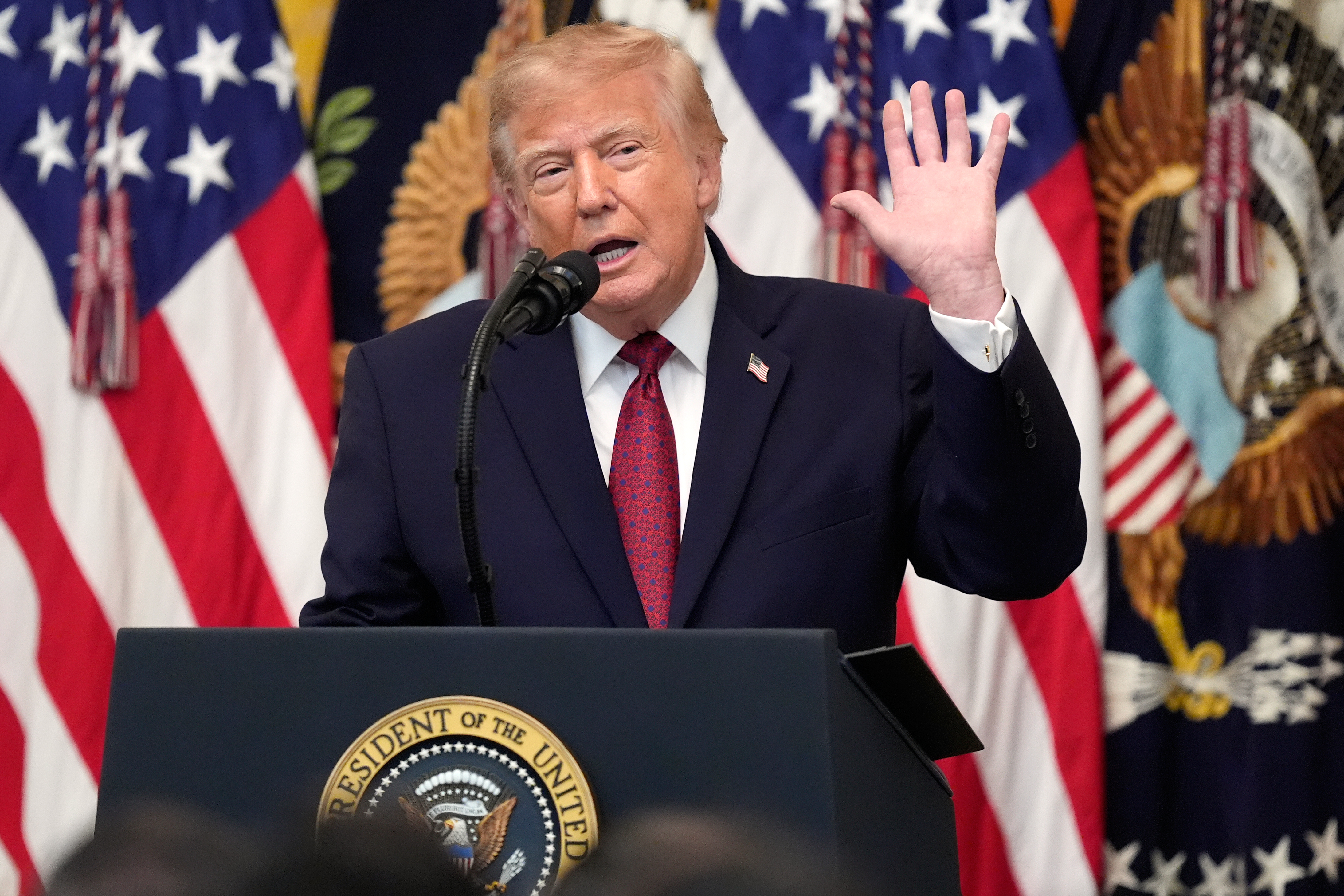
    WASHINGTON — President Donald Trump and Vice President JD Vance both hit the campaign trail on Thursday, but they headed to heavily Republican areas to shore up lagging enthusiasm in their party ahead of next month’s midterm elections.

    Trump’s travel to Texas and Oklahoma kicks off what the president said will be a 32-day campaign blitz leading up to Nov. 3.

    Vance stumped in Florida, putting the Republican Party’s highest-ranking officials in areas where GOP candidates once expected to have glide paths to victory but are now facing tougher races. The vice president tried to cast the GOP as representing common sense in the face of a Democratic push to the left.

    “I have the easiest job in the world,” Vance said in Lakeland, Florida. “I get to talk about how crazy the Democrats are.”

    Trump and Vance could have their work cut out for them, though.

    A new poll from The Associated Press-NORC Center for Public Affairs Research finds that only 17% of U.S. adults approve of Trump’s handling of the cost of living. Just 26% approve of his handling of the economy overall, marking a new low.

    Republicans have expressed growing pessimism about their chances in the election, which will determine control of Congress, as the president has repeatedly dismissed concerns about high costs and gas prices as his unpopular war in Iran drags on.

    According to Trump, his party’s headwinds are merely a matter of poor public relations about a job he says is well done.

    “I give us an A+ on the government, on economics, on everything,” Trump said Thursday, as he left the White House, while blaming the press for not covering the positive aspects of his administration.

    Landing in Texas, he said “we have to get the message” out, while vowing “to go campaigning all over the country.”

    Democrats say Trump and the Republicans are desperate

    Delanie Bomar, a spokesperson for the Republican National Committee, said in a statement that “the president is barnstorming the country, energizing our base, and supercharging Republican candidates in battleground districts and beyond.”

    The Democratic National Committee said Trump and Vance are “desperately trying to rally their base as the midterm elections approach and Republicans face defeat.”

    “Donald Trump and JD Vance started a deadly and costly war with Iran that sent the economy spiraling and pushed prices even higher, and now — in the final stretch to the midterms — they’re desperately pleading with voters to ‘give (them) another chance,’” said DNC deputy communications director Kendall Witmer.

    In Oklahoma, Trump will campaign with Republican Mike Mazzei, who is running against Democratic state House Minority Leader Cyndi Munson in the race for governor.

    Democratic Governors Association spokesperson Kevin Donohoe said Trump’s campaign rally shows that Republicans “are in full-on panic mode.”

    “This race continues to get more competitive — and national Republicans are right to be worried about Mazzei,” he said.

    The event will be held on the Choctaw Nation of Oklahoma, putting Trump in the company of just a handful of U.S. presidents who have visited tribal nations while in office.

    Before his evening Oklahoma stop, Trump toured a truck manufacturing facility and chatted briefly with workers in Texas, where Republicans are spending heavily to try to bolster state Attorney General Ken Paxton in a Senate race. Paxton faces a very competitive challenge from Democratic state Rep. James Talarico.

    Paxton planned to attend the event.

    Vance also stumped for GOP candidates

    Trump will be campaigning in more politically competitive areas in the days and weeks ahead as he embarks on his travel blitz, but Republican officials will not send him to places where they think his presence could drag down their candidates, according to a person familiar with the party’s strategy who was not authorized to speak publicly and spoke on the condition of anonymity.

    Trump’s Oklahoma visit, and likewise one on Friday to Alabama, are aimed at hitting two targets with one stop, the person said.

    Republican officials have noted that Durant is close to the Dallas and Fort Worth media market, meaning Trump’s message will also be carried to Texas voters, and he’s expected to talk about Paxton even while addressing voters in the neighboring state.

    His Friday stop in Mobile, Alabama, is aimed not only at boosting Sen. Tommy Tuberville as he runs for Alabama governor but also at shoring up support in Florida’s adjacent panhandle for Republican Rep. Byron Donalds. Donalds is running for Florida governor against David Jolly, the Republican-turned-independent who is now running as a Democrat.

    Donalds’ campaign in heavily GOP Florida comes as Republicans there have faced some turbulence and voter concerns about affordability and artificial intelligence data centers have become central issues.

    While Trump is in Oklahoma and Texas, Vance campaigned for Donalds in central Florida. That came a day after the vice president campaigned in Texas, rallying with Republican candidate Eric Flores, who is in a tight U.S. House race in south Texas.

    Vance, speaking in Harlingen, Texas, on Wednesday, acknowledged broader discontent over the high prices in the U.S. but shifted the blame away from Trump and Republicans.

    “I know that there are people out there who are frustrated by the pace of progress,” he said, but “we have spent every single day fighting for you, digging ourselves out of the hole that Joe Biden left us in.”

    Trump will also campaign on Saturday in Vandalia, Ohio, and on Monday in Grand Island, Nebraska.

    Trump is expected to campaign for the GOP almost daily

    In a meeting on Capitol Hill this week, White House chief of staff Susie Wiles described privately to GOP senators that Trump will have a near-daily sprint of campaigning ahead of the Nov. 3 midterms.

    Wiles showed Republicans the president’s upcoming travel schedule, which attendees described as extensive and almost every day, all across the country.

    West Virginia Republican Sen. Shelley Moore Capito said that White House officials are “acknowledging the headwinds” but that “they have a strategy, and we have a strategy,” including money that the president’s operation will continue to deploy.

    Capito also defended the White House’s plan to send Trump to traditionally conservative territory, arguing that he can motivate the Republican base not just where he travels but elsewhere in the country because he has such a broad reach.

    “He can get more of his voters out — that are going to be our voters — than anybody else,” Capito said.


  • Christa Pike is in critical condition after Tennessee’s failed execution attempt, her lawyers say

    Christa Pike is in critical condition after Tennessee’s failed execution attempt, her lawyers say

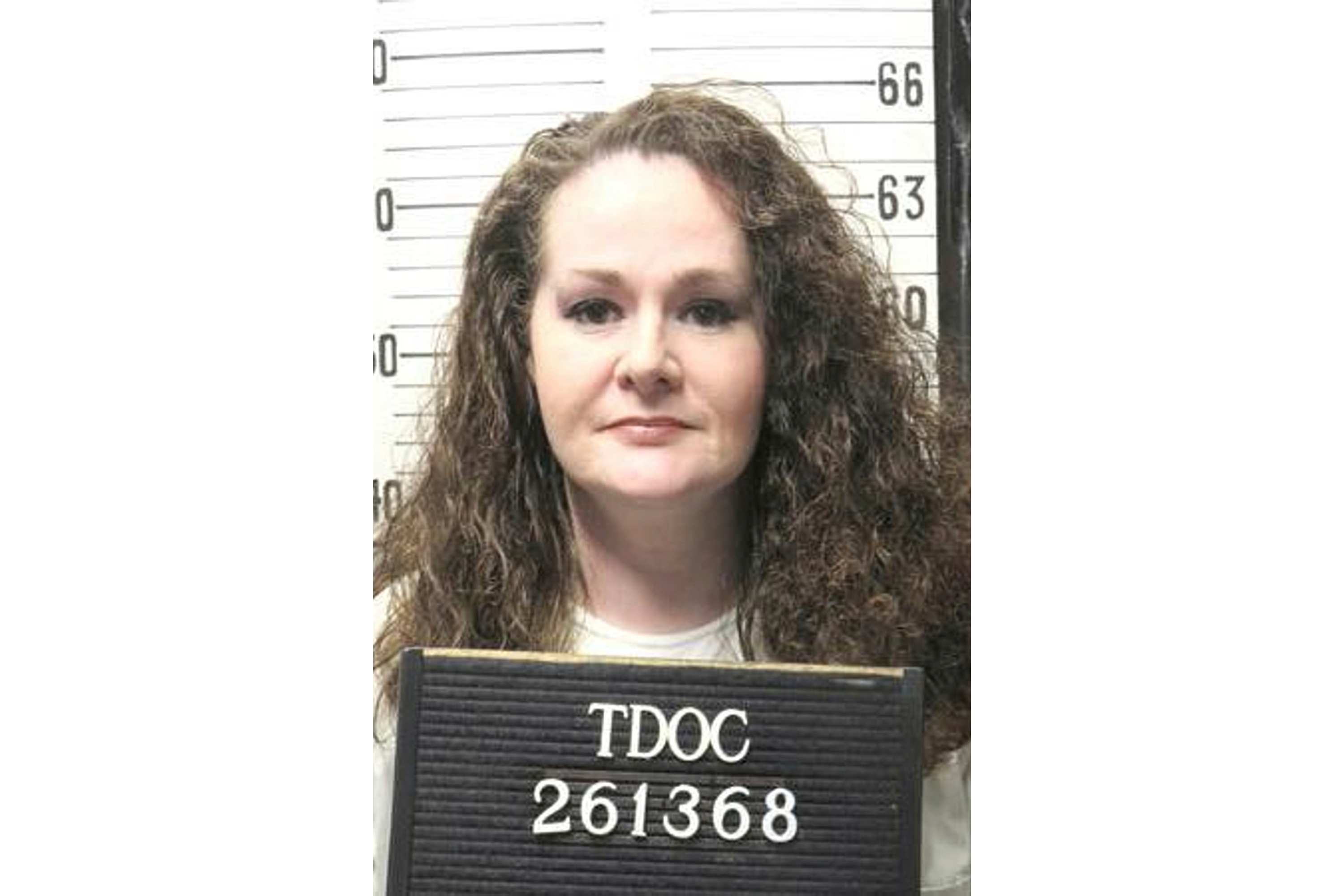
    Christa Pike was in critical condition Thursday and receiving “lifesaving care” at a hospital, her lawyers said, a day after a failed attempt to execute her in what Tennessee’s governor called a “deeply disturbing” outcome.

    Pike, who was sentenced to death in a 1995 murder, was taken to a hospital Wednesday night after she received a double dose of the drug Tennessee uses to execute prisoners but survived.

    “We don’t have a sense of her prognosis or much update on her health at the moment,” attorney Randy Spivey said during a news conference. ”But we know she is alive right now.”

    The failed execution, which one death penalty expert described as unprecedented, led Republican Gov. Bill Lee to order a review and to indefinitely postpone Pike’s execution and Tennessee’s lone other one scheduled for this year. It also reignited the debate over the state’s execution procedures, including its single-drug lethal injections.

    Spivey called the process cruel and tortuous, saying he was “haunted” by what he saw after the execution team struggled to find a vein for the lethal drugs. He said he counted at least seven needles in her left arm.

    During the struggle to locate a vein, Pike even suggested where they might find a spot, he said.

    “Please try here, please try here,” Spivey recalled her saying. “She told them over and over, please try higher on my shoulder.”

    An execution fails

    The state tried to execute Pike by lethal injection, but neither the initial nor backup dose of pentobarbital killed her and she was still snoring when the execution chamber’s microphone was cut off more than an hour into the attempt. She was later taken to a hospital for treatment.

    At one point during the execution attempt, she asked prison officials if her arm was supposed to feel that way, though it’s unclear if it was after the first dose entered her body, as officials don’t share that information. Later, more than an hour after the process began and nearly 30 minutes after a backup dose of pentobarbital was administered, she could be heard snoring loudly.

    Another of Pike’s attorneys, Steve Ferrell, said she feared there would be complications with the lethal injection because of a lifelong blood disorder that made it tough to get needles into her veins. “Throughout her life, she’s explained to us that she had trouble having blood drawn,” he said.

    It was quite possible, Ferrell said, that the IV line didn’t enter her vein properly and that the drug was filling her arm instead of entering her bloodstream.

    Her lawyers called for her death sentence to be commuted, saying what she went through Wednesday amounted to torture.

    May Martinez, whose daughter was murdered by Pike and her boyfriend and who traveled to Nashville to watch the execution, told NBC News “it was a mess.”

    Pike, 50, was sentenced to death for a murder she committed at age 18. She would have been the first woman executed in Tennessee in more than 200 years.

    An appeals court stopped the lethal injection an hour before it was scheduled to begin, but the U.S. Supreme Court overturned that stay hours later.

    It was the second time this year that Tennessee was unable to complete an execution. In the other case, officials couldn’t find a suitable vein for an IV line so the drugs weren’t administered.

    Governor halts another 2026 execution

    The governor said it appeared prison staff followed procedure, but he described what transpired as “deeply disturbing.”

    “There are very few answers this morning. It’s very early,” Lee told reporters Thursday. “The people of our state deserve to have those questions answered.”

    Officials gave Pike two doses of pentobarbital, her attorneys said in court filings late Wednesday. The drug has been used in executions in multiple states and by the federal government, but there have been concerns raised about the potential for “unnecessary pain and suffering.”

    The Tennessee Department of Correction said in a statement that it “followed every step of the State’s lawful, established execution protocol approved by the Attorney General’s Office.”

    The state changed its execution method two years ago

    Tennessee announced in 2024 that it was switching from a three-drug series for lethal injections to a single drug, pentobarbital. That came more than two years after the state abruptly halted the execution of Oscar Smith and acknowledged it had failed to ensure its lethal injection drugs had been tested properly.

    Robin M. Maher, executive director of the Death Penalty Information Center, said what Pike experienced is “singular and unparalleled” in that she survived long enough to be moved to a hospital.

    Seven other people have survived medical problems due to an execution team’s failure to access a vein to administer lethal injection drugs, but no one has stayed alive after receiving the drugs used in such executions, she said.

    Executions in the U.S. have fallen sharply since the beginning of this century amid growing public opposition and concerns about the costs and the drugs used. But the number of executions nearly doubled last year behind a record increase in Florida.

    Pike would have been the 30th person executed in the U.S. this year.

    Pike was awake in the chamber

    Strapped to a gurney in the execution chamber, Pike described herself as at peace.

    When asked if she had any last words, Pike said several things, including, “I’m at peace. I’m ready to be free. … This is a happy day.”

    But she remained awake, and at one point complained about the feeling in her arm. The chamber’s curtains were closed briefly, suggesting it had been five minutes since the first dose was administered. But they were reopened three minutes later.

    An hour after officials first raised the curtains, witnesses reported that a second dose of pentobarbital was administered. Pike could still be heard snoring behind a closed curtain until the microphone was cut off almost 30 minutes later.

    Her lawyers filed an emergency motion with the Tennessee Supreme Court seeking to immediately halt and stay the execution, saying she was in “unnecessary agony” and the procedure violated her right to be executed free of cruel and unusual punishment.

    Last May, Tennessee officials called off the lethal injection of Tony Carruthers, who was convicted of kidnapping and killing three people in 1994, after executioners tried for over an hour but failed to find a suitable vein for a secondary IV line.

    Pike didn’t deny her role in the killing

    Pike and her boyfriend were convicted of the fatal stabbing of 19-year-old Colleen Slemmer, a classmate. The killing stoked fears of Satan worship because of a pentagram carved on Slemmer’s body.

    Pike’s boyfriend wasn’t eligible for the death penalty because he was 17 at the time of the killing and received a sentence of life in prison. He was denied parole last year.

    Pike didn’t dispute that she helped kill Slemmer, but supporters argued that Pike’s age at the time of the murder, her mental illness and her allegations of severe sexual abuse should be considered. She was diagnosed with bipolar disorder and post-traumatic stress disorder after the killing.

    “It took me numerous years to even realize the gravity of what I’d done,” she once said.

  • Iran indicates it’s received an official U.S. response to its latest offer on ending the war

    Iran indicates it’s received an official U.S. response to its latest offer on ending the war

    Iranian officials indicated Wednesday they have received an official U.S. response to Tehran’s latest proposal to end the seven-month war, which U.S. President Donald Trump had publicly rejected just days earlier.

    The officials did not say what the response contained and whether it was a rejection.

    Iranian Foreign Minister Abbas Araghchi presented the U.S. response to President Masoud Pezeshkian at a Cabinet meeting, government spokesperson Fatemeh Mohajerani told the state-run IRNA news agency.

    “We will make every effort to bring the agreement to fruition and will firmly stand up for the rights of the Iranian people,” Pezeshkian said. “The agreement must now be based on a win-win strategy.”

    The Cabinet meeting followed Araghchi’s return to Iran after travelling to New York for last week’s U.N. General Assembly, where officials held indirect talks with U.S. officials and also met with Qatari and Pakistani mediators on the sidelines of the annual gathering of world leaders.

    Araghchi briefed the Cabinet on his trip to New York and the meetings he held there, including Iran’s conditions for reopening the Strait of Hormuz, which Mohajerani said had been conveyed through mediators.

    Araghchi last week said he floated the proposal to reopen the strait in a week if the U.S. agreed to lift its blockade of Iranian ports, release frozen Iranian assets and waive sanctions on Iranian oil sales, among other conditions.

    Trump swiftly rejected the proposal, saying Iran wanted to make a deal because it was “losing so badly” but that its offer “would not be acceptable.” Despite Trump’s public rebuffing, mediators continued working with Iran and the U.S. to try to broker a deal to end the fighting and open the strait, according to officials who were not authorized to comment publicly and spoke on condition of anonymity.

    Meanwhile, the U.S. Treasury Department unveiled new sanctions on Tuesday targeting people and companies around the globe that it accuses of being financial facilitators or enablers of Iran’s military supply chain.

    The latest action is part of the Trump administration’s “Operation Economic Outcast” campaign aimed at severing “critical financial lifelines” for the already heavily sanctioned Iranian government.

    Ten people and entities based in Iran, Hong Kong and Pakistan now face sanctions over accusations of procuring weapons and weapon components for Iran’s defense ministry as it fights its now seven-month war against the U.S.

    Iran’s economy is spiraling further

    Iran’s economy, under heavy strain before the war started, has been in a freefall since the conflict began in late February.

    The country’s currency fell to a new record low on Tuesday, with traders in Tehran exchanging more than 2.5 million rials to the U.S. dollar in a stark reflection of how the war in the Middle East has steadily eroded the Iranian economy.

    The latest decline came just 27 days after the rial hit its previous record low of 2.2 million to the dollar on Sept. 2. The currency has repeatedly reached new lows since the war began in February.

    Trump on Tuesday said that Iran is “failing very badly, very badly” and predicted anew that the war will be “over with very, very soon.”

    At the onset of the conflict, he predicted that the war would last just weeks. More recently, Trump said he expects it won’t end until after the Nov. 3 midterm elections in the U.S.

    Iranians face soaring prices for medicine amid U.S. blockade, sanctions

    Medication prices are soaring in Iran and some treatments have become hard to find, leaving patients and their families scrambling as a U.S. blockade and stepped-up sanctions squeeze the country’s pharmaceuticals industry.

    Some medicines have more than tripled in price, further straining Iranians’ finances seven months into the country’s war with the United States and Israel. Prices for food and other goods have skyrocketed even as unemployment has risen and the currency, which hit a record low this week, has lost half its value.

    The war has become an economic endurance test. Iran has tried to push world energy prices higher with attacks on the region’s oil shipping routes; the United States, in turn, has aimed to wreck Iran’s economy by blockading its ports since June and slapping it with increasingly tough sanctions.

    Iran executes 2 men on charges of violence during January protests

    Also on Wednesday, two men were executed in Iran over their role in violence during nationwide anti-government protests in January, the state-run IRNA news agency reported.

    Citing the country’s judiciary, IRNA said the men took part in unrest in the northeastern city of Mashhad that left four members of the security forces dead earlier this year. Their death sentences were upheld by Iran’s Supreme Court before being carried out Wednesday morning.

    The unrest began Dec. 28 amid anger over Iran’s collapsing currency and worsening economy and quickly spread across the country, with demonstrators increasingly calling for the overthrow of the Islamic Republic. Iranian authorities responded with a deadly crackdown.

    Rights groups say thousands were killed and tens of thousands arrested, while Iranian authorities have reported a substantially lower death toll.

  • Trump administration considers scaling back border project in Texas’ Big Bend National Park

    Trump administration considers scaling back border project in Texas’ Big Bend National Park

    WASHINGTON — The Trump administration is considering reducing the scope of a planned border project through Big Bend National Park in Texas, a contentious undertaking that has drawn bipartisan opposition over concerns it will irrevocably mar the remote, majestic area.

    The announcement on plans for the national park, made in two court filings late Tuesday, gave no details on what the government may do. In August, the Republican administration initiated a pause on construction-related activity in the park as it engaged in outreach efforts to opponents of the project. The pause ends Wednesday.

    Customs and Border Protection is “actively considering adjustments” to the work ”that would reduce its scope and avoid or minimize potential impacts, based on input received from the National Park Service and other stakeholders,” the government said in the court filing.

    The agency said it will make a final decision the first week in October and will take “several weeks” after that announcement before any “ground-disturbing work” starts.

    After intense opposition from environmentalists and local residents and business owners, CBP backed off plans this year to build a 30-foot-tall bollard wall through the park. But its intention to move forward with other measures such as a new road, lights, vehicle barriers and technology did not quell local resistance.

    After bulldozers were spotted in August clearing land in Big Bend, CBP Commissioner Rodney Scott announced a pause on all activity there and it was later expanded to the area upstream of the park. The agency has said it was only carrying out design and planning work, not full-scale construction activities.

    Opponents of the border project called on the administration Wednesday to continue the pause while coming up with a new plan.

    Bob Krumenaker, head of Keep Big Bend Wild and a former NPS superintendent at the park, said in a statement that the Border Patrol already works with the park service and local sheriffs to operate an “effective surveillance system” in Big Bend that includes ground sensors and patrols. The Coalition to Protect America’s National Parks said building in the park would be “mutilating an extraordinary landscape.”

    The project is part of a $46 billion plan by the administration to line the U.S.-Mexico border with steel bollard walls, vehicle barriers and surveillance technology to deter migrants and smugglers.

    The government has also paused work on a 61-mile piece of land stretching north of the national park along the Rio Grande River, most of which is owned by private landowners. In that area, the government plans to build a 30-foot-tall steel bollard wall designed to prevent people on foot from crossing, roads and various types of surveillance technology where appropriate, according to the court filing.

    CBP has started building the wall in a West Texas part of the broader Big Bend region, but has run into intense opposition there, including from landowners challenging the project in court.

    Also in the court filing Tuesday, the government suggested it was facing resistance in getting permission from landowners to survey and build on their property and would be referring some cases to the Department of Justice to pursue condemnation.

    The government also detailed efforts it had made to meet with people potentially affected by Big Bend projects and shared with them incidents of cartel-related violence that concerned the Border Patrol.

    The administration has been pushing forward with the border wall projects that have long been a key part of President Donald Trump’s vision for border security. The agency said it is building 12 miles of wall per week.

    But lining up against the work are private landowners, Native American tribes, environmental groups and others who question the necessity and cost of the project at a time when illegal immigration has fallen dramatically. Opponents also have accused the government of damaging Native American sites and sensitive ecology locations in its rush to finish construction.

  • A knife and a pledge: Brazil’s candidates court women with promises to combat violence

    A knife and a pledge: Brazil’s candidates court women with promises to combat violence

    RIO DE JANEIRO — Clutching an oversized knife onstage during a recent campaign stop, Brazilian presidential candidate Sen. Flávio Bolsonaro vowed to inflict chemical castration on “rapists and child abusers,” drawing thunderous applause.

    The tough-on-crime message comes as Bolsonaro seeks to appeal to women, who account for 53% of the electorate and played a decisive role in handing President Luiz Inácio Lula da Silva a narrow 2022 victory over Bolsonaro’s father, former President Jair Bolsonaro.

    “Women are starting to have a perception of their role in elections,” said Rachel Ripani, co-founder of the movement Levante Mulheres Vivas, or Rise Alive Women. “They’re seeing their vote as something that they don’t want to be manipulated.”

    Polls show Lula with a narrow lead over Sen. Bolsonaro in the Oct. 4 vote, but neither candidate is expected to win outright, making a runoff likely. Both have been courting swing voters, including women, with proposals to combat gender-based violence, a major campaign issue as violence against women reaches record levels and several high-profile cases draw attention.

    “We’re building a Brazil (…) free of femicide, where no woman, inside or outside the home, lives under the threat of violence,” Lula told heads of state at last week’s United Nations General Assembly in New York. “This is a cause that the entire world needs to embrace.”

    More than one in three women in Brazil was a victim of sexual or gender-based violence over the course of a year, the highest number since tracking began in 2017, according to a 2025 report by the think tank Brazilian Forum on Public Safety. In 2025, 1,571 women were victims of femicide, the highest annual total since Brazil defined the crime in law in 2015, the forum said. Femicide is defined as the killing of a woman in a domestic setting or out of contempt for women.

    Cases over the past year have drawn widespread public condemnation, including the alleged gang rape of a 17-year-old girl in Copacabana; the death of a woman after her ex-boyfriend ran her over, trapped her beneath his car and dragged her over concrete for one kilometer, and the alleged killing of a military police officer by her husband, a member of the same institution.

    Feminists are seeking guarantees

    Along with chemical castration, Sen. Bolsonaro proposes expanding spaces that provide shelter for victims of violence and the creation of an AI assistant that would allow victims to file reports, request a protective order, and receive guidance and support.

    Meanwhile, Lula pledged to expand protections introduced during his administration, particularly at the end of last year after a series of cases sparked demonstrations. Those measures include real-time monitoring of perpetrators of violence wearing electronic ankle bracelets.

    Both Lula and Sen. Bolsonaro have advocated for tougher penalties for those who commit the crimes of violence against women, measures that would require parliamentary approval.

    Aware of women’s electoral weight, activists are seeking to leverage that power to seek guarantees that such promises will not later be shelved.

    Feminist groups are asking that candidates sign a letter committing to tackling gender-based violence as a priority and voting for a bill that seeks to criminalize misogyny, conducting surveys to define priorities, spotlighting female candidacies on websites and putting forward a shared legislative agenda.

    Carmen Silva, a 61-year-old feminist who lives in the northeastern city of Recife, said this year her group Forum of Women of Pernambuco has two priorities: defending the limited right to abortion and a pledge to tackle the problem of gender-based violence through a multipronged approach including the introduction of education programs.

    “Of course it’s easier to get commitments during the electoral period, but when women candidates are elected, we will cash in on those demands,” she said. “It’s not only about guaranteeing that women aren’t assassinated, but about giving them the possibilities of living a dignified life.”

    Experts say part of the problem is a lack of funds to deploy protective measures and enact laws that already exist, an argument put forward by feminist candidates such as Luciana Boiteux, who is running for Rio’s state legislature.

    “We have enough laws. As lawmakers, we will be vigilant with regards to the execution of these public policies,” said Boiteux at a recent campaign event in front of Rio de Janeiro State University.

    Unequal representation by women

    As with efforts to combat violence against women, calls for increased political representation cross party lines.

    Despite Brazilian women’s electoral weight, only around 19% of lawmakers and senators are women. Brazil also has Latin America’s lowest level of female representation in politics, according to a study by Esfera Institute.

    “Women have a long history of social mobilization in Brazil, but lately it became clear to these movements that the state matters and that they need to dispute that power,” said Marlise Miriam de Matos Almeida, a political scientist at the Federal University of Minas Gerais.

    “Feminist movements have understood that it’s necessary to organize the female vote and mobilize forces to transform this quantitative power into something that allows more women to be elected,” she said.

    The assassination of local councilwoman Marielle Franco inspired some Black women to run for office, Matos Almeida said, but political violence and insufficient resources continue to hinder the participation of women in politics.

    The number of female candidates for Brazil’s lower house dropped by 24% in 2026 compared to 2022, according to the Chamber of Deputies.

    Ripani said her movement is willing to work across party lines as long as candidates and those elected declare support for their policies.

    “The priority for this election is voting for more women who fight for women,” she said. “We need to vote for people who understand our experience.”

  • Trump’s shift from ‘Housing First’ is causing upheaval for homelessness programs and many they serve

    Trump’s shift from ‘Housing First’ is causing upheaval for homelessness programs and many they serve

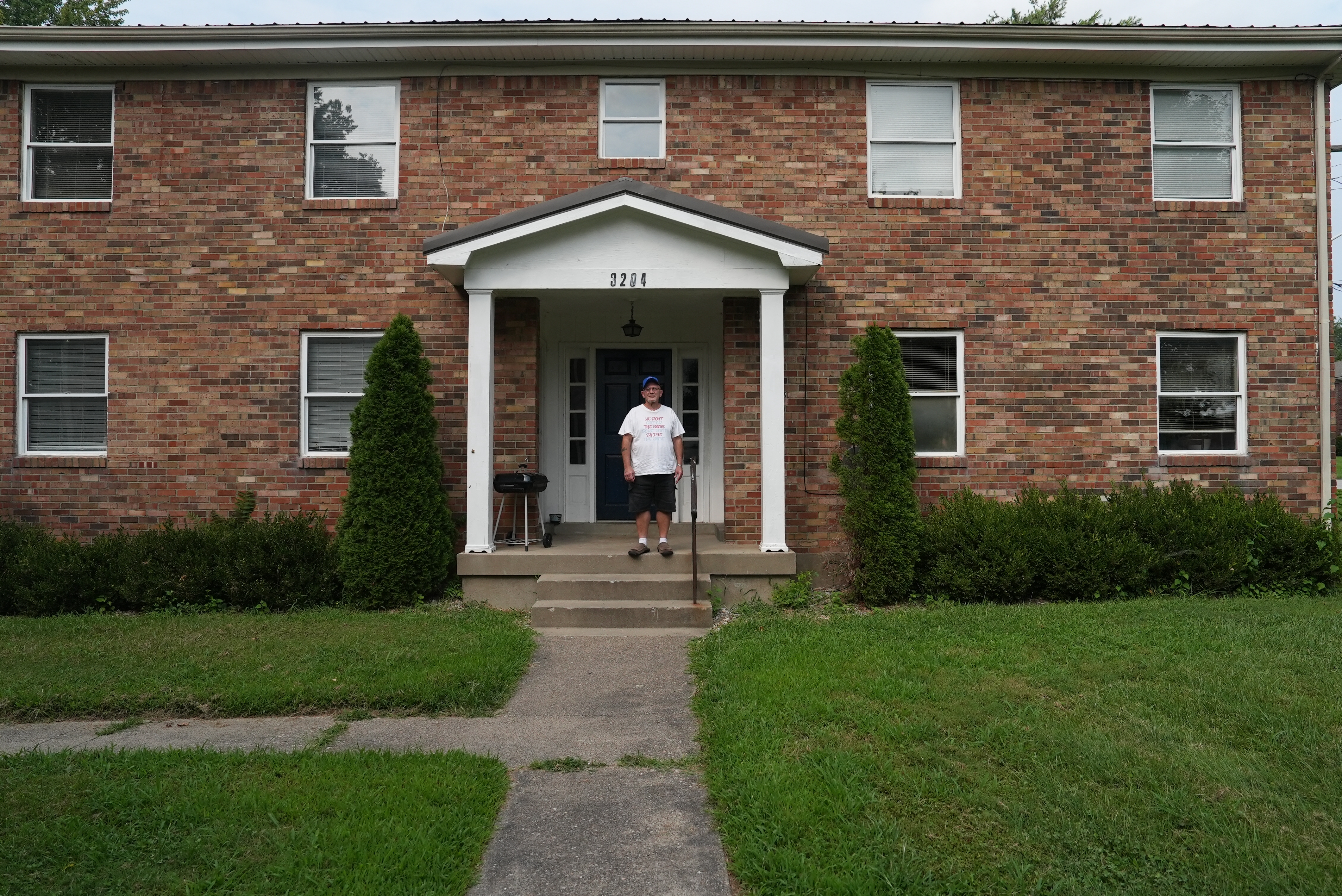
    LOUISVILLE, Ky. — Light streamed through stained-glass windows in a former church, illuminating long white tables where weary men gathered. Johnny Henderson was glad for the rest. The 71-year-old — who has one arm, heart disease, and vision problems — slept on the street the night before.

    Henderson is a regular at the St. John Center men’s day shelter. So are a great-grandfather in a wheelchair who has prostate cancer, a 54-year-old with four psychiatric disorders, and a 66-year-old with a walker who wears a hospital bracelet warning “fall risk.”

    All are potential candidates for permanent, government-subsidized apartments under a “Housing First” approach, a model rooted in the belief that people need a stable place to live before addressing other problems. But the approach that’s been central to federal government policy for more than a decade is disappearing under President Donald Trump’s administration. The upheaval, providers and advocates say, threatens the lives of some of the most vulnerable people in the nation.

    “Housing is healthcare,” said St. John executive director Ra’Shann Martin, whose organization provides housing and outreach in addition to the shelter. “The longer people stay unhoused, the more fragile they become.”

    Housing organizations across the U.S. that depend on federal funds are now reluctantly making changes to comply with new government policies that favor a “Treatment First” approach and short-term “transitional” housing — changes they fear will push people with extreme health risks back on the street or keep others, like Henderson, there.

    Planned housing projects have been scrapped in communities such as Corbin, Kentucky. Less housing is available for homeless people in places including Santa Cruz County, California. And in cities such as Louisville, nonprofits are looking at making some permanent housing temporary, including most of St. John’s 200 apartments.

    U.S. homelessness numbers have trended upward

    Across America, nearly 750,000 people were homeless last year, according to an estimate compiled by the U.S. Department of Housing and Urban Development. That number is down slightly from 2024 but up 31% from 2019.

    The portion considered chronically homeless — having a disability and long-term or repeated episodes of homelessness of at least a year — has also risen since 2019. It’s now about a quarter of the total.

    Overall, research shows, roughly half of homeless adults live with a disability, up to two-thirds have mental illness, and 2 in 5 have substance use disorder. Rates of disability, heart disease, and diabetes are two to three times higher than in the general population.

    In Louisville, outreach specialist Angel Sivado said such statistics are reflected in the people she serves, whose living conditions make it extremely difficult to care for themselves, get to doctors, or keep up with medications.

    On a recent day, she parked a St. John van near a fast-food restaurant and hiked into the woods to visit a couple living in a tent. Later, she and a colleague walked toward encampments surrounded by trees just off a highway, yelling “outreach” over the low roar of cars.

    One of their main jobs is to shepherd clients through the process for getting housing.

    “They’re not just homeless people; they’re people,” Sivado said. “They’re somebody’s son. They’re somebody’s mother. They’re someone’s daughter.”

    Occasionally, Sivado savors a victory. Before heading home, she stopped under a downtown overpass to see James Myers, 66, who is blind, has congestive heart failure, and is undergoing treatment for prostate cancer. She told him he should be in an apartment soon.

    “I’m tired. I mean, the streets will beat you down, and I think they put a few years on me,” he said, standing near his busted guitar. “I can’t wait to get off the street.”

    Others are not so lucky. Henderson, the St. John regular, survived a train accident that cost him an arm and led to a yearslong opioid addiction. Recently, he’s been dealing with heart disease, an eye problem, spinal surgery, and auditory hallucinations.

    “I’m going to die sleeping outdoors,” he said, choking up. “But I got nowhere to go.”

    The Trump administration favors ‘Treatment First’ and short-term housing

    Each person’s path to homelessness is unique. Determining the “best” solutions depends on the lens used to judge what’s best. The answer may be different if the goal is reducing overall homelessness, helping people into the job market, spending as little taxpayer money as possible, improving health outcomes — or just keeping people alive.

    The Housing First idea was pioneered by a New York nonprofit in the 1990s and has been at the heart of federal homelessness policy since 2013. Today, there are roughly 173,000 “permanent supportive housing” beds for chronically homeless people, and 235,000 for other populations, including veterans. These are long-term apartments paired with voluntary services. Tenants often must contribute 30% of their income, after certain expenses, to rent and utilities.

    Studies have consistently shown that Housing First programs keep people stably housed. Some research says they do so better than other models, including “Treatment First,” which favors mandatory services for addiction and serious mental illness. But findings on health outcomes have been mixed.

    Last year, Trump signed an executive order calling for an end to federal support for Housing First policies. His proposed budget for fiscal 2027 calls for eliminating the federal initiative that goes mostly to Housing First programs. The administration favors housing lasting up to two years, during which people would be required to get treatment.

    “Housing First has failed our most vulnerable and enabled addiction,” HUD said in an email. “HUD’s proposed reforms seek to address the root causes of homelessness and advance recovery, self-sufficiency, and competition that drives accountability.”

    Many opponents of Housing First policies don’t think services including addiction and mental health treatment should be optional.

    “That is the biggest difference between Housing First and not Housing First,” said Devon Kurtz, the director of public safety policy for the Cicero Institute. Kurtz is also concerned that permanent supportive housing was becoming a “one-size-fits-all approach,” including for populations better served by transitional housing.

    Service providers say short-term housing won’t work for some people

    Service providers acknowledge that transitional housing is a good option for some people, such as those getting on their feet after evictions. But they say most chronically homeless people can’t pull their lives together within two years and would likely wind up homeless again.

    “If you want to gradually work on reducing social services that are funded by the federal government, OK,” said Jennifer Clark, CEO and executive director of St. Vincent de Paul Louisville, which offers permanent and transitional housing. “But you cannot make a huge sweeping change and big cuts and take an ax to everything and think that there aren’t going to be consequences for some people who are really in need.”

    John Franklin, 58, said transitional housing wouldn’t work for him. He spent nearly 14 years on the streets dealing with severe alcoholism, and it took a long time to adjust to normal life. He now gets by on disability, as a throat cancer survivor with heart failure, and can’t imagine either having to fully pay for housing or surviving the streets.

    “I could not make it,” said Franklin, who shares a permanent supportive apartment in suburban Louisville with his orange tabby, Moe. “This is my safe haven.”

    Housing First provides homes and other help

    The welcome mat outside Phillip Sieveking’s permanent supportive apartment says “Home Sweet Home,” a sentiment precious to him after a couple of years on the streets.

    Sieveking lives at St. John’s Sheehan Landing, a complex with 80 furnished one-bedroom apartments plus a clinic space, food pantry, meeting rooms, and a community garden that he spends much of his free time tending.

    The former chef has diabetes but didn’t take care of it while homeless. Doctors had to amputate part of one leg. On a recent morning, he put on his prosthetic, grabbed his crutches, and slowly made his way to the garden to check on the roses, sunflowers and vegetables.

    He credits his caseworker with encouraging him to keep up with medical care and navigate systems for getting disability and food benefits. He also attends meetings at the complex, including one where residents discuss wellness and sobriety while working on art projects.

    “They have helped me, you know, go from being homeless to being a part of society,” said Sieveking, 47. “I feel blessed to be here.”

    In New Jersey, Tatiana Velez has been in permanent supportive housing since 2021, soon after connecting with the Camden Coalition, which serves people with complex health and social needs.

    After spending 18 years in prison for robbery, she had lived in abandoned buildings and struggled with opioids for a couple of years. Velez had never signed a lease or opened a bank account when, in her late 30s, she learned she was pregnant and decided she was ready to make changes.

    “I didn’t know what it was to have a roof over my head or pay the bills,” said Velez, who receives disability payments for psychological and educational disabilities.

    She now shares a first-floor suburban apartment with her daughter, 5, and a formerly homeless cat named Snowball. A preschool graduation certificate hangs on the wall.

    Policy changes rock communities

    After HUD tried to rework its homelessness grants to fit the administration’s favored policies, a consortium of local governments and advocates for homeless people sued. A federal judge agreed with them. But this month, an appeals court said the administration could move ahead.

    Meanwhile, Trump’s proposed budget calls for eliminating the $4 billion Continuum of Care program, which in 2024 awarded money to 6,500 projects. At that time, more than 60% went to permanent supportive housing, mostly to continue existing efforts. Just 1% went to transitional housing.

    Trump’s proposed changes have left homelessness organizations scrambling to figure out how to alter their housing strategies so they can keep getting federal money.

    “It’s like psychological warfare the last two years, trying to figure out how to navigate these changes that are looming right over us,” Martin, the St. John director, said.

    Dr. Robert Ratner, director of housing for health in Santa Cruz County, California, said losing permanent supportive housing funds would exacerbate problems caused by the winding down of another federal program: pandemic-era emergency housing vouchers. People set to lose those vouchers are being prioritized for available housing, meaning the county can’t help as many people who are homeless now.

    A similar dynamic is playing out at The Delores Project in Denver, which serves women and transgender and nonbinary people. Program leaders expect people already in the permanent housing on their campus will stay because they won’t have access to vouchers to move out into the community. That will mean fewer spots for new people.

    In Louisiana, the state housing agency applied to redirect federal money away from rental assistance and toward the establishment of a 200-bed shelter with strict mandates for participants. That effort was rejected by local coalitions in charge of the money, but local housing advocates worry it’s a harbinger of what’s to come.

    Some communities are seeing planned projects nixed. For 18 months, Volunteers of America Mid-States worked with Eastern Kentucky University and others on a permanent supportive housing project in Corbin that would have included childcare and access to college classes. “That project is now dead,” said CEO Jennifer Hancock.

    Many nonprofit leaders feel forced to shift toward transitional housing. In Louisville, St. Vincent de Paul and Family Health Centers-Phoenix Health Care for the Homeless are looking at converting some permanent supportive housing apartments into transitional units. St. John would only be left with Sheehan Landing after converting its 120 community apartments to transitional housing.

    The result for people like Henderson? More time on the streets as they grow older and sicker.

    “The lady in the housing office told me, she said, ‘Mr. Henderson, you got a stent in your heart. You got one eye and one arm. Something’s going to have to happen for you.’”

    But with “just a little life left,” he said, it may not happen soon enough.

  • As violence falls, crime isn’t paying as a Republican line of attack

    As violence falls, crime isn’t paying as a Republican line of attack

    A central line of attack in the waning weeks of the 2026 midterms comes straight out of the tried and true Republican playbook: Democrats are soft on crime.

    But as crime rates plummet across the country, it’s been a hard case to make. In Michigan and Georgia, North Carolina and Texas, Republicans have struggled to pull voters back to the violence and disorder that followed the onset of COVID-19.

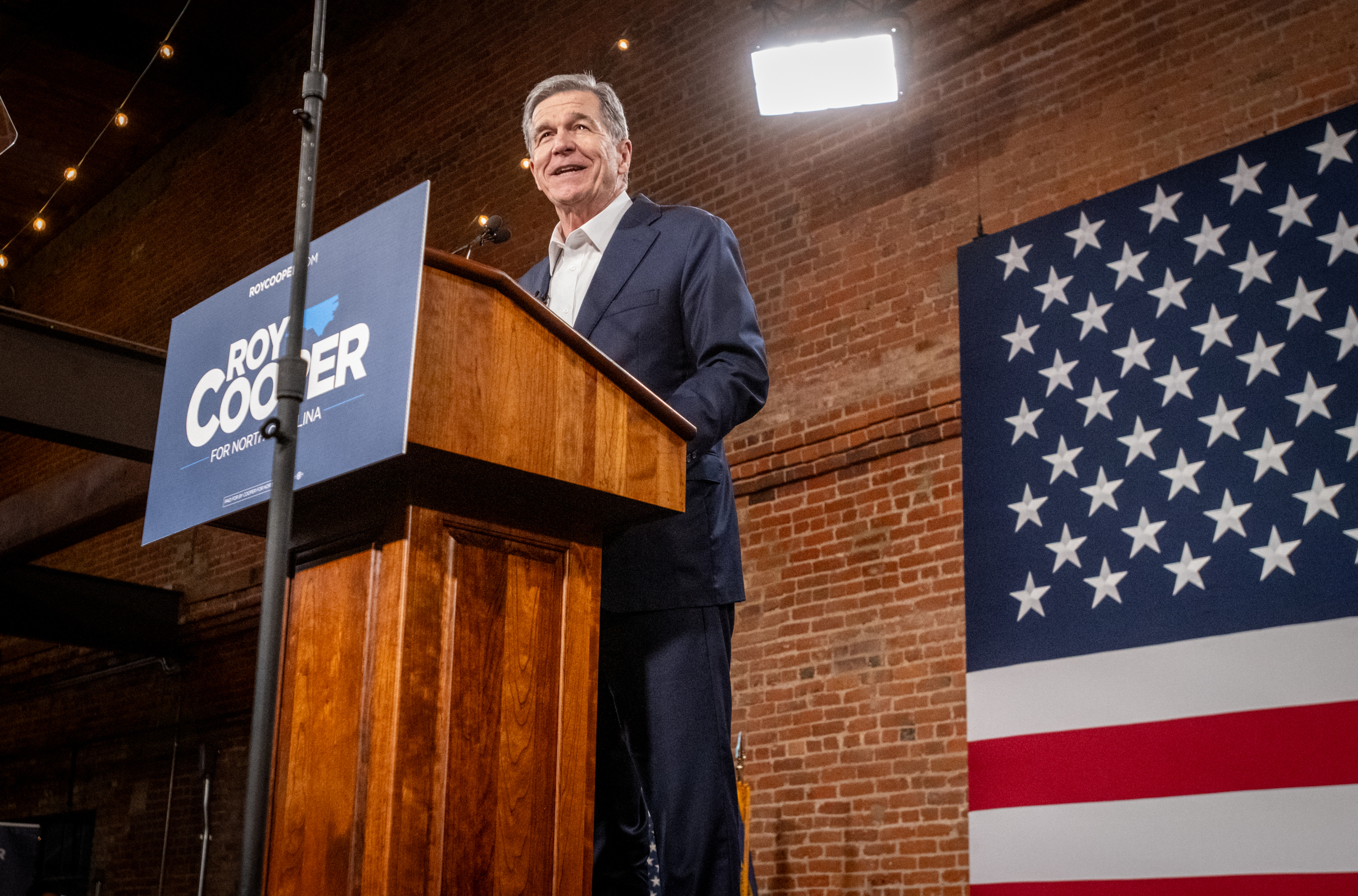
    Nowhere is that clearer than in the Senate race in North Carolina. One Republican ad there tried to blame Roy Cooper, the former governor running for Senate, for a murder that took place in the wrong Carolina, the one to the south. Another asserted that he had given the man who fatally stabbed a Ukrainian woman on a light rail train in Charlotte, N.C., last year an early release from prison; he did not.

    A third presented the story of a man whose son had been murdered, implying that Cooper’s policies were responsible. After it was released, the father, a Democrat, complained that he had been “swindled, hoodwinked” into making a political endorsement when he had been told the topic was gun violence.

    Republicans have soldiered on, spending $18.5 million in North Carolina on ads about lawlessness and murder. But polls show Cooper, a former governor and attorney general, consistently leading his Republican opponent, Michael Whatley.

    “It really does not seem to be having much traction at this point, and the folks who are long schooled and well versed in North Carolina politics have wondered why Michael Whatley didn’t take a different approach,” said Mitch Kokai, a senior political analyst at the John Locke Foundation, a free-market think tank based in Raleigh, N.C..

    For Republicans, that different approach is proving elusive. The chaos at the border — a reliable political target since 2018 — has calmed. State laws barring transgender students in athletics have taken some of the sting out of that issue as well. The war on Iran is unpopular. Voters say they are most concerned about the high costs of everyday necessities.

    And crime — usually a winning issue for Republicans, who are generally more trusted to keep law and order — is seeing a staggering drop. The downward trend that began during the Biden administration has only accelerated. One analysis found that the murder rate last year was the lowest it has been since 1900.

    “This is the first election really in my lifetime where I have felt that it’s not an issue,” said Holly Harris, a veteran Republican strategist who is now the executive vice president of advocacy at Arnold Ventures, a philanthropy with a focus on criminal justice. “I remember when I was at the Republican Party years ago, every ad that we wrote was focused on crime. And it’s just not hitting the same mark.”

    The good news on crime has posed a challenge for Republicans. How do you take credit for the peace while simultaneously blaming the other side for what President Donald Trump has called “American carnage?” At a recent campaign rally in Gastonia, N.C., Trump pivoted from blaming Cooper for the “blood-soaked killing fields” of North Carolina to hailing his own record within half an hour.

    “Last year, we achieved the largest drop in violent crime ever recorded,” he said.

    In The Charlotte Observer, Andrew Dunn, a conservative political commentator, wrote that the president’s description of the state as “one of the most violent and one of the worst in the whole nation” would backfire, even with those who agreed that Cooper had a poor record on crime.

    “Who is buying that description of North Carolina?” Dunn asked.

    Violent crime in North Carolina this year is down 22% compared with the same period in 2024, outpacing the national decline of 14%, according to data collected by the Crime Index. Property crime is down 18% compared with 2024, about the same rate as the national decline.

    Republicans have spent $105 million on ads about crime, more than a quarter of total spending, compared with $35.5 million spent by Democrats, according to an analysis of spending on federal races in the general election by AdImpact, a media tracking firm.

    In the previous two election cycles, attempts to tie all Democrats to far-left positions like defunding the police and abolishing prisons proved effective, in part because crime had spiked to alarming highs right after the pandemic and the police brutality protests in 2020.

    Such attacks were often met with an uncomfortable silence, and Republicans were able to connect crime to a border that appeared to be exceptionally porous. Candidates repeatedly raised examples of violence committed by immigrants without permanent legal status and rising rates of fentanyl overdoses.

    Those links have broken as drug overdoses drop, the border grows quiet, and even some Republican lawmakers say the president’s immigration crackdown has gone too far.

    In the current climate, soft-on-crime attacks risk looking out of tune with the electorate’s deeper concerns, “especially when voters feel that they’re getting robbed at the gas station every day,” said Jim Kessler, the executive director of Third Way, a centrist Democratic organization in Washington.

    Cooper, who was first elected to statewide office 26 years ago, as attorney general, has noted that many of Whatley’s accusations were found to be false and has defended his record. A campaign spokesperson said, “Roy spent his career putting rapists and violent criminals behind bars and signing tough-on-crime laws.”

    “Most people look at Cooper, they don’t see somebody that is soft on crime,” said Carter Wrenn, a veteran Republican political consultant.

    But for candidates without Cooper’s profile, strategists have counseled against trying to out-tough Republicans on crime. “If you’re going to be Republican lite, then people are going to pick Republicans,” said Celinda Lake, a longtime Democratic strategist.

    The Vera Institute, a nonprofit that works to reduce mass incarceration and has used focus groups to test messaging on criminal justice policies, has offered “serious about safety” as a rival slogan. The idea was initially met with some mockery — one social media post said it sounded like a college sex talk — but candidates have increasingly adopted safety as a buzzword, with a new set of talking points to go with it.

    James Talarico in Texas and Dr. Abdul El-Sayed in Michigan, both Democratic candidates for the Senate, talk about recruiting and training police officers and explicitly link public safety to increased spending on housing, education, mental health care, and drug treatment.

    El-Sayed, the former health director for Wayne County, Mich., has gone from praising the “defund the police” movement for wanting to devote more resources to fighting poverty, to offering “a vision for public safety that I think all of us can agree with.”

    “We want to know that we can get home safely,” he told CNN in June. “We don’t want to worry about being the victim of somebody’s violence, whether it’s from a neighbor or the state itself.”

    Harris, the veteran GOP strategist, said, “Democrats are adopting some of the Republican talking points, to be candid.” Both sides are retreating from more extreme positions, she said, creating an opportunity for lawmakers to return to more nuanced, evidence-based policies. She characterized tough-on-crime attacks as “outliers.”

    This week, El-Sayed’s Republican opponent, Mike Rogers, who has touted his experience as a former FBI agent, dropped his own crime attack ad. “It’s Abdul El-Sayed who would surrender our borders to the drug cartels,” a father whose son died as a result of opioid use says.

    But Democrats are also playing offense this year, with ammunition from the Jeffrey Epstein scandal. Republicans, they charge, are protecting child predators, and Trump’s pardons of drug traffickers, fraudsters, and the rioters of Jan. 6, 2021, have been grist for their own soft-on-crime attacks.

    In Nebraska a political action committee supporting Dan Osborn, an independent, unveiled an ad this week attacking the Republican incumbent, Sen. Pete Ricketts, for pardoning a man who had raped a woman three decades earlier.

    Talarico has accused his Republican opponent, Ken Paxton, Texas’ attorney general, of an “Epstein-style sweetheart deal” that initially would have allowed a child molester to spend just one day in jail. Paxton’s office has said that the deal, which required the man to surrender his law license for five years but did not require him to register as a sex offender, was reached because the victim was unwilling to testify.

    In North Carolina, skirmishes over “pedophile protectors” have proliferated, spurring lengthy examinations of the sex crime rap sheets of pastors, board presidents, and party operatives.

    In July, a Democratic PAC spent more than $2 million on ads about Harvey Lee West Jr., a child sex offender who did time in prison and then ascended the ranks of the state Republican Party, winning influence and committee appointments while Whatley was the chair.

    Whatley’s campaign spokesperson said that the candidate had never hired West for a paid position. But the ads accuse Whatley of “putting politics over safety.”

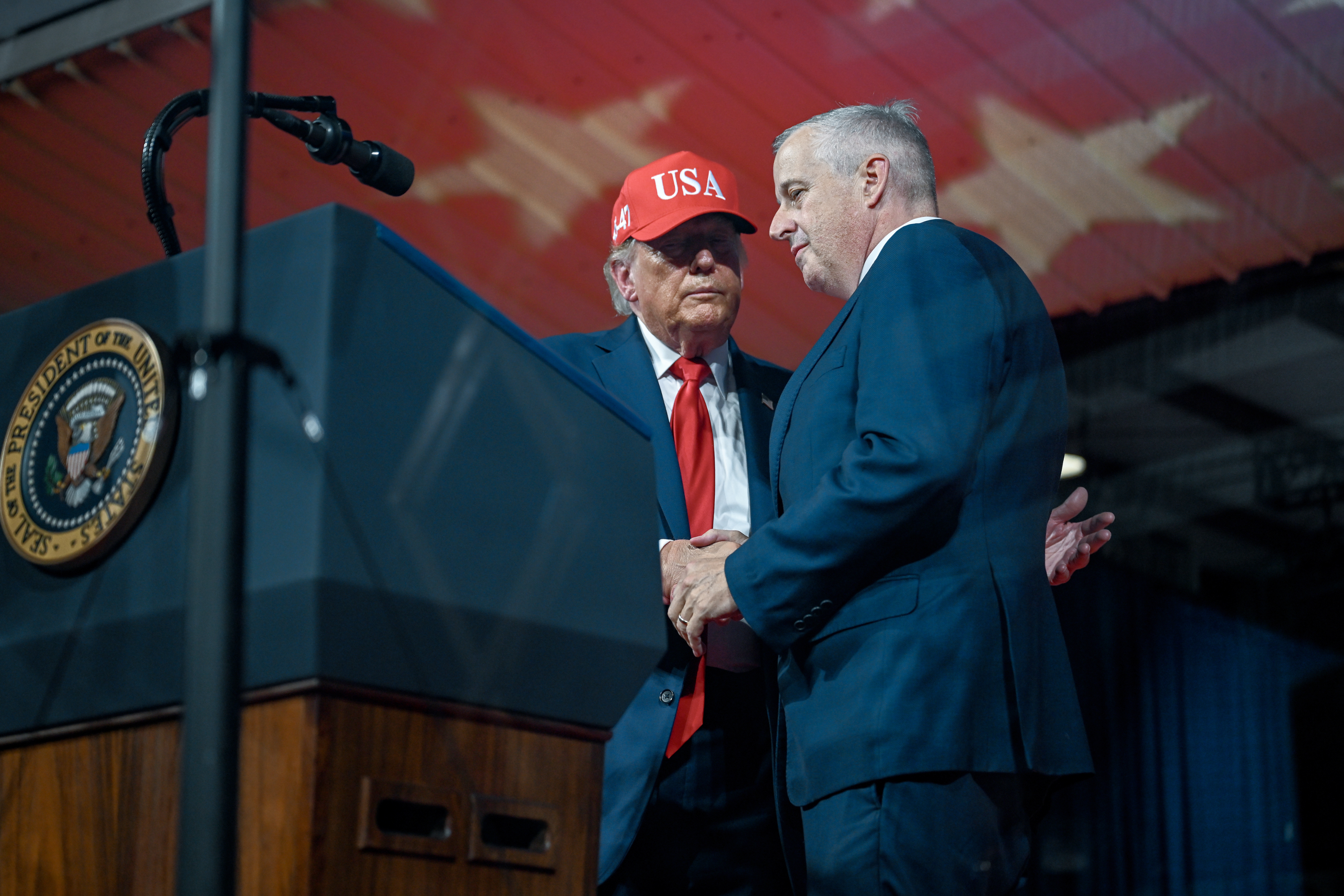
    FILE — Michael Whatley, Republican’s candidate for a U.S. Senate seat in North Carolina, joins President Donald Trump on stage during a campaign rally at the airport in Gastonia, N.C., Sept. 16, 2026. Across the country, and especially in the North Carolina Senate race, Republicans have charged opponents with being soft on crime, even as President Trump brags over plunging crime rates. (Kenny Holston/The New York Times)KENNY HOLSTON
  • Senate committee advances Nicole Saphier’s nomination for surgeon general

    Senate committee advances Nicole Saphier’s nomination for surgeon general

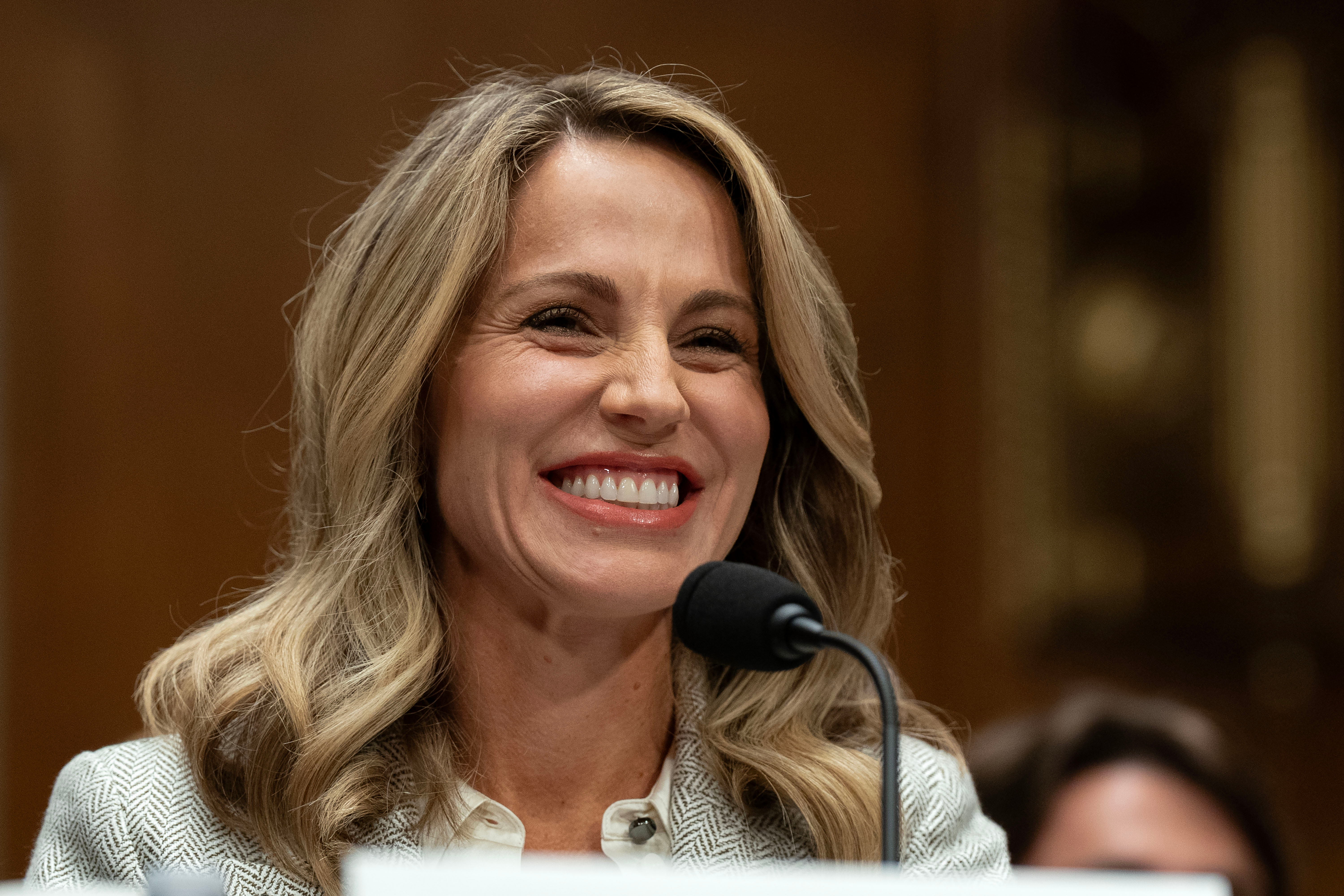
    WASHINGTON — Nicole Saphier, President Donald Trump‘s third nominee for surgeon general, moved a step closer to confirmation after a Senate committee voted to advance her nomination on Wednesday.

    Saphier, a radiologist and former Fox News Channel contributor, was advanced out of the Senate Committee on Health, Education, Labor and Pensions on a 12-to-11 vote to serve as surgeon general after she was grilled at her confirmation hearing earlier this month about her stance on childhood vaccines.

    She expressed support for vaccines and told lawmakers she didn’t believe they cause autism. The Trump administration has sought to revisit claims about a link between vaccines and autism, although widespread scientific consensus and decades of studies have firmly concluded there is none.

    Timothy Westlake, who was nominated to serve as assistant secretary for mental health and substance use at the Department of Health and Human Services was also advanced out of committee on the same en bloc vote.

    It was not immediately clear when the officials would face a full Senate vote for their confirmation but they are expected to be approved.

    During her confirmation hearing, Republican Sen. Bill Cassidy pressed Saphier to declare whether she believed there was a link between vaccines and autism. Saphier responded that she does “not believe childhood vaccines cause autism,” adding that “the MMR vaccine is our greatest tool for combating measles,” in response to a question by Cassidy over whether parents should give children that shot.

    MMR stands for measles, mumps and rubella, and the president recently called for the shots to be spaced out, against the guidance of medical groups.

    The surgeon general position carries limited policymaking power but serves as a loud megaphone as the nation’s top communicator to Americans on public health issues.

    Cassidy, who led the inquiry into Saphier’s views on vaccines, ultimately voted in support of her nomination.

    Sen. Bernie Sanders, the ranking member of the Senate HELP committee, said ahead of Saphier’s vote that he would vote down her nomination because in part Saphier “has questioned the need for the hepatitis B vaccine at birth, when the data science has been clear.”

    “We need a surgeon general who will tell the truth about vaccines, not someone who misleads the public,” Sanders said. At her confirmation hearing, Saphier said the universal birth dose of hepatitis B was safe and effective.

    Chris Klomp, who was nominated to serve as deputy secretary of the Department of Health and Human Services, was advanced out of the Senate Finance Committee last week on a 15 to 12 vote. He was questioned during the same hearing as Saphier about his duties associated with the role as the current chief counselor of the Department of Health and Human Services under the leadership of Health Secretary Robert F. Kennedy Jr. as well as about his vaccine stance.

    In protesting Klomp’s nomination at the Senate Finance Committee, Sen. Ron Wyden said Klomp “tried to create the impression that he will be the adult in the room on vaccines. Yet, as we sit here today, the vaccine chaos that we’ve come to expect from Robert Kennedy’s HHS continues.”

  • Court halts execution of Christa Gail Pike for a Tennessee murder she committed at age 18

    Court halts execution of Christa Gail Pike for a Tennessee murder she committed at age 18

    NASHVILLE — The U.S. Supreme Court is allowing the execution of Christa Gail Pike to go forward in Tennessee, overturning a last-minute stay that was issued by an appeals court hours earlier Wednesday.

    Pike, 50, was scheduled to die by lethal injection in the morning, and witnesses had already gathered at the Riverbend Maximum Security Institution in Nashville when the 6th Circuit U.S. Court of Appeals voted 2-1 to issue a stay. That court said a delay was needed to consider whether Pike’s allegations of childhood sexual abuse were fully considered at her sentencing.

    The Supreme Court’s three liberal justices, Sonia Sotomayor, Elena Kagan, and Ketanji Brown Jackson, dissented from the ruling. Sotomayor called the court’s decision stunning, as it clears the way for the execution to happen “before her still-pending legal challenges to her conviction can be properly considered.”

    Pike, who was 18 at the time, and her boyfriend were convicted of the 1995 stabbing and beating of 19-year-old Colleen Slemmer, their classmate at a job training facility in Knoxville.

    The case garnered widespread attention back then in part because a pentagram that was carved on Slemmer’s body and other elements of the crime stoked fears of Satan worship during the “satanic panic” of the 1980s and 1990s.

    Decision stopping execution was swiftly appealed

    After the stay was issued, Tennessee’s attorney general immediately appealed to the Supreme Court. Witnesses and media remained at the prison while the high court considered the case.

    Despite the Supreme Court’s ruling, it was not immediately clear if the execution would happen Wednesday. The state’s execution order expires at midnight, according to Kelley Henry, a Nashville-based attorney experienced with Tennessee death penalty law. If time runs out, the state Supreme Court would need to set a new date.

    In its appeal to the U.S. Supreme Court, the attorney general’s office wrote that halting the execution at the last moment traumatized Slemmer’s family and rewarded “abusive delay tactics” by Pike’s attorneys.

    Pike does not deny committing the killing, but her supporters argue the state should consider her age at the time, her mental illness and her allegations of severe sexual abuse that included being raped from the time she was a toddler.

    “It is inconceivable that in the 21st century, the criminal justice system is poised to execute a survivor of rape and child sexual abuse whose jury never had the opportunity to consider those facts in weighing the defendant’s moral culpability,” her attorneys wrote in a filing.

    Pike’s case renewed debate on the death penalty for teens

    As the execution date drew near, Pike’s case renewed debate over the death penalty for young offenders.

    Assistant Federal Defender Stephen Ferrell said Pike’s death sentence is an outlier because other 18-year-olds in Tennessee have had such sentences vacated.

    After the killing, Pike was diagnosed with bipolar disorder and post-traumatic stress disorder. In her clemency petition, she said she only wanted to fight Slemmer but killed her in a frenzied attack when she couldn’t “put the brakes on.”

    “I was a mentally ill 18-year-old kid. It took me numerous years to even realize the gravity of what I’d done. Even more to accept how many lives I affected. I took the life of someone’s child, sister, friend. It sickens me now to think I had the ability to commit such a crime,” Pike said in a statement.

    Victim’s mother says she is waiting for death sentence

    Slemmer’s mother wants the lethal injection to go forward, saying she has waited decades to see Pike’s sentence carried out.

    “Every time I think about it, I think about Colleen feeling that pain and trying to get up and run,” May Martinez told The Associated Press in a telephone interview on Saturday.

    Martinez said a group helped raise money so she and her husband could travel from Florida to witness the execution. She didn’t respond to a message Wednesday after the execution was halted.

    Martinez said her daughter’s age also should matter in deciding Pike’s fate.

    “Not a day goes by, or a minute goes by that I do not think about Colleen. Holidays are the worst,” she said, noting that her daughter would have turned 51 earlier in September.

    The killing rocked the city of Knoxville. Prosecutors said Pike, fearing Slemmer was trying to steal her boyfriend, lured her to a wooded area on Jan. 12, 1995. Pike cut Slemmer with a box cutter and beat her with a large chunk of asphalt. Shipp, Pike’s boyfriend, has admitted that he was the one who carved a pentagram, a star-shaped symbol associated with Satan, into her body.

    Shipp was 17 when the crime happened and received a sentence of life in prison with the possibility of parole. Pike was the only one sentenced to death.

    Executions of women are rare in the U.S.

    Tennessee has not executed a woman for at least 200 years, according to Robin M. Maher, executive director of the Death Penalty Information Center. Older records can be spotty, though, so it is difficult to know precise details about the last woman who was put to death there.

    Since the Supreme Court reinstated the death penalty in 1976, 18 women have been put to death, representing about 1% of all executions, according to the center.

    Most recently, in 2023, Missouri executed Amber McLaughlin for a 2003 killing, in what is believed to be the first execution of a transgender woman in the U.S. In 2021 the federal government executed Lisa Montgomery, marking the first time in nearly seven decades that it put a female inmate to death.

    Pike would be the 30th person executed in the U.S. this year after Florida carried out an execution on Tuesday.

  • FTC launches broad investigation into Anthropic, OpenAI

    FTC launches broad investigation into Anthropic, OpenAI

    The Federal Trade Commission has opened a broad investigation into the safety of artificial intelligence systems made by Anthropic and OpenAI, a senior agency official said Wednesday.

    The full extent of the probe was not clear, but the FTC has wide authority to investigate unfair and deceptive practices that hurt American consumers. The official spoke on the condition of anonymity to describe an investigation that has not been made public.

    The investigation could provide backing for the Trump administration’s position that existing laws are sufficient to hold artificial intelligence companies accountable, as officials seek to resist a push by some in the industry and Congress to establish a new system of regulations for the technology. The probe was first reported by the New York Post.

    Andrew Ferguson, the chair of the FTC, said last week that the government should not immediately jump to adopt new rules before examining the role of existing laws and should treat the AI industry’s calls for regulations with “deep suspicion.”

    “There’s no easier way for incumbents to insulate themselves from competition than to enlist Washington to come alongside them and build a wall and a moat around their existing technologies,” he said at an event hosted by news agency Reuters.

    Anthropic, which makes the Claude family of AI models, and OpenAI, which makes ChatGPT, did not immediately respond to requests for comment.

    Officials have been grappling for weeks with how to respond to growing alarm within the industry that the latest generation of AI systems run the risk of getting out of control. Leading companies have disclosed multiple instances of their tools getting loose on the internet, including one in which a swarm of agents from OpenAI broke into another AI firm.

    Anthropic and OpenAI chief executives have proposed a coordinated slowdown to give themselves more time to focus on safety measures. OpenAI said this week it had canceled the planned release of a new model on safety grounds.

    The Trump administration has said it largely falls to the industry to guarantee the safety of its own products. President Donald Trump and top AI executives enshrined that approach in a joint accord signed at the White House on Tuesday.

    “I’m seeing tremendous self-policing,” Trump said at a news conference after the signing.

    Still, officials have left the door open to federal enforcement actions. Vice President JD Vance said at event later Tuesday that it would be up to the Justice Department and FTC to serve as the government’s watchdogs over the companies.

    “They have to build products that are safe and good for American consumers,” Vance said. “The government actually has preexisting laws on the books where if you build something that gets unleashed on the internet, that is used as a tool for cyberwarfare, then you have responsibility for the products you develop.”