Last month, the U.S. economy added 165,000 jobs, a report widely characterized as surprising and strong. But for women, the jobs picture has not been so positive.
More than 240,000 women age 20 and older have left the labor force since January, according to a National Women’s Law Center analysis of Bureau of Labor Statistics data. Over the same period, more than 287,000 men entered the workforce.
“I don’t even want to say these are ‘nice’ jobs numbers,” said Sarah Javaid, a senior research analyst at the National Women’s Law Center. “There is still this disparity between women and men that gives us a lot of concern.”
This growing employment gap reflects entrenched structural inequalities that continue to slow down women’s career growth, Javaid said.
Take caregiving responsibilities, the lion’s share of which still fall on women. As the cost of childcare and adult care continues to rise, and as companies impose stricter return-to-office mandates, many households face difficult decisions: Should both partners continue to work, or should one drop out of the workforce to care for family members?
“We’ve seen a lot of moms exit the labor force,” Javaid said. “We suspect that work and care are becoming too difficult to manage together. With less flexibility in the workplace and more care demands, especially amid an affordability crisis, wages are just not enough to keep up with the cost of childcare, long-term care, and adult care.”
For some women, leaving the workforce may have more to do with the state of their professions. Last month, the U.S. economy added jobs in healthcare and education, sectors in which women tend to be overrepresented. But the leisure and hospitality field lost jobs throughout the year, which could be affecting the number of women who do such work, Javaid said.
Layoffs at all levels of government also hit women particularly hard. In the five Cabinet-level departments subject to large-scale layoffs during the Trump administration, women made up a substantial majority of staffers, according to the National Women’s Law Center.
The reduction in the federal workforce also had a disproportionate effect on women of color, particularly Black women, said Susan Averett, professor of economics at Lafayette College.
“We had a lot of layoffs of government jobs, which is always a stronghold for Black women,” she said. “That and the rollback of DEI has probably played a role in some of this as well.”
Anthropic’s market debut is a coming-out moment for a corporate structure that’s so far remained niche: the public benefit corporation, or PBC.
The legal framework, also known in some places as a benefit corporation, dates back to the early 2010s and has been adopted in more than 40 U.S. states. Thousands of American companies are now set up as BCs or PBCs, but fewer than two dozen are publicly traded.
In simple terms, the model gives mission-driven businesses extra protection to pursue a public good without risk of backlash from profit-focused shareholders. That’s why it’s been favored by do-gooder retailers like Patagonia, Dr. Bronner’s, and Warby Parker Inc.
“It allows corporations that really are sincere about these missions to do this without fear of being sued,” said Michael Dorff, executive director of the Lowell Milken Institute for Business Law and Policy at the University of California at Los Angeles School of Law.
Now, a very different kind of PBC — a tech company valued at more than $1 trillion, which has warned of its products’ existential dangers to humankind — is behind the biggest IPO in history. And Anthropic isn’t alone among its peers. OpenAI’s for-profit arm is also a public benefit corporation, and xAI initially was set up the same way.
In its S-1 filing with the Securities and Exchange Commission, Anthropic acknowledged that its structure is unusual and described it as “carefully designed” to fulfill its mission. It also said it can’t promise that the expected positives of PBC governance will be realized.
The structure comes with some soft guardrails, experts say. PBCs in Delaware are required to submit status updates to shareholders, but only once every other year and they don’t have to make them public. Shareholders can sue if they think the company isn’t appropriately balancing profit against purpose. (That doesn’t extend to employees, consumers, or communities.)
Prior to its IPO filing, Anthropic announced the creation of a public benefit fund, where it will commit a portion of shares that will increase as the company grows. It has also set up a long-term benefit trust to oversee the corporation and its mission. (Similarly, OpenAI Group PBC receives oversight from the nonprofit OpenAI Foundation.)
The trust has the power to elect and remove a majority of board members, with Anthropic cofounders choosing the remaining seats, so shareholders won’t have the power to elect them.
That gives pause to some investors. “In theory, the PBC could help us get the right balance on safety versus growth because they’re explicitly allowed to prioritize their mission,” said New York City Comptroller Mark Levine. But “because it keeps full power in the hands of the seven founders, it gives no avenue for public accountability through shareholder activism.”
Anthropic’s mission in its charter under Delaware law is “to responsibly develop and maintain advanced AI for the long-term benefit of humanity.” One critique of the PBC structure is that it allows for mission statements that are vague or subjective. For example, if reaching artificial general intelligence comes with major societal risks and a heavy climate toll, does that ultimately benefit humanity, and who decides?
“What it means to have socially responsible AI right now is just really contestable,” said Jill Fisch, a business law professor at University of Pennsylvania Law School.
Anthropic did not respond to a request for comment.
Legal status as a benefit or public benefit corporation is distinct from third-party certification as a B Corp, although the former evolved out of the latter. B Corp standards are in some ways more stringent — for example, a company must meet certain sustainability criteria, which isn’t required to become a PBC. Sampurna Khasnabis, senior equity analyst at Nia Impact Capital, a green investor, says “there isn’t as much accountability or teeth” with a PBC as with a B Corp certification.
Public PBCs face the risk of a plunging share price, which could ultimately lead them to abandon the structure in favor of strategies to boost the stock, according to Dana Brakman Reiser, a professor at Brooklyn Law School. “That, I think, would exert a huge amount of pressure, regardless of what your governance system might be,” she said.
In Anthropic’s case, the PBC model “is now about to face the full force of public markets: quarterly earnings expectations, index-driven ownership, and investors focused on growth,” said Kristin Hull, founder and chief investment officer at Nia Impact Capital. It “may not stand up to the risks of AI itself.”
It’s not unheard of for a company to go the public benefit route and then walk it back. Allbirds incorporated as a PBC when it was private, to advance an environmental mission. Earlier this year, after a long period of share price decline, the company (now Smartbird Inc.) switched from footwear to AI computing infrastructure and dropped its PBC status. In an SEC filing, it said that going forward it would “be operated in the best interests of our stockholders, without balancing the best interests of our stockholders against the public benefit of environmental conservation.”
Even as AI development raises safety concerns — with the companies themselves warning of grave dangers — and as the data-center build-out stirs strong backlash, PBC status may connote social responsibility. But how long that will remain the case is an open question.
PBC designation can be seen in part as “an effort to reassure both the public and the regulators,” said Fisch. “I don’t think the PBC structure gets you that. But I can see why if you were running one of these companies, you would like to send that signal.”
If AI developers want their public benefit status to confer credibility, they should be taking specific actions like disclosing their climate emissions, said Carol Liao, a law professor at the University of British Columbia.
“These companies are making extraordinarily broad claims about benefiting humanity, while building an industry with rapidly growing demands for electricity, water, land, data centers, physical infrastructure,” she said.
Ultimately, PBC governance is “akin to having a workout buddy,” said Dorff, of UCLA. “When the alarm goes off at five in the morning, if you know your friend is waiting for you at the gym, you’re probably more likely to show up. But it doesn’t require you to.”
It’s a long list. Microsoft’s Outlook emails, air traffic control, JPMorgan Chase, and United Airlines were among the numerous high-profile systems that have had outages in the past week.
The interruptions snarled workdays, upended travel plans, and have driven Americans to speculate about an IT doomsday.
The wave of outages comes after a period the cybersecurity world called “Black October” for the number of significant vulnerabilities that were disclosed — and then fixed — by security researchers, many by AI tools.
Many of the companies and institutions whose technology went down have said there’s no evidence of AI-driven attacks or foul play involved. Federal officials and experts too have said the outages appear unrelated. But people — including some lawmakers and media figures — have speculated nonetheless, and called for more information.
“The American people can see everything happening with these service outages, and they feel like they’re not getting the whole story,” Sen. Rick Scott (R., Florida) said in a post on X. “You can’t blame anybody for that. I’m a member of Congress, and I feel that way! … These companies and federal agencies need to be fully transparent about what’s going on.”
Secretary of State Marco Rubio acknowledged late Tuesday that the outages had made people nervous, in remarks to reporters during President Donald Trump’s visit to Manila. But Rubio said that the U.S. government had “zero evidence” that the events are connected.
“We see no indications that these things are interrelated, one event to the other, or that they’re the work of malign actors,” he said.
The episodes underline a widespread reliance on highly connected and complex systems where a failure in one part of the network can easily spread, experts said.
“It sure does look like all these events are connected, but all the available evidence suggests that they’re not,” said Chris Krebs, who ran the Cybersecurity and Infrastructure Security Agency during the first Trump administration, in a Tuesday morning appearance on CBS.
“Take a beat. Everybody just needs to chill out for a second,” he added.
The messaging from government officials has been mixed. Appearing on Fox News on Monday night, Homeland Security Secretary Markwayne Mullin said cybersecurity officials had told him the various events were unrelated — then quickly undermined that.
“One guy that’s very smart with tech, he asked to not mention his name … he says, ‘I believe it’s the SI,’” he said, using the Trump administration’s preferred term for artificial intelligence.
“Nothing points to it being connected, other than what the guy that leads the technology that — I really wish I could mention his name — that was talking to me and briefing me on this, probably about three hours ago,” he said.
The Department of Homeland Security did not immediately return a request for comment.
The disruptions come at a time when the number of significant reported bugs has exploded, motivating changes to fix them. But the fixes could themselves cause problems down the line due to the complexity of software systems.
Security experts have warned that sophisticated AI tools could help supercharge hacking attempts, even as AI capabilities can also help ensure systems are more secure.
Sen. Mark Warner (Virginia), the top Democrat on the Senate Select Committee on Intelligence, said in a statement that AI-discovered vulnerabilities had put “enormous pressure” on governments and companies to institute fixes, “putting tremendous strain on systems that weren’t built to handle that pace of change.”
“While we still need to get to the bottom of these incidents, the evidence so far points toward legitimate efforts to secure our systems, not malicious activity,” Warner added.
Security researchers announced Tuesday that they had used AI to uncover a severe issue in the programming language Java, which is used in the systems of most of the Fortune 500.
While there is no indication that AI was involved in any of these recent incidents, cybersecurity officials have still been on the lookout for vulnerabilities. The FBI last week — before the latest spate of outages — issued a warning for an open-source AI platform called ARTEX that it said threat actors had used to automate various phases of cyberattacks at “machine speed.”
The apparent causes of the incidents are numerous, some from seemingly obscure sources. Microsoft said it had brought online new servers before the Outlook outage, and United said a brief disruption in departures on Monday was due to a tech issue but not a cybersecurity one. After the nationwide ground stop last week that lasted more than four hours, federal aviation officials blamed the replacement of old copper wire used to route network traffic.
Still, the outages have put people on edge.
“I’m wondering the same thing: What’s happening? I’m checking my bank account with a little bit of worry. And what I would say to the White House is, transparency is key,” former White House press secretary Karoline Leavitt said Monday morning on Fox News. “I think, again, the White House should just address it directly with the American people.”
More than 18,000 flights in the United States were canceled between Friday and Sunday, forcing people to sleep in airports, hop in U-Hauls, or jettison travel plans altogether. Apple on Tuesday reported issues with various products, including the app store and sign-in for iCloud accounts. The company said in a statement that an internal update had “caused some outages” and said it was not a cyberattack. A key internal communications system for classified messages run by the National Security Agency was temporarily out of commission Tuesday.
The string of outages indicates that people need to do a better job of understanding how their critical systems work, said Anjana Rajan, a former Biden administration official and CEO of the cybersecurity company Atalanta.
“We’re asking too many questions about who did this, rather than, ‘Do I even understand what my systems are doing under normal, abnormal or hostile conditions,’” she said. “When you start to have these really complex, sprawling, software-defined systems that are all interconnected, it’s very hard to understand them.”
On Monday, an issue affecting about 150 major websites, including those of airlines and retailers, stemmed from a third-party marketing website that appeared to allow hackers to inject computer code of their choosing. But vulnerability and harm are not the same thing. The hackers appeared to take little advantage of it, said Scott Helme, the security researcher who uncovered it. The sites all stayed up.
“I am staggered at how little the attackers here have used the ability that they had at their disposal,” Helme said. “That’s a great thing for the victims, but there was just something strange here with how little they’ve done.”
Last week, a group of Italian and American academics, political figures and diplomats gathered in a palazzo in Rome. Over two days, they discussed democracy, education, civic virtue, and — perhaps unsurprising given the place and current moment — the specter of civilizational decline.
Brian Burch, the U.S. ambassador to the Holy See, wryly recounted to the group how he had received calls since the midterm elections from friends worried that “we are in the days of the fall of Rome.” He reassured them that a two-year Congress “is a very short barbarian invasion.”
Still, Burch said, the West is at risk — and not just from its enemies.
“Decline is rarely imposed from the outside,” Burch said. Rather, “it is chosen, one comfortable compromise at a time.”
The conference was organized by the National Endowment for the Humanities, which since President Donald Trump’s return to office has moved to align itself with the White House’s priorities. Those include the staunch defense of Western civilization, which the administration has made a theme of its cultural and foreign policies.
The gathering, which the endowment has not publicized, was titled “Classical Foundations and Moral Authority.” It brought together prominent Italians with nearly a dozen Anglophone academics largely drawn from the ranks of conservative critics of universities, modern secular liberal democracy, or both.
American speakers included Patrick Deneen, a political theorist at the University of Notre Dame and the author of the book Why Liberalism Failed; R.R. Reno, editor of the conservative religious journal First Things; and James Hankins, a former Harvard professor who last year wrote a widely discussed essay accusing that university of abandoning the teaching of Western history.
Also at the conference was John O’Sullivan, the British president of the Danube Institute, a Budapest think tank closely aligned with Victor Orban, the former authoritarian prime minister of Hungary. After Orban’s defeat, the institute recently created an offshoot in the United States dedicated to uniting Europe and America against “malignant ideologies from woke progressivism to radical Islamism.”
The panels, which were recorded and posted on an Italian government website, touched on education, artificial intelligence, law, and global affairs. There were frequent warnings that Western democracies were coming unmoored from their moral and cultural underpinnings.
“The Western intellectual tradition forms the bedrock of our democratic institutions, our artistic achievements, and our shared cultural heritage,” Michael McDonald, the endowment’s chair, said in his opening remarks. “Yet we may,” he said, “be losing it.”
The endowment did not respond to requests for comment about the conference. But its broad themes reflect continuing shifts at the agency, the nation’s largest public funder of the humanities.
Over the past year, it has directed a significant chunk of its $207 million annual budget to university-based Western civilization and civic thought centers, which are promoted by conservatives as a corrective to the liberal tilt of academia. It recently announced a new program of direct grants to public, private, and religious high schools that teach a classical humanities curriculum.
No specific policies or programs came out of the Rome gathering. Instead, the discussion, which frequently circled back to the role of religion in a well-ordered society, kept to a philosophical cast.
On the opening panel, called “Rome and the Foundations of Civil Order,” Marcello Pera, a philosopher and a former president of the Italian senate known for his close intellectual friendship with Pope Benedict XVI, described what he said was an instability at the heart of modern liberal democracy.
The liberal state, Pera said, “has conquered the West.” But its emphasis on individualism, and its neglect of the West’s Christian roots, has left it vulnerable.
“How can a society of individuals, each free to pursue their own conception of the good or happiness, remain stable or cohesive?” he asked. “How can the state itself avoid disintegration?”
Speaking on the same panel, Burch, who was a longtime conservative political activist before becoming ambassador in 2025, paraphrased a recent comment by Bishop Robert Barron, a prominent conservative bishop from Minnesota: “We cannot speak coherently about freedom and rights without speaking about God.”
The importance of religion to American democracy was echoed by several other speakers. Reno, whose journal, First Things, recently received a $2 million grant from the endowment, praised a law recently enacted in Texas mandating the teaching of the Bible, which he called “the fountain of our humanistic culture.”
But when it came to the teaching of the broader Western tradition, there were disagreements, including on how to define it. Is the Western tradition an unending argument, with all perspectives equally valid? Or a set of truths to be transmitted?
Deneen, the Notre Dame scholar, hailed the spread of university civic thought centers and the growth of K-12 classical schools. But he called such efforts “insufficiently ambitious.”
Too often, Deneen said, they justify themselves as bringing “viewpoint diversity,” which risks reducing the Western classics to “one minor note in a what is otherwise a dominant massive orchestra of modernist relativism.”
“Most people who say they want to teach the Western tradition don’t want our students to come away raving communist lunatics,” he said, “but actually want them in some way, shape, or form to have a certain set of beliefs.” The challenge, he said, was doing that in a way that doesn’t “stunt their intellectual growth.”
Hankins, who now teaches at the Hamilton School for Classical and Civic Education at the University of Florida, said the most important part of teaching was instilling “intellectual honesty,” including about one’s own mistakes.
“Even if you walk away from Princeton or Harvard or Yale with socialist ideas, which I consider to be simply false,” he said, “reason will get a second chance. Truth will get a second chance.”
But some saw more dire risks in failing to teach the Western tradition. O’Sullivan, of the Danube Institute, traced the recent Paris riots to the French system, which he said, quoting political theorist Chantal Delsol, had produced “an immense group of illiterates.” It’s no wonder, he said, that they want to “burn down not only their schools” but also the town hall.
At the closing session, McDonald said there would be a follow-up conference next year in Athens, Greece. When it comes to renewing the cultural foundations of the West, one panelist said, “the hour is late” and the problem urgent.
“Let’s try to be more urgent in Athens,” McDonald quipped.
BAYPORT, Minn. — For more than a century, the Minnesota Correctional Facility-Stillwater inspired fear and dread in just about everyone. Even the warden.
“When the commissioner came in and informed me that I was moving to Stillwater, I cringed a little bit,” said William Bolin, who transferred to Stillwater in 2023 at the request of Minnesota Corrections Commissioner Paul Schnell.
Bolin had reservations about leaving a nearby maximum-security facility to run the 1,200-bed prison that had been through years of turmoil. In 2018, a convicted murderer at Stillwater killed a guard in a metal shop with a hammer, marking the first on-duty death of a prison employee in state history. The years that followed included fights, a hostage situation, pandemic-related lockdowns, and a riot.
“It kept me awake at night,” Bolin said.
Since then, the environment at Stillwater has changed dramatically. After the state announced in 2025 that it would close the facility within four years, citing $180 million in needed repairs to keep the 1914 prison safe, the inmate population dropped.
The reduction allowed Stillwater’s staff to experiment with an open-living concept that grants well-behaved inmates freedoms previously unimagined.
For hours each day, the once-chaotic prison now falls into a near-monastic silence, with inmates busy at jobs and classes. The men roam freely, wearing prison garb but no shackles. Cell doors are left unlocked except overnight. Many inmates have two cells, one to sleep in and the other for storage or arts and crafts. Colorful murals painted by prisoners adorn the walls of individual cells and common areas. Some tend to herbs and snap peas at a hydroponics farm just outside their cells.
“I felt like I was at a college dorm,” said state Sen. Karin Housley, a Republican who’s represented the district for 13 years and visits the prison annually.
The Earned Living Units program, which has been in place for about a year, has gone so well at Stillwater that guards and inmates alike are fighting to halt the prison’s planned closure. Its first year saw almost none of the violence that once occurred daily in the cellblocks.
Prisoners in the ELU are serving time for serious crimes, including second-degree murder and sexual abuse of minors. Stillwater’s approach draws on smaller programs that Schnell and other corrections officials studied in Maine and Missouri. The theory is that giving well-behaved inmates more freedom can better prepare them for life after prison.
“Ninety-five percent of prisoners in Minnesota are going to come back to communities across our state,” Schnell said. “I think we have an obligation to make sure they’re better off coming out than when they went in.”
Tom Incantalupo, who’s serving a 24-year sentence, was among the first to arrive at Stillwater when the new ELU started. “It’s just night and day, in a good way,” he said.
He and three other Stillwater inmates who run the Prison Mirror, Stillwater’s newspaper — and the nation’s oldest continuously operating prison paper — are leading the efforts to keep the prison from closing. In recent issues, they’ve published stories and photos showing how things were at “old Stillwater” and how much the prison has changed.
“It feels like we’re writing to try and keep this place open,” said Bryan Eaker, an associate editor who’s serving a 16-year sentence.
Incantalupo and Eaker qualified for the ELU program after meeting criteria that include a record free of violence or misconduct, an acceptable score on a risk-assessment test, staff recommendations, and completing an application and essays.
Inmates who don’t meet the program requirements have been transferred to other prisons, while those from other facilities who qualified were moved in. Stillwater also houses a smaller, separate group of inmates recovering from addiction.
Eaker was among about 10 inmates who transferred from Minnesota Correctional Facility-Moose Lake for the ELU program. Shackled at the wrists and feet, they arrived unsure what to expect given Stillwater’s reputation, he said.
They entered through the prison’s oldest section, where brick walls, watchtowers, and concertina wire evoke the forbidding prison in The Shawshank Redemption. Processing took place in a basement and included a strip search.
“This dread fell over me,” Eaker said. “I was scared, thinking, ‘I am screwed.’ And you don’t have a choice. You can’t go back.”
After arriving, the 300 or so men in the ELU program met with Bolin, the warden, and prison staff. Bolin told them that at Stillwater, “we’re kind of pioneers.”
“I want you to identify what it is that you think are core values and some rules,” he recalled telling the inmates.
They agreed that everyone in Earned Living should occupy their days with work or study. That could include getting licensed as tattoo artists, learning to cook, producing music in a recording studio, growing produce in the garden, writing for the Prison Mirror, or taking college courses. Inmates would also be responsible for regularly cleaning common areas and individual cells.
If rules were followed and behavior met expectations, they could pitch proposals to the warden. Replacing elevated guard stations with couches and TVs to build community? In. Consolidating workout equipment in one fitness room, with freshly painted walls and upgraded machines? In. Starting an inmates’ podcast? Out, at least for now, due to logistical challenges.
Inmates were also granted a longer in-person visit from family and friends. Every Tuesday night for 15 weeks, a rotating list of inmates could have dinner followed by board games like Sorry and Clue with two visitors each. Inmates selected the menu with kitchen staff.
Grant Hendrickson, who’s serving a 32-year sentence, said his mother and grandmother attended a dinner that included burgers, hot dogs, strawberry Kool-Aid, and cheesecake.
“It was a beautiful experience,” said Hendrickson, an associate editor at the Prison Mirror.
Minnesota’s political leadership is also changing. Democratic Gov.-elect Amy Klobuchar takes office in January. Both chambers of the state legislature will be controlled by Democrats again. Schnell, who was appointed by the governor, is also leaving his post as corrections commissioner at the end of the year.
What that means for Stillwater’s planned 2029 closure, its ELU program, and its historic newspaper remains unclear.
Tim O’Meara, another Prison Mirror associate editor and resident historian, said the paper gives “a voice to people who don’t really have a voice.” O’Meara, who’s serving a 50-year sentence, said working on the paper and participating in other ELU programs allow prisoners to contribute to something meaningful.
Housley, the state senator, said the changes at the prison and concerns about Stillwater staff losing their jobs have inspired her to seek a reversal or delay of the closure.
State officials released a decommissioning study in September that highlighted environmental and safety concerns that could delay the sale and redevelopment of the 107-acre property.
Schnell, in parting remarks, said he’s encouraged by the ELU’s early success. Minnesota Correctional Facility-Faribault is now running a smaller version of the program, and he said he hopes it’s a model the state can expand.
He also wants the Prison Mirror to endure, whether it’s at Stillwater or another facility. He subscribed so he’ll keep reading after he leaves.
LONDON — Iran has kept up its unrelenting attacks on ships passing through the Strait of Hormuz, including multiple attacks this week on the same tanker that left one sailor missing.
The rate of attacks so far this month and last month has more than doubled compared with the previous seven months, according to an analysis of data compiled by The New York Times.
According to official reports and analysts who track the activity in the region, attacks have averaged roughly one per day in and near the Strait of Hormuz, a critical waterway that had carried one-fifth of the world’s oil and liquefied natural gas shipments before the United States and Israel attacked Iran in February.
But the assault Tuesday on a tanker that had already been disabled late Monday night raised new alarms in the shipping industry.
After the vessel, the Tara Gas, was struck once, Iran issued warnings to salvage tugboats providing assistance, said Dimitris Maniatis, the CEO of Marisks, a maritime risk consultancy. A second attack forced the crew of the Tara Gas to abandon the ship, he said. As of Thursday morning, smoke was still rising from the vessel, satellite images showed.
Throughout the war, Iran has used attacks to try to force shippers to comply with its claim to control navigation in the strait. Most of the strikes have been single hits that often disable vessels. At least 27 seafarers have been killed and 32 injured, according to official tallies and reporting by the Times. At least five sailors are missing.
“The incident may indicate a deliberate effort to extend the effects of an initial attack by discouraging or preventing rescue, recovery and salvage operations,” Maniatis said. Vessels carrying gas or other hazardous material would be particularly vulnerable.
The Tara Gas, which was carrying liquefied petroleum gas, was struck by an unidentified projectile that caused a fire in the engine room. The vessel issued a distress alert, according to several maritime risk firms.
Initial reports indicated that the crew members were safe.
The next day, however, the vessel was attacked a second time, resulting in a fire, according to the U.K. Maritime Trade Operations center, which is run by Britain’s Royal Navy. The explosion could be seen from miles away, and the crew was forced to abandon the ship, with sailors jumping into the water before being rescued by local tradesmen in small boats, according to open-source video that has been verified by maritime experts.
Of the 25 crew members, all of whom were from India, one was reported missing and two were hospitalized with severe burns, according to Manoj Yadav, who leads the union representing Indian sailors.
The rest of the crew members were evacuated to Khasab, Oman, and search-and-rescue operations were continuing, Yadav said.
Sarbananda Sonowal, India’s minister of ports, shipping and waterways, said in a post on social media that the Indian government was coordinating with the ship management company and regional rescue authorities to locate the missing sailor.
About two-thirds of ships that have been attacked since the start of the war in Iran have sustained only minor damage and were able to continue their journeys, according to an analysis of U.K. Maritime Trade Operations center warnings. Most of the rest have been salvaged by vessels that towed them away, though last month two vessels sank. There have been a small number of reported incidents in recent weeks of Iranians targeting salvage vessels.
Martin Kelly, the CEO of Orbital Risk Intelligence, a maritime risk firm, said he believed Iran’s aim was to stop ships from passing through the strait. He did not think their intention was to harm rescuers, but to ensure that ships could not be salvaged. This raises insurance costs and could serve as a deterrent to shipowners.
“The longer the ship is on fire, the higher the cost of salvage,” he said.
Oil shipments through the Strait of Hormuz have picked up considerably since the early months of the war, in large part because the U.S. military has run an extensive operation to shield vessels from Iranian drone and missile attacks. But oil exports through the strait have not fully recovered to prewar levels.
Similarly, global oil prices are higher than they were before the start of the war, though they are down from recent highs. The price of Brent crude, the global benchmark, was around $93 a barrel Thursday — down more than $20 a barrel since late October — as global supply finally caught up with demand. Even as more oil flows from the Middle East, the higher prices have pushed businesses and consumers to find ways to use less fuel.
The United States has carried out intermittent strikes on Iran, including this week, as peace talks have stalled. Iran has attacked fewer ships this month than in October, the most dangerous month since the start of the war, in which more than 38 attacks took place.
Iran’s neighbors in the Persian Gulf also face heightened threats. Kuwait and Bahrain, an island nation in the Persian Gulf, said Wednesday that they had intercepted Iranian aerial attacks. The attack on Kuwait, which Iranian state media said had been aimed at U.S. air defense systems and missile launch platforms, was the first Iranian offensive against the country in about two months. Bahrain, which hosts the U.S. Navy’s 5th Fleet, has reported several attacks since Friday.
CINCINNATI — Fiona, the hippo whose premature birth and fight for survival at the Cincinnati Zoo turned her into a global sensation nearly a decade ago, died Thursday from complications after swallowing a knit hat that was accidentally flung into her enclosure more than a week ago.
“It is with extreme sadness that we share with you the devastating news that Fiona did not make it after multiple attempts from our amazing vets and keeper team to help her through what ended up being a medical emergency,” the zoo said in a statement.
The zoo said Monday that Fiona was undergoing care around the clock after swallowing the hat more than a week ago.
Before she died, veterinarians had been keeping Fiona hydrated, giving her treats, and monitoring her every move, the zoo said. They even borrowed a vibration plate from a horse farm, encouraging her to stand on it several times a day in the hopes that the shaking would help move things along through her digestive tract.
“Despite multiple attempts to move the hat out of her system, it was ultimately too much to overcome,” the zoo said. “The team performed necessary supportive care today in an attempt to save her, but it was not successful and she did not recover.”
Grace Brooks, of Cincinnati, and her two children, ages 3 and 5, had Fiona on their minds when they arrived at the zoo Thursday, before her death was announced. Her kids have been talking about Fiona at preschool, she said.
“They know all about Fiona, and we have lots of books about her,” Brooks said.
The zoo was mostly empty, though a small crowd was gathered inside the “Hippo Cove,” where two other hippos were swimming.
Even without Fiona in the cove, her presence was felt. There’s a holiday-themed Fiona statue just outside the entrance, and the gift shop has an entire wall filled with hippo-themed shirts, coffee mugs, shot glasses and books, including “A Very Fiona Christmas” and “You’ve Got This, Fiona.”
Cincinnati Mayor Aftab Pureval posted on social media that the city was heartbroken.
“Fiona was a symbol of perseverance and joy in Cincinnati. She brought smiles to so many faces, from kids to parents to visitors from around the world,” he said.
Fiona was under close care
Fiona captivated people worldwide after her premature birth in 2017. She swallowed the hat about 11 days ago after a zoo visitor tossed it in the air. A ceiling fan caught and catapulted the hat through a small opening above the area’s viewing windows.
It was an accident, said zoo spokesperson Michelle Curley.
Before she died, Mike Wenninger, the zoo’s director of animal health, said veterinarians had sedated her twice to evaluate her condition.
An ultrasound on Tuesday showed some bunching of her intestines, Wenninger said. They also conducted a colonoscopy using a 9-foot scope, but were unable to detect anything, he said.
Surgery would have been challenging
Specialists told the zoo that surgery wasn’t an option for full-grown hippos, the zoo said.
Hippos have a digestive system that would make Fiona’s situation tricky, Jack Kottwitz, an assistant professor at Michigan State University’s College of Veterinary Medicine, said before her death was announced.
“They have a multichambered stomach for digesting plants — sort of like a cow — but they don’t regurgitate and chew cud like a cow does,” Kottwitz told The Associated Press in an email.
Surgery would have been a major logistical challenge for many reasons, he said.
In order to find the hat, multiple incisions would have been needed during a very long surgery, he said. But hippos are notoriously difficult to anesthetize and have skin over 2 inches thick in places.
Jan Hawkins, doctor of veterinary medicine at North Carolina State University, said Fiona’s situation was difficult because it was hard to tell exactly where the hat was.
“You just don’t know because you can’t do the normal imaging and things that you can do in some of the smaller animals, or even horses,” Hawkins said.
Other zoo animals have also died from eating foreign objects
Zoos around the world have warned for years about the dangers posed by objects that are tossed or blown into animal habitats.
Two years ago, a rare antelope choked to death after eating the plastic lid from a squeezable fruit pouch at a zoo in Tennessee. A polar bear at a German zoo died in 2014 after swallowing a jacket dropped into his enclosure by a visitor.
Fiona became a sensation after Harambe’s death
Fiona survived her first health scare when she was born six weeks premature. She weighed just 29 pounds, which was less than the lowest recorded birth weight for her species at that time.
Fiona was unable to nurse, so a zoo staffer hand-milked her mother. The zoo recorded her progress with photos and videos, while fans worldwide followed her progress online.
Her survival brought an uplifting turn for the Cincinnati Zoo after months of backlash over the shooting of Harambe, the gorilla who became a pop culture phenomenon after he was killed because a child got into his enclosure.
COPENHAGEN, Denmark — Denmark’s parliament on Thursday approved a hard-wrought deal with Greenland and the United States to strengthen security in the Arctic and North Atlantic, a final step aimed to defuse months of tensions over the Trump administration’s pressure about a possible U.S. takeover of the vast, mineral-rich island.
The trilateral deal — between U.S. President Donald Trump and Danish and Greenlandic leaders — paves the way for more U.S. bases in Greenland, a semiautonomous territory of NATO ally Denmark. It also eases tensions in the Atlantic alliance and with the European Union over Trump’s repeated calls for the vast island to become part of the U.S.
U.S. Secretary of State Marco Rubio said Thursday the deal “will make us all safer, stronger, and more secure.”
“This agreement modernizes the United States-Denmark-Greenland defense partnership and bolsters the national security of the United States and our allies in NATO,” Rubio wrote on X. “Looking forward to more cooperation in the future.”
The 109-0 vote in the Folketing amounts to a final step: The deal enters into force once the parliaments of Denmark and Greenland have signed on, followed by formal notification of the United States in a diplomatic note.
Greenland’s parliament approved the deal earlier this month, also with no opposition.
“Today is a big day,” Danish Prime Minister Mette Frederiksen wrote on Facebook. “It hasn’t been an easy process.”
She said the agreement respects Denmark’s sovereignty and territorial integrity, and the right of Greenlanders to self-determination.
Greenlandic Prime Minister Jens-Frederik Nielsen wrote on Facebook that Thursday’s vote proved that Greenlanders can stand firm in their rights while also finding solutions through dialogue and cooperation.
“We have been through a difficult time, during which many people here at home have been concerned about our country and our future,” he said. “I hope that today’s decision will help bring greater calm and a sense of security.”
The U.S. ambassador to Denmark, Kenneth Howery, welcomed the “strong support” in the Danish parliament for ratification of the deal “paving the way for it to enter into force.”
“The agreement is a tremendous accomplishment, one that modernizes our partnership for the security challenges of the future and bolsters the security of the United States, the Kingdom of Denmark, including Greenland, and all of NATO,” he wrote on X.
The aim is to bolster the U.S. military presence on Greenland but keep the self-governing island under Danish control. It would still apply if Greenland eventually chooses independence.
Trump and the leaders of Greenland and Denmark signed the deal in September in New York, after months of quiet, behind-the-scenes negotiations to address his security concerns and Danish and Greenlandic fears of a possible U.S. takeover.
Under the deal, which builds on a defense agreement dating to 1951, the United States can expand its military presence on the island and “modernize and expand” its activities at the remote Pituffik Space Base in the northwest.
The U.S. can also set up “defense areas” at Narsarsuaq in the south and Mestersvig in the east of Greenland, and can establish additional defense areas in the territory and strengthen its military operations or sites.
The three sides expressed support for a stronger NATO engagement in the Arctic, and for allowing the U.S. military access to Greenland to defend the NATO area — including through the ” Golden Dome ” defense system.
After repeated U.S. warnings about the threat in the region from geostrategic rivals Russia and China, the agreement says only NATO members can establish manned or unmanned military installations on Greenland.
For weeks, Democrats and environmental groups have been torn apart by a bill making its way through Congress. The measure, known as the Bipartisan American Affordability and Jobs Act (BAAJA), would ease the way for the development of vast wind and solar farms, and ensure data centers pay their fair share for electricity — but it also would spur fossil fuel development and, according to some lawyers, eviscerate existing environmental laws.
Experts say that however you view the bill, it will fundamentally transform America’s environmental laws. “No one alive has experienced a proposal of this magnitude for the environment,” said Danny Cullenward, an economist and lawyer at the University of Pennsylvania’s Kleinman Center for Energy Policy.
The measure could pass the Senate as soon as this week and then would head to the House. Here’s what it would actually do for clean energy, data centers and fossil fuels.
Data centers
Data centers would have strict requirements on financing their own power if the bill passes. The public roundly dismissed data centers during the midterm elections, with voters opting to restrict or slow such development in 40 of 41 local ballot races around the country. The only exception was North Dakota, where an 845-person town called Harwood voted against increasing data center oversight.
Currently, data centers have to pay for either their general cost of operating on the existing power grid, or the cost of any additional upgrades and transmission lines needed to serve them. That “either/or” policy means some of those costs could be passed on to consumers — although so far, the impacts seem to be small.
If the bill passes, data centers will have to pay for both — ensuring that those extra costs aren’t passed on to the consumer.
“The bill takes a pretty hard line on data centers,” Daniel Palken, director of infrastructure for energy and permitting at Arnold Ventures, a philanthropy that supports the bill, said in a briefing last week. “It’s virtually starting to err on the side of having data centers pay strictly more than their costs.”
Clean energy
Two of the Senate’s most dedicated climate hawks — Sheldon Whitehouse (D, R.I.) and Martin Heinrich (D, N.M.) — sponsored the bill, in large part because of how it would improve the large power lines that can carry solar and wind power across long distances.
“In many parts of the country, clean energy tends to be the cheapest and fastest-to-deploy energy,” said Ben Schifman, a senior technology fellow at the Institute for Progress and a former environmental lawyer. “But it has a real problem, and the problem is that it can’t get from where it’s needed to where the population centers are.”
The United States currently builds around 500 miles of high-voltage transmission lines every year — a tiny fraction of the roughly 5,000 miles the country needs to add per year to support the build-out of the grid. One infamous power line, the SunZia line from New Mexico to Arizona, took 17 years to gain final permitting approvals. Currently, states can block or indefinitely delay lines that they don’t think would provide local benefits, slowing the pace of building.
The bill would require utilities to upgrade existing transmission lines and give the Federal Energy Regulatory Commission a stronger role in planning and executing new high-power lines. Experts estimate that it would cut the time for new transmission lines to be approved from more than 10 years right now to around five or six years.
“In the status quo it’s very easy, comparatively speaking, to build fossil fuel infrastructure, fossil fuel pipelines — but very difficult to permit and build transmission lines,” Schifman said. The bill, he says, helps fix this problem, unlocking more wind and solar development. “If clean energy were on an even playing field, it would be winning,” he added.
Chad Whiteman, vice president of environment and regulatory affairs at the U.S. Chamber of Commerce, says that the bill would help lower prices by allowing a greater build-out of all types of energy, including renewables. “If we want to address climate, if we want address it in the time frame that scientists say we have to, then you have to be able to build those clean energy resources,” he said.
Fossil fuels
For some environmental groups, the problem with the bill is that even if it would unlock clean-energy development, it also could unleash more coal, oil, and gas development. The bill takes aim at the National Environmental Policy Act, a decades-old law that requires agencies to evaluate the environmental impact of a project that is on federal land, has a federal permit, or has federal funding. Currently, this review process takes almost four years, on average, and NEPA violations can result in a project’s approval being paused indefinitely or even revoked by the courts.
The new legislation says that a court can send the environmental review back to be revised but that during that revision, the project can still go forward. Critics say this amounts to repealing the law altogether.
“Does NEPA need to be reformed? You bet it does,” said David Bookbinder, a longtime environmental lawyer. “This isn’t that. This is simply repealing it.”
Abigail Dillen, president of the environmental law firm Earthjustice, says the bill would dramatically undercut environmental groups’ ability to fight polluting projects. “Our system is still built for oil and gas,” she said. Earthjustice opposes the bill.
Supporters say that the bill helps to fix a broken system, in which projects can be stalled for years or even decades. “Our permitting process is really, really bad,” Xan Fishman, executive vice president of the energy program at the Bipartisan Policy Center, said in a briefing. “It started with really good intentions, but it’s morphed into this process that takes years and years and years to get a yes or a no.”
Some research suggests the bill would give a slight edge to clean energy, although a small one. According to the research company Rhodium Group, the bill would spur development of both fossil fuels and clean energy, lowering greenhouse gas emissions by around 3% by 2040. But depending on how the next decade and a half goes, Rhodium also noted that it may not reduce emissions at all compared with the status quo.
Endangered species
Some other provisions of the bill also have been controversial. The bill would require that the “best available science” be used for the Endangered Species Act, which critics say could allow courts to leave out some emerging research when evaluating a species. It also would allow states to conduct endangered-species reviews, instead of the U.S. Fish and Wildlife Service — states that may not have the ability or desire to carry out those reviews.
“Any state that does not take the issue of endangered species seriously, the ESA is a dead letter,” Bookbinder said.
The bill also includes language around “project certainty,” a provision intended to help developers avoid a future president torpedoing projects that they don’t like. (For example, President Donald Trump has targeted wind farms, and both Presidents Barack Obama and Joe Biden halted the Keystone XL pipeline at different points.) The bill prevents the federal government from interfering with projects that already have all their applicable permits.
Some lawyers and environmentalists worry that it will make it harder for groups to fight projects that were given permits illegally: A president could issue permits during his or her term that would then be impossible to revoke. “You can imagine — maybe there’s a next ballroom to build,” Dillen said, referring to Trump’s White House project.
But others say that this provision has been fixed by language added during the amendment process, including to say that “certainty” affects only projects that obtained their permits legally.
“I am beyond satisfied that this is not going to produce the parade of horribles that people think it would,” Schifman said.
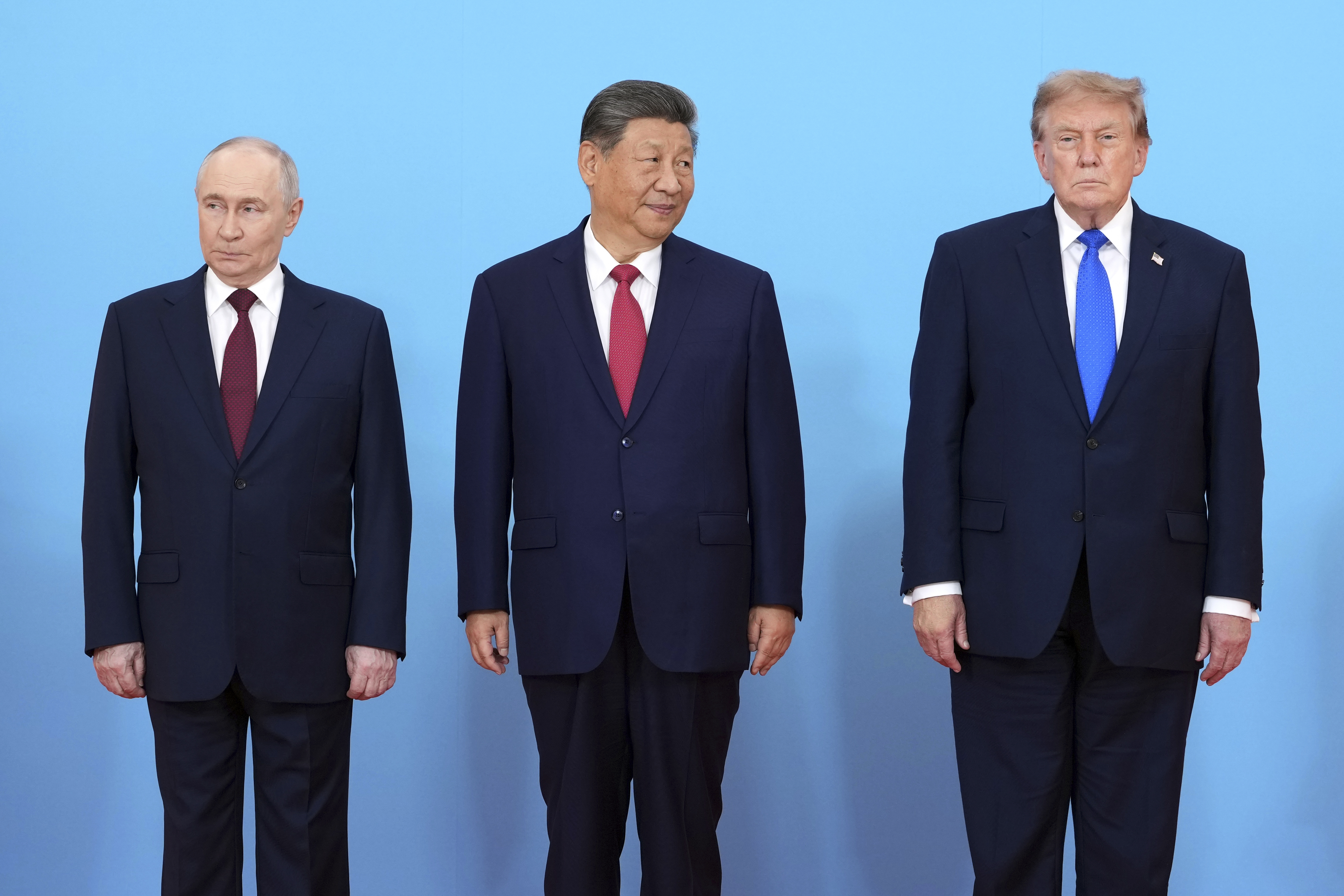
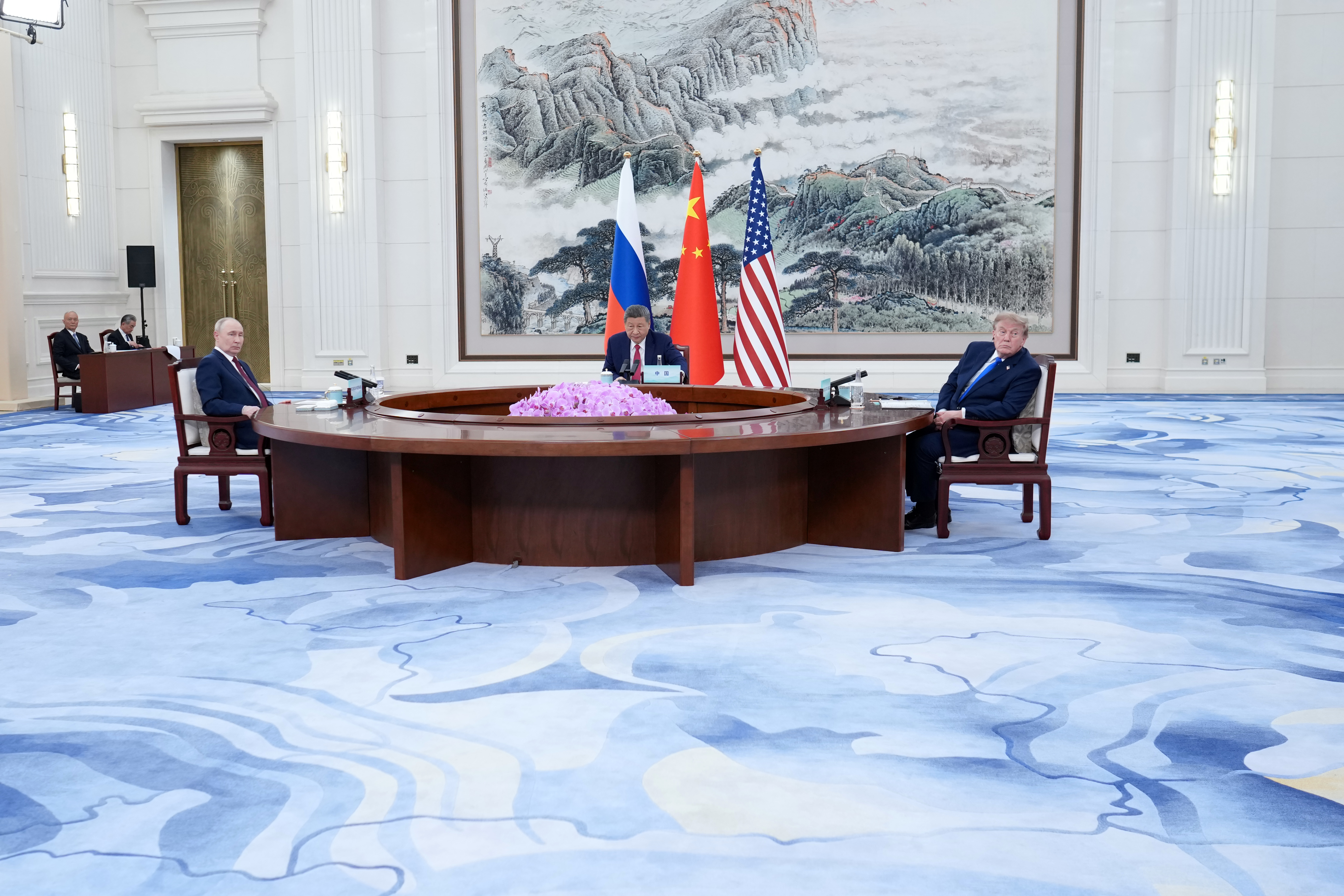
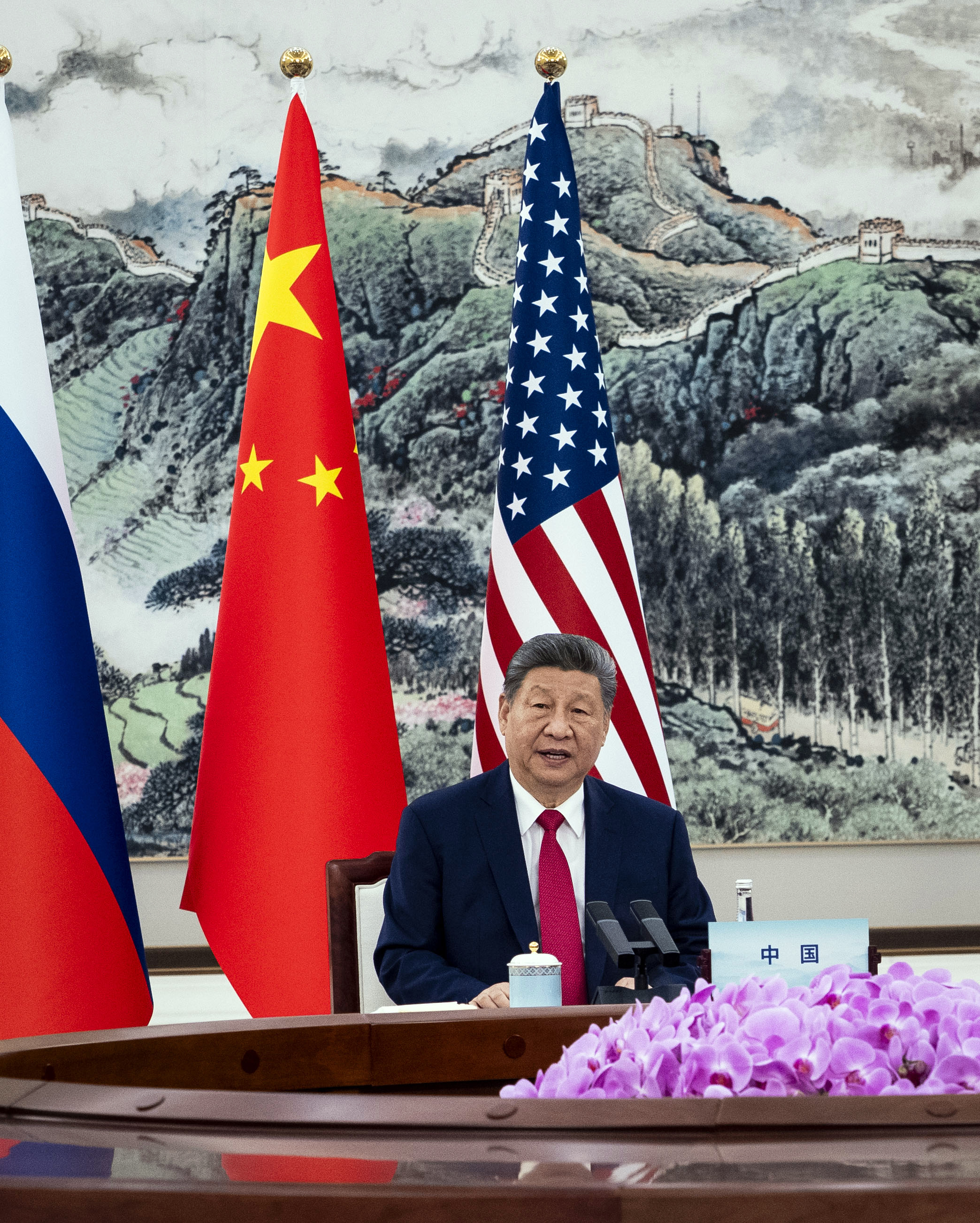
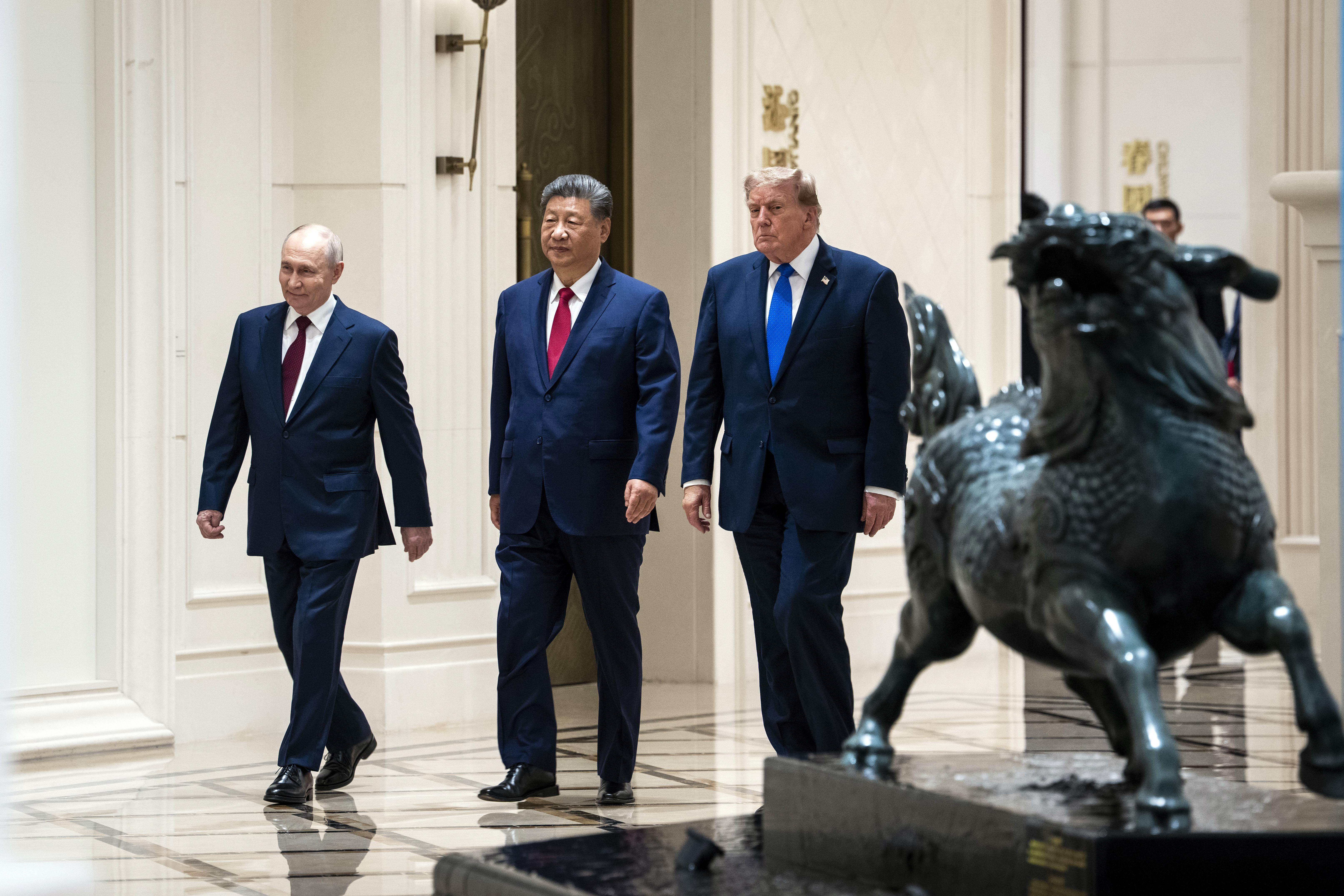
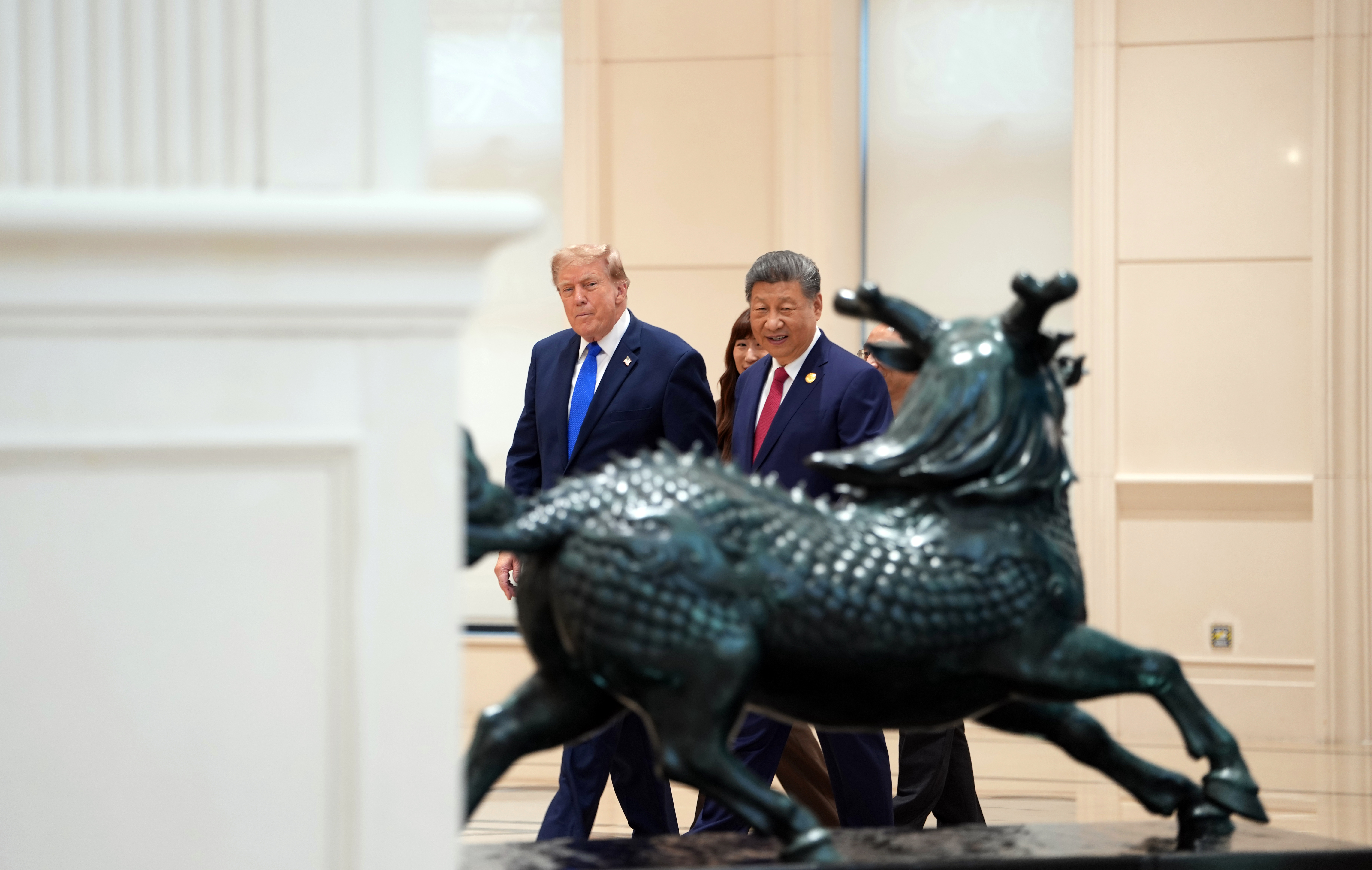
SHENZEN, China — President Donald Trump used his first-ever trilateral summit with Presidents Xi Jinping of China and Vladimir Putin of Russia on Thursday to say that their respective nations were “uniquely positioned to discuss how to reduce the number of nuclear weapons on earth.”
But after an 80-minute conversation at a lakeside villa in the city of Shenzhen, a Chinese technology hub, it was unclear whether the three leaders had agreed to return to the kind of arms control talks that for decades were a centerpiece of diplomacy among superpowers during the Cold War. On new threats, including artificial intelligence, the three leaders were largely silent.
Trump, who also met with Xi and Putin separately at the Asia-Pacific Economic Cooperation forum this week, appeared delighted to convene the world’s largest nuclear powers for a discussion about disarmament. But he did not come with a detailed plan for how to reduce the number of nuclear weapons, or outline a path to one.
Instead, Trump relished what amounted to a high-profile photo opportunity of the three leaders seated around a circular wooden table. For Trump, the main achievement seemed to be a mutual commitment to keep talking about peace — without taking meaningful steps toward it.
“Too often, past leaders avoided talking to nations with whom they had disagreements, and we feel the opposite,” Trump told Xi and Putin. “No peace was ever forged by declining opportunities for engagement and speech.”
After the summit, the leaders released a joint statement saying they had agreed to reform the United Nations, increase the production and supply of petroleum, oppose perceived abuses by the International Criminal Court against state officials, and continue their dialogue on reducing nuclear risks. “A nuclear war cannot be won and must never be fought,” the statement said.
While China, which has the fastest-growing nuclear arsenal on earth, agreed to participate in the three-way discussion of nuclear weapons, the leaders announced little concrete beyond agreeing to continue a dialogue on reducing nuclear risks. Xi has long been reluctant to agree to nuclear arms control because China’s arsenal remains a fraction the size of those belonging to Russia and the United States.
In the end, Trump’s whirlwind journey — two weeks after the Republican Party suffered a wipeout in the midterm elections and amid anxiety at home about widespread digital outages — amounted to a grand show of camaraderie.
As host of the tightly choreographed event, Xi flattered Trump and gave him an opportunity to ask for China’s assistance on matters ranging from ending global conflicts to spending more on U.S. agricultural goods. The summit also removed Putin from his status as a global pariah over his invasion of Ukraine, elevating him to a leader deserving of equal diplomatic footing.
But for all of the talk of peace, there was no announcement of breakthroughs in the talks the Trump administration is engaged in to end that conflict. Nor did Trump appear to dwell on finding a way out of the its war with Iran.
“We don’t need any help,” Trump said, when asked by a Fox News reporter before the summit whether he would seek assistance from the other leaders in ending a conflict of his own making. In fact, the help Trump could ask for would involve demanding that China and Russia stop assisting Iran: U.S. intelligence has concluded that both countries provided either technology or targeting information that likely helped the Iranians strike U.S. military bases in the Middle East.
On Fox News, Trump described the three-way conversation as a way to disrupt the growing “partnership without limits” that Xi and Putin say they have formed in recent years. Trump said he hoped to break up that alignment and turn it into a three-way conversation, rather than a partnership focused on countering American influence.
China and Russia’s alignment, Trump said, “should have never been allowed to happen.”
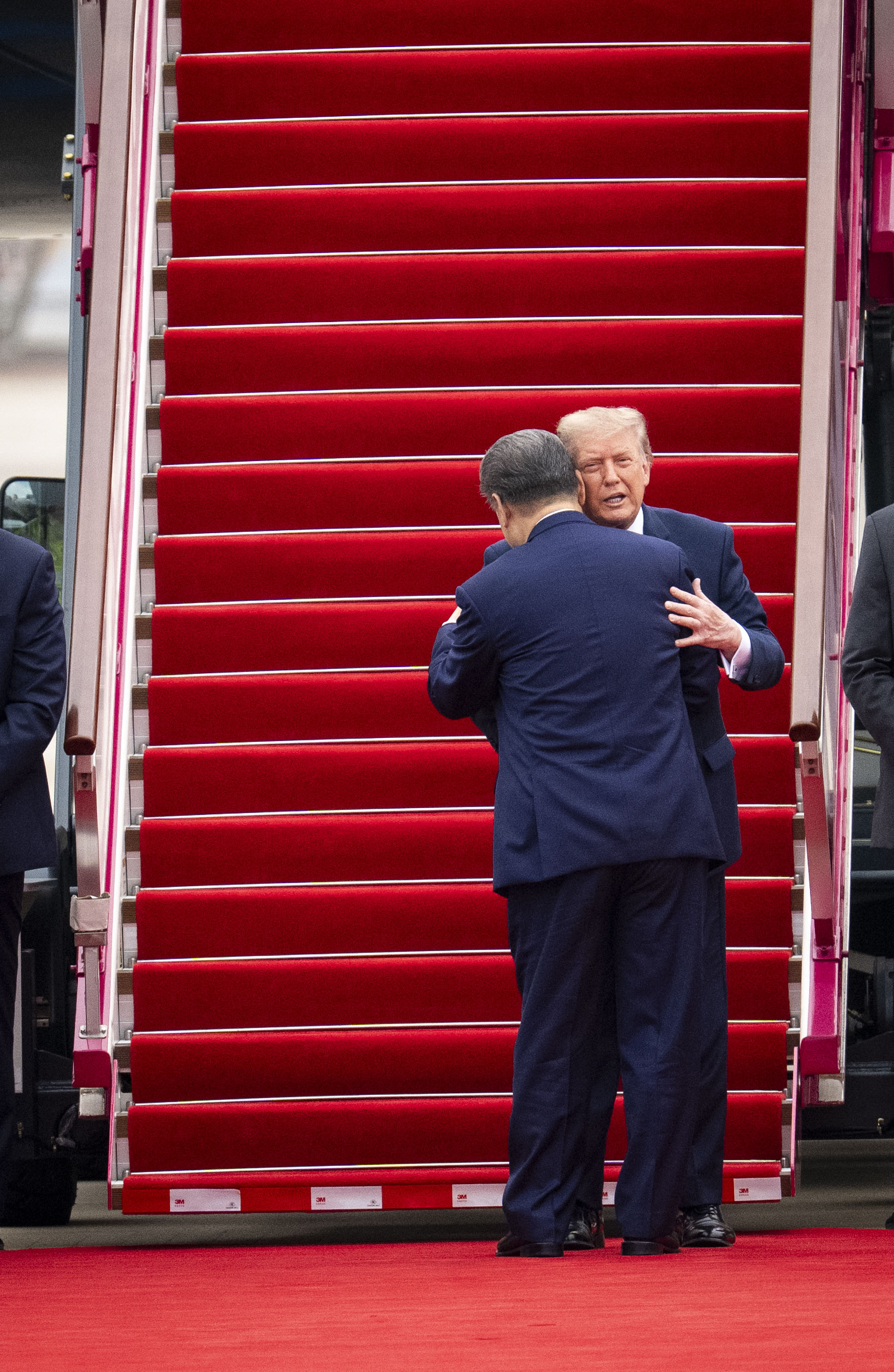
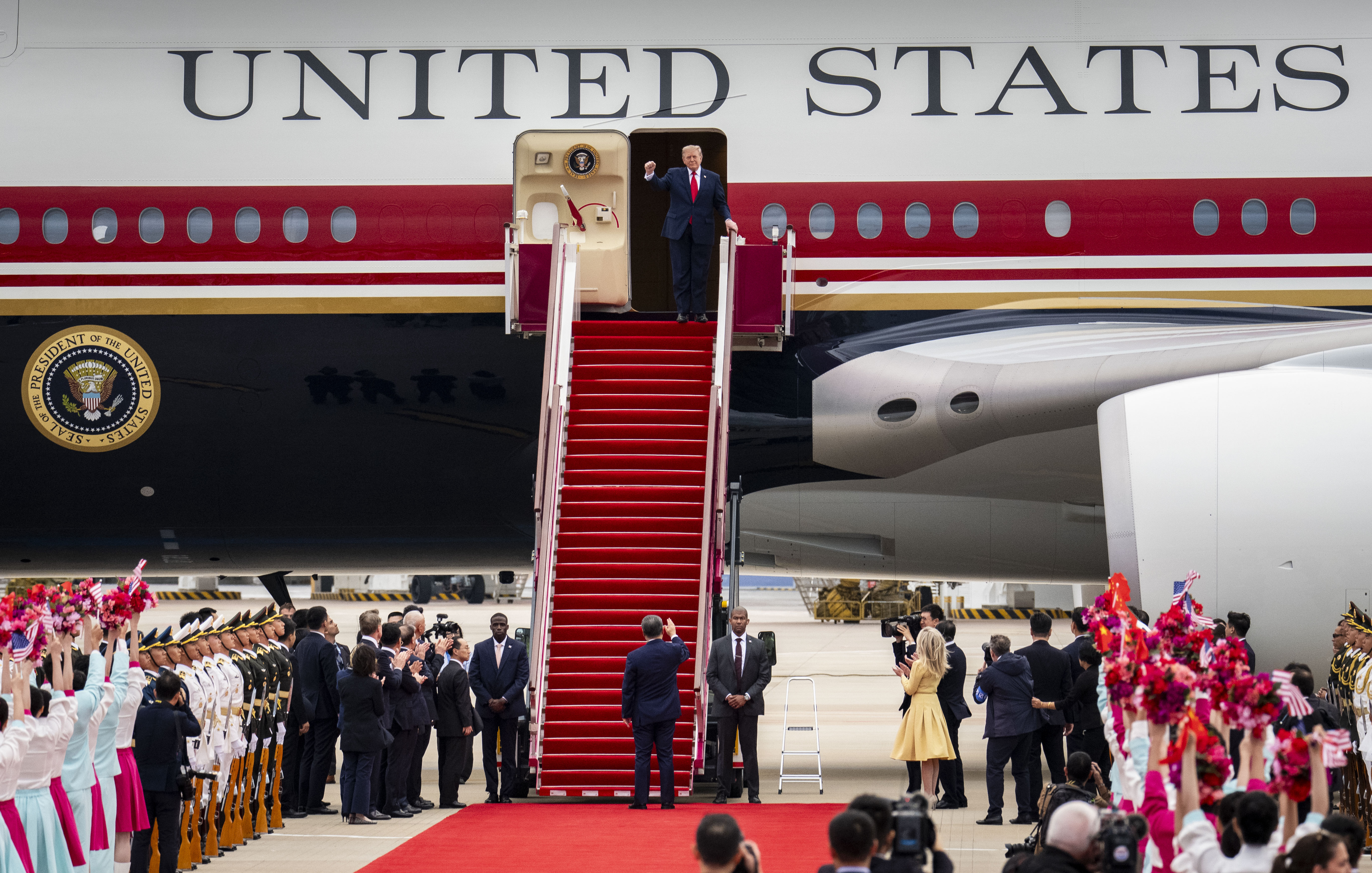
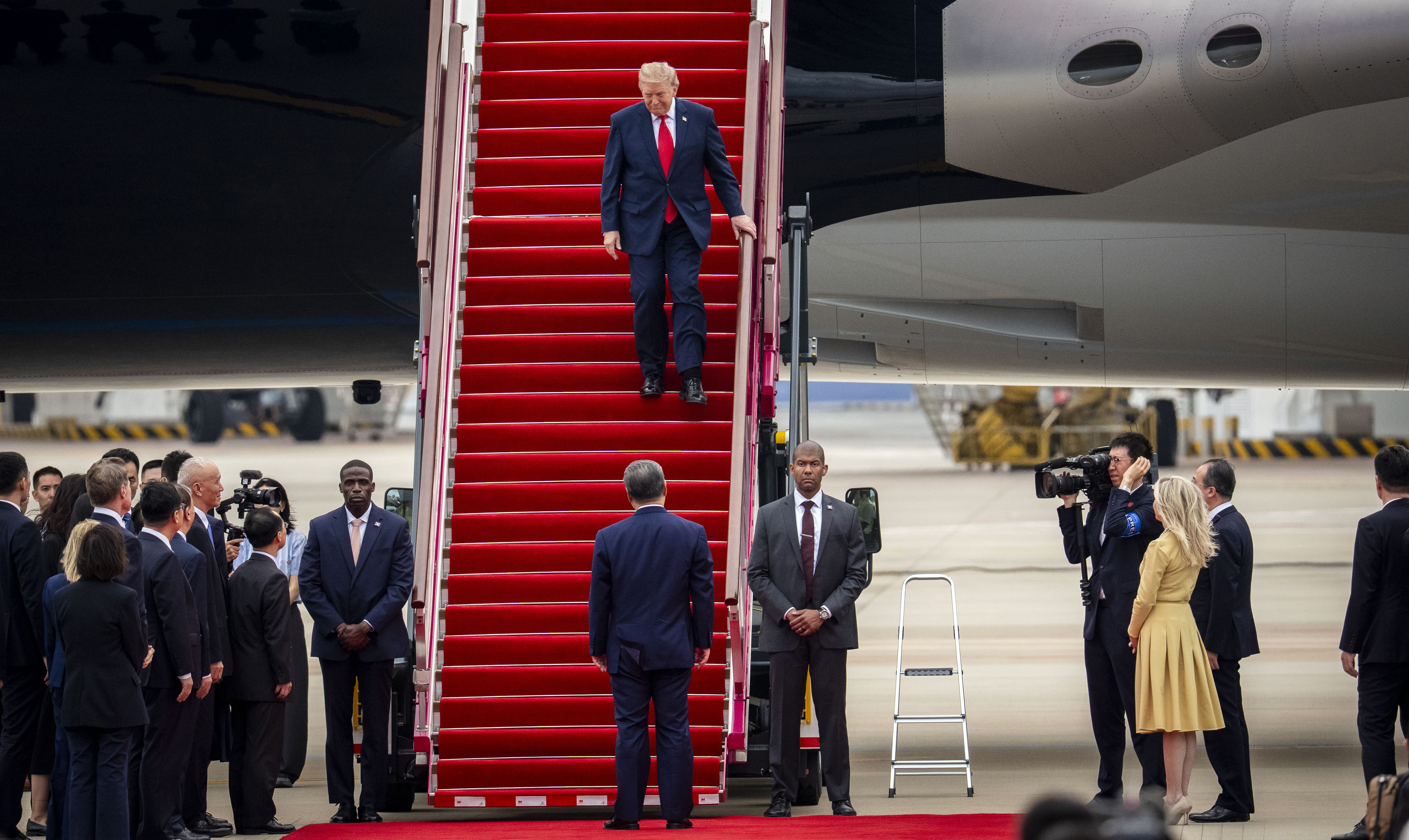
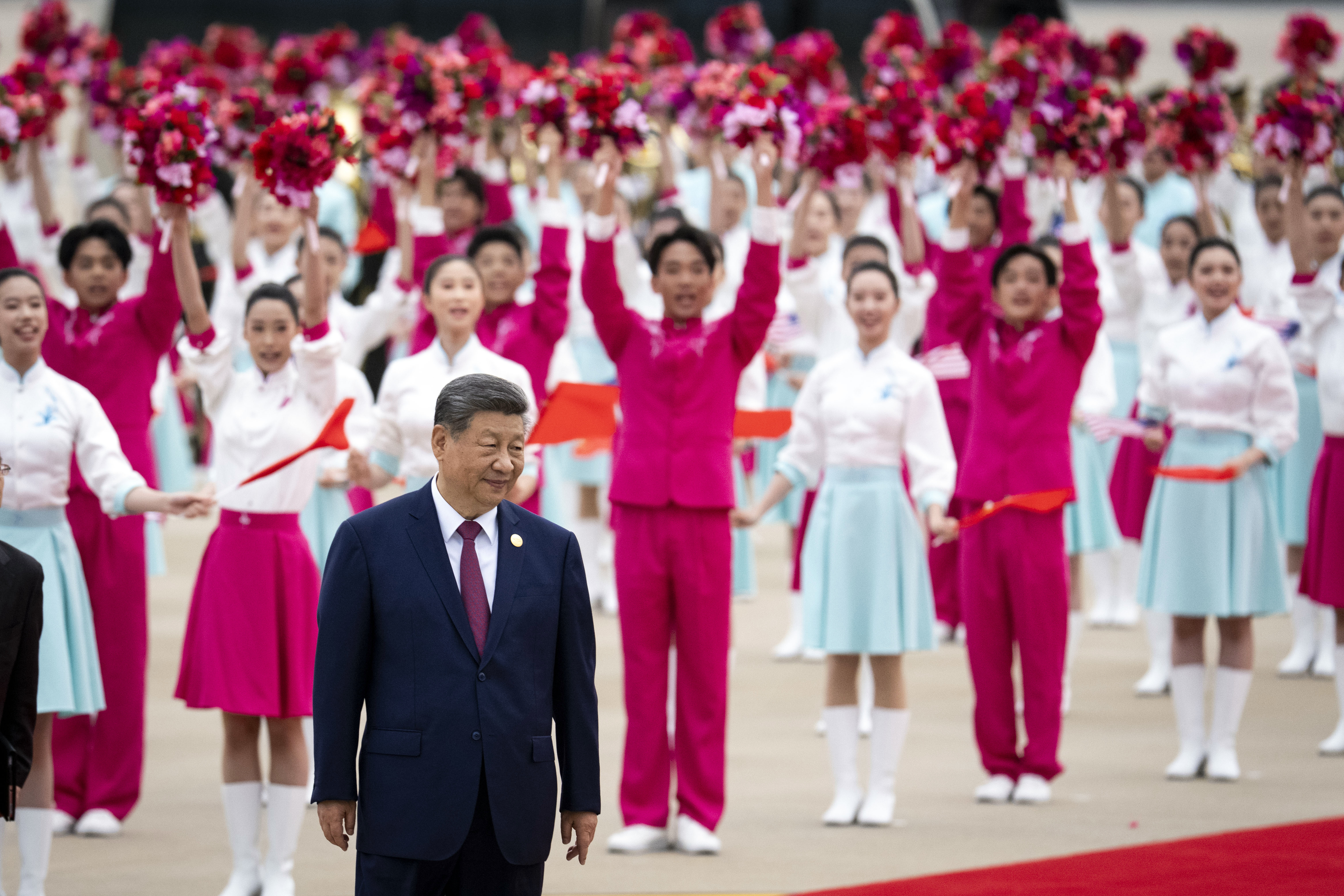
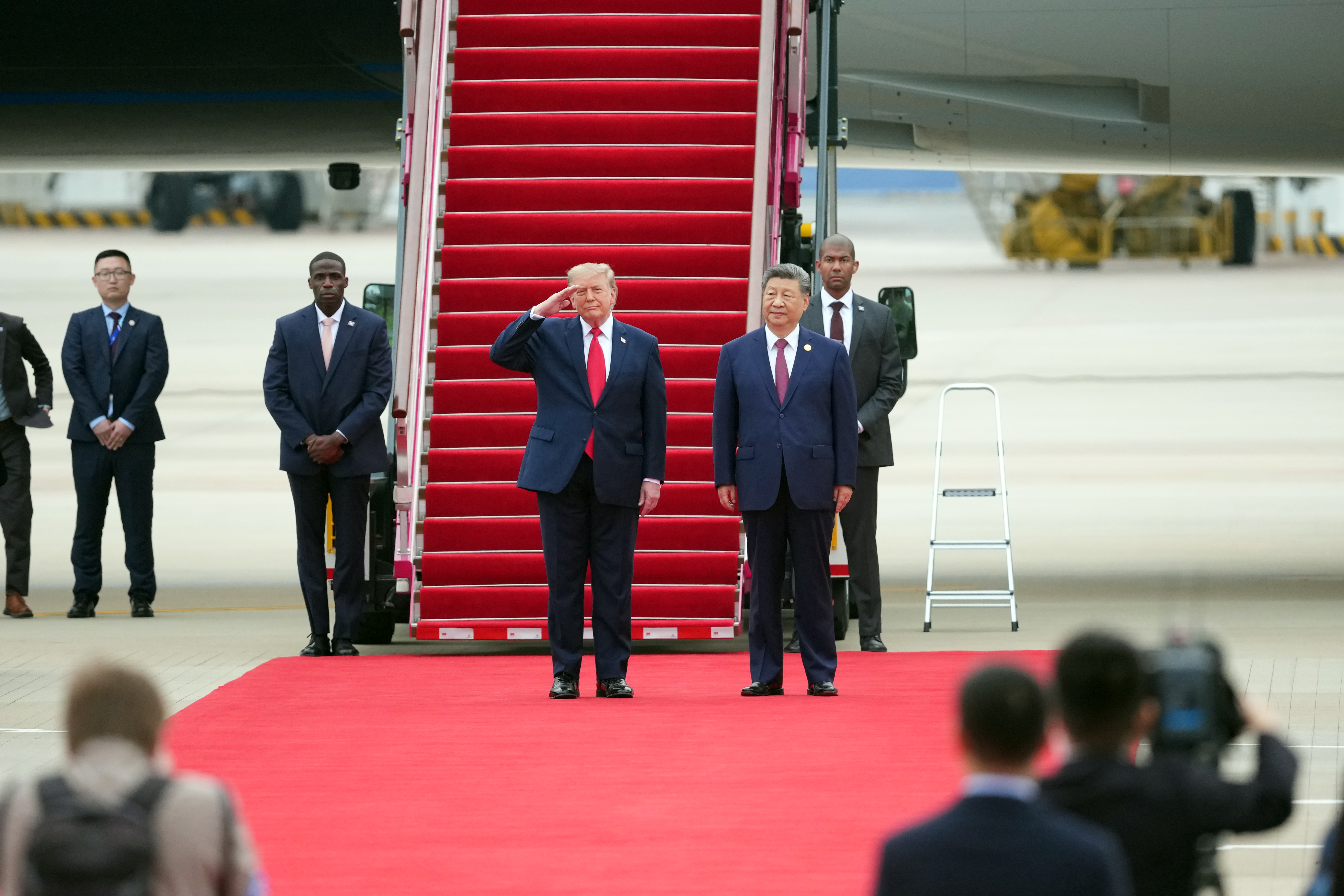
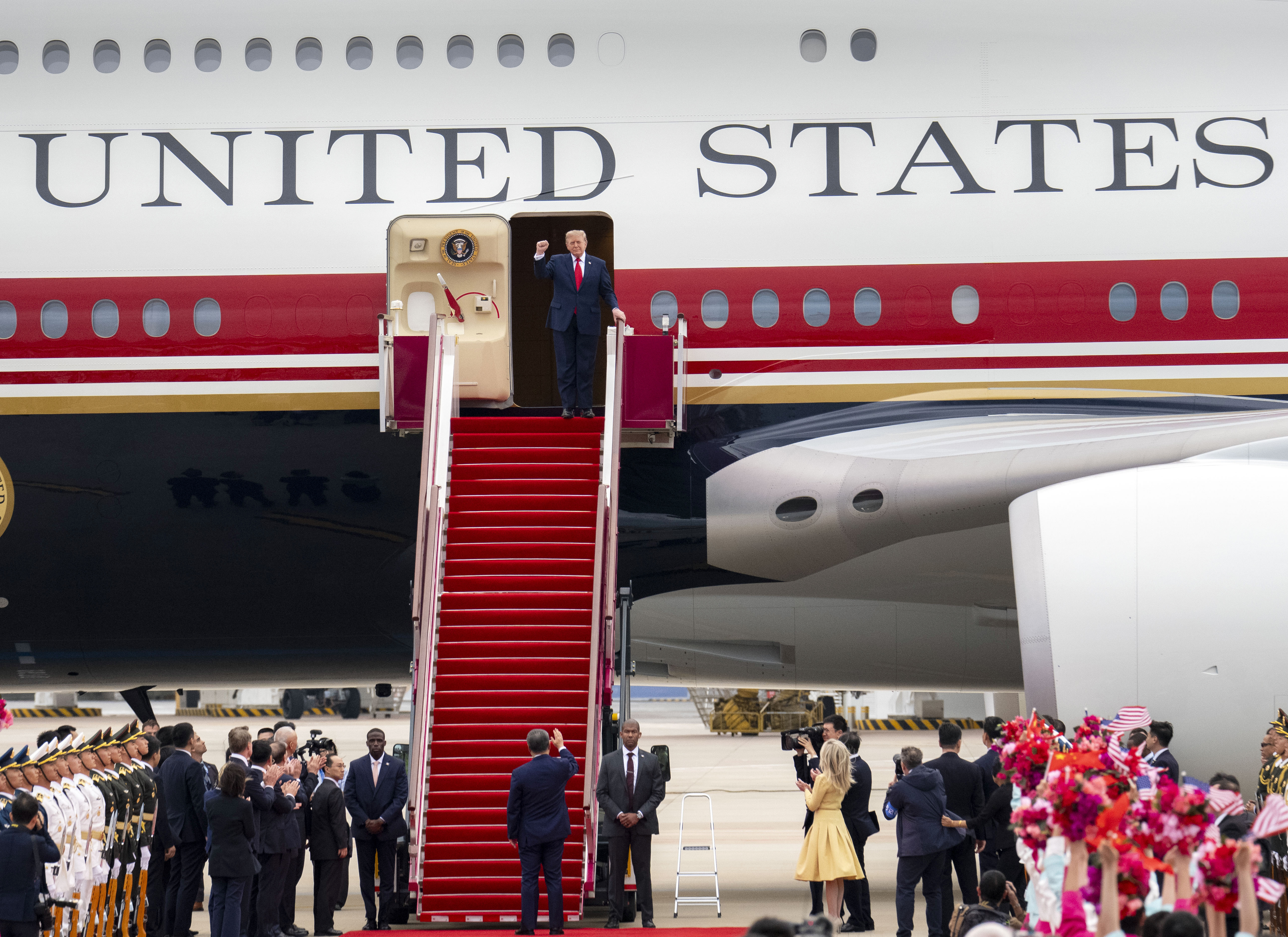
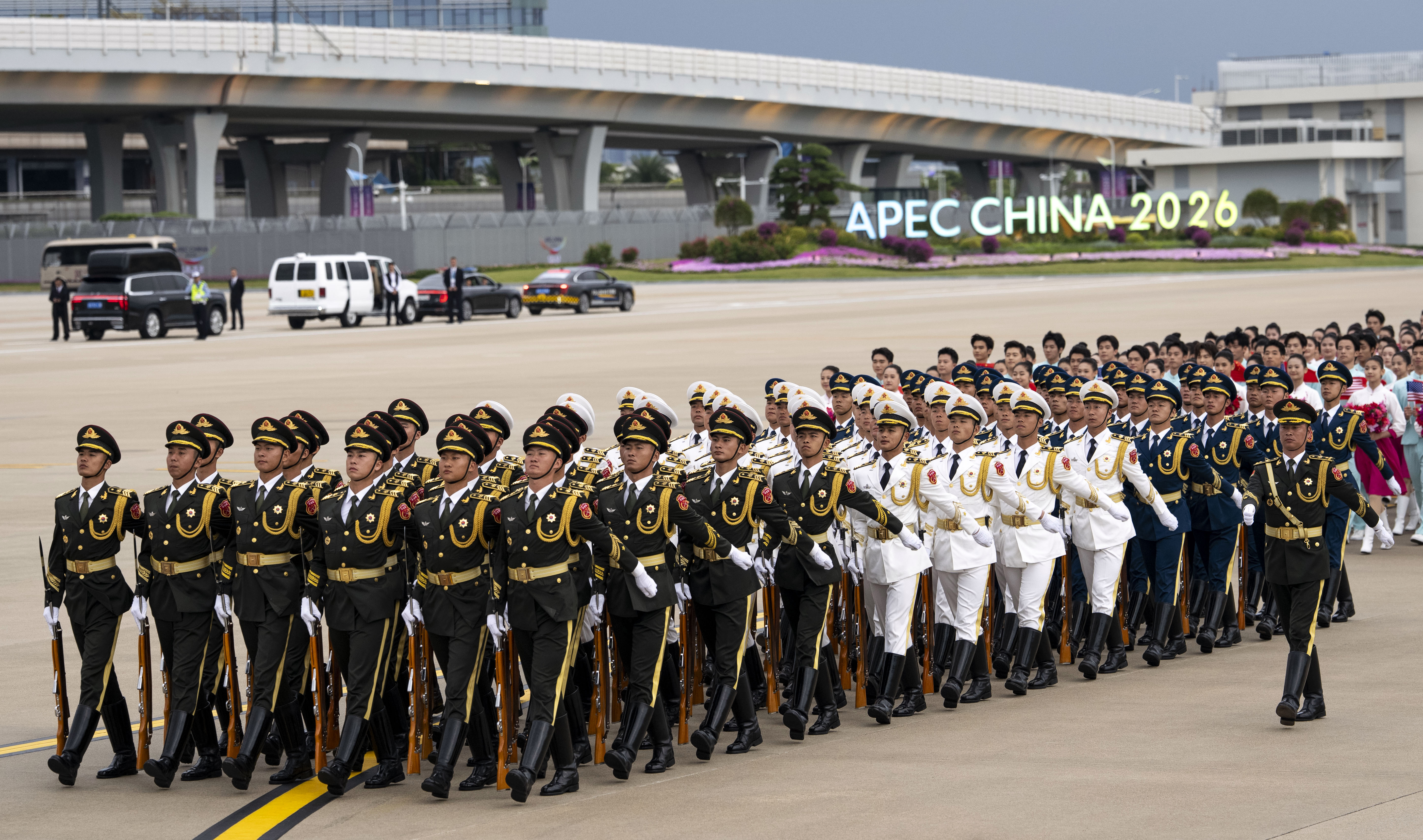
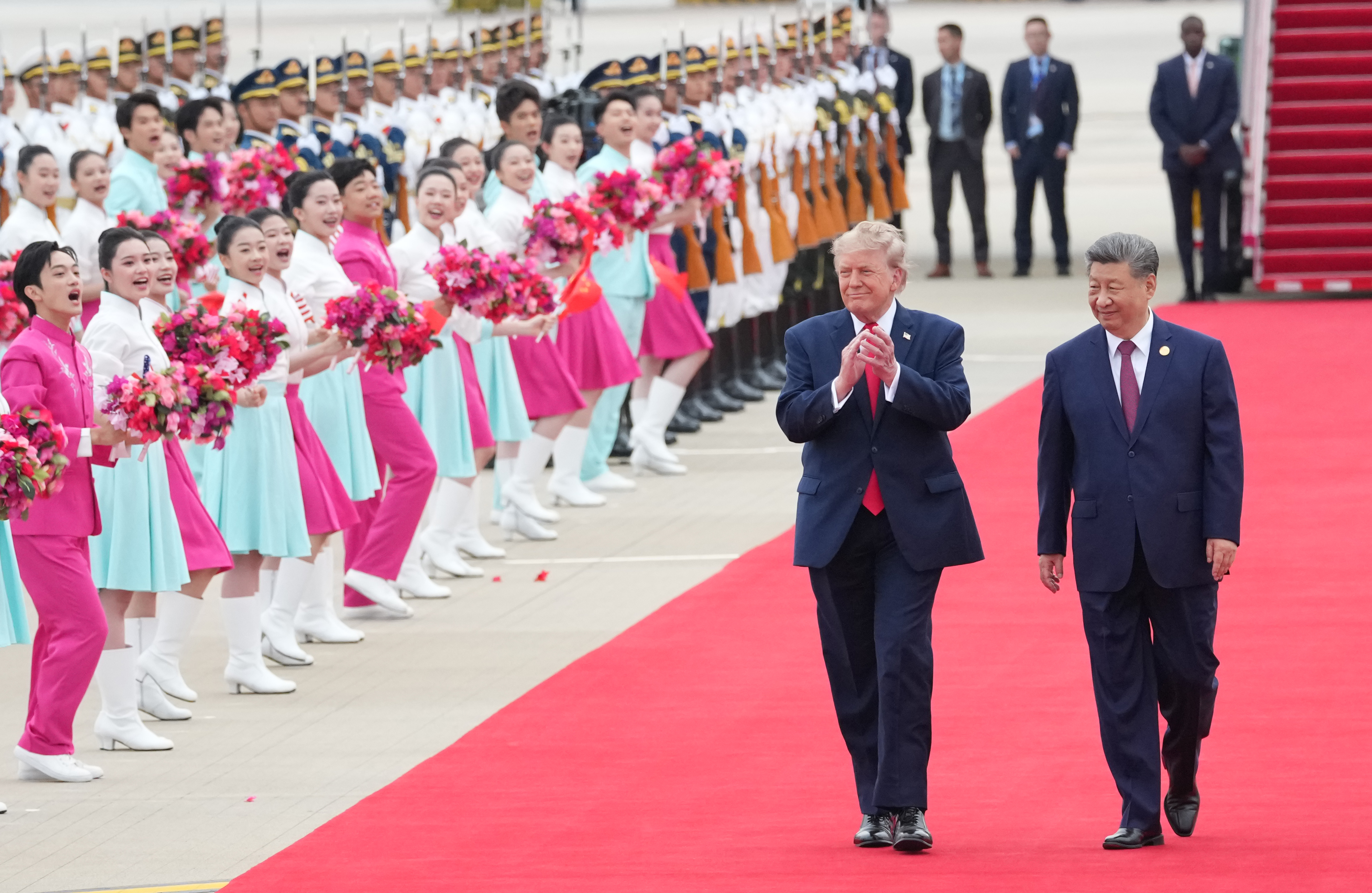
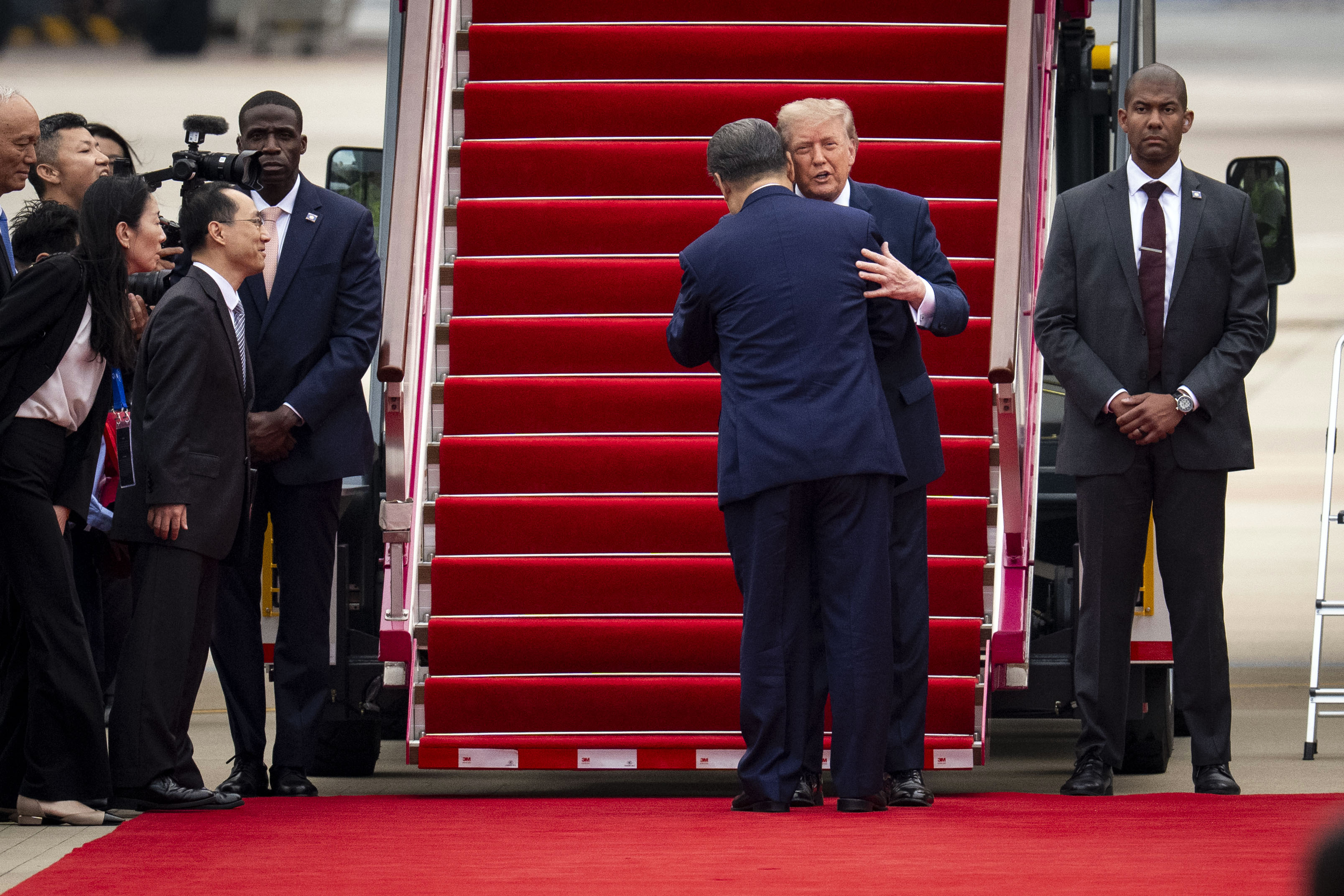
Seeking his own path into Xi’s good graces, Trump has held three meetings with the Chinese leader this year, with the goal of cooling a tit-for-tat trade war and of building up a personal relationship through mutual flattery. Trump traveled to Joint Base Andrews to welcome Xi to Washington in May, and Xi responded in kind when Trump arrived in Shenzhen on Wednesday, treating the president to a military exercise and a fleet of U.S. and Chinese flag-waving dancers in a flurry of pink, blue and white outfits.
In Shenzhen, the heart of China’s robotics, telecommunications, semiconductor and software industries, Trump did not visit the chief technological competitors to the United States, or see coffee-serving robots near the city’s center.
Still, he marveled over the ceremonial welcome and held it up as evidence of a warming bond, telling an interviewer that “one of the great presidents of China” had greeted him. “He’s never gone to the airport to meet somebody,” Trump said.
The president, who spends much of his time in the United States on bombastic appearances and incendiary social media posts, was on his best behavior alongside Xi. (He was his old self on Fox News before the summit, when he threatened to wipe out Iran should it attack the United States directly.)
Xi, for his part, said a much improved relationship between China and the United States in recent months was “the right way” for the two powers to “get along.” But he also warned that the key to keeping ties stable “lies in taking concrete actions to implement the consensus reached by the two heads of state.” The remarks came days after Washington moved to close a loophole on Chinese access to advanced AI chips.
As for Putin, the summit was his first encounter with Trump since the two men met in Alaska last year. That meeting was a diplomatic flop, and the war in Ukraine has intensified since then. The peace mechanism Trump advocated — a direct meeting between Putin and President Volodymyr Zelenskyy of Ukraine, moderated by Trump — has yet to materialize.
This time, White House officials were modest in their predictions. Expectations were set so low that White House officials who previewed the trip last week initially said Trump would not bring up the war in Ukraine at all, although he ultimately did.
In Shenzhen, Trump continued welcoming Russia back into the fold of great superpowers. He called Putin “my friend,” and insisted that all three leaders would like to see the war end quickly. The Russian leader reiterated after the meeting, however, that he would not be negotiating with Ukraine.
During the trilateral meeting, Xi and Putin embraced the idea of peaceful leadership, without making commitments that would be much of a burden to either of their countries. In his own remarks, Putin said their nations were “united not only by the status of being the victorious countries in World War II, but most importantly by the joint responsibility for maintaining international peace and security.”
And Xi mentioned a utopian goal that has pretty much fallen off the agenda of superpowers. He described nuclear weapons as a “sword of Damocles hanging over humanity” that should be eliminated. But Beijing has typically called on the United States to take the first steps in arms control, a demand that Trump seemed to acknowledge earlier in the day.
“For me, it’s a hard thing,” he told Fox News. “And it’s probably hard for them to do also.”
It has been done before, by Trump’s predecessors. Today, the United States and Russia each have slightly more than 5,000 nuclear warheads, and only 1,550 deployed under the New START treaty that expired earlier this year — down from tens of thousands on both sides during the Cold War.
China, however, was never a party to past nuclear reduction treaties, and it is now intent on building up to at least current Russian and U.S. levels.
Trump also said in Shenzen that he wanted to crack down on nuclear proliferation by smaller powers — his justification for attacking Iran — and restrain what he said were the excesses of “rogue” organizations like the International Criminal Court.
Putin is subject to an ICC arrest warrant over alleged war crimes in Ukraine. Nevertheless Trump welcomed the Russian leader in Alaska last year and extended an invitation to the Group of 20 summit next month in Florida. Putin told reporters after the meeting that he was unsure if he would attend.
One topic that went missing from each leader’s remarks was artificial intelligence, as China and the United States are locked in fierce competition over the new technology.
Trump did not answer a question, shouted by a Bloomberg News reporter at APEC earlier in the day, if the former CEO of Nvidia — a company that has been central to the AI boom — had been disloyal to the United States. The executive, Jensen Huang, resigned after he was found to have two extramarital relationships, including one with a woman who U.S. intelligence has determined is a Chinese asset.
The reporter who shouted the question was admonished by Chinese officials and barred from the trilateral meeting. Trump seemed blasé about the matter of espionage earlier in the day, telling Fox News that “we spy on them too.”
As the president basked in flattery from an authoritarian whose ironfisted leadership he has openly admired, he gently suggested that he had not received as much media coverage as he would have liked.
“It’s too bad the media couldn’t see some of it,” Trump said of his trip.
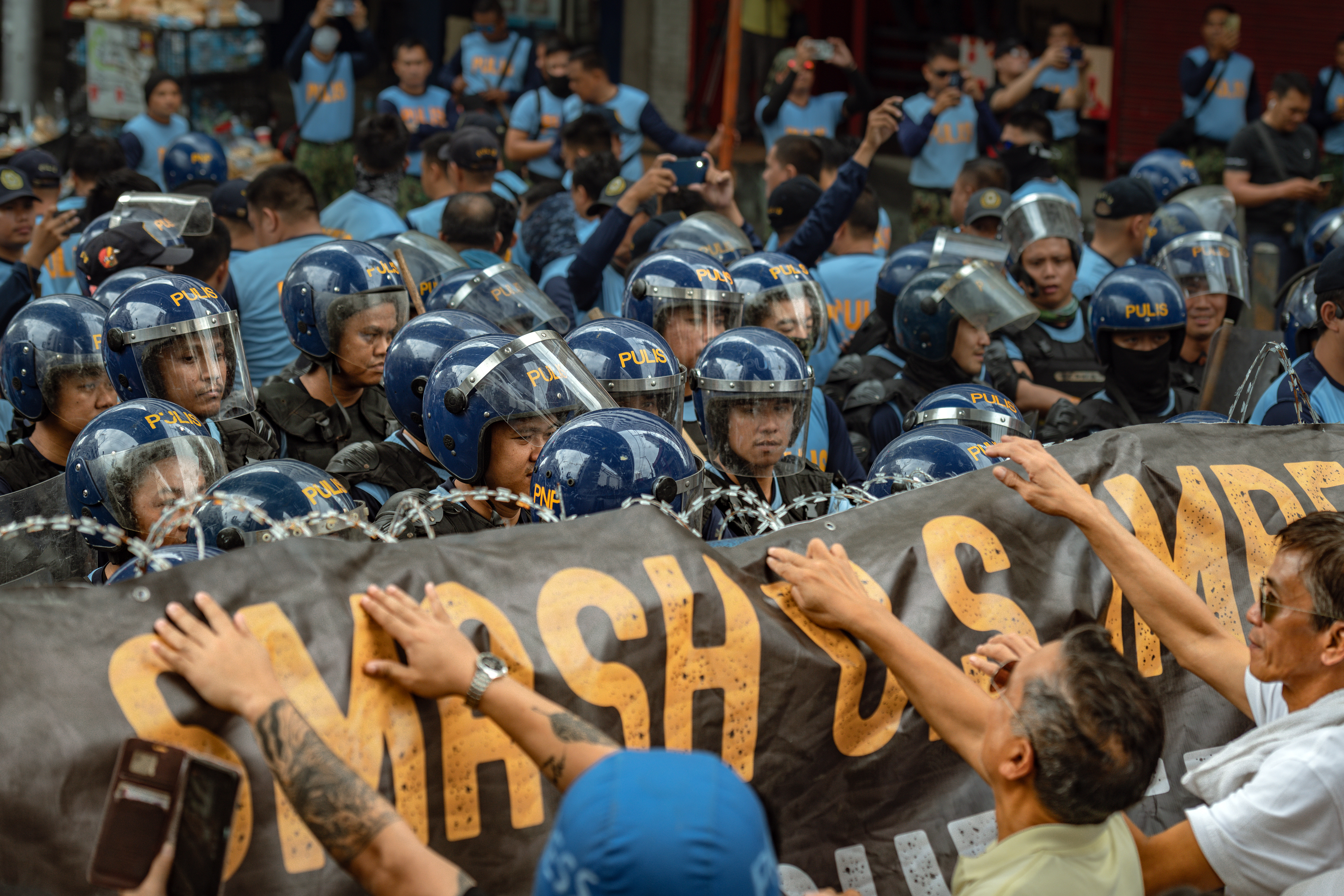
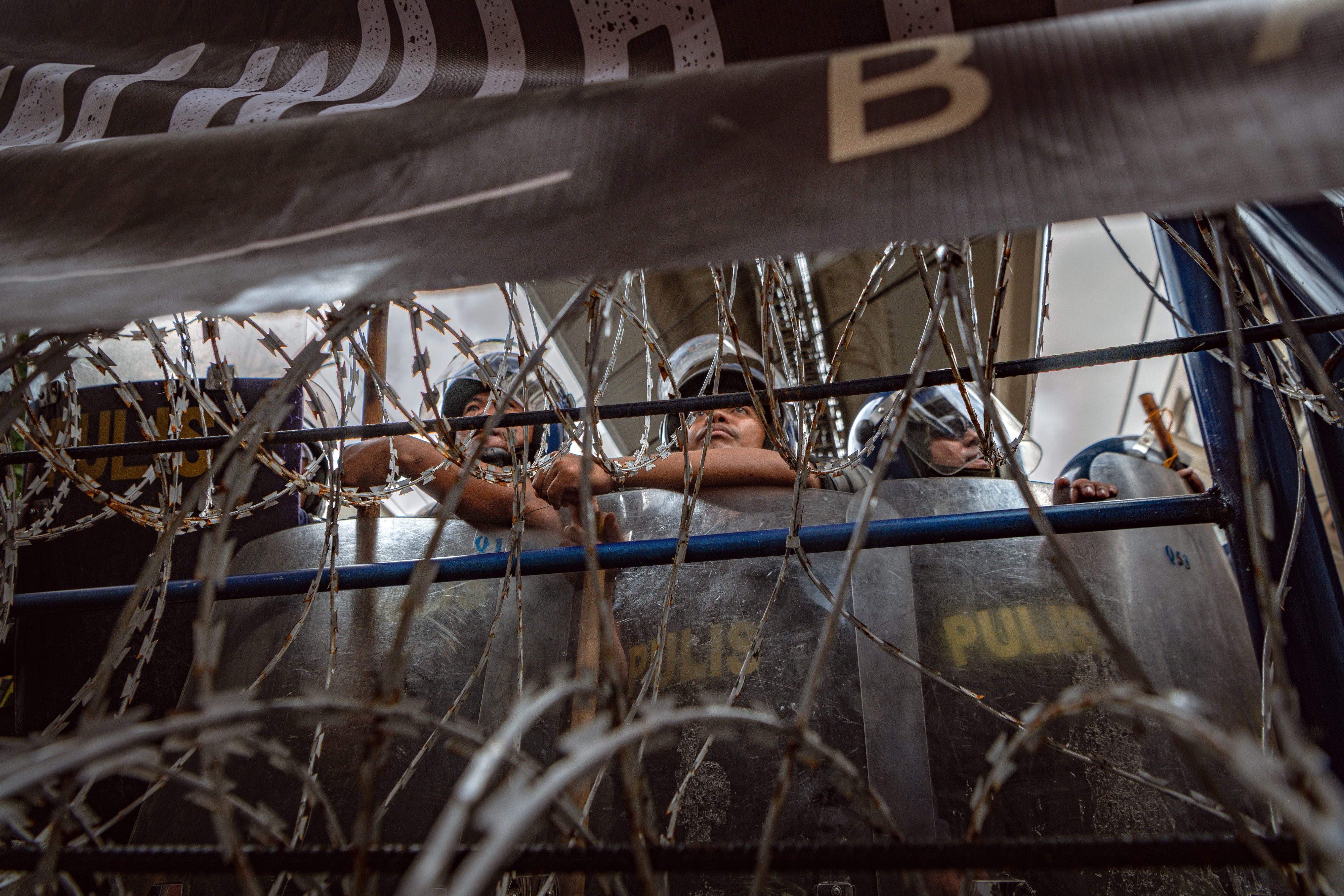
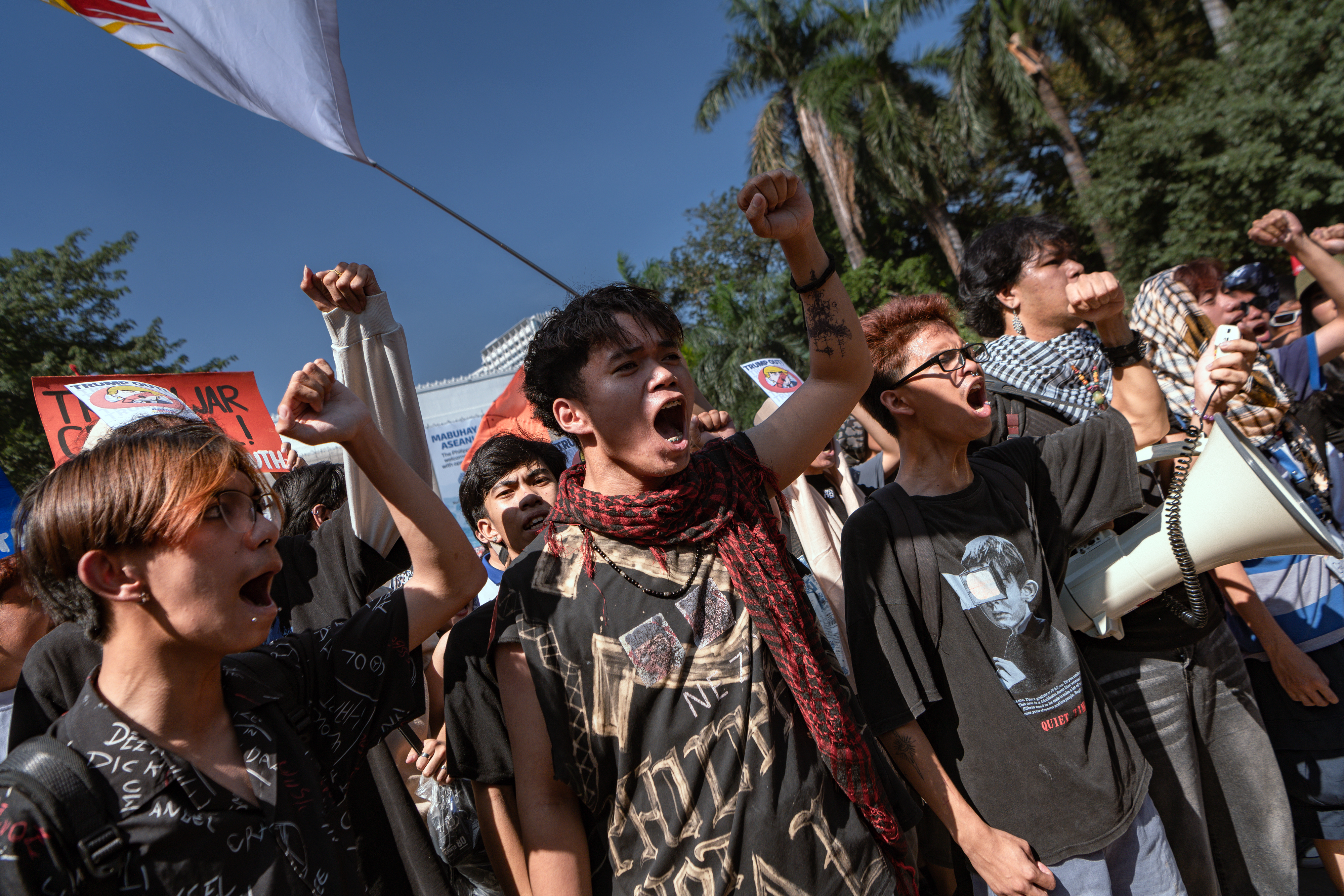
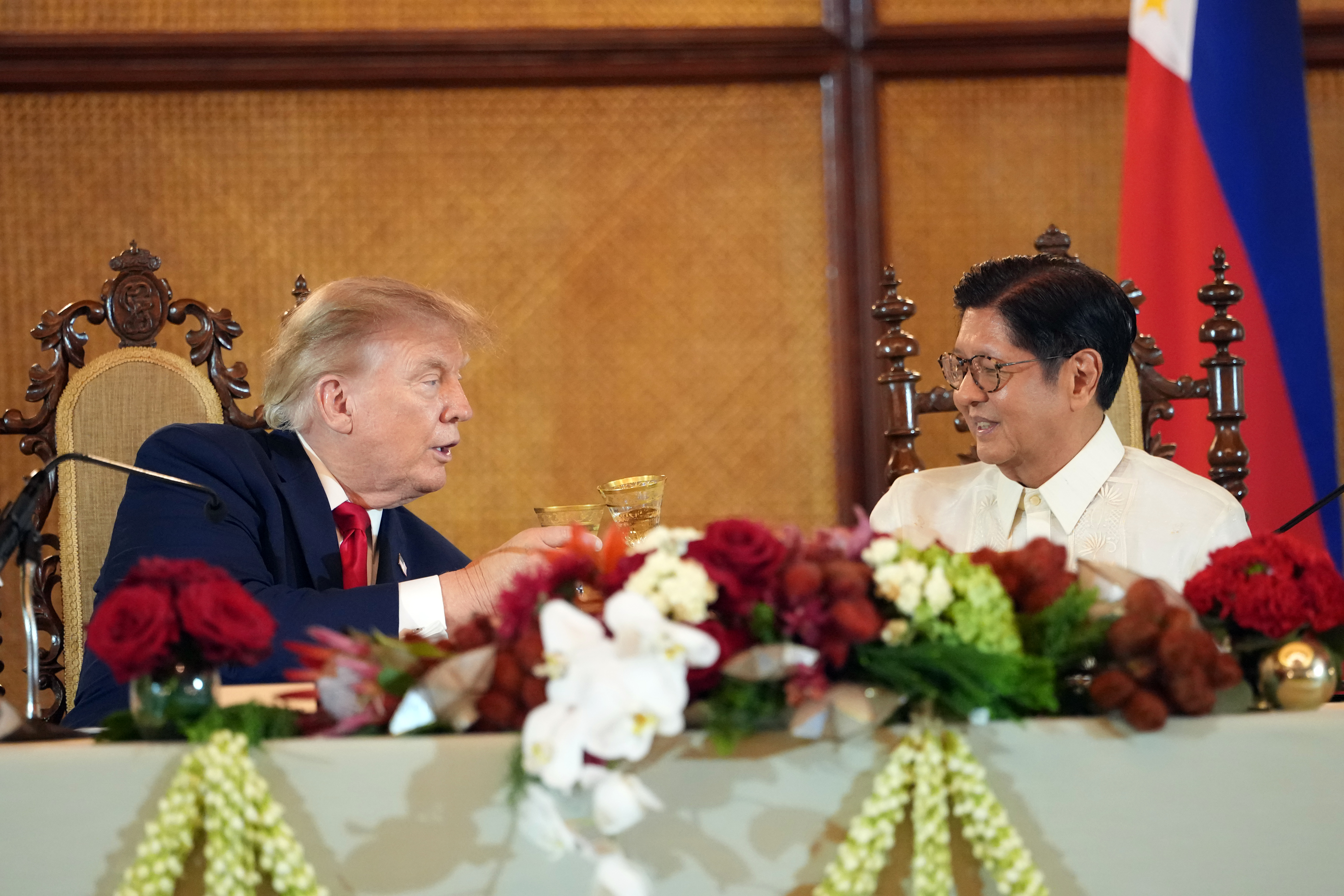
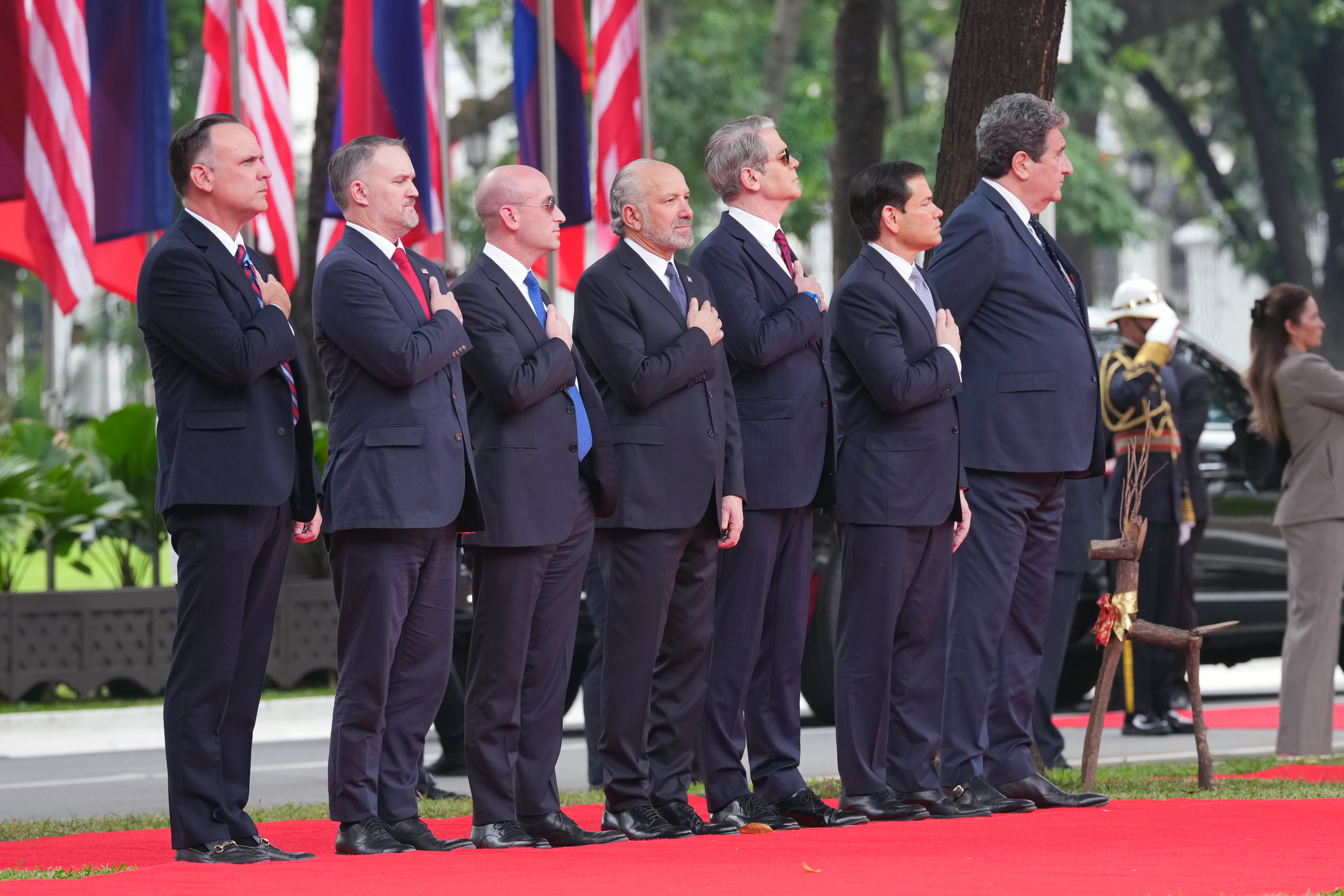
President Donald Trump, left, with President Xi Jinping of China before their bilateral meeting in Shenzhen, China, on Thursday, Nov. 19, 2026. Trump said that he would bring up the war in Ukraine at the first-ever meeting of leaders of Russia, China and the United States. (Doug Mills/The New York Times)DOUG MILLSFrom left: President Vladimir Putin of Russia, President Xi Jinping of China and President Donald Trump of the U.S. meet in Shenzhen, China, on Thursday, Nov. 19, 2026. Trump said that he would bring up the war in Ukraine at the first-ever meeting of leaders of Russia, China and the United States. (Doug Mills/The New York Times)DOUG MILLSPresident Donald Trump of the U.S. boards Air Force One after meeting withPresident Xi Jinping of China and President Vladimir Putin of Russia in Shenzhen, China, on Thursday, Nov. 19, 2026. Trump said before the meeting that he wanted to discuss nuclear weapons and the wars in Ukraine and Iran. But the three leaders appeared to refer to the topics only in vague terms. (Doug Mills/The New York Times)DOUG MILLSFrom left: President Vladimir Putin of Russia, President Donald Trump of the U.S. and President Xi Jinping of China meet in Shenzhen, China, on Thursday, Nov. 19, 2026. Trump said before the meeting that he wanted to discuss nuclear weapons and the wars in Ukraine and Iran. But the three leaders appeared to refer to the topics only in vague terms. (Doug Mills/The New York Times)DOUG MILLSFrom left: President Vladimir Putin of Russia, President Xi Jinping of China and President Donald Trump of the U.S. take their places for a group portrait in Shenzhen, China, on Thursday, Nov. 19, 2026. Trump said before the meeting that he wanted to discuss nuclear weapons and the wars in Ukraine and Iran. But the three leaders appeared to refer to the topics only in vague terms. (Doug Mills/The New York Times)DOUG MILLSPresident Donald Trump of the U.S., right, and President Xi Jinping of China during their trilateral meeting with President Vladimir Putin of Russia, not pictured, in Shenzhen, China, on Thursday, Nov. 19, 2026. Trump said before the meeting that he wanted to discuss nuclear weapons and the wars in Ukraine and Iran. But the three leaders appeared to refer to the topics only in vague terms. (Doug Mills/The New York Times)DOUG MILLSPresident Donald Trump, left, with President Xi Jinping of China before their bilateral meeting in Shenzhen, China, on Thursday, Nov. 19, 2026. Trump said that he would bring up the war in Ukraine at the first-ever meeting of leaders of Russia, China and the United States. (Doug Mills/The New York Times)DOUG MILLSPresident Donald Trump, left, with President Xi Jinping of China before their bilateral meeting in Shenzhen, China, on Thursday, Nov. 19, 2026. Trump said that he would bring up the war in Ukraine at the first-ever meeting of leaders of Russia, China and the United States. (Doug Mills/The New York Times)DOUG MILLSPresident Donald Trump of the U.S. speaks as he sits across the table from President Xi Jinping of China during their bilateral meeting in Shenzhen, China, on Thursday, Nov. 19, 2026. Trump said that he would bring up the war in Ukraine at the first-ever meeting of leaders of Russia, China and the United States. (Doug Mills/The New York Times)DOUG MILLSPresident Xi Jinping of China speaks during a trilateral meeting with President Donald Trump of the U.S. and President Vladimir Putin of Russia in Shenzhen, China, on Thursday, Nov. 19, 2026. Trump said that he would bring up the war in Ukraine at the first-ever meeting of leaders of Russia, China and the United States. (Doug Mills/The New York Times)DOUG MILLSPresident Vladimir Putin of Russia meets with President Xi Jinping of China and President Donald Trump of the U.S. in Shenzhen, China, on Thursday, Nov. 19, 2026. Trump said that he would bring up the war in Ukraine at the first-ever meeting of leaders of Russia, China and the United States. (Doug Mills/The New York Times)DOUG MILLSFrom left, President Vladimir Putin of Russia, President Xi Jinping of China; and President Donald Trump of the U.S. in Shenzhen, China, on Thursday, Nov. 19, 2026. Trump said that he would bring up the war in Ukraine at the first-ever meeting of leaders of Russia, China and the United States. (Doug Mills/The New York Times)DOUG MILLSPresident Donald Trump, left, with President Xi Jinping of China before their bilateral meeting in Shenzhen, China, on Thursday, Nov. 19, 2026. Trump said that he would bring up the war in Ukraine at the first-ever meeting of leaders of Russia, China and the United States. (Doug Mills/The New York Times)DOUG MILLSPresident Xi Jinping of China , center, speaks during a meeting with President Vladimir Putin of Russia, left, and President Donald Trump of the U.S. in Shenzhen, China, on Thursday, Nov. 19, 2026. Trump said that he would bring up the war in Ukraine at the first-ever meeting of leaders of Russia, China and the United States. (Doug Mills/The New York Times)DOUG MILLSPresident Donald Trump, left, with President Xi Jinping of China at their bilateral meeting in Shenzhen, China, on Thursday, Nov. 19, 2026. Trump said that he would bring up the war in Ukraine at the first-ever meeting of leaders of Russia, China and the United States. (Doug Mills/The New York Times)DOUG MILLSPresident Donald Trump of the U.S. meets with President Xi Jinping of China and President Vladimir Putin of Russia in Shenzhen, China, on Thursday, Nov. 19, 2026. Trump said that he would bring up the war in Ukraine at the first-ever meeting of leaders of Russia, China and the United States. (Doug Mills/The New York Times)DOUG MILLSPresident Donald Trump, right, poses for a group portrait with President Xi Jinping of China, center, and President Vladimir Putin of Russia before their meeting in Shenzhen, China, on Thursday, Nov. 19, 2026. Trump said that he would bring up the war in Ukraine at the first-ever meeting of leaders of Russia, China and the United States. (Doug Mills/The New York Times)DOUG MILLSPresident Donald Trump, right, poses for a group portrait with President Xi Jinping of China, center, and President Vladimir Putin of Russia before their meeting in Shenzhen, China, on Thursday, Nov. 19, 2026. Trump said that he would bring up the war in Ukraine at the first-ever meeting of leaders of Russia, China and the United States. (Doug Mills/The New York Times)DOUG MILLSTroops march in formation as President Donald Trump is welcomed upon his arrival at the airport in Shenzhen, China, on Wednesday, Nov. 18, 2026. (Doug Mills/The New York Times)DOUG MILLSPresident Donald Trump is embraced by Xi Jinping, the Chinese leader, upon his arrival at the airport in Shenzhen, China, on Wednesday, Nov. 18, 2026. Xi told Trump that he took the unusual move for a Chinese leader of greeting him at the airport because the American president had done the same for him when he visited the United States in September. “China is a nation of etiquette with a tradition of reciprocity,” Xi said, according to Chinese state media. (Doug Mills/The New York Times)DOUG MILLSRETRANSMISSION TO PROVIDE WIDER CROP AND ADDITIONAL CAPTION INFO — .President Donald Trump gestures as he arrives at the airport in Shenzhen, China, on Wednesday, Nov. 18, 2026. President Xi Jinping of China waves to Trump from the bottom of the stairs. Xi told Trump that he took the unusual move for a Chinese leader of greeting him at the airport because the American president had done the same for him when he visited the United States in September. “China is a nation of etiquette with a tradition of reciprocity,” Xi said, according to Chinese state media. (Doug Mills/The New York Times)DOUG MILLSProtesters in Manila, the Philippines, face off against police in riot gear as they denounce President Donald Trump’s visit and the U.S.-led Pax Silica initiative on Wednesday, Nov. 18, 2026. (Jes Aznar/The New York Times)JES AZNARXi Jinping, the Chinese leader, back to camera, waits to greet President Donald Trump upon his arrival at the airport in Shenzhen, China, on Wednesday, Nov. 18, 2026. It was a rare personal greeting by Xi before a summit they are expected to hold with President Vladimir Putin of Russia. (Doug Mills/The New York Times)DOUG MILLSProtesters in Manila, the Philippines, take to the streets to denounce President Donald Trump’s visit andthe U.S.-led Pax Silica initiative on Wednesday, Nov. 18, 2026. (Jes Aznar/The New York Times)JES AZNARPolice officers are deployed as protesters in Manila, the Philippines, take to the streets to denounce President Donald Trump’s visit and the U.S.-led Pax Silica initiative on Wednesday, Nov. 18, 2026. (Jes Aznar/The New York Times)JES AZNARPolice officers are deployed as protesters in Manila, the Philippines, take to the streets to denounce President Donald Trump’s visit and the U.S.-led Pax Silica initiative on Tuesday, Nov. 17, 2026. (Jes Aznar/The New York Times)JES AZNARProtesters in Manila, the Philippines, take to the streets to denounce President Donald Trump’s visit andthe U.S.-led Pax Silica initiative on Tuesday, Nov. 17, 2026. (Jes Aznar/The New York Times)JES AZNARSecretary of State Marco Rubio, who is accompanying President Donald Trump on his trip to Asia, departs after speaking to reporters in Manila, the Philippines, on Wednesday, Nov. 18, 2026. (Doug Mills/The New York Times)DOUG MILLSPresident Donald Trump, left, President President Ferdinand Marcos Jr. of the Philippines in Manila on Wednesday, Nov. 18, 2026. (Doug Mills/The New York Times)DOUG MILLSPresident Donald Trump, center, arrives for a meeting with President President Ferdinand Marcos Jr. of the Philippines in Manila on Wednesday, Nov. 18, 2026. Looking on are, from right: Deputy White House Chief of Staff Dan Scavino; White House Chief of Staff Stephen Miller; Treasury Secretary Scott Bessent; and Secretary of State Marco Rubio. (Doug Mills/The New York Times)DOUG MILLSPresident President Ferdinand Marcos Jr. of the Philippines, right, welcomes President Donald Trump to the presidential palace in Manila, the Philippines on Wednesday, Nov. 18, 2026. (Doug Mills/The New York Times)DOUG MILLSThe U.S. delegation during a welcome ceremony for President Donald Trump at the presidential palace in Manila, the Philippines on Wednesday, Nov. 18, 2026. From left: Deputy White House Chief of Staff Dan Scavino; U.S. Trade Representative Jamieson Greer; White House Chief of Staff Stephen Miller; Commerce Secretary Howard Lutnick; Treasury Secretary Scott Bessent; and Secretary of State Marco Rubio. (Doug Mills/The New York Times)DOUG MILLSXi Jinping, the Chinese leader, looks on during a welcome ceremony for President Donald Trump at the airport in Shenzhen, China, on Wednesday, Nov. 18, 2026. It was a rare personal greeting by Xi before a summit they are expected to hold with President Vladimir Putin of Russia. (Doug Mills/The New York Times)DOUG MILLSPresident Donald Trump salutes as he is welcomed by Xi Jinping, the Chinese leader, upon his arrival at the airport in Shenzhen, China, on Wednesday, Nov. 18, 2026. It was a rare personal greeting by Xi before a summit they are expected to hold with President Vladimir Putin of Russia. (Doug Mills/The New York Times)DOUG MILLSPresident Donald Trump gestures as he arrives at the airport in Shenzhen, China, on Wednesday, Nov. 18, 2026. (Doug Mills/The New York Times)DOUG MILLSA colorful flyover by military jets as President DOnald Trump is welcomed upon his arrival at the airport in Shenzhen, China, on Wednesday, Nov. 18, 2026. (Doug Mills/The New York Times)DOUG MILLSTroops march in formation as President DOnald Trump is welcomed upon his arrival at the airport in Shenzhen, China, on Wednesday, Nov. 18, 2026. (Doug Mills/The New York Times)DOUG MILLSPresident Donald Trump, left, is welcomed by Xi Jinping, the Chinese leader, upon his arrival at the airport in Shenzhen, China, on Wednesday, Nov. 18, 2026. It was a rare personal greeting by Xi before a summit they are expected to hold with President Vladimir Putin of Russia. (Doug Mills/The New York Times)DOUG MILLSPresident Donald Trump is embraced by Xi Jinping, the Chinese leader, upon his arrival at the airport in Shenzhen, China, on Wednesday, Nov. 18, 2026. It was a rare personal greeting by Xi before a summit they are expected to hold with President Vladimir Putin of Russia. (Doug Mills/The New York Times)DOUG MILLS