Category: Wires

  • MS NOW, CNN, and Politico say their journalists were denied access to White House after Trump ban

    MS NOW, CNN, and Politico say their journalists were denied access to White House after Trump ban

    NEW YORK — Reporters from three major news organizations — CNN, MS NOW, and Politico — were denied access to the White House on Saturday, a day after President Donald Trump said he was barring them because of reporting he found to be “fake news.”

    The actions were a clear escalation of Trump’s long-running efforts — in the courts and through administrative action — to restrict news coverage by journalists he finds objectionable, and the latest test of First Amendment protections in the United States. Trump had said Friday he would ban all three outlets because of coverage he disliked.

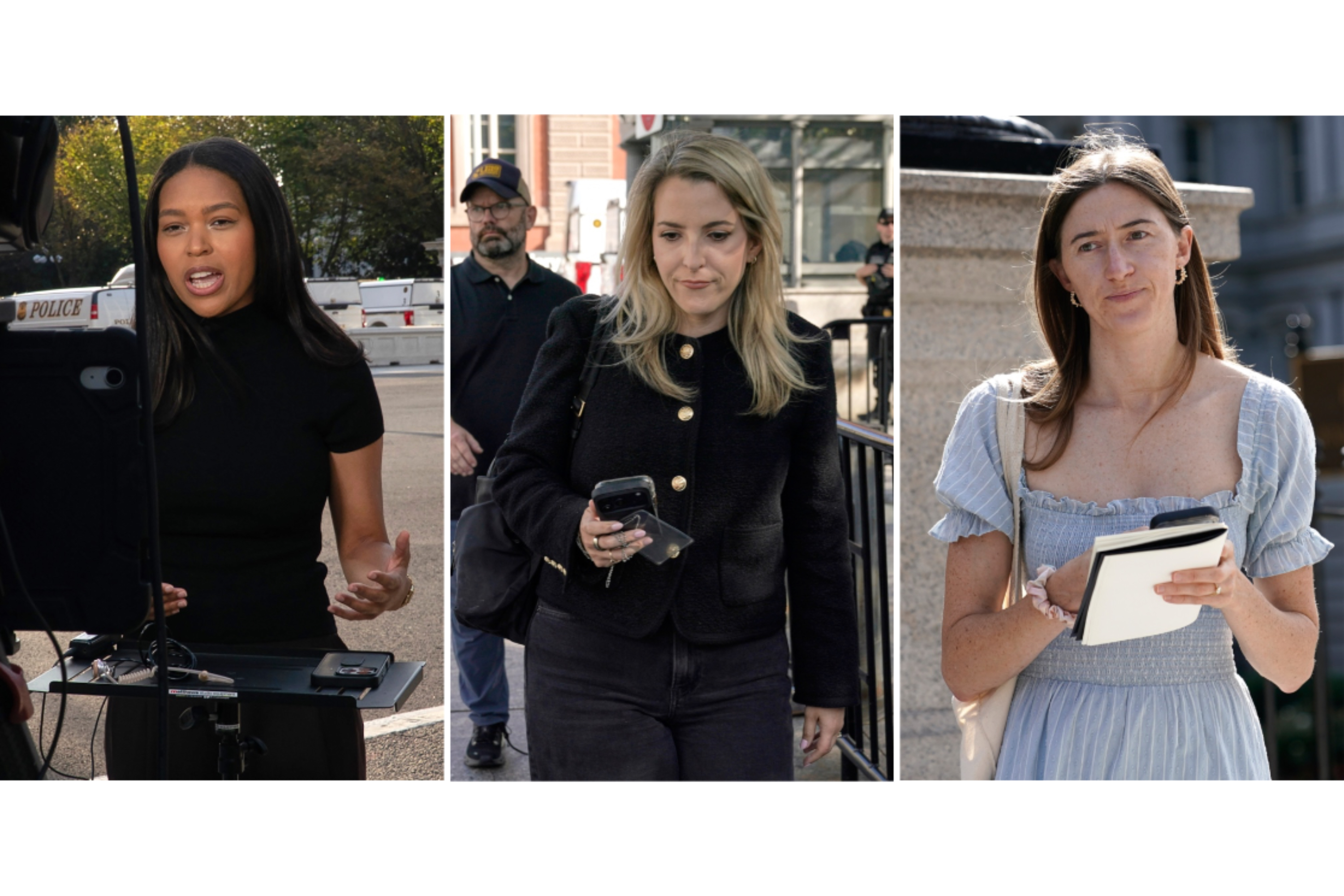
    White House reporters from the two cable networks — Betsy Klein of CNN and Akayla Gardner of MS NOW — both went live to report they’d been turned away when arriving for their jobs at the White House. Soon after, Politico said its White House reporter Cheyenne Haslett was also denied entry and had her badge confiscated.

    Politico editor-in-chief Jonathan Greenberger said in a statement to the Politico newsroom: “We stand by her and all reporters here covering the White House. … We will vigorously defend our First Amendment rights.”

    CNN and MS NOW issued similar statements. “We will not be deflected from our duty to hold the government and other public bodies to account,” CNN said.

    “The White House belongs to the American people and the decisions made inside are funded by our tax dollars,” MS NOW said in its statement. “MS NOW intends to take any and all steps necessary to defend our First Amendment rights and the essential role of independent journalism in our democracy.“ ‘

    In his second term, Trump and his administration have upped the ante and punished certain media outlets, both in the courtroom and through regulatory action. Trump has also lashed out at individual reporters in person or over social media, sometimes in strikingly personal terms — insulting them in briefings, or in his recent speech at the White House Correspondents’ Association dinner.

    CNN and MS NOW correspondents are turned away

    Network correspondents are usually present on the weekends when the president is in Washington or at nearby Camp David. Trump is at the presidential retreat in Maryland this weekend.

    MS NOW’s Gardner reported that she had walked through two gates successfully, but once she got to where her badge needed to be scanned, an officer told her it was disabled and asked her to hand it over. He said the decision “was above him,” she reported. An MS NOW producer was able to get in, but a photographer’s badge was also disabled, Gardner said.

    Klein, senior White House reporter at CNN, also said her badge had been deactivated. It was confiscated, and she was handed back the clear plastic case. She said she was referred to the White House press office for further information.

    Amy Kristin Sanders, a professor at Pennsylvania State University and an expert in media law, said it has “become pretty clear that this administration is not interested in playing by traditional First Amendment rules and norms.

    “The second Trump administration’s efforts to crack down on press freedom and delegitimize independent journalism far exceed those of any other modern American president,” Sanders said. ”It is not an exaggeration to say his hostile actions toward news organizations and individual reporters have a chilling effect on freedom of expression around the world.”

    CNN media analyst Brian Stelter called the move “a direct threat to press freedom in the United States.”

    “It’s so much bigger than CNN,” Stelter said. “This is a free speech test in America.”

    Trump calls these and other outlets ‘fake news’

    The president wrote on his social media site Friday that effective immediately, “I am banning” CNN, MS NOW, and Politico “from the White House as a result of their constant ‘reporting’ FAKE NEWS!” Minutes later, speaking at an event in the Oval Office, Trump was asked to explain his statement.

    “Because they’re fake news,” he said. “You get so tired of reading and seeing fake news. When you look at CNN, it’s just fake. That’s why their ratings are no good. When you look at MS NOW … it’s fake news.”

    “And when you look at Politico … the stories they wrote are fake. So there’s a lot of news and there may be others to join them, and maybe they can get better,” he said. “But our country has to have honest news.”

    The move follows the president’s decision last year to bar Associated Press reporters from the Oval Office, Air Force One, and other events in retaliation for the news outlet’s decision not to follow his lead in changing the name of the Gulf of Mexico, which lies partially in Mexican and other waters. The AP said that it would note when appropriate that Trump had ordered it renamed the “Gulf of America.”

    The AP filed suit and the case is ongoing. Since returning to office, Trump has pursued other legal action against a variety of different outlets, including the New York Times, the Wall Street Journal, and the BBC. His administration is also involved in a long-simmering confrontation involving ABC over renewal of its broadcast licenses.

    The AP said Saturday it supported the news organizations banned this week. In a statement, it said: “No news organization — or person — should be retaliated against by the government over the words they use.”
  • Thousands rally outside shuttered Kennedy Center, chanting ‘Hands off!’

    Thousands rally outside shuttered Kennedy Center, chanting ‘Hands off!’

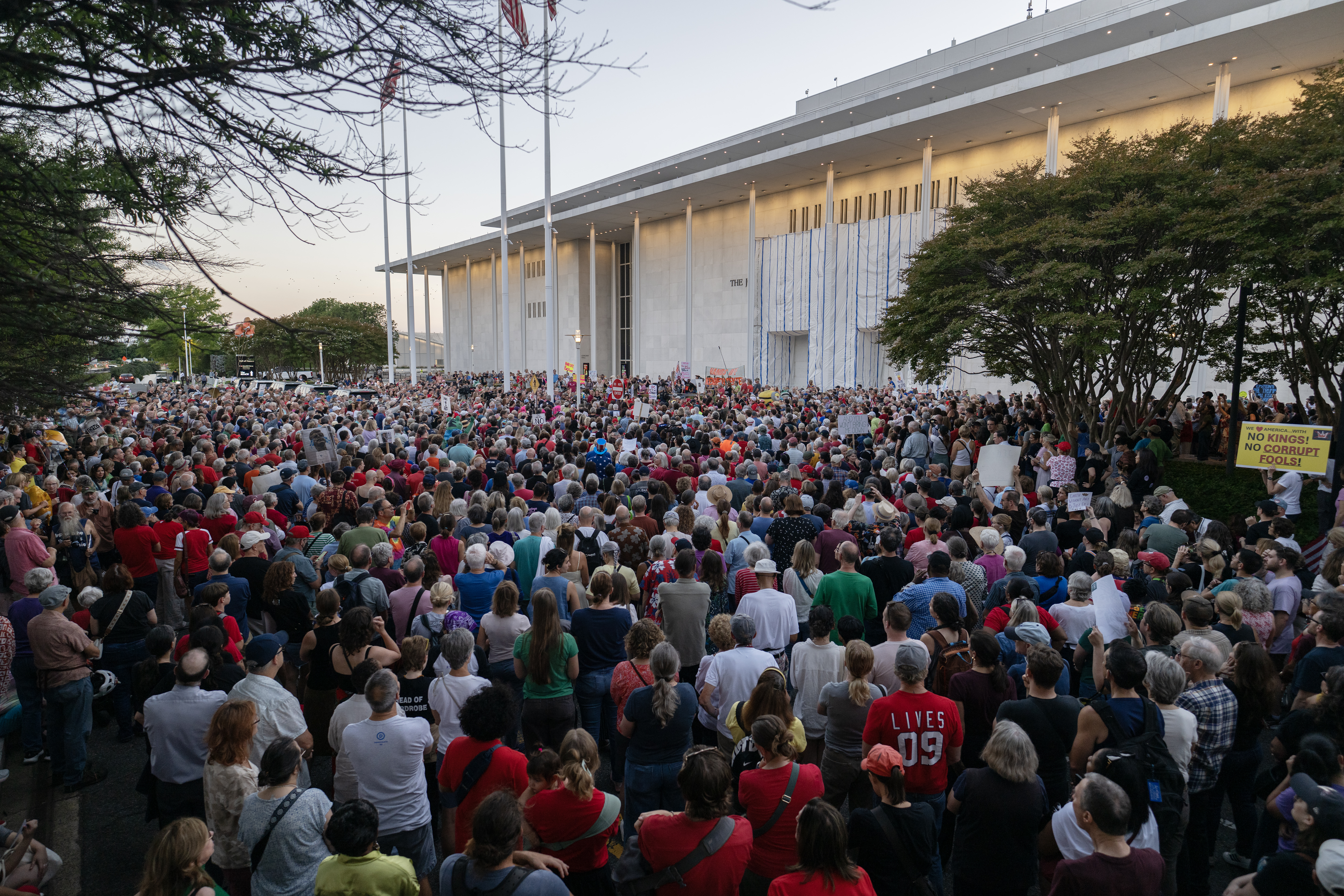
    Thousands of supporters of the John F. Kennedy Center for the Performing Arts gathered Friday as the sun set over the Potomac, surrounded as much of the building as they could, linked arms, and chanted: “Hands off! Hands off!”

    For the first time in what felt to them like ages, their beloved arts center was brimming with life.

    The vigil, which had been in the works for months, took on fresh urgency at the end of a week that saw the doors to the marble building locked shut, while President Donald Trump indicated the structure could be “ripped down” if his name isn’t added to the institution.

    There were dogs and bikers; elders with gray hair and babies with no hair; people in Nationals jerseys and business casual attire (equally ubiquitous D.C. uniforms). Most wore one common item: a red pin that read, “Hands Off the Arts.”

    The protest was organized by an advocacy group of the same name, which was founded by Kennedy Center staff in the immediate aftermath of Trump’s takeover last spring and has since campaigned against his changes to the institution.

    “The center had more or less become like a mausoleum rather than a vibrant cultural center,” co-organizer Mallory Miller said before the vigil. “But a lot of us have amazing memories of the center hustling and bustling with people. We wanted to kind of bring that feeling back.”

    The event was initially planned for July as a cap to the group’s 172-day protest of Trump’s changes at the center. It was intended to celebrate what they saw as victories — Richard Grenell’s stepping down from his role as interim head and the center’s continued operations past July 4, when it had been previously scheduled to close. The vigil was postponed due to wildfire smoke and rescheduled for the third Friday in September — a date organizers didn’t expect to have any special significance.

    Then came the events of this week. On Tuesday, the Kennedy Center’s board voted to close its main building for two years and Trump threatened to cancel a roughly $250 million renovation unless his name was added to the center. On Wednesday, fencing was erected around the arts center and, that evening, Trump was photographed on Air Force One examining a printout with a partially visible title that appeared to read “Kennedy Center DEMOLIS[HED].” Thursday, a federal judge turned down a request for an emergency hearing about potential demolition but ordered the center to provide notice ahead of any construction, including demolition.

    So by Friday, many arts patrons were ready to protest. Early in the day, organizers expected about a thousand. By the end of the evening, they estimated the turnout was several times that number.

    Tara Hoot, a prominent D.C. drag performer and event co-organizer, hosted a storytime event at the center before Trump’s takeover. Appearances like hers were cited by Trump and his new leadership team as an examples of the kind of woke programming they wanted gone. She said she carries what feels like a responsibility to protect the institution now.

    “It’s an obligation for me to be out there fighting back,” she said in an interview with the Post.

    On Friday, Hoot dressed in honor of the American flag — long red dress, white floral pin, blue shawl. “It’s time to take that tarp down,” she said, pointing to the sheet behind her that has covered the building’s facade since Trump’s name was ordered to be removed.

    “Take it down!” the crowd chanted back to her.

    Donna Smits, 67, traveled from Delaware early Friday morning after learning about the planned protest around 11 p.m. the night before.

    She stood in the plaza’s garden and looked up at the tarp through her gold-detailed RayBans. She was close to tears.

    “It hurts a lot to look at it like that, to see all the beautiful fountains off,” Smits said. “Nobody’s name belongs on this center except John Kennedy’s.”

    The rally began with impassioned speeches from activists, artists, and politicians, including D.C. Council Member Robert C. White Jr., who recalled being introduced to the arts as a third-grader visiting the center and returning decades later to watch his own third-grade daughter perform.

    Lynda Carter, the actor known to most as Wonder Woman, made a surprise appearance to stress the importance of arts for humanity. “Music and the arts is how we actually survive,” she said. “It is how we learn. It is about vibration in the universe. It is about gravity, it’s about our souls.”

    Additional fencing was constructed Friday and some parts of the campus have been closed to the public for several weeks, so the attendees were not able to encircle the main building as initially planned. Organizers posited that were it not for the barriers, the crowd that assembled could have circled the structure 2½ times.

    Jasmine Small, who worked in ticket sales at the Kennedy Center for seven years, watched the human chain form from her perch on the plaza. She was among the first layoffs last year.

    “I’m showing up today, because no one showed up with my colleagues,” Small said. “I’m going to have a voice for them to say that we won’t be forgotten.”

    The Gay Men’s Chorus of Washington, whose show at the Kennedy Center for World Pride last May was canceled days after the president was announced as chairperson of the institution, returned to perform at the vigil.

    While the sky grew dark, they began a song from Ragtime.

    “Will justice be demanded by 10 million righteous men?/ Make them hear you/ When they hear you/ I’ll be near you again.”

    Then, as if on cue, the exterior lights of the building flickered to life.

  • Kennedy Center stood as a symbol of the importance of arts for over 50 years

    Kennedy Center stood as a symbol of the importance of arts for over 50 years

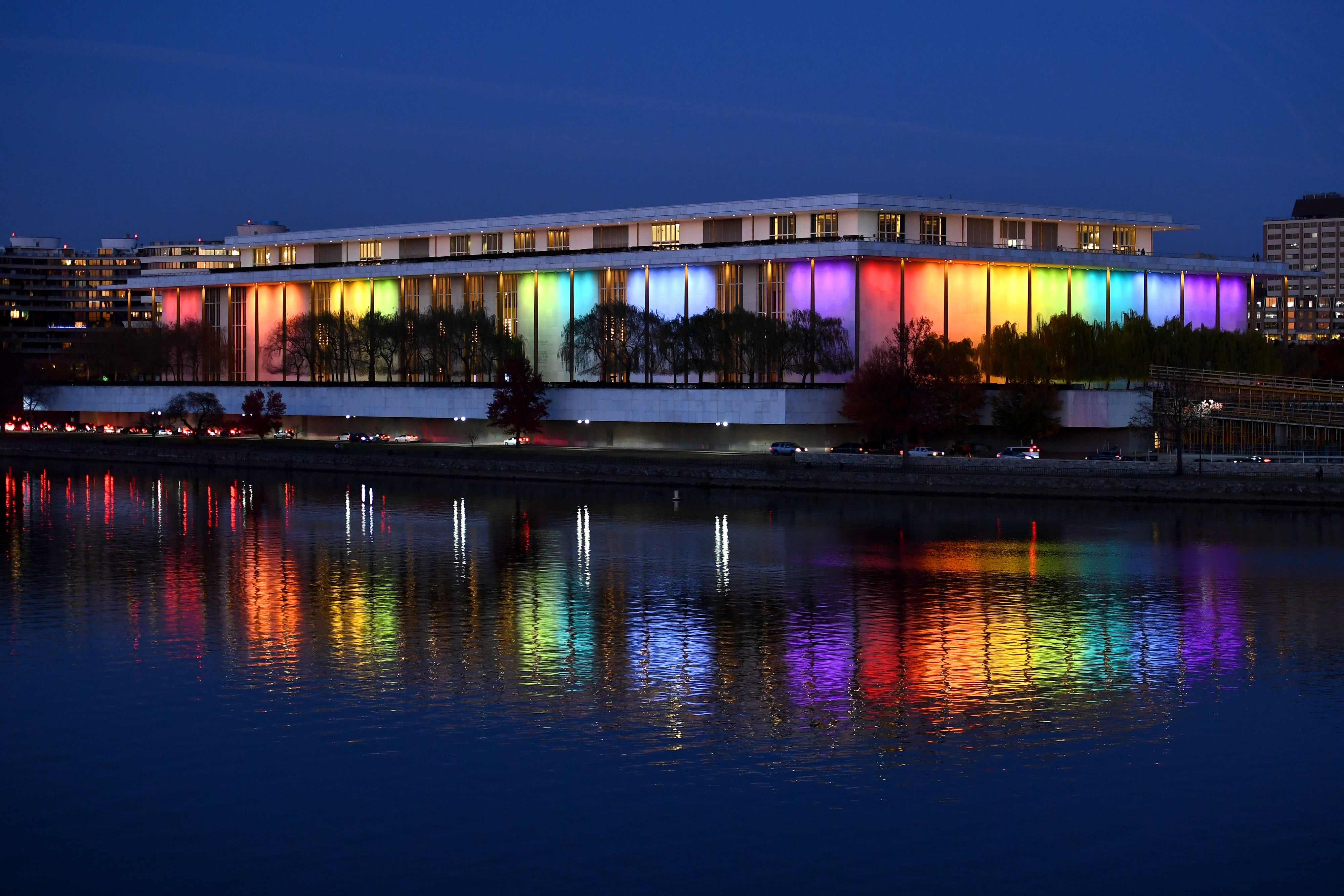
    For more than 55 years, the white marble facade of the John F. Kennedy Center for the Performing Arts has presided over a portion of the eastern bank of the Potomac River. Thousands of performing artists have graced its stages, bringing to life what was envisioned decades ago as a symbol of the importance of the arts in a democratic society.

    Now, the storied institution is closed. The center’s board of trustees voted Tuesday to shut down the venue, which has been beset by financial and legal troubles that snowballed after President Donald Trump and his allies took over its stewardship last year. Here are some key moments in the Kennedy Center’s storied history, and what could be lost if it disappears.

    1955-1958

    Eisenhower envisions ‘an artistic mecca’

    In 1955, President Dwight D. Eisenhower creates a commission tasked with planning a new public auditorium in Washington. On Sept. 2, 1958, he signs the National Cultural Center Act into law, authorizing the fundraising for and construction of what he imagined would be “an artistic mecca” in the nation’s capital.

    1961-1963

    Kennedy boosts fundraising efforts

    After President John F. Kennedy assumes office, he takes the lead in promoting and raising money for the center. On Nov. 29, 1962, he hosts a black-tie fundraiser, “An American Pageant of the Arts,” in Washington. The televised event includes performances by the National Symphony Orchestra, singer Marian Anderson, pianist Van Cliburn, poet Robert Frost, and a 7-year-old cello prodigy named Yo-Yo Ma.

    “Art and the encouragement of art is political in the most profound sense,” Kennedy said in a speech that evening. “Not as a weapon in the struggle, but as an instrument of understanding of the futility of struggle between those who share man’s faith.”

    Kennedy, who was in the midst of navigating the Cold War, also argued that the United States had a “special responsibility to the arts” as a democratic society.

    “For art is the great democrat calling forth creative genius from every sector of society, disregarding race or religion or wealth or color,” Kennedy said.

    Jan. 23, 1964

    The center is officially renamed to honor Kennedy

    Two months after Kennedy’s assassination, Congress unanimously passes a bill to rename the National Cultural Center as the John F. Kennedy Center for the Performing Arts, and to dedicate it as a “living memorial” to the late president.

    “I am confident we have chosen well that the institution now given the breath of life will have a long and distinguished future,” President Lyndon B. Johnson said at the bill’s signing on Jan. 23, 1964. “All those who worked in this cause can now know that they are not only honoring the memory of a very great man, but they are enriching our whole American life.”

    Dec. 2, 1964

    Johnson breaks ground

    Johnson breaks ground using the same gold-plated spade that Presidents William Taft and Franklin Roosevelt used at the Lincoln Memorial and Jefferson Memorial groundbreaking ceremonies. Johnson is flanked by a model of the Kennedy Center, designed by architect Edward Durrell Stone, and by members of the Kennedy family.

    Sept. 8, 1971

    Kennedy Center opens

    The Kennedy Center officially opens on a Wednesday evening, with a gala and the world premiere in its opera house of Leonard Bernstein’s Mass: A Theatre Piece for Singers, Players and Dancers, choreographed by Alvin Ailey.

    In the inaugural program, President Richard Nixon hails the Kennedy Center’s opening as “the fulfillment of a dream shared by Americans in every walk of life.”

    The following day, the concert hall opens with a performance by the National Symphony Orchestra, which would call the center its home for the next five decades. The Eisenhower Theater opens on Oct. 18, 1971, with a performance of Henrik Ibsen’s A Doll’s House.

    Dec. 3, 1978

    Inaugural Kennedy Center Honors awarded

    The center holds its inaugural Kennedy Center Honors, a lifetime achievement award that celebrates individuals who have “an impact on the rich tapestry of American life and culture through the performing arts.”

    The inaugural ceremony was hosted by Leonard Bernstein, and honorees that year were Marian Anderson, Fred Astaire, George Balanchine, Richard Rodgers, and Arthur Rubinstein.

    Since then, the Kennedy Center Honors have been bestowed on more than 260 artists in music, dance, opera, theater, film, and television.

    1997

    Millennium Stage offers free performances

    Chairperson James A. Johnson proposes a somewhat radical idea: putting on a different free performance at the Kennedy Center every day at 6 p.m. to make the arts more accessible. Nearly 30 years later, free performances of all kinds continue to take place at the Millennium Stage on “select days of the week.” Most are livestreamed.

    2019

    The Reach expansion opens

    The Kennedy Center expands for the first time since 1971 with the opening of the Reach campus, a $250 million project that adds rehearsal rooms and outdoor performance spaces.

    The American sculptor Joel Shapiro gifts Blue, a giant stick figure preparing to leap, to the center in honor of the expansion.

    “It’s about action and risk and performance and energy. It’s a celebration of possibility,” Shapiro said in a video about Blue.

    2025

    Trump shakes up Kennedy Center board, adds his name to building

    A few weeks after President Donald Trump starts his second term in office, he announces that he is firing several Kennedy Center board members, including the chairperson, because they “do not share our Vision for a Golden Age in Arts and Culture.” He also names himself the new board chairperson.

    In December, the new board, stacked with Trump loyalists, votes to rename the center “The Donald J. Trump and The John F. Kennedy Center for the Performing Arts,” and a crew adds Trump’s name to the facade of the building the next day. The move causes ticket sales and fundraising to collapse.

    2026

    Legal battles plague center

    Amid canceled performances and boycotts of the center, Trump announces in February that the Kennedy Center will close for about two years to undergo renovations.

    “This important decision, based on input from many Highly Respected Experts, will take a tired, broken, and dilapidated Center, one that has been in bad condition, both financially and structurally for many years, and turn it into a World Class Bastion of Arts, Music, and Entertainment, far better than it has ever been before,” Trump wrote then.

    In May, a federal judge orders that Trump’s name be removed from the center’s facade and that officials halt its renovation plans. Workers remove Trump’s name in the middle of the night.

    The legal challenges continue. The board’s trustees have continued pushing for the center to be renovated and for Trump’s name to be inscribed on the building, including renaming the center’s grounds the “President Donald J. Trump Plaza.”

  • From milk to snack foods, more products are going ‘regenerative’

    From milk to snack foods, more products are going ‘regenerative’

    When Michael Ham first began handing out samples of his company’s tea to Whole Foods shoppers in 2024, explaining that it was grown using regenerative farming on South Korea’s Jeju Island, he was often met with blank stares.

    That didn’t last long. By the following year, “People were coming up saying, ‘Oh, you’re regenerative!’” says the co-founder and president of Westchester, N.Y.-based Wild Orchard Tea Co.

    Regenerative agriculture, an approach to farming that aims to improve soil health through practices like reduced use of pesticides and plowing, is having a moment. Championed by the Make America Healthy Again (MAHA) movement and propelled by increasingly health-conscious consumers, regenerative products now generate some $2 billion a year in retail sales, and some in the industry are positioning the fast-growing category as the next organic.

    Big food producers and retailers like Nestlé SA, PepsiCo Inc., General Mills Inc., and Walmart Inc. have made regenerative agriculture commitments, often as part ofenvironmental, social, and governance goals. And late last year agencies including the U.S. Department of Agriculture announced a $700 million pilot program to support regenerative agriculture projects on farms.

    But unlike organic, regenerative agriculture is only lightly regulated at the federal level in the U.S. To earn U.S. Department of Agriculture organic certification, producers must comply with detailed federal standards, including strict rules about synthetic pesticides and fertilizers, and undergo annual inspections. There’s no such equivalent for regenerative agriculture, and many products can be labeled as regenerative without having to verify their claims.

    With the boom have come increasingly pressing questions from within and outside of the industry about what the label actually means and concerns from advocates about consumers being misled, especially because regenerative products tend to be more expensive.

    Nora Brown, a 47-year-old who works in international development in Washington, D.C., buys regenerative products when they’re available. She sees them as healthier for the environment and herself, especially since recovering from breast cancer.

    But “I do have a fear of, we just love to label stuff for marketing. There’s pink washing, there’s greenwashing,” she said. “And I hope it doesn’t go the way of that.”

    Certifying organizations like Regenerative Organic Certified (ROC) aim to bring more rigor to the space. Last year, dollar sales of ROC-labeled products grew faster than those labeled certified organic, fair trade, and non-GMO, according to the data provider SPINS. But across the broader landscape, regenerative agriculture standards can vary widely, differences that are not always evident to shoppers. As more of them encounter the label at grocery stores, experts worry that this variability could undermine the growing category.

    The term regenerative agriculture dates back to at least the 1980s, but it didn’t pick up steam until the 2010s. Backed in the early days by organic farming advocates, regenerative agriculture may also cut down or eliminate synthetic fertilizers and pesticides, but puts a sharper focus on soil health and biodiversity. Proponents say in some ways it’s a return to old-school practices, including rotating crops and using plants like hedgerows as a living fence around fields.

    Advocates “started to use the term, ‘We’re regenerating our landscapes, we’re regenerating our farms, regenerating the ecosystem,’” said Gabe Brown, a retired farmer sometimes credited as the movement’s godfather, who co-founded and serves as a board member of a certification program called Regenified. “And now you hear the word regenerative everywhere. Before, the buzzword was sustainability.”

    The term’s appeal has been rapidly expanding. With products from baby food to snacks, bath care, and pet food bearing the label, the regenerative agriculture category saw in-store retail dollar sales grow 10% over the last year and nearly 22% the year before, according to NielsenIQ data. Dairy is the largest category by dollar sales, and some of the fastest growth has been in regeneratively grown produce.

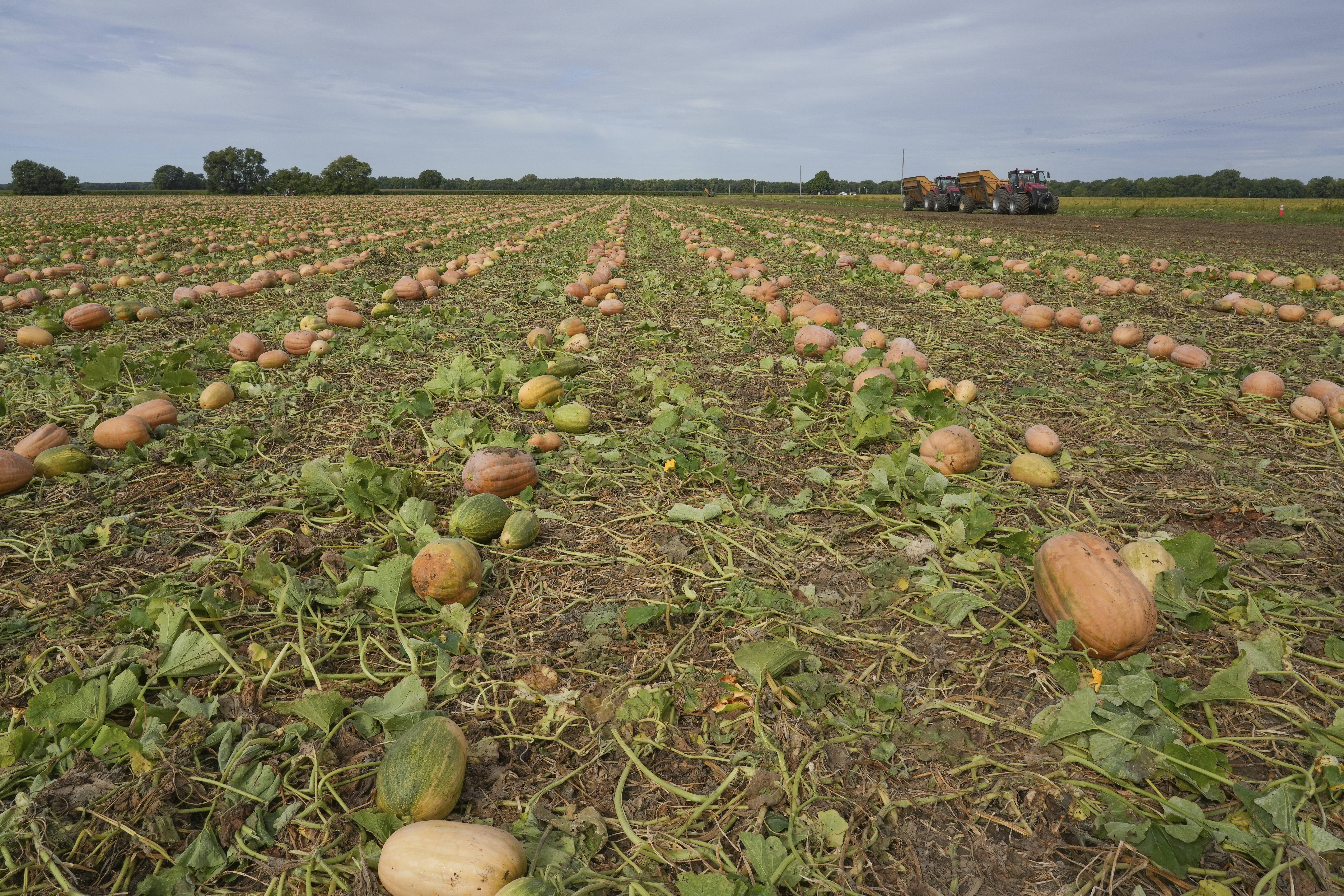
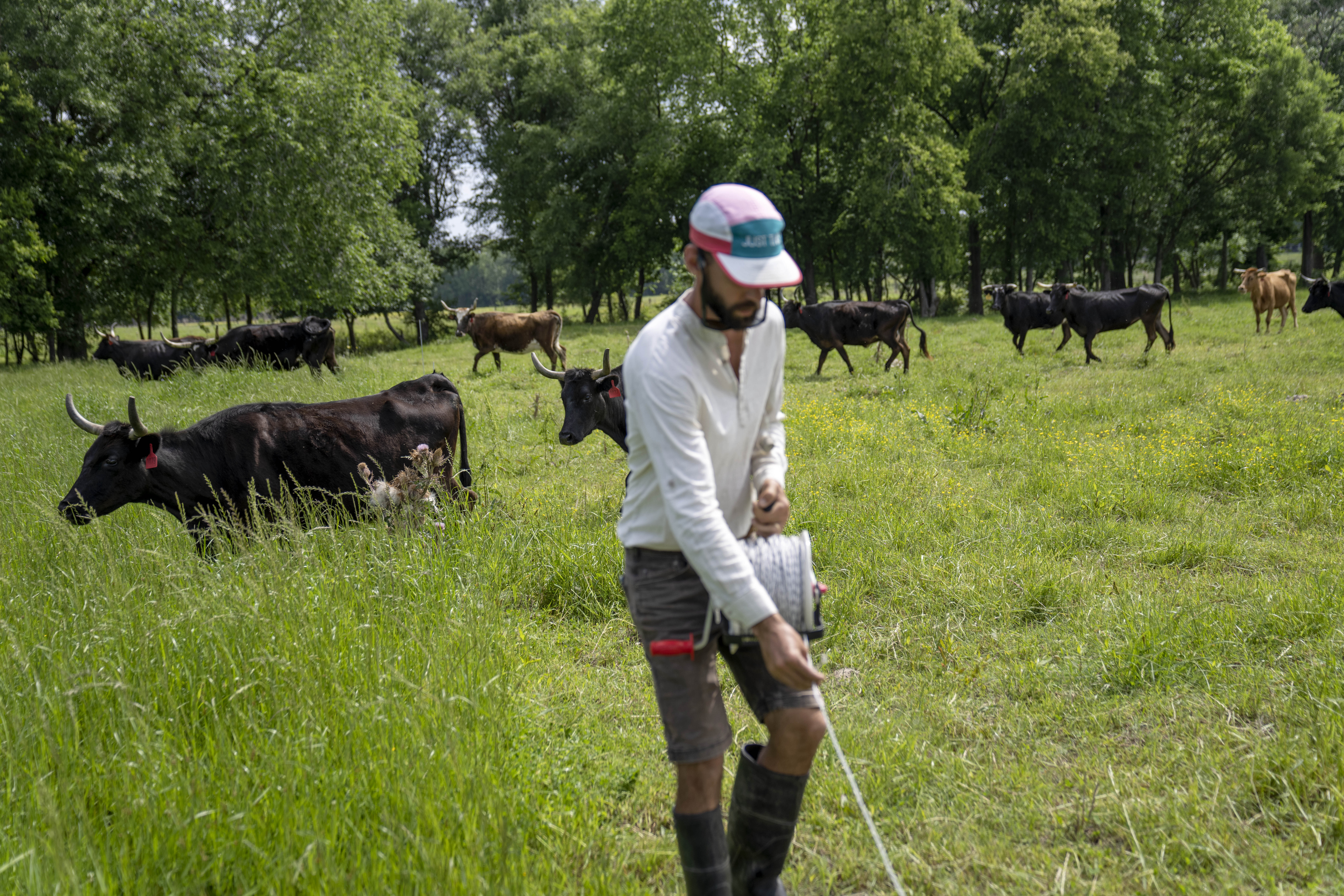
    Advocates for regenerative agriculture say that it’s healthier for the planet and people. Among the environmental benefits they cite is that by deploying practices like no-till farming, which avoids plowing the land, and planting cover crops between growing seasons, farm soil can store more carbon. Other regenerative farming techniques include moving grazing animals around pasture to let the remaining portions recover, and planting trees and shrubs on working agricultural land next to crops or livestock. Experts, however, say that the climate change benefits may have been oversold.

    A rancher opens up a new section of tall grass for his cattle to graze in Lufkin, Texas, in 2023. Moving grazing animals around pasture lets the remaining portions recover.David Goldman

    The term regenerative has also been embraced by MAHA advocates, including Health and Human Services Secretary Robert Kennedy, Calley Means — an adviser to Kennedy — and Kelly Ryerson, who goes by the moniker “The Glyphosate Girl,” a reference to a widely-used herbicide that many in MAHA want to restrict.

    “There was so much press that went around vaccines, but actually this is just as, if not more core to the issues that we really care about,” said Ryerson, who is co-executive director of the advocacy group American Regeneration.

    MAHA supporters say food grown using regenerative agriculture has more nutrients and fewer chemicals and is therefore healthier, but those claims are challenging to evaluate, scientists say, including because regenerative practices aren’t applied evenly across farms.

    Even as the U.S. government pushes to facilitate such practices, there is still little regulation for products bearing regenerative claims. Where federal oversight does exist, it remains limited: Meat and poultry sellers making claims like “raised using regenerative agriculture practices” have to submit documentation to the USDA’s Food Safety and Inspection Service, but critics note that it’s an honor system and third-party certification is recommended but not required.

    The new federal pilot program, meanwhile, will offer technical assistance and financial support to implement regenerative practices and requires participants to test soil to track changes over time, but it does not include certification.

    Some retailers are requiring certification or other proof for regenerative claims. Whole Foods, for example, has had such a policy in place since 2021, and so does the Seattle-based PCC Community Markets.

    But even third-party certification programs vary widely in terms of what they measure, according to reports released this year by the European Alliance for Regenerative Agriculture and Friends of the Earth.

    The Environmental Working Group, a health and agriculture-focused nonprofit, has warned consumers of “misleading” regenerative claims. While some labels, including ROC, indicate that food has been grown without synthetic fertilizers and pesticides and require farm audits, other certifications allow continued use of synthetic chemicals, don’t require audits, and don’t publicly disclose soil test results, the nonprofit said.

    “Our biggest concern is that all of the momentum and buy-in and enthusiasm that’s been built around the term regenerative agriculture over the past number of years is frittered away because of greenwashing,” said Adam Kotin, managing director of the Soil & Climate Initiative, which offers its own certification.

    For makers of these products, the biggest barrier might be their higher price tags and consumers’ lack of exposure.

    Regenerative farming is still more expensive than conventional agriculture, with higher upfront costs, greater labor needs, and a lack of scale. And because grocers try to reach as many shoppers as possible, a pricey, regeneratively grown olive oil is unlikely to be the first or even the second one on the shelf.

    At online grocer Thrive Market, for example, regenerative products such as coffee beans, coconut oil, muffin mix, and cans of sparkling green tea make up just 5% of the membership-only online platform’s offerings, and customers are 20 times more likely to filter for organic products than regenerative ones, said April Lane, chief merchandising officer.

    “We’re starting to see more and more brands come out with regenerative options,” she said. “But it’s still much, much smaller than organic or non-GMO certifications or gluten-free.”

    Though awareness of regenerative agriculture roughly doubled between 2023 and 2024, only 10% of U.S. consumers are actively seeking out such products, estimates Kristine Root, chief executive officer of Socha Branding, a strategy and growth marketing agency that works with natural, organic, and regenerative brands.

    To expand that share, companies have to do more than just slap the word regenerative on the package, she said.

    “It takes more than just putting a seal on the pack to get the support of a consumer,” Root said. Shoppers “will pay more if they understand the story behind it. But you have to do the work.”

    Ann Choi contributed to this article.

  • Trump announces ‘forever’ deal to defend Greenland as Denmark says signing ‘expected’ next week

    Trump announces ‘forever’ deal to defend Greenland as Denmark says signing ‘expected’ next week

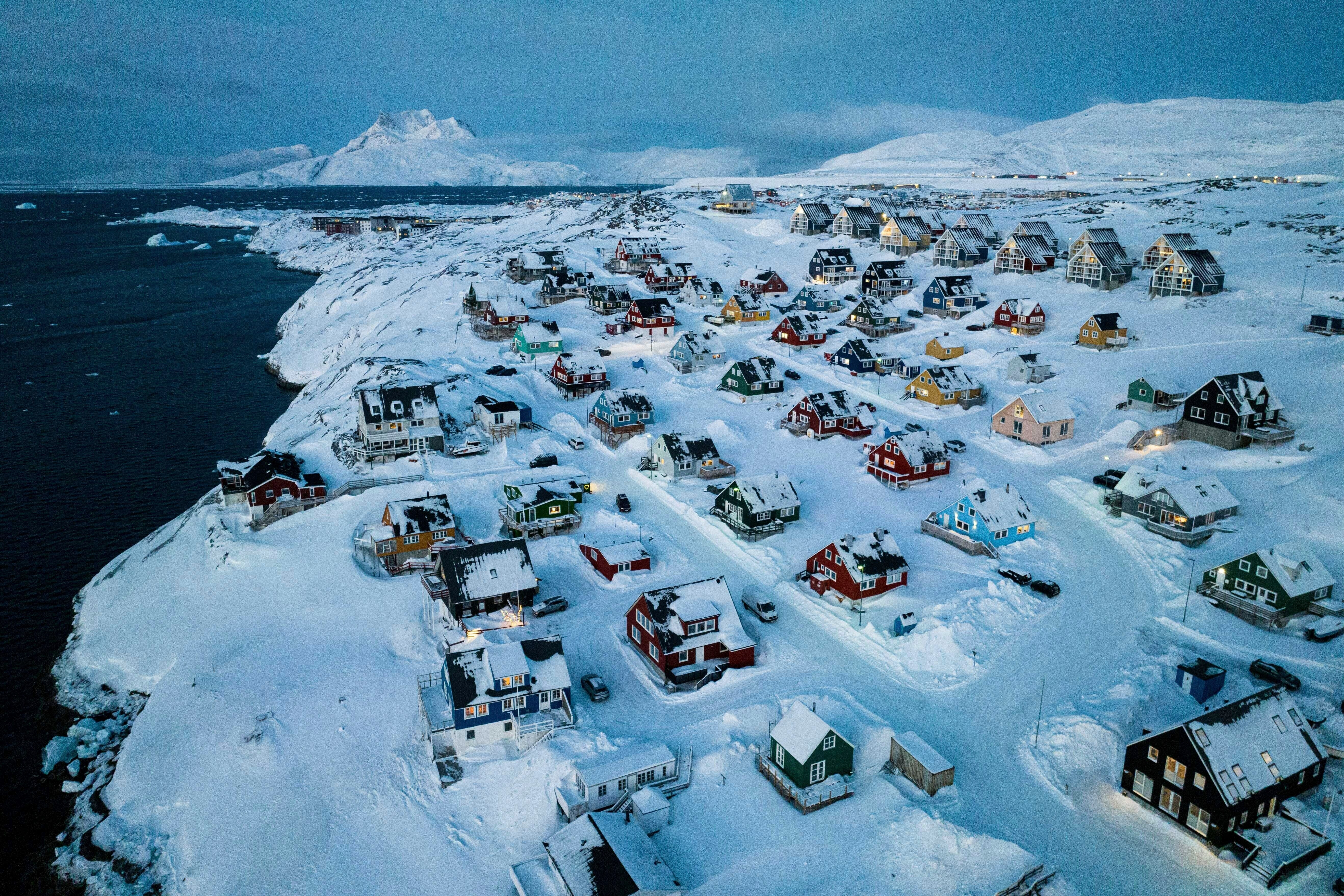
    The White House has struck a deal that gives “permanent control over security” in Greenland to the United States, President Donald Trump said Friday, declaring victory in his long-running desire to increase U.S. sway over the Arctic territory even though the deal fell far short of actual conquest.

    The president said he had agreed with Danish and Greenlandic leaders that Washington would have wide-ranging powers to secure Greenland, “completely addressing ALL of our many U.S. concerns.”

    In a post on Truth Social, he said that “at my direction, we worked with representatives of Denmark and Greenland to guarantee that the United States will FOREVER have the complete ability to do what is necessary in Greenland in order to secure and defend the security of Greenland, and the United States of America.”

    He said that there would be no cost to the United States, without explaining how.

    Trump has long sought to take possession of Greenland, declaring concern about Chinese and Russian ambitions there and also saying he wanted to control the territory’s mineral resources.

    His efforts in January to accelerate a U.S. takeover spurred fears in Europe that the United States could attempt to take the island by force — an unprecedented effort by NATO’s most powerful member to invade another NATO member’s territory. Instead, Danish and U.S. leaders entered negotiations that led to Friday’s agreement.

    Danish and Greenlandic leaders issued a statement after Trump posted the announcement that said they “expected” to sign an agreement next week on the sidelines of the United Nations General Assembly.

    “I am pleased that there is the prospect of a good agreement for Greenland, the Kingdom of Denmark, and the United States,” Danish Prime Minister Mette Frederiksen said in the statement.

    “An agreement that strengthens our common security in the Arctic and the North Atlantic region and is therefore also good for NATO and Europe. And an agreement that at the same time recognizes the Kingdom’s sovereignty and territorial integrity and the Greenlandic people’s right to self-determination.”

  • Trump says son has paid back Russian for wedding party

    Trump says son has paid back Russian for wedding party

    President Donald Trump said Friday that his son paid back the well-connected Russian businessperson who funded his wedding celebrations.

    A person close to Donald Trump Jr. confirmed the repayment.

    The contribution of hundreds of thousands of dollars, revealed Monday by the investigative news website ProPublica, came from Umar Kremlev, a boxing executive who does business with the Russian state and has received honors from Russian President Vladimir Putin.

    President Trump did not attend the wedding, which included about 50 people and occurred on private Bahamian islands.

    The president defended the contribution, calling it “common” for people to give a wedding party to a friend.

    “It’s totally allowed, but as I understand it, he paid him back,” Trump told reporters Friday in the Oval Office. “He didn’t want to have that.”

    The bride, Bettina Trump, confirmed the gift, but denied that it came with any sinister or political motive.

    Kremlev met Trump Jr. several years ago and speaks limited English, according to ProPublica.

  • Rejecting Trump, South Korean leader says he will not send troops to Iran

    Rejecting Trump, South Korean leader says he will not send troops to Iran

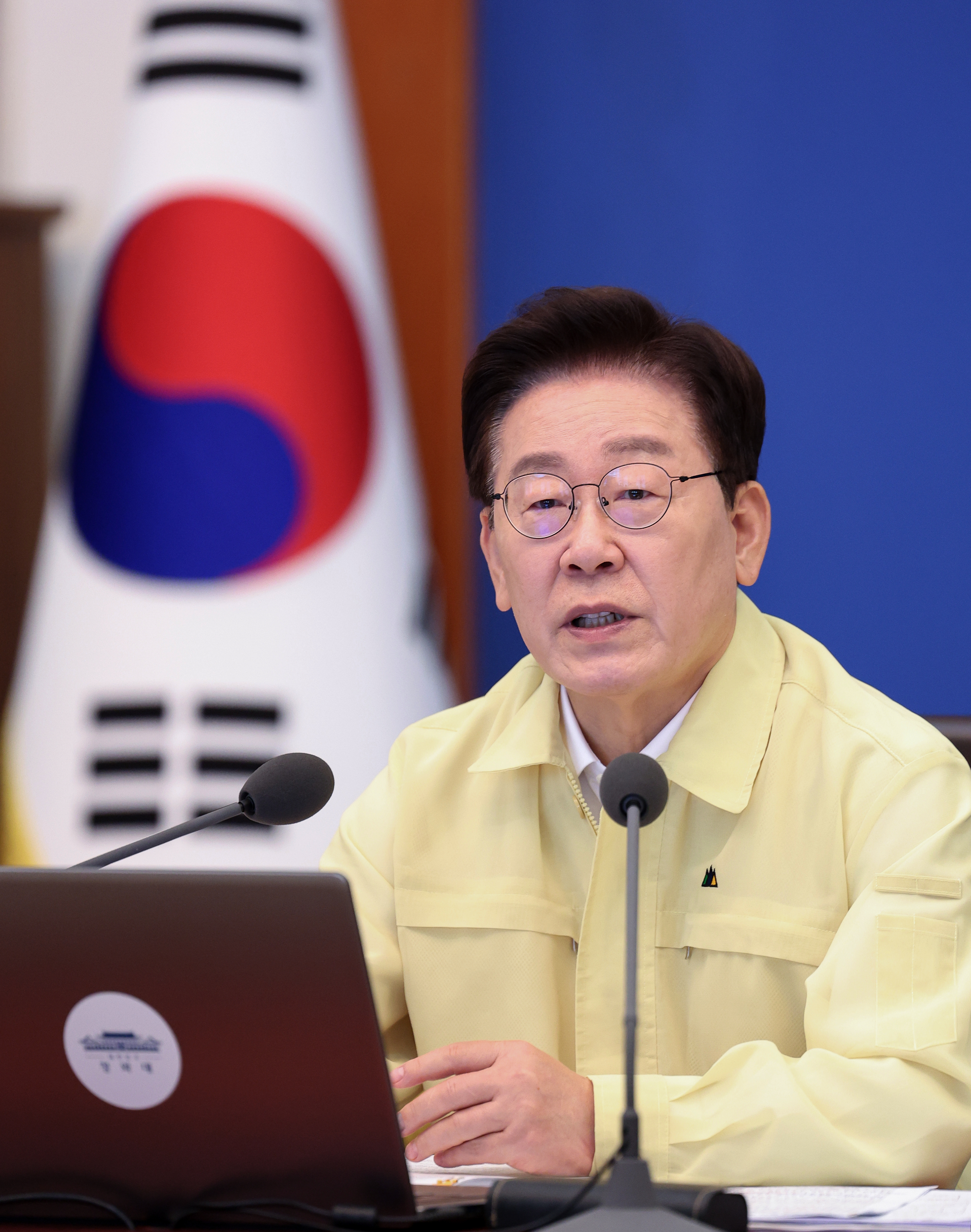
    SEOUL, South Korea — President Lee Jae​ Myung of South Korea pushed back against pressure from the Trump administration Friday, declaring that his country would not deploy troops or military assets to support the U.S.-led war against Iran.

    In recent weeks, President Donald Trump has publicly taunted the South Korean leader, venting frustration over ​what he described as Seoul’s refusal to help defend the Strait of Hormuz — once the world’s main transit point for oil — while American troops remain stationed on​ ​the Korean Peninsula to shield ​South Korea from North Korea.​ On Friday, Lee ​firmly rejected any ​military involvement in the Middle East conflict.

    “There will be no deployment of troops or dispatch of military assets to​ be involved in or intervene in this war,” Lee said in a news conference.

    Instead of a combat deployment, Lee noted that Seoul is considering expanding the operational scope of a South Korean navy destroyer and its support ships stationed off the coast of Somalia for antipiracy operations. He emphasized that even if those assets move closer to the Red Sea or the Strait of Hormuz, their sole focus would be protecting South Korean ​oil tankers and other commercial vessels. They will not participate in any operations that could be interpreted as supporting the war against Iran​, he said.

    ​While Trump has not specified the exact type of assistance he expects from Seoul, he complained last month that he had asked Lee “to give us a little hand” in the conflict, reminding him of the U.S. military presence in South Korea.

    “He said, ‘No, thanks,’” Trump ​recalled. “I see. Well, why are we involved in helping you?”

    It was not the only issue that a grim-faced Lee addressed Friday. Fifteen months into his single five-year term, his approval rating has fallen to a new low of 37%, battered by troubles brewing not only at home but also by strains with South Korea’s most important ally, the United States.

    Last month, Trump unilaterally scaled down one of the United States’ annual joint military exercises with South Korea, calling the drills not only “costly” but also “totally inappropriate and hostile” toward North Korea. He said that, for as long as he had been in office, North Korea had been “unthreatening and respectful.” Trump also boasted of having a “very good relationship” with North Korea’s leader, Kim Jong Un, even as the North has become a bigger nuclear threat against the South.

    At home, South Korea’s main stock index — once lauded as a premier beneficiary of the global artificial intelligence boom — has crashed, devastating the portfolios of millions of individual investors who were encouraged by Lee’s government to buy stocks. Lee has also failed to deliver on his repeated pledges to curb rising housing costs.

    The opposition has accused him of seeking a constitutional amendment that would allow him to run for a second term, a move explicitly barred by the current constitution. His presidency also remains marred by his suspended criminal trials on charges including violating election laws and inducing perjury. The opposition has claimed that Lee was plotting a special bill to erase those charges, ​which he has insisted were fabrications orchestrated by his conservative adversary and predecessor, the impeached and ousted former President Yoon Suk Yeol.

  • Duncan Sheik, who traded pop stardom for Broadway, dies at 56

    Duncan Sheik, who traded pop stardom for Broadway, dies at 56

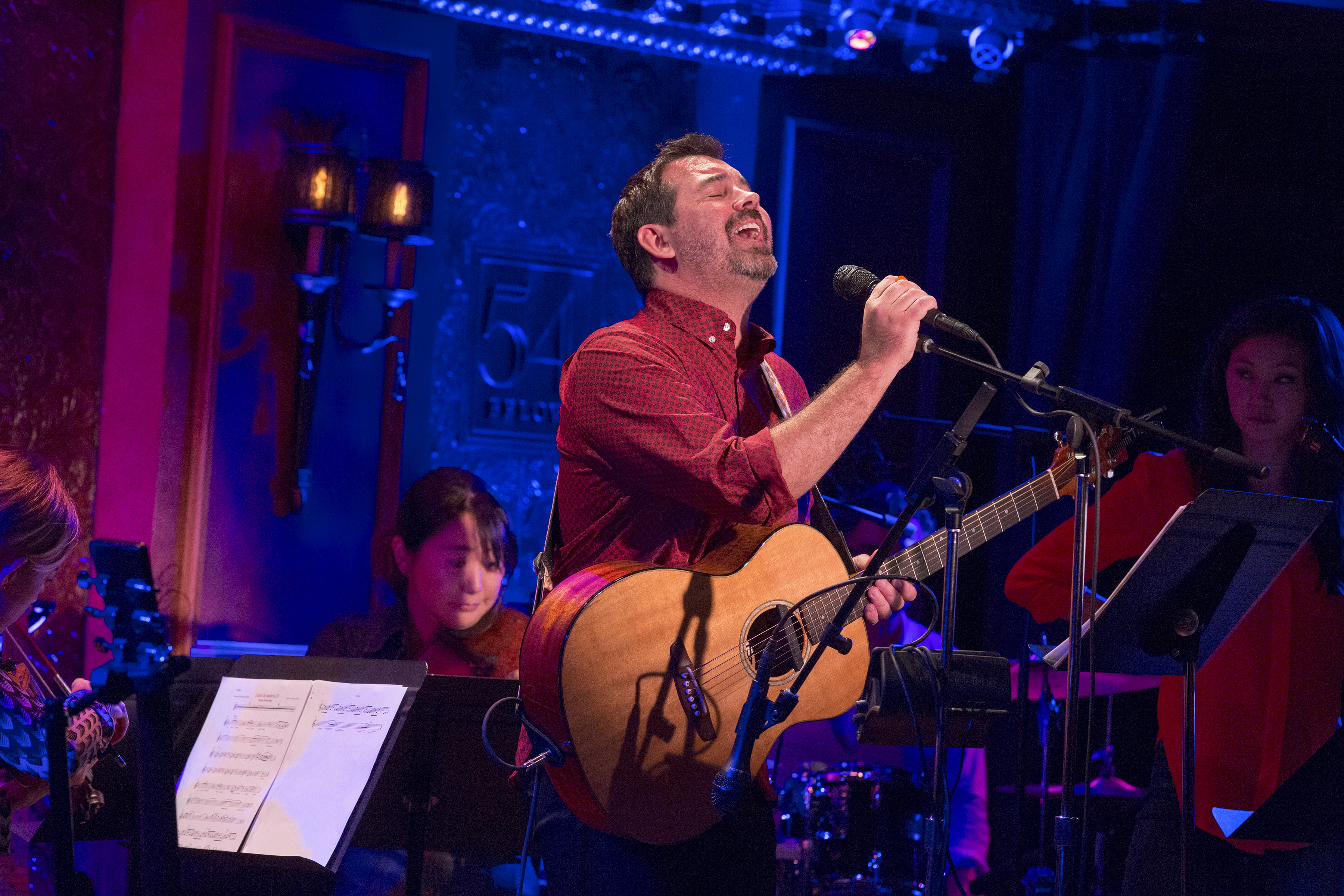
    Duncan Sheik, an introspective singer-songwriter whose alt-pop hit “Barely Breathing” became a Generation X touchstone, but who squirmed under the label of MTV heartthrob and eventually decamped to Broadway, winning two Tonys for composing the smash musical Spring Awakening, died Thursday in Manhattan. He was 56.

    His death, in a hospital, was confirmed by his mother, Suzanne Sheik, who said that the cause was organ failure.

    Soft-spoken and cerebral — complete with a degree in semiotics from Brown University — Mr. Sheik seemed like a long shot for fame when he arrived in Los Angeles in 1992 with a demo tape and a deep unease with the spotlight.

    Though he had played guitar in a band with future hitmaker Lisa Loeb in college, he “could barely sing in public to save my life at that point,” he recalled in a 2011 interview with the site Pop Dose.

    Yet in just a few years, he was a rising star. In 1996, Rolling Stone called his first album, Duncan Sheik, a “defiant debut — beautiful and benevolent of spirit” and praised his “raw and articulate singing.”

    The single “Barely Breathing,” an unvarnished sketch of a dying relationship that was propelled by candy-sweet hooks, saturated the radio airwaves. It earned a Grammy nomination and rose to No. 16 on the Billboard Hot 100, remaining on the chart for 55 weeks — at the time, the fourth-longest run ever.

    In the decade of Nirvana and Soundgarden, Mr. Sheik intended his artfully crafted record “as a reaction against the existing alternative music,” he said in a 1997 interview with the Palm Beach Post, complaining that alt rock had become “this kind of monolithic distorted guitar chord.”

    With a grounding in classical composition, and influences as diverse as Joni Mitchell, the Cocteau Twins, and Estonian composer Arvo Pärt, Mr. Sheik mixed heart-rending melodies with lyrics that mined Buddhist philosophy and brimmed with existential angst.

    In a review of his second album, Humming (1998), in the New York Times, Stephen Holden wrote that Mr. Sheik’s “beautifully orchestrated meditations suggest that pop can still aspire to a lofty, searching classicism.”

    Fans embraced him as a tortured troubadour, like Jeff Buckley or Elliott Smith. Critics often noted his musical similarities to Nick Drake, the haunting and haunted British singer-songwriter of the late 1960s and early ’70s.

    But Mr. Sheik — with looks that called to mind the Gen X dreamboat John Cusack and a female-tilting fan base — was also cast in the news media as a sensitive, soulful sex symbol. The Palm Beach Post noted his “name straight out of a romance novel and the face of a GQ model.”

    “Don’t hate Duncan Sheik because he’s beautiful,” critic Ann Powers wrote in a review of a 1998 concert in the New York Times. “He is trying very hard to distance himself from that fact.”

    Duncan Scott Sheik was born Nov. 18, 1969, in Glen Ridge, N.J., to Jack and Suzanne (Tracy) Sheik. By the time he was 6, he was learning piano from his grandmother, who had studied at Juilliard. After his parents divorced, his mother moved to Hilton Head Island, S.C., where Duncan got his first electric guitar and played in a band that performed Def Leppard and Van Halen covers.

    After graduating from Phillips Academy in Andover, Mass., in 1988, he enrolled at Brown, where he holed up in the campus recording studio working on his own material, when he wasn’t playing with Loeb, a fellow student who in 1994 would hit No. 1 with “Stay (I Missed You).”

    It took a few years of living in Los Angeles after college for his career to take off — but once it did, he found fame to be at times overwhelming.

    “I was put in situations that I didn’t have the experience to handle,” he recalled in a 2003 interview with University Wire, adding that he had performed on David Letterman’s and Jay Leno’s late-night shows when he had “just made one album and I had played maybe 30 or 40 shows in my life. And I’m sure I sucked.”

    An adherent of Nichiren Buddhism, rooted in 13th century Japan, since he was 19, he found that daily chanting helped him to be “just a bit more positive about life in general,” he told the Palm Beach Post.

    Despite critical plaudits, Humming sold modestly. Sheik’s somber third album, Phantom Moon (2001) — a collaboration with the poet and playwright and his fellow Buddhist Steven Sater — was, according to Holden’s Times review, “the most entrancing collection of pop dream songs since Nick Drake’s 1969 album, Five Leaves Left.”

    That, Holden added, was “not to suggest that this hauntingly melancholy suite is poised to hurtle up the charts anytime soon.”

    By that point, Mr. Sheik said in a 2015 interview with HuffPost, “the ‘authenticity’ of the alt-rock era of the early and mid-90s was over and the music business took a hard right turn back toward artifice and the more overtly pop sound of Britney, Christina, ’N Sync, and Backstreet Boys.”

    He scored an unlikely dance hit in 2002 with the percolating “On a High,” from the album Daylight, but he was growing ever more weary of the industry hustle.

    “I thought, I’m not going to win in this game of trying to be Justin Timberlake,” he recalled in a 2022 interview with the Houston Chronicle. “Maybe I should try and do something different.”

    Mr. Sheik met Sater through the Buddhist association Soka Gakkai, and in 1999, Sater broached the idea of working together on a musical based on Spring Awakening, Frank Wedekind’s 1891 play exploring the tormented inner lives and flowering sexuality of a group of teenagers.

    After initial doubts, Mr. Sheik ended up feeling a kinship with the material. “Being a recording artist who tours and performs and who has never had a normal job or anything, I have never really evolved past my 17-year-old self,” he said in a 2014 interview with Broadway World.

    In development for years, the rock-meets-folk-meets-emo musical — striking for its raw treatment of topics such as abortion, abuse, and suicide — ran off-Broadway at the Atlantic Theater Company starting in spring 2006, before opening on Broadway that December.

    “It was really about ‘Can we make a musical score that sounds as cool as the music that any alternative rock kid is listening to on their iPod?’” Mr. Sheik recalled in a 2020 interview.

    Before the show premiered, he coached the cast — which included future stars like Lea Michele, Jonathan Groff, and John Gallagher Jr. — to steer clear of traditional Broadway bombast.

    “Imagine that you’re Thom Yorke,” he said he told them. “Imagine that you’re a young David Bowie. Imagine that you are Fiona Apple. And please forget about all the vocal training you’ve ever had.”

    In a rave review in the Times, critic Charles Isherwood praised Mr. Sheik’s “ravishing rock score,” calling the show a “brave new musical, haunting and electrifying by turns.”

    Spring Awakening won eight Tony Awards, including best musical, with Mr. Sheik taking home two, for the score — an honor he shared with Sater, who wrote the book and lyrics — and for his orchestrations. The show ran for over two years on Broadway, where it was revived in 2015; a new production opens off-Broadway in November.

    Mr. Sheik wrote the scores for several other musicals, including Alice by Heart, a version of “Alice’s Adventures in Wonderland” set in London during World War II, and American Psycho, an adaptation of the blood-soaked Bret Easton Ellis novel, which flopped on Broadway in 2016.

    He is survived by his parents; his wife, Nora Ariffin; their daughter, Ines Sheik; and his half siblings, Peter and Kacie.

    Along the way, Mr. Sheik continued to release nontheater albums, including a 2011 collection of covers of songs by British acts of the 1980s like Depeche Mode and Tears for Fears. His final album, Claptrap (2022), wove his trademark delicate melodies into an ambient electronic soundscape.

    In interviews over the years, his Buddhist outlook came through as he described fame, critical success, and even life itself as capricious and beyond anyone’s control.

    “I subscribe to the death-of-the-author theory,” he said in a 1997 interview with the Orange County Register, “that once a cultural product has been created and sent out into the world, it no longer has any attachment to its author.”

    This article originally appeared in the New York Times.

  • Judge isn’t swayed by government’s claims that plans for an ‘anti-weaponization fund’ are dead

    Judge isn’t swayed by government’s claims that plans for an ‘anti-weaponization fund’ are dead

    ALEXANDRIA, Va. — A federal judge who blocked the creation of a $1.8 billion “anti-weaponization fund” for compensating President Donald Trump’s political allies wasn’t swayed by a government attorney’s assurances Friday that the administration has abandoned the concept.

    U.S. District Judge Leonie Brinkema in Virginia didn’t rule from the bench on the government’s request for her to dismiss a lawsuit challenging the fund’s formation and operation. But the judge rejected the notion that the case’s claims are moot because the Trump administration says the fund is dead and won’t go forward.

    “The issues that underlie this case are still alive and kicking, in my view,” Brinkema said.

    The fund for compensating Trump’s political allies encountered a fierce bipartisan backlash and threatened to derail Attorney General Todd Blanche’s Senate confirmation. On Aug. 2, Blanche issued a formal order terminating the fund after negotiating for weeks with two Republican senators who wanted to see the promise in writing before they endorsed his nomination.

    “The case is moot,” Justice Department attorney Andrew Block told Brinkema. “The mootness has been addressed at every stage.”

    But the judge noted that Blanche’s assurances have been undercut by the president and other administration officials. Trump, a Republican, continued to publicly express support for the fund even as Blanche insisted it was dead.

    “They contradict themselves all the time,” Brinkema said.

    The administration created the settlement fund to resolve Trump’s lawsuit against the IRS over the leak of his tax returns. The plan stoked outrage over the notion that Trump supporters who attacked police officers while storming the U.S. Capitol on Jan. 6, 2021, could be eligible for payments.

    Attorneys from the legal advocacy group Democracy Forward sued in May, asking the Alexandria, Va., court to suspend the fund’s implementation temporarily and stop the Trump administration from disbursing any payouts. Plaintiffs’ attorneys argued the government can’t divert taxpayer money to a slush fund for enriching Trump’s allies.

    Brinkema, who was nominated to the bench by Democratic President Bill Clinton, agreed in June to extend an order blocking the fund until further notice from the court.

    Democracy Forward attorney Pooja Boisture told the judge on Friday that the administration will most likely move forward with the fund — “either in its current iteration or a new one” — if her order is lifted.

    The Virginia lawsuit’s plaintiffs include a fired prosecutor and a college professor acquitted of assaulting federal agents at a protest. Also named as plaintiffs are the government watchdog Common Cause; the city of New Haven, Conn.; and the National Abortion Federation, an association of abortion providers.

    “This scheme is an unprecedented, unlawful, and corrupt attempt to manipulate the legal process and laws intended to prevent political interference to achieve benefits that President Trump and his political allies could not have obtained lawfully,” the plaintiffs’ attorneys wrote.

    Justice Department attorneys argue the plaintiffs don’t have a legal basis for claims challenging a fund that “has never existed and will not exist.”

    “The time has come to stop this inquisition,” they wrote.

  • Hundreds of thousands attend Iran’s biggest government-organized rally since the war began

    Hundreds of thousands attend Iran’s biggest government-organized rally since the war began

    CAIRO — Hundreds of thousands of Iranians rallied Friday in a government-organized show of defiance after months of war, pledging their readiness to take up arms in the biggest such demonstration since the United States and Israel attacked in February.

    Iran’s government has sought to rally the people and stress national unity, even as the economy worsens under a U.S. naval blockade of Iranian ports and new U.S. sanctions. On Friday, it claimed another attack on a tanker in the Strait of Hormuz, a key waterway it has sought to control since the start of the war.

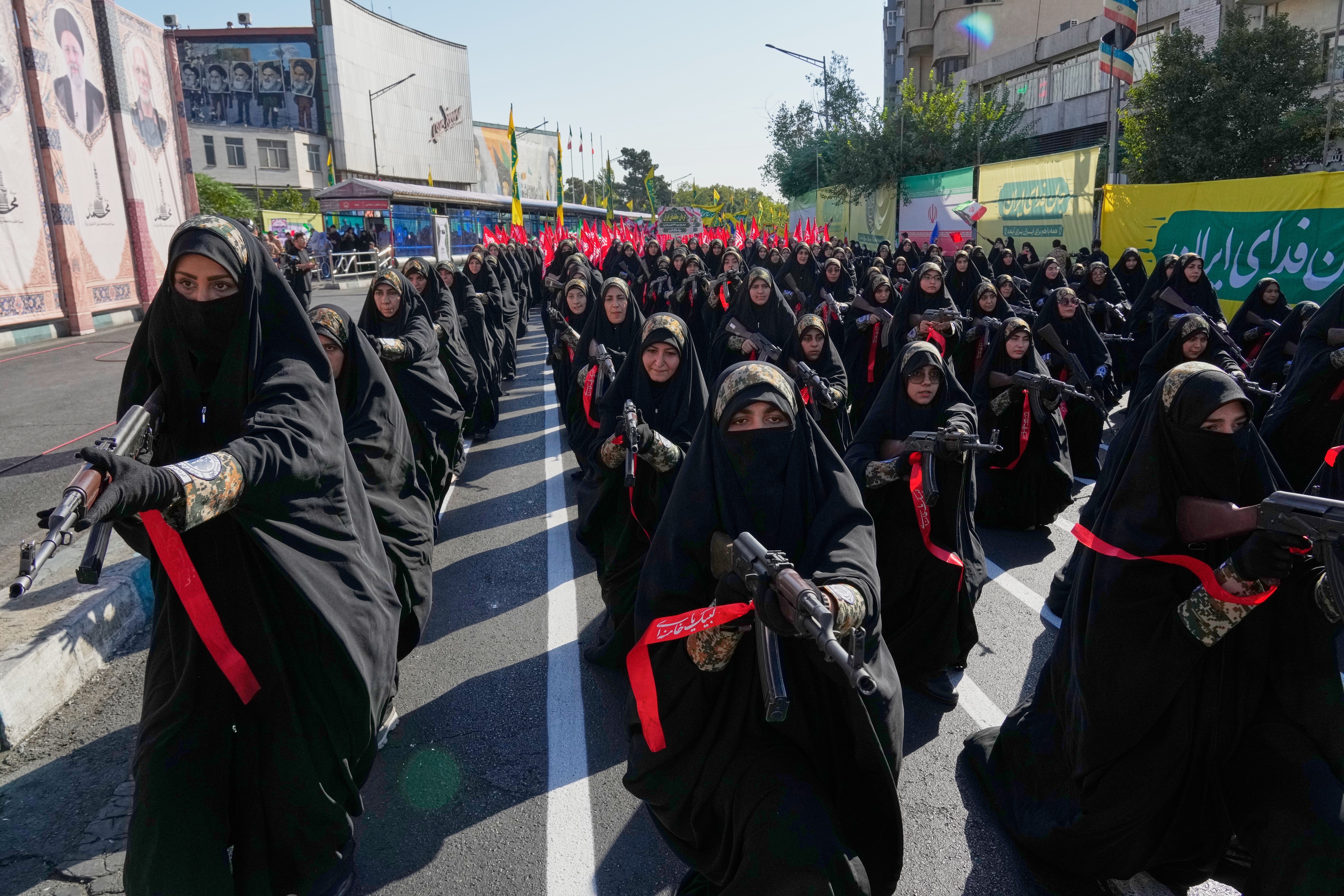
    Estimates varied of the number of people volunteering to receive limited military training and defend the country in an effort described as “Janfaday-e Iran,” or the “ones who sacrifice their lives for Iran.” They marched through downtown Tehran in combat uniform, carrying flags, as onlookers cheered.

    For days, state media have encouraged Iranians to join the campaign, saying training with assault rifles would begin soon. The volunteers would be an additional layer of security to the paramilitary Revolutionary Guard and the Basij militia, which has played a key role in quashing anti-government protests.

    Rally seeks to project strength under U.S. pressure

    Tehran’s Guard chief, Gen. Hassan Hassanzadeh, told the state broadcaster that over 600,000 people had registered to participate, with over 1 million expected to take part in the training. On Friday morning, the broadcaster estimated over 300,000 people were on the streets.

    The new head of the Basij, Hossein Taeb, declared in a speech as the rally began that the volunteers will be ready for “full-fledged defense” and similar rallies will take place in other cities soon.

    The new trainees will make a “nightmare” for Iran’s enemies, Taeb added, as President Masoud Pezeshkian, military commanders, and other senior officials watched the march.

    Some participants trampled flags of the U.S. and Israel. Others chanted “Death to America” and “Death to Israel.”

    “I am here to tell (U.S. President Donald) Trump that we Iranians have no fear about his threats against our homeland,” said Marzieh Afaghi, 24, who attended the rally with her toddler and husband. “No one in history could invade Iran and remain there.”

    The rally was also a chance for Iran to show off military hardware. Anti-aircraft batteries were on display, while female Guard members in black headscarves sat with truck-mounted machine guns.

    Iran says it attacked another tanker in the Strait of Hormuz

    The Guard displayed drones that have been used against ships in the Strait of Hormuz, where Iran’s attacks and threats have severely affected the Gulf region’s shipments of oil and natural gas to the rest of the world.

    Iran said it had attacked a Togo-flagged oil tanker, the Trend, for what it called an “illegal attempt” to pass through the Strait of Hormuz, the state broadcaster reported. The U.K. Maritime Trade Operations center said a tanker was hit by a projectile, sparking a fire on board that was extinguished.

    The UKMTO in a separate update said ship transits facilitated by the U.S. military off Oman have averaged 24 a day over the past week but overall traffic remains about 90% lower than before the war.

    Iran’s new volunteers could help suppress future dissent

    Friday’s events also suggested that hard-liners like Taeb among Iran’s leadership will be more prepared to suppress any future demonstration against the theocracy.

    In January, shortly before the war, Iran saw some of its largest nationwide protests in history, which began over the struggling economy and turned to wider grievances. Activists have said a crackdown killed over 7,000 people and saw tens of thousands detained.

    In May, government officials said more than 30 million people in Iran — which has a total population of some 90 million — had volunteered via an online form or at public gatherings to lay down their lives for the theocracy. The Associated Press could not independently confirm that.