Category: Residential Real Estate

  • The poorest in the U.S. can’t find housing even as low-income units sit empty

    The poorest in the U.S. can’t find housing even as low-income units sit empty

    PORTLAND, Ore. — Mathew Davis, who lives in a homeless shelter in Austin, Texas, would love an apartment of his own. But with the little money he makes donating blood plasma, even a $450-a-month tiny home with no running water and a communal bathroom would be a stretch.

    Meanwhile, over 4,500 units the city classifies as affordable — nearly 16% — sit empty.

    “I don’t make enough money really to afford anything,” Davis, 49, said of the few hundred dollars he earns a month. “I just keep trying to swim uphill.”

    The poorest people in the U.S. face the most acute shortages of affordable homes. But the majority of low-income housing financed in recent years is for those earning 50% of an area’s median income or above, according to a survey of state housing agencies.

    Some cities are now seeing an uptick in vacancies as rents for these units approach market rates. The result: Apartments designated as affordable sit empty because the poorest of the poor cannot afford them.

    Meanwhile, some people are forced into homelessness and others into desperate circumstances to pay for housing they can’t afford.

    The poorest have few housing options

    There are only about 4 million affordable rental units available for the country’s 11 million extremely low-income renter households, according to the National Low Income Housing Coalition’s most recent annual report.

    These are people with annual incomes either below the federal poverty guidelines — just under $16,000 for a single-person household — or 30% of the median income in their area, whichever is higher. They comprise about a quarter of U.S. renter households, and include many people working low-wage jobs, seniors, and those with disabilities living on fixed incomes.

    About three-quarters of extremely low-income renter households pay over half their income on rent and utilities, the report said, leaving little leftover for other necessities.

    Yet homes set aside for these renters were only about 12% of the affordable housing units financed in 2024 by the Low-Income Housing Tax Credit — a federal program providing tax credits to developers in exchange for keeping rents low for at least 30 years, according to figures from the National Council of State Housing Agencies.

    The majority are for those earning at least 50% of an area’s median income, or AMI. In Austin, that’s a single person earning roughly $47,000 a year, as compared with an extremely low-income person earning under $28,000.

    The program has financed nearly 4 million affordable units nationwide since its creation 40 years ago. But some experts say it’s inefficient — and more costly than housing vouchers.

    “It’s enormously complex and bureaucratic, and it raises the cost of construction enormously because the rules are so complicated,” said Chris Edwards, an economist at the Cato Institute, a libertarian think tank, who told Congress the program’s complexity “spawned” an industry of law and accounting firms just to administer it.

    “If you’re going to subsidize affordable housing, you should give the money directly to tenants,” he said, referring to housing vouchers.

    Other experts say the two programs work together well because properties built with the tax credit are required to accept vouchers — while landlords of market-rate apartments in many states are not.

    Still, there’s a major federal funding shortfall: Experts estimate only one in four eligible families ever receive vouchers. Vouchers can help the poorest pay for housing that’s targeted to higher income groups, but the waitlist can be yearslong.

    Some affordable housing developers say that without vouchers, it’s not economically feasible to provide units for extremely low-income people.

    True Ground Housing Partners, an affordable housing developer in the Washington, D.C., area, gives an example: A unit for those earning 60% of the area’s median income — nearly $70,000 a year — brings in $1,715 per month in rent. But after $1,575 in mortgage and operating expenses, only $140 is left.

    “The math does not lie,” said president and CEO Carmen Romero, noting that an extremely low-income person would pay only half that rent.

    “Our expenses don’t make it really possible to create a 30% AMI unit, unless there was this extraordinary amount of subsidy that just doesn’t exist.”

    Affordable housing competes with market-rate rents

    Meanwhile, affordable housing rents for 60% AMI units are approaching those of market-rate apartments in U.S. cities like Austin, Denver, and Portland, Ore.

    As a result, some people are opting to pay a bit more for market-rate apartments with less income-verification and faster approval — leaving growing numbers of affordable units vacant.

    In Austin, the vacancy rate for all affordable housing is nearly 16% with over 4,500 vacant units, according to real estate data and analytics firm CoStar. A healthy vacancy rate is around 5%.

    LDG Development, an affordable housing developer, cited a 12% vacancy rate for its 60% AMI units in Austin. Chief portfolio officer Rebekah Fischer said LDG is “in direct competition” with the thousands of new market-rate apartments recently built in Austin.

    “I have to have every bank statement, every pay check, every bill, every Venmo transaction that you had with your friends,” Fischer said of affordable housing applicants.

    “When we’re almost going after the same renter, you can be approved within two minutes at a market-rate deal, where unfortunately in affordable housing … it takes time.”

    In Denver, there’s a 13% vacancy rate among 60% AMI units financed by the federal tax credit program — and a 21% vacancy rate for 80% AMI units, according to the Colorado Housing and Finance Authority. Meanwhile, there is far too little housing for the city’s poorest.

    In Portland, where there is also a housing shortage for the lowest income groups, there are over 1,700 vacant affordable units for an overall vacancy rate of 7.5%, according to the Portland Housing Bureau. Most are for those earning 60% AMI, or about $54,000 for a single-person household, with rent capped at $1,444 per month.

    That’s close to the average rent of $1,581 for a one-bedroom market-rate apartment, according to CoStar figures shared by the bureau.

    Portland resident Jaiden Barbee earns around 55% of the area median income and is on waitlists for affordable housing. But, he says, he’d pay more for a market-rate apartment to avoid the lengthy application process.

    “I’d rather spend the $200 extra just to get into a place easier that’s wherever I want” and doesn’t have “all these hoops,” he said.

    ‘I want to shut the door at night and sleep’

    Austin officials set a goal of building 20,000 units between 2018 and 2027 for extremely low-income people — 17% of the city’s households.

    Just 543 were built as of 2024, city documents show.

    Meanwhile, all 15,000 units planned for those earning between 60% and 80% of area median income were built.

    In response to questions from the Associated Press, the Austin housing department said it recognized the need to do more to produce housing for the poorest people and was taking steps to do that, including giving preference to funding proposals that include 30% AMI units.

    For Davis, who lived in his car for a year before getting a bed in the Austin shelter, the housing shortage for people like him is frustrating.

    “I want to shut the door at night and be able to sleep,” he said. “I really just want to find the right place.”

    Charlotte Kramon contributed to this article.
  • A ‘magical’ 15-acre property called Willow Lake Farm is for sale for almost $7 million in Chester County

    A ‘magical’ 15-acre property called Willow Lake Farm is for sale for almost $7 million in Chester County

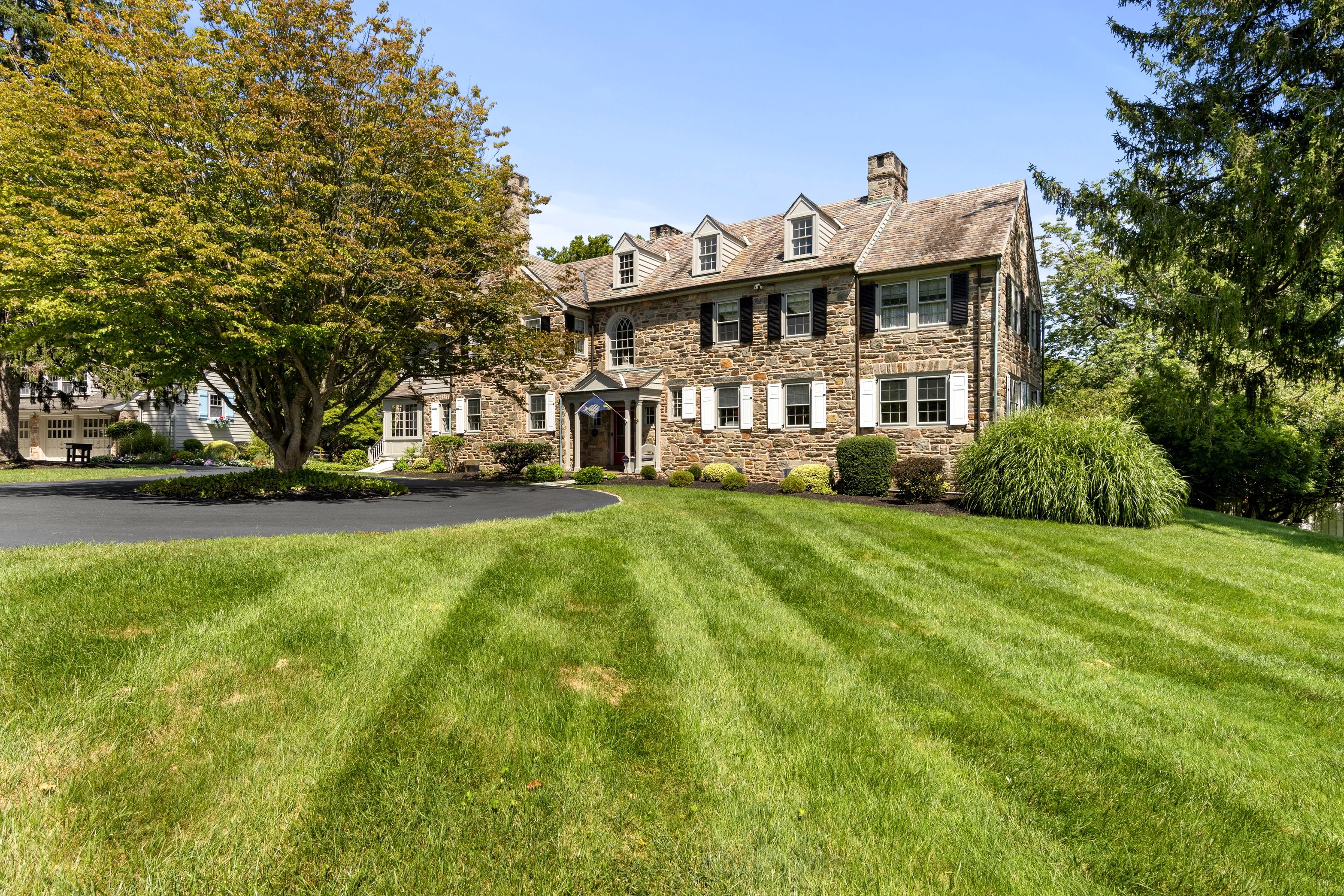
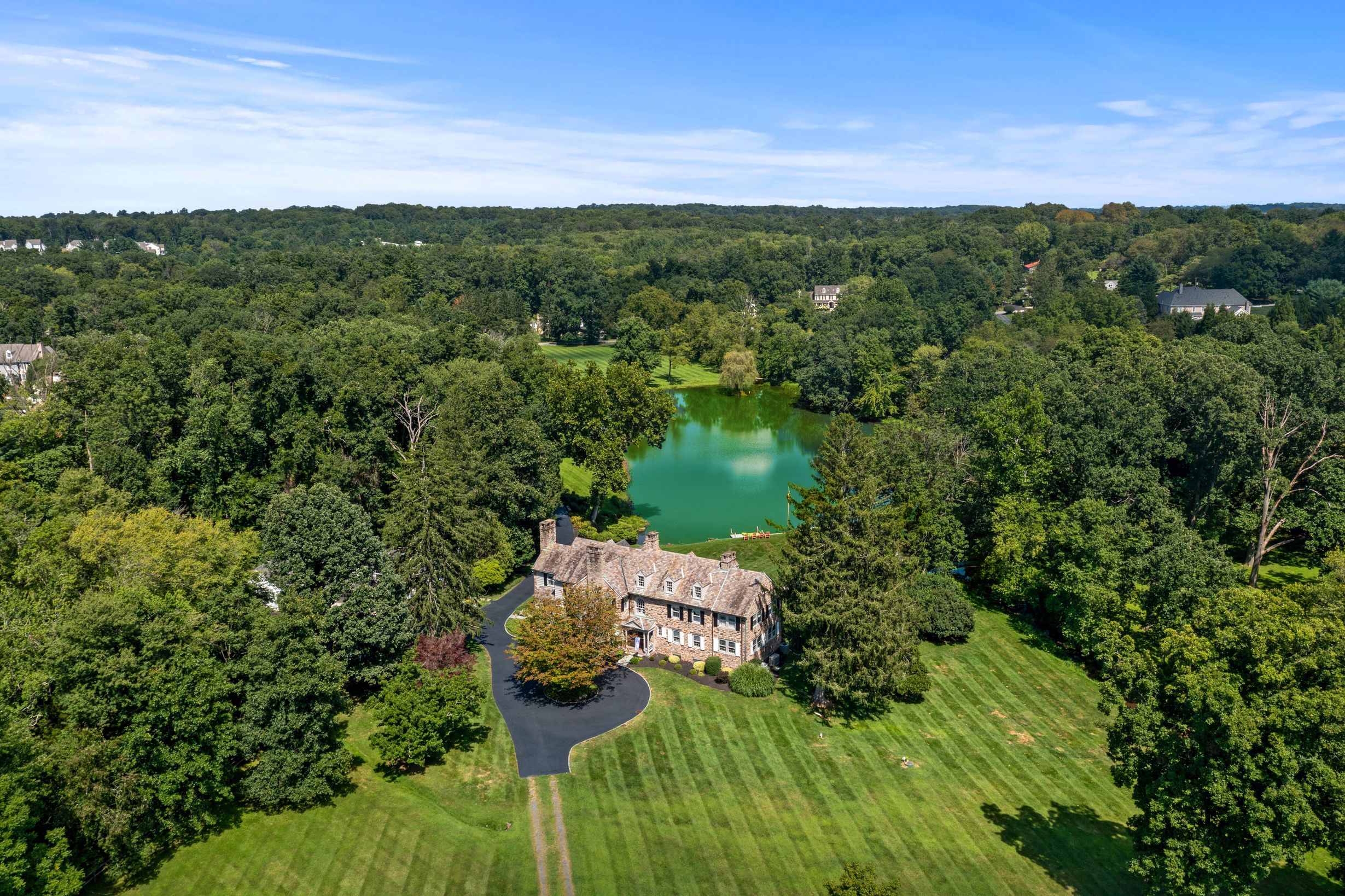
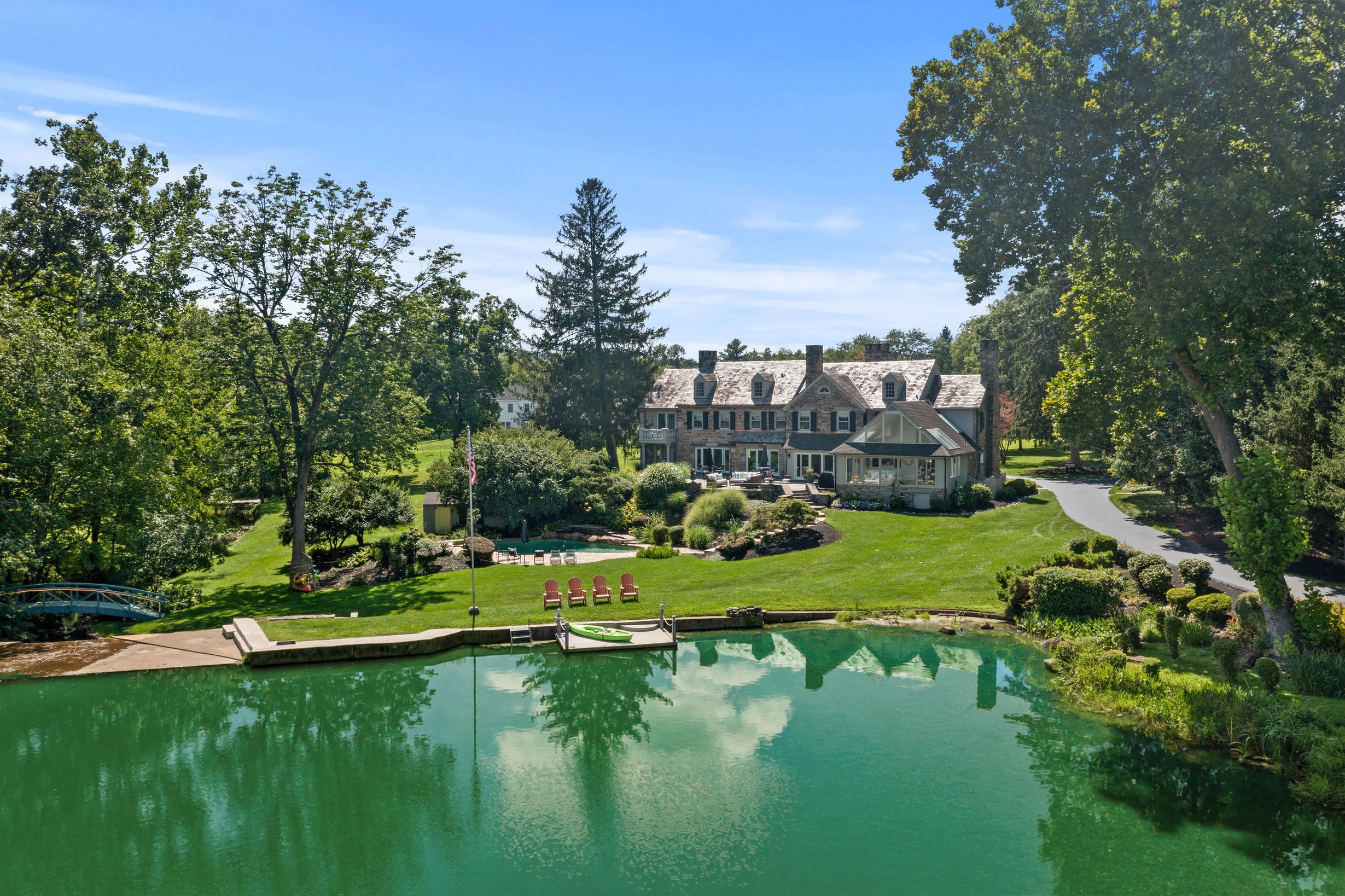
    The 15-acre Willow Lake Farm includes walking paths, a stream and waterfall, a meditation garden, an arched bridge, extensive lawns, and a pond. It’s also a private residence.

    And the Chester County property is for sale for $6,990,000.

    “It’s one of the most beautiful properties within Willistown” Township, said listing agent Meghan Chorin, leader of the Meghan Chorin Team with Compass Real Estate. She called it “magical.”

    This Willistown Township home is listed for sale for $6,990,000.Colin Burkhart of CdB Real Estate Photography

    “It’s just special. There’s nothing else like it,” she said. Along the Main Line, “having a house where you have a water view is rare.”

    The home’s creek-fed private pond spans three of the property’s 15 acres. The owners use it year round to swim, fish, kayak, and ice skate.

    A long driveway snakes through trees and leads to the 6,050-square-foot fieldstone house, constructed in 1935 by builder Albert H. Jacobs Jr.

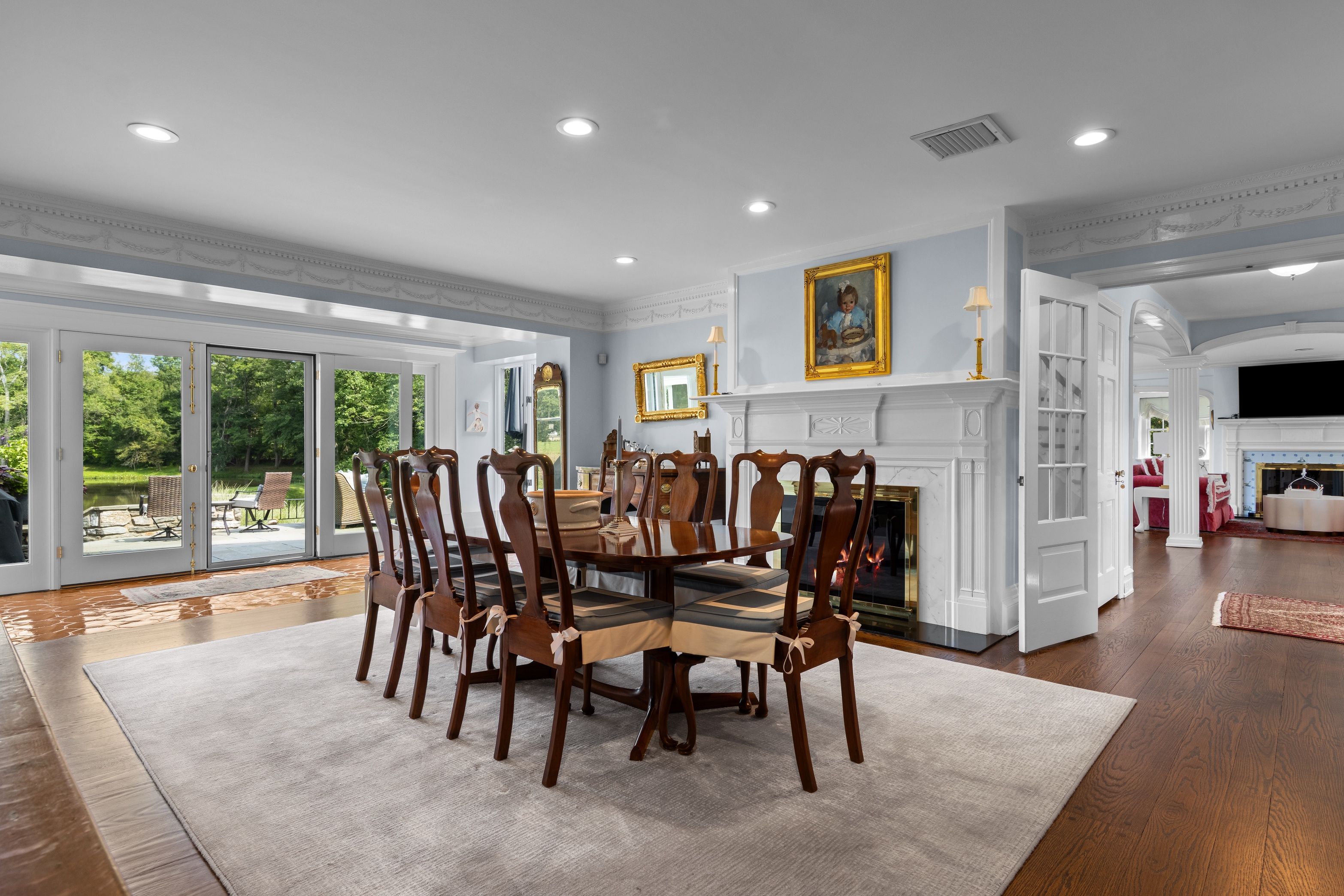
    The formal dining room includes a fireplace and looks out on the back terrace and grounds.Colin Burkhart of CdB Real Estate Photography

    The house has four bedrooms, three full bathrooms, and three half bathrooms. It features custom woodwork, oak floors, and eight fireplaces, including one in the formal dining room.

    Off the family room sits a private study with a built-in desk and bookcases.

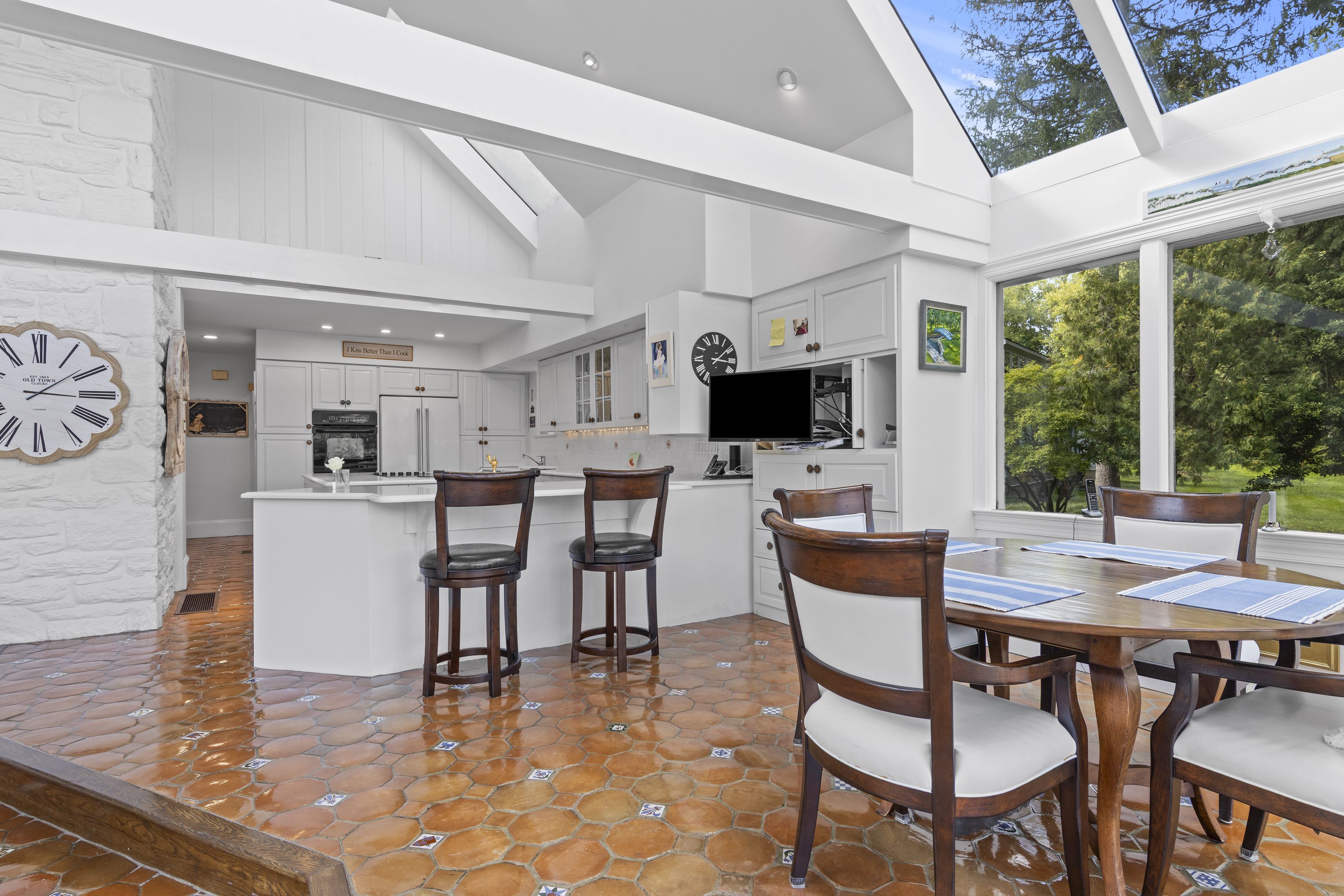
    The home’s kitchen features exposed stone walls, a vaulted ceiling, custom white cabinets, and floors of handmade Mexican tile. It has double ovens, two sinks, and a large center island with storage and a range. A butler’s pantry off the kitchen includes a wet bar, wine cooler, and dishwasher.

    Large windows effectively turn a dining and living area beyond the kitchen into a sunroom with views of the backyard.

    The kitchen includes double ovens, a large island, and seating at the peninsula.Colin Burkhart of CdB Real Estate Photography

    The primary suite includes a balcony with views of the grounds and a walk-in closet with its own washer and dryer.

    At the rear of the house, a line of French doors open to a flagstone terrace that overlooks an in-ground pool and the pond beyond.

    “It’s a great entertaining house,” Chorin said.

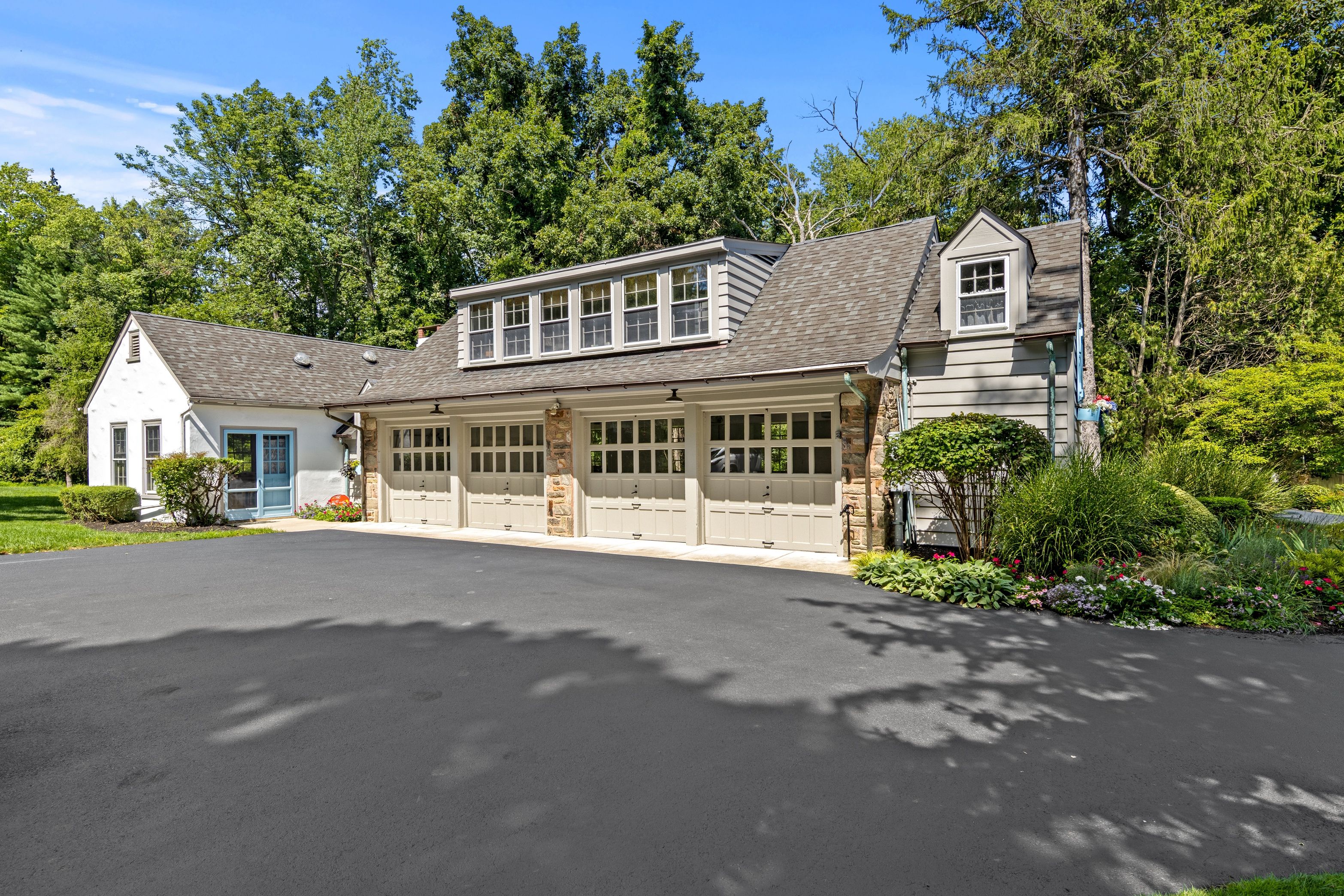
    A detached four-car garage has a large adjoining space that the property owner, an artist, uses as a studio. Above the garage is a studio apartment.

    The detached has a studio apartment above it and an adjoining art studio.Colin Burkhart of CdB Real Estate Photography

    The home is close to Mill Park and Malvern Borough and is a few minutes’ drive from the Paoli SEPTA station.

    Chorin said the property presents a rare opportunity for buyers.

    In Willistown, she said, “there’s not a lot of supply and a lot of demand.”

    The property was listed for sale on Aug. 24.

    The property spans 15 acres and includes a three-acre pond.Colin Burkhart of CdB Real Estate Photography
  • Mixed-income apartment project in Center City gets its final approval after almost 11 years

    Mixed-income apartment project in Center City gets its final approval after almost 11 years

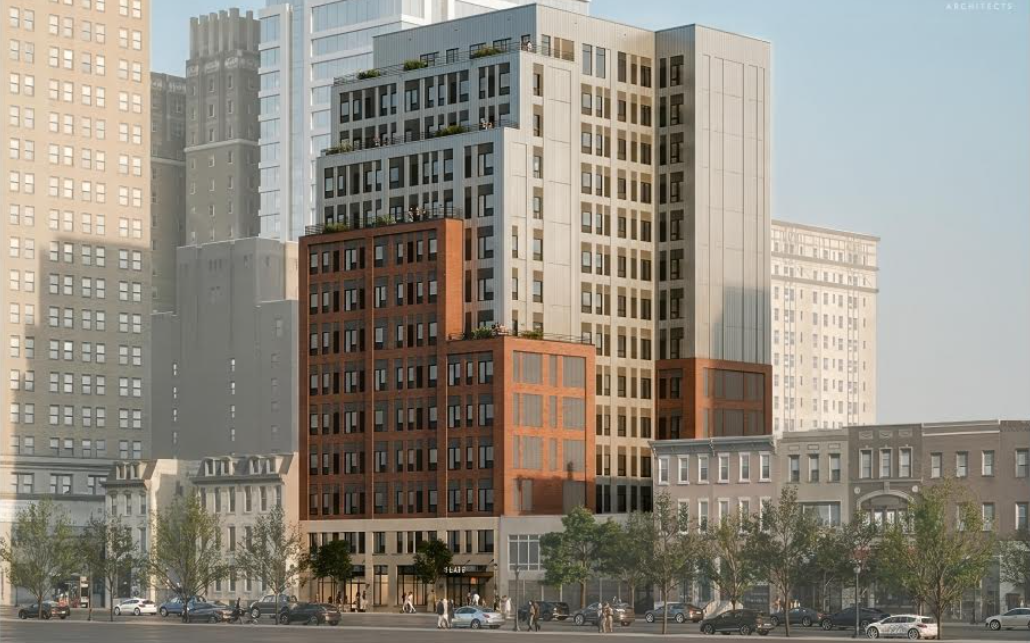
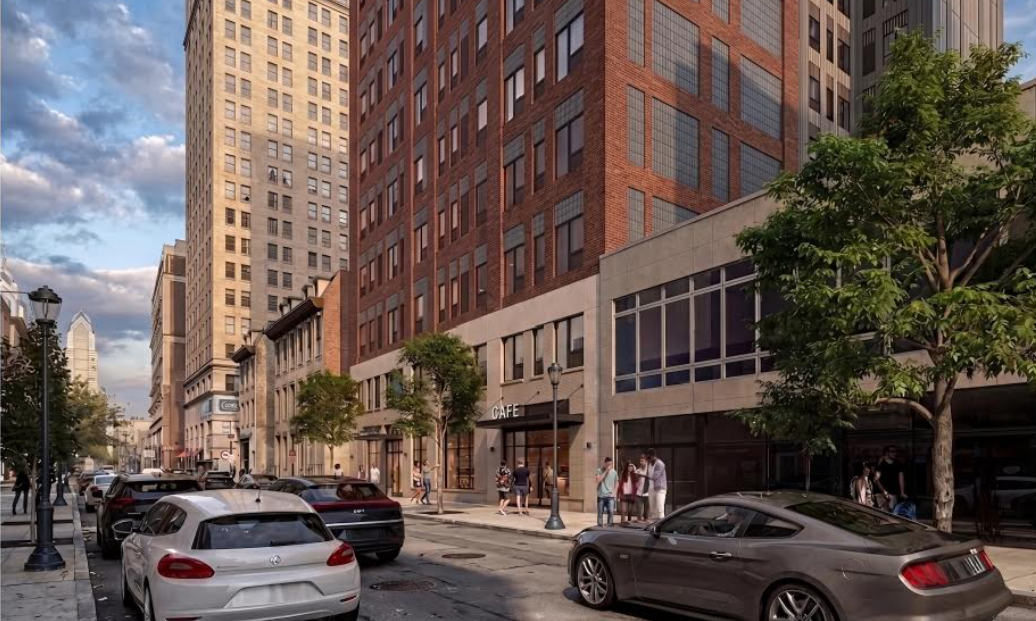
    Construction was supposed to have started on a 14-story apartment building at 2012 Chestnut St., a collaboration between the Philadelphia Housing Authority (PHA) and Alterra Property Group.

    In late 2025, after years of delays, the partners said construction would begin in early 2026. Instead, the 121-apartment project stalled for another nine months in the face of hang-ups at the federal level.

    But at a meeting of PHA’s board Thursday, the agency promised that this time, really, construction will begin in a matter of weeks.

    “The financial transaction was closed today, and so all regulatory approvals are now in hand, and we can move forward,” Kelvin Jeremiah, president and CEO of the authority, said in an interview Thursday. “Mobilization and construction starts before Oct. 6.”

    The building will include 30 two-bedroom apartments, 63-one bedrooms, and 28 studios, along with 2,000 square feet of commercial space and off-site parking. These will be PHA’s only apartments in Center City.

    According to interviews in 2025, 40% of the project’s 121 units will be rented to market-rate tenants, while the rest will go to tenants at 80% of Philadelphia’s area median income or $78,500 for a two-person household.

    The project is designed by JKRP Architects. The general contractor is the Hunter Roberts Construction Group.

    The street-level rendering of the Alterra and PHA property, looking southeast on Chestnut Street.JKRP Architects

    The building will fill the vacant lot left by the demolition of PHA’s former Center City headquarters, which the agency left 18 years ago. This mixed-income proposal has been in the works for 10 years, with the agency first partnering with Alterra on the project in 2016.

    According to a resolution passed by PHA’s board Thursday, the project hit further snags in early 2026 and experienced difficulties obtaining permits and approvals from the U.S. Department of Housing and Urban Development (HUD).

    The federal agency has suffered dramatic cuts under President Donald Trump’s administration.

    HUD “has lost a lot of staff, and so there were a lot of delays,” Jeremiah said. “But they worked very closely with us to navigate some of those issues.”

    Alterra will build and manage the mixed-income apartment project, but PHA will hold a 99-year ground lease on the property.

    The approval for that arrangement is part of what held up the project in D.C., as any time the agency disposes of an asset, it is subject to environmental and historic review — in this case of a rubble-strewn vacant lot.

    As these delays mounted, construction costs for supplies like steel and elevator parts have soared. The project will now cost an additional $5 million, bringing the price to $65 million.

    “And then you have the tariff situation, the unending uncertainty around construction equipment and supplies,” Jeremiah said. “It has caused a lot of strain for us as a major developer in the city.”

  • A 43-unit apartment building that preserves historic features is proposed in Old City

    A 43-unit apartment building that preserves historic features is proposed in Old City

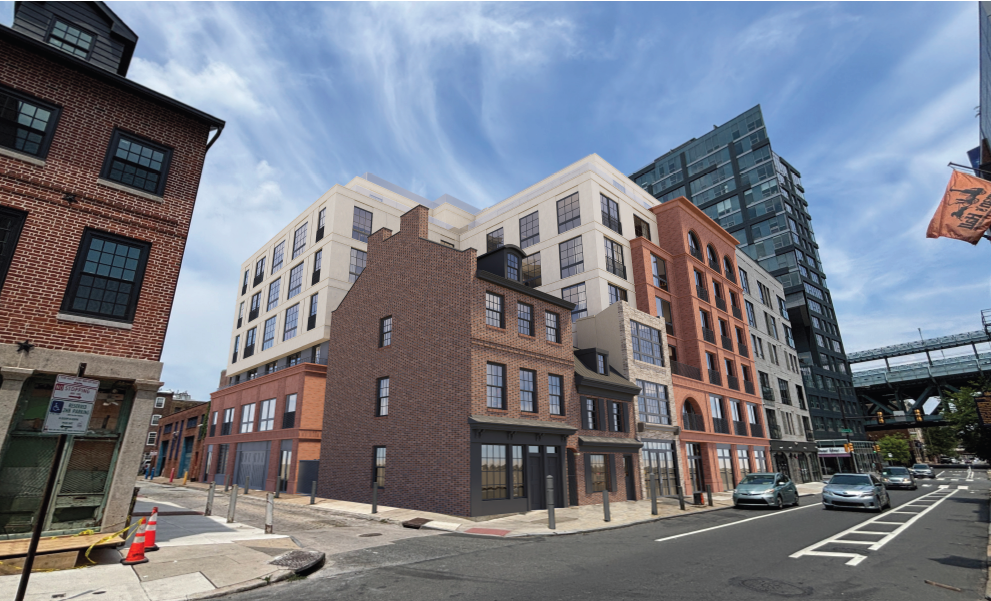
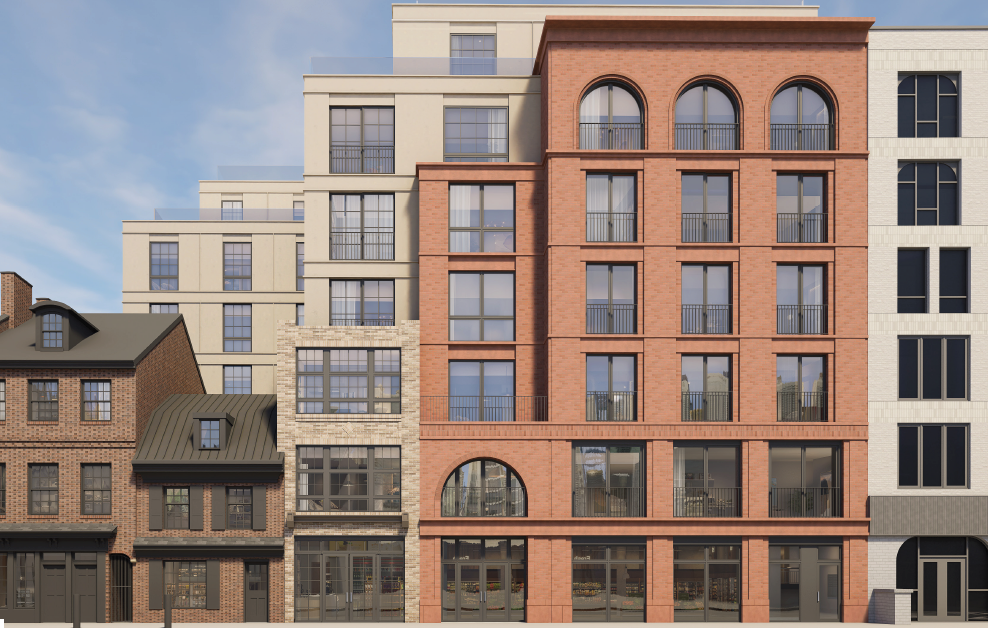
    A corner of Old City long considered for apartment development is now slated for a new 43-unit, seven-story building — an update from a smaller plan approved by the Philadelphia Historical Commission.

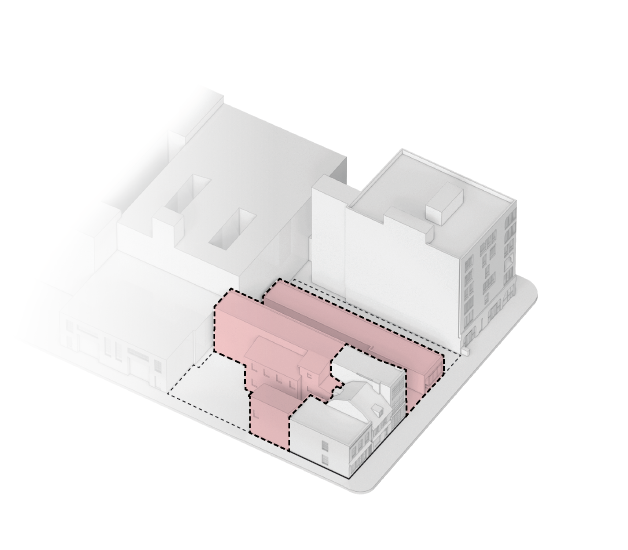
    The property at 148 N. Second St. contains several buildings that are regulated by local historic regulations.

    Two of the buildings have been approved for demolition — at 152 and 156 N. Second St. — while two are being preserved and incorporated into the project at 148 and 150 N. Second St.

    The tallest points of the proposed structure are pushed back from the street to avoid overshadowing the older buildings and to keep in line with historic regulations.

    “We … really made sure that those historic buildings at the corner were the star of the show, and our building wraps around those and gently steps down to them,” Derek Spencer, technical director with Gnome Architects, said at a Wednesday meeting of the Old City District.

    This drawing shows in red which buildings will be demolished to make way for the new project. The buildings in gray will be incorporated.Gnome Architects

    The project, from Philadelphia-based developer Virgis Anusauskas, is seeking permission from the Zoning Board of Adjustment to build a taller and denser building than the underlying zoning allows.

    It will include about 1,400 square feet of commercial space and parking for 15 vehicles. The project is replacing a number of buildings that were previously used as restaurant supply stores.

    Anusauskas hopes to find a tenant that will not be open late at night — as his office will also be in the building.

    The proposed project would contain a majority of two-bedroom apartments of about 900 square feet, with three three-bedroom units on the top levels between 1,100 and 1,500 square feet.

    Anusauskas said a huge number of studio and one-bedroom apartments have been built in Philadelphia’s central neighborhoods in recent years, and he is seeing more market demand for larger apartments.

    He is also keeping his options open when it comes to renting or selling the units.

    The condo market in Philadelphia has been weak since the pandemic, but he thinks the sheer quantity of rental units available right now means there may be an opening to make this a condominium building.

    “I’m not looking at studios at all, and one-bedrooms for the condos is not good,” Anusauskas said. “We want to have the people who live there to have some peace of mind, so we don’t want too many people.”

    The plan approved by the Historical Commission had six stories, but Anusauskas says the new, taller version has received verbal affirmation. He is seeking the support of the Old City District ahead of an Oct. 28 Zoning Board of Adjustment hearing.

    Attendees at Wednesday night’s community meeting asked why the project couldn’t remain within the rules that the existing zoning allows. For example, the height limit is 65 feet, where the proposed structure at its highest point is about 77 feet.

    The development team argued that historic regulations made it more difficult to stick with their earlier plan, preventing them from maximizing the possible square footage on the site without going taller.

    “Because we had to keep these two corner buildings, we can’t overbuild on top of them,” said Spencer of Gnome Architects. “We have to completely leave those pieces of those buildings untouched, so that really prevented us from maximizing the use of the site.”

    Anusauskas says his team has a lot of experience with rehabilitating historic buildings, and he doesn’t foresee too many challenges, after he clears this last set of regulatory requirements.

    A rendering of the proposed project, as seen from across the street.Gnome Architects

    He hopes to begin construction as soon as he gets zoning board approval.

    If the zoning board doesn’t approve the project, he said, he will go back to the drawing board and find a way to make it work.

    He says the cap over I-95 at Penn’s Landing and the new park that will be created there makes the neighborhood even more exciting.

    “I love Old City. I love the history. The community is great,” Anusauskas said. The park ”will pick the whole neighborhood up, and we want to be part of it.”

  • Developers are attracted to East Germantown by low cost, vacant land, and greenery

    Developers are attracted to East Germantown by low cost, vacant land, and greenery

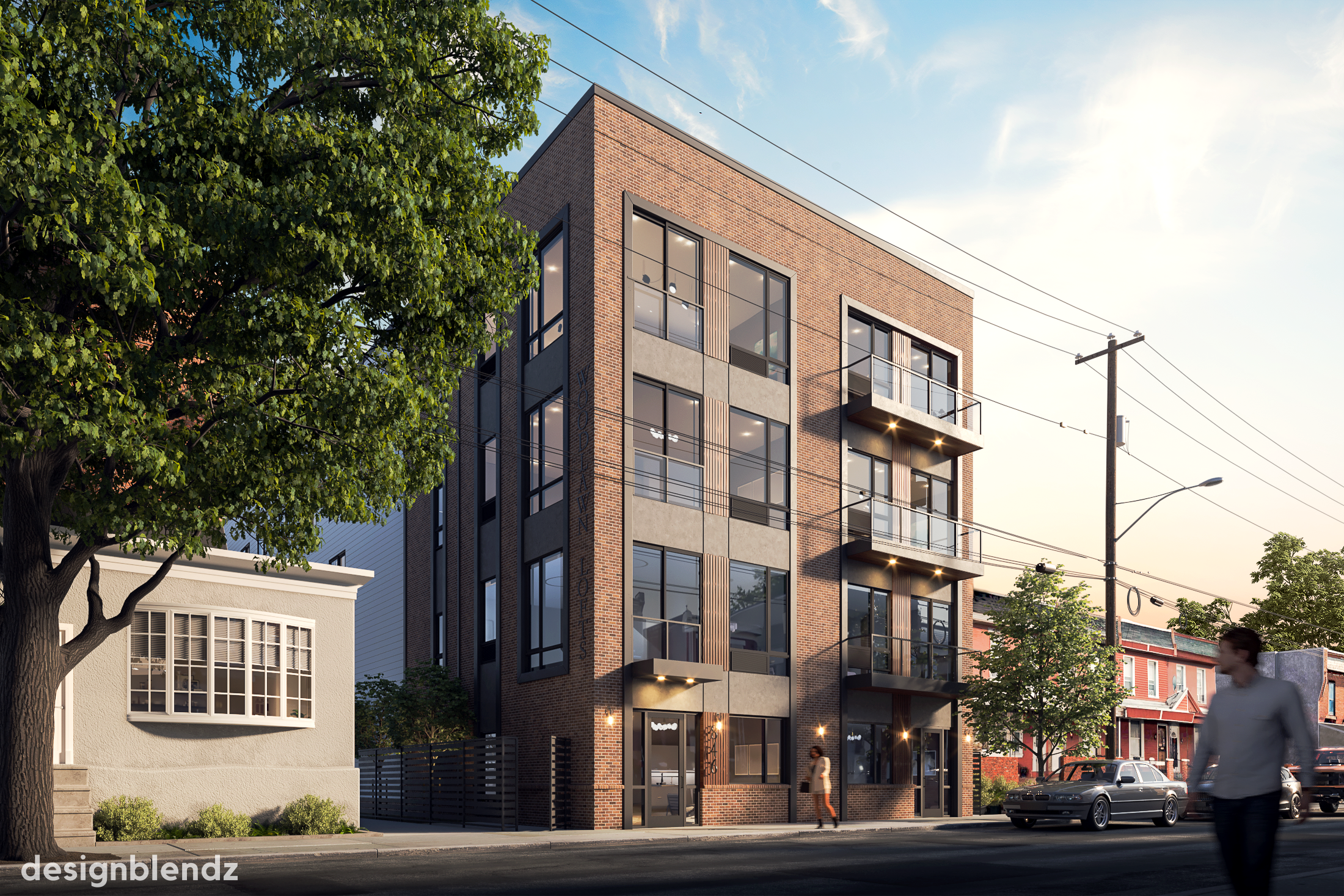
    A four-story, 35-unit apartment project is slated for 846 E. Woodlawn St., part of a wave of development proposals in East Germantown after decades of divestment.

    Although the neighborhood contains many apartment buildings that date to the early to mid-20th century, development collapsed following the 1950s in the era of white flight and neglect of majority-Black areas by financial institutions.

    As a result, the neighborhood has an abundance of inexpensive, vacant land ripe for development under the right conditions. The Woodlawn Street property last sold in 2024 for $205,000.

    “A lot of the new development is starting to push that way the past four or five years up in this area,” said Scott Woodruff, chief operating officer with Designblendz, a Philadelphia-based architecture firm that has three projects east of Germantown Avenue.

    “We have been seeing an uptick in this neighborhood … with mid-rise multifamily fitting into some of these larger [vacant] lots,” Woodruff said.

    A smaller version of the 846 E. Woodlawn St. project was put forward in 2021, but the new version includes four affordable units accessible to those making up to 50% of the area median income or almost $48,000 a year for a two-person household.

    That will allow the developer, a Far Rockaway, N.Y.-based LLC, to use a zoning bonus that allows a taller and denser building than would otherwise be permitted, as long as it provides affordable units.

    It will also have a green roof, which will allow the developer to use another zoning bonus to add more units.

    Rent estimates were not available, but even units not designated as affordable are expected to be priced for moderate-income renters.

    “These aren’t meant to be ultra luxury apartments,” Woodruff said.

    The project will not include any studio apartments. Twenty-one units will be one-bedrooms, and the other 14 will be two-bedrooms. The apartments that face the street will have balconies.

    Woodruff says Designblendz has been seeing developers propose fewer studio apartments in new buildings, especially in neighborhoods that are farther from Center City like East Germantown.

    “It’s harder for young people to buy a starter house, so they are staying in apartments longer,” Woodruff said. “More people have been asking for larger bedrooms.”

    There will be 12 bicycle parking spaces in the building, and no car storage provided. A 400-square-foot commercial space will front on the street, as the underlying zoning requires. No relief is needed from the Zoning Board of Adjustment to move forward.

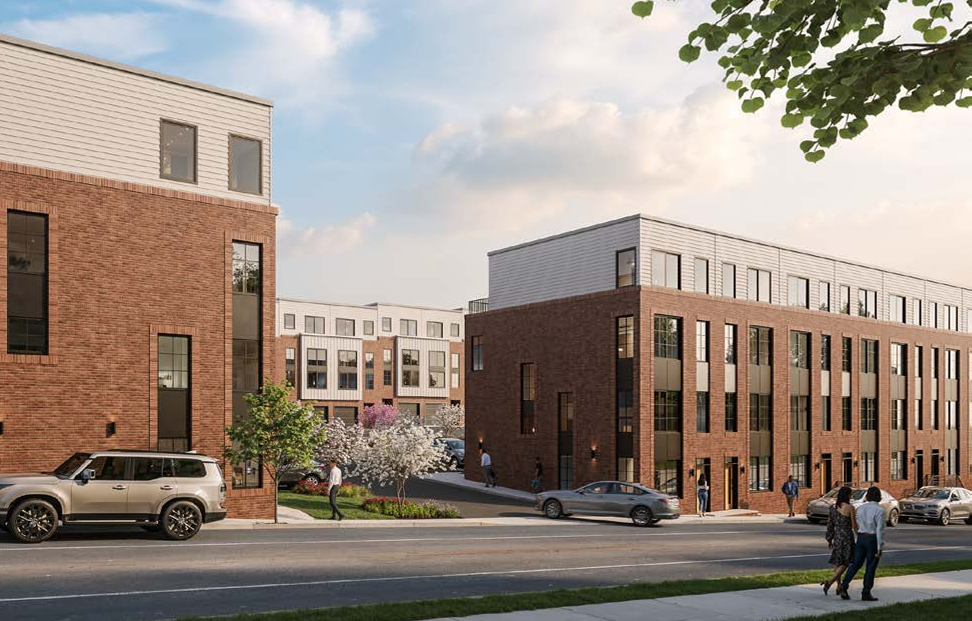
    Designblendz also is working on a 34-unit townhouse development to the west of the Woodlawn project, at 610-640 High St., and a mid-rise, 42-unit project to the east at 1635 Church Lane.

    Both are from Frankford-based developer Liberty Bell Management.

    Liberty Bell Management’s 34-unit townhouse development to the west of the Woodlawn project, at 610-640 High St.DesignBlendz

    All three projects would be built on vacant land. The abundance of buildable lots is one reason for developer interest in the area, but Woodruff says resident demand is there, too.

    The abundance of trees and park access are appealing as well, Woodruff said.

    “The projects we’ve done [in Germantown], they seem to be leasing in those areas so it must be filling a need for people who need housing up there,” Woodruff said.

  • Center City is a major driver for Philadelphia housing, with room to grow, report says

    Center City is a major driver for Philadelphia housing, with room to grow, report says

    Downtown remains a hot spot for home construction in Philadelphia.

    Two in five homes recently built in the city were constructed in greater Center City, according to Center City District’s analysis of 18 months of data from the Philadelphia Department of Licenses and Inspections. The report was released Monday.

    More than 4,000 homes were built in greater Center City — defined by the business improvement district as the area from Girard Avenue to Tasker Street and from the Schuylkill to the Delaware River — between Jan. 1, 2025, and June 30. Over this period, more than 10,000 homes were completed citywide.

    (function() { var l = function() { new pym.Parent( ‘cc-housing__graphic’, ‘https://media.inquirer.com/storage/inquirer/ai2html/cc-housing/index.html’); }; if(typeof(pym) === ‘undefined’) { var h = document.getElementsByTagName(‘head’)[0], s = document.createElement(‘script’); s.type = ‘text/javascript’; s.src = ‘https://pym.nprapps.org/pym.v1.min.js’; s.onload = l; h.appendChild(s); } else { l(); } })();

    Greater Center City represents 6% of Philadelphia’s land area. But one in eight Philadelphians — more than 206,000 — lived there in 2025.

    “It’s not an accident,” said Prema Katari Gupta, Center City District’s president and CEO. She said the area’s concentration of housing reflects deliberate policy choices, the development industry’s willingness to build there, and strong demand for walkable and transit-accessible communities.

    “This matters for the whole city, not just for the downtown,” she said. “When Center City and the neighborhoods around it keep adding supply, it takes pressure off rents elsewhere.”

    The city’s housing, especially downtown, “has been a source of strength and resilience since the pandemic and beyond and has allowed our city a recovery and renewal that I think a lot of other cities would envy,” she said.

    Recent housing construction was spurred by Center City’s flexible land-use code and developers’ desire to start projects before the full 10-year tax abatement for new construction ended.

    And the area has the capacity for much more housing to be built, said Clint Randall, Center City District’s vice president of economic development.

    “Center City still has the potential to continue to be this real engine of housing production for the city at large,” he said.

    New homes built

    Last year was the second-most productive year for housing construction this decade, behind record-breaking 2024. In 2025, 3,175 homes were completed, compared with 3,811 in 2024.

    (function(){function e(){window.addEventListener(`message`,function(e){if(e.data[`datawrapper-height`]!==void 0){var t=document.querySelectorAll(`iframe`);for(var n in e.data[`datawrapper-height`])for(var r=0,i;i=t[r];r++)if(i.contentWindow===e.source){var a=e.data[`datawrapper-height`][n]+`px`;i.style.height=a}}})}e()})();

    Since the start of Mayor Cherelle L. Parker’s administration in 2024, greater Center City has added more than 7,800 homes — 26% of the mayor’s goal to build or preserve 30,000 homes during her first term.

    More than 1,300 homes currently have active construction permits in greater Center City.

    Housing construction has slowed as interest rates remain elevated, costs for labor and materials remain unpredictable due to federal policies, and developers complete projects that were part of the flood of permits issued before the end of the full 10-year tax abatement for new construction.

    Most of the housing construction in core Center City, defined as Vine Street to Pine Street, were units in office-to-residential conversions.

    The L&I data used in Center City District’s report does not distinguish between homes built as rentals and those for ownership. But downtown, most homes constructed last year and the first half of this year were in multifamily buildings, where renting is common.

    More housing supply helps moderate rent growth and keep wealthy residents from pushing into more affordable sections of the city.

    Compared with downtown Boston, for example, core Center City added a higher share of apartments over the last decade, and rents didn’t grow as much. Rents grew more slowly in greater Center City than in Philadelphia and the region.

    Future housing growth

    Randall said “the most meaningful thing Center City can do” to make housing more affordable for residents “is just be a place where as much housing gets built as possible.”

    Core Center City has a concentration of the city’s highest-density zoning districts, but many parcels don’t have as much housing as allowed or don’t have any housing, including surface parking lots.

    Center City’s core could accommodate 15,000 to 25,000 more housing units in areas where construction is already allowed, according to Center City District.

    The report says: “The density that makes certain pockets of Center City so vibrant and lively can be extended to underutilized and sometimes barren blocks, allowing more people to live in amenity-rich and walkable areas.”

    The business improvement district celebrated recent legislation that eliminated parking minimums — a major cost barrier to development — in high-density mixed-use zoning districts.

    Downtown demand

    Core Center City’s population grew by roughly 5% in 2025, according to anonymized cell phone data from Placer.ai. In the zip codes immediately to the north and south, the population grew by just over 3%. By comparison, Philadelphia’s population grew by 1.7%.

    Center City’s population density of more than 24,500 residents per square mile is more than double the citywide average density.

    (function(){function e(){window.addEventListener(`message`,function(e){if(e.data[`datawrapper-height`]!==void 0){var t=document.querySelectorAll(`iframe`);for(var n in e.data[`datawrapper-height`])for(var r=0,i;i=t[r];r++)if(i.contentWindow===e.source){var a=e.data[`datawrapper-height`][n]+`px`;i.style.height=a}}})}e()})();

    Households in greater Center City are smaller and make more money than households across Philadelphia or in the Philadelphia metropolitan area.

    A Center City District survey of apartment residents last year found that 44% of respondents moved to Philadelphia’s downtown core from outside the region, and 41% moved downtown from other parts of the city.

    Strong demand has helped fill the influx of homes that have hit the market in recent years. In core Center City, 92% of homes are occupied. In the zip codes directly to the north and south, 88% of homes are occupied.

  • A Philly family bought their first home thanks to reparations from Quakers in Germantown

    A Philly family bought their first home thanks to reparations from Quakers in Germantown

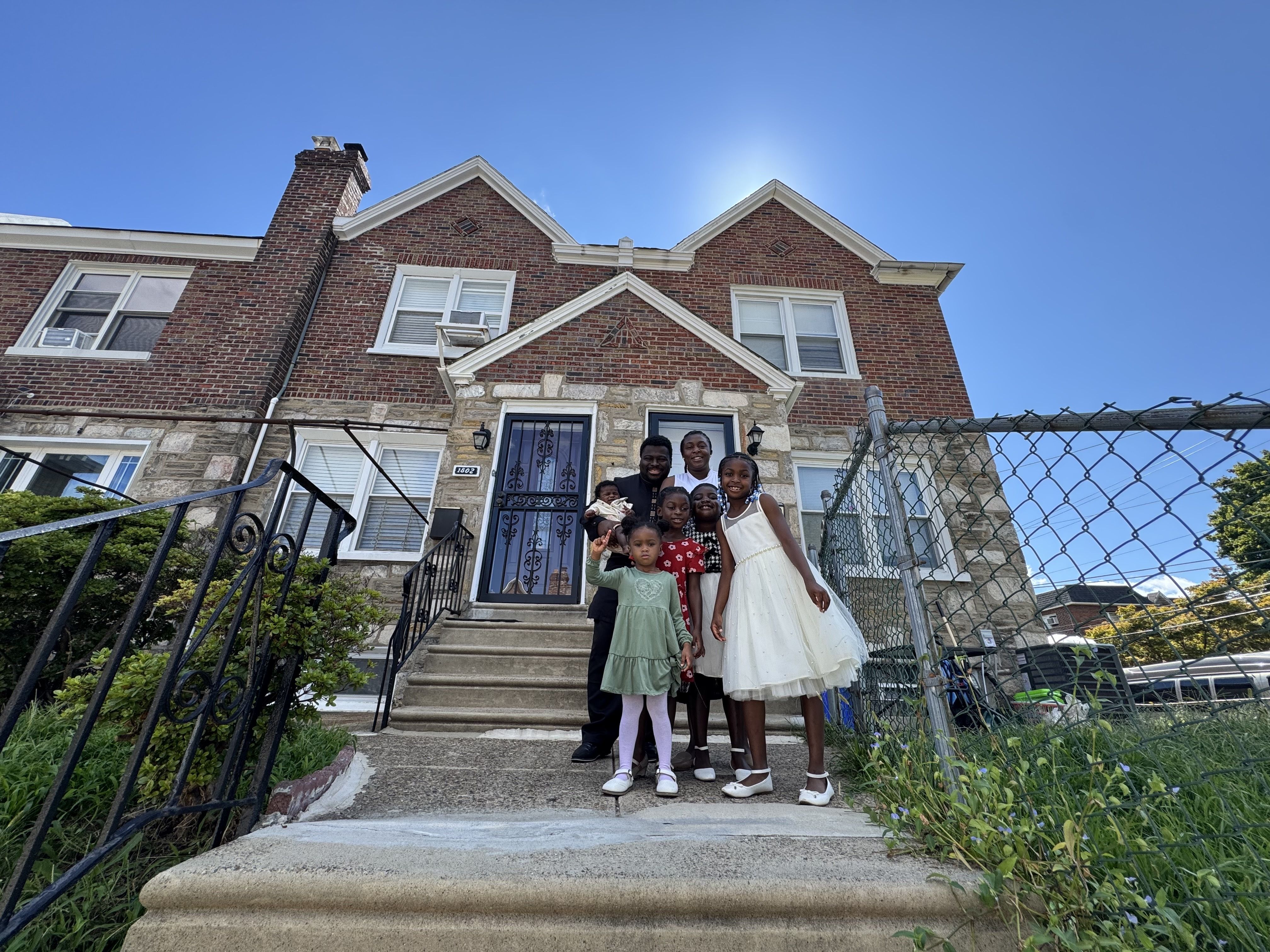
    Charmira and Quincy Pilgrim wanted to become homeowners a decade ago when they got married.

    But over the years, job losses, jobs that didn’t pay enough, children, unpaid maternity leave, and rising costs of living made saving for homeownership impossible.

    They were finally able to start putting money away late last year. And this spring, they found a $315,000 house they wanted to buy in West Oak Lane. But they were short thousands of dollars for their down payment and closing costs.

    What got them and their five children into their new home was a $10,000 first-time homebuyer grant funded by a group of Quakers in Germantown.

    “It was a blessing that I ended up getting the grant because money was tight,” said Charmira, a 32-year-old special-education teacher and case manager.

    Up-front cost is a common barrier to homeownership for renters in Philadelphia and across the country. Grants for down payments and closing costs can help aspiring homeowners get in the door. Governments, mortgage lenders, and nonprofits are common funders.

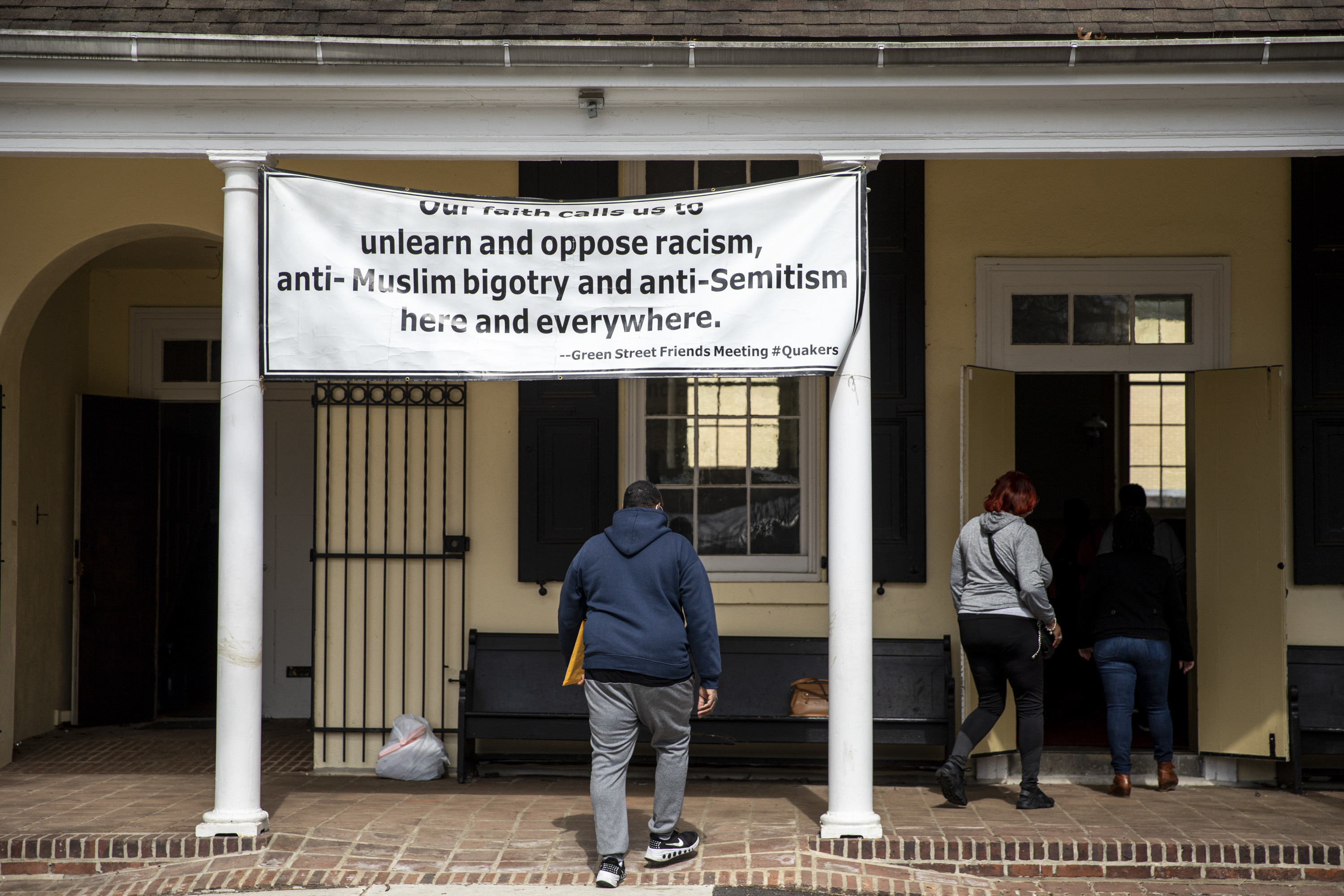
    That’s what makes the Pilgrims’ grant stand out. It’s one of five $10,000 grants that Green Street Friends Meeting, a Quaker congregation in Germantown, is funding to help people buy their first homes. It’s part of the congregation’s racial justice plan to redistribute wealth to Black residents in the Germantown area as a form of reparations.

    When Green Street announced the homebuyer grants in March, it said it sees reparations as “economic and spiritual repair for the intergenerational harms of slavery, Jim Crow, and their afterlives.” Reparations, it said, are “intended to address the theft and pillaging of Black wealth” for hundreds of years through systemic discrimination.

    Lucy Duncan, a member of Green Street, said the homebuyer grants are “a redistribution of wealth that’s about fairness and equity.”

    The goal is to keep Black residents from being priced out of their communities and “provide resources to help maintain Black Germantown,” she said.

    Rebecca L. Grant, a Black member of Green Street’s reparations committee who has been a Germantown homeowner for 22 years, said the committee wanted to eliminate a hurdle to homeownership and the wealth it can create for Black residents.

    “We knew these grants wouldn’t undo generations of discrimination,” Grant said, ”but we thought we could make a difference one family at a time.”

    How the homebuyer grants work

    To distribute the grants, Green Street partnered with birdSEED, a Washington-based nonprofit that aims to reduce racial wealth gaps in the Washington and Philadelphia areas. As part of its work, the nonprofit helps members of historically disadvantaged communities buy their first homes.

    The Quaker congregation contributed funds to birdSEED’s Housing Justice Grant Program and required that its money go to Black homebuyers purchasing in the 19144 or 19138 zip codes.

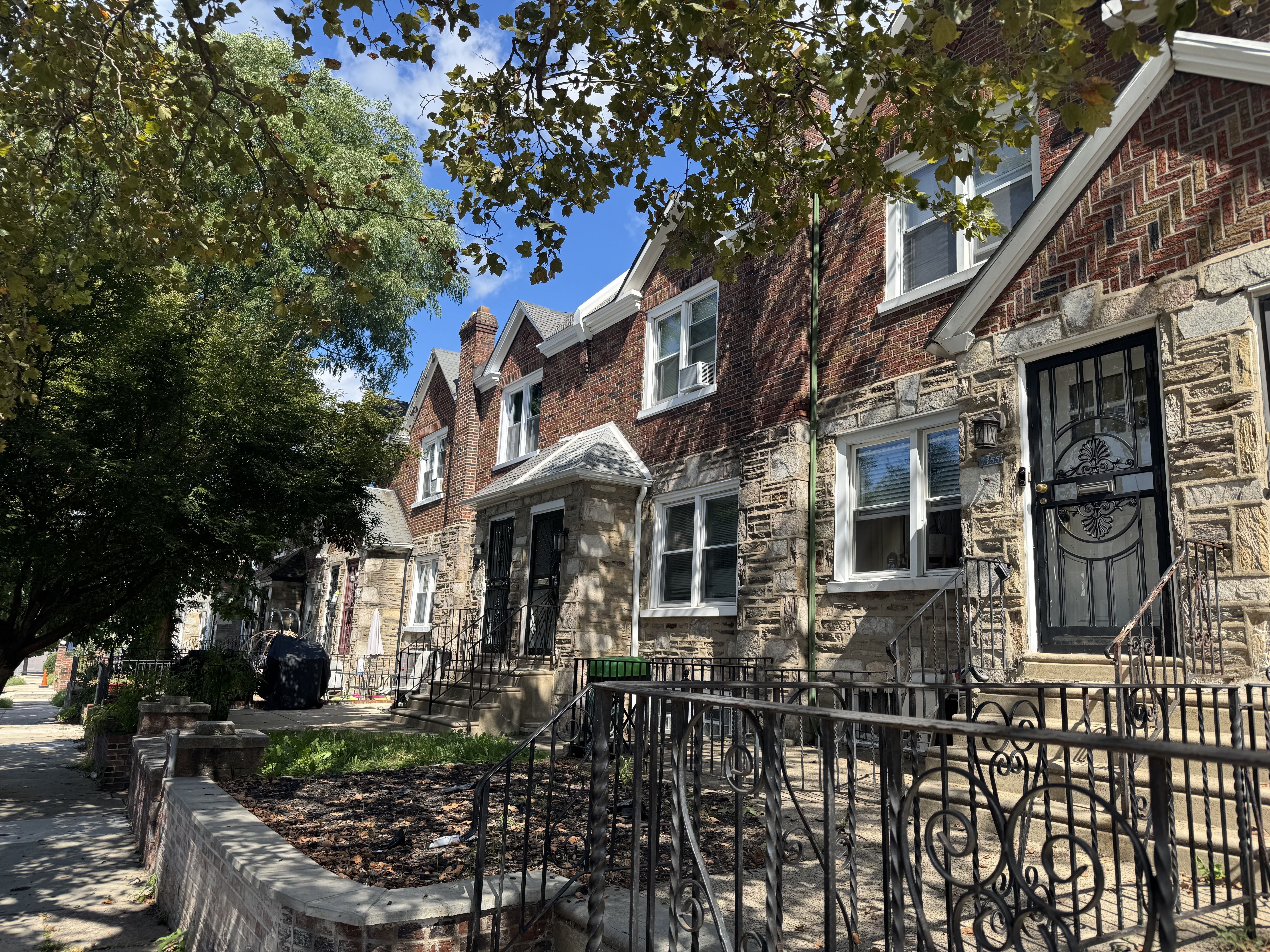
    West Oak Lane is one of the communities where homebuyers can use grants from Green Street Friends Meeting to purchase properties.Michaelle Bond / Staff

    In the Philadelphia area, birdSEED typically awards grants of between $5,000 and $10,000 for down payments and closing costs. An advisory board reviews applications and interviews top candidates. The board scores applicants based on their readiness to purchase a home and the impact the grant would have, said Leslie Case, birdSEED’s co-executive director.

    Candidates need to have lived in the area in which they are buying for at least three years. They cannot have purchased a home before. And their household can make up to $150,000 a year. Preference is given to populations who have historically faced barriers to homeownership.

    Homebuyers can apply for the current round of birdSEED’s housing justice grants until Sept. 30.

    The nonprofit has awarded about 40 homebuying grants so far in the Philadelphia region, which includes surrounding counties in Pennsylvania and New Jersey.

    Maegan Scott, birdSEED’s co-executive director, said the grants funded by Green Street represent “momentum” as the nonprofit seeks to expand its presence in the Philadelphia area.

    A majority of the nonprofit’s housing justice grants have gone to first-generation homebuyers. But a common thread ties all applicants together.

    “Everyone’s looking for stability,” Scott said. “Everyone is looking ahead to the next generation, the generation after that.”

    Green Street’s reparations initiative

    In June 2021, Green Street pledged to spend $50,000 a year for 10 years as part of its reparations work, spurred by a moral calling and the realization that the congregation had a large pot of money in unrestricted reserves.

    The following year, the congregation partnered with attorneys to help Black Germantown residents make wills and straighten out legal ownership of their properties.

    In about a year and a half, clinics to resolve and prevent tangled titles preserved more than $11.3 million in housing wealth for more than 85 families by protecting homes that might otherwise have been lost because of unclear legal ownership, according to Green Street. It was a massive return on the $25,000 the congregation spent on fines and legal services for families who didn’t qualify for free legal help.

    Green Street Friends Meeting in Germantown welcomed neighborhood residents to its meetinghouse in April 2022 to get help with tangled titles and estate planning at a legal clinic it hosted.TYGER WILLIAMS / Staff Photographer

    Over the last few years, Green Street’s reparations work has included music education for Black youth, funds for Black midwives in Germantown and a new birthing center in Mount Airy, estate planning services, and additional housing support.

    “We didn’t want the reparations to just be about acknowledging a painful history,” Grant, the reparations committee member, said. “We want it to be about what we can do now.”

    She said she used to think that reparations for Black Americans would never happen.

    “But it’s so wonderful to see and understand that, ‘Oh, this has to happen on a local level,’” she said.

    The Pilgrims and one other family have bought homes using Green Street’s grants so far.

    Duncan, at Green Street, said that when birdSEED sent her the first pictures of the families, “I almost started to cry.”

    “It’s such tangible and long-term impact for these families,” she said. “And hopefully, generational impact.”

    A home of their own

    Charmira and Quincy Pilgrim closed on their three-bedroom house at the end of May, about a month before their fifth child was born.

    The children, the oldest of whom is 8, love playing in the side yard, backyard, and finished basement. Charmira loves to cook, and she now has a big kitchen. The house is close to biological family and church family.

    Charmira said being a homeowner “means freedom.” She has started planning future upgrades for her home.

    “It feels good to have ownership. It feels good to be in a space I can create a vision for,” she said. “I see this as an opportunity for my kids to have a legacy.”

  • See what $1 million can buy you in Medford, the New Hope area, and Queen Village | The Price Point

    See what $1 million can buy you in Medford, the New Hope area, and Queen Village | The Price Point

    The Price Point compares homes listed for similar sale prices across the region to help readers set expectations about house hunting.

    In the Philadelphia area, a home on the market for $1 million or more is uncommon.

    As of Sept. 2, roughly 1,070 homes across the Philadelphia metropolitan area were for sale at this price point, according to the multiple listing service Bright MLS. That was about 8% of all active home listings.

    Many of these listings highlight elements that have become standard in luxury homes, such as double vanities and soaking tubs in the primary bathrooms and quartz or granite countertops in the kitchen.

    Location, outdoor spaces, and special features make million-dollar homes stand apart.

    Here’s what a buyer can get for $1 million in Solebury, Bucks County; Medford, Burlington County; and Philadelphia’s Queen Village neighborhood.

    A large lot near New Hope with a pool

    When it comes to this house in Solebury, “the neighborhood and the area and the school district are amazing,” said listing agent Lisa DePamphilis, broker associate with Berkshire Hathaway HomeServices Fox & Roach, Realtors.

    The property, located between New Hope and Doylestown, is within walking distance of Peddler’s Village and nearby cafés and restaurants. And it’s just off Route 202.

    The home is on one of the biggest lots in its development and has an in-ground pool and a large yard that includes a storage shed and a play set. There’s also an attached two-car garage.

    The house includes hardwood floors, two fireplaces, two laundry rooms, a finished basement, a generator for the entire house, and a newly renovated kitchen with granite countertops. The primary suite’s bathroom has a soaking tub.

    “It’s perfect for a family,” DePamphilis said. “It’s just a great house.”

    One of the biggest draws to the area is the school district.

    New Hope-Solebury School District’s high school was ranked No. 4 in Pennsylvania and No. 1 in Bucks County by U.S. News & World Report for the current school year.

    The district’s middle school was one of three in Pennsylvania and 39 nationwide to be named a 2026 “school of distinction” by the Association for Middle Level Education.

    The home was listed for sale for $1 million on Aug. 20.

    Newly renovated house in Medford

    Robert Playford, a salesperson for RealtyMark Properties and owner of this Medford home, fully renovated the property through his flipping business, Skyliner Homes LLC.

    The home has a new roof and heating and cooling system and also new laminate flooring and carpeting. It has newly installed gas service and a finished basement.

    The renovated kitchen includes quartz countertops, an island, and double ovens. The family room has vaulted ceilings with exposed, painted beams and a fireplace. The primary suite’s bathroom includes a soaking tub and separate makeup vanity.

    A back patio with a fire pit looks out onto a large yard that includes a pond.

    The property has an attached two-car garage, which isn’t unusual. But it also has a 2,400-square-foot heated detached garage. A buyer could use it as a garage or workshop or turn it into an indoor soccer field or pickleball court, Playford said.

    “It’s a really nice home,” he said. “It’s a really nice location.”

    The home is up the street from Johnson’s Corner Farm. It’s on Hartford Road, a main thoroughfare, but has a long driveway and is far enough from the road that the owner would have privacy.

    The property is close to Routes 70 and 38 and a roughly 15-minute drive to the Centerton Square shopping center.

    The home was listed for sale for $1.15 million at the end of April. In the months since, a sale fell through, and the price has dropped. As of Sept. 4, the property was listed for sale for $999,900.

    Newly built townhouse in Queen Village

    There aren’t a lot of newly built homes in the Queen Village neighborhood, so this townhouse presents buyers with a rare opportunity, said co-listing agent Arvind Balaji, associate broker with the Mike McCann Team.

    The house is one of three that make up the Estates at Queen Village community, and it comes with a full 10-year tax abatement.

    “It’s a good quality home,” Balaji said. “In years to come, it will just increase in value.”

    Neighborhood residents can walk to restaurants, cafés, parks, the farmers market at Head House Square, and the Italian Market. The tree-lined blocks around the home have a residential feel, which “is very important to the person spending a million dollars on their home,” Balaji said.

    In addition to the location, potential buyers have liked the size of the bedrooms and the amount of natural light.

    The roof deck is also a draw. It offers “unbelievable unobstructed views,” he said.

    The home also has a kitchen with an island and quartz countertops, two laundry areas, and a backyard patio. It was built with materials that muffle sound between floors and from the outside.

    The primary suite spans the third floor and includes a bathroom with a soaking tub and heated floors.

    The home was listed for sale in May for $1,039,900. The price dropped to $1 million last month.

  • New York renters want to come to Philly and vice versa, Zillow says

    New York renters want to come to Philly and vice versa, Zillow says

    Renters in New York are looking to come to Philly and vice versa, according to an analysis of rental search trends in 50 metropolitan areas by Zillow.

    The Philadelphia metro area’s top out-of-town market for rental searches was the New York area, as of July. And the New York area’s top out-of-town market for rental searches was the Philadelphia region.

    Slightly more than 7% of views on rental listings in the Philadelphia area came from people in the New York metro. In the New York area, which was the market most driven by local searches, 1.6% of views came from residents of the Philadelphia region.

    The Philadelphia area has long been a destination for New Yorkers looking for relatively more affordable homes.

    Overall, two in five views for a rental in the Philadelphia area came from outside the region. Most searches — the other roughly 61% — came from locals.

    (function(){function e(){window.addEventListener(`message`,function(e){if(e.data[`datawrapper-height`]!==void 0){var t=document.querySelectorAll(`iframe`);for(var n in e.data[`datawrapper-height`])for(var r=0,i;i=t[r];r++)if(i.contentWindow===e.source){var a=e.data[`datawrapper-height`][n]+`px`;i.style.height=a}}})}e()})();

    In the Philadelphia area, the percentage of rental listing views from out of town grew slightly — by 0.6 percentage points — from last year.

    Shares of out-of-town rental searches grew the most — a few percentage points — in the Buffalo, Chicago, and Houston metro areas.

    “Renting is often how people try out a new community before committing,” Mischa Fisher, chief economist at Zillow, said in a statement. “When we see a market with a growing share of rental searches coming from outside the metro, that tips us off to a developing pipeline.”

    In hot spots such as Raleigh, N.C.; Hartford, Conn.; and New Orleans; out-of-town rental hunters outnumber locals searching on Zillow. These places have been destinations for people living in coastal metros with higher costs.

    In the New York metro, more than three in four views on rental listings came from locals. Rental markets in the Los Angeles and Chicago areas also are mostly driven by locals. These three markets are the biggest in the country, so their population sizes fuel higher local search traffic.

  • A 118-unit apartment tower is proposed for 23rd and Walnut Streets, replacing a Rite Aid

    A 118-unit apartment tower is proposed for 23rd and Walnut Streets, replacing a Rite Aid

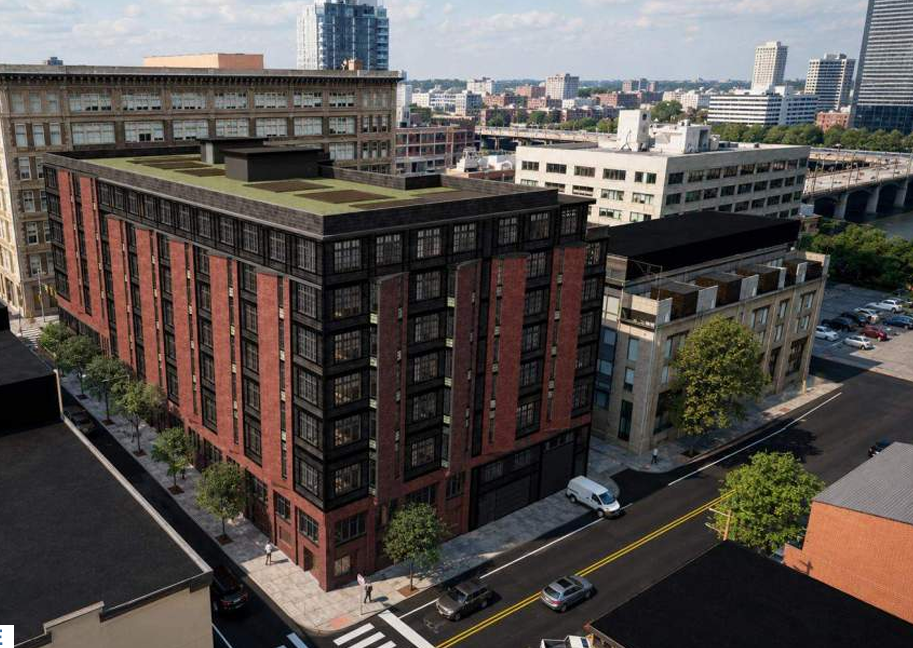
    An 118-unit apartment building at 2301-11 Walnut St. received a warm welcome from a city-designated panel of architects and planners at Tuesday’s meeting of the Civic Design Review committee.

    The eight-story proposal is slated for land that once housed a suburban-style Rite Aid and its surface parking lot.

    The new building would include 46 underground parking spaces, 2,750 square feet of retail on Walnut Street, and 5,675 square feet of amenity space facing an interior courtyard.

    The property has long been held by Patriot Development Associates, a company that owns and operates parking facilities throughout Center City.

    In 2022, developer Trammel Crow Co., based in Dallas, proposed a 172-unit tower on the site, but the project was scuttled when interest rates began rising sharply.

    The new plans show Patriot developing the property themselves. The president of the company, Richard Zeghibe, did not respond to requests for comment.

    Philadelphia-based Boxwood Architects is designing the project. The firm is known for high-end restaurant and bar design, as well as multifamily projects.

    The architect plans a variety of plant life features, including new street trees, a green roof, and a garden in the courtyard facing Bonsall Street, as well as design detailing on the side of the building.

    “We introduced an artistic gesture on Bonsall Street, inspired by the movement of the Schuylkill River, to activate the streetscape and connect the courtyard to the neighborhood through brick screens and sculptural metal railings,” said John Weckerly of Boxwood.

    The detailing on Bonsall Street is “inspired by the movement of the Schuylkill River,” according to the project architect.[Box]wood Architects

    “Gardens and green spaces are situated throughout the project to reduce the heat island effect and create a more welcoming experience for residents and neighbors,” Weckerly said.

    The overwhelming majority of the project is comprised of one-bedroom units, with only 13 two-bedrooms.

    The proposal does not require any breaks from zoning law, so the developer only had to meet with the local community organization — the Center City Residents Association (CCRA) — in advance of Tuesday’s advisory-only meeting.

    “[We] welcome the addition of housing to the neighborhood, additional residents, and retail opportunities for more businesses,” Alex Roederer, head of CCRA’s zoning committee, said at the Tuesday meeting.

    He noted that Patriot Development had expanded the bicycle room in response to the neighborhood’s feedback and that the company was considering a Community Benefits Agreement as well. Details are not yet available.

    A close-up rendering of Patriot Development’s proposed building, with the green roof visible.[Box]wood Architects

    The Civic Design Review committee generally praised the aesthetics of the project and its potential to enliven Walnut Street as it approaches the Schuylkill.

    Multiple street-level businesses in the blocks of Walnut Street leading up to the river have shuttered since 2020.

    Some members of the CDR committee encouraged the developer to add more street-level commercial space — currently only the Walnut Street side features room for retail — and others urged the architects to bring more definition to the existing street frontage.

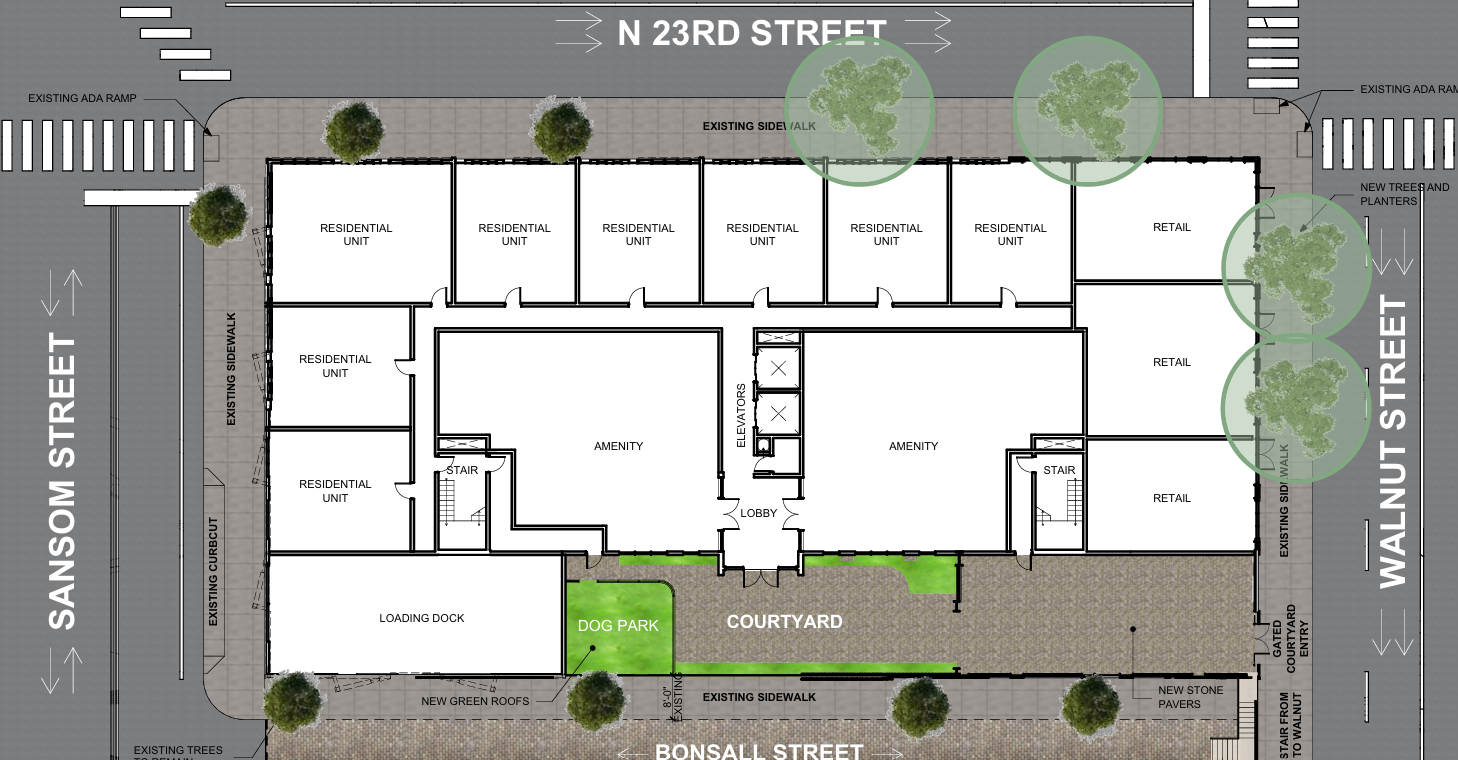
    Alternatively, they suggested wrapping amenity space, such as a gym, around to Walnut. (Currently, the space faces the courtyard, with residential units lining Sansom and 23rd Streets.)

    A map of the ground floor of the proposed building, which unusually has apartments on the ground floor.[Box]wood Architects

    “I would just love to see how you can … make this more special because right now I’m afraid it’s just a glass surface on the sidewalk,” said Ximena Valle, an architect who chairs the committee. “If they remain empty, which they might, it’s really quite ominous. It would be more of what’s already there” — vacant space.

    When asked about specific amenities — beyond a dog park — Weckerly of Boxwood noted that those details have not been fleshed out.

    Neither have potential retail offerings, with committee members noting that the current configuration did not appear to have the back-of-house space needed to sustain a restaurant.

    However, the committee on the whole praised Boxwood and Patriot Development’s design, a contrast with the reception of Trammell Crow Co.’s project in 2022.

    “Sometimes we have developers come in, and they do the absolute minimum to make an apartment, and this is more than that,” said Dan Garofalo, an architect who is the committee’s vice chair.

    This is the second major development recently announced this summer on the western edge of Walnut Street. A 372-unit building from PMC Property Group is planned just to the west at 200-10 S. 24th St.

    “I was excited to see the project come through. It provides a great opportunity of connecting West Philly and the east side of the Schuylkill,” Valle said. Right now, “I think that pedestrian experience, pre-bridge, heading west is pretty miserable.”