Category: Commercial Real Estate

  • West Philly parking wars heat up amid plans for a 420-unit apartment complex on Lancaster Ave.

    West Philly parking wars heat up amid plans for a 420-unit apartment complex on Lancaster Ave.

    Haverford Square Properties wants to transform an industrial stretch of Lancaster Avenue into a residential and small-business hub, with 420 apartments and more than 30,000 square feet of commercial space across three projects.

    The ambitious plan would unfold between 50th and 52nd Street, with the 215-unit Cathedral Yards at 5140 Lancaster Ave. to the northwest and the 160-unit Lancaster Yards to the southeast at 5022-32 Lancaster Ave. Cathedral Yards would take the place of the Greater Bible Way Temple, a church that burned down in 2019.

    The two complexes would comprise four connected six-story buildings, with roof decks and commercial space on the ground floors. A smaller building at 5100 Lancaster Ave. would include 45 mostly two-bedroom apartments, and Haverford Square’s headquarters.

    On Tuesday, the Cathedral Park Community Development Association held a meeting about the project. Attendees shared a variety of concerns, but the chief issue was parking. The project has 65 parking spaces for more than 400 units.

    “That building is gorgeous, but it has an issue and that issue is parking,” said Kim Fuller, a neighborhood leader. Haverford Square noted that because the project sits directly on a trolley line, and enjoys frequent bus service, parking is less necessary.

    Rents will be kept relatively low for new construction, with a one-bedroom unit priced under $1,650 and two-bedroom units under $1,900. Sixty percent of the 420 units will be one-bedrooms, and the rest two-bedrooms.

    Haverford Square will offer “workforce rents for, like, a SEPTA driver or city worker,” said German Yakubov, president of the development group.

    “[Households] making between 12 and 16 bucks an hour that have two incomes can easily afford a brand new apartment with amenities that they wouldn’t otherwise be able to afford in Center City or Northern Liberties,” he said.
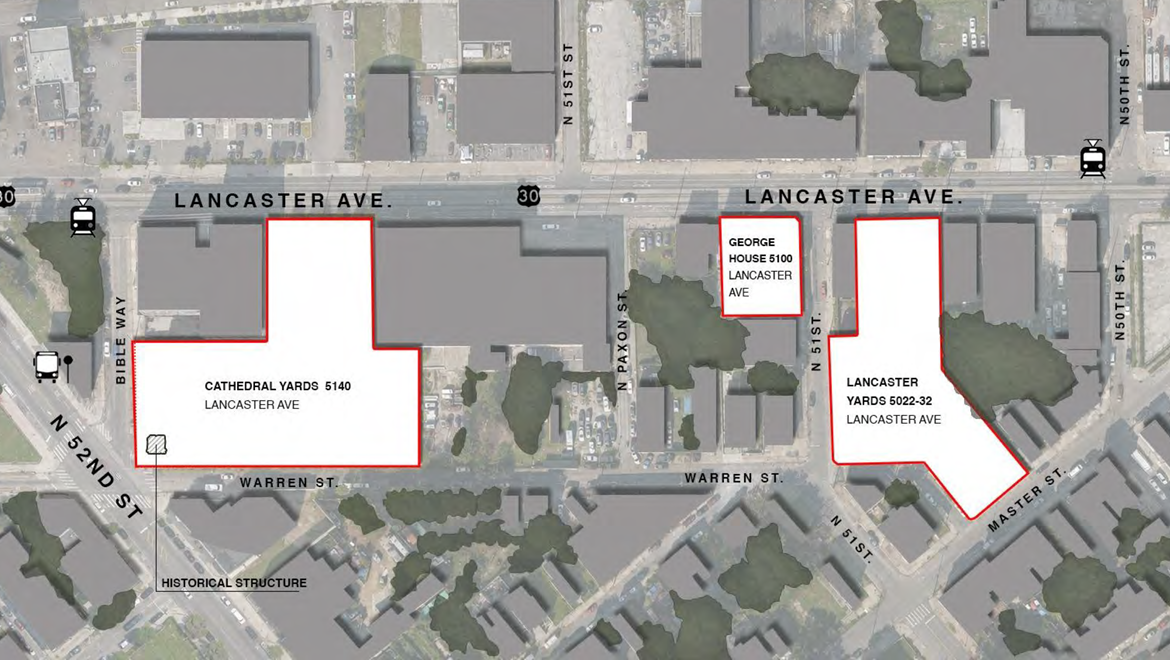
    A map of Haverford Square Properties’ three proposed projects along Lancaster Avenue.Wisdomtree Group

    Permanent homes for food trucks?

    Haverford Square began in 2008, first building in Mantua, and concentrating on West Philadelphia neighborhoods like Belmont and Parkside.

    “We’re able to control a lot of the costs,” said Yakubov, because Haverford Square has its own construction company and in-house architecture. “And because we’re able to build in other places, we’re able to negotiate better pricing for a lot of our material.”

    For this project, low rents are also manageable because the company purchased the land for the three properties for $4.5 million, relatively cheap.

    Ten percent of the apartments in Lancaster Yards and Cathedral Yards will have affordable rents as part of Philadelphia’s Mixed Income Housing Bonus program, which allows developers to build denser projects than zoning would typically allow — as long as they include affordable units.

    Those 42 units will be available to people making less than 50% of area median income, or under $42,000 a year for a one-person household.

    Yakubov says the commercial space is key to the project, and Haverford Square plans to seek small businesses in the neighborhood, such as food truck operators who want to move into a brick-and-mortar space.

    “We’re really targeting businesses that have a following already, but don’t have the financial means to open up a brick-and-mortar location,” said Yakubov.

    “We don’t anticipate opening any bars. We’re not going to have any places to serve alcohol or smoke shops or sell cigarettes or anything that would be a negative impact to the neighborhood,” he said.
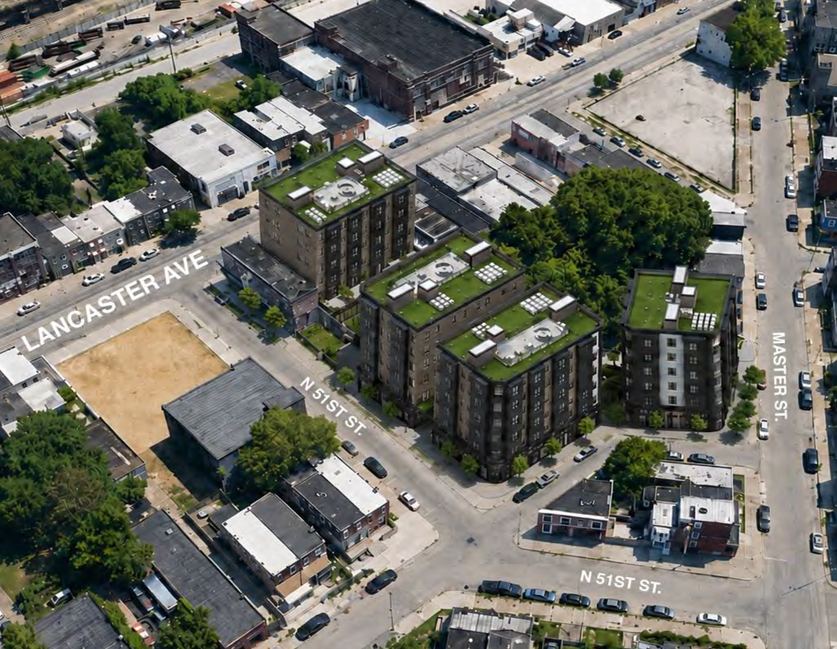
    An overhead rendering of Haverford Square’s 160-unit Lancaster Yards proposal, at 5022-32 Lancaster Avenue.Wisdomtree Group

    Parking wars

    At a Tuesday evening meeting, residents pushed back on the project, some saying the proposed buildings were too tall and others sharing fears of displacement.

    But the most significant and frequent feedback was about parking.

    Haverford Square proposed 65 parking spaces at Cathedral Yards, and none at Lancaster Yards, highlighting nearby bus and trolley routes.

    “Please take it into consideration to eliminate that bottom row [of the building] and put parking in. Parking is so important,” said Fuller, an employee of Councilmember Curtis Jones Jr., who represents the area.

    Audible groans rang out when Yakubov noted that many of his company’s tenants do not own cars — partly because they often have rental vouchers that are reserved for lower-income residents.

    “No one bought it,” said Mark Harris, of the Cathedral Park Community Development Association, in an email following the meeting.
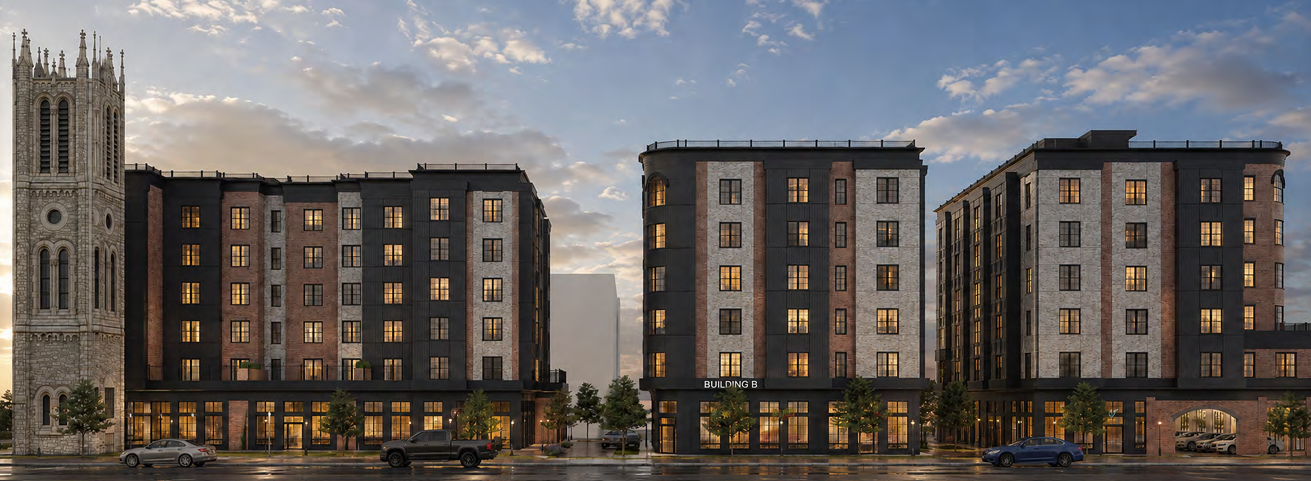
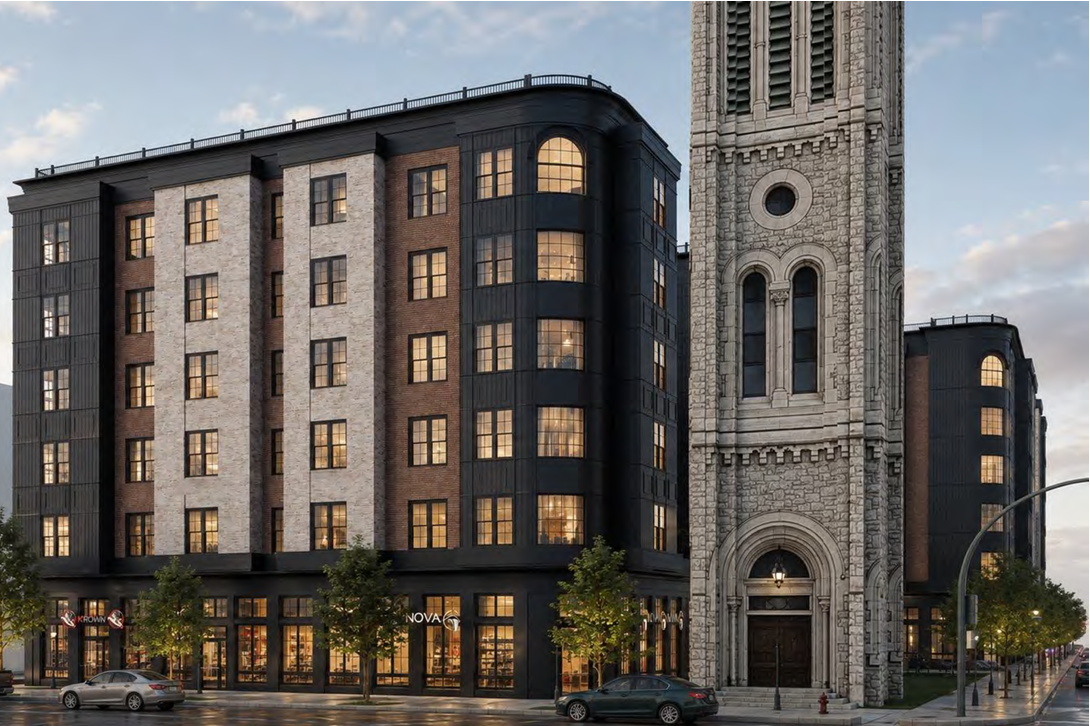
    A rendering of Cathedral Yards, with the remnant tower of Greater Bible Way Temple at the left.Wisdomtree Group

    At the end of the meeting, 21 attendees voted to oppose the project before the zoning board, while four were in support. Comments on Zoom were more supportive of Haverford Square’s plans, compared with the in-person attendees.

    Yakubov said on Tuesday that he would consider adding more parking in place of some commercial space.

    Zoning approvals

    Neighborhood support could be important for Haverford Square’s plans. Although the Philadelphia-based developer already owns the three properties on Lancaster Avenue, they need permission from the Zoning Board of Adjustment to move forward on this project. The board takes community feedback into consideration.

    As currently proposed, the project exceeds the allowed number of units and is taller than existing land-use regulations allow.

    Yakubov says additional height is needed to accommodate commercial space with high ceilings.

    He argues that the zoning board has recently given other projects permission to build above height limits along Lancaster Avenue, so he is optimistic.

    Although the Haverford Square project does not have many immediate residential neighbors, the nearby One Art Community Center is critical of the developer’s plans. The nonprofit organization sought to buy the Greater Bible Way Temple property to expand their services.

    Greater Bible Way Temple sold to Haverford Square properties instead. In advance of Tuesday’s meeting, One Art sent an email to its supporters criticizing Yakubov.
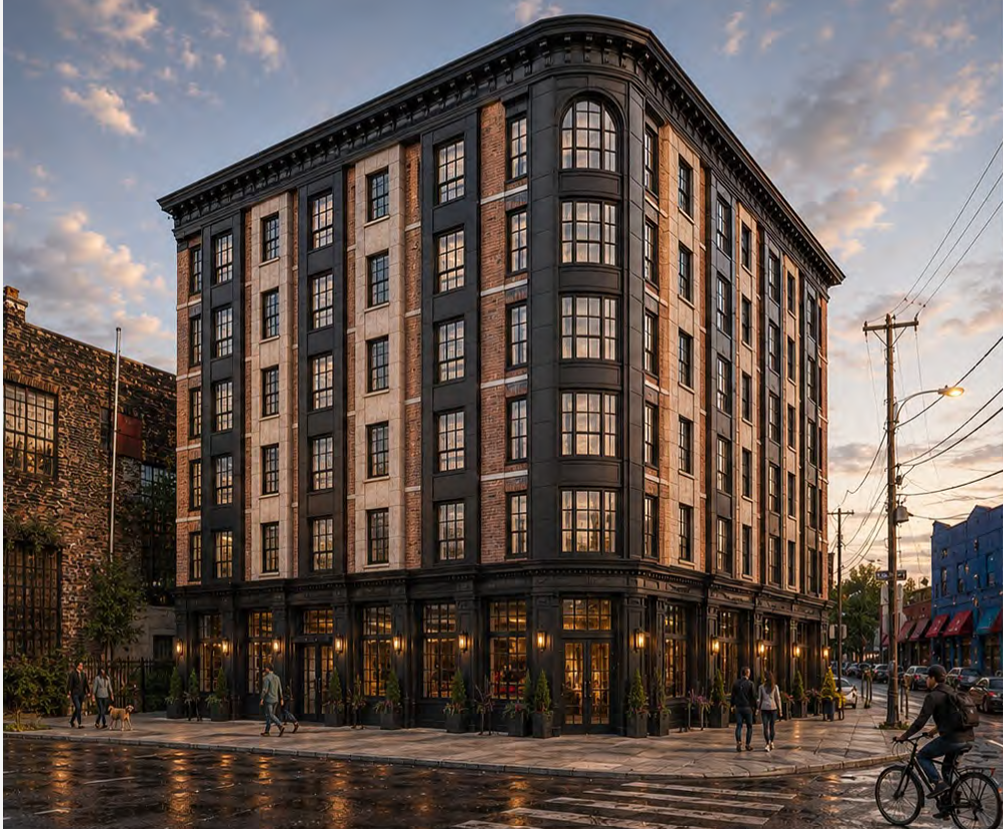
    A rendering of one of the many six-story apartment buildings Haverford Square Properties has proposed for Lancaster Avenue between 50th and 52nd Streets.Wisdomtree Group

    “We’re concerned about the increased traffic. … We have questions around the increased pollution and parking issues, sanitation issues, and the rise of the cost of living for the current residents,” said Malaika Gilpin, co-director of One Art, at the Tuesday night meeting.

    In response to the group’s concerns, Yakubov suggested bringing One Art programming into the commercial space in the proposed project.

    Yakubov said zoning board support is not essential to the project. If the project does not get approval, Haverford Square will move forward with a smaller version of the project without commercial space.

    “If for whatever reason the wheels fall off and we’re not able to get zoning relief, we’re ready to proceed,” said Yakubov. But, he added, “I think that the commercial component it would be a huge boost to the community and to the city.”

    Editor’s note: This story has been edited to update the number of units in the proposed development.
  • Vanguard sells one of its Chester County offices for $17 million, but will stay put for now

    Vanguard sells one of its Chester County offices for $17 million, but will stay put for now

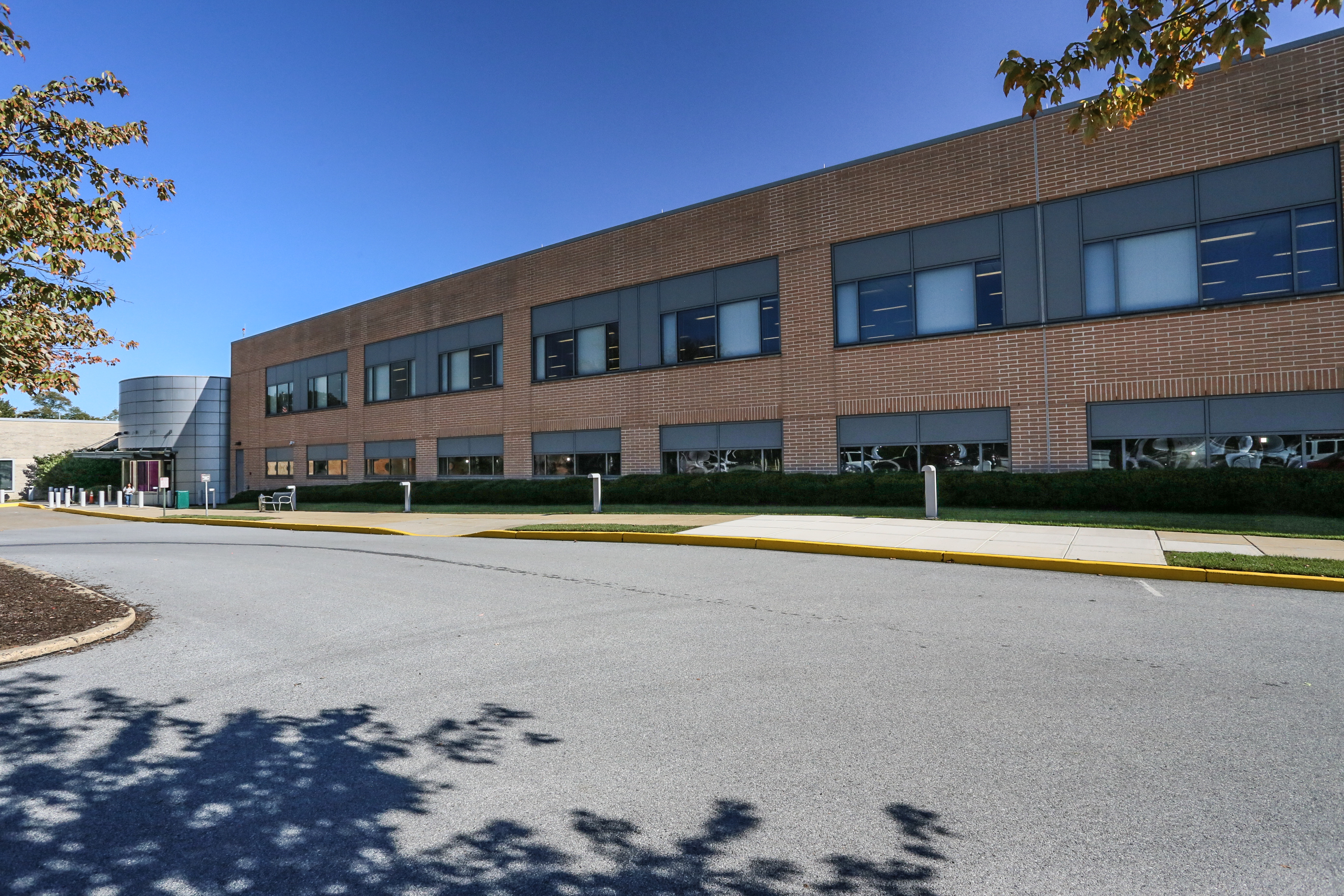
    Vanguard has sold a Tredyffrin Township office complex for $17 million — with no plans of moving out.

    Last month, the Malvern-based investment firm sold its 22-acre property at 1041 W. Valley Rd. to another Malvern-based company, E Kahn Development, according to Chester County property records.

    But Vanguard plans to continue leasing the 323,000-square-foot space, which sits just off U.S. Route 202, about eight miles from its main campus in Malvern. Hundreds of Vanguard IT employees work at the complex, called the Robert A. DiStefano (RAD) Technology Center.

    Vanguard’s RAD complex in Tredyffrin Township has been sold for $17 million, but Vanguard will continue to lease the space for its IT operations.Courtesy Vanguard

    The sale and lease-back “reflects Vanguard’s focus on providing work environments that support and inspire our crew as they remain focused on our end investors,” a company spokesperson said in a statement. “Vanguard crew will continue to work at the RAD Technology Center through at least 2028, and there are no immediate plans to move crew who work there today.”

    Eli Kahn, president and founder of E Kahn Development, said in an email that his company has “no immediate plans for the buildings.”

    Earlier this summer, Vanguard closed a leased office at 45 Liberty Blvd. in Malvern, moving employees there to the company’s 87-acre main campus.

    Vanguard employs about 20,000 employees, 12,000 of whom are based in Malvern. About 600 IT staffers work at RAD, Vanguard’s only complex with a Wayne address.

    The company is expanding its IT staff worldwide, including at a new office in India, but has said its U.S. workforce will not be impacted.

  • Uncle Giuseppe’s, a gourmet Italian grocer, is coming to King of Prussia and Moorestown

    Uncle Giuseppe’s, a gourmet Italian grocer, is coming to King of Prussia and Moorestown

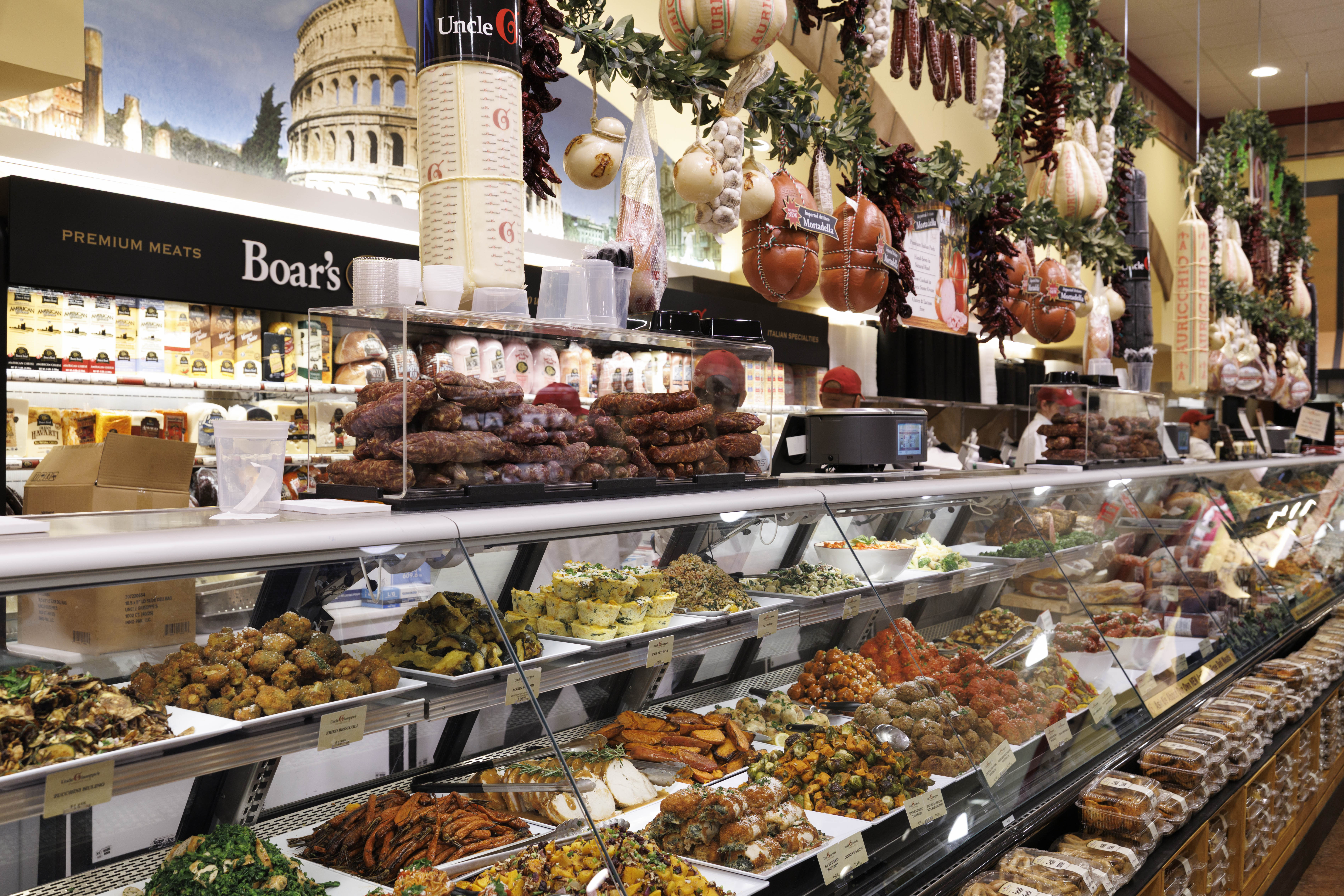
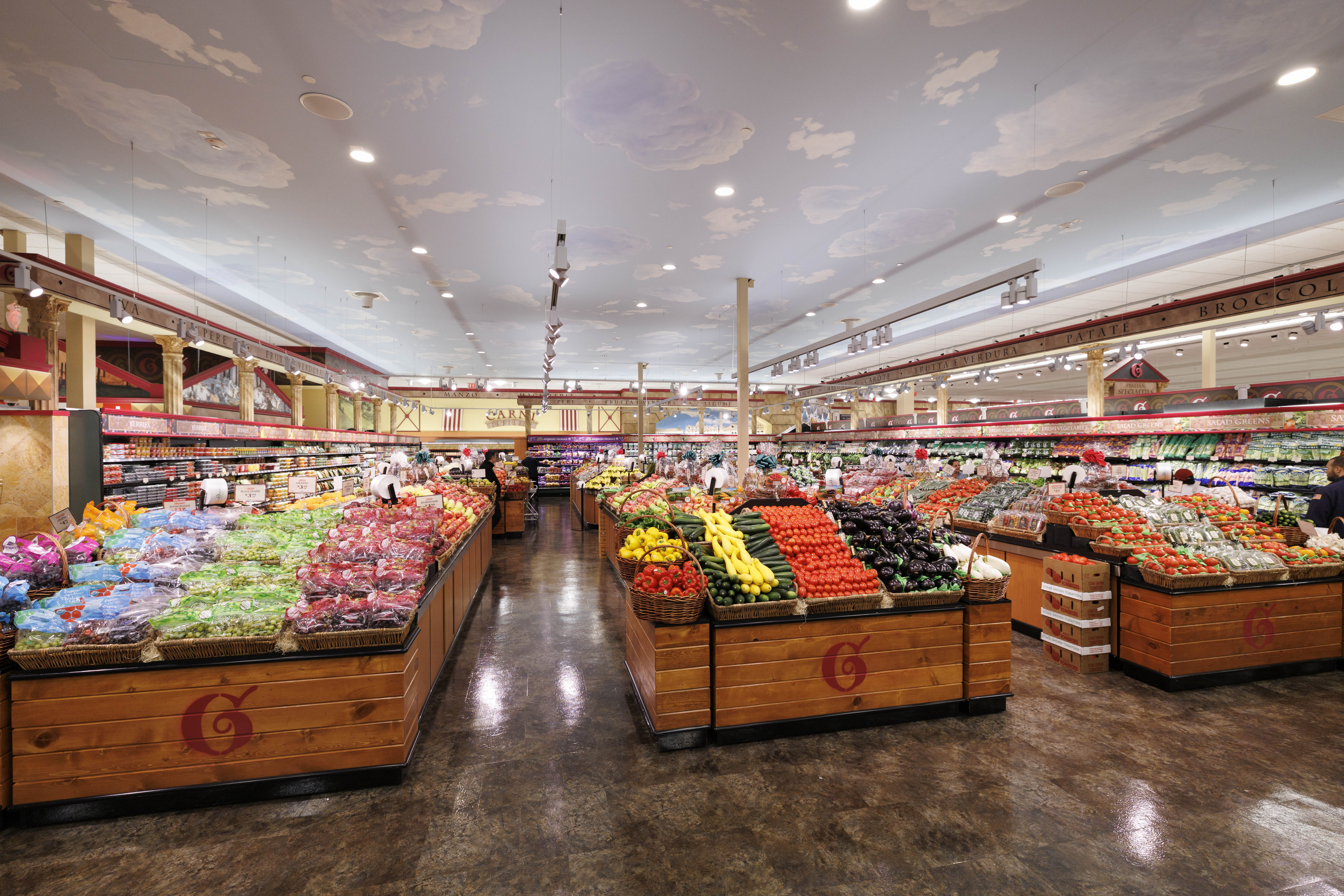
    Uncle Giuseppe’s Marketplace, a New York-based chain of high-end Italian supermarkets, is expanding into the Philadelphia area.

    The company recently announced plans to open stores in King of Prussia and Moorestown in late 2027.

    The King of Prussia market, the chain’s first Pennsylvania location, is set to open at 320 W. DeKalb Pike, the site of the closed Hobby Lobby in the DeKalb Plaza shopping center.

    The Moorestown store, the first in South Jersey, will be located at 1311 Nixon Dr., replacing the Barnes & Noble and PetSmart in the East Gate Square complex.

    Each of the new locations will be about 58,000 square feet.

    The inside of a recently opened Uncle Giuseppe’s Marketplace in New York.Courtesy Uncle Giuseppe's Marketplace

    “King of Prussia and Moorestown are two markets we’ve been looking at for some time,” Carl DelPrete, CEO and cofounder of Uncle Giuseppe’s Marketplace, said in a statement. “We look for communities where we believe our stores will be a good fit and where customers are looking for fresh, quality food and good service.”

    Founded on Long Island in 2001, Uncle Giuseppe’s now operates 13 locations in New York and North Jersey.

    Every store sells made-in-house mozzarella, homemade pasta, prepared foods, fresh produce, specialty cheeses, imported Italian products, natural and organic items, and more traditional groceries. Each market also has full-service meat and seafood departments, an Italian deli, a scratch bakery, and a catering department.

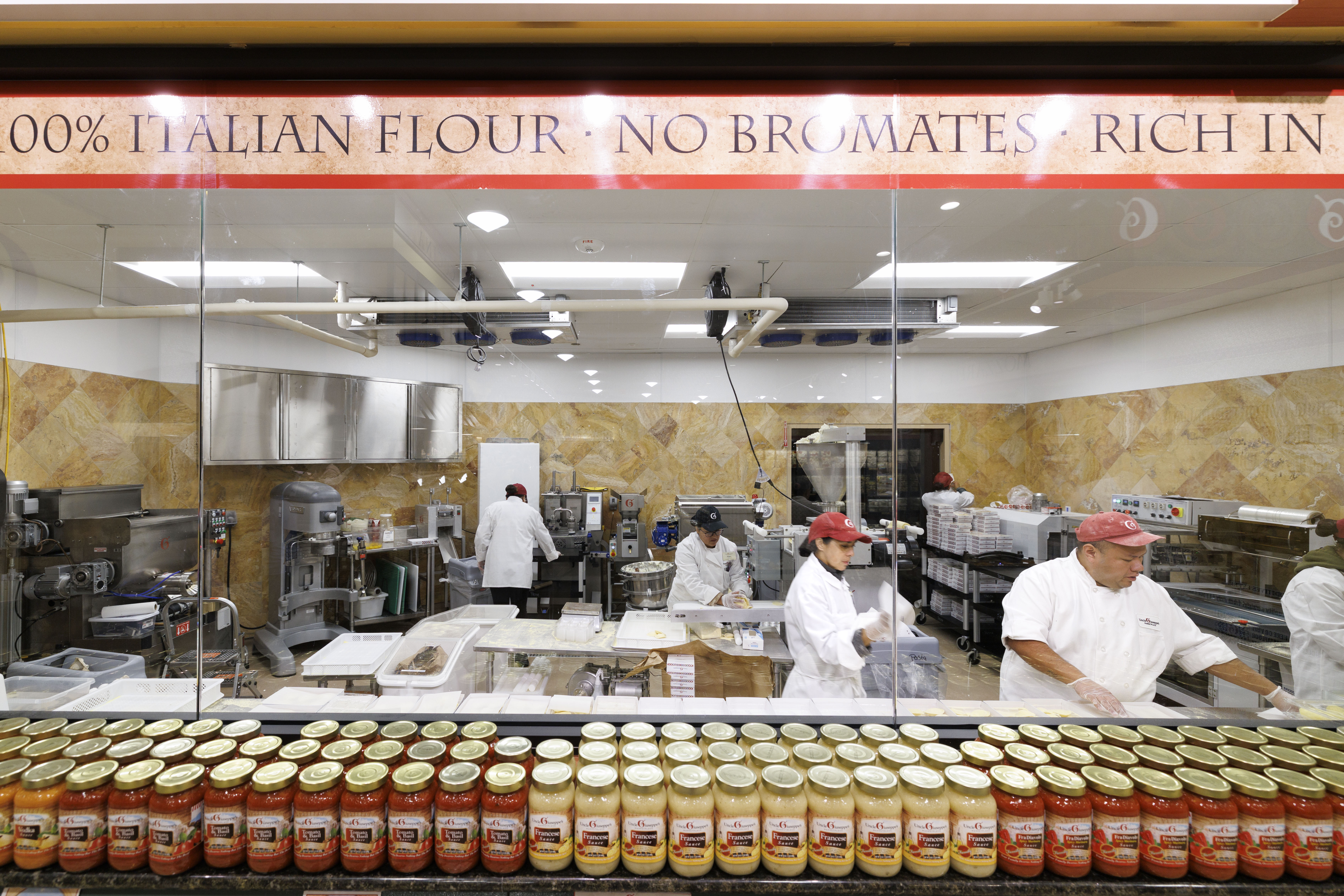
    Customers can watch workers make pasta at a recently opened Uncle Giuseppe’s Marketplace in New York.Courtesy Uncle Giuseppe's Marketplace

    Company executives call shopping at Uncle Giuseppe’s an experience, one in which customers can watch pasta, mozzarella, and bread being made and see meats being cut to order.

    The company is expanding as some other chain grocers contract — and some consumers cut back due to higher prices.

    Earlier this year, Amazon closed all of its brick-and-mortar Amazon Fresh stores, including six in the Philadelphia region, and Grocery Outlet bargain market closed dozens of stores nationwide, including eight in the Philadelphia area.

    Gourmet grocers have not been spared. Di Bruno Bros., the Philly-based Italian-food retailer, closed three of its five locations this winter, two years after being acquired by Wakefern Food Corp., the North Jersey-based supermarket cooperative that operates ShopRite.

    Despite industry uncertainty, Uncle Giuseppe’s is not the only grocer expanding. Sprouts, the organic supermarket chain, is adding stores, too, including in Havertown, Limerick, and Washington Township.

    The Washington Township outpost will be up and running Sept. 11, with the Limerick store to follow Oct. 2. The Havertown location is set to open in early 2027.

    Opening dates, store hours, and other information about Uncle Giuseppe’s new stores will be announced next year, company executives said.

  • Goodness Bowls is opening a headquarters and restaurant in a closed Conshohocken bridal shop

    Goodness Bowls is opening a headquarters and restaurant in a closed Conshohocken bridal shop

    A shuttered bridal shop in downtown Conshohocken will soon become the home of another family-run business with local roots.

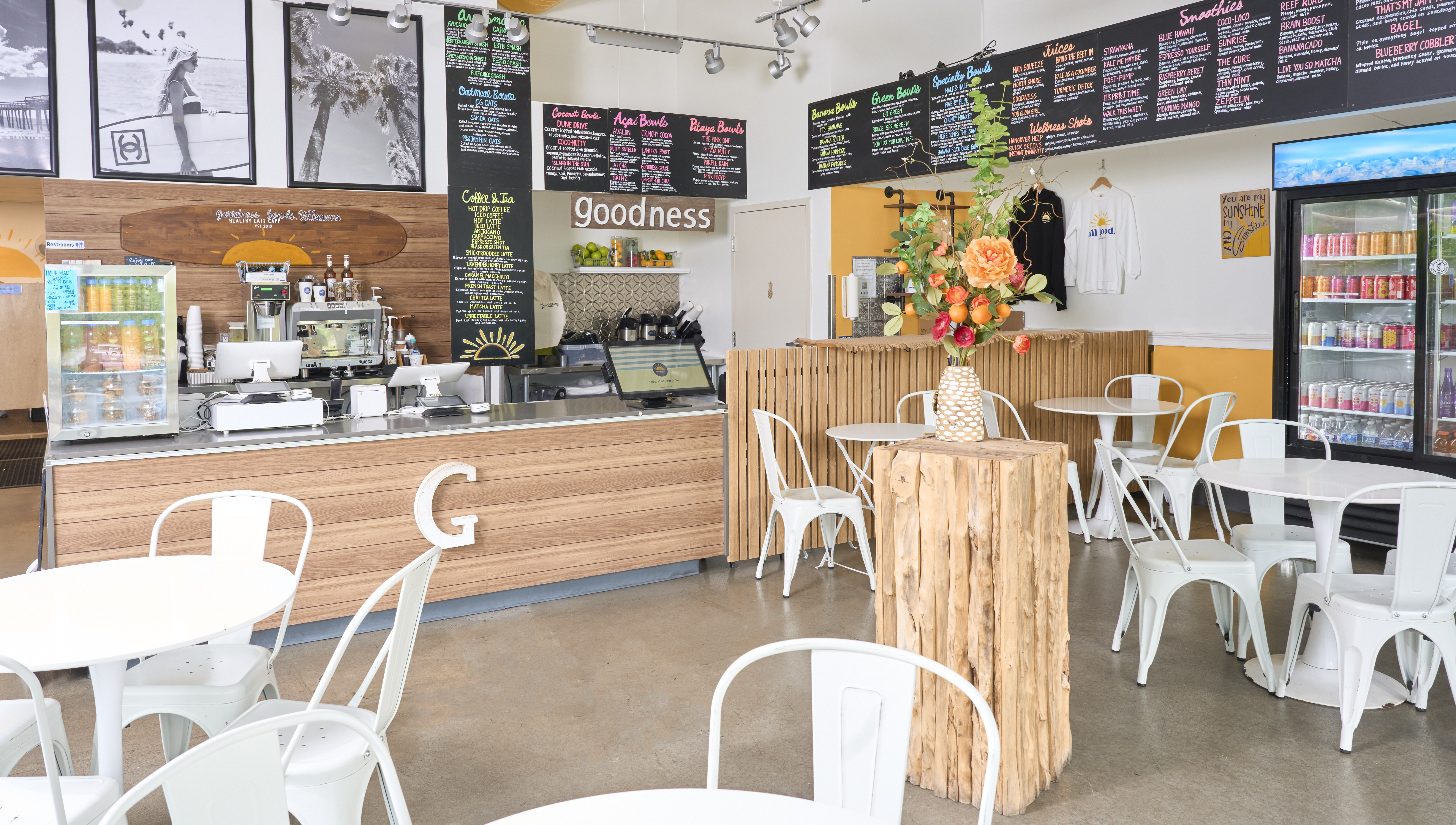
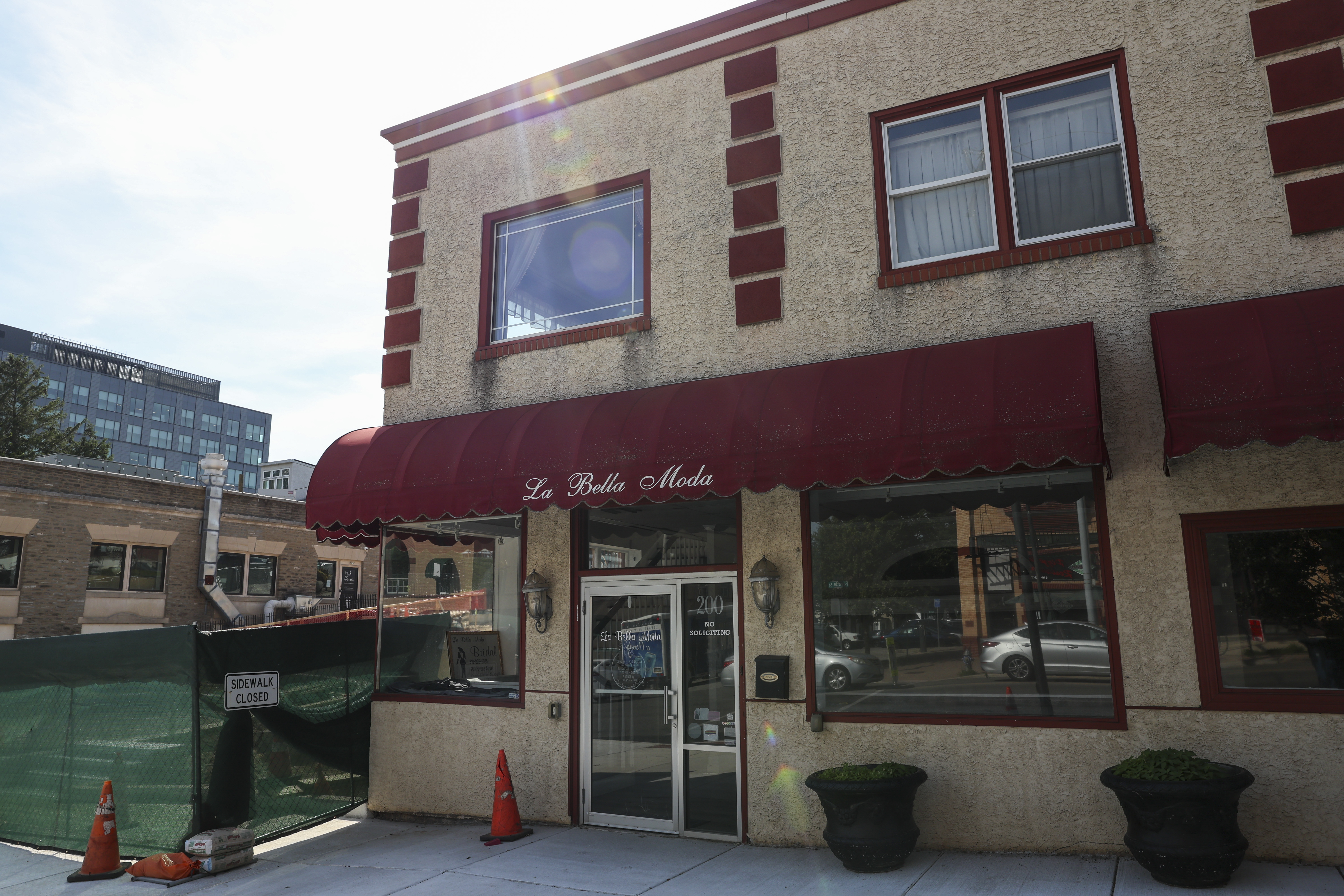
    Goodness Bowls, a “healthy-eats cafe” chain run by Montgomery County residents, has signed a lease for the former La Bella Moda bridal shop at 200 Fayette St., with the goal of opening a corporate headquarters there by early 2027. La Bella Moda closed in May after 45 years in business.

    “I always looked at La Bella Moda, and I thought, ‘God, that would be the perfect corner,’” said Susan Persichetti, Goodness Bowls’ cofounder and CEO. “ But I never thought they would close their doors.”

    In the coming months, the Goodness Bowl team plans to open a 1,500-square-foot restaurant on the first floor, according to company executives, and use 2,000 square feet upstairs for additional seating and its corporate offices. They declined to share the terms of the lease.

    The Conshohocken restaurant will be Goodness Bowls’ 10th location and its third corporate outpost. The rest of its cafes are franchised.

    The closed La Bella Moda, as seen in June.Monica Herndon / Staff Photographer

    The chain’s expansion comes as acai bowls — smoothie bowls loaded with toppings like fruit, granola, and peanut butter — and other more nutritious fast food have surged in popularity.

    Shops selling these bowls seem to be popping up everywhere. Over the past decade, Belmar, N.J.-based Playa Bowls has grown to more than 100 locations in 20 states, including more than a dozen spots in the Philly area. And the Juice Pod, founded in Avalon and now headquartered in Bryn Mawr, has expanded to more than two dozen cafes, most of which are in the region.

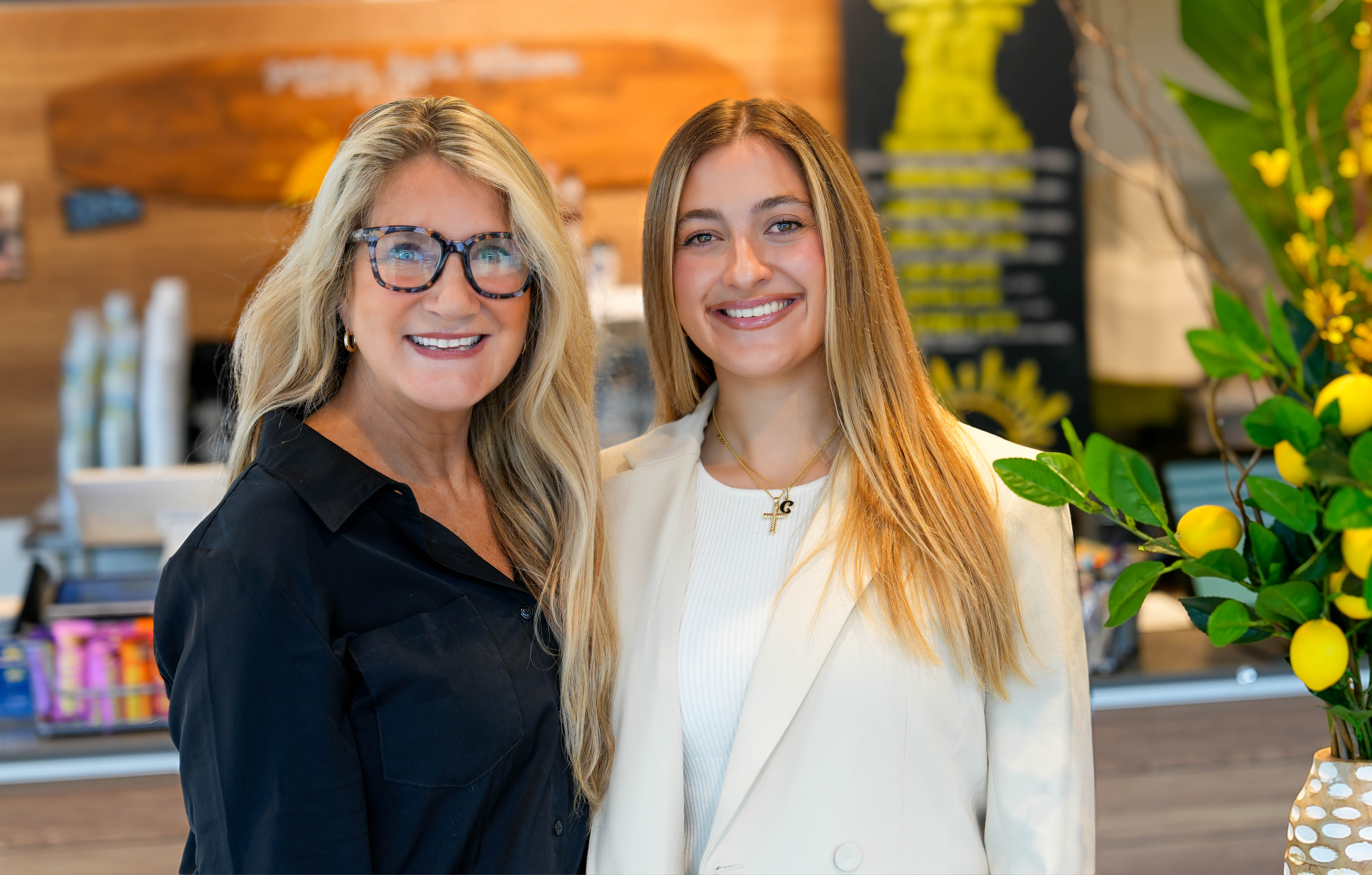
    A mother-daughter duo, Susan and Corinne Persichetti, opened the first Goodness Bowls in Avalon in 2019. Susan said her daughter Corinne — a former Division I field hockey player at Fairfield University and a health enthusiast — was the driving force behind the business.

    Susan Persichetti, cofounder and CEO of Goodness Bowls, with her daughter Corinne Persichetti, cofounder and chief operating officer.Courtesy Goodness Bowl

    Corinne created the cafe’s menu, which includes acai bowls, salads, wraps, and smoothies, and came up with its slogan, “Eat Good. Feel Good. Do Good.” Susan, meanwhile, crafted the shop’s coastal aesthetic and branding.

    For a couple years, Susan and Corinne ran the Avalon location in the summertime while working corporate jobs. In 2022, they opened a second location in Villanova, where they quickly found success. They realized there was demand for the Shore-inspired business in the Philadelphia suburbs, Susan said, and started franchising.

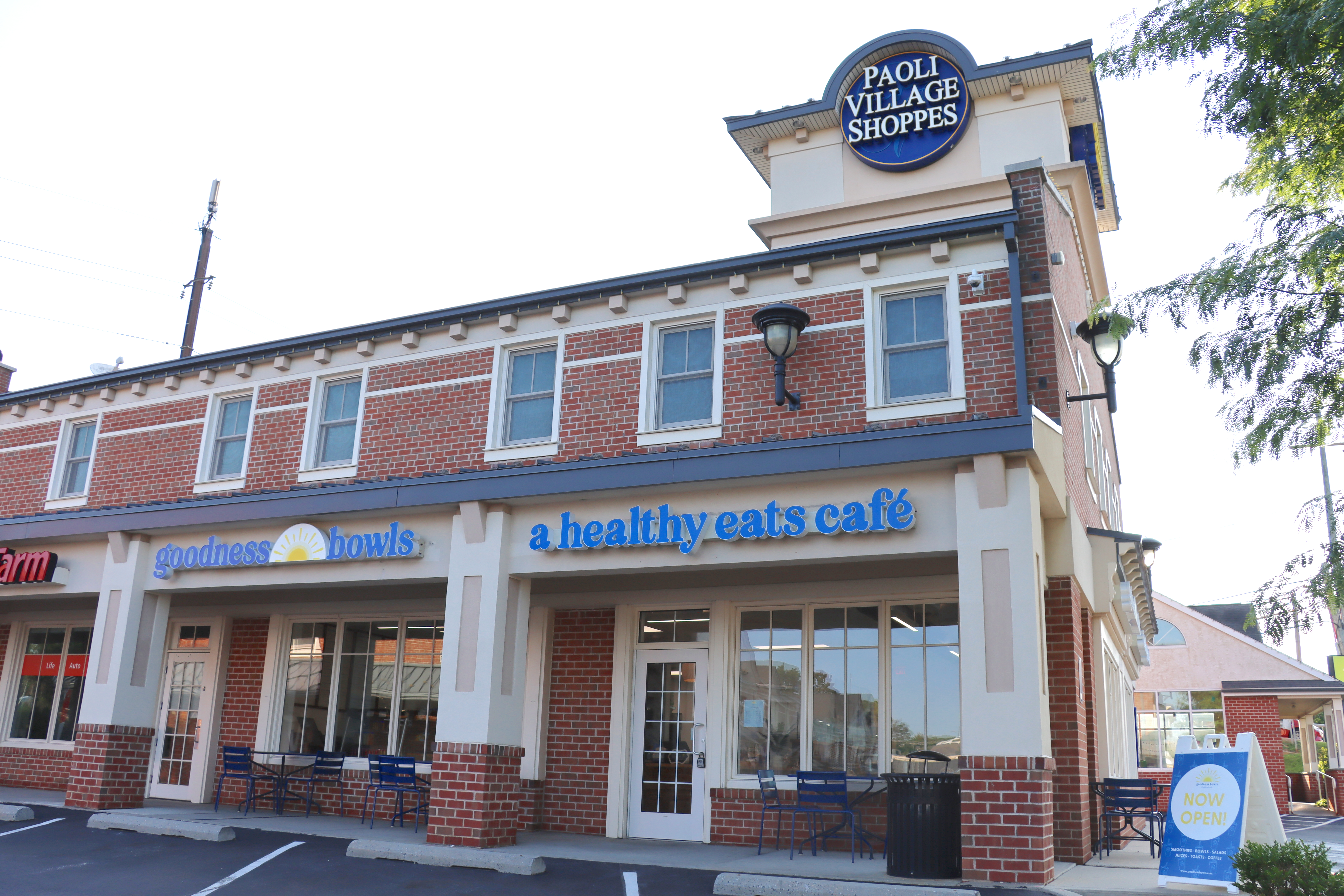
    Goodness Bowls currently has franchise locations in Narberth, Paoli, Collegeville, Spring House, Haddon Township, Sea Isle, and Scranton.

    The new Paoli location of Goodness Bowls.Courtesy Goodness Bowls

    In recent years, Goodness Bowls has also expanded their team, including by hiring a company president, Finn Loftus, who also lives in Montgomery County.

    Susan said she thinks the business has taken off because more consumers, especially women, are seeking out nutritious fast food.

    “People really are craving healthy options,” she said. “And they really want food that they’re able to get quickly.”

    Customers also say they are drawn to the bright cafes and friendly service, according to Susan.

    Goodness Bowls executives look at their move to Conshohocken as a homecoming, and are excited to be back in the borough where Susan raised Corinne and her other children.

    “We want to add to the community,” Susan said, by “keeping a small, family-owned business there on a really great corner that’s built such great traditions.”

  • A new high-rise built by PMC Property Group would overlook the Schuylkill from Walnut Street

    A new high-rise built by PMC Property Group would overlook the Schuylkill from Walnut Street

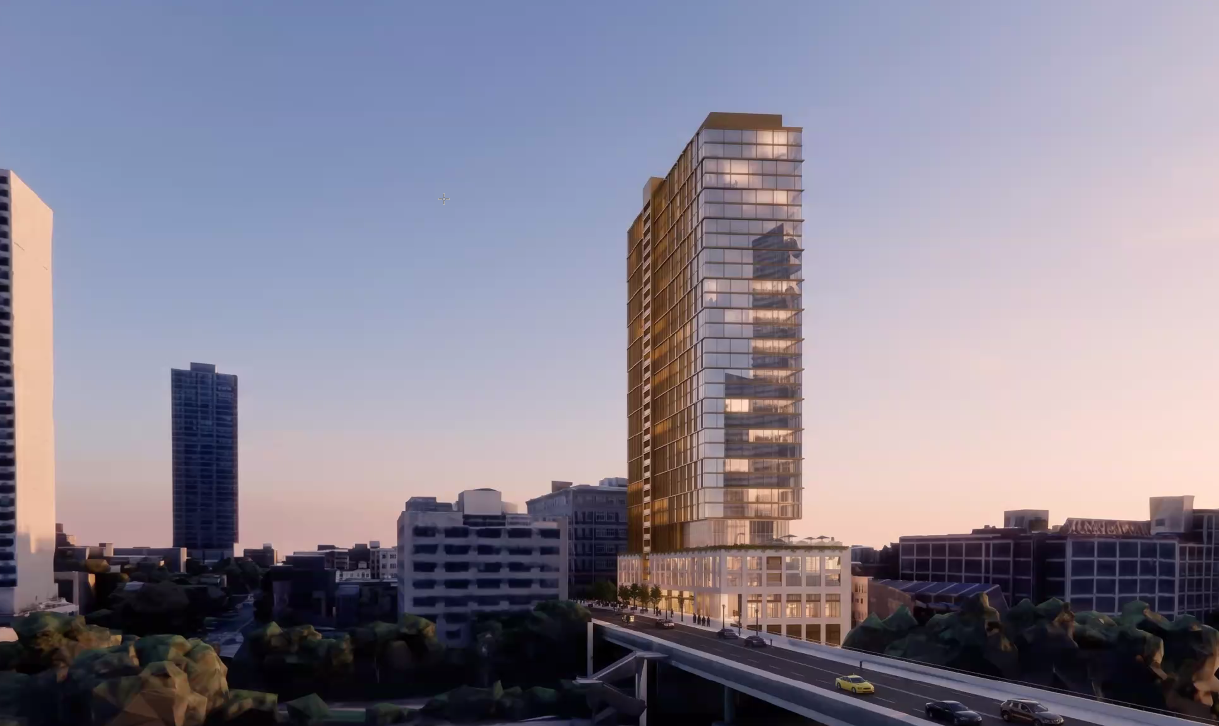
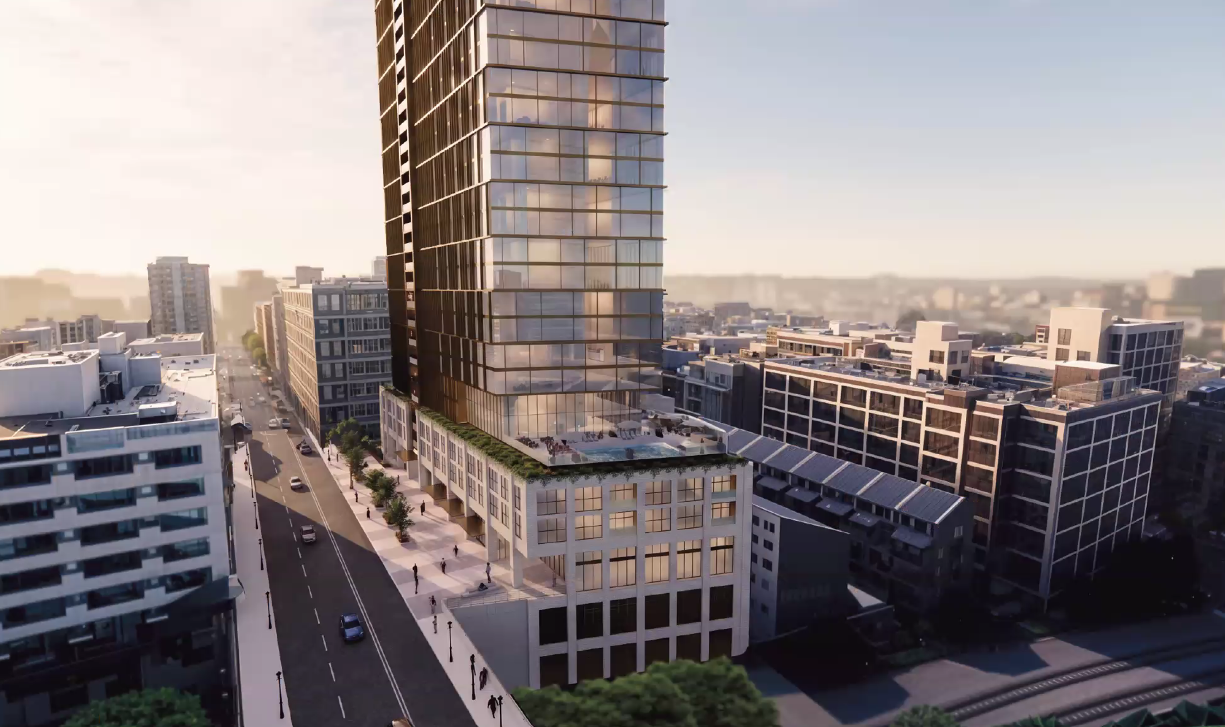
    Philadelphia’s largest apartment owner, PMC Property Group, wants to build a 31-story high-rise at 24th and Walnut Streets.

    The 372-unit apartment building at 200-10 S. 24th St. would also include 118 parking spaces and a swimming pool.

    The proposed 358-foot-tall tower would be the real estate company’s latest apartment development on the Schuylkill. PMC built the two Riverwalk Towers a half mile to the north, in Center City’s Logan Square neighborhood, and the 287-unit building at 2301 John F. Kennedy Blvd.

    “Through these [earlier] efforts, PMC has taken dead space pretty much and activated it, creating the vibrancy of Center City living,” said Adam Laver, a land-use attorney with Blank Rome who represents the developer, in a meeting with the Center City Residents Association (CCRA) on Thursday night.

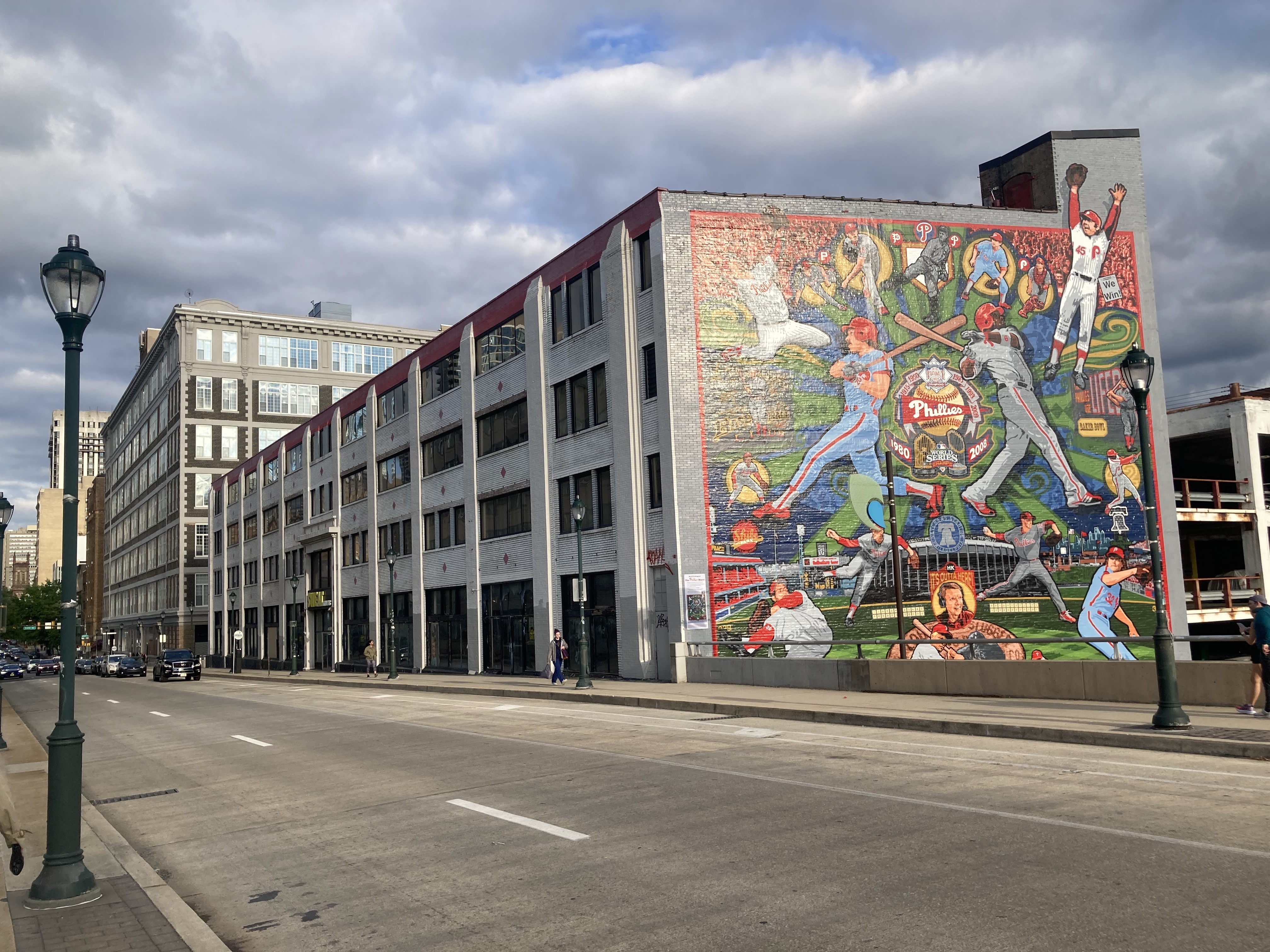
    The 110-year-old building that currently sits at 200-10 S. 24th St. is best known for its mural celebrating the Phillies, by David McShane, which dates to 2015. It would need to be demolished to make way for the project.

    The building currently houses Walnut Bridge Parking & Storage and is owned by Michael Karp, a major local real estate owner, student-housing landlord, and charter school operator. He did not respond to requests for comment.

    “PMC does not currently own the property, and it could potentially be a joint venture,” said Laver.

    PMC Property Group wants to change the zoning on this 110-year-old former industrial building at 200-10 S. 24th St. so they can build a large, new apartment tower.Jake Blumgart

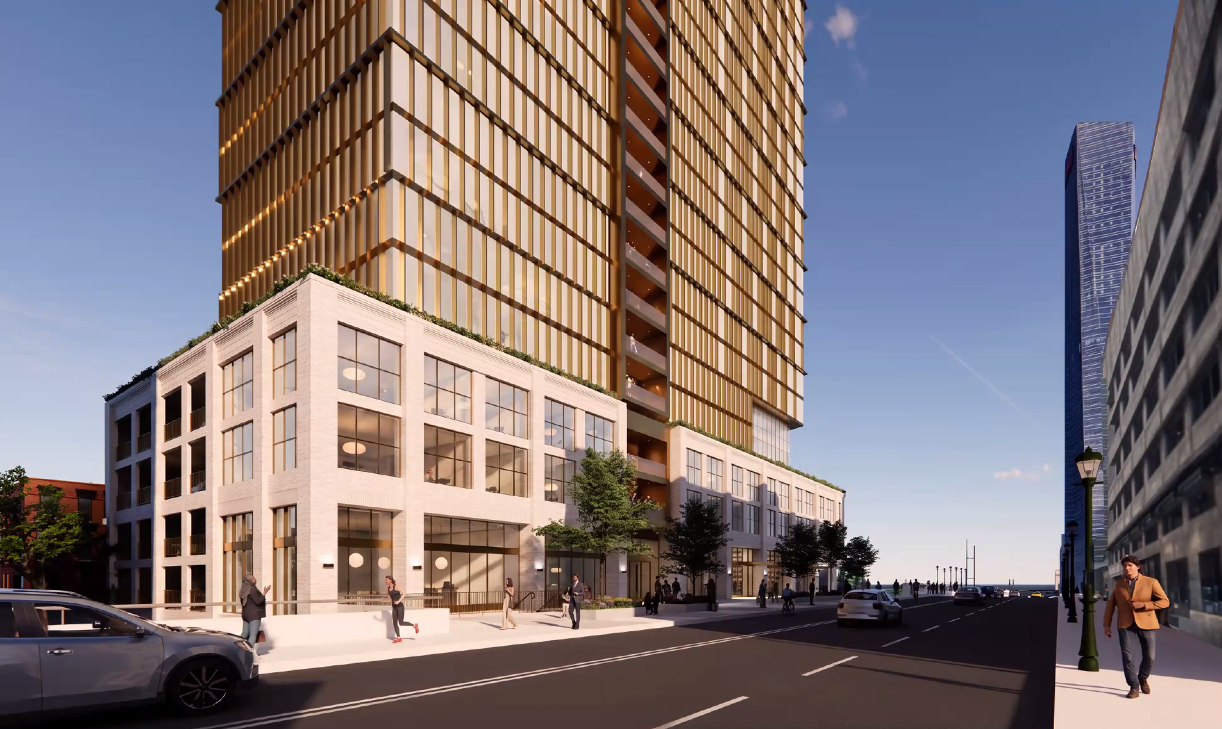
    Parking for the proposed project would be on the bottom two levels, on a podium built to reflect the current industrial building. (The parking garage on those lower floors would exit onto 24th Street.) The tower itself would be set back from the podium and property line.

    Philadelphia-based Tantillo Architecture is designing the building. They have previously worked on projects like the office-to-residential conversion of 400 Market and the redevelopment of the landmark Bellevue Hotel on South Broad Street.

    Like many historical buildings along the Schuylkill, 200-10 S. 24th St. has an industrial past, but unlike some of its counterparts it is still zoned exclusively for that kind of use.

    PMC is seeking to change the property’s zoning legislatively, which would require the support of City Council President Kenyatta Johnson, who represents the area.

    That means support from CCRA — the local registered community organization (RCO) — would be invaluable to the project. RCOs grapple with zoning issues and their feedback often holds significant sway with elected officials.

    The presentation on Thursday night was part of PMC’s ongoing negotiations with CCRA.

    “The industrial [zoning] does not allow residential household living,” said Laver. “That’s really why we’re having this open process with all of you this evening.”

    A rendering of the proposed tower, looking east, along Walnut Street.Tantillo Architecture

    Neighbors were concerned about whether parking could be available to the public, whether demolition could affect the direct neighbors in the condos and townhouses of Fitler’s Walk, and whether the Phillies mural could be saved.

    “That is something that we would be pleased to work with CCRA and others to try to figure that piece out,” Laver said, in regards to the mural.

    He said that PMC would also consider providing some public parking, as the garage’s demolition will mean some current public spaces are lost.

    Laver said that he anticipates that the project could take two and a half years to develop, assuming that PMC gets the support of CCRA and Council President Johnson.

    Following Thursday’s public meeting, CCRA will consider public feedback, and the organization’s board will vote on whether to support the zoning change.

    A rendering of the tower, from street level, looking west.Tantillo Architecture

    A bill changing the property’s zoning could not be introduced until Sept. 17, at the earliest, when City Council returns to session.

    Johnson said earlier this year that he hadn’t yet begun seriously considering the project as negotiations between the developer and CCRA unfold.

    “I’m aware of the project, but they’re still going through the RCO process,” said Council President Johnson, in a May interview.

    “Once they get through that process, if the RCO says, ‘Yes, this is something we want to see in our neighborhood,’ then they’ll get a hearing where we’ll evaluate if this is something we want to support as a body,” said Johnson.

    PMC could also secure relief from the property’s industrial land use regulations from the Zoning Board of Adjustment, but that is often a lengthy and unpredictable endeavor.

    PMC’s president, Ron Caplan, has a long history in Philadelphia. During the recent development slowdown in Philadelphia, the company is one of the few that has continued developing new projects at a steady clip.

  • Willow Grove Park Mall is in the process of being sold

    Willow Grove Park Mall is in the process of being sold

    Willow Grove Park Mall is on track to be sold soon.

    A representative for Pennsylvania Real Estate Investment Trust (PREIT), which owns the Montgomery County mall, said in a statement Thursday that “a lender-directed sale process is underway and expected to be completed in the near term.”

    The Philadelphia Business Journal first reported the news, saying that a partnership of New York firms — Namdar Realty Group, Mason Asset Management, and CH Capital Group — were set to buy PREIT’s 725,000-square-foot section of the 1.2 million-square-foot mall, as well as its debt on the property, for an undisclosed price.

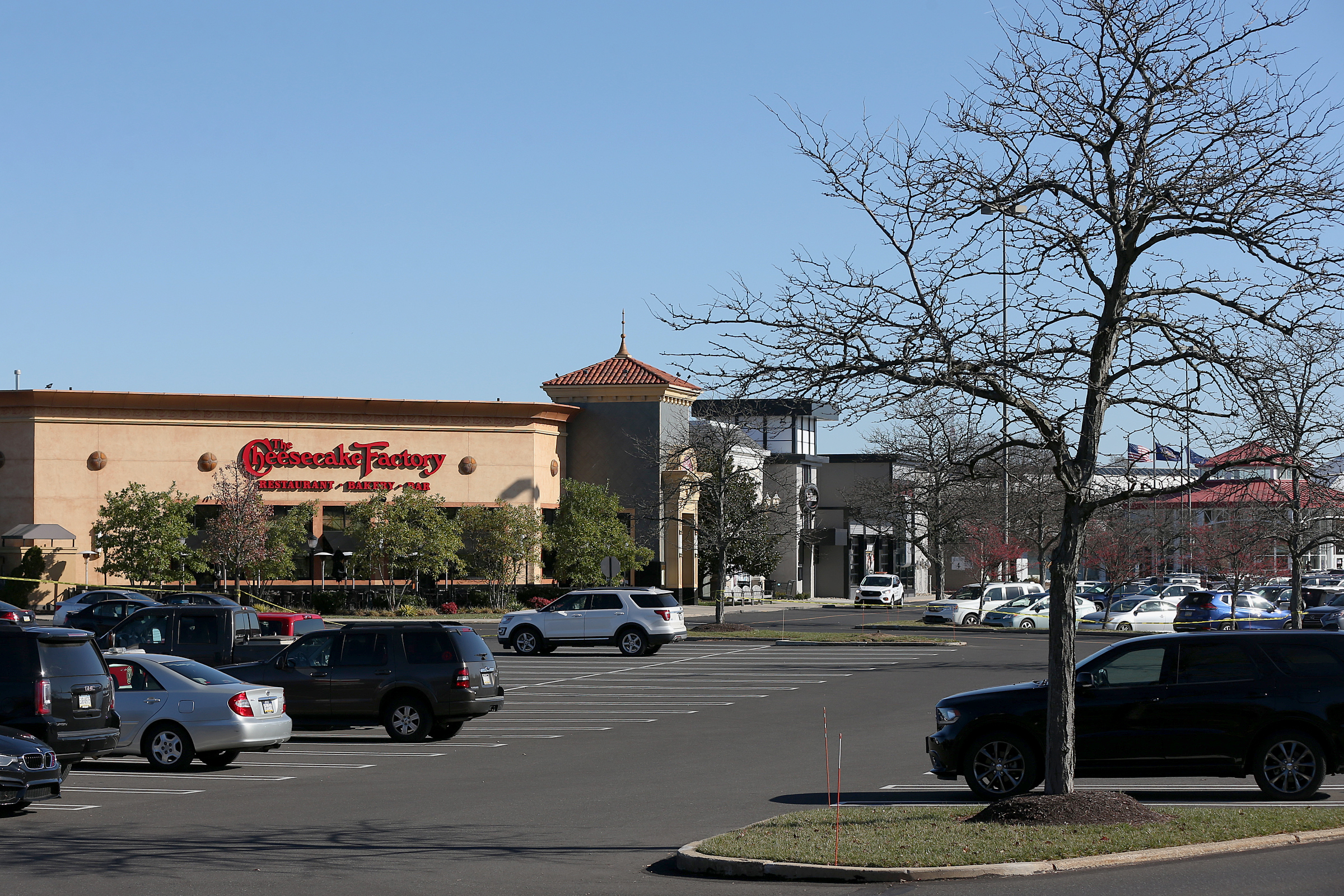
    The sale would include most of the mall, including Macy’s, Cheesecake Factory, and Nordstrom Rack, but not parcels that house Primark and Bloomingdale’s, according to the Journal, citing marketing materials that have since been removed from real estate firm JLL’s website. JLL did not return a request for comment.

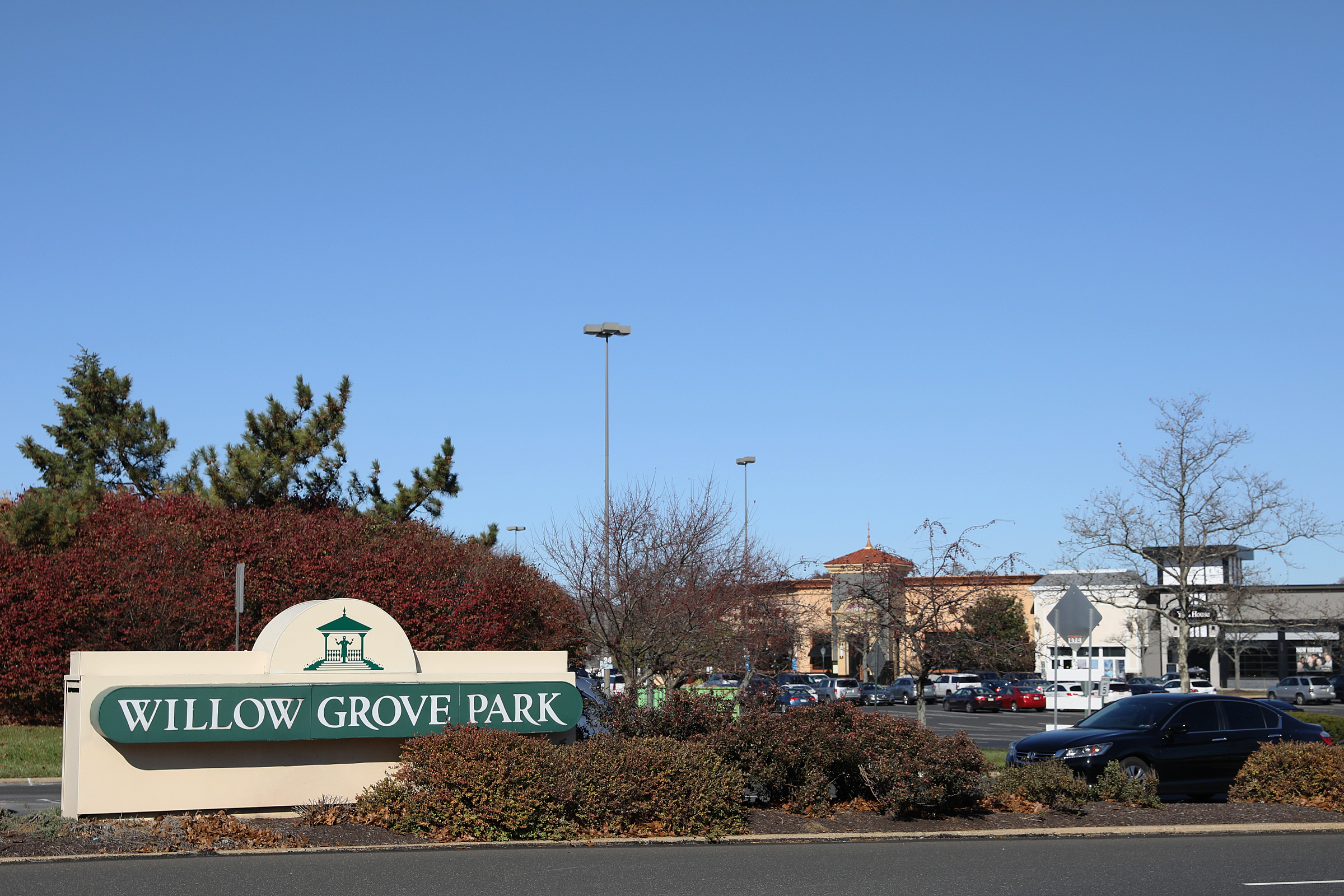
    The Willow Grove Park Mall is shown in 2019.TIM TAI / Staff Photographer

    The potential new buyers, all based in New York, did not return calls or emails from The Inquirer.

    Willow Grove Park Mall would not be their first acquisition in the region.

    In 2015, Namdar, a company known to scoop up distressed malls, and Mason Asset Management bought the struggling Voorhees Town Center from PREIT for $13.4 million. Since then, retailers have continued to flee the Camden County mall, which has been closed since a 2024 fire. A North Jersey developer has plans to buy and revive the property, pending a state tax credit.

    Namdar also owns the Hamilton Mall in Mays Landing, which New Jerseyans have called one of the state’s deadest malls.

    The situation in Montgomery County, however, is different.

    Willow Grove Park Mall has appeared healthy in recent years, despite the financial struggles of its owner, PREIT. As of 2023, the center was about 96% occupied, and PREIT executives were calling the complex “one of our leading suburban Philadelphia assets.”

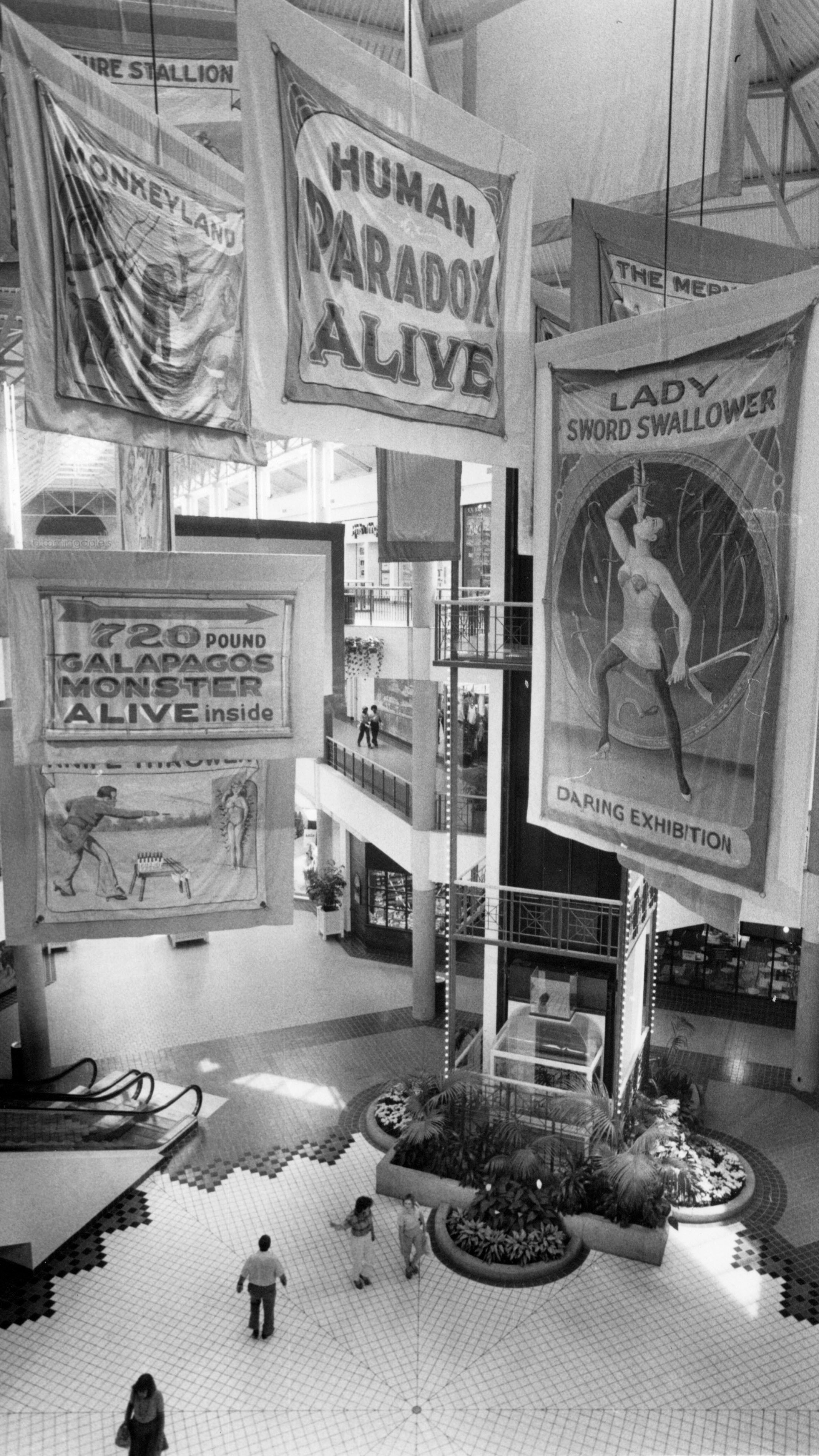
    The Willow Grove Park Mall opened in 1982 at a time when the Philadelphia suburbs were flush with shopping malls. The complex got off to a bumpy start, failing to meet its first-year sales expectations and leading some mall developers to say, as an Inquirer headline read at the time: “No more malls.”

    Banners hung over the elevator court in the Willow Grove Park Mall in this 1984 photo.Michael Plunkett / Staff Photographer

    PREIT has had a stake in Willow Grove Park Mall since 2000, when it and the Pennsylvania State Employees’ Retirement System signed on to buy the center for $140 million.

    PREIT has filed for bankruptcy twice since the pandemic, emerging most recently in April 2024 with $800 million less in debt and a goal to redevelop some of its underperforming properties.

    PREIT’s local mall holdings run from the gamut from the bustling Cherry Hill Mall to Willow Grove Park to Moorestown Mall, which has been undergoing a mixed-use makeover.

    The company also owns the Plymouth Meeting Mall, one of many properties that longtime real estate investor Dean Adler has plans to redevelop.

    PREIT sold the troubled Exton Square Mall to Abrams Realty & Development for $34 million in 2025. The new owners have been mired in a legal dispute with local officials over the redevelopment of the mall, which closed its doors in June.

  • Market East retail pop-ups extended at 76ers and Comcast properties

    Market East retail pop-ups extended at 76ers and Comcast properties

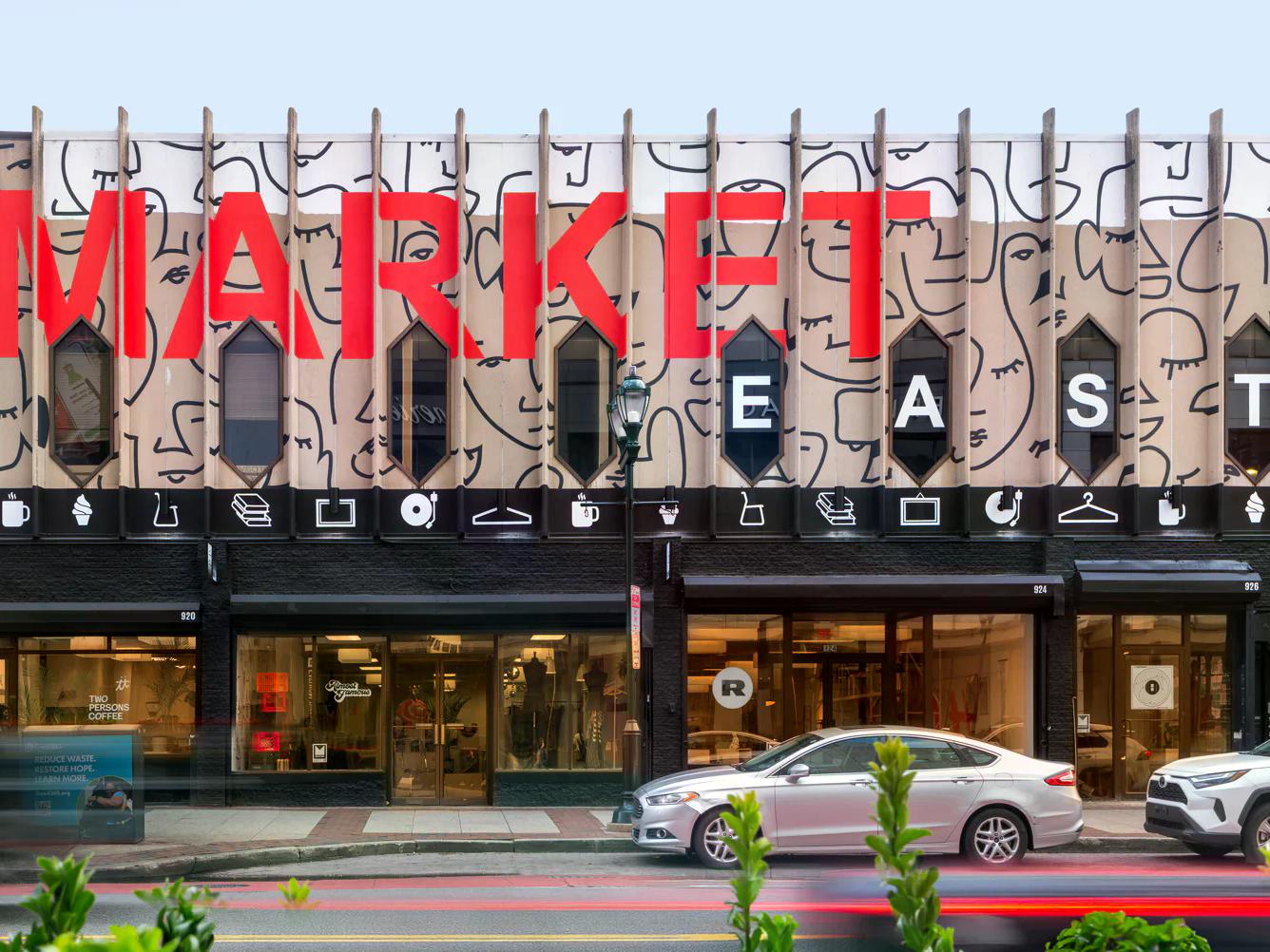
    A row of East Market Street storefronts owned by Comcast and Harris Blitzer Sports & Entertainment (HBSE) will continue hosting small local businesses until at least the end of 2026.

    The experimental initiative, dubbed Meantime on Market, is meant to activate the once-barren stretch of the 900 block of East Market Street. When announced earlier this year, it was planned to only last through the end of July.

    “Midway through the summer pop-up, I think everybody felt like, ‘Why would we go back to vacancy?’” said Brian Phillips, founder of Interface Studio Architects (ISA), which founded the Meantime project. “I don’t think anybody wanted this to end if it didn’t have to.”

    All six businesses that took part in Meantime were offered the opportunity to continue their residency on the 900 block of East Market, and four decided to do so: vintage clothier Almost Famous, music listening hub Clubfriends Radio & Records, media convener space Love Now Media, and West Philadelphia’s Siddiq’s Water Ice.

    “This summer has been incredibly meaningful,” Siddiq Moore of Siddiq’s Real Fruit Water Ice, said in a news release. “It’s been an incredible and beautiful experience for our business, and I’m excited to carry that energy into the fall extension.”

    The city-operated MY Market East, run by the Planning Commission, will continue to function as a community engagement hub at 930 Market St. as well.

    Two Persons Coffee and vintage furniture store Rarify will not continue their tenure on the strip. But those retail spaces will be available for other entrepreneurs to participate in the incubator program and receive three months of free retail space.

    Phillips said that Meantime is in talks with several small Philadelphia businesses about occupying the spaces and that an announcement would be coming “in the next couple weeks.”

    In the first three weeks of the Meantime businesses being open in May and June, 3,300 people visited the stores and $50,000 in sales were generated, according to the news release.

    “That momentum extended to the corridor as a whole — foot traffic along the observed stretch of Market East rose approximately 10% from May to June, outpacing growth in surrounding areas and signaling that the programs were doing more than filling empty storefronts,” the release reads.

    Phillips said weekends have been even busier than weekdays on this stretch of East Market Street, at least for Meantime.

    “Weekend life in Center City has, if anything, become more robust than it was 15 years ago,” Phillips said. “Weekday is a little bit tamped down since COVID.”

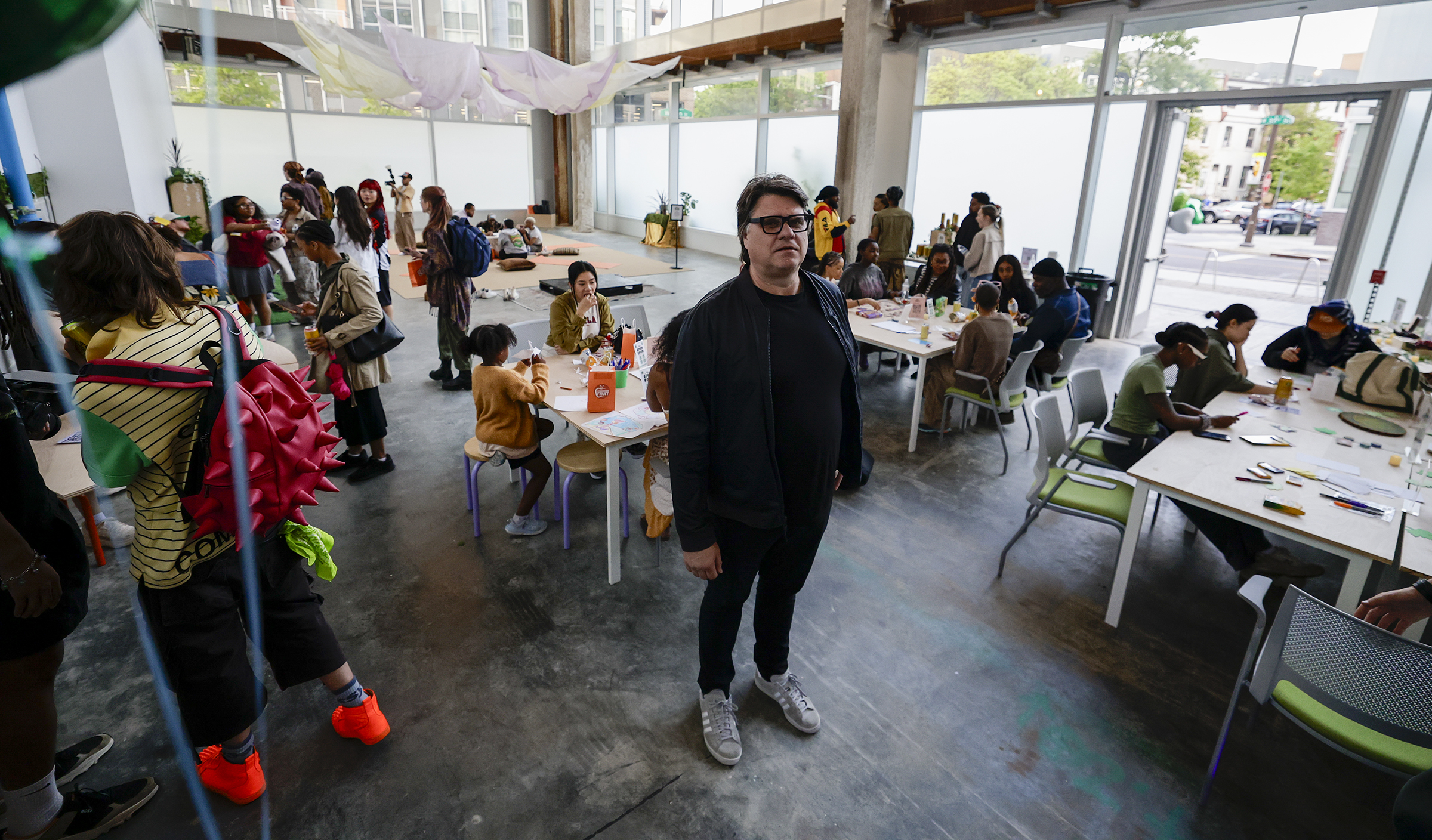
    Brian Phillips, architect and Meantime executive director, at the Green Room grand opening in University City in April. Yong Kim / Staff Photographer

    The properties have a long history with HBSE. From 2022 until early last year, the company planned to build the Philadelphia 76ers a new stadium on East Market Street with accompanying residential and commercial development on the 900 block.

    Then in early 2025, after a contentious political battle, HBSE announced that the Sixers would stay in South Philadelphia and renew their alliance with Comcast Spectacor, which owns the team’s current arena in the stadium district.

    But last June, HBSE and Comcast purchased the buildings on the 900 block of East Market anyway. They promised a project in this corner of Center City that has long lagged its neighboring counterparts in development and foot traffic. A longtime methadone clinic on the block closed down, too.

    The Meantime initiative, first spearheaded by Center City District, activated the long vacant storefronts, which HBSE and Comcast repaired, as they figure out their plans.

    HBSE declined to comment on what the extension of Meantime’s tenure on East Market will mean for potential larger development projects.

    “Our vision for the Market East Revival has always included both the large-scale investment that can transform this corridor and space for small, local businesses from communities across Philadelphia to help shape its future,” Mayor Cherelle L. Parker said in a statement.

  • Site of a Walnut Street beer garden will become a two-story retail building, not an apartment tower

    Site of a Walnut Street beer garden will become a two-story retail building, not an apartment tower

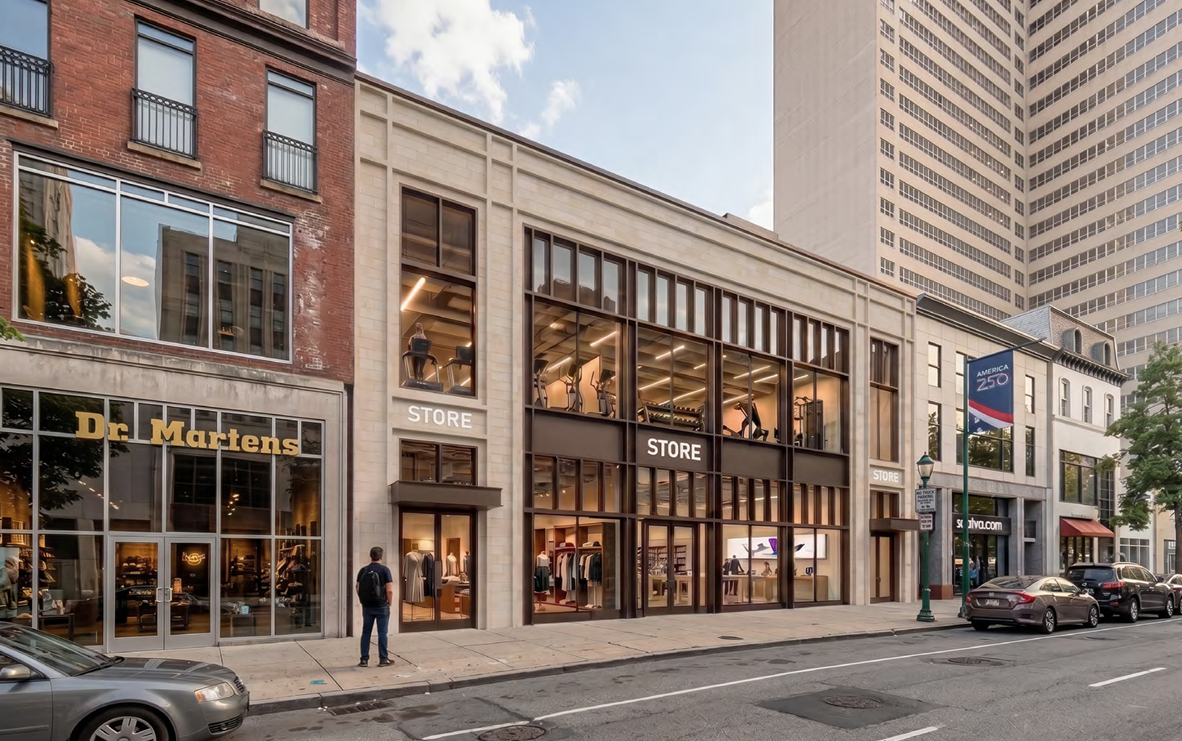
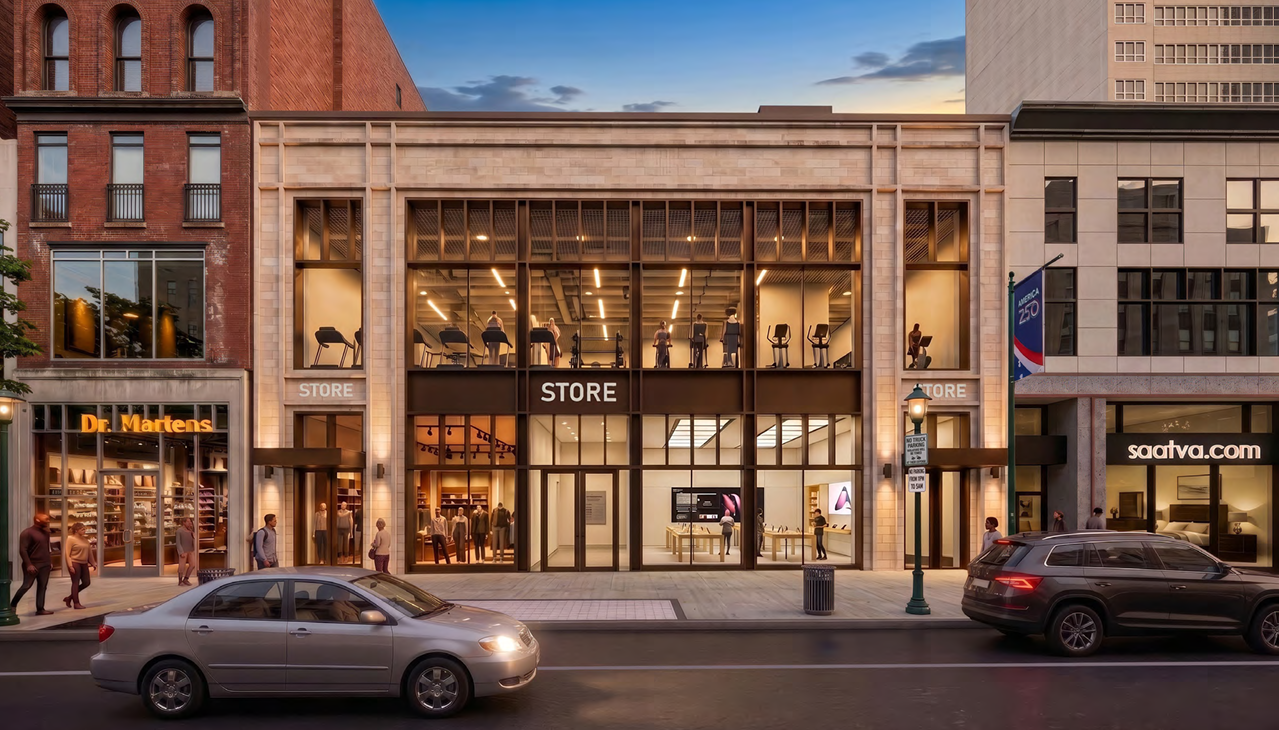
    A two-story, 33,000-square-foot retail building is being proposed for 1706-10 Walnut St., the current site of a beer garden and formerly where three historic buildings were demolished after being damaged by fires during unrest in 2020.

    The property is owned by the Gridmark Group, which was founded by Ari Weber, a Brooklyn-based real estate investor. The building is being designed by Philadelphia-based JKRP Architects.

    After Weber acquired the property in late 2022 for over $12 million, he said he eventually planned to build a 30-story apartment building on the site. Now he has decided that conditions are not favorable for such a large-scale project.

    “You see around Philly that there are sites that are on hold right now, that are sitting there waiting,” Weber said. “We were talking about a 30-story building, and I have made a decision that the time is not right for building such a high tower.”

    Weber didn’t let the Walnut Street property sit empty for long after he acquired it. The Walnut Gardens opened in June 2023 and became a popular outdoor food-and-drinks attraction.

    But Weber said he’s been fielding a lot of calls from high-end national retail companies searching for space on this in-demand stretch of Walnut Street.

    “Currently, [a tower] is not what it calls for. What it calls for is beautiful retail commercial space that will change the block,” Weber said. “It’s the number-one retail block in the whole of Philly.”

    The project will receive oversight from the Philadelphia Historical Commission because the property is in the Rittenhouse-Fitler Historic District. It will be considered by the commission’s Architectural Review committee on Tuesday.

    Materials submitted to the commission show a limestone-clad building that will feature a roof deck “with a restaurant enclosure” and outdoor seating. The commission’s staff recommended approval of the project’s design.

    “It’s meant to be like any other new construction in the historic district,” said Jerry Roller, the principal with JKRP Architects. “It’s meant to be in keeping with and in harmony with the remainder of the streetscape on Walnut Street.”

    A rendering of Ari Weber’s proposed retail building, with a setback roof deck and restaurant, for the site where the Walnut Gardens currently sits.JKRP Architects

    Before demolition, the site held three 19th-century townhomes, one designed by Frank Furness’s architecture firm, which had been converted to retail and restaurant uses, including a McDonald’s.

    During unrest following protests over the police murder of George Floyd in Minneapolis, the buildings were damaged by arson in May 2020. Philadelphia’s Department of Licenses & Inspections found them too damaged to be saved, and they were then demolished in early 2021.

    “It’s not surprising, given the state of the development market today, we all know that there are very few projects coming out of the ground,” said Paul Steinke, head of the Preservation Alliance of Greater Philadelphia.

    “I’m glad that they’re not waiting around in hope for a better day, but that they’re going ahead and knitting back the urban fabric once again,” he said.

    After Weber acquired the properties, he partnered with Philadelphia restaurateur Avram Hornik, of FCM Hospitality, to open the Walnut Gardens outdoor bar and restaurant.

    “Every season was better than the season before,” Hornik said. “It’s been great for us, and it’s been great for the neighborhood. But we always knew it would be a temporary use for this type of property.”

    Hornik said the closure date for Walnut Gardens depends on Weber’s construction timeline — although he believes they will be open through the end of the year.

    “We’ll be open all the way through our regular Halloween and Christmas activations,” he said, and possibly into next year.

    For Weber, the time is right for construction of a modest scale. Weber said he does not intend to have the retail structure built in such a way that it could be used as a podium for a future tower.

    “We’re going to put in something that’s really going to change the whole block and fill in that gap,” he said. “There cannot be any new developments like this on this block. You can’t tear down anything. We’re the only one — it’s unique — so I decided to start making moves and bring tenants in.”

    When Weber first came to Center City, he was known in New York for the apartment brokerage group Brookliv, but he said he sold that company last year. Now, he wants to pursue more projects in Philadelphia, which he said is more conducive to real estate development.
    “I feel like New York is a little bit of a shaky situation, but I like Philadelphia because … everybody wants to see Philly build,” he said. “We are looking at other [sites] in Philadelphia right now.”

  • As Philly-area construction has slowed, builders are shifting to data centers and military projects

    As Philly-area construction has slowed, builders are shifting to data centers and military projects

    This summer showed signs of a regional construction slowdown: projects downsized or canceled, contractors suing developers for nonpayment, partners suing each other as their bankers close in.

    “Confidence is shaky in the construction industry,” said Ed DeAngelis, founder and head of Bensalem-based EDA Contractors Inc., whose 450 union workers do outdoor construction — roofs, walls, sides, masonry, glass, waterproofing.

    “First, we saw the architects starting to slow down,” he said. “Then we started to see developers financing, not from banks, but private credit, names we don’t know.” A few stopped payment as they waited for financing.

    The Philadelphia region needs more towering cranes building homes and big office projects, he said. “But our margins are not high enough to afford your default. Even if you can still pay 50 cents on the dollar, it takes years for us to make up for that loss.”

    In past years, a commercial slowdown meant falling back on “eds and meds” — college, hospital, and drug-company jobs.

    But Trump administration funding cuts to medical and research universities like Penn and Princeton “hurt us,” DeAngelis said. Some projects were announced this summer after a lull but “even a six-month lag sets us back.”

    Public agencies, though slow and bureaucratic, are generally reliable payers. But the federal government’s reversal on Diversity, Equity, Inclusion requirements has created “a lot of confusion” for contractors and delayed bids, DeAngelis said.

    Add it up and “what industry right now is doing great?” DeAngelis said, noting only the “tremendous amount of money going into AI,” with Philadelphia general contractors busy in parts of Pennsylvania and South Jersey.

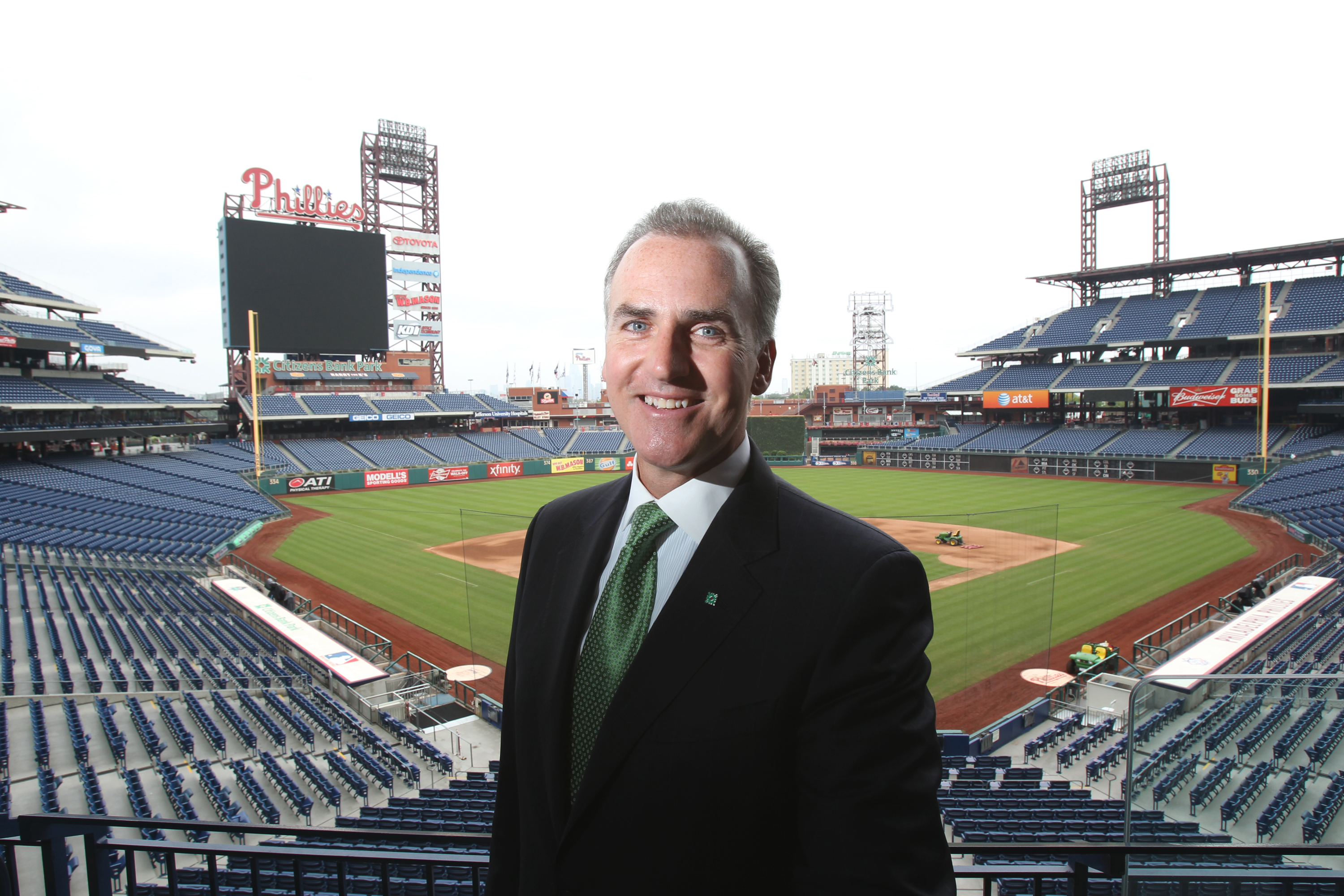
    The majority of the action this summer is industrial with Pennsylvania lenders and investors backing strategic metals, minerals, and manufacturing projects, of all sizes, including military contractors, said Dan Fitzpatrick, head of the Mid-Atlantic and Midwest regions for Citizens Bank, which operates the Philadelphia area’s largest branch network.

    Dan Fitzpatrick, head of Mid-Atlantic and Midwest regions for Citizens Bank, shown at Citizen’s Bank Park in 2013.Photographer: CHARLES FOX

    In residential development, “we are going through an adjustment period,” he said. Higher interest rates and higher fuel, materials, and labor prices have pushed up new home costs.

    While “there’s now a bit of a glut of luxury homes, we have a shortage of more modest, $200,000 to $500,000 homes,” Fitzpatrick said. “But it’s tough for developers to build those right now with a reasonable return.”

    Citizens has been funding more apartment construction since 2020, but there, too, “developers are hitting a pause.”

    Turning to D.C.

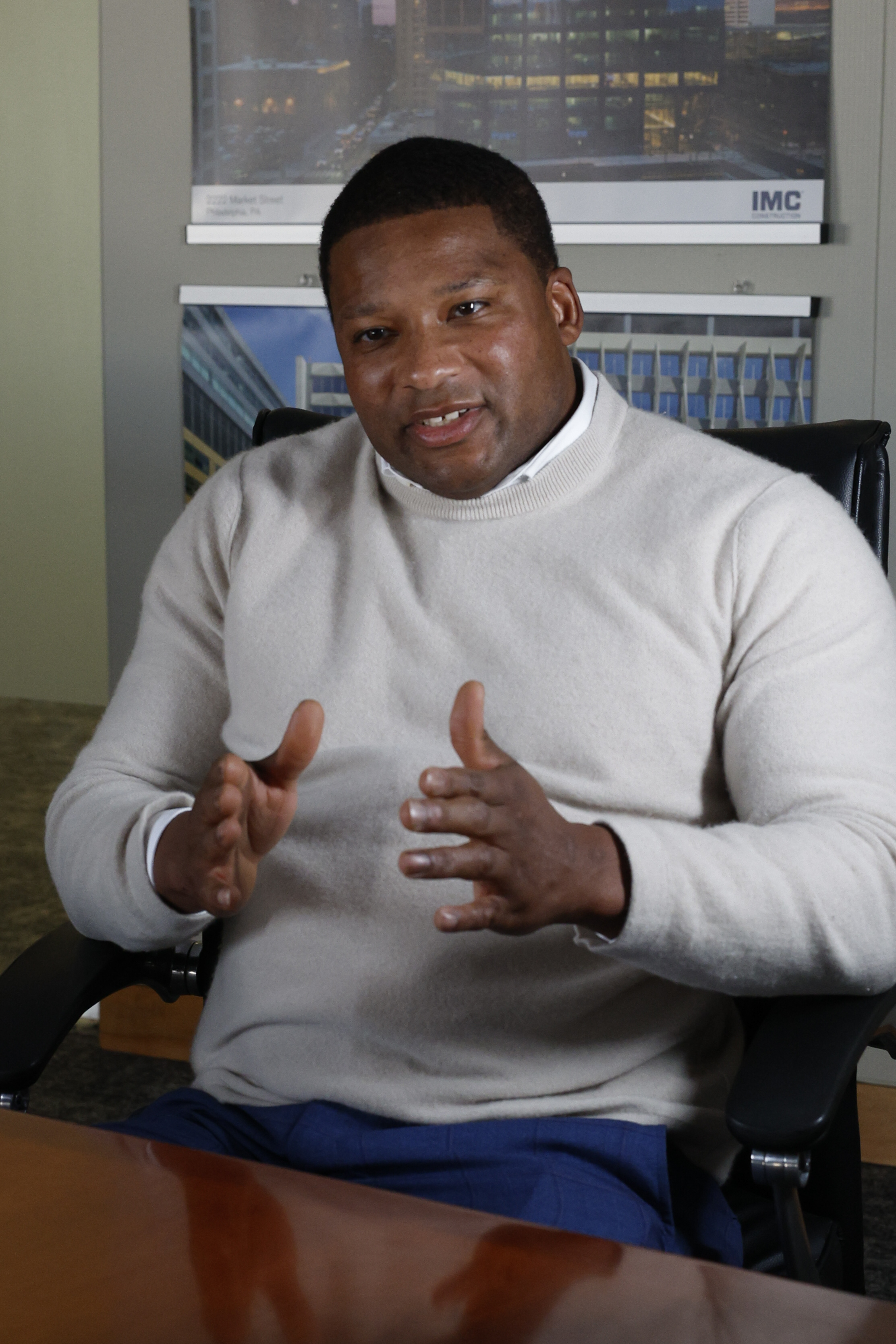
    Mike Lloyd, CEO and owner of IMC Construction, at his Malvern headquarters.Steven M. Falk / For The Inquirer

    One of the Philadelphia area’s largest builders, Malvern-based IMC Construction, is adding a Washington-area office because data and military contractors, anticipating next year’s record military budget, are hiring and growing there.

    “Northern Virginia has been the data-center capital,” said Mike Lloyd, IMC’s CEO and owner. So much is going up — not just data centers, but commercial development that follows big capital investments — that some of the largest, multibillion-dollar national general contractors are overstretched.

    A $100 million project used to be very attractive to big national firms, but “now it’s not large enough to put their best teams on,“ he said. ”And some of the traditional defense contractors are now busy with data center work. That has created a niche for firms like ours in the D.C. market.”

    “With respect to the Philadelphia market more broadly, I’d say the only projects that can get financed right now are data centers, multifamily, and senior living,” Lloyd said.

    He pointed to a Philadelphia-area life-sciences project he said has collected tenant commitments but still can’t attract financing. “You are seeing a crowding-out of other commercial sectors by the data-center hyperscalers.”

    Philadelphia Mayor Cherelle L. Parker’s “Lower South Philly” program of speeding permits for defense, port, and industrial contractors acknowledges that capital is flowing into industrial development and jobs, he added.

    “She’s understanding our competitive strengths and leaning into them,” Lloyd said. ”There are entire supply chains centered around defense projects, and contractors here are ramping up investment.” There’s still demand for Class A office space, but firms are still moving to smaller quarters.

    To Lloyd, “the big question is, why does Pennsylvania still lag in data centers?” He was among the builders who went to Harrisburg in 2019 to testify in favor of a data-center sales-tax exemption, which passed.

    Pennsylvania ranks with Texas as a source of natural gas for cheap power. Lloyd said that in his native Louisiana, communities are prospering from data center-funded job training and road improvements, but in much of Pennsylvania, residents have mobilized against the projects.

    “There are ways to facilitate that growth in an equitable fashion that benefits all parties,” he said.

    On the roads

    Unlike colleges or healthcare, spending for federal transportation didn’t change with the Trump administration, said James Bilella, new CEO of Philadelphia-based Urban Engineers, which designs and advises cities and states on large public projects.

    “We have not seen a drop off in federal transportation spending, especially in the rail and transit industry,” he said. “This administration is trying to be sharper, with quicker turnaround, more efficiency.”

    Bilella said the Parker administration has pledged ongoing support for heavy industry, biotech, and military industries, while continuing to back popular infrastructure safety upgrades like the “Great Streets” project, which Urban helped design.

    Bilella said he is excited by the prospects for Lower South. “It’s rare in a well-established city to have an opportunity to rededicate such a large area [two square miles] to industry and create jobs that can improve lives and attract new people.”

    He added, “We still need to decide about the infrastructure that get people to work there easily. Can people walk in safety? Can they drive, bike, use the river? It’s the kind of project we hope to get involved with.”

    Long-term investments

    “Industrial, logistics, data center, and defense-related projects” are attracting capital because lenders and investors believe they’ll be in demand a long time, said Abe Ibrahim, regional president for the Philadelphia area at Dauphin County-based Mid Penn Bank, whose largest investor is the family of Cooper University Health Care board chairman George Norcross.

    “It’s not that lenders are walking away from office or multifamily, as much as we’re seeing a return to disciplined underwriting,” Ibrahim said. “There are still plenty of opportunities for well-conceived projects to move forward.”

    This story has been updated to correct the location of IMC Construction’s headquarters.

  • Manayunk is embarking on another new era after decades of evolution

    Manayunk is embarking on another new era after decades of evolution

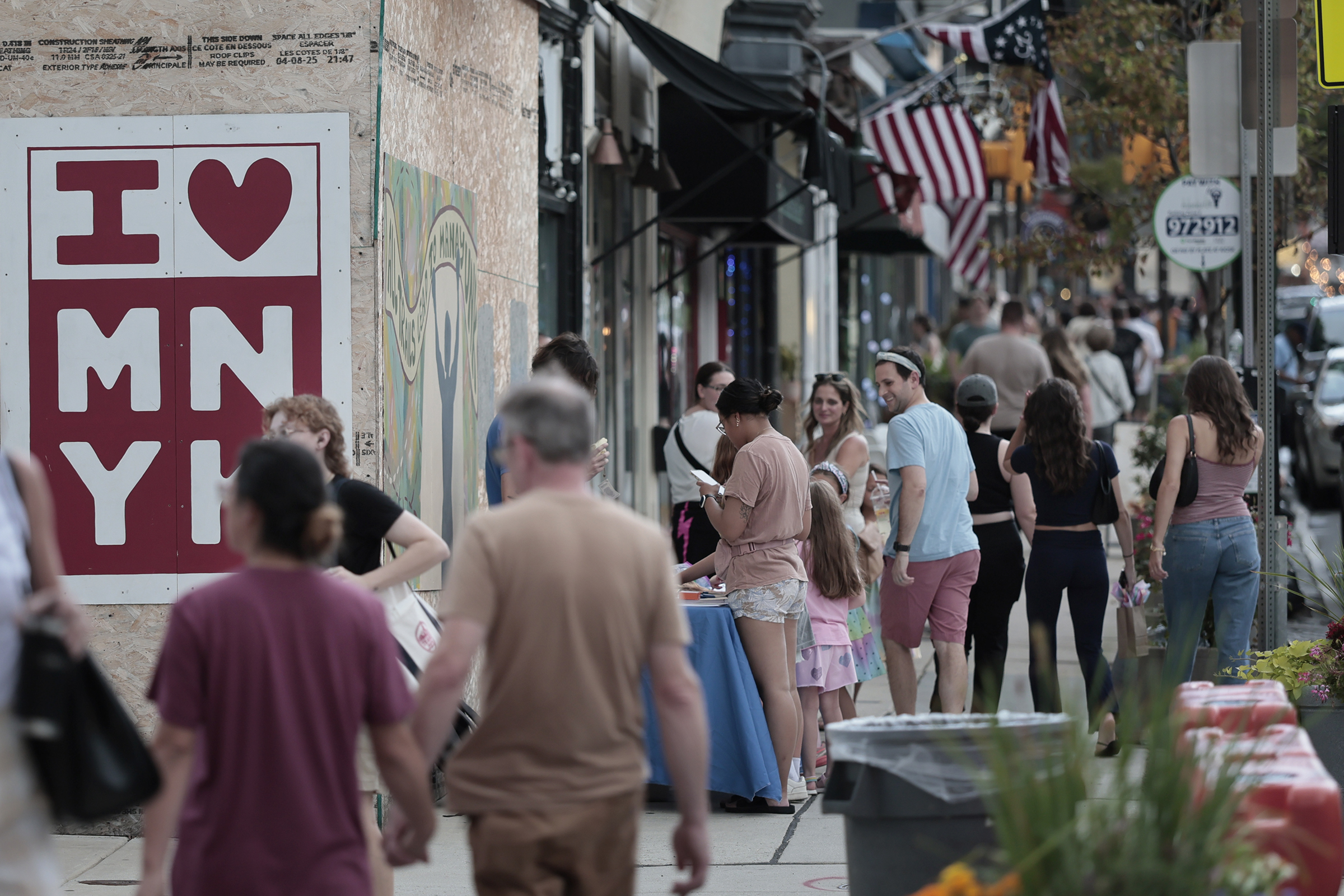
    On the last Thursday of July, during Manayunk’s summertime Stroll After Hours event, throngs of young families pushing strollers and couples walking dogs roamed the business corridor.

    Some stopped at art vendors with frames sprawled across the sidewalk, while others meandered down Grape Street to grab a bite from a food truck or claim a seat at the outdoor screening of Toy Story.

    On such an evening, Main Street Manayunk’s evolution is on full display.

    The riverside neighborhood in Northwest Philadelphia has seen many eras, from textile mills in the 19th century to chain retailers in the 1990s, to today’s collection of local upstarts.

    “It’s the best it’s ever been,” said Jen Wankoff, 51, of Roxborough, who turned out to Stroll After Hours with her friend, Jen Filip, 50.

    “It used to be a lot more commercial. There was a Banana Republic, a Pottery Barn, but then once one left, they all left,” said Filip, who has lived in Roxborough since the early 2000s. “Now it’s all small businesses.”

    More changes are coming to Manayunk. Even as apartment development has slowed in much of Philadelphia, over 1,800 new residential units are proposed along or adjacent to Main Street. All that additional population stokes neighborhood anxiety about traffic and parking, but retailers expect it will be good for business.

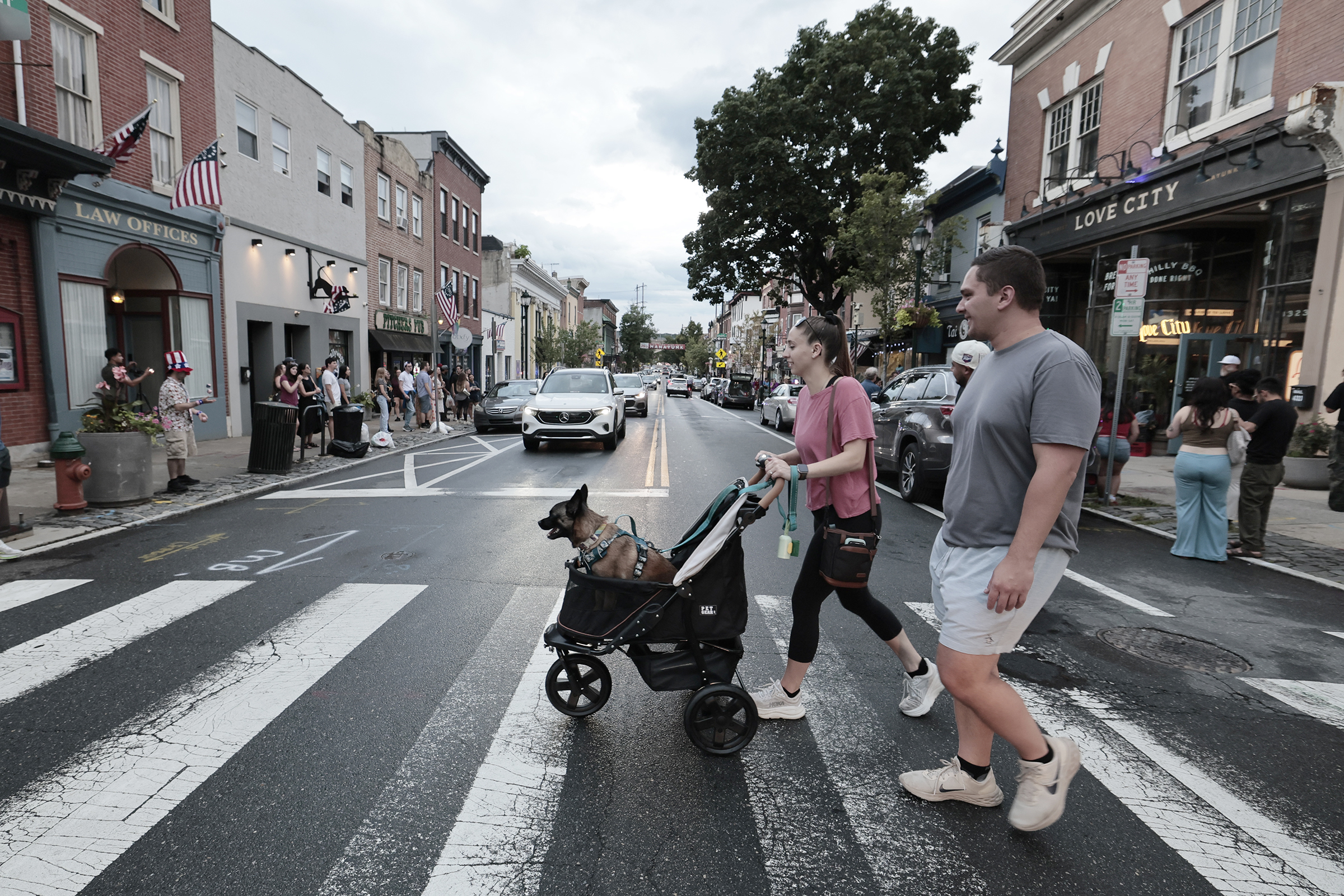
    Kim Albanowski of Philadelphia pushes her dog, Koda, across Main Street in “his chariot” as Jason Pepin looks on.Elizabeth Robertson / Staff Photographer

    “There’s probably going to be 1,600 new people living in those units, and they’re all going to come to Main Street to shop and eat,” said Dan Neducsin, 83, who has long been the largest property owner on Main Street and helped shape the identity of the corridor.

    “The restaurant scene has been strong [since the 1990s], and now I think it’s even going to get stronger,” said Neducsin, who has sold 12 of his properties in recent years to long-term tenants and small-business owners like Tim Spinner, owner of Taqueria Amor.

    “I just want to see the people who I have in there now do well, and my tenants have welcomed the opportunity,” said Neducsin, who emphasized that his company is not closing or selling all its holdings. But “it does make sense now for some new people to come in and take advantage of what’s here.”

    Manayunk’s Main Street appeal

    In the past two years, 12 new businesses opened along Main Street.

    One of them is Riptide Tavern, opened in June by Spinner, who also owns Taqueria Amor next door.

    Spinner said he wanted to open a neighborhood bar with creative cocktails and a cheap beer menu — much like a dream restaurant he conceived for a culinary school project years ago.

    “I wanted to be in the Caribbean or down the Shore, but along the Schuylkill River with the canal back there is close enough,” Spinner said.

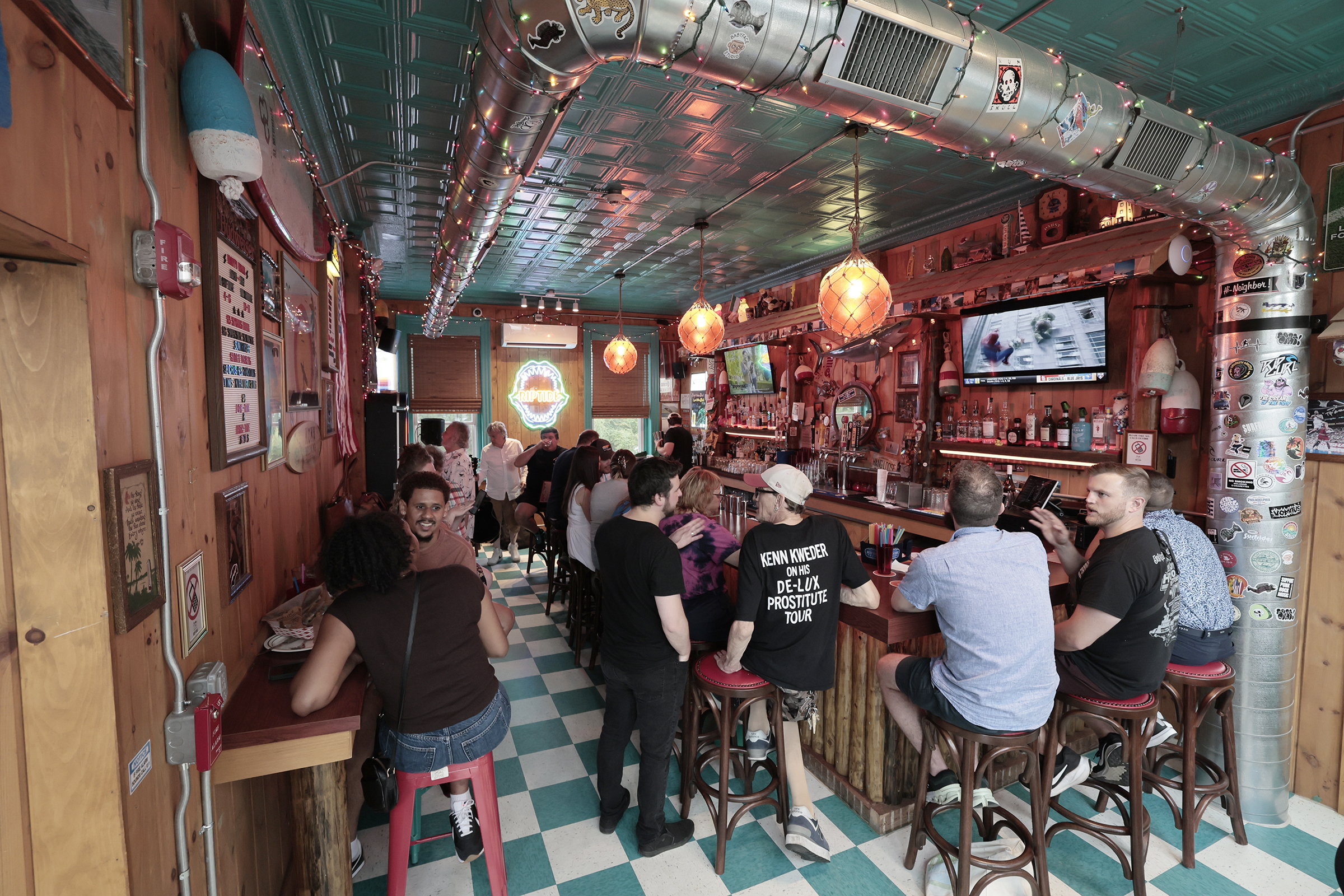
    The Riptide Tavern in Manayunk is packed on a Thursday during Stroll After Hours.Elizabeth Robertson / Staff Photographer

    Eleanor’s Consignment is set to open on Main Street in October. Owner Emily Mannix, a former paralegal who has lived in Manayunk for two years, named the consignment store after her late mother, who died in 2023. They shared a love of secondhand-shopping.

    “This has been something that has been on my mind for the past four years,” Mannix said. “Life is short, and I might as well jump in and try.”

    It’s not a bad place to do that. Realtor Christine Ertz notes that while rent is not low, it’s more affordable than in areas like South Street and Queen Village.

    “Manayunk has the demographic businesses want,” said Ertz. “It has the younger folks, but also the more mature folks that have expendable income, and we’ve got the 27-to-35-year-olds that really enjoy the niche, smaller stores.”

    The apartment boom in Manayunk promises to add even more. Many of the new developments have smaller units, which are likely to attract single people or younger couples. The price points of the new rentals, while lower than Center City or Northern Liberties, also suggest that tenants will have disposable income.

    Those changes haven’t been without controversy. The Manayunk Neighborhood Council has pushed back against development it deems as out of scale with the community, and that’s often lacking new commercial space, affordable housing, and parking while being weighted to small apartments.

    John Hunter, an architect and zoning chair of the Manayunk Neighborhood Council, says few of the new buildings have commercial space to add to the neighborhood’s daytime vitality. He disagrees with the idea that the apartment boom will boost local businesses.

    “We have heard that misrepresentation for years now — that new apartments will generate pedestrian traffic along Main Street,” Hunter said. “Fifteen years of those promises has proved that is not the case.”

    But some neighborhood observers see the development interest along Main Street as a concrete example of the area’s ability to attract people and investors.

    “We’re seeing a diverse group of experienced, well-regarded developers all making independent decisions to put their capital and time into Manayunk,” said Veronica Blum, a retail broker with MPN Realty who has been working with Neduscin on leasing and sales.

    “When that many smart people come to the same conclusion about a neighborhood, it says a lot,” said Blum. “It’s a real vote of confidence in Manayunk’s future, and I think we’re just beginning to see what’s possible.”

    Nervous Nikki and the Chill Pills perform during the Stroll After Hours event on July 30.Elizabeth Robertson / Staff Photographer

    The cost of staying open

    Still, the commercial corridor has seen turnover and closures.

    Pizza Jawn closed and Kismet Bagels came in its place — Pizza Jawn’s owner bought the former Manayunk Tavern down the street, which became Bar Jawn. Smiley’s closed and Blu Zone Cafe moved in; and Iron Works Fitness opened up in the former Kismet Cowork.

    A large restaurant space sat empty for months after Winnie’s closed last November. But, two Roxborough natives recently leased the space for a new “punk French” restaurant, planned to open in late fall.

    Joan Boroff Denenberg, who does marketing and retail strategy for the Manayunk Development Corp. (MDC), said a few storefronts remain empty because the property owners aren’t local and are backed up with other projects throughout the country.

    Neduscin says he isn’t struck by an unusual number of vacancies along Main Street. But maybe that’s because when he began buying properties there in the late 1980s, much of the commercial strip was vacant to the southeast of Cotton Street.

    “Anytime I saw a property that was available in Manayunk I ended up buying it because I thought if I owned enough properties, I could kind of set the direction of the street,” Neduscin said. “I got to handpick who my potential tenants would be. I tried to bring tenants that I thought would bring additional people here.”

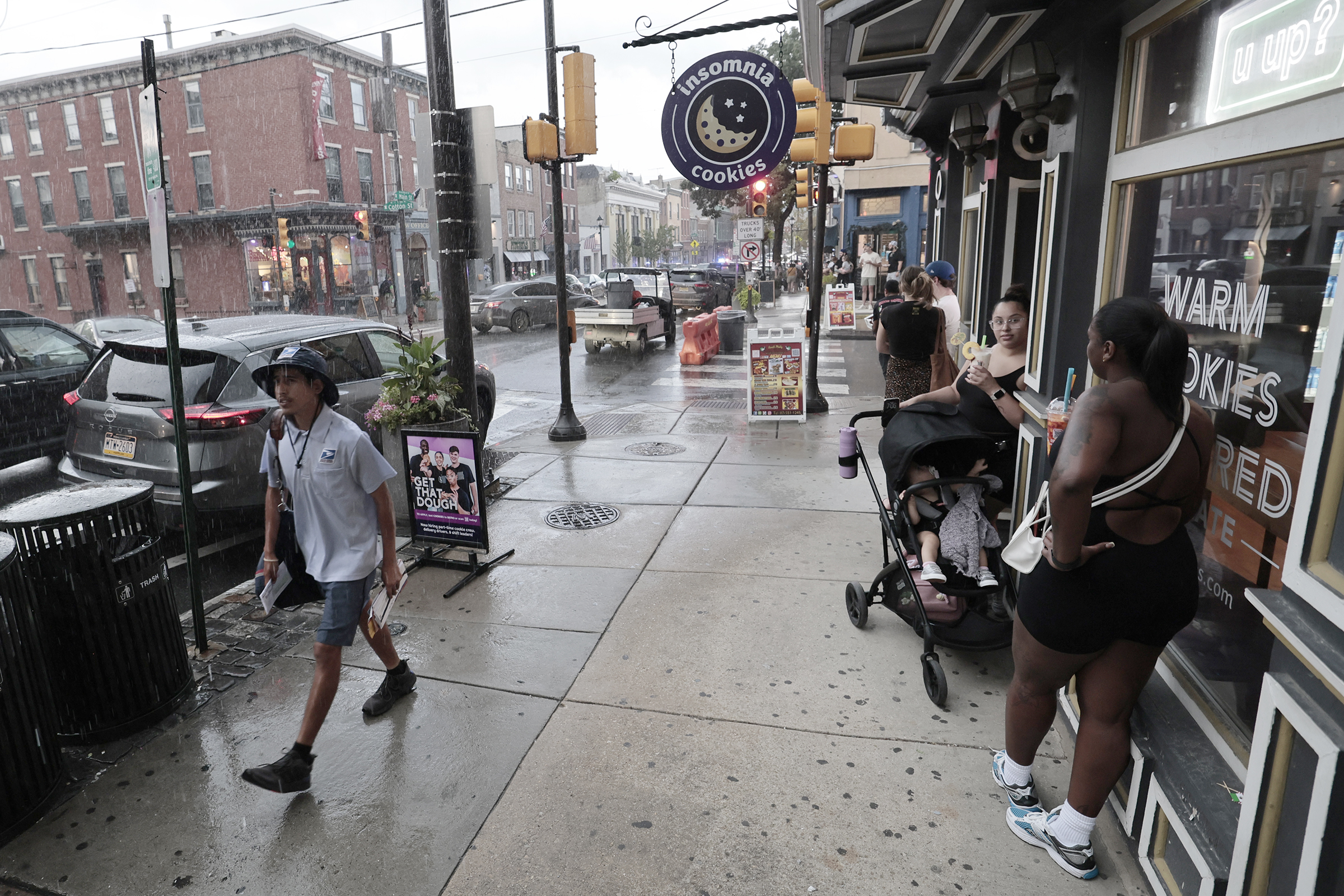
    Insomnia Cookies is one of the few remaining chains with a presence on Main Street in Manayunk.Elizabeth Robertson / Staff Photographer

    The bustle of Main Street now extends all the way down to Shurs Lane, roughly double its occupied length when he started.

    Neduscin also says he really tried to find independent entrepreneurs to lease to — “I didn’t want a McDonald’s on Main Street” — and those restaurateurs and small-business owners gave Main Street a unique identity.

    More than 30 years later, that’s why he wanted to sell some properties to one-time tenants like Spinner.

    Still, business owners say myriad challenges remain. The permitting process is notoriously slow, especially if a trip to the Zoning Board of Adjustment is necessitated. That can leave business owners paying rent without being able to open their doors as they wait for permission.

    “When it takes longer, you have to have deeper pockets, and I think that does scare some prospective businesses,” Neduscin said.

    Further, owners on Main Street face the macro challenges affecting small businesses throughout the region. Brandy Deieso, who opened the gift boutique the Little Apple in 2010, said the cost of goods has increased due to tariffs, shipping costs, and rising gas prices.

    “Being a street full of locally owned small businesses is great,” said Melissa Walter, co-owner of Love City Brewing, which just opened a second location in Manayunk. “But as we all know, running a small business is really hard.”

    Building a business community

    The bubblegum pink Cupid’s Bookshop storefront has built a following and even attracted customers from Baltimore and New York since opening last year. Now, it’s upgrading to a bigger location on Main Street.

    “The growth we’ve had, it’s been amazing,” said owner Tina Long.

    Cupid’s capitalized on the insatiable demand for bodice rippers and love stories, and Long says the bookshop benefited immensely from the MDC’s incubator program. Cupid’s was the first participant.

    The program allowed Long to lease a storefront at 106 Grape St., owned by the business association, for a below-market monthly rent of $1,000 for up to three years, and the MDC provided guidance and support. With her new storefront opening in August and a five-year lease, she’s graduating from the incubator space early.

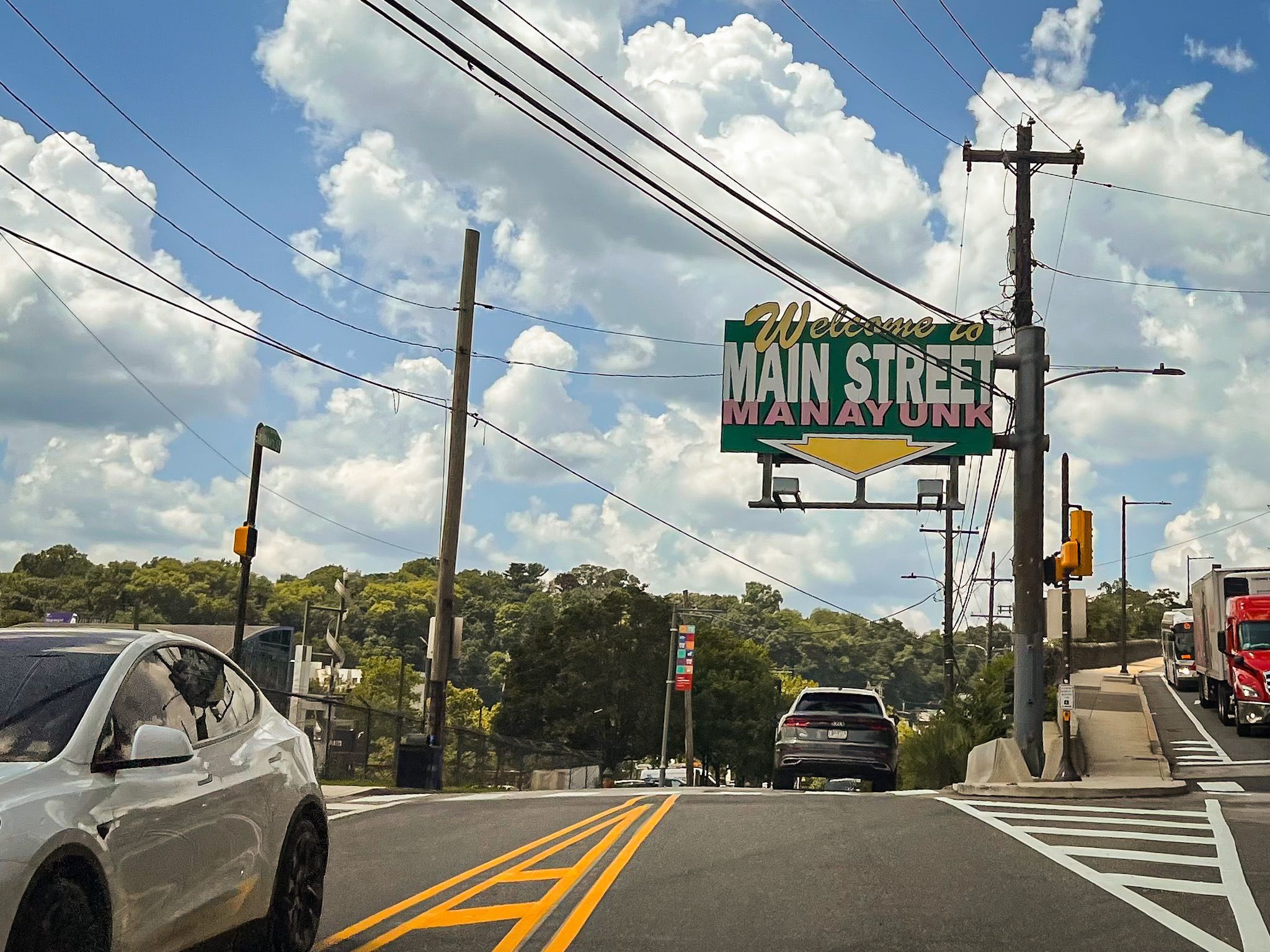
    The “Welcome to Main Street” sign hangs over Main Street at Ridge Avenue in Manayunk.Michael Klein / Staff

    “We loved the idea, but it turned out beyond our wildest dreams,” MDC executive director Gwen Mccauley said. “She’s now becoming part of the fabric of our district.”

    Baby Face Studio also ended up on Main Street in part because of the MDC.

    Artist and owner Kim Canefield in 2022 applied for the MDC’s emerging artist tent at the Manayunk Arts Festival, where she could set up shop for $100 instead of operating a $500 tent on Main Street. The festival draws over 300 artists and 150,000 visitors each June, McCauley said.

    She set up a full-time vendor tent at the next three Arts Festivals. Each time, she was stationed in front of an art gallery, not knowing that the same space would eventually become Baby Face Studio.

    “I just kept looking at it, and peeking through the window,” Canefield said. “The whole time I was staring at the future of what the studio was going to be.”

    Love City Brewing already has a foothold in Callowhill, but saw Manayunk as a place to grow. Its second spot opened in the former Fat Lady Brewing. When searching for a new location, co-owner Walter was attracted to Main Street’s critical mass of small, independent businesses.

    “Seeing them succeed, we thought: ‘Oh, we’re a small, local Philly business too,’” Walter said. “We can make it work there.”