Category: Philadelphia Politics

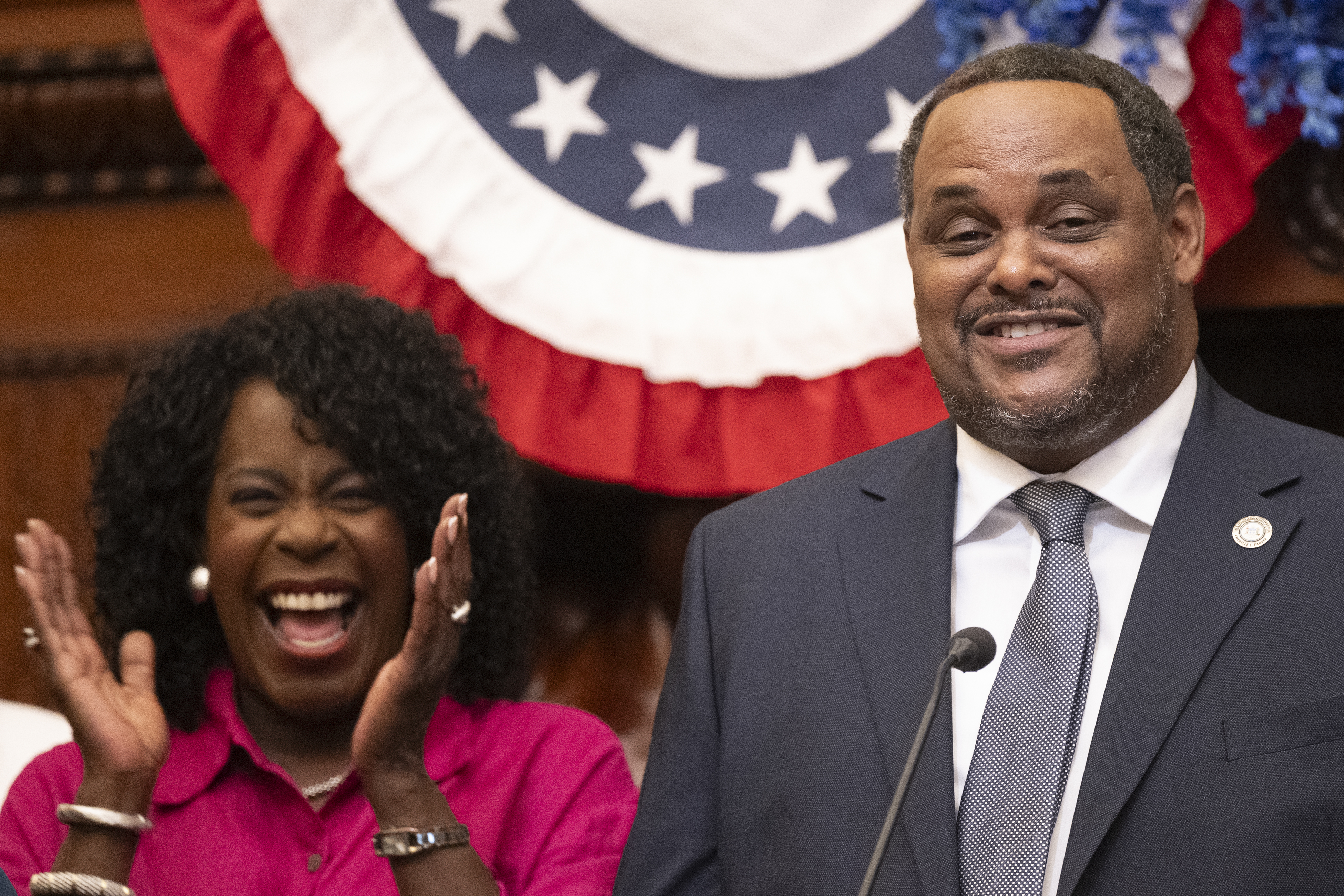
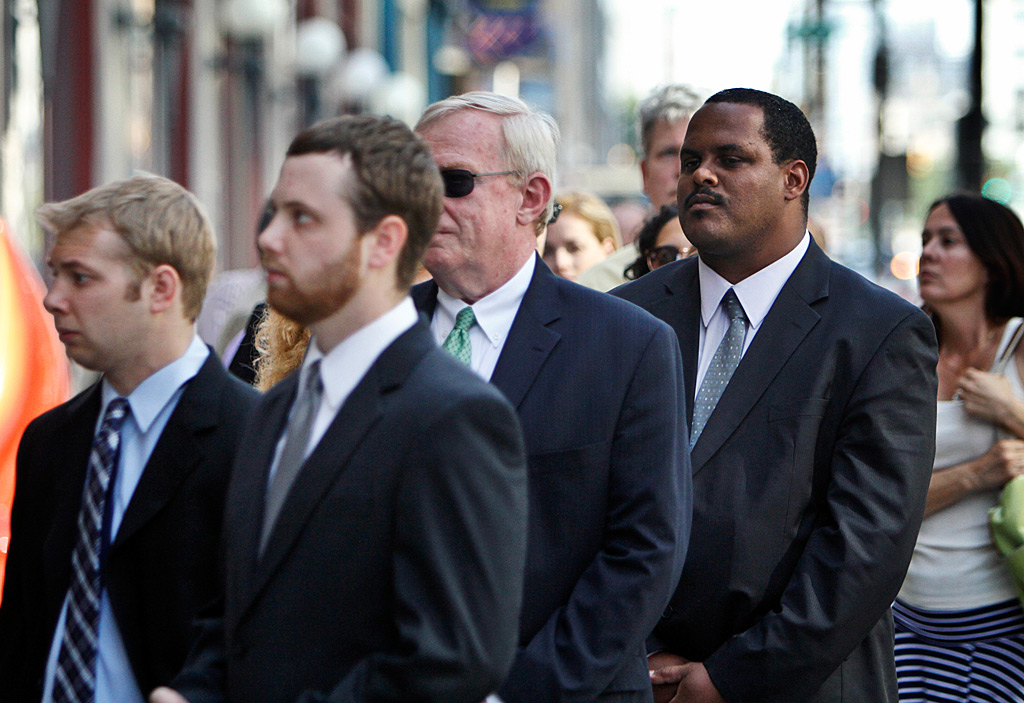
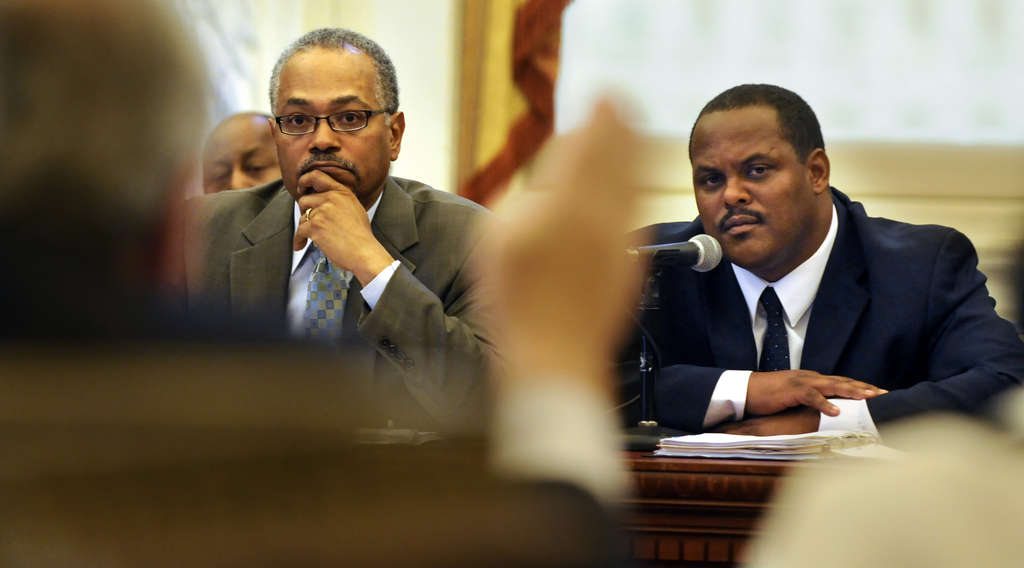
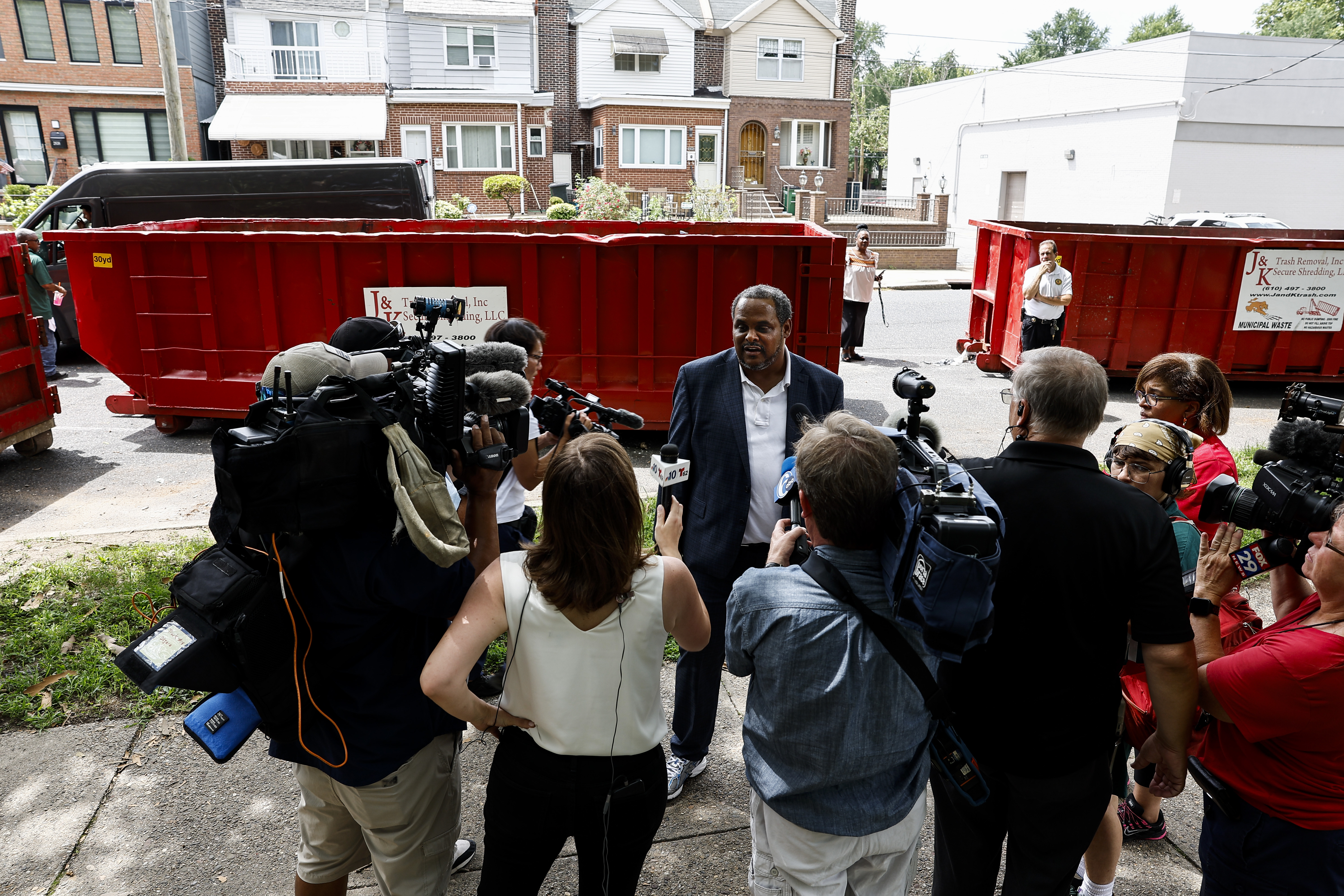
  • Mayor Parker’s election put lobbyist William Dunbar at the center of Philly politics. Now he’s awaiting sentencing on tax fraud charges.

    Mayor Parker’s election put lobbyist William Dunbar at the center of Philly politics. Now he’s awaiting sentencing on tax fraud charges.

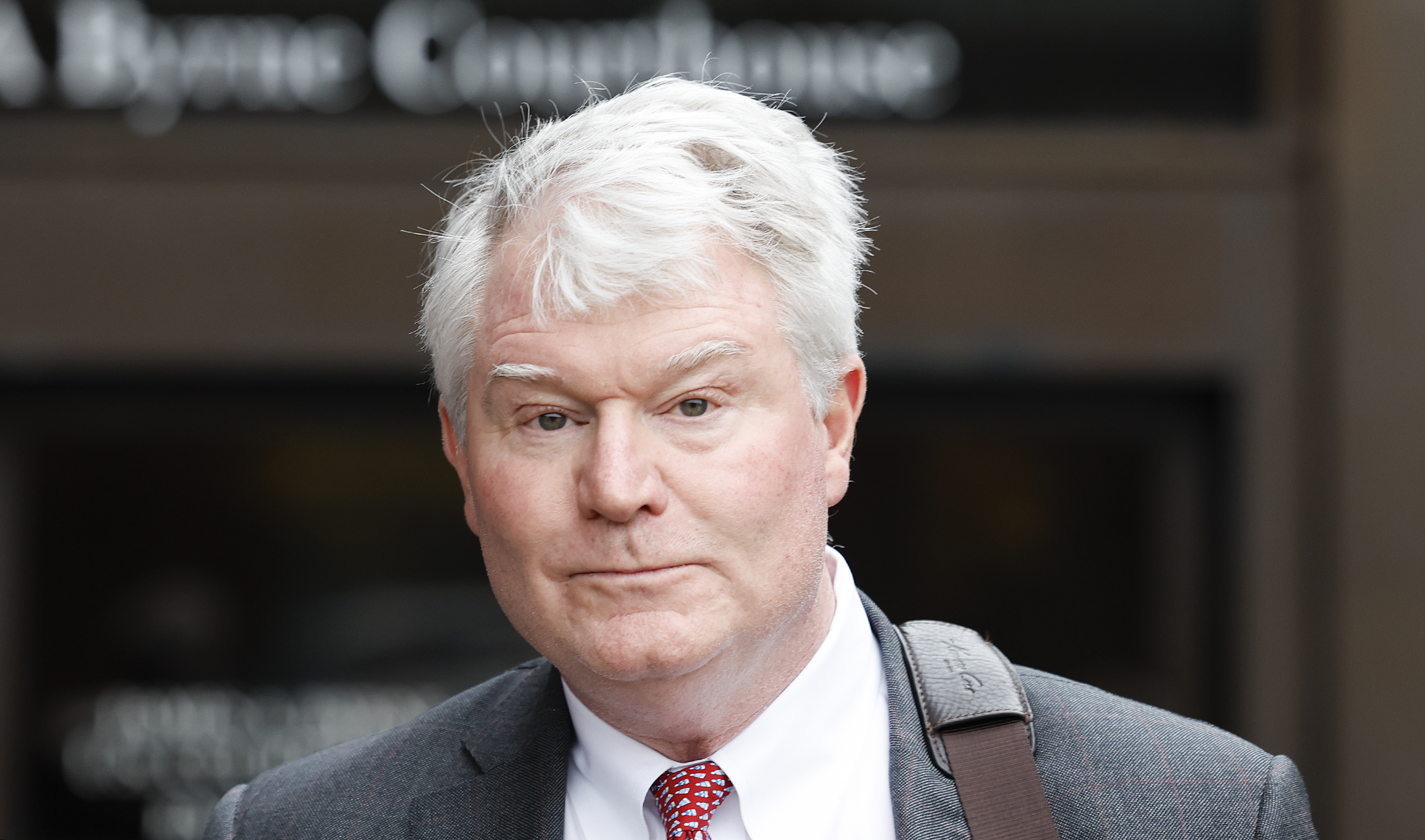
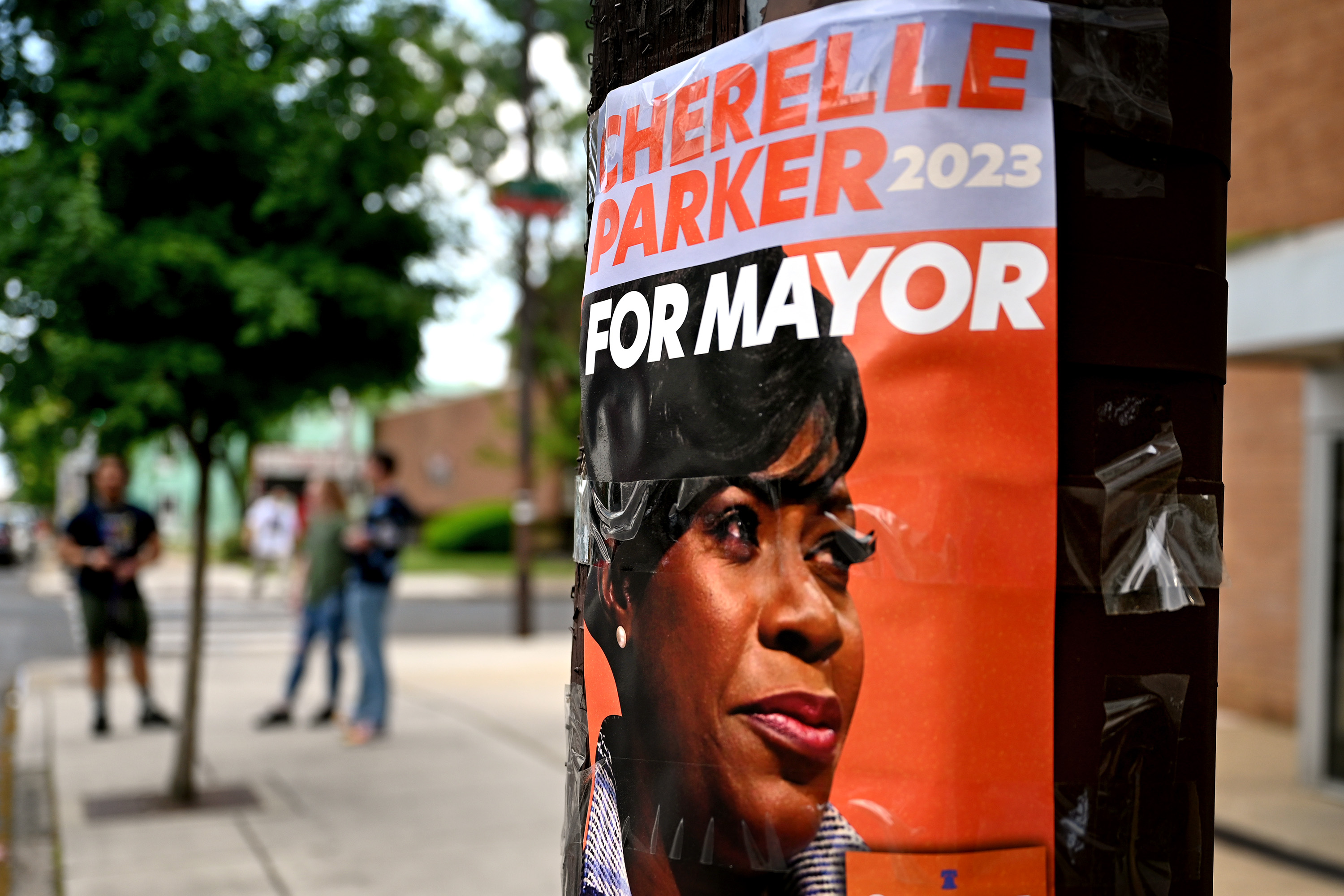
    When Mayor Cherelle L. Parker took office in early 2024, William F. Dunbar Sr. became one of the most important people in Philadelphia politics.

    A confidant of Parker who played an important advisory role in her 2023 campaign, Dunbar was also a registered lobbyist with a growing client list.

    When other key figures in Parker’s campaign took top roles in her administration, Dunbar stepped into an official, but unpaid, role managing People for Parker, the mayor’s political committee.

    Those dual roles created an unusual circumstance: Someone who raised money from donors for the mayor’s campaign was also a lobbyist whose clients paid him to influence her administration.

    And they were physically embodied in a 2,250-square-foot office in the Penn Center complex one block west of City Hall. Dunbar’s lobbying firm, Dunbar Public Affairs & Associates, rented the space in March 2024, and People for Parker paid half of the $3,750 rent through a sublease agreement, according to lease documents obtained by The Inquirer.

    But the heady days for Dunbar didn’t last. Parker let Dunbar go from her campaign in August 2024. Neither side has publicly explained what led to the separation. And last week, he pleaded guilty to federal tax fraud charges unrelated to Parker’s campaign.

    A plea agreement Dunbar signed allows U.S. District Court Judge Kelley B. Hodge to consider three instances of “additional misconduct” — separate from the tax fraud scheme — that did not result in charges when she decides his sentence in January.

    One instance stemmed from a dispute over the sublease agreement for the Penn Center office. (In the other incidents, prosecutors said Dunbar falsified a document for a mortgage application and submitted false financial information to receive additional financial aid at a private school.)

    In the plea agreement, Dunbar stipulated that he “falsely modified the terms of the lease agreement” to increase the notice the campaign was required to give him to terminate the lease, a move that could have resulted in the campaign paying him money he was not owed had it not been discovered.

    City law prohibits officials from using government resources, including City Hall office space, for political purposes. By renting space with Dunbar’s firm, Parker and her team could pop across the street and attend to political tasks without running afoul of ethics rules.

    In a letter from March 2025 that was obtained by The Inquirer, an attorney for Dunbar wrote that his firm “had no need for an office space that was close to City Hall other than to support the Mayor’s needs.”

    The dispute culminated in the final breakdown of their already-strained relationship, an exchange of emails between lawyers for Parker and Dunbar shows.

    “It has come to our attention that Mr. Dunbar has misrepresented that he continues to have relationships with People for Parker to current and prospective clients,” Timothy J. Ford, an attorney for Parker, wrote to Dunbar’s lawyer, Mark Jaffe, in March 2025. “Mr. Dunbar must cease and desist immediately from making incorrect statements of any affiliation with People for Parker, Mayor Parker in her political or personal capacity, or staff or consultants related to People for Parker.”

    Jaffe fired back.

    “Respectfully, my client asks that the Mayor cease and desist from contacting all donors and personal/business contacts that Dunbar Public Affairs supplied her immediately,” Jaffe wrote Ford in response. “It has come to Mr. Dunbar’s attention that the Mayor continues to misrepresent that Dunbar is still supportive of her efforts and that said relationships should still support her.”

    Dunbar asked for “a letter of formal apology from the Mayor [for] the harm she has caused as to his reputation and financial losses to his company.”

    Dunbar declined to comment for this story.

    From Lincoln to ‘kitchen cabinet’

    Dunbar, 42, first met Parker, 53, around 2005, when he was a student at Lincoln University, he said in a 2023 interview. Parker, a Lincoln alum, was a Pennsylvania state representative, and she visited her alma mater to speak to political science students.

    “She was a star to the folks at Lincoln then,” Dunbar said in the interview. “Cherelle is the big sister. She sometimes call me the big little brother. I’m very, very protective of Cherelle.”

    Both were elected student government presidents during their time at the historically Black university in Chester County.

    They maintained a connection over the years as they made their way up the ladder in local politics, Parker as an increasingly high-profile elected official and Dunbar as a well-connected operator.

    By the time Parker began preparing to launch her mayoral campaign, Dunbar had become a lobbyist for Comcast. He volunteered as part of her “kitchen cabinet” of informal advisers, and he made a key contribution by championing a strategy of Parker leaning into her life experience, from growing up in a household that needed public assistance to being a single mother.

    “I always would come back to that we need to continue to define Cherelle as the authentic Black woman working mom,” he said. “Cherelle is able to live with that every day, so I knew and believed that the message would always resonate more, in particular with Black women, who obviously are the No. 1 voting bloc in our city.”

    An unexplained separation

    When the top aides in Parker’s campaign joined her administration, preventing them from managing or being paid by a political group, the mayor turned to Dunbar to run People for Parker in 2024.

    Although Parker is not up for reelection until 2027, her campaign has remained active, raising and spending hundreds of thousands of dollars each year since she became mayor.

    Meanwhile, Dunbar’s lobbying practice grew: the School District of Philadelphia, which employed him a subcontractor, and an ATM company became clients in January 2024, according to the public records. (Dunbar is no longer representing the district because the primary contractor terminated their agreement, according to the district.)

    But his arrangement with Parker didn’t make it through the summer. Parker acknowledged the separation in an interview while she was at the 2024 Democratic National Convention in Chicago.

    “Will has been a valued friend to me, and let me just say that life is good right now [for Dunbar] and business is good and it’s growing,” she said.

    Dunbar said at the time: “I’m very much still an informal senior adviser but because of a different set of priorities, the mayor has decided to manage her politics herself. … My business has continued to grow as we work to support our clients.”

    In the March 2025 letter, Dunbar’s attorney said Parker in August 2024 had “agreed to continue a business relationship for public perception” after the split.

    The sublease dispute that unfolded over the next six months eliminated that possibility.

    Two documents, one lease

    The Inquirer has obtained two versions of the sublease agreement, one with a 30-day termination window and one lasting a year. Both versions include electronic signatures from Dunbar on March 2, 2024, and Gabrielle Cook-Frazier, on behalf of the campaign, on March 8, 2024.

    Parker’s attorney said it only ever had the version with a 30-day window. Federal prosecutors alleged Dunbar forged the version with a one-year window to squeeze more rent payments out of the campaign.

    “People for Parker is particularly concerned that Mr. Dunbar produced a different version of the Document containing a term to which People for Parker did not and never would have agreed,” Ford wrote.

    Ford said the campaign was willing to make rent payments through the end of 2024 to “soften” Dunbar’s separation, but not after. The campaign made rent payments totaling $22,850 to Dunbar Public Affairs between March 2024 and November 2024, according to campaign finance records.

    In the letter, Dunbar’s attorney suggests Parker’s aides could have violated city ethics laws by doing political work “on City time using said space for political meetings with the Mayor.”

    The Parker campaign declined to answer questions for this story, but sent a statement rejecting Jaffe’s assertion in the 2025 letter.

    “The allegation is patently false,” Ford said in a statement. “Neither the Mayor nor her team engaged in political activity on City time or using City resources.”

    It’s far from clear that the arrangement would be a violation of ethics rules. The top officials in Parker’s administration were salaried employees for the city who worked far more than 40 hours per week, making it difficult to assess when they were on the clock. They are allowed to participate in political meetings so long as they are not paid by the campaign and have only “minimal input” on strategy, communications, or finance, the city’s ethics regulations state.

    Despite the breakdown in their relationship, Dunbar held out hope for a reconciliation.

    “Notably, if the Mayor or her political team would ever like to reconcile and restore this relationship, my client would welcome that and he stands ready to continue to be a selfless supporter of the Mayor and her administration,” Jaffe wrote, adding that Dunbar would no longer seek additional rent payments.

    Weeks later, Dunbar learned that federal agents were investigating him for tax fraud.
  • Tom Corcoran, retired president of the Delaware River Waterfront Corp., has died at 82

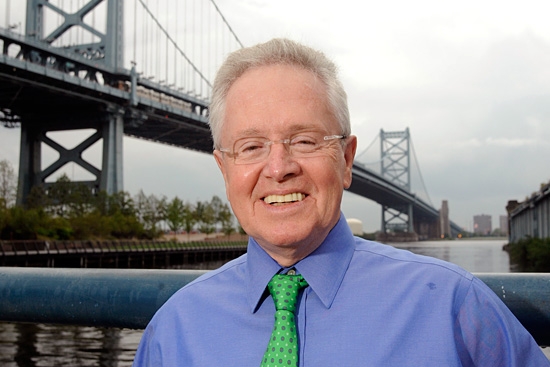
    Tom Corcoran, retired president of the Delaware River Waterfront Corp., has died at 82

    Tom Corcoran, 82, of Philadelphia, retired president of the Delaware River Waterfront Corp., founding president and former chief executive officer of the old Cooper’s Ferry Development Association in Camden, former business administrator for the city of Camden, onetime Peace Corps program director in West Africa, mentor, and poetry enthusiast, died Sunday, Aug. 30, of complications from dementia at his home in Center City.

    Born in Chicago and a graduate of Loyola University Chicago, Mr. Corcoran earned a master’s degree in public administration at the University of Pennsylvania’s Wharton School in 1975 and never strayed far from the Delaware River after that. He spent 25 years, from 1984 to 2009, as president and CEO of the Cooper’s Ferry Development Association on the Camden waterfront, and eight years, from 2009 to 2017, as president of the Delaware River Waterfront Corp. in Philadelphia.

    He championed what he called “the two cities, one waterfront strategy” and was especially adept, former colleagues said, at political maneuvering and marshaling funds and projects. Former colleagues on both sides of the Delaware called him “a tireless public servant,” “a visionary urban planner,” and an “economic development strategist with short-term practicality and long-term vision.”

    In Camden, Mr. Corcoran added more than $550 million of investments to the waterfront area and oversaw the development of what is now the Freedom Mortgage Pavilion, the Adventure Aquarium, Wiggins Waterfront Park, the Riverlink Ferry, several office buildings, and other projects. Another New Jersey developer called him a “cult figure” among state lawmakers.

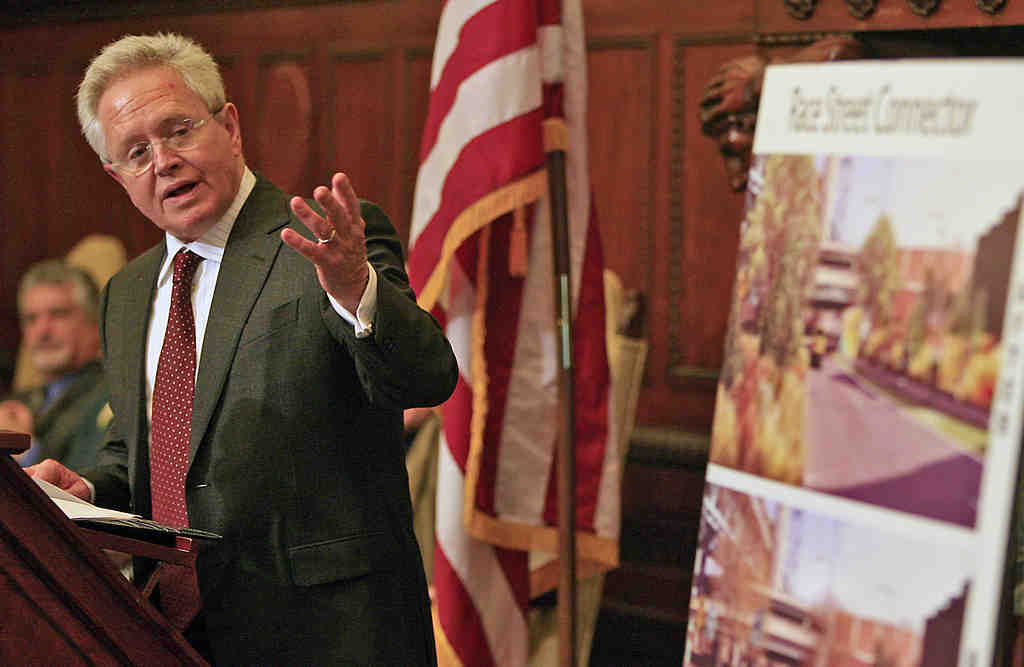
    Mr. Corcoran talks at City Hall in 2011 about creating a string of parks along the Delaware River.Akira Suwa / Staff Photographer

    He said education as well as development was key to building a strong local economy and told The Inquirer in 2006: “Until Camden has a good-quality education system, we’re not going to be able to attract families with school-age children back to the city.”

    Dana L. Redd, former Camden mayor and current president and CEO of Camden Community Partnership, said on Facebook that Mr. Corcoran often slept on a cot in his Camden office and left daily handwritten messages that his project managers called “love notes.” Redd said: “He challenged a generation of urban leaders to think bigger, believe in Camden, and dream about what the city could become.”

    In Philadelphia, he initiated the Race Street and Washington Avenue pier parks, the Spruce Street Harbor Park, a miles-long bike and walking trail, and the I-95 overpass park to reconnect Center City with its waterfront. “The more we look at the concept of one waterfront, two states, the more opportunities we’re going to find,” he said when he left Camden for Philadelphia in 2009.

    When he retired in 2017, he said: “Instead of swinging for the fences, we decided we would hit singles and doubles and bunts and sacrifices, steal bases, and do whatever we could. Eventually, we thought, we’d always get back to the center.”

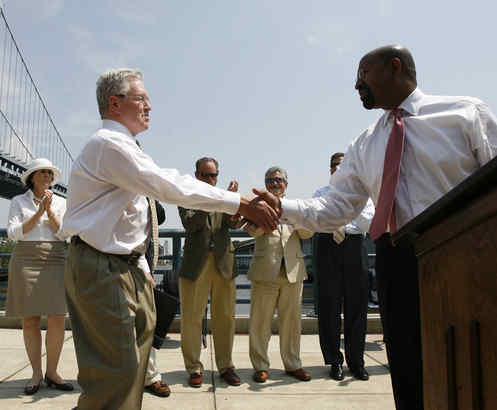
    Mr. Corcoran (left) shakes hands with then-Mayor Michael Nutter in 2009 after joining the Delaware River Waterfront Corp. Alejandro A. Alvarez / Staff Photographer

    Longtime colleague and friend Bill Hankowsky said: “It is truly unique that a single individual could have the vast impact across two facing waterfronts in the center of one of the country’s major urban metros.”

    Earlier, Mr. Corcoran served nine years, from 1975 to 1984, in Camden city government, rising from administrative aide to business administrator. In 2001, he earned a Good Neighbor Award from the Camden County chapter of the American Red Cross for his “integral role in the revitalization of the city.”

    In the 1960s, Mr. Corcoran joined the Peace Corps after college and spent seven years in Africa building dams and wells with local farmers. He spoke French and the local African language, and rose to program director.

    “What an exemplary life he led,” a former Peace Corps colleague said in a tribute, “without fanfare or drama and always with service to others.”

    Mr. Corcoran (right) led visitors on a tour of the Washington Avenue pier park in 2014.Viviana Pernot / Staff Photographer

    Off the waterfront, Mr. Corcoran was enthralled by poetry and his Irish heritage. He liked to recite lines from Ulysses and other poems, and sing songs from the old country.

    “He was a true Renaissance man who had a remarkable vision for communities and people,” a former colleague said. Former colleague John Grady said: ”Tom was a giant, unassuming, persistent force for the local community.”

    Thomas Patrick Corcoran was born May 13, 1944. He earned a bachelor’s degree in political science at Loyola in Chicago and rode camels to work in Africa during his time in the Peace Corps.

    He met Robin Lowey at a dinner society event, and they married in 2003, and lived in Camden and Philadelphia. They enjoyed traveling and dining together, and hashing over world affairs.

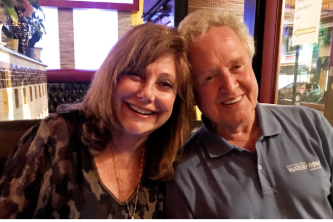
    Mr. Corcoran and his wife, Robin Lowey, married in 2003. Courtesy of friends

    In 2009, he said he often peered through a telescope at the Philadelphia waterfront from his home in Camden and wondered how he would develop Penn’s Landing. “He’s the one who brought together the business leaders and was able to steer through difficult political waters,” then-Camden County freeholder Jeffrey Nash said in 2009.

    His wife said: “He was a kind and generous gentleman. He was a good, nice person.”

    In addition to his wife, Mr. Corcoran is survived by three sisters, a brother, and other relatives.

    Services were held Thursday.

    Donations in his name may be made to the Caplan Caring Difference Fund at the Penn Memory Center, Office of the Treasurer, Box 71332, Philadelphia, Pa. 19176.

    Mr. Corcoran spent seven years in the Peace Corps after college. Courtesy of friends
  • Johnny Doc’s prison sentence was commuted by President Donald Trump, his lawyer says

    Johnny Doc’s prison sentence was commuted by President Donald Trump, his lawyer says

    Convicted former Philadelphia labor leader John Dougherty will have his six-year prison term cut short after President Donald Trump agreed to sign a commutation ending the rest of Dougherty’s sentence, according to Dougherty’s lawyer.

    George Bochetto said in an interview Thursday night he’s hopeful that Dougherty, the former city power broker known as Johnny Doc, could be freed from a federal penitentiary in Lewisburg as soon as Friday.

    Bochetto called Trump’s decision “a magnificent gesture of compassion.” He said Trump had signed the commutation Thursday afternoon.

    Records on the Office of Pardon Attorney’s website did not yet reflect a commutation approval as of Thursday night. And the White House press office did not immediately respond to a request for comment.

    Outgoing Pardon Attorney Ed Martin shared a news story about Dougherty’s impending release on social media and added: “Mercy granted by the Mercy President, Donald J. Trump.”

    Trump had denied Dougherty’s bid for a commutation earlier this year, according to that agency’s website. It was not immediately clear why circumstances changed this week.

    For months, Dougherty had been petitioning U.S. District Judge Jeffrey L. Schmehl to be released on house arrest to provide care for his gravely ill wife. But Schmehl had repeatedly denied those efforts, saying in part that Dougherty had failed to demonstrate he was the only person who could serve as an adequate caretaker.

    Prosecutors had opposed Dougherty’s request for similar reasons, and said the two years he spent behind bars of his six-year sentence was not enough time to merit release. A spokesperson for the U.S. Attorney’s Office did not immediately respond to a request for comment Thursday night.

    A commutation will keep Dougherty’s conviction intact, but allow him to return home to his wife, Cecilia, who Bochetto said was in “a desperate situation.” Bochetto said the act of clemency would also relieve Dougherty of having to pay about $1.6 million in restitution, and that Dougherty would not be subject to any monitoring or house arrest, saying Dougherty, upon release, would be “a free man.”

    Presidents have broad authority to issue pardons and commutations in federal cases, and Trump has shown a willingness to grant them to political allies during his second term in office. But Bochetto said Trump, a Republican, was being particularly gracious in this instance by commuting the sentence of Dougherty, a longtime Democratic stalwart.

    “Our criminal justice system needs to have some compassion,” Bochetto said. “There’s absolutely no reason to keep John Dougherty housed in a country club environment facility in Lewisburg when his wife so desperately needs him.”

    Bochetto said he’d been in regular communication with White House staff members in seeking to free Dougherty, and that his arguments focused on the same issues he used in the bid to receive compassionate release from Schmehl: That Dougherty’s wife, who has long suffered from a debilitating brain injury, has seen her condition worsen significantly since her husband was imprisoned, and that he is the only person equipped to provide the care she needs.

    Dougherty’s prosecution was one of the more significant local criminal cases in recent memory. For years, Dougherty had served as the head of his politically powerful union, Local 98 of the International Brotherhood of Electrical Workers. And from that perch, he was a certified political kingmaker — an organized labor leader with connections in City Hall and Harrisburg, and a man with the ability to raise funds or impart influence on a variety of issues across the state.

    But in 2024, he was sentenced to six years in prison after being convicted in separate trials — the first in 2021, after a jury found that he had spent years bribing former Philadelphia City Councilmember Bobby Henon, the second in December 2023 over nearly $600,000 he and others embezzled from the union.

    Earlier this year, while testifying before Schmehl, Dougherty revealed just how far away he was in prison from his life as a political power player: He told the judge that nearly all of his time now revolved around his wife, including sending her dozens of letters, using all of his allotted monthly phone minutes to call her, and singing her lullabies over the phone.

    Ryan Boyer, who replaced Dougherty as chair of the Philadelphia Building and Construction Trades Council, said he was happy for Dougherty.

    “I don’t think that John should have been arrested for what he did,” Boyer said in an interview Thursday night. “It’s correcting an injustice, and he’ll be welcomed home by a lot of people in the Philadelphia building trades, as well as Philadelphia in general.”

    Boyer said he expects Dougherty will be prohibited under the terms of his release from jumping back into labor and politics right away.

    “With him having a commutation, I think there will be some prohibitions with him getting back involved with labor,” Boyer said.

    But, he added, he doesn’t expect Dougherty to stay away forever.

    “John has a sharp mind,” Boyer said. “If I know John the way I know John, he’s not going to sit on his hands.”

    City Councilmember Jimmy Harrity said in an interview Thursday night he was happy Dougherty would be able to return home to take care of his wife.

    “I’m just happy that he’s going to be able to take care of Celia. I’m just happy for his family,” Harrity said. “I never want to see anybody go to jail, but the bottom line is everybody must pay their dues back. He got in trouble, he went to jail, he did some time.”

    As for whether Dougherty’s release would have an influence on Philly politics going forward, Harrity declined to say.

    “Oh, I don’t even want to speculate on that,” he said. “I have no idea.”

    While some labor leaders cheered the news of Dougherty’s release, one was notably less enthusiastic: Mark Lynch Jr., who succeeded Dougherty as business manager of the International Brotherhood of Electrical Workers Local 98.

    “We don’t spend our time focused on that,” Lynch said in a statement Thursday night, referring to Dougherty’s commutation. “Our focus is on the future of IBEW Local 98 and delivering results for our members.”

    While Lynch often appears at news conferences and Local 98 is still politically influential, he has taken a more under-the-radar approach than his predecessor.

    “Today, our members are working at essentially full employment,” Lynch said in his statement. “We have secured better health, dental and vision benefits while lowering costs to our members. We have negotiated some of the strongest wage increases in the country.”

    Another change: Lynch has lowered the amount that electricians pay into the union’s political committee. Dougherty, on the other hand, was able to build Local 98 into a political powerhouse in no small part by convincing his members to increase their contributions.

    “We are proud of the direction of the organization, and we intend to keep moving forward,” Lynch said.

  • A former confidant to Mayor Cherelle L. Parker tried to bilk campaign for rent money, court document shows

    A former confidant to Mayor Cherelle L. Parker tried to bilk campaign for rent money, court document shows

    William F. Dunbar Sr., a former confidant to Mayor Cherelle L. Parker who pleaded guilty this week to federal tax fraud charges, also sought to bilk a political campaign out of rent payments he was not entitled to, according to a court document filed Tuesday.

    The document does not name the campaign, but it appears to be Parker’s.

    Dunbar, 42, never actually received any ill-gotten funds related to the lease with the campaign, prosecutors said, and he was not charged in connection with the matter.

    But prosecutors said in court documents that he’s agreed to let a judge consider the episode and two other incidents of “additional misconduct” as she weighs his sentence for tax fraud.
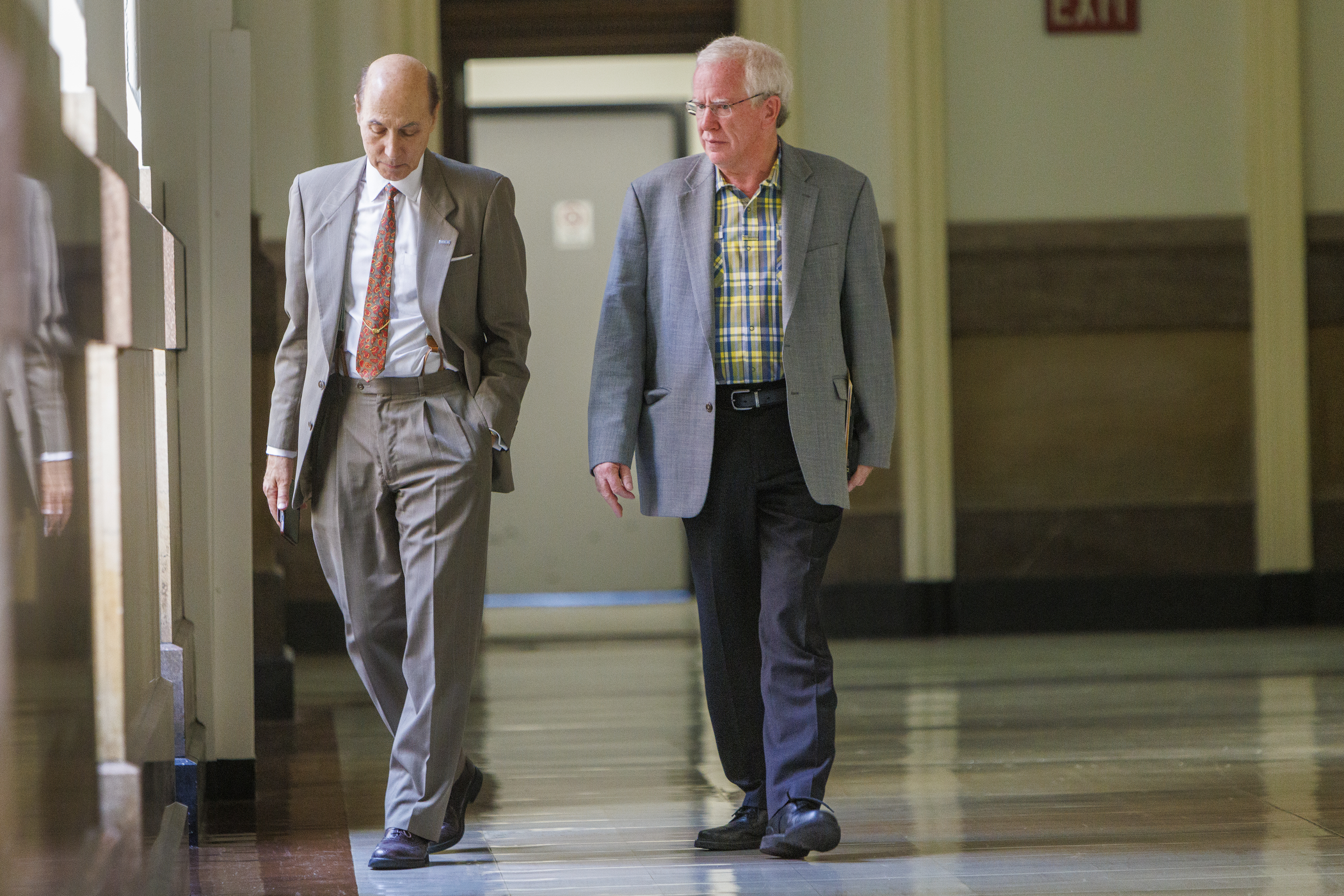
    Dunbar, a Philadelphia lobbyist, was an unpaid but important adviser to Parker during her winning campaign for mayor in 2023. He officially joined her campaign, People for Parker, around the time she took office in January 2024.

    The mayor let Dunbar go from her campaign in July 2024 in a move that Dunbar at the time described as Parker’s decision.

    The campaign made a series of rent payments totaling $22,850 to his lobbying firm, Dunbar Public Affairs & Associates, between March 2024 and November 2024, according to campaign finance records. The address listed for the rent payments was an office in the Penn Center complex near Philadelphia City Hall.

    According to Dunbar’s plea agreement, in February 2025 he “falsified certain terms of a lease agreement for office space that [he] had entered as the lessor with a Philadelphia political campaign.”

    The city’s online database of campaign finance records shows People for Parker as the only campaign that has made rent payments to Dunbar’s firm.

    “The facts speak for themselves,” said Aren Platt, executive director of People for Parker, declining to comment further on Tuesday.

    Dunbar declined to comment.

    William F. Dunbar Sr., a lobbyist and a former informal adviser to Mayor Cherelle L. Parker.Courtesy of William F. Dunbar Sr.

    The plea agreement, which was signed by Dunbar and his attorney, said he “falsely modified the terms of the lease agreement” to increase the notice the campaign was required to give him to terminate the lease.

    Had the campaign not discovered the change, the agreement said, Dunbar would have received money he was not owed. “The defendant’s efforts in this regard did not result in his obtaining any funds, and he ceased making any efforts to obtain these funds before learning of the federal criminal investigation resulting in the charges in this case,” the agreement said.

    Dunbar on Monday pleaded guilty to filing false tax returns for himself and his wife between 2020 and 2025 and claiming substantial refunds when, in reality, they owed money. Prosecutors said in court papers that the tax loss related to the fraud was between $350,000 and $750,000. The charges carry a maximum sentence of 16 years in prison, plus supervised release and fines.

    Dunbar’s attorney, Brian McMonagle, said in a statement Tuesday that the plea agreement “reflects Mr. Dunbar’s acceptance of responsibility for his own conduct.”

    McMonagle said that the agreement “does not include any cooperation obligations” and that Dunbar is “not required under the agreement to provide information or testimony regarding any other individual.”

    The four charges to which Dunbar pleaded guilty are unrelated to his firm’s lease with the Parker campaign and the two other incidents of “additional misconduct” that Dunbar stipulated in the agreement. The other incidents involve falsifying a document for a mortgage application and submitting false financial information to receive additional financial aid at a private school.

    Although those episodes did not lead to criminal charges against Dunbar, U.S. District Court Judge Kelley B. Hodge will be able to consider them when determining his sentence. A sentencing hearing is scheduled for January.

    Staff writer Chris Palmer contributed to this article.

  • Philadelphia’s police union endorses Gov. Josh Shapiro for his reelection bid

    Philadelphia’s police union endorses Gov. Josh Shapiro for his reelection bid

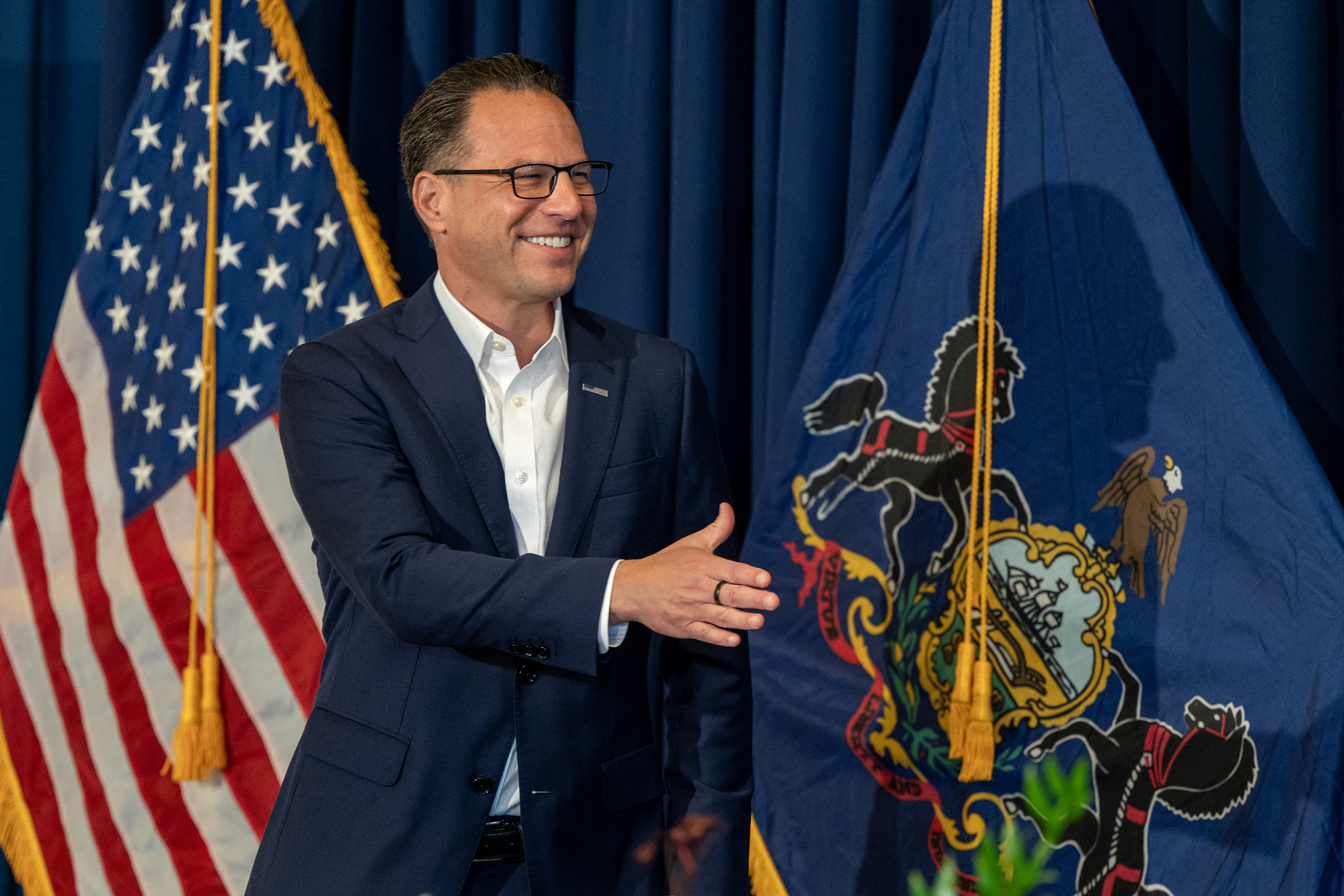
    Philadelphia’s police union on Tuesday endorsed Gov. Josh Shapiro’s reelection bid, announcing its continued support for the first-term Democratic governor while touting his commitment to law enforcement.

    “Every day, he has shown a commendable ability to work with local law enforcement and deliver the resources and support we need to protect and serve our friends, families, and neighbors,” said Roosevelt L. Poplar, president of the Fraternal Order of the Police Lodge 5, which represents over 14,000 active and retired Philadelphia police officers and sheriff’s deputies.

    In a statement, Shapiro said he was “honored” by the endorsement.

    “I’m going to keep fighting for the brave law enforcement officers who work to keep Philadelphia safe every single day,” he said. “I believe all Pennsylvanians deserve to be safe and feel safe in their communities — and we have focused every day on funding law enforcement and supporting the men and women that protect and serve our Commonwealth.”

    It marks the second time the police union has embraced Shapiro for governor after endorsing him in 2022 over Republican candidate Doug Mastriano, who the then-president of the union said couldn’t be trusted to protect their collective bargaining rights. Shapiro, a former state attorney general, was a reliable government official who the union said was “there to help us with whatever we need to do.”

    This election cycle, Shapiro holds a commanding lead over his Republican opponent, Treasurer Stacy Garrity, according to a recent poll from The Philadelphia Inquirer, the New York Times, and Siena University. The union has previously supported President Donald Trump, but Shapiro attracted its backing over Garrity, who Trump has endorsed in the Pennsylvania governor’s race.

    Shapiro has also received support from other organized labor unions, including the Pennsylvania AFL-CIO and the Pennsylvania Professional Fire Fighters Association. On Monday, he received the backing of the Pennsylvania State Troopers Association.

    Shapiro has maintained a comfortable relationship with law enforcement, and his campaign noted that he has signed multiple state budgets funding 2,000 additional officers across Pennsylvania and allocated more than $1 billion in community-based violence prevention grants.

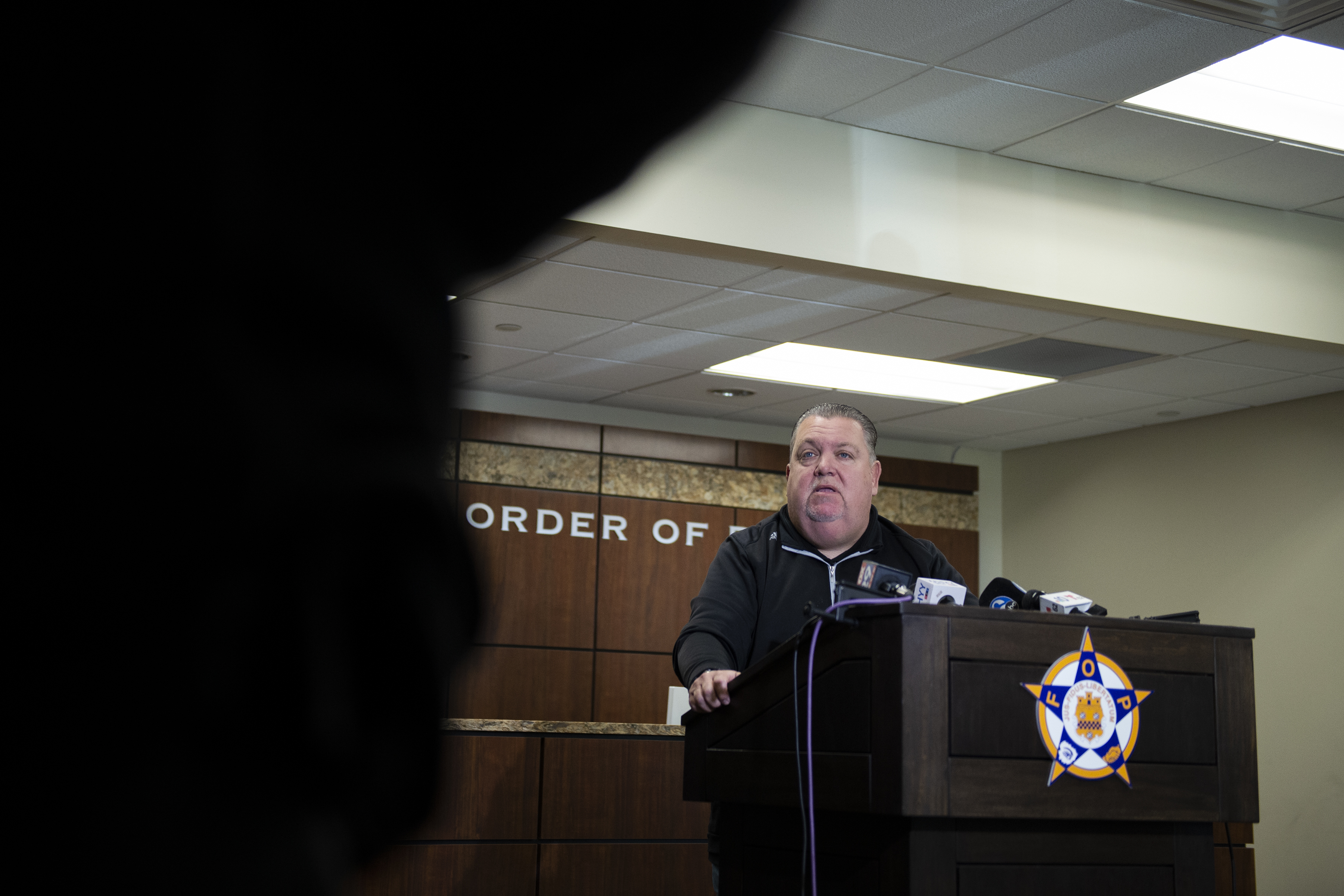
    Roosevelt Poplar, president of Fraternal Order of Police Lodge 5, on Jan. 26, 2024.Elizabeth Robertson / Staff Photographer

    In his statement, Poplar also commended Shapiro for providing funding for police department needs.

    “The Governor has delivered on his promise to invest in public safety, he has shown up with us in times of tragedy, and he has proven his commitment to keeping our officers and the communities we serve safe,” he said.

    The police union’s endorsement of Shapiro is notable for an organization that just a few years ago was seen by some Philadelphia Democrats as politically toxic.

    In the aftermath of the 2020 Minneapolis police killing of George Floyd, protests by racial justice activists swelled in Philadelphia and across the country with many of the movement’s participants calling to “defund” or abolish the police. They pressed local lawmakers to redirect police funding to social services, and Philadelphia City Council in June 2020 canceled a planned increase to the Philadelphia police budget.

    Amid the calls for reform, the FOP was a major point of contention, as was its bombastic former leader, John McNesby. Activists — and many of their allies in elected office — said the union was too resistant to change and protected bad cops.

    Former FOP president John McNesby holds a news conference on Oct. 19, 2022.Joe Lamberti

    At the time, Shapiro was running for reelection as the state attorney general, and his campaign presented him as a “progressive reformer” who had established a unit in his office to review criminal convictions that may have been unfairly applied and a council to support people leaving prison with housing and employment opportunities. The FOP endorsed Shapiro’s 2016 and backed his 2020 campaign for attorney general.

    Unlike some Philadelphia Democrats, Shapiro — who has rumored ambitions for a presidential run in 2028 — did not embrace the “defund” movement. He argued during a 2020 trip to Philadelphia that addressing structural inequities in the department and having strong law enforcement, especially in communities with high levels of poverty, were not mutually exclusive endeavors.

    “We reject that poverty or institutionalized indifference and marginalization should mean that some people don’t get to have a safe community to live in,” he said. “We won’t give up on the belief [of] law enforcement showing up in a community to make people feel safer.”

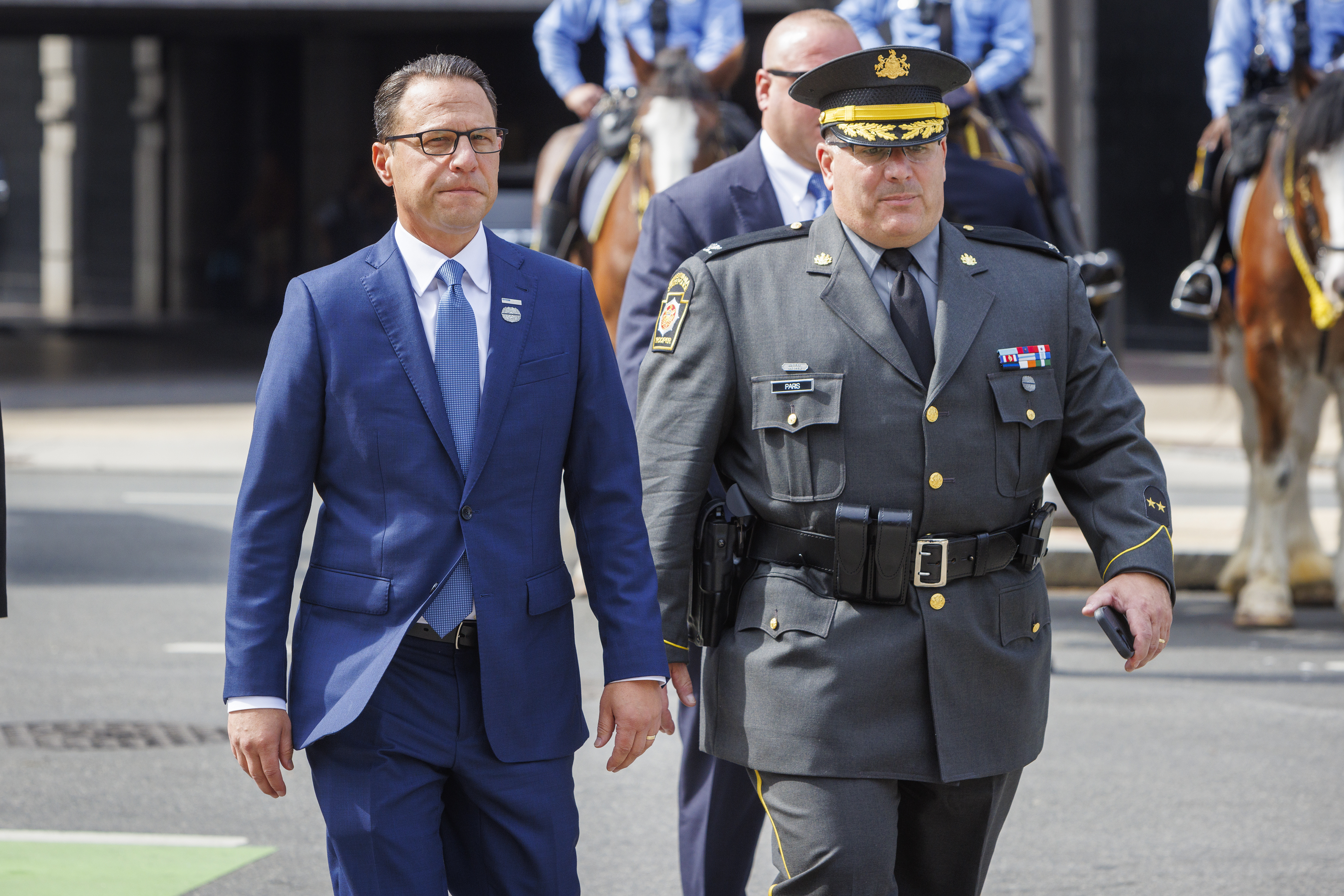
    Gov. Josh Shapiro with Pennsylvania State Police Col. Christopher L. Paris. They were attending the funeral for Philadelphia police officer Jaime Roman at the Cathedral Basilica of SS. Peter and Paul on Sept. 19, 2024.Alejandro A. Alvarez / Staff Photographer

    In the years following 2020, public support for police in Philadelphia appeared to grow. The city saw a historic spike in gun violence, and Republicans nationally portrayed Democrats as soft-on-crime. When a half-dozen Democrats were fighting for the mayoral nomination in 2023, polling showed that most voters saw public safety as the No. 1 issue driving the race. None of the candidates embraced “defund,” and most of them supported proposals to provide additional resources to the police department as it sought to solve shootings.

    In the end, the tough-on-crime mayoral candidate — then-City Councilmember Cherelle L. Parker — won decisively.

  • How Carlton Williams rose from a scandal-plagued department to one of Philadelphia’s most powerful government positions

    How Carlton Williams rose from a scandal-plagued department to one of Philadelphia’s most powerful government positions

    Eleven years ago, Carlton Williams was, to some, a symbol of government dysfunction.

    He was leading the troubled Philadelphia Department of Licenses and Inspections, an agency engulfed in controversy over safety lapses and staffing issues following the deadly 2013 Market Street building collapse. The city controller called on Williams to resign, and Jim Kenney, then a candidate for mayor, promised that he’d get rid of him.

    And yet Williams remained.

    In July, he was named Philadelphia’s managing director, one of the most powerful positions in city government, second only to the mayor. He is assuming responsibility for L&I again, plus dozens of other agencies and thousands of employees who carry out the day-to-day operations that make the city run.

    It is perhaps an improbable outcome for a longtime city employee who absorbed a level of scrutiny that could have easily ended his career.

    But Williams proved durable, cycling through leadership positions across several departments while establishing himself as a City Hall insider. He has politically powerful allies and a reputation among City Council members as someone who will quickly act on their needs. That goes a long way with 17 politicians who value responsiveness and omnipresence, traits that they did not see in Williams’ predecessor, Adam K. Thiel.

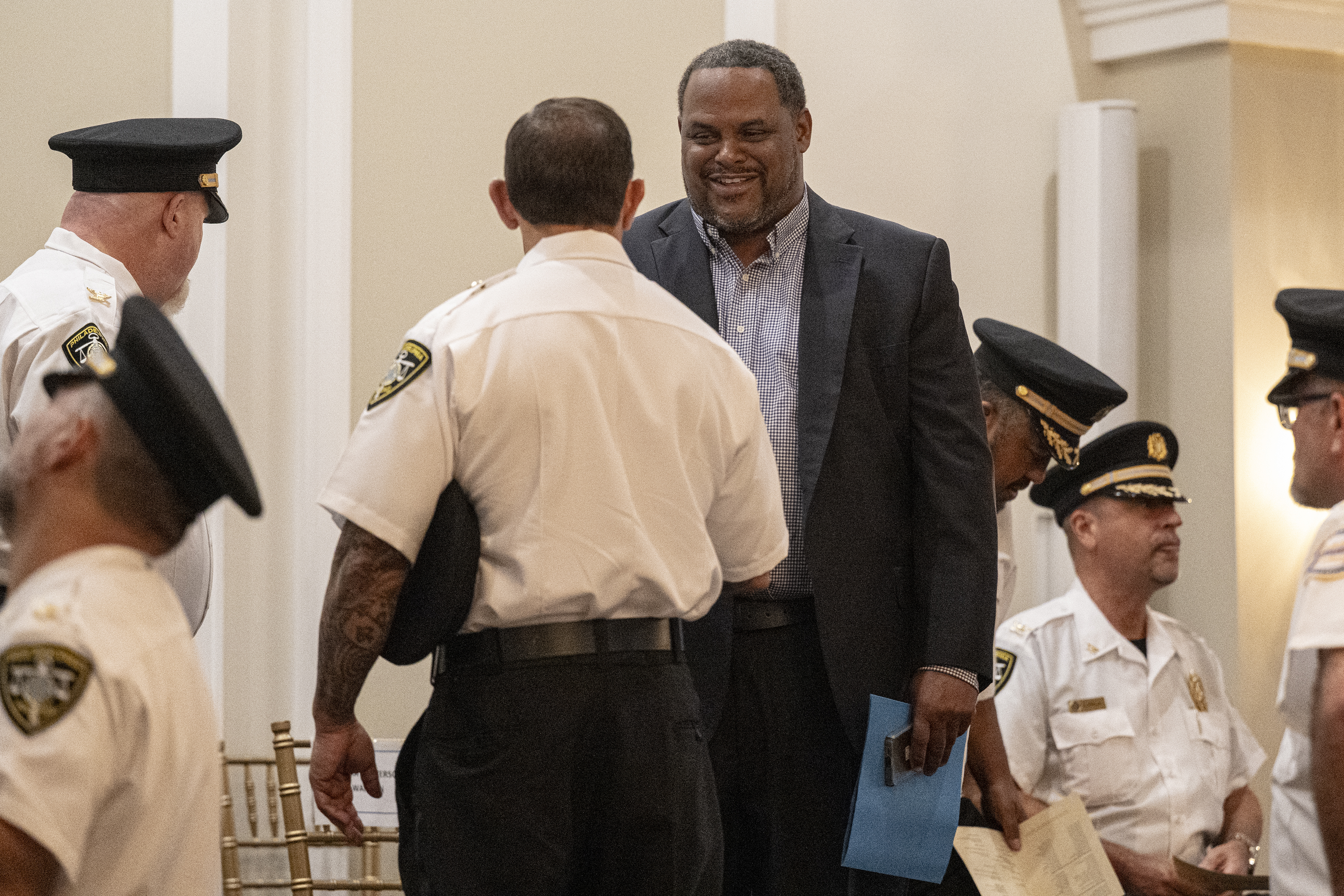
    Newly appointed Managing Director Carlton Williams interacts with city officials during a correctional officer graduation ceremony at FOP Lodge 5 in Philadelphia on Friday.Jose F. Moreno / Staff Photographer

    Perhaps most importantly for Williams’ ascent: he is all-in on Mayor Cherelle L. Parker.

    The ties between Parker, 53, and Williams, 57, stretch back to their childhoods in Northwest Philly — he played football for the Oak Lane Wildcats, and she was a cheerleader. The team remains a part of both of their identities: Williams has led the Oak Lane Youth Association for 20 years, and the mayor often says proudly that she is a “Wildcat for life.”

    Later in life, both found allies in the storied Northwest Coalition, a powerful political family. Williams said that he has known for 20 years that Parker would one day sit atop City Hall. And he most recently led Parker’s Office of Clean and Green Initiatives, overseeing the implementation of some of her key campaign promises.

    “I’m bringing the ‘One Philly’ brand to the managing director’s office,” Williams said in an interview, echoing the mayor’s oft-used slogan. “Not to say it wasn’t being done under my predecessor. But I want to make sure it’s completely aligned with the mayor’s goals, because I believe in that vision.”

    New Philadelphia Managing Director Carlton Williams speaks at the podium after being announced by Philadelphia Mayor Cherelle L. Parker during a July 28 news conference at City Hall.Jose F. Moreno / Staff Photographer

    His appointment as managing director marks a new stage for the Parker administration that has seen significant turnover at its highest levels. And it is indicative of what Parker values in her inner circle: vast institutional knowledge and loyalty.

    For the mayor, trust in Williams’ ability to operate within the bureaucracy and advance her priorities may outweigh his mixed record of management.

    “Whenever we had a crisis of any kind in this city, he has been on my speed dial,” Parker said when she announced Williams’ appointment last month. “No matter who’s been leading, I’ve always called him for his counsel.”

    Overseeing ‘a very broken’ L&I

    Parker’s bet on Williams would have seemed almost unimaginable a decade ago.

    A year after Williams was appointed to lead L&I, an excavator demolishing a wall on Market Street in Center City toppled the building onto an adjacent Salvation Army store, killing six people and injuring a dozen more. The inspector responsible for the demolition project died by suicide a week later.

    Calls for reform abounded and questions swirled about whether the city’s agencies were responsible. There were multiple investigations launched and commissions convened to probe the disaster, and within days, Council members were pressing Williams to institute reforms that would bolster safety on private construction sites.

    In response, Williams sought to hire more inspectors, increase their training, raise demolition standards, and create new specialized units within L&I.

    Today, he says the collapse on Market Street was “one of the saddest moments” of his time in government.

    “You have to lead through some tough challenges when you’re a leader,” he said. “You don’t get to pick and choose when you lead.”

    In this June 2013 file photo, then-Philadelphia Commissioner of the Department of Licenses and Inspections Carlton Williams (second from right) waits in line to attend a memorial service for Anne Bryan, who was among the victims of the Market Street building collapse.JOSEPH KACZMAREK / Associated Press

    But it was not the only controversy he faced.

    The Inquirer reported that, in 2014, Williams personally intervened in the demolition of a Point Breeze building and allowed it to proceed without the requisite permits.

    And in 2015, L&I was forced to reorder hundreds of inspections after sending unlicensed and unqualified inspectors to examine unsafe buildings across the city.

    By fall 2015, then-City Controller Alan Butkovitz was calling on Williams to be fired. He said at the time that L&I had long been troubled, but that his office’s audit of the agency found that Williams had not made enough improvements.

    In this 2013 photo, then-Deputy Mayor Everett Gillison (left) and then-Commissioner of Licenses and Inspections Carlton Williams listen to members of City Council during a hearing.TOM GRALISH / Staff Photographer

    Butkovitz now says that he blames former Mayor Michael Nutter instead, and that Williams was “caught between the mayor and me.” He said Williams had promised to provide the controller’s office with documents to assist in an audit, and then did not.

    “I took it out on Carlton Williams at the time,” Butkovitz said. “His inclination was to cooperate with me, but at the time, it looked to me like duplicity. And I don’t think it was. I think he was overridden by higher authority.”

    Nutter did not respond to a request for comment.

    Estelle Richman, a former Philadelphia managing director who has held a variety of roles in local, state and federal government, said L&I is “one of the most difficult city departments.” She noted that past agency leaders have been pushed out, fired, indicted, and jailed.

    “We can go back and say ‘maybe [Williams] should have done this or that,’ but the reality is it was a very broken department,” she said. “I think he did more to try to get it restabilized and back on track than any other commissioner at that time could have done.”

    ‘You have to be accessible’

    Before taking the helm at L&I, Williams was a career bureaucrat.

    Born in North Philly and raised in West Oak Lane, Williams started with the city at age 19, working in Fairmount Park as one of the first-ever members of the Philadelphia Ranger Corps. The program paid for part of his tuition to attend Temple University and marked his foray into public service.

    Jeffrey Montague, who led the Philadelphia Ranger Corp. and has been a mentor to Williams for decades, said that at a young age, Williams showed potential.

    “He didn’t try to fit in. He always stood out on his own independence,” Montague said. “He wasn’t trying to fit into a crowd.”

    After working as a ranger, Williams spent three years running a Harrisburg youth program for AmeriCorps — the first and last time Williams lived outside the city.

    He returned to Philadelphia to work for the Parks and Recreation Department, rising to become a deputy commissioner in both the recreation and streets departments.

    Then came the four-year stint leading L&I, and when Kenney took office in 2016, he moved Williams back to his old job as a deputy in the streets and sanitation department.

    But it didn’t last. Five months after Kenney took office, the streets commissioner was arrested for assault. Williams ascended to the role, and suddenly, the person who Kenney said he wouldn’t retain to lead L&I was in charge of one of Philadelphia’s most visible departments, overseeing transportation and sanitation operations citywide.

    Carlton Williams, then the director of the Office of Clean and Green Initiatives, speaks during a news conference at Bigler and South 15th Streets on July 7, 2025.Monica Herndon / Staff Photographer

    It was there where Williams solidified himself as a City Hall fixture. He said that as an administration staffer, he has “one primary that I listen to” — the mayor — but he has always tried to be attentive to Council.

    That may be a key difference between Williams and Thiel, his predecessor. Thiel was the former fire commissioner and a nationally recognized expert in emergency management who was seen as a skilled behind-the-scenes operator.

    But Council members said that Thiel did not foster close relationships with members of the city’s legislative body who are often conduits between residents and the mayor’s administration.

    In addition, Thiel was often absent during major events in the city and he was frequently on leave — he joined the Army Reserve eight months into his tenure, and held several jobs outside city government, including as a consultant and professor.

    That was a departure from prior administrations, when the managing director was often the public face of city operations.

    On several occasions during the Parker administration, it was Williams who was in the spotlight. As director of the Office of Clean and Green Initiatives, he played a key coordinating role during the eight-day municipal worker strike that halted city services — most visibly, trash pickup.

    And he oversaw the city’s response to a severe winter storm earlier this year that left much of the city encased in ice, despite weather emergencies typically falling under the managing director’s purview.

    New Philadelphia Managing Director Carlton Williams (left) stands near the former director, Adam Thiel, before an introduction by Philadelphia Mayor Cherelle L. Parker during a July 28 news conference at City Hall.Jose F. Moreno / Staff Photographer

    City Councilmember Anthony Phillips, whose district includes Northwest Philadelphia, said that prior to Thiel’s resignation, members of Council were “gravely concerned” about his frequent leave. Some members said that, in Thiel’s absence, Williams was their primary contact among Parker’s top staff.

    “You can’t get certain things done and you can’t expect an efficient and effective city when you’re not present,” Phillips said. “Carlton is going to be the complete opposite of that.”

    Williams said that his role as managing director is his only job aside from volunteering.

    “It’s a full-time, 24-hour, seven-day-a-week job,” he said. “You have to be accessible.”

    Williams’ coziness with elected officials has also drawn criticism.

    A former city employee who previously worked for Williams said his relationships with Council amount to a “favor machine.” The staffer spoke on the condition of anonymity in order to preserve relationships.

    “There is this cycle of Council getting calls from constituents, like ‘there’s a pothole,’ and then they get it fixed, and that’s the main work,” the former staffer said. “It’s not actually setting up systems that are solving the problems. It’s reacting to them.”

    But Williams said some of his proudest achievements have resulted in systemic change: he led the installation of some of the first spraygrounds in the city, overhauled the recycling program, had BigBelly trash cans placed throughout Philadelphia, and started the annual Philly Spring Cleanup.

    “He is probably one of the most well-prepared managing directors that the city has had,” Richman said. “He knows not only how operations work within the city departments, he knows the political structure of the city. And I believe a managing director has to know both.”

    Testifying in the Johnny Doc trial

    Williams’ close relationship with a Council member also came under a microscope in a federal courtroom in 2021.

    John Dougherty, the former leader of the politically powerful Local 98 of the International Brotherhood of Electrical Workers, and his ally, ex-Councilmember Bobby Henon, were on trial for bribery and other corruption charges. Prosecutors accused Henon of taking official actions as a Council member at Dougherty’s behest in exchange for a salaried, no-show job with the union.

    One of the schemes prosecutors presented during the trial focused on efforts by union officials in 2015 to halt the installation of an MRI machine at the Children’s Hospital of Philadelphia, a project that was being completed with nonunion labor. Williams, at the time, was at the helm of L&I.

    Department of Streets Commissioner Carlton Williams exits federal court on Oct. 12, 2021, after testifying in the John Dougherty and Bobby Henon bribery trial.Thomas Hengge / Staff Photographer

    During the 2021 trial, Williams was called to testify. He told the jury that Henon called him in August 2015 to report that an unlicensed contractor was working at CHOP, and that he dispatched an inspector to investigate.

    The inspector, Williams testified, issued a stop-work order on the construction of the MRI machine. But he insisted that he did not direct the inspector to do so, and told the jury that responding to complaints from Council members was a routine part of his job.

    Ultimately, L&I reversed the stop-work order, and the MRI machine was built.

    Prosecutors said Dougherty paid Henon to be his “man on the inside” in City Hall and used the episode at CHOP to establish evidence of a corrupt agreement between the two.

    “You heard what happened,” Assistant U.S. Attorney Frank Costello told the jury during closing arguments. “Henon contacted Carlton Williams, Carlton Williams sent inspectors out and they issued orders — they issued orders to shut the job down.”

    But defense attorneys said one public official asking another to take action doesn’t constitute a crime.

    “Carlton Williams was the recipient of information just passed on to him about the MRI and the unlicensed contractor,” said defense attorney Brian McMonagle. “That ain’t a crime.”

    Dougherty and Henon were both convicted. Henon was released from prison last year, and Dougherty remains incarcerated.

    Carrying out Parker’s vision

    During the 2023 mayoral campaign, when a half-dozen Democrats could have plausibly won the party’s nomination, Williams nearly left the city.

    He said he got a job as the public works director in San Francisco, but before he accepted, Parker won the primary election. Williams decided to stay.

    “I wanted to work for Cherelle Parker,” he said. “I believed in her vision.”

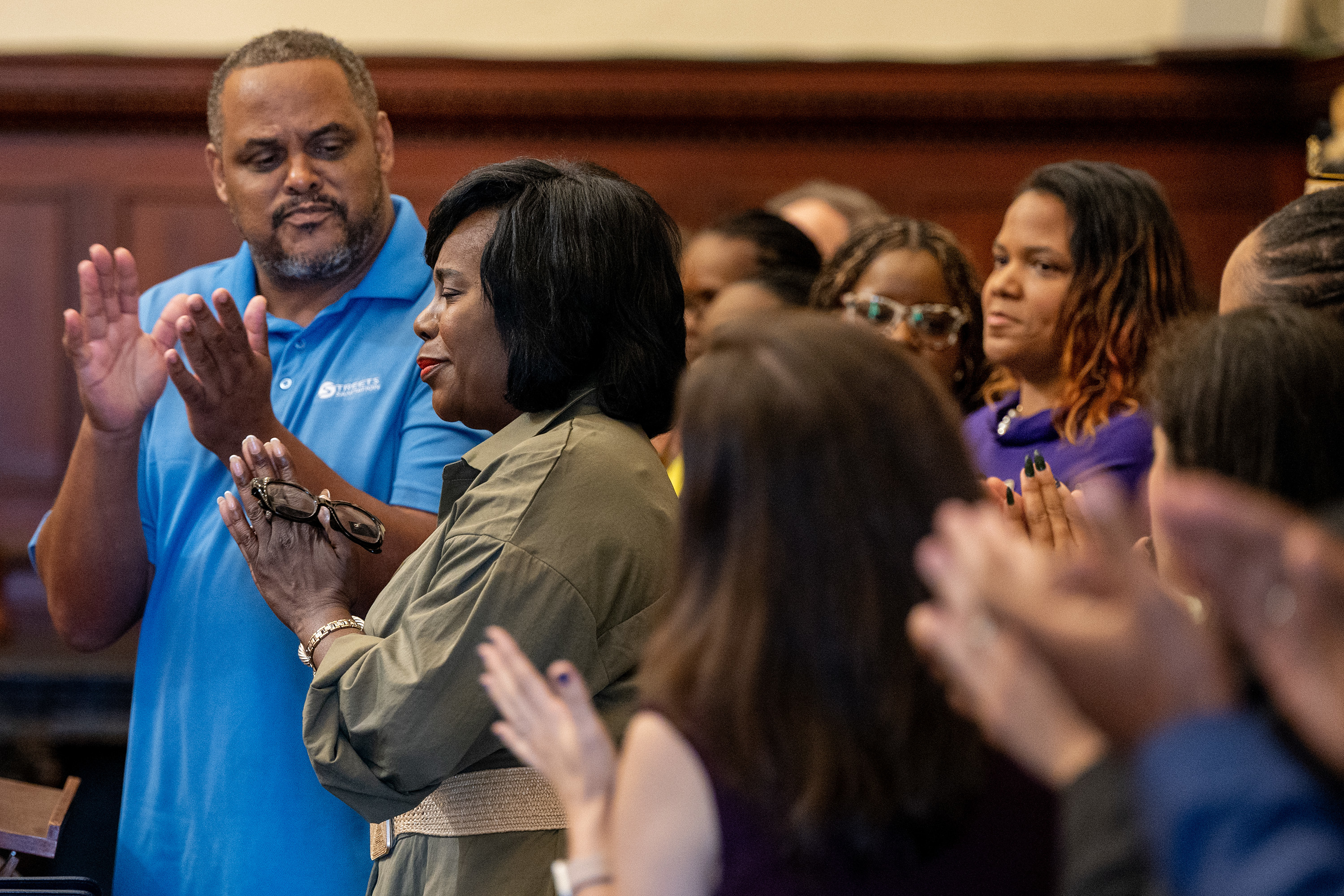
    Mayor Cherelle L. Parker is applauded by members of her administration at City Hall on July 9, 2025, hours after reaching a tentative contract agreement with District Council 33 leaders overnight, ending the workers’ strike. At left is Carlton Williams, director of the Office of Clean and Green Initiatives. Chief Deputy Mayor Sinceré Harris is behind the mayor at right.Tom Gralish / Staff Photographer

    Parker took office in 2024 and created a new role: director of the Office of Clean and Green Initiatives. Williams would carry out her campaign promise to rid the city of its “Filthadelphia” moniker by implementing twice-weekly trash collection, an expansion of illegal dumping enforcement, and a biannual citywide program to clean every block.

    As managing director, Williams’ portfolio will grow substantially. He will be responsible for the city’s response to public health and homelessness, as well as overseeing large agencies like the fire department and the prisons.

    He will also coordinate the city’s strategies in Kensington, the beleaguered neighborhood and the site of an open-air drug market that the Parker administration has spent more than two years working to shut down. Williams said there is inherent pressure that comes with being responsible for addressing such long-entrenched issues.

    “But I work best under pressure, and so I take that as a badge of honor,” he said.

    Williams said he intends to prioritize communication with residents because they “understand that everything can’t get fixed at one time.”

    “But at least we can say what needs to be done, when it’s going to [be] fixed, what’s the timeline,” he said. “I manage through the eyes of everyday citizens. I want what they want.”

  • William Dunbar, a key adviser for Mayor Cherelle Parker’s 2023 campaign, pleaded guilty to federal tax evasion charges

    William Dunbar, a key adviser for Mayor Cherelle Parker’s 2023 campaign, pleaded guilty to federal tax evasion charges

    William F. Dunbar Sr., a Philadelphia lobbyist who was an important unpaid adviser to Mayor Cherelle L. Parker’s 2023 campaign, on Monday pleaded guilty to federal criminal charges related to a tax fraud scheme that lasted six years.

    Dunbar’s lawyer, Brian McMonagle, said Dunbar “accepts full responsibility for his conduct.” The charges were filed in July but were under seal until Monday morning. Dunbar entered his plea on Monday afternoon before District Court Judge Kelley B. Hodge.

    Dunbar, 42, was charged with four counts including tax evasion and filing a false tax return. He was charged by information, a process used when a defendant intends to plead guilty.

    “Today’s plea reflects his commitment to resolving this matter with honesty, accountability, and respect for the judicial process,” McMonagle said. “He has taken decisive steps to satisfy his outstanding tax obligations and has implemented appropriate financial controls and professional oversight to help ensure this does not recur.”

    McMonagle added that Dunbar “has dedicated his professional and personal life to serving his community through public service, civic leadership, and charitable engagement.”

    A spokesperson for the U.S. Attorney’s Office declined to comment on the case Monday.

    The charges carry a maximum sentence of 16 years in prison, plus supervised release and fines. A sentencing hearing was scheduled for Jan. 11, and Dunbar was released on bail pending sentencing.

    Dunbar pleaded guilty to filing fraudulent income tax returns for himself and his wife from 2020 through 2025. Prosecutors say Dunbar inflated his charitable giving and business expenses while dramatically undervaluing his taxable income, a scheme that likely would have lowered the couple’s tax bill.

    For example, they said, in the 2024 tax year, Dunbar claimed $1.45 million in total business expenses while indicating he had no taxable income. Dunbar also reported that he owed $46,000 in total taxes for that year, a sum that can include other taxes outside the income tax, but prosecutors said the amount he actually owed was “materially greater” than what he reported on his tax form.

    Prosecutors did not specify how much money Dunbar owed the government in taxes, but said in court papers that it was between $350,000 and $750,000.

    Assistant U.S. Attorney Louis D. Lappen told Hodge that, due to the fraudulent returns, Dunbar for tax year 2023 received a refund of about $30,000 while his spouse received a refund of about $36,000. Lappen said the couple claimed similar refund sums each year from 2020 through 2025, and that they should have paid additional taxes when they filed their returns instead of receiving refunds.

    “Had the taxes been filed accurately and appropriately and without fraud, [Dunbar and his spouse] would have owed,” Lappen said.

    Although prosecutors accused Dunbar of inflating expenses associated with his political consulting firm, Dunbar Public Affairs & Associates, there are no accusations in his charging documents that connect his conduct with Parker or others affiliated with her campaign.

    Dunbar was a key member of Parker’s “kitchen cabinet” of informal advisers during her 2023 run, in which she bested a crowded field to win the Democratic primary and become the city’s first female mayor. Dunbar also has had ties to other high-profile Democratic politicians, including Gov. Josh Shapiro, U.S. Sen. Cory Booker of New Jersey, and members of Philadelphia City Council.

    The Inquirer reported earlier this month that federal investigators last summer issued subpoenas for documents and financial records related to Dunbar, according to three sources with direct knowledge of the probe.

    One of the sources said the investigation appeared to be a “fairly broad” review of Dunbar.

    Parker’s campaign has dramatically increased its spending on legal services since early 2025, around the time the sources said subpoenas were issued, according to campaign finance reports.

    The campaign paid its law firm, Dilworth Paxson, about $108,000 since the start of 2025, The Inquirer reported. By comparison, it paid the firm less than $15,000 during the 2023 election year and about $19,000 in 2024.

    Parker last week declined to comment on the subpoenas related to Dunbar or on her campaign’s increased legal spending.

    Spokespeople for the mayor’s office and for Parker’s campaign declined to comment on the charges against Dunbar on Monday.

    Dunbar was never paid for his role in the campaign during the 2023 mayoral election.

    In 2024, Parker’s first year in office, Dunbar took over management of the campaign. The campaign paid Dunbar’s firm a series of rent payments totaling $22,850 between March 2024 and November 2024.

    Parker let Dunbar go from her campaign in the summer of 2024 in a move that Dunbar said at the time was the mayor’s decision. The campaign is now managed by Aren Platt, who was one of the architects of Parker’s 2023 run and served as chief deputy mayor in her administration before resigning in October 2024.

    Dunbar appears to still be active in politics despite no longer being on Parker’s team. Two weeks ago, he posted on social media a series of behind-the-scenes photos from a filming session at a West Philadelphia barbershop for a Shapiro campaign advertisement, writing: “Where politics meets the people.”

    Manuel Bonder, a spokesperson for Shapiro’s reelection campaign, said in a statement that Dunbar has “no formal or informal role with the Shapiro for Pennsylvania campaign.”

    Dunbar’s lobbying clients include Comcast, the Chamber of Commerce for Greater Philadelphia, and Jackmont Hospitality, an airport concessions company, according to his lobbying registration with the city.

    Dunbar previously lobbied for the Philadelphia School District, but a district spokesperson said earlier this month that he stopped working for the district in June.

    Staff writers Abraham Gutman and Ryan W. Briggs contributed to this article.

  • The U.S. Supreme Court removed limits on political parties coordinating with candidates. What does that mean for Philly’s elections?

    The U.S. Supreme Court removed limits on political parties coordinating with candidates. What does that mean for Philly’s elections?

    The U.S. Supreme Court this summer overturned limits on how much money political parties can spend in coordination with their chosen candidates — the latest in a series of decisions by the conservative majority that have unleashed a flood of money into national politics.

    How that will play out in Philadelphia remains to be seen. But local elections lawyers said last week it could boost the power of the city’s political parties to influence the outcome of elections.

    “It will be disruptive to city elections,” Adam Bonin, a Philadelphia-based Democratic elections attorney, said of the case, National Republican Senatorial Committee v. Federal Election Commission. “It will give parties more power, and it will give incumbents more power.”

    The Philadelphia Board of Ethics, which enforces the city’s campaign finance rules, plans to consider the potential impacts of the Supreme Court’s 6-3 ruling this fall, said board chair Ellen Mattleman Kaplan. That would ensure any changes would take effect before next year’s municipal elections, when Mayor Cherelle L. Parker and all 17 Council members are up for reelection.

    In deep-blue Philadelphia, where most local elections are effectively decided by Democratic primaries, two key questions will determine the case’s impact: Does the ruling apply to local elections, and does it apply to primaries?

    Both are legally thorny issues that could require lengthy court battles to sort out. But if the answer to both questions ends up being yes, the NRSC ruling has the potential to give significant advantages to candidates who are endorsed by the Democratic City Committee.

    For instance, in crowded Democratic primaries for mayor or City Council, the party-endorsed candidates would be the only ones who could effectively circumvent the city’s limits on the size of political donations — currently $3,700 per year for individual donors — by directing deep-pocketed supporters to give additional money to the party, which is not subject to those limits.

    The party could then work directly with its endorsed candidates on how to spend that money, including decisions on the messaging and timing of TV ads or door-knocking efforts.

    To be clear, experts said, there are many uncertainties about how, and even if, the ruling would apply to Philadelphia municipal elections, where political money is more tightly regulated than in state and federal races. In the immediate future, the ethics board could take the position that the ruling applies only to federal races, not the city races it regulates.

    “We haven’t come to any conclusions yet,” said J. Shane Creamer Jr., the ethics board’s executive director. “We’ve got to keep in mind that the federal law in that case is a little different than Philadelphia’s laws, including different rules designed to prevent circumvention of contribution limits.”

    Additionally, the Supreme Court opinion did not specify whether its ruling applies to local elections, a question that could be addressed by subsequent federal court cases. The NRSC case before the justices centered on limits on coordination between parties and candidates in federal law that apply only to general elections.

    But Philadelphia elections lawyer Kevin Greenberg said the underlying philosophy in the decision — that limiting political parties’ coordination with their candidates constituted a violation of the constitutional right to free speech — would likely extend to primary elections.

    “There is nothing about the Supreme Court’s logic that inherently applies only to general elections,” said Greenberg, who has done legal work for the Pennsylvania Democratic Party. “What any judge and any lawyer thinking about how to implement this … would and should do is apply the Supreme Court’s opinion to what the next set of facts are, and under the Philadelphia law, this will be problematic for the existing [campaign finance] statue.”

    The ruling directly applies to general elections for U.S. House and Senate races, meaning that federal party committees can now coordinate with — and spend freely on behalf of — candidates running for Philly congressional seats and Pennsylvania’s U.S. Senate seats.

    But the two outstanding questions, about local elections and primaries, would likely have to be sorted out in court because the city is unlikely to voluntarily change its system, said Matthew Haverstick, a Philadelphia elections lawyer who often works with Republican clients. Such a case would require a candidate or, more likely, a political party suing the city, he said.

    “Given the way the Philly ethics board and the city regulates elections, they’re not going to do anything unless they’re told to do it by a court,” Haverstick said. “Whether this decision has a direct impact on the Philadelphia rule is unclear. … You could argue that political parties can coordinate in primaries — there are good arguments that it could — but it would have to be considered in court.”

    Haverstick is representing 2023 mayoral candidate Jeff Brown in a lawsuit against the ethics board. During that campaign, the ethics board alleged that a super PAC backing Brown coordinated with him in violation of campaign finance rules. A judge later threw out the case.

    With Haverstick as their attorney, Brown and the PAC have since sued the ethics board, alleging in part that it unfairly targeted him during the campaign. The Commonwealth Court in March ruled against Brown and the PAC. They have appealed the decision to the Pennsylvania Supreme Court, where it is pending.

    A potential opportunity for Philly’s Democratic establishment

    The local Democratic establishment’s influence in recent years has been waning as insurgent candidates backed by progressive groups have notched key victories, oftentimes with the backing of deep-pocketed outside spending groups supported by organized labor.

    Depending on how it is applied, the court’s decision could create an opportunity for the Democratic City Committee to reassert itself by giving its preferred candidates, who are typically more centrist or conservative Democrats, access to a major financial advantage over their rivals.

    The Democratic City Committee did not respond to a request for comment.

    Currently, candidates for city offices are subject to strict limits on the size of donations they can collect: $3,700 per year for individual donors, and $14,800 for organizations. Outside groups known as super PACs can raise money in unlimited amounts — but they are prohibited from coordinating with campaigns over fundraising, strategy, and spending.

    If applied to city elections, the ruling could create an exception to those rules for one type of outside group — political parties — allowing them to raise money in unlimited amounts and spend as much as they want while working hand in glove with their endorsed candidates. And in a primary election, where there is only one party involved, that could give the establishment-backed candidate a major advantage.

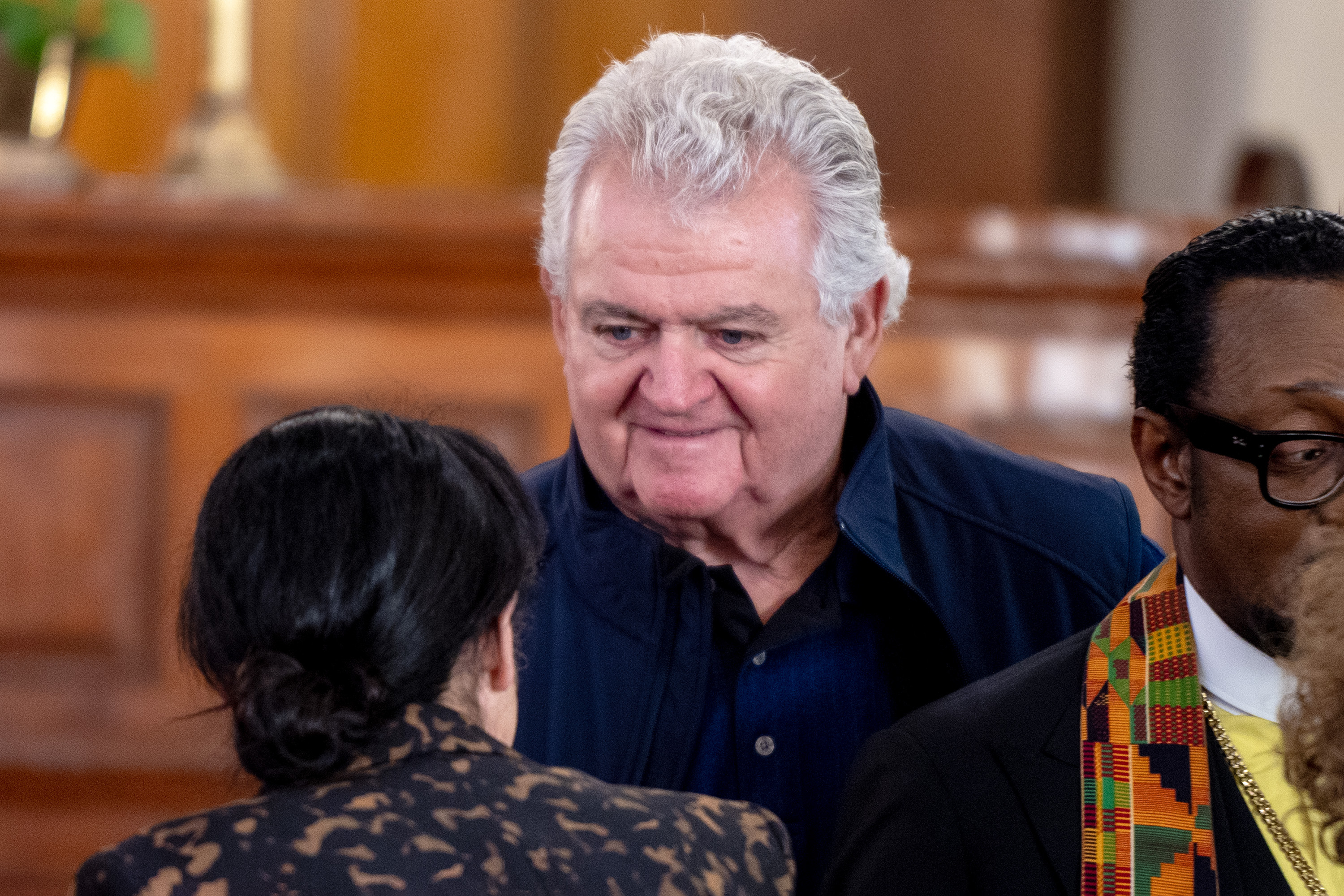
    Chairman of the Democratic City Committee, former U.S. Rep. Bob Brady, at Mother Bethel AME Church Nov. 2, 2025.Tom Gralish / Staff Photographer

    But there is reason to doubt that scenario will become the norm in high-profile Philadelphia elections. In addition to legal questions about the NRSC case’s applicability, there are political obstacles that could prevent candidates from taking advantage of the court’s ruling.

    To be endorsed by the city committee, candidates must receive the support of a majority of the 69 Democratic ward leaders, who often fail to reach that level of consensus in crowded races. And even if a candidate wins the endorsement, there is no guarantee they would have the donor network to be able to take full advantage of coordinating fundraising with the party.

    Lastly, the party may differ with a candidate’s campaign on strategy decisions, or it could decline to raise money beyond the limits applicable to other candidates to avoid the appearance of tipping the scales.

    Bonin said he opposes the current Supreme Court’s campaign finance rulings, such as the 2010 Citizens United decision that helped usher in the dominance of super PACs. But in light of those rulings, he said, the NRSC decision may be a positive development.

    “If we’re going to live in a world where super PACs exist, we are better off strengthening political parties, which are more accountable,” he said.

    A new twist in Council election races for the GOP and Working Families Party?

    There is another arena in which the decision could have a major impact in Philadelphia: the general election races for the two seats on City Council that are reserved for independent or minority-party candidates.

    Republicans held those seats for about 70 years until Councilmembers Kendra Brooks and Nicolas O’Rourke of the progressive Working Families Party won them in the two most recent city election cycles, a major factor in Council’s recent shift to the left.

    At left is Kendra Brooks speaking with colleague Nicholas O’Rourke during caucus session. Philadelphia City Council gathered today for the budget address from Mayor Cherelle L. Parker in chambers, Thursday, March 12, 2026. .Alejandro A. Alvarez / Staff Photographer

    The Philly GOP has seen anemic fundraising levels and dismal results in recent years. If applied to local primaries, the NRSC ruling could potentially help the party gain traction with the help of just a handful of major donors — especially given that it is less clear the Working Families Party, without a primary election, would be able to take advantage of the change.

    If the NRSC ruling is applied to city elections, the Philly GOP would undoubtedly be able to coordinate with its nominees in those Council races. Vince Fenerty, who chairs the Republican City Committee, said he is seeking legal advice on that question.

    “We’re hopeful that there could be a chance for us to help our City Council candidates next year and everyone else who runs [as a Republican],” he said.

    It is unclear whether the ruling would benefit the smaller Working Families Party, which under Pennsylvania law is not a major political party. (Pennsylvania’s Commonwealth Court is currently deciding an unrelated case on the Green Party that could affect the legal standing of groups like the Working Families Party.)

    At left is attorney Matt Wolfe and Vince Fenerty, chair of the Philadelphia Republican Party attended the hearing for Working Families Party candidates. Hearing in courtroom 443 Philadelphia City Hall for Working Families Party candidates on Friday, August 11, 2023.Alejandro A. Alvarez / Staff Photographer

    In a statement, Working Families Party spokesperson Nick Gavio lamented the direction of the U.S. Supreme Court’s recent rulings on campaign finance law.

    “Anyone who has knocked a door in Philadelphia knows that regular voters are not pushing to give billionaires and the ultra-rich more power to influence our elections,” he said. “WFP has no interest in overturning existing campaign finance regulations that act as guardrails against political and corporate insiders buying elections. We will of course continue to follow all campaign finance rules that are on the books.”

    A new quandary for the ethics board

    In stark contract to the increasingly unregulated world of federal elections, Philadelphia has some of the tightest campaign finance restrictions in the country, and the ethics board has aggressively enforced the city’s rules.

    Critics, including Greenberg, believe the board has already overextended itself by sticking to Philly’s rules as the Supreme Court increasingly takes a wrecking ball to federal campaign finance law. And for Greenberg, the NRSC case is the latest decision that shows Philly is overdue for a full redo that “addresses these issues in light of the [Supreme Court’s] clear direction.”

    “City Council needs to write appropriate rules, and the board of ethics needs to rescind almost all of its existing regulations and readopt them in law,” he said.

    It is unlikely the ethics board would lead the charge in demolishing the campaign finance system it helped to create — one that has been widely credited with limiting the influence of corporate interests and super-wealthy individuals since it was implemented in 2005.

    In an interview, Creamer, the ethics board executive director, referenced differences between the federal law in question in the NRSC case and Philly’s system — an indication the board could determine the decision has no bearing on local elections.

    “We don’t have a similar structure to our law. So it may impact our law somehow; it may not,” Creamer said. “We’re still analyzing it.”

    There are several important differences the board could point to. In federal law, for instance, there are limits on how much individuals can give to political parties, but in Philadelphia there are none.

    In addition, the majority opinion in the NRSC decision, which was authored by Justice Brett M. Kavanaugh, discusses at length how rules around “earmarked” donations — in which donors give money to political parties and direct them to spend it on specific candidates — provide a “prophylaxis” against corruption that could result from eliminating limits on coordination with political parties. Philly does not have an earmarking process.

    If the ethics board stands pat, candidates or political parties seeking to take advantage of the NRSC ruling could challenge the board’s regulations in court. Politicians in heavily Democratic cities like Philadelphia, however, face strong disincentives from taking that step, which would allow them to be painted as supportive of moneyed interests playing a greater role in local politics.

    Bonin, who has been less critical of the ethics board’s approach to campaign finance than Greenberg, said resistance to the NRSC case would be difficult.

    “Whether they like it or not, they have to allow it,” Bonin said, referring to coordination between candidates and parties.

  • Ex-Philly fire department officials accused of overtime fraud are likely at center of federal probe, records show

    Ex-Philly fire department officials accused of overtime fraud are likely at center of federal probe, records show

    Federal prosecutors have convened a grand jury to investigate at least one former Philadelphia Fire Department official who city investigators say facilitated a brazen overtime abuse scheme, according to court records.

    Evidence of the probe became public in recent weeks as part of a lawsuit filed against the city by Anthony Hudgins, a former high-ranking fire official who was demoted after two women at the center of the overtime probe accused him of sexual harassment. He maintains that they did so only in retaliation after he exposed their wrongdoing.

    Court documents made public this month include a report drafted by the Philadelphia Office of the Inspector General (OIG), which conducted a yearslong investigation into Hudgins’ claims that lower-level employees were abusing overtime. Attorneys for a woman at the center of that probe revealed that she is now the target of a U.S. Department of Justice grand jury, while the woman she is accused of conspiring with suspects she, too, is under federal criminal investigation, according to court records.

    Inspector General Alexander DeSantis previously declined to release the findings of the office’s overtime probe into the fire department, saying the investigation was ongoing.

    The report, dated September 2025, details claims of rampant overtime abuse by former paramedic Jacqulyn Murphy that amounted to more than $180,000 in “unjust” compensation through 2023 and 2024, well over her $94,549 annual base salary.

    Murphy made some of that pay during “impossible shifts,” investigators wrote. In May 2024, for instance, Murphy clocked 22 hours of overtime while she was vacationing in Cancún. And four months later, she was paid to work 12-hour shifts every day while traveling to Las Vegas to get married, including on her wedding day and the day of her return trip home.

    Investigators said that she did not act alone. Supervisor Marian Farris, they wrote, rubber-stamped the overtime approvals and manipulated tax withholding statuses for Murphy and herself. The report cited emails from Murphy’s city account showing she made biweekly $500 payments to someone named “Marian F.” for six months in 2024.

    “Murphy and Farris worked together to defraud the City of Philadelphia of thousands of dollars in unearned compensation and other benefits,” the OIG report said. It calls for “heavy administrative and criminal consequences.”

    Farris and Murphy did not respond to requests for comment.

    In a June 4 letter included in the court filing, federal prosecutors based in Philadelphia informed Farris that she is the target of a grand jury investigation concerning bribery and wire fraud. The letter did not elaborate on the nature of the investigation.

    Attorneys for Farris filed the target letter in the Hudgins case as part of a request to the court to delay discovery proceedings, citing conflicts with the federal investigation.

    Murphy has not yet received a target letter, but she expects she will “given the findings of the OIG that Ms. Farris and Ms. Murphy worked together to commit fraud,” her attorneys wrote in a filing on Friday.

    Farris resigned in March 2025. Her attorney did not respond to a request for comment. In an interview earlier this year after Hudgins initially filed his lawsuit and detailed some of the inspector general’s findings, Farris denied receiving cash payments from Murphy in exchange for manipulating time sheets and said any payments were innocent transactions between friends.

    The U.S. Attorney’s Office for the Eastern District of Pennsylvania declined to comment.

    A spokesperson for the fire department did not comment.

    City Solicitor Renee Garcia said in a statement that the city “takes any allegations of fraud, including overtime fraud, very seriously, including allegations of misconduct that predated this administration.” Some of the allegations involving Murphy date back to 2023. Mayor Cherelle L. Parker took office in January 2024.

    Garcia declined to comment on “personnel matters,” saying only that “if misconduct is found, we take appropriate action to implement any warranted discipline.”

    The publication of the inspector general’s long-guarded report is the latest twist in a saga that has long roiled the fire department. It began with what appeared to be dueling probes, as multiple women contended that Hudgins — who was formerly the fire department’s No. 2 in charge — engaged in sexually inappropriate behavior in the workplace that included unwanted touching and intimidation tactics, The Inquirer reported in 2025.

    But Hudgins has maintained those complaints were lodged by Murphy, Farris, and other associates only after he uncovered and reported their overtime inconsistencies.

    His timeline was confirmed in the OIG report. Investigators wrote that Hudgins conducted an overtime review that predated a discrimination complaint filed in November 2024 by the union that represents firefighters and paramedics. That complaint listed Murphy as an alleged victim and Hudgins as a respondent.

    The OIG report does not offer a conclusion related to the sexual harassment complaints.

    Hudgins declined to comment through an attorney on Friday.

    The city hired the law firm Campbell Durrant to conduct an investigation into the sexual harassment allegations, but that report has not been made public. Hudgins claims in his lawsuit against the city that the firm cleared him of “verbal misconduct” and found that he had “hugged co-workers.”

    Hudgins was reassigned to work remotely, and then was forced to take a leave of absence.

    The inspector general recommended that the city implement several reforms to prevent future overtime abuses, including retraining and rehiring the fire department’s payroll and human resources staff. The office also said the fire department should implement new overtime controls.

    Garcia did not respond to specific questions about whether those changes had been instituted in the fire department, saying only that “the administration has implemented significant actions across all city agencies to strengthen its overtime procedures and protocols.”

  • The 1960s blueprint for fighting against data centers

    The 1960s blueprint for fighting against data centers

    When hundreds of Upper Merion residents came to a township planning meeting in the spring of 2026 to oppose construction of five proposed data centers in King of Prussia, they discovered that, according to the developer, they had little recourse. The plans were code compliant, Brian J. O’Neill of MLP Ventures claimed. They required no rezoning, no variances — and no vote from township officials.

    Yet, the residents didn’t just roll over. Instead, they set about organizing. A petition against the proposal garnered roughly 18,000 signatures — a majority of the township’s population. After an intense three-month campaign against the plans, the township Board of Supervisors rejected them in August. O’Neill vowed to appeal, and accused the board of violating state and local planning codes (which they denied), so the fight may not be over.

    The board’s action reflected how fierce blowback across the country has politicians across the ideological spectrum rushing to limit data center construction. Both Texas Republican Gov. Greg Abbott and Pennsylvania Democratic Gov. Josh Shapiro recently placed limits on data center construction.

    As the campaign against data centers proceeds, opponents can learn from the experiences of towns caught up in the high-tech manufacturing boom of the mid-20th century. That history shows what happens when residents disagree with politicians on these initiatives. And, while not every locality will succeed in stopping a data center, what residents build in these campaigns can outlast the fight itself.

    In the 1950s and 1960s, city councils throughout the San Francisco Bay Area eagerly courted technology industries to build campuses in their cities. Officials in these places saw high-tech as the future of American industrialization. They hoped that these new facilities would become an economic boon for their cities and sought to capture new tax dollars from businesses and new residents. Some places, like San José, went so far as to give land to companies like IBM without following the usual avenues for development.

    Cities weren’t the only ones that saw high-tech industry as the economy of the future. Stanford University, under the guidance of administrators who had worked in scientific research during World War II, saw high-tech research and development as an engine for economic growth for the university. They developed new programs around electrical engineering and electronics research, created industry-university worker programs that allowed employees to enroll in Stanford classes and encouraged students to found their own companies.

    In 1954, Stanford used a piece of its vast landholdings to create the Stanford Industrial Park (later, Stanford Research Park), which attracted the likes of Fairchild Semiconductor and Kodak, alongside companies founded by one-time Stanford students such as Varian Associates and Hewlett-Packard. Business developers at the university were right: within a decade, the new office park was generating millions of dollars of new revenue for the university.

    In 1960, the university and City of Palo Alto announced that the Ampex Corporation planned to build an office campus in the research park outside Los Altos Hills. The city council had already approved rezoning the land for light industry, and the plan appeared poised to proceed.

    Neighboring residents, however, were not so keen on the university’s plans. Stanford neglected to consider the impact of the development on the local communities. Residents expressed concern about increased traffic and smog, as well as the potential environmental degradation of the pastoral foothills. They were also irritated by Stanford’s seemingly smug attitude toward community relations.

    Through community and alumni networks, residents formed the Citizens Committee on Regional Planning (CCRP) to organize resistance to the Ampex plans. Within a month, CCRP organized community meetings, editorials and letter writing campaigns so forceful that Stanford University President Wallace Sterling referred to the event as the “Battle of the Hills.” One resident expressed dismay to Sterling, noting that “we now have smog, congestion, and acres of asphalt where we once had fresh air and freedom of movement in a beautiful countryside — one of the finest climates on earth!”

    Hundreds of letters in opposition to the planned construction poured into the Sterling’s office: within four months of announcing the plan, nearly 400 such letters had reached the university president. Meanwhile, residents flooded the letters-to-the-editor section of the Palo Alto Times with opposition to the plan.

    Made By History sponsors. FOR USE ON MADE BY HISTORY STORIES ONLY.Inquirer Staff

    In response, the university’s business manager, Alf Brandin, took to the pages of the newspaper to cast the university as a reluctant developer, writing that Stanford was “doing everything we possibly can to produce income” to support the university’s mission. Stanford also pushed back against criticism by reminding residents of the role the university had played in preserving open spaces — in the form of its campus lands — and in encouraging economic development that benefited the community.

    When the letter and editorial campaigns failed to budge Stanford, residents turned to their next tool: the referendum. In June, five months after Stanford announced its plans, organizers began circulating petitions throughout Palo Alto calling on the city council to rescind its decision to rezone the land for industry and allow residents to vote on the issue. Four days before the rezoning ordinance became official, organizers filed a petition with the city clerk with 2,000 signatures, double the amount required to force a vote.

    Placed on the ballot that November, the Stanford lands were now in the hands of residents. A “yes” vote would keep the city council’s rezoning in place and allow Ampex to proceed with construction, while a no vote would kill the development.

    The debate continued to play out in the pages of the Palo Alto Times. The newspaper’s editorial board came out in favor of Stanford’s plans, arguing that residents’ concerns over the loss of a foothill overlooked the way in which Stanford’s landholdings “constituted a free park” for Palo Alto and its surrounding communities.

    This sort of argument proved persuasive. In November, the referendum to stop the construction lost in a close vote. Stanford’s grassroots campaigning had helped to convince voters to bless the construction plans.

    Yet, this win proved to be a pyrrhic victory. The yearlong political campaign had spooked Ampex, which decided to build its new facilities elsewhere.

    Ultimately, the neighbors won in another way as well: their campaign against the Ampex development had created a durable organizing network. Those involved in the fight continued organizing against high-tech development plans, forming new conservation and environmental groups and galvanizing networks that successfully shaped future decisions and plans.

    Within five years, new waves of conservation-minded city council candidates displaced their more developer-friendly predecessors. High-tech developers now had to contend with the concerns of communities.

    The successors and offshoots of the high-tech entrepreneurs and companies who propelled the rise of high-tech industry in California in the 1950s and 1960s are now building data centers. Residents in Pennsylvania, California, Texas, Virginia, Nevada, Nebraska, Ohio and elsewhere have come out in heavy opposition to their plans, concerned over their footprint, water use, electricity needs and taxes. They see these downsides as outweighing the economic benefits and new jobs that boosters promise the data centers will bring to communities — O’Neill released an economic impact study claiming that building the King of Prussia data centers would have created 10,000 construction jobs and more than $55 million per year in local tax revenue.

    States and counties across the United States have passed moratoriums on data center construction while congressional and gubernatorial candidates find themselves taking a stand on the issue as well. Congress is also getting involved. Among the most forceful proposed efforts is California Rep. Ro Khanna’s Data Center Bill of Rights, which seeks to establish zoning restrictions, require independent environmental and economic impact statements for any project, and protect residents from higher utility bills.

    The history of the fight over high-tech industry in the 1950s and 1960s suggests that those crusading against data centers may not win the short-term fight. Residents and local governments might find the economic arguments of data center backers persuasive just as pro-development arguments won over the voters in Palo Alto decades ago. Yet, even when they fail in the short term, these campaigns might spook companies and can seed organizing networks that will shape local development for years to come.

    Jason A. Heppler is the senior developer at the Roy Rosenzweig Center for History and New Media and Adjunct Professor in the Department of History and Art History at George Mason University. He is the author of Silicon Valley and the Environmental Inequalities of High-Tech Urbanism

    Made by History takes readers beyond the headlines with articles written and edited by professional historians. Opinions expressed do not necessarily reflect the views of The Inquirer.