Category: Politics

  • Democratic states file new lawsuit seeking to block Trump’s order limiting mail voting in midterms

    Democratic states file new lawsuit seeking to block Trump’s order limiting mail voting in midterms

    Democratic-controlled states on Wednesday filed another lawsuit challenging President Donald Trump’s executive order seeking to limit mail voting in this year’s midterm elections.

    The action, filed by about two dozen states against the U.S. Postal Service, marked a new phase in the high-stakes litigation just two days after the Supreme Court ruled against them in a separate case, but did not say Trump’s order was legal.

    The high court majority found the Democratic lawsuit was premature, but that was before the Republican administration issued a rule governing Postal Service delivery of mail ballots. Election officials warn it will be impossible to implement in the days before the first wave of mail ballots are sent out next week.

    “Across the country, states are already deep into preparations for the 2026 elections. Now, at the last moment, the federal government is attempting to meddle in those preparations and potentially threaten countless Americans’ right to vote,” New York Attorney General Letitia James, one of 25 Democratic attorneys general filing the lawsuit, said in a statement. “USPS has no authority to decide who can and cannot vote by mail.”

    Trump’s executive order remains barred from taking effect under a separate injunction that the administration argues needs to be immediately rescinded in light of the high court’s ruling in the previous Democratic state lawsuit. It also had succeeded in a third case filed in May in the District of Columbia, convincing a judge that it was too early to prevent its implementation of the executive order.

    All previous challenges were filed before the administration published its mail ballot rule Friday night. The rule says that if states want their mail ballots delivered, they will need federal approval of the design of their envelopes and must give the Postal Service a list of voters eligible to receive them.

    White House spokesperson Lauren Bis on Wednesday said the Postal Service’s proposals were “commonsense measures that protect the security of mail-in ballots” and that the administration would continue to work to implement them to boost “the safety and security of our elections.”

    The Postal Service said it would not comment because of the pending lawsuit.

    Pennsylvania is one of the states suing the Trump administration.

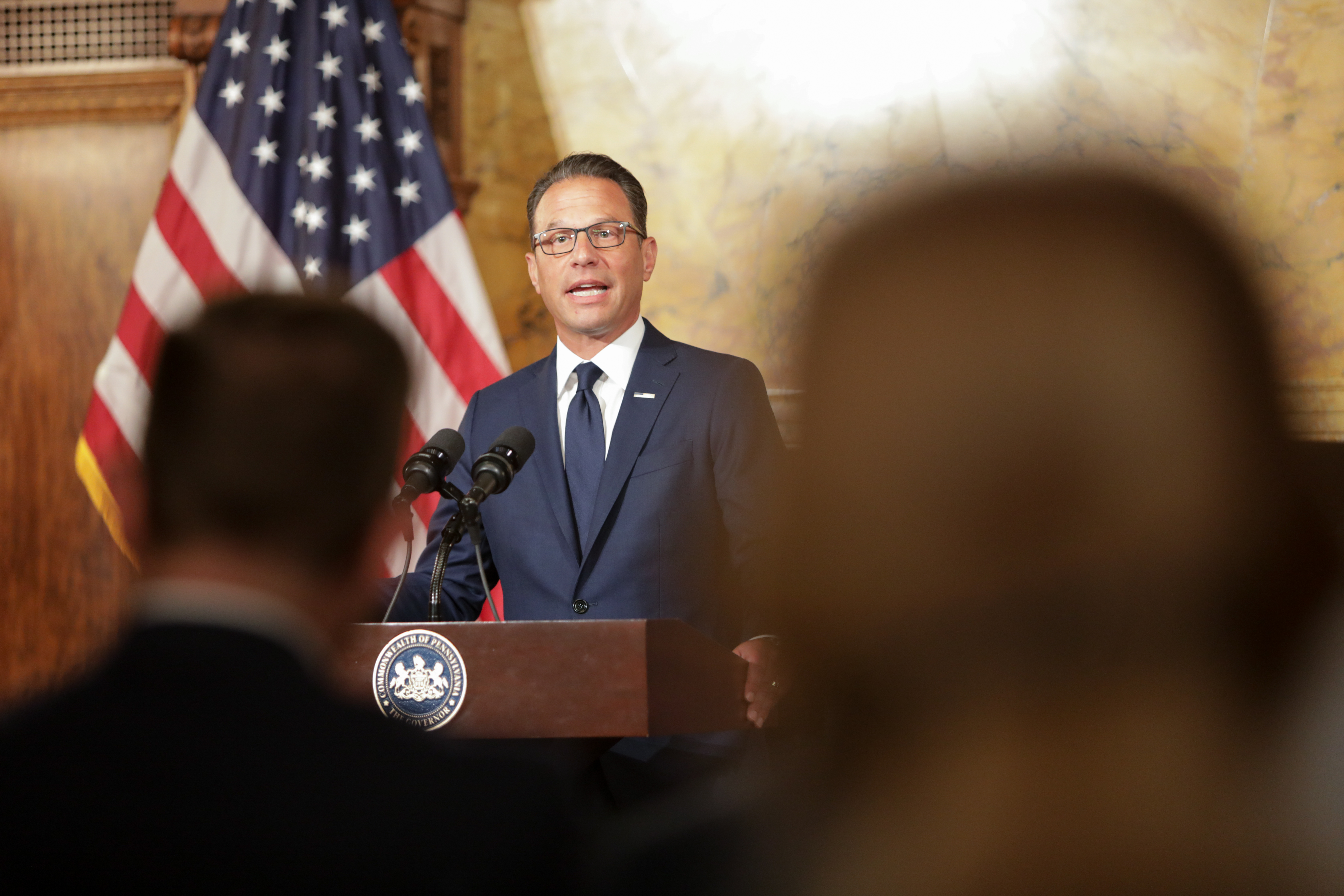
    “Absolutely nothing has changed here in Pennsylvania. You can vote in person on Election Day or you can vote by mail before Nov. 3,” Democratic Gov. Josh Shapiro said Tuesday evening before the suit was filed.

    “Your vote will be counted. Your vote is safe and secure,” Shapiro said. “No matter how many times the president wants to try and undermine people’s right to vote in this commonwealth, he needs to know that he will be met with a swift rebuke from me.”

    National Democrats on Tuesday cited the rule in asking the federal judge in the Washington case to block Trump’s order after he declined to do so last spring, saying the administration at the time had not taken concrete action. In Boston, U.S. District Judge Indira Talwani also found that the administration moving forward with the mail ballot rule had violated a separate injunction she had placed on the Postal Service prohibiting it from enacting Trump’s order, although she did not take any action against the government.

    Talwani, who was nominated by Democratic President Barack Obama, had issued the injunction against Trump’s executive order in the prior Democratic state case, which is the one the Supreme Court overturned on Monday. She has yet to act on the administration’s urging her to revoke her second injunction. It was issued Aug. 11 in a case against the executive order and was filed by the League of Women Voters and other voting rights groups while the Supreme Court was considering the administration’s appeal of the judge’s first order.

    Trump has long targeted mail voting, which he falsely blames for his 2020 election loss and is disproportionately used by Democrats as a result of Trump’s condemnations. Since returning to power, Trump has tried to claim authority over election rules, saying he thinks Republicans should “take over” vote counting in Democratic areas.

    He issued his first election executive order just months after retaking office, attempting to require documentary proof of citizenship to vote, among other changes. He has also been pushing a sweeping election bill that has stalled in the Senate amid opposition from Democrats and even some within his own party.

    Staff writer Jeff Neiburg contributed reporting.
  • 6 in 10 Pennsylvania voters oppose data center development, new poll finds

    A majority of Pennsylvania voters oppose data center development in the United States, according to a new poll, as the issue has quickly become a flash point in the state’s gubernatorial race and other midterm elections.

    Six in 10 likely Pennsylvania voters do not want the U.S. to construct data centers to house artificial intelligence, according to a poll conducted from Aug. 17 to 21 by The Inquirer, the New York Times, and Siena University. The poll, which surveyed 760 likely voters in Pennsylvania, found that Democratic and independent voters oppose data centers at higher rates, while just over half of Republicans support their construction.

    (function(){function e(){window.addEventListener(`message`,function(e){if(e.data[`datawrapper-height`]!==void 0){var t=document.querySelectorAll(`iframe`);for(var n in e.data[`datawrapper-height`])for(var r=0,i;i=t[r];r++)if(i.contentWindow===e.source){var a=e.data[`datawrapper-height`][n]+`px`;i.style.height=a}}})}e()})();

    The United States is in an international race to lead advancements in AI, with $2.3 trillion in data center projects underway or in the planning stages across the country. Pennsylvania, with more than 100 proposed projects, is among the hot spots targeted by developers for its key location near top U.S. metropolitan areas, vast rural space for building, and significant energy resources.

    Gov. Josh Shapiro originally welcomed data center developments to the state, and last year championed a $20 billion investment from Amazon to build at least two data center campuses in Bucks and Luzerne Counties. He also offered developers fast-track permitting in an attempt to establish Pennsylvania as a leader in AI development.

    But in a year’s time, public animosity toward data centers has grown in Pennsylvania and beyond, as residents say they fear the facilities will drive up electricity costs, overuse water supplies, depreciate home values, and disrupt their daily lives. Last week, Shapiro, a Democrat running for reelection in November and a 2028 presidential prospect, announced plans to restrict data center development in the state.

    Shapiro said his position on data centers evolved as he listened to more constituents who live in areas like Archbald, a small northeastern Pennsylvania town with six data center campuses under construction, and pointed to a developer in Montgomery County who he said is “bullying” residents to push projects through amid public opposition.

    (function(){function e(){window.addEventListener(`message`,function(e){if(e.data[`datawrapper-height`]!==void 0){var t=document.querySelectorAll(`iframe`);for(var n in e.data[`datawrapper-height`])for(var r=0,i;i=t[r];r++)if(i.contentWindow===e.source){var a=e.data[`datawrapper-height`][n]+`px`;i.style.height=a}}})}e()})();

    Pennsylvania’s youngest voters were most likely to reject data centers, according to the poll: 83% of likely voters ages 18 to 29 opposed their development, as did 71% of voters ages 30 to 44. Opposition, while above 50% for all age groups, decreased among older voters.

    Kelly Harrington, 29, of Conshohocken, who participated in the poll, said she has been attending Plymouth Township Council meetings to oppose a controversial proposal for a 2 million-square-foot data center project there.

    “Some of my concerns about that specific data center are selfish in the sense that I think my home value is going to go down, I think it’s going to be loud and obstructive, I think it’s going to pollute the air that I want to breathe every day,” Harrington said. “But in a wider sense, I’m also concerned about the environmental impacts of data centers.”

    Front and center in the Pa. governor’s race and beyond

    Data centers have become a key issue in the Pennsylvania gubernatorial election, where Shapiro hopes to ride his high popularity to reelection and usher in Democratic gains in down-ballot races for the statehouse and Congress.

    Both Shapiro and his Republican opponent, State Treasurer Stacy Garrity, have released ads criticizing the other’s past support for data center development.

    The issue also is animating down-ballot races across the state, where candidates from both parties are campaigning on their opposition to data center development.

    Democratic and Republican politicians across the country have reversed course on data centers in recent months as the projects have grown increasingly unpopular.

    Gov. Josh Shapiro answers questions after signing an executive order restricting data centers in Pennsylvania during a ceremony in the Capitol in Harrisburg, Pa., Tuesday August 18, 2026.Kalim A. Bhatti / For The Inquirer

    Prior to Shapiro’s announcement last week touting the “strictest guardrails in the nation” for data center development, his support for the projects appeared to be one of the major tests of his popularity. A Quinnipiac University poll published in July found that while 56% of voters approved of Shapiro overall, only 24% approved of how he was handling data center development in Pennsylvania.

    And some Pennsylvanians who had voted for Shapiro in 2022 said his support for the developments had caused them to contemplate sitting out the November election or writing in a different candidate for governor.

    For some voters, like Montiese McKenzie, Shapiro’s change in position has been enough.

    “I’m very proud of Gov. Shapiro for being anti-data center,” said McKenzie, 48, of West Philadelphia. The Democratic voter said she fears that poor communities will face disproportionate consequences of the construction of AI data centers.

    “What happens will be very important for how I see him as a future leader,” McKenzie said.

    Montiese McKenzie, 48, poses for a portrait near her home in West Philadelphia on Monday, Aug. 24, 2026.Allie Ippolito / For The Inquirer

    Still, Shapiro’s recent change in position has not wooed all Pennsylvania voters.

    Maryann Klaus, 82, a Democrat in Upper Bucks County, supported Shapiro in 2022. But, she said, his initial embrace of data centers in the region without consulting the community was “just not good governance.” Despite Shapiro’s recent moves to restrict data center development, Klaus said, she is still reconsidering her vote for his reelection this fall.

    The executive order Shapiro signed last week is a “a start,” Klaus said. “But, unfortunately, when you open the door, too many things occur and then you can’t walk them back.”

    Others, like Steven Keenan of Ridley Township, say they want more data center development in the state.

    Keenan, 60, a Republican who is supporting Garrity in November, said he wants Pennsylvania to lead on data centers.

    “I’m not afraid of advancement in technology,” Keenan said. “I think we need all that [development]. We’re in a race with other countries that we want to dominate.”

    Keenan said Shapiro’s change in position reaffirmed his support for Garrity. The shift in stance, he said, showed Shapiro was reacting to public opinion instead of doing what is right for the state. (Garrity, too, has moved away from her public support for data centers. She has called for the state to temporarily pause all data center development.)

    “He goes where the wind blows,” Keenan added.

    Staff writer Fallon Roth contributed to this article.

  • How to avoid a Social Security cut? Lawmakers are floating ideas for what to do

    How to avoid a Social Security cut? Lawmakers are floating ideas for what to do

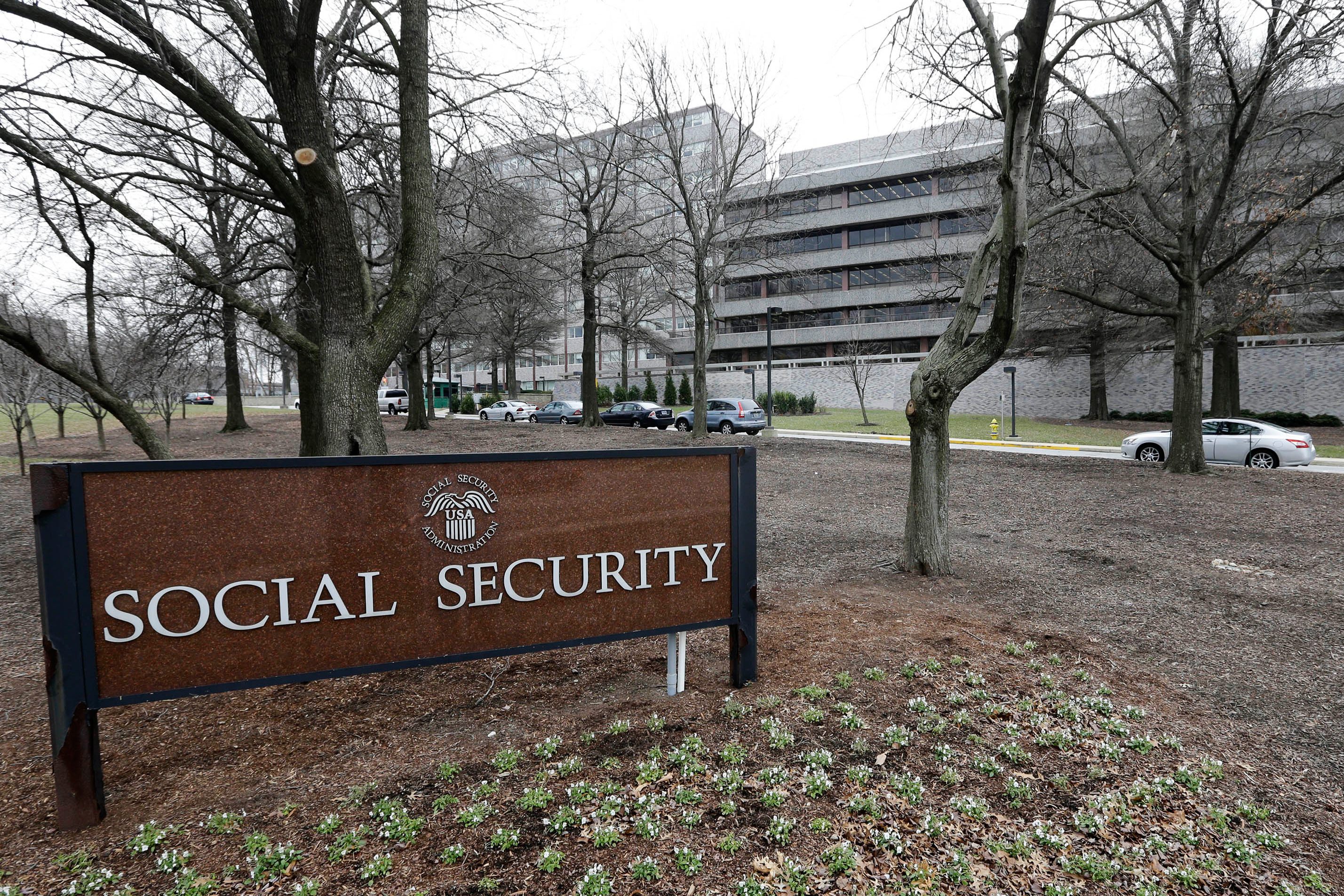
    WASHINGTON — With the few months they have left as senators, Democrat Dick Durbin and Republican Bill Cassidy have embarked on a mission to save tens of millions of Social Security beneficiaries from a projected 22% cut in their benefits, starting in just six years.

    It is one of the most perilous political efforts that a member of Congress can undertake, so it is telling that the push is being led by two lawmakers who have little to lose at this stage of their careers.

    “We’ve been at this six years, eight years. It’s incredible how long I’ve been at it,” Cassidy said. “But Durbin came up to me and he goes, ’Bill, I’m leaving the Senate soon. We need to take a ride at it.’”

    Their idea to extend Social Security’s solvency is one of a few that have been formally offered this Congress. None has gained much traction, but it is a start as more lawmakers weigh in on a problem that will likely confront the group of senators elected this fall as well as the next president. Pressure for action is sure to grow as 2032 draws closer.

    Senate bill seeks 50 years of Social Security solvency

    The measure that Durbin, D-Ill., and Cassidy, R-La., are pushing would not dictate an outcome, but instead set up a process for Congress to take action. It calls for the bipartisan Social Security Advisory Board to collect public input and submit draft legislation to Congress that would keep the program’s retirement trust fund solvent for at least 50 years.

    The resulting bill would then be introduced by the majority leaders of the Senate and House. If they do not want to go along, any member could sponsor the bill. It would then be referred to the two committees with jurisdiction over Social Security — the Senate Finance Committee and the House Ways and Means Committee.

    Both committees would have the chance to debate the bill and amend it if they wish. If not, the original bill drafted by the advisory board would be placed on the Senate and House calendars for consideration. Lawmakers could offer substitute proposals, with final votes after 100 hours of debate. Passage would require a three-fifths vote in the 100-member Senate and a simple majority in the 435-member House.

    Even though the bill does not prescribe a solution for replenishing Social Security, sponsors have struggled to win support. Cassidy voiced exasperation in a recent floor speech.

    “For some people, the time to do Social is never,” Cassidy said. “Don’t disturb Congress. They don’t want to take a tough vote. Even if that vote only sets up a process.”

    AARP has come out against the bill, saying that the effort amounts to “fast-tracking” Social Security changes through a process that limits what type of amendments are offered and sets arbitrary procedural deadlines.

    A different bill proposes an investment fund for older adults

    Separately, Cassidy has a proposal with Sen. Tim Kaine, D-Va., that calls for the creation of a $1.5 trillion fund that would be invested in stocks and other higher-risk assets over 75 years.

    The seed money would be financed by the Treasury Department through additional borrowing. At the end of the 75 years, the fund’s assets would be used to repay the Treasury for the seed money as well as the borrowing that would occur over those years to keep Social Security payments going out — now projected at about $26.6 trillion.

    Cassidy projects such an investment fund would earn enough to cover about two-thirds of that $26.6 trillion in borrowing, meaning other actions such as raising payroll taxes or cutting benefits would still be required to completely close the gap. But those tax increases or benefit cuts would be smaller than otherwise necessary without the investment fund.

    “The advantage of the ‘Save Our Seniors Fund’ is that it lessens your political battle,” Cassidy said.

    Debt watchdogs are worried.

    The Committee for a Responsible Federal Budget said “this is a dangerous, debt-funded gamble that would come with huge risks and costs.”

    Some propose lifting the payroll tax cap

    Sens. Elizabeth Warren, D-Mass., and Bernie Moreno, R-Ohio, do not agree on much, but they have joined forces in calling for lifting the cap on the Social Security payroll tax.

    Currently, the payroll tax that funds Social Security applies to a maximum of $184,500 in income. That means most people pay Social Security taxes on all of their income, but the wealthier do not.

    “Why should a middle-class nurse pay a larger share of her paycheck than a wealthy corporate lawyer?” the two senators wrote in The New York Times.

    But while the two promised forthcoming legislation on the matter, they have not filed it yet. Some conservative groups have forcefully pushed back on the idea, saying the tax increase would lead to lower wages and fewer jobs at businesses seeking to offset the additional tax burden.

    Eliminating the cap would generate more than $3.2 trillion for the trust fund over the course of a decade, according to the Peter G. Peterson Foundation, a nonpartisan debt watchdog.

    Others have called for lifting the cap, but only above a certain income threshold. For example, a bill from Sen. Sheldon Whitehouse, D-R.I., and Rep. Brendan Boyle, D-Pa., would apply the payroll tax to income above $400,000. The bill would require those making more than $400,000 to contribute more to Medicare.

    Others are calling for lifting the cap and increasing benefits

    Progressives in the House and Senate have sponsored a bill that would lift the payroll tax cap to cover all earnings above $250,000, including capital gains and dividends, and increase the tax that high earners must pay on investment gains.

    The bill would boost payments to Social Security beneficiaries by roughly $2,400 a year and increase the annual cost-of-living adjustment. The effort is being led by Sen. Bernie Sanders, a Vermont independent, and Rep. Val Hoyle, D-Ore. The House version has 39 cosponsors, all Democrats.

    In a recent letter to colleagues, Sanders said expanding benefits and requiring the wealthiest in the United States to pay the same percentage of their income into Social Security as tens of millions of working people is “how we extend Social Security’s solvency for generations to come. That is how the Democratic Party begins to regain the trust of the American people.”

  • Trump administration sends Saudi nuclear deal to Congress for review

    Trump administration sends Saudi nuclear deal to Congress for review

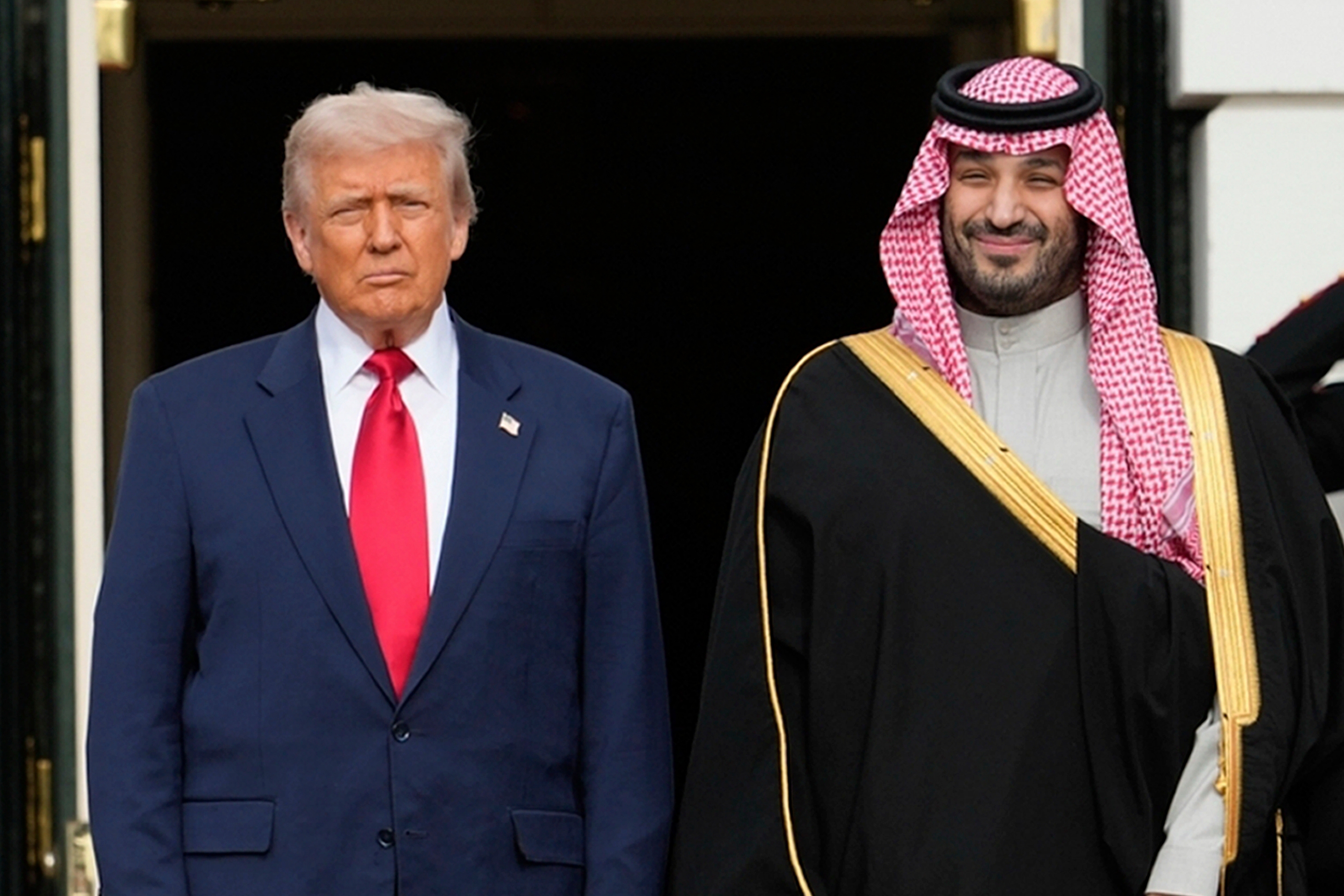
    WASHINGTON — The Trump administration has submitted to Congress a nuclear cooperation agreement with Saudi Arabia that could allow the kingdom to enrich its own fuel for nuclear reactors, according to two officials with firsthand knowledge of the transmission of the agreement.

    The accord, announced by the White House last month, would deepen ties between the United States and Saudi Arabia at a moment when the war with Iran has strained the relationship between the two countries. The 30-year agreement would give U.S. companies a central role in developing Saudi Arabia’s civilian nuclear infrastructure while largely shutting out foreign competitors.

    The submission formally begins a congressional review process required under Section 123 of the Atomic Energy Act, which gives such nuclear cooperation accords their shorthand name, “123 agreements.” Unlike treaties, they do not require approval by two-thirds of the Senate. Instead, the Senate Foreign Relations Committee and House Foreign Affairs Committee review the agreement during a period totaling 90 days that Congress is in continuous session. Unless Congress passes a joint resolution rejecting the agreement during that period, the accord can take effect without an affirmative vote by either chamber.

    The transmission of the agreement to Congress was reported earlier by The Wall Street Journal.

    The prospect that Saudi Arabia could enrich uranium — the technology at the center of the conflict with Iran — has drawn sharp opposition from some Democratic lawmakers and revived long-standing concerns about nuclear proliferation in the region.

    “This deal is the starting gun for a Middle East nuclear arms race,” Sens. Edward J. Markey of Massachusetts and Jeff Merkley of Oregon, along with Reps. John Garamendi of California and Donald S. Beyer Jr. of Virginia, wrote in an essay last month. The four Democrats contended that the agreement should require Saudi Arabia to forgo the production of weapons-grade uranium and accept the International Atomic Energy Agency’s most stringent inspection standards.

    “Congress must reject it,” they wrote.

    The lawmakers also said that President Donald Trump’s launching a war with Iran over the country’s nuclear ambitions while negotiating a nuclear agreement with Saudi Arabia was a fundamental contradiction to U.S. nuclear policy in the region. “That contradiction doesn’t make America stronger,” they wrote. “It makes American policy impossible to take seriously.”

    Energy Secretary Chris Wright and Prince Abdulaziz bin Salman, the Saudi energy minister, signed the agreement last month as part of a broader package of cooperation on civilian nuclear power. The two officials also signed what the administration described as a bilateral agreement on nuclear safeguards.

    This article originally appeared in The New York Times.

  • Graham, and Trump, triumph: Six takeaways from South Carolina’s Senate runoff

    Graham, and Trump, triumph: Six takeaways from South Carolina’s Senate runoff

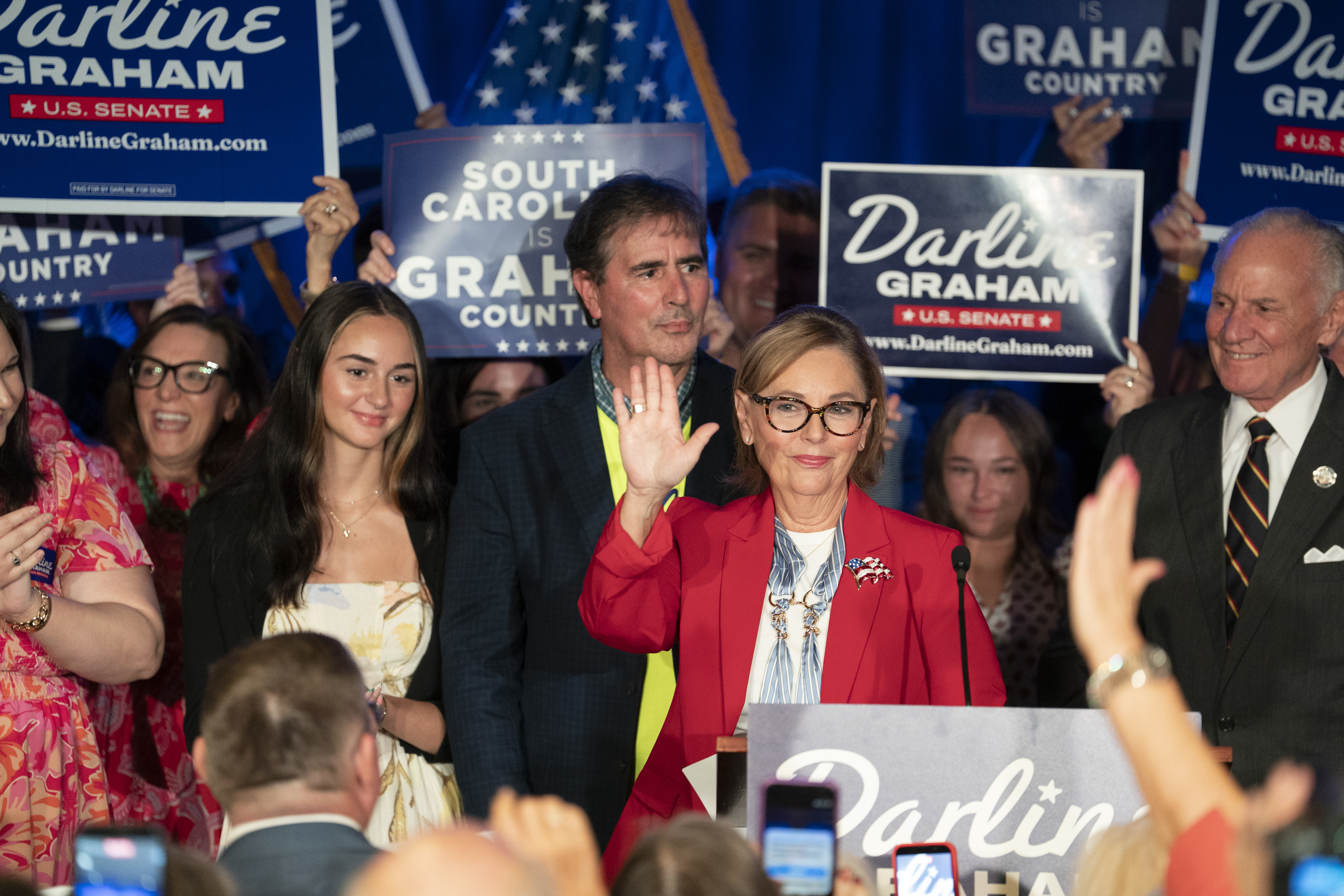
    ROCK HILL, S.C. — Sen. Darline Graham won the Republican Senate nomination in South Carolina on Tuesday, relying on the strength of President Donald Trump’s political capital to overcome her inexperience as a first-time candidate for public office.

    Graham defeated Rep. Ralph Norman, a five-term member of Congress, in deeply red South Carolina after Trump did more to support her than he has for any other Republican candidate this year — out of apparent affection for her late brother, Lindsey Graham, who died last month.

    Her win showed the president’s continued ability to move Republican primary voters, especially when he goes all in on a race. His chosen candidates won a series of key primaries in the spring, but a few of his picks have more recently lost, putting the power of his endorsement in question. That he could lift Graham, who is poised to win a six-year Senate term after being virtually unknown six weeks ago, may have settled that question, for now.

    Trump’s pick also prevailed in Oklahoma’s Republican primary for governor, where Mike Mazzei, a former state lawmaker, defeated Gentner Drummond, the state’s attorney general. Mazzei was ahead by less than half of a percentage point when The Associated Press called the race.

    Here are six takeaways from Tuesday night’s primaries:

    Trump’s support faced a big test in South Carolina. He aced it.

    Trump won South Carolina by more than 18 percentage points in 2024. But twice in the past six months, candidates he endorsed have fallen in the state.

    Graham looked like she could become one of only a handful of Trump-backed Senate candidates to lose their primaries nationwide since 2017. She initially struggled to introduce herself to voters in the extraordinarily short campaign and flubbed a debate answer about national security.

    But on the campaign trail, she said, voters asked her about kitchen-table issues, not national security. And she wrapped her candidacy around her support for Trump and his for her. She will now face Dr. Annie Andrews, a pediatrician and the Democratic nominee, in the November general election, where Graham will be heavily favored.

    Trump-backed candidate prevailed in a tough fight in Oklahoma

    Mazzei, the president’s pick to succeed Oklahoma’s term-limited governor, Kevin Stitt, won the Republican nomination after a neck-and-neck race against Drummond, a former Air Force pilot who is in his first term as attorney general.

    Trump not only endorsed Mazzei but also went out of his way to attack Drummond during the campaign.

    “Everybody I know dislikes him,” Trump told supporters in a telephone rally for Mazzei on Monday.

    A key issue in the race was a $4 billion aluminum smelter project that has been a priority of Trump’s. Mazzei initially opposed it and then reversed his position. Drummond campaigned against it.

    Where Trump goes, his voters vote

    Trump rallied for Graham last Friday in Myrtle Beach, an area where the candidate who came in third place in the primary, Rep. Russell Fry, performed best. On Tuesday, Graham trounced Norman in Horry County, home to Myrtle Beach.

    Graham also did well across the eastern part of South Carolina, including in Charleston County, which had been a base of support for another rival, Mark Sanford, in the primary.

    When Trump’s allies send texts, his voters vote

    Trump’s super political action committee, MAGA Inc., spent more than $800,000 on the special primary runoff, nearly a third of the organization’s total spending in this election cycle. And South Carolina Republicans had the evidence on their cellphones: They said they received repeated text messages, including Tuesday, urging them to cast ballots for Graham.

    Republicans nationwide have fretted about MAGA Inc. not spending as quickly as some in the party would like to help vulnerable Republicans. The organization’s investment in South Carolina may not stop the grumbling, given the ongoing battle for control of Congress and the fact that the Senate seat was expected to stay in Republican hands regardless of who won the nomination. But it will allow MAGA Inc. to say that when it does enter a race, it does so decisively.

    Winning South Carolina’s most conservative region was not enough for Ralph Norman

    Norman performed best in the Upstate region of northwest South Carolina, which includes Greenville and Spartanburg and surrounds his congressional district. The area is rich in Republican voters who lifted him into second place in the crowded primary two weeks ago.

    But the rest of South Carolina went for Graham, leaving Norman without the broader support needed to win a two-way runoff. His supporters pinned much of their hopes Tuesday on Greenville County. But they were not enough.

    Norman told supporters in Rock Hill on Tuesday night that he “couldn’t have done anything different,” but he did lament that Trump took sides in the race.

    “He has that right,” he said, as his supporters booed. “He has that prerogative.”

    Lindsey Graham’s legacy didn’t sink his sister

    Graham, who was running for reelection when he died, won his Republican Senate primary in June with 56% of the vote. That was a low ceiling for a four-term incumbent, and one he reached only after he and his allies spent more than $18 million on the race. He had long struggled with some Republican voters who were skeptical of his past support for immigration reform and for Trump’s rivals in the 2016 presidential primary.

    When Darline Graham entered the race to succeed him, her ceiling was even lower: She was a first-time candidate known to voters only as the sister of a senator they had complicated feelings about. And many Republican voters said they disliked the perception of nepotism.

    Graham said she knew she had to earn voters’ support. She tried to break with her brother, saying she was more focused on domestic policy and would take a harder line on immigration.

    “I continue to miss Lindsey every day, and there is still a big hole in my heart,” she told supporters in Columbia, South Carolina, on Tuesday night. “But I know he’s looking down right now very proud of everyone in this room.”

    Time to brush up on foreign policy.

    This article originally appeared in The New York Times.

  • Pope Leo XIV is popular with Pa. Democrats after feud with Trump. But Republicans are split.

    Pope Leo XIV is popular with Pa. Democrats after feud with Trump. But Republicans are split.

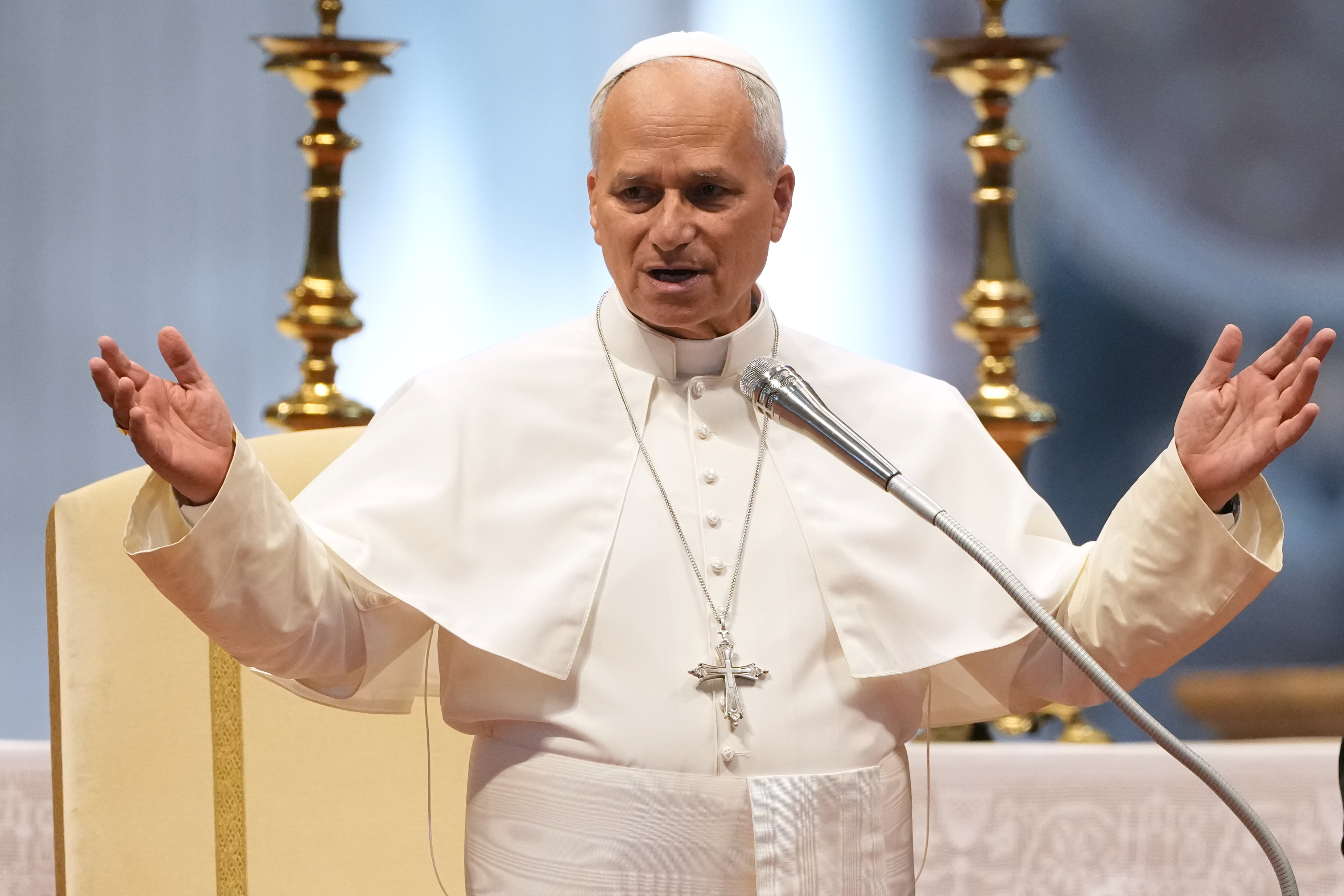
    Pope Leo XIV is significantly more popular among Pennsylvania Democrats than Republicans in the state, according to an Inquirer/New York Times/Siena University poll released this week.

    While 75% of Democrats expressed a favorable opinion of Leo, only 40% of Republicans did. Meanwhile, 37% of Republicans viewed the pope unfavorably, compared with just 7% of Democrats, according to the poll.

    The pope’s disfavor with GOP voters likely links back to his widely publicized dispute with President Donald Trump in the spring over the Iran war, when the two engaged in contentious exchanges, said Don Levy, who supervises the Siena Research Institute’s political polls.

    (function() { var l = function() { new pym.Parent( ‘nyt-pope__graphic’, ‘https://media.inquirer.com/storage/inquirer/ai2html/nyt-pope/index.html’); }; if(typeof(pym) === ‘undefined’) { var h = document.getElementsByTagName(‘head’)[0], s = document.createElement(‘script’); s.type = ‘text/javascript’; s.src = ‘https://pym.nprapps.org/pym.v1.min.js’; s.onload = l; h.appendChild(s); } else { l(); } })();

    Among independent voters, 64% viewed the pope favorably and only 16% viewed him unfavorably.

    Similarly, voters who cast their ballots for Vice President Kamala Harris in 2024 were more likely to hold a favorable view of the pope than were Trump voters: 79% of Harris voters held favorable views of Leo, compared with just 38% for Trump voters.

    Among all likely Pennsylvania voters, nearly 60% have a favorable opinion of the first U.S.-born pope — making him about as popular as Democratic Gov. Josh Shapiro, according to the poll of 760 likely Pennsylvania voters conducted between Aug. 17 and 21.

    Leo has ties to Pennsylvania, having attended Villanova University as an undergraduate student and earning a bachelor of science in mathematics in 1977.

    The pontiff made a virtual appearance in Philadelphia on the eve of the United States’ 250th birthday to accept the National Constitution Center’s prestigious Liberty Medal. In a speech live streamed to an interfaith crowd inside the Center City museum, the pope extolled the virtues of immigration, drawing a clear contrast with the president.

    One day later, he spent his home country’s anniversary visiting migrants in the Mediterranean.

    “Pope Leo has embodied a different way of being an American on the world stage. He believes in collaboration with other nations, and has concerns about immigration,” said Massimo Faggioli, a professor of theology and religious studies at Villanova University and an expert on the papacy.

    “He’s relatable, and many Americans like that,” Faggioli added about Leo’s appeal.

    Vince Stango, interim president and CEO of the National Constitution Center, presents Pope Leo XIV with the Liberty Medal.

    In the spring, the war with Iran brought tensions between the Vatican and the White House to the forefront of the national political conversation as the U.S.-born pope emerged as a leading international voice against Trump’s policies.

    “Pope Leo never wanted to get into a fight with Trump about the war,” Faggioli said. “But certain things Trump said were not acceptable to the pope.”

    The Leo-vs.-Trump fracas caught fire in April, when Trump threatened Iran by saying a “whole civilization will die tonight, never to be brought back again,” if the country’s leaders did not open up the Strait of Hormuz.

    Within hours, the pope labeled Trump’s words “truly unacceptable.”

    Days later, Trump posted on Truth Social that “Pope Leo is WEAK on Crime, and terrible for Foreign Policy.”

    Trump also claimed that Leo had been selected as pope only because of his election as president and referred to the fact that one of the pope’s brothers is a Trump supporter.

    Trump went further in a lengthy post: “I don’t want a Pope who thinks it’s OK for Iran to have a Nuclear Weapon. … And I don’t want a Pope who criticizes the President of the United States because I’m doing exactly what I was elected, IN A LANDSLIDE, to do.”

    During that same period, Vice President JD Vance said the pope should “be careful” when talking about religion.

    Pope Leo responded: “I have no fear of the Trump administration.”

    Around the same time, Trump posted an image of himself dressed as Jesus healing the sick as an American solider and others reverently gaze upon him. Trump claimed that the now-deleted post was meant to show him as a doctor.

    A majority of likely Pennsylvania voters — 58% — disapprove of Trump’s performance as president and an even greater number — 66% — disapprove of his handling of the war, including 30% of Trump voters, according to the poll.

    (function(){function e(){window.addEventListener(`message`,function(e){if(e.data[`datawrapper-height`]!==void 0){var t=document.querySelectorAll(`iframe`);for(var n in e.data[`datawrapper-height`])for(var r=0,i;i=t[r];r++)if(i.contentWindow===e.source){var a=e.data[`datawrapper-height`][n]+`px`;i.style.height=a}}})}e()})();

    For the poll, 592 likely Pennsylvania voters completed the full survey and responded to the question about the pope.

    Among that group Catholic voters, in particular, had a more favorable view of the pope than the overall electorate, with 81% viewing him favorably, while 15% viewed the head of the church unfavorably.

    Trump won a majority of Catholic voters in 2024, according to national exit polls. But Catholic voters were split on the president’s performance in the new Pennsylvania poll — 50% disapproved of Trump, while 44% approved.

    Explaining how people feel about the pope, the Rev. Paul Galetto, the pastor of St. Paul’s Church in South Philadelphia and a friend of Pope Leo’s for 51 years, said Tuesday that “everyone knows this pontiff is focused on peace in the world.”

    Father Paul Galetto shown here at St. Paul’s Roman Catholic parish, in Philadelphia, Friday, April 10, 2026. Galetto studied with the pope in Rome in the 1980s. Jessica Griffin / Staff Photographer

    More basically, people are drawn to his “intellect and his humbleness,” Galetto said.

    “I think Pope Leo’s favorability comes about because he is seeking solutions to problems that affect all of humanity,” he added. “People will always be attracted to someone with a larger vision to help the common good.”

    Staff writer Joe Yerardi contributed to this article.

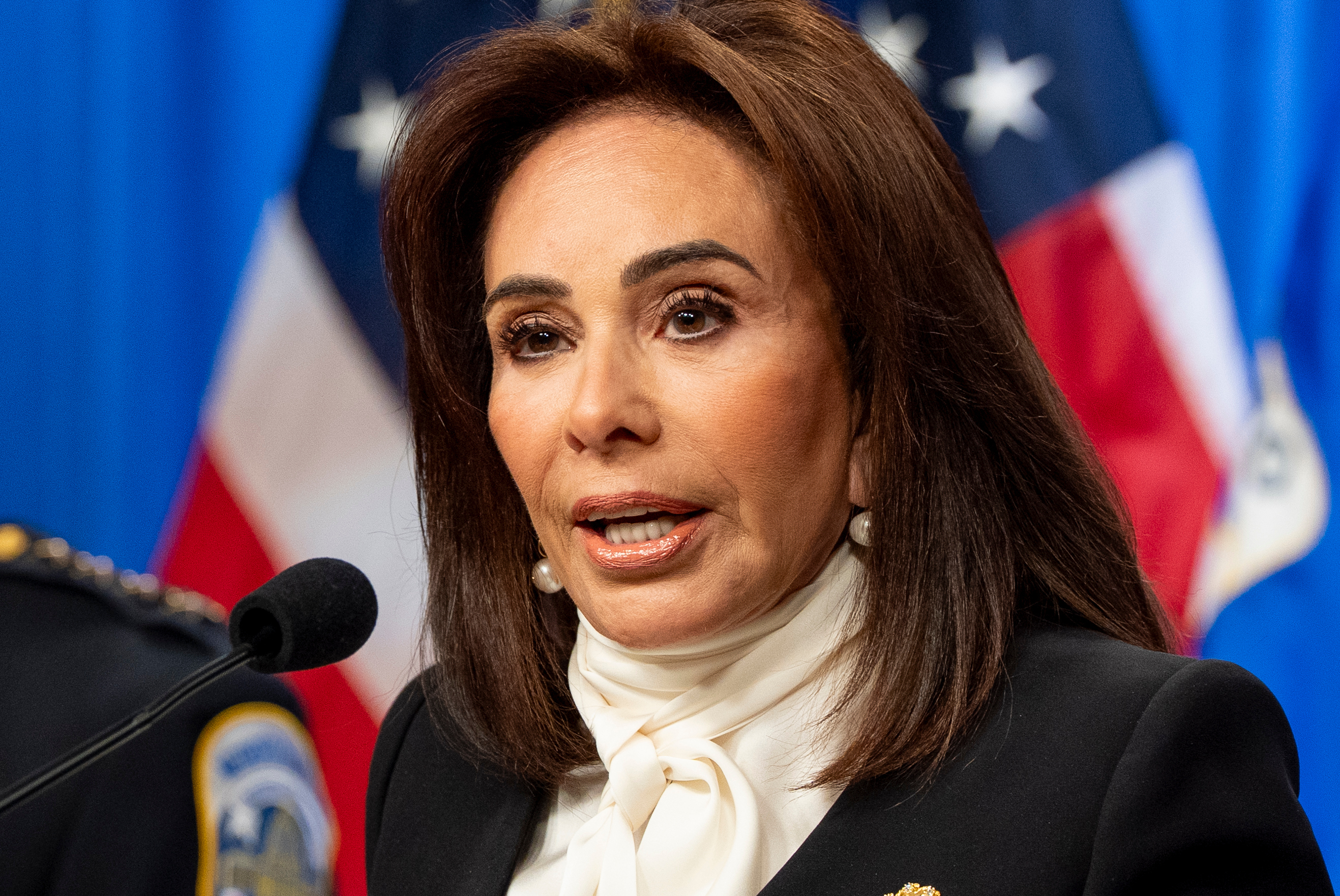
  • Watchdog files bar complaint against Jeanine Pirro over bid to indict 6 Democratic lawmakers

    Watchdog files bar complaint against Jeanine Pirro over bid to indict 6 Democratic lawmakers

    WASHINGTON — A legal watchdog says it filed bar complaints on Tuesday accusing U.S. Attorney Jeanine Pirro and two lieutenants of violating their ethical duties in seeking to charge six Democratic lawmakers with federal crimes for appearing in a video that called on troops to resist unlawful orders.

    The Legal Accountability Center’s bar complaints, filed in New York and Virginia, claim Pirro and her subordinates, Carlton Davis and Steven Vandervelden, abused their prosecutorial powers to seek “meritless” indictments against President Donald Trump’s “perceived political enemies.”

    Tim Lauer, a spokesperson for Pirro’s Washington-based office, noted that it’s a grand jury’s job — not prosecutors’ — to decide whether to hand up an indictment.

    “Attempting to weaponize the disciplinary process against prosecutors for doing their jobs amounts to nothing more than a frivolous complaint,” Lauer said in a statement.

    In February, a grand jury in Washington refused to indict Sens. Mark Kelly and Elissa Slotkin and four House Democrats for urging U.S. service members to follow established military protocols and reject orders they believe to be unlawful. All six lawmakers previously served in the military or at intelligence agencies. Trump accused them of sedition “punishable by DEATH” in a social media post.

    A grand jury’s refusal to return an indictment is extraordinarily rare, but it has become increasingly common in Washington during Trump’s second term. Pirro’s critics have accused her of pursuing other legally dubious and politically motivated cases at the Republican president’s behest, such as the recently abandoned felony charge against a former Olympian who was accused of defacing the Lincoln Memorial Reflecting Pool.

    The center has filed complaints against other Trump administration officials, including Ed Martin Jr., Pirro’s predecessor as U.S. Attorney for the District of Columbia. Martin has been a leading figure in Trump’s campaign to use the Justice Department to prosecute his political opponents.

    In its complaint against Pirro, the center asks bar officials to investigate whether she and her colleagues violated rules of professional conduct for attorneys — and to “pursue appropriate discipline” against them. Its complaint against Pirro says her office had no legal basis for its “patently improper effort” to secure an indictment against the six lawmakers.

    “The only purpose could have been political animus and a desire to intimidate perceived enemies of the federal government and the President, who personally criticized the lawmakers’ video as seditious and punishable by death,” the complaint says.

    Defense Secretary Pete Hegseth has tried to punish Kelly, a former Navy pilot representing Arizona, for participating in the video. Kelly sued in federal court to block the censure from Hegseth. A district court judge ruled in his favor. Hegseth has asked an appeals court to review the decision.

    The center filed its complaint against Pirro and Vandervelden with a grievance committee based in White Plains, N.Y. In New York, the state Supreme Court’s appellate division governs ethical complaints against attorneys. The center filed its complaint against Davis with the Virginia State Bar.

    “Prosecutors have enormous power, and with that power comes an obligation to exercise independent legal judgment rather than use the criminal justice system to carry out a president’s political demands,” the center’s co-founder, Michael Teter, said in a statement.

    Pirro, who served as a county prosecutor and judge in New York, left her Fox News hosting job to become the top federal prosecutor for Washington last year.

  • Pennsylvania attorney general sues Snapchat over addictive features

    Pennsylvania attorney general sues Snapchat over addictive features

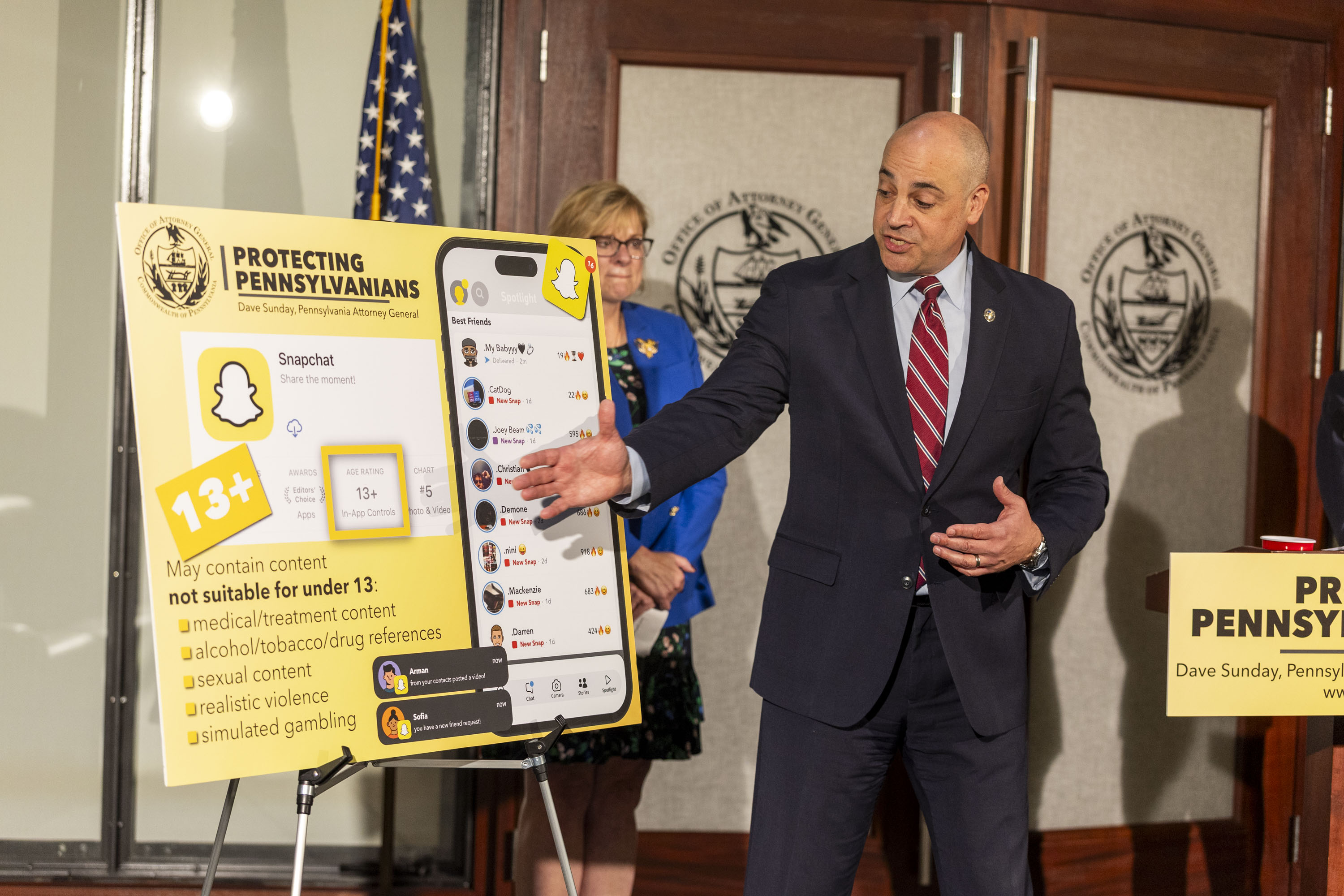
    Pennsylvania Attorney General David Sunday is suing Snapchat’s parent company for allegedly failing to protect children from addiction.

    This comes after he announced a lawsuit against TikTok over the same issue earlier this month.

    “Both of these actions reflect my priority as attorney general to protect our young people from tech giants who are choosing growth at all costs over the mental wellness of its users,” Sunday said Tuesday at a news conference in Philadelphia.

    The suit alleges that Snap Inc., owner-operator of Snapchat, does not properly warn users of the addictiveness of its features and does not protect children properly from compulsive use.

    “The allegations against Snap fundamentally misrepresent our platform and our approach to teen safety,” a Snap spokesperson said in a statement. “We share the Attorney General’s commitment to protecting young people online and are disappointed they have chosen litigation rather than working with us toward that shared goal.”

    The complaint, which Sunday’s office filed this week in Common Pleas Court in Philadelphia, asks the company to take steps to protect children from becoming addicted. It cites the SnapStreak feature and the ephemeral nature of the content as examples of ways the app hooks teens specifically.

    “To a 13-, 14-, 15-year-old, social acceptance is everything,” Sunday said. “The streak feature puts a tangible value on friendships and influences a child’s feelings of self-worth.”

    The app sends an implicit message that the more a child is on the app, the more friends they will have and the more socially accepted they will be, Sunday said.

    “That exploits the fear-of-missing-out culture to the absolute extreme,” he said.

    It also alleges that Snapchat improperly promotes how frequently adult-themed material — including sexual content and nudity, suicidal ideation, and drug use — appears on the platform to achieve an age-13-plus app rating in app stores.

    Through this litigation, Sunday said, he hopes to see Snapchat required to provide a more honest depiction of its content to app stores so it can be marked with a more mature rating, and to change its algorithm to be less addictive.

    Montgomery County similarly sued some of the nation’s largest social media companies, including Snapchat’s and TikTok’s parent companies, in a federal court in Northern California earlier this month.

  • Judge rejects Philly Sheriff Rochelle Bilal’s last-minute attempt to avoid court testimony

    Philadelphia Sheriff Rochelle Bilal made an unsuccessful, last-ditch attempt to avoid facing a city judge about major problems in her office, arguing through an attorney that she has “limited personal knowledge” of the real estate transactions she oversees.

    Jonathan Rardin, a lawyer the city retained to represent Bilal, wrote in a motion filed Friday afternoon that the embattled sheriff should not have to testify before Common Pleas Court Judge Paula Patrick at Wednesday’s hearing on sheriff sales because it would involve “matters outside her unique personal knowledge.”

    On Tuesday morning, Patrick rejected Bilal’s request for a protective order to shield her from testifying, writing that “Bilal and any other relevant parties shall appear” on Wednesday morning and “be expected to testify if necessary.”

    Patrick, supervisor of the court’s commerce division, scheduled the hearing in May, as winning bidders at sheriff sales continued to flood the courts with petitions seeking their deeds. As The Inquirer first reported in July 2024, Bilal’s office had not been issuing the deeds for a year or more after the auctions, leaving neglected homes unable to be renovated, rented, or resold.

    An attorney who represents real estate investors recently filed a lawsuit arguing that Bilal had breached the terms of a 2003 consent order requiring the office to issue deeds within 40 days of settlement. Patrick responded by ordering Bilal’s office to demonstrate at a public hearing that it was not in violation of the decree.

    Wednesday’s hearing will help decide whether Patrick will appoint a “special master,” a title agent, or some other third-party expert in real estate to administer sheriff sales in Philadelphia — arguably the most important function of Bilal’s office.

    Bilal’s lawyer had already successfully pushed back the hearing, which originally had been set for July 27, by arguing the sheriff had an unavoidable scheduling conflict due to “a previously scheduled vacation.” That request to delay the hearing did not mention that Bilal hoped to completely avoid testifying, and at the time, Rardin wrote that her “presence in this matter is necessary.”

    Yet last week’s motion argued instead that the sheriff’s knowledge is “limited to the information provided to her by her staff” and that she should not have to personally testify at all.

    “Requiring Sheriff Bilal to appear and testify regarding events and administrative practices that are not within her unique personal knowledge would impose an unreasonable burden and oppression” under the state’s rules of civil procedure “and would divert a high public official from the discharge of her official duties …,” Rardin wrote.

    Daniel Bernheim, the lawyer for a property group whose March lawsuit triggered Patrick’s court order, said Monday evening that Bilal’s attempt to avoid testimony was a “disappointing response by an elected official.” On Tuesday, Bernheim — himself an elected commissioner in Lower Merion Township — filed a response to her motion that sought to force Bilal to testify in court.

    “[T]he sheriff seeks to avoid answering questions based upon a series of cases which have no relevance whatsoever with the present proceedings and a claim of immunity from testifying which does not exist,” Bernheim wrote.

    In April, Bilal claimed at a City Council budget hearing that most post-auction delays had been resolved. She blamed any ongoing delays in issuing deeds on buyers who did not submit required forms or fees.

    But after Patrick filed her court order in May, Bilal’s office within 48 hours processed 277 deeds, some attached to auctions that had taken place more than a year ago. The office filed more paperwork in two days than it had in the prior three months.

  • Pa. Democrats vow to keep fighting for mail voting after Supreme Court ruling creates uncertainty as November approaches

    Pa. Democrats vow to keep fighting for mail voting after Supreme Court ruling creates uncertainty as November approaches

    A Supreme Court decision on mail voting has created uncertainty with 70 days until critical midterm elections, but Pennsylvania Democrats are trying to reassure voters that they will have the option to cast a ballot by mail.

    More litigation over this highly watched issue is expected and further rulings could still come even after November, affecting the next presidential election.

    “We will continue to fight at every stage — including in the Supreme Court the moment they attempt to implement this — to make sure every eligible Pennsylvanian can cast their ballot by mail, free from federal interference,” said Montgomery County Commissioner Neil Makhija, a Democrat and an attorney who sits on the county’s election board.

    The procedural update, issued Monday, does not rule on the underlying legality of President Donald Trump’s March executive order that directed the U.S. Postal Service to help decide which voters should receive mail ballots but rather whether lower courts had the authority, at this stage, to block it.

    Pennsylvania was among the states suing to block the order.

    “Absolutely nothing has changed here in Pennsylvania. You can vote in person on Election Day or you can vote by mail before Nov. 3,” Democratic Gov. Josh Shapiro said Tuesday evening during a visit to the Eagles’ training camp.

    “Your vote will be counted. Your vote is safe and secure,” Shapiro said. “No matter how many times the president wants to try and undermine people’s right to vote in this commonwealth, he needs to know that he will be met with a swift rebuke from me.”

    Shapiro noted that the election is administered by the state and its counties under the Constitution.

    Revival of the debate about the availability and security of mail voting, and the temporary clearance, however, may instill doubt among voters that their ballot will be received and tabulated, Makhija said.

    “With just weeks until ballots go out, last-minute federal interference sows chaos for the voters we serve,” he said.

    Trump’s efforts to restrict mail voting, part of his long-standing grievance against the system despite repeatedly utilizing the method himself, are still working through the courts, and several experts doubt the proceedings will move fast enough to affect the November elections, when four swing districts in Pennsylvania could help determine control of the U.S. House.

    “Whatever may ultimately happen in this litigation, I’m pretty skeptical that anything is going to change for this November’s election,” said Ben Geffen, staff attorney at the Public Interest Law Center in Philadelphia, a nonprofit group that monitors election issues.

    States across the country will soon begin preparing applications and mailing ballots to voters.

    Pennsylvania voters, who can cast a ballot by mail for any reason, must complete an application by Oct. 27, and all ballots must be returned by Nov. 3 at 8 p.m., according to the Pennsylvania Department of State’s website.

    “Turning that battleship around in a matter of days is extremely unlikely,” Geffen said.

    A spokesperson for the Pennsylvania Department of State said the ruling does not change state law, and voters should be confident that counties will continue to ensure eligible voters can cast their ballot by mail.

    “The USPS action is not lawful, and we will continue to challenge that rule to ensure that Pennsylvania voters can have their voice heard — whether they vote in person, on demand, or by mail,” Geoff Morrow, the department spokesperson, said.

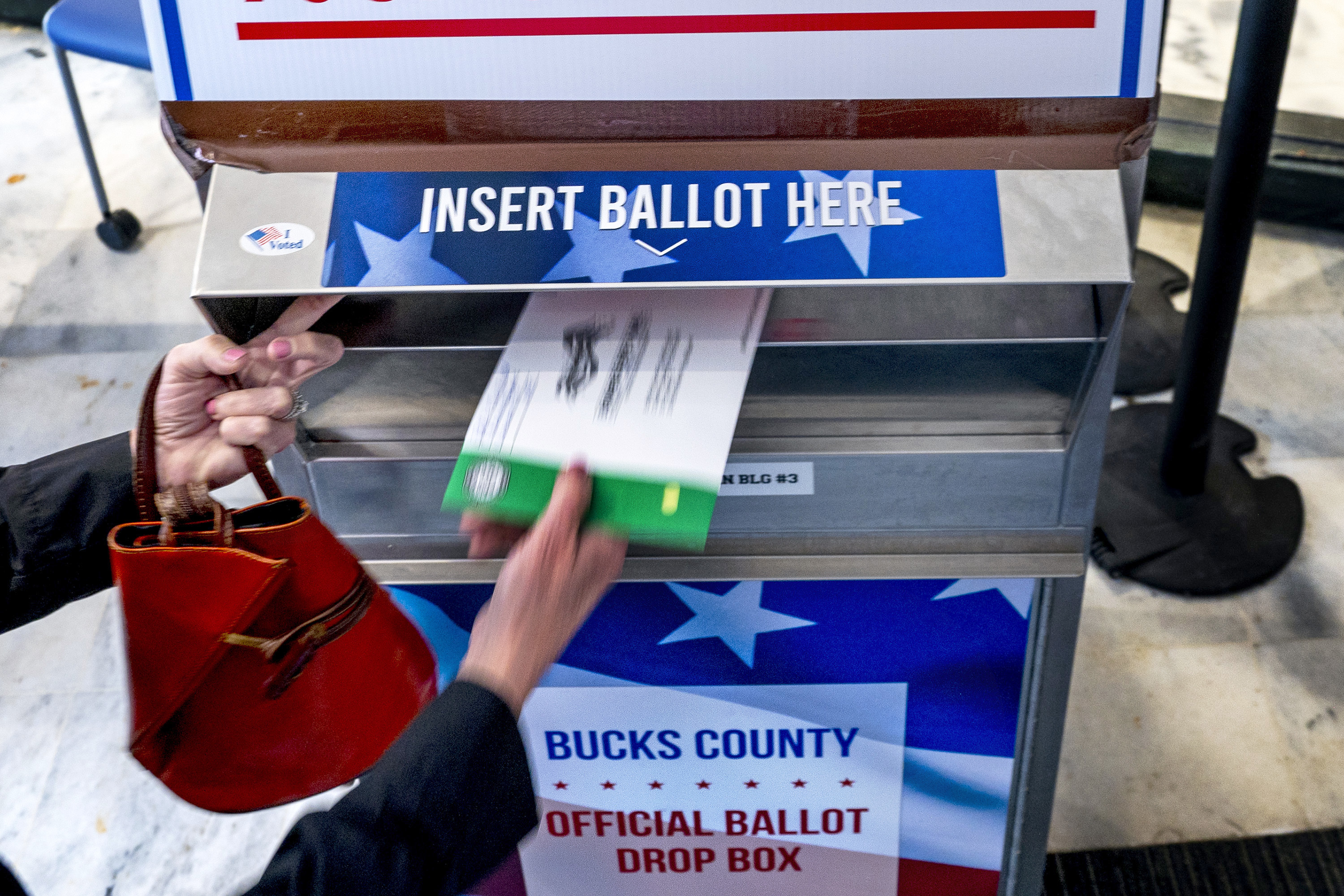
    Geffen’s advice for those concerned is to start early. Get your mail ballot application in right away, and as soon as you receive your ballot, fill it out and return it. For now, you can still send your ballot through the U.S. mail. But you can also drop it off at your county election board, and many counties offer satellite locations and drop boxes.

    If you prefer to vote in person on Election Day, go in the morning, he said.

    “You have options for how to vote, and you will get to vote. Nobody’s taking away the election, and just jump on it early,” he said.

    After Trump, through his directive, ordered the Postal Service to withhold mail ballots to individuals who are not on an approved list, which he instructed states to develop in order to prevent noncitizens from voting, Shapiro promised to protect Pennsylvanians’ right to vote by mail. In April, he used his power as governor to join other Democratic states in a lawsuit that argued the order violated states’ constitutional power to carry out elections.

    The unions representing postal employees also criticized Trump’s push to restrict mail voting as November approaches.

    A statement from the National Association of Letter Carriers, the union that represents about 200,000 postal workers throughout the country, underscored their dedication to delivering ballots reliably and securely.

    “Any insinuation that voting by mail is not safe and secure is severely misguided. Letter carriers have securely delivered ballots for decades, and there is no evidence that the existing system requires substantial changes,” NALC president Brian L. Renfroe said in the statement.

    Gwen Ivey, president of the American Postal Workers Union, Local 89, which represents between 1,300 and 1,400 U.S. clerks in Philadelphia who process mail, maintenance employees, and drivers who transport mail, also warned against inserting the Postal Service into decisions over voting.

    “The Postal Service is a public institution that serves the American people,” Ivey said Tuesday. “It should not be placed in a position of determining who is entitled to participate in elections or becoming an instrument for restricting access to the ballot boxes.”

    Trump has long railed against mail voting, referring to the ballots as “crooked” in his State of the Union address and suggesting they amount to cheating. But his 2024 victory in Pennsylvania was thanks, in part, to a higher rate of mail voting by Republicans.

    The practice is particularly useful for seniors and voters in rural areas — often with strong Republican bases — where voters may live far from their nearest polling location.

    “If you want to win, mail it in, that’s our message to our Republican voters,” then-Pennsylvania GOP chairman Lawrence Tabas said two years ago. The Pennsylvania GOP did not respond to a request for comment for this article.

    Pennsylvania Republicans have been more supportive of Trump’s SAVE America Act, an election reform proposal stalling in Congress that he insists will make voting more secure, though most election experts say new guidelines in the legislation would make it harder to vote.

    A spokesperson for Sen. Dave McCormick (R., Pa.), who has repeatedly championed the SAVE Act, did not respond to a request for comment on the court ruling.

    A separate but similarly Trump-aligned bill supported by House Republicans, including U.S. Reps. Rob Bresnahan and Ryan Mackenzie — two of the four incumbents in Pennsylvania’s competitive congressional districts — would ban universal mail voting and require mail ballots to be received, not just postmarked, by Election Day to be counted.

    Neither lawmaker immediately commented Tuesday on the Supreme Court ruling.

    This story was updated to include Gov. Josh Shapiro’s Tuesday evening comments.