A record number of Americans believe there is widespread corruption in the U.S. government, reaching the highest level of distrust in two decades, according to a Gallup poll released Wednesday.
The survey of 1,000 people conducted in May and June reflects the surging bipartisan frustration with the country’s political institutions and the people who run them.
Nearly 90% of U.S. adults said corruption was widespread in the government, a 10 percentage point jump from last year, according to Gallup’s poll. The United States also has the highest level of perceived government corruption compared with other countries with advanced economies as of 2025, the year of the latest available data.
Since 2006, the percentage of Americans perceiving widespread corruption stayed mostly in the 70s, Gallup’s data shows. It began to sharply rise in 2024.
In 2024, when Joe Biden was president, 57% of Democrats said government corruption was widespread. In 2025, after President Donald Trump returned to the White House, that percentage rose to 76 and climbed to 91 this year, according to Gallup’s data.
As November has grown nearer, Democratic leaders have homed in on anti-corruption messages in their quest to retake Congress. Democrats repeatedly accused the president of breaking his promise to get rid of waste, fraud, and abuse in Washington, instead enriching himself, his family and his allies through the federal government.
During an event to mark the final 100 days before the midterm elections, House Minority Leader Hakeem Jeffries,(D, N.Y.) debuted a new line in his stump speech: “We are going to hold the crooks accountable.”
On the other side of the aisle, Republicans’ view of corruption has stayed relatively steady since 2024, suggesting that their perception of the issue does not hinge on the party in power as much as it does for Democrats. This year, 83% of Republicans and 90% of independents said corruption was widespread.
That finding suggests that Americans are accessing political news and information — and that corruption is breaking through as an issue, said David Szakonyi, a political science professor at George Washington University.
“There is a broad base consensus for the fact that something is broken in Washington,” Szakonyi said.
The new poll does not shed light on where exactly Americans believe the corruption is. It posed a very broad question — “Is corruption widespread throughout the government in this country, or not?” — without identifying specific people, agencies or administrations.
But over the last year, Democratic voters and lawmakers have criticized the Trump administration for what they have called “self-dealing” initiatives — including a $1.8 billion payout fund to compensate administration allies who felt they were unfairly investigated that was later abandoned and no-bid contracts given to Trump allies.
During his presidency, Trump has made historic financial gains, charged by ventures including cryptocurrency that his administration is tasked with regulating. White House officials have said the president and his relatives have not nor would they engage in conflicts of interests.
No formal federal public corruption charges have been brought against Trump administration officials since the president retook the office in 2025.
Democrats have dealt with high-profile corruption investigations within their party in recent years. Among them was the case of former senator Bob Menendez of New Jersey, who was sentenced to 11 years in prison for a corruption case involving bribes that totaled nearly $1 million in cash and other items. More recently, Rep. Henry Cuellar (D, Texas) was facing bribery, money laundering and conspiracy charges before Trump pardoned him.
In June, another poll had similar findings about government corruption views among American political groups. The Brennan Center for Justice survey, which polled 2,000 registered voters, found that majorities of Republicans, Democrats, and independents viewed corruption as “a very big problem” facing the federal government.
Massachusetts, as it turns out, is a good state in which to be a very old Democratic incumbent.
Three Democrats who have been in office since long before the iPhone was in stores all won renomination Tuesday. Sen. Ed Markey, 80, and Reps. Richard Neal, 77, and Stephen F. Lynch, 71, are all likely to return for additional terms.
Each faced challengers who had called for a new generation of leadership. Markey coasted past Rep. Seth Moulton, 47, who ran to the middle, while Neal and Lynch both fought off progressive challengers.
Markey has been in office for 50 years. Neal has represented western Massachusetts since 1989. Lynch first won election from South Boston in 2001. The state’s Democrats do not seem inclined to reject their incumbents.
Here are six takeaways from the Massachusetts primary results:
Voters didn’t care about Markey’s age
The party still scarred by former President Joe Biden’s public meltdown during the 2024 campaign was not convinced that an octogenarian senator should not serve another six years.
Perhaps if Markey, 80, had faced a younger challenger with better political relationships than Moulton, he would have been in trouble in Tuesday’s Democratic primary. But Moulton has spent his career challenging his party’s orthodoxy and its leaders.
That record left Markey the political space he needed to paint himself as the progressive in the race, campaigning on the ideas of the future — even though he has been in Congress for 50 years.
In the waning days of the Massachusetts primary, several Democrats described Moulton as having the generational change message the party needed but being the wrong messenger to deliver it.
Markey said throughout the campaign that he would resign his seat if his advanced age left him unable to properly fulfill his Senate duties. He is now favored to win in November, which would have him serve in the Senate until he is 86 years old.
Moulton’s trans remarks weren’t forgotten
If Massachusetts were a general election battleground state, perhaps Moulton’s skepticism about trans athletes’ participation in youth sports might have played better among primary voters.
But from the moment Moulton entered the race last October, Markey used his remarks questioning transgender girls’ participation in girls’ sports as a battering ram against him. Not only did it galvanize the LGBTQ vote for Markey, it also helped frame him as the progressive candidate.
It was the same formula that powered Markey’s last primary triumph in 2020 against another younger, more moderate Democrat, Joe Kennedy III.
Moulton eventually offered a qualified apology for his remarks, which came the day after President Donald Trump won a second term in the 2024 election. But by then the state’s progressive voters had heard for months from Markey and his supporters that Moulton, during tough times, was willing to toss trans people aside.
Dan Koh wins, thanks to Biden and Harris
A lot of Democrats rolled their eyes when Dan Koh rolled out endorsement videos from Biden and former Vice President Kamala Harris.
Koh, who was a White House aide for Biden, was running against Tram Nguyen, a progressive state legislator, for Moulton’s House seat north of Boston.
Tying one’s political identity to a presidential administration a lot of Democrats would like to move past was a unique strategy. No other Democrat in a competitive primary this year had video testimonials from both Biden and Harris. (He also had a lot of help from a pro-AI super political action committee.)
The strategy worked. Koh won a relatively easy victory over Nguyen and four other candidates. In a heavily Democratic district, he is all but certain to enter Congress in January as a legacy of the Biden administration.
Stephen Lynch and Richie Neal hang on
Markey was not the only old guy to hang on Tuesday. Neal and Lynch both fended off younger challengers for their House seats.
Unlike Markey, Neal and Lynch both faced progressive upstarts. And while both won by margins closer than they have achieved in previous races, they are both likely to return to Congress for another two years.
Massachusetts has not elected a Republican to any of its congressional seats since 1994. As long as that remains the case — and it is widely expected to — five of the nine members of the Massachusetts House delegation next year will be 63 or older. Both senators will be 77 or older. And efforts by young challengers to oust the state’s older incumbents have failed time after time.
The pollsters got one right
The polling industry has gotten a lot of grief lately after Democratic primary results were way off from the forecasts of the final surveys in Michigan and Wisconsin, followed by a big upset in the Florida Senate race.
In Massachusetts, Big Polling got it right.
Emerson College and the University of New Hampshire released polls in the final week before the primary showing Markey as getting more than 60% of the vote — blowout numbers.
They turned out to be right on target.
Getting the numbers right is something of a triumph for pollsters as they head into the final general election sprint in election battlegrounds.
Ambitious Democrats are already looking toward 2030 and ’32
The next two Massachusetts Senate contests could feature a pileup of ambitious Democrats from competing wings of the party.
The state’s Senate races in 2030, when Sen. Elizabeth Warren, now 77, would face reelection, and 2032, when Markey’s next term would end, are likely to be open-seat contests.
Markey said in July that the term he was running for now would be his last. Warren would be 81 in 2030.
Massachusetts has no shortage of Democrats who have been eyeing upcoming Senate openings. Reps. Ayanna Pressley and Jake Auchincloss have barely disguised their interest in the seats. Mayor Michelle Wu of Boston is a popular progressive. Marty Walsh, the former Boston mayor who served as Biden’s labor secretary, could also mount a run.
On Aug. 3, President Donald Trump established the President’s Military Spouse Commission. Chaired by Jennifer Hegseth, the wife of Defense Secretary Pete Hegseth, the commission will be comprised of over 20 military spouses of high-ranking officials — currently all women. The group will recommend policies to the president that address quality-of-life issues for military spouses, such as employment, childcare and housing.
Although these policies are aimed at benefiting military spouses in general, the commission’s composition follows in a longstanding tradition of gendering the work done by service members and their spouses — with the former more important and worthy of recognition than the latter.
Dating back to the Revolutionary War, military leaders have envisioned service members as men, and their spouses as women. The men’s heroism was valorized and compensated, while the crucial domestic and emotional labor that wives performed to ensure the military’s success was often credited to the service members themselves. Military leaders believed that this framework made soldiers more willing to endure the horrors of combat as a necessary part of their masculine identity.
In recent decades, as women have moved into all roles in the military and LGBTQ soldiers legally have been able to serve openly, this paradigm has been undermined. Yet, the all-female makeup of the commission, along with other recent initiatives by the War Department, suggests that the commission will mark a return to military policies that connect gender with labor to idealize the hypermasculine “warfighter.”
During the American Revolution, military wives, along with other women in camp, performed essential services for the Continental Army, including cooking, washing clothes and caring for the wounded. Their work was integral to the war effort, yet these women were only grudgingly accepted by military leaders. Continental officers lamented the women’s ragtag appearance as an embarrassment — though they sometimes provided the wives with pay and rations for their services.
Legally, married women were considered dependents of their husbands, who had the right to their labor. Military pensions reinforced these ideas by rewarding men’s work through the continued support of their supposed dependents. Sarah Osborn Benjamin, a young bride from New York, spent three years with her husband laboring for the army. Yet, when he died in 1837, Benjamin received a widow’s pension for her husband’s service, not for the labor she had performed.
In the rare cases when women did receive pensions for their service, it simply reinforced the idea that military labor was masculine and worthy of compensation, while the support services typically provided by women was the work of dependents.
During a battle in November 1776, Margaret Corbain took over the fighting duties of her dead husband. She was injured and captured by the British but later released. In appreciation of her service, her regiment’s officers petitioned for her to receive a pension, which she received. The crucial detail here was not that Corbain was a woman, but that she had labored like a man.
These patterns only intensified during the 19th century. By the time of the Civil War, most spouses sustained the army through labor far from the battlefield, further dividing soldiers’ duties and the support work performed by their spouses. While men labored on fortifications, marched to battle and fought valiantly in combat, women tended to farms and households (including the management and oversight of enslaved people) and sent care packages that provided the resources soldiers needed to sustain themselves.
A small group of women worked directly for the army in camp, primarily as nurses, laundresses and cooks. The exigencies of war had forced the military to make this concession. Still, the military classified women’s domestic labor as less valuable than nursing — even though the lines between jobs often blurred as women stepped in where needed.
Susie King Taylor, a formerly enslaved woman, traveled extensively with her husband, an officer of the 33rd United States Colored Infantry. Taylor washed clothes, nursed wounded soldiers and taught formerly enslaved people to read and write — all without receiving any pay. After Congress passed the Army Nurses Pension Act, which granted pensions to women who had been nurses, Taylor applied for a pension. She was denied on the grounds that she had been listed as a laundress, not a nurse.
This technicality hindered many women from earning a pension, as they had to provide credible witnesses to testify to their nursing work. This obstacle was especially prohibitive for formerly enslaved women whose work was more closely scrutinized. Nursing could be accepted as work commensurate with soldiering, but domestic labor was not.
Made By History sponsors. FOR USE ON MADE BY HISTORY STORIES ONLY.Inquirer Staff
In the 20th century, American wars moved overseas. The two World Wars required massive mobilization of men, who were largely sent to Europe or Asia to fight.
With spouses on different continents, the military paid more attention to the morale of both spouses. Yet, these efforts were highly gendered, and made clear which spouse was more valued. Instructional material aimed to persuade military wives that their job was to “make do” and sacrifice, in the service of providing their husbands with a reason to fight.
In the 1942 Army Woman’s Handbook, Clella Reeves Collins felt it was “unnecessary to state” that women, especially military wives, should give as much time and support to the war effort as possible. This guidance made it clear that the state expected wives to voluntarily perform domestic labor. The government, however, wouldn’t compensate them for these efforts — however essential they were to the war effort. Military policies and guidance left no doubt that women’s roles were subordinate to the work of the men fighting overseas.
Emotional labor was an important part of this job. Collins wrote that “much of the burden [of being a soldier] is lightened by a cheerful attitude and encouragement at home.” She urged military wives to elevate the feelings of servicemen over their own. Collins taught wives to stifle any negative emotions when they interacted with their husbands — reinforcing the gendered expectation that women should bear the emotional burden of a military relationship.
This labor continued even when a spouse was deployed. Magazines, handbooks and government posters all pushed women to keep up a positive and constant stream of communication. Columnist Mary Lee Smith, who edited a “Soldier’s Letter Box” column in a Black newspaper in Cleveland, counseled women to make the man “feel that he is still a mighty important person in this world — especially to a certain girl back home.”
Most of all, the military expected wives and girlfriends to avoid sending infamous “Dear John” letters, in which they broke off a romantic relationship with a soldier overseas. Soldiers and military officers saw these letters as more lethal than enemy bullets, causing emotional injury that threatened the well-being of the serviceman and the efficacy of military operations. The hatred generated by women choosing to exit a relationship exposed how the presumption of female support underpinned martial manhood.
During the Cold War, military spouses returned to serving in proximity to the army. Often tasked with the majority of childcare amid frequent moves, spouses struggled maintaining outside employment. Accordingly, many of them spent their time laboring for the military, whether they were making sure dinner was on the table or volunteering in the military community. Officer’s wives also were expected to entertain and socialize appropriately, or risk jeopardizing their husband’s career.
Yet, despite these expectations, the military didn’t value women’s services as labor — as seen in the cases of divorced women who did not receive any benefits.
Today, military spouses, now a more diverse group, still shoulder a large workload, one that traditionally has been expected given their status as a dependent of the service member. Straight civilian women are still the biggest category of spouses, corresponding with the large number of straight men in military. Many servicewomen marry servicemen, creating a dual-military household. The question of who performs the necessary domestic and emotional labor poses new complexities.
The executive order creating the military spouse commission continues to see a connection between the labor of military spouses and warfare. It claims that military spouses are “intrinsically linked” to the effectiveness of the military. It’s the very same idea that underpinned the gender binaries of the past, which allowed the military to leverage romantic relationships as sources of labor.
By treating the labor of spouses as different and, implicitly, less valuable than the work of service members, the military has long celebrated perceived masculine values like aggression and bravery while diminishing perceived feminine values of care and support. This has not only shaped the operation of the military, but it has rippled into civil society as well.
To truly help military families, the commission can’t simultaneously expect the labor of military spouses, while treating it as subordinate to soldiering, as the government has throughout American history. Doing so risks alienating not only military spouses, which could affect recruitment and retention, but the American people as well.
Margaret G. Matheson is a PhD student in history at the University of Virginia
Made by History takes readers beyond the headlines with articles written and edited by professional historians. Opinions expressed do not necessarily reflect the views of The Inquirer.
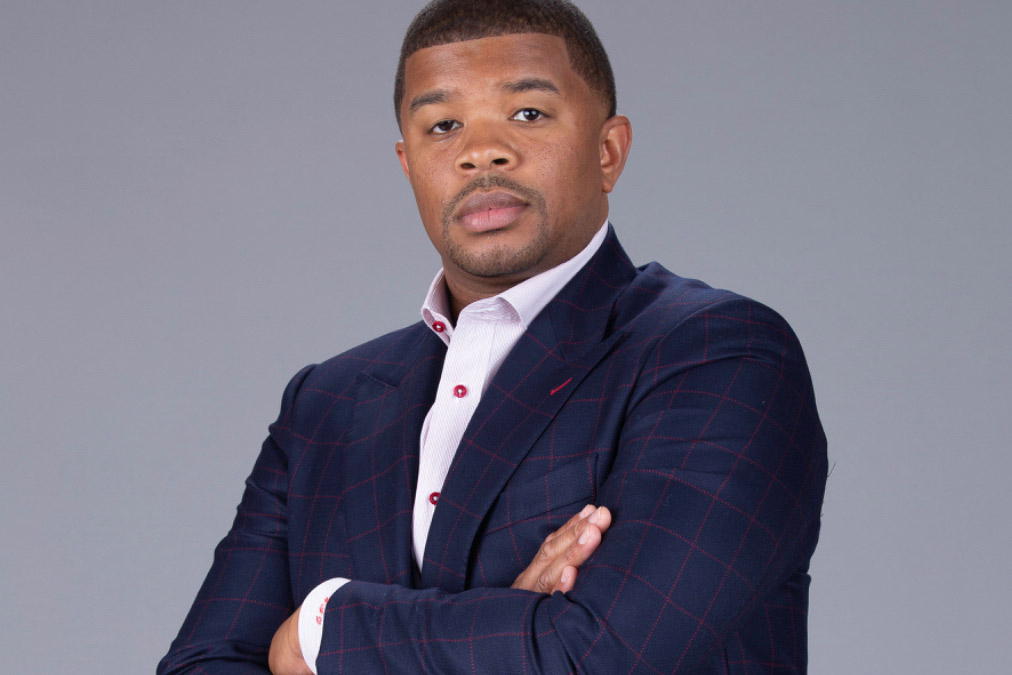
William F. Dunbar Sr., a former confidant to Mayor Cherelle L. Parker who pleaded guilty this week to federal tax fraud charges, also sought to bilk a political campaign out of rent payments he was not entitled to, according to a court document filed Tuesday.
The document does not name the campaign, but it appears to be Parker’s.
Dunbar, 42, never actually received any ill-gotten funds related to the lease with the campaign, prosecutors said, and he was not charged in connection with the matter.
But prosecutors said in court documents that he’s agreed to let a judge consider the episode and two other incidents of “additional misconduct” as she weighs his sentence for tax fraud.
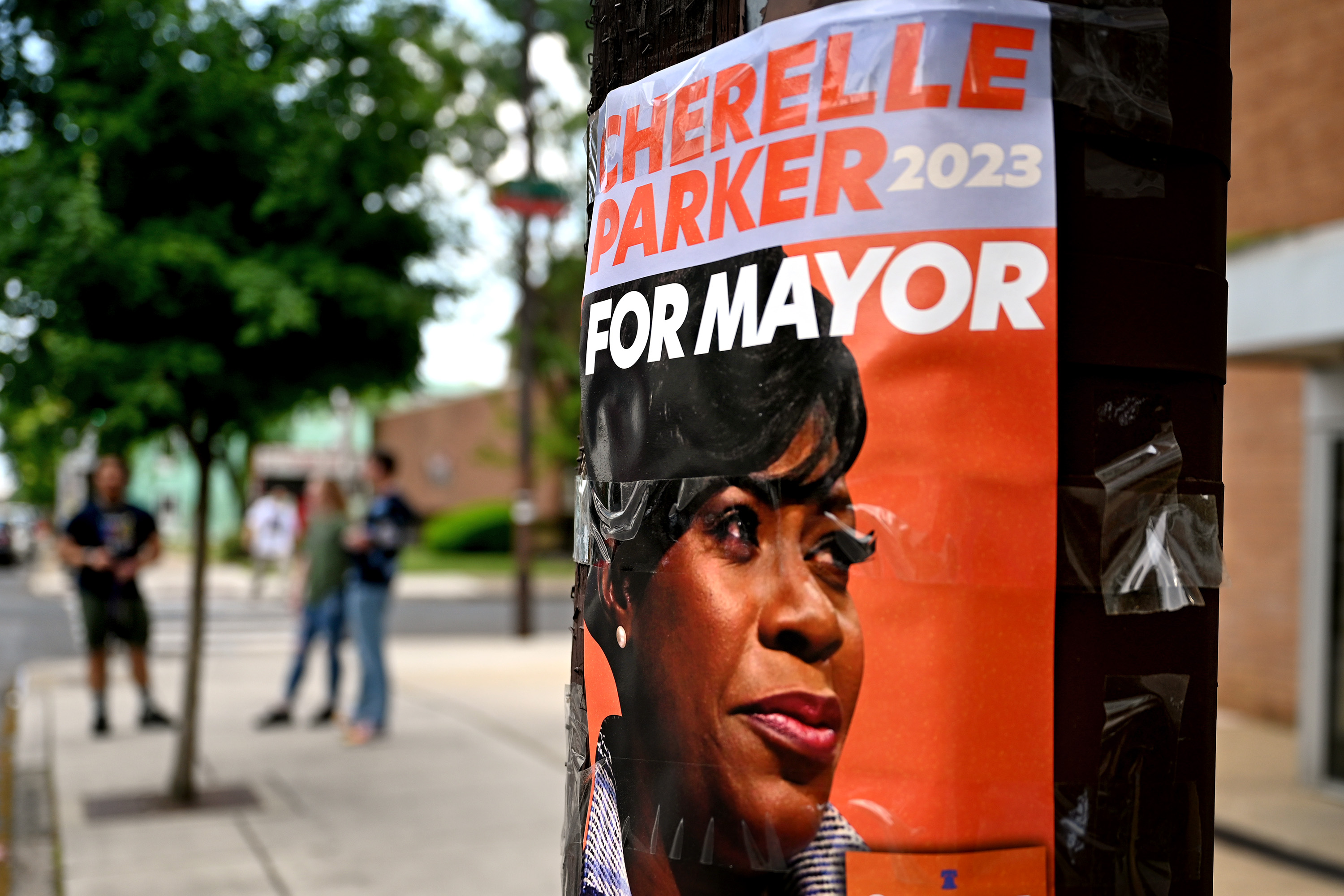
Dunbar, a Philadelphia lobbyist, was an unpaid but important adviser to Parker during her winning campaign for mayor in 2023. He officially joined her campaign, People for Parker, around the time she took office in January 2024.
The mayor let Dunbar go from her campaign in July 2024 in a move that Dunbar at the time described as Parker’s decision.
The campaign made a series of rent paymentstotaling $22,850 to his lobbying firm, Dunbar Public Affairs & Associates, between March 2024 and November 2024, according to campaign finance records. The address listed for the rent payments was an office in the Penn Center complex near Philadelphia City Hall.
According to Dunbar’s plea agreement, in February 2025 he “falsified certain terms of a lease agreement for office space that [he] had entered as the lessor with a Philadelphia political campaign.”
The city’s online database of campaign finance records shows People for Parker as the only campaign that has made rent payments to Dunbar’s firm.
“The facts speak for themselves,” said Aren Platt, executive director of People for Parker, declining to comment further on Tuesday.
Dunbar declined to comment.
William F. Dunbar Sr., a lobbyist and a former informal adviser to Mayor Cherelle L. Parker.Courtesy of William F. Dunbar Sr.
The plea agreement, which was signed by Dunbar and his attorney, said he “falsely modified the terms of the lease agreement” to increase the notice the campaign was required to give him to terminate the lease.
Had the campaign not discovered the change, the agreement said, Dunbar would have received money he was not owed. “The defendant’s efforts in this regard did not result in his obtaining any funds, and he ceased making any efforts to obtain these funds before learning of the federal criminal investigation resulting in the charges in this case,” the agreement said.
Dunbar on Monday pleaded guilty to filing false tax returns for himself and his wife between 2020 and 2025 and claiming substantial refunds when, in reality, they owed money. Prosecutors said in court papers that the tax loss related to the fraud was between $350,000 and $750,000. The charges carry a maximum sentence of 16 years in prison, plus supervised release and fines.
Dunbar’s attorney, Brian McMonagle, said in a statement Tuesday that the plea agreement “reflects Mr. Dunbar’s acceptance of responsibility for his own conduct.”
McMonagle said that the agreement “does not include any cooperation obligations” and that Dunbar is “not required under the agreement to provide information or testimony regarding any other individual.”
The four charges to which Dunbar pleaded guilty are unrelated to his firm’s lease with the Parker campaign and the two other incidents of “additional misconduct” that Dunbar stipulated in the agreement. The other incidents involve falsifying a document for a mortgage application and submitting false financial information to receive additional financial aid at a private school.
Although those episodes did not lead to criminal charges against Dunbar, U.S. District Court Judge Kelley B. Hodge will be able to consider them when determining his sentence. A sentencing hearing is scheduled for January.
Staff writer Chris Palmer contributed to this article.
WASHINGTON — The House passed a short-term measure Tuesday to fund the federal government into early December, a move designed to avoid a chaotic shutdown as lawmakers campaign for reelection.
Lawmakers needed to act before the fiscal year concludes at the end of September to avoid a funding lapse. They were determined not to bump up against that deadline during the campaign season following this past year’s historic shutdowns.
The House passed the bill by a vote of 370-48. The Senate has already overwhelmingly approved the measure, so it now moves to President Donald Trump’s desk for his signature.
“It gives the nation and our constituents certainty, certainty that the government will remain open, certainty that our service members will be paid,” said Rep. Tom Cole, the Republican chairperson of the House Appropriations Committee.
A record 43-day shutdown occurred last fall when the two parties disagreed on renewing an expiring tax credit that lowers the cost of health coverage obtained through Affordable Care Act marketplaces. Then came the shutdown of the Department of Homeland Security, which lasted 76 days before lawmakers agreed to fund much of the department but not its immigration enforcement operations.
Lawmakers were wary of a repeat before voters go to the polls. They also blamed the other party for the recent impasses.
“We’re going to avoid the threat of another Democratic shutdown,” House Speaker Mike Johnson told reporters in advance of the vote.
Rep. Rosa DeLauro, the lead Democrat on the House Appropriations Committee, encouraged her Democratic colleagues to vote for the measure during a closed-door meeting Tuesday morning.
She said the bill was much improved from the product that passed the House earlier this summer on a mostly party-line basis. For example, she said it prevents the Department of Homeland Security from transferring funds to the Border Patrol, and it delays a proposed rule that would give political appointees in the Trump administration more authority to stop federal grants from going out for programs they view as not in line with the president’s agenda. Those changes were made when the Senate approved its version of the bill.
Democrats fear the administration will use the proposed regulation on grants to steer money away from Democratic-led states. DeLauro called the delay an important first step, but said more must be done to block the policy from taking effect.
“Whether a community receives disaster relief should not depend on who they voted for in the last election,” DeLauro said.
The short-term measure funds federal agencies generally at current levels through Dec. 11. It will give lawmakers more time to find compromise on a full-year measure, though that will likely be quite difficult.
Republicans are seeking hundreds of billions of dollars in additional spending for the military while cutting most nondefense programs. Democrats say that’s a non-starter and insist on a bipartisan approach that treats domestic programs with parity.
Vice President JD Vance on Monday amplified the already caustic tone of Michigan’s close Senate race, calling Democratic Senate nominee Abdul El-Sayed “a very, very evil” person who should “keep my wife’s name the hell out of your mouth.”
Vance used a Republican rally in the suburbs of Detroit on Monday to respond to recent and months-old comments from El-Sayed about second lady Usha Vance, using El-Sayed’s biting jokes about the second couple as evidence the Democrat is “weird.”
Standing before a “Protecting Americans” banner, Vance also painted the U.S.-born El-Sayed as more sympathetic to foreigners than Americans. And he described El-Sayed in dark terms that echoed anti-Islamic rhetoric conservatives have deployed against El-Sayed, who is Muslim.
Michigan’s Senate race could determine which party holds power in the chamber, stakes that have drawn attention and huge amounts of campaign cash. And the swing state’s new status as an early presidential nominating state for Democrats intensified the partisan fervor.
Against that heightened backdrop, the close race between El-Sayed and Republican nominee Mike Rogers has spawned unrepentant bipartisan vitriol.
El-Sayed responded to Vance with a statement that said, “Michigan is better than being lectured to by sock puppets from Ohio.”
“Evil is ripping healthcare away from working people in exchange for tax breaks for billionaires. Evil is making people pay more for groceries and gas while pushing for trade wars and actual war. Evil is dividing people for your own gain. Evil is selling out your morals for a little bit of power,” El-Sayed said.
El-Sayed’s statement did not address anything he’s said about Usha Vance, who gave birth to the Vances’ fourth child in July. But earlier in the day, Rogers put out a campaign video calling El-Sayed “a conman” without further explanation, and resurfacing footage of El-Sayed discussing the awkward viral moment between Vance and his wife, when Vance greeted his spouse of 12 years with a pat on the knee.
“What do you think is going through Usha’s head when he talks? She’s like, ‘Damn, I have to sleep with him,’” El-Sayed said in the clip from April.
El-Sayed also brought up Usha Vance in a social media post last month, a response to Vance inaccurately saying El-Sayed advocated for sharia law. Vance said that if he went back in time his grandfather, an Appalachian Democrat whom he called Papaw, wouldn’t recognize the Democratic Party shaped by El-Sayed.
El-Sayed shot back, “So do we think JD is taking Usha with him back in time to meet Papaw, or no …”
Critics viewed the remark as bashing Usha Vance’s Indian heritage and insinuating she’d be rejected by Vance’s White ancestors, while El-Sayed said he was bashing Vance’s insinuation that you’re more American if you can trace your roots back generations.
Rep. Lisa McClain (R., Mich.) told Republicans at the rally hosted by President Donald Trump’s $400 million super PAC, MAGA, Inc., that the Senate race has outsize importance: “I tell everybody this is a battle for the soul of this country.”
Vance told the crowd he came with a message from Trump, Mike Rogers, and all Republicans: “We are running people who love and fight for and defend all Americans. We don’t care who you are, so long as you belong in this country, we’re going to fight for you.”
The race’s tenor has often devolved into pettiness.
Earlier this week, Rogers and El-Sayed traded barbs on X over which was voted football captain or seemed to peak in high school.
El-Sayed on Monday continued to throw punches in his blistering critique of Republicans and Trump, who has put himself at the center of the midterm fight even as his approval ratings have sunk this year.
At an event earlier in the day, El-Sayed characterized the Trump administration’s tariffs on Canada as an unnecessary war on affordability, pointing to data that shows Michigan is one of the states hit hardest by the president’s trade policy.
“Canadians are like the only people in the world who are going to preemptively apologize for something they didn’t even do,” El-Sayed said. “So if you’re starting a trade war with Canada, it’s because you’re the a—.”
And he took another off-color jab at Rogers campaigning with Vance, referencing the lewd and false internet story about the vice president being intimate with a couch cushion.
“We don’t have more couches here than they have in Ohio, so I’m just trying to figure out why he would come and why you would bring him,” El-Sayed said.
Republicans have framed El-Sayed’s populist Democratic policies as socialism, and placed a magnifying glass on both his views toward Israel and his political connection to provocative online streamer Hasan Piker, which has also drawn criticism from Democrats. El-Sayed calls the war in Gaza a genocide and called for an end to providing arms to foreign militaries, explicitly signaling out Israel and Egypt, the country from which his parents immigrated before he was born.
Over the weekend, El-Sayed apologized to Jewish Democrats for comments he made earlier this year after an attack on Michigan synagogue. He condemned the attack, but many Jewish people saw his earlier comments as also explaining it away when he said “hurt people hurt people,” referring to the attacker.
Republicans have used El-Sayed’s Muslim identity as a line of attack, and the Democrat has objected to Trump posting pictures of his wife, Sarah, in a hijab, calling it a dig to suggest the couple is un-American.
Rogers, a former congressman who narrowly lost a Senate bid two years ago, cast the race as an imperative to “defend freedom” from progressive politics, saying, “Listen, Michigan, we have a state to save.”
State Sen. Mallory McMorrow (D) — a former El-Sayed political rival who is working to unite Democrats behind him — also cast the contest as a high-stakes opportunity to hold Republicans and the Trump administration accountable for their policies.
“So welcome to Michigan, JD Vance,” she said. “Don’t let the door hit you on the way out.”
Philadelphia’s police union on Tuesday endorsed Gov. Josh Shapiro’s reelection bid, announcing its continued support for the first-term Democratic governor while touting his commitment to law enforcement.
“Every day, he has shown a commendable ability to work with local law enforcement and deliver the resources and support we need to protect and serve our friends, families, and neighbors,” said Roosevelt L. Poplar, president of the Fraternal Order of the Police Lodge 5, which represents over 14,000 active and retired Philadelphia police officers and sheriff’s deputies.
In a statement, Shapiro said he was “honored” by the endorsement.
“I’m going to keep fighting for the brave law enforcement officers who work to keep Philadelphia safe every single day,” he said. “I believe all Pennsylvanians deserve to be safe and feel safe in their communities — and we have focused every day on funding law enforcement and supporting the men and women that protect and serve our Commonwealth.”
It marks the second time the police union has embraced Shapiro for governor after endorsing him in 2022 over Republican candidate Doug Mastriano, who the then-president of the union said couldn’t be trusted to protect their collective bargaining rights. Shapiro, a former state attorney general, was a reliable government official who the union said was “there to help us with whatever we need to do.”
This election cycle, Shapiro holds a commanding lead over his Republican opponent, Treasurer Stacy Garrity, according to a recent poll from The Philadelphia Inquirer, the New York Times, and Siena University. The union has previously supported President Donald Trump, but Shapiro attracted its backing over Garrity, who Trump has endorsed in the Pennsylvania governor’s race.
Shapiro has also received support from other organized labor unions, including the Pennsylvania AFL-CIO and the Pennsylvania Professional Fire Fighters Association. On Monday, he received the backing of the Pennsylvania State Troopers Association.
Shapiro has maintained a comfortable relationship with law enforcement, and his campaign noted that he has signed multiple state budgets funding 2,000 additional officers across Pennsylvania and allocated more than $1 billion in community-based violence prevention grants.
Roosevelt Poplar, president of Fraternal Order of Police Lodge 5, on Jan. 26, 2024.Elizabeth Robertson / Staff Photographer
In his statement, Poplar also commended Shapiro for providing funding for police department needs.
“The Governor has delivered on his promise to invest in public safety, he has shown up with us in times of tragedy, and he has proven his commitment to keeping our officers and the communities we serve safe,” he said.
The police union’s endorsement of Shapiro is notable for an organization that just a few years ago was seen by some Philadelphia Democrats as politically toxic.
In the aftermath of the 2020 Minneapolis police killing of George Floyd, protests by racial justice activists swelled in Philadelphia and across the country with many of the movement’s participants calling to “defund” or abolish the police. They pressed local lawmakers to redirect police funding to social services, and Philadelphia City Council in June 2020 canceled a planned increase to the Philadelphia police budget.
Amid the calls for reform, the FOP was a major point of contention, as was its bombastic former leader, John McNesby. Activists — and many of their allies in elected office — said the union was too resistant to change and protected bad cops.
Former FOP president John McNesby holds a news conference on Oct. 19, 2022.Joe Lamberti
At the time, Shapiro was running for reelection as the state attorney general, and his campaign presented him as a “progressive reformer” who had established a unit in his office to review criminal convictions that may have been unfairly applied and a council to support people leaving prison with housing and employment opportunities. The FOP endorsed Shapiro’s 2016 and backed his 2020 campaign for attorney general.
Unlike some Philadelphia Democrats, Shapiro — who has rumored ambitions for a presidential run in 2028 — did not embrace the “defund” movement. He argued during a 2020 trip to Philadelphia that addressing structural inequities in the department and having strong law enforcement, especially in communities with high levels of poverty, were not mutually exclusive endeavors.
“We reject that poverty or institutionalized indifference and marginalization should mean that some people don’t get to have a safe community to live in,” he said. “We won’t give up on the belief [of] law enforcement showing up in a community to make people feel safer.”
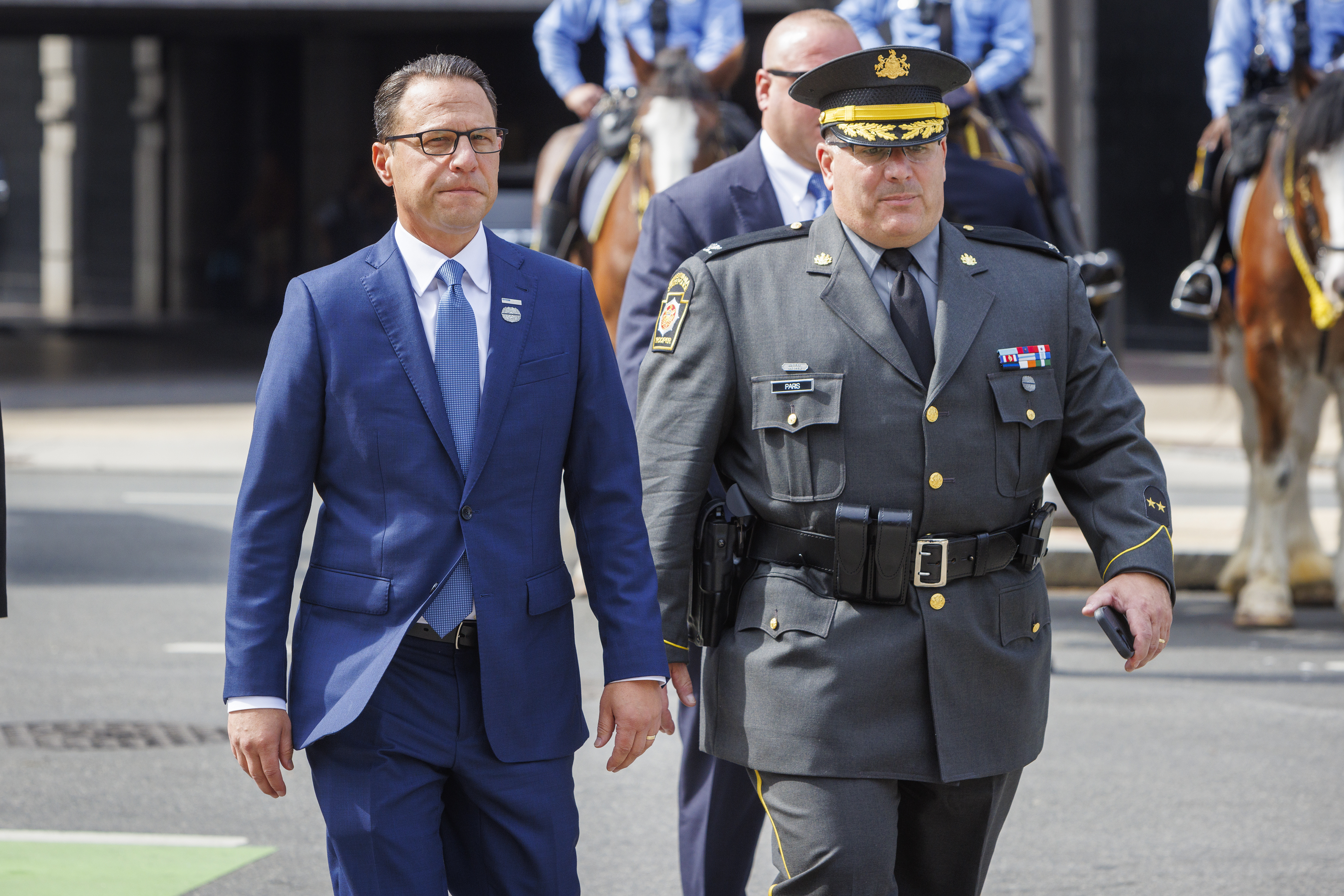
Gov. Josh Shapiro with Pennsylvania State Police Col. Christopher L. Paris. They were attending the funeral for Philadelphia police officer Jaime Roman at the Cathedral Basilica of SS. Peter and Paul on Sept. 19, 2024.Alejandro A. Alvarez / Staff Photographer
In the years following 2020, public support for police in Philadelphia appeared to grow. The city saw a historic spike in gun violence, and Republicans nationally portrayed Democrats as soft-on-crime. When a half-dozen Democrats were fighting for the mayoral nomination in 2023, polling showed that most voters saw public safety as the No. 1 issue driving the race. None of the candidates embraced “defund,” and most of them supported proposals to provide additional resources to the police department as it sought to solve shootings.
In the end, the tough-on-crime mayoral candidate — then-City Councilmember Cherelle L. Parker — won decisively.
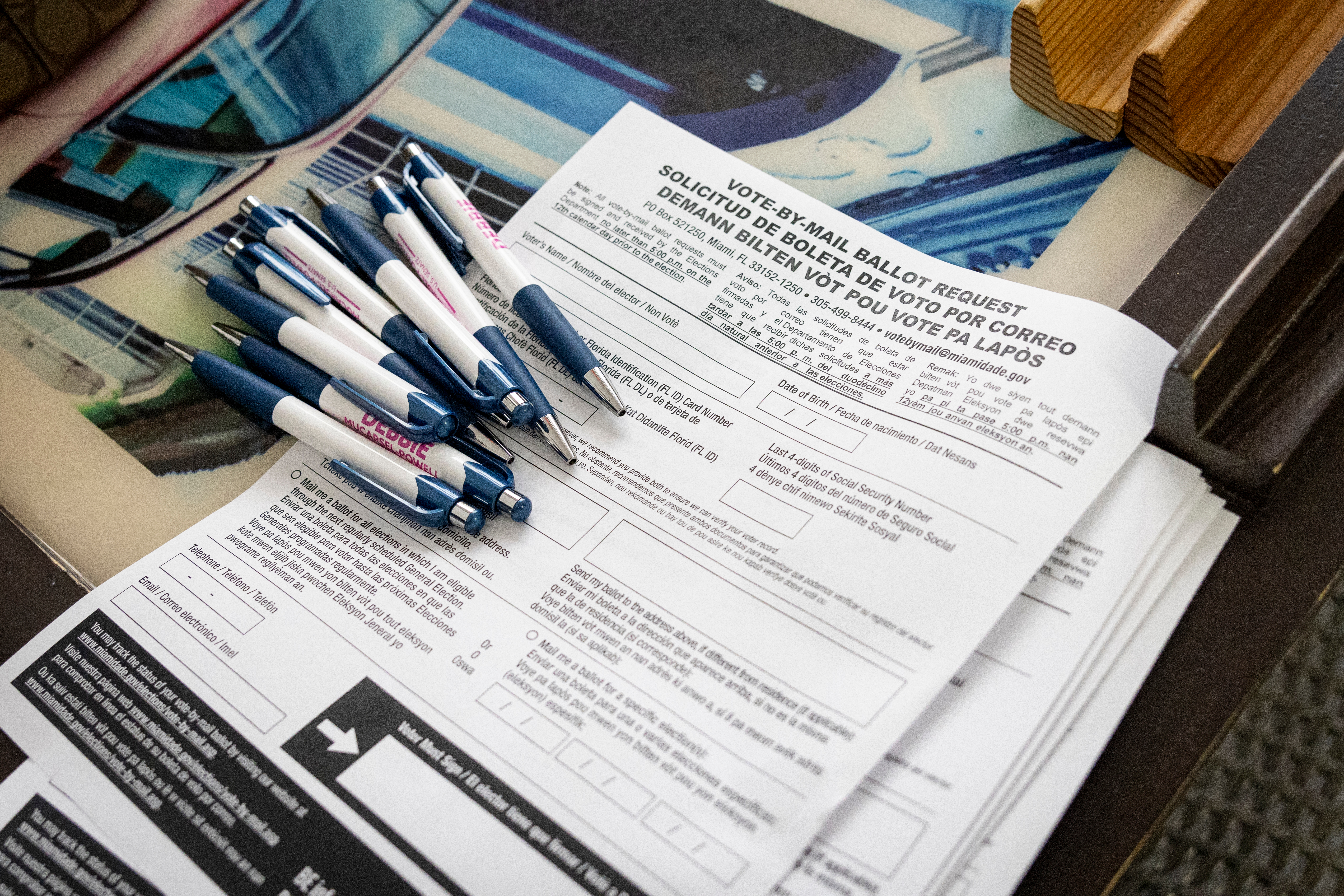
An anonymous federal official warned in a disclosure to Congress that a rushed and insufficiently tested U.S. Postal Service system could prevent large numbers of Americans from receiving mail ballots this fall if courts approve President Donald Trump’s plans for the midterm elections.
The disclosure, made public Tuesday morning by Sen. Richard Blumenthal (D-Connecticut), says the Postal Service has adopted an internal “zero-percent failure policy” under which an entire batch of ballots would be rejected if a single barcode sampled by a postal employee could not be scanned or matched with information submitted through a new online portal. A batch could contain tens of thousands of ballots, according to the disclosure.
“The Postal Service has designed a system to disenfranchise millions of Americans,” Blumenthal said in a call with reporters.
Postal officials and the White House did not immediately provide comment.
In public statements, the Postal Service has previously said information submitted through the portal will be updated immediately. It has said postal employees will not determine voter eligibility or check names and addresses for accuracy. The rule does not disclose the sampling formula or zero-failure policy described in the whistleblower disclosure.
The fight over the Postal Service’s plans is rooted in an executive order from Trump that seeks to overhaul mail voting. A judge has blocked those plans for now, but the administration is seeking to reinstate them ahead of this fall’s midterm elections.
If the administration gets its way, state and local election officials would have to upload lists of voters to an online portal the Postal Service is designing. Postal employees would refuse to deliver to anyone who is not on those lists.
The unnamed official alleged that the portal was assembled under constantly changing requirements and with as few as four working days available for customer testing before a planned launch.
If the Postal Service’s plans go into effect, election officials will confront new challenges when they mail ballots in large batches. Postal workers plan to scan barcodes on a sample of envelopes to ensure the voters appear on the state’s list, according to the whistleblower. If they find even one mismatch, they will refuse to accept the entire batch, the whistleblower said. That means a single mismatch in a batch of 10,000 ballots would prevent the 9,999 other ballots from being mailed until discrepancies were resolved.
“As designed, the process is entirely unforgiving,” the disclosure said. “It could delay ballots by the thousands in repeated verification cycles — and thus prevent states from mailing enormous numbers of ballots.”
State and local officials often mail ballots in large batches to manage them as effectively as possible. Some states send ballots to all registered voters, and they must place millions of ballots in the mail in a short period.
Many election officials have expressed alarm about the Postal Service’s overall plans under Trump’s executive order because they don’t believe they have been adequately thought through for a fast-approaching election.
Among the issues they worry about are potential mismatches for mundane reasons. States constantly update their voter rolls, and the lists they send to the Postal Service could be out of date within minutes as new voters register and existing ones update their registrations because they’ve moved.
The Postal Service has said states can update their voter lists, but election officials have expressed concerns that the new online portal won’t be able to handle a steady stream of updates.
The whistleblower disclosure could add to those concerns and bolster legal challenges to the executive order and postal rules.
The disclosure, dated Sunday, was submitted to Blumenthal by Whistleblower Aid on behalf of an anonymous federal official it represents.
The organization described the unnamed whistleblower as a “federal official with direct knowledge of potentially catastrophic problems in the development” of the Postal Service’s plans and said the official feared reprisal by administration officials if identified.
Blumenthal sent the disclosure late Monday to Postmaster General David Steiner and asked him to provide documents about the Postal Service’s plans.
Blumenthal is the ranking Democrat on the Permanent Subcommittee on Investigations for the Senate Committee on Homeland Security and Governmental Affairs.
States and voting rights groups sued over the executive order soon after Trump signed it in March. The Supreme Court last week allowed work on the executive order to proceed for the moment, but days later a lower court blocked it.
The administration is seeking to get it reinstated but faces timing challenges. Officials in North Carolina are preparing to start mailing ballots on Friday under a state law requiring them to send them to those who ask for them starting 60 days before an election. Other states are set to start mailing their ballots in the following days and weeks.
The whistleblower said the Postal Service stopped working on the portal around June 25 after a federal judge blocked implementation of Trump’s directive, then resumed work around July 29 while that order remained in effect.
The disclosure said work continued after the judge issued a new order on Thursday barring the Postal Service for 14 days from taking further preparatory steps that would apply to all states for the November election. In a brief ruling Monday, the judge said the Postal Service could work on the portal for states that want to voluntarily use it.
Postal officials planned to launch the portal on Tuesday, according to the whistleblower. One of the whistleblower’s attorneys, David Kligerman, said work on the portal had continued in recent days but didn’t know whether the Postal Service was sticking with its plan to make it available on Tuesday.
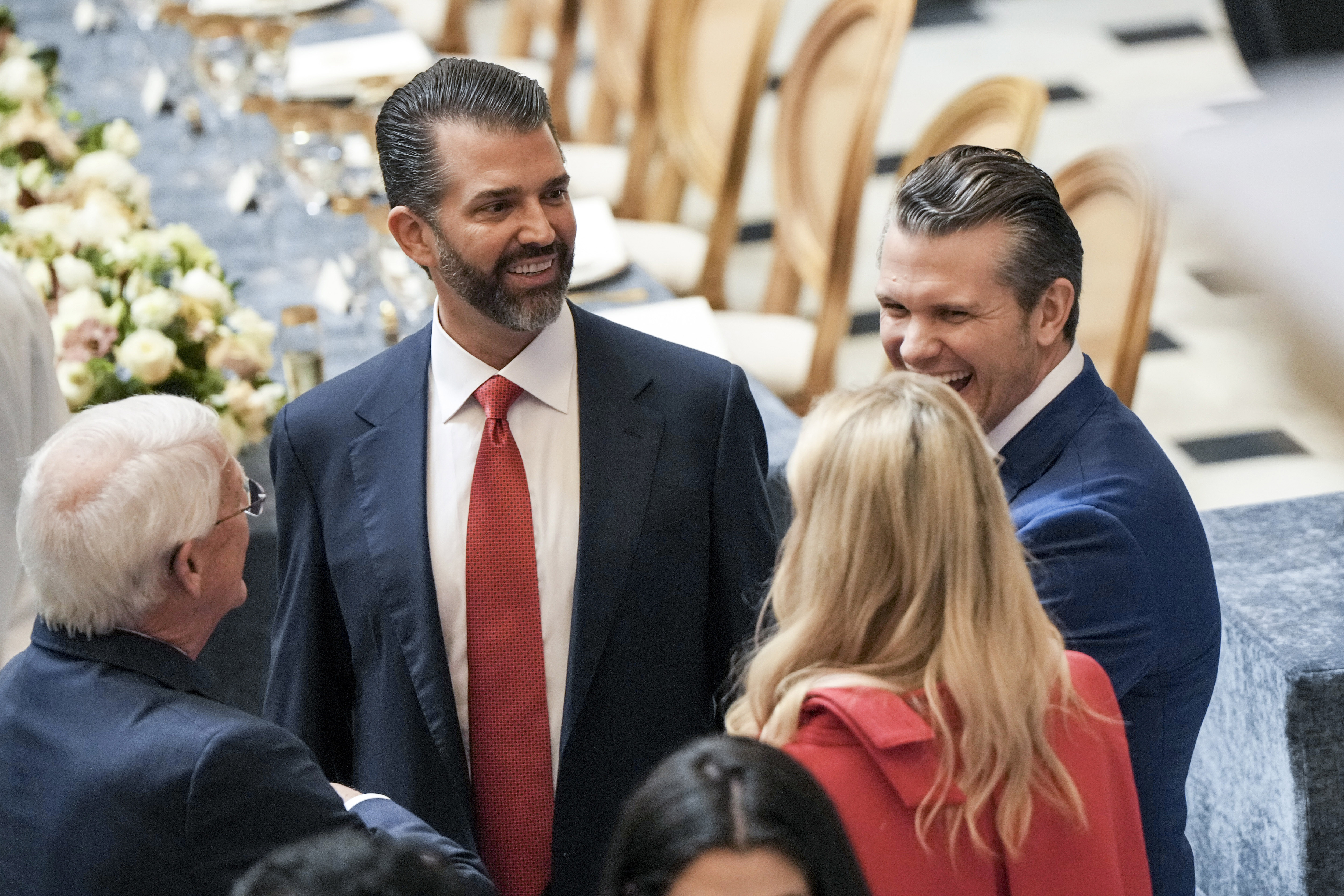
Donald Trump Jr.’s venture capital firm, 1789 Capital, is leading a new funding round in Polymarket that values the prediction market at $21 billion, a spokesperson for 1789 Capital said Monday.
Polymarket plans to raise $1 billion, including around $300 million from 1789 Capital, the spokesperson, Alexa Henning, said. The investment firm previously invested about $200 million in the prediction market, which is currently valued at about $15 billion.
Prediction markets such as Polymarket and Kalshi have exploded in popularity over the past year. The platforms allow users to place wagers on the outcome of a wide variety of events, such as what the president will say in a speech or who will get married on “Love Is Blind.”
The Trump family has built up a financial stake in the industry since last year. Donald Trump Jr. joined Kalshi as an adviser last year and received shares in the company worth more than $300,000. He also began advising Polymarket and invested in it via 1789 Capital.
At the same time, his father, President Donald Trump, has taken steps to boost the industry. Michael S. Selig, whom the president appointed to lead the Commodity Futures Trading Commission, which oversees prediction markets, has spoken enthusiastically about the companies and sued states that tried to regulate them. The president declared on Truth Social that prediction markets would “thrive” under his leadership and said Selig was “respected by all.”
Bloomberg earlier reported that 1789 Capital was leading Polymarket’s funding round.
Many of the companies that 1789 Capital has invested in have large government contracts, while others, like Polymarket, have benefited directly from new Trump policies or rollbacks of existing laws, The New York Times has reported. The investment firm also bought shares in some of the most coveted private companies before many went public, including SpaceX, Anduril, Cerebras and Reflection AI.
Two years ago, 1789 Capital managed a few hundred million dollars. It now oversees more than $3 billion.
Donald Trump Jr. told the Times this year that he invested as a private citizen and held “no policy position and no role within the administration whatsoever.”
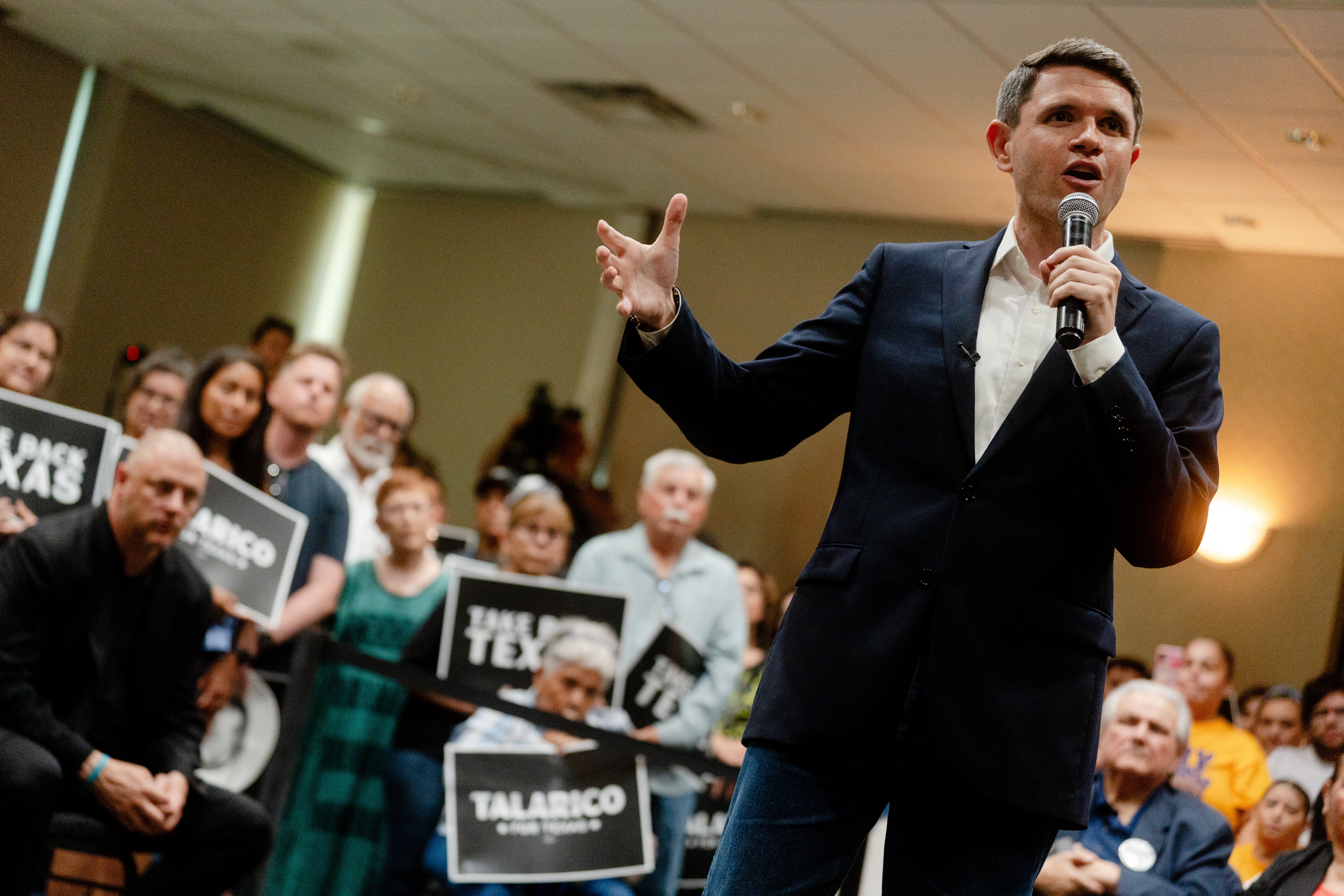
A group of Democratic candidates has drawn attention this election cycle because of their deep religiosity. Two prominent candidates for the U.S. Senate, for example, James Talarico of Texas — a Presbyterian with a recent seminary degree — and Adam Hamilton of Kansas, senior pastor of a United Methodist megachurch, frequently discuss their faith and cite the Bible on the campaign trail.
But those candidates are not winning the support of many white evangelicals.
A recent Fox News poll showed that only 21% of white evangelical voters in Texas support Talarico, even in a race against a scandal-ridden opponent who had an extramarital affair.
Policy differences over abortion and LBGTQ+ rights — two issues that have long been central concerns for white evangelical conservatives — at least partly account for this. Talarico and Hamilton both support abortion rights, and they’re running against Republicans who do not.
But a more fundamental issue also makes it hard for Christian Democrats such as Talarico and Hamilton to make inroads with conservative white evangelical Christians. The Religious Left champions cultural pluralism, while a Christian national identity drives the Religious Right — and there’s an unbridgeable gap between the two. This divide has helped to shape American politics for more than a half century.
It helps explain why more than 80% of white evangelical voters cast their ballots for President Donald Trump in each of his three presidential races. It’s also the reason why, in 1980, a majority of white evangelical voters supported Ronald Reagan, who had been divorced and was a less frequent churchgoer, over President Jimmy Carter, a Southern Baptist deacon and Sunday school teacher.
In each case, white evangelicals considered a candidate’s faith and personal behavior to be far less important than their top priority: finding someone who championed their understanding of the place of Christianity and Christian-based sexual morals in the nation.
This wasn’t always the case. In the mid-1970s, leading American evangelical magazines such as Christianity Today called for the election of morally exemplary, born-again Christian candidates on the grounds that only Christian politicians could rescue the nation from moral decline. When Carter ran for president in 1976, many evangelicals decided he fit the bill, and backed the Democrat.
But some evangelicals quickly regretted this choice. Both Carter and more conservative evangelicals believed that the United States was morally adrift. Yet, their understanding of the sources of that national moral decline differed.
For Carter, whose moral consciousness was shaped in part by his interactions with civil rights activists, racism and the destruction of the environment were moral evils. That meant that the solution to America’s moral problems would focus on greater equality, as well as a more responsible use of the environment. The United States faced a “moral and spiritual crisis,” he said — but that crisis could best be addressed by a reduction in “self-indulgence and consumption,” not through a public affirmation of America’s Christian identity.
Moreover, as a moderately liberal Baptist — a tradition that had historically championed religious liberty — Carter was a religious pluralist who eschewed public endorsements of Christianity and embedding his personal religious beliefs in public law.
He opposed the White House church services that President Richard Nixon had created. He publicly endorsed the Supreme Court rulings that curtailed classroom prayer in public schools, because he said that “as a Baptist,” he believed that “the Government ought to stay out of the prayer business.” And although he personally opposed abortion, he refused to support a constitutional amendment to overturn the Supreme Court’s Roe v. Wade decision — which conveyed a right to have an abortion — because he thought that in a pluralistic society, it was improper for the federal government to impose one religious group’s view of abortion on others.
Conservative evangelicals, however, recoiled from these views. To them, the sexual revolution of the 1960s and 1970s was a much greater evil than racial injustice or environmental destruction. It threatened the fundamental building block of society: the family. And the source of the sexual revolution, they thought, was a national rejection of God, which was manifest not only in religious pluralism but also in the Supreme Court decisions on school prayer and abortion.
Made By History sponsors. FOR USE ON MADE BY HISTORY STORIES ONLY.Inquirer Staff
In the late 1970s, this concern prompted the formation of the Christian Right. At its heart, this movement was a campaign to restore an imagined lost world of the 1950s — an era that had combined more conservative sexual standards with national legislation to make “In God We Trust” the national motto. Conservative evangelicals thought those values had been lost amid the anti-war protests and cultural changes of the 1960s and 1970s.
Some evangelical leaders argued that the answer was mobilizing and electing a president who shared their hunger to return to the world of the 1950s. “The hope of reversing the trends of decay in our republic now lies with the Christian public in America,” Moral Majority founder (and Baptist megachurch pastor and televangelist) Jerry Falwell declared in 1980. “Our Founding Fathers separated church and state in function, but never intended to establish a government void of God … We cannot be silent about the sins that are destroying this nation … We must turn America around or prepare for inevitable destruction.”
White evangelical Christians had voted for Republican presidential candidates before — including in 1972, when they overwhelmingly supported Nixon’s reelection. But Falwell’s Moral Majority and other allied groups, such as Christian Voice and the Religious Roundtable, broke new ground in channeling evangelicals’ generally conservative instincts into a much more tightly focused campaign to restore Christian values through public law. That campaign put them at odds with religious pluralists like Carter.
These new groups backed Reagan, and other candidates like him, who they believed would oppose further secularization of the nation’s laws and culture and prevent any further sexual liberalization. The Religious Right also opposed candidates who were strong cultural pluralists, since they thought that secularization and a pluralistic understanding of the nation’s religious identity had undermined the country’s moral foundation.
Sometimes that meant backing less personally devout, morally compromised candidates, since the most vocal advocates of a public affirmation of Christianity’s place in public life were sometimes infrequent churchgoers whose sexual lives were far from monogamous. To these evangelical activists and voters, politicians’ policy choices mattered far more than their personal behavior. As Christian Voice executive director Richard Zone put it when endorsing Reagan, he “was not the best Christian who ever walked the face of the earth.” But to Zone, “we really didn’t have a choice.”
When the group issued a “Moral Report Card” in 1980 that rated every member of Congress on the morality of their votes, pious churchgoers such as Sen. Paul Simon (D-Ill.) and Rep. Robert Drinan (D-Mass.), the only Catholic priest serving in Congress, received moral ratings of zero, while Rep. Richard Kelly (R-Fla.), who was sentenced to prison a few months later for accepting bribes in the Abscam scandal, received a rating of 100. Even the devout evangelical Baptist Sen. Mark Hatfield (R-Ore.), a liberal Republican who opposed abortion but warned against “mix[ing] piety with patriotism,” found himself at odds with the Christian Right.
And little has changed in terms of this picture over the last 46 years. Once again, in 2026, in Kansas, Texas and elsewhere, evangelical voters have a choice similar to the one that evangelicals confronted in 1980: vote for the most religiously devout Christian candidate on the ballot or vote for a candidate who shares their vision of the nation.
If history is any indication, most of them will choose the latter. Fundamentally, white evangelical voters understand that progressive Christian candidates are usually cultural pluralists whose faith is shaped by values of equality. They don’t see secularization and the sexual revolution as the threats that most white evangelicals do. Instead, progressive Christians are often more concerned about what they see as the threat to the rights of religious and sexual minorities posed by Christian nationalism.
This history suggests that if progressive Christians like Talarico and Hamilton win their House and Senate races in November, it will be by overcoming white evangelical opposition, not because they hit upon a formula to win over the most conservative churchgoers.
Daniel K. Williams is an associate professor of history at Ashland University and the author of God’s Own Party: The Making of the Christian Right.
Made by History takes readers beyond the headlines with articles written and edited by professional historians. Opinions expressed do not necessarily reflect the views of The Inquirer.