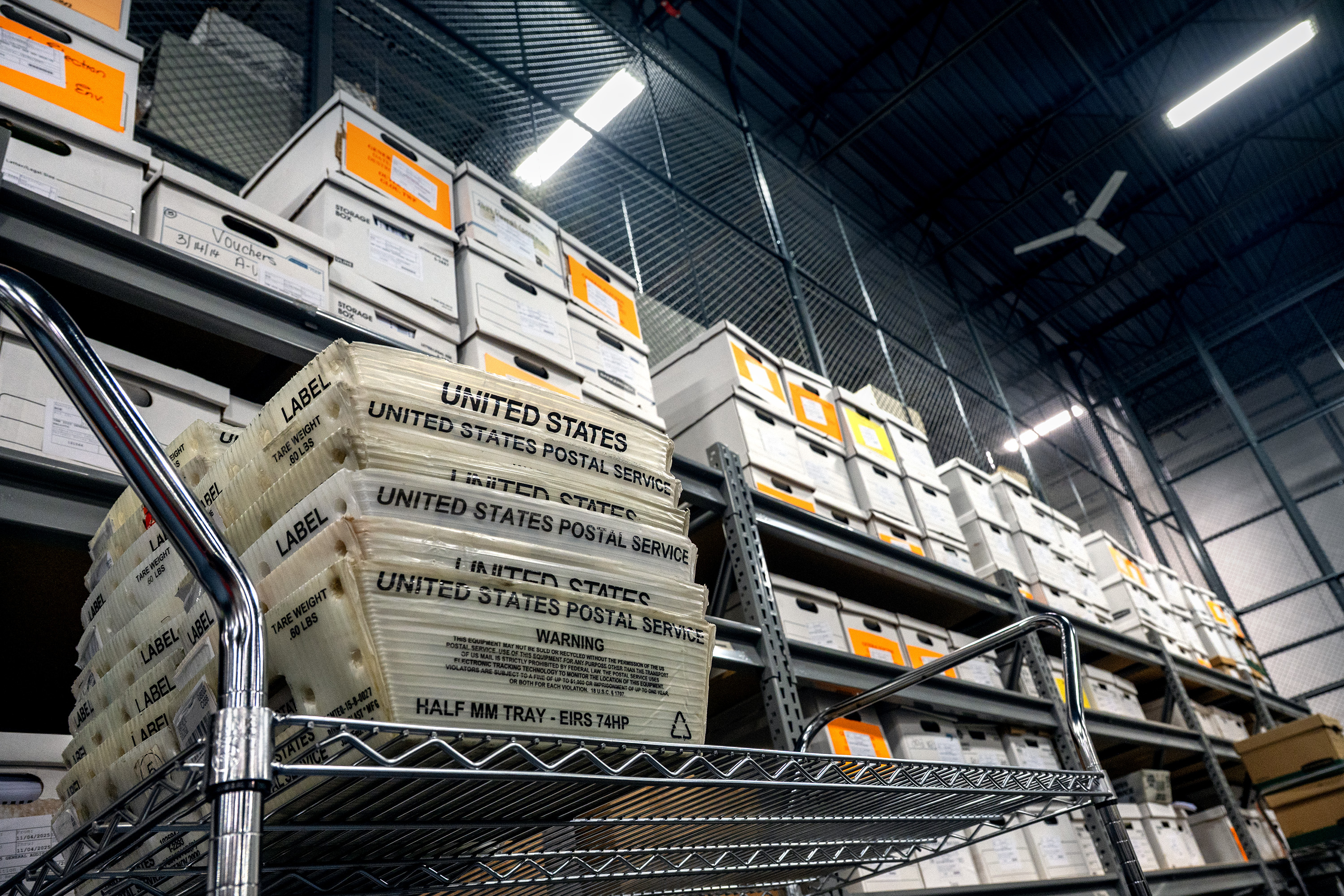
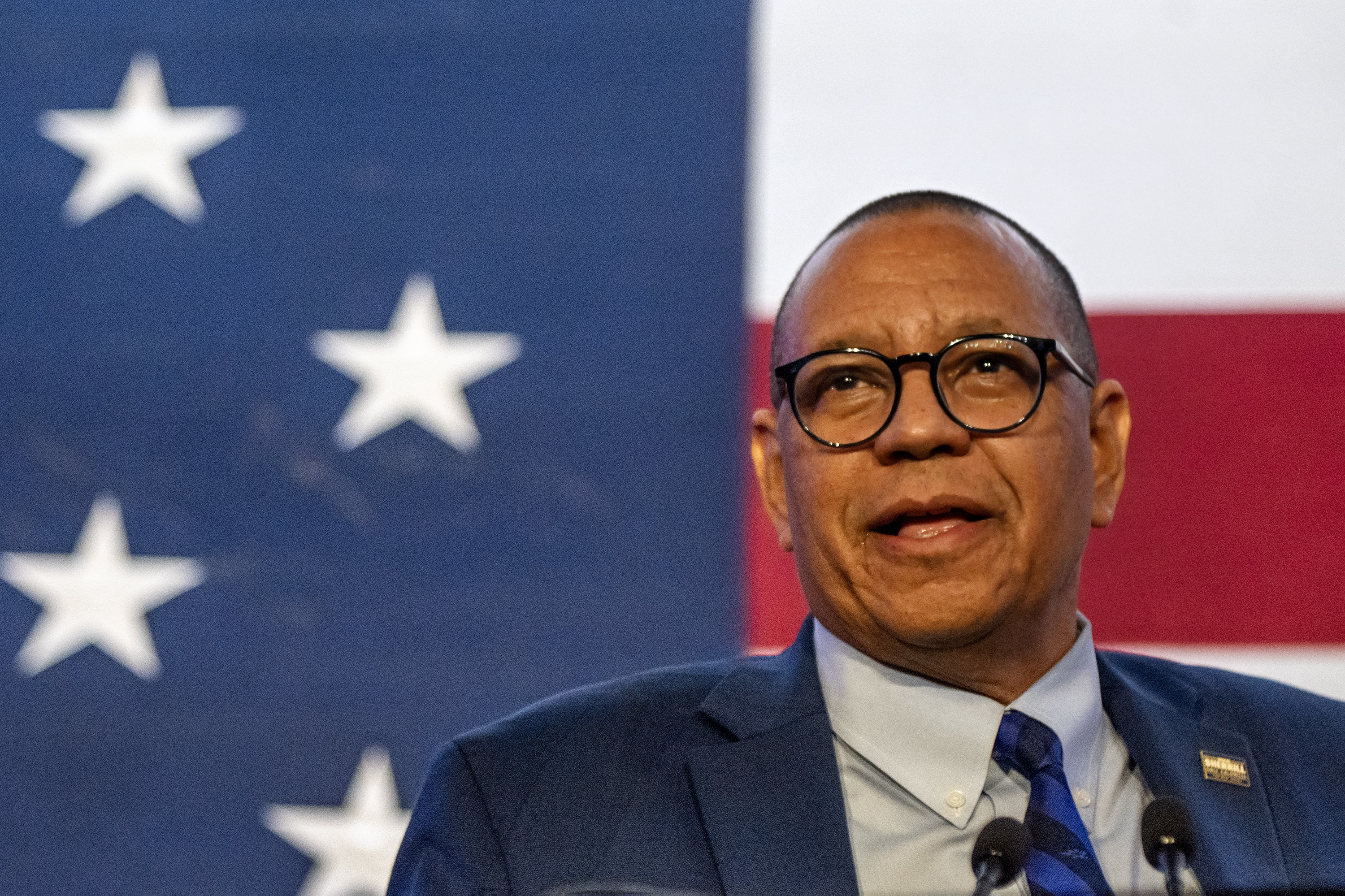
Category: Politics

  • Assailant lunged at Democratic candidate for Ohio governor at fair, campaign says

    Assailant lunged at Democratic candidate for Ohio governor at fair, campaign says

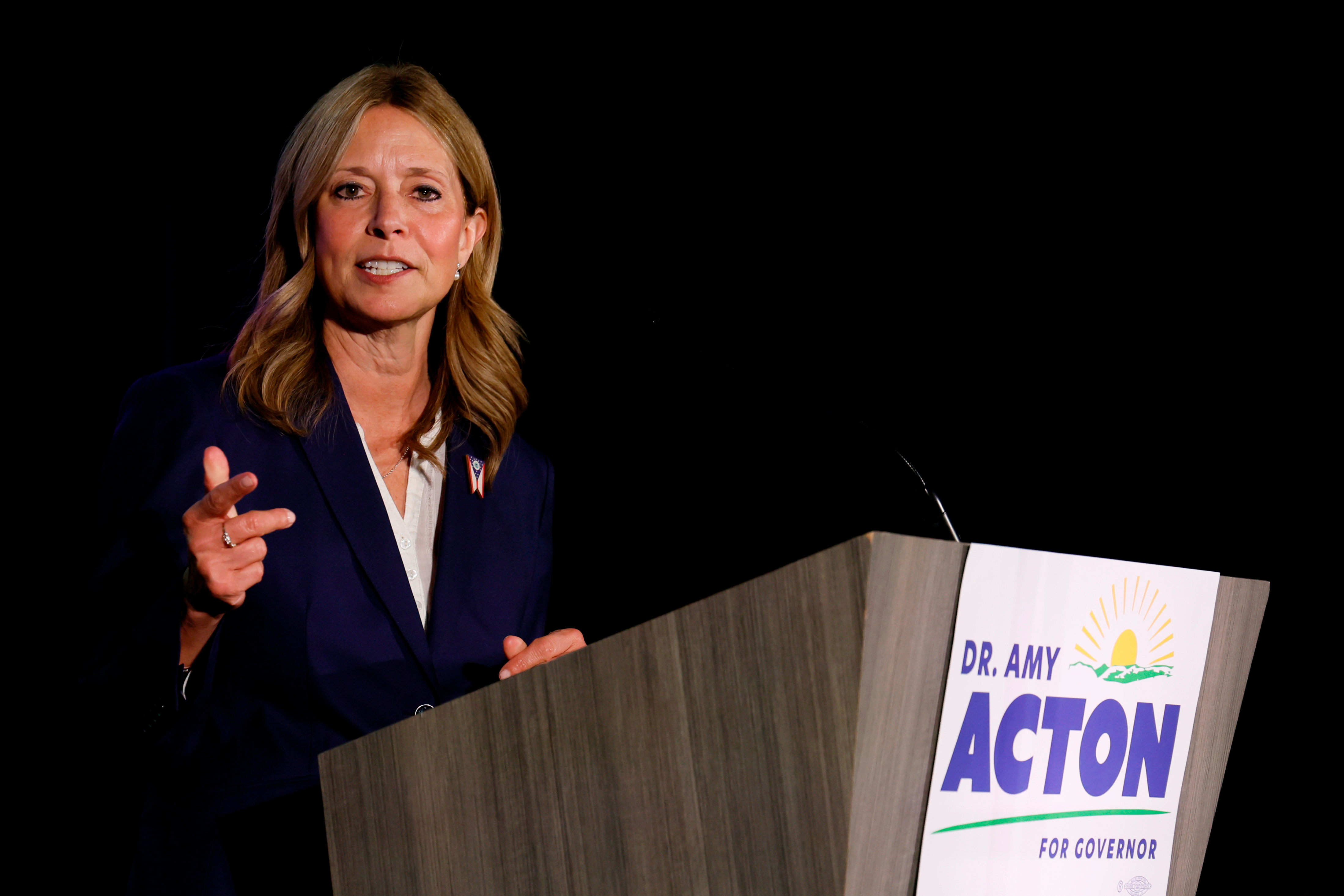
    WASHINGTON — An armed assailant lunged at the Democratic candidate for Ohio governor, Amy Acton, on Sunday during a campaign stop at the Canfield Fair, injuring several people, campaign officials said.

    The suspect knocked volunteers to the ground and was arrested with “multiple weapons,” Mahoning County Democratic Party chairperson Chris Anderson said in a statement.

    Acton, the state’s former public health director, was not injured, but her campaign said multiple people were hurt.

    “Dr. Acton will always stand up to the chaos, hate, and vitriol that pits us against one another,” said Addie Bullock, communications director for the campaign.

    Ohio State Highway Patrol and other authorities at the fair quickly responded “when a man tried to forcefully push himself toward Dr. Acton as she was speaking and injured other attendees at the Mahoning County Democrat booth,” Republican Gov. Mike DeWine said in a statement.

    “Violence or the threat of violence at political or public events is always unacceptable,” he added.

    The attempted attack is the latest political violence to roil the United States. And the Ohio gubernatorial race is one of the most high-profile races this year as the campaigns enter the final six weeks of campaigning before the election in November.

    Acton is facing Republican Vivek Ramaswamy, who has parlayed his national name recognition, tech industry connections, and alliance with President Donald Trump into a record fundraising haul that he is tapping for advertising spots aimed at the November election. He is using campaign rallies and advertising to criticize Acton.

    Ramaswamy’s campaign called the incident Sunday unacceptable.

    “Candidates should be able to meet with voters without having to worry about threats or violence. What happened today is completely unacceptable and has no place in politics, and we hope that no one was hurt,” Ramaswamy’s communications director, Connie Luck, said in a statement.

    The fairground’s police department referred inquiries to the Mahoning County Sheriff’s Department, which didn’t immediately return a message seeking comment. The Ohio State Highway Patrol didn’t immediately respond to a request for information.

    The incident brought condemnation from Ohio Republican Sen. John Husted, who said on X that he and his wife were “disturbed by the attempted attack on Amy Acton today at the Canfield Fair. We are grateful for law enforcement’s quick response. There is no place for this kind of behavior, and it must never be tolerated.”

    The country has seen a rise in political violence over the past decade. That includes the 2017 shooting at a Republican congressional baseball team practice in Alexandria, Va.; the 2022 hammer assault on the husband of Democratic then-House Speaker Nancy Pelosi in California; the 2024 assassination attempt on Donald Trump at a Pennsylvania rally during his presidential campaign as well as another on the president at this year’s White House Correspondents’ Association Dinner in April; and the assassinations last year of a Democratic Minnesota state lawmaker and her husband and of conservative commentator Charlie Kirk in Utah.

    Federal political committees spent more than $40 million on expenses labeled as security during the 2023-24 campaign cycle, the most recent one for which data is publicly available, according a report released in April from the Public Service Alliance, a nonpartisan group that focuses on security for public officials.

    Before running for governor, Acton had been recruited by DeWine in 2019 to lead the Ohio Department of Health while serving as an associate professor of public health at Ohio State University. As the COVID-19 pandemic ramped up in early 2020, she was thrown into the state and national spotlight — becoming a source of comfort to many viewers of the governor’s daily news conferences.

    For her service as health director, Acton earned the John F. Kennedy Library Foundation’s Profile in COVID Courage Award, the Columbus Foundation’s Spirit of Columbus Award and Ohio State’s highest alumni honor, the Alumni Medalist Award.

    Her position as the face of the DeWine administration’s aggressive stance against the virus also earned Acton many enemies, among them Statehouse Republicans and average Ohioans who opposed pandemic restrictions.

  • The ex-salesman bringing the far right to the cusp of power in Germany

    The ex-salesman bringing the far right to the cusp of power in Germany

    TANGERMÜNDE, Germany — During the coronavirus pandemic, a little-known German state lawmaker with an upbeat patter and a telegenic smile started railing on TikTok against pandemic regulations. Complaining about masks, vaccinations, and other government requirements that he deemed “crazy,” the lawmaker attracted millions of viewers with his videos by using an affable tone to deliver an antiestablishment message.

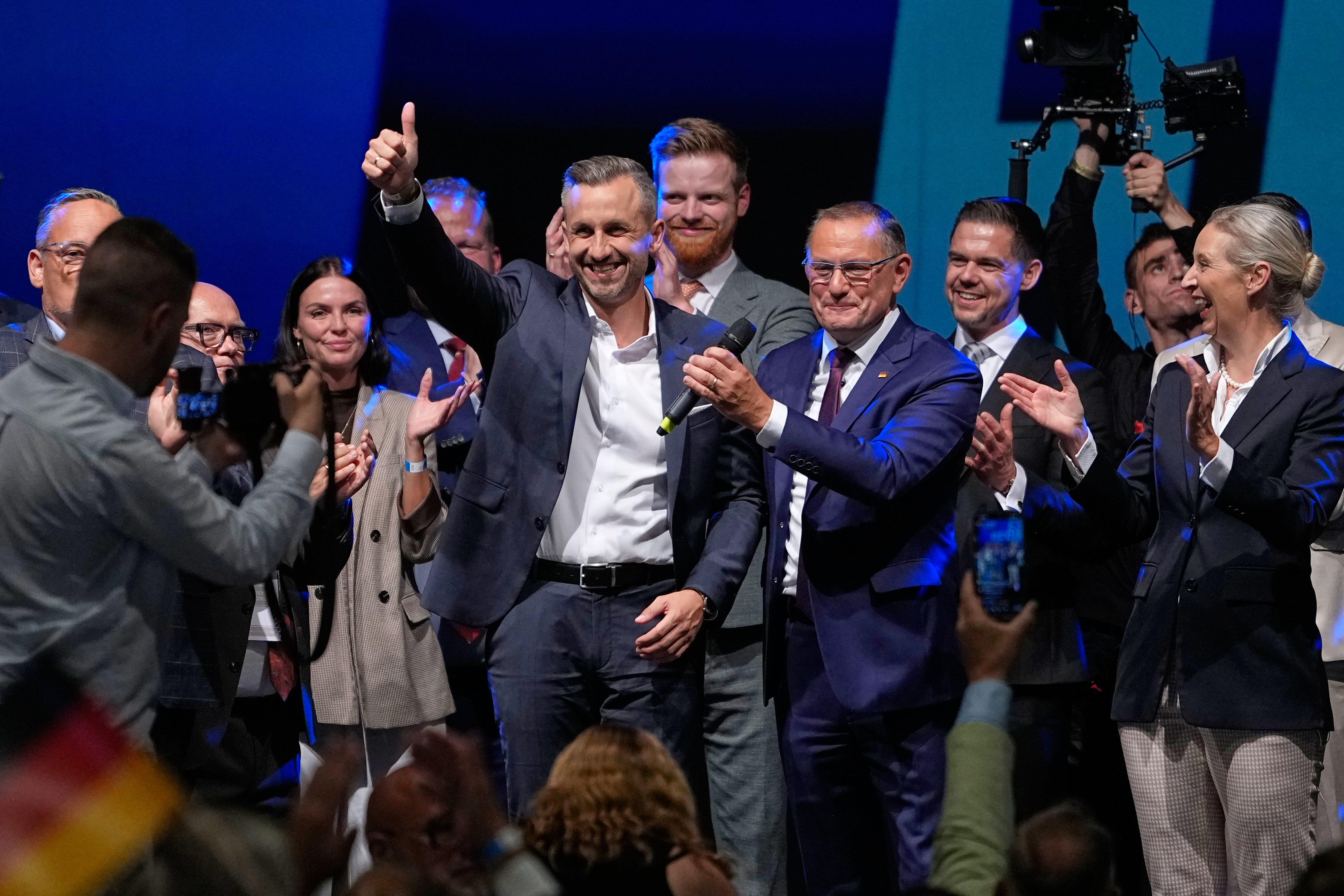
    Now, that lawmaker, Ulrich Siegmund, has harnessed his online popularity to come closer to power than any other far-right politician in Germany since the Nazi era ended in 1945.

    Siegmund, 35, a former air freshener salesperson, is the lead candidate for the Alternative for Germany party in Saxony-Anhalt, a state in eastern Germany where the party was projected to finish first in a statewide election on Sunday.

    If the party, known by its German initials, AfD, wins an outright majority, Siegmund will become the first far-right politician to govern a German state since the reestablishment of the country’s democracy nearly eight decades ago. That would be a convulsive moment for Germany’s postwar political system, which was designed in the aftermath of World War II to prevent politicians deemed extremist from ever taking office.

    To the political establishment in Berlin, Siegmund’s party is an outcast. The domestic intelligence agency has labeled it as “suspected extremist,” an accusation it rejects as politically motivated. The party has said that Islam is incompatible with the German Constitution and has vowed mass deportations of immigrants. Several of its leaders are close to Russia, and some have made dog whistle comments about the Nazi era, such as minimizing the Holocaust and repeating Nazi slogans.

    Siegmund himself has said, in a podcast interview with Politico, that he could not “presume to judge” if the Holocaust was humanity’s worst-ever crime, “because I can’t possibly come to terms with the entirety of human history.” He also declined to condemn supporters who chanted his surname, Siegmund, in the style of the Nazi salute, “Sieg Heil.”

    Still, Siegmund has won over voters in Saxony-Anhalt, experts say, through his ability to present the party’s hard-line policies in a more approachable and optimistic tone than many of his AfD colleagues, without distancing himself from extremists. In addition to deporting immigrants, the party has proposed cutting funding for public broadcasters, banning gay pride flags in schools, and teaching more Russian, as well as providing tax breaks for large families and free childcare.

    “I can provide motivation, create a sense of optimism, and get things moving forward again,” Siegmund said in an interview with the New York Times this year. (He declined more recent interview requests.)

    That affability has made him more acceptable to voters beyond his hard-right base, said Steffen Mau, a prominent sociologist at Humboldt University of Berlin.

    “He’s a canvas onto which people can project some kind of promise for the future,” Mau said.

    Many mainstream politicians, who have said Siegmund and the AfD are dangerous, also call his proposals unrealistic. “Whenever the topic turns to substance, when people actually ask how you intend to move our country forward economically, you’re nowhere to be found,” Sven Schulze, the incumbent governor of Saxony-Anhalt, said to Siegmund during a televised debate last month.

    An August cover story in Germany’s premier newsmagazine, Der Spiegel, called him “the most dangerous man in Germany,” partly because his sunny disposition makes his party’s hard-line goals more palatable to some voters. Siegmund’s followers took it as a badge of honor and, during campaign stops, asked him to sign copies of the edition.

    Siegmund is “so approachable and charming,” said Wolfram Adler, 67, a retired train driver who attended one of those rallies.

    From air fresheners to politics

    Born in 1990, weeks after the reunification of East and West Germany, Siegmund was raised in the picturesque medieval town of Tangermünde, in eastern Germany.

    Growing up in the east, he came of age amid increasing resentment about how reunification played out for his home region. The east’s economy, employment rates, and population ebbed after 1990, leading many East Germans to feel excluded in the new Germany. It was a sense of grievance on which the AfD would later capitalize, particularly in Saxony-Anhalt where the unemployment rate of roughly 8% is well above the national average.

    In his 20s, Siegmund worked as an account manager at a healthcare provider before starting his own business in Berlin selling room deodorizers.

    He joined the Christian Democratic Union, a mainstream conservative party that currently leads the national coalition government.

    But he soon grew tired of the party’s rigid leadership structures, he has said in past interviews with the news media, and joined the AfD in 2014. He was drawn to the AfD, he said, because the party stood against what he perceived as the high-handed policies of the national government in Berlin.

    The AfD was founded in opposition to Germany’s adoption of the euro. After it shifted to an anti-immigrant message, Siegmund ran on the party’s slate for the statehouse in 2016. He won a seat as the party netted 24% of the state vote, profiting from growing concerns about Germany’s decision to welcome roughly 1 million refugees during the European migrant crisis. He also served on his local council alongside his father and brother.

    He rose to national fame in 2021 with his personable videos about pandemic restrictions, helping to project both the party and himself as the voice of voters who felt disenfranchised by mainstream parties.

    Now, Siegmund has more than 850,000 followers on TikTok, an astronomical number for any German politician, giving him a platform that helped to amplify his stump speeches on the campaign trail this summer.

    When speaking to sizable crowds, he has often filmed the scene on his phone, turning the camera toward the crowds to show viewers how big they were.

    “When you see all of Siegmund’s campaign appearances, it becomes perfectly clear: They’re not primarily intended for the live audience, they’re primarily for the internet,” said Paula Diehl, a professor who studies populist leaders at Kiel University.

    His preppy shirts and his trademark tuft of graying hair have made him instantly recognizable in Tangermünde, his hometown of 10,000 residents. During the Times interview this year, passersby repeatedly greeted him, wished him luck or smiled.

    Throughout the conversation, he combined a measured, even tolerant tone with a hard-line, exclusionary message.

    He said that he did not blame immigrants for coming to Germany — before, seconds later, vowing to make their lives in his state “very uncomfortable.”

    Combining nostalgia with optimism

    The backgrounds of his campaign team also highlight his contradictions. The production company behind Siegmund’s genial campaign videos is led by a far-right activist with the Identitarians, a movement that German intelligence has accused of extremism. Siegmund’s spokesperson was once part of a banned extremist group inspired by the Hitler Youth.

    Siegmund did not reply to requests for comment about these links. In interviews with other outlets, he dismissed their relevance.

    Siegmund, said Diehl, “pretends to engage in an inclusive discourse and then immediately shatters it.”

    Part of his strategy has been to tap into nostalgia for East Germany among some residents, even though he was born after it collapsed. Though many remember Communism as a dictatorship, some recall it as a time of full employment and stability.

    One campaign event featured a comedian who sang the East German national anthem — an act so contentious, because it appeared to validate an authoritarian regime, that even some AfD politicians distanced themselves from it.

    At some events, Siegmund rode through the countryside on a Simson, an anemic two-stroke East German motorcycle that has long been associated with life during Communism. His machine was painted baby blue to match the AfD’s colors.

    At other times, he has sought to look forward instead of back. Tapping into widespread disenchantment with high unemployment and living costs, he has painted a picture of a better, if ill-defined, future under AfD leadership.

    “Things are going downhill everywhere, and that’s a bad and demotivating place to start,” he said in the Times interview. “I want things to start moving uphill,” he said.

    Critics say he is simply selling false hope, pointing to his past life as a salesperson.

    “I discovered my strength in sales early on,” Siegmund told a business magazine in 2014. “I love to sell.”

    This article originally appeared in the New York Times.
  • As midterms approach, Republicans find there is no escape from Trump

    As midterms approach, Republicans find there is no escape from Trump

    WASHINGTON — In the White House Rose Garden, President Donald Trump recently gathered some of the most politically endangered House Republicans for a dinner where he promised to make himself the face of the party’s uphill battle to keep control of Congress.

    He was with them “100% — all the way until November,” Trump told the roughly two dozen lawmakers as they dined on prime aged beef burgers at tables adorned with bouquets of yellow roses. The president said he would travel to 35 key districts “to see if we can get everyone elected.”

    The scene encapsulated the box that GOP lawmakers have found themselves in as they stare down a bleak political environment.

    They cannot afford to snub Trump, needing help from his enormous financial reserves and strong turnout from his base to win their campaigns. But they also do not want the election to be a referendum on the president, whose popularity is at a record low. And so far, he has shown little appetite for focusing on anyone’s political needs besides his own.

    Two months before the midterm elections, Trump and the Republicans who have long tied their political fortunes to him appear to be at cross-purposes as the party struggles to keep the House and Senate in GOP hands.

    As Republicans work to distance themselves from the president’s unpopular decisions, Trump is headlining a splashy convention in Dallas this week and has said that voters should “pretend, please, that I’m on the ballot.” As the candidates work to show they are focused on the concerns of everyday Americans, the president is spending much of his time in Washington focused on the construction of a White House ballroom, a 250-foot arch, and a golf course on a public park alongside the Potomac River. And as they brace for the final costly weeks of their campaigns, he has yet to dole out hardly any of the nearly $1 billion he says his political action committee has raised.

    “This is my money that I control,” Trump said Friday, suggesting he would spend between $400 million and $500 million on “Republicans that I think are good.” His political operation reported Saturday that it had made its first expenditure, to defend a Senate seat in Texas. But beyond that, Republicans have received little information about when or where the money may come.

    For now, Trump appears to be focused primarily on promoting himself and boosting his popularity.

    The first 30-second television spot released by his political team, the launch of a post-Labor Day ad blitz, was a case in point. It touted the president as “the toughest, most resilient person” and made no mention of Democrats, the midterm elections, or any Republican candidates.

    And as Trump gathers Republicans in Dallas on Wednesday for the unprecedented two-day midterm party convention, the festivities will be as much about boosting his own approval ratings and public self-esteem as it is the candidates who are actually on the ballot, a person involved with the planning said.

    “The president called me two nights before Thanksgiving last fall, and he said, ‘Mike, we got to do a midterm convention,’” House Speaker Mike Johnson said. “And I said, ‘That’s not a thing.’ And he said, ‘Make it a thing.’ OK. So we’re going to do a midterm convention.”

    ‘A ball and chain’

    Many vulnerable Republicans are steering clear of this week’s convention, choosing instead to spend time campaigning in their states and districts. And while some see a benefit in the confab as a way to raise money for the party — tickets cost $25,000, including for lawmakers — they also worry that it will do exactly what candidates most want to avoid: turn the election into a national conversation about Trump.

    After 10 years of tying themselves to Trump, Republicans have little room to maneuver around him. Candidates up and down the ballot have embraced his lies about American elections, while few have publicly broken with him on signature issues such as spending cuts, tariffs, or the war with Iran.

    A White House spokesperson disputed that there was any fissure between the president and his party.

    “President Trump is the unequivocal leader of the Republican Party, who is committed to maintaining Republicans’ majority in Congress,” Olivia Wales, the spokesperson, said.

    But some Republicans fear the party has little to campaign on after two years that have yielded few legislative achievements and a spare congressional schedule that involved weeks on end at home. Some of Trump’s moves, they argue, have made things worse.

    “I’m fearful that the president’s numbers are a ball and chain that will be hard to overcome,” said Rep. Don Bacon of Nebraska, a moderate Republican who is not running for reelection in his battleground district. “I’m worried that we’ve lost a lot of our swing voters. In the Midwest, tariffs aren’t popular. Ukraine polls at 70% — why aren’t we doing more for them? Nebraskans don’t like chaos and all the name-calling and treating our allies bad.”

    Republicans are banking instead on portraying Democrats as socialist extremists and themselves as the sane and sober alternative. (A handful of democratic socialists have won primaries this year, though their numbers in Congress are likely to remain in the single digits.)

    Johnson, who has raised $135 million this cycle, has been leaning heavily on that contrast.

    “Imagine a nightmare scenario with these insurgent, Marxist Democrats taking over the Congress,” Johnson said this past week while campaigning in Texas. “They would impeach the president on the first day.”

    Placing bets, but when?

    The biggest question for Republicans has been when — and if — Trump will begin spending down his political operation’s prodigious resources.

    Trump’s super PAC, MAGA Inc., has so far stayed almost entirely on the sidelines and has not communicated its plans, even privately.

    Two of Trump’s political advisers, James Blair, a former top White House aide, and Tony Fabrizio, a longtime pollster, briefed Republican senators last month and left a strong impression that money was coming imminently, according to two people who attended the private meeting and spoke on the condition of anonymity. But little has been spent as some Republicans are growing anxious that races in North Carolina and Georgia may be falling further out of reach.

    Apart from the new investment in Texas, so far Trump’s super PAC has only spent this year to boost Sen. Darline Graham in last month’s Republican primary in South Carolina. The president had put his reputation on the line in that contest by endorsing Graham, but its outcome in a solidly Republican state was unlikely to affect his party’s chances of holding the Senate.

    Trump’s advisers, people familiar with their thinking said, are reluctant to spend his money when House and Senate leaders have yet to drain their own campaign coffers.

    Blair has been in regular contact with counterparts in the Republican leaders’ political operations to strategize about how to most effectively use the president’s funds in the midterms.

    But there have been some major splits. Trump’s decision to back Ken Paxton, the scandal-tarnished Texas attorney general who defeated Sen. John Cornyn in a primary this year, angered Sen. John Thune of South Dakota, the majority leader, and other Republicans who saw it as making that state far more costly for the party to defend.

    Thune has all but begged Trump to put some of his own resources into the race. On Saturday, MAGA Inc. reported it had begun doing so, spending $10 million on television and digital advertising in Texas.

    Separation is hard

    A handful of vulnerable Republicans have sought to carefully create some distance between themselves and Trump. Unlike previous presidents who have made themselves scarce when politics demanded it, Trump has not made it easy.

    Rep. Mike Lawler of New York recently aired a digital advertisement that features the president calling him a “pain in the a—” for advocating the repeal of the cap on the state and local tax deduction. But Lawler is also planning to speak at the convention.

    Rep. Tom Barrett of Michigan bought ads on Facebook touting his votes to limit Trump’s war powers in Iran. But in July, Trump held a rally in his district and called the congressman to the stage alongside him. “I’m proud to stand with you today,” Barrett said.

    A handful of other Republicans, including the party’s nominees for governor of Georgia and Maine and several running for Congress, have quietly scrubbed photos of Trump from their campaign websites or removed mentions of his endorsement — which they were happy to promote during primary contests.

    But there are not many examples of Trump-era Republicans successfully distancing themselves from the president in the eyes of voters. In 2018, the last midterm election with Trump in office, he celebrated the defeat of House Republicans like then-Rep. Mia Love of Utah, who had been critical of him.

    “The idea that you can run away from him is silly,” said Corry Bliss, who ran the House Republican super PAC in 2018. “Republicans need to have a thoughtful conversation with their voters about what they’ve accomplished. Some of them won’t have a single thing to say, and they’re the ones who will lose.”

    This article originally appeared in the New York Times.
  • Trump appeals to Supreme Court as time runs out on push to restrict mail voting

    Trump appeals to Supreme Court as time runs out on push to restrict mail voting

    MADISON, Wis. — President Donald Trump is running out of time in his quest to limit voting by mail, even as he filed another last-ditch appeal to the Supreme Court on Sunday.

    A judge has consistently held up the administration’s plans, and election officials have begun sending ballots to voters in two swing states and are gearing up to send them across the country.

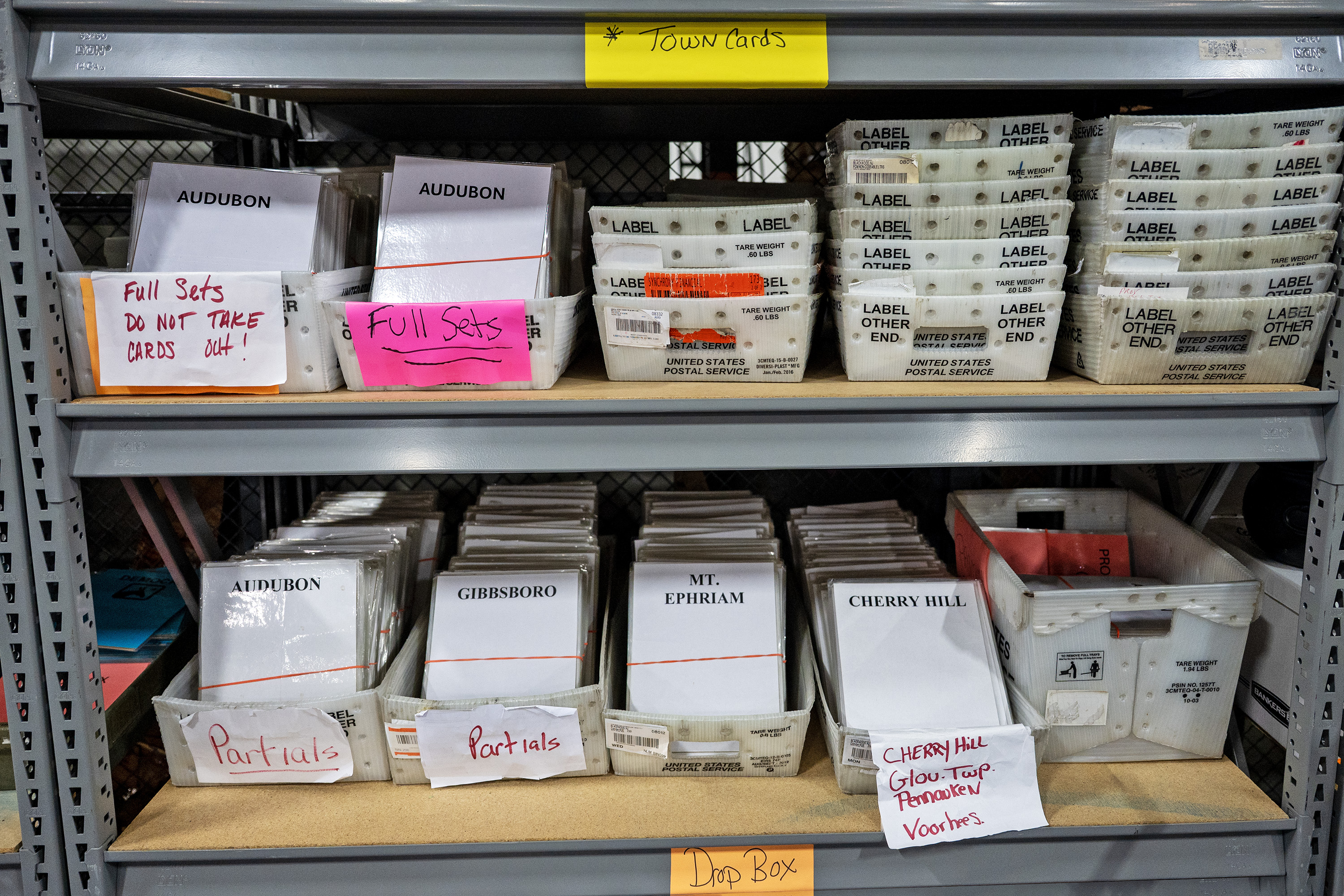
    Nearly a third of voters used mail ballots in 2024, and last-minute changes to how they are handled could lead to undelivered ballots and uncounted votes.

    Trump has long argued that mail ballots are prone to fraud, though evidence over many elections and independent investigations suggests that mail-in balloting is secure and that any fraud is exceedingly rare. Trump regularly votes by mail, including in last month’s primaries in Florida.

    A lower-court judge has blocked Trump’s plans for now in a legal fight that has made its way to the Supreme Court once and could soon be before the justices again. On Sunday, the Trump administration asked the Supreme Court to pause the injunction, saying its reasoning is “baseless” and erroneously blocks the president’s goals.

    The Supreme Court could still upend mail ballot rules, but the president and the U.S. Postal Service are running out of options that don’t involve significant upheaval because tens of thousands of voters will be getting ballots in their mailboxes in the coming days.

    New rules are ‘effectively impossible’

    Wisconsin’s bipartisan elections board told local officials on Aug. 31 they could start putting ballots in the mail, and by Tuesday at least a few already had. And officials in North Carolina mailed ballots to voters on Friday. Election clerks in other states plan to do the same soon.

    Those ballots are getting placed in the mail under long-standing policies, not the new ones Trump has spent months trying to impose. Some officials said they wanted to mail ballots as soon as possible because they considered the new rules — which require new approvals and the use of technology that has not yet been deployed — impossible to follow.

    “There’s no practical way for Wisconsin clerks to comply,” said Don Millis, chairperson of Wisconsin’s elections board.

    Millis, a Republican who has helped oversee Wisconsin elections for years, said the president’s proposal would “hurt the Republican turnout more than the Democratic turnout.”

    Cities that are home to large numbers of Democratic voters can easily expand early in-person voting opportunities if mail voting is curtailed. Republican-leaning rural communities in Wisconsin don’t have the staffing or budgets to do the same, he said.

    Even if the president can win in court, he will have tremendous difficulty changing how ballots are mailed because of timing constraints and logistical obstacles, according to election officials and those who work closely with them.

    In a court filing, Tammy Patrick, chief programs officer at the National Association of Election Officials, called making required changes in time for this year’s election “effectively impossible.”

    Under Trump’s plans, the Postal Service is seeking to have state and local officials submit lists of voters — possibly multiple times a day — through an online portal that has not yet been made public. An anonymous whistleblower has submitted a report to Congress describing the portal as riddled with errors and at risk of a catastrophic failure.

    The plans would also require thousands of jurisdictions to get approval for the design of their ballot envelopes. It’s unclear how long the approvals would take, and election officials say there’s not enough time to redesign them and print new ones if they’re rejected.

    Election officials would have difficulty updating the Postal Service on their voter lists because they change so frequently, said Gerry Cohen, a Democrat on the elections board in Wake County, N.C. His county receives about 1,500 voter registrations a week, he said.

    “Tell me you don’t know anything about elections without telling me you don’t know anything about elections,” he said after reviewing the Postal Service’s plans.

    The online portal will probably be made available to states this week, according to the Postal Service, which has said its plans will ensure that mail ballots “will be handled securely and delivered reliably.” White House spokesperson Lauren Bis said the technology the Postal Service plans to deploy “is neither complex nor unique” and would help make elections “safe, transparent, and honest.”

    Ballots are in the mail

    Officials across North Carolina mailed ballots to tens of thousands of voters on Friday under a state law that requires them to be promptly sent to those who request them starting 60 days before an election. The swing state is home to one of the most closely watched Senate races this year.

    In Wisconsin — a battleground state with a marquee race for governor — ballots don’t need to be mailed under state law until mid-September. But local officials can send them before then, and state officials are recommending they do so.

    “It’s more important that we get the ballots out because there are other ways at least to return them” in ballot drop boxes or at government offices, said Ann Jacobs, a Democrat on Wisconsin’s elections commission. “But if you can’t even get the ballots out, people can’t vote.”

    By Tuesday, the tiny Wisconsin towns of Alban and Lanark had mailed out ballots, said Portage County Clerk Maria Davis. Others, including larger cities such as Madison, plan to follow soon, local officials said.

    Richard Hasen, a UCLA law professor and director of the school’s Safeguarding Democracy Project, said “it is already too late” to implement the president’s executive order.

    “I cannot see how any court in good conscience could allow them to be implemented for the midterm elections,” Hasen said.

    That may be true of some courts, but the Supreme Court has shown a willingness to disregard local timelines, even after warnings of chaos. In April, the conservative majority on the court hollowed out a major section of the Voting Rights Act, eliminating the need to preserve Black-majority districts. The ruling prompted several red states to redraw their congressional districts to benefit Republicans, in one case after thousands of primary election ballots had been cast.

    The Supreme Court revived the fight over mail ballots last month, issuing a ruling that gave the administration a temporary lifeline in imposing the new rules. The administration’s plans have since been blocked again, and it is trying to get the Supreme Court to allow them to go into effect.

    The most recent setback to Trump’s plans came Friday, when U.S. District Judge Indira Talwani in Massachusetts issued an injunction barring the new postal rules for the midterm elections. She wrote that the postal policy “threatens disenfranchisement of millions of United States citizens who seek to vote by mail.”

    In appealing to the Supreme Court on Sunday, Solicitor General D. John Sauer disputed that characterization, saying the Postal Service was well within its authority. The new rule, he wrote, “simply imposes reasonable preparation requirements for certain election-related mail.”

    Officials in some states want to follow the new postal policies even if they are not required to do so. Missouri Secretary of State Denny Hoskins (R) said in a court filing that he was “figuring out some details of implementation” but believed it would be “straightforward” to adhere to the rules for the midterm elections.

    Hoskins did not respond to questions about what he had done to voluntarily comply. It’s unclear how voters in that state would be affected if Hoskins carries out such plans — or whether local officials would go along with them.

    Talking to FedEx and UPS

    Even if Trump’s executive order remains blocked, election officials fear more mail ballots will be discounted because of delays in postmarking them. In 19 counties in Washington state, more than twice as many primary ballots were rejected this year compared with two years ago, according to state officials. For instance, in Mason County, 258 ballots were rejected this year for having a late postmark, compared with 60 in the primary two years ago.

    Election officials have said they don’t expect Trump’s executive order to go into effect but are developing contingency plans in case they do. Some are considering establishing pickup locations where voters can get their ballots. Others are planning to deploy more ballot drop boxes so voters have more options to return them.

    New Mexico officials are talking to FedEx and UPS about using their companies to deliver mail ballots instead of the Postal Service, said Secretary of State Maggie Toulouse Oliver (D). The cost would be manageable because the state sends out a relatively small number of mail-in ballots, she said.

    “We are still planning for plan B in a worst-case scenario,” she said. “There are other ways to deliver ballots.”

  • Report: Fetterman called Wall Street Journal story ‘a hit piece’ and apologized for a text message dismissing CHOP leaders

    Report: Fetterman called Wall Street Journal story ‘a hit piece’ and apologized for a text message dismissing CHOP leaders

    A curt text message privately rejecting concerns from leaders at the Children’s Hospital of Philadelphia about Medicaid cuts was a “dumb joke,” U.S. Sen. John Fetterman (D., Pa.) told CNN this weekend.

    In his statement to CNN, Fetterman called a recent report from the Wall Street Journal — which reignited claims that he’s not fully performing the role of a U.S. senator — a “hit piece from disgruntled staffers.”

    “Per usual — lies, half-truths, innuendos, smears, and anonymous,” Fetterman said. He later added: “No matter how many smears or stories, I’m proud to continue to deliver for Pennsylvania.”

    The Wall Street Journal report included text messages between Fetterman and his staff and detailed several meetings or events that Fetterman tried to get out of attending, including the meeting with CHOP leaders and a funeral for three York County police officers who were killed while on duty.

    Fetterman said the leaked text messages were “stripped of any context and circumstances.”

    According to the Wall Street Journal, while discussing the meeting with CHOP officials last September, Fetterman asked in a text, “Why do I have to keep having to meet with chop.”

    An aide responded, “Because they’re worried about Medicaid cuts.” Fetterman wrote back, “Well, I’m not.” He then wrote, “I’m convinced they just want free trips to DC.”

    Fetterman told CNN that comment was a “dumb joke,” and “for that, I sincerely apologize.”

    “My office and I always have, and always will, advocate for CHOP, support their requests and any other needs that we can assist with,” Fetterman told CNN.

    The newspaper’s report also included text messages in which Fetterman questioned the length of the funeral for the three York County police officers, writing “3 hours??,” and said attending “may be a nonstarter.” Fetterman, who grew up in York County, did not attend the funeral, according to the report.

    Fetterman told CNN that he “privately ordered flowers to be delivered for their families and expressed my condolences publicly” on the day of the fatal shooting. He also said he privately attended a fundraiser for the officers’ families in June, saying, “I met with their chief and the family members directly to express my personal condolences.”

    The first-term senator’s tenure has been plagued with criticism. Former staffers have said he often cancels meetings at the last minute, and he has increasingly isolated himself from Democrats in Washington, according to the Wall Street Journal. He regularly appears on conservative media and attacks his own party, and he does not make regular public appearances in the Keystone State.

    And pressure on the senator appears to be mounting. After the Wall Street Journal article, an X profile claiming to be former Fetterman staffers said it would post accounts of working for the senator.

    “If you were troubled by yesterday’s Wall Street Journal story… trust us, that’s just the tip of the iceberg,” the account posted. “It’s even worse than you thought.”

    Staff writer Sam Janesch contributed to this article.

  • Affordability takes center stage as Shapiro and Garrity craft their economic pitch for Pennsylvania voters

    Affordability takes center stage as Shapiro and Garrity craft their economic pitch for Pennsylvania voters

    Ben Hummer would like to own a house one day in Pittsburgh. He dreams of a two-bedroom, one-bathroom town house where he can live near his job.

    But for now, Hummer, 29, rents his 500-square-foot, one-bedroom apartment, and his monthly rate since he moved in has continued to increase by $50 each year, making the goal seem further out of reach.

    “Anything that could increase the supply and affordability of housing in the Pittsburgh area would be massive,” said Hummer, who works in human resources.

    Like most voters in Pennsylvania, according to a recent poll from The Philadelphia Inquirer, the New York Times, and Siena University, the economy and cost-of-living concerns are the most important issues deciding Hummer’s vote in the 2026 governor’s race between incumbent Democratic Gov. Josh Shapiro and his Republican challenger, state Treasurer Stacy Garrity.

    And as Election Day draws nearer, both campaigns are focusing their messaging on these kitchen table issues.

    (function() { var l = function() { new pym.Parent( ‘nyt-afford__graphic’, ‘https://media.inquirer.com/storage/inquirer/ai2html/nyt-afford/index.html’); }; if(typeof(pym) === ‘undefined’) { var h = document.getElementsByTagName(‘head’)[0], s = document.createElement(‘script’); s.type = ‘text/javascript’; s.src = ‘https://pym.nprapps.org/pym.v1.min.js’; s.onload = l; h.appendChild(s); } else { l(); } })();

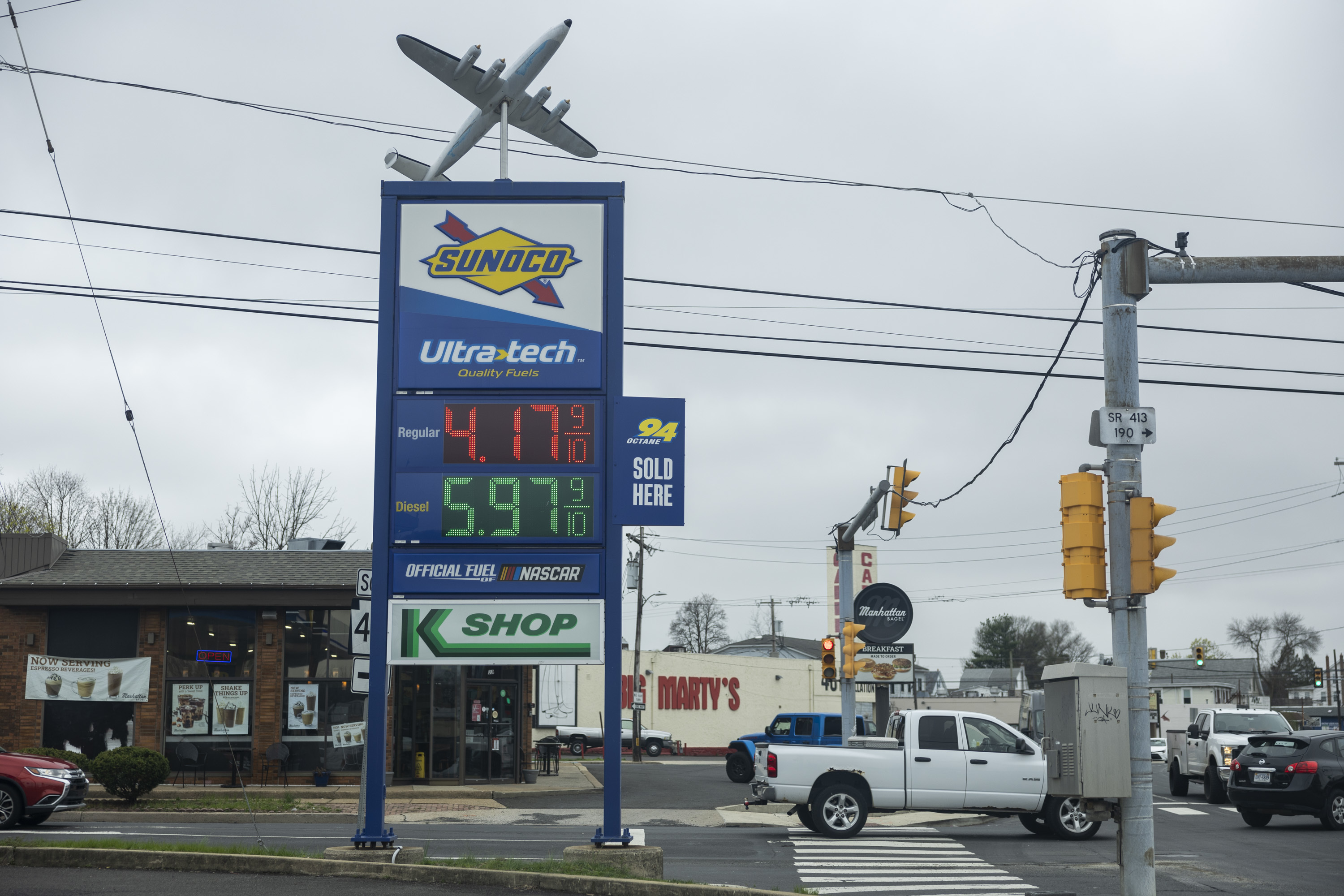
    Two years ago, it was the cost of eggs, gas, and groceries that were top priorities among the electorate in Pennsylvania and elsewhere. Voters’ trust in President Donald Trump’s ability to bring down high prices propelled him back to the White House, sending Democrats scrambling to hone an affordability pitch that could land in time for the high-stakes 2026 midterm elections. But in that same time, prices have continued to climb; gas prices have topped $4 per gallon; and tariffs instituted by Trump — who called affordability “a hoax” at a Pennsylvania rally last year — have driven up the cost of every day life. Now both parties are latching on to a focus on affordability.

    As he mounts a reelection campaign, Shapiro — who holds a commanding lead in polls — is highlighting his accomplishments during his first term that his campaign says has given Pennsylvanians more money back through tax cuts and wage increases for childcare workers.

    Meanwhile, Garrity has recently shared her own plan, called “Turnaround PA,” to make living more affordable with an outline of how she’d lower prescription drug costs, reduce property taxes, and aim to cut energy bills to get there. But she’s also closely aligned with Trump, who has endorsed her in the race and has dismal markings from voters on two of their top priorities: the economy and cost of living.

    (function(){function e(){window.addEventListener(`message`,function(e){if(e.data[`datawrapper-height`]!==void 0){var t=document.querySelectorAll(`iframe`);for(var n in e.data[`datawrapper-height`])for(var r=0,i;i=t[r];r++)if(i.contentWindow===e.source){var a=e.data[`datawrapper-height`][n]+`px`;i.style.height=a}}})}e()})();

    That puts her in a difficult spot to challenge Shapiro, said Mark Zandi, the chief economist at Moody’s Analytics.

    There’s no easy answer for Republicans to win on economic issues in the midterms, but Zandi said his best advice is to focus on what is in the governor’s control and draft ideas that mitigate the fallout from Trump’s policies.

    Hummer, a Democrat who plans to vote for Shapiro this fall, said he trusts the governor to handle the economy and cost of living issues better. More than half of likely Pennsylvania voters in the Inquirer/New York Times/Siena poll agree.

    Fifty-five percent said Shapiro would do a better job of handling the state’s economy, and 56% said they think Josh Shapiro would do a better job of handling cost-of-living issues.

    “I’m well aware he’s limited in his options to do things, but I would say he’s kept a steady hand on the wheel of the Pennsylvania economy — to the extent that he can,” he said.

    Garrity pitches affordability as Republicans seek to overcome Trump’s ratings

    Among other proposals, Garrity has pitched a “first-time homebuyer assistance initiative,” which could help house seekers like Hummer and would provide qualified buyers 3% mortgage interest rate support from the state.

    She also has proposed cutting taxes by seeking a constitutional amendment that exempts Pennsylvania seniors from paying school property taxes and gives voters the final say over whether to increase property taxes. Her plan would also “reprioritize state spending for property tax relief.”

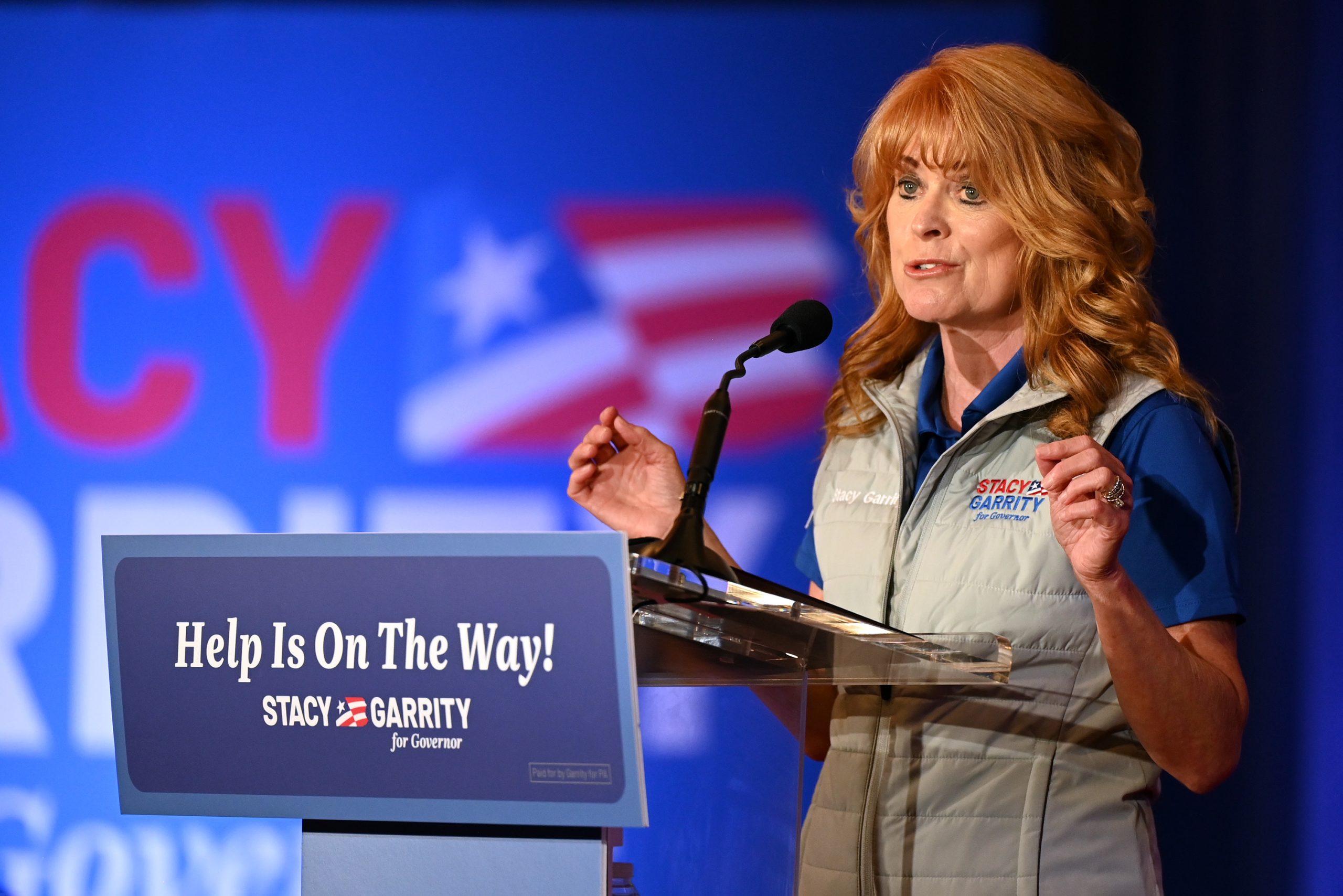
    State Treasurer and Republican candidate for governor Stacy Garrity holds a rally in Bucks County on Sept. 25, 2025, at the Newtown Sports & Events Center.

    But there’s no free money, Zandi said. “If you’re giving tax cuts over here,” he said, “you’ve got to figure out how to pay for it … and that means you’re cutting spending.”

    Garrity’s plan also would address rural healthcare, and she would “aggressively pursue available federal funding to strengthen rural healthcare.”

    But there’s little money left in the pot after Trump cut government spending in last year’s federal budget. His One Big, Beautiful Bill Act directed a reduction in Medicaid spending by $1 trillion over 10 years, starting after the midterm elections, and rural hospitals and nursing homes are more dependent on federal funds. Additional dollars would likely need to come from Harrisburg.

    For Pennsylvanians like Caitlyn Needham, 28, the consequences of an unexpected medical bill on top of a limited income meant she went without substantial meals for weeks.

    “I have a rabbit, and she had a medical emergency [in November],” she said. “So for two months, the only thing I could afford to eat while paying off those bills was peanut butter and jelly sandwiches for breakfast, lunch, and dinner.”

    Needham, a cake decorator in Pittsburgh, said she’s always been frugal and saved a little bit of money from each paycheck, but increasing expenses are pushing her budget to the limit. She said she plans to vote for Shapiro this November.

    “Pennsylvanians need a relief valve before things get worse,” she said. “So many people are one bad week away from not being able to keep their housing, or losing their medical coverage, or losing their job because their car broke down and they can’t afford to get service. It’s like everyone is just one accident away from not being able to live.”

    (function(){function e(){window.addEventListener(`message`,function(e){if(e.data[`datawrapper-height`]!==void 0){var t=document.querySelectorAll(`iframe`);for(var n in e.data[`datawrapper-height`])for(var r=0,i;i=t[r];r++)if(i.contentWindow===e.source){var a=e.data[`datawrapper-height`][n]+`px`;i.style.height=a}}})}e()})();

    Garrity has remained politically loyal to Trump, even as his popularity has sunk among Pennsylvania voters. She has endorsed Trump’s tariffs and supported the war in Iran. That support has remained even as gas prices in July spiked to more than $4 per gallon, up more than $1 since the beginning of the year — and a point Shapiro has repeatedly emphasized.

    “If you’re trying to infer I’m out of line with the president, I don’t think I am,” she said last month during a news conference she held on data centers.

    In a statement, she blasted Shapiro’s handling of the economy, saying he has put a tax burden on families and tied businesses up with unnecessary regulations.

    “Josh Shapiro’s Pennsylvania is simply unaffordable for the commonwealth’s hardworking families,” Garrity said. “He allowed utility and energy costs to skyrocket due to his unwillingness to expand generation capacity and instituting policies that benefit our neighboring states instead of us.”

    Shapiro emphasizes his record is separate from national picture

    Shapiro, the incumbent, is leaning on his record on economic policy.

    According to his campaign, his administration created more than 25,000 jobs during his first term and brought in $41 billion in private-sector investment.

    “Governor Shapiro is fighting for all Pennsylvanians — and he has a track record of creating jobs and economic opportunity, putting money back in Pennsylvanians’ pockets, and standing up to Washington’s reckless, cost-raising policies,” said Samantha Reposa, a spokesperson for the campaign. Garrity, she said, “fully supports the failed economic policies that are raising costs and hurting working families across the commonwealth.”

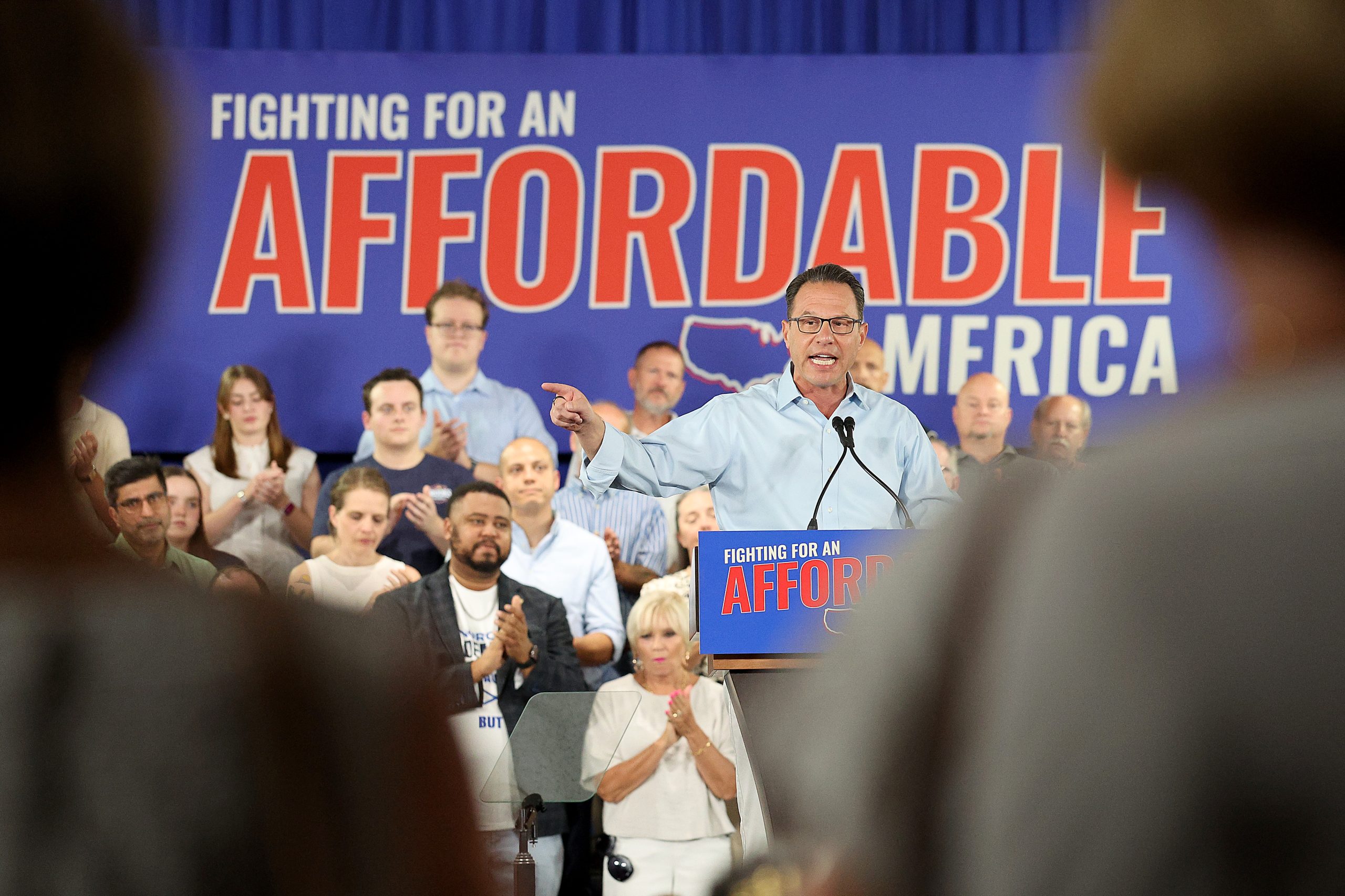
    Gov. Josh Shapiro addresses the audience during a July 26 rally for congressional candidate Bob Brooks at the United Steelworkers Union Hall in Bethlehem.David Maialetti / Staff Photographer

    His campaign released a Spanish-language digital ad focused on benefits of the Working Pennsylvanians Tax Credit and the Property Tax/Rent Rebate Program, which is targeted toward seniors and people with disabilities.

    “If you’re working, you get to keep more of your money. Up to $800 more, more money in your pocket. And right now, every little bit helps,” a woman in the commercial said in Spanish.

    Ultimately, Zandi said, “it’s very difficult for lawmakers at any level of government to change the picture on affordability, at least any time quickly,” because those issues are due to broader national and international forces.

    There’s also no one-size-fits-all approach for a governor to tackle the costs of education, housing, energy, childcare, elder care, healthcare, and groceries.

    “Each issue that makes up the affordability crisis requires its own set of solutions and efforts, so it feels like a laundry list of policy steps, and it is,” he said. “But that actually is probably the only way to make a difference.”

    For many Pennsylvanians, paychecks feel like simply treading water: By the time all expenses are covered, there’s little money left to save and build toward the future.

    “It just seems that money doesn’t go as far as it used to,” said Thomas Schank, 49, of Scranton. “I’ve gotten raises at work over the last two years, but everything else went up also, so really, no net gain.”

  • Mayor Parker’s election put lobbyist William Dunbar at the center of Philly politics. Now he’s awaiting sentencing on tax fraud charges.

    Mayor Parker’s election put lobbyist William Dunbar at the center of Philly politics. Now he’s awaiting sentencing on tax fraud charges.

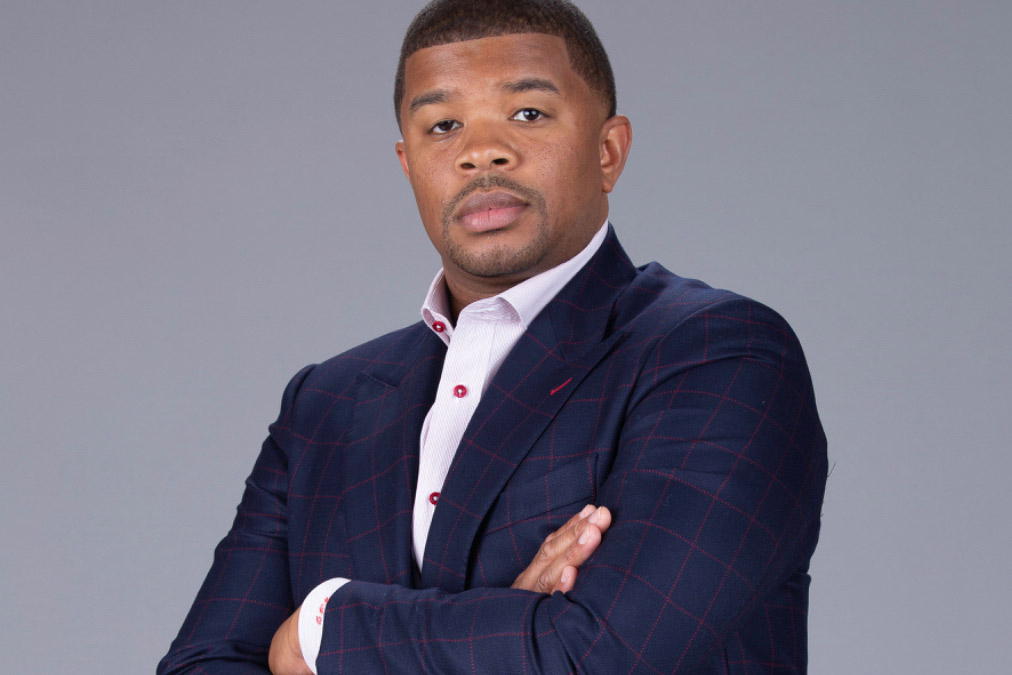
    When Mayor Cherelle L. Parker took office in early 2024, William F. Dunbar Sr. became one of the most important people in Philadelphia politics.

    A confidant of Parker who played an important advisory role in her 2023 campaign, Dunbar was also a registered lobbyist with a growing client list.

    When other key figures in Parker’s campaign took top roles in her administration, Dunbar stepped into an official, but unpaid, role managing People for Parker, the mayor’s political committee.

    Those dual roles created an unusual circumstance: Someone who raised money from donors for the mayor’s campaign was also a lobbyist whose clients paid him to influence her administration.

    And they were physically embodied in a 2,250-square-foot office in the Penn Center complex one block west of City Hall. Dunbar’s lobbying firm, Dunbar Public Affairs & Associates, rented the space in March 2024, and People for Parker paid half of the $3,750 rent through a sublease agreement, according to lease documents obtained by The Inquirer.

    But the heady days for Dunbar didn’t last. Parker let Dunbar go from her campaign in August 2024. Neither side has publicly explained what led to the separation. And last week, he pleaded guilty to federal tax fraud charges unrelated to Parker’s campaign.

    A plea agreement Dunbar signed allows U.S. District Court Judge Kelley B. Hodge to consider three instances of “additional misconduct” — separate from the tax fraud scheme — that did not result in charges when she decides his sentence in January.

    One instance stemmed from a dispute over the sublease agreement for the Penn Center office. (In the other incidents, prosecutors said Dunbar falsified a document for a mortgage application and submitted false financial information to receive additional financial aid at a private school.)

    In the plea agreement, Dunbar stipulated that he “falsely modified the terms of the lease agreement” to increase the notice the campaign was required to give him to terminate the lease, a move that could have resulted in the campaign paying him money he was not owed had it not been discovered.

    City law prohibits officials from using government resources, including City Hall office space, for political purposes. By renting space with Dunbar’s firm, Parker and her team could pop across the street and attend to political tasks without running afoul of ethics rules.

    In a letter from March 2025 that was obtained by The Inquirer, an attorney for Dunbar wrote that his firm “had no need for an office space that was close to City Hall other than to support the Mayor’s needs.”

    The dispute culminated in the final breakdown of their already-strained relationship, an exchange of emails between lawyers for Parker and Dunbar shows.

    “It has come to our attention that Mr. Dunbar has misrepresented that he continues to have relationships with People for Parker to current and prospective clients,” Timothy J. Ford, an attorney for Parker, wrote to Dunbar’s lawyer, Mark Jaffe, in March 2025. “Mr. Dunbar must cease and desist immediately from making incorrect statements of any affiliation with People for Parker, Mayor Parker in her political or personal capacity, or staff or consultants related to People for Parker.”

    Jaffe fired back.

    “Respectfully, my client asks that the Mayor cease and desist from contacting all donors and personal/business contacts that Dunbar Public Affairs supplied her immediately,” Jaffe wrote Ford in response. “It has come to Mr. Dunbar’s attention that the Mayor continues to misrepresent that Dunbar is still supportive of her efforts and that said relationships should still support her.”

    Dunbar asked for “a letter of formal apology from the Mayor [for] the harm she has caused as to his reputation and financial losses to his company.”

    Dunbar declined to comment for this story.

    From Lincoln to ‘kitchen cabinet’

    Dunbar, 42, first met Parker, 53, around 2005, when he was a student at Lincoln University, he said in a 2023 interview. Parker, a Lincoln alum, was a Pennsylvania state representative, and she visited her alma mater to speak to political science students.

    “She was a star to the folks at Lincoln then,” Dunbar said in the interview. “Cherelle is the big sister. She sometimes call me the big little brother. I’m very, very protective of Cherelle.”

    Both were elected student government presidents during their time at the historically Black university in Chester County.

    They maintained a connection over the years as they made their way up the ladder in local politics, Parker as an increasingly high-profile elected official and Dunbar as a well-connected operator.

    By the time Parker began preparing to launch her mayoral campaign, Dunbar had become a lobbyist for Comcast. He volunteered as part of her “kitchen cabinet” of informal advisers, and he made a key contribution by championing a strategy of Parker leaning into her life experience, from growing up in a household that needed public assistance to being a single mother.

    “I always would come back to that we need to continue to define Cherelle as the authentic Black woman working mom,” he said. “Cherelle is able to live with that every day, so I knew and believed that the message would always resonate more, in particular with Black women, who obviously are the No. 1 voting bloc in our city.”

    An unexplained separation

    When the top aides in Parker’s campaign joined her administration, preventing them from managing or being paid by a political group, the mayor turned to Dunbar to run People for Parker in 2024.

    Although Parker is not up for reelection until 2027, her campaign has remained active, raising and spending hundreds of thousands of dollars each year since she became mayor.

    Meanwhile, Dunbar’s lobbying practice grew: the School District of Philadelphia, which employed him a subcontractor, and an ATM company became clients in January 2024, according to the public records. (Dunbar is no longer representing the district because the primary contractor terminated their agreement, according to the district.)

    But his arrangement with Parker didn’t make it through the summer. Parker acknowledged the separation in an interview while she was at the 2024 Democratic National Convention in Chicago.

    “Will has been a valued friend to me, and let me just say that life is good right now [for Dunbar] and business is good and it’s growing,” she said.

    Dunbar said at the time: “I’m very much still an informal senior adviser but because of a different set of priorities, the mayor has decided to manage her politics herself. … My business has continued to grow as we work to support our clients.”

    In the March 2025 letter, Dunbar’s attorney said Parker in August 2024 had “agreed to continue a business relationship for public perception” after the split.

    The sublease dispute that unfolded over the next six months eliminated that possibility.

    Two documents, one lease

    The Inquirer has obtained two versions of the sublease agreement, one with a 30-day termination window and one lasting a year. Both versions include electronic signatures from Dunbar on March 2, 2024, and Gabrielle Cook-Frazier, on behalf of the campaign, on March 8, 2024.

    Parker’s attorney said it only ever had the version with a 30-day window. Federal prosecutors alleged Dunbar forged the version with a one-year window to squeeze more rent payments out of the campaign.

    “People for Parker is particularly concerned that Mr. Dunbar produced a different version of the Document containing a term to which People for Parker did not and never would have agreed,” Ford wrote.

    Ford said the campaign was willing to make rent payments through the end of 2024 to “soften” Dunbar’s separation, but not after. The campaign made rent payments totaling $22,850 to Dunbar Public Affairs between March 2024 and November 2024, according to campaign finance records.

    In the letter, Dunbar’s attorney suggests Parker’s aides could have violated city ethics laws by doing political work “on City time using said space for political meetings with the Mayor.”

    The Parker campaign declined to answer questions for this story, but sent a statement rejecting Jaffe’s assertion in the 2025 letter.

    “The allegation is patently false,” Ford said in a statement. “Neither the Mayor nor her team engaged in political activity on City time or using City resources.”

    It’s far from clear that the arrangement would be a violation of ethics rules. The top officials in Parker’s administration were salaried employees for the city who worked far more than 40 hours per week, making it difficult to assess when they were on the clock. They are allowed to participate in political meetings so long as they are not paid by the campaign and have only “minimal input” on strategy, communications, or finance, the city’s ethics regulations state.

    Despite the breakdown in their relationship, Dunbar held out hope for a reconciliation.

    “Notably, if the Mayor or her political team would ever like to reconcile and restore this relationship, my client would welcome that and he stands ready to continue to be a selfless supporter of the Mayor and her administration,” Jaffe wrote, adding that Dunbar would no longer seek additional rent payments.

    Weeks later, Dunbar learned that federal agents were investigating him for tax fraud.

  • Johnny Doc is a free man after President Donald Trump cut his six-year prison term short

    Johnny Doc is a free man after President Donald Trump cut his six-year prison term short

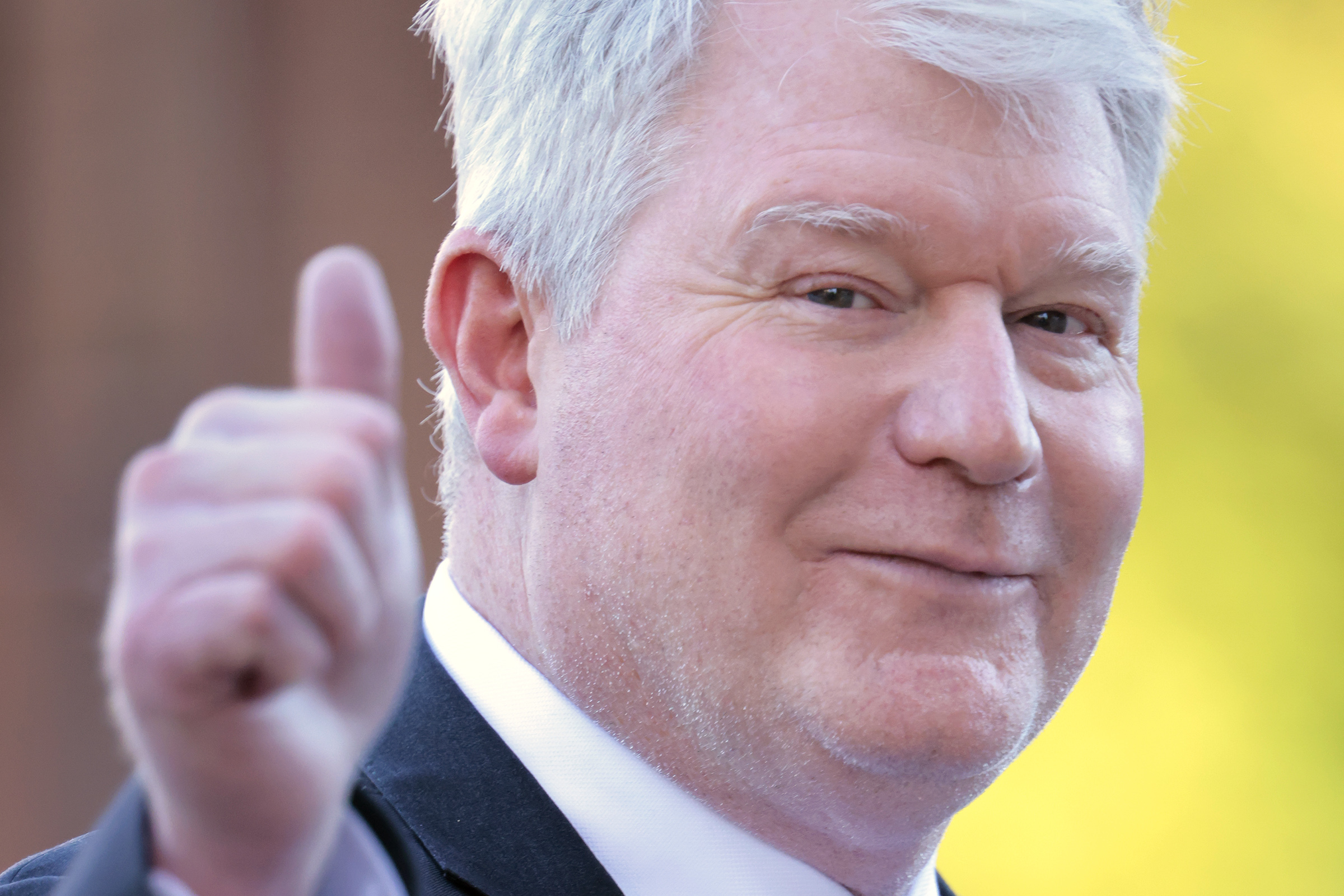
    Johnny Doc is free.

    Convicted former Philadelphia labor leader John Dougherty was released Friday afternoon from a federal penitentiary in Lewisburg, his lawyer said, capping a surprise outcome that was the result of President Donald Trump’s decision to commute the remainder of Dougherty’s six-year prison term.

    Dougherty’s lawyer, George Bochetto, said he was released around 3 p.m. Attempts to reach Dougherty for comment Friday were unsuccessful.

    Dougherty — widely known as Johnny Doc — had served less than two years of that sentence, which came after he was convicted in two high-profile trials: The first in which he was found guilty of bribing former Philadelphia City Councilmember Bobby Henon, the second over his participation in an embezzlement scheme that cost his union nearly $600,000.

    For much of the past year, Dougherty had been petitioning U.S. District Judge Jeffrey L. Schmehl to release him on house arrest so he could provide care for his gravely ill wife. But Schmehl had repeatedly denied those efforts.

    Trump’s decision to commute Dougherty’s sentence instead will result in a more sweeping form of relief: His conviction will remain intact, but he will not be subject to any monitoring or house arrest, and he will no longer have to pay about $1.6 million in restitution to the union he was convicted of defrauding.

    Bochetto called Trump’s decision “a magnificent gesture of compassion.” And he said it came after he’d been in regular communication with White House staff members about the dire and longstanding health challenges faced by Dougherty’s wife, Cecilia.

    A White House official said Friday that those circumstances figured into Trump’s decision — particularly because Dougherty’s father-in-law, who had been serving as the primary caretaker, died last year.

    Bochetto said there was “absolutely no reason” to keep Dougherty behind bars while his wife’s health was continuing to decline.

    Dougherty, while testifying before Schmehl earlier this year, said he had done everything he could from prison to lift his wife’s spirits — mailing her letters, routinely calling her, and even singing to her over the phone.

    But he said he was desperate to get home and help her manage a set of challenges that have left her paralyzed and largely nonverbal. He said his adult daughters and private aides were struggling to provide the type of intensive, round-the-clock care she requires.

    “I just want to take care of Celia,” he said.

    The U.S. Attorney’s Office had opposed Dougherty’s efforts to be released. A spokesperson said the office had no comment on Trump’s decision to set Dougherty free.

    Beyond caring for his wife, it was not immediately clear Friday what Dougherty’s future might hold — or whether he’d use his newfound freedom to try to return to the political stage.

    Before he was prosecuted, Dougherty was a bona fide power broker while running Local 98 of the International Brotherhood of Electrical Workers, which he turned into the biggest independent source of campaign money in Pennsylvania. That funding helped elect mayors, City Council members, and members of Congress. It also helped bolster the judicial candidacy of Dougherty’s brother, Kevin Dougherty, who won a seat on the Pennsylvania Supreme Court in 2015.

    Even if John Dougherty did want to seek a return to the spotlight, it would have to come from a different perch.

    Not only is Local 98 under new leadership, Dougherty’s convictions on counts of bribery and embezzlement make him ineligible to hold an elected union office for 13 years under U.S. Department of Labor laws.

    Labor leader Ryan Boyer, who replaced Dougherty as chair of the Philadelphia Building and Construction Trades Council, said he nonetheless expected Dougherty to end up back in the mix in some fashion.

    “If I know John the way I know John,” he said, “he’s not going to sit on his hands.”

    Staff writers Sean Collins Walsh and Maggie Prosser contributed to this article.

  • Green Party candidate Andrew Tupone is removed from ballot in Lehigh Valley congressional race

    Green Party candidate Andrew Tupone is removed from ballot in Lehigh Valley congressional race

    A candidate vying for one of the nation’s most competitive congressional seats who said he represented the Green Party — but who the Green Party and Democrats both accused of election meddling — has been disqualified from the November ballot, a Pennsylvania judge ruled Friday.

    Andrew Tupone, 37, of Northampton County, had gathered nearly 11,000 signatures to run as a third-party candidate for Pennsylvania’s 7th Congressional District after previously running for local office as a Republican and switching his party registration earlier this year.

    His petition for ballot access implied that he had the Green Party’s official support, though the organization said it did not know him and had questions about his motives. His actions denied the Green Party its right as a political body to select candidates who match their values, the organization argued.

    “The Court’s analysis respects the internal governance of political bodies and protects political bodies from external forces hijacking those bodies,” Commonwealth Court Judge Stella M. Tsai wrote in the court document.

    In a statement to The Inquirer, Tupone vowed to push his campaign forward, despite the significant legal setback.

    “The establishment parties are fighting to keep me off the ballot but I’m not backing down,” he said. “I will continue this fight and appeal this decision because the people of the 7th congressional district deserve a real choice and a true progressive candidate who will stand up for them. This fight isn’t over. I’m going to keep fighting for the voters to have an option and for the representation our community deserves.”

    Tupone’s quest for ballot access came as Democrats — who have said Green Party candidates pull votes from their nominees — have targeted the Lehigh Valley-based congressional seat as one of the state’s most flippable in their effort to regain control of Congress. Democratic candidate Bob Brooks, a retired firefighter and union leader, is challenging Republican U.S. Rep. Ryan Mackenzie, who won his seat two years ago by 1 percentage point.

    But while the Green Party of Pennsylvania — which considers itself an ecosocialist party — rejects accusations of spoiling, leaders distanced themselves from Tupone’s candidacy, and the party was among the plaintiffs arguing for his removal.

    “It sounds a lot like somebody’s just fooling around and trying to use the Green Party name,” Tim Runkle, co-chair of the state party, previously told The Inquirer.

    Democrats have also accused Tupone, who was registered as a Republican until 2025 and said he previously voted for President Donald Trump, of attempting to spoil the contest. They furthered their argument after independent journalist Sean Kitchen identified Tupone’s attorney as Wally Zimolong, a Pennsylvania election lawyer who said on his website that he represented Trump, the Republican National Committee, and other Republican candidates. Zimolong also donated to Mackenzie’s reelection campaign in 2025.

    Zimolong also represented the neighbors of Democratic Gov. Josh Shapiro in a federal lawsuit against him in a property dispute.

    Tupone, however, has said he no longer supports Trump. During his testimony before the state court, he said he became progressive after consuming social media posts from The Young Turks, a left-wing news program. He changed registration to the Democratic Party in February to run in the 7th District’s primary and to the Green Party in April after becoming “fed up with both parties” and wanting “to give voters another choice on the ballot.”

    The Green Party, which held its state committee meeting in March, formally supported Lancaster resident Tony Dastra for governor and Philadelphia resident Craig Bolton for lieutenant governor — but they will not appear on the ballot after failing to receive enough signatures.

    Tupone, who could not remember the name of the lieutenant governor during the court hearing, was the only candidate who filed to represent the Green Party in a Pennsylvania race for Congress.

    A former Republican candidate for local office, Tupone has rejected accusations from Democrats and the Green Party that he was asked by Republicans to run for Congress, or that he paid individuals to collect the signatures to get him on the ballot. Of the 22 individuals who gathered signatures for his Green Party candidacy, only one is from Pennsylvania and multiple have previously worked for Republican campaigns, public records showed.

    Tupone also said in court that he did not pay for any nomination papers to be circulated and was not aware of anyone being paid to circulate his papers. He said Runkle called him in July asking “weird questions” and “attempted to intimidate him not to run,” but he did not ask about the party’s process for endorsement or receiving support during the call.

    Runkle said in the Green Party has declined to run candidates in the past who are unable to articulate the party’s values or have values that contradict the party’s.

    Democrats celebrated the news Friday.

    “(Republicans) have now tried and failed twice to meddle in the Lehigh Valley because they know weak incumbent Ryan Mackenzie can’t run on his own record. Firefighter Bob Brooks will smoke him in November,” said Eli Cousin, a spokesperson for the Democratic Congressional Campaign Committee.

  • Lieutenant governor of New Jersey is reportedly under an internal investigation

    Lieutenant governor of New Jersey is reportedly under an internal investigation

    Dale Caldwell, lieutenant governor of New Jersey, is reportedly under internal investigation for allegations involving his behavior toward women and possible ethics violations.

    The New Jersey Globe reported Friday that Gov. Mikie Sherrill’s administration called on Christopher Porrino, a former New Jersey attorney general, to conduct the investigation.

    Porrino served as attorney general under Republican Gov. Chris Christie. The New Jersey Globe reported that Porrino and a former federal prosecutor who is now one of his law partners have been conducting interviews for the investigation.

    Sean Higgins, spokesperson for Sherrill, said in an emailed statement Friday that the administration “cannot confirm or deny potential personnel matters.”

    Higgins also said: “The Governor would take any reports of inappropriate behavior or misconduct extremely seriously and expects our public officials to hold themselves to the highest standards.”

    Caldwell could not be reached for comment.

    Anthony Bucco, the Republican leader in the New Jersey Senate, said in a statement posted on social media that Caldwell “should temporarily step down from his duties as Lieutenant Governor.”

    Bucco said the reported allegations against Caldwell “are deeply concerning and disappointing. Our elected officials must hold themselves to the highest possible standards of conduct, character, and integrity. The public deserves transparency and timely information about matters of this magnitude.”

    Bucco added that “there are legitimate questions about why this information was not disclosed sooner and why we are just learning about this late on Friday heading into a holiday weekend.”

    The New Jersey Globe reported that the investigation had already begun when Caldwell assumed the duties last week of acting governor while Sherrill was out of state.

    The allegations include a purported offer of state jobs, the news outlet reported. No other details were provided.

    Caldwell also serves as the New Jersey secretary of state, New Jersey’s chief election official.

    President Donald Trump’s administration has been trying to compel Caldwell to release voter registration data ahead of the upcoming midterm elections. The U.S. Department of Justice is appealing a lower court judge who dismissed the federal government’s lawsuit.

    Sherrill selected Caldwell as her running mate in July 2025. He was the first Black president of Centenary University, a small, private institution in North Jersey, and pastor at Covenant United Methodist Church in Plainfield, Union County. He also served on the New Brunswick school board for 26 years, including six as president.

    “Mikie Sherrill and I represent a different kind of leadership that sees possibilities, not a blind commitment to doing things the way they’ve always been done,” Caldwell said after his selection was announced.

    Caldwell graduated from Princeton University in 1982 and from the Wharton School of the University of Pennsylvania in 1988. He received a doctorate in education administration from Seton Hall University in 2017.