Category: National Politics

  • Partisanship, divisive Trump presidency hang over 250th celebrations in Philadelphia and Washington

    WASHINGTON — Fifty years ago this week, President Gerald Ford’s helicopter arrived at Valley Forge in a dense fog.

    After a speech to 15,000 people, he designated the Revolutionary War landmark as a national park before heading to Philadelphia, where an estimated crowd of 1 million gathered outside Independence Hall. Ford spoke soberly, recounting the story of a nation that, on its 200th birthday, should find confidence in its ability to both celebrate its founding ideals and ask “hard questions” in the pursuit of something better.

    “The American adventure,” Ford said on July 4, 1976, “is a continuing process.”

    Philadelphia’s 250th anniversary celebrations this week are set to feature no appearances from the president. No reflections on self-improvement from the commander-in-chief at the birthplace of American democracy, no luncheons with the Philadelphia mayor near City Hall, as Ford also did after his speech.

    President Donald Trump has said he will instead use the occasion to throw “the most spectacular TRUMP RALLY” on the National Mall — one of several ways the president’s critics have said he has injected partisanship and self-serving events into what should be a unifying moment.

    Trump’s stamp on “America 250” has been clear.

    A UFC fight on the White House lawn branded as “Freedom 250” overlapped with the president’s 80th birthday and featured adulations directed at him. The Great American State Fair, which some Democratic-led states declined to participate in, opened last week with a campaign-style speech in which the president railed against DEI and transgender athletes. It also featured the U.S. Marine Band playing the Village People’s “Y.M.C.A.,” a Trump campaign rally staple. Transportation Secretary Sean Duffy, using an offensive term that combines liberal with a slur for people with intellectual disabilities, said the band was better than the “libtards” who canceled their performances because of concerns over Trump’s partisan behavior.

    “This is really, more than anything else, an opportunity to attempt to bring us all together as Americans. That’s what past celebrations have done,” said U.S. Rep. Brendan Boyle, a Democrat whose district includes Independence Hall. “It’s just so tragic that for this anniversary, the president we have is Donald Trump, someone who is completely not capable of doing any sort of national unity-type event.”
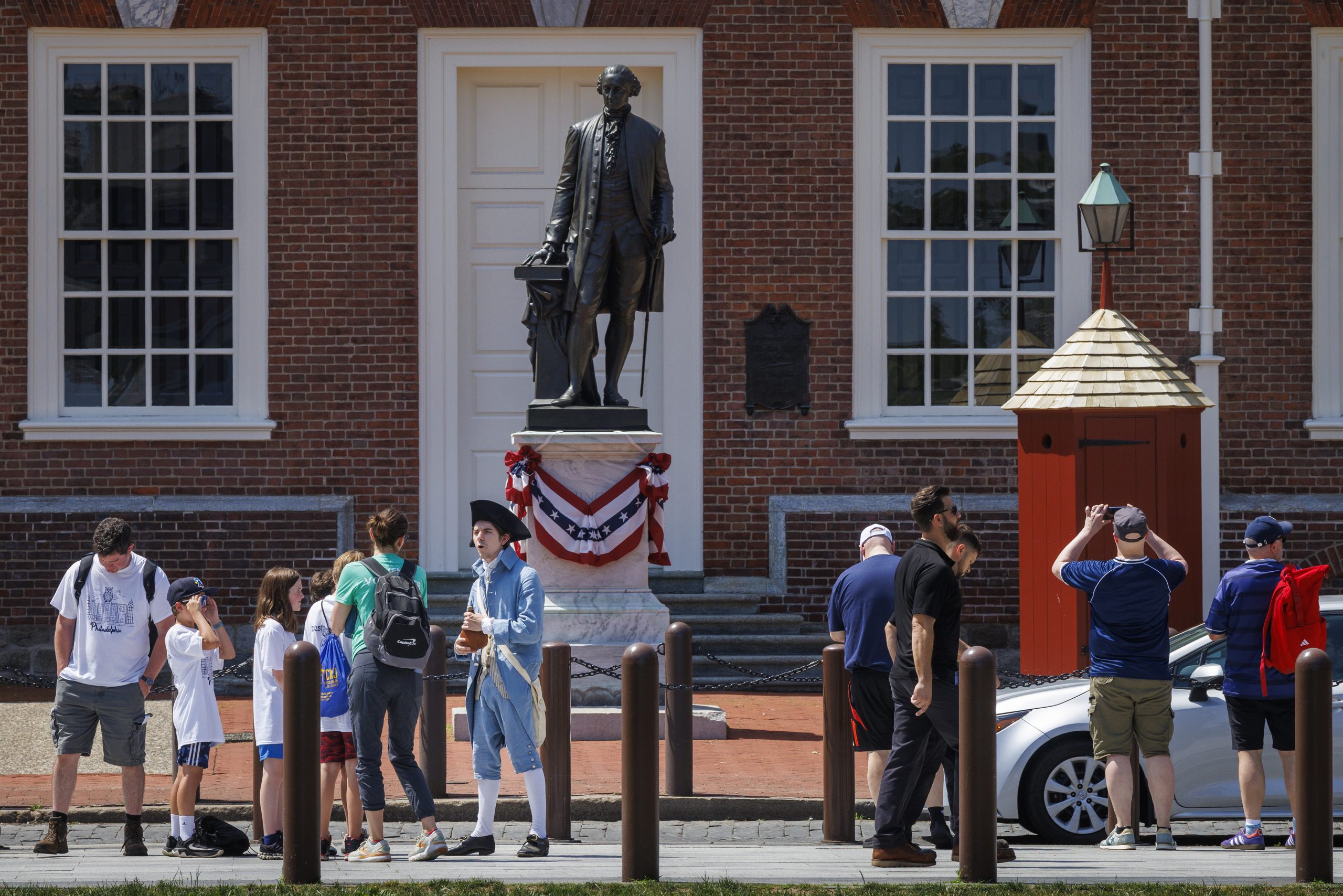
    Historic Interpreter, Lane Norris, as Alexander Hamilton, speaks with tourists outside Independence Hall in Philadelphia. Alejandro A. Alvarez / Staff Photographer

    Boyle worked for years to arrange a ceremonial gathering of Congress at Independence Hall for the 250th, which is set for Thursday. Though not officially a joint session outside of Washington — which has only occurred two other times since the capital relocated from Philadelphia — the event will mark the moment on July 2, 1776, when the Second Continental Congress voted to adopt a resolution for independence.

    The commemorative moment “just gives me chills to think about it,” said U.S. Rep. Mary Gay Scanlon, a Delaware County Democrat who represents part of Philadelphia and plans to attend Thursday. Scanlon said she was hopeful the event will be bipartisan at a time when the president’s divisiveness was “taking an edge off the celebratory aspect” of the 250th.

    Both Scanlon and Boyle described the president’s lack of plans to mark the moment in Philadelphia as disappointing. The White House did not respond to questions for this article, including whether it made any attempts to plan an event with the president in the city.

    “I always just kind of assumed that the president of the United States would, at some point in the days leading up to the Fourth of July or even on Fourth of July itself, be in Philadelphia,” Boyle said. “But obviously this president has different priorities.”

    Injecting polarization into apolitical events

    Matthew Levendusky, a University of Pennsylvania political science professor who has studied how July Fourth celebrations affect sentiments about national identity and polarization, said previous presidents participated in “patriotic, but not political,” events like concerts, fireworks, and parades.

    Trump has taken a distinctly different path since his first term, Levendusky said, noting the military parade in 2019 and a speech at Mount Rushmore in 2020 when, after the murder of George Floyd in Minneapolis, he used the moment to criticize the removal of monuments that symbolized racial oppression.

    The 250th events are an example of how Trump, a “conflict entrepreneur,” makes such events more political at a time when American society has already become more partisan, Levendusky said.

    “There’s more debate over the meaning of American identity than there was a decade or 15 years ago — in part because there’s been more polarization,” said Levendusky, the director of Penn’s Institutions of Democracy at the Annenberg Public Policy Center. “But he’s also done things that inject polarization into that process.”

    Those actions appear to have affected how voters feel about America’s democracy 250 years in — at least among Philadelphia’s largely Democratic electorate.

    According to a new Suffolk University/Philadelphia Inquirer poll that surveyed 500 city residents, 70% of Philadelphians believe Trump’s presidency has made them feel less confident in the country’s democracy. The answers were strongly correlated to political party, with more Republicans than Democrats saying that Trump’s presidency made them feel more confident in democracy or that it made no difference.

    Tourists flocking to the city have reflected those ideological divides but also a bipartisan desire to set politics aside for a historic milestone.

    “We’re all Americans, I don’t care who the president is,” said Greg Sage, 55, a Republican from Michigan who voted for Trump and toured the city’s historic sites this month. “I try not to politicize it, you know? But I believe we’ve been around 250 years. Maybe we’ll make another 250.”

    Phyllis Ahnberg, 68, a Democrat from California, said that it was “empowering” to visit Philadelphia’s sites and that she would not let one person or administration change how she celebrated a moment for unity. Still, it was hard to ignore Trump’s impact during a recent trip to Washington.

    “We were up at [the] Washington Monument, and we were looking, and it was disgusting to see the White House and this, like, fight thing,” Ahnberg said, referencing the towering structure built to host the UFC fight on June 14. “And to see the East Wing torn down … I mean, it was disgusting. Nobody hired this man to do that.”

    U.S. Sen. Dave McCormick, Pennsylvania’s highest-ranking Republican and a close Trump ally, attended the fight and posted on social media that it was an “incredible evening” that honored “the strength, resilience and spirit of the American people.” His office did not grant a request for an interview for this article.
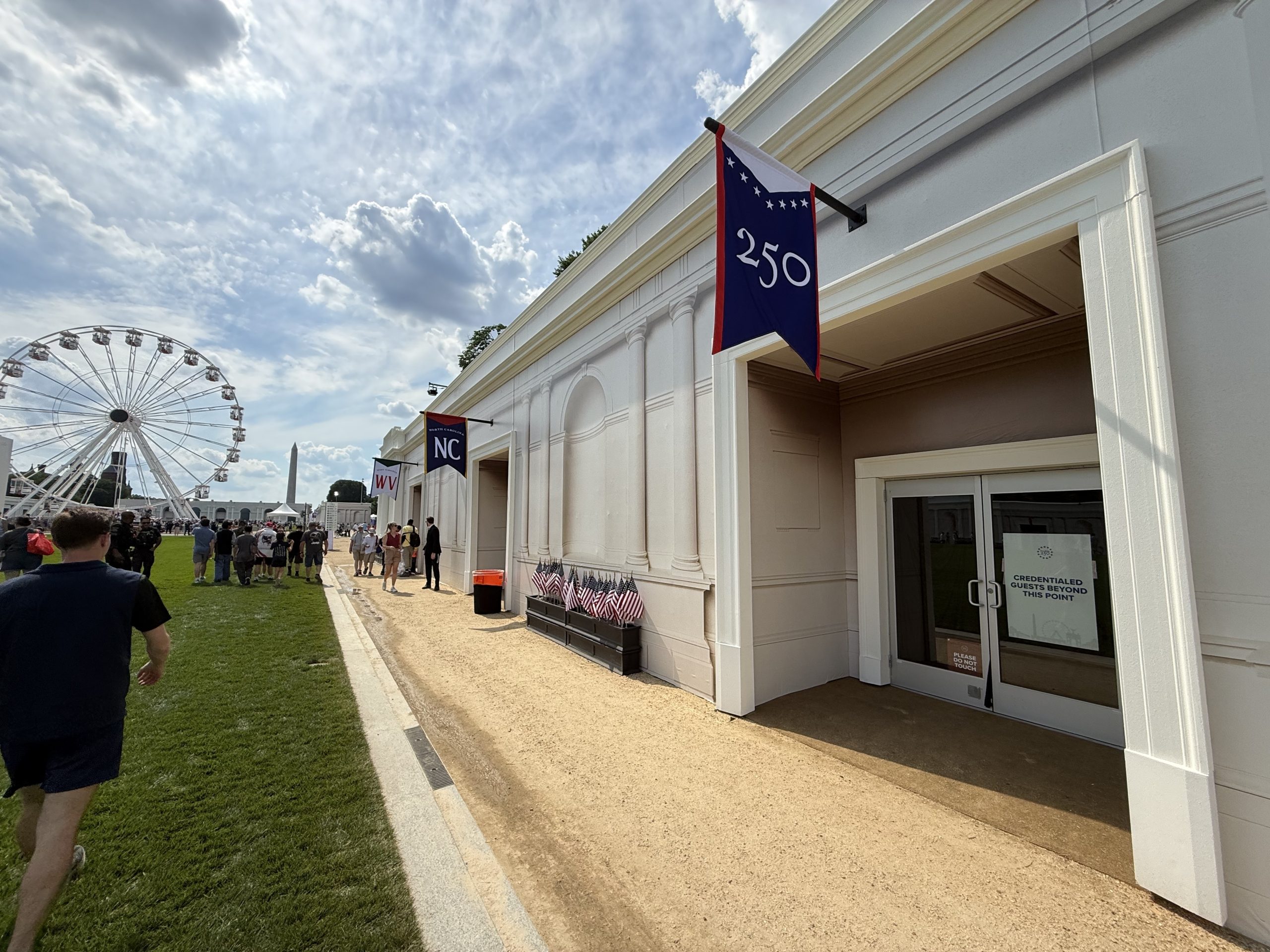
    Pennsylvania’s empty booth at the Great American State Fair on Thursday in Washington. On Saturday, Sens. David McCormick (R., Pa.) and John Fetterman (D., Pa.) announced that they had secured private-industry sponsors for the booth at no cost to taxpayers.Sam Janesch / Staff

    A debate over past and future America

    Other Republicans on Capitol Hill have defended Trump’s role in the anniversary while using the moment to say they believe left-leaning Democrats are the primary threat to America’s democracy.

    “We are in a fight right now to save the republic, and every American needs to take this seriously. You need to wake up,” an animated House Speaker Mike Johnson (R., La.) said at a news conference last week after three insurgent candidates backed by New York Mayor Zohran Mamdani, a democratic socialist, won competitive congressional primaries.

    “Are we going to maintain our status as a constitutional republic on our 250th anniversary?” Johnson continued. “Or are we going to make a new choice and go down some road toward a communist utopia?”

    Chris Rabb, who won Philadelphia’s competitive primary in May to succeed retiring U.S. Rep. Dwight Evans (D., Philadelphia) next year, endorsed two of the candidates Johnson criticized and is likely to join them in the most progressive bloc in Congress next year.

    A democratic socialist and state legislator, Rabb has been adamant about what he sees as a need for “radical” change. After speaking at an event titled “The Next American Revolution: Breaking Oligarchy and Making a New Democracy” in Washington last week, he said in an interview that Trump’s presidency has in some ways been a “valuable distraction.”

    Instead of celebrating the anniversary in traditional — or what Rabb called “milquetoast” — ways, Trump is creating an opportunity for more critical, nuanced discussions about American identity and history, he said.

    It is a particularly meaningful opportunity for him personally. A longtime family genealogist, Rabb has spoken often about his heritage as the descendant of both a signer of the Declaration of Independence — the slave-owning Philip Livingston — and Black abolitionists.

    “I am an embodiment of the hypocrisy and the complexity of choices and systems that have never really been addressed … [and] that are very similar to what we had 250 years ago,” Rabb said. “Unless and until we have a real public, ongoing, and substantive conversation, it will be more of the same.”

    Staff writer Andrea Padilla contributed to this article.
  • How the Philly suburbs are celebrating the 250th, from a Revolutionary War trail map to a critter from a Montco zoo

    How the Philly suburbs are celebrating the 250th, from a Revolutionary War trail map to a critter from a Montco zoo

    From George Washington crossing the Delaware and the Continental Army lodging at Valley Forge to the so-called real Penn’s Landing and the Battle of Brandywine, the Philadelphia suburbs played a crucial role in the early development of the United States.

    And though Philadelphia — the birthplace of American democracy — has taken center stage for this year’s Semiquincenntenial celebrations, Bucks, Montgomery, Delaware, and Chester Counties have spent years preparing for 2026 and have curated an extensive list of activities for residents and visitors alike who are looking to honor the United States’ 250th birthday outside the city.

    Here is what the Philly suburbs have in store for the 250th:

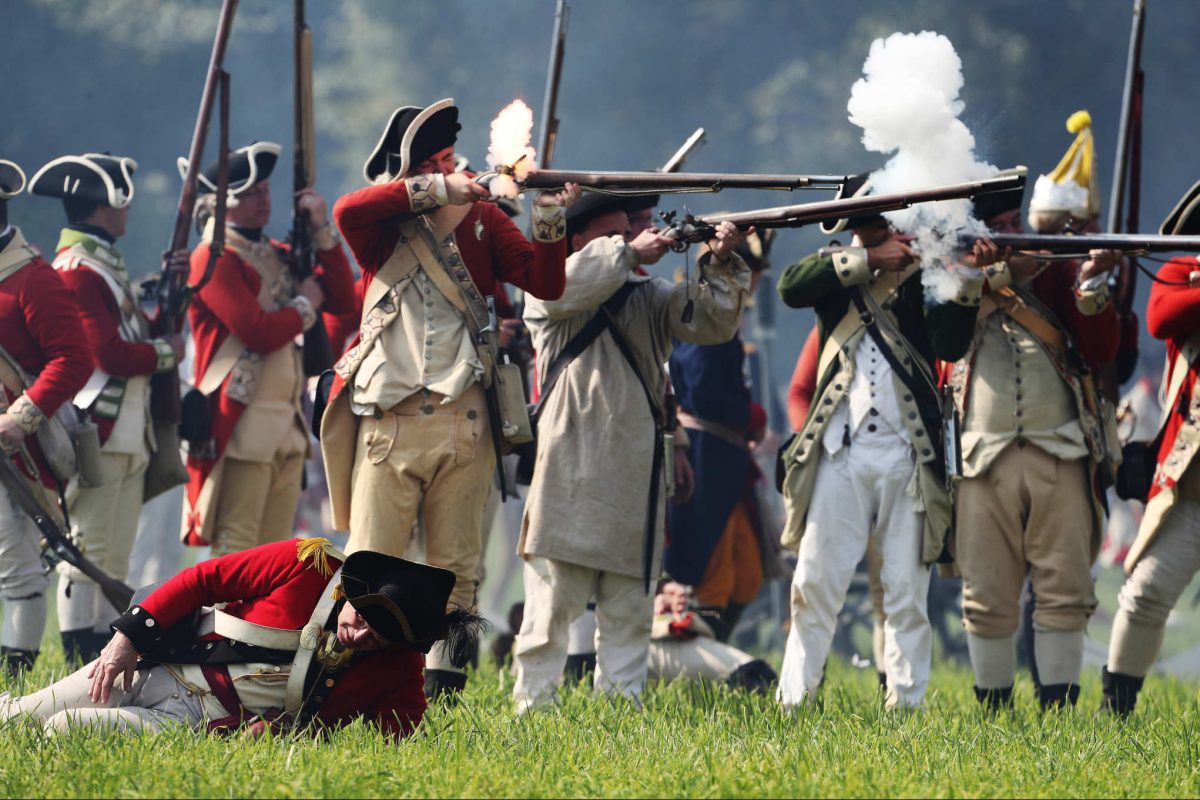
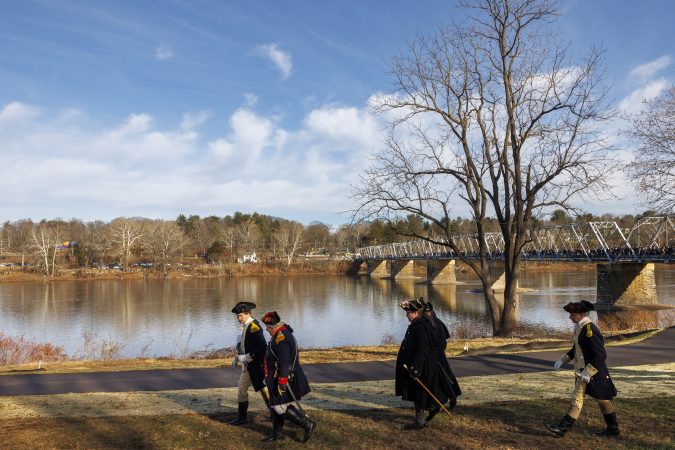
    Reenactors fire off a Galloper gun during a reenactment of George Washington’s river crossing, Washington Crossing Historic Park, Washington Crossing, Pa., Thursday, December 25, 2025.Alejandro A. Alvarez / Staff Photographer

    Bucks County’s history-packed celebrations

    For Bucks County — established by William Penn in 1682 — 2026 is set to be chock-full of celebratory events tied to the founding of the U.S.

    Bucks’ commission in charge of planning 250th celebrations has partnered with numerous nonprofits to promote their events on a shared calendar on a dedicated county America 250 website.

    Forthcoming activities include art exhibitions, a Doylestown bash featuring big-band music and the reading of the Declaration of Independence, tours of a Revolution-era exhibit at the Mercer Museum, and fireworks at Washington Crossing Historic Park on July Fourth. Not to mention the annual reenactment of Washington crossing the Delaware River on Christmas Day.

    The group also worked with the Bucks County Planning Commission and the Bucks County Herald to release a Revolutionary War trail map that takes participants throughout the county to visit historical sites.

    Bucks gave $7,500 to the 250th commission in July 2024 in support of the celebrations, a county spokesperson said. Other financial support has come from sponsors, including several companies that have dished out at least $10,000 apiece.

    Bucks County Commissioner Bob Harvie, who chairs the county’s 250th commission, said these events underscore the pride that communities have in their rich history.

    “It’s also a chance for us to think back, I think, and remind ourselves about the foundation of this country, and the values that united us, because especially now we’re seeing a lot of attempts, unfortunately, within our country to divide us,” said Harvie, a Democrat who is running for U.S. Congress.

    It is difficult to predict how this year’s 250th celebrations will affect the county’s tourism numbers, but Bucks typically hosts about 8 million visitors a year, Harvie said.

    “We’ve been pitching ourselves sort of — no pun intended — for people who are coming here for the World Cup,” Harvie said. “We’re right between Philadelphia and New York, where you happen to have a place that’s sort of a central hub.”

    The Valley Creek Trail at Valley Forge National Historical Park in Valley Forge, Pa., on Tuesday, Feb. 20, 2024.Tyger Williams / Staff Photographer

    A ‘birthday bash’ and celebrating Valley Forge

    Montgomery County’s 250th commission has curated months of events to commemorate the Semiquincentennial, but a free “birthday bash” on Monday at the county courthouse will kick off the height of the July Fourth celebrations.

    Attendees can graze food trucks, take pictures, and meet an animal from the Elmwood Park Zoo.

    Other programs this year include fireworks and live readings of the Declaration of Independence over July Fourth weekend, exhibits to commemorate the 50th anniversary of Valley Forge becoming a national park, and a gathering (with food and drink, of course) at a Skippack farmstead to honor Washington and his troops’ encampment in the town in 1777.

    The 250th events have been planned by the county and local municipalities, said Jamila Winder, chair of the county commissioners, as an “opportunity to create meaningful, inclusive celebrations” and cultivate “civic pride.”

    Montgomery County typically gets about 8 million visitors a year and are projecting an additional 1 million to the region for the 250th, said Winder, a Democrat.

    To help fund this year’s festivities, the county started a grant program through which municipalities can apply to receive up to $500 to support their 250th events between now and Dec. 1.

    The county has allotted a $35,000 budget for 250th celebrations, including the grant program, which 22 of 62 municipalities are a part of, a spokesperson said.

    “It’s an opportunity for visitors to see how Montgomery County played a unique role in America’s founding, including our deep ties to Valley Forge in the Revolutionary area,” Winder said. “You know, people always think about Philadelphia, right? Philadelphia is a big piece of this story, but Montgomery County plays a huge role in that.”

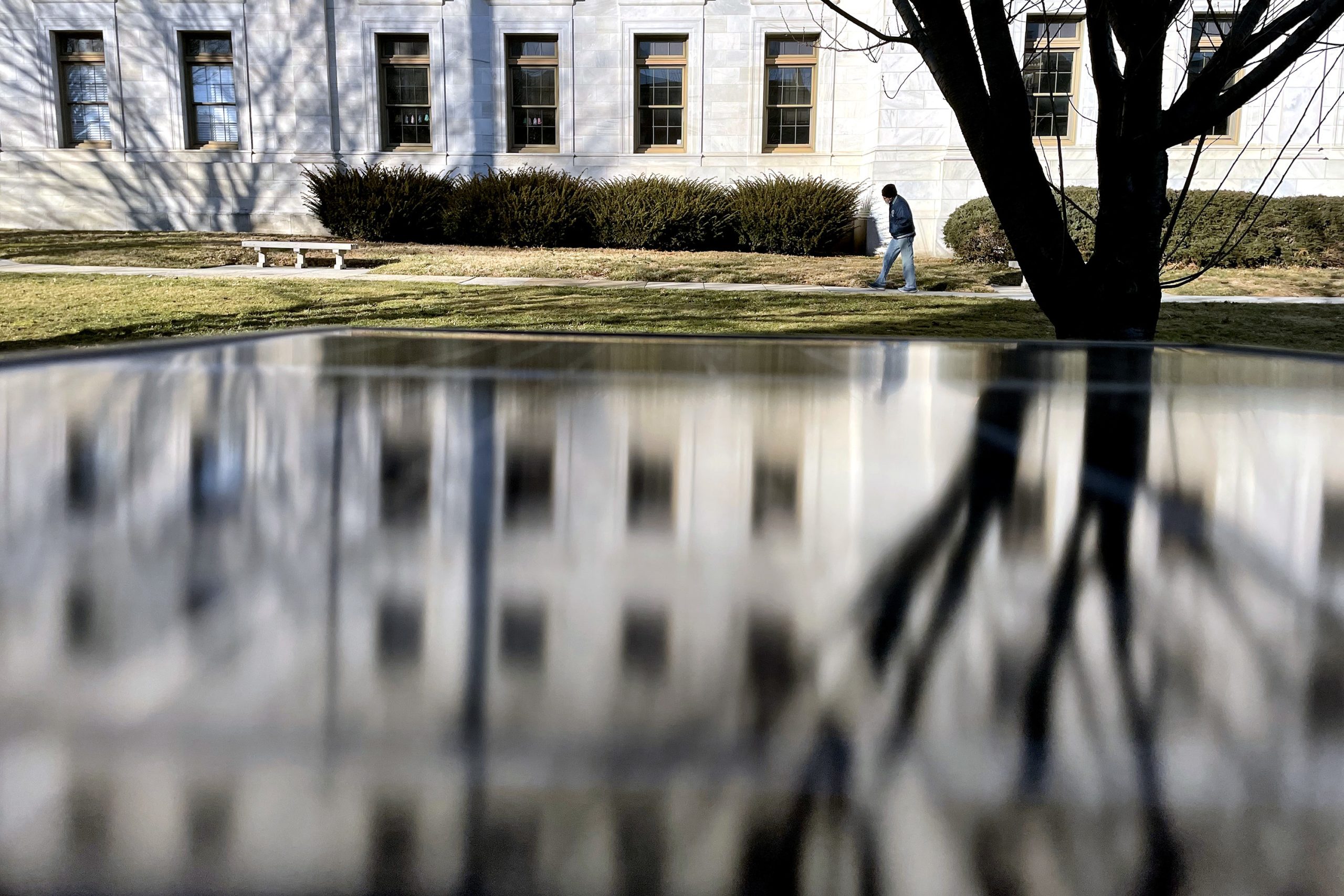
    The Delaware County Courthouse in Media is reflected in a solar panel atop one of the borough’s on-street parking kiosks along Front Street.Tom Gralish / Staff Photographer

    Delco is ‘pretty lit’ about its 250th celebrations

    “If you thought Delaware County residents were proud of being Delco before America 250 — you’re just, like, next-leveling it now.”

    That’s what Delaware County Council member Elaine Paul Schaefer said about Delco’s excitement leading up to the 250th, making sure to set the record straight that William Penn’s storied first steps in the New World hundreds of years ago were actually in Chester, not at Penn’s Landing in Philadelphia.

    The county — through its America250PADelco commission — is promoting over 100 county, town, or nonprofit events through November, from art exhibits, concerts, and fireworks to “dining under the stars” in Media, a late-summer drone show, and a reading of the Declaration of Independence on the county courthouse steps.

    “Delco is pretty lit about this,” said Schaefer, a Democrat.

    The county’s 250th commission has disbursed more than $650,000 in grants for various initiatives. That grant money comes from a mix of funds from the American Rescue Plan Act and from different county agencies.

    Delco also has numerous sponsors, according to the county’s 250th website.

    Schaefer said she hopes the events encourage residents to harness a connection to their communities, particularly through the county’s 250th volunteer program.

    “You can do something small, do something big. … It’s a really great way to get people involved and connected, and I think that kind of volunteerism and increasing connection to the community will carry on after this big celebration,” Schaefer said.

    About 800 Battle of Brandywine reenactors in Chester County.David Swanson / Staff Photographer

    For Chester County, the party will last through next year

    Chester County joins Bucks and Philadelphia as one of the three original counties of Pennsylvania, created in 1682.

    And the events planned for this year (and next year, as it honors various Revolutionary War-era battles, including the Battle of Brandywine) are key to celebrating the county’s role in the founding of the United States.

    Residents and visitors have a wide array of activities to choose from outlined on the commission’s website, including driving tours of historical sites and Declaration of Independence readings. On the evening of July Fourth, the Chester County Concert Band will be playing patriotic music as a precursor to the fireworks show.

    As opposed to hosting tons of large-scale events, Chesco is more focused on local events that can foster community building, said David Blackburn, heritage preservation coordinator at the Chester County Planning Commission. The commission is working with the county’s 250th commission to carry out plans.

    “We’re really oriented to supporting the communities of the county to share their stories,” Blackburn said.

    The county has invested over $170,000 in educational materials and programming related to the 250th, in addition to a more than $330,000 grant from the state, a spokesperson said.

    But once the clock strikes midnight on New Year’s Eve, the celebrations won’t end for Chester County, said Matthew J. Edmond, executive director of the planning commission.

    In 1777, many significant Revolutionary War battles took place in the collar counties, and Chester is planning to pour a lot of resources into commemorating those historical events next year.

    “We are actively talking with our commission board about ways to celebrate, ways to fundraise for it, and ways that we can make maybe 2027 to be even better than celebrations in 2026,” Edmond said.

  • Josh Shapiro says progressives’ wins in New York show voters ‘are channeling that pain into purpose’

    Josh Shapiro says progressives’ wins in New York show voters ‘are channeling that pain into purpose’

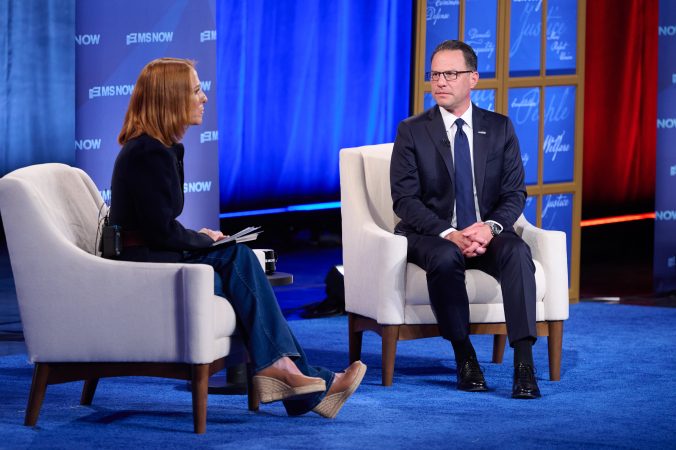
    The Democratic Party should be a big tent and welcoming to a diversity of voices, Gov. Josh Shapiro told MS NOW’s Jen Psaki in a live event in Philadelphia on Thursday.

    Following Tuesday’s primary races in New York that saw the elections of more progressive and socialist candidates, Shapiro said the results there and around the country show that voters are eager for change.

    “I appreciate the passion that we are seeing from voters all across this country,” Shapiro said during the event at the Academy of Music, part of MS NOW’s celebration of America’s 250th birthday.

    People are feeling the strain and opting to support more progressive candidates, Shapiro said, because of rising health insurance costs, struggles to purchase a house, and the feeling that their rights are being stripped away.

    “They are channeling that pain into purpose, they’re channeling that into showing up at the ballot box, they’re channeling that into showing enthusiasm,” he said. “That is a good thing.”

    But he stopped short of explicitly endorsing more left-leaning ideologies. In a separate interview with CNN on Thursday, Shapiro added that the successful candidates must now deliver results.

    “I get that there are some candidates out there that just say a lot words and attract a lot of attention but what we need to do as a party is drill down on how we take those words turn them into actions and make people’s lives better,” he said.

    In Philadelphia, voters elected Chris Rabb, the democratic socialist who has challenged the city’s political establishment, in May’s Democratic primary for Pennsylvania’s 3rd Congressional District. Shapiro did not get directly involved in Rabb’s district, despite making endorsements in other races.

    He also dodged direct criticism of Sen. John Fetterman, a fellow Pennsylvania Democrat who has become increasingly unpopular among the party’s voters, after Psaki posed some of the senator’s recent comments to Shapiro.

    Fetterman referred to the New York congressional candidates, endorsed by Mayor Zohran Mamdani, as “the dirtbag left” and “outrageous” on Fox News. (The phrase “dirtbag left” comes from the leftist podcast Chapo Trap House and refers to a strand of democratic socialism that counters the political right by mimicking its dark humor, among other tactics.)

    Shapiro said “John should answer for himself.”

    In both Philadelphia and New York, the victorious progressive candidates during their campaigns heavily criticized Israel’s war in Gaza and the United States’ role in supporting its material.

    Psaki did not ask Shapiro, who supports Israel but has been critical of Prime Minister Benjamin Netanyahu, about the issue during the event. And he did not refer to it when talking about the New York results.

    To show voters that Democrats hear their pain, the party needs to get “real stuff done to make people’s lives better,” he said.

    Sandra Dungee Glenn, who attended the event Thursday, said Shapiro could have been even more forceful against Fetterman, who is viewed unfavorably by 43% of Philadelphia residents, according to a recent poll.

    “Don’t even mention that name,” said Glenn, who lives in West Philadelphia, referring to Fetterman. “He’s a big disappointment.”

    In addition to his own reelection campaign in November, Shapiro is focused on getting Democrats elected in four competitive congressional seats and flipping the Pennsylvania state Senate, which has been under Republican control for three decades.

    Should the chamber flip, Shapiro said his immediate priority would be raising the state’s minimum wage and codifying the right to access abortion — blaming Republicans for standing in his way.

    But Shapiro, a first-term Democrat, is also looking ahead, past 2026 and Donald Trump’s presidency, as he builds a national profile and becomes a likely contender for the presidency in 2028.

    He said Congress should pass a 28th Amendment to the U.S. Constitution that guards against corruption and gerrymandering, and railed against the 2024 U.S. Supreme Court decision that gave presidents absolute immunity from criminal prosecution for actions taken within their constitutional authority, following Trump’s efforts to overturn the 2020 election.

    Shapiro said he is also open to adding more justices to the Supreme Court, which has been set at nine justices since 1869.

    “I think we’ve got to have everything on the table. We’ve got to be bold,” he said.

    Expansion has been pushed by progressives as a way to reform the court and end its conservative majority.

    Leslie Berger, 69, who attended MS NOW’s event Thursday said she supports adding more justices to the court.

    “These norms we have aren’t etched in stone,” she said. “We need to change this justice system and more justices would be a great start.”

    Democrats, Shapiro said, need to be aggressive and elevate candidates who will drive down costs, increase access to healthcare, repair the country’s standing in the world and rein in artificial intelligence.

    “We’ve got to understand that our sole mission right now is winning in these midterms and providing a check against Donald Trump at the state and the federal level,” he said. “Then as we go forward, I think we have to understand that rebuilding a federal government like it was before Donald Trump showed up cannot be the answer to the Democratic Party.”

  • New acting intel czar Bill Pulte starts trimming staff as Trump urged

    New acting intel czar Bill Pulte starts trimming staff as Trump urged

    Acting director of national intelligence Bill Pulte, installed Friday by President Donald Trump, has at Trump’s urging begun trimming his organization, which coordinates the nation’s 18 spy agencies.

    This week Pulte fired a half-dozen political appointees and notified several dozen career officers on loan to the Office of the Director of National Intelligence that they were being sent back to their home agencies.

    Pulte’s immediate predecessor, Tulsi Gabbard, had already culled hundreds of personnel, boasting that she had slashed the staff by 40%. Trump has long been distrustful of what he calls the “deep state” intelligence community, and the cuts by Pulte are the latest in a series of shocks that have roiled the ODNI.

    Gabbard, who left office last week, had a stormy tenure, falling in and out of favor with Trump’s White House. Current and former officials criticized as ham-handed her release of files related to President John F. Kennedy’s assassination. She selectively declassified data on Russia’s interference in the 2016 U.S. election and other matters that supported Trump’s views.

    In recent months, the ODNI has seen a number of high-level resignations and a roller coaster of leadership announcements by Trump.

    The agency “is being so hollowed out that its new name might become DNR — do not resuscitate. It’s on life support already,” said Beth Sanner, a former ODNI deputy director who served as Trump’s intelligence briefer in his first administration.

    While a number of current and former intelligence officials note that there are merits to shrinking the ODNI, the Trump administration, they say, has gone about it in a haphazard way that could undermine the intelligence coordination that Congress created the agency to do.

    “Reasonable people can debate ODNI’s size and mission, but sacking dozens of seasoned officers in your first week isn’t reform — it’s performative firing to please a president who treats his own intelligence community as the enemy within,” said Julia Curlee, who served as a director for intelligence programs in Trump’s White House until last year and recently resigned from the CIA after 20 years as an analyst.

    Pulte asked program heads for a rank-ordered list of personnel to guide decisions on who could be let go, according to former intelligence officials, who spoke on the condition of anonymity for fear of retribution.

    One apparent casualty of the personnel moves that began under Gabbard is the National Intelligence Council, which was staffed primarily by career officers on loan from other agencies, such as the CIA. The NIC is considered the most authoritative intelligence analysis unit, producing in-depth reports on key topics for top government officials using information gathered by multiple spy agencies.

    About 20 NIC personnel have been removed or have chosen to leave, including several senior officers who oversaw the production of analysis on Russia, China, and Europe.

    The deputy director for mission integration, Will Ruger, who effectively led the council, was placed on administrative leave, according to three former intelligence officials.

    It is unclear whether and to what extent the vacancies will be filled. When the principal deputy intelligence officer for Russia left last year, the position was kept open.

    Trump told the Wall Street Journal this month that he’d like to see a “smaller” ODNI. “I think there are a lot of people in there that shouldn’t be there,” Trump said, noting that he was referring to holdovers from the Biden and Obama administrations.

    Senate Intelligence Committee Chairman Tom Cotton said on the Senate floor Wednesday that “mass firings” were not taking place. He said Pulte told him that “a small handful of front-office personnel” were leaving, “which is not at all uncommon when a senior leader leaves an agency or one comes into an agency.” He added that “around 45 or 50 career officers” were returning to their home agencies.

    “I think that’s a step in the right direction,” said Cotton, who has long called for shrinking the ODNI and last year proposed legislation that would cap its full-time staff at 650.

    Some agency insiders have heard that there could be subsequent rounds of cuts and that keeping each round relatively small will help avoid congressional blowback, according to one former intelligence official.

    Trump’s appointment of Pulte, who has no intelligence or national security experience, has alarmed Democratic lawmakers, as well as some Republicans. Some current and former intelligence officials fear he will use the post to further Trump’s agenda, including weaponizing intelligence against the president’s enemies.

    As head of a federal mortgage regulation agency, Pulte has launched mortgage fraud probes of people Trump considers adversaries, including Sen. Adam Schiff (D., Calif.) and Federal Reserve Board member Lisa Cook.

    Government reorganization efforts under Trump have been marked by chaos and missteps, such as when Elon Musk’s Department of Government Efficiency last year dismantled the U.S. Agency for International Development and conducted mass firings at the State Department and other agencies.

    The Office of the Director of National Intelligence was created by Congress in the wake of the September 2001 terrorist attacks, after investigations found that the CIA, the FBI and other agencies had failed to share critical information about al-Qaeda plots.

    The ODNI had a little more than 2,000 employees at the start of Trump’s second term. By the time Gabbard left last week, the number had shrunk to 1,300, according to congressional aides.

    Morale was shaken last year when Gabbard dismissed the chair and vice chair of the NIC after it produced a report that found that the Venezuelan government was most likely not directing the activities of Tren de Aragua, a criminal gang that Trump has vilified. The finding contradicted his rationale for invoking the Alien Enemies Act and deporting alleged Venezuelan gang members without due process.

    “Getting [the agency] smaller makes sense, but this isn’t the way to do it,” said John Sipher, a 28-year veteran CIA operations officer and former Moscow station chief, who has argued that the ODNI should be dismantled.

    Sipher said the ODNI’s problem is that it suffers not just from bureaucratic bloat, but from political interference. “The office that was meant to safeguard intelligence from fragmentation has become another perch from which intelligence can be politicized and bent toward partisan narratives,” he wrote in the Bulwark.

    This week’s cuts do not appear to have significantly affected the agency’s largest component, the National Counterterrorism Center, which was set up by Congress to be the government’s primary organization for analyzing international terrorism and which in its heyday had more than 1,000 personnel, according to former senior intelligence officials.

    Trump has nominated Jay Clayton, U.S. attorney and former Securities and Exchange Commission chairman, to be the permanent director of national intelligence.

    But last week, Trump abruptly froze Clayton’s nomination, prompting the Senate to postpone a confirmation hearing, in a fit of pique over lawmakers’ failure to pass unrelated election legislation.

  • Federal judge halts Trump’s election executive order seeking to create a federal voter list

    BOSTON — A federal judge on Thursday halted President Donald Trump’s executive order that sought to create a federal voter list and limit who can receive a mail ballot.

    U.S. District Court Judge Indira Talwani, who was nominated by Democratic President Barack Obama, sided with a coalition of nearly two dozen states that challenged the Republican president’s order in granting a summary judgment. Her ruling applies to this year’s midterm election cycle.

    Plaintiffs argued in two lawsuits, both filed in federal court in Boston, that Trump’s order should be found unconstitutional because the states and Congress, not the president, have the power to set election rules. The judge agreed, noting in her ruling that the provisions of Trump’s order “unconstitutionally violate the separation of powers.”

    It was the second ruling in as many days against executive orders Trump has signed seeking oversight of the nation’s elections. A separate ruling Wednesday prohibited an executive order he had signed last year that would have required people to show documents proving their citizenship when registering to vote.

    The administration, in its motions to dismiss the lawsuits challenging the order seeking to establish a federal voter list, argued that the motions are premature and that plaintiffs lacked the legal basis to bring their claim based on the Administrative Procedure Act, which governs how federal agencies develop and issue regulations.

    But in an interim order before Thursday’s ruling, Talwani said the motions pertaining to this year’s election cycle were relevant: “In light of the EO’s specific deadlines over the next three months, and the reality that elections will be occurring throughout this period with the November 3, 2026 midterm occurring in just five months, postponing judicial review is impracticable and may inflict significant hardship on Plaintiffs,” she wrote. That order denied the Trump administration’s motion to dismiss the challenges.

    Trump’s executive order, the second one aimed at elections during his second term, comes as he continues to raise the specter of widespread voting by noncitizens as a reason to change election rules. But states already have detailed processes aimed at keeping their voter rolls accurate, and voting by noncitizens has been shown to be rare. It also is a felony that can be punishable by deportation.

    Trump issued his second order in March after a bill he supported to overhaul voting stalled in Congress. The order would have had the federal government create a list of eligible voters and then directed the U.S. Postal Service to deliver mail ballots only to those on the list. Election officials argued that it was ripe for abuse and could cause chaos, and the postal union has objected to the idea of mail carriers policing ballots.

    The Postal Service has published a proposed rule required by Trump’s executive order in the Federal Register. Among other things, the rule would not apply to primary elections or overseas ballots.

    The lawsuit seeking summary judgment was filed by Democratic attorneys general representing 22 states and the District of Columbia. Also signing on were attorneys representing Democratic Gov. Josh Shapiro of Pennsylvania, which has a Republican attorney general.

    “Donald Trump’s illegal and unconstitutional Executive Order sought to undermine eligible voters’ ability to make their voices heard in our democracy,” Pennsylvania Shapiro posted on X Thursday. “Our Constitution is clear: the authority to set our election rules belongs to the states.”

    The states also told the court that the move imposes a costly burden on election officials to comply and would spread fear about the possibility of prosecution. Stephen Pezzi, a lawyer for the Trump administration, had argued that no one would be prosecuted for violating the order.

    In a separate lawsuit filed against the executive order, a federal judge in Washington, D.C., in May agreed with the Trump administration that it was too early to block the order because it had yet to be implemented. That lawsuit was brought by Democratic and civil rights groups, who have appealed.

    Since his 2020 presidential election loss to Democrat Joe Biden, Trump has groundlessly claimed mail voting is rife with fraud and has launched a federal investigation into that year’s vote, even though repeated audits and investigations, including ones run by Republicans, found it was free of widespread fraud. Trump also has said he wants to “take over” election administration in Democratic areas.

  • Bill to raise minimum wage to $25 an hour will be introduced in Senate

    Bill to raise minimum wage to $25 an hour will be introduced in Senate

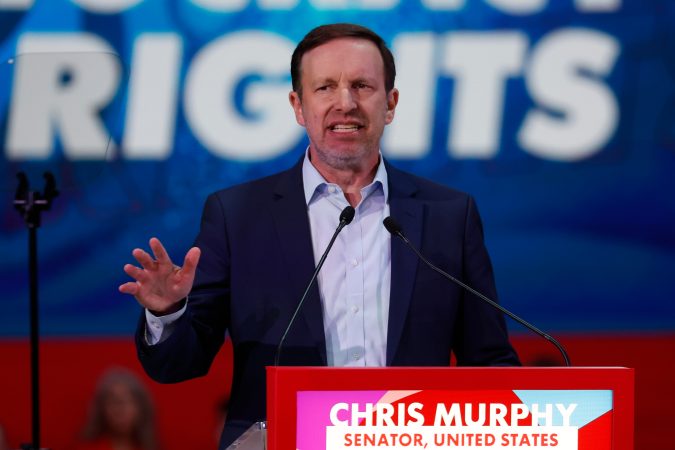
    The minimum wage would be raised to $25 an hour under a new bill to be introduced by Sen. Chris Murphy (D., Conn.) on Thursday, in a bid to enthuse the working-class voters who have abandoned the Democratic Party.

    The legislation, dubbed the Living Wage for All Act, has a companion bill already introduced in the House.

    Murphy, whose name is frequently floated as a potential 2028 presidential candidate, said he is pushing his party to take more aggressive stances on affordability, following its punishing defeats in the 2024 elections.

    “Democrats need to offer solutions that are as big as the problems people are facing,” Murphy said in an interview. “The way you solve people’s basic economic problem — not having enough money to pay the bills — is by making a minimum wage be a living wage.”

    The bill would incrementally increase the minimum wage from its current rate of $7.25, with the first jump to $12 an hour in the first year of enactment. Major corporations would have six years to work up to a $25 minimum wage, while smaller employers would have a 13-year runway. The legislation would also do away with subminimum wages for tipped workers, such as restaurant servers, youth workers and workers with disabilities. Nearly half of the American workforce makes less than $25 an hour.

    The legislation is unlikely to get very far in this Congress, with Republicans in control of both chambers, but the $25-an-hour push is one of the more significant proposals aimed at boosting Americans’ wages, which have been rising but not as quickly as inflation, especially in recent months.

    Some 34 states, territories or districts, including Washington, D.C., have increased the minimum wage above the federal minimum, according to the National Conference of State Legislatures.

    Saru Jayaraman, president of One Fair Wage, a left-leaning advocacy group that worked with Murphy on the bill, credited support for a $25 minimum wage for primary wins in competitive races in Illinois, New Jersey, Pennsylvania, and California. She said she has heard support for the proposal from liberal and MAGA voters alike.

    The $25 figure was drawn from calculations by MIT that analyzed a living wage, which takes into account costs such as food, childcare, healthcare, housing and transportation.

    Democrats have long advocated raising the federal minimum wage from its current $7.25, but Murphy’s bill would set the highest floor of any proposal in the Senate. Rep. Delia C. Ramirez (D., Ill.) is leading a House version of the bill, which she introduced earlier this year with wide support across the Democratic caucus. A similar bill by Sen. Bernie Sanders (Ind., Vt.) would set a $17 minimum wage and has 33 Democratic senators as cosponsors, including Murphy.

    Murphy’s bill also has the backing of Democratic Sens. Richard Blumenthal (Connecticut), Andy Kim (New Jersey), and Ron Wyden (Oregon).

    Congress has not raised the federal minimum wage since 2009, though only about 1% of workers make $7.25 an hour or less.

    Business groups have often campaigned against raising the minimum wage, suggesting that the economy works best when employers are responsive to market forces.

    A higher federal minimum wage could create “really damaging consequences,” including businesses closing or cutting jobs, especially in rural areas where the cost of living is low, said Ryan Bourne, an economist at the libertarian Cato Institute.

    He said the rising average wage shows that state and local governments are already responding to market changes.

    “I think it makes much more sense for it to be set at a local level where policymakers have a better sense of the local industries,” Bourne said.

    Murphy called those kinds of arguments a “red herring,” saying cities that have already established a $15 minimum wage have not seen major adverse effects. He said the staggered adoption would help assuage employers’ concerns.

    “The business community cried murder, and the job losses they predicted did not materialize,” Murphy said.

    Alex Jacquez, the chief of policy and advocacy at the left-leaning Groundwork Collaborative and a former Sanders aide, helped craft a $15 minimum wage proposal that Democrats attempted to include in their climate and economic policy bill in 2021. He said the surge in wage growth as the economy recovered from the coronavirus pandemic has led more liberal policymakers to believe that a $15 minimum wage would now be too low.

    “It’s also an organizing tool,” he said. “It’s something big and bold that people can hang on to and run on and be able to see the Democrats are fighting for them.”

    So far, most congressional action has tried to address affordability through tax cuts, including the child tax credit, covid-era Affordable Care Act credits or the numerous tax cuts in Republicans’ One Big Beautiful Bill.

    While Murphy supports programs such as the child tax credits and student loan forgiveness, he said tax cuts have proved insufficient in motivating voters.

    “People don’t want to be written a check. People want to work for pay,” Murphy said. “[Tax breaks] are designed to compensate for a rigged system. Why don’t we just unrig the system?”

  • Rep. Tom Kean, missing for months, is back home in New Jersey

    Rep. Tom Kean, missing for months, is back home in New Jersey

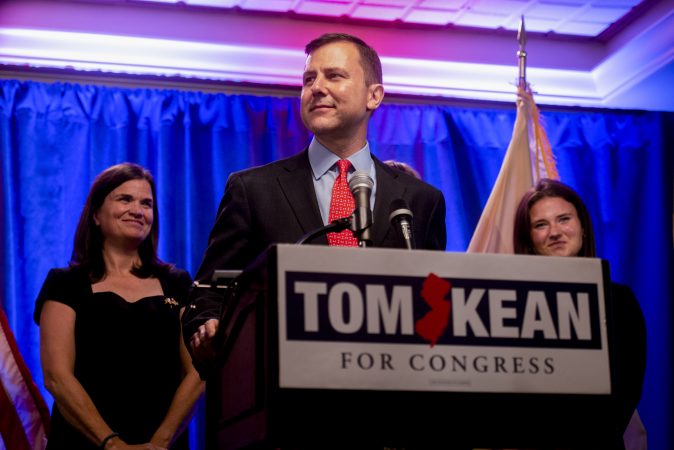
    Rep. Thomas Kean Jr., who has been missing from Washington for nearly four months with little explanation, is back home in New Jersey.

    He could be seen from the street Wednesday evening, standing in a brightly lit front room of his Westfield home just before 8:45 p.m.

    “It’s good to see you,” he said after a reporter for the New York Times rang his doorbell. He was wearing a dark suit and a red tie. “I’ll talk to you next week,” he said. “Thank you.”

    Kean’s wife, Rhonda, stood in the background, smiling pleasantly. He declined additional comment and closed the door.

    Aides had said that Kean, 57, was being treated for a health condition and was expected to fully recover, but had offered no additional details as their boss missed more than 100 floor votes since the middle of March.

    Kean, a Republican, is running for a third term in November in one of the country’s most competitive midterm races. His absence from the campaign trail, though, had left even some of his biggest Republican boosters frustrated.

    A spokesperson for Kean, Harrison Neely, said last week that Kean was expected to return to Washington on June 30. He declined to say how long Kean had been home or to offer any additional details about the representative’s long absence.

    “He will be fully transparent on the 30th,” Neely wrote in a text message.

    Earlier this month, Kean, in absentia, locked in the Republican nomination for his 7th District seat; he was running unopposed. Democrats selected Rebecca Bennett, 39, a former Navy helicopter pilot.

    The Democratic Party considers Kean’s seat one of its best pickup opportunities as it seeks to tip the balance of power in Washington and had been aggressively targeting the race long before he began missing votes in Washington.

    Kean was last spotted on Capitol Hill on March 5. He spoke that day during a committee hearing and cast a crucial “yea” vote in support of funding President Donald Trump’s immigration crackdown and moving to end a government shutdown.

    Then, he seemingly vanished. Neighbors in Westfield said there had been no obvious sign of Kean for months, and the family’s vacation house in Bay Head, N.J., appeared shuttered the weekend before Memorial Day. Year-round residents of Fishers Island, N.Y., where the Kean family owns a large estate, said they had not seen him, either.

    Kean’s aides repeatedly insisted that he had no plans to abandon his reelection effort and that he was expected to return to work “soon,” even as they refused to discuss the medical condition that had sidelined him.

    In May, after a debate between the four Democrats vying to run against him, Dan Scharfenberger, Kean’s chief of staff, offered a cryptic explanation for why there had been no sightings of the representative in Washington or in his New Jersey district. “There’s no cameras where Tom is,” he said, and did not elaborate.

    During his absence, Kean has nonetheless bought and sold stock, introduced remarks into the Congressional Record and urged House colleagues from afar to oppose Ireland’s effort to limit trade with Israel.

    A handful of Republican leaders in the 7th District’s six counties reported getting calls from Kean. And his office has released two statements attributed to Kean, including one on primary day, June 2, when he made no public appearances.

    “Right now I am focused on my recovery and under the advice of healthcare professionals,” the June 2 statement said.

    The statement indicated that he planned to be “completely transparent as to the nature of my medical condition.”

    “I understand the need for transparency on this matter,” he wrote, “and I look forward to sharing my experience with the public.”

    This article originally appeared in The New York Times.

  • Reflecting Pool’s algae bloom and peeling paint reflect Trump’s treatment of U.S. history

    President Donald Trump’s latest D.C. renovation, painting the Lincoln Memorial Reflecting Pool “American Flag Blue,” to celebrate the country’s 250th birthday has instead turned the symbolic heart of the National Mall Algae Bloom Green. The paint is peeling, and the water is a swampy muck.

    Trump has asserted, without evidence or corroboration, that vandals cut a 250-foot gash into the new lining and poured corrosive chemicals into the basin. Yet, the explanation for what has happened appears to be more mundane and predictable than the cloak-and-dagger sabotage Trump has suggested. Rosalina Stancheva Christova, an aquatic ecologist from George Mason University’s Algal Ecology Laboratory, sampled the water and found an ordinary, non-toxic bloom — the kind any ordinary swimming pool owner has fought in their own backyard.

    And yet, the problem with the renovation runs far deeper than all of this. Trump’s painting project reflects a fundamental lack of understanding of the original purpose and vision for the reflecting pool. For more than a century, the basin has functioned as a civic mirror, a place where visitors could see themselves reflected alongside the monuments that commemorate the nation’s story. Today that possibility is gone.

    The roots of the reflecting pool lie in the “City Beautiful” movement of the late 19th and early 20th centuries. The Gilded Age and decades of laissez-faire growth had left many of America’s cities in disrepair, full of tenement districts, boss-run wards and blight.

    American architects Daniel Burnham, Charles McKim, Frederick Law Olmsted Jr. and Augustus Saint-Gaudens wanted to change that, and they were inspired by European urban renewal projects like Baron Georges-Eugene Haussmann’s redesign of Paris. In 1893, at the World’s Columbian Exposition in Chicago, they explored the principles that spawned their movement to reimagine American cities — demonstrating how monumental architecture and carefully designed landscapes could express civic ideals.

    Their experience in Chicago helped to convince the men that beautiful, orderly, civic space could repair the disordered industrial cities the Gilded Age had left them. Their vision reflected a broader Progressive Era faith that urban renewal and public investment could address the social problems of industrial America while restoring civic pride through monumental construction projects designed to project an image of a robust and resilient nation.

    In 1903, all four architects became members of the Senate Park Commission (McMillan Commission) whose mandate was to replace decades of haphazard development in Washington D.C. with a coherent civic plan.

    They set their sights on the National Mall, which was, at that time, a disunified Victorian garden punctuated by marshland with a public green transected by a railroad depot and tracks.

    The commission’s 1901 report complained that the mall “has been diverted from its original purpose and cut into fragments, each portion receiving a separate and individual informal treatment, thus invading what was a single composition.” Their redesign plans aimed to unify the space into a legible and cohesive civic story and the reflecting pool eventually became the spine for that narrative.

    Over the next two decades, the McMillan Plan gradually reshaped the mall.

    Architect Henry Bacon was charged with designing the Lincoln Memorial. In 1911, he completed his first sketches, and he incorporated the commission’s vision by extending the mall’s central axis westward and anchoring it with the reflecting pool. Bacon imagined the pool as a mirror reflection, where visitors could see both the Washington Monument and the Lincoln Memorial. As a result, Bacon created a linear and legible connection between the man who presided over the creation of the republic at one end and the man who led the nation through the war for its preservation at the other.

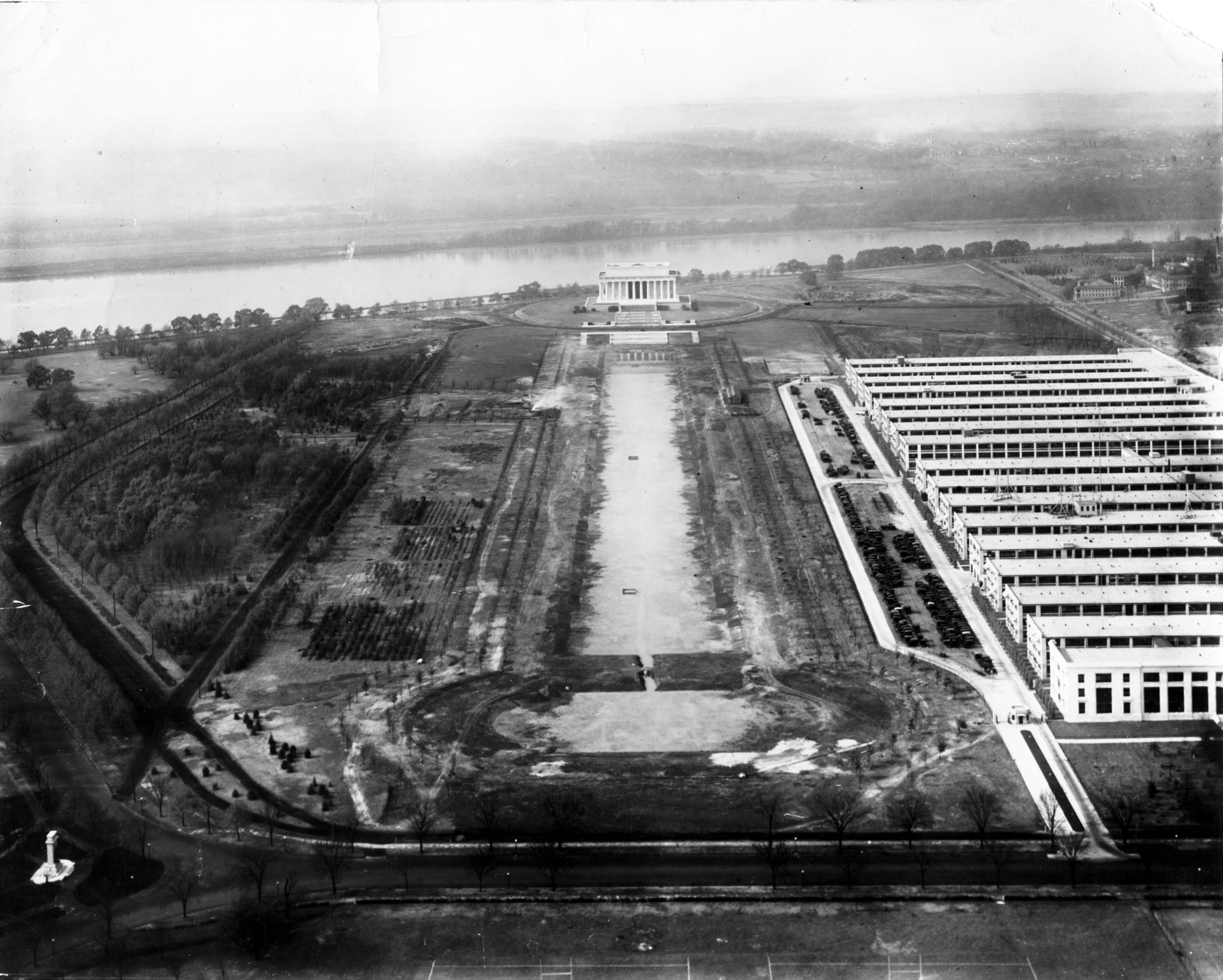
    The future Reflecting Pool site facing west toward the Lincoln memorial in 1921. National Park Service

    In 1919, the Army Corps of Engineers began excavating a former Potomac marshland known as the Kidwell Flats, to enable construction of the pool. The project took four years and was still under construction at the time of the Lincoln Memorial’s dedication in 1922.

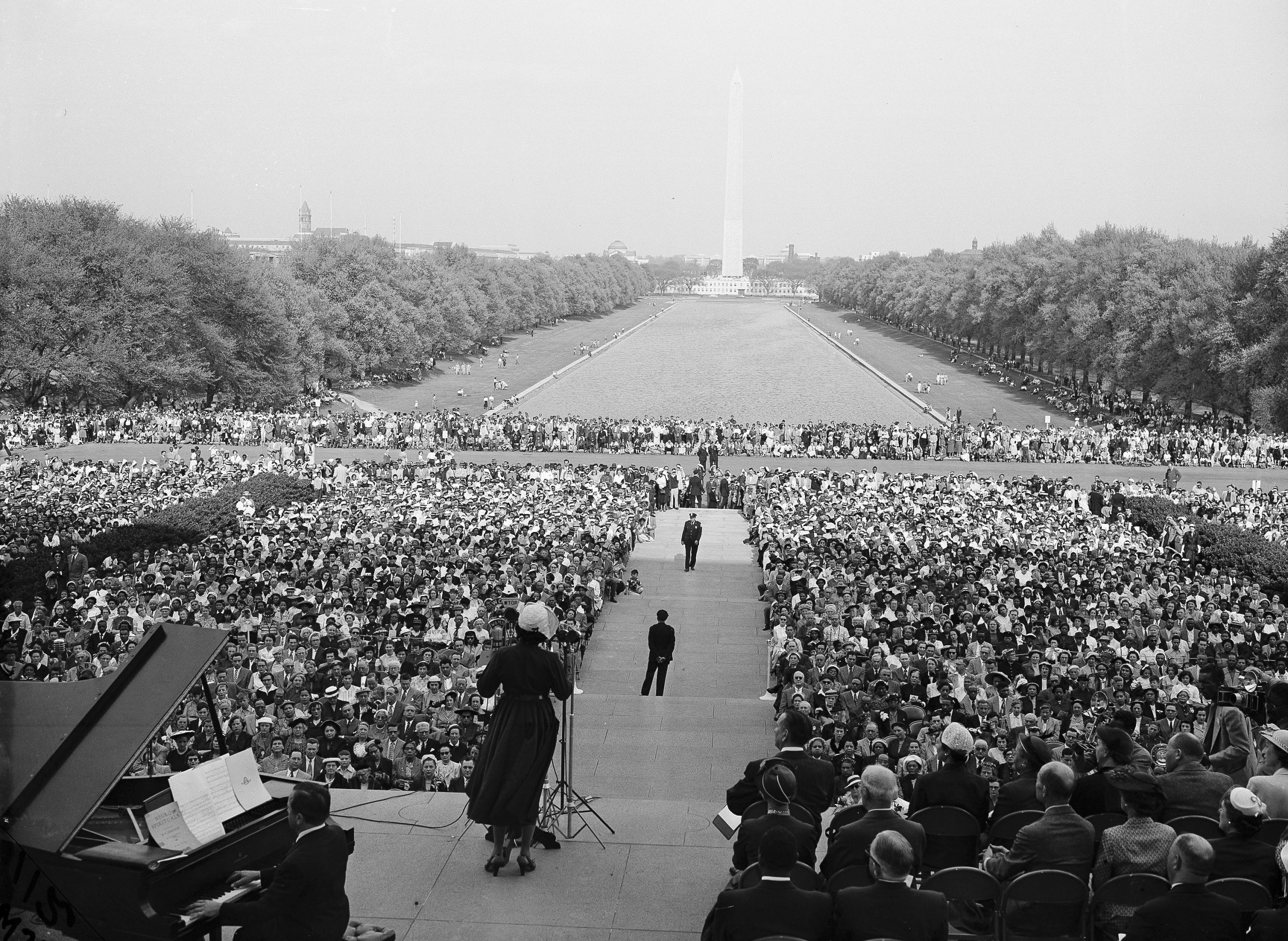
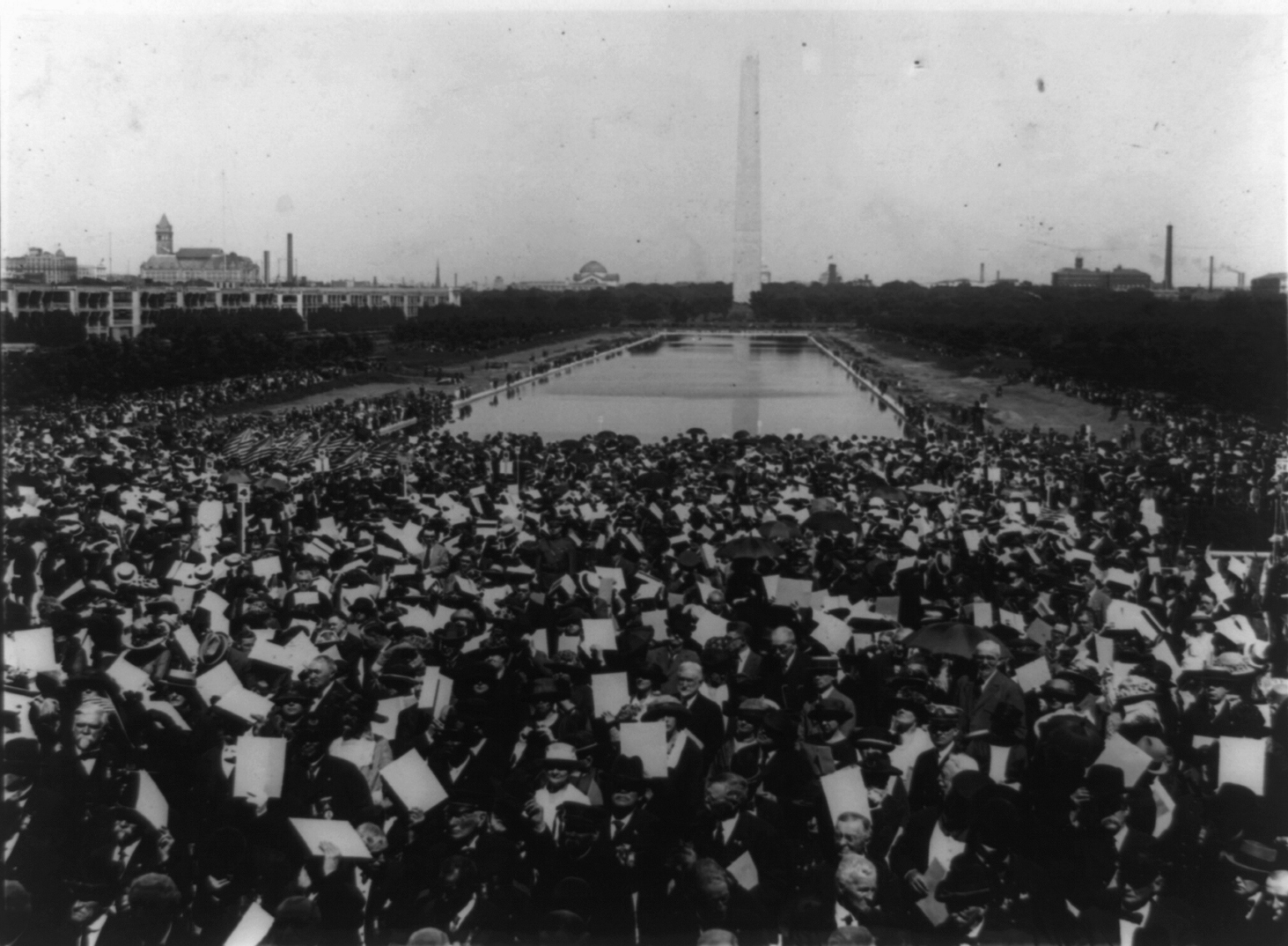
    The pool quickly became a symbolically rich venue for crucial moments in U.S. history. In 1939 the African American contralto Marian Anderson sang from the memorial steps to a crowd of approximately 75,000 people massed along the pool after the Daughters of the American Revolution refused to let her perform at Constitution Hall.

    Made By History sponsors. FOR USE ON MADE BY HISTORY STORIES ONLY.Inquirer Staff

    Twenty-four years later, a quarter million people lined both banks of the pool to hear the Reverend Dr. Martin Luther King Jr. proclaim his dream, to challenge the nation to complete the unfinished journey toward racial equality and achieve a meaningful resolution of the issues that had nearly destroyed the nation.

    Marian Anderson performs from the steps of the Lincoln Memorial in Washington on April 20, 1952, in this image showing the Reflecting Pool and the Washington Monument. . Anderson’s accompanist is Franz Rupp, lower left, at piano. (AP Photo/Henry Griffin, File)Henry Griffin

    The pool reflected those crowds, those moments and those movements only while they occupied the space. Each reflection vanished and was replaced by another individual, another gathering, another episode in the nation’s story.

    Yet, despite its symbolic significance and its success as a site for large scale civic dialogue, from a physical standpoint, the pool faced problems almost from day one. At issue was the soggy foundation created by the choice of marshlands for the reflecting pool’s site.

    This 1922 photo was taken at the dedication of the Lincoln Memorial. Nearly from the start, the Reflecting Pool faced structural problems.Library of Congress

    During its construction, the Army Corps of Engineers had attempted to mitigate the potential problem with concrete support beams and a drainage system undergirding the pool. But almost immediately these mitigation systems proved inadequate. The result was cracks and leaks that have plagued the pool for its entire lifetime.

    Numerous administrations have tried to solve the issues. In 1986, the Reagan Administration drained the pool and poured an entirely new concrete foundation. Even this did not solve the problem. The pool continued to leak nearly 30 million gallons per year.

    In 2011, Barack Obama’s administration undertook another round of renovations. While matters improved, the pool still leaks 16 million gallons of water per year.

    The current issue with the reflecting pool and Trump’s response to it, however, go well beyond structural inadequacies and sabotage theories. They reflect a lack of understanding about the pool’s purpose.

    In April, Trump posted a doctored image of himself and his officials in swimsuits lounging in the reflecting pool, a woman in a bikini reclining in the water beside them. But the pool is a mere 18 inches deep, not swimming pool/ lounging depth and Bacon never intended anyone to use it that way. He built a basin you stand beside because its work happens in the mind of the person at the rim. Trump’s artificial intelligence revisionism gets the object exactly wrong — an instrument of contemplation made over into the feature of a tacky resort.

    Trump directed the Department of the Interior to repaint the pool in time for the nation’s 250th anniversary and used an emergency exemption to award a no-bid contract to a company that specialized in painting swimming pools. The result essentially took an area that was a swamp, before its transformation into a civic mirror, and returned it to a swamp. An algae-greened surface now sits where the reflection used to be, and the connection the pool held, the citizen to the monuments, individual to the national story, has been severed.

    When the pool functions as a mirror surface, it is a monument that embodies an evolving republic rather than a finished one. Trump’s swamp has transformed it into a static, murky image that defies the idea of a nation moving forward. As this history makes clear, the health of the republic depends on its ability to see itself clearly, and Trump’s algae-infested reflecting pool is a symbolic reflection of a nation and a history he and his administration continue to try to obscure from clear view.

    Susan Deily-Swearingen holds a Ph.D. in history from the University of New Hampshire, and has taught at multiple universities since 2015. She has a forthcoming book about the persistent legacies of the U.S. Civil War in contemporary politics and society, and frequently writes about historical memory and the echoes of the past in the modern world.

    Made by History takes readers beyond the headlines with articles written and edited by professional historians. Opinions expressed do not necessarily reflect the views of The Inquirer.

  • 1 in 4 Philadelphians say preserving historical sites is city’s top ‘responsibility to the nation,’ poll shows

    1 in 4 Philadelphians say preserving historical sites is city’s top ‘responsibility to the nation,’ poll shows

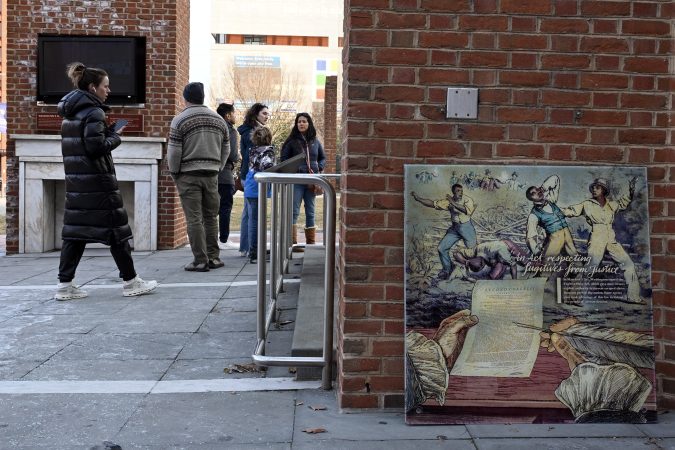
    President Donald Trump’s administration got the green light from a federal appeals court last week to install its own version of the historical exhibits at the President’s House Site on Independence Mall after it dismantled panels about slavery there earlier this year.

    But that may not jibe with what many Philadelphians want to see.

    A new Suffolk University/Philadelphia Inquirer CityView poll of 500 city residents found that a quarter of respondents believe the city’s primary responsibility to the nation is to protect its historical sites for future generations. Nearly 27% said the city’s primary responsibility to the nation is to serve as a model for “diverse, multicultural urban progress.”

    The poll, conducted from June 16 to 20 and released this week, comes after a ruling by the U.S. Court of Appeals for the Third Circuit in favor of the Trump administration and just weeks ahead of celebrations in Philadelphia for the nation’s 250th birthday.

    (function(){function e(){window.addEventListener(`message`,function(e){if(e.data[`datawrapper-height`]!==void 0){var t=document.querySelectorAll(`iframe`);for(var n in e.data[`datawrapper-height`])for(var r=0,i;i=t[r];r++)if(i.contentWindow===e.source){var a=e.data[`datawrapper-height`][n]+`px`;i.style.height=a}}})}e()})();

    The appeals court’s ruling last week was a turning point in a legal battle waged by Mayor Cherelle L. Parker’s administration that questioned the federal government’s authority to interfere in what information is presented at the President’s House. Both the Third Circuit ruling and a recent decision by a Boston-based federal appeals court regarding National Park Service exhibits nationwide have started to pave the way for the Trump administration to make unprecedented changes to displays of U.S. history in the region.

    Alacia Maxton, 36, a respondent to the poll, said frustration with the attacks on the President’s House has been at the forefront of her mind as the city prepares to celebrate the Semiquincentennial.

    For nearly two decades without opposition, the site — which opened in December 2010 — has memorialized the nine people George Washington enslaved at his Philadelphia residence during the founding of America and detailed the brutality of slavery.

    Last month, it was designated as an endangered historic site by a major national historic preservation organization. The new panels proposed by the Trump administration to replace the removed exhibits at the President’s House soften Washington’s role as an enslaver, according to those working to protect the site.

    “I don’t like the idea that certain groups of people want to whitewash history and erase what doesn’t make them feel comfortable,” said Maxton, who lives in Overbrook Park.

    Carolyn Keys, 61, another resident who responded to the poll, said the absence of the some of the original panels is like “missing pieces to a puzzle.”

    “Every piece was specifically put together for a purpose,” said Keys, 61, a veteran who lives in the Tacony neighborhood.

    David Paleologos, director of the Suffolk University Political Research Center, said Philadelphians valuing preserving history and being a model for progress is a particularly localized issue.

    “Which I think makes this really important information for the nation to see,” Paleologos said.

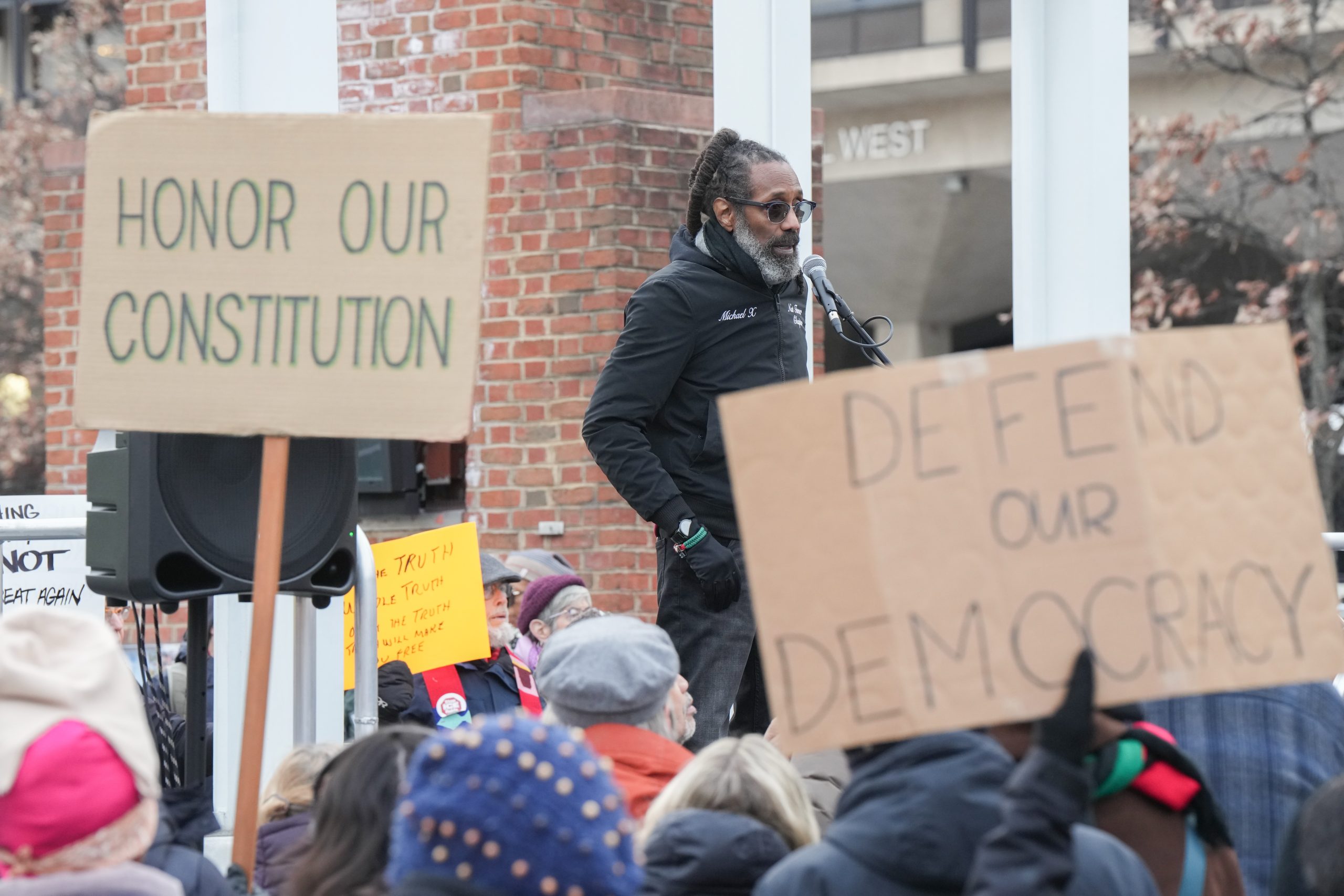
    Philadelphia Lawyer Michael Coard speaks at a rally at the President’s House Site in response to the removal of the President’s House exhibit in Old City, in Philadelphia, Tuesday, Feb. 10, 2026, in Philadelphia
    Jessica Griffin / Staff Photographer

    A bipartisan grassroots group of Philadelphians — called the President’s House/Slavery Memorial Coalition — has been spearheading efforts to protect the historical site, which has been under scrutiny from the Trump administration since last summer.

    The group has often discussed a desire for its work in Philadelphia to be a model for preserving history elsewhere in the country.

    Michael Coard, an attorney and founder of one of the leading groups in the efforts to protect the President’s House, said in a statement Wednesday that the poll results show that “Philadelphians understand the importance of protecting our shared history.”

    “Black history is American history, and we have both an obligation and, based on these results, a clear mandate to ensure that the stories of enslaved Africans and their descendants are preserved, honored, and accurately told,” Coard said.

    Other respondents had different ideas for Philadelphia’s primary responsibility as the birthplace of democracy: Roughly 23% said “leading national conversations on civil rights and economic justice” was a top priority, while almost 17% said the city’s duty to the nation is “proving that a large, complex city can govern itself equitably.”

    These insights come as Philadelphia is bracing for an influx of tourists, with particular emphasis on its history as the nation’s birthplace, ahead of the Semiquincentennial celebrations.

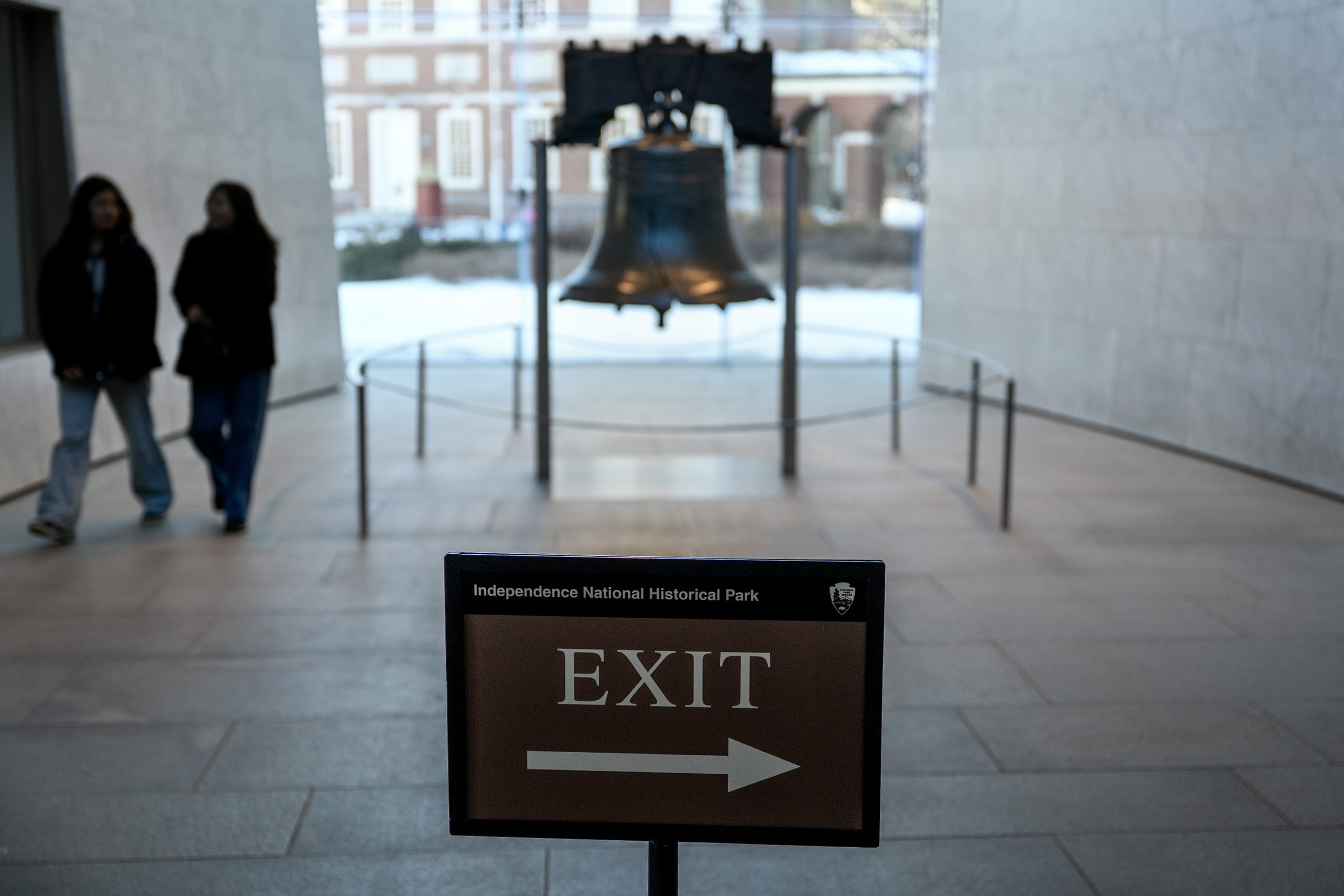
    The Liberty Bell in Independence National Historical Park Feb. 2, 2026.Tom Gralish / Staff Photographer

    Almost 28% of the Philadelphia residents polled see the Liberty Bell — in comparison to Independence Hall, the National Constitution Center, and the Rocky Steps — as the city landmark that best embodies American democracy.

    But hanging over the impending 250th celebrations is the uncertain fate of the President’s House, said Leeanna Lundy, 34, of West Philly.

    “For them to remove where the most impactful part of where history took place, it’s like mind-boggling,” Lundy said.

    Staff writer Michelle Baruchman contributed to this article.

  • White House seeks $87.6B from Congress for Iran war costs, U.S. farmers, and Ebola response

    WASHINGTON — The White House has formally requested $87.6 billion mostly to replenish the Pentagon after the U.S. war against Iran, submitting the request to Congress at a politically difficult time as Republican and Democratic lawmakers have objected to any further military action.

    The Office of Management and Budget sent the supplemental spending request on Wednesday. It arrived just hours after President Donald Trump assailed Republican senators during a private lunch — engaging in a shouting match with one — over their votes to approve a war powers resolution that would halt further hostilities.

    The request is mostly for expenses incurred by the Defense Department as part of Operation Epic Fury, the U.S.-led attack on Iran. But it also includes a range of other items, including aid to American farmers, help for the Ebola crisis in Africa, and other needs closer to home, including restoration projects in Washington, D.C.

    “I urge the Congress to take action on these important and urgent requests as soon as possible,” said OMB Director Russ Vought in a letter to House Speaker Mike Johnson.

    It’s unclear how quickly the House and Senate could act on the White House’s request, or if Congress takes up the matter at all. The funding faces a difficult path because many lawmakers could view any votes as a reflection of test of their support for the war effort.

    Yet the White House was clear to include provisions to interest lawmakers from various regions, including $1 billion to assist “the final design and construction of a modernized Penn Station in New York City,” which would be of interest to the Senate Democratic Leader Chuck Schumer and House Democratic Leader Hakeem Jeffries, both of New York.

    The administration said it is requesting $67 billion for the Department of Defense for what it said were urgent needs related to the war against Iran, including “funding for military personnel and readiness expenses, operational costs to rebuild stocks.”

    It also wants $11.1 billion toward economic assistance for American farmers, $1.4 billion for the Ebola virus outbreak in Central Africa and requests $500 million to support ongoing efforts “to complete restoration and construction projects in and around Washington, D.C.”

    The package also includes a collection of policy proposals that the administration strongly supports, and which are certain to raise interest among lawmakers.

    Among them, the package proposes revisions to federal regulations of hemp products that have long been in dispute, changes to the year-round sales of renewable fuels and lifting of restrictions around federal investment support in Venezuela.

    Washington Sen. Patty Murray, the lead Democrat on the Senate Appropriations Committee, said the request is not merely to pay for “the president’s disastrous war, but an attempt to secure tens of billions of additional dollars for unrelated Pentagon priorities that should rightly be considered through the annual appropriations process.”

    Murray added: “I will closely review this request in its entirety and ensure we take care of our service members, but I will not rubber-stamp tens of billions more for this disastrous war of choice.”

    Rep. Tom Cole (R., Okla.), the chairman of the House Appropriations Committee, and Rep. Ken Calvert (R., Calif.), who chairs the panel’s subcommittee on Defense, said in a joint statement, “President Trump’s request reflects the reality that our defense strength must be maintained, not merely demonstrated.”

    The biggest share of defense funding, $21 billion, will go to weapons munitions, with another $17.3 billion for operational costs and $12.1 billion for other classified programs. Funds are also requested to cover fuel costs, drone manufacturing, and cybersecurity.

    The money for farmers would provide $10 billion in economic assistance to row and specialty crop farmers and $1.1 billion specifically to Florida agriculture producers who suffered losses from this past year’s winter storms.